Life Care Center of Farmington
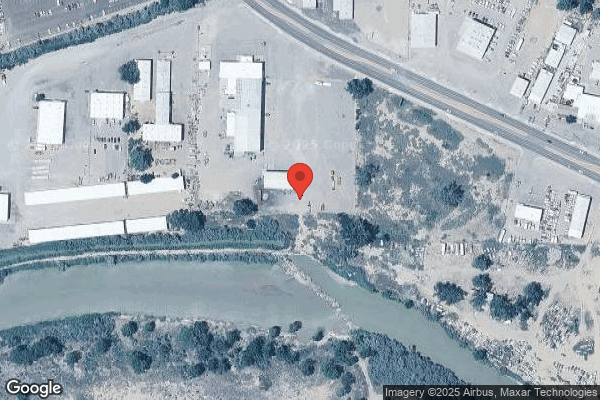
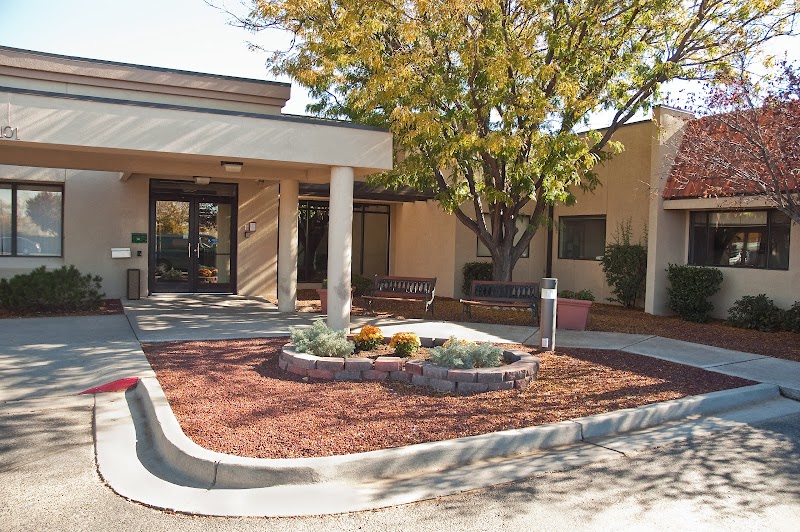
1101 West Murray Drive, Farmington, NM 87401 (505) 326-1600
For profit - Corporation 144 Beds LIFE CARE CENTERS OF AMERICA Data: November 2025 2 Immediate Jeopardy citations
Trust Grade
11/100
#34 of 67 in NM
Last Inspection: May 2025

Inspected within the last 6 months. Data reflects current conditions.

Overview

Life Care Center of Farmington has received a Trust Grade of F, indicating significant concerns about the facility's care quality. Ranking #34 out of 67 nursing homes in New Mexico places it in the bottom half, and #5 out of 6 in San Juan County suggests there is only one local option that is better. The facility is showing signs of improvement, with issues decreasing from 14 in 2024 to 10 in 2025. Staffing is a relative strength with a 4 out of 5 rating and a turnover rate of 36%, which is lower than the state average. However, the facility faces serious concerns, including $127,152 in fines, indicating compliance issues higher than 77% of New Mexico facilities, and critical incidents where residents suffered significant harm, such as one resident dying from a head injury after falling out of bed due to inadequate staff support. While there are positive aspects, the serious deficiencies highlight the need for careful consideration.
Trust Score
F
11/100
In New Mexico
#34/67
Top 50%
Safety Record
High Risk
Review needed
Inspections
Getting Better
14 → 10 violations
Staff Stability
○ Average
36% turnover. Near New Mexico's 48% average. Typical for the industry.
Penalties
○ Average
$127,152 in fines. Higher than 63% of New Mexico facilities. Some compliance issues.
Skilled Nurses
○ Average
Each resident gets 38 minutes of Registered Nurse (RN) attention daily — about average for New Mexico. RNs are the most trained staff who monitor for health changes.
Violations
⚠ Watch
37 deficiencies on record. Higher than average. Multiple issues found across inspections.
★★★☆☆
3.0
Overall Rating
★★★★☆
4.0
Staff Levels
★★★★☆
4.0
Care Quality
★★★☆☆
3.0
Inspection Score
Stable
2024: 14 issues
2025: 10 issues

The Good

  • 4-Star Staffing Rating · Above-average nurse staffing levels
  • 4-Star Quality Measures · Strong clinical quality outcomes
  • Full Sprinkler Coverage · Fire safety systems throughout facility
  • No fines on record
  • Staff turnover below average (36%)

    12 points below New Mexico average of 48%

Facility shows strength in staffing levels, quality measures, fire safety.

The Bad

3-Star Overall Rating

Near New Mexico average (2.9)

Meets federal standards, typical of most facilities

Staff Turnover: 36%

Near New Mexico avg (46%)

Typical for the industry

Federal Fines: $127,152

Well above median ($33,413)

Significant penalties indicating serious issues

Chain: LIFE CARE CENTERS OF AMERICA

Part of a multi-facility chain

Ask about local staffing decisions and management

The Ugly 37 deficiencies on record

2 life-threatening 2 actual harm
May 2025 9 deficiencies
CONCERN (D)

Potential for Harm - no one hurt, but risky conditions existed

Comprehensive Assessments (Tag F0636)

Could have caused harm · This affected 1 resident

**NOTE- TERMS IN BRACKETS HAVE BEEN EDITED TO PROTECT CONFIDENTIALITY** Based on record review and interview, the facility failed to complete an accurate Minimum Data Set (MDS; a federally mandated as...

Read full inspector narrative →
**NOTE- TERMS IN BRACKETS HAVE BEEN EDITED TO PROTECT CONFIDENTIALITY** Based on record review and interview, the facility failed to complete an accurate Minimum Data Set (MDS; a federally mandated assessment instrument completed by facility staff) assessment for 1 (R #14) of 1 (R #14) resident reviewed for assessments. This deficient practice could likely result in the residents' preferences and care needs not being met. The findings are: A. Record review of R #14's face sheet revealed an admission date of 07/25/24 with the following diagnoses: - Chronic respiratory failure with hypoxia (low levels of oxygen in the blood), - Chronic obstructive pulmonary disease (COPD; lung disease), - Parkinson's disease (a progressive disorder that affects the nervous system and the parts of the body controlled by the nerves), - Paroxysmal atrial fibrillation (a type of irregular heartbeat.) B. Record review of R #14's MDS, dated [DATE], indicated R #14's primary language was English. C. Record review of R #14's MDS, dated [DATE] indicated R #14's primary language was English. D. Record review of R #14's MDS, dated [DATE], indicated R #14's primary language was English. E. On 05/15/25 at 12:13 pm, during an interview, Nurse #10 stated when R #14 spoke, she spoke in Navajo. Nurse #10 stated R #14 understood some English. She stated the facility had staff that spoke Navajo so they will find a staff member to translate as needed. F. On 05/15/25 at 12:19 pm, during an interview, Certified Nursing Assistant (CNA) #9 stated R #14 spoke primarily Navajo. CNA #9 stated she will find a staff member who speaks Navajo to translate when R #14 spoke to her in Navajo. CNA #9 stated R #14 answered yes or no questions in English. She stated R #14's primary language was Navajo, and the resident understood Navajo better than English. G. On 05/15/25 at 11:30 am, during an interview, the Social Services Director (SSD) and the Social Services Assistant (SSA), the SSA stated she spoke Navajo fluently, and R #14 spoke primarily Navajo. The SSA stated she completed R #14's Brief Interview of Mental Status (BIMS; a screening for cognitive impairment) on 01/23/25 in English, and the resident scored 8 out of 15, which indicated moderate cognitive impairment (scores 8 to 12 indicate moderate cognitive impairment). The SSA stated she completed R #14's BIMS on 04/24/25 in Navajo, and the resident scored 12 out of 15. The SSD stated she believed the discrepancy in the resident's BIMS score likely had to do with which language staff conducted the interview. She stated R #14's MDS should reflect R #14's primary language which was Navajo.
CONCERN (D)

Potential for Harm - no one hurt, but risky conditions existed

Deficiency F0657 (Tag F0657)

Could have caused harm · This affected 1 resident

Based on record review and interview, the facility failed to revise the care plan for 1 (R #105) of 1 (R #105) resident reviewed for care plans. If the facility is not updating the care plan to reflec...

Read full inspector narrative →
Based on record review and interview, the facility failed to revise the care plan for 1 (R #105) of 1 (R #105) resident reviewed for care plans. If the facility is not updating the care plan to reflect the resident's current care areas and treatment, then the facility may not be providing the appropriate care and treatment to meet the residents' needs. The findings are: A. Record review of R #105's face sheet indicated an admission date of 04/02/25 with the following diagnoses: - Type II diabetes (DM2, a condition which results from insufficient production of insulin, causing high blood sugar), - Dementia (affects memory, thinking and social abilities), - Hypertension (high blood pressure). B. Record review of R #105's physician orders, dated 05/08/25, indicated an order for oxygen at 2 liters/minute continuously per nasal cannula. Keep oxygen saturation above 90 percent (%). C. Record review of R #105's care plan revealed the care plan did not address the resident's use of oxygen. D. On 05/16/25 at 10:15 am during an interview, the Director of Nursing (DON) stated that if a resident received oxygen, then it should be addressed in the resident's care plan.
CONCERN (D) 📢 Someone Reported This

A family member, employee, or ombudsman was alarmed enough to file a formal complaint

Potential for Harm - no one hurt, but risky conditions existed

ADL Care (Tag F0677)

Could have caused harm · This affected 1 resident

Based on record review and interview, the facility failed to provide activities of daily living (ADL; activities related to personal care such as bathing, showering, dressing, walking, toileting, and ...

Read full inspector narrative →
Based on record review and interview, the facility failed to provide activities of daily living (ADL; activities related to personal care such as bathing, showering, dressing, walking, toileting, and eating) assistance for 1 (R #57) of 3 (R #16, #41 and #57) residents when staff failed to ensure R #57 received showers timely. This deficient practice could likely result in residents being at a higher risk for infection and to feel unimportant, embarrassed, and undignified. The findings are: A. Record review of R #57's Face Sheet, dated 05/15/25, revealed an initial admission date of 08/13/21. B. Record review of R #57's Care Plan, last reviewed on 05/15/25, revealed the resident required the assistance of one staff for activities of daily living (ADL; activities related to personal care such as bathing, showering, dressing, walking, toileting, and eating). C. Record review of R #57's shower tracking revealed the resident's scheduled shower days were Wednesday and Saturday evening. Further review revealed R #57 did not receive a shower from 05/07/25 through 05/14/25. D. Record review of R #57's medical record, dated May 2025, revealed staff did not document why R #57 did not receive a shower from 05/07/25 through 05/14/25. E. Record review of R #57's progress notes, dated 05/14/25, revealed the Director of Nursing (DON) returned a phone call to R #57's daughter regarding the daughter's concerns R #57 did not receive a shower in five days. F. On 05/16/25 at 9:36 am during an interview, the DON stated R #57's shower tracking indicated the resident did not have a shower for seven days. The DON the resident's record did not contain documentation as to why R #57 did not receive a shower for seven days. She stated the resident's record should contain a follow-up with notes regarding the reason why R #57 did not receive her shower.
CONCERN (D)

Potential for Harm - no one hurt, but risky conditions existed

Respiratory Care (Tag F0695)

Could have caused harm · This affected 1 resident

Based on observation, interview, and record review, the facility failed to ensure a resident wore her oxygen, and the oxygen ran continuously for 1 (R #105) of 1 (R #105) resident reviewed for oxygen....

Read full inspector narrative →
Based on observation, interview, and record review, the facility failed to ensure a resident wore her oxygen, and the oxygen ran continuously for 1 (R #105) of 1 (R #105) resident reviewed for oxygen. If the facility is not following orders for oxygen use then the resident may be low on oxygen, which had the potential to cause health concerns such as headache, difficulty breathing or rapid heart rate. The findings are: A. Record review of R #105's face sheet indicated an admission date of 04/02/25 with the following diagnoses: - Type II diabetes (DM2, a condition which results from insufficient production of insulin, causing high blood sugar), - Dementia (affects memory, thinking and social abilities), - Hypertension (high blood pressure). B. Record review of R #105's physician orders, dated 05/08/25, indicated an order for oxygen at 2 liters (L)/minute continuously per nasal cannula (a small, flexible tube that delivers oxygen to the nose through soft prongs). Keep oxygen saturation (the amount of oxygen in blood) above 90 percent (%). C. Record review of R #105's oxygen saturations, dated 05/09/25, revealed the following: - On 05/09/25 at 12:14 am and 12:17 am, 87% on room air. - On 05/09/25 at 6:39 am, 90% on 2 L of oxygen. D. On 05/14/25 at 10:14 am, during an observation, R #105 wore her nasal cannula, but the oxygen concentrator (a medical device that provides supplemental oxygen by concentrating oxygen from ambient air) was not on. E. On 05/14/25 at 3:00 pm, during an observation, R #105 participated in activities in the dining area without her oxygen. F. On 05/15/25 at 3:09 pm, during an interview, Nurse #11 stated residents should wear their oxygen nasal cannula at all times if the resident had an order for continuous oxygen . G. On 05/16/25 at 10:00 am, during an interview, the Medical Director stated if a resident had an order for continuous oxygen, then they should wear the oxygen at all times. He stated he can change the resident's order if a resident did not need supplemental oxygen or did not use the supplemental oxygen as ordered.
CONCERN (D)

Potential for Harm - no one hurt, but risky conditions existed

Deficiency F0865 (Tag F0865)

Could have caused harm · This affected 1 resident

Based on observation and interview, the facility failed to identify quality deficiencies through their Quality Assurance and Performance Improvement Plan (QAPI; a structured framework used in healthca...

Read full inspector narrative →
Based on observation and interview, the facility failed to identify quality deficiencies through their Quality Assurance and Performance Improvement Plan (QAPI; a structured framework used in healthcare to enhance the quality of care provided to patients) when staff were unaware the exit doors in the Memory Unit did not function as they were supposed to when the fire alarm was activated. This deficient practice is likely to affect all 118 residents, per census list provided by the Administrator (ADM) on 05/12/25. This deficient practice could likely result in staff and residents not able to safely evacuate the facility in case of emergency. The findings are: A. On 05/15/25 at 1:56 pm during an observation, staff activated the fire alarm, and all three exit doors on the Memory Unit failed to unlock when the fire alarm was activated. B. On 05/16/25 at 10:29 am during an interview, the Administrator stated he was not aware the exit doors in the Memory Unit did not function correctly. He stated he became aware of this issue on 05/15/25 when staff tested the fire alarm. He stated his expectation was for facility staff to recognize the failure before the fire alarm test on 05/15/25.
CONCERN (E)

Potential for Harm - no one hurt, but risky conditions existed

Deficiency F0658 (Tag F0658)

Could have caused harm · This affected multiple residents

Based on record review and interview, the facility failed to provide care that met professional standards for 1 (R #105) of 1 (R #105) resident when the facility failed to obtain and administer carved...

Read full inspector narrative →
Based on record review and interview, the facility failed to provide care that met professional standards for 1 (R #105) of 1 (R #105) resident when the facility failed to obtain and administer carvedilol (used to treat high blood pressure and certain heart conditions) as ordered by the physician. This deficient practice could likely result in a resident having an adverse reaction due to not receiving medications as ordered. The findings are: A. Record review of R #105's face sheet indicated an admission date of 04/02/25 with the following diagnoses: - Type II diabetes (DM2, a condition which results from insufficient production of insulin, causing high blood sugar), - Dementia (affects memory, thinking and social abilities), - Hypertension (high blood pressure). B. Record review of R #105's physician orders, dated 04/02/24, revealed an order for carvedilol tablet 3.125 milligram (mg). Give one tablet by mouth two times a day for hypertension. C. Record review of R #105's Medication Administration Record (MAR) revealed staff did not administer carvedilol 3.125 mg tablet to R #105 at 5:00 pm on 05/10/25, 05/13/25, 05/14/25, 05/15/25, and 05/18/25. D. Record review of R #105's nursing progress notes, dated 05/13/25, 05/14/25 and 05/15/25, indicated staff did not administer the carvedilol to R #105, because the medication was not available. E. On 05/16/25 at 9:00 am, during an interview, Certified Medication Technician (CMT) #3 stated the pharmacy did not send R #105's carvedilol medication. She stated the carvedilol was ordered on 05/08/25. She stated she checked on the status of the medication almost everyday. She stated she did not have access to the emergency kit (eKit; holds medications to use during an emergency), so she asked the nurse on duty to get the medication from the eKit for her. She stated the nurse called the pharmacy to get an access code to the eKit to get her the carvedilol for R #105. She stated the nurse called the pharmacy every morning to get access to the eKit for the carvedilol. She stated staff would also have to accessed the eKit at night to give the evening dose of carvedilol, but it did not appear that was happening. F. On 05/16/25 at 9:08 am, during an interview, Nurse #12 stated she went to the eKit to pull the carvedilol for R #105. She stated all nurses had access to the eKit, and they could also call the DON for access to it. G. On 05/16/25 at 9:35 am, during an interview, the Medical Director stated R #105 received carvedilol for hypertension. The MD stated if R #104 did not receive carvedilol as ordered, then she could develop high blood pressure. He stated R #105 should receive her medication as ordered. H. On 05/16/25 at 10:14 am, during an interview, the Director of Nursing (DON) stated all nurses did not have access to the eKit. She stated if the nurses did not log in after a period of time, then they lost access to the eKit. The DON stated if a nurse lost access, then the nurse should have asked another nurse to pull the medication. The DON stated any nurse could pull the medication out of the eKit.
CONCERN (E)

Potential for Harm - no one hurt, but risky conditions existed

Accident Prevention (Tag F0689)

Could have caused harm · This affected multiple residents

Based on observations, record reviews and interviews, the facility failed to ensure the facility was free of the potential for accidents and hazards for residents in B unit, when staff failed to ensur...

Read full inspector narrative →
Based on observations, record reviews and interviews, the facility failed to ensure the facility was free of the potential for accidents and hazards for residents in B unit, when staff failed to ensure the following: 1. The Emergency Cart (E-cart, a mobile unit that contains essential supplies, and equipment needed to respond to life-threatening emergencies in hospitals and other medical facilities) was locked to prevent access to scissors and other medical supplies. 2. Shower room was locked to prevent access to shaving razors and hazardous cleaning materials. These deficient practices are likely to affect all the 37 residents in B Unit listed on the resident census list provided by the Administrator on 05/12/25 and are likely to lead to residents experiencing avoidable accidents. The findings are: A. Record review of the facility's E-cart Policy, dated 07/22/24, revealed Emergency Carts should be in a central and convenient location and used only during emergencies. The policy did not address locking the E-cart to prevent unauthorized access. B. On 05/12/25 at 2:30 pm, observation of B Unit revealed the following: - Shower room in the B Unit was unlocked and unattended. Staff stored shaving razors and a Cloralen (bleach cleaner) bottle in an unsecured vanity inside the shower room. Further observation revealed several residents walked by the shower room and were not accompanied by staff. - An E-cart in the B unit Day Room was unlocked and contained one pair of scissors, several intravenous (IV) catheters, and oxygen tubing. All items were accessible to residents. Further observation revealed five residents sat unattended by staff in the day room where the E-cart was stored. C. Record review of Cloralen's Manufacturer recommendations, dated 6/19/2024, revealed the following precautions for safe handling: - Ensure good ventilation of the workstation. - Wear personal protective equipment. - Do not eat, drink or smoke when using this product. - Always wash hands after handling the product. D. On 05/14/25 at 8:09 am, during an interview, Nurse #1 stated she did not know if the E-Cart should be locked. E. On 05/14/25 at 8:28 am, during an interview, Certified Nursing Assistant (CNA) #4, CNA #5, and CNA #6 stated they should have locked the shower room while not in use. F. On 05/14/25 at 10:17 am, during an interview, the Director of Nursing (DON) stated staff should always lock the E- Cart, except for restocking it or in case of emergency. She stated the IV catheters and oxygen tubes can pose risks to residents in B Unit if left accessible to them. The DON also stated staff should lock the shower room in B Unit when not in use.
CONCERN (E)

Potential for Harm - no one hurt, but risky conditions existed

Deficiency F0761 (Tag F0761)

Could have caused harm · This affected multiple residents

Based on observations, interviews, and record review, the facility failed to ensure Nurses and Certified Medication Aides (CMAs) dated opened insulin (a medication prescribed to help the body turn foo...

Read full inspector narrative →
Based on observations, interviews, and record review, the facility failed to ensure Nurses and Certified Medication Aides (CMAs) dated opened insulin (a medication prescribed to help the body turn food into energy and manages blood sugar levels) pens and discarded them within 28 days of opening date for 3 (R #44, R #45, and an unidentified R) of 3 (R #44, R #45, and an unidentified R) residents reviewed. This deficient practice is likely to result in all 3 residents receiving medications that are less effective or expired in the facility. The findings are: A. Record review of the facility's Medication Storage Policy, dated 2025, revealed if a multidose vial of an injectable medication has been opened or accessed, then the vial should be dated and discarded within 28 days, unless the manufacturer specifies a different date. B. On 05/14/25 at 1:09 pm, observation of the 100 Hall medication cart revealed the following: - Insulin Lispro (a short-acting insulin),100 units/milliliter (ml) multiple-dose pen was opened, not dated, and was labeled with R #45's last name only. The insulin pen belonged to R #45. - Insulin Lispro,100 units/ml multiple-dose pen was opened and dated 03/27/25. The insulin pen belonged to R #44. - Insulin Lispro,100 units/ml multiple-dose pen was opened and not dated or labeled. The owner of the pen could not be verified, because the pen did not have a resident's name on it. C. Record review of the manufacturer's instructions for Insulin Lispro multiple dose vial, dated 2023, revealed staff were instructed to throw away all opened vials after 28 days of use, even if there was insulin left in the pen. D. Record review of R #45's Physician Orders, dated 02/04/24, revealed R #45 had an order to receive Insulin Lispro. E. Record review of R #44's Physician Orders, dated 04/15/25, revealed R #44 had an order to receive Insulin Lispro. F. On 05/14/25 at 1:09 pm, during an interview, Nurse #1 stated she should have discarded the opened insulin pens within 28 days of the opening date. She stated she did not know one pen did not have an owner. G. On 05/15/25 at 10:24 am, during an interview, the Director of Nursing (DON) stated staff must date the opened insulin pens and discard them within 28 days of the opening date. She stated staff should also label insulin pens with the resident's name when they open the pen for the first time. H. On 05/15/25 at 1:20 pm, during an interview, the facility's Consultant Pharmacist (CP) #1 stated she expected Nurses and CMAs to date the opened insulin pens and discard them within 28 days of the opening date. She stated staff should label insulin pens with the resident's name when they first use them.
CONCERN (F)

Potential for Harm - no one hurt, but risky conditions existed

Food Safety (Tag F0812)

Could have caused harm · This affected most or all residents

Based on observation, record reviews, and interview, the facility failed to store food under sanitary conditions when staff failed to ensure: 1. Food items were labeled, dated, and protected in the k...

Read full inspector narrative →
Based on observation, record reviews, and interview, the facility failed to store food under sanitary conditions when staff failed to ensure: 1. Food items were labeled, dated, and protected in the kitchen dry storage and refrigerator. 2. The kitchen was clean and free of stains, spatters, and food debris. 3. Single use items were covered and protected. 4. Staff wore hairnets and beard guards while working in the kitchen. 5. The ice machine drained through an air gap. These deficient practices are likely to affect all 110 residents listed on the resident census list provided by the Administrator on 05/12/25. These failures are likely to lead to foodborne illnesses in residents if food is not stored properly and if staff do not adhere to safe food handling practices. The findings are: Food Storage A. Record review of the facility's Food safety Policy, dated 05/01/24, revealed the following: - Pre-packaged food should be placed in a leak-proof, pest-proof, non-absorbent, sanitary container with a tight-fitting lid. The container should be labeled with the name of the contents and date (when the item was transferred to the new container). 'Use by Date' should be noted on the label or product when applicable. - Food should be labeled with the date received if not already indicated on the item. - Leftovers should be dated properly and discarded after 72 hours unless otherwise indicated. - Food should be stored and maintained in a clean, safe, and sanitary manner following Federal, State, and local guidelines to minimize contamination and bacterial growth. B. On 05/13/25 at 9:19 am, observations of the dry storage in the kitchen revealed the following: - One container of granulated garlic opened and undated, - Prepared fruit cups undated, - Several pizza slices undated, - One bag of bread opened, unsealed, and undated, - One bag of taco seasoning opened and undated, - One bag of steak seasoning opened and undated, - One box of baking soda open to air and undated, - One bag of breaded rectangles open to air and undated, - One bag of pasta open to air and undated, - One bag of pasta opened and undated, - Two bags of corn chips opened and undated, - One bag of Macaroni noodles undated, - One bag of Frosted Flakes opened and undated, - One box of [NAME] Krispies opened and undated, - One box of Froot Loops opened and undated, - One bag of cheesecake mix opened and undated, - One bag of whole grain bread opened and undated. C. On 05/13/25 at 9:19 am, observations of the refrigerator in the kitchen revealed the following: - Two, 2 liter root beer bottles opened and undated, - One strawberry jam container opened and undated, - One whipped topping container opened and undated, - One bottle of Med Pass (a nutritional supplement drink) opened and undated, - One bag of brown bread opened and undated, - Three pies open to air and undated, - Thirteen cereal cups unlabeled, - One sweet and sour sauce opened and undated. D. On 05/13/25 at 10:25 am, during an interview, the Dietary Manager (DM) stated all food items should be labeled, dated, and stored protected from air and other contaminations. Cleanliness E. Record review of the kitchen cleaning schedule, dated 05/12/25 through 05/18/25 revealed staff were to do the following areas daily: - Clean stove, - Clean beverage station, - Clean hand sink and check the paper towels, - Sweep and mop, - Send mops and aprons to housekeeping to wash them. F. On 05/13/25 at 9:19 am, observations of the kitchen revealed the following: - The kitchen wall contained stains and spatters by food. - Microwave had food particles on top. - The stove had black debris around the burners, and the oven had white splashes on the front and side. - The kitchen baseboard, located near the cooking equipment, had black buildup. - A lower shelf on the food preparation table held pans and had white splatter and crumbs. - A sugar container had a lid which did not fit the container and brownish debris inside the container on the sugar. G. On 05/13/25 at 10:25 am, during an interview, the facility's DM stated kitchen floors, walls, surfaces and appliances should be cleaned according to the cleaning schedule. Single Use Items H. Record review of the facility's Food Safety Policy, dated 05/01/24, revealed the policy did not address the storage of single use items. I. On 05/13/25 at 9:19 am, observations of the kitchen revealed the following: - A stack of cloth napkins sat by the hand washing sink and exposed to water splashes. - A stack of Styrofoam plates and a stack of plates were exposed and not protected. J. On 05/13/25 at 10:25 am, during an interview, the facility's DM stated single use items should be protected and stored away from the sink. Hairnet and Beardguards K. Record review of the facility's Food Safety Policy, dated 05/01/24, revealed the following: - Physical contaminants are foreign objects that may inadvertently enter the food. Examples include, but are not limited to, staples, fingernails, jewelry, hair, glass, metal shavings from can openers, and pieces or fragments of bones from fish or chicken for example. - The policy did not address the use of hairnets or beardguards. L. On 05/13/25 at 9:19 am, observations of the kitchen revealed the following: - [NAME] #1 did not wear a hairnet in a manner to cover all her hair. [NAME] #1's hair hung out of the hairnet two inches around her face. - A dietary staff had facial hair which measured greater than 1/4 inch. Further observation revealed the staff washed dishes but did not wear a beard guard. M. On 05/13/25 at 10:25 am, during an interview, the DM stated staff should wear hairnets and beard guards in a manner to cover all their hair when working in the kitchen. Ice Machine N. Record review of the facility's Food Safety Policy, dated 05/01/24, revealed ice machines must be of a type that eliminates contamination during ice manufacture, storage, and dispensing. The policy did not address the placement of the ice machine drain pipe or the hand washing sink drain pipe. O. On 05/13/25 at 9:19 am, observation of the kitchen revealed the ice machine did not drain through an air gap. The drain pipe from the ice machine drained below the surface of the floor. Further observation revealed the hand washing sink drained on top of the ice machine drain pipe, which caused a black substance around the end of the ice machine drain pipe. P. On 05/13/25 at 10:25 am, during an interview, the facility's DM stated she was not aware the ice machine did not drain through an air gap. She did not know the drain pipe from the ice machine drained below the surface of the floor. The DM was not aware the hand washing sink drained on top of the ice machine drain pipe. She stated the drain pipes should have been built in a way that prevents ice contamination due to dirty water coming into contact with the drain pipe and bacteria growing up into the ice machine.
Jan 2025 1 deficiency
CONCERN (D) 📢 Someone Reported This

A family member, employee, or ombudsman was alarmed enough to file a formal complaint

Potential for Harm - no one hurt, but risky conditions existed

Notification of Changes (Tag F0580)

Could have caused harm · This affected 1 resident

**NOTE- TERMS IN BRACKETS HAVE BEEN EDITED TO PROTECT CONFIDENTIALITY** Based on record review and interview, the facility failed to notify the family member/Power of Attorney (POA; legal authorizatio...

Read full inspector narrative →
**NOTE- TERMS IN BRACKETS HAVE BEEN EDITED TO PROTECT CONFIDENTIALITY** Based on record review and interview, the facility failed to notify the family member/Power of Attorney (POA; legal authorization for a designated person to make decisions about another person's property, finances, or medical care) for 1 (R #1) of 3 (R #1, #2, and #3) residents when changes in R #1's medication were made. If the facility is not notifying the resident's POA when the resident has a change in medication, then the POA is unable to make decisions related to treatment and advocate for the resident's care. The findings are: A. Record review of R #1's face sheet indicated R #1 was admitted to the facility on [DATE] and was discharged on 11/22/24. R #1 had the following diagnoses: - Alzheimer's disease (causes memory loss, language loss and impaired judgement), - Anxiety (feelings of fear or apprehension), - Depression (causes persistent feeling of sadness and loss of interest), - Dementia with psychotic disturbance (a decline in thinking and problem solving skills as well as delusions or hallucinations). B. Record review of R #1's physician's orders indicated the following: - Buspirone (anxiety medication) HCl oral tablet 5 milligrams (mg). Give one tablet at bedtime for anxiety. Start on 10/09/24 and end on 10/22/24. - Trazodone (anti-depressant and sedative) HCl oral tablet 100 mg. Give one tablet at bedtime for depression. Start date 10/09/24 and end on 10/14/24. - Buspirone HCI oral tablet 5 mg. Give one tablet three times per day for anxiety. Start date on 10/22/24 and ended on 11/22/24. - Trazodone HCI oral tablet 100 mg. Give two tablets at bedtime for depression. Start date 10/14/24 and ended on 11/22/24. C. Record review of R #1's medical record revealed it did not contain documentation to show staff notified the resident's family/POA of the increase in the medications for the resident's buspirone and trazodone. D. D. On 01/07/25 at 1:31 pm, during an interview with family member (FM)/Power of Attorney (POA; legal authorization for a designated person to make decisions about another person's property, finances, or medical care), she stated the facility's communication was lacking. The FM/POA stated the facility would increase R #1's medications, but they did not notify her of it. She stated some of R #1's medications increased by double the amount. She stated she was not aware they were increasing R #1's medications, and the staff did not ask her if she wanted medications increased. The FM/POA stated she asked staff about R #1's medications, but they told her they did not know the answers. She stated she had one conversation with the physician about some of her concerns regarding R #1's medication, and that was the only time she spoke to anyone about R #1's medications. The FM/POA stated she went to the pharmacist to fill the prescriptions for R #1 after the resident discharged from the facility, and the pharmacist told her a few of the prescriptions were really high doses. She stated that was how she found out about some of R #1's medications. The FM/POA stated she called the Director of Nursing (DON) about R #1's medication, but she did not get an answer as to why the resident's medications were increased. E. On 01/07/24 at 3:00 pm during an interview with the Director of Nursing (DON), she stated staff should notify the family anytime there was a change in medication, prior to the medication change. The DON stated if the family member/POA agreed to the medication change then a verbal consent should be given. The DON stated staff should enter a progress note into the resident's medical record. She stated staff did not notify R #1's family/POA of the medication changes, and the resident's medical record did not contain documentation the POA gave verbal consent for the medication changes. F. On 01/08/24 at 9:05 am, during an interview with Nurse #1, she stated the medication increase for R #1 was due to behaviors, because R #1 had a lot of anxiety at night. Nurse #1 stated the resident would push her call light frequently, needing to be turned. She stated sometimes she would go to R #1's room with the Certified Nursing Assistants (CNAs). Nurse #1 stated R #1 would not lay on her back and wanted to be on her side. She stated the medication increase was due to behaviors. Nurse #1 stated that she did not notify the daughter/POA of the increase in medication, and she did not know why.
Jul 2024 6 deficiencies 1 IJ (1 affecting multiple)
CRITICAL (K) 📢 Someone Reported This

A family member, employee, or ombudsman was alarmed enough to file a formal complaint

Immediate Jeopardy (IJ) - the most serious Medicare violation

Deficiency F0726 (Tag F0726)

Someone could have died · This affected multiple residents

**NOTE- TERMS IN BRACKETS HAVE BEEN EDITED TO PROTECT CONFIDENTIALITY** Based on interview and record review, the facility failed to ensure that nursing staff had the competencies required to ensure 2...

Read full inspector narrative →
**NOTE- TERMS IN BRACKETS HAVE BEEN EDITED TO PROTECT CONFIDENTIALITY** Based on interview and record review, the facility failed to ensure that nursing staff had the competencies required to ensure 2 (R #1 and R #12) out of 2 (R #1 and R #12) residents received care that met the health and safety needs of the residents when staff failed to: - Prevent R #12 from rolling off the bed, causing a serious head injury that resulted in death. - Position R #1's catheter leg bag (a bag that is attached to the leg and catches urine) below his catheter (tube placed in the bladder to drain urine from the bladder) while he was in bed, which could cause urine to back up into the bladder and cause an infection. - Properly assist R #1 with standing, which caused him pain. The findings are: Findings for R #12 A. Record review of the face sheet for R #12 indicated the resident was admitted on [DATE] with the following diagnoses: - Muscular dystrophy (a group of diseases that cause progressive muscle weakness and loss of muscle mass), - Obesity (overweight), - Chronic pain, - Cardiac pacemaker (regulates the heart), - Disc degeneration (disk in your spine start to wear out and cause and pain). B. Record review of the medical record for R #12 revealed the resident's weight was 285 pounds (lbs) as of 05/14/24. C. Record review of the quarterly Minimum Data Set (MDS; a federally mandated assessment instrument completed by facility staff) for R #12, dated 03/28/24, indicated the resident was dependent (two or more staff do all of the effort, and the resident does none of the effort to complete the activity) in the following areas: - Roll left and right: The ability to roll from lying on back position to the left and right sides and return to lying on back position on the bed. - Sit to lying: The ability to move from sitting position on the side of bed to lying flat on the bed. - Lying to sitting on side of bed: The ability to move from lying on the back position to sitting on the side of the bed and with no back support. D. Record review of the care plan intervention for R #12, dated 12/27/23, indicated the resident required the assistance from one or two staff with all activities of daily of living (ADLs; activities related to personal care such as bathing, showering, dressing, walking, toileting, and eating). E. Record review of the nursing progress notes for R #12, revealed the following: - On 05/16/24 at 1:56 pm, late entry note, R #12 had a witnessed fall from the bed onto the floor. Certified Nursing Assistant (CNA) #3 notified the nurse on the unit of the fall that occurred during peri-care. R #12 rolled out of bed onto her left side, as staff assisted her with a brief changed. R #12 was alert and oriented. R #12's left toe was bent backwards and bleeding. R #12 had abrasions on her left back shoulder, left temple, and left elbow. She required four staffs' maximum assistance to roll onto back, and staff assisted her off the floor with a mechanical lift (a device which assists care givers to transfer residents). Staff notified the provider, started the paperwork to transfer R #12 to the hospital, and notified emergency medical services (EMS). - On 05/16/24 at 2:14 pm, CNA #3 called for the nurse to report the resident rolled out bed during a brief change. Nurse assessed R #12. The resident was able to follow every direction and answer questions appropriately. The resident's arms were strong equally, but she was only able to bend the right leg without issues. The resident was not able to bend the left leg without issues. The resident's third toe on her left foot was bent backward, and R #12 stated it was really painful to the touch. The resident's left shoulder was painful, and R #12 had a hematoma (bruise: localized bleeding outside of blood vessels, due to either disease or trauma) on top of her left eye with a small abrasion. F. Record review of the hospital medical records for R #12, dated 05/16/24 at 3:58 pm, indicated the following: - An acute large subdural hemorrhage (bleeding that occurs in the membranes surrounding the brain) resulting in uncal herniation [life threatening trauma causing the brain to shift and herniate (an organ or fatty tissue squeezes through a weak spot in a surrounding muscle or connective tissue )] and midline shift (pressure from the hematoma pushes the brain off-center) measuring 1.4 centimeter (cm). There was trace subarachnoid hemorrhage [bleeding within the subarachnoid space (the area between the brain and the tissue covering the brain)] present with the left frontal lobe (the front part of the brain) and no intraventricular extension [bleeding into the brain's ventricular system (an interconnected series of cavities filled with cerebrospinal fluid (CSF) that cushions the brain.)] - Medical decision making: R #12 was prepped for transport to a different hospital in another city. R #12 was going to be intubated and placed on a ventilator for the transport. R #12's father had a conversation with the physician about comfort measures. The physician did a repeat of the exam, and R #12's pupils (the black opening in the middle of the colored part of your eye) bilaterally (both pupils) were dilated (open) and non-reactive [did not get smaller with light; a sign of severe traumatic brain injury (TBI), usually considered a sign of irreversible brain damage and strongly associated with a very poor outcome (death, vegetative state, or severe disability) in most patients.] The physician told the father he did not think R #12 would survive the transfer. She was placed on comfort measures. G. Record review of the hospital nursing progress note for R #12, dated 05/16/24 indicated R #12 arrived at the hospital unit from the emergency room and was obtunded (diminished responsiveness to stimuli), including painful stimuli. R #12's heart rate was 120 to 130 beats per minute (bpm) range (normal heart rate is 70 to 90 bpm), and her oxygenation (amount of oxygen in the blood) was in the 50 to 70 range (normal range is between 90 and 100%). R #12 passed away on 05/16/24 at 19:49 (7:49 pm). H. On 07/09/24 at 10:45 am during an interview with the Director of Nursing (DON), she stated a CNA went to change R #12. The CNA pulled the bed away from the wall and asked R #12 to roll herself onto her side. CNA #3 started to clean the resident, and R #12 rolled off the bed. The DON stated pulling the bed away from the wall was not standard practice. The DON stated CNA #3 asked R #12 if she was able to roll, and the resident stated yes. The DON stated she did not think the CNA should have moved the bed away from the wall unless there was another person present on the other side. I. On 07/09/24 at 2:25 pm, during an interview with CNA #3, she stated she worked with R #12 on 05/16/24 . She stated she was doing her last rounds, and it was shift change. CNA #3 stated she checked R #12, and the resident needed to be changed. She stated that one side of R #12's bed was against and the wall and before she started to change her she moved the bed away from the wall, raised the bed up higher, and locked the bed wheels. CNA #3 stated that if she needed to access to the other side of the bed, then she will pull the bed away from the wall. She said she asked R #12 if she could hold herself on her side, and the resident said yes. CNA #3 stated she cleaned R #12 up and went around the bed to the other side to continue to clean her up. CNA #3 stated R #12 started to roll over (forward from her side), and she could not stop her. CNA #3 stated R #12 fell to the ground and hit her head. CNA #3 stated she notified the nurse immediately. CNA #3 stated she typically changed R #12 with another person; however, it was shift change, and everyone was busy. CNA #3 stated she decided to change the resident alone. J. On 07/11/24 at 10:25 am, during an interview with CNA #5, she stated she always used two people when she did pericare (cleaning the private areas) on a resident. She stated she would never move the bed away from the wall, unless there was another person with her to stand on the other side with the resident. She stated she worked with R #12 before, and the resident would not provide assistance when she was changed. CNA #5 stated R #12 was a heavier lady and did not have much strength. CNA #5 stated she would never change R #12 alone, because the resident absolutely required two people to change her. K. On 07/11/24 at 10:37 am, during an interview with CNA #4, she stated if there was a larger resident who was not very strong and unable to assist with pericare, then she would not change them alone. She stated she would always ask someone for help. She stated she never did pericare alone for safety reasons. CNA #4 also stated if she did not have another person to be on the other side of the resident's bed, then she would not move the bed away from the wall. L. On 07/11/24 at 10:43 am, during an interview with CNA #6, she stated she would not move the resident's bed away from the wall if it was just her doing pericare. She stated she worked with R #12 before, and she would not change her alone. She stated there was always someone [staff] available to assist if you needed help, such as the nurses. M. On 07/10/24 at 2:13 pm, during an interview with the Nursing Educator (NE), she stated that when she stepped into the Educator role, she was told she needed to do a training on two person assist. She stated she was not sure what the issue was exactly. She stated she did not find issues with two person or Hoyer lift transferring. NE stated she was aware of the incident with CNA #3 and R #12 however she stated she was going to do training with everyone regarding brief changes, because she did not want to single out CNA #3 (who was the CNA involved in the fall with R #12). The Educator stated she training did not occur because she stepped down from the position. Findings for R #1's catheter leg bag. N. Record review of the medical record face sheet for R #1 revealed he was admitted on [DATE]. He was admitted with the following diagnoses: - Dementia (symptoms affecting memory, thinking and social abilities severely enough to interfere with your daily life) - Difficulty walking, - Communication deficit, - Intracerebral hemmorrhage (a brain bleed and a type of stroke. It causes blood to pool between the brain and skull and prevents oxygen from reaching the brain. It is life-threatening), - Type II diabetes (the body does not use insulin properly), - Parkinson's disease (a progressive disorder that affects the nervous system and the parts of the body controlled by the nerves) - Neuromuscular dysfuntion of bladder (a problem in the brain, spinal cord, or central nervous system which creates a loss of bladder control). - This is not an all inclusive list. O. Record review of the physician orders for R #1 indicated orders to change catheter bag as needed for infection, obstruction, or when the closed system is compromised. Keep catheter placed below the level of the bladder. Start date: 06/13/24. P. On 07/09/24 at 5:18 pm, during an interview with R #1's Power of Attorney (POA)/Family Member, she stated she saw numerous recordings from a video camera in R #1's room of staff putting the catheter leg bag on the resident. The POA stated staff come and put the leg bag on him early in the morning. She stated R #1 did not get out of bed for hours, so he lay there with the leg bag at the same height as the catheter. The POA stated the resident's catheter leg bag must be below the catheter, so it drained into the leg bag. She said if the leg bag was level with the catheter then it will drain back into his bladder and cause an infection. Q. Record review of a video from the video camera in R #1's room indicated the following: - On 06/02/24 at 5:54 am, the resident transferred from his bed to the reclining chair and had on his catheter leg bag. - On 06/19/24 at 4:42 am, a Nurse (N) #9 placed a catheter leg bag on R #1. The resident lay in bed and slept. R #1 did not get out of bed at this time. - On 06/19/24 at 8:35 am, R #1 lay in bed and had on his catheter leg bag. R. On 07/11/24 at 1:42 pm, during an interview with CNA #2, she stated there were two nights last week, sometime between 07/01/24 and 07/07/24, when R #1 had his catheter leg bag on while he was asleep in bed. She stated she did not think staff took it off him the day before. S. On 07/11/24 at 3:30 pm the Director of Nursing (DON) stated she thought it was the CNAs who did not remove the catheter leg bag when they put R #1 to bed at night, but it was a nurse who did not remove it. The DON stated the catheter leg bag should be removed and connected to the bag hanging off of the bed. Findings for R #1 standing assistance. T. Record review of the medical record face sheet for R #1 revealed he was admitted on [DATE]. He was admitted with the following diagnoses: - Dementia (symptoms affecting memory, thinking and social abilities severely enough to interfere with your daily life) - Difficulty walking, - Communication deficit, - Intracerebral hemmorrhage (a brain bleed and a type of stroke. It causes blood to pool between the brain and skull and prevents oxygen from reaching the brain. It is life-threatening), - Type II diabetes (the body does not use insulin properly), - Parkinson's disease (a progressive disorder that affects the nervous system and the parts of the body controlled by the nerves) - Neuromuscular dysfuntion of bladder (a problem in the brain, spinal cord, or central nervous system which creates a loss of bladder control). - This is not an all inclusive list. U. On 07/09/24 at 5:18 pm, during an interview with Power of Attorney (POA)/Family Member, she stated she was very upset when she saw a video on 06/17/24 where staff assisted R #1 with getting up by pulling his right arm. She stated she called the facility immediately told them to stop pulling the resident by his right arm to get him up. She stated she could tell the resident was in pain on the video, and she could hear him speaking in Spanish that he was in pain. She stated when she got back into town on 06/22/24, she took R #1 to get a new set of x-rays on his right shoulder and ribs, because the resident complained of pain. The POA stated R #1 had extensive bruising over his right side. She stated R #1's shoulder was not asymmetrical (same), because his right shoulder had a bump on top. She stated she was concerned that it was a fracture. V. Record review of R #1's x-rays, dated 07/23/24, revealed the following: - R #1's right shoulder: a communicated fracture (fracture refers to a bone that is broken in at least two places), of the distal clavicle (break in the collarbone, one of the main bones in the shoulder) with adjacent soft tissue swelling. - R #1's right ribs and chest area: an oblique lucency (fracture across the width of the bone with low density) is in the fourth rib. Cortical irregularity (constant traction of the soft tissue attachments) of the lateral third rib. Displaced lateral fifth rib fracture (a rib bone breaks and becomes misaligned or shifts from its normal position, leading to significant chest pain and potential breathing difficulties) and cortical step-off in the sixth lateral rib (minimally displaced fracture). Displaced second rib fracture. W. Record review of the pain scale (zero meant no pain, and 10 meant the worst possible) for R #1 indicated the following: - The resident did not typically report pain, with staff documenting R #1's pain to be 0, no pain. - On 06/14/24, the resident reported pain four times from 1:15 pm to 11:47 pm. - On 06/17/24, the resident reported his pain to be a 5. - On 06/18/24, the resident reported his pain to be a 2. - On 06/20/24, the resident report his pain to be a 3. X. Record review of the orthopedic physician notes, dated 06/26/24, indicated R #1 complained of right clavicle pain, right side rib pain, and elbow pain due to multiple falls. Y. Record review of the orthopedic physician orders, dated 06/26/24, indicated R #1 should remain in a sling, with no pulling or lifting using right side due to fracture at right clavicle and elbow and no using right upper extremity. The resident would be non-weight bearing with right upper extremity (right arm), and staff were to have R #1 lean more to the left side. Z. Record review of a video from the video camera in R #1's room revealed the following: - On 06/19/24 at 8:35 am, R #1 was in pain (evident by grimacing and did not want to get out of bed.) CNA #2 encouraged the resident to get up and pulled on R #1's right arm to assist him to get up. R #1 indicated he did not want to get up and was in pain. R #1 told CNA #2 that he was in pain. CNA #2 encouraged R #1 to get into his wheelchair so they could go to the nurse's station to get pain medication. - On 06/20/24 at 10:15 pm, Nurse #9 pulled on R #1's right arm to get him out of bed and told him to get up. AA. On 07/11/24 at 1:42 pm, during an interview with CNA #2, she stated she was aware R #1 had fallen on 06/14/24 and 06/17/24. She stated she was told he fell but was not given any other information. CNA #2 stated the resident had a sling on his right arm, but he did not keep the sling on much. She stated she was not aware of the extent of R #1's injuries at that time. CNA #2 stated she tried to pull R #1 up by his arm on 06/19/24 and the next day 06/20/24 she was told to stop pulling on his arm by the nurse. CNA #2 stated R #1's POA called the nursing station to report she saw CNA #2 pull R #1 up by his arm on the video. CNA #2 stated R #1 was very bruised on 06/19/24. She stated that they do use gait belts to assist with getting residents up but it didn't work well with him (she did not clarify why it was hard). BB. Record review of photos taken by the POA/Family Member of R #1, taken on 06/22/24, indicated extensive bruising on R #1's right side. He had dark purple bruising on his right side shoulder blade area, top of his shoulder, under his arm. The back of his arm had dark purple bruising, yellow bruising on his shoulder and rib/chest area, and had yellow bruising on his right temple. He had scabs and both yellow and purple bruising on his right elbow. CC. On 07/11/24 at 2:03 pm, during an interview with Nurse #3, she stated that there was not any specific training given to the CNAs or nurses around R #1's bruising and concerns to his right side. She stated R #1 still used his right arm and did not seem to be in any pain. Nurse #3 stated they did not receive any specific training on how to assist with transferring of R #1 after they found out about his broken clavicle (shoulder) and broken ribs. Based on interview and record review, Immediate Jeopardy (IJ) was identified on 07/11/24 at 3:15 pm to the administrator and the Director of Nursing, in person. The facility took corrective action by providing an acceptable Plan of Removal (POR) on 07/12/24 at 8:00 am. Implementation of the POR was verified onsite on 07/12/24 with ongoing trainings for staff around issues of competent nursing staff. Scope and severity was reduced to E. Plan of removal: Resident #1 was discharged to the hospital on May 16, 2024. Resident #12 was reassessed by therapy to review level of assist for transfers. Staff working with Resident #2 were educated to follow the individual care plan that was updated on how to transfer safely with regards to his current fracture. Resident #2 was also reassessed regarding his catheter bag needs and the care plan was updated. Staff working with Resident #2 were educated to follow catheter needs as directed by care plan. Identification of others having the potential to be affected: - An audit was completed on July 11, 2024 by the DON and Infection Preventionist (IP) Nurse to ensure that all residents who require peri-care are care planned for level of assistance required with peri-care. All changes will be reflected in the [NAME] for CNAs. - An audit was completed on July 11, 2024 by the DON and IP Nurse to ensure that all residents with current fractures are care planned for level of assistance required due to their injury. All changes will be reflected in the [NAME] for CNAs. - An audit was completed on July 11, 2024 by the DON and IP Nurse to ensure that all residents with urinary catheter bags are care planned with catheter bag change instructions. All changes will be reflected in the [NAME] for CNAs. Measures / systemic changes to ensure the deficient practice does not recur: - Policies and procedures related to person centered care planning and resident rights were reviewed and utilized for education. - Education of licensed nursing staff and CNAs related to providing peri-care per individual care planned needs will be completed starting on July 11, 2024. These staff will not be allowed to work until they have received the education which will be provided prior to the start of their shift. - Education of licensed nursing staff and CNAs related to how to transfer a resident appropriately who have current fractures will be started on July 11, 2024. These staff will not be allowed to work until they have received their education and will receive education prior to the start of their shift. - Education of licensed nursing staff and CNAs related to a resident's individualized catheter bag change needs will be completed to educate to follow the resident's care plans with regards to bag change needs. Medical Director was notified of the IJ on July 11, 2024. Root cause analysis completed on July 11, 2024 and taken to QAPI. QAPI to be conducted on July 11, 2024.
SERIOUS (G) 📢 Someone Reported This

A family member, employee, or ombudsman was alarmed enough to file a formal complaint

Actual Harm - a resident was hurt due to facility failures

Accident Prevention (Tag F0689)

A resident was harmed · This affected 1 resident

**NOTE- TERMS IN BRACKETS HAVE BEEN EDITED TO PROTECT CONFIDENTIALITY** Based on record review and interview the facility failed to prevent an accident when staff did not provide appropriate care for ...

Read full inspector narrative →
**NOTE- TERMS IN BRACKETS HAVE BEEN EDITED TO PROTECT CONFIDENTIALITY** Based on record review and interview the facility failed to prevent an accident when staff did not provide appropriate care for 1 (R #12) out of 1 (R #12) resident looked at for accidents. This deficient practice caused R #12 to fall out of bed, hitting her head, and passing away at the hospital hours later. The findings are: A. Record review of the face sheet for R #12 indicated the resident was admitted on [DATE] with the following diagnoses: - Muscular dystrophy (a group of diseases that cause progressive muscle weakness and loss of muscle mass), - Obesity (overweight), - Chronic pain, - Cardiac pacemaker (regulates the heart), - Disc degeneration (disk in your spine start to wear out and cause and pain). B. Record review of the medical record for R #12 revealed the resident's weight was 285 pounds (lbs) as of 05/14/24. C. Record review of the quarterly Minimum Data Set (MDS; a federally mandated assessment instrument completed by facility staff) for R #12, dated 03/28/24, indicated the resident was dependent (two or more staff do all of the effort, and the resident does none of the effort to complete the activity) in the following areas: - Roll left and right: The ability to roll from lying on back position to the left and right sides and return to lying on back position on the bed. - Sit to lying: The ability to move from sitting position on the side of bed to lying flat on the bed. - Lying to sitting on side of bed: The ability to move from lying on the back position to sitting on the side of the bed and with no back support. D. Record review of the care plan intervention for R #12, dated 12/27/23, indicated the resident required the assistance from one or two staff with all activities of daily of living (ADLs; activities related to personal care such as bathing, showering, dressing, walking, toileting, and eating). E. Record review of the nursing progress notes for R #12, revealed the following: - On 05/16/24 at 1:56 pm, late entry note, R #12 had a witnessed fall from the bed onto the floor. Certified Nursing Assistant (CNA) #3 notified the nurse on the unit of the fall that occurred during peri-care. R #12 rolled out of bed onto her left side, as staff assisted her with a brief change. R #12 was alert and oriented. R #12's left toe was bent backwards and bleeding. R #12 had abrasions on her left back shoulder, left temple, and left elbow. She required four staffs' maximum assistance to roll onto back, and staff assisted her off the floor with a mechanical lift (a device which assists care givers to transfer residents). Staff notified the provider, started the paperwork to transfer R #12 to the hospital, and notified emergency medical services (EMS). - On 05/16/24 at 2:14 pm, CNA #3 called for the nurse to report the resident rolled out bed during a brief change. Nurse assessed R #12. The resident was able to follow every direction and answer questions appropriately. The resident's arms were strong equally, but she was only able to bend the right leg without issues. The resident was not able to bend the left leg without issues. The resident's third toe on her left foot was bent backward, and R #12 stated it was really painful to the touch. The resident's left shoulder was painful, and R #12 had a hematoma (bruise: localized bleeding outside of blood vessels, due to either disease or trauma) on top of her left eye with a small abrasion. F. Record review of the hospital nursing progress note for R #12, dated 05/16/24 indicated R #12 arrived at the hospital unit from the emergency room and was obtunded (diminished responsiveness to stimuli), including painful stimuli. R #12's heart rate was 120 to 130 beats per minute (bpm) range (normal heart rate is 70 to 90 bpm), and her oxygenation (amount of oxygen in the blood) was in the 50 to 70 range (normal range is between 90 and 100%). R #12 passed away on 05/16/24 at 19:49 (7:49 pm). G. On 07/09/24 at 10:45 am during an interview with the Director of Nursing (DON), she stated a CNA went to change R #12. The CNA pulled the bed away from the wall and asked R #12 to roll herself onto her side. CNA #3 started to clean the resident, and R #12 rolled off the bed. The DON stated pulling the bed away from the wall was not standard practice. The DON stated CNA #3 asked R #12 if she was able to roll, and the resident stated yes. The DON stated she did not think the CNA should have moved the bed away from the wall unless there was another person present on the other side. H. On 07/09/24 at 2:25 pm, during an interview with CNA #3, she stated she worked with R #12 on 05/16/24 . She stated she was doing her last rounds, and it was shift change. CNA #3 stated she checked R #12, and the resident needed to be changed. She stated that one side of R #12's bed was against the wall, and she moved the bed away from the wall, raised the bed up higher, and locked the bed wheels before she started to change the resident. CNA #3 stated if she needed to access to the other side of the bed, then she will pull the bed away from the wall. She said she asked R #12 if she could hold herself on her side, and the resident said yes. CNA #3 stated she cleaned R #12 up and went around the bed to the other side to continue to clean her up. CNA #3 stated R #12 started to roll over (forward from her side), and she could not stop the resident. CNA #3 stated R #12 fell to the ground and hit her head. CNA #3 stated she notified the nurse immediately. CNA #3 stated she typically changed R #12 with another person; however, it was shift change, and everyone was busy. CNA #3 stated she decided to change the resident alone. I. On 07/11/24 at 10:25 am, during an interview with CNA #5, she stated she always used two people when she did pericare (cleaning the private areas) on a resident. She stated she would never move the bed away from the wall, unless there was another person with her to stand on the other side with the resident. She stated she worked with R #12 before, and the resident would not provide assistance when she was changed. CNA #5 stated R #12 was a heavier lady and did not have much strength. CNA #5 stated she would never change R #12 alone, because the resident absolutely required two people to change her. J. On 07/11/24 at 10:37 am, during an interview with CNA #4, she stated if there was a larger resident who was not very strong and unable to assist with pericare, then she would not change them alone. She stated she would always ask someone for help. She stated she never did pericare alone for safety reasons. CNA #4 also stated if she did not have another person to be on the other side of the resident's bed, then she would not move the bed away from the wall. K. On 07/11/24 at 10:43 am, during an interview with CNA #6, she stated she would not move the resident's bed away from the wall if it was just her doing pericare. She stated she worked with R #12 before, and she would not change her alone. She stated there was always another staff available to assist if needed help, such as the nurses.
SERIOUS (G) 📢 Someone Reported This

A family member, employee, or ombudsman was alarmed enough to file a formal complaint

Actual Harm - a resident was hurt due to facility failures

Deficiency F0697 (Tag F0697)

A resident was harmed · This affected 1 resident

**NOTE- TERMS IN BRACKETS HAVE BEEN EDITED TO PROTECT CONFIDENTIALITY** Based on record review and interview the facility failed to thoroughly assess the pain level of 2 (R #1 and #11) of 2 (R #1 and ...

Read full inspector narrative →
**NOTE- TERMS IN BRACKETS HAVE BEEN EDITED TO PROTECT CONFIDENTIALITY** Based on record review and interview the facility failed to thoroughly assess the pain level of 2 (R #1 and #11) of 2 (R #1 and #11) residents looked at for an injury of unknown origin and pain, when staff: 1. Pulled on R #1's arm to assist him to get out of bed after complained of pain in his arm. 2. Allowed R #11 to sit in severe pain for several hours before the physician saw the resident and sent her to the emergency room for x-rays. The findings are: Findings for R #1 A. Record review of the medical record face sheet for R #1 revealed he was admitted on [DATE]. He was admitted with the following diagnoses: - Dementia (symptoms affecting memory, thinking and social abilities severely enough to interfere with your daily life), - Difficulty walking, - Communication deficit, - Intracerebral hemmorrhage (a brain bleed and a type of stroke. It causes blood to pool between your brain and skull and prevents oxygen from reaching your brain it is life-threatening), - Type II diabetes (when the body does not use insulin properly) - Parkinson's disease (a progressive disorder that affects the nervous system and the parts of the body controlled by the nerves) - Neuromuscular dysfuntion of bladder (is when a problem in your brain, spinal cord, or central nervous system makes you lose control of your bladder). - This is not an all inclusive list. B. On 07/09/24 at 5:18 pm, during an interview with Power of Attorney (POA)/Family Member, she stated she was very upset when she saw a video on 06/17/24 where staff assisted R #1 with getting up by pulling his right arm. She stated she called the facility immediately told them to stop pulling the resident by his right arm to get him up. She stated she could tell the resident was in pain on the video, and she could hear him speaking in Spanish that he was in pain. She stated when she got back into town on 06/22/24, she took R #1 to get a new set of x-rays on his right shoulder and ribs, because the resident complained of pain. The POA stated R #1 had extensive bruising over his right side. She stated R #1's shoulder was not asymmetrical (same), because his right shoulder had a bump on top. She stated she was concerned that it was a fracture. C. Record review of a video from the video camera in R #1's room revealed the following: - On 06/19/24 at 8:35 am, R #1 was in pain (evident by grimacing and did not want to get out of bed.) CNA #2 encouraged the resident to get up and pulled on R #1's right arm to assist him to get up. R #1 indicated he did not want to get up and was in pain. R #1 told CNA #2 that he was in pain. CNA #2 encouraged R #1 to get into his wheelchair so they could go to the nurse's station to get pain medication. - On 06/20/24 at 10:15 pm, Nurse #9 pulled on R #1's right arm to get him out of bed and told him to get up. D. Record review of photos taken by the POA/Family Member of R #1 taken on 06/22/24 indicated extensive bruising on R #1's right side. He had dark purple bruising on his right side shoulder blade area, top of his shoulder, under his arm. The back of his arm had dark purple bruising, yellow bruising on his shoulder and rib/chest area, and had yellow burising on his right temple. He had scabs and both yellow and purple bruising on his right elbow. E. Record review of the pain scale (zero meant no pain, and 10 meant the worst possbbile) for R #1 indicated the following: - The resident did not typically report pain, with staff documenting R #1's pain to be 0, no pain. - On 06/14/24, the resident reported pain four times from 1:15 pm to 11:47 pm. - On 06/17/24, the resident reported his pain to be a 5. - On 06/18/24, the resident reported his pain to be a 2. - On 06/20/24, the resident report his pain to be a 3. F. Record review of the orthopedic physician notes, dated 06/26/24, indicated R #1 complained of right clavicle pain, right side rib pain, and elbow pain due to multiple falls. G. Record review of the orthopedic physician orders, dated 06/26/24, indicated R #1 should remain in a sling, with no pulling or lifting using right side due to fracture at right clavicle and elbow and no using right upper extremity. The resident would be non-weight bearing with right upper extremity (right arm), and staff were to have R #1 lean more to the left side. H. Record review of R #1's x-rays, dated 07/23/24, revealed the following: - R #1's right shoulder: a communicated fracture (fracture refers to a bone that is broken in at least two places), of the distal clavicle (break in the collarbone, one of the main bones in the shoulder) with adjacent soft tissue swelling. - R #1's right ribs and chest area: an oblique lucency (fracture across the width of the bone with low density) is in the fourth rib. Cortical irregularity (constant traction of the soft tissue attachments) of the lateral third rib. Displaced lateral fifth rib fracture (a rib bone breaks and becomes misaligned or shifts from its normal position, leading to significant chest pain and potential breathing difficulties) and cortical step-off in the sixth lateral rib (minimally displaced fracture). Displaced second rib fracture. I. On 07/11/24 at 1:42 pm, during an interview with CNA #2, she stated she was aware R #1 had fallen on 06/14/24 and 06/17/24. She stated she was told he fell but was not given any other information. CNA #2 stated the resident had a sling on his right arm, but he did not keep the sling on much. She stated she was not aware of the extent of R #1's injuries at that time. CNA #2 stated she tried to pull R #1 up by his arm on 06/19/24 and the next day 06/20/24 she was told to stop pulling on his arm by the nurse. CNA #2 stated R #1's POA called the nursing station to report she saw CNA #2 pull R #1 up by his arm on the video. CNA #2 stated R #1 was very bruised on 06/19/24. She stated that they do use gait belts to assist with getting residents up but it didn't work well with him (she did not clarify why it was hard). J. On 07/11/24 at 2:03 pm, during an interview with Nurse #3, she stated there was not any specific training given to the CNAs or nurses around R #1's bruising and concerns to his right side. She stated R #1 still used his right arm and did not seem to be in any pain. Nurse #3 stated they did not receive any specific training on how to assist with transferring of R #1 after they found out about his broken clavicle (shoulder) and broken ribs. Findings for R #11 K. Record review of the Face Sheet for R #11 indicated R #11 was admitted on [DATE]. She had the following diagnoses: - Dementia, - Heart disease, - Cardiac pacemaker (small, battery-powered device that prevents the heart from beating too slowly), - Diabetes, - Long term use of anticoagulants (medicines that increase the time it takes for blood to clot). - This is not an all inclusive list. L. Record review of the quarterly Minimum Data Set (MDS; a federally mandated assessment instrument completed by facility staff) for R #11, dated 04/18/24, indicated R #11 required maximum assistance (helper does more than half the effort) with most of her activities of daily living (ADLs; activities related to personal care such as bathing, showering, dressing, walking, toileting, and eating), to include showering and bathing. R #11 was always incontinent (can not control urine or feces) of bowel and most of the time incontinent of bladder. M. On 07/09/24 at 8:52 am, during an interview with the daughter of R #11, she stated she received a call from facility staff about 1:30 pm on 06/26/24 that something happened with her mother in the shower. She stated staff told her that her mother was fine, and there was not anything wrong with her. She stated staff told her since R #11 did not want the staff to touch her, they were going to send her mother out to the emergency room. She stated the physician from the hospital called her around 3:30 pm. The daughter stated when she got to the hospital, the hospital staff told her they needed to do surgery on her mother, because both of her mother's legs were fractured. The daughter stated she spoke to her mother in Navajo R #11, and her mother told her the guy (unknown staff) who took care of her was not careful and dropped her. The daughter said her mother had a stroke at some point while in the hospital and passed away on 06/30/24. N. Record review of the nursing progress notes for R #11, dated 06/26/24 at 11:50 am, indicated R #11 complained of severe pain to both knees, and the left was worse than the right. Resident cried out and yelled out. Resident had a history of bilateral knee surgeries. Unable to assess knees as resident pushed nurse hands away to check for swelling. Asked if she would try Bengay for pain, and the resident did not want nursing staff to touch her knees. Resident wanted to have a towel under her feet as her feet dangled down. The resident would not let staff put her feet on footrest because of increase pain with movement. Resident was left sitting near nurses station and did not want to be wheeled in her wheelchair sinced it caused increase pain in her knees. The resident did not want to be taken into the dining room for lunch. Physician would be in and assess pain medication. O. Record review of the nursing progress notes for R #11 indicated the resident was sent to the hosptial after the physician assessed her. Director of Nursing (DON) was notified at 1:19 pm, and emergency medical services was notified at 1:20 pm. P. Record review of the Medical Records from the hopsital, dated 06/27/24, indicated R #11 had bilateral femur fractures (broken bones in both legs). Resident was admitted to the hopsital on 06/26/24 at 14:01 (2:01 pm). Q. On 07/09/24 at 2:10 pm, during an interview with DON, she stated she was not sure of when staff notified her of R #11's pain. She stated if R #11 was in a lot of pain, she wished staff notified her sooner. The DON stated she knew the Medical Director (MD) was in the building and told the nurse the MD needed to see R #11. The DON stated the nurse wrote a progress note in reference to R #11, and it indicated R #11 was in a lot of pain. R. Record review of the physician orders for R #11 revealed the following orders: - An order for acetaminophen, 325 mg start date 12/13/23, two tablets every four hours by mouth. - An order for Tramadol, 50 mg. Give one tablet by mouth every eight hours as needed for moderate to severe pain, dated 06/26/24 at 12:52 pm. S. Record review of the medication administration record (MAR) for R #11, dated 06/01/24 to 06/26/24, revealed the following: - Staff administered a dose of acetaminophen to R #11 on 06/26/24 at 12:21 am, 8:59 am, and 12:59 pm. - Staff did not administer a dose of the Tramadol before resident left to go to the hosptial. T. On 07/10/24 at 8:20 am, during an interview with Nurse #10, she stated Certified Nursing Assistant (CNA) #9 and CNA #10 transferred R #11 back into the wheelchair after her shower. The nurse stated when the CNAs brought the resident out of the shower, R #11 complained of knee pain. Nurse #10 stated R #11 was in a lot of pain, and the resident told her the pain was in both knees, with one of them hurting more than the other. Nurse #10 stated she could not give the resident any more Tylenol, because R #11 already received it that morning. Nurse #10 stated she called the physician. She said he was in a meeting, but she knew he was in the building that day. She stated the physician saw R #11, and she was in a lot of pain. The physician ordered Tramadol for R #11, but R #11 was sent out and did not receive the Tramadol. U. On 07/10/24 at 8:45 am, during an interview with CNA #9, he stated he came to work on 06/26/24 around 8:30 am. He said he immediately looked at the shower list, and R #11 was on it. He said the resident was complaining of pain when he arrived that day so the nurse gave R #11 a Tylenol for the pain. He said he gave R #11 a shower around 9:00 am. He stated the resident required two people for transferring in the shower. He stated another CNA (he did not know who) helped him get R #11 into the shower chair. CNA #9 stated after the shower, he turned on the call light, and CNA #10 helped him get R #11 dressed and back into her wheelchair. CNA #9 stated he worked with R #11, and she never complained of pain. He said R #11 was in a lot of pain, and the nurse told the resident she could not give her anything else for the pain. CNA #9 stated the nurse told R #11 the physician would be in to see her. He said R #11 cried out in pain and got really loud. CNA #9 stated they sent the resident out to the hospital hours later, but she was in a lot of pain that whole time. CNA #9 stated R #11 did not fall in the shower. V. On 07/10/24 at 11:40 am during an interview with the Physician, he stated he could not remember what time he saw (it was around lunch time, maybe 12:30 pm) R #11 on 06/26/24, but she was complaining of knee pain. He said R #11 was in severe pain, cried, and pointed to her knee. The Physician stated R #11 spoke Navajo, and he had a staff member translate for him. He stated the resident did not say anything other than she was in pain. He stated he sent R #11 out to get x-rays, and she had a fracture. He said he suspected the resident fell, but staff did not report a fall to him. He stated a fall or a twisting motion might have caused that kind of femur fracture. W. On 07/10/24 at 11:31 am, during an interview with the Director of Rehabilitation (DOR), she stated that she heard R #11 crying and screaming out out in pain on 06/26/24, and she went to check on the resident. The DOR stated R #11 pointed to her leg but did not want anyone to touch her leg or to look at it. She said the timeframe was between 9:00 am and 11:00 am.
CONCERN (D) 📢 Someone Reported This

A family member, employee, or ombudsman was alarmed enough to file a formal complaint

Potential for Harm - no one hurt, but risky conditions existed

Resident Rights (Tag F0550)

Could have caused harm · This affected 1 resident

Based on observation and interview, the facility failed to ensure a resident was treated with respect and dignity for 3 (R #1, #20 and #21) of 3 (R #1, #20 and #21) residents observed during dining. T...

Read full inspector narrative →
Based on observation and interview, the facility failed to ensure a resident was treated with respect and dignity for 3 (R #1, #20 and #21) of 3 (R #1, #20 and #21) residents observed during dining. This deficient practice could likely create a feeling of frustration, embarrassment, and disappointment. The findings are: A. On 07/08/24 at 12:20 pm, during lunch observation, Certified Nursing Assistant (CNA) #1 stood and fed two unknown residents. CNA #1 went back and forth between the two residents who sat at the same table. B. On 07/08/24 at 12:25 pm, during lunch observation, CNA #2 stood and fed an unknown resident. C. On 07/08/24 at 12:30 pm, during lunch observation, Nurse #3 brought a bedside tray table to an unknown resident. The resident sat in a reclining type chair. Nurse #3 stood while she fed the resident. D. On 07/08/24 at 12:38 pm, during an interview with Nurse #3, she stated she stood to feed the resident so she could see the other residents and make sure everyone was alright. E. On 07/08/24 at 1:15 pm, during an interview with the Administrator and and Director of Nursing (DON), they stated they were aware the staff stood and fed the residents. They stated it was their expectation that staff sat when they assisted the residents with eating.
CONCERN (D) 📢 Someone Reported This

A family member, employee, or ombudsman was alarmed enough to file a formal complaint

Potential for Harm - no one hurt, but risky conditions existed

Investigate Abuse (Tag F0610)

Could have caused harm · This affected 1 resident

Based on interview, the facility failed to investigate an injury of unknown origin for 1 (R #11) out of 3 (R #1, #11 and #12) residents reviewed for reporting to the State Agency. The deficient practi...

Read full inspector narrative →
Based on interview, the facility failed to investigate an injury of unknown origin for 1 (R #11) out of 3 (R #1, #11 and #12) residents reviewed for reporting to the State Agency. The deficient practice could cause residents to go without treatment and may expose them to injuries. The findings are: A. On 07/09/24 at 8:52 am, during an interview with the daughter of R #11, she stated she received a call from facility staff about 1:30 pm on 06/26/24 that something happened with her mother in the shower. She stated staff told her that her mother was fine, and there was not anything wrong with her. She stated staff told her since R #11 did not want the staff to touch her, they were going to send her mother out to the emergency room. She stated the physician from the hospital called her around 3:30 pm. The daughter stated when she got to the hospital, the hospital staff told her they needed to do surgery on her mother, because both of her mother's legs were fractured. The daughter stated she spoke to her mother in Navajo, and her mother told her the guy (unknown staff) who took care of her was not careful and dropped her. The daughter said her mother had a stroke at some point while in the hospital and passed away on 06/30/24. B. Record review of the medical records from the hospital for R #11, dated 06/27/24, indicated R #11 had bilateral femur fractures (broken bones in both legs). C. On 07/09/24 at 2:10 pm, during an interview with Director of Nursing (DON), she stated she was not sure when she was notified of R #11's pain. She stated to her knowledge an official investigation into the incident did not occur. She stated she saw Certified Nursing Assistant (CNA) #9 in the hall and stopped to speak with him about it. CNA #9 indicated that nothing out of the ordianry happened during the shower he gave R #11. The DON stated she did not speak to Licensed Practical Nurse (LPN) #10 who was the nurse on duty at that time. D. On 07/09/24 at 10:50 pm during an interview with the Administrator, he stated the facility did not conduct an investigation or submit a five day report (a report submitted to the State within 5 days after the initial incident) for this incident with R #11. The Administrator stated he did not feel like it was an injury of unknown origin, and they did not look into the incident any further.
CONCERN (E) 📢 Someone Reported This

A family member, employee, or ombudsman was alarmed enough to file a formal complaint

Potential for Harm - no one hurt, but risky conditions existed

Infection Control (Tag F0880)

Could have caused harm · This affected multiple residents

**NOTE- TERMS IN BRACKETS HAVE BEEN EDITED TO PROTECT CONFIDENTIALITY** Based on observation, record review, and interview the facility failed to maintain proper infection prevention measures when sta...

Read full inspector narrative →
**NOTE- TERMS IN BRACKETS HAVE BEEN EDITED TO PROTECT CONFIDENTIALITY** Based on observation, record review, and interview the facility failed to maintain proper infection prevention measures when staff failed to remove a leg catheter bag for 1 (R #1) out of 1 (R #1) resident while he lay in bed. This deficient practice of not adhering to an infection control program could likely cause a urinary tract infection. The findings are: A. Record review of the medical record face sheet for R #1 revealed he was admitted on [DATE]. He was admitted with the following diagnoses: - Dementia (symptoms affecting memory, thinking and social abilities severely enough to interfere with your daily life) - Difficulty walking, - Communication deficit, - Intracerebral hemmorrhage (a brain bleed and a type of stroke. It causes blood to pool between the brain and skull and prevents oxygen from reaching the brain. It is life-threatening), - Type II diabetes (the body does not use insulin properly), - Parkinson's disease (a progressive disorder that affects the nervous system and the parts of the body controlled by the nerves) - Neuromuscular dysfuntion of bladder (a problem in the brain, spinal cord, or central nervous system which creates a loss of bladder control). - This is not an all inclusive list. B. Record review of the physician orders for R #1 indicated orders to change catheter bag as needed for infection, obstruction, or when the closed system is compromised. Keep catheter placed below the level of the bladder. Start date: 06/13/24. C. On 07/09/24 at 5:18 pm, during an interview with R #1's Power of Attorney/Family Member, she stated she saw numerous recordings from a video camera in R #1's room of staff putting the catheter leg bag on the resident. The POA stated staff came and put the leg bag on him early in the morning. She stated R #1 did not get out of bed for hours, so he lay there with the leg bag at the same height as the catheter. The POA stated the resident's catheter leg bag must be below the catheter, so it drained into the leg bag. She said if the leg bag was level with the catheter then it will drain back into his bladder and cause an infection. D. Record review of a video from the video camera in R #1's room indicated the following: - On 06/02/24 at 5:54 am, the resident transferred from his bed to the reclining chair and had on his catheter leg bag. - On 06/19/24 at 4:42 am, a Nurse (N) #9 placed a catheter leg bag on R #1. The resident lay in bed and slept. R #1 did not get out of bed at this time. - On 06/19/24 at 8:35 am, R #1 lay in bed and had on his catheter leg bag. E. On 07/11/24 at 1:42 pm, during an interview with CNA #2, she stated there were two nights last week, sometime between 07/01/24 and 07/07/24, when R #1 had his catheter leg bag on while he was asleep in bed. She stated she did not think staff took it off him the day before. She stated that it needs to be changed so it doesn't cause an infection. F. On 07/11/24 at 3:30 pm the Director of Nursing (DON) stated if staff did not change R #1's catheter leg bag when the resident lay in bed, then it could cause the urine to back up into his bladder and cause a urinary tract infection.
Mar 2024 3 deficiencies
CONCERN (E) 📢 Someone Reported This

A family member, employee, or ombudsman was alarmed enough to file a formal complaint

Potential for Harm - no one hurt, but risky conditions existed

Report Alleged Abuse (Tag F0609)

Could have caused harm · This affected multiple residents

Based on record review and interview, the facility failed to report unwitnessed falls resulting in injury (an indicator of possible neglect or abuse) to the State Survey Agency, for 2 (R #7 and R #10)...

Read full inspector narrative →
Based on record review and interview, the facility failed to report unwitnessed falls resulting in injury (an indicator of possible neglect or abuse) to the State Survey Agency, for 2 (R #7 and R #10) of 3 (R #7, R #8, and R #10) residents reviewed for falls. This deficient practice is likely to result in the State Survey Agency not being aware of facility incidents and unable to assure residents have a safe and hazard free environment. The findings are: A. Record review of facility provided fall reports included: - R #10 experienced an unwitnessed fall on 12/05/2024 resulting in an abrasion (skin damage due to scraping) on his right knee and hematoma (pooling of mostly clotted blood under the surface of the skin) on his face. - R #10 experienced an unwitnessed fall on 01/18/2024 resulting in lacerations (cuts or tears) on his forehead and the bridge of his nose, as well as, bruising and swelling on his left hand, wrist, and forearm. - R #7 experienced an unwitnessed fall on 01/28/2024 resulting in an abrasion on his left knee. - R #7 experienced an unwitnessed fall on 02/04/2024 resulting in a hematoma on his right elbow and a laceration on the back of his head. B. Review of Facility Incident Reports (FIRs) submitted to the State Survey Agency (SSA) indicated the facility did not submit a FIR for the incidents listed in finding A. C. On 03/01/2024 at 11:30 am during an interview, the Director of Nursing (DON) explained the facility did not submit a facility report for these incidents, because they did not result in a serious injury, such as a fracture or hospital admittance.
CONCERN (E) 📢 Someone Reported This

A family member, employee, or ombudsman was alarmed enough to file a formal complaint

Potential for Harm - no one hurt, but risky conditions existed

Comprehensive Care Plan (Tag F0656)

Could have caused harm · This affected multiple residents

Based on observation, interview, and record review, the facility failed to develop comprehensive, person-centered care plans which included information about current fall prevention strategies being u...

Read full inspector narrative →
Based on observation, interview, and record review, the facility failed to develop comprehensive, person-centered care plans which included information about current fall prevention strategies being used for 2 (R #7 & R #10) of 3 (R #7, R #8, and R #10) residents reviewed for care plans. This deficient practice could likely result in residents not receiving the care needed to reach their highest practicable level of well-being. The findings are: Resident #7 A. Record review of R #7's health status note by LPN #5 in the Electronic Medical Record (EMR), dated 02/20/2024, stated the resident stayed at the nurse's station for observation while he struggled to fall back to sleep. B. Record review of R #7's care plan, dated 12/21/2023, indicated that placing the resident at the nurse's station for increased observation was not listed as an intervention. Resident #10 C. On 02/29/2024 at 5:45 pm, R #10 sat at the nurse's station in his wheelchair and propelled himself slowly in circles. D. Record review of R #10's care plan, dated 01/24/2024, indicated placing the resident at the nurse's station for increased observation was not listed as an intervention. E. On 03/01/2024 at 11:30 am during an interview, the Director of Nursing (DON) explained placing residents at the nurse's station for increased observation was a fall prevention strategy used for R #7 and R #10, both of whom have a history of impulsive behavior leading to frequent falls. The DON confirmed this intervention was not listed in either resident's care plans. The DON was uncertain if this should or should not be included in residents' care plans.
CONCERN (E) 📢 Someone Reported This

A family member, employee, or ombudsman was alarmed enough to file a formal complaint

Potential for Harm - no one hurt, but risky conditions existed

Deficiency F0761 (Tag F0761)

Could have caused harm · This affected multiple residents

Based on observations and interviews the facility failed to: 1. Ensure all medication carts were locked when not in use. This deficient practice is likely to affect all 35 residents in A hall, ident...

Read full inspector narrative →
Based on observations and interviews the facility failed to: 1. Ensure all medication carts were locked when not in use. This deficient practice is likely to affect all 35 residents in A hall, identified on the census list provided by the Executive Director (ED) on 2/28/24, by allowing unauthorized persons access to their medications and personal health information. The findings are: Findings for unlocked medication cart. A. On 02/29/24 at 3:52 pm, during observation, the A hall medication cart was unlocked and accessible. Observation also revealed the staff did not use or control the cart, for five minutes. Further observation revealed the nearby nurses station was also vacant during this time. B. On 02/29/24 at 4:00 pm during an interview with Licensed Practical Nurse (LPN #2), she stated the medication cart was hers, and it should be locked.
Feb 2024 5 deficiencies
CONCERN (D)

Potential for Harm - no one hurt, but risky conditions existed

Deficiency F0657 (Tag F0657)

Could have caused harm · This affected 1 resident

**NOTE- TERMS IN BRACKETS HAVE BEEN EDITED TO PROTECT CONFIDENTIALITY** Based on record review and interview, the facility failed to include information about a medication used to treat depression for...

Read full inspector narrative →
**NOTE- TERMS IN BRACKETS HAVE BEEN EDITED TO PROTECT CONFIDENTIALITY** Based on record review and interview, the facility failed to include information about a medication used to treat depression for 1 (R #102) of 3 (R #81, R #102, and R #259) residents reviewed for comprehensive care plans. This deficient practice could likely result in residents not receiving the follow-up care that is needed when being treated with an antidepressant medication. A. Record review of R #102's face sheet revealed R #102 was admitted to the facility on [DATE] with the diagnosis of depression, unspecified. B. Record review of R #102's current physician orders revealed an order, dated 12/21/23, for escitalopram oxalate (a type of antidepressant), 10 milligrams (mg). C. Record review of R #102's care plan, last revised 12/29/23, revealed R #102 received an antidepressant medication; however, the care plan did not include the side-effects of the antidepressant medication. D. On 02/01/24 at 1:34 pm, during an interview with the Director of Nursing, she stated the care plan should include the side-effects of the antidepressant medication.
CONCERN (D)

Potential for Harm - no one hurt, but risky conditions existed

Medical Records (Tag F0842)

Could have caused harm · This affected 1 resident

**NOTE- TERMS IN BRACKETS HAVE BEEN EDITED TO PROTECT CONFIDENTIALITY** Based on record review and interview, the facility failed to ensure the medical record was accurate and reflected resident care ...

Read full inspector narrative →
**NOTE- TERMS IN BRACKETS HAVE BEEN EDITED TO PROTECT CONFIDENTIALITY** Based on record review and interview, the facility failed to ensure the medical record was accurate and reflected resident care for 1 (R #39) of 1 (R #39) resident reviewed for wounds. This deficient practice could likely result in staff confusion as to the services and treatment provided. The findings are: A. Record review of R #39's care plan, last revised on 12/20/23, indicated R #39 was re-admitted to the facility on [DATE] and treated for a below the knee amputation (BKA) surgical wound, skin tear, and a coccyx (tailbone) pressure wound (wounds that occur over a bony prominence as a result of long-term pressure). Interventions included pressure reducing mattress anc cushion to chair, treatment as ordered, weekly skin checks. B. Record review of R #39's coccyx wound assessment, dated 11/24/23, indicated he was admitted with a stage 3 (full thickness tissue loss) coccyx wound on 06/02/23. The wound showed improvement, and the measurements of the wound were length 1.0 centimeters (cm), width 0.6 cm, and depth 0.4 cm. C. Record review of R #39's BKA surgical wound assessment, dated 11/24/23, indicated he was admitted with the surgical wound on 06/02/23. The wound showed improvement, and the measurements of the surgical wound were length 1.2 cm, width 1.2 cm, and depth 0.1 cm. Staff noted a skin tear above the surgical wound, and the measurements were length 2.5 cm, width 1.2 cm, and depth 0.1cm. D. Record review of R #39's physician's orders, dated November 2023, revealed the following orders: - Wound care to right stump (BKA): Clean with DWC (a type of wound cleasner), pat dry, apply collagen hydrofera blue (type of wound dressing), cover with 4x4 (gauze), wrap with kerlex (woven gauze) and then coban (compression wrap). Change every three days and as needed (PRN) if soiled or becomes dislodged. Every evening shift, every three days for wound care for 14 days. Start on 10/24/23, end on 11/06/23. - Wound care to right stump (BKA): Clean with DWC, pat dry, apply collagen hydrofera blue, cover with 4x4, wrap with kerlex and then coban, Change every three days and PRN if soiled or becomes dislodged. Every evening shift, every three days for wound care for 14 days. Start on 11/07/23, end on 11/21/23. - Wound care to coccyx: Clean with DWC, pat dry, lightly pack with idoform (packing strips used for tunneling wounds), and cover with foam dressing. Change every three days and PRN if soiled or becomes dislodged. Every evening shift, every three days for wound care for 14 days. Start on 10/24/23, end on 11/06/23. - Wound care to coccyx: Clean with DWC, pat dry, lightly pack with idoform, and cover with foam dressing. Change every three days and PRN if soiled or becomes dislodged. Every evening shift, every three days for wound care for 14 days. Start on 11/07/23 end on 11/21/23. E. Record review of R #39's Treatment Administration Record (TAR), dated November 2023, revealed the record did not contain documentation staff provided wound care for the BKA, skin tear, and coccyx wounds after 11/19/23. F. Record review of R #39's coccyx wound assessment, dated 12/22/23, indicated the wound was improving, and the measurements were length 0.9 cm, width 0.5 cm, and depth 0.3 cm. G. Record review of R #39's BKA surgical wound assessment, dated 12/22/23, indicated the surgical wound healed, but the skin tear above the surgical incision continued. The measurements for the skin tear were length 0.9 cm, width 0.5 cm, and depth 0.3 cm. H. Record review of the physician's orders for R #39 during December 2023, revealed the following orders: - Wound care to coccyx: Clean with DWC, pat dry, pack wound with gauze, daksins solution quarter strength (type of solution used in wound care), and cover with foam dressing. Change every other day (QOD) and PRN if soiled or becomes dislodged for 14 days. Start on 12/25/23, end on 01/02/24. -Wound care to BKA: Clean with DWC, pat dry, apply collagen hydrofera blue, and cover with foam dressing. Change every three days and PRN if soiled or becomes dislodged. Every evening shift, every three days for wound care for 14 days. Start on 12/25/23, end on 01/02/24. I. Record review of R #39's TAR, dated December 2023, revealed staff documented wound care completed for the BKA, skin tear, and the coccyx wounds starting on 12/25/23. J. On 01/31/24 at 12:47 pm, during an interview with the Director of Nursing (DON), she stated the reason for the gap on R #39's TAR had to do with the orders falling off (end date for the order). The DON stated she did wound assessments weekly. She said the orders are written for every two weeks, and then they are discontinued. She stated this was a problem. The DON stated the orders fell off after she did the wound assessments for the week, and staff did not always put a new order back in. She said staff completed the wound care, but they did not mark it off as completed. K. On 01/31/24 at 2:16 pm, during an interview with Registered Nurse (RN) #8, she stated R #39's wounds were healing. She stated she was assigned to do R #39's wound care, because he was assigned to the evening shift for wound care. She stated she always did his wound care when she was working. L. On 02/01/24 at 11:45 am during an interview with Licensed Practical Nurse (LPN) #5, she stated she did not do wound care for R #39 typically. She stated she would do wound care if the resident's dressing was soiled or fallen off. She stated she would continue the previous wound treatment orders if there was not an updated order in the system, and she would notify the DON of the issue.
CONCERN (D)

Potential for Harm - no one hurt, but risky conditions existed

Deficiency F0883 (Tag F0883)

Could have caused harm · This affected 1 resident

Based on record review and interview, the facility failed to ensure 1 resident (R #51) out of 5 (R #'s 16, 43, 51, 64, and 92) residents reviewed were offered vaccinations in a timely manner. This def...

Read full inspector narrative →
Based on record review and interview, the facility failed to ensure 1 resident (R #51) out of 5 (R #'s 16, 43, 51, 64, and 92) residents reviewed were offered vaccinations in a timely manner. This deficient practice is likely to put residents at risk for developing illness or infections. The findings are: A. Record review of the Flu Vaccine Consent form for R #51, indicated the power of attorney (a person identified that acts on your behalf and best interest if unable to make decisions on your own) gave consent on 10/06/23 for R #51 to receive the influenza (flu) vaccine. B. Record review of the current electronic medical immunization record for R #51 revealed the shot was pending, and staff had not given it to the resident. C. On 02/01/24 at 11:32 am, during and interview with Director of Nursing (DON), she stated she was not aware until recently that R #51's consent form to receive the flu vaccine was signed. She stated she was going to give the resident the vaccine around 01/20/24, but she ended up going out to the hospital.
CONCERN (E)

Potential for Harm - no one hurt, but risky conditions existed

Deficiency F0761 (Tag F0761)

Could have caused harm · This affected multiple residents

**NOTE- TERMS IN BRACKETS HAVE BEEN EDITED TO PROTECT CONFIDENTIALITY** Based on observations and interviews the facility failed to: 1. Ensure the medication carts did not contain loose medications. ...

Read full inspector narrative →
**NOTE- TERMS IN BRACKETS HAVE BEEN EDITED TO PROTECT CONFIDENTIALITY** Based on observations and interviews the facility failed to: 1. Ensure the medication carts did not contain loose medications. 2. Ensure expired supplies were not kept with unexpired supplies in the medication room. These deficient practices are likely to result in all 82 residents residing in halls 100, 300, and 600, as identified on the census list provided by the Executive Director (ED) on [DATE], receiving expired medication and having expired medical supplies used in their treatments. The findings are: Findings for loose medications found in medication carts. A. On [DATE] at 11:36 am, during observation of the Unit A medication cart, one oval white pill and one small white round pill lay under the medication cards (vertical cardboard and foil cards pre-filled with prescription medications for easy storage and dispensing) in the drawer of the cart. B. On [DATE] at 11:36 am, during an interview with Licensed Practical Nurse (LPN) #1, she stated loose medications should not be in the medication cart under the medication cards. C. On [DATE] at 11:45 am, during observation of the Unit B medication cart, one pink circular tablet lay under the medication cards. D. On [DATE] at 11:46 am, during an interview with LPN #2, she stated the loose medications should not be in the cart under the medication cards. Findings for expired supplies stored with unexpired supplies. E. On [DATE] at 2:11 pm, during observation of medication Storage Room A, three syringes [60 cubic centimeter (cc)] expired on [DATE] and stored with unexpired syringes. F. On [DATE] at 2:15 pm, during an interview with LPN #1, she stated the three syringes were expired and should not be stored with unexpired syringes.
CONCERN (F)

Potential for Harm - no one hurt, but risky conditions existed

Food Safety (Tag F0812)

Could have caused harm · This affected most or all residents

Based on observation and interview, the facility failed to discard food after it reached its shelf life or after it expired. This failure was likely to affect all 106 residents listed on the census pr...

Read full inspector narrative →
Based on observation and interview, the facility failed to discard food after it reached its shelf life or after it expired. This failure was likely to affect all 106 residents listed on the census provided by the Director of Nursing (DON) on 01/29/24. This deficient practice could likely lead to foodborne illnesses (illness caused by food contaminated with bacteria, viruses, parasites, or toxins) in residents if food is not being discarded timely. The findings are: A. On 01/29/24 at 12:07 pm, an observation of the walk-in refrigerator revealed the following items: 1. A decomposed cucumber, 2. A container of left over soup dated 1/14 (2024), 3. Six, 1/2 gallon milk jugs expired on 01/20/24 or earlier. B. On 01/29/24 at 12:07 during an interview, the Dietary manager stated the staff should have discarded the cucumber, the container of soup, and the 1/2 gallons of milk.
Dec 2023 1 deficiency
CONCERN (E) 📢 Someone Reported This

A family member, employee, or ombudsman was alarmed enough to file a formal complaint

Potential for Harm - no one hurt, but risky conditions existed

Deficiency F0624 (Tag F0624)

Could have caused harm · This affected multiple residents

**NOTE- TERMS IN BRACKETS HAVE BEEN EDITED TO PROTECT CONFIDENTIALITY** Based on record review and interview, the facility failed to ensure the resident and family members were fully aware of the next...

Read full inspector narrative →
**NOTE- TERMS IN BRACKETS HAVE BEEN EDITED TO PROTECT CONFIDENTIALITY** Based on record review and interview, the facility failed to ensure the resident and family members were fully aware of the next steps needed for their continuation of care upon discharge from the facility for 2 (R #3, and R #4) of 4 (R #1, R #2, R #3, and R #4) residents reviewed for a safe discharge process. This deficient practice could likely result in residents not receiving the care they need to continue to heal and to prevent avoidable acute care admissions. A. Record review of the facility's policy Discharge Summary, last reviewed 08/10/23, revealed the post-discharge plan of care must indicate where the individual planned to reside, any arrangements made for the resident's follow-up care, and any post-discharge medical and non-medical services. Findings for R #3 B. Record review of R #3's face sheet revealed she was admitted on [DATE] for skilled nursing services as a result of a left hip fracture. Further review revealed R #3 discharged from the facility on 11/30/23. C. Record review of physician orders revealed an order, dated 12/03/23, to discharge home on [DATE] with medications, Home Health services, physical therapy, and nursing. D. Record review of the Home Health Referral revealed it was faxed to the Home Health Agency on 12/01/23. E. On 12/19/23 at 3:02 pm, during an interview with the Power of Attorney (POA) for R #3, she explained the facility staff told her they reached out to the Home Health Agency, and she should expect a call from the Home Health Agency within a few days of the resident's discharge. She stated the Home Health Agency did not call her. She took R #3 to her primary physician appointment, and the primary physician noted she had not yet began Home Health services. The physician wrote a referral to the Home Health Agency. She stated Home Health was to begin services on 12/21/23. Findings for R #4 F. Record review of R #4's hospital discharge orders, dated 11/12/23, reveal an order for the resident to return to the hospital in two weeks for staple removal and wound check. G. Record review of R #4's face sheet revealed she was admitted to the facility from the hospital on [DATE] for skilled nursing services as a result from a left hip fracture. Further review revealed R #4 discharged from the facility on 11/30/23. H. Record review of R #4's facility discharge summary did not include information related to her need to have the staples removed at the hospital. I. On 12/19/23 at 3:37 pm, during an interview with the POA for R #4, she explained the facility did not inform her that R #4 would need to return to the hospital to remove her staples and have a wound check. Staff interviews: J. On 12/20/23 at 2:29 pm, during an interview with the facility's Social Service Director, she explained she sent Home Health Care referrals to the agency the resident preferred and let the resident know the Home Health Agency would reach out to them to begin services. The Home Health Agency reviews the referral and receives approval from the insurance company. The SSD stated she did not confirm with the Home Health Agency if they received the approval from the insurance company for R #3's services to begin. K. On 12/20/23 at 3:29 pm, during an interview with the Director of Nursing (DON), the DON stated R #4's discharge summary should have included the order to return to the hospital for staple removal.
Feb 2023 2 deficiencies 1 IJ
CRITICAL (J) 📢 Someone Reported This

A family member, employee, or ombudsman was alarmed enough to file a formal complaint

Immediate Jeopardy (IJ) - the most serious Medicare violation

Notification of Changes (Tag F0580)

Someone could have died · This affected 1 resident

**NOTE- TERMS IN BRACKETS HAVE BEEN EDITED TO PROTECT CONFIDENTIALITY** Based on record reviews and interviews, the facility failed to notify the residents Healthcare Power of Attorney (POA)/sister an...

Read full inspector narrative →
**NOTE- TERMS IN BRACKETS HAVE BEEN EDITED TO PROTECT CONFIDENTIALITY** Based on record reviews and interviews, the facility failed to notify the residents Healthcare Power of Attorney (POA)/sister and the facility physician when abnormal vital signs were identified during the first 23 hours of her stay for 1 (R #1) of 3 (R #1, R #2 and R #3) residents reviewed for short stay admissions. This deficient practice likely resulted in the death of R #1. The findings are: A. Record review of R #1's face sheet revealed she was admitted to the facility on [DATE] with the following diagnoses: diabetes type II (an impairment in the way the body regulates and uses sugar/glucose as a fuel), chronic obstructive pulmonary disease (a lung disease that causes obstructed airflow from the lungs), chronic respiratory failure with hypoxia (a lung disease characterized by low levels of oxygen in your body tissues), gastro-esophageal reflux disease (when stomach acid repeatedly flows back into the tube/esophagus connecting your mouth and stomach), hypertension (high blood pressure), hypothyroidism (a condition in which your thyroid gland doesn't produce enough of certain crucial hormones) and weakness. B. Record review of R #1's Admission/readmission Collection Tool dated [DATE] revealed that R #1 was admitted to the facility on [DATE] at 3:00 pm. C. Record review of nursing progress notes dated [DATE] 18:00 (6:00 pm) Report not received from hospital. Called ER to get report .The nurse stated she did not know how resident took her meds as no meds were given while at the hospital Note further identified that no fasting blood sugars (FSBS) were taken at the hospital. Resident confirmed that she was not given any medication and her FSBS were no taken at anytime while she was in the ER nor did she eat d/t (due to) diarrhea as she was afraid to eat. D. Record review of R #1's Order Summary Report dated [DATE] revealed Hyperglycemia (the medical term for a high blood sugar/glucose level) protocol - notify MD (medical doctor) as needed if blood sugar is greater than 400. E. Record review of R #1's Pulse Summary revealed the following: [DATE] 16:11 (4:11 pm) - 131 bpm [DATE] 23:08 (11:08 pm) - 109 bpm [DATE] 6:39 am - 122 bpm [DATE] 10:07 am - 122 bpm [DATE] 14:49 (2:49 pm) - 148 bpm [DATE] 15:35 (3:35 pm) - 148 bpm F. Record review of the following website www.mayoclinic.org/healthy-lifestyle/fitness/expert-answers/heart-rate on [DATE] revealed A normal resting heart rate (pulse) for adults ranges from 60 to 100 beats per minute. G. Record review of R #1's Respiration (respiratory rate is the number of breaths taken per minute) Summary revealed the following: [DATE] 16:11 (4:11 pm) - 22 breaths/minute (b/m) [DATE] 23:08 (11:08 pm) - 20 b/m [DATE] 14:49 (2:49 pm) - 36 b/m [DATE] 15:35 (3:35 pm) - 36 b/m H. Record review of the following website www.verywellhealth.com/tachypnea-function-and-treatment-914914 on [DATE] revealed The normal respiratory rate for an adult ranges from 12 to 18 breaths per minute. If you take more than 20 breaths per minute for at least a few minutes, you would be described as having tachypnea (a medical condition causing a respiratory rate greater than normal, resulting in abnormally rapid and shallow breathing). I. Record review of R #1's Blood Sugar Summary revealed the following: [DATE] 18:49 (6:49 pm) - 334 mg/dL (milligrams per deciliter) [DATE] 7:57 am - 400 mg/dL [DATE] 12:23 pm - 495 mg/dL J. Record review of the following website www.webmd.com/diabetes/normal-blood-sugar-levels-chart-adults on [DATE] revealed Target Blood Sugar Level for (Adults with) Diabetes: Fasting less 100 mg/dL, Before a meal 70-130 mg/dL, After a meal (1-2 hrs.) less than 180 mg/dL, Before exercise, if taking insulin at least 100 mg/dL and Bedtime 100-140 mg/dL. K. Record review of R #1's Temperature Summary revealed the following: [DATE] 6:39 am - 102.4 degrees [DATE] 10:04 am - 102.4 degrees [DATE] 12:09 pm - 99.4 degrees [DATE] 14:49 pm (2:49 pm) - 101.9 degrees [DATE] 15:35 (3:35 pm) - 101.9 degrees L. Record review of the following website www.webmd.com/first-aid/normal-body-temperature on [DATE] revealed For a typical adult, body temperature can be anywhere from 97 °F (degrees Fahrenheit-temperature scale at which pure water freezes was defined as 32 °F and the boiling point of water was defined to be 212 °F) to 99 °F. M. Record review of R #1's nursing progress notes dated [DATE] and morning of [DATE] revealed no outreach made to Facility Physician (FP) #1 regarding abnormal vitals. N. Record review of R #1's nursing progress note dated [DATE] at 11:50 am revealed Resident had a large emesis (episode of vomiting) after breakfast .BS (blood sugar) was 400 this morning. No s/s (signs or symptoms) of hypo/hyperglycemia noted .she is very weak .she is running a lowgrade fever right now of 99.4. O. Record review of R #1's nursing progress notes [DATE] at 6:00 pm revealed that the Physician was contacted at 3:30 pm on [DATE] regarding abnormal vitals at which time, the physician advised the staff to send R #1 to the emergency room as he suspected she may be septic (an infection in the blood stream). P. On [DATE] at 10:20 am, during an interview, Facility Physician (FP) #1 reported that the nursing staff should notify him if blood sugar readings are over 400 and that he would expect a call, if a blood sugar reading was 495 as the resident could be at risk for DKA (diabetic ketoacidosis-a life threatening problem that affects people with diabetes and occurs when the body starts breaking down fat at a rate that is much too fast; then the liver processes the fat into a fuel called ketones, which causes the blood to become acidic) or HSS (hyperglycemic hyperosmolar syndrome-is a serious complication of diabetes and occurs when a person's blood glucose/sugar levels are too high for a long period of time leading to severe dehydration/extreme thirst and confusion). FP #1 reported that weakness, vomiting, resting pulse rate of over 100 and a fever are symptoms associated with hyperglycemia. FP #1 reported that a consistent at rest pulse rate of 120 or over is considered high and of concern. FP #1 reported that he does not recall being contacted by the nursing staff at the facility about R #1 prior to him telling them (staff) to send her (R #1) to the ER due to abnormal vitals late afternoon on [DATE]. Q. On [DATE] at 11:59 am, during an interview, the Interim Director of Nursing (IDON) reported that if a residents' blood sugar reading is consistently 400 or above, the resident could be at risk of diabetic neuropathy (a type of nerve damage that can occur throughout the body, if you have diabetes and your blood sugar/glucose runs high). The IDON reported I would consider (a blood sugar reading of) 495 high, you could have a silent MI (myocardial infarction, otherwise known as a heart attack), because it kills a lot of the nerves off. If I happened upon (a blood sugar reading of) 495 I would not do anything unless the (residents') orders say to, because some doctors only write to recheck (a blood sugar reading) at 500. The symptoms listed (in nursing progress note dated [DATE] at 11:50 am) and the (blood sugar reading of) 400 would not be of concern, but I would check with someone else like it's hard to tell what to do, if you have no history like her (R #1) coming from the hospital. The IDON reported that a resting pulse rate of anything above 100 would be considered high and the nursing staff should monitor the resident closely. R. On [DATE] at 1:45 pm, during an interview, LPN (Licensed Practical Nurse) #1 (worked with R #1 afternoon [DATE] and afternoon [DATE]) reported that she notified the Assistant Director of Nursing (ADON) at the time, who is now the IDON about the abnormal vitals she took for R #1 on [DATE] shortly after her shift began at 2:00 pm. LPN #1 reported the vitals of concern to her were R #1's fever (high temperature), rapid heart rate (pulse) and breathing (respirations). LPN #1 reported that 99.4 or higher is considered a high temperature or fever, a pulse rate of 115 or higher is considered a high heart rate and anything over 200 is considered a high blood sugar reading. LPN #1 reported that as R #1 was being sent out to the ER late afternoon on [DATE], she was declining fast, she was moaning instead of talking or responding to questions asked of her, she was sweating a lot, she had a fever and her breathing was Kussmaul breathing (deep, labored breathing that is seen when the body or organs have become too acidic). S. On [DATE] at 1:55 pm, during an interview, LPN #2 (worked with R #1 in the morning of [DATE]) reported that she figured R #1 had a large emesis after breakfast on [DATE], because she had a diagnosis of acid reflux (also known as gastro-esophageal reflux disease) and a fever. LPN #2 reported that R #1 was also very weak the morning of [DATE]. LPN #2 reported that the blood sugar reading of 400 that was taken on [DATE] at 7:57 am was high and the blood sugar reading taken on [DATE] at 12:23 pm of 495 was really high. LPN #2 reported (On [DATE]) for me, I did not think there was anything alarming, because she (R#1) was talking to me and she ate breakfast and then threw up. LPN #2 reported we changed the sheets (after R #1 threw up) and her (R #1's) clothing and then everything was fine except her pulse rates were high too ([DATE] 6:39 am & 10:07 am pulse rate was 122 and [DATE] 2:49 pm pulse rate was 148). LPN #2 confirmed that she did not make outreach to the Physician regarding R #1's vitals. T. On [DATE] at 12:30 pm, during an interview, FP #1 reported that a respiration rate of 12-16 would be considered normal and he would definitely be concerned and would want to be notified by the nursing staff, if the respiration rate of a resident was over 20. U. Record review of R #1's Power of Attorney for Healthcare document dated [DATE] revealed [full name of R #1's Healthcare Power of Attorney (POA)/Sister] is listed as the designation of agent (a person that has been legally empowered to act on behalf of another person or entity). V. Record review of the facility policy titled Changes in Resident's Condition or Status issued [DATE] and reviewed [DATE] revealed This facility will notify the resident, his/her primary care provider, and resident/resident representative of changes in the residents condition or status (B) A significant change in the resident's physical, mental, or psychosocial status (that is, a deterioration-process of becoming progressively worse in health, mental, or psychosocial status in either life threatening conditions or clinical complications). W. On [DATE] at 11:56 am, during an interview, the Interim Director of Nursing (IDON) reported we (staff) did not call her (R #1's) POA when she (R #1) was declining (deteriorating) and going to be transported to the emergency room (ER) as we went with (contacted) who was listed first on her (R #'s) face sheet under Emergency Contacts, which was her son [first name of R #1's son), but it looks like her (R #1's) sister [first name of Healthcare POA/sister], should have been contacted per the POA paperwork. X. Record review of R #1's Emergency Documentation/ED (Emergency Department) Provider Note dated [DATE] 15:43 (3:43 pm) revealed Chief Compliant: coming from [name of facility] .Pt (patient) is typically alert and oriented. This morning, pt unresponsive and heart rate of 150 with a fever of 103.5 (degrees), bgl (blood glucose level) reads high .History of Present Illness: brought to the emergency department today from [name of facility] nursing home by EMS (emergency medical services) with chief of unresponsiveness. The patient was last seen at her baseline (an observation that represents the normal state of medical being) around 10 AM today. She was transported to the emergency department after she was found unconscious and unresponsive by staff later in the afternoon. She was febrile (having or showing symptoms of a fever) for EMS at 103.5 (degrees). Patient was noted to be tachypneic (rapid and shallow breathing) but O2 (oxygen) sat (saturation-the measure of how much oxygen is traveling through your body in your red blood cells) stable on her baseline oxygen. Critical Care Indication: Patient was critically ill with a high probability of imminent or life-threatening deterioration (immediate threat of great bodily harm or death). Patient was immediately intubated (a procedure involving a tube being placed into the airway that can help save a life when someone can't breathe) for airway protection. BGL greater than 400 .hyperkalemia (elevated level of potassium) .Concern for possible DKA (diabetic ketoacidosis-a life threatening problem that affects people with diabetes and occurs when the body starts breaking down fat at a rate that is much too fast; then the liver processes the fat into a fuel called ketones, which causes the blood to become acidic) given elevated blood sugar, hyperkalemia, and patient tachypneic with respiratory rate into the 40's low 50's .patient was noted to become more bradycardic (slow heart rate less than 60 beats per minute) with heart rate in the 40's .she continued to bradycardia down into the 20's and lost pulses. She did undergo immediate CPR (Cardiopulmonary Resuscitation-a series of emergency lifesaving actions performed in an effort to manually resuscitate or bring back to life) .but never regained pulses. Time of death called at 1808 (6:08 pm). Y. On [DATE] at 6:41 pm, during an interview, R #1's Healthcare POA/sister reported that she was R #1's Healthcare POA, but she was not contacted by the facility staff when the resident experienced a change in condition that lead to R #1 being taken to the hospital via ambulance on [DATE]. R #1's POA reported that her nephew (R #1's son) told her that when he went to visit R #1 (his mother) at the facility on [DATE] at around noon, she (R #1) had vomit all over her, was breathing funny like fast, short breaths, was losing her level of consciousness and declining quick. R #1's POA reported that when she got home from work on [DATE], she contacted the hospital to speak to her sister (R #1) and she was advised by the ER doctor that she (R #1) had coded (Cardiopulmonary Arrest or other emergency requiring resuscitation) and they tried CPR for 20 minutes, but it was unsuccessful and R #1 passed away. The ER doctor advised R #1's POA that R #1 had to be intubated as soon as she arrived to the hospital and that R #1 appeared to be in respiratory distress (is a type of respiratory failure characterized by rapid onset of widespread inflammation in the lungs) and the facility failed to recognize that. The ER doctor advised R #1's POA that when R #1 arrived at the ER, she also had a blood sugar reading of over 400 and her potassium level was very high. Z. On [DATE] at 10:34 am, during an interview, R #1's son reported that when he arrived on [DATE], she (R #1) had throw up all over her face and side of her body, she could not open her eyes and she was breathing funny like panting. R #1's son reported that he immediately went to the Nurses' Station and told them that they needed to tend to his mother (R #1). R #1's son reported that he observed 3 staff clean his mother (R #1) up and change her clothing. R #1's son reported it took all 3 staff to do this, because my mom (R #1) had no strength and they literally had to hold her up. R #1's son reported that he told the staff that his mother needed to be transported to the hospital as soon as possible. R #1's son reported that R #1's death certificate revealed the date and time she was pronounced deceased was [DATE] at 6:08 pm while in the hospital and that the cause of death was listed as Cardiopulmonary Arrest (the abrupt loss of heart function, breathing and consciousness), complications of diabetes and hyperkalemia. This resulted in an Immediate Jeopardy (IJ) at a scope and severity of J being called on [DATE] at 3:45 pm with the following staff members being advised: the Administrator (in-person), the Interim Director of Nursing/IDON (in-person) and the Divisional Clinical [NAME] President (telephonically/conference call). The facility took corrective action by providing an acceptable Plan of Removal (POR) on [DATE] at 11:23 am. Implementation of the POR was verified by conducting record reviews and interviews and approved onsite at 12:30 pm on [DATE]. Plan of Removal Corrective Action for Those Found to Have Been Affected by the Deficient Practice: Identified resident no longer resides at the facility. Education was provided and documented with the nurse on 02-02-23. Identification of Other Residents Having the Potential to be Affected: Current residents with changes in status were evaluated and need for physician notification. No other residents were identified. Current residents with a diagnosis of Diabetes were evaluated to ensure physician orders were present for blood sugar monitoring to include when the physician is to be notified. No residents found to have been affected. Current residents with a diagnosis of Diabetes and blood sugar monitoring were evaluated to ensure blood sugar checks were performed as ordered and physician notification made and documented as ordered. Three additional residents were identified- the physician's were informed of the occurrence and the nurses involved will receive additional education. Measures/Systemic Changes to Ensure the Deficient Practice does Not Recur: The facility will begin immediate inservicing of current licensed staff on the following: -Notification of changes in resident condition or status - Signs and Symptoms of Hypo/Hyperglycemia and nursing interventions Current licensed staff will not be allowed to begin their shift until they have received the education as noted. Ongoing Monitoring: Residents with changes in status will be reviewed daily during the Grand Rounds process Monday thru Friday. A modified clinical Grand Rounds process will occur on the weekends and holidays. This review during the Grand Rounds process will include ensuring timely physician notification. Blood sugar results will be reviewed during the Grand Rounds process for nurse follow up as ordered by physician to include documentation of nurse follow up. Weekly audits of clinical records for residents with changes in status including blood sugar monitoring will be completed. Findings from the weekly audits will be immediately addressed with the nurse. The facility will continue to provide the inservicing as noted above to newly hired licensed staff, annually and as needed. All components of this plan of correction will be submitted to the facility QAPI meeting and additional recommendations will be made if needed. The Medical Director was notified and agrees with the plan of correction. The interim Director of Nursing and/or designee is responsible for the corrections and continued monitoring.
CONCERN (D) 📢 Someone Reported This

A family member, employee, or ombudsman was alarmed enough to file a formal complaint

Potential for Harm - no one hurt, but risky conditions existed

Medical Records (Tag F0842)

Could have caused harm · This affected 1 resident

**NOTE- TERMS IN BRACKETS HAVE BEEN EDITED TO PROTECT CONFIDENTIALITY** Based on record review and interview, the facility failed to ensure that the code status (refers to a residents status in the ev...

Read full inspector narrative →
**NOTE- TERMS IN BRACKETS HAVE BEEN EDITED TO PROTECT CONFIDENTIALITY** Based on record review and interview, the facility failed to ensure that the code status (refers to a residents status in the event that their heart stops beating or they stop breathing) for 1 (R #4) of 7 (R #1, R #2, R #3, R #4, R #5, R #6 & R #7) residents reviewed for Advance Directives (a written statement of a person's wishes regarding medical treatment created to ensure those wishes are carried out should the person be unable to communicate them) was accurate. This deficient practice could likely result in residents wishes not being carried out during a medical emergency. The findings are: A. Record review of R #4's face sheet revealed that she was admitted to the facility on [DATE] and listed under the Advanced Directive section was DO NOT RESUSCITATE (DNR-a medical directive that means do not bring someone back to life or consciousness in the event they become unresponsive). B. Record review of R #4's Electronic Medical Record's (EMR) banner (initial screen containing Residents information) revealed DNR. C. Record review of R #4's New Mexico Medical Orders For Scope of Treatment (MOST) form dated [DATE] revealed Attempt Resuscitation/CPR (Cardio Pulmonary Resuscitation-a series of emergency lifesaving actions performed in an effort to manually resuscitate or bring back to life). D. On [DATE] at 5:56 pm, during an interview, the Interim Director of Nursing (IDON) reported that R #4 was a full code (CPR should be attempted) and R #4's code status is listed incorrectly on R #4's face sheet and EMR banner. E. On [DATE] at 6:07 pm, during an interview, R #4's Responsible Party/Emergency Contact/Daughter reported that R #4 was a full code.
Oct 2022 10 deficiencies
CONCERN (D)

Potential for Harm - no one hurt, but risky conditions existed

Notification of Changes (Tag F0580)

Could have caused harm · This affected 1 resident

Based on interview and record review, the facility failed to notify and get consent from the Power of Attorney (POA) for R #18 for an antipsychotic medication increase for 1 (R #18) of 1 (R #18) resid...

Read full inspector narrative →
Based on interview and record review, the facility failed to notify and get consent from the Power of Attorney (POA) for R #18 for an antipsychotic medication increase for 1 (R #18) of 1 (R #18) residents reviewed for unnecessary medication. This deficient practice could likely cause residents to receive unwanted and unnecessary medications by not notifying the resident or the residents POA, and allowing them to decide if the medication was wanted or not. The findings are: A. Record review of the nursing progress notes dated 10/06/22, indicated the following, On Saturday after my (R #18) shower, you (speaking with LPN [License Practical Nurse] #1) did not change my dressing, I (R #18) sat with my family with socks on, the lady who is working now, she came & change it, she is not going to come & and tell me you were not here because you gave her money, I won't give up, I don't buy anybody, I told to (name) & will go to him and tell him, you didn't change my dressing, I thought you are good nurse but u r not you did not change my dressing Res constant going on with same conversation Unable to re-orient or unable to convenes her This LN (licensed nurse) wasn't on duty last weekend . B. Record review of the nursing progress note dated 10/08/22 indicated the following: LPN #1 called the physician in reference to R #18 accusing staff of not caring about her, being demanding and having obsessive behavior around dressing changes of the left great toe. LPN #1 recommendation to the physician was to increase Zyprexa (is an antipsychotic medication that affects chemicals in the brain) from 2.5 mg (milligrams) per day to 5 mg per day. C. Record review of the physician orders dated 10/08/22 indicated that a new order for Zyprexa 5 mg to take in the evening for verbal agitation, irritation, obsessive and accusing behavior. D. On 10/20/22 at approximately 11:30 am, during an interview with POA and daughter of R #18, she stated that she was not called or informed about a medication increase. E. On 10/20/22 at 7:57 am, during an interview with Director of Nursing (DON), she confirmed that the note (in finding C above) indicated that the Zyprexa dose was doubled due to R #18 complaining about her wound care not being completed when it should have been and was ordered to be completed by the physician. The DON stated that the nurse should have called the POA to have a conversation about increasing her medications and also get consent for a medication increase.
CONCERN (D)

Potential for Harm - no one hurt, but risky conditions existed

Comprehensive Care Plan (Tag F0656)

Could have caused harm · This affected 1 resident

Based on record review, and interview, the facility failed to ensure that the care plan was comprehensive and covered all care needs for 1 (R #18) of 1 (R #18) residents reviewed for wound care. If th...

Read full inspector narrative →
Based on record review, and interview, the facility failed to ensure that the care plan was comprehensive and covered all care needs for 1 (R #18) of 1 (R #18) residents reviewed for wound care. If the facility fails to capture care needs this could likely put the resident at risk of not receiving the care and services they need. The findings are: A. Record review of the nursing progress notes indicated that R #18 had a partial amputation (partial or complete removal of a limb, as a preventative measure against malignancy (cancer) or gangrene (death of body tissues due to lack of blood flow)) of left hallux (hallux is the joint where your big toe connects to your foot) on 08/15/22. B. On 10/17/22 at 4:24 pm, during an interview with R #18, she stated that she got part of her toe (made a cutting motion with her hand) cut off. She stated that they are supposed to be doing dressing changes for it everyday but they aren't. C. Record review of the care plan that revised on 08/04/22 was completed and revealed no care plan intervention for the partial toe amputation. D. On 10/20/22 at 7:57 am, during an interview with Director of Nursing (DON) she stated that Yes, if there is a wound then there should be a care plan intervention for that wound.
CONCERN (D)

Potential for Harm - no one hurt, but risky conditions existed

Respiratory Care (Tag F0695)

Could have caused harm · This affected 1 resident

**NOTE- TERMS IN BRACKETS HAVE BEEN EDITED TO PROTECT CONFIDENTIALITY** Based on record review and interview, the facility failed to have physician orders for 1 (R #54) of 1 (R #54) resident by admini...

Read full inspector narrative →
**NOTE- TERMS IN BRACKETS HAVE BEEN EDITED TO PROTECT CONFIDENTIALITY** Based on record review and interview, the facility failed to have physician orders for 1 (R #54) of 1 (R #54) resident by administering oxygen without a physician's order. If the facility fails to obtain orders for the administering of oxygen, it could likely cause the resident to not receive the therapeutic benefits, resulting in possible harm to the resident. The findings are: A. Record review of the face sheet indicated that R #54 had exacerbated COPD (Chronic Obstructive Pulmonary Disease is a chronic inflammatory lung disease that causes obstructed airflow from the lungs). Acute and chronic respiratory disease (Chronic respiratory failure is an ongoing condition that develops over time. Acute respiratory distress syndrome is a severe condition that occurs when fluid fills up the air sacs in the lungs). B. Record review of the care plan last revised on 09/14/22, indicated in interventions: oxygen settings, O2 (oxygen) via nasal cannula as ordered (see current MAR (Medication Administration Record)/physicians orders). Observe oxygen sats as ordered (see current MAR/physicians orders). C. Record review of the Treatment Administration Orders dated 07/06/22 to 07/25/22 indicated that oxygen was ordered every shift at 5 liters per minute and an order to document oxygen saturation levels and to keep oxygen saturation above 90%. No orders to change the oxygen tubing were entered into the medical record. D. Record review of the medical record reveled that R #54 was in the hospital from [DATE] to 08/02/22. E. Record review of the physician orders indicated that on readmission to the facility on [DATE] when R #54 returned from the hospital, no orders for oxygen therapy, saturation levels or for changing the oxygen tubing were entered into the medical record. F. On 10/20/22 at 2:38 pm, during an interview with Director of Nursing (DON) she stated that she makes sure they change the oxygen tubing every Sunday. She confirmed that giving oxygen to residents does require a physicians order. G. On 10/21/22 at 8:56 am, during an interview with Registered Nurse (RN) #1, she stated that R #54 was on 7 to 8 liters high flow of oxygen but she didn't see that in the orders. H. Record review of an history and physical note dated 08/29/22 indicated that R #54 in the History of present illness that oxygen requirement has gone from baseline of 8 liters to 10 liters.
CONCERN (E)

Potential for Harm - no one hurt, but risky conditions existed

Deficiency F0658 (Tag F0658)

Could have caused harm · This affected multiple residents

**NOTE- TERMS IN BRACKETS HAVE BEEN EDITED TO PROTECT CONFIDENTIALITY** Based on observation, interview and record review the facility failed to meet professional standards for nursing care for 3 (R #...

Read full inspector narrative →
**NOTE- TERMS IN BRACKETS HAVE BEEN EDITED TO PROTECT CONFIDENTIALITY** Based on observation, interview and record review the facility failed to meet professional standards for nursing care for 3 (R #'s 6, 60 and 76) of 12 (R #'s 6, 10, 13, 15, 22, 36, 60, 75, 76, 85, 89, and 93) residents reviewed for proper administration techniques when medications given to them, by: 1. Failing to administer eye drops to R #6 with techniques that are designed to ensure absorption in the eyes of correct dose, 2. Failing to educate residents on proper use of their prescribed respiratory inhalation medication devices, prior to administration, resulting in R #'s 60 and 76 likely not receiving the prescribed amounts of medication, and 3. Failing to check for patency [open, unblocked] of central venous [in a large vein close to the heart] intravenous [in a vein] (IV) line [in this case a, peripherally-inserted-central-catheter] (PICC) [a type of central venous IV] prior to administration of a medication to R #76 through the PICC line. If medication is not administered according to protocols from an appropriate source (for example a manufacturer of the product or current facility policy's and procedures) the residents affected may likely not receive the full benefit of the medication. The findings are: Findings for R #6: A. On 10/19/22 at 11:35 am, during an observation of eye drop [Refresh 5% [medication to help relieve dry eyes], 1 drop in each eye, administration by Licensed Practical Nurse (LPN) #1 to R #6, it was observed that the resident was sitting up in bed, with her feet dangling toward the floor. R #6 did not tilt her head back and was not asked to by LPN #1. LPN #1 stated to resident only that she was there to give her [R #6] eye drops. To administer the eye drops LPN #1 pulled the bottom lid down of R #6's right eye, administered a drop and then she repeated this procedure to R #6's left eye. LPN #1 gave no instructions to the resident nor did she herself assist R #6 to keep her eyes closed or hold gentle pressure to the closed lid. B. On 10/19/22 at 11:42 am, LPN #1 confirmed this is the normal procedure for administration of eye drops to residents. C. Record review of protocol available for administration of eye drops accessed on 10/19/22 at, https://www.[NAME].nih.gov/learn-about-eye-health/eye-conditions-and-diseases Follow these steps to put in your eye drops: Tilt your head back and look up, with 1 hand, pull your lower eyelid down and away from your eyeball - this makes a pocket for the drops. With the other hand, hold the eye drop bottle upside down with the tip just above the pocket. Squeeze the prescribed number of eye drops into the pocket. For at least 1 minute, close your eye and press your finger lightly on your tear duct (small hole in the inner corner of your eye) - this keeps the eye drop from draining into your nose. If you need to use more than 1 type of eye drop, like different drops for different eye conditions, wait at least 5 minutes between each type. Findings for R #60: D. On 10/19/22 at 11:52 am, during an observation of medication administration to R #60 by LPN #2 of the prescribed medication, Ventolin [brand name] Albuterol HFA [medication to expand the airways in the lungs, allowing more air flow] per metered inhaler [device that holds the medication under pressure and allows one dose per actuation {puff}] 2 puffs, LPN #2 gave the inhaler to the resident to self administer, instructing only take a big breath. R #60 put the inhaler in her mouth and took a breath in and gave herself two puffs one right after the other with no pause. Then R #60 breathed out after approximately 2 seconds and a significant amount of aerosol [the Albuterol medication exhaled as a fine spray] come out into the room with her exhalation [breathing out] instead of being retained in R #60's lungs. E. On 10/19/22 at 11:53 am during an interview with LPN #2 she confirmed she noticed that the resident had exhaled much of the Albuterol aerosol into the room air. F. Record review of manufacturer's instructions for use (IFU) for a Ventolin inhaler accessed on 10/25/22 at 1:52 pm, at https://gskpro.com/content/dam/global/hcpportal/en_US/Prescribing_Information/Ventolin_HFA/pdf/VENTOLIN-HFA-PI-PIL-IFU.PDF#nameddest=IFU Hold the inhaler with the mouthpiece down and shake it well. Breathe out through your mouth and push as much air from your lungs as you can. Put the mouthpiece in your mouth and close your lips around it. Push the top of the metal canister firmly all the way down while you breathe in deeply and slowly through your mouth. After the spray comes out, take your finger off the metal canister. After you have breathed in all the way, take the inhaler out of your mouth and close your mouth. Hold your breath for about 10 seconds, or for as long as is comfortable. Breathe out slowly as long as you can. If your healthcare provider has told you to use more sprays, wait 1 minute and shake the inhaler again. Repeat. Findings for R #76: G. On 10/20/22 at 8:01 am, during an observation of medication administration to R #76 by LPN #3 of the prescribed medication, Dulera [100-5] HFA [brand name] mometasone furoate, and formoterol [help to decrease inflammation in the airways of the lungs] 2 puffs. LPN #3 gave the inhaler to the resident with no directions on how to use the inhaler. R #76 took the inhaler, shook it and put it in her mouth and inhaled 1 puff and then another about 10-15 seconds apart she did not appear to blow air out before each puff nor inhale deeply with each puff. H. On 10/20/22 at 8:12 am, during an interview with LPN #3 she confirmed she considers R #76 able to administer her [Dulera] inhaler with good technique. I. Record review of Dulera directions for use, accessed 10/20/22 at 1:05 pm, at https://www.dulera.com/using-dulera-inhaler/ revealed, Take the cap off the mouthpiece. Check the mouthpiece for objects before use. Make sure the canister is fully loaded into the inhaler. Shake the inhaler well before each use .Breathe out as much as you comfortably can through your mouth. Push out as much air from your lungs as possible. Hold the inhaler in the upright position and place the mouthpiece into your mouth. Close your lips around the mouthpiece Wait at least 30 seconds to take your second puff of DULERA .Each puff from the inhaler should be done in the same manner, following the same Shake and Inhale procedure. J. Record review of facility policy titled, 6.8 Medication Administered through Certain Routes of Administration, Orally Inhaled Medications, revealed in pertinent part, .Explain steps to resident .ask resident to exhale fully, shake unit to disperse medication, place mouthpiece in front of mouth or in mouth according to manufacturer's recommendations. Direct mouthpiece to back of throat, while inhaling slowly and deeply through the mouth, depress medication canister fully. Instruct resident to hold breath for 10 seconds or as long as possible or according to manufacturer's recommendations. Wait approximately 1 minute between puffs or as ordered by physician or per manufacturer's recommendations. K. On 10/20/22 at 11:55 am, during an observation of LPN #3 administering a medication into a PICC line for R #76 it was observed that she flushed the line but did not aspirate [withdraw from] it before administration of the medication. L. On 10/20/22 at 12:05 pm during an interview with LPN #3 she confirmed she did not aspirate the PICC line to check for patency before administration of the medication. M. Record review of recommendations for care of PICC accessed on 10/12/22 at 12:30 pm at, https://vascufirst.com/piccs/peripherally-inserted-central-catheters-piccs-best-practice/ revealed, Catheter [refers to the PICC line] patency must be verified prior to each access [each time it is used]. To assess patency, aspirate [withdraw from] the catheter to obtain blood return. The aspirated blood should be the color [dark red] and consistency of whole [thick, not watery or diluted] blood. N. Record review of facility policy, titled, Administration of an Intermittent Infusion [of IV medication] last revision 06/01/21 revealed, in pertinent part, [prior to administration of intermittent medication] Aspirate the catheter [IV line] to obtain positive blood return to verify vascular access device patency.
CONCERN (E)

Potential for Harm - no one hurt, but risky conditions existed

Deficiency F0676 (Tag F0676)

Could have caused harm · This affected multiple residents

Based on record review and interview the facility failed to provide restorative services (measures provided by nursing staff and directed toward re-establishing and maintaining the residents' fullest ...

Read full inspector narrative →
Based on record review and interview the facility failed to provide restorative services (measures provided by nursing staff and directed toward re-establishing and maintaining the residents' fullest potential) needed for 1 (R #44) of 1 (R #44) resident reviewed for restorative services. This deficient practice could result in any resident in need of restorative care to experience a decline in their ability to move in bed, transfer safely, walk, eat, and perform grooming or other activities of daily living (ADLs). The findings are: Findings for R #44: A. On 10/17/22 at 5:10 pm, during an interview, R #44 stated they (the facility) used to take her to work on her exercises and to walk with her but not anymore. B. Record review of R #44's care plan date 08/31/22 revealed a diagnoses of unspecified fracture (break) of the upper end of the right humerus (the long bone of the upper portion of the arm that connects to the shoulder). Interventions were therapy services as ordered. C. Record review of the medical records revealed no current or pending appointments for physical therapy or occupational therapy. The review also revealed no restorative services currently in place for R #44. D. On 10/20/22 at 2:07 pm, during an interview, Physical Therapy Director confirmed R #44 was supposed to be getting restorative services but was not getting them. The Physical Therapy Director stated R #44 had been getting occupational therapy (OT) and had completed services on 10/11/22. At that time R #44 should have continued with restorative services but the Physical Therapy Director stated she had not yet written the referral. R #44 was to get restorative services twice a week for range of motion exercises for the upper right shoulder and to maintain self-care of dressing the upper body.
CONCERN (E)

Potential for Harm - no one hurt, but risky conditions existed

ADL Care (Tag F0677)

Could have caused harm · This affected multiple residents

**NOTE- TERMS IN BRACKETS HAVE BEEN EDITED TO PROTECT CONFIDENTIALITY** Based on record review, observation, and interview the facility failed to ensure residents maintain personal grooming for 5 (R #...

Read full inspector narrative →
**NOTE- TERMS IN BRACKETS HAVE BEEN EDITED TO PROTECT CONFIDENTIALITY** Based on record review, observation, and interview the facility failed to ensure residents maintain personal grooming for 5 (R #4, R #26, R #57, R #87 and R #91) of 8 (R #4, R #8, R #26, R #31, R #57, R #72, R #87 and R #91) residents reviewed for facial and nail grooming Activities of Daily Living (ADLs). These deficient practices could likely affect the residents' sense of dignity, resulting in feelings of shame or embarrassment, and could likely affect the health of the residents, causing infections. The findings are: Findings for R #26 A. On 10/17/22 at 4:15 pm during an observation and interview, R #26, a female resident, was observed to have a numerous facial hairs, approximately a 1/4 inch long, on her chin. She stated she would like the hairs cut but that she does not have tweezers or anything sharp to cut the hairs. B. On 10/20/22 at 2:27 pm during an interview with a family representative, the family representative stated that when she picked up R #26 for an appointment on 10/26/22, the hairs on R #26's chin were long and that R #26 was in need of a shave. The representative stated R #26 does want to be shaved on a regular basis but requires assistance with a razor. C. Record review of R #26's care plan, dated 08/17/22, revealed the following: 1. She has a diagnosis of unspecified dementia (the impaired ability to remember, think, or make decisions that interferes with doing everyday activities). 2. R #26 has impaired mobility and weakness, needs assist with ADL's. R #26 is to be assisted as needed with ADL's to ensure safety. D. On 10/20/22 at 11:58 am, during an interview, Certified Nursing Assistant (CNA) #1 acknowledged that R #26 did have facial hair on her chin and on the side of her chin. E. On 10/20/22 at 1:30 pm, during an interview, CNA #2 stated she has been working in the facility for approximately a month and a half and has not given any female residents a shave. She stated she did not notice R #26 with any facial hairs. CNA #2 stated she did not know the facility's policy for facial grooming care of the residents. Findings for R #87 F. On 10/17/22 at 3:30 pm, during an observation and an interview, R #87, a female resident was observed to have long facial hairs approximately a 1/2 inch to 1 inch long on both her chin and on her cheeks. R #87 stated she shaves one time a month. Her fingernails were observed to be jagged and uneven on her right hand and long and uneven on her left hand. G. Record review of the care plan, dated 10/12/22, for R #87 revealed the following: 1. R #87 has a diagnosis of unspecified dementia, unspecified severity, with agitation. 2. ADL Assistance and Therapy Services needed to maintain or attain highest level of function. -Assist with mobility and ADLs as needed. H. On 10/20/22 at 12:22 pm, during an interview, CNA #1 confirmed R #87 had long facial hairs and that the hairs should not get that long on residents. He stated R #87 had a shower yesterday and should have been given a shave at that time. He stated that he does not know dates of when residents were shaved because there is not a tab to document shaving in the residents' ADLs task list. I. On 10/20/22 at 1:30 pm, during an interview, CNA #2 stated R #26 .should probably not have her facial hair that long. J. Record review of the facility's Activities of Daily Living (ADLs) Policy, Reviewed date 08/22/22, revealed: The resident will receive assistance as needed to complete the activities of daily living (ADLs) . Further review of the facility's ADLs policy revealed that the facility will use [NAME] Procedures (evidence-based procedures reference, providing step-by-step guidance and instruction for a wide variety of nursing practice areas) for shaving a resident. K. Record review of the facility's Lippenncott Procedures for shaving policy, with revision date 05/20/22, revealed shaves given to residents are to be documented in a resident's medical record, to include nicks and cuts if they occur from the shaving. Shaving with an electric razor is indicated for residents who have clotting disorders or who are on anticogulant therapy (the use of anticoagulant drugs [blood-thinners] to treat blood clots). Shaving may be contraindicated (not advised as a course of treatment or procedure) for residents with a facial skin disorder or wound. Findings for R #91 L. On 10/17/22 at 2:14 pm, during an observation and interview, R #91, a male resident, was observed to have long fingernails on both hands. R #91 stated he would like to have his nails cut. He could not remember the last time his fingernails were cut. M. Record review of the care plan, dated 10/12/22, revealed the following: 1. Unspecified dementia, unspecified severity, with agitation 2. Resident has ADL Self-Care Deficits and needs assistance with ADLs for personal hygiene. N. On 10/20/22 at 12:30 pm, during an interview, CNA #1 confirmed that R #91's nails were long and in need of a trim. He stated the residents had been getting their nails cut on Sundays, but that it has been a while since the Sunday fingernail trimmings of residents' nails has been done. Findings for R #4: O. On 10/18/22 at 11:25 am, during an observation R #4 is up in her wheelchair in a common area of the facility there is hair on her chin approximately 1/4 inch long and under her chin on her neck approximately 1.5 inches long. There are spots of food observed on her sweatshirt. P. On 10/19/22 at 8:45 am, during an interview with R #4 she revealed, It would be better [to not have long hair on her chin and neck]. Q. On 10/21/22 at 11:36 am, during an observation of R #4, she is in bed asleep. Her chin and neck have not been shaved. She appears otherwise clean. Findings for R #57: R. On 10/17/22 at 12:55 pm, during an observation of R #57, her chin has dense hair growth about 1/4 inch long. S. On 10/18/22 at 9:23 am, during an observation of and interview with R #57, her chin is still covered with hair and her clothing is the same clothing as yesterday. She revealed no one ever asks her if she would like to have her chin/cheek/neck hair shaved or plucked she will have to ask a friend to do it. She looks down and nods Yes when asked if the hair bothers her. T. On 10/21/22 at 9:50 am, during an interview with Licensed Practical Nurse (LPN) #2 who works regularly with R #'s 4 and 57, she revealed, she doesn't tell the CNA's to shave the female residents and has not questioned the residents themselves as to their preferences for facial hair but she confirms she would not enjoy having long facial hair herself. U. On 10/21/22 at 11:00 am during an interview with CNA #4 she revealed, they [CNA's at the facility] are just not shaving them [the residents]. [First name of R #57] is really verbal about not wanting facial hair. She had her own razor [electric] but she dropped it because of her Parkinson's [a brain disease that can cause weakness and trembling] so now it is broken. We only have those ones [straight razors] in the supply [room] I notice it [the lack of shaving on residents] but we have been so busy, for the last 3 months at least, we just have time to get them up to eat and make sure they are clean.
CONCERN (E)

Potential for Harm - no one hurt, but risky conditions existed

Quality of Care (Tag F0684)

Could have caused harm · This affected multiple residents

Based on record review and interview, the facility failed to ensure that residents receive treatment and care in accordance with professional standards of practice for 2 (R #6 and 18) of 3 (R #4, 6 an...

Read full inspector narrative →
Based on record review and interview, the facility failed to ensure that residents receive treatment and care in accordance with professional standards of practice for 2 (R #6 and 18) of 3 (R #4, 6 and 18) residents reviewed for wound care. Failure to provide wound care as ordered by the physician could likely cause residents to have worsening wounds that could become infected causing delayed healing. The findings are: Resident #6 A. On 10/17/22 at 4:44 pm, during an interview with R #6 she stated that the dressing on her foot is not getting changed as often as it should. B. Record review of the Treatment Administration Record (TAR) for R #6 indicated that an order for Wound care to the right toes: clean and change on Tuesday, Friday, and Sunday and PRN (as needed) if it becomes dislodged or soiled, every evening shift. Start date 09/01/22 for 14 days. The TAR indicated that there was no documentation on the 4th or the 6th and there was a code indicating a 10 which means other/see progress notes, was noted on the 11th, and the13th. C. Record review of the TAR for R #6 indicated that an order for Wound care to right lower leg: change on Tuesday, Friday, and Sunday or becomes dislodged or soiled. Start date 09/01/22 and end date 09/30/22 the TAR for R #6 indicated that there was no documentation for the 4th, 6th and the 29th. There was a code indicating a 10 which means other/see progress notes, was noted on the 11th, 13th, 18th, 20th and 25th. D. Record review of the TAR for R #6 indicated that an order for wound care to left lower leg: clean with change on Tuesday, Friday, and Sunday and PRN (as needed) if it becomes dislodged or soiled, every evening shift. Start date 09/01/22 through 09/30/22 the TAR indicated that there was no documentation on the 2nd, 4th, 7th and 18th. A code indicating a 10 which means other/see progress notes, was noted on the 9th. E. Record review of the TAR for R #6 indicated that an order for wound care to right lower leg: change on Tuesday, Friday, and Sunday or becomes dislodged or soiled. Start date 10/01/22 and end date 10/18/22. The TAR indicated that there was no documentation for the 2nd, 4th, 7th and 18th. There was a code indicating a 10 which means other/see progress notes, was noted on the 9th. F. Record review of the TAR for R #6 indicated that an order for Wound care to left lower leg: clean with change on Tuesday, Friday, and Sunday and PRN (as needed) if it becomes dislodged or soiled, every evening shift. Start date 10/01/22 through 10/18/22 the TAR indicated that there was no documentation on the 4th, 6th and 27th. A code indicating a 10 which means other/see progress notes, was noted on the 11th,14th, 16th G. Record review of the nursing progress note dated 9/20/22, indicated that the code 10 is used on the TAR to indicate to see the progress note for further information. The note in the progress note indicated the following: wound care nurse changes dressings. Findings for R #18 H. On 10/17/22 at 4:36 pm, during an interview with R #18, she stated that the wound care on her toe is not being done. She stated that it isn't getting done daily like it is ordered. I. Record review of the TAR for R #18 indicated that an order for wound care to left hallux amputation change every evening shift 09/01/22 to 09/30/22 the TAR indicated that there was no documentation on the 6th, 28th and 30th. A code indicating a 10 which means other/see progress notes, was noted on the 13th, 21st and 22nd. J. Record review of the TAR for R #18 indicated that an order for wound care to left hallux amputation change every evening shift 10/01/22 to 10/18/22 the TAR indicated that there was no documentation on the 2nd, 3rd, 4th, 5th, 6th and 7th, 12th, 17th and 18th. A code indicating a 10 which means other/see progress notes, was noted on the 9th and 11th. K. Record review of a follow up appointment at the (name of the clinic) dated 10/04/22, indicated the following: patient states that nursing home has not been compliant with dressing changes and stated that other day the nurses gave her a shower and got her ulceration wet. her last dressing change was yesterday. Patient is concerned for infection. L. Record review of the nursing progress note dated 10/11/22 , indicated that the code 10 is used on the TAR to indicate see progress notes. The note in the progress note indicated the following: wound care nurse to change dressing. On 10/09/22 the 10 indicated wound TX (treatment) completed by ADON (Assistant Director of Nursing). M. On 10/19/22 at 1:02 pm, during an interview with Registered Nurse #1 she stated that she does most of the wound care. She also does the measurements. If she can't get to resident to do wound care she will verbally tell the nurses that they need to do it. She stated that if she can't get it done the nurses know they are responsible for it. She stated that what she has noticed is that the nurses will document that the wound care is done even though she did the wound care and not the nurse who documented it. She stated that she didn't like that. When asked why there isn't wound care documented consistently, she didn't have an answer for that other than she knows if she is doing it then she needs to document it. N. On 10/20/22 at 7:57 am, during an interview with the Director of Nursing (DON), she stated that the orders for the wound care including, as needed orders, need to be re-written and that no one should be marking the wound care was done if they didn't see it done or do it themselves. She stated that if RN #1 isn't in the building than the nurses that are working should do any wound dressing changes.
CONCERN (E)

Potential for Harm - no one hurt, but risky conditions existed

Medication Errors (Tag F0758)

Could have caused harm · This affected multiple residents

**NOTE- TERMS IN BRACKETS HAVE BEEN EDITED TO PROTECT CONFIDENTIALITY** Based on record review and interview, the facility failed to assess for the benefit versus potential risk of increasing a dose o...

Read full inspector narrative →
**NOTE- TERMS IN BRACKETS HAVE BEEN EDITED TO PROTECT CONFIDENTIALITY** Based on record review and interview, the facility failed to assess for the benefit versus potential risk of increasing a dose of an antipsychotic medication (an reduce or relieve symptoms of psychosis, such as delusions (false beliefs) and hallucinations) after R #18 complained about not receiving wound care for 1 resident (R #18) of 5 (R #8, 18, 36, 54 and 91) reviewed for unnecessary medications. This deficient practice could likely cause residents to receive medications they do not need or may experience an adverse side effect. The findings are: A. Record review of the face sheet for R #18 indicated that she had a new diagnosis of dementia with agitation (agitation is a behavioral syndrome characterized by increased, often undirected, motor activity, restlessness, aggressiveness, and emotional distress) dated 10/01/22 and a diagnosis of major depressive disorder (a persistent feeling of sadness and loss of interest) on admission to the facility on [DATE]. B. Record review of the physician orders for R #18 indicated that she was receiving 2.5 mg (milligrams) of Zyprexa (is an antipsychotic medication that affects chemicals in the brain) 2.5 mg from 06/02/22 to 10/08/22 for dementia with behaviors. C. A. Record review of the nursing progress notes dated 10/06/22, indicated the following, On Saturday after my (R#18) shower, you (speaking with LPN [License Practical Nurse] #1) did not change my dressing, I (R #18) sat with my family with socks on, the lady who is working now, she came & change it, she is not going to come & and tell me you were not here because you gave her money, I won't give up, I don't buy anybody, I told to (name) & will go to him and tell him, you didn't change my dressing, I thought you are good nurse but u r not you did not change my dressing Res constant going on with same conversation Unable to re-orient or unable to convenes her This LN (licensed nurse) wasn't on duty last weekend . D. Record review of the nursing progress note dated 10/08/22 indicated the following: LPN #1 called the physician in reference to R #18 accusing staff of not caring about her, being demanding and having obsessive behavior around dressing changes or left great toe. LPN #1 recommendation to the physician was to increase Zyprexa from 2.5 mg per day to 5 mg per day. E. Record review of the physician orders for R #18 indicated that on 10/08/22 a new order for Zyprexa 5 mg to take in the evening for verbal agitation, irritation, obsessive and accusing behavior. F. On 10/19/22 at 9:58 am, during an interview with Certified Nursing Assistant (CNA) #8, she stated that she takes care of R #18 most of the time and she doesn't see behaviors from R #18. She doesn't see her mad or angry either. G. On 10/19/22 at 10:15 am, during an interview with CNA #7, she stated that she had been working here at the facility for over a month now. She stated that what she has seen from R #18 is that she wants assistance when we are helping her roommate. She can become impatient. She stated that she doesn't see behaviors from R #18 and she isn't rude or disrespectful. For the most part she is easy going. H. On 10/19/22 at 11:07 am, during an interview with LPN #1, she stated her experience with R #18 is that she is obsessive about her wound care. She had a partial amputation of the left big toe and became accusatory of her not changing the dressing on her wound. She stated that she wasn't working that day and she tried to explain that to R #18 but she wasn't listening and didn't believe her. She stated that she has behaviors and accuses others of not helping her, stealing her things and not doing the wound care. She stated that she requested a dose increase on 10/08/22 from the physician for these behaviors. I. On 10/20/22 at 7:57 am, during an interview with Director of Nursing (DON), she confirmed that the note (in finding C above) indicated that the Zyprexa dose was doubled due to R #18 complaining about her wound care not being completed when it should have been and was ordered to be completed by the physician.
CONCERN (E)

Potential for Harm - no one hurt, but risky conditions existed

Unnecessary Medications (Tag F0759)

Could have caused harm · This affected multiple residents

Based on observation, interview, and record review, the facility failed to ensure the medication error rate did not exceed 5% by performing 5 medication errors out of 43 opportunities for 5 (R #'s 13,...

Read full inspector narrative →
Based on observation, interview, and record review, the facility failed to ensure the medication error rate did not exceed 5% by performing 5 medication errors out of 43 opportunities for 5 (R #'s 13, 15, 22, 60, 76,) of 12 (R #'s 6, 10, 13, 15, 22, 36, 60, 75, 76, 85, 89, and 93) residents reviewed during medication administration. This resulted in a medication error rate of 11.43%. If medications are administered without regard to manufacturer's instructions for administration or specific alternate instructions from a knowledgeable professional [such as a pharmacist], residents may likely not experience the maximum benefit intended and fail to achieve their highest level of well being. The findings are: Findings for R #13: A. On 10/20/22 at 8:34 am, during an observation of medication administration to R #13 by Licensed Practical Nurse (LPN) #4, the medication prescribed, Molnupiravir [an anti viral drug for people with COVID-19, a disease in humans caused by a coronavirus,that sometimes causes severe symptoms] 4 capsules, were opened and then crushed by LPN #4 and added to applesauce before being given to R #13. B. Record review of R #13's provider orders revealed on 09/18/20 the following order, May crush medications for ease of swallowing unless contraindicated. Findings for R #15: C. On 10/20/22 at 09:45 am, during an observation of medication administration to R #15 by LPN #4, the medication, Molnupiravir capsules was prepared for administration by LPN #4, by opening the 4 capsules and mixing in applesauce and then administered to R #15. D. Record review of R #15's provider orders revealed on 04/26/22 the following order, May crush medications for ease of swallowing unless contraindicated. E. Record review of manufacturers recommendations for use of Molnupiravir, accessed 10/20/22 at 10:12 am, at https://www.merck.com/eua/molnupiravir-hcp-fact-sheet.pdf , Administration Instructions Inform patients to take LAGEVRIO [brand name of Molnupiravir] with or without food. Advise patients to swallow LAGEVRIO capsules whole, and to not open, break, or crush the capsules. Findings for R #22: F. On 10/20/22 at 9:49 am, during an observation of medication administration to R #22 by LPN #4 the medication prescribed, Paxlovid [an anti viral drug for people with COVID-19] 3 tablets by mouth were crushed by LPN #4 and mixed in applesauce and then administered to R #22. G. Record review of R #22's provider orders revealed on 07/29/22 the following order, May crush medications for ease of swallowing unless contraindicated. H. Record review of manufacturers recommendations for use of Paxlovid, accessed 10/20/22 at 10:46 am, at https://labeling.pfizer.com/ShowLabeling.aspx?id=16474 PAXLOVID (both nirmatrelvir and ritonavir tablets) [the two drug components of a dose of 3 tablets of Paxlovid can be taken with or without food .The tablets should be swallowed whole and not chewed, broken, or crushed. I. On 10/20/22 at 10:00 am, during an interview with LPN #4 she revealed, I have to crush or open the medications [if in capsule form] so they (R #'s 13, 15 and 22) can swallow them. I know which residents have to have their medications like that [capsules opened or medications crushed] because it is here on my report sheet [a list of her residents names with information such as, if they have an appointment to get ready for, any new problems or concerns the nurse should be aware of]. I never heard that those [Molnupiravir and Paxlovid] should not be opened or crushed. Findings for R #60: J. On 10/19/22 at 11:52 am, during an observation of medication administration to R #60 by LPN #2 of the prescribed medication,Ventolin [brand name] Albuterol HFA [medication to expand the airways in the lungs, allowing more air flow] per metered inhaler [device that holds the medication under pressure and allows one dose per actuation {puff}] 2 puffs, LPN #2 gave the inhaler to the resident to self administer, instructing only take a big breath. R #60 put the inhaler in her mouth and took a breath in and gave herself two puffs one right after the other with no pause. Then R #60 breathed out after approximately 2 seconds and a significant amount of aerosol [the Albuterol medication exhaled as a fine spray] come out into the room with her exhalation [breathing out]. LPN #2 took the inhaler from R #60 and turned to leave the room. K. On 10/19/22 at 11:53 am during an interview and observation with LPN #2 she confirmed she noticed that the resident exhaled most of the Albuterol aerosol into the room air, at that time she returned to the resident and asked if she would like to try again which the resident did so, this time without exhalation of visible aerosol into the room. L. Record review of manufacturer's instructions for use (IFU) accessed 10/25/2 at 1:52 pm, at https://gskpro.com/content/dam/global/hcpportal/en_US/Prescribing_Information/Ventolin_HFA/pdf/VENTOLIN-HFA-PI-PIL-IFU.PDF#nameddest=IFU Hold the inhaler with the mouthpiece down and shake it well. Breathe out through your mouth and push as much air from your lungs as you can. Put the mouthpiece in your mouth and close your lips around it. Push the top of the metal canister firmly all the way down while you breathe in deeply and slowly through your mouth. After the spray comes out, take your finger off the metal canister. After you have breathed in all the way, take the inhaler out of your mouth and close your mouth. Hold your breath for about 10 seconds, or for as long as is comfortable. Breathe out slowly as long as you can. If your healthcare provider has told you to use more sprays, wait 1 minute and shake the inhaler again. Repeat. Findings for R #76: M. On 10/20/22 at 08:01 am, during an observation of medication administration to R #76 by LPN #3 of the prescribed medication, Dulera [100-5] HFA [brand name] mometasone furoate, and formoterol [help to decrease inflammation in the airways of the lungs] 2 puffs. LPN #3 gave the inhaler to the resident with no directions on how to use the inhaler. R #76 took the inhaler, shook it and put it in her mouth and inhaled 1 puff and then another about 10-15 seconds apart she did not appear to blow air out before each puff nor inhale deeply with each puff. N. Record review of Dulera directions for use, accessed 10/20/22 at 01:05 pm, at https://www.dulera.com/using-dulera-inhaler/ revealed, Take the cap off the mouthpiece. Check the mouthpiece for objects before use. Make sure the canister is fully loaded into the inhaler. Shake the inhaler well before each use .Breathe out as much as you comfortably can through your mouth. Push out as much air from your lungs as possible. Hold the inhaler in the upright position and place the mouthpiece into your mouth. Close your lips around the mouthpiece Wait at least 30 seconds to take your second puff of DULERA .Each puff from the inhaler should be done in the same manner, following the same Shake and Inhale procedure. O. Record review of facility policy titled, 6.8 Medication Administered through Certain Routes of Administration, Orally Inhaled Medications, revealed in pertinent part, .Explain steps to resident .ask resident to exhale fully, shake unit to disperse medication, place mouthpiece in front of mouth or in mouth according to manufacturer's recommendations. Direct mouthpiece to back of throat, while inhaling slowly and deeply through the mouth, depress medication canister fully. Instruct resident to hold breath for 10 seconds or as long as possible or according to manufacturer's recommendations. Wait approximately 1 minute between puffs or as ordered by physician or per manufacturer's recommendations.
CONCERN (E)

Potential for Harm - no one hurt, but risky conditions existed

Infection Control (Tag F0880)

Could have caused harm · This affected multiple residents

Based on observation and record review the facility failed to ensure glucometer's [a medical device to measure glucose {sugar} levels in the blood] utilized by the facility for more than one resident ...

Read full inspector narrative →
Based on observation and record review the facility failed to ensure glucometer's [a medical device to measure glucose {sugar} levels in the blood] utilized by the facility for more than one resident were disinfected per manufacturers instructions after each time one was used, for 4 [R #'s, 13, 36, 89, and 93] of 4 [13, 36, 89, and 93] residents observed for capillary [small blood vessels] blood glucose (CBG) monitoring with glucometer's. This deficient practice may likely result in the spread of infections agents [viruses or bacteria] between residents and/or staff who utilize glucometer's. The findings are: A. On 10/19/22 at 11:42 am, during an observation of Licensed Nurse (LPN) #2 check R #36's CBG, after CBG test was completed LPN #2 was observed putting the glucometer in to her pocket then used alcohol based hand rub (ABHR) on her hands and returned to her medication (med) cart. After charting on her computer, she removed the glucometer from her pocket, wiped it down with one alcohol prep pad [small, individually packaged antiseptic wipes usually made of cotton saturated with 70 percent isopropyl alcohol {a disinfectant, if it remains wet for the amount of time needed to work, it is difficult to expose a surface to contact time needed with alcohol due to how quickly it evaporates.}] and laid the glucometer on top of the med cart. She did not wear gloves nor use ABHR before or after using the alcohol prep pad to disinfect the glucometer. B. On 10/19/22 at 12:01 pm, during an observation of LPN #1 was observed checking R #93's CBG, LPN #1 used ABHR to disinfect her hands after the CBG test was completed, then took the glucometer back to her med cart, put the glucometer into the cart on top of fingerstick devices [a sterile single use poking device to draw a small sample of blood for CBG tests] then picked it up and wiped it with two alcohol wipes before returning it to the cart on top of the fingerstick devices. C. On 10/20/22 at 7:23 am, during an observation of LPN #3 was observed checking R #89's CBG, LPN #3 used ABHR when she exited the resident room then went to her med cart and put on gloves and disinfected the glucometer with 1 alcohol wipe and stored the glucometer on top of her med cart. D. On 10/20/22 at 8:34 am, during an observation of LPN #4 was observed checking R #13's CBG, LPN #4 exited the resident room and placed the glucometer on top of her med cart, then used ABHR to disinfect her hands, then after approximately 5 minutes, LPN #3 picked up the glucometer off her med cart and placed it into her med cart on top of the fingerstick devices. E. Record review of manufacturer's instructions for the glucometer's utilized by the facility revealed in pertinent part, Only wipes with EPA [Environmental Protection Agency] numbers listed below have been validated for use in cleaning and disinfecting the meter [no alcohol prep pads are on this list] .Each time the cleaning and disinfecting procedure is performed, two wipes are needed; one wipe to clean the meter and a second wipe to disinfect the meter. Always wear the appropriate protective gear, including disposable gloves .Wipe the entire surface of the meter using the towelette at least three times vertically and three times horizontally to clean blood and other bodily fluids from meter. Dispose of the towelette. Repeat the steps with a new towelette to disinfect the meter. Meter surfaces must remain wet according to contact time listed in the wipe manufacturer' instructions.
Understanding Severity Codes (click to expand)
Life-Threatening (Immediate Jeopardy)
J - Isolated K - Pattern L - Widespread
Actual Harm
G - Isolated H - Pattern I - Widespread
Potential for Harm
D - Isolated E - Pattern F - Widespread
No Harm (Minor)
A - Isolated B - Pattern C - Widespread

Questions to Ask on Your Visit

  • "What changes have you made since the serious inspection findings?"
  • "Can I speak with families of current residents?"
  • "What's your RN coverage like on weekends and overnight?"

Our Honest Assessment

Strengths
  • • 36% turnover. Below New Mexico's 48% average. Good staff retention means consistent care.
Concerns
  • • Multiple safety concerns identified: 2 life-threatening violation(s), 2 harm violation(s), $127,152 in fines. Review inspection reports carefully.
  • • 37 deficiencies on record, including 2 critical (life-threatening) violations. These warrant careful review before choosing this facility.
  • • $127,152 in fines. Extremely high, among the most fined facilities in New Mexico. Major compliance failures.
  • • Grade F (11/100). Below average facility with significant concerns.
Bottom line: Trust Score of 11/100 indicates significant concerns. Thoroughly evaluate alternatives.

About This Facility

What is Life Care Center Of Farmington's CMS Rating?

CMS assigns Life Care Center of Farmington an overall rating of 3 out of 5 stars, which is considered average nationally. Within New Mexico, this rating places the facility higher than 99% of the state's 100 nursing homes. This mid-range rating indicates the facility meets federal standards but may have areas for improvement.
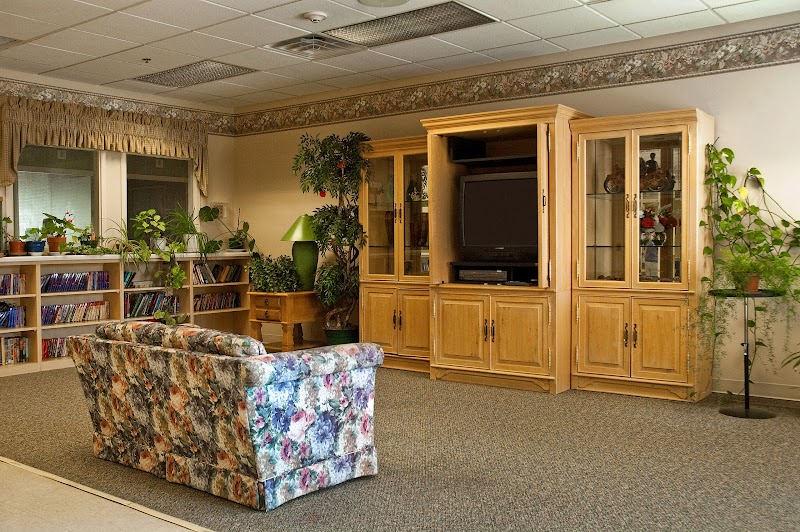
How is Life Care Center Of Farmington Staffed?

CMS rates Life Care Center of Farmington's staffing level at 4 out of 5 stars, which is above average compared to other nursing homes. Staff turnover is 36%, compared to the New Mexico average of 46%. This relatively stable workforce can support continuity of care. RN turnover specifically is 56%, which is notably high. RNs provide skilled clinical oversight, so turnover in this role can affect medical care quality.

What Have Inspectors Found at Life Care Center Of Farmington?

State health inspectors documented 37 deficiencies at Life Care Center of Farmington during 2022 to 2025. These included: 2 Immediate Jeopardy (the most serious level, indicating potential for serious harm or death), 2 that caused actual resident harm, and 33 with potential for harm. Immediate Jeopardy findings are rare and represent the most serious regulatory concerns. They require immediate corrective action.
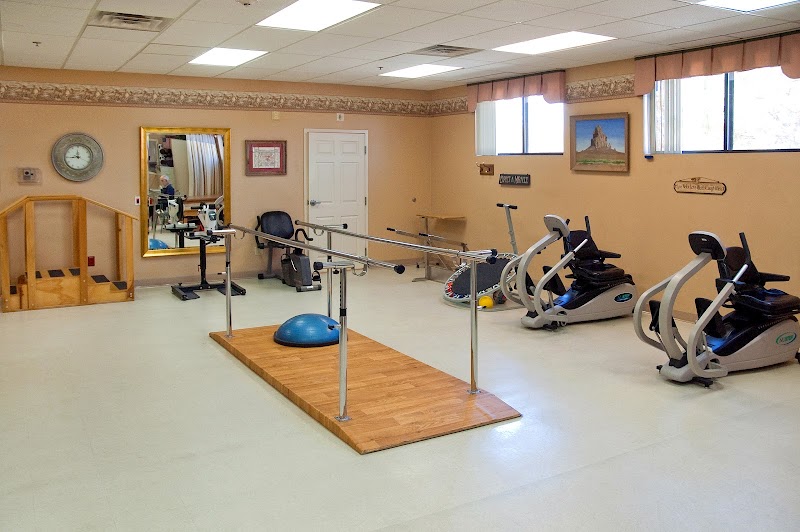
Who Owns and Operates Life Care Center Of Farmington?

Life Care Center of Farmington is owned by a for-profit company. For-profit facilities operate as businesses with obligations to shareholders or private owners. The facility is operated by LIFE CARE CENTERS OF AMERICA, a chain that manages multiple nursing homes. With 144 certified beds and approximately 112 residents (about 78% occupancy), it is a mid-sized facility located in Farmington, New Mexico.

How Does Life Care Center Of Farmington Compare to Other New Mexico Nursing Homes?

Compared to the 100 nursing homes in New Mexico, Life Care Center of Farmington's overall rating (3 stars) is above the state average of 2.9, staff turnover (36%) is near the state average of 46%, and health inspection rating (3 stars) is at the national benchmark.

What Should Families Ask When Visiting Life Care Center Of Farmington?

Based on this facility's data, families visiting should ask: "What changes have been made since the serious inspection findings, and how are you preventing similar issues?" "Can I visit during a mealtime to observe dining assistance and food quality?" "How do you handle medical emergencies, and what is your hospital transfer rate?" "Can I speak with family members of current residents about their experience?" These questions are particularly relevant given the facility's Immediate Jeopardy citations.

Is Life Care Center Of Farmington Safe?

Based on CMS inspection data, Life Care Center of Farmington has documented safety concerns. Inspectors have issued 2 Immediate Jeopardy citations (the most serious violation level indicating risk of serious injury or death). The facility has a 3-star overall rating and ranks #1 of 100 nursing homes in New Mexico. Families considering this facility should ask detailed questions about what corrective actions have been taken since these incidents.

Do Nurses at Life Care Center Of Farmington Stick Around?

Life Care Center of Farmington has a staff turnover rate of 36%, which is about average for New Mexico nursing homes (state average: 46%). Moderate turnover is common in nursing homes, but families should still ask about staff tenure and how the facility maintains care continuity when employees leave.

Was Life Care Center Of Farmington Ever Fined?

Life Care Center of Farmington has been fined $127,152 across 3 penalty actions. This is 3.7x the New Mexico average of $34,350. Fines at this level are uncommon and typically indicate a pattern of serious deficiencies, repeated violations, or failure to correct problems promptly. CMS reserves penalties of this magnitude for facilities that pose significant, documented risk to resident health or safety. Families should request specific documentation of what issues led to these fines and what systemic changes have been implemented.

Is Life Care Center Of Farmington on Any Federal Watch List?

Life Care Center of Farmington is not on any federal watch list. The most significant is the Special Focus Facility (SFF) program, which identifies the bottom 1% of nursing homes nationally based on persistent, serious quality problems. Not being on this list means the facility has avoided the pattern of deficiencies that triggers enhanced federal oversight. This is a positive indicator, though families should still review the facility's inspection history directly.