Desert Springs Health Care LLC
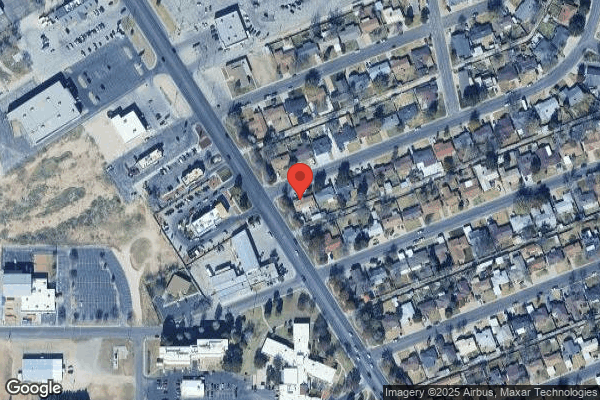
1701 N Turner Street, Hobbs, NM 88240 (575) 397-0870
For profit - Individual 80 Beds OPCO SKILLED MANAGEMENT Data: November 2025
Trust Grade
70/100
#4 of 67 in NM
Last Inspection: November 2024

Within standard 12-15 month inspection cycle. Federal law requires annual inspections.

Overview

Desert Springs Health Care LLC in Hobbs, New Mexico has a Trust Grade of B, indicating it is a good choice among nursing homes, though there is room for improvement. It ranks #4 out of 67 facilities statewide, placing it in the top half, and is the best option among the three nursing homes in Lea County. Unfortunately, the facility is experiencing a worsening trend, with reported issues increasing from 1 in 2023 to 22 in 2024. Staffing is a concern, rated at only 2 out of 5 stars, with a turnover rate of 57%, which is average for the state. While there have been no fines reported, which is a positive sign, the RN coverage is below average, as it is less than that of 79% of New Mexico facilities. Recent inspector findings raised serious concerns, including a resident sustaining injuries from a fall due to improperly locked beds and staff unfamiliarity with equipment. Additionally, there were issues related to food safety, such as unlabeled food items in the kitchen, and unsafe hot water temperatures that posed a burn risk to residents. Overall, while there are strengths such as a strong health inspection rating, these incidents highlight significant weaknesses that families should consider.
Trust Score
B
70/100
In New Mexico
#4/67
Top 5%
Safety Record
Moderate
Needs review
Inspections
Getting Worse
1 → 22 violations
Staff Stability
⚠ Watch
57% turnover. Above average. Higher turnover means staff may not know residents' routines.
Penalties
✓ Good
No fines on record. Clean compliance history, better than most New Mexico facilities.
Skilled Nurses
⚠ Watch
Each resident gets only 22 minutes of Registered Nurse (RN) attention daily — below average for New Mexico. Fewer RN minutes means fewer trained eyes watching for problems.
Violations
⚠ Watch
39 deficiencies on record. Higher than average. Multiple issues found across inspections.
★★★★★
5.0
Overall Rating
★★☆☆☆
2.0
Staff Levels
★★★★☆
4.0
Care Quality
★★★★★
5.0
Inspection Score
Stable
2023: 1 issues
2024: 22 issues

The Good

  • 4-Star Quality Measures · Strong clinical quality outcomes
  • Full Sprinkler Coverage · Fire safety systems throughout facility
  • No fines on record

Facility shows strength in quality measures, fire safety.

The Bad

Staff Turnover: 57%

11pts above New Mexico avg (46%)

Frequent staff changes - ask about care continuity

Chain: OPCO SKILLED MANAGEMENT

Part of a multi-facility chain

Ask about local staffing decisions and management

Staff turnover is elevated (57%)

9 points above New Mexico average of 48%

The Ugly 39 deficiencies on record

1 actual harm
Nov 2024 2 deficiencies
CONCERN (E)

Potential for Harm - no one hurt, but risky conditions existed

Deficiency F0700 (Tag F0700)

Could have caused harm · This affected multiple residents

Based on record reviews and interview, the facility failed to ensure staff assessed residents who utilized bed rails for 5 (R #21, R #25, R #27, R #31, and R #39) residents review for risk of entrapme...

Read full inspector narrative →
Based on record reviews and interview, the facility failed to ensure staff assessed residents who utilized bed rails for 5 (R #21, R #25, R #27, R #31, and R #39) residents review for risk of entrapment (an event in which a resident is caught, trapped, or entangled in the space in or about the bed rail) for bedrails. If the facility fails to assess the resident's risk for entrapment, then residents are likely to experience injury by becoming trapped between the mattress and the bedrail. The findings are: A. Record reviews for the five residents who utilized bed rails revealed staff reviewed the risks and benefits of bed rails but did not complete bedrail assessments for the residents. B. Record reviews for the five residents who utilized bed rails revealed staff did not attempt to use appropriate alternatives to bed rails or determine if the alternatives met the residents needs by not completing bed rail assessments for the residents. B. On 11/20/24 at 12:16 pm, during an interview with the Director of Nursing (DON), she stated staff did not complete bedrail assessments. The DON stated consent forms for the use of bedrails were completed, but she did not realize staff had to complete a separate bedrail assessment.
MINOR (C)

Minor Issue - procedural, no safety impact

Staffing Information (Tag F0732)

Minor procedural issue · This affected most or all residents

Based on observation and interview, the facility failed to post nurse staffing data on a daily basis that included the following: a. Facility name. b. The current date. c. The total number and the ...

Read full inspector narrative →
Based on observation and interview, the facility failed to post nurse staffing data on a daily basis that included the following: a. Facility name. b. The current date. c. The total number and the actual hours worked by the following categories of licensed and unlicensed nursing staff directly responsible for resident care per shift: i. Registered nurses. ii. Licensed practical nurses. iii. Certified nurse aides. iv. Resident census. This deficient practice could likely result in resident not knowing the staf working. The findings are: A. On 11/16/2024 at 1:15 pm, during an observation there was no nurse staff posting for the day at the main nurses station. Observation of the nurses station in the 100 hall, staff posting available at nurses station was dated 09/26/2024. B. On 11/16/2024 at 1:19 pm, during an interview, LVN (licensed vocational nurse) # 1 she attempted to find the posting display frame located at the nurses station and it was empty. She stated staff did not post the nurse staffing information for that day at the main hall nurses station in the display as they should be doing. B. On 11/16/2024 at 1:22 pm, during an interview, RN (registered nurse)#1 stated the nurse staffing information in the 100 hall was outdated with a date of 09/26/2024.
May 2024 1 deficiency 1 Harm
SERIOUS (G) 📢 Someone Reported This

A family member, employee, or ombudsman was alarmed enough to file a formal complaint

Actual Harm - a resident was hurt due to facility failures

Accident Prevention (Tag F0689)

A resident was harmed · This affected 1 resident

**NOTE- TERMS IN BRACKETS HAVE BEEN EDITED TO PROTECT CONFIDENTIALITY** Past Noncompliance: Compliance Date was 04/06/24. Based on record review and interview, the facility failed to prevent an accide...

Read full inspector narrative →
**NOTE- TERMS IN BRACKETS HAVE BEEN EDITED TO PROTECT CONFIDENTIALITY** Past Noncompliance: Compliance Date was 04/06/24. Based on record review and interview, the facility failed to prevent an accident for 1 (R #1) of 1 (R #1) residents reviewed for falls, when the facility failed to: 1. Ensure beds were fully locked. 2. Ensure staff was familiar with equipment. These deficient practices resulted in R #1 falling and sustaining injuries that required treatment at the hospital. The findings are: A. Record review of R #1's face sheet revealed R #1 was admitted into the facility on [DATE] with the following diagnoses: 1. Type 2 Diabetes. 2. Hyperlipidemia (high cholesterol). 3. Anxiety. 4. Heart Failure. B. Record review of R #1's nursing progress notes revealed the following: - On 03/21/24, staff documented the resident had a witnessed fall and landed face down. The resident fell out of bed while receiving a bed bath. Witness stated the resident did not lose consciousness when she landed on the floor. - On 03/22/24, staff documented that staff gave the resident a bed bath. When staff turned the resident to the left side, the resident braced herself against the wall. The bed moved, and the resident fell to the ground between the wall and the bed. The wheels at the top of the bed did not lock, but the brakes at the bottom of the bed were locked. Staff replaced bed, and all brakes lock. C. Record review of R #1's Investigation Report (5 day report), dated 03/21/24, revealed a staff member gave R #1 a bed bath. The staff member turned the resident for the bed bath, and the resident got close to the edge of the bed. The resident fell off the bed to the ground and landed face first. The resident had pain to right arm and right eye swelling and bruising. An order was obtained to send R #1 to the emergency room for evaluation. The resident was transported to the hospital via Emergency Medical Services (EMS). Future preventative/corrective action for the resident's health and safety included the following: - The staff member who gave R #1 the bed bath was in-serviced on proper use of the bed, proper use of bed brakes, and proper positioning of residents during a bed bath for safety. - Staff completed a building wide sweep on residents' beds to ensure brakes were in proper condition for use, and all bed brakes were determined to be in proper working order. - Certified Nursing Assistants (CNAs) were in-serviced on the use of the bed brakes used for all resident beds in the facility. - R #1 returned from the hospital on [DATE] and was on therapy services for the fractured humerus (arm). - Trauma assessment was completed for R #1. D. Record review of R #1's care plan, initiated on 11/02/23 and revised on 03/26/24, revealed the following: - Focus: R #1 was at risk for falls related to weakness and history of falls. - Interventions: Replace bed (updated on 03/26/24). Review information on past falls and attempt to determine cause of falls. Record possible root causes. Remove any potential causes if possible. Educate resident/family/caregivers as to causes. Transfers: Requires total physical assistance with 2 staff. E. Record review of R #1's Minimum Data Set (MDS) Section GG (Functional Abilities and Goals), dated 04/26/24, revealed the following: -R #1 requires maximal assistance to roll between her left and right side. -R #1 requires maximal assistance when moving from sitting on the side of the bed to lying flat on the bed. - R #1 requires maximal assistance when moving from lying flat on the bed to sitting on the side of the bed. F. On 05/16/24 at 4:12 pm during an interview with R #1, she stated she was in her bed and not all of the bed wheels were locked. R #1 also stated the bed started to move, and she fell to the floor and broke her arm. R #1 confirmed her bed was replaced when she returned from the hospital. G. On 05/16/24 at 5:03 pm during an interview with CNA #1, she stated she gave R #1 a bed bath, and she made sure all the brakes on the bed were locked. She stated she had R #1 roll over to the side, so she could put the new bed sheet on while R #1 held onto the wall. CNA #1 also stated R #1's bed was in a higher position due to the bed bath. She stated R #1's bed slid toward her (CNA #1), causing R #1 to fall on the floor. H. On 05/17/24 at 12:34 pm during an interview with Licensed Practical Nurse (LPN) #1, she stated CNA #1 told her that not all of R #1's bed wheels were locked on 03/21/24. LPN #1 also stated when CNA #1 had R #1 roll onto her side, the bed started moving, and this caused the bed to slide out from under R #1. She stated R #1 fell to the ground. LPN #1 stated this had never happened before. She said R #1 was assessed and sent to the emergency room. I. On 05/17/24 at 1:04 pm during an interview with the Administrator (ADM), she stated the bed wheels were not aligned on R #1's bed, causing the bed wheels to not lock. The ADM confirmed the facility educated all nursing staff, checked every bed, and replaced the style of bed R #1 previously used. J. On 05/17/24 at 1:05 pm during an interview with the Director of Nursing (DON), she stated R #1's bed wheels did lock on the top; however, CNA #1 did not have R #1's bed wheels aligned properly so the top brakes did not lock at the time of the incident.
Jan 2024 19 deficiencies
CONCERN (E)

Potential for Harm - no one hurt, but risky conditions existed

Deficiency F0568 (Tag F0568)

Could have caused harm · This affected multiple residents

**NOTE- TERMS IN BRACKETS HAVE BEEN EDITED TO PROTECT CONFIDENTIALITY** Based on interview and record review, the facility failed to provide quarterly statements for resident's personal funds entruste...

Read full inspector narrative →
**NOTE- TERMS IN BRACKETS HAVE BEEN EDITED TO PROTECT CONFIDENTIALITY** Based on interview and record review, the facility failed to provide quarterly statements for resident's personal funds entrusted to the facility for 1 (R #23) of 2 (R #23, and R #54) residents sampled for personal funds. If residents are not provided quarterly statements for their personal funds accounts, then residents could experience unnecessary anxiety or depression, because they are unaware of their finances. The findings are: A. On 01/23/24 at 12:29 PM, during an interview with R #23, she stated she did not receive any statements for her personal funds account that the facility handled. B. Record review of R #23's medical record revealed she was admitted on [DATE] and she did not have a designated power of attorney (legal authorization that gives authority to someone to act on behalf of the resident). C. On 01/26/24 at 11:51 AM, during an interview with the contracted business office manager, she confirmed that she did not send the quarterly statement to R #23. The BOM stated that she sent the statements to R #23's daughter. The BOM was not aware of any reason R #23 would not be able to receive the quarterly statement.
CONCERN (E)

Potential for Harm - no one hurt, but risky conditions existed

Transfer Notice (Tag F0623)

Could have caused harm · This affected multiple residents

**NOTE- TERMS IN BRACKETS HAVE BEEN EDITED TO PROTECT CONFIDENTIALITY** Based on record review and interview, the facility failed to ensure residents, resident representatives, and Ombudsman received ...

Read full inspector narrative →
**NOTE- TERMS IN BRACKETS HAVE BEEN EDITED TO PROTECT CONFIDENTIALITY** Based on record review and interview, the facility failed to ensure residents, resident representatives, and Ombudsman received a written notice of transfer as soon as practicable for 2 (R #50 and R # 72) of 2 (R #50 and R #72) residents reviewed. This deficient practice could likely result in the resident and/or representatives not knowing the reason or location the resident was transferred or discharged or their options to appeal the transfer or discharge. The findings are: R #50 A. Record review of R #50's Electronic Medical Record (EMR) revealed the following: 1. R #50 was transferred to the emergency department on 12/03/23 for shortness of breath and returned to the facility the same day. 2. R #50 was transferred back to the hospital on [DATE] for altered mental status and returned to the facility on [DATE]. 3. The record did not contain documentation staff provided a written transfer notice to R #50 or to the Ombudsman. B. On 01/25/24 at 8:45 am, during an interview with the Social Services Director (SSD), she confirmed R #50 discharged to the hospital. The SSD also confirmed a written notice was not provided to the Ombudsman, resident, or resident representative. R #72 C. Record review of R #72's medical record revealed the following: 1. R #72 was transferred to the emergency department on 12/27/23 due to increased agitation. The resident did not return to the facility. 2. The medical record identified that the Power of Attorney was verbally notified of the transfer; however, the record did not contain documentation staff provided a written transfer notice or notice to the Ombudsman of the transfer. D. On 01/23/24 at 4:22 pm during interview with the Social Services Director (SSD), she confirmed R #72 discharged to the hospital. The SSD also confirmed a written notice was not provided to the Ombudsman, resident, or resident representative.
CONCERN (E)

Potential for Harm - no one hurt, but risky conditions existed

Deficiency F0625 (Tag F0625)

Could have caused harm · This affected multiple residents

**NOTE- TERMS IN BRACKETS HAVE BEEN EDITED TO PROTECT CONFIDENTIALITY** Based on record review and interview, the facility failed to provide a written notice to the resident or resident representative...

Read full inspector narrative →
**NOTE- TERMS IN BRACKETS HAVE BEEN EDITED TO PROTECT CONFIDENTIALITY** Based on record review and interview, the facility failed to provide a written notice to the resident or resident representative that specified the bed-hold policy and the number of days the facility would hold a bed for the resident at the time of the transfer for 2 (R # 50, R # 72) of 2 (R # 50, R # 72) residents sampled for hospitalizations. This deficient practice could likely result in the resident and/or representatives being unaware of the resident's ability to return to their previous bed or the next available bed upon return from the hospital. The findings are: R #50 A. Record review of R #50's electronic medical record (EMR) revealed R#50 was transported to the hospital on [DATE]. The medical record did not contain evidence to show the resident or legal representative received notice of the bed-hold policy in writing at the time of transfer. R #72 B. Record review of R # 72's EMR revealed he was sent to the emergency room on [DATE] due to agitation. C. On 01/25/24 at 11:48 AM, during an interview, the Regional Nurse Consultant stated the facility staff have not provided written notice of the facility's bed hold policy to the residents at the time of transfer. She stated staff did not provide written notice to R #50 or R #72.
CONCERN (E)

Potential for Harm - no one hurt, but risky conditions existed

Assessment Accuracy (Tag F0641)

Could have caused harm · This affected multiple residents

**NOTE- TERMS IN BRACKETS HAVE BEEN EDITED TO PROTECT CONFIDENTIALITY** Based on record review and interview, the facility failed to ensure the MDS accurately reflected the resident's status at the ti...

Read full inspector narrative →
**NOTE- TERMS IN BRACKETS HAVE BEEN EDITED TO PROTECT CONFIDENTIALITY** Based on record review and interview, the facility failed to ensure the MDS accurately reflected the resident's status at the time of the assessment for 1 (R #37) of 3 (R #11, R #23, and R #37) residents sampled for MDS accuracy. This deficient practice could likely result in residents not receiving the care and treatment they need. The findings are: A. Record review or R #37's physician's orders revealed a prescription for corrective lenses, dated 05/18/22. B. Record review of R #37's quarterly MDS, dated [DATE], revealed the record did not contain documentation R #37 had vision impairments or corrective lenses. C. On 01/23/24 at 10:19 AM, during an interview with R #37, he said he had problems with his right eye. R #37 said his right eye was blurry. R #37 said he went to the doctor for his eyes. D. On 01/25/24 at 4:42 PM, during an interview with SS, she said R #37 had a prescription for glasses. E. On 01/25/24 at 4:52 PM, during an interview, the MDS Nurse stated staff did not document in R #37's MDS that the resident had a vision impairment and corrective lenses. The MDS Nurse said R #37's vision and corrective lenses should have been documented in the quarterly MDS.
CONCERN (E)

Potential for Harm - no one hurt, but risky conditions existed

Comprehensive Care Plan (Tag F0656)

Could have caused harm · This affected multiple residents

**NOTE- TERMS IN BRACKETS HAVE BEEN EDITED TO PROTECT CONFIDENTIALITY** Based on record review and interview, the facility failed to develop and implement a comprehensive person-centered care plan for...

Read full inspector narrative →
**NOTE- TERMS IN BRACKETS HAVE BEEN EDITED TO PROTECT CONFIDENTIALITY** Based on record review and interview, the facility failed to develop and implement a comprehensive person-centered care plan for 4 (R #3, R #30, R #43, and R #70) of 4 (R #3, R #30, R #43, and R #70) residents reviewed for comprehensive care plans. Failure to develop a person-centered care plan could likely result in staff's failure to understand the needs, preferences, and treatments for residents to achieve their highest level of well-being. The findings are: A.On 01/25/24 at 1:45 PM, during an interview with the DON, she confirmed resident care plans should be person centered and should include the resident's activity preferences, so staff know what activities the residents liked to do. R #3 B. On 01/23/24 at 11:56 AM, during an interview with R#3, he stated he needed to have dental crowns (a type of restoration that covers and protects a damaged or decayed tooth). R #3 stated he had not had a dental visit for approximately five years. C. Record review of R #3'S Care Plan, dated 09/12/23, revealed the record did not contain information regarding the resident's need for dental care. R #30 D. On 01/23/24 at 9:50 AM, during an interview with R #30, she stated she went to dialysis. The resident stated sometimes she did not want to go, because she did not want to stay long. R #30 also stated sometimes she feels sick after dialysis. E. Record review of R #30's care plan, initiated 12/05/23, revealed the care plan did not include the care and monitoring R #30 required due to receiving dialysis three times a week. F. On 01/26/25 at 12:40 PM, during an interview with the DON, she confirmed R #30's care plan did not include details on how nursing staff should assess R #30 before and after dialysis or what to do when the resident refused to go to dialysis. The DON said her expectation for the dialysis care plan was to include assessment and monitoring of the resident and to include a care plan for refusals. R #43 G. Record review of R #43's face sheet revealed an admission date of 12/12/23. H. On 01/25/24 at 9:57 AM, during an interview with R #43, he stated he was a loner, liked to be in his room, and did not like to attend group activities. He stated staff have not done activities with him in his room, but he would like them to. He also stated he did not have family that came to visit, but he had friends visit about once a month. He stated he enjoyed the following activities: 1. Listening to Chicano and rap music. 2. Coloring activities. 3. Arts and crafts. 4. Reading DC and [NAME] comics. 5. Reading the headlines in the newspaper. 6. Completing word search puzzles. 7. Working on jigsaw puzzles. 8. Playing with poker cards. I. Record review of R #43's admission MDS, dated [DATE], section F0500, revealed the following activities were very important to the resident: 1. Have books, newspapers, and magazines to read. 2. Listen to music he likes. 3. Be around animals such as pets. 4. Keep up with the news. 5. Do things with groups of people. 6. Do his favorite activities. 7. Go outside to get fresh air when the weather is good. 8. Participate in religious services or practices. J. Record review of R #43's care plan for activities, initiated 01/04/23, revealed the following: 1. R #43's care plan did not reflect R #43's preferences. 2. Stated R #43 will be invited to a variety of group activities frequently.R #43's care plan indicated R #43 preferred to be in his room and play on his phone, watch tv, and be on social media. 3. R #43's care plan indicated R #43 was very social, and staff will encourage R #43 to participate in daily activities. 4. R #43's care plan did not include activities for staff to engage with R #43. K. On 01/25/24 at 12:33 PM, during an interview with the Activities Assistant, she confirmed R #43 did not like to participate in group activities. She said R #43 liked the newspaper, but sometimes there were not enough newspapers for everyone. She stated she dropped off crossword puzzles in his room, but she was unsure if he completed them. She stated she was unsure when the last time R #43 attended a group activity. L. On 01/25/24 at 1:45 PM, during an interview with the DON, she confirmed R #43's care plan was not person centered and did not reflect R #43's preferences. R #70 M. On 01/24/24 at 1:47 PM, during an interview with R #70's wife, she stated the following: 1. R #70 was unable to talk, but he understood English and Spanish. 2. R #70 was able to answer questions by nodding and shaking his head. 3. She visited with R #70 daily for about two hours. 4. R #70 would probably be interested in participating in activities. N. Record review of R #70's admission MDS, dated [DATE], section F0500, revealed that the following activities were very important to the resident: 1. Have books, newspapers, and magazines to read. 2. Listen to music he likes. 3 Be around animals such as pets. 4. Keep up with the news. 5. Do things with groups of people. 6. Do his favorite activities. 7. Go outside to get fresh air when the weather is good. 8. Participate in religious services or practices. O. Record review of R #70's care plan for activities, dated 01/22/24, revealed the following: 1. Resident is very social: Staff will converse with the resident, provide conversation, listen, and provide meaningful interaction. 2. R #70 had a communication issue related to aphasia and was able to communicate using gestures. 3. The care plan did not contain any type of activities for R #70. P. On 01/25/24 at 1:45 PM, during an interview with the DON, she confirmed the following: 1. R #70's care plan indicated R #70 was very social, and staff will encourage R #70 to participate in daily activities. 2. R #70's care plan did not include activities for staff to engage with R #70. 3. R #70's admission MDS indicated R #70 said it was very important to do the following: a. Have books, newspapers, and magazines to read. b. Listen to music he likes. c Be around animals such as pets. d. Keep up with the news. e. Do things with groups of people. f. Do his favorite activities. g. Go outside to get fresh air when the weather is good. h. Participate in religious services or practices. 4. R #70's care plan was not person centered and did not reflect R #70's preferences.
CONCERN (E)

Potential for Harm - no one hurt, but risky conditions existed

Deficiency F0657 (Tag F0657)

Could have caused harm · This affected multiple residents

Based on record review and interview, the facility failed to revise the care plan for 2 (R #23 and R #37) of 4 (R #23, R #37, R #48, and R #63) residents reviewed for care plans. This deficient practi...

Read full inspector narrative →
Based on record review and interview, the facility failed to revise the care plan for 2 (R #23 and R #37) of 4 (R #23, R #37, R #48, and R #63) residents reviewed for care plans. This deficient practice could likely result in staff being unaware of changes in care provided, and residents not receiving the care related to changes in their health status or healthcare decisions. The findings are: R #23 A. On 01/23/24 at 12:28 PM, during an interview with R #23, she said she fell approximately three months ago. B. Record review of R #23's electronic medical record (EMR), no date, revealed R #23 fell in her bathroom on 10/01/23. C. Record review of R #23's care plan, initiated 03/27/23, revealed: 1. Intervention: R #23 had an actual fall with no injury, related to poor balance. 2. The care plan revision on 01/03/24 did not indicate the date the fall occurred or what changes in care the resident required after the fall. D. On 01/26/24 at 12:45 PM, during an interview with the DON, she confirmed R #23's care plan was not revised in a timely manner. R #37 E. Record review of R #37's care plan, dated 12/29/23, revealed R #37 was to be evaluated for physical therapy (PT; the treatment of disease, injury, or deformity by physical methods such as massage, heat treatment, and exercise rather than by drugs or surgery) due to his risk for falls. F. Record review of R #37's physicians orders, dated 01/17/24, revealed PT evaluated R #37, and PT would see R #37 three times a week for 60 days to address impairments. G. On 01/26/24 at 9:16 AM, during an interview with the DON, she confirmed R #37's care plan had not been updated to document R #37's current PT plan. The DON said staff should update the care plan to reflect the resident's current status.
CONCERN (E)

Potential for Harm - no one hurt, but risky conditions existed

Deficiency F0679 (Tag F0679)

Could have caused harm · This affected multiple residents

**NOTE- TERMS IN BRACKETS HAVE BEEN EDITED TO PROTECT CONFIDENTIALITY** Based on record review and interview, the facility failed to provide an ongoing activity program to support residents in their c...

Read full inspector narrative →
**NOTE- TERMS IN BRACKETS HAVE BEEN EDITED TO PROTECT CONFIDENTIALITY** Based on record review and interview, the facility failed to provide an ongoing activity program to support residents in their choice of activities designed to support their physical, mental, and psychosocial well-being for 2 (R #43 and R #70) of 3 (R #43, R #48, and R #70) residents reviewed for activities. If the facility does not ensure all residents receive an ongoing activity program and make in-room activity accommodations, then residents are likely to demonstrate an increase in isolation and depression and could likely experience a decline in independence. The findings are: A. On 01/25/24 at 1:45 PM, during an interview with the DON, she confirmed the following: 1. Activities has a one-to-one program where the staff meet one-to-one with residents. 2. Residents get in the one-to-one program depending on their activity needs. 3. Residents who cannot participate or do not like to participate in group activities should be included in the one-to-one program. R #43 B. On 01/25/24 at 9:57 AM, during an interview with R #43, he stated he was a loner, liked to be in his room, and did not like to attend group activities. He stated staff have not done activities with him in his room, but he would like them to. He also stated he did not have family that came to visit, but he had friends visit about once a month. He stated he enjoyed the following activities: 1. Listening to Chicano and rap music. 2. Coloring activities. 3. Arts and crafts. 4. Reading DC and [NAME] comics. 5. Reading the headlines in the newspaper. 6. Completing word search puzzles. 7. Working on jigsaw puzzles. 8. Playing with poker cards. C. Record review of the facility's list of residents who received one-to-one visits from the activities department revealed R #43 was not included in the one-to-one visits. D. Record review of R #43's admission MDS, dated [DATE], section F0500, revealed the following activities were very important to the resident: 1. Have books, newspapers, and magazines to read. 2. Listen to music he likes. 3. Be around animals such as pets. 4. Keep up with the news. 5. Do things with groups of people. 6. Do his favorite activities. 7. Go outside to get fresh air when the weather is good. 8. Participate in religious services or practices. E. Record review of R #43's care plan for activities, initiated 01/04/23, revealed the following: 1. The care plan did not include R #43's activity preferences. 2. Stated R #43 will be invited to a variety of group activities frequently. F. Record review of R #43's medical record revealed the record did not contain documentation of R #43 participation or refusal to participate in activities. G. On 01/25/24 at 12:33 PM, during an interview with the Activities Assistant, she stated the following: 1. R #43 did not like to participate in group activities. 2. R #43 liked the newspaper, but sometimes there were not enough newspapers for everyone. 3. She dropped off crossword puzzles in R #43's room but was unsure if he completed them. 4. She did not know when was the last time R #43 attended a group activity. 5. R #43 was not on the list of residents who received one-to-one visits. 6. Staff did not document the resident's participation or refusal to participate in activities. H. On 01/25/24 at 12:44 PM, during a follow-up interview with R #43, he stated the last newspaper he received sat on the windowsill. He also stated he has not received any word search puzzles since his admission to the facility on [DATE]. I. Observation on 01/25/24 at 12:45 PM of the newspaper on R #43's windowsill revealed it was dated 01/18/24. J. On 01/25/24 at 1:45 PM, during an interview with the DON, she confirmed that R #43 qualified for one-to-one visits. R #70 K. On 01/24/24 at 1:47 PM, during an interview with R #70's wife, she stated the following: 1. R #70 was unable to talk, but he understood English and Spanish. 2. R #70 was able to answer questions by nodding and shaking his head. 3. She visited with R #70 daily for about two hours. 4. Staff have not done any activities with R #70 since his admission to the facility on [DATE]. 5. R #70 would probably be interested in participating in activities. L. Record review of R #70's admission MDS, dated [DATE], section F0500, revealed that the following activities were very important to the resident: 1. Have books, newspapers, and magazines to read. 2. Listen to music he likes. 3 Be around animals such as pets. 4. Keep up with the news. 5. Do things with groups of people. 6. Do his favorite activities. 7. Go outside to get fresh air when the weather is good. 8. Participate in religious services or practices. M. Record review of R #70's care plan for activities, dated 01/22/24, revealed the following: 1. Resident is very social: Staff will converse with the resident, provide conversation, listen, and provide meaningful interaction. 2. R #70 had a communication issue related to aphasia and was able to communicate using gestures. 3. The care plan did not contain any type of activities for R #70. N. Record review of R #43's medical record revealed the record did not contain documentation of R #70's participation or refusal to participate in activities. O. On 01/24/24 at 2:00 PM, during an interview with the Activities Director, she stated the following: 1. R #70 was not able to talk. 2. R #70 did not come out of his room for activities. 3. The resident's family was usually visiting with R #70. 4. R #70 was not on one-to-one visits. 5. The activities department has not done activities with R #70, they just reminisced with him (R #70 is nonverbal). 6. Staff did not document the resident's participation or refusal to participate in activities. P. On 01/25/24 at 1:45 PM, during an interview with the DON, she confirmed that R #70 qualified for one-to-one visits. Q. Record review of the facility's list of residents who received one-to-one visits from the activities department revealed R #70 was not included in the one-to-one visits.
CONCERN (E)

Potential for Harm - no one hurt, but risky conditions existed

Deficiency F0685 (Tag F0685)

Could have caused harm · This affected multiple residents

**NOTE- TERMS IN BRACKETS HAVE BEEN EDITED TO PROTECT CONFIDENTIALITY** Based on interview and record review, the facility failed to ensure residents received proper treatment to maintain vision and h...

Read full inspector narrative →
**NOTE- TERMS IN BRACKETS HAVE BEEN EDITED TO PROTECT CONFIDENTIALITY** Based on interview and record review, the facility failed to ensure residents received proper treatment to maintain vision and hearing for 4 (R #3, R #37, R #51, and R #63) of 6 (R #3, R #12, R #37, R #48, R #51, and R #63) residents reviewed for vision and hearing. This deficient practice could likely result in residents losing some independence if they cannot see or hear, which would compromise their quality of life. The findings are: R #3 A. Record review of R #3's quarterly MDS, dated [DATE], indicated R #3 needed glasses. B. Record review of R #3's care plan, dated [DATE], showed the resident had a history of glaucoma, and the facility would arrange appointments with the eye doctor. C. On [DATE] at 11:52 AM, during an interview with R #3, he stated he had not been to the eye doctor in three or four years. He said he felt his glasses were not as strong as they used to be, and he may require a new prescription. D. On [DATE] at 12:14 AM, during an interview, Social Services (SS) stated they did not provide annual vision assessments. She stated the facility will make appointments based on complaints. R #37 E. On [DATE] at 10:19 AM, during an interview with R #37, he said he had problems with his right eye. R #37 said he went to the doctor for his eyes, but it had been a while since that visit. The resident said the facility stopped taking him to the eye doctor. R #37 said he had glasses, but they broke. R #37 did not remember when they broke. R #37 said he told staff about the broken glasses, but they have not made an appointment for him. F. Record review of R #37's physician's orders revealed a prescription, dated [DATE], for corrective lenses. The prescription expired [DATE]. G. On [DATE] at 4:42 PM, during an interview with SS, she confirmed R #37 had a prescription for glasses, and the prescription expired. SS said she did not remember R #37 with glasses. SS stated R #37's last visit to the eye doctor was [DATE]. She said staff should have taken R #37 back to the eye clinic. R #51 H. On [DATE] at 8:48 during an observation of R #51 in the dining area, R #51 did not wear any hearing aids. This surveyor asked R #51 a question, but the resident could not hear. R #51 leaned closer and cupped his left ear to hear better, but he still could not hear. I. On [DATE] at 11:05 AM, during an interview with R #51's son, he said R #51 had a brand-new pair of hearing aids, but the hearing aids were lost. R #51's son said he spoke with the facility staff regarding the hearing aids, and they said they would replace the hearing aids. R #51's son said it has been a couple of months since he reported the lost hearing aids to the facility staff. J. On [DATE] at 12:00 PM, during an observation of R #51 at lunch in the dining area, R #51 sat at the table with other residents and attempted to communicate with them. R #51 told the residents he could not hear them. R #51 leaned into them, cupped his left ear with his hand, and said he could not hear them. R #51 tried several times to converse with the residents who sat at the table with him. R #51 could not hear them. K. On [DATE] at 12:14 PM, during an interview with Social Services (SS), she said R #51 was missing one hearing aid. SS said R #51 loses his hearing aids, but the facility staff usually finds them. SS said she did not know when they went missing. SS said the last time R # 51's hearing aids went missing, they were found. L. On [DATE] at 1:15 PM, during a follow up interview with SS, she confirmed R #51 was missing both of his hearing aids. R #63 M. On [DATE] at 1:12 PM, during an interview, R #63 stated she needed an eye appointment. R #25 said she had a hard time seeing things at a distance. R #25 said she told staff, but they have not made an appointment for her. N. On [DATE] at 11:50 AM, during an interview with Social Services (SS), she said R #63 did not have an eye appointment. SS said R #63 did not tell her she needed an appointment for her eyes. SS said that up until now, they did not do routine vision care. SS said her expectation was for staff to tell her when the residents say they need an appointment for care, so she can make the appointment.
CONCERN (E)

Potential for Harm - no one hurt, but risky conditions existed

Accident Prevention (Tag F0689)

Could have caused harm · This affected multiple residents

Based on observation and interview, the facility failed to keep residents free from the potential for accidents for 1 (R #32) of 1 (R #32) residents reviewed for accidents, when they failed to ensure ...

Read full inspector narrative →
Based on observation and interview, the facility failed to keep residents free from the potential for accidents for 1 (R #32) of 1 (R #32) residents reviewed for accidents, when they failed to ensure the mattress fit the bed. This deficient practice could likely result in injury. The findings are: B. On 01/23/24 at 11:09 AM, during an observation of R #32's room, the following was observed: 1. R #32's bed had a gap between the bariatric air mattress and the foot board. 2. Staff placed a pad between the mattress and the footboard. The pad was tall and did not extend to width of the mattress, with gaps on both sides of the pad. C. On 01/23/24 at 11:09 AM, during an interview, R #32 revealed the following: 1. The mattress and pad had been like that since before he was moved from his previous room to the skilled unit. 2. The mattress used to slide up and down in the bed so the staff put the pad there to prevent the mattress from sliding. D. Record review or R #32's medical record no date, revealed that R #32 was moved from another room to his current room on 11/02/23. E. On 01/24/24 at 10:58 AM, during an interview with LPN #31, she confirmed the following: 1. R #32's bed had a gap between the bariatric air mattress and the foot board. 2. Staff placed a pad between the mattress and the footboard. 3. There were gaps on both sides of the pad. F. On 01/24/24 at 11:03 AM, during an interview, the DON stated the following: 1. Staff extended R #32's bed for length. 2. R #32's mattress was too short for the frame and did not reach the foot board. 3. Staff placed a pad between the mattress and the footboard. 4. There were gaps on both sides of the pad. 5. A mattress that did not fit the bed can cause injury to the resident. 6. The expectation was for the mattress to fit the bed without gaps.
CONCERN (E)

Potential for Harm - no one hurt, but risky conditions existed

Deficiency F0698 (Tag F0698)

Could have caused harm · This affected multiple residents

Based on record review and interview, the facility failed to ensure ongoing communication and collaboration with the dialysis (clinical purification of blood as a substitute for the normal function of...

Read full inspector narrative →
Based on record review and interview, the facility failed to ensure ongoing communication and collaboration with the dialysis (clinical purification of blood as a substitute for the normal function of the kidney) facility regarding dialysis care and failed to monitor the resident before and after dialysis treatment for 1 (R #30) of 1 (R #30) residents reviewed for dialysis care. This deficient practice could likely result in the facility being unaware of the resident's condition or possible complications that arise during dialysis treatment, and residents may not receive the appropriate monitoring and care. The findings are: A. Record review of R #30's admission record, no date, revealed R #30 had a diagnosis of end stage renal disease (ESRD; chronic irreversible kidney failure). B. Record review of R #30's physician orders revealed, order revision date 12/29/23, resident to have dialysis Monday, Wednesday, and Friday at 12:45 PM. C. Record review of R #30's Electronic Medical Record (EMR) revealed: 1. Dialysis Communication Record, dated 12/20/23 for dialysis time 12:00 pm, revealed the facility completed pre-dialysis information, and the dialysis center completed dialysis information. The form did not include any post dialysis information, monitoring, or assessments. 2. Dialysis Communications Record, not dated for dialysis time AM (morning), the form included pre-dialysis information, and the dialysis center completed dialysis information. The dialysis center nurse signed and dated the form 01/19/24. The form did not include any post dialysis information, monitoring, or assessments. 3. The resident's EMR did not contain additional Dialysis Communication Records, nursing assessment, or nurse progress notes upon the resident's return from dialysis. D. On 01/25/24 at 6:20 PM, during an interview with the Regional Nurse Consultant, she stated the facility only had the two Dialysis Communication Records on file for R #30. E. On 01/26/24 at 12:40 PM, during an interview with the DON, she stated staff should assess R #30 after dialysis, and they may need to monitor the resident. She also stated staff should scan the Dialysis Communication Records should into the resident's EMR after each dialysis appointment.
CONCERN (E)

Potential for Harm - no one hurt, but risky conditions existed

Deficiency F0726 (Tag F0726)

Could have caused harm · This affected multiple residents

Based on record review and interview, the facility failed to ensure staff demonstrated competency, were tested, or evaluated in skills and techniques necessary to care for residents' needs for 6 (CNA ...

Read full inspector narrative →
Based on record review and interview, the facility failed to ensure staff demonstrated competency, were tested, or evaluated in skills and techniques necessary to care for residents' needs for 6 (CNA #31, CNA #32, CNA #33, LPN #34, LPN #35, LPN #36) of 6 (CNA #31, CNA #32, CNA #33, LPN #34, LPN #35, LPN #36) staff sampled for staff competency. This deficient practice could likely result in staff working who are not competent to give care to residents. The findings are: A. Record review of CNA #31's, CNA #32's, CNA #33's, LPN #34's, LPN #35's, LPN #36's personnel records revealed a On The Job Training/Competency Assessment form did not contain documentation to show the nursing staff demonstrated competency, were tested, or evaluated in skills and techniques necessary to care for residents' needs. B. On 01/24/24 at 3:30 PM, during an interview, the DON and ADON stated the On The Job Training and Competency Assessment form was the most current form the facility used to evaluate nursing staff competency. The DON and ADON stated the employees checked off the skills listed without a return demonstration.
CONCERN (E)

Potential for Harm - no one hurt, but risky conditions existed

Drug Regimen Review (Tag F0756)

Could have caused harm · This affected multiple residents

Based on record review and interview, the facility failed to ensure the consultant pharmacist's recommendations were reviewed and acted on for 3 (R #11 and R #23, R #30) of 5 (R #11, R #23, R #30, R #...

Read full inspector narrative →
Based on record review and interview, the facility failed to ensure the consultant pharmacist's recommendations were reviewed and acted on for 3 (R #11 and R #23, R #30) of 5 (R #11, R #23, R #30, R #48, and R #50) residents reviewed for pharmacy medication regimen review. This deficient practice could likely result in residents suffering from unnecessary adverse side effects. The findings are: R #11 A. Record review of the pharmacy recormendations for R #11, dated 10/31/23, revealed the following lab results could not be located on R #11 chart: Complete blood count (CBC), comprehensive metabolic panel (CMP), magnesum (Mg), thyroid stimulating hormone (TSH), free thyroxine 4 (FT4), lipid panel, Vitamin D level, folate level, and Vitamin B12 level. These labs were ordered by the physician on 09/29/23. B. Record review of R #11's Electronic Medical Record (EMR) revealed the record did not contain lab results for orders dated 09/29/23. C. On 01/10/24 at 12:56 PM, during an interview, the DON stated staff did not collect or draw the labs ordered for R #11 on 09/29/23. The DON stated the staff did not follow the pharmacist recommendation to place the labs results in the resident's medical record. R #23 C. Record review of the pharmacy recormendations for R #23, dated 11/28/23, revealed the following lab results could not be located in the resident's chart: CBC with Differential, CMP, TSH, hemoglobin A1C (hgA1C), urinalysis with culture and sensitivity (UA C & S) for hematuria (blood in the urine). These labs were ordered by the physician on 11/01/23. D. Record review of R #23's Electronic Medical Record (EMR) revealed the record did not contain lab results for orders dated 11/01/23. E. On 01/26/24 at 12:45 PM, during an interview with the DON, she stated staff did not collect or draw the labs ordered for R #23 on 11/01/23. The DON stated the staff did not follow the pharmacist recommendation to place the labs results in the resident's medical record. R #30 F. Record review of the pharmacy recormendations R #30, dated 12/30/23, revealed: 1. Please write a clarification to include specific order parameters for holding midodrine (medication used for patients who have symptoms of low blood pressure). a. Prescriber response was marked agree. b. The facility Nurse Practitioner (NP) signed the form and dated it 01/05/24. 2. The Resident (R #30) is currently receiving gabapentin (medication used to relieve nerve pain), 300 mg, two times a day. She goes to dialysis (clinical purification of blood as a substitute for the normal function of the kidney) three days a week. The maximum recommended dose of gabapentin for dialysis patients is 300 mg, three days a week, to be given after dialysis. Please consider changing order to gabapentin, 300 mg, three days a week, after dialysis. a. Prescriber response was marked disagree and to be managed per PCP (primary care provider) was written in. b. The facility NP signed the form and dated it 01/05/24. G. Record review of R #30's current physician's orders revealed: 1. Order date 01/22/24, midodrine oral tablet, 5 MG. Give one tablet by mouth two times a day for hypotension (low blood pressure). Do not hold per nephrology (doctor who specializes in treating diseases that affect the kidneys.) 2. Order date 12/01/23, gabapentin oral capsule, 300 MG. Give one capsule by mouth two times a day for neuropathy (a medical condition which results from damaged or malfunctioning of nerves that cause weakness, numbness, and pain in hands and feet). H. Record review of R #30's EMR revealed: 1. The record did not contain documentation from nephrology to administer medication regardless of blood pressure readings. 2. The record did not contain the PCPs rationale for not changing the resident's gabapentin. I. On 01/26/24 at 12:40 PM, during an interview with the DON and phone interview with the facility NP, they confirmed: 1. Holding parameters were not updated to the resident's midodrine order as indicated on the pharmacy recommendation. 2. The resident's EMR did not contain documentation to indicate nephrology wanted the medication given regardless of blood pressure readings. 3. The facility NP stated she did not speak to the nephrologist to verify the order. She stated she entered it as she did because nursing staff communicated the information to her. 3. The facility NP did not address the recommendation to decrease gabapentin and should have.
CONCERN (E)

Potential for Harm - no one hurt, but risky conditions existed

Medication Errors (Tag F0758)

Could have caused harm · This affected multiple residents

Based on record review and interview, the facility failed to ensure residents did not receive psychotropic medications unless the medication was necessary to treat a specific psychiatric diagnosis and...

Read full inspector narrative →
Based on record review and interview, the facility failed to ensure residents did not receive psychotropic medications unless the medication was necessary to treat a specific psychiatric diagnosis and was documented in the medical record for 2 (R #48 and R #69) of 4 (R #11, R #30, R #48 and R #69) residents reviewed for unnecessary psychotropic medications. This deficient practice could likely result in residents receiving medications without a medical reason and being at a higher risk of adverse side effects (unwanted, harmful, or abnormal result). The findings are: R #48 A. Record review of R #48's admission record, no date, revealed an admission date of 09/03/21. B. Record review of R #48's Physician's orders revealed an order, dated 09/07/23, for aripiprazole (an antipsychotic medication used to treat bipolar disease) tablet, 2 mg. Give one tablet a day for bipolar disease. C. Record review of R #48's pharmacy review, Note to attending physician/prescriber, dated 11/29/23, revealed the following: 1. R #48 took aripiprazole, 2 mg, for bipolar disease since July 2023 2. The pharmacist recommended an evaluation and gradual dose reduction (GDR; involves the tapering of a dose in steps to determine if symptoms, conditions, or risks can be managed by a lower dose) 3. The provider did not review the recommendation. D. On 01/24/24 at 3:13 PM, during an interview, the DON stated the provider did not review the pharmacy recommendations for November, 2023. R #69 E. Record review of R #69's Physician's orders revealed an order, dated 01/05/24, for buspirone (a psychotropic medication used to treat anxiety) tablet, 5 mg. Give one tablet by mouth two times a day for anxiety. F. Record review of R #69's medical record, no date, revealed the record did not contain a psychiatric diagnosis to indicate the need for a psychotropic. G. On 01/12/24 at 11:29 AM, during an interview, the DON confirmed R #69 did not have a psychiatric diagnosis on file for the psychotropic medication.
CONCERN (E)

Potential for Harm - no one hurt, but risky conditions existed

Deficiency F0761 (Tag F0761)

Could have caused harm · This affected multiple residents

Based on observation and interview, the facility failed to properly store medications, when they failed to ensure medications were not expired in the Pyxis (medication management software and medicati...

Read full inspector narrative →
Based on observation and interview, the facility failed to properly store medications, when they failed to ensure medications were not expired in the Pyxis (medication management software and medication dispensing machine). This deficient practice could affect all 73 residents in the facility. Residents were identified by the resident matrix provided by the Administrator on 01/15/24. This deficient practice could likely result in residents obtaining medications that are no longer effective, resulting in adverse side effects. The findings are: A. On 01/25/24 at 11:15 AM, an observation of the Pyxis in the Medication Storage Room revealed the following medications were expired: 1. Singulair (medication used to treat allergies and prevent asthma attacks), 10 mg, expired 06/28/23. 2. Allopurinol (medication used to treat gout and kidney stones), 100 mg, expired 05/10/23. 3. Finasteride (medication used to treat enlarged prostate), 5 mg, expired 06/08/23. 4. Atenolol (medication used to treat high blood pressure and chest pain, It can also reduce the risk of death after a heart attack), 25mg, expired 05/05/23. 5. Ondansetron (medication used to prevent nausea and vomiting), 4mg/2 mL (milliliter), expired 10/31/23. 6. Glucagon (natural substance given by injection that raises blood sugar rapidly by causing the body to release sugar stored in the liver. Used to treat very low blood sugar), 1mg/1mL emergency kit, expired 10/31/23. B. On 01/25/24 at 11:15 AM, during an interview, LPN #22 stated the following: 1. Singulair, allopurinol, finasteride, atenolol, ondansetron, glucagon medications in the Pyxis were expired. 2. The contracted pharmacist completed the audits for expired medications in the Pyxis and was responsible to remove the expired medications. C. On 01/25/24 at 11:46 AM, during an interview, the DON confirmed the following: 1. The contracted pharmacist was responsible to check for and remove expired medications in the Pyxis. 2. If medication is needed prior to arrival from pharmacy then the nursing staff can get the medication from the Pyxis. 3. If medications are expired in the Pyxis, the medication would not be available to give to the resident.
CONCERN (E)

Potential for Harm - no one hurt, but risky conditions existed

Laboratory Services (Tag F0770)

Could have caused harm · This affected multiple residents

Based on record review and interview, the facility failed to obtain laboratory testing for 1 (R #23) of 1 (R #23) residents reviewed for laboratory services. If the facility fails to obtain labs that ...

Read full inspector narrative →
Based on record review and interview, the facility failed to obtain laboratory testing for 1 (R #23) of 1 (R #23) residents reviewed for laboratory services. If the facility fails to obtain labs that have been ordered this could delay treatment of potential medical issues and could cause unnecessary harm to the resident. The findings are: A. Record review of R #23's progress notes revealed: 1. Nursing progress note, dated 10/30/23, stated R #23 complained of red urine. Staff contacted the on-call provider, and the resident was to follow-up with their primary physician. 2. Provider progress note, dated 11/01/23, for chief complaint of hematuria (blood in urine). Order urinalysis with culture and sensitivity and other labs. B. Record review of R #23's Physician's orders revealed an order, dated 11/01/23, complete blood count (CBC; blood test that measures many different parts and features of your blood) with differential, comprehensive metabolic panel (CMP; blood sample test that measures 14 different substances in your blood), thyroid stimulating hormone (TSH), hemoglobin A1C (hgA1C), urinalysis with culture and sensitivity (UA C & S) for hematuria. C. Record review of R #23's Electronic Medical Record (EMR) revealed the record did not contain lab results for orders dated 11/01/23. D. On 01/26/24 at 1:20 PM, during an interview with the DON, she confirmed R #23 did not have labs completed as ordered on 11/01/23. The DON said the provider entered the order incorrectly, and the nurses were unaware of the order.
CONCERN (E)

Potential for Harm - no one hurt, but risky conditions existed

Dental Services (Tag F0791)

Could have caused harm · This affected multiple residents

Based on observation, record review, and interview, the facility failed to ensure residents obtained routine dental care to include an annual inspection of the mouth for signs of disease, dental clean...

Read full inspector narrative →
Based on observation, record review, and interview, the facility failed to ensure residents obtained routine dental care to include an annual inspection of the mouth for signs of disease, dental cleaning, fillings, or minor partial or full denture adjustments for 1 resident (R #3) of 1 resident (R#3) resident reviewed for dental services. This deficient practice is likely to cause the resident unnecessary pain, embarrassment over the condition/appearance of teeth, and potential dental or oral complications. The findings are: R #3 A. On 01/23/24 at 11:56 AM, during an interview with R#3, he stated he needed to have dental crowns (a type of restoration that covers and protects a damaged or decayed tooth). R #3 stated he had not had a dental visit for approximately five years . B. On 01/25/24 at 1:30 PM, during an interview with the Social Services Director (SSD), She stated R #3 has not had a dental exam since 2012.
CONCERN (E)

Potential for Harm - no one hurt, but risky conditions existed

Deficiency F0883 (Tag F0883)

Could have caused harm · This affected multiple residents

Based on record review and interview, the facility failed to ensure the medical records contained documentation each resident received or was offered pneumococcal (a bacteria that causes pneumonia inf...

Read full inspector narrative →
Based on record review and interview, the facility failed to ensure the medical records contained documentation each resident received or was offered pneumococcal (a bacteria that causes pneumonia infection of the respiratory tract) and influenza (an acute respiratory infection caused by influenza viruses) immunizations for 2 (R #43 and R #70) of 5 (R #11, R #19, R #30, R #43, and R #70) residents reviewed for immunizations. This deficient practice could likely lead to residents contracting respiratory infections and could result in the spread of infection to other residents. The findings are: A. On 01/25/24 at 5:59 PM, during an interview with the DON, she stated the following: 1. The Infection Preventionist (IP) nurse was expected to offer and administer influenza and pneumococcal vaccinations to all residents. 2. The facility staff have a 48 hour meeting where the IP nurse was expected to meet with new residents and/or their representatives to discuss their vaccination status. 3. All vaccinations should be documented in the resident's Electronic Medical Record (EMR). 4. All refusals for vaccinations should be documented in the resident's EMR. B. On 01/26/24 at 8:39 AM, during an interview with the IP, she stated the following: 1. It is expected the IP would offer all new residents the influenza, and pneumococcal vaccines within one week of admission. 2. All vaccination administrations or refusals should be documented in the resident's EMR. 3. All consents and refusal forms should be scanned into the resident's EMR. R #43 C. Record review of R #43's face sheet revealed an admission date of 12/12/23. D. Record review of R #43's medical record revealed the following: 1. The record did not contain R #43's state immunization history. 2. R #43 did not receive the influenza or pneumococcal vaccinations. 3. The record did not contain documentation R #43 received education about the influenza or pneumococcal vaccinations. 4. The record did not contain documentation R #43 refused the pneumococcal or influenza vaccinations. R #70 E. Record review of R #70's medical record revealed the following: 1. The record did not contain R #70's state immunization history. 2. R #70 did not receive the pneumococcal vaccination. 3. The record did not contain documentation R #70 received education about the pneumococcal vaccination. 4. The record did not contain documentation R #70 refused the pneumococcal vaccination. F. On 01/26/24 at 8:39 AM, during an interview, the IP stated the following: 1. Staff offered R #43 the influenza and pneumococcal vaccinations, but the resident refused. 2. The resident's medical record did not contain documentation that R #43 refused the influenza and pneumococcal vaccinations. 3. Staff did not offer R #70 the pneumococcal vaccination. 4. Staff did not provide R #70 or his representative education regarding the pneumococcal vaccination.
CONCERN (E)

Potential for Harm - no one hurt, but risky conditions existed

Deficiency F0887 (Tag F0887)

Could have caused harm · This affected multiple residents

Based on record review and interview, the facility failed to ensure the residents' medical record contained documentation each resident received or was offered covid-19 (an acute respiratory infection...

Read full inspector narrative →
Based on record review and interview, the facility failed to ensure the residents' medical record contained documentation each resident received or was offered covid-19 (an acute respiratory infection caused by the SARS-CoV-2 virus) immunization for 1 (R #43) of 5 (R #11, R #19, R #30, R #43, and R #70) residents reviewed for immunizations. This deficient practice could likely lead to residents contracting respiratory infections and could result in the spread of infection to other residents. The findings are: A. On 01/25/24 at 5:59 PM, during an interview with the DON, she stated the following: 1. The Infection Preventionist (IP) nurse was expected to offer and administer the covid-19 vaccinations to all residents. 2. The facility staff have a 48 hour meeting after the resident is admitted , where the IP nurse was expected to meet with new residents and/or their representatives to discuss their vaccination status. 3. All vaccinations should be documented in the resident's Electronic Medical Record (EMR). 4. All refusals for vaccinations should be documented in the resident's EMR. B. On 01/26/24 at 8:39 AM, during an interview with the IP, she stated the following: 1. It was expected the IP would offer all new residents the covid-19 vaccines within one week of admission. 2. All vaccination administrations or refusals should be documented in the resident's EMR. 3. All consents and refusal forms should be scanned into the resident's EMR. C. Record review of R #43's face sheet revealed an admission date of 12/12/23. D. Record review of R #43's medical record revealed the following: 1. The record did not contain R #43's state immunization history. 2. R #43 did not receive the covid-19 vaccination. 3. The record did not contain documentation R #43 received education about the covid-19 vaccination. 4. The record did not contain documentation R #43 refused the covid-19 vaccination. E. On 01/26/24 at 8:39 AM, during an interview, the IP stated the following: 1. Staff offered R #43 the covid-19 vaccination, but the resident refused. 2. The resident's medical record did not contain documentation that R #43 received education about the covid-19 vaccine. 3. The resident's medical record did not contain documentation that R #43 refused the covid-19 vaccine.
CONCERN (F)

Potential for Harm - no one hurt, but risky conditions existed

Food Safety (Tag F0812)

Could have caused harm · This affected most or all residents

Based on observation and interview, the facility failed to label food in accordance with professional standards of food service safety. This failure had the potential to affect all 74 residents in the...

Read full inspector narrative →
Based on observation and interview, the facility failed to label food in accordance with professional standards of food service safety. This failure had the potential to affect all 74 residents in the facility who eat food prepared in the kitchen. Residents were identified by the Resident Matrix provided by the Administrator on 01/22/24. If the facility fails to adhere safe food storage, residents are likely to be exposed to foodborne illnesses. The findings are: A. On 01/22/24 at 3:37 PM, during an observation of the kitchen revealed the following: 1. Yellow cake mix opened and not dated. 2. Original cheesecake filling opened and not dated. 3. Strawberry gelatin mix opened and not dated. 4. [NAME] cracker crumbs opened and not dated. B. On 01/22/24 at 3:44 PM, during an interview with the Dietary Manager, she stated the food items did not have open dates. The Dietary Manager stated the food should have opened dates to determine expiration dates.
Aug 2023 1 deficiency
CONCERN (D) 📢 Someone Reported This

A family member, employee, or ombudsman was alarmed enough to file a formal complaint

Potential for Harm - no one hurt, but risky conditions existed

Free from Abuse/Neglect (Tag F0600)

Could have caused harm · This affected 1 resident

Based on record review and interviews, the facility failed to ensure residents were free from neglect for 3 (R #1, R #3 and R #4) of 4 (R #1, R #2, R #3 and R #4) residents reviewed for neglect relate...

Read full inspector narrative →
Based on record review and interviews, the facility failed to ensure residents were free from neglect for 3 (R #1, R #3 and R #4) of 4 (R #1, R #2, R #3 and R #4) residents reviewed for neglect related to portable oxygen supply. This deficient practice likely resulted in residents feeling as though they were unable to make choices in relation to activities and dining areas and feelings of seclusion. The findings are: A. Record review of complaint intake information NM-00066797 revealed an allegation of the facility running out of oxygen needed by the residents of the facility. B. On 08/09/23 at 12:50 pm, during an interview with R #1 she stated that the facility has only had an issue with the portable oxygen tanks a couple of times, not oxygen in general because the residents have concentrators (an individual machine that is plugged into an outlet and produces oxygen) in their rooms they can use. C. On 08/09/23 at 1:04 pm, during an interview with a family member for R #4, it was stated that the facility was said to have run out of oxygen for the refill stations/tanks frequently, and that the resident (R #4) had been at therapy and had to go back to her room due to the lack of portable oxygen. He was unable to give exact dates, but stated that it was between around May of 2023. D. On 08/09/23 at 12:15 pm, during an interview with DON it was stated that the facility did have a problem with a vendor that caused a delay with the facility obtaining oxygen supply to fill the refill stations for the mobile /portable oxygen tanks. The DON could not recall the exact dates that it took place on, however she stated that it did last a couple of days and that the residents that required oxygen were asked to remain in their rooms and on the concentrators during those days until the facility could resolve the issue with the vendor.
Nov 2022 16 deficiencies
CONCERN (D)

Potential for Harm - no one hurt, but risky conditions existed

Deficiency F0578 (Tag F0578)

Could have caused harm · This affected 1 resident

**NOTE- TERMS IN BRACKETS HAVE BEEN EDITED TO PROTECT CONFIDENTIALITY** Based on record review and interview, the facility failed to ensure that 2 (R #'s 23 and 26) of 2 (R #23 and 26) resident's New ...

Read full inspector narrative →
**NOTE- TERMS IN BRACKETS HAVE BEEN EDITED TO PROTECT CONFIDENTIALITY** Based on record review and interview, the facility failed to ensure that 2 (R #'s 23 and 26) of 2 (R #23 and 26) resident's New Mexico Medical Orders For Scope of Treatment (MOST) reviewed was completed to reflect medical interventions (Advanced Directives -legal documents that allow you to spell out your decisions about end-of-life care ahead of time). This deficient practice is likely to affect residents' fulfillment of their end-of-life medical care choices and could result in unnecessary suffering for the resident. The findings are: Findings for R #23: A. Record review of R #23's face sheet revealed R #23 was admitted into the facility on [DATE]. B. Record review of the New Mexico Medical Orders For Scope of Treatment (MOST) form in R #23's electronic medical chart was signed by Physician on 11/26/19, however, no information was identified in the following sections: Medical interventions and Artificially Administered Hydration/Nutrition. Findings for R #26: C. Record review of R #26's face sheet revealed R #26 was admitted into the facility on [DATE]. D. Record review of the New Mexico Medical Orders For Scope of Treatment (MOST) form in R #26's electronic medical chart was signed by Physician on 07/30/19, however, no information was identified in the following sections: Medical interventions and Artificially Administered Hydration/Nutrition. E. On 11/03/22 at 4:38 pm during an interview with the Regional Registered Nurse (RRN #1), she confirmed R #23's and R #26's MOST form were not filled out completely.
CONCERN (D)

Potential for Harm - no one hurt, but risky conditions existed

Grievances (Tag F0585)

Could have caused harm · This affected 1 resident

Based on record review and interview, the facility failed to ensure that grievances received by residents are responded to promptly for 1 (R #329) of 1 (R #329) residents reviewed for grievance resolu...

Read full inspector narrative →
Based on record review and interview, the facility failed to ensure that grievances received by residents are responded to promptly for 1 (R #329) of 1 (R #329) residents reviewed for grievance resolution. If the facility is not ensuring that grievances are responded to timely, then residents are likely at risk of continued repeat concerns and feeling as though their concerns are unimportant to the facility. The findings are: A. Record review of R #329's Concern/Grievance Report dated 09/28/22 revealed, Subject: My mom [R #329] was taken to the shower by [Name of Certified Nursing Assistant (CNA) #6], she took her clothes off, he [CNA #6] said he had to get some towels. He [CNA #6] turned the water on and checked the heat. He [CNA #6] put the sprayer over her [R #329] shoulder and said he [CNA #6] had to go pee and left. She [R #329] got cold and waited and waited and couldn't breathe well. She [R #329] took a shampoo bottle and hit the pipe twice then waited then did it again. Finally she [R #329] heard someone say well can you check then he [CNA #6] came in and he [CNA #6] came in and sprayed her [R #329] in the face and hair but didn't wash her. He [CNA #6] was one of her [R #329] favorites but not anymore. Comments: Talked to [Name of Licensed Practical Nurse (LPN) #3] and he [LPN #3] said he would talk to him [CNA #6]. It happened 09/26/22. No completion signatures, response, or follow-up for this grievance was documented as being completed. B. On 11/15/22 at 5:06 pm during an interview with LPN #2, she stated, I have lots of grievances that weren't acted upon. I always made a copy of everything because my residents would tell me that if they filled out the grievance forms, people [staff] would talk to them, but things wouldn't get better. LPN #2 confirmed R #329's grievance dated 09/28/22 was never acted upon. C. On 11/16/22 at 2:23 pm during an interview with R #329's daughter, she stated, No, they [facility] never followed up with me [after filing a grievance for R #329 on 09/28/22]. She [R #329] was left unattended in the shower twice. The second time [incident on 09/26/22] was for an extended period of time and she [R #329] banged on the pipes twice. The nurse gave me the [grievance] form. It was the female nurse [LPN #2 that gave R #329's daughter the grievance form]. I gave it [completed grievance form for R #329 dated 09/28/22] to her [LPN #2] and she [LPN #2] said she would turn it in and she [LPN #2] said she gave it to the Director of Nursing [DON]. I never heard anything else about it. D. On 11/16/22 at 2:44 pm during an interview with the DON, she stated, I can't remember. I had a write up with [Name of CNA #6], but I can't tell you what it's for. We'll look for it and I think it was a teaching moment. DON confirmed she was not aware of R #329's grievance filed on 09/28/22. E. On 11/16/22 at 2:58 pm during an interview with LPN #3, he stated, Yeah, I remember brining it [R #329's grievance filed on 09/28/22] up. I believe it was [Name of Assistant Director of Nursing (ADON that was responsible for R #329's grievance filed on 09/28/22]. I don't remember what happened to [Name of CNA #6], but he [CNA #6] was talked to by [Name of ADON]. He [CNA #6] was told to not leave anybody in the shower without assistance again. She was ADON and I let her know. F. On 11/16/22 at 3:04 pm during an interview with the ADON, she stated, I did an education with him [CNA #6]. I wrote him [CNA #6] up and I gave it to [Name of former Human Resources staff]. ADON confirmed she was told about R #329's grievance filed on 09/28/22 by the SSD. G. On 11/16/22 at 3:13 pm during an interview with CNA #6, he stated, Well she [R #329] wasn't taking a shower when I left her. I left her [R #329] fully clothed and I told her I was going to get some towels and I used the restroom. I did get a write up and [Name of former HR staff] was there. She [ADON] said I wasn't supposed to leave her [R #329] in the bathroom at all because she [R #329] had really bad anxiety. Usually her [R #329's] daughter was there 24/7. I did leave the water running but she [R #329] was not in the shower chair, she [R #329] was in her wheelchair and fully clothed. When I got back, she [R #329] said she was calling for me and I did apologize her. CNA #6 confirmed the incident with R #329 did occur. H. On 11/16/22 at 3:25 pm during an interview with the SSD, she stated, No, [SSD did not receive R #329's grievance filed on 09/28/22 and she did not give that grievance to the DON]. I didn't get this grievance. No, I didn't. It was probably abuse and we would have gone to [Name of the Administrator (ADM)]. It's because I do grievances and it's automatically me. I don't remember this incident. I. On 11/16/22 at 3:31 pm during an interview with the ADM, she stated, I just heard about it [R #329's grievance filed on 09/28/22] from [Name of SSD]. Absolutely [expects to be given grievance]. The write up is not on file? It should be reported, that's why I'm here. I would expect that if something comes up, they [staff] report it. I would have reported that event and done an investigation. ADM confirmed she was not aware of R #329's grievance filed on 09/28/22 and she would expect to be notified about an incident like that.
CONCERN (D)

Potential for Harm - no one hurt, but risky conditions existed

Deficiency F0658 (Tag F0658)

Could have caused harm · This affected 1 resident

**NOTE- TERMS IN BRACKETS HAVE BEEN EDITED TO PROTECT CONFIDENTIALITY** Based on record review and interview, the facility failed to ensure 1 (R #59) of 1 (R #59) residents had physician orders for ea...

Read full inspector narrative →
**NOTE- TERMS IN BRACKETS HAVE BEEN EDITED TO PROTECT CONFIDENTIALITY** Based on record review and interview, the facility failed to ensure 1 (R #59) of 1 (R #59) residents had physician orders for each medication administered. If the facility fails to have an order for each medication administered to the residents, then residents are at risk for adverse reactions experienced by the medication. The findings are: A. Record review of R #59's face sheet revealed R #59 was admitted into the facility on [DATE]. B. On 11/16/22 at 11:06 am during an interview with R #59, he stated One of the CNA's [Certified Nursing Assistants] would hand out the medicine at night. I told [Name of CNA #7] I didn't want sleeping medication [Melatonin] and he [CNA #7] said 'You [R #59] better not ask for something else then.' I told them [staff] the sleeping medicine is making me real sick. C. Record review of R #59's Medication Administration Record (MAR) dated 09/01/22-09/30/22 revealed R #59 did not have physician orders for Melatonin use. Melatonin was not a medication listed on the MAR as a medication to be administered. D. On 11/17/22 at 9:41 am during an interview with [NAME] President of Clinical Operations (VPCO), she stated, It [medications R #59 was administered] was Melatonin. He [R #59] did not take the medication. He said he went to [Name of Social Services Director (SSD)] and she [SSD] made them [nursing staff] stop giving him [R #59] that medication [Melatonin]. VPCO confirmed R #59 should not have been administered Melatonin without physician orders. E. On 11/17/22 at 12:05 pm during an interview with R #59, he stated, I looked them [medications] up and I was sleeping through the whole day, and it was these sleeping medications [Melatonin]. I would sleep until 2 or 3 [pm] in the afternoon. I was showing [Name of Director of Rehab (DOR)] and I told her [DOR] that I didn't know why I was sleeping so late. We [R #59 and DOR] looked into it and it looked like they [staff] were giving me Melatonin and I wasn't asking for that [Melatonin]. I missed therapy and I never missed therapy. This happened on 09/29/22 at 7:57 pm. R #59 provided a picture of the Melatonin administered to him on his phone. F. On 11/17/22 at 12:12 pm during an interview with the DOR, she stated, He [R #59] said he was given Melatonin to help him sleep. I asked (about the administration of Melatonin) in stand up (the morning managers meeting) and they [nursing staff] said they have standing orders for Melatonin. There was a couple of times where he [R #59] had trouble waking up. DOR confirmed R #59 was given Melatonin and she mentioned it to the nursing staff the following day. This incident occurred on 09/29/22. G. On 11/17/22 at 12:26 pm during an interview with the Assistant Director of Nursing (ADON), she stated, We have standing orders and if they're not in his orders, he [R #59] shouldn't be given it. Anytime they have sleep issues, I address that with the Nurse Practioner. ADON confirmed R #59 did not have orders for Melatonin and he should not have been given Melatonin.
CONCERN (D)

Potential for Harm - no one hurt, but risky conditions existed

Deficiency F0745 (Tag F0745)

Could have caused harm · This affected 1 resident

Based on interview and record review, the facility failed to ensure that medically-related social services were provided for 1 (R #59) resident that was reviewed for medication concerns/grievances. Th...

Read full inspector narrative →
Based on interview and record review, the facility failed to ensure that medically-related social services were provided for 1 (R #59) resident that was reviewed for medication concerns/grievances. This deficient practice is likely to cause residents to not have their concerns addressed or resolved. The findings are: Medication Concerns: A. Refer to F0658 for pertinent findings. Grievance Findings: B. Refer to F0585 for pertinent findings.
CONCERN (D)

Potential for Harm - no one hurt, but risky conditions existed

Drug Regimen Review (Tag F0756)

Could have caused harm · This affected 1 resident

Based on record review and interview, the facility failed to properly act on pharmacist recommendations. This deficient practice is likely to cause residents to receive unnecessary medications or dosa...

Read full inspector narrative →
Based on record review and interview, the facility failed to properly act on pharmacist recommendations. This deficient practice is likely to cause residents to receive unnecessary medications or dosages, experience potential unnecessary drug interactions or adverse side effects. The findings are: A. Record review of Pharmacist Medication review, (a required monthly report of a consulting pharmacist's review of each residents medication) revealed R #34's laboratory values, specifically, complete blood count (CBC), Comprehensive metabolic panel (CMP), Hemoglobin (HgA1), pre albumin, ( liver test) Fe (iron), Fat molecules( lipids), liver function test, (labs-commonly used to test blood sugars) CRP C reactive protein, (CRP) uric acid, sed rate, (lab test used to measure inflammation) were not documented into the residents chart, upon admission. Also pharmacy suggested informed consent for diphenhydramine (medication used to treat allergies) and consent was not in R#34's chart. B. On 11/04/22 at 12:00 pm during an interview Regional Registered Nurse (RRN)#1 stated that after chart review the labs requested by pharmacy were not incorporated into R#34's chart as suggested by the consulting pharmacist. RRN #1 also stated that pharmacist suggested informed consent for diphenhydramine for R#34 was also not in R#34's chart.
CONCERN (D)

Potential for Harm - no one hurt, but risky conditions existed

Deficiency F0804 (Tag F0804)

Could have caused harm · This affected 1 resident

Based on observation and interview the facility failed to provide food at the appropriate temperatures 140 degrees Fehrenheit) for all residents that were served the regular consistency Tuna Casserole...

Read full inspector narrative →
Based on observation and interview the facility failed to provide food at the appropriate temperatures 140 degrees Fehrenheit) for all residents that were served the regular consistency Tuna Casserole and Vegetables. This deficient practice could result in residents getting foodborne illnesses. The findings are: A. On 11/04/22 at 12:45 pm during observation of the facility lunch meal Dietary Manager was asked to check temperatures of the lunch meal which consisted of Tuna Casserole was 107.5 and vegetables were 101.8. Dietary Manager confirmed that the food should not be served at that temperature. Correct food temperature should be 140 degrees.
CONCERN (D)

Potential for Harm - no one hurt, but risky conditions existed

Deficiency F0806 (Tag F0806)

Could have caused harm · This affected 1 resident

Based on observation, record review, and interview, the facility failed to provide food that accommodates residents preferences for 2 (R #62 and R #68) of 2 (R #62 and R #68) resident's reviewed for f...

Read full inspector narrative →
Based on observation, record review, and interview, the facility failed to provide food that accommodates residents preferences for 2 (R #62 and R #68) of 2 (R #62 and R #68) resident's reviewed for food preferences. This deficient practice is likely to result in weight loss due to the resident not eating. The findings are: Findings for R #62 A. On 11/04/22 at 12:37 pm during an interview with R #62, he stated, I tell them [dietary staff] I am supposed to get 2 glasses of milk every meal, but they [dietary staff] keep sending 1 glass of milk. R #62 confirmed he has informed dietary staff he is supposed to be receiving 2 glasses of milk every day and every meal. B. Record review and of R #62's meal ticket dated 11/02/22 and observation of of R #62's meal tray revealed: meal ticket states that 2 glasses of whole milk should be on meal tray at all meals and only 1 glass of milk was observed on the meal tray. C. On 11/02/22 at approximately 12:10 pm during an interview with Dietary Aide (DA) #1, she stated R #62 should get double portion meal and 2 servings of milk and he did not receive either. 2 servings of milk nor double portions of food on his meal tray. Findings for R #68 D. On 10/31/22 at 11:23 am during a interview with R #68, R #68 stated, she does not want gravy on food but this practice continues even though dietary staff have been told. E. On 11/02/22 at 12:15 pm during an interview with R #68, she proceeded to show this writer (state surveyor) her meal tickets from previous days clearly stating the following: Meal ticket dated 10/30/22 revealed her dislikes/intolerance's: Sausage and she received sausage on her breakfast plate, again expressing she does not like sausage. F. On 11/03/22 at 10:57 am during an interview and with R #68 and observation of R #68 Lunch Meal Ticket revealed : Dislikes/Intolerance's: Fish; R #68 confirmed that she continues to receive fish on her plate. She further stated that she has told them [dietary staff] she does not like fish and continues to get fish on her meal plates. G. On 11/03/22 at approximately 1:45 pm during an interview with Certified Nurse Aide (CNA) #3 she stated, she did not know R #68 and was not aware of her likes and dislikes. CNA #3 further confirmed that meal tickets should be reviewed upon delivery of meal tray to residents for accuracy.
CONCERN (D)

Potential for Harm - no one hurt, but risky conditions existed

Deficiency F0919 (Tag F0919)

Could have caused harm · This affected 1 resident

Based on observation and interview, the facility failed to ensure that there was a functioning call light system that allowed resident to call for assistance for 1 (R #29) of 5 (R # 20, 29, 34, 47 and...

Read full inspector narrative →
Based on observation and interview, the facility failed to ensure that there was a functioning call light system that allowed resident to call for assistance for 1 (R #29) of 5 (R # 20, 29, 34, 47 and 52) residents review for call lights. If the facility does not have a functioning call light system then residents are unlikely to get their immediate needs met by facility staff. The findings are: A. On 11/01/22 at 3:59 pm during observation of call light and interview with R #29, R #29 stated call light was not working. Call light was observed to be hanging from the wall panel and not functioning. B. On 11/01/22 at 4:05 pm during interview with Nurse Aide (NA) #1 she stated that the call light was not working and should not be tied to the wall. C. On 11/02/22 at 2:25 pm during an interview with the Maintenance Director (MD), he confirmed the call light belonging to R #29 had been broken and he was informed of it when he came in to work on Monday (11/01/22) and he did not have the parts needed to fix it. He further stated that she (R 29) pulls out the call lights and will yell out for help when she needs it (help).
CONCERN (E)

Potential for Harm - no one hurt, but risky conditions existed

Deficiency F0730 (Tag F0730)

Could have caused harm · This affected multiple residents

Based on record review and interview, the facility failed to complete an annual performance review of 3 Certified Nurse Aides (CNA) (CNA #2, #4 and #5) of 3 CNA's randomly reviewed. This deficient pra...

Read full inspector narrative →
Based on record review and interview, the facility failed to complete an annual performance review of 3 Certified Nurse Aides (CNA) (CNA #2, #4 and #5) of 3 CNA's randomly reviewed. This deficient practice could result in staff not maintaining the competencies to perform their daily tasks leading to inappropriate care and service and a failure to meet the needs of all residents. The findings are: A. Record review of personnel files revealed the annual competency review of CNA #2, #4 and #5 were not completed. No documentation was available to confirm that CNA #2, #4 and #5 had been evaluated during the past 12 months nor that each was able to demonstrate competent skills in providing care to residents. B. On 11/04/22 at 10:22 am during interview with Human Resources, (HR) she confirmed that there was no documentation to confirm that CNA #2, #4 and #5 had been evaluated for their skills and competencies at any time during the past 12 months.
CONCERN (E)

Potential for Harm - no one hurt, but risky conditions existed

Deficiency F0761 (Tag F0761)

Could have caused harm · This affected multiple residents

**NOTE- TERMS IN BRACKETS HAVE BEEN EDITED TO PROTECT CONFIDENTIALITY** Based on observation and interview, the facility failed to 1. Ensure that medications and other medical supplies (opened bottle ...

Read full inspector narrative →
**NOTE- TERMS IN BRACKETS HAVE BEEN EDITED TO PROTECT CONFIDENTIALITY** Based on observation and interview, the facility failed to 1. Ensure that medications and other medical supplies (opened bottle of sterile water with no date as to when it had been opened) were not expired. 2. Ensure that unused medications or supplies were properly disposed of 3. Ensure that medications were store safely and securely This deficient practice is likely to cause residents to receive medications which are less effective due to a breakdown in chemical makeup leading to less than optimal benefit from medications. Improperly stored supplies could lead to confusion as to use, resulting in residents being exposed to previously used or expired supplies. The findings are: A. On [DATE] at 10:35 am during observation of the 300 (even) hall, medication cart, a previously opened 16 oz (ounce) bottle of sterile water was observed in the cart. These type containers of sterile water are intended for single use applications. B. On [DATE] at 11:40 am during an interview with ADON (Assistant Director of Nursing) #1 she stated that she did know what the intended purpose of the previously opened bottle of sterile water was for and that she was sure the unused portion of the sterile water should of been disposed of. C. On [DATE] at 11:36 am during an observation of the medication cart on 300 (even) hall it was observed that there were 2 random unaccounted for pills on the bottom of the drawer in the medication cart. The pills had no identification. D. On [DATE] at 11:40 am during an interview with DON (Director of Nursing) #1 when asked about the random pills in the medication cart drawer, she stated she did not know what the pills were for, nor who the intended resident was for the pills, nor where the pills had come from.
CONCERN (E)

Potential for Harm - no one hurt, but risky conditions existed

Deficiency F0947 (Tag F0947)

Could have caused harm · This affected multiple residents

Based on record review and interview, the facility failed to ensure Certified Nurse Aides (CNA's) received the required in-service training of no less than 12 hours per year for 3 (CNA #2, CNA #4, and...

Read full inspector narrative →
Based on record review and interview, the facility failed to ensure Certified Nurse Aides (CNA's) received the required in-service training of no less than 12 hours per year for 3 (CNA #2, CNA #4, and #5) of 3 (CNA #2, CNA #4, and #5) CNA's randomly reviewed for required in-service training. This deficient practice is likely to result in the nurses aides not receiving the necessary training to meet the care needs of the residents. The findings are: A. Record review of personnel files revealed that there were no in-service trainings for CNA #2, #4 and #5. B. On 11/04/22 at 10:22 am, during an interview with Human Resources (HR) she confirmed that there was no in-service training documentation on file for the CNA #2, #4 and #5.
CONCERN (F)

Potential for Harm - no one hurt, but risky conditions existed

Accident Prevention (Tag F0689)

Could have caused harm · This affected most or all residents

**NOTE- TERMS IN BRACKETS HAVE BEEN EDITED TO PROTECT CONFIDENTIALITY** Based on observation, interview and record review, the facility failed to ensure that the facility was free from accident hazard...

Read full inspector narrative →
**NOTE- TERMS IN BRACKETS HAVE BEEN EDITED TO PROTECT CONFIDENTIALITY** Based on observation, interview and record review, the facility failed to ensure that the facility was free from accident hazards by not ensuring that water temperatures were within a safe range (120 degrees Fahrenheit) for all 76 residents residing in the facility. If water temperatures are too hot, then residents are likely to be a risk of seriously burning themselves. The findings are: A. On 11/01/22 at 7:26 am observation of the hot water from the bathroom facet in room [ROOM NUMBER] revealed a temperature of 135.5 degrees Fahrenheit. B. On 11/01/22 at 7:30 am observation of the hot water from the bathroom faucet in room [ROOM NUMBER] revealed a temperature of 133.7 degrees Fahrenheit. C. On 11/01/22 at 7:34 am observation of the hot water from the bathroom faucet in room [ROOM NUMBER] revealed a temperature of 121.3 degrees Fahrenheit. D. On 11/01/22 at 8:19 am observation of the hot water from the bathroom faucet in room [ROOM NUMBER] revealed a temperature of 129.9 degrees Fahrenheit. E. On 11/01/22 at 8:28 am observation of the hot water from the bathroom faucet in room [ROOM NUMBER] revealed a temperature of 131.4 degrees Fahrenheit. F. On 11/01/22 at 8:33 am observation of the hot water from the faucet in the shower room revealed a temperature of 123.8 degrees Fahrenheit. G. On 11/01/22 from 7:25 to 7:35 water temperatures were checked on the 400 wing at various resident bathroom sink faucets room [ROOM NUMBER] measured 127, 409 at 123.1, room [ROOM NUMBER] at 127.3. Shower room located on the 400 wing measured at 129.1 degrees Fahrenheit. H. On 11/01/22 at 7:28 am during an interview with R #37, she stated. The water in the shower room was sometimes to hot. I. On 11/01/22 from 7:40 am to 7:45 am water temperatures were checked on the 300 wing at various resident bathroom sink faucets room revealed a temperature of 129.4 degrees Fahrenheit . J. On 11/01/22 at 7:45 am, during an interview with the Maintenance Director (MD) he stated that he runs the water for 30 seconds then puts the thermometer under the running water. He further stated that he checks the temperatures on all the wings on a monthly basis. When MD was asked to check water temperatures he did not have a thermometer available he proceeded to go into the facility kitchen to retrieve a food thermometer. MD was asked if he was aware as to when the thermometer was last calibrated, he stated, he was not aware of when it was last calibrated it belonged to the kitchen and he was not sure how or when they checked their thermometers for accuracy. MD also stated that water temperatures should not be higher then 110 degrees Fahrenheit and they were measuring higher then 110 and he would have to adjust it at the boiler. During observation of the mechanical Room with the MD, he confirmed that mixing valve temperature was set at 110 degrees, so the water in residents' rooms should not exceed 110 degrees. K. Record review of Water Temperature Logbook documentation dated 07/26/22 to 09/14/22 revealed all areas checked and all rooms checked with a temperature of 110 degrees Fahrenheit. Logbook revealed: 1. The dial thermometer is accurate to 1 to 2 degrees F(Fahrenheit)-however it is not a precision instrument and should be calibrated on a regular basis. 2. Let the hot water run from the faucet for 3 to 5 min (minutes) L. On 11/04/22 at 9:34 am during an interview with Licensed Plumber (PLMB), he stated, We were called out to the facility about 2 months ago because of a gas leak. I do not think that the water temperatures would have been affected although we did fix some issues with the boiler. It is (water temperatures) inconsistent right now the repairs altered the boiler. I was called out one day because the room temperatures were at 110 degrees and the kitchen water temperature was not hot enough. I am working on adjusting the water temperatures. PLMB confirmed that the water temperatures would vary throughout the facility depending on the use and all rooms would not read at 110 degrees throughout the facility as stated on the facility water temperature logbook. PLMB confirmed that water temperature logbook did not appear to be accurate. M. On 11/15/22 at 3:55 pm during observation of the water in the front lobby bathroom it was observed to be at 129.1 degrees. N. On 11/15/22 at 4:09 pm during interview with the receptionist and observation of the receptionist desk located in the front lobby the keys to the women's and men's bathrooms were hanging on the side of the desk for easy access to the bathrooms. The receptionist was asked if the keys were always hanging at that location she stated they were always there except at night. When asked if a resident was able to obtain the keys she stated. Yes, but they do not use that bathroom and there is always someone here at the desk. O. On 11/15/22 at 4:10 pm receptionist was observed to step away from the desk and walk to the front doors to let a visitor in and to screen the visitor. The keys were observed to be left unattended making it possible for a resident to obtain the key and enter the bathroom. RDO was present and confirmed that a resident could obtain the key and enter the restroom while the key was left unattended. P. On 11/16/22 at 6:22 pm during interview with the MD and observation of shower room on the 200 wing and room [ROOM NUMBER], temperature were observed to be 129.7 in the shower room and 129.7 in room [ROOM NUMBER]. MD confirmed the temperatures were to hot. He further stated that they were still working on it (adjusting the water temperatures) and they were waiting on some parts to get the boiler (water heater) going. Q. On 11/16/22 at 6:25 pm RDO stated. Showers are not given at night so there is not a problem with the staff using the hot water because residents were not at risk because showers were not available to residents at night. A list of residents that prefer showers at night was obtained from the nurse. On the list were 4 residents. It was further stated that residents that are not able to be showered during the day are given to the night staff to try to complete the showers that were not done during the day.
CONCERN (F)

Potential for Harm - no one hurt, but risky conditions existed

Deficiency F0728 (Tag F0728)

Could have caused harm · This affected most or all residents

Based on interviews, the facility failed to provide documentation confirming that nine (9) Nurse Aides employed by the facility were enrolled in or had completed a NATCEP (Nurse Aide Training and Comp...

Read full inspector narrative →
Based on interviews, the facility failed to provide documentation confirming that nine (9) Nurse Aides employed by the facility were enrolled in or had completed a NATCEP (Nurse Aide Training and Competency Evaluation Program) or a CEP (Competency Evaluation Program) within four months of being employed with the facility. This deficient practice is likely to affect all 76 residents as identified in the facility census provided by the Administrator (ADM) on 10/31/22. Residents are likely to experience substandard care because of the use of untrained or unqualified aides providing direct care to residents. The findings are: A. On 11/02/22, at 3:00 PM, during an interview with the [NAME] President of Clinical Operations (VPCO) she stated that documentation of completed NATCP or CEP for the 9 nurse aides is not available for review. She further stated that all 9 nurse aides have worked full time since their hire date and are still employed with the facility: 1. NA #1's hire date 07/19/21 2. NA #2's hire date 07/25/19 3. NA #3's hire date 11/23/21 4. NA #4's hire date 10/01/21 5. NA #5's hire date 06/21/22 6. NA #6's hire date 06/21/22 7. NA #7's hire date 06/21/22 8. NA #8's hire date 11/18/21 9. NA #9's hire date 08/06/20 B. On 11/09/22 at 9:36 AM, during an interview with State of New Mexico Certified Nurse Aide Training and Registry Coordinator verified that the 9 nurse aides employed at the facility are pending state testing but have exceeded the 4 months allowed to work in a facility as NA's.
CONCERN (F)

Potential for Harm - no one hurt, but risky conditions existed

Staffing Information (Tag F0732)

Could have caused harm · This affected most or all residents

Based on observation, record review, and interview, the facility failed to maintain the posted Daily Nurse Staffing data (schedule) for a minimum of 18 months. This deficient practice is likely to pre...

Read full inspector narrative →
Based on observation, record review, and interview, the facility failed to maintain the posted Daily Nurse Staffing data (schedule) for a minimum of 18 months. This deficient practice is likely to prevent the 76 residents identified on the facility census list provided by the Administrator on 10/31/2022 to have access to accurate staffing information. The findings are: A. During random daily observations on 10/31/22 through 11/04/22, Daily Nurse Staffing was posted at receptionist's desk, in clear view for residents and visitors. When asked if 18 months of Daily nursing staffing posts were available to review facility was unable to produce the Daily nurse staffing posts. B. Record review of the posted daily nurse staffing for June 1, 2021, through November 4, 2022, were not available for review. C. On 11/04/22 at 8:35 am during interview with Regional Director of Operations, he stated that only a few staffing sheets had been found, I don't think we're going to have them. We're looking everywhere. D. On 11/04/22 at 8:55 am during interview with Staff Coordinator, she verified that 18 months of staffing sheets have not been retained and are not available for review. E. On 11/04/22 at 10:22 am during interview with Payroll/Human Resources, she stated that Staffing Sheets are not available. They were filled out for the day and thrown away; they were never kept.
CONCERN (F)

Potential for Harm - no one hurt, but risky conditions existed

Food Safety (Tag F0812)

Could have caused harm · This affected most or all residents

**NOTE- TERMS IN BRACKETS HAVE BEEN EDITED TO PROTECT CONFIDENTIALITY** Based on observation and interview, the facility failed to store and serve food under sanitary conditions by not: 1. Ensuring fo...

Read full inspector narrative →
**NOTE- TERMS IN BRACKETS HAVE BEEN EDITED TO PROTECT CONFIDENTIALITY** Based on observation and interview, the facility failed to store and serve food under sanitary conditions by not: 1. Ensuring food items in the refrigerator and freezer were properly labeled and dated. 2. Ensuring food items in the freezer were properly stored and not open to air. 3. Ensuring food items were not stored on the bare floor. 4. Ensuring dishwasher machine is maintained at the appropriate temperature 120 degrees fahrenheit. 5. Ensuring that ice machine is cleaned monthly. 6. Ensuring that the correct method is used for sanitizing thermometer between each use (alcohol swabs). These deficient practices are likely to affect all 76 residents residing in the facility. If the facility fails to adhere to safe food handling practices residents are likely to be exposed to foodborne illnesses (illness caused by food contaminated with bacteria, viruses, parasites, or toxins). The findings are: A. On 10/31/22 at 6:55 am during initial tour of facility kitchen the following was observed: Walk-in refrigerator: 1. Unlabeled and undated cupcakes, flour tortillas, milk cases, Caesar dressing, pickle spears, 1 bag of cilantro, 3 boxes of potatoes, tub of tomatoes, tub of potatoes, tub of jalapeno's, tub of avocado, 2 boxes of Romaine lettuce, 1 box of liquid eggs, 2 cases of eggs and a bin of potatoes. Walk-in freezer: 2. Unlabeled and undated 2 boxes of bacon, 1/2 box of corn dog open to air, 1 bag of biscuits, 1 bag of whipped cream , dough sheets, [NAME] bread, open bin of vegetable, vegetable boxes, box of bread rolls, 2 ham buffets, 2 packages of [NAME], 1 5# (pound) tub of chorizo sausage, 1 box of frozen carrots, 1 box of green beans, carrots, and pan to hot dog buns. Facility dry storage: 3. Unlabeled and undated [NAME] cracker pie shells, bag of spaghetti noodles, 25 # bag of brown sugar, 25 # bag of panko (bread) crumbs, 25 # of yellow cornmeal. 1 large can of Sauerkraut dented on the ready to serve shelf. B. On 10/31/22 at 7:00 am Dietary Aide (DA) and [NAME] (CK) #1 confirmed that all items should be labeled and dated and not open to air. C. On 11/04/22 at 11:29 am during follow-up tour of the facility kitchen the following was observed on the bare floor: 1 case of beef roast, 1 case tyson fresh chicken,1 case oranges, 3 cases milk, 1 case of dinner rolls,1 case of scrambled egg mix, 1 case of cobbler dough sheets,1 [NAME] cilantro rice,1 case of California blend veggie, 1 case harvest sweet potato,1 bag vegetables, 1 case fresh farms zucchini. D. On 11/04/22 at 11:35 am during an interview with CK #2, she stated that the items on the floor were from the food delivery that they had just not been put away because they were short handed and were in the process of cooking lunch. CK #2 confirmed that all food items should be stored off the bare floor and that all items should be labeled and dated. E. On 11/04/22 at 11:24 am during dining observation CK #2 was asked to take the temperatures of the ready to serve items on the steam table, CK #2 proceeded to grab a rag from the sanitizer bucket that is stored under the steam table and wiped the thermometer she was to use to take the food temperature. CK #2 wiped the thermometer with the wet rag, and she repeated the process while taking the temperatures of the Chicken, vegetable and the puree vegetable and the alternate beef patties. When CK #2 was asked if that was the process used to take temperature of the food items she stated. Yes. F. On 11/02/22 at 4:49 pm during random observation of the facility dishmachine it was observed that a low temperature sanitizer was utilized in the dishmachine. Regional Dietary Manager (RDM) was asked to confirm the temperature as it was being utilized. RDM confirmed temperature was between 109 and 110 degrees and parts per million (PPM) was reading at 50 PPM's. RDM confirmed that the appropriate temperature should be 120 degrees or above. G. On 11/03/22 at 9:28 am during random observation of the dishmachine as it was being utilized to wash the breakfast dishes RDM confirmed it was running at the temperature of 110 degrees and it should be at at least 120 degrees and at least 200 PPM's. H. Record review of the manufacture recommendation dated 2009 for dishmachine ES-2000 it is recommended that this low temperature dishmachine be operating at temperatures of was (minimum) 120 degrees and Sanitizing rinse (minimum) 120 degrees. I. Record review of Temperature/chemical log dated 11/01/22 to 11/03/22 revealed 11/02/22 110 degrees, wash and 109 degrees rinse and 11/03/22 at 100 degrees wash and 109 rinse. J. On 11/04/22 at 12:12 pm during observation of the ice machine cleaning schedule and interview with the RDM, it was observed that it had not been cleaned in the month of October 2022. RDM confirmed that it had not been cleaned for the month of October and it should have been.
CONCERN (F)

Potential for Harm - no one hurt, but risky conditions existed

Administration (Tag F0835)

Could have caused harm · This affected most or all residents

Based on record review and interview, the facility administration failed to ensure that facility resources were effectively used to: 1. Investigate and resolve each grievance filed by the residents an...

Read full inspector narrative →
Based on record review and interview, the facility administration failed to ensure that facility resources were effectively used to: 1. Investigate and resolve each grievance filed by the residents and/or representatives. 2. Document and communicate with administrative staff after each time a staff member is written up. These deficient practices are likely to affect all 76 residents identified on the alphabetical resident census list provided by the Administrator (ADM), and could result in residents not maintaining their highest physical, mental, and social well-being. The findings are: A. Refer to F0585 for pertinent findings. B. On 11/16/22 at 2:52 pm during an interview with the Director of Nursing (DON), she stated, I don't have anything [write ups] at all for [Name of Certified Nursing Assistant (CNA) #7]. If there's one [write up] done, it should go into the file. We usually do a good job with communication, but sometimes communication breaks down. DON confirmed a write up for CNA #7 should have been documented and placed in his file, but was not. C. On 11/16/22 at 2:53 pm during an interview with the Regional Nurse Consultant (RNC), she stated, We did not see anything [write ups or discipline] for [Name of CNA #7]. RNC confirmed all staff write ups and disciplinary actions should be documented and saved. D. On 11/16/22 at 3:04 pm during an interview with the Assistant Director of Nursing (ADON), she stated, I wrote him [CNA #7] up and I gave it to [Name of previous Human Resources (HR) staff member]. They're [staff write ups and disciplinary actions] supposed to go in their file with HR. I did it on a corrective action form, but I didn't save it. E. On 11/17/22 at 12:19 pm during an interview with the Administrator (ADM), she stated, I can only speak to what the expectation is now and if they [administrative staff] discipline staff now, whatever you do and whether it's a log sheet, in-service, whatever they do, they [administrative staff] need to keep a copy for themselves. It's not acceptable. ADM confirmed all staff write ups and/or disciplinary actions should be documented and saved.
Understanding Severity Codes (click to expand)
Life-Threatening (Immediate Jeopardy)
J - Isolated K - Pattern L - Widespread
Actual Harm
G - Isolated H - Pattern I - Widespread
Potential for Harm
D - Isolated E - Pattern F - Widespread
No Harm (Minor)
A - Isolated B - Pattern C - Widespread

Questions to Ask on Your Visit

  • "Why is there high staff turnover? How do you retain staff?"
  • "Can I speak with families of current residents?"
  • "What's your RN coverage like on weekends and overnight?"

Our Honest Assessment

Strengths
  • • No fines on record. Clean compliance history, better than most New Mexico facilities.
Concerns
  • • 39 deficiencies on record, including 1 serious (caused harm) violation. Ask about corrective actions taken.
  • • 57% turnover. Above average. Higher turnover means staff may not know residents' routines.
Bottom line: Mixed indicators with Trust Score of 70/100. Visit in person and ask pointed questions.

About This Facility

What is Desert Springs Health Care Llc's CMS Rating?

CMS assigns Desert Springs Health Care LLC an overall rating of 5 out of 5 stars, which is considered much above average nationally. Within New Mexico, this rating places the facility higher than 99% of the state's 100 nursing homes. This rating reflects solid performance across the metrics CMS uses to evaluate nursing home quality.
How is Desert Springs Health Care Llc Staffed?

CMS rates Desert Springs Health Care LLC's staffing level at 2 out of 5 stars, which is below average compared to other nursing homes. Staff turnover is 57%, which is 11 percentage points above the New Mexico average of 46%. High turnover can affect care consistency as new staff learn residents' individual needs.

What Have Inspectors Found at Desert Springs Health Care Llc?

State health inspectors documented 39 deficiencies at Desert Springs Health Care LLC during 2022 to 2024. These included: 1 that caused actual resident harm, 37 with potential for harm, and 1 minor or isolated issues. Deficiencies causing actual harm indicate documented cases where residents experienced negative health consequences.
Who Owns and Operates Desert Springs Health Care Llc?

Desert Springs Health Care LLC is owned by a for-profit company. For-profit facilities operate as businesses with obligations to shareholders or private owners. The facility is operated by OPCO SKILLED MANAGEMENT, a chain that manages multiple nursing homes. With 80 certified beds and approximately 78 residents (about 98% occupancy), it is a smaller facility located in Hobbs, New Mexico.

How Does Desert Springs Health Care Llc Compare to Other New Mexico Nursing Homes?

Compared to the 100 nursing homes in New Mexico, Desert Springs Health Care LLC's overall rating (5 stars) is above the state average of 2.9, staff turnover (57%) is significantly higher than the state average of 46%, and health inspection rating (5 stars) is much above the national benchmark.

What Should Families Ask When Visiting Desert Springs Health Care Llc?

Based on this facility's data, families visiting should ask: "How do you ensure continuity of care given staff turnover, and what is your staff retention strategy?" "Can you walk me through typical staffing levels on day, evening, and night shifts?" "Can I visit during a mealtime to observe dining assistance and food quality?" "How do you handle medical emergencies, and what is your hospital transfer rate?" These questions are particularly relevant given the facility's high staff turnover rate and the below-average staffing rating.

Is Desert Springs Health Care Llc Safe?

Based on CMS inspection data, Desert Springs Health Care LLC has a clean safety record: no substantiated abuse findings (meaning no confirmed cases of resident harm), no Immediate Jeopardy citations (the most serious violation level indicating risk of serious injury or death), and is not on the Special Focus Facility watch list (a federal program monitoring the lowest-performing 1% of nursing homes). The facility has a 5-star overall rating and ranks #1 of 100 nursing homes in New Mexico. While no facility is perfect, families should still ask about staff-to-resident ratios and recent inspection results during their visit.

Do Nurses at Desert Springs Health Care Llc Stick Around?

Staff turnover at Desert Springs Health Care LLC is high. At 57%, the facility is 11 percentage points above the New Mexico average of 46%. High turnover means new staff may not know residents' individual needs, medications, or preferences. It can also be disorienting for residents, especially those with dementia who rely on familiar faces. Families should ask: What is causing the turnover? What retention programs are in place? How do you ensure care continuity during staff transitions?

Was Desert Springs Health Care Llc Ever Fined?

Desert Springs Health Care LLC has no federal fines on record. CMS issues fines when nursing homes fail to meet care standards or don't correct problems found during inspections. The absence of fines suggests the facility has either maintained compliance or corrected any issues before penalties were assessed. This is a positive indicator, though families should still review recent inspection reports for the full picture.

Is Desert Springs Health Care Llc on Any Federal Watch List?

Desert Springs Health Care LLC is not on any federal watch list. The most significant is the Special Focus Facility (SFF) program, which identifies the bottom 1% of nursing homes nationally based on persistent, serious quality problems. Not being on this list means the facility has avoided the pattern of deficiencies that triggers enhanced federal oversight. This is a positive indicator, though families should still review the facility's inspection history directly.