White Sands Healthcare
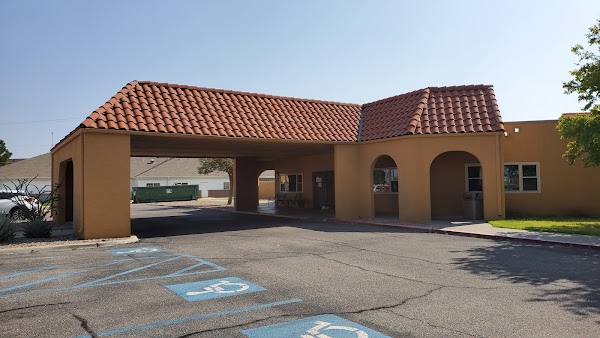
5715 North Lovington Highway, Hobbs, NM 88240 (575) 392-6845
For profit - Limited Liability company 118 Beds OPCO SKILLED MANAGEMENT Data: November 2025
Trust Grade
65/100
#23 of 67 in NM
Last Inspection: January 2025

Within standard 12-15 month inspection cycle. Federal law requires annual inspections.

Overview

White Sands Healthcare in Hobbs, New Mexico has a trust grade of C+, which means it is slightly above average but not without concerns. It ranks #23 out of 67 facilities in New Mexico, placing it in the top half, but is at the bottom of the local options, ranking #3 out of 3 in Lea County. The facility's trend is worsening, with issues increasing from 7 in 2024 to 14 in 2025. Staffing is a weakness, rated only 2 out of 5 stars, and has a turnover rate of 51%, slightly below the state average. While the facility has no fines recorded, which is a positive sign, there have been serious incidents, such as a resident falling and sustaining a subarachnoid hemorrhage due to staff not using a mechanical lift as required. Additionally, the facility failed to provide residents with information on how to file complaints with the state agency, which could affect all residents. On a positive note, the overall quality measures score is 4 out of 5 stars, indicating that many aspects of care are being met well.
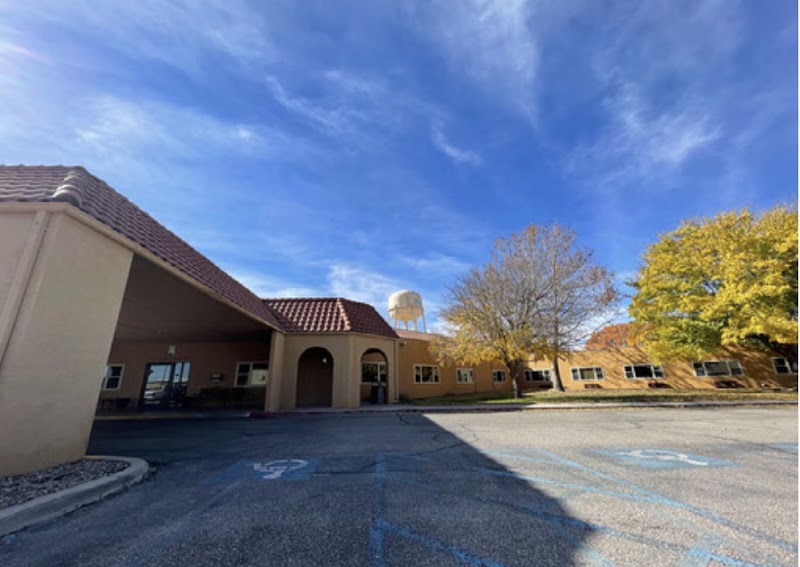
Trust Score
C+
65/100
In New Mexico
#23/67
Top 34%
Safety Record
Moderate
Needs review
Inspections
Getting Worse
7 → 14 violations
Staff Stability
⚠ Watch
51% turnover. Above average. Higher turnover means staff may not know residents' routines.
Penalties
✓ Good
No fines on record. Clean compliance history, better than most New Mexico facilities.
Skilled Nurses
○ Average
Each resident gets 34 minutes of Registered Nurse (RN) attention daily — about average for New Mexico. RNs are the most trained staff who monitor for health changes.
Violations
⚠ Watch
35 deficiencies on record. Higher than average. Multiple issues found across inspections.
★★★★☆
4.0
Overall Rating
★★☆☆☆
2.0
Staff Levels
★★★★☆
4.0
Care Quality
★★★★☆
4.0
Inspection Score
Stable
2024: 7 issues
2025: 14 issues

The Good

  • 4-Star Quality Measures · Strong clinical quality outcomes
  • Full Sprinkler Coverage · Fire safety systems throughout facility
  • No fines on record

Facility shows strength in quality measures, fire safety.

The Bad

Staff Turnover: 51%

Near New Mexico avg (46%)

Higher turnover may affect care consistency

Chain: OPCO SKILLED MANAGEMENT

Part of a multi-facility chain

Ask about local staffing decisions and management

The Ugly 35 deficiencies on record

1 actual harm
Jul 2025 1 deficiency 1 Harm
SERIOUS (G) 📢 Someone Reported This

A family member, employee, or ombudsman was alarmed enough to file a formal complaint

Actual Harm - a resident was hurt due to facility failures

Accident Prevention (Tag F0689)

A resident was harmed · This affected 1 resident

**NOTE- TERMS IN BRACKETS HAVE BEEN EDITED TO PROTECT CONFIDENTIALITY** Based on record review and interview, the facility failed to prevent an accident for 1 (R #1) of 1 (R #1) resident reviewed for ...

Read full inspector narrative →
**NOTE- TERMS IN BRACKETS HAVE BEEN EDITED TO PROTECT CONFIDENTIALITY** Based on record review and interview, the facility failed to prevent an accident for 1 (R #1) of 1 (R #1) resident reviewed for falls, when the facility failed to ensure staff used a mechanical lift as required.This deficient practice resulted in R #1 falling and sustaining a Subarachnoid hemorrhage (bleeding in the space between the brain and the tissue covering the brain) was identified on (Computed Tomography; a medical imaging procedure that uses x-rays to create detailed cross-sectional images of the body) CT that required treatment at a hospital for higher level of care.A. Record review of R #1's face sheet revealed R #1 was admitted into the facility on [DATE] and currently has the following diagnoses:1. Type 2 Diabetes.2. Alzheimer's (brain disorder that slowly destroys memory and thinking skills, and eventually the ability to carry out the simplest tasks).3. Anxiety (feeling of unease, worry, or nervousness).4. Repeated Falls.5. Hypertension (A condition in which the force of the blood against the arty walls is too high).6. Epilepsy7. Muscle Weakness8. Parkinson's Disease B. Record review of R #1's nursing progress notes revealed the following:- On 06/19/25, staff documented the resident sent to the Emergency Department (ED) to evaluate and treat, status post fall.C. Record review of witness statements revealed the following:-On 07/01/25, Hospitality Aide (HA) stated she was in R #1's room when the fall occurred because she was doing 1:1 monitoring (a person that maintains constant visual observation of a resident to ensure resident safety). She stated that R #1 was placed in a mechanical lift sling by CNA #1 without assistance from other staff. She stated once CNA #1 had R #1 in the mechanical lift sling, she raised R #1 in the air when she heard a snap and R #1 fell out of the sling. R #1 fell to the floor, hitting his legs on the corner of the mechanical lift and his head on the base of the mechanical lift.-On 07/01/25, Certified Nursing Aide (CNA) #1 stated she getting R #1 up for the day using the mechanical lift, she stated when she got R #1 in the sling and had him up in the air with the mechanical lift, she heard a pop and R #1 dropped to the floor. CAN #1 stated he fell before I could do anything. She stated that R #1 fell on his buttocks and his legs hit the legs of the lift and his head hit the base of the lift.-On 07/01/25, Licensed Practical Nurse (LPN) #1 stated he was the charge nurse assigned to R #1 at the time of R 1#'s fall on 06/19/2025. He stated that he was notified that R #1 had fallen from the lift. When he arrived to R #1's room he observed R #1 sitting on the floor with CNA #1 attending to him. He stated that R #1 was awake, alert and oriented to self and was his normal baseline at time of assessment.C. Record review of R #1's Investigation Report (5 day report), dated 06/30/25, revealed that R #1 fell from a [NAME] lift during a bed-to-chair transfer, landing on his back hitting his head. R #1 was sent to the emergency room for evaluation and treatment. Subarachnoid hemorrhage (bleeding in the space between the brain and the tissue covering the brain) was identified on (Computed Tomography; a medical imaging procedure that uses x-rays to create detailed cross-sectional images of the body) CT and R #1 was referred to Covenant Hospital in Lubbock for further neurological treatment. R #1 had repeat CT on 06/21/25 indicating resolution of the subarachnoid hemorrhage and subsequently readmitted back to nursing home facility.D. Record review of R #1's care plan, initiated on 06/02/25 and revised on 07/01/25, revealed the following: - Focus: R #1 has an ADL self-care performance deficit related to Dementia, Parkinson's disease and visual disturbances secondary to presbyopia, nuclear sclerosis bilaterally, refraction disorder and cataracts.- Interventions: R #1 requires total assistance by staff to move betweensurfaces and as necessary and requires total assistance by staff with sittingto stand transfers, chair to bed transfers, toilet transfers and shower transfers. R #1 requires transfers with Hoyer lift with 2 people and was initiated on 10/20/20 and revised on 07/01/25. E. Record review of R #1's Minimum Data Set (MDS) Section GG (Functional Abilities and Goals), dated 06/27/25, revealed the following:-R #1 requires maximal assistance to roll between his left and right side. -R #1 requires maximal assistance when moving from sitting on the side of the bed to lying flat on the bed. - R #1 is completely dependent when moving from lying flat on the bed to sitting on the side of the bed. - R #1 is completely dependent when transferring from chair to bed or bed to chair.F. On 07/16/25 at 10:40 am during an interview with Assistant Director of Nursing (ADON) stated during the investigation it was revealed that CNA #1 initiated the transfer alone without assistance. She stated the Hospitality Aide (HA) was in the room at the time of the fall but was only there performing one to one monitoring of the resident. The ADON stated CNA per competency training dated 02/19/25, her expectation was for CNA #1 to get help prior to attempting a hoyer lift. The ADON also states their policy states there has to be two certified
May 2025 3 deficiencies
CONCERN (E) 📢 Someone Reported This

A family member, employee, or ombudsman was alarmed enough to file a formal complaint

Potential for Harm - no one hurt, but risky conditions existed

Deficiency F0760 (Tag F0760)

Could have caused harm · This affected multiple residents

Based on record review and interview, the facility failed to ensure residents were free of any significant medication errors for 1 (R #1) of 1 (R #1) resident reviewed for medication administration wh...

Read full inspector narrative →
Based on record review and interview, the facility failed to ensure residents were free of any significant medication errors for 1 (R #1) of 1 (R #1) resident reviewed for medication administration when staff failed to administer medication per physician's orders. This deficient practice could likely lead to the residents having adverse (unwanted, harmful, or abnormal result) side effects, or not receiving the desired therapeutic effect of the medication. The findings are: A. Record review of R #1's Physician's orders revealed the following: 1. Metoprolol succinate (beta-blocker used to treat chest pain (angina), heart failure, and high blood pressure) ER (extended release), extended release 24-hour, started on 11/24/23. Give 50 MG (milligram; dose of medication) by mouth one time a day for hypertension (high blood pressure). Hold if SBP (Systolic blood pressure; the top number in a blood pressure reading) is less than 120, DBP (Diastolic blood pressure; the bottom number in a blood pressure reading) is less than 80, HR (Heart rate; number of times the heart beats in a min) is less than 60. 2. Losartan Potassium (used to relax blood vessels to increase the supply of the blood and oxygen to the heart.) 100 MG, started on 11/25/23. Give 1 tablet by mouth one time a day for hypertension. Hold if SBP is less than 120. B. Record review of R #1's Medication Administration Record (MAR) for May 2025, revealed staff administered the following medications: 1. Metoprolol succinate ER, 50 MG, on 05/02/25, 05/04/25, 05/07/25, 05/11/25, 05/12/25, 05/13/25, 05/16/25, 05/17/25, 05/18/25, 05/20/25, and 05/22/25 for SBP less than 120, DBP less than 80. 2. Losartan Potassium 100 MG, on 05/07/25, 05/11/25, and 05/13/25 for SBP less than 120. C. Record review of R #1's blood pressures were documented as follows: 1. 05/02/25-132/75 2. 05/04/25-134/75 3. 05/07/25-114/78 4. 05/11/25-118/80 5. 05/12/25-132/74 6. 05/13/25-115/72 7. 05/16/25-122/78 8. 05/17/25-125/77 9. 05/18/25-131/74 10. 05/20/25-128/72 11. 05/22/25-120/74 D. On 05/23/25 at 10:35 am during an interview with the Director of Nursing (DON), she stated the following: 1. R #1 received her Metoprolol Succinate and Losartan Potassium medications outside the prescribed parameters. 2. Medication was administered outside the prescribed parameters causing a significant medication error. 3. She stated her expectations are for the nurses to follow the orders as written, hold the medication and call the doctor to verify instructions.
CONCERN (E) 📢 Someone Reported This

A family member, employee, or ombudsman was alarmed enough to file a formal complaint

Potential for Harm - no one hurt, but risky conditions existed

Deficiency F0761 (Tag F0761)

Could have caused harm · This affected multiple residents

Based on observation and interview, the facility failed to ensure all treatment carts were locked while unattended. This deficient practice had the potential to affect all 27 people residing in rooms ...

Read full inspector narrative →
Based on observation and interview, the facility failed to ensure all treatment carts were locked while unattended. This deficient practice had the potential to affect all 27 people residing in rooms on the 200 hall by allowing unauthorized people access to their medical supplies and personal health information. The findings are: A. On 05/22/25 at 10:15 am, a random observation of the facility revealed the treatment cart located in the 200 hall was unlocked, and the facility employees were not in the area. B. On 05/22/25 at 10:15 am, during an interview with Registered Nurse (RN) #1, she confirmed the treatment cart was unlocked and she locked the cart. RN #1 stated the treatment cart should be locked and secured while not in use. C. On 05/23/25 at 10:25 am, during an interview with the Director of Nursing (DON), she confirmed that all treatment carts should be locked while not in use.
CONCERN (E) 📢 Someone Reported This

A family member, employee, or ombudsman was alarmed enough to file a formal complaint

Potential for Harm - no one hurt, but risky conditions existed

Medical Records (Tag F0842)

Could have caused harm · This affected multiple residents

Based on observation and interview, the facility failed to safeguard resident's personal health information by leaving a list of residents with their associated wound care orders in plain view. This d...

Read full inspector narrative →
Based on observation and interview, the facility failed to safeguard resident's personal health information by leaving a list of residents with their associated wound care orders in plain view. This deficient practice had the potential to affect all 27 people residing in the rooms on the 200 hall by allowing unauthorized people access to their personal health information. The findings are: A. On 05/22/25 at 10:15 am, a random observation of the facility revealed a paper document with names of the residents and their wound care orders sitting face up on top of the treatment cart. B. On 05/23/25 at 10:25 am, during an interview with the Director of Nursing (DON), she confirmed that all personal health information should be safeguarded and should never be left in view of people that are not authorized to see it.
Jan 2025 10 deficiencies
CONCERN (D)

Potential for Harm - no one hurt, but risky conditions existed

Resident Rights (Tag F0550)

Could have caused harm · This affected 1 resident

**NOTE- TERMS IN BRACKETS HAVE BEEN EDITED TO PROTECT CONFIDENTIALITY** Based on observation, record review, and interview, the facility failed to promote care with dignity and respect for 2 (R #52 an...

Read full inspector narrative →
**NOTE- TERMS IN BRACKETS HAVE BEEN EDITED TO PROTECT CONFIDENTIALITY** Based on observation, record review, and interview, the facility failed to promote care with dignity and respect for 2 (R #52 and R #9) of 2 (R #52 and R #9) residents reviewed for rights when they: 1. Provided a medical assessment in the dining area during mealtime. 2. Interrupted a resident during mealtime to prepare her to take medications. This deficient practice could result in residents feeling as if they were unimportant and not having privacy. The findings are: R #52 E. Record review of R #52's face sheet revealed he was admitted to the facility on [DATE] with the following diagnoses: 1. Type 2 diabetes mellitus without complications, 2. Unspecified protein-calorie malnutrition, 3. Unspecified dementia, severe with anxiety and behavioral disturbance, 4. Cardiomegaly (enlarged heart). F. Record review of R #52's Minimum Data Set (MDS; a federally mandated assessment instrument completed by facility staff) revealed a Brief Interview of Mental Status (BIMS; a screening for cognitive impairment) score of 2, severely impaired. G. On 01/07/25 at 12:16 pm, during a mealtime observation in the main dining room, staff served R #52 his meal at 12:21 pm, and R #52 ate his food. At 12:46 pm, Medical Provider (MP) #1 approached R #52 with a computer cart. R #52 stopped eating, and MP #1 took R #52's vitals [body temperature, pulse rate, respiration rate (rate of breathing), oxygen saturation (amount of oxygen in the blood), and blood pressure]. Other residents and staff members were present in the dining room. B. On 01/07/25 at 1:06 pm, during an interview with R # 52, the resident was unable to answer questions regarding the his care. R #9 E. I. On 01/10/25 at 8:25 am during an observation of a medication administration, R #9 sat in the dining room and ate breakfast. Registered Nurse (RN) #1 entered the dining room and walked over to R #9. The resident stopped eating, and RN #1 placed a wrist blood pressure cuff (device used to measure blood pressure) on the resident's left anterior Delete. This medical term is not needed to tell the story. wrist. RN #1 took the rest of R #9's vitals while she sat in the dining room. Other residents and staff members were present in the dining room. F. On 01/10/25 at 8:35 am during an interview with RN #1, he stated he normally administered medications to residents in the privacy of their own room, but he was in a hurry to get R# 9 her blood pressure medications. G. On 01/13/25 at 4:00 pm, during an interview with the Director of Nursing (DON), she stated staff should not conduct medical assessments during mealtimes or in the dining room if others are present.
CONCERN (D)

Potential for Harm - no one hurt, but risky conditions existed

Food Safety (Tag F0812)

Could have caused harm · This affected 1 resident

Based on observation, record review, and interview, the facility failed to store and serve food under sanitary conditions when they failed to remove an unlabeled and undated pitcher of white liquid fr...

Read full inspector narrative →
Based on observation, record review, and interview, the facility failed to store and serve food under sanitary conditions when they failed to remove an unlabeled and undated pitcher of white liquid from the television area of the memory care unit. This deficient practice could likely affect all 21 residents residing in the memory care unit as identified on the census provided by the Administrator (ADM) on 01/05/25. The findings are: A. On 01/06/25 at 10:10 am, a random observation of the memory care unit revealed a pitcher of white liquid that was not labeled or dated. Further observation revealed the pitcher sat on a tray in the television room of the memory care unit, and there were several residents present including R #72 and R #61. B. On 01/06/24 at 10:13 am, during an interview, Nurse Aide in Training (NAIT) #1 she stated the pitcher of white liquid was not labeled or dated and should not have been left on the tray where residents had access to it. She stated the pitcher was probably milk from breakfast. C. Record review of the facility's mealtimes revealed that breakfast was served in the memory care unit from 7:30 am to 9:00 am.
CONCERN (E)

Potential for Harm - no one hurt, but risky conditions existed

Safe Environment (Tag F0584)

Could have caused harm · This affected multiple residents

Based on observation and interview, the facility failed to provide a clean and homelike environment when staff did not clean vomit off the floor in the dining area of the memory care unit. This defici...

Read full inspector narrative →
Based on observation and interview, the facility failed to provide a clean and homelike environment when staff did not clean vomit off the floor in the dining area of the memory care unit. This deficient practice could likely affect all 21 residents residing in the memory care unit as identified by the census provided by the Administrator on 01/05/25. Failure to provide a clean and homelike environment is likely to result in unsafe conditions and prevent residents from enjoying everyday activities. The findings are: A. On 01/06/25 at 9:10 am, a random observation of the memory care unit revealed vomit on the floor in the dining area by the door leading outside. B. On 01/06/25 at 9:13 am, during an interview with Licensed Practical Nurse (LPN) #1, she stated the vomit was on the floor since breakfast. She stated she informed housekeeping staff, and they told her someone would clean it later. C. On 01/13/25 at 2:07 pm, during an interview with the Director of Nursing, she stated nursing staff should clean up bodily fluids such as vomit. She stated her expectation would be for nursing staff to clean it as soon as they are able to do so, and housekeeping would then disinfect the area.
CONCERN (E)

Potential for Harm - no one hurt, but risky conditions existed

Deficiency F0645 (Tag F0645)

Could have caused harm · This affected multiple residents

**NOTE- TERMS IN BRACKETS HAVE BEEN EDITED TO PROTECT CONFIDENTIALITY** Based on record review and interview, the facility failed to ensure the Pre-admission Screening and Resident Review (PASRR; a sc...

Read full inspector narrative →
**NOTE- TERMS IN BRACKETS HAVE BEEN EDITED TO PROTECT CONFIDENTIALITY** Based on record review and interview, the facility failed to ensure the Pre-admission Screening and Resident Review (PASRR; a screening to help ensure that individuals are not inappropriately placed in nursing homes for long term care) assessment was accurate for 5 (R #23, R #25, R #95, R #98, R #104) of 6 (R #17, R #23, R #25, R # 95, R #98, R #104) residents reviewed for PASRR accuracy. This deficient practice is likely to result in the residents not receiving the services they need. The findings are: R #23 A. Record review of R #23's face sheet revealed R #23 was admitted into the facility on [DATE] with the following diagnoses: 1. Major depressive disorder (a mental health disorder characterized by persistently depressed mood or loss of interest in activities, causing significant impairment in daily life), 2. Anxiety disorder (feelings of fear or apprehension), 3. Schizoaffective disorder (a mental condition that causes both psychosis and mood problems)-bipolar type (a disorder associated with episodes of mood swings ranging from depressive lows to manic highs). B. Record review of R #23's PASRR, dated 7/31/24, revealed staff documented R #23 did not have a diagnosis or suspected mental illness. R #25 C. Record review of R #25's face sheet revealed R #25 was admitted into the facility on [DATE] with the following diagnoses: 1. Bipolar disorder (a disorder associated with episodes of mood swings ranging from depressive lows to manic highs), 2. Major depressive disorder, 3. Anxiety disorder. D. Record review of R #25's PASRR, dated 12/20/24, revealed staff documented R #25 did not have a diagnosis or suspected mental illness. R #95 E. Record review of R #95's face sheet revealed R #95 was admitted into the facility on [DATE] with the following diagnoses: 1. Mood disorder (a mental health condition that affects a person's emotional state), 2. Major depressive disorder, 3. Anxiety disorder, 4. Post traumatic stress disorder (PTSD; a mental health condition triggered by a terrifying event, causing flashbacks, nightmares, and severe anxiety). F. Record review of R #95's PASRR, dated 07/27/24, revealed staff documented R #95 did not have a diagnosis or suspected mental illness. R #98 G. Record review of R #98's face sheet revealed R #98 was admitted into the facility on [DATE] with the following diagnoses: 1. Post-traumatic stress disorder, 2. Major depressive disorder, 3. Anxiety disorder, 4. Alcohol abuse with alcohol-induced psychotic disorder with hallucinations (symptoms of mental disorder present during or shortly after heavy alcohol intake). H. Record review of R #98's PASRR, dated 05/14/24, revealed staff documented R #98 did not have a diagnosis or suspected mental illness. R.#104 I. Record review of R #104's face sheet revealed R #104 was admitted into the facility on [DATE] with the following diagnoses: 1. Post-traumatic stress disorder, 2. Major depressive disorder, 3. Anxiety disorder. J. Record review of R #104's PASRR, dated 08/21/24, revealed staff documented R #104 did not have a diagnosis or suspected mental illness. K. On 01/13/25 at 1:45 pm during an interview with the Social Services Director (SSD), she stated the facility should have made sure R #23's, R #25's, R #95's, R #98's, and R #104's PASRR level 1 was correct prior to admission, but they did not.
CONCERN (E)

Potential for Harm - no one hurt, but risky conditions existed

Comprehensive Care Plan (Tag F0656)

Could have caused harm · This affected multiple residents

**NOTE- TERMS IN BRACKETS HAVE BEEN EDITED TO PROTECT CONFIDENTIALITY** Based on observation, record review, and interview, the facility failed to develop and implement an accurate, person-centered co...

Read full inspector narrative →
**NOTE- TERMS IN BRACKETS HAVE BEEN EDITED TO PROTECT CONFIDENTIALITY** Based on observation, record review, and interview, the facility failed to develop and implement an accurate, person-centered comprehensive care plan for 2 (R#1 and #26) of 8 (R #1, R #23, R #25, R #26, R #55, R #65, R #95, and R #98) residents reviewed for care plans. This deficient practice could likely result in staff being unaware of the current and actual needs of the residents. The findings are: R #26 A. Record review of R #26's face sheet revealed she was originally admitted to the facility on [DATE] with the following diagnoses: 1. Idiopathic chronic gout (a type of arthritis that causes intense pain, swelling, redness and tenderness of an affected joint). 2. Major depressive disorder (a mental health disorder characterized by persistently depressed mood or loss of interest in activities, causing significant impairment in daily life), recurrent, mild, 3. Blindness, left eye, 4. Heart failure, unspecified, 5. Chronic kidney disease, severe (CKD; impaired kidney function.) B. Record review of R #26's care plan, revised on 08/07/24, revealed R #26 had a communication problem related to a hearing deficit and being hard of hearing. C. Record review of R #26's medical record revealed the resident did not have a diagnosis related to a hearing deficit. D. Record review of R #26's quarterly Minimum Data Set (MDS; a federally mandated assessment instrument completed by facility staff), dated 10/30/24, revealed the following: 1. R #26's hearing was adequate without the use of a hearing aid. 2. A Brief Interview of Mental Status (BIMS; a screening for cognitive impairment) score of 14, cognitively intact. E. On 01/06/25 at 04:14 pm, during an interview, R #26 denied any concerns with her hearing, and there were no communication issues during this interview. F. On 01/13/25 at 1:16 pm during an interview with the Administrator (ADM), he stated R #26 did not have a hearing deficit, and the resident's care plan was incorrect. He stated his expectation is for care plans to accurately reflect the resident's needs. R #1 A. Record review of R #1's face sheet revealed that he was admitted to the facility on [DATE] with multiple diagnoses including: 1. Quadriplegia (paralysis of all four limbs), unspecified, 2. Unspecified mental disorder due to known physiological condition (a mental health issue that can be traced back to a physical health problem), 3. Unspecified intracranial injury (injury to the brain caused by an external force) with loss of consciousness of unspecified duration, initial encounter, 4. Contracture (a fixed tightening of muscle, tendons, ligaments, or skin) of left elbow, contracture of left ankle, and contracture of right ankle. B. Record review of R #1's quarterly MDS, dated [DATE], revealed a BIMS score of 00, severe impairment. C. Record review of R #1's care plan, revised on 09/13/24, revealed the following interventions: 1. R #1 was to wear bilateral (having or relating to two sides; affecting both sides) resting hand splints and bilateral elbow extension splints as tolerated. Monitor (splint, brace, etc.) for signs and symptoms of skin breakdown with application and removal (splint, brace, etc.), and notify the nurse of any changes. 2. R #1 was to wear bilateral elbow extension splints and right resting hand splint daily, or as tolerated. 3. R #1 had contractures on all the extremities. Provide skin care when turning as needed to keep clean and prevent skin breakdown. Loosen and remove splints periodically and check for any skin breakdown. Clean palms of hands to help prevent odor build up. D. Record review of R #1's physician orders revealed the record did not contain an order for the resident to use splints. E. On 01/06/25 at 3:30 pm during an interview with R #1's mother, she stated R #1 was supposed to wear splints on his hands, elbows, and arms; but he never had them on when she visited him. She stated she talked to several people from the facility to report it. She stated nothing changed because the facility still did not put the splints on R #1. E. During observations on 01/06/25 at 3:53 pm, 01/07/25 at 2:16 pm, 01/08/25 at 9:36 am, and 01/09/25 at 3:43 pm, R #1 did not wear splints on his hands or elbows.
CONCERN (E)

Potential for Harm - no one hurt, but risky conditions existed

Respiratory Care (Tag F0695)

Could have caused harm · This affected multiple residents

**NOTE- TERMS IN BRACKETS HAVE BEEN EDITED TO PROTECT CONFIDENTIALITY** Based on observation, record review, and interview, the facility failed to provide respiratory care in accordance with professio...

Read full inspector narrative →
**NOTE- TERMS IN BRACKETS HAVE BEEN EDITED TO PROTECT CONFIDENTIALITY** Based on observation, record review, and interview, the facility failed to provide respiratory care in accordance with professional standards for 2 (R #17 and R #104) of 3 (R #17, R #70, and R #104) residents reviewed for respiratory care when staff failed to change the oxygen concentrator (a medical device that provides extra oxygen) tubing. If the facility fails to provide new, clean tubing for oxygen concentrators then residents are at risk of becoming ill. The findings are: R #17 A. Record review of R #17's face sheet revealed she was admitted to the facility on [DATE] with multiple diagnoses including: 1. Unspecified dementia, severe with psychotic disturbance, anxiety, and behavioral disturbance, 2. Seizures, 3. Chronic kidney disease (kidneys are damaged and can't filter blood the way they should), 4. Other bipolar disorder (mental health condition that causes extreme mood swings), 5. Dependence on supplemental oxygen (treatment that provides extra oxygen to people who have trouble breathing or lung diseases). B. Record review of R #17's current medical orders revealed the resident did not have an order for the use of oxygen or the care of the equipment. C. On 01/05/25 at 2:00 pm, during an observation of R #17's room, an oxygen concentrator sat on the floor next to R #17's bed, and the oxygen tubing was dated 12/22/24. D. On 01/05/25 at 2:17 pm, during an interview with LPN #2, she confirmed R #17 used oxygen, and the oxygen tubing was dated 12/22/24. LPN #2 stated the date on the oxygen tubing indicated the date it was last changed. LPN #2 stated staff was supposed to change the tubing on Sundays, and she was not sure why it was not done on 12/29/24. She stated her expectation was for staff to change all oxygen tubing weekly. R #104 E. Record review of R #104's face sheet revealed he was admitted to the facility on [DATE] with multiple diagnoses including: 1. Acute respiratory failure with hypoxia [when the lungs cannot adequately oxygenate (supply, treat, charge, or enrich with oxygen) the blood, leading to low oxygen levels in the bloodstream], 2. Unspecified dementia, severe with mood disturbance, 3. Chronic obstructive pulmonary disease (COPD; lung disease) with acute exacerbation (to make something that is already bad, even worse). F. On 01/05/25 at 2:20 pm, during an observation of R #104's room, an oxygen concentrator sat on the floor next to R #104's bed, and the oxygen tubing was not dated. G. Record review of R #104's medical orders revealed an order, dated 09/05/24, for staff to change the resident's oxygen tubing every four weeks. H. On 01/05/25 at 2:29 pm, during an interview with LPN #2, she confirmed R #104 used oxygen, and the oxygen tubing was not dated. LPN #2 stated staff was supposed to change the tubing on Sundays, and she was not sure why it was not done on 12/29/24. She stated her expectation was for staff to change all oxygen tubing weekly and to date the tubing with the date it was last changed.
CONCERN (E)

Potential for Harm - no one hurt, but risky conditions existed

Deficiency F0700 (Tag F0700)

Could have caused harm · This affected multiple residents

**NOTE- TERMS IN BRACKETS HAVE BEEN EDITED TO PROTECT CONFIDENTIALITY** Based on observation, record review, and interview, the facility failed to ensure residents were assessed for risk of entrapment...

Read full inspector narrative →
**NOTE- TERMS IN BRACKETS HAVE BEEN EDITED TO PROTECT CONFIDENTIALITY** Based on observation, record review, and interview, the facility failed to ensure residents were assessed for risk of entrapment (state of being stuck or caught on bed rail) in bed rails for 6 (R #23, R #25, R #55, R #65, R # 95, and R # 98) of 8 (R #21, R #23, R #25, R #55, R #65, R #77, R #95, and R #98) resident reviewed for accidents. This deficient practice has the potential to cause serious injury by becoming trapped between the mattress and bed rail. The findings are: R #23 A. Record review of R #23's admission record revealed R #23 was admitted to the facility on [DATE]. B. On 01/09/25 at 10:55 AM, during an observation, R #23's bed had two bilateral (on both sides) quarter side rails (horizontal metal or plastic bars that extend about a quarter of the length of a bed) in place. C. Record review of R #23's physician orders reviewed, dated 08/09/24 through 01/09/24, revealed the resident did not have a physician order for bed rails. D. Record review of R #23's care plan, dated 11/17/24 and revised date 08/18/23, revealed R #23 used bed rails for bed mobility and positioning. E. Record review of R #23 comprehensive Minimum Data Set (MDS; a federally mandated assessment instrument completed by facility staff), dated 10/21/24, revealed the resident did not use bed rails. F. Record review of R #23's medical record revealed the record did not contain the following: - Assessment of the resident for risk of assessment, - Review of risk and benefits of the bed rails with the resident or resident representative, - Consent from the resident or resident representative, - Documentation the bed's dimensions were appropriate for the resident's size and weight. G. On 01/13/25 at 2:07 pm during an interview with the Director of Nursing (DON), she stated that bedrail assessments should be completed quarterly for any residents that utilized bedrails. The DON was not able to provide evidence that a bedrail assessment for R #23 was completed prior to 01/09/25. R # 25 H. Record review of R #25's admission record revealed R #25 was admitted to the facility on [DATE]. I. On 01/09/25 at 11:15 AM, during an observation, R #25's bed had two bilateral quarter side rails in place. J. Record review of R #25's physician orders, dated 12/20/24 through 01/09/24, revealed the resident did not have a physician order for bed rails. K. Record review of R #25's care plan, dated 12/26/24, revealed staff did not document the residents' use of bedrails. L. Record review of R #25's admission MDS, dated [DATE], revealed the resident did not use bed rails. M. Record review of R #25's medical record revealed the record did not contain the following: - Assessment of the resident for risk of assessment, - Review of risk and benefits of the bed rails with the resident or resident representative, - Consent from the resident or resident representative, - Documentation the bed's dimensions were appropriate for the resident's size and weight. N. On 01/13/25 at 2:07 pm during an interview with the DON, she stated bedrail assessments should be completed quarterly for any residents that utilized bedrails. The DON was not able to provide evidence that a bedrail assessment for R #25 was completed prior to 01/09/25. R #55 O. Record review of R #55's admission record revealed R #55 was admitted to the facility on [DATE]. P. On 01/09/25 at 11:00 AM, during an observation, R #55's bed had two bilateral quarter side rails in place. Q. Record review of R #55's physician orders, dated 10/18/24 through 01/09/24, revealed the resident did not have a physician order for bed rails. R. Record review of R #55's care plan, dated 11/30/24, revealed staff did not document the residents' use of bedrails. S. Record review of R 55's quarterly MDS, dated [DATE], revealed the resident did not use bed rails. T. Record review of R #55's medical record revealed the record did not contain the following: - Assessment of the resident for risk of assessment, - Review of risk and benefits of the bed rails with the resident or resident representative, - Consent from the resident or resident representative, - Documentation the bed's dimensions were appropriate for the resident's size and weight. U. On 01/13/25 at 2:07 pm during an interview with the DON, she stated that bedrail assessments should be completed quarterly for any residents that utilized bedrails. The DON was not able to provide evidence that a bedrail assessment for R #55 was completed prior to 01/09/25. R #65 V. Record review of R #65's admission record revealed R #65 was admitted to the facility on [DATE]. W. On 01/06/25 at 11:57 AM, during an observation, R #65's bed had two bilateral quarter side rails in place. X. Record review of R #65's physician orders, dated 9/22/23 through 01/07/24, revealed the resident did not have a physician order for bed rails. Y. Record review of R #65's care plan, dated 10/23/24, revealed the use of bedrails was documented. Z. Record review of R #65's quarterly MDS, dated [DATE], revealed the resident did not use bed rails. AA. Record review of R #65's medical record revealed the record did not contain the following: - Assessment of the resident for risk of assessment, - Review of risk and benefits of the bed rails with the resident or resident representative, - Consent from the resident or resident representative, - Documentation the bed's dimensions were appropriate for the resident's size and weight. BB. On 01/13/25 at 2:07 pm during an interview with the DON, she stated the resident did not need the bedrails. R #95 CC. Record review of R #95's admission record revealed R #95 was admitted to the facility on [DATE]. DD. On 01/09/25 at 11:03 AM, during an observation, R #95's bed had two bilateral quarter side rails in place. EE. Record review of R #95's physician orders, dated 07/27/24 through 01/08/24, revealed the resident did not have a physician order for bed rails. FF. Record review of R #95's care plan, dated 12/26/24, revealed staff did not document the resident's use of bedrails. GG. Record review of R #95's quarterly MDS, dated [DATE], revealed the resident did not use bed rails. HH. Record review of R #23's medical record revealed the record did not contain the following: - Assessment of the resident for risk of assessment, - Review of risk and benefits of the bed rails with the resident or resident representative, - Consent from the resident or resident representative, - Documentation the bed's dimensions were appropriate for the resident's size and weight. II. On 01/13/25 at 2:07 pm during an interview with the DON, she stated that bedrail assessments should be completed quarterly for any residents that utilized bedrails. The DON was not able to provide evidence that a bedrail assessment for R #95 was completed prior to 01/09/25. R #98 JJ. Record review of R #98's admission record revealed R #98 was admitted to the facility on [DATE]. KK. On 01/09/25 at 11:18 AM, during an observation, R #98's bed had two bilateral quarter side rails in place. LL. Record review of R #98's physician orders, dated 05/15/24 through 01/06/24, revealed the resident did not have a physician order for bed rails. MM. Record review of R #98's care plan, dated 11/15/24, revealed staff did not document the resident's use of bedrails. NN. Record review of R #98's quarterly MDS, dated [DATE], revealed the resident did not use bed rails. OO. Record review of R #98's medical record revealed the record did not contain the following: - Assessment of the resident for risk of assessment, - Review of risk and benefits of the bed rails with the resident or resident representative, - Consent from the resident or resident representative, - Documentation the bed's dimensions were appropriate for the resident's size and weight. PP. On 01/13/25 at 2:07 pm during an interview with the DON, she stated that bedrail assessments should be completed quarterly for any residents that utilized bedrails. The DON was not able to provide evidence that a bedrail assessment for R #98 was completed prior to 01/09/25.
CONCERN (E)

Potential for Harm - no one hurt, but risky conditions existed

Unnecessary Medications (Tag F0759)

Could have caused harm · This affected multiple residents

Based on observation, record review, and interview, the facility failed to ensure that the medication error rate was 5% or less when staff administered medications without wearing gloves or using a me...

Read full inspector narrative →
Based on observation, record review, and interview, the facility failed to ensure that the medication error rate was 5% or less when staff administered medications without wearing gloves or using a medication cup for 1 (R# 30) of 1 (R# 30) residents reviewed during medication administration. This resulted in a medication error rate of 15.63%. If the staff members do not wear gloves or use a medication cup when administering medications, then residents are likely to become ill due to cross-contamination. The findings are: A. On 01/10/25 at 8:30 am during an observation of medication administration for R# 30, RN #1 entered the resident's room and asked if he was ready for his medications. R# 30 stated he was ready. RN #1 cleaned his hands with alcohol-based hand sanitizer (ABHS; hand cleanser that has alcohol in it to kill bad germs). He pulled out the over the counter (OTC) medications (medications that do not need a prescription from the physician and can be bought in most stores) from the medication cart in the hallway. RN #1 used his bare hands to open the first bottle of a multivitamin and poured the pill into his bare hand. RN #1 continued the same procedure for Senna-Plus (a bowel stimulant (to help the bowels move), zinc (boosts immune system (helps the body fight off infections), and Vitamin C (a vitamin that plays an important role in body functions). B. On 01/10/25 at 8:53 am during interview with RN #1, he stated he normally pours medications directly into the cap of the medication bottle and then into the pill cup. He stated he was not sure why he did not use gloves or a medication cup this time. C. On 01/13/25 at 2:10 pm during an interview with the Director of Nursing (DON), she stated staff should wear gloves and use medication cups when preparing and administering medications.
CONCERN (F)

Potential for Harm - no one hurt, but risky conditions existed

Deficiency F0575 (Tag F0575)

Could have caused harm · This affected most or all residents

Based on interview, record review, and observation the facility failed to ensure residents received information on how to contact the State Survey Agency to file a complaint. This deficient practice c...

Read full inspector narrative →
Based on interview, record review, and observation the facility failed to ensure residents received information on how to contact the State Survey Agency to file a complaint. This deficient practice could likely affect all 110 residents residing in the facility as identified on the census provided by the Administrator (ADM) on 01/05/25. The findings are: A. On 01/05/25 at 12:15 pm during a random observation of the facility, signs or posters regarding filing a complaint with the state survey agency were not visible throughout the facility. B. On 01/07/25 at 10:58 am during an interview with the Resident Council (RC; R #9, R #28, R #29, R #36, R #46, R #73, R #77, R #86, and R #97), they stated they were unaware they could contact the State Survey Agency to file a complaint. C. On 01/08/25 at 12:39 pm during an interview and random observation of the facility with the Administrator, one sign regarding contacting the State Survey Agency to file a complaint hung on the front entrance door and faced outside the building. Further observation revealed there were not any signs or posters visible to residents from inside the facility. The bottom of the sign was approximately four feet from the ground and printed on a piece of paper measuring 8.5 inches wide by 11 inches long. The sign included information to call the New Mexico Department of Health intake hotline to file a complaint. Further observation revealed there were not any signs or posters visible to residents from inside the facility. The ADM confirmed there are not any other signs with information on how to contact the State Agency that were accessible to the residents inside the facility.
MINOR (C)

Minor Issue - procedural, no safety impact

Deficiency F0761 (Tag F0761)

Minor procedural issue · This affected most or all residents

**NOTE- TERMS IN BRACKETS HAVE BEEN EDITED TO PROTECT CONFIDENTIALITY** Based on observation and interview, the facility failed to: 1. Ensure medications and other medical supplies were not expired. ...

Read full inspector narrative →
**NOTE- TERMS IN BRACKETS HAVE BEEN EDITED TO PROTECT CONFIDENTIALITY** Based on observation and interview, the facility failed to: 1. Ensure medications and other medical supplies were not expired. 2. Ensure medications for 1 (R #88) of 1 (R #88) residents were destroyed after completion of therapy. This deficient practice has the potential to affect all 110 residents identified on the facility census list provided by the Administrator on [DATE]. The use of expired medication is likely to cause residents to receive medications which are less effective due to a breakdown in chemical makeup, leading to less-than-optimal benefit from medications. Continuing to leave discharged /completed medications in the medication storage room is likely to cause residents to receive a medication that is not theirs. The findings are: Expired Medication A. On [DATE] at 8:20 am, during observation and interview with Assistant Director of Nursing (ADON) in the medication room located on the Skilled Care Unit, an Ultrasound Gel, 8.5 ounce (oz), expired on [DATE] sat on top of the refrigerator by the bladder scanner. The ADON reviewed the ultrasound gel and confirmed it expired on [DATE]. The ADON stated that any expired medication, and supplies should be removed from the medication storage room and the medication carts on or before the date of expiration. R #88 B. Record review of R #88's medical orders revealed an order dated [DATE] to mix and administer one gram of ceftriaxone (an antibiotic used to treat an infection) with lidocaine HCL, 1 percent (%; a medication used to numb pain) for three days. C. On [DATE] at 8:30 am, during an observation of the medication room located on the Skilled Care Unit, two unused bottles of ceftriaxone and two bottles of lidocaine HCL, 1% for R #88 were located in the bottom closet. D. On [DATE] at 9:00 am, during interview with the ADON, she stated R #88's ceftriaxone and lidocaine should have been removed from the medication storage room as soon as the order was completed. The ADON stated R #88's medication orders were completed on [DATE], but staff did not remove the vials from the medication storage room.
Mar 2024 7 deficiencies
CONCERN (D)

Potential for Harm - no one hurt, but risky conditions existed

Deficiency F0578 (Tag F0578)

Could have caused harm · This affected 1 resident

**NOTE- TERMS IN BRACKETS HAVE BEEN EDITED TO PROTECT CONFIDENTIALITY** Based on record review and interview, the facility failed to update the medical chart for 1 (R #32) of 1 (R #32) residents revie...

Read full inspector narrative →
**NOTE- TERMS IN BRACKETS HAVE BEEN EDITED TO PROTECT CONFIDENTIALITY** Based on record review and interview, the facility failed to update the medical chart for 1 (R #32) of 1 (R #32) residents reviewed for advanced directives when they failed to update the resident's code status. This deficient practice is likely to result in residents not having their wishes honored if a life threatening event occurred. The findings are: A. Record review of R #32's Physicians orders, dated [DATE], indicated staff should attempt resuscitation (CPR). B. Record Review of R #32's Medical Orders for Scope of Treatment (MOST; an advanced directive), dated [DATE], indicated the resident's advanced directive was do not resuscitate (DNR). C. Record Review of the R #32 Care Plan, dated [DATE], indicated the resident's advanced directive was DNR. D. On [DATE] at 12:31 PM during an interview with the Director of Nursing (DON), she stated R #32's MOST and the care plan did not match with the Physician's orders, and they should match. The DON further stated the resident's most recent MOST form was not in the resident's medical chart, but it should have been. E. On [DATE] during an interview at 12:43 PM, with Medical Records (MR), she stated she did not put R #32's current MOST in the medical chart.
CONCERN (D)

Potential for Harm - no one hurt, but risky conditions existed

Deficiency F0657 (Tag F0657)

Could have caused harm · This affected 1 resident

**NOTE- TERMS IN BRACKETS HAVE BEEN EDITED TO PROTECT CONFIDENTIALITY** Resident #32 G. Record review of R #32's care plan, dated on [DATE], revealed the resident's advance directive was do not resusc...

Read full inspector narrative →
**NOTE- TERMS IN BRACKETS HAVE BEEN EDITED TO PROTECT CONFIDENTIALITY** Resident #32 G. Record review of R #32's care plan, dated on [DATE], revealed the resident's advance directive was do not resuscitate (DNR). H. Record review of R #32's Physicians orders, dated [DATE], indicated staff should attempt resuscitation (CPR). I. Record Review of R #32's Medical Orders for Scope of Treatment (MOST; an advanced directive), dated [DATE], indicated the resident's advanced directive was do not resuscitate (DNR). J. On [DATE] at 12:32 PM during an interview with the Director of Nursing (DON), she confirmed MOST did not match with the Physician's orders nor was the care plan revised/updated and they should all match the Physicians orders. Based on observation, record review, and interview, the facility failed to ensure staff revised the care plan for 2 (R #41 and #32) of 2 (R #41 and #32) residents reviewed when staff failed to: 1. Update the care plan to include oxygen (O2) use. 2. Update the care plan to match the physician's orders. These deficient practices are likely to result in residents' care and needs not being addressed if care plans are not updated. The findings are: Resident #41 A. Record review of R #41's face sheet revealed R #41 was admitted into the facility on [DATE]. B. Record review of R #41's physician orders, dated [DATE], revealed an order for oxygen (O2) at 2 to 3 liters per minute (lpm) per nasal cannula (a type of O2 tubing) via concentrator or tank as needed for shortness of breath and wheezing. Keep oxygen saturations (amount of oxygen in the blood) at 92 or above. C. On [DATE] at 10:39 am during an observation, R #41 used O2. D. On [DATE] at 10:46 am during an interview with Certified Nursing Assistant (CNA) #2, she stated R #41 used O2 every day since he returned from the hospital, and R #41 currently used O2. E. Record review of R #41's care plan, reviewed on [DATE], revealed the record did not contain a care plan for R #41's O2 use. F. On [DATE] at 12:18 pm during an interview with the Director of Nursing (DON), she confirmed R #41's care plan did not reflect the use of O2, and R #41's care plan should have been updated to include O2 use.
CONCERN (D)

Potential for Harm - no one hurt, but risky conditions existed

Deficiency F0806 (Tag F0806)

Could have caused harm · This affected 1 resident

Based on observation, record review, and interview, the facility failed to provide food that accommodated resident preferences for 1 (R #41) of 1 (R #41) residents observed for food preferences. This ...

Read full inspector narrative →
Based on observation, record review, and interview, the facility failed to provide food that accommodated resident preferences for 1 (R #41) of 1 (R #41) residents observed for food preferences. This deficient practice is likely to result in weight loss due to the resident not eating or an allergic reaction to the food being served to the resident. A. Record review of R #41's physician order dated 02/26/24 revealed an order for regular diet, pureed with ground meat texture and mildly thick consistency. B. Record review of R #41's dinner meal ticket, dated 02/06/24, revealed staff to serve the resident one cup of pureed pork posole, pureed soft cooked vegetable, pureed broccoli, pureed frosted gelatin poke cake, and pureed tortilla. C. On 02/26/24 at 5:13 pm during a dinner observation, staff served R #41 pureed broccoli, pureed tortilla, pureed frosted gelatin poke cake, and regular consistency posole with whole pieces of meat in the posole. R #41 was eating the regular posole when staff took the regular posole away from R #41 to bring him pureed posole. D. On 02/26/24 at 5:37 pm during an observation and interview with Activities Assistant (AA) #1, she brought R #41 a bowl of tomato soup rather than the pureed posole. AA #1 stated she told the dietary staff she needed a bowl of pureed posole, but the dietary staff brought R #41 tomato soup. AA #1 confirmed she gave R #41 tomato soup instead of pureed posole. E. On 02/26/24 at 5:38 pm during an observation and interview with Certified Nursing Assistant (CNA) #3, R #41 pushed the bowl of tomato soup away from him and stated he was frustrated. CNA #3 stated R #41 did not want the bowl of tomato soup. F. On 03/01/24 at 11:49 am during an interview with the Registered Dietitian (RD), she stated it was okay for staff to serve R #41 tomato soup if he agreed with that; otherwise, staff should have served R #41pureed posole.
CONCERN (D)

Potential for Harm - no one hurt, but risky conditions existed

Deficiency F0808 (Tag F0808)

Could have caused harm · This affected 1 resident

Based on observation, record review, and interview the facility failed to provide a therapeutic diet as ordered by a Physician for 1 (R #41) of 1 (R #41) residents reviewed during random dining observ...

Read full inspector narrative →
Based on observation, record review, and interview the facility failed to provide a therapeutic diet as ordered by a Physician for 1 (R #41) of 1 (R #41) residents reviewed during random dining observations. If the facility fails to provide a diet as ordered, then residents are likely to experience weight loss due to not receiving their prescribed nutritional caloric intake and may be at risk for choking. The findings are: A. Record review of R #41's physician order dated 02/26/24 revealed an order for regular diet, pureed with ground meat texture and mildly thick consistency. B. Record review of R #41's dinner meal ticket, dated 02/06/24, revealed staff to serve the resident one cup of pureed pork posole, pureed soft cooked vegetable, pureed broccoli, pureed frosted gelatin poke cake, and pureed tortilla. C. On 02/26/24 at 5:13 pm during a dinner observation, staff served R #41 pureed broccoli, pureed tortilla, pureed frosted gelatin poke cake, and regular consistency posole with whole pieces of meat in the posole. R #41 ate the regular posole. D. On 02/26/24 at 5:31 pm during an interview with Certified Nursing Assistant (CNA) #3, she stated the dietary staff gave R #41 regular posole. CNA #3 stated R #41 could choke on regular posole. CNA #3 confirmed staff did not serve R #41 pureed posole, but they should have. E. On 03/01/24 at 11:48 am during an interview with the Registered Dietitian (RD), she stated staff should have served R #41 pureed posole on 02/26/24 per physician orders.
CONCERN (E)

Potential for Harm - no one hurt, but risky conditions existed

Resident Rights (Tag F0550)

Could have caused harm · This affected multiple residents

**NOTE- TERMS IN BRACKETS HAVE BEEN EDITED TO PROTECT CONFIDENTIALITY** Based on record review, observation, and interview, the facility failed to properly inform 1 (R #92) of 1 (R #92) resident of tr...

Read full inspector narrative →
**NOTE- TERMS IN BRACKETS HAVE BEEN EDITED TO PROTECT CONFIDENTIALITY** Based on record review, observation, and interview, the facility failed to properly inform 1 (R #92) of 1 (R #92) resident of treatment decisions by failing to utilize interpreter line (service used for communication) or a communication board to communicate with resident in a language the resident could understand. If the facility is not able to communicate with residents then residents are not likely to get their needs met. The findings are: A. Record review of R #92's face sheet revealed R #92 was admitted into the facility on [DATE]. B. Record review of R #92's care plan, dated 02/22/24, revealed the following: - Focus: R #92 had a communication problem related to only spoke [name of language that is not English]. - Interventions: R #92 was able to communicate by: translator. Use effective strategies touch, facial expression, eye contact, gestures, tone of voice, non-threatening posture, short direct phrases, speak slowly, speak in a calm, distinct manner, interpreter, time to communicate, one to one, and quiet setting for communicating with resident. - Focus: R #92 was an elopement risk and wanderer related to disoriented to place and impaired safety awareness. Resident wanders aimlessly into other resident's rooms. - Interventions: Communication board provided by Speech Therapy. C. On 02/29/24 at 12:07 pm during a unit observation, R #92 walked into another resident's room. Staff Development Coordinator (SDC) met R #92 in the unit hall, talked to him in English, and redirected R #92 to the unit activity and dining area. R #92 talked to SDC in the resident's native language, which was not English. SDC did not use a communication board or a translator for R #92 prior to bringing R #92 to the unit activity and dining room. D. On 02/29/24 at 12:09 pm during an interview with the SDC, she stated R #92 spoke [Name of R #92's Native Language]. She said the nursing staff mainly used signs to communicate with R #92, and the resident knew a couple of words in English. E. On 03/01/24 at 10:29 am during an interview with Certified Nursing Assistant (CNA) #1, she stated R #92 knew a little English, but she did not use a communication board or translator service when she spoke with R #92. F. On 03/01/24 at 10:46 am during an interview with CNA #2, she stated she did not use a communication board or translator service when she spoke with R #92. CNA #2 stated there was not a communication board in R #92's room. G. On 03/01/24 at 10:55 am during an interview with Licensed Practical Nurse (LPN) #1, she stated she did not use a communication board or translator service when she spoke with R #92. LPN #1 also stated communication with R #92 in English was choppy, but the nursing staff could relate to R #92's needs well enough. LPN #1 stated she did not think translator services were necessary to communicate with R #92. H. On 03/01/24 at 12:18 pm during an interview with the Director of Nursing (DON), she stated a communication board for R #92 should be available at the nurses station. The DON stated she would expect her nursing staff to utilize the communication board and a type of translator service to communicate with R #92.
CONCERN (E)

Potential for Harm - no one hurt, but risky conditions existed

Deficiency F0658 (Tag F0658)

Could have caused harm · This affected multiple residents

**NOTE- TERMS IN BRACKETS HAVE BEEN EDITED TO PROTECT CONFIDENTIALITY** Based on observation, interview, and record review, the facility failed to meet professional standards of care and failed to mon...

Read full inspector narrative →
**NOTE- TERMS IN BRACKETS HAVE BEEN EDITED TO PROTECT CONFIDENTIALITY** Based on observation, interview, and record review, the facility failed to meet professional standards of care and failed to monitor oxygen (O2) equipment for 3 (R #'s 24, 41, and 69) of 3 (R #'s 24, 41, and 69) residents reviewed for O2 administration when staff failed to: 1. Label, date, and change oxygen (O2; labeling and date as to when the O2 was replaced with new tubing) for R #'s 24 and 41. 2. Administer O2 per physician's orders and have O2 equipment available in the room for R #69. If the facility is not changing and labeling oxygen tubing or providing O2 per physician orders, then residents are likely to not receive the therapeutic benefits and care needed. The findings are: The findings are: A. Record review of the facility oxygen administration policy, dated 06/20, revealed all oxygen tubing used to deliver oxygen should be changed weekly, when visibly soiled, or as indicated by state regulation. Findings for R #24: B. Record review of R #24's face sheet revealed R #24 was admitted into the facility on [DATE]. C. Record review of R #24's physician orders, dated 05/10/23, revealed an order O2 at 2 liters (L) via nasal cannula (a type of O2 tubing) as needed (PRN). Keep O2 saturations (measurement of oxygen in the blood) greater than 90 percent (%) as needed for O2. D. On 02/27/24 at 11:10 am during an observation and interview with R #24, she used O2, and her O2 tubing was not labeled or dated. R #24 stated she used O2 often. E. On 03/01/24 at 10:29 am during an interview with Certified Nursing Assistant (CNA) #1, she stated night shift staff was supposed to change O2 tubing, label, and date the O2 tubing. F. On 03/01/24 at 10:52 am during an interview with CNA #2, she confirmed R #24's O2 tubing was not dated or labeled, and it should have been. G. On 03/01/24 at 10:55 am during an interview with Licensed Practical Nurse (LPN) #1, she stated all O2 tubing should be changed weekly and be labeled and dated with the date it was changed. Findings for R #41: H. Record review of R #41's face sheet revealed R #41 was admitted into the facility on [DATE]. I. Record review of R #41's physician orders, dated 02/25/24, revealed an order for O2 at 2 to 3 liters per minute (LPM) per nasal cannula via concentrator or tank as needed for shortness of breath and wheezing. Keep O2 saturations at 92% or above. J. On 03/01/24 at 10:39 am during an observation, R #41 used O2, and R #41's O2 tubing was not labeled or dated. K. On 03/01/24 at 10:46 am during an interview with CNA #2, she confirmed R #41's O2 tubing was not labeled or dated, and it should have been. L. On 03/01/24 at 12:23 pm during an interview with the Director of Nursing (DON), she stated she expected nursing staff to change, label, and date all O2 tubing weekly. Findings for R #69: M. Record review of R #69's face sheet revealed R #69 was admitted into the facility on [DATE]. N. Record review of R #69's physician orders, dated 01/26/24, revealed an order for continuous O2 at 3 LPM per nasal cannula via O2 concentrator or tank to maintain oxygen saturation greater than 90%. O. On 02/28/24 at 2:35 pm during an observation and interview with R #69, she did not use O2, and her room did not have any O2 supplies present. R #69 stated she did not use O2. P. On 02/238/24 at 2:45 pm during an interview with LPN #2, she confirmed R #69 did not have O2 supplies available in her room, and R #69 was not on O2. Q. On 03/01/24 at 12:26 pm during an interview with the DON, she stated it was expected staff would give R #69 O2 if the resident had a physician's order for continuous O2. The DON confirmed R #69 should have received O2 per physician orders.
MINOR (C)

Minor Issue - procedural, no safety impact

Deficiency F0577 (Tag F0577)

Minor procedural issue · This affected most or all residents

Based on observation and interview, the facility failed to have the most recent survey results in a place that was readily accessible (a place, such as a lobby or other area frequented by most residen...

Read full inspector narrative →
Based on observation and interview, the facility failed to have the most recent survey results in a place that was readily accessible (a place, such as a lobby or other area frequented by most residents, visitors, or other individuals where individuals wishing to examine survey results do not have to ask to see them) for all 105 residents residing in the facility. If residents are unable to locate the latest survey results conducted by State Surveyors, residents, representatives, and visitors are unable to know how the facility is doing and make decisions accordingly. The findings are: A. On 02/27/24 at 11:02 am during a resident council meeting with R #11, 13, 18, 44, 45, 95, the residents stated they did not know where to locate the State Survey results, and they were not aware the survey results were available for review. B. On 02/27/24 at 5:59 pm during random observation of facility common areas, the State Survey results were not available for the residents to review. Further observation revealed there was not any signs as to where the State Survey binder was located. C. On 02/27/24 at 6:00 pm during an interview with the front desk staff (FDS), she stated the State survey binder was kept in the bottom drawer of her desk and was available upon request.The FDS was unable to provide the State Survey binder upon request, because she was unable to locate it in the desk drawer. D. On 02/27/24 at 6:06 pm during interview and observation with Business Office Manager (BOM), she stated the State Survey binder was kept in a drawer in the receptionist's desk (FDS). The BOM went to retrieve the binder, but she could not find it in the desk drawer. Further observation revealed the State Survey binder was located in a closed cabinet in the conference room.
Apr 2023 14 deficiencies
CONCERN (D)

Potential for Harm - no one hurt, but risky conditions existed

Resident Rights (Tag F0550)

Could have caused harm · This affected 1 resident

Based on observation and interview, the facility failed to ensure that resident had a right to a dignified existence for 1(R #87) of 1(R #87) resident reviewed during random observation. This deficien...

Read full inspector narrative →
Based on observation and interview, the facility failed to ensure that resident had a right to a dignified existence for 1(R #87) of 1(R #87) resident reviewed during random observation. This deficient practice could likely have resulted in resident feeling embarrassment and shame. The findings are: A. On 04/18/23 at 2:25 pm, during an observation of R #87 room, the door to R #87 room was observed open, and R #87 was visible from the hallway. The bed sheet was not covering R #87, allowing R #87 brief, thighs and lower stomach to be exposed. B. On 04/19/23 at 4:30 pm during an observation of R #87 room, R #87 was observed in bed, the bed sheet was not covering R #87, and brief and thighs of R #87 were visible. The door was observed open C. On 4/19/23 at 12:35 during an interview with Nurse Aide (NA) # 2, when asked if the resident should be visible from the hall, she said No.
CONCERN (D)

Potential for Harm - no one hurt, but risky conditions existed

Deficiency F0561 (Tag F0561)

Could have caused harm · This affected 1 resident

Based on observation, interview and record review, the facility failed to promote resident self determination through support of resident choice for 1 (R #96) of 1 (R #96) resident reviewed for choice...

Read full inspector narrative →
Based on observation, interview and record review, the facility failed to promote resident self determination through support of resident choice for 1 (R #96) of 1 (R #96) resident reviewed for choices by not accommodating R #96's choice to have lotion applied on his lower extremities daily and after a shower. If the facility is not honoring resident's choices, then residents are likely to have an increase in frustration and depression. The findings are: A. On 04/19/23 at 8:10 am during observation and interview with R #96, he stated that he is unable to reach his legs and lower part of his body and has requested he have lotion applied to his lower body because of his dry skin. He stated that he had request it during his shower days and every day because of the dry legs and chapping on his legs. R #96 further stated that he often hurts due to his dry legs. During observation, R #96's legs were scaly and cracked. B. On 04/20/23 09:08 AM during an interview with the Director of Nursing, she stated Hygiene is a big thing here when they shower they should be using lotion so skin does not get so dry. It (dry skin) should be seen when he is given a shower or when his assessment is done. He has circulation issue they may note it as that as skin issue. Normally they [resdients] could request lotion whenever they are showered or bathed they should offer him the lotion because that is the norm (normal process) to put lotion on after a shower. I would expect the Certified Nurse Aides (CNA's) to let me know about his dry skin and document it in the notes.
CONCERN (D)

Potential for Harm - no one hurt, but risky conditions existed

Deficiency F0578 (Tag F0578)

Could have caused harm · This affected 1 resident

**NOTE- TERMS IN BRACKETS HAVE BEEN EDITED TO PROTECT CONFIDENTIALITY** Based on interview and record review the facility failed to ensure that 1 (R #111) of 1 (R #111) residents record contained curr...

Read full inspector narrative →
**NOTE- TERMS IN BRACKETS HAVE BEEN EDITED TO PROTECT CONFIDENTIALITY** Based on interview and record review the facility failed to ensure that 1 (R #111) of 1 (R #111) residents record contained current documentation of code status (direction of resident's wishes should a life-threatening event occur). This deficient practice has the potential to deny residents the fulfillment of their end-of-life medical care choices and could result in residents receiving unwanted or unplanned treatment during a medical emergency. The findings are: A. Record review of R #111's medical chart revealed no documentation of the resident's choice to whether he wants to be resuscitated (revived by use of emergency procedures such as chest compressions and artificial ventilation) in the event of an emergency such as cardiac arrest (a stoppage of heart activity.) The medical chart revealed that R #111 was admitted to the facility on [DATE]. B. Record review of R #111's physician orders failed to reveal any orders which indicated the wish to be or not to be resuscitated should a life-threatening event occur. C. Record review of Medical Director's encounter progress note for R #111 dated [DATE] stated Code Status: CPR (Cardiopulmonary Resuscitation) Yes - Attempt Cardiopulmonary Resuscitation. D. On [DATE] at 1:45 PM during an interview with Medical Records Clerk, she confirmed that there was not a MOST (New Mexico Medical Orders For Scope of Treatment) form currently in R #111's medical record. E. On [DATE] at 8:53 AM, during an interview with the Regional Administrator, Medical Records and Admissions Coordinator confirmed that a NM MOST or Advance Directives were not found for R #111.
CONCERN (D)

Potential for Harm - no one hurt, but risky conditions existed

Accident Prevention (Tag F0689)

Could have caused harm · This affected 1 resident

Based on record review, interview and observation, the facility failed to ensure that the resident environment was free of accident hazards for 1 (R #67) of 1 (R #67) resident reviewed for falls when ...

Read full inspector narrative →
Based on record review, interview and observation, the facility failed to ensure that the resident environment was free of accident hazards for 1 (R #67) of 1 (R #67) resident reviewed for falls when the call light stretched across several feet of floor space making it a tripping hazard. This deficient practice is likely to cause a resident to fall and possibly sustain injury. The findings are: A. Record Review of R #67 care plan dated 03/01/23 identified that R #67 was at risk for falls and had the following diagnosis: limited mobility because of weakness, impaired balance, glaucoma and weakness. B. On 04/21/23 at 2:50 pm during observation of R #67, R #67 was observed sitting in her recliner. The call bell was observed next to her, stretched from the wall, over the bed and across several feet of floor space (where the resident could possibly walk and trip) then draped over the arm of the recliner. The recliner faces the opposite wall from the bed. C. On 04/21/23 at 2:45 pm during an interview with R #67 when asked about using her call bell and how her room is set up, she stated, If I get back in bed, I have to take my call bell with me [from the recliner]. D. On 04/21/23 at 2:55 pm during an interview with Registered Nurse (RN #2), she stated R #67 requires assistance to move about the room but that she is able to get from her recliner to her bed without assistance.
CONCERN (D)

Potential for Harm - no one hurt, but risky conditions existed

Medical Records (Tag F0842)

Could have caused harm · This affected 1 resident

Based on interview, and record review the facility failed to ensure that medical record for 1 (R #87), of 1 (R #87) resident was accurate and did not contain conflicting documentation of code status (...

Read full inspector narrative →
Based on interview, and record review the facility failed to ensure that medical record for 1 (R #87), of 1 (R #87) resident was accurate and did not contain conflicting documentation of code status (direction of resident's wishes should a life-threatening event occur). This deficient practice is likely to deny residents the fulfillment of their end-of-life medical care choices and could result in residents receiving unwanted or unplanned medication administration and treatment during a medical emergency. The findings are: A. Record review of R #87 current facesheet in the medical record revealed a Do Not Resuscitate, (DNR). B. Record review of progress notes, there was a conflict regarding the code status of resident (R #87). On 04/12/2023 at 11:19 am, Certified Nurse Practitioner (CNP) #1, documents the code status as Full Code. C. On 04/25/23 at 3:00 pm during an interview with CNP #1, regarding R #87 conflicting code status, CNP #1 stated, I don't document in the PCC system (system used by facility for the purpose of documentation of residents care) I document in Gerihimed (the practitioner documentation system), and most of the chart is built before I access it. It is a medical record process. I am looking at the progress note, and it does say Full Code and PCC face sheet says DNR. CNP #1 confirmed that there are conflicting code status' in the medical record for R #87. D. On 04/25/23 at 3:30 pm during an interview with the DON confirmed R #87's code status is DNR.
CONCERN (E) 📢 Someone Reported This

A family member, employee, or ombudsman was alarmed enough to file a formal complaint

Potential for Harm - no one hurt, but risky conditions existed

Deficiency F0563 (Tag F0563)

Could have caused harm · This affected multiple residents

Based on observation, interview, and record review, the facility failed to ensure residents were allowed visitations 2 (R #26 and R #34) of 2 (R #26 and R #34) residents reviewed for resident rights w...

Read full inspector narrative →
Based on observation, interview, and record review, the facility failed to ensure residents were allowed visitations 2 (R #26 and R #34) of 2 (R #26 and R #34) residents reviewed for resident rights when they failed to: 1. Allow/accommodate visitation for R #26 and #34 to visit with their sister (Power of Attorney (POA)), This deficient practice likely resulted in increased depression and sadness for R #26 and R #34 when not allowed visitation from their sister. The findings are: A. On 04/17/23 at 4:10 pm, during an interview with power of attorney (POA), she stated that she is not allowed into the facility, that she was indefinitely banned because of her behavior the Administrator decided to indefinitely ban her from facility. POA stated that she missed her siblings [R #26 and R #34] and that she really wanted to see them and that her sister was on hospice and did not know how much longer she would be able to see her alive. Resident #26 B. Record review of current facility face sheet for R #26 revealed admitting diagnosis which included: Chronic Obstructive Pulmonary Disease (difficulty breathing), Obstructive Sleep Apnea (stop breathing during sleeping), Type 2 Diabetes Mellitus With Hyperglycemia (high blood sugars), Hypothyroidism (low thyroid), Osteoarthritis (swollen bones), Urge Incontinence (feel like you have to urinate), Umbilical Hernia (tear in abdominal muscles), Hyperlipidemia (high cholesterol), Insomnia (difficulty sleeping), Hypertension (high blood pressure), Major Depressive Disorder (feeling of sadness), Edema (swelling), Chronic Pain Syndrome (constant pain), Gout (acid buildup in joints causing pain), Angina Pectoris (chest pain), Morbid (Severe) Obesity Due To Excess Calories, Gastro-Esophageal Reflux Disease (acid reflux), Personal History Of Covid-19 (viral lung infection), Retention Of Urine (inability to empty bladder), Dementia (memory loss) with Behavioral Disturbance. C. Attemps to interview R #26 were made (04/18/23 and 04/19/23), however resident would not answer any questions. Resident #34 D. On 04/18/23 at 12:23 pm, during an interview R #34 stated his sister (POA) is banned from the facility and this is the second time. He stated that he wants to see his sister and that not being able to affects him and his other sister (R #26) who is also a resident in the facility. R #34 further stated that his sister [R#26] is dying and it makes him feel very sad and worries that his sister [POA] will not be able to visit [R#26] before she dies. R #34 stated that he has asked facility staff when his sister would be allowed to come back and visit. R #34 has stated that he does not know why she is not allowed to visit them or have contact with him and his sister [R#26]. E. On 04/18/23 at 4:30 pm, during an interview with Regional Administrator (RA), he stated that the POA for R #26 and R #34 had been trespassed (civil measure to ban persons from property) from the facility twice, the first time due to behaviors where she was being verbally and physically abusing to staff members (07/23/22) and he was worried that it would continue. RA also stated that the police had been called but, was unable to provide any information or documentation about the issue. RA further stated that the second time was for the same reasons (04/01/23), the POA was being very ugly (rude in how she talked to them; cursing and such) to staff and that she was physically throwing chairs and pushing staff in the facility and police had been called and the POA again was trespassed from the building. F. Record review revealed the facility was unable to produce police reports or documents related police reports for incidents regarding R #26's and R #34's POA. G. On 04/19/23 at 8:04 pm, during an interview with R #34 he stated that, not being able to see my sister has really hurt me, there has been many nights that I've cried about it. We miss spending time with her (POA) and it has made me very sad that we are unable to see her (POA) and that she is not able to come visit.
CONCERN (E)

Potential for Harm - no one hurt, but risky conditions existed

Deficiency F0567 (Tag F0567)

Could have caused harm · This affected multiple residents

Based on interview and observation, the facility failed to ensure that residents had access to their personal funds after-hours for all ? residents that have a personal funds account with the facility...

Read full inspector narrative →
Based on interview and observation, the facility failed to ensure that residents had access to their personal funds after-hours for all ? residents that have a personal funds account with the facility as of . This deficient practice is likely to result in residents not being able to access their money after-hours. The findings are: A. On 04/18/23 at 9:39 am during an interview with R #65, when asked if he was able to receive money from his personal facility account, he stated. I am not able to get money after the lady in the front desk [receptionist] leaves, and I would like to be able to get money sometimes after she leaves. I am told that I have to wait until she comes in in the morning. B. On 04/18/23 at 9:39 am during an interview with R #55, when asked if he was able to receive money from his personal funds account, he stated that he was not able to get money after hours once the receptionist was gone. C. On 04/21/23 at 9:36 am during an interview with facility Receptionist, when asked if residents have access to their personal funds after hours (6:30 pm) and on weekends, she stated. Money is available from 6:30 am to 6:30 pm. She explained that fter 6:30 pm they take the money back to the safe and nobody has access to the money after 6:30 pm until the next morning when the receptionist comes in at 6:30 am.
CONCERN (E)

Potential for Harm - no one hurt, but risky conditions existed

Deficiency F0726 (Tag F0726)

Could have caused harm · This affected multiple residents

Based on record review and staff interview, the facility failed to ensure that 2 Certified Nursing Aides (CNA) (CNA #7 and CNA #8) of 8 (CNA's #5, #6, #7, #8, #9, #10, #11 and #12) Certified Nursing A...

Read full inspector narrative →
Based on record review and staff interview, the facility failed to ensure that 2 Certified Nursing Aides (CNA) (CNA #7 and CNA #8) of 8 (CNA's #5, #6, #7, #8, #9, #10, #11 and #12) Certified Nursing Aides had documented, demonstrated competencies (ability of an individual to do a job properly), before they worked with the residents, and completed annual performance evaluations; and that Hospitality Aides (HA) did not work outside of their scope of duties. All residents could likely be affected by this deficient practice, which could lead to the residents not receiving the care and services as described on their care plan and making them susceptible to improper care. The findings are: A. Record review of staff personnel and training files revealed the following: 1. CNA #7- On active roster (still employed); however has not worked in facility since February 2023, No competencies and No performance evaluation were in employee file. 2. CNA #8- On active roster (still employed), however has not worked in facility since January 2023, No competencies and No performance evaluation in file. 3. CNA #9- No Performance evaluation included in file, due in July 2022. 4. CNA #10- No performance evaluation included in file, due in December 2022. 5. CNA #11- Performance review was incomplete (no signature or date), In-service training report was last dated 08/26/2020. 6. CNA #12- Last In-service posted in the training file was dated 02/23/21 for the required 12 hours of in-service trainings required for the year. B. A record review of the facility's excel training spreadsheet that was provided for mandatory trainings revealed: 1. The excel trainings spreadsheet was for current staffing. 2. In-service trainings could not be found to validate trainings. C. On 04/21/23 at 10:30 am, during an interview, Director of Human Resources (HR) stated that the orange folders (Training folders) had not been updated in awhile and that the information in them is what she had related to their trainings (in-services). D. On 04/20/23 at 6:00 pm, during an interview, Hospitality Aide (HA) #1 (hire date:7-2021), was randomly asked what her job entailed, stated that she would help with the following tasks: resident showers, restroom for the residents, needs of residents, help feed residents, take smokers out to smoking area (hold lighters, give only 2 cigarettes, and look for apron use), bring in resident and put nasal cannula on and turn on oxygen (if resident needed oxygen/diagnosis), clean up resident performing pericare, and change resident briefs. HA #1 stated she would help get residents dressed (socks, pants, etc) by herself. E. Record review of the undated Hospitality Aide - Non-Nursing Job Description revealed the following: Position Description Responsible for providing non-nursing/non-direct care and ancillary services in accordance with the Company quality standards under the direction of a licensed nurse supervisor. Position is applicable for students enrolled in a State Approved Nurse Aide Training and Competency Evaluation Program. Principle Responsibilities: Assists nursing staff on the floor by making beds, passing ice and water, passing linens, answering call lights, passing out meal trays, distributing resident's laundry, and providing non hand on care to residents as requested. Assists with the decoration of bulletin boards; delivers mail/newspapers to residents room and assists visually impaired residents with reading mail. . Provides 1:1 with resident under the supervision of a licensed nurse. . Performing basic meal set-ups as directed by nursing staff (i.e., opening containers, pouring beverages, placing food/utensils within resident's reach) F. On 04/20/23 at 6:48 pm, during an interview DON stated that the expectation of an HA is that they can help on the floor, answer call lights, pass ice waters, pass trays, but are not supposed to reposition or turn a resident, not supposed to perform physical changes (resident clothing) or showering of residents. DON stated that a Nurse Aide in Training (NA/NAT/NAIT) can do these jobs with oversight. The DON stated that the facility did not have an educator/trainer at that facility; but that a sister facility educator is in charge of training until they fill the position at the facility. The DON stated that to meet the requirement, if an NA [(Nurse Aide) different classification than HA] goes 120 days without passing licensure, that NA would have to take the class again or be fired/rehired and reclassed back to an HA. When asked if an HA could monitor smoking; She stated, I don't see why they couldn't watch a smoker; but they should not be working in the facility performing CNA duties alone. G. On 04/21/23 at 8:00 am, during an interview, The DON stated that HA #1 was a hospitality aide and not a nurse aide in training; and that she should not be performing anything outside of the scope of the HA duties and that no one should be performing duties outside of the scope of their job classification.
CONCERN (E)

Potential for Harm - no one hurt, but risky conditions existed

Drug Regimen Review (Tag F0756)

Could have caused harm · This affected multiple residents

Based on record review and interview, the facility failed to assure that physicians responded to recommendations submitted during the pharmacist's written monthly review or obtain physician rational s...

Read full inspector narrative →
Based on record review and interview, the facility failed to assure that physicians responded to recommendations submitted during the pharmacist's written monthly review or obtain physician rational specific to the resident to agree or disagree with the pharmacist's monthly recommendations for 1 (R #84) of 6 (R #16, 19, 53, 66, 84 and 87) residents reviewed for unnecessary medications. This deficient practice is likely to cause resident medication regimen to not be properly evaluated resulting in possible over medication. The findings are: A. Record review of the Medication Regimen Review dated 01/30/23 for R #84 revealed, This resident is receiving Plavix (medication used to prevent heart attacks and strokes). Please be aware of the boxed warning regarding patients who do not effectively metabolize clopidogrel (Plavix) and therefore may not receive the full benefits of the medication. Tests are available to identify genetic differences in CYP2C19 (an enzyme protein) function if your patient may be at risk. Please evaluate current therapy and indicate below the appropriate option for this resident. ( ) A benefit/risk analysis of therapy warrants continuation at the present dose. The benefits outweigh the risks. () Discontinue Plavix and begin: () Other: Physicians follow through was blank and no changes were noted in the medical record. B. Record review of the Medication Regimen Review dated 01/30/23 for R #84 revealed, This resident is currently receiving Bupropion XL (medication used to treat depression) and Fluoxetine (medication used to treat depression). The combined use of more than one antidepressant medication has not been demonstrated to be more effective than a single agent and has the potential for increased side effects. While there may be a good rationale for the current antidepressant therapy in this resident, without documentation the use of more than one antidepressant may be viewed as duplicate (and unnecessary) therapy by surveyors. Please consider either treating this resident's depression with a single antidepressant or documenting below or in your progress notes your rationale for using more than one antidepressant. This will keep the center in compliance with Centers for Medicare and Medicaid Services (CMS) guidelines. Physicians follow through was blank and no changes were noted in the medical record. C. On 04/20/23 at 8:41 AM during an interview with the Director of Nursing, (DON) she stated that forms in the Medication Regimen Review (MRR) binder are incomplete. She further stated that she did not know if the forms are copies or originals and if the facility is waiting for a response from the provider. D. On 04/20/23 at 10:15 AM during an interview with Regional Registered Nurse #1 (RRN), she stated that the forms in MRR binders are incomplete and do not include evidence that the Physician responded to the recommendations.
CONCERN (E)

Potential for Harm - no one hurt, but risky conditions existed

Deficiency F0761 (Tag F0761)

Could have caused harm · This affected multiple residents

Based on interview and observation the facility failed to: 1. Ensure the E-kit (emergency kit- contains medication to be used by Nursing staff in an emergency) is restocked after use. 2. Ensure that m...

Read full inspector narrative →
Based on interview and observation the facility failed to: 1. Ensure the E-kit (emergency kit- contains medication to be used by Nursing staff in an emergency) is restocked after use. 2. Ensure that medication carts are clean and free of personal property. 3. Ensure that the e-kit is locked at all times This deficient practice is likely to cause harm for residents requiring timely medications and it is not available and if carts are not kept clean and free of unnecessary items residents are at risk of getting medication that is kept in a clean enviroment. The findings are: A. On 04/17/23 at 9:43 during an observation of the e- kit is is observed to be unlocked. B On 04/17/23 at 10:00 am during an interview with LPN #1, LPN #1 was asked if there was a sign in and sign out sheet for the e-kit when they did nurse to nurse shift change. LPN#1 stated, We used to do that, I don't do it, and I don't know if we are supposed to be doing it. She further stated that the e-kit should be locked at all times and the process for re-stocking the e-kit was to be the document gets filled out when something is removed from the e-kit and that form goes to the Pharmacy and the Pharmacy will refill the medications use. She further stated the Pharmacy will not get notification to refill what was used without the documentation. C. On 04/18/23 at 3:00 pm during an interview with the DON, she stated, I am going to have to do education about that (signing in and out for the e-dit during shift change), they just have not been done. She confirmed that the e-kit should be locked at all times D. On 04/20/23 at 11:30 am during an observation of the medication cart in the locked unit. The following was observed: 1. The medication cart was dusty and dirty in appearance. Personal items present in the medication cart are: 3 rings with no name, 2 sets of keys, unidentified 2 phones unidentified, dirty, smudged appearance Carmex tube with no name or Pharmacy information label Empty COVID 19 test solution bottle, with no name or Pharmacy label Poker machine with no patient or staff identification 4 Nail clippers with no identification several random unidentified items: 1 TV remote control 2 screwdrivers scissors 2 watches 1 large container containing an unidentified white cream E. On 04/20/23 at 12:00 pm, during an interview with LPN #4 she stated, The cart should always be clean and there should not be any unlabeled items in the cart.I only work as needed. No, it (the cart) shouldn't be that way.
CONCERN (E)

Potential for Harm - no one hurt, but risky conditions existed

Infection Control (Tag F0880)

Could have caused harm · This affected multiple residents

Based on observation and interview, the facility failed to maintain proper infection control and prevention measures for 1 (R #11) of 1 (R #11) residents reviewed for infection control, by not properl...

Read full inspector narrative →
Based on observation and interview, the facility failed to maintain proper infection control and prevention measures for 1 (R #11) of 1 (R #11) residents reviewed for infection control, by not properly securing the catheter tubing (tubing that helps to drain urine from the bladder into a urine collection bag) to R #11's wheelchair. Failure to adhere to an infection control program is likely to cause the spread of infections and illness. Findings are: A. On 04/17/23 at 12:24 PM during dining observation R #11 was observed leaving the dining hall with her catheter bag tubing dragging on the ground. B. On 04/17/23 at 4:04 PM during random observation of R #11 in her room the catheter tubing was again observed dragging on the floor. C. On 04/17/23 at 4:44 PM, R #11 was observed in the dining room with the catheter tubing dragging on the floor. Regional Administrator verified that the tubing was dragging on the floor and should not be. D. On 04/19/23 at 02:01 PM during an interview with CNA #4 she verified that R #11 does have an indwelling catheter and it should not drag on the floor.
CONCERN (F)

Potential for Harm - no one hurt, but risky conditions existed

Deficiency F0730 (Tag F0730)

Could have caused harm · This affected most or all residents

Based on record review and staff interview, the facility failed to ensure that 2 Certified Nursing Assistants (CNA) (CNA #11 and #12) of 8 (CNA #5, #6, #7, #8, #9, #10, #11 and #12) Certified Nursing ...

Read full inspector narrative →
Based on record review and staff interview, the facility failed to ensure that 2 Certified Nursing Assistants (CNA) (CNA #11 and #12) of 8 (CNA #5, #6, #7, #8, #9, #10, #11 and #12) Certified Nursing Assistants had at least 12 hours of documented in-service training annually. All residents could likely be affected by this deficient practice, which could lead to the residents not receiving the care and services as described on their care plan and making them susceptible to improper care. The findings are: A. Record review of Certified Nursing Assistant (Aide) Job Description revealed the following . General Responsibilities Attends and participates in scheduled training, educational classes, and meetings to maintain current certification as applicable; Attends and participates in in-service training as mandated by regulatory agencies and company policy. B. Record review of staff personnel and training files revealed the following: 1. CNA #11- In-service training report was last dated 08/26/2020. (incomplete) 2. CNA #12- Last In-service posted in the training file was dated 02/23/21. (incomplete) C. On 04/21/23 at 8:00 am, during an interview, DON stated that CNA's were supposed to attend the 12 hours of required (mandatory) trainings (to include dementia care, abuse, etc.). D. On 04/20/23 at 6:48 pm, during an interview, when asked why some staff did not have in-services the DON stated that the facility did not have an educator/trainer at the facility; however a sister facility educator is in charge of training until they fill the position at the facility. E. A record review of the facility's excel training spreadsheet that was provided for mandatory trainings revealed: 1. The excel trainings spreadsheet was current for staffing. 2. In-service trainings could not be found to validate trainings. F. On 04/21/23 at 10:30 am, during an interview, Director of Human Resources (HR) stated that the orange folders (Training folders) had not been updated in awhile and that the information in them is what she had related to their trainings (in-services). She stated that the trainings were not completed using a online data tracking program, but rather an in-person classroom like environment.
CONCERN (F)

Potential for Harm - no one hurt, but risky conditions existed

Deficiency F0806 (Tag F0806)

Could have caused harm · This affected most or all residents

**NOTE- TERMS IN BRACKETS HAVE BEEN EDITED TO PROTECT CONFIDENTIALITY** Based on observation, record review and interview the facility failed to post/provide an alternate meal menu for residents that ...

Read full inspector narrative →
**NOTE- TERMS IN BRACKETS HAVE BEEN EDITED TO PROTECT CONFIDENTIALITY** Based on observation, record review and interview the facility failed to post/provide an alternate meal menu for residents that preferred not to eat the meal served on the menu. By failing to post an alternate meal the residents may not be aware that they have choices. This deficient practice is likely for resident to have less than optimal nutritional health outcomes, and suffer unwanted weight loss. The findings are: A. On 04/17/23 at 12:14 pm, during an observation of the meal menus revealed the following: Posted lunch menu- Chicken [NAME], Wild Rice, Italian Blend Vegetables, Strawberry shortcake, Garlic toast, Milk, Beverage, and Water. Breakfast main dining - 8 am -9 am, Lunch- 12 pm-1 pm, Dinner - 5 pm-6:30 pm Always Available Menu (Lunch or Dinner): Soup and Salad: Soup of the Day - with crackers or deli sandwich Chef's Salad - with chopped vegetables and meats Garden Salad - with crackers and/or Cottage Cheese Main Course: Grilled Cheese Sandwich with Chips or Cottage Cheese Deli Sandwich with Chips or Cottage Cheese Dessert: Pudding, Yogurt, or Ice Cream B. On 04/19/23 at 12:20 pm, during an observation of the menu posted outside of the main dining room revealed: No alternate meal menu was provided/posted, only an anytime (menu that is available everyday to residents that wish to order) meal is offered as an alternate. C. Record review of facility meal menus did not have an alternate (a meal that is offered to residents that has the same nutritional value as the main meal served on a specific day) meal listed in the menus in the 4 week rotational menus (menus that are served on a 4 week cycle 1-4 and then started all over again for 4 more weeks) provided. D. On 04/20/23 at 12:15 pm, during an interview Director of Nutritional Service (DNS) stated that the residents have an anytime menu available if they did not want the primary meal menu item. He stated that the menus are approved by a nutritionist, but the alternate menu is not able to be designed/made until the morning of that day of service based on what he may have available from previous meals. DNS stated that he doesn't post an alternate because he doesn't know what the alternate is going to be until the morning of that day.
CONCERN (F)

Potential for Harm - no one hurt, but risky conditions existed

Food Safety (Tag F0812)

Could have caused harm · This affected most or all residents

Based on observation and interview, the facility failed to store and serve food under sanitary conditions by not ensuring: 1. Food items stored in facilities refrigerators/freezers were labeled and da...

Read full inspector narrative →
Based on observation and interview, the facility failed to store and serve food under sanitary conditions by not ensuring: 1. Food items stored in facilities refrigerators/freezers were labeled and dated, 2. Refrigerator and freezer units were clean, 3. Dented canned goods were removed from stock 4. Trash can was covered and not in the food preparation area 5. Items are not stored on the bare floor These deficient practice are likely to affect all 107 residents residing in the facility, and are likely lead to foodborne illnesses in residents if food is not being stored properly and safe food handling practices are not adhered to. The findings are: A. On 04/17/23 at 10:50 am during interview with Dietary Manager and initial tour of the facility kitchen the following was observed: 1. In the facility dry storage area were several food racks stored on the bare floor. 2. 1 dented can of dark kidney beans on the to use rack In the facility refrigerator was a bin with 18 healthshakes sitting in a a puddle of an unidentified white liquid 3. 4 trays of mixed fruit uncovered, unlabeled and undated 4. 11 bowls of uncovered unlabeled and undated unidentified pudding like substance 5. 1/2 of block of what appears to be cream cheese was undated and unlabeled 6. In the janitors closet were several 5 gallon buckets of soap and sanitizer sitting on the bare floor 7. In the dishroom the garbage disposal seemed to have overflowed and dirty liquid and small food partials were sitting on the lids close to the opening where a hose enters the bucket and had also gone into the the sanitizer bucket itself (which was being used at the time to sanitize the breakfast dishes) B. During meal preparation it was observed that a open trash can was next to a rack holding food items awaiting to get covered. C. On 04/17/23 at 10:50 am during interview with Dietary Manager he confirmed the above findings and stated that all food items should be covered, labeled and dated and nothing should be set on the bare floor.
Understanding Severity Codes (click to expand)
Life-Threatening (Immediate Jeopardy)
J - Isolated K - Pattern L - Widespread
Actual Harm
G - Isolated H - Pattern I - Widespread
Potential for Harm
D - Isolated E - Pattern F - Widespread
No Harm (Minor)
A - Isolated B - Pattern C - Widespread

Questions to Ask on Your Visit

  • "Can I speak with families of current residents?"
  • "What's your RN coverage like on weekends and overnight?"

Our Honest Assessment

Strengths
  • • No fines on record. Clean compliance history, better than most New Mexico facilities.
Concerns
  • • 35 deficiencies on record, including 1 serious (caused harm) violation. Ask about corrective actions taken.
Bottom line: Mixed indicators with Trust Score of 65/100. Visit in person and ask pointed questions.

About This Facility

What is White Sands Healthcare's CMS Rating?

CMS assigns White Sands Healthcare an overall rating of 4 out of 5 stars, which is considered above average nationally. Within New Mexico, this rating places the facility higher than 99% of the state's 100 nursing homes. This rating reflects solid performance across the metrics CMS uses to evaluate nursing home quality.
How is White Sands Healthcare Staffed?
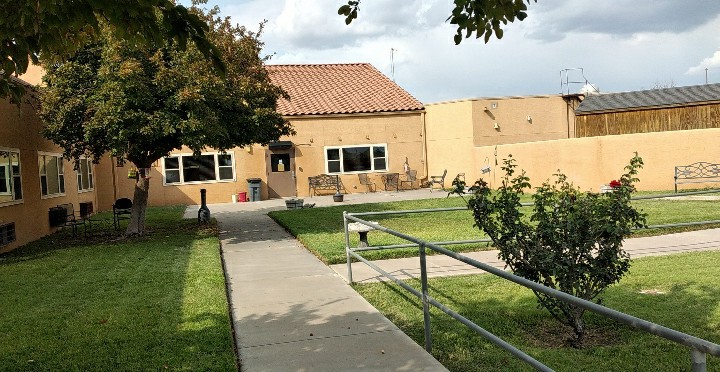
CMS rates White Sands Healthcare's staffing level at 2 out of 5 stars, which is below average compared to other nursing homes. Staff turnover is 51%, compared to the New Mexico average of 46%.

What Have Inspectors Found at White Sands Healthcare?

State health inspectors documented 35 deficiencies at White Sands Healthcare during 2023 to 2025. These included: 1 that caused actual resident harm, 32 with potential for harm, and 2 minor or isolated issues. Deficiencies causing actual harm indicate documented cases where residents experienced negative health consequences.

Who Owns and Operates White Sands Healthcare?

White Sands Healthcare is owned by a for-profit company. For-profit facilities operate as businesses with obligations to shareholders or private owners. The facility is operated by OPCO SKILLED MANAGEMENT, a chain that manages multiple nursing homes. With 118 certified beds and approximately 108 residents (about 92% occupancy), it is a mid-sized facility located in Hobbs, New Mexico.

How Does White Sands Healthcare Compare to Other New Mexico Nursing Homes?

Compared to the 100 nursing homes in New Mexico, White Sands Healthcare's overall rating (4 stars) is above the state average of 2.9, staff turnover (51%) is near the state average of 46%, and health inspection rating (4 stars) is above the national benchmark.

What Should Families Ask When Visiting White Sands Healthcare?

Based on this facility's data, families visiting should ask: "Can you walk me through typical staffing levels on day, evening, and night shifts?" "Can I visit during a mealtime to observe dining assistance and food quality?" "How do you handle medical emergencies, and what is your hospital transfer rate?" "Can I speak with family members of current residents about their experience?" These questions are particularly relevant given the below-average staffing rating.

Is White Sands Healthcare Safe?

Based on CMS inspection data, White Sands Healthcare has a clean safety record: no substantiated abuse findings (meaning no confirmed cases of resident harm), no Immediate Jeopardy citations (the most serious violation level indicating risk of serious injury or death), and is not on the Special Focus Facility watch list (a federal program monitoring the lowest-performing 1% of nursing homes). The facility has a 4-star overall rating and ranks #1 of 100 nursing homes in New Mexico. While no facility is perfect, families should still ask about staff-to-resident ratios and recent inspection results during their visit.

Do Nurses at White Sands Healthcare Stick Around?

White Sands Healthcare has a staff turnover rate of 51%, which is about average for New Mexico nursing homes (state average: 46%). Moderate turnover is common in nursing homes, but families should still ask about staff tenure and how the facility maintains care continuity when employees leave.

Was White Sands Healthcare Ever Fined?

White Sands Healthcare has no federal fines on record. CMS issues fines when nursing homes fail to meet care standards or don't correct problems found during inspections. The absence of fines suggests the facility has either maintained compliance or corrected any issues before penalties were assessed. This is a positive indicator, though families should still review recent inspection reports for the full picture.

Is White Sands Healthcare on Any Federal Watch List?

White Sands Healthcare is not on any federal watch list. The most significant is the Special Focus Facility (SFF) program, which identifies the bottom 1% of nursing homes nationally based on persistent, serious quality problems. Not being on this list means the facility has avoided the pattern of deficiencies that triggers enhanced federal oversight. This is a positive indicator, though families should still review the facility's inspection history directly.