The Village at Northrise - Desert Willow I


2884 North Road Runner Parkway, Las Cruces, NM 88011 (575) 522-1110
For profit - Corporation 31 Beds GENESIS HEALTHCARE Data: November 2025
Trust Grade
55/100
#39 of 67 in NM
Last Inspection: January 2025

Within standard 12-15 month inspection cycle. Federal law requires annual inspections.

Overview

The Village at Northrise - Desert Willow I has a Trust Grade of C, which means it is average and falls in the middle of the pack among nursing homes. It ranks #39 out of 67 facilities in New Mexico, placing it in the bottom half, but it is #2 out of 6 in Dona Ana County, indicating only one local option is better. Unfortunately, the facility is worsening, with issues increasing from 1 in 2024 to 18 in 2025. Staffing is a strength, rated 4 out of 5 stars, but the turnover rate is 56%, which is average. While the facility has not incurred any fines, there are concerning incidents, such as failing to maintain effective infection control measures and having inadequate staffing at times, which could impact resident care. Overall, while the facility has some strengths, such as good RN coverage, there are notable weaknesses that families should consider.

Trust Score
C
55/100
In New Mexico
#39/67
Bottom 42%
Safety Record
Low Risk
No red flags
Inspections
Getting Worse
1 → 18 violations
Staff Stability
⚠ Watch
56% turnover. Above average. Higher turnover means staff may not know residents' routines.
Penalties
✓ Good
No fines on record. Clean compliance history, better than most New Mexico facilities.
Skilled Nurses
✓ Good
Each resident gets 83 minutes of Registered Nurse (RN) attention daily — more than 97% of New Mexico nursing homes. RNs are the most trained staff who catch health problems before they become serious.
Violations
⚠ Watch
51 deficiencies on record. Higher than average. Multiple issues found across inspections.
★★★☆☆
3.0
Overall Rating
★★★★☆
4.0
Staff Levels
★★☆☆☆
2.0
Care Quality
★★★☆☆
3.0
Inspection Score
Stable
2024: 1 issues
2025: 18 issues

The Good

  • 4-Star Staffing Rating · Above-average nurse staffing levels
  • Full Sprinkler Coverage · Fire safety systems throughout facility
  • No fines on record

Facility shows strength in staffing levels, fire safety.

The Bad

3-Star Overall Rating

Near New Mexico average (2.9)

Meets federal standards, typical of most facilities

Staff Turnover: 56%

Near New Mexico avg (46%)

Frequent staff changes - ask about care continuity

Chain: GENESIS HEALTHCARE

Part of a multi-facility chain

Ask about local staffing decisions and management

Staff turnover is elevated (56%)

8 points above New Mexico average of 48%

The Ugly 51 deficiencies on record

Jan 2025 18 deficiencies
CONCERN (D) 📢 Someone Reported This

A family member, employee, or ombudsman was alarmed enough to file a formal complaint

Potential for Harm - no one hurt, but risky conditions existed

Quality of Care (Tag F0684)

Could have caused harm · This affected 1 resident

**NOTE- TERMS IN BRACKETS HAVE BEEN EDITED TO PROTECT CONFIDENTIALITY** Based on record review and interview, the facility failed to ensure residents received treatment and care in accordance with pro...

Read full inspector narrative →
**NOTE- TERMS IN BRACKETS HAVE BEEN EDITED TO PROTECT CONFIDENTIALITY** Based on record review and interview, the facility failed to ensure residents received treatment and care in accordance with professional standards of practice for 2 (R #11 and R #184) of 2 (R #11 and R #184) residents when staff failed to: 1. Implement convalescent care orders (physician's orders that admit a patient to a nursing facility after a hospital stay) for R #11 wounds. 2. Assess R #11's wounds upon admission. 3. Notify the provider when R #184 developed Moisture Associated Skin Damage (MASD, a condition where prolonged exposure to moisture, such as urine, sweat, wound exudate, or saliva, leads to skin damage). Failure to implement convalescent care orders and notify the provider about changes in resident conditions could likely lead to facility staff and the physician being unaware of changes in resident condition and could likely lead to worsening of resident's condition. The findings are: R #11 A. Record review of R #11's admission record revealed the following: 1. admission date of 12/27/24. 2. Diagnoses included the following: a. Cellulitis (a common bacterial infection of the skin and underlying tissues) of Left Lower Limb b. Cellulitis of Right Lower Limb c. Sepsis (a life-threatening condition that occurs when the body's immune system overreacts to an infection), unspecified organism. d. Methicillin Resistant Staphylococcus Aureus Infection (MRSA, infection is caused by a type of staph bacteria that's become resistant to many of the antibiotics used to treat ordinary staph infections) as the cause of Diseases Classified Elsewhere e. Ileostomy (a surgical procedure that creates an opening (stoma) in the abdominal wall through which the ileum, the last part of the small intestine, is brought out onto the skin) Status B. Record review of R #11's convalescent care orders, dated 12/27/24, revealed the following: 1. Continue with wound treatment orders. 2. R #11 had the following wounds and wound treatment orders: a. Wound #1- Ulceration (an open sore or break in the skin that exposes underlying tissues) on left upper arm. - Wound Care Orders- Apply Xeroform (non-adherent gauze dressing used to treat wounds, burns, and skin abrasions) and mepilex (a soft, absorbent foam dressing used to treat wounds) border. b. Wound #2- Multiple scattered ulcerations on left leg. -Wound Care Orders- Apply xeroform with medihoney (a topical wound dressing made from medical-grade active Leptospermum honey). Apply kerlix (a brand of gauze bandage rolls that are used to cover wounds and absorb drainage) and ace wrap (a self-adhering medical device used to provide compression and support to injured or swollen areas). c. Wound #3- Ulceration on left foot. -Wound Care Orders- Apply xeroform with medihoney. Apply kerlix and acewrap. d. Wound #4- Pressure wound (a localized area of skin damage that develops when prolonged pressure is applied to a specific area of the body) on left heel. - Wound Care Orders- Apply mepilex foam and offload (a treatment for pressure ulcers that involves reducing pressure on the affected area). e. Wound #5- Ulceration on right leg. - Wound Care Orders- Apply xeroform with medihoney. Apply kerlix and acewrap. f. Wound #6- Surgical wound (an incision or cut made in the skin or underlying tissues during a surgical procedure) on midline (center) abdomen with staples present. - Wound Care Orders- Clean with normal saline and cover with mepilex. g. Wound #7- Stoma (a surgically created opening in the abdomen that allows waste to exit the body) to right lower abdomen. - Wound Care Orders- Ostomy Care (cleaning the skin around the stoma and changing the ostomy pouch). C. Record review of R #11's admission assessment, dated 12/27/24, revealed staff did not assess R #11's skin. D. Record review of R #11's skin assessment, dated 12/28/24, revealed staff documented R #11 had a surgical incision to his midline abdomen with staples, a colostomy, and scattered scabbing to bilateral lower extremities. E. Record review of R #11's physician's orders, dated 01/03/24, revealed the following: 1. Wound care for both lower legs every other day. 2. Wound care for both lower legs as needed. 3. Wound care and off load left heel every other day and as needed. 4. The medical record did not contain any wound care orders between R #11's admission on [DATE] and 01/02/25. F. Record review of R #11's entire medical record, no date, revealed staff did not document that the provider was contacted for wound care orders regarding R #11's prior to 01/03/25. G. Record review of R #11's entire medical record, no date, revealed staff did not document that wound care was completed for R #11 between 12/27/24 and 01/02/25. H. On 01/17/25 at 11:23 AM, during an interview with the ADON, the following was confirmed: 1. R #11's convalescent care orders stated R #11 had seven (7) wounds. 2. Staff did not document any wound care orders for R #11 until 01/03/25. 3. Staff did not document that R #11 received any wound care prior to 01/03/25. 4. The admission nurse should have entered the convalescent care orders into R #11's medical record at the time of admission. 5. The admission nurse should have completed a skin assessment during admission. 6. He was unable to determine if R #11 received any wound care between 12/27/24 and 01/02/25. R #184 I. Record review of R #184's admission record revealed an admission date of 09/22/24. J. Record review of R #184's progress notes, multiple dates, revealed the following: 1. On 09/25/24 staff documented R #184 had a 6 centimeter (cm) long and 6 cm wide MASD due to incontinence (involuntary loss of urine or stool), on his buttocks. 2. On 09/27/24, staff documented R #184 had a 6 centimeter (cm) long and 6 cm wide MASD on his buttocks due to incontinence. 3. On 09/28/24, staff documented R #184 had a 6 centimeter (cm) long and 6 cm wide MASD on his buttocks due to incontinence. 4. On 09/29/24, staff documented R #184 had a 6 centimeter (cm) long and 6 cm wide MASD on his buttocks due to incontinence. 5. On 10/01/24, staff documented R #184 had a 6 centimeter (cm) long and 6 cm wide MASD on his buttocks due to incontinence. 6. On 10/02/24, staff documented R #184 had a 6 centimeter (cm) long and 6 cm wide MASD on his buttocks due to incontinence. 7. On 10/03/24, staff documented R #184 had a 6 centimeter (cm) long and 6 cm wide MASD on his buttocks due to incontinence. 8. On 10/09/24, staff documented R #184 had a 6 centimeter (cm) long and 6 cm wide MASD on his buttocks due to incontinence. 9. On 10/10/24, staff documented R #184 had a 6 centimeter (cm) long and 6 cm wide MASD on his buttocks due to incontinence. 10. On 10/11/24, staff documented R #184 had a 6 centimeter (cm) long and 6 cm wide MASD on his buttocks due to incontinence. 11. On 10/12/24, staff documented R #184 had a 6 centimeter (cm) long and 6 cm wide MASD on his buttocks due to incontinence. 12. On 10/13/24, staff documented R #184 had a 6 centimeter (cm) long and 6 cm wide MASD on his buttocks due to incontinence. 13. Staff did not document that the provider was notified about R #184 having MASD. 14. Staff did not document that any treatment for R #184's MASD was provided. K. Record review of R # 184's physician's orders, no date, revealed the medical record did not contain any orders to treat R #184's MASD. L. On 01/29/25 at 3:16 PM, during an interview, CNA #16 stated if a resident develops redness to the skin or any changes to the skin, the CNA is expected to notify the nurse so the nurse can assess the resident and tell the CNA if they are supposed to apply barrier cream (to create a protective barrier on the skin's surface) to the area. M. On 01/29/25 at 3:19 PM, during an interview with RN #16, the following was revealed: 1. If the nurse is notified by the CNA that a resident developed redness or skin changes, the nurse is expected to assess the resident's skin to determine what kind of skin issue the resident has. 2. The nurse is expected to contact the provider to get orders. 3. She confirmed that staff did not document in R #184's medical record that the provider was notified about his MASD. 4. She confirmed that R #184's medical record did not have any orders to treat his MASD. N. 01/30/25 at 2:58 PM, during an interview with the DON, the following was confirmed: 1. R #184 had MASD. 2. R #184's medical record did not contain any documentation that the provider was notified about his MASD. 3. Staff should have notified the physician and the resident's family about his skin changes. 4. Staff should have documented any communication with the provider and family about his skin changes. 5. Any orders received from the provider should be documented and followed.
CONCERN (D)

Potential for Harm - no one hurt, but risky conditions existed

Pressure Ulcer Prevention (Tag F0686)

Could have caused harm · This affected 1 resident

**NOTE- TERMS IN BRACKETS HAVE BEEN EDITED TO PROTECT CONFIDENTIALITY** Based on record review and interview, the facility failed to ensure wound care orders were obtained and implemented and wound ca...

Read full inspector narrative →
**NOTE- TERMS IN BRACKETS HAVE BEEN EDITED TO PROTECT CONFIDENTIALITY** Based on record review and interview, the facility failed to ensure wound care orders were obtained and implemented and wound care was completed for 1 (R #4) of 3 (R #4, R #11, and R #28) residents reviewed for pressure ulcers (damage to an area of the skin caused by constant pressure on the area for a long time). These deficient could likely result in the provider being unaware of the resident's current condition, leading to inconsistent interventions and worsening of pressure ulcers. The findings are: A. Record review of R #4's admission record (no date) revealed R #4 was admitted to the facility on [DATE]. B. Record review of the wound care consultation (outside wound care provider) note dated 12/25/24 revealed the following: 1. Stage II (shallow, open ulcer with a red-pink wound bed, without slough [non-viable tissue composed of dead cells accumulating on the wound surface. Can appear as a moist, yellow, tan, or white layer and is often fibrous or stringy in texture]) coccyx (tailbone, is a small triangle-shaped bone at the end of the spinal column) pressure ulcer a. Coccyx (tailbone, is a small triangle-shaped bone at the end of the spinal column) wound present on arrival: Continue wound care. Turn every two hours to offload pressure points. C. Record review of R #4's facility's provider progress notes revealed the following: 1. History and Physical (H and P; most formal and complete assessment of the patient and the problem is a formal document that providers produce through the interview with the patient, the physical exam, and the summary of the testing either obtained or pending) dated 12/31/24 a. Coccyx wound present on arrival: Continue wound care. D. Record review of R #4's Dietitian assessment note dated 01/06/25 revealed the following: 1. R #4 was admitted with a wound to coccyx. 2. R #4 is at nutritional risk due to skin breakdown. E. Record review of R #4's physician's orders revealed an order date 01/11/25, Wound care - Sacrum (area of spinal column just above the coccyx) apply Allevyn sacrum dressing (name brand, highly absorbent adhesive sacral shaped foam dressing with waterproof and bacteria proof outer film layer) for pressure relief on bony prominence. Maintain dressing clean dry and intact. Change every other day and as needed one time a day every other day. F. Record review of R #4's Treatment Administration Record (TAR, electronic document where facility staff document wound care was completed) for December 2024 revealed facility staff did not have orders in place for treatment of R #4's pressure ulcer for 12/30/24 and 12/31/24. G. Record review of R #4's TAR for January 2025 revealed facility staff did not have orders in place for treatment of R #4's pressure ulcer until 01/11/25. H. Record review of R #4's Nursing Progress Notes dated 12/30/24 through 01/11/24 revealed staff did not consult with the facility provider to obtain wound care orders. I. On 01/30/25 at 4:12 PM, during an interview, the DON stated the following: 1. Nursing staff are not identifying wounds for residents upon admission. 2. Nursing staff did not obtain orders for R #4's pressure ulcer which was present on admission. 3. It is her expectation that orders be obtained on admission if residents are admitted with pressure ulcers.
CONCERN (D)

Potential for Harm - no one hurt, but risky conditions existed

Incontinence Care (Tag F0690)

Could have caused harm · This affected 1 resident

Based on observation, record review and interview, the facility failed to ensure a resident with a condom catheter (an external urinary device that collects urine from men with urinary incontinence or...

Read full inspector narrative →
Based on observation, record review and interview, the facility failed to ensure a resident with a condom catheter (an external urinary device that collects urine from men with urinary incontinence or difficulty urinating) had an order and clinical condition that demonstrated that a condom catheter was necessary for 1 (R #191) of 1 (R #191) residents reviewed for catheter use. This deficient practice could likely result in an increased and unnecessary risk of a urinary tract infection (bacteria in the urinary tract). A. On 01/15/25 at 1:53 PM, during an interview, R #191 said he had a catheter to streamline the process of elimination. R #191 said that he is continent of bowel and bladder. B. On 01/15/25 at 1:54 PM, during an observation of R #191, revealed R #191 had a catheter. C. Record review of R #191's physicians orders revealed R #191 did not have an order for a condom catheter. D. Record review of R #191's medical record revealed the record did not contain any documentation of a clinical condition for the need of a condom catheter. E. On 01/17/25 at 2:30 PM, during an interview, the DON confirmed she did not see an order, or a clinical condition documented for R #191's catheter. The DON said that the expectation is that all residents have orders for catheters and that there should be a clinical reason for the resident to have a catheter.
CONCERN (D)

Potential for Harm - no one hurt, but risky conditions existed

Respiratory Care (Tag F0695)

Could have caused harm · This affected 1 resident

Based on observation, interview, and record review, the facility failed to provide respiratory care (health care discipline specializing in the promotion of optimum cardiopulmonary function, health an...

Read full inspector narrative →
Based on observation, interview, and record review, the facility failed to provide respiratory care (health care discipline specializing in the promotion of optimum cardiopulmonary function, health and wellness) that was consistent with professional standards of practice for 1 (R #2) of 1 (R #2) resident sampled for respiratory care when staff failed to change R #2's nasal cannula (medical device to provide supplemental oxygen therapy to through the nose) within 7 days of the previous change. This deficient practice could likely cause the nasal cannula to become obstructed, non-functional, and unsanitary and not provide the resident with the oxygen needed. The findings are: A. On 01/15/25 at 11:03 AM, during an observation of R #2 revealed R #2 had a portable oxygen tank and nasal cannulas. The nasal cannulas were not dated with a date indicating the date they had been changed. B. Record review of R #2's Physicians Orders dated 12/18/24 revealed Oxygen at 2 Liters to be administer via nasal cannula continuously. C. On 01/16/25 at 1:51 PM, during an interview, the DON stated the oxygen cannula's are changed once a week, usually on Sundays. The DON said that there should be a piece of tape on the tubing with a date to document when the tubing was changed. The DON stated that the tape on the tubing is how they document when it was changed. D. On 01/16/23 at 1:55 PM, during an interview CNA #8 confirmed R #2's cannula does not have a date indicating when the cannula was changed. CNA #8 said that the cannulas are usually changed on Sundays and she could not confirm if R #2's cannula had been changed.
CONCERN (D)

Potential for Harm - no one hurt, but risky conditions existed

Medication Errors (Tag F0758)

Could have caused harm · This affected 1 resident

**NOTE- TERMS IN BRACKETS HAVE BEEN EDITED TO PROTECT CONFIDENTIALITY** Based on record review and interview, the facility failed to ensure residents did not receive psychotropic medications (antidepr...

Read full inspector narrative →
**NOTE- TERMS IN BRACKETS HAVE BEEN EDITED TO PROTECT CONFIDENTIALITY** Based on record review and interview, the facility failed to ensure residents did not receive psychotropic medications (antidepressants, anti-anxiety medications, stimulants, antipsychotics, and mood stabilizers) unless the medication was medically necessary for 1 (R #198) of 5 (R #2, R #7, R #19, R #28, and R #198) residents reviewed for unnecessary medications. This deficient practice could likely result in residents receiving medications without a medical reason or when the medication is no longer necessary, placing these residents at a higher risk of adverse side effects (unwanted, harmful, or abnormal result). The findings are: A. Record review of R #198's admission record, no date, revealed the following: 1. R #198 was admitted to the facility on [DATE]. 2. R #198 had the following diagnoses: a. Cognitive communication deficit (a difficulty with communication caused by an impairment in cognitive processes). b. Other symbolic dysfunctions (language impairments caused by an underlying medical condition). c. Dementia (a syndrome characterized by a progressive decline in cognitive functions, such as memory, thinking, reasoning, and problem-solving, that interferes with daily life and activities) in other diseases classified elsewhere, severe, without behavioral disturbance, psychotic disturbance, mood disturbance, and anxiety (a diagnosis given to people with dementia who have no behavioral disturbances). B. Record review of R #198's physician's order, dated 01/11/25, revealed an order for Remeron (antidepressant medication commonly used to treat depression) 15 mg at bedtime for muscle weakness. C. Record review of R #198's Medication Administration Record, dated January 2025, revealed staff documented that R #198 was administered Remeron every evening beginning on 01/11/25. D. On 01/30/25 at 3:18 PM, during an interview with the DON, the following was confirmed: 1. R #198 had an order for Remeron for muscle weakness. 2. R #198 did not have a medical diagnosis appropriate for the use of Remeron.
CONCERN (E) 📢 Someone Reported This

A family member, employee, or ombudsman was alarmed enough to file a formal complaint

Potential for Harm - no one hurt, but risky conditions existed

Transfer Notice (Tag F0623)

Could have caused harm · This affected multiple residents

Based on record review and interview, the facility failed to notify the resident and the resident's representative(s) of the transfer in writing for 5 (R #184, R #185, R #186, R #187 and R #188) of 6 ...

Read full inspector narrative →
Based on record review and interview, the facility failed to notify the resident and the resident's representative(s) of the transfer in writing for 5 (R #184, R #185, R #186, R #187 and R #188) of 6 (R #32, R #184, R #185, R #186, R #187, and R #188) residents sampled for hospitalizations or discharge when staff failed to: 1. Notify the resident and resident's representative(s) of the plan to discharge the resident from the facility in writing and in a language and manner they understand for R #184. 2. Notify the resident and resident's representative(s) of the resident's transfer to the hospital in writing and in a language and manner they understand for R #185, R #186, R #187, and R #188. 3. Include in the discharge or transfer notices a statement of the resident's appeal rights, including the name, address (mailing and email), and telephone number of the entity which receives such requests; and information on how to obtain an appeal form and assistance in completing the form and submitting the appeal hearing request. 4. Include in the transfer or discharge notices the name, phone number, and address (mailing and email) of the Office of the State Long-Term Care Ombudsman. 5. Send a written copy of the Discharge or Transfer Notices for R #184, R #185, R #186, R #187, and R #188 to the Ombudsman. These deficient practices could likely result in the resident and/or their representative not knowing the reason for a transfer or discharge, the location of the transfer or discharge, and their rights to advocate and make informed decisions regarding the resident's healthcare. The findings are: Discharge Notices R #184 A. Record review of R #184's medical record revealed R #184 was discharged from the facility on 10/15/24. B. On 01/30/25 at 11:20 AM, during an interview with R #184's Power of Attorney (POA, the authority to act for another person in specified or all legal or financial matters), the following was revealed: 1. She only received a one or two-day verbal notice from the Social Worker that the facility planned to discharge the resident. 2. She did not receive a written notice that the facility planned to discharge the resident. 3. She was not notified about who to contact to appeal (apply for a decision to be reversed) R #184's discharge. 4. She was not notified of how to contact the Ombudsman. 5. She appealed R #184's discharge through the insurance three times. 6. She had to investigate the information for how to appeal the discharge on her own because the facility did not provide her with the information. C. Record review of R #184's Notice of Medicare Non-Coverage, dated 10/07/24 revealed the following: 1. The form indicated R #184's skilled nursing services were going to end on 10/09/24. 2. The form indicated that the notice was provided telephonically or in person (does not specify if it was via phone or in person) to R #184's POA on 10/07/24 at 11:02 AM. 3. The form did not have a signature confirming that R #184's POA received the form. D. Record review of R #184's Notice of Medicare Non-Coverage, dated 10/11/24 revealed the following: 1. R #184's skilled nursing services were going to end on 10/13/24. 2. The notice was provided telephonically or in person (does not specify if it was via phone or in person) to R #184's POA on 10/11/24 at 12:05 PM. 3. It did not have a signature confirming that R #184's POA received the form. E. On 01/30/25 at 8:36 AM, during an interview with social services (SS), the following was confirmed: 1. R #184 was discharged home with family and caregivers on 10/15/24. 2. The family was provided with the Notice of Medicare Non-Coverage form each time the insurance determined they would not cover R #184's stay at the facility. 3. She did not provide R #184's POA with a written discharge notice that included how to appeal a discharge and how to contact the Ombudsman. 4. She did not provide a written notice of discharge to the Ombudsman after R #184's discharge. Hospitalization R #185 F. Record review of R #185's medical record revealed the following: 1. On 12/27/24, R #185 was sent to the hospital for altered mental status (change in mental function that stems from illnesses, disorders and injuries affecting your brain which can lead to changes in awareness, movement and behaviors). 2. The record did not contain any documentation of a written transfer notice. R #186 G. Record review of R #186's medical record revealed the following: 1. On 09/06/24, R #186 was sent to the hospital for gastrointestinal bleeding (bleeding that occurs in the digestive tract). 2. On 09/23/24, R #186 was sent to the hospital for abdominal pain and distention (abnormal swelling or enlargement of the abdomen). 3. The record did not contain any documentation of a written transfer notice for 09/06/24 and 09/23/24. R #187 H. Record review of R #187's medical record revealed the following: 1. On 12/21/24, R #187 was sent to the hospital due to low blood pressure. 2. The record did not contain any documentation of a written transfer notice. R #188 I. Record review of R #188's medical record revealed the following: 1. On 12/18/24, R #188 was sent to the hospital due to elevated white blood cell count and uncontrolled pain. 2. The record did not contain any documentation of a written transfer notice. J. On 01/21/25 at 3:35 PM, during an interview, RN #16 stated the following: 1. When a resident is transferred to the hospital the nurse does not complete a transfer notice. 2. The nurse contacts the family to notify them over the phone that the resident was sent to the hospital. 3. She confirmed she does not provide any transfer notice to the resident or resident representatives when a resident is transferred to the hospital. K. On 01/21/25 at 3:40 PM, during an interview with the DON, she confirmed the following: 1. The facility does not provide the residents with a written transfer notice at the time of transfer. 2. The SS provides discharge documents when residents discharge from the facility. L. On 01/30/25 at 8:36 AM, during an interview with SS, she confirmed that she does not notify the Ombudsman about resident discharges or transfers to the hospital.
CONCERN (E) 📢 Someone Reported This

A family member, employee, or ombudsman was alarmed enough to file a formal complaint

Potential for Harm - no one hurt, but risky conditions existed

Deficiency F0625 (Tag F0625)

Could have caused harm · This affected multiple residents

Based on record review and interview, the facility failed to ensure residents, or their representatives received a written notice of the bed hold policy which indicated the duration the bed would be h...

Read full inspector narrative →
Based on record review and interview, the facility failed to ensure residents, or their representatives received a written notice of the bed hold policy which indicated the duration the bed would be held for 4 (R #185, R #186, R #187, and R #188) of 4 (R #185, R #186, R #187, and R #188) residents reviewed for hospitalization. This deficient practice could likely result in the resident and/or their representative being unaware of the bed hold policy upon return from the hospital. The findings are: R #185 A. Record review of R #185's medical record revealed the following: 1. On 12/27/24, R #185 was sent to the hospital for altered mental status (a change in a person's level of consciousness, awareness, and cognitive function). 2. The record did not contain any documentation of a written bed hold notice. R #186 B. Record review of R #186's medical record revealed the following: 1. On 09/06/24, R #186 was sent to the hospital for gastrointestinal bleeding (bleeding that occurs in the digestive tract). 2. On 09/23/24, R #186 was sent to the hospital for abdominal pain and distention (abnormal swelling or enlargement of the abdomen). 3. The record did not contain any documentation of a written bed hold notice for 09/06/24 and 09/23/24. R #187 C. Record review of R #187's medical record revealed the following: 1. On 12/21/24, R #187 was sent to the hospital due to low blood pressure. 2. The record did not contain any documentation of a written bed hold notice. R #188 D. Record review of R #188's medical record revealed the following: 1. On 12/18/24, R #188 was sent to the hospital due to elevated white blood cell count and uncontrolled pain. 2. The record did not contain any documentation of a written bed hold notice. E. On 01/30/25 at 8:23 AM, during an interview with the DON, she confirmed the following: 1. R 185, R #186, R #187, and R #188 did not have a written bed hold notice. 2. Staff were expected to complete bed hold notices prior to sending residents to the hospital.
CONCERN (E) 📢 Someone Reported This

A family member, employee, or ombudsman was alarmed enough to file a formal complaint

Potential for Harm - no one hurt, but risky conditions existed

Assessment Accuracy (Tag F0641)

Could have caused harm · This affected multiple residents

**NOTE- TERMS IN BRACKETS HAVE BEEN EDITED TO PROTECT CONFIDENTIALITY** Based on interview and record review, the facility failed to ensure the Minimum Data Set Assessment (MDS; a standardized, compre...

Read full inspector narrative →
**NOTE- TERMS IN BRACKETS HAVE BEEN EDITED TO PROTECT CONFIDENTIALITY** Based on interview and record review, the facility failed to ensure the Minimum Data Set Assessment (MDS; a standardized, comprehensive assessment of an adult's functional, medical, psychosocial, and cognitive status) was accurate for 4 (R #4, R #7, R #11, and R #184) of 5 (R #4, R #7, R #8, R #11, and R #184) residents reviewed for accurate MDS assessments. This deficient practice could likely result in the facility not having an accurate assessment of the resident's needs. The findings are: R#4 A. Record review of R #4's admission record revealed R #4 was admitted on [DATE]. B. Record review of R #4's wound care consultation dated 12/25/24 revealed the following: 1. Stage II (shallow, open ulcer with a red-pink wound bed, without slough [non-viable tissue composed of dead cells accumulating on the wound surface. Can appear as a moist, yellow, tan, or white layer and is often fibrous or stringy in texture]) coccyx (tailbone, is a small triangle-shaped bone at the end of the spinal column) pressure ulcer a. Coccyx (tailbone, is a small triangle-shaped bone at the end of the spinal column) wound present on arrival: Continue wound care. Turn every two hours to offload pressure points. C. Record review of R #4's facility's provider progress notes revealed the following: 1. History and Physical dated 12/31/24 2. Coccyx wound present on arrival: Continue wound care. Turn every two hours to offload pressure points. D. Record review of R #4's admission MDS dated [DATE] revealed: 1. Section M0210, does this resident have one or more unhealed pressure ulcers/injuries? a. Staff documented no. E. On 01/30/25 at 4:12 PM, during an interview the DON confirmed R #4 did have pressure ulcer upon admission to the facility. R #7 F. Record review of R #7's admission record revealed R #7 was admitted on [DATE]. G. Record review of R #7's nursing progress notes revealed on 12/06/24, R #7 fell in her room. H. Record review of R #7's admission MDS, dated [DATE], revealed the following: 1. Section J1800 Has the resident had any falls since admission/entry? a. Staff documented no falls since admission/entry. I. On 01/30/25 at 3:42 PM, during an interview, the MDS coordinator confirmed R #7 did have a fall after admission and the MDS was not answered correctly. R#11 J. Record review of R #11's admission record revealed the following: 1. admission date of 12/27/24. 2. Diagnoses included the following: a. Cellulitis (a common bacterial infection of the skin and underlying tissues) of Left Lower Limb b. Cellulitis of Right Lower Limb c. Sepsis (a life-threatening condition that occurs when the body's immune system overreacts to an infection), unspecified organism. d. Methicillin Resistant Staphylococcus Aureus Infection (MRSA, infection is caused by a type of staph bacteria that's become resistant to many of the antibiotics used to treat ordinary staph infections) as the cause of Diseases Classified Elsewhere e. Ileostomy (a surgical procedure that creates an opening (stoma) in the abdominal wall through which the ileum, the last part of the small intestine, is brought out onto the skin) Status K. Record review of R #11's convalescent care orders (physician's orders at the time resident is admitted to a nursing facility after a hospital stay), dated 12/27/24, revealed the following: 1. R #11 had the following wounds: a. Wound #1- Ulceration (an open sore or break in the skin that exposes underlying tissues) on the left upper arm. b. Wound #2- Ulceration on left leg. c. Wound #3- Ulceration on left foot. d. Wound #4- Pressure wound (a localized area of skin damage that develops when prolonged pressure is applied to a specific area of the body) on the left heel. e. Wound #5- Ulceration on right leg. f. Wound #6- Surgical wound (an incision or cut made in the skin or underlying tissues during a surgical procedure) on midline (center) abdomen. g. Wound #7- Stoma (a surgically created opening in the abdomen that allows waste to exit the body) to right lower abdomen. L. Record review of R #11's admission MDS, dated [DATE], revealed the following: 1. Staff documented the following: a. R #11 had no pressure ulcers [R #11 had a pressure wound to his left heel]. b. R #11 had no other wounds present [R #11 had wounds to both lower legs, a surgical incision on the center of his abdomen and a recent colostomy (a surgical procedure that creates an opening (stoma) in the abdomen through which waste from the large intestine (colon) can be discharged into a bag)]. M. On 01/30/25 at 10:33 AM, during an interview with the MDS Coordinator, she confirmed the following: 1. R #11 was admitted to the facility on [DATE] with seven (7) wounds. 2. R #11's admission MDS, dated [DATE], did not include R #11's wounds. 3. R #11's wounds should have been included in the admission MDS assessment dated [DATE]. R #184 N. Record review of R #184's admission record revealed R #184's admission date of 09/22/24. O. Record review of R #184's progress note, dated 09/25/24, revealed R #184 had Moisture Associated Skin Damage (MASD, a condition where prolonged exposure to moisture, such as urine, sweat, wound exudate, or saliva, leads to skin damage) due to incontinence (involuntary loss of urine or stool), to his buttocks. P. Record review of R #184's Medicare 5-Day MDS Assessment, dated 09/27/25, revealed staff did not document that R #184 had MASD. Q. On 01/30/25 at 10:09 AM, during an interview with the MDS Coordinator, she confirmed the following: 1. R #184's progress note dated 01/25/25 stated R #184 had MASD. 2. R #184's Medicare 5-Day MDS Assessment, did not include that R #184 had MASD. 3. Staff should have documented that R #184's had MASD on the Medicare 5-Day MDS Assessment.
CONCERN (E) 📢 Someone Reported This

A family member, employee, or ombudsman was alarmed enough to file a formal complaint

Potential for Harm - no one hurt, but risky conditions existed

Deficiency F0655 (Tag F0655)

Could have caused harm · This affected multiple residents

**NOTE- TERMS IN BRACKETS HAVE BEEN EDITED TO PROTECT CONFIDENTIALITY** Based on record review and interview, the facility failed to create an accurate baseline care plan (minimum healthcare informati...

Read full inspector narrative →
**NOTE- TERMS IN BRACKETS HAVE BEEN EDITED TO PROTECT CONFIDENTIALITY** Based on record review and interview, the facility failed to create an accurate baseline care plan (minimum healthcare information necessary to properly care for a resident immediately upon their admission to the facility) within 48 hours of admission for 3 (R #11, R #184, and #R #185) of 3 (R #11, R #184, and #R #185) residents reviewed for baseline care plans. This deficient practice could likely result in residents not receiving the appropriate care and may place residents at risk of an adverse event (undesirable experience, preventable or non-preventable, that caused harm to a resident because of medical care or lack of medical care) or worsening of current condition after admission. The findings are: R #11 A. Record review of R #11's admission record revealed the following: 1. admission date of 12/27/24. 2. Diagnoses included the following: a. Cellulitis (a common bacterial infection of the skin and underlying tissues) of Left Lower Limb (left leg). b. Cellulitis of Right Lower Limb c. Sepsis (a life-threatening condition that occurs when the body's immune system overreacts to an infection), unspecified organism. d. Methicillin Resistant Staphylococcus Aureus Infection (MRSA, infection is caused by a type of staph bacteria that's become resistant to many of the antibiotics used to treat ordinary staph infections) as the cause of Diseases Classified Elsewhere e. Ileostomy (a surgical procedure that creates an opening (stoma) in the abdominal wall through which the ileum, the last part of the small intestine, is brought out onto the skin) Status B. Record review of R #11's convalescent care orders (physician's orders that admit a patient to a nursing facility after a hospital stay), dated 12/27/24, revealed the following: 1. R #11 had the following wounds: a. Wound #1- Ulceration (an open sore or break in the skin that exposes underlying tissues) on left upper arm. b. Wound #2- Ulceration on left leg. c. Wound #3- Ulceration on left foot. d. Wound #4- Pressure wound (a localized area of skin damage that develops when prolonged pressure is applied to a specific area of the body) on left heel. e. Wound #5- Ulceration on right leg. f. Wound #6- Surgical wound (an incision or cut made in the skin or underlying tissues during a surgical procedure) on midline (center) abdomen. g. Wound #7- Stoma (a surgically created opening in the abdomen that allows waste to exit the body) to right lower abdomen. C. Record review of R #11's baseline care plan, dated 12/30/24, revealed R #12's baseline care plan did not include R #11 had wounds and any interventions that were in place to treat R #11's wounds. D. On 01/30/25 at 10:33 AM, during an interview with the MDS Coordinator, she confirmed the following: 1. R #11 was admitted to the facility on [DATE] with seven (7) wounds. 2. R #11's baseline care plan did not include R #11 had wounds and any interventions to treat his wounds. 3. R #11's wounds should have been included in baseline care plan. R #184 E. Record review of R #184's admission record revealed an admission date of 09/22/24. F. Record review of R #184's progress note, dated 09/25/24 at 1:36 AM, revealed R #184 had Moisture Associated Skin Damage (MASD, a condition where prolonged exposure to moisture, such as urine, sweat, wound exudate, or saliva, leads to skin damage) due to incontinence (involuntary loss of urine or stool), to his buttocks. G. Record review of R #184's baseline care plan, dated 09/25/24, revealed the following: 1. R #184's baseline care plan was initiated on 09/25/24. 2. R #184's baseline care plan did not include R #184 MASD diagnosis and any interventions in place to treat it. H. On 01/30/25 at 10:09 AM, during an interview with the MDS Coordinator, she confirmed the following: 1. Baseline care plans are expected to be completed within 48 hours of the resident's admission. 2. R #184's base line care plan was completed on 09/25/24, which was not within 48 hours of his admission. 3. R #184's progress note on 09/25/24 at 1:36 AM, stated R #184 had MASD. 4. Staff did not document on R #184's baseline care plan that he had MASD. 5. Staff should have documented on R #184's baseline care plan that he had MASD. R #185 I. Record review of R #185's admission record revealed the following: 1. admission date of 12/18/24. 2. Diagnoses included the following: a. Unspecified Severe Protein-Calorie Malnutrition (a condition where a person is experiencing significant deficiency in both protein and calories, leading to severe malnutrition, but the exact cause or specific presentation of this deficiency cannot be clearly identified or categorized medically). b. Adult Failure to Thrive (a syndrome in older adults characterized by unexplained weight loss, decreased appetite, poor nutrition, inactivity, and a decline in overall physical and mental functioning) c. Dysphagia (swallowing difficulties) d. Gastrostomy status (presence of a gastrostomy, a surgical procedure that creates an opening in the stomach through the abdominal wall) e. Unspecified B-Cell Lymphoma (type of cancer that develops in B cells, a type of white blood cell that plays a crucial role in the immune system), Lymph nodes (small, bean-shaped structures that play a crucial role in the body's immune system) of head, face, and neck J. Record review of R #185's hospital records, dated 12/14/25, revealed R #185 had a percutaneous endoscopic gastrostomy (PEG tube, a thin, flexible tube inserted through the skin of the abdomen and into the stomach) placed on 12/13/25. K. Record review of R #185's physician's orders, dated 12/18/25, revealed the following: 1. An order for enteral feed (a method of providing nutrition directly into the gastrointestinal (GI) tract through a tube) to be administered continuously through a pump at 65 mL per hour for 23 hours per day. 2. A diet order for a dysphagia diet (a modified diet designed for individuals with difficulty swallowing) with a puree texture (smooth, uniform texture, similar to pudding, with no lumps or stringy bits) and thick liquids of a nectar consistency (comparable to heavy syrup found in canned fruit). L. Record review of R #185's base line care plan, dated 12/19/24, revealed the following: 1. Staff did not document R #185's diagnosis of dysphagia. 2. Staff did not document on R #185's had a PEG tube. 3. Staff did not document R #185's order for enteral feedings. 4. Staff did not document R #185's diet order. M. On 01/30/25 at 10:31 AM, during an interview with the MDS Coordinator, the following was confirmed: 1. Staff did not document the following on R #185's baseline care plan: a. R #185 had a diagnosis of dysphagia. b. R #185 had a PEG tube. c. R #185 had diet orders for a dysphagia diet and thickened liquids. d. R #185 had an order for enteral feedings. 2. Staff should have documented R #185's diagnosis of dysphagia, PEG tube, an order for enteral feedings, and his diet order.
CONCERN (E)

Potential for Harm - no one hurt, but risky conditions existed

Comprehensive Care Plan (Tag F0656)

Could have caused harm · This affected multiple residents

**NOTE- TERMS IN BRACKETS HAVE BEEN EDITED TO PROTECT CONFIDENTIALITY** Based on record review and interview, the facility failed to develop an accurate, person-centered comprehensive care plan for 3 ...

Read full inspector narrative →
**NOTE- TERMS IN BRACKETS HAVE BEEN EDITED TO PROTECT CONFIDENTIALITY** Based on record review and interview, the facility failed to develop an accurate, person-centered comprehensive care plan for 3 (R #7, R #8, and R #184) of 5 (R #4, R #7, R #8, R #184, and R #191) residents reviewed for care plans. This deficient practice could likely result in staff being unaware of the current and actual needs of the residents. The findings are: R #7 A. Record review of R #7's admission record (no date) revealed the following: 1. R #7 was admitted to the facility on [DATE]. 2. Diagnosis: unspecified retinal detachment (serious eye condition where the retina [a light sensitive layer of tissue in the back of the eye] is pulled away from its normal position) with retinal break (when vitreous [clear jelly-like substance that fills the middle of the eye] pulls on the retina and causes a split) of the left eye. B. Record review of R #7's admission Minimum Data Set (MDS, federally mandated process for clinical assessment of all residents in Medicare or Medicaid-certified nursing homes) Assessment, dated 12/08/24, revealed the following: 1. Question B1000 Vision; Ability to see in adequate light. a. Staff answered, severely impaired - no vision or sees only light, colors or shapes; eyes do not appear to follow objects. C. Record review of R #7's care plan dated 12/04/24 revealed staff did not document R #7's severe vision impairment and how staff would assist the resident. R #8 D. Record review of R #8's admission record (no date) revealed R #8 was admitted to the facility on [DATE] E. Record review of R #8''s admission Minimum Data Set Assessment, dated 12/29/24, revealed the following: 1. F0500 interview for activity preferences: a. How important is it to listen to music you like? Resident response: Very important. b. How important is it to you to keep up with the news? Resident response: Very important. c. How important is it to you to go outside to get fresh air when the weather is good? Resident response: Very important. d. How important is it to you to participate in religious services or practices? Resident response: Very important. F. Record review of R #8's care plan dated 12/26/24 revealed staff did not document any of the activity preferences that were important to R #8. R #184 G. Record review of R #184's admission record, no date, revealed the following: 1. R #184 was admitted to the facility on [DATE]. 2. R #184 had the following diagnoses: a. Unspecified lack of coordination (a condition that affects the body's ability to control and execute smooth, precise movements). b. History of Falling H. Record review of R #184's admission Minimum Data Set Assessment, dated 08/19/24, revealed R #184 had the following functional abilities for Activity of Daily Living (ADL, fundamental skills needed to take care of oneself): 1. Eating: Supervision or touching assistance (Helper provides verbal cues and/or touching/steadying and/or contact guard assistance as resident completes activity. Assistance may be provided throughout the activity or intermittently). 2. Oral hygiene: Substantial/maximal assistance (Helper does more than half the effort. Helper lifts or holds trunk or limbs and provides more than half the effort). 3. Toileting hygiene: Substantial/maximal assistance 4. Shower/bathe self: Partial/moderate assistance (Helper does less than half the effort. Helper lifts, holds, or supports trunk or limbs, but provides less than half the effort). 5. Upper body dressing: Substantial/maximal assistance 6. Lower body dressing: Substantial/maximal assistance 7. Putting on/taking off footwear: Substantial/maximal assistance 8. Personal hygiene: Substantial/maximal assistance 9. Roll left and right: Substantial/maximal assistance 10. Sit to lying: Substantial/maximal assistance 11. Lying to sitting on side of bed: Substantial/maximal assistance 12. Sit to stand: Substantial/maximal assistance 13. Chair/bed-to-chair transfer: Substantial/maximal assistance 14. Toilet transfer: Substantial/maximal assistance 15. Tub/shower transfer: Substantial/maximal assistance I. Record review of R #184's care plan, dated 09/25/24, revealed staff did not document R #184's functional level and the assistance needed to complete ADL's. J. On 01/30/25 at 10:09 AM, during an interview with the MDS Coordinator, she confirmed R #184's care plan did not include his functional abilities. She confirmed that staff should have documented R #184's functional abilities in R #184's care plan.
CONCERN (E)

Potential for Harm - no one hurt, but risky conditions existed

Deficiency F0657 (Tag F0657)

Could have caused harm · This affected multiple residents

**NOTE- TERMS IN BRACKETS HAVE BEEN EDITED TO PROTECT CONFIDENTIALITY** Based on record review and interview, the facility failed to ensure care plan requirements were met for 4 (R #4, R #7, R #8, and...

Read full inspector narrative →
**NOTE- TERMS IN BRACKETS HAVE BEEN EDITED TO PROTECT CONFIDENTIALITY** Based on record review and interview, the facility failed to ensure care plan requirements were met for 4 (R #4, R #7, R #8, and R #19) of 6 (R #2, R #4, R #7, R #8, R #18, and R #19) residents reviewed for care plans when staff failed to: 1. Have the required Interdisciplinary Team (IDT, team members from different disciplines working collaboratively, with a common purpose, to set goals, make decisions and share resources and responsibilities) members participate in the care plan meeting for R #7, R #8, and R #19. 2. Revise the care plan with the most current resident information for R #4. These deficient practices could likely result in the care plan not being updated with the most current resident conditions and appropriate interventions due to lack of participation of the entire IDT, staff being unaware of changes in care provided, and residents not receiving the care related to changes in their health status or healthcare decisions. The findings are: IDT Team R #7 A. Record review of the Post admission Patient-Family Conference form dated 12/09/24, revealed R #7, nurse navigator, social services staff, rehabilitation (therapy services) staff and recreation staff, were present for the meeting. B. Record review of R #7's care plan meeting note, dated 12/17/24, revealed R #7 and the social services worker were present for the meeting. R #8 C. Record review of the Post admission Patient-Family Conference form, dated 12/30/24, revealed R #8, dietary manager, R #8's family member (FM), nurse navigator, social services staff, rehabilitation staff and recreation staff were present for the meeting (no other care plan meetings were held for R #8). R #19 D. Record review of R #19's care plan meeting note, dated 10/14/24, revealed R #19 and the social services worker were present for the meeting. E. Record review of the Post admission Patient-Family Conference form, dated 11/12/24, revealed the following: 1. The Patient/Family conference serves as the baseline care plan review and care plan meeting note. 2. R #19, social services worker, and recreation worker were present for the meeting. F. Record review of R #19's Post admission Patient-Family Conference Form, dated 12/19/24, revealed R #19, family, nurse navigator, rehabilitation staff, and recreation worker were all present for the meeting. G. On 01/30/25 at 3:04 PM, the social services worker revealed the following: 1. She is responsible for inviting people to the care plan meetings. 2. She invites the resident, their family, therapy director, the ADON (for nursing), activities, and dietary to the meetings. 3. She does not invite the CNA's and the providers to the meetings. Care Plan Revision R #4 H. Record review of R #4's admission record (no date) revealed R #4 was admitted to the facility on [DATE]. I. Record review of R #4's nursing progress notes, revealed the following: 1. Skilled evaluation note dated 01/10/25 staff documented: a. New skin issue, right heel stage I (intact skin with non-blanchable [skin does not turn white when pressed] redness of a localized area usually over a bony prominence) pressure ulcer injury. b. Wound acquired in house. J. Record review of R #4's care plan initiated 12/30/24 revealed staff did not update R #4's care plan to document R #4's new pressure ulcer.
CONCERN (E)

Potential for Harm - no one hurt, but risky conditions existed

Accident Prevention (Tag F0689)

Could have caused harm · This affected multiple residents

Based on observation, and interview the facility failed to keep the residents free from accidents for all 14 residents on the East Unit (Residents were identified by the resident Census provided by th...

Read full inspector narrative →
Based on observation, and interview the facility failed to keep the residents free from accidents for all 14 residents on the East Unit (Residents were identified by the resident Census provided by the Administrator on 01/14/25), when they failed to keep treatment carts (a movable piece of equipment used in healthcare facilities to store, transport, and dispense treatment supplies and tools) locked when not supervised by staff. This deficient practice could likely result in injury to residents obtaining medical equipment which can cause injury/death:. The findings are: A. On 01/15/25 at 9:12 AM, during an observation of the East Unit, the IV (intravenous, within vein) treatment cart was unlocked and opened, the cart had sterile needles, and intravenous catheters (a thin, flexible tube inserted into a vein to deliver fluids). Staff were not present. B. On 01/15/25 at 9:14 AM, during an interview, RN #8 confirmed the IV treatment cart was unlocked and opened. She said the treatment cart should be locked when not in their sight or control. C. On 01/15/25 at 9:16 AM, during an observation of the East Unit, the treatment cart was unlocked and opened, the cart had diclofenac (anti-inflammatory), bacitracin (antibiotic cream), nystati (antibiotic cream), mupirocin (antibiotic cream), silvasorb (antimicrobial wound dressing) lotions, and scissors. Staff were not present. D. On 01/15/25 at 9:19 AM, during an interview, LPN #8 confirmed the treatment cart was unlocked and opened, even though the treatment cart is supposed to be locked.
CONCERN (E)

Potential for Harm - no one hurt, but risky conditions existed

Deficiency F0761 (Tag F0761)

Could have caused harm · This affected multiple residents

Based on observation and interview, the facility failed to properly store medications, when staff failed to ensure medications were not expired in medication cart for all 14 residents on the East Unit...

Read full inspector narrative →
Based on observation and interview, the facility failed to properly store medications, when staff failed to ensure medications were not expired in medication cart for all 14 residents on the East Unit (Residents were identified by the resident matrix provided by the Administrator on 01/15/25). This deficient practice could likely result in residents obtaining medications that are no longer effective, resulting in adverse side effects. The findings are: A. On 01/21/25 at 3:25 PM, an observation of the medication cart on the East Unit revealed fish oil supplement (a supplement used to help reduce pain, improve morning stiffness and relieve joint tenderness in people with rheumatoid arthritis), 1000 mg, expired on 12/2024. B. On 01/21/25 at 3:27 PM, during an interview with RN #16, she confirmed the bottle of Fish Oil 1000 mg was expired and should not have been in the medication cart. C. On 01/21/25 at 3:35 PM, during an interview with the DON, she confirmed expired medications should not be in the medication carts. Nurses should check for expired medications in the medication carts each shift.
CONCERN (E)

Potential for Harm - no one hurt, but risky conditions existed

Deficiency F0919 (Tag F0919)

Could have caused harm · This affected multiple residents

Based on observation and interview, the facility failed to ensure the call light pull cords in resident's rooms were adequately equipped to allow residents to call for help using the call light system...

Read full inspector narrative →
Based on observation and interview, the facility failed to ensure the call light pull cords in resident's rooms were adequately equipped to allow residents to call for help using the call light system for 3 (R #4, R #8, and R #15) of 3 (R #4, R #8, and R #15) when the facility failed to have proper pull cords on the call light system in the resident's rooms when they could not be reached if the resident was not in bed. This deficient practice could likely result in residents being unable to call for assistance. The findings are: R #4 A. 01/15/25 3:48 PM, during an interview, R #4's wife said that R #4 was not cognizant (not having knowledge or being aware of) enough to pull the cord on the call light. R #4 had no other option for the calling for help. R #8 B. On 01/15/25 at 11:01 AM, during an interview and observation of R #8's room revealed a trash bag was tied to the end of the call light. R #8 said that the cord on his call light is too short and he can't reach the call light. R #8 said he didn't know why the trash bag was tied to the cord except to maybe make it longer. R #15 C. On 01/30/25 at 11:43 AM during an observation of resident's rooms, revealed R #15 can not reach the call light from his bed. During an interview, the Maintenance Director (MD) #1 confirmed R #15 can't reach his call light while he is out of bed. D. On 01/30/25 at 10:59 AM, during an interview, MD #1 confirmed the pull cords for the call lights for R #4 and R #8 can only be reached if the residents are laying in their beds. MD #1 confirmed that if R #4 and R #8 could not use their call lights to call for help while not in bed. MD #1 confirmed that none of the pull cords in the resident's rooms in the facility could be reached if residents were not in their beds. MD #1 said the cord used to be longer but would get tangled up so they made them shorter. MD #1 said that the cord attached to the call light on the wall was the only option for call lights. MD #1 said that they did not have any way to modify the pull cord for residents that were not cognizant enough to pull the cord. MD #1 said that some of the cords had bags tied to them because it made it easier for the resident's to grip.
CONCERN (F)

Potential for Harm - no one hurt, but risky conditions existed

Infection Control (Tag F0880)

Could have caused harm · This affected most or all residents

Based on record review and interview, the facility failed to maintain an infection prevention and control program designed to provide a safe, sanitary and comfortable environment to help prevent the d...

Read full inspector narrative →
Based on record review and interview, the facility failed to maintain an infection prevention and control program designed to provide a safe, sanitary and comfortable environment to help prevent the development and transmission of communicable diseases and infections when they failed to have a water management program to minimize the risk of Legionella [a bacteria that can grow in parts of building water systems that are continually wet (e.g., pipes, faucets, water storage tanks, decorative fountains) and cause a serious type of pneumonia], and other opportunistic pathogens (bacteria that do not usually cause diseases in healthy people but may become extremely injurious to unhealthy individuals) in the building's water system. This failure could potentially affect all (27) residents who live in the facility (residents were identified by the Resident Matrix provided by the Administrator on 01/15/25). If the facility fails to maintain an effective infection control program, then infections could spread to residents throughout the facility, resulting in illness. The findings are: A. Record review of the facility's Water Management Policy, revised 09/13/24, revealed the following: 1. The facility will develop a Water Management Plan that is overseen by the water management plan team. 2. Water management team consists of Center leadership, infection preventionist, maintenance employees, safety officers, risk and quality management staff, and the Director of Nursing. 3. To minimize exposure to Legionella and other water-borne pathogens to our patients, family members, staff, and visitors. 4. The Maintenance Director maintains documentation in the TELS (is a building management platform designed for Senior Living with integrated Asset Management, Life Safety, and Maintenance solutions) Water Management Plan that describes the Center's water system. 5. A risk assessment will be conducted by the water management team annually to identify where Legionella and other opportunistic waterborne pathogens could grown and spread in the facilities water systems. 6. Data to be used for completing the risk assessment may include, but are not limited to: a. Water system schematic/description; b. Legionella environment assessment; c. Patient infection control surveillance data; d. Environment culture results; e. Rounding observation data; f. Water temperature logs; g. Water quality reports from drinking water provider; h. Community infection surveillance data. B. On 01/29/25 at 3:46 PM, during an interview with the Director of Maintenance, stated the following: 1. He has been the Director of Maintenance since 10/2023. 2. He was not aware of anything that was supposed to be done to prevent the growth of Legionella or other waterborne pathogen. 3. The previous administrator handled water management. 4. The previous administrator left in May or June 2024. C. On 01/29/25 at 3:44 PM, during an interview with the DON, stated the following: 1. She has not been involved in any meetings regarding preventing the growth of Legionella or other waterborne pathogens. 2. She has not done anything for the management of Legionella or other waterborne pathogens. D. On 01/30/25 at 8:26 AM, during an interview with the Administrator, the following was confirmed: 1. The Director of Maintenance should have a diagram of the water system and any areas where Legionella or other waterborne pathogens could grow. 2. He was not aware of who was on the Water Management Plan team. 3. He has not been involved in any meetings about water management.
CONCERN (F)

Potential for Harm - no one hurt, but risky conditions existed

Deficiency F0882 (Tag F0882)

Could have caused harm · This affected most or all residents

Based on interview and record review, the facility failed to designate a qualified, trained, or certified Infection Preventionist (IP) who was responsible for the facility's Infection Prevention and C...

Read full inspector narrative →
Based on interview and record review, the facility failed to designate a qualified, trained, or certified Infection Preventionist (IP) who was responsible for the facility's Infection Prevention and Control Program (IPCP.) This failure could affect all 27 residents in the facility (residents were identified by the resident matrix provided by the Administrator on 01/08/24). This deficient practice could likely result in residents being at greater risk of infectious disease. The findings are: A. On 01/29/24 at 3:33 PM, during an interview, the DON stated the following: 1. The IP had some issues with her nursing license. 2. The IP has been on leave due to the issues with her nursing license since 01/10/25. 3. She is now performing IP duties. 4. She is working to obtain her IP certification. B. Record review of the former IP's time sheet, no date, confirmed she last worked at the facility on 01/10/25.
MINOR (C)

Minor Issue - procedural, no safety impact

Report Alleged Abuse (Tag F0609)

Minor procedural issue · This affected most or all residents

Based on record review and interview the facility failed to report the results of all of the investigations of alleged medication diversion (the transfer of any legally prescribed controlled substance...

Read full inspector narrative →
Based on record review and interview the facility failed to report the results of all of the investigations of alleged medication diversion (the transfer of any legally prescribed controlled substance from the individual for whom it was prescribed to another person for any illicit use) and injuries of unknown origin within five days of the incident to the State Agency. This deficient practice has the potential to affect all 27 residents in the facility. If the facility fails to report the results of the investigations to the State Agency within five days, then corrective action may not be taken and medications may not be available to residents during an emergency and/or residents may suffer serious bodily injury due to injuries of unknown origin. The findings are: Injury of Unknown Origin R #200 A. Record review of the initial incident report, dated 08/20/24, revealed the following: 1. R #200 was sent to the emergency room due to a nose bleed (no date). 2. R #200 was found to have rib fractures and a compression fracture of her Thoracic 10 vertebrae (bone in the back). 3. Family was questioned regarding the cause of R #200's fractures. 4. Medical records were obtained to try to find the cause of R #200's fractures. 5. No cause was identified. B. Record review of the facility's 5 day report, no date (due 08/25/24), revealed the following: 1. R #200 had a fall a week prior (no date) to going to the hospital (this was prior to her admission at the facility). 2. The record did not contain documentation that the follow-up report was submitted to the State Agency within five days of the incident. Medication Diversion C. Record review of the initial incident report, dated 07/26/24, revealed the following: 1. The incident report was being submitted due to missing narcotics. 2. The date of the incident was on 07/17/24. D. Record review of the facility's 5 day report, no date (due 07/31/24) revealed the following: 1. The medication count on the Emergency Kit (kit designed to help nursing facilities provide medication to their residents during emergency situations) was inaccurate (no date specified). 2. The facility developed new interventions to ensure the Emergency Kit was secure and cannot be accessed without logging into the locked Electronic cabinet. 3. The record did not contain documentation that the follow up report was submitted to the State Agency within five days of the incident. E. On 02/06/25 at 11:36 AM, during an interview with the DON, she confirmed the following: 1. The facility did not have any documentation that the follow-up report for R #200 was submitted to the State Agency. 2. The facility did not have any documentation that the follow-up report regarding the alleged diversion of medications from the Emergency Kit was submitted to the State Agency.
MINOR (C)

Minor Issue - procedural, no safety impact

Staffing Information (Tag F0732)

Minor procedural issue · This affected most or all residents

Based on observation and interview, the facility failed to post nurse staffing data on a daily basis that included the following: 1. The total number and the actual hours worked by the following categ...

Read full inspector narrative →
Based on observation and interview, the facility failed to post nurse staffing data on a daily basis that included the following: 1. The total number and the actual hours worked by the following categories of licensed and unlicensed nursing staff directly responsible for resident care per shift to include: a. Registered nurses. b. Licensed practical nurses. c. Certified nurse aides. This deficient practice could likely result in residents not knowing which staff is working. The findings are: A. On 01/30/25 at 3:29 PM, during an observation of the facility, revealed the nurse staffing data posted at the front entrance of the facility did not include the total number of actual nursing staff scheduled and actual hours worked by nursing staff for the day. B. On 01/30/25 at 4:15 PM, during an interview, the DON confirmed the night shift nurse is responsible for posting the nurse staffing data and it should include the total number of staff scheduled for each shift and the number of hours that each nursing staff is scheduled to work.
May 2024 1 deficiency
CONCERN (E) 📢 Someone Reported This

A family member, employee, or ombudsman was alarmed enough to file a formal complaint

Potential for Harm - no one hurt, but risky conditions existed

Deficiency F0660 (Tag F0660)

Could have caused harm · This affected multiple residents

Based on interview and record review, the facility failed to develop a care plan on the resident's individualized discharge goals and needs for 3 (R #11, R #12, and R #13) of 3 (R #11, R #12, and R #1...

Read full inspector narrative →
Based on interview and record review, the facility failed to develop a care plan on the resident's individualized discharge goals and needs for 3 (R #11, R #12, and R #13) of 3 (R #11, R #12, and R #13) residents reviewed for discharge planning. This deficient practice is likely to prevent a safe transition from the facility to the resident's post-discharge setting. The findings are: A. Record review of R #11's care plan, dated 01/19/24, revealed staff did not care plan R #11's discharge goals and needs. B. Record review of R #12's care plan, dated 03/06/24, revealed staff did not care plan R #12's discharge goals and needs. C. Record review of R #13's care plan, dated 04/01/24, revealed staff did not care plan R #13's discharge goals and needs. D. On 05/01/24 at 2:39 PM, during an interview, Social Services (SS) confirmed she did not document the residents' discharge goals or needs in the care plans. SS confirmed she did not have documentation of the residents' discharge goals or needs in the residents' charts.
Nov 2023 18 deficiencies
CONCERN (D)

Potential for Harm - no one hurt, but risky conditions existed

Deficiency F0582 (Tag F0582)

Could have caused harm · This affected 1 resident

Based on record review and interview, the facility failed to provide a written Notice of Medicare Non-Coverage (NOMNC) to 1 (R #24) of 3 (R #22, R #23, and R #24) residents sampled for beneficiary not...

Read full inspector narrative →
Based on record review and interview, the facility failed to provide a written Notice of Medicare Non-Coverage (NOMNC) to 1 (R #24) of 3 (R #22, R #23, and R #24) residents sampled for beneficiary notices. If residents are not provided with the beneficiary notices, then they may not make an informed decision about the services provided to them and could likely result in a decline in health and function. The findings are: A. Record review of R #24's medical record revealed R #24 was discharged from the facility on 09/25/23. B. Record review of the NOMNC dated 09/22/23 revealed the NOMNC delivered telephonically not written. C. On 11/03/23 at 12:15 PM, during an interview, the Administrator in Training confirmed the facility did not provide a written NOMNC to R #24 or their respresentative.
CONCERN (D) 📢 Someone Reported This

A family member, employee, or ombudsman was alarmed enough to file a formal complaint

Potential for Harm - no one hurt, but risky conditions existed

Transfer Requirements (Tag F0622)

Could have caused harm · This affected 1 resident

**NOTE- TERMS IN BRACKETS HAVE BEEN EDITED TO PROTECT CONFIDENTIALITY** Based on record review and interview, the facility failed to have the physician document the required discharge information in t...

Read full inspector narrative →
**NOTE- TERMS IN BRACKETS HAVE BEEN EDITED TO PROTECT CONFIDENTIALITY** Based on record review and interview, the facility failed to have the physician document the required discharge information in the resident's medical records for 1 (R #122) of 1 (R #122) residents reviewed for facility discharges. This deficient practice could likely cause an unsafe discharge due to a lack of information or documentation. The findings are: A. Record review of R #122's face sheet revealed R #122 was admitted into the facility on [DATE] and discharged on 05/23/23. B. Record review of R #122's Nursing Progress Notes, dated 05/23/23, revealed R #122 became verbally and physically abusive to his wife (who was a resident at the facility). The Nurse Practitioner ordered R #122 be sent out for further evaluation and better placement. R #122 was transported to a local hospital. C. Record review of R #122's medical record revealed the record did not contain documentation of the following: 1. Orders from the Physician, 2. Basis for transfer, 3. The needs that the facility was not able to meet and the attempts the facility made to meet the needs of R #122, 4. How the transferring facility was able to meet R #122's needs. D. On 11/06/23 at 9:45 AM, during an interview, the Administrator confirmed she was not able to provide documentation for the discharge of R #122.
CONCERN (D)

Potential for Harm - no one hurt, but risky conditions existed

Deficiency F0625 (Tag F0625)

Could have caused harm · This affected 1 resident

**NOTE- TERMS IN BRACKETS HAVE BEEN EDITED TO PROTECT CONFIDENTIALITY** Based on record review and interview, the facility failed to ensure residents or their representatives received a written notice...

Read full inspector narrative →
**NOTE- TERMS IN BRACKETS HAVE BEEN EDITED TO PROTECT CONFIDENTIALITY** Based on record review and interview, the facility failed to ensure residents or their representatives received a written notice of their bed hold policy indicating the duration the bed would be held for 1 (R #19) of 1 (R #19) residents reviewed for hospitalization. This deficient practice could likely result in the resident and/or their representative being unaware of the bed hold policy upon return from the hospital. The findings are: A. Record review of R #19's medical record revealed the following: 1) R #19 was sent to the hospital on [DATE]. 2) No written bed hold policy was found. B. On 11/03/23 at 8:39 AM, during an interview, the Business Office Manager (BOM) confirmed R #19 was not given a bed hold policy. The BOM stated she called the resident or representative, and if they elected to pay for the bed hold then they will gave them a copy of the policy.
CONCERN (D)

Potential for Harm - no one hurt, but risky conditions existed

Deficiency F0655 (Tag F0655)

Could have caused harm · This affected 1 resident

**NOTE- TERMS IN BRACKETS HAVE BEEN EDITED TO PROTECT CONFIDENTIALITY** Based on record review and interview, the facility failed to create a Baseline Care Plan that accurately reflected the resident'...

Read full inspector narrative →
**NOTE- TERMS IN BRACKETS HAVE BEEN EDITED TO PROTECT CONFIDENTIALITY** Based on record review and interview, the facility failed to create a Baseline Care Plan that accurately reflected the resident's current condition for 1 (R #175) of 2 (R #5 and R #175) residents sampled for falls. This deficient practice could likely result in residents not receiving the appropriate care and services and may place residents at risk of an adverse event (An event, preventable or nonpreventable, that caused harm to a patient as a result of medical care or lack of medical care) or worsening of current condition after admission. The findings are: A. Record review of R #175's admission Record, (no date), revealed R #175 was admitted on [DATE]. B. Record review of R # 175's baseline care plan, (no date), revealed R #175: 1. Received physical therapy (PT), occupational therapy (OT), and speech and language pathology (SLP). 2. Was independent (no assistance needed) for bed mobility, transfer, walking, toileting, locomotion, eating, grooming/hygiene, and bathing. C. Record review of R #175's nursing progress notes, dated 10/22/23, revealed: 1. R #175 was independent in moving up and down in bed. 2. R #175 was independently able to pull self from laying to sitting. 3. R #175 was not able to balance self while transferring to and from bed. 4. R #175 was not able to independently support self. 5. R #175 was not able to enter/exit bed safely. 6. R #175 was unable to independently transfer from bed. 7. R #175 will not use bed rails, Alternatives were tried and were successful. D. On 11/03/23 at 8:19 AM, an interview with LPN #31 revealed: 1. R #175 was a fall risk. 2. R #175 would not use the call bell. 3. Staff reminded R #175 to use the call bell, but the resident forgot due to advanced dementia. 4. Staff kept R #175 in common areas to keep an eye on her, but she roamed. 5. R #175 got up out of bed or to use the restroom without notifying staff. E. On 11/03/23 at 8:24 AM, an interview with the Occupational Therapy Assistant revealed: 1. R #175 needed staff to hold on to the gait belt during transfers. 2. Sometimes R #175 needed someone nearby when she transferred herself. 3. R #175 should not be allowed to transfer alone. 4. R #175 was not aware to lock brakes on wheelchair. F. On 11/03/23 at 8:31 AM, an interview with the Director of Therapy revealed: 1. R #175 needed a lot of safety cues when transferring. 2. R #175 needed someone with her during transfers. 3. Best way to prevent R #175 from getting up on her own was to keep her in common areas with constant supervision. G. On 11/03/23 at 8:44 AM, an interview with the interim DON confirmed: 1. Staff assisted R #175 during transfers. 2. Nursing staff told R #175 not to get up on her own. 3. Nurses used the baseline care plan to determine the type of assistance each resident needed. 4. R #175 baseline care plan indicated R #175 was independent with bed mobility, transfer, walking, toileting, locomotion, eating, grooming/hygiene, and bathing. H. On 11/03/23 at 9:49 AM, an interview with the ADON confirmed: 1. He developed R #175's baseline care plan based off the resident and family responses. 2. R #175's family reported R #175 was independent at home. 3. R #175's baseline care plan indicated R #175 was independent for bed mobility, transfer, walking, toileting, locomotion, eating, grooming/hygiene, and bathing. I. On 11/03/23 at 11:41 AM, an interview with interim DON revealed: 1. Expectation was for staff to use information from resident referral, documentation, and interviews with nurses, CNA's, and therapy evaluation when developing the baseline care plan. 2. Residents or their family may not be aware of the resident's current abilities. 3. Resident's input should be used for developing goals for functionality. J. Record review of the facility's policy for Person-Centered Care Plans revealed, The Center must develop and implement a baseline person-centered care plan within 48 hours of admission/readmission for each patient/resident (hereinafter patient) that includes the instructions needed to provide effective and person-centered care that meets professional standards of quality care.
CONCERN (D)

Potential for Harm - no one hurt, but risky conditions existed

Deficiency F0678 (Tag F0678)

Could have caused harm · This affected 1 resident

**NOTE- TERMS IN BRACKETS HAVE BEEN EDITED TO PROTECT CONFIDENTIALITY** Based on record review and interview, the facility failed to ensure there was a system in place for the nursing staff to immedia...

Read full inspector narrative →
**NOTE- TERMS IN BRACKETS HAVE BEEN EDITED TO PROTECT CONFIDENTIALITY** Based on record review and interview, the facility failed to ensure there was a system in place for the nursing staff to immediately determine code status [the residents choice as to whether or not they would like to be provided cardio- pulmonary resuscitation (CPR) in the event that they stopped breathing and/or their heart stopped] for 1 (R #128) of 3 (R #122, R #125, and R #127) residents reviewed for code status, when they failed immediately know R #128 would like CPR in an emergency. This deficient practice is likely to delay potentially lifesaving measures if staff are not immediately aware of residents' preferences for resuscitation. The findings are: A. On [DATE] at 08:49 AM, during an interview with R #128 he stated he had not been asked his preference for resuscitation. B. On [DATE] at 08:47 AM, during an interview, the Administrator confirmed R #128's code status was not documented in R #128's medical record. She stated the code status should have been obtained upon admission and documented in R #128's medical record.
CONCERN (D)

Potential for Harm - no one hurt, but risky conditions existed

Tube Feeding (Tag F0693)

Could have caused harm · This affected 1 resident

Based on observation, record review, and interview, the facility failed to ensure the enteral tube feeding [a device utilized to provide liquid nutrition and medications via a tube into the stomach or...

Read full inspector narrative →
Based on observation, record review, and interview, the facility failed to ensure the enteral tube feeding [a device utilized to provide liquid nutrition and medications via a tube into the stomach or intestine] was administered per physician's orders for 1 (R #125) of 1 (R #125) resident reviewed for tube feeding when they failed to continuously administer R #125's feeding. This deficient practice could likely lead to malnutrition and weight loss. The findings are: A. On 10/31/23 at 11:34 AM, during an interview with R #125, he stated he did not know if the feeding tube was attached to the pump, tube, and bag or not. B. On 10/31/23 at 11:35 AM, an observation of R #125 revealed R #125's feeding pump, tube, and bag was not connected to him. C. On 10/31/23 at 12:05 PM, an observation of R #125 revealed R #125's feeding pump, tube, and bag was not connected to him. D. Record review of R #125's Physicians Orders, dated 10/26/23, revealed R #125 to receive tube feeding continuously throughout the day. E. On 11/02/23 at 3:51 PM, during an interview with the Administrator, she stated if the order was for continuous feed with no downtime then R #125 should not have been disconnected.
CONCERN (D)

Potential for Harm - no one hurt, but risky conditions existed

Deficiency F0741 (Tag F0741)

Could have caused harm · This affected 1 resident

Based on record review, observation and interview, the facility failed to ensure that staff received the appropriate training and skills to provide services for 1 (R #25) of 1 (R #25) resident reviewe...

Read full inspector narrative →
Based on record review, observation and interview, the facility failed to ensure that staff received the appropriate training and skills to provide services for 1 (R #25) of 1 (R #25) resident reviewed. This deficient practice is likely to result in residents not getting the care and assistance they need. The findings are: A. Record review of the Incident Report, dated 06/01/23. revealed R #25 had altercation with CNA #20 after a fall at his bed side. R #25 strangled CNA #20 during the incident. B. Record review of the Initial Report to the State Agency, dated 06/06/23, revealed R #25 had an altercation with staff. CNA #20 had to seek medical attention after being attacked, and other staff were injured during the incident as well. C. Record Review of R #25's Nursing Progress Notes revealed the following: 1. 05/20/23 Pt (patient). is experiencing agitation/restlessness. Pt. is experiencing anxiety about surroundings. Pt. is experiencing impulsive behavior. Pt. is experiencing patient yells [sic] and screams, he can be physically agressive [sic] with grabbing and hitting. Pt has had sleep-cycle issues daily or almost daily. Exhibits behavior: frustration . 2. 06/02/23 Physical behaviors, directed towards others occurs daily or almost daily. Verbal behaviors, directed towards others occurs daily or almost daily . Additional mental health/behavior comments: aggressive with staff members . D. Record Review of R #25's Nurse Practitioner Progress Notes revealed the following: 1. 05/27/23 .Continues with confusion and intermittent agitation . 2. 05/23/23 .Continues with confusion and intermittent agitation . E. On 11/06/23 at 11:46 AM, during an interview, the ADON confirmed he assisted pulling R #25 off CNA #20 during the incident on 06/01/23. The ADON confirmed CNA #20 had been a CNA for some time. The ADON stated he thought R #23 didn't like CNA #20. The ADON also confirmed he worked with his resource nurse to come up with education for staff regarding resident behavioral health and services for residents, but he could not provide it to surveyors. F. On 11/06/23 at 1:05 PM, during an interview, LPN #7 confirmed she witnessed R #25 attack CNA #20. LPN #7 also confirmed she was kicked in the chest trying to pull R #25 off CNA #20. LPN #7 continued to state she recalled CNA #20 reported other attempts by R #25 to pull her hair and hit her. LPN #7 was not sure if R #25 did not like CNA #20 but said it was possible. G. On 11/07/23 at 4:44 pm, during an interview, the Executive Director confirmed that CNA #20 did not have any training for behavioral health care and services for residents.
CONCERN (D)

Potential for Harm - no one hurt, but risky conditions existed

Deficiency F0760 (Tag F0760)

Could have caused harm · This affected 1 resident

Based on record review and interview, the facility failed to ensure residents were free of any significant medication errors for 1 (R #179) of 3 (R #123, R #124, and R #179) residents reviewed for med...

Read full inspector narrative →
Based on record review and interview, the facility failed to ensure residents were free of any significant medication errors for 1 (R #179) of 3 (R #123, R #124, and R #179) residents reviewed for medication administration when they failed to administer medication per physician's orders. This deficient practice could likely lead to the residents having adverse (unwanted, harmful, or abnormal result) side effects, or not receiving the desired therapeutic effect of the medication. The findings are: A. Record review of R #179's Physician's orders revealed: 1. Start date 10/07/23. End date 10/13/23. Metoprolol succinate [medication is a beta-blocker used to treat chest pain (angina), heart failure, and high blood pressure, one missed dose of this medication can have significant adverse effects] ER (extended release), oral tablet, extended release 24 hour, 50 MG (milligram, dose of medication). 2. Start date 10/14/23. End Date 10/22/23. Metoprolol succinate ER, oral tablet, extended release 24 hour, Give 50 MG by mouth two times a day for HTN (high blood pressure). 3. Start Date 10/22/23. Metoprolol succinatesu ER tablet, extended release 24 hour, 50 MG. Give one tablet by mouth, one time a day for HTN. B. Record review of R #179's MAR for October, 2023 revealed staff did not administer metoprolol succinate ER, 50 mg, on 10/08/23, 10/12/323, and 10/17/23. C. Record review of R #179's Progress Notes revealed: 1. On 10/08/23 at 9:26 AM, staff documented in the progress notes that the pharmacy did not send the resident's metoprolol succinate prescription, because the physician's order said to administer the medication two times a day for an extended release over 24 hour medication (should be administered once a day.) 2. On 10/12/23 at 11:57 AM, staff documented in the progress notes that the resident's metoprolol succinate prescription was on order. 3. On 10/17/23 at 9:25 AM, staff documented in the progress notes that the resdident's metoprolol succinate prescription was on order. D. On 11/03/23 at 3:35 PM an interview with the interim DON confirmed: 1. On 10/08/23, R #179 did not receive the ordered metoprolol succinate, ER 50 mg, in the morning, because the pharmacy did not send it. The physician ordered the medication two times a day, and it was an extended release medication. 2. On 10/12/23, R #179 did not receive the ordered metoprolol succinate, ER 50 mg, in the morning, because the medication was on order. 3. On 10/17/23, R #179 did not receive the ordered metoprolol succinate, ER 50 mg, in the morning, because the medication was on order. 4. Staff should use the Omnicell (medication dispensing system) to obtain medications if ordered medications did not arrive from the pharmacy in time for a resident's scheduled dose. 5. Expectation was for the nurses to notify the provider if a resident did not receive ordered medications. 6. Expectation was for the nurses to document that they contacted the provider and the provider's response or orders received. 7. The resident's record did not contain documentation the staff notified the provider on 10/08/23, 10/12/23, or 10/17/23 that R #179 did not receive his metoprolol succinate, ER 50 mg. E. On 11/03/23 at 3:56 PM, during an interview, the ADON stated: 1. The facility has an algorithm the nurses are supposed to follow to ensure residents receive medications. 2. If medications are not received from the pharmacy prior to the ordered medication administration time, the nurses should check the Omnicell to see if the medications are available. 3. If the medications are not available in the Omnicell, the nurses should use stat fill (immediately fill order) to obtain the medications from a local pharmacy. 4. If the nurses are unable to obtain the medications from a local pharmacy, the nurse should contact the provider for new orders. 5. Confirmed metoprolol succinate, ER 50 mg, was available in the Omnicell. 6. Confirmed R #179's MAR showed R #179 did not receive the ordered metoprolol succinate, ER 50 mg, on 10/08/23, 10/12/23, or 10/17/23. 7. The resident's record did not contain documentation the staff notified the provider on 10/08/23, 10/12/23, or 10/17/23 that R #179 did not receive his metoprolol succinate, ER 50 mg.
CONCERN (E)

Potential for Harm - no one hurt, but risky conditions existed

Transfer Notice (Tag F0623)

Could have caused harm · This affected multiple residents

**NOTE- TERMS IN BRACKETS HAVE BEEN EDITED TO PROTECT CONFIDENTIALITY** Based on record review and interview, the facility failed to ensure residents, their representatives, or the Ombudsman received ...

Read full inspector narrative →
**NOTE- TERMS IN BRACKETS HAVE BEEN EDITED TO PROTECT CONFIDENTIALITY** Based on record review and interview, the facility failed to ensure residents, their representatives, or the Ombudsman received a written notice of transfer as soon as practicable for 2 (R #19 and R #122) of 2 (R #19, and R #122) residents reviewed for hospitalization. This deficient practice could likely result in the resident and/or their representative not knowing the reason or location the resident was discharged . The findings are: R #19 A. Record review of R #19's medical record revealed the following: 1) R #19 was sent to the hospital on [DATE]. 2) No written transfer notice was found. B. On 11/03/23 at 11:03 AM, during an interview, the Social Services Director confirmed the facility did not provide R #19 a transfer notice. The Social Services Director also confirmed she did not provide the copies of written transfer notices to the ombudsman. R #122 C. Record review of R #122's medical record revealed the following: 1) R #122 was sent to the hospital on [DATE]. 2) No written transfer notice was found. D. On 11/06/23 at 9:45 AM, during an interview with the Administrator, she confirmed she did not see a Transfer Notice in R #122's medical record. The Administrator confirmed Transfer Notices should be done when residents left the facility.
CONCERN (E)

Potential for Harm - no one hurt, but risky conditions existed

Comprehensive Care Plan (Tag F0656)

Could have caused harm · This affected multiple residents

Based on record review and interview, the facility failed to develop and implement a comprehensive person-centered care plan for 1 (R #128) of 2 (R #125 and R #128) residents reviewed for care plans. ...

Read full inspector narrative →
Based on record review and interview, the facility failed to develop and implement a comprehensive person-centered care plan for 1 (R #128) of 2 (R #125 and R #128) residents reviewed for care plans. Failure to develop a person-centered care plan could likely result in staff's failure to understand the needs, preferences, and treatments for residents to achieve their highest level of well-being. The findings are: A. On 10/31/23 at 11:56 AM, during an observation, R #128 had a foley catheter. B. Record review of R #128's care plan, dated 10/31/23, revealed staff did not include R #128's foley catheter in the care plan. C. On 11/02/23 at 2:25 PM, during an interview with the Administrator, she confirmed staff did not include R #128's foley catheter in the resident's care plan, and they should have.
CONCERN (E)

Potential for Harm - no one hurt, but risky conditions existed

Pressure Ulcer Prevention (Tag F0686)

Could have caused harm · This affected multiple residents

Based on observation, interview, and record review, the facility failed to provide proper care for pressure ulcers (an injury that breaks down the skin and underlying tissue), for 1 (R #125) of 3 (R #...

Read full inspector narrative →
Based on observation, interview, and record review, the facility failed to provide proper care for pressure ulcers (an injury that breaks down the skin and underlying tissue), for 1 (R #125) of 3 (R #125, R #126, and R #128) residents sampled for pressure ulcers, when they failed to have the prescribed air mattress for R #125. This deficient practice could likely result in the development and/or worsening of pressure ulcers. The findings are: A. Record review of R #125's Skin Assessment, dated 10/27/23, revealed R #125 had a stage 4 pressure ulcer (Full thickness tissue loss with exposed bone, tendon, or muscle). B. Record review of R #125's Physician's Orders, dated 10/2/23, revealed an order for a pressure-redistribution mattress (Designed to prevent, treat, and heal pressure ulcers in the home or long term care setting) to bed. C. On 10/31/23 at 11:34 AM, during an interview with R #125, he said he had a pressure ulcer on his buttocks, and it hurt. D. On 10/31/23 at 11:36 AM, during an observation of R #125's room there was no air mattress on his bed. E. On 11/01/23 at 12:42 PM, during an interview with CNA #11, she confirmed R #125 had a regular mattress not an air mattress. F. On 11/01/23 at 3:04 PM, during an interview with the Wound Care Nurse, she confirmed R #125 did not have an air mattress on his bed. The Wound Care Nurse confirmed there was an order for an air mattress for R #125. The Wound Care Nurse said if there was an order for an air mattress then there should be an air mattress on R #125's bed.
CONCERN (E)

Potential for Harm - no one hurt, but risky conditions existed

Accident Prevention (Tag F0689)

Could have caused harm · This affected multiple residents

Based on observation and interview, the facility failed to keep residents free from accidents for all 10 residents in the East Unit of the facility (residents were identified by the Census Report prov...

Read full inspector narrative →
Based on observation and interview, the facility failed to keep residents free from accidents for all 10 residents in the East Unit of the facility (residents were identified by the Census Report provided by the Administrator on 10/31/23), when they failed to secure a treatment cart. This deficient practice could likely result in residents obtaining medical equipment that could be harmful to them resulting in injury. The findings are: A. On 10/31/23 at 9:54 AM, an observation of the nurse's station area revealed a treatment cart unlocked. No staff were present. B. On 10/31/23 at 9:56 AM, during an interview, LPN #32 confirmed the treatment cart was unlocked. LPN # 32 also confirmed the expectation was for the treatment cart to be locked when unattended. C. On 11/03/23 at 8:54 AM, an interview with the interim DON confirmed that treatment carts should be locked when nurses do not have line of sight of the cart.
CONCERN (E)

Potential for Harm - no one hurt, but risky conditions existed

Incontinence Care (Tag F0690)

Could have caused harm · This affected multiple residents

Based on observation, interview, and record review, the facility failed to ensure appropriate treatment and services for Foley catheter (soft plastic or rubber tube that is inserted to the bladder to ...

Read full inspector narrative →
Based on observation, interview, and record review, the facility failed to ensure appropriate treatment and services for Foley catheter (soft plastic or rubber tube that is inserted to the bladder to drain the urine and is connected to a collecting bag) care for 1 (R #128) of 2 (R #128 and R #126) residents sampled for urinary catheter, when they failed to: 1. Keep R #128's Foley catheter tubing and collecting bag off the floor, and 2. Have a current order for R #128's Foley catheter. This deficient practice could likely result in residents getting infections and having the Foley catheter longer than needed. The findings are: A. On 10/31/23 at 11:56 AM, during an observation, R #128's catheter tubing and collecting bag was on the floor while he sat in his wheelchair. B. On 10/31/23 at 11:59 AM, during an interview, LPN #31 confirmed R #128's foley tubing and collection bag was on the floor. She also confirmed they should not be on the floor. C. On 11/02/23 at 9:41 AM, during an interview, the Administrator confirmed the catheter tubing and collection bags should not be on the floor. D. Record review of R #128's medical records revealed R #128 did not have an active order for a Foley catheter. E. On 11/02/23 at 2:16 PM, during an interview R #128 stated he came to the facility with the Foley catheter. R #128 stated he did not know why he had the catheter or how long he would have it. R #128 said he was continent of bowel and bladder. F. On 11/02/23 at 2:19 PM, during an interview with LPN #31 she stated R #128 was admitted with the catheter. She confirmed there was not an order for the Foley catheter for R #128. G. On 11/02/23 at 2:25 PM, during an interview with the Administrator she said there should be an order for R #128's foley catheter. She confirmed there was not an order for R #128's Foley catheter. The Administrator confirmed R #128's order for a Foley catheter should have been confirmed upon admission.
CONCERN (E)

Potential for Harm - no one hurt, but risky conditions existed

Deficiency F0726 (Tag F0726)

Could have caused harm · This affected multiple residents

Based on record review and interview, the facility failed to ensure that nursing staff demonstrated competency in skills and techniques necessary to weigh residents safely and correctly for 3 (CNA #4,...

Read full inspector narrative →
Based on record review and interview, the facility failed to ensure that nursing staff demonstrated competency in skills and techniques necessary to weigh residents safely and correctly for 3 (CNA #4, CNA #5, and CNA #6) of 3 (CNA #4, CNA #5, and CNA #6) employees sampled for training. This deficient practice could likely result in staff working who are not competent to weigh residents. The findings are: A. On 11/03/23 at 11:59 AM, during an interview with the Dietician, he confirmed he had concerns about resident weights being accurate. The Dietician stated he had informed the facility of the concerns. The Dietician stated that if there was a question on the weights then he would request for a re-weigh to confirm. B. Record review of employee files revealed the following: 1. No competency for weighing residents for CNA #4. 2. No competency for weighing residents for CNA #5. 3. No competency for weighing residents for CNA #6. C. On 11/03/23 at 3:07 PM, during an interview, the Executive Director confirmed the facility had not done competencies or training for staff regarding weighing residents.
CONCERN (E)

Potential for Harm - no one hurt, but risky conditions existed

Deficiency F0730 (Tag F0730)

Could have caused harm · This affected multiple residents

Based on interview and record review, the facility failed to complete performance reviews at least every 12 months for 3 (CNA #4, CNA #5, and CNA #6) of 3 (CNA #4, CNA #5, and CNA #6) CNAs sampled for...

Read full inspector narrative →
Based on interview and record review, the facility failed to complete performance reviews at least every 12 months for 3 (CNA #4, CNA #5, and CNA #6) of 3 (CNA #4, CNA #5, and CNA #6) CNAs sampled for 12 hours of annual training. This deficient practice could likely result in staff being undertrained and providing inadequate care. The findings are: A. Record review of employee files revealed the following: 1. No performance evaluations for CNA #4. 2. No performance evaluations for CNA #5. 3. No performance evaluations for CNA #6. B. On 11/03/23 at 12:38 PM, during an interview, the Executive Director confirmed the facility had not done the performance evaluations for CNA #4, CNA #5, and CNA #6.
CONCERN (E)

Potential for Harm - no one hurt, but risky conditions existed

Deficiency F0761 (Tag F0761)

Could have caused harm · This affected multiple residents

**NOTE- TERMS IN BRACKETS HAVE BEEN EDITED TO PROTECT CONFIDENTIALITY** Based on observation and interview, the facility failed to properly store medications in the medication storage room for all 19 ...

Read full inspector narrative →
**NOTE- TERMS IN BRACKETS HAVE BEEN EDITED TO PROTECT CONFIDENTIALITY** Based on observation and interview, the facility failed to properly store medications in the medication storage room for all 19 residents (residents were identified by the resident matrix provided by the Administrator on [DATE]) that were randomly sampled, when they failed to dispose of expired Shingrix (A zoster vaccine is a vaccine that reduces the incidence of herpes zoster, a disease caused by reactivation of the varicella zoster virus, which is also responsible for chickenpox) in the medication refrigerator. This deficient practice could result in residents obtaining vaccinations that are expired resulting in adverse side effects. The findings are: A. On [DATE] at 10:53 AM, during an observation, the medication storage room refrigerator revealed eight vials of Shingrix with an expiration date of [DATE]. B. On [DATE] at 10:53 AM, during an interview, the ADON confirmed the eight vials of Shingrix were expired. The ADON confirmed staff should have discarded the expired Shingrix.
CONCERN (E)

Potential for Harm - no one hurt, but risky conditions existed

Food Safety (Tag F0812)

Could have caused harm · This affected multiple residents

Based on observation and interview, the facility failed to store and serve food under sanitary conditions in accordance with professional standards of food service safety for 18 residents that eat foo...

Read full inspector narrative →
Based on observation and interview, the facility failed to store and serve food under sanitary conditions in accordance with professional standards of food service safety for 18 residents that eat food prepared in the kitchen in the facility (residents were identified on the resident matrix provided by the Administrator on 10/31/23), when they failed to: 1. Keep the dry storage area floors clean, 2. Ensure that spices in the kitchen were labeled and dated, 3. Stored a plunger in the dry storage area. If the facility fails to adhere to safe food handling practices, hygiene practices, and safe food storage, residents could likely to be exposed to foodborne illnesses (illness caused by food contaminated with bacteria, viruses, parasites, or toxins). The findings are: A. On 10/31/23 at 10:18 AM, an observation of the main kitchen revealed: 1. There was dark liquid on the floor in the dry storage area. 2. There was a plunger that looked dirty and dusty next to the door in the dry storage area. There was a box of bananas next to this door. B. On 11/03/23 at 10:36 AM, during an observation of the main kitchen revealed: 1. There was dark liquid on the floor in the dry storage area. 2. There was a plunger next to the door in the dry storage area. 3. One open container of parsley flakes had no open date. 4. One open container of old bay seasoning had no open date. 5. One open container of cream of tartar had no open date. 6. One open container of granulated garlic had no open date. C. On 11/03/23 at 11:09 AM, the Dietary Manager confirmed: 1. There was a dark liquid on the floor in the dry storage area. 2. The kitchen and food storage areas are expected to be clean from spills or crumbs. 3. There was a plunger in the dry storage area. 4. There should not be a plunger in the kitchen or food storage areas. 5. There was no open date on the parsley flakes, old bay seasoning, cream of tartar, or granulated garlic.
CONCERN (E)

Potential for Harm - no one hurt, but risky conditions existed

Deficiency F0919 (Tag F0919)

Could have caused harm · This affected multiple residents

**NOTE- TERMS IN BRACKETS HAVE BEEN EDITED TO PROTECT CONFIDENTIALITY** Based on observation and interview, the facility failed to ensure there was a functioning call light system that allowed residen...

Read full inspector narrative →
**NOTE- TERMS IN BRACKETS HAVE BEEN EDITED TO PROTECT CONFIDENTIALITY** Based on observation and interview, the facility failed to ensure there was a functioning call light system that allowed residents to call for assistance for 2 (R #126 and R #173) of 3 (R #126, R #127 and R #173) residents reviewed for call lights. If the facility does not have a functioning call light system then residents are unlikely to get their immediate needs met by facility staff. The findings are: A. On 10/31/23 at 3:10 PM, during an interview with R #126, he said he did not have a call light. B. On 10/31/23 at 3:11 PM, an observation of R #126's room revealed his room did not have a call light, and wires stuck out from the wall where the call light used to be. C. On 10/31/23 at 3:12 PM during interview, LPN #11 confirmed a call light was not attached to the wall of R #126's room, and the light had not worked for at least a year. She further stated the call lights in room [ROOM NUMBER] A and B did not work. D. On 10/31/23 at 3:14, during observation of R #73's call light, the light did not function when the cord was pulled. Observation of the call light box outside of the room revealed the box was detached from the wall, and wires stuck out and visible. E. On 10/31/23 at 4:24 PM, during an interview with the Administrator, she stated the lights in R #73's room did not light up. She was not aware there was a problem with R #126's light.
Jan 2023 14 deficiencies
CONCERN (D)

Potential for Harm - no one hurt, but risky conditions existed

Deficiency F0558 (Tag F0558)

Could have caused harm · This affected 1 resident

Based on observation, record review and interview, the facility failed to have reasonable accommodations for 1 (R #71) of 1 (R #71) residents sampled for environment, when they failed to provide R#71 ...

Read full inspector narrative →
Based on observation, record review and interview, the facility failed to have reasonable accommodations for 1 (R #71) of 1 (R #71) residents sampled for environment, when they failed to provide R#71 with a bariatric bed ( heavy-duty bed that's usually wider than standard hospital beds to safely and comfortably accommodate larger individuals). This deficient practice could likely result in residents not being able to be assessed and comfortable while in bed. The findings are: A. Record review of R #71 medical record revealed admission date of 12/30/22. B. Record review of R #71's Progress Notes revealed: 1. 12/30/22 Unable to assess her buttocks due to her morbid obesity [A disorder involving excessive body fat that increases the risk of health problems], condition and small size of the bed she was unable to turn, also no side bed rails to assist her turning. C. Record Review of R #71's Physicians Orders revealed the following: 1. 12/30/22 Pressure-redistribution mattress to bed (a specialized device which redistributes pressure across the body in order to mitigate issues for bedridden patients). D. On 01/09/23 at 2:30 PM, during an observation of R #71's room revealed that the bed was small for a larger person. E. On 01/09/23 at 2:31 PM, during an interview R #71 stated she was told she would be getting a bigger bed on 01/10/23. F. On 01/09/23 at 4:30 PM, during an interview with Director of Nursing (DON) she stated R #71 was supposed to get a bariatric bed from a resident that was discharged on 01/06/23. The DON confirmed that R#71 did not get the bed and would have to look into the reason why.
CONCERN (D)

Potential for Harm - no one hurt, but risky conditions existed

Transfer Notice (Tag F0623)

Could have caused harm · This affected 1 resident

**NOTE- TERMS IN BRACKETS HAVE BEEN EDITED TO PROTECT CONFIDENTIALITY** Based on interview and record review, the facility failed to provide written notice of transfer as soon as practicable to reside...

Read full inspector narrative →
**NOTE- TERMS IN BRACKETS HAVE BEEN EDITED TO PROTECT CONFIDENTIALITY** Based on interview and record review, the facility failed to provide written notice of transfer as soon as practicable to residents when residents were transferred to the hospital for emergency services for 1 (R #17) of 1 (R #17) residents sampled for transfer. This deficient practice could likely result in residents or their representatives being unaware of the reason for the transfer and the right to appeal. The findings are: A. Record review of R#17 medical record no date revealed 1. R#17 was admitted on [DATE]. 2. R#17 was transferred to the hospital on [DATE]. 3. No documentation of transfer notice was found B. On 01/11/23 at 9:42 AM, during an interview with the Director of Social Services (DSS) revealed that the transfer notice was not given to R#17. DSS indicated that a verbal notice not a written notice was given to the family and resident.
CONCERN (D)

Potential for Harm - no one hurt, but risky conditions existed

Deficiency F0726 (Tag F0726)

Could have caused harm · This affected 1 resident

Based on record review and interview, the facility failed to perform CNA competencies for 1 (CNA #21) of 3 (CNA #20, CNA #21, and CNA #22) CNAs sampled for CNA competencies. If the facility does not p...

Read full inspector narrative →
Based on record review and interview, the facility failed to perform CNA competencies for 1 (CNA #21) of 3 (CNA #20, CNA #21, and CNA #22) CNAs sampled for CNA competencies. If the facility does not perform nursing competencies on their nursing aide staff then this could likely result in nursing aide staff working with residents without being competent to do so, resulting in injury or insufficient care to residents. The findings are: A. Record review of CNA #21's employee records revealed no CNA competency. B. On 01/09/23 at 1:35 PM, during an interview the Administrator confirmed that CNA #21 did not have any competencies completed.
CONCERN (E)

Potential for Harm - no one hurt, but risky conditions existed

Resident Rights (Tag F0550)

Could have caused harm · This affected multiple residents

**NOTE- TERMS IN BRACKETS HAVE BEEN EDITED TO PROTECT CONFIDENTIALITY** Based on observation, interview, and record review, the facility failed to ensure residents were treated with respect and dignit...

Read full inspector narrative →
**NOTE- TERMS IN BRACKETS HAVE BEEN EDITED TO PROTECT CONFIDENTIALITY** Based on observation, interview, and record review, the facility failed to ensure residents were treated with respect and dignity for 3 (R #71, R#84, and R #88) of 4 (R #69, R #71, R#84, and R #88) residents reviewed for dignity when they failed to: 1. assist R #71 with ADLs, 2. bathe R #84 according to the facility schedule, 2. speak to R #88 in a respectful manner. This deficient practice could likely result in residents feeling shamed and embarrassed. The findings are: R #71 A. On 01/09/23 at 12:59 PM, during an observation of R #71's room, R #71 was observed in bed wearing a soiled summer dress which was covered with dried up food. During an interview at that time, R #71 was asked about the food on her dress, R #71 reported that she has been wearing the same dress since she showered two days ago and wishes to be cleaned up. B. Record review of R #71's care plan revealed: [name of resident] is at risk for decreased ability to perform ADL(s) in bathing, grooming, personal hygiene, dressing, eating, bed mobility, transfer, locomotion, toileting) related to recent hospitalization and chronic debility along with obesity. C. On 01/11/23 at 3:24 PM, during an interview, the DON confirmed it was not appropriate for the resident to have soiled clothing. R #84 D. Record review of R #84's Medical Record no date, revealed an admission date of 01/03/23. E. On 01/09/23 at 3:30 PM, during an interview with R #84, he stated he has asked to be showered and still has not been showered [since being admitted ]. He was told that he would be able to shower on Saturday and no one ever came. F. Record review of R #84 ADL sheet for January 2023, revealed no documentation that R #84 had been showered since being admitted on [DATE]. G. On 01/09/23 at 3:48 PM, during an interview with LPN #5, she confirmed that shower days for R #84 were Mondays and Thursdays evenings [01/05/23 and 01/09/23]. H. On 01/09/23 at 4:10 PM, during an interview the DON confirmed that R #84 has not been showered since being admitted [01/03/23]. She also stated that her expectation for showering residents after admission would be within 48 hours. R #88 I. On 01/05/23 at 9:31 AM, during an interview, R #88 revealed that he was experiencing pain in his neck and he has asked for a heating pad, he also reported that staff talk down to him and he feels they get annoyed when he asks for help. When asked how long ago did he ask for assistance and he reported, It has been an hour already as he was stating that, CMA #21 entered R #88's room and stated, It has not been an hour SWEETY, its only been 15 minutes her tone was demeaning and when she left, R #88 stated, It felt like an hour. When CMA #21 left the room, R #88 stated, See what I mean? Now I've upset them. J. On 01/11/23 at 3:24 PM during an interview, the DON confirmed that CMA #21's response to R #88 was not appropriate. K. Record review of [name of facility] Treatment: Considerate and Respectful policy with a revision date 07/01/19 revealed: 1. Centers will promote respectful and dignified care for patients in a manner and in an environment that promotes maintenance or enhancement of his/her quality of life while recognizing each patient's individuality. 2. Process: Staff will show respect when communicating with, caring for .patients including but not limited to: a. Grooming, b. Clothing, c. Respect patients by speaking respectfully
CONCERN (E)

Potential for Harm - no one hurt, but risky conditions existed

Deficiency F0565 (Tag F0565)

Could have caused harm · This affected multiple residents

Based on interviews the facility failed to give residents the opportunity to form a resident council for 1 (R #122) of 1 (R #122) residents reviewed for the Resident Council Meeting. This deficient pr...

Read full inspector narrative →
Based on interviews the facility failed to give residents the opportunity to form a resident council for 1 (R #122) of 1 (R #122) residents reviewed for the Resident Council Meeting. This deficient practice could likely cause residents to be unable to form a resident council to have their concerns addressed. The findings are: A. On 01/05/23 at 1:41 pm, during an interview R #141 stated he would like to participate in resident council if the facility had one. B. On 01/09/23 at 1:35 PM, during an interview with the Administrator revealed that the Activity Director had been out on leave since October 2022, and she has not been replaced. The Administrator confirmed that the Activities Director would be the staff member informing residents of their right to formulate a resident council.
CONCERN (E)

Potential for Harm - no one hurt, but risky conditions existed

Deficiency F0625 (Tag F0625)

Could have caused harm · This affected multiple residents

**NOTE- TERMS IN BRACKETS HAVE BEEN EDITED TO PROTECT CONFIDENTIALITY** Based on record review and interview, the facility failed to provide the facility Bed-Hold notice upon transfer for 1 (R #17) of...

Read full inspector narrative →
**NOTE- TERMS IN BRACKETS HAVE BEEN EDITED TO PROTECT CONFIDENTIALITY** Based on record review and interview, the facility failed to provide the facility Bed-Hold notice upon transfer for 1 (R #17) of 1 (R #17) residents sampled for bed hold notice upon transfer. This deficient practice could likely cause resident frustration and anxiety about not knowing if the facility will hold their bed while away. The findings are: R#17 A. Record review of R#17 medical record no date revealed 1. R#17 was admitted on [DATE]. 2. R#17 was transferred to the hospital on [DATE]. 3. No documentation of bed hold notice upon transfer was found. B. On 01/11/23 at 9:42 AM, during an interview with the Director of Social Services (DSS) revealed that the bed hold notice upon transfer was not given to R#17.
CONCERN (E)

Potential for Harm - no one hurt, but risky conditions existed

Comprehensive Assessments (Tag F0636)

Could have caused harm · This affected multiple residents

Based on record review and interview, the facility failed to ensure a comprehensive assessment was completed within 14 days of admission for 1 (R #124) of 2 (R #88 and R #124) residents randomly sampl...

Read full inspector narrative →
Based on record review and interview, the facility failed to ensure a comprehensive assessment was completed within 14 days of admission for 1 (R #124) of 2 (R #88 and R #124) residents randomly sampled for completion of a comprehensive MDS (Minimum Data Set) assessment. This deficient practice could likely lead to the residents' preferences and needs not being met. The findings are: R #124 A. Record review of R #124's admission Record revealed an admission date of 12/09/22. B. Record review of R #124's MDS revealed a completion date of 01/05/23. C. On 01/12/23 at 2:50 PM, during an interview, the MDS Coordinator confirmed that the admission MDS for R #124 was not completed within 14 days of admission.
CONCERN (E)

Potential for Harm - no one hurt, but risky conditions existed

MDS Data Transmission (Tag F0640)

Could have caused harm · This affected multiple residents

**NOTE- TERMS IN BRACKETS HAVE BEEN EDITED TO PROTECT CONFIDENTIALITY** Based on record review and interview, the facility failed to ensure that 1 (R #6) of 1 (R #6) residents reviewed for Minimum Dat...

Read full inspector narrative →
**NOTE- TERMS IN BRACKETS HAVE BEEN EDITED TO PROTECT CONFIDENTIALITY** Based on record review and interview, the facility failed to ensure that 1 (R #6) of 1 (R #6) residents reviewed for Minimum Data Set (MDS; tool for implementing standardized assessment and for facilitating care management in nursing homes) assessments, had MDS documents completed, submitted, and finalized in a timely manner (within 14 days of completion). If MDS assessments are not completed, submitted, and finalized in a timely manner, it is likely that residents will receive less than optimal care: The findings are: A. Record review of R #6's Medical Record revealed that she was discharged from the facility on 09/15/22. B. Record review of R #6's Discharge MDS assessment dated [DATE], revealed MDS Status: Completed C. On 01/12/23 at 2:48 PM, during an interview, the MDS Coordinator confirmed that R #6 was discharged on 09/15/22, and she had completed the MDS Discharge assessment on 10/05/22. The MDS Coordinator also confirmed that R #6's had not been submitted yet.
CONCERN (E)

Potential for Harm - no one hurt, but risky conditions existed

Deficiency F0655 (Tag F0655)

Could have caused harm · This affected multiple residents

Based on record review and interview, the facility failed to develop and implement an accurate, effective, person-centered baseline care plan within 48 hours of admission for 6 (R #71, R # 74, R #75, ...

Read full inspector narrative →
Based on record review and interview, the facility failed to develop and implement an accurate, effective, person-centered baseline care plan within 48 hours of admission for 6 (R #71, R # 74, R #75, R #85, R #119, and R #122) of 6 (R #71, R # 74, R #75, R #85, R #119, and R #122) residents sampled for baseline care plans, If resident's baseline care plans are not accurate, then residents are likely to not get the care, services and assistance needed. The findings are: R #71 A. Record review of R #71's Baseline Care Plan dated 12/30/22 revealed no documentation of Dietary orders and Pain management within the first 48 hours. R #74 B. Record review of R #74's Baseline care plan dated 12/29/22 revealed no documentation for pressure wounds within the first 48 hours. R #75 C. Record review of R #75's Baseline Care Plan dated 12/30/22 revealed no documentation of ADL's. D. On 01/11/23 at 10:45 AM, during an interview the DON confirmed that there are no interventions or ADL's for R#75. R #85 E. Record review of R #71's Baseline Care Plan dated 12/10/22 revealed no documentation of Pain management within the first 48 hours. R #119 F. Record review of R #119's Baseline Care Plan dated 12/14/22 revealed no documentation of ADLs. R #122 G. Record review of R #119's Baseline Care Plan dated 12/14/22 revealed no documentation of dietary orders and pressure wounds. H. On 01/11/23 at 03:03 PM during an interview the DON confirmed that the Baseline care plans for R #71, R # 74, R #85, R #119, R #122 are done on a paper copy by the nurses station that do not include all the required interventions such as Initial goals, based on admission orders, Physician orders, Dietary orders, Therapy services, Social services.
CONCERN (E)

Potential for Harm - no one hurt, but risky conditions existed

Deficiency F0661 (Tag F0661)

Could have caused harm · This affected multiple residents

**NOTE- TERMS IN BRACKETS HAVE BEEN EDITED TO PROTECT CONFIDENTIALITY** Based on record review and interview, the facility failed to provide a discharge summary for 1 (R #18) of 1 (R #18) residents sa...

Read full inspector narrative →
**NOTE- TERMS IN BRACKETS HAVE BEEN EDITED TO PROTECT CONFIDENTIALITY** Based on record review and interview, the facility failed to provide a discharge summary for 1 (R #18) of 1 (R #18) residents sampled for discharge, when they failed to provide a discharge summary for R #18. This deficient practice could likely result in resident not having what they need for a safe discharge. Findings are: R #18 A. Record review of R #18 medical record no date revealed 1. R#18 was admitted on [DATE]. 2. No documentation of discharge summary was found. B. Record review of R #18 Discharge Plan Documentation - V 2 (the document the facility used at the time of resident discharge) dated 12/01/22 revealed 1. R#18 was discharged on 12/01/22. 2. No discharge summary documentation. C. On 01/11/23 at 12:45 PM, during an interview the DON confirmed that the discharge plan documentation did not have a summary. The DON stated she was going to talk to corporate about discharge summary documentation. D. On 01/11/23 at 12:45 PM, during an interview the DON confirmed that department heads should be documenting discharge summary in the resident notes.
CONCERN (E)

Potential for Harm - no one hurt, but risky conditions existed

Deficiency F0679 (Tag F0679)

Could have caused harm · This affected multiple residents

Based on observations and interviews, the facility failed to ensure an individualized program of activities was implemented for 5 (R #70, R #71, R #74, R #79, and R #85) of 6 (R #70, R #71, R #74, R ...

Read full inspector narrative →
Based on observations and interviews, the facility failed to ensure an individualized program of activities was implemented for 5 (R #70, R #71, R #74, R #79, and R #85) of 6 (R #70, R #71, R #74, R #79, R #85, and R #88) residents reviewed for activities. This deficient practice could likely cause boredom, isolation, and feelings of helplessness. Findings include: R #70 A. On 01/05/23 at 3:06 PM, during an interview, R #70 stated the facility has not provided any activities. R #71 B. On 01/06/23 at 11:18 AM, during an interview, R #71 stated no activities were offered. R #74 C. On 01/05/23 at 9:44 AM, during an interview, R #74 stated she hasn't had any activities. R #79 D. On 01/05/23 at 9:10 AM, during an interview R #79's family member stated they were not sure if she is participating in activities. R #85 E. On 01/05/23 at 1:43 PM, during an interview, R #85 stated that there were no activities. F. On 01/09/23 at 1:35 PM, an interview with the Administrator revealed that the Activity director has been out on leave since October 2022, and she has not been replaced. She reports that staff should be offering activities.
CONCERN (E)

Potential for Harm - no one hurt, but risky conditions existed

Medical Records (Tag F0842)

Could have caused harm · This affected multiple residents

Based on record review and interview, the facility failed to ensure documents in resident records were complete and accurate for 5 (R #74, R #75, R #84, R #85 and R #119) of 5 (R #74, R #75, R #84, R ...

Read full inspector narrative →
Based on record review and interview, the facility failed to ensure documents in resident records were complete and accurate for 5 (R #74, R #75, R #84, R #85 and R #119) of 5 (R #74, R #75, R #84, R #85 and R #119) residents randomly sampled when they failed to: 1. Document R #74's skin assessment upon admission, 2. Document showers for R #75 on the ADL sheet, 3. Ensure the Medical Orders for Scope of Treatment (MOST) form (legal document detailing the wishes of medical intervention during an emergency) were complete and have required signatures. If the resident's medical records are not complete and accurate it is likely that residents will not get the care and assistance needed. The findings are: Skin assessment R #74 A. Record review of R #74's Medical Record revealed an admission date of 12/29/22. B. Record review of R #74's physicians orders revealed the following: 1. 01/03/23 wound to sacrum: clean with sterile wound wash, apply medihoney to wound bed and cover with a mepilex (absorbent foam dressing). Change every three days and PRN (as needed) one time a day every 3 day(s) for wound care. C. Record review of R #74's Skin Assessment revealed an effective date of 01/10/23. D. On 01/11/23 at 03:20 PM during an interview with the DON revealed that the Skin assessments are not being done upon admission. ADLs R #75 E. Record review of R #75's Medical Record revealed an admission date of 12/30/22. F. On 01/11/23 at 8:32 AM, during an interview with R #75 he stated that he is being showered in the a.m. G. Record review of R #75's ADL sheet for January 2023 revealed no documentation of showers. H. On 01/11/23 at 10:45 AM, during an interview the DON confirmed that there was not documentation of showers. MOST Form R #84 I. Record review of R #84's Medical Record revealed an admission date of 01/03/23. J. Record review of R #84's MOST form dated 01/04/23 revealed, the Healthcare provider did not sign the form. K. On 01/06/23 at 01:54 PM during an interview with the Administrator confirmed that the MOST forms should be signed by the physician and R #84's MOST was missing the Physician's signature. R #85 L. Record review of R #85's Medical Record revealed an admission date of 12/09/22. M. Record review of R #85's MOST form dated 12/09/23, Signature of authorized Healthcare Provider section was not signed by the Healthcare provider. N. On 01/06/23 at 1:45 PM, during an interview, the Administrator confirmed that the MOST form had been signed by R #85 on 12/09/22 and still had not been signed by the Healthcare Provider. R #119 O. Record review of R #85's Medical Record revealed an admission date of 12/13/22. P. Record review of R #119's MOST form dated 01/06/23 the Healthcare provider did not sign the form. Q. On 01/06/23 at 01:54 PM during an interview with the Administrator confirmed that the MOST forms should be signed by the physician and R #119's MOST was missing the Physician's signature.
CONCERN (F)

Potential for Harm - no one hurt, but risky conditions existed

Deficiency F0725 (Tag F0725)

Could have caused harm · This affected most or all residents

Based on observation, record review, and interview the facility failed to maintain appropriate staffing levels to meet the needs of the residents. This failure has the potential to affect all 26 resid...

Read full inspector narrative →
Based on observation, record review, and interview the facility failed to maintain appropriate staffing levels to meet the needs of the residents. This failure has the potential to affect all 26 residents (residents were identified by the resident matrix as provided by the Administrator on 01/04/23). This deficient practice could likely affect direct patient care and limit residents' abilities to obtain the best possible care while in the facility. The findings are: A. On 01/05/23 at 1:41 PM, during an interview, R #122 stated staff take a long time to answer the call lights in the last couple of weeks due to being short staffed around the holidays. B. On 01/05/23 at 3:24 PM, during an interview, R #120 stated, The staff working are busy and it can take them longer to respond to my light. C. On 01/09/23 at 10:09 AM, during an interview, LPN #22 stated that there were only 2 CNAs for all 26 residents working that day because they had two CNAs that called in. D. On 01/09/23 at 12:49 PM, during an interview, the Administrator confirmed that they had a call-in and they only have 2 CNAs for all 26 residents. E. On 01/10/23 at 11:31 AM, during an interview, LPN #21 stated that there is not a schedule for the nursing staff to see who will be coming in on the next shift until they show up. F. On 01/11/23 at 1:20 PM, during a joint interview, Staff #1 and Staff #2 stated that they have been short staffed several times in the last 2 weeks. Staff #1 stated Today for example, there are only 2 CNA's working G. On 01/12/23 10:25 AM, during an interview with the Administrator confirmed that staffing is an area the facility is working on improving. The Administrator revealed that the facility only uses Agency staff for Nurses and not for CNAs. H. Record review of the CNA staffing schedule for January 2023 revealed following dates: 1. CNAs Days 7am-3pm a. 01/06/23-2 CNAs b. 01/09/23-2 CNAs c. 01/11/23-2 CNAs d. 01/12/23-2 CNAs 2. CNAs Evening 3pm-11pm a. 01/02/23-2 CNAs b. 01/03/23-2 CNAs c. 01/04/23-2 CNAs d. 01/05/23-1 CNA e. 01/06/23-2 CNAs f. 01/07/23-1 CNA g. 01/09/23-2 CNAs h. 01/11/23-2 CNAs i. 01/12/23-1 CNA 3. CNAs Nights 11pm-7am a. 01/12/23-1 CNAs I. Record review of [name of facility's] Staffing/Center Plan policy revised 07/16/19 revealed: 1. POLICY: [name of facility] will provide qualified and appropriate staffing levels to meet the needs of the patient population. The staffing plan will include all shifts, seven days per week. 2. PURPOSE To assure that appropriate staffing levels are scheduled and maintained. 3. PROCESS 3. The Center meets or exceeds the staffing levels mandated by state and federal staffing requirements. 2. Staffing levels are reviewed on an ongoing basis by Center staff to evaluate compliance and provide appropriate levels of care by qualified employees. 3. A written staffing plan is prepared for each department. Time schedules are maintained and posted on the unit. 4. The Center maintains appropriate staffing levels, with qualified personnel, 24 hours/day, seven days/week on each shift to assure that patients are safe and their needs are met.
CONCERN (F)

Potential for Harm - no one hurt, but risky conditions existed

Deficiency F0882 (Tag F0882)

Could have caused harm · This affected most or all residents

Based on record review and interview, the facility failed to provide a qualified, trained or certified Infection Preventionist (IP) affecting all 26 residents in the facility (residents were identifie...

Read full inspector narrative →
Based on record review and interview, the facility failed to provide a qualified, trained or certified Infection Preventionist (IP) affecting all 26 residents in the facility (residents were identified by the facility census provided by the Administrator on 01/04/23). This deficient practice could likely result in residents being at greater risk of infectious disease. The findings are: A. Record review of the Staff ID Sheet no date revealed that no staff was listed as the IP. B. On 01/04/23 at 1:54 PM, during an interview, the Administrator revealed that the DON is the acting IP. C. On 01/11/23 at 3:24 PM, during an interview, the DON confirmed she is the Acting IP and she did not have the required IP certifications and trainings.
Understanding Severity Codes (click to expand)
Life-Threatening (Immediate Jeopardy)
J - Isolated K - Pattern L - Widespread
Actual Harm
G - Isolated H - Pattern I - Widespread
Potential for Harm
D - Isolated E - Pattern F - Widespread
No Harm (Minor)
A - Isolated B - Pattern C - Widespread

Questions to Ask on Your Visit

  • "Why is there high staff turnover? How do you retain staff?"
  • "Can I speak with families of current residents?"
  • "What's your RN coverage like on weekends and overnight?"

Our Honest Assessment

Strengths
  • • No major safety red flags. No abuse findings, life-threatening violations, or SFF status.
  • • No fines on record. Clean compliance history, better than most New Mexico facilities.
Concerns
  • • 51 deficiencies on record. Higher than average. Multiple issues found across inspections.
  • • Grade C (55/100). Below average facility with significant concerns.
  • • 56% turnover. Above average. Higher turnover means staff may not know residents' routines.
Bottom line: Mixed indicators with Trust Score of 55/100. Visit in person and ask pointed questions.

About This Facility

What is The Village At Northrise - Desert Willow I's CMS Rating?

CMS assigns The Village at Northrise - Desert Willow I an overall rating of 3 out of 5 stars, which is considered average nationally. Within New Mexico, this rating places the facility higher than 99% of the state's 100 nursing homes. This mid-range rating indicates the facility meets federal standards but may have areas for improvement.
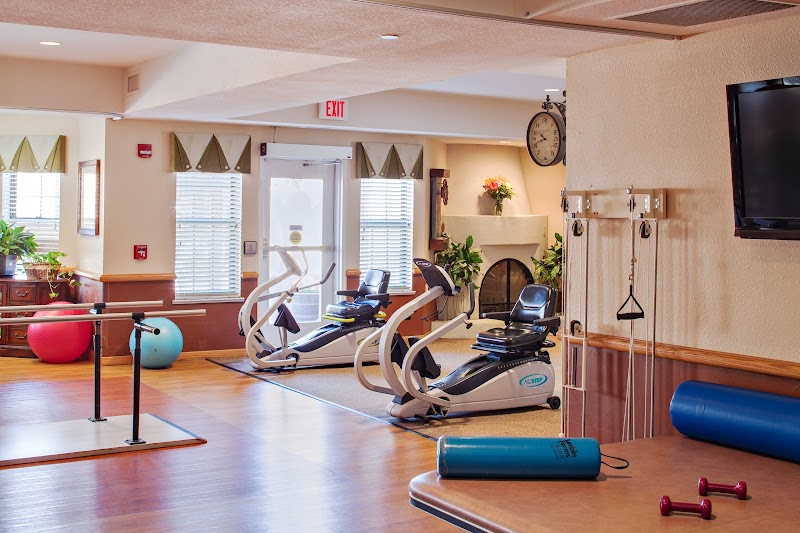
How is The Village At Northrise - Desert Willow I Staffed?

CMS rates The Village at Northrise - Desert Willow I's staffing level at 4 out of 5 stars, which is above average compared to other nursing homes. Staff turnover is 56%, which is 10 percentage points above the New Mexico average of 46%. High turnover can affect care consistency as new staff learn residents' individual needs.

What Have Inspectors Found at The Village At Northrise - Desert Willow I?

State health inspectors documented 51 deficiencies at The Village at Northrise - Desert Willow I during 2023 to 2025. These included: 49 with potential for harm and 2 minor or isolated issues. While no single deficiency reached the most serious levels, the total volume warrants attention from prospective families.

Who Owns and Operates The Village At Northrise - Desert Willow I?

The Village at Northrise - Desert Willow I is owned by a for-profit company. For-profit facilities operate as businesses with obligations to shareholders or private owners. The facility is operated by GENESIS HEALTHCARE, a chain that manages multiple nursing homes. With 31 certified beds and approximately 25 residents (about 81% occupancy), it is a smaller facility located in Las Cruces, New Mexico.

How Does The Village At Northrise - Desert Willow I Compare to Other New Mexico Nursing Homes?

Compared to the 100 nursing homes in New Mexico, The Village at Northrise - Desert Willow I's overall rating (3 stars) is above the state average of 2.9, staff turnover (56%) is near the state average of 46%, and health inspection rating (3 stars) is at the national benchmark.

What Should Families Ask When Visiting The Village At Northrise - Desert Willow I?

Based on this facility's data, families visiting should ask: "How do you ensure continuity of care given staff turnover, and what is your staff retention strategy?" "Can I visit during a mealtime to observe dining assistance and food quality?" "How do you handle medical emergencies, and what is your hospital transfer rate?" "Can I speak with family members of current residents about their experience?" These questions are particularly relevant given the facility's high staff turnover rate.

Is The Village At Northrise - Desert Willow I Safe?

Based on CMS inspection data, The Village at Northrise - Desert Willow I has a clean safety record: no substantiated abuse findings (meaning no confirmed cases of resident harm), no Immediate Jeopardy citations (the most serious violation level indicating risk of serious injury or death), and is not on the Special Focus Facility watch list (a federal program monitoring the lowest-performing 1% of nursing homes). The facility has a 3-star overall rating and ranks #1 of 100 nursing homes in New Mexico. While no facility is perfect, families should still ask about staff-to-resident ratios and recent inspection results during their visit.

Do Nurses at The Village At Northrise - Desert Willow I Stick Around?

Staff turnover at The Village at Northrise - Desert Willow I is high. At 56%, the facility is 10 percentage points above the New Mexico average of 46%. High turnover means new staff may not know residents' individual needs, medications, or preferences. It can also be disorienting for residents, especially those with dementia who rely on familiar faces. Families should ask: What is causing the turnover? What retention programs are in place? How do you ensure care continuity during staff transitions?

Was The Village At Northrise - Desert Willow I Ever Fined?

The Village at Northrise - Desert Willow I has no federal fines on record. CMS issues fines when nursing homes fail to meet care standards or don't correct problems found during inspections. The absence of fines suggests the facility has either maintained compliance or corrected any issues before penalties were assessed. This is a positive indicator, though families should still review recent inspection reports for the full picture.

Is The Village At Northrise - Desert Willow I on Any Federal Watch List?

The Village at Northrise - Desert Willow I is not on any federal watch list. The most significant is the Special Focus Facility (SFF) program, which identifies the bottom 1% of nursing homes nationally based on persistent, serious quality problems. Not being on this list means the facility has avoided the pattern of deficiencies that triggers enhanced federal oversight. This is a positive indicator, though families should still review the facility's inspection history directly.