The NM Behavioral Health Institute at Las Vegas

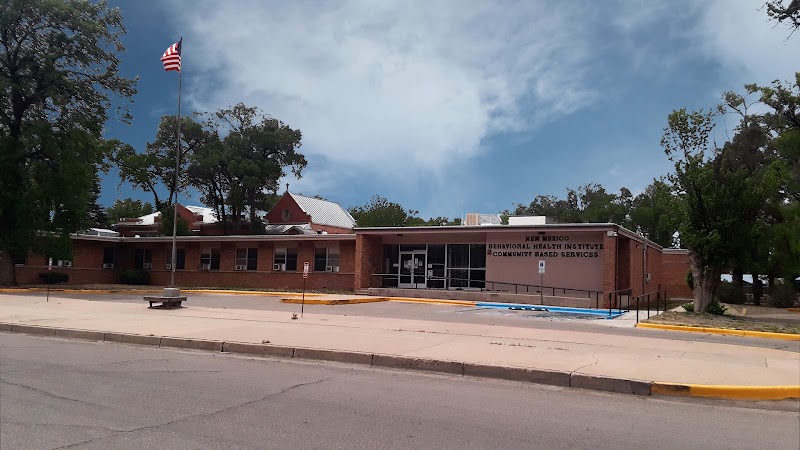
3695 Hot Springs Boulevard, Las Vegas, NM 87701 (505) 454-2100
Government - State 176 Beds Independent Data: November 2025
Trust Grade
28/100
#51 of 67 in NM
Last Inspection: August 2024

Within standard 12-15 month inspection cycle. Federal law requires annual inspections.

Overview

The NM Behavioral Health Institute at Las Vegas received a Trust Grade of F, which indicates significant concerns about the quality of care provided. It ranks #51 out of 67 nursing homes in New Mexico, placing it in the bottom half of facilities in the state, although it is the top option in San Miguel County. The facility is worsening, with the number of reported issues nearly doubling from 4 in 2023 to 9 in 2024. While staffing is a relative strength with a 3-star rating and a turnover rate of 40%, which is below the state average, the nursing home has been cited for serious problems, including a failure to prevent resident abuse and inadequate infection control measures. Additionally, they have been found not to provide sufficient treatment for pressure wounds, which raises concerns about overall resident care.
Trust Score
F
28/100
In New Mexico
#51/67
Bottom 24%
Safety Record
High Risk
Review needed
Inspections
Getting Worse
4 → 9 violations
Staff Stability
○ Average
40% turnover. Near New Mexico's 48% average. Typical for the industry.
Penalties
○ Average
$18,353 in fines. Higher than 65% of New Mexico facilities. Some compliance issues.
Skilled Nurses
○ Average
Each resident gets 38 minutes of Registered Nurse (RN) attention daily — about average for New Mexico. RNs are the most trained staff who monitor for health changes.
Violations
⚠ Watch
22 deficiencies on record. Higher than average. Multiple issues found across inspections.
★★☆☆☆
2.0
Overall Rating
★★★☆☆
3.0
Staff Levels
★★☆☆☆
2.0
Care Quality
★★☆☆☆
2.0
Inspection Score
Stable
2023: 4 issues
2024: 9 issues

The Good

  • Full Sprinkler Coverage · Fire safety systems throughout facility
  • No fines on record
  • Staff turnover below average (40%)

    8 points below New Mexico average of 48%

Facility shows strength in fire safety.

The Bad

2-Star Overall Rating

Below New Mexico average (2.9)

Below average - review inspection findings carefully

Staff Turnover: 40%

Near New Mexico avg (46%)

Typical for the industry

Federal Fines: $18,353

Below median ($33,413)

Minor penalties assessed

The Ugly 22 deficiencies on record

1 actual harm
Aug 2024 9 deficiencies 1 Harm
SERIOUS (G)

Actual Harm - a resident was hurt due to facility failures

Free from Abuse/Neglect (Tag F0600)

A resident was harmed · This affected 1 resident

Based on record review and interview, the facility failed to prevent abuse for 1 (R #79) of 1 (R #79) resident reviewed when the facility staff failed to recognize the difference between horseplay and...

Read full inspector narrative →
Based on record review and interview, the facility failed to prevent abuse for 1 (R #79) of 1 (R #79) resident reviewed when the facility staff failed to recognize the difference between horseplay and unwanted touching and harassment between a staff and resident. This deficient practice likely resulted in R #79 increase of isolation and fear of further abuse. The findings are: A. On 08/19/24 at 2:47 pm, during an interview with R #79, she stated. One of the activities persons kicked me in the ass (buttocks). They (staff) thought she was messing around. I did not think she was messing around, she kicked me. That's not funny. They sent her home for a couple of days. I felt bad because she [Activities Assistant (AA) #1] might have a ton of bills to pay or whatever. This happened on August first. I told (name of Registered Nurse #1). After that I kind of just stayed in my room because I didn't want to see her [AA #1] or do activities when she is there. She might do it again. I don't want to cause trouble and they will make me leave here (facility). R #79 further stated that she has participated less in the activity program and feels that AA #1 is upset with her and does not talk to her anymore. B. Record review of camera footage dated 08/01/24 revealed the following: - At 11:36:04 am, R #79 walked down the hallway, headed to the dining room. - At 11:36:09 am, R #79 turned to her right side, Agency Tech (T) #1 talked to R #79. Licensed Practical Nurse (LPN) #1 was at the medication cart, AA #1 stood next to the medication cart and Tech (T) #1 sat on a short bench in the hallway where R #79 walked. - At 11:36:12 am, R #79 stopped in the hallway in front of LPN #1, T #1 AT #1 and AA #1 when AA #1 approached R #79 and kicked R #79 in the backside. -At 11:36:14 am, R #79 turned around and looked at AA #1 and R #79 rubbed her left buttock with her left hand. - At 11:36:18 am, AA #1 kicked towards R #79 a second time, R #79 reached down to try and catch AA #1's leg. -At 11:36:20 am, R #79 pointed to AA #1 as AA #1 approached R #79 and hugged her. R #79 held her left arm between herself and AA #1. AA #1 continued to hug her and R #79 pats her on the back with her right arm and appeared to push AA #1 away. AA #1 and R #79 proceed to walk down the hallway towards the dining room. -At 11:36:31 am, AA #1 patted R #79 on the left buttock, R #79 steps back and grabbed AA #1 by the arm, picked up her right foot and kicked towards AA #1 on her right leg. AA #1 kicked towards R #79. R #79 moved back against the wall and proceeds to put her walker between herself and AA #1. AA #1 shook R #79's walker while R #79 was holding onto the walker. LPN #1, T #1 and AT #1 all appeared to watch the incident down the hallway. -At 11:37:18 am, R #79 put her walker in the entryway of the dining room, AA #1 took the walker, shuffled a short distance with the walker and then returned the walker and proceeded to walk down the hallway away from the dining room. R #79 remained in the dining room. C. On 08/21/24 at 4:19 pm, during an interview with AA #1, she stated, she was familiar with R #79, and they liked to joke and horseplay. Regarding the incident on 08/01/24, she stated that R #79 was on her way to the dining room and she was playing around with R #79 and did not believe that she had kicked R #79. AA #1 stated she was just playing around with R #79 and did not feel that she had hurt her in any way. Since the incident she has been told that she is not to interact with R #79 alone and if she needs to go to R #79's room she is to take another staff with her and she is not to approach her other then to invite her to an activity. AA #1 also stated that Registered Nurse (RN) #1 was told by R #79 about the incident. AA #1 was heading out for the day and did not return for several days. An investigation was conducted and then she was told she could return to work. D. On 08/22/24 at 10:19 am during an interview with AT #1, she stated that she was present during the incident between AA #1 and R #79. She did witness AA #1 tap the side of R #79's thigh. R #79 stated to AA #1 that she was too old to box. AT #1 also stated that they (AA#1) do horseplay. She further stated, I do not believe staff should kick residents in anyway. I did see the whole thing along with [Name of LPN #1] and [Name of T #1]. I did think it was wrong for her to play around like that. I think she [AA #1] took things a little too far. I know now [Name of R #79] stays in her room more. I did notice a change in [name of R #79] when she hears [name of AA #1]'s voice, and she will go into her room and does not come out. AT #1 stated that R #79 will go to activities when AA #1 is not here. AT #1 stated that she did not say anything [report the incident] because the nurse was there and she [nurse] had not done anything about it. E. On 08/22/24 at 10:59 am, during an interview with RN #1, she stated, the incident had been reported to her by R #79 on 08/03/24 and she thought it could be considered mistreatment/abuse and she reported it to the Standards and Compliance department at the facility, to Adult Protective Services, and the Health Care Authority on 08/03/24. RN #1 further stated, she had to prioritize R #79's safety by removing the staff from the facility. RN #1 also stated she had interviewed AA #1 and she told her that they [AA #1 and R #79] were playing. R #79 revealed to RN #1 that AA #1 had kicked her on the buttocks. RN #1 stated there is a boundary and it is not a good idea to play with a resident in that manner. RN #1 had noticed that she (R #79) is a little more paranoid and she will make comments about it (kicking incident between R #79 and AA #1). RN #1 stated. I do not think it is acceptable behavior to kick a resident. If I saw something like that happen, I would intervene and I would let the staff know it is not appropriate. Residents are to be treated with respect and dignity. F. On 08/22/24 at 11:29 am, during an interview with T #1, she stated that during the time of the incident on 08/01/24, she was waiting for lunch to start, and R #79 was headed to lunch. AA #1 was teasing R #79 and then AA #1 kicked R #79 on the buttocks. There were other staff there that saw AA #1 kick R #79 and they [staff witnesses] all thought they were just playing, no one intervened. I do not think that kicking a resident is ok. It was not a hard kick. I think it is inappropriate, but not abusive. T #1 further stated that she has noticed changes in R #79 and she is more anxious, and she is quieter since the incident. T #1 further stated that she did not report it because she thought they were just playing around. G. On 08/22/24 at 11:45 am, during an interview with the Director of Nursing (DON), she stated she was aware of the incident between AA #1, and R #79 and her understanding was that the investigation confirmed that they were horseplaying however kicking a resident is not acceptable. DON was not part of the investigation. DON further stated that after reviewing the video footage she would consider the actions of AA #1 to be abuse. DON felt that these actions should have been reported as abuse. H. On 08/22/24 at 12:02 pm, during an interview with Activity Director (AD). He stated, he was aware of the incident between AA #1 and R #79. He had spoken with AA #1 and it was determined that it was horseplay. AA #1 was trained on boundaries following the incident. He stated that a kick is overboard and could border on abuse and a playful kick is excessive and should not happen. AD stated he did not review the video but standards and compliance had determined it was horseplay. I. On 08/22/24 at 3:31 pm, during an interview with Interim Administrator, he stated, that after viewing the video footage he did believe that it was abuse and the investigation was inappropriate and that kicking a resident is never acceptable. Administrator stated he was not involved in the investigation because standards and compliance are the ones that do the investigations. He was aware of the incident but was dependent on the outcome from standards and compliance. J. On 08/23/24 at 9:35 am, during an interview with Licensed Practical Nurse (LPN) #1, she stated, she was passing medications at the time of the incident. R #79 was on her way to the dining room and the staff were joking around with R #79. LPN #1 does not recall seeing AA #1 kick R #79. She stated that kicking a resident is not acceptable and if she would have seen it [AA #1 kick R #79], she would have intervened.
CONCERN (D)

Potential for Harm - no one hurt, but risky conditions existed

Report Alleged Abuse (Tag F0609)

Could have caused harm · This affected 1 resident

Based on record review and interview, the staff failed to immediately report a witnessed incident of abuse to a supervisor and the facility failed to report an incident of abuse to the state survey ag...

Read full inspector narrative →
Based on record review and interview, the staff failed to immediately report a witnessed incident of abuse to a supervisor and the facility failed to report an incident of abuse to the state survey agency within 2 hours for 1 (R #79) of 1 (R# 79) resident reviewed for incidents/accidents. If the facility fails to report incidents of abuse to the State Agency, then the implementation of measures to prevent further abuse is delayed. The findings are: A. On 08/19/24 at 2:47 pm, during an interview with R #79, she stated. One of the activities persons kicked me in the ass (buttocks). They (staff) thought she was messing around. I did not think she was messing around, she kicked me. That's not funny. They sent her home for a couple of days. This happened on August first. I told (name of Registered Nurse #1). After that I kind of just stayed in my room because I didn't want to see her [AA #1] or do activities when she is there. She might do it again. I don't want to cause trouble and they will make me leave here (facility). R #79 further stated that she has participated less in the activity program and feels that AA #1 is upset with her and does not talk to her anymore. B. Record review of camera footage dated 08/01/24 revealed the following: - At 11:36:04 am, R #79 walked down the hallway, headed to the dining room. - At 11:36:09 am, R #79 turned to her right side, Agency Tech (T) #1 talked to R #79. Licensed Practical Nurse (LPN) #1 was at the medication cart, AA #1 stood next to the medication cart and Tech (T) #1 sat on a short bench in the hallway where R #79 walked. - At 11:36:12 am, R #79 stopped in the hallway in front of LPN #1, T #1 AT #1 and AA #1 when AA #1 approached R #79 and kicked R #79 in the backside. -At 11:36:14 am, R #79 turned around and looked at AA #1 and R #79 rubbed her left buttock with her left hand. - At 11:36:18 am, AA #1 kicked towards R #79 a second time, R #79 reached down to try and catch AA #1's leg. -At 11:36:20 am, R #79 pointed to AA #1 as AA #1 approached R #79 and hugged her. R #79 held her left arm between herself and AA #1. AA #1 continued to hug her and R #79 pats her on the back with her right arm and appeared to push AA #1 away. AA #1 and R #79 proceed to walk down the hallway towards the dining room. -At 11:36:31 am, AA #1 patted R #79 on the left buttock, R #79 steps back and grabbed AA #1 by the arm, picked up her right foot and kicked towards AA #1 on her right leg. AA #1 kicked towards R #79. R #79 moved back against the wall and proceeds to put her walker between herself and AA #1. AA #1 shook R #79's walker while R #79 was holding onto the walker. LPN #1, T #1 and AT #1 all appeared to watch the incident down the hallway. -At 11:37:18 am, R #79 put her walker in the entryway of the dining room, AA #1 took the walker, shuffled a short distance with the walker and then returned the walker and proceeded to walk down the hallway away from the dining room. R #79 remained in the dining room. C. On 08/22/24 at 10:19 am during an interview with AT #1, she stated that she was present during the incident between AA #1 and R #79. She did witness AA #1 tap the side of R #79's thigh. R #79 stated to AA #1 that she was too old to box. AT #1 also stated that they (AA#1) do horseplay. She further stated, I do not believe staff should kick residents in anyway. I did see the whole thing along with [Name of LPN #1] and [Name of T #1]. I did think it was wrong for her to play around like that. I think she [AA #1] took things a little too far. I know now [Name of R #79] stays in her room more. I did notice a change in [name of R #79] when she hears [name of AA #1]'s voice, and she will go into her room and does not come out. AT #1 stated that R #79 will go to activities when AA #1 is not here. AT #1 stated that she did not say anything [report the incident] because the nurse was there and she [nurse] had not done anything about it. AT #1 confirmed that she never checked on the resident after the incident. D. On 08/22/24 at 10:59 am, during an interview with RN #1, she stated, the incident had been reported to her by R #79 on 08/03/24 and she thought it could be considered mistreatment/abuse and she reported it to the Standards and Compliance department at the facility, to Adult Protective Services, and the Health Care Authority on 08/03/24. RN #1 further stated, she had to prioritize R #79's safety by removing the staff from the facility. RN #1 also stated she had interviewed AA #1 and AA #1; they both told her that they were playing. R #79 revealed to RN #1 that AA #1 had kicked her on the buttocks. RN #1 stated there is a boundary and it is not a good idea to play with a resident in that manner. RN #1 had noticed that she (R #79) is a little more paranoid and she will make comments about it (kicking incident between R #79 and AA #1). RN #1 stated. I do not think it is acceptable behavior to kick a resident. If I saw something like that happen, I would intervene and I would let the staff know it is not appropriate. Residents are to be treated with respect and dignity. E. On 08/22/24 at 11:29 am, during an interview with T #1, she stated that during the time of the incident on 08/01/24, she was waiting for lunch to start, and R #79 was headed to lunch. AA #1 was teasing R #79 and then AA #1 kicked R #79 on the buttocks. There were other staff there that saw AA #1 kick R #79 and they [staff witnesses] all thought they were just playing, no one intervened. I do not think that kicking a resident is ok. It was not a hard kick. I think it is inappropriate, but not abusive. T #1 further stated that she has noticed changes in R #79 and she is more anxious, and she is quieter since the incident. T #1 further stated that she did not report it because she thought they were just playing around. T #1 confirmed that she never checked on the resident to confirm how she felt about the interaction. F. On 08/23/24 at 9:35 am, during an interview with Licensed Practical Nurse (LPN) #1, she stated, she was passing medications at the time of the incident [on 08/01/24]. R #79 was on her way to the dining room and the staff were joking around with R #79. LPN #1 does not recall seeing AA #1 kick R #79. She stated that kicking a resident is not acceptable and if she would have seen it [AA #1 kick R #79], she would have intervened. G. Record review of the facility self report revealed that the incident between AA #1 and R #79 was reported to the State Agency on 08/03/24.
CONCERN (E)

Potential for Harm - no one hurt, but risky conditions existed

Pressure Ulcer Prevention (Tag F0686)

Could have caused harm · This affected multiple residents

**NOTE- TERMS IN BRACKETS HAVE BEEN EDITED TO PROTECT CONFIDENTIALITY** Based on record review and interview, the facility failed to ensure residents received the necessary treatment and services to p...

Read full inspector narrative →
**NOTE- TERMS IN BRACKETS HAVE BEEN EDITED TO PROTECT CONFIDENTIALITY** Based on record review and interview, the facility failed to ensure residents received the necessary treatment and services to prevent the development and worsening of pressure wounds (also called a pressure injury; skin damage which results from unrelieved pressure on the body) for 1 (R #16) of 1 (R #16) residents reviewed when staff failed to update wound care treatment orders according to R #16's care plan and in relation to R #16's pressure ulcer becoming worse. This deficient practice is also likely to lead to residents developing more/other pressure ulcers and wounds worsening. The findings are: A. Record review of R #16's face sheet revealed R #16 was admitted into the facility on [DATE]. B. Record review of R #16's care plan dated 07/09/24 revealed, Focus: Impaired skin integrity related to Stage II [2] pressure injury (level of skin damage which results from unrelieved pressure on the body) to coccyx (tailbone). Interventions: If pressure injury is not improving within 2 weeks of using current treatment, reassess and notify medical provider for a change of treatment. C. Record review of R #16's coccyx pressure ulcer assessment dated [DATE] through 08/23/24 revealed the following: 1. 07/05/24: Length: 3 cm (centimeters), Width: 1 cm. 2. 07/08/24: Length: 3 cm, Width: 1 cm. 3. 07/10/24: Length: 3 cm, Width: 1 cm. 4. 07/12/24: Length: 3 cm, Width: 1 cm. 5. 07/15/24: Length: 3 cm, Width: 1 cm. 6. 07/17/24: Length: 3 cm, Width: 1 cm. 7. 07/19/24: Length: 3 cm, Width: 1 cm. 8. 07/22/24: Length: 3 cm, Width: 1 cm. 9. 07/24/24: Length: 3 cm, Width: 1 cm. 10. 07/26/24: Length: 3 cm, Width: 1 cm. 11. 07/29/24: Length: 3 cm, Width: 1 cm. Wounds showing no signs of improvement. 12. 07/31/24: Length: 4 cm, Width: 1 cm. 13. 08/02/24: Length: 4 cm, Width: 1 cm. 14. 08/05/24: Length: 4 cm, Width: 1 cm. 15. 08/07/24: Length: 4 cm, Width: 1 cm. 16. 08/09/24: Length: 4 cm, Width: 1 cm. 17. 08/12/24: Length: 4 cm, Width: 1 cm. 18. 08/14/24: Length: 4 cm, Width: 1 cm. 19. 08/16/24: Length: 4 cm, Width: 1 cm. 20. 08/19/24: Length: 4 cm, Width: 1 cm. 21. 08/21/24: Length: 2.5 cm, Width: 0.5 cm. D. Record review of R #16's Medication Administration Record (MAR) dated 07/01/24 through 07/31/24 revealed the following medications/treatments used for R #16's coccyx pressure ulcer: 1. Apply skin protectant, cover with 2x2 (2 by 2) gauze and transparent tape twice a day and as needed- completed twice a day, every day from 07/01/24 through 07/10/24. 2. Apply skin protectant, cover with 2x2 gauze and transparent tape daily- completed once a day, every day from 07/11/24 through 07/31/24. E. On 08/23/24 at 10:44 am, during an interview with Licensed Practical Nurse (LPN) #2, she stated R #16's coccyx pressure ulcer was a stage 2 and was not getting better until recently. LPN #2 confirmed R #16's pressure ulcer treatment and care had not changed since R #16 developed on 06/28/24 the pressure ulcer (Apply skin protectant, cove with 2x2 gauze and transparent tape daily) . F. On 08/23/24 at 1:03 pm during an interview with the Director of Nursing (DON), she stated she would expect R #16's pressure ulcer treatment to change according to her care plan which stated if R #16's pressure ulcer did not improve within two weeks treatment would change. DON confirmed R #16's pressure ulcer treatments changed, but not within the two week timeframe as expected. Treatment was changed from BID (twice a day) to daily.
CONCERN (E)

Potential for Harm - no one hurt, but risky conditions existed

Accident Prevention (Tag F0689)

Could have caused harm · This affected multiple residents

**NOTE- TERMS IN BRACKETS HAVE BEEN EDITED TO PROTECT CONFIDENTIALITY** Based on observation, record review, and interview, the facility failed to ensure that 1 (R #16) of 1 (R #16) residents reviewed...

Read full inspector narrative →
**NOTE- TERMS IN BRACKETS HAVE BEEN EDITED TO PROTECT CONFIDENTIALITY** Based on observation, record review, and interview, the facility failed to ensure that 1 (R #16) of 1 (R #16) residents reviewed was free from accidents and hazards. Facility was using a call light attached to R #16's clothing to alert staff when resident attempts to transfer on her own. Call light would detach from the wall and ring and staff would be alerted that resident was attempting to transfer self. This deficient practice is likely to put residents at risk of unsafe situations. The findings are: A. Record review of R #16's face sheet revealed R #16 was admitted into the facility on [DATE]. B. Record review of R #16's nursing progress notes dated 06/09/24 through 06/10/24 revealed the following: 1. 06/09/24: R #16 was found on the floor next to her bed by staff. R #16 was attempting to use the restroom on her own prior to fall and told staff her left hip hurt badly. R #16 was transported to the emergency room (ER). 2. 06/10/24: R #16 was diagnosed with two fractures in the ER and returned to the facility. C. On 08/20/24 at 10:13 am during an observation of R #16's room, R #16 sat in a wheelchair with the room call light attached to her left shoulder shirt. D. Record review of R #16's care plan dated 07/09/24 revealed R #16 was at risk for falls. R #16's care plan interventions stated, I am able to use the call bell. It will be kept within my reach. Staff will educate me on using the call bell with transfers. E. On 08/23/24 at 9:42 am during an interview with Certified Nursing Assistant (CNA) #6, she stated R #16 has become less independent and is prone to falls. CNA #6 also stated the staff attaches R #16's call light onto her clothing because when R #16 attempts to self transfer, the call light will disconnect from the wall (since it's attached to her body), which will alert staff. F. On 08/23/24 at 10:47 am during an interview with Licensed Practical Nurse (LPN) #2, she stated R #16 sustained a left hip fracture after her most recent fall on 06/09/24. LPN #2 also stated the nursing staff will attach R #16's call light to her clothing, so staff will be alerted if R #16 attempts to self transfer. G. On 08/23/24 at 11:04 am during an observation of R #16's room, R #16 laid in bed with the call light attached to right shoulder. H. On 08/23/24 at 12:59 pm during an interview with the Director of Nursing (DON), she stated the expectation is staff can clip R #16's call light to blanket or something like that, but not to R #16's clothing. DON confirmed the way the staff is currently using the call light for R #16 is considered a form of a restraint and should not be happening.
CONCERN (E)

Potential for Harm - no one hurt, but risky conditions existed

Deficiency F0804 (Tag F0804)

Could have caused harm · This affected multiple residents

Based on observation, interviews, and record review, the facility failed to have recipes for all menu items and to ensure staff followed nutritionally calculated recipes for pureed diets. This failure...

Read full inspector narrative →
Based on observation, interviews, and record review, the facility failed to have recipes for all menu items and to ensure staff followed nutritionally calculated recipes for pureed diets. This failure had the potential for food not to meet the nutritional requirements of all residents who ate pureed foods. The findings are: A. On 08/20/24 at 8:55 am, during an interview, the Supervisor stated the menu for the resident's lunch was pork enchiladas, mixed vegetables, beans, and fruit. She stated the alternative was egg salad sandwich, and residents with a pureed diet were having pureed carrots instead of pureed mixed vegetables. B. Observation on 08/20/24 at 8:56 am revealed the Supervisor prepared pureed enchiladas for the residents' lunch service. She placed six corn tortillas (six inch), six servings of enchilada mixture, and scooped an unmeasured amount of thickening powder into a food processor. The Supervisor pureed the mixture to a pudding consistency. C. On 08/20/24 at 8:58 am during an interview, the Supervisor stated the scoop for the thickening powder was equal to one cup. She stated she put ½ cup (c) of thickening powder into the enchilada puree. D. Record review of the facility's recipes revealed a recipe for green chicken or pork enchiladas for regular diets. Further review revealed the records did not contain a recipe for green chicken or pork enchiladas for pureed diets. E. Observation on 08/20/24 at 9:00 am, revealed pureed carrots in bowls in the warmer for the residents' lunch service. Taste test of the pureed carrots revealed the mixture tasted flavorless. F. On 08/20/24 at 9:02 am during an interview, the Supervisor stated the puree carrots was made of carrots and thickening powder. G. Record review of the facility's recipes revealed a recipe for pureed carrots with the following instructions: - Recipe for 240 servings. - Ingredients: fresh steamed carrots, thickener, hot water, vegetable base, salted and melted butter. - Process carrots to a fine consistency. - Add thickener, vegetable base mixed with hot water, and butter. - Process until smooth. H. Observation on 08/20/24 at 9:22 am revealed the [NAME] prepared pureed carrot cake for the residents' meal. She placed 12 slices of carrot cake, 12 cups of water, and two cups of a thickening powder into a food processor. She pureed the mixture to a smooth consistency. Taste test showed the mixture tasted watery. The [NAME] placed the mixture into styrofoam bowls and topped with an icing mixture. I. On 08/20/24 at 9:32 am, the [NAME] stated she had recipes in her phone and in a binder. She stated she made the pureed carrot cake in the past, so she did not refer to the recipe. J. Record review of the facility's recipes revealed the facility did not have a recipe for pureed carrot cake. K. Observation on 08/20/24 at 9:45 am revealed the Supervisor prepared pureed beans for the residents' lunch service. She placed 24 ounces (oz) of beans and broth mixture and scooped an unmeasured amount of thickening powder into a food processor. She pureed the mixture to a smooth consistency. The Supervisor added an unmeasured amount of tap water to the mixture and continued to puree to a smooth consistency. L. On 08/20/24 at 9:50 am during an interview, the Supervisor stated she added ¾ c of thickening powder to the beans and ½ c of water. The Supervisor stated she knew how to prepare the pureed food because she worked at the facility for a long time. She stated, she measured all the ingredients, and there was a sheet posted in the kitchen regarding the consistency of each diet type. The Supervisor stated there were recipes for the menu items, and there was a recipe for everything. M. Record review of the facility's recipes revealed a recipe for pureed beans with the following instructions: - Recipe for 240 servings. - Ingredients: pinto beans cooked with onions, chopped garlic cloves, bay leaf, salt, oregano. - Place the cooked beans in food processor and process fine and until the texture is very smooth. - Scrape down the sides of the bowl and repeat the process. N. On 08/20/24 at 10:25 during an interview, the Director of Food Services stated, she was responsible for the residents' meals, the menus, and the recipes. She stated the Dieticians created the menus and approved the recipes based on an analysis of the residents' needs. The Director stated the residents asked for more authentic New Mexican food, and the menu did not have those items. She stated she created the recipe for the green chicken or pork enchiladas to meet the residents' requests. O. On 08/20/24 at 10:50 am during an interview with the Director of General Services, the Director of Food Services, and the Dieticians, and the Supervisor, Dietician 1 and Dietician 2 stated they were responsible to develop and analyze the menus. They stated, they made the menus from scratch in order to take into account what the residents wanted to eat. They stated they also approved the recipes, but there was not a recipe for all food items. The Dieticians stated staff cooked the way they were used to, because the most important part of the recipe was the meat. They stated the meat was pre-portioned, so all cooks used the same amount of meat in their recipe. The Dieticians stated cooks should use the recipe closest to what they were preparing, even if it was not for the exact food item on the menu. The Dieticians reviewed the green chicken or pork enchilada recipe. They stated they had not seen and did not approve the enchilada recipe. The Dietician stated it was expected all food items on the menu had a recipe for staff to follow and that they review and approve all recipes served to the residents. They stated this was important for consistency across all cooks and preparation, for nutritional values, and for flavor. The Dieticians stated there was not a recipe for the carrot cake puree, but it was expected staff would use milk instead of water. They stated the milk had more nutritional value and flavor. The Dieticians stated it was expected staff would use thickening powder sparingly, because it did not have any nutritional value. They stated staff should not use thickening powder by the cup. They stated the Supervisor did not need to add thickening powder to the beans. The Dieticians stated they performed competency audits of the dietary staff, but the audits did not include an observation of the preparation of pureed foods.
CONCERN (E)

Potential for Harm - no one hurt, but risky conditions existed

Deficiency F0806 (Tag F0806)

Could have caused harm · This affected multiple residents

**NOTE- TERMS IN BRACKETS HAVE BEEN EDITED TO PROTECT CONFIDENTIALITY** Based on record review, and interview, the facility failed to provide food that accommodated resident preferences for 2 (R #9 an...

Read full inspector narrative →
**NOTE- TERMS IN BRACKETS HAVE BEEN EDITED TO PROTECT CONFIDENTIALITY** Based on record review, and interview, the facility failed to provide food that accommodated resident preferences for 2 (R #9 and R #69) of 2 (R #9 and R #69) residents reviewed for food preferences. This deficient practice is likely to result in weight loss due to the residents not eating or an allergic reaction to the food being served to the residents. The findings are: A. Record review of R #69's face sheet revealed, R #69 was admitted into the facility on [DATE]. B. Record review of R #69's care plan dated 7/10/2024, revealed the following: -Focus: Diet is Therapeutic Diet.(diet modified to fit the nutrition need of a resident) -Interventions: Provide diet as ordered and honor all food preferences. C. Record review of facility incident report form dated 03/20/24, R #69 requested a chicken sandwich (choice #2 ) for dinner. R #69 did not receive chicken sandwich as ordered because the dietary had only sent three chicken sandwiches for the unit. D. Record review of facility incident report form dated 03/20/24, revealed there were only three chicken sandwiches sent to the unit for 14 residents as an alternate meal and regular menu items were sent for all residents. E. Record review of R #9's facesheet revealed R #9 was admitted to the facility on [DATE]. F. Record review of R #9's nutritional assessment review dated 06/30/2024 revealed Regular LCS (Low Concentrated Sweets), bland diet, no Chile, Glucerna (nutritional supplement) with lunch and milk with all meals. HS (evening) snack. Honor all food preferences. G. Record review of facility incident report form dated 03/20/24 stated there were only three chicken sandwiches sent to the unit for 14 residents as an alternate meal and R #9 was not able to get one. H. On 08/22/2024, during an interview with Dietary Manager, she stated only a set amount of alternate food is sent to the units. If a resident request an alternate food, and there were not enough food then the can call and request a alternate meal. The resident will have to wait until service of meals are done and then they would accommodate the residnets' alternative request which could take a considerable amount of time to wait.
CONCERN (E)

Potential for Harm - no one hurt, but risky conditions existed

Deficiency F0825 (Tag F0825)

Could have caused harm · This affected multiple residents

**NOTE- TERMS IN BRACKETS HAVE BEEN EDITED TO PROTECT CONFIDENTIALITY** Based on record review and interview, the facility failed to meet professional standards of care for 3 (R #8, #42, and #52) of 3...

Read full inspector narrative →
**NOTE- TERMS IN BRACKETS HAVE BEEN EDITED TO PROTECT CONFIDENTIALITY** Based on record review and interview, the facility failed to meet professional standards of care for 3 (R #8, #42, and #52) of 3 (R #'s #8, #42, and #52) residents reviewed by not providing restorative nursing services (a type of rehabilitation that helps residents regain or maintain their independence and physical abilities) as ordered by a physician. This deficient practice is likely to result in the resident experiencing psychosocial harm (harm to someone's mental health) and despair. The findings are: R #8: A. Record review of R #8's face sheet revealed R #8 was admitted into the facility on [DATE]. B. Record review of R #8's physician order/referral dated 07/10/24 revealed R #8 was to receive restorative nursing services weekly that focused on Upper extremity [arms] exercises that focus on range of motion (ROM). C. Record review of the facility restorative nursing program schedule dated 08/01/24 through 08/23/24 revealed R #8 was offered/provided six (6) restorative nursing sessions out eight (8) opportunities. D. On 08/19/24 at 4:21 pm during an interview with R #8, she stated that she was not offered restorative nursing services as often as she would like. E. On 08/23/24 at 12:14 pm during an interview with the Physical Therapy Assistant (PTA) #1, she stated that they try to offer R #8 restorative nursing services at least two times a week, but that doesn't always happen because PTA #1 and the other restorative staff are needed on the units instead. PTA #1 confirmed R #8 should be seen by restorative nursing services at least two times a week and that does not consistently happen. R #42: F. Record review of R #42's face sheet revealed R #42 was admitted into the facility on [DATE]. G. Record review of R #42's physician order/referral dated 08/01/24 revealed R #42 was to receive restorative nursing services weekly that focused on ambulation (the ability to walk or move about without assistance) and ROM. H. Record review of the facility restorative nursing program schedule dated 08/01/24 through 08/23/24 revealed R #42 was offered/provided one restorative nursing sessions out eight (8) opportunities. I. On 08/23/24 at 2:42 pm during an interview with PTA #1, she stated that they are supposed to help ambulate R #42, but they cannot because they do not have the staff available to do that while also taking residents to appointments and working on the units. PTA #1 confirmed R #8 had only been offered one restorative nursing service session since 08/01/24, and he should have been offered more. R #52: J. Record review of R #52's face sheet revealed R #52 was admitted into the facility on [DATE]. K. Record review of R #52's physician order/referral dated 02/27/24 revealed R #52 was to receive restorative nursing services weekly that focused on ROM. L. Record review of the facility restorative nursing program schedule dated 07/01/24 through 07/19/24 revealed R #52 was offered/provided one restorative nursing sessions out six (6) opportunities. M. Record review of the facility restorative nursing program schedule dated 08/01/24 through 08/23/24 revealed R #52 was offered/provided two (2) restorative nursing sessions out eight (8) opportunities. N. On 08/23/24 at 2:49 pm during an interview with PTA #1, she confirmed R #52 was not offered consistent restorative nursing sessions due to staffing issues and R #52 should be offered more restorative nursing sessions. O. On 08/23/24 at 3:04 pm during an interview with the Director of Nursing (DON), she stated she was not aware of restorative nursing staff not completing their treatments with the residents. DON confirmed residents that are receiving restorative nursing services should be offered/provided those multiple times per week as expected.
CONCERN (E)

Potential for Harm - no one hurt, but risky conditions existed

Deficiency F0947 (Tag F0947)

Could have caused harm · This affected multiple residents

Based on record review and interview, the facility failed to ensure Certified Nurse Aides (CNAs) received the required in-service training of no less than 12 hours per year for 2 (CNAs #1 and #2) of 5...

Read full inspector narrative →
Based on record review and interview, the facility failed to ensure Certified Nurse Aides (CNAs) received the required in-service training of no less than 12 hours per year for 2 (CNAs #1 and #2) of 5 (CNAs #1, #2, #3, #4, and #5) CNAs randomly reviewed for required in-service training. This deficient practice is likely to result in the nurses aides not receiving the necessary training to meet the care needs of the residents. The findings are: CNA #1: A. Record review of the facility staffing list revealed CNA #1 was hired on 04/30/22. B. Record review of CNA #1's annual required in-service training revealed CNA #1 had only completed 8 out of 12 hours of required training by hire date. C. Record review of the facility staffing schedule dated 06/23/24 through 08/23/24 revealed CNA #1 worked 124 total shift hours during that timeframe. CNA #2: D. Record review of the facility staffing list revealed CNA #2 was hired on 06/17/17. E. Record review of CNA #2's annual required in-service training revealed CNA #2 had only completed 10 out of 12 hours of required training by hire date. F. Record review of the facility staffing schedule dated 06/23/24 through 08/23/24 revealed CNA #2 worked 317 total shift hours during that timeframe. G. On 08/22/24 at 4:08 pm during an interview with the Director of Nursing (DON), she confirmed CNAs #1 and #2 did not have at least 12 hours of completed in-service training's and should have. DON stated CNAs should not be working with residents without the completed required training's.
CONCERN (F)

Potential for Harm - no one hurt, but risky conditions existed

Food Safety (Tag F0812)

Could have caused harm · This affected most or all residents

Based on observation, interviews, and record review, the facility failed to maintain the kitchen in a sanitary manner when staff failed to: - Perform hand hygiene and to change gloves as often as nece...

Read full inspector narrative →
Based on observation, interviews, and record review, the facility failed to maintain the kitchen in a sanitary manner when staff failed to: - Perform hand hygiene and to change gloves as often as necessary to avoid cross contamination, - Store open food protected and with labels and dates to prevent cross contamination and outdated usage, - Utilize hair restraints and beard guards in a manner which restrained all hair while in the kitchen, - Use the sanitizing solution according to manufacturer's instructions, - Protect clean disposable wares (includes dishware, drinkware, and flatware such as spoons, forks, and knives) to prevent contamination, These failures had the potential to result in cross contamination and foodborne which could affect all residents who ate food from the kitchens. The findings are: Handwashing and Glove Use A. Record review of the facility's Sanitation and Infection Control, Hand Hygiene policy, dated January 2014, revealed staff directed to wash hands with soap and water at the following times: - Before handling food or clean utensils, dishes, equipment, - Before putting on gloves, - After touching hair, skin, beard, or clothing, - After handling soiled silverware, - After handling garbage, - After removing gloves, - After any other activity that may contaminate the hands. B. Observation on 08/20/24 at 12:15 pm, of the kitchen located on Unit #1 revealed Server 1 wore gloves and entered the kitchen. The Server touched the door, the trash can, and dirty dishes. The Server took clean dishes out of the dishwasher and put them away. The Server did not remove his gloves and did not perform hand hygiene when he moved from dirty tasks (touching dirty dishes, cleaning the kitchen, taking out trash, and similar) to clean task (touching clean dishes, preparing food, and similar). At 12:26 pm, Server 1 touched dietary cards and dirty dishes. He took the dirty dishes to the three-compartment sink (a sink with three sections to wash, rinse, and sanitize) and touched the hose with dish detergent to fill a tub of dishes with soapy water. He took the tubs to the dirty side of the dishwashing area, removed a clean pitcher from the dishwasher, and placed it on the storage shelf. Server 1 did not remove his gloves and did not perform hand hygiene when moving from dirty dishes to clean dishes. The Server placed the same gloved hand on a trash can, with part of his fingers inside the can, to move it across the floor. He removed the trash bag of waste from the can, and he placed a new trash bag in the can. The Server removed clean dishes from the dishwasher and put them away. The Server did not remove his gloves and did not perform hand washing after touching the trash can. C. On 08/21/24 at 8:40 am, during an interview, the Supervisor stated the facility had a policy for glove use and handwashing, and staff have been trained on the policy. She stated staff should hand wash before putting on gloves and after removing the gloves. She stated staff should also hand wash every time they entered the kitchen, when they moved from a dirty task to a clean task, and after they used the restroom, took a break, or touched their face or body. She stated staff should change their gloves when soiled, between processes, and after touching something that was not food related. The Supervisor stated staff should not treat their gloved hands like their bare hands. D. Observation on 08/21/24 at 11:25 am of the kitchen located on Unit #2 revealed Server 2 wore gloves and prepared for the resident's lunch service. The Server threw a piece of paper into the trash can and touched the lid. The Server continued to touch the steam table, the door to the dining room, a piece of paper, the refrigerator door handle, serving containers of butter and supplement drinks, and drink pitchers. The Server did not change her gloves or wash her hands after touching the trash can and before touching the steam table and food related items. At 11:34 am, the Server removed her gloves and performed hand washing. Server 1 pressed the buttons to open the partition between the kitchen and the dining room. She put on new gloves. The Server touched the resident food trays, dietary cards, the thermometer, food containers. The Server touched the resident plates, serving utensils, refrigerator doors, and bread slices with her gloved hands. She pulled up the sleeve on her right arm using her gloved left hand. The Server touched resident bowls with her gloved thumb on the food surface area. The Server did not wash her hands after touching the divider buttons and before putting on gloves. The Server did not change her gloves and perform hand washing after she touched the refrigerator doors and her sleeve and before she touched food and food related items. E. On 08/21/24 at 12:15 pm, during an interview, the Director of General Services stated the Supervisors were responsible to ensure the kitchen was maintained in a clean, orderly, and sanitary manner. She stated it was expected staff would perform handwashing when they moved from a dirty task to a clean task. She stated staff should wear gloves when handling ready to eat food, like bread. She stated staff should wash their hands before they put on and after they removed their gloves. The Director stated staff should not treat their gloved hands like their bare hands. Unprotected, Unlabeled, and Undated Open Food Items F. Record review of the facility's Production, Purchasing, Storage: Food and Supply Storage Procedures policy, dated January 2014, revealed staff directed to cover, label, and date unused portions and open packages. G. Observation on 08/19/24 at 12:20 pm, of the dry storage area, revealed two, 25 pound (lb) bags of pinto beans open to air. H. Observation on 08/20/24 at 8:52 am, of the walk-in refrigerator Morning Box, revealed the following: - One package of sliced ham open to air, - One, 16 ounces (oz) container of beef base opened and undated, - One, 16 oz container of vegetable base opened and undated. I. On 08/20/24 at 8:53 am, during an interview, the Director of General Services stated opened food should be labeled, dated, and sealed. She said it was expected staff would have wrapped the opened ham slices with saran wrap to protect it from the air. She stated she and the Supervisors walked through the walk-ins every day and looked for items that were not in compliance. The Director of General Services stated she was not aware the unlabeled, undated, and unprotected food items were in the walk-in. J. Observation on 08/20/24 at 8:28 pm of the dry storage area, revealed one 5 lb bag of powdered cocoa loosely rolled, opened, and exposed to air. K. On 08/20/24 at 8:30 am, during an interview, the Stocker stated, she was responsible to ensure the dry storage area was maintained in an orderly and sanitary manner. She stated she checked the dry pantry every day to ensure items were stored correctly, labeled, dated, and protected. The Stocker stated staff used the cocoa for breakfast. She stated they forgot to secure the cocoa bag with the plastic tabs when they rolled the top closed. The Stocker stated staff should have ensured the bag remained rolled closed to prevent exposure to air. L. On 08/21/24 at 8:40 am, during an interview, the Supervisor stated the facility had a policy on food storage, and staff have been trained on the policy. She stated it was expected for staff to label and date open food with the date the food was opened. She stated food should be securely protected from air to prevent cross contamination. Hairnets and [NAME] Guards M. On 08/20/24 at 10:50 am during an interview with the Director of General Services, the Director of Food Services, and the Dieticians, Dietician 1 and Dietician 2 stated they were responsible to perform audits of kitchen staff, and they performed the audits twice a week. The Dieticians stated they completed a form for each audit and gave the form to the Director of General Services to address any issues with the dietary staff. N. Observation on 08/21/24 at 11:07 am revealed Server 1 in the kitchen Unit #1 took the food temperatures in preparation for the resident's lunch service. The Server wore a beard guard, but the beard guard did not cover the Server's mustache. The Server's mustache measured approximately 1/4 inch () to 1 in length. O. Observation on 08/21/24 at 11:25 am revealed Server 2 in the kitchen Unit #2 prepared food items for the resident's lunch service. The Server wore a hairnet, but the hairnet did not cover all the Server's hair. The Server's hair hung loosely around her face and measured approximately 2 1/2 in length. Further observation revealed two Dieticians stood in the kitchen and observed Server 2, but the Dieticians did not coach the Server to cover all her hair with the hairnet while working with the residents' food. P. On 08/21/24 at 12:15 pm, during an interview, the Director of General Services stated the Supervisors were responsible to ensure the kitchen was maintained in a clean, orderly, and sanitary manner. She stated the facility had a policy on hair nets, and staff are trained on the policy. She stated all staff must wear hairnets at all times when they enter the kitchen, and they are to wear beard guards, as needed, at all times in the kitchen. She stated they must wear hairnets and beard guards regardless of the length of their hair. The Director stated the hairnets and beard guards should cover all the hair. Dishes Not Sanitized According to Manufacturer's Instructions Q. Review of the facility's Sanitation and Infection Control, Sanitizing Food Contact Surfaces policy, dated January 2014, revealed staff directed to immerse items in the sanitizing solution for a minimum of 60 seconds when washing dishes in the pot sink (three-compartment sink). R. Review of the manufacturer's instructions for the sanitizing solution used by the facility in the three-compartment sink revealed the product could be used to clean and sanitize hard, non-porous surfaces of equipment. To sanitize, allow surfaces to remain wet for at least 60 seconds. S. Observation on 08/21/24 at 8:05 am revealed the Dishwasher washed pots and pans in the three-compartment sink. The Dishwasher washed a pan in the soapy water, placed the pan in the clean rinse water, dipped the pan in the sanitizing solution, and placed the pan on the rack to air dry. The Dishwasher washed a plastic container in the soapy water, rinsed it in the clean water, dipped it the sanitizing solution, and placed it on the rack to air dry. The Dishwasher did not submerge the pan or the plastic container in the sanitizing solution for one minute, per the manufacturer's instructions. At 8:15 am, the Supervisor watched the Dishwasher dip the pots and pans into the sanitizing solution instead of submerging the items for one minute. The Supervisor coached the Dishwasher and told her to submerge the items in the sanitizing solution for one minute. At 8:22 am, the Dishwasher washed a baking sheet in the soapy water, rinsed it in the clean water, dipped it into the sanitizing solution, and placed it on the rack to air dry. The Dishwasher did not submerge the baking sheet in the sanitizing solution for one minute, per the manufacturer's instructions. T. On 08/21/24 at 8:25 am during an interview, the Dishwasher stated items should be submerged into the sanitizing solution and not just dipped. The Dishwasher stated she was not exactly sure how long the items should be in the sanitizing solution, but she thought it should be around one minute. U. On 08/21/24 at 8:40 am, during an interview, the Supervisor stated staff should completely submerge the dishes in the sanitizing solution for one minute when they washed dishes in the three-compartment sink. The Supervisor stated she observed the Dishwasher failed to sanitize the dishes correctly, so she told the Dishwasher to leave the items in the sink for one minute. The Supervisor stated it was expected the Dishwasher would have followed the directions for sanitizing the equipment. She stated dipping the dishes into the sanitizing solution was not sufficient. V. On 08/21/24 at 12:15 pm, during an interview, the Director of General Services stated the Supervisors were responsible to ensure the kitchen was maintained in a clean, orderly, and sanitary manner. She stated staff should ensure dishes are completely submerged in the sanitizer solution for one minute to ensure the items were properly sanitized. Protection of Disposable Ware W. Observation on 08/20/24 at 8:31 am of the dry storage area revealed the following: - One box of plastic spoons opened and unprotected. - One box of plastic forks opened and unprotected. - One box of plastic knives opened and unprotected. - One box of disposable aluminum serving pans opened with food surface exposed and unprotected. X. Record review of the facility's Production, Purchasing, Storage: Food and Supply Storage Procedures policy, dated January 2014, revealed staff directed as follows: - Store all single-service items with food contact surfaces facing down. - After single-serve items, such as disposable plates or containers, have been opened, they must be stored inverted on clean surfaces to prevent contamination. - The policy did not address the storage of plastic wares, such as forks, spoons, and knives. Y. On 08/20/24 at 8:33 am, the Stocker stated she was responsible to ensure items in the dry storage area were stored in a sanitary manner. She stated staff got plastic ware for the residents' breakfast service. She stated it was expected the staff would cover the plastic ware after they got what they needed. The Stocker stated the disposable aluminum pans should also be protected. She stated when the items are unprotected and open to air then they are at risk of contamination by dust, flies, or other contaminants. Z. On 08/21/24 at 8:40 am, during an interview, the Supervisor stated the facility had a policy on ware storage, and the staff have been trained on the policy. She stated it was expected wares were stored in their original packaging. She stated staff should take what they needed out of the box and use the plastic to recover the items. The Supervisor stated disposable wares should not be exposed to air to prevent cross contamination. AA. On 08/21/24 at 12:15 pm, during an interview, the Director of General Services stated the Supervisors were responsible to ensure the kitchen was maintained in a clean, orderly, and sanitary manner. She stated it was expected disposable wares were covered and not exposed to the air and potential contaminates. She stated staff should take what they needed and cover the items. She stated the Stocker checked the storage areas daily to ensure all items were covered, but other staff were also responsible to ensure the items were covered after they got what they needed.
Jul 2023 4 deficiencies
CONCERN (D)

Potential for Harm - no one hurt, but risky conditions existed

Accident Prevention (Tag F0689)

Could have caused harm · This affected 1 resident

Based on observation, record review, and interview, the facility failed to ensure that 1 (R #21) out of 1 (R #21) resident was safely transferred from bed to wheelchair using two staff members. This d...

Read full inspector narrative →
Based on observation, record review, and interview, the facility failed to ensure that 1 (R #21) out of 1 (R #21) resident was safely transferred from bed to wheelchair using two staff members. This deficient practice has the potential to cause an accident when two staff members aren't used to transfer a resident who requires a mechanical lift (a lift that helps residents move from bed to wheelchair etc .). The findings are: Resident #21: A. On 07/18/23 around 10:00 am, an observation of an unidentified Certified Nursing Assistant (CNA) was answering R #21's call light. Unidentified CNA came out of R #21's room a few minutes later and walked down the hall. A few minutes later unidentified CNA came back to the room with a Sara lift (a mechanical lift used to assist residents with transferring when they can't lift their full body weight). She went back into R #21's room with the Sara lift and approximately 10 to 15 minutes later, unidentified CNA came back out of R #21's room with a bag of trash and the Sara lift. B. On 07/18/23 around 10:30 am, during observation and interview with R #21, she was observed sitting in her wheelchair watching TV. When asked if she was helped by the CNA to transfer to her wheelchair, she stated yes. C. On 07/19/23 at 2:22 pm, during an interview with Licensed Professional Nurse (LPN) #1 she stated that it is ok to use the Sara lift alone, without another staff person if the physician or a staff member in physical therapy writes an order that it is ok. If the order is not written that way, then two staff members should be used to transfer a resident from bed to wheelchair (or visa versa). If it states in the care plan that it (transfers) requires two staff members, then two staff members should be used. D. Record review of R #21's care plan last revised on 06/21/23 indicated that Maxi lift (a floor lift designed to enable a single caregiver to manage demanding everyday resident transfers and repositioning tasks) was crossed out, and Sara lift was written in. The care plan reflected that R #21 required total assistance of two staff and the Sara lift for safe transfers. E. On 07/20/23 at 2:38 pm, during an interview with Director of Nursing (DON), she stated that it depends on what physical therapy indicates is safe as far as transfers go. If it states in the care plan that it should be two people (doing the transfer), then it should be two people.
CONCERN (D)

Potential for Harm - no one hurt, but risky conditions existed

Deficiency F0760 (Tag F0760)

Could have caused harm · This affected 1 resident

Based on observation, record review, and interview, the facility failed to ensure that residents are free of any significant medication errors for 1 (R #22) of 1 (R #22) resident reviewed for medicati...

Read full inspector narrative →
Based on observation, record review, and interview, the facility failed to ensure that residents are free of any significant medication errors for 1 (R #22) of 1 (R #22) resident reviewed for medication administration, when they failed to administer medication without regard to manufacturer's instructions for administration. Residents may likely not experience the maximum benefit intended and fail to achieve their highest level of well-being. This deficient practice could likely lead to the resident having adverse (unwanted, harmful, or abnormal result) side effects, or not receiving the desired therapeutic effect of the medication due to it not being administered as prescribed. The findings are: A. On 07/19/23 at 8:23 am, during an observation of medication administration to R #22 by Registered Nurse (RN) #5, the medication prescribed, Fenofibrate Nano crystallized (a medication prescribed to lower cholesterol levels in the blood) 1 tablet was opened and then crushed by RN #5 and added to applesauce before being given to R #22. B. Record review of the U.S. Food and Drug Administration website recommendations for use of Fenofibrate Nano crystallized, accessed on 07/24/23 at 11:15 am, at https://www.accessdata.fda.gov/drugsatfda_docs/label/2013/021350s013lbl.pdf, states: Administration instructions inform patients to take Fenofibrate Nano crystallized tablets whole and to not crush the tablets. According to the FDA, crushing non crushable medications can cause serious side effects, may prevent medication from working properly, and could alter how your body processes and responds to the drug. C. Record review of facility policy titled, Medication Management dated 09/22/2020 stated, Prior to crushing medications, nurses must verify with the pharmacy that the medication and patient will not be adversely affected by this practice. D. On 07/19/23 at 8:15 am, during interview with RN #5, she stated the pharmacy provides the facility with a medication do not crush list and that none of the medications she crushed were on that list. RN #5 provided this surveyor with the list, Fenofibrate Nano crystallized was not on the list provided. E. Record review showed that the facility's do not crush list was provided by the Director of Pharmacy (DOP). The facility uses the Institute for Safe Medication Practices (ISMP) do not crush list, dated 11/01/2018. F. On 07/20/23 at 4:00 pm, during interview with the DOP revealed that the do not crush list provided to the facility was from 2018 and is in the process of being updated. The Pharmacists' Letter list (peer reviewed website that pharmacists use to guide medication administration) does show Fenofibrate Nano crystallized cannot be crushed, and must be swallowed whole. G. Record review of the Pharmacist Letter website located at and accessed 07/25/2023, https://pharmacist.therapeuticresearch.com/Content/Segments/PRL/2014/Aug/Meds-That-Should-Not-Be-Crushed-7309, dated 02/2023, does show that Fenofibrate Nano crystallized as being non-crushable.
CONCERN (E)

Potential for Harm - no one hurt, but risky conditions existed

Respiratory Care (Tag F0695)

Could have caused harm · This affected multiple residents

Based on observation, record review, and interview, the facility failed to maintain oxygen equipment according to professional standards for 2 (R #8 and R #17) of 3 (R #8, R #17, and R #53) residents ...

Read full inspector narrative →
Based on observation, record review, and interview, the facility failed to maintain oxygen equipment according to professional standards for 2 (R #8 and R #17) of 3 (R #8, R #17, and R #53) residents reviewed for respiratory care by not ensuring the posting of caution and safety signs indicating the use of oxygen in the resident's room and This deficient practice could likely result in: Staff not recognizing that oxygen is being used in a residents room, this could result in a dangerous (able or likely to cause harm or injury), firehazard (material, substance, or action that increases the likelihood of an accidental fire occurring). A. Record review of the facility policy, Medical Oxygen Handling and Storage, last revised 07/13/20, revealed, Procedures. IV. All rooms with oxygen tanks/concentrators will be labeled with O2 (oxygen) precautions. Signs may be obtained from the safety department. Protocol. 3. Appropriate signage must be placed on the door of the patient's using oxygen. Resident #8: B. Record review of physician's orders for R #8 revealed the following orders related to oxygen use: Physician order, dated 06/20/23, Oxygen at 2 liters per minute at night continuously for lifetime. At night for COPD (Chronic Obstructive Pulmonary Disease - a chronic inflammatory lung disease that causes obstructed airflow from the lungs). C. On 07/17/23 at 2:29 pm, during an observation, there was no Oxygen in use signage posted on the door of R #8's room. Resident #17: D. Record review of the physician's orders for R #17 revealed the following orders related to oxygen use: Physician order, dated 05/18/23, Oxygen via nasal prongs (nasal cannula is a device used to deliver oxygen through the nose) 2 liters per minute to achieve 90% oxygen saturation (measures the level of oxygen in your bloodstream). Change O2 tubing and humid filter (Humidifiers are devices that release water vapor or steam. They boost the amount of moisture in the air, also called humidity) every 7 days and PRN (as needed). E. On 07/18/23 at 9:40 am, during an observation, there was no Oxygen in use signage posted on the door of R #17's room. F. On 07/20/23 at 2:35 pm, during an interview with the Director of Nursing (DON), when asked if rooms should have signage that shows oxygen is in use in a resident's room, she stated, Yes, they should have them.
MINOR (B)

Minor Issue - procedural, no safety impact

Infection Control (Tag F0880)

Minor procedural issue · This affected multiple residents

Based on interview, observation, and record review, the facility failed to provide proper infection control practices by not performing hand hygiene between resident care for 4 (R #12, R #22 R #47, an...

Read full inspector narrative →
Based on interview, observation, and record review, the facility failed to provide proper infection control practices by not performing hand hygiene between resident care for 4 (R #12, R #22 R #47, and R #76) out of 4 (R #12, R #22, R #47, and R #76) residents. This deficient practice could likely result in the spread of infectious agents (viruses and bacteria) between residents and/or staff. The findings are: A. On 07/19/23 at 8:20 am, during an observation of the medication pass for R #12, Registered Nurse (RN) #5 failed to perform hand hygiene prior to passing R #12's medication, and after passing R #12's medication no hand hygiene was performed before RN #5 went on to the R #22. B. On 07/19/23 at 8:24 am, during an observation of the medication pass for R #22, RN #5 put on gloves prior to passing medication, however, no hand hygiene was done before she put on gloves, or after taking them off. C. On 07/19/23 at 11:03 am, during an observation of the medication pass for R #76, RN #6 failed to complete hand hygiene prior to passing R #76's medication, and after passing R #76's medication. No hand hygiene was done prior to her moving from R #76 to R #47. D. On 07/19/23 at 11:08 am, during an observation of the medication pass for R #47, RN #6 failed to complete hand hygiene prior to passing medication for R #47. E. On 07/20/23 at 2:35 pm, during an interview with the Director of Nursing (DON), she explained her expectation for hand hygiene would occur between resident care, before and after changing gloves, passing trays, between medication passes, before and after each resident, and any care the resident might have. F. Record review of the facility's policy titled, Control of Infection, revised date of 10/14/22, stated Hand Hygiene Clean hands are the single most important factor in preventing the spread of pathogens (bacteria or virus that can cause disease) and antibiotic resistance (occurs when germs like bacteria develop the ability to defeat the drugs designed to kill them) in healthcare settings. 1. Hand Hygiene shall be performed: b. Immediately before touching a patient e. Washing hands (or hand sanitizer use) must be done promptly and thoroughly between patient/resident/client contacts, including medication administration and after contact with blood or bodily fluids, secretions, excretions and contaminated equipment or articles whether or not gloves have been worn.
Apr 2022 9 deficiencies
CONCERN (D)

Potential for Harm - no one hurt, but risky conditions existed

Resident Rights (Tag F0550)

Could have caused harm · This affected 1 resident

Based on observation, record review, and interview, the facility failed to promote care with dignity and respect for 1 (R #388) of 1 (R #388) resident reviewed during random observation by not having ...

Read full inspector narrative →
Based on observation, record review, and interview, the facility failed to promote care with dignity and respect for 1 (R #388) of 1 (R #388) resident reviewed during random observation by not having a privacy cover over residents catheter bag. This deficient practices are likely to result in the resident feeling embarrassed. The findings are: A. Record review of Medical History and Physical Initial Evaluation dated 03/31/22 and Progress Note dated 04/05/22 revealed that R #388 had an indwelling Foley catheter (a medical device that inserts a hollow tube into a person's bladder to allow free flow of urine from the bladder) B. On 04/05/22 at 12:04 pm during observation while in R #388's room, it was noted that R #388 was laying in his bed talking to RN #2 (Registered Nurse). Hanging on the bed rail was a catheter bag containing urine that was visible to individuals in the hallway. C. On 04/06/22 at 3:53 pm during interview with RN #2 she confirmed that the catheter bag was visible and should have had a privacy cover.
CONCERN (D)

Potential for Harm - no one hurt, but risky conditions existed

Deficiency F0578 (Tag F0578)

Could have caused harm · This affected 1 resident

**NOTE- TERMS IN BRACKETS HAVE BEEN EDITED TO PROTECT CONFIDENTIALITY** Based on record review and interview the facility failed to ensure that 2 (R # 42 and #43) of 2 (R #42 and #43) resident's recor...

Read full inspector narrative →
**NOTE- TERMS IN BRACKETS HAVE BEEN EDITED TO PROTECT CONFIDENTIALITY** Based on record review and interview the facility failed to ensure that 2 (R # 42 and #43) of 2 (R #42 and #43) resident's records reviewed for advanced directives (legal documents that allow you to spell out your decisions about end-of-life care ahead of time) were complete. This deficient practice is likely to result in residents' fulfillment of their end-of-life medical care choices not being honored. The findings are: Findings for R # 42 A. Record review of R #42 face sheet revealed R #42 was admitted to the facility on [DATE]. B. Record review of R #42's medical chart revealed no advance directives were present. C. On 04/06/22 at 1:15 PM during an interview with Medical Records/Unit Clerk (MR/UC), she stated Yes, there should be an advanced directive form in her (R #42) file but there is not one and it should have been. D. On 04/06/22 at 1:28 PM during an interview with the Social Worker, SW she stated Yes, they (advance directives) should be on file and updated. SW placed a call to the Medical Records Office and the Medical Records Office confirmed that what was on file and located in the medical chart for (R #42) is all they have on file for this resident (R #42). SW confirmed (R # 42's) advanced directives should be present in (R # 42's) chart and was not. Findings for R # 43 E. Record review of R #43 face sheet revealed R #43 was admitted to the facility on [DATE]. F. Record review of R #43's medical chart revealed no advance directives were present. G. On 04/06/2022 at 1:23 PM during an interview with Medical Records/Unit Clerk (MR/UC), she confirmed R # 43's advanced directives was not present in record, and it should have been.
CONCERN (D)

Potential for Harm - no one hurt, but risky conditions existed

Assessment Accuracy (Tag F0641)

Could have caused harm · This affected 1 resident

Based on record review and interview, the facility failed to ensure that the MDS (Minimum Data Set) assessment accurately reflects the current status of the residents for 1 (R #54) of 3 (R #44, 54, an...

Read full inspector narrative →
Based on record review and interview, the facility failed to ensure that the MDS (Minimum Data Set) assessment accurately reflects the current status of the residents for 1 (R #54) of 3 (R #44, 54, and 73) residents reviewed. This deficient practice is likely to result in a lack of identification of risks and failure to implement interventions necessary for appropriate resident care and/or discharge. The findings are: A. Record review of R #54's MDS Section B- Hearing, Speech, and Vision dated 02/17/22 revealed, Corrective Lenses: Corrective lenses (contacts, glasses, or magnifying glass) used- Yes. R #54's MDS indicated R #54 wore corrective lenses (glasses). B. Record review of R #54's Eye Exam Form dated 12/09/21 revealed, Patient should be seen by a retinal specialist. Form indicated R #54 did not currently wear corrective lenses and form did not contain new prescription for corrective lenses. C. On 04/07/22 at 12:39 pm during an interview with Licensed Practical Nurse (LPN) #1, she stated, He [R #54] doesn't usually wear them [glasses], but he might have a prescription for them [glasses]. He [R #54] hasn't said anything to me [about lost glasses], but I would have to check the chart. LPN #1 confirmed she has never seen R #54 wear corrective lenses. D. On 04/08/22 at 9:12 am during an interview with Rec Therapist Aide (RTA) #1, she stated, I've never seen him [R #54] wear glasses and he does activities with us all of the time. I will follow up with that though. RTA #1 confirmed she was not aware of R #54 wearing corrective lenses. E. On 04/08/22 at 10:49 am during an interview with the Director of Nursing (DON), she stated, I have never seen him [R #54] wear a pair of glasses or ask for a pair of glasses. It looks like an MDS error. His [R #54] last eye exam in December [2021] does not show glasses. I believe it's an inaccurate MDS. DON confirmed R #54's MDS Section B- Hearing, Speech, and Vision was not accurate to reflect R #54's current vision status.
CONCERN (D)

Potential for Harm - no one hurt, but risky conditions existed

Deficiency F0657 (Tag F0657)

Could have caused harm · This affected 1 resident

**NOTE- TERMS IN BRACKETS HAVE BEEN EDITED TO PROTECT CONFIDENTIALITY** Based on observation, record review, and interview, the facility failed to ensure that the care plan had been revised for 1 (R #...

Read full inspector narrative →
**NOTE- TERMS IN BRACKETS HAVE BEEN EDITED TO PROTECT CONFIDENTIALITY** Based on observation, record review, and interview, the facility failed to ensure that the care plan had been revised for 1 (R #35) of 1 (R #35) residents reviewed by not updating the care plan to include constant gait belt (an assistive device used to help safely transfer a person) wearing and use. This deficient practices is likely to result in residents care and needs not being addressed if care plans are not updated. The findings are: A. Record review of R #35's face sheet revealed R #35 was admitted into the facility on [DATE]. B. Record review of R #35's physician orders dated 01/07/22 revealed, Continue with functional maintenance program RE [Regarding]: Sit to stand: Contact Guard, Transfers: Contact Guard, Ambulation: Contact Guard assistance/ gait belt (Distance as tolerated). C. Record review of R #35's care plan dated 03/30/22 revealed no intervention for gait belt use or no intervention for R #35 to wear gait belt constantly. D. On 04/06/22 at 3:08 pm during a random observation, R #35 is observed wearing gait belt while seated in a chair in the activities room E. On 04/06/22 at 3:12 pm during an interview with Psych Tech Supervisor (PTS) #1, he confirmed R #35 wears a gait belt most of the day to prevent her from falling. F. On 04/07/22 at 10:17 am during a random observation, R #35 is observed sitting in a recliner by the TV and wearing a gait belt while seated. G. On 04/07/22 at 12:37 pm during a random observation, R #35 is observed sitting by other resident in the activity room while wearing a gait belt. H. On 04/07/22 at 12:38 pm during an interview with Licensed Practical Nurse (LPN) #1, she stated, She [R #35] wears it [gait belt] most of the time because she will stand up and begin to ambulate (move about). LPN #1 confirmed R #35 wears a gait belt most of the time when R #35 is awake. I. On 04/07/22 at 1:28 pm during an interview with the Director of Nursing (DON), she stated, She [R #35] gets up often by herself. It [R #35 gait belt use] should be documented in the care plan. DON confirmed R #35's constant gait belt use was not documented in R #35's care plan and it should have been.
CONCERN (D)

Potential for Harm - no one hurt, but risky conditions existed

Deficiency F0658 (Tag F0658)

Could have caused harm · This affected 1 resident

**NOTE- TERMS IN BRACKETS HAVE BEEN EDITED TO PROTECT CONFIDENTIALITY** Based on observation, record review, and interview, the facility failed to meet professional standards of care for 1 (R #44) of ...

Read full inspector narrative →
**NOTE- TERMS IN BRACKETS HAVE BEEN EDITED TO PROTECT CONFIDENTIALITY** Based on observation, record review, and interview, the facility failed to meet professional standards of care for 1 (R #44) of 1(R #44) residents reviewed by not labeling and dating oxygen (O2) tubing per physicians orders. If the facility is not following physician orders to label and date O2 tubing, then residents are likely to not get the therapeutic results of medication/treatment needed. The findings are: A. Record review of R #44's face sheet revealed R #44 was admitted into the facility on [DATE]. B. Record review of R #44's physician orders dated 03/07/22 revealed, O2 at 2 Liters/ [per] minute via nasal cannula [plastic tubing used to deliver O2] continuously for lifetime. Change O2 tubing and humidifier Q [every] 7 days and PRN [as needed]. C. On 04/04/22 at 3:45 pm during an interview with R #44, R #44 was observed wearing O2 and R #44's portable and concentrator O2 tubing was not labeled or dated. R #44 confirmed she wears O2 daily. D. On 04/04/22 at 4:18 pm during an interview with Psych Tech Supervisor (PTS) #1, he stated, I believe it's [R #44 O2 tubing] supposed to be changed every 7-8 days, but it's supposed to be marked [the date it was last changed]. PTS #1 confirmed R #44's portable and concentrator O2 tubing was not labeled or dated and it should have been. E. On 04/07/22 at 1:28 pm during an interview with the Director of Nursing (DON) she stated, It [R #44's O2 tubing] should be [labeled and dated]. DON confirmed R #44's O2 tubing should be labeled and dated.
CONCERN (D)

Potential for Harm - no one hurt, but risky conditions existed

Medication Errors (Tag F0758)

Could have caused harm · This affected 1 resident

**NOTE- TERMS IN BRACKETS HAVE BEEN EDITED TO PROTECT CONFIDENTIALITY** A. Record review of R #8 face sheet dated 04/07/22 revealed he was admitted to the facility on [DATE] with multiple diagnosis i...

Read full inspector narrative →
**NOTE- TERMS IN BRACKETS HAVE BEEN EDITED TO PROTECT CONFIDENTIALITY** A. Record review of R #8 face sheet dated 04/07/22 revealed he was admitted to the facility on [DATE] with multiple diagnosis including but not limited to: 1. Unspecified Dementia without Behavioral Disturbance 2. Bipolar Disorder (thought disorder characterized by mood swings) 3. Anxiety Disorder B. Record review of R #8 physician orders revealed medications orders : 1. Fluoxetine 10 mg take 1 by mouth every day at bedtime for Depression 2. Olanzapine 10 mg take 1 tablet by mouth twice daily for Bipolar Disorder, Mania (a condition of excited affect) SAD (seasonal affective disorder) (a condition in which mood is affected by the season of the year) C. Record review of R #8 LTC psychotropic Medication Contraindication form revealed that the Pharmacist made a recommendation for a gradual dose reduction for Olanzapine with the following response from the Physician: 1. 10/21/21 No therapy adjustments are recommended at this time due to documented benefit outweighing the risk of decompensation. 2. 10/20/20 Use is according to standards of practice and any attempted GDR is likely to impair function or cause psychiatric instability by exacerbating underlying medical or psychiatric disorder-see psychiatry consult by (name of doctor) on 09/22/20. 3. 09/27/19 Use is according to standards of practice and any attempted GDR is likely to impair function or cause psychiatric instability by exacerbatin underlying medical or psychiatric disorder-stable, pleasant quality of life with minimal anxiety. GDR attempt may well destabilize resident's condition and impair quality of life. 4. 09/20/18 Use is according to standards of practice and any attempted GDR is likely to impair function or cause psychiatric instability by exacerbatin underlying medical or psychiatric disorder-causing an increase in agative behaviors which affect quality of life in a detrimental manner. 5. 09/07/17 Use is according to standards of practice and any attempted GDR is likely to impair function or cause psychiatric instability by exacerbatin underlying medical or psychiatric disorder-a taper of these medications may result in psychiatric instability by exacerbating the patient's underlying psychiatric disorder. 6. 08/14/16 Use is according to standards of practice and any attempted GDR is likely to impair function or cause psychiatric instability by exacerbatin underlying medical or psychiatric disorder-causing destabilization of the patient. This patient is stable at his current dose. 7. 08/06/15 Use is according to standards of practice and any attempted GDR is likely to impair function or cause psychiatric instability by exacerbatin underlying medical or psychiatric disorder-(name of resident) is mostly stable on his current dose aside from his mild irritability. The unit is also relocating very soon and he does not do well with major changes in his surroundings which could lead to an exacerbation of psychotic symptoms. 8. There was no evidence in the medical record that a GDR had been attempted for Olanzapine. D. On 04/07/22 at 2:42 pm during interview with Psychiatrist #,1 he stated that a GDR is not always advised and should be considered very carefully. He stated that a GDR can often lead to a resident's decline which can take an extended period of time to recover from. He stated that when a resident becomes adjusted and comfortable with their medication regimen that it is best not to attempt to change. He stated that in some cases he could attempt a GDR of a resident's medication but he feels it is best not attempted for most residents. Upon review of the Contraindication forms, Psychaitrist #1 was unable to confirm if a GDR had been attempted for Olanzapine for R #8 nor was he able to identify the reason that a GDR had not been attempted specifically for this medication. Based on record review and interview the facility failed to ensure that the facility was monitoring for the use of psychotropic medications (any medication that affects brain activity associated with mental processes and behavior) for 1 (R # 8) of 5 (R #8, 9, 47, 53 and 54 ) residents by not attempting to gradually reduce the dose (lower dose/quantity of medication administered) for a psychotropic medication that was being administered to R #8 over several years. If the facility is not considering and attempting gradual dose reductions, residents could likey receiving medications in excessive dosing possibly causing over-sedation and other negative side effects. The findings are:
CONCERN (D)

Potential for Harm - no one hurt, but risky conditions existed

Unnecessary Medications (Tag F0759)

Could have caused harm · This affected 1 resident

Based on observation, interview, and record review, the facility failed to ensure the medication error rate did not exceed 5% by performing 2 medication errors out of 30 opportunities for 1 (R #9) of ...

Read full inspector narrative →
Based on observation, interview, and record review, the facility failed to ensure the medication error rate did not exceed 5% by performing 2 medication errors out of 30 opportunities for 1 (R #9) of 9 (R #9, 10, 28, 43, 45, 63, 68, 71, 388) residents reviewed during medication administration. This resulted in a medication error rate of 6.67%. This deficient practice is likely to result in residents experiencing unanticipated negative effects and failure to secure their maximal wellness potential. The findings are: Please refer to F760 A. On 04/05/22 at 11:28 am Licensed Practical Nurse (LPN) #2 was observed as he administered noontime medications to R #9. LPN #2 drew the following medications: 1. Tylenol (a non-narcotic non-steroidal medication to reduce swelling and relieve pain) 325 milligrams (MG) two tablets. 2. Gabapentin (a non-narcotic pain relieving medication) 300 mg one tablet. LPN #2 placed both medications in a small plastic cup. B. On 04/05/22 at 11:29 am during observation, R #9 was sitting in the dining room. LPN #2 approached R #9 and then placed the cup with medications on the table in front of R #9. LPN #2 then left the dining area returned to his medication cart where he continued to draw other medications for other residents. R #9 continued to sit at her dining table with her medication cup in front of her until her meal arrived several minutes later. R #9 was sitting at the table with another unidentified resident. C. On 04/05/22 at 11:42 am during observation, R #9 was observed to take her medications. D. On 04/08/22 at at 2:00 pm during interview with Director of Nursing (DON) she stated that no resident's medication should be left at a table and no resident should be allowed to take their medication without supervision by the administering nurse. She confirmed that medications should not have been left at the table with R #9 unless the nurse stood by and watched until the medications were taken.
CONCERN (E)

Potential for Harm - no one hurt, but risky conditions existed

Deficiency F0561 (Tag F0561)

Could have caused harm · This affected multiple residents

Findings regarding smoking: J. Record review of facesheet revealed R #388 was admitted to facility on 03/31/22 K. Record review of admission nursing H & P (Facility Nursing Assessment) dated 03/31/2...

Read full inspector narrative →
Findings regarding smoking: J. Record review of facesheet revealed R #388 was admitted to facility on 03/31/22 K. Record review of admission nursing H & P (Facility Nursing Assessment) dated 03/31/22 Section F Question 12 revealed: Smoker: Yes. (resident is a smoker). L. Record review of Social Services noted dated 04/05/22 at 13:27 (1:27 pm) Met with resident asked writer if he would be able to smoke. Writer informed nursing who will follow up . M. On 04/05/22 at 12:10 pm during an interview with R #388, when asked if he smoked, R #388 stated he smokes 3 or 4 cigarettes a day and a pack of cigarettes would last him at least a week. N. Record review of Nursing notes dated 04/06/22 at 18:42 (6:42 pm) revealed I went into [Name of R #388's] room earlier to do a finger stick to check his surgar (sic). level. Resident told me that he didn't want to. I tried to explain to him how important it was, but he insisted that he was not going to allow me to check his surgar (sic.) level. I turned around to leave his room when I heard him call me a F***ing a**hole. I asked him what he said, and he yelled at me again calling me a 'F***ing A**hole' I told him that was I didn't do anything to him, and that that was inappropriate, I turned to leave his room. I talked to [name of PT (Physical Therapist) #1] and she told me that [name of R #388] was angry because, he wasn't allowed to smoke any cigarettes this evening, because the Doctor hadn't written the order for this as of yet. A few minutes later I went back into [name of R #388'S] room to give him his medication. He told me to Give them to the Doctor. I again stressed the importance of taking them. But he absolutely would not take them. Resident also refused to eat supper. I left residents's room and told [Name or RN #2] what had transpired. According to her this was the only evening resident went without cigarettes. She told me that she would get the Medical Doctor (MD) to write the order tomorrow and to let the Social Worker know to go get resident's own cigarettes. I went into resident's room and told him. He wasn't as hostile and he nodded his understanding. I then turned around and left his room once more. O. On 04/07/22 at 8:54 am during a Resident Council Meeting with State Agency (SA) R #388 stated, I really would like to smoke. R #388 described that the facility does not allow him to smoke and that he was told that there had to be a Physicians order in place in order for him to be allowed to smoke. Per R #388, he described that he gets anxious about not being able to smoke. P. On 04/07/22 at 12:26 pm during an interview with R #388 he stated, he stated that at the time of admission he let them (nurse) know that he was a smoker and he (R #388) wanted to smoke. Q. On 04/07/22 at 3:52 pm during interview with Licensed Practical Nurse (LPN) # 3, she stated, There is nothing in the paperwork stating [Name of R #388] was a smoker. R. On 04/08/22 at 10:38 am during an interview with the Director of Nursing (DON), she confirmed that a smoking assessment had not been completed for R #388 and should have been. She further confirmed that upon initial admission R #388 had stated he was a smoker and a Physicians should have been notified and an order should have been initiated but it had not been. Based on record review and interview, the facility failed to provide reasonable accommodations of resident needs and preferences for 12 (R #44, 388) of 3 (R #44, 54 and 388) residents reviewed by: 1. Not assisting residents to shower per their requested schedule and preference. 2. Not allowing a resident (R #388) to smoke due to not having a smoking assessment. This deficient practice is likely to result in the resident's life style, personal choices, needs and preference not being met, resulting in boredom, depression, poor hygiene and loss of dignity. The findings are: A. Record review of R #44's care plan dated 02/04/22 revealed, Focus: Self-care deficit in personal hygiene and bathing with a potential for self-care deficit in all ADL's [Activities of Daily Living] related to cognitive status. Interventions: I prefer to take a shower. I will be showered 3 times per week and as needed with the assistance of one staff at all times. B. Record review of the unit bathing schedule revealed R #44 is to receive a shower on Monday's, Thursday's, and Saturday's. C. Record review of R #44's Documentation Survey Report dated 02-01-22 to 02-28-22 revealed out of 12 shower opportunities for the month, R #44 was only offered or given a shower 8 times, with the last shower given on 02/26/22. No shower refusals were documented. D. Record review of R #44's Documentation Survey Report dated 03/01/22 to 03/31/22 revealed out of 14 shower opportunities for the month, R #44 was only offered or given a shower 12 times, with the last shower given on 03/29/22. No shower refusal were documented. E. Record review of R #44's Documentation Survey Report dated 04/01/22 to 04/06/22 revealed out of 2 shower opportunities, R #44 was only offered or given 1 shower. R #44's first shower of the month was given on 04/05/22, indicating R #44 went 6 days before being offered or given a shower. No shower refusals were documented. F. On 04/04/22 at 3:33 pm during an interview with R #44, she stated, I should get 3 showers a week, but I'd say I would like 4 [showers a week]. I went about 6 days [without a shower] about a week or so ago. I get a shower when they [facility] say I do. R #44 confirmed she has recently gone without out a shower for approximately 6 days. G. On 04/08/22 at 8:53 am during an interview with Psych Tech (PT) #2, she stated, She [R #44] doesn't refuse [baths or showers]. There's days where we [staff] can't catch up on documentation, but for the most part, we [staff] try and give showers everyday. PT #2 confirmed R #44 never refuses showers or baths. H. On 04/08/22 at 9:29 am during an interview with Licensed Practical Nurse (LPN) #1, she stated, It [R #44's missed showers in R #44's Documentation Survey Reports for 02/2022, 03/2022, and 04/2022] may be a miss in the documentation. If I'm here and the patient refuses I will try and convince them. Some staff don't don't have access to the kiosk [to document showers given]. I. On 04/08/22 at 10:49 am during an interview with the Director of Nursing (DON), she stated, Documentation should have been done if she [R #44] had a [shower] refusal. DON confirmed documentation revealed showers were not given to R #44 per R #44's preference.
CONCERN (E)

Potential for Harm - no one hurt, but risky conditions existed

Deficiency F0760 (Tag F0760)

Could have caused harm · This affected multiple residents

Based on observation, interview, and record review, the facility failed to ensure there were no significant medication errors for 2 (R #9 and R #86) of 2 (R #9 and R #86) residents reviewed for medica...

Read full inspector narrative →
Based on observation, interview, and record review, the facility failed to ensure there were no significant medication errors for 2 (R #9 and R #86) of 2 (R #9 and R #86) residents reviewed for medication administration by not ensuring: 1. That medication administration was supervised 2. That medications were administered to the correct resident This deficient practice is likely to cause significant and unnecessary harm to residents. The findings are: Findings for R #9 A. Record review of R #9's Medication Administration Record (MAR) (a document which indicates daily medications due and the time each is to be administered) dated April 2022 revealed that at 12:00 pm on each day, R #9 was to be provided the following medications: Tylenol (a non-narcotic pain relieving medication) 325 milligrams, give two tablets by mouth Gabapentin (a non-narcotic pain relieving medication) 300 milligrams, give one tablet by mouth B. On 04/04/22 at 11:33 am R #9 was observed as she sat in the dining room at a table with another resident sitting across from her. R #9 was waiting for her meal to be served. At 11:36 am Licensed Practical Nurse (LPN) #2 came to R #9 and placed a cup containing three pills of unknown identity in front of R #9. C. On 04/04/22 at 11:56 am LPN #2 was observed as he finished administration of noon time medications and then sat with another nearby resident and assisted the resident with his meal. D. On 04/04/22 at 12:18 pm R #9 received her meal and began to eat. Her medications remained in front of her. E. On 04/04/22 at 12:21 pm R #9 was observed as she finished her meal and then took the medications contained in the cup. F. On 04/04/22 at 12:21 pm during interview with LPN #2, he stated that R #9 prefers to receive her medication at mealtime and prefers to have them left at her table and then she takes them when she is ready. LPN #2 confirmed that he always leaves R #9's medications at the table for her to take when she is ready. G. On 04/08/22 at at 2:00 pm during interview with Director of Nursing (DON) she stated that no resident's medication should be left at a table and no resident should be allowed to take their medication without supervision of the administering nurse. She confirmed that medications should not have been left at the table with R #9 unless the nurse stood by and watched until the medications were taken. Findings for R #86 H. Record review of progress notes dated 03/19/2022 at 4:30 PM revealed This morning medication belonging to co-resident (R #20) (less than 1/2 tsp) was mistakenly given to patient (R #86) [Name of facility Physician] was notified I. Record review of Medication Variance/Incident Report dated 03/19/2022 was signed by Registered Nurse,( RN) #1 dated 03/19/2022 reports the medication error occurrence but does not list the medications given or the dosages of the medications administered in error. J. On 04/06/22 11:12 AM during an interview with the Director of Nursing (DON), she stated When there is a medication error, we (facility staff) do a medication variance, (a Medication Error Report). The medication error would be considered a Facility Reported Incident, (FRI). When there is a medication error the nurse immediately identifies the error, she calls the doctor. What happens next depends on if he (doctor) gave any orders. I would say that if I was doing the Medication Error Report that the medications and dosages involved would be listed on there. She (RN #1) should have written the medications and dosages on her (RN #1) report. If there was any need for follow up, then the doctor would order that. The doctor would dictate any actions taken after the error was reported. K. On 04/06/22 at 11:20 AM during an interview with RN #1 she stated I noticed the error right away. The dose given wasn't very much. The medications were a combination of crushed and liquid medications, a mix of his (R #20) morning meds (medications). The medications given in error to her (R # 86) were Baclofen 5 mg (for muscle spasms), Diazepam 5 mg (for muscle spasms/anxiety), Docusate Liquid 100 mg (for constipation), Furosemide 40 mg (a diuretic), lactulose 30 mg (for constipation), Dilantin 150 mg (to control seizures), potassium 1, propranolol 10 mg (a Beta Blocker, Hypertension), Velphro 8 1500 mg (for dietary phosphate binding). These were the morning meds (medications) for (R #20). The error happened on a med pass (medication pass, when qualified facility staff distribute and monitor facility residents who take medications). We (the doctor and me) checked and there were no known drug allergies to anything she (R # 86) was given, the doctor and I checked. I watched for altered mental status, increased sedation, just any adverse reactions, any changes in vital signs, any change in behaviors. L. On 04/07/22 09:33 AM during an interview with [name of facility Physician] he stated The nurses would have the procedure (for a medication error reporting policy). For me, I would need to know what the medication was, what the dose was, then I would give an order on what if anything needed to be done. It would depend on the medication and the dosage given if any follow up would be needed. And if I thought anything more might be necessary. Then later I would write a progress note.
Understanding Severity Codes (click to expand)
Life-Threatening (Immediate Jeopardy)
J - Isolated K - Pattern L - Widespread
Actual Harm
G - Isolated H - Pattern I - Widespread
Potential for Harm
D - Isolated E - Pattern F - Widespread
No Harm (Minor)
A - Isolated B - Pattern C - Widespread

Questions to Ask on Your Visit

  • "What safeguards are in place to prevent abuse and neglect?"
  • "Can I speak with families of current residents?"
  • "What's your RN coverage like on weekends and overnight?"

Our Honest Assessment

Strengths
  • • 40% turnover. Below New Mexico's 48% average. Good staff retention means consistent care.
Concerns
  • • Multiple safety concerns identified: Federal abuse finding, 1 harm violation(s), Payment denial on record. Review inspection reports carefully.
  • • 22 deficiencies on record, including 1 serious (caused harm) violation. Ask about corrective actions taken.
  • • $18,353 in fines. Above average for New Mexico. Some compliance problems on record.
  • • Grade F (28/100). Below average facility with significant concerns.
Bottom line: This facility has a substantiated abuse finding. Extreme caution advised. Explore alternatives.

About This Facility

What is The Nm Behavioral Health Institute At Las Vegas's CMS Rating?

CMS assigns The NM Behavioral Health Institute at Las Vegas an overall rating of 2 out of 5 stars, which is considered below average nationally. Within New Mexico, this rating places the facility higher than 0% of the state's 100 nursing homes. A rating at this level reflects concerns identified through health inspections, staffing assessments, or quality measures that families should carefully consider.

How is The Nm Behavioral Health Institute At Las Vegas Staffed?

CMS rates The NM Behavioral Health Institute at Las Vegas's staffing level at 3 out of 5 stars, which is average compared to other nursing homes. Staff turnover is 40%, compared to the New Mexico average of 46%. This relatively stable workforce can support continuity of care.

What Have Inspectors Found at The Nm Behavioral Health Institute At Las Vegas?

State health inspectors documented 22 deficiencies at The NM Behavioral Health Institute at Las Vegas during 2022 to 2024. These included: 1 that caused actual resident harm, 20 with potential for harm, and 1 minor or isolated issues. Deficiencies causing actual harm indicate documented cases where residents experienced negative health consequences.
Who Owns and Operates The Nm Behavioral Health Institute At Las Vegas?

The NM Behavioral Health Institute at Las Vegas is owned by a government entity. Government-operated facilities are typically run by state, county, or municipal agencies. The facility operates independently rather than as part of a larger chain. With 176 certified beds and approximately 86 residents (about 49% occupancy), it is a mid-sized facility located in Las Vegas, New Mexico.

How Does The Nm Behavioral Health Institute At Las Vegas Compare to Other New Mexico Nursing Homes?

Compared to the 100 nursing homes in New Mexico, The NM Behavioral Health Institute at Las Vegas's overall rating (2 stars) is below the state average of 2.9, staff turnover (40%) is near the state average of 46%, and health inspection rating (2 stars) is below the national benchmark.

What Should Families Ask When Visiting The Nm Behavioral Health Institute At Las Vegas?

Based on this facility's data, families visiting should ask: "What safeguards and monitoring systems are in place to protect residents from abuse or neglect?" "Can I visit during a mealtime to observe dining assistance and food quality?" "How do you handle medical emergencies, and what is your hospital transfer rate?" "Can I speak with family members of current residents about their experience?" These questions are particularly relevant given the substantiated abuse finding on record.

Is The Nm Behavioral Health Institute At Las Vegas Safe?

Based on CMS inspection data, The NM Behavioral Health Institute at Las Vegas has documented safety concerns. The facility has 1 substantiated abuse finding (meaning confirmed case of resident harm by staff or other residents). The facility has a 2-star overall rating and ranks #100 of 100 nursing homes in New Mexico. Families considering this facility should ask detailed questions about what corrective actions have been taken since these incidents.

Do Nurses at The Nm Behavioral Health Institute At Las Vegas Stick Around?

The NM Behavioral Health Institute at Las Vegas has a staff turnover rate of 40%, which is about average for New Mexico nursing homes (state average: 46%). Moderate turnover is common in nursing homes, but families should still ask about staff tenure and how the facility maintains care continuity when employees leave.

Was The Nm Behavioral Health Institute At Las Vegas Ever Fined?

The NM Behavioral Health Institute at Las Vegas has been fined $18,353 across 1 penalty action. This is below the New Mexico average of $33,262. While any fine indicates a compliance issue, fines under $50,000 are relatively common and typically reflect isolated problems that were subsequently corrected. Families should ask what specific issues led to these fines and confirm they've been resolved.

Is The Nm Behavioral Health Institute At Las Vegas on Any Federal Watch List?

The NM Behavioral Health Institute at Las Vegas is not on any federal watch list. The most significant is the Special Focus Facility (SFF) program, which identifies the bottom 1% of nursing homes nationally based on persistent, serious quality problems. Not being on this list means the facility has avoided the pattern of deficiencies that triggers enhanced federal oversight. This is a positive indicator, though families should still review the facility's inspection history directly.