
Rio Rancho Center

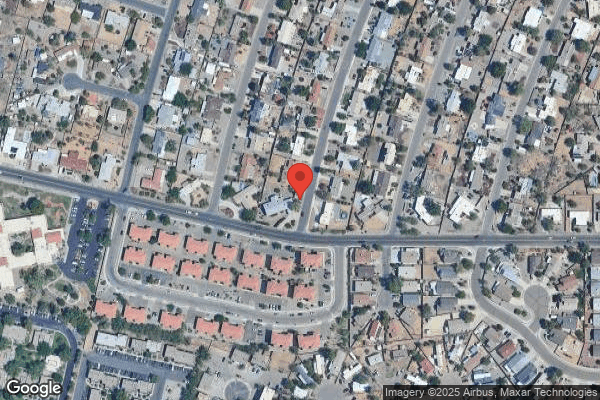
4210 Sabana Grande SE, Rio Rancho, NM 87124 (505) 816-7566
For profit - Limited Liability company 120 Beds GENESIS HEALTHCARE Data: November 2025 2 Immediate Jeopardy citations
Trust Grade
11/100
#64 of 67 in NM
Last Inspection: February 2025

Within standard 12-15 month inspection cycle. Federal law requires annual inspections.

Overview

The Rio Rancho Center has received a Trust Grade of F, indicating poor performance with significant concerns about care quality. Ranking #64 out of 67 facilities in New Mexico places it in the bottom half, and as #3 out of 3 in Sandoval County, it suggests there are no better local options available. The facility's trend is improving, having reduced its issues from 32 in 2024 to 18 in 2025, but it still has a troubling history with 69 total deficiencies, including serious incidents where residents were not properly monitored for critical health changes, leading to severe dehydration. While the staffing turnover rate is average at 55%, and there have been no fines recorded, the overall staffing rating remains poor at 1/5, indicating a lack of adequate support. Despite some improvements, families should weigh these serious weaknesses against the facility's strengths when considering care options.

Trust Score
F
11/100
In New Mexico
#64/67
Bottom 5%
Safety Record
High Risk
Review needed
Inspections
Getting Better
32 → 18 violations
Staff Stability
⚠ Watch
55% turnover. Above average. Higher turnover means staff may not know residents' routines.
Penalties
✓ Good
No fines on record. Clean compliance history, better than most New Mexico facilities.
Skilled Nurses
⚠ Watch
Each resident gets only 23 minutes of Registered Nurse (RN) attention daily — below average for New Mexico. Fewer RN minutes means fewer trained eyes watching for problems.
Violations
⚠ Watch
69 deficiencies on record. Higher than average. Multiple issues found across inspections.
★☆☆☆☆
1.0
Overall Rating
★☆☆☆☆
1.0
Staff Levels
★★★☆☆
3.0
Care Quality
★★☆☆☆
2.0
Inspection Score
Stable
2024: 32 issues
2025: 18 issues

The Good

  • Full Sprinkler Coverage · Fire safety systems throughout facility
  • No fines on record

Facility shows strength in fire safety.

The Bad

1-Star Overall Rating

Below New Mexico average (2.9)

Significant quality concerns identified by CMS

Staff Turnover: 55%

Near New Mexico avg (46%)

Higher turnover may affect care consistency

Chain: GENESIS HEALTHCARE

Part of a multi-facility chain

Ask about local staffing decisions and management

The Ugly 69 deficiencies on record

2 life-threatening 1 actual harm
Jun 2025 1 deficiency
CONCERN (D) 📢 Someone Reported This

A family member, employee, or ombudsman was alarmed enough to file a formal complaint

Potential for Harm - no one hurt, but risky conditions existed

Deficiency F0655 (Tag F0655)

Could have caused harm · This affected 1 resident

**NOTE- TERMS IN BRACKETS HAVE BEEN EDITED TO PROTECT CONFIDENTIALITY** Based on record review and staff interviews, the facility failed to develop and implement a complete baseline care plan within 4...

Read full inspector narrative →
**NOTE- TERMS IN BRACKETS HAVE BEEN EDITED TO PROTECT CONFIDENTIALITY** Based on record review and staff interviews, the facility failed to develop and implement a complete baseline care plan within 48 hours of admission for 1 (R #3) of 1 (R #3) resident. If the facility fails to implement a complete baseline care plan within 48 hours of admission for residents with complex needs and high fall risk, then staff may lack necessary guidance to prevent injury, resulting in avoidable harm such as serious falls, hospital transfers, and worsening of clinical status. The findings are: A. Record review of R #3's face sheet revealed she was admitted to the facility on [DATE] with the following diagnoses: - Nontraumatic acute subdural hemorrhage (leakage of blood between the membranes of the brain), - Hemiplegia (paralysis of the arm, leg, and trunk on the same side of the body) and hemiparesis (weakness on one side of the body); - Generalized muscle weakness; - History of transient ischemic attack (TIA; mini stroke). B. Record review of R #3's Fall Risk Assessment, dated 05/08/25, revealed R #3 had a fall risk score greater than 10, high risk. The resident's risk factors included incontinence (loss of bladder and/or bowel control), impaired gait (deviation from normal walking) and balance, recent hospitalization, and presence of predisposing conditions (increased risk of a particular disease, injury or physical or mental illness), such as cerebrovascular accident (CVA; stroke) and arthritis. C. Record review of R #3's baseline care plan, dated 05/08/25, revealed the care plan did not address the following: - Initials goals based on admission orders; - Physician orders, - Dietary orders, - Therapy services, - Social services, - R #3's fall risk, fall prevention interventions, assistance needs related to activities of daily living (ADL; activities related to personal care such as bathing, showering, dressing, walking, toileting, and eating), bed mobility, or call light use. - The resident's care plan only addressed her personal interests, such as reading, music, and exercise. D. Record review of R #3's progress notes revealed the following: - Dated 05/09/25, R #3 had diagnosis of bilateral subdural hematomas (leakage of blood between membranes of the brain). The Director of Nursing (DON) documented R #3 was lethargic (sluggish, fatigued), and her son was concerned about her bleeding risks and supervision needs. - Dated 05/11/25, The resident had a fall. Staff noted the fall as non-witnessed and stated the resident was found on the floor around 4:00 AM. R #3 was transported to the emergency room (ER). The note did not contain documentation, staff reviewed or revised R #3's baseline care plan following the fall. - Dated 05/12/25, an interdisciplinary team (IDT; includes but is not limited to the attending physician, a registered nurse with responsibility for the resident, a nurse aide with responsibility for the resident, a member of the food and nutrition services staff, resident or resident representative, and other appropriate staff or professionals in disciplines as determined by the resident's needs or as requested by the resident) documented R #3 was unable to use the call light independently and required repositioning by staff. The note did not contain documentation staff reviewed or revised R #3's baseline care plan to reflect the interventions for these identified deficits. E. On 06/05/25 at 2:22 p.m., during an interview, R #3's son stated he spoke to the facility nurses about his concerns about his mother's fall risk due to sedation and weakness, and he requested bed rails. He stated he received a call from the facility on 05/11/25, and staff stated his mother fell out of bed. He stated he warned staff previously about the height of his mother's bed and her inability to move independently. R #3's son stated his mother went to the emergency room after her fall on 05/11/25. He stated his mother did not return to the facility when she left the emergency room, and she went home with him. F. On 06/06/25 at 9:20 a.m., during an interview, the Unit Manager (UM) stated R #3 was a fall risk. She stated fall risk status would generally be addressed in the resident's care plan so staff could implement interventions such as beds in a low position, routine rounds to ensure proper bed positioning, and additional interventions such as scheduled toileting and fall mats as needed. She stated it was her expectation R #3 would have a complete baseline care plan within 48 hours of admission. The UM stated she was not aware the resident did not have a complete baseline care plan. G. On 06/06/25 at 9:57 a.m., during an interview, the Administrator stated it was her expectation staff would create a baseline care plan for R #3 within 48 hours of admission. She reviewed R #3's medical record and stated the resident did not have a baseline care plan within 48 hours which included the required information. The Administrator stated she was responsible to ensure the residents had a baseline care plan within 48 hours of admission. H. On 06/06/25 at 10:30 a.m., during an interview, the DON stated R #3 was admitted from the hospital with a diagnosis of a brain bleed (subdural hemorrhage) and required maximum assistance for mobility. The DON stated the resident needed frequent checks and repositioning. She stated she received a call from the night shift staff on 05/11/25, and staff reported R #3 fell. The DON stated she did not consider R #3 to be a significant fall risk at the time, but a fall risk score higher than 9 indicated a high risk for falls. She stated a fall risk score of 9 should have prompted staff to care plan the resident's risk of falls. The DON stated staff should have created a complete baseline care plan for R #3 within 48 hours of admission. She stated she was not aware the resident did not have a complete baseline care plan.
Feb 2025 17 deficiencies
CONCERN (D)

Potential for Harm - no one hurt, but risky conditions existed

Deficiency F0583 (Tag F0583)

Could have caused harm · This affected 1 resident

Based on observation and interview the facility failed to safeguard clinical record information by leaving Private Health Information (PHI) where unauthorized persons had access to the PHI for 1 (R #4...

Read full inspector narrative →
Based on observation and interview the facility failed to safeguard clinical record information by leaving Private Health Information (PHI) where unauthorized persons had access to the PHI for 1 (R #49) of 1 (R #49) residents reviewed during random observation. If resident's clinical information is not sufficiently safe guarded, resident's PHI is likely to be viewed by unauthorized residents, visitors and staff. The findings are: A. On 02/24/25 11:15 am during observation Certified Medication Aide (CMA) #1 left the computer screen opened and the narcotic book was visible to R #49's personal information and she left an individual patient's narcotic record face up on the counter at the nurses station. B. On 02/24/25 at 11:16 am during interview, Licensed Practical Nurse (LPN) #1 confirmed the computer screen was opened and the narcotic book was left open and visible to unauthorized residents, visitors and staff. She further confirmed that a narcotic record was left face up at the nurses station. LPN #1 stated that none of these items should have been left out in the open to be viewed by any person that passed by.
CONCERN (D)

Potential for Harm - no one hurt, but risky conditions existed

Investigate Abuse (Tag F0610)

Could have caused harm · This affected 1 resident

**NOTE- TERMS IN BRACKETS HAVE BEEN EDITED TO PROTECT CONFIDENTIALITY** Based on observation, record review, and interview, the facility failed to complete a thorough investigation for an allegation o...

Read full inspector narrative →
**NOTE- TERMS IN BRACKETS HAVE BEEN EDITED TO PROTECT CONFIDENTIALITY** Based on observation, record review, and interview, the facility failed to complete a thorough investigation for an allegation of abuse for 1 (R #46) of 1 (R #46) residents reviewed for incidents. If the facility is not adequately investigating allegations of abuse, then corrective action is not implemented to prevent other residents from similar abuse which puts residents at risk of adverse serious outcomes. The findings are: A. Record review of R #46's face sheet revealed R #46 was admitted into the facility on [DATE]. B. On 02/21/25 at 1:17 pm during a lunch observation, R #46 told Certified Nursing Assistant (CNA) #2 that the night shift CNA from the night before (02/20/25) was hateful towards him and he was upset by that. C. On 02/21/25 at 1:19 pm during an interview with R #46, he stated the night shift CNA was hateful towards him and told him he could not use his call light for the rest of the night. R #46 confirmed he was upset by that, and he felt bad. D. On 02/21/25 at 1:21 pm during an interview with CNA #2, she stated she reported R #46's allegation of abuse to the Unit Manager (UM) #1, and UM #1 would be talking to R #46 soon. E. Record review of R #46's nursing progress notes reviewed on 02/24/25 revealed no documentation related to the allegation of abuse with the night shift CNA and R #46. F. On 02/24/25 at 11:27 am during an interview with Licensed Practical Nurse (LPN) #1, she stated she was unaware of any incident involving a night shift CNA and R #46. LPN #1 confirmed all allegations of abuse should be reported to the UM #1. G. On 02/24/25 at 4:35 pm during an interview with the Director of Nursing (DON), she stated she was not aware of any incident involving a night shift CNA and R #46. The DON confirmed that all allegations of abuse should be reported so they can be investigated thoroughly by the facility administrative staff. H. On 02/24/25 at 4:55 pm during an interview with UM #1, she stated she was never made aware of the incident involving R #46 and the night shift CNA. The UM confirmed this allegation by R #46 should have been reported to her immediately so the facility could begin an investigation, and the allegation was not reported to her. I. On 02/25/25 at 11:46 am during an interview with the Administrator (ADM), she stated nursing staff should have reported the allegation of abuse involving R #46 and the night shift CNA immediately to her because she is the abuse coordinator and she could begin a thorough investigation. The allegation was not reported to her. The ADM confirmed her investigation and reporting expectations were not met with this allegation of abuse.
CONCERN (D)

Potential for Harm - no one hurt, but risky conditions existed

Deficiency F0624 (Tag F0624)

Could have caused harm · This affected 1 resident

**NOTE- TERMS IN BRACKETS HAVE BEEN EDITED TO PROTECT CONFIDENTIALITY** Based on record review and interview, the facility failed to provide sufficient preparation for discharge for 2 (R #104 and #122...

Read full inspector narrative →
**NOTE- TERMS IN BRACKETS HAVE BEEN EDITED TO PROTECT CONFIDENTIALITY** Based on record review and interview, the facility failed to provide sufficient preparation for discharge for 2 (R #104 and #122) of 2 (R #104 and #122) residents reviewed by: 1. Not ensuring the referral for services had been received, accepted and was scheduled to provide care for the resident upon discharge home for R #104. 2. R #122 discharged without and not accepted back to the facility without notice or without other interventions for their behaviors. These deficient practices could likely result in resident not receiving needed services and having to navigate referral process for services unassisted. The findings are: A. Record review of R #104's face sheet revealed R #104 was admitted into the facility on [DATE] and was discharged on 02/12/25 with Home Health Services (medical care delivered in the patient 's home). B. Record review of R #104's physician orders dated 02/04/25, revealed R #104 was to discharge home with home health care services or outpatient therapy services to provide skilled nursing, wound care, and therapy services. C. Record review of R #104's care plan meeting progress notes dated 02/05/25, revealed the facility's Social Services Director (SSD) was to send a home health care referral for R #104 prior to R #104 discharge. D. Record review of R #104's customer notes history (messages between the facility's SSD, Social Services Assistant (SSA), and a third party social worker used for resident discharge services) revealed the following: - 02/06/25 at 5:22 pm: Third party social worker informed the facility's SSD and SSA that home health care was ordered for R #104. - A follow-up note was not provided until 02/21/25, which stated R #104 had been accepted by the home health agency, but a start date was not confirmed. E. Record review of R #104's undated facility discharge transition plan revealed R #104 was to begin home health services with an estimated start date of 02/13/25. F. On 02/21/25 at 1:50 pm during an interview with R #104, she stated she was discharged without any home health services and she needed them. R #104 stated the facility just sent me home, that's it. G. On 02/21/25 at 1:53 pm during an interview with R #104's son, he confirmed R #104 did not have home health services set up when she was discharged from the facility. R #104's son stated R #104 needed home health services. H. On 02/21/25 at 2:48 pm during an interview with the facility's SSD, she stated the facility used a third party company to assist with setting up home health services for residents when the residents are discharged from the facility. The SSD also stated that the social worker used by the third party company is required to communicate with the facility if there are any changes involving a resident that discharges and home health services. The facility SSD or SSA should also check to ensure a resident had home health services in place prior to discharge. I. On 02/21/25 at 3:10 pm during an interview with the Home Health Patient Care Coordinator (PCC), she stated they did not accept R #104's insurance (on 02/06/25) and therefore R #104 was never provided home health services with them as expected by the facility. J. On 02/24/25 at 11:46 am during an interview with the facility's SSD, she stated the home health agency that was selected for R #104 did in fact reject R #104's insurance and was not providing home health services as expected. The facility's SSD confirmed that both the facility SSD and SSA, as well as the third party company were all responsible for R #104 not having home health services upon her discharge from the facility. The facility's SSD confirmed home health services should have been established for R #104 when R #104 discharged from the facility and home health services were not set up. K. On 02/25/25 at 11:51 am during an interview with the Administrator (ADM), she stated her expectation is for the facility's SSD and/or SSA to follow up with the home health provider to ensure a resident has home health services established prior to being discharged from the facility. L. Record review of R #122's facesheet revealed re-admission date of 11/13/24 and was discharged on 11/21/24. M. Record review of the facility's staff note dated 11/21/24 at 5:13 am revealed (Backnote for 11/20-21 approx 2045 to 0130) (8:45 pm to 1:30 am) Resident called 911 on her own phone and provider was made aware. No orders but request for notification if resident goes to hospital. Police and fire and rescue arrived at 0115 (1:15 am) and transported per stretcher to [name of local hospital] at 0130 (1:30 am). N. On 02/24/25 at 1:52 PM during an interview with the Director of Nursing (DON), she stated R #122 had been sent out to the emergency room due to physical aggression toward staff and her understanding was that R #122 was discharged home when she left the hospital. DON confirmed that the facility was not going to allow R #122 back to the facility because of her behaviors. O. On 02/25/25 at 10:17 am during an interview, the Hospice Registered Nurse (HRN) stated [name of R #122] called 911 herself because she was not feeling well. R #122) said the facility was not doing anything. P. On 02/25/25 at 11:15 am during an interview with R #122's son, he stated his mother (R # 122) had called him and said she was in the ER. R #122 informed him that the facility was not take her back and they had given her a discharge notice. He further stated he had called [name of facility] and was told that his mother was given an immediate discharge notice due to her behaviors and they would not allow her back into the facility. Q. On 02/25/25 at 12:19 pm during interview with the Administrator (ADMIN), stated R #122 called 911 herself. R #122 made the decision to go to the hospital. She was provided an immediate discharge notice at the hospital and was told the discharge was due to The safety of individuals in the facility is endangered due to the clinical behavioral status of the resident and would not be allowed to return to the facility.
CONCERN (D)

Potential for Harm - no one hurt, but risky conditions existed

Deficiency F0658 (Tag F0658)

Could have caused harm · This affected 1 resident

**NOTE- TERMS IN BRACKETS HAVE BEEN EDITED TO PROTECT CONFIDENTIALITY** Based on record review and interview, the facility failed to meet professional standards of quality for 1 (R #46) of 1 (R #46) r...

Read full inspector narrative →
**NOTE- TERMS IN BRACKETS HAVE BEEN EDITED TO PROTECT CONFIDENTIALITY** Based on record review and interview, the facility failed to meet professional standards of quality for 1 (R #46) of 1 (R #46) residents when hospice services (a type of compassionate care provided to individuals who are in the final stages of a terminal illness) were provided without physician orders. If the facility is not obtaining physician orders prior to initiating hospice services, then residents are likely to not receive the therapeutic benefits and care needed. The findings are: A. Record review of R #46's face sheet revealed R #46 was admitted into the facility on [DATE]. B. Record review of R #46's care plan dated 01/07/25 revealed R #46 was receiving hospice care services. C. Record review of R #46's physician orders revealed physician orders were not present for hospice care services. D. On 02/24/25 at 4:35 pm during an interview with the Director of Nursing (DON), she stated R #46 started hospice services on 02/01/25. The DON also stated that there should have been physician orders for hospice care prior to R #46 starting, and there was not.
CONCERN (D)

Potential for Harm - no one hurt, but risky conditions existed

Quality of Care (Tag F0684)

Could have caused harm · This affected 1 resident

**NOTE- TERMS IN BRACKETS HAVE BEEN EDITED TO PROTECT CONFIDENTIALITY** Based on observations, record review and interview, the facility failed to ensure that 1 (R #114) of 1 (R #114) resident was pro...

Read full inspector narrative →
**NOTE- TERMS IN BRACKETS HAVE BEEN EDITED TO PROTECT CONFIDENTIALITY** Based on observations, record review and interview, the facility failed to ensure that 1 (R #114) of 1 (R #114) resident was provided treatment and care to maintain her overall well-being. The facility failed to ensure that resident's brief was changed and she was repositioned to prevent the development of a wound. The findings are: A. On 02/18/25 at 9:30 am during observation of the long term care unit, R #114 sat in her room, in her wheelchair with her son sitting next to her. She was non-responsive and slumped over to her right side while sitting in her wheelchair. B. Record review of R #114's Face Sheet dated 02/24/25 revealed R #114 was admitted to the facility on [DATE] with the following diagnoses: -Cerebral Infarction (stroke) due to embolism (blockage of a blood vessel). -Dysphagia (difficulty swallowing). -Encephalopathy (a brain disease that alters brain function or structure). C. Record review of R #114's Minimum Data Set (MDS:a set of assessments that provides an overall review of a resident's needs and abilities) quarterly item set dated 01/23/25, revealed the following: -Section C Cognitive Patterns (thoughts and memory) Brief Interview for Mental Status (BIMS) score 00/15 (indicates significant impairment of recall) -Section G Functional Abilities (ability to perform daily care needs) Mobility devices-wheelchair, Eating-Substantial/Maximal Assistance (helper does more than half the effort), Toileting-Dependent (helper does all the effort. Shower/Bath-Substantial/Maximal Assistance, Personal Hygiene-Dependent. Mobility-Roll left and right-Substantial/Maximal Assistance, Sit to Lying-Substantial/Maximal Assistance, Lying to Sitting on side of bed-Substantial/Maximal Assistance. -Section H Bladder and Bowel (continence status) Urinary continence-always incontinent, Bowel continence-always incontinent D. Record review of R #114's care plans revealed the following: -12/05/24 (name of R #114) is at risk for decreased ability to perform ADL's (Activities of Daily Living: daily care needs necessary for each person every day to maintain health and well-being). Bed mobility max (maximum) assist, eating max assist, Oral hygiene max assist, Resident is an extensive assist for feeding, Shower/bath max assist, toilet hygiene dependent assist. -12/05/24 (name of R #114) is at risk for skin breakdown related to limited mobility. [NAME] (in-house acquired) MASD (Moisture Associated Skin Damage) (Skin damaged by excess moisture in a specific location) left gluteus (buttock). Apply barrier cream with each cleansing, assist resident in turning and reposition prn (as needed). -02/12/25 R #114 is incontinent of urine and is unable to cognitively or physically participate in a retraining program. Assist with perineal (area of the body between the genitals and anus) care as needed, Monitor for skin redness/irritation and report as indicated. Use absorbent products (briefs, diaper) as needed. E. On 02/18/25 at 9:30 am during an interview with R #114 and her son, her son stated that he and his sister visited R #114 almost daily and spend at least an hour with her for each visit. He reported that he had on several occasions come to visit and found his mother lying in bed or sitting in her wheelchair with an odor of urine. He stated he usually asks the staff to change her brief as needed. F. On 02/19/25 at 2:19 pm during interview with Wound Care Nurse (WCN), he stated he was a Registered Nurse who was trained and qualified to assess and treat wounds as needed. He stated he was familiar with R #114. WCN stated R #114 had been admitted to the facility following a stroke. He stated she was significantly impaired and she was now incontinent of bowel and bladder leading the her using a brief at all times. He stated that from his assessment, R #114 had developed a wound to the gluteus/buttock area that was first identified on or about 02/12/25 and first measured as 11.67 x 14.4 centimeters (cm). He stated this wound was the result of moisture that was allowed to build up and collect in her brief between brief checks and changes. He stated the wound had been assessed and was being treated successfully. He stated the wound most likely developed because R #114 was not assisted with changing positions in her bed or wheelchair-moving from one side to another-and due to staff not checking and changing her brief as frequently as necessary. G. On 02/24/25 at 1:54 pm during interview with R #114's daughter, she stated she frequently visited her mother. She stated she had often arrived for visits to find that her mother was wearing a wet/soiled brief. Daughter stated she has always asked staff to check her, but she does not believe this is happening as frequently as necessary.
CONCERN (D)

Potential for Harm - no one hurt, but risky conditions existed

Accident Prevention (Tag F0689)

Could have caused harm · This affected 1 resident

**NOTE- TERMS IN BRACKETS HAVE BEEN EDITED TO PROTECT CONFIDENTIALITY** Based on observation, record review and interview the facility failed to ensure that 1 (R#58) of 1 (R #58) resident was provided...

Read full inspector narrative →
**NOTE- TERMS IN BRACKETS HAVE BEEN EDITED TO PROTECT CONFIDENTIALITY** Based on observation, record review and interview the facility failed to ensure that 1 (R#58) of 1 (R #58) resident was provided with a device to reduce injury from falling. The facility failed to provide a fall mat (a soft cushion placed on the floor next to the bed to help absorb the impact of a fall and reduce injury) at the side of R #58's bed is likely to result in a resident incurring greater injury should he fall. The findings are: A. Record review of R #58's face sheet dated 02/25/25, revealed R #58 was admitted to the facility on [DATE] with the following diagnoses: -Diabetes Mellitus (failure of the body to properly mange blood sugars). -Repeated Falls. -Acquired Absence of Left Leg Above Knee (amputated left leg). B. Record review of R #58's daily care notes dated 12/10/24, 12/17/24, 01/22/25, 01/27/25 and 02/12/25, revealed R #58 had falls from his bed to the floor. C. Record review of R #58's care plan dated 12/12/24 revealed R #58's plan to prevent falls included a fall mat. D. On 02/18/25 at 10:06 am during observation of R #58 in his room, R # 58 laid in bed in with a special beveled mattress (a mattress that is shaped with upturned edges to prevent a person from rolling out of bed). Next to his bed was a wheelchair. A fall mat was not on the floor of either side of the bed. E. On 02/20/25 at 1:00 pm during observation of R #58's room and interview with Director of Nursing (DON), R #58 laid in his bed, a fall mat was not on the floor. DON confirmed there was not a fall mat on the floor beside R #58's bed.
CONCERN (D)

Potential for Harm - no one hurt, but risky conditions existed

Respiratory Care (Tag F0695)

Could have caused harm · This affected 1 resident

Based on record review and interview, the facility failed to ensure a portable oxygen tank was filled with oxygen for 1 (R #61) of 1 (R #61) residents reviewed for respiratory care (use of oxygen). Th...

Read full inspector narrative →
Based on record review and interview, the facility failed to ensure a portable oxygen tank was filled with oxygen for 1 (R #61) of 1 (R #61) residents reviewed for respiratory care (use of oxygen). This deficient practice is likely to affect residents with COPD (chronic obstructive pulmonary disease), shortness of breath and dependence on supplemental oxygen by not supplying enough oxygen in order to prevent hypoxia (decreased oxygen to the body). The findings are: A. On 02/17/25 at 11:22 AM, during an interview, R #61 stated the portable oxygen tank leaks, does not hold oxygen and he is unable to use it. He further stated he has mentioned the oxygen tank leak to several staff, but nothing has been done about it. He would like it to be available in case he were to need the oxygen. B. Record review of R #61's physicians order dated 02/01/25, revealed 2l (liters) via NC (nasal cannula-tube used to deliver the oxygen) to keep O2(oxygen) SATS (saturation-the percentage of oxygen in your blood) greater than 92% (percent) PRN (as needed). C. Record review of R #61's medical diagnosis revealed COPD (Chronic Obstructive Pulmonary Disease-lung condition caused by damage to the lungs). D. On 02/21/25 at 11:06 AM, during an interview, Certified Medication Aide (CMA) #2 stated He (R #61) hardly ever uses the oxygen and does not use oxygen very often. He further stated the portable tank should be full at all times and ready for use. He thought R #61's portable tank was full at the time of this conversation and confirmed the oxygen tank was empty. E. On 02/21/25 at 11:24 AM, during an interview and observation with Registered Nurse (RN) #1, RN #1 confirmed R #61's portable oxygen tank was empty. RN #1 confirmed oxygen tanks should always be full and available for the residents use.
CONCERN (D)

Potential for Harm - no one hurt, but risky conditions existed

Deficiency F0761 (Tag F0761)

Could have caused harm · This affected 1 resident

Based on observation and interview, the facility failed to ensure medications were: 1. Stored properly 2. Narcotics given when signed out on the narcotic book. These deficient practices are likely to...

Read full inspector narrative →
Based on observation and interview, the facility failed to ensure medications were: 1. Stored properly 2. Narcotics given when signed out on the narcotic book. These deficient practices are likely to result in inaccurate medication counts and residents not getting the desired therapeutic results if medications are not administered as ordered. The findings are: A. On 02/24/25 at 11:01 am, during an observation of the south side medication cart revealed five unidentified loose pills on the bottom of the second drawer. During a count of the narcotic's kept in the medication cart there was a medication Pregabalin (used to treat pain) that had been signed out as administered to R #49 and medication was still present in the medication card. B. During interview with Certified Medication Aide (CMA) #, she confirmed there were five loose unidentified medications in medication cart and they should not be there, CMA #1 further confirmed that she had signed out the Pregabalin as administered to R #49 and she had not administered the medication as the Medication Administration Record (MAR) indicated. B. On 02/24/25 at 4:26 pm during an interview, the Director of Nursing (DON), stated the medication carts should be checked daily and all loose medication should be discarded immediately, she further confirmed that any medication not given should be reported and documented in the resident medical record and the provider should be notified, it is considered a medication error.
CONCERN (D)

Potential for Harm - no one hurt, but risky conditions existed

Deficiency F0804 (Tag F0804)

Could have caused harm · This affected 1 resident

Based on observation and interview, the facility failed to ensure meals were served at an appetizing temperature for 1 (R #97) of 1 (R #97) residents reviewed for meal quality. This deficient practic...

Read full inspector narrative →
Based on observation and interview, the facility failed to ensure meals were served at an appetizing temperature for 1 (R #97) of 1 (R #97) residents reviewed for meal quality. This deficient practice may decrease the resident's quality of life and have the potential to cause weight loss due to the food not being the proper temperature. The findings are: A. On 02/18/25 at 1:18 pm, during an interview, R #97 stated the food is cold a lot of times for lunch when it is delivered to his room. B. On 02/24/25 at 1:22 pm, during an observation of lunch, revealed the following temperatures for the lunch test tray pulled for R #97: -Tamale was at 117 degrees Fahrenheit -Black beans was at 110 degrees Fahrenheit -Coleslaw was at 112 degrees Fahrenheit C. On 02/24/2025 at 1:22 pm, during an interview with the DC, she stated the temperatures taken for R #97 were not at the appropriate temperatures. D. On 02/24/25 at 1:22 pm, during an interview, the Dietary Manager (DM) confirmed the food tested for R #97 at 1:22 pm was not at the correct temperature. The DC confirmed the food should have been 135 degrees Fahrenheit or higher.
CONCERN (D)

Potential for Harm - no one hurt, but risky conditions existed

Deficiency F0806 (Tag F0806)

Could have caused harm · This affected 1 resident

Based on observation, record review, and interview, the facility failed to ensure food preference was followed for 1 (R#97) of 1 (R #97) observed for dining observation., This deficient practice could...

Read full inspector narrative →
Based on observation, record review, and interview, the facility failed to ensure food preference was followed for 1 (R#97) of 1 (R #97) observed for dining observation., This deficient practice could result in the resident not eating and losing weight. A. On 02/18/25 at 1:24 pm, during interview, R #97 stated I don't like eggs and they keep giving me eggs that are cold for breakfast. B. On 02/19/25 at 8:45 am, during an observation of R #97's breakfast, there were eggs on his breakfast plate which he had not eaten. C. Record review of R #97's meal ticket revealed the meal tick did not have any indication of R #97 disliking eggs. D. On 02/24/25 at 1:52 pm during an interview, Dietary Manager (DM) stated she interviews residents upon admission and she reviews their preferences every quarterly, or as needed. She confirmed that she did not know R #97 did not like eggs.
CONCERN (D)

Potential for Harm - no one hurt, but risky conditions existed

Medical Records (Tag F0842)

Could have caused harm · This affected 1 resident

**NOTE- TERMS IN BRACKETS HAVE BEEN EDITED TO PROTECT CONFIDENTIALITY** Based on a record review and interview, the facility failed to ensure medical records were complete for 1 (R #89) of 1 (R #89) r...

Read full inspector narrative →
**NOTE- TERMS IN BRACKETS HAVE BEEN EDITED TO PROTECT CONFIDENTIALITY** Based on a record review and interview, the facility failed to ensure medical records were complete for 1 (R #89) of 1 (R #89) residents reviewed. This deficient practice is likely to result in staff not having the information they need to provide competent, comprehensive care and services to residents. The findings are: A. Record review of R #89's face sheet revealed R #89 was admitted into the facility on [DATE]. B. Record review of R #89's Electronic Medical Record (EMR) revealed a Pre-admission Screening and Resident Review (PASRR: a federally required screening of any individual who applies to or resides in a Medicaid-certified nursing facility) was not available for review in the EMR. C. On 02/20/25 at 11:32 AM, during an interview, the Director of Nursing (DON) confirmed there was not a PASRR in R #89's EMR available for review and PASSR should be included in any admission to a medicaid certified nursing facility.
CONCERN (D)

Potential for Harm - no one hurt, but risky conditions existed

Deficiency F0849 (Tag F0849)

Could have caused harm · This affected 1 resident

Based on record review and interview, the facility failed to ensure there was collaboration between the facility and hospice services for 1 (R #4) of 1 (R #4) residents reviewed for hospice services b...

Read full inspector narrative →
Based on record review and interview, the facility failed to ensure there was collaboration between the facility and hospice services for 1 (R #4) of 1 (R #4) residents reviewed for hospice services by not developing a coordinated plan of care for the resident. This deficient practice is likely to result in the residents not receiving the services needed. The findings are: A. Record review of R #4's admission Minimum Data Set (MDS: a set of evaluations and review that provide an overall picture of a persons needs and abilities) Section O, Special Treatments, Procedures and Programs revealed the resident was on hospice care. B. On 02/19/25 at 1:42 PM, during an interview, the Director of Nursing in Training (DON-IT) stated a hospice binder (a binder that contains written communication between the facility and the hospice provider to include the coordinated plan of care) should be kept at the nurse's station or in medical records for R #4 so that staff are aware of the care that's needed/provided by the hospice provider. C. On 02/20/25 at 11:40 AM, during an interview, the Director of Nursing (DON) stated there has not been any hospice communication documentation in the medical record and there should be.
CONCERN (E)

Potential for Harm - no one hurt, but risky conditions existed

Deficiency F0561 (Tag F0561)

Could have caused harm · This affected multiple residents

**NOTE- TERMS IN BRACKETS HAVE BEEN EDITED TO PROTECT CONFIDENTIALITY** Based on record review and interview, the facility failed to promote resident choices for 4 (R #14, 49, 59 and 71) of 4 (R #14, ...

Read full inspector narrative →
**NOTE- TERMS IN BRACKETS HAVE BEEN EDITED TO PROTECT CONFIDENTIALITY** Based on record review and interview, the facility failed to promote resident choices for 4 (R #14, 49, 59 and 71) of 4 (R #14, 49, 59 and 71) residents reviewed for choices when staff failed to: 1. Offer R #14, R #49 and R #59 showers per their preference 2. Offer R #71 to have his bed at his preferred height These deficient practices are likely to result in the resident's personal choices not being honored. The findings are: R #14 A. On 02/17/25 at 11:15 AM, during an interview with R #14, he stated, Showers are an issue; I haven't had a shower in a while. It's been bed baths, but I prefer showers. B. Record review of the shower schedule for R #14's hall revealed R #14 should get showers two times a week on Monday and Thursday. C. Record review of R #14's shower sheets dated December 2024, January 2025, and February 2025, revealed staff gave R #14 thirteen bed baths and no showers. D. On 02/20/25 at 11:45 AM, during an interview with the Director of Nursing (DON), she stated The expectation is that if the resident prefers showers, he should be given showers. E. On 02/24/25 at 10:11 AM, during an interview with Certified Medication Aide (CMA) #3, she stated R #4 prefers showers over bed baths. R #59 F. On 02/18/25 at 2:08 PM, during an interview with R #59, she stated she only had three bed baths since admission on [DATE]. She further stated that she would like more because she's the type of person who showered every day at home. G. Record review of the shower schedule for R #59's hall revealed R #59 should get showers two times a week on Monday and Thursday. H. Record review of R #59's shower sheets revealed that four bed baths were given to R #59 between her date of admission of 12/31/24 and 02/20/24. I. On 02/20/25 at 11:46 AM, during an interview with the DON, she confirmed that R #59 should have had more than four bed baths, but she did not. R #71: P. Record review of R #71's face sheet revealed R #71 was admitted into the facility on [DATE]. Q. Record review of R # 71's Minimum Data Set revealed Section C: Cognitive Patterns- Brief Interview for Mental Status (BIMS) dated 01/21/25 revealed R #71 was scored as 15. R. Record review of R #71's nursing progress notes dated 02/24/25 revealed, R #71 refused to put his bed at the lowest position as part of the fall prevention policy. S. Record review of the facility's fall management protocol (facility falls management/prevention policies and procedures) dated 03/15/24 revealed the protocol did not have any indication that all resident beds must be left in the lowest position when not in use to prevent other residents from falling. T. On 02/24/25 at 11:15 am during an interview with R #71, he stated when he leaves his room, he likes to raise his bed to the highest position to prevent other residents from taking things from his bed or lying on his bed. R #71 also stated the facility told him recently (several days prior) that he cannot do that because residents that wander into his room are at risk for falling, if they get on his bed at the highest position. R #71 confirmed that he could operate his bed remote control on his own and he was very upset that the Nurse Educator (NE) #1 just went into his room the day prior to lower his bed to the lowest position when he was leaving his room. R #71 also stated the facility nursing staff told him to lower his bed today. U. On 02/24/25 at 5:13 pm during an interview with Registered Nurse (RN) #1, she stated she was instructed by the NE #1 to keep all residents bed at the lowest position when residents are not in their rooms or in their beds. RN #1 also stated that lowering the beds were implemented to prevent wandering residents from falling. RN #1 confirmed R #71 was alert and could operate his be remote control on his own, and he became very upset when told that his bed must remain in a low position when he is not using it. V. On 02/25/25 at 10:22 am during an interview with the NE #1, she stated she was educating all nursing staff to ensure residents bed were at the lowest positions when not in use to prevent other wandering residents from falling out of a bed that was not theirs. The NE #1 stated she explained this new fall policy to R #71 prior to her lowering his bed, and R #71 became very upset. The NE #1 confirmed R #71 can get himself in and out of bed, and the Administrator (ADM) and Director of Nursing (DON) told her to implement this practice several days prior. The NE #1 also confirmed the lowering of residents beds when the beds were not in use, was not documented in the current facility fall policy and procedures. W. On 02/25/25 at 11:48 am during an interview with the ADM, she stated she would find empty beds left in the high position and she did not want the beds on the highest position because it puts other residents at risk for falling if they wandered into that room. The ADM stated this process was intended to be for vacant rooms and not rooms that residents reside in. The ADM confirmed she spoke with R #71 and he was upset with this new process. The new process was not in the current facility fall protocol. The ADM also confirmed she spoke with NE #1 and informed NE #1 to not go into residents rooms and lower their beds without the consent to do so. R #49 J. Record review of R #49's face sheet dated 02/24/25 revealed she was admitted to the facility on [DATE] with the following multiple diagnoses: -Chronic Kidney Disease-Stage 3 (advanced failure of the kidneys). -Bed Confinement. -Muscle Weakness. -Other abnormalities of gait (ability to stand and walk) and mobility. K. Record review of R #49's Minimum Data Set (MDS: a set of evaluations and review that provide an overall picture of a persons needs and abilities) Section C: Brief Interview of Mental Status (BIMS:assessment used to monitor cognition; 0 to 7 points equals severely impaired cognition, 8 to 12 points equals moderately impaired cognition, and 13 to 15 points equals intact cognition) revealed a score of 15/15 indicating normal cognitive abilities. Section G: indicated impairment of the one side of the body that limits daily functioning. Required substantial/maximal assistance times 3 with toileting, bathing and dressing of upper and lower body. L. Record review of R #49's Bathing Schedule dated December 2024, January 2025 and February 2025 revealed R #49 was to be offered a bath on Wednesday and Saturday evenings of each week. M. Record review of R #49's Shower Sheets (a documentation of each resident's offered bath event) revealed the following: On 12/18/24 bed bath provided and completed. On 01/29/25 bed bath provided and completed. On 02/12/25 bed bath provided and completed. On 02/19/25 bed bath provided and completed. N. On 02/21/25 at 1:55 pm during an interview with R #49, she stated she never gets showered. She stated this was her choice as she felt very unsafe being transferred onto a shower bed (a bed on wheels that is specifically designed to be used when providing a shower to an immobile person) and then being taken to the shower room. R #49 further stated she much preferred to receive a bed bath. She stated she had told all the Certified Nurses Aides (CNA) of this preference. She stated that last time she had a bed bath was about three days before 02/21/25. She stated she could recall once in January and once in December that she had been provided with a bed bath. O. On 02/24/25 at 11:29 am during interview with the Assistant Director of Nursing (ADON), she stated she expects staff to provide bathing to all residents as scheduled. She stated that with each bath, the CNA is to complete a shower sheet and provide to the nurse who then signs the shower sheets and turns it in to her (ADON). ADON further stated she reviewed all the shower sheets for the months of December 2024 and January, and February 2025, ADON was able to find four shower sheets for R #49 that were dated 12/18/24, 01/29/25, 02/12/25 and 02/19/25. She could not find any other documentation that R #49 had received any other showers or baths except those provided. ADON described R #49 as alert, oriented and able to recognize her needs, make her preferences known and recall her past care.
CONCERN (E)

Potential for Harm - no one hurt, but risky conditions existed

Deficiency F0657 (Tag F0657)

Could have caused harm · This affected multiple residents

**NOTE- TERMS IN BRACKETS HAVE BEEN EDITED TO PROTECT CONFIDENTIALITY** R #61 H. Record review of R #61's care plan created on 08/16/24 revealed double portion breakfast. I. Record review of R #61's N...

Read full inspector narrative →
**NOTE- TERMS IN BRACKETS HAVE BEEN EDITED TO PROTECT CONFIDENTIALITY** R #61 H. Record review of R #61's care plan created on 08/16/24 revealed double portion breakfast. I. Record review of R #61's Nutritional assessment dated [DATE] revealed [name of R #61] .has declined any dietary intervention at this time. J. Record review of R #61's current Physicians orders dated 01/27/25 revealed, regular/liberalized diet, Regular Texture, standard thin liquids consistency K. On 02/24/25 at 1:06 pm during an interview with the Dietary Manager (DM), she stated. He [R#61] does not always eat very good, so I give him double portions, he needs to eat. The dietician is aware of this and he was on double portions before. When R #61 went to the hospital those orders for double portions came off the orders, but I continue to serve him double portions. If we are offering double portions it has to be ordered through the dietician for weight gain. I am serving him double portions without an order. DM further stated. The care plan should be updated to reflect what he is ordered. R #31: L. Record review of R #31's face sheet revealed R #31 was admitted into the facility on [DATE]. M. Record review of R #31's physician orders dated 02/05/25, revealed R #31 received dialysis on Tuesday, Thursday, and Saturday. N. Record review of R #31's care plan dated 02/17/25 revealed dialysis services was not care planned. O. On 02/25/25 at 11:24 am during an interview with Registered Nurse (RN) #1, she confirmed R #31 received dialysis three times a week. P. On 02/25/25 at 12:04 pm during an interview with the DON, she stated that dialysis was not care planned for R #31 and should have been. R #104: Q. Record review of R #104's face sheet revealed R #104 was admitted into the facility on [DATE] with the following diagnoses: 1. Diabetes. 2. Pain. 3. Rheumatoid Arthritis (a chronic autoimmune disease that causes pain, swelling, stiffness, and loss of function in joints). R #104 was discharged on 02/12/25. R. Record review of R #104's physician orders dated 01/14/25, revealed the following: 1. Insulin Glargine-yfgn injector 100 unit/milliliter (ml); inject 10 units at bedtime. 2. Oxycodone (narcotic) oral tablet 5 milligram (mg); give one tablet by mouth every four hours as needed for pain. 3. O2 at 0.5 to 1.5 liters per minute (LPM) via nasal cannula (thin, flexible tube that provides O2 through ones nose) continuously. S. Record review of R #104's care plan dated 01/17/25, revealed R #104's diabetic management and insulin use, pain management and narcotic use, and O2 use was not care planned. T. On 02/24/25 at 4:43 pm during an interview with the DON, she confirmed R #104's diabetic management and insulin use, pain management and narcotic use, and O2 use was not care planned and should have been. R #108: U. Record review of R #108's face sheet revealed R #108 was admitted into the facility on [DATE], and was discharged on 02/17/25. V. Record review of R #108's physician orders dated 02/11/25, revealed R #108 used O2 as needed at 2 LPM via nasal cannula. W. Record review of R #108's care plan dated 02/03/25, revealed R #108's O2 use was not care planned. X. On 02/24/25 at 4:45 pm during an interview with the DON, she confirmed R #108's O2 use was not care planned and should have been. Based on record review and interviews, the facility failed to ensure staff revised the care plans for 6 (R #'s 4, 14, 31, 61, 104, and 108) of 6 (R #'s 4, 14, 31, 61, 104, and 108) residents reviewed when staff failed to: 1. Update R #4's plan of care to include Hospice Care. 2. Conduct a quarterly care plan meeting as required for R #14 in accordance with his admission date and Minimum Data Set (MDS)assessment. 3. Update R #31's plan of care to include dialysis (artificial way to eliminate waste and excess fluid from the body). 4. Ensure care plan was updated to reflect R #61's current diet. 5. Update R #104's plan of care to include diabetic management and insulin use, pain management and narcotic use, and oxygen (O2) use. 6. Update R #108's plan of care to include O2 use. This deficient practice is likely to result in staff not being aware of residents' care needs and preferences, and residents not receiving the needed care. The findings are: R #4: A. Record review of R #4's electronic medical record (EMR) revealed a physicians order dated 11/27/24, R #4 was admitted to [name of hospice provider]. B. Record review of R #4's most recent Care Plan dated 01/30/25 revealed Hospice Care was not care planned. C. On 02/20/25 at 11:40 AM, during an interview with the Director of Nursing (DON), she verified R #4's Hospice Care was not care planned and should be. D. Record review of EMR revealed R #4's Hospice Services were not care planned. R #14 E. On 02/17/25 at 11:29 AM, during an interview with R #14, he stated he has not had a care plan meeting in over a year. F. On 02/20/25 at 12:08 PM, during an interview with the Social Services Director (SSD), she stated R #14's last care plan meeting was on 8/18/23. She further stated R #14's care plan meeting was overdue and care plan meetings should take place quarterly. G. On 02/25/25 at 12:15 PM, during an interview with the Administrator (ADMIN), she stated care plan meetings should be done quarterly.
CONCERN (E)

Potential for Harm - no one hurt, but risky conditions existed

Drug Regimen Review (Tag F0756)

Could have caused harm · This affected multiple residents

**NOTE- TERMS IN BRACKETS HAVE BEEN EDITED TO PROTECT CONFIDENTIALITY** Based on record review and interview, the facility failed to ensure drug regimen review were completed for 3 (R #7, R #27, and R...

Read full inspector narrative →
**NOTE- TERMS IN BRACKETS HAVE BEEN EDITED TO PROTECT CONFIDENTIALITY** Based on record review and interview, the facility failed to ensure drug regimen review were completed for 3 (R #7, R #27, and R #67) of 5 (R #7, R #13, R #27, R #67, and R #89) residents reviewed. The failure to review and consider resident medication regimens each month could result in residents receiving unnecessary or ineffective medications. The findings are: R #7 A. Record review of R #7's face sheet dated 02/24/25, revealed R #7 was admitted to the facility on [DATE] with the following diagnoses: -Diabetes mellitus (a chronic disease in which the body is unable to properly process sugars in the blood). -Pain. -Schizophrenia (a chronic psychiatric disease that affects a person's ability to think and feel rationally). -Bipolar Disorder (a chronic psychiatric disease that affects a person's mood). -Paranoid Personality (a psychiatric disease that causes a person to be suspicious and fearful without reason or cause). -Overactive Bladder. B. Record review of R #7's pharmacist recommendation dated 03/29/24, revealed the recommendation for modification of medications for Eliquis (a medication prescribed to manage mood and depression) and Aspirin (a medication prescribed to reduce blood clotting) review by the provider to determine the therapeutic value of continuing the medications together. The document does not indicate the recommendation was reviewed by the provider and did not contain a signature confirming that the provider received the recommendation or responded to the recommendation. C. Record review of R #7's pharmacist recommendation dated 04/30/24, revealed the recommendation for Prazosin (a medication prescribed to behaviors and Post Traumatic Stress Disorder), 1 milligram (mg), three times daily should be reviewed and considered for gradual dose reduction (GDR: modest reduction in the daily dosage of a medication). The document did not indicate the recommendation was reviewed by the provider and did not contain a signature confirming that the provider received the recommendation or responded to the recommendation. D. Record review of R #7's pharmacist recommendation dated 07/30/24, revealed the recommendation for Pantoprazole (a medication prescribed for treatment of excess stomach acid) 40 mg, twice daily, recommended to reduce the high daily dose. The document did not indicate the recommendation was reviewed by the provider and did not contain a signature confirming the provider received the recommendation or responded to the recommendation. E. Record review of R #7's pharmacist recommendation dated 07/30/24, revealed the recommendation for the provider to consider an order for blood sample to measure HgbA1C (a lab that indicates the efficacy of blood sugar monitoring and treatment) to monitor resident's diabetic therapy. The document did not indicate the recommendation was reviewed by the provider and did not contain a signature confirming that the provider received the recommendation or responded to the recommendation. F. Record review of R #7's pharmacist recommendation dated 09/25/24, revealed the recommendation for Pantoprazole (a medication prescribed for treatment of excess stomach acid) 40 mg twice daily to reduce the high daily dose. The document did not indicate the recommendation was reviewed by the provider and did not contain a signature confirming that the provider received the recommendation or responded to the recommendation. G. Record review of R #7's pharmacist recommendation dated 09/25/2, revealed the recommendation for the provider to consider an order for blood sample to measure HgbA1C to monitor resident's diabetic therapy. The document did not indicate the recommendation was reviewed by the provider and did not contain a signature confirming that the provider received the recommendation or responded to the recommendation. R #27 H. Record review of R #27's pharmacist recommendation dated 05/31/24, revealed the recommendation for Quetiapine (a medication prescribed to manage depression) 50 mg and Prazosin 2 mg should be reviewed and considered for GDR. The document did not indicate the recommendation was reviewed by the provider and did not contain a signature confirming the provider received the recommendation or responded to the recommendation. R #67 I. Record review of R #67's pharmacist recommendation dated 04/30/24, revealed the recommendation for Hydroxyzine (a medication prescribed to reduce anxiety) 50 mg should be reviewed and considered for GDR. The document did not indicate the recommendation was reviewed by the provider and did not contain a signature confirming the provider received the recommendation or responded to the recommendation. J. Record review of R #67's pharmacist recommendation dated 08/29/24, revealed the recommendation for Hydroxyzine prescribed PRN cannot exceed 14 days without a renewal order and rationale to continue. The document did not indicate the recommendation was reviewed by the provider and did not contain a signature confirming the provider received the recommendation or responded to the recommendation. K. Record review of R #67's pharmacist recommendation dated 09/26/24, revealed the recommendation for the provider to consider an order for blood sample to measure HgbA1C (a lab that indicates the efficacy of blood sugar monitoring and treatment) to monitor resident's diabetic therapy. The document did not indicate the recommendation was reviewed by the provider and did not contain a signature confirming the provider received the recommendation or responded to the recommendation. L. Record review of R #67's pharmacist recommendation dated 10/29/24, revealed the recommendation for Olanzapine (a medication prescribed to manage psychiatric conditions) 5 mg daily should be reviewed and considered for GDR. The document did not indicate the recommendation was reviewed by the provider and did not contain a signature confirming the provider received the recommendation or responded to the recommendation. M. On 02/24/25 at 3:50 pm during interview, the Director of Nursing (DON) stated she would expect all pharmacist recommendations to have been reviewed by the provider and that the provider would enter a response to each recommendation and then sign each recommendation. DON confirmed that the pharmacist recommendations that were reviewed and cited did not contain the required provider responses or signatures.
CONCERN (E)

Potential for Harm - no one hurt, but risky conditions existed

Unnecessary Medications (Tag F0759)

Could have caused harm · This affected multiple residents

Based on observation, record review and interview the facility failed to administer medications for 2 (R #49 and R #67) of 4 (R #49, R #67, R #85 and R #105) residents with an error rate less than 5%....

Read full inspector narrative →
Based on observation, record review and interview the facility failed to administer medications for 2 (R #49 and R #67) of 4 (R #49, R #67, R #85 and R #105) residents with an error rate less than 5%. The facility administered 15 of 33 observed medications late for an error rate of 45.45%. Failure to administer medications without error could result in residents not receiving maximum benefit of their prescribed medications. The findings are: R #49 A. On 02/21/25 at 8:34 am, during an observation of R #49 morning medications administration, R #49 received Methacarbamal (a medication prescribed to muscle spasms) 500 mg (milligram). B. Record review of R #49's Medication Administration Record (MAR) dated February 2025, revealed methacarbamal was to be administered at 7:00 am. C. On 02/21/25 at 8:34 am, during interview, Certified Medication Aide (CMA) #1 stated methacarbamal was to be administered at 7:00 am and the medication would be considered late if administered more than one hour after the assigned administration time. She confirmed giving the medication at 8:34 am would be late administration. R #67 D. On 02/ 24/25 at 8:55 am, during an observation of R #67 morning medications administration, R #67 received the following medications: -Amoldipine (a medication prescribed to treat blood pressure) 5 mg. -Baclofen (a medication prescribed to treat muscle spasms) 10 mg. -Dorzolomide Optic Solution (a medication prescribed to treat eye conditions) one drop each eye. -Brimonidine Optic Solution (a medication prescribed to treat eye conditions) one drop each eye. -Claritin (a medication prescribed to treat allergies)10 mg. -Cranberry Capsule (a medication prescribed to prevent urinary tract infection) 425 mg. -Duloxetine (a medication prescribed to treat depression) 60 mg. -Finasteride (a medication prescribed to treat enlarged prostrate) 5 mg. -Flutocasone Nasal Spray (a medication prescribed to treat nasal congestion) one spray each nostril. -Gabapentin (a medication prescribed to treat pain) 300 mg. -Keppra (a medication prescribed to treat seizure disorder) 500 mg. -Losartan (a medication prescribed to treat blood pressure) 50 mg. -Lubiprostone (a medication prescribed to treat gastritis) 24 micrograms (mcg). -Senna (a medication prescribed to prevent constipation) 8.6 mg. E. Record review of R #67's MAR dated February 2025 revealed each of the following medications were scheduled to be administered at 7:00 am: -Amlodipine 5 mg, -Baclofen 10 mg, -Dorzolomide Optic, -Brimonidine Optic, -Claritin 10 mg, -Cranberry Capsule 425 mg, -Duloxetine 60 mg, -Finasteride 5 mg, -Flutocasone Nasal Spray, -Gabapentin 300 mg, -Keppra 500 mg, -Losartan 50 mg, - Lubiprostone 24 mcg, -Senna 8.6 mg. F. On 02/24/25 at 8:55 am during interview, CMA #2 stated she was late with all medications administered to R #67. She stated the medications are to be administered no later than one hour past the due time and the listed medications should have been administered no later than 8:00 am. CMA #2 stated she was the only nurse administering medications to her units and she had no help to administer the residents medications. She further stated this was not an uncommon occurrence and she is frequently late administering medications because of staffing.
CONCERN (E)

Potential for Harm - no one hurt, but risky conditions existed

Deficiency F0947 (Tag F0947)

Could have caused harm · This affected multiple residents

Based on record review and interview, the facility failed to ensure Certified Nurse Aides (CNAs) received the required in-service training of at least 12 hours per year for 3 (CNAs #1, #3, and #4) of ...

Read full inspector narrative →
Based on record review and interview, the facility failed to ensure Certified Nurse Aides (CNAs) received the required in-service training of at least 12 hours per year for 3 (CNAs #1, #3, and #4) of 5 (CNAs #1, #2, #3, #4, and #5) CNAs randomly reviewed for required in-service training. This deficient practice is likely to result in the nurses aides not receiving the necessary training to meet the care needs of the residents. The findings are: CNA #1: A. Record review of the facility staffing list revealed CNA #1 was hired on 06/06/22. B. Record review of CNA #1's annual in-service training, dated 06/06/23 through 06/06/24, revealed CNA #1 did not complete at least 12 hours of required in-service training. C. Record review of the facility staffing schedule, dated 01/25/25 through 02/25/25, revealed CNA #1 worked sixteen CNA shifts in the facility during that timeframe. D. On 02/25/25 at 10:22 am during an interview with the Nurse Educator (NE) #1, she confirmed CNA #1 did not complete the required 12 hours of in-service training, but should have. CNA #3: E. Record review of the facility staffing list revealed CNA #3 was hired on 10/16/20. F. Record review of CNA #3's annual in-service training, dated 10/16/23 through 10/16/24, revealed CNA #3 did not complete at least 12 hours of required in-service training. G. Record review of the facility staffing schedule, dated 01/25/25 through 02/25/25, revealed CNA #3 worked sixteen CNA shifts in the facility during that timeframe. H. On 02/25/25 at 10:22 am during an interview with the NE #1, she confirmed CNA #3 did not complete the required 12 hours of in-service training, but should have. CNA #4: I. Record review of the facility staffing list revealed CNA #4 was hired on 08/25/17. J. Record review of CNA #3's annual in-service training, dated 08/25/23 through 08/25/24, revealed CNA #4 did not complete at least 12 hours of required in-service training. K. Record review of the facility staffing schedule, dated 01/25/25 through 02/25/25, revealed CNA #4 worked fifteen CNA shifts in the facility during that timeframe. L. On 02/25/25 at 10:22 am during an interview with the NE #1, she confirmed CNA #4 did not complete the required 12 hours of in-service training, but should have. M. On 02/25/25 at 12:21 pm during an interview with the Director of Nursing (DON), she stated all CNAs should have their 12 hours of in-service training completed if they are working on the floor with residents.
Nov 2024 3 deficiencies
CONCERN (D) 📢 Someone Reported This

A family member, employee, or ombudsman was alarmed enough to file a formal complaint

Potential for Harm - no one hurt, but risky conditions existed

Assessment Accuracy (Tag F0641)

Could have caused harm · This affected 1 resident

**NOTE- TERMS IN BRACKETS HAVE BEEN EDITED TO PROTECT CONFIDENTIALITY** Based on record review and interview, the facility failed to ensure accuracy of the Minimum Data Set (MDS - a standardized asses...

Read full inspector narrative →
**NOTE- TERMS IN BRACKETS HAVE BEEN EDITED TO PROTECT CONFIDENTIALITY** Based on record review and interview, the facility failed to ensure accuracy of the Minimum Data Set (MDS - a standardized assessment tool that measures health status in nursing home residents ) for 1(R #3) of 3 (R #'s 2, 3 and 4 ) resident reviewed. If the MDS assessment is inaccurate, then residents are likely to not receive the services they need or have an accurate record of the services needed and received. The findings are: A. Record review of R #3's Face Sheet dated 09/11/24, revealed R #3's an initial admission date and included the following diagnoses: -Sepsis (an infection of the blood stream,), -Urinary tract infection (infection of any part of the urinary system), infection and inflammatory reaction due to indwelling urethral catheter (a thin flexible tube that is inserted into the bladder when there is an issue with voiding urine), -Benign prostatic hyperplasia (condition in which an overgrowth of prostate [organ in male reproductive system]) with lower urinary tract symptoms, -Obstruction and reflux uropathy (occurs when the urine flow is blocked). B. Record review of R #3's admission physician order, dated 09/11/24, revealed the order did not have any indication that R #3 was admitted to the facility with an indwelling catheter. C. Record review of R #3's Nursing admission assessment dated [DATE], revealed R #3 was not admitted with an indwelling catheter and that R #3 was continent of bladder. D. Record review of R #3's admission Minimum Data Set (MDS) assessment dated [DATE], section H - Bowel and Bladder, revealed R #3 was admitted to the facility with an indwelling catheter and urinary continence had not been rated because the resident had a catheter. E. Record review of R #3's discharge MDS assessment dated [DATE], section H - Bowel and Bladder, revealed R #3 had an indwelling catheter and that urinary continence was not rated because the resident had a catheter. F. Record review of R #3's nursing progress notes revealed the following: - 09/12/24 at 5:26 am - Resident wants Foley catheter (a thin flexible tube that is inserted into the bladder when there is an issue with voiding urine) back in, he had a catheter for over a year and he feels that it's needed, doesn't understand why it was discontinued but bladder scan q2 (twice) with no output because he drank very little but did drink two cups of milk at 20 minutes ago - 09/12/24 at 7:59 am - Resident went AMA (Against Medical Advice) with wife at 7:56 am. Per resident want's Foley catheter put back in. Resident's bladder scans show resident is not retaining. Last bladder scan at 6:15 am showed 0 ml (milliliters) . resident was educated on voiding trial, resident refused and insisted on going AMA. G. On 11/15/24 at 9:15 am during an interview with the Director of Nursing (DON), she stated R #3 did not have a Foley catheter on admission, she stated that he had one while in the hospital but it was removed at the hospital and there were no orders at admission for R #3 to have a catheter. H. On 11/15/24 at 10:20 am during an interview, the DON stated that the admission and discharge MDS assessment were incorrect because R #3 did not have a catheter when he was admitted . She further stated that she would expect the information in the MDS, the Nursing admission Assessment, and the Hospital Discharge documentation to match.
CONCERN (D) 📢 Someone Reported This

A family member, employee, or ombudsman was alarmed enough to file a formal complaint

Potential for Harm - no one hurt, but risky conditions existed

Deficiency F0809 (Tag F0809)

Could have caused harm · This affected 1 resident

Based on observation, record review, and interview, the facility failed to ensure that residents receive their meals in accordance with the menu schedule for 2 (R #'s 2, and 5) of 3 (R #'s 2, 4 and 5)...

Read full inspector narrative →
Based on observation, record review, and interview, the facility failed to ensure that residents receive their meals in accordance with the menu schedule for 2 (R #'s 2, and 5) of 3 (R #'s 2, 4 and 5) residents reviewed during meal observations. If the facility is not ensuring that meals are served timely as scheduled, then residents are likely to be at risk of malnutrition and frustration. The findings are: A. Record review of the Facility's Meal Schedule revealed, Breakfast: 7:15 am, Lunch: 12:00 pm, and Dinner: 5:15 pm. B. On 11/14/24 during a meal schedule observation revealed a lunch meal cart was delivered to one hall at 1:12 pm and another lunch meal cart was delivered to the neighboring hall at 1:27 pm. R #'s 2 and 3 were roommates, R #2 received one lunch meal tray at 1:28 pm, R #3 did not receive a lunch meal tray until 1:43 pm. C. On 11/14/24 at 1:36 pm during an interview with the Director of Nursing, she stated that the kitchen forgot to send a lunch tray for R #3 and that this does happen often. She further stated that meals are often served late. D. On 11/14/24 at 1:50 pm during an interview, Dietary Staff #1 stated that room meal trays are sent out to the halls after residents in the dining room have been served, and the times that the room meal trays are delivered vary depending on whether the kitchen is backed up or not. E. On 11/15/24 at 1:43 pm during an observation and interview revealed, R #5's lunch meal tray was delivered to her room. R #5 stated that her meals are always delivered late. R #5 further stated that there have been times staff forget to send her meals and have delivered an empty plate to her. [She was unable to recall how many times or when the last time she was delivered an empty plate.]
CONCERN (E) 📢 Someone Reported This

A family member, employee, or ombudsman was alarmed enough to file a formal complaint

Potential for Harm - no one hurt, but risky conditions existed

Deficiency F0676 (Tag F0676)

Could have caused harm · This affected multiple residents

Past Noncompliance Based on record review and interview, the facility failed to ensure that bathing/showering assistance was provided for 1 (R #1) of 1 (R #1) resident reviewed for ADLs (activities of...

Read full inspector narrative →
Past Noncompliance Based on record review and interview, the facility failed to ensure that bathing/showering assistance was provided for 1 (R #1) of 1 (R #1) resident reviewed for ADLs (activities of daily living). This deficient practice could likely result in residents in need of this specialized care experiencing a decline in their ability to perform hygiene tasks and maintain good personal hygiene. The findings are: A. Record review of R #1's face sheet dated 10/02/23 revealed this as R #1's an initial admission date with the following list of diagnoses: -Unspecified dementia, (a group of symptoms dealing with affecting memory, thinking and abilities). -Unspecified urinary incontinence, (loss of bladder control). -Chronic respiratory failure with hypoxia, (low oxygen in the blood). -Nonrheumatic aortic (valve) stenosis (narrowing of the aortic valve). B. Record review of R #1's shower tracking sheet provided by the Director of Nursing (DON) revealed that the shower days for R #1 are scheduled for Mondays and Thursdays. The shower sheets also revealed that R #1 had not had a shower from 07/11/24 through 08/11/24. C. Record review of R #1's shower tracking log, provided by the DON, dated 07/01/24 through 08/31/24 revealed one documented refusal on 07/18/24 at 14:59 (02:59 pm). D. Record review of R #1's shower tracking logs, provided by the DON, revealed on 07/15/24, 07/29/24, and 08/01/24, staff documented not applicable. E. Record review of R #1's shower tracking logs, provided by the DON, revealed staff did not document that showers were completed for the following dates 7/22/24, 07/25/24, 08/05/24, and 08/08/24. F. On 11/15/24 at 8:31 am, during an interview with DON, she stated the facility had put in the new system to ensure that residents are getting showers. CNAs must fill out the new shower sheets, hand them to the nurse to sign, and then turn them into the unit manager for review. For any refusals, the resident and the nurse must sign off. DON stated there was a daily audit that the showers are being done. Showers are given every two days, and if the resident asks for a third day, we can provide them with another day. G. On 11/15/24 at 8:40 am, during an interview with DON she stated she took the new shower system through Quality Assurance/Performance Improvement (QAPI) on 10/01/24. The unit managers monitor the system daily and report to the DON to ensure that residents are showered on their scheduled days and to monitor when residents are refusing so this can be addressed promptly.
Aug 2024 2 deficiencies
CONCERN (D) 📢 Someone Reported This

A family member, employee, or ombudsman was alarmed enough to file a formal complaint

Potential for Harm - no one hurt, but risky conditions existed

Deficiency F0658 (Tag F0658)

Could have caused harm · This affected 1 resident

**NOTE- TERMS IN BRACKETS HAVE BEEN EDITED TO PROTECT CONFIDENTIALITY** Based on record review and interview, the facility failed to meet professional standards of quality by not maintaining accurate ...

Read full inspector narrative →
**NOTE- TERMS IN BRACKETS HAVE BEEN EDITED TO PROTECT CONFIDENTIALITY** Based on record review and interview, the facility failed to meet professional standards of quality by not maintaining accurate weights for 1 (R #14) of 3 (R #13, 14 and #15) residents sampled for nutrition. This deficient practice could likely result in resident nutrition to not be accurately assessed, causing a potential for unidentified medical issues or weight gain or loss. The findings are: A. Record review of the face sheet for R #14 indicated the resident was admitted on [DATE] with the following diagnoses: - Altered mental status (abnormal state of alertness and awareness), - Parkinson's disease (is a progressive disorder that affects the nervous system in parts of the body controlling nerves), - Ulcerative chronic proctitis (inflammation to the rectum), - Vascular dementia (brain damage due to impaired blood flow to the brain), - Severe protein-calorie malnutrition (not enough nutrition). - R #14 was discharged on 02/24/24. - This is not an all inclusive list. B. Record review of the physician orders for R #14 revealed an order for weight once per week on Friday for four weeks, and then once per month on the 2nd day of the month. Start date 02/03/24. C. Record review of the weights in the medical record for R #14 indicated R #14 weighed 119.4 pounds on 02/07/24. This was the only weight in the medical record. D. On 08/15/24 at 2:22 pm, during an interview with the Director of Nursing (DON), he stated staff should weigh all residents admitted to the facility weekly for four weeks. He stated the Restorative Aide (RA) did the weights at the beginning of the month. The DON stated staff should have completed the weekly weights. E. On 08/15/24 at 2:45 pm, during an interview with the RA, she stated the restorative program started in March 2024 and that was when she started doing the resident weights. She stated the Certified Nursing Assistants (CNA) did the weights prior to the restorative program starting, and she did not have any information on whether the weights were getting done at that time or not. She stated she was aware new admits should be weighed weekly for four weeks and monthly after that.
CONCERN (F) 📢 Someone Reported This

A family member, employee, or ombudsman was alarmed enough to file a formal complaint

Potential for Harm - no one hurt, but risky conditions existed

Deficiency F0727 (Tag F0727)

Could have caused harm · This affected most or all residents

Based on interview and record review the facility failed to have a Registered Nurse (RN) at least 8 hours during each 24 hour period. This deficient practice is likely to affect all 114 residents on t...

Read full inspector narrative →
Based on interview and record review the facility failed to have a Registered Nurse (RN) at least 8 hours during each 24 hour period. This deficient practice is likely to affect all 114 residents on the census list provided by the Administrator on 08/13/24. This deficient practice is likely to result in residents not receiving the services they required. The findings are: A. Record review of the facility's staffing schedule for the months of April, May, June, and July 2024 revealed there was not a Registered Nurse (RN) scheduled to provide direct patient care on the following days: 1. April 7, 13, 14, 21, 22, 27, 28. 2. May 11, 31. 3. June 3, 10, 24. 4. July 1, 2 16, 30. B. On 08/15/24 at 1:23 pm, during an interview, the Scheduling Manager and the Administrator stated they were aware they did not always have a Registered Nurse on schedule. The Scheduling Manger stated they have been short on nurses.
Feb 2024 27 deficiencies 1 Harm
SERIOUS (G)

Actual Harm - a resident was hurt due to facility failures

Deficiency F0740 (Tag F0740)

A resident was harmed · This affected 1 resident

Deficiency Text Not Available

Read full inspector narrative →
Deficiency Text Not Available
CONCERN (D)

Potential for Harm - no one hurt, but risky conditions existed

Resident Rights (Tag F0550)

Could have caused harm · This affected 1 resident

Based on record review, observation and interview the facility failed to properly inform 1 (R #93) of 1 (R #93) resident of treatment decisions by failing to utilize interpreter line (service used for...

Read full inspector narrative →
Based on record review, observation and interview the facility failed to properly inform 1 (R #93) of 1 (R #93) resident of treatment decisions by failing to utilize interpreter line (service used for communication) to communicate with resident in a language the resident could understand. If the facility is not able to communicate with residents then residents are likely not to get their needs met. The findings are: A. Record review of R #93's face sheet revealed an admission date of 10/12/23 to the facility with the following diagnoses: 1. Cyst of pancreas (saclike pockets of fluid on or in your pancreas) , 2. Major depressive disorder (a mood disorder that causes a persistent feeling of sadness and loss of interest), 3. Personal history of suicidal behavior (talking about or taking actions related to ending one's own life), 4. Ulcerative colitis (a chronic condition that happens when you have inflammation in your colon), 5. Age-related cognitive decline (normal age-related decline in thinking and memory). B. On 02/13/24 at 1:05 pm during an interview, the Social Services Director (SSD) stated R #93 did not speak English and spoke only Mandarin (dialect used in China). C. On 2/15/24 at 12:33 pm during observation, Certified Nurse Aide (CNA) #8 attempted to locate the number to communication service (interpreter services). CNA #8 located the number, but she was unable to connect to the communication service. R #93 attempted to communicate with staff but was unable. R #93 left the area. D. On 02/15/24 at 1:36 pm during interview with Certified Medication Aide (CMA) #2, he stated R #93 communicated non-verbally (hand signals, facial expressions, sounds). He said if the resident had pain then she would hold her stomach and grimace. CMA #2 stated the resident would look at her pills before taking them and nod yes. E. On 02/15/24 at 1:52 pm during interview with facility doctor (Medical Doctor), he stated he did not use the interpreter line for visits with R #93. He stated he usually went by what the staff told him about her care needs. F. On 02/15/24 at 2:13 pm during interview with R #93 utilizing the interpreter phone line, she stated there was zero communication. I do not speak English. R #93 stated, I have not seen a doctor since I've been here. I did not even know there was a doctor here. I have been having diarrhea and abdominal pain. G. On 02/16/24 at 10:09 am during an interview with physician assistant (PA-C), he stated he used the interpreter services or sometimes talked with the staff. The PA-C stated he relied on staff to tell him if R #93 had health concerns.
CONCERN (D)

Potential for Harm - no one hurt, but risky conditions existed

Safe Environment (Tag F0584)

Could have caused harm · This affected 1 resident

Based on observation and interview, the facility failed to maintain an environment that was clean, in good condition, and had basic toiletries (paper towels, etc) for 2 (R #'s 61 and 109) of 2 (R #'s ...

Read full inspector narrative →
Based on observation and interview, the facility failed to maintain an environment that was clean, in good condition, and had basic toiletries (paper towels, etc) for 2 (R #'s 61 and 109) of 2 (R #'s 61 and 109) residents sampled for a homelike environment. Failure to maintain the building in a clean and comfortable manner is likely to result in unsafe conditions and prevent residents from enjoying everyday activities. The findings are: A. On 02/12/24, at 12:40 pm, during random observation of R #61 and R #109's room, the floor was sticky, dirty, and had debris on it. The resident's room did not have any paper towels available for residents or staff use. B. On 02/12/24, during interview with R #61 and R #109, both residents stated they did not have any paper towels in the bathroom for their use. They further stated the floor had not been mopped in several days, and it was sticky and dirty. Both residents stated they are unhappy about the dirty floor and not having paper towels to dry their hands. C. On 02/12/24, at 12:44 pm, during an interview with Housekeeper (HK) #1, she stated the facility did not have paper towels, and R #'s 61 and 109 room was dirty. D. On 02/12/24, at 5:38 pm, during an interview with the Director of Nursing (DON), he stated residents rooms should be clean and have basic toiletry supplies available.
CONCERN (D)

Potential for Harm - no one hurt, but risky conditions existed

Quality of Care (Tag F0684)

Could have caused harm · This affected 1 resident

Based on observation, record review and interview, the facility failed to ensure residents received treatment and care in accordance with professional standards of practice for 1 (R # 40) of 1 (R #40)...

Read full inspector narrative →
Based on observation, record review and interview, the facility failed to ensure residents received treatment and care in accordance with professional standards of practice for 1 (R # 40) of 1 (R #40) residents reviewed for pressure ulcers (localized damage to skin/tissue occurs as a result of pressure) and pain. This deficient practice is likely to result in residents experiencing pain or a worsened condition. The findings are: A. On 02/19/24 at 10:48 am during wound care observation and interview, License Practical Nurse (LPN) #3 removed R #40's brief, which revealed multiple small round blisters to R #40's lateral (the side of the body or a body part that is farther from the middle or center of the body) inner thighs, left lower abdomen, and right outer thigh. Further observation revealed the blisters bled and drained a clear fluid. LPN #3 stated she was unaware of these blisters. She said staff did not document the blisters, and they were not being treated at this time. LPN #3 stated she had not contacted the physician for orders, because she was unaware of the blisters. B. Record review of R #40's physician's orders dated 02/10/24, revealed the following order for wound care: Cleanse coccyx (tailbone) wound with wound cleanser (solution used to clean wounds) or normal saline (NS) and pat dry. Apply no-sting skin barrier (cream used to prevent skin breakdown from incontinence) to periwound (around the wound) site. Apply collagen powder (used to help heal wounds) directly to wound bed (inside of the wound), cover with calcium alginate (a seaweed dressing used to heal wounds), and secure with a foam dressing. Change dressing daily and as needed (PRN), if soiled. C. On 02/19/24 at 10:50 am during observation of wound care for R #40, LPN #3 did not follow physician's orders when she used soft gauze to pack (place absorbent material into wound bed) R #40's wound. LPN #3 also did not apply collagen powder (protein powder used to treat wounds) to the wound bed (base of the wound). R #40 expressed she experienced pain, but LPN #3 did not pause treatment at that time to assess R #40's pain. LPN #3 did not offer the PRN pain medication. D. Record review of R #40's physician's orders, dated 11/20/22, revealed an order for acetaminophen (drug used to reduce pain and fever) oral tablet, 500 milligrams (mg). Give one tablet by mouth every four hours as needed, for pain, not to exceed 3000 mg from all sources in 24 hours. E. On 02/15/24 at 1:25 pm during interview with LPN #2, she stated R #40's wound to her coccyx was acquired in the facility and was at a standstill (neither improving or worsening). F. On 02/19/24 at 10:17 am during an interview with R #40, she stated she acquired the wound on her coccyx at the facility, and it was not improving. G. On 02/19/24 at 10:50 am during interview with LPN #3, she reviewed the orders for R #40's wound care and confirmed she did not follow the current wound care orders when changing R #40's coccyx bandage. She further acknowledged she did not pause treatment nor access R #40's pain, and she should have. I. On 02/19/24 at 12:51 pm during interview with Director of Nursing (DON), he stated his expectation was for the nurse providing wound care to follow the physicians orders. He further stated if a resident experiences pain during treatment then the nurse should pause to assess the resident and provide treatment for pain as needed.
CONCERN (D)

Potential for Harm - no one hurt, but risky conditions existed

Deficiency F0687 (Tag F0687)

Could have caused harm · This affected 1 resident

Based on observation, record review, and interview, the facility failed to ensure residents received foot treatment and care in accordance with professional standards of practice for 1 ( R #62) of 1 (...

Read full inspector narrative →
Based on observation, record review, and interview, the facility failed to ensure residents received foot treatment and care in accordance with professional standards of practice for 1 ( R #62) of 1 (R #62) residents reviewed for foot care and dressing changes. This deficient practice is likely to result in residents experiencing worsened wound conditions. The findings are: A. On 02/13/24, at 11:12 am, during observation, R #62 sat on her bed with the bandage to her left foot exposed. The bandage on R #62's left foot had a date of 02/11/24, which indicated staff last changed the bandage two days prior to the observation. B. Record review of R #62's physician orders, dated 01/27/24, revealed the following order for wound care: Cleanse second toe (toe to left of the big toe) of left foot with wound cleanser (antiseptic solution used to clean wounds), pat dry, and apply skin barrier (cream used to prevent skin breakdown) to peri-wound (around the wound) area. Apply betadine (antiseptic solution that kills and prevents the growth of bacteria) to injured toe, cover with a non-adherent (non-stick) pad and wrap with roll gauze. Change dressing daily and as needed if soiled. C. On 02/13/24, during interview with R #62, she stated her bandage was last changed two days ago (02/11/24). D. On 02/13/24, during interview with Licensed Practical Nurse (LPN) #1, she stated R #62's bandage was dated 02/11/24, and that it was not changed daily per physician orders.
CONCERN (D)

Potential for Harm - no one hurt, but risky conditions existed

Menu Adequacy (Tag F0803)

Could have caused harm · This affected 1 resident

Based on observation and interview, the facility failed to provide food according to the residents meal tickets for 4 (R #25, R # 32 , R #64, and R #93) of 4 (R #25, R # 32 , R #64, and R #93) residen...

Read full inspector narrative →
Based on observation and interview, the facility failed to provide food according to the residents meal tickets for 4 (R #25, R # 32 , R #64, and R #93) of 4 (R #25, R # 32 , R #64, and R #93) residents observed during lunch. This deficient practice is likely to result in weight loss due to residents not meeting caloric intake goals. The findings are: Findings for R #25: A. Record review of R #25's meal ticket, dated 02/16/24, revealed a regular/liberalized diet (non-restrictive), gravy on the side when meat is served. Lunch: 6 ounce (oz) assorted beverage, 1/2 cup mixed vegetables, 1/2 cup seasonal fresh fruit, 1/2 creamy peanut butter and jelly sandwich, 1 chicken fillet on roll, and 1 oz ladle brown gravy. B. On 02/16/24 at 1:16 pm during lunch observation and an interview, staff served R #25 a chicken sandwich, steamed vegetables, and did not serve gravy. R #25 stated, I really wanted the gravy. C. On 02/16/24 at 1:17 pm during an interview with Licensed Practical Nurse (LPN) #2, she confirmed staff did not serve R #25 gravy on the side and should have. D. On 02/19/24 at 4:30 pm during an interview with the Registered Dietitian (RD), she stated she would expect staff to serve R #25 gravy on the side as the meal ticket directed. Resident #32 E. On 2/13/24 at 12:32 PM, during record review and observation of lunch, R #32's meal ticket revealed R #32 was to receive a 4 oz. glass of milk. R #32 did not receive 4 oz. glass of milk. F. On 2/13/24 at 12:33 PM, during an interview with CNA #9, she stated R #32's meal ticket said to serve the resident 4 oz. glass of milk, but the resident did not receive it. Resident #64 G. On 02/13/24 at 12:30 PM, during record review and observation of lunch, R #64's lunch meal revealed R #64 was to receive 4 oz. milk. R #64 did not receive a 4 oz. glass of milk. H. On 2/13/24 at 12:31 PM, during an interview with CNA #8, she stated R #64's meal ticket said to serve the resident 4 oz. glass of milk, but the resident did not receive milk. Resident #93 I. On 02/13/24 at 12:28 PM, during record review and observation, R # 93's lunch meal ticket revealed R #93 was to receive 4 ounces (oz) milk. R #93 did not receive 4 oz. milk. J. On 02/13/24 at 12:29 PM, during an interview with CNA #8, she stated R #93's meal ticket said to serve the resident 4 oz. milk, but the resident did not receive it.
CONCERN (D)

Potential for Harm - no one hurt, but risky conditions existed

Garbage Disposal (Tag F0814)

Could have caused harm · This affected 1 resident

Based on observation and interview, the facility failed to ensure a garbage can was covered and not placed in a food storage area. This practice had the potential to affect all 113 residents, as liste...

Read full inspector narrative →
Based on observation and interview, the facility failed to ensure a garbage can was covered and not placed in a food storage area. This practice had the potential to affect all 113 residents, as listed on the facility census provided by the Administrator on 02/12/24, by attracting insects and rodents into the facility. The findings are: A. On 02/12/24 at 12:35 pm, an observation of the kitchen, revealed one garbage can, located in the kitchen's dry storage room, was full of trash and did not have a lid. B. On 02/12/24 at 1:15 pm during an interview with the Health Care Service District Manager (DM), she confirmed the uncovered garbage can should not be in the dry food storage area.
CONCERN (D)

Potential for Harm - no one hurt, but risky conditions existed

Infection Control (Tag F0880)

Could have caused harm · This affected 1 resident

**NOTE- TERMS IN BRACKETS HAVE BEEN EDITED TO PROTECT CONFIDENTIALITY** Based on observation, interview, and record review, the facility failed to provide proper infection control practices when staff...

Read full inspector narrative →
**NOTE- TERMS IN BRACKETS HAVE BEEN EDITED TO PROTECT CONFIDENTIALITY** Based on observation, interview, and record review, the facility failed to provide proper infection control practices when staff failed to: 1. Wash hands before and change gloves after performing peri-care (cleaning the private areas of a resident) and prior to cleaning wound. 2. Change gloves after administering wound care. 3. Ensure clean bandages did not touch a non-clean surface (bed). 4. Dispose of soiled bandages in proper receptacle for items that contain biohazards waste and not disposing in resident rooms If the facility is not using proper infection control practices the residents are likely to acquire infections. The findings are: Findings for R #40 A. On 02/19/24 at 10:48 am, observation of wound care for R #40 revealed the following: 1. LPN #3 did not wash her hands before putting on her gloves to perform pericare. 2. LPN #3 did not change her gloves after performing pericare and before cleaning R #40's wound. 4. LPN #3 did not change her gloves after cleaning R #40's wound, or before she applied clean bandages to R #40's wound. 5. LPN #3 placed the clean bandages on a non-clean surface (R #40's bed). 6. LPN #3 discarded the soiled bandages in a non biohazard receptacle (R #40's bedside trash). B. On 02/19/24 at 10:58 am during interview with LPN #3, she stated she: 1. Did not use proper handwashing practices prior to performing wound care when she failed to [NAME] her gloves after performing pericare and before cleaning the wound. 2. Did not follow proper infection control practices when she placed the clean bandage on a non clean surface (on top of R #40's bed sheets). c. Did not dispose of soiled bandages in a biohazard bag and place them in the proper receptacle for biohazard waste (used items which contain body fluids). C. On 02/19/24 at 12:51 pm during interview with Director of Nursing (DON), he stated it was his expectation all staff use proper infection control practices (changing gloves, washing hands, using clean surfaces). He further stated staff should place all soiled bandages in biohazard receptacles, as appropriate.
CONCERN (E)

Potential for Harm - no one hurt, but risky conditions existed

Deficiency F0561 (Tag F0561)

Could have caused harm · This affected multiple residents

**NOTE- TERMS IN BRACKETS HAVE BEEN EDITED TO PROTECT CONFIDENTIALITY** Based on observation, record review, and interview, the facility failed to promote residents choices for 5 (R #'s 16, 76, 94, 95...

Read full inspector narrative →
**NOTE- TERMS IN BRACKETS HAVE BEEN EDITED TO PROTECT CONFIDENTIALITY** Based on observation, record review, and interview, the facility failed to promote residents choices for 5 (R #'s 16, 76, 94, 95, and 96) of 5 (R #'s 16, 76, 94, 95, and 96) residents reviewed for choices when staff failed to: 1. Offer R #16 showers per his preference. 2. Ensure medical appointments were not missed due to lack of transportation for R #'s 76, 95, and 96. 3. Ensure R #94 was provided clothing that fit and ensure she had clothing available. These deficient practices are likely to result in the resident's personal choices, poor hygiene, needs, and preferences not being honored. The findings are: Shower Preference Findings: R #16 A. On 02/13/24, at 4:02 pm, during an interview with R #16, he stated he did not get showers according to his shower schedule, and he did not refuse them. R #16 stated the last time he received a shower was 02/07/23, and he would like showers as scheduled. B. Record Review of shower schedule, dated 02/20/24, revealed R #16 was scheduled for showers on Monday, Wednesday, Friday, and Sunday. C. Record review of shower sheets and documentation survey reports (ADL tracking form located in Electronic Health Report), dated November 2023 through February 19, 2024, revealed the following: - Staff gave R #16 four showers in November; - Staff gave R #16 five showers in December; - Staff gave R #16 four showers in January; - Staff gave R #16 one shower as of February 19, 2024. D. On 02/19/24, at 12:49 pm, during an interview with the Director of Nursing, he stated showers should be given upon request. He said the expectation was for staff to give residents a shower at least two times a week, unless care planned for less. DON verified staff did not give R #16 the appropriate number of showers. Transportation Issues/Missed Appointments Findings: R #76: E. Record review of R #76's face sheet revealed R #76 was admitted into the facility on [DATE]. F. Record review of the facility missed appointment/missed transportation log revealed R #76 missed a medical appointment on 01/24/24 due to [Transport] never showed up to get him. G. On 02/15/24 at 1:53 pm during an interview with R #76, he confirmed he missed multiple appointments with the last one on 01/24/24 and stated, I don't like to miss doctors appointments. H. On 02/16/24 at 4:54 pm during an interview with Licensed Practical Nurse (LPN) #2, she stated, We've had a lot of issues with transportation. LPN #2 confirmed residents missed multiple appointments due to transportation issues. I. On 02/19/24 at 2:57 pm during an interview with the Transportation Scheduler (TS), she confirmed the facility had issues with transportation, and resident had to miss appointments because of this issue. The TS stated, They [transportation] cancel at the last minute or do not show up at all. TS confirmed R #76 missed appointments. R #95: J. Record review of R #95's face sheet revealed R #95 was admitted into the facility on [DATE]. K. Record review of the facility missed appointment/missed transportation log revealed the following: 1. On 01/17/24: Driver left R #95 at appointment and did not go back for pick up. [Resident was left for 2 hours]. 2. On 01/24/24: R #95 missed a medical appointment due to [Transport] never showed up to get her. L. On 02/15/24, at 5:19 pm, during an interview with R #95, she stated, I've missed two appointments that cost me $50.00 each, because they called them 'no-shows.' R #95 stated They were very important, and it was due to transportation. Transportation just didn't show up, and I got ready. R #95 was very upset when discussing her missed appointments. M. On 02/16/24, at 1:12 pm during, an interview with LPN #1, she stated transportation did not show up, and that happened frequently. The LPN stated R #95 missed cancer appointments. N. On 02/19/24, at 2:56 pm ,during an interview with the TS, she stated R #95 missed multiple appointments and should not have. R #96: O. Record review of R #96's face sheet revealed R #96 was admitted into the facility on [DATE]. P. On 02/13/24, at 12:32 pm, during an interview with R #96's sister, she stated R #96 had an appointment at 2:00 pm (02/13/24) with radiology at the local hospital. She said the facility was supposed to put in the transport this week. She stated R #96 missed the appointmet and also missed last month's appointment. Q. On 02/13/24 at 12:51 pm during an observation, R #95 and her family were in her room, facility staff did not prepare R #95 to go out to the appointment. R. On 02/13/24 at 1:03 pm during an observation, LPN #5 spoke to the family. LPN #5 stated R #95 was not on the transport list. R #95's family was visibly upset. S. On 02/13/24 at 1:07 pm during an observation, South Unit Manager (SUM) spoke to R #95's family about R #95's appointment. The SUM stated there was not an appointment visible on the electronic medical record (EMR) for R #95. T. On 02/13/24 at 1:21 pm during an interview with the SUM, he stated the nurses did not put in the order for R #95's appointment, and they were trying to reschedule to the nearest appointment. The SUM confirmed R #95's appointment should not have been missed. U. Record review of R #95's nursing progress notes, dated 02/13/24 at 1:37 pm, revealed the family of R #95 required assistance regarding radiology appointment scheduled for today (02/13/24) at 2:00 pm. The family stated they talked to floor nurses last week about appointment and needed transport setup. Current orders for radiology did not have an appointment noted. Family immediately assisted in rescheduling appointment and transport was set up. V. On 02/19/24, at 5:50 pm, during an interview with the Director of Nursing (DON), he stated residents' appointments should not be missed. Missing Clothes Findings: R #94 W. Record review of R #94's face sheet revealed R #94 was admitted into the facility on [DATE]. X. Record review of R #94's Inventory of Personal Effects, dated 09/28/23, revealed R #94 had the following: - Three blouses. - Three shirts. - Two sweaters. - One pair of shoes. - One purse. - One pair of glasses. Y. On 02/13/24, at 4:00 pm during an interview and observation with R #94, she stated, I don't have any clothes here at all. I don't have any family here. They just give me random clothes that don't fit. R #94 was observed wearing baggy black sweat pants and a large oversized green sweater. R #94 did not know when the clothes in her inventory went missing. Z. On 02/13/24 during an interview with Certified Nurse Aide (CNA) #10, she confirmed the clothes R #94 wore were the only clothes R #94 currently had. AA. On 02/19/24 at 12:24 pm during an interview with the Social Services Director (SSD), she stated staff should have made her aware of R #94's missing clothes, and staff should give the resident appropriate sized clothes. BB. On 02/19/24 at 2:30 pm during an interview with CNA #2, she stated there was extra clothing in the laundry. She said if R #94 needed clothing then they will go to the facility laundry and get her some clothing. CC. On 02/19/24 at 5:55 pm during an interview with the DON, he stated it was expected the CNAs would go down to laundry and ask about R #94's clothes. The DON stated CNAs should have notified nursing staff and the SSD about R #94's missing clothes.
CONCERN (E)

Potential for Harm - no one hurt, but risky conditions existed

Deficiency F0565 (Tag F0565)

Could have caused harm · This affected multiple residents

Based on record review and interview, the facility failed to notify residents of the findings of their grievances. This deficient practice is likely to result in the facility not considering the needs...

Read full inspector narrative →
Based on record review and interview, the facility failed to notify residents of the findings of their grievances. This deficient practice is likely to result in the facility not considering the needs of the residents. The findings are: A. On 02/14/24, at 9:11 AM, during an interview with Resident's Council (RC) members, residents present in the meeting stated the facility did not act promptly with grievance responses and many times they do not get a response at all. The RC members stated they did not know if grievances were acted upon. They said the facility staff tell them they are working on it or they are looking into it. The RC members stated that was where it ended. B. Record review of the resident grievance forms, dated 11/23 through 02/24, revealed the forms were blank under the resolution of grievance section, which indicated a resolution had not been completed for the grievance. C. On 02/19/24, at 11:58 AM, during an interview with Social Services Director (SSD), she stated grievances were written on a grievance form and given to each department to follow up on. The SSD stated the forms were returned and residents were informed of the status of their grievances and the resolution. SSD further stated that all sections of the form should be filled out when the grevience was completed and returned. She stated the resident grievance forms, dated 11/23 through 02/24, were not completed.
CONCERN (E)

Potential for Harm - no one hurt, but risky conditions existed

Deficiency F0582 (Tag F0582)

Could have caused harm · This affected multiple residents

Based on record review and interview, the facility did not ensure 2 (R #'s 92 and 107) of 3 (R #s 39, 92, and 107) residents reviewed for timely Beneficiary Protection Notification received the correc...

Read full inspector narrative →
Based on record review and interview, the facility did not ensure 2 (R #'s 92 and 107) of 3 (R #s 39, 92, and 107) residents reviewed for timely Beneficiary Protection Notification received the correct notifications form 10055: Skilled Nursing Facility Advanced Beneficiary Notice of Non-coverage (SNF ABN) . This deficient practice can result in confusion for the resident or their representative as to what services they have or do not have financial coverage for. The findings are: A. Record review of Skilled Nursing Facility (SNF) Beneficiary Protection Notification Review for R #92 revealed the following: 1. The record did not contain documentation to show staff issued CMS (Center for Medicare/Medicaid Service) form 10055: Skilled Nursing Facility Advanced Beneficiary Notice of Non-coverage (SNF ABN) to R #92 who intended to continue services. The facility provider initiated the discharge from Medicare Part A services when benefit days were not exhausted. B. Record review of SNF Beneficiary Protection Notification Review for R #107 revealed the following: 1. The record did not contain documentation to show staff issued CMS form 10055: SNF ABN to R #107 who intended to continue services. The facility provider initiated the discharge from Medicare Part A services when benefit days were not exhausted. C. On 02/16/24 at 3:09 pm during an interview with the Administrator (ADM), she confirmed staff did not provide both R #92 and R #107 the SNF ABN form, and they should have.
CONCERN (E)

Potential for Harm - no one hurt, but risky conditions existed

Deficiency F0657 (Tag F0657)

Could have caused harm · This affected multiple residents

**NOTE- TERMS IN BRACKETS HAVE BEEN EDITED TO PROTECT CONFIDENTIALITY** Based on record review and interview, the facility failed to conduct quarterly care plan meetings as required for 3 (R #'s 19, 2...

Read full inspector narrative →
**NOTE- TERMS IN BRACKETS HAVE BEEN EDITED TO PROTECT CONFIDENTIALITY** Based on record review and interview, the facility failed to conduct quarterly care plan meetings as required for 3 (R #'s 19, 25, and 73) of 3 (R #'s 19, 25, and 73) residents reviewed. This deficient practice is likely to result in staff not being aware of residents' care needs and preferences, and residents not receiving the needed care. The findings are: Findings for R #19: A. On 02/16/24, at 11:22 AM, during an interview with Social Services Director (SSD), the SSD stated the last care conference for R #19 was on 04/06/22. She further stated care conferences should be held quarterly, and R #19's care conference was not. Findings for R #25: B. Record review of R #25's face sheet revealed R #25 was admitted into the facility on [DATE]. C. Record review of R #25's care plan meeting progress notes revealed R #25's last care plan meeting occurred on 07/11/23. D. On 02/13/24 at 12:06 pm during an interview with R #25, she stated, I haven't had one of those [care plan meetings] in awhile. E. On 02/19/24 at 11:51 am during an interview with the SSD, she stated R #25's last official care conference occurred on 07/11/23. Findings for R #73: F. Record review of R #73's face sheet revealed R #73 was admitted into the facility on [DATE]. G. Record review of R #73's care conference progress notes revealed R #73's last care plan meeting occurred on 07/06/23. H. On 02/12/24, at 5:05 pm during an interview with R #73, he stated he has not had a care plan meeting in awhile. I. On 02/19/24, at 11:58 am during an interview with the SSD, she stated R #73's last care plan meeting was 07/06/23, and they should be scheduled quarterly.
CONCERN (E)

Potential for Harm - no one hurt, but risky conditions existed

Deficiency F0658 (Tag F0658)

Could have caused harm · This affected multiple residents

**NOTE- TERMS IN BRACKETS HAVE BEEN EDITED TO PROTECT CONFIDENTIALITY** Based on observation, record review, and interview, the facility failed to meet professional standards of quality for 5 (R #'s 8...

Read full inspector narrative →
**NOTE- TERMS IN BRACKETS HAVE BEEN EDITED TO PROTECT CONFIDENTIALITY** Based on observation, record review, and interview, the facility failed to meet professional standards of quality for 5 (R #'s 8, 11, 14, 21, and 73) of 5 (R #'s 8, 11, 14, 21, and 73) residents when staff failed to: 1. Label, date, and change oxygen (O2; labeling and date as to when the O2 was replaced with new tubing) for R #'s 11, 14, and 73. 2. Ensure humidifier bottles (bottles with distilled water used to provide humidity) on O2 were full for R #8 and #21 If the facility is not changing and labeling oxygen tubingand not ensuring humidifier bottles were full then residents are likely to not receive the therapeutic benefits and care needed. The findings are: O2 Tubing Findings: Findings for R #11: A. Record review of R #11's face sheet revealed R #11 was admitted into the facility on [DATE]. B. Record review of R #11's physician orders, dated 01/16/24, revealed an order to change oxygen tubing weekly. Label each component with date and initials every day shift, every Monday. C. On 02/13/24, at 6:10 pm during an observation and an interview with R #11, R #11's O2 tubing was not labeled and dated. R #11 stated she used O2 every day. D. On 02/13/24, at 6:12 pm during an interview, Certified Medication Aide (CMA) #1 stated R #11's O2 tubing was not labeled and dated, but it should have been. Findings for R #14: E. Record review of R #14's face sheet revealed R #14 was admitted into the facility on [DATE]. F. Record review of R #14's physician orders, dated 03/27/23, revealed an order to change oxygen tubing weekly. Label each component with date and initials every day shift, every Sunday. Label each component with date and initials. G. On 02/13/24 at 11:54 am during an interview with Certified Nursing Assistant (CNA) #10, she stated R #14's O2 tubing was not dated and labeled, but it should be. Findings for R #73: H. Record review of R #73's face sheet revealed R #73 was admitted into the facility on [DATE]. I. Record review of R #73's care plan, dated 06/01/23, revealed the following: - Focus: Chronic Obstructive Pulmonary Disease (COPD; disease characterized by persistent respiratory symptoms like progressive breathlessness and cough). - Interventions: Oxygen tubing change weekly. Label each component with date and initials. J. On 02/12/24 at 4:27 pm during observation, R #73 wore O2, and the tubing was not labeled or dated. K. On 02/12/24, at 5:15 pm, during an interview with CNA #2, she stated R #73's O2 tubing was not dated and labeled, but it should have been. L. On 02/19/24, at 12:44 pm, during an interview with the Director of Nursing (DON), he stated staff should change, label, and date residents' O2 tubing. Findings for empty humidifier bottles: M. On 02/12/24, at 4:32 pm, during an observation, R #21's O2 humidifier bottle was empty. N. On 02/14/24, at 4:33 pm, during an interview, Registered Nurse (RN) #1 stated R #21's humidifier bottle was empty, and it should not be empty. O. On 02/12/24, at 4:32 pm, during an interview, RN #1 stated R #8's O2 humidifier bottle was empty, but it should not be.
CONCERN (E)

Potential for Harm - no one hurt, but risky conditions existed

Deficiency F0676 (Tag F0676)

Could have caused harm · This affected multiple residents

**NOTE- TERMS IN BRACKETS HAVE BEEN EDITED TO PROTECT CONFIDENTIALITY** Based on record review and interview, the facility failed to ensure the resident's ability to perform activities of daily living...

Read full inspector narrative →
**NOTE- TERMS IN BRACKETS HAVE BEEN EDITED TO PROTECT CONFIDENTIALITY** Based on record review and interview, the facility failed to ensure the resident's ability to perform activities of daily living (ADLs) was maintained for 2 (R #'s 14 and 42) of 2 (R #'s 14 and 42) residents reviewed for restorative therapy (therapy in which a patient trains on abilities they already have to perfect them and helps maintain physical abilities to perform ADLs.) If the facility does not ensure that residents receive restorative services, then the residents are likely to experience a decrease in their ability to walk, transfer (move from one place to another), and do other activities of daily living. The findings are: Findings for R #14: A. Record review of R #14's face sheet revealed R #14 was admitted into the facility on [DATE]. B. Record review of R #14's Occupational Therapy (OT) Evaluation, dated 10/24/23, revealed the resident was referred to OT due to decline in ability to move without pain and ADL participation. The resident was largely bed bound due to inability to efficiently self-propel her wheelchair. C. On 02/13/24, at 11:36 am, during an interview with R #14, she stated, I'm supposed to have that [restorative nursing], but I don't get that. I'd like it. D. On 02/16/24, at 1:05 pm, during an interview with Licensed Practical Nurse (LPN) #1, she stated she did not know if the facility had restorative nursing aides anymore. E. On 02/19/24, at 3:25 pm, during an interview with the Director of Rehabilitation (DOR), he stated, there was not a restorative program in the facility. The DOR stated R #14 would benefit from restorative nursing services. The DOR confirmed R #14 was discharged for therapy services. Findings for R #42: F. Record review of R #42's face sheet revealed R #42 was admitted into the facility on [DATE]. G. Record review of R #42's OT Evaluation, dated 01/23/24, revealed the resident was referred to OT due to decline in strength and functional mobility. H. On 02/19/24, at 3:37 pm, during an interview with the DOR, he stated R #42 would benefit from restorative nursing services, and R #42 was not provided those services. The DOR confirmed R #42 was discharged from therapy services. I. On 02/19/24, at 5:48 pm, during an interview with the Director of Nursing (DON), he stated the facility no longer provided restorative nursing services, and he was not sure when that service ended.
CONCERN (E)

Potential for Harm - no one hurt, but risky conditions existed

Accident Prevention (Tag F0689)

Could have caused harm · This affected multiple residents

Based on record review and interview, the facility failed to: 1. Ensure an elopement risk assessment was completed for a resident with elopement risks. 3. Ensure the elopement book was updated to in...

Read full inspector narrative →
Based on record review and interview, the facility failed to: 1. Ensure an elopement risk assessment was completed for a resident with elopement risks. 3. Ensure the elopement book was updated to include R #34 These deficient practices are likely to put residents at risk of unsafe situations. The findings are: A. Record review of the local police department public alert, dated 10/2/23, revealed R #34 eloped from facility at 5:00 PM. B. Record review of R #34's medical record revealed the record did not contain an elopement assessment. C. Record review of the facility elopement book, dated 02/19/24, revealed R #34 was not in the elopement book. (An elopement book is used at a facility to identify high at risk residents who have potential to elope or have a history of elopement. Elopement book is typically kept at the nurses station or the front office, to alert staff of high risk elopement residents, and it typically contans a picture of the resident.) D. On 2/19/24 at 3:16 PM, during an interview with the Director of Nursing (DON), he stated R #34 had eloped from facility twice, once in October 2023 and again in January 2024. The DON confirmed R #34 was a high risk for elopement and should have been included in the facility elopement book. E. On 2/19/24 at 4:00 pm during an interview with R #34's guardianship, she stated R#34 had a history of elopement, and the facility was aware.
CONCERN (E)

Potential for Harm - no one hurt, but risky conditions existed

Respiratory Care (Tag F0695)

Could have caused harm · This affected multiple residents

Based on observation, interview, and record review the facility failed to meet professional standards of quality for 2 (R #62, and R #118) of 2 (R #62 and R #118) residents when staff failed to: 1. En...

Read full inspector narrative →
Based on observation, interview, and record review the facility failed to meet professional standards of quality for 2 (R #62, and R #118) of 2 (R #62 and R #118) residents when staff failed to: 1. Ensure oxygen was not administered without a physician's order. 2. Ensure oxygen was administered in accordance with the physician's orders 3. Ensure BIPAP (machine that can help push air into lungs) was administered in accordance with physician's orders. If the facility is not administering oxygen as prescribed and without an order then the residents are likely to not get the therapeutic results as needed or administered if not needed. The findings are: Findings for R #62 A. On 02/13/24 at 11:29 am during random observation, R #62 sat in her wheelchair and used a portable oxygen tank via nasal cannula [NC; oxygen tubing with nasal prongs used to receive oxygen (O2) from an oxygen delivery device, such as a portable oxygen or oxygen concentrator.] B. On 02/13/24 at 11:30 am during interview with Licensed Practical Nurse (LPN) #3, she reviewed physician's orders for R #62 and confirmed there was not a physician's order for O2. Findings for R #118 C. On 02/14/24 at 10:02 am during random observation, R #118 was in his bed asleep without his NC. Further observation revealed R #118's oxygen concentrator was on; however, R #118 was not hooked up to the machine via NC. Therefore, R #118 did not receive O2 therapy. D. Record review of physician's order, dated 02/14/24, revealed an order for oxygen at 2 liters (amount of O2 delivered to resident) per minute via nasal cannula, continuously to keep O2 (oxygen) above 90%. E. Record review of physician's order, dated 02/07/24, revealed R #118 had the following for the use of a BIPAP machine [a form of non-invasive ventilation (NIV) therapy used to facilitate breathing during sleep]: 1. BIPAP Oxygen setting left blank. Setting was not provided. 2. BIPAP: Humidification (if applicable): fill with sterile water two times a day. 3. BIPAP: Clean reservoir per manufacturer's instructions two times a day. 4. BIPAP: Change or clean intake filter and disposable supplies (e.g., tubing) per manufacturer's instructions every morning and at bedtime. 5. BIPAP/CPAP at bedtime for comfort. F. On 02/14/24 at 10:16 am during observation, Certified Nurse Aide (CNA) #8 and Licensed Practical Nurse (LPN) #4 were in R #118's room and searched for the BIPAP machine. The staff were unaware as to where the BIPAP machine was located. Further observation revealed the BIPAP was located inside the closet in a closed duffle bag. G. On 02/14/24 10:17 am during interview with CNA #8, she confirmed R #118's did not use the BIPAP machine at this time, and it should be set up for R #118 to use. She further confirmed R #118's nasal cannula was located in the pocket on the back of R #118's wheelchair, and the resident should be hooked up to the oxygen concentrator in order to receive oxygen. H. On 02/14/24, at 10:20 am, during interview with LPN #4, she was unaware R #118 had a BIPAP machine. She stated R #118 should use the BIPAP machine nightly per physician's order. The LPN stated R #118 should also be hooked up to the oxygen concentrator (machine used to deliver oxygen) via nasal cannula, and that R #118 was not.
CONCERN (E)

Potential for Harm - no one hurt, but risky conditions existed

Deficiency F0698 (Tag F0698)

Could have caused harm · This affected multiple residents

**NOTE- TERMS IN BRACKETS HAVE BEEN EDITED TO PROTECT CONFIDENTIALITY** Based on interview and record review, the facility failed to ensure staff communicated and collaborated with the dialysis (clini...

Read full inspector narrative →
**NOTE- TERMS IN BRACKETS HAVE BEEN EDITED TO PROTECT CONFIDENTIALITY** Based on interview and record review, the facility failed to ensure staff communicated and collaborated with the dialysis (clinical purification of blood as substitute for normal kidney functioning) facility regarding dialysis care and services for 1 (R #94) of 1 (R #94) residents reviewed for dialysis. If the facility is unaware of the status, condition, or complications that arise during dialysis treatment then residents are likely not to receive the appropriate monitoring and care they need. The findings are: A. Record review of R #94's face revealed R #94 was admitted into the facility on [DATE]. B. Record review of R #94's dialysis schedule revealed R #94 had dialysis on Tuesdays, Thursdays, and Saturdays from 9:00 am to 1:30 pm. C. Record review of R #94's dialysis communication record (communication form used to communicate between the facility and the dialysis center about the patients status), dated 12/01/23 through 12/31/23, revealed the following: 1. Six dialysis communication records were provided out of 13 scheduled dialysis days. 2. None of the six forms contained information regarding the resident's post dialysis status, the date, and the signature of the facility nurse. D. Record review of R #94's dialysis communication record, dated 01/01/24 through 01/31/24, revealed the following: 1. None of the communication forms were provided out of 13 scheduled dialysis days. 2. Communication forms were not available. E. Record review of R #94's dialysis communication record, dated 02/01/24 through 02/19/24, revealed the following: 1. One dialysis communication form was provided out of eight scheduled dialysis days. F. On 02/13/24, at 4:03 pm, during an interview with R #94, she stated she did not like to miss dialysis appointments, and she went to dialysis three times a week. G. On 02/16/24 at 1:05 pm during an interview with Licensed Practical Nurse (LPN) #1, she stated she did not receive dialysis communication forms from the dialysis center for R #94. I H. On 02/16/24 at 1:50 pm during an interview with Medical Records (MR), she stated she could not provide any other dialysis communication forms for R #94. I. On 02/19/24 at 12:44 pm during an interview with the Director of Nursing (DON), he stated it was expected the dialysis center would provide completed communication forms to the facility for R #94.
CONCERN (E)

Potential for Harm - no one hurt, but risky conditions existed

Deficiency F0730 (Tag F0730)

Could have caused harm · This affected multiple residents

Deficiency Text Not Available

Read full inspector narrative →
Deficiency Text Not Available
CONCERN (E)

Potential for Harm - no one hurt, but risky conditions existed

Pharmacy Services (Tag F0755)

Could have caused harm · This affected multiple residents

Based on record review and interview, the facility failed to ensure 1 (R #109) of 1 (R #109) resident's reconciliation (the process of ensuring the number on the medication log and the number of pills...

Read full inspector narrative →
Based on record review and interview, the facility failed to ensure 1 (R #109) of 1 (R #109) resident's reconciliation (the process of ensuring the number on the medication log and the number of pills in the container are the same) of medication log was accurate. Failure to accurately document when medications are dispensed and administered are likely to cause medication errors resulting in over-dosing or under-dosing residents. The findings are: A. Record review of the controlled substance (drugs that are regulated by state and federal laws) records, dated 02/12/24, for the north wing medication cart revealed the following: Reconciliation of the controlled substance log for R #109's oxycodone immediate (a medication used for pain), 5 milligram (mg) tablet and the blister pack (a tamper-evident packaging where an individual pushes individually sealed tablets through the foil in order to take the medication) for the same medication did not match. The number on the blister pack was five and the number on the reconciliation sheet was six. B. On 02/12/24, at 12:50 PM, during interview with the Certified Medication Technician (CMT) #2 she confirmed the controlled substance log and blister pack did not match, and they should both have the same amount of medication. C. On 02/19/24 at 1:21 PM during interview with the Director of Nursing (DON), he stated the expectation was for the CMT to sign off (write the date and time the medication is administered) on the log when they actually administer the medication.
CONCERN (E)

Potential for Harm - no one hurt, but risky conditions existed

Drug Regimen Review (Tag F0756)

Could have caused harm · This affected multiple residents

Based on record review and interview, the facility failed to ensure 4 (R #34, 51, 65, 76) of 5 (R #9, 34, 51, 65, 76) resident's medications were reviewed by the pharmacist and physician and acted on....

Read full inspector narrative →
Based on record review and interview, the facility failed to ensure 4 (R #34, 51, 65, 76) of 5 (R #9, 34, 51, 65, 76) resident's medications were reviewed by the pharmacist and physician and acted on. These deficient practices are likely to cause residents to receive unnecessary medications, experience potential unnecessary drug interactions or adverse side effects. The findings are: A. Record review of monthly pharmacy review, dated June 2023, revealed a pharmacist reviewed all residents' medications and made the following recommendations: 1. Findings for R #34 - Recommendation to reevaluate medications and consider reducing quetiapine (medication used to treat psychiatric disorders). - R #34 received amoxicillin (a medication to treat bacterial infections), but the medication did not have a stop date. Pharmacist recommendation was to document a stop date. - The monthly review form did not contain any indication the provider reviewed and responded to the recommendations. 2. Findings for R #51 - Resident cannot swallow medications whole and received omeprazole (a medication used to treat excess stomach acid). Pharmacist recommendation was to administer omeprazole as follows: Dissolve omeprazole, 2.5 milligrams (mg) packet in a 5 milliliter (ml) syringe with water, shake, and allow to thicken 2 to 3 minutes. Administer within 30 minutes. - The monthly review form did not contain any indication the provider reviewed and responded to the recommendations. B. Record review of monthly pharmacy review, dated November 2023, revealed a pharmacist reviewed all residents' medications and made the following recommendations: 1. Findings for R #51 - Resident received amitriptyline (a medication used to treat pain and depression) 10 mg every night. Pharmacist recommendation was to provide additional documentation to explain why a gradual dose reduction was clinically contraindicated. - The monthly review form did not contain any indication the provider reviewed and responded to the recommendations. 2. Findings for R #65 - Resident received multiple antidepressants: Trazadone and duloxetine (both are anti-depressant medications). Pharmacist recommendation was to reduce dose with the end goal of discontinuation. - The monthly review form did not contain any indication the provider reviewed and responded to the recommendations. 3. Findings for R #76 - Resident received Caplyta (medication used to treat psychiatric disorders) which may cause involuntary movement (occurs when you move your body in an uncontrollable and unintended way). Pharmacist recommendation was to monitor for involuntary movements now and at least every 6 months or per facility protocol. - Resident received more than one non-steroidal anti-inflammatory drug (NSAID; a medication that helps reduce pain and fever.) Ibuprofen (an NSAID) duplicate orders. Pharmacist recommendation was to discontinue Ibuprofen, the duplicate order. - The monthly review form did not contain any indication the provider reviewed and responded to the recommendations. C. On 02/19/24, at 11:33 am, during interview with Director of Nursing (DON), he stated he was unable to provide documentation or confirmation that the provider reviewed and responded to the pharmacist recommendations.
CONCERN (E)

Potential for Harm - no one hurt, but risky conditions existed

Deficiency F0760 (Tag F0760)

Could have caused harm · This affected multiple residents

**NOTE- TERMS IN BRACKETS HAVE BEEN EDITED TO PROTECT CONFIDENTIALITY** Based on record review and interview, the facility failed to ensure medications were administered as ordered by the Physician fo...

Read full inspector narrative →
**NOTE- TERMS IN BRACKETS HAVE BEEN EDITED TO PROTECT CONFIDENTIALITY** Based on record review and interview, the facility failed to ensure medications were administered as ordered by the Physician for 1 (R #110) of 2 (R #110 and 156) residents reviewed for medication administration. This deficient practice is likely to result in a resident failing to obtain maximum wellness and/or suffering prolonged illness. The findings are: A. Record review of R #110's face sheet, dated 02/19/24, revealed he was admitted to the facility on [DATE] with diagnoses to include type 2 diabetes mellitus (DM) (a chronic disease that causes too much sugar in the blood). B. Record review of R #110's physician order, dated 02/08/24, revealed an order to adminster insulin (a hormone medication that helps control the sugar found in blood) lispro (a fast acting insulin) subcutaneous (below the skin) cartridge, 100 unit/milliliters (ml). Inject 6 units subcutaneously before meals for DM. C. Record review of R #110's care plan, dated 09/28/23, revealed the following: - Focus: resident has a diagnoses of diabetis: Insulin dependent. - Intervention: administer hypoglycemic medications as ordered. D. Record review of R #110's Medication Administration Record (MAR), dated February 2024, revealed staff did not administer insulin lispro on 12/19/24 at 7:30 am or 11:30 am as scheduled. E. Record review of daily care nurses notes, dated 02/19/24 at 9:14 am and 02/19/24 at 11:43 am, staff documented the insulin lispro was on order. F. On 02/19/24 at 4:18 pm during interview with Licensed Practical Nurse (LPN) #3, she stated she did not administer R #110's insulin lispro doses before breakfast (due 7:30 am) or lunch (due 11:30 am) as ordered by his provider. She stated there was not any insulin lispro available for R #110, and the medication was on order with the facility pharmacy. She also stated she did not notify the provider the medication was not available. G. On 02/19/24 at 4:23 during an interview with the Unit Manager (UM), he stated staff should administer medications when ordered. If the medication was not available then the unit nurse should contact the provider and inform the provider the medication is not available. H. On 02/19/24 at 4:35 pm during interview with R #110 he confirmed he had not been provided his doses of insulin prior to breakfast or lunch. He stated he was still required to submit to having his blood sugar checked by a glucometer (a device that measures blood sugar-usually measured by sticking a small needle to puncture the skin at the end of a finger drawing a small drop of blood which is then drawn into the glucometer to analyse). He stated he did not understand why he had to have his finger stuck when the facility staff knew they did not have any insulin to administer. R #110 further stated if he did not receive his required insulin doses then he became tired.
CONCERN (E)

Potential for Harm - no one hurt, but risky conditions existed

Deficiency F0761 (Tag F0761)

Could have caused harm · This affected multiple residents

**NOTE- TERMS IN BRACKETS HAVE BEEN EDITED TO PROTECT CONFIDENTIALITY** Based on observation and interview the facility failed to: 1. Ensure medications and other medical supplies were properly stored...

Read full inspector narrative →
**NOTE- TERMS IN BRACKETS HAVE BEEN EDITED TO PROTECT CONFIDENTIALITY** Based on observation and interview the facility failed to: 1. Ensure medications and other medical supplies were properly stored and not expired. 2. Ensure temperatures for medication room and refrigerators were monitored daily as per facility procedure. 3. Ensure medication carts were locked when not in use. This deficient practice is likely to result in medications losing their potency and affect the quality of specimens needed for lab tests. The findings are: Medication Cart and Medication Room Storage Findings: A. On 02/12/24 at 12:30 PM during observation of the South Medication Room revealed the following: - One box nicotine patches (used to reduce cravings for nicotine and to help prevent withdrawal symptoms) expired 1/24. - One bottle, 1.5 calorie, 33.8 ounce, peptide-based high protein Osmolite therapeutic nutrition expired 2/1/24. - One bottle gabapentin, 250 milliliters (ml), oral solution (medication used to help relieve nerve pain) expired 1/20/24. - One bottle omeprazole, 2 milligram (mg), oral (medication used to treat stomach and esophagus problems) expired 2/6/24. - Review of the refrigerator temperature log, dated 02/01/24 through 02/11/24, was not updated to reflect the temperatures. B. On 02/12/24 at 12:40 PM during observation of the North Medication room revealed the following: - One box over-the-counter Prilosec (medication used to treat stomach and esophagus problems) expired 1/24. - Two bottles [NAME]-Vite (a vitamin used to treat or prevent vitamin deficiency due to poor diet) expired 9/23. - One bottle Calcium D3 (used to prevent or treat low blood calcium levels in people who do not get enough calcium from their diets) expired 12/23. - One bottle Vitamin C supplement (used to prevent or treat low levels of vitamin C in people who do not get enough of the vitamin from their diets) expired 2/23. C. On 02/12/24 12:43 PM during interview with Certified Medication Technician (CMT) #1, she verified the medications found in the south medication room were expired and should have been disposed. She also verified the incomplete temperature log. D. On 02/12/24 at 12:50 PM during interview with CMT #2 she verified the medications found in the north medication cart were expired and should have been disposed. E. On 02/19/24 at 1:21 PM during interview with the Director of Nursing (DON), he stated there should not be expired medications in the medication rooms or medication carts.The expectation for temperature logs was for staff to complete them daily so they were up-to-date. Unlocked Medication Cart Findings: F. On 02/12/24 at 1:30 pm during a North Unit observation, the medication cart by the nurses station was unlocked and unattended. G. On 02/12/24 at 1:33 pm during an interview with the Certified Medication Tech (CMT) #2, she confirmed the medication cart was left unlocked, and it should not have been. H. On 02/19/24 at 5:41 pm during an interview with the DON, he stated the medication carts should be locked when not in use.
CONCERN (E)

Potential for Harm - no one hurt, but risky conditions existed

Deficiency F0809 (Tag F0809)

Could have caused harm · This affected multiple residents

Based on observation, interview, and record review the facility failed to deliver meals consistently and timely for all 113 residents in the facility. This deficient practice could potentially lead to...

Read full inspector narrative →
Based on observation, interview, and record review the facility failed to deliver meals consistently and timely for all 113 residents in the facility. This deficient practice could potentially lead to frustration and hunger. The findings are: A. Record review of mealtimes posted in the dining room revealed all food trays are scheduled to be served by : 1. Breakfast scheduled at 7:15 am. 2. Lunch scheduled at 12:00 pm. 3. Dinner scheduled at 5:15 pm. B. On 02/12/24 at 1:04 pm during observation of lunch, residents in their rooms and had not received their lunch meals. C. On 02/13/24 at 1:14 pm during observation of lunch, staff delivered South Unit meal trays to the unit. D. On 02/13/24 at 6:28 pm during observation of dinner, staff delivered South Unit meal trays to the unit. E. On 02/15/24 at 1:49 pm during observation of lunch, residents in their rooms and had not received their meals. F. On 02/15/24 at 1:50 pm during an interview with R #76, he stated, I'm starving and my stomach is growling. I came out to see when I was finally going to get my lunch. R #76 stated meals are always served late on the South Unit. G. On 2/15/24 during an interview, the Dietary Manager (DM) stated they had a delay in serving the meals on time to the residents, because Certified Nurse Assistants (CNAs) were not available. H. On 02/19/24 at 4:32 pm during an interview with the Registered Dietitian (RD), she stated the dietary staff were to offer meals at the posted times.
CONCERN (E)

Potential for Harm - no one hurt, but risky conditions existed

Food Safety (Tag F0812)

Could have caused harm · This affected multiple residents

Based on observation and interview, the facility failed to provide food according to U.S. Food and Drug Administration (FDA) Food Code, 2022 edition, for 2 (R #8 and #9) of 2 (R #8 and #9) residents o...

Read full inspector narrative →
Based on observation and interview, the facility failed to provide food according to U.S. Food and Drug Administration (FDA) Food Code, 2022 edition, for 2 (R #8 and #9) of 2 (R #8 and #9) residents observed for hot food temperature. This deficient practice is likely to result in residents getting a foodborne illness or having weight loss. The findings are: A. On 02/12/24 at 4:14 pm, during and interview, R #8 stated the food was often served cold. R #8 would like her food to be served hot. B. On 02/13/24 at 2:34 pm during an interview with R #9, she stated the food was always cold. She said she liked to eat her food hot, and it was cold quite often. C. Record review of the menu for lunch meal on 02/15/24 revealed the following: 1. Turkey garden burger. 2. Creamy coleslaw. 3. Ranch style beans. 4. Beverage of choice. D. On 02/15/2024 at 1:49 pm, observation of food temperatures of the lunch meal room trays on the South Hall, taken by the Dietary Manager (DM), revealed the following: 1. Turkey Garden Burger measured 115.8 degrees (°) Fahrenheit (F), 2. Creamy Coleslaw measured 64° F . 3. Ranch Style Beans measured 114.6° F . E. Record Review of the FDA Food Code revealed staff should serve cold foods at an internal temperature of 41° F or lower and hot foods at 135° F or higher. F. On 2/15/24 at 1:50 pm, during an interview and observation with the Dietary Manager (DM), she confirmed the food temperatures were not at an acceptable temperature, and food should be served at a hotter temperature. She further stated hot food should be served hot and the cold foods should be served cold. The DM returned the tray to the South Hall cart, and staff served tray to R #6.
CONCERN (E)

Potential for Harm - no one hurt, but risky conditions existed

Deficiency F0887 (Tag F0887)

Could have caused harm · This affected multiple residents

**NOTE- TERMS IN BRACKETS HAVE BEEN EDITED TO PROTECT CONFIDENTIALITY** Based on record review and interview, the facility failed to ensure staff offered COVID -19 (a highly infectious viral disease) ...

Read full inspector narrative →
**NOTE- TERMS IN BRACKETS HAVE BEEN EDITED TO PROTECT CONFIDENTIALITY** Based on record review and interview, the facility failed to ensure staff offered COVID -19 (a highly infectious viral disease) vaccinations to 2 (R #'s 63 and 76) of 4 (R #37, #40, #63, #76, and #110) residents reviewed for COVID-19 vaccines. This deficient practice could likely result in residents at risk of exposure to COVID-19 related infections. The findings are: Findings for R #63: A. Record review of R #63's face sheet revealed R #63 was admitted into the facility on [DATE]. B. Record review of R #63's immunization record, located in the Electronic Health Record (EHR), revealed staff administered R #63's last COVID-19 vaccine on 10/21/22. C. On 02/13/24 at 2:46 pm during an interview with R #63, he stated he wanted the COVID-19 booster and asked for it for several months. R #63 stated the staff have not offered him the COVID-19 vaccine. Findings for R #76: D. Record review of R #76's face sheet revealed R #76 was admitted into the facility on [DATE]. E. Record review of R #76's immunization record, located in the EHR, revealed staff administered R #76's last COVID-19 vaccine on 05/20/22. F. On 02/13/24 at 2:53 pm during an interview with R #76, he stated he wanted the COVID-19 vaccine, but the staff have not given it to him yet. G. On 02/19/24 at 5:40 pm during an interview with the Director of Nursing (DON), he stated the COVID-19 vaccines were originally on back order, and it had been a while since he checked to see if the vaccines were available. DON stated staff did not administer the latest COVID-19 vaccine to R #63 and R #76, and they should have if the residents wanted it.
CONCERN (F) 📢 Someone Reported This

A family member, employee, or ombudsman was alarmed enough to file a formal complaint

Potential for Harm - no one hurt, but risky conditions existed

Deficiency F0725 (Tag F0725)

Could have caused harm · This affected most or all residents

**NOTE- TERMS IN BRACKETS HAVE BEEN EDITED TO PROTECT CONFIDENTIALITY** SS. On 02/14/24, at 9:11 am, during interview at a Resident Council meeting, the residents stated the call light wait was always...

Read full inspector narrative →
**NOTE- TERMS IN BRACKETS HAVE BEEN EDITED TO PROTECT CONFIDENTIALITY** SS. On 02/14/24, at 9:11 am, during interview at a Resident Council meeting, the residents stated the call light wait was always long and even longer on weekends. TT. On 02/19/24, at 1:02 PM during an interview with the Director of Nursing, he stated the expectation for answering call lights was five minutes. He further stated there were situations that could not be avoided like two-person assists, call-ins, and emergencies that would make the wait longer than five minutes. Based on observations and interviews the facility failed to ensure they had sufficient staff to meet the needs of all 113 residents residing in the facility when staff failed to. 1. Offer baths or showers to residents as scheduled; 2. Answer call lights timely to meet the needs of the residents. These deficient practices are likely to negatively impact resident safety, comfort, and to impede processes such as timely incontinence care (assisting residents to the bathroom or changing adult briefs), regular turning schedules (moving or turning residents that need assistance and are unable to move on their own), showers, and appropriate assistance with meals. The findings are: Baths/Showers Findings: Findings for R #14: A. Record review of R #14's face sheet revealed R #14 was admitted to the facility on [DATE]. B. Record review of R #14's care plan, dated 07/05/23, revealed the following: - Focus: R #14 required assistance and was dependent for ADL care in bathing due to right hemiparesis (weakness of one side) and limited mobility. - Interventions: Resident requires total assist with bathing. C. Record review of R #14's documentation of ADL tracking in the electronic health record (EHR), dated January 2024, revealed staff did not offer or give R #14 any bed baths or showers for the month of January. D. Record review of R #14's shower sheets, dated January 2024, revealed the record did not contain shower sheets for the month of January. E. Record review of R #14's documentation survey report (ADL documentation), dated February 1 through 15, 2024, revealed staff offered R #14 one bed bath or shower. F. Record review of R #14's shower sheets, dated February 1 through 19 2024 revealed no shower sheets were available. G. On 02/13/24, at 11:30 am during an observation and interview with R #14. R #14 had disheveled hair and appeared to be un-kempt (not clean). R #14 stated, Two (bed baths or showers) a week would be nice. I don't feel the same (when not given a bed bath/shower for an extended time). R #14 confirmed she was not offered enough bed baths or showers and would like to get them. R #14 confirmed she had not taken or been offered a shower or bed bath in February. H. On 02/16/24, at 1:05 pm during an interview with LPN #1, she stated staff did not offer R #14 enough bed baths or showers. I. On 02/19/24 at 12:44 pm during an interview with the Director of Nursing (DON), he stated staff did not offer R #14 enough bed baths or showers. Findings for R #40: J. Record review of R #40's face sheet revealed R #40 was admitted into the facility on [DATE]. K. Record review of R #40's care plan, dated 09/06/23, revealed, - Focus: R #40 required assistance for ADL care in bathing related to hemiplegia (paralysis of one side of the body) from old stroke. - Interventions: Provide with limited assistance of one staff for bed mobility, transfers, locomotion, bathing, personal hygiene and grooming. L. Record review of R #40's documentation survey report, dated January 2024, revealed staff offered R #40 three bed baths or showers for the month of January 2024. M. Record review of R #40's shower sheets, dated January 2024, revealed staff gave R #14 one bed bath or shower for the month. N. Record review of R #40's documentation survey report, dated February 1 through 16 2024, revealed staff offered R #40 two bed baths or showers. O. Record review of R #40's shower sheets, dated February 1 through 19 2024, revealed staff gave R #14 three bed baths or showers. P. On 02/13/24, at 6:30 pm, during an interview with R #40, she stated she did not get offered enough showers, and she would like at least two showers a week every week. Q. On 02/19/24 at 12:46 pm during an interview with the DON, he stated the expectation was for staff to give residents at least two bed baths or showers a week unless the residents want more or less. The DON confirmed staff did not offer R #40 enough bed baths or showers. Findings for R #79: R. Record review of R #79's face sheet revealed R #79 was admitted into the facility on [DATE]. S. Record review of R #79's care plan, dated 07/18/23, revealed the following: - Focus: R #79 required assistance and was dependent for ADL care related to hemiplegia, intracranial abscess, fall, altered mental status. - Interventions: Provide resident with extensive assistance of one staff for transfers using a pivot transfer. T. Record review of R #79's documentation survey report, dated January 2024, revealed staff offered R #79 three bed baths or showers for the entire month of January. U. Record review of R #79's shower sheets, dated January 2024, revealed staff gave R #79 one shower for the entire month. V. Record review of R #79's documentation survey report, dated February 1 through 16 2024, revealed staff offered R #79 one bed bath or shower. W. Record review of R #79's shower sheets, dated February 1 through 19 2024, revealed staff gave R #79 two showers. X. On 02/16/24, at 12:22 pm, during an interview with R #79, she stated, Sunday [02/11/24] was my shower day, and they [nursing staff] didn't give me one. I went about 10 days without a shower. It bugs me [when missing showers], because they put us on a shower schedule and it should be their job to shower us. I don't refuse showers. Y. On 02/19/24, at 12:52 pm, during an interview with the DON, he confirmed staff should have offered R #79 more bed baths or showers than what she was given. Findings for R #94: Z. Record review of R #94's face sheet revealed R #94 was admitted into the facility on [DATE]. AA. Record review of R #94's care plan, dated 08/25/23, revealed, - Focus: R #94 was at risk for decreased ability to perform ADLs. BB. Record review of R #94's documentation survey report, dated January 2024, revealed staff offered R #94 two baths for the entire month. CC. Record review of R #94's shower sheets, dated January 2024, revealed staff gave R #94 one bed bath for the entire month of January. DD. Record review of R #94's documentation survey report, dated February 1 through 15 2024, revealed staff offered R #94 two baths. EE. Record review of R #94's shower sheets, dated February 1 through 19 2024, revealed staff gave R #94 two bed baths. FF. On 02/13/24 at 4:04 pm during an interview with R #94, she stated, I'm supposed to have a bed bath, and I don't get any. I want at least two a week, but I don't get any. I feel like my head is dry, and I'm not clean. My skin is real dry. R #94 had disheveled hair. GG. On 02/16/24, at 4:27 pm, during an interview with Certified Nursing Assistant (CNA) #1, she confirmed R #94 missed showers due to staffing shortages. HH. On 02/19/24 at 12:47 pm, during an interview with the DON, he stated staff should give R #94 two baths a week. The DON confirmed staff did not offer R #94 enough baths a week. Staff Interviews Regarding Showers and Staffing II. On 02/13/24 at 6:23 pm during an interview with Licensed Practical Nurse (LPN) #4, she stated staffing was worse at night. She said the staff could not do showers at night, because there were only two Certified Nursing Assistants (CNAs) for 60 residents. The LPN said the nursing staff were not free to do showers until after 9 pm, and that was usually too late for the residents. JJ. On 02/16/24, at 11:43 am, during an interview with CNA #3, she stated the facility has been short staff for three to four weeks. The CNA stated it was difficult to do showers with two CNAs. KK. On 02/16/24 at 4:27 pm during an interview with CNA #1, she stated sometimes the CNAs could not get to the resident showers, because they were so short staffed. LL. On 02/16/24 at 4:49 pm during an interview with LPN #2, she stated short staffing was pretty frequent and usually occurred toward the end of the week. LPN #2 confirmed residents baths and showers were usually missed due to low staffing. MM. On 02/19/24 at 2:28 pm during an interview with CNA #2, she stated there was not enough staff to get the resident baths and showers done. Call Light Findings: NN. On 02/12/24 at 4:27 pm during call light observations, Room (RM) #140's call light was activated. Staff did not arrive into RM #140 until 4:58 pm. OO. On 02/15/24 at 1:19 pm during a call light observation, RM #143's call light was activated. Staff did not arrive into RM #143 until 2:01 pm. PP. On 02/15/24 at 2:02 pm during an interview with CNA #1, she stated RM #143's call light was not working. She said RM #143's light above the doorway did not illuminate, but the call light sound with room number lit up at the nursing station. CNA #1 confirmed RM #143's call light was not answered for a long time. QQ. On 02/15/24 at 9:57 pm during a call light observation, RM #162's call light was activated. Staff arrived into RM #162 at 10:20 pm. RR. On 02/16/24, at 11:43 am, during an interview with CNA #3, she stated the facility has been short staff for three to four weeks. She said they try to answer call lights quickly, the best they could, but sometimes answering call lights quickly did not happen due to low staffing.
MINOR (C)

Minor Issue - procedural, no safety impact

Deficiency F0577 (Tag F0577)

Minor procedural issue · This affected most or all residents

Based on observation and interview, the facility failed to have the most recent survey results in a place readily accessible (such as a lobby or other area frequented by most residents, visitors, or o...

Read full inspector narrative →
Based on observation and interview, the facility failed to have the most recent survey results in a place readily accessible (such as a lobby or other area frequented by most residents, visitors, or other individuals) to all 113 residents that resided in the facility. If residents are unable to locate the latest survey results conducted by State Surveyors, then residents, representatives, and visitors are unable to know how the facility is doing and make decisions accordingly. The findings are: A. On 02/12/24 at 1:00 PM through 02/16/24 at 11:08 AM during random observation, the survey results binder was not in the designated area (south wing hallway) labeled state survey results binder and available for residents and guests to review. B. On 02/14/24 at 9:11 AM during a resident council meeting, R #63, R #69, R #80, R #90, and R #95 stated they did not know where to find the latest survey results conducted by State Surveyors. C. On 02/16/24 at 11:10 AM during an interview with the front desk receptionist, she stated she did not know where the latest state survey results were. D. On 02/16/24 at 11:12 AM, during an interview with the facility Administrator, she stated the survey results binder was supposed to be in the designated area (in a file hanging on the wall in the hallway), and it was not.
Sept 2023 5 deficiencies
CONCERN (D) 📢 Someone Reported This

A family member, employee, or ombudsman was alarmed enough to file a formal complaint

Potential for Harm - no one hurt, but risky conditions existed

Deficiency F0561 (Tag F0561)

Could have caused harm · This affected 1 resident

**NOTE- TERMS IN BRACKETS HAVE BEEN EDITED TO PROTECT CONFIDENTIALITY** Based on record review and interview, the facility failed to promote resident choices by not assisting residents with showers pe...

Read full inspector narrative →
**NOTE- TERMS IN BRACKETS HAVE BEEN EDITED TO PROTECT CONFIDENTIALITY** Based on record review and interview, the facility failed to promote resident choices by not assisting residents with showers per their requested schedule and preference for 1 (R #4) of 1 (R #4) residents reviewed for choices . This deficient practice is likely to result in the resident's personal choices, poor hygiene, needs, and preferences not being honored. The findings are: A. Record review of R #4's face sheet revealed R #4 was admitted into the facility on [DATE]. B. Record review of R #4's care plan, dated 05/10/23 revealed, Focus: While in the facility, [Name of R #4] states that it is important that She has the opportunity to engage in daily routines that are meaningful relative to Her preferences. Interventions: It is important for me to choose between a shower, bed bath, or sponge bath. C. On 09/06/23 at 1:27 pm, during an interview, R #4 stated, I want three showers a week [Monday, Wednesday, and Friday]. There's been times when I had to go without it [showers]. I was stinky and upset. R #4 confirmed she had recently gone extended days without getting a shower, and she did not always receive showers on Monday, Wednesday, and Friday. D. Record review of R #4's Documentation Survey Report (ADL Tracking), dated August 2023, revealed: - Week of 8/1/23: R #4 received two showers (W, TR); - Week of 8/6/23: R #4 received four showers (W, TR, F, Sa); - Week of 8/13/23: R #4 received two showers (W, TR); - Week of 8/20/23: R #4 received two showers (W, F); - Week of 8/27/23: R #4 received two showers (M, W); Staff did not document any other dates, and the days of the week were not consistent. E. On 09/06/23 at 1:33 pm, during an interview, Certified Nursing Assistant (CNA) #4 stated, She [R #4] likes her showers 3 days a week. F. On 09/06/23 at 2:07 pm, during an interview, the Unit Manager (UM) stated, She [R #4] would get showers at least twice a week. She [R #4] does not refuse showers. UM confirmed there was a time when staff did not give R #4 three consistent showers a week, and they should have. G. On 09/06/23 at 3:08 pm, during an interview, the Director of Nursing (DON) confirmed staff did not consistently honor R #4's shower preferences of three times a week (Monday, Wednesday, and Friday), and they should have.
CONCERN (D) 📢 Someone Reported This

A family member, employee, or ombudsman was alarmed enough to file a formal complaint

Potential for Harm - no one hurt, but risky conditions existed

Transfer Requirements (Tag F0622)

Could have caused harm · This affected 1 resident

Based on record review and interview, the facility failed to honor residents' rights by discharging a resident to hospital without providing proper notice and planning to one (R #1) of one (R #1) resi...

Read full inspector narrative →
Based on record review and interview, the facility failed to honor residents' rights by discharging a resident to hospital without providing proper notice and planning to one (R #1) of one (R #1) residents reviewed for discharge and planning. This deficient practice is likely to result in the resident experiencing feelings of frustration, fear and anxiety about where they will be residing after discharge from facility. A. Record review of facesheet revealed R #1 was admitted to facility on 01/17/22 with the following diagnosis: 1. Schizophrenia, unspecified (Mental condition that involving breakdown between thoughts, emotion and behavior, leading to faulty perception) 2. Anxiety disorder, unspecified (Mental illness that causes distressing and disruptive thoughts) 3. Major depressive disorder (Tendency of an individual to suffer recurrent episodes of depressed B. Record review of R #1's nurses progress notes, dated 06/14/23 at 1:32 PM, revealed officers arrived at facility to transport R #1 to hospital for a psychiatric evaluation. R #1 requested the writer of progress note, along with Director of Nursing (DON), leave the room. R #1 made the following statement to emergency personnel, If I go with you, I wish to not come back to this facility. C. Record review of Change of Condition Assessment, dated 06/14/23, revealed the facility completed a change of condition for R #1 on 06/14/23, due to behavioral symptoms. The facility's physician recommended staff send R #1 to [Name of local hospital #2] psychiatry unit for an immediate evaluation, due to risk of harm to others. D. Record review of Involuntary Discharge Notice, dated 06/14/23, revealed the facility issued an involuntary discharge letter to R #1. The letter cited C.F.R 483.15 (c) (i) (C), which states, the safety of individuals in the facility is endangered due to the clinical or behavioral status of resident as evidence by: 1. R #1 being verbally abusive to clinical staff, threatening, and insulting licensed professionals. 2. R #1 entering other residents' rooms without authorization and insulting those residents. 3. R #1 using aggressive profanity in common resident areas. 4. R #1 interfering/advising other resident not to go to nurses' station and interfering with their plan of care. E. On 09/05/23 at 4:55 PM, during an interview, the [name of state agency] stated the agency was working with R #1 to be reintegrated (restored) into the community. She stated she received an email from the facility notifying their team staff sent R #1 out to hospital for behaviors. She further stated her team was not made aware the facility provided an immediate discharge to R #1 on 06/14/23. She (state agency) came to learn that information from a call she received from R #1. She (state agency) stated she believes the facility did not safely discharge R #1. F. On 09/05/23 at 2:30 PM, during an interview, the Social Services Director (SSD) stated her team was working with R# 1 to be reintegrated into the community. SSD was later notified by the unit manager (UM) R #1 was provided with an involuntary discharge notice. She stated normally residents that were transferred to hospital would have the option to return to facility after hospitalization, but R #1 was red lined (Term facility personnel use to state resident would no longer be permitted at facility). R# 1 would not been able to return. She further stated since R #1 was discharged from facility, it would have been up to the care coordinator at hospital to determine safe placement for R #1 after discharge from hospital, because R #1 was no longer under the facility's care. G. On 09/05/23 at 2:03 PM, during an interview, the UM (Unit Manager) stated R #1 was sent out on 06/14/23 for a 72-hour hold (Involuntary mental health hospitalization) ordered by the facility physician due to ongoing physical and verbal abuse towards staff. H. On 09/05/23 at 4:30 PM, during an interview, the Medical Director (MD) stated due to behavior of R #1, and for the safety of staff and vulnerable residents at facility, he placed an order for R #1 to have a psychiatric evaluation. He stated he consulted with the hospital, and it was their recommendation R #1 be evaluated. He stated the facility administration did not consult with him regarding the decision to provide R# 1 with an immediate discharge from facility. I. On 09/06/23 at 10:00 AM, during an interview, the facility administrator (FA) stated she was under the impression R #1 was sent to the hospital for a 72-hour psychiatric evaluation. She stated she issued an immediate discharge to R #1 due to resident voicing multiple times to herself (FA) that she wished to not return to facility. She stated that R #1 did return to facility on 06/15/23 to collect her belongings accompanied by family members. FA stated it is her professional opinion the hospital did not comprehensively assess and stabilize R #1. J. On 09/08/2023 at 9:35 AM, during a phone interview, the physician/Medical Director stated, based on his interactions with R #1, it was his judgment that resident psychiatric condition was stable and there was no indication of an impending psychological episode, until June 14th when R# 1 became aggressively violent towards staff and residents and felt at that time a psychiatric evaluation was appropriate.
CONCERN (D) 📢 Someone Reported This

A family member, employee, or ombudsman was alarmed enough to file a formal complaint

Potential for Harm - no one hurt, but risky conditions existed

Deficiency F0760 (Tag F0760)

Could have caused harm · This affected 1 resident

Based on record review and interview, the facility failed to ensure medications were administered as ordered by the Physician, for 1 (R #5) of 1 (R #5) resident reviewed for medication administration....

Read full inspector narrative →
Based on record review and interview, the facility failed to ensure medications were administered as ordered by the Physician, for 1 (R #5) of 1 (R #5) resident reviewed for medication administration. This deficient practice is likely to result in a resident failing to obtain maximum wellness and/or suffering prolonged illness. The findings are: A. Record review of R #5 face sheet reveals he was admitted to facility on 02/14/22 with multiple diagnoses including but not limited to: - Schizotypal Disorder (a personality disorder characterized by thought disorder, paranoia, social anxiety); - Delusional Disorders (a psychiatric disorder characterized by unrealistic thoughts and fears); - Type 2 Diabetes Mellitus (a chronic condition in which the body fails to properly regulate blood sugars). B. Record review of R #5's physician orders revealed orders to administer the following medications daily: - Amlodipine (a medication that helps reduce blood pressure) oral tablet, 5 mg (milligrams), by mouth one time a day for HTN (hypertension; a medical condition of high blood pressure); - Duloxetine (a medication that is intended to relieve sadness and depression) oral delayed release sprinkle, 39 mg one capsule by mouth two times a day for depression; - Finasteride (a medication that helps reduce the size of the prostate gland) tablet, 5 mg by mouth one time a day for BPH (benign prostatic hyperplasia; a disease which causes the prostate gland to swell and enlarge); - Hydrochlorthiazide (a medication that increases the filtration of water from the blood) tablet, 25 mg by mouth one time a day for HTN; - Keppra (a medication to control seizures) tablet, 500 mg by mouth two times a day for seizure disorder; - Dorzolamide (a solution that is dropped into the eye to increased pressure within the eye) ophthalmic solution, 1 drop in both eyes two times a day for glaucoma (a disease of the eye in which the pressure within the eye increases causing damage to the optic nerve); - Losartan (a medication that helps reduce blood pressure) oral tablet, 100 mg by mouth one time a day for HTN; - Gabapentin (a medication to help reduce seizures and is also used to treat pain caused by damage of the nerves) capsule, 300 mg by mouth one time a day for neuropathic (nerve pathways) pain; - Baclofen (a medication that helps reduce muscle spasms) tablet, 1 mg by mouth three times a day for muscle spasms; - Pentoprazole (a medication used to treat high stomach acid) tablet delayed release, 20 mg by mouth one time a day for GERD (gastroesophageal reflux disease; a disease of the digestive system caused to excessive acid produced in the stomach); - Bimonidine (a medication that treats glaucoma) opthalmic solution, 1 drop to right eye three times a day for glaucoma; - Olanzapine (a medication used to treat psychotic thought) tablet, 2.5 mg by mouth two times a day for severe psychosis (a condition of the mind which causes confusing and disorganized thoughts); - Lubiprostone (a medication that treats gastritis) capsule, 24 MCG, (Micrograms) 1 capsule by mouth two times a day for gastritis (a condition of the stomach that causes the stomach lining to become inflamed); - Buspirone (a medication that helps reduce nervousness) oral tablet, 5 mg by mouth two times a day for anxiety; - Insulin Glargine (a medication used to treat diabetes) subcutaneous solution, inject 10 units subcutaneously two times a day for DM (diabetes mellitus). C. Record review of R#5's Medication Administration Record (MAR), for the month of August, 2023, revealed: 1. The following medications due for administration at 8:00 am, but staff administered: - Amlodipine on 08/02/23 at 9:27 am, 08/04/23 at 9:48 am, 08/05/23 at 10:00 am, 08/06/23 at 10:16 am, 08/07/23 at 9:30 am, 08/09/23 at 10:20 am, 08/11/23 at 9:40 am, 08/12/23 at 9:44 am, 08/14/23 at 9:25 am, 08/16/23 at 9:29 am, 08/18/23 at 9:34 am, 08/23/23 at 9:27 am, 08/28/23 at 9:19 am; - Duloxetine on 08/02/23 at 9:27 am, 08/04/23 at 9:48 am, 08/05/23 at 10:00 am, 08/06/23 at 10:16 am, 08/07/23 at 9:30 am, 08/09/23 at 10:20 am, 08/11/23 at 9:40 am, 08/12/23 at 9:44 am, 08/14/23 at 9:25 am, 08/16/23 at 9:29 am, 08/18/23 at 9:34 am, 08/23/23 at 9:27 am, 08/28/23 at 9:19 am; - Finasteride on 08/02/23 at 9:27 am, 08/04/23 at 9:48 am, 08/05/23 at 10:00 am, 08/06/23 at 10:16 am, 08/07/23 at 9:30 am, 08/09/23 at 10:20 am, 08/11/23 at 9:40 am, 08/12/23 at 9:44 am, 08/14/23 at 9:25 am, 08/16/23 at 9:29 am, 08/18/23 at 9:34 am, 08/23/23 at 9:27 am, 08/28/23 at 9:19 am; - Hydrochlorothiazide administered on 08/02/23 at 9:27 am, 08/04/23 at 9:48 am, 08/05/23 at 10:00 am, 08/06/23 at 10:16 am, 08/07/23 at 9:30 am, 08/09/23 at 10:20 am, 08/11/23 at 9:40 am, 08/12/23 at 9:44 am, 08/14/23 at 9:25 am, 08/16/23 at 9:29 am, 08/18/23 at 9:34 am, 08/23/23 at 9:27 am, 08/28/23 at 9:19 am; - Keppra on 08/02/23 at 9:27 am, 08/04/23 at 9:48 am, 08/05/23 at 10:00 am, 08/06/23 at 10:16 am, 08/07/23 at 9:30 am, 08/09/23 at 10:20 am, 08/11/23 at 9:40 am, 08/12/23 at 9:44 am, 08/14/23 at 9:25 am, 08/16/23 at 9:29 am, 08/18/23 at 9:34 am, 08/23/23 at 9:27 am, 08/28/23 at 9:19 am; - Dorzolamide on 08/02/23 at 9:27 am, 08/04/23 at 9:48 am, 08/05/23 at 10:00 am, 08/06/23 at 10:16 am, 08/07/23 at 9:30 am, 08/09/23 at 10:20 am, 08/11/23 at 9:40 am, 08/12/23 at 9:44 am, 08/14/23 at 9:25 am, 08/16/23 at 9:29 am, 08/18/23 at 9:34 am, 08/23/23 at 9:27 am, 08/28/23 at 9:19 am; - Losartan on 08/02/23 at 9:27 am, 08/04/23 at 9:48 am, 08/05/23 at 10:00 am, 08/06/23 at 10:16 am, 08/07/23 at 9:30 am, 08/09/23 at 10:20 am, 08/11/23 at 9:40 am, 08/12/23 at 9:44 am, 08/14/23 at 9:25 am, 08/16/23 at 9:29 am, 08/18/23 at 9:34 am, 08/23/23 at 9:27 am, 08/28/23 at 9:19 am; - Gabapentin on 08/02/23 at 9:27 am, 08/04/23 at 9:48 am, 08/05/23 at 10:00 am, 08/06/23 at 10:16 am, 08/07/23 at 9:30 am, 08/09/23 at 10:20 am, 08/11/23 at 9:40 am, 08/12/23 at 9:44 am, 08/14/23 at 9:25 am, 08/16/23 at 9:29 am, 08/18/23 at 9:34 am, 08/23/23 at 9:27 am, 08/28/23 at 9:19 am; - Baclofen on 08/02/23 at 9:27 am, 08/04/23 at 9:48 am, 08/05/23 at 10:00 am, 08/06/23 at 10:16 am, 08/07/23 at 9:30 am, 08/09/23 at 10:20 am, 08/11/23 at 9:40 am, 08/12/23 at 9:44 am, 08/14/23 at 9:25 am, 08/16/23 at 9:29 am, 08/18/23 at 9:34 am, 08/23/23 at 9:27 am, 08/28/23 at 9:19 am; - Pentoprazole on 08/02/23 at 9:27 am, 08/04/23 at 9:48 am, 08/05/23 at 10:00 am, 08/06/23 at 10:16 am, 08/07/23 at 9:30 am, 08/09/23 at 10:20 am, 08/11/23 at 9:40 am, 08/12/23 at 9:44 am, 08/14/23 at 9:25 am, 08/16/23 at 9:29 am, 08/18/23 at 9:34 am, 08/23/23 at 9:27 am, 08/28/23 at 9:19 am; - Bimonidine on 08/02/23 at 9:27 am, 08/04/23 at 9:48 am, 08/05/23 at 10:00 am, 08/06/23 at 10:16 am, 08/07/23 at 9:30 am, 08/09/23 at 10:20 am, 08/11/23 at 9:40 am, 08/12/23 at 9:44 am, 08/14/23 at 9:25 am, 08/16/23 at 9:29 am, 08/18/23 at 9:34 am, 08/23/23 at 9:27 am, 08/28/23 at 9:19 am; - Olanzapine on 08/02/23 at 9:27 am, 08/04/23 at 9:48 am, 08/05/23 at 10:00 am, 08/06/23 at 10:16 am, 08/07/23 at 9:30 am, 08/09/23 at 10:20 am, 08/11/23 at 9:40 am, 08/12/23 at 9:44 am, 08/14/23 at 9:25 am, 08/16/23 at 9:29 am,08/18/23 at 9:34 am, 08/23/23 at 9:27 am, 08/28/23 at 9:19 am; - Buspirone on 08/02/23 at 9:27 am, 08/04/23 at 9:48 am, 08/05/23 at 10:00 am, 08/06/23 at 10:16 am, 08/07/23 at 9:30 am, 08/09/23 at 10:20 am, 08/11/23 at 9:40 am, 08/12/23 at 9:44 am, 08/14/23 at 9:25 am, 08/16/23 at 9:29 am,08/18/23 at 9:34 am, 08/23/23 at 9:27 am, 08/28/23 at 9:19 am. 2. The following medications due for administration at 9:00 am, but staff administered: - Insulin glargine on 08/08/23 at 10:33 am, 08/14/23 at 12:53 am, 08/16/23 at 11:26 am, 08/19/23 at 12:57 am, 08/27/23 at 12:46 am,08/28/23 at 3:58 pm, 08/31/23 at 11:36 am. D. On 09/05/23 at 10:04 am, during interview, R#5 stated his morning medications are almost always late. He stated his morning medications are supposed to be provided at 8:00 am and his morning Insulin is to be administered at 9:00 am. E. On 09/05/23 at 10:20 am, during interview, the Director of Nursing (DON) stated the facility expects staff to administer resident's morning medications at 8:00 am. He stated that the facility allows the nurses an hour before and an hour after this time to complete administration. DON confirmed staff administered R#5's medications late on the multiple dates listed. The DON also reviewed R#5's administration of insulin due at 9:00 am. He confirmed staff administered R#5's insulin late on the dates listed. He also stated staff must administer insulin in a timely manner to a diabetic resident. He stated the late times were significant and should not continue.
CONCERN (E) 📢 Someone Reported This

A family member, employee, or ombudsman was alarmed enough to file a formal complaint

Potential for Harm - no one hurt, but risky conditions existed

Deficiency F0661 (Tag F0661)

Could have caused harm · This affected multiple residents

**NOTE- TERMS IN BRACKETS HAVE BEEN EDITED TO PROTECT CONFIDENTIALITY** Based on record review and interview, the facility failed to ensure a discharge was properly documented in the resident's medica...

Read full inspector narrative →
**NOTE- TERMS IN BRACKETS HAVE BEEN EDITED TO PROTECT CONFIDENTIALITY** Based on record review and interview, the facility failed to ensure a discharge was properly documented in the resident's medical record and provide a completed discharge plan for 2 (R #'s 2 and 3) of 2 (R #'s 2 and 3) residents reviewed for discharge. This deficient practice is likely to result in residents not having what they need for a safe discharge. The findings are: Findings for R #2: A. Record review of R #2's face sheet revealed R #2 was admitted into the facility on [DATE] and discharged on 06/04/23. B. Record review of R #2's progress notes, dated 06/03/23, revealed, Calling [Name of out of facility healthcare provider] because patient [R #2] never returned after leaving with [Name of out of facility healthcare provider] on Friday [06/02/23]. Was told by Unit manager to call [Name of out of facility healthcare provider] and confirm where patient [R #2] is,. Patient may have been discharged without knowing. Patient [R #2] is still on chart, but is not here. At shift report I was told this information, Calling [Name of out of facility healthcare provider] now to check on patient and where they took patient. PER [Name of out of facility healthcare provider]- there is no notes on this patient. The last note they have is from May 22nd [2023]. Social work note. Calling family now. C. Record review of R #2's progress notes, dated 06/04/23, revealed, After speaking to [Name of out of facility healthcare provider], called [R #2's] daughter, she [R #2's daughter] said patient is HOME and that Friday [06/02/23] was patients [R #2's] last day of respite care. [R #2's] Daughter said [Name of out of facility healthcare provider] picked up patient [R #2] and brought her home. Patient [R #2] is doing well at home and is happy to be home per daughter. D. Record review of R #2's discharge plan, located in R #2's Electronic Health Record (EHR), revealed one discharge plan, dated 07/12/22, and the document was incomplete. E. On 09/06/23 at 12:33 pm, during an interview, the Social Services Director (SSD) stated, We [social services] make sure it's [resident's discharge plans] done ASAP [as soon as possible] and it [resident's discharge plans] should have been done. SSD confirmed staff did not complete R #2's discharge plan, and they should have. F. On 09/06/23 at 3:07 pm, during an interview, the Director of Nursing (DON) stated, I would expect the discharging nurse to complete the [resident discharge plan] documentation. DON confirmed staff did not complete R #2's discharge plan, and they should have. Findings for R #3: G. Record review of R #3's face sheet revealed R #3 was admitted into the facility on [DATE] and discharged on 09/01/23. H. Record review of R #3's progress notes, dated 09/01/23, revealed, I wheeled resident [R #3] to family vehicle. 2 daughters and son present for all instructions. I assisted resident into car. discharged home with home health. I. Record review of R #3's discharge plan, located in R #3's EHR and dated 09/01/23, was incomplete. J. On 09/06/23 at 12:34 pm, during an interview, the SSD confirmed staff did not complete R #3's discharge plan, and they should have. K. On 09/06/23 at 3:08 pm, during an interview, the DON confirmed staff did not complete R #3's discharge plan, and they should have.
CONCERN (E) 📢 Someone Reported This

A family member, employee, or ombudsman was alarmed enough to file a formal complaint

Potential for Harm - no one hurt, but risky conditions existed

ADL Care (Tag F0677)

Could have caused harm · This affected multiple residents

**NOTE- TERMS IN BRACKETS HAVE BEEN EDITED TO PROTECT CONFIDENTIALITY** Based on record review and interview, the facility failed to provide ADL (Activities of Daily Living) assistance for baths/showe...

Read full inspector narrative →
**NOTE- TERMS IN BRACKETS HAVE BEEN EDITED TO PROTECT CONFIDENTIALITY** Based on record review and interview, the facility failed to provide ADL (Activities of Daily Living) assistance for baths/showers for 1 (R #1) of 2 (R #'s 1 and 3) residents reviewed for ADL care. This deficient practice is likely to affect the dignity and health of the residents. The findings are: Findings for R #2: A. Record review of R #2's face sheet revealed R #2 was admitted into the facility on [DATE] and discharged on 06/04/23. B. Record review of R #2's Minimum Data Set (MDS), Section G- Functional Status, dated 06/04/23, revealed, Physical help in part of bathing activity. C. Record review of R #2's Documentation Survey Report (ADL Tracking Form), dated 05/24/23 - 05/31/23, revealed staff did not assist R #2 with a bath/shower during that time. No shower sheets were available for the time period. D. Record review of R #2's Documentation Survey Report, dated 06/01/23 - 06/04/23, revealed staff did not assist R #2 with a bath/shower during that time. No shower sheets were available for the time period. E. On 09/06/23 at 3:04 pm, during an interview, the Director of Nursing (DON) stated, She [R #2] should have been showered by our people [facility nursing staff], but I don't have documentation to prove that. DON confirmed staff did not offer/give R #2 baths/showers, but they should have. Findings for R #3: F. Record review of R #3's face sheet revealed R #3 was admitted into the facility on [DATE] and discharged on 09/01/23. G. Record review of R #3's care plan, dated 07/27/23, revealed, Focus: Resident is at risk for falls: Impaired mobility. Interventions: Encourage resident to use call light and ask for assistance when transferring. H. Record review of R #3's Documentation Survey Report, dated 08/01-08/31/23, revealed staff did not give R #3 a bath/shower during that time. No shower sheets were available for that time period. I. On 09/06/23 at 11:17 am, during an interview, R #3 stated, I felt disgusting [when not given a bath/shower]. R #3 confirmed staff did not offer her baths/showers, and she wanted them. J. On 09/06/23 at 1:43 pm, during an interview, Certified Nursing Assistant (CNA) #1 stated, She [R #3] was scheduled for night showers. I don't know if she missed night showers. CNA #1 confirmed staff documents baths/showers via shower sheets and in the residents Electronic Health Record (EHR). K. On 09/06/23 at 3:05 pm, during an interview, the DON stated, [Residents should be offered] Two [baths/showers] a week unless preference [wanted a different bath/shower schedule]. I could not tell you [if R #3 was offered/given a bath/shower] and I could find any [shower sheets for R #3] at this time. DON confirmed staff did not offer/give R #3 baths/showers as expected, and they should have.
Jun 2023 3 deficiencies 2 IJ (2 affecting multiple)
CRITICAL (K) 📢 Someone Reported This

A family member, employee, or ombudsman was alarmed enough to file a formal complaint

Immediate Jeopardy (IJ) - the most serious Medicare violation

Notification of Changes (Tag F0580)

Someone could have died · This affected multiple residents

Based on record review and interview, the facility failed to notify the Providers (Physician's and Nurse Practitioner's) and resident representative of a change in condition that involved difficulty s...

Read full inspector narrative →
Based on record review and interview, the facility failed to notify the Providers (Physician's and Nurse Practitioner's) and resident representative of a change in condition that involved difficulty swallowing and not eating or drinking for multiple days for 1 (R #1) of 1 (R #1) resident reviewed. This deficient practice likely resulted in R #1 becoming severely dehydrated with poor health outcomes. The findings are: A. Record review of Care Plan dated 03/24/20 revealed R #1 is at nutritional risk r/t (related to) being underweight by his BMI (Body Mass Index) and weight loss. Interventions include: Encourage 100% consumption of all fluids provided, Weigh per protocol and alert dietitian and physician to any significant loss or gain, Monitor for changes in nutritional status (changes in intake, ability to feed self, unplanned weight loss/ gain, abnormal labs( lab values that are out of the normal range, high, low, or critical) and report to food and nutrition (dietary)/ physician as indicated. B. Record review of progress notes dated 08/30/22 reflected the following Nurses note Resident [R #1] resistive to take medication as he has difficulty swallowing; unable to swallow thin or thickened liquids. He coughs to clear his throat and spits out. He states it feels like something prevents him from swallowing. He refuses to lay down for the night stating in Spanish: Death will come. VS (vital signs) are normal except pulse at 110 (beats per minute) when coughing. C. Record review of progress notes dated 09/06/22 reflected the following Nurses note: Resident [R #1] residing in his bed this AM, unable to tolerate taking am (morning) medication, difficulty swallowing. Request HCP (health care provider) to evaluate resident for noted decline in his appetite and physical daily activity. During eval (evaluation) resident did state that he was having some abdominal discomfort. Denied constipation. D. Record review of progress notes dated 09/06/22 revealed Continued decline and change in VS (vital signs including blood pressure, temperature, pulse, oxygen). New order received to transport to ER (Emergency Room) for evaluation and tx (treatment). Transport called; paramedics state they will transport to [name of medical center]. E. Record review of ED (Emergency Department) provider notes [History of Present Illness] dated 09/06/22 revealed: R #1 was initially sent to the ED for complaint of dental pain, Code status: full code. R #1's daughter stated she was called by the facility who informed her R #1 had not drank or eaten anything for several days. She states she was told it was due to ulcers in R #1's mouth. Provider note stated Call placed to the facility [place where R #1 resides], was able to speak with nurse [Registered Nurse (RN) #1] she confirms that the patient [R #1] has not eaten or drank anything for one week-he will put water into his mouth, but will not swallow it and will spit it into the trash. F. Record review of ED provider notes [Assessment & Plan] dated 09/06/22 revealed that upon ED assessment R #1 had severe skin tenting (Skin turgor is a sign of fluid loss (dehydration) and severe cracking of oral mucosa (the mucous membrane lining the inside of the mouth) and lips. He had RLQ (Right lower quadrant of the abdomen) tenderness on exam. Note stated Patient [R #1] was given 1L (litter) LR (lactated ringers) bolus (Intravenous fluid given rapidly in a short amount of time, administered in the emergency department to critically ill patients) in ED. He has clinical findings as well as labs (blood tests) consistent with severe dehydration(Dehydration occurs when you use or lose more fluid than you take in, and your body doesn't have enough water and other fluids to carry out its normal functions.) G. Record review of ED provider notes [Physical Exam] dated 09/07/22 revealed that upon physical exam Mouth Ulcers and Oral Candidiasis (thrush, fungal infection in the mouth) were present. R #1 appeared unkempt, very cachectic ( unintentional weight loss), dehydrated and moaning. Black eschar (dry, black tissue with a leathery texture) in buccal mucosa (inside of cheeks) patient [R #1] unable to fully open mouth, dentition is poor. H. On 06/01/23 at 2:55 PM during an interview with R #1's daughter/POA (Power of Attorney) stated, On 09/09/22 the facility called me to inform me that EMS (Emergency Medical Services) took my father [R #1] to [name of medical facility]. When I arrived at the ED I saw him [R #1] and he looked terrible, he had lost weight, his tongue was shriveled up, there was black stuff in his mouth, huge cracks on his tongue. The nurse in the ED asked me how long he [R #1] had been like this? I told her I had been informed by the facility that he had gone five (5) days without food or water. POA confirmed she was not notified by the facility prior to 09/09/22 that there were any concerns with her father. I. On 06/02/23 at 10:57 AM during interview with Registered Nurse (RN) #1, she stated, The aides (nurses aides) had reported to me that R #1's intake had decreased, his tongue and mucus membranes were dry. I remember questioning it and I knew that he hadn't eaten on my shift and the aide reported he hadn't drank fluids. He [R #1] could not swallow properly, he [R #1] would try to clear his throat by coughing and he was not swallowing, he was not eating his food or drinking water. J. On 06/05/23 at 10:21 AM during interview with License Practical Nurse (LPN) #1 she stated, He [R# 1] had some trouble swallowing, he was Spanish speaking, so we got an interpreter, he complained of a stomach ache, he wasn't interested in eating and would refuse. This interview is in reference to the progress note dated 08/30/22 at 9:55 pm that was written by LPN #1. K. On 06/05/23 at 2:30 PM during interview with Nurse Practitioner (NP) she stated, This resident [R #1] needed extensive assist with ADL's. I would expect it to be reported to me sooner, definitely, if someone is not eating or drinking for five (5) days or had significant weight loss. When asked if she was aware that R #1 had not eaten or drank fluids in five (5) days and that he had sores in his mouth? She stated No, I was not aware of this, nor had I been given this information at the time I gave an order for R #1 to be seen at the ED. I would have addressed it immediately had I known. He is not someone I see on a regular basis. L. On 06/05/23 at 3:30 PM during interview with Nurse Manager (NM) when asked what the expectation of the nurse would be if a resident had not ate or drank in five (5) days? When would it be reported to the provider. NM stated, Some residents choose not to eat or drink, the doctor should be notified so they could check the resident and see what's going on. The nurse should be doing an assessment. I would expect them to look in the mouth and see of there is something in their throat. M. On 06/06/23 at 12:03 PM during interview with Wound Care Nurse (WCRN) when asked what the protocol was for a nurse that has a patient that has not eaten or drank fluids in the last five (5) days? He stated, I would inform the unit manager, DON (Director of Nursing), and Dietitian, and also the NP or doctor. If someone stops eating for one (1) day, that should be reported immediately. N. On 06/06/23 at 2:47 pm during an interview with the Clinical Resource Nurse (CRN), she stated, A change of condition should have been completed [for R #1], the provider be notified, and the family be notified. CRN confirmed a provider should have been notified regarding R #1's change of condition and one was not. This deficient practice resulted in Immediate Jeopardy. The facility Administrator and Clinical Resource Nurse was first notified of the Immediate Jeopardy on 06/06/23 at 4:14 pm. Implementation of the Plan of Removal was validated on 06/07/23 onsite through observation and interview. The Plan of Removal Included: 1. Licensed nurses will complete head to toe assessments on current residents residing in the center to determine presence of a medical change in condition including oral cavity assessment. Identified issues will be reported to the provider [Physician's and Nurse Practitioner's] for further direction and medical orders. 2. An audit of all current residents progress notes/vital signs/ for the past 72 hours and monthly weights to determine presence of a medical change in condition with steps taken to provide care related to identified medical need. Identified changes in condition not reported to MD will be reported and medical orders will be followed, with monitoring. 3. An audit of all Tasks has been completed to make sure all tasks are scheduled correctly [and present in each resident's EHR for nursing staff to monitor] to trigger for staff to document care provided. 4. Meal and fluid intake will be reviewed for lunch on 6/7/2023. Intakes will be monitored for each resident after 06/07/23.
CRITICAL (K) 📢 Someone Reported This

A family member, employee, or ombudsman was alarmed enough to file a formal complaint

Immediate Jeopardy (IJ) - the most serious Medicare violation

Quality of Care (Tag F0684)

Someone could have died · This affected multiple residents

**NOTE- TERMS IN BRACKETS HAVE BEEN EDITED TO PROTECT CONFIDENTIALITY** Based on record review and interview, the facility failed to ensure that 3 (R #'s 1, 4 and 10) of 3 (R #'s 1, 4 and 10) resident...

Read full inspector narrative →
**NOTE- TERMS IN BRACKETS HAVE BEEN EDITED TO PROTECT CONFIDENTIALITY** Based on record review and interview, the facility failed to ensure that 3 (R #'s 1, 4 and 10) of 3 (R #'s 1, 4 and 10) residents received treatment and care in accordance with professional standards of practice by: 1. Failing to identify a change in condition when R #1 began to refuse medications due to having trouble swallowing and failing to monitor for signs of dehydration. 2. Failing to ensure that R #1, R #4 and R #10 were receiving assistance with various important ADL (Activities of Daily Living) and that these daily tasks were being completed for R #1, R #4, and R #10 as per facility protocol. This deficient likely resulted in R #1 being sent to the Emergency Department (ED) and receiving critical care required for severe dehydration. If the facility is not monitoring for residents' change in condition, residents are likely at risk of inadequate or delayed treatment. The findings are: Regarding R #1: A. R #1 was originally admitted to the facility on [DATE] with the following diagnoses: 1. Unspecified Atrial Fibrillation (a disease of the heart characterized by irregular and faster heartbeat). 2. Hypertensive Heart Disease (a long-term heart condition that develops over many years in people who have high blood pressure). 3. Unspecified Dementia (a group of symptoms that affects memory, thinking, and interferes with daily life.) 4. Hypertension (high pressure in the arteries/blood vessels that carry blood from the heart to the rest of the body). 5. Dysphagia (difficulty swallowing) 6. Cognitive communication deficit (result in difficulty with thinking and how someone uses language). B. Record review of Care Plan dated 03/24/20 revealed R #1 is at nutritional risk r/t (related to) being underweight by his BMI (Body Mass Index) and weight loss. Interventions include: Encourage 100% consumption of all fluids provided, Weigh per protocol and alert dietitian and physician to any significant loss or gain, Monitor for changes in nutritional status (changes in intake, ability to feed self, unplanned weight loss/ gain, abnormal labs( lab values that are out of the normal range, high, low, or critical) and report to food and nutrition/ physician as indicated. C. Record review of R #1's Care Plan dated 03/29/20 reveled that R #1 is at risk for decreased ability to perform ADL's in bathing, grooming, personal hygiene, dressing, eating, bed mobility, transfer (from bed to chair), locomotion (walking), toileting related to dementia. D. Record review of Care Plan dated 09/17/20 noted that R #1 exhibits or is at risk for oral health or dental care problems. Interventions include: Assess for oral lesions (mouth sores), inflammation and bleeding and signs symptoms of pain during care and report to MD (Medical Doctor) as indicated, encourage resident to brush teeth twice a day and as needed, lubricate lips as needed, provide oral hygiene twice per day and as needed, use a mouth rinse as appropriate. E. Record review of MDS (Minimum Data Set is part of the federally mandated process for clinical assessment of all residents in Medicare and Medicaid certified nursing homes.) Section L: Dental Information dated 06/28/22, Sections A. and F. indicated that R #1 had no broken or loose teeth, no mouth or facial discomfort, no difficulty with chewing. F. Record review of MDS section K :Swallowing/Nutritional Status dated 06/28/22, Section C. indicated that R #1 did not cough or choke during meals or when swallowing medications. Section D. revealed R #1 did not have any complaints of difficulty swallowing. G. Record review of physicians orders dated 08/19/22 showed order for Regular diet, Dysphagia Advanced texture (The National Dysphagia Diet Level 3, also called Advanced textures, include foods that are almost regular textured (food minus hard, crunchy, and very sticky foods). This level is transitional, linking the mechanically altered foods and regular textured foods. This diet includes ground meats). H. Record review of physicians orders dated 08/31/22 showed R #1's diet was downgraded, new order for Regular diet, Dysphagia Puree texture (all food has been ground, pressed, and/or strained to a soft, smooth consistency, like a pudding), assist with all meal set-ups (ensuring proper utensils and dinnerware are available including any special adaptive equipment (special utensils) to aide R #1 with eating. I. Record review of R #1's Weights indicated upon admission R #1 weighed 114.4 lbs (pounds), on 08/01/22 R #1 weighed 108 lbs, and on 09/07/22 he weighed 94.2 lbs [weight loss of 14 lbs between 08/01/22 and 09/07/22]. J. Record review of progress notes dated 08/30/22 reflected the following Nurses note: Resident [R #1] resistive to take medication as he has difficulty swallowing; unable to swallow thin or thickened liquids. He coughs to clear his throat and spits out. He states it feels like something prevents him from swallowing. He refuses to lay down for the night stating in Spanish: Death will come. VS (vital signs) are normal except pulse at 110 (beats per minuet) when coughing. K. Record review of progress notes dated 09/06/22 reflected the following Nurses note: Resident [R #1] residing in his bed this AM, unable to tolerate taking am medication, difficulty swallowing. Request HCP (health care provider) to evaluate resident for noted decline in his appetite and physical daily activity. During eval (evaluation) resident did state that he was having some abdominal discomfort. Denied constipation. L. Record review of progress notes dated 09/06/22 revealed Continued decline and change in VS (vital signs including blood pressure, temperature, pulse, oxygen). New order received to transport to ER (Emergency Room) for evaluation and tx (treatment). Transport called; paramedics state they will transport to [name of medical center]. M. Record review of ED (Emergency Department) provider notes [History of Present Illness] dated 09/06/22 revealed: R #1 was initially sent to the ED for complaint of dental pain, Code status: full code. R #1's daughter stated she was called by the facility who informed her R #1 had not drank or eaten anything for several days. She states she was told it was due to ulcers in R #1's mouth. Provider note stated Call placed to the facility [place where R #1 resides], was able to speak with nurse [Registered Nurse (RN) #1] she confirms that the patient [R #1] has not eaten or drank anything for one week-he will put water into his mouth, but will not swallow it and will spit it into the trash. N. Record review of ED provider notes [Assessment & Plan] dated 09/06/22 revealed that upon ED assessment R #1 had severe skin tenting (Skin turgor is a sign of fluid loss (dehydration) and severe cracking of oral mucosa (the mucous membrane lining the inside of the mouth) and lips. He had RLQ (Right lower quadrant of the abdomen) tenderness on exam. Note stated Patient [R #1] was given 1L (litter) LR (lactated ringers) bolus (Intravenuos fluid given rapidly in a short amount of time, administered in the emergency department to critically ill patients) in ED. He has clinical findings as well as labs (blood tests) consistent with severe dehydration(Dehydration occurs when you use or lose more fluid than you take in, and your body doesn't have enough water and other fluids to carry out its normal functions.) O. Record review of ED provider notes [Physical Exam] dated 09/07/22 revealed that upon physical exam Mouth Ulcers and Oral Candidiasis (thrush, fungal infection in the mouth) were present. R #1 appeared unkempt, very cachectic ( unintentional weight loss), dehydrated and moaning. Black eschar (dry, black tissue with a leathery texture) in buccal mucosa (inside of cheeks) patient [R #1] unable to fully open mouth, dentition is poor. P. Record review of R #1's Lab Results dated 09/08/22 revealed Sodium level of 170 [Critical High Value with normal range 136-145] and BUN (A common blood test, the blood urea nitrogen (BUN) test reveals important information about how well your kidneys are working) 140 [Critical High Value with normal range with normal range 6-25 used to assess kidney function]. Q. Record review of progress notes dated 09/09/22 confirmed that R #1's diet had been downgraded from Regular diet, Dysphagia Advanced texture to Regular diet, Dysphagia Puree texture on 08/31/22 r/t (related to) swallowing difficulties indicating a change of condition was present at this time. R. Record review of progress notes dated 09/14/22 revealed that R #1 was discharged from hospital on [DATE] with belongings. He was discharged on Hospice to [name of long term care facility] with code status being changed from Full code to DNR (Do not resuscitate or attempt to perform life saving measures in the event of a life threatening emergency). S. On 06/01/23 at 2:55 PM during an interview with R #1's daughter/POA (Power of Attorney) stated, On 09/06/22 the facility called me to inform me that EMS (Emergency Medical Services) took my father [R #1] to [name of medical facility]. When I arrived at the ED I saw him [R #1] and he looked terrible, he had lost weight, his tongue was shriveled up, there was black stuff in his mouth, huge cracks on his tongue. The nurse in the ED asked me how long he [R #1] had been like this? I told her I had been informed by the facility that he had gone five (5) days without food or water. POA confirmed that she was not aware of any issues related to R #1 prior to 09/06/22. T. On 06/02/23 at 10:57 AM during interview with Registered Nurse (RN) #1, she stated The aides (nurses aides) had reported to me that R #1's intake had decreased, his tongue and mucus membranes were dry. I remember questioning it and I knew that he hadn't eaten on my shift and the aide reported he hadn't drank fluids. He [R #1] could not swallow properly, he [R #1] would try to clear his throat by coughing and he was not swallowing, he was not eating his food or drinking water. U. On 06/05/23 at 10:21 AM during interview with License Practical Nurse (LPN) #1 she stated, He [R# 1] had some trouble swallowing, he was Spanish speaking, so we got an interpreter, he complained of a stomach ache, he wasn't interested in eating and would refuse. This interview is in reference to the progress note dated 08/30/22 at 9:55 pm that was written by LPN #1. V. On 06/05/23 at 2:30 PM during interview with Nurse Practitioner (NP) she stated, This resident [R #1] needed extensive assist with ADL's. I would expect it to be reported to me sooner, definitely, if someone is not eating or drinking for five (5) days or had significant weight loss. When asked if she was aware that R #1 had not eaten or drank fluids in five (5) days and that he had sores in his mouth? She stated No, I was not aware of this, nor had I been given this information at the time I gave an order for R #1 to be seen at the ED. I would have addressed it immediately had I known. He is not someone I see on a regular basis. W. On 06/05/23 at 3:30 PM during interview with Nurse Manager (NM) when asked what the expectation of the nurse would be if a resident had not ate or drank in five (5) days? When would it be reported to the provider. NM stated, Some residents choose not to eat or drink, the doctor should be notified so they could check the resident and see what's going on. The nurse should be doing an assessment. I would expect them to look in the mouth and see of there is something in their throat. X. On 06/06/23 at 12:03 PM during interview with Wound Care Nurse (WCRN) when asked what the protocol was for a nurse that has a patient that has not eaten or drank fluids in the last five (5) days? He stated, I would inform the unit manager, DON (Director of Nursing), and Dietitian, and also the NP or doctor. If someone stops eating for one (1) day, that should be reported immediately. Y. On 06/06/23 at 12:28 PM during interview with Certified Nurse Assistant (CNA) #3 when asked about providing care for R #1 she stated I remember him choking, it had to be not long before he left the facility. He would cough and choke a lot and it seemed like that is when his eating stopped. When asked how they keep track of a residents intake, she stated, we document it in the charting system and mark if they refuse drinks or what not. It should have been documented every day, three times a day. Z. R #1 was reported to have not eaten, nor drank, any fluids for five (5) days prior to being sent to the emergency room where critical care was required for severe dehydration Regarding R #4: Z. Record review of R #4's Face Sheet revealed R #4 was admitted into the facility on [DATE] with the following diagnoses: 1. BENIGN NEOPLASM OF CEREBRAL MENINGES (A condition in which a [usually] non-cancerous tumor develops from the membrane that surround the brain and spinal cord) 2. CARDIAC ARRHYTHMIA (abnormal heart rhythm), UNSPECIFIED 3. CHRONIC OBSTRUCTIVE PULMONARY DISEASE (disease that is characterized by persistent respiratory symptoms like progressive breathlessness and cough) UNSPECIFIED 4. POLYOSTEOARTHRITIS (joint pain and stiffness), UNSPECIFIED 5. MAJOR DEPRESSIVE DISORDER, RECURRENT, UNSPECIFIED 6. ANXIETY DISORDER, UNSPECIFIED 7. UNSPECIFIED HEARING LOSS, BILATERAL (both sides) 8. VITAMIN B12 DEFICIENCY ANEMIA (Deficiency of healthy red blood cells),UNSPECIFIED 9. VITAMIN D DEFICIENCY, UNSPECIFIED 10. TOBACCO USE 11. TINEA UNGUIUM (common fungus infection of the nails) 12. DYSPHAGIA (difficulty in swallowing food or liquid), OROPHARYNGEAL (part of the pharynx- part of the throat) PHASE 13. COVID-19 (deadly respiratory virus) 14. UNSPECIFIED OSTEOARTHRITIS (Degenerative joint disease), UNSPECIFIED SITE AA. Record review of R #4's Care Plan dated 10/25/22 revealed, Focus: [Name of R #4] requires assistance for ADL care in bathing, grooming, personal hygiene, dressing, bed mobility, eating transfer, locomotion, toileting, related to: Dementia and COPD [Chronic Obstructive Pulmonary Disease], benign neoplasm of cerebral ménages [three layers of membranes that cover and protect your brain and spinal cord], cardiac arrhythmia, osteoarthritis. Interventions: Monitor for decline in ADL function. Refer to rehabilitation therapy if decline in ADL's is noted. Monitor for SOB [shortness of breath], fatigue and/or change of condition, adjust ADL tasks accordingly, and encourage resident/patient to pace him/herself during ADL activity. Provide with limited assist of 1 for bed mobility, transfers and locomotion. Extensive assist of 1 [requires 1 staff member for assistance] for toileting, bathing, personal hygiene, grooming and dressing and eating as needed. BB. Record review of R #4's Documentation Survey Report (ADL Documentation Form-used by nursing staff to monitor resident's ADL's each day) dated 05/01/23-05/31/23 revealed the tasks: Walk in corridor (hallway) and Meal [eating self performance, eating support, percentage of meal eaten, and fluids accepted] were being documented by nursing staff. No other ADL tasks were being documented/tracked for R #4. CC. Record review of R #4's Documentation Survey Report (ADL Task Documentation Form) dated 06/01/23-06/06/23 revealed only the tasks- Walk in corridor (hallway) and Meal were being documented by nursing staff. No other ADL tasks were being documented/tracked for R #4. DD. On 06/06/23 at 2:09 pm during an interview with Certified Nursing Assistant (CNA) #1, she stated, Hydration, meals, and changing [of briefs- are all tasks documented by CNA's for each resident]. Every resident has it [ADL's] tracked [and monitored]. EE. On 06/06/23 at 2:21 pm during an interview with the Unit Manager (UM) #1, she stated, We're going to track everything [ADL related for each resident]. Like dressing, feeding herself, she's [R #4] normally a limited assist [required limited assistance for eating and meal set up]. She's [R #4] going to have a [meal intake] percentage [documented] and if she [R #4] accepts beverage at that time. It's [ADL tracking documentation] going to track bowel movements and incontinence. All residents should be tracked [with ADL care and performance]. It should have everything documented for each resident. She [R #4] has things [ADL's documentation] missing [and not being monitored]. UM #1 confirmed R #4 had ADL's that were not being tracked/documented by the CNA's. FF. On 06/06/23 at 2:44 pm during an interview with the Clinical Resource Nurse (CRN), she stated, Everything for the tasks [should be documented], such as bed mobility, transfer, locomotion, dressing, meals, drinks and snacks, and personal hygiene. You can add and take away, but those are the basic ones. It [residents ADL tracking/documentation] would be reviewed by the nurse on unit and reviewed by the clinical team in the morning meeting. The reason being, I don't know who did, but they changed the [shift] times on the [ADL] task part of [Name of Electronic Health Record (EHR)]. You can't change the [shift] times [for the ADL tasks (documentation and monitoring forms)] because the CNA's don't see the [ADL] tasks for documentation [and aren't able to document and monitor ADL's for each resident]. It's [EHR] not prompting them [CNA's] to document [certain ADL's for various residents]. We should be documenting all ADL care and if they're [residents] are refusing. CRN confirmed not all of R #4's ADL's were being tracked, documented, and monitored due to someone changing the shift times on the EHR, which prevented various ADL's from being visible to CNA's for tracking and monitoring. CRN also confirmed this would prevent CNA's from documenting ADL's for each resident in the facility. Findings for R #10: GG. Record review of R #10's face sheet revealed R #10 was admitted into the facility on [DATE] with the following diagnoses: 1. CHRONIC OBSTRUCTIVE PULMONARY DISEASE 2. ACUTE RESPIRATORY FAILURE WITH HYPOXIA (below-normal level of oxygen in the blood) 3. HEART FAILURE 4. PARKINSON'S DISEASE (chronic and progressive movement disorder that initially causes tremor in one hand, stiffness or slowing of movement) 5. TYPE 2 DIABETES MELLITUS WITH DIABETIC NEUROPATHY (A group of diseases resulting from damaged or malfunctioning of nerves that causes weakness, numbness and pain in hands and feet) 6. ESSENTIAL (PRIMARY) HYPERTENSION (high blood pressure) 7. BENIGN PROSTATIC HYPERPLASIA ( flow of urine is blocked due to the enlargement of prostate gland- a gland surrounding the neck of the bladder) WITHOUT LOWER URINARY TRACT SYMPTOMS 8. PAROXYSMAL ATRIAL FIBRILLATION (AF) (episode of AF that ends spontaneously or with intervention in less than seven days) 9. OBSTRUCTIVE AND REFLUX UROPATHY (Any pathology-study of the causes and effects of disease or injury of the urinary tract) 10. EPILEPSY (neurological disorder that causes seizures or unusual sensations and behavior), UNSPECIFIED, NOT INTRACTABLE (hard to control or deal with), WITHOUT STATUS EPILEPTICUS (Seizure that occurs continuously for much longer than usual, or seizures that occur in quick succession with no time between the seizures for the person to recover) 11. REPEATED FALLS 12. PERSONAL HISTORY OF COVID-19 13. OTHER HYPERTROPHIC CARDIOMYOPATHY (disease in which the heart muscle becomes thickened) 14. CHRONIC SYSTOLIC (CONGESTIVE) HEART FAILURE (progressive heart disease that affects pumping action of the heart muscles) 15. MUSCLE WASTING AND ATROPHY (progressive and degeneration or shrinkage of muscles or nerve tissues), NOT ELSEWHERE CLASSIFIED, UNSPECIFIED SITE 16. MUSCLE WEAKNESS (GENERALIZED) 17. UNSTEADINESS ON FEET 18. OTHER ABNORMALITIES OF GAIT AND MOBILITY 19. PAIN, UNSPECIFIED 20. HYPOTHYROIDISM (condition resulting from decreased production of thyroid hormones), UNSPECIFIED 21. MAJOR DEPRESSIVE DISORDER, RECURRENT (happening or tending to happen again), UNSPECIFIED 22. ANXIETY DISORDER, UNSPECIFIED 23. INSOMNIA (trouble falling and/or staying asleep), UNSPECIFIED 24. UNSPECIFIED CONVULSIONS (sudden, violent, irregular movement of a limb or of the body) HH. Record review of R #10's Care Plan dated 05/12/23 revealed, Focus: [Name of R #10] requires assistance/is dependent for ADL care in bathing, grooming, personal hygiene, dressing, eating, bed mobility, transfer, locomotion, and toileting r/t [related to] Parkinson's disease and generalized weakness. Interventions: two person assist with bed mobility. Monitor for decline in ADL function. Refer to rehabilitation therapy if decline in ADL's is noted. Provide resident/patient with extensive assist for bathing. Provide resident/patient with extensive assist of two for toileting. Provide resident/patient with extensive assist for dressing. Provide resident/patient with extensive assist for personal hygiene (grooming). II. Record review of R #10's Documentation Survey Report (ADL Task Documentation Form) dated 05/01/23-05/31/23 revealed only the tasks- Meal [eating self performance, eating support, percentage of meal eaten, and fluids accepted] and Toilet / Bladder / Bowel [Toilet use: self performance, toilet uses support provided, Urinary continence, Device used for Bladder Continence, Bowel movement - Size, Consistency of stool, and Bowel continence] were being documented by nursing staff. No other ADL tasks were being documented/tracked for R #10. JJ. Record review of R #10's Documentation Survey Report (ADL Task Documentation Form) dated 06/01/23-06/06/23 revealed only the tasks- Walk in corridor (hallway) and Meal were being documented by nursing staff. No other ADL tasks were being documented/tracked for R #10. KK. On On 06/06/23 at 2:45 pm during an interview with the CRN, she confirmed that not all of R #10's ADL's were being tracked/documented by CNA's, and should have been. These deficient practices resulted in Immediate Jeopardy being identified on 06/06/23. The facility Administrator and Clinical Resource Nurse was first notified of the Immediate Jeopardy on 06/06/23 at 4:14 pm. Implementation of the Plan of Removal was validated on 06/07/23 onsite through observation and interview. The Plan of Removal Included: 1. Licensed nurses will complete head to toe assessments on current residents residing in the center to determine presence of a medical change in condition including oral cavity assessment. Identified issues will be reported to the provider [Physician's and Nurse Practitioner's] for further direction and medical orders. 2. An audit of all current residents progress notes/vital signs/ for the past 72 hours and monthly weights to determine presence of a medical change in condition with steps taken to provide care related to identified medical need. Identified changes in condition not reported to MD will be reported and medical orders will be followed, with monitoring. 3. An audit of all Tasks has been completed to make sure all tasks are scheduled correctly [and present in each resident's EHR for nursing staff to monitor] to trigger for staff to document care provided. 4. Meal and fluid intake will be reviewed for lunch on 6/7/2023. Intakes will be monitored for each resident after 06/07/23.
CONCERN (D) 📢 Someone Reported This

A family member, employee, or ombudsman was alarmed enough to file a formal complaint

Potential for Harm - no one hurt, but risky conditions existed

Transfer Requirements (Tag F0622)

Could have caused harm · This affected 1 resident

**NOTE- TERMS IN BRACKETS HAVE BEEN EDITED TO PROTECT CONFIDENTIALITY** Based on record review and interview, the facility failed to honor residents rights by discharging a resident the same day they ...

Read full inspector narrative →
**NOTE- TERMS IN BRACKETS HAVE BEEN EDITED TO PROTECT CONFIDENTIALITY** Based on record review and interview, the facility failed to honor residents rights by discharging a resident the same day they were issued a Notice of Medicare Non-Coverage (NMNC) form for 1 (R #9) of 3 (R #'s 2, 8, and 9) residents reviewed for discharge. This deficient practice is likely to result in residents feeling frustration, fear, and leading to an unsafe discharge. The findings are: A. Record review of R #9's face sheet revealed R #9 was admitted into the facility on [DATE] and discharged on 04/20/23. B. Record review of R #9's NMNC form dated 04/20/23 revealed R #9's Services Will End: 04/22/23. R #9's NMNC form also revealed a Refused to sign/ [Name of Social Services Director (SSD)] dated 04/20/23. C. Record review of R #9's progress notes dated 04/20/23 revealed: On 4/20/2023 10:15 am [Name of R #9] was issued a NMNC by the BOM (Business Office Manager) witnessed by the SW (Social Worker). [Name of R #9] refused to sign for receipt of NMNC. SW explained, she had arranged transportation with the [Name of Local Homeless Shelter] & (and) reserved a bed for [Name of R #9]. He [R #9] stated he would think about it and inform her [SSD] of his decision in a couple of hours. SW explained driver would arrive in an hour or so. [Name of R #9] was in the dinning room having lunch when the transportation driver arrived. SW & DON (Director of Nursing) approached [Name of R #9] to inform him driver was here to pick him up. [Name of R #9] stated he was not ready to go and driver should return in an hour or two in order for him to finish his lunch. SW explained she would consult with the driver. SW informed [Name of R #9] [that the] driver agreed & would return in an hour. SW informed [Name of R #9] of new pick up time. DON (Director of Nursing) had concerns of numerous staples on his [R #9's] back. [Name of R #9] refused medical attention. SW explained she would ask NP (Nurse Practitioner) to examine & he [R #9] agreed. NP recommended stitches were not ready to be removed. [Name of R #9] informed SW he [R #9] refused & was not going to the [Name of Local Homeless Shelter]. SW then called his [R #9's] sister [Name of R #9's Sister] & explained situation. She [R #9's sister] stated she would call & talk to him [R #9]. Approximately one hour later SW asked [Name of R #9] what changed his mind about going to the [Name of Local Homeless Shelter]. He [R #9] stated he did not have a wheelchair or walker. SW informed him he can take the wheelchair & walker assigned by the facility. SW also explained she sent a referral to [Name of Home Health Agency] ,Skilled Nursing, PT (Physical Therapy), OT (Occupational Therapy) & they would have a PCP (Primary Care Physician) visit scheduled & he [R #9] would be discharged with his medications as well. [R #9's] Sister arrived at facility to talk with [R #9] & SW. [Name of R #9] informed sister & SW he was not going to the WS [abbreviation for local homeless shelter]. Sister left facility after 30 minutes of trying to convince him [R #9] to go the [Name of Local Homeless Shelter]. At 2:50 [pm] SW informed [Name of R #9] [that the] driver had returned for him. [Name of R #9] stated he was not ready to go & he still had a few more phone calls to make. SW informed him [R #9] driver is on a schedule & it was time to go. SW asked South Unit Mngr (Manager) & CNA (Certified Nursing Assistant) to assist with his [R #9's] belongings & SW assisted [Name of R #9] to the vehicle. When [Name of R #9] arrived outside he refused to enter vehicle & stated he called for a ride. SW apologized to driver again & explained situation. Driver exited parking lot without [Name of R #9]. SW & UM (Unit Manager) accompanied [Name of R #9] until his ride arrived approximately 55 minutes later. [Name of R #9] was assisted into vehicle by driver with his belonging, medications, wheelchair & walker. Driver exited parking lot with [Name of R #9] at 3:40 pm. D. On On 05/30/23 at 5:39 pm during an interview with R #9, he stated, They [facility] said Medicare quit paying and my case worker said 'you need to go. She [SSD] said' I don't work for you, I work for these people [facility].' I didn't sign no letter [NMNC] because I didn't know what I was signing. There was five (5) people around me having lunch [on 04/20/23], and they said, 'you got to go now. They're [driver] waiting for you,' and I said no. I had to get somebody to come get me. I went to the hotel because I had a few dollars. I'm still on the street. R #9 confirmed he was discharged the same day he was given the NMNC letter. E. On 05/31/23 at 4:35 pm during an interview with the SSD, she stated, Therapy said he [R #9] was ready to go and he didn't need to be here. He [R #9] was homeless, so I was trying to get him discharged . I secured a place for him [R #9 to be discharged to] and he agreed. I tried to get him [R #9] to the homeless shelter and last minute he changed and said he wanted to go with a friend. We had told him [R #9] the insurance stopped paying and he was supposed to leave. SSD confirmed R #9 was discharged on 04/20/23, the same day he was given NMNC form. SSD also confirmed R #9's NMNC dated 04/20/23 stated R #9 was to be discharged on 04/22/23. F. On 05/31/23 at 4:59 pm during an interview with the Business Office Manager (BOM), he stated, Social Services is responsible for discharges. I was just there delivering the NMNC [to R #9] and I asked her [SSD] to sign the form as a witness. BOM confirmed NMNC forms should be issued to residents 48 hours before they discharge, and not on the same day. G. On 06/02/23 at 11:36 am during an interview with R #9's sister, she stated, She [SSD] said my brother [R #9] was kind of a problem child. They [facility] said Medicare is not paying and that's why they kicked him [R #9] out. They [facility] were going to send him [R #9] to the [Name of Local Homeless Shelter] and he didn't want to go. He [R #9] went to a motel he knew of and that's where he ended up. I didn't see any forms or discharge papers. He [R #9] can't even walk and it [R #9's discharge from facility] wasn't a good experience.
Nov 2022 11 deficiencies
CONCERN (D)

Potential for Harm - no one hurt, but risky conditions existed

Free from Abuse/Neglect (Tag F0600)

Could have caused harm · This affected 1 resident

**NOTE- TERMS IN BRACKETS HAVE BEEN EDITED TO PROTECT CONFIDENTIALITY** Based on interviews, record review, and review of the facility's policy, the facility failed to ensure residents were free from ...

Read full inspector narrative →
**NOTE- TERMS IN BRACKETS HAVE BEEN EDITED TO PROTECT CONFIDENTIALITY** Based on interviews, record review, and review of the facility's policy, the facility failed to ensure residents were free from abuse for one resident's (Resident (R) 80) of four residents reviewed for abuse. R80 was physically abused by a facility staff member. This failure had the potential to cause physical injury or pain as well as mental anguish, for R80. Findings include: Review of R80's undated admission Record, located in the Profile tab of the electronic medical record (EMR) revealed R80 was admitted to the facility on [DATE] with diagnoses of brain tumor, anxiety, depression, and dementia. Review of R80's quarterly Minimum Data Set (MDS) with an assessment reference date (ARD) of 08/24/22, located in the MDS tab of the EMR, revealed R80 suffered from short-term and long-term memory problems and severely impaired cognition. R80 exhibited mood symptoms of feeling depressed or down and poor appetite occasionally and she wandered daily. R80 required supervision and setup help with transfers and locomotion and limited assist of one with walking. She used a wheelchair for mobility. R80 had experienced one fall with minor injury since her facility admission. On 11/01/22 at 1:23 PM, an interview was attempted with R80 in her room. R80 did not respond to questions verbally or non-verbally. During an interview with R80's family member (F80), F80 stated he had been notified back in September 2022 of an incident where a staff member had been verbally aggressive with R80 while trying to get her to sit back in her wheelchair when she was trying to stand up, and this interaction was witnessed. F80 stated the facility did the appropriate follow-up after the incident and he had no concerns. Review of R80's 09/30/22 General Note, located in the Notes tab of her EMR, revealed, Accusation of rough resident handling by grabbing resident's arms reported. No signs of redness, bruising, discoloration, or injuries noted resident is free of any unusual s/sx [signs or symptoms of] distress and responds without obvious concerns. Resident redirected to meal following assessment. Review of R80's 09/30/22 paper Incident Report, provided by the Administrator from a file in his office, indicated an allegation of abuse was made. The Incident Report revealed R80's competency was low, and she required staff assistance with walking, wheelchair, bathing, and transfers. The report documented, per CNA reports the resident [sic] was roughly redirected into her chair by a medication aid when the resident attempted to stand. After the Incident: The resident was separated [sic] from the medication aid and taken to be accessed [sic] for injury. The Medication aid was placed on administrative leave pending investigation . Plans for further actions in response to the incident: An investigation into the incident has been initiated and staff to receive education on safe resident [sic] handling for vulnerable residents. Review of the attached, undated Complaint Narrative Investigation Report (5 day), provided by the Administrator from a file in his office, revealed, Resident witnessed being grabbed and pulled in an attempt to sit in her wheelchair. Facility terminated staff member. Provided education to other staff about physically restraining residents. Staff coached on redirecting. The conclusion documented, [R80] is a frail resident who walks around the center. {R80} requires frequent checks and redirection. It was witnessed by staff members that a Nurse [sic] was redirecting [sic] her in an aggressive manner. Facility placed staff member on leave. Facility assessed resident and determined that she did not have any sign of injury. Other residnets [sic] on hall were interviewed and none had any issues. Upon interview the staff member reported that she had grabbed the resident to attempt to get her into the chair. Facility made the decision to end the staff members [sic] employment . If allegations of abuse/neglect/exploitation: Substantiated. The report was signed by the former Administrator. In an interview on 11/04/22 at 9:50 AM, the current Administrator confirmed the facility's investigation substantiated R80 was physically abused by a staff member. The facility's response was to terminate the employee and interview other residents regarding potential abuse. However, the investigation file lacked evidence of resident and witness interviews of the event, the names of the alleged perpetrator and witnesses, and evidence of reporting to law enforcement and the licensing board. Cross-reference F609: Reporting Alleged Violations; and F610: Investigating Alleged Violations. Review of the facility's 10/24/22 Abuse Prohibition policy revealed, Centers prohibit abuse, mistreatment, neglect, misappropriation of resident/patient . property, and exploitation for all patients.
CONCERN (D)

Potential for Harm - no one hurt, but risky conditions existed

Report Alleged Abuse (Tag F0609)

Could have caused harm · This affected 1 resident

**NOTE- TERMS IN BRACKETS HAVE BEEN EDITED TO PROTECT CONFIDENTIALITY** Based on interviews, record reviews, and review of the facility's policy, the facility failed to implement policies and procedur...

Read full inspector narrative →
**NOTE- TERMS IN BRACKETS HAVE BEEN EDITED TO PROTECT CONFIDENTIALITY** Based on interviews, record reviews, and review of the facility's policy, the facility failed to implement policies and procedures for ensuring the reporting of a reasonable suspicion of a crime in accordance with section 1150B of the Act for two residents (Resident (R) 80 and R31) of four residents reviewed for abuse. Additionally, the facility failed to ensure allegations of abuse for two residents (R80 and R12) of four residents reviewed for abuse were reported to the State Survey Agency within required time frames. These failures had the potential to contribute to continued potential abuse in the facility for these three residents. Findings include: A. Record review of R80's undated admission Record, located in the Profile tab of the Electronic Medical Record (EMR) revealed R80 was admitted to the facility on [DATE] with diagnoses which included brain tumor, anxiety, depression, and dementia. B. Record review of R80's quarterly Minimum Data Set (MDS) with an Assessment Reference Date (ARD) of 08/24/22, located in the MDS tab of the EMR, revealed R80 suffered from short-term and long-term memory problems and severely impaired cognition. R80 exhibited mood symptoms of feeling depressed or down and poor appetite occasionally and she wandered daily. R80 required supervision and setup help with transfers and locomotion and limited assist of one with walking. She used a wheelchair for mobility. R80 had experienced one fall with minor injury since her facility admission. C. On 11/01/22 at 1:23 PM, an interview was attempted with R80 in her room. R80 did not respond to questions verbally or non-verbally. R80 was observed with a bruise to her forehead above her left eye. D. During an interview with R80's family member (F80), F80 stated he had been notified back in September 2022 of an incident where a staff member had been verbally aggressive with R80 while trying to get her to sit back in her wheelchair when she was trying to stand up, and this interaction was witnessed. F80 stated the facility did the appropriate follow-up after the incident and he had no concerns. E. Record review of R80's 09/30/22 General Note, located in the Notes tab of her EMR, revealed, Accusation of rough resident handling by grabbing resident's arms reported. No signs of redness, bruising, discoloration, or injuries noted resident is free of any unusual s/sx [signs or symptoms of] distress and responds without obvious concerns. Resident redirected to meal following assessment. F. Record review of R80's 09/30/22 paper Incident Report, provided by the Administrator from a file in his office, indicated an allegation of abuse was made. The Incident Report revealed R80's competency was low, and she required staff assistance with walking, wheelchair, bathing, and transfers. The report documented, per CNA (Certified Nurse Assistant) reports the resident [sic] was roughly redirected into her chair by a Medication Aid when the resident attempted to stand. After the Incident: The resident was seperated [sic] from the Medication Aid and taken to be accessed [sic] for injury. The Medication Aid was placed on administrative leave pending investigation . Plans for further actions in response to the incident: An investigation into the incident has been initiated and staff to receive education on safe resident [sic] handling for vulnerable residents. The report documented the physician and F80 were notified. G. Record review of the undated Complaint Narrative Investigation Report (5 day), provided by the Administrator from a file in his office, revealed, Resident witnessed being grabbed and pulled in an attempt to sit in her wheelchair. Facility terminated staff member. Provided education to other staff about physically restraining residents. Staff coached on redirecting. The conclusion documented, [R80] is a frail resident who walks around the center. [R80] requires frequent checks and redirection. It was witnessed by staff members that a Nurse [sic] was redirecting [sic] her in an aggressive manner. Facility placed staff member on leave. Facility assessed resident and determined that she did not have any sign of injury. Other residnets [sic] on hall were interviewed and none had any issues. Upon interview the staff member reported that she had grabbed the resident to attempt to get her into the chair. Facility made the decision to end the staff members [sic] employment . If allegations of abuse/neglect/exploitation: Substantiated. The former Administrator signed the report. Neither the Incident Report or the Complaint Narrative Investigation Report (5 day) included the name of the alleged perpetrator or information that the abuse allegation was reported to the licensing board. H. During an interview on 11/04/22 at 9:50 AM, the current Administrator confirmed the facility's investigation substantiated R80 was physically abused by a staff member. According to the report, the facility's response was to terminate the employee and interview other residents regarding potential abuse. However, the investigation file lacked evidence the abuse allegation was reported to Law Enforcement. The Administrator stated Law Enforcement should have been notified of this allegation within two hours, and this was typically part of the initial notification process along with the responsible party and physician. The Administrator stated documentation of the incident should include the notification of Law Enforcement and the case number, if applicable. The Administrator stated he was unable to locate any documentation that Law Enforcement had been notified of R80's alleged abuse or the staff member had been reported to the licensing board. I. Record review of R80's 10/18/22 General Note, located in the Notes tab of the EMR, revealed, Notified . NP [Nurse Practitioner] . of resident's unobserved injury. Informed NP that neuros were initiated and monitoring resident. No further instructions given at this time. J. Record review of R80's 10/18/22 Incident Report, provided by the Administrator from a file in his office, revealed R80 experienced an injury of unknown origin. The report documented, Resident walked to nurses' station and was noticed to have a bruise to her forehead. During the Incident: Resident assessed for further injury, (forehead bruising to left side of head, left knee bruised, and a reddish bruise to area right buttocks) . Resident assessed for further injury, assessed for pain . An investigation has been initiated to determine source. The report documented F80, and the NP were notified of the injuries of unknown origin. K. Record review of the 5 Day Follow Up Report, provided by the Administrator from a file in his office, revealed it was not completed until 11/02/22, 15 days after the incident occurred. The report documented, Direct Care Staff working with her on the evening shift were identified and interviewed. Interviews revealed that staff had cared for her routinely through the night. Staff identified times when she was resting in bed and without injury and did not witness any fall or accident/injury . IDT [interdisciplinary team] met and reviewed, no incident identified, care plan reviewed for falls. Facility investigation could not identify the origin of the bruising. L. During an interview on 11/04/22 at 9:50 AM, the Administrator confirmed there was no five-day incident follow up report to the State Survey Agency for the incident on 10/18/22, so he completed the report after the fact from the information he could find. The Administrator confirmed a follow-up report should have been submitted within five days after the incident occurred. Findings R31 M. Record review of R31's undated admission Record, located in the Profile tab of the EMR, revealed she was admitted to the facility on [DATE] with diagnoses which included major depression, insomnia, muscle weakness, and pain. N. Record review of R31's quarterly MDS assessment, with an ARD of 09/24/22, revealed the facility assessed the resident to have a Brief Interview for Mental Status (BIMS) score of 11 out of 15 which indicated R31 was moderately cognitively impaired. She exhibited mood symptoms of feeling down and trouble concentrating but did not exhibit any behavioral symptoms. O. During an interview on 11/02/22 at 10:39 AM, R31 stated while out in the smoking area in September, another resident came out and hit her. She stated the other resident no longer resided at the facility. R31 stated she had reported the incident to staff. R31 added that she felt afraid of the other resident until he left the facility. P. Record review of R31's 09/16/22 General Note, located in the Notes tab of the EMR, revealed, Resident complained that [another resident] hit her on her left shoulder while sitting in the courtyard smoking. Resident states he hit her without any provocation. She complained of pain of 7 out of 10. There is no evidence of redness or bruising at site of contact. Pain medication was given. Q. Record review of R31's 09/16/22 Incident Report revealed an alleged abuse incident occurred. The report documented, Residnet [sic] being [sic] smoking in courtyard when the agressor [sic] started flipping her off. During the Incident: Before residents could be separated [sic] aggressor struck [R31]. After the Incident: Residents separated [sic] and [R31] assessed for injury. Agressor [sic] returned to room and is being kept away from [R31]. The report documented the resident's guardian and physician were notified of the incident. However, there was no evidence that Law Enforcement had been notified of the abuse allegation. R. Record review of R31's undated Complaint Narrative Investigation Report (5 day) revealed, While in sitting in the courtyard, a male resident slapped her arm . Facility seperated [sic] residnents [sic]and evaluated for injuries. No injuries were noted. Future Preventative/Corrective Action for resident(s) health and safety: Facility continues to monitor residents for safety [sic]. Residnets [sic] are encourage [sic] to keep separated. Conclusion: Resident was struck by another resident [sic], no injuries were noted. If allegations of abuse/neglect/exploitation: Unsubstantiated. S. During an interview on 11/04/22 at 9:50 AM, the Administrator confirmed the investigation file lacked evidence that the abuse allegation was reported to Law Enforcement. The Administrator stated Law Enforcement should have been notified of this allegation within two hours, and this was typically part of the initial notification process along with the responsible party and physician. The Administrator stated documentation of the incident should include the notification of Law Enforcement and the case number, if applicable. The Administrator stated he was unable to locate any documentation that Law Enforcement had been notified of R31's alleged abuse. Findings R12 T. Record review of the undated admission Record located in R12's EMR under the Profile tab revealed R12 was admitted to the facility on [DATE] with diagnoses including in pertinent part, unspecified dementia, anxiety disorder, depression, and cognitive communication deficit. U. Record review of R12's quarterly MDS with an ARD of 09/28/22, in the EMR under the MDS tab, revealed R12 was moderately impaired in cognition with a BIMS score of 12 out of 15. The MDS revealed R12 did not exhibit any behaviors and required supervision with most activities of daily living. V. During an interview on 11/01/22 at 2:16 PM, R12 was sitting in her wheelchair and stated a male resident, R16, threw an ashtray at her and it hit her in the head a couple of months ago. R12 stated she had a shunt in her head, and the impact of the ashtray made her head hurt which caused her concern. R12 stated she requested to be sent to the emergency room (ER), went to the hospital, and had some tests done. R12 indicated R16 still lived in the facility; however, there had been no other incidents with him prior to the ashtray incident or afterwards. R12 stated the previous Administrator investigated the incident and R16 was told to stay away from her. W. R16 was present in the facility the first couple days of the survey; he was discharged to a sister facility during the survey. X. Record review of a Nursing Progress Note dated 08/13/22 at 5:17 PM, in the EMR under the Progress Notes tab revealed, Resident [R12] reports assault per male resident. This was the first note documenting the occurrence of the incident between R12 and R16. Y. Record review of the Incident Report with 08/13/22 as the date of the incident, provided by the facility revealed that R12 made an allegation of abuse. R12 reported she was in the courtyard before the incident. During the incident, Resident reported that she was hit by another resident in the courtyard with an ashtray . After the incident, Facility staff separated residents and preformed [sic] assessment to determine if any injuries were noted. There was no date in the document or elsewhere that indicated on what day and at what time the incident was reported to the State Survey Agency. Z. Record review of the Complaint Narrative Investigation Report (5-day) with the date of the incident of 8/13/22 documented, revealed, [R12] reported that resident [R16] hit her with an ashtray . The resident reported that [R16] was blocking her path and when confronted, he struck her on her shoulder with a tabletop ashtray. [R16] was also reported to have splashed residents with water that had collected in an ashtray after it rained . [R12] requested police to be called and to be seen at the emergency room. Police received complaint from resident. [R12] was taken to [name of medical facility] when she was evaluated for injury. [R12] returned from ER the same night. ER report showed no injuries . Future Preventative/Corrective Action for resident(s) health and safety: The facility placed [R16] on more frequent checks . The facility will monitor [R12] and [R16] to ensure they remain separated . [R16] has had a referral to psych for treatment for increased behaviors . Referral for [R16] was made to transfer to another facility per family. The referral was denied by the receiving facility. Conclusion: .substantiated. There was no date on the document or elsewhere that indicated on what day and at what time the incident was reported to the State Survey Agency. AA. During an interview on 11/04/22 at 9:57 AM, the Administrator stated he had been the Administrator for less than two weeks. He stated the previous Administrator had submitted the reports to the State Survey Agency and the records were incomplete. The Administrator stated he had reviewed the documentation of the incident between R12 and R16 and verified there was no documentation to show when the initial report or the five-day report were submitted to the State Survey Agency. He stated there should be an email or a fax or notation somewhere to show the date and time. BB. During an interview on 11/04/22 at approximately 4:00 PM, the Administrator stated he contacted the State Survey Agency and they had emailed him confirmation of the dates in which the initial and five-day reports were made to them regarding the incident between R12 and R16 occurring on 08/13/22. Review of the email from the Lead Intake Coordinator at the New Mexico Department of Health dated 11/04/22 at 3:51 PM revealed the initial report was received on 08/15/22 and the five-day report was received on 08/22/22. CC. The initial report to the State Survey Agency did not meet the timeframe requirement of two hours for an allegation of abuse. The Nursing Progress Note dated 08/13/22 documented a time of 5:17 PM on 08/13/22. The report was submitted on 08/15/22. Likewise, the five-day report was submitted on 08/22/22, exceeding the required five-day period for reporting. DD. Record Review of the facility's 10/24/22 Abuse Prohibition policy revealed, Immediately upon receiving information concerning a report of suspected or alleged abuse, mistreatment, or neglect, the Administrator or designee will perform the following . Report allegations involving abuse (physical, verbal, sexual, mental) not later than two (2) hours after the allegation is made . Report allegations to the appropriate state and local authority(s) involving neglect, exploitation or mistreatment (including injuries of unknown source), suspected criminal activity, and misappropriation of patient property not later than two hours after the allegation is made if the event results in serious bodily injury . Report allegations involving neglect, exploitation, or mistreatment (including injuries of unknown source), suspected criminal activity, and misappropriation of patient property within 24 hours if the event does not result in serious bodily injury . Notify local law enforcement/ Licensing Boards and Registries, and other agencies as required . [and] Report findings of all completed investigations within five (5) working days to the Department of Health using the state on-line reporting system or state-approved forms.
CONCERN (D)

Potential for Harm - no one hurt, but risky conditions existed

Investigate Abuse (Tag F0610)

Could have caused harm · This affected 1 resident

**NOTE- TERMS IN BRACKETS HAVE BEEN EDITED TO PROTECT CONFIDENTIALITY** Based on interviews, record reviews, and facility policy review, the facility failed to ensure allegations of abuse for three re...

Read full inspector narrative →
**NOTE- TERMS IN BRACKETS HAVE BEEN EDITED TO PROTECT CONFIDENTIALITY** Based on interviews, record reviews, and facility policy review, the facility failed to ensure allegations of abuse for three residents (Resident (R) 80, R31, and R12) of four residents reviewed for abuse were thoroughly investigated. This failure had the potential to contribute to further abuse in the facility for these three residents. Findings include: Findings R80 A. Record review of R80's undated admission Record, located in the Profile tab of the Electronic Medical Record (EMR) revealed R80 was admitted to the facility on [DATE] with diagnoses which included brain tumor, anxiety, depression, and dementia. B. Record review of R80's quarterly Minimum Data Set (MDS) with an assessment reference date (ARD) of 08/24/22, located in the MDS tab of the EMR, revealed R80 suffered from short-term and long-term memory problems and severely impaired cognition. R80 exhibited mood symptoms of feeling depressed or down and poor appetite occasionally and she wandered daily. R80 required supervision and setup help with transfers and locomotion and limited assist of one with walking. She used a wheelchair for mobility. R80 had experienced one fall with minor injury since her facility admission. C. On 11/01/22 at 1:23 PM, an interview was attempted with R80 in her room. R80 did not respond to questions verbally or non-verbally. R80 was observed with a bruise to her forehead above her left eye. D. During an interview with R80's family member (F80), F80 stated he had been notified back in September 2022 of an incident where a staff member had been verbally aggressive with R80 while trying to get her to sit back in her wheelchair when she was trying to stand up, and this interaction was witnessed. F80 stated the facility did the appropriate follow-up after the incident and he had no concerns. E. Record review of R80's General Note, dated 09/30/22 located in the Notes tab of her EMR, revealed, Accusation of rough resident handling by grabbing resident's arms reported. No signs of redness, bruising, discoloration, or injuries noted resident is free of any unusual s/sx [signs or symptoms of] distress and responds without obvious concerns. Resident redirected to meal following assessment. F. Record review of R80's paper Incident Report, dated 09/30/22 provided by the Administrator from a file in his office, indicated an allegation of abuse was made. The Incident Report revealed R80's competency was low, and she required staff assistance with walking, wheelchair, bathing, and transfers. The report documented, per CNA reports the resident [sic] was roughly redirected into her chair by a medication aid when the resident attempted to stand. After the Incident: The resident was seperated [sic] from the medication aid and taken to be accessed [sic] for injury. The Medication aid was placed on administrative leave pending investigation . Plans for further actions in response to the incident: An investigation into the incident has been initiated and staff to receive education on safe resident [sic] handling for vulnerable residents. The report documented the physician and F80 were notified. G. Record review of the undated Complaint Narrative Investigation Report (5 day), provided by the Administrator from a file in his office, revealed, Resident witnessed being grabbed and pulled in an attempt to sit in her wheelchair. Facility terminated staff member. Provided education to other staff about physically restraining residents. Staff coached on redirecting. The conclusion documented, [R80] is a frail resident who walks around the center. [R80] requires frequent checks and redirection. It was witnessed by staff members that a Nurse [sic] was redirecting [sic] her in an aggressive manner. Facility placed staff member on leave. Facility assessed resident and determined that she did not have any sign of injury. Other residnets [sic] on hall were interviewed and none had any issues. Upon interview the staff member reported that she had grabbed the resident to attempt to get her into the chair. Facility made the decision to end the staff members [sic] employment . If allegations of abuse/neglect/exploitation: Substantiated. The report was signed by the former Administrator. H. Record review of the paper investigation file dated 09/30/22 revealed no supporting documentation of a thorough investigation. The name of the staff member alleged to have abused R80 was not included in the file and there were no statements from the alleged perpetrator. The staff member who witnessed and reported the abuse was not named in the file and there were no witness statements in the file. There was no evidence of interviews of other residents residing on the same hall. I. During an interview on 11/04/22 at 9:50 AM, the current Administrator confirmed the facility's investigation file lacked any supporting evidence indicative of a thorough investigation. The Administrator stated the investigation file should contain perpetrator and victim statements, witness statements, and interviews with at least five additional residents and other staff members. Findings R31 J. Record review of R31's undated admission Record, located in the Profile tab of the EMR, revealed she was admitted to the facility on [DATE] with diagnoses which included major depression, insomnia, muscle weakness, and pain. K. Record review of R31's quarterly MDS assessment, with an ARD of 09/24/22, revealed the facility assessed the resident to have a Brief Interview for Mental Status (BIMS) score of 11 out of 15 which indicated R31 was moderately cognitively impaired. She exhibited mood symptoms of feeling down and trouble concentrating but did not exhibit any behavioral symptoms. L. During an interview on 11/02/22 at 10:39 AM, R31 stated when she was out in the smoking area in September, another resident came out and hit her. She stated the other resident no longer resided at the facility. R31 stated she had reported the incident to staff. R31 added that she felt afraid of the other resident until he left the facility. M. Record review of R31's General Note, dated 09/16/22 located in the Notes tab of the EMR, revealed, Resident complained that [another resident] hit her on her left shoulder while sitting in the courtyard smoking. Resident states he hit her without any provocation. She complained of pain of 7 out of 10. There is no evidence of redness or bruising at site of contact. Pain medication was given. N. Record review of R31's Incident Report dated 09/16/22, revealed an alleged abuse incident occurred. The report documented, Residnet [sic] being [sic] smoking in courtyard when the eparated [sic] started flipping her off. During the Incident: Before residents could be separated [sic] aggressor struck [R31]. After the Incident: Residents separated [sic] and [R31] assessed for injury. Agressor [sic] returned to room and is being kept away from [R31]. O. Record review of R31's undated Complaint Narrative Investigation Report (5 day) revealed, While in sitting in the courtyard, a male resident slapped her arm . Facility seperated [sic] residnents [sic]and evaluated for injuries. No injuries were noted. Future Preventative/Corrective Action for resident(s) health and safety: Facility continues to monitor residents for safety [sic]. Residnets [sic] are encourage [sic] to keep separated. Conclusion: Resident was struck by another resident [sic], no injuries were noted. If allegations of abuse/neglect/exploitation: Unsubstantiated. P. Record review of the facility's paper investigation file dated 09/16/22 revealed no supporting documentation of a thorough investigation. The file did not include statements from the alleged perpetrator and witness, nor did it contain interviews with potential witnesses, staff members on duty, or additional residents. Finding R12 Q. Record review of the undated admission Record in the electronic medical record (EMR) under the Profile tab revealed R12 was admitted to the facility on [DATE] with diagnoses including in pertinent part, unspecified dementia, anxiety disorder, depression, and cognitive communication deficit. R. Record review of the quarterly MDS with an ARD of 09/28/22, in the EMR under the MDS tab, revealed R12 was moderately impaired in cognition with a BIMS score of 12 out of 15 (score of 8 - 12 indicates moderate impairment). R12 exhibited a mood indicator of having trouble falling or staying asleep. R12 did not exhibit any behaviors. R12 required supervision with most activities of daily living. R12 was able to move on and off the unit with supervision. S. During an interview on 11/01/22 at 2:16 PM, R12 was sitting in her wheelchair and stated a male resident, R16, threw an ashtray at her and it hit her in the head a couple of months ago. R12 stated R16 also took a dirty ash tray with rainwater, ashes, and cigarette butts and threw the contents onto her and a friend of hers (R31). R12 stated she had a shunt in her head, and the impact of the ashtray made her head hurt which caused her concern. R12 stated she requested to be sent to the emergency room (ER), went to the hospital, and had some tests done. R12 indicated R16 still lived in the facility; she stated there had been no other incidents with him prior to the ashtray incident or afterwards. R12 stated the previous Administrator investigated the incident and R16 was told to stay away from her. R12 stated she was still afraid of R16 and at times he came and sat down at the same table with her. T. R16 was present in the facility the first couple days of the survey; he was discharged to a sister facility during the survey. U. Record review of the undated Resident Smoking List provided by the facility on 11/01/22 revealed both R12 and R16 were smokers. Review of the undated Smoking Schedule provided by the facility revealed there were established smoking times at 7:00 AM, 10:00 AM, 1:00 PM, 4:00 PM, and 7:00 PM. All smokers who desired to smoke were allowed to smoke at the designated times in the designated smoking area, which was the facility's enclosed courtyard. A staff member was assigned to be present during each smoking time. S. Record review of a physician's Progress Note dated 08/16/22 in the EMR under the Notes tab revealed, Chief Complaint/Nature of Presenting Problem: ER follow up, status post assault, no injury . Patient had altercation with another resident and resulted in the patient being assaulted by the other resident. Patient was very upset and requested an ER transfer for evaluation. Patient was sent to the ER and ER released patient back to facility after an evaluation and indicated that there was no injury noted . Police were notified, and report was taken . General-elderly female self-propelling in wheelchair throughout facility no indications of distress noted. T. Record review of the Incident Report with 08/13/22 as the date of the incident, provided by the facility revealed that R12 made an allegation of abuse. R12 reported she was in the courtyard before the incident. During the incident, Resident reported that she was hit by another resident in the courtyard with an ashtray. After the incident, Facility staff separated residents and preformed [sic] assessment to determine if any injuries were noted. The section for witnesses indicated witnesses were present; however, the identity of the witnesses was not documented; this section was blank. The time of the incident was documented as unknown. The section regarding Initial Actions Taken By The Agency/Facility To Assure Health & Safety: and Plans For Further Actions In Response To The Incident: were blank, no information was entered. The Notifications section was also blank. The report was documented as being completed on 01/04/22 at 11:43 AM (this date occurred seven months prior to the incident that occurred on 08/13/22). The report indicated hospital admission was not required. U. Record review of the Complaint Narrative Investigation Report (5-day) with the date of the incident of 8/13/22 revealed, [R12] reported that resident [R16] hit her with an ashtray. The alleged incident was unwitnessed by staff. The resident reported that [R16] was blocking her path and when confronted, he struck her on her shoulder with a tabletop ashtray. [R16] was also reported to have splashed residents with water that had collected in an ashtray after it rained . The facility notified all residents involved in the incident. [R12] requested police to be called and to be seen at the emergency room. Police received complaint from resident. [R12] was taken to [name of medical facility] when she was evaluated for injury. [R12] returned from ER the same night. ER report showed no injuries. Resident evaluated by a nurse on return and the resident did not report any pain or discomfort. Future Preventative/Corrective Action for resident(s) health and safety: The facility placed [R16] on more frequent checks. It was reported that [R12] is not respectful and mean to [R16]. The facility will monitor [R12] and [R16] to ensure they remain separated. The facility will ensure that during activities the two are separated. [R16] has had a referral to psych for treatment for increased behaviors. Facility staff will empty water from ashtrays after rainstorms. Referral for [R16] was made to transfer to another facility per family. The referral was denied by the receiving facility. Conclusion: .substantiated. V. Record review of the Incident Report with 08/13/22 documented as the date of the incident and the Complaint Narrative Investigation Report (5-day) with 08/13/22 documented as the date of the incident both failed to identify who the witnesses were when the altercation occurred. There were no witness statements from staff or residents. The incident occurred during a smoking session; all smoking sessions were supposed to be supervised by staff. There was no mention of a failure for staff to be present during smoking and if this was a failure, it should have been identified and addressed. There was no assessment of both R12 and R16 continuing to smoke in the same area at the same smoking times after the altercation. There was no evidence other residents were interviewed to determine if R16 had been aggressive towards them. There was no review of the previous history of R16 to determine if he had acted aggressively towards other residents previously. There was no further information regarding the police notification such as the case number. Although the facility indicated R16 would be placed on more frequent checks, how often checks were to be done and for how long were not identified. There was no documentation to show the frequency the checks were completed. Neither report indicated at what time the incident occurred on 08/13/22. W. During an interview on 11/02/22 at 5:46 PM, Licensed Practical Nurse (LPN) 1 stated R12 was nice most of the time but could be manipulative. LPN1 stated R12 became huffy with R16 and was hit with an ashtray (incident on 08/13/22). X. During an interview on 11/02/22 at 4:02 PM, Certified Nursing Assistant (CNA) 1 stated R12 did not exhibit behaviors and she had no trouble caring for her. CNA1 stated R12 complained about R16 and that she did not want to be around him. CNA1 stated she had not witnessed any behaviors on the part of R16. Y. During an interview on 11/03/22 at 3:30 PM, the Unit Manager (UM) South stated he was involved in the investigation of the incident between R12 and R16 that occurred on 08/13/22. The UM South stated R16 threw the ashtray at R12, and the police were called, and a police report was completed. UM South stated it was first time R16 threw something, stating R12 and R16 did not get along. UM South stated they were both smokers and the staff tried to keep apart after that incident. Z. During an interview on 11/03/22 at 4:43 PM, Social Services stated she was not in the building when the incident between R12 and R16 occurred. She stated R16 did not exhibit very much behavior, adding that he had just been discharged to a sister facility. AA. During an interview on 11/04/22 at 9:57 AM, the Administrator stated he had been the Administrator for less than two weeks. He stated he had reviewed the documentation of the incident between R12 and R16 and verified there was no documentation of witness statements, no documentation of the determination that the residents were safe following the incident. The Administrator stated Social Services should have interviewed five residents to determine whether they felt safe. The Administrator stated it could be a problem to have had both residents continue to smoke in the same area at the same times. BB. Record review of the facility's policy titled, Abuse Prohibition dated 10/24/22, revealed, Initiate an investigation within 24 hours of an allegation of abuse that focuses on: 7.7.1 whether abuse or neglect occurred and to what extent; 7.7.2 clinical examination for signs of injuries, if indicated; 7.7.3 causative factors; and 7.7.4 interventions to prevent further injury. 7.8 The investigation will be thoroughly documented within the Risk Management Portal. Ensure that documentation of witnessed interviews is included.
CONCERN (D)

Potential for Harm - no one hurt, but risky conditions existed

Deficiency F0660 (Tag F0660)

Could have caused harm · This affected 1 resident

**NOTE- TERMS IN BRACKETS HAVE BEEN EDITED TO PROTECT CONFIDENTIALITY** Based on interviews, record review, and facility policy review, the facility failed to develop and implement an effective discha...

Read full inspector narrative →
**NOTE- TERMS IN BRACKETS HAVE BEEN EDITED TO PROTECT CONFIDENTIALITY** Based on interviews, record review, and facility policy review, the facility failed to develop and implement an effective discharge planning process for one resident (Resident (R) 45) of two residents reviewed for community discharge. This failure had the potential to result in depression and/or a feeling of helplessness in R45 related to his desire to return to the community and lack of involvement of the resident in his discharge plan. Findings include: A. Review of R45's undated admission Record found in the Profile tab of the Electronic Medical Record (EMR), R45 was admitted to the facility on [DATE] with diagnoses which included kidney disease, major depressive disorder, and anxiety. B. Review of R45's quarterly Minimum Data Set (MDS) with an assessment reference date (ARD) of 10/24/22, revealed the facility assessed R45 to have a Brief Interview for Mental Status (BIMS) score of 13 out of 15 which indicated R45 was cognitively intact. There was no active discharge planning for R45. C. During an interview on 11/01/22 at 3:39 PM, R45 stated he was anxious to be discharged from the facility so he could be with his dog, who was very important to him. He stated he was depressed being in the facility without his dog for so long, but every time he asked the Social Worker about his discharge plan, he did not get any information. He stated, she just says she's working on it. R45 stated he would like to be involved in creating a discharge plan, but nobody tells me nothing; I can't get any information. D. Review of R45's Social Services Assessment and Documentation, dated 10/24/22, found in the Assessments tab of the EMR, revealed, We have discussed doing the reintegration process to Possible [sic] get him to a group home. [R45's Name] has had no behaviors and no fears or concerns addressed. SS [Social Services] will continue to monitor and follow up prn [as needed] The assessment also documented R45 did not plan to discharge from the facility and planned to stay long-term. E. Review of R45's 09/26/22 Care Plan, located in the Care Plan tab of the EMR, revealed no information related to the resident's desire to discharge to the community or a discharge plan. F. Review of R45's EMR revealed no additional documentation related to a discharge plan or R45's desire to discharge to the community. G. During an interview on 11/04/22 at 8:29 AM, the Social Worker (SW) stated R45 had brought up to her his desire to discharge to a group home where he could be with his dog. She stated R45 was appropriate for a community reintegration program, and she had communicated to R45's family and case manager about starting the process; however, none of these conversations were documented. The SW stated, He [R45] asks me all the time [about his discharge.] I tell him we're going to make plans to try the safest discharge possible. When asked for information regarding R45's discharge planning activities so far, the SW stated she would see if she could find anything. H. During an interview on 11/04/22 at 5:05 PM, the SW stated that no discharge planning activities had yet been started for R45. I. Review of the facility's 10/24/22 Discharge Planning Process policy revealed, The Center must develop and implement an effective discharge planning process that focuses on the patient's/resident's . discharge goals, preparation of patients to be active partners and effectively transition them to post discharge care, and the reduction of factors leading to preventable re-admissions . Involve the patient and resident representative to establish goals of care and treatment preferences . Recommend options for the continuing care of the patient and refer to programs or services that meet the patient's assessed needs and preferences . Liaise with community agencies and care facilities to promote patient access and to address gaps in service . Provide ongoing support, encouragement/ and education to patients, resident representatives, and families from admission through discharge from the Center . Document that a patient has been asked about his/her interest in receiving information about returning to the Community . Offer information about community-based services . If the patient indicates an interest in returning to the community, the Center must document any referrals to local contact agencies or other appropriate entities made for this purpose . Centers must update a patient's comprehensive care plan and discharge plan, as appropriate, in response to information received from referrals to local contact agencies or other appropriate entities . If discharge to the community is determined not to be feasible, the Center must document who made the determination and why.
CONCERN (D)

Potential for Harm - no one hurt, but risky conditions existed

Deficiency F0679 (Tag F0679)

Could have caused harm · This affected 1 resident

Based on observations, staff interviews, and record review, the facility failed to ensure an individualized program of activities was implemented for one (Resident (R) 37) of two residents reviewed fo...

Read full inspector narrative →
Based on observations, staff interviews, and record review, the facility failed to ensure an individualized program of activities was implemented for one (Resident (R) 37) of two residents reviewed for activities. This failure had the potential to cause boredom, isolation, and feelings of helplessness for R37. Findings include: A. Record review of R37's undated admission Record, located in the Profile tab of the Electronic Medical Record (EMR), revealed R37 was admitted to the facility 01/29/21 with diagnoses which included dementia, major depression, and macular degeneration. B. Record review of R37's quarterly Minimum Data Set (MDS) with an assessment reference date (ARD) of 08/08/22, located in the MDS tab of the EMR, revealed staff assessed R37 with short- and long-term memory problems and severely impaired cognition. She exhibited the mood symptoms of poor appetite and little interest or pleasure in doing things occasionally but did not exhibit any behavioral symptoms. C. Record review of R37's annual MDS with an ARD of 02/05/22 revealed R37's felt it was very important to listen to music and go outside and it was somewhat important to participate in religious activities and her favorite activities. D. Record review of R37s 02/07/22 Care Plan, located in the Care Plan tab of the EMR, revealed the focus, While in the facility, [R37] states that it is important that she has the opportunity to engage in daily routines that are meaningful relative to their preferences. The interventions included: I enjoy listening to music and prefer oldies and country . I keep up with the news by watching TV . I like to listen to music, look out the window, lay down/rest, think, [and] watch TV/movies; I enjoy watching/listening [to] TV . [and] It is important for me to go outside when the weather is good. E. Record review of R37's Recreation Quarterly Progress Note and Care Plan Evaluation, dated 08/08/22, located in the Assessments tab of the ERM revealed, [R37] does participate in one-on-one settings such as hand massage, manicures, snacks, social, and short story. The assessment documented R37 occasionally participated in individual engagement, and noted, Turn on the TV for her and tape or radio for music. The assessment documented, [R37] stays in her room most of the time. She enjoys one on one settings. [Name of Resident] enjoys listen [sic] to Spanish music. F. During an observations on 11/01/22 at 11:20 AM, 1:05 PM, and 4:40 PM, R37 was observed lying in bed without any stimulation. There was no radio or TV in her room and the room was dark and quiet. At 11:20 AM, an interview was attempted with R37, but R37 did not respond to questions and repeated phrases in Spanish over and over. G. During an observations on 11/02/22 from 9:59 AM to 11:20 AM and from 1:37 PM to 6:00 PM, R37 was observed lying in bed in her room without any stimulation. There was no radio or TV in her room and the room was dark and quiet. H. During an observations on 11/03/22 at 8:30 AM, 9:17 AM, 10:54 AM, 11:20 AM, 1:09 PM, 2:32 PM, and 3:55 PM, R37 was observed lying in bed without any stimulation. There was no radio or TV in her room and the room was dark and quiet. I. Record review of R37's October 2022 1:1 [One-to-one] Activity Participation Log, provided by facility staff on paper, revealed she received one-to-one activity visits seven times during the month: 10/04/22: Talked to the family. 10/12/22: Read Daily Chronicle. 10/15/22: Hand massage. 10/17/22: Read short story. 10/19/22: Hand massage. 10/21/22: Read short story. 10/23/22: Hand massage. J. A November 2022 One-to-One Activity Participation Log was requested but not provided by the facility. K. During an interview on 11/04/22 at 11:46 AM, the Corporate Activity Director (CAD) stated the facility's Activity Director was out of the facility and she was filling in. She stated she would look into R37's activity preferences. L. During an interview on 11/04/22 at 12:23 PM, the CAD stated R37 enjoyed Spanish music; however, she did not have a radio or TV in her room. The CAD stated the facility would provide music for her and update her Care Plan. M. Review of the facility's policy titled, Program Design dated 04/01/18, documented, Name of Healthcare facilities must provide, based on the comprehensive assessment and care plan and the preferences of each patient, an ongoing program to support residents/patients in their choice of activities, both facility-sponsored group and individual activities and independent activities, designed to meet the interests of and support the physical, mental, and psychosocial wellbeing of each resident/patient, encouraging both independence and interaction in the community. Recreation services will be designed to meet the individual's interests, abilities, and preferences through group and individual programs and independent leisure activities.
CONCERN (D)

Potential for Harm - no one hurt, but risky conditions existed

Accident Prevention (Tag F0689)

Could have caused harm · This affected 1 resident

**NOTE- TERMS IN BRACKETS HAVE BEEN EDITED TO PROTECT CONFIDENTIALITY** Based on observation, interview, record review, and facility policy review, the facility failed to ensure two of nine residents ...

Read full inspector narrative →
**NOTE- TERMS IN BRACKETS HAVE BEEN EDITED TO PROTECT CONFIDENTIALITY** Based on observation, interview, record review, and facility policy review, the facility failed to ensure two of nine residents reviewed for accidents (Resident (R) 3 and R44) out of a total sample of 28 residents received adequate supervision and assistive devices to prevent accidents by the following: 1. R3 was transported to the facility from the hospital by an employee of the corporation (of which the facility was part of); R3's wheelchair was not strapped in, and she sustained a fall during transportation. R3 sustained injuries from the fall such as a bump to her forehead and bruises. 2. The facility failed to conduct neurochecks, complete a thorough investigation, and maintain adequate documentation concerning R3's fall and the investigation. 3. Additionally, R44 utilized a positioning rail on the left side of her bed. There was no current physician's order or assessment of the rail for safety. The facility determined the bed rail caused skin injuries to R44's forearm. The facility failed to implement interventions to prevent the resident from sustaining continued skin injuries from the rail. Findings include: A. Record review of the Falls Management policy dated 06/15/22 provided by the facility revealed, Patients will be assessed for risk of falling as part of the nursing assessment process. Interventions to reduce risk and minimize injury will be implemented as appropriate . Purpose: To identify risk for falls and minimize the risk of recurrent of falls . To evaluate the patient for injury post-fall and provide appropriate and timely care . In the event a fall occurs, an assessment will be completed to determine possible injury . Any patient who sustains an injury to the head from a fall and/or has an unwitnessed fall will be observed for neurological abnormalities by performing neuro check, per policy . Findings R3 B. Record Review of the undated admission Record in the Electronic Medical record (EMR) under the Profile tab revealed R3 was admitted to the facility on [DATE] With diagnoses which included dehydration, acute kidney failure, muscle weakness, and pain. C. Record review of the admission Minimum Data Set (MDS) with an assessment reference date (ARD) of 05/17/22 revealed R3 was intact in cognition with a Brief Interview for Mental Status score (BIMS) of 13 out of 15 (score of 13 - 15 indicates intact cognition). R3 required extensive assistance with activities of daily living (ADLs) such as bed mobility, transfers, toilet use, and hygiene. R3 used a wheelchair for mobility. D. During an interview on 11/01/22 at 3:14 PM, R3 stated when she was transported from the hospital to the facility, the facility driver failed to buckle her seatbelt in the vehicle. R3 stated she was seated in a wheelchair in the vehicle and during the drive to the facility, she fell out of the chair and hit her head on the corner of a seat. R3 stated the driver told her she was not hurt and fastened the seat belt after the fall occurred. R3 stated the fall caused an indentation to her forehead. E. During a follow-up interview on 11/03/22 at 2:17 PM, R3 stated when she hit her head on the edge of the seat, the injury to her head lasted for a month. R3 stated she told the nurse when she arrived at the facility what happened. R3 stated the driver told her that he did not believe in seatbelts and was snotty and stated the driver was an employee of the facility. R3 stated, He (driver) was irresponsible all the way. At the time of the interview, R3 was dressed and sitting in her wheelchair in her room with a blanket covering her. F. Record review of a Nursing Note dated 05/11/22 at 12:07 AM revealed, Patient was admitted . Status post fall . Resident is a new admission . past medical history of hypertension, paroxysmal afib (atrial fibrillation) on aspirin, heart failure preserved ejection fraction, mild to moderate aortic stenosis, chronic hypoxic respiratory failure on approximately 5L [liters] of O2 [oxygen], prediabetes, hearing loss. She was admitted in hosp [hospital] for malaise and generalized weakness. Resident is alert and oriented on examination, she has a bump on her forehead, and she says she bumped on something in the vehicle while she was being transported to the facility. She has generalized bruises on her arms and legs. G. Record review of a Nursing Note dated 05/11/22 at 12:52 AM, Assessment Note: A skin check was performed. The following new skin injury/wound(s) were identified: Bruise(s): Description: upper and lower arms .Other Wound(s): Location(s): Bump on her forehead. H. Record review of a General Note dated 05/13/22 at 4:00 PM revealed, God daughter, [name], approached nurses' station stating she was concerned about resident's care. She stated the bruises look worse, the swelling of her right knee is worse today than yesterday, resident stated she is in a lot of pain and that Tylenol does not help, and she stated the doctor has not seen her. I reached out to the doctor. He had met with a resident and the bruises were discussed. A STAT [immediate order for procedure] doppler [test used to detect blood flow] was ordered. Doctor also prescribed Norco [narcotic pain medication]. The nurse followed up with the resident and [God daughter] . I. Record review of the Complaint Narrative Investigation Report (5 day) dated 05/17/22 revealed Resident reported that she hit her head during transportation to facility prior to admission . Resident was placed on neuro checks. During resident interview, resident reported that she was not strapped and had fallen out of her wheelchair and hit her head on the seat in front of her. She reported that the van driver had transferred her back into the wheelchair. The van driver is not an employee of [name of facility]. An interview with the driver was conducted. During an interview with the transportation employee, he reported nothing occurred out of the ordinary during transport of [R3]. He stated that he observed bruising on the resident's shins . Facility reviewed admission documentation and determined that there was not an injury reported on hospital discharge documentation. Facility interview with admitting nurse during report there was no report of resident sustaining a head injury while at hospital. Future Preventative/Corrective Action for resident(s) health and safety: Resident has been monitored for adverse effects from injury. Resident has bruising to head and forearms. No serious injuries were noted. Resident will continue to be monitored tor any adverse effects from injury Facility notified the transportation driver's supervisor of the findings of the investigation. J. Record review of the Complaint Narrative Investigation Report (5 day) dated 05/17/22 and file with supporting documents did not include the witness statements of the nurse or driver, the name of the van driver, who the van driver was employed by evidence the report was made to the van driver's supervisor, or whether the facility continued to use the same van driver after the incident. K. Record review of the blank Neurological Evaluation Flow Sheet form provided by the facility revealed the resident's level of consciousness, orientation, ability to follow simple commands, sensation/response to pain, pupils, motor function, and vital signs should be evaluated every 15 minutes for the first two hours after the initial evaluation, then every 30 minutes for two hours, then every hour for four hours. Documentation of neurochecks was not found or provided by the facility. L. During an interview on 11/03/22 at 4:46 PM, Social Services stated she remembered the transportation incident when R3 was transported to the facility. Social Services stated either social services or admissions staff coordinated transportation for residents being transported from the hospital to the facility. Social Services stated the staff member transporting the resident was not a direct employee of the facility; however, was a corporate van driver that had transported R3 to the facility from the hospital. M. During an interview on 11/04/22 at 10:10 AM, the Administrator stated he had not been involved in the investigation and had been at the facility for less than two weeks. The Administrator stated within the corporation if it was after hours, a driver within the corporation would be found, verifying it was likely an employee of the corporation who drove R3 to the facility on admission. The Administrator stated the supporting documents were missing and there was a lack of documentation regarding the incident. Typically, if a resident reported sustaining an injury on admission, the resident would be assessed on arrival, a thorough investigation would be conducted, interviews would be documented, the employee's (van driver in this instance) personnel file would be reviewed and there would be some human resource decision regarding the employee's performance. If the resident sustained a significant injury, 911 should be called. N. During an interview on 11/04/22 at 10:38 AM, the Unit Manager (UM) South stated he was involved in the investigation, and it was a corporate van driver who transported from the hospital to the facility. The UM South stated the van driver was interviewed and initially denied the incident and then stated the resident slipped forward and ended up on her knees. The UM South stated the previous Administrator took over the investigation after that. The UM South stated the resident was assessed when she was admitted . However, he verified the facility did not have a completed Neurological Evaluation Flow Sheet, which he stated should have been completed because R3 had a bump on her head. The UM South stated the resident also had bruises to her knees. Findings R44 O. Record review of the Bed Rails policy dated 09/01/22 provided by the facility revealed, Centers will only use bed rails as mobility enablers .The Bed Rail Evaluation will be completed upon admission, re-admission, quarterly, change in bed or mattress, and with a significant change in condition . Examples of bed rails include, but are not limited to: . grab bars and assist bars . Obtain physician or advanced practice provider (APP) order for use of a bed rail . P. Record review of the Skin Integrity and Wound Management policy dated 09/01/22 provided by the facility revealed, A comprehensive initial and ongoing nursing assessment of intrinsic and extrinsic factors that influence skin health, skin/wound impairment, and the ability of a wound to heal will be performed. The plan of care for the patient will be reflective of assessment findings from the comprehensive patient assessment and wound evaluation .Purpose - To provide safe and effective care to promote optimal skin health . Q. Record review of the undated admission Record in the EMR under the Profile tab revealed R44 was admitted to the facility on [DATE] with diagnoses which included paraplegia, atherosclerotic heart disease, hypertension (HTN), and type 2 diabetes mellitus. R. Record review of the quarterly MDS with an ARD of 09/25/22 in the EMR under the MDS tab revealed R44 was unimpaired in cognition with a BIMS score of 15. R44 was not documented as having any behaviors during the assessment period. R44 required extensive assistance with bed mobility, dressing, and toilet use. No restraints, including bed rails, were in use. R44 received an anticoagulant medication all seven days of the assessment period. S. Record review of the Skin Check dated 10/20/22 in the EMR under the Assessment tab revealed skin injury/wound(s) were identified. The Skin Check date 10/20/22 revealed, Bruises to both forearms. States she hits the side rails with her arms. T. During an observation and interview on 11/01/22 at 1:03 PM, R44 was observed lying in bed in a hospital gown with the head of the bed elevated approximately 45 degrees. There was a positioning bar on the left side and the resident was slumped to the left partially resting on the bar with her left arm. There was no rail on the right side of the bed and injuries to the right forearm were not observed. The resident's left forearm had several small skin tears and was heavily discolored with purple areas from the wrist up to the elbow. R44 stated she sustained the injuries to her left forearm from the positioning bar because she leaned on it frequently and used the rail to reposition herself. U. Record review of the Physician Orders dated 11/03/22 in the EMR under the Orders tab revealed R44 did not have an order for any type of bed rails. R44 had an order for an anticoagulant medication Eliquis tablet 5 milligrams (mg) twice daily, initiated on 12/21/20. There was a physician's order initiated on 11/02/22 for Cleanse skin tear to left upper forearm with wound cleanser and pat. Paint affected area with betadine daily and PRN [as needed] and leave open to air. V. Record review of the last two Bed Rail Evaluation forms, dated 12/08/21 and 08/15/22 in the EMR under the Assessment tab, revealed no bed rails were being used. W. Record review of the Care Plan dated 04/07/22 in the EMR under the Care Plan tab revealed, [R44] is at risk for injury or complications related to the use of anticoagulation therapy. [R44] will not exhibit signs/symptoms of bleeding x [for] 90 days. Interventions in pertinent part were: Anticoagulant to be given as ordered; Avoid straining on defecation, blowing nose and forceful use of dental floss; Educate resident regarding other meds [medications]/food that could affect anticoagulation action; Educate resident to use electric razor and soft toothbrush; . Observe for active bleeding, i.e., hematuria, bruising, guaiac + [positive] stool, nose bleeds, bleeding gums, etc. Bed rails were not documented on the care plan. X. Observations during the survey showed R44 was leaning on the left positioning rail (small metal rail located approximately 1/3 of the way down the bed from the head of the bed) without any cushioning between the rail and her body and without anything on her left forearm to protect it on 11/01/22 at 1:03 PM; on 11/01/22 at 4:57 PM; on 11/02/22 at 8:56 AM; on 11/03/22 at 8:29 AM; and on 11/03/22 at 2:14 PM. Y. During an interview on 11/02/22 at 3:56 PM, Certified Nursing Assistant (CNA) 1 stated R44 required staff assistance for repositioning, and she (CNA) repositioned the resident every two to three hours. CNA1 stated R44, leans towards the left rail all the time. CNA1 stated she repositioned R44 in the middle of the bed; however, the resident moved herself back to the left side and onto the rail. CNA1 stated she had not noticed the injuries to R44's left forearm. CNA1 stated R44 did not wear any protective sleeves or have any interventions she was aware of to protect her arm from the rails. Z. During an interview on 11/02/22 at 5:42 PM, Licensed Practical Nurse (LPN) 1 stated R44 had delicate skin. LPN1 stated she was not aware of R44 having any interventions in place to protect her arms. AA. During an interview on 11/03/22 at 3:09 PM, the Unit Manager (UM) South stated R44's left forearm was bruised from the bed rail. The UM South stated, She hugs it [bed rail]. The UM South stated he had not thought of padding the rails; he stated the facility could also obtain Geri Sleeves [protective sleeves]. The UM South stated, according to the skin assessment completed on 10/20/22, the resident reported hitting the rails with her arms. The UM South verified there were no interventions in place to protect R44's arms from the rail.
CONCERN (D)

Potential for Harm - no one hurt, but risky conditions existed

Incontinence Care (Tag F0690)

Could have caused harm · This affected 1 resident

**NOTE- TERMS IN BRACKETS HAVE BEEN EDITED TO PROTECT CONFIDENTIALITY** Based on observation, interview, record review, and facility policy review, the facility failed to ensure one of one resident (R...

Read full inspector narrative →
**NOTE- TERMS IN BRACKETS HAVE BEEN EDITED TO PROTECT CONFIDENTIALITY** Based on observation, interview, record review, and facility policy review, the facility failed to ensure one of one resident (Resident (R) 14) reviewed for bowel and bladder incontinence out of a total sample of 28 residents received necessary services to promote her ability to remain continent of urine as much as possible. Findings include: A. Review of the Continence Management policy dated 06/15/22, provided by the facility revealed, Patients will be assessed for the need for continence management as part of the nursing assessment process. A urinary incontinence assessment and/or bowel incontinence assessment will be completed upon admission or readmission and with a change in condition or change in continence status. Continence status will be reviewed quarterly as part of the care planning process .Purpose - To provide appropriate treatment and services for patients with urinary incontinence to minimize urinary tract infections and restore continence to the extent possible . Identify patient's continence status and need for continence management by conducting a nursing assessment. Assessment components include but are not limited to 1.1 Type of incontinence; 1.2 Prior history of bladder function including, but not limited to, type of incontinence and treatment plans; 1.3 Voiding patterns; 1.4 Physical and cognitive function and abilities; 1.5 Pertinent diagnosis; 1.6 Diagnostic tests; 1.7 Environmental factors; 1.8 Use of assistive devices. 2. Address transient causes for incontinence. 3. If urinary and/or fecal incontinence is not resolved after attempts to address transient causes, review three days of voiding data collected in PointClickCare (PCC) ADL Point of Care (POC). 4. Develop individualized interventions plan of care based on information from assessment and voiding records/POC documentation . B. Record review of the undated admission Record in the Electronic Medical Record (EMR) under the Profile tab revealed R14 was admitted to the facility on [DATE] with diagnoses which included history of Transient Ischemic Attack (TIA) and cerebral infarction, spinal stenosis, muscle weakness, history of falls, seizure disorder, schizophrenia, and anxiety disorder. C. Record review of the admission Minimum Data Set (MDS) with an assessment reference date (ARD) of 01/23/22 in the EMR under the MDS tab revealed R14 was moderately impaired in cognition with a Brief Interview for Mental Status score (BIMS) of 11 out of 15 (score of 8 - 12 indicates moderate impairment). R14 required extensive assistance from one person with transfers, toilet use, and personal hygiene. R14 was not steady and was only able to move from a seated to standing position and to transfer between the bed and chair or wheelchair with assistance. R14 was always incontinent of urine and was not on a toileting program. D. Record review of the Urinary Incontinence and Indwelling Catheter CAA [Care Area Assessment] Worksheet dated 01/24/22 and provided by the facility revealed R14 required extensive assistance with toileting and was incontinent of urine. Modifiable factors included psychological or psychiatric problems, pain, and restricted mobility. Factors contributing to incontinence included urinary urgency and need for assistance with toileting. The section for resident and or family/representative input was blank. The section for care plan considerations was blank E. Record review of the quarterly MDS with an ARD of 09/27/22 in the EMR under the MDS tab revealed R14's cognition had improved from the initial admission MDS. R14's BIMS score was 15 out of 15 indicating she was cognitively intact. R14 exhibited no behavior during the assessment period. R14 required extensive assistance of one person with toilet use and dressing. R14 required supervision with hygiene. R14 was not steady and was only able to move from a seated to standing position and to transfer between the bed and chair or wheelchair with assistance. R14 used a wheelchair for mobility. R14 was always incontinent of urine and was not on a toileting program. F. Record review of the Care Plan dated 01/24/22 in the EMR under the Care Plan tab revealed, [R14] is incontinent of urine and is unable to cognitively or physically participate in a retraining program due to cognitive and physical deficit. [R14] will have incontinence care needs met by staff to maintain dignity and comfort and to prevent incontinence related complications. Interventions in total were: Encourage residents to consume all fluids during meals. Offer/encourage fluids of choice. Monitor for signs and symptoms of infection and report to physician. Monitor for skin redness/irritation and report as indicated. Monitor labs as ordered. Provide privacy and comfort. Utilize appropriate continent product. The care plan did not include offering or assisting the resident to use the toilet. G. Record review of the EMR from admission through 11/04/22 was reviewed to determine whether the urinary incontinence assessment, as directed by facility policy, was completed upon admission or with the improvement in the resident's cognition. The Assessments, and Documents tabs were reviewed, and no assessment of the resident's urinary continence was found. H. Record review of the Occupational Therapy (OT) Evaluation dated 08/09/22 provided by the facility revealed the reason for referral was, Patient referred to OT due to noted improvement in ADL participation, static balance and strength . Upon first admission to SNF [Skilled Nursing Facility] in Jan. 2022 pt [patient] was unmotivated and made no progress in therapy. Over the past 6 months pt has progressively become stronger and it more motivated to continue to improve . R14 required substantial help with toilet use and moderate help with bowel and bladder. The reason for skilled services in pertinent part was, Increase functional activity tolerance in order to enhance this patient's quality of life by improving the ability to decrease level of assistance from caregivers, increase participation with functional daily activities . Potential for achieving rehab goals: Patient demonstrates good rehab potential as evidenced by ability to follow 2-step directions, active participation in skilled treatment, active participation with plan of treatment, motivated to participate stable medical condition and supportive caregivers/staff . One of the therapy goals was Patient will improve ability to complete toilet/commode transfers with moderate assist with use of adaptive/assistive devices . I. During an interview on 11/02/22 at 9:58 AM, R14 stated she knew when she needed to void (urine) and could void on the toilet, but she did not get timely assistance from staff to transfer into the wheelchair so she could transfer onto the toilet. R14 stated she activated the call light, and it took a long time before it was answered. R14 stated she could transfer herself from the wheelchair to the toilet and back into the wheelchair. R14 stated she could not transfer into and out of the bed without help. R14 stated she was incontinent much of the time and wore an incontinence brief because she could not get help from staff to get into her wheelchair from the bed. R14 indicated nursing staff did not take her to the toilet. R14 stated her physical condition had improved since she was admitted , and she wanted to be able to void on the toilet rather than in the incontinence brief or pull up. R14 was observed at this time wearing a hospital gown, sitting in her bed. J. During an interview on 11/02/22 at 4:05 PM, Certified Nursing Assistant (CNA) 1 stated R14 needed one person assistance to transfer from the bed to the wheelchair. CNA1 stated R14 wore incontinence briefs when in bed and when in the wheelchair she wore incontinence pull ups. CNA1 stated R14 told her she could transfer from the wheelchair to the toilet; however, CNA1 stated she had not seen the resident do this. CNA1 stated she did not assist R14 to the toilet to void; R14 activated the call light if she was wet and CNA1 changed her brief. CNA1 stated R14 was incontinent of urine. K. During an interview on 11/02/22 at 5:50 PM, Licensed Practical Nurse (LPN) 1 stated she did not think R14 was toileted by nursing staff. LPN1 stated she did not think R14 could self-transfer to the toilet and did not know if R14 was continent. L. During an interview on 11/03/22 at 4:17 PM, the Unit Manager (UM) South verified an incontinence assessment should have been but was not completed for R14 upon admission. The UM South stated R14 had been immobile upon admission and had improved leaps and bounds since then. The UM South stated the incontinence assessment might not have been done because she was so debilitated at admission. UM South stated the purpose of the incontinence assessment was to determine whether a resident was incontinent, the type, whether it might be reversible, what the triggers were, etc. UM South stated a voiding record to determine patterns was conducted if it triggered on the assessment. M. During an interview on 11/03/22 at 4:20 PM, the MDS Nurse stated therapy had been working with R14 to improve her ability to maintain hygiene and adjust clothes after being incontinent. The MDS Nurse stated R14 notified nursing staff when she needed to be changed. The MDS Nurse stated nursing staff did not assist the resident to void on the toilet; however, OT was taking the resident to the toilet as part of therapy. N. During an interview on 11/04/22 at 1:01 PM, the Occupational Therapy Assistant (OTA) stated she was currently working with R14 and had taken her to the toilet to void. The OTA stated R14 required one person assistance to use the toilet and the resident had been voiding successfully on the toilet. The OTA stated R14 needed assistance with pulling her pants up and down but was able to do her own peri-care. The OTA stated R14 wanted to use the toilet for voiding but reported there was not always enough help from nursing to get her there on time. O. During an interview on 11/04/22 at 1:25 PM, the Senior Director of Rehab stated R14 was interested in toileting and wheeled herself to the toilet but had poor insight about her ability to transfer herself. The Senior Director of Rehab stated the CNAs could be toileting her; R14 could use the grab bars. R14 could stand but needed help with the pivot. The Senior Director of Rehab stated there was no reason why the CNAs should not be taking R14 to the toilet.
CONCERN (D)

Potential for Harm - no one hurt, but risky conditions existed

Medication Errors (Tag F0758)

Could have caused harm · This affected 1 resident

**NOTE- TERMS IN BRACKETS HAVE BEEN EDITED TO PROTECT CONFIDENTIALITY** Based on observations, interviews, record review, and facility policy review, the facility failed to identify target behaviors f...

Read full inspector narrative →
**NOTE- TERMS IN BRACKETS HAVE BEEN EDITED TO PROTECT CONFIDENTIALITY** Based on observations, interviews, record review, and facility policy review, the facility failed to identify target behaviors for monitoring of effectiveness of antipsychotic medication for two residents (Resident (R) 80 and R12) of five residents reviewed for unnecessary medications. This failure had the potential to contribute to unnecessary antipsychotic medication use in R80 and R12, who both used the medication to treat behavioral symptoms of dementia. Findings include: R80 A. Record review of R80's undated admission Record, located in the Profile tab of the Electronic Medical Record (EMR), revealed R80 was admitted to the facility on [DATE] with diagnoses which included brain tumor, anxiety, depression, and dementia. B. Record review of R80's quarterly Minimum Data Set (MDS) with an assessment reference date (ARD) of 08/24/22, located in the MDS tab of the EMR, revealed staff assessed R80 to have short- and long-term memory problem and severely impaired cognition. She exhibited mood symptoms of feeling depressed or down and poor appetite occasionally and she wandered daily. R80 did not exhibit other behavioral symptoms. She received antipsychotic medication daily, but no gradual dose reduction had been attempted. C. Record review of R80's November 2022 Physician's Orders, located in the Orders tab of the EMR, revealed an order for Olanzapine (an antipsychotic medication), 2.5 milligrams (mg) every day for dementia with behavioral disturbance, which originated on 06/11/22, and an additional order for Olanzapine, 7.5 mg, every night for dementia with behavioral disturbance, which originated on 08/29/22. D. Record review of R80's Consent form, dated 05/19/22, located in the Documents tab of the EMR, revealed R80's responsible party had consented to the use of Olanazapine and was informed of the risks and benefits of the medication. E. Record review of R80's 05/19/22 Care Plan, located in the Care Plan tab of the EMR, revealed, [R80] is at risk for complications related to the use of psychotropic drugs: antidepressants and antipsychotic. The interventions included, Monitor for continued need of medication as related to behavior and mood. F. Record review of R80's 10/18/22 Care Plan, located in the Care Plan tab of the EMR, revealed, [R80] exhibits or has the potential to demonstrate verbal behaviors, resistance to care, and altered sleeping patterns (including sleeping on couches in activity room) related to: Cognitive loss/Dementia. The interventions included: Monitor medical conditions that may contribute to verbal behaviors . Monitor medications, especially new/changed/discontinued, for side effects and resident's/patient's response contributing to verbal behaviors . Evaluate the nature and circumstances (i.e., triggers) of the verbal behavior with resident/patient and/or resident representative. G. Record review of R80's EMR, including Progress Notes under the Notes tab and Medication/Treatment Administration Records under the Orders tab revealed no documentation of monitoring of behavioral symptoms to evaluate the nature and circumstances (i.e., triggers) of the verbal behavior and to monitor for continued need of the medication related to behavioral symptoms. H. On 11/01/22 at 1:23 PM, an interview was attempted with R80 as she was lying in bed in her room. R80 did not respond to questions verbally or non-verbally. Throughout the survey on 11/01/22 to 11/04/22, R80 was observed to wander throughout her facility while in her wheelchair and make periodic attempts to stand from her wheelchair with staff intervention for safety. R80 was observed tearful at times, but this was redirected with staff intervention. I. During a concurrent interview on 11/04/22 at 10:42 AM with the Unit Manager (UM) South and the Director of Nursing (DON), the UM South stated R80 was receiving an antipsychotic medication but had experienced a few falls, so she was on the radar to be reviewed for a gradual dose reduction. The UM South stated he did not know if there were target behaviors established for use of the medication, but the nurses did general monitoring. The DON stated she had been employed in the facility less than two weeks and had already begun reviewing residents' medications to identify which residents needed to have target behaviors initiated for monitoring related to antipsychotic medication use. The DON stated R80 had not yet been reviewed. The DON stated she knew target behaviors needed to be identified and tracked and verified this had not been done for R80. J. During an interview on 11/04/22 at 1:43 PM, Licensed Practical Nurse (LPN) 2 stated certain residents with behaviors had orders to monitor their target behaviors, and this was charted in the Treatment Administration Record (TAR). LPN2 stated R80 did not have any orders to monitor her behaviors, and she had no behavior monitoring on her TAR. R12 K. Record review of the undated admission Record in the Electronic Medical Record (EMR) under the Profile tab revealed R12 was admitted to the facility on [DATE] with diagnoses which included in pertinent part, unspecified dementia, anxiety disorder, depression, and cognitive communication deficit. L. Record review of the quarterly MDS with an ARD of 09/28/22, in the EMR under the MDS tab, revealed R12 was moderately impaired in cognition with a Brief Interview for Mental Status score of 12 out of 15 (score of 8 - 12 indicates moderate impairment). R12 exhibited one mood indicator of having trouble falling or staying asleep. R12 did not exhibit any behaviors. The MDS also revealed R12 received an antipsychotic medication all seven days of the assessment period. M. Record review of a Psychotherapeutic Medication Informed Consent form, provided by the facility and signed by a facility nurse on 01/04/22 revealed the risks versus benefits of Aripiprazole (antipsychotic medication) had been discussed with the resident's medical decision maker/responsible party. The resident's physician did not sign the document. N. Record review of the pharmacist's Consultation Report dated 01/31/22 and provided by the facility, revealed R12 receives an antipsychotic, Aripiprazole without documentation of diagnosis and adequate indication for use, in the medical record. The recommendation was, Please update the medical record to include: 1. The specific diagnosis/indication requiring treatment that is based upon an assessment of the resident's condition and therapeutic goals. 2. A list of symptoms or target behaviors (e.g., hallucinations, scratching) including their impact on the resident (e.g., increases distress, presents a danger to the resident or others, interferes with her/her ability to eat . O. Record review of the Physician's Orders dated 09/29/22 in the EMR under the Orders tab, revealed R12 was currently prescribed Aripiprazole (antipsychotic medication) 10 milligrams (mg) by mouth once a day for the diagnosis of major depressive disorder. This dose was the result of a dose reduction initiated on 09/29/22; the resident had been on a higher dose of 15 mg prior to this date. P. Record review of the physician's Progress Note dated 09/16/22 in the EMR under the Documents tab, revealed Aripiprazole . daily for anxiety. Q. Record review of the most recent physician's Progress Note dated 10/13/22 in the EMR under the Documents tab, revealed a current diagnosis of dementia without behavioral disturbance. R. Record review of the Care Plan dated 01/04/22 in the EMR under the Care Plan tab, revealed, [R12] is at risk for complications related to the use of psychotropic drugs anti-depressants and antipsychotic use. Date Initiated: 01/04/22. o [R12] will have the smallest most effective dose without side effects X [for] 90 days o AIMS [Abnormal Involuntary Movement] testing per protocol o Gradual Dose Reduction as ordered o Monitor for changes in mental status and functional level and report to MD [Medical Doctor] as indicated o Monitor for continued need of medication as related to behavior and mood. o Monitor for side effects and consult physician and/or pharmacist as needed o Obtain psych evaluation as ordered o Provide informed consent to resident or healthcare decision maker. The Care Plan failed to identify target behaviors and/or the diagnosis for which the aripiprazole was prescribed. S. Record review of the EMR, including Progress Notes and the Medication Administration Record (MAR) and Care Plan (from 09/01/22 - 11/04/22) failed to identify specific target behaviors and failed to demonstrate tracking of the target behaviors for intensity and frequency for the antipsychotic medication. T. During an observation on 11/01/22 at 2:07 PM, R12 was in her room sitting in a wheelchair. She was appropriately dressed, adequately groomed, and interacted in a friendly manner with the surveyor. R12 was interviewed and conversed about her life in the facility and indicated that overall, she was doing okay. R12 stated she enjoyed smoking and visiting with her friends and kept busy. R12 was observed throughout the survey (on 11/01/22 at 3:48 PM, on 11/02/22 at 8:59 AM, on 11/02/22 at 10:20 AM, on 11/02/22 at 2:45 PM, on 11/02/22 at 3:34 PM, on 11/02/22 at 4:23 PM, and on 11/02/22 at 4:36 PM) and did not exhibit behavioral symptoms. U. During an interview on 11/02/22 at 4:02 PM, Certified Nursing Assistant (CNA) 1 stated she regularly cared for R12 and did not have any problems when interacting with her. CNA1 stated, She [R12] has no behaviors. V. During an interview on 11/02/22 at 5:46 PM, LPN 1 stated R12 was nice but could be manipulative at times. LPN1 stated R12 could become huffy with males and was part of a click of smokers. W. During an interview on 11/03/22 at 3:30 PM, the Unit Manager (UM) South stated R12 was prescribed an antipsychotic medication Aripiprazole and stated the resident had diagnoses of dementia and anxiety. UM South stated he did not know if there were target behaviors established for use of the medication, but the nurses did general monitoring. UM South stated the nurses charted by exception, so if nothing (behaviors) occurred, there would not be any documentation. X. During an interview on 11/04/22 at 10:54 AM, the Director of Nursing (DON) stated she had been employed in the facility less than two weeks. She stated she was reviewing residents' medications to identify which residents needed to have target behaviors initiated related to antipsychotic medication use. The DON reviewed R12's EMR and stated there should be a supplementary order with a behavior link that would trigger the nurses to document specific behaviors related to the medication. The DON stated, I have not gotten to her [R12] yet. The DON stated she knew target behaviors needed to be identified and tracked and verified this had not been done for R12. Y. Review of the Psychotropic Medication Use policy dated 10/24/22 revealed, Psychotropic medication is prescribed for a diagnosed condition and not being used for convenience or discipline . Antipsychotic medications used to treat Behavioral or Psychological Symptoms of Dementia (BPSD) must be clinically indicated, be supported by an adequate rationale for use, and may not be used for a behavior with an unidentified cause . Facility staff should monitor the resident's behavior pursuant to facility policy using a behavioral monitoring chart or behavioral assessment record for residents receiving psychotropic medication for organic mental syndrome with agitated or psychotic behavior(s) . Facility staff should document the number and/or intensity of symptoms and the resident's response to staff interventions.
CONCERN (D)

Potential for Harm - no one hurt, but risky conditions existed

Deficiency F0761 (Tag F0761)

Could have caused harm · This affected 1 resident

**NOTE- TERMS IN BRACKETS HAVE BEEN EDITED TO PROTECT CONFIDENTIALITY** Based on observations, interviews, and facility policy review, the facility failed to ensure medication, medication carts, and t...

Read full inspector narrative →
**NOTE- TERMS IN BRACKETS HAVE BEEN EDITED TO PROTECT CONFIDENTIALITY** Based on observations, interviews, and facility policy review, the facility failed to ensure medication, medication carts, and treatments cart were secured when unattended. This had the potential for medications to become diverted or for a cognitively impaired resident to potentially take the medications. Findings include: A. Review of the facility's policy titled, 5.3 Storage and Expiration Dating of Medications, Biologicals revision date 07/21/22, provided by the facility, reflects in part, Store all drugs and biologicals in locked compartments, including the storage of Schedule II-V medications in separately locked, permanently affixed compartments, permitting only authorized personnel to have access. B. During an observation on 11/03/22 at 9:14 AM, revealed the medication cart in the south hall, parked between room [ROOM NUMBER]-156. Certified Medication Aide (CMA) 2 and Registered Nurse (RN) 1 both were working out of medication cart and walked into room [ROOM NUMBER] leaving the medication cart unlocked and unattended. The medication cart was out of sight of both staff. Three staff members passed the unlocked cart, and two residents were seated close to the unlocked cart near room [ROOM NUMBER]. Continued observation revealed CMA2 came out of room [ROOM NUMBER] to get drinking water from down the hall for the resident in room [ROOM NUMBER] and then returned to room [ROOM NUMBER] passing the cart. CMA2 left room [ROOM NUMBER] again to take breakfast tray away down the hall and came back passing the unlocked cart. Both times going out of sight of the medication cart. RN1 came out of room [ROOM NUMBER] followed by CMA2 at 9:22 AM. RN1 opened the unlocked cart drawer to return an insulin pen. RN1 turned to CMA2 and stated, Oh you forgot to lock the cart. C. During an interview on 11/03/22 at 9:53 AM, CMA2 confirmed the medication cart was unlocked and unattended and should have been locked while she was out of site. D. During an interview on 11/04/22 at 10:32 AM, the Administrator stated, in regard to the med [medication] pass issue observed, we reached out to our pharmacy consultant, she will be doing some education. E. During an interview on 11/4/22 at 11:20 AM, the Director of Nursing (DON) and Unit Manager South (UM South) both confirmed that the med cart should be locked while unattended. The DON stated they would be following up with staff regarding that issue.
CONCERN (D)

Potential for Harm - no one hurt, but risky conditions existed

Dental Services (Tag F0791)

Could have caused harm · This affected 1 resident

**NOTE- TERMS IN BRACKETS HAVE BEEN EDITED TO PROTECT CONFIDENTIALITY** Based on observations, interviews, record review, and facility policy review, the facility failed to ensure one resident (Reside...

Read full inspector narrative →
**NOTE- TERMS IN BRACKETS HAVE BEEN EDITED TO PROTECT CONFIDENTIALITY** Based on observations, interviews, record review, and facility policy review, the facility failed to ensure one resident (Resident (R) 11) of three residents reviewed for dental services received assistance in obtaining routine dental care. This failure contributed to R11 requiring a mechanically altered diet for ease of chewing and a potential for negative emotional effects of having no teeth. Findings include: A. Record review of R11's undated admission Record, located in the Profile tab of the Electronic Medical Record (EMR), revealed R11 was re-admitted to the facility on [DATE] with diagnoses which included chronic respiratory failure, major depression, and post-traumatic stress disorder. B. Record review of R11's quarterly Minimum Data Set (MDS) with an assessment reference date (ARD) of 10/08/22, located in the MDS tab of the EMR, revealed the facility assessed R11 to have a Brief Interview for Mental Status, score of 12 out of 15, which indicated R11 was moderately cognitively impaired. The facility assessed R11 as having no mouth problems or pain. C. Record review of R11's annual MDS, with an ARD of 07/08/22 revealed R11 was edentulous (she had no natural teeth or tooth fragments). D. Record review of R11's 07/13/22 Care Plan, found in the Care Plan tab of the EMR, revealed the Care Plan did not address the resident's lack of natural teeth or need for dentures. E. Record review of R11's November 2022 Physician's Orders, found in the Orders tab of the EMR, revealed the diet order, Regular/Liberalized diet . Texture . Chopped meat; pureed vegetables per her request that originated on 7/30/21. F. During an interview on 11/01/22 at 12:09 PM, R11 reported she had no teeth, and was very interested in getting dentures. She stated she had a dental visit a while back where it was decided to start the process to obtain dentures, but she had not received any follow up. R11 stated, I get sliced food like a little baby because I have no teeth. I don't like it. I would like to eat a whole piece of meat. G. Record review of R11's Dental Consult report dated 07/22/22, located in the Documents tab of the EMR, revealed R11 had no natural teeth, was interested in dentures, and the plan was tostart impressions for dentures. H. Record review of R11's EMR revealed no additional dental appointments or plan to start the impressions. I. During an interview on 11/04/22 at 8:29 AM, the Social Services (SS) staff stated she would check to see if R11 had any upcoming dental appointments. She stated, I do not know if there has been any more work on her dentures. J. During an interview on 11/04/22 5:05 PM, the SS staff stated R11 had not been seen to start the impressions for dentures, nor had an appointment been made to start the process. K. Record review of the facility's 09/01/22 Dental Services policy revealed, Centers will provide or obtain from an outside resource routine and emergency dental services . to meet the needs of each patient/resident . Routine dental services means . limited prosthodontic procedures, e.g., taking impressions for dentures and fitting dentures.
CONCERN (E)

Potential for Harm - no one hurt, but risky conditions existed

Food Safety (Tag F0812)

Could have caused harm · This affected multiple residents

Based on observation, interview, record review, and facility policy review, the facility failed to ensure the nourishment refrigerator in the South Unit was maintained at a cold enough temperature to ...

Read full inspector narrative →
Based on observation, interview, record review, and facility policy review, the facility failed to ensure the nourishment refrigerator in the South Unit was maintained at a cold enough temperature to prevent the potential spread of foodborne illness to 58 residents who resided on the South Unit out of 99 total residents residing in the facility. Findings include: A. Review of the Food Storage: Cold Foods policy dated April 2018 revealed, All time/temperature control for safety (TCS) foods, frozen and refrigerated, will be appropriately stored in accordance with guidelines of the FDA [Food and Drug Administration] Food Code . All perishable foods will be maintained at a temperature of 41 [degrees] F or below, except during necessary periods of preparation and service . An accurate thermometer will be kept in each refrigerator and freezer. A written record of daily temperatures will be recorded. B. Review of the Refrigerator Temperature Log, included with the Food Storage: Cold Foods policy dated April 2018, revealed for all temperatures above 41 degrees F, corrective action was to be taken and documented on the log. C. Observations during the survey revealed the temperature of the South Unit nourishment room refrigerator was above 41 degrees F each time the temperature was checked: D. On 11/02/22 at 5:25 PM, the internal temperature of the South Unit nourishment room refrigerator, according to the internal thermometer, was 50 degrees F. The following foods and beverages were in the refrigerator: three individual portions of cake snacks, five individual portions of canned fruit, a sandwich, and a partially full gallon of milk. E. On 11/03/22 at 8:32 AM, the internal temperature of the South Unit nourishment room refrigerator was 43 degrees F. The following foods and beverages were in the refrigerator: a gallon carton of milk, assorted individual beverages, two sandwiches, a container of peaches labeled with a resident's name, and coffee creamer. F. On 11/03/22 at 2:26 PM, the internal temperature of the South Unit nourishment room refrigerator was 43 degrees F; the same items noted at 8:32 AM were still in the refrigerator. G. On 11/04/22 at 9:28 AM, the internal temperature of the South Unit nourishment room refrigerator was 45 degrees F. The District Manager of Dining, who was present at the time, confirmed the temperature of 45 degrees F. The contents of the refrigerator included a gallon of 2% milk (half full), boost protein drink, 11 graham cracker packets, five saltine packets, two packets of non-dairy creamers, three individual cartons of yogurt, a jar of applesauce with approximately 20 servings, 10 whipped butter spread packets, and an individual serving of peaches with a resident's name. The District Manager of Dining stated he would ensure the refrigerator was adjusted so the temperature would be cold enough. The District Manager of Dining stated nursing staff, who were responsible for recording the temperatures, usually let dietary management know of high temperatures, adding that the dietary department had not been notified. The District Manager of Dining verified the contents of the refrigerator consisted of beverages and snacks for the residents residing on the South Unit. H. Record review of the Refrigerator Temperature Log from 10/01/22 - 10/04/22 revealed refrigerator temperatures were recorded twice daily (in the AM and PM). There were 26 instances of temperatures above 41 degrees F as follows: -10/03/22: 46 degrees on the PM shift -10/04/22: 42 degrees on the PM shift -10/05/22: 44 degrees on the AM shift -10/06/22: 44 degrees on the AM shift -10/09/22: 46 degrees on the AM shift -10/10/22: 46 degrees on the AM shift -10/11/22: 44 degrees on the AM shift -10/12/22: 44 degrees on the AM shift -10/13/22: 44 degrees on the AM shift and 42 degrees on the PM shift -10/14/22: 42 degrees on the AM shift -10/16/22: 42 degrees on the PM shift -10/17/22: 42 degrees on the AM shift and 43 degrees on the PM shift -10/18/22: 44 degrees on the AM shift -10/19/22: 44 degrees on the AM shift and 42 degrees on the PM shift -10/20/22: 42 degrees on the PM shift -10/22/22: 44 degrees on the PM shift -10/23/22: 42 degrees on the AM shift -10/24/22: 42 degrees on the AM shift -10/25/22: 42 degrees on the AM shift -10/26/22: 44 degrees on the AM shift -10/27/22: 43 degrees on the PM shift -11/02/22: 44 degrees on the AM shift -11/04/22: 42 degrees on the AM shift The section for documenting Corrective Action of Temperature >41 degrees F was blank for all 26 entries noted to be above 41 degrees F, indicating no corrective action was taken. I. During an interview on 11/04/22 at 09:06 AM, the District Manager of Dining indicated refrigerator temperatures were to be maintained at 41 degrees or lower. J. During an interview on 11/04/22 at 12:35 PM, the Food Service Manager (FSM) stated he was not aware of the high temperatures of the South Unit refrigerator and verified corrective action had not been taken. The FSM stated the nurses should have, but did not, notify him of the temperatures that were too high. The FSM stated he had filed the previous log for October but had not reviewed it first. The FSM stated he preferred the temperatures of the refrigerators to be between 33 - 37 degrees F; however, up to 41 degrees was acceptable. The FSM stated if the temperature was above 41 degrees F, it was not safe and could cause food spoilage.
Understanding Severity Codes (click to expand)
Life-Threatening (Immediate Jeopardy)
J - Isolated K - Pattern L - Widespread
Actual Harm
G - Isolated H - Pattern I - Widespread
Potential for Harm
D - Isolated E - Pattern F - Widespread
No Harm (Minor)
A - Isolated B - Pattern C - Widespread

Questions to Ask on Your Visit

  • "What changes have you made since the serious inspection findings?"
  • "Can I speak with families of current residents?"
  • "What's your RN coverage like on weekends and overnight?"

Our Honest Assessment

Strengths
  • • No fines on record. Clean compliance history, better than most New Mexico facilities.
Concerns
  • • Multiple safety concerns identified: 2 life-threatening violation(s), 1 harm violation(s). Review inspection reports carefully.
  • • 69 deficiencies on record, including 2 critical (life-threatening) violations. These warrant careful review before choosing this facility.
  • • Grade F (11/100). Below average facility with significant concerns.
Bottom line: Trust Score of 11/100 indicates significant concerns. Thoroughly evaluate alternatives.

About This Facility

What is Rio Rancho Center's CMS Rating?

CMS assigns Rio Rancho Center an overall rating of 1 out of 5 stars, which is considered much below average nationally. Within New Mexico, this rating places the facility higher than 0% of the state's 100 nursing homes. A rating at this level reflects concerns identified through health inspections, staffing assessments, or quality measures that families should carefully consider.

How is Rio Rancho Center Staffed?

CMS rates Rio Rancho Center's staffing level at 1 out of 5 stars, which is much below average compared to other nursing homes. Staff turnover is 55%, compared to the New Mexico average of 46%. RN turnover specifically is 71%, which is notably high. RNs provide skilled clinical oversight, so turnover in this role can affect medical care quality.

What Have Inspectors Found at Rio Rancho Center?

State health inspectors documented 69 deficiencies at Rio Rancho Center during 2022 to 2025. These included: 2 Immediate Jeopardy (the most serious level, indicating potential for serious harm or death), 1 that caused actual resident harm, 65 with potential for harm, and 1 minor or isolated issues. Immediate Jeopardy findings are rare and represent the most serious regulatory concerns. They require immediate corrective action.

Who Owns and Operates Rio Rancho Center?

Rio Rancho Center is owned by a for-profit company. For-profit facilities operate as businesses with obligations to shareholders or private owners. The facility is operated by GENESIS HEALTHCARE, a chain that manages multiple nursing homes. With 120 certified beds and approximately 108 residents (about 90% occupancy), it is a mid-sized facility located in Rio Rancho, New Mexico.

How Does Rio Rancho Center Compare to Other New Mexico Nursing Homes?

Compared to the 100 nursing homes in New Mexico, Rio Rancho Center's overall rating (1 stars) is below the state average of 2.9, staff turnover (55%) is near the state average of 46%, and health inspection rating (2 stars) is below the national benchmark.

What Should Families Ask When Visiting Rio Rancho Center?

Based on this facility's data, families visiting should ask: "What changes have been made since the serious inspection findings, and how are you preventing similar issues?" "Can you walk me through typical staffing levels on day, evening, and night shifts?" "Can I visit during a mealtime to observe dining assistance and food quality?" "How do you handle medical emergencies, and what is your hospital transfer rate?" These questions are particularly relevant given the facility's Immediate Jeopardy citations and the below-average staffing rating.

Is Rio Rancho Center Safe?

Based on CMS inspection data, Rio Rancho Center has documented safety concerns. Inspectors have issued 2 Immediate Jeopardy citations (the most serious violation level indicating risk of serious injury or death). The facility has a 1-star overall rating and ranks #100 of 100 nursing homes in New Mexico. Families considering this facility should ask detailed questions about what corrective actions have been taken since these incidents.

Do Nurses at Rio Rancho Center Stick Around?

Rio Rancho Center has a staff turnover rate of 55%, which is 9 percentage points above the New Mexico average of 46%. Moderate turnover is common in nursing homes, but families should still ask about staff tenure and how the facility maintains care continuity when employees leave.

Was Rio Rancho Center Ever Fined?

Rio Rancho Center has no federal fines on record. CMS issues fines when nursing homes fail to meet care standards or don't correct problems found during inspections. The absence of fines suggests the facility has either maintained compliance or corrected any issues before penalties were assessed. This is a positive indicator, though families should still review recent inspection reports for the full picture.

Is Rio Rancho Center on Any Federal Watch List?

Rio Rancho Center is not on any federal watch list. The most significant is the Special Focus Facility (SFF) program, which identifies the bottom 1% of nursing homes nationally based on persistent, serious quality problems. Not being on this list means the facility has avoided the pattern of deficiencies that triggers enhanced federal oversight. This is a positive indicator, though families should still review the facility's inspection history directly.