The Suites Rio Vista

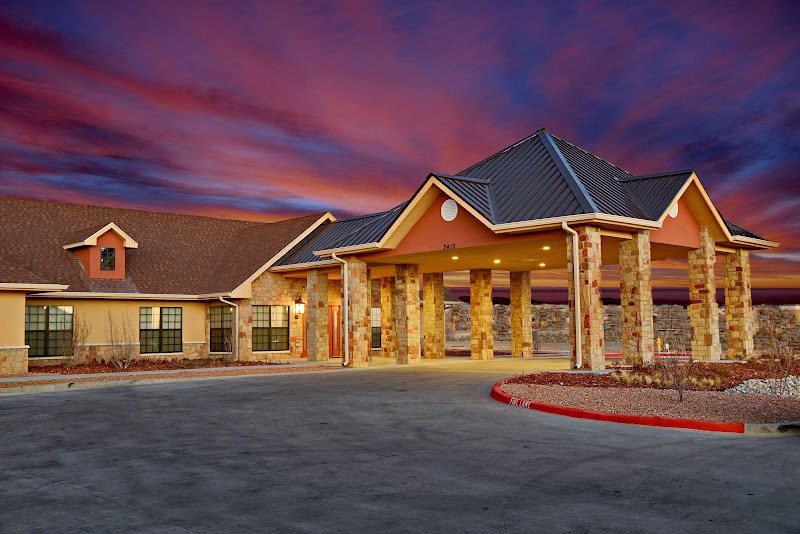
2410 19th Street SE, Rio Rancho, NM 87124 (505) 452-4200
For profit - Limited Liability company 136 Beds EDURO HEALTHCARE Data: November 2025
Trust Grade
15/100
#52 of 67 in NM
Last Inspection: November 2024

Within standard 12-15 month inspection cycle. Federal law requires annual inspections.

Overview

The Suites Rio Vista has received a Trust Grade of F, indicating poor overall quality with significant concerns. It ranks #52 out of 67 nursing homes in New Mexico, placing it in the bottom half of facilities statewide, and #2 out of 3 in Sandoval County, meaning only one local option is better. While the facility is improving, reducing issues from 19 in 2024 to 8 in 2025, the staffing situation is troubling with a high turnover rate of 64%, which is above the state average. There are serious concerns as well, including incidents where a resident was not properly monitored for falls, resulting in injuries, and another resident did not receive necessary care to prevent worsening pressure injuries, both of which indicate potential risks to resident safety. On the positive side, the facility does have average RN coverage, which helps ensure that trained nurses are available to address residents' needs.

Trust Score
F
15/100
In New Mexico
#52/67
Bottom 23%
Safety Record
High Risk
Review needed
Inspections
Getting Better
19 → 8 violations
Staff Stability
⚠ Watch
64% turnover. Above average. Higher turnover means staff may not know residents' routines.
Penalties
⚠ Watch
$93,914 in fines. Higher than 85% of New Mexico facilities, suggesting repeated compliance issues.
Skilled Nurses
○ Average
Each resident gets 34 minutes of Registered Nurse (RN) attention daily — about average for New Mexico. RNs are the most trained staff who monitor for health changes.
Violations
⚠ Watch
83 deficiencies on record. Higher than average. Multiple issues found across inspections.
★★☆☆☆
2.0
Overall Rating
★★☆☆☆
2.0
Staff Levels
★★★★☆
4.0
Care Quality
★★☆☆☆
2.0
Inspection Score
Stable
2024: 19 issues
2025: 8 issues

The Good

  • 4-Star Quality Measures · Strong clinical quality outcomes
  • Full Sprinkler Coverage · Fire safety systems throughout facility
  • No fines on record

Facility shows strength in quality measures, fire safety.

The Bad

2-Star Overall Rating

Below New Mexico average (2.9)

Below average - review inspection findings carefully

Staff Turnover: 64%

18pts above New Mexico avg (46%)

Frequent staff changes - ask about care continuity

Federal Fines: $93,914

Well above median ($33,413)

Moderate penalties - review what triggered them

Chain: EDURO HEALTHCARE

Part of a multi-facility chain

Ask about local staffing decisions and management

Staff turnover is elevated (64%)

16 points above New Mexico average of 48%

The Ugly 83 deficiencies on record

4 actual harm
Aug 2025 2 deficiencies
CONCERN (D) 📢 Someone Reported This

A family member, employee, or ombudsman was alarmed enough to file a formal complaint

Potential for Harm - no one hurt, but risky conditions existed

Deficiency F0578 (Tag F0578)

Could have caused harm · This affected 1 resident

Based on record reviews and interviews, the facility failed to ensure medical records consistently reflected the correct code status for 1 (R #5) of 3 (R #5, #6, and #7) residents. If code status is n...

Read full inspector narrative →
Based on record reviews and interviews, the facility failed to ensure medical records consistently reflected the correct code status for 1 (R #5) of 3 (R #5, #6, and #7) residents. If code status is not accurately documented in resident records, then the resident is at risk of a life-threatening medical error. The findings are: A. Record review of R #5's face sheet revealed an admission date of 06/11/25. Further review revealed the resident's code status was not documented in the record. B. Record review of R #5's hospital discharge documentation, dated 06/07/25, revealed a code status of Do Not Resuscitate (DNR; lifesaving measures are not desired). C. Record review of R #5's New Mexico Medical Orders for Scope of Treatment (NM MOST; a legal document which outlines the care the resident wants when they become incapacitated and unable to speak for themselves) form, dated 06/11/25, revealed a DNR code status. D. Record review of R #5's Care Plan, dated 06/23/25, revealed a Full Code Status. E. On 08/21/25 at 8:30 am, during an interview, Family Member (FM) #1 stated a nurse told her R #5 was a full code status when she inquired about R #5's code status during the admission process. FM #1 stated she was concerned, because she was aware R #5's status was DNR when she was discharged from the hospital. F. On 08/21/25 at 2:33 pm during an interview, the Director of Nursing (DON) stated the facility presumed residents were a Full Code status if nothing was documented on the resident's face sheet. The DON verified the conflicting information within R #5's records and stated it was the facility's expectation for code status to be consistent throughout the medical record.
CONCERN (D) 📢 Someone Reported This

A family member, employee, or ombudsman was alarmed enough to file a formal complaint

Potential for Harm - no one hurt, but risky conditions existed

Accident Prevention (Tag F0689)

Could have caused harm · This affected 1 resident

Based on observation, interview, and record review, the facility failed to maintain the resident environment free from the potential for accidents and hazards when staff left: - An electrical junction...

Read full inspector narrative →
Based on observation, interview, and record review, the facility failed to maintain the resident environment free from the potential for accidents and hazards when staff left: - An electrical junction box unsecured. - Electrical cords stretched across the hallway floor. - A fire alarm control panel open. These failures had the potential to affect all residents in the facility. If the facility fails to secure electrical panels and equipment and to remove tripping hazards from resident areas, then residents are at risk of injury. The findings are: A. Review of the facility’s Hazardous Areas, Devices, and Equipment policy, revised 2018, revealed the following: - All hazardous areas, devices, and equipment in the facility will be identified and addressed appropriately to ensure resident safety and mitigate accident hazards to the extent possible. - Hazard was defined as anything in the environment that has the potential to cause injury or illness. - Examples included: Equipment and devices left unattended or malfunctioning, Open areas or items that should be locked when not in use, Irregular floor surfaces (cords, buckled carpeting, etc.). Any element of the resident environment that has the potential to cause injury and is accessible to a vulnerable resident. B.On 08/21/2025 at 12:00 p.m., observation revealed a small white electrical box mounted on the wall at the end of the hallway. The door of the box was unsecured and partially open, which exposed the internal wires and circuit boards. The box was located within reach of residents who utilized the hallway handrail. Further observation revealed staff were not present in the area. C. On 08/21/2025 at 12:01 p.m., observation revealed multiple cords for a power wheelchair, including a black power cord and a white coaxial cable attached to a battery box, lay unattended across the carpeted hallway floor. There were no staff or residents in the hallway. D. On 08/21/25 at 12:15 p.m., observation revealed the facility’s fire alarm control panel in the main hallway was open, and the wires and control components were exposed. The panel was accessible to residents, and staff were not present in the immediate area. F. On 08/21/25 at 3:00 p.m., observation of R #2’s room revealed a large kitchen knife on the desk and an open can of WD-40 sat on the resident's nightstand. G. On 08/21/25 at 3:00p.m., during an interview, R #2 stated the large kitchen knife was to cut up his pineapple. He stated he brought it when he came to the facility. R #2 stated the WD-40 was for his wheelchair. G. On 08/21/25 at 1:25 p.m., during an interview, the Assistant Director of Nursing (ADON) stated the fire alarm control panel should be shut and locked at all times; because residents could open it, push buttons, and possibly disarm the alarm system. He stated R #2 should not have a large kitchen knife in his room. He stated it was a hazard for the resident to have the knife in his room; because he could injure himself, staff, or other residents. The ADON stated the can of WD-40 was for R #2’s wheelchair. He stated he took the WD-40 out of R #2’s room, because it could be used to harm residents or staff. H. On 08/21/25 at 1:40 p.m., during an interview, the Maintenance Director (MD) stated the electrical boxes and fire alarm panel should be kept closed and secured at all times to prevent tampering and injury. He stated unsecured cords across the floor presented a fall hazard to the residents.
Apr 2025 4 deficiencies
CONCERN (D) 📢 Someone Reported This

A family member, employee, or ombudsman was alarmed enough to file a formal complaint

Potential for Harm - no one hurt, but risky conditions existed

Free from Abuse/Neglect (Tag F0600)

Could have caused harm · This affected 1 resident

Based on interview and record review, the facility failed to ensure residents were free from abuse for 1 (R #1) of 3 (R #1, #2 and #3) residents reviewed for abuse when facility staff pushed R #1 back...

Read full inspector narrative →
Based on interview and record review, the facility failed to ensure residents were free from abuse for 1 (R #1) of 3 (R #1, #2 and #3) residents reviewed for abuse when facility staff pushed R #1 back inside the facility and swatted (hit) his hands as the resident tried to exit to the parking lot. This deficient practice likely caused R #1 to feel unimportant and to fear staff. The findings are: Findings for R #1 A. Record review of R #1's Face Sheet, dated 03/26/24, revealed this as an initial admission date and included the following diagnoses: - Paraplegia (loss of voluntary muscle movement that affects the legs due to damage to the brain or spinal cord), - Depression (mood disorder that causes persistent feelings of sadness and loss of interest), - Post Traumatic Stress Disorder (PTSD; mental health condition that is caused by an extremely stressful or terrifying event). B. Record review of the Facility's Reported Incident, dated 12/12/24, revealed R #1 called police to report abuse at about midnight when he was going out to the front parking lot, and a nurse refused to let him leave the building. C. Record review of the facility's Five Day Follow-Up Report (a report sent to the State Survey Agency which includes the results of the facility's investigation into alleged violations), received by the State Agency on 12/19/24, revealed the nurse involved was an agency nurse and said she was trying to keep R #1 safe. Staff reviewed the security camera which showed the view from the lobby. R #1 grabbed at the door frames as the agency nurse tried to push the resident back into the lobby. The nurse swatted at the resident's hands to get him to release the door. The nurse gave up on preventing the resident from exiting the facility, and the resident propelled himself to the parking lot. Staff attempted to assess the resident, but he reported he did not have any injuries. The resident filed a police report. The facility substantiated the incident, because the nurse violated the resident when she slapped his hands. D. On 04/23/25 at 1:18 pm during an interview with R #1, he stated a couple of months ago a Certified Nurse Aide (CNA) would not let him leave the facility at night. He stated he was waiting for a food delivery when a nurse saw him outside, and the nurse tried to pull him back into the building. The resident stated he was able to grab onto the frame of the doorway. He stated the nurse called for help, and a bunch of the nurses showed up. He stated he called the cops, and the cops came out. R #1 stated he wanted to press charges for the nurse putting hands on him and dragging him inside the facility, but the police told him they could not do anything. The resident stated he felt scared and unsure of the staff. The resident continued to talk about suicide and ending his life. He stated he did not want to wake up another day in the facility. E. On 04/24/25 at 1:09 pm during an interview, the Administrator stated they had ongoing issues with R #1. He stated the facility investigated the incident regarding the agency nurse and R #1. He stated they reviewed the security camera footage and saw the nurse swat R #1's hands to get him to let go of the door frame. The Administrator stated they substantiated the complaint, and the nurse was terminated.
CONCERN (D) 📢 Someone Reported This

A family member, employee, or ombudsman was alarmed enough to file a formal complaint

Potential for Harm - no one hurt, but risky conditions existed

Investigate Abuse (Tag F0610)

Could have caused harm · This affected 1 resident

Based on record review and interview, the facility failed to complete an accurate investigation regarding allegations of abuse for 1 (R #1) of 3 (R #1, #2, and #3) residents reviewed for abuse. If the...

Read full inspector narrative →
Based on record review and interview, the facility failed to complete an accurate investigation regarding allegations of abuse for 1 (R #1) of 3 (R #1, #2, and #3) residents reviewed for abuse. If the facility is not completing an accurate and thorough investigation of allegations of abuse, then the State Agency is unable to appropriately review the allegation for further investigation. The findings are: A. Record review of R #1's face sheet revealed an initial admission date of 03/26/24. B. Record review of the facility's Facility Reported Incident, dated 12/14/24, revealed R #1 called police to report abuse when a nurse tried to stop R #1 from exiting the facility, as he went out to the front parking lot on 12/14/24 at midnight. Resident was assessed and did not have any injuries. The nurse, who tried to prevent R #1 from exiting the building, was placed on administrative leave pending an investigation. C. Record review of the facility's Five Day Follow-Up Report (a report sent to the State Survey Agency which includes the results of the facility's investigation into alleged violations), received by the State Agency on 12/19/24, revealed R #1 was out of the facility almost every day for most of the day. Staff reported to the Administration the resident frequently went out front of the building, a car came by the facility, and dropped something off for the resident. The resident went out to the emergency room more than once for a suspected overdose. The facility requested a drug screen during one of the times the resident was at the hospital for suspected overdose; however, the resident refused and left the hospital against medical advice (AMA). R #1 was a known drug connection to the facility. D. Record review of R #1's electronic medical record revealed staff did not document any incidents regarding R #1's suspected overdose, the administration of Narcan (medication used to reverse the effects of narcotic overdose), or being sent to the emergency room for drug overdose during his stay at this facility. E. On 04/24/25 at 1:09 pm during an interview, the Administrator stated he wrote the Five Day Follow-Up Report. The Administrator was not able to verify the resident went out to the emergency room for suspected overdose. The Administrator stated he must have confused R #1 with another resident when he wrote the Five Day Follow-Up Report submitted on 12/19/24. He stated the Five Day Follow-Up Report should be accurate.
CONCERN (D) 📢 Someone Reported This

A family member, employee, or ombudsman was alarmed enough to file a formal complaint

Potential for Harm - no one hurt, but risky conditions existed

Assessment Accuracy (Tag F0641)

Could have caused harm · This affected 1 resident

**NOTE- TERMS IN BRACKETS HAVE BEEN EDITED TO PROTECT CONFIDENTIALITY** Based on record review and interview, the facility failed to ensure the Minimum Data Set (MDS; a federally mandated assessment i...

Read full inspector narrative →
**NOTE- TERMS IN BRACKETS HAVE BEEN EDITED TO PROTECT CONFIDENTIALITY** Based on record review and interview, the facility failed to ensure the Minimum Data Set (MDS; a federally mandated assessment instrument completed by facility staff) was accurate for 1(R #1) of 3 (R #1, R #2 and R #3) residents reviewed for accuracy of assessments. If the MDS assessment is not accurate, then residents are likely to not receive the services they need. The findings are: A. Record review of R #1's Face Sheet dated 03/26/24 revealed this as an initial admission date and included a diagnosis of Depression (a mood disorder that causes a persistent feeling of sadness and loss of interest). B. Record review of R #1's annual Minimum Data Set, dated [DATE], revealed the following: - R #1 did not have any behavioral concerns. - R #1 did not have any physical, verbal or sexually inappropriate behavioral symptoms directed toward others. - R #1 did not have any suicidal (thoughts or ideas about harming oneself or killing oneself) or homicidal ideations (thoughts about harming or killing another person). - R #1 did not reject care. C. Record review of R #1's Care Plan, dated 04/07/25, revealed the following: - R #1 had behaviors to include drug seeking and behaviors which put him at risk for harm if he did not get what he wanted. R #1 was hypersexual (an intense focus on sexual fantasies, urges or behaviors that cannot be controlled) and made inappropriate comments to female staff. - R #1 was at risk related to verbally abusive and verbalizing homicidal (thoughts of killing others) and suicidal (thoughts of killing self) ideation. D. Record review of R #1's nurse progress notes revealed the following: - Dated 01/17/25, R #1 verbalized feeling depressed and stated he felt like he was a danger to himself. - Dated 02/02/25, R #1 verbalized suicidal and homicidal thoughts and stated, Don't be surprised if you come in my room next time and I'm hanging. I feel homicidal, like I am going to kill someone. - Dated 03/27/25, the resident's chief complaint included significant anxiety and depression. R #1 reported ongoing depressive symptoms, occasional thoughts of self-harm, and feelings of isolation (state of being alone or separated from others). R #1's responses were brief, and he showed little interest in discussing symptoms or treatment in detail. E. Record review of R #1's Change in Condition form, dated 01/17/25, revealed the resident had behavioral symptoms, such as increased bed changes due to soiled linen, difficulty with straight catheter usage, feeling depressed and tired, and generalized pain. Continue to observe resident and remove harmful objects. F. On 4/23/25 at 1:18 pm during an interview with R #1, he stated he thought about suicide and ending his life. R #1 stated he did not want to wake up another day in the facility. The resident stated he was offered psychiatric services, but he refused them. G. On 04/24/25 at 1:54 pm during an interview, the Director of Nursing (DON) stated R #1 had a lot of issues with the facility. The DON stated the resident displayed negative behaviors, like listening to rude, nasty, and derogatory rap music very loudly and being sexually inappropriate with female staff. H. On 04/24/25 at 1:09 pm during an interview, the Administrator stated they had ongoing issues with R #1's aggressive verbal and physical behaviors. The Administrator stated he believed R #1 was drug seeking.
CONCERN (D) 📢 Someone Reported This

A family member, employee, or ombudsman was alarmed enough to file a formal complaint

Potential for Harm - no one hurt, but risky conditions existed

Deficiency F0761 (Tag F0761)

Could have caused harm · This affected 1 resident

Based on observation and interview, the facility failed to protect a treatment cart (a movable piece of equipment used in healthcare facilities to store, transport, and dispense treatment supplies and...

Read full inspector narrative →
Based on observation and interview, the facility failed to protect a treatment cart (a movable piece of equipment used in healthcare facilities to store, transport, and dispense treatment supplies and tools) from unauthorized access when staff failed to lock the treatment cart while staff were away from the cart. This deficient practice had the potential to affect all 48 residents on the 600 Unit, as identified by the Resident Census provided by the Administrator. If staff fail to lock an unsupervised treatment cart, then residents could obtain medical equipment, which could result in injury or death. The findings are: A. On 04/24/25 at 11:43 AM, during an observation of the 600 Unit, the wound care treatment cart was unlocked and opened. Further observations revealed the cart had wound care items, such as mineral oil, tweezers, and scissors. Staff were not present in the area near the treatment cart. B. On 04/24/25 AM at 11:46 AM, during an interview, Registered Nurse (RN) #1 stated wound care staff and all nurses on duty were responsible for the treatment cart, and staff should lock the treatment cart when they leave it unattended. C. On 04/25/25 at 9:38 AM, during observation of the 600 Unit, the wound care treatment cart was unlocked. Further observations revealed the cart had wound care items, mineral oil, tweezers, and scissors. Staff were not present in the area near the treatment cart. D. On 04/25/25 at 9:40 AM, during an interview, Certified Medication Technician (CMT) #1 stated the treatment cart was unlocked and opened. He said the nurses were responsible for the treatment cart, and they should lock it when the cart was not in use. E. On 04/25/25 at 2:15 PM, during an interview, Director of Nursing (DON) said staff should never leave the treatment cart unlocked while unattended.
Feb 2025 2 deficiencies
CONCERN (E) 📢 Someone Reported This

A family member, employee, or ombudsman was alarmed enough to file a formal complaint

Potential for Harm - no one hurt, but risky conditions existed

Report Alleged Abuse (Tag F0609)

Could have caused harm · This affected multiple residents

Based on record review and interview, the facility failed to report the allegations of possible neglect/abuse for 3 (R #'s 1, #2 and #3 ) of 3 (R #'s 1, #2 and # 3) residents reviewed for incidents. ...

Read full inspector narrative →
Based on record review and interview, the facility failed to report the allegations of possible neglect/abuse for 3 (R #'s 1, #2 and #3 ) of 3 (R #'s 1, #2 and # 3) residents reviewed for incidents. If the facility is not submitting the summary of the facility's investigation to the State Agency (SA), then the State Agency is unable to appropriately triage (review) the allegation for further investigation. The findings are: A. Refer to F0610 for related findings. B. On 02/12/25 at 2:30 pm during interview with Administrator (ADM), he stated he was aware of each of the allegations of neglect/abuse. He stated the incident with R #2 did not indicate any sexual contact occurred between Certified Nurse Aide (CNA) #1 and R #2, therefore, a report was not submitted to the state agency. He stated the medication errors involving R #1 and R #3 were reported and investigated within the facility. He stated that these investigations did not indicate to him that the incidents rose to the level of abuse, neglect or mistreatment. The ADM further stated that he generally over-reports facility incidents to the state agency but in these three cases he did not report.
CONCERN (E) 📢 Someone Reported This

A family member, employee, or ombudsman was alarmed enough to file a formal complaint

Potential for Harm - no one hurt, but risky conditions existed

Investigate Abuse (Tag F0610)

Could have caused harm · This affected multiple residents

Based on record review and interview, the facility failed to complete a thorough investigation and report the investigation findings within five working days for allegations of abuse and mistreatment ...

Read full inspector narrative →
Based on record review and interview, the facility failed to complete a thorough investigation and report the investigation findings within five working days for allegations of abuse and mistreatment for 3 (R #'s 1, 2, and 3) of 5 (R #'s 1, 2, 3, 4, and 5) residents reviewed for incidents. If the facility is not completing an accurate and thorough investigations and submitting the summary of the facility's investigation to the State Agency, then the State Agency (SA) is unable to appropriately review allegations for further investigation. The findings are: R #1 A. Record review of New Mexico Health Care Authority Complaints revealed a complaint dated 01/02/25, which alleges possible neglect, a medication error which involves R #1. B. Record review of R #1's daily progress notes revealed a note dated 12/26/24 at 12:50 pm that stated a medication error occurred when nurse gave Imatinib (an oral medication prescribed to treat certain kinds of cancer) and Creon (an oral medication prescribed to replace pancreatic enzymes (chemicals that break down other chemicals)) to the wrong resident (R #1). The note further stated R #1 swallowed the medications and began choking and coughing. Emergency services were called to the scene and the facility doctor was also called to the scene to assess and assist the resident. One of the medications was eventually coughed up and R #1 was assessed and determined to be in need of no further care except to continue to monitor. C. Record review of the facility's reportable incidents dated 02/12/25, revealed the record did not contain any documentation of the medication error incident, the incident being reported to the state agency, and the facility investigating the incident. R #2 D. Record review New Mexico Health Care Authority Complaints revealed a complaint dated 01/16/25, a consumer complaint which alleged possible abuse-sexual misconduct of a staff member towards R #2. E. Record review of R #2's daily progress notes dated 12/01/24 through 01/31/25, revealed the notes did not contain any documentation of any possible abuse-sexual misconduct of a staff towards R #2. F. On 02/12/25 at 9:30 am during interview with Assistant Director of Nursing (ADON) #2, he stated he recalled an incident involving R #2 and a facility Certified Nurses Aide (CNA) #1 that occurred on 01/08/25 at 11:30 pm pertaining to abuse-sexual misconduct. ADON #2 provided a written statement that he had prepared on the day of the incident. ADON #2 stated the written statement had also been provided to the facility administrator on 01/09/25. ADON #2 stated that R #2 had fallen from his wheelchair earlier in the evening (01/08/25). He stated that he asked CNA #1 to go to R #2's room and take vital signs (VS: Blood Pressure, Pulse, Heart Rate). ADON #2 stated that he entered the room as CNA #1 was taking VS's. He stated he observed R #2 was lying on his bed. CNA #1 was sitting on the bed in very close contact to R #2 as she was taking his vital signs. ADON #2 stated that after completing the VS task, he spoke with CNA #1 outside of the room and verbally reprimanded her that it was inappropriate to be sitting on the bed in close physical contact with the resident for any reason. ADON #2 stated about 15 minutes later (11:45 pm), he came to check on R #2, entered the room and found CNA #1 was again sitting on R #2's bed in very close physical contact. ADON #2 stated he reprimanded CNA #1 again and told her she should not be in such close personal contact with any resident. He stated he then called the facility Director of Nursing to inform her of the incidents and his attempts to reprimand CNA #1. ADON #2 stated it was then decided that CNA #1 would be moved to another separate area of the facility and would not be allowed to return to and work in the same area as R #2 and CNA #1 was not to have any contact with R #2 again. G. Record review of the facility's reportable incidents dated 11/01/24 through 02/11/25, revealed the record did not contain any documentation of R #2 incident,the incident being reported to the state agency, and the facility investigating the incident. R #3 H. Record review of the facility's provided grievances dated 12/01/24 through 02/12/25 revealed a grievance dated 01/03/25 by R #3 stated that a medication error occurred. I. Record review of R #3's daily progress notes dated 01/03/25 at 12:17 pm, revealed R #3 was given a cup of medications by the nurse. The cup contained R #3's medications and also included Levothyroxine (a medication prescribed by to treat thyroid deficiencies) and protonix (a medication prescribed to treat excess stomach acid). J. On 02/12/25 at 12:40 pm ADON #1 stated he was aware of the grievance submitted by R #3 regarding a medication error. ADON #1 stated he investigated the matter immediately, noted that the medication error had occurred, reported the medication error to the administrator, took immediate action to re-educate the nurse who committed the medication error and took steps to re-educate all nursing staff of medication administration protocols and requirements. K. On 02/12/25 at 2:30 pm during interview with Administrator (ADM), he stated he was aware of each of the investigations reported, (2 medication errors and one possible sexual abuse incident). He stated R #2's incident did not indicate that any sexual contact occurred between CNA #1 and R #2, therefore the incident report was not submitted to the state agency. Incident was not further investigated. He stated the medication errors involving R #1 and R #3 were reported to him as well and investigated within the facility. He stated that these investigations did not indicate to him that the incidents rose to the level of abuse, neglect or mistreatment. The ADM further stated that he generally over-reports facility incidents to the state agency but in these three cases he did not report any of the incidents.
Nov 2024 16 deficiencies
CONCERN (D)

Potential for Harm - no one hurt, but risky conditions existed

Deficiency F0558 (Tag F0558)

Could have caused harm · This affected 1 resident

**NOTE- TERMS IN BRACKETS HAVE BEEN EDITED TO PROTECT CONFIDENTIALITY** Based on observation, record review, and interview, the facility failed to provide reasonable accommodations of resident needs a...

Read full inspector narrative →
**NOTE- TERMS IN BRACKETS HAVE BEEN EDITED TO PROTECT CONFIDENTIALITY** Based on observation, record review, and interview, the facility failed to provide reasonable accommodations of resident needs and preferences for 1 (R #47) of 1 (R #47) residents reviewed by not ensuring R #47 had access to her call light. These deficient practices are likely to result in residents being unable to request assistance, such as needing help with transferring, after falling or other acute distress. The findings are: A. Record review of R #47's face sheet revealed R #47 was admitted into the facility on [DATE]. B. Record review of R #47's care plan 12/05/23 revealed R #47 experienced left sided hemiplegia (paralysis or weakness on one side of the body) and impaired gait, which required a call light pad and her call light to be within reach. C. On 11/06/24 at 1:09 pm during an observation and interview with R #47, R #47 was observed sitting in a wheelchair next to her bed and her call light pad was placed on the opposite side of her bed and not in reach. R #47 stated that she could not reach her call light pad and staff should have put it closer to her. D. On 11/06/24 at 1:10 pm during an interview with Certified Nursing Assistant (CNA) #1, she confirmed R #47's call light pad was not within reach for R #47 and R #47's call light pad should have been placed closer to her. E. On 11/14/24 at 4:14 pm during an interview with the Director of Nursing (DON), she stated R #47's call light pad should be within reach of R #47 at all times when she is in her room.
CONCERN (D)

Potential for Harm - no one hurt, but risky conditions existed

Deficiency F0645 (Tag F0645)

Could have caused harm · This affected 1 resident

**NOTE- TERMS IN BRACKETS HAVE BEEN EDITED TO PROTECT CONFIDENTIALITY** Based on record review and interview, the facility failed to ensure the Pre-admission Screening and Resident Review (PASRR; a sc...

Read full inspector narrative →
**NOTE- TERMS IN BRACKETS HAVE BEEN EDITED TO PROTECT CONFIDENTIALITY** Based on record review and interview, the facility failed to ensure the Pre-admission Screening and Resident Review (PASRR; a screening to help ensure that individuals are not inappropriately placed in nursing homes for long term care) assessment was accurate for 1 (R #71) of 1 (R #71) residents reviewed for PASRR accuracy. This deficient practice is likely to result in the facility not providing the services needed by residents. The findings are: A. Record review of R #71's PASRR Level 1 Identification Screen Section C: Identification of Mental Illness Evaluation Criteria dated 11/30/23 revealed R #71 required referral to PASRR prior to admitting into the nursing facility. B. Record review of R #71's face sheet revealed R #71 was admitted into the facility on [DATE]. C. Record review of R #71's Electronic Health Record (EHR) revealed no documentation was present for R #71's PASRR Level 2 referral. D. On 11/14/24 at 2:43 pm during an interview with the Social Services Director (SSD), she stated R #71 did not have a PASRR Level 2 referral completed prior to admission into the facility and he should have. E. On 11/15/24 at 10:35 am during an interview with the Administrator (ADM), he stated R #71's PASRR level 1 was incorrect and R #71 did not require a PASRR Level 2 referral. The ADM confirmed the facility should have made sure R #71's PASRR level 1 was correct prior to admission and they did not.
CONCERN (D)

Potential for Harm - no one hurt, but risky conditions existed

Deficiency F0685 (Tag F0685)

Could have caused harm · This affected 1 resident

**NOTE- TERMS IN BRACKETS HAVE BEEN EDITED TO PROTECT CONFIDENTIALITY** Based on record review and interview, the facility failed to ensure residents received proper treatment to maintain vision 1 (R ...

Read full inspector narrative →
**NOTE- TERMS IN BRACKETS HAVE BEEN EDITED TO PROTECT CONFIDENTIALITY** Based on record review and interview, the facility failed to ensure residents received proper treatment to maintain vision 1 (R #71) of 1 (R #71) residents reviewed for vision. If the facility is not assisting residents in accessing treatment to maintain their vision, then residents are likely to lose their ability to see, which will compromise their quality of life. The findings are: A. Record review of R #71's face sheet revealed R #71 was admitted into the facility on [DATE]. B. Record review of R #71's physician orders dated 09/13/24 revealed R #71 required an optometry appointment for eye glasses. C. Record review of R #71's Electronic Health Record (EHR) revealed no optometry appointment had been scheduled and/or completed for R #71. D. On 11/06/24 at 11:14 am during an interview with R #71, he stated that he has been waiting a long time for glasses and he has not had a vision appointment for them yet, which has made him upset. R #71 also stated that he needs them to see and he really needs help with this [getting glasses]. E. On 11/13/24 at 1:43 pm during an interview with the Social Services Director (SSD), she stated that R #71's vision appointment was scheduled for 12/05/24, but the facility did not attempt to schedule R #71's vision appointment until 10/15/24. SSD confirmed R #71's appointment should have been scheduled sooner than 10/15/24 since R #71's physician order was dated 09/13/24. F. On 11/14/24 at 6:00 pm during an interview with the Director of Nursing (DON), she confirmed R #71's appointment should have been scheduled sooner than 10/15/24 since R #71's physician order was dated 09/13/24.
CONCERN (D)

Potential for Harm - no one hurt, but risky conditions existed

Accident Prevention (Tag F0689)

Could have caused harm · This affected 1 resident

Based on observation and interview, the facility failed to ensure that 1 (R #3) of 1 (R #3) residents reviewed was free from accidents and hazards by not securing an electric cord that is in a direct ...

Read full inspector narrative →
Based on observation and interview, the facility failed to ensure that 1 (R #3) of 1 (R #3) residents reviewed was free from accidents and hazards by not securing an electric cord that is in a direct path to the residents bed. This deficient practice is likely to put residents at risk of unsafe situations. The findings are: A. On 11/13/24 at 10:22 AM during an interview with R #3 he stated that staff was repositioning him and the Certified Nursing Assistant (CNA) on his left side tripped on the electric cord connected to the bed. The CNA was able to catch herself and did not fall to the floor but bumped the side of his bed. B. On 11/13/24 at 10:24 AM a black electric cord was observed to be unsecured and in the direct walking path to R #3's bedside. C. On 11/13/24 at 10:37 AM Licensed Practical Nurse (LPN) #1 verified that the electrical cord to R #3's bed was unsecured and a tripping hazard.
CONCERN (D)

Potential for Harm - no one hurt, but risky conditions existed

Respiratory Care (Tag F0695)

Could have caused harm · This affected 1 resident

**NOTE- TERMS IN BRACKETS HAVE BEEN EDITED TO PROTECT CONFIDENTIALITY** Based on observation, record review and interview the facility failed to assure that 1 (R #195) of 1 (R #195) resident was provi...

Read full inspector narrative →
**NOTE- TERMS IN BRACKETS HAVE BEEN EDITED TO PROTECT CONFIDENTIALITY** Based on observation, record review and interview the facility failed to assure that 1 (R #195) of 1 (R #195) resident was provided respiratory care including provider orders to monitor, clean, use a C-PAP (Continuous Positive Airway Pressure) or Bi-PAP (Bilevel positive Airway Pressure) (a non-invasive devices that provide assistive breathing usually during rest and sleep). If the facility fails to assist, manage and maintain equipment as ordered then resident are likely to not get the therapeutic results needed. The findings are: A. Record review of R #195 face sheet revealed he was admitted to the facility on [DATE] with multiple diagnoses including but not limited to: -Chronic Obstructive Pulmonary Disease (COPD) (a chronic, progressive disease of the lungs which causes a reduction of respiratory function especially during sleep and rest) -NonTraumatic Intracerebral hemorrhage (stroke) -Vascular Dementia with Agitation (a chronic and progressive disease of the brain the disrupts memory and brain functions) -Hemiplegia and Hemiparesis (partial and one sided paralysis) B. Record review of R #195's care plans revealed a care plan initiated 10/17/24 focus regarding potential for impaired gas exchange related to COPD and task to use CPAP as ordered. C. On 11/05/24 at 1:03 pm during observation of R #195's room it was readily noted that a C-PAP device was sitting on the table next to his bed. The device consisted of a mask connected to a flexable tube that was connected to the C-PAP equipment that was plugged in to a wall socket. D. On 11/05/24 at 1:03 pm during interview with R #195 and his wife, she stated that R #195 used a Bi-PAP every night and that use was required. She stated that he had a C-PAP prior to his admission to the facility and that she brought the C-PAP with her from the hospital. She stated she set the equipment up next to his bed. She stated family assisted him to set up and use the C-PAP equipment each night. She stated he was present in the facility for about two weeks when she was provided Bi-PAP equipment which she substituted for the C-PAP equipment. She stated she was not aware if the facility staff knew of his C-PAP/Bi-PAP machines or his requirements for nightly use but she stated the equipment was always on his bedside table and his nightly set up included the use of a mask that covered his mouth and nose, a hose that connected the mask to the C-PAP/Bi-PAP and the PAP equipment that plugged into a wall socket. E. Record review of provider orders dated 11/06/24 revealed multiple orders to assist, manage and maintain R #195's C-PAP equipment. No orders were noted regarding R #195's use of a Bi-PAP or conversion from C-PAP to Bi-PAP. F. On 11/14/24 at 4:18 pm during interview with the Director of Nursing, she reviewed R #195's provider orders and confirmed there was no order for staff to monitor, maintain or use either C-PAP or Bi-PAP prior to 11/06/24. She stated that these orders should have been entered and staff should have begun monitoring his C-PAP/Bi-PAP upon admission.
CONCERN (D)

Potential for Harm - no one hurt, but risky conditions existed

Deficiency F0761 (Tag F0761)

Could have caused harm · This affected 1 resident

Based on observation and interview the facility failed to ensure medication carts were locked when unattended. This deficient practice is likely to negatively impact the health of residents if they we...

Read full inspector narrative →
Based on observation and interview the facility failed to ensure medication carts were locked when unattended. This deficient practice is likely to negatively impact the health of residents if they were to ingest medications not intended for them. The findings are: A. On 11/14/24 at 9:23 PM during an observation of the 300 wing medication cart, RN #2 was observed walking away from the medication cart without locking it. B. On 11/14/24 at 9:25 PM during interview with RN #2, he confirmed that medication carts should not be left unlocked and unattended. C. On 11/14/24 at 9:24 PM during an observation of the 500 wing medication cart, the cart was unlocked and staff left the cart unattended, also observed on top of the medication cart was a cup with four unidentified medication and five lancets (a small medical implement used for blood sampling). D. On 11/14/24 at 9:30 PM during interview with RN #1, she confirmed that medication carts should not be left unlocked and unattended. RN #1 picked up the medication cup and walked away again leaving the medication cart unlocked. F. On 11/15/24 at 9:55 PM during an interview, Assisted Director of Nursing (ADON) confirmed that medication carts were unlocked and should not be unlocked and unattended.
CONCERN (D)

Potential for Harm - no one hurt, but risky conditions existed

Dental Services (Tag F0791)

Could have caused harm · This affected 1 resident

**NOTE- TERMS IN BRACKETS HAVE BEEN EDITED TO PROTECT CONFIDENTIALITY** Based on record review and interviews, the facility failed to ensure residents obtained routine dental care for 1 (R #36) of 1 (...

Read full inspector narrative →
**NOTE- TERMS IN BRACKETS HAVE BEEN EDITED TO PROTECT CONFIDENTIALITY** Based on record review and interviews, the facility failed to ensure residents obtained routine dental care for 1 (R #36) of 1 (R #36) residents reviewed for dental services. This failure is likely to result in the resident experiencing pain, embarrassment over condition of teeth, and potential weight loss. The findings are: A. Record review of R #36's face sheet revealed R #36 was admitted into the facility on [DATE]. B. Record review of R #36's physician orders dated 10/20/24 revealed R #36 required referral for in-house dentist for dental pain and recurrent gingivitis (inflammation of the gums). C. Record review of R #36's Electronic Health Record (EHR) revealed no indication that R #36 was seen by a dentist after the 10/20/24 physician order. D. On 11/06/24 at 11:45 am during an interview with R #36, she stated that she has not had a dental appointment in sometime and she has several teeth that need to be pulled, and she experiences pain in her gums often. R #36 confirmed she told the facility nursing staff of this. E. On 11/13/24 at 1:40 pm during an interview with the Social Services Director (SSD), she stated that shortly after R #36's dental order was put in the system, the in-house dentist canceled their contract with the facility. The SSD confirmed R #36 had not been seen by a dentist per physicians order and should have been. The SSD also confirmed the facility just scheduled R #36 to be seen by an out of facility dentist on 12/03/24. F. On 11/14/24 at 4:09 pm during an interview with the Director of Nursing (DON), she stated R #36 should have been seen by a dentist sooner than what was scheduled and was not.
CONCERN (D)

Potential for Harm - no one hurt, but risky conditions existed

Infection Control (Tag F0880)

Could have caused harm · This affected 1 resident

**NOTE- TERMS IN BRACKETS HAVE BEEN EDITED TO PROTECT CONFIDENTIALITY** Based on observation, interview, and record review, the facility failed to maintain proper infection prevention measures for 2 (...

Read full inspector narrative →
**NOTE- TERMS IN BRACKETS HAVE BEEN EDITED TO PROTECT CONFIDENTIALITY** Based on observation, interview, and record review, the facility failed to maintain proper infection prevention measures for 2 (R #'s 71 and 75) of 6 (R #'s 33, 39, 44, 71, 75 and 80) residents observed when the facility: 1. Failed to store R #71's nebulizer mask (a drug delivery device used to administer medication in the form of mist) appropriately in a bag. 2. During medication administration when the Certified Medication Aide (CMA) used her bare fingers to pour mediations. This deficient practices are likely to result in the spread of infectious diseases. The findings are: R #71: A. Record review of R #71's face sheet revealed R #71 was admitted into the facility on [DATE]. B. Record review of R #71's physician orders revealed the following: 1. 01/23/24: Albuterol inhalation solution (medication used to open airways in the lungs). 2. 10/26/24: Ipratropium inhalation solution (medication used to open airways in the lungs). C. On 11/06/24 at 11:18 am during an observation and interview with R #71, R #71's nebulizer mask was observed to lying on his nightstand and not in a bag to keep clean. R #71 stated that he was never given a bag to store his nebulizer mask in and he would like one. D. On 11/06/24 at 11:25 am during an interview with Registered Nurse (RN) #3, she confirmed R #71's nebulizer mask was lying on his nightstand and not in a sealed bag. RN #3 stated that R #71's nebulizer mask should be stored in a bag and not on the table. E. On 11/14/24 at 4:09 pm during an interview with the Director of Nursing (DON), she stated, It [R #71's nebulizer mask] should be cleaned, taken a part to dry, and stored in a bag. R #75: F. On 11/13/24 at 9:37 am during observation of medications administration, CMA #1 was observed as she poured medications for R #75. She drew a bottle of Aspirin (a medication used to reduce fever and thin blood) from the medication cart, she removed the cap and began to pour the medication from the bottle. CMA #1 then used her index finger to push a single pill from the bottle into the medication cup. CMA #1 then returned the cap to the bottle and replaced the bottle in the medication cart. CMA #1 then removed a bottle of Vitamin D (a medication used to supplement nutrients and vitamins) and proceeded to remove the cap and began to pour the medication from the bottle. CMA #1 then used her index finger to push a single pill from the bottle into the medication cup. CMA #1 then proceeded to give the medications to R #75. G. On 11/13/24 at 9:40 am during interview with CMA #1 she stated that she had used her bare index finger from the two bottles of medication to help pour the pills into R #75's medication cup. CMA #1 stated she was having difficulty removing the pills from the bottle. She stated she probably should not have used her bare finger to remove the pills from the bottle. H. On 11/14/24 at 11:00 am during interview with DON, she stated that staff should not be using their bare finger touch and transfer medication from a bottle to resident's medication cup.
CONCERN (E)

Potential for Harm - no one hurt, but risky conditions existed

Deficiency F0583 (Tag F0583)

Could have caused harm · This affected multiple residents

Based on observation and interview the facility failed to safeguard clinical record information by leaving Private Health Information (PHI) where unauthorized persons had access to it for residents of...

Read full inspector narrative →
Based on observation and interview the facility failed to safeguard clinical record information by leaving Private Health Information (PHI) where unauthorized persons had access to it for residents of the 300 unit, 500 unit and R #78 during random observations. If resident's clinical information is not sufficiently safe guarded, resident's PHI is likely to be viewed by unauthorized residents, visitors, and staff. The findings are: A. On 11/06/24 at 11:19 am during random observation of the 500 wing nurses station a vital sign sheet sat face up on the counter containing all vital signs for all residents residing on the 500 wing able to be observed by all unauthorized persons coming to the nurses station. B. On 11/06/24 at 11:20 am during an interview with Certified Nurse Aide (CNA) #1 confirmed that vital sign sheet should not be left sitting on the counter for all to view, and if it is it should be face down. C. On 11/14/24 at 9:20 pm during a random observation of the 300 unit Registered Nurse (RN) #2 was observed walking away from his medication cart leaving his computer open to the 300 unit Medication Administration Record (MAR) (a drug chart or report that serves as a legal record of the drugs administered to a patient at a facility by a health care professional). D. On 11/14/24 at 9:23 pm, RN #2 verified that he should always lock his computer before walking away from it. E. On 11/14/24 at 9:24 pm during random observation a 500 wing vital sheet was left face up on the medication cart unattended. RN#1 confirmed that the vital sheet contained personal resident information and should no be left on the cart to be viewed by any passerby's. F. On 11/14/24 at 9:33 pm, during a random observation of the 500, 600 and 700 unit nurses station a clipboard with R #78's neuro check form (a medical form used to assess and document a patient's neurological (relating to, or affecting the nervous system) status) was observed face up on the counter where unauthorized persons had access to it. G. On 11/14/24 at 9:35 pm, Certified Nursing Assistant (CNA) #2 verified the clipboard with PHI for R #78's neuro check information was face up on counter and should not have been.
CONCERN (E)

Potential for Harm - no one hurt, but risky conditions existed

Safe Environment (Tag F0584)

Could have caused harm · This affected multiple residents

Based on observation, record review, and interview, the facility failed to maintain an environment that was clean, in good condition, and free from clutter for 3 (R #'s 31, 68, and 71) of 3 (R #'s 31,...

Read full inspector narrative →
Based on observation, record review, and interview, the facility failed to maintain an environment that was clean, in good condition, and free from clutter for 3 (R #'s 31, 68, and 71) of 3 (R #'s 31, 68, and 71) residents sampled for a homelike environment by facility staff leaving used resident meal trays in residents rooms. Failure to maintain the building in a clean and comfortable manner is likely to result in unsafe conditions and prevent residents from enjoying everyday activities. The findings are: A. Record review of the facility meal service times revealed residents were served meals during the following times: - Breakfast: 7:30 am to 9:00 am. - Lunch: 12:00 pm to 1:30 pm. - Dinner: 5:00 pm to 6:30 pm. B. On 11/06/24 at 11:20 am during an observation of R #'s 68 and 71's room, R #'s 68 and 71's breakfast meal trays with trash and with old food still present on the tray were observed to still be in the residents rooms and on their dressers. R #71 became frustrated and stated the facility staff never collects used trays on time and it upsets him because it's gross. R #68 also became frustrated due to the tray still being in his room. C. On 11/06/24 at 11:22 am during an observation of R #31's room, R #31's breakfast meal trays with trash and with old food still present on the tray was observed to still be in the residents rooms and on her night stand. D. On 11/06/24 at 11:25 am during an interview with Registered Nurse (RN) #3, she confirmed R #'s 31, 68, and 71's breakfast meal trays were still present in those residents rooms and should not have been. RN #3 stated the CNAs should have collected those trays awhile ago. E. On 11/14/24 at 11:12 am during an interview with the Director of Nursing (DON), she stated she would expect the CNAs and nursing staff to collect the residents breakfast meal trays sooner than they did for R #'s 31, 68, and 71.
CONCERN (E)

Potential for Harm - no one hurt, but risky conditions existed

Comprehensive Care Plan (Tag F0656)

Could have caused harm · This affected multiple residents

**NOTE- TERMS IN BRACKETS HAVE BEEN EDITED TO PROTECT CONFIDENTIALITY** Based on record review and interview facility failed to complete a resident centered, comprehensive care plan for 2 (R #45 and 1...

Read full inspector narrative →
**NOTE- TERMS IN BRACKETS HAVE BEEN EDITED TO PROTECT CONFIDENTIALITY** Based on record review and interview facility failed to complete a resident centered, comprehensive care plan for 2 (R #45 and 195) of 2 R #45 and 195) residents. The facility failed to provide a plan for activities and the resident's perferred activities. This deficient practice is likely to result in residents mental and psychosocial needs not being met and residents being bored and uninterested. The findings are: R #45 A. Record review of R #45's face sheet dated 11/14/24 revealed she was admitted to the facility on [DATE] with multiple diagnoses including but not limited to: -Metabolic Encephalopathy (A disease of the brain that causes confusion, memory loss) -Depression (a state of sadness) -Chronic Kidney Disease (disease that causes disruption of the functions of the kidneys) -Generalized Anxiety Disorder (a condition of fear and concerns) B. Record review of R #45 activities assessment dated [DATE] revealed preferences for religious services, being outside to enjoy fresh air and listen to music. C. Record review of R #45 care plan dated 09/24/24 failed to find any care plan related to R #45's activity preferences. R #195 D. Record review of R #195 face sheet dated 11/14/25 revealed he was admitted to the facility on [DATE] with multiple diagnoses including but not limited to: -NonTraumatic Intracerebral hemorrhage (stroke) -Depression -Vascular Dementia with Agitation (a chronic and progressive disease of the brain the disrupts memory and brain functions) -Hemiplegia and Hemiparesis (partial and one sided paralysis) E. Record review of R #195 activities assessment dated [DATE] revealed a preference to interact with family and participate in group activities. F. Record review of R #195 care plan dated 10/16/24 failed to find any care plan related to R #195's activity preferences. G. On 11/08/24 12:11 PM during interview with Activities Director (AD) he reported that he had completed an activities assessment of all residents and that he completed these assessments soon after each resident is admitted . He stated he had not updated care plans of residents.
CONCERN (E)

Potential for Harm - no one hurt, but risky conditions existed

Deficiency F0657 (Tag F0657)

Could have caused harm · This affected multiple residents

**NOTE- TERMS IN BRACKETS HAVE BEEN EDITED TO PROTECT CONFIDENTIALITY** R # 88 L. Record review of R #88's face sheet dated [DATE] revealed R #88 was admitted into the facility on [DATE] with diagnose...

Read full inspector narrative →
**NOTE- TERMS IN BRACKETS HAVE BEEN EDITED TO PROTECT CONFIDENTIALITY** R # 88 L. Record review of R #88's face sheet dated [DATE] revealed R #88 was admitted into the facility on [DATE] with diagnoses: - Diastolic Congestive Heart Failure ( weak heart ) - Respiratory Failure ( difficulty breathing ) . M. Record review of R #88's physician orders dated [DATE] revealed R #88 was admitted to hospice services on [DATE]. N. Record review of R #88's care plan dated [DATE] revealed hospice services was not care planned for R #88. O. On [DATE] at 08:38 am during a phone interview with the Hospice Supervisor (HS), she confirmed R #88 had been on hospice services from [DATE] untill his death on [DATE]. P. On [DATE] at 1:16 pm during an interview with the Director of Nursing (DON) she stated hospice services would send their care plan. DON didn't know what is their policy for care planning. She was unable to confirm if R #88 had a hospice care plan. Based on record review and interview, the facility failed to ensure staff revised the care plan for 2 (R #'s 43, 58 and 88) of 2 (R #'s 43, 58 and 88) residents reviewed when staff failed to: 1. Update the care plan to include the amount of staff assistance required for activities of daily living (ADL; activities related to personal care such as bathing, showering, dressing, walking, toileting, and eating) care for R #43. 2. Update the care plan to include hospice services (a home providing care for the sick or terminally ill for R #'s 58 and 88. These deficient practices are likely to result in residents' care and needs not being addressed if care plans are not updated. The findings are: R #43: A. Record review of R #43's face sheet revealed R #43 was admitted into the facility on [DATE] with the following diagnoses: 1. Aphasia (acquired communication disorder) 2. Dysphagia (difficulty swallowing) 3. Traumatic Brain Injury R #43 was discharged to the emergency room (ER) on [DATE]. B. Record review of Minimum Data Set (MDS) dated [DATE] revealed R #43 is dependent (Helper does ALL of the effort. Resident does non of the effort to complete the activity. or, the assistance of 2 or more helpers is required for the resident to complete the activity) on staff for assistance. C. Record review of R #43's care plan dated [DATE] revealed R #43 experienced a physical functioning deficit due to cervical spondylosis with myelopathy (impaired function of the spinal cord caused by degenereative changes in the discs and joints of the neck), which required R #43 to have bed mobility assistance and toileting assistance. R #43's care plan did not state how many staff were required for ADL assistance. D. On [DATE] at 4:27 pm during an interview with Certified Nursing Assistant (CNA #2), she stated that R #43 required a lot of assistance and usually needed at least two CNAs for transfers. E. On [DATE] at 4:29 pm during an interview with Registered Nurse (RN) #4, she confirmed R #43 required extensive CNA assistance for ADL care. F. On [DATE] at 4:09 pm during an interview with the Director of Nursing (DON), she confirmed ADL care staff assistance for R #43 was not care planned and should have been. R #58: G. Record review of R #58's face sheet revealed R #58 was admitted into the facility on [DATE]. H. Record review of R #58's physician orders dated [DATE] revealed R #58 was admitted to hospice services due to severe calorie malnutrition. I. Record review of R #58's care plan dated [DATE] revealed hospice services was not care planned for R #58. J. On [DATE] at 12:33 pm during an interview with the Hospice Registered Nurse (HRN), she confirmed R #58 has been on hospice services since [DATE] and she visits R #58 twice a week in the facility. K. On [DATE] at 4:17 pm during an interview with the DON, she confirmed hospice services for R #58 was not care planned and should have been.
CONCERN (E)

Potential for Harm - no one hurt, but risky conditions existed

Deficiency F0658 (Tag F0658)

Could have caused harm · This affected multiple residents

**NOTE- TERMS IN BRACKETS HAVE BEEN EDITED TO PROTECT CONFIDENTIALITY** Based on observation, record review, and interview, the facility failed to provide a quality care that meets professional standa...

Read full inspector narrative →
**NOTE- TERMS IN BRACKETS HAVE BEEN EDITED TO PROTECT CONFIDENTIALITY** Based on observation, record review, and interview, the facility failed to provide a quality care that meets professional standards for 2 (R #'s 71 and 195) of 2 (R #'s 71 and 195) residents when the facility failed to: 1. Complete an assessment and provide physician orders to allow R #71 to check his own blood sugar and inject his own insulin with staff supervision. 2. Administer antiviral (medication that is meant to treat viral infections) on time and as ordered by the resident provider for R #195. This deficient practice is likely to result in residents not receiving antibiotics in a timely manner prolonging their infection and the physical effects (temperature, pain, discomfort) caused by the infection; and residents becoming at risk for improper medication administration without the proper self-administering assessments and orders provided. The findings are: R #71: A. Record review of R #71's face sheet revealed R #71 was admitted into the facility on [DATE] with the following diagnoses: 1. Diabetes. B. Record review of R #71's care plan dated 12/11/23 revealed R #71 had diabetes and required his medications and blood sugar to be checked as ordered. C. Record review of R #71's care plan meeting nursing progress note dated 03/27/24 revealed, Patient [R #71] has been able to do his own shots [insulin and blood sugar checks] now. D. On 11/06/24 at 11:15 am during an interview with R #71, he confirmed he has diabetes and takes insulin. R #71 stated that he checks his own blood sugar and even injects himself with his own insulin with staff supervision. E. On 11/08/24 at 11:27 am during a medication administration observation, R #71 was observed checking his own blood sugar with a glucometer (a device for measuring the concentration of glucose in the blood) and being supervised by Certified Medication Aide (CMA) #1. F. On 11/08/24 at 2:42 pm during an interview with CMA #1, she stated that R #71 checks his own blood sugars with her presence. CMA #1 also stated that she was told by the facility nursing staff that R #71 was allowed to do so. G. On 11/08/24 at 2:48 pm during an interview with Licensed Practical Nurse (LPN) #2, she stated R #71 administers his own insulin with her supervision and he administers his own insulin every day with staff supervision. LPN #2 also stated that she was told by facility management that R #71 could do that. H. Record review of R #71's Electronic Health Record (EHR) revealed there was no completed self-administration assessment completed for R #71 to check his own blood sugar and administer his own insulin with staff assistance. I. Record review of R #71's physician orders revealed the following: 1.08/26/24: Insulin Lispro, 100 units/ml (milliliter)- no order provided for self administration. 2. 09/09/24: Lantus (insulin) 100 units/ml- no order provided for self administration. 3. No physician order was present that indicated R #71 could check his own blood sugar with staff supervision. J. On 11/14/24 at 1:13 pm during an interview with the Nurse Practitioner (NP) #1, she stated that there should be a physicians order for R #71 to check his own blood sugar and inject his own insulin with staff supervision. NP #1 confirmed there should also be a completed assessment that indicated R #71 was able to perform those tasks. K. On 11/14/24 at 4:11 pm during an interview with the Director of Nursing (DON), she stated that there should be an assessment and physicians order for R #71 to self-administer his own insulin and check his own blood sugar supervised by staff, and there was not. R #195: L. Record review of R #195 face sheet reveals that he was admitted to the facility on [DATE] with multiple diagnoses including: -Non-Traumatic Intracerebral Hemorrhage (stroke) -COVID-19 (a viral infection of the upper respiratory system) -Vascular Dementia (a chronic debilitating disease of the brain that causes decline in mental and physical functioning) -Hemiplegia and Hemiparesis (paralysis and loss of function of the muscles of one side of the body) following Cerebral Infarction (stroke) M. Record review of R #195 provider orders revealed an order dated 11/01/24 to administer Molnupiravir (a antiviral medication) Oral Capsule 200 MG (milligrams) give four capsules by mouth two times a day for COVID for 5 days. Review of all provider orders dated 11/01/24 to 11/05/24 failed to reveal an order to alter, amend or extend this medication order to a later date. N. Record review of Medication Adminstration Record (MAR) revealed that Molnupiravir Oral was to begin on 11/01/24 and the last dose was administered on 11/06/24 at the morning administration. O. Record review of R #195 daily care notes revealed the following: -11/01/24 at 2:28 pm Change of Conditions (R #195) has low grade fever, cough, feels tired. (R #195) tested for COVID .positive for COVID. Provider notified and ordered retroviral (anti-viral medication) medications. -11/01/24 at 8:20 pm Molnupiravir Oral unavailable. -11/02/24 at 12:44 pm Molnupiravir Oral pharmacy yet to send -11/03/24 at 11:24 pm Molnupiravir Oral needs to be ordered -11/04/24 at 5:00 pm Antiviral medication and all other scheduled medications administered with good result. No adverse reaction to antiviral medications. -Record review of all daily care notes dated 11/01/24 to 11/05/24 failed to reveal any notation of notice to the provider that the Molnupiravir Oral was not availabe for administration on 11/01/24, 11/02/24 or 11/03/24. P. On 11/06/24 at 10:00 am during interview with R #195 and his wife, she reported that R #195 was recovering from COVID but she did not think he got all the medication that was ordered for him. She stated she was aware that they didn't have the medication from the pharmacy on the day it was to start or for several days after. Q. On 11/14/24 at 3:45 pm during interview with the DON, she reviewed R #195's medical record. She noted that he was tested positive for COVID 19 on 11/01/24 and that the provider ordered the administration of Molnupiravir Oral on that evening. She stated the record indicated the medication was not available for the first three days of the order. She stated the provider should have been notified of the unavailable medication. DON stated that there was no notation of the provider haveing been notified of the unavailable medication. She stated the medication order was not changed and stated that had the provider been notified then she would have expected the end date to have been extended to allow for the full five days administration of the medication. DON confirmed that R #195 did not receive the ordered medication.
CONCERN (E)

Potential for Harm - no one hurt, but risky conditions existed

Drug Regimen Review (Tag F0756)

Could have caused harm · This affected multiple residents

Based on record review and interview, the facility failed to assure that physicians responded to recommendations submitted during the pharmacist's written monthly review or obtain physician rational s...

Read full inspector narrative →
Based on record review and interview, the facility failed to assure that physicians responded to recommendations submitted during the pharmacist's written monthly review or obtain physician rational specific to the resident to agree or disagree with the pharmacist's monthly recommendations for 6 (R #7, R #20, R #26, R #27, R #42, R #43) of 6 (R #7, R #20, R #26, R #27, R #42, R #43) residents. This deficient practice is likely to cause resident medication regimen to not be properly evaluated resulting in possible over medication. A. Record review of documents submitted by the facility pharmacist consultant on 06/17/24 for review and action by each resident's provider: 1. R #26 Recommendation for additional lab testing of resident. The document indicates no Physician/Prescriber Response and is signed and dated on 09/03/24 by the former Director of Nursing (DON). The recommendation had a handwritten note-ordered. 2. R #67 Recommendation Gradual Dose Reduction of Mirtazapine (a psychotropic medication prescribed to manage depression). The document indicates no Physician/Prescriber Response and is signed and undated by the former Director of Nursing. The recommendation had a handwritten note-clinically contraindicated. 3. R #17 Recommendation for Gradual Dose Reduction of Sertraline (a psychotropic medication prescribed to manage anxiety). The document indicates no Physician/Prescriber Response and is signed and dated on 09/03/24 by the Licensed Practical Nurse (LPN). The recommendation had a handwritten note- MD refused request. No rationale is provided. 4. R #38 Recommendation for Gradual Dose Reduction of Duloxetine (a psychotropic medicaton prescribed to manage depression). The document indicates no Physician/Prescriber Response and is signed and dated on 09/03/24 by LPN. The recommendation had a handwritten note-MD Refused. No rationale is provided. 5. R #63 Recommendation to increase the dose of Donepezil (a medication prescribed to manage dementia [a chronic, progressive disease that caused decline of memory and brain function]). The document indicates no Physician/Prescriber Response and is signed and dated on 09/03/24 by LPN. The recommendation had a handwritten note-MD Refused Request. No rationale is provided. 6. R #44 Recommendation for Gradual Dose Reduction of Duloxetine (a psychotropic medication prescribed to manage anxiety) and Buspirone (a psychotropic medication prescribed to manage anxiety). The document indicates no Physician/Prescriber Response and is signed and dated on 09/03/24 by LPN. The recommendation had a handwritten note-MD refused request. No rationale is provided. 7. R #08 Recommendation for Gradual Dose Reduction of Trazadone (a psychotropic medication prescribed to manage insomnia and depression) and Sertraline (a psychotropic medication prescribed to manage depression and anxiety). The document indicates no Physician/Prescriber Response and is signed and dated on 09/03/24 by LPN. The recommendation had a handwritten note-MD refused request. No rationale is provided. B. Record review of documents submitted by the facility pharmacist consultant on 08/15/24 for review and action by each resident's provider: 1. R #26 Recommendation to review duration of PRN (Pro Re Nata) (administration of a medication as needed rather than a scheduled time) administration of psychoactive Medications due to regulation that require PRN orders for psychoactive medications are limited to 14 days. The document indicates no Physician/Prescriber Response and is signed and dated on 08/29/24 by former Director of Nursing. The recommendation had a handwritten note that record was documented and updated. No rationale was provided 2. R #09 Recommendation for Gradual Dose Reduction of Lorazepam (a psychoactive medication prescribed for anxiety). The document indicates no Physician/Prescriber Response and is signed and dated on 08/20/24 by former Director of Nursing. The recommendation had a handwritten note to refer to Hospice (a nursing service that provides additional support during end of life). No rationale is provided. 3. R #20 Recommendation for Gradual Dose Reduction of Fluoxetine (a psychoactive medication prescribed for treatment of depression). The document indicates no Physician/Prescriber Response and is signed and dated on 08/20/24 by former Director of Nursing. The recommendation had a handwritten note as GDR evalueted and declined by IDT (InterDisciplinary Team). No rationale is provided. 4. R #29 Recommendation to review duration of PRN administration of antipsychotic Prochlorpearazine (a psychoactive medication prescribed to control nausea). The document indicates no Physician/Prescriber Response and is signed and dated on 08/20/24 by former Director of Nursing. The recommendation had a handwritten note- Hospice. 5. R #66 Recommendation to update diagnosis needed to support therapy. The medication order did not include the necessary supporting diagnosis to prescribe Trazadone. The document indicates no Physician/Prescriber Response and is signed and dated on 08/07/24 by former Director of Nursing (DON). The recommendation had a handwritten note to updated a diagnosis of insomnia for administration of Trazadone. 6. R #75 Recommendation to update diagnosis needed to support therapy. The medication order did not include the necessary supporting diagnosis to prescribe Trazadone. The document indicates no Physician/Prescriber Response and is signed and dated on 08/29/24 by former Director of Nursing (fDON). The recommendation was noted to be documented and updated. The recommendation had a handwritten note updating a diagnosis of insomnia for administration of Trazadone. 7. R #37 Recommendation of possible duplication of therapy. Resident is receiving both Famotidine (a medication that treats acid stomach and heartburn) and Omeprazole (a medication that treats acid stomach and heartburn). Data does not support any benefit of giving these two medications at the same time. The document indicates no Physician/Prescriber Response. C. On 11/13/24 at 5:14 pm during interview with the Assistant Director of Nursing (ADON), he stated he was familiar with the pharmacy review process. He stated he understood the each month, the consulting pharmacist reviewed each resident's medication regimine and made recommendations as necessary. ADON stated that any pharmacist recommendations were suppose to be reviewed by the resident's assigned provider who would then select the preferred response to the recommendation, provide a rational for each response and sign each recommendation. ADON reviewed the pharmacist recommendations for the months of June and August 2024. He stated that recommendations appeared to have been reviewed and signed by the former Director of Nursing or by an Licensed Practical Nurse. ADON confirmed that none of the recommnedations had been reviewed with an order, a rational for the order and signed by the resident's provider.
CONCERN (E)

Potential for Harm - no one hurt, but risky conditions existed

Unnecessary Medications (Tag F0759)

Could have caused harm · This affected multiple residents

Based on observation, record review, and interview, the facility failed to ensure the medication error rate did not exceed 5% for 1 (R #74) of 5 (R #33, 71, 74, 75, 80) residents reviewed during medic...

Read full inspector narrative →
Based on observation, record review, and interview, the facility failed to ensure the medication error rate did not exceed 5% for 1 (R #74) of 5 (R #33, 71, 74, 75, 80) residents reviewed during medication administration. 34 medications were observed administered with 6 errors resulting in a medication error rate of 14.71%. If medications are administered in error, residents are likely to experience less than optimal results from their medication regimen (a prescribed systematic form of treatment for a course of drugs). The findings are: A. On 11/13/24 at 9:37 am during observation of Certified Medication Aide (CMA) #1 she drew, poured and administered all morning medication to R #74 including the following: -Amoldipine 10 mg (milligrams) (a medication prescribed to manage blood pressure) -Aspirin Tablet Delayed Release 81 mg (a medication prescribed to prevent blood clots) -Colecalciferol Oral Tablet 25 mcg (micrograms) (Vitamin C a medication to provide vitamin supplement) -Hydrochlorothiazide Oral Tablet 25 mg (a medication prescribed to manage blood pressure) -Lisinopril Oral Tablet 40 mg (a medication prescribed to manage blood pressure) B. Record review of R #74 medication administration record (MAR) revealed the following medications with their expected time of administration: -Amlodipine Oral Tablet 10 mg (milligrams) give 1 tablet by mouth for High Blood Pressure at 8:00 am. -Aspirin Tablet Delayed Release 81 mg give 1 tablet by mouth for prophylaxis (prevention of blood clots) at 8:00 am. -Colecalciferol Oral Tablet 25 mcg (micrograms) give 1 tablet by mouth one time daily for vitamin deficiency at 8:00 am. -Hydrochlorothiazide Oral Tablet 25 mg give 1 tablet by mouth one time a day for high blood pressure at 8:00 am. -Lisinopril Oral Tablet 40 mg give 1 tablet by mouth one time a day for high blood pressure at 8:00 am. C. On 11/13/24 at 9:37 am during interview with CMA #1, she stated that she had not provided R #74 her morning medications as she was waiting to obtain her blood pressure before giving her her morning medications. D. On 11/14/24 at 11:00 am during interview with Administrator (ADM) he stated that the facility had an administration policy to provide medications that are indicated on the MAR to be administered at a specific time to be given within a 2 hour period-1 hour before to 1 hour after the specific time stated on the MAR. ADM stated that medications indicated in the MAR as being administered during morning could be administered any time between 7:00 am and 11:00 am.
CONCERN (F)

Potential for Harm - no one hurt, but risky conditions existed

Food Safety (Tag F0812)

Could have caused harm · This affected most or all residents

**NOTE- TERMS IN BRACKETS HAVE BEEN EDITED TO PROTECT CONFIDENTIALITY** Based on observation, interview, and record review, the facility failed to maintain the kitchen in a sanitary manner when staff ...

Read full inspector narrative →
**NOTE- TERMS IN BRACKETS HAVE BEEN EDITED TO PROTECT CONFIDENTIALITY** Based on observation, interview, and record review, the facility failed to maintain the kitchen in a sanitary manner when staff failed to: - Label and date open food items in the kitchen and in the unit nourishment refrigerators. - Store frozen food in the freezer in the kitchen. These failures have the potential to result in cross contamination, the growth of foodborne pathogens, and foodborne illness. This failure had the potential to affect all residents who ate food from the kitchen and unit nourishment refrigerators/freezers. The findings are: Kitchen Findings: A. On 11/05/24 at 11:29 am during an initial kitchen observations, the following was observed: - 1- 3.5 L (liter) container sliced tomatoes was not labeled or dated and stored in the kitchen refrigerator. - 1 plastic container of sliced onions was not labeled or dated and stored in the kitchen refrigerator. - 3 packages of Conestoga Pioneer 6 extra crisp English muffins was not dated and stored in the kitchen refrigerator. - 2 packages of Hilltop Hearth Homestyle Waffles- keep frozen, and were stored in the kitchen refrigerator, not freezer. - 1 package of Roseli pepperoni was not dated and stored in the kitchen freezer. - 5- 12 count (ct) hamburger buns were not labeled or dated and stored in the kitchen dry storage. - 1- 12 ct container of hard taco shells was not labeled or dated and stored in the kitchen dry storage. B. On 11/05/24 at 11:50 am during an interview with the Dietary Manager (DM), he confirmed all initial kitchen tour findings and stated that all food should be labeled, dated, and stored appropriately in the kitchen. Unit Nourishment Room Findings: C. On 11/14 24 at 5:09 pm during a skilled unit nourishment room tour, the following was observed: 1- Styrofoam cup of white liquid was not labeled or dated and stored in the unit refrigerator. 1- plastic bag of [NAME] Farms everything chopped salad kit and Fresh Gourmet cheese and garlic croutons was not labeled or dated and stored in the unit refrigerator. D. On 11/14 24 at 5:16 pm during a long term care unit nourishment room tour, the following was observed: 1- 2 pack pepperoni pizza hot pocket was not labeled or dated and stored in the unit freezer. 1-1.5 quart Breyers vanilla, strawberry, and chocolate ice cream and was stored in the unit freezer. E. On 11/14/24 at 5:27 pm during an interview with the DM, he confirmed all nourishment room unit findings and stated each food/beverage item should be labeled and dated.
Jul 2024 2 deficiencies
CONCERN (D) 📢 Someone Reported This

A family member, employee, or ombudsman was alarmed enough to file a formal complaint

Potential for Harm - no one hurt, but risky conditions existed

Medical Records (Tag F0842)

Could have caused harm · This affected 1 resident

**NOTE- TERMS IN BRACKETS HAVE BEEN EDITED TO PROTECT CONFIDENTIALITY** Based on record review and interview, the facility failed to ensure that medical records were complete and accurate for 1 (R #1)...

Read full inspector narrative →
**NOTE- TERMS IN BRACKETS HAVE BEEN EDITED TO PROTECT CONFIDENTIALITY** Based on record review and interview, the facility failed to ensure that medical records were complete and accurate for 1 (R #1) of 1 (R #1) resident reviewed. This deficient practice will likely result in staff not knowing residents' daily care events, changes, and needs. The findings are: A. Record review of R #1's face sheet dated 07/05/24 revealed R #1 was admitted to the facility on [DATE] with multiple diagnoses including but not limited to: -Diabetes (a chronic disease in which the body fails to process blood sugars) Type 2 -Spinal Stenosis (Deterioration of the backbones and spinal discs) Cervical (neck) region -Spinal Stenosis Lumbar (lower back) region -Flaccid (not firm) Neuropathic (nerve) Bladder (condition of the bladder due to nerve damage) -Retention (holding or having difficulty passing) of Urine -Repeated Falls -R #1 was discharged from the facility on 06/10/24. B. Record review of R #1's physician orders revealed the following: 06/07/24 A physician ordered to admit R #1 to the facility for Skilled Care Services (a level of care which indicated a need for additional care and monitoring) due to Severe Cervical Stenosis. C. Record review of daily care nursing notes indicate the following: - On 06/06/24: no notation of R #1's admission, condition upon admission, R #1 needs at the time of admission or any notation of skilled care provided to R #1. - On 06/07/24: no notation of R #1's admission, condition upon admission, R #1 needs at the time of admission or any notation of skilled care provided to R #1. - On 06/08/24: no notation of R #1's admission, condition upon admission, R #1 needs at the time of admission or any notation of skilled care provided to R #1. -On 06/09/24: a notation of R #1's need for assistance with ADL's (Activities of Daily Living) (those activities that are necessary for any persons health and welfare such as eating, voiding, moving, dressing) and pain issues. A Comprehensive Skilled Assessment was also completed by the day shift nurse. - On 06/10/24: a notation by nurse that R #1 was drowsy and sleepy, and slow to respond. Her blood sugar was measured as 68 (normal blood sugar measurement is 80 to 130). R #1 was given medication to increase blood sugar with mild improvement. - On 06/10/24: A notation by nurse practitioner that R #1's status was declining and she was given medication to increase blood sugar with mild improvement. Per note, R #1 was transferred from the facility to the hospital emergency room for evaluation. D. On 07/10/24 at 10:00 am during interview with Director of Nursing (DON), she reviewed R #1's medical record, including daily notes and physician orders. DON noted that, per orders, R #1 was admitted to receive skilled care, which was to include close and frequent monitoring of her condition and changes in her condition. DON stated that R #1's medical record was lacking in daily notation and that the record should have been more complete and thorough. DON stated that R #1's daily notes were inadequate to describe R #1's daily status, care, and progress. DON also confirmed that R #1's medical record failed to provide daily skilled care notes, failed to provide a clear understanding of her daily care, daily pain needs and notation of a change of condition on the date of her transfer to the hospital.
CONCERN (D) 📢 Someone Reported This

A family member, employee, or ombudsman was alarmed enough to file a formal complaint

Potential for Harm - no one hurt, but risky conditions existed

Room Equipment (Tag F0908)

Could have caused harm · This affected 1 resident

**NOTE- TERMS IN BRACKETS HAVE BEEN EDITED TO PROTECT CONFIDENTIALITY** Past non-compliance Based on interview, record review, and observation, the facility failed to ensure patient care equipment wa...

Read full inspector narrative →
**NOTE- TERMS IN BRACKETS HAVE BEEN EDITED TO PROTECT CONFIDENTIALITY** Past non-compliance Based on interview, record review, and observation, the facility failed to ensure patient care equipment was in safe operating condition for 1 (R #2) of 1 (R #2) resident reviewed. This deficient practice likely resulted in the collapsing of the shower gurney (a special bed made to be used in a shower) while R #2 was on the gurney and being transferred from his room to the shower room. If the facility does not ensure that residents' equipment is safe and operating, then residents are at risk of injury. The findings are: A. Record review of R #2's face sheet revealed R #2 was admitted to the facility on [DATE] with multiple diagnoses including: -Quadriplegia (limited use of all limbs) -Traumatic Brain Injury (injury of the brain causing significant brain damage) B. On 07/09/24 at 4:00 pm during interview with Licensed Practical Nurse (LPN) #1, she stated that on 07/09/24 during the early afternoon, R #2 had fallen. She stated R #2 was being assisted to the shower by his assigned CNA (Certified Nurses Aide) when the shower gurney the resident was being transferred in collapsed. R #2 fell to the floor. LPN #1 stated R #2 was checked for injuries and was sent to hospital for further evaluation. C. On 07/09/24 at 4:15 pm during an interview with CNA #1, she stated that she assisted R #2 to transfer from his bed to a facility shower gurney. CNA #1 then pushed R#2 on the gurney from his room into the shower room. She stated that R #2 is quadriplegic and required total assistance when moving to the shower. CNA #1 stated that while she was pushing the shower gurney into the shower room, a pin that supports the head of the gurney was missing, and the head fell down that caused R #2 to slip from the shower gurney to the ground. D. On 07/09/24 at 4:15 pm during observation of the shower gurney, CNA #1 demonstrated that the shower gurney was made of heavy tubes assembled to a bed. The shower gurney had a heavy, thick foam mattress that sat on the gurney. The head of the shower gurney could be released by taking out a pin, which caused the head to fall towards the floor. CNA #1 stated the pin was missing and had been lost at the time of the accident on 07/09/24, but the bed had since been repaired. E. On 07/10/24 at 9:20 am, during interview with R #2, he recalled the incident of his fall and stated he was being transferred from his room to the shower. He stated he was assisted to the shower gurney, and as he entered the shower area, the head of the bed suddenly fell. He said he remained on the cushion and slipped onto the floor, nearly hitting his head. He stated he was not hurt during the fall and that the cushion protected him from being hurt, but that he was quite frightened by the event. F. On 07/10/24 at 10:00 am during interview with Assistant Director of Nursing (ADON), she acknowledged that the fall had occurred due to a failure of the shower equipment. That the equipment had since been repaired and was now in working order. She also stated that all staff had been educated to be sure to check the shower gurney before placing residents on the gurney to be sure that all parts are in place and secured. ADON also confirmed that she had been going around a monitoring the equipment to ensure that it was in safe and working order. G. On 07/10/24 at 10:30 am during interview with Administrator (ADM), he confirmed that the shower gurney had collapsed which caused R #2 to fall to the ground with no injuries. He stated the gurney had since been repaired and staff educated. He stated other equipment in the building had also been checked and all equipment repaired as needed and all staff had been educated regarding care and maintenance of all facility equipment. H. Record review and staff interview confirmed that a re-education was being conducted with all staff starting 07/09/24 and as staff were coming onto shift related to the safety of equipment including the shower gurneys.
Jan 2024 1 deficiency
CONCERN (E) 📢 Someone Reported This

A family member, employee, or ombudsman was alarmed enough to file a formal complaint

Potential for Harm - no one hurt, but risky conditions existed

Deficiency F0658 (Tag F0658)

Could have caused harm · This affected multiple residents

**NOTE- TERMS IN BRACKETS HAVE BEEN EDITED TO PROTECT CONFIDENTIALITY** Based on record review and interview, the facility failed to meet professional standards of quality for 1 (R #1) of 3 (R #'s 1, ...

Read full inspector narrative →
**NOTE- TERMS IN BRACKETS HAVE BEEN EDITED TO PROTECT CONFIDENTIALITY** Based on record review and interview, the facility failed to meet professional standards of quality for 1 (R #1) of 3 (R #'s 1, 2, and 3) residents when staff: 1. Did not know where the gastrostomy tube (G-Tube; a tube inserted through the belly that brings nutrition directly to the stomach) equipment for R #1 was located. 2. Did not provide R #1 with proper hydration for 22 hours via a G-Tube. 3. Did not provide R #1 medications upon admission for 17 hours via G-Tube. 4. Did not document R #1's blood glucose (sugar) levels checks. If the facility is not providing hydration and medications via resident G-Tubes then residents are likely to not receive the therapeutic benefits and care needed. The findings are: A. Record review of R #1's Certified Nursing Assistant (CNA) admission Flow Sheet, dated 12/15/23, revealed R #1 was admitted into the facility on [DATE] at 4:30 pm. B. Record review of R #1's nursing progress notes, dated 12/15/23 at 6:00 pm, revealed staff looked for pump and tubing compatible together. Looked through GI [gastrointestinal] cupboard and found multiple tubing present. Took them to room with tube feeding bottle to start tube feedings on resident. C. Record review of R #1's nursing progress notes, dated 12/15/23 at 7:35 pm, revealed, After working with the bottle of tube feeding and tubing present from the med [medication] room, I was able to get tube feeding together. Reprogrammed pump to start feeding but didn't have bag for water. The pump we were using couldn't give water in a separate bag. One for feeding at specified rate and one for water that is timed for water at specific intervals. We did not have any syringes to give medications through the med port. I texted [Name of Assistant Director of Nursing (ADON)] regarding us not having the proper equipment. Explained that we cannot give medications or water to resident, because we did not have proper equipment to do so. D. Record review of R #1's physician orders, dated 12/16/23, revealed the following: 1. Clean G-tube site every day and apply dressing as ordered. 2. Check for residual (residual volume is the amount of liquid drained from a stomach following administration of enteral feed), if greater than 60 cubic centimeters (cc) then hold tube feeding for one hour. 3. Confirm tube placement every shift. 4. Flush feeding tube with 30 milliliters (ml) of water before and after medication administration. E. Record review of R #1's care plan, dated 12/16/23, revealed the following: - Focus: Potential for alteration in hydration related to (left blank on care plan). - Interventions: Medicate per physician orders. Provide diet, fluids, enteral feeding, flushes per physician orders. F. Record review of R #1's nursing progress notes, dated 12/16/23 at 2:13 pm, revealed, [ADON] Arrived to the building to change tubing feeding port. Found that pt [patient] was responsive but lethargic [a state of tiredness, sleepiness, weariness, fatigue, sluggishness or lack of energy]. Changed the feeding tube access port, took pt vitals. Found all to be in good standings. G. Record review of R #1's Medication Administration Record (MAR), dated 12/15/23 through 12/17/23, revealed the following: 1. Aspirin oral tablet, 325 milligrams (MG). Give one tablet via G-Tube in the morning for prophylactic (a medicine or course of action used to prevent disease).The medication was administered by Registered Nurse (RN) #1 on 12/16/23. 2. Clopidogrel bisulfate oral tablet, 75 MG. Give one tablet via G-Tube in the morning for stroke prevention. The medication was administered by RN #1 on 12/16/23. 3. Leflunomide oral tablet, 20 MG. Give one tablet via G-Tube in the morning for anti-inflammatory. The medication was administered by RN #1 on 12/16/23. 4. Polyethylene glycol 3350 powder. Give 17 grams via G-Tube in the morning for constipation. The medication was administered by RN #1 on 12/16/23. H. Record review of R #1's Vitals - Blood Sugar Levels, dated 12/15/23 through 12/17/23, revealed staff did not document the resident's blood sugar levels. I. On 01/17/24 at 11:47 am, during an interview, R #1's daughter stated she left the facility around 8:00 pm on Friday, 12/15/23. She said the resident's G-Tube and hydration was not hooked up that night when she left. The daughter said she returned to the facility on [DATE] and spoke to RN #1. She said RN #1 told her that she came to work at 7:00 am (12/16/23) and told the Director the resident was not hooked up to his hydration for his G-Tube. The daughter said RN #1 told her she did not give the resident his medications until 2:00 pm on 12/16/23. The daughter said RN #1 took the resident's blood sugar, and it was high. J. On 01/18/24 at 4:56 pm during an interview with RN #1, she stated R #1 was originally connected to equipment which did not have free water flush (water added to the tube feeding formula), and that was what provided his hydration. She said the resident could not take in anything (hydration and medication) without it, and it took her an hour to find the necessary equipment. RN #1 also said the syringes for medication did not fit the resident's G-Tube, and she was unable to administer his medication until 2:00 pm on 12/16/23. She said she checked the resident's blood sugar multiple times, and R #1's blood sugar was rising. The RN stated she did not document the resident's blood sugar checks in his medical record. K. On 01/18/24 at 5:38 pm during an interview with RN #2, he stated R #1 arrived at the facility during a shift change, and there were some initial issues with his G-Tube. RN #2 stated he was able to get the resident's G-Tube pump connected and programmed, but the G-Tube set-up did not have a way to administer water and medication to the resident. The RN stated he notified the ADON of the issues with the resident's G-Tube on 12/15/23. L. On 01/19/24 at 2:00 pm during an interview with the ADON, he stated RN #2 called him regarding R #1's G-Tube on 12/15/23. The ADON said the resident's G-Tube adapter from the hospital was not compatible with the facility's equipment. The ADON said he was not aware staff did not administer medications to the resident on 12/15/23. The ADON said he arrived at the facility on 12/16/23, and RN #1 told him they were unable to administer R #1's medications. The ADON said he showed RN #1 where the equipment was, and she was able to administer the resident's medications at that time. The ADON confirmed the nursing staff should have been more familiar with where supplies were located for R #1's G-Tube, and R #1 should have received his medications and hydration. M. On 01/19/24 at 2:29 pm during an interview with the Director of Nursing (DON), she stated it was expected the nursing staff would communicate any issue and concerns immediately. The DON confirmed the nursing staff should have been more familiar with where supplies were located, should have administered R #1's medication on time, and RN #1 should have documented R #1's blood sugar levels after she checked them.
Dec 2023 18 deficiencies
CONCERN (D) 📢 Someone Reported This

A family member, employee, or ombudsman was alarmed enough to file a formal complaint

Potential for Harm - no one hurt, but risky conditions existed

Resident Rights (Tag F0550)

Could have caused harm · This affected 1 resident

**NOTE- TERMS IN BRACKETS HAVE BEEN EDITED TO PROTECT CONFIDENTIALITY** Based on record review and interview, the facility failed to promote care with dignity and respect for 1 (R #14) of 1 (R #14) re...

Read full inspector narrative →
**NOTE- TERMS IN BRACKETS HAVE BEEN EDITED TO PROTECT CONFIDENTIALITY** Based on record review and interview, the facility failed to promote care with dignity and respect for 1 (R #14) of 1 (R #14) resident found sitting in a hallway in her wheelchair through the entire night. This deficient practice likely resulted in resident feeling sore, stiff, and as if their feelings and preferences are unimportant to the facility staff. The findings are: A. Record review of R #14 face sheet, dated 12/11/23, revealed R #11 was admitted to the facility on [DATE] with multiple diagnoses to include: - Pulmonary embolism (a blood clot lodged near the lungs), - Dysphasia (difficulty swallowing), - History of falls, - Difficulty walking, B. Record review of facility grievance, dated 08/13/23, revealed staff left R #14 sitting in her wheelchair in the hallway outside her room through the entire night. C. Record review of Facility Reported Incident, five day report revealed on 08/13/23, staff left R #14 sitting in her wheelchair for the night until 4:00 am. Per the report, an agency (a contracted employee who works for an agency that provided nursing personnel to a nursing facility as needed) Certified Nurses Aide (CNA) was assigned to care for R #14. This agency CNA assisted R #14 to her wheelchair after the evening meal then left her sitting in her wheelchair in the hallway until 4:00 am. D. On 12/04/23 at 5:05 PM during an interview with R #14's granddaughter, she stated, she filed a grievance with the facility for leaving her grandmother in the wheelchair overnight. She stated her grandmother was very quiet and did not complain much. The Granddaughter said the resident was upset that she had to stay in her wheelchair all night. The granddaughter said R #14 told her she had requested to be put to bed, and the staff left the room and said they were going to get assistance to put her to bed. R #14 said the staff never returned. The granddaughter stated her grandmother was upset, very sore, and tired from sitting in the chair all night. E. On 12/08/23 at 1:13 pm during interview with the Administrator (ADM), he stated he received the grievance the granddaughter filed on 08/13/23. The ADM said he investigated the grievance and confirmed the events occurred. He stated, per his investigation, staff left R #14 sitting in her wheelchair in the hallway for an excessive period of time. He stated the CNA who left R #14 in the hallway was released from her work and returned to her agency. The facility told the agency this CNA could not work at the facility in the future.
CONCERN (D)

Potential for Harm - no one hurt, but risky conditions existed

Deficiency F0645 (Tag F0645)

Could have caused harm · This affected 1 resident

Based on record review and interview, the facility failed to ensure the Pre-admission Screening and Resident Review (PASRR; a screening to help ensure that individuals are not inappropriately placed i...

Read full inspector narrative →
Based on record review and interview, the facility failed to ensure the Pre-admission Screening and Resident Review (PASRR; a screening to help ensure that individuals are not inappropriately placed in nursing homes for long term care) assessment was accurate for 1 (R #56) of 1 (R #56) residents reviewed for PASRR accuracy. This deficient practice is likely to result in the facility not providing the services needed by residents. The findings are: A. Record review of R #56's most recent PASRR, dated 12/28/20, revealed the following: - Section B listed schizophrenia (a mental disorder characterized by delusions, hallucinations, disorganized thoughts, speech, and behavior) as a pertinent diagnoses. - Section C,1 asked if there was a diagnosis or suspected mental illness, and staff answered No. Staff did not enter the diagnosis of schizophrenia. B. Record review of R # 56's Minimum Data Set (MDS; a complete assessment of each resident's functional capabilities and helps nursing home staff identify health problems), dated 09/16/23, Section I, Active Diagnoses revealed R #56 had a diagnosis of schizophrenia. C. On 12/07/23 at 4:00 PM during interview with Admissions, she stated the PASRR for R #56 was incorrect, because staff should have answered Section C 1 with Yes, schizophrenia.
CONCERN (D)

Potential for Harm - no one hurt, but risky conditions existed

Deficiency F0657 (Tag F0657)

Could have caused harm · This affected 1 resident

**NOTE- TERMS IN BRACKETS HAVE BEEN EDITED TO PROTECT CONFIDENTIALITY** Based on observation, record review, and interview, the facility failed to ensure staff revised and updated the care plan for 1 ...

Read full inspector narrative →
**NOTE- TERMS IN BRACKETS HAVE BEEN EDITED TO PROTECT CONFIDENTIALITY** Based on observation, record review, and interview, the facility failed to ensure staff revised and updated the care plan for 1 (R #39) of 1 (R #39) residents reviewed for revising care plans when staff failed to remove the use of CPAP/Bi-PAP (continuous positive airway pressure//bilevel positive airway pressure; a machine that used mild air pressure to keep breathing airways open while you sleep) from the resident's care plan. This deficient practice is likely to result in residents care and needs not being addressed if care plans are not updated. The findings are: A. Record review of R #39's face sheet revealed R #39 was admitted into the facility on [DATE]. B. Record review of R #39's care plan, dated 10/02/23, revealed, - Focus: The resident had potential for sleep pattern disturbance related to sleep apnea (a sleep disorder where breathing is interrupted repeatedly during sleep.) - Interventions: BIPAP machine. C. Record review of R #39's physician orders, as of 12/11/23, revealed R #15 did not have a current order for a BIPAP machine. The record showed the BIPAP machine was discontinued on 07/19/23 D. On 12/05/23 at 11:41 am, during an interview and observation with R #39, she confirmed she did not have a CPAP/BI-PAP currently, and it had been discontinued. Observation of the resident's room showed there was not a CPAP/BI-PAP machine present in the room. E. On 12/07/23 at 6:12 pm, during an interview with the Director of Nursing (DON), she stated R #39 no longer used CPAP/BI-PAP. The DON said the resident did have a BIPAP at one time, but it had been discontinued. The DON confirmed R #39's care plan stated the resident used a CPAP/BI-PAP.
CONCERN (D)

Potential for Harm - no one hurt, but risky conditions existed

Deficiency F0685 (Tag F0685)

Could have caused harm · This affected 1 resident

**NOTE- TERMS IN BRACKETS HAVE BEEN EDITED TO PROTECT CONFIDENTIALITY** Based on observation, record review, and interview, the facility failed to ensure 1 (R #56) of 1 (R #56) residents received prop...

Read full inspector narrative →
**NOTE- TERMS IN BRACKETS HAVE BEEN EDITED TO PROTECT CONFIDENTIALITY** Based on observation, record review, and interview, the facility failed to ensure 1 (R #56) of 1 (R #56) residents received proper assistive devices to maintain her vision. If the facility is not assisting residents in accessing treatment and devices to maintain their vision, then residents could likely lose their ability to see. The findings are: A. Record review of R #56's face sheet revealed that she was admitted on [DATE]. B. On 12/04/23 at 3:34 PM during observation, R #56 did not wear glasses. The resident stated she did wear glasses and needed glasses to be able to read. R #56 further stated she communicated to unidentified staff that her glasses were missing, was unsure as to when they went missing, and that she needed them to be able to read. She also stated she has not had an eye exam since admission to the facility, even though she told facility staff she needed glasses. C. Record review of R #56's Minimum Data Set (MDS; a federally mandated assessment instrument completed by facility staff), Section B1000 Vision, B1200 Corrective Lenses, dated 03/16/23, 06/16/23, and 09/16/23 identified the resident's vision was adequate, and she used corrective lenses. D. On 12/07/23 at 12:30 PM during interview with Social Services Director (SSD), she stated there was not an eye exam scheduled for R #56. She further stated appointments are scheduled per resident need. E. On 12/10/23 at 12:46 PM during interview with Certified Nurse Aide (CNA) #1, she stated she saw R #56 with glasses. She further stated recently R #56 did not wear glasses, and she did not know why.
CONCERN (D)

Potential for Harm - no one hurt, but risky conditions existed

Deficiency F0730 (Tag F0730)

Could have caused harm · This affected 1 resident

**NOTE- TERMS IN BRACKETS HAVE BEEN EDITED TO PROTECT CONFIDENTIALITY** Based on record review and interview, the facility failed to complete an annual performance review of one Certified Nurses Aide ...

Read full inspector narrative →
**NOTE- TERMS IN BRACKETS HAVE BEEN EDITED TO PROTECT CONFIDENTIALITY** Based on record review and interview, the facility failed to complete an annual performance review of one Certified Nurses Aide (CNA #8) of 5 (CNA's #1, 6, 7, 8, and 9) randomly reviewed. If the facility is not maintaining the annual performance reviews then residents are likely to not receive the appropriate care and services, and the CNA's may not meet the needs of all residents. The findings are: A. Record review of the facility staffing list revealed CNA #8 was hired on [DATE]. B. Record review of CNA #8's Annual Skills Competency Checklist revealed CNA #8's last annual performance review occurred on [DATE]. C. Record review of the facility staffing hours revealed CNA #8 worked shifts on the following dates: [DATE], [DATE], [DATE], 11/11,23, [DATE], [DATE], [DATE], [DATE], [DATE], [DATE], and [DATE], [DATE], [DATE], [DATE], [DATE], [DATE], and [DATE]. D. On [DATE] at 2:41 pm during an interview with the Director of Nursing (DON), she confirmed CNA #8's annual performance review expired. DON also confirmed CNA #8 should not be working on the units with an expired annual performance review.
CONCERN (D)

Potential for Harm - no one hurt, but risky conditions existed

Deficiency F0801 (Tag F0801)

Could have caused harm · This affected 1 resident

Based on an interview the facility failed to employ a Certified Dietary Manager (CDM) that met the requirements as follows: (A) A certified dietary manager; or (B) A certified food service manager; ...

Read full inspector narrative →
Based on an interview the facility failed to employ a Certified Dietary Manager (CDM) that met the requirements as follows: (A) A certified dietary manager; or (B) A certified food service manager; or (C) Has similar national certification for food service management and safety from a national certifying body; or (D) Has an associate's or higher degree in food service management or in hospitality, if the course study includes food service or restaurant management, from an accredited institution of higher learning; or (E) Has 2 or more years of experience in the position of director of food and nutrition services in a nursing facility setting and has completed a course of study in food safety and management, by no later than October 1, 2023, that includes topics integral to managing dietary operations including, but not limited to, foodborne illness, sanitation procedures, and food purchasing/receiving. This deficient practice is likely to affect all 100 residents living at the facility. Residents are likely not to receive the dietary nutritional services needed to thrive and their needs will not be met. The findings are: A. On 12/13/23 at 2:48 pm during an interview with the Dietary Manager (DM), he stated he did not completed the mandatory Certified Dietary Manager's course prior to the deadline of October 1, 2023, because he was short staffed and filled in positions multiple times. He did not state anything about the other four ways of certification. B. On 12/11/23 at 1:20 pm during an interview with the facility Administrator, he stated he was not aware the DM did not complete the CDM course. He stated that he would talk to the DM and work with him on getting certified.
CONCERN (D)

Potential for Harm - no one hurt, but risky conditions existed

Deficiency F0805 (Tag F0805)

Could have caused harm · This affected 1 resident

Based on observation, record review, and interview the facility failed to ensure food was prepared in a form that met a resident's required textured diet (an appropriate consistency of food that can b...

Read full inspector narrative →
Based on observation, record review, and interview the facility failed to ensure food was prepared in a form that met a resident's required textured diet (an appropriate consistency of food that can be easily chewed and swallowed) for 2 (R #33 and 49) of 2 (R #33 and 49) resident observed during random observation. This deficient practice could likely result in a choking incident. The findings are: R #33 A. Record review of R #33's lunch meal ticket, dated 12/11/23, revealed R #33 was on a regular diet with meat cut to dime size. B. Record review of R #33's physician order, dated 11/06/23, revealed a regular diet with chopped meat texture. Staff to chop meat into dime-size pieces with no other mechanical alterations. C. On 12/11/23 at 12:35 PM, during an observation and interview, R #33 received her lunch meal, and staff did not cut up the meat. The resident stated, I can't eat that, I need help cutting it into smaller pieces. R #49 D. Record review of R #49's lunch meal ticket, dated 12/11/23, revealed R #49 received a regular pureed meal. E. On 12/11/23 at 12:38 PM, during an observation of R #49's lunch plate, the pureed food was very runny and ran into other food on the plate. R #49's daughter stated the pureed food looked a little runny. F. On 12/11/23 at 12:41 PM during an interview with Dietary Manager, he stated pureed food should hold its form, but the pureed food on the steam table appeared runny.
CONCERN (D)

Potential for Harm - no one hurt, but risky conditions existed

Deficiency F0807 (Tag F0807)

Could have caused harm · This affected 1 resident

Based on observations and interviews, the facility failed to provide milk per resident preference or as ordered by physician for 4 (R# 33, 35, 49 and 51) of 4 (R# 33, 35, 49 and 51) residents reviewed...

Read full inspector narrative →
Based on observations and interviews, the facility failed to provide milk per resident preference or as ordered by physician for 4 (R# 33, 35, 49 and 51) of 4 (R# 33, 35, 49 and 51) residents reviewed. If the facility is not providing drinks as per resident preference or as ordered residents, then are likely to not meet their nutritional needs. The findings are: A. On 12/11/23 at 12:40 PM, during an interview, R #35 stated she had not been getting 8 ounce (oz.) whole milk with meals, and she would like to get milk with her meals. She further stated she asked facility staff to provide milk with her meals. The resident said staff told her they did not always serve milk because not all the residents like or can drink milk. Resident #33 B. On 12/11/23 at 12:38 PM, during an interview, R #33 stated she is supposed to get an 8 oz. glass of milk on her tray, and there was not an 8 oz glass of milk on her tray. C. Record review of R #33's meal ticket revealed the staff should serve the resident an 8 oz. glass of milk three times a day. D. Record review of R #33 Physician's order, dated 09/08/23, revealed an order for 8 oz. whole milk three times a day to provide extra calories and 17 grams protein. Resident #49 E. On 12/11/23 at 12:39 PM, during an interview, R #49's daughter stated R #49 did not receive her 8 oz. glass of milk that morning, and R #49 preferred to have milk with her meal. The daughter further stated she asked the facility staff to provide milk with her mother's meals. F. Record review of R #49 Physician's order, dated 04/10/20, revealed an order for 8 oz whole milk three times a day to provide extra calories and 17 grams protein. Resident #51 G. On 12/11/23 at 12:42 PM, during an interview, R #51 stated she wanted a glass of milk with lunch, and there was not an 8 oz glass of milk on her tray. H. Record review of R #51's meal ticket revealed the staff should serve the resident an 8 oz. glass of milk. I. On 12/11/12:43 PM, during interview with LPN #3, she confirmed R #51's meal ticket showed staff should serve the resident an 8 oz. glass of milk with her meals.
CONCERN (E) 📢 Someone Reported This

A family member, employee, or ombudsman was alarmed enough to file a formal complaint

Potential for Harm - no one hurt, but risky conditions existed

Report Alleged Abuse (Tag F0609)

Could have caused harm · This affected multiple residents

**NOTE- TERMS IN BRACKETS HAVE BEEN EDITED TO PROTECT CONFIDENTIALITY** Based on record review and interview, the facility failed to report and provide follow-up report within 5 working days from the ...

Read full inspector narrative →
**NOTE- TERMS IN BRACKETS HAVE BEEN EDITED TO PROTECT CONFIDENTIALITY** Based on record review and interview, the facility failed to report and provide follow-up report within 5 working days from the date of the incident to the State Survey Agency for 2 (R #'s 8 and 91) of 2 (R #'s 8 and 91) residents reviewed for abuse and neglect related incidents. If the facility fails to provide a 5 day follow-up report to the State Agency for abuse and neglect related incidents, then the State Agency will be unable to assure residents are safe and have a hazard free environment. The findings are: Findings for R #8: . A. Record review of R #8's face sheet revealed R #8 was admitted into the facility on [DATE]. B. Record review of R #8's Grievance Concern Report, dated 10/10/23, revealed, - Describe in detail the concern: I feel bad about having to say this. A big guy from therapy creeps me out. He was playfully pulling my mom's chin hairs. He was talking about changing her, which as I believe is inappropriate. I do not want this therapist working with my mom anymore. - Findings of Investigation: Human Resources (HR) spoke to Rehab staff. - Results of action taken: Facility staff spoke to the daughter, Power Of Attorney (POA), via phone and informed the daughter that the individual from rehab would not work with her mother. C. On 12/07/23 at 5:21 pm during an interview with Human Resources (HR), she confirmed R #8's grievance, dated 10/10/23, was an allegation of abuse and was not reported to the State Agency (SA). The HR said staff should have reported the incident to the SA due to the allegation type. D. On 12/11/23 at 12:10 pm during an interview with the Administrator (ADM), he confirmed staff did not report R #8's grievance to the State Agency (SA), but they should have reported it. Findings for R #91: E. Record review of R #91's face sheet revealed R #91 was admitted into the facility on [DATE] and discharged on 07/11/23. F. Record review of R #91's Grievance Concern Report, dated 07/02/23, revealed, - Describe in detail your concern: On 07/01/23 at approximately 6:30 pm, while I was being prepared for a bed bath, [Name of former nurse manager] opened the door to my room, yelled something while forcibly throwing a package of briefs into my room with enough force to move some boxes I had stacked against the dresser and then proceeded to slam the door very hard. Within that week: [ .] feces on my sheets from incorrect cleanup and by CNA [Certified Nursing Assistant], [ .] she covered it up with a draw sheet [small bed sheet]. - Results of action taken: Staff documented the sheets had already been cleaned correctly and customer service training completed. G. On 12/11/23 at 1:55 pm during an interview with the ADM, he stated he should have reported R #91's grievance, dated 07/02/23. to the State Agency, but he did not report it.
CONCERN (E) 📢 Someone Reported This

A family member, employee, or ombudsman was alarmed enough to file a formal complaint

Potential for Harm - no one hurt, but risky conditions existed

Investigate Abuse (Tag F0610)

Could have caused harm · This affected multiple residents

**NOTE- TERMS IN BRACKETS HAVE BEEN EDITED TO PROTECT CONFIDENTIALITY** Based on record review and interview, the facility failed to complete and document a thorough investigation and implement correc...

Read full inspector narrative →
**NOTE- TERMS IN BRACKETS HAVE BEEN EDITED TO PROTECT CONFIDENTIALITY** Based on record review and interview, the facility failed to complete and document a thorough investigation and implement corrective actions regarding allegations of physical and verbal abuse (any type of harm including physical or emotional injuries, sexual assault, or financial exploitation experienced by residents) and neglect (failure to provide goods and services necessary to avoid physical harm, mental anguish, or mental illness) for 2 (R #'s 8 and 91) of 2 (R #'s 8 and 91) residents reviewed for abuse/neglect allegations by not: 1. Completing a thorough investigation and documenting that investigation for R #8. 2. Completing a thorough investigation, documenting that investigation, and implementing corrective actions for R #91. If the facility fails to implement preventive and corrective actions necessary to prevent and correct the incident from happening again, it is likely residents will not enjoy living to their highest practicable well-being. The findings are: Findings for R #8: A. Record review of R #8's face sheet revealed R #8 was admitted into the facility on [DATE]. B. Record review of R #8's care plan, dated 09/27/23, did not indicate R #8 had a history of making false claims against staff in the facility. C. Record review of R #8's Grievance Concern Report, dated 10/10/23, revealed, - Describe in detail the concern: I feel bad about having to say this. A big guy from therapy creeps me out. He was playfully pulling my mom's chin hairs. He was talking about changing her, which as I believe is inappropriate. I do not want this therapist working with my mom anymore. - Findings of Investigation: Human Resources (HR) spoke to Rehab staff. - Results of action taken: Facility staff spoke to the daughter, Power Of Attorney (POA), via phone and informed the daughter that the individual from rehab would not work with her mother. - The record did not contain observations, interviews, or records to show the full extent of R #8's grievance investigation conducted by the facility. D. On 12/07/23 at 5:20 pm during an interview with Human Resources (HR), she stated the Occupational Therapist (OT) #1 tried to make his interactions with R #8 playful. OT #1 touched his own facial hair, then touched R #8's facial hair, and said we as a facility needed to shave her. HR said the facility staff told her about the grievance. HR confirmed R #8's grievance should have been investigated as abuse. E. On 12/07/23 at 5:32 pm during an interview with the Assistant Director of Nursing (ADON) #1, he stated he completed part of the investigation for R #8's grievance. The ADON said OT #1 normally shaved R #8, and he did not have ill intent with his comments. The ADON said OT #1 told her he was not aware the resident was uncomfortable. ADON #1 said R #8 said the same thing. ADON confirmed staff did not conduct a complete investigation or document the findings, but they should have. F. On 12/11/23 at 10:14 am during an interview with R #8, she stated OT #1 made her uncomfortable. He brought up topics that she felt were suggestive. She said OT #1 told her that he was divorced, because he needed a more physical marriage. The resident said OT #1 did not have any business sharing his sexual needs with her. She said OT #1 plucked her chin hairs, and she felt it was a violation of her personal space. R #8 said she was not comfortable around OT #1. The resident said OT #1 never changed her brief before, even though OT #1 stated he changed her brief in the past. R #8 said she reported the incident where OT #1 touched her facial hairs. The resident stated she never said it did not happen and confirmed OT #1 was inappropriate with her. The resident said she did not like the OT's behavior, because he touched her when he was not invited. G. On 12/11/23 at 11:19 am during an interview with OT #1, he stated he had not seen the resident in months, and he was not in R #8's room. The OT did not know who or what the resident talked about. He said he worked with R #8 on brushing hair and washing hands. He said he changed briefs for residents. OT #1 said HR assumed the grievance report was about him, because he was a big man. He said the administrative staff verified he had not worked with R #8 for months, and they found the allegations had nothing to do with him. OT #1 said he did not want to work with R #8 in order to protect them both. He said the resident made allegations about him when he was not the person who worked with her. H. On 12/11/23 at 11:32 am during an interview with the Director of Rehab (DOR), he stated R #8 personally asked him to remove OT #1 from her caseload for two months, and OT #1 has not worked with her in two months. The DOR said he interviewed the resident's daughter regarding the grievance, and she described a heavy set man from therapy. The DOR said his part of the grievance was resolved, and he gave it back to Social Services and the Administrator to complete the rest of the grievance investigation process. I. On 12/11/23 at 12:08 pm during an interview with the Administrator (ADM), he stated OT #1 worked with R #8 for a long time. The administrator said during the investigation, he was told that R #8 said the incident did not occur, and they did not investigate any further than that. The administrator said he did not have any documentation for any of the interviews, but staff should have documented the interviews and full investigation. He said staff did not tell him that R #8 said she felt violated. J. On 12/11/23 at 12:16 pm during an interview with the Director of Nursing (DON), she stated she thought R #8's grievance was not documented, because it was unsubstantiated. DON confirmed all abuse/neglect investigations should be documented whether they are substantiated or not. K. On 12/11/23 at 12:18 pm during an interview with ADON #1, he stated he assumed HR would document and complete R #8's grievance investigation, because he was new to the facility. ADON #1 confirmed R #8's grievance investigation should have been documented properly. Findings for R #91: L. Record review of R #91's face sheet revealed R #91 was admitted into the facility on [DATE] and discharged on 07/11/23. M. Record review of R #91's Grievance Concern Report, dated 07/02/23, revealed, - Describe in detail your concern: On 07/01/23 at approximately 6:30 pm, while I was being prepared for a bed bath, [Name of former nurse manager] opened the door to my room, yelled something while forcibly throwing a package of briefs into my room with enough force to move some boxes I had stacked against the dresser and then proceeded to slam the door very hard. Within that week: [ .] feces on my sheets from incorrect cleanup and by CNA [Certified Nursing Assistant], [ .] she covered it up with a draw sheet [small bed sheet] . - Results of action taken: Staff cleaned the sheets correctly and customer service training completed. - The following sections on the grievance form left blank and not completed: 1. Staff member(s) assigned responsibility for the investigation. 2. Account of resident/witness/staff as applicable. 3. Findings of investigation. 4. Recommendation for corrective action. 5. Complaint/Grievance resolved? 6. Is complaint/grievance satisfied? 7. Complainant remarks. 8. Investigation results and resolution steps were reported to. 9. Signature of resident/guest and grievance official. N. On 12/06/23 at 1:44 pm during an interview with R #91, she stated, I remember [Name of former nurse manager] and he [former nurse manager] slammed the door really hard. It was the worst experience of my life. R #91 confirmed the actions by the former nurse manager and being left in feces covered sheets made her feel unsafe and neglected. O. On 12/11/23 at 1:55 pm during an interview with the ADM, he stated he was sure there was more to R #91's grievance investigation, but staff did not document it. ADM confirmed R #91's abuse/neglect grievance was not properly investigated, with multiple investigation sections on R #91's grievance form left blank and incomplete. The ADM stated R #91's abuse/neglect investigation should have been investigated completely.
CONCERN (E) 📢 Someone Reported This

A family member, employee, or ombudsman was alarmed enough to file a formal complaint

Potential for Harm - no one hurt, but risky conditions existed

ADL Care (Tag F0677)

Could have caused harm · This affected multiple residents

**NOTE- TERMS IN BRACKETS HAVE BEEN EDITED TO PROTECT CONFIDENTIALITY** Findings for R #39: A. Record review of R #39's face sheet revealed R #39 was admitted into the facility on [DATE]. B. Record r...

Read full inspector narrative →
**NOTE- TERMS IN BRACKETS HAVE BEEN EDITED TO PROTECT CONFIDENTIALITY** Findings for R #39: A. Record review of R #39's face sheet revealed R #39 was admitted into the facility on [DATE]. B. Record review of R #39's care plan, dated 10/02/23, revealed, R #39 was admitted to long term care (LTC) related to a need for assistance with ADLs and medication administration. C. Record review of R #39's Documentation Survey Report (an ADL tracking documentation located in the Electronic Health Record- EHR), dated 11/01/23 through 11/30/23, revealed staff provided R #39 three bed baths or showers out of five opportunities, and her last bed bath or shower was on 11/16/23. D. Record review of R #39's Shower Sheets dated 11/01/23 through 11/30/23 revealed staff provided R #39 three bed baths or showers out of five opportunities, and her last bed bed bath or shower was on 11/16/23. E. Record review of R #39's Documentation Survey Report, dated 12/01/23 through 12/11/23, revealed staff did not provide R #39 a shower or bath out of one opportunity F. Record review of R #39's Shower Sheets, dated 12/01/23 through 12/11/23, revealed staff provided R #39 a bath or shower on 12/07/23, which indicated staff did not give R #39 a bed bath or shower for 20 days (11/17/23 through 12/6/23). G. On 12/05/23 at 11:40 am during an observation and interview with R #39, she stated, I'm supposed to get a shower on Thursdays, but I haven't had one in two weeks. I stink. R #39 had disheveled hair and with a slight odor coming from her room. R #39 confirmed she was not showered enough. H. On 12/07/23 at 10:15 am during observation of R #39, she pushed her call light to ask staff for help to get her brief changed and ready for a bed bath. At 12:16 pm during an interview, R #39 stated she had not been changed and still waited on a shower. I. On 12/07/23 at 12:20 pm during interview, Certified Nurse Aide (CNA) #5 stated she knew the resident needed to be changed, but she (CNA #5) was already getting another resident up. The CNA stated she took the other resident to the shower. CNA #5 stated she needed help to get R #39 out of bed, because she required the assistance of two staff. CNA #5 confirmed residents' bed baths or showers were documented in the residents Electronic Health Record (EHR) and on shower sheets, but if there is not any documentation then the bed bath or shower did not occur. J. On 12/11/23 at 2:32 pm during an interview with the Director of Nursing (DON), she confirmed staff did not provide R #39 with enough bed baths or showers, and staff should document if residents refused bed baths or showers. Findings for R #91: K. Record review of R #91's face sheet revealed R #91 was admitted into the facility on [DATE] and discharged on 07/11/23. L. Record review of R #91's care plan, dated 02/01/23, revealed R #91 had a physical functioning deficit related to weakness and required assistance with ADL's. M. Record review of R #91's Documentation Survey Report, dated 05/01/23 through 05/31/23, revealed staff provided R #91 five bed baths or showers out of 12 opportunities. N. Record review of R #39's Shower Sheets, dated 05/01/23 through 05/31/23, revealed staff provided R #91 five bed baths or showers out of 12 opportunities. O. Record review of R #91's Documentation Survey Report, dated 06/01/23 through 06/30/23, revealed staff provided R #91 five bed baths or showers out of 10 opportunities. P. Record review of R #39's Shower Sheets, dated 06/01/23 through 06/30/23, revealed staff provided R #91 five bed baths or showers out of 10 opportunities. Q. Record review of R #91's Documentation Survey Report, dated 07/01/23 through07/11/23, revealed staff provided R #91 one bed baths or showers out of three opportunities. R. Record review of R #39's Shower Sheets, dated 07/01/23 through 07/11/23, revealed staff provided R #91 two bed baths or showers out of three opportunities. S. On 12/06/23 at 1:52 pm during an interview with R #91, she stated, It [time at the facility] was the worst experience of my life. I got one shower and I had bed baths, because I couldn't sit in the chair. If you missed your bath day, you had to wait. I was scheduled for at least two bed baths a week, and I missed bed baths at least a dozen times. I felt gross and dirty. R #91 confirmed she was not provided with enough bed baths or showers. T. On 12/11/23 at 2:31 pm during an interview with the DON, she confirmed staff did not provide R #91 with enough bed baths or showers, and if residents refused then it should be documented in the chart. Based on observation, record review, and interview, the facility failed to provide activities of daily living (ADL) assistance for baths and showers for 2 (R #39 and 91) of 2 (R #39 and 91) residents reviewed for ADL care. This deficient practice is likely to affect the dignity and health of the residents. The findings are:
CONCERN (E)

Potential for Harm - no one hurt, but risky conditions existed

Deficiency F0679 (Tag F0679)

Could have caused harm · This affected multiple residents

**NOTE- TERMS IN BRACKETS HAVE BEEN EDITED TO PROTECT CONFIDENTIALITY** Based on observation, record review, and interview, the facility failed to provide an on-going program of activities designed to...

Read full inspector narrative →
**NOTE- TERMS IN BRACKETS HAVE BEEN EDITED TO PROTECT CONFIDENTIALITY** Based on observation, record review, and interview, the facility failed to provide an on-going program of activities designed to meet the interests and well-being for 2 (R #'s 22 and 25) of 4 (R #'s 22, 25, 49, and 83) residents reviewed for activities when staff failed to: 1. Offer one-to-one activities to residents that stay in their rooms. 2. Provide meaningful individualized activities based upon residents' interests. If residents are not provided or encouraged to attend or participate in activities that meet their interests, are enjoyable, and enhance their social and emotional well-being, then they are likely to experience an increase in boredom, isolation, and depression. The findings are: Findings for R #22: A. Record review of R #22's face sheet revealed R #22 was admitted into the facility on [DATE]. B. Record review of R #22's care plan, dated 09/18/23, revealed the resident preferred independent activities or spending time with her family rather than doing things in groups. Interventions included Activities staff to check regularly with the resident to ensure that her leisure activity is met, the resident wanted a magnifying sheet to assist her with reading and coloring, Activities staff to provide her with a magnifying sheet, and to respect the resident's right to refuse. C. Record review of R #22's Activity Participation Record, dated 11/01/23 through 11/30/23, revealed R #22 only participated in individual room activities for the entire month, without staff interaction. The facility did not provide a December record. D. Record review of R #22's Resident One-On-One (Activity) Record, dated 11/01/23 through 11/30/23, revealed staff offered R #22 one activity for the month. A December record was not provided by the facility. E. On 12/05/23 at 10:41 am during an interview with R #22, she stated she did not go over to the activity room, and the activities department did not bring her anything to do. She said the Activities staff brought her markers, but they never brought her anything to color on. R #22 confirmed she would like more activities. F. On 12/07/23 at 4:13 pm during an interview with the Activities Director (AD), she stated R #22 liked her nails done. The AD said it had been a while since staff completed a one-on-one activity for R #22. She did not know if the Activities staff followed up with providing R #22 with supplies to color. The AD said the Activities staff cannot go into every room everyday, but the activities staff are supposed to go to the rooms of residents that cannot get out of bed at least three times a week. The AD was not sure if the Activities staff provided a magnifying sheet to R #22 as stated in care plan. AD confirmed staff did not provide R #22 with enough activities, and R #22 did not have coloring supplies in her room. Findings for R #25: G. Record review of R #25's face sheet revealed R #25 was admitted into the facility on [DATE]. H. Record review of care R #25's care plan, dated 06/07/23, revealed R #25 was independent in participating in her favorite activities and needed help with newer or more complex programs. Interventions included Activities staff to check regularly with R #25 to ensure that her leisure activity was met; Activities staff to invite and encourage R #25 to participate in activities of her choice; the resident liked word search books, canvas painting, card games; Activities to provide R #25 with an updated calendar in her room so she can review and choose activities that interest her; and to respect R #25 right to refuse. I. On 12/04/23 at 4:00 pm during an interview with R #25, she stated the activities are not that great, but she played bingo and colored. R #25 confirmed she was not offered a lot of various activities, especially one on one activities. J. On 12/07/23 at 4:13 pm during an interview with the AD, she stated R #25 did not go to activities at first, but now she did. The AD confirmed R #25 was not offered enough activities, because staff did not document activity participation or activity refusal, but they should have.
CONCERN (E)

Potential for Harm - no one hurt, but risky conditions existed

Deficiency F0760 (Tag F0760)

Could have caused harm · This affected multiple residents

**NOTE- TERMS IN BRACKETS HAVE BEEN EDITED TO PROTECT CONFIDENTIALITY** Based on record review, observation, and interview, the facility failed to keep a resident free from significant medication erro...

Read full inspector narrative →
**NOTE- TERMS IN BRACKETS HAVE BEEN EDITED TO PROTECT CONFIDENTIALITY** Based on record review, observation, and interview, the facility failed to keep a resident free from significant medication errors for 1 (R #148) of 1 (R #148) resident randomly sampled, when they failed to administer R #148's Cefazolin (an antibiotic medication) intravenous (IV; a tube that is inserted into a blood vessel and used to administer medications, fluids, or nutrition into the bloodstream) medication in a timely manner as per physician's order. This deficient practice is likely to cause R #148 to have adverse side effects such as injury of the liver and kidneys and reduce the effectiveness of the antibiotic medication. The findings are: A. Record review of R #148's face sheet dated 12/10/23 revealed she was admitted to the facility on [DATE] with multiple diagnoses including but not limited to: - Encounter for other orthopedic (bone and bone structure) aftercare, - Infection and inflammatory reaction due to internal left hip prosthesis (a device surgically placed in the hip to replace and repair the hip and joint). B. Record review of R #148's physician orders, dated 12/6/23, revealed an order to administer Cefazolin, 2 grams. Inject 2 grams intravenously every 8 hours. C. Record review of R #148's Medication Administration Record (MAR), dated December 2023, revealed on 12/06/23, staff to administer Cefazolin at midnight, 8:00 am, and 4:00 pm. The MAR also revealed the following administration times:: -12/01/23 Cefazolin due at midnight and staff administered at 3:32 am; -12/02/23 Cefazolin due at midnight and staff administered at 4:45 am, due at 8:00 am and staff administered at 10:22 am, due at 4:00 pm but no documentation that staff administered this dose of medication; -12/03/23 Cefazolin due at midnight and staff administered at 3:46 am; due at 8:00 am and staff administered at 9:48 am; due at 4:00 pm and staff administered at 5:03 pm; -12/04/23 Cefazolin due at midnight and staff administered at 4:36 am; due at 8:00 am and staff administered at 12:03 pm; due at 4:00 pm and staff administered at 6:28 pm; -12/05/23 Cefazolin due at 4:00 pm and staff administered at 6:55 pm. D. On 12/6/23 at 9:31 am during observation of medication administration, Registered Nurse (RN) #1 administered the 8:00 am IV dose of Cefazolin to R #148. E. On 12/07/23 at 10:20 am during an interview, the Certified Nurse Practitioner (CNP) stated it is important for IV antibiotics to be administered consistently and at the times directed. She stated late administration of antibiotics could result in residents having high or low concentrations of the antibiotic in their blood. She stated low concentrations could result in the resident receiving less than maximum benefits from the medication, and high concentrations could result in damage to kidney and liver functions. The CNP stated she would expect medications to be administered at the required time or within one hour before or after that time. F. On 12/07/23 at 11:38 am during interview with Director of Nursing (DON), she stated R #148 was admitted with medical orders to continue Cefazolin, 2 grams every 8 hours. She stated the orders and times entered into the MAR were a continuation of administration times used by R #148 before admission to the facility. She stated she expected staff to administer Cefazolin at midnight, 8:00 am and 4:00 pm. She stated there was an allowance of one hour before or after the time scheduled, and she would consider any other times to be an error. She stated the timely administration of any IV antibiotic is important to provide the resident with the maximum benefits of the medication.
CONCERN (E)

Potential for Harm - no one hurt, but risky conditions existed

Deficiency F0761 (Tag F0761)

Could have caused harm · This affected multiple residents

**NOTE- TERMS IN BRACKETS HAVE BEEN EDITED TO PROTECT CONFIDENTIALITY** Based on observation and interview, the facility failed to ensure medications were stored properly and not left on beside tables...

Read full inspector narrative →
**NOTE- TERMS IN BRACKETS HAVE BEEN EDITED TO PROTECT CONFIDENTIALITY** Based on observation and interview, the facility failed to ensure medications were stored properly and not left on beside tables in residents' rooms. These deficient practices is likely to affect all 100 residents as identified by the facility census, dated 12/08/23, and is likely to result in resident injury, through dosing with medications that have been improperly stored, having access to medications not prescribed for them, and possible overdose. The findings are: Medications stored improperly. A. On 12/08/23 at 11:09 am during review of the medication cart that served the 700 hallway, a medication cup sat in the top drawer and contained four tablets of unidentified medications. The cup had the number 702 B written on the side. B. On 12/08/23 at 11:09 am during interview with Licensed Practical Nurse (LPN) #3, he stated another nurse had poured the medications into the cup and placed the cup in the medication cart earlier in the morning. He stated this nurse had been reassigned to another area of the facility, and he (LPN#3) was unaware the medications had been left in the drawer. C. On 12/08/23 at 11:40 am during interview with the Director of Nursing (DON), she confirmed a nurse pre-poured the medications and left them in the medication cart. She also stated medications should not be pre-poured into a medication cup and placed into the medication cart to be administered later. Medications left bedside. D. On 12/08/23 at 10:18 am CNA #4 provided a picture of a medication cup with multiple unidentified medications in the cup. The cup appeared to be sitting on a bedside table, and the cup was not labeled or dated. CNA #4 stated she found the cup in room [ROOM NUMBER] B on the resident's bedside table where she took the picture. CNA #4 stated she believed the medication was left on the table by the nurse assigned to the 700 hallway. She stated she observed him passing medications to residents in the 700 hallway earlier in the morning about 9:00 am. E. On 12/08/23 at 11:40 am during interview with DON, she viewed the picture and noted that medications appeared to have been left at the resident's bedside. DON stated none of the residents in the 700 hallway were reviewed and approved to self-administer any medications. She stated medications were not to be poured by the nurses and left bedside under any circumstances.
CONCERN (E)

Potential for Harm - no one hurt, but risky conditions existed

Deficiency F0804 (Tag F0804)

Could have caused harm · This affected multiple residents

Based on observations and interviews, the facility failed to ensure staff served meals at preferred temperature for 6 (R# 15, 39, 49, 53, 63 and 83) of 6 (R# 15, 39, 49, 53, 63 and 83) residents revie...

Read full inspector narrative →
Based on observations and interviews, the facility failed to ensure staff served meals at preferred temperature for 6 (R# 15, 39, 49, 53, 63 and 83) of 6 (R# 15, 39, 49, 53, 63 and 83) residents reviewed meal temperatures. If food is not served at preferable temperature for the resident (hot foods are served hot and cold foods are served cold and in accordance with resident preferences). Residents are likely to not eat their meals and be at risk for weight loss. The findings are: A. On 12/05/23 at 12:25 am during an interview with R #63, she stated the food was frequently cold. The resident said if she asked the staff to warm it up then they took too long to bring it back to her. B. On 12/07/23 at 10:15 am during an interview with R #83, she stated her food was always cold, and she would like it to be hot. C. On 12/07/23 at 10:33 am during an interview with R #49's daughter, she stated the food was not served hot. She said most of the time it was cold, and her mother was not able to ask staff to warm it up. Daughter further stated she was often at the facility at meal time, and the food was not hot. She had to let staff know the hot food was served cold. D. On 12/07/23 at 1:33 pm during an interview with R #39, she stated the food was often served cold. E. On 12/08/23 at 12:06 pm during observation of R #53's dinner tray, the Dietary Manager took the following temperatures: 1. Chopped steak with gravy, temperature measured 102 degrees (°) Fahrenheit (F). 2. Steamed cauliflower, temperature measured 94° F. 3. Baked sweet potatoes, temperature measured 110° F. 4. Juice, temperature measured 46° F. F. On 12/08/23 at 12:08 pm during an interview with the Dietary Manager, he confirmed hot foods should be served at the temperature of 135° F or above and cold foods at 41° F or below. G. On 12/12/23 at 3:45 pm during an interview with R #15, she stated the food was not hot. Staff served it cold most of the time. She further stated she did not ask the staff to warm it up, because it took too long to get it back.
CONCERN (E)

Potential for Harm - no one hurt, but risky conditions existed

Deficiency F0806 (Tag F0806)

Could have caused harm · This affected multiple residents

Based on observation and interview, the facility failed to provide food that accommodated resident allergies, intolerances, and preferences for 3 (R #34, 83 and 148) of 3 (R #34, 83, and 148) resident...

Read full inspector narrative →
Based on observation and interview, the facility failed to provide food that accommodated resident allergies, intolerances, and preferences for 3 (R #34, 83 and 148) of 3 (R #34, 83, and 148) residents observed during dining food service. This deficient practice is likely to result in weight loss due to residents not eating or experiencing allergic reactions. The findings are: R #83 A. On 12/07/23 at 12:38 PM during lunch observation, R #83's Lunch Meal Ticket indicated R #83 was not to receive any meat. The staff served the resident pork enchiladas. B. On 12/07/23 at 12:41 PM, Assistant Director of Nursing (ADON) confirmed R#83's meal ticket stated no meat, and staff served R #83 pork enchiladas. R #148 C. On 12/11/23 at 12:08 PM record review of R #148's Breakfast Meal Ticket indicated R #148 was not to receive any milk or milk products. D. On 12/11/23 at 12:44 PM during an interview with the Dietary Manager (DM), he confirmed the ticket reflected lactose intolerance, and staff served R #148 an 8 ounce glass of whole milk. R #34 E. On 12/11/23 at 12:45 PM, a record review of R #34's meal ticket revealed staff to serve two portions of meat/meat alternative entrée. F. On 12/11/23 at 12:45 PM during an observation of R #34's lunch meal, R #34 did not receive double portion of meat for his lunch. G. On 12/11/23 at 12:45 PM during an interview with Dietary Manager (DM), he confirmed R #34 was to receive double portions of meat, and there was not double portions of meat on R #34's hamburger.
CONCERN (E)

Potential for Harm - no one hurt, but risky conditions existed

Food Safety (Tag F0812)

Could have caused harm · This affected multiple residents

Based on record review, observation, and interview, the facility failed to store and serve food under sanitary conditions by not ensuring: 1. Staff wore beard guards or hair restraints when in the fac...

Read full inspector narrative →
Based on record review, observation, and interview, the facility failed to store and serve food under sanitary conditions by not ensuring: 1. Staff wore beard guards or hair restraints when in the facility kitchen. 2. Kitchen was clean and sanitary. This deficient practice was likely to affect all 100 residents listed on the resident census list provided by the Administrator on 12/04/23. This failure was likely to cause foodborne illnesses in residents if the kitchen was not clean or hair in the food if staff are not wearing proper hair restraints in the food preparation areas of the facility kitchen. The findings are: Hair Restraints - A. On 12/04/23 at 2:19 pm during observation of the facility kitchen, the Dietary Manager (DM) and Dietary Aide #1 did not wear a hair restraint while unwrapping food for the supper meal in the food preparation area of the facility kitchen. B. On 12/11/23 at 11:26 AM during an interview with the Dietary Manager, he stated hair nets should always be worn while handling food . Kitchen Cleanliness C. On 12/11/23 at 10:55 am, a tour of the facility kitchen the revealed: 1. Deep fryer oil contained old burned food particles, and the oil was dark colored and smelled of burnt oil. 2. Stainless steel wall behind deep fryer had grease build-up, splatters, and had dust particles stuck to the wall. 3. Floor around ice machine was soiled and stained. 4. Hand washing sink had grease build-up and had a very dark color to it. 5. Stove had grease build up. D. On 12/11/23 at 11:26 AM during an interview with the Dietary Manager, he stated he was aware of the debris on the stove, the deep fryer, the floor around the ice machine, and the handwashing sink. He said staff should keep it all cleaned. DM was not able to produce the current cleaning kitchen cleaning schedule for review.
CONCERN (E)

Potential for Harm - no one hurt, but risky conditions existed

Infection Control (Tag F0880)

Could have caused harm · This affected multiple residents

Based on observation, record review, and interview the facility failed to maintain proper infection prevention measures for 3 (R #22, 62 and 89) of 3 (R #22, 43, and 89) residents when staff failed to...

Read full inspector narrative →
Based on observation, record review, and interview the facility failed to maintain proper infection prevention measures for 3 (R #22, 62 and 89) of 3 (R #22, 43, and 89) residents when staff failed to: 1. Ensure oxygen tubing was labeled and dated. 2. Ensure urinary catheter tubing did not drag on the bare floor. 3. Ensure staff changed the dressing on a PICC line (peripherally inserted central catheter; a distinctive long tube inserted into a blood vessel of the arm then passed to the larger vessels near the heart to allow the administration of IV medications) in a timely manner. If the facility is not adhering to infection control practices then residents are likely to be at risk for infections and other illnesses. The findings are: Resident #62 A. On 12/11/23 at 12:38 PM during random observation of the facility dining room, R #62 sat at the table and ate his lunch. The resident's catheter tubing lay on the bare floor. B. On 12/11/23 at 12:40 PM during interview, CNA #3 confirmed R #62's catheter tubing lay on the bare floor, and it should not. Resident #83 C. On 12/04/23 at 11:44 AM during an observation of R #83 room, a nebulizer sat on the resident's nightstand, open to air, and was not in a bag. The nebulizer was not in use. D. During an interview on 12/04/23 at 11:45 AM, LPN #3 confirmed the nebulizer was out in the open. The LPN said the nebulizer should not be left out of the bag when not in use, because it is exposed to bacteria. E. On 12/11/23 at 2:33 pm during an interview with the Director of Nursing (DON), she confirmed all nebulizers should be stored in a bag to keep the equipment clean. Resident #148 F. On 12/05/23 at 8:30 am during observation, R #148 lay in her bed. Her left arm had a dressing over intravenous (IV; medical equipment that administers fluids, medications and nutrients directly into a person's vein) tubing and caps on the ends of the tubing. R #148 stated she had a PICC (peripherally inserted central catheter; a long, thin tube that is inserted through a vein in your arm and passed through to the larger veins near your heart) inserted in her arm prior to her admission to the facility. G. Record review of R #148 physician orders, dated 12/06/23, revealed the records did not contain an order to provide care to a PICC line. H. Record review of facility policy and procedure, Central Venous Catheter and Dressing Changes, dated March 2022, revealed staff directed to change the dressing at least every seven days. I. On 12/06/23 at 9:25 am during an observation and interview, R #148's had a PICC line placement, and Registered Nurse (RN) #1 stated the dressing over the PICC line was dated 11/28/23. RN#1 stated the dressing should have been removed, the insertion site cleaned by sterile technique, and a new covering placed on or before 7 days. RN#1 stated frequent changes and sterile technique was important to prevent infection of the PICC line and the insertion site. J. On 12/07/23 at 11:33 am during interview with Director of Nursing (DON), she stated staff should remove the dressing on a PICC line, clean the site by sterile technique, and place a new dressing every 5 days.
May 2023 11 deficiencies 1 Harm
SERIOUS (G) 📢 Someone Reported This

A family member, employee, or ombudsman was alarmed enough to file a formal complaint

Actual Harm - a resident was hurt due to facility failures

Free from Abuse/Neglect (Tag F0600)

A resident was harmed · This affected 1 resident

**NOTE- TERMS IN BRACKETS HAVE BEEN EDITED TO PROTECT CONFIDENTIALITY** A. Record review of R #1's face sheet revealed R #1 was admitted into the facility on [DATE] with the following diagnoses: 1. M...

Read full inspector narrative →
**NOTE- TERMS IN BRACKETS HAVE BEEN EDITED TO PROTECT CONFIDENTIALITY** A. Record review of R #1's face sheet revealed R #1 was admitted into the facility on [DATE] with the following diagnoses: 1. METABOLIC ENCEPHALOPATHY [a condition in which brain function is disturbed either temporarily or permanently due to different diseases or toxins in the body]. 2. OTHER SPEECH AND LANGUAGE DEFICITS FOLLOWING OTHER CEREBROVASCULAR DISEASE [Disease of the blood vessels and, especially, the arteries that supply the brain]. 3. DEMENTIA [A group of symptoms that affects memory, thinking and interferes with daily life] IN OTHER DISEASES CLASSIFIED ELSEWHERE, MILD, WITH OTHER BEHAVIORAL DISTURBANCE. 4. RESPIRATORY FAILURE, UNSPECIFIED WITH HYPOXIA [ below-normal level of oxygen in your blood]. 5. TYPE 2 DIABETES MELLITUS WITHOUT COMPLICATIONS 6. FIBROMYALGIA [A disorder that affects muscle and soft tissue characterized by chronic muscle pain, tenderness, fatigue and sleep disturbances]. 7. OTHER SEIZURES 8. ANXIETY DISORDER, UNSPECIFIED 9. MUSCLE WEAKNESS (GENERALIZED) B. Record review of R #2's face sheet revealed R #2 was admitted into the facility on [DATE] with the following diagnoses: 1. SPINAL STENOSIS [A condition where spinal column narrows and compresses the spinal cord] LUMBAR REGION WITHOUT NEUROGENIC CLAUDICATION [Leg pain that occurs due to a compression of the spinal nerves]. 2. TYPE 2 DIABETES MELLITUS WITH DIABETIC NEUROPATHY, UNSPECIFIED 3. TYPE 2 DIABETES MELLITUS WITHOUT COMPLICATIONS 4. OPIOID [used for pain relief] DEPENDENCE, UNCOMPLICATED 5. OPIOID DEPENDENCE, IN REMISSION 6. DEPRESSION, UNSPECIFIED 7. MYOPATHY [diseases that affect the muscles that connect to your bones (skeletal muscles)] UNSPECIFIED 8. ESSENTIAL (PRIMARY) HYPERTENSION [high blood pressure] 9. OCCLUSION AND STENOSIS [he narrowing or restriction of a blood vessel or valve that reduces blood flow] OF RIGHT CAROTID ARTERY [pair of important blood vessels in your neck that supply blood to your brain]. 10. PYOGENIC ARTHRITIS [serious and painful infection of a joint] UNSPECIFIED 11. PAIN IN RIGHT KNEE 12. SPINAL STENOSIS, CERVICAL REGION 13. DYSPHAGIA [A condition with difficulty in swallowing food or liquid. This may interfere in a person' s ability to eat and drink], UNSPECIFIED 14. HOMELESSNESS UNSPECIFIED C. Record review of R #1's Grievance/Concern Report dated 04/20/23 revealed the following: 1. Describe in detail your concern: Rsd [Resident (R #1)] came to SSD [Social Services Director] office and stated that [Name of R #2] has been cussing [at] her and threatening her. Rsd [R #1] states she asked her husband what she should do and he told her to call police or talk w/ [with] Social Worker. Rsd [R #1] does say that she also called [Name of R #2] a punk. Rsd [R #1] says that [Name of R #2] told her [R #1] that he [R #2] was going to stab her [R #1]. 2. Findings of Investigation: SSD and [Name of Assistant Director of Nursing (ADON) #2] spoke to both rsd's [residents] and asked them to ignore each other and do not speak to each other. 3. Recommendation for corrective action: SW [Social Worker] asked [Name of R #1] if she wanted her [SW] to call the cops and press charges. 4. Results of action taken: [Name of R #1] asked if SSD could talk to [Name of R #2] and tell him to stay away from her. SW [Social Worker] also called husband [of R #1] and let him know about conversation. D. Record review of R #1's Neuro-Psychotherapy Encounter with Psychologist (PSY) #1 dated 04/24/23 revealed, Subjective: [Name of R #1] said 'He [R #2] (male peer) threatened to stab me. I told my husband and he called you and [Name of Administrator (ADM)] and now I feel safe. It feels good that people believed me [R #1]. When my [R #1] father tried to kill me and my [R #1] foster brother raped me, nobody believed me. I never felt safe anywhere but with [Name of R #1's husband]'. E. Record review of R #2's Neuro-Psychotherapy Encounter with PSY #1 dated 04/28/23 revealed, Subjective: [Name of R #2] said 'I just said that to make her leave me alone. She's always in every-bodies business. I would hurt no one.' 04/21/23: [Name of R #2] was reported by husband of female peer [R #1] threaten to stab her. Writer advised [R #1's] husband to call administrator immediately while writer notified DON [Director of Nursing], SW [Social Worker], and [Name of psychiatric Physician Assistant (PA)]. Writer was unable to interview pt [patient- R #2] at this time due to contagious flu illness. Writer will meet with Pt [patient] when she [PSY #1] can safely enter the facility. Medication evaluation requested. F. On 05/01/23 at 2:41 pm during, an interview with R #1, she stated, The first time, he [R #2] threatened to beat the you know what out of me a month ago. Now he [R #2] wants to stab me in the eye balls so I won't see. He [R #2] has looked at me with daggers in his eyes. [Name of R #2] came into my room the first time we met and he [R #2] tried to touch my butt. I said don't you dare or I will scream. He [R #2] said if I ever see your husband, I'm going to knock the holy hell out of him. I reported this to [Name of SSD and ADON #2]. I'm scared. They [SSD and ADON #2] told me that I could either call the cops or they can try to see if they can resolve it without the law. I've already had three threats [by R #2]. I hang out in my room or around the nursing station. People need to be on high alert to protect me here. I've never been like this in my life. They [facility] told him [R #2] to stay away from me and he doesn't. Nobody has done anything [about R #2's threats to R #1] and everyone is so scared of him. I have to sit up at the nurses stations or I hang out in my bedroom, that's the only way I can avoid him. During the interview R #1 was crying and appeared to be in distress. G. On multiple occasions from 05/01/23 and 05/05/23, R #1 went to the surveyor conference room and expressed having fear of R #2. R #1 confirmed that R #2 continues to try and speak with her when he see's her in the hallway. H. On 05/02/23 at 11:03 am during an interview with R #1's husband, he stated, [Name of R #1] doesn't feel safe there anymore. I don't know what to do about it [threats between R #1 and R #2]. Her [R #1] and him [R #2] got into an argument and they were told to leave each other alone. He [R #2] told other people there [in the facility] that he [R #2] is going to knife her [R #1]. I. Review of R #1's care plan printed on 05/02/23 revealed the following: 1. [Name of R #1] uses antidepressant medication r/t (related to) depression. 2. [Name of R #1] uses anti-anxiety medications r/t anxiety disorder. 3. Did not identify any allegations of abuse or behaviors related to the allegations between R #1 and R #2. No interventions were identified on the care plan for staff to keep R #1 and R #2 away from one another. J. On 05/03/23 at 11:43 am during an interview with Registered Nurse (RN) #1, she stated, She [R #1] said he [R #2] said she [R #1] needs to stop spreading rumors about her [R #1] roommate or he [R #2] will hurt her. She [R #1] told me and [Name of Licensed Practical Nurse (LPN) #1], and we reported it to [Name of ADON #2]. K. On 05/03/23 at 11:47 am during an interview with Certified Nursing Assistant (CNA) #2, he stated, I know when you [State Agency] got here, [Name of R #1] started saying things [R #2's threats towards R #1], but I had no idea. She [R #1] never told me that and I work with her every shift. CNA #2 confirmed he was not told by the facility or nursing staff about R #2's threats towards R #1 or that he should ensure that R #1 and R #2 were kept away from one another. L. On 05/03/23 at 11:51 am during an interview with CNA #1, she stated, She [R #1] came up to me and said that [Name of R #2] said he [R #2] was going to stab her [R #1]. It was last month [April 2023]. She [R #1] had brought it to our attention at the nurses station. It was me and the charge nurse that day [day when R #1 reported threats by R #2] and [Name of License Practical Nurse (LPN) #1] reported it to the unit manager [ADON #2]. She [R #1] did mention a couple of times to me if I can keep an eye out for her [R #1 while in the facility]. I told her that she [R #1] is safe. M. On 05/03/23 at 12:02 pm,during an interview with LPN #1, she stated, [Name of R #1] has approached me and said that if she [R #1] didn't leave the girls alone, he [R #2] was going to stab her. She [R #1] has told that story many times. She [R #1] told me and I went directly to management. I told [Name of ADON #1] and [Name of ADON #2] of the incident. They [ADON #1 and ADON #2] said they were going to look into it. LPN #1 confirmed that R #1 has informed her of threats made by R #2 several times, but it was not documented. LPN #1 also confirmed she did not remember the dates when R #1 reported the threats or when LPN #1 reported it to her managers. N. On 05/03/23 at 3:13 pm, during an interview with ADON #1, she stated, She's [R #1] claimed that he [R #2] threatened to stab her [on 04/20/23]. We offered if she [R #1] wanted us to call the cops and she declined. We [facility] did a grievance on it too. [Name of ADON #2] did the investigation [on 04/20/23]. [Name of R #1] was telling everyone about it [threat by R #2]. We told them [R #1 and R #2] to stay separate from one another and stay cordial. He [R #2] threatened to stab her [R #1], that's what she was told. While the investigation was happening, I just told them [R #1 and R #2] to stay away while [Name of ADON #2] is handling it. O. On 05/03/23 at 3:36 pm during an interview with ADON #2, she stated, We did an investigation [regarding R #1 and R #2's incident on 04/20/23]. We were unable to get anything captured on the cameras. I haven't been able to get anyone to say they heard this, staff or residents. We take these things very seriously. We spoke to [Name of R #2] and he denied ever saying that type of thing. We told [Name of R #1] that if she feels threatened, we can file a complaint with the police. We are unable to find any evidence. It's kind of like a he said, she said type of thing. I don't recall the exact date [of incident between R #1 and R #2]. A few of us were involved [in the investigation]. [Name of SSD] did some interviews. Everyone is keeping an eye out, but no staff or residents had pointed anything out. The conversation I had with her [R #1] and her [R #1's] husband was a few days ago. She [R #1] told me [about R #2 threatening her] and she [R #1] told the nurse that day [when incident with R #2 occurred]. I wasn't here and I was just trying to follow up with the information I can gather. If I get some information, I will look into it. There was some information I got two days ago [on 05/01/23 about incident between R #1 and R #2], but I have not documented it. I don't know where to document it because it's like hearsay. It was more like a conversation [with Name of R #1]. She [R #1] didn't have new information and she [R #1] didn't want to do anything about it. She [R #1] just wanted to give [Name of R #2] a message to not look at her [R #1] or talk to her [R #1]. [Name of R #2] said he doesn't have an issue with [Name of R #1] and he [Name of R #2] does not go around her [R #1]. We have never seen this happened. She [R #1] told me she wants him [R #2] gone. I did not [interview] anyone else. I'm out on the floors a lot and I watch what he [R #2] does and his routine. They [R #1 and R #2] were told to avoid each other. She [R #1] said they both [R #1 and R #2] got into an argument and raised their voices to one another. He [R #2] said he didn't have any problem with her [R #1]. He [R #2] said he doesn't bother with her [R #1]. I've never seen them [R #1 and R #2] go at each others throats. P. On 05/03/23 at 4:01 pm, during an interview with the SSD, she stated, [Name of R #1] came to my office and told me her side of what happened, and that's what was on the grievance [dated 04/20/23. I asked her [R #1] if she wanted to call the cops and press charges, she [R #1] said no. She [R #1] asked if I could talk to him [R #2], but they [R #1 and R #2] had to stay away from each other. She [R #1] said they both yelled at each other that day. I told them [R #1 and R #2] that they would both have to stay away. [R #2] said he never said that and he [R #2] argues with her [R #1] because she instigates. He [R #2] told her [R #1], he would never stab her and he needs to stay away from her [incident on 04/20/23]. Pretty much daily, [Name of R #1] tells me [about issues with R #2]. The only other thing was the day before [05/01/23], he [R #2] was staring and glaring at her [R #1] and she [R #1] said he [R #2] was following her. I told her [R #1] we can watch cameras and she [R #1] said today [05/03/23] that he [R #2] told other ladies that he [R #2] was going to stab her [R #1]. She [R #1] said she does not feel safe around him [R #2]. Everybody [staff] knows and [Name of R #1] tells everybody. I haven't been there to witness it [R #1 and R #2 interactions with one another]. I wrote the grievance [R #1's grievance on 04/20/23], but I don't know the date. She [R #1] said that he [R #2] said he was going to stab her. He [R #2] said he didn't say anything like that to her [R #1]. It [R #2 threatening R #1] wasn't an investigation, it was either she [R #1] called the cops and press charges, or I talk to [R #2]. SSD confirmed that R #1 is on the case load to receive therapy services and after the incident, both R #1 and R #2 met with the psychotherapist (refer to finding E and F). Q. On 05/04/23 at 2:08 pm during an interview with CNA #3, she stated, She's [R #1] told me that he's [R #2] making threats [to R #1]. I haven't seen it though. She's [R #1] the only one that has said that to me. CNA #3 confirmed that she was not notified of the incident by other facility staff. R. On 05/04/23 at 3:03 pm during an interview with the Activities Director (AD), she confirmed that she was aware of the abuse allegation. She stated, I asked her [R #1] who she already talked to [about threats by R #2] and she [R #1] said she talked to [Name of SSD and ADON #2]. They [SSD and ADON #2] said they have heard about what she [R #1] was saying, that [Name of R #2] was threatening her [R #1]. They [SSD and ADON #2] were investigating it [incident between R #1 and R #2]. AD confirmed she was not instructed by facility staff to keep R #1 and R #2 separated from one another. The AD reported that R #1 used to attend activities but doesn't attend activities anymore since the incident occurred. S. During multiple observations from 05/02/23 through 05/05/23, R #1 was observed sitting alone in her wheelchair by 500, 600, and 700 nurses station or alone in her room. T. Record review of the Medication Administration Record for April 2023 through 05/05/23 revealed that R #1 is administered Fluxetine (anti-depressant) 40 mg daily for depression and Trazadone (anti-anxiety medication) 50 mg every night for insomnia, and Buspirone (anti-anxiety medication) 10 mg three times a day for anxiety. There was no as needed anxiety medication ordered or administered. U. On 05/04/23 at 4:43 pm during an interview with the DON, she stated, From my understanding, [Name of SSD and ADON #2] had multiple conversations with both of them [R #1 and R #2]. [Name of R #1] has declined to report it [incident with R #2] to the police. From my understanding, it was one incident that she [R #1] keeps bringing up. We asked her [R #1] if she wants to report it [incident with R #2 to the police]. From my understanding, he [R #2] said that he [R #2] was going to stab her [R #1] in the eye. We [facility] talked to her [R #1] and talked to him [R #2]. If [Name of R #1] was to tell the ADON's [ADON #1 and #2] the same story or situation, they [ADON #1 and #2] can do something immediately. I don't know what else they can do except for maybe comfort the patient. I have literally no idea what else we can do. We don't have that ability to keep them [R #1 and R #2] separate. We talked about it [incident with R #1 and R #2] in our IDT [Interdisciplinary Team] meeting before that [Name of R #1] felt that way [afraid of R #2]. I would probably say that not everyone is [aware of issue between R #1 and R #2]. If there is a verbal altercation that is reported, we can call the cops. I have no proof that he [R #2] is a threat to her [R #1]. A verbal behavior is completely different than a physical behavior. We have addressed him [R #2] and he's seeing psych [due to previous aggressive behaviors with other residents]. With that grievance [R #1's grievance dated 04/20/23], there's no way for us to watch the camera. I didn't watch camera. I was never able to understand a date [for incident between R #1 and R #2]. I do watch a lot of cameras when incidents happen. V. On 05/05/23 at 10:37 am during an interview with the ADM, he stated, We did talk repeatedly in IDT on how we were resolving it. We didn't know how to approach it [R #1's issues with R #2]. Nobody has any clue with what was going on. She [R #1] is always accusing someone of something [but it is not documented]. Verbal altercations happen all of the time and [Name of R #2] has not hurt anybody physically. To a certain extent, we maybe have become numb [to allegations stated by R #1]. The staff role is if they see something ramping up to take action. That was advice for them to avoid confrontation with each other. Based on observation, record review, and interview, the facility failed to ensure that residents are free from abuse for 1 (R #1) of 2 (R #'s 1 and 2) residents reviewed for abuse by not implementing adequate corrective measures to prevent further abuse. This deficient practice likely resulted in R #1 experiencing severe mental anguish, anxiety and fear that she may be threatened and assaulted. The findings are:
CONCERN (D) 📢 Someone Reported This

A family member, employee, or ombudsman was alarmed enough to file a formal complaint

Potential for Harm - no one hurt, but risky conditions existed

Report Alleged Abuse (Tag F0609)

Could have caused harm · This affected 1 resident

Based on record review and interview, the facility failed to report and provide follow up report within 5 working days from the date of the incidents to the State Survey Agency, for 1 (R #1) of 1 (R #...

Read full inspector narrative →
Based on record review and interview, the facility failed to report and provide follow up report within 5 working days from the date of the incidents to the State Survey Agency, for 1 (R #1) of 1 (R #1) residents reviewed for incidents. If the facility fails to provide a 5 day follow-up report to the State Agency, then the State Agency will be unable to assure residents are safe and have a hazard free environment. A. Refer to F0610 for pertinent findings related to this citation. B. Record review of the facility incident report for R #1 was dated 05/04/23, but the incident occurred on 04/20/23. C. Record review of R #1's incident 5 day follow up report provided by the Administrator (ADM) was not completed until 05/04/23. D. On 05/04/23 at 4:46 pm during an interview with the Director of Nursing (DON), she stated, I did not report that [R #1's incident that occurred on 04/20/23]. DON confirmed that an incident report and 5 day follow up report was not completed for R #1's incident that occurred on 04/20/23. E. On 05/05/23 at 10:43 am during an interview with the ADM, he stated, In hindsight, now that we are all looking at it [R #1's incident that occurred on 04/20/23], I should have done that [complete an incident report and 5 day follow up to submit to the State Agency]. ADM confirmed that an incident report and 5 day follow up report was not completed for R #1's incident that occurred on 04/20/23.
CONCERN (D) 📢 Someone Reported This

A family member, employee, or ombudsman was alarmed enough to file a formal complaint

Potential for Harm - no one hurt, but risky conditions existed

Investigate Abuse (Tag F0610)

Could have caused harm · This affected 1 resident

**NOTE- TERMS IN BRACKETS HAVE BEEN EDITED TO PROTECT CONFIDENTIALITY** A. Record review of R #1's face sheet revealed R #1 was admitted into the facility on [DATE] with the following diagnoses: 1. M...

Read full inspector narrative →
**NOTE- TERMS IN BRACKETS HAVE BEEN EDITED TO PROTECT CONFIDENTIALITY** A. Record review of R #1's face sheet revealed R #1 was admitted into the facility on [DATE] with the following diagnoses: 1. METABOLIC ENCEPHALOPATHY [a condition in which brain function is disturbed either temporarily or permanently due to different diseases or toxins in the body]. 2. OTHER SPEECH AND LANGUAGE DEFICITS FOLLOWING OTHER CEREBROVASCULAR DISEASE [Disease of the blood vessels and, especially, the arteries that supply the brain]. 3. DEMENTIA [A group of symptoms that affects memory, thinking and interferes with daily life] IN OTHER DISEASES CLASSIFIED ELSEWHERE, MILD, WITH OTHER BEHAVIORAL DISTURBANCE. 4. RESPIRATORY FAILURE, UNSPECIFIED WITH HYPOXIA [ below-normal level of oxygen in your blood]. 5. TYPE 2 DIABETES MELLITUS WITHOUT COMPLICATIONS 6. FIBROMYALGIA [A disorder that affects muscle and soft tissue characterized by chronic muscle pain, tenderness, fatigue and sleep disturbances]. 7. OTHER SEIZURES 8. ANXIETY DISORDER, UNSPECIFIED 9. MUSCLE WEAKNESS (GENERALIZED) B. Record review of R #2's face sheet revealed R #2 was admitted into the facility on [DATE] with the following diagnoses: 1. SPINAL STENOSIS [A condition where spinal column narrows and compresses the spinal cord] LUMBAR REGION WITHOUT NEUROGENIC CLAUDICATION [Leg pain that occurs due to a compression of the spinal nerves]. 2. TYPE 2 DIABETES MELLITUS WITH DIABETIC NEUROPATHY, UNSPECIFIED 3. TYPE 2 DIABETES MELLITUS WITHOUT COMPLICATIONS 4. OPIOID [used for pain relief] DEPENDENCE, UNCOMPLICATED 5. OPIOID DEPENDENCE, IN REMISSION 6. DEPRESSION, UNSPECIFIED 7. MYOPATHY [diseases that affect the muscles that connect to your bones (skeletal muscles)] UNSPECIFIED 8. ESSENTIAL (PRIMARY) HYPERTENSION [high blood pressure] 9. OCCLUSION AND STENOSIS [he narrowing or restriction of a blood vessel or valve that reduces blood flow] OF RIGHT CAROTID ARTERY [pair of important blood vessels in your neck that supply blood to your brain]. 10. PYOGENIC ARTHRITIS [serious and painful infection of a joint] UNSPECIFIED 11. PAIN IN RIGHT KNEE 12. SPINAL STENOSIS, CERVICAL REGION 13. DYSPHAGIA [A condition with difficulty in swallowing food or liquid. This may interfere in a person' s ability to eat and drink], UNSPECIFIED 14. HOMELESSNESS UNSPECIFIED C. Record review of R #1's Grievance/Concern Report dated 04/20/23 revealed the following: 1. Describe in detail your concern: Rsd [Resident (R #1)] came to SSD [Social Services Director] office and stated that [Name of R #2] has been cussing [at] her and threatening her. Rsd [R #1] states she asked her husband what she should do and he told her to call police or talk w/ [with] Social Worker. Rsd [R #1] does say that she also called [Name of R #2] a punk. Rsd [R #1] says that [Name of R #2] told her [R #1] that he [R #2] was going to stab her [R #1]. 2. Findings of Investigation: SSD and [Name of Assistant Director of Nursing (ADON) #2] spoke to both rsd's [residents] and asked them to ignore each other and do not speak to each other. 3. Recommendation for corrective action: SW [Social Worker] asked [Name of R #1] if she wanted her [SW] to call the cops and press charges. 4. Results of action taken: [Name of R #1] asked if SSD could talk to [Name of R #2] and tell him to stay away from her. SW [Social Worker] also called husband [of R #1] and let him know about conversation. D. Record review of R #2's Nursing Progress Notes dated 04/22/23 revealed, [Name of R #2] has been arguing with his roommate about the setting on the heater. He wants it cold, his roommate says he is freezing and feels he is being bullied by [Name of R #2]. [Name of R #2] tells him [roommate] what time to turn on/off the tv and what time to go to sleep and is blasting the sound on [Name of R #2] TV. [Name of R #2] was asked to use his head phones and leave the heater set on 70 degrees. E. Record review of R #1's Neuro-Psychotherapy Encounter with Psychologist (PSY) #1 dated 04/24/23 revealed, Subjective: [Name of R #1] said 'He [R #2] (male peer) threatened to stab me. I told my husband and he called you and [Name of Administrator (ADM)] and now I feel safe. It feels good that people believed me [R #1]. When my [R #1] father tried to kill me and my [R #1] foster brother raped me, nobody believed me. I never felt safe anywhere but with [Name of R #1's husband]'. F. Record review of R #2's Neuro-Psychotherapy Encounter with PSY #1 dated 04/28/23 revealed, Subjective: [Name of R #2] said 'I just said that to make her leave me alone. She's always in every-bodies business. I would hurt no one.' 04/21/23: [Name of R #2] was reported by husband of female peer [R #1] threaten to stab her. Writer advised [R #1's] husband to call administrator immediately while writer notified DON [Director of Nursing], SW [Social Worker], and [Name of psychiatric Physician Assistant (PA)]. Writer was unable to interview pt [patient- R #2] at this time due to contagious flu illness. Writer will meet with Pt [patient] when she [PSY #1] can safely enter the facility. Medication evaluation requested. G. On 05/01/23 at 2:41 pm during, an interview with R #1, she stated, The first time, he [R #2] threatened to beat the you know what out of me a month ago. Now he [R #2] wants to stab me in the eye balls so I won't see. He [R #2] has looked at me with daggers in his eyes. [Name of R #2] came into my room the first time we met and he [R #2] tried to touch my butt. I said don't you dare or I will scream. He [R #2] said if I ever see your husband, I'm going to knock the holy hell out of him. I reported this to [Name of SSD and ADON #2]. I'm scared. They [SSD and ADON #2] told me that I could either call the cops or they can try to see if they can resolve it without the law. I've already had three threats [by R #2]. I hang out in my room or around the nursing station. People need to be on high alert to protect me here. I've never been like this in my life. They [facility] told him [R #2] to stay away from me and he doesn't. Nobody has done anything [about R #2's threats to R #1] and everyone is so scared of him. I have to sit up at the nurses stations or I hang out in my bedroom, that's the only way I can avoid him. H. On 05/02/23 at 11:03 am during an interview with R #1's husband, he stated, [Name of R #1] doesn't feel safe there anymore. I don't know what to do about it [threats between R #1 and R #2]. Her [R #1] and him [R #2] got into an argument and they were told to leave each other alone. He [R #2] told other people there [in the facility] that he [R #2] is going to knife her [R #1]. I. On 05/02/23 at 3:37 pm during an observation, R #1 was observed sitting alone in her wheelchair by 500, 600, and 700 nurses station. J. On 05/03/23 at 11:43 am during an interview with Registered Nurse (RN) #1, she stated, She [R #1] said he [R #2] said she [R #1] needs to stop spreading rumors about her [R #1] roommate or he [R #2] will hurt her. She [R #1] told me and [Name of Licensed Practical Nurse (LPN) #1], and we reported it to [Name of ADON #2]. K. On 05/03/23 at 11:47 am during an interview with Certified Nursing Assistant (CNA) #2, he stated, I know when you [State Agency] got here, [Name of R #1] started saying things [R #2's threats towards R #1], but I had no idea. She [R #1] never told me that and I work with her every shift. CNA #2 confirmed he was not told by the facility or nursing staff about R #2's threats towards R #1. L. On 05/03/23 at 11:51 am during an interview with CNA #1, she stated, She [R #1] came up to me and said that [Name of R #2] said he [R #2] was going to stab her [R #1]. It was last month [April 2023]. She [R #1] had brought it to our attention at the nurses station. It was me and the charge nurse that day [day when R #1 reported threats by R #2] and [Name of License Practical Nurse (LPN) #1] reported it to the unit manager [ADON #2]. She [R #1] did mention a couple of times to me if I can keep an eye out for her [R #1 while in the facility]. I told her that she [R #1] is safe. M. On 05/03/23 at 12:02 pm,during an interview with LPN #1, she stated, [Name of R #1] has approached me and said that if she [R #1] didn't leave the girls alone, he [R #2] was going to stab her. She [R #1] has told that story many times. She [R #1] told me and I went directly to management. I told [Name of ADON #1] and [Name of ADON #2] of the incident. They [ADON #1 and ADON #2] said they were going to look into it. LPN #1 confirmed that R #1 has informed her of threats made by R #2 several times, but it was not documented. LPN #1 also confirmed she did not remember the dates when R #1 reported the threats or when LPN #1 reported it to her managers. N. On 05/03/23 at 3:13 pm, during an interview with ADON #1, she stated, She's [R #1] claimed that he [R #2] threatened to stab her [on 04/20/23]. We offered if she [R #1] wanted us to call the cops and she declined. We [facility] did a grievance on it too. [Name of ADON #2] did the investigation [on 04/20/23]. [Name of R #1] was telling everyone about it [threat by R #2]. We told them [R #1 and R #2] to stay separate from one another and stay cordial. He [R #2] threatened to stab her [R #1], that's what she was told. While the investigation was happening, I just told them [R #1 and R #2] to stay away while [Name of ADON #2] is handling it. O. On 05/03/23 at 3:36 pm during an interview with ADON #2, she stated, We did an investigation [regarding R #1 and R #2's incident on 04/20/23]. We were unable to get anything captured on the cameras. I haven't been able to get anyone to say they heard this, staff or residents. We take these things very seriously. We spoke to [Name of R #2] and he denied ever saying that type of thing. We told [Name of R #1] that if she feels threatened, we can file a complaint with the police. We are unable to find any evidence. It's kind of like a he said, she said type of thing. I don't recall the exact date [of incident between R #1 and R #2]. A few of us were involved [in the investigation]. [Name of SSD] did some interviews. Everyone is keeping an eye out, but no staff or residents had pointed anything out. The conversation I had with her [R #1] and her [R #1's] husband was a few days ago. She [R #1] told me [about R #2 threatening her] and she [R #1] told the nurse that day [when incident with R #2 occurred]. I wasn't here and I was just trying to follow up with the information I can gather. If I get some information, I will look into it. There was some information I got two days ago [on 05/01/23 about incident between R #1 and R #2], but I have not documented it. I don't know where to document it because it's like hearsay. It was more like a conversation [with Name of R #1]. She [R #1] didn't have new information and she [R #1] didn't want to do anything about it. She [R #1] just wanted to give [Name of R #2] a message to not look at her [R #1] or talk to her [R #1]. [Name of R #2] said he doesn't have an issue with [Name of R #1] and he [Name of R #2] does not go around her [R #1]. We have never seen this happened. She [R #1] told me she wants him [R #2] gone. I did not [interview] anyone else. I'm out on the floors a lot and I watch what he [R #2] does and his routine. They [R #1 and R #2] were told to avoid each other. She [R #1] said they both [R #1 and R #2] got into an argument and raised their voices to one another. He [R #2] said he didn't have any problem with her [R #1]. He [R #2] said he doesn't bother with her [R #1]. I've never seen them [R #1 and R #2] go at each others throats. P. On 05/03/23 at 4:01 pm, during an interview with the SSD, she stated, [Name of R #1] came to my office and told me her side of what happened, and that's what was on the grievance [dated 04/20/23. I asked her [R #1] if she wanted to call the cops and press charges, she [R #1] said no. She [R #1] asked if I could talk to him [R #2], but they [R #1 and R #2] had to stay away from each other. She [R #1] said they both yelled at each other that day. I told them [R #1 and R #2] that they would both have to stay away. [R #2] said he never said that and he [R #2] argues with her [R #1] because she instigates. He [R #2] told her [R #1], he would never stab her and he needs to stay away from her [incident on 04/20/23]. Pretty much daily, [Name of R #1] tells me [about issues with R #2]. The only other thing was the day before [05/01/23], he [R #2] was staring and glaring at her [R #1] and she [R #1] said he [R #2] was following her. I told her [R #1] we can watch cameras and she [R #1] said today [05/03/23] that he [R #2] told other ladies that he [R #2] was going to stab her [R #1]. She [R #1] said she does not feel safe around him [R #2]. Everybody [staff] knows and [Name of R #1] tells everybody. I haven't been there to witness it [R #1 and R #2 interactions with one another]. I wrote the grievance [R #1's grievance on 04/20/23], but I don't know the date. She [R #1] said that he [R #2] said he was going to stab her. He [R #2] said he didn't say anything like that to her [R #1]. It [R #2 threatening R #1] wasn't an investigation, it was either she [R #1] called the cops and press charges, or I talk to [R #2]. SSD confirmed R #1's grievance was not investigated. Q. On 05/04/23 at 2:08 pm during an interview with CNA #3, she stated, She's [R #1] told me that he's [R #2] making threats [to R #1]. I haven't seen it though. She's [R #1] the only one that has said that to me. R. On 05/04/23 at 3:03 pm during an interview with the Activities Director (AD), she stated, I asked her [R #1] who she already talked to [about threats by R #2] and she [R #1] said she talked to [Name of SSD and ADON #2]. They [SSD and ADON #2] said they have heard about what she [R #1] was saying, that [Name of R #2] was threatening her [R #1]. They [SSD and ADON #2] were investigating it [incident between R #1 and R #2]. AD confirmed she was not instructed by facility staff to keep R #1 and R #2 separated from one another. S. On 05/04/23 at 4:43 pm during an interview with the DON, she stated, From my understanding, [Name of SSD and ADON #2] had multiple conversations with both of them [R #1 and R #2]. [Name of R #1] has declined to report it [incident with R #2] to the police. From my understanding, it was one incident that she [R #1] keeps bringing up. We asked her [R #1] if she wants to report it [incident with R #2 to the police]. From my understanding, he [R #2] said that he [R #2] was going to stab her [R #1] in the eye. We [facility] talked to her [R #1] and talked to him [R #2]. If [Name of R #1] was to tell the ADON's [ADON #1 and #2] the same story or situation, they [ADON #1 and #2] can do something immediately. I don't know what else they can do except for maybe comfort the patient. I have literally no idea what else we can do. We don't have that ability to keep them [R #1 and R #2] separate. We talked about it [incident with R #1 and R #2] in our IDT [Interdisciplinary Team] meeting before that [Name of R #1] felt that way [afraid of R #2]. I would probably say that not everyone is [aware of issue between R #1 and R #2]. If there is a verbal altercation that is reported, we can call the cops. I have no proof that he [R #2] is a threat to her [R #1]. A verbal behavior is completely different than a physical behavior. We have addressed him [R #2] and he's seeing psych [due to previous aggressive behaviors with other residents]. With that grievance [R #1's grievance dated 04/20/23], there's no way for us to watch the camera. I didn't watch camera. I was never able to understand a date [for incident between R #1 and R #2]. I do watch a lot of cameras when incidents happen. The grievance [R #1's grievance dated 04/2023] is not enough documentation. T. On 05/05/23 at 10:37 am during an interview with the ADM, he stated, We did talk repeatedly in IDT on how we were resolving it. We didn't know how to approach it [R #1's issues with R #2]. Nobody has any clue with what was going on. She [R #1] is always accusing someone of something [but it is not documented]. Verbal altercations happen all of the time and [Name of R #2] has not hurt anybody physically. To a certain extent, we maybe have become numb [to allegations stated by R #1]. The staff role is if they see something ramping up to take action. That was advice for them to avoid confrontation with each other. ADM confirmed the facilities investigation on R #1's and R #2's incident was only documented with the 04/20/23 grievance form, and it should have been documented more appropriately. Based on observation, record review, and interview, the facility failed to complete a thorough investigation and implement corrective actions regarding allegations of verbal abuse for 2 (R #'s 1 and 2) of 2 (R #'s 1 and 2) residents reviewed for abuse. The facility failed to implement preventive/corrective action, necessary to prevent/correct the incident from happening again likely causing residents to not enjoy living their highest practicable well-being. The findings are:
CONCERN (D) 📢 Someone Reported This

A family member, employee, or ombudsman was alarmed enough to file a formal complaint

Potential for Harm - no one hurt, but risky conditions existed

Deficiency F0658 (Tag F0658)

Could have caused harm · This affected 1 resident

**NOTE- TERMS IN BRACKETS HAVE BEEN EDITED TO PROTECT CONFIDENTIALITY** Based on observation, record review, and interview, the facility failed to meet professional standards of quality for 1 (R #3) o...

Read full inspector narrative →
**NOTE- TERMS IN BRACKETS HAVE BEEN EDITED TO PROTECT CONFIDENTIALITY** Based on observation, record review, and interview, the facility failed to meet professional standards of quality for 1 (R #3) of 1 (R #3) residents reviewed for the use of blood thinners by not documenting unknown bruising on a resident that takes an anti-platelet medication (blood thinner). If the facility is not documenting unknown bruising that occurs, then residents are at risk for further unknown injuries and are likely to not get the therapeutic results needed. The findings are: A. Record review of R #3's face sheet revealed R #3 was admitted into the facility on [DATE]. B. Record review of R #3's physician orders dated 10/25/22 revealed, Weekly Skin checks by Licensed Nurse q [every] Tuesday night shift. C. Record review of R #3's physician orders dated 04/12/22 revealed, Plavix Tablet (Clopidogrel Bisulfate) [anti-platelet drug] 75 MG [milligram]. D. On 05/02/23 at 3:46 pm during an observation and interview with R #3, he was observed to have two large bruises on top of his left hand that were both approximately the size of a 50 cent piece coin. R #3 stated, They [staff] moved me around and that's what happened [two large bruises on top on R #3's left hand]. They wanted me to lay on the other side. They grabbed my hands to switch sides. R #3 confirmed he had the bruises for several days but he did not remember when this incident occurred. E. Record review of R #3's weekly head to toe skin check dated 05/02/23 revealed no documentation present for any bruises on R #3. F. On 05/04/23 at 3:49 pm during an interview with Registered Nurse (RN) #1, she stated, I know he [R #3] had a bruise on his hand that I told the doctor about. He [R #3] had told one nurse that he [R #3] bumped his hand, and he [R #3] told another nurse that a doctor had grabbed him roughly. He [R #3] didn't remember the name [of the doctor]. I'm not sure if bruises are included [in documentation] but I know pressure ulcers are, I don't know though. RN #1 also stated she did not remember when she first noticed R #3's bruises on his hand. RN #1 confirmed R #3 had two bruises on his left hand and she did not document them. G. On 05/04/23 at 4:46 pm during an interview with the Director of Nursing (DON), she stated, Yes, [bruises should be documented]. I don't see that they documented his [R #3] bruises. DON confirmed she expects all bruises to be documented on residents and R #3's bruises were not documented.
CONCERN (D) 📢 Someone Reported This

A family member, employee, or ombudsman was alarmed enough to file a formal complaint

Potential for Harm - no one hurt, but risky conditions existed

Deficiency F0726 (Tag F0726)

Could have caused harm · This affected 1 resident

**NOTE- TERMS IN BRACKETS HAVE BEEN EDITED TO PROTECT CONFIDENTIALITY** Based on interview and record review, the facility failed to ensure that staff possessed the skills necessary to provide ileosto...

Read full inspector narrative →
**NOTE- TERMS IN BRACKETS HAVE BEEN EDITED TO PROTECT CONFIDENTIALITY** Based on interview and record review, the facility failed to ensure that staff possessed the skills necessary to provide ileostomy care (empty and/or change pouch as needed, observe area for signs and symptoms of infection) for 1 (R#4) of 1 (R #4 ) resident reviewed for ileostomy care. This deficient practice is likely to result in resident getting an infection, pain and skin breakdown. The findings are: A. Record review of R #4's face sheet revealed she was admitted to the facility on [DATE]. B. Record review of R #4's physician's orders dated 08/07/22 revealed that ileostomy care was to be provided every morning and evening shift and as needed. C. Record review of R #4's physician's orders dated 08/10/22 stated change ileostomy pouch every three days. D. On 05/02/23 at 3:53 PM during an interview with R #4's daughter, she stated that her mother's ileostomy care at the facility was bad. She further stated that the facility used ileostomy pouches that didn't fit the wafer (an appliance(a device or piece of equipment designed to perform a specific task) that goes against the skin and has a hole that fits around the stoma(an artificial opening made during surgery on the surface of the abdomen to divert the flow of feces from the bowel),resulting in leaks and a nurse said she would eyeball how large to cut the wafer for the stoma opening instead of using the measuring tool. On 08/14/22 she (R #4's daughter) said she asked to do the changes herself because someone had cut out the entire inside barrier of the wafer, leaving the skin around the stoma (opening made in the gut) exposed and unprotected from stool. This caused a burning sensation and red irritated skin, with some early skin breakdown. E. Record Review of photo dated 08/14/22 provided by daughter revealed skin irritation around the stoma due to improper measurement and placement of ostomy wafer. R #4's daughter also emailed the photo to the facilities Director of Nursing (DON).
CONCERN (D) 📢 Someone Reported This

A family member, employee, or ombudsman was alarmed enough to file a formal complaint

Potential for Harm - no one hurt, but risky conditions existed

Deficiency F0806 (Tag F0806)

Could have caused harm · This affected 1 resident

**NOTE- TERMS IN BRACKETS HAVE BEEN EDITED TO PROTECT CONFIDENTIALITY** Based on interview and record review, the facility failed to provide food that accommodates resident preferences for 1 (R #4) of...

Read full inspector narrative →
**NOTE- TERMS IN BRACKETS HAVE BEEN EDITED TO PROTECT CONFIDENTIALITY** Based on interview and record review, the facility failed to provide food that accommodates resident preferences for 1 (R #4) of 1 (R #4) residents. This deficient practice is likely to result in obstructed ileostomy (A surgery that makes an opening for the small intestine in the abdomen. Waste leaves the body through this opening, bypassing the colon and rectum), weight loss, discomfort, and resident dissatisfaction. The findings are: A. Record review of R #4's face sheet revealed the resident was admitted on [DATE]. B. Record review of R #4's admission diagnosis revealed R #4 was admitted with multiple diagnoses including Ileostomy (a surgery that connects the lowest part of small intestine to the outside of body). C. Record review of R #4's Care Plan dated 08/15/22 revealed regular diet with thin liquids as ordered. D. Record review of resident's nutritional assessment dated [DATE], page 10, question Q: Other foods, likes or dislikes (section that details preferences): No beans-low fiber-likes raw vegetables. E. On 05/02/23 at 3:53 PM during an interview with R #4's daughter, she stated that the facility did not follow a low fiber diet that was requested by family due to her ileostomy. She (R #4's daughter) observed her mother being served pineapple, coleslaw, corn and cucumbers which are not low fiber. She further stated that on 08/17/22, she observed a chunk of partially digested pineapple on the surface of her mother's ostomy pouch. This was reported to the nurse on duty and she (R #4's daughter) also sent an email with a photo she took that day (08/17/22) to the Director of Nursing (DON). F. On 05/04/23 at 3:54 PM during an interview with the Director of Nursing (DON), she stated that R #4 was not ordered a low fiber diet. She verified that in the nutritional assessment dated [DATE] there is a notation in section Q under preferences that stated: No beans-low fiber-likes raw vegetables. Resident preferences should be followed. G. On 05/05/23 at 10:15 AM during an interview with Dietary Supervisor, he stated that he did not remember R #4, but if there was a note in the nutritional assessment [regarding any special diet, allergies or resident preferences] he would have seen it. He further stated that they use a system called (name of dietary program), you punch in information or specifics and it pulls up a diet. We would have followed the low fiber diet it brought up. H. Review of photo dated 08/17/22 provided by daughter revealed pieces of high fiber substances in on ostomy surface. R #4's daughter further stated that the photo was also emailed to the facility DON.
CONCERN (E) 📢 Someone Reported This

A family member, employee, or ombudsman was alarmed enough to file a formal complaint

Potential for Harm - no one hurt, but risky conditions existed

Resident Rights (Tag F0550)

Could have caused harm · This affected multiple residents

**NOTE- TERMS IN BRACKETS HAVE BEEN EDITED TO PROTECT CONFIDENTIALITY** Findings for R #7 E. Record review of facesheet R #7 was admitted to the facility on [DATE] with the following medical diagnoses...

Read full inspector narrative →
**NOTE- TERMS IN BRACKETS HAVE BEEN EDITED TO PROTECT CONFIDENTIALITY** Findings for R #7 E. Record review of facesheet R #7 was admitted to the facility on [DATE] with the following medical diagnoses: 1. Other speech and language deficits following other cerebral vascular disease (conditions that affect blood flow to your brain). 2. Dementia(a term used to describe a group of symptoms affecting memory) and other diseases classified elsewhere unspecified severity without behavioral disturbance (sleep problems, mood changes, agitation). 3. Neurocognitive disorder (wide range of disorders that affect the brain) with Lewy bodies (Protein deposits). 4. Other malformations of cerebral vessels (deformity which affects the blood vessels in the brain). F. Record review of Care Plan dated [DATE] indicated: [Name of R #7] forgets things related to Lewy Body Dementia- Neurocognitive disorder wide range of disorders that affect the brain) with Lewy bodies G. Record review of Physicians Orders dated [DATE] revealed the following order: Appointment Friday [DATE] 1:00 pm-1:30 pm [Name of Neurology provider] Appointment for R #7 please arrive by 1:00 pm back entrance clinical neuroscience center FOR LUMBAR PUNCTURE (a medical procedure that can involve collecting a sample of cerebrospinal fluid (CSF), [CSF is the fluid that surrounds your spinal cord and brain]. H. Record Review of Progress Notes dated [DATE] revealed Nurses Note which indicated that SSD and Nurse/writer spoke with R #7's daughter to discuss the appointment with [name of local hospital] for the diagnostic lumbar puncture. The facility felt the procedure was not medically necessary (needed to treat or diagnose your medical condition), and would not change the care R #7 is receiving and did not pertain to his admitting diagnosis. R #7's daughter kept saying how important the appointment was to the family and that it would confirm R #7's diagnosis of Lewy Body dementia. The note explained how the nurse consulted the facility provider who also felt this procedure would not change the diagnosis, medications, or care that R #7 was receiving. The family of R #7 was given the option to discharge on the day of the appointment or to reschedule the appointment. The family chose to discharge so that the scheduled appointment could be kept. I. On [DATE] at 3:30 pm, during an interview with the Assistant Director of Nursing (ADON), she disclosed that the reason the facility had not allowed the resident to go to the appointment was due to it not being the reason he was on the skilled unit. The facility physician had advised that it would not change the diagnosis and that it was not medically necessary. J. On [DATE] 4:39 pm, during an interview with R #7's daughter, she stated the facility would not allow family to transport R #7 to doctor's appointment for lumbar puncture procedure because the facility felt the appointment was not medically necessary or pertinent to R #7's stay at the facility. Based on record review and interview, the facility failed to honor residents' choices for 2 (R #5 and R #7) of 2 (R #5, R #7) residents reviewed for choices by not: 1. Sending R #5's remains to the funeral home of choice as discussed upon her date of admission. 2. Allowing R #7 to go to a medical appointment with family at the expense of R #7 and per R #7's choice. These deficient practices are likely to cause pain, suffering, and diminish quality of life. The findings are: Findings for R #5: A. On [DATE] at 4:29 pm, during an interview with R #5's daughter-in-law, she stated that, on [DATE] she and her husband received a phone call from the nursing facility informing them that [name of R #5] had expired. At that point they (R #5's family) reached out to the [name of hospice company] that had been providing care, and were told that they [name of hospice company] would be contacted by the funeral home and then they [name of hospice company] would reach out to her and her husband. Her husband called later that afternoon to the [name of funeral home] with whom they had a burial plan. They [name of funeral home] had not been informed of the resident's death. Her husband called the [name of nursing facility] and they were unable to tell the family who had picked up R #5's body. The nurse was only able to tell them that the body had been picked up. They were not able to get any information about the location of R #5's body until [DATE]. Daughter-in-law expressed that they were frustrated and appalled that there was so much confusion and that the nursing facility could not give them any answers or assist them in finding R #5's body. B. Record review of Burial Plan dated [DATE] was provided to the facility at time of admission on [DATE]. Burial Plan stated R #5's choice of funeral home at the time of her death. C. Record review of Nurses Progress Notes dated [DATE], 13:30 (1:30 pm) revealed [Name of funeral home] that picked up R #5's deceased body from facility. And was clearly not the funeral home designated on R #5's burial plan. D. On [DATE] at 3:54 pm, during an interview with the Director of Nursing (DON), she stated that Social Services Director (SSD) is responsible for entering information on resident's banner [a place in the medical record system] and staff will follow information on the banner. DON further stated we go off of that, [the banner] so the nurses know who to call or go off of whatever is on the banner, that's how our staff is aware. Record viewed by surveyors revealed that the wrong funeral home was listed on the banner. DON confirmed that they didn't honor R #5 choice of funeral home. When asked how R #5 remains were sent to another funeral home, she confirmed that nurses will follow what is written on each individual banner. Social Services was interviewed and she was not in the position of Social Services at the time of this incident.
CONCERN (E) 📢 Someone Reported This

A family member, employee, or ombudsman was alarmed enough to file a formal complaint

Potential for Harm - no one hurt, but risky conditions existed

Pressure Ulcer Prevention (Tag F0686)

Could have caused harm · This affected multiple residents

**NOTE- TERMS IN BRACKETS HAVE BEEN EDITED TO PROTECT CONFIDENTIALITY** Based on observation, record review, and interview, the facility failed to ensure that 2 (R #8 and R # 9) of 2 (R #8 and R #9) r...

Read full inspector narrative →
**NOTE- TERMS IN BRACKETS HAVE BEEN EDITED TO PROTECT CONFIDENTIALITY** Based on observation, record review, and interview, the facility failed to ensure that 2 (R #8 and R # 9) of 2 (R #8 and R #9) residents reviewed for pressure ulcers received the necessary treatment and services to promote healing, by using a gloved finger instead of an applicator to apply primary wound dressing to the bed of the wound. This deficient practice could likely result in delayed healing, damage to new tissue growth, pain, and could potentially introduce bacteria to the wound bed which could likely result in infection. Findings for R #8: A. Record review of facesheet revealed R #8 was admitted to the facility on [DATE] with the following diagnoses which place R #8 at risk for development of pressure ulcers: 1. Type II Diabetes Mellitus without complications (a condition that happens because of a problem in the way the body regulates and uses sugar as a fuel. Can cause damage to blood vessels and nerves reducing circulation and blood flow to your skin.) 2. Birth injury to spine and spinal cord (damage to any part of the spinal cord or nerves at the end of the spinal canal often causes permanent changes in strength, sensation and other body functions below the site of the injury). 3. Paraplegia (a type of paralysis that affects your ability to move the lower half of your body). B. Record review of Care Plan dated 03/21/23 stated R #8 is at risk for pressure ulcers due to impaired mobility and admitted with actual pressure ulcers. C. Record review of Physicians Orders dated 05/03/23 revealed an order for the following: Wound Care Coccyx (tailbone) cleanse with WC (wound cleanser), pat dry, apply collagen particles (powder [medication used to treat wounds]), cover with foam dressing. D. On 05/04/23 at 3:24 pm during an observation of wound care Registered Nurse (RN) #2 was observed using a gloved finger instead of an applicator to apply Collagen Powder to R # 8's wound bed. Findings for R # 9: E. Record review of facesheet revealed R #9 was admitted to the facility on [DATE] with the following diagnoses which place R #9 at risk for development of pressure ulcers: 1. Angioneurotic Edema (an area of swelling of the lower layer of skin and tissue just under the skin or mucous membranes). 2. Morbid Obesity due to excess calories (excess body fat has accumulated to such an extent that it may negatively affect health). F. Record review of Care Plan dated 04/07/23 stated R #9 is at risk for pressure ulcer due to decreased mobility. G. Record review of Physicians Orders dated 04/25/23 revealed orders for the following wound care: Right buttock- cleanse with wound cleanser and pat dry, apply honey fiber (MedHoney- is a brand name wound and burn gel made from 100% Leptospermum (Manuka) honey) to wound bed and cover with foam dressing. Sacrum- (a single bone located at the base of your spine) -cleanse with wound cleanser and pat dry, apply honey fiber (MedHoney) to wound bed and cover with foam dressing. H. On 05/04/23 at 3:00 PM during an observation of wound care RN #1 was observed placing clean supplies on a non clean surface (residents bedside tray). During wound care procedure RN #1 was then observed using a gloved finger instead of an applicator to apply Med Honey to R #9's wound bed. I. On 05/04/23 at 3:59 pm during interview with Assistant Director of Nursing (ADON) she confirmed that a sterile applicator (sterile Q-Tip or applicator) not a gloved finger should be used to apply medicated gel or powder to a wound bed.
CONCERN (E) 📢 Someone Reported This

A family member, employee, or ombudsman was alarmed enough to file a formal complaint

Potential for Harm - no one hurt, but risky conditions existed

Deficiency F0691 (Tag F0691)

Could have caused harm · This affected multiple residents

**NOTE- TERMS IN BRACKETS HAVE BEEN EDITED TO PROTECT CONFIDENTIALITY** Findings for R #6: H. Record review of facesheet revealed R #6 was admitted on [DATE] with the following medical diagnosis whic...

Read full inspector narrative →
**NOTE- TERMS IN BRACKETS HAVE BEEN EDITED TO PROTECT CONFIDENTIALITY** Findings for R #6: H. Record review of facesheet revealed R #6 was admitted on [DATE] with the following medical diagnosis which requires routine medical care on a continuous bases: 1. Colostomy Status (A colostomy is an operation that creates an opening for the colon, or large intestine, through the abdomen). 2. Chronic Viral Hepatitis C (a viral infection that causes liver inflammation, effects absorption of nutrients from intestine (digestive tract). I. Record review of physicians orders revealed order dated 03/22/23 that reads: Colostomy care (empty ostomy pouch, observe and measure contents of pouch, clean ostomy site, apply new ostomy pouch) every shift and as needed. J. Record review of Care Plan dated 03/22/23 which indicated: Colostomy Care as ordered, monitor characteristics of stool: frequency, color, amount, consistency, monitor for s/s (signs and symptoms) of abnormalities (redness, swelling, drainage, abdominal distention, bowel sounds). K. On 05/05/23 at 10:45 AM, during observation of ostomy care Licensed Practical Nurse (LPN) #1 was observed not placing an absorbent pad between ostomy pouch and R #6's skin prior to removal of ostomy pouch. LPN #1 then removed hemostat scissors from her scrub pocket and without cleaning them, proceeded to eyeball and cut an opening out of flange (part of ostomy pouch that fits around stoma) of new ostomy pouch without utilizing measuring tool to ensure accuracy of fit to stoma prior to cutting the opening. L. On 05/05/23 at 3:34 PM during interview with Assistant Director of Nursing for Skilled Nursing (ADONSN), she confirmed it is not appropriate to eyeball and cut opening in flange of an ostomy pouch. It should be measured and cut to fit around the opening of the stoma. Based on observation, interview and record review, the facility failed to ensure that ileostomy (A surgery that makes an opening for the small intestine in the abdomen. Waste leaves the body through this opening, bypassing the colon and rectum) care was consistent with professional standards of practice for 2 (R #4 and 6) of 2 (R #4 and 6) residents by: 1. The facility allowing resident's family to provide and implement ileostomy care for R #4 . 2. Not measuring and fitting R #6's ileostomy pouch properly. If the facility is not monitoring resident care, then residents are likely to not get the care they need. This deficient practice could likely result in resident harm by contributing to development of infections and skin breakdown around the ileostomy opening. The findings are: Findings for R #4: A. Record review of R #4's face sheet revealed she was admitted to the facility on [DATE]. B. Record review of R #4's physician's orders dated 08/07/22 revealed that ileostomy care (empty and/or change pouch as needed, observe area for signs and symptoms of infection) was to be provided every morning and evening shift and as needed. C. Record review of R #4's physician's orders dated 08/10/22 stated change ileostomy pouch every three days. D. Record review of R #4's physician's orders dated 08/15/22 stated change ileostomy pouch every three days- Only family is to change ileostomy-Daughter knows and wants to do it. E. Record review of R #4's progress notes revealed no notes on ileostomy care provided by daughter. This indicated no monitoring by the facility. F. On 05/02/23 at 3:53 PM during an interview with R #4's daughter, she stated that her mother's ileostomy care at the facility was bad. She further stated that the facility used ileostomy pouches that didn't fit the wafer (an appliance(a device or piece of equipment designed to perform a specific task) that goes against the skin and has a hole that fits around the stoma (an artificial opening made during surgery on the surface of the abdomen to divert the flow of feces from the bowel),resulting in leaks and a nurse said she would eyeball how large to cut the wafer for the stoma opening instead of using the measuring tool. On 08/14/22 she (R #4's daughter) said she asked to do the changes herself because someone had cut out the entire inside barrier of the wafer, leaving the skin around the stoma exposed and unprotected from stool. This caused a burning sensation and red irritated skin, with some early skin breakdown. G. Review of photo dated 08/14/22 provided by daughter reveals skin irritation around the stoma due to improper measurement and placement of ostomy wafer. R #4's daughter also emailed the photo to the facilities Director of Nursing (DON).
CONCERN (F) 📢 Someone Reported This

A family member, employee, or ombudsman was alarmed enough to file a formal complaint

Potential for Harm - no one hurt, but risky conditions existed

Administration (Tag F0835)

Could have caused harm · This affected most or all residents

Based on record review and interview, the facility administration failed to ensure that facility: 1. Investigated and resolved a grievance filed by R #1. 2. Documented and communicated with administr...

Read full inspector narrative →
Based on record review and interview, the facility administration failed to ensure that facility: 1. Investigated and resolved a grievance filed by R #1. 2. Documented and communicated with administrative staff during investigations involving resident to resident abuse. These deficient practices are likely to affect all 100 residents identified on the alphabetical resident census list provided by the Administrator (ADM), and could result in residents not maintaining their highest physical, mental, and social well-being. The findings are: A. Refer to F0609 and F0610 for pertinent findings related to this citation. B. On 05/05/23 at 10:37 am during an interview with the ADM, he confirmed communication between administrative staff was not properly documented for R #1's grievance and should have been. He further stated that camera footage had not been reviewed by himself and was not sure if any other administrative staff had reviewed the camera footage.
CONCERN (F) 📢 Someone Reported This

A family member, employee, or ombudsman was alarmed enough to file a formal complaint

Potential for Harm - no one hurt, but risky conditions existed

Infection Control (Tag F0880)

Could have caused harm · This affected most or all residents

Based on observation and interview, the facility failed to provide proper infection control practices by not: 1. Ensuring that two large trash bins in the soiled utility room, containing items that we...

Read full inspector narrative →
Based on observation and interview, the facility failed to provide proper infection control practices by not: 1. Ensuring that two large trash bins in the soiled utility room, containing items that were soiled with body fluids, were not properly emptied and had reached the point of overflowing. 2. Ensuring scissors were cleaned before using to do ostomy care. Failure to adhere to an infection control program is likely to cause the spread of infections and illness to all residents and staff within the facility. The findings are: A. On 05/04/23 at 3:38 pm, during an observation the soiled utility room two large trash bins containing items that were soiled with body fluids were observed. The bins were overflowing to the point where they were unable to close properly due to the lids not being able to be placed on top of the trash bins to create a closed seal. B. On 05/04/23 at 3:38 PM, during an interview it was confirmed by Registered Nurse (RN) #1 that the bins should not be overflowing and that she would have a Certified Nursing Assistant (CNA) come to empty them. Findings for R #6 C. On 05/05/23 at 10:45 AM during observation of ostomy care Licensed Practical Nurse (LPN) #1 was observed not placing an absorbent pad between ostomy pouch and R #6's skin prior to removal of ostomy pouch. LPN #1 then removed hemostat scissors from her scrub pocket and without cleaning them, proceeded to eyeball and cut an opening out of flange (part of ostomy pouch that fits around stoma) of new ostomy pouch.
Apr 2023 5 deficiencies
CONCERN (D) 📢 Someone Reported This

A family member, employee, or ombudsman was alarmed enough to file a formal complaint

Potential for Harm - no one hurt, but risky conditions existed

Resident Rights (Tag F0550)

Could have caused harm · This affected 1 resident

**NOTE- TERMS IN BRACKETS HAVE BEEN EDITED TO PROTECT CONFIDENTIALITY** Based on observation, interview, and record review the facility failed to honor a residents' request to crush crushable medicati...

Read full inspector narrative →
**NOTE- TERMS IN BRACKETS HAVE BEEN EDITED TO PROTECT CONFIDENTIALITY** Based on observation, interview, and record review the facility failed to honor a residents' request to crush crushable medications and place them in applesauce to make the medication easier to swallow for 1 (R #30) of 1 (R #30) resident reviewed for medication administration. This deficient practice could likely cause residents to feel uncared for, non-respected and unimportant. A. Record review of R #30's face sheet revealed she was admitted to the facility on [DATE] with the following diagnoses: fracture of shaft of left femur (thigh bone) and dysphagia (a medical condition that causes difficulty swallowing food or liquid). B. Record review of R #30's order summary dated 03/22/23 revealed Acetaminophen (medication used to treat mild to moderate pain; Brand name Tylenol) Oral (by mouth) Tablet Give 975 mg (milligrams) by mouth three times a day for Pain. C. Record review of R #30's care plan dated 03/22/23 revealed administer pain medication as ordered. D. Record review of R #30's order summary dated 03/22/23 revealed may crush crushable medications as needed. E. On 04/03/23 at 1:15 pm, during observation and interview, Certified Medication Aide (CMA) #1 was observed handing R #30 a tablet of Acetaminophen and a small cup of water and told R #30 to take the tablet for pain. R #30's son was in the room and along with CMA #1 and this Surveyor observed R #30 struggling to swallow the tablet. R #30's Son #1 stated they (staff) used to crush her pain meds (medication) and put them in applesauce, so that it is easier for her to swallow. CMA #1 stated well she told us (staff) that she did not want her pain meds in applesauce. R #30's son stated mom, did you tell them that? Because every time I am here they (staff) give them (pain medication) to you in applesauce. R #30 stated no, I never told them (staff) that, I can swallow the pills better when they are in applesauce. CMA #1 waited by R #30's bedside for a couple of minutes until she finally swallowed her pain medication by drinking several sips of water. CMA #1 did not make any attempt to accommodate R #30's request to crush medication at that time. F. On 04/03/23 at 1:20 pm, during an interview, CMA #1 reported we can crush this med (the acetaminophen 975 mg tablet) and put it in applesauce. G. On 04/03/23 at 1:25 pm, during an interview, R #30's son stated that he visits his mother daily and is usually at the facility by 8:00 am and leaves by about 1:00 pm. He reported that his mother is able to communicate simple needs such as asking for her medication when it is needed for pain and for her medication to be crushed and placed in applesauce. R #30's son stated that the family expects the staff to take care of their mother as best they can to include following her wishes as long as they can be communicated, accommodated and are logical. H. Record review of website http://hellopharmacist.com/questions/can-you-crush-tylenol retrieved on 04/05/23 revealed Many Tylenol products can safely be crushed with certain exceptions, including those that are extended-release (e.g. Tylenol Arthritis) and certain dosage forms (e.g. capsules, liquid gels, etc .).
CONCERN (D) 📢 Someone Reported This

A family member, employee, or ombudsman was alarmed enough to file a formal complaint

Potential for Harm - no one hurt, but risky conditions existed

Menu Adequacy (Tag F0803)

Could have caused harm · This affected 1 resident

Based on interview, observation, and record review, the facility failed to ensure that the dietary preferences of residents were met for 1 (R #2) of 1 (R #2) resident reviewed for choices. This defici...

Read full inspector narrative →
Based on interview, observation, and record review, the facility failed to ensure that the dietary preferences of residents were met for 1 (R #2) of 1 (R #2) resident reviewed for choices. This deficient practice could likely lead to residents feeling unheard and frustrated and ultimately unimportant. The findings are: A. On 04/03/23 at 12:20 pm, during an interview, R #2 reported that he was not hungry when his lunch tray was delivered today, but he was hungry for soup now and they (the staff) did not bring him any soup for lunch like they said they would. R #2 reported that even though he has told the staff that he likes soup and wants it as part of his lunch or dinner, they (the staff) do not always include soup on his lunch or dinner meal trays and it makes him feel as though what he says does not matter to the staff. B. On 04/03/23 at 12:23 pm, an observation of R #2's lunch meal tray was made on his beside table. The tray contained a piece of turkey with gravy, sweet potatoes, mixed vegetables and orange sherbet. The tray also contained R #2's lunch meal ticket dated 04/03/23, which revealed add soup to all trays. C. On 04/03/23 at 12:58 pm, during an interview, Certified Nursing Assistant (CNA) #9 made an observation of R #2's lunch meal tray and R #2's lunch meal ticket that was on the tray and reported I don't see any soup on the tray and it should be there according to his (R #2's) order (lunch meal ticket). D. Record review of R #2's care plan dated 03/15/23, revealed [First name of R #2] recieves (sic) Liberal (non-restrictive) Renal (developed for residents with kidney disease) Regular diet with thin liquids as ordered. E. On 04/04/23 at 2:25 pm, during an interview, the Dietary Supervisor (DS) reported we serve [first name of R #2] soup with every lunch & dinner meal.
CONCERN (D) 📢 Someone Reported This

A family member, employee, or ombudsman was alarmed enough to file a formal complaint

Potential for Harm - no one hurt, but risky conditions existed

Infection Control (Tag F0880)

Could have caused harm · This affected 1 resident

**NOTE- TERMS IN BRACKETS HAVE BEEN EDITED TO PROTECT CONFIDENTIALITY** Based on observation, interview, and record review, the facility failed to maintain proper infection control and prevention meas...

Read full inspector narrative →
**NOTE- TERMS IN BRACKETS HAVE BEEN EDITED TO PROTECT CONFIDENTIALITY** Based on observation, interview, and record review, the facility failed to maintain proper infection control and prevention measures by not ensuring that the residents' oxygen nasal cannula (a device used to deliver supplemental oxygen or increased airflow to a patient via tubing through their nose) was not left on the floor for 1 (R #2) of 1 (R #2) residents reviewed for oxygen usage. This deficient practice could likely result in the spread of infections and/or illness. The findings are: A. Record review of R #2's face sheet revealed he was admitted to the facility on [DATE]. B. Record review of R #2's order summary dated 03/21/23 revealed O2 (oxygen) PRN (as needed) via nasal cannula. C. On 04/03/23 at 12:35 pm, during an observation, R #2's nasal cannula was laying on the floor on the left side (if facing the bed) of R #2's bed. D. On 04/03/23 at 12:38 pm, during an interview and observation, Certified Nursing Assistant (CNA) #9 observed R #2's nasal cannula laying on the floor beside his bed, picked up the nasal cannula and placed the nasal cannula at the foot of R #2's bed. CNA #9 stated he (R #2) only wears it (the nasal cannula) for a while and then pulls it off and throws it on the floor and we just pick it up and give it back to him. E. On 04/04/23 at 3:40 pm, during an interview, the Director of Nursing (DON) stated that staff should immediately replace nasal cannulas for residents when they are found on the floor to avoid contamination.
CONCERN (E) 📢 Someone Reported This

A family member, employee, or ombudsman was alarmed enough to file a formal complaint

Potential for Harm - no one hurt, but risky conditions existed

Safe Environment (Tag F0584)

Could have caused harm · This affected multiple residents

**NOTE- TERMS IN BRACKETS HAVE BEEN EDITED TO PROTECT CONFIDENTIALITY** Based on observation and interview the facility failed to ensure sanitary conditions for the 71 residents residing on the Long T...

Read full inspector narrative →
**NOTE- TERMS IN BRACKETS HAVE BEEN EDITED TO PROTECT CONFIDENTIALITY** Based on observation and interview the facility failed to ensure sanitary conditions for the 71 residents residing on the Long Term Care units and reviewed for physical environment. If the facility fails to maintain enough linens and resident rooms are not clean, then residents are likely to feel uncomfortable and could exacerbate (make worse) health issues. The findings are: A. On 04/03/23 at 12:08 pm, observations were made of the following: 700 hall an observation was made of the air conditioner cover missing in room [ROOM NUMBER], the room had food dried on the wall, dried food and drink stains on the floor, trash and food (grapes) that were dried on the floor, remote control to the TV was lying on the floor and missing the cover. In room [ROOM NUMBER] there was broken glass on the floor behind the bed, (resident is bed bound does not get out of bed; however this is still a safety hazard). room [ROOM NUMBER] had trash on the floor. Additional observations were made on 04/03/23 at 3:35 pm and it was observed that the heater was still missing the cover in room [ROOM NUMBER], there was now candy all of the over the floor in that room, the bed frame was broken for bed B and the call light panel had been pulled off the wall. B. On 04/03/23 at 12:30 pm during an interview with resident in 701-B, she stated that the broken glass on the floor had been there since Saturday when something was knocked off her tray table. She stated that she doesn't get out of bed so she wouldn't have stepped on the glass. C. On 04/04/23 at approximately 11:00 am, during an interview with the Environmental Maintenance Director, he stated that for Room # 705-B, the resident was good in the beginning and then he started destroying the room. He destroyed the privacy curtain and the A/C (Air Conditioner) cover he tore off. He stated that he fixed those things and then resident was moved to another hall and he started doing it again, he was notified this morning of the A/C cover missing. He stated that he has to put screws in it to make sure he can't get it off. He stated that he thinks that housekeeping goes into his room everyday to clean. D. On 04/04/23 at 12:00 pm during a follow up interview with the Environmental Services Director, he stated that no they don't always do heavy cleaning in every room every day. Sometimes they just get the trash. He stated that resident in room [ROOM NUMBER] could sometimes be abusive to staff which makes it hard to get his room cleaned. E. On 04/04/23 at 1:11 pm, observations were made of room [ROOM NUMBER] the same trash was in the same place as it had been on 04/03/23. room [ROOM NUMBER] no longer had candy on the floor. The A/C cover was back on, call light panel had been fixed but the room was observed to still be very dirty with dried liquid stains still on the floor in the same place. Wall still had dried food on it. F. On 04/04/23 at 1:30 pm, during an interview with Environmental Services Supervisor, she stated that the resident in room [ROOM NUMBER]-B is a messy guy. He urinates on the floor. She stated that the housekeeping staff don't clean every room every day, sometimes they just do the trashes. She stated that the last day room # was cleaned was on Saturday. Laundry: G. On 04/03/23 at 12:56 pm, during an interview with Certified Nursing Assistant (CNA) #1, she stated that they don't have linens to make the beds and sometimes no towels for the showers. H. On 04/04/23 at 10:14 am, observations were made of the linen closet that covers 500, 600 and 700 units. The linen closet was not well stocked; there were two pillowcases, two flat sheets and no towels in the linen closet. I. On 04/04/23 at 10:17 am, during an interview with CNA #8, she stated that she just told a resident (unknown resident) there are no bed baths today because no towels are available. J. On 04/04/23 at 10:21 am, during an interview with R #26, she stated that she had been told before that she can't have a shower because there are no towels and this past week she was having diarrhea and they used a blanket instead of a sheet for her because that is all they had. K. On 04/04/23 at 11:00 am, an observation was made of Laundry Staff #1 bringing in some sheets and a few towels for the 500, 600 and 700 halls and putting them in the linen closet. L. On 04/04/23 at 11:00 am, during an interview with Laundry Staff #1, she stated that these (the linens she was putting in the closet) just got washed and folded. She stated that it isn't that they don't have enough towels but the linens keep getting thrown away. The building no longer uses disposable bed pads and no one wants to wash the sheets out in the hopper (used when sheets are very soiled), so they just throw them out. She stated that they do have more linens. (she was observed going to the storage unit and grabbing more of the flat sheets and some towels), but she has to get approval from her [NAME] before using the extra linens.
CONCERN (F) 📢 Someone Reported This

A family member, employee, or ombudsman was alarmed enough to file a formal complaint

Potential for Harm - no one hurt, but risky conditions existed

Food Safety (Tag F0812)

Could have caused harm · This affected most or all residents

**NOTE- TERMS IN BRACKETS HAVE BEEN EDITED TO PROTECT CONFIDENTIALITY** Based on observation, interview, and record review, the facility failed to ensure that cold food was served cold and cold food t...

Read full inspector narrative →
**NOTE- TERMS IN BRACKETS HAVE BEEN EDITED TO PROTECT CONFIDENTIALITY** Based on observation, interview, and record review, the facility failed to ensure that cold food was served cold and cold food that became warm was discarded for 1 (R #2) of 1 (R #2) resident reviewed for in-room meal service. This deficient practice could likely cause residents to acquire foodborne illnesses (also known as food poisoning caused by eating contaminated food), if food is not being served and/or stored at proper temperatures and according to safe food handling practices and could likely affect all 92 residents identified on the census list provided by the Administrator on 04/03/23. The findings are: A. On 04/03/23 at 12:25 pm, an observation of an unopened 4 oz. (ounce) container of Dannon brand Light & Fit Sensational Strawberry yogurt was found on R #2's nightstand. The container of yogurt was not dated and was warm to the touch. B. On 04/03/23 at 12:28 pm, during an interview, R #2 stated that the container of Light & Fit Sensational Strawberry yogurt had been on his nightstand since the prior morning (04/02/23) when his breakfast meal tray was delivered. R #2 reported that he was planning to eat the yogurt as a mid-afternoon snack today. C. On 04/03/23 at 12:40 pm, during an interview and observation, Certified Nursing Assistant (CNA)#9 picked up the undated container of Light & Fit Sensational Strawberry yogurt from R #2's nightstand and stated there is no date on this (the yogurt container) and I don't know how long it has been there (on R #2's nightstand), because I do not normally work this unit. It (the yogurt container) should not be in here (in R #2's room). I am going to throw it away so he (R #2) doesn't eat it and get sick. D. Record review of the Food List retrieved 04/05/23 from the Food Safety.gov website http://foodsafety.gov/keep-food-safe/food-safety-by-type-food revealed You can get very sick from raw milk and from dairy products made with raw milk, including soft cheese such as queso [NAME] (fresh cheese) and brie (type of cheese), as well as ice cream and yogurt. That's why it's very important to make sure that milk has been pasteurized (pasteurization is a widely used process that kills harmful bacteria by heating milk to a specific temperature for a set period of time), which kills harmful bacteria.
Aug 2022 22 deficiencies 3 Harm
SERIOUS (G)

Actual Harm - a resident was hurt due to facility failures

Pressure Ulcer Prevention (Tag F0686)

A resident was harmed · This affected 1 resident

**NOTE- TERMS IN BRACKETS HAVE BEEN EDITED TO PROTECT CONFIDENTIALITY** Based on observation, record review and interview, the facility failed to ensure that 1 (R #48) of 1 (R #48) residents received ...

Read full inspector narrative →
**NOTE- TERMS IN BRACKETS HAVE BEEN EDITED TO PROTECT CONFIDENTIALITY** Based on observation, record review and interview, the facility failed to ensure that 1 (R #48) of 1 (R #48) residents received care consistent with professional standards to treat and prevent pressure injuries by not ensuring R #48's pressure relieving devices were utilized as ordered (Prevelon boots, Air Mattress, off lifting Cushion while in bed). R #48 was admitted with a Stage 2 pressure injury (Partial thickness loss of skin which presents as a shallow open ulcer with red/pink wound bed without slough) to his right heel which progressed to a Stage 3 pressure [Open wound due to full thickness tissue loss. May include tunneling [creating a curved tunnel that makes the wound difficult to heal] injury (injury to the skin or tissue over a bony area). These deficient practices likely resulted in delayed healing, increased pain and discomfort, and affected R #48's ability to ambulate (walk with out wheelchair assistance). The Findings are: A. Record review of R #48's face sheet revealed R #48 was admitted into the facility on [DATE] with the following pertinent diagnoses: 1. TYPE 2 DIABETES MELITIUS WITH DIABETIC NUEROPATHY [A disorder that causes the body to have high sugar levels for prolonged periods of time. Diabetic Neuropathy is [a type of nerve damage caused by high sugar levels in the blood.] 2. TYPE 2 DIABETES MELITIUS WITH HYPERGLYCIEMIA [High blood sugar occurs when there is too much sugar in the blood. High sugar levels cause injury to the nerves in the body, most commonly in the legs and feet.] 3. CONGESTIVE HEART FAILURE [a condition where your heart doesn't pump blood as well it should which causes a person to be tired and short of breath. B. Record review of R #48's Hospital discharge to: SNF (Skilled Nursing Facility) Orders dated 07/11/22 revealed Instructions from Wound Care Team to Bedside Staff which included: Pressure Ulcer Interventions as follows: (a) Skin Guard LAL/AP (Low Air Loss/Alternating Pressure) mattress for management of skin microclimate (skin surface or tissue temperature and humidity) and pressure redistribution (a specialized device which redistributes pressure across the body in order to prevent issues in bed ridden patients or patients with pressure wounds). (b) Continue pressure ulcer prevention, elevate heels on pillows (c) Keep off heels, sacrococcygeal (tailbone), gluteal (buttocks) skin surface, except for medical procedures or medically contraindicated (reason not to take a certain medical treatment due to harm that it would cause the patient). (d) Prevalon boots (a device used to lift heels off of mattress) for heel off loading (e) Patient repositioned every 2 hours per PUP (Pressure Ulcer Prevention) policy C. Record review of R #48's admission and Baseline Care Plan Summary dated 07/13/22 Section 1, sub category 2a.Skin issues which was completed by the admitting nurse revealed, Stage II Pressure Injury to Right Heel measuring 3 cm [centimeters] in length x [by] 4 cm in width x 0 cm in depth. R #48 is identified as being at risk for impaired skin integrity. Interventions include weekly measurements and wound care. D. Record review of R #48's Weekly Head to Toe Skin Check dated 8/15/22 at 10:03 am documents that the right heel appears boggy (tissue that is painful, firm, mushy, warmer, or cooler to the touch compared with surrounding tissue), discolored and has an open area. Based on this documentation the pressure injury to the right heel is worsening. Pressure Ulcer Intervention orders include: (a) Skin Guard LAL/AP (Low Air Loss/Alternating Pressure) mattress for management of skin microclimate (skin surface or tissue temperature and humidity) and pressure redistribution (a specialized device which redistributes pressure across the body in order to prevent issues in bed ridden patients or patients with pressure wounds). (b) Continue pressure ulcer prevention, elevate heels on pillows (c) Keep off heels, sacrococcygeal (tailbone), gluteal (buttocks) skin surface, except for medical procedures or medically contraindicated (reason not to take a certain medical treatment due to harm that it would cause the patient). (d) Prevalon boots (a device used to lift heels off of mattress) for heel off loading (e) Patient repositioned every 2 hours per PUP (Pressure Ulcer Prevention) policy E. During observation of R #48's room the Prevalon boots are not in the room and there is no Skin Guard LAL/AP mattress on the bed. The pillow used to elevate heels is not in the bed with R #48 it was observed sitting on the dresser. R #48 stated that the Prevalon boots have been missing for a week now. These observations confirm that the pressure ulcer interventions were not being followed as ordered. F. Record review of R #48's Weekly Skin and Weight Review section 2, subsection 10b. assessment findings dated 8/30/22 at 4:32 pm revealed Right Heel-Stage 3 [Open wound due to full thickness tissue loss. May include tunneling [creating a curved tunnel that makes the wound difficult to heal]. G. On 08/29/22 at 3:35 pm during an observation of R #48's room the cushion used to off load (relieve pressure from) heels was located on R #48's dresser and was not in the bed being utilized as ordered. During interview with Certified Nursing Assistant (CNA) #11, she stated, The black cushion, which is sitting on the dresser, should be on bed all the time. It is used to relieve pressure from his heels. CNA #1 stated oh, he is in the bed? [R #48], it (black cushion) should be on the bed then. CNA #1 confirmed that black cushion observed on R #48's dresser, while R #48 was in bed, should be in the bed with him, as it is used to relieve pressure from heels. H. On 08/30/22 at 12:22 pm during observation of R #48's room the Prevalon pressure relieving boots are not in the room. R #48 stated the boots have been missing for about a week now. During an interview with Registered Nurse Manager (RNM) #1, he stated, resident [R #48] has pressure relieving boots. RNM was asked if he was aware that the boots for R #48 were missing [not in R #48's room], he said no. RNM #1 confirmed that he was unaware that R #48's pressure relieving boots were missing from the resident's possession and was unaware as to when they had gone missing. I. On 08/22/22 to 08/31/22 during random observations R #48 was observed self-propelling [using heels of feet to move wheelchair forward], throughout the facility on his bare feet and at times the bandage was observed to be dirty and hanging off residents foot. J. On 08/31/22 at 3:35 pm during an interview with Director of Nursing (DON), she stated, We don't encourage the use of devices [pressure relieving boots] we would float the heels, or that sort of thing. If the resident with a pressure injury to heels is self-propelling, I would encourage them to stop, you can't force them [resident's] to do what you want them to do. DON confirmed residents with pressure injuries to heels, should not be using heels, to move around in wheelchair. This action could place pressure on heels and cause further injury. DON stated that the resident would be encouraged to stop this action, also stated she does not encourage the use of pressure relieving devices [pressure relieving protective boot]. K. On 8/31/22 at 5:55 pm during an observation of R #48's bed a regular mattress was in place and not the Skin Guard LAL/AP mattress as ordered in resident's admission orders. During an interview with DON at residents bedside it was confirmed that according to admission orders, resident should have a Skin Guard LAL/AP mattress for management of skin microclimate and pressure redistribution. DON stated, R #48 should have an air mattress. Observation of residents bed revealed that R #48 was laying on a regular mattress [non pressure relieving]. DON then stated. This is the first time I am hearing of this, yes, R #48 should have an air mattress. DON confirmed that R #48 did not have an air mattress as ordered upon admission.
SERIOUS (G)

Actual Harm - a resident was hurt due to facility failures

Deficiency F0697 (Tag F0697)

A resident was harmed · This affected 1 resident

**NOTE- TERMS IN BRACKETS HAVE BEEN EDITED TO PROTECT CONFIDENTIALITY** Based on record review and interview, the facility failed to provide the necessary care to effectively manage pain for 1 (R #232...

Read full inspector narrative →
**NOTE- TERMS IN BRACKETS HAVE BEEN EDITED TO PROTECT CONFIDENTIALITY** Based on record review and interview, the facility failed to provide the necessary care to effectively manage pain for 1 (R #232) of 2 (R #'s 231 and 232) residents reviewed for pain. This deficient practice resulted in R #2 experiencing significant (long) periods of pain without sufficient relief. The findings are: A. Record review of R #232's face sheet revealed R #232 was admitted into the facility on [DATE] with the following diagnoses: 1. POSTPROCEDURAL HEMATOMA OF SKIN AND SUBCUTANEOUS TISSUE FOLLOWING OTHER PROCEDURE [a solid swelling of clotted blood within the tissues]. 2. OTHER PULMONARY EMBOLISM [a condition in which one or more arteries in the lungs become blocked by a blood clot] WITHOUT ACUTE COR PULMONALE [a form of acute right heart failure produced by a sudden increase in resistance to blood flow in the pulmonary circulation] 3. UNSPECIFIED ATRIAL FIBRILLATION [an irregular, often rapid heart rate that commonly causes poor blood flow] 4. HYPERLIPIDEMIA, UNSPECIFIED [high cholesterol] 5. UNSPECIFIED SYSTOLIC (CONGESTIVE) HEART FAILURE 6. UNSPECIFIED FALL, SUBSEQUENT ENCOUNTER 7. OTHER SPECIFIED ARTHRITIS, UNSPECIFIED SITE 8. CHRONIC SINUSITIS, UNSPECIFIED [swelling of the lining of your sinuses] B. Record review of R #232's ER (Emergency Room): SNF (Skilled Nursing Facility) Discharge Orders dated 08/19/22 revealed, Other Medications: Oxycodone (medication used to treat pain) 5 mg (milligram). C. Record review of R #232's physician orders dated 08/19/22 revealed, oxyCODONE HCl [a medication used to treat moderate to severe pain] Tablet 5 MG Give 2 tablet by mouth every 4 hours as needed for severe pain 8-10 [Pain Scale- 0 equals no pain, 1-3 equals mild pain, 4-7 equals moderate pain, and 8-10 equals severe pain]. D. Record review of R #232's physician orders dated 08/19/22 revealed, Acetaminophen [medication to treat minor aches and pains, and reduces fever] Tablet. Give 650 mg by mouth every 4 hours as needed for mild pain and fever. E. Record review of R #232's Physician Progress Notes dated 08/21/22 at 1:48 pm revealed, Plan: Telephone Encounter I [provider writing progress note] was called today by nursing staff in relation to this patient [R #232]. Nursing staff called to request pain medication Oxycodone refill. I reviewed the patient's vital signs with the patient's nurse, and reviewed the patient's medical record. Assessment prescription refill Plan of Care prescription E [electronic] scribed to pharmacy. F. On 08/23/22 at 11:58 am during an interview with R #232, she stated, That's [pain medication administration] been an issue. I'm here because my trailer fell onto my leg. Luckily, I didn't break my leg, but I have a lot of tissue damage. They [facility nursing staff] said yesterday [08/22/22] they ran out [of R #232's pain medication]. I [R #232] got my last one [Oxycodone] yesterday [in the morning] and they [facility] couldn't give me them [until the evening]. There was a big chunk of time I couldn't sleep. It was a 10 out of 10 [on the pain scale]. That's not a right thing to be in here without pain medication. That's why I'm here. I know I went at least 12 hours without pain pills and I was hurting. G. Record review of R #232's Medication Administration Record (MAR) dated 08/22/22 revealed R #232 was administered Oxycodone at 6:53 am and was not administered Oxycodone again until 6:02 pm. H. Record review of R #232's MAR dated 08/22/22 revealed R #232 was not administered Acetaminophen since arriving into the facility. I. On 08/24/22 at 5:06 pm during an interview with Certified Nursing Assistant (CNA) #1, she stated, I think she [R #232] did [go an extended time without receiving pain medications]. I think she [R #232] did [go without pain medication] for a little bit because they [R #232's pain medication] didn't come in yet. The hard [copy] script [prescription] wasn't sent with her [R #232]. A lot time the hard script won't come for pain medications. She [R #232] asked about her medications and I told her I would ask the med tech [technician]. CNA #1 confirmed R #232 went an extended period of time without receiving Oxycodone because the facility ran out. CNA #1 confirmed R #232 was in pain and was asking for her medication and was told it was not available. K. On 08/25/22 at 5:49 pm during an interview with Licensed Practical Nurse (LPN) #1, she stated, There is a possibility they [R #232's pain medication] did not come in. When we do admissions on the weekends, [Name of prescription delivery company] sometimes doesn't deliver. I've spoken with management to get medications because they [medications] come late and it's an ongoing battle. L. On 08/29/22 at 4:39 pm during an interview with Registered Nurse (RN) #1, she stated, On Sunday [08/21/22], we ran out of the [R #232's pain] medication. We had to use the Pyxis [automated medication dispensing system] for that [to give R #232 more pain medication prior to 08/22/22]. I remember there was a problem with her [R #232 pain] medication and we called the pharmacy and they [pharmacy] said they don't deliver on Sunday. I had to do a hard script on Monday [08/22/22] in the morning, but they [prescription delivery company] only brought it [R #232's pain medication] in the afternoon [on 08/22/22]. Sunday [08/21/22] was really bad and she [R #232] had a lot of pain and asked me for pain medication. [Name of RN Manager], called the provider because he [RN Manager]tried to get it [R #232's new pain medication prescription] over the phone, but it didn't happen. Acetaminophen wouldn't do anything [for the amount of pain R #232 was experiencing]. RN #1 confirmed R #232 ran out of pain medication from her prescription and the Pyxis and R #232 was not administered Acetaminophen for break through pain. M. On 08/30/22 at 11:47 am during an interview with the RN Manager (RNM) #1, he stated, We [facility] faxed the [R #232's Oxycodone prescription] script and we also got some coverage from the Cubex [automated medication dispensing system] and that worked for awhile. When we went to get more [of R #232's Oxycodone] from the Cubex, there wasn't any [Oxycodone] left. We were supposed to be covering her [R #232's break through pain] with Tylenol. We don't get anything [medication prescriptions] in the afternoon on Saturday's and nothing on Sunday. A lot of times they [hospitals] just send them [residents] over and the orders [for medications] arrive later. We should be doing that [having medications available]. We fax the on call [provider if residents run out of medications], then we pull from the Cubex [to get more medications if new prescriptions have not arrived]. I'm new here and don't know that process to get it [resident medications] from them [providers] to here [facility]. I thought we were covering her [R #232] with the Acetaminophen until the medications arrived. I put it on my nurse on the floor to cover [R #232's break through pain with Acetaminophen]. I don't think they [nursing staff] administered the Acetaminophen [to R #232]. I should have made sure they [nursing staff] covered it [R #232's break through pain] with the [Name of Acetaminophen maker]. I'm going to make sure we have a back up pharmacy, but I need to find out the process on getting the medications. I'll ask my director because I don't know. RNM #1 confirmed R #232 ran out of Oxycodone for an extended period of time, was not administered Acetaminophen as needed, and overall pain was not managed appropriately. N. On 08/31/22 at 4:20 pm during an interview with the Director of Nursing (DON), she stated, The hospitals are supposed to send their [residents] scripts [prescriptions]. Sometimes it's [residents arriving to the facility without medications] an issue and sometimes it's not. We have ways to get their [residents] medication regardless. From my understanding, the Cubex was out [Oxycodone for R #232]. I have educated [Name of RNM #1] on that process. The process of how we get the orders when the patient is accepted, we will fax the orders, and there is a lot of times we won't get the scripts until the patient is in the building. She [R #232] was ordered [Name of Acetaminophen maker] and that was part of the education that they [residents] should get breakthrough pain medication when they are awaiting those orders [for pain medications to be received]. She [R #232] had [Name of Acetaminophen maker], but it wasn't given. If they [residents] have the PRN [as needed] medication, they should get the breakthrough [medication] or they [nursing staff] should call the on call to get something. DON confirmed R #232 ran out of Oxycodone and was not given Acetaminophen as needed and should have.
SERIOUS (H)

Actual Harm - a resident was hurt due to facility failures

Accident Prevention (Tag F0689)

A resident was harmed · This affected multiple residents

Based on record review and interviews, the facility failed to prevent accidents by not implementing interventions to prevent falls for 1(R #77) of 1 (R #77) resident reviewed for multiple falls with i...

Read full inspector narrative →
Based on record review and interviews, the facility failed to prevent accidents by not implementing interventions to prevent falls for 1(R #77) of 1 (R #77) resident reviewed for multiple falls with injuries. This deficient practice likely caused resident to have multiple falls and also put resident at increased risk to have increased falls and sustaining further injuries. The findings are: A. Record review of R #77's face sheet revealed R #77 was admitted to facility on 12/18/21 with the following diagnosis: 1. Unspecified dementia without behavioral disturbances [a mental disorder in which a person loses the ability to think, remember, learn, make decisions, and solve problems.] 2. Major Depressive Disorder, Single Episode, Severe with psychotic features [an extremely serious mental health condition which includes overwhelming lows of depression including frightening delusions and hallucinations (seeing objects or experiencing feelings that are not real)] 3. Other specified anxiety disorders [sense of uneasiness, stress or dread] 4. Muscle weakness (generalized) [a symptom that reduces your muscles ability to perform over time] 5. Unspecified lack of coordination [uncoordinated movement that may affect walking, speech, ability to swallow, eye movements, and other forms of movement.] B. Record review of R #77's Care Plan dated 12/29/21 with revision on 06/17/22 indicated that resident is at risk for falls due to generalized weakness and poor safety awareness. Listed in this category were documented falls for the following dates: 03/05/22, 04/04/22, 04/07/22, 04/17/22, 04/21/22, 05/22/22, 06/02/22, and 06/10/22. C. Record review of R #77's Progress note dated 03/05/22 revealed a fall note which indicated: R #77 was trying to self -transfer [get out of bed] without assistance [help from staff] and got caught on her bedsheet and blanket causing her to fall. She [R #77] was found next to bed no injury noted or pain. D. Record review of R #77's Progress note dated 04/04/22 revealed a fall note: CNA (Certified Nurse Assistant) was changing roommate when she heard something. When CNA went to look resident [R #77] was sitting next to her bed on the floor. Resident [R #77] stated she was trying to walk to her table. E. Record review of R #77's Progress note dated 04/08/22 revealed a fall note which indicated: pt.[patient R #77] noted on the floor next to her bed, alert and oriented denied pain. Pt. [R#77] aware of situation and said she fell, on assessment a skin tear noted to right elbow measured 6 cm (centimeter) x (by) 1 cm. F. Record review of R #77's Progress note dated 04/17/22 revealed a fall note which indicated: Resident [R #77] had an unwitnessed fall this morning at about 6:06 am, she was assessed and helped back into her bed, on assessment there was a bump on the head, nil bleeding [no bleeding], the resident [R #77] said it was there before but not sure. Denied pain. G. Record review of R #77's Progress note dated 04/22/22 revealed a fall note which indicated: pt. [R #77] noted on the floor next to her bed, lying on her side with both legs straight no shoes nor socks on, no briefs on but pt [R #77] wearing gown, head to toe assessment done with no injuries nor bruise noted pt.[ R #77] denied pain and did not explain what happen. H. Record review of R #77's Progress note date 05/22/22 revealed a fall note which indicated: Resident [R #77] was met on the floor, she was assessed, [examined by nurse for injury] and no injury or fracture noticed except little hematoma [bump caused by a collection of clotted blood in the tissues] on the right forehead, resident unable to give description. Resident [R #77] continues to be impulsive I. Record review of R #77's Progress note date 06/02/22 revealed a fall note which indicated: patient[R #77] has had a fall in another patient room, patient [R#77] showed great amount of blood coming from the head and a visible laceration [cut] on the forehead and possible laceration in the back of head followed protocols and was admitted to hospital. Follow up note indicated that R #77 returned from the hospital with stitches (special type of thread used to hold wound edges together while they heal) to forehead. J. Record review of R #77's Progress note dated 06/16/22 at 10:14 am revealed fall note which indicated: Nurse heard resident [R #77] down hall calling out in distress and when entering the room nurse noticed resident [R #77] laying on floor by sink. No new injuries noted on resident [R #77] at this time. Will continue to monitor resident for changes in condition and will have mats placed on floor of residents bed as recommended by hospice. K. Record review of R #77's Progress note dated 08/20/22 revealed fall note which indicated: Resident's roommate rang the call light to inform that resident [R #77] had fallen off her bed. We [facility staff] went in and found her laying on the floor on her back, calling for help. L. Record Review of R #77's Care Plan dated 12/18/21 documented that the following fall risk prevention measures were implemented: 6/12/20, remind resident to call for assistance prior to transferring, 12/29/21, encourage resident to use environmental devices such as hand grips and hand rails, 12/29/21, give resident verbal reminders not to ambulate/transfer without assistance, 12/29/21, provide an environment free of clutter. M. On 08/24/22 at 9:42 am during phone interview with R #77 family member and Power of Attorney, she stated that she feels facility staff are not taking precautions to prevent falls. She informed that R #77 has had about 9 falls since March of 2022 and the last fall resulted in R #77 being sent to the emergency room. Hospice nurse requested a fall mat, was told it would not be used due to increased risk of fall because of R #77 attempting to get to her wheelchair. Also requested a Pressure pad [a pad that alarms when a person tries to get off can be placed in bed or on chair], was told pad was not used because it would be considered a restraint. Family member and Power of Attorney also informed that R #77 was prescribed Ativan [a medication that is used to treat anxiety [excessive stress and worry] in June 2022, she [R #77] often refuses medications so it was asked that medication be put into and drink, this was not done. N. On 8/25/22 at 8:13 am during staff interview with MT (Medical Tech/CNA) #6, MT/CNA #6 stated that R #77 falls occur mostly at night, R #77 likes to sleep at the edge of the mattress and will become combative [ready to fight] when staff try to move her away from edge [of the bed]. The Physician has ordered Lorazepam [also known as Ativan a medication to treat anxiety and stress] to try to calm her [R #77]. R #77 often overestimates her ability to stand and ambulate [walk]. R #77 is on hospice, so MT/CNA #6 is not sure why R #77 does not have a fall mat [a mat which is placed on the floor as part of fall prevention protocol] but knows they [facility staff] try to keep R #77 up out of bed in wheelchair most of day to keep an eye on R #77. O. On 08/25/22 at 8:35 am during an observation and interview R #77 was observed lying in bed eating breakfast, when interviewed R #77 was asked what the call light [a device used to request assistance from staff] was, and R #77 stated, the bell. R #77 was then asked what happens when you press the bell? R #77 stated, the nurse comes. R #77's room was observed for any fall prevention measures [fall mats, non- skid strips, scoop mattress]. No signage to remind resident to use the bell or other fall interventions [precautions that are taken to reduce the instance of a fall can include approved devices such as mats] were observed at this time. P. On 8/25/22 at 9:58 am during a phone interview with hospice nurse she stated that R #77 has had multiple falls, they [staff] tried floor mats but was informed this was creating a fall hazard [increasing risk for falls], hospice nurse tried to institute [put into use] scoop mattress [a mattress with raised sides to prevent falls from bed. Has a flat area on each side where a person can exit bed safely] which was ordered and received on 07/01/22. She [Hospice nurse] asked the two head nurses Director of Nursing and Assistant Director of Nursing [DON and ADON#1] multiple times why it was not on the bed. Hospice nurse informed even when she increased R #77's weekly visits from twice a week to three times a week the scoop mattress sat [remained] in the box and wasn't on bed when she came in. It sat [remained] there in the box to the point where it was returned. The mattress was not reordered. Hospice nurse also informed that R #77's last fall occurred early in the morning while R #77 was trying to get out of bed. It was reported that she rolled out of bed. Q. On 8/25/22 at 5:07 pm during an interview with DON [Director of Nursing], DON stated that a scoop mattress would be an appropriate measure for residents who sustain multiple falls. She also stated that she did not have any concerns for safety of the resident regarding the use of a scoop mattress. When questioned as to why the scoop mattress was not put on R #77's bed DON also stated I cannot remember if they [ facility nursing staff] tried one or not. The scoop mattress was ordered by the Hospice Nurse and I am not sure why it is not on the bed. If it is an order it should be on the bed and it is not.
CONCERN (D)

Potential for Harm - no one hurt, but risky conditions existed

Report Alleged Abuse (Tag F0609)

Could have caused harm · This affected 1 resident

**NOTE- TERMS IN BRACKETS HAVE BEEN EDITED TO PROTECT CONFIDENTIALITY** Based on record review and interview, the facility failed to provide an incident or a follow-up report to the State Survey Agenc...

Read full inspector narrative →
**NOTE- TERMS IN BRACKETS HAVE BEEN EDITED TO PROTECT CONFIDENTIALITY** Based on record review and interview, the facility failed to provide an incident or a follow-up report to the State Survey Agency within 5 days for 1 (R #46) of 1 (R #46) residents reviewed for neglect. If the facility fails to report incidents and/or neglect allegations to the State Agency, then the State Agency is unable to ensure residents have a safe and hazard-free environment. The findings are: A. Record review of R #46's face sheet revealed R #46 was admitted into the facility on [DATE]. B. Record review of R #46's Incident Report dated 08/15/22 revealed, During the Incident: Resident states that on Sunday [08/14/22] she was not changed for 3 hours and that the nurse the night before [08/13/22] did not give her medications. C. Record review of the facility Complaint Narrative Investigation Report (5 day) with a date of incident as 08/15/22 revealed the follow up report was not submitted to the State Agency. D. On 08/25/22 at 3:32 pm during an interview with the Administrator (ADM), he stated, I haven't finished it [R #46 08/15/22 incident 5-day follow up] yet, but I can get that to you. It's [R #46 08/15/22 incident 5-day follow up] on my desk. I've been a little busy. ADM confirmed R #46's 08/15/22 incident 5-day follow up was not completed and was not submitted to the State Agency within 5 days.
CONCERN (D)

Potential for Harm - no one hurt, but risky conditions existed

Deficiency F0638 (Tag F0638)

Could have caused harm · This affected 1 resident

**NOTE- TERMS IN BRACKETS HAVE BEEN EDITED TO PROTECT CONFIDENTIALITY** Based on record review and interview, the facility failed to ensure that a Minimum Data Set (MDS) assessment was completed every...

Read full inspector narrative →
**NOTE- TERMS IN BRACKETS HAVE BEEN EDITED TO PROTECT CONFIDENTIALITY** Based on record review and interview, the facility failed to ensure that a Minimum Data Set (MDS) assessment was completed every three months for 1 (R #1) of 1 (R #1) residents reviewed for MDS assessments. This failed practice is likely to result in resident assessments being outdated and residents not receiving care and treatment that meets their current needs. The findings are: A. Record review of R #1's face sheet revealed R #1 was admitted into the facility on [DATE]. B. Record review of R #1's MDS page located in R #1's Electronic Health Record (EHR) revealed R #1's last quarterly MDS was completed on 04/08/22. R #1 had a significant change MDS completed on 06/24/22, but R #1's 06/24/22 significant change MDS was not submitted and did not count as a quarterly assessment. C. On 08/30/22 at 10:02 am during an interview with the MDS Coordinator (MDSC), she stated, July [2022] it [R #1's quarterly MDS] should have been done. I could have used the sig [significant change MDS (06/24/22)] as the quarterly, but I didn't submit it [06/24/22 significant change MDS] because it was only for insurance. MDSC confirmed R #1 did not have an MDS completed quarterly and should have.
CONCERN (D)

Potential for Harm - no one hurt, but risky conditions existed

Assessment Accuracy (Tag F0641)

Could have caused harm · This affected 1 resident

**NOTE- TERMS IN BRACKETS HAVE BEEN EDITED TO PROTECT CONFIDENTIALITY** Based on interview and record review the facility failed to ensure that 1 (R #49) of 6 (R #35, R #43, R #48, R #49, R #68 and R ...

Read full inspector narrative →
**NOTE- TERMS IN BRACKETS HAVE BEEN EDITED TO PROTECT CONFIDENTIALITY** Based on interview and record review the facility failed to ensure that 1 (R #49) of 6 (R #35, R #43, R #48, R #49, R #68 and R #74) resident's Minimum Data Set, (MDS), assessments reviewed, accurately reflected the resident's status. This deficient practice is likely to result in residents not receiving appropriate or safe care. The findings are: A. Review of Record of the MDS assessment dated [DATE] Section G Functional Assessment (section in the MDS that defines the extent of physical assistance needed) R #49 is coded as extensive assistance and one-person physical assistance needed for: 1) Bed mobility- (how resident moves to and from lying position, turns side to side, and positions body while in bed or alternate sleep furniture). 2) Transfers- (how resident moves between surfaces including to or from: bed, chair, wheelchair). 3) Toilet use- (how resident uses the toilet room, commode, bedpan, or urinal; transfers on/off toilet; cleanses self after elimination). B. Review of Record of the Care Plan dated 07/23/22 revealed R #49 that a mechanical lift (a Hoyer Lift) (mechanical Lift that requires 2 person assistance to mechanically transfer a resident from one place to another) or a sit to stand lift (mechanical Lift that requires 2 person assistance to mechanically transfer a resident from a sitting position to a standing position) to be used for transfers. C. Review of Record of the Comprehensive Skilled assessment dated [DATE] revealed R #49 as total dependence for self-performance and 2 person assistance when support is provided for: 1) Bed mobility 2) Transfers
CONCERN (D)

Potential for Harm - no one hurt, but risky conditions existed

Comprehensive Care Plan (Tag F0656)

Could have caused harm · This affected 1 resident

Based on record review and interview the facility failed to ensure that 1 (R #25) of 1 (R #25) residents who were diagnosed with Dementia (a group of symptoms that together affect the memory, normal t...

Read full inspector narrative →
Based on record review and interview the facility failed to ensure that 1 (R #25) of 1 (R #25) residents who were diagnosed with Dementia (a group of symptoms that together affect the memory, normal thinking, communicating and reasoning ability of a person) had a comprehensive care plan developed/implemented to address the resident's individual needs. This deficient practice is likely to cause residents to experience an avoidable decline in their physical and mental health. The findings are: A. Record review of Face Sheet dated 08/29/22 for R #25 revealed an initial admission date of 01/04/21 and included a Dementia with Behavioral Disturbance diagnosis. B. Record review of Care Plans for R #25 revealed no Care Plan for Dementia Care. C. On 08/30/22 at 11:39 am during an interview CNA (Certified Nurse Assistant) # 8 stated that he works with R #25 and was not aware of him having a dementia diagnosis.
CONCERN (D)

Potential for Harm - no one hurt, but risky conditions existed

Deficiency F0657 (Tag F0657)

Could have caused harm · This affected 1 resident

**NOTE- TERMS IN BRACKETS HAVE BEEN EDITED TO PROTECT CONFIDENTIALITY** Based on observation, record review, and interview, the facility failed to ensure that the care plan had been revised for 1 (R #...

Read full inspector narrative →
**NOTE- TERMS IN BRACKETS HAVE BEEN EDITED TO PROTECT CONFIDENTIALITY** Based on observation, record review, and interview, the facility failed to ensure that the care plan had been revised for 1 (R #233) of 1 (R #233) resident reviewed by not creating a care plan that accurately reflects R #233's inability to maintain Transmission Based Precautions (TBP-infection control precautions in healthcare). This deficient practice is likely to result in staff not being aware of residents care needs, preferences, and residents not receiving the needed care. The findings are: A. Record review of R #233's face sheet revealed R #233 was admitted into the facility on [DATE]. B. Record review of R #233's care plan dated 08/17/22 revealed, Focus: [Name of R #33] forgets things r/t [related to] dementia/Alzheimer [a progressive disease that destroys memory and other important mental functions] refuses to wear a face mask, removes it when staff applies it. Interventions: Allow Resident to do what they are capable of doing, at their own pace in their own way, Assist Resident to make safe choices, Help Maintain Residents dignity, and staff to continue to put face mask on patient without her getting agitated. R #233's care plan does not mention R #233 cannot follow TBP precautions. C. On 08/23/22 at 10:40 am during an observation, R #233 is observed walking throughout the skilled nursing hall with therapy. R #233's room states she is on TBP. D. On 08/23/22 at 11:36 am during an observation, R #233 is observed reading the paper in the skilled nursing day room and not on TBP. E. On 08/25/22 at 3:52 pm during an observation, R #233 is observed sitting in her wheelchair at the skilled nurses station and not on TBP. F. On 08/25/22 at 3:53 pm during an interview with Licensed Practical Nurse (LPN) #1, she stated, She [R #233] is [on TBP], but because of her orientation she is a huge fall risk, she won't have a masks on, and won't comply what we require per policy. We have her here for her safety. She [R #233] is not vaccinated with the three vaccinations. LPN #1 confirmed R #233 was not in her room or on TBP and was seated at the nurses station. G. On 08/31/22 at 2:21 pm during an interview with the Assistant Director of Nursing (ADON), she stated, She [R #233] is alert and orientated times 1 [4 meaning completely alert] and a huge fall risk. We try to encourage her [R #233] to wear a mask, but it [R #233's inability to follow TBP protocols] should have been care planned.
CONCERN (D)

Potential for Harm - no one hurt, but risky conditions existed

Pharmacy Services (Tag F0755)

Could have caused harm · This affected 1 resident

Based on observation, interview, and record review, the facility failed to properly document the administration of a narcotic medication for 1 (R #240) of 1 (R #240) resident, if the facility is not e...

Read full inspector narrative →
Based on observation, interview, and record review, the facility failed to properly document the administration of a narcotic medication for 1 (R #240) of 1 (R #240) resident, if the facility is not ensuring that controlled drugs are appropriately documented at the time of administration, then narcotics may be administered in an untimely manner. The findings are: A. On 08/25/22 at 1:21 pm during observation and record review of the medication cart (a large movable cart designed to transport resident medications) located on the Skilled Care unit of the facility, a count of the narcotics (medications that are legally controlled and require detailed accountability) was observed that the narcotic count was inaccurate for R #240. During record review of Page number 82 of the controlled substance book was dedicated to R #240's count and administration of Oxycodone (a narcotic pain medication) 5 mg (milligrams). Page 82 indicated that there were to be 9 Oxycodone pills remaining. A count of the corresponding medication revealed there were 8 Oxycodone pills remaining. B. On 08/25/22 at 1:21 pm during interview with Medication Aide (MA) #1 she confirmed the count of R #240's Oxycodone was inaccurate and the page should indicate that 8 Oxycodone pills were left.
CONCERN (D)

Potential for Harm - no one hurt, but risky conditions existed

Deficiency F0806 (Tag F0806)

Could have caused harm · This affected 1 resident

Based on observation, interview, and record review the facility failed to incorporate resident dietary preferences for 1 (R #34) of 1 (R #34) residents. If the facility fails to honor the dietary pref...

Read full inspector narrative →
Based on observation, interview, and record review the facility failed to incorporate resident dietary preferences for 1 (R #34) of 1 (R #34) residents. If the facility fails to honor the dietary preferences of residents this may result in reduced intake, weight loss and resident dissatisfaction. The findings are: A. On 08/22/22 at 12:39 pm during an lunch observation, R #34 was served a smothered pork chop, herbed rice, seasoned peas, roll and spice cake, this was the main choice for Monday 08/22/22. R #34's meal ticket indicated that R #34 requested that cream of mushroom and green chile be added to her lunch choice. B. On 08/22/22 at 12:39 pm during observation of R #34's lunch plate, it was observed to had the appropriate food consistency but was observed to have brown gravy on the pork chop and brown gravy on the herbed rice, no green chile C. On 08/22/22 at 12:39 pm record review of R #34's lunch ticket (ticket that indicates resident food consistency and preferences) indicated that R #34's dislikes are listed as no gravy. D. On 08/22/22 at 12:43 pm during an interview with Registered Nurse Manager, (RNM) #1, he confirmed brown gravy was on R #34's plate. RNM #1 confirmed that the expectation would be that all residents should have their preferences honored. RNM #1 confirmed that the facility staff should look at the ticket and make sure that R #34's food consistency and preferences were correct before giving the lunch tray to R #34. E. On 08/24/22 at 8:28 am during an interview with the Dietary Manager (DM), he stated, It works like this, we [facility staff] have a Lead Certified Nurse Aide, [LCNA], in the dining room, they [LCNA] take the orders [resident food preferences for the meal] from the residents and then they [LCNA's] give us [dietary staff] the orders. The expectation is that if a resident asks for green chile with their [facility resident] meal that we [facility staff] honor that preference. She [R #34] should have had no gravy, she [R #34] should have had green chile, but the cream of mushroom was added into her [R #34's] rice.
CONCERN (D)

Potential for Harm - no one hurt, but risky conditions existed

Safe Environment (Tag F0921)

Could have caused harm · This affected 1 resident

Based on interview and observation the facility failed to ensure the bathroom for 1 of (R#48) of 1 (R #48) residents bathroom was kept clean and free of odors. This deficient practice is likely to mak...

Read full inspector narrative →
Based on interview and observation the facility failed to ensure the bathroom for 1 of (R#48) of 1 (R #48) residents bathroom was kept clean and free of odors. This deficient practice is likely to make the resident feel as if he was not important and he doesn't matter to the facility. The Findings are: A. On 08/22/22 at 1:05 PM during an interview with R #48 I'd like them (facility staff) to keep it (R #48's room and bathroom) cleaner. They (facility cleaning staff) come maybe once a week. B. On 08/22/22 at 1:05 PM during an observation of R #48's bathroom. Bathroom was to have urine in the commode unflushed and there is a brown splattered substance (appearing to be old feces) observed on the back and side wall immediately beside the toilet. C. On 08/22/22 at 1:07 PM during an interview with R #48 I (R #48) don't know what is on the wall (wall in the bathroom). I (R #48) have to try and clean the bathroom sometimes myself (R #48). I (R #48) just like it (R #48's room and bathroom) cleaner. D. On 08/23/22 at 9:03 AM during an observation of R #48's room and bathroom, the bathroom wall was observed to still have feces on it, the bathroom wall was observed not to have been cleaned. E. On 08/23/22 at 9:03 AM during an interview with R #48 No one (facility cleaning staff) has cleaned my (R #48's) room today. F. On 08/24/22 at 9:49 AM during an observation of R #48's room and bathroom, the bathroom wall was observed to still have feces on it, the bathroom wall was observed not to have been cleaned. G. On 08/24/22 at 9:51 AM during an interview with HSKP (Housekeeper) #1. HSPK #1 stated I I saw this (R #48's bathroom wall) when I (HSKP #1) started last week, it (a brown splattered substance noted on the back and side wall immediately beside the toilet) was a lot worse than (since I started). I think it's (a brown splattered substance noted on the back and side wall immediately beside the toilet) feces,or some kind of bodily fluid (fluids excreted by the body). I. On 08/24/22 at 9:57 AM during an interview with Housekeeping and Laundry Director, (HLD), HLD stated I (HLD) wasn't aware of this (a brown splattered substance noted on the back and side wall immediately beside the toilet) on the bathroom wall. That looks like feces or vomit or some type of bodily excretion. The expectation is that the resident's rooms are cleaned daily and that there should be no feces, vomit or any bodily fluids left behind.
CONCERN (E)

Potential for Harm - no one hurt, but risky conditions existed

Resident Rights (Tag F0550)

Could have caused harm · This affected multiple residents

Heavy Wetter Findings: E. On 08/22/22 at 3:52 pm during a resident council meeting with R #'s 35 and 74, the following interviews were conducted. 1. R #35 stated, When my brief needs to be changed, I...

Read full inspector narrative →
Heavy Wetter Findings: E. On 08/22/22 at 3:52 pm during a resident council meeting with R #'s 35 and 74, the following interviews were conducted. 1. R #35 stated, When my brief needs to be changed, I have to wait. She [staff] calls me a 'Heavy wetter, that's the attitude. I've heard them [nursing staff], out in the halls during shift report, and I've heard them [nursing staff] say 'she's [R #35] a wetter.' It's so embarrassing. R #35 confirmed she feels embarrassed when staff calls her a Heavy Wetter. 2. R #74 stated, The staff you can hear them in the halls saying, 'She's [R #74] a wetter, she's a heavy wetter.' Using that language is embarrassing and humiliating. R #74 confirmed she has heard nursing staff refer to her as a Heavy Wetter. F. On 08/24/22 at 1:49 PM during an interview with CNA #3, CNA #3 stated. I am usually assigned to the 500 or 600 Halls. We (facility staff) can't control when people (facility residents) need to go to the bathroom. Some of them (facility residents) go very often. Some of them (facility residents) are just what we (facility staff) call a heavy wetter. Whether they (facility residents) use the toilet or a brief, some people (facility residents) just are heavy wetters. During shift change we (facility staff) are walking up and down the hall letting the oncoming shift know about how everyone (facility residents) is doing and what they (facility residents) need. G. On 08/31/22 at 3:29 PM during an interview with the Director of Nursing, (DON) stated The expectation during shift change (when incoming staff arrive for their scheduled work shift and are brought up to date on resident status by the staff that are finishing their work shift for the day) is to that they (facility staff) should state facts about what happened during their (facility staff) shift. No, heavy wetter is not appropriate, they (facility staff) should be phrasing this way for example, that the resident needs changed more often or that the resident needs to be checked on more frequently. Language like heavy wetters, that is not acceptable and should not be commonly used, but it happens. They (facility staff) should be using more respectful language because heavy wetters and the resident's hearing that phrasing and feeling embarrassed, well, that is not acceptable or appropriate. And the doors (doors to the resident's rooms) are left open, depending on the resident's preference, so of course they (facility residents) can potentially hear what the staff is saying. Burden Findings: H. On 08/22/22 at 3:02 PM during an interview with R #49 stated It's how they (facility staff) make me feel like a burden. They (facility staff) say you have to use your brief because you're a Hoyer Lift. I want to go on the toilet, and they (facility staff) tell me, I have to go in the brief. They (facility staff) are always complaining that there is not enough room (inside the R #49's room) to use the Hoyer in my room. They (facility staff) treat you like a piece of cattle, yanking my clothes, and I'm saying, hey you're (facility staff) not yanking a bull. It (resident staff yanking on R #49) didn't make me feel so good. They (facility staff) tell me you are too heavy and we're (facility staff) afraid of getting hurt. They (facility staff) make me (R #49) feel like an invalid. When I want to use the toilet, they (facility staff) complain that they (facility staff) have to go get help. I hate going in my (R #49) brief. You can holler and they (facility staff) still don't come. I've had that feeling, like I said, that I'm a burden and ashamed, but what am I (R #49) supposed to do? I. On 08/24/22 at 1:49 PM during an interview with CNA #3 stated A Hoyer Lift is always 2 people (Name of R #49) when we (facility staff) get him up in the mornings, we (facility staff) always use the Hoyer now. Sometimes it's hard to find people (facility staff) to help, people (facility staff) don't want to get hurt and he (R #49) is pretty big. He (R #49) can use the toilet and most of the time he wants to but it's hard to find the people (facility staff) to help him. It's hard to get the Hoyer Lift in there (R #49's room) because of space, I think it's because of the trapeze (stationary object that rest overhead suspended in the air, that assist a resident by allowing them to hold onto it while getting up or repositioning) over his bed. Certainly I (CNA #3) don't want him (R #49) to feel like a burden (something hard to bear physically or worrisome) but nobody (facility staff) wants to get hurt helping him (R #49), so he (R #49) just has to wait. J. On 08/29/22 at 11:59 AM during an interview with Physical Therapy Assistant, (PTA) #1 and the Director of Rehabilitation, (DR) stated (name of R #49) receives physical therapy (specialized therapy to restore physical function to the body), PT, 4 or 5 days a week. He (R #49) is recovering from a recent bout of Covid (a novel, very contagious virus, easily transmitted). He had a stroke on his right side and it (stroke) impacted and affected his side. He is a very nice man, but when his potassium (a chemical that is critical to the function of nerve and muscle cells), is thrown out of balance, he will become a little demented, in other words, his cognition (the brain's ability to process information) is off. This impacts his short-term memory. He is a complete transfer requiring the Hoyer Lift and 3 people (facility staff). They (facility staff) have determined that it is unsafe to transfer (process of assisting and moving a resident from one place to another) him without the Hoyer Lift. Feeders Findings: K. On 08/24/22 at 1:34 pm during an interview with CNA #6, she stated, Once we take all of their [residents meal] orders at the table, we take it to the kitchen and the feeders [residents who require assistance while eating] are last. We keep the feeders last, they can't feed themselves. I refer to them [residents who require feeding assistance] as that [feeders]. Usually amongst ourselves [CNA's], we let each other know if they're feeders. CNA #6 confirmed she and other CNA's refer to residents who require feeding assistance as Feeders. L. On 08/24/22 at 1:56 pm during an interview with CNA #7, she stated, The feeders are all the people that need assistance being fed. CNA #7 confirmed she refers to residents who require feeding assistance as Feeders. M. On 08/24/22 at 1:34 PM during an interview with CNA #2 stated When the trays come out you (CNAs) pass the trays first. We (facility staff) have 2 CNAs per hall. You (CNAs) start taking orders (resident's preference or request). You (CNAs) kind of know your (CNAs) place for the day. They (facility residents) have 2 options (choices of foods available) from the menu. I (CNA #2) will show them (facility residents) the menu and go over their (facility resident's) choices. As far as taking orders and seating residents that depends too. Once we (CNAs) get the trays that are ready we take them into the dining room. No, there's really no way to get them all out at the same time. Usually, they keep the feeder trays for last. The feeders are people who need assistance. Honestly once the tickets start coming out, one by one (food tickets), then they (facility residents) are served. I (CNA #2) would assume all trays are completed at the same time. N. On 08/31/22 at 3:29 PM during an interview with the DON stated The expectation during meals is that they (facility staff) should use appropriate phrasing. Feeders is not appropriate, they (facility staff) should be phrasing this way for example, that the resident needs assistance with feeding. Language like feeders, is not acceptable and should not be commonly used, but it happens. They (facility staff) should be using more respectful language because feeders and the residents hearing that, well, that is not acceptable or appropriate. And this effects not only the residents that may require assistance with feeding but other residents, it's just not appropriate. Call Light Findings: O. On 08/30/22 at 2:08 PM during an observation of R #49's room the call light (facility system that enables residents to call for assistance when needed) was observed not be within R #49's reach. R #49's call light was located up against the back wall, coiled (rolled up) and well behind R #49. R #49 was observed to be in his wheelchair. P. On 08/30/22 at 2:08 PM during an interview with R #49 stated No way I (R #49) can reach that (call light). That's why I (R #49) have to holler sometimes to get help. Q. On 08/30/22 at 2:17 PM during an interview inside R #49's room with Assistant Director of Nursing, (ADON) #2 stated The expectation is that all residents are able to reach their (facility residents) call light. All residents should have the call light in their (facility residents) rooms within reach. ADON #2 confirmed that the call light was located on the back wall, coiled (rolled up) and that R #49 could not reach it (call light). ADON #2 positioned the call light for R #49 so that it (call light) was within his (R #49) reach. Based on observation and interview, the facility failed to treat 8 (5, 8, 33, 35, 42, 49, 74, and 77) of 9 (5, 8, 28, 33, 35, 42, 49, 74, and 77) residents reviewed for choices with respect, dignity, and care by not: 1. Ensuring residents are served meals at the same time as their tablemate's 2. Ensuring residents are not referred to as Heavy Wetter's, Burdens and Feeders. 3. Ensuring residents' call lights are always within reach. These deficient practices are likely to result in residents feeling embarrassed, ashamed, and as if their feelings and preferences are unimportant to the facility staff. Dining Findings: A. On 08/22/22 at 11:54 am during a lunch observation in the main dining room, the following was observed: 1. R #'s 5, 8, 33, 42, and 77 were observed sitting at the same dining table together. 2. At 12:12 pm- R #77 was observed being served her lunch tray with no other residents (5, 8, 33, 42) at the table being served. 3. At 12:31 pm- R #33 was observed being served her lunch tray. 4. At 12:32 pm- R #5 was observed being served her lunch tray. 5. At 12:37 pm- R #42 was observed being served his lunch tray. 6. At 12:49 pm- R #8 was observed being served her lunch tray. B. On 08/22/22 at 12:30 pm during an interview with Certified Nursing Assistant (CNA) #2, she stated, She's [R #77] normally a room tray, but she came out [to the dining room]. CNA #2 confirmed R #77 was served before any other resident at the table. C. On 08/22/22 at 12:50 pm during an interview with Registered Nurse Manager (RNM) #1, he confirmed R #8 was the last resident to be served at the table. D. On 08/31/22 at 9:29 am during an interview with the Dietary Manager (DM), he stated, That's [serve residents sitting at the same table at the same time] what we try to do. There's not a formal seating chart [in the main dining room]. DM confirmed residents should be served at the same time while sitting at the same table.
CONCERN (E)

Potential for Harm - no one hurt, but risky conditions existed

Deficiency F0561 (Tag F0561)

Could have caused harm · This affected multiple residents

**NOTE- TERMS IN BRACKETS HAVE BEEN EDITED TO PROTECT CONFIDENTIALITY** Based on record review and interview, the facility failed to provide reasonable accommodations by not assisting residents to sho...

Read full inspector narrative →
**NOTE- TERMS IN BRACKETS HAVE BEEN EDITED TO PROTECT CONFIDENTIALITY** Based on record review and interview, the facility failed to provide reasonable accommodations by not assisting residents to shower per their requested preference for 1 (R #61) of 1 (R #61) residents reviewed for resident preferences. This deficient practice is likely to result in the resident's life style, personal choices, poor hygiene and needs and preference not being met. The findings are: Findings for R #61: A. Record review of R #61's face sheet revealed R #61 was admitted into to the facility on [DATE] B. Record review of R #61's Shower Preference Form dated 04/08/21 revealed, How often do you prefer to shower? A. 2-3 times per week, What time of the day do you prefer to shower? A. Morning. Residents requested days are Monday, Wednesday and Friday's mornings. C. Record review of R #61's Task: Bathing Specify (Shower) dated 04/24/22- 08/24/22 and located in R #61's Electronic Health Record (EHR) revealed, Showers given late in the afternoon and not on the requested days. D. On 08/24/22 at 2:10 pm during an interview with Certified Nurse Assistant (CNA) #7, CNA #7 stated. Showers are given according to preference sheet done at admission. Resident can change add/delete at their discretion. Resident can shower daily if it is their choice. If they request an additional shower we can try and fit them in. CNA #7 confirmed that R #61's shower's are given in the late afternoon and not in the morning as preferred by R #61.
CONCERN (E)

Potential for Harm - no one hurt, but risky conditions existed

Grievances (Tag F0585)

Could have caused harm · This affected multiple residents

**NOTE- TERMS IN BRACKETS HAVE BEEN EDITED TO PROTECT CONFIDENTIALITY** Based on record review and interview, the facility failed to ensure that grievances received by residents are responded to promp...

Read full inspector narrative →
**NOTE- TERMS IN BRACKETS HAVE BEEN EDITED TO PROTECT CONFIDENTIALITY** Based on record review and interview, the facility failed to ensure that grievances received by residents are responded to promptly for 3 (R #'s 234, 235, and 236) of 3 (R #'s 234, 235, and 236) residents reviewed for grievance resolution. If the facility is not ensuring that grievances are responded to timely, then residents are likely at risk of continued repeat concerns and feeling as though their concerns are unimportant to the facility. The findings are: Findings for R #234: A. Record review of R #234's face sheet revealed R #234 was admitted into the facility on [DATE]. B Record review of R #234's grievance/concern report dated 08/16/22 revealed, Insufficient staff. Call lights unanswered for up to 30 minutes. This is not acceptable for someone with the level of medical issues [Name of R #234] has. She was allowed to wander and fall, resulting in an ER [Emergency Room] visit because of a head injury. After the fall, the family was not notified that she was taken to the ER. Since family was not notified and could not accompany her to the ER, she fell again in the ER. [Name of Social Services Director (SSD) and Social Services Assistant (SSA)] were of no help in discharge planning. They did not communicate with the family and did not return calls from the [Name of local hospital] case manager. The staff was not given up to date information regarding discharge date and destination. All of this will be communicated [Name of hospital and insurance company]. Social Services portion of grievance was complete with a note stating Waiting for nursing portion. Grievance was not complete nor signed by the Administrator (ADM), Director of Nursing (DON), or Assistant Director of Nursing (ADON). C. On 08/31/22 at 10:09 am during an interview with the SSD, she stated, They [resident grievances] should be responded to in 72 hours. We tell everybody 72 hours and that's what I always known. Once I hand it [resident grievance] to somebody, they have 72 hours to complete it [resident grievance]. SSD confirmed R #234's grievance had still not been completed (resolved/investigated) by nursing staff and should have been. D. On 08/31/22 at 4:14 pm during an interview with the DON, she stated, I know [Name of ADON] had this one [R #234 grievance] and I will need to follow up with her [ADON] to see if she called family. DON confirmed R #234's grievance had not been responded to or completed by nursing. Findings for R #235: E. Record review of R #235's face sheet revealed R #235 was admitted into the facility on [DATE]. F. Record review of R #235's grievance/concern report dated 06/29/22 revealed, Concerns about contact precautions for MRSA [Methicillin-Resistant Staphylococcus Aureus- a bacterium with antibiotic resistance], worried about roommates safety and no one answered her question about why it wasn't a concern. Concerns about having no phones in the rooms and it's harder to get into contact with him. Concerns on someone single chargers, phone tablet, and heart monitor device while out at hospital. Several times [Name of R #235] would ask about a replacement phone, people would tell him it will, never did, he was paying $20 a month to [name of mobile carrier] thinking he was getting a new phone. POA [Power Of Attorney] asked nurse medication questions about seizures, no one ever let her know anything on that. A lot of inconsistencies. R #235's grievance was documented as being completed on 07/29/22. G. On 08/31/22 at 10:11 am during an interview with the SSD, she confirmed R #235's grievance was not responded to or completed timely and should have been. Findings for R #236: H. Record review of R #236's face sheet revealed R #236 was admitted into the facility on [DATE]. I. Record review of R #236's grievance/concern report dated 08/10/22 revealed, Me [R #236] and another lady were mistreated. They wouldn't let us get up to the bathroom. They said you're going to fall. There's a guy with a long braid [ .] when I said 'You're so kind most of the time but not today, you're not being kind.' They were all smiling and laughing [ .]. A young girl continued to mistreat us- don't get off your chair. Grievance was completed 08/17/22. J. On 08/31/22 at 10:12 am during an interview with the SSD, she confirmed R #236's grievance was not responded to or completed in a timely manner. K. On 08/31/22 at 4:15 pm during an interview with the DON, she confirmed R #236's grievance was not completed until 08/17/22 and stated R #236's grievance should have been completed sooner.
CONCERN (E)

Potential for Harm - no one hurt, but risky conditions existed

Deficiency F0658 (Tag F0658)

Could have caused harm · This affected multiple residents

**NOTE- TERMS IN BRACKETS HAVE BEEN EDITED TO PROTECT CONFIDENTIALITY** Findings for R #66: F. Record review of R #66's physician's orders revealed an order dated 08/18/22 to verify oxygen tubing and ...

Read full inspector narrative →
**NOTE- TERMS IN BRACKETS HAVE BEEN EDITED TO PROTECT CONFIDENTIALITY** Findings for R #66: F. Record review of R #66's physician's orders revealed an order dated 08/18/22 to verify oxygen tubing and humidifier be dated within last 7 days. G. On 08/23/22 at 11:25 am during an observation, R #66's O2 tubing was observed to not be dated. H. On 08/23/22 at 11:33 am during an interview with CNA #8, he confirmed R #66's O2 tubing was not dated a should have been. Based on observation, record review, and interview, the facility failed to meet professional standards of care for 2 (R #'s 12 and 66 ) of 2 (R #'s 12 and 66) residents reviewed for oxygen (O2) use, by not dating and changing O2 tubing weekly per physician orders. If the facility is not labeling, dating and changing O2 tubing, then residents are likely to not get the therapeutic results of medication/treatment needed. The findings are: Findings for R #12: A. Record review of R #12's face sheet revealed R #12 was admitted into the facility on [DATE]. B. Record review of R #12's physician orders dated 06/23/22 revealed, Verify oxygen tubing and humidifier dated within last 7 days every night shift every Tue [Tuesday],Thu [Thursday], Sat [Saturday]. C. On 08/22/22 at 12:03 pm during an observation and interview with R #12, R #12's portable O2 tubing was observed to not be dated. R #12 stated she wears O2 daily. D. On 08/22/22 at 12:05 pm during an interview with Certified Nursing Assistant (CNA) #2, she stated, They [staff] must have changed it [R #12's O2 tubing] and not dated it. It [O2 tubing change date] should be there. CNA #2 confirmed R #12's O2 tubing was not dated and should have been. E. On 08/31/22 at 4:09 pm during an interview with Director of Nursing (DON), she confirmed R #12's O2 tubing should have dated per physician's orders.
CONCERN (E)

Potential for Harm - no one hurt, but risky conditions existed

ADL Care (Tag F0677)

Could have caused harm · This affected multiple residents

**NOTE- TERMS IN BRACKETS HAVE BEEN EDITED TO PROTECT CONFIDENTIALITY** Based on observation, record review, an interview, the facility failed to provide ADL (Activities of Daily Living) assistance fo...

Read full inspector narrative →
**NOTE- TERMS IN BRACKETS HAVE BEEN EDITED TO PROTECT CONFIDENTIALITY** Based on observation, record review, an interview, the facility failed to provide ADL (Activities of Daily Living) assistance for baths/showers for 3 (R #'s 229, 233, and 237) of 4 (R #'s 46, 229, 233, and 237) residents reviewed for ADL care. This deficient practice is likely to affect the dignity and health of the residents. The findings are: Findings for R #229: A. Record review of R #229's face sheet revealed R #229 was admitted into the facility on [DATE]. B. Record review of R #229's shower preference form dated 08/11/22 revealed the following: 1. How often do you prefer to shower? B.) 1-2 times per week. 2. What time of the day do you prefer to shower? C.) Evening (after 7 pm). 3. Would you prefer: B.) Bed Bath. C. Record review of R #229's Care Plan dated 08/12/22 revealed, Focus: [Name of R #229] has physical functioning deficit related to: right hallux abscess [infection of the soft tissue that results in the pooling of pus in the first toe (Big Toe)]. Interventions: Personal Hygiene assistance. D. Record review of R #229's documentation survey report dated 08/11/22-08/26/22 revealed no baths/showers were offered to R #229. E. Record review of R #229's shower sheets for the dates 08/11/22-08/26/22 revealed no showers sheets present for R #229. F. On 08/22/22 at 4:21 pm during an interview with R #229, he stated, I haven't had a shower or bed bath since I've been here. They haven't come and said 'hey do you want your shower or anything.' It makes me feel a little depressed because that's a service that they offer. It feels like they're blowing me off. R #229 was observed to have disheveled hair. R #229 confirmed his fiancée will try and give him a sponge bath because staff has not offered him one yet, but would prefer the staff to bathe him. G. On 08/24/22 at 3:13 pm during an interview with Certified Nursing Assistant (CNA) #3, she stated, I know about a week ago or so, he [R #229] asked for a bed bath, but I didn't give him one because we were showering other residents at the time. CNA #3 confirmed R #229 requested a bed bath and was not given one by her at the time. H. On 08/24/22 at 9:55 pm during an interview with CNA #4, she stated, I worked with him [R #229] a couple of nights. He [R #229] mentioned his fiancée does a sponge bath. CNA #4 confirmed she had not offered R #229 a bed bath/shower. I. On 08/26/22 at 1:04 pm during an interview with the Director of Nursing (DON), she stated stated, I talked to the CNA's about him [R #229]. He [R #229] said his fiancée showers him and he doesn't get showers from us [facility]. On skilled [unit], there's showers in the room. DON confirmed R #229 should have been offered a bed baths/showers and he was not. Findings for R #233: J. Record review of R #233's face sheet revealed R #233 was admitted into the facility on [DATE]. K. Record review of R #233's shower preference form dated 08/17/22 revealed the following: 1. How often do you prefer to shower? A.) 2-3 times per week. 2. What days would prefer to shower: Monday, Wednesday, and Friday. 3. What time of the day do you prefer to shower? B.) Afternoon (after lunch). 4. Would you prefer: A.) Shower. L. Record review of R #233's Minimum Data Set (MDS) Section G Functional Status- Bathing dated 08/23/22 revealed, A. Self Performance: 3. Physical help in part of bathing activity. M. Record review of R #233's documentation survey report dated 08/17/22-08/26/22 revealed R #233 was offered 2 baths/showers out of 4 opportunities. N. Record review of R #233's shower sheets for the dates 08/17/22-08/26/22 revealed R #233 was offered a bath/shower 1 out of 4 opportunities. O. On 08/24/22 at 11:40 am during an observation, R #233 was observed to have disheveled hair. P. On 08/24/22 at 3:26 pm during an interview with R #233's Power of Attorney (POA), she stated, I told them [facility] 2-3 times a week [for R #233's baths/showers] would be good. POA confirmed she expects R #233 to be offered 2-3 baths/showers per week. Q. On 08/24/22 at 5:01 pm during an interview with CNA #5, she confirmed she is not aware of when R #233 was last offered a bath/shower. R. On 08/26/22 at 1:04 pm during an interview with the DON, she confirmed R #233 was not offered baths/showers as expected. Findings For R #237: S. Record review of R #237's face sheet revealed R #237 was admitted to the facility on [DATE] and discharged on 08/05/22. T. Record review of R #237's shower preference form dated 06/03/22 revealed the following: 1. How often do you prefer to shower? A.) 2-3 times per week. 2. What time of the day do you prefer to shower? A.) Morning (after breakfast). U. Record review of R #237's Minimum Data Set (MDS) Section G Functional Status- Bathing dated 08/05/22 revealed, A. Self Performance: 1. Supervision - oversight help only. V. Record review of R #237's documentation survey report dated 06/03/22-06/30/22 revealed R #237 was offered 0 baths/showers out of 7 opportunities. W. Record review of R #237's shower sheets for the dates 06/03/22-06/30/22 revealed R #237 was offered a bath/shower 4 out of 7 opportunities. X. Record review of R #237's documentation survey report dated 07/01/22-07/31/22 revealed R #237 was offered 2 baths/showers out of 8 opportunities. Y. Record review of R #237's shower sheets for the dates 07/01/22-07/31/22 revealed R #237 was offered a bath/shower 6 out of 8 opportunities. Z. Record review of R #237's documentation survey report dated 08/01/22-08/05/22 revealed R #237 was offered 0 baths/showers out of 2 opportunities. AA. Record review of R #237's shower sheets for the dates 08/01/22-08/05/22 revealed R #237 was offered a bath/shower 1 out of 2 opportunities. BB. On 08/31/22 at 2:38 pm during an interview with R #237's son, he stated, I think she [R #237's] was getting bathed only a couple of times. I think her [R #237's] first days there, there may have been a little delay [for showers]. I should have asked how often that [R #237's bath/showers] should be happening. CC. On 08/26/22 at 1:10 pm during an interview with the DON, she stated, It doesn't look like she [R #237] got many [baths/showers]. DON confirmed R #237 was not offered as many showers as expected and should have.
CONCERN (E)

Potential for Harm - no one hurt, but risky conditions existed

Deficiency F0679 (Tag F0679)

Could have caused harm · This affected multiple residents

**NOTE- TERMS IN BRACKETS HAVE BEEN EDITED TO PROTECT CONFIDENTIALITY** Based on observation, record review, and interview, the facility failed to provide an ongoing program of activities designed to ...

Read full inspector narrative →
**NOTE- TERMS IN BRACKETS HAVE BEEN EDITED TO PROTECT CONFIDENTIALITY** Based on observation, record review, and interview, the facility failed to provide an ongoing program of activities designed to meet the interests and well being for 3 (R #'s 46, 229, and 230) of 3 (R #'s 46, 229, and 230) residents reviewed for activities by: 1. Not having completed individualized activity assessments for R #'s 46, 229, and 230. 2. Not offering one to one activities for R #'s 46. 3. Not providing meaningful individualized activities based upon residents' interests for R #230 while in quarantine. If residents are not provided or encouraged to attend/participate in activities that meet their interests, are enjoyable, and enhance their social and emotional well-being, then they are likely to experience an increase in boredom, isolation, and depression. The findings are: Findings for R #46: A. Record review of R #46's face sheet revealed R #46 was admitted into the facility on [DATE]. B. Record review of R #46's Care Plan dated 07/11/22 revealed, Focus: I prefer independent activities rather than doing things in groups. Interventions: Activities will do 1:1 [one to one] room activities with [Name of R #46] 2 x [two times] a week. Activities will check with [Name of R #46] to ensure that her activity is being met. C. Record review of R #46's undated activities assessment revealed the following: 1. More Preferences- What type of person are you?_Morning_Afternoon_Evening_Social_Private Question is not completed and left blank. 2. Average time spent doing activities? Question is not completed and left blank. 3. Do you enjoy any of the following:_Arts and Crafts_Games_Movies/TV_Gardening_Volunteering_Family Visits_Outings_Other Question is not completed and left blank. 4. Comments: Section is not completed and left blank. D. Record review of R #46's activity participation log dated 08/01/22-08/23/22 revealed the following: 1. News- 23 times (Individually Participates in Room) 2. Television- 23 times (Individually Participates in Room) 3. 1 to 1 Room Visits- R #46 was only offered 2. E. On 08/23/22 at 10:19 am during an interview with R #46, she stated, I didn't go to activities because it was hard to go [to activities] and I couldn't get in and out of a wheelchair. R #46 confirmed she could not attend activities due to limited mobility and she was not offered one to one activities and would have preferred one to one activities. F. On 08/26/22 at 12:03 pm during an interview with the Activities Director (AD), she stated, I have a paper and I go around and ask their [residents] interests. I have them [activities staff] fill out a paper when they do one on ones [with the residents]. I don't really look down there [bottom of activities assessment form with more preferences listed]. I have new staff now. For one on ones [activities, I'd expect them [activities staff] to go and at least sit there for a few minutes and do a project with them [residents]. AD confirmed she does not complete the entire resident activities assessment and R #46 was not offered one on one activities and should have been. G. On 08/26/22 at 1:26 pm during an interview with Activities Assistant (AA) #1, she stated, We [activities assistants] haven't done a lot of one of one visits. Findings for R #229: H. Record review of R #229's face sheet revealed R #229 was admitted into the facility on [DATE]. I. Record review of R #229's undated activities assessment revealed the following: 1. More Preferences- What type of person are you?_Morning_Afternoon_Evening_Social_Private Question is not completed and left blank. 2. Average time spent doing activities? Question is not completed and left blank. 3. Do you enjoy any of the following:_Arts and Crafts_Games_Movies/TV_Gardening_Volunteering_Family Visits_Outings_Other Question is not completed and left blank. 4. Comments: Section is not completed and left blank. J. On 08/22/22 at 4:12 pm during an interview with R #229, he stated, They [facility] have activities, but I can't be on my feet. I'm a loner and I haven't asked for anything. I learned you have to ask for things here. This lady [AA #1] is the first time I've seen her. K. On 08/26/22 at 12:03 pm during an interview with the AD, she confirmed R #229's activity assessment did not have every section completed. Findings for R #230: L. Record review of R #230's face sheet revealed R #230 was admitted into the facility on [DATE]. M. Record review of R #230's undated activities assessment revealed the following: 1. More Preferences- What type of person are you?_Morning_Afternoon_Evening_Social_Private Question is not completed and left blank. 2. Average time spent doing activities? Question is not completed and left blank. 3. Do you enjoy any of the following:_Arts and Crafts_Games_Movies/TV_Gardening_Volunteering_Family Visits_Outings_Other Question is not completed and left blank. 4. Comments: Section is not completed and left blank. N. Record review of R #230's Care Plan dated 08/19/22 revealed, Focus: [Name of R #230] anticipate only being here for a short period of time, and don't have much interest in joining in facility programs. I like to keep busy with my independent activities and visiting with my family and friends. Intervention: Activities will check regularly with [Name of R #230] to ensure that his leisure activity is being met. O. Record review of R #230's activity participation log dated 08/12/22-08/25/22 revealed the following: 1. News- 13 times (Individually Participates in Room) 2. Television- 13 times (Individually Participates in Room) P. On 08/23/22 at 9:04 am during an observation and interview with R #230, R #230 is observed to reside in a quarantined room. R #230 stated, Only the physical therapist comes. R #230 confirmed he is not offered activities and would like some while being quarantined. Q. On 08/26/22 at 12:03 pm during an interview with the AD, she stated, All he [R #230] did was watch TV and the news. We take this cart with us and have crossword puzzles, word search, things to color [for the quarantined rooms]. AD confirmed activities staff was not conducting one on one visits for residents in quarantined rooms.
CONCERN (E)

Potential for Harm - no one hurt, but risky conditions existed

Quality of Care (Tag F0684)

Could have caused harm · This affected multiple residents

**NOTE- TERMS IN BRACKETS HAVE BEEN EDITED TO PROTECT CONFIDENTIALITY** Based on record review and interview, the facility failed to ensure that 4 (R #'s 46, 64, 238, and 239) of 4 (R #'s 46, 64, 238,...

Read full inspector narrative →
**NOTE- TERMS IN BRACKETS HAVE BEEN EDITED TO PROTECT CONFIDENTIALITY** Based on record review and interview, the facility failed to ensure that 4 (R #'s 46, 64, 238, and 239) of 4 (R #'s 46, 64, 238, and 239) residents received care and treatment that met the resident's needs by: 1. Not providing medications for R #'s 46, 64, and 239 in a timely manner. 2. Not providing oxygen (O2) to R #238 while in the shower and failing to report or document incident. 3. Not providing nebulizer (a small machine that turns liquid medicine into a mist) treatments for R #238. If the facility fails to provide the highest level of care to it's residents, then residents physical, mental and psychosocial well being may decline. The findings are: Medication Administration for R #46, 64, and 239 Findings: A. Record review of R #46's complaint narrative investigation report (5 day) dated 08/15/22 revealed, Brief summary of incident: Grievance received that resident stated that the previous Sunday she was not changed for 3 hours and that the nurse the night before did not give her medications. Future Preventative/Corrective Action for resident(s) health and safety: Nurse's agency was called to provide education to the nurse regarding customer service and taking a little more time. All staff topic was presented again on August 23 regarding customer service. B. On 08/22/22 at 1:28 pm during an interview with a staff member that wanted to remain anonymous, they stated, [Name of R #46] said she [R #46] didn't get her pain medications [on 08/13-0814]. That nurse [who didn't give out medications to residents], we didn't know what was wrong with her. I know [Name of R #46] wrote a grievance on it [missed medications]. C. On 08/23/22 at 10:22 am during an interview with R #46, she stated, Two weeks ago, this nurse, she never came and gave me my medicine. I filled out a form. R #46 confirmed she reported medications not being given night shift nurse. D. On 08/24/22 at 5:01 pm during an interview with Certified Nursing Assistant (CNA) #5, she stated, They [residents] have complained about her [night shift agency nurse on 08/13-08/14]. I don't remember her [agency night shift nurse] giving meds [medications] that night [08/13-08/14]. She [night shift agency nurse] was rude and some [medications] weren't right. E. On 08/24/22 at 9:49 pm during an interview with Licensed Practical Nurse (LPN) #2, she stated, That [night shift nurse who didn't pass out medications] was an agency nurse. I heard about that [night shift agency nurse not giving residents medications on 08/13-08/14] when I got back. She [R #46] only said the night nurse didn't give her meds. F. On 08/26/22 at 10:48 am during an interview with R #64, she stated, We had a nurse that came from an agency. The medication didn't come around and that wasn't normal. I thought she [night shift agency nurse] would come in [to pass out medications], but she [night shift agency nurse] didn't come. She [night shift agency nurse] finally came in really late with the wrong medication. She [night shift agency nurse] said she was flustered and she was contorting. I told her [night shift agency nurse] that wasn't my medication. 4 or 5 people complained about not getting medications that night [08/13-08/14]. I kept waiting and waiting. It was strange. I just know the CNA told me there was four people on this hallway that got the wrong medication or didn't get it [medication] on time. G. On 08/26/22 at 11:54 am during an interview with R #239, she stated, I didn't get it [medications] until about after midnight [on 08/14]. I reported it [late medications] to the nurse the next morning. I had her [night shift agency nurse] two nights and she was scary. She [night shift agency nurse] was nervous and jumpy. I told her [night shift agency nurse] I was upset and she [night shift agency nurse] told me not to report her and give her another chance. H. On 08/30/22 at 11:47 am during an interview with the Registered Nurse Manager (RNM) #1, he stated, I have been getting reports about that night agency nurse. I asked her [night shift agency nurse]what's taking so long and she [night shift agency nurse] said she goes in to administer the medication, but they [residents] ask for something else and something else. She [night shift agency nurse] said it's [resident medications] late because of that [residents asking for additional services during medication pass]. I. On 08/31/22 at 4:27 pm during an interview with the Director of Nursing (DON), she stated, All I know is one resident, she did say she did get her medications later in the night than normally did. When I talk to [Name of R #46], she did get her medications. What [R #239] said was [name of night shift agency nurse] gave them to her late. [Name of night shift agency nurse] worked here for months and I spoke to her agency and they [night shift nurses agency] said they were going to educate her. I think when I had talked to [R #239], they [medications] were given at 11:00 pm. With our flex time, they [residents] should receive medications between 7-10 pm. DON confirmed the night shift agency nurse did not administer medications to residents in the 400 unit in a timely manner on the night of 08/13-morning of 08/14. Oxygen Administration for R #238 Findings: J. Record review of R #238's face sheet revealed R #238 was admitted into the facility on [DATE] with the following diagnoses: 1. UNSPECIFIED FRACTURE OF SACRUM, SUBSEQUENT ENCOUNTER FOR FRACTURE WITH ROUTINE HEALING 2. CHRONIC OBSTRUCTIVE PULMONARY DISEASE [a group of lung diseases that block airflow and make it difficult to breathe] 3. UNSPECIFIED SYSTOLIC (CONGESTIVE) HEART FAILURE [a chronic condition in which the heart doesn't pump blood as well as it should] 4. PNEUMONIA [infection that inflames air sacs in one or both lungs], UNSPECIFIED ORGANISM 5. CHRONIC RESPIRATORY FAILURE WITH HYPOXIA [absence of oxygen in the tissues to sustain bodily functions] 6. HYPOTHYROIDISM [condition where thyroid gland doesn't produce enough thyroid hormone], UNSPECIFIED 7. PERSONAL HISTORY OF PULMONARY EMBOLISM [one or more arteries in the lungs become blocked by a blood clot] 8. ANXIETY DISORDER, UNSPECIFIED 9. MAJOR DEPRESSIVE DISORDER, RECURRENT, MODERATE 10. ORTHOPNEA [discomfort when breathing while lying down flat] 11. PAIN, UNSPECIFIED 12. HEART FAILURE, UNSPECIFIED 13. SPINAL STENOSIS [narrowing of the spinal canal], SITE UNSPECIFIED 14. DYSPNEA [difficult or labored breathing], UNSPECIFIED 15. LOCALIZED SWELLING, MASS AND LUMP, LOWER LIMB, BILATERAL 16. DEPENDENCE ON SUPPLEMENTAL OXYGEN K. Record review of R #238's physician orders dated 08/17/22 revealed, O2 continuous Via nasal canula @ [at] 4L [Liters] DX [diagnosis] CHF [Congestive Heart Failure] to keep SP02 [oxygen saturation] above 90% [percent] every shift Document if patient refuses or takes off oxygen. L. Record review of R #238's progress notes dated 08/19-08/22/22 revealed no progress note present for R #238 not being on O2 during a shower and having an O2 saturation of 40%. M. On 08/24/22 at 1:06 pm during an interview with R #238's daughter, she stated, On the 19th [08/19/22], they [staff] took her [R #238] to Physical Therapy before her shower. She [R #238] kept saying she couldn't breathe. I calmed her [R #238] down and then they [staff] took her to the shower. She [R #238] kept saying she couldn't breathe and was shaking. We found out that her portable oxygen was empty. For one hour, she [R #238] was off of oxygen and her O2 saturations were 42% [percent]. It took a full day to recover from that. She's [R #238] afraid of that wheelchair. They [staff] don't understand and they think she's [R #238] being uncooperative. N. On 08/24/22 at 1:11 pm during an interview with R #238, she stated, I couldn't breathe [during shower on 08/19]. I have anxiety now. R #238 confirmed her anxiety has increased after the incident. O. On 08/24/22 at 4:06 pm during an interview with CNA #3, she stated, Yes, I took her [R #238] to take a shower [on 08/19]. When I took her [R #238 to the shower], she was connected to her wheelchair portable oxygen. She [R #238] kept telling us she couldn't breathe, but she [R #238] gets like that when she's anxious. 15 minutes after [R #238's shower], another CNA went in and noticed she [R #238] wasn't connected to her oxygen. [Name of CNA #5] checked her [R #238's] vitals and she [R #238] was sitting at 40% [percent oxygen saturations] or something. We [CNA #3 and CNA #5] connected her [R #238] to her room one [oxygen] and her vitals went to 90% [O2 saturations]. [Name of CNA #5] reported that to the nurse [Licensed Practical Nurse (LPN) #1] and this happened on the 19th [08/19/22]. P. On 08/24/22 at 5:06 pm during an interview with CNA #5, she stated, One of the other CNA's [CNA #3], and therapy was in there [R #238's room] with her [R #238]. Once they were through [with R #238's therapy], the CNA [CNA #3] gave her [R #238] a shower and she [CNA #3] didn't check to see if it [R #238's portable O2] was full. Therapy normally makes sure it's [residents portable O2] full before their [therapy] session. Her [R #238's] daughter said she [R #238] wasn't normal. I told the nurse [LPN #1] and the nurse said to check her [R #238's] vitals and it [R #238's O2 saturations] was low. I put her [R #238] on the main [O2] concentrator and let her sit a little bit. CNA #5 confirmed R #238's O2 saturations were very low after not being on O2 during a shower and CNA #5 reported R #238's low O2 saturations to LPN #1. Q. On 08/25/22 at 3:57 pm during an interview with LPN #1, she stated, That [R #238's O2 saturations being in the 40% range] was something she [R #238's daughter] told me about. The O2 tank she [R #238] took to the shower, I don't know if it [R #238's O2 tank] was on. It [R #238's O2 saturations being in the 40% range] was never provided to me by staff. The staff never notified me of at that all. There was never any report of low saturations. Only the daughter told me of that. Her [R #238's] O2 was at normal limits above 90% when I assessed her [R #238]. The staff put her [R #238] right back on the concentrator. LPN #1 confirmed she was not aware of R #238 not being on O2 during a shower resulting in R #238's O2 saturations dropping to the 40% range. R. On 08/31/22 at 4:32 pm during an interview with the DON, she stated, I've heard that [R #238 not being on O2 during a shower resulting in her O2 saturations dropping to the 40% range], too. It [knowledge of R #238's low O2 saturations during a shower] came from the daughter and not from the CNA's. DON confirmed she did not believe the incident occurred. R #238's Nebulizer Treatment Findings: S. Record review of R #238's Hospital Discharge to Another Healthcare Facility Transfer Orders and Discharge Instructions dated 08/16/22 revealed, Medications (Including IV Fluids and Nebs) With Indication: Attached Reconciled Medication List Serves as Active Orders for Medications. (Int) [Internal] DuoNeb [Ipratropium Bromide/Albuterol- nebulized solution used in combination to treat Chronic Obstructive Pulmonary Disease (COPD)] nebulization, 3 mL [milliliters], Neb [nebulizer], q [every] 6 hrs [hours] PRN [as needed]. R #238 did not have current nebulizer treatment orders at the facility, but R #238 did receive nebulizer treatments to treat her chronic respiratory symptoms at the hospital. T. On 08/25/22 at 9:45 am during an interview with R #238's daughter, she stated, They [staff] wouldn't let my mom [R 3238] have her nebulizer treatment. They [staff] said her roommate was there and would be exposed to COVID [19: respiratory virus], but my mom doesn't have COVID [19]. That's why I'm taking her [R #238] out [of the facility] today. They [staff] said she [R #238] could have an [albuterol] inhaler every two hours. Her nurse [Name of LPN #1] refused it. U. On 08/25/22 at 9:48 am during an interview with R #238, she stated, I requested it [nebulizer treatment] because I was having trouble breathing. R #238 confirmed she was having difficulty breathing and needed a nebulizer treatment. V. On 08/25/22 at 3:53 pm during an interview with LPN #1, she stated, We [facility] don't do the nebulizer treatments here because of the risk of the aerosol droplets. They [facility] have changed it [nebulizer treatments] to the inhaler. The [R #238's] daughter wanted to self medicate her but I instructed the daughter that we don't do that. They were the same inhalers she had from home. LPN #1 confirmed R #238 could not receive a nebulizer treatment due to facility policy. W. On 08/26/22 at 11:08 am during an interview with the DON, she stated, I think those [Hospital Discharge to Another Healthcare Facility Transfer Orders and Discharge Instructions dated 08/16/22]were her [R #238's] active medications in the hospital and they're not the same as orders here. We try to [provide nebulizer treatments to the residents], but with COVID, we [facility] tried to switch to inhalers because the nebulizers discharge aerosol. If she [R #238] needs it [nebulizer treatments], there's no reason for her to be refused to have it. That's strange because it [Hospital Discharge to Another Healthcare Facility Transfer Orders and Discharge Instructions dated 08/16/22] usually doesn't come like that. X. On 08/31/22 at 5:24 pm during an interview with Nurse Practioner (NP) #1, she stated, Yes, we are not allowed to do nebulizer treatments in the facility. If they [residents] come in with nebulizer orders, it [nebulizer orders] switches to an inhaler. I'm told it's due to COVID[19], and they [facility] try not to because they have to put a patient in a private room. If the facility can avoid it [nebulizer treatments] they will. I have no problem prescribing it [nebulizer treatments]. I know they review the patients before accepting. I was never made aware there was respiratory management with her [R #238]. Y. On 08/31/22 at 5:46 pm during an interview with the DON, she stated, The provider will review the orders, if we notice the orders, we will contact the provider. We can do nebulizer treatments. Nursing management will look at the charts to see if we can take somebody, but a nebulizer wouldn't be a reason not to take somebody. We go by the active orders the hospital sends us. It's all in the chart. DON confirmed nebulizer treatments can be administered in the facility if needed and she expects providers to review resident charts to know whether or not the resident requires respiratory management.
CONCERN (E)

Potential for Harm - no one hurt, but risky conditions existed

Deficiency F0761 (Tag F0761)

Could have caused harm · This affected multiple residents

**NOTE- TERMS IN BRACKETS HAVE BEEN EDITED TO PROTECT CONFIDENTIALITY** R #49 Findings F. On [DATE] at 2:08 PM during an observation of R #49's room, a plastic cup filled with a white creamy substance...

Read full inspector narrative →
**NOTE- TERMS IN BRACKETS HAVE BEEN EDITED TO PROTECT CONFIDENTIALITY** R #49 Findings F. On [DATE] at 2:08 PM during an observation of R #49's room, a plastic cup filled with a white creamy substance was noted to be on his tray table beside R #49. G. On [DATE] at 2:08 PM during an interview with R #49, R #49 stated That is the ointment they applied on me this morning. They just left it there since this morning. Yeah, they've been putting it on my because I have this area of redness down here. H. On [DATE] at 2:17 PM during an interview with Assistant Director of Nursing, (ADON) #2 stated I (ADON #2) cannot say what that (plastic cup filled with a white creamy substance) is for sure, but it (plastic cup filled with a white creamy substance) is consistent with the Zinc Oxidize (medication used to treat minor skin irritations) medication here (R #49's room), that was also unfortunately left here (R #49's room) and left open on the windowsill. The expectation is that the medications are removed after administration. ADON #2 confirmed that the Zinc Oxide was left open in a large container on R #49's windowsill and that the plastic cup filled with a white creamy substance on his tray table was probably Zinc Oxide. I. On [DATE] at 12:10 pm during random observation the following was observed sitting on top of a un-attended medication cart in the hallway next to the residents dining room: 5 insulin pens (medication used to treat diabetes) and approximately 15 lancets (a small sharp pointed instrument commonly used to make a small incisions to check for blood sugar levels). J. On [DATE] at 12:13 A bubble pack of Tamsulosin (medication used to treat enlarged prostate) 4 mg (milligrams) and a bubble pack of Metoprolol (medication used to treat high blood pressure) was observed un-attended on a medication cart in the hallway next to the dining room. K. On 08/22 at 12:15 during an interview with Medication Technician (MT) #2 she stated that medication should never be left on the medication carts, medications should always be locked in the medication cart when it is left alone. Based on observation and interview, the facility failed to 1. Ensure that medications and other medical supplies were not expired. 2. Ensure that medications were store safely and securely This deficient practice has the potential of affecting all 76 residents identified on the facility census list provided by the Administrator on [DATE]. The use of expired medication is likely to cause residents to receive medications which are less effective due to a breakdown in chemical makeup leading to less than optimal benefit from medications. Improperly stored supplies could lead to confusion as to use, resulting in residents being exposed to previously used or expired supplies. The findings are: A. On [DATE] at 10:51 am during observation of the medication room (a storage room designed to securely store medications) located on the Skilled Care unit of the facility 12 bottles and 18 syringes of Afluria quadrivalent Influenza Vaccine (a medication administered to prevent viral cases of flu) was found in a storage refrigerator. The medications were dated as expired as of [DATE]. B. On [DATE] at 10:51 am during interview with Licensed Practical Nurse (LPN) #1 she reviewed the influenza vaccines and confirmed that all such medications had expired as of [DATE]. C. On [DATE] at 1:21 pm during observation of the medication cart (a large movable cart designed to securely store resident medications) located on the Skilled Care unit of the facility, 3 doses of Narcan (a medication administered to treat an overdose of narcotic medications) were found-each dose was dated to expire [DATE]. D. On [DATE] at 1:21 pm during interview with Medication Aide (MA) #1 she confirmed the medication was expired and should have been disposed and replaced in [DATE]. E. On [DATE] at 5:09 pm during interview with Director of Nursing (DON), she confirmed that any medication that is expired should be removed from the medication storage room and the medication carts on or before the date of expiration.
CONCERN (F)

Potential for Harm - no one hurt, but risky conditions existed

Deficiency F0577 (Tag F0577)

Could have caused harm · This affected most or all residents

Based on observation and interview, the facility failed to ensure that the most recent survey results completed by Federal and State Surveyors and any plan of correction in effect is readily and easil...

Read full inspector narrative →
Based on observation and interview, the facility failed to ensure that the most recent survey results completed by Federal and State Surveyors and any plan of correction in effect is readily and easily accessible for residents, visitors, and their legal representatives. This deficient practice has the potential of affecting all 76 residents identified on the facility census list provided by the Administrator on 08/22/22. The findings are: A. On 08/25/22 at 8:12 am during a facility observation, the survey book (book that contains the most recent surveys that should be available to all residents, without the residents having to request staff assistance to see it) was observed behind the daily staffing holder and a lamp. This survey book is not accessible without having to ask for it (survey book). B. On 08/25/22 at 8:14 am during an interview with the Receptionist (REC), she stated, Yes, I [REC] guess it [survey book] is always kept right here behind this staffing holder and a lamp. I guess that is not easily accessible and certainly not without our [staff] assistance. To get to it [survey book], we'd [staff] have to move these items or grab it [survey book] from the back here. But no, a resident could not get to it [survey book] without asking for it [survey book]. C. On 08/29/22 at 1:40 pm during a facility observation, the survey book is observed again kept behind the daily staffing holder and a lamp. This survey book is not accessible without having to ask for it. D. On 08/29/22 at 1:40 pm during an interview with the Medical Records Director (MRD) , MRD stated It [survey book] is always housed in that spot [behind daily staffing holder and lamp]. No, the way it [survey book] is set back on the shelf, with those items [daily staffing holder and a lamp] in front of it [survey book], a resident in a wheelchair or even not in a wheelchair, could not reach that [survey book].
CONCERN (F)

Potential for Harm - no one hurt, but risky conditions existed

Food Safety (Tag F0812)

Could have caused harm · This affected most or all residents

Based on observation, record review, and interview, the facility failed to store and serve food under sanitary conditions by not: 1. Ensuring food items in the refrigerator, freezer, and dry storage w...

Read full inspector narrative →
Based on observation, record review, and interview, the facility failed to store and serve food under sanitary conditions by not: 1. Ensuring food items in the refrigerator, freezer, and dry storage were properly labeled and dated. 2. Ensuring food items in the freezer were properly stored. 3. Ensuring food and beverage items are labeled, dated, and stored appropriately in the nourishment refrigerators and freezers. 4. Ensuring a thermometer was present in a nourishment freezer. 5. Ensuring the nourishment refrigerators were clean. 6. Ensuring food items were not expired in the dry storage These deficient practices are likely to affect all 88 residents listed on the resident census list provided by the Administrator (ADM) on 08/22/22. If the facility fails to adhere to safe food handling practices residents are likely to be exposed to foodborne illnesses (illness caused by food contaminated with bacteria, viruses, parasites, or toxins). The findings are: A. On 08/22/22 at 9:29 am during the initial tour of facility kitchen, the following was observed: 1. 1- package 24 count (ct) biscuits was not labeled or dated and stored in the freezer. 2. 1- plastic package of red stew like substance was not labeled or dated and stored in the freezer. 3. 1- box of Euro Bake Breads was not dated and stored in the freezer. 4. 2- pork shoulders were not labeled and stored in the freezer. 5. 3-large plastic bins: 1-dated 07/03/22 (observed to be white rice), 1-dated 07/12/22 (observed to be flour), and 1-dated 04/18/22 (observed to be sugar) was not labeled and stored in the dry storage. 6. 8- 4 ounce (oz) cups with brown liquid was not dated and stored in the reach in refrigerator. 7. 6- cups of orange juice was not labeled and stored in the reach in refrigerator. 8. 16- 8 oz cups of milk was not labeled and stored in the reach in refrigerator. 9. 9- 8 oz cups of fluorescent yellow liquid was not labeled and stored in the reach in refrigerator. 10. 1- loaf of bread dated 08/20 not labeled and stored in the stove area bread basket. 11. 1- package of 4 ct buns dated 08/20 was not labeled and stored in the stove area bread basket. 12. 1- box of croissants 3 ct dated 08/20/22 was not labeled and stored in the stove area bread basket. B. On 08/22/22 at 10:08 am during an interview with the Dietary Manager (DM), he confirmed all findings. C. On 08/31/22 at 11:03 am during an observation of the long term care nourishment room the following was observed: 1. 1- 32 oz International Delight Pumpkin Pie Spice coffee creamer was not dated and stored in the nourishment refrigerator. 2. 1- plastic storage bag 5 ct corn dogs was not labeled and stored in the nourishment freezer. 3. 1- Michelina's mac and cheese- 8 oz had a hole present in the packaging exposing the food product to the open air and was stored in the nourishment freezer. 4. No thermometer was present in the freezer. D. On 08/31/22 at 11:09 am during an interview with Certified Nursing Assistant (CNA) #2, she confirmed all findings and stated all food and beverages should be labeled, dated, stored appropriately, and a thermometer should be present in the freezer. E. On 08/31/22 at 11:13 am during an observation of the Skilled Nursing Nourishment Room the following was observed: 1. 1- plastic Chick-fil-A bag tabled 301 was not dated and stored in the refrigerator. 2. An approximate 5 inch by 5 inch yellow substance was on the bottom of the refrigerator, under vegetable climate zone. 3. No thermometer was present in the nourishment freezer. F. On 08/31/22 at 11:17 am during an interview with Licensed Practical Nurse (LPN) #1, she confirmed findings and stated, Dietary is supposed to come clean it [nourishment refrigerators and freezers] out. G. On 08/31/22 at 11:29 am during a kitchen follow-up observation, the following was observed: 1. 1- box 36 (4.25 oz) 9 lb (pound) 9 oz Chef's Line US Foods veggie burgers was left open to air and stored in the freezer. 2. 1- box of bananas had bananas that were opened from peel and showed signs of expiration and were stored in the dry storage. H. On 08/31/22 at 12:15 pm during an interview with the DM, he stated, It would be ideal [for the veggie patties to be stored appropriately]. DM confirmed the bananas should not be served to residents.
MINOR (C)

Minor Issue - procedural, no safety impact

Deficiency F0565 (Tag F0565)

Minor procedural issue · This affected most or all residents

Based on observation and interview, the facility failed to ensure that residents were able to meet privately without attendance or interference by facility staff. This deficient practice has the poten...

Read full inspector narrative →
Based on observation and interview, the facility failed to ensure that residents were able to meet privately without attendance or interference by facility staff. This deficient practice has the potential of affecting all 76 residents identified on the facility census list provided by the Administrator on 08/22/22. Resident Council is intended to allow the residents a private area to gather and discuss any individual, communal and collective issues or concerns and staff, visitors etc. are allowed to attend by invitation only by the Resident Council. The findings are: A. On 08/22/22 at 3:52 pm during observation of the monthly scheduled Resident Council meeting, it was observed that Resident Council had met in the open dining room with no privacy. The dining room is open to 3 hallways in the facility, multiple exit doors, is connected to the kitchen and is down the hall from 2 nurses' stations. B. On 08/22/22 at 3:52 pm during a Resident Council meeting, the Resident Council attendees (R #2, R #28, R #31, R #35, R #47, R #68 and R #74) stated that they (Resident Council attendees) were unaware that they were allowed to meet privately. The Resident Council attendees all advised that the Activities Director (AD), always attends the Resident Council meetings and takes notes, writes a report, but the AD does not follow up with Resident Council reports. C. On 08/31/22 at 10:11 am during an interview with the AD, AD stated We [facility staff] do it [Resident Council Meetings] in the dining room and do our best to make sure that nobody [facility staff] comes through there while we're [in a Resident Council] meeting. Such as any other staff members. I was not aware of that [Resident Council has the right to meet privately]. The Resident Council has not ever met in private, but if that's what they [Resident Council resident members] want they'll [Resident Council resident members] have to take their own notes. But now that know that the expectation is that Resident Council attendance is only for residents and those they [Resident Council members] invite, I'll make the changes. I'll need to find a private area for them [Resident Council resident members] to meet. AD confirmed Resident Council does not meet privately.
Understanding Severity Codes (click to expand)
Life-Threatening (Immediate Jeopardy)
J - Isolated K - Pattern L - Widespread
Actual Harm
G - Isolated H - Pattern I - Widespread
Potential for Harm
D - Isolated E - Pattern F - Widespread
No Harm (Minor)
A - Isolated B - Pattern C - Widespread

Questions to Ask on Your Visit

  • "Why is there high staff turnover? How do you retain staff?"
  • "Can I speak with families of current residents?"
  • "What's your RN coverage like on weekends and overnight?"

Our Honest Assessment

Strengths
  • • Licensed and certified facility. Meets minimum state requirements.
Concerns
  • • Multiple safety concerns identified: 4 harm violation(s), $93,914 in fines. Review inspection reports carefully.
  • • 83 deficiencies on record, including 4 serious (caused harm) violations. Ask about corrective actions taken.
  • • $93,914 in fines. Extremely high, among the most fined facilities in New Mexico. Major compliance failures.
  • • Grade F (15/100). Below average facility with significant concerns.
Bottom line: Trust Score of 15/100 indicates significant concerns. Thoroughly evaluate alternatives.

About This Facility

What is The Suites Rio Vista's CMS Rating?

CMS assigns The Suites Rio Vista an overall rating of 2 out of 5 stars, which is considered below average nationally. Within New Mexico, this rating places the facility higher than 0% of the state's 100 nursing homes. A rating at this level reflects concerns identified through health inspections, staffing assessments, or quality measures that families should carefully consider.

How is The Suites Rio Vista Staffed?
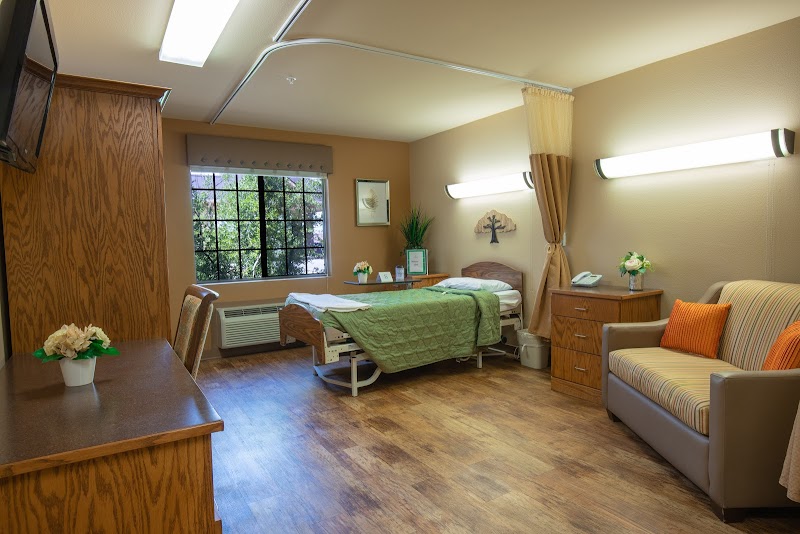
CMS rates The Suites Rio Vista's staffing level at 2 out of 5 stars, which is below average compared to other nursing homes. Staff turnover is 64%, which is 18 percentage points above the New Mexico average of 46%. High turnover can affect care consistency as new staff learn residents' individual needs. RN turnover specifically is 89%, which is notably high. RNs provide skilled clinical oversight, so turnover in this role can affect medical care quality.

What Have Inspectors Found at The Suites Rio Vista?

State health inspectors documented 83 deficiencies at The Suites Rio Vista during 2022 to 2025. These included: 4 that caused actual resident harm, 78 with potential for harm, and 1 minor or isolated issues. Deficiencies causing actual harm indicate documented cases where residents experienced negative health consequences.

Who Owns and Operates The Suites Rio Vista?

The Suites Rio Vista is owned by a for-profit company. For-profit facilities operate as businesses with obligations to shareholders or private owners. The facility is operated by EDURO HEALTHCARE, a chain that manages multiple nursing homes. With 136 certified beds and approximately 89 residents (about 65% occupancy), it is a mid-sized facility located in Rio Rancho, New Mexico.

How Does The Suites Rio Vista Compare to Other New Mexico Nursing Homes?

Compared to the 100 nursing homes in New Mexico, The Suites Rio Vista's overall rating (2 stars) is below the state average of 2.9, staff turnover (64%) is significantly higher than the state average of 46%, and health inspection rating (2 stars) is below the national benchmark.

What Should Families Ask When Visiting The Suites Rio Vista?

Based on this facility's data, families visiting should ask: "How do you ensure continuity of care given staff turnover, and what is your staff retention strategy?" "Can you walk me through typical staffing levels on day, evening, and night shifts?" "Can I visit during a mealtime to observe dining assistance and food quality?" "How do you handle medical emergencies, and what is your hospital transfer rate?" These questions are particularly relevant given the facility's high staff turnover rate and the below-average staffing rating.

Is The Suites Rio Vista Safe?

Based on CMS inspection data, The Suites Rio Vista has a clean safety record: no substantiated abuse findings (meaning no confirmed cases of resident harm), no Immediate Jeopardy citations (the most serious violation level indicating risk of serious injury or death), and is not on the Special Focus Facility watch list (a federal program monitoring the lowest-performing 1% of nursing homes). The facility has a 2-star overall rating and ranks #100 of 100 nursing homes in New Mexico. While no facility is perfect, families should still ask about staff-to-resident ratios and recent inspection results during their visit.

Do Nurses at The Suites Rio Vista Stick Around?

Staff turnover at The Suites Rio Vista is high. At 64%, the facility is 18 percentage points above the New Mexico average of 46%. Registered Nurse turnover is particularly concerning at 89%. RNs handle complex medical decisions and coordinate care — frequent RN changes can directly impact care quality. High turnover means new staff may not know residents' individual needs, medications, or preferences. It can also be disorienting for residents, especially those with dementia who rely on familiar faces. Families should ask: What is causing the turnover? What retention programs are in place? How do you ensure care continuity during staff transitions?

Was The Suites Rio Vista Ever Fined?

The Suites Rio Vista has been fined $93,914 across 1 penalty action. This is above the New Mexico average of $34,018. Fines in this range indicate compliance issues significant enough for CMS to impose meaningful financial consequences. Common causes include delayed correction of deficiencies, repeat violations, or care failures affecting resident safety. Families should ask facility leadership what changes have been made since these penalties.

Is The Suites Rio Vista on Any Federal Watch List?

The Suites Rio Vista is not on any federal watch list. The most significant is the Special Focus Facility (SFF) program, which identifies the bottom 1% of nursing homes nationally based on persistent, serious quality problems. Not being on this list means the facility has avoided the pattern of deficiencies that triggers enhanced federal oversight. This is a positive indicator, though families should still review the facility's inspection history directly.