ABSOLUT CTR FOR NURSING & REHAB ALLEGANY L L C
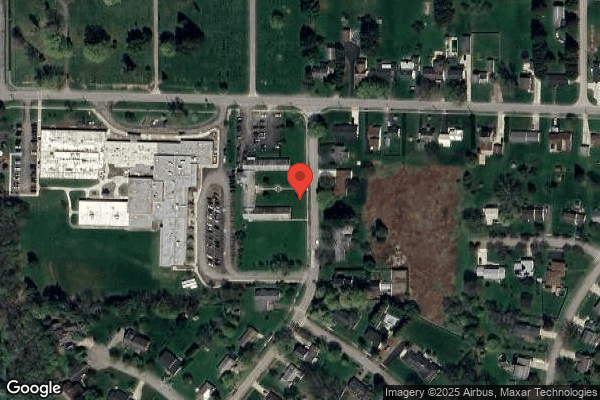
2178 NORTH FIFTH STREET, ALLEGANY, NY 14706 (716) 373-2238
For profit - Limited Liability company 37 Beds ABSOLUT CARE Data: November 2025
Trust Grade
90/100
#1 of 594 in NY
Last Inspection: March 2024

Within standard 12-15 month inspection cycle. Federal law requires annual inspections.

Overview

The Absolut Center for Nursing & Rehab Allegany L L C has received an impressive Trust Grade of A, indicating an excellent reputation and high level of care. It ranks #1 out of 594 facilities in New York and #1 out of 5 in Cattaraugus County, placing it at the very top of local options. The facility is currently on an improving trend, having reduced its identified issues from four in 2022 to zero in 2024. However, staffing is a concern, with a rating of 2 out of 5 stars and a turnover rate of 51%, which is higher than the state average. While there are no fines on record, specific incidents during inspections revealed weaknesses, such as staff not providing adequate assistance during meal times, failing to maintain residents' hygiene, and not using safety devices like gait belts during transfers, indicating areas that need attention.

Trust Score
A
90/100
In New York
#1/594
Top 1%
Safety Record
Low Risk
No red flags
Inspections
Getting Better
4 → 0 violations
Staff Stability
⚠ Watch
51% turnover. Above average. Higher turnover means staff may not know residents' routines.
Penalties
✓ Good
No fines on record. Clean compliance history, better than most New York facilities.
Skilled Nurses
⚠ Watch
Each resident gets only 29 minutes of Registered Nurse (RN) attention daily — below average for New York. Fewer RN minutes means fewer trained eyes watching for problems.
Violations
○ Average
7 deficiencies on record. Average for a facility this size. Mostly minor or procedural issues.
★★★★★
5.0
Overall Rating
★★☆☆☆
2.0
Staff Levels
★★★★☆
4.0
Care Quality
★★★★★
5.0
Inspection Score
Stable
2022: 4 issues
2024: 0 issues

The Good

  • 4-Star Quality Measures · Strong clinical quality outcomes
  • Full Sprinkler Coverage · Fire safety systems throughout facility
  • No fines on record

Facility shows strength in quality measures, fire safety.

The Bad

Staff Turnover: 51%

Near New York avg (46%)

Higher turnover may affect care consistency

Chain: ABSOLUT CARE

Part of a multi-facility chain

Ask about local staffing decisions and management

The Ugly 7 deficiencies on record

Jun 2022 4 deficiencies
CONCERN (D)

Potential for Harm - no one hurt, but risky conditions existed

Resident Rights (Tag F0550)

Could have caused harm · This affected 1 resident

Based on observation, interview and record review conducted during the Standard survey started 6/6/22 and complete 6/10/22, the facility did not promote care for residents in a manner that maintains o...

Read full inspector narrative →
Based on observation, interview and record review conducted during the Standard survey started 6/6/22 and complete 6/10/22, the facility did not promote care for residents in a manner that maintains or enhances his or her quality of life, recognizing each resident's individuality for one (Resident #7) of three residents reviewed for dignity with dining. Specifically, staff was observed standing while feeding, conversing with other staff, and leaving the resident unattended/unassisted to circulate the dining room. The findings are: Review of a facility policy and procedure (P&P) titled Feeding a Resident dated 3/1/2020 documented all nursing staff is to provide assistance to residents who are unable to feed themselves. The procedures documented to assist a resident with their meal at eye level (sitting). Review of facility P&P titled Privacy in Treatment and Care dated 3/1/2020 documented the resident is treated with consideration, respect, and full recognition of his/her dignity and individuality. Dignity means that in their interactions with residents, staff carries out activities that assist the resident to maintain and enhance his/her self-esteem and self-worth. 1. Resident #7 with diagnosis that include dementia, anxiety disorder and major depressive disorder. The Minimum Data Set (MDS - an assessment tool) dated 3/19/22 documented Resident #7 was rarely/never understood and rarely/never understands. The MDS documented the resident required extensive assistance of one person for eating. The Comprehensive Care Plan (CCP) initiated 2/17/22 and revised 6/9/22 documented Resident #7 required total assist of one for eating related to cognitive and physical impairments. During a continuous breakfast observation on 6/8/22 between 8:22 AM and 9:26 AM the following was observed: -8:22 AM- Resident #7 was seated in a Geri chair (specialized mobile reclining chair) next to a dining table, tilted backward and feet elevated. A staff member delivered Resident #7's meal tray to the table and left the resident unassisted and unattended. -8:29 AM- Registered Nurse (RN) #2 stood at the foot end of Resident #7's Geri-chair and offered them food and fluids. -8:35 AM- RN #2 stood at the foot end Resident #7 of the Geri-chair while feeding the resident and conversed with other staff members. RN #2 did not converse with Resident #7. -8:37 AM- RN #2 stopped feeding Resident #7, circulated the dining room and encouraged other residents to eat. -8:39 AM- RN #2 while standing offered one spoonful of food to Resident #7; stopped, circulated the dining room and encouraged other residents to eat. -8:42 AM- RN #2 stood at the foot end of the Geri-chair and fed Resident #7. -8:44 AM- RN #2 left the dining room, and Resident #7 unattended and unassisted with their meal. -8:46 AM- RN #2 returned to the dining room, stood at the foot end of Resident #7 offered them food/fluids, and conversed with Licensed Practical Nurse (LPN) #2. RN #2 did not converse with Resident #7. -8:48 AM- RN #2 left the dining room to assist another resident. -8:49 AM- RN #2 returned to the dining room, again stood at the foot end of Resident #7; offered them one spoonful of food and some fluids; circulated the dining room and encouraged other residents to eat. -8:50 AM- RN #2 stood at the foot end of Resident #7 and offered them food and fluids. -8:55 AM- RN #2 stopped feeding Resident #7, circulated the dining room and encouraged other residents to eat. -9:00 AM- RN #2 stood at the foot end of Resident #7 and offered them food and fluids. -9:05 AM- RN #2 stopped feeding Resident #7, again circulated the dining room and encouraged other residents to eat. -9:06 AM- RN #2 stood at the foot end of Resident #7 offered them one spoonful of food and fluids, stopped feeding Resident #7, and began to clean up the dining room tables. Resident #7 was transported out of dining room at 9:26 AM. During an interview on 6/8/22 at 9:26 AM, RN #2 stated they should have sat down while feeding Resident #7 because it was a dignity issue to stand over them. RN #2 stated they should have provided their attention and conversation to Resident #7 during the meal, so the resident knows they are important. RN #2 stated they were unable to sit down and interrupted Resident #7's meal to assist and encourage other residents that were in the dining room because there was not enough staff. During an interview on 6/9/22 at 2:40 PM, the Director of Nursing (DON) stated they would have expected staff to sit down next to Resident #7 and provide their attention to the resident during the entire meal to promote dignity to the resident. 415.5 (a)
CONCERN (D)

Potential for Harm - no one hurt, but risky conditions existed

ADL Care (Tag F0677)

Could have caused harm · This affected 1 resident

**NOTE- TERMS IN BRACKETS HAVE BEEN EDITED TO PROTECT CONFIDENTIALITY** Based on observation, interview, and record review completed during a Standard survey conducted from 6/6/22 through 6/10/22, the...

Read full inspector narrative →
**NOTE- TERMS IN BRACKETS HAVE BEEN EDITED TO PROTECT CONFIDENTIALITY** Based on observation, interview, and record review completed during a Standard survey conducted from 6/6/22 through 6/10/22, the facility did not ensure that each resident who was unable to carry out activities of daily living (ADL's) receives the necessary services to maintain grooming and personal hygiene. Specifically, two (Resident #2 and #27) of two residents reviewed for ADL's had lack of hand hygiene and glove changes during morning (AM) care (Resident #27), and long whiskers on upper lip and chin (Resident #2). The findings are: Review of the facility policy and procedure (P&P) titled Activities of Daily Living dated 3/2020 documented a resident is given the appropriate treatment and services to maintain or improve his or her ability to carry out the activities of daily living, including: Hygiene - bathing, dressing, grooming, and oral care. 1. Resident #27 was admitted to the facility with diagnoses including dementia, Parkinson's disease (tremors and rigidity of movement), and anxiety. The Minimum Data Set (MDS, a resident assessment tool) dated 5/5/22 documented resident #27 had moderate cognitive impairment, was frequently incontinent of urine, and required extensive assistance of one staff member for personal hygiene, toileting, and dressing. During an observation on 6/8/22 at 8:47 AM Certified Nurse Aide (CNA) #1 performed hand hygiene and donned (put on) gloves. CNA #1 cleansed Resident #27's genitalia, anus, and face without performing hand hygiene or changing gloves. CNA #1 continued to remove Resident #27's wet shirt (with a strong ammonia odor), wash the residents back, dress the resident, and transfer the resident into a wheelchair without performing hand hygiene or changing gloves. Review of the Centers for Disease Control and Prevention (CDC) definition of hand hygiene includes cleaning your hands by using either handwashing (washing hands with soap and water), or antiseptic hand rub (i.e., alcohol-based hand sanitizer including foam or gel). Hand hygiene is recommended before moving from work on a soiled body site to a clean body site on the same patient. Additionally, the CDC recommends wear gloves, according to Standard Precautions, when it can be reasonably anticipated that contact with blood or other potentially infectious materials, mucous membranes, non-intact skin, potentially contaminated skin, or contaminated equipment could occur. Change gloves and perform hand hygiene during patient care when moving from work on a soiled body site to a clean body site on the same patient. Review of the comprehensive care plan (CCP) with initiated date 1/20/22 documented Resident #27 required extensive assistance of one staff member for bathing, personal hygiene, and dressing. During an interview on 6/8/22 at 9:08 AM, CNA #1 stated they messed up and should have performed hand hygiene and changed their gloves when they completed bottom half and again when they completed top half to avoid cross contamination. During an interview on 6/9/22 at 12:20 PM, the Director of Nursing (DON) Infection Preventionist (IP) stated hand hygiene and glove changes are required when going from a dirty area (genitalia/anus) to a clean area (face), and prior to donning clothing to prevent cross contamination. During an interview on 6/9/22 at 12:28 PM, the Administrator stated hand hygiene and glove changes were expected when moving from cleansing lower body to cleansing upper body, and prior to donning clothing for cleanliness and prevention of cross contamination. 2. Resident #2 admitted to facility with diagnoses including dementia, schizoaffective disorder (mental health disorder), and hypertension. The MDS dated [DATE] documented Resident #2 had moderate cognitive impairment and required extensive assistance of one staff member for personal hygiene. Additionally, the MDS documented no rejection of care or behavioral symptoms. During intermittent observations on 6/7/22, 6/8/22, and 6/9/22 between 7:30 AM and 3:00 PM Resident #2 was observed with facial hair on the upper lip and chin approximately one quarter inch in length. Review of the facility [NAME] (guide for providing care) with a print date of 6/10/22 documented Resident #2 required extensive assist of one staff member for personal hygiene. During an interview on 6/9/22 at 11:49 AM, CNA #1 stated they provided care to Resident #2 earlier in their shift. CNA #1 stated they did not notice any facial hair on Resident #2. Upon entering Resident #2's room at 11:55 AM, CNA #1 stated the resident has long whiskers around the lip and chin. During an interview on 6/9/22 at 12:10 PM, Licensed Practical Nurse (LPN) #2 stated CNAs are responsible to trim residents' facial hair, and it is the LPN's responsibility to ensure the CNAs are completing the residents care which includes trimming facial hair. During an interview on 6/9/22 at 2:34 PM, the DON stated anyone in the nursing department should identify facial hair and ensure the facial hair is removed if the resident agrees to have the facial hair removed. 415.12(a)(3)
CONCERN (D)

Potential for Harm - no one hurt, but risky conditions existed

Accident Prevention (Tag F0689)

Could have caused harm · This affected 1 resident

Based on observation, interview, and record review conducted during the Standard survey started 6/6/22 and completed 6/10/22, the facility did not ensure each resident receives adequate supervision an...

Read full inspector narrative →
Based on observation, interview, and record review conducted during the Standard survey started 6/6/22 and completed 6/10/22, the facility did not ensure each resident receives adequate supervision and assistance devices to prevent accidents for one (Resident #27) of one resident's reviewed. Specifically, Resident (#27) with a history of falls, was observed to be transferred without the use of a gait belt (assistive device used to help safely transfer a resident) as planned. The finding is: The facility policy and procedure (P&P) titled Transfer & Ambulation, revised date 7/2014 documented all reasonable steps are taken to keep patients safe from accident and injury. Gait belts are provided to assist staff to safely transfer or ambulate patients. 1. Resident #27 was admitted to the facility with diagnoses including dementia, Parkinson's disease (tremors and rigidity of movement), and anxiety. The Minimum Data Set (MDS, a resident assessment tool) dated 5/5/22 documented Resident #27 had moderate cognitive impairment and required extensive assistance (staff provide weight bearing support) of one staff member for transfers and bed mobility. The comprehensive care plan (CCP) documented Resident #27 required extensive assistance of one staff member with the use of a gait belt for transfers (date initiated 1/20/22). The facility Fall Risk Assessment dated 5/12/22 and signed by Registered Nurse (RN) #1 Resident Care Coordinator (RCC) documented Resident #27 was at high risk for falls, had multiple falls in the past six months, and exhibited loss of balance while standing. During an observation on 6/6/22 at 12:59 PM, certified occupational therapy assistant (COTA) #1 transferred Resident #27 from the wheelchair to the bed by placing their hands on each side of Resident #27's waist, pulling the resident to a standing position, and pivoting the resident into bed without the use of a gait belt. Resident #27 was observed to be unsteady, resistive, and almost fell to the floor during the transfer. During an interview on 6/6/22 at 1:04 PM, COTA #1 stated Resident #27 required extensive assistance of one staff member with the use of a gait belt for transfers. COTA #1 stated they forgot to apply the gait belt prior to transferring Resident #27. COTA #1 also stated Resident #27 was having difficulty transferring today (6/6/22), that they should have sat the resident back down, used the gait belt and gotten someone to assist with the transfer. During an interview on 6/9/22 at 10:58 AM, the Occupational Therapist (OT) #1 stated Resident #27 required extensive assistance of one staff member with the use of a gait belt for transfers. Additionally, the OT stated the gait belt was utilized for the safety of the resident during transfers to prevent falls. During an interview on 6/9/22 at 12:17 PM, the Director of Nursing (DON) stated staff should follow the CCP to ensure the safe transfers of residents. During an interview on 6/9/22 at 12:30 PM, the Administrator stated the CCP should be followed for the safety of the resident, staff member, and the prevention of falls. 415.12(h)(2)
CONCERN (D)

Potential for Harm - no one hurt, but risky conditions existed

Deficiency F0761 (Tag F0761)

Could have caused harm · This affected 1 resident

**NOTE- TERMS IN BRACKETS HAVE BEEN EDITED TO PROTECT CONFIDENTIALITY** Based on observation, interview and record review conducted during the Standard survey started 6/6/22 and completed 6/10/22, the...

Read full inspector narrative →
**NOTE- TERMS IN BRACKETS HAVE BEEN EDITED TO PROTECT CONFIDENTIALITY** Based on observation, interview and record review conducted during the Standard survey started 6/6/22 and completed 6/10/22, the facility did not maintain drugs and biologicals labeled in accordance with current accepted professional standards, and include the appropriate accessory and cautionary instruction, and the expiration date when applicable for one medication cart of one medication cart reviewed. Specifically, the medication cart had multi-dose eye drop bottles that were open and in use, that were not labeled with open/discard date. This involved Residents #20, 26 and 32. The finding is: The facility policy and procedure (P&P) titled Medication/Treatment Labeling and Storage dated 3/1/20 documented it shall be the policy of the facility to maintain proper labels for medications and proper storing instructions. The Vendor or facility Pharmacy will label medication/treatments with auxiliary labels such as refrigerate, shake well, and whatever added directions for storage or use apply. Review of a reference titled Remedi Senior Care Education - Medications with Shortened Expiration Dates dated July 2015 documented ophthalmic product Latanoprost refrigerate until opened, may be used for 42 days after opening. 1. Resident #20 was admitted with diagnoses including dementia, major depressive disorder and atherosclerotic heart disease. The Minimum Data Set (MDS - a resident assessment tool) dated 4/10/22 documented Resident #20 was severely cognitively impaired. Review of the Physician Order Audit Report dated 6/7/22, documented Latanoprost Solution instill one drop in both eyes one time a day for glaucoma, order date 5/26/22. Review of the Medication Administration Record (MAR) dated 6/1/22 through 6/30/22 documented Latanoprost Solution instill one drop in both eyes one time a day for glaucoma, and was initialed as administered each day as ordered 6/1/22 through 6/6/22. 2. Resident #26 was admitted with diagnoses including dementia, anxiety disorder and chronic obstructive pulmonary disease. The MDS dated [DATE] documented Resident #26 was severely cognitively impaired. Review of the Physician Order Audit Report dated 6/7/22, documented Latanoprost 0.005% Solution instill one drop in both eyes at bedtime for ocular pressure, order date 9/24/21. Review of the MAR dated 6/1/22 through 6/30/22 documented Latanoprost Solution 0.005% instill one drop in both eyes at bedtime for ocular pressure, and was initialed as administered each day as ordered 6/1/22 through 6/6/22. 3. Resident #32 was admitted with diagnoses including dementia, anxiety disorder and major depression disorder. The MDS dated [DATE] documented Resident #26 was rarely/never understood and sometimes understands. Review of the Physician Order Audit Report dated 6/7/22, documented Latanoprost solution 0.005% instill one drop in both eyes one time a day for eye pressure, order date 3/10/22. Review of the MAR dated 6/1/22 through 6/30/22 documented Latanoprost Solution 0.005% instill one drop in both eyes one time a day for eye pressure, and was initialed as administered each day as ordered 6/1/22 through 6/7/22. During an observation of the facility medication cart on 6/7/22 at 9:34 AM, in the presence of Licensed Practical Nurse (LPN) #1, revealed the following: - an open and in use bottle of Latanoprost 0.005% Solution (eye drops) with a pharmacy dispense date of 4/7/22 for Resident #20. The bottle or box was not labeled with an open date or a discard date. -an open and in use bottle of Latanoprost 0.005% Solution with a pharmacy dispense date of 11/4/21 for Resident #26. The bottle or box was not labeled with an open date or a discard date. - an open and in use bottle Latanoprost 0.005% Solution with a pharmacy dispense date of 11/9/21 for Resident #32. The bottle or box was not labeled with an open date or a discard date. During an interview on 6/7/22 at 9:34 AM, LPN #1 stated all eye drop bottles should have an open date written on them and should be discarded 30 days after opening. During an interview on 6/9/22 at 3:22 PM, the dispensing Pharmacy's pharmacist stated the Latanoprost Solution eye drops identified as opened and undated for Resident #20, 26 and 32 should have been dated and discarded 30 days after opening. During an interview on 6/9/22 at 4:00 PM, Registered Nurse (RN) #2 stated the Latanoprost Solution (eye drops) identified as opened and undated for Residents #20, 26 and 32 should have had an open date written on it and be discarded after 30 days. RN #2 stated there were additional unopened bottles of Latanoprost for Residents #20, 26 and 32 in the over-flow cabinet in the medication room. During an interview on 6/10/22 at 8:07 AM, the Director of Nursing (DON) stated the nurses were responsible to date the eye drop box or bottle when it was opened. They would have expected the nurses to identify the date during medication administration and discard it 30 days after opening. During an interview on 6/10/22 at 8:46 AM, the facility's Pharmacy Consultant stated they had not reviewed the medication cart or medication room for expired medications for the past few months and believed the last time they had reviewed medication storage was in January or February of 2022. The Pharmacy Consultant stated Latanoprost should be dated when opened and discarded appropriately because it has a shortened expiration date. 415.18 (d)
Oct 2019 3 deficiencies
CONCERN (D)

Potential for Harm - no one hurt, but risky conditions existed

Investigate Abuse (Tag F0610)

Could have caused harm · This affected 1 resident

**NOTE- TERMS IN BRACKETS HAVE BEEN EDITED TO PROTECT CONFIDENTIALITY** Based on interview and record review conducted during a Standard survey completed on 10/10/19, the facility did not ensure that ...

Read full inspector narrative →
**NOTE- TERMS IN BRACKETS HAVE BEEN EDITED TO PROTECT CONFIDENTIALITY** Based on interview and record review conducted during a Standard survey completed on 10/10/19, the facility did not ensure that all alleged violations of abuse, neglect, exploitation, or mistreatment are thoroughly investigated for one (Residents #8) of one resident reviewed for verbal abuse. Specifically, the facility did not complete a thorough investigation to rule out verbal abuse after Resident #8 filed a complaint. The facility's investigation lacked staff and resident's statements. The finding is: The facility policy titled Abuse, Neglect, Mistreatment and Misappropriation of Resident Property dated 8/1/17 documented abuse is the willful infliction of injury, unreasonable confinement, intimidation, or punishment with resulting physical harm, pain or mental anguish. Abuse includes verbal, sexual, physical and mental, including abuse facilitated or enabled through the use of technology. It is the policy of the facility that reports of abuse are promptly and thoroughly investigated. When an incident or suspected incident of abuse is reported, the Administrator or designee will investigate the incident with the assistance of appropriate personnel. The investigation will include: Who is involved; Residents' statements; description of resident's behavior and environment at the time of the incident; observation of resident and staff behaviors during the investigation. 1. Resident #8 was admitted to the facility on [DATE] with diagnoses including displaced fracture of left humerus (long bone in the arm) and femur (thigh bone), anxiety disorder, and chronic pain syndrome. Review of the Minimum Data Set (MDS - a resident assessment tool) dated 8/7/19 revealed the resident was cognitively intact, understood and usually understands. During an interview on 10/7/19 at 10:30 AM Resident #8 stated, One evening I was in extreme pain because I had been sitting up for a long period of time and it stated to get late. At around 9:00 PM, I put my call bell on to ask when they would be putting me back to bed and the nurse named (name of employee) yelled at me saying, I am not the only resident here and that there are 40 other residents they have to take care of and that I would have to wait. Resident #3 stated after (name of employee) yelled at her the resident began to cry really bad alone in her room. The resident stated (name of employee) was very mean and felt that it was verbal abuse. Resident stated she told the DON (Director of Nursing) about the incident and since that incident (name of employee) has not been on her side. When she sees (name of employee) in the halls, she is a lot nicer to her. She does not feel afraid of (name of employee). Review of the Complaint/ Grievance Form dated 8/9/19 revealed nature of the complaint was regarding to speak with the resident of delay of evening cares. When answering needs staff short with responses. Did note overnight staff assisted with cares and resident's preferences/ comfort. Response to complainant: General in service to be initiated. DON made aware- noted RN (Registered nurse)/ all staff doing multiple roles previous evening. Action Taken: In service initiated about appropriate responses, timely call bell answering. Recommendations: Noted resident has a very specific routine for care in room. Overall most are aware and adhere to resident's preferences and patterns. Continue to monitor for any further concerns. Reviewed/ Resolved: No harm. On 8/13/19 complainant notified: met with resident, updated on general in service, no further concerns. Review of Inservice Record/ Summary Report of Meeting dated 8/9/19 subject covered: all residents are to be treated with respect at all times regardless of your position you are assigned to on that scheduled day. Answer call lights respond appropriately complete task if able. Anyone can answer a call bell, and everyone can be friendly when responding. During an interview on 10/9/19 at 1:36 PM, the Social Worker stated, I started the complaint that Resident #8 had regarding the staff. I was looking at this for abuse and trying to rule it out. I did not receive statements from the staff or other residents. Resident stated she was waiting to go to bed and got to bed later than she planned. Apparently, staff had another resident they were attending to. The resident complained that it was just the evening staff on. I was not sure which staff she was speaking of, it may have been two RNs (registered nurses) she was speaking of, (name of employee and name of employee). An in-service was generated the next day on how staff should be responding to the call bells. I did meet with the Administrator and Director of Nursing regarding this and it was decided that it was more an issue with customer service versus abuse. During an interview on 10/9/19 at 1:48 PM, the DON (Director of Nursing) stated When we do investigations and if staff is involved, I will have them give me statements. I did speak to the staff that were on. I have to look for the statements. I normally will give the statements to the Social Worker to keep in her files. We typically speak to other resident regarding issues to establish if it was a pattern, but I did not talk to any other residents. This complaint we were not looking at it for abuse. This resident is very particular with when and how things are done. We were looking at the complaint for customer satisfaction, not abuse. The resident never told me that anyone yelled at her and I felt it wasn't abuse because the resident never reported to me that staff was verbally abusing her. During an interview on 10/9/19 at 1:58 PM the Administrator stated, The resident said she did not like the response the nurse gave her. We felt that is the difference between the way the nurse responded and how the resident took. The nurse gave her a quick short answer. At first, we were looking at it as abuse, but felt that it wasn't, and it was just how the resident took the response. At the time we heard about the complaint I thought it was about customer service. We never considered it was neglect or abuse. The nurse the resident was speaking of was (name of employee). I am going to tell you that I do not think that there are any statements from staff or other residents because we were looking at it more for customer satisfaction. This was not reported to the Department of Health because we felt it was not abuse, we were looking at. During an additional interview on 10/9/19 at 3:06 PM, the DON stated, I could not find any statement for the nurses or residents. I do not have any. During an interview on 10/10/19 at 7:59 AM, the Social Worker stated, The DON and I submitted the allegation to the DOH NYS (New York State Department of Health) last night. We feel that this could have been possible verbal abuse after speaking to the surveyor. We also re-interviewed the resident and started interviewing staff. 415.4(b)(3)
CONCERN (D)

Potential for Harm - no one hurt, but risky conditions existed

Medication Errors (Tag F0758)

Could have caused harm · This affected 1 resident

**NOTE- TERMS IN BRACKETS HAVE BEEN EDITED TO PROTECT CONFIDENTIALITY** Based on observation, interview, and record review conducted during the Standard survey completed on 10/10/19, the facility did ...

Read full inspector narrative →
**NOTE- TERMS IN BRACKETS HAVE BEEN EDITED TO PROTECT CONFIDENTIALITY** Based on observation, interview, and record review conducted during the Standard survey completed on 10/10/19, the facility did not ensure each resident's drug regimen is free from unnecessary drugs, and residents who have not used psychotropic drugs are not given these drugs unless the medication is necessary to treat a specific condition as diagnoses and documented in the clinical record. An unnecessary drug includes drugs used without adequate indications for its use and without adequate monitoring for one (Resident #9) of five residents reviewed for unnecessary medications. Specifically, there was a lack of revised non pharmacological interventions and behavioral documentation to support the increased dose of Abilify (antipsychotic medication). The finding is: The facility policy and procedure titled Use of Psychoactive Medications with a revision date of 3/2015 documented diagnoses alone do not warrant the use of antipsychotic medication. Antipsychotic medications will generally only be considered if the following conditions are also met, the behavior symptoms present a danger to the resident or others, the symptoms are identified as being due to mania or psychosis and behavior interventions have been attempted and included in the plan of care (POC). For enduring psychiatric conditions, antipsychotic medications will not be used unless behavioral symptoms are persistent or likely to occur without continued treatment and not sufficiently relieved by non-pharmacological interventions. 1. Resident #9 was admitted to the facility on [DATE] with diagnoses to include bipolar disorder, traumatic brain injury (TBI-injury to the brain) and seizures. The Minimum Data Set (MDS -a resident assessment tool) dated 8/8/19 documented the resident was is cognitively intact, understood and usually understands. The MDS documented the resident received antipsychotic medication. Review of the Order Summary Report dated 10/1/19 revealed an order for Abilify five milligrams (5 mg) by mouth (PO) one time a day (QD). Review of the untitled comprehensive care plan with a revision date of 8/15/19 revealed the resident had a mood problem related to bipolar depression and anxiety. Psychotropic drug use on file. Per psychologist recent Gradual Dose Reduction (GDR) of antipsychotic medication along with resident's hearing difficulty increases risk of paranoia. Interventions to include 1:1 with social work as needed, Abilify per order, phone family when anxious for reassurance and offer a snack/food as needed. Review of an untitled Nurse Practitioner (NP) progress note dated 8/13/19 revealed under Assessment and Plan documented Bipolar take a ½ (one half) tab of 5 mg Abilify, GDR. Progress Note dated 8/13/19 at 7:39 AM documented NP in to see the resident, new order to decrease Abilify to 2.5 mgs. Psych recommended to decrease to 4 mg, despite their recommendations, NP wants to decrease Abilify to 2.5 mg. Progress Note dated 8/15/19 at 1:32 PM documented no behaviors today. Pharmacy called to clarify insurance refusal for 4 mg as recommended by psych, stated will only cover 1 pill a day, despite diagnosis of schizophrenia and bipolar. Does not come in 4 mg tablets. Progress Note dated 8/15/19 at 3:06 PM documented resident took all his belongings from the dresser and closet and threw them all over the room; was very upset and became verbally aggressive with staff, easily redirected and did go back and cleaned it up. The Psychotherapy Progress note dated 8/15/19 documented the resident's current symptoms were mild depressed mood, mild anxiety and mild suspicious behavior. The resident displayed mildly suspicious thinking regarding lost personal items that have never been in the facility, strongly suggest the resident receives some additional staff attention to assist with letting go of things that can't be rectified. Progress Note dated 8/16/19 at 11:35 AM documented, resident with increased anxiety today regarding dentures and dental visit today. Spoke with pharmacy for paper work to authorize Abilify 4 mg per psych recommendations. Review of the Progress Notes 8/17/19 through 8/23/19 revealed there was no documented evidence of behaviors. Review of a History and Physical dated 8/23/19 revealed the resident had been on Abilify and moods have improved significantly. Recently decreased Abilify and he was getting extremely agitated and obsessive, compulsive thoughts as well as paranoid. Patient was also having significant mood swings. Assessment and Plan; Abilify was decreased, mood and behaviors increased, 5mg was a slightly higher dose as he became slightly drowsy, give him 4 mg. Progress note dated 8/23/19 at 10:27 PM revealed approval given to increase Abilify to 4 mg. During an observation on 10/09/19 at 2:26 PM revealed the resident in w/c (wheelchair) at the nurse' station talking to a nurse regarding upcoming appointments, good spirits. There were no behaviors or anxiety noted. During an observation on 10/10/19 at 7:28 AM the resident was in his room sleeping in his wheel chair. There were no behaviors or anxiety noted. During an interview on 10/10/19 at 8:16 AM, the Social Worker (SW) stated the Behavior Modification Assessment Record Committee (BMARC) was held monthly. The resident's behaviors are that he gets very anxious. It's usually a team decision for GDR but she was unsure why it was increased to 4 mg in August from 2.5 mg with stable behaviors. Non- pharmacological interventions included the resident goes to see the SW usually daily. Additionally, Staff should be documenting during times of anxiety and if non- pharmacological interventions are working or not. During an interview on 10/10/19 at 10:53 AM, the Pharmacy Consultant stated she believed it was an insurance issue the medication was increased because Abilify only comes in 2 and 5mg and is not scored. It was discussed at last BMARC because she was confused of why the facility was making multiple changes with the medication, This was a mess, because the behavior documentation wasn't there, I told them (the interdisciplinary team) if their having a problem with the medication they should be documenting it in the medical record. The Pharmacy Consultant also stated there was a couple behavior episodes documented at that time, but was unsure if that was the reason the medication was increased to 4 mg. There should be non- pharmacological interventions documented with the episodes. During a telephone interview on 10/10/19 at 11:50 AM, the Director of Nursing (DON) stated BMARC was held monthly. The NP/MD usually are not in attendance. He (the resident) has anxious behaviors about his TV, oxygen, things like that. It's almost daily and usually managed with 1:1 with the SW, he sees her routinely. She was unsure of why the MD increased the Abilify to 4 mg in the short time it was decreased by the NP. During a telephone interview on 10/10/19 at 12:09 PM, the NP stated if the resident was having behaviors it would have been reported to her. She GDR'd it to 2.5 mg because the recommend dose of 4 mg doesn't come that way and had something to do with the insurance. The resident was seen on 8/23/19 and the MD made changes to the Abilify. She was unsure where the MD received the information on the resident's behaviors documented in his note; as the progress notes don't reflect those behaviors. During a telephone interview on 10/10/19 at 12:53 PM, the Medical Director stated he does not review the progress notes for resident behaviors, but he always rounds with the nurses and talks to the Social Worker. If the behaviors are documented in his note, then he got the behavior information from the nurses or Social Worker. 415.12(1)(2)(i)
MINOR (B)

Minor Issue - procedural, no safety impact

Deficiency F0711 (Tag F0711)

Minor procedural issue · This affected multiple residents

**NOTE- TERMS IN BRACKETS HAVE BEEN EDITED TO PROTECT CONFIDENTIALITY** Based on interview and record review conducted during the Standard survey completed on 10/10/19, the physician must sign and dat...

Read full inspector narrative →
**NOTE- TERMS IN BRACKETS HAVE BEEN EDITED TO PROTECT CONFIDENTIALITY** Based on interview and record review conducted during the Standard survey completed on 10/10/19, the physician must sign and dated all orders, with the exception of influenza and pneumococcal vaccines during visits. Three (Residents #2, #23 and #24) of fifteen residents reviewed for physician had issues. Specifically, the facility did not ensure the physician or non-physician provider signed and dated all orders during visits. The finding is: The policy and procedure (P&P) titled Medication and Treatment Orders with a revision date of 4/2014 documented drug and biological orders shall be written, dated, and signed by the person lawfully authorized to give such an order. The signing of the orders shall be by signature or a personal computer key. Signature stamps may not be used. 1. Resident #2 was admitted to the facility on [DATE] with diagnoses including dementia, Parkinson's Disease and diabetes mellitus (DM). The Minimum Data Set (MDS- a resident assessment tool) dated 6/27/19 documented the resident was cognitively intact, was understood and understands. Review of the Nurse Practitioner (NP) visit note dated 10/1/19 revealed the resident was seen on this date by the provider. Review of the Physician's Orders on 10/10/19 revealed the Standing and Routine orders had not been signed or dated by the provider since 5/27/19. 2. Resident #24 was admitted to the facility on [DATE] with diagnoses including dementia, depression and constipation. The MDS dated [DATE] revealed the resident was moderately cognitively impaired, was understood and usually understands. Review of the Physician's visit dated 5/17/19 revealed the resident was seen on this date by the provider. Review of the Physician's Orders on 10/10/19 revealed the Standing and Routine orders had not been signed or dated by the provider since 5/27/19. 3. Resident #23 was admitted to the facility on [DATE] with diagnosis including depression, diabetes mellitus (DM) and cerebral infarction (CVA-a stroke). The MDS dated [DATE] documented the resident was cognitively intact, was understood and understands. Review of the Physician's Orders on 10/10/19 revealed the Standing and Routine orders had not been signed or dated by the provider since 5/27/19. During an interview on 10/10/19 at 9:39 AM, the Director of Nursing (DON) stated the Medical Director signs off all the physician orders in the Electronic Medical Record (EMR). The DON was unsure how offend or when the Medical Director signs off on the standing orders. The Medical Records Coordinator was responsible for monitoring the orders to ensure they were being signed electronically. During and interview on 10/10/19 at 9:49 AM, the Medical Records Coordinator stated he had work at the facility for approximately two months and was still learning. He was unsure how offend the physician orders should be signed or when the physician signs them. During a telephone interview on 10/10/19 at 9:55 AM, the Medical Director stated he signs the orders everyday electronically. New orders should be signed with in 48 hours and standing orders should be signed every three months. 415.15(b)(2)(iii)
Understanding Severity Codes (click to expand)
Life-Threatening (Immediate Jeopardy)
J - Isolated K - Pattern L - Widespread
Actual Harm
G - Isolated H - Pattern I - Widespread
Potential for Harm
D - Isolated E - Pattern F - Widespread
No Harm (Minor)
A - Isolated B - Pattern C - Widespread

Questions to Ask on Your Visit

  • "Can I speak with families of current residents?"
  • "What's your RN coverage like on weekends and overnight?"

Our Honest Assessment

Strengths
  • • Grade A (90/100). Above average facility, better than most options in New York.
  • • No major safety red flags. No abuse findings, life-threatening violations, or SFF status.
  • • No fines on record. Clean compliance history, better than most New York facilities.
Concerns
  • • No significant concerns identified. This facility shows no red flags across CMS ratings, staff turnover, or federal penalties.
Bottom line: Generally positive indicators. Standard due diligence and a personal visit recommended.

About This Facility

What is Absolut Ctr For Nursing & Rehab Allegany L L C's CMS Rating?

CMS assigns ABSOLUT CTR FOR NURSING & REHAB ALLEGANY L L C an overall rating of 5 out of 5 stars, which is considered much above average nationally. Within New York, this rating places the facility higher than 99% of the state's 100 nursing homes. This rating reflects solid performance across the metrics CMS uses to evaluate nursing home quality.

How is Absolut Ctr For Nursing & Rehab Allegany L L C Staffed?

CMS rates ABSOLUT CTR FOR NURSING & REHAB ALLEGANY L L C's staffing level at 2 out of 5 stars, which is below average compared to other nursing homes. Staff turnover is 51%, compared to the New York average of 46%.

What Have Inspectors Found at Absolut Ctr For Nursing & Rehab Allegany L L C?

State health inspectors documented 7 deficiencies at ABSOLUT CTR FOR NURSING & REHAB ALLEGANY L L C during 2019 to 2022. These included: 6 with potential for harm and 1 minor or isolated issues.

Who Owns and Operates Absolut Ctr For Nursing & Rehab Allegany L L C?

ABSOLUT CTR FOR NURSING & REHAB ALLEGANY L L C is owned by a for-profit company. For-profit facilities operate as businesses with obligations to shareholders or private owners. The facility is operated by ABSOLUT CARE, a chain that manages multiple nursing homes. With 37 certified beds and approximately 35 residents (about 95% occupancy), it is a smaller facility located in ALLEGANY, New York.

How Does Absolut Ctr For Nursing & Rehab Allegany L L C Compare to Other New York Nursing Homes?

Compared to the 100 nursing homes in New York, ABSOLUT CTR FOR NURSING & REHAB ALLEGANY L L C's overall rating (5 stars) is above the state average of 3.1, staff turnover (51%) is near the state average of 46%, and health inspection rating (5 stars) is much above the national benchmark.

What Should Families Ask When Visiting Absolut Ctr For Nursing & Rehab Allegany L L C?

Based on this facility's data, families visiting should ask: "Can you walk me through typical staffing levels on day, evening, and night shifts?" "Can I visit during a mealtime to observe dining assistance and food quality?" "How do you handle medical emergencies, and what is your hospital transfer rate?" "Can I speak with family members of current residents about their experience?" These questions are particularly relevant given the below-average staffing rating.

Is Absolut Ctr For Nursing & Rehab Allegany L L C Safe?

Based on CMS inspection data, ABSOLUT CTR FOR NURSING & REHAB ALLEGANY L L C has a clean safety record: no substantiated abuse findings (meaning no confirmed cases of resident harm), no Immediate Jeopardy citations (the most serious violation level indicating risk of serious injury or death), and is not on the Special Focus Facility watch list (a federal program monitoring the lowest-performing 1% of nursing homes). The facility has a 5-star overall rating and ranks #1 of 100 nursing homes in New York. While no facility is perfect, families should still ask about staff-to-resident ratios and recent inspection results during their visit.

Do Nurses at Absolut Ctr For Nursing & Rehab Allegany L L C Stick Around?

ABSOLUT CTR FOR NURSING & REHAB ALLEGANY L L C has a staff turnover rate of 51%, which is 5 percentage points above the New York average of 46%. Moderate turnover is common in nursing homes, but families should still ask about staff tenure and how the facility maintains care continuity when employees leave.

Was Absolut Ctr For Nursing & Rehab Allegany L L C Ever Fined?

ABSOLUT CTR FOR NURSING & REHAB ALLEGANY L L C has no federal fines on record. CMS issues fines when nursing homes fail to meet care standards or don't correct problems found during inspections. The absence of fines suggests the facility has either maintained compliance or corrected any issues before penalties were assessed. This is a positive indicator, though families should still review recent inspection reports for the full picture.

Is Absolut Ctr For Nursing & Rehab Allegany L L C on Any Federal Watch List?

ABSOLUT CTR FOR NURSING & REHAB ALLEGANY L L C is not on any federal watch list. The most significant is the Special Focus Facility (SFF) program, which identifies the bottom 1% of nursing homes nationally based on persistent, serious quality problems. Not being on this list means the facility has avoided the pattern of deficiencies that triggers enhanced federal oversight. This is a positive indicator, though families should still review the facility's inspection history directly.