AUBURN REHABILITATION & NURSING CENTER
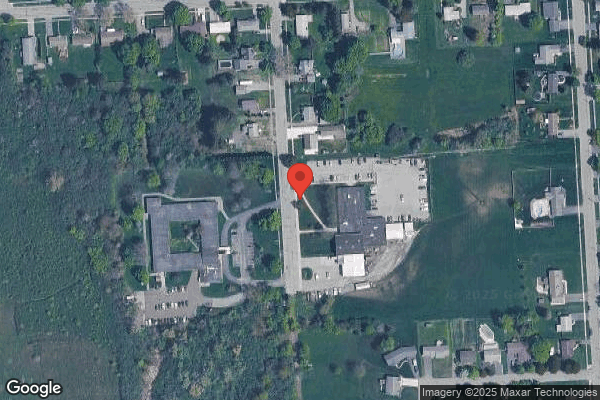
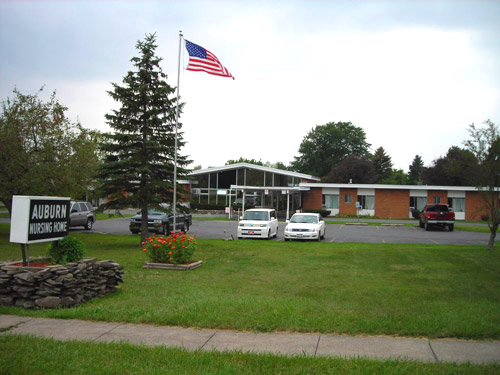
85 THORNTON AVENUE, AUBURN, NY 13021 (315) 253-7351
For profit - Limited Liability company 92 Beds PERSONAL HEALTHCARE, LLC Data: November 2025
Trust Grade
28/100
#476 of 594 in NY
Last Inspection: January 2025

Within standard 12-15 month inspection cycle. Federal law requires annual inspections.

Overview

Auburn Rehabilitation & Nursing Center has received a Trust Grade of F, indicating poor performance and significant concerns. It ranks #476 out of 594 nursing homes in New York, placing it in the bottom half of facilities in the state, and #4 out of 4 in Cayuga County, meaning there are no better local options available. While the number of reported issues has improved from 14 in 2023 to 12 in 2025, the facility still faces serious challenges, including a concerning 57% staff turnover rate, which is above the state average and suggests instability. Additionally, the center has incurred $10,901 in fines, which is higher than 80% of other facilities in New York, indicating repeated compliance issues. Some specific incidents include a resident developing a blister due to inadequate monitoring during therapy and multiple residents not receiving necessary personal care services, such as grooming and hygiene, raising significant concerns about the overall quality of care.

Trust Score
F
28/100
In New York
#476/594
Bottom 20%
Safety Record
Moderate
Needs review
Inspections
Getting Better
14 → 12 violations
Staff Stability
⚠ Watch
57% turnover. Above average. Higher turnover means staff may not know residents' routines.
Penalties
✓ Good
$10,901 in fines. Lower than most New York facilities. Relatively clean record.
Skilled Nurses
○ Average
Each resident gets 34 minutes of Registered Nurse (RN) attention daily — about average for New York. RNs are the most trained staff who monitor for health changes.
Violations
⚠ Watch
32 deficiencies on record. Higher than average. Multiple issues found across inspections.
★☆☆☆☆
1.0
Overall Rating
★★☆☆☆
2.0
Staff Levels
★★★☆☆
3.0
Care Quality
★☆☆☆☆
1.0
Inspection Score
Stable
2023: 14 issues
2025: 12 issues

The Good

  • Full Sprinkler Coverage · Fire safety systems throughout facility
  • No fines on record

Facility shows strength in fire safety.

The Bad

1-Star Overall Rating

Below New York average (3.0)

Significant quality concerns identified by CMS

Staff Turnover: 57%

11pts above New York avg (46%)

Frequent staff changes - ask about care continuity

Federal Fines: $10,901

Below median ($33,413)

Minor penalties assessed

Chain: PERSONAL HEALTHCARE, LLC

Part of a multi-facility chain

Ask about local staffing decisions and management

Staff turnover is elevated (57%)

9 points above New York average of 48%

The Ugly 32 deficiencies on record

1 actual harm
Jan 2025 12 deficiencies 1 Harm
SERIOUS (G) 📢 Someone Reported This

A family member, employee, or ombudsman was alarmed enough to file a formal complaint

Actual Harm - a resident was hurt due to facility failures

Accident Prevention (Tag F0689)

A resident was harmed · This affected 1 resident

Based on observations, record review, and interviews during the recertification and abbreviated surveys (NY00364436) conducted 1/2/2025 -1/7/2025, the facility did not ensure residents received adequa...

Read full inspector narrative →
Based on observations, record review, and interviews during the recertification and abbreviated surveys (NY00364436) conducted 1/2/2025 -1/7/2025, the facility did not ensure residents received adequate supervision to prevent accidents for 1 of 4 residents (Resident #276) reviewed. Specifically, Resident #276 did not have their hydrocollator pack (a device that heats cloth pads filled with a soft clay to provide moist heat therapy) monitored during therapy, causing a blister to their shoulder. This resulted in harm to Resident #276 that was not Immediate Jeopardy. Findings include: The updated facility policy, Applying a hydrocollator Pack, documented the hydrocollator was placed in the pocket of the terry cloth covering, then three (3) double-layer terry cloth towels were applied. The resident was checked for redness after five (5) minutes and if redness found, another layer of protective terry cloth towels was placed to prevent a burn. The hydrocollator was removed after 20 minutes. Hydrocollator temperatures were taken daily to ensure they were between 160 and 166 degrees Fahrenheit and recorded in a temperature log. The John Hopkins University classification of burns documented: - First-degree (superficial) burns affect only the outer layer of skin. The burn site is red, painful, dry, and with no blisters. - Second-degree (partial thickness) burns involve the outer layer and part of the second layer (dermis) of skin. The burn site appears red, blistered, and may be swollen and painful. Resident #276 had diagnoses including arthritis, chronic venous insufficiency (poor circulation), and morbid obesity. The 11/17/2024 Minimum Data Set (an assessment tool) admission assessment documented the resident had intact cognition, required moderate to maximum assistance for most activities of daily living, had constant pain in the last five (5) days, and occasionally was not able to sleep due to the pain. The 7/10/2024 Comprehensive Care Plan documented Resident #276 had pain related to arthritis and decreased mobility. Interventions included monitoring pain, administration of pain medication, and evaluating efficacy of pain medication. The resident had potential/actual impairment to skin integrity related to venous insufficiency. Interventions included educate resident/family/caregivers of causative factors and measures to prevent skin injury. The hydrocollator temperatures for December 2024 were documented between 160 and 162 degrees Fahrenheit. The temperature on 12/11/2024 was documented at 161 degrees Fahrenheit. The 12/11/2024 at 3:18 PM Director of Nursing #2 progress note documented Resident #276 was assessed for a 3.0 by 5.0 (no units of measure documented) deroofed (top layer of skin has rubbed off) blister to the left shoulder. The resident reported it formed after hot pack therapy in their room earlier that day. The resident stated they would notify their adult child. Nurse Practitioner #17 was notified and would be in to evaluate. There was no documented evidence Nurse Practitioner #17 evaluated the resident's skin impairment on 12/11/2024. The 12/11/2024 facility Incident Report, completed by Director of Nursing #2, documented Resident #276 reported a blister on their left shoulder following hot pack therapy (hydrocollator) earlier in the day. They observed a 3.0 by 5.0 (units of measure not documented) deroofed blister on the left shoulder. Certified Occupational Therapy Assistant #23 was the treating therapist and stated they put the hot pack on the resident at 11:00 AM and removed it at approximately 11:25 AM. Certified Occupational Therapy Assistant #23 and therapy staff were educated on the policy and procedure for applying a hydrocollator with demonstration and return demonstration. Certified Occupational Therapy Assistant #23 was suspended pending an investigation. The hydrocollator machine was placed out of service until it could be inspected by maintenance and passed inspection. Nurse Practitioner #17 was notified at 3:18 PM. The 12/11/2024 Incident Report witness statement from Resident #276 documented they were unsure what time it was when the therapist put the heat pack on their shoulder. If it was 9:50 AM, they were to remove it at 10:05 AM. If it was 10:50 AM, they were to remove it at 11:05 AM. They fell asleep and the therapist returned at 20-25 minutes after the hour. Later in the day, they noted pain in their shoulder and observed a blister. The 12/12/2024 witness statement from Certified Occupational Therapy Assistant #23 documented on 12/11/2024 at approximately 11:00 AM, they applied a heat pack to Resident #276's left shoulder and educated the resident to remove it in 20 minutes while they worked with another resident. When they returned 25 minutes later, the heat pack remained on the resident's shoulder and the resident was asleep. The 12/12/2024 counseling memo documented Certified Occupational Therapy Assist #23 was counseled related to not checking the resident 5 minutes after application of the hydrocollator and leaving it on 5 minutes too long. They were educated on the policy and completed the competency. A 12/13/2024 at 1:30 PM Nurse Practitioner #17 progress note documented the resident continued with the area to their left shoulder, which resembled an old, sealed blister-like area. There was some concern it may be infected; area was white and sealed off. It did not resemble an infection to them; however, they would continue to monitor, and treatment course could change. The plan was to continue to monitor and apply Silvadene (topical antimicrobial cream used to prevent and treat wound infections in individuals with second and third-degree burns) to the shoulder. There was no further documented evidence of progress notes addressing the wound on the resident's shoulder. Director of Maintenance #4 documented the hydrocollator was in proper working order when inspected on 12/12/2024. During an interview and observation on 1/7/2025 at 9:15 AM, Resident #276 stated the first time they used the hot pack was on 12/11/2024 and they had not used it since, as they got a blister on their left shoulder. A pea-sized scab was observed on the resident's left anterior (front) shoulder. The skin surrounding the scab was reddened. The resident stated the area was much bigger when it happened, and it was healing well. They stated during the hot pack treatment they were able to remove the hot pack; however, did not believe they were told to remove the hot pack and if they were told, they did not remember that. They were in their room when the heat pack was applied, they did not remove the heat pack, and were asleep when the therapist returned. During an interview on 1/7/2025 at 9:25 AM, Certified Occupational Therapy Assistant #23 stated they did not use the hydrocollator often. They used it in Resident #276's room on 12/11/2024. The resident requested it for shoulder pain. When they applied the hydrocollator they placed it in the terry cloth pouch and used three terry cloth layers. They did not visualize the resident's skin after 5 minutes as per policy but did ask the resident if they had pain. They educated the resident to remove the hydrocollator and left the room to help with another resident. They returned after 25 minutes, and the resident was asleep with the hydrocollator on. It should have been removed after 15-20 minutes. If the hydrocollator was left on too long, a resident could get a burn. During an interview on 1/7/2025 at 9:35 AM, Director of Rehabilitation #5 stated hydrocollator therapy was only used with residents who had intact cognition and could report pain and was never used on a resident who had a decreased skin sensation. They stated residents should be visibly checked for skin redness after five minutes, and the pack should not be left on longer than 20 minutes. Resident #276 was not visibly checked for skin redness after 5 minutes and should have been. The resident's cognition was intact, and they could tell the therapist if they had pain. Since the injury, hydrocollator therapy was no longer allowed in a resident's room and could only be done in the therapy gym under supervision. If the hydrocollator was not checked after five minutes or left on longer than 20 minutes, residents could suffer a burn to their skin. During an interview on 1/7/2025 at 2:36 PM, Director of Nursing #2 stated they expected physical therapy to visually check skin after application of the hydrocollator for five minutes to prevent burns. 10NYCRR 415.12 (h)
CONCERN (D) 📢 Someone Reported This

A family member, employee, or ombudsman was alarmed enough to file a formal complaint

Potential for Harm - no one hurt, but risky conditions existed

Resident Rights (Tag F0550)

Could have caused harm · This affected 1 resident

Based on observations, record review, and interviews during the recertification and abbreviated (NY00356805 and NY00362194) surveys conducted 1/2/2025-1/7/2025, the facility did not ensure residents h...

Read full inspector narrative →
Based on observations, record review, and interviews during the recertification and abbreviated (NY00356805 and NY00362194) surveys conducted 1/2/2025-1/7/2025, the facility did not ensure residents had the right to a dignified existence in a manner and an environment that promoted the maintenance or enhancement of quality of life for 2 of 2 residents (Resident #29 and Resident #282) reviewed. Specifically, Resident #29 was visible from the hallway in bed with their incontinence brief exposed; and Resident #282, who was continent of urine, urinated in bed when their call light was not answered timely. Findings include: The facility policy, Resident Rights, revised 3/22/2022, documented all residents had the right to a dignified existence, to be treated with dignity and respect, and had the right to privacy, and confidentiality. The facility policy, Maintaining Resident Dignity, revised 3/2024, documented residents were provided loving care in a timely manner that bespeaks dignity, respect, compassion, sensitivity, and concern. They respected the resident's choice of having their door open or closed. The facility policy, Quality of Care, revised 10/2023, documented the facility ensured the residents received treatment and care in accordance with professional standards of practice. The provided care within reasonable timeframes, minimizing wait times when possible. 1) Resident #29 had diagnoses including cerebral infarction (stroke) with hemiplegia (paralysis) on the left side, anxiety disorder, and dementia. The 10/15/2024 Minimum Data Set assessment documented the resident had moderately impaired cognition, did not reject care, did not have physical or verbal behaviors, and required supervision or touching assistance for most activities of daily living. The Comprehensive Care Plan updated 10/7/2024 documented Resident #29 required assistance with self-care related to aging and disease processes. Interventions included assisting with activities of daily living and clean clothes daily. The resident required extensive assistance of one for dressing and sometimes required 2 staff for dressing. Additionally, they had left sided weakness related to a cerebral vascular accident (stroke). The resident care instructions documented Resident #29 required extensive assistance of one and sometimes two, for dressing. During an observation on 1/2/2025 at 11:19 AM, Resident #29 was in their room in bed and was seen from the hallway wearing a hospital gown that was hiked above their belly button and a blue incontinence brief. The privacy curtain was partially open. During an interview on 1/3/2025 at 9:25 AM, Resident #29 stated they did not want to be seen from the hallway in a brief as it was embarrassing. During an interview on 1/3/2025 at 12:28 PM, Certified Nurse Aide #7 stated Resident #29 liked being dressed and not left in a gown. They stated if Resident #29 stated they were embarrassed because they were not dressed, had their privacy curtain open, and could be seen in a brief from the hallway, that was believable. Residents that want to be dressed should be dressed and no resident should be seen from the hallway in a brief as it was not dignified. They stated Resident #29 was not able to open or close their privacy curtain as they did not have use of their left side. During an interview on 1/6/2025 at 1:00 PM, Licensed Practical Nurse Unit Manager #6 stated a resident should not be visible from the hallway wearing incontinence briefs. Resident #29 was always dressed and if they were not and was in a brief and seen from the hallway it was a dignity concern. 2) Resident #282 had diagnoses including cerebral infarction (stroke), hemiplegia (paralysis) on the left side, and hypertension (high blood pressure). The Minimum Data Set assessment had not yet been completed. The Comprehensive Care Plan updated 12/27/2024 documented Resident #282 had an activity of daily living self-care deficit related to aging, limited mobility, and disease processes. Interventions included assisting with activities of daily living. The resident required extensive assistance of one for toileting using squat pivot on the good (right) side to toilet. The resident care instructions documented Resident #282 required extensive assistance of one for toileting using the stand pivot technique on the good (right) side. The 12/28/2024 at 8:29 AM Registered Nurse #13 progress note documented Resident #282 was alert and oriented and transferred to the bathroom with assistance from staff and use of the wheelchair. That morning the resident could not find their call bell and was incontinent of stool. The 12/30/2024 at 1:36 PM Assistant Director of Nursing #3 progress note documented resident #282 was continent of bladder. During an observation and interview on 1/2/2025 at 12:06 PM, Resident #282 was in their room and stated sometimes they wet the bed because it took so long for staff to come to take them to the bathroom. They stated they were embarrassed and knew staff was busy, however wished they answered their call bell sooner. During an interview on 1/3/2025 at 9:11 AM Resident #282 stated they wet themselves on 1/2/2025 because it took too long for staff to answer their call bell and they wished staff answered their call bell sooner. During an interview on 1/6/2025 at 10:42 AM Certified Nurse Aide #19 stated Resident #282 required assistance to go to the bathroom. They were unaware the resident wet themselves because their call bell was answered timely. They stated Resident #282 was believable and if they said it took a long time for staff to answer their call bell, they believed it. If a resident wet themselves because their call bell was not answered timely, they might feel embarrassed and ashamed. They stated some staff did not answer call bells and other staff ignored the call bells. During an interview on 1/6/2025 at 1:00 PM, Licensed Practical Nurse Unit Manager #6 stated residents should not have to wait so long for a call bell to be answered that it causes them to urinate on themselves. That was also a dignity issue. Resident #282 was able to ring their call bell when they needed to use the bathroom. During an interview on 1/7/2025 at 2:36 PM Director of Nursing #2 stated they expected call bells to be answered timely by all staff and did not expect a resident to wet themselves when waiting for their bell to be answered. It could make them feel depressed, like they are not being taken care of, and was a dignity issue. 10 NYCRR 415.5(b)(1-3)
CONCERN (D)

Potential for Harm - no one hurt, but risky conditions existed

Deficiency F0554 (Tag F0554)

Could have caused harm · This affected 1 resident

Based on observations, record review, and interviews during the recertification survey conducted 1/2/2025-1/7/2025, the facility did not ensure residents received adequate supervision to prevent accid...

Read full inspector narrative →
Based on observations, record review, and interviews during the recertification survey conducted 1/2/2025-1/7/2025, the facility did not ensure residents received adequate supervision to prevent accidents for 2 of 4 residents (Residents #50 and #57) reviewed. Specifically, Residents #50 and #57 had medications at their bedsides and did not have orders for self- medication administration. Findings include: The facility policy, Administration of Medications, revised 9/2022, documented medications were administered to residents in a timely and accurate manner by a licensed nurse or physician. Medications were never to be left at a resident's bedside and if a situation occurred that necessitated the nurse had to step away from the resident prior to administration of all medications, medications were removed from the room and secured in the locked medication cart until they were administered to the resident. 1) Resident #57 had diagnoses including hepatic encephalopathy (loss of brain function), depression, and diabetes. The 10/4/2024 Minimum Data Set admission assessment documented the resident had severely impaired cognition and required partial to moderate assistance for most activities of daily living. The resident received antianxiety, antidepressant, and diuretic medications. The 6/28/2024 Self Administration of Medication assessment tool documented the resident was not approved for self-administration of medications and could not keep medications at their bedside. The 7/7/2024 Comprehensive Care Plan documented Resident #57 was dependent on staff for meeting emotional, intellectual, and social needs related to physical limitations. During an observation and interview on 1/2/2025 at 10:07 AM, Resident #57 was observed in their room in bed sleeping with a medication cup on their over the bed table. The cup contained seven medications. The resident awoke and stated they were not sure how long the medications had been there. The Medication Administration Record documented Resident #57 received the following medications in the morning at 8:00 AM: famotidine (acid controller) 20 milligrams daily Lasix (diuretic) 40 milligrams daily losartan Potassium (antihypertensive) 100-12.5 milligrams daily sertraline (antidepressant) 25 milligrams daily Tamiflu (treats flu)30 milligrams daily buspirone (antianxiety) 5 milligrams twice daily potassium chloride (nutritional supplement) 20 milliequivalents twice a day During an observation and interview on 1/2/2025 at 10:42 AM, Licensed Practical Nurse #21 identified the medications at Residents #57 bedside as famotidine, Lasix, Tamiflu, sertraline, buspirone, potassium, and Losartan. They did not believe anyone in the facility was on a self-medication administration protocol. Resident #57 did not have an order for self-medication administration. They stated Resident #57 was sleeping when they administered the medications and was woken up, however they did not wait for the resident to take the medications before they left the room. They stated they should have made sure the resident took their medications for their safety and for the safety of all residents as they had wandering residents that could take the medications. 2) Resident #50 had diagnoses including nicotine dependence, hypertension (high blood pressure), and depression. The 11/10/2024 Minimum Data Set admission assessment documented the resident had mildly impaired cognition, required set up assistance for most activities of daily living, and received an antidepressant medication. The 11/4/2024 Self Administration of Medication assessment tool documented the resident was not approved for self-administration of medications and could not keep medications at their bedside. During an observation and interview on 1/3/2025 at 10:02 AM, a Breo inhaler (used to control respiratory symptoms) was observed at Resident #50's bedside. Licensed Practical Nurse #20 removed the inhaler from the resident's bedside and stated medications were not supposed to be left at the resident's bedside as the resident was not on self-medication administration. During an interview on 1/3/2025 at 10:52 AM, Certified Nurse Aide #7 stated they observed medications on the floors in resident rooms and would tell the nurse when they saw the medications on the floor. The unit had wandering residents and if medications were at the bedside, one of the wandering residents could enter the room and take the medications. Taking the wrong medications or not taking medications was a safety concern. During an interview on 1/6/2025 at 1:00 PM, Licensed Practical Nurse Unit Manager #6 stated medications should never be left at a resident's bedside because they wanted to make sure the resident received necessary medications. Additionally, they did not want one of the wandering residents to take medication that were not theirs. They did not have any residents on self- medication administration. During an interview on 1/7/2025 at 2:36 PM, Director of Nursing #2 stated medications should not be left at the resident's bedside, including inhalers, as it was a safety concern for wandering residents. There was an assessment for self- medication administration and there were no residents that could currently self-administer medications. 10NYCRR 415.3(e)(1)(vi)
CONCERN (D)

Potential for Harm - no one hurt, but risky conditions existed

Deficiency F0676 (Tag F0676)

Could have caused harm · This affected 1 resident

Based on observations, record review, and interviews conducted during the recertification survey conducted 1/2/2025-1/8/2025, the facility did not ensure residents were provided the appropriate treatm...

Read full inspector narrative →
Based on observations, record review, and interviews conducted during the recertification survey conducted 1/2/2025-1/8/2025, the facility did not ensure residents were provided the appropriate treatment and services to maintain or improve their ability to carry out the activities of daily living including functional communication systems for 1 of 1 resident (Resident #13) reviewed. Specifically, Resident #13 was deaf and was not consistently provided a communication board as planned. Findings included: The facility policy, Resident Rights, effective 3/22/2022, documented employees should treat all residents with kindness, respect, and dignity. Federal and state laws guarantee certain basic rights to all resident of the facility. These rights include the resident right to a dignified existence and the right to communication with and access to people and services, both inside and outside the facility. Resident #13 had diagnoses including moderate intellectual disabilities and deaf non-speaking. The 10/31/2024 Minimum Data Set assessment documented the resident had severely impaired cognition, had highly impaired hearing, did not speak, was sometimes understood, rarely/never understood, and felt it was very important to do things with groups of people. The 10/25/2023 physician order documented a white board for communication. The Comprehensive Care Plan initiated 10/25/2023 and revised 2/2/2024 documented the resident had impaired communication and communicated by making sounds and hand gestures. The resident used a white board for communication due to being deaf and did not always carry the white board with them. Interventions included allow adequate time for resident response, educate resident /staff, anticipate the residents needs until an alternate means of communication was established, incorporate visual prompting, cues, gestures, and provide clear simple instructions. The undated care instructions documented ask yes and no questions to determine the resident's needs; the resident required a white board to communicate; face the resident when communicating; make eye contact; reduce any distractions; use communication board; and present one idea at a time. Resident #13 was observed at the following times: - on 1/2/2024 at 10:03 AM, propelling themself up and down the hallway, moaning and unable to verbalize their needs. They tried to show staff their right arm by tapping their right shoulder. At 10:08 AM, the resident grabbed at the health surveyor's computer and arm. Certified Nurse Aide #24 walked by and did not intervene or attempt to communicate with the resident. - on 1/2/2025 at 10:20 AM, attempting to speak (speech was garbled) to anyone walking down the hallway. They appeared to be in pain, grimacing and tapping their right shoulder. Several unidentified staff walked by the resident and did not attempt to determine what was wrong. At 10:09 AM, Registered Nurse Unit Manager #14 took the resident into their room and came right out. They did not attempt to use a white board to communicate with the resident. At 11:33 AM, Certified Nurse Aide #24 walked by the resident multiple times while the resident was moaning and did not attempt to stop and try to communicate with the resident. - on 1/3/2025 at 9:00 AM, in their wheelchair and attempting to stop the Administrator near the front door. They appeared to be using sign language. There was a laminated picture book on the back of their wheelchair. The Administrator did not refer to the picture book or attempt to locate the communication board. The Administrator said, I will let them know and I will talk to them. At 9:02 AM, the resident approached Licensed Practical Nurse #9 during a medication pass. The resident was moaning and pointing to their stomach. The nurse said stomach?. Licensed Practical Nurse #9 did not attempt to use the white communication board or laminated pictures and the resident wheeled away. - on 1/6/2025 at 8:18 AM, there was a notebook on their dresser in the resident's room. The notebook appeared to have been written in by the resident and a staff member. There were laminated communication sheets in a basket on the bed. The white communication board was not observed in the room. - on 1/6/2025 at 3:27 PM, the attempting to enter the conference room with the health care surveyors. An unidentified staff walked past resident and did not approach to attempt to communicate with the resident to find out what was needed. During an observation and interview on 1/7/2025 at 10:38 AM, Licensed Practical Nurse #25 was teaching a nurse aide student about the resident's communication needs and told the student the resident was deaf. They stated the resident had lived at the facility for a while and the staff were all aware that the resident had a communication board, and laminated pictures for simple requests. They also had a spiral notebook for communication with pen and paper. During the interview they stated all staff were aware of the resident's communication needs and staff should not just walk by the resident when they were trying to communicate. Staff should stop and try to figure out what was wrong. New staff should always ask the nurse if they were having trouble communicating with the resident. During an interview on 1/7/2025 at 10:46 AM, Registered Nurse Unit Manager #14 stated the resident's needs were listed in the resident profile in the electronic record. During orientation staff the new aides were told the resident had a picture board on the back of their wheelchair. They frequently had to put it back on because the resident would take it off. It was difficult to understand the resident. Staff should use the laminated sheets to see what the resident needed and should not walk by the resident when they were trying to communicate their needs. Staff knew they should get the dry board and communication sheets. Resident #13 just liked to touch and hug and needed frequent reassurance. Staff could just stop and hold the resident's hand and attempt to communicate with the resident. During an interview on 1/7/2025 at 11:56 AM, Certified Nurse Aide #26 stated they were responsible for the resident's care on 1/2/2025. They stated the resident was here for a long time and was deaf. They tried their best to communicate with the resident and used a pen and paper if they really did not understand what the resident wanted. They stated if the resident was poking at the staff or pulling at them, staff should see what the resident needed. They stated they were not aware staff walked by the resident, they should have gotten a pen and paper to figure out what the resident needed. During an interview on 1/7/2025 at 3:48 PM, the Director of Activities stated the resident could use sign language or the laminated sheets and symbols. Some days the resident used sign language, lip reading, or wrote on paper. Staff should always try to see what the resident was trying to communicate. Any staff member should stop and try to understand what the resident needed. 10NYCRR 415.12(a)(3)
CONCERN (D) 📢 Someone Reported This

A family member, employee, or ombudsman was alarmed enough to file a formal complaint

Potential for Harm - no one hurt, but risky conditions existed

Pressure Ulcer Prevention (Tag F0686)

Could have caused harm · This affected 1 resident

**NOTE- TERMS IN BRACKETS HAVE BEEN EDITED TO PROTECT CONFIDENTIALITY** Based on record review and interviews during the recertification and abbreviated (NY00359258) surveys conducted 1/2/2025-1/7/202...

Read full inspector narrative →
**NOTE- TERMS IN BRACKETS HAVE BEEN EDITED TO PROTECT CONFIDENTIALITY** Based on record review and interviews during the recertification and abbreviated (NY00359258) surveys conducted 1/2/2025-1/7/2025, the facility did not ensure a resident with pressure ulcers received necessary treatment and services, consistent with professional standards of practice to promote healing, prevent infection and prevent new ulcers from developing for 1 of 2 residents (Resident #15) reviewed. Specifically, Resident #15 had a new skin impairment that was not assessed and treated timely by a qualified individual. Findings include: The facility policy, Pressure Injury Prevention and Management, dated 3/2021, documented a registered nurse would conduct a comprehensive skin assessment when a significant change was identified. The nurse was responsible to document a comprehensive nursing note when a pressure ulcer was identified. All wounds should be noted on 24-hour report. Resident #15 had diagnoses including hypertension and diabetes. The 9/24/2024 Minimum Data Set assessment (health screening tool) documented the resident had moderate cognitive impairment, did not reject care, required maximum assistance for bed mobility, had an indwelling urinary catheter, was frequently incontinent of bowel, did not have any unhealed pressure ulcers, was at risk for developing pressure ulcers/injuries, had a pressure reducing device for chair and bed, and received application of nonsurgical dressings and ointments/medications. The 9/18/2024 at 6:20 PM, Registered Nurse Unit Manager #14's admission progress note, and evaluation documented the resident did not have any pressure ulcers and was mildly at risk for developing pressure ulcers. The Comprehensive Care Plans initiated on 9/18/2024 and 09/19/2024, documented the resident was at risk for impaired skin integrity and activity of daily living deficits related to impaired mobility. Interventions included to keep skin clean and dry and to use extensive assistance of two to turn and reposition every two hours and as necessary. The 9/29/2024 at 3:41 AM, Licensed Practical Nurse #22 progress note documented the resident had sheared areas on both buttocks and excoriation (wearing off of skin) in the peri area. There was no documented evidence the area on the buttocks was assessed by a qualified professional. The 9/30/2024 Medical Director/Attending Physician #16's admission progress note documented the resident had recent weight loss with failure to thrive. The progress note did not include any documentation related to the buttocks skin impairment discovered on 9/29/2024. A Dermal Tracker sheet (wound assessment sheet) was initiated by Registered Nurse Unit Manager #14 on 10/1/2024 and documented an unstageable (full thickness tissue loss in which the base of the ulcer is covered by dead tissue) pressure injury to the left buttock that measured 6 centimeters x 5 centimeters x 0.1 centimeters. There was scant serosanguinous drainage and no signs of infection. The date the area was first noted was blank. A 10/1/2024 physician order documented to check the alternating pressure mattress (a special mattress to alleviate pressure) every shift for functioning. The 10/2/2024, Registered Nurse Unit Manger #14 progress note documented the resident had a facility acquired Stage 2 (a shallow open ulcer with a red/pink wound bed) pressure ulcer on the sacrum, that measured 1.2 centimeters by 1.1 centimeters by 0.1 centimeters, an Unstageable pressure ulcer/deep tissue injury on the right gluteus (buttock) measuring 6 centimeter x 5 centimeter x 0.1 centimeter, and a Stage 2 pressure ulcer to the left gluteus measuring 3 centimeter x 2 centimeter x 0.1 centimeter. There were no signs and symptoms of infection. The resident was bedfast all or most of the time, and the resident has a pressure reducing device to bed, and often refused to get out of bed. The 10/02/2024, physician order documented to cleanse the resident's sacrum, right and left buttock with wound cleanser, apply Calcium Alginate and cover with Optifoam dressing daily. There was no documented evidence the shearing identified on 9/29/2024 had a treatment ordered until 10/2/2024. During an interview on 1/6/2025 at 10:58 AM, Licensed Practical Nurse Unit Manager #6 stated Resident #15 required total care for all their activity of daily living needs. The resident frequently resisted care but would do it with encouragement. They were unsure if the resident was admitted to the facility with a wound. They relied on the registered nurses to do those assessments. During an interview on 1/6/2025 at 1:25 PM, Certified Nurse Aide #19 stated Resident #15 required total assistance of two for their care. It took two staff members to roll and reposition the resident. The resident would get mad when they had to provide care. The resident had not been acting the same lately, refusing their meals and throwing things. During an interview on 1/6/2025 at 4:27 PM, the Director of Nursing stated when a resident was admitted to the facility a nursing admission assessment would be completed by Registered Nurse Unit Manager #14. Resident #15's pressure ulcer on their buttocks started as a sore on 10/1/2024. The wounds should be monitored on weekly wound rounds, with the wound nurse practitioner, and their assessment was documented on a Skin Tracker Sheet. During an interview on 1/7/2025 at 11:02 AM, Registered Nurse Unit Manager #14 stated the resident was admitted without any skin issues, and shortly after one of the floor nurses mentioned the resident's bottom was red. When it was assessed, it was assessed as a pressure ulcer. The resident's skin was checked weekly when they get a shower by the licensed practical nurse. They stated the resident did not have any pressure ulcer/skin wounds when they were admitted on [DATE] and a complete and thorough skin assessment was done. The first identification of the pressure ulcer on the resident's buttock was in October 2024. The resident did not move much, did not eat well, and often refused repositioning. They believed the nurse practitioner was notified of the pressure ulcer on 10/8/2024 but was not sure as there was no documentation. When a resident had a new pressure ulcer, the nurse should notify the medical provider. They would also notify the Director of Nursing so they could see the resident and ensure the resident had a treatment and was seen on wound rounds. During a telephone interview on 1/7/2025 at 3:11 PM, the Medical Director/Attending Physician stated Resident #15 was at risk for developing pressure ulcers. A skin assessment should be completed upon admission and then the wound care team should be notified of any wounds, and treatment started accordingly. They were not sure when the resident developed pressure ulcers. 10 NYCRR 415.12(c)(2)
CONCERN (D) 📢 Someone Reported This

A family member, employee, or ombudsman was alarmed enough to file a formal complaint

Potential for Harm - no one hurt, but risky conditions existed

Deficiency F0925 (Tag F0925)

Could have caused harm · This affected 1 resident

**NOTE- TERMS IN BRACKETS HAVE BEEN EDITED TO PROTECT CONFIDENTIALITY** Based on observations, record review, and interviews during the recertification and abbreviated (NY00356805) surveys conducted 1...

Read full inspector narrative →
**NOTE- TERMS IN BRACKETS HAVE BEEN EDITED TO PROTECT CONFIDENTIALITY** Based on observations, record review, and interviews during the recertification and abbreviated (NY00356805) surveys conducted 1/2/2025-1/7/2025, the facility did not ensure there was an effective pest control program for 1 of 4 hallways (East Hall) and 1 of 2 kitchenettes (South kitchenette). Specifically, fruit flies and an unknown insect were observed in the East Hall and South kitchenette. Findings include: The facility policy, Pest Control, revised 10/2023 documented to report any signs of infestation to the supervisor immediately. The purpose of the policy was to prevent entry of insects and rodents into the facility and reduce the threat of infection and disease, and to provide a safe and sanitary environment. The Pest Control Vendor Service Reports from 6/28/2024 through 11/27/2024 documented no signs of pest activity were found at the time of service. The following observations were made: - on 1/2/2025 at 9:30 AM, in the South kitchenette there was a flying black fruit fly. - on 1/2/2025 at 10:20 AM, in room [ROOM NUMBER] there was a flying black fruit fly. - on 1/2/2025 at 11:51 AM, in room [ROOM NUMBER] there was a small black flying bug. - on 1/3/2025 at 9:33 AM, between rooms [ROOM NUMBERS] there was a small black flying bug. - on 1/7/2025 at 7:41 PM, in the conference room there was 1-inch-long black flying bug with antennas and wings. During an interview on 1/6/2025 at 4:55 PM, Resident #27 stated they saw ants and fruit flies in their room. They told staff, and they told the resident they were not allowed to use pesticides. They stated they often dropped food on the floor, and it took staff until the next day to clean their room. They stated the food on the floor was leading to the bugs. During an interview on 1/3/2025 at 10:52 AM, Certified Nurse Aide #7 stated they saw spiders, cock roaches, fruit flies, and stink bugs frequently in the building and the resident's complained to them about the bugs. They took care of the bugs when the resident's complained. The presence of bugs could make the residents feel unclean and it was not homelike. They stated it was housekeeping's responsibility to take care of pests. During an interview on 1/6/2025 at 1:00 PM, Licensed Practical Nurse Unit Manager #6 stated if food was left on the floor it could lead to pests. The Maintenance Department was responsible for pest control. It was not homelike to have food on the floor or pests. During an interview on 1/6/2025 at 1:41 PM, the Maintenance Director stated they oversaw housekeeping, laundry, and maintenance of the facility. They had been told about fruit flies, spiders, and flies in the building. They used a pest control vendor, and the pest problem had improved. The vendor came monthly. They placed tags and if they noted presence of flies or ants they would treat the area. They stated it was not homelike, and they were supposed to stop the bugs. Bugs were not supposed to be in the building. During an interview on 1/7/2025 at 2:36 PM, the Director of Nursing stated they did not expect to see pests. They stated they had seen flies, fruit flies, and stink bugs. Residents had told them a couple times about flies, and they took care of it. During an interview on 1/7/2025 at 4:26 PM, the Administrator stated they did not expect to see food or bugs on the floor for an extended period of time. Food on the floor could lead to pests. 10 NYCRR: 415.29(j)(5)
CONCERN (E) 📢 Someone Reported This

A family member, employee, or ombudsman was alarmed enough to file a formal complaint

Potential for Harm - no one hurt, but risky conditions existed

Safe Environment (Tag F0584)

Could have caused harm · This affected multiple residents

**NOTE- TERMS IN BRACKETS HAVE BEEN EDITED TO PROTECT CONFIDENTIALITY** Based on observations, record review, and interviews during the recertification and abbreviated surveys (NY00356805) conducted 1...

Read full inspector narrative →
**NOTE- TERMS IN BRACKETS HAVE BEEN EDITED TO PROTECT CONFIDENTIALITY** Based on observations, record review, and interviews during the recertification and abbreviated surveys (NY00356805) conducted 1/2/2025-1/7/2025, the facility did not ensure residents had the right to a safe, clean, comfortable, and homelike environment for 4 of 4 resident halls (North, West, East, and South). Specifically, there was a strong urine smell on North, West, East, and South halls; there was food and debris on the floor in the Northwest common area; Resident room [ROOM NUMBER] was unclean with food debris and spots on the floor and floor mats; and Resident #16 wanted a chair in their room and did not have one. Findings include: The facility policy, Damp Mopping, dated 3/12/2020, documented all areas were maintained in a clean and pleasant manner. Mop heads were placed in a prepared detergent solution. After wringing out the mop, it would be used along the baseboard and then in a figure 8 stroke across the area. Detergent solution was changed after each room. The facility policy, Resident Rights, revised 3/22/2022, documented the facility would maintain a safe, sanitary, clean, comfortable, and homelike environment with adequate and comfortable lighting for the resident. During observations on 1/2/2025 at 9:07 AM and 1/3/2025 at 8:23 AM there was a strong urine smell when entering the facility. During observations on 1/2/2025 at 9:30 AM, the South Hall had a strong urine smell and food debris covered the floor in the Northwest common area where residents were sitting. Observations of room [ROOM NUMBER] were made at the following times: - on 1/2/2025 at 9:47 AM, there were many crumbs on the floor. - on 1/3/2025 at 8:51 AM, the fall mats on both sides of the bed had white circular spots. - on 1/3/2025 at 11:46 AM, there were orange crumbs and a cup, cup lid, and a medicine cup on the floor on the right side of the bed - on 1/7/2025 at 10:21 AM, the fall mats on both sides of the bed had white circular spots. During an observation and interview on 1/6/2025 at 9:03 AM, Resident #16 stated they wanted a chair to sit in, preferably a recliner. There was no chair observed in the room. The resident was eating off their wheelchair as they did not have a tray table. During a telephone interview on 1/6/2025 at 11:13 AM, an anonymous family member stated the facility smelled awful. When they entered the building there was a urine smell. They stated nursing homes should not smell like and urine. During an interview on 1/3/2025 at 10:52 AM, Certified Nurse Aide #7 stated it was everyone's responsibility to clean the facility. They thought they had housekeepers but was not sure what their exact role was. Crumbs and trash on the floor would make the resident feel like it's not clean or homelike. They stated they noticed a strong urine smell in the halls and did not do anything about it. During an interview on 1/6/2025 at 8:33 AM, Housekeeper #35 stated they deep cleaned rooms based on a schedule, but they swept and mopped every day. They cleaned offices, did room changes, set up for new admissions, passed briefs, and did laundry. They sometimes had enough staff to do everything, but it depended on the schedule. They rarely left tasks undone. Housekeeping was only in the building from 7:00 AM to 3:00 PM or 8:00 AM to 4:00 PM. If crumbs were on the floor after they left for the day, nursing staff should clean the floor. They were told by nursing staff that it was a housekeeper's job. They had seen a lot of crumbs in room [ROOM NUMBER]. It could make the resident feel like it was not homelike. It would be helpful if they had housekeepers on at night. During an interview on 1/6/2025 at 1:00 PM, Licensed Practical Nurse Unit Manager #6 stated they smelled urine when they walked in the building and notified housekeeping. It was nursing's responsibility to clean rooms when housekeeping left for the day. If there was food on the floor it could lead to infection control issues and attracted insects. It was not homelike to have a strong urine smell in the building or food on the floors. During an interview on 1/6/2025 at 1:41 PM, the Maintenance Director stated they over saw housekeeping, laundry, and maintenance. It had been reported to them that it smelled of urine in the facility. They would walk around the building to see if residents needed to be changed. They would also look to see if was from the bed or on the floor, this would help narrow down where the smell was coming from and try to fix it. It was not homelike. They had staff working in the building from 7:00 AM to 3:00 PM or 8:00 AM to 4:00 PM. If there were crumbs or food on the floor any staff member could pick it up. The housekeeping staff had reported rooms were messy with crumbs and left for them to clean. During an interview on 1/7/2025 at 10:55 AM, Registered Nurse Unit Manager #14 stated Resident #16 did not have a tray table this morning to set their breakfast tray on and they went and got one. They stated the resident's room was bare and not homelike. They were unaware the resident wanted a chair. During an interview on 1/7/2024 at 2:36 PM, the Director of Nursing stated they expected all areas to be clean. Floor mats should not have spots on them. Food should not be on the floor. It was not homelike for residents to have food and debris on the floor. Food on the floor could lead to pests. 10 NYCRR 415.29(j)(1)
CONCERN (E) 📢 Someone Reported This

A family member, employee, or ombudsman was alarmed enough to file a formal complaint

Potential for Harm - no one hurt, but risky conditions existed

ADL Care (Tag F0677)

Could have caused harm · This affected multiple residents

Based on observations, record review, and interviews during the recertification and abbreviated (NY000325307, NY00035605, and NY000359258) surveys conducted 1/2/2025-1/7/2025, the facility did not ens...

Read full inspector narrative →
Based on observations, record review, and interviews during the recertification and abbreviated (NY000325307, NY00035605, and NY000359258) surveys conducted 1/2/2025-1/7/2025, the facility did not ensure residents who were unable to carry out activities of daily living received the necessary services to maintain good nutrition, grooming, and personal and oral hygiene for 4 of 5 residents (Residents #4, #24, #27, and #178) reviewed. Specifically, Resident #4 was not provided oral care; Resident #24 was not shaved as planned; Resident #27 was not provided toenail care as planned; and Resident #178 was not showered, shaved, or groomed as planned. Findings include: The facility policy, Activity of Daily Living, Range of Motion and Mobility Policy, dated 10/2024, documented care and services for the activity of daily living included: - Hygiene- bathing, dressing, grooming, and oral care - Mobility- transfer and ambulation including walking. - Elimination- toileting - Dining- eating, including meals and snacks. On admission a resident's activity of daily living status was assessed and as part of a Comprehensive Care Plan, efforts were made to maintain the individuals' clinical condition and to avoid any reduction in activity of daily living. 1) Resident #178 had diagnoses including transient ischemic attack (blood flow to the brain is temporarily disrupted), hemiplegia (paralysis on one side of the body), and traumatic brain injury. The 11/272024 Minimum Data Set assessment documented the resident had severely impaired cognition, did not reject care, felt it was important to choose between bed bath, or shower, required partial to moderate assistance with showering, and supervision/ touching assistance for personal hygiene. The Comprehensive Care Plan updated on 11/22/2024 documented the resident had an activity of daily living self-care performance deficit and impaired physical mobility related to activity intolerance and limited mobility. Interventions included limited assistance of one with bathing/showering once a week and as needed and for personal hygiene and oral care. The 12/22/2024 care instructions documented the resident required limited assistance of one with bathing or showering, personal hygiene, and oral care. The 1/1/2025-1/6/2025 certified nurse aide care documentation documented personal hygiene was not applicable or was left blank on 1/1/2025, 1/2/2025, 1/3/2025, 1/4/2025 and 1/6/2025. Resident #178 was observed at the following times: - on 1/2/2025 at 11:12 AM, sitting in their room in their wheelchair with a full beard. The resident was drooling, and their shirt had drool on it. - on 1/3/2025 at 9:40 AM, sitting in their wheelchair looking out the window. They were unshaven. - on 1/6/2025 at 8:02 AM, sitting in the doorway of their room in a wheelchair. They were not shaved. Certified Nurse Aide # 27 and Licensed Practical Nurse Unit Manager #6 were talking to the resident about going to the bathroom. During an observation and interview on 1/6/2025 at 8:58 AM, the resident had a full beard and white flakes in their hair. The resident nodded their head yes when asked if they wanted a shower and to be shaved. During an interview on 1/6/2025 at 8:07 AM, Certified Nurse Aide #27 stated Resident #178 was gotten up by the night shift and they were unsure what the night routine was. They stated the resident's shower day was Wednesday on the day shift. The resident should be shaved daily with their personal hygiene care. During an interview on 1/6/2025 at 10:46 AM, Licensed Practical Nurse Unit Manager #6 stated the resident has not adjusted well to being in the nursing home. The resident should be provided care by the night shift, around 6:00 or 6:30 AM. This care included shaving, oral care, and dressing. The resident should have had a shower last Wednesday and had their hair washed at that time. The resident should not have dandruff in their hair if they were showered. It was important for the resident's quality of life, dignity, and skin integrity to have good personal hygiene and grooming. The resident should be assisted on any shift, by any staff member if requested by the resident. During an interview on 1/6/2025 at 11:13 AM, the Resident #178's family member stated they had concerns with the resident not having their hair washed or being shaved. the resident would not want a full beard and they have always shaved. They stated they had multiple conversations with staff about providing the resident a shower because they did not smell good. 2) Resident #4 had diagnoses including developmental disorder and hemiplegia (weakness to the right side) following a cerebral vascular accident (stroke). The 10/9/2024 Minimum Data Set assessment documented the resident had severely impaired cognition, required moderate to maximum assistance for bathing, oral care, and hygiene, and did not refuse care. The Comprehensive Care Plan initiated 10/25/2019 documented the resident had activities of daily living self-care deficit related to disease processes. Interventions included extensive assistance of one for hygiene and oral care. The undated certified nurse aide resident care card (care instructions) documented the resident required mouth care every shift and extensive assistance of one for oral care. The 9/24/2024 dental consult documented Resident #4 had obvious or likely cavities and broken teeth and recommended staff assist with oral care. The December certified nurse aide task form documented personal hygiene included combing hair, brushing teeth, shaving, applying makeup, washing, and drying face and hands. The December task list did not document any care was completed on: - 12/2/2024 and 12/25/2024 day shift. - 12/1, 12/6, 12/9, 12/14, 12/16, 12/18, 12/19, 12/22, 12/23, 12/26, 12/28, and 12/31/2024 on the evening shift. - 12/1, 12/13, 12/20, or 12/26 on the night shift. Resident #4 was observed: - on 1/2/2025 at 9:52 AM, in their bed with their mouth open. The resident's teeth were brown and the odor from their mouth was foul. - on 1/3/2025 at 8:51 AM, in bed with brown teeth and a foul odor from their mouth - on 1/6/2025 at 10:04 AM, in bed with brown teeth and a foul odor from their mouth - on 1/7/2025 at 8:50 AM, in a chair in front of the TV by the front door with brown teeth and a foul odor from their mouth. During an interview on 1/6/2025 at 10:12 AM, Certified Nurse Aide #10 stated residents were given a bed bath every day as part of their morning care which included oral care. Resident #4 had their morning care already and oral care was not completed as they were busy. If a resident did not get oral care their teeth could decay, and they might not eat as well. During an interview on 1/6/2025 at 1:00 PM, Licensed Practical Nurse #6 stated If residents did not get oral care they could damage their teeth, be unable to chew their food, and lose weight. During an interview on 1/7/2025 at 1:28 PM, Certified Nurse Aide #26 stated they completed all morning care for Resident #4 and did not provide oral care as they were busy and hoped it had been done by the night shift who got the resident out of bed. They stated they should have provided oral care. If residents did not get oral care they could develop gum disease. 3) Resident #27 had diagnoses including chronic obstructive pulmonary disease (lung disease), diabetes, and depression. The 12/2/2024 Minimum Data Set assessment documented the resident had intact cognition, did not refuse care, and required moderate assistance with most activities of daily living. The Comprehensive Care Plan revised 8/28/2023 documented the resident had an activities of daily living self-care deficit related to limited physical mobility and required extensive staff assistance for hygiene needs. The undated certified nurse aide resident care card (care instructions) documented the resident required extensive assistance of one for personal hygiene. Resident #27 was observed: - on 1/2/2025 at 9:47 AM, in their room in bed, they had a left leg amputation. Their right toenails were brown with a black substance around the nail beds. - on 1/6/2025 at 10:12 AM, in their room in bed. Their right toenails were brown with a black substance around the nail beds. During an interview on 1/6/2025 at 10:12 AM, Certified Nurse Aide #10 stated residents were showered once a week on their assigned shower day and included providing nail care. Residents were also given a bed bath every day as part of their morning care and included nail care. They did not clip toenails, however, were responsible for cleaning feet and toenails. They stated Resident #27 had their morning care, did not refuse care, and was not provided toenail care as they were busy. They looked at Resident #27 toenails and stated they were not cleaned and should have been. If toenails were not cleaned as planned residents could get an infection. During an interview on 1/6/2025 at 1:00 PM, Licensed Practical Nurse #6 stated all nursing staff was responsible for providing toenail care and diabetics required more attention to toenail care. If toenail care was not completed the resident could get an infection. During an interview on 1/6/2025 at 4:56 PM, Resident #27 stated before coming into the facility, they showered every day and were told by staff that they could only shower weekly when here. They stated it was unclean to shower only once a week and wished their foot and toenails were cleaned every day. This was the only day since admission their foot and toenails were washed. During an interview on 1/7/2025 at 2:36 PM, Director of Nursing #2 stated they expected residents received oral care, shaving, shampooing of hair, nail care, toenail care, and bathing unless they refused. They did not expect to see female residents with chin hair, residents did not have to ask to be shaved, and if a resident wanted their chin hair shaved and it was not it could be a dignity issue. If a resident did not have oral care teeth could breakdown and they could get an infection. It was more important to provide toenail care with residents diagnosed with diabetes because they had decreased feeling in their feet and if toenails were not cleaned the resident could get an infection. 10NYCRR 415.12(a)(3)
CONCERN (E)

Potential for Harm - no one hurt, but risky conditions existed

Deficiency F0761 (Tag F0761)

Could have caused harm · This affected multiple residents

**NOTE- TERMS IN BRACKETS HAVE BEEN EDITED TO PROTECT CONFIDENTIALITY** Based on observations and interviews during the recertification survey conducted 1/2/2025-1/7/2025, the facility did not ensure ...

Read full inspector narrative →
**NOTE- TERMS IN BRACKETS HAVE BEEN EDITED TO PROTECT CONFIDENTIALITY** Based on observations and interviews during the recertification survey conducted 1/2/2025-1/7/2025, the facility did not ensure drugs and biologicals were labeled and stored in accordance with currently accepted professional principles and includes the expiration date when applicable for 1 of 2 medication carts and 1 of 1 treatment cart on the East Hall. Specifically, the East Hall medication cart was left unsecured; contained an expired insulin pen and an insulin pen without an opened or expired/discard date for Resident #27; and an insulin pen without any resident identifiers or opened/discharge date . Additionally, the East Hall treatment cart was left unsecured and contained medications and scissors. Findings include: The facility policy, Storage-Labeling-Maintenance of Medications, revised 11/8/2023, documented medications were stored safety, securely, and properly, following manufacturer's recommendations. The medication supply was accessible only to licensed nursing personal, pharmacy personnel, and staff members lawfully authorized to administer medications. All drugs were to be stored in the locked designated cabinets. Medication carts must be locked at all times when not in use, including during medication passes when the nurse stepped away from the cart. Medications with shortened expiration dates (i.e. insulins) must be dated when opened. Expired medications were removed from use and returned to the Pharmacy. Medication labels must be legible at all times and include resident name and expiration date when applicable. During an observation on 1/6/2025 at 8:24 AM, medication cart three was in the East Hall against the wall near room [ROOM NUMBER]. The cart was unlocked and had resident information visible on the computer. No staff were observed in the hall or around the medication cart. During an observation and interview on 1/6/2025 at 8:48 AM with Licensed Practical Nurse #8, the East Hall medication cart three contained the following: - Toujeo Max Solostar (insulin glargine) 300 units, with an opened date of 12/2/2024 for Resident #27. Licensed Practical Nurse #8 stated some insulins expired in 28 days and others were 30 days, but either way that medication was expired. They stated there were no other Toujeo pens for that resident and it was administered to Resident #27 on the evening shift of 1/5/2025. - Insulin glargine 100 units/milliliter, without a resident label or opened date. Licensed Practical Nurse #8 stated they were not sure which resident the insulin belonged to or when it was opened. They stated when a new resident was admitted , or a resident ran out of insulin they would get a new insulin pen from the stock. It should have had a resident's name on it and the date it was opened so they knew when it expired, and to ensure it was only used on one resident. If it was administered to another resident, it could contaminate the resident with another resident's blood. - Insulin aspart 100 units/milliliter, without an opened date for Resident #27. Licensed Practical Nurse #8 stated if there was no open date, they would not know when it expired. They stated they were not sure when Resident #27 received this medication last, but thought it was 1/5/2025. If the resident was given an expired medication, they were not getting the full dose as it was not as effective after the expiration date. Licensed Practical Nurse #8 stated that resident information should be protected. They felt they were behind and rushing to complete tasks which was why they left the medication cart unlocked. The medication cart should always be locked for safety reasons. During an observation on 1/7/2025 at 1:27 PM, the East Hall treatment cart was in the hall near room [ROOM NUMBER], unlocked. The door for room [ROOM NUMBER] was shut. Residents were observed in the hall. There were no staff present in the hall or around the treatment cart. During an observation and interview on 1/7/2025 at 2:07 PM, Licensed Practical Nurse #9 provided access to the treatment cart which included medications, dressing supplies, and scissors. They stated the treatment cart should be locked at all times for the safety of the residents as it contained creams and scissors. They stated they should not have left the cart unlocked, but they did not have a key for the cart, so they had to keep it unlocked. Medication cart one and the treatment cart used the same key, they were not sure why there was not an additional key available for the treatment cart. During an interview on 1/6/2025 at 1:00 PM, Licensed Practical Nurse Unit Manager #6 stated the medication cart should not be unlocked when unattended as any staff member or resident could get into it. It was supposed to be locked for safety reasons. The resident information should not be on the screen as it violated the resident's privacy. Insulin was good for 28 days. The medication dated 12/2/2024 should no longer be in the cart as it was not effective. If it was given to the resident they could have high blood sugar. Insulin should never be in the cart without a resident's name. When insulin was taken out from stock a resident label and date should be applied. During an interview on 1/7/2025 at 2:36 PM, the Director of Nursing stated the medication cart should always be locked when unattended. Residents could access the medications if it was unlocked, and this could be harmful. There were scissors in the treatment cart and medicated creams that could also be harmful if swallowed. The treatment cart had a key, and it was not the same as the medication cart. Every cart had a key, and they had spares, so the treatment cart should always be locked. 10 NYCRR 483.45 (g)(h)
CONCERN (E)

Potential for Harm - no one hurt, but risky conditions existed

Deficiency F0804 (Tag F0804)

Could have caused harm · This affected multiple residents

Based on observations and interviews during the recertification survey conducted 1/2/2025-1/7/2025, the facility did not ensure each resident received and the facility provided food and drink that was...

Read full inspector narrative →
Based on observations and interviews during the recertification survey conducted 1/2/2025-1/7/2025, the facility did not ensure each resident received and the facility provided food and drink that was palatable, flavorful, and at an appetizing temperature for 2 of 2 meals reviewed (1/3/2025 and 1/6/2025 lunch meals on the East Hall). Specifically, food was not flavorful and was not served at palatable and appetizing temperatures during the lunch meals on 1/3/2025 and 1/6/2025. Additionally, two residents (Resident #24 and #53) interviewed stated the food did not taste good and was cold. Findings include: The facility policy, Food and Nutrition Services, dated 10/2023, documented each resident was provided with a nourishing, palatable, well-balanced diet that met their daily nutritional needs. Food and nutrition services staff would inspect food trays to ensure the food appeared palatable and attractive and was served at safe and appetizing temperatures. Food palatability was evaluated by data collection from resident surveys, focus group sessions, meal observations, staff feedback, and taste testing. During an interview on 1/2/2025 at 10:35 AM, Resident #24 stated the food was not hot and lacked flavor. During an interview on 1/2/2025 at 2:53 PM, Resident #53 stated the food was cold and did not taste good. During an interview on 1/3/2025 at 10:52 AM, Certified Nurse Aide #7 stated the residents complained about the food. They said it was not good, bland, and cold. They offered to heat the food in the microwave or offer an alternative. If a resident did not eat, they could lose weight. During a lunch meal observation on the East Hall on 1/3/2025 at 12:48 PM Resident #24 was served their lunch meal tray. A replacement tray was ordered, and Resident #24's original meal tray was tested. At 12:48 PM, food temperatures were taken and verified by Certified Nurse Aide #7. The applesauce was measured at 49 degrees Fahrenheit, the orange juice was 64.8 degrees Fahrenheit, and the milk was 53 degrees Fahrenheit. During a lunch meal observation on the East Hall on 1/6/2025 at 12:41 PM, Resident #53 was served their lunch meal tray. A replacement tray was ordered, and Resident #53's original meal tray was tested. At 12:41 PM, food temperatures were taken and verified by Certified Nurse Aide #10. The hamburger stew was measured at 131.9 degrees Fahrenheit, the milk was 59.2 degrees Fahrenheit, the beans were 118 degrees Fahrenheit, the coffee was 125.6 degrees Fahrenheit, and the banana was bruised with 2 inches of brown discoloration at the end. During an interview on 1/6/2025 at 1:00 PM, Licensed Practical Nurse Unit Manager #6 stated the residents complained about the food. They changed the menu, and the residents were not complaining as much. The food served for lunch on 1/6/2025 did not look good. The residents complained the food was bland. If they did not eat, they would not get proper nutrition, and could get sick or lose weight. During an interview on 1/6/2025 at 2:45 PM, Resident #53 stated they did not eat their lunch because it did not look appetizing. During an interview on 1/6/2025 at 2:33 PM, Dietary [NAME] #11 stated hot food should be served to the residents at temperatures between 140-165 degrees Fahrenheit, and cold food should be between 30-34 degrees Fahrenheit. If food was served at temperatures outside of those ranges the residents could get sick. If a resident did not eat the food served, they should be offered an alternative like grilled cheese, peanut butter and jelly or tuna salad sandwiches. During an interview on 1/6/2025 at 2:37 PM, Food Service Director #12 stated hot food should be greater than 165 degrees Fahrenheit when served to the resident, and cold food should be under 41 degrees Fahrenheit when served to the resident. The temperatures from the test tray on 1/6/2025 were outside the recommended temperature range. If a resident ate that food, they could get food borne illness. They stated residents said the food was not good, lacked flavor, and they did not like it. If they did not eat, they could lose weight and get sick. The food should look appetizing. They stated they did not think the food looked appetizing on 1/6/2025, they did not like that meal, and it should be replaced. During an interview on 1/7/2025 at 2:36 PM, the Director of Nursing stated residents used to complain about the food, but it was getting better with the new staff. They also had complained about the food temperatures, but they were also improving. They expected food to be at the appropriate temperatures and palatable when served to the residents. 10NYCRR 415.14(d)(1)(2)
CONCERN (E)

Potential for Harm - no one hurt, but risky conditions existed

Food Safety (Tag F0812)

Could have caused harm · This affected multiple residents

**NOTE- TERMS IN BRACKETS HAVE BEEN EDITED TO PROTECT CONFIDENTIALITY** Based on observations, record review, and interviews during the recertification survey conducted 1/2/2025-1/7/2025, the facility...

Read full inspector narrative →
**NOTE- TERMS IN BRACKETS HAVE BEEN EDITED TO PROTECT CONFIDENTIALITY** Based on observations, record review, and interviews during the recertification survey conducted 1/2/2025-1/7/2025, the facility did not ensure that food was stored, prepared, distributed, and served in accordance with professional standards for food service safety for 1 of 1 main kitchen, and 1 of 2 (Northwest Unit) kitchenette nourishment areas. Specifically, the main kitchen had soiled and poorly maintained equipment, improper food and food product storage, and the lack of access to proper hand washing facilities; and the nourishment area on the Northwest Unit had unclean equipment. Findings include: The facility policy, Food Preparation Service, dated 9/2022, documented Food and Nutrition Services employees prepare and serve food in a manner that complied with safe food handling practices. The food preparation area was large enough to meet the needs of the facility. The department had a rotating cleaning list created by the Director to ensure the department was kept in proper sanitary compliance with all federal and local health codes. Food preparation staff adhered to proper hygiene and sanitary practices to prevent the spread of foodborne illness. Handwashing sinks were located near food preparation and clean dish areas and were separate from ware washing sinks. Bare hand contact with food was prohibited. Gloves were worn when handling food directly and changed between tasks. Disposable gloves were single-use items and were discarded after each use. The undated facility policy, Cleaning and mopping of Floors ([NAME] Tile and Walk in Cooler), documented all floor areas of the department were swept and mopped 3-times daily. Food and Food Product Storage During an observation on 1/2/2025 at 9:26 AM, a cart with several racks of bread was outside the kitchen back entrance on the loading dock. Racks of paper products for the food service, single service dishware, and cleaning products were also stored outside on the loading dock. The loading dock had a roof that projected out from the building The area was open on the sides, not protected from elements and pests, and was not an enclosed storage area that was smooth and easily cleanable. The area was littered with packaging debris, plastic debris, and cigarette butts. The bread remained outside on the loading dock at 12:37 PM, 1:07 PM (with the Administrator and Director of Environmental Services present), and 4:44 PM. During an observation on 1/3/2025 at 9:56 AM the food service items, single service items, paper products, (garbage, debris, cigarette butts), and cleaning products were on the back entrance loading dock. During an interview on 1/3/2025 at 10:58 AM, Food Service Director #12 stated deliveries should be put away as soon as they arrived, they usually put the bread away when they arrived at work. They stated bread should not be left outside for eight hours. The paper products and chemicals had always been stored outside on the loading dock, but that area was not protected from pests or the elements. They were not sure if the cleaning products were okay left outside in the freezing temperatures. Lack of Handwashing Facilities The following observations were made: - on 1/2/2025 at 12:09 PM, the only hand washing sink in the kitchen was blocked by a service tray with coffee cups. The only other sink in the kitchen was the three bay sink which was in use for dishwashing and not equipped for handwashing. Four dietary staff members (two who wore gloves and two without gloves) were serving lunch. - on 1/2/2025 at 12:24 PM, [NAME] #36 changed gloves without performing hand hygiene. - on 1/2/2025 between 12:09 and 12:30, unidentified staff serving lunch did not perform hand hygiene after exiting and returning to the kitchen. During an interview on 1/3/2025 at 10:58 AM, Food Service Director #12 stated staff were expected to wash their hands when they arrived in the kitchen for work, when they returned from smoking, between dishes, whenever they changed their gloves, and whenever they touched raw food. They stated there was a hand wash sink next to the coffee pot in the kitchen. The handwashing sink should not have been blocked by the coffee set-up during meal service. Unclean Areas (Main kitchen and Northwest kitchenette) The following observations were made: - on 1/2/2025 at 9:37 AM, the drink cooler in the hall (just outside the kitchen) had rings of white liquid on the bottom of the cooler from previous spills. The cooler interiors in the kitchen were heavily soiled with dried food debris and spills. - on 1/2/2025 at 11:12 AM, the interior of the Northwest Kitchenette refrigerator was soiled with food spills and dried debris. - on 1/2/2025 at 12:16 PM, the floor in the main kitchen, behind and under equipment, was soiled with built up and dried on grease and grime, food debris, and broken dishware fragments. - on 1/3/2025 at 11:15 AM, the main kitchen coolers were heavily soiled with dried food debris and spills. The floors in the kitchen were soiled with grease and grime, dried food debris, and broken dishware fragments. - on 1/3/2025 at 1:25 PM, the Northwest Kitchenette refrigerator was soiled with food spills and dried on debris. The facility's Clean Jobs for Cooks documented the kitchen coolers and freezer were last cleaned 12/25/2024 and 12/26/2024. The floor under the steam table was last done on 12/25/2024. The facility's cleaning jobs for PM Aides documented the middle cooler was last cleaned on 12/24/2024. The floor under the coffee maker was listed as a task, but not documented as completed. The facility's cleaning jobs for AM Aides documented the juice and dessert cooler was last cleaned on an unspecified Monday. During an interview on 1/3/2025 at 10:58 AM, Food Service Director #12 stated the kitchen was cleaned daily, and designated staff had specific cleaning assignments. Cleaning tasks included cleaning the inside of the coolers as well as the floors under the equipment. Staff were expected to clean what they were assigned and sign off when the cleaning task was completed. The kitchenette refrigerators were supposed to be checked and cleaned daily by dietary staff. The Food Service Director stated they had been out the prior week, and the cleaning tasks were not completed as required. The refrigerators throughout should not have dried food spills and debris present. They stated it was important the kitchen was kept clean to prevent contamination and the spread of foodborne illness. Equipment Maintenance During an observation on 1/2/2025 at 12:26 PM, the two-door upright freezer just inside the main kitchen, had ripped door seals that dragged on the floor. Both doors did not seal completely and were loosely closed. Some contents inside the freezer were frozen solid, others (butter, ice cream and bread) were soft to the touch. The external thermometer read 20 degrees Fahrenheit. During an interview on 1/3/2025 at 10:58 AM, Food Service Director #12 stated there were no issues with the equipment in the kitchen and they were not aware the seals on the door of the freezer were ripped. They stated that neither the bread, butter, nor ice cream stored in the freezer should have been soft to the touch. If there was a problem with any equipment they would put in a work order for maintenance, but they did not think that anyone had done that. There was no documented evidence of work orders for the kitchen freezer from the past three months. 10NYCRR 415.14(h)
CONCERN (E)

Potential for Harm - no one hurt, but risky conditions existed

Garbage Disposal (Tag F0814)

Could have caused harm · This affected multiple residents

Based on observations and interviews during the recertification survey conducted 1/2/2025-1/7/2025, the facility did not ensure that garbage and refuse was disposed of properly. Specifically, garbage ...

Read full inspector narrative →
Based on observations and interviews during the recertification survey conducted 1/2/2025-1/7/2025, the facility did not ensure that garbage and refuse was disposed of properly. Specifically, garbage was not properly contained outside on facility grounds. Findings include: The facility policy, Garbage and Refuse Disposal, dated 3/7/2022, documented garbage would be stored in a manner that was inaccessible to pests. Storage areas would be kept clean at all times and shall not constitute a nuisance. Outside dumpsters provided by the garbage service would be kept closed and free of surrounding litter. During an observation on 1/2/2025 at 9:51 AM, two dumpsters located outside the facility were open with plastic bags at the top blowing in the breeze. Wet cardboard boxes, broken equipment, and debris were piled outside of the Southwest exit by the activity room. Mattresses were piled between the dumpsters. Wooden pallets with debris were located behind a shed by the dumpsters, and more equipment and debris were collected outside of a garage at the end of the parking lot. Boxes, garbage, plastic bags, and debris (used gloves, masks, etcetera) were visible on the lawn and in the brush line around the building. During an observation and interview on 1/2/2025 at 10:47 AM, the Director of Environmental Services stated the pile of wet cardboard boxes and broken equipment outside the Southwest exit were garbage. The exterior's various piles of garbage, broken equipment, gloves, and plastic debris were observed with the Administrator and Maintenance Director. The Administrator stated the dumpsters should have been closed and there should not have been any garbage piled or strewn about outside. During an observation and interview on 1/2/2025 at 1:07 PM, the loading dock outside the kitchen had packaging debris and plastic bags, and numerous cigarette butts (cited under K741) were strewn amongst the pallets of deliveries and cardboard boxes stored under the roof that extended over the loading dock. The Director of Environmental Services stated there should not have been any garbage left out there and staff should have taken it to the dumpsters. During an observation and interview on 1/3/2025 at 11:15 AM, the loading dock outside the kitchen had debris and cigarette butts around the pallets of deliveries, stored chemicals, and cardboard boxes. The Food Service Director stated there should not have been any garbage left outside on the loading dock. Garbage was taken out after each meal and daily when the deliveries left outside on the loading dock were put away. During an interview on 1/8/2025 at 8:38 AM, the Director of Environmental Services stated the dumpsters were emptied of trash on Mondays and recycling was picked up on Tuesday or Wednesday. They stated the furniture piled by the garage was received from another facility, but they did not have anywhere to store it. The furniture was not usable, and they were waiting on a dumpster. The dumpsters should have been kept closed to prevent debris from blowing out and there should not have been any piles of garbage and debris around the facility. They stated it was important the garbage was properly contained because when left strewn about it was a hazard. 10 NYCRR 415.14(h)
Apr 2023 3 deficiencies
CONCERN (D) 📢 Someone Reported This

A family member, employee, or ombudsman was alarmed enough to file a formal complaint

Potential for Harm - no one hurt, but risky conditions existed

Deficiency F0624 (Tag F0624)

Could have caused harm · This affected 1 resident

**NOTE- TERMS IN BRACKETS HAVE BEEN EDITED TO PROTECT CONFIDENTIALITY** Based on record review and interviews during the abbreviated survey (NY00313936), the facility failed to provide and document su...

Read full inspector narrative →
**NOTE- TERMS IN BRACKETS HAVE BEEN EDITED TO PROTECT CONFIDENTIALITY** Based on record review and interviews during the abbreviated survey (NY00313936), the facility failed to provide and document sufficient preparation and orientation to residents to ensure safe and orderly transfer or discharge from the facility for 1 of 1 residents (Resident #12). Specifically, Resident #12 required continuous delivery of oxygen and was discharged from the facility without the needed oxygen tubing, traveled for 45 minutes without oxygen, and was unresponsive upon arrival to their destination. Findings include: The Oxygen Therapy policy revised 10/2019 documented: - Oxygen included an oxygen cylinder or concentrator, signs, nasal cannula or mask and tubing, and oxygen tube label. - A physician order was required to initiate oxygen therapy, except in an emergency. The policy did not address designation of a responsible party to ensure proper implementation of oxygen or oxygen equipment. The Discharge Planning Process policy effective [DATE] documented: - The social worker will be responsible for a safe and orderly discharge to an appropriate community housing option and to provide services for community reintegration. The policy did not address medical equipment or designation of a responsible party to ensure needed medical equipment was addressed upon discharge. Resident #12 had diagnoses including congestive heart failure (CHF), acute bronchiolitis, and chronic respiratory failure. The [DATE] Minimum Data Set (MDS) assessment documented the resident had intact cognitive function, required supervision and set up assistance for transfers and eating; supervision and assistance of 1 for walking and dressing, utilized a walker, and received oxygen therapy. The [DATE] physician order documented oxygen (O2) at 2-3 liters per minute (lpm) via nasal cannula (NC) every shift. The 1/2023 Medication Administration Record (MAR) documented the resident had O2 at 2-3 lpm every shift from [DATE] to [DATE] during the day shift, there were no documented refusals. The [DATE] comprehensive care plan (CCP) documented the resident ambulated with contact guard assistance and a front wheeled walker and the resident was on oxygen therapy related to CHF. Interventions included for ambulatory residents, provide extension tubing or portable oxygen apparatus, provide medications as ordered, O2 settings at 2-3 lpm. The [DATE] nurse practitioner (NP) progress note documented the resident was to be discharged home in the next couple of days and was on oxygen at home at 3 lpm. The [DATE] progress note entered by the Director of Social Services at 10:23 AM documented they reviewed the transfer/discharge paperwork with the family via telephone, the resident will discharge to the assisted living facility on [DATE] via medical transport. No concerns noted by the family. The resident had a walker they will be bringing with them and homecare services to be determined. The [DATE] at 11:25 AM progress notes entered by licensed practical nurse (LPN) Manager #13 documented: - The resident was transported in a facility wheelchair with an oxygen tank on the back, the transport was to return the wheelchair and tank to the facility. - The resident was discharged to the assisted living facility, all personal belongings including prescriptions were sent with the resident, report was called to the intaking facility, all questions answered at this time. Nursing progress notes from [DATE] to [DATE] did not contain any documented evidence the resident removed their oxygen or refused to wear it. The [DATE] at 1:37 PM admission progress note from the assisted living facility, by registered nurse (RN) #29 documented: - The resident arrived from the nursing facility slumped out of their wheelchair with no leg rests on. - RN #29 was called to the lobby where the resident's lips were blue, and they were in and out of consciousness. - The resident was supposed to be on 3 lpm of O2 via NC and did not arrive with any oxygen on. - The resident was quickly placed on oxygen by a personal tank provided by the family and 911 was called. - The resident recovered on oxygen and full assessment by emergency medical services (EMS). - The transport company said they (the facility) did not say anything about oxygen. - The resident stated they (the resident) asked before leaving (the facility) and no one gave them anything. The [DATE] EMS Patient Care Report (PCR) documented: - They were called at 12:27 PM and arrived to the assisted living facility at 12:35 PM. - Upon arrival, Resident #12 was sitting in a chair and staff reported the resident arrived as a new admission, appeared to be out of it, and was supposed to be on 3 lpm of O2 at all times. - The resident was not on oxygen at this time, staff placed the resident on O2 at lpm via NC and the resident returned to their baseline. -The resident stated they were transported to the facility without oxygen on for over an hour. In an interview with assisted living facility RN #29 on [DATE] at 1:10 PM, they stated when the resident arrived from the nursing facility on [DATE], they were called to the lobby for immediate assistance. The resident's lips were blue, and they were unresponsive. The resident was in a wheelchair with an oxygen tank on the back and no tubing connected to the tank. RN #29 did a sternal rub, the resident opened their eyes and moaned. The resident's family members were present and one of them obtained an oxygen tank and tubing from their vehicle to place on the resident. Once the O2 was on the resident, they responded and returned to baseline. The transport driver stated they asked about oxygen upon pick-up at the facility and they did not have it during the transport. The transport driver told RN #29 they do not provide oxygen during transport. RN #29 stated they called the facility's Director of Nursing (DON) and left a message letting them know about this event. During an interview with the resident's family member on [DATE] at 3:56 AM, they stated they were already at the assisted living facility on [DATE] when the resident arrived as they were preparing for the resident's arrival. When the resident was brought in from the medical transport van, their feet were dragging, their skin was grey, lips were blue, and they were unresponsive. There were no oxygen tubes on the tank on the wheelchair and the family member ran to their car to get tubing they had for the resident. They called 911 and RN #29 brought the resident to another area and connected to oxygen and the resident revived. The family member called the facility and spoke to the social worker, who stated they were certain oxygen tubes were sent with the resident upon discharge. The relative did not speak to anyone else. During an interview with the owner of the medical transportation company on [DATE] at 8:59 AM, they stated their transportation service did not include provision or management of oxygen. Drivers were not expected to monitor for oxygen or oxygen needs during the transport. For Resident #12's transportation on [DATE], the facility set it up and did not provide any information related to the resident having oxygen. Typically, facilities will notify the transportation company if the resident had oxygen as they usually request the oxygen tank to be brought back after the transportation. During an interview with the transportation company driver on [DATE] at 9:06 AM, they stated they arrived at the facility to pick up Resident #12 on [DATE] at approximately 11:30 AM. The driver maintained their own log of trips and stated they reviewed it and there was no information provided related to oxygen. They would typically make a note of oxygen for information related to the resident as well as for the facility as they often wanted the oxygen tank returned. The driver did not observe the resident to have on any oxygen and they had no tubing, they could not recall if a tank was on the chair. Upon arrival to the assisted living facility, approximately one hour later, the driver noted the resident was out of it, was not able to pick up their feet in the wheelchair, there were no leg rests, and had to pull them in reverse into the building. Staff and family members immediately responded to the resident. The driver did not return to the facility with the wheelchair, as it remained with the resident and was not notified of a need to return. In an interview with LPN Manager #13 on [DATE] at 12:23 PM, they stated they discharged the resident and recalled they had the oxygen tank. They had to use a facility wheelchair and get an oxygen tank because the transport company did not provide one. Receptionist #32 would have set up the transportation. LPN #13 recalled the resident had oxygen on when they discharged them. In an interview with Receptionist #32 on [DATE] at 12:39 PM, they stated they did not set up transportation for Resident #12's discharge. They only set-up medical transportation for current residents to go to appointments. The Director of Social Serviced was responsible for setting up transportation for discharges. During an interview with the Director of Social Services on [DATE] at 12:45 PM, they stated they coordinated Resident #12's discharge including transportation to the assisted living facility. When a resident was on oxygen, they notified the transportation company to ask if they provided the tank or if the facility provided it. For resident #12, they stated the facility provided the tank. The Directer was not present the day the resident was discharged and stated they were certain the resident would have had the tubing and the oxygen tank with them. They stated they received a call over the weekend from the assisted living facility and was left a message about the resident not having on oxygen upon arrival. The Director of Social Serviced followed up with LPN Manager #13 and the DON after receiving the call. 10NYCRR415.11(d)(3)
CONCERN (E) 📢 Someone Reported This

A family member, employee, or ombudsman was alarmed enough to file a formal complaint

Potential for Harm - no one hurt, but risky conditions existed

Resident Rights (Tag F0550)

Could have caused harm · This affected multiple residents

**NOTE- TERMS IN BRACKETS HAVE BEEN EDITED TO PROTECT CONFIDENTIALITY** Based on observation and interviews during the abbreviated survey (NY00314353) the facility failed to ensure each resident had t...

Read full inspector narrative →
**NOTE- TERMS IN BRACKETS HAVE BEEN EDITED TO PROTECT CONFIDENTIALITY** Based on observation and interviews during the abbreviated survey (NY00314353) the facility failed to ensure each resident had the right to a dignified existence for 11 of 13 residents reviewed (Residents #1-11). Specifically, Residents #1-11 were observed with multiple concerns related to a dignified existence including incontinence care needs, cleanliness of their surroundings, clothing/footwear, call bell access, and personal grooming. Findings include: The Maintaining Resident Dignity policy effective 3/2021 documented the facility promotes care for residents in a manner and in an environment that maintains and enhances each resident's dignity and respect in full recognition of his or her individuality. Areas of focus included: - Respecting care needs: grooming residents as they wish to be groomed (e.g., shaving, nail care); assisting residents to dress in their own clothes appropriate for time of day and preferences; and toileting continent residents as needed. - Maximizing the dining experience. - Respecting residents' room and personal space. The policy did not address incontinence care, or cleanliness of resident rooms and common areas. The undated CNA (certified nurse aide) Job Description documented CNA duties included: - assisting residents to dress/undress; - taking care of residents' clothing; - changing linens and making beds; - mopping the floor when an accident has occurred, keep lounge neat and clean and in order; - caring for the resident unit; and - proving assistance with resident care where applicable Resident #1 had diagnoses including autistic disorder and anxiety disorder. The 2/10/23 Minimum Data Set (MDS) assessment documented the resident had severe cognitive impairment and required extensive assistance of 2 staff for transfers, dressing, toileting, and personal hygiene and was always incontinent of bladder and bowel. Resident #2 had diagnoses including cerebral infarction (stroke), and hemiplegia and hemiparesis (paralysis/weakness) affecting the dominant right side. The 1/25/23 MDS assessment documented the resident had severe cognitive impairment and required extensive assistance of 2 staff for transfers, dressing, toileting, and personal hygiene. Resident #3 had diagnoses including dementia, anxiety disorder, and adult failure to thrive. The 2/23/23 MDS assessment documented the resident had severe cognitive impairment and required extensive assistance of 1 staff for bed mobility, dressing, and toileting, extensive assistance of 2 staff for transfers and personal hygiene, and was always incontinent of bladder and bowel. Resident #4 had diagnoses including congestive heart failure (CHF), respiratory failure, and major depressive disorder. The 12/26/22 MDS assessment documented the resident had severe cognitive impairment, required extensive assistance of 2 staff with bed mobility, dressing, toileting, and hygiene, and was totally dependent on 2 staff for transfers. The resident was frequently incontinent of bladder and bowel. Resident #5 had diagnoses including osteomyelitis (infection spreading to the bone), narcolepsy (sleeping disorder), and anxiety disorder. The 2/2/23 MDS assessment documented the resident had severe cognitive impairment and required extensive assistance of 2 staff for bed mobility, dressing, and personal hygiene and limited assistance of 2 staff for transfers and toileting. The resident was frequently incontinent of bladder and bowel. Resident #6 had diagnoses including rheumatoid arthritis and adult failure to thrive. The 2/20/23 MDS assessment documented the resident had severe cognitive impairment, required extensive assistance of 1 staff for bed mobility, dressing, toileting, and personal hygiene, and was always incontinent of bladder and bowel. Resident #7 had diagnoses including hemiplegia and hemiparesis following cerebral infarction and chronic obstructive pulmonary disease (COPD). The 12/14/22 MDS assessment documented the resident had intact cognitive function and required supervision and assistance of 1 staff for transfers, dressing, toileting, and personal hygiene. Resident #8 had diagnoses including acquired absence of left leg above knee, and Alzheimer's disease. The 10/22/22 MDS assessment documented the resident had severe cognitive impairment, required limited assistance of 2 staff for bed mobility, extensive assistance of 2 staff for dressing, toileting, and personal hygiene, and was frequently incontinent of bladder and bowel. Resident #9 had diagnoses including Parkinson's Disease and dementia. The 2/17/23 MDS assessment documented the had severe cognitive impairment, required extensive assistance of 2 staff for bed mobility, dressing, toileting, and personal hygiene, and was always incontinent of bladder and bowel. Resident #10 had diagnoses including intracranial injury, schizoaffective disorder, and epilepsy. The 1/3/23 MDS assessment documented the had severe cognitive impairment, required extensive assistance of 1 staff for bed mobility, dressing, toileting, and personal hygiene, and was always incontinent of bladder and bowel. Resident #11 had diagnoses including dementia, edema, and muscle weakness. The 11/4/22 MDS assessment documented the resident had severe cognitive impairment, required extensive assistance of 1 staff for transfers, dressing, toileting, and personal hygiene, walked the corridor independently with 1 person assistance, and was frequently incontinent of bladder and bowel. On 4/9/23 the following was observed: - At 7:03 PM, in the North/West (N/W) dining room: Resident #1 was in their wheelchair at a table, there was a large pool of liquid directly under their chair, socks on their feet, and food and paper items on the floor beneath them, and no cups or spilled liquids in the area; Resident #2 was seated at another table, the table had multiple spills and dried liquid on it, the floor beneath the resident was visibly soiled with dried spills, spots, and various areas of food items covered in ants. - At 7:08 PM, in the hall near the N/W nursing station, Resident #9 was in a scoot chair (specialized wheelchair lower to the floor to promote mobility), their fingernails were long with a brown substance underneath, their feet were bare and directly on the floor, the floor was visibly soiled and contained areas of dirt and bits of trash. - At 7:10 PM, Resident #11 was walking in the area near the N/W nursing station and halls with a hospital gown tied at the back, no robe or covering, in view of other residents in the area. The resident had bare feet and the floors where they walked were visibly soiled and there were other residents were in the area. - At 7:15 PM, Resident #3 was in bed, dressed and lying on their right side. The linens under the resident had multiple brown, dry stains, and their incontinence brief was visibly soaked with urine. The resident had emesis under their chin, on the pillow, bottom and top sheets and stated they had vomited. Licensed practical nurse (LPN) #19 was present in the room and asked the resident if they had vomited, the resident replied yes. The LPN stated at that time to the surveyor, the resident's incontinence brief was soaked and left to direct staff to provide care. The call bell was on the floor out of the resident's reach. LPN #19 stated in an interview at that time, Resident #3 was able to use the cal bell. - At 7:20 PM, Resident #4 was in bed in a hospital gown that was unsecured and off their upper body. The gown and resident's bottom sheet had dried spills or food; their top sheet was on the floor mat near the bed. The resident had long whiskers covering their chin and some dried food. The call bell cord was under the floor mat and wrapped around the other bed in the room. The floor contained bits of trash, 2 AA batteries, a piece of plastic, and an old bandage dated 4/8/23. The floor mat near the resident's bed had multiple areas of food, crumbs, and visible dirt. - At 7:27 PM, Resident #6 was in bed and LPN #19 reported to the surveyor at that time, they were totally soaked. - At 7:30 PM, Resident #5 was lying across the bed's width, a wheelchair leg was at the bottom of the bed, and they reported they self-transferred. They stated they needed the urinal, and it was full, LPN #19, who was present, emptied the urinal and returned it to the resident. The resident remained positioned across the bed without back support. - At 7:33 PM, Resident #7 was in their room. A pile of clothing was on the floor near the doorway, their urinal was full and on the overbed table. - At 7:36 PM, Resident #8 way lying in bed, visible from the doorway. They had only a shirt and incontinence brief on and no sheet or blanket. The bedding was soiled with dried feces and the resident had dried feces on their buttocks and on their incontinence brief. The call bell was on the floor and the room had a soiled floor. - At 8:10 PM, Resident #9 remained in the scoot chair by the N/W nursing station, attempting to stand, had bare feet and their incontinence brief was very full. - At 8:11 PM, Resident #2 remained in the N/W dining room, there was food on the floor covered in ants and dried spills and food at the table in which they sat. - At 8:34 PM, Resident #9 remained near the nursing station, with a visibly swollen/soaked incontinence brief, bare feet on the floor, and trying to stand from their chair. - At 8:46 PM, Residents #3 and 4 remained in their beds with no change from prior observations. Resident #3 remained dressed with soiled linens and emesis on their pillow and sheets, Resident #4 remained in a hospital gown with dried food, soiled bedding, and trash and food on the floor. On 4/10/23 at 11:32 AM, Resident #4 was observed in bed. They wore a hospital gown that had bits of food on it. The resident's call bell was on floor under the bed and their floor mat was soiled with dirt and food. The resident had visibly long whiskers covering their chin. On 4/11/23 at 9:55 AM, Resident #10 was observed in bed, visible from the hall at the doorway. They had only a shirt and brief on and no blanket or sheet covering them. The resident's brief was swollen and soaked with urine and not [NAME] covering the resident's buttocks. During an interview with LPN #19 on 4/9/23 at 8:50 PM, they stated they asked the staff in the N/W halls to take care of Resident #3 following their observation of the resident in bed with incontinence care needs and emesis on their bed (on 4/9/23 at 7:15 PM) and will ask them again. After Resident #8 was observed in bed and soiled, they asked CNA #21 to go take care of them. When asked if the LPN expected staff to provide the care without being told, they stated it depended on the staff. The LPN stated they made it a practice to do rounds and check on residents to ensure staff were addressing their needs or it would not get done. During an interview with Resident #4 on 4/11/23 at 11:32 AM, they stated they needed assistance for bathing and shaving and did not want to have hair on their chin. The resident stated they could use their call bell and did not know where it was. They had to remain in bed and was not aware of the reason. During a telephone interview with certified nurse aide (CNA) #9 on 4/20/23 at 10:37 AM, they stated on 4/9/23, there were 2 CNAs on the N/W unit during the day and evening shifts. CNA #9 stated the housekeeping staff that worked during the day assisted with resident meals and transport to and from dining areas. Housekeeping staff were never present after 3:00 PM and the CNAs were expected to clean common areas such as dining rooms and hallways as well as maintain resident rooms during the evening shift. When they were short-staffed, which was often, it was difficult for CNAs to address the facility cleaning and resident care. CNA #9 stated on 4/9/23 they observed multiple areas of the building that needed cleaning and had to address resident care first. They could not recall Resident #3 being in bed with emesis or a soaked brief or being told by LPN #19 to take care of them. CNA #9 stated sometimes residents chose to not have any clothing on, or just gowns and they had to follow their requests. Resident dignity meant adhering to residents' requests and allowing them to make choices. During a telephone interview with LPN Manager #13 on 4/20/23 at 12:23 PM, they stated CNAs were expected to keep resident rooms and common areas clean after housekeeping left, including cleaning spills and picking up debris from the floor where observed. It was not dignified for residents to be in an unclean environment, left exposed in their briefs, or being in public areas in hospital gowns, or having bare feet. Staff were expected to address resident care needs timely. One and a half hours was not appropriate to wait to clean a resident who needed incontinence care or other hygiene needs. Staff were expected to ensure call bells were within reach of all residents. 10NYCRR 415.3(a)
CONCERN (E) 📢 Someone Reported This

A family member, employee, or ombudsman was alarmed enough to file a formal complaint

Potential for Harm - no one hurt, but risky conditions existed

Safe Environment (Tag F0921)

Could have caused harm · This affected multiple residents

**NOTE- TERMS IN BRACKETS HAVE BEEN EDITED TO PROTECT CONFIDENTIALITY** Based on observation and interview during the abbreviated survey (NY00314353), the facility failed to provide a safe, functional...

Read full inspector narrative →
**NOTE- TERMS IN BRACKETS HAVE BEEN EDITED TO PROTECT CONFIDENTIALITY** Based on observation and interview during the abbreviated survey (NY00314353), the facility failed to provide a safe, functional, sanitary, and comfortable environment for residents, staff, and the public for multiple areas throughout the facility and 2 resident rooms (rooms [ROOM NUMBERS]). Specifically, 2 dining areas had unclean floors, spills, food debris, and ants; hallways contained scattered debris on the floors and odors of urine and feces; the [NAME] Hall had stains on the wall; room [ROOM NUMBER] had scattered debris and food on the floor, overflowing trash, a call bell under a floor mat; and room [ROOM NUMBER] had a pile of laundry on the floor. Findings include: The Facility Cleaning- General P&P policy effective 7/2020 documented it was the policy of the facility to keep a clean, safe, and sanitary environment for the benefit of all residents. Guidelines that must be followed included but were not limited to: - wiping exposed areas such ad bed frames, rails, chairs, bedside tables, furniture; - call bell cords should be checked for function and connection to the wall; - changing beside paper bags; - dusting furniture, lights, televisions; - mopping floors daily; and - beds to be pulled out and cleaned behind. There were no days or times noted for a cleaning schedule or after-hours plan. On 4/9/23 the following was observed: - At 5:40 PM, the main lobby/front area floor contained multiple areas of dirt, dried spills, surgical gloves, and debris; a resident was in the area in their wheelchair and a visitor. - At 5:41 PM, the main dining room had unclean tables with food and liquid spills, the floor had food, dried spills, debris, and clothing protectors scattered about; several residents were seated in the dining room. - At 6:50 PM, the East Hall had debris on the floor including surgical gloves, papers, dirt, and areas of dried liquid/spills and a strong odor of urine was noted. - At 7:00 PM, the North/West (N/W) dining room contained tables with food and liquid spills, the floor had food covered in ants, and one resident sat over a large pool of liquid on the floor with playing cards and food wrappers under them. - At 7:08 PM, the area near the N/W nursing station had unclean floors and there were multiple papers, wrappers on the floor. - At 7:20 PM, room [ROOM NUMBER] had a used bandage dated 4/8/23 under the A bed, bits of food, papers, 2 AA batteries, a piece of plastic under the B bed, the unoccupied B bed had no linens, and the mattress had a large brown, dried stain and the surface was cracked throughout. The floor mat was next to the A bed had food and dirt on it, the call bell cord for the A bed was wrapped around the leg of the B bed and under the floor mat. A trash container was overflowing, and the lid was not able to be closed all the way. - At 7:22 PM, the wall outside of room [ROOM NUMBER] had a large area of dry brown liquid drips from mid to upper part of the wall. - At 7:33 PM, room [ROOM NUMBER]-B had a pile of laundry on the floor. - At 8:02 PM, the North and [NAME] halls had a strong odor of urine and feces. - At 8:45 PM, the areas noted above remained as previously observed. During an interview on 4/11/23 at 11:00 AM with housekeepers #27 and 28, they stated housekeeping staff worked on a full-time basis and alternated weekend shifts. Their shifts were from 6:00 AM to 2:00 PM. There were no evening or night shifts for housekeeping staff. Housekeeping duties included cleaning floors, common areas, dining areas, and resident rooms. In resident rooms, housekeeping staff were expected to sweep and mop the floors, empty trash, clean the bathrooms, and general tidiness. Resident rooms and public areas were done on a daily basis. On 4/9/23, housekeeping staff assisted with passing resident trays and they did not recall any issues with being able to complete their duties. During a telephone interview with certified nurse aide (CNA) #9 on 4/20/23 at 10:37 AM, they stated on 4/9/23, there were 2 CNAs on the N/W unit during the day and evening shifts. The CNA stated the housekeeping staff that was on during the day assisted with resident meals and transport to and from dining areas. Housekeeping staff were never present after 3:00 PM. CNAs were expected to clean common areas such as dining rooms and hallways as well as maintain resident rooms during the evening shift. When they were short-staffed, which was often, it was difficult for CNAs to address the facility cleaning and resident care. CNA #9 stated on 4/9/23 they observed multiple areas of the building that needed cleaning and had to address resident care first. During a telephone interview with licensed practical nurse (LPN) Manager #13 on 4/20/23 at 12:23 PM, they stated CNAs were expected to keep resident rooms and common areas clean after housekeeping left, including cleaning spills and picking up debris from the floor where observed. 10NYCRR 415.29
Apr 2023 2 deficiencies
CONCERN (E) 📢 Someone Reported This

A family member, employee, or ombudsman was alarmed enough to file a formal complaint

Potential for Harm - no one hurt, but risky conditions existed

Free from Abuse/Neglect (Tag F0600)

Could have caused harm · This affected multiple residents

Based on observation, record review, and interview during the abbreviated survey (NY00313544), the facility failed to ensure residents had the right to be free from neglect for 37 of 89 residents (Res...

Read full inspector narrative →
Based on observation, record review, and interview during the abbreviated survey (NY00313544), the facility failed to ensure residents had the right to be free from neglect for 37 of 89 residents (Residents #1-37). Specifically, - Facility Administration received allegations against licensed practical nurse (LPN) #1 who was drowsy/sleeping while on duty. There was no documented evidence the facility immediately removed LPN #1 from having access to residents while investigations were pending, no documented evidence thorough investigations were completed to rule out neglect, and no documentation allegations were addressed immediately when received by Administration. - Facility staff did not immediately report all concerns of possible resident neglect immediately to facility Administration. - There was no documented evidence investigations were completed to ensure no misappropriation of resident narcotics occurred when LPN #1 was relieved of their medication administration duties when unable to perform those duties. - The facility did not report allegations of neglect to the New York State Department of Health (NYS DOH) as required. Findings include: The facility policy Controlled Substance: Access to Narcotics Storage and Locked Drug Areas effective 10/2019 documented: - At the beginning and end of each shift, all narcotics and controlled substances would be accounted for by having 2 nurses (one from the current shift and one from the oncoming shift) count narcotics and sign the appropriate accountability records. - any discrepancies would be reported to the Nursing Supervisor immediately; the off-going nurse must not leave the facility until the Nursing Supervisor had addressed the situation by either finding the missing narcotic or starting an investigation into the matter. - If the narcotic key must be given up before the end of the shift, for any reason, the nurse giving up the key must count the narcotics with the nurse receiving the key, and this must be documented on the narcotic change of shift sheet. - Anytime the narcotic keys were exchanged between nurses, the narcotics must be counted and documented on the narcotic shift change sheet. The facility policy Reporting Resident Abuse, Mistreatment, Neglect, or Misappropriation of Property reviewed 4/2021 documented: - Whenever there was reasonable cause to believe that resident physical abuse, mistreatment, neglect, or misappropriation of property had occurred by staff or a family member, the suspecting individual must call the NYS DOH. - Alleged violations and injuries of unknown source must be reported immediately, but no longer than 2 hours after the allegation was made if the events that caused the allegation involved abuse or resulted in serious bodily injury. - The results of all investigations would be reported to the DOH in accordance with state laws within 5 working days of the incident. During a telephone interview with registered nurse Supervisor (RNS) #16 on 4/12/23 at 11:03 AM, they stated on a night in early March 2023 (later identified as 3/3/23), they removed LPN #1 from the medication cart because they suspected LPN #1 to be under the influence. RNS #16 stated they absolutely thought [LPN #1] was under the influence of something based on how [they] were acting, nodding off. RNS #16 stated they called the Assistant Director of Nursing (ADON) and asked them to come to the facility to observe LPN #1's condition because they suspected LPN #1 to be under the influence. The ADON did not arrive before LPN #1 left. LPN #5 called 911 because they were worried LPN #1 was not safe to drive. LPN #1's entire medication pass (3 PM to 11 PM shift) had not been completed when LPN #1 left. RNS #16 stated they spoke to the ADON the following day and reiterated their concerns that LPN #1 was under the influence while working. LPN #1's time sheet documented they punched out at 12:03 AM on 3/4/23. During a telephone interview on 4/5/23 at 8:59 AM with LPN #5 they stated on 3/3/23, when they arrived to work for the 11:00 PM to 7:00 AM shift, LPN #1 had been relieved of their medication cart duty by RNS #16. LPN #5 observed LPN #1 in the front vestibule of the building and stated LPN #1 appeared to be under the influence. They stated LPN #1 was incoherent. LPN #5 notified the ADON they thought LPN #1 was under the influence and asked the ADON to come to the facility. LPN #1 left the building and LPN #5 was concerned about their ability to drive so they notified 911. LPN #5 stated they notified the Administrator and Director of Nursing (DON) via text message stating they sent LPN #1 home and that they notified the police due to the suspicion LPN #1 was under the influence. The DON replied asking if LPN #1 was on the schedule for the weekend and then the DON called LPN #5 and asked them to take LPN #1 off the schedule for the weekend until the DON could talk to LPN #1. LPN #5 stated they were concerned about the safety of the residents and the LPN's ability to drive, as they were completely incoherent. The audio recording of the call from the facility to the county 911 center on 3/4/23 at 12:14 AM was reviewed. The call was made by LPN #5 who identified themselves by name and reported the following: - LPN #1 was on the road and they suspect [they] are inebriated. LPN #5 stated LPN #1 was nodding out at the medication cart. - LPN #5 reported LPN #1 was sleeping for numerous hours, they pulled LPN #1 from the medication cart because they suspected LPN #1 was under the influence, told LPN #1 to sit in the office to sleep, and they contacted the ADON, who was on the way to evaluate the situation when LPN #1 took off. - LPN #5 stated they wanted the officers to keep an eye out for LPN #1, as they were definitely a danger, they could not keep LPN #1 at the facility, and LPN #1 was barely even coherent to walk. LPN #5 stated they tried to convince LPN #1 to stay, and LPN #1 just left. A text message from LPN #5 to the DON and Administrator dated 3/4/23 at 12:58 AM documented: - [LPN #1] was under the influence, RNS #16 took the medication cart from LPN #1 and told them to rest at the facility. The ADON was notified. LPN #5 called and left a voicemail for the ADON to let them know LPN #1 left prior to the ADON's arrival. LPN #5 tried to keep LPN #1 there, but they went out the back door. Police were notified by LPN #5. - The DON's text message reply stated Ok, is [LPN #1] on the schedule for this weekend? LPN #5 replied yes. A statement completed by the DON on 3/29/23 documented on 3/3/23, LPN #5 called the DON and the Administrator around 1:00 AM to notify them LPN #1 was drowsy and falling asleep; the LPN was relieved of their medication cart, and LPN #1 was resting in the front office. The DON took LPN #1 off the schedule for the weekend and spoke to LPN #1 the following Monday (3/6/23). LPN #1 reported they took migraine medication which caused them to be drowsy. The LPN appeared without any impairments and clear communication and was placed back on the schedule. There was no documented evidence an investigation was completed to address the concerns as reported by RNS #16 and LPN #5 on 3/4/23, including a medication review, narcotic reconciliation, or statements from staff to rule out resident neglect. On 3/28/2023, complaints from an anonymous staff member and multiple third parties were reported to the NYS DOH alleging LPN #1 was sleeping while administering medications. The complaint included a video that was posted to social media. The video was viewed, and the following was observed: a 33 second video of a staff member (later identified as LPN #1) standing at a medication cart. A drawer to the medication cart was open and the staff member was having difficulty standing up, leaning over the medication cart, and had their eyes closed at times. In addition to the third-party complaint, on 3/28/23, the facility reported that on 3/28/2023 at 12:00 PM, they became aware of a video posted to social media which showed the legs of Resident #4 in the background. They reported certified nurse aide (CNA) #2 was the accused staff member who took the video. The facility report contained no documentation related to allegations of neglect against LPN #1. On 3/28/2023 at 5:22 PM, a surveyor arrived at the facility and observed the staff member from the video in the front office. The DON stated at that time, the staff member in the video was LPN #1 and LPN #1 was there to provide a statement. The DON offered the following information to the surveyor on arrival: - The video posted on social media was recorded on 3/26/2023 between 9:00 PM and 9:30 PM and was recorded by CNA #2 who told the facility about the video on 3/27/23. - At 8:30 PM on 3/26/2023, the DON spoke with LPN #1 regarding Resident #23's catheter and the DON had no concerns with LPN #1's demeanor. LPN #1 followed directions and spoke clearly. - LPN #1 reported that after speaking with the DON on 3/26/23, they received a disturbing telephone call and put their head down at the medication cart in response to the call. - After they received the disturbing call, LPN #1 called 911 for Resident #23, sent the resident out, and interacted with emergency medical services (EMS). - The DON felt LPN #1 was reacting to disturbing news from the telephone call when they were observed on the video bending over. - Resident #4 told them they witnessed the recording of the video when LPN #1 bent over at the medication cart. - The facility initiated an investigation and talked with all staff who worked on 3/26/2023. On 3/28/2023 at 6:15 PM, Resident #4 stated in an interview, they witnessed LPN #1 at the medication cart on 3/26/2023 when other staff members recorded LPN #1 on their phones. Resident #1 stated there were at least 2 staff recording but the staff were new, and they did not know their names. Resident #4 saw LPN #1 put their head down and thought they had a headache. They stated LPN #1 gave them medications later in the shift and they did not think there were any issues with LPN #1 at that time. On 3/28/23, the DON provided a timeline and statements to the surveyor related to the 3/26/23 video posted to social media. The DON's timeline documented: - on 3/27/2023 at 8:30 AM, facility Administration was notified of the video of LPN #1 on social media and started interviewing staff. - On 3/28/2023, LPN #1 wrote a statement about the events on 3/26/2023 and documented they worked the evening shift after a long day the day prior. They received a disturbing personal call while working so they brought the medication cart to a quiet area away from residents. While getting ready to complete the second part of the medication pass, 2 CNAs told LPN #1 that Resident #23 pulled out their catheter. LPN #1 called the DON to get instructions and called 911 for the resident. While waiting for EMS, LPN #1 put their head down for a quick minute. LPN #1 was not aware they were being recorded. LPN #1 then went to the copy machine to print records for the resident being sent to the hospital and talked with EMS. After EMS left, LPN #1 finished their medication pass. - On 3/27/2023, CNA #2's statement documented last night they worked with LPN #1 and was told by CNA #4 that LPN #1 was not passing medications and appeared to be under the influence. CNA #2 documented LPN #1 was asleep and not answering staff when they asked them questions. A second investigation written by the DON, provided by the facility, documented it was a Video Investigation on 3/28/2023, and included: - At 12:00 PM, the facility's {Social Media} Administrator was notified that a video was tagged to the facility's Facebook page that was a video of LPN #1 falling asleep at the nursing station. - A narcotic audit was done for 3/26/2023 and no issues were identified. - CNA #3's statement dated 3/29/23 documented on 3/26/23, LPN #1 seemed extremely tired when they came in for their shift and kept falling asleep at their (medication) cart. CNAs #3 and 4 kept talking to LPN #1 to keep them awake. CNA #3 woke up LPN #1 to send a resident to the hospital. - CNA #4's undated statement documented on 3/26/23, LPN #1 seemed extremely tired around dinner time and started nodding off and falling asleep at their (medication) cart. CNA #4 along with CNA #3 would wake up LPN #1 and keep the LPN company so they would not fall asleep. - CNA #2 self-terminated on Tuesday 3/35/23 (3/28/2023). - No residents were affected, and no negative outcomes were found. - The investigation was signed and dated by the DON on 3/31/2023. There was no documented evidence in the investigation of a medication administration review or documentation of the referenced narcotic audit that occurred. The Change of Shift Controlled Medication Count sheet did not contain any documentation that nurses completed a shift to shift count on 3/26/23 for the day, evening, or night shifts. No nurses signed the sheet as counting off the narcotics when passing the keys to one another on that date. The audio recording of the call from the facility to the county 911 center on 3/26/23 at 8:55 PM (for a resident to be transferred) was reviewed. The call was made by LPN #1 who identified themselves by name and included: - LPN #1 stated a resident had removed their suprapubic catheter (urine is drained directly from the bladder through a small opening and tubing). - The 911 operator asked how old the patient was, LPN #1 replied [they're] ok. - the 911 operator repeated the question and LPN #1 then answered the question. - The 911 operator asked if the resident had been seen by a nurse or physician in the last 2 hours, the LPN replied no. - When asked if the facility had a nurse on staff, LPN #1 replied Oh yeah, I mean, I thought you said doctor. - The 911 operator repeated nurse or doctor, the LPN replied yes, yeah. The LPN's speech pattern was delayed, and LPN #1 was slow to respond to questions asked by the 911 operator. During an interview with emergency medical technician (EMT) #24 on 4/26/23 at 4:19 PM, they stated they responded to the facility on 3/26/23 to pick up Resident #23 at approximately 9:00 PM. Upon arrival, the nurse described as LPN #1 directed them to the resident's room. The EMT addressed the resident in the room, and that resident was not aware of the reason the EMT was there. LPN #1 did not follow them to the room or provide any information. After speaking to the resident, the EMT realized it was not the resident they were there to transport, and their partner went to the nurse's desk to find out where Resident #23 was. The EMT then heard another unidentified nurse in the hall directing their partner to the correct resident's room. The EMT reported LPN #1 seemed confused as to the reason they were there and did not have any further interaction with them. A timeline of LPN #1's employment signed and dated by the DON On 3/29/2023 documented: - LPN #1 started working at the facility on 2/16/2023 and worked 28 shifts; 13 were 12 hour shifts or double shifts and LPN #1 worked 8 days in a row leading up to 3/26/2023. - On 3/3/2023, LPN #1 worked overnights and at 1:00 AM, the DON and Administrator received a call from LPN #5 that LPN #1 was falling asleep, relieved of medication cart duties, and was asleep in the front office. Facility staff offered to call 911 and LPN #1 declined. - On Monday 3/6/2023, LPN #1 came in and spoke with Administration and reported taking migraine medication that caused drowsiness. LPN #1 was placed back on the schedule. - On 3/16/2023, it was reported that LPN #1 was drowsy on the overnight shift on 3/15/2023 and agreed they would not work double shifts. - On 3/20/223, LPN #1 was found sleeping in their car after their shift by LPN Unit Manager #13 who knocked on the car window and woke them up. LPN #1 reported they were sleeping prior to driving home. - 3/24/2023, spoke with LPN #1 about the upcoming weekend and the need to be on time. The plan going forward due to reported personal issues and lack of sleep was they would only work scheduled shift and would not stay for additional shifts. Disciplinary Action Reports documented: - On 3/6/2023, LPN #1 was late on 6 occasions and was counseled on being on time for shifts and shift report. - On 3/21/2023, LPN #1 was counseled for staying on the overnight shift when fatigued and they were advised not to work past the 3 PM-11 PM shift to ensure the employee was on time and well rested. - On 3/24/2023, LPN #1 was late for their shift on 11 occasions and was spoken to regarding routine habits, if trouble with sleep patterns, and suggested strategies to combat fatigue. There was no documented evidence any of the above Reports were reviewed with LPN #1 when they were prepared. All were signed by LPN #1 on 3/30/2023 and no one else signed the forms. The spot for signatures of the person completing the discipline, a witness, Manager, and Administration were blank. On 4/3/2023 at 11:26 AM, CNA #3 stated in an interview, they worked on the evening shift on 3/26/2023 and when LPN #1 came in they looked fine but when they got to the medication cart, they started dozing off. When CNA #3 talked to LPN #1, they stayed awake but when left alone, LPN #1 fell asleep. After dinner, LPN #1 continued to fall asleep and aroused when CNA #3 said their name. After the video was taken, LPN #1 went to the copy machine to prepare papers for a resident going out and CNA #3 saw them dozing off at the copy machine. CNA #3 reported these concerns to LPN #6 who said to keep an eye on LPN #1 and keep them awake by talking with them. In an interview on 4/3/23 at 1:49 PM, LPN #6 stated on 3/26/2023, they worked on the other side of the facility from LPN #1 and: - LPN #6 only worked with LPN #1 a few times and LPN #1 always looked tired, like they were going to pass out, slurred their speech, swayed at times, was always leaning on the medication cart, often seemed disoriented, and was typically absent most of the shift, up to 5 to 6 hours out of an 8-hour shift. LPN #6 did not report the occasions when LPN #1 was absent during their shift, as LPN #6 did not want to make assumptions about LPN #1. - LPN #6 observed LPN #1 to be nodding off at the medication cart before. - On the evening of 3/26/23, LPN #1 was worse than normal and something was definitely off. LPN #1 was supposed to work until 3:00 AM on 3/27/23 and was sent home by LPN #5 when LPN #1 was found crawling on the floor. LPN #6 observed a video of LPN #1 on the floor, someone recorded it for professional purposes to have it investigated by Administration. - Before the video of LPN #1 sleeping at the medication cart was posted to social media, LPN #6 was talking to Supervisors about concerns LPN #1 was possibly under the influence. - On 3/26/23, LPN #1 was not able to be found much of the shift and this was common, LPN #1 was often in the bathroom or out in their car. When LPN #1 could not be found, staff reported to LPN #6 and LPN #6 would check on LPN #1's residents. - On 3/26/23, LPN #1 almost sent out the wrong resident to the hospital and LPN #6 intervened. - There may have been talk about LPN #1 sleeping at the medication cart on 3/26/23 but LPN #6 did not know it was as bad as what was later observed in the video that was posted to social media on 3/27/23. Staff only reported that it was hard to find LPN #1. - After LPN #1 was relieved of their duties on 3/26/23, the LPN stayed in their car until about 3:00 AM, intermittently hitting the horn. Residents complained of the lights shining in their windows from the vehicle. During a telephone interview with LPN #5 on 4/5/23 at 8:59 AM, they stated: - On 3/26/23, they arrived to work for the 11:00 PM -7:00 AM shift and LPN #1 was scheduled to work until 3 AM. Staff reported people were taking videos and no one stepped in. - When LPN #5 arrived, CNA #23 reported LPN #1 had been in the bathroom at least 45 minutes to one hour and LPN #5 instructed CNA #23 to notify them immediately when LPN #1 came out of the bathroom. - When CNA #23 notified LPN #5 that LPN #1 had come out of the bathroom, they observed LPN #1 on the floor crawling around, reaching around for things that were not there. - Multiple staff recorded LPN #1 while they were on the floor, the 2 other LPNs that were on duty knew what was going on, and no one intervened. LPN #5 heard multiple evening shift (3:00 PM-11:00 PM) staff had taken videos of LPN #1. - LPN #1 got up from the floor and surrendered their narcotics keys to LPN #5. LPN #5 did a narcotic count with LPN #1 and noted no narcotics had been signed out. LPN #5 entered the date and did not enter the times, as they did not know when the narcotics were administered. LPN #5 had to point and show LPN #1 where to sign on the narcotic sheets. LPN #1 could not focus to sign as LPN #1 was so out of it. The protocol for narcotics was to sign for each medication as it was administered to the resident, but LPN #1 did not sign out any narcotics during the shift. - LPN #5 asked LPN #1 if they were under the influence of something and LPN #1 was so incoherent, LPN #5 could not understand them. LPN #1 exhibited signs and behaviors that made LPN #5 believe LPN #1 was under the influence of some substance. - LPN #5 sent a message to the ADON and/or the DON (could not recall if one of them or both) stating they were sending LPN #1 home and received no response. - When LPN #1 left the building, they sat in their car and kept hitting the horn, as if they were falling asleep and hitting their head, it was on and off. When LPN #5 approached the car, the engine was running, and LPN #1 left and parked in the parking lot across the street. LPN #5 attempted to notify the police and received no response. LPN #1 remained in the car for about 1 ½ hours. - LPN #5 spoke to the ADON in the morning (Monday 3/27/23) and provided a written statement. The Administrator asked LPN #5 for a statement and LPN #5 told them it was already provided to the ADON. - The LPN added that when speaking to management, there were times they were instructed to refrain from saying they suspected LPN #1 was impaired. LPN #5 refused to refrain from expressing their suspicions because they did believe LPN #1 was impaired and was concerned about the safety of the residents. During an interview with LPN Unit Manager #13 on 4/13/23 at 10:15 AM, they stated at the end of a shift, the oncoming nurse was to verify the narcotic count with the off going nurse. LPN Unit Manager #13 saw the narcotic sheets about once weekly. If any discrepancies were noted, they would call the nurse and have them sign. The LPN Manager was unaware of any discrepancies in the narcotic count sheets. During an interview with the ADON on 4/13/23 at 10:37 AM, they stated they could not recall the date (identified as 3/3/23) when RNS #16 notified them around 11:30 PM of taking LPN #1's medication cart keys away due to them nodding off. The ADON asked if RNS #16 wanted them to go to the facility and was notified by LPN #5 that LPN #1 left before the ADON arrived. The ADON stated LPN #5 reported LPN #1 was sleeping, had their keys taken away, and LPN #5 could not wake them up. The ADON could not recall if LPN #5 reported calling 911 on 3/3/23 and did not think LPN #5 reported concerns that LPN #1 was under the influence. The ADON stated they should have questioned more people and handled it in the wrong manner, related to the night of 3/3/23 -3/4/23. The ADON had discussions with the DON and Human Resources (HR) Coordinator related to LPN #1 being late by 2 to 4 hours and that LPN #1 was to work only 8-hour shifts, not double shifts. During an interview with the HR Coordinator on 4/13/23 at 12:08 PM, they stated they were involved in employee discipline, attendance, and violations of general policies. LPN #1 had significant issues with arriving to work late and they felt it was due to the LPN staying later into the overnight shift. LPN #1 was counseled for sleeping issues and the HR Coordinator felt those issues were related to working late or being tired. The HR Coordinator prepared the counseling forms related to LPN #1's tardiness on 3/6/23, 3/21/23, and 3/24/23 and would leave them for the ADON to complete. The plan for LPN #1 was not to work past the 3:00 PM-11:00 PM shift and the HR Coordinator was unaware of the reason the LPN continued to work past that shift. The supervisors made staffing decisions based on the schedule and consulted with the DON. The HR coordinator did not know if the supervisors would have known that LPN #1 was not supposed to work past the 3:00 PM -11:00 PM shift. The HR Coordinator stated the DON and ADON were responsible to communicate that to the supervisors. During an interview with the DON on 4/13/23 at 12;39 PM, they stated: - they were unaware of a facility policy related to suspicions of substance abuse. - on 3/4/23, they received a text message from LPN #5 stating that RNS #16 relieved LPN #1 of their duties and LPN #1 was in the office. The DON stated they were never told by LPN #5 or RNS #16 of suspicions that LPN #1 was under the influence or impaired by. When LPN #5 reported they called 911, the DON was initially uncertain of the reason aside from LPN #1 being tired, and then stated LPN #5 was dramatic and likely why they called 911. The DON then stated they meant to say LPN #5 did the right thing by calling 911. On 3/4/23, the DON called LPN #1 and advised the LPN they were not to go to work until the DON and HR Coordinator spoke to them. On Monday (3/6/23), they met with LPN #1 who reported they had a migraine, took medication, and could not function. There was no investigation related to LPN #1 being sent home on 3/3-3/4/23. The DON stated they never suspected substance abuse. The plan was for LPN to not work past their 3:00 PM-11:00 PM shift and was not scheduled past 11:00 PM. The DON was unaware of the reason LPN #1 continued to work past 11:00 PM. The HR Coordinator was to communicate to supervisors to ensure they knew not to schedule or allow LPN #1 to work past their 3:00 PM - 11:00 PM shift. On the night of 3/26/23, the DON stated they were not made aware LPN #1 was sent home. The LPN had no knowledge of any issues until the social media post was brought to their attention on the morning of 3/27/23. The DON did not speak to anyone on the night shift from 3/26-3/27/23 and was not aware of the reason. There was no written documentation of a medication review or narcotic reconciliation from 3/3-3/4/23 or 3/26/23-3/27/23. The DON was unaware of the reason there was no documented narcotic reconciliation on 3/26/23. The DON expected any staff who observed concerns with LPN #1 sleeping at the medication cart to report immediately. During an interview with the Administrator on 4/13/23 at 1:30 PM, they stated they were unaware of a policy or protocol for suspicions of substance abuse by staff. They could not recall being made aware of LPN #1 being sent home on 3/3/23-3/4/23 or of any concerns reported that LPN #1 was suspected of being under the influence. The Administrator could not recall any other concerns leading up to the 3/26/23 video of LPN #1 sleeping and stated the DON, ADON, and HR Coordinator would have followed up. The Administrator could not recall if anyone notified them LPN #1 was sent home on 3/26/23 prior to the video being released to social media. The Administrator expected staff to report any concerns to a supervisor. The incident regarding the video was not reported to NYS DOH due to not being able to make a determination of neglect related to LPN #1. During an interview with CNA #2 on 4/13/23 at 3:23 PM, they stated on the night of 3/26/23, they were notified by CNA #4 that LPN #1 was sleeping at the medication cart. CNAs #7 and 11 accompanied CNA #2 to the front of the building and observed LPN #1 asleep at the cart for approximately 10 minutes. LPN #1 would not respond when they tried speaking to them. CNA #2 recorded LPN #1 sleeping at the cart and sent the video to the HR Coordinator at 9:34 PM that evening. They received no response and notified the facility the following morning. CNA #2 reported to LPN #12 that night that LPN #1 was asleep at their cart and was told it was none of LPN #12's business. CNA #2 did not see any other LPNs in the building and was unaware of who else to notify to report the concern. An untitled, unsigned statement received from the facility on 4/13/23 at 3:31 PM, documented: 3/27/23, Unit 1, audit completed on descending individual patients' narcotic count sheets compared to the MAR (medication administration record) time span from 2/16/23 to 3/27/23. Medications were signed out appropriately and times aligned. All narcs (narcotics) were accounted for and no discrepancies. Residents were interviewed and stated they received their narcotics as dispensed. LPN #1 did not have access to Omnicell (on-site medication dispensing machine). 10NYCRR 415.4(b)
CONCERN (E) 📢 Someone Reported This

A family member, employee, or ombudsman was alarmed enough to file a formal complaint

Potential for Harm - no one hurt, but risky conditions existed

Administration (Tag F0835)

Could have caused harm · This affected multiple residents

Based on observation, record review, and interview during the abbreviated survey (NY00313544), the facility failed to be administered in a manner that enabled it to use its resources effectively and e...

Read full inspector narrative →
Based on observation, record review, and interview during the abbreviated survey (NY00313544), the facility failed to be administered in a manner that enabled it to use its resources effectively and efficiently to attain or maintain the highest practicable physical, mental, and psychosocial well-being for 37 of 89 residents (Residents #1-37). Specifically, facility Administration, including nursing management, was notified when licensed practical nurse (LPN) #1 was unable to perform their job duties and failed to: - immediately remove LPN #1 from having access to residents while thorough investigations were completed. - ensure the corrective action plan they developed to assist LPN #1 with performance issues (limiting work hours) was implemented. - complete a thorough investigation into narcotics reconciliation after being notified the nursing Supervisor removed LPN #1 from having access to medications after they suspected LPN #1 was under the influence. Findings include: Refer to F600 - Free From Abuse and Neglect During a telephone interview with registered nurse Supervisor (RNS) #16 on 4/12/23 at 11:03 AM, they stated on a night in early March 2023 (later noted to be the night shift of 3/3/23 into 3/4/23), they removed LPN #1 from the medication cart because they suspected LPN #1 was under the influence as they were nodding off. They called the Assistant Director of Nursing (ADON) and asked them to come to the facility to observe LPN #1's condition. LPN #1 left the facility before the ADON arrived and staff called 911 because they did not think LPN #1 was safe to drive. RNS #16 stated they spoke to the ADON the following day and reiterated their concerns that LPN #1 was under the influence while working. During a telephone interview with LPN #5 on 4/5/23 at 8:59 AM, they stated they worked from 11:00 PM on 3/3/23 to 7:00 AM on 3/4/23 and LPN #1 was relieved of their duties by RNS #16 as LPN #1 was incoherent. LPN #5 notified the ADON and stated they thought LPN #1 was under the influence. LPN #5 stated they notified the Administrator and Director of Nursing (DON) of their concerns and told them they sent LPN #1 home and notified the police due to a suspicion LPN #1 was under the influence. The DON replied to take LPN #1 off the schedule for the weekend until the DON could talk to LPN #1. A text message from LPN #5 to the DON and Administrator dated 3/4/23 at 12:58 AM documented: - [LPN #1] was under the influence, RNS #16 took the (medication) cart from LPN #1 and told them to rest to keep them at the facility. The ADON was notified of the event and was to come in, and LPN #5 called and left a voicemail for the ADON to let them know LPN #1 left. LPN #5 tried to keep LPN #1 there, but LPN #1 went out the back door. Police were notified by LPN #5 as they were concerned LPN #1 was unsafe to drive. - The DON's text message reply documented ok, is [LPN #1] on the schedule for this weekend? LPN #5 replied yes. A statement completed by the DON on 3/29/23 documented on 3/3/23, LPN #5 called the DON and the Administrator around 1:00 AM to notify them LPN #1 was drowsy and falling asleep and the LPN was relieved of their medication cart and was resting in the front office. LPN #5 offered to call 911 and LPN #1 declined. The DON took LPN #1 off the schedule for the weekend and spoke to LPN #1 the following Monday. LPN #1 reported they took migraine medication which caused them to be drowsy. The LPN appeared without any impairments and was placed back on the schedule. Disciplinary Action Reports documented: - on 3/6/2023, LPN #1 was late on 6 occasions and was counseled on being on time for shifts and shift report. - On 3/21/2023, LPN #1 was counseled for staying on the overnight shift when fatigued and they were advised not to work past the 3:00 PM-11:00 PM shift to ensure the employee was on time and well rested. - On 3/24/2023, LPN #1 was late for their shift on 11 occasions and was spoken to regarding routine habits, if trouble with sleep patterns, and suggested strategies to combat fatigue. There was no documented evidence any of the above reports were reviewed with LPN #1 when they were prepared. All were signed by LPN #1 on 3/30/2023 and none were signed by the person completing the discipline, a witness, Manager, or Administration. The reports were noted as prepared by the Human Resources (HR) Coordinator. A timeline of LPN #1's employment signed and dated by the DON on 3/29/2023 documented: - LPN #1 started working on 2/16/2023 and worked 28 shifts; 13 were 12 hour shifts or double shifts and LPN #1 worked 8 days in a row leading up to 3/26/2023. - On 3/3/2023, LPN #1 worked overnights. At 1:00 AM, the DON and Administrator received a call from LPN #5 that LPN #1 was falling asleep, relieved of medication cart duties, and was asleep in the front office. Facility staff offered to call 911 and LPN #1 declined. - On Monday 3/6/2023, LPN #1 came in and spoke with Administration and reported taking migraine medication that caused drowsiness. LPN #1 was placed back on the schedule. - On 3/16/2023, it was reported that LPN #1 was drowsy on the overnight shift on 3/15/2023 and agreed they would not work double shifts. - On 3/20/223, LPN #1 was found sleeping in their car after their shift by LPN Unit Manager #13 who knocked on the car window and woke them up. - On 3/24/2023, spoke with LPN #1 about the upcoming weekend and need to be on time. The plan going forward due to reported personal issues and lack of sleep was they would only work scheduled shift and would not stay for additional shifts. LPN #1's Timesheet documented they continued to work double shifts/night shifts following the identified concern and the documented plan they would not work doubles or extra shifts: - on 3/17/23 from 5:19 PM to 3:10 AM on 3/18/23; - on 3/19/23 from 11:49 PM to 7:22 AM on 3/20/23; - on 3/20/23 from 5:30 PM to 8:21 AM on 3/21/23; - on 3/23/23 from 3:25 PM to 12:15 AM on 3/24/23; - on 3/24/23 from 4:25 PM to 1:00 AM on 3/25/23; and - on 3/26/23 from 4:00 PM to 12:45 AM on 3/27/23. On 3/28/2023, complaints from a staff member and multiple third parties were reported to the New York State Department of Health (NYS DOH) alleging LPN #1 was sleeping while administering medications. The complaint included a video that was posted to social media. The video was viewed, and the following was observed: a 33 second video of a staff member (later identified as LPN #1) standing at a medication cart. A drawer to the medication cart was open and the staff member was having difficulty standing up, leaning over the medication cart, and had their eyes closed at times. The facility's 3/27/23 and 3/28/23 investigation included staff statements from CNAs #2, 3, and 4 stating LPN #1 was observed to be sleeping at the medication cart on the evening of 3/26/23. The Change of Shift Controlled Medication Count sheet did not contain any documented entries for 3/26/23. None of the nurses who worked signed as counting narcotics with the oncoming shift that date. There was no documented evidence of a medication review or narcotic review for the residents on LPN #1's assignment on 3/26/23. In an interview on 4/3/23 at 1:49 PM, LPN #6 stated: - LPN #1 always looked tired, like they were going to pass out, slurred their speech, swayed at times, was always leaning on the medication cart, often seemed disoriented, and was typically absent most of the shift, up to 5 to 6 hours out of an 8-hour shift. - LPN #6 did not observe LPN #1 to be sleeping while on duty but had observed them to be nodding off at the medication cart. - On the evening of 3/26/23, LPN #1 was worse than normal and something was definitely off. - LPN #1 was supposed to work until 3:00 AM on 3/27/23 and was sent home by LPN #5 when LPN #1 was found crawling on the floor. LPN #6 observed a video of LPN #1 on the floor, someone recorded it for professional purposes to have it investigated by Administration. - Before the video of LPN #1 sleeping at the medication cart was posted to social media, LPN #6 was talking to supervisors about it because of concerns LPN #1 was possibly under the influence. During a telephone interview with LPN #5 on 4/5/23 at 8:59 AM, they stated: - On 3/26/23, when they arrived for work for the 11 PM -7 AM shift, CNA #23 reported LPN #1 had been in the bathroom at least 45 minutes to one hour. - When LPN #1 came out of the bathroom, LPN #5 observed LPN #1 on the floor crawling around, reaching around for things that were not there. - LPN #1 got up from the floor and surrendered their keys to LPN #5. LPN #5 did a narcotic count with LPN #1 and noted no narcotics had been signed out. LPN #5 entered the date and did not enter the times, as they did not know when the narcotics were administered. LPN #5 had to point and indicate to LPN #1 where to sign on the narcotic sheets, LPN #1 could not focus to sign as they were so out of it. The protocol for narcotics was to sign for each medication as it was administered to the resident, but LPN #1 did not sign out any narcotics during the shift. - LPN #5 asked LPN #1 if they were under the influence of something and LPN #1 was so incoherent LPN #5 could not understand them. LPN #1 exhibited signs and behaviors that made LPN #5 believe LPN #1 was under the influence of some substance. - LPN #5 spoke to the ADON in the morning (Monday 3/27/23) and provided a written statement. - The Administrator asked LPN #5 for a statement and LPN #5 told them it was already provided to the ADON. In an interview on 4/13/23 at 10:37 AM, the ADON stated sometime in early 3/2023 they received a call from RNS#16 at around 11:30 PM stating LPN #1 was nodding off, they took the medication keys from LPN #1, and relieved them of their duties. The ADON stated they were aware LPN #5 said they were calling 911 and did not know why 911 would be called for someone being tired. The ADON stated they should have questioned this situation more. The ADON had discussions with the DON and HR Coordinator related to LPN #1 being late by 2 to 4 hours and that LPN #1 was to work only 8-hour shifts, not double shifts. During an interview with the HR Coordinator on 4/13/23 at 12:08 PM, they stated LPN #1 had significant issues with arriving to work on time and they felt it was due to the LPN staying later into the overnight shift. LPN #1 was counseled for sleeping issues and the HR Coordinator felt those issues were related to working late or being tired. The HR Coordinator prepared the counseling forms related to LPN #1's tardiness on 3/6/23, 3/21/23, and 3/24/23 and would leave them for the ADON to complete. The plan for LPN #1 was not to work past their 3:00 PM-11:00 PM shift and the HR Coordinator was unaware of the reason the LPN continued to work past that shift. The supervisors made staffing decisions based on schedule and consulted with the DON and did not know if the supervisors would have known that LPN #1 was not supposed to work past the 3:00 PM -11:00 PM shift. The DON and ADON would have been responsible to communicate that to the supervisors. During an interview with the DON on 4/13/23 at 12:39 PM, they stated on 3/4/23 the DON received a text message from LPN #5 stating that RNS #16 relieved LPN #1 of their duties and the LPN was in the office. The DON stated they were never told by LPN #5 or RNS #16 of suspicions that LPN #1 was under the influence or impaired. The DON stated LPN #5 called 911 for LPN #1 as LPN #5 was dramatic. The DON stated they reviewed everything after this, there were no red flags and they found no issues. The plan was for LPN #1 to not work past their 3:00 PM-11:00 PM shift and was not scheduled past 11:00 PM. The DON was unaware of the reason LPN #1 continued to work past 11:00 PM. The HR Coordinator was to communicate to supervisors to ensure they knew not to schedule or allow LPN #1 to work past their 3:00 PM - 11:00 PM shift. The DON stated they were not made aware LPN #1 was sent home on the night of 3/26/23. The LPN had no knowledge of any issues until the social media post was brought to their attention on the morning of 3/27/23. There was no written documentation of a medication review or narcotic reconciliation from 3/3-3/4/23 or 3/26/23-3/27/23. The DON was unaware of the reason there was no documented narcotic reconciliation on 3/26/23. During an interview with the Administrator on 4/13/23 at 1:30 PM, they stated they could not recall being made aware of LPN #1 being sent home on 3/3/23-3/4/23 or of any concerns reported that LPN #1 was suspected of being under the influence. The Administrator could not recall any other concerns leading up to the 3/26/23 video of LPN #1 sleeping and stated the DON, ADON, and HR Coordinator would have followed up. The Administrator could not recall if anyone notified them LPN #1 was sent home on 3/26/23 prior to the video being released to social media. An untitled, unsigned statement received from the facility on 4/13/23 at 3:31 PM documented: 3/27/23, Unit 1, audit completed on descending individual patients' narcotic count sheets compared to the MAR [medication administration record] time span from 2/16/23 to 3/27/23. Medications were signed out appropriately and times aligned. All narcs were accounted for and no discrepancies. Residents were interviewed and stated they received their narcotics as dispensed. LPN #1 did not have access to the Omnicell (on-site medication dispensing machine). 10NYCRR 415.26(a)
Mar 2023 3 deficiencies
CONCERN (D) 📢 Someone Reported This

A family member, employee, or ombudsman was alarmed enough to file a formal complaint

Potential for Harm - no one hurt, but risky conditions existed

Report Alleged Abuse (Tag F0609)

Could have caused harm · This affected 1 resident

Based on record review and interview during the abbreviated survey (NY00310988), the facility failed to ensure that all alleged violations involving abuse and neglect were reported to The New York Sta...

Read full inspector narrative →
Based on record review and interview during the abbreviated survey (NY00310988), the facility failed to ensure that all alleged violations involving abuse and neglect were reported to The New York State Department of Health (NYS DOH) as required for 1 of 5 residents reviewed (Resident #9). Specifically, the facility received an allegation of sexual abuse related to Resident #9 on 2/21/23 and it was not reported to the NYS DOH as required. Findings include: The Reporting Resident Abuse, Mistreatment, Neglect, or Misappropriation of Property policy dated 4/2021 documented: - Whenever there is reasonable cause to believe that resident physical abuse, mistreatment, neglect, or misappropriation of property has occurred by staff or a family member, the suspecting individual must call the NYS DOH. - Alleged violations and injuries of unknown source must be reported immediately, but no longer than 2 hours after the allegation is made if the events that cause the allegation involve abuse or result in serious bodily injury. - The results of all investigations will be reported to the DOH in accordance with state laws within 5 working days of the incident. Resident #9 had diagnoses including dementia, acute and chronic respiratory failure, and anemia. The 1/18/23 Minimum Data Set (MDS) assessment documented the resident had moderate cognitive impairment and exhibited behaviors of rejection of care and wandering on 1 to 3 days of the assessment period. The resident required supervision with staff assistance for their activities of daily living (ADL). Resident #10 had diagnoses including dementia, hypertension, and heart disease, The 1/19/23 MDS assessment documented the resident had moderate cognitive impairment and did not exhibit behavioral symptoms. The resident required supervision and staff assistance for ADLs. On 2/16/23, a complaint was received by the NYS DOH from the local police department reporting Resident #9's roommate (Resident #10) told Resident #9's family member that the resident was sexually assaulted for the last few nights they were at the facility. Resident #10 was not able to provide dates but gave a description as a white male with very dirty sneakers. The report further documented Resident #10 reported the male would exit the room through the bathroom into the adjoining room. Resident #10 reported the accused staff member was married to another certified nurse aide (CNA) who also worked on the unit. The facility's 2/21/23 Investigation Summary documented: - The Director of Nursing (DON) was made aware of a complaint made to the police and NYS DOH that Resident #10 made a statement to Resident #9's family member that Resident #9 was sexually assaulted the past 3 nights. - The detective interviewed Resident #10, who told them they never saw anyone in the room, only shadows. Resident #9 yelled, and then Resident #10 yelled, staff responded and reported no one was in the room. - The detective reported to the DON Resident #10's statement was much different from the original statement they received. - On 2/22/23, the detective notified the DON they were closing the case. - The investigation included statements from CNAs #19, 20, and 22. - There was no documented statement from Resident #10. There was no documented evidence the facility reported the allegation of sexual abuse to the NYS DOH following receipt of the allegation from the police department on 2/21/23. During an interview with Resident #10 on 2/27/23 at 11:30 AM, they stated they recalled telling Resident #9's family that the resident had been sexually assaulted in their room for 3 nights prior to Resident #9 going to the hospital. Resident #10 heard screaming and saw only shadows and called for help. Resident #10 stated they recalled a police detective coming to see the resident and they told the detective the same thing. Resident #10 could not recall if anyone else spoke to them about the allegation. During an interview with the DON on 2/28/23 at 12:02 PM, they stated they were uncertain of the reason the allegation was not reported to NYS DOH following the notification from the police detective. The DON stated an allegation of abuse was reportable, however they had not experienced receiving an allegation from an outside source. The police detective notified the facility the police department reported the allegation the NYS DOH and that possibly led to the facility not following up with their own report. In reviewing the issue, the DON stated it should have been reported to the NYS DOH as required, even if the police stated they reported the allegation. During a telephone interview with the Administrator on 3/7/23 at 1:00 PM, they stated the facility was first made aware of the alleged sexual assault on 2/21/23 when the police detective arrived. The detective provided limited information related to the allegation and asked that they speak to Resident #10 alone. The detective returned in approximately 5-10 minutes and stated they had determined the allegation was not credible. The Administrator was satisfied with the detective's conclusion and did not feel the allegation was reportable to NYS DOH based on their conclusion. The Administrator stated they conducted an investigation and felt it was concluded within 2 hours of being notified by the police. 10NYCRR 415.4 (b)(2)(3)
CONCERN (D) 📢 Someone Reported This

A family member, employee, or ombudsman was alarmed enough to file a formal complaint

Potential for Harm - no one hurt, but risky conditions existed

Investigate Abuse (Tag F0610)

Could have caused harm · This affected 1 resident

Based on record review and interview during the abbreviated survey (NY00310988), the facility failed to ensure all alleged violations involving abuse, neglect, or mistreatment were thoroughly investig...

Read full inspector narrative →
Based on record review and interview during the abbreviated survey (NY00310988), the facility failed to ensure all alleged violations involving abuse, neglect, or mistreatment were thoroughly investigated for 1 of 5 residents reviewed (Resident #9). Specifically, the facility received a report of alleged sexual abuse on 2/21/23 related to Resident #9 and there was no documented evidence the investigation was completed timely or thoroughly. Findings include: The Abuse Investigation and Reporting policy revised 7/2017 documented: - All reports of resident abuse, neglect, exploitation, or misappropriation of resident property, mistreatment and/or injuries of unknown source shall be promptly reported to local, state, and federal agencies and thoroughly investigated by facility management. - The role of the Administrator included assignment of the investigation to the appropriate individual. - The role of the assigned investigator included: completion of documentation forms; interviewing any witnesses; interviewing the resident's physician to determine the resident's current level of cognitive function and medical status; interview staff members on all shifts who had contact with the resident during the time of the alleged incident; interview the resident's roommate, family, and visitors; interview other residents whom the accused employee provided care or services; and review all events leading up to the alleged incident. Resident #9 had diagnoses including dementia, acute and chronic respiratory failure, and anemia. The 1/18/23 Minimum Data Set (MDS) assessment documented the resident had moderate cognitive impairment and exhibited behaviors of rejection of care and wandering on 1 to 3 days of the assessment period. The resident required supervision with staff assistance for their activities of daily living (ADL). Resident #10 had diagnoses including dementia, hypertension, and heart disease, The 1/19/23 MDS assessment documented the resident had moderate cognitive impairment and did not exhibit behavioral symptoms. The resident required supervision with staff assistance for ADLs. The facility's 2/21/23 Investigation Summary documented: - The Director of Nursing (DON) was made aware of a complaint made to the police and NYS DOH that Resident #10 made a statement to Resident #9's family member that Resident #9 was sexually assaulted the past 3 nights. - Resident #9's relative filed a police report on an unknown date and on that date, the police detective informed the facility it was reported that on 2/9/23, 2/10/23, and 2/11/23, an unknown male entered the room, removed their clothing, and got into bed with Resident #9. - The detective interviewed Resident #10, who told them they never saw anyone in the room, only shadows. Resident #9 yelled, and then Resident #10 yelled, staff responded and reported no one was in the room. - The detective reported to the DON the statement from Resident #10 was much different from the original statement they received. - On 2/22/23, the detective notified the DON they were closing the case. - The facility investigation included statements from certified nurse aides (CNA) #19, 20, and 22. - There were no statements from multiple other staff who worked and there was no statement from Resident #10 included. There was no documented evidence the investigation included a review of other staff or residents to rule out abuse occurring. During an interview with Resident #10 on 2/27/23 at 11:30 AM, they stated they recalled telling Resident #9's family that the resident had been sexually assaulted in their room for 3 nights prior to Resident #9 going to the hospital. Resident #10 heard screaming and saw only shadows and called for help. Resident #10 stated they recalled a police detective coming to see the resident and they told the detective the same thing. Resident #10 could not recall if anyone else spoke to them about the allegation. During an interview with the DON on 2/28/23 at 12:02 PM, they stated: - on 2/21/23, a detective from the police department arrived and reported they received an allegation of sexual assault related to Resident #9. - The detective told the DON that Resident #10 told Resident #9's family member that Resident #9 had been sexually assaulted the past 3 nights. - The DON was told the alleged staff was the spouse of another employee and named CNA #15. CNA #15 was questioned by the detective, who stated their spouse did not work there. CNA #15 stated another CNA with a similar sounding name had a significant other who was also a CNA and they both worked the night shift (CNAs #20 and 25). - The detective spoke to Resident #10 on 2/21/23 and stated Resident #10's story changed from the initial report. The detective concluded the allegation was not credible and the facility used that for their determination of their own investigation. - The facility had little information from the police and relied on the police department to complete the investigation. - The facility did not speak to Resident #10. - Resident #10 had been on quarantine and returned to the room they shared with Resident #9 on 2/2/23. Resident #9 had been discharged to the hospital on 2/5/23 and the facility determined those were the only days the alleged events could have occurred. - The DON could not think of any male staff to fit the description of a spouse of another employee who worked on the night shift. - CNA #25 did not work 2/2/23 to 2/5/23. - The DON did not finish gathering statements from staff and did not obtain statements for other staff on other shifts, as they focused on the night shift. - The DON stated there were some unanswered questions in the investigation and it could have included more to be complete. During a telephone interview with the Administrator on 3/7/23 at 1:00 PM, they stated the facility was first made aware of the alleged sexual assault on 2/21/23 when the police detective arrived. The detective provided limited information related to the allegation and asked that they speak to Resident #10 alone. The detective returned after approximately 5-10 minutes and stated they determined the allegation was not credible. The Administrator was satisfied with the detective's conclusion and stated they relied on the police investigation as there were no credible findings of abuse. The facility initiated an investigation and felt it was concluded within 2 hours of being notified by the police. 10NYCRR 415.4(b)
CONCERN (D) 📢 Someone Reported This

A family member, employee, or ombudsman was alarmed enough to file a formal complaint

Potential for Harm - no one hurt, but risky conditions existed

Accident Prevention (Tag F0689)

Could have caused harm · This affected 1 resident

**NOTE- TERMS IN BRACKETS HAVE BEEN EDITED TO PROTECT CONFIDENTIALITY** Based on interview and record review during an abbreviated survey (NY00291127), the facility failed to ensure the resident envir...

Read full inspector narrative →
**NOTE- TERMS IN BRACKETS HAVE BEEN EDITED TO PROTECT CONFIDENTIALITY** Based on interview and record review during an abbreviated survey (NY00291127), the facility failed to ensure the resident environment remained as free of accident hazards as possible for 1 of 4 residents (Resident #3) reviewed. Specifically, Resident #3 had a fall when a handrail they were holding fell off the wall. Resident #3 was admitted to the facility with diagnoses including dementia and history of a traumatic brain injury. The 12/20/21 Minimum Data Set (MDS) assessment documented the resident had moderately impaired cognition; required supervision for most activities of daily living (ADL) including ambulation; utilized a walker and had no falls since reentry or the previous assessment. The comprehensive care plan (CCP) initiated 8/4/21 documented the resident was at moderate risk for falls due to gait and balance problems and psychoactive drug use. Interventions included to make sure the resident was wearing appropriate footwear when ambulating or mobilizing in their wheelchair and educate the resident about safety reminders and what to do if a fall occurs. The CCP revised 9/1/21 documented the resident had an ADL self-care and physical mobility deficit. Interventions included the resident required extensive assistance for locomotion on the unit using FWW and recommended utilizing WC (wheelchair) at this time. An Incident Report dated 1/3/22 at 4:20 PM completed by MDS Coordinator #13, documented the resident was not using their walker and was applying their weight to the hallway handrail to keep upright. The railing came down after the resident applied their body weight to it. Maintenance hung the handrail back up and checked all the handrails in the facility. A nursing progress note by MDS Coordinator #13 dated 1/3/2022 at 4:40 PM documented they observed Resident #3 lying on the floor in the hallway between rooms [ROOM NUMBERS] with the railing from the wall on the floor next to them. The resident stated they were walking down the hall; the rail went down and so did they. There were no injuries noted, the resident had full range of motion (ROM) and was able to bear weight. During an interview on 3/8/23 at 9:58 AM, MDS Coordinator #13 stated when the resident fell, they found the resident on the floor and the handrail had fallen off the wall. The resident was noncompliant and would self-transfer. The resident was supposed to use a walker and was noncompliant with walker use. The resident grabbed onto the handrail and fell with the handrail. During an interview on 3/8/23 at 11:48 AM, the Director of Maintenance stated they put up a handrail that morning after it was knocked off the wall with a medication cart. Another handrail had fallen off the wall recently, as well. They did not recall Resident #3's fall. They stated handrails needed to be secured as the residents used them to scoot around in their wheelchairs and residents could get hurt if they were not secured. The Director stated they checked the security of the handrails by banging on them. 10NYCRR 415.12(h)(1)
Feb 2023 6 deficiencies
CONCERN (D)

Potential for Harm - no one hurt, but risky conditions existed

Deficiency F0554 (Tag F0554)

Could have caused harm · This affected 1 resident

Based on observation, record review and interview during the recertification survey conducted 2/8/23 - 2/14/23 the facility failed to determine a resident's ability to safely self-administer medicatio...

Read full inspector narrative →
Based on observation, record review and interview during the recertification survey conducted 2/8/23 - 2/14/23 the facility failed to determine a resident's ability to safely self-administer medication when clinically appropriate for 1 of 1 residents (Resident #62) reviewed. Specifically, Resident #62 had a prescribed inhaler (hand-held, portable device that delivers medication to the lungs), and five pills in a medication cup at the bedside during multiple observations and there was no physician order for self-administration of medication or a resident assessment to determine the ability to safely self-administer medications. The facility policy, Administration of Medication-General, effective 8/2018, documented during medication administration nursing would observe the resident to ensure medication consumption. The facility policy, Self-Medication by Resident, effective 10/2018, documented: - All residents wishing to self-medicate must be assessed. - The self-medication consent form must be fully completed, signed, and placed in the resident's history. - Residents may only self-administer the medications that were documented on the consent form. - The medications must be stored in a locked drawer in the resident's room, with the resident issued a key to the locked drawer in their room. - A physician order was required to institute self-administration of medications. - The medication administration record (MAR) would reflect resident may self-medicate. - The nurse would check on a weekly basis that the medications were taken and must sign the MAR to reflect this. Resident #62 had diagnoses including constipation, major depressive disorder, and benign prostatic hyperplasia (BPH, enlarged prostate). The 2/6/23 Minimum Data Set (MDS) assessment documented the resident had intact cognition, was independent with set up help for eating, and required supervision of one person for most activities of daily living (ADLs). Physician orders documented: - tamsulosin (to improve urine flow) capsule 0.4 milligrams (mg) by mouth (po) once a day for benign prostatic hyperplasia (BPH), with an order date of 8/25/20. - solfenacin succinate (for urinary frequency) tablet 10 mg give one tablet po one time a day for over-active bladder, with an order date of 8/25/20. - fluticasone propionate and salmeterol (breath-activated inhaler) 250-50 mcg(microgram)/dose, inhale orally every 12 hours for chronic obstructive pulmonary disease (COPD), with an order date of 4/22/22. - sertraline HCl (anti-depressant) 100 mg give two tablets one time a day po for depression, with an order date of 8/4/22. - sennosides (laxative) tablet 8.6 mg give one tablet po one time a day for constipation, with an order date of 10/29/22. The February 2023 medication administration record (MAR) documented licensed practical nurse (LPN) #6 administered the following medications and their times, on 2/8/23: - solfenacin succinate 10 mg, day. - fluticasone propionate and salmeterol 250-50 mcg/dose inhaler, 8:00 AM. - sertraline HCl 100 mg, 8:00 AM. - sennosides 8.6 mg, day. During an observation on 2/8/23 at 11:37 AM the resident was observed with a fluticasone propionate and salmeterol 250-50 mcg/dose inhaler and five pills (tamsulosin 0.4 mg, one capsule; solfenacin succinate 10 mg, one tablet; sertraline HCl 100 mg, two tablets; and sennosides 8.6 mg, one tablet) in a medication cup on their overbed table. The resident stated they asked the medication nurse to leave the cup with the pills in it and they used the inhaler once in a while. They stated they had been assessed by nursing to keep their medications at bedside. During an interview on 2/9/23 at 9:08 AM with licensed practical nurse (LPN) #6 they stated some residents had nasal sprays or eye drops at their bedside but only after nurse managers had done a self-medication assessment. Resident #62 wanted their inhaler and pills at their bedside so they could take slowly throughout the morning. The resident was alert and cognizant, they thought nursing had done a self-medication assessment for the resident and thought nurse practitioner (NP) #11 had stated the resident could keep their medications at their bedside. They heard Resident #62 had always had their pills left at their bedside. On 2/10/23 at 12:11 PM the resident was observed with a fluticasone propionate and salmeterol 250-50 mcg/dose inhaler on their overbed table. The February 2023 MAR documented LPN #6 administered fluticasone propionate and salmeterol 250-50 mcg/dose inhaler on 2/10/23 at 8:00 AM. There was no documented evidence that Resident #62 had been assessed for the ability to safely self-administer medications, had a physician's order to self-administer medications, had signed a self-medication consent, had resident may self-medicate on the February 2023 MAR, or had an updated comprehensive care plan (CCP) documenting they could self-medicate. During a follow-up interview with Resident #62 on 2/14/23 at 9:17 AM they stated they did not have a locked drawer in their room to keep medications. During an interview on 2/14/23 at 9:20 AM with LPN Nurse Manager #4, they stated they were not aware of any residents in the facility that could self-medicate. They were not aware of a self-medication assessment tool or if there was a facility policy for self-medication. If a resident could self-medicate, they should have a physician's order. Resident #62 preferred their inhaler at their bedside. They stated on 2/10/23 at 3:00 PM they received a verbal order from NP #11 for Resident #62 to be able to self-medicate. During an interview on 2/14/23 at 9:39 AM with the Director of Nursing (DON), they stated the facility had a policy for self-medication. Residents needed a self-medication assessment before medications could be at the bedside. During an interview on 2/14/23 at 1:38 PM the Medical Director stated the resident should have had a self-medication assessment and physician's order to be able to keep medications at their bedside. 10 NYCRR 415.3(e)(1)(vi)
CONCERN (D)

Potential for Harm - no one hurt, but risky conditions existed

PASARR Coordination (Tag F0644)

Could have caused harm · This affected 1 resident

**NOTE- TERMS IN BRACKETS HAVE BEEN EDITED TO PROTECT CONFIDENTIALITY** Based on interview and record review during the recertification survey conducted 2/8/23-2/14/23, the facility did not incorporat...

Read full inspector narrative →
**NOTE- TERMS IN BRACKETS HAVE BEEN EDITED TO PROTECT CONFIDENTIALITY** Based on interview and record review during the recertification survey conducted 2/8/23-2/14/23, the facility did not incorporate the recommendations from the DOH-695 Pre-admission Screening and Resident Review (PASRR) program level II determination (referral process for individuals who were known or suspected of having serious mental illness) into a resident's assessment, care planning, and transition of care for 1 of 1 resident (Resident #78) reviewed. Specifically, there was no documentation Resident #78 was provided a level II screening as required. Findings include: The New York State Department of Health (NYSDOH) Instruction Manual for DOH-695 (2/2009) documented a Level II evaluation by the Office of Mental Retardation and Developmental Disabilities (OMRDD, now the Office of People with Developmental Disabilities) should be completed if: - A no response to items 23 (if the person had a serious mental illness) and 32 (has the person been deemed a danger to themselves or others based on a psychiatric evaluation - A yes response to any items 24-26 (does the person have a diagnosis or documented history of developmental disability before the age of 22 and is likely to continue indefinitely, has the person received or is eligible for services for the developmental disability, and does the person present with evidence of cognitive deficits and/or adaptive skills which indicate the presence of a developmental disability). The undated NYSDOH Letter titled What Are Categorical Determinations documented: - Cases that fall under categorical determinations do not require a level II PASRR assessment prior to nursing home admission, but do require documentation in the medical record. - Categorical determinations included convalescent care, which was a medically prescribed, time-limited period of post-acute hospital recovery in a nursing home not to exceed 120 days as documented by the acute care physician in the medical record. - If an admission exceeded the specified time limits or the categorical determination no longer applied, this would trigger a significant change in condition assessment and a PASRR Level II Resident Review must be initiated. Resident #78 had diagnoses including autistic disorder. The 6/9/22 Minimum Data Set (MDS) assessment documented the resident had severely impaired cognition, had physical behaviors towards others 1-3 days, did not have a level II PASRR screen, did not have an Intellectual or Developmental Disability (ID/DD) diagnosis, received anti-psychotic medications daily, and was rarely or never understood and could sometimes understand others. The 6/1/22 DOH-695 PASRR documented Resident #78's items 24-26 were checked yes, which indicated the resident had a diagnoses of mental illness or intellectual disability and presented with cognitive and adaptive skill deficits that would indicate mental retardation or developmental disability. The resident qualified for convalescent care (medically prescribed to not exceed 120 days in a residential care facility). No level II evaluation recommendation was documented. The 6/2/22 admission Assessment documented the resident was admitted to the facility for rehabilitation, and had a mental health disorder, autism, and mental retardation. The resident received an antipsychotic medication and had a history of mental health or behavioral issues. The 6/14/22 social services progress note documented the resident had reached their discharge goals and was safe to be discharged home at that time. The resident was out of their structured environment and would benefit from returning to their day program where they received services; the family agreed that the resident would benefit from returning to their environment. The resident's caretaker wished for the resident to be placed in a group home to assist with daily routine and care. The resident was planned to discharge home on 6/20/22 with family transport. The 6/16/22 social services progress note documented the social worker spoke with the resident's service coordinator regarding the resident and possible plan for discharge on [DATE]. The service coordinator stated the resident was being evicted at the end of the month, had nowhere to return to, and emergency housing had been requested. The social worker told the service coordinator the resident was safe for discharge home, and the service coordinator requested that the resident stay in the building until a group home was available. The 6/16/22 nurse practitioner (NP) #11 progress note documented the resident had met their therapy and goal potential and was ready to discharge home. The 6/27/22 comprehensive care plan (CCP) documented Resident #78 had behavioral problems including hitting, yelling, throwing objects, refusing to eat, and refusing to allow staff to assist with changes due to mental cognition. Interventions included rap music, iPad with activities staff assistance, TV, low stimulus environment, music, intervene as necessary to protect the rights and safety of others, administer medications as ordered by the physician, approach and speak in a calm manner and remove the resident from the situation to an alternative location if needed. The 6/29/22 updated CCP documented the resident had a PASRR level II screen. Interventions were to follow recommendations from an outside agency which provided health care assessments and improvement services, and PASRR screen to be completed on all admissions and re-admissions. There was no documentation of the resident's PASRR level II in the medical record. The 6/30/22 at 8:05 PM psychiatric mental health NP #13 evaluation documented Resident #78 had an autistic disorder, adjustment disorder with anxiety, agitation and was noted by staff to have frequent outbursts. The plan was to continue medications and follow up in 1 week. The 10/4/22 updated CCP documented the resident would plan to discharge to a group home. Interventions included evaluate abilities and strengths and make arrangements with required community resources. There was no documentation a Level II PASRR Resident Review was initiated for the resident after the resident was in the facility for longer than 120 days. The 2/2/23 at 12:04 PM Director of Social Services progress note documented the resident had discharged to the hospital by police escort, had struck another resident's family member, and had behaviors that were not appropriate to return to the facility. The resident was at the hospital for observation and returned to the facility 8 hours later. The 2/9/23 at 9:00 AM NP #11 progress note documented the resident was seen for increased behaviors. The resident became threatening, combative, and dangerous. The resident was given two antipsychotics and an antianxiety that were not effective. The resident was sent to the hospital for evaluation. The 2/9/23 at 3:03 PM Director of Nursing (DON) progress note documented Resident #78 displayed aggressive behaviors that were increasingly violent, threatened to beat up the DON, threw a phone at the DON, punched a nurse, and was a danger to themselves and others. The facility called 911 and the resident was to be sent to the hospital. During an observation (prior to the resident being sent to the hospital) on 2/9/23 at 3:11 PM, the resident approached a surveyor, grabbed the surveyor's computer, and attempted to pull the computer out of the surveyor's hands. The resident proceeded to hit the surveyor and yell obscenities. The resident followed the surveyor down the hall in their wheelchair. Staff intervened and the resident became more agitated. During an interview on 2/14/23 at 10:34 AM, the Director of Social Services stated Resident #78 had a developmental disability (DD) diagnosis and was admitted for a short-term stay. The resident was planned to go to a group home; the resident's service coordinator left employment, and the resident's referral was stopped. The resident did not have a level II PASRR Screening completed and should have had one done prior to admission. The Director was under the impression the resident had a level II referral on admission and did not initiate a level II. A level II was important to ensure the resident received the appropriate services while in the facility. The resident had been exhibiting more negative behaviors and was not appropriate for the facility. At 10:51 AM, the Director of Social Services stated they referred the resident for a Level II screen on 2/8/23 and had not received the results. During an interview on 2/14/23 at 11:36 AM, the DON stated they expected social services to make sure a level II PASRR screening was completed. The resident had behaviors that needed monitoring, and they thought the facility was not the appropriate long-term placement for the resident. During an interview on 2/14/23 at 12:17 PM, Admissions Coordinator #16 stated if a resident had a diagnosis of autism (a developmental disability) they would need a level II screen upon admission and re-admissions. Resident #78 needed a level II PASRR screen, and the facility was responsible for reviewing all the admission paperwork prior to a resident being admitted . The coordinator did not know why the previous coordinator, who accepted the resident, did not ensure a Level II was completed. 10NYCRR 415.11(e)
CONCERN (D) 📢 Someone Reported This

A family member, employee, or ombudsman was alarmed enough to file a formal complaint

Potential for Harm - no one hurt, but risky conditions existed

ADL Care (Tag F0677)

Could have caused harm · This affected 1 resident

Based on observation, record review, and interview during the recertification and abbreviated (NY00308466, NY00300100, NY00294008, NY00293414) surveys conducted 2/8/23-2/14/23, the facility failed to ...

Read full inspector narrative →
Based on observation, record review, and interview during the recertification and abbreviated (NY00308466, NY00300100, NY00294008, NY00293414) surveys conducted 2/8/23-2/14/23, the facility failed to ensure residents who were unable to carry out activities of daily living (ADLs) received the necessary services to maintain good nutrition, grooming, and personal and oral hygiene for 1 of 9 residents (Resident #59) reviewed. Specifically, Resident #59, was not toileted and did not receive perineal (private areas) care as care planned. Findings include: The facility policy Activities of Daily Living (ADLs) revised 8/2019 documented residents would receive appropriate care, services, equipment, and assistance with ADLs. Care and services for hygiene included: bathing, grooming, dressing and oral care. Elimination care and services included toileting. Certified nursing assistants (CNA) should document accurately the level of assistance the resident required. The facility policy Peri Care revised 3/2017 documented all individuals would receive routine ADL/AM/PM care to meet their hygienic and comfort needs. The resident's care plan would be followed to maximize the strengths of each individual and assist in attaining individual goals. Peri care procedures were documented and included incontinence care. Resident #59 had diagnosis including Parkinson's disease (a progressive neurological disease) and dementia. The 11/18/22 Minimum Data Set (MDS) assessment documented the resident had severely impaired cognition, did not reject care, required extensive assistance of 2 for toileting and personal hygiene, was frequently incontinent of bladder and bowel, and received a diuretic daily. The 5/17/21 physician order documented Lasix (diuretic) 20 milligrams (mg) daily for edema. The comprehensive care plan (CCP) initiated 4/17/20 and revised 12/15/22 documented the resident was incontinent of bladder and bowel. Interventions included extensive assistance of 2 with toileting, disposable incontinence briefs, check resident every 2-4 hours and assist with toileting as needed, provide peri care after each incontinent episode. The undated certified nurse aide (CNA) care instructions documented staff were to stop and talk with the resident in passing to see if they needed to use bathroom, check the resident every 2 to 4 hours, assist with toileting as needed, and provide peri care after each incontinence episode. The resident required assistance of 2 staff for toileting. During continuous observations on 2/10/23 Resident #59 was seated in their Broda chair (reclining mobility chair): - at 7:57 AM, at the nursing station drinking a beverage from a plastic cup. - at 8:48 AM, an unidentified staff member brought the resident to the dining room. - at 9:04 AM, in the dining room with staff were assisting with their breakfast meal. - at 9:20 AM, a recreation staff member was reading to the resident while they were seated at a table in the dining room. - at 9:30 AM- 9:56 AM, seated at a table in the dining room with their eyes closed. - at 10:17 AM, a recreation staff moved the resident to a different table in the dining room and provided them with an activity board. - at 10:40 AM, seated in the dining room with their eyes closed. - at 10:47 AM, a recreation staff brought the resident out of the dining room to the nursing station. - at 10:55 AM-12:31 PM, seated in their chair by the nursing station, sleeping on and off. - at 12:48 PM, CNA #17 brought the resident into the dining room for their lunch meal. - at 1:21 PM-1:29 PM, seated in their chair in the doorway of the dining room and hallway near the nursing station. CNA #18 walked in and out of the dining room past the resident. - at 1:52 PM, CNAs #17 and #18 were brought the resident to their room. CNA #18 stated they were going to change the resident. During an observation of resident care on 2/10/23 at 1:55 PM with CNAs #17 and #18, the resident was asked to stand and hold onto the grab bar in the bathroom. The CNAs removed the resident's soiled brief, which was wet and had brown stains on it, and placed a clean brief and new shorts on the resident. The CNAs did not perform peri care (cleaning of private areas). CNA #17 stated they were unsure why they did not cleanse the area and they usually did when providing incontinence care. CNA #17 left the room and CNA #18 stated they tried to tell CNA #17 the resident needed to be cleansed. They stated they did not use any protective cream for incontinence care as the resident was not a heavy wetter and did not have any skin issues. CNA #18 was unsure if Resident #59 had toileting schedule. On 2/10/23 CNA #18 documented on the CNA tasks: - At 11:10 AM, they had checked and changed the resident every 2-4 hours for any care needs. - At 11:11 AM, the resident was incontinent and had a small bowel moment that was watery. On 2/10/23 at 2:38 PM, during a follow up interview with CNA #17 they stated when they provided incontinence care they would gather needed supplies, such as wash clothes, bring the resident to the bathroom, remove the soiled brief, wipe, clean the peri area, apply a protective cream, and put a new brief on the resident. Residents were to be checked and changed every 2 to 4 hours and as needed. It was important to toilet and provide peri care to residents to prevent skin breakdown. They stated they were not assigned to Resident #59 on this day, they were just assisting CNA #18, and this was the only time they had assisted with the resident today. They stated it appeared Resident #59 had been wet for a while when they assisted with care. They stated they were unsure why they did not provide peri care to the resident when they assisted CNA #18. During a follow up interview on 2/10/23 at 2:59 PM, CNA #18 stated when staff provide incontinence care for a resident, they should remove the soiled brief, wipe, and cleanse the peri area, and only apply protective cream if the resident had any skin issues. CNA #18 stated they documented care on the computer after they provided care to the resident. They stated the care plan in the computer let them know what level of assistance a resident required and what type of resident specific care was needed. They stated Resident #59 was incontinent of bowel and bladder, required assistance of 2 with toileting, and was usually brought to their room for toileting tasks. They stated the last time they had provided incontinence care was around 11:00 AM on this day and CNA #17 had helped them. They documented the care in the computer. It was important to follow the care plan and provide incontinence care and peri care to prevent skin breakdown. During a follow up interview on 2/10/23 at 3:15 PM, CNA #17 stated they only assisted CNA #18 with Resident #59 once during their shift on 2/10/23 and that was around 2:00 PM. On 2/13/23 at 1:38 PM, licensed practical nurse (LPN) #5 stated they were unaware the resident was not toileted and did not receive peri care on 2/10/23. The LPN stated they expected the CNAs to let them know if a resident refused care or if care could not be completed as they were running behind. Staff should accurately document after each encounter. It was important to check and change residents as care planned to prevent skin break down. During an interview on 2/13/23 at 4:37 PM, the Director of Nursing (DON) stated they expected staff to provide peri care with each incontinence episode. Staff were taught to do point-of-care documentation and to document accurately. Residents who were incontinent should be checked and changed every 2-4 hours and as needed. 10NYCRR 415.12(a)(3)
CONCERN (D)

Potential for Harm - no one hurt, but risky conditions existed

Deficiency F0692 (Tag F0692)

Could have caused harm · This affected 1 resident

Based on observation, interview, and record review during the recertification survey conducted 2/8/23-2/14/23, the facility failed to ensure that residents maintained acceptable parameters of nutritio...

Read full inspector narrative →
Based on observation, interview, and record review during the recertification survey conducted 2/8/23-2/14/23, the facility failed to ensure that residents maintained acceptable parameters of nutritional status, such as usual body weight or desirable body weight range and electrolyte balance, unless the resident's clinical condition demonstrated that this was not possible for 2 of 5 residents (Residents #57 and 59) reviewed. Specifically, - Resident #57 was not weighed for 2 months, had a significant weight loss and there was no documented evidence the medical provider was made aware of the weight loss. - Resident #59's weights were not obtained as ordered. Findings include: The facility policy Nutrition and Hydration dated 10/2017 documented residents would be monitored for issues related to hydration and nutrition to ensure that all risk factors were identified, addressed, and appropriate care interventions were in place to prevent negative clinical outcomes. Residents were considered at risk with conditions including weight loss and dysphagia (difficulty swallowing). The facility policy Weight revised 3/2/21 documented each resident's weight would be carefully monitored on a regular basis (monthly or weekly) or as otherwise specified by the physician so that appropriate timely interventions could be initiated. Interventions would be indicated as needed to track unplanned significant weight variances of 5% in 30 days, 7.5% at 90 days, and 10% at 180 days. 1) Resident #57 had diagnoses including dysphagia (difficulty swallowing) and depression. The 12/26/22 Minimum Data Set (MDS) Assessment documented the resident had severely impaired cognition, was tired or had little energy 7-11 days, did not reject care, required supervision and assistance of 1 with meals, was 69 inches tall, weighed 170 pounds, had no significant weight changes, and received a mechanically altered therapeutic diet. The comprehensive care plan (CCP) initiated 7/28/21 documented the resident had an activities of daily living (ADL) self-care performance deficit. Interventions included supervision/limited assistance of 1 for eating, and received a lip plate, cups with lids and handles, and straws due to low vision. The resident had potential nutritional problems related to history of anorexia (poor appetite), dysphagia, and throwing their meal trays at times. Interventions included monitor/document/report signs and symptoms of dysphagia and refusal to eat; monitor/record/report significant weight loss of 3 pounds in 1 week, greater than 5% in 1 month, greater than 7.5% in 3 months, and greater than 10% in 6 months; and registered dietitian (RD) to evaluate and make diet changes as needed. Physician orders documented: - on 7/28/21 the resident was to be weighed weekly for 4 weeks and then monthly. - on 8/9/21 a weight gain goal of 1-2 pounds (lbs) a month to 200 lbs. - on 3/23/22 the resident was to receive a no added salt, mechanical soft, finely chopped fruits, and vegetables, with thin liquids diet. - on 4/22/22 the resident was to receive 120 milliliters (mls) of 2 Calorie HN (oral nutrition supplement) three times daily. On 10/26/22 the resident's record documented they weighed 170 lbs. The weight record did not indicate the method used to obtain the resident's weight (mechanical lift, standing scale, wheelchair). On 11/17/22 Physician #7 documented the resident was seen for a routine 60-day visit. Their weight was 164 lbs, they had no edema, and required a mechanical lift with transfers. Their plan included continue current medication treatment for adult failure to thrive/ behavioral issues. There were no documented weights for November 2022 and December 2022. On 1/20/23, registered dietitian (RD) #8 documented they requested a reweight (the progress note did not include a measured weight), and the resident did not appear to have lost 36 lbs per visual observation. The resident had no signs of physical malnutrition. The resident's overall intakes remained good at 75-100% of meals and snacks and 2050 mls of fluids daily. The resident continued to receive Super Potatoes with 75% acceptance, Boost pudding with 50-75% acceptance and 2 Calorie HN at 120 mls 3 times daily. On 1/21/23 the resident's weight record documented 136.2 lbs. This was a 33.8 lbs/ 21.1% weight loss at 3 months. There was no documented evidence the medical provider was made aware of the significant weight loss. The weight record did not indicate the method used to obtain the resident's weight. On 1/21/23, RD #8 documented the resident weighed 134 lbs, which was a 36 lbs/ 21.2% change from their last weight. Their overall intakes were good averaging 75-100% at meals and snacks with 2050 mls of fluids daily. They educated the resident on weight loss and reviewed nutritional interventions. The resident continued to receive Super potatoes with 75% acceptance, Boost pudding with 50-75% acceptance, and 2 Calorie HN at 120 mls 3 times daily with 100% acceptance. The resident was agreeable to additional interventions. The resident's estimated daily nutritional needs were 1770-2050 calories, 61 grams of protein, and 1530 mls of fluids. New interventions included double portions of eggs at breakfast and an egg salad sandwich at hour of sleep (HS). On 2/3/23 the resident's weight record documented 133.4 lbs. This was a 36.6 lbs/ 21.5% weight loss at 6 months. There was no documented evidence the medical provider was made aware of the significant weight loss. During an observation on 2/10/23 at 12:57 PM, CNA #18 removed the resident's lunch tray from their room, the resident had eaten 75% of their stuffed shells, 100% of their carrots, 100% of their ice cream, 50% of their 2% milk, and 50% of their juice. 2) Resident #59 had diagnoses of Parkinson's disease (a progressive neurological disorder) and dementia. The 11/18/22 quarterly Minimum Data Set (MDS) assessment documented the resident required extensive assistance of 1 with eating, weighed 209 pounds (lbs), and had no significant weight changes. The physician orders documented: - 5/6/2020 regular diet; - 5/18/21 Lasix (diuretic) 20 milligrams (mg) daily for edema; and - 7/1/21 weekly weight x 4 then monthly weight. The 3/4/22 revised comprehensive care plan (CCP) documented the resident had a potential nutrition problem related to diagnosis of dementia. Interventions included provide diet as order and maintain weight of 200 lbs +/- 5%. The 9/8/22 nutrition assessment by registered dietitian (RD) #8 documented the resident received 20 mg of Lasix, had edema which caused weight fluctuations, and their weight was stable. The 12/1/22 nutrition assessment by RD #8 documented the resident's weight had not been obtained in the last 90 days, a weight had been requested, and nursing was aware. The 8/2022 through 2/10/23 weights were as follows: - 8/2022 no weight; - 9/19/22 209 lbs.; - 10/2022 no weight; - 11/2022 no weight; - 12/2022 no weight; - 1/19/23 214.3 lbs.; and - 2/3/23 212.4 lbs. On 2/13/23 at 11:36 AM, during an interview with certified nurse aide (CNA) #18 they stated residents were weighed monthly or as ordered. There was a weight list generated by dietary in a binder at the nursing station and staff wrote the resident's weight on paper once it was obtained. If a resident refused to be weighed, they would reapproach the resident and let the nurse know. The mechanical lifts had scales on them so a resident's weight could be obtained during a transfer otherwise staff would weigh the resident on the regular scale. Resident #57 was weighed using the mechanical lift scale, but they sometimes refused to get out of bed, and this made it difficult to get their weight. Resident #57 usually ate independently, consumed 75-100% of their meals, and did not have any recent behaviors affecting their intakes. Resident #57 appeared to look the same and they were not aware if the resident had any significant weight changes. The CNA stated Resident #59 never refused to be weighed. On 2/13/23 at 11:51 AM, during an interview with licensed practical nurse (LPN) #5 they stated residents were weighed monthly at the beginning of the month, the RD provided the weight sheets for the unit, and the CNAs documented the weight on the weight sheet. If a resident needed to be reweighed the Unit Manager let the CNAs know. If a resident was transferred via mechanical lift, there was a scale on the lift to weigh the resident. If staff noticed the scale was incorrect, they should let the nurse know so a work order could be placed. They had not heard of any issues with the lift scales. Sometimes Resident #57 would get upset if staff tried to weigh them, but if they did refuse it should be documented. They did not recall anyone telling them the Resident #57 refused to be weighed recently. They stated the resident usually had good intakes, appeared to look the same, and they were unaware of any significant weight changes. When interviewed on 2/13/23 at 1:00 PM, LPN Unit Manager #4 stated weights were to be obtained on admission for baseline, then weekly x 4 weeks, and then monthly and as ordered. The RD provided unit staff with a weight template and weights were done according to the resident's shower day by the first week of each month. The RD tracked weights for abnormalities and provided unit staff a list of residents needing to be re-weighed. Unit CNAs obtained the weights, entered them on a unit weight sheet, and the RD or the LPN Unit Manager entered the weights into each resident's electronic medical record. Unit Managers were responsible to ensure all weights were obtained per the list. It was important for monthly weights to be done to determine the cause of any weight loss and treat accordingly. The LPN Unit Manager was not sure why Resident #59's weight was not done as ordered, was aware the resident refused at times, and did not recall being notified by the RD that the weights were not done. They stated they were not familiar with Resident #57 as they had only covered on their unit. LPN Unit Manager #4 thought the RD notified the medical provider of any significant weight changes. When interviewed on 2/13/23 at 1:25 PM, CNA #9 stated each resident's weight was obtained once a month unless they were ordered not to have them, and the weight was recorded in the unit's weight book. Residents #57 and #59 had never refused being weighed as far as the CNA knew and the CNA was unaware past monthly weights were not obtained for the residents. When interviewed on 2/13/23 at 1:57 PM, RD # 8 stated they were in the facility 3 days per week. Monthly weights were to be obtained by the 6th of each month and reweighs were to be done by the 10th. The RD provided each unit with a list of resident weights that needed to be obtained. The RD stated that once all the weights were recorded in the medical record, the weight sheets were discarded. The RD tracked weights and emailed the Unit Managers by the third week of each month with those not done. A need for re-weight was triggered by a 5% change in 1 month, a 7.5% change in 3 months, and/or a 10% change in 180 days which were considered significant weight changes. From 9/20/22 until 1/2023, the Food Service Director took over the responsibility of weights as the RD was unable to come to the facility during that time frame and was working from home. The RD stated they attended high risk resident meetings with the interdisciplinary team every Friday and informed staff what weights were incomplete and which residents had a significant weight change. Medical reviewed each resident's weights when assessing them monthly. It was important that monthly weights were obtained to determine any medical conditions needing to be addressed and to monitor nutritional status. Resident #59 had diagnoses that needed monthly weights to closely monitor for any significant changes. They were unsure why Resident #57 had not been weighed, they had a significant weight loss and the resident did not appear to look any different. During an interview with Food Service Director on 2/13/23 at 4:00 PM, they stated from October 2022-January 2023, they would run the weight sheets for the RD who was unable to come into the building. They did not enter any weights and just sent the weight list when it was requested. The RD would send them a new weight list which they would post. They did not do anything else with weights other than post the weight sheets on the units. When interviewed on 2/13/23 at 4:18 PM, the Director of Nursing (DON) stated weights were to be completed by CNAs the 1st week of each month and needed re-weights should be done 3-4 days after. Those weights were entered into a weight book at each nursing station by the CNA obtaining the weight. The RD was responsible to enter those weights into the resident's electronic medical record. The RD sent the DON an email with any delinquent weights. The last email the DON received about weights was in 10/2022. The DON expected the Unit Managers to check the weight books and resident electronic records, update the residents' records, and ensure weights were done by the 10th of each month. The DON expected unit nurses to document when a resident refused to be weighed. The DON was not sure why Resident #57's and 59's weights were not obtained as procedures were in place. When interviewed on 2/14/23 at 1:29 PM via telephone, the Medical Director (physician #7) stated medical was usually notified by either nursing or the RD if a resident had a significant weight loss. They stated medical would document in a progress note when they were notified about a significant weight loss. Notification was important so a medical exam, medication review, laboratory tests and chart review could be done to determine the root cause of the weight loss. It could be significant if ordered weights were not done and there was an unusual outcome for the resident. They stated they were not aware Resident #57 had a significant weight loss. The Medical Director stated they expected weights to be performed as ordered. 10 NYCRR 415.12(i)1
CONCERN (D)

Potential for Harm - no one hurt, but risky conditions existed

Deficiency F0761 (Tag F0761)

Could have caused harm · This affected 1 resident

Based on observation, interview, and record review during the recertification survey conducted 2/8/23-2/14/23, the facility failed to ensure drugs and biologicals were labeled in accordance with curre...

Read full inspector narrative →
Based on observation, interview, and record review during the recertification survey conducted 2/8/23-2/14/23, the facility failed to ensure drugs and biologicals were labeled in accordance with currently accepted professional principles and included the expiration date when applicable for 1 of 2 medication carts (Unit 2 North-West) and 1 of 2 medication storage rooms (North-West Unit) observed. Specifically, Unit 2 North [NAME] had expired stock medications in the medication cart and in the medication room. The facility policy Administration of Medication-General dated 8/2018 documented each nurse was to check expiration dates on packaged containers. The facility policy Storage and Maintenance of Medications dated 10/2018 documented medication had to be checked regularly for expiration dates and deterioration. Expired medications were to be removed from use and returned to the pharmacy. The facility policy House Supplied (Floor Stock) Medications dated 2/1/2023 documented floor stock medications were to be kept in the original containers and labeled with an expiration date. During a medication room storage observation of the North-West Unit on 2/9/23 at 11:58 AM with licensed practical nurse (LPN) #5, the room and refrigerator contained the following expired medications: - an unopened bottle of docusate (Colace- stool softener) 100 milligrams (mg) with a manufacturer's expiration date of 12/2022; and -an opened box of Dulcolax (stool softener) suppository 10 mg with a manufacturer's expiration date of 9/30/22 in the medication refrigerator. During a medication cart storage observation of Unit 2 North-West on 2/9/23 at 12:05 PM with LPN #5, the medication cart's top drawer contained the following medication: - an opened bottle of aspirin 81 mg with an expiration date that had been wiped off and was not legible; - an opened bottle of Senna (laxative) 86 mg with a manufacturer's expiration date that had been wiped off and was not legible; - an opened bottle of Geri Dryl (Benadryl, an antihistamine) 25 mg with a manufacturer's expiration date of 12/2022; and - an opened bottle of aspirin 325 mg with a manufacturer's expiration date of 10/2022. When interviewed on 2/9/23 at 12:10 PM, LPN #5 stated all the above medications were expired and those without a readable expiration date were also considered expired as they were unable to determine what the expiration date was. The LPN stated they had just opened the aspirin 81 mg bottle that morning and did not notice the expiration date was not readable. The LPN stated medications should be discarded by the last date of the expiration month. Each medication nurse should check the expiration date of each medication prior to administering it to a resident. The LPN stated they checked the medication cart on a weekly basis, if not daily, and did not know why the medications were not discarded. There were no residents with orders for aspirin 325 mg or Benadryl 25 mg. The LPN stated they were not aware of any residents receiving an expired medication. When interviewed on 2/10/23 at 1:39 PM, LPN Unit Manager #4 stated stock medications were stored in a main area and were checked by one of the unit's nurses or a staff member from central supply. Central supply rotated each unit's medications weekly when they resupplied the stock medications and thought the central supply staff checked each medication's expiration date when rotating the stock. All medication nurses should check the expiration dates when removing medications from the medication room. Each nurse should check the expiration date when administering medications to a resident. Expired medications should be discarded by the first day of the expiration month. The night shift should check the medications in the refrigerator when checking the refrigerator temperature. Expiration date checks were not documented. When interviewed on 2/13/23 at 4:18 PM, the Director of Nursing (DON) stated medication rooms and carts on each unit should be checked for expired medications on a weekly basis by the night shift nurse. Medication nurses should check the expiration date of each medication prior to administering it to a resident. Expiration date checks were not documented. The DON expected medications to be discarded on the last date of the expiration month or the day before a specific expiration date. 10 NYCRR 415.18 (d)
CONCERN (D)

Potential for Harm - no one hurt, but risky conditions existed

Food Safety (Tag F0812)

Could have caused harm · This affected 1 resident

Based on observation, interview and record review during the recertification survey conducted 2/8/23-2/14/23, the facility failed to ensure food was stored, prepared, and served in accordance with pro...

Read full inspector narrative →
Based on observation, interview and record review during the recertification survey conducted 2/8/23-2/14/23, the facility failed to ensure food was stored, prepared, and served in accordance with professional standards for food service safety for two isolated areas (the basement storeroom and the main kitchen) reviewed. Specifically, in the basement storeroom there was a pallet containing more than 150 gallons of the facility's onsite emergency water stored directly under the sewage/drain lines. Additionally, the floors and exhaust hood within the main kitchen were unclean. Findings include: The facility policy Proper Food and Drink Storage and Labeling dated 9/12/2010, documented the facility would ensure properly stored and labeled food and drink items thereby maintaining sanitary and safe conditions to prevent foodborne illness. A quarterly sanitation check, dated 12/10/22, documented the kitchen floors needed better nightly cleaning. Floors should be swept and mopped under the coolers, freezers, stoves, 3-bay sink and under the entire dish area. Food storage: During an observation on 2/8/23 at 1:31 PM, there was a pallet containing more than 150 gallons of the facility's onsite emergency water stored directly under the sewage/drain lines within the basement storeroom. The boxes of (3) one gallon jugs of drinking water were stacked on a pallet. There were wet stains on approximately 5 boxes of water from leaking sewage/drain line drips. During an interview on 2/8/23 at 1:31 PM, the Director of Maintenance stated they were not aware the emergency water could not be stored there. They stored the water there when a new delivery came in last month and was cycling out the expired water. They stated storing the water that way was not sanitary. During an interview on 2/10/23 at 9:39 AM, the Administrator stated during a review of Emergency Preparedness, that they were not aware the emergency water was being stored below the sewage drain lines in the basement. The water should not be stored that way due to potential contaminations especially if water from the lines was dripping on it. During an interview on 2/10/23 at 11:42 AM, the Food Service Director stated they ordered a new emergency water supply within the last few weeks. The emergency water should not be stored under sewage drain lines. They were told only maintenance had access to the basement, and maintenance had stored the water in the basement. Cleanliness: During an observation in the main kitchen on 2/8/23 at 9:52 AM, the floors under the 3-bay sink, the dishwashing machine, and the oven were unclean and soiled black where the floor and wall met. During an observation on 2/8/23 at 9:55 AM, the exhaust grate filters under the kitchen hood were bent on the sides creating a 3 inch x 3 inch gap and were not flush together when installed. This allowed grease and food debris to get into lines above the grate filters. During an interview on 2/8/23 at 9:52 AM, the Food Service Director stated maintenance cleaned the kitchen hood and grates every 3-6 months. The grates had been bent for at least 6 months. Maintenance was aware of the grates being bent and a work order was placed months ago. Staff did deep cleanings at least quarterly and had to sign off on the work being done. Each night floors should be getting swept and mopped. Equipment would be moved, and all the floors should be cleaned. During an interview on 2/08/23 at 10:43 AM, the Director of Maintenance stated they cleaned the hoods and vent grates. The grates had been bent for months and they did not think it mattered for their effectiveness. The grates could be replaced, but they did not think they were in bad condition. 10NYCRR 415.14(h)
Feb 2020 6 deficiencies
CONCERN (D)

Potential for Harm - no one hurt, but risky conditions existed

Deficiency F0688 (Tag F0688)

Could have caused harm · This affected 1 resident

**NOTE- TERMS IN BRACKETS HAVE BEEN EDITED TO PROTECT CONFIDENTIALITY** Based on record review, observation, and interview during the recertification survey, the facility did not ensure a resident wit...

Read full inspector narrative →
**NOTE- TERMS IN BRACKETS HAVE BEEN EDITED TO PROTECT CONFIDENTIALITY** Based on record review, observation, and interview during the recertification survey, the facility did not ensure a resident with limited range of motion (ROM) received the appropriate treatment and services to improve and/or to prevent a decrease in ROM for 2 of 2 residents (Residents #10 and 63) reviewed for positioning/mobility. Specifically, Residents #10 and 63 did not have contracture devices implemented as care planned. Findings include: The undated Therapy Device Assessment/Initiation Personal Healthcare policy documented it is the policy of the Rehabilitation Departments to issue and monitor devices for functional use, positioning and for those that are potential restraints. The therapist or designee will note the presence of the device on the resident's care plan and care card and will ensure the responsible nursing staff have been properly educated on the device use. 1) Resident #10 had diagnoses including stroke, hemiplegia (muscle weakness) and hemiparesis (partial paralysis) affecting non-dominant left side. The 11/9/19 Minimum Data Set (MDS) assessment documented the resident was cognitively intact, required extensive assistance with mobility, dressing and bathing, total assistance for transfers, did not walk, had functional limitation of 1 arm and 1 leg, and used a wheelchair. The updated 11/13/19 comprehensive care plan (CCP) documented the resident had activities of daily living (ADLs) deficits and hemiplegia/hemiparesis related to a stroke. Interventions included total assistance for left wrist/hand splint management 9:00 AM-5:00 PM and left palm guard management from 9:00 PM-9:00 AM, left arm trough on wheelchair, and therapy evaluation and treatment as ordered. The 1/30/20 physician order documented left palm guard and resting hand splint twice a day. Place palm guard in the morning and remove at bedtime. The 2/3/20 printed [NAME] (care instructions) documented the resident required total assistance of 1 staff for left wrist/hand splint management 9:00 AM-5:00 PM. On 1/30/20 at 10:34 AM, the resident was observed sitting in the dining room during an activity. The resident's left hand and forearm were resting on the arm trough (curved arm support) of the wheelchair. The resident's left hand was contracted into a fist with the fingertips curled against the palm. There was no splint (device to prevent contracture worsening) or rolled washcloth in the hand. At 4:28 PM, the resident was observed sitting in a wheelchair in their room, the left hand remained contracted into a fist and there was no splint or washcloth in the left hand. On 1/31/20 at 2:46 PM, the resident was observed sitting in a wheelchair in their room watching TV. The resident's left hand was contracted into a fist, the left arm and hand were supported by an arm trough on the wheelchair, and there was no splint or washcloth in the left hand. On 2/3/20 at 12:31 PM, there was a blue hand and wrist splint located in a closed drawer below the TV stand in the resident's room. The resident was sitting in a wheelchair in their room without a splint or rolled washcloth in the closed left hand. The resident was unable to reach the wrist/hand splint. When interviewed on 2/3/20 at 3:11 PM, occupational therapist (OT) #1 stated the resident used the palm guard and a wrist/hand orthotic (contracture prevention device) splint to support the left wrist and hand. The orthotic was to prevent contractures of the resident's left hand. The palm guard was to be used at night to prevent skin breakdown of the resident's hand and palm, as the fingers curled pressing into the palm. She stated the resident was provided the splint in 5/2019. The resident was currently supposed to use the splint, nursing was to place it on the resident, and the resident could remove it on their own. She stated the resident could not self-propel the wheelchair around the room and was unable to get the device from the drawer independently. She stated she showed staff how to position the device when the resident first received it. She expected the device to be used. If the orthotic was not used, the resident could have worsening contractures. When interviewed on 2/4/20 at 11:10 AM, certified nurse aide (CNA) #2 stated resident specific care was documented on the [NAME]. She stated the resident was supposed to have a blue splint in the left hand during the day. The purpose of the splint was to keep the left hand from getting contracted. When interviewed on 2/4/20 at 11:14 AM, licensed practical nurse (LPN) #3 stated contracture equipment should be on the CCP. The LPN was responsible to ensure the CNAs were implementing the adaptive equipment. She usually checked when doing medications or treatments to ensure the devices were placed, and she put them on herself if need be. The resident was unable to put the device on independently. She expected the CNAs to tell her if the resident refused the devices and she would document that in the progress notes. She stated the splint was to prevent the contracture from getting worse. When interviewed on 2/4/20 at 11:23 AM, RN Unit Manager #4 stated she was responsible for the CCP, therapy would put in adaptive equipment, and she would make sure they were implemented and placed on the [NAME]. She stated she periodically checked to ensure devices were being implemented. She stated the purpose of the splint was to prevent the contractures from worsening. She expected staff to put the device on unless it was refused, and she expected staff to inform her of continuous refusals. When interviewed on 2/4/20 at 2:51 PM, CNA #5 stated she did not think the resident had a splint. She did not look at the resident's [NAME] yesterday as she was very busy. She did not place the splint on the resident as she was not aware the resident needed it. 2) Resident #63 had diagnoses including hemiplegia and hemiparesis (partial paralysis on one side of the body) following cerebral vascular accident (stroke) affecting the left nondominant side. The 1/6/20 Minimum Data Set (MDS) assessment documented the resident was independent for daily decision making, required extensive assistance of two staff for most activities of daily living (ADLs) and had functional limitation of one arm and one leg. The 1/11/20 comprehensive care plan (CCP) documented the resident had an ADL self- care deficit with interventions of total assistance for dressing, place resting hand splint to wrist/hand 4-6 hours after morning (AM) care, total assistance to apply, monitor for any skin issues, left palm guard at night. The active certified nurse aide (CNA) care instructions ([NAME]) documented splint to left wrist/hand 4-6 hours after AM care, resident able to remove independently, total assist to apply, left palm guard at night. On 1/30/20 at 11:45 AM, the resident was observed in bed, the left arm and hand were flaccid (limp), and the left fingers curled in. There was no splint on the left hand. During an observation on 1/31/20 at 12:19 PM, the resident scooted in the wheelchair from their room to the dining room and there was no splint on the left hand. At 1:41 PM, the resident was in their room with no splint on the left hand. On 2/3/20 at 8:25 AM, the resident was in a wheelchair in the dining area eating breakfast. There was no splint on the left hand, the splint rested rolled up in the resident's lap. At 11:47 AM, the resident was in their room in a wheelchair and did not have a splint on. The resident pointed to the splint on the counter by the TV and stated it was supposed to be worn but the resident could not put it on without assistance. Staff were supposed to put it on, and they had not done so that day. When interviewed on 2/3/20 at 2:35 PM, CNA #6 stated she was assigned to care for Resident #63. She stated the resident had a splint for the left hand because the resident's fingers rolled up into a fist, but she did not believe the splint was put on that day. The resident could not put it on independently. She stated the splint was supposed to be put on every day and any of the CNAs or nurses could put it on. She forgot to put it on the resident because they just started using the splint for the resident. When interviewed on 2/4/20 at 9:58 AM, occupational therapist (OT) #1 stated Resident #63 was supposed to wear a left palm guard at night, and a blue orthotic splint during the day. The splint was put in place months ago when the resident was admitted . Staff were supposed to put it on in the morning and the resident could not put it on himself. If the resident was not tolerating it's use or there was an issue with the splint, therapy would complete an evaluation. She had not been told the resident had any issues with the splint. 10NYCRR 415.12(e)(2)
CONCERN (D)

Potential for Harm - no one hurt, but risky conditions existed

Accident Prevention (Tag F0689)

Could have caused harm · This affected 1 resident

**NOTE- TERMS IN BRACKETS HAVE BEEN EDITED TO PROTECT CONFIDENTIALITY** Based on observation, record review and interview during the recertification survey, the facility did not ensure the resident en...

Read full inspector narrative →
**NOTE- TERMS IN BRACKETS HAVE BEEN EDITED TO PROTECT CONFIDENTIALITY** Based on observation, record review and interview during the recertification survey, the facility did not ensure the resident environment remained as free of accident hazards as possible for 1of 2 residents (Resident #16) reviewed for accidents. Specifically, there was no evacuation plan for Resident #16 in the event of an emergency. In addition, 4 staff did not have education related to evacuation procedures. Findings include: The [NAME] Nursing and Rehabilitation Facility Fire Procedures Manual did not document evacuation procedures specific to residents with bariatric (obesity) considerations. Accident Hazard Resident #16 was admitted with diagnoses including severe morbid obesity, psychotic disorder, and major depressive disorder. The 10/31/19 Minimum Data Set (MDS) assessment documented the resident was cognitively intact, had verbal behaviors directed towards others, required extensive assistance of two plus staff for activities of daily living (ADLs), did not transfer from the bed to other surfaces, walk in the room or corridors, or use locomotion devices to move in the room or in the corridors, did not use mobility devices, was always incontinent of bladder and bowel and did not have a weight. A 6/10/19 registered dietitian progress note documented the resident had not been weighed in 2 years and a weight at that time was 474 pounds. The 11/1/19 comprehensive care plan (CCP) documented the resident had limited mobility related to weakness, interventions included extensive assistance of 2-4 staff to turn and reposition the resident in bed using bilateral side rails every 2 hours and as necessary to maximize independence. The resident was unable to be assessed for safe transfers related to the resident's refusal to participate and refusal to get out of bed for locomotion. The 1/21/19 Mental Health Therapist note documented the resident did not like having a roommate, they did not get along well. The therapist discussed with social worker #8 to request a room with a roommate that was more compatible with Resident #16. The 1/28/19 Mental Health Therapist progress note documented the resident continued to complain about the roommate. The resident's roommate declined to move rooms and Resident #16 could not be moved out of the room related to morbid obesity; the resident was too physically large to be moved out. The plan was social worker #8 would get a sound machine for their room. The resident was observed in bed on 1/30/20 at 9:33 AM and on 2/3/20 at 11:23 AM. The resident's bed was an extra-large bariatric bed and the resident's torso filled the entire width of the bed. The resident's bed was by the door and the room was located on the interior side of the building that lead to an enclosed courtyard without an exterior exit exceeding a standard 42-inch width. During an interview with social worker #8 on 2/3/20 at 12:44 PM, she stated there had been roommate concerns from the resident in the past. The resident could not physically be moved out of the room. She had brought it up in interdisciplinary team meetings to see if the resident could be moved to a room on an exterior wall to better accommodate an emergency, but it had not been addressed. During an interview with certified nurse aide (CNA) #15 on 2/3/20 at 12:53 PM, she stated if there was an emergency, she would unlock the resident's bed frame and wheel him out of the room. She was not aware if the bed fit through the door and but believed it would. During an interview with maintenance worker #16 on 2/3/20 at 1:09 PM, he stated the resident's bed was 54 inches wide and the door was equipped for a 42-inch-wide bed. Currently, the resident could not be pushed out of the room while in the bed. A new bariatric bed was ordered and when it arrived it would have to be put together in the resident's room because of its size. He had recently questioned if they could move the resident to an exterior-sided room instead of an interior room facing a courtyard, but the resident remained in the current room. During an interview with registered nurse (RN) Unit Manager #4 on 2/3/20 at 1:17 PM, she stated in an emergency they would have the resident slide out of the bed and the resident would be pulled on a sheet on the floor to be removed from the room. She stated the fire department would have to be notified about the resident in the bariatric bed if there was an emergency. She thought the Director of Nursing (DON) had already notified the fire department in case something came up in the future and she thought the nursing supervisors were made aware. They had ordered the resident a new bed, that was also bariatric, and when it came in it would have to be assembled in the room because of the width of the door. During an interview with CNA #27 on 2/3/20 at 5:43 PM, she stated she worked nights and evenings. If there was an emergency, she would push the resident's bed out of the room. She was not aware the bed would not fit through the door of the room. She would then make sure the resident's bed was near a window so emergency services could assist the resident and then stated the resident's room faced the interior courtyard. She stated the resident sometimes needed 4 staff to assist with turning and rolling from side to side while in bed. During an interview on 2/4/20 at 1:50 PM, the resident stated they had just been weighed and the result was 706 pounds. The resident had chosen not to be weighed in years. The staff had only mentioned recently there may be a concern with evacuating the resident in an emergency. During an interview with the DON on 2/4/20 at 4:06 PM, she stated she was not aware the resident's bed would not be able to come out of the room during an emergency. She stated they had ordered a new bed and determined they would have to put the bed together in the resident's room. She had contacted the Fire Department to see if they could assist with transferring the resident when the time came. She did not know staff did not have a consistent plan to assist the resident out of the room during an emergency and she had not spoken to nursing supervisors regarding this. She stated she would expect staff to lower the bed and roll the resident then slide the resident. Currently, the facility sheets would not support the resident's weight and staff would have to use multiple blankets/linen to move the resident. She stated the resident was weighed this date, weighed 706 pounds and it would take several staff to move the resident. She did not believe staff had ever been notified of a plan to move the resident in an emergency. The resident's room was on the interior side of the building facing the enclosed courtyard, and not on the exterior side of the building where an exterior exit could be used if needed. Education CNA #24's personnel file documented she was hired on 8/6/19. There was no documentation the CNA received training specific to the facility's evacuation plan. Licensed practical nurse (LPN) #26's personnel file documented she was hired on 7/7/11. There was no documentation in the LPN's record she received training specific to the facility's evacuation plan. RN Unit Manager #4 stated on 2/3/20 at 1:17 PM, that she had started at the facility in the fall of 2019. There was no documentation in the RN's personnel file she received education and training on the facility's evacuation plan. RN Supervisor (RNS) #25's personnel file documented she was hired on 8/30/19. There was no documentation the RNS received education specific to the facility's evacuation plan. During an interview with Staff Educator #20 on 2/4/20 at 3:12 PM, she stated she was responsible for employee education and completing the evacuation training. Prior to that they recorded annual and as needed training on paper. She stated in CNA #24's personnel file there was a sheet that documented the CNA was at orientation; however, there was nothing that specified what occurred at the orientation and it was not sufficient documentation. At 3:48 PM, the Staff Educator stated she did not have any further documentation for evacuation training for CNA #24, LPN #26, RN Unit Manager #4, or RNS #25. The orientation training packet did not address resident evacuations. 10NYCRR 415.12(h)(1)
CONCERN (D)

Potential for Harm - no one hurt, but risky conditions existed

Deficiency F0740 (Tag F0740)

Could have caused harm · This affected 1 resident

Based on observation, record review and interview during the recertification survey, the facility did not provide the necessary behavioral health care and services to attain or maintain the highest pr...

Read full inspector narrative →
Based on observation, record review and interview during the recertification survey, the facility did not provide the necessary behavioral health care and services to attain or maintain the highest practicable physical, mental, and psychosocial well-being in accordance with the comprehensive assessment and plan of care for 1 of 4 residents (Resident #59) reviewed for behavioral-emotional care. Specifically, Resident #59 displayed new depressive symptoms that were not addressed by staff. Findings include: The 9/2019 Psychological Services facility policy documented it was the policy to provide psychological services to all residents in need to ensure that all residents receive the services they require. Resident #59 had diagnoses including hemiplegia and hemiparesis following a stroke and major depressive disorder, recurrent, in partial remission. The 10/12/19 Minimum Data Set (MDS) assessment documented a staff assessment for mood symptoms was complete and the resident scored a 6 (mild depressive symptoms). The 12/27/19 MDS assessment documented the resident was severely cognitively impaired and displayed a mood score of 22 (severe depressive symptoms) based on an interview with the resident. The resident had trouble with concentration, felt bad about self, had trouble with sleep pattern, felt down, depressed or hopeless, and had little interest in doing things. A 10/23/19 social services progress note documented the resident did not eat well, refused supplements, snacks and weighing, and his participation in groups fluctuated. There was no documentation pertaining to support for the resident's mood. The 11/9/19 comprehensive care plan (CCP) documented the resident had a psychosocial well-being problem, lacked acceptance to current situation, and had social isolation. The resident could be resistive to care and was dependent on staff for meeting emotional, intellectual and social needs. There were no updates to the resident's mood status after 11/9/19. The resident used a psychotropic medication related to diagnosis of depression and interventions included monitor for signs and symptoms of increased depression and provide supportive counseling and encourage as needed. Social services documented between 12/13-12/17/19 regarding the resident's appetite and discussions with family unrelated to the resident's mood. There was no documentation by social services regarding discussions with the resident, or that the resident's increase in depressive mood symptoms per the MDS were addressed. Nursing progress notes between 11/30/19-1/31/20 documented the resident refused to get out of bed and take medications. It was noted there was a care plan meeting on 1/8/20 with the interdisciplinary team. Nurse practitioner notes on 1/9 and 1/20/20 documented there were no changes in the resident's cognition, and there was no depression or anxiety. The resident was observed in bed, with the light off, privacy curtain pulled, sleeping or watching television on 1/30/20 at 9:31 AM, 4:15 PM; 1/31/20 at 9:19 AM; and 2/3/20 at 5:35 PM. During an interview with social worker #8 on 2/3/20 at 12:03 PM, she stated the resident did not talk to the social worker much. The social worker was responsible for completing the MDS assessments including the section assessing for depressive symptoms. She stated there was now another social worker assisting. She stated the other social worker had completed the resident's mood interview. She stated if there was an area of concern the other social worker was to follow through on it including updating the care plan. During an interview with registered nurse (RN) Unit Manager #4 on 2/3/20 at 1:17 PM, she stated the resident preferred to stay in their room and did not talk to the Manager. The resident would refuse medications and staff would re-approach to take them later. She did not think the resident had been referred for mental health services and that would be the responsibility of social worker #8. During an interview with social worker #9 on 2/4/20 at 3:47 PM, she stated that she worked the evening and weekends usually. When she was at the facility the resident was always in their room and seemed to be declining. She stated social worker #8 would make referrals to mental health services. She did not know if the resident was seeing a psychiatrist during the day or if staff were doing 1:1 activities with the resident. She stated social worker #8 had completed the mood assessment interview with the resident. 10NYCRR 415.12(f)(1)(2)
CONCERN (D)

Potential for Harm - no one hurt, but risky conditions existed

Deficiency F0804 (Tag F0804)

Could have caused harm · This affected 1 resident

Based on observation and interview during the recertification survey the facility did not provide food and drink that was palatable, attractive, and at a safe and appetizing temperature for 1 of 3 mea...

Read full inspector narrative →
Based on observation and interview during the recertification survey the facility did not provide food and drink that was palatable, attractive, and at a safe and appetizing temperature for 1 of 3 meal trays (lunch tray for Resident #169) tested. Specifically, food was not served at palatable and safe temperatures. Findings include: On 1/30/20 at 9:10 AM, Resident #169 stated in an interview that many requested dietary changes had not been implemented, hot food was cold, bland, and tasted bad. The resident had mentioned this to multiple staff, had asked to see the head nurse and had not seen her yet. When observed on 1/31/20 at 12:13 PM, the following cooked food temperatures were taken in the main kitchen: - The breaded fish patty was the alternate menu item and was measured to be 184 Fahrenheit (F). - The stewed tomatoes were measured to be 184 F. When observed on 1/31/20 at 12:26 PM, Resident #169's lunch meal tray was delivered to the resident's room and was tested. A replacement tray was ordered for the resident. The following temperatures were measured: - The fish patty was measured at 130 F. - The stewed tomatoes were measured at 115 F. The fish patty was not hot, the breading was pasty and bland to taste. When observed on 1/31/20 at 12:34 PM, the following temperatures were measured at the steam table within the main kitchen - The fish patty was measured by staff to be 144 F. - The stewed tomatoes were measured by staff to be 171 F. When interviewed on 2/4/20 at 11:51 AM, RN Unit Manager #22 stated the certified nurse aides (CNAs) typically served the food on the units and the licensed practical nurses (LPNs) assisted. In the dining room, the food was served and plated from a steam table by dietary staff and the CNAs delivered it. If the resident ate in their room, dietary put the food on a tray, the tray went in a cart and then the cart was delivered to the rooms. Dietary staff were required to check for food temperatures. She stated she expected the meal trays to be delivered as soon as possible (ASAP) once the carts arrived on the unit. She expected them to be delivered within 10-15 minutes depending on what was going on in the unit. There were specific CNAs assigned to help residents in the dining rooms and others assigned to pass hall trays. She stated Resident #169 had never complained to her about the taste or temperature of the food and she was not aware of any complaints. Staff had never made her aware the resident ate poorly but had reported the resident asked for an alternate and then refused that. When interviewed on 2/4/20 at 12:02 PM, acting Dietary Supervisor #23 stated she conducted audits on food palatability and temperatures once every 2 weeks with the Director of Nutritional Services. The last audit was done on 1/15/20 for lunch and alternate halls and dining room. She had complaints about the cart times at the last resident council meeting, but residents had not complained about food temperatures recently. She had been auditing the cart times every meal since 1/21/20. Flavor was determined by the cook trying every meal. The Director of Nutritional Services also tasted the main course. The alternate menu item was tasted by the supervisor. The fish patty and regular fish were cooked to 165 degrees F, and the holding temp of the steam table was 140 degrees F. They did not have an exact temperature for room trays, however they should not be lower than 120 degrees F. If the temps were non-compliant, the Director of Nutritional Services would perform a quality assurance audit. If the temp was low, then they should reheat the food. She specifically went over Resident #169's diet with the resident and the resident did not want salt cooked with the food. The resident had complained about the taste but had never complained about the temperature of the food. Plates were heated prior to food being served. If a resident complained about food temperatures, a new tray was to be made and delivered directly by staff. If it was a reoccurring concern, the resident was encouraged to eat in the dining room as it was served directly from the steam table. When interviewed on 2/4/20 at 12:42 PM, the Director of Nursing (DON) stated she expected room trays to be delivered in about 20 minutes, depending on how many there were. The facility's goal was to have as many residents eat in the dining room as possible. If a resident complained of cold food, she expected staff to reheat it or call the kitchen for a new tray. 10NYCRR 415.14(d)(1)(2)
CONCERN (E)

Potential for Harm - no one hurt, but risky conditions existed

Deficiency F0582 (Tag F0582)

Could have caused harm · This affected multiple residents

Based on record review and interview during the recertification survey, the facility did not ensure 2 of 3 residents (Residents #66 and #69) and/or their designated representative were fully informed ...

Read full inspector narrative →
Based on record review and interview during the recertification survey, the facility did not ensure 2 of 3 residents (Residents #66 and #69) and/or their designated representative were fully informed of potential financial liability for rehabilitative services during a non-covered stay. Specifically, Residents #66 and #69 who remained in the facility and had benefit days remaining were not provided a Skilled Nursing Facility Advance Beneficiary Notice of Non-Coverage (SNF ABN), form CMS 10055, when services were no longer covered under Medicare Part A benefits. Findings include: The 10/2018 Notification of Medicare A non-Coverage policy documented the notification of Medicare non-coverage will be given to each resident who is ending his/her course of Medicare coverage in the facility. The notice of Medicare non-coverage will be given to the beneficiary or the authorized representative no less than two days prior to termination of Medicare services. A dated copy of the notice should be placed in the beneficiary's file with documentation about the telephone call, the contact's name, date and time of contact. The SNF denial letter will be issued to the beneficiary or the authorized representative upon admission or when Part A services are ending, but the resident remains in the SNF for custodial care. 1) Resident #69 was admitted with diagnoses including hemiplegia, hemiparesis, and aphasia. The 11/8/19 Minimum Data Set (MDS) assessment documented the resident started Medicare services on 10/9/19 and the end date of the most recent Medicare stay was 11/8/19. The Skilled Nursing Facility (SNF) Beneficiary Protection Notification Review form documented the facility/provider initiated the discharge from Medicare Part A Services when benefit days were not exhausted. The resident's skilled services episode started on 10/9/19 and the last covered day was 11/8/19. There was no documentation that a SNF Advance Beneficiary Notice of Non-Coverage (ABN) was completed and reviewed with the resident and/or the representative prior to discontinuing rehabilitation therapy services. The Notice of Medicare Non-Coverage (NOMNC) documented the resident's services would end on 11/8/19. Under additional information it was noted the social worker spoke with the resident's family member. There was not a date on the NOMNC form when the family member was contacted. 2) Resident #66 had a diagnosis including upper respiratory infection (URI). The 12/31/19 Minimum Data Set (MDS) assessment documented the resident's start date of the most recent Medicare stay was 12/23/19 with an end date of 12/31/19. The Skilled Nursing Facility (SNF) Beneficiary Protection Notification Review form documented the facility/provider initiated the discharge from Medicare Part A Services when benefit days were not exhausted. The resident's Medicare Part A skilled services episode start date was 12/23/19 and the last covered day of Part A service was 12/31/19. There was no documentation that a SNF Advance Beneficiary Notice of Non-Coverage (ABN) was completed and reviewed with the resident and/or the representative prior to discontinuing rehabilitation therapy services. During an interview with social worker #8 on 2/3/20 at 12:03 PM, she stated that she would sometimes assist MDS Coordinator #7 with providing residents and/or their representatives with Medicare Cut notices. She stated the Director of Rehabilitative Services would send the team a notice when a resident's therapy would be discontinued. She stated the MDS Coordinator would generate the letter needed and the social worker would assist in providing it to the resident or representative. She stated she did not know if the letter required a date for contact with them or for the signature, but she would obtain it anyway. She stated she would note on the form used when she contacted or discussed the cut with them. She did not know when different types of forms were to be provided. During an interview with MDS Coordinator #7 on 2/3/20 at 10:59 AM, she stated that the Director of Rehabilitative Services would send her a notice when a resident's therapy would be discontinued. Both Residents #66 and 68 were discharged from rehabilitative services and were remaining in the facility. She contacted both their family members and provided a Notice of Medicare Non-Coverage (NOMNC CMS-10123 Form). She was not aware residents' that did not exhaust their benefit days and were remaining in the facility were to be provided with a SNF ABN (CMS-10055). 10NYCRR 415.3(g)(2)(iii)
CONCERN (E)

Potential for Harm - no one hurt, but risky conditions existed

Safe Environment (Tag F0584)

Could have caused harm · This affected multiple residents

Based on observation, record review and interview during the recertification survey the facility did not ensure 3 of 3 residents (Residents #41, 49 and 55) had the right to a homelike environment. Spe...

Read full inspector narrative →
Based on observation, record review and interview during the recertification survey the facility did not ensure 3 of 3 residents (Residents #41, 49 and 55) had the right to a homelike environment. Specifically, the bedrooms of Residents #41, 49 and 55 were stark and impersonal. Findings include: The 10/2018 Maintain Resident Dignity-Homelike Environment facility policy documented the facility promotes care for residents in a manner that reflects a homelike environment that maintains or enhances each resident's dignity and respect in full recognition of his or her individuality. In their interactions with residents, staff carry out activities that assist the resident to maintain and enhance his or her self-esteem and self-worth, while simultaneously maintaining a home-like environment and atmosphere at all times. 1) Resident #41 had diagnoses including dementia and major depressive disorder. The 1/7/20 Minimum Data Set (MDS) assessment documented the resident was moderately cognitively impaired. The 10/11/19 comprehensive care plan (CCP) documented the resident had little to no activity involvement related to depression and disinterest. The 1/2020 certified nurse aide (CNA) instructions documented the resident preferred to be in his room watching TV or visiting with others. The resident was observed on 1/30/20 at 9:31 AM, lying in their room. There were paper calendars on the cork board. The TV was off and there were no personalized items in the resident's room. On 2/3/20 at 2:39 PM, the resident was observed lying in their room without the television on and no personalized items in the room. The resident stated they would like some decorations on the wall and was not interested in television. During an interview with social worker #8 on 2/3/20 at 12:03 PM, she stated that all staff were responsible for ensuring resident rooms were personalized. Resident #41 did not have family or visitors involved and did not go to activities. The resident had previously been in a room where a roommate pulled the curtain and kept it dark, so that was what the resident was used to. She had not looked into decorations for the resident's room. She stated the activities department would put calendars in the resident's rooms and if maintenance had extra items from other residents that had since left the building, they could put them up. During an interview with the Director of Maintenance on 2/3/20 at 1:09 PM, he stated he was not aware of any decoration requests for Resident #41. During an interview with registered nurse (RN) Unit Manager #4 on 2/3/20 at 1:17 PM, she stated the resident would come and go from their room. She had not heard of any requests for decorations for the resident's room. During an interview with activities staff #18 on 2/4/20 at 11:14 AM, she stated the resident did not have visitors and came out of the room sometimes. The resident would stay in the bedroom and watch TV. She had gone into the resident's room a couple days before and the resident did not have any personalized decorations in the room. She stated usually the residents that did not have families or visitors were the residents whose rooms were not personalized. 2) Resident #49 had diagnoses including dementia and major depressive disorder, single episode. The 12/16/19 Minimum Data Set (MDS) assessment documented the resident was moderately cognitively impaired, had trouble with sleep patterns, felt bad about self, and was independent or supervised with most activities of daily living (ADLs). The 1/13/20 comprehensive care plan (CCP) documented the resident had diagnoses of anxiety and depression. The resident had little to no activity involvement related to depression and disinterest. The resident preferred to stay in their room and watch TV and nap. The 1/2020 certified nurse aide (CNA) instructions documented the resident preferred to stay in their room, nap and watch TV. The resident would attend Bingo and live music. The resident was observed in their room on 1/30/20 at 9:31 AM lying in bed in the dark. The resident's side of room had no decorations or personalized items displayed in the room. During an interview with social worker #8 on 2/3/20 at 12:03 PM, she stated the resident stayed in the bedroom 90% of the time and did not have visitors. She had not personally looked into decorations for the resident's room. During an interview with the Director of Maintenance on 2/3/20 at 1:09 PM, he stated he was not aware of any decoration requests for Resident #49. During an interview with RN Unit Manager #4 on 2/3/20 at 1:17 PM, she stated the resident stayed in the bedroom all the time. The residents that did not have family or visitors seemed to have rooms that were stark or less personalized. During an interview with activities staff #18 on 2/4/20 at 11:14 AM, she stated the resident did not have visitors and was someone who stayed in their room often. The resident did not have any decorations in the room. She stated usually the residents that did not have families or visitors were the residents whose rooms were not personalized. 3) Resident #55 had a diagnosis including impulse disorder. The 5/21/19 Minimum Data Set (MDS) assessment documented the resident was severely cognitively impaired and felt tired or had little energy. It was very important for the resident to listen to music, have books, newspapers, magazines, keep up with the news, and be part of favorite activities. The 10/4/19 comprehensive care plan (CCP) documented the resident would adjust to a room change. The resident would be made to feel at home in their different room. The resident was dependent on staff for meeting emotional, physical and social needs. The 1/2020 certified nurse aide (CNA) instructions documented the resident preferred Animal Planet and Hallmark channels and liked various activities through the activity department. The resident was observed in their room on 1/30/20 at 11:10 AM. The resident was seated in a wheelchair with a television on. The resident had various paper items/calendars on the cork board. There were no further decorations in the resident's room for the remainder of survey. During an interview with social worker #8 on 2/3/20 at 12:03 PM, she stated all staff were responsible for personalizing the residents' rooms. The resident had recently moved from one room to another and the resident did participate in activities. She did not look into decorations for the resident's room and did not know if anyone else had. During an interview with the Director of Maintenance on 2/3/20 at 1:09 PM, he stated he was not aware of any decoration requests for Resident #55. During an interview with RN Unit Manager #4 on 2/3/20 at 1:17 PM, she stated the resident kept to themself and did not come out of their room often. She had not been made aware of any requests for this resident for decorations. During an interview with activities staff #18 on 2/4/20 at 11:14 AM, she stated the resident did not have visitors very often. She had gone into the resident's room a couple of days before and the resident did not have any personalized decorations in the room. She stated usually the residents that did not have families or visitors were the residents whose rooms were not personalized. 10NYCRR 415.5(h)(1)
Understanding Severity Codes (click to expand)
Life-Threatening (Immediate Jeopardy)
J - Isolated K - Pattern L - Widespread
Actual Harm
G - Isolated H - Pattern I - Widespread
Potential for Harm
D - Isolated E - Pattern F - Widespread
No Harm (Minor)
A - Isolated B - Pattern C - Widespread

Questions to Ask on Your Visit

  • "Why is there high staff turnover? How do you retain staff?"
  • "Can I speak with families of current residents?"
  • "What's your RN coverage like on weekends and overnight?"

Our Honest Assessment

Strengths
  • • Licensed and certified facility. Meets minimum state requirements.
Concerns
  • • 32 deficiencies on record, including 1 serious (caused harm) violation. Ask about corrective actions taken.
  • • $10,901 in fines. Above average for New York. Some compliance problems on record.
  • • Grade F (28/100). Below average facility with significant concerns.
  • • 57% turnover. Above average. Higher turnover means staff may not know residents' routines.
Bottom line: Trust Score of 28/100 indicates significant concerns. Thoroughly evaluate alternatives.

About This Facility

What is Auburn Rehabilitation & Nursing Center's CMS Rating?

CMS assigns AUBURN REHABILITATION & NURSING CENTER an overall rating of 1 out of 5 stars, which is considered much below average nationally. Within New York, this rating places the facility higher than 0% of the state's 100 nursing homes. A rating at this level reflects concerns identified through health inspections, staffing assessments, or quality measures that families should carefully consider.
How is Auburn Rehabilitation & Nursing Center Staffed?

CMS rates AUBURN REHABILITATION & NURSING CENTER's staffing level at 2 out of 5 stars, which is below average compared to other nursing homes. Staff turnover is 57%, which is 11 percentage points above the New York average of 46%. High turnover can affect care consistency as new staff learn residents' individual needs.

What Have Inspectors Found at Auburn Rehabilitation & Nursing Center?

State health inspectors documented 32 deficiencies at AUBURN REHABILITATION & NURSING CENTER during 2020 to 2025. These included: 1 that caused actual resident harm and 31 with potential for harm. Deficiencies causing actual harm indicate documented cases where residents experienced negative health consequences.
Who Owns and Operates Auburn Rehabilitation & Nursing Center?

AUBURN REHABILITATION & NURSING CENTER is owned by a for-profit company. For-profit facilities operate as businesses with obligations to shareholders or private owners. The facility is operated by PERSONAL HEALTHCARE, LLC, a chain that manages multiple nursing homes. With 92 certified beds and approximately 85 residents (about 92% occupancy), it is a smaller facility located in AUBURN, New York.
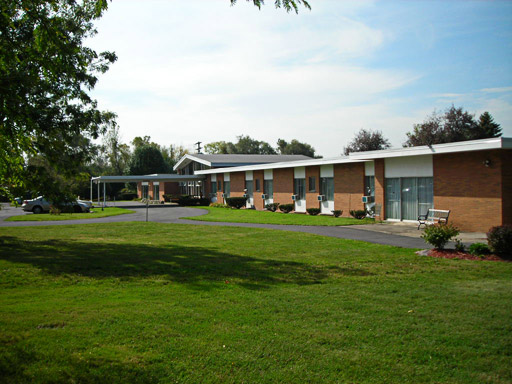
How Does Auburn Rehabilitation & Nursing Center Compare to Other New York Nursing Homes?

Compared to the 100 nursing homes in New York, AUBURN REHABILITATION & NURSING CENTER's overall rating (1 stars) is below the state average of 3.0, staff turnover (57%) is significantly higher than the state average of 46%, and health inspection rating (1 stars) is much below the national benchmark.

What Should Families Ask When Visiting Auburn Rehabilitation & Nursing Center?

Based on this facility's data, families visiting should ask: "How do you ensure continuity of care given staff turnover, and what is your staff retention strategy?" "Can you walk me through typical staffing levels on day, evening, and night shifts?" "Can I visit during a mealtime to observe dining assistance and food quality?" "How do you handle medical emergencies, and what is your hospital transfer rate?" These questions are particularly relevant given the facility's high staff turnover rate and the below-average staffing rating.

Is Auburn Rehabilitation & Nursing Center Safe?

Based on CMS inspection data, AUBURN REHABILITATION & NURSING CENTER has a clean safety record: no substantiated abuse findings (meaning no confirmed cases of resident harm), no Immediate Jeopardy citations (the most serious violation level indicating risk of serious injury or death), and is not on the Special Focus Facility watch list (a federal program monitoring the lowest-performing 1% of nursing homes). The facility has a 1-star overall rating and ranks #100 of 100 nursing homes in New York. While no facility is perfect, families should still ask about staff-to-resident ratios and recent inspection results during their visit.

Do Nurses at Auburn Rehabilitation & Nursing Center Stick Around?

Staff turnover at AUBURN REHABILITATION & NURSING CENTER is high. At 57%, the facility is 11 percentage points above the New York average of 46%. High turnover means new staff may not know residents' individual needs, medications, or preferences. It can also be disorienting for residents, especially those with dementia who rely on familiar faces. Families should ask: What is causing the turnover? What retention programs are in place? How do you ensure care continuity during staff transitions?

Was Auburn Rehabilitation & Nursing Center Ever Fined?

AUBURN REHABILITATION & NURSING CENTER has been fined $10,901 across 1 penalty action. This is below the New York average of $33,188. While any fine indicates a compliance issue, fines under $50,000 are relatively common and typically reflect isolated problems that were subsequently corrected. Families should ask what specific issues led to these fines and confirm they've been resolved.

Is Auburn Rehabilitation & Nursing Center on Any Federal Watch List?

AUBURN REHABILITATION & NURSING CENTER is not on any federal watch list. The most significant is the Special Focus Facility (SFF) program, which identifies the bottom 1% of nursing homes nationally based on persistent, serious quality problems. Not being on this list means the facility has avoided the pattern of deficiencies that triggers enhanced federal oversight. This is a positive indicator, though families should still review the facility's inspection history directly.