Avon Nursing Home L L C
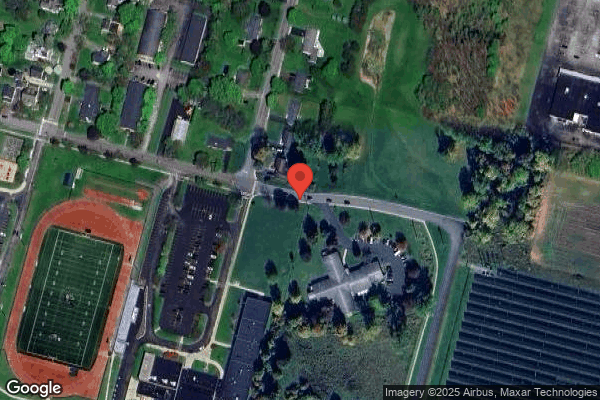

215 Clinton Street, Avon, NY 14414 (585) 226-2225
For profit - Individual 40 Beds HURLBUT CARE Data: November 2025
Trust Grade
65/100
#138 of 594 in NY
Last Inspection: October 2024

Within standard 12-15 month inspection cycle. Federal law requires annual inspections.

Overview

Avon Nursing Home has a Trust Grade of C+, indicating it is slightly above average but not without its issues. It ranks #138 out of 594 facilities in New York, placing it in the top half, and is the best option out of three in Livingston County. Unfortunately, the facility is experiencing a worsening trend, with the number of issues increasing from 1 in 2023 to 3 in 2024. While staffing is average with a 3/5 rating, the turnover rate of 52% is concerning compared to the state average of 40%. The facility also has significant fines totaling $96,857, which raises alarms about compliance problems, and while it provides more RN coverage than many facilities, there were serious incidents, including one resident suffering severe weight loss without adequate monitoring and another lacking proper assessment for self-administering medication. Overall, families should weigh these strengths and weaknesses carefully when considering Avon Nursing Home.

Trust Score
C+
65/100
In New York
#138/594
Top 23%
Safety Record
Moderate
Needs review
Inspections
Getting Worse
1 → 3 violations
Staff Stability
⚠ Watch
52% turnover. Above average. Higher turnover means staff may not know residents' routines.
Penalties
✓ Good
$96,857 in fines. Lower than most New York facilities. Relatively clean record.
Skilled Nurses
○ Average
Each resident gets 38 minutes of Registered Nurse (RN) attention daily — about average for New York. RNs are the most trained staff who monitor for health changes.
Violations
○ Average
6 deficiencies on record. Average for a facility this size. Mostly minor or procedural issues.
★★★★☆
4.0
Overall Rating
★★★☆☆
3.0
Staff Levels
★★☆☆☆
2.0
Care Quality
★★★★☆
4.0
Inspection Score
Stable
2023: 1 issues
2024: 3 issues

The Good

  • Full Sprinkler Coverage · Fire safety systems throughout facility
  • No fines on record

Facility shows strength in fire safety.

The Bad

Staff Turnover: 52%

Near New York avg (46%)

Higher turnover may affect care consistency

Federal Fines: $96,857

Well above median ($33,413)

Moderate penalties - review what triggered them

Chain: HURLBUT CARE

Part of a multi-facility chain

Ask about local staffing decisions and management

The Ugly 6 deficiencies on record

1 actual harm
Oct 2024 3 deficiencies 1 Harm
SERIOUS (G)

Actual Harm - a resident was hurt due to facility failures

Deficiency F0692 (Tag F0692)

A resident was harmed · This affected 1 resident

Based on observations, interviews, and record reviews conducted during the Recertification Survey from 09/26/2024 to 10/02/2024, the facility failed to ensure services were provided to maintain accept...

Read full inspector narrative →
Based on observations, interviews, and record reviews conducted during the Recertification Survey from 09/26/2024 to 10/02/2024, the facility failed to ensure services were provided to maintain acceptable parameters of nutritional status for one (Resident #27) of two residents reviewed for nutrition. Specifically, Resident #27 had multiple meal refusals and decreased intakes (less than 50%) for approximately two months resulting in a 31 pound (14.4%) unplanned, severe weight loss. The facility could not provide evidence that nursing leadership, dietary or the medical team had been notified or any supplemental interventions had been implemented. This resulted in actual harm to Resident #27 that was not Immediate Jeopardy and is evidenced by the following: The facility policy Nutritional (Impaired)/Unplanned Weight Loss - Clinical Protocol, dated September 2017, included nursing staff would monitor and document the weight and dietary intake of residents in a format which permits comparisons over time. Additionally, staff would report to the physician significant weight gains or losses or any abrupt or persistent change from baseline appetite or food intake. Resident #27 had diagnoses including a recent stroke (07/16/2024), depression, and adult failure to thrive. The Minimum Data Set Resident Assessment, dated 07/21/2024, revealed Resident #27 was cognitively intact and required setup assistance with eating. Review of Resident #27's Comprehensive Care Plan, dated 08/01/2024, revealed the resident was at risk for suboptimal nutrition and dehydration. Interventions included to provide the diet as ordered, supplements and snacks as needed or requested, and to monitor the resident's meal intakes and weights. During an observation on 09/26/2024 at 12:45 PM, a facility staff member entered Resident #27's room with a lunch tray and exited the room less than 60 seconds later with the untouched lunch tray. During an observation on 09/30/2024 at 12:50 PM, Resident #27 was lying in bed with their eyes closed. There was no lunch tray in the resident's room, and the lunch meal ticket, located on the nurses' desk counter, had refused handwritten on it. In the most recent dietary progress note, dated 07/27/2024, Registered Dietician #1 documented Resident #27's current weight was 206 pounds, down from 212 pounds a month ago, food intake averaged 76%-100%, and there were no nutritional issues at the time. Physician orders, dated 08/09/2024, documented a regular diet with consistency as tolerated. There were no further orders for nutritional supplements or any other interventions to prevent weight loss. Review of the Vitals Report forms used by staff for documentation of meal intakes from 08/07/2024 to 08/31/2024 revealed multiple meals not documented at all, and multiple meals documented with intakes of less than 50%, less than 26%, none (zero % of the meals consumed), or that the meal was refused. Review of the Vitals Report form of meals intakes from 09/01/2024 to 10/01/2024 revealed for 92 meal opportunities staff had documented the following: - Refused - 26 meals - None (0% meal consumed) - 20 meals - 1-25% - 17 meals - 26% -50% - 10 meals - Resident unavailable or no documentation at all - 8 meals Review of Resident #27's documented weights revealed on: - 07/03/2024 was 213 pounds - 7/16/2024 was 206 pounds - 08/06/2024 was 206 pounds - 09/03/2024 was 201 pounds Review of interdisciplinary team progress notes, dated 09/01/2024 to 09/29/2024, revealed nursing staff had documented on multiple occasions Resident #27 had refused a meal. There was no documented evidence nursing leadership, the dietician, or the medical team had been notified of the decreased intakes or the refusals. In a nursing progress note, dated 09/30/2024, the Acting Director of Nursing documented Physician #1 saw Resident #27 for their routine medical visit and was made aware the resident was not eating or drinking well. There were no new orders at that time. In a medical Visit Note, dated 09/30/2024, Physician #1 documented Resident #27 had a progressive decline with decreased oral intake and weight loss and the plan was to continue with current treatment. Review of Resident #27's electronic medical record revealed no documented evidence that the medical team had discussed any weight loss plans with the resident or their representative. During an interview on 10/01/2024 at 11:20 AM, Certified Nursing Assistant #2 said if a resident refused a meal, they would talk to the resident to try to identify the reason, offer alternatives, and notify the nurse. Certified Nursing Assistant #2 stated Resident #27 had been refusing most of their breakfast that week. During an interview on 10/01/2024 at 11:27 AM, Resident #27 said they did not eat breakfast that day and did not have an appetite. During an observation on 10/01/2024 at 12:49 PM, Resident #27's lunch ticket was observed on the nurses' desk counter with refused handwritten on it. During an interview on 10/01/2024 at 1:30 PM, Licensed Practical Nurse #1 said the Certified Nursing Assistants documented how much a resident eats and drinks and they would expect to be made aware if a resident refused a meal or had a low meal intake. Licensed Practical Nurse #1 said this information should be passed from nurse to nurse during report, and if a resident was refusing meals or having decreased intakes, it should be documented and reported to the nurse manager. Licensed Practical Nurse #1 said Resident #27 had a stroke not too long ago and they knew that a week or two ago, Resident #27 had been refusing quite a bit, mostly lunch, but they had not been told during morning report of any changes (meal refusals or decreased intakes) for Resident #27. During an interview on 10/01/2024 at 1:43 PM, the Acting Director of Nursing said the Certified Nursing Assistants should look at residents' meal trays and enter the intakes (amount consumed) into the electronic medical record for all meals. The Acting Director of Nursing stated if a resident refused a meal or had decreased intake, staff should encourage the resident, and notify the nurse who should check on the resident and try to find a reason why (refused a meal or decreased intake). The Acting Director of Nursing said the nurse should notify either nursing leadership or the medical provider if a resident had consumed less than 25% of one meal and refused the other two meals in one day. The Acting Director of Nursing stated Resident #27 had a stroke a few months prior with a change in personality and poor appetite and had been started on an antidepressant. The Acting Director of Nursing stated Resident #27 had not been eating for the past week or so, and the resident's representative was aware and said the resident would do what they wanted. During an immediate review of the documented meal intakes for Resident #27, the Acting Director of Nursing stated they were not aware of the extent that Resident #27 had been refusing meals. The Acting Director of Nursing stated they told Physician #1, who saw Resident #27 on 09/30/2024, but Physician #1 did not order any new interventions for Resident #27's nutrition status after the visit. The Acting Director of Nursing said residents' weights are done monthly unless otherwise ordered and was not aware if the resident had been weighed yet this month. On 10/02/2024 at 2:36 PM, a weight was obtained for Resident #27 that was 182 pounds or a 9.2% weight loss in one month and 14.5% over three months. During a telephone interview on 10/01/2024 at 3:40 PM, Registered Dietician #1 said they follow-up with residents' monthly weights and receive emails from the Acting Director of Nursing and Social Worker #1 to keep them in the know. Registered Dietician #1 stated they should be notified of a resident's meal refusals or decreased intakes, but this would depend on the resident (no standard number of refusals or intake values). Registered Dietician #1 said they usually reviewed residents' monthly weights around the 10th of the month, and they had not received any emails from the Acting Director of Nursing related to any issues with Resident #27. Registered Dietician #1 stated this was an unusual situation and they would definitely follow up with the resident and the Medical Director. During a telephone interview on 10/01/2024 at 4:17 PM, Physician #1 said their understanding was that residents' intake amounts were monitored at each meal and if there was a concern about weight loss or diminished oral intake, it would be escalated to a higher level of administration. Physician #1 said if a resident was frequently refusing meals, staff should notify (nursing) leadership, and if nursing leadership felt they had a concern they should notify the medical provider. Physician #1 said during their visit with Resident #27 the previous day, it was mentioned the resident had poor oral intakes and any information regarding this visit could be found in the resident's progress notes. 10 NYCRR 415.12(i)(1)
CONCERN (D)

Potential for Harm - no one hurt, but risky conditions existed

Deficiency F0554 (Tag F0554)

Could have caused harm · This affected 1 resident

Based on observations, interviews, and record review conducted during the Recertification Survey from 09/26/2024 to 10/02/2024, the facility did not ensure residents were assessed by an interdisciplin...

Read full inspector narrative →
Based on observations, interviews, and record review conducted during the Recertification Survey from 09/26/2024 to 10/02/2024, the facility did not ensure residents were assessed by an interdisciplinary team to determine their ability to safely self-administer a medication for one (Resident #7) of six residents reviewed. Specifically, Resident #7 was observed with a prescribed inhaler kept at the beside with no documented evidence that an assessment had been completed to determine their ability to safely self-administer the medication or a physician's order for self-administration. This was evidenced by the following: Review of the facility policy Administering Medications, dated April 2019, revealed that medications are administered in accordance with prescribed orders. Residents may self-administer their own medications if the attending physician, in conjunction with the interdisciplinary care team, has determined the resident to have the decision-making capacity to do so. The facility education reference guide Self-Administration of Medications, reviewed September 2023, documented that nursing will obtain an order from the Medical Provider for which medications are approved for self-administering. Resident #7 had diagnoses that included Chronic Obstructive Pulmonary Disease (an ongoing lung condition caused by damage to the lungs that is characterized by breathlessness and cough), schizophrenia, and pneumonia. The Minimum Data Set Resident Assessment, dated 07/24/2024, documented the resident had moderately impaired cognition. During observations on 09/30/2024 at 9:08 AM, Resident #7 had an Anoro Ellipta inhaler in a plastic bin on their bedside table. During an interview at this time, Resident #7 stated they have had their inhaler a long time and that they kept their inhaler in the plastic bin on the bedside table and used it every day. Resident #7's Comprehensive Care Plan, revised 08/01/2024, did not include any information related to Resident #7 having been assessed for safe administration of inhalers. Resident #7 Physician's orders, dated 09/09/2024, included an Anoro Ellipta inhaler (used to prevent air flow obstruction in the lungs) one puff daily at 9:00 AM with special instructions to rinse the mouth after use. The orders did not include that resident could self-administer the inhaler or leave the inhaler at the bedside. During an interview on 09/30/2024 at 10:41 AM, Registered Nurse #1 stated in order for a resident to self-administer a medication an order (Physician) should be in the electronic medical record. Registered Nurse #1 said that they had talked to the acting Director of Nursing and the inhaler for Resident #7 was removed from Resident #7's room until an order could be obtained from the physician. During an interview on 09/30/2024 at 11:17 AM, the Registered Nurse Manager/Acting Director of Nursing stated that a resident should be evaluated by the physician for self-administration of a medication and there should be a note in the medication order for the Resident to keep the medication at their bedside and self-administer it. The Registered Nurse Manager/Acting Director of Nursing said that Resident #7 should not have had the inhaler in their room. During an interview on 10/02/2024 at 9:35 AM, the Registered Nurse Manager/Acting Director of Nursing stated that they had no knowledge that Resident #7 kept an inhaler at their bedside and should not have been. The Registered Nurse Manager/Acting Director of Nursing said that there should be an assessment and education provided by nursing for a resident to self-administer a medication. 10 NYCRR 415.3
CONCERN (D)

Potential for Harm - no one hurt, but risky conditions existed

Comprehensive Care Plan (Tag F0656)

Could have caused harm · This affected 1 resident

Based on observation, interviews, and record review conducted during the Recertification Survey from 09/26/2024 to 10/02/2024, the facility did not develop and implement a comprehensive plan of care (...

Read full inspector narrative →
Based on observation, interviews, and record review conducted during the Recertification Survey from 09/26/2024 to 10/02/2024, the facility did not develop and implement a comprehensive plan of care (including measurable goals and interventions) for one (Resident #14) of two residents reviewed for communication and sensory. Specifically, Resident #14's Comprehensive Care Plan did not include that the resident had profound hearing loss, used of an amplifier (hearing aid), or was able to read lips. This is evidenced by the following: The facility policy Resident-Centered Care Planning last reviewed February 2024, documented each resident will have a Comprehensive Resident-Centered Care Plan that is consistent with resident rights and person-centered care. Resident #14 had diagnoses that included a stroke, right sided hemiplegia and hemiparesis (weakness and/or paralysis on one side of the body), and hearing loss. The Minimum Data Set Resident Assessment, dated 09/20/2024, documented that Resident #14 was cognitively intact, had moderate difficulty with hearing (speaker has to increase volume and speak distinctly), and requires the use of hearing aids or other hearing appliances. Review of the current Comprehensive Car Plan revealed no information related to Resident #14's hearing loss, use of an amplifier, or any other interventions (such as lip reading) to assist the resident with communication needs. The Care Area Assessment included that Resident #14 triggered for hearing loss and that communication should be care planned for. During an interview on 09/26/2024 at 12:24 PM, Resident #14 stated they lost 80% of their hearing years ago and have used a left ear amplifier for more than 50 years. Resident #14 said that currently all employees were wearing masks and that they would prefer they wore clear masks so they could lip read. During an observation on 09/26/2024 at 12:30 PM, Certified Nursing Assistant #3 was in the resident's room wearing a surgical face mask. Resident #14 asked if Certified Nursing Assistant #3 was speaking to them and that they were unable to hear or read lips with the mask on their face. During an observation on 09/30/2024 at 10:02 AM, Resident #14 was in the therapy room working with Physical Therapy. Physical Therapist #1 was wearing a surgical face mask. During an interview on 10/01/2024 at 9:20 AM, Registered Nurse Manager/Acting Director of Nursing stated that hearing loss and use of an amplifier were not included in Resident #14 Comprehensive Care Plan. During an interview on 10/01/2024 at 9:50 AM, Certified Nursing Assistant #1 stated that Resident #14 had difficulty hearing them if they wore a surgical mask, and in order to communicate with the resident, they need to pull down their mask for Resident #14 to see their lips so they can read their lips in order to participate and communicate with them. During an interview on 10/01/2024 at 11:54 AM, Social Worder #1 stated that Resident #14 Comprehensive Care Plan did not include a plan for hearing loss or the need for the hearing amplifier and that the care plans should be more specific and tailored for individual resident care. 10 NYCRR 415.11(c)(1)
Feb 2023 1 deficiency
MINOR (B) 📢 Someone Reported This

A family member, employee, or ombudsman was alarmed enough to file a formal complaint

Minor Issue - procedural, no safety impact

Deficiency F0655 (Tag F0655)

Minor procedural issue · This affected multiple residents

**NOTE- TERMS IN BRACKETS HAVE BEEN EDITED TO PROTECT CONFIDENTIALITY** Based on interviews and record review conducted during the Recertification Survey conducted 2/13/23 to 2/17/2023, it was determi...

Read full inspector narrative →
**NOTE- TERMS IN BRACKETS HAVE BEEN EDITED TO PROTECT CONFIDENTIALITY** Based on interviews and record review conducted during the Recertification Survey conducted 2/13/23 to 2/17/2023, it was determined that for four Residents (#9, #11, #19, #31) of four residents reviewed for Baseline Care Plans (BCP), the facility did not consistently develop and implement a BCP within 48 hours of admission that included the minimum healthcare information necessary to properly care for the immediate needs of the resident and did not provide the resident and/or resident representative a written summary of the BCP. Specifically, for Resident #11, the facility was unable to provide documented evidence that a BCP was created, or any summary of care provided to the resident or resident representative. For Residents #9, #19 and #31, the facility could not provide documented evidence that a BCP contained the necessary information or that any information regarding the residents' care was reviewed with the resident and/or resident representative. This is evidenced by, but not limited to, the following: The facility policy, Baseline Resident Care Plan, dated 11/28/17, revealed a BCP will be developed within 48 hours of admission for each resident that includes the instructions needed to provide effective and person-centered care of the resident that meet professional standards of quality care. The BCP will contain the minimum healthcare information necessary to properly care for a resident and will be utilized by appropriate staff. The BCP will contain at a minimum: initial goals based on admission orders and after discussion with appropriate members of the interdisciplinary team, Physician orders, dietary orders, therapy services, and social services. The BCP will be provided to the resident and/ or their representative by the nurse (or designee) developing the care plan. Resident and/or resident representative will be given the opportunity for questions and input. 1.Resident #11 was admitted [DATE] with diagnoses that included dementia with agitation, heart failure, chronic kidney disease stage 4, and anxiety. The Minimum Data Set (MDS) assessment dated [DATE] documented the resident was severely impaired cognitively. Review of Resident #11's Electronic Health Record (EHR) revealed no documented evidence that a BCP had been created and no evidence that any summary of the resident's care, including medications, diet, therapy, physician orders or activities of daily living was provided to or reviewed with Resident #11 or their representative. Additionally, the facility was unable to provide any paper version of a baseline care plan or summary. 2. Resident #19 was admitted [DATE] with diagnoses that included dementia, depression, and anxiety disorder. The MDS assessment dated [DATE] documented the resident was severely impaired cognitively. Review of Resident #19's EHR revealed a BCP was created on 9/2/22 that included a goal that Resident #19 have their needs met and remained content at the facility. Approaches included to see the Certified Nursing Assistant (CNA) care plan and the Physician orders. The area under BCP presented by and BCP presented to were both blank. There was no documented evidence that any type of summary of the resident's care was provided or reviewed with Resident #19 or their representative or were given any input regarding their care. 3. Resident #31 was admitted [DATE] with diagnoses that included Alzheimer disease, high blood pressure and obesity. The MDS assessment dated [DATE] documented the resident was cognitively intact. Review of Resident #31's EHR revealed that a BCP was created on 12/2/22 that included a goal that the resident had their needs met and remained content at the facility. Approaches included to see the CNA care plan and the physician orders. The area under BCP presented by and BCP presented to were both blank. There was no documented evidence that any type of summary regarding the resident's care was provided or reviewed with Resident #31 or their representative or given any input regarding their care. In an interview on 2/16/23 at 2:15 p.m., Resident #31 stated they could not remember having any meeting with facility staff members to review their care after admission. During an interview on 2/17/23 at 9:11 a.m., the Social Worker (SW) stated that when a resident is admitted they usually go over the BCP with the resident and their family representative verbally. The SW stated that once the comprehensive care plan is done the BCP is resolved in the computer but that it was not an actual document (summary) that could be printed. The SW stated that there should be documentation in the progress notes that it was reviewed but that they do not always do this. The SW was unable to provide any documentation that a BCP or summary was reviewed with the residents or their family members. During an interview on 2/17/23 9:24 a.m. and again at 11:02 a.m., the Administrator stated that in their small facility communication with residents and families was usually done immediately and that the SW was working on trying to find any documentation that this was done but was unable to provide. 10 NYCRR 415.11
Sept 2021 2 deficiencies
CONCERN (D)

Potential for Harm - no one hurt, but risky conditions existed

Assessment Accuracy (Tag F0641)

Could have caused harm · This affected 1 resident

**NOTE- TERMS IN BRACKETS HAVE BEEN EDITED TO PROTECT CONFIDENTIALITY** Based on interviews and record reviews conducted during a Recertification Survey, completed on 9/30/21, it was determined for 1 ...

Read full inspector narrative →
**NOTE- TERMS IN BRACKETS HAVE BEEN EDITED TO PROTECT CONFIDENTIALITY** Based on interviews and record reviews conducted during a Recertification Survey, completed on 9/30/21, it was determined for 1 (Resident #7) of 14 residents, the facility did not ensure that staff who have the skills and qualifications to assess relevant care areas and who are knowledgeable about the resident's status, needs, strengths and areas of decline, accurately complete the resident assessment. Specifically, Resident #7's Minimum Data Set (MDS) Assessments, dated 5/7/21 and 7/6/21, were incorrectly coded or did not include the resident's Level II Preadmission Screening and Resident Review (PASRR) conditions. This was evidenced by the following: The MDS Assessment manual, dated October 2019, documented that all individuals who are admitted to a Medicaid certified nursing facility must have a Level I PASRR completed to screen for possible mental illness (MI), intellectual disability (ID), developmental disability (DD) or related conditions. Individuals who have or are suspected to have MI or ID may not be admitted to a Medicaid certified nursing facility unless approved through Level II PASRR determination. A resident with MI or ID/DD must have a Resident Review conducted when there is a significant change in the residents' physical or mental condition. The manual instructs if the MDS Assessment is an admission, annual or significant change Assessment, to review the Level I PASRR to determine whether a Level II was required. Resident #7 was admitted to the facility 11/22/17 and readmitted [DATE] with diagnoses that included a recent hip fracture, epilepsy, and moderate ID. The annual MDS Assessment, dated 5/7/21 and the Significant Change MDS Assessment, dated, 7/6/21, documented that Resident #7 had moderately impaired cognition and did not have any level II PASRR conditions coded as per the regulations. Review of Resident #7's admission PASRR, dated 10/2/17, documented that Resident #7 did have a diagnosis of developmental disability and did qualify for a Level II referral. During an interview on 9/30/21 at 10:03 a.m. the MDS Coordinator stated that Resident #7's MDS Assessments were not accurate and should include epilepsy and moderate ID in the PASRR section. The MDS Coordinator stated a modified MDS needed to be completed to accurately reflect the resident. During an interview 9/30/21 at 11:08 a.m. the Administrator stated they were not aware of issues with MDS accuracy. 10NYCRR 415.11(b)
CONCERN (D)

Potential for Harm - no one hurt, but risky conditions existed

Deficiency F0645 (Tag F0645)

Could have caused harm · This affected 1 resident

**NOTE- TERMS IN BRACKETS HAVE BEEN EDITED TO PROTECT CONFIDENTIALITY** Based on interviews and record reviews conducted during a Recertification Survey, completed on 9/30/21, it was determined for 1 ...

Read full inspector narrative →
**NOTE- TERMS IN BRACKETS HAVE BEEN EDITED TO PROTECT CONFIDENTIALITY** Based on interviews and record reviews conducted during a Recertification Survey, completed on 9/30/21, it was determined for 1 (#7) of 14 residents reviewed the facility did not ensure that preadmission screening for an individual identified with an intellectual disability (ID) was completed prior to admission in order to receive care and services in the most integrated setting appropriate to their needs as per the regulations. Specifically, the Pre-admission Screen Resident Review (PASRR) for Resident #7, dated 10/2/17, was not completed by a qualified screener and did not accurately determine the need for a Level II screen (to assess for additional services). In addition, the facility did not reassess Resident #7 following a significant change in condition. This was evidenced by the following: The Minimum Data Set (MDS) Assessment manual, dated October 2019, documented that all individuals who have or are suspected to have mental illness (MI) or ID/developmental disability (DD) or related conditions may not be admitted to a Medicaid certified nursing facility unless approved through Level II PASRR determination. Those residents covered by Level II PASRR process may require certain care and services provided by the nursing home and/or specialized services provided by the state. A resident with MI or ID/DD must have a Resident Review (RR) conducted when there is a significant change in the resident's physical or mental condition. A facility policy, Screen Policy, dated 11/10/06, documented that a Social Worker (SW) must determine that the PASRR screen has been properly completed upon admission. If not, they must contact the hospital and request one. Resident #7 was admitted to the facility on [DATE] with diagnoses including epilepsy and moderate ID. The resident was readmitted to the facility on [DATE] following an acute stay for a leg fracture. The MDS Assessment, dated 7/6/21, revealed Resident #7 was moderately impaired cognitively. No Level II PASRR conditions were coded on the MDS Assessment in the PASRR section per the regulations. Review of the PASRR, dated 10/2/17, revealed questions to determine if a Level II screen was required were not answered and the individual completing the form lacked the screeners identification number. (which qualifies screener by training to complete the PASRR form) making the form invalid. The facility was unable to produce evidence that a Level II referral was completed since admission or since a significant change in condition. In an interview on 9/30/21 at 8:34 a.m. the SW stated PASRRs' were reviewed by a SW prior to resident's admission. The SW reviewed Resident #7's PASRR form of 10/2/17 and stated all required questions had not been answered including the Level II referral. The SW stated they would have to complete a new screen and reach out to the division of Mental Retardation and Developmental Disabilities to go forward. In an interview on 9/30/21 at 11:08 a.m. the Administrator stated the Quality Assurance Committee reviewed admissions and had not identified the issue. 10NYCRR415.11(e)
Understanding Severity Codes (click to expand)
Life-Threatening (Immediate Jeopardy)
J - Isolated K - Pattern L - Widespread
Actual Harm
G - Isolated H - Pattern I - Widespread
Potential for Harm
D - Isolated E - Pattern F - Widespread
No Harm (Minor)
A - Isolated B - Pattern C - Widespread

Questions to Ask on Your Visit

  • "Can I speak with families of current residents?"
  • "What's your RN coverage like on weekends and overnight?"

Our Honest Assessment

Strengths
  • • Licensed and certified facility. Meets minimum state requirements.
Concerns
  • • 6 deficiencies on record, including 1 serious (caused harm) violation. Ask about corrective actions taken.
  • • $96,857 in fines. Extremely high, among the most fined facilities in New York. Major compliance failures.
Bottom line: Mixed indicators with Trust Score of 65/100. Visit in person and ask pointed questions.

About This Facility

What is Avon Nursing Home L L C's CMS Rating?

CMS assigns Avon Nursing Home L L C an overall rating of 4 out of 5 stars, which is considered above average nationally. Within New York, this rating places the facility higher than 99% of the state's 100 nursing homes. This rating reflects solid performance across the metrics CMS uses to evaluate nursing home quality.
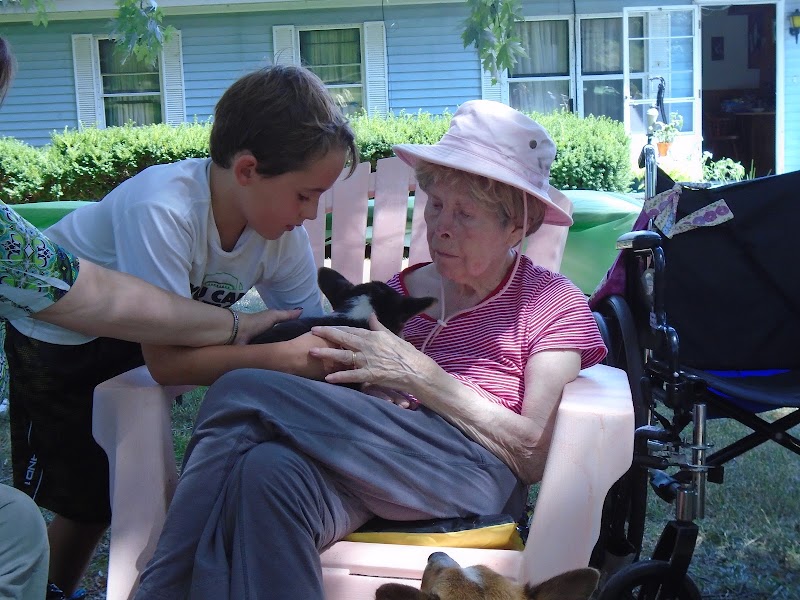
How is Avon Nursing Home L L C Staffed?
CMS rates Avon Nursing Home L L C's staffing level at 3 out of 5 stars, which is average compared to other nursing homes. Staff turnover is 52%, compared to the New York average of 46%.

What Have Inspectors Found at Avon Nursing Home L L C?

State health inspectors documented 6 deficiencies at Avon Nursing Home L L C during 2021 to 2024. These included: 1 that caused actual resident harm, 4 with potential for harm, and 1 minor or isolated issues. Deficiencies causing actual harm indicate documented cases where residents experienced negative health consequences.
Who Owns and Operates Avon Nursing Home L L C?

Avon Nursing Home L L C is owned by a for-profit company. For-profit facilities operate as businesses with obligations to shareholders or private owners. The facility is operated by HURLBUT CARE, a chain that manages multiple nursing homes. With 40 certified beds and approximately 38 residents (about 95% occupancy), it is a smaller facility located in Avon, New York.

How Does Avon Nursing Home L L C Compare to Other New York Nursing Homes?

Compared to the 100 nursing homes in New York, Avon Nursing Home L L C's overall rating (4 stars) is above the state average of 3.1, staff turnover (52%) is near the state average of 46%, and health inspection rating (4 stars) is above the national benchmark.

What Should Families Ask When Visiting Avon Nursing Home L L C?

Based on this facility's data, families visiting should ask: "Can I visit during a mealtime to observe dining assistance and food quality?" "How do you handle medical emergencies, and what is your hospital transfer rate?" "Can I speak with family members of current residents about their experience?"

Is Avon Nursing Home L L C Safe?

Based on CMS inspection data, Avon Nursing Home L L C has a clean safety record: no substantiated abuse findings (meaning no confirmed cases of resident harm), no Immediate Jeopardy citations (the most serious violation level indicating risk of serious injury or death), and is not on the Special Focus Facility watch list (a federal program monitoring the lowest-performing 1% of nursing homes). The facility has a 4-star overall rating and ranks #1 of 100 nursing homes in New York. While no facility is perfect, families should still ask about staff-to-resident ratios and recent inspection results during their visit.

Do Nurses at Avon Nursing Home L L C Stick Around?

Avon Nursing Home L L C has a staff turnover rate of 52%, which is 6 percentage points above the New York average of 46%. Moderate turnover is common in nursing homes, but families should still ask about staff tenure and how the facility maintains care continuity when employees leave.

Was Avon Nursing Home L L C Ever Fined?

Avon Nursing Home L L C has been fined $96,857 across 2 penalty actions. This is above the New York average of $34,047. Fines in this range indicate compliance issues significant enough for CMS to impose meaningful financial consequences. Common causes include delayed correction of deficiencies, repeat violations, or care failures affecting resident safety. Families should ask facility leadership what changes have been made since these penalties.

Is Avon Nursing Home L L C on Any Federal Watch List?

Avon Nursing Home L L C is not on any federal watch list. The most significant is the Special Focus Facility (SFF) program, which identifies the bottom 1% of nursing homes nationally based on persistent, serious quality problems. Not being on this list means the facility has avoided the pattern of deficiencies that triggers enhanced federal oversight. This is a positive indicator, though families should still review the facility's inspection history directly.