Conesus Lake Nursing Home, LLC
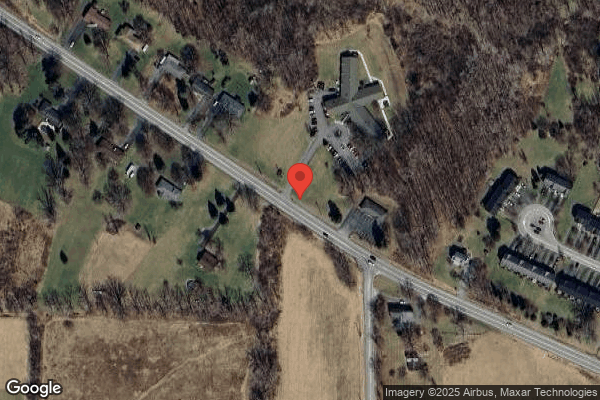
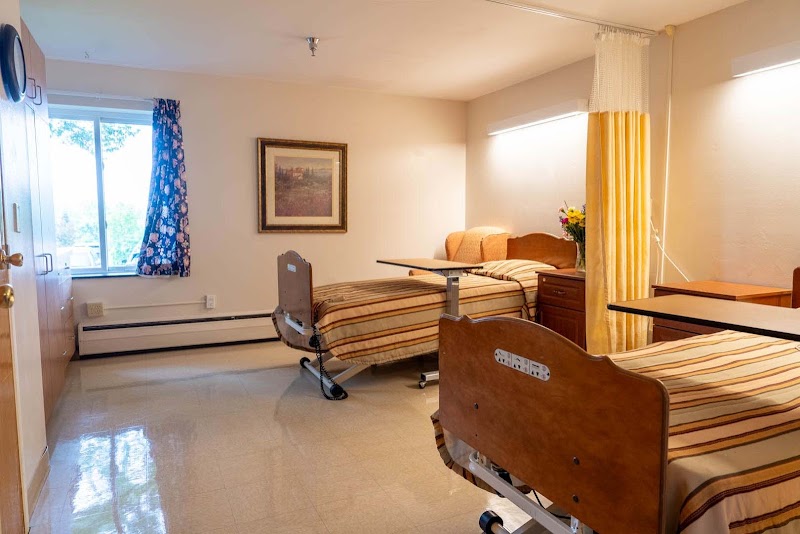
6131 Big Tree Road, Livonia, NY 14487 (585) 346-3001
For profit - Limited Liability company 48 Beds HURLBUT CARE Data: November 2025
Trust Grade
80/100
#156 of 594 in NY
Last Inspection: April 2025

Within standard 12-15 month inspection cycle. Federal law requires annual inspections.

Overview

Conesus Lake Nursing Home, located in Livonia, New York, has a Trust Grade of B+, which means it is above average and recommended for families considering care options. It ranks #156 out of 594 nursing homes in New York, placing it in the top half of facilities statewide, and #2 out of 3 within Livingston County, indicating that only one nearby option is better. However, the facility is experiencing a worsening trend, with reported issues increasing from 2 in 2023 to 4 in 2025. Staffing is rated at 4 out of 5 stars, with a turnover rate of 36%, which is below the New York average, suggesting that staff are familiar with the residents. Notably, the home has not incurred any fines, which is a positive sign, but there have been concerning incidents, such as staff failing to use proper protective equipment during wound care and not notifying a physician about a resident's adverse reaction to medication. Additionally, there were medication errors that exceeded the acceptable rate, which raises further concerns about care quality. Overall, while there are strengths in staff stability and a lack of fines, families should be aware of the recent increase in issues and specific incidents that could impact resident safety.

Trust Score
B+
80/100
In New York
#156/594
Top 26%
Safety Record
Low Risk
No red flags
Inspections
Getting Worse
2 → 4 violations
Staff Stability
○ Average
36% turnover. Near New York's 48% average. Typical for the industry.
Penalties
✓ Good
No fines on record. Clean compliance history, better than most New York facilities.
Skilled Nurses
○ Average
Each resident gets 37 minutes of Registered Nurse (RN) attention daily — about average for New York. RNs are the most trained staff who monitor for health changes.
Violations
○ Average
7 deficiencies on record. Average for a facility this size. Mostly minor or procedural issues.
★★★★☆
4.0
Overall Rating
★★★★☆
4.0
Staff Levels
★★★☆☆
3.0
Care Quality
★★★★☆
4.0
Inspection Score
Stable
2023: 2 issues
2025: 4 issues

The Good

  • 4-Star Staffing Rating · Above-average nurse staffing levels
  • Full Sprinkler Coverage · Fire safety systems throughout facility
  • No fines on record
  • Staff turnover below average (36%)

    12 points below New York average of 48%

Facility shows strength in staffing levels, fire safety.

The Bad

Staff Turnover: 36%

10pts below New York avg (46%)

Typical for the industry

Chain: HURLBUT CARE

Part of a multi-facility chain

Ask about local staffing decisions and management

The Ugly 7 deficiencies on record

Apr 2025 4 deficiencies
CONCERN (D)

Potential for Harm - no one hurt, but risky conditions existed

Notification of Changes (Tag F0580)

Could have caused harm · This affected 1 resident

Based on observations, interviews and record reviews conducted during a Recertification Survey from 04/17/2025 to 04/23/2025, for one (1) (Resident #15) of one (1) resident reviewed, the facility did ...

Read full inspector narrative →
Based on observations, interviews and record reviews conducted during a Recertification Survey from 04/17/2025 to 04/23/2025, for one (1) (Resident #15) of one (1) resident reviewed, the facility did not ensure the resident's physician was notified immediately when there was a need to alter treatment significantly (discontinuing an existing form of treatment due to adverse consequences). Specifically, Resident #15 had complained of nostril pain while receiving a prescribed nasal spray four times daily and refused the medication repeatedly. There was no documented evidence that the physician or medical team was notified. The finding includes: The facility policy Change in a Resident's Condition or Status, dated March 2024, included the facility shall promptly notify the resident, their Attending Physician, and representative of changes in the resident's medical condition and/or status (e.g., changes in level of care). The Nurse Supervisor/Charge Nurse will notify the resident's Attending Physician or On-Call Physician when there has been a change in the resident's medical condition requiring a change in their plan of care. Resident #15 had diagnoses that included chronic obstructive pulmonary disease, chronic respiratory failure with dependence on oxygen, and heart failure. The Minimum Data Set (a resident assessment tool) dated 03/03/2025 included the resident had moderately impaired cognition, was able to make themself understood and understood others, and did not exhibit behaviors. The Comprehensive Care Plan revised on 12/21/2024 included Resident #15 had chronic obstructive pulmonary disease and was to receive medications and oxygen per medical provider order. Review of Physician orders dated 03/18/2025 revealed deep sea 0.65% nose spray two sprays in both nostrils four times a day for dryness. Review of Resident #15's Medication Administration Record from 04/19/2025 to 04/23/2025 revealed Resident #15 had refused the nose spray on 7 of 17 opportunities. In a nursing progress note dated 04/17/2025, Registered Nurse Manager #3 documented Resident #15 had complained of pain to their left nostril, it was observed to be swollen, and Registered Nurse Manager #3 would notify the Nurse Practitioner. In a nursing progress note dated 04/22/2025, Licensed Practical Nurse #2 documented Resident #15 refused their nasal spray and was angry. There was no documented evidence that anyone had notified the physician or the medical team of Resident #15's complaints of pain and swelling to the left nostril, or repeated refusals of the medication. During medication administration observation on 04/21/2025 at 10:58 AM, Licensed Practical Nurse #2 entered Resident #15's room to administer their nose spray. The resident told Licensed Practical Nurse #2 the oxygen was hurting their nose, and it felt dry even with the nose spray and oxygen humidification. Licensed Practical Nurse #2 told the resident it was possible a sore in their nose was causing the pain, and they would speak to the doctor about discontinuing the nose spray. Licensed Practical Nurse #2 encouraged Resident #15 to accept the nose spray and proceeded to administer while the resident complained with each spray and required breaks in between. During a medication administration observation on 04/22/2025 at 11:04 AM, Licensed Practical Nurse #2 entered Resident #15's room to administer the nasal spray and the resident refused the medication. Resident #15 told Licensed Practical Nurse #2 the medication was not helping, it hurt their nose, and although the resident had been telling nurses the medication was causing them pain, they continued to offer it. Resident #15 said they refused the medication often and the soreness was getting worse. During an interview on 04/22/2025 at 4:23 PM, Resident #15 said the left side of their nose was sore to the touch. The resident said they had been telling the nurses that it hurt, and they did not want the medication. Resident #15 said they did not feel they needed the nose spray because it seemed to be causing more dryness to their nose and would have thought by now, someone would have told the doctor. During an interview on 04/23/2025 at 9:40 AM, the Director of Nursing said when the medical provider was not in-house, they communicated their concerns by phone. Review of the medical provider's communication book at the time revealed no documented evidence that the medical team had been notified of Resident #15 concerns or refusals of the medication. During a follow up interview on 04/23/2025 at 10:53 AM, the Director of Nursing said they first heard about Resident #15's complaints of nose pain on 04/17/2025 when the resident told Registered Nurse Manager #3. The Director of Nursing said they had reviewed the progress notes and could not find documented evidence that the nurses had communicated the resident's complaints of pain to the Nurse Practitioner prior to today. The Director of Nursing said nursing staff should report complaints of pain to the medical provider right away and Resident #15's complaints should have been reported on 04/17/2025 when first discovered. 10 NYCRR 415.3 (2)(ii)(c)
CONCERN (D)

Potential for Harm - no one hurt, but risky conditions existed

Unnecessary Medications (Tag F0759)

Could have caused harm · This affected 1 resident

**NOTE- TERMS IN BRACKETS HAVE BEEN EDITED TO PROTECT CONFIDENTIALITY** Based on observations, interviews, and record review conducted during a Recertification Survey from 04/17/2025 to 04/23/2025, fo...

Read full inspector narrative →
**NOTE- TERMS IN BRACKETS HAVE BEEN EDITED TO PROTECT CONFIDENTIALITY** Based on observations, interviews, and record review conducted during a Recertification Survey from 04/17/2025 to 04/23/2025, for two (2) (Resident #33 and Resident #36) of eight (8) residents reviewed, the facility did not ensure a medication error rate of five percent or less. There were two (2) medication errors for 25 opportunities resulting in a medication error rate of eight (8) percent. Specifically, during an observation of medication administration Resident #33 and Resident #36 were administered the incorrect medication. The findings are: The facility's policy Administering Medications, revised April 2019, documented that the individual administering the medication checks the label three (3) times to verify the right resident, right medication, right dosage, right time and right method (route) of administration before giving the medication. 1.Resident #36 had diagnoses that included constipation, chronic pain syndrome, and abdominal pain. The Minimum Data Set (a resident assessment tool) dated 03/09/2025, documented the resident was severely impaired cognitively. Resident #36's active physician's orders as of 04/22/2025 documented senna (a laxative) 8.6 milligram-give two tablets orally once daily. During an observation of medication administration on 04/18/2025 at 9:26 AM, Registered Nurse Manager #1 administered two tablets of Senna Plus 8.6-50 milligrams (a laxative plus a stool softener) to Resident #36. 2.Resident #33 had diagnoses that included constipation, chronic pain, and adult failure to thrive. The Minimum Data Set, dated [DATE], documented the resident was severely impaired cognitively. Resident #33's active physician's orders as of 04/22/2025 documented senna 8.6 milligram tablet- give one tablet orally once daily. During an observation of medication administration on 04/18/2025 at 9:36 AM, Registered Nurse Manager #1 administered one tablet of Senna Plus 8.6-50 milligrams to Resident #33. During an interview on 04/18/2025 at 12:15 PM, Registered Nurse Manager #1 stated they did not realize they had given both Resident #33 and Resident #36 Senna Plus (versus senna). Registered Nurse Manager #1 said they usually did not pass medications as they were the unit manager. Registered Nurse Manager #1 said the senna bottle was smaller than the Senna Plus bottle and the medications were given incorrectly. During an interview on 04/22/2025 at 11:36 AM, the Director of Nursing said that although the unit manager was not usually on a medication cart, they had been trained to pass medications. The Director of Nursing said the nurse should perform the five rights before giving medications and had the nurse checked, they would not have given the wrong medication to either resident. 10 NYCRR 415.12(m)(1)
CONCERN (E)

Potential for Harm - no one hurt, but risky conditions existed

Infection Control (Tag F0880)

Could have caused harm · This affected multiple residents

**NOTE- TERMS IN BRACKETS HAVE BEEN EDITED TO PROTECT CONFIDENTIALITY** Based on observation, interviews, and record review conducted during a Recertification Survey from 04/17/2025 to 04/23/2025, the...

Read full inspector narrative →
**NOTE- TERMS IN BRACKETS HAVE BEEN EDITED TO PROTECT CONFIDENTIALITY** Based on observation, interviews, and record review conducted during a Recertification Survey from 04/17/2025 to 04/23/2025, the facility did not establish and maintain an infection prevention and control program designed to provide a safe, sanitary, and comfortable environment and to help prevent the development and transmission of communicable disease and infections for two (2) (Residents #12 and #25) of eight (8) residents reviewed. Specifically, Resident #12 received wound care by staff who were not wearing the appropriate personal protective equipment (PPE- equipment such as gown, gloves and/or facemask worn to minimize exposure to infectious diseases). Resident #25 received an insulin injection by a staff member who was not wearing gloves and did not perform hand hygiene before or after the injection. The findings include: The facility's Infection Control Policy dated May 2024, documented that the facility will adhere to infection control standards including the practice of proper hand washing and glove usage. Gloves should be changed between residents and hand hygiene must be completed when gloves are removed. Gowns are to be worn when there is the potential for transmission of microorganisms and enhanced barrier precautions (interventions designed to reduce transmission of multidrug-resistant organisms) are indicated for a resident that has wounds or any skin openings. 1.Resident #25 had diagnoses that included diabetes, chronic kidney disease, and dementia. The Minimum Data Set (a resident assessment tool) dated 04/13/2025 documented Resident #25 was severely impaired cognitively and required insulin injections to manage their diabetes. Review of the Comprehensive Care Plan dated 11/20/2024 revealed Resident #25 was on bleeding precautions due to taking an anticoagulant (blood thinner) medication. Review of the physician order dated 10/16/2024, revealed Novolog (insulin) 10 units to be injected subcutaneously (into fatty tissue) with meals. During an observation and interview on 04/18/2025 at 1:29 PM, Licensed Practical Nurse #1 prepared Resident #25's insulin injection pen without washing their hands and then administered the insulin injection into the resident's right arm without applying gloves. Licensed Practical Nurse #1 did not wash their hands after administering the injection before exiting the room. In an immediate interview Licensed Practical Nurse #1 said they read online that they did not have to wear gloves when giving an injection with an insulin pen. During an interview on 04/18/2025 at 2:19 PM, the Administrator (acting Infection Preventionist at the time) stated their infection control policy was clear, and that nurses should wear gloves when giving an injection regardless of if the insulin was being administered with an insulin pen or not. 2.Resident #12 had diagnoses that included diabetes, dementia, and adult failure to thrive. The Minimum Data Set, dated [DATE] documented Resident #12 had moderately impaired cognitive skills and had lesions (skin wounds) on the foot that required dressings. Review of the Comprehensive Care Plan and Care Card (care plan used by Certified Nursing Assistants for daily care) initiated on 10/28/2024 and reviewed on 02/06/2025 revealed Resident #12 was at risk for pressure ulcers. Neither care plan included that the resident had open wounds on their feet or if they required enhanced barrier precautions while receiving dressing changes. Review of current physician orders on 04/17/2025 revealed for staff to clean the left ankle wounds, apply bacitracin ointment (an ointment used to prevent infection), xeroform (a moist dressing treatment) and cover with a telfa pad (a dressing that will not stick to wounds) every day starting on 03/26/2025. There were no orders for enhanced barrier precautions. In a physician progress note dated 03/03/2025 the physician documented Resident #12 continued to have a dressing in place on the left leg (wounds). In an observation on 04/21/2024 at 9:51 AM, Registered Nurse Manager #1, wearing gloves but no gown changed the dressing to Resident #12 left ankle wound. There was no sign on Resident #12's door or in their room that indicated enhanced barrier precautions were required for direct contact care. In an interview on 04/21/2025 at 2:31 PM, Registered Nurse Manager #1 stated that enhanced barrier precautions should be used for a chronic or draining wound, but they had not worn a gown when doing wound care for Resident #12 because their wound was not draining. Review of Resident #12's revised Comprehensive Care Plan dated 04/21/2025 revealed Resident #12 had a blister on the left ankle that was not intact and the resident was on enhanced barrier precautions. In an observation on 04/22/2025 at 8:50 AM, Resident #12 had a sign on the door that indicated enhanced barrier precautions including a gown and gloves should be worn when providing high contact care activities including dressing, bathing, showering, transferring, providing hygiene, and wound care. In an observation on 04/22/2025 at 8:55 AM, Certified Nursing Assistant #1 and Certified Nursing Assistant #2 wearing gloves and no gowns assisted Resident #12 to transfer from bed using a stand lift (a mechanical lift that assists the resident to stand and transfer) to a shower chair, including touching the resident's visibly soiled incontinence brief. In an interview on 04/22/2025 at 9:05 AM, Certified Nursing Assistant #1 stated they did not notice the sign for enhanced barrier precautions for Resident #12 and should have worn a gown when transferring the resident. In an interview on 04/21/2025 at 2:55 PM, the Director of Nursing stated Resident #12's left ankle blister had opened a few months ago and the resident should have been on enhanced barrier precautions. 10 NYCRR 415.19(a) (1-3) (b)(4)
MINOR (B)

Minor Issue - procedural, no safety impact

Deficiency F0582 (Tag F0582)

Minor procedural issue · This affected multiple residents

**NOTE- TERMS IN BRACKETS HAVE BEEN EDITED TO PROTECT CONFIDENTIALITY** Based on interviews and record review conducted during the Recertification Survey from 04/14/2025 to 04/18/2025, for one (1) (Re...

Read full inspector narrative →
**NOTE- TERMS IN BRACKETS HAVE BEEN EDITED TO PROTECT CONFIDENTIALITY** Based on interviews and record review conducted during the Recertification Survey from 04/14/2025 to 04/18/2025, for one (1) (Resident #40) of one (1) resident reviewed the facility did not provide the appropriate liability and appeal notice to a Medicare beneficiary. Specifically, Resident #40 was discharged and there was no documented evidence the facility provided the resident and/or their representative with a Notice of Medicare Noncoverage (NOMNC) letter explaining their termination of Medicare A benefits and appeal rights as required by the regulations. This is evidenced by the following: Resident #40 was admitted to the facility on [DATE] under Medicare Part A benefits and discharged from the facility with days remaining on 01/31/2025. The facility was unable to provide documented evidence that a Notice of Medicare Noncoverage letter was provided to the resident or their representative following discharge from Medicare Part A services. During an interview on 04/22/2025 at 12:19 PM, Administrator said Resident #40 voluntarily left the facility and went home, and the Notice of Medicare Non-Coverage was not provided to resident because facility staff thought the discharge was planned and the liability notice was not required. In a follow up interview at 2:52 PM, the Administrator stated Social Work usually handles beneficiary notices but was unavailable for interview. They stated the interdisciplinary team normally met to discuss transfers or discharges, and beneficiary notice distribution depends on whether a transfer or discharge is planned or unplanned, if the resident went home, stayed at the facility, went to another facility, and if benefits were depleted or not. The Administrator stated staff tend to get confused on whether transfers and discharges are planned or unplanned. 10 NYCRR 415.3(g)(2)(i-iii)
Dec 2023 2 deficiencies
CONCERN (D)

Potential for Harm - no one hurt, but risky conditions existed

Food Safety (Tag F0812)

Could have caused harm · This affected 1 resident

**NOTE- TERMS IN BRACKETS HAVE BEEN EDITED TO PROTECT CONFIDENTIALITY** Based on observation, interview, and record review conducted during a Recertification Survey conducted 11/27/23 to 12/1/23, the ...

Read full inspector narrative →
**NOTE- TERMS IN BRACKETS HAVE BEEN EDITED TO PROTECT CONFIDENTIALITY** Based on observation, interview, and record review conducted during a Recertification Survey conducted 11/27/23 to 12/1/23, the facility did not store, prepare, distribute, and serve food in accordance with professional standards for food service safety. Specifically, one of one kitchen had unclean appliances and all units had foods either unlabeled, undated, or outdated. The findings are: Review of the undated facility policy and procedure (P&P) Food Storage documented sufficient storage facilities will be provided to keep foods safe, wholesome, and appetizing. Foods will be stored in an area that is dry, clean, and free from contaminants. All refrigerator and freezer units should be kept clean and in good working condition. Review of the undated P&P General Cleaning of the Kitchen documented food and nutrition services staff will maintain the sanitation of the kitchen through compliance with a written, comprehensive cleaning schedule. Cleaning and sanitation tasks for the kitchen will be outlined in a written cleaning schedule. Frequency of cleaning for each task will be defined and assigned to be the responsibility of specific positions. Observations on 11/28/23 at 9:01 AM through 9:30 AM during the initial walk through of the main kitchen, dry storage room and the refrigerator/freezer units in the basement revealed the following: - approximately 20 frozen sausage patties in an opened bag, undated in the dry storeroom freezer. - approximately 10 frozen uncooked cookie dough balls in a blue opened bag, undated in the dry storeroom freezer. - open box of store brand waffles, undated in the dry storeroom freezer. - small square pan of four uncovered eggs undated and unlabeled in the dry storage room refrigerator. -covered egg salad sandwich on a disposable plate undated in the dry storage room refrigerator. - opened bag of mixed vegetables undated in the dry storage room refrigerator. - one gallon plastic bottle of Worchester [NAME] opened and dated 7/15/22 on the dry storage room shelf. - one dented can of beets on the dry storage room shelf. - one opened bag of frozen chicken patties undated in the basement freezer. - the stove in the main kitchen had dried greasy stains flowing down the front and sides. During an interview on 11/28/23 at 9:31 AM the Food Service Director (FSD) stated they were unsure when any of the opened undated, unlabeled food items found in the refrigerator and freezer units were opened and should be dated. The FSD stated the kitchen gets cleaned daily by staff and that there was a daily cleaning list to follow. Observations on 11/29/23 at 8:40 AM revealed the exterior of the refrigerator and freezer units in basement and dried storage room were greasy and dirty. An observation on 11/30/23 at 11:32 AM revealed the stove in the main kitchen had dried greasy stains flowing down the front and sides. Review or the dietary Weekly Cleaning Assignments dated 11/26/23-12/2/23 documented as follows: - The big refrigerator in the basement is cleaned on Sunday morning by the morning cook. - The freezer in the basement is cleaned on Saturday by the morning cook. - The refrigerator in the stock room (dry storage room) is cleaned on Sunday by the evening cook. - The freezer in the stock room is cleaned on Wednesday by the evening cook. - The right oven is cleaned on Monday by the evening cook. - The left oven is cleaned on Thursday by the evening cook. During an interview on 11/30/23 at 1:06 PM Dietary Aide (DA) #1 stated some parts of the kitchen get cleaned every day like the floors and sinks, that all staff have an assigned area to clean and usually get it cleaned at the end of the shift if there was time. DA #1 stated there was a weekly list on the milk machine and the cleaning assignments change weekly. During an additional interview on 11/30/23 at 2:31 PM the FSD stated the kitchen staff have a daily cleaning assignment which should be initialed on the weekly cleaning assignment sheet when completed. Some areas are cleaned more [NAME] if staff have the time. The FSD said that assignments stay the same from week to week we just change the dates on the sheet. 415.14(h)
MINOR (B)

Minor Issue - procedural, no safety impact

Deficiency F0582 (Tag F0582)

Minor procedural issue · This affected multiple residents

**NOTE- TERMS IN BRACKETS HAVE BEEN EDITED TO PROTECT CONFIDENTIALITY** Based on interview and record review conducted during the Recertification Survey completed on 12/1/23, the facility did not prov...

Read full inspector narrative →
**NOTE- TERMS IN BRACKETS HAVE BEEN EDITED TO PROTECT CONFIDENTIALITY** Based on interview and record review conducted during the Recertification Survey completed on 12/1/23, the facility did not provide the appropriate liability and appeal notices to Medicare beneficiaries at the termination of Medicare coverage for two (Residents #16 and 39) of two residents reviewed. Specifically, the facility did not provide a Skilled Nursing Facility (SNF) Advance Beneficiary Notice (ABN, form 10055) (Resident #16 and 39) and did not provide a Notice of Medicare Noncoverage (NOMNC, form 10123) (Resident #39) to the resident and/or their responsible party (RP) until after surveyor intervention. The findings are: The CMS (Centers for Medicare & Medicaid Services) Form Instructions for the Notice of Medicare Non-Coverage CMS-10123 documented the NOMNC must be delivered at least two calendar days before Medicare covered services end. The CMS Form Instructions Skilled Nursing Facility Advance Beneficiary Notice of Non-Coverage CMS-10055 documented Medicare requires SNFs to issue the SNFABN to Original Medicare beneficiaries prior to providing care that Medicare usually covers but may not pay for in this instance because the care was not medically reasonable and necessary or considered custodial. The undated policy and procedure (P&P) Notice of Non-Coverage documented the purpose of the P&P was to ensure the correct forms are signed and/or documented appropriately per Medicare guidelines. 1.Resident #39 was admitted to the facility on [DATE] under Medicare Part A services. The NOMNC, dated 11/28/23, documented Medicare Part A services ended effective 11/21/23. The NOMNC was not provided to the resident and/or RP at least two calendar days before Medicare covered services ended. The Advance Beneficiary Notice of Non-coverage, CMS-R-131, dated 11/28/23, documented Medicare services ended effective 11/21/23. The SNF ABN (form 10055) was not provided to the resident and/or RP. Resident #39 remains in the facility receiving custodial care. 2. Resident #16 was readmitted to the facility on [DATE] under Medicare Part A Services. The ABN CMS-R-131 dated 9/27/23 documented Medicare services ended effective 9/29/23. The SNF ABN (form 10055) was not provided to the resident and/or RP. Resident #16 remains in the facility receiving custodial care. During an interview on 11/29/23 at 10:00 AM, the Administrator stated they issued the NOMNC and ABN for Resident #39 on 11/28/23, when they realized the notices had not been provided to the resident and/or RP prior to Medicare Part A services ending. Additionally, the Administrator stated CMS-R-131 was provided to both Resident #16 and 39, which was the incorrect form. 10 NYCRR 415.3(h)(2)(iii)
Dec 2021 1 deficiency
CONCERN (D)

Potential for Harm - no one hurt, but risky conditions existed

Abuse Prevention Policies (Tag F0607)

Could have caused harm · This affected 1 resident

Based on record review and interview conducted during the Standard Recertification Survey completed on 12/29/21, it was determined that for one (Employee #3) of five employee files reviewed, the facil...

Read full inspector narrative →
Based on record review and interview conducted during the Standard Recertification Survey completed on 12/29/21, it was determined that for one (Employee #3) of five employee files reviewed, the facility did not implement written policies and procedures to prevent abuse, neglect, exploitation, and misappropriation of resident property related to screening prospective employees. Specifically, a nurse aide registry abuse screening was not completed for an individual prior to hire. The findings are: On 12/28/21 at 1:36 p.m. the Surveyor reviewed documentation related to five recently hired employees. The files included that employee #3 was hired as the Activities Director on 9/30/21. The documentation provided did not include a nurse aide registry abuse screening for Employee #3. In an interview on 12/28/21 at 2:52 p.m. the Business Office Manager stated that Employee #3 was not screened for nurse aide registry abuse because the person who had been responsible for hiring the employee was unaware of the requirement to run the nurse aide registry abuse screening. Record review on 12/28/21 at 3:03 p.m. revealed the facility Abuse, Neglect, and Exploitation Prohibition, Training, Investigation, and Reporting Policy (section 3: Screening/Prevention - Registry) included that all staff being considered for hire must also be checked with the New York State Nurse Aide Registry for a history of findings. 10 NYCRR: 415.4(b)
Understanding Severity Codes (click to expand)
Life-Threatening (Immediate Jeopardy)
J - Isolated K - Pattern L - Widespread
Actual Harm
G - Isolated H - Pattern I - Widespread
Potential for Harm
D - Isolated E - Pattern F - Widespread
No Harm (Minor)
A - Isolated B - Pattern C - Widespread

Questions to Ask on Your Visit

  • "Can I speak with families of current residents?"
  • "What's your RN coverage like on weekends and overnight?"

Our Honest Assessment

Strengths
  • • Grade B+ (80/100). Above average facility, better than most options in New York.
  • • No major safety red flags. No abuse findings, life-threatening violations, or SFF status.
  • • No fines on record. Clean compliance history, better than most New York facilities.
  • • 36% turnover. Below New York's 48% average. Good staff retention means consistent care.
Concerns
  • • No significant concerns identified. This facility shows no red flags across CMS ratings, staff turnover, or federal penalties.
Bottom line: Generally positive indicators. Standard due diligence and a personal visit recommended.

About This Facility

What is Conesus Lake Nursing Home, Llc's CMS Rating?

CMS assigns Conesus Lake Nursing Home, LLC an overall rating of 4 out of 5 stars, which is considered above average nationally. Within New York, this rating places the facility higher than 99% of the state's 100 nursing homes. This rating reflects solid performance across the metrics CMS uses to evaluate nursing home quality.
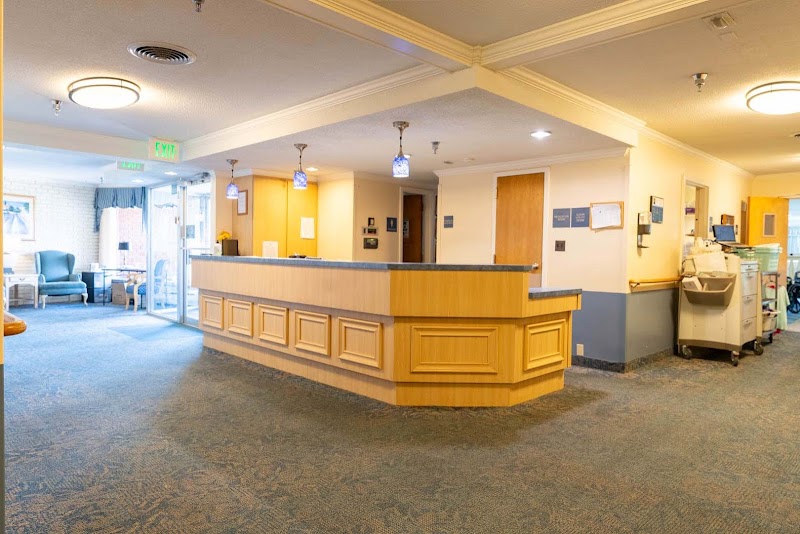
How is Conesus Lake Nursing Home, Llc Staffed?

CMS rates Conesus Lake Nursing Home, LLC's staffing level at 4 out of 5 stars, which is above average compared to other nursing homes. Staff turnover is 36%, compared to the New York average of 46%. This relatively stable workforce can support continuity of care.

What Have Inspectors Found at Conesus Lake Nursing Home, Llc?

State health inspectors documented 7 deficiencies at Conesus Lake Nursing Home, LLC during 2021 to 2025. These included: 5 with potential for harm and 2 minor or isolated issues.
Who Owns and Operates Conesus Lake Nursing Home, Llc?

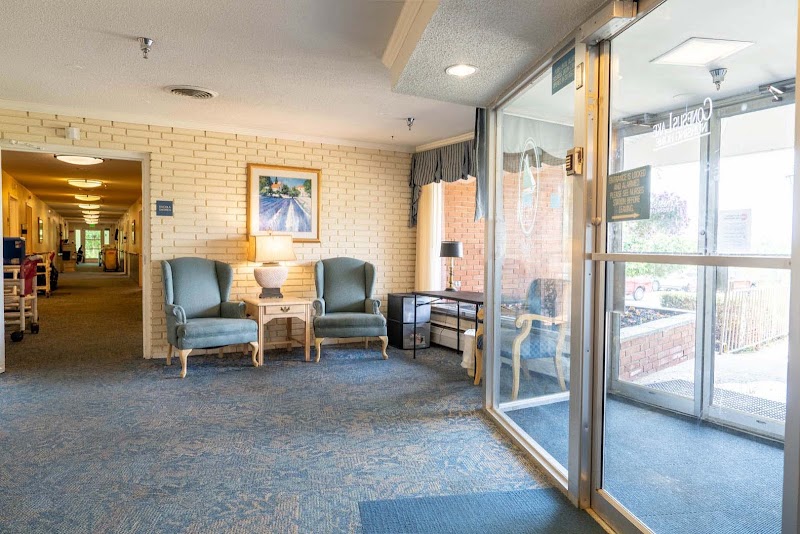
Conesus Lake Nursing Home, LLC is owned by a for-profit company. For-profit facilities operate as businesses with obligations to shareholders or private owners. The facility is operated by HURLBUT CARE, a chain that manages multiple nursing homes. With 48 certified beds and approximately 43 residents (about 90% occupancy), it is a smaller facility located in Livonia, New York.
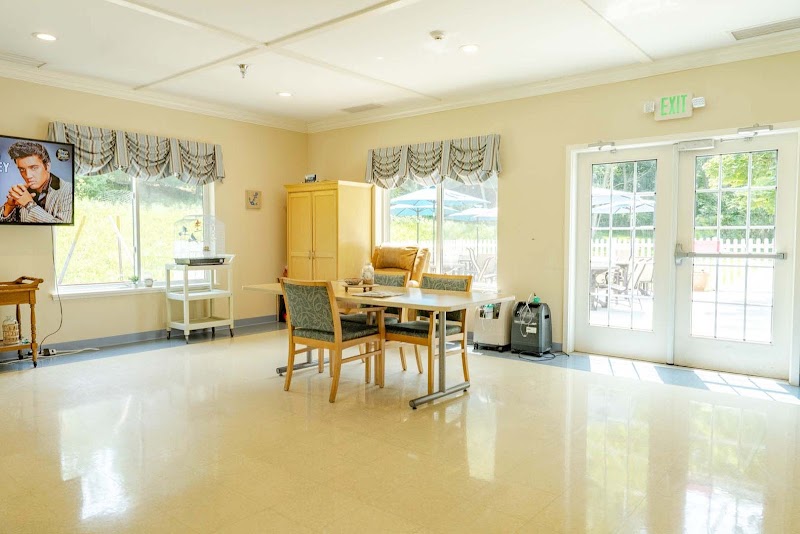
How Does Conesus Lake Nursing Home, Llc Compare to Other New York Nursing Homes?

Compared to the 100 nursing homes in New York, Conesus Lake Nursing Home, LLC's overall rating (4 stars) is above the state average of 3.1, staff turnover (36%) is significantly lower than the state average of 46%, and health inspection rating (4 stars) is above the national benchmark.

What Should Families Ask When Visiting Conesus Lake Nursing Home, Llc?

Based on this facility's data, families visiting should ask: "Can I visit during a mealtime to observe dining assistance and food quality?" "How do you handle medical emergencies, and what is your hospital transfer rate?" "Can I speak with family members of current residents about their experience?"

Is Conesus Lake Nursing Home, Llc Safe?

Based on CMS inspection data, Conesus Lake Nursing Home, LLC has a clean safety record: no substantiated abuse findings (meaning no confirmed cases of resident harm), no Immediate Jeopardy citations (the most serious violation level indicating risk of serious injury or death), and is not on the Special Focus Facility watch list (a federal program monitoring the lowest-performing 1% of nursing homes). The facility has a 4-star overall rating and ranks #1 of 100 nursing homes in New York. While no facility is perfect, families should still ask about staff-to-resident ratios and recent inspection results during their visit.

Do Nurses at Conesus Lake Nursing Home, Llc Stick Around?

Conesus Lake Nursing Home, LLC has a staff turnover rate of 36%, which is about average for New York nursing homes (state average: 46%). Moderate turnover is common in nursing homes, but families should still ask about staff tenure and how the facility maintains care continuity when employees leave.

Was Conesus Lake Nursing Home, Llc Ever Fined?

Conesus Lake Nursing Home, LLC has no federal fines on record. CMS issues fines when nursing homes fail to meet care standards or don't correct problems found during inspections. The absence of fines suggests the facility has either maintained compliance or corrected any issues before penalties were assessed. This is a positive indicator, though families should still review recent inspection reports for the full picture.

Is Conesus Lake Nursing Home, Llc on Any Federal Watch List?

Conesus Lake Nursing Home, LLC is not on any federal watch list. The most significant is the Special Focus Facility (SFF) program, which identifies the bottom 1% of nursing homes nationally based on persistent, serious quality problems. Not being on this list means the facility has avoided the pattern of deficiencies that triggers enhanced federal oversight. This is a positive indicator, though families should still review the facility's inspection history directly.