THE GRAND REHABILITATION AND NURSING AT BATAVIA
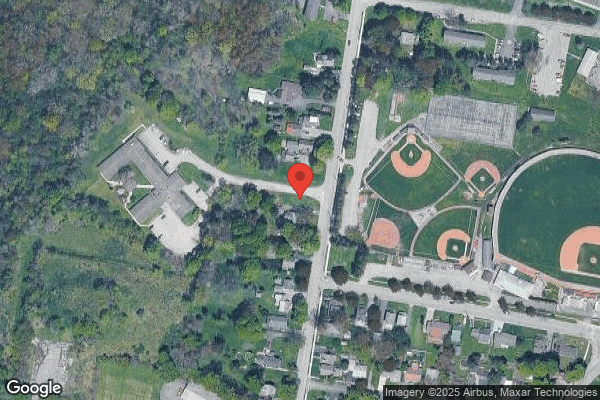
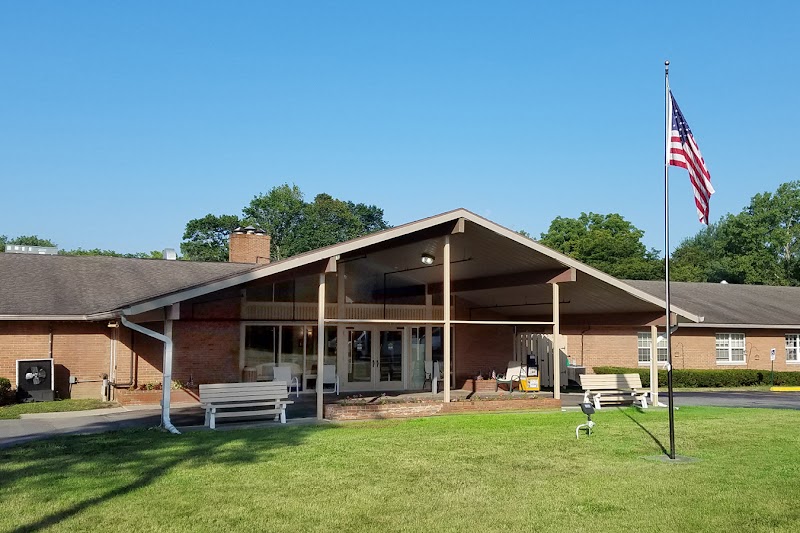
257 STATE ST, BATAVIA, NY 14020 (585) 343-1300
For profit - Partnership 62 Beds THE GRAND HEALTHCARE Data: November 2025
Trust Grade
60/100
#348 of 594 in NY
Last Inspection: February 2025

Within standard 12-15 month inspection cycle. Federal law requires annual inspections.

Overview

The Grand Rehabilitation and Nursing at Batavia has a Trust Grade of C+, which means it is slightly above average but not without its concerns. It ranks #348 out of 594 facilities in New York, placing it in the bottom half, and #3 out of 4 in Genesee County, indicating that only one local option is better. The facility is experiencing a worsening trend, with issues increasing from 4 in 2023 to 6 in 2025. Staffing is a significant concern, earning a 1-star rating with a high turnover rate of 60%, well above the state average of 40%, which may impact care continuity. However, it has good news regarding fines, with no fines on record, suggesting compliance with regulations. Specific incidents noted by inspectors include unsafe food handling practices, such as unlabeled and outdated food in refrigerators and unsanitary kitchen conditions. Additionally, there were concerns about resident safety, as one cognitively impaired resident was able to exit the facility unsupervised, and water temperatures exceeded safe levels, posing a burn risk. While the facility has strengths, such as no fines, families should weigh these against the concerning staffing and safety issues.

Trust Score
C+
60/100
In New York
#348/594
Bottom 42%
Safety Record
Low Risk
No red flags
Inspections
Getting Worse
4 → 6 violations
Staff Stability
⚠ Watch
60% turnover. Above average. Higher turnover means staff may not know residents' routines.
Penalties
✓ Good
No fines on record. Clean compliance history, better than most New York facilities.
Skilled Nurses
⚠ Watch
Each resident gets only 17 minutes of Registered Nurse (RN) attention daily — below average for New York. Fewer RN minutes means fewer trained eyes watching for problems.
Violations
⚠ Watch
15 deficiencies on record. Higher than average. Multiple issues found across inspections.
★★★☆☆
3.0
Overall Rating
★☆☆☆☆
1.0
Staff Levels
★★★☆☆
3.0
Care Quality
★★★★☆
4.0
Inspection Score
Stable
2023: 4 issues
2025: 6 issues

The Good

  • Full Sprinkler Coverage · Fire safety systems throughout facility
  • No fines on record

Facility shows strength in fire safety.

The Bad

3-Star Overall Rating

Near New York average (3.1)

Meets federal standards, typical of most facilities

Staff Turnover: 60%

14pts above New York avg (46%)

Frequent staff changes - ask about care continuity

Chain: THE GRAND HEALTHCARE

Part of a multi-facility chain

Ask about local staffing decisions and management

Staff turnover is elevated (60%)

12 points above New York average of 48%

The Ugly 15 deficiencies on record

Feb 2025 6 deficiencies
CONCERN (D)

Potential for Harm - no one hurt, but risky conditions existed

Deficiency F0554 (Tag F0554)

Could have caused harm · This affected 1 resident

**NOTE- TERMS IN BRACKETS HAVE BEEN EDITED TO PROTECT CONFIDENTIALITY** Based on observation, interview, and record review conducted during a Standard survey completed on 2/20/25, the facility did not...

Read full inspector narrative →
**NOTE- TERMS IN BRACKETS HAVE BEEN EDITED TO PROTECT CONFIDENTIALITY** Based on observation, interview, and record review conducted during a Standard survey completed on 2/20/25, the facility did not ensure a resident was assessed by the interdisciplinary team to determine a resident's ability to safely administer their own medication if clinically appropriate for one (1) (Resident #54) of one (1) resident reviewed. Specifically, Resident #54 was observed with medication in their room and had stated they self-administered the medication without being evaluated as to whether they could safely do so. In addition, the comprehensive care plan did not include the resident's ability to self-administer medications. The finding is: The policy and procedure titled Self Administration of Medications, last revised 01/2025, documented residents have the right to self-administer medications if the interdisciplinary team has determined that it is clinically appropriate and safe for the resident to do so. As part of their overall evaluation, the staff and practitioner will assess each resident's mental and physical abilities to determine whether self-administering medications is clinically appropriate. In addition to general evaluation decision making capacity, the staff and practitioner will perform a more specific skill assessment including but not limited to the resident's ability to read and understand medication labels: Comprehension of the purpose and proper dosage and administration time for the medication: Ability to remove medications from the container: The ability to recognize risks and major consequences of the medication. Self-administered medications must be stored in a safe and secure place, which is not accessible to other residents. Resident #54 had diagnoses that included end stage renal disease, diabetes mellitus, and depression. The Minimum Data Set (a resident assessment tool) dated 11/10/24 documented Resident #54 was understood, understands, and was moderately cognitive impaired. The comprehensive care plan, revised 08/20/24, did not reflect Resident #54's ability to self-administer medications including Sevelamer (medication used to remove phosphate in the blood). The Visual/Bedside [NAME] Report (guide used by staff to provide care) with an as of date 2/18/25 documented Resident #54 was independent for activities of daily living. Review of the Order Summary Report (recap of physician's orders) documented an active physician's order dated 9/30/24 for Sevelamer Carbonate 800 milligrams with instructions to give two tablets by mouth three times a day for end stage renal disease unsupervised self-administration with meals. Review of progress notes dated 08/12/24 to 11/12/24 revealed there was no documented evidence that Resident #54 was assessed by the interdisciplinary team to self-administer medications. There was no documented evidence that self-administration of medication was clinically appropriate or safe. Review of the physician's progress notes from 8/12/24 to 11/12/24 revealed there was no documented evidence that Resident #54 could self-administer their own medications. During an observation and interview on 2/13/25 at 12:04 PM, on the over the bed table, Resident #54 had a blue tinged medication bottle with approximately fifteen large white pills. There was a specimen label fixed to the bottle and had Resident #54's last name and Sevelamer written on the label in black permanent marker. Resident #54 stated the Sevelamer had to be ingested within 15 minutes of eating food and administered the medication themselves during meals. During an observation and interview on 2/18/25 at 9:17 AM, Registered Nurse #2 entered Resident #54's room with a medication cup and administered Resident #54 their morning medications. Resident #54's personal supply of the Sevelamer was on the over the bed table. Registered Nurse #2 after administering the morning medications, went to the unit B medication cart and stated that they administered the Sevelamer to Resident #54 earlier with their breakfast from the bottle kept in the unit B medication cart. At 9:20 AM Registered Nurse #2 opened the top drawer of the unit B medication cart and removed an additional bottle of Sevelamer 800 milligrams supplied from the pharmacy. Resident #54 was alert and oriented and would take the Sevelamer themselves when we couldn't get to their room in time during meals. Resident #54 could give themselves their own medication, therefore kept their own personal supply at their bedside. Registered Nurse #2 stated that keeping a bottle of medications was unsafe because other residents could potentially take them. The Sevelamer should have been kept in a locked drawer and was dangerous if other residents had access to the medication. During an interview on 2/18/25 at 1:59 PM, Licensed Practical Nurse #2 stated they were unaware Resident #54 had the Sevelamer in their possession. The Sevelamer should have been stored in a locked drawer for other residents' safety. Licensed Practical Nurse #2 stated there was no documented evidence by the interdisciplinary team or on the care plan whether that Resident #54 was physically or cognitively safe to self-administer the Sevelamer, therefore should not be taking it on their own. During a telephone interview on 2/19/25 at 11:26 AM, the Consultant Pharmacist stated the interdisciplinary team assessed and determined residents who were clinically safe and requested to do so, they could self-administer medications. The Consultant Pharmacist was not included in the process. During an interview on 2/19/25 at 12:02 PM, the Director of Nursing stated for Resident #54 to self-administer the Sevelamer there should have been an evaluation in the electronic medical record to determine cognition, dexterity and whether the resident was physically capable to administer medications and were safe to do so on their own and addressed in their care plan. Nurses should be documenting whether they administered the medication from the pharmacy supply or Resident #54's own supply to avoid potentially overmedicating. Resident #54 should be storing the Sevelamer in a safe locked drawer away from other residents. The Director of Nursing was unsure where Resident #54 was getting their own supply from. During an interview on 2/20/25 at 10:32 AM, the Administrator stated when a resident expressed interest in self-medicating, they would need to be deemed appropriate. A Registered Nurse initiated the process by obtaining a physician's order, collaborated with the interdisciplinary team and ensured the resident was clinically appropriate and safe. Without the assessment the resident should not be self-medicating. 10 NYCRR 415.3 (f)(1)(vi)
CONCERN (D)

Potential for Harm - no one hurt, but risky conditions existed

Accident Prevention (Tag F0689)

Could have caused harm · This affected 1 resident

**NOTE- TERMS IN BRACKETS HAVE BEEN EDITED TO PROTECT CONFIDENTIALITY** Based on observation, interview, and record review conducted during a Standard survey completed on 2/20/25, the facility did not...

Read full inspector narrative →
**NOTE- TERMS IN BRACKETS HAVE BEEN EDITED TO PROTECT CONFIDENTIALITY** Based on observation, interview, and record review conducted during a Standard survey completed on 2/20/25, the facility did not ensure the residents' environment remained as free from accident hazards as possible, and each resident receives adequate supervision for one (Resident #54) of four residents reviewed. Specifically, the privacy curtain was not securely mounted to the ceiling track and the curtain fabric was lying directly on the floor. The finding is: The policy and procedure titled Falls Prevention Program, revised 1/2024, documented the staff will identify interventions related to the resident's specific risks and causes to try to prevent the resident from falling and to try to minimize complications from falling. Identifying causes or fall risks included whether any environmental risk factors were involved (slippery floor, poor lighting, furniture, or objects in the way). When a resident falls the following individuals will be notified: The resident's family; The attending Physician; The Director of Nursing; and the Nursing Supervisor on duty. Resident #54 had diagnoses including end stage renal disease, diabetes mellitus, and depression. The Minimum Data Set (a resident assessment tool) dated 11/10/24 documented Resident #54 was understood, understands, and was moderately cognitive impaired. The comprehensive care plan, revised on 2/10/25, documented Resident #54 tripped over a rug and fell on 1/27/25. The plan included to initiate fall prevention interventions, provide a clutter free environment, and ensure the call bell was within reach, and assistive devices within reach. The Visual/Bedside [NAME] (guide used by staff to provide care) with an as of date 2/18/25 documented Resident #54 ambulated independently with a cane, educate on safety precautions, and call for help if needed. Review of the Fall Risk Evaluation with an effective date of 1/12/25 documented Resident #54 had a history of falls, exhibited loss of balance while standing, and was categorized as a low risk for falls. During observation and interview on 2/13/25 at 10:24 AM, Resident #54 was lying on their bed. They stated they had walked to their bathroom from the bed and tripped over the privacy curtain two months ago and was helped up by Certified Nurse Aide #4 and Licensed Practical Nurse #3. Resident #54 stated they had been waiting for the privacy curtain to be fixed and did not want to fall again. At this time a portion of the privacy (eight inches by six inches) curtain fabric was lying directly on the floor. There were six grommets at the top of the privacy curtain were not secured and dangled from the ceiling track. Review of the nursing progress notes from 8/12/24 through 2/13/25 revealed there was no documented evidence of a fall related to Resident # 54's privacy curtain. Review of the Work Order Request Forms from 12/1/24 through 2/16/25 revealed there was no documented evidence Resident #54's broken privacy curtain was reported to maintenance. During intermittent observations on 2/14/25 and 2/18/25 between 9:00 AM and 3:00 PM the privacy curtain fabric remained directly on the floor and was not securely mounted to the ceiling track. During observation and interview on 2/18/25 at 9:50 AM, Registered Nurse #2 stated they had never noticed the privacy curtain was on the floor. It was a tripping hazard and an accident waiting to happen. The concern should have been reported to maintenance. During an observation and interview on 2/18/25 at 9:52 AM, Housekeeping Aide #2 stated the privacy curtain was dangling and dangerous. They should have identified the broken privacy curtain when they mopped the floor. The repair should have been documented on their Housekeeping Daily Room Cleaning Checklist form and turned into the Assistant Environmental Services Director. Housekeeping Aide #2 stated, they should have told the Environmental Service Director as well incase their form turned up missing. Review of the Housekeeping Daily Room Cleaning Checklists from 1/1/25 through 2/16/25 revealed Resident #54's privacy curtains were checked daily for holes/stains. However, there was no evidence the broken privacy curtain was reported to the Maintenance Supervisor. During observation and interview on 2/18/25 at 9:53 AM, Maintenance Assistant #1 stated the privacy curtain was a fall hazard, needed to be replaced, and should have been documented on a work order form in the maintenance log. During observation and interview on 2/18/25 at 9:58 AM, the Director of Nursing stated the privacy curtain was six hooks shy and needed to be repaired. On 2/18/25 at 9:59 AM, Resident #54 stated to the Director of Nursing that Certified Nurse Aide #4 and Licensed Practical Nurse #3 helped them off the floor after they had tripped over the privacy curtain about two months ago. The Director of Nursing stated Certified Nurse Aide #4 and Licensed Practical Nurse #3 should have reported the broken hooks to maintenance immediately after and prevented further falls. The Director of Nursing stated the resident's fall should have been immediately reported to them. During an interview on 2/18/25 at 10:15 AM, Certified Nurse Aide # 4 stated Resident #54 fell a few weeks ago, with the help of Licensed Practical Nurse #3 they assisted Resident #54 off the floor and they did not realize they fell over the curtain or would they have reported it to maintenance that the privacy curtain needed to be fixed. Certified Nurse Aide #4 thought Licensed Practical Nurse #3 would take care of it. Resident #54 wanted us to forget it even happened. During an interview on 2/18/25 at 10:22 AM, the Assistant Environmental Services Director stated the privacy curtain was not dangling during the house audit that was completed in January 2025. There was no documented evidence a house audit had been completed. The Housekeepers were responsible to inspect for rips, tears, or soiling daily when cleaning the room. They could have replaced the hooks or the privacy curtain. During an interview on 2/18/25 at 1:51 PM, Certified Nursing Aide #3 stated they verbally reported the broken privacy curtain on 2/14/25 to Maintenance Assistant #1. Resident #54 or the roommate could have fallen. During an interview on 2/20/25 at 10:25 AM, the Environmental Services Director stated Housekeeping Aide #1 & #2 should have documented they inspected the privacy curtains, brought it to their attention, and they would have arranged to have it replaced. During an interview on 2/20/25 at 9:06 AM, Housekeeping Aide #1 verified they had completed the housekeeping daily room cleaning checklist on 2/15/25 and 2/16/25; and must have overlooked the Resident #54's privacy curtain. A portion of the privacy curtain on the floor could cause Resident #54 to fall. During an interview on 2/20/25 at 10:32 AM, the Administrator stated the privacy curtain could have caused Resident #54 to trip and was avoidable. 10 NYCRR 415.12 (h)(1)
CONCERN (D)

Potential for Harm - no one hurt, but risky conditions existed

Deficiency F0742 (Tag F0742)

Could have caused harm · This affected 1 resident

**NOTE- TERMS IN BRACKETS HAVE BEEN EDITED TO PROTECT CONFIDENTIALITY** Based on interviews and record review conducted during a Standard survey completed on 2/20/25, the facility did not ensure that ...

Read full inspector narrative →
**NOTE- TERMS IN BRACKETS HAVE BEEN EDITED TO PROTECT CONFIDENTIALITY** Based on interviews and record review conducted during a Standard survey completed on 2/20/25, the facility did not ensure that each resident received the necessary behavioral health care and services to attain or maintain the highest practicable mental and psychosocial well-being for one (Resident #21) of five resident reviewed. Specifically, Resident #21 did not have a follow up Psychiatry consult as recommended and the facility was not aware the resident was not being provided with those Psychiatry services. The finding is: The policy and procedure titled Consultations with a revised date of 1/24, documented the facility is responsible to provide consultation services for any residents as needed. The facility assumes responsibility for obtaining services that meet professional standards and principles that apply to professionals providing services in such a facility, and the timeliness of the services. If consultation services cannot be provided in-house, the facility will obtain services at appropriate outside offices. The policy documented that a designated facility staff will schedule the consult. Nursing will notify physician of consultation and any recommendations if physician is not at facility. Physician will approve any orders they agree with on the consult and documented a reason if they disagree. The consultation report will be added to the resident's medical record. Resident #21 had diagnoses that included Schizophrenia, major depressive disorder and developmental disorder of scholastic skills. The Minimum Data Set, dated [DATE] documented Resident #21 was cognitively intact, was understood, and understands. The Comprehensive Care Plan revised date 7/11/24, documented Resident #21 had a history of false accusations, providing inaccurate or conflicting information, multiple episodes of verbal outbursts due to a history of schizophrenia and major depressive disorder. Interventions included to initiate psychiatric evaluation as needed. Review of the Order Summary Reported 2/20/25, documented Resident #21 had an active order with start date of 4/14/21 for psychiatry consults as needed. Review of a (local hospital) Department of Telepsychiatry note dated 10/27/23 and signed by Nurse Practitioner #1 (of psychiatry) documented they had been seeing Resident #21 in video consultant since 6/26/23 for their paranoid schizophrenia diagnosis. Recommendations included to follow-up in four months. Review of the Resident #21's electronic medical record from 10/28/23 through 2/19/25 revealed there was no documented evidence of psychiatric follow up or visit was completed. During an interview on 2/14/25 at 9:25 AM, Resident #21 asked surveyor if they were safe because the walls were talking to them. Review of the nursing progress notes revealed the following: -2/14/25 at 1:56 PM Licensed Practical Nurse #1 documented they were approached by Resident #21, and they had stated they overhead staff say they were going to kill them, and they do not feel safe at that the facility. Resident stated staff had been having secret meetings and were planning to execute them. Licensed Practical Nurse #1 documented they reassured Resident #21 they were safe, and staff had no intention of causing harm. -2/18/25 at 11:44 AM Licensed Practical Nurse #2 documented that Resident #21 confided in them that a staff member stated, someone put a hit on their head. Licensed Practical Nurse #2 documented that Resident #21 also stated I have visions of the [NAME] and God and things that happen. -2/18/25 at 2:24 PM Licensed Practical Nurse #1 documented that Resident #21 appeared to be having delusional behaviors. The Resident stated they believe staff is actively trying to harm them and that they are going to be executed. During an interview on 2/19/25 at 11:37 AM, Social Worker #1 stated Resident #21 was under the psychiatric care of Physician Assistant #1. They stated they could not locate any further psychiatry progress notes in Resident #21 medical record since the 10/27/23 visit. During a telephone interview on 2/19/25 at 12:25 PM, Physician Assistant #1 (of Psychiatry) stated Resident #21 was not an active patient of theirs. Resident #21's insurance company approved the resident for psychology visits but denied the resident for psychiatry visits about a year or two ago. During an interview on 2/19/25 at 12:37 PM, Social Worker #1 stated they were not aware the Resident #21 was not seeing Physician Assistant #1, and did not know their insurance company denied psychiatric visits and stated Physician Assistant #1 did not notify them of this. During an interview on 2/19/25 at 12:38 PM, Medical Doctor #1 stated they were unsure if Resident #21 was under the care of a psychiatrist. They stated if a previous psychiatry consult recommended a follow-up visit in four months, then it was not appropriate if that did not occur. Medical Doctor #1 stated that Resident #21 should have been seeing a psychiatrist because Resident #21 was on psychotropic medications. During an interview on 2/19/25 at 3:35 PM, the Medical Director stated that if Resident #21 had a recommendation to follow up with psychiatry in four months, then the resident should have had a follow up visit. The Medical Director stated that a person with the diagnosis of schizophrenia should be followed by psychiatry, if the resources where available. During a telephone interview on 2/19/25 at 5:37 PM, the Phycologist stated they were not aware that Resident #21 was not under the care of psychiatry. They stated they would have expected Resident #21 to have had a follow up appointment with psychiatry if that was the recommendation. During an interview on 2/20/25 at 9:46 AM, Social Worker #1 stated that the lack of psychiatry visits for Resident #21 slipped through the radar and they were not aware they were not seeing the psychiatrist until it was brought to their attention on 2/19/25. They stated when Physician Assistant #1 came on board at the facility they attempted to switch the company that Resident #21 was using for psychiatry care from telepsychiatry visits with Nurse Practitioner #1 to in-house visits with Physician Assistant #1. They stated the company that the Psychologist and Physician Assistant #1 work for would make their own schedule and follow-up appointments for their residents. Social Worker #1 stated Resident #21 would benefit from having someone else to talk with. During an interview on 2/20/25 at 8:55 AM, Licensed Practical Nurse Unit Manager #2 stated Resident #21 main behaviors consisted of delusions, hallucinations and seeing visions of future events. They stated they assumed Resident #21 was being followed by psychiatry but that was the responsibility of Social Worker #1. After view of Nurse Practitioner #1's progress note dated 10/27/23 they stated they did not know why Resident #21 did not have a follow up appointment but should have. They stated the importance of maintaining psychiatry appointments for Resident #21 was for their mental health and keeping them stable. During a follow up interview on 2/20/25 at 10:09 AM, Licensed Practical Nurse #2 stated they could not locate any documentation for Resident #21 regarding a follow-up visit for psychiatry after 10/27/23. During an interview on 2/20/25 at 11:00 AM, the Director of Nursing stated Resident #21 was schizophrenic with a lot of active hallucinations and delusions. They stated they do not know if Resident #21 was supposed to see psychiatry and that all mental health visits were handled by Social Worker #1. After review of Nurse Practitioner #1 note on 10/27/23 they stated their expectation would be that Resident #21 would have had a follow up visit in four months as recommended. During a telephone interview on 2/20/25 at 1:23 PM, the Referral Coordinator for the (local hospital) Department of Telepsychiatry stated that Resident #21 was last seen for a psychiatry visit on 10/27/23 and was to have a follow up visit on 3/6/24. They stated that Resident #21 was a now show by the home for the 3/6/24 visit. During an interview on 2/20/25 at 1:48 PM, Resident #21 stated they were happy that they would be following up with Nurse Practitioner #1 (psychiatry) again. During an interview on 2/20/25 at 2:05 PM, the Administrator stated they expected if the psychiatrist recommended a follow up visit that one would occur. They stated Social Worker #1 was responsible for ensuring psychiatry visits took place. 10 NYCRR 415.12(f)(1)
CONCERN (D)

Potential for Harm - no one hurt, but risky conditions existed

Drug Regimen Review (Tag F0756)

Could have caused harm · This affected 1 resident

**NOTE- TERMS IN BRACKETS HAVE BEEN EDITED TO PROTECT CONFIDENTIALITY** Based on interview and record review conducted during a Standard survey completed on 2/20/25, the facility did not ensure that t...

Read full inspector narrative →
**NOTE- TERMS IN BRACKETS HAVE BEEN EDITED TO PROTECT CONFIDENTIALITY** Based on interview and record review conducted during a Standard survey completed on 2/20/25, the facility did not ensure that the pharmacist reported irregularities to the Attending physician and the facility's Medical Director, and that these reports were acted upon for two (Residents #12 and #21) of five residents reviewed for drug regimen reviews. Specifically, irregularities identified by the Consultant Pharmacist were not sent to the Attending physician and Medical Director and they were not signed, addressed, or acted upon by a medical provider (Residents #12 and #21). The findings are: The policy and procedure titled Medication Regimen Reviews, review date 1/25, documented the consultant pharmacist performs a medication regimen review for every resident in the facility receiving medication. The policy documented that within 24 hours of the review, the consultant pharmacist provides a written report to the attending physician for each resident identified as having a non-life-threatening medication irregularity. If the physician does not provide a timely or adequate response, or the consultant pharmacist identifies that no action has been taken, the consultant contacts the medical director or the administrator. The policy documented that the attending physician documents in the medical record that the irregularity has been reviewed and what action was taken to address it. Copies of medication regimen review reports, including physician responses, are maintained as part of the permanent medical record. 1. Resident #12 had diagnoses which included anxiety, depression, and dementia. The Minimum Data Set (a resident assessment tool) dated 1/5/25 documented that Resident #12 was severely cognitive impaired, sometimes understands, sometimes understood and received antidepressant and antipsychotic medications. Review of the comprehensive care plan dated 11/19/24 documented Resident #12 used psychotropic medications related to dementia, depression, and anxiety. Target behaviors included pacing, wandering, and inappropriate response to verbal communication towards others. The Order Summary Report dated 2/19/25 documented an active physician's order dated 1/9/25 for Xanax (antianxiety medication) oral tablet 0.5 milligrams by mouth every twenty-four hours as needed for panic attacks. There was no stop date. Review of the Consultant Pharmacist's Medication Regimen Review dated 1/23/25 documented an irregularity was identified during their medication review. Review of the Note to Attending Physician/Prescriber form dated 1/23/25, revealed the Consultant Pharmacist identified that Resident #12 had an as needed order for the psychotropic medication Xanax without a stop date. The Consultant Pharmacist recommended adding a stop date to the order and that if the Xanax could not be discontinued, regulations required that the prescriber documented the indication for use, the intended duration of therapy, and the rationale for the extended use. The Physician/Prescriber response section was not addressed, not signed, and was blank. During a telephone interview on 2/19/25 at 11:26AM, the Consultant Pharmacist stated they emailed recommendations to the Director of Nursing after their review on 1/23/25. They could not see where the provider reviewed the Xanax, and it should have been evaluated on or before 1/23/25. There was no documentation that supported an indication for use or continued use of the Xanax past fourteen days. They would have expected the Director of Nursing to have printed the recommendation on 1/23/25 to give to Licensed Practical Nurse #2 who should have contacted the provider immediately as the recommendation was time sensitive. Other recommendations they'd expected to be signed and addressed by the medical providers within thirty days. During an interview on 2/19/25 at 12:26PM, Licensed Practical Nurse #2 (Unit Manager) stated the Director of Nursing printed the pharmacy recommendations and placed them in the medical provider's folder. The medical provider signed and addressed the recommendations when they would come in next. Licensed Practical Nurse #2 was responsible and ensured that the pharmacy recommendations were completed with the provider timely. A copy of the physician's order was attached to the recommendation for verification and placed in a binder when completed. Licensed Practical Nurse #2 stated they missed that the Xanax was ordered as needed with no stop date. During an interview on 2/19/25 at 12:31PM, the Director of Nursing stated they printed two copies of the pharmacy recommendations on 1/23/25. One copy was placed in their binder and the other placed in the medical provider's folder. Licensed Practical Nurse #2 was responsible to review new physician's orders and should have caught the Xanax had no stop date on 1/9/25. Therefore, they should have immediately contacted the medical provider for a stop date for the Xanax. Psychoactive medications ordered as needed should not be ordered for more than fourteen days. The Director of Nursing stated they printed off a report with the previous days new orders and the Xanax was overlooked and didn't know how. During an interview on 2/19/25 at 3:39PM, the Medical Director stated they had not seen the pharmacy recommendations, was not included in the emails from the Consultant Pharmacist, and wished they were. 2. Resident #21 had diagnoses that included diabetes, schizophrenia, major depressive disorder. The Minimum Data Set, dated [DATE] documented Resident #21 was cognitively intact, was understood, understands, and received hypoglycemic medication (used to lower blood sugar). Review of the Consultant Pharmacist report titled Note to Attending Physician/Prescriber dated 10/18/24, documented Resident #21 received Metformin Extended Release (a medication that lowers blood sugar over a 24-hour period) 500 milligrams two tablets twice a day. The Consultant Pharmacist recommended to considerer administering the medication once a day, 500 milligrams four tabs to simplify their regimen. There was no documented follow up, signature or date on the report by a medical provider. There also was no follow up documented by the Consultant Pharmacist. Review of the physician's Order Summary Report dated 2/20/25, documented Resident #21 had an active order for Metformin ER 500 milligrams two tablets twice a day with order start date of 1/9/22. Review of the Physicians Progress Notes from 10/18/24-11/27/24 revealed there was no documented evidence that the Consultant Pharmacist recommendation on 10/18/24 was reviewed or addressed. Review of the nursing Progress Notes from 10/18/24-2/19/25 revealed there was no documented evidence of a discussion with a medical provider about the Consultant Pharmacist recommendation dated 10/18/24. During an interview on 2/19/25 at 3:35PM, the Medical Director stated hey were not provided any pharmacy recommendations when they started at the facility in November 2024 and could not speak on what providers prior to them should have done with the medication regimen review recommendations. The Medical Director stated the recommendations should also go to the other providers in the facility and not themselves. During a telephone interview on 2/19/25 at 4:25PM, the Consultant Pharmacist stated they would expect the medical provider to address their recommendation by signing, dating, and provided a rationale if the recommendation had been declined within 30 days of the recommendation being completed. They stated they would review their previous recommendations to see if they were addressed by a medical provider at the gradual dose reduction meetings that are held monthly at the facility. The Consultant Pharmacist stated if the medication regimen review forms were not scanned into the electronic medical record, then the Director of Nursing had them filed in a binder. They stated as a general rule if recommendations were not addressed by a medical provider, then they would reissue the recommendation again. They stated they do not have any documentation from Resident #21's 10/18/24 recommendation being addressed. The Consultant Pharmacist stated they probably did not follow up with the medical provider because Resident #21's recommendation was more for the convenience for the staff by only needing to do one medication pass versus two. During an interview on 2/20/25 at 11:00AM, the Director of Nursing stated they received the medication regimen review recommendations via email from the Consultant Pharmacist. They stated they printed two copies giving one to the medical provider and putting the second into their binder. They stated once the recommendation had been addressed by the provider, they replaced the copy in their binder with the addressed version. The Director of Nursing stated they were unsure what happened to Resident #21's 10/18/24 recommendation, but they should have been able to present documented evidence that the recommendation was addressed by the medical provider, but they could not. During an interview on 2/20/25 at 2:05PM, the Administrator stated their expectation would be that a medical provider address, sign and date the Consultant Pharmacist medication regimen review recommendations. The Administrator stated they had identified that only the Director of Nursing received the recommendations via email and that they would need to be expending that process, so more staff are receiving the recommendations. 10 NYCRR 415.18(c)(2)
CONCERN (E)

Potential for Harm - no one hurt, but risky conditions existed

Food Safety (Tag F0812)

Could have caused harm · This affected multiple residents

Based on observation, interview, and record review conducted during a Standard survey completed 2/20/25, the facility did not store, prepare, distribute, and serve food in accordance with professional...

Read full inspector narrative →
Based on observation, interview, and record review conducted during a Standard survey completed 2/20/25, the facility did not store, prepare, distribute, and serve food in accordance with professional standards for food service safety. Specifically, one of one kitchen had issues with foods and beverages being either unlabeled or outdated in the refrigerators; kitchen had a grease laden hood with dusty, fuzzy debris, greasy black floor beneath the stove and oven, and thick greasy build up alongside the oven next to the stove/grill top; lack of [NAME] #1 wearing a facial hair covering in food preparation areas and during serving of food. Additionally, the pH (potential of hydrogen) test paper strips utilized to test the three-compartment sink were expired. The findings are: The undated policy and procedure titled Food Receiving and Storage documented food shall be stored in a manner that complies with safe food handling practices. All foods stored in the refrigerator will be covered, labeled and dated (use by date). Beverages must be dated when opened and discarded after twenty-four hours. The undated policy and procedure titled Sanitation documented the food service area shall be maintained in a clean and sanitary manner. Kitchen areas shall be kept clean, free from litter and rubbish and protected from rodents, roaches, flies and other insects. Manual washing and sanitizing will employ a three-step process for washing, rinsing and sanitizing: quaternary ammonium compound 150-200 parts per million for time designated by the manufacturer. The Food Service Manger will be responsible for scheduling staff for regular cleaning of kitchen. The manufacturer manual for the kitchen hood documented they suggested having a certified hood cleaning company inspect and professionally clean hood system. Recommended guidelines based on use included hoods over non-grease applications/low volume cooking had a one-year cleaning requirement and typical hospital kitchens had a 90-day requirement. Exhaust fan cleaning was recommended monthly and heavy grease build up could be a fire hazard. Review of outside vendor receipts kitchen exhaust hood cleaning service was provided on 12/14/2023 and 9/24/2024 Review of Kitchen Cleaning List Monthly or When Needed 2025 provided by the Food Service Director on 2/19/25, documented stove burners and grill cleaning was completed on 1/20/25. Hood Vents cleaning was handwritten as due in March. 1. During an observation of the kitchen on 2/13/25 between 9:22AM and 10:04AM, the following was observed: -the cooks cooler contained a plastic container of prepared egg salad with use by date of 2/11; a deep stainless steel dish labeled 2/10, no use by date indicated, contained the following lunch meat: a clear plastic bag of bologna that felt slimy with date on twist tie of 2/12, one opened undated package of sliced turkey, and one unopened, undated package of sliced turkey; a shallow stainless steel pan with label dated 2/7 and use by date of 2/10 contained two packages of thawed raw chicken. An opened package of raw chicken dated 2/9 with no use by date, and an additional unopened package of raw chicken was present without a label or date. - the milk cooler contained one gallon of chocolate milk dated 2/6/25, use by 2/9/25 with a sell by date of 2/10/25; one 46 fluid ounce honey consistency water labeled as opened on 2/10, use by date not indicated; one 46 fluid ounce of nectar consistency orange juice labeled as opened on 2/6, use by date was not indicated; one 46 fluid ounce tomato juice labeled as opened on 2/4, use by 2/7. -the hood over the stove/grill and ovens were observed grease laden with dusty, fuzzy debris. -the floor beneath the oven was soiled with a large area of blackened greasy debris; black thick debris buildup, and/or grease buildup on the outside of the oven next to the stove/grill top. -Cook #1 was observed with facial hair approximately a quarter of an inch long cooking and preparing food in the kitchen without a facial hair covering. During an observation and interview on 2/13/25 at 9:41AM to 9:50AM, [NAME] #1 stated the cooks were responsible for checking use by dates everyday and tossing anything after 3 days. [NAME] #1 stated the prepared egg salad should have been used or tossed out by 2/11/25. Upon checking the plastic bag of bologna, [NAME] #1 stated they did a smell test to see if it was still good. They opened the bag of bologna, smelled the inside of the bag, then with an ungloved hand removed a slice of bologna from the plastic bag to feel the texture. [NAME] #1 stated the bologna needed to be thrown away, because it did not feel right. They stated it was important to check expiration and use by dates, so food did not sit too long. They stated it could grow bacteria and they would not want it consumed. [NAME] #1 stated the opened package of raw chicken was opened on 2/9/25 and should still be good. They stated some food was still good for 4-5 days. During an observation and interview on 2/13/25 at 10:09AM to 10:13AM, the Food Service Director stated food, and beverages were supposed to be labeled with the date opened and the date to be discarded, if it was not dated and labeled, they should be discarded. They stated the cooks, and the dietary staff utilizing the food and beverages should be checking dates. The Food Service Director stated after three days of use, food should be thrown away due to bacterial growth. The Food Service Director inspected and threw out the opened package of raw chicken dated 2/9, stating it could cause salmonella. They stated the gallon of chocolate milk should have been thrown out as it was past the expiration date. 2. During an observation of the kitchen on 2/19/25 at 7:54AM-8:17AM the following was observed: - [NAME] #1 still had facial hair and plated breakfast from the steam table without a facial hair covering and pureed a banana without a facial hair covering. - the hood over the stove/grill and ovens was observed grease laden with dusty, fuzzy debris. - the floor beneath the oven was soiled with large area of blackened greasy debris; black thick debris buildup, and/or grease buildup on the outside of the oven next to the stove/grill top. - the pH (potential of hydrogen) test paper utilized by staff for testing the three-compartment sink, had an expiration date of 10/1/2023. During an observation and interview on 2/19/25 at 8:18AM, the Food Service Director stated the hood over the stove/grill and oven were cleaned by a company every six months. They stated the hood was dusty with grease present and was do for cleaning the beginning of March. The Food Service Director identified the large area of blackened debris on the floor beneath the oven and black build up on the outside of oven as grease build up. They stated the floor, and the outside of the oven were supposed to be cleaned at least daily to prevent grease buildup that could start a fire and to prevent rodents. The Food Service Director stated dust should not be present in the area where food is being prepared for health reasons, did not want dust debris getting into the food being prepared and served to residents. The Food Service Director stated facial hair coverings should be worn so hair did not get into any food. They stated utilizing expired pH (potential of hydrogen) test paper may not give an accurate reading, or false reading when testing for proper sanitation levels. During an interview on 2/19/25 at 8:20AM, [NAME] #1 stated they did not realize their facial hair was that long. They stated they did not need a facial hair covering until facial hair was over a quarter of an inch long. [NAME] #1 stated facial hair coverings were worn for sanitation, so hair did not get into the food. 3. During an observation and interview in the kitchen on 2/19/25 at 11:02 AM-11:21AM, [NAME] #1 pureed spinach, chicken and macaroni and cheese wearing a face mask below their nose with their mustache facial hair exposed. [NAME] #1 utilized the pH (potential of hydrogen) test strips with expiration date of 10/1/2023 to check the pH (potential of hydrogen) level of the three-compartment sink. [NAME] #1 stated they did not even think to check the pH (potential of hydrogen) paper for an expiration date. [NAME] #1 stated that utilizing the pH (potential of hydrogen) paper after the expiration date, degraded the value. They stated they may not get a proper rating and there could still be bacteria on the dishes. During an interview on 2/19/25 at 11:35AM, Registered Dietician stated they expected everything that was opened to be labeled and dated. They stated after the third day, food should be thrown out as food spoils and residents can get sick. The Registered Dietician stated maintaining a clean kitchen was important for food safety, protecting residents from getting sick; and that grease should be cleaned to prevent fire hazards. The Registered Dietician stated any facial hair should be covered so no hair got into the food and contaminated it. During an interview on 2/19/25 at 3:55PM, the Administrator stated that kitchen cleanliness should be maintained for infection control and hoods should be maintained for fire safety. They stated code required that food must be labeled and dated when opened. The Administrator stated that all expired food should be removed, as it could be spoiled, growing bacteria and cause illness. They stated it was a requirement to wear a hair covering so food did not become contaminated with hair. 10 NYCRR 415.14(h)
MINOR (C)

Minor Issue - procedural, no safety impact

Deficiency F0836 (Tag F0836)

Minor procedural issue · This affected most or all residents

Based on observation, interview, and record review during the Standard survey completed on 2/20/25, the facility did not operate and provide services in compliance with all applicable Federal, State, ...

Read full inspector narrative →
Based on observation, interview, and record review during the Standard survey completed on 2/20/25, the facility did not operate and provide services in compliance with all applicable Federal, State, and local laws, regulations, and codes. Specifically, the facility was not in compliance with Section 915 of the 2020 Fire Code of New York State, which requires carbon monoxide detection in all rooms and sleeping areas with fuel-burning appliances, and on-going preventative maintenance of carbon monoxide detectors. This affected two (Unit A and Unit B) of two resident units and the basement. The finding is: According to the 2020 Fire Code of New York State, patient rooms in nursing homes are defined as sleeping units. In residential and commercial buildings that contain a fuel burning appliance, carbon monoxide detection shall be installed in all rooms, occupiable space, dwelling units, sleeping areas, and sleeping units that contain a fuel-burning appliance. Additionally, the 2020 Fire Code of New York State stated carbon monoxide detectors shall be maintained in good working order in accordance with Section 915 of this code, National Fire Protection Association (NFPA) 720 (Standard for the Installation of Carbon Monoxide Detection and Warning Equipment), and the manufacturer's instructions/recommendations. Observations on 2/13/25 between 9:10 AM and 3:30 PM revealed battery powered carbon monoxide alarms were installed on the first floor and in the basement. Further observation during these times revealed resident sleeping rooms were located on the first floor and fuel burning appliances were located on the first floor and in the basement. During an interview on 2/18/25 at 3:30 PM, the Environmental Services Director stated there were two different models of carbon monoxide detectors in the facility and both models were from the same manufacturer. The Environmental Services Director further stated the carbon monoxide detectors were tested and cleaned monthly. Review of carbon monoxide detectors logs documented that carbon monoxide detectors were located on the first floor and in the basement and the detectors had been tested and cleaned monthly from dated 5/13/23 through 2/15/25. Review of the Carbon Monoxide Alarm User Guide for carbon monoxide alarm (Model A) documented, Maintenance Tips. To keep your alarm in good working order, you must follow these steps: Test the alarm once a week by pressing the Test/Reset button. Review of the Carbon Monoxide Alarm User Guide for carbon monoxide alarm (Model B) Maintenance Tips. To keep your alarm in good working order, you must follow these steps: Test the alarm once a week by pressing the Test/Reset button. 42 CFR 483.70(b) 10NYCRR: 415.29(a)(2), 711.2(a)(1) 2020 Fire Code of New York State, Section 915: 915.3.1, 915.6
Apr 2023 4 deficiencies
CONCERN (D)

Potential for Harm - no one hurt, but risky conditions existed

Deficiency F0698 (Tag F0698)

Could have caused harm · This affected 1 resident

Based on observation, interview, and record review, conducted during a Standard survey completed on 4/12/23, the facility did not ensure that a resident who required dialysis received services consist...

Read full inspector narrative →
Based on observation, interview, and record review, conducted during a Standard survey completed on 4/12/23, the facility did not ensure that a resident who required dialysis received services consistent with professional standards of practice for one (Resident #6) of one resident reviewed. Specifically, there was lack of documented evidence of ongoing monitoring of vital signs (VS) and the permacath (a flexible tube inserted into a vein at the neck or upper chest to use for short-term dialysis treatment) site for complications upon return to the facility after dialysis. The finding is: The policy and procedure (P&P) titled Central Venous Catheter Dressing Changes dated 1/2023, documented the following information should be recorded in the resident's medical record: location and objective description of insertion site and any complications, interventions that were done. 1. Resident #6 was admitted to the facility with diagnoses including chronic kidney disease (CKD) stage 5, type 2 diabetes mellitus, and morbid obesity. The Minimum Data Set (MDS- a resident assessment tool) dated 2/25/23 documented Resident #6 was understood, understands and was cognitively intact. The MDS documented the resident received dialysis. The comprehensive Care Plan (CCP) initiated on 1/13/23 documented the resident needed dialysis related to CKD stage 5. Interventions included resident receives dialysis Monday, Wednesday, Friday and check and change dressing daily at access site, change if ordered by Medical Doctor (MD) only; document condition and any complications. Review of progress notes from 3/1/23 through 4/10/23, the progress notes lacked documented evidence Resident #6 was assessed upon return to the facility to include evaluation of the permacath site and VS. The 24-Hour Report (nursing report) sheets dated 3/1/23 through 4/10/23, lacked documented evidence Resident #6 was assessed upon return from dialysis to include evaluation of the permacath site and VS. The Weights and Vitals Summary dated 3/1/23 through 4/10/23, lacked documented evidence Resident #6 was assessed upon return from dialysis to include VS. The Medication Administration Record (MAR) dated 3/1/23 through 4/10/23, lacked documented evidence Resident #6 was assessed after return from dialysis to include evaluation of the permacath site and VS. The Treatment Administration Record (TAR) dated 3/1/23 through 4/10/23, documented a post dialysis evaluation was completed upon return from dialysis. During a telephone interview on 4/11/23 at 10:44 AM, Registered Nurse Supervisor (RNS) #1 stated when Resident #6 comes back from dialysis, they check the communication binder and ask the resident how dialysis went. RNS #1 stated they did not obtain VS when Resident #6 returned, and they did not check the permacath site to ensure it was intact and should have. RNS #1 stated, they did not write a progress note when the resident returned from dialysis but should have documented VS and the condition of the permacath site. During an interview on 4/11/23 at 11:20 AM, MD #1 stated the expectations was that nursing would continue routine medical care when a resident returns from dialysis. MD #1 stated routine medical care included checking VS and the permacath site. MD #1 stated VS should be taken ensure the resident was not hypotensive (low blood pressure) after dialysis and the permacath site should be checked for any bleeding because it was just used at dialysis. During an interview on 4/11/23 at 11:39 AM, Licensed Practical Nurse (LPN #1) Unit Manager stated when a resident comes back from dialysis the nursing staff would check the dialysis communication book for any new orders or complications during dialysis, take the resident's VS and assess the dialysis sites to ensure the resident was stable and the permacath was intact. LPN #1 stated the nurses should document a progress note indicating the VS and evaluation of the dialysis sites. During an interview on 4/11/23 at 11:52 AM, the Dialysis Center RN (#1) stated the expectation was that an evaluation would be completed when the resident returned to the facility to make sure the resident was still stable. The evaluation would include VS and monitoring of the permacath site. The Dialysis Center RN stated, nurses should check the permacath site to ensure it was secured and not bleeding. Additionally, the resident had fluids removed during dialysis, so it was important the VS were monitored after the resident returned to the facility. During an interview on 4/12/23 at 9:20 AM, RNS #1 stated when they signed the complete post dialysis evaluation in the treatment administration record, it indicated that they spoke with the resident regarding their dialysis treatment. It did not indicate that VS were taken nor the permacath was checked. During an interview on 4/12/23 at 9:38 AM, the Director of Nursing (DON) stated the expectation was for nurses to check the permacath dressing and vital signs after the resident returned from dialysis. The DON stated there was no documentation in the medication or treatment administration records of the nurse checking the permacath site and obtaining VS. The DON stated there was a complete post dialysis evaluation ordered in the treatment record but that does not indicate that VS were completed and if the permacath was checked. The DON stated it was expected for the nurse to document in the progress notes an evaluation including VS and the condition of the permacath site to ensure the resident was stable and the dressing was intact. 10 NYCRR 415.12
CONCERN (D)

Potential for Harm - no one hurt, but risky conditions existed

Medication Errors (Tag F0758)

Could have caused harm · This affected 1 resident

**NOTE- TERMS IN BRACKETS HAVE BEEN EDITED TO PROTECT CONFIDENTIALITY** Based on observation, interview, and record review conducted during a Standard survey completed on 4/12/23, the facility did not...

Read full inspector narrative →
**NOTE- TERMS IN BRACKETS HAVE BEEN EDITED TO PROTECT CONFIDENTIALITY** Based on observation, interview, and record review conducted during a Standard survey completed on 4/12/23, the facility did not ensure that residents who receive a psychotropic medication have gradual dose reductions (GDR), unless clinically contraindicated, in an effort to discontinue these drugs for one (Resident #10) of five residents reviewed for psychotropic medication use. Specifically, there was a lack of a GDR for a resident receiving psychotropic medications; lack of supporting documentation for the continued use and adequate indication of the antipsychotic medication. Additionally, one (Resident #36) of five residents reviewed for psychotropic medication care plan development, lacked a comprehensive care plan for the use of psychotropic medications. The findings are: The facility policy and procedure (P&P) titled Medication Therapy/Drug Regimen Review with revision review date 1/2023 documented that each resident's medication regimen shall include only those medication necessary to treat existing conditions and address significant risks. The P&P documented that all decisions related to medications shall include appropriate elements of the care process, such as: adequately detailed assessment, review of cause of symptoms, consideration of the clinical relevance of symptoms, principles of prescribing for the elderly and each residents wishes, values, goals, condition and prognosis. The P&P documented the physician will identify situations where medications should be tapered, discontinued, or changed to another medication, for example: when the results of ongoing assessment or the presence of clinically significant adverse consequences monitoring, suggest that a medication should be reduced or discontinued entirely. The facility P&P titled Care Plans, Comprehensive Person-Centered with revision review date 1/2023, documented the comprehensive, person-centered care plan will include measurable objectives and timeframes, describe the services that are to be furnished to attain or maintain the residents highest practicable physical, mental and psychosocial wellbeing. The P&P documented the care plan should incorporate identified problem area; incorporate risk factors associated with identified problems; reflect treatment goals, timetable and objectives in measurable outcomes; and reflect currently recognized standards of practice for problem areas. The P&P documented assessments of residents are ongoing and care plans are revised as information about the residents and the resident conditions change. The P&P documented the interdisciplinary team must review and update the care plan when the resident has been readmitted to the facility from a hospital stay and at least quarterly. 1. Resident #10 had diagnoses of dementia without behavioral disturbance, depression and hypertension. The Minimum Data Set (MDS- a resident assessment tool) dated 2/10/23 documented Resident #10 was severely cognitively impaired, usually understands and usually understood. The MDS documented Resident #10 received 7 days of antipsychotic, antianxiety and antidepressant medications. The MDS documented that the antipsychotic medication was given on a routine basis, and there was no GDR attempted with the physician documenting a GDR attempt was clinically contraindicated on 11/1/22. The MDS documented that Resident #10 had no delusions, hallucinations or physical behaviors toward others and had 4-6 days of verbal behaviors directed towards others. The Comprehensive Care plan (CCP) revised on 2/9/23, documented Resident #10 used psychotropic medications for the diagnosis of dementia with behaviors, depression, and anxiety. Interventions included to follow sleep encouragement techniques, give medications, monitor/record occurrence of target behavior symptoms and monitor/record/report to MD side effect of psychoactive medications. The Medication Review Report dated 4/12/23, documented a physician order on 1/8/22 for Buspirone (an antianxiety medication) 5 milligrams (mg) three times a day for anxiety and Lexapro (an antidepressant medication) 5 mg daily for depression; and a physician order on 7/13/21 for Seroquel (an antipsychotic medication) 75mg two times a day for anxiety. An order on 1/8/22 changed the indication for Seroquel to dementia with behaviors. The medication review report revealed no GDR of the above medications. The seroquel (antipsychotic medication) Highlights of Prescribing Information revised October 2013, documented the medication was indicated for treatment of schizophrenia, bipolar disorder manic episodes, and bipolar disorder depressive episodes. The medication was not approved for elderly patients with dementia related psychosis. Review of the Resident #10's Physician Progress Notes revealed the Medical Doctor (MD) documented the following: - 1/11/22, adult failure to thrive/dementia with agitation/depression/anxiety-stable. Recent evaluation with psych noted. Continue with current dose of Seroquel, Buspar and Lexapro. Given stability and current issues recommend against dose reduction at this time. - 3/8/22, adult failure to thrive/dementia with agitation/depression/anxiety-stable. Continue with current dose of Seroquel, Buspar and Lexapro. Given stability and current issues recommend against dose reduction at this time. - 5/10/22, adult failure to thrive/dementia with agitation/depression/anxiety-stable. Continue Seroquel, Buspar and Lexapro. Given medical issues and stability recommend against GDR at this time. - 7/5/22 and 7/12/22, adult failure to thrive/dementia with agitation/depression/anxiety-stable. Continue Seroquel, Buspar and Lexapro. Given current diagnosis and issues with recommend against GDR at this time. - 9/6/22, adult failure to thrive/dementia with agitation/depression/anxiety-stable. Continue Seroquel, Buspar and Lexapro, recommend against GDR at this time. - 11/1/22, adult failure to thrive/dementia with behavioral disturbance and agitation/depression/anxiety-stable. Recent evaluation with psych noted. Continue with current dose of Seroquel, Buspar and Lexapro. Given current diagnosis and stability recommend against GDR at this time. - 12/20/22 and 3/21/22, adult failure to thrive/dementia with behavioral disturbance and agitation/depression/anxiety-stable. Continue Seroquel, Buspar and Lexapro. Ongoing psychology support noted. There was no documentation of Resident #10's targeted behavior for the use of an antipsychotic medication. Review of the CHE Behavioral notes from 4/1/22-12/23/22 documented that Resident #10 had evidence of stress and anxiety and sadness and some cognitive deficits that were exacerbated by emotional distress and aphasia symptoms. There was no documented evidence the resident had psychotic behaviors that were detrimental to the resident or others. There were no further psychologist notes after 12/23/22. Review of Resident #10's Progress Notes dated 4/20/22-4/11/23 documented: - 7/15/22 at 1:30 PM, the resident was found going through roommates and the next room things. It was documented that resident got agitated and aggressive when asked to stop. - 9/23/22 at 4:26 AM, the resident was noted to be arguing with roommate due to roommate being upset that resident was yelling and singing throughout the night. - 11/11/22 at 9:20 AM, resident hit a Certified Nurse Aide (CNA) while they provided care - 1/19/23 at 10:25 PM, the resident was self-propelling in wheelchair calling out for their husband. Resident #10 told other residents to shut-up or be quiet when the other residents told them to be quiet. There was no further documentation about verbal/physical aggression, harming self or others, hallucinations, or delusions. During intermittent observations on 4/6/23 to 4/11/23 from 6:37 AM to 2:30 PM, Resident #10 had no violent outbursts, striking out at staff or residents. On 4/11/23 at 6:37 AM during morning care observation and at 7:33 AM during a mechanical lift transfer observation, Resident #10 displayed no negative behaviors, was pleasant and calm with care and requested to go back to sleep. During an interview on 4/11/23 at 4:47 PM, CNA #6 stated that they usually worked the second shift and Resident #10 was pleasant but tended to yell out around 10 PM. CNA #6 stated they would enter Resident #10's room to see what they needed, and Resident #10 would not remember what they were yelling for. CNA #6 stated that they would provide care and after they left the room Resident #10 would yell out again. They stated that Resident #10 did not display verbal or physical aggression. During an interview on 4/12/23 at 9:14 AM, CNA #7 stated Resident #10's behaviors included that they screamed for help. CNA #7 stated Resident #10 would be redirected by staff bringing them to the nurse's station, giving them chocolate or another snack. CNA #7 stated that Resident #10 was usually super sweet and did not have any physical/verbal aggression, delusions, or hallucinations. During an interview on 4/12/23 at 9:35 AM, Registered Nurse (RN) #1 stated Resident #10 would yell out from their room or sing loudly and that upset other residents. RN #1 stated Resident #10 would be redirected when staff addressed their needs. RN #1 stated that Resident #10 did not have any hallucination or delusions, nor any aggressive behavior directed toward others. During an interview on 4/12/23 at 9:57 AM, Licensed Practical Nurse (LPN) #3 stated that Resident #10 would yell out occasionally and be distressed thinking staff were their family. LPN #3 stated that Resident #10 would calm down when someone sat and talked with them. LPN #3 stated that Resident #10 did not have any aggressive behaviors. During a telephone interview on 4/12/23 at 10:04 AM, the Pharmacist Consultant stated that the facility holds a GDR meeting every month and the A unit and B unit will alternate months. They stated the GDR meeting consisted of the Administrator, Director of Nursing (DON), social worker, and they attempted to include a nurse that worked on that unit. The Pharmacist Consultant stated that they also will do a GDR tracking report monthly that was given to the Administrator, Regional Nurse, and DON. The Pharmacist Consultant stated that the GDR regulation for a psychotropic medication was that the medication needed two GDRs within the first year and then yearly after that. The Pharmacist Consultant stated that dementia with behaviors was an appropriate indication for an antipsychotic medication if the resident was a harm to self or to others. The Pharmacist Consultant stated they could not specifically comment on Resident #10 medications without looking at their notes and Resident #10's notes were not available to them. During an interview on 4/12/23 at 10:52 AM, LPN Unit Manager (UM) #1 stated that Resident #10 had repetitive calling out behavior despite having their needs met. LPN UM #1 stated that they do not remember Resident #10 having any delusions or hallucinations or any physical aggression. LPN UM #1 stated that Resident #10 did not have a GDR of their medications and they didn't know the regulations regarding GDR's. During an interview on 4/12/23 at 11:12 AM, the Director of Social Services stated that that they started working at the facility in September of 2021 and Resident #10 has had no verbal or physical aggressive behaviors, has had no resident-to-resident altercations, or any delusions or hallucinations. The Director of Social Services stated that Resident #10 behaviors consisted of calling out and when staff responded to Resident #10 the resident did not remember calling out. They stated that Resident #10 would get anxious when they were forgetful or did not understand. The Director of Social Services stated Resident #10 would be redirected with providing them with a stuffed animal they were familiar with and reassurance. During an interview on 4/12/23 12:30 PM, the DON stated that they did not know what the regulations were for GDR of psychotropic medications. They stated their expectation was if a resident was stabilized and their behaviors were under control then a GDR attempt should be made. The DON stated that they had not observed Resident #10 to have any hallucination, delusions, verbal, or physical aggression since they started working in the facility in February of 2023. They stated Resident #10 can resist care, be vocal and demanding at times. The DON stated that are unsure why a GDR had not been attempted. During a telephone interview on 4/12/23 at 3:16 PM, the MD stated Resident #10 has not had a GDR of their psychotropic medications. They stated that Resident #10 saw psychology and per the psychologist notes, Resident #10 continued to have stress and anxiety. The MD stated that the targeted symptom for the continued use of Resident #10's psychotropic medications was chronic depression, agitation, and behavioral symptoms. 2. Resident #36 had diagnoses of left femur fracture, depression, and anxiety. The MDS dated [DATE] documented Resident #36 was moderately cognitively impaired, understands and was understood. The MDS documented Resident #36 received 7 days of antipsychotic and antidepressant medications. Review of the CCP with initiated date of 4/11/23, documented Resident #36 used psychotropic medications related to diagnosis of depression with history of delusions. Interventions included to educate the resident about risks and side effects of medications, give medications as ordered, monitor/record/report any side effects, and review by psychology. Review of the Medication Review Report dated 4/12/23 documented that Resident #36 had an MD order on 9/7/22 and 9/21/22 for Bupropion ER (an antidepressant medication) 300mg daily for depression, Duloxetine (an antidepressant medication) 30mg daily for depression and Seroquel 300mg daily for depression. During an interview on 4/12/23 at 10:44 AM, LPN UM #1 reviewed Resident #36's CCP in the electronic medical record (EMR) and stated that Resident #36 had a psychotropic care plan that was dated for 4/11/23. LPN UM #1 stated that the interdisciplinary team meets on Tuesdays and reviews residents care plans per the schedule the social worker creates. They stated that they do not know why Resident #36 did not have psychotropic care plan in place until 4/11/23 and that they should have. During an interview on 4/12/23 at 11:07 AM, the Director of Social Services stated that care plan meetings were held on Tuesdays and were determined by the MDS schedule. They stated that every department was responsible for their sections and nursing was responsible for the psychotropic care plan development. The Director of Social Services stated that they noted Resident #36 did not have a psychotropic care plan during the care plan meeting on 4/11/23 and initiated one on 4/11/23. They stated they did not know why Resident #36 did not have a psychotropic care plan in place prior to 4/11/23, but they should have. The Director of Social Services stated the importance of the comprehensive care plan was so staff knew how to monitor and provide accurate care to the resident. During an interview on 4/12/23 at 12:16 PM, the DON stated that the care planning process started on admission and was to be reviewed quarterly. The DON reviewed Resident #36's CCP in the EMR and stated that the psychotropic care plan was implemented on 4/11/23 by the Director of Social Work. The DON stated that the psychotropic care plan should have been started upon admission because the resident was admitted on psychotropic meds. The DON stated the purpose of a psychotropic care plan was so staff knew what medications the resident was on, to monitor for side effects, and how to care for a resident in certain situations. 10 NYCRR 415.12(I)(2)(ii)
CONCERN (E) 📢 Someone Reported This

A family member, employee, or ombudsman was alarmed enough to file a formal complaint

Potential for Harm - no one hurt, but risky conditions existed

Accident Prevention (Tag F0689)

Could have caused harm · This affected multiple residents

**NOTE- TERMS IN BRACKETS HAVE BEEN EDITED TO PROTECT CONFIDENTIALITY** Based on observation, interview, and record review conducted during a compliant investigation (NY00298880) during the Standard s...

Read full inspector narrative →
**NOTE- TERMS IN BRACKETS HAVE BEEN EDITED TO PROTECT CONFIDENTIALITY** Based on observation, interview, and record review conducted during a compliant investigation (NY00298880) during the Standard survey completed on 4/12/23, the facility did not ensure that the residents' environment remained as free from accident hazards as possible and each resident receives adequate supervision and assistance devises to prevent accidents. Specifically, one (Unit A) of two resident units had issues with water temperatures exceeding 120 degrees Fahrenheit (°F). Additionally, one (Resident #50) of 4 residents reviewed for accidents, the facility did not ensure a cognitively impaired resident with known wandering behaviors had adequate superviosn to prevent elopement and was able to exit the facility undetected by staff. The findings are: The facility policy and procedure titled, Water Temperatures, Safety of, revised 1/2022, documented tap water in the facility shall be kept within a temperature range to prevent scalding of residents. Water heaters that service resident rooms, bathrooms, common areas, and tub/ shower areas shall be set to temperatures of no more than the maximum allowable temperature per state regulation. Maintenance staff is responsible for checking thermostats and temperature controls in the facility and recording these checks in a maintenance log. The facility policy and procedure titled, Water Temperature, effective 7/2013, documented to ensure for the safety of residents and staff, each resident's sink/ faucet is tested for proper temperature of 101 to 115 °F. If the water temperature is not within the correct range, the maintenance department staff immediately adjusts the temperature to be within the appropriate range. Observation on 4/7/23 at 3:08 PM revealed hot water from the sink in the Education Room on Unit A measured 123.3 °F. Observation On Unit A on 4/7/23 at 3:13 PM revealed hot water from the sink in the bathroom shared by Resident Rooms #2 and #4 measured 121.1 °F. Observation in the Basement Boiler Room in the presence of the Housekeeping Supervisor on 4/7/23 at 3:38 PM revealed the hot water system consisted of a hot water tank, a hot water boiler, and a hot water holding tank. At this time, the thermostat on the hot water tank read 118 °F and the thermostat on the hot water holding tank's outgoing water line read 114 °F. During an interview on 4/7/23 at 3:50 PM, the Maintenance Director of a Related Facility stated the hot water system consisted of a 50-gallon hot water tank, a hot water boiler, and a hot water holding tank. They stated all hot water from the boiler was directed into the holding tank, but there was a possibility that some sinks on Unit A were plumbed straight from the hot water tank. Also, there were no mixing valves on the hot water system or on individual sinks. They stated the rise in hot water temperatures at this time of day may be because the Dietary and Laundry departments, which use large volumes of water, were not running at this time. The Maintenance Director of a Related Facility further stated they were the Maintenance Director at this facility until recently and while they were the Maintenance Director at this facility, they took daily water temperatures from sinks on the resident units. During their daily water temperature checks, they noticed that the same sinks routinely had water that was hotter than the rest, but never over 120 °F. They also stated they never calibrated their thermometer. Review of the audit titled, Daily Water Temps for the last two weeks revealed hot water temperatures ranged from 100.2 °F to 108.2 °F. Additional observations on Unit A on 4/7/23 between 4:00 PM and 4:15 PM in the presence of the Maintenance Director of a Related Facility revealed the following hot water temperatures were obtained using the Surveyor's [NAME] 351 thermocouple thermometer: Education Room on Unit A - 124.0 °F Sink in Bathroom shared by Resident rooms [ROOM NUMBERS] - 124.1 °F Sink in Bathroom of Resident room [ROOM NUMBER] - 124.2 °F Sink in Bathroom of Resident room [ROOM NUMBER] - 123.1 °F Sink in Bathroom of Resident room [ROOM NUMBER] - 122.0 °F Sink in Resident room [ROOM NUMBER] - 121.3 °F During an interview on 4/7/23 at 4:20 PM, the Maintenance Director of a Related Facility stated ideal hot water temperature range at the resident sinks was between 100 and 120 °F. During an interview on 4/7/23 at 12:45 PM, the Administrator stated the facility's Maintenance Director left last week and the position was currently open. They also stated while the position was open, the Facilities Management Corporate Coordinator and the Corporate Maintenance and Engineering Coordinator were responsible for the maintenance department, and the Maintenance and Engineering Coordinator was the primary person. Additionally, on 4/7/23 at 4:25 PM, the Administrator stated they personally did not have detailed knowledge of the hot water plumbing to know why there would be variation in hot water temperatures, but at times when more hot water was being used throughout the facility, it may decrease hot water temperatures. Additionally, the Administrator stated they were comfortable with hot water temperatures at resident use sinks to be 110 °F to prevent scalding or burning and they had received no complaints about hot water temperatures. Observation on 4/7/23 at 4:41 PM revealed the hot water temperature of the sink in the Unit A Shower Room was taken using the Surveyor's [NAME] 351 thermocouple thermometer and the facility's digital stem-type thermometer. It was observed that the Surveyor's thermometer reading was 121.3 °F and the facility thermometer's reading was 120.3 °F, one degree apart. During an interview on 4/7/23 at 5:17 PM, Certified Nurse Aide (CNA) #1 stated the hot water in some resident rooms was colder and in other resident rooms it was hotter and that they were very specific rooms. They further stated the temperature of the hot water changed at different times of day, but the hot water was never so hot that they were forced to remove their hand from it. During an interview on 4/10/23 at 10:00 AM, the Maintenance Director of a Related Facility stated the hot water boiler was set to a low limit of 150 °F and a high limit of 160 °F. Before leaving the facility at the end of the day on 4/7/23, they adjusted it to a low limit of 135 °F and a high limit of 150 °F. Additionally, they stated the maintenance staff always took their daily hot water temperatures first thing in the morning, around 7:00 AM. During a telephone interview on 4/11/23 at 10:10 AM, the Corporate Maintenance and Engineering Coordinator stated there was one hot water system in the facility in which hot water was heated by a boiler then transferred to a holding tank. Hot water could lose two to three °F as it traveled away from the holding tank, therefore hot water temperatures may be higher in sinks located closer to the boiler, like Unit A. The Corporate Maintenance and Engineering Coordinator also stated it was possible that certain sinks were plumbed straight from the hot water tank, and not the boiler and holding tank. They stated both the hot water boiler and the hot water tank were equipped with aquastats (a device installed in hydronic water systems for the purpose of controlling temperature within the boiler). The high limit on the boiler should be 135 °F and the low limit should be 120 °F. The Corporate Maintenance and Engineering Coordinator stated before 4/7/23, the high limit on the hot water boiler was too high and they had told maintenance staff at the facility not to touch it, and they were not sure who set it that high. They also stated hot water could spike at certain times of day, like the late afternoon, when there was not a lot of demand. At those times, the hot water in the boiler and the holding tank keeps getting higher while sitting there. The Maintenance and Engineering Coordinator also stated hot water should leave the holding tank between 112 °F and 114 °F, which allowed for slight cooling as it traveled to various parts of the facility. Additionally, maintenance staff at the facility should be checking hot water temperatures at different times of the day to make it more accurate. During an interview on 4/11/23 at 1:00 PM, Maintenance Aide #1 stated they had not changed the limits on the boiler and at 1:05 PM, the Maintenance Director of a Related Facility stated they had not changed the limits on the boiler other than on 4/7/23. 2. Resident # 50 was admitted with diagnoses including vascular dementia, depression, and type 2 diabetes mellitus. The Minimum Data Set (MDS, a resident assessment tool) dated 5/20/22 documented Resident #50 had severe cognitive impairment, required limited assist of one for ambulation, and used wander/elopement alarm daily. The P&P for the Wander Guard System, dated 1/2022 documented the facility was to provide and maintain a secure environment to prevent negative outcomes (e.g., eloping through exit doors) for residents who exhibit unsafe wandering and/or elopement behavior. An Elopement Risk Evaluation completed 4/26/22 identified Resident #50 at high risk for elopement. The Comprehensive Care Plan (CCP) revised on 6/6/22 documented Resident #50 exhibits risk for elopement risk for elopement related to: attempted to exit building. Continues to go to outside exit doors. Revision to CCP on 7/13/22 documented, Resident #50 exhibits risk for elopement related to: cognition. Actual elopement 7/11/22 without any injury. Interventions initiated 12/7/2021 included, check placement of wander guard each shift, wander bracelet every shift check. The CCP did not include any revisions to the interventions after the 7/11/22 elopement. Review of the reported incident of elopement to the Department of Health on 7/11/22 documented that Resident #50 was found sitting on the side patio chair outside of dining room near activity department office. The event summary dated 7/11/22 documented a timeline from a dining room video: Resident #50 exited the facility at 7:44 AM and was returned inside dining room at 8:08 AM. The emergency fire door at back of dining room was sounding and staff couldn't hear alarm sounding until corridor dining room door was opened. Event was re-enacted and dining room door alarm was very faint sounding by the nursing station, extremely faint sounding on A Hall and not audible on Center Hall or B Hall with dining room (corridor) doors closed. During an interview on 4/12/23 at 12:04 PM, the Activity Director stated upon getting into work on the morning of 7/11/22 they heard an alarm upon entering the dining room and discovered Resident #50 outside sitting in a chair on the patio. (Activity Directors office was located next to sounding alarm in dining room) The Activity Director stated there were no staff present in the dining room at that time and did not know how long Resident #50 had been outside. The Activity Director stated Resident #50 had a wander guard and should not have been outside unattended because they were an elopement risk. Additionally, the Activity Director stated it was a safety hazard for Resident #50 to be outside unattended. During an interview on 4/12/23 at 12:21 PM, Certified Nursing Assistant (CNA) #3 stated they were working 7/11/22 at time of elopement and did not know how Resident #50 got outside. CNA #3 stated they never heard the door alarm in the dining sounding that morning. CNA #3 stated door alarms were supposed to get everyone's attention and should prevent residents from escaping and getting hurt. During an interview on 4/12/23 at 12:54 PM, Administrator stated the wander guard system was only in place at the front door and at the time clock. Administrator stated their expectation was for staff to stop what they are doing and respond to alarms. Administrator stated they think this could have been avoided if Resident #50 was seen, redirected and staff had responded quicker to the alarm. 10 NYCRR 415.12 (h)(1)(2)
MINOR (B)

Minor Issue - procedural, no safety impact

Staffing Information (Tag F0732)

Minor procedural issue · This affected multiple residents

Based on observation, interview, and record review conducted during the Standard survey completed on 4/12/23, the facility did not post, on a daily basis, the following information: the total number a...

Read full inspector narrative →
Based on observation, interview, and record review conducted during the Standard survey completed on 4/12/23, the facility did not post, on a daily basis, the following information: the total number and the actual hours worked by licensed and unlicensed nursing staff directly responsible for resident care per shift in a prominent place readily accessible to residents and visitors. Specifically, the daily staffing levels were not in a prominent place readily accessible to residents and visitors and the actual hours worked were not updated to reflect changes. The finding is: The policy and procedure (P&P) titled Reporting Direct Care Daily Staffing Numbers review date 1/2023 documented within two (2) hours of the beginning of each shift, the number of Licensed Nurses (RNs (Registered Nurses), LPNs (Licensed Practical Nurses), and the number of unlicensed nursing personnel (CNA-certified nursing assistant) directly responsible for resident care will be posted in a prominent location (accessible to residents and visitors) and in a clear and readable format. Within two (2) hours of the beginning of each shift, the shift supervisor shall compute the number of direct care staff and complete the Nursing Staff Directly Responsible for Resident Care form. Must be written so that staffing data can be easily seen and read by residents, staff, visitors, or others who are interested in our facility's daily staffing information. Intermittent observations from 4/10/23 to 4/12/23 between 7:45 AM and 8:30 AM revealed a document titled Daily Staffing Levels was completed for all three shifts and displayed in a clear solid transparent frame secured to a door behind Unit A nurse's station. The clear solid transparent frame behind Unit A nurse's station was not easily seen or accessible to residents and visitors. The total number and total hours for RNs, LPNs, CNAs were pre-calculated and filled in for each shift. During a telephone interview on 4/12/23 at 8:56 AM, the Staffing Coordinator stated the overnight supervisors were responsible to complete the posted daily staffing form and if they aren't completed, they would complete the form for the day. The Staffing Coordinator stated days, evening, night shift staffing numbers and hours were completed prior to posting for the day. The Staffing Coordinator stated, that No changes are made to form once posted, and they were not aware or had ever been instructed to update the forms. During an interview on 4/12/23 at 10:32 AM, Director of Nursing (DON) stated the 11-7 (night) supervisor completes posted daily staffing levels. The DON stated the form reflects projected staffing for the day and who's actually scheduled was posted on the nursing schedule. DON stated they guessed they would be responsible for overseeing and didn't check the numbers compared to the schedule. The DON stated the posted daily staffing report was not updated to reflect call-ins or other staffing changes after its completion by the night supervisor. Additionally, DON stated the form was not posted in a prominent place, easily visible or read from in front of Unit A's nurses' station. During an interview on 4/12/23 at 10:44 AM, Administrator stated the entire report was completed by the overnight nurse supervisor and updated by staffer for accuracy. Administrator stated to their knowledge the report was being updated. During a telephone interview on 4/12/23 at 2:50 PM, RN Supervisor (RNS) #2 stated the night supervisor was responsible for completing the posted daily staffing levels for nurses and CNAs for day, evening, and night shifts. RNS #2 stated they try and post as late into the shift as possible. Additionally, RNS #2 stated the report doesn't get adjusted with late call ins and to their knowledge no one else adjusts it. 10 NYCRR 415.13
Jun 2021 5 deficiencies
CONCERN (D)

Potential for Harm - no one hurt, but risky conditions existed

Deficiency F0561 (Tag F0561)

Could have caused harm · This affected 1 resident

**NOTE- TERMS IN BRACKETS HAVE BEEN EDITED TO PROTECT CONFIDENTIALITY** Based on interview and record review conducted during a Standard survey completed on 6/14/21, the facility did not ensure reside...

Read full inspector narrative →
**NOTE- TERMS IN BRACKETS HAVE BEEN EDITED TO PROTECT CONFIDENTIALITY** Based on interview and record review conducted during a Standard survey completed on 6/14/21, the facility did not ensure resident's right to choose activities, schedules, and health care consistent with his or her interests, assessments, and plans of care that are significant to the resident. Specifically, one (Resident #47) of one resident reviewed for choices had an issue involving showers that were not provided in accordance with the resident's wishes. The finding is: The facility's policy and procedure (P&P) titled Quality of Life - Self Determination and Participation revision/ review date 1/2021 documented each resident is allowed to choose activities, schedules and health care that are consistent with his or her interests, values, assessments and plans of care, including daily routine, such as sleeping and waking, eating, exercise and bathing schedules. In order to facilitate resident choices, the administration and staff gather information about the resident's personal preferences on initial assessment and periodically thereafter and document these preferences in the medical record and include information gathered about the resident's preferences in the care planning process. The facility's P&P titled Care Plans, Comprehensive Person Centered revision/ review date 1/2021 documented each resident's comprehensive person-centered care plan will be consistent with the resident's rights to participate in the development and implementation of his or her plan of care including the right to participate in the planning process, request revisions to the plan of care, and participate in determining the type, amount, frequency and duration of care 1. Resident #47 had diagnoses including anxiety disorder, major depressive disorder, and Pseudobulbar affect (a condition that's characterized by episodes of sudden uncontrollable and inappropriate laughing or crying). The Minimum Data Set (MDS - a resident assessment tool) dated 5/7/21 documented the resident was cognitively intact, understands and understood. Resident does not reject care that is necessary to achieve the resident's goals for health and well-being and requires physical assistance of two persons for bathing. Review of the B Hall Shower Schedule dated 2/8/21 revealed showers are scheduled by rooms. Resident #47's room number was scheduled for Tuesday on night shift (11 PM - 7 AM). Review of the Visual/Bedside [NAME] Report (a guide staff use to provide care) dated 6/9/21 revealed Resident #47 requires extensive assistance of two persons and shower / bath scheduled on Tuesday 11 PM - 7 AM. Review of the comprehensive care plan dated 12/21/18 revealed Resident #47 requires assist with activities of daily living (ADLs) related to limited mobility, limited range of motion (ROM), pain and stroke with interventions to encourage resident to participate to the fullest extent possible with each interaction. Review of the report titled POC (point of care - a computer program) Response History dated 6/10/21 for task bathing revealed a refusal entry on 5/12/21 on the night shift and there are N/A (not applicable) entries on 5/26/21, 6/2/21 and 6/9/21 on the night shift. There was no documented evidence the Resident #47 refused a shower from 5/18/21 through 6/10/21. During an interview on 6/7/21 at 11:30 AM Resident #47 stated they had not received a shower in 4 weeks and feels like they smell. Showers are given by room number not by choice and is scheduled for night shift and prefers a day shift shower. Resident #47 stated they had informed Unit Manager (UM) Licensed Practical Nurse (LPN) #1 of their preference and it has not been changed. During an interview on 6/9/21 at 7:14 AM Resident #47 stated there was no shower offered last night into this morning from night shift. During an interview on 6/9/21 at 7:15 AM LPN #3 stated showers are offered at 12 AM and again at 3 AM or 4 AM because that's a good time for staff. LPN #3 stated Resident #47 had refused showers but does not know why. During an interview on 6/9/21 at 7:46 AM Certified Nurse Aide (CNA) # 7 stated showers are assigned by the UM LPN #1. Showers are offered between 11 PM and 12 AM and Resident #47 always refuses the shower. They do not know why the resident refuses. During an interview on 6/9/21 at 9:22 AM Social Work Department Director stated they believe either the nursing or activity department asks the residents about preferences. The resident should have a preference to time of the shower or bath and should be asked quarterly and as needed. The care plan is updated to reflect the resident's preference. During an interview on 6/9/21 at 1:22 PM CNA #6 stated UM LPN #1 assigns showers to the shifts by room number and Resident #47's room is a night shift shower. CNA #6 stated they ask Resident #47 if they want their shower at 11:30 PM, again at 4 AM, and again at the end of the shift and the resident refuses. CNA #6 stated they have not asked Resident #47 why they're refusing showers. During an interview on 6/10/21 at 9:39 AM the Activities Director stated they completes the MDS section of how important it is to choose between a tub bath, shower, bed bath or sponge bath but doesn't ask specifically the preference of time when the resident would prefer the shower. Activities Director stated they believes nursing would ask the resident of the preference of time for the shower upon admission, quarterly and as needed, updating the plan of care. During an interview on 6/11/21 at 7:44 AM the night shift supervisor LPN #2 stated B Hall showers are scheduled by room number and is aware Resident #47 does not like showers on night shift. LPN #2 stated Resident #47 used to have showers scheduled on the day shift when residing on A Hall, but since the room change to B Hall approximately 3 to 4 months ago, the resident's shower was changed to night shift. LPN #2 believes Resident # 47 always preferred showers on the day shift. During an interview on 6/11/21 at 2:27 PM the Director of Nursing (DON) stated there is no preference form asking specific questions of what time a resident would prefer their shower. The DON stated showers are split up on all 3 shifts and B Hall showers are scheduled by room numbers. The DON stated they believe UM LPN #1 should be asking the resident's preference for showers such as what day of the week, the time of day and how many showers a week. They should develop the plan of care accordingly and the Interdisciplinary Team should be discussing the resident's preferences in the care planning meetings quarterly. The DON stated upon review of the POC Response History dated 6/10/21 they do not know what non-applicable means and if the resident is refusing a shower, the staff should be documenting refusal and asking the resident why and documenting the reason for the refusal. During an interview on 6/14/21 at 9:14 AM the Administrator stated if a resident is refusing showers, they would expect the staff to ask the resident why they are refusing and document the reason. The Administrator stated it is a resident's right to have choices and it is important for residents to have choices and expects the nursing staff to be asking specific questions of the resident's preference and develop the plan of care according to the resident's preference. During an interview at 6/14/21 at 9:17 AM the Regional Administrator stated a resident's choice is very important. All residents should be asked what time they would like their showers for care planning upon admission and quarterly by the nursing department or social worker and develop a plan of care accordingly. 415.5(b)(1)(3)
CONCERN (D)

Potential for Harm - no one hurt, but risky conditions existed

ADL Care (Tag F0677)

Could have caused harm · This affected 1 resident

**NOTE- TERMS IN BRACKETS HAVE BEEN EDITED TO PROTECT CONFIDENTIALITY** Based on observation, interview, and record review conducted during a Standard survey completed on 6/14/21, it was determined th...

Read full inspector narrative →
**NOTE- TERMS IN BRACKETS HAVE BEEN EDITED TO PROTECT CONFIDENTIALITY** Based on observation, interview, and record review conducted during a Standard survey completed on 6/14/21, it was determined that the facility did not ensure that a resident who was unable to carry out activities of daily living receives the necessary services to maintain good grooming, and personal hygiene. Specifically, one (Resident #29) of four residents reviewed for activities of daily living (ADLS) had issues with dirty fingernails and not being get out of bed for meals as ordered. The finding is: The facility policy and procedure (P&P) titled Care of Fingernails/Toenails revision/ review date 1/2021 documented the purpose of this procedure are to clean the nail bed, to keep nails trimmed and prevent infections. Under general guidelines nail care includes daily cleaning. 1. Resident #29 had diagnoses including dementia, diabetes mellitus type 2 (high blood sugars), dysphagia (difficulty swallowing) and chronic obstructive pulmonary disease (COPD). The Minimum Data Set (MDS, a resident assessment tool) dated 4/18/21 documented the resident was moderately impaired. Resident did not reject care that is necessary to achieve the resident's goals for health and well-being. Resident required extensive assistance of two persons for personal hygiene and transfers from bed to chair. During an observation on 6/7/21 at 12:25 PM and 6/8/21 at 7:43 AM revealed Resident #29 had brown/ black debris beneath all fingernails. During an observation and interview during ADL care for Resident #29 on 6/9/21 at 10:25 AM Certified Nurse Aide (CNA) #8 identified that the resident had brown/ black debris beneath all fingernails and stated they were going to soak the resident's fingernails and clean them. Further interview at 10:27 AM CNA #8 stated resident's fingernails are either cleaned by the nurses or CNAs as needed. During an observation on 6/10/21 at 9:56 AM revealed Resident #29 had brown/ black debris beneath all fingernails and the resident was eating breakfast in bed. Review of the Physician Order Summary Report dated 6/11/21 revealed an active order date of 3/26/21 supervision while feeding, out of bed for meals and for 30 minutes after. Review of the Comprehensive Care Plan with a date initiated 4/24/19 revealed resident requires assist with ADLs related to altered weight bearing status, dementia, impaired balance, and limited mobility. Interventions include resident to participate to the fullest extent possible with each interaction. In addition, revision date 8/10/20 revealed resident is at risk for aspiration related to difficulty swallowing with interventions that include seat upright 90 degrees with meals and for 30 minutes after meals, Speech / OT (Occupational Therapy) evaluations and treatment as indicated. Review of the Visual/Bedside [NAME] Report (a guide staff use to provide care) dated 6/11/21 revealed Resident #29 requires total assist of one for personal hygiene and is to be encourage good hygiene and frequent hand washing. In addition, under safety, Resident #29 is to be out of bed for all meals and requires extensive assistance of two with the stand lift for transfers. During an interview on 6/10/21 at 10:20 AM Licensed Practical Nurse (LPN) #4 observed Resident #29's fingernails and stated the resident's fingernails have brown/ black debris beneath all fingernails and they need to be cleaned. LPN #4 stated the CNAs and nurses are responsible to clean all fingernails as needed. At that time LPN #4 stated they will have the resident's fingernails cleaned. Further interview at 10:51 AM LPN #4 stated Resident #29 is to be out of bed for all meals per the plan of care for aspiration precautions and if the resident was not out of bed for breakfast this morning the CNA should have told them and the resident would have been gotten out of bed. During an interview on 6/10/21 at 10:40 AM CNA #9 stated Resident #29 was not gotten out of bed for breakfast this morning and should have been because her care plan states to be out of bed for all meals due to aspiration precautions. During an interview on 6/11/21 at 9:54 AM CNA #8 stated they did not have time to clean Resident #29's fingernails on Wednesday 6/9/21, when they identified they were dirty. During an interview on 6/11/21 at 2:39 PM the DON stated the activity staff clean and trim fingernails. Nurses check them on the resident's shower days. Since the facility has changed from a paper system to a computer system greater than 6 months ago there is not any documented evidence fingernails are being cleaned or checked for cleaning. Additionally, the DON stated the resident has an order to be out of bed for meal. This is usually a Speech Department recommendation for aspiration precautions and expects the staff to follow the physician order and speech recommendation. Therefore, the resident should have been out of bed for breakfast on 6/10/21. During an interview on 6/11/21 at 4:38 PM the Activities Aide stated they are scheduled to offer manicures/ nail care on Mondays, alternating Unit A and Unit B. Therefore Resident #29 is offered a manicure every other week on Mondays, as long as the resident is out of bed and will accept nail care. Review of an untitled facility document, identified by the Activity Aid as the Activity Logs dated May 27, 2021 through June 10, 2021, revealed Resident #29 had not received nail care. Activities Aide stated they believed they informed Unit Manager (UM) LPN #1 on Monday that they were unable to provide nail care. During an interview on 6/14/21 at 9:03 AM the Activities Department Director stated the Activity Aide should be informing nursing if a resident is in bed or refuses nail care. It is the responsibility of the Nursing Department to ensure the resident fingernails are cleaned and trimmed. During an interview on 6/14/21 at 9:09 AM the Administrator stated keeping the resident's fingernails clean is important for cleanliness and personal hygiene. The Administrator stated the Activity staff provide manicures as an activity. It is the Nursing Department's responsibility to ensure all resident fingernails are clean. Additionally, the Administrator stated the staff should have followed the physician order and would have expected the resident to be out of bed for meals as ordered. 415.12 (a)(3)
CONCERN (D)

Potential for Harm - no one hurt, but risky conditions existed

Pressure Ulcer Prevention (Tag F0686)

Could have caused harm · This affected 1 resident

Based on observation, interview, and record review conducted during the Standard survey completed on 6/14/21, the facility did not ensure that a resident with pressure ulcers receives necessary treatm...

Read full inspector narrative →
Based on observation, interview, and record review conducted during the Standard survey completed on 6/14/21, the facility did not ensure that a resident with pressure ulcers receives necessary treatment and services, consistent with professional standards of practice, to promote healing, prevent infection and prevent new ulcers from developing for one (Resident #45) of two residents observed for pressure ulcers. Specifically, the resident did not have a treatment in place for unstageable pressure ulcers (full thickness tissue loss in which the base of the ulcer is covered by slough (yellow, tan, gray, green or brown) and/or eschar (tan, brown or black) in the wound bed) to bilateral (bil) heels for 17 days. Additionally, no pressure relieving measures were put into place upon the resident's readmission to the facility. The finding is: The facility policy and procedure (P&P) titled Pressure Ulcer/Skin Breakdown-Clinical Protocol revised 4/2021, documented the nurse shall describe and document/report the following current treatments, including support surfaces e. All active diagnoses. The P&P documented the physician would authorize pertinent orders related to wound treatments, including wound cleansing and debridement approaches, dressing, and application of topical agents if indicated for type of skin. The P&P titled Pressure Ulcer/Injury Risk Assessment revised 4/2021 documented that once the assessment is conducted and risk factors are identified and characterized, a resident-centered care plan can be created to address the modifiable risks for pressure ulcers/injuries. The P&P documented to develop the resident-centered care plan and interventions based on the risk factors identified in the assessments, the condition of the skin, and the resident's overall clinical condition. The P&P titled Prevention of Pressure Ulcer/Injury revised 1/2021 documented to conduct a comprehensive skin assessment upon admission including skin integrity, tissue tolerance and areas of impaired circulation due to pressure from position or medical devices. The P&P documented to select appropriate support surfaces based on the resident's mobility, continence, skin moisture and perfusion, body size, weight and overall risk factors. 1. Resident #45 had diagnoses that included seizure disorder, meningioma (a tumor arising from the meningeal tissue of the brain), and cerebral palsy. The Minimum Data Set (MDS- a resident assessment tool) dated 5/26/21 documented the resident had no pressure ulcers. The resident had severe cognitive impairment, no speech, rarely/never understood and rarely/never understands. The Comprehensive Care Plan (CCP) dated 4/28/21with revision date of 6/4/21 documented Resident #45 was at risk for impaired skin integrity r/t immobility, incontinence, and unable to verbalize needs. No pressure relieving interventions were documented. The CCP also documented the resident had impaired skin integrity related to decreased mobility and right and left heel unstageable wounds. Interventions included: Apply treatment per MD order. Interventions added with an initiated date of 6/14/21 included: heel booties at all times, remove for care. Review of the RN: Initial Wound Assessment-V3 signed 6/14/21 by the Director of Nursing (DON) with an effective date of 5/24/21 at 4:07 PM, documented the right heel unstageable pressure ulcer measured 5 centimeters (cm) length (l) by (x) 4 cm width (w) x 0 cm depth (d). The left heel unstageable pressure ulcer measured 2 cm l x 2 cm w x 0.1 cm d. Treatment was to apply skin prep daily and as needed. Interventions included repositioning, heels raised while in bed and specialty mattress. Review of nursing RN: Initial Wound Assessment-V3 signed 6/14/21 by the DON with an effective date of 5/27/21 at 3:07 PM, documented right and left heel unstageable pressure ulcer measurements. The treatment was to apply skin prep twice daily and as needed. Interventions included repositioning, heels raised while in bed, specialty mattress and heel protectors at all times except when giving care. Review of Order Summary Report dated 6/14/21 revealed there was no order for treatment of pressure ulcers from 5/24/21-6/9/21. Review of the Medication/Treatment Administration Record (MAR/TAR) dated 5/1/21- 5/31/21 and 6/1/21-6/30/21, revealed that upon Resident #45's readmission, there was no documented evidence a treatment was completed for the right heel pressure ulcer until 6/10/21 and left heel pressure ulcer until 6/11/21. During multiple observations on 6/8/21-6/14/21 from 9:15 AM - 1:00 PM, Resident #45 was observed to be sitting in a reclined gerichair with both heels resting directly on the foot rest without any pressure relieving measures in place for the heels. During an observation and interview on 6/10/21 at 10:17 AM, Certified Occupational Therapy Assistant (COTA) was performing Occupational Therapy (OT) to Resident #45 who was sitting in a gerichair with no socks on their bilateral feet. The COTA lifted the resident's right then left leg and eschar tissue was noted to the resident's bilateral heels. The COTA stated that the areas to the heels were broken heel blisters and the resident had them since their first admission. The COTA stated that the resident wore heel booties when they first arrived from the hospital but didn't know why they were not wearing them currently. During an interview on 6/10/21 at 2:10 PM, Certified Nursing Assistant (CNA) #10 stated that the resident had areas of concern to both heels and had them upon their first admission to the facility. The areas remained present upon the resident's readmission to the facility after hospitalization. CNA #10 stated that the resident used to have blue booties to both heels, but they haven't seen them (the booties) for about a week. CNA #10 stated that they would check the careplan to see if the resident needed any pressure relieving skin measures. During a further interview on 6/10/21 at 2:15 PM, CNA #10 stated the resident didn't have blue booties on the careplan. During an interview on 6/10/21 at 2:36 PM, Registered Nurse (RN) #2 stated that they were taking care of Resident #45, but they were not very familiar with the resident. RN #2 stated that they did not observe the resident's heels and they did not know the resident had pressure sores until CNA #10 asked if the resident needed blue heel booties. RN #2 stated they did not provide a treatment to the resident's heels and was there was no treatment ordered for the heels. During an interview on 6/14/21 at 8:22 PM, the Assistant Director of Nurses (ADON) stated she completed the skin assessment when Resident #45 was readmitted from the hospital. The ADON stated upon readmission the resident had a hard, discolored, unstageable area to the right heel and hard unstageable area to the left heel. The ADON stated that she did not start a treatment to the resident's heels upon readmission and could not recall why she did not start a treatment. The ADON stated that she should have gotten an order from the MD for skin prep to the resident's heels. The ADON stated that she did not put any pressure relieving measures into place and that the resident had heel booties prior to readmission to the facility but they were not added back on the careplan. The ADON stated that the resident should have had heel booties in place and added on their careplan upon readmission. During an interview on 6/14/21 at 8:26 AM, the DON stated Resident #45, upon initial admission to the facility, had a broken right heel blister and an intact left heel blister. The DON stated, upon resident's readmission to the facility, the resident had a right heel unstageable pressure ulcer measuring 5 cm by 4 cm and a left heel unstageable callous area. The DON stated that there were no treatments put into place for Resident #45's bilateral heel pressure ulcers upon readmission and a treatment was started to the right heel on 6/10/21 and left heel on 6/11/21. The DON stated that there should have been a treatment started upon initial evaluation of the skin. The DON stated that the resident should have been wearing heel booties and it should have been assigned as a task in the electronic medical record. The DON stated the wound careplan was not updated for pressure relieving measures and that it should have been updated by the nurse who was doing the skin evaluations. During a combined interview on 06/14/21 at 10:07 AM, the Administrator and Regional Administrator stated a resident's skin was to be evaluated and assessed upon admission to the facility. They stated if a skin concern was noted, the RN is to do a head to toe assessment, write the findings in a nursing notes, call the MD to start a treatment and adjust the resident's careplan. They stated they expected that treatments would be started upon initial assessment and pressure relieving measures should be in put into place to prevent worsening of the wound. The Facility Administrator stated he was aware Resident #45 had skin concerns but was unaware that treatments or pressure relieving measures were not in place upon readmission. The Administrator stated that he expected treatment and pressure relieving measures were put into place upon first assessment of the wound. 415.12 (c)(2)
CONCERN (D)

Potential for Harm - no one hurt, but risky conditions existed

Respiratory Care (Tag F0695)

Could have caused harm · This affected 1 resident

Based on observation, interview, and record review conducted during the Standard survey completed on 6/14/21, the facility did not ensure that a resident who needs respiratory care was provided such c...

Read full inspector narrative →
Based on observation, interview, and record review conducted during the Standard survey completed on 6/14/21, the facility did not ensure that a resident who needs respiratory care was provided such care, consistent with professional standards of practice for one (Resident #29) of two residents reviewed. Specifically, oxygen tubing was not changed, and the oxygen concentrator filter was not cleaned per the physician's orders. Additionally, there were errors in the facilities documentation regarding oxygen equipment care. The finding is: The facility policy and procedure (P&P) titled Medication Orders dated 1/2021 documented a current list of orders must be maintained in the clinical record of each resident, and when recording treatment orders, specify the treatment, frequency and duration of the treatment. The facility P&P titled Departmental (Respiratory) - Prevention of Infection dated 1/2021 documented this procedure was to guide prevention of infection associated with respiratory therapy tasks and equipment, including ventilators among residents and staff. Infection control considerations related to oxygen administration included: change the oxygen cannula and tubing every seven days or as needed, and wash filters from oxygen concentrators every seven days with soap and water, rinse and squeeze dry. 1. Resident #29 had diagnoses including dementia, dysphagia (difficulty swallowing) and chronic obstructive pulmonary disease (COPD). The Minimum Data Set (MDS, a resident assessment tool) dated 4/18/21 documented the resident was moderately impaired and required the use of oxygen therapy. Review of the Comprehensive Care Plan (identified as current) dated 1/8/19 documented Resident #29 had an alteration in their respiratory system related to bilateral pulmonary embolism (blood clot in an artery in the lungs), hypoxia (low oxygen level in blood), asthma and congestive heart failure and used oxygen. Interventions included to provide oxygen per medical doctor (MD) orders and maintain/change tubing per protocol. Review of Resident #29's Physician Order Summary Report dated 6/11/21 revealed an active order dated 5/13/21 to change the oxygen tubing weekly on Saturday nights and to label with a date and time of tubing change. Additionally, there was an active order dated 5/13/21 to clean O2 (oxygen) concentrator filter on 7 to 3 daily every night shift. Review of the Treatment Administration Record (TAR) dated 5/1/21 to 5/31/21 and 6/1/21 to 6/11/21 documented to the change oxygen tubing weekly on Saturday nights and to label with date and time. The TAR was left blank on 5/22/21 and was initialed as being changed per the MD order on 5/29/21, and 6/5/21. Further review revealed an order entry initiated on 5/13/21 to clean the oxygen concentrator filter on 7 - 3 daily every night shift. The entry was scheduled to be completed on the night shift and was not initialed as being completed (cleaned) on 5/17/21 and 5/22/21; however, was initialed as being completed (cleaned) 5/23/21 to 6/10/21. During observations on 6/7/21 at 12:30 PM, 6/8/21 at 7:43 AM, 6/9/21 at 10:27 AM and 6/10/21 at 9:56 AM revealed Resident #29 was receiving oxygen via nasal cannula by an oxygen concentrator and the nasal cannula oxygen tubing was dated 5/16 and oxygen concentrator filter was covered with white debris. During an interview on 6/10/21 at 10:11 AM, Licensed Practical Nurse (LPN) #4 reviewed Resident #29's MD orders and stated the resident was to have the oxygen tubing changed every Saturday night and the oxygen concentrator was to be cleaned daily on the night shift. During an observation and interview on 6/10/21 at 10:20 AM, LPN #4 observed Resident #29 receiving oxygen via nasal cannula by an oxygen concentrator and stated the oxygen nasal cannula tubing was dated 5/16 and the tubing should have been changed weekly and was not. LPN #4 then observed the oxygen concentrator filter and stated, it's dirty and needs to be cleaned and it should have been cleaned nightly as ordered. During an interview and observation on 6/11/21 at 7:05 AM, LPN #5 stated she worked 5/22/21 on orientation and doesn't recall if she looked for nasal cannula tubing. LPN #5 stated she also worked 5/29/21 and 6/5/21 and recalled she couldn't find any nasal cannula tubing, so she cleaned the oxygen nasal cannula tubing by wiping it down. LPN #5 stated the oxygen concentrator for Resident #29 did not have a filter to clean. At this time, LPN #5 observed Resident #29's oxygen concentrator and identified the oxygen concentrator had a filter on the back of the machine. LPN #5 stated she had not cleaned the filter because she was not aware the filter was on the back of the machine. LPN #5 stated the TAR was initialed indicating the filter had been cleaned but she had only cleaned the exterior (front and sides) of the machine. LPN #5 stated she had not asked the supervisor to clarify the oxygen orders. During an interview on 5/11/21 at 7:30 AM, Nursing Supervisor LPN #2 stated she was not aware LPN #5 couldn't find the oxygen nasal cannula tubing. Nursing Supervisor LPN #2 stated she would have expected LPN #5 to notify her if she was unable to locate oxygen supplies and to ask questions if she was unsure of the oxygen orders. During an interview on 6/11/21 at 2:39 PM, the Director of Nursing (DON) stated nursing was responsible to change oxygen tubing weekly as ordered and clean the oxygen concentrator filters as ordered. The DON stated the facility has plenty of oxygen supplies and would have expected LPN #5 to have contacted the Nursing Supervisor if she was unable to locate supplies or had any questions related to oxygen orders for clarification. During an interview on 6/14/21 at 9:09 AM, the Administrator stated he expected the nursing staff to change the oxygen tubing and clean the oxygen concentrator filter as ordered. 415.12(k)(6)
CONCERN (E)

Potential for Harm - no one hurt, but risky conditions existed

Accident Prevention (Tag F0689)

Could have caused harm · This affected multiple residents

**NOTE- TERMS IN BRACKETS HAVE BEEN EDITED TO PROTECT CONFIDENTIALITY** Based on observation, interview, and record review during the Standard survey completed on 6/14/21, the facility did not ensure ...

Read full inspector narrative →
**NOTE- TERMS IN BRACKETS HAVE BEEN EDITED TO PROTECT CONFIDENTIALITY** Based on observation, interview, and record review during the Standard survey completed on 6/14/21, the facility did not ensure that the residents' environment remained as free from accident hazards as possible. Two (Unit A and Unit B) of two resident units had issues with water temperatures that exceeded 120 degrees Fahrenheit (°F), and this involved Residents #55 and 41. The finding is: Resident #55 had diagnoses including depression and end-stage kidney disease. Review of the Minimum Data Set (MDS - a resident assessment tool) dated 5/24/21 revealed the resident was cognitively intact. Resident #41 had diagnoses including dementia and metabolic encephalopathy (abnormal levels of electrolytes and body chemicals that affect brain function). Review of the MDS dated [DATE] revealed the resident had severe cognitive impairment. During an observations on 6/7/21 between 4:30 PM and 5:20 PM hot water temperatures were obtained by using [NAME] 9842 and [NAME] 351 digital stem-type thermometers and the following was revealed: - Education Room sink, located on Unit A - 127.5 degrees (°) Fahrenheit (F) - Unit A Shower Room sink - 127.3 °F - Sink in bathroom shared by Resident room [ROOM NUMBER] and 4 on Unit A - 126.7 °F - Sink in Resident room [ROOM NUMBER] on Unit A - 125.4 °F - Sink in bathroom of Resident room [ROOM NUMBER] on Unit A - 124.7 °F - Sink in bathroom shared by Resident room [ROOM NUMBER] and 3 on Unit A - 124.6 °F - Sink in bathroom of Resident room [ROOM NUMBER] on Unit A - 123.6 °F - Sink in bathroom of Resident room [ROOM NUMBER] on Unit A - 123.3 °F During an observation on 6/7/21 at 4:32 PM at the time the hot water was being tested on the Unit A Shower Room sink, Resident #55 was observed to have entered the Unit A Shower Room by self-propelling their wheelchair. At that time, Resident #55 stated to the Surveyor that they would like to shave at this sink, as they had done before, and they were looking for shaving cream, and asked the Surveyor if they could locate shaving cream for them. During an observation on 6/7/21 at 4:40 PM revealed Resident #41 was self-propelling their wheelchair in the Unit A corridor and attempted to enter the Unit A Shower Room, with their hand on the door handle. At that time, the Director of Activities redirected Resident #41 away from the Unit A Shower Room door and stated to Resident #41, Someone is in there. During an interview on 6/8/21 at 9:35 AM, the Director of Activities stated they had stopped Resident #41 from entering the Shower Room because it was occupied at the time, and Resident #41 usually self-propels around the facility in their wheelchair without purpose. The Director of Activities added that Resident #41 does sometimes attempt to stand and walk, so they would be capable of trying to use the bathroom by themselves. During an interview on 6/7/21 at 5:16 PM, Certified Nurse Aide (CNA) #1 stated sometimes the water does get really hot. Additionally, on 6/8/21 at 3:10 PM, CNA #1 stated when the water gets too hot, they turn on the cold water to mix it in and it does not happen often, but usually happens when they are not doing laundry. CNA #1 stated some residents are independent and can use the bathroom by themselves, but no resident has complained to them about the hot water. CNA #1 added that they have never notified anyone when they felt the water was too hot, and the facility never said who to notify, but they would assume the best person to notify would be the Charge Nurse or Nursing Supervisor. During an interview on 6/7/21 at 4:50 PM, the Director of Environmental Services stated there is one source of domestic hot water for the whole facility and it is located in the Basement Boiler Room. Observation of the boiler's thermometers at this time revealed the water inside the boiler was 135 °F and the water leaving the boiler was 130 °F. At this time, the Director of Environmental Services stated the water goes straight from the boiler to the resident units, and that the nearby holding tank was disconnected and not in use. The Director of Environmental added that the boiler was about six years old, and was not sure what temperature the boiler was set to, but wanted the domestic hot water on the units to be between 110 °F to 115 °F and anything above that range was too high. The Director of Environmental Services also stated the boiler had a maximum temperature limit and it was currently set for 160 °F, 140 °F for water temperature. At this time, the Director of Environmental Services adjusted the temperature limits on the boiler. During an additional interview at 5:25PM, the Director of Environmental Services stated maintenance staff performs basic room checks, which do not include a check of hot water temperature and do not include documentation in a logbook. The Director of Environmental Services added that both department's Maintenance Aides had been asked to cover other duties temporarily, which has limited the time they can devote to room checks. The Director of Environmental Services added at this time, there is no monitoring system of the facility's hot water temperatures and there were no hot water temperature logs to submit for review. During an interview on 6/8/21 at 8:10 AM the Director of Environmental Services stated that after double-checking the water system, it was determined that the holding tank was not disconnected, and domestic hot water traveled from the boiler to the holding tank, and before it was distributed to the resident units from the holding tank. During an interview on 6/9/21 at 11:10 AM, the Director of Environmental Services stated the facility had no policy and procedure on the maintenance of the hot water system. The Director of Environmental Services added that there have been no recent changes made to the hot water system and nursing staff have been relied on to provide information about water temperatures. In the past, nursing staff has told the maintenance department when the water was too cold, but never told them it was too hot. During an interview on 6/9/21 at 12:15 PM, the Administrator stated it was the duty of the maintenance staff to be aware of water temperatures. The Administrator further stated that room checks were discussed with the Director of Environmental Services, upon the Administrator's recent appointment to this facility. The Administrator was not aware that the full room checks, which included hot water temperature checks and documentation in a logbook, had not started yet. 415.12(h)(1)(2)
Understanding Severity Codes (click to expand)
Life-Threatening (Immediate Jeopardy)
J - Isolated K - Pattern L - Widespread
Actual Harm
G - Isolated H - Pattern I - Widespread
Potential for Harm
D - Isolated E - Pattern F - Widespread
No Harm (Minor)
A - Isolated B - Pattern C - Widespread

Questions to Ask on Your Visit

  • "Why is there high staff turnover? How do you retain staff?"
  • "Can I speak with families of current residents?"
  • "What's your RN coverage like on weekends and overnight?"

Our Honest Assessment

Strengths
  • • No major safety red flags. No abuse findings, life-threatening violations, or SFF status.
  • • No fines on record. Clean compliance history, better than most New York facilities.
Concerns
  • • 15 deficiencies on record. Higher than average. Multiple issues found across inspections.
  • • 60% turnover. Above average. Higher turnover means staff may not know residents' routines.
Bottom line: Mixed indicators with Trust Score of 60/100. Visit in person and ask pointed questions.

About This Facility

What is The Grand Rehabilitation And Nursing At Batavia's CMS Rating?

CMS assigns THE GRAND REHABILITATION AND NURSING AT BATAVIA an overall rating of 3 out of 5 stars, which is considered average nationally. Within New York, this rating places the facility higher than 0% of the state's 100 nursing homes. This mid-range rating indicates the facility meets federal standards but may have areas for improvement.

How is The Grand Rehabilitation And Nursing At Batavia Staffed?

CMS rates THE GRAND REHABILITATION AND NURSING AT BATAVIA's staffing level at 1 out of 5 stars, which is much below average compared to other nursing homes. Staff turnover is 60%, which is 14 percentage points above the New York average of 46%. High turnover can affect care consistency as new staff learn residents' individual needs. RN turnover specifically is 78%, which is notably high. RNs provide skilled clinical oversight, so turnover in this role can affect medical care quality.

What Have Inspectors Found at The Grand Rehabilitation And Nursing At Batavia?

State health inspectors documented 15 deficiencies at THE GRAND REHABILITATION AND NURSING AT BATAVIA during 2021 to 2025. These included: 13 with potential for harm and 2 minor or isolated issues.
Who Owns and Operates The Grand Rehabilitation And Nursing At Batavia?

THE GRAND REHABILITATION AND NURSING AT BATAVIA is owned by a for-profit company. For-profit facilities operate as businesses with obligations to shareholders or private owners. The facility is operated by THE GRAND HEALTHCARE, a chain that manages multiple nursing homes. With 62 certified beds and approximately 59 residents (about 95% occupancy), it is a smaller facility located in BATAVIA, New York.
How Does The Grand Rehabilitation And Nursing At Batavia Compare to Other New York Nursing Homes?

Compared to the 100 nursing homes in New York, THE GRAND REHABILITATION AND NURSING AT BATAVIA's overall rating (3 stars) is below the state average of 3.1, staff turnover (60%) is significantly higher than the state average of 46%, and health inspection rating (4 stars) is above the national benchmark.

What Should Families Ask When Visiting The Grand Rehabilitation And Nursing At Batavia?

Based on this facility's data, families visiting should ask: "How do you ensure continuity of care given staff turnover, and what is your staff retention strategy?" "Can you walk me through typical staffing levels on day, evening, and night shifts?" "Can I visit during a mealtime to observe dining assistance and food quality?" "How do you handle medical emergencies, and what is your hospital transfer rate?" These questions are particularly relevant given the facility's high staff turnover rate and the below-average staffing rating.

Is The Grand Rehabilitation And Nursing At Batavia Safe?

Based on CMS inspection data, THE GRAND REHABILITATION AND NURSING AT BATAVIA has a clean safety record: no substantiated abuse findings (meaning no confirmed cases of resident harm), no Immediate Jeopardy citations (the most serious violation level indicating risk of serious injury or death), and is not on the Special Focus Facility watch list (a federal program monitoring the lowest-performing 1% of nursing homes). The facility has a 3-star overall rating and ranks #100 of 100 nursing homes in New York. While no facility is perfect, families should still ask about staff-to-resident ratios and recent inspection results during their visit.

Do Nurses at The Grand Rehabilitation And Nursing At Batavia Stick Around?

Staff turnover at THE GRAND REHABILITATION AND NURSING AT BATAVIA is high. At 60%, the facility is 14 percentage points above the New York average of 46%. Registered Nurse turnover is particularly concerning at 78%. RNs handle complex medical decisions and coordinate care — frequent RN changes can directly impact care quality. High turnover means new staff may not know residents' individual needs, medications, or preferences. It can also be disorienting for residents, especially those with dementia who rely on familiar faces. Families should ask: What is causing the turnover? What retention programs are in place? How do you ensure care continuity during staff transitions?

Was The Grand Rehabilitation And Nursing At Batavia Ever Fined?

THE GRAND REHABILITATION AND NURSING AT BATAVIA has no federal fines on record. CMS issues fines when nursing homes fail to meet care standards or don't correct problems found during inspections. The absence of fines suggests the facility has either maintained compliance or corrected any issues before penalties were assessed. This is a positive indicator, though families should still review recent inspection reports for the full picture.

Is The Grand Rehabilitation And Nursing At Batavia on Any Federal Watch List?

THE GRAND REHABILITATION AND NURSING AT BATAVIA is not on any federal watch list. The most significant is the Special Focus Facility (SFF) program, which identifies the bottom 1% of nursing homes nationally based on persistent, serious quality problems. Not being on this list means the facility has avoided the pattern of deficiencies that triggers enhanced federal oversight. This is a positive indicator, though families should still review the facility's inspection history directly.