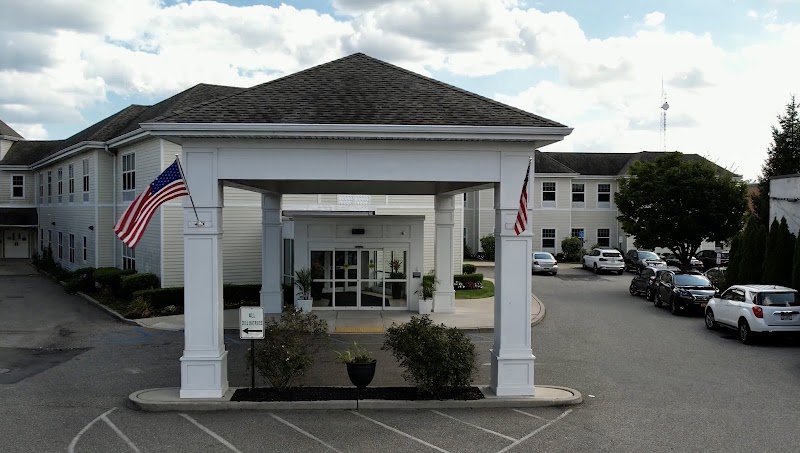
BELAIR CARE CENTER INC

2478 JERUSALEM AVE, BELLMORE, NY 11710 (516) 826-1160
For profit - Individual 102 Beds NATIONAL HEALTH CARE ASSOCIATES Data: November 2025
Trust Grade
95/100
#10 of 594 in NY
Last Inspection: May 2025

Inspected within the last 6 months. Data reflects current conditions.

Overview

Belaire Care Center Inc has a Trust Grade of A+, which means it is considered an elite facility, ranking in the top tier for nursing homes. It holds the #10 position out of 594 facilities in New York, placing it in the top 2% of the state, and is ranked #1 out of 36 in Nassau County, indicating that it is the best option available locally. However, the facility's trend is worsening, with the number of reported issues increasing from 4 in 2024 to 5 in 2025. Staffing is a relative strength, with a 3/5 rating and only a 13% turnover rate, well below the state average, suggesting that staff are stable and familiar with residents. Notably, the facility has no fines, which is a positive indicator of compliance, and it provides more RN coverage than 84% of New York facilities, ensuring better oversight of resident care. On the downside, there have been some significant concerns raised during inspections. Residents have reported issues with their living environments, such as poorly patched walls and exposed wiring on bed controls. Additionally, there were failures in developing personalized care plans for some residents, and one resident with a pressure ulcer did not receive appropriate treatment, which raises concerns about the quality of care provided. Overall, while Belaire Care Center has many strengths, families should be aware of these weaknesses when considering this facility for their loved ones.

Trust Score
A+
95/100
In New York
#10/594
Top 1%
Safety Record
Low Risk
No red flags
Inspections
Getting Worse
4 → 5 violations
Staff Stability
✓ Good
13% annual turnover. Excellent stability, 35 points below New York's 48% average. Staff who stay learn residents' needs.
Penalties
✓ Good
No fines on record. Clean compliance history, better than most New York facilities.
Skilled Nurses
✓ Good
Each resident gets 66 minutes of Registered Nurse (RN) attention daily — more than 97% of New York nursing homes. RNs are the most trained staff who catch health problems before they become serious.
Violations
⚠ Watch
12 deficiencies on record. Higher than average. Multiple issues found across inspections.
★★★★★
5.0
Overall Rating
★★★☆☆
3.0
Staff Levels
★★★★★
5.0
Care Quality
★★★★☆
4.0
Inspection Score
Stable
2024: 4 issues
2025: 5 issues

The Good

  • 5-Star Quality Measures · Strong clinical quality outcomes
  • Low Staff Turnover (13%) · Staff stability means consistent care
  • Full Sprinkler Coverage · Fire safety systems throughout facility
  • No fines on record
  • Staff turnover is low (13%)

    35 points below New York average of 48%

Facility shows strength in quality measures, staff retention, fire safety.

The Bad

Chain: NATIONAL HEALTH CARE ASSOCIATES

Part of a multi-facility chain

Ask about local staffing decisions and management

The Ugly 12 deficiencies on record

May 2025 5 deficiencies
CONCERN (D)

Potential for Harm - no one hurt, but risky conditions existed

Deficiency F0655 (Tag F0655)

Could have caused harm · This affected 1 resident

**NOTE- TERMS IN BRACKETS HAVE BEEN EDITED TO PROTECT CONFIDENTIALITY** Based on observations, record review, and interviews during the Recertification Survey initiated on 5/1/2025 and completed on 5/...

Read full inspector narrative →
**NOTE- TERMS IN BRACKETS HAVE BEEN EDITED TO PROTECT CONFIDENTIALITY** Based on observations, record review, and interviews during the Recertification Survey initiated on 5/1/2025 and completed on 5/7/2025, the facility did not develop and implement a baseline care plan for each resident that includes the instructions needed to provide effective and person-centered care of the resident that meets professional standards of quality care. This was identified for one (Resident #192) of two residents reviewed for Urinary Catheter. Specifically, Resident #192 had a physician's order on admission for an external urinary catheter to be applied each evening. There was no documented evidence that a baseline care plan was initiated. The finding is: The facility's policy titled, Baseline/Comprehensive Person Centered Care Plan, last revised on 10/2017 documented that the interdisciplinary team will utilize the comprehensive person-centered care planning process to address resident's strengths, needs, and/or problems as identified on the admission discharge summary, as well as other professional assessments and orders from the physician. The Person-Centered Care Plan is developed to include information necessary to properly care for the resident. The facility's policy titled Female External Catheter Purewick, last revised on 4/2025, documented that a female external [urinary] catheter (Purewick) may be used by the Registered Nurse, Licensed Practical Nurse, and Certified Nursing Assistant for non-invasive urine output in female patients to reduce the use of unnecessary internal catheters. Resident #192 was admitted with diagnoses including Metabolic Encephalopathy, Muscle Weakness, and Type 2 Diabetes Mellitus. The admission Minimum Data Set assessment dated [DATE] documented the resident's Brief Interview for Mental Status score was 5, which indicated the resident had severely impaired cognition. Resident #192 was dependent on staff for activities of daily living, including toileting, hygiene, and lower body dressing. The resident was always incontinent of urine and required an external urinary catheter. A Physician's Order dated 4/18/2025 documented to apply a Purewick (external) catheter every evening shift. The order was discontinued on 5/3/2025. A review of the Bladder Incontinence Comprehensive Care Plan dated 4/18/2025 documented no interventions addressing the use of the external urinary catheter. The admission nursing progress note dated 4/18/2025 documented that the resident was incontinent of bowel and bladder. The resident's family member requested an external urinary catheter for the resident. The Physician's order was put in place for the use of the external urinary catheter. A review of the April 2025 Treatment Administration Record documented that the external urinary catheter was applied on 5 out of 12 opportunities from 4/18/2025 to 4/30/2025. A review of the May 2025 Treatment Administration Record documented that the external urinary catheter was not applied on 2 out of 2 opportunities from 5/1/2025 to 5/2/2025. During an observation on 5/2/2025 at 12:40 PM, Resident #192 was seated in their wheelchair in their room with a family member present. No external catheter equipment was observed in the vicinity. During an interview on 5/5/2025 at 3:28 PM, Certified Nursing Assistant #4, the 3:00 PM-11:00 PM shift regularly assigned aide, stated they cared for the resident since the resident was admitted to the facility. Certified Nursing Assistant #4 stated the resident never used an external urinary catheter during their shift. Certified Nursing Assistant #4 stated they checked the resident every two hours and offered a brief change because the resident was incontinent of bowel and bladder. During an interview on 5/6/2025 at 2:49 PM, Licensed Practical Nurse #7, the regularly assigned evening shift (3:00 PM-11:00 PM) nurse, stated that Resident #192 required an external urinary catheter in the evening and they (Licensed Practical Nurse #7) had applied the the catheter as per the physician's orders and documented completion of the task on the Treatment Administration Record. Licensed Practical Nurse #7 stated they did not recall why they did not document the task as completed on five occasions in April 2025 and two occasions in May 2025; however, they did complete the task. During an interview on 5/7/2025 at 8:44 AM, Certified Nursing Assistant #5, the regularly assigned night shift (11:00 PM- 7:00 AM) aide, stated Resident #192 did not use any external urinary catheter during the night shift. Certified Nursing Assistant #5 stated the resident did not urinate a lot during the night, they only needed to be changed once during the night and again in the morning, before shift change. During an interview on 5/7/2025 at 10:32 AM, Registered Nurse #4, the admission nurse/evening supervisor, stated the resident's family member requested the external urinary catheter for Resident #192 upon admission. Registered Nurse #4 stated the facility was able to accommodate the request, and a Physician's order was obtained. Registered Nurse #4 stated they were responsible for developing a baseline care plan, and the use of the external urinary catheter should have been included in the care plan for urinary care. During an interview on 5/7/2025 at 12:12 PM, the Director of Nursing Services stated that a physician's order was obtained for Resident #192 for an external urinary catheter on 4/18/2025. The Director of Nursing Services stated that Registered Nurse #4 was responsible for initiating the care plan. The Director of Nursing Services stated that nurses on the following shifts should have ensured the care plan was updated to include the use of the external urinary catheter. 10 NYCRR 415.11
CONCERN (D)

Potential for Harm - no one hurt, but risky conditions existed

Pressure Ulcer Prevention (Tag F0686)

Could have caused harm · This affected 1 resident

**NOTE- TERMS IN BRACKETS HAVE BEEN EDITED TO PROTECT CONFIDENTIALITY** Based on observation, record review, and interviews during the Recertification Survey initiated on 5/1/2025 and completed on 5/7...

Read full inspector narrative →
**NOTE- TERMS IN BRACKETS HAVE BEEN EDITED TO PROTECT CONFIDENTIALITY** Based on observation, record review, and interviews during the Recertification Survey initiated on 5/1/2025 and completed on 5/7/2025, the facility did not ensure 1) each resident with pressure ulcers received necessary treatment and services, consistent with professional standards of practice, to promote healing, prevent infection and prevent new ulcers from developing for one (Resident #242) of two residents reviewed for Pressure Ulcers; and 2) did not ensure each resident received care, consistent with professional standards of practice, to prevent pressure ulcers for one (Resident #60) of four residents reviewed for Skin Conditions. Specifically, 1) Resident #242 was admitted to the facility with a Stage 3 (a deep wound where full thickness skin loss has occurred) pressure ulcer to the sacrum (triangular bone in lower back). The resident was utilizing an alternating air mattress as ordered by the Physician; however, the mattress weight setting was not consistent with the resident's weight, and 2) Resident #60 was at moderate risk for developing pressure ulcers and had a Physician's Order for a low air loss alternating air mattress. During multiple observations, the adjustable weight setting for the air mattress, which is meant to correspond to the resident's weight, was not set accurately. The findings are; The facility's policy titled Pressure Injury Prevention Program, dated 3/2023, documented to promote the prevention of pressure injuries and to promote healing of existing wounds by implementing appropriate support surfaces; implement, monitor, and modify a support surface to stabilize, reduce and/or remove underlying risk factors to prevent and/or provide treatment and services to heal and prevent further development of pressure injuries; the correct setting will be set by the nurse based on resident's current weight or comfort level. Monitoring of the support surface inflation will be done by the nurse every shift and documented on the Treatment Administration Record. 1) Resident #242 was admitted with diagnoses of Hip Fracture, Malnutrition, and Depression. The 4/26/2025 admission Minimum Data Set assessment documented a Brief Interview for Mental Status score of 12, indicating the resident had moderate cognitive impairment. The Minimum Data Set assessment documented the resident was at risk for pressure ulcer development and had one Stage 3 pressure ulcer present on admission. The Braden score (a scale for determining pressure ulcer risk) dated 4/22/2025 documented a score of 12, indicating the resident was at high risk for developing pressure ulcers. A Physician's order dated 4/23/2025 documented resident has an alternating air mattress. Check mattress function and placement every shift; Setting: ( ) per weight ( ) comfort every shift. The per weight or comfort level parts of the order were not checked off. A Comprehensive Care Plan titled the resident has a Stage 3 pressure ulcer to sacrum related to: Impaired mobility, initiated on 4/23/2025, documented an intervention for Special Mattress (Alternating Air or Low Air Loss Mattress) - check function and placement every shift. Set to current weight. A Physician's order dated 4/30/2025 documented Santyl External Ointment 250 Unit/Gram (an enzymatic debriding agent), apply to inner sacral wound area topically every day shift for Stage 3 pressure injury; cleanse inner sacral area with normal saline, pat dry, apply Santyl and cover with a dry protective dressing daily and when needed. During an observation on 5/1/2025 at 10:50 AM, Resident #242 was observed in bed. The air mattress weight setting was set at 225 pounds. The most recent resident weight in the electronic medical record was 124.0 pounds on 4/25/2025. During an interview on 5/2/2025 at 9:10 AM, Licensed Practical Nurse #2 (unit medication nurse) checked the electronic medical record and stated Resident #242 weighed 124 pounds. Licensed Practical Nurse #2 observed the resident's mattress (the resident was in bed) and stated current weight setting for the air mattress of 225 pounds was not correct. Licensed Practical Nurse #2 stated they were not sure who was responsible for checking the air mattress weight setting, and that the air mattress weight setting should be set according to the resident's weight. Review of the May 2025 Treatment Administration Record revealed that nurses signed for the air mattress function and placement each shift. During an interview on 5/2/2025 at 11:31 AM, the Director of Plant Operations #1 stated maintenance department is responsible for delivering the air mattress and for setting the air mattress at the highest weight setting initially so the mattress inflates quickly, but the nurses are responsible for setting the accurate weight limits on the mattress according to the resident's weight. During an interview on 5/2/2025 at 12:12 PM, Registered Nurse #2 (treatment nurse on the 7:00 AM-3:00 PM shift) stated they check the air mattress for function when they provide wound care and sign the treatment record. Registered Nurse #2 stated it is up to the wound care nurse to check and change the setting if incorrect. Registered Nurse #2 further stated that it was not the medication or treatment nurse's responsibility to check for the accuracy of the air mattress weight setting. During an interview on 5/2/2025 at 1:11 PM, Licensed Practical Nurse #3 (unit nurse worked 3:00 PM - 11:00 PM on 5/1/2025 and signed for the air mattress) stated they checked the air mattress to make sure it was plugged in and functioning but they did not check the weight setting on the air mattress control panel. Their signature on the treatment record indicated confirmation that the air mattress was functioning appropriately. Licensed Practical Nurse #3 stated they should have ensured that the air mattress weight setting was set according to the resident's weight. During an interview on 5/2/2025 at 2:34 PM, Registered Nurse Wound Care Nurse #1 stated after the Maintenance Department places and sets up the air mattress, they (Registered Nurse Wound Care Nurse #1) were responsible for making sure the weight setting on the air mattress is set according to the resident's weight. The nurses also should be checking the weight setting on the mattress and adjusting it according to the resident's weight. The correct weight setting assists in proper pressure distribution and promotes wound healing. During an interview on 5/5/2025 at 10:32 AM, the Director of Nursing Services stated all nurses should check the weight setting on the air mattress. Ideally, the air mattress should be checked daily for function, and the weight setting should correspond with the resident's weight. The Director of Nursing Services further stated that residents with pressure injuries should have a physician's order for checking the weight setting for the air mattress. During an interview on 5/5/2025 at 12:42 PM, Wound Care Nurse Practitioner #1 stated the weight setting on the air mattress should be set as close to the resident's weight as possible for optimal wound healing potential. Wound Care Nurse Practitioner #1 stated that an air mattress that is set much higher than the resident's weight can increase pressure on the resident's skin and does not serve its purpose. 2) Resident # 60 was admitted with Diagnoses including Mechanical complications (loosening or device breakage) of Internal Orthopedic Devices (medical tools to treat or prevent musculoskeletal injuries), Implants and Grafts (transportation of tissue like skin or bone from one part of the body to another), and Chronic Obstructive Pulmonary Disease (COPD). An admission Minimum Data Set (MDS) assessment dated [DATE] documented a Brief Interview for Mental Status (BIMS) score of 15, which indicated that Resident #60 had intact cognition. The Minimum Data Set assessment documented that Resident #60 had an unhealed pressure ulcer and a surgical wound. Resident #60 was at risk for developing pressure ulcers and had pressure reducing devices on the chair and bed. The operation manual for the low-air-loss alternating-pressure air mattress documented instructions, including placing the resident in the center of the air mattress. Adjust the air mattress's internal pressure according to the resident's weight by using the weight button on the control panel of the power unit. A Comprehensive Care Plan (CCP) dated 3/28/2025 documented that Resident #60 had a potential risk for skin breakdown due to decreased mobility and a history of pressure ulcers. Interventions included a pressure redistribution mattress and cushion, and skin checks with care. A Comprehensive Care Plan (CCP) dated 3/28/2025 documented that Resident #60 had an actual alteration in skin integrity related to the surgical left knee wound. Interventions included a wound vacuum (a medical device that applies negative pressure to a wound to aid in healing) and treatment as ordered by the Physician. A Physician Order dated 4/4/2025 documented to monitor the air mattress for proper functioning every shift. A Physician Order dated 4/4/2025 documented to apply Periguard (an external skin barrier ointment) to the left gluteal (buttocks) and sacral (base of spine) area twice a day. A review of the Electronic Medical Record indicated that Resident # 60's most recent weight, dated 4/25/2025, was 92.4 pounds. The Braden Scale (a tool to assess a resident's risk for developing pressure injuries or ulcers) assessment dated [DATE] documented a score of 14, which indicated Resident #60 had a moderate risk for skin breakdown. During an observation on 5/1/2025 at 9:45 AM, Resident #60 was observed in bed. The air mattress weight setting was set at 200 pounds. During an interview on 5/1/2025 at 9:48 AM, Resident #60 stated that they did not touch anything on the control panel of the air mattress. Resident #60 stated that the air mattress' setup has never been changed since they (Resident #60) started using the air mattress. During an observation on 5/2/2025 at 8:31 AM, Resident #60 was observed in their wheelchair. The air mattress weight setting was set at 200 pounds. During an interview on 5/2/2025 at 9:40 AM, Registered Nurse #2, the Medication and Treatment Nurse, stated that they check for the air mattress' functioning, which includes the control panel being lit and the mattress being inflated, and not for the weight setting. Registered Nurse #2 stated that the Wound Care Nurse sets up the weight settings on the air mattress. Registered Nurse #2 stated that a 200-pound weight setting for Resident #60 was too high because Resident #60 weighed much less than 200 pounds. During an interview on 5/2/2025 at 10:10 AM, Certified Nursing Assistant#2 stated that during care, they (Certified Nursing Assistant#2) made sure the air mattress was clean and inflated. Certified Nursing Assistant#2 stated they do not check anything on the control panel because the Nurses are responsible for changing the settings. During an interview on 5/2/2025 at 11:31 AM, the Director of Plant Operations stated that Maintenance staff installs the air mattress after the Wound Care Nurse requests one. The Director of Plant Operations stated that the air mattress is inflated to the highest weight setting to make sure there are no leaks. The Director of Plant Operations stated that the Nursing Department was responsible for changing the weight settings. During an interview on 5/2/2025 at 1:11 PM, Licensed Practical Nurse #3 stated that they (Licensed Practical Nurse #3) signed the Treatment Administration Record (TAR) for the air mattress functionality, including checking for any leaks and to see if the mattress is inflated and the resident is comfortable. Licensed Practical Nurse #3 stated they did not recall if Resident #60's air mattress weight setting was set at 200 pounds. Licensed Practical Nurse #3 stated that they should have checked the air mattress setting and changed the weight setting according to Resident #60's weight before signing the Treatment Administration Record (TAR). During an interview on 5/2/2025 at 2:34 PM, the Wound Care Nurse stated that residents who have wounds and are prone to developing wounds are provided with an air mattress. The Wound Care Nurse stated that there are times when a resident will request an air mattress for comfort. The Wound Care Nurse stated that for wounds or comfort, the air mattress weight setting should be within the range of the resident's weight. The Wound Care Nurse stated that setting the air mattress within the resident's weight range will assist in wound healing. The Wound Care Nurse stated they would set the air mattress weight settings according to the resident's weight, but they also expected the Nurses in the unit to change the setting according to the resident's weight and comfort. The Wound Care Nurse stated that the weight setting at 200 pounds for Resident #60 was excessive, regardless of whether the mattress was used for wound healing or the resident's comfort. During an interview on 5/5/2025 at 10:33 AM, the Director of Nursing Services stated that their expectation includes that Nurses are checking the air mattress not just for functionality but ensuring that the weight setting is within the resident's weight range. During an interview on 5/5/2025 at 12:42 PM, Wound Care Nurse Practitioner #1 stated the weight setting on the air mattress should be set as close to the resident's weight as possible for optimal wound healing potential. Wound Care Nurse Practitioner #1 stated that an air mattress set much higher than the resident's weight can increase pressure on the resident's skin and does not serve its purpose. 10 NYCRR 415.12(c)(1)
CONCERN (D)

Potential for Harm - no one hurt, but risky conditions existed

Respiratory Care (Tag F0695)

Could have caused harm · This affected 1 resident

Based on observation, record review, and interviews during the Recertification Survey initiated on 5/1/2025 and completed on 5/7/2025, the facility did not ensure that each resident who needs respirat...

Read full inspector narrative →
Based on observation, record review, and interviews during the Recertification Survey initiated on 5/1/2025 and completed on 5/7/2025, the facility did not ensure that each resident who needs respiratory care is provided such care consistent with professional standards of practice and the comprehensive person-centered care plan. This was identified for one (Resident #80) of two residents reviewed for Respiratory care. Specifically, Resident #80 had a diagnosis of Chronic Obstructive Pulmonary Disease and a Physician's Order to administer oxygen therapy at 2 liters per minute via a nasal cannula (tubing used to deliver supplemental oxygen) continuously. On 5/2/2025, Resident #80 was observed in their room wearing a nasal cannula to receive oxygen from the oxygen tank; however, the oxygen tank was empty, and the resident's oxygen saturation (blood oxygen) level was measured to be at 89 % (normal range 95-100%). The finding is: The Oxygen Administration Policy dated May 2023 documented that a nasal cannula delivers a low-to-moderate concentration of oxygen as per the physician's order. Except in an emergency, a physician's order is required for oxygen therapy. The liter flow rate must be indicated in the physician's order. The nursing staff will set up, check, and supervise and record pertinent observations of residents' condition and reaction to the treatment. Resident #80 was admitted with the diagnoses of Chronic Obstructive Pulmonary Disease, Bronchiectasis (a chronic condition of the airways of the lungs that become widened, leading to a build-up of excess mucus), and Chronic Respiratory Failure. The admission Minimum Data Set assessment, dated 4/3/2025, documented a Brief Interview for Mental Status score of 15, which indicated the resident had intact cognition. The Minimum Data Set documented that the resident utilized oxygen therapy. The Physician's Order dated 3/30/2025 documented to administer Oxygen at 2 Liters per minute continuously via nasal cannula for Shortness of Breath. The Comprehensive Care Plan for Altered Respiratory Status/Difficulty Breathing related to Chronic Respiratory Failure with Hypoxia, Chronic Obstructive Pulmonary Disease, Bronchiectasis and Emphysema dated 3/31/2025 documented interventions that included to administer medications/puffers as ordered; to monitor and document changes in orientation, increased restlessness, anxiety and air hunger; to monitor for signs and symptoms of respiratory distress; report to physician as needed; and to set oxygen via nasal cannula at 2 Liters per minute. The Comprehensive Care Plan for Oxygen Therapy dated 4/2/2025 documented interventions including to set oxygen via nasal cannula at 2 Liters per minute; to give medication as ordered by the Physician; to monitor and document side effects and effectiveness. The Physician's Order dated 5/1/2025 documented to monitor oxygen saturation at room air for 48 hours, discontinue oxygen therapy if the resident's oxygen saturation at room air measured above 92%. During an interview on 5/1/2025 at 12:20 PM, Resident #80 was resting in bed and had no supplemental oxygen being administered. Resident #80 did not exhibit any respiratory distress. Resident #80 stated that at times, they had difficulty breathing and recently, they have been coughing again. During an interview and observation on 5/2/2025 at 12:46 PM, Resident #80 was sitting in a wheelchair with their head resting on their arms on the overbed table. Resident #80 stated they were tired. Resident #80 was wearing a nasal cannula; the oxygen tubing was connected to an oxygen tank, which was placed behind the resident's wheelchair. The oxygen tank gauge needle was at the red line, indicating the tank was empty. Resident #80 denied any distress but stated they needed their oxygen. During an interview and observation on 5/2/2025 at 12:51 PM, Certified Nursing Assistant #3, who was assigned to Resident #80, stated they did not know how long the tank had been empty. Certified Nursing Assistant #3 stated that a nurse took off the resident's oxygen when the resident went for therapy. Certified Nursing Assistant #3 stated they did not know when the resident returned from therapy, and they did not know how long the resident's oxygen tank had been empty because they did not check the resident's oxygen tank after the resident came back from the Rehabilitation department. At this time, Licensed Practical Nurse #6, who was the assigned nurse, entered the resident's room and checked the resident's oxygen saturation level, which was 89 percent, and then exited the room. During an interview on 5/2/2025 at 1:00 PM, Licensed Practical Nurse #6 stated Resident #80 had a physician's order for continuous oxygen therapy at 2 Liters per minute. Licensed Practical Nurse #6 stated the resident also had a new order to monitor the resident's oxygen saturation without the supplemental oxygen for two days, beginning today (5/2/2025). Licensed Practical Nurse #6 stated the resident went to therapy without the supplemental oxygen, and they informed Physical Therapist #1 to monitor Resident #80 during exercise. Licensed Practical Nurse #6 stated that the Physical Therapist did not notify them when they brought the resident back to the unit, and did not know when the resident came back to the unit or when the resident was put back on supplemental oxygen or by whom. Licensed Practical Nurse #6 stated that they last checked the resident's oxygen saturation at around 9:45 AM this morning and did not see the resident or check their oxygen saturation until the surveyor brought the concern forward. Licensed Practical Nurse #6 stated they did not know how long the resident's oxygen tank had been empty. Licensed Practical Nurse #6 stated that the resident's oxygen saturation level should be checked after 30 minutes from when the resident's supplemental oxygen is removed and the resident is placed on room air, and should be placed back on oxygen when oxygen saturation is below 92%. Licensed Practical Nurse #6 stated Resident #80's oxygen saturation was 89%, therefore the resident should be on supplemental oxygen. During an interview on 5/2/2025 at 1:57 PM, Physical Therapist #1 stated Resident #80 was brought down to therapy without their oxygen. Physical Therapist #1 stated Licensed Practical Nurse #6 informed them to monitor the resident's oxygen saturation at room air during exercise. Physical Therapist #1 stated Resident #80's oxygen saturation during therapy was above 92%, but they had to reapply oxygen per the resident's request at the end of their session. Physical Therapist #1 stated Resident #80's oxygen tank was approximately half full when they handed the resident off to Occupational Therapist #1. Physical Therapist #1 stated they did not document or report the results to nursing because they were busy and had not gotten a chance yet. During an interview on 5/2/2025 at 3:05 PM, Occupational Therapist #1 stated Resident #80 was on oxygen therapy when they received the resident. Occupational Therapist #1 stated that the oxygen tank was more than half full at that time. Occupational Therapist #1 stated during therapy, the resident's oxygen saturation level was above 92%. Occupational Therapist #1 stated that they returned the resident to their room between 11:00 AM-11:30 AM, and did not notify nursing staff of the resident's return. Occupational Therapist #1 stated they did not check the amount of oxygen left in the resident's oxygen tank when they brought the resident to the unit. During an interview on 5/5/2025 at 2:35 PM, the Director of Rehabilitation stated that Occupational Therapist #1 should have notified nursing staff when they brought Resident #80 back to the unit. Occupational Therapist #1 should have also disconnected Resident #80 from the oxygen tank and connected them to the concentrator when the resident was returned to their room. During an interview on 5/5/2025 at 3:18 PM, Resident #80 stated they do not wish to be without oxygen permanently, as they breathe better with oxygen at 2 Liters per minute. During an interview on 5/6/2025 at 11:03 AM, Registered Nurse #1, the unit supervisor, stated the resident did not have to be reconnected to an oxygen concentrator when they were in their room, but the nursing staff should monitor and make sure the oxygen tank was not empty. The Rehabilitation Therapists should notify nursing when the residents are brought back to the unit and should report the resident's condition to nursing, including any incident that may have occurred during therapy. Registered Nurse #1 stated that the resident must be connected to oxygen immediately when their oxygen saturation falls below 92%. During an interview on 5/6/2025 at 11:59 AM, the Director of Nursing Services stated the resident should receive oxygen via a concentrator whenever they were in their room. The Director of Nursing Services stated that the oxygen tank was used during transit and when the resident participated in any activities outside of their room. The Director of Nursing Services stated that nursing staff should reach out to the Rehabilitation staff if they did not receive a report from them (rehabilitation staff). The Director of Nursing Services stated that oxygen should be reapplied when the resident's oxygen saturation level falls below 92%, and the oxygen tank should be checked to ensure there is enough oxygen available. During an interview on 5/6/2025 at 3:50 PM, Attending Physician #1 stated they expected the nursing staff to follow the Physician's Orders related to oxygen therapy. Resident #80 had been utilizing oxygen prior to admission, and their oxygen saturation level was maintained while on 2 Liters per minute oxygen. A Physician order was written to monitor the resident's oxygen saturation levels while the resident was not receiving supplemental oxygen and was breathing on room air to determine if the resident can be weaned off of oxygen therapy before their discharge to home. Attending Physician #1 stated that oxygen therapy must be reapplied when the resident's oxygen saturation level is below 92%, and the Physician should be notified. 10 NYCRR 415.12(k)(6)
CONCERN (D)

Potential for Harm - no one hurt, but risky conditions existed

Deficiency F0761 (Tag F0761)

Could have caused harm · This affected 1 resident

**NOTE- TERMS IN BRACKETS HAVE BEEN EDITED TO PROTECT CONFIDENTIALITY** Based on observations, record review, and staff interviews during the Recertification Survey initiated on [DATE] and completed o...

Read full inspector narrative →
**NOTE- TERMS IN BRACKETS HAVE BEEN EDITED TO PROTECT CONFIDENTIALITY** Based on observations, record review, and staff interviews during the Recertification Survey initiated on [DATE] and completed on [DATE], the facility did not ensure that drugs and biologicals were stored in a locked compartment. This was identified for three (Resident #60, #41, and #340) of five residents reviewed for Accident Hazards. Specifically, 1) Resident #60 was observed with an unlabeled Breztri inhaler (a triple combination inhaler used for long-term treatment of chronic lung disease) and an Albuterol-Budesonide inhaler (medication used to treat difficulty breathing) on their overbed table. The resident did not have a physician's order for the use of the Albuterol inhaler or a self-administration assessment until [DATE]. There was no Nursing staff within the vicinity of Resident #60's room. 2) Resident #41 was observed with an unlabeled Breztri inhaler inside a clear plastic bag and an Afrin nasal spray on Resident #41's bed. There was no nursing staff in the vicinity of Resident #41's room. Resident #41 did not have a self-administration assessment. 3) Resident #340 was observed with a clear plastic bag of unidentified, unlabeled pink medication tablets. The nightstand drawer had an unlabeled bottle of Pepcid Complete (heartburn medication), a labeled Ventolin Inhaler, and a labeled bottle of Remeron (antidepressant) Oral Disintegrating Tablet (ODT) was observed in the drawer. There was no nursing staff in the vicinity of Resident #340's room. Resident #340 did not have a self-administration assessment. The findings are: The facility's policy titled Medication Storage, last revised on 6/2022, documented that medications must be stored in accordance with the manufacturer's specifications and secured in locked storage areas in compliance with State and Federal requirements and accepted professional standards of practice. Access to medications is limited to authorized personnel. Storage areas may include, but are not limited to, drawers, cabinets, medication rooms, refrigerators, and carts. The facility must ensure that only appropriately authorized staff have access to the storage area. 1) Resident #60 was admitted with Diagnoses including Chronic Obstructive Pulmonary Disease (COPD) and Respiratory Disorders. The admission Minimum Data Set (MDS) assessment dated [DATE] documented a Brief Interview for Mental Status (BIMS) score of 15, which indicated the resident had intact cognition. The Minimum Data Set assessment documented that Resident #60 had shortness of breath when lying flat. A Comprehensive Care Plan (CCP) dated [DATE] documented that Resident #60 had altered respiratory status, difficulty breathing related to Chronic Obstructive Pulmonary Disease (COPD), Acute Respiratory Failure with Hypoxia (absence of enough oxygen in the tissue). Interventions included administering medications/puffers as ordered. Monitor for effectiveness and side effects. A Physician Order dated [DATE] documented Breztri Aerosphere Inhalation Aerosol 160-9-4.8 micrograms per ACT (Asthma Control Inhaler, a breath-activated inhaler) 2 puff inhale orally two times a day for Chronic Obstructive Pulmonary Disease (COPD). During an observation on [DATE] at 9:45 AM, Resident #60 was observed lying in bed. Two unlabeled inhalers, Albuterol-Budesonide 90 micrograms, with an expiration date of 5/2026, and a Breztri Aerosphere Inhalation Aerosol 160-9-4.8 without an expiration date were found on Resident #60's overbed table. A review of Resident #60's electronic medical record revealed that Resident #60 did not have a Physician Order for the Albuterol-Budesonide Inhalation Aerosol 90-80 micrograms per ACT (Asthma Control Inhaler, a breath-activated inhaler) until [DATE]. A review of Resident #60's electronic medical record revealed that Resident #60 did not have a self-administration assessment until [DATE]. During an interview on [DATE] at 9:46 AM, Resident #60 stated they brought the inhalers from home. Resident #60 stated the facility staff did not speak to them about their desire to self-medicate. Resident #60 stated they were not able to administer the inhalers themselves because they were still weak from their recent hospitalization. Resident #60 stated they preferred the Nurses to administer their medications. 2) Resident # 41 was admitted with Diagnoses of Chronic Obstructive Pulmonary Disease (COPD), Acute Pulmonary Edema, and Hypoxemia (low level of oxygen in the blood). The admission Minimum Data Set (MDS) assessment dated [DATE] documented a Brief Interview for Mental Status (BIMS) score of 15, which indicated the resident had intact cognition. The Minimum Data Set assessment documented that Resident #41 had shortness of breath or trouble breathing when lying flat. A Comprehensive Care Plan (CCP) dated [DATE] documented that Resident #41 had altered respiratory status, difficulty breathing related to Chronic Obstructive Pulmonary Disease (COPD), and Acute Respiratory Failure with Hypoxia (absence of enough oxygen in the tissue). Interventions included administering medications/puffers as ordered. Monitor for effectiveness and side effects. A Physician Order dated [DATE] documented Breztri Aerosphere Inhalation Aerosol 160-9-4.8 micrograms per ACT (Asthma Control Inhaler, a breath-activated inhaler) 2 puff inhale orally two times a day for Chronic Obstructive Pulmonary Disease (COPD). During an observation on [DATE] at 9:50 AM, Resident #41 was sitting in their wheelchair in their room. A clear plastic bag was observed on Resident #41's bed. An unlabeled Breztri Aerosphere Inhalation Aerosol 160-9-4.8 inhaler and an unlabeled Afrin nasal spray were inside the plastic bag. A review of Resident #41's electronic medical record revealed that Resident #41 did not have a self-administration assessment. A review of Resident #41's electronic medical record revealed that Resident #41 did not have a Physician Order for the Afrin nasal spray. During an interview on [DATE] at 9:55 AM, Resident #41 stated the medications were given to them by their family member. Resident #41 stated they were not aware that they could not bring medications from home. Resident #41 stated that they preferred the Nurses give them (Resident #41) their medications. 3) Resident #340 was admitted with diagnoses including Chronic Obstructive Pulmonary Disease (COPD), Asthma, and Acute Respiratory Failure. The admission Minimum Data Set, dated [DATE] documented a Brief Interview of Mental Status (BIMS) score of 15, which indicated that Resident #340 had intact cognition. The Minimum Data Set (MDS) assessment documented that Resident #340 had shortness of breath or trouble breathing when lying flat. A Comprehensive Care Plan (CCP) dated [DATE] documented that Resident #340 had altered respiratory status, difficulty breathing related to Chronic Obstructive Pulmonary Disease (COPD), and Acute Respiratory Failure with Hypoxia (absence of enough oxygen in the tissue). Interventions included administering medications/puffers as ordered. Monitor for effectiveness and side effects. A Physician Order dated [DATE] documented Albuterol Sulfate HFA (Hydrofluoroalkane-a propellant used in prescription inhalers) Inhalation Aerosol solution 108 (90 Base) micrograms per ACT (Asthma Control Inhaler, a breath-activated inhaler) 2 puffs inhaled orally every six hours as needed for Chronic Obstructive Pulmonary Disease (COPD). During an observation on [DATE] at 9:56 AM, Resident #340 was lying in the bed. An unlabeled plastic bag of pink medication tablets was observed in Resident #340's overbed table. Resident #340's nightstand drawer was opened and was observed with a bottle of Pepcid Complete and a labeled bottle of Remeron (an antidepressant), Soltab oral disintegrating tablet. A review of Resident #340's electronic medical record revealed that Resident #340 did not have a Physician's Order for the Remeron (an antidepressant) Soltab oral disintegrating tablet and Pepcid Complete tablet until [DATE]. A review of Resident #340's electronic medical record revealed that Resident #340 did not have a self-administration assessment. During an interview on [DATE] at 10:00 AM, Resident #340 stated that their family had brought in the medications from home. Resident #340 stated they took Pepcid Complete at least three times a day for indigestion. Resident #340 stated that they did not take the Remeron tablets and the Albuterol inhaler. Resident #340 stated they were not able to self-administer their medications because of weakness. Resident #340 stated they did not know that bringing medications from home was not allowed. During an interview on [DATE] at 10:15 AM, a Licensed Practical Nurse #4, the Medication Nurse, stated they did not know Resident #60, Resident #41, and Resident #340 were keeping medications in their room. Licensed Practical Nurse #4 stated they had never seen the residents taking medications by themselves. Licensed Practical Nurse #4 stated they are not familiar with the facility's policy for storing medications. During an interview on [DATE] at 8:45 AM, Registered Nurse #1, the Unit Supervisor, stated that Resident #60, Resident #41, and Resident #340 should not have any medications stored in their rooms. Registered Nurse #1 stated that families are not allowed to bring medications, but if they do, they must report to the Nurse and not just leave medications in the resident's room. During an interview on [DATE] at 8:56 AM, the Licensed Pharmacist stated that the most common side effects of inhalers for Chronic Obstructive Pulmonary Disorders (COPD), including Breztri and Albuterol, are dry mouth, oral thrush (fungal infection), dizziness, nausea, and vomiting. Some residents may experience tremors and rapid heartbeat. The Licensed Pharmacist stated that the Pepcid Complete may cause headaches and dizziness. The Licensed Pharmacist stated that Remeron may cause dry mouth, headaches, diarrhea, and constipation. During an interview on [DATE] at 2:53 AM, Licensed Practical Nurse #5, the Medication Nurse for the 3:00 PM-11:00 PM shift, stated that certain residents keep their medications in their rooms in locked drawers, including Resident #60. Licensed Practical Nurse #5 stated they supervised when Resident #60 administered the inhalers themselves. Licensed Practical Nurse #5 stated they did not notice that Resident #41 and Resident #340 had any medications stored in their rooms. Licensed Practical Nurse #5 stated that the medications for Resident #41 and Resident #340 are stored in the medication carts. During an interview on [DATE] at 3:16 PM, the Director of Nursing Services stated that families are allowed to bring medications from home, the medications should be in their original container with the label, the medication should not be expired, and should be in good condition. The family should notify the Nurse regarding the medications that are brought from home. The Director of Nursing Services stated that the Nurses are still responsible for those medications. The Director of Nursing Services stated that medications should never be left unsupervised. 10NYCRR 415.18(e) (1-4)
CONCERN (D)

Potential for Harm - no one hurt, but risky conditions existed

Safe Environment (Tag F0921)

Could have caused harm · This affected 1 resident

Based on observation, record review, and interviews during the Recertification Survey initiated on 5/1/2025 and completed on 5/7/2025, the facility did not ensure that it provided a safe environment f...

Read full inspector narrative →
Based on observation, record review, and interviews during the Recertification Survey initiated on 5/1/2025 and completed on 5/7/2025, the facility did not ensure that it provided a safe environment for each resident for one (Resident #23) of the five residents reviewed for Accidents. Specifically, on 5/1/2025, a can of highly flammable aerosol hairspray was observed on Resident #23's bedside table. The resident also receives continuous oxygen (also flammable) via an oxygen concentrator for Chronic Obstructive Pulmonary Disease. The finding is: The facility's policy, titled [NAME] of Rights Policy, dated 2/2024, documented you have the right to treat your living quarters as your home subject to rules designed to protect the privacy, health and safety of other residents of the facility; you have the right to receive quality care and services with reasonable accommodation of your individual needs and preferences, except when your health or safety or the health or safety of others would be endangered by such accommodation. You have the right to keep and use your personal possessions, as space permits, unless doing so would infringe on the rights, health, or safety of other residents. The facility's policy titled Environmental Management, dated 1/2009, documented poisonous, flammable, caustic, and toxic materials shall be properly labeled, stored, and protected from unauthorized access. Resident #23 was admitted with diagnoses including Chronic Obstructive Pulmonary Disease, Dependence on Supplemental Oxygen, and Anxiety Disorder. The 4/26/2025 admission Minimum Data Set assessment documented a Brief Interview for Mental Status score of 12, indicating the resident had moderate cognitive impairment, and received oxygen therapy while a resident. A Physician's order dated 4/23/2025 documented Oxygen at 2 liters per minute continuous via nasal cannula every shift for shortness of breath; add a humidifier to Oxygen. During an observation on 5/1/2025 at 11:02 AM, a can of aerosol hairspray, 11 ounces, was observed on Resident #23's bedside table. At this time, the resident was not present in the room. There was an oxygen concentrator at the bedside. During an interview on 5/1/2025 at 11:05 AM, Licensed Practical Nurse #1 stated the hairspray should not have been in the resident's room, and they then removed the hairspray can from the room. The aerosol Material Safety Data Sheet for the aerosol hair spray documented the product is considered hazardous by the Occupational Safety and Health Administration, and is a highly flammable liquid and vapor. The product contains 45%-55% alcohol. A document titled Using Oxygen Safely on the American Lung Association website documented there are important safety factors to keep in mind when using oxygen. Oxygen is a safe gas and is non-flammable; however, it supports combustion. Materials burn more readily in an oxygen-enriched environment. Do not use aerosols, vapor rubs or oils. Do not use aerosol sprays such as air fresheners or hairspray near the oxygen unit. Aerosols are very flammable. The product label documented that the hairspray is flammable until fully dry; contents under pressure; can cause serious injury or death; avoid inhalation. During an interview on 5/2/2025 at 9:14 AM, Certified Nursing Assistant #1 (assigned to Resident #23 on 5/1/2024 during the 7:00 AM-3:00 PM shift) stated they did not notice the hairspray in the resident's room, and If the resident wanted to use a product, we cannot stop them. During an interview on 5/2/2025 at 10:30 AM, Resident #23 stated the hairspray has been in their room at their bedside since they were admitted to the facility. The resident stated they have been using the hairspray daily and use oxygen continuously. During an interview on 5/2/2025 at 11:52 AM, Registered Nurse #1 (unit supervisor) stated that the staff were not aware the hairspray was in the room. Registered Nurse #1 stated that if they saw the aerosol hairspray in a resident's room who utilized supplemental oxygen, they would remove the product and encourage and educate the resident to use a non-aerosol product. During an interview on 5/5/2025 at 10:32 AM, the Director of Nursing Services stated residents using supplemental continuous oxygen should not have the aerosol hairspray at the bedside. The staff should have removed the hair spray from Resident #23's, and offered another product that was available at the facility and was safe to use. 10 NYCRR 415.29

Feb 2024 4 deficiencies
CONCERN (D) 📢 Someone Reported This

A family member, employee, or ombudsman was alarmed enough to file a formal complaint

Potential for Harm - no one hurt, but risky conditions existed

Investigate Abuse (Tag F0610)

Could have caused harm · This affected 1 resident

**NOTE- TERMS IN BRACKETS HAVE BEEN EDITED TO PROTECT CONFIDENTIALITY** Based on record review and interviews during the Recertification Survey and Abbreviated Survey (Complaint # NY00315743), initiat...

Read full inspector narrative →
**NOTE- TERMS IN BRACKETS HAVE BEEN EDITED TO PROTECT CONFIDENTIALITY** Based on record review and interviews during the Recertification Survey and Abbreviated Survey (Complaint # NY00315743), initiated on 2/21/2024 and completed on 2/27/2024 the facility did not ensure that all incidents were investigated thoroughly. This was identified for one (Resident #238) of three residents reviewed for accidents. Specifically, Resident #238 required extensive assistance of one person for transfers and toilet use. The resident was found on the floor on 7/11/2022 on the bathroom lying on the floor on her right side. The facility investigation did not include statements from Resident #238 or the staff member who was assigned to care for the resident to identify the root cause of the incident. The finding is: The facility Accident and Incident Policy, revised 8/2018 documented that the nursing supervisor and or charge nurse will immediately initiate an investigation for all accidents/incidents. The investigation will include written statements from staff members caring for the resident and from persons having knowledge of the event. Resident #238 with diagnoses of Congestive Heart Failure, Atrial Fibrillation, and Chronic Kidney Disease. The Minimum Data Set assessment dated [DATE] documented that Resident #238 had a Brief Interview for Mental Status score of 15, indicating intact cognition. The resident required extensive assistance of one person for transfers. The resident was not steady and required staff assistance. The Activities of Daily Living Comprehensive Care Plan dated 6/30/2022 documented that Resident #238 had a self-care performance deficit related to sudden onset of chest pain, Congestive Heart Failure, Atrial Fibrillation, Chronic Kidney Disease, and Impaired Mobility. The resident required extensive assistance of one staff member for toilet use. The Accident Incident Report dated 7/11/2022 documented that on 7/11/2022 the Registered Nurse Supervisor was made aware that Resident #238 was found on the floor in the bathroom after attempting to self-transfer from the toilet to the wheelchair. Upon assessment, Resident #238 stated they tried to wipe themselves after using the toilet. Tylenol was offered but was refused. As per Certified Nursing Assistant #1, while passing the lunch trays Certified Nursing Assistant #1 stopped to respond to the bathroom call bell where Resident #238 was seated on the toilet. Certified Nursing Assistant #1 told Resident #238 to wait until they returned with clean gloves and when Certified Nursing Assistant #1 returned to the bathroom Resident #238 was lying on the floor on their right side. The Registered Nurse Supervisor was notified, the Physician was notified, and the family was notified. The Accident Incident Report dated 7/11/2022 did not include a statement from the Certified Nursing Assistant who was assigned to care for Resident #238 on the 7:00 AM- 3:00 PM shift on 07/11/2022. The Accident Incident Report did not include a statement from Resident #238 who was assessed to have intact cognition and was able to be interviewed. Certified Nursing Assistant #1 was interviewed on 2/23/2024 at 2:43 PM. Certified Nursing Assistant #1 stated Resident #238 was not on their assignment but when passing the food trays the bathroom light was illuminated. When responding to the call bell Resident #238 was in the bathroom on the toilet. The resident was told to wait one minute while they went to get gloves. When returning to the bathroom the resident was on the floor. Certified Nursing Assistant #1 stated they responded to the call bell going off, but they did not put the resident on the toilet. The Director of Rehabilitation, who is a Registered Occupational Therapist (OTR), was interviewed on 2/26/2024 at 10:30 AM. Resident #238 was receiving Physical Therapy and Occupational Therapy while a resident. This resident was evaluated by an Occupational Therapist for toilet use and hygiene and was documented as requiring extensive assistance of one person. The Director of Rehabilitation was re-interviewed on 2/27/2024 at 10:57 AM and stated that the extensive assistance of one person means the staff members are doing 50% of the work. The resident would need assistance from staff to help them to the toilet. The staff member should remain in the area but can give privacy to the resident. The Director of Nursing Services was interviewed on 2/26/2024 at 2:11 PM. The Director of Nursing Services stated they are unable to contact the Nurse Supervisor who filled out the Accident Incident report for Resident #238, as they have retired and are not returning phone calls. The investigation does not identify who put the resident on the toilet. The Nurse supervisor should have obtained a statement from the person who assisted the resident to the toilet. The supervisor should have given more details on how the resident got to the toilet and should have obtained a written statement from Resident # 238. 10 NYCRR 415.4(b)(3)
CONCERN (D)

Potential for Harm - no one hurt, but risky conditions existed

Comprehensive Care Plan (Tag F0656)

Could have caused harm · This affected 1 resident

**NOTE- TERMS IN BRACKETS HAVE BEEN EDITED TO PROTECT CONFIDENTIALITY** Based on observations, record review, and interviews during the Recertification Survey initiated on 2/21/2024 and completed on 2...

Read full inspector narrative →
**NOTE- TERMS IN BRACKETS HAVE BEEN EDITED TO PROTECT CONFIDENTIALITY** Based on observations, record review, and interviews during the Recertification Survey initiated on 2/21/2024 and completed on 2/27/2024, the facility did not develop and implement a comprehensive person-centered care plan that includes measurable objectives and time frames to meet the resident's medical and nursing needs. This was identified for one (Resident #5) of one resident reviewed for Bladder and Bowel Incontinence. Specifically, Resident #5 did not have a comprehensive care plan initiated for the use of the Pure Wick Urine Collection System (a non-invasive system that uses a flexible fabric external catheter that draws urine away from the body into the collection canister). The finding is: The facility's policy titled, Comprehensive Person-Centered Care Plan, last revised on 3/2023 documented that the interdisciplinary team will utilize the comprehensive person-centered care planning process to address resident's strengths, needs, and/or problems as identified on the admission discharge summary, as well as other professional assessments and orders. The Person-Centered Care Plan is developed to include information necessary to properly care for the resident. The facility's policy titled, Female External Catheter Pure Wick Policy, dated 8/2023 documented that Pure Wick may be used by the Registered Nurse, Licensed Practical Nurse, and Certified Nursing Assistant for non-invasive urine output in female patients to reduce the use of unnecessary internal catheters. Resident #5 was admitted with diagnoses including status post Motor Vehicular Accident, Muscle Weakness, and Fracture of the Left Tibia and Fibula (lower leg bones). The Minimum Data Set assessment dated [DATE] documented the resident's Brief Interview for Mental Status score was 15 which indicated the resident was cognitively intact. Resident #5 required extensive assistance of two persons for all activities of daily living which included toileting, bed mobility, and personal hygiene. The resident was incontinent of bladder. A Physician Order dated 1/26/2024 documented to use a Pure Wick Catheter at bedtime and as needed. The order was discontinued on 2/6/2024 and renewed again on 2/14/2024. There was no Comprehensive Care Plan developed for Bladder continence, specifically for the use of the Pure Wick Urine Collection System, before 2/21/2024. The Certified Nursing Assistant Accountability Sheet for Bladder and Bowel documented caffeine reduction, encourage fluids during the day to promote prompted voiding response, and catheter care. There were no specific instructions for care of the Pure Wick Catheter. A review of the nursing progress note dated 1/26/2024 through 2/21/2024 revealed there were no progress notes regarding the use and care of the Pure Wick Collection System. Resident #5 was observed on 2/21/2024 at 9:50 AM. The resident was in bed. The Pure Wick Urine Collection system was observed on the bedside table. The canister was empty. A subsequent observation was made on 2/22/2024 at 8:15 AM. Resident #5 was in bed. The Pure Wick canister was half filled with clear yellow urine. An interview with the Assistant Director of Nursing Services, who functions as an Infection Control Preventionist, was conducted on 2/23/2024 at 11:45 AM. The Assistant Director of Nursing Services stated that the facility allows certain residents to use the Pure Wick System. Resident # 5's family member specifically requested one because Resident #5 used the Pure Wick System at the Hospital. In-service education was provided for the Nurses and the Certified Nursing Assistants. The nurses apply the external catheter, and the Certified Nursing Assistant cleans and disposes of the urine from the canister. The Assistant Director of Nursing Services stated they did not know why a comprehensive care plan was not developed for the use of the Pure Wick Urine Collection System; a care plan should have been created. A subsequent interview with the Assistant Director of Nursing Services was conducted on 2/26/2024 at 10:00 AM. The Assistant Director of Nursing Services stated that there were no nursing progress notes regarding the Pure Wick system from the time the Pure Wick system was first ordered on 1/26/2024. The Assistant Director of Nursing Services stated the Physician's orders were not specific on how to care for the Pure Wick system and who was responsible for the cleaning, disposal, and monitoring of the Pure Wick system. Certified Nursing Assistant #2 was interviewed on 2/26/2024 at 9:00 AM. Certified Nursing Assistant #2 stated they received in-service education for the Pure Wick system. Their responsibility includes disposing of the urine from the canister. They do not measure the output. They will report any foul odor or discoloration to the nurse. They sign under catheter care in the accountability sheet. Licensed Practical Nurse #1 was interviewed on 2/26/2024 at 9:25 AM. Licensed Practical Nurse #1 stated that their responsibility is to make sure that the suctioning device from the Pure Wick system is working. The 3:00 PM-11 PM shift nurse is responsible for changing the external catheter of the Pure Wick. Registered Nurse # 1 was interviewed on 2/26/2024 at 9:45 AM. Registered Nurse # 1 stated that a care plan was initiated on 2/21/2024 for the Pure Wick use and it was an oversight on their part that the care plan was not initiated when the Physician ordered the Pure Wick system. The Pure Wick system was not on the certified nursing assistant accountability sheet because there was no care plan developed for the Pure Wick. The Director of Nursing Services was interviewed on 2/27/2024 at 11:00 AM. The Director of Nursing Services stated that the Pure Wick System is a new device in the facility. The Director of Nursing Services stated they will educate staff to document the use of the Pure Wick system in the nursing progress notes and to develop a care plan for the use of the Pure Wick system. 10 NYCRR 415.11 (c)(1)
CONCERN (D)

Potential for Harm - no one hurt, but risky conditions existed

Quality of Care (Tag F0684)

Could have caused harm · This affected 1 resident

**NOTE- TERMS IN BRACKETS HAVE BEEN EDITED TO PROTECT CONFIDENTIALITY** Based on observation, record review, and interviews during the Recertification Survey initiated on 2/21/2024 and completed on 2/...

Read full inspector narrative →
**NOTE- TERMS IN BRACKETS HAVE BEEN EDITED TO PROTECT CONFIDENTIALITY** Based on observation, record review, and interviews during the Recertification Survey initiated on 2/21/2024 and completed on 2/27/2024, the facility did not ensure that a resident received treatment and care in accordance with professional standards of practice. This was identified for one (Resident #294) of three residents reviewed for Skin Conditions. Specifically, Resident #294 had a Physician's Order to wear the left-hand splint at all times. Resident #294 was observed without wearing a left-hand splint on 2/22/2024 and 2/26/2024. Additionally, the facility did not initiate a follow-up orthopedic consultation as per the discharge instructions from the hospital. The finding is: The facility's policy titled, Transcription of Orders dated 1/2024, documented that orders from an authorized licensed independent practitioner are accepted by a Registered Nurse or a Licensed Practical Nurse. Orders can be written in the electronic health record or obtained over the phone, secured messaging system, verbally and/or from discharge, and transfer paperwork from the hospital, Physician's office visit, or the consultant's recommendations. The facility's policy titled, Consultation dated 4/15/2018, documented that all consultations are to be ordered by the primary attending physician or under certain circumstances, by the medical director. Pertinent history and findings should be conveyed to the consultant. Documentation of the Physician's evaluation of the resident will be reflected in the medical record. Consultations completed in-house will be completed in the Electronic Medical Record/paper. Consultations completed outside of the facility will be documented on a paper consultation form. The medical provider requests a consultation visit. A consult coordinator schedules the consult and enters the request into the logbook specifying the date the consultant was notified and arranges for transportation and escort if indicated. A copy of the consult from the outside provider will be left in the nursing office or with a unit manager upon the resident's return from the appointment if a follow-up appointment is recommended. Resident #294 was admitted with diagnoses including Displaced Fracture of a hand bone (left wrist), Morbid Obesity, and Malignant Neoplasm of the Colon. The Minimum Data Set assessment dated [DATE] documented a Brief Interview for Mental Status score of 5, which indicated that Resident #294 had severe cognitive impairment. Resident #294 was dependent on staff for showering and lower body dressing; and in need of partial to moderate assistance for oral hygiene, upper body dressing, and personal hygiene. Resident #294 utilized a Mechanical Lift (an assistive device that uses electrical or hydraulic power) for transfers. The hospital Discharge summary instructions dated 1/22/2024 documented to follow-up with the Orthopedic Surgeon. A Physician's Order dated 1/23/2024 documented Weight Bearing as Tolerated to the left upper extremity with a left arm splint to be worn at all times. Check the left-hand fingers for circulation and the left arm for compartment syndrome (a buildup of pressure around your muscles). The Comprehensive Care Plan dated 1/22/2024 documented the resident required extensive assistance of two people for dressing. The Left arm splint was to be worn at all times. A Comprehensive Care Plan for Physical and Occupational Therapy dated 2/14/2024 documented the resident required maximum assistance of two people for bed mobility, transfers, upper and lower body dressing, and toileting. The resident ambulated 3 steps with maximum assistance of two people with a two-wheeled rolling walker. A Radiology Report was completed on 2/26/2024 for the Left Wrist. The findings documented: Healing fracture distal radius (arm bone) with avulsed fracture of the ulnar styloid process (hand bone) noted. Degenerative changes of the wrist were noted. Resident #294 was observed lying in bed on 2/22/2024 at 8:59 AM. The resident was not wearing the left wrist splint. The splint was observed on top of the nightstand. A second observation was made on 2/26/2024 at 8:00 AM. Resident #294 was in bed. The resident was not wearing the left arm splint. The splint was on top of the nightstand. Registered Nurse #3 was outside Resident #294's room and was made aware. Registered Nurse #3 checked the orders and proceeded to apply the left arm splint. Registered Nurse #3 was interviewed on 2/26/2024 at 8:15 AM. Registered Nurse #3 stated that they did not know why the splint was not worn by Resident #294. Registered Nurse #3 stated that the Nurses and Certified Nursing Assistants are supposed to check that the splint is on Resident #294 and that the nurses are responsible to sign for the wearing of the left-hand splint on the treatment sheet. Certified Nursing Assistant #3 was interviewed on 2/26/2024 at 9:00 AM. Certified Nursing Assistant #3 stated that Resident #294 was compliant with putting the splint on. Resident #294 is confused but is not combative and Resident #294 never refused to wear the splint. Registered Nurse #1 was interviewed on 2/26/2024 at 10:30 AM. Registered Nurse #1 stated that Resident #294 takes off the splint at times. They (Registered Nurse #1) had spoken to the Rehabilitation Department to see if the splint could be changed to be used as needed only. Registered Nurse #1 stated they reached out to the Nurse Practitioner and Physiatrist for an X-ray order to determine if the splint order can be changed to as needed. The Director of Rehabilitation Services was interviewed on 2/26/2024 at 1:30 PM. The Director of Rehabilitation Services stated they did not know if an orthopedic appointment was ever initiated. The Director of Rehabilitation Services stated that a splint will not be discontinued without a doctor's order. Nurse Practitioner #1 was interviewed on 2/26/2024 at 3:30 PM and stated that they looked for any notes for an orthopedic consult or X-rays for Resident #294 since the admission date of 1/22/2024. The Nurse Practitioner stated that they did not see either an X-ray or an orthopedic consult. Nurse Practitioner #1 stated that an orthopedic follow-up should have been initiated. The Director of Nursing Services was interviewed on 2/27/2024 at 10:28 AM and stated they were not sure why Resident #294 was not wearing the splint as per the physician's order. The expectation is to follow the orders from the Physician. 10NYCRR 415.12
CONCERN (E)

Potential for Harm - no one hurt, but risky conditions existed

Safe Environment (Tag F0584)

Could have caused harm · This affected multiple residents

**NOTE- TERMS IN BRACKETS HAVE BEEN EDITED TO PROTECT CONFIDENTIALITY** Based on observations, record review, and interviews during the Recertification Survey initiated on 2/21/2024 and completed on 2...

Read full inspector narrative →
**NOTE- TERMS IN BRACKETS HAVE BEEN EDITED TO PROTECT CONFIDENTIALITY** Based on observations, record review, and interviews during the Recertification Survey initiated on 2/21/2024 and completed on 2/27/2024 the facility did not ensure that all residents had a safe, clean comfortable, and homelike environment. This was identified for four (Resident #10, Resident #19, Resident #240, and Resident #241) of four residents reviewed for the environment. Specifically, Resident #10 was observed to have a poorly patched hole on the wall to the left of the bed and ripped wallpaper. Resident #19 was observed having a bed control with frayed wires exposed and a headboard that was taped together with surgical tape. Resident #240 was observed to have a patched hole in the wall with cracks within the patch to the left of the bed. Resident #241 was observed to have a hole in the wall to the right of the bed. The findings include but are not limited to: The facility Equipment Repair Policy dated 1/2009, documented to establish a management engineering plan to ensure a physical environment is a safe, neat, sanitary environment and meets regulations to protect the health and safety of the residents, employees, and others. The furnishings, equipment, and accessories are maintained in good order. The Housekeeping and Maintenance Checklist dated 8/2016 documented each room to be checked by maintenance after a resident's discharge and before an admission for the operation of the bed, as well as to touch up/paint and repair wallpaper. The facility's Quality Assurance Performance Improvement has identified that the bumpers behind the resident beds are coming out of the walls causing damage (holes, ripped wallpaper) in the resident rooms. Proposal for renovations obtained in December 2019. The COVID-19 Pandemic put any renovation on hold. They will revisit the renovation option. An independent contractor's proposal dated 8/12/2022 included the patient rooms to have new wall coverings. 1) Resident #10 was admitted with diagnoses of Hypotension, non-rheumatic Mitral Valve Insufficiency, and Malignant Neoplasm of the Right Breast. The Minimum Data Set assessment dated [DATE] documented Resident #10 had a Brief Interview for Mental Status score of 14, indicating intact cognition. Resident #10 was observed sitting in a wheelchair in their room on 2/26/2024 at 12:10 PM. To the left of the resident's bed was a poorly patched hole on the wall with ripped wallpaper. Resident #10 was interviewed on 2/26/2024 at 12:10 PM. Resident # 10 stated the wall has looked like that since they were admitted to this room. The Environmental Director was interviewed on 2/27/2024 at 9:51 AM. The Environmental Director stated that this is an ongoing repair issue, this needs to be fixed, and the sheetrock needs to be replaced and spackled. It appears the bed bumper bar was ripped off and the wall and the wallpaper were torn. The repairs need to be done neater; they were done in an unprofessional manner. The Administrator was interviewed on 2/27/2024 at 1:21 PM. The Administrator stated we cannot match the wallpaper that is currently up, but we plan to fix the wall behind the headboard in all rooms. The facility is waiting for a Housing and [NAME] Development loan funding to come through. Every nursing station, resident room, corridor, and cabinet at the nursing stations, as well as new flooring, will be replaced. The wallpaper will be replaced, and we will have extra wallpaper to fix any repairs needed going forward. We are hoping for the renovations to start in 6 months. 2) Resident #19 was admitted with diagnoses of Cerebral Infarction, Rheumatoid Arthritis, and Asthma. The Minimum Data Set assessment dated [DATE] documented that Resident #19 had a Brief Interview for Mental Status score of 12, indicating moderately impaired cognition. Resident #19 was observed on 2/21/2024 at 10:07 AM and again on 2/21/2024 at 12:16 PM sitting on the bed in their room with a bed controller next to them. The bed controller had frayed wires exposed and a Headboard that was held together with surgical tape. Resident #19 was interviewed on 2/21/2024 at 10:08 AM and stated the bed controller was like this when they were admitted to the facility in mid-January but could not recall the exact date. The resident stated the headboard was like that as well. Certified Nursing Assistant #2 was interviewed on 2/21/2024 at 12:16 PM and stated they would alert the supervisor to have the bed remote repaired. Certified Nursing Assistant #2 stated they were not aware that the bed remote had exposed wires. Registered Nurse Unit Supervisor #1 was interviewed on 2/23/2024 at 9:33 AM and stated if a repair is urgent either they or another staff member would page maintenance. There is a maintenance book on the unit, the book is checked daily by maintenance staff and signed off when work is completed. There was no documentation in the maintenance book for the repair of the bed control or the bed headboard. Maintenance employee #1 was interviewed on 2/23/2024 at 9:38 AM and stated after a resident is discharged , they check the rooms for any repairs that need to be done. Maintenance employee #2 was interviewed on 2/23/2024 at 9:40 AM and stated they removed the bed bumper, and the hole should have been patched before a new resident came into the room. The headboard should have been repaired or replaced, not taped. The bed control should have been repaired. The Environmental Director was interviewed on 2/23/2024 at 9:52 AM and stated there is a repair book on the nursing unit. The Nurse or Certified Nursing Assistant would put a ticket in, but if the problem needs to be fixed right away, they will call me (Environmental Director) or the assistant. Someone should have entered the problem in the book or called the Maintenance Department. The maintenance staff could have changed the headboard and bed controller or replaced it. The facility has a quick turnover of residents and sometimes the maintenance staff do not have time to go back and look at rooms before a new resident arrives. The Environmental Director further stated the headboard should have been replaced if it could not repaired. The Administrator was interviewed on 2/23/2024 at 10:10 AM and stated we are working on repairs with our Quality Assurance Performance Improvement plan, this has been ongoing for the past two years. The headboard and the bed remote will be replaced. The Administrator was re-interviewed on 2/27/2024 at 09:51 AM and stated they know it's not homelike and the facility is working on repairs. 3) Resident #240 was admitted with diagnoses of Rhabdomyolysis, Atrial Fibrillation, and Acute Kidney Failure. The Minimum Data Set assessment dated [DATE] documented that Resident #240 had a Brief Interview for Mental Status score of 14, indicating intact cognition. Resident #240 was observed on 2/21/2024 at 9:53 AM in their room sitting in a chair. There was a patched hole in the wall to the left of the bed with cracks in the patch. The room was observed again on 2/23/2024 at 9:19 AM. The patched hole with cracks was still visible and unchanged. Resident #240 was interviewed on 2/21/2024 at 9:53 AM and stated the wall was like that when they arrived at the facility. Maintenance employee #1 was interviewed on 2/23/2024 at 9:38 AM and stated after a resident is discharged they check the rooms for any repairs that need to be done. Maintenance employee #2 was interviewed on 2/23/2024 at 9:40 AM and stated when they removed the bed bumper the hole should have been patched before a new resident came into the room. The Environmental Director was interviewed on 2/23/2024 at 9:52 AM and stated there is a repair book on the nursing unit. The Nurse or Certified Nursing Assistant would put a ticket in, but if the problem needs to be fixed right away, they will call me (Environmental Director) or the assistant. Someone should have entered the problem in the book or called the Maintenance Department. The Administrator was interviewed on 2/23/2024 at 10:10 AM and stated we are working on repairs with our Quality Assurance Performance Improvement plan, this has been ongoing for the past two years. When the bed bumper bar was removed the hole should have been repaired before a resident was admitted . The Administrator was re-interviewed on 2/27/2024 at 10:05 AM and stated they know it's not homelike and the facility is working on repairs. 10 NYCRR 415.5(h)(2)
Jul 2022 3 deficiencies
CONCERN (D)

Potential for Harm - no one hurt, but risky conditions existed

Comprehensive Care Plan (Tag F0656)

Could have caused harm · This affected 1 resident

**NOTE- TERMS IN BRACKETS HAVE BEEN EDITED TO PROTECT CONFIDENTIALITY** Based on observation, record review, and interviews during the Recertification Survey initiated on 6/30/2022 and completed on 7/...

Read full inspector narrative →
**NOTE- TERMS IN BRACKETS HAVE BEEN EDITED TO PROTECT CONFIDENTIALITY** Based on observation, record review, and interviews during the Recertification Survey initiated on 6/30/2022 and completed on 7/7/2022, the facility did not ensure that a Comprehensive person-centered Care Plan was developed for each resident that includes measurable objectives and timeframes to meet each resident's medical, nursing, and mental and psychosocial needs that are identified in the comprehensive assessment. Specifically, Resident #61 was hard of hearing and had a history of utilizing hearing aids in the community prior to their admission to the facility on [DATE]. There was no documented evidence of a Comprehensive Care Plan (CCP) developed to address the resident's hearing difficulty. The finding is: The facility's policy titled Baseline/Comprehensive Person-Centered Care Plan, revised 10/2017, documented the interdisciplinary team will utilize the Comprehensive Person- Centered Care Planning process to address resident strengths, needs and/or problems as identified on professional assessments, orders from the physician, dietary team, therapy, social work, and the Minimum Data Set (MDS). The person-centered care plan is developed to include information necessary to properly care for the resident and will address the resident's preferences, goals, desired outcomes, and plan for discharge. The comprehensive person-centered care plan will be developed after completion of the comprehensive assessment (MDS). Resident #61 was admitted with diagnoses including Cancer, Congestive Heart Failure, and Non-Alzheimer's Dementia. The 6/18/2022 Quarterly Minimum Data Set (MDS) assessment documented a Brief Interview for Mental Status (BIMS) score of 11, indicating the resident had moderately impaired cognition. The MDS documented that the resident had minimal difficulty hearing without the use of hearing aid. A Comprehensive Care Plan (CCP) titled The resident has a communication problem related to cognitive impairment did not address the resident's hearing impairment. A review of the entire CCP revealed no CCP was developed for the resident's hearing impairment. Resident #61 was observed on 6/30/2022 at 10:18 AM in the 2nd Floor dining room during a recreational activity. When the resident was spoken to by the surveyor, the resident did not respond. A Recreation Therapist who was in the room, stated the resident has trouble hearing. The resident was not wearing hearing aids at the time of the observation. Resident #61 was observed on 7/5/2022 at 7:55 AM in bed in their room. The Recreation Director was observed in the resident's room comforting the resident who appeared upset. The Recreation Director was observed speaking loudly and repeated statements multiple times when they (Recreation Director) were speaking to the resident. Resident #61 was interviewed on 7/5/2022 at 7:58 AM. The surveyor asked if the resident had trouble hearing several times and had to adjust their (surveyor) voice to a loud tone so the resident could hear the questions being asked. Resident #61 then stated they (Resident #61) have difficulty hearing from the left ear and that at one time they (Resident #61) had a hearing aid; however, the resident could not recall how long ago. Certified Nursing Assistant (CNA) #2 was interviewed on 7/5/2022 at 8:00 AM. CNA #2 stated that Resident #61 has hearing difficulty but does not have hearing aids. Registered Nurse (RN) #2 (medication nurse) was interviewed on 7/5/2022 at 8:01 AM. RN #2 stated Resident #61 has no hearing aids. RN #2 stated the resident has one good ear and one bad ear and was not sure if the resident was ever evaluated for hearing aids. RN #3, the Unit Supervisor, was interviewed on 7/5/2022 at 8:03 AM and stated Resident #61's family does not want the resident to have hearing aids because the resident will lose them. RN #3 stated they (RN #3) think the resident had hearing aids at one time. RN #3 stated they (RN #3) reviewed the medical record and were unable to find a care plan addressing the resident's hearing impairment. The Director of Nursing Services (DNS) was interviewed on 7/6/2022 at 12:10 PM and stated Resident #61 has never had hearing aids in the facility. The DNS stated the only communication difficulty with the resident is related to Dementia, not hearing, so a care plan related to hearing impairment was not necessary. RN #4, the MDS Director, was interviewed on 7/6/2022 at 2:08 PM. RN #4 stated if you make your voice louder and clearer Resident #61 could hear you. RN #4 stated the MDS nurse doing the assessment or the nurse on the unit is responsible for initiating the care plans. 415.11(c)(1)
CONCERN (D)

Potential for Harm - no one hurt, but risky conditions existed

Deficiency F0685 (Tag F0685)

Could have caused harm · This affected 1 resident

**NOTE- TERMS IN BRACKETS HAVE BEEN EDITED TO PROTECT CONFIDENTIALITY** Based on observation, record review, and interviews during the Recertification survey initiated on 6/30/2022 and completed on 7/...

Read full inspector narrative →
**NOTE- TERMS IN BRACKETS HAVE BEEN EDITED TO PROTECT CONFIDENTIALITY** Based on observation, record review, and interviews during the Recertification survey initiated on 6/30/2022 and completed on 7/7/2022, the facility did not ensure that each resident received proper treatment and assistive devices to maintain hearing abilities for one (Resident #61) of two residents reviewed for Hearing and Vision. Specifically, Resident #61, who was hard of hearing had previously utilized hearing aids in the community prior to their admission to the facility on [DATE]. Resident #61 was observed during an activity without the use of hearing aids and exhibited difficulty hearing. There was no documented evidence that the facility obtained audiology services/consultations to assess the resident's hearing capabilities and provide hearing aides to meet the resident's communication needs. The finding is: Resident #61 was admitted with diagnoses including Cancer, Congestive Heart Failure, and Non-Alzheimer's Dementia. The 6/18/2022 Quarterly Minimum Data Set (MDS) assessment documented a Brief Interview for Mental Status (BIMS) score of 11, indicating the resident had moderately impaired cognition. The MDS documented that the resident had minimal difficulty hearing without the use of hearing aid. A Comprehensive Care Plan (CCP) titled The resident has a communication problem related to cognitive impairment did not address the resident's hearing impairment. There was no CCP developed for the resident's hearing deficit. Resident #61 was observed on 6/30/2022 at 10:18 AM in the 2nd Floor dining room during a recreational activity. When the resident was spoken to by the surveyor, the resident did not respond. A Recreation Therapist, who was in the room, stated the resident has trouble hearing. The resident was not wearing hearing aids at the time of the observation. Resident #61 was observed on 7/5/2022 at 7:55 AM in bed in their room. The Recreation Director was observed in the resident's room comforting the resident who appeared upset. The Recreation Director was observed speaking loudly and repeating statements multiple times when they (Recreation Director) were speaking to the resident. Resident #61 was interviewed on 7/5/2022 at 7:58 AM. The surveyor asked the resident if they (Resident #61) had trouble hearing several times and had to adjust their (the surveyor) voice to a loud tone so the resident could hear the questions that were being asked. Resident #61 then stated they (Resident #61) have difficulty hearing from the left ear and that at one time they (Resident #61) had a hearing aid; however, Resident #61 could not recall how long ago. Certified Nursing Assistant (CNA) #2 was interviewed on 7/5/2022 at 8:00 AM. CNA #2 stated that Resident #61 has hearing difficulty but does not have hearing aids. Registered Nurse (RN) #2 (medication nurse) was interviewed on 7/5/2022 at 8:01 AM. RN #2 stated Resident #61 has no hearing aids. RN #2 stated the resident has one good ear and one bad ear and was not sure if the resident was ever evaluated for hearing aids. RN #3, the Unit Supervisor, was interviewed on 7/5/2022 at 8:03 AM and stated Resident #61's family does not want the resident to have hearing aids because the resident will lose them. RN #3 stated they (RN #3) think the resident had hearing aids at one time. RN #3 stated they (RN #3) reviewed the medical record and were unable to find a care plan addressing hearing impairment. Review of the electronic medical record revealed no documentation regarding a discussion with the family about the resident needing hearing aids. The Director of Nursing Services (DNS) was interviewed on 7/6/2022 at 12:10 PM and stated Resident #61 has never had hearing aids in the facility. The DNS stated the only communication difficulty with the resident is related to Dementia, not hearing, so a care plan related to hearing impairment was not necessary. 415.12(3)(b)
CONCERN (D)

Potential for Harm - no one hurt, but risky conditions existed

Medication Errors (Tag F0758)

Could have caused harm · This affected 1 resident

**NOTE- TERMS IN BRACKETS HAVE BEEN EDITED TO PROTECT CONFIDENTIALITY** Based on observation, record review and interviews during the Recertification Survey initiated on 6/30/2022 and completed on 7/7...

Read full inspector narrative →
**NOTE- TERMS IN BRACKETS HAVE BEEN EDITED TO PROTECT CONFIDENTIALITY** Based on observation, record review and interviews during the Recertification Survey initiated on 6/30/2022 and completed on 7/7/2022, the facility did not ensure that residents who use Psychotropic drugs received behavioral interventions in an effort to discontinue these drugs prior to the administration of the as-needed (PRN) Psychotropic medication. This was identified for one (Resident #8) of five residents reviewed for Unnecessary Medications. Specifically, Resident #8 received Xanax (Alprazolam-an antianxiety medication) PRN with no documented evidence that non-pharmacological interventions were attempted prior to the administration of the antianxiety medication. In addition, the Xanax PRN medication order did not have a duration documented on the Physician's Order. The finding is: The PRN Psychotropic Medications Policy and Procedure dated 3/2018 documented that all PRN orders for psychotropic medications are limited to 14 days and the order cannot be extended unless the Physician or prescribing practitioner believes that it is appropriate for the PRN order to be extended beyond 14 days. He or she should document their rationale and indicate the duration for the PRN order. Resident #8 was admitted with diagnoses including Anxiety and Bipolar Disorder. The admission Minimum Data Set (MDS) assessment dated [DATE] documented the resident had a Brief Interview for Mental Status (BIMS) score of 14 indicating intact cognition. The MDS indicated the resident did not exhibit behavioral symptoms in the MDS look-back period. The Medication Administration Record (MAR) revealed that Resident #8 received Xanax 0.25 milligram (mg) one tablet as follows: 10 occasions in April 2022, 17 occasions in May 2022, and 25 occasions in June 2022. The Medication Regimen Review, Psychoactive Medication Use Recommendations dated 4/11/2022 documented the Consultant Pharmacist Recommendations as: Currently has an active order for Alprazolam PRN without a specified stop date. Please note that Center for Medicare and Medicaid Services (CMS) guidelines do not allow open ended orders for PRN psychotropics. Please evaluate and consider discontinuing the order for Alprazolam PRN, if appropriate. The Physician/Prescriber Response was: Disagree: State Reason: Psych Consult. Dx: Bipolar/Anxiety. The Physician's Order dated 4/9/2022 and 5/29/2022 documented Xanax (Alprazolam), 0.25 mg one tablet by mouth every 12 hours as needed for Anxiety. This order had an indefinite end date. The Comprehensive Care Plan (CCP) dated 4/12/2022 titled, The resident uses anti-anxiety medications (Xanax) related to Anxiety Disorder included interventions to monitor/record occurrence for target behavior symptoms (pacing, wandering, disrobing, inappropriate response to verbal communication, violence/aggression towards staff/others, etc.) and document per facility protocol. The Psychiatric Evaluation dated 4/28/2022 documented that the resident had premorbid anxiety, mood lability, and psychosis. It also documented that the resident was currently stable on Abilify (an antipsychotic medication), after treatment with other medications. The evaluation did not mention the use of the Xanax PRN medication. The Psychiatric Evaluation dated 5/28/2022 documented that the resident had no mood swings, acute depression, panic or disorganized/psychotic thinking. It also documented that the resident had baseline memory decline but was cooperative with care. There was no report of impulsive or disruptive behaviors. The resident was also compliant with their medications. The evaluation did not mention the use of the Xanax PRN medication. The resident's regularly assigned 11:00 PM-7:00 AM Certified Nursing Assistant (CNA) #3 was interviewed on 7/7/2022 at 10:50 AM and stated that the resident would always cooperate when they (CNA #3) would provide them with any type of care. CNA #3 stated that the resident would sometimes tell them (CNA #3) that they (Resident #8) are having problems sleeping because they have a lot on their mind. CNA #3 stated that during these times the resident would ask for Xanax and CNA #3 would then inform the Nurse of the resident's request. The 11:00 PM-7:00 AM Licensed Practical Nurse (LPN #1) who administered the PRN Xanax to the resident on 26 occasions from 4/24/2022 to 6/29/2022 was interviewed on 7/7/2022 at 11:00 AM and stated the resident is an alert person and requests their Xanax when they cannot sleep. LPN #1 stated that they (LPN #1) have tried distracting activities such as putting on the TV, but the resident usually still asked them (LPN #1) for the Xanax later. LPN #1 stated that they (LPN #1) do document in some cases in the Electronic Medical Record (EMR) what non-pharmacological interventions they (LPN #1) have done first prior to the administration of a psychotropic drug, however they (LPN #1) did not believe that they documented the interventions for this resident. LPN #1 stated that for some residents there are specific Doctor's Orders for the Nurses to document any distractive activities that were attempted prior to the medication administration. LPN #1 stated that they (LPN #1) did not know why some residents had the order to document the distractive activities and why some residents did not. The 11:00 PM-7:00 AM Licensed Practical Nurse (LPN) #2 who administered the PRN Xanax to the resident on 14 occasions from 5/20/2022 to 6/27/2022 was interviewed on 7/7/2022 at 11:20 AM and stated that they (LPN #2) would give the resident the PRN Xanax when the resident had a lot on their (resident) mind and could not sleep. LPN #2 stated that there is a place on the Medication Administration Record (MAR) where you can document for each shift if the resident is having any behaviors, but this resident's MAR did not have that option. LPN #2 stated that they (LPN #2) did not know why some residents had this option to document on their MAR and why other residents did not. The Director of Nursing Services (DNS) was interviewed on 7/7/2022 at 11:55 AM and stated that the Nurse who put in the order for the Xanax for Resident #8 should have put in the order for Behavior Monitoring to coincide with the Xanax order to ensure that the non-pharmacological interventions are being rendered and documented in the medical record. Nurse Practitioner (NP) #2 who ordered the PRN Xanax for Resident #8 on 4/9/2022 was interviewed on 7/7/2022 at 2:00 PM and stated that a PRN psychotropic medication should be ordered for only 14 days and then reviewed before being renewed. NP #2 stated that they (NP #2) may not have put the order into the computer and did not know why the Xanax had an indefinite stop date. NP #2 stated that a Nurse may have put the order into the computer, and they (NP #2) signed off on the order. The Registered Nurse (RN) #3 who entered the Xanax order into the computer on 4/9/2022 was interviewed on 7/7/2022 at 2:35 PM and stated that they (RN #3) were unaware that a PRN psychotropic medication such as Xanax could only be ordered for 14 days. NP #3 who had written the response to continue the resident's Xanax medication on the Medication Regimen Review, Psychoactive Medication Use Recommendations dated 4/11/2022 was interviewed on 7/7/2022 at 2:40 PM and stated that they (NP #3) were aware that when a resident receives a PRN psychotropic medication the order should only be for 14 days. NP #3 stated that they (NP #3) had overlooked the Pharmacist's recommendation on the Medication Regimen Review and did not follow the 14 day guideline for Resident #8. The Medical Director (MD), who is also the resident's Primary Physician, was interviewed on 7/7/2022 at 3:10 PM and stated that they (MD) understood the 14-day regulation and why it was brought up by the Pharmacy consultant on the Medication Regimen Review. The MD stated that the concern was valid, and the Xanax PRN order should have only been for 14 days. The DNS was re-interviewed on 7/7/2022 at 3:15 PM and stated that they (DNS) would have expected the Physician's order for the Xanax PRN to be prescribed for only 14 days. NP #2 was re-interviewed on 7/7/2022 at 3:35 PM. NP #2 stated when they prescribed the PRN Xanax for Resident #8 on 4/9/2022 they (NP #2) did not indicate a stop date of 14 days and that was a mistake. 415.12(l)(2)(ii)
Understanding Severity Codes (click to expand)
Life-Threatening (Immediate Jeopardy)
J - Isolated K - Pattern L - Widespread
Actual Harm
G - Isolated H - Pattern I - Widespread
Potential for Harm
D - Isolated E - Pattern F - Widespread
No Harm (Minor)
A - Isolated B - Pattern C - Widespread

Questions to Ask on Your Visit

  • "Can I speak with families of current residents?"
  • "What's your RN coverage like on weekends and overnight?"

Our Honest Assessment

Strengths
  • • Grade A+ (95/100). Above average facility, better than most options in New York.
  • • No major safety red flags. No abuse findings, life-threatening violations, or SFF status.
  • • No fines on record. Clean compliance history, better than most New York facilities.
  • • 13% annual turnover. Excellent stability, 35 points below New York's 48% average. Staff who stay learn residents' needs.
Concerns
  • • 12 deficiencies on record. Higher than average. Multiple issues found across inspections.
Bottom line: Generally positive indicators. Standard due diligence and a personal visit recommended.

About This Facility

What is Belair Inc's CMS Rating?

CMS assigns BELAIR CARE CENTER INC an overall rating of 5 out of 5 stars, which is considered much above average nationally. Within New York, this rating places the facility higher than 99% of the state's 100 nursing homes. This rating reflects solid performance across the metrics CMS uses to evaluate nursing home quality.

How is Belair Inc Staffed?

CMS rates BELAIR CARE CENTER INC's staffing level at 3 out of 5 stars, which is average compared to other nursing homes. Staff turnover is 13%, compared to the New York average of 46%. This relatively stable workforce can support continuity of care.

What Have Inspectors Found at Belair Inc?

State health inspectors documented 12 deficiencies at BELAIR CARE CENTER INC during 2022 to 2025. These included: 12 with potential for harm.

Who Owns and Operates Belair Inc?

BELAIR CARE CENTER INC is owned by a for-profit company. For-profit facilities operate as businesses with obligations to shareholders or private owners. The facility is operated by NATIONAL HEALTH CARE ASSOCIATES, a chain that manages multiple nursing homes. With 102 certified beds and approximately 95 residents (about 93% occupancy), it is a mid-sized facility located in BELLMORE, New York.

How Does Belair Inc Compare to Other New York Nursing Homes?

Compared to the 100 nursing homes in New York, BELAIR CARE CENTER INC's overall rating (5 stars) is above the state average of 3.1, staff turnover (13%) is significantly lower than the state average of 46%, and health inspection rating (4 stars) is above the national benchmark.

What Should Families Ask When Visiting Belair Inc?

Based on this facility's data, families visiting should ask: "Can I visit during a mealtime to observe dining assistance and food quality?" "How do you handle medical emergencies, and what is your hospital transfer rate?" "Can I speak with family members of current residents about their experience?"

Is Belair Inc Safe?

Based on CMS inspection data, BELAIR CARE CENTER INC has a clean safety record: no substantiated abuse findings (meaning no confirmed cases of resident harm), no Immediate Jeopardy citations (the most serious violation level indicating risk of serious injury or death), and is not on the Special Focus Facility watch list (a federal program monitoring the lowest-performing 1% of nursing homes). The facility has a 5-star overall rating and ranks #1 of 100 nursing homes in New York. While no facility is perfect, families should still ask about staff-to-resident ratios and recent inspection results during their visit.

Do Nurses at Belair Inc Stick Around?

Staff at BELAIR CARE CENTER INC tend to stick around. With a turnover rate of 13%, the facility is 33 percentage points below the New York average of 46%. Low turnover is a positive sign. It means caregivers have time to learn each resident's needs, medications, and personal preferences. Consistent staff also notice subtle changes in a resident's condition more quickly. Registered Nurse turnover is also low at 22%, meaning experienced RNs are available to handle complex medical needs.

Was Belair Inc Ever Fined?

BELAIR CARE CENTER INC has no federal fines on record. CMS issues fines when nursing homes fail to meet care standards or don't correct problems found during inspections. The absence of fines suggests the facility has either maintained compliance or corrected any issues before penalties were assessed. This is a positive indicator, though families should still review recent inspection reports for the full picture.

Is Belair Inc on Any Federal Watch List?

BELAIR CARE CENTER INC is not on any federal watch list. The most significant is the Special Focus Facility (SFF) program, which identifies the bottom 1% of nursing homes nationally based on persistent, serious quality problems. Not being on this list means the facility has avoided the pattern of deficiencies that triggers enhanced federal oversight. This is a positive indicator, though families should still review the facility's inspection history directly.