EMERGE NURSING AND REHABILITATION AT GLEN COVE
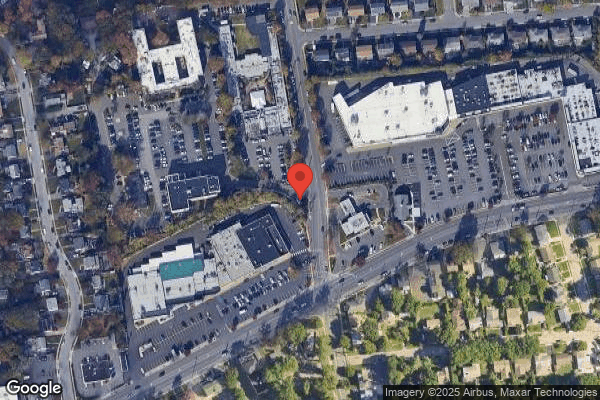

2 MEDICAL PLAZA, GLEN COVE, NY 11542 (516) 671-0858
For profit - Corporation 102 Beds PARAGON HEALTHNET Data: November 2025
Trust Grade
93/100
#31 of 594 in NY
Last Inspection: January 2025

Within standard 12-15 month inspection cycle. Federal law requires annual inspections.

Overview

Emerge Nursing and Rehabilitation at Glen Cove has earned a Trust Grade of A, which means it is considered excellent and highly recommended among nursing homes. It ranks #31 out of 594 facilities in New York, placing it in the top half, and #2 out of 36 in Nassau County, indicating it is one of the best local options available. The facility is showing improvement, as it reduced its issues from four in 2023 to two in 2025. However, staffing is a weakness with a below-average rating of 2 out of 5 stars, though its turnover rate of 28% is better than the state average of 40%. On the positive side, there have been no fines reported, which suggests compliance with regulations, and the facility provides more RN coverage than many others, helping to catch potential problems early. Specific concerns include a failure to revise care plans to meet residents' needs and improper food safety practices during meal service, which could risk residents' health. Overall, while there are some significant strengths, families should consider the staffing challenges and recent care plan issues when making their decision.

Trust Score
A
93/100
In New York
#31/594
Top 5%
Safety Record
Low Risk
No red flags
Inspections
Getting Better
4 → 2 violations
Staff Stability
✓ Good
28% annual turnover. Excellent stability, 20 points below New York's 48% average. Staff who stay learn residents' needs.
Penalties
✓ Good
No fines on record. Clean compliance history, better than most New York facilities.
Skilled Nurses
✓ Good
Each resident gets 50 minutes of Registered Nurse (RN) attention daily — more than average for New York. RNs are trained to catch health problems early.
Violations
○ Average
9 deficiencies on record. Average for a facility this size. Mostly minor or procedural issues.
★★★★★
5.0
Overall Rating
★★☆☆☆
2.0
Staff Levels
★★★★☆
4.0
Care Quality
★★★★★
5.0
Inspection Score
Stable
2023: 4 issues
2025: 2 issues

The Good

  • 4-Star Quality Measures · Strong clinical quality outcomes
  • Low Staff Turnover (28%) · Staff stability means consistent care
  • Full Sprinkler Coverage · Fire safety systems throughout facility
  • No fines on record
  • Staff turnover is low (28%)

    20 points below New York average of 48%

Facility shows strength in quality measures, staff retention, fire safety.

The Bad

Chain: PARAGON HEALTHNET

Part of a multi-facility chain

Ask about local staffing decisions and management

The Ugly 9 deficiencies on record

Jan 2025 2 deficiencies
CONCERN (D)

Potential for Harm - no one hurt, but risky conditions existed

Deficiency F0657 (Tag F0657)

Could have caused harm · This affected 1 resident

**NOTE- TERMS IN BRACKETS HAVE BEEN EDITED TO PROTECT CONFIDENTIALITY** Based on observations, record review, and interviews during the Recertification Survey initiated on 12/26/2024 and completed on ...

Read full inspector narrative →
**NOTE- TERMS IN BRACKETS HAVE BEEN EDITED TO PROTECT CONFIDENTIALITY** Based on observations, record review, and interviews during the Recertification Survey initiated on 12/26/2024 and completed on 1/2/2025, the facility did not ensure the comprehensive care plan was reviewed and revised to meet each resident's current needs. This was identified for one (Resident #21) of two residents reviewed for Activities of Daily Living. Specifically, Resident #21 was observed toileting themselves on 12/26/2024. Resident #21 required staff assistance for toileting transfer and toileting care as per assessments by the Rehabilitation Department and Certified Nursing Aide Accountability Record. A Noncompliance comprehensive care plan developed in 2023 documented Resident #21 was resistive to Activities of Daily Living assistance; however, the comprehensive care plan did not include interventions to for monitoring the resident's noncompliant behavior related to toileting self. The finding is: The facility's policy and procedure titled Comprehensive Care Plan and Resident/Patient Meeting dated July 2024 documented the purpose of the [comprehensive] assessment is to accurately communicate the resident's capability to perform daily life functions and to identify significant impairment(s) in functional capacity and the plan suggested by the comprehensive care plan team for improvement/maintenance for each of the resident's primary care issues. Information including [resident's] ability to perform Activities of Daily Living, and the resident's needs for staff assistance are obtained from the comprehensive assessment and staff interviews to plan care. The Comprehensive Care Plan will be revised quarterly, annually, and as needed, within 7 days of completion of the Minimum Data Set (MDS). Resident # 21 was admitted with Diagnoses including Parkinson's Disease, Difficulty in Walking, and Colostomy Status. The Quarterly Minimum Data Set (MDS) assessment dated [DATE] documented a Brief Interview for Mental Status (BIMS) score of 10, which indicated the resident had moderately impaired cognition. The Minimum Data Set assessment documented Resident #21 did not exhibit behaviors and rejections of care. Resident #62 required moderate assistance for toileting hygiene and maximum assistance for toilet transfer. Resident #21 had an ostomy and was continent of urine. A Behavioral Symptoms- Non-Compliance Comprehensive Care Plan related to rejection of Activity of Daily Living assistance dated 1/23/2024 documented Resident #21 required less than half assist for toileting hygiene and more than half assist for toileting transfer. Interventions included but were not limited to provide incontinent care as needed. No new interventions have been developed and implemented since 4/24/2023. The current care plan did not include interventions to monitor and supervise Resident #21's non compliance related to toileting themselves. An evaluation note dated 10/29/2024 documented that the resident continued to have periods of noncompliance with the plan of care. Staff continue to educate and encourage the resident to comply with the plan of care, the resident can be adamant about their choices despite ongoing education, and staff to continue to maintain resident's dignity and respect resident's rights. An Activity of Daily Living Comprehensive Care Plan dated 4/24/2024 documented Resident #21 required less than half assist for toileting hygiene and more than half assist for toileting transfer. Interventions included but were not limited to provide incontinent care as needed. The current care plan did not include interventions to monitor and supervise Resident #21's non compliance related to toileting themselves An annual Rehabilitation Screening dated 10/16/2024 documented that Resident #21 continued to require minimal assistance of one person for toileting hygiene and moderate assistance of one person for toilet transfer. Certified Nursing Assistant task instruction for October - December 2024 documented Resident #21 was continent of bladder and required more than half assistance (substantial/maximal assistance) for toileting tasks. Resident #21's October 2024 Certified Nursing Assistant Accountability records documented that on 21 occasions the resident was not provided assistance with toileting tasks as indicated in the resident's care plan. Resident #21's November 2024 Certified Nursing Assistant Accountability records documented that on 15 occasions the resident was not provided assistance with toileting tasks as indicated in the resident's care plan. Resident #21's December 2024 Certified Nursing Assistant Accountability records documented that on 43 occasions the resident was not provided assistance with toileting tasks as indicated in the resident's care plan. During the initial tour on 12/26/2024 at 11:28 AM, Resident #21 was observed sitting on the toilet in the bathroom inside their room and the wheelchair was in front of the resident. No staff was observed in the vicinity. Resident #21 stated they went to the bathroom themselves. During an interview on 12/26/2024 at 11:29 AM, Licensed Practical Nurse #1 stated that Resident #1 was allowed and able to toilet on their own. Licensed Practical Nurse #1 stated the resident preferred to transfer and toilet on their own. During an interview on 12/30/2024 at 2:01 PM, Certified Nursing Assistant #1 stated Resident #21 was continent of bladder. Certified Nursing Assistant #1 stated the resident's plan of care indicated that they needed assistance of one person for Activities of Daily Living including toileting but Resident #21 was capable of completing the task on their own and often did not ask for assistance. Certified Nursing Assistant #1 stated many times they observed Resident #21 toileting themselves. Certified Nursing Assistant #1 stated they encouraged the resident to ask for help. During an interview on 12/30/2024 at 2:20 PM, Registered Occupational Therapist #1 stated they assessed and evaluated Resident #21 in August 2024 and discharged the resident from skilled occupational therapy. Registered Occupational Therapist #1 stated the resident required minimum assistance of one person (Resident is able to complete 75% of the task and staff help with 25%) for toileting and transfer. During an interview on 12/31/2024 at 10:15 AM, Resident #21 was observed with tremors of bilateral hands. Resident #21 stated they took care of themselves and did not ask staff for help often. During an interview on 12/31/2024 at 1:08 PM, Registered Nurse Supervisor #1 stated they were aware that Resident #21 tried to be independent with their care and did not call staff for help. Registered Nurse Supervisor #1 stated Resident #21 was capable of toileting themselves. Registered Nurse Supervisor #1 stated there was a non-compliance care plan. Registered Nurse Supervisor #1 stated staff continued to provide verbal encouragement but was unable to state different approaches to address the ongoing non-compliance. Registered Nurse Supervisor #1 they expected staff to respond when Resident #21 pressed the call bell. Registered Nurse Supervisor #1 stated that Resident #21 should toilet with one staff present and assisting if they (Resident #21) were care planned to require minimum assistance of one person for toileting. A Nursing referred Rehabilitation Screening dated 12/31/2024 documented that Resident #21 continued to require minimal assist of one person for toileting hygiene and moderate assist of one person for toilet transfer. During a re-interview on 1/2/2025 at 12:20 PM, Registered Occupational Therapist #1 stated that they re-assessed Resident #21 on 12/31/2024. Resident #21 had tremors, was unsteady, and had difficulty wiping themselves after toileting and pulling up their pants. Registered Occupational Therapist #1 stated Resident #21 cannot toilet themselves independently and staff must be presented to offer hands-on assistance to complete the toileting care safely. During an interview on 1/2/2024 at 12:41 PM, the Director of Nursing Services stated Resident #21 should be provided one-person staff assistance during toileting as per the assessment and care plan. The Director of Nursing Services stated the care plan intervention should have been evaluated for effectiveness and the interdisciplinary team should implement other interventions such as additional education to resident to call for help and increase frequency of round for supervision to address the resident's non-compliance and to ensure the resident's safety during care. 10 NYCRR 415.11(c)(2) (i-iii)
CONCERN (D)

Potential for Harm - no one hurt, but risky conditions existed

Food Safety (Tag F0812)

Could have caused harm · This affected 1 resident

**NOTE- TERMS IN BRACKETS HAVE BEEN EDITED TO PROTECT CONFIDENTIALITY** Based on observations, record review, and interviews during the Recertification Survey initiated on 12/26/2024 and completed on ...

Read full inspector narrative →
**NOTE- TERMS IN BRACKETS HAVE BEEN EDITED TO PROTECT CONFIDENTIALITY** Based on observations, record review, and interviews during the Recertification Survey initiated on 12/26/2024 and completed on 1/2/2025, the facility did not ensure that food was served in accordance with professional standards for food service safety. This was identified for one ([NAME]) of three dining rooms during the Dining Task. Specifically, the facility did not monitor the temperature of cold food items served to the residents during a lunch meal observation on 12/30/2024 at 12:22 PM. The temperature of two yogurt containers measured at 60 and 62 degrees Fahrenheit (normal range: below 41 degrees Fahrenheit.) The finding is: The facility's policy and procedure titled Food Safety/Storage/Distribution/Service/Procurement - General dated 6/2024, documented Danger Zone refers to temperatures above 41 degrees Fahrenheit and below 135 degrees Fahrenheit that allow the rapid growth of pathogenic microorganisms that can cause foodborne illnesses. Food Service/Distribution refers to the processes involved in getting food to the resident. This may include holding foods under refrigeration for cold temperature control. Refrigerated Storage: potentially hazardous foods (examples include yogurt) must be maintained at or below 41 degrees Fahrenheit. During the lunch meal service in the [NAME] dining room on 12/30/2024 at 12:22 PM, the Dietary Supervisor measured the temperature of two yogurt containers on the individual resident trays prior to being delivered from the kitchen to the dining room. The yogurt measured 60 degrees and 62 degrees Fahrenheit. The Dietary Supervisor was immediately interviewed and stated there was an increased risk for infection and/or gastrointestinal issues if the food was served outside of the proper serving/holding temperatures. During an interview on 12/30/2024 at 1:03 PM, the Food Service Director stated the temperature of the yogurt and cold food items are checked when the items are placed onto the individual resident trays and the trays are then stored in the walk-in refrigerator unit until the time of service. The Food Service Director stated that the resident trays were delivered to the dining room at approximately 11:55 AM-12 noon. The Food Service Director stated that 60 degrees Fahrenheit is not the proper serving temperature for yogurt or any cold food and should be below 42 degrees Fahrenheit. The Food Service Director the residents can get sick from the cold food served at a temperature above 42 degrees as there is an increased risk of bacterial growth. During an interview on 1/2/2025 at 12:10 PM, the Administrator stated they were not aware of an issue with the cold food items being served above the safe temperature zone prior to notification during the survey process. 10 NYCRR 415.14(h)
Sept 2023 4 deficiencies
CONCERN (D) 📢 Someone Reported This

A family member, employee, or ombudsman was alarmed enough to file a formal complaint

Potential for Harm - no one hurt, but risky conditions existed

Incontinence Care (Tag F0690)

Could have caused harm · This affected 1 resident

Based on record review and interviews during the Recertification Survey and Abbreviated Survey (NY 00307267) initiated on 9/18/2023 and completed on 9/25/2023, the facility did not ensure each residen...

Read full inspector narrative →
Based on record review and interviews during the Recertification Survey and Abbreviated Survey (NY 00307267) initiated on 9/18/2023 and completed on 9/25/2023, the facility did not ensure each resident was provided care that meets professional standards of practice. This was identified for one (Resident #191) of two residents reviewed for Urinary Catheter. Specifically, Resident #191's Foley catheter was removed on 12/1/2022 for a void trial (assesses the ability of the bladder to empty). The resident was not monitored and assessed timely after the Foley catheter was removed to determine the trial void outcome. The finding is: The facility's policy titled Voiding Trial, effective 12/1/2020, documented the nurse will obtain a physician's order to discontinue the Foley catheter and start a voiding trial; parameters for re-insertion of Foley catheter will be designated by a physician if needed; monitor output every shift for 24 hours; monitor residual output via bladder scan for 24 hours. If greater than 300 milliliters (ml) is noted, then perform straight catheterization (a tube used to empty urine from bladder intermittently) and notify the physician. Resident #191 was admitted with diagnoses including Cancer, Obstructive Uropathy, and Parkinson's Disease. The 10/13/2022 admission Minimum Data Set (MDS) assessment documented a Brief Interview for Mental Status (BIMS) score of 12, indicating the resident had moderately impaired cognition. The MDS documented the resident had an indwelling urinary catheter. A physician's order dated 11/1/2022 documented Foley Catheter Size 16 French for diagnosis of Retention of Urine. A urology consult dated 11/3/2022 documented to start a void trial on 12/1/2022 at 6 AM; an office visit was scheduled for 12/1/2022 in the afternoon. A nursing progress note dated 11/3/2022 documented the resident went to a Urology appointment on 11/3/2022 and returned to the facility alert and oriented, with no complaint of discomfort or nausea. As per the consult resident's Foley catheter was changed. Recommendations included starting a void trial on 12/1/2022 at 6 AM and the office visit was scheduled on the same day on 12/1/2022 in the afternoon. The Physician Assistant (PA) was notified. A physician's order dated 11/3/2022 documented to remove the Foley Catheter and to start a void trial, start date 12/1/2022 at 12:00 AM. A physician's order dated 12/1/2022, entered at 3:23 PM, documented to obtain a Bladder Scan every 8 hours for 72 hours, at 6:00 AM, 2:00 PM, and 10:00 PM for 3 days. There were no parameters documented in the order for re-catheterization. A nursing progress note dated 12/1/2022 at 8:08 AM documented, the resident was alert and verbally responsive. To start voiding trials this morning. The Foley catheter drained 600 cubic centimeters (cc) of dark amber urine. The Foley catheter was removed at 4:45 AM. No hematuria (blood in the urine) and no complaint of pain or discomfort. Continue to monitor urine output. Endorsed to day nurse. There were no further nursing progress notes until 12/2/2022 at 3:17 AM. A review of the Treatment Administration Record (TAR) for December 2022 documented no entry for the Bladder Scan on 12/1/2022 until 10:00 PM. The nurse's initials were entered; however, no urine volume was documented. The 24-hour report for 12/1/2022, 7:00 AM-3:00 PM shift, documented status-post Foley [removal], bladder scan every shift, urine noted this shift. There was no documentation if the Bladder Scan was performed; the amount of urine voided; or if the resident was assessed after the resident's Foley catheter was removed. The 24-hour report for 12/1/2022, 3:00 PM-11:00 PM shift, documented a Bladder Scan was completed with 230 ml (residual amount of urine in the bladder). There was no documentation of an assessment of the resident and no corresponding nurses progress notes. A medical progress note written by PA #1 dated 12/1/2022 at 12:53 PM documented the resident had the Foley catheter removed for a pending urology appointment; unfortunately, the appointment was moved from 12/1/2022 to 12/8/2022. The resident stated that they (resident) would like to leave the Foley catheter out; a bladder scan every shift (every 8 hours) was ordered. A nursing progress note dated 12/2/2022 at 3:17 AM documented the resident was in bed with a call bell within reach. The resident complained of a pain level of 6 out of 10 on the pain scale (zero being the lowest pain level and 10 being the highest level on the pain scale) in the pelvic areas. The void trial was in progress status post Foley catheter removal. The bladder was scanned at 3 AM and showed 576 cc of urine in the bladder. The pelvic and lower abdomen regions were hard to touch and distended. The resident was told to try to urinate on their own. The resident was unable to urinate. Straight catheter insertion was explained and the resident was agreeable. A straight catheter was inserted and 700 cc of yellow urine with sediment was obtained. The catheter was removed and the resident verbalized feeling relieved after the procedure. A medical progress note dated 12/2/2022 at 9:28 AM written by PA #1 documented the staff reported that the resident needed to be straight catheterized last night. They (PA #1) spoke with the resident, and the resident understood that if they (resident) needed a straight catheter again, a Foley catheter would be placed. The resident denied any other issues or concerns but was frustrated that they may need the Foley catheter again. A nursing progress note dated 12/2/2022 at 5:32 PM documented resident continued on void trial, and has a directive to re-insert the Foley catheter if the resident retains greater than 500 milliliters (ml) of urine as the resident had been straight catheterized one time during this void trial. The resident was drinking fluids as instructed. The urology appointment was scheduled for 12/8/2022. PA #1 was interviewed on 9/20/2023 at 11:40 AM and stated the void trial for Resident #191 was started on 12/1/2022 so that the Urologist could assess the resident at the scheduled appointment later in the day. PA #1 stated the facility found out that the appointment was changed to 12/8/2022 after the resident's Foley catheter was removed. The resident did not go to the Urologist on 12/1/2022 as previously scheduled. PA #1 could not recall why the resident's urology appointment was changed or who had notified PA #1 of the appointment change. Registered Nurse (RN) #4, the 11:00 PM-7:00 AM RN Supervisor who wrote a progress note on 12/1/2022 at 8:08 AM, was interviewed on 9/21/2023 at 8:13 AM. RN #4 stated they did not remember if they (RN #4) or another nurse removed Resident # 191's Foley catheter on 12/1/2022 at 4:45 AM. RN #4 stated there should have been documentation in the progress notes or the TAR regarding the bladder scan being performed during the 7:00 AM- 3:00 PM shift. RN #4 further stated the documentation should also include how the resident tolerated the removal of the Foley catheter and the amount of urine output obtained after the Foley catheter was removed. The Director of Nursing Services (DNS) was interviewed on 9/21/2023 at 11:39 AM and stated after the Foley catheter was discontinued for Resident #191, the physician's orders for the void trial and bladder scan should have included parameters including when to re-catheterize the resident based on urinary output or bladder scan results. PA #1 was re-interviewed on 9/22/2023 at 8:33 AM and stated they do not put the orders in the Electronic Medical Record (EMR). PA #1 stated they always understood as a standard of practice, nurses know they have to monitor and re-insert the catheter if the bladder scan result is 500 ml or greater urine residual in the bladder. RN #6, the unit Supervisor who entered the bladder scan order in the EMR on 12/1/2022, was interviewed on 9/22/2023 at 11:15 AM. RN #6 stated the doctor or a medical practitioner is supposed to define what the parameters are for re-insertion of the Foley catheter in the bladder scan order, because the parameters are tailored per the resident. RN #6 stated that Resident #191's physician's order did not include any parameters. RN #6 stated the directive to reinsert the Foley catcher would have to come from the PA or the doctor. RN #6 stated there is a treat in place order that nurses understand that the resident should be straight catheterized when the bladder scan shows 300 ml of urine in the bladder; however, there was a verbal directive from the PA to catheterize Resident #191 when the bladder scan showed 500 ml of residual urine. There was no documented physician's order that indicated to re-catheterize the resident if the bladder scan showed 500 ml or more of residual urine in the bladder. The DNS was re-interviewed on 9/22/2023 at 2:30 PM and stated urine output is hard to measure if a resident is incontinent, but there should have been a bladder scan done on the 7:00 AM-3:00 PM shift. The DNS also stated if the directive was to catheterize the resident when the bladder scan showed 500 ml of residual urine in the bladder, there should have been a written physician's order. The DNS stated they were not sure if an assessment of the resident during a void trial is part of the facility protocol. Licensed Practical Nurse (LPN) #8, who conducted the bladder scan during the 3:00 PM-11:00 PM shift on 12/1/2022, was interviewed on 9/25/2023 at 12:10 PM. LPN #8 stated when a resident is on void trial, they (LPN #8) would evaluate the resident for pain and distension in addition to completing the bladder scan. LPN #8 stated they could not recall if they evaluated Resident #191 after they performed the bladder scan. 10 NYCRR 415.12(d)(1)
CONCERN (D) 📢 Someone Reported This

A family member, employee, or ombudsman was alarmed enough to file a formal complaint

Potential for Harm - no one hurt, but risky conditions existed

Deficiency F0697 (Tag F0697)

Could have caused harm · This affected 1 resident

Based on record review and interviews during the Recertification Survey and Abbreviated Survey (NY 00317548), initiated on 9/18/2023 and completed on 9/25/2023, the facility did not ensure pain manage...

Read full inspector narrative →
Based on record review and interviews during the Recertification Survey and Abbreviated Survey (NY 00317548), initiated on 9/18/2023 and completed on 9/25/2023, the facility did not ensure pain management was provided to each resident who required such services, consistent with professional standards of practice, the comprehensive person-centered care plan, and the residents' goals and preferences. This was identified for one (Resident #190) of three residents reviewed for pain management. Specifically, Resident #190 had a Physician prescribed as needed (PRN) pain medication, Tramadol. The facility staff administered the pain medication; however, did not consistently assess the resident's pain level prior to and after the medication administration to monitor the effectiveness of the pain medication. Additionally, all facility staff were not knowledgeable regarding the process of entering the PRN pain management evaluation protocol into the Medication Administration Record (MAR). The finding is: The facility's policy titled Pain Management, dated April 2018, documented to monitor resident response to pain management interventions; a 0-10 numeric pain scale may be utilized when defining the intensity of pain when the resident is able to verbalize the level of pain; nurses must evaluate the effectiveness of medications; and nurses must document in the electronic medical record the medication and effectiveness. Residents should be fully observed and monitored for pain and as much relevant information as possible should be obtained. Resident #190 was admitted with diagnoses including Paraplegia, Thoracic Spinal Cord Injury, and Chronic Pain Syndrome. The 5/12/2023 admission Minimum Data Set (MDS) assessment documented a Brief Interview for Mental Status (BIMS) score of 15, indicating the resident was cognitively intact. The MDS documented that the resident had frequent pain with a level of 6 out of a 10-pain scale, with zero being no pain and 10 as the worst pain. A physician's order dated 5/5/2023 documented Pain Scale Rating-Monitor and Record Pain Scale Every Shift. A physician's order dated 5/5/2023 documented to administer Tramadol (a narcotic pain reliever) 50 milligram (mg) tablet, give one tablet by oral route every 6 hours as needed (PRN) for a diagnosis of unspecified pain. A physician's order dated 5/5/2023 documented to administer Tylenol 325 mg tablet, give 2 tablets (650 mg) every 6 hours as needed for a diagnosis of unspecified pain. A Comprehensive Care Plan (CCP) titled Pain, effective 5/6/2023, documented an intervention to monitor the effectiveness of medication. A physician's order dated 5/16/2023 documented to administer Ibuprofen 200 mg tablet, give three tablets (600 mg) by oral route as needed for a diagnosis of unspecified pain. Review of the May 2023 MAR revealed Resident #190 received the Tramadol PRN on May 6, 7, 9, 11, 12, 14, 15, 17, 19, 21, 23, 24, 25, and 26; received the Tylenol on May 16, 26, and 29; and received the Ibuprofen on May 16, 17, 18, 19, 27, and 30. There was no documentation in the monitoring section of the MAR indicating an evaluation of the effectiveness of these PRN pain medications. The resident also received one-time physician orders for Tramadol 50 mg from the Emergency (E) box on May 27, 28, and 29, and the May 2023 MAR revealed that the resident received these one-time doses with no evaluation of the effectiveness of the pain medication. The Physical Medicine and Rehabilitation (PM&R) progress note dated 5/30/2023 documented Resident #190 was seen today (5/30/2023) and has a primary diagnosis of Thoracic (T) Spinal Cord Injury. The resident had T3-Lumbar (L) 3 Posterior Spinal Instrumentation and Fusion (PSIF) and intraoperatively (during surgery) had motor loss (weakness) of bilateral lower extremities. Today, the resident admitted to back pain that can reach severe levels and the pain radiates into bilateral lower extremities. The resident rated their pain at a 9 out of 10 on the pain scale. The resident reported that Tramadol was not helping and they would like a stronger medication for the pain. The Physician recommended to discontinue the Tramadol and start Oxycodone 5 mg every 6 hours as needed. The Physician recommended to continue the use of Tylenol and Ibuprofen as ordered. A physician's order dated 5/30/2023 documented to administer Oxycodone 5 mg tablet, give one tablet every 6 hours as needed for chronic pain syndrome. A nursing progress note written by Licensed Practical Nurse (LPN) #5 on 5/30/2023 at 4:16 PM documented the resident was in pain and Ibuprofen was given. The Physician Assistant (PA) saw the resident and ordered a Lidocaine patch to the lower back daily. The resident's family wanted the resident to be sent to the hospital. The doctor (PM&R) was in the facility and was able to see the resident immediately. A new order for Oxycodone 5 mg every 6 hours was received and a STAT (Immediate) dose was given at 11:00 AM. At 11:45 AM LPN #5 returned to the resident's room and the resident stated they were feeling better. A review of the 24-hour report dated 5/30/2023 for the 7:00 AM-3:00 PM shift documented Oxycodone was administered with positive effects. A review of the MAR for May 2023 revealed that the resident was administered Oxycodone on 5/30/2023 at 8:33 PM; however, there was no documentation regarding the monitoring of the effectiveness of the medication. A review of the 24-hour report dated 5/30/2023 for the 3:00 PM-11:00 PM shift documented Oxycodone was given with positive effects. A review of the MAR for 5/30/2023 during the 11:00 PM-7:00 AM shift revealed that the resident reported a pain level of 10 out of 10. Oxycodone was administered on 5/31/2023 at 3:16 AM. There was no documentation for the 11:00 PM-7:00 AM shift on the 24-hour report; there was no monitoring of the effectiveness of the pain medication in the MAR; and there were no follow-up progress notes related to the effectiveness of the pain medication in the Electronic Medical Record (EMR). LPN #5, who administered the STAT dose of Oxycodone on 5/30/2023 and gave PRN pain medications, was interviewed on 9/19/2023 at 2:57 PM. LPN #5 stated when a PRN pain medication is administered, the computer system generates a pop-up that includes the facility protocol to monitor the effectiveness of the medication. LPN #5 stated the monitoring protocol is not triggered when a one-time STAT dose of pain medication is administered. LPN #5 stated it is basic nursing to follow up to monitor the effectiveness of pain medication after pain medication is administered. LPN #5 stated on 5/30/2023 the note indicated that LPN #5 administered the Oxycodone at 11:00 AM and returned to Resident #190's room at 11:45 AM. Resident #190 told them (LPN #5) that they (Resident #190) were feeling better. Pharmacist #1 and the Pharmacy Director were interviewed concurrently on 9/20/2023 at 12:09 PM. They both stated the pharmacy received a prescription for Resident #190 for Tramadol on 5/9/2023. The pharmacy provided a total of 20 Tramadol tablets. Pharmacist #1 and the Pharmacy Director both stated that there were no other prescriptions received for Tramadol after the 20 tablets were administered. LPN #6, who administered the Oxycodone on 5/30/2023 at 8:33 PM, was interviewed on 9/20/2023 at 3:13 PM. LPN #6 stated they frequently turned and positioned Resident #190 and monitored the resident's pain; however LPN #6 did not document the resident's pain on a pain scale of 0-10. Registered Nurse (RN #4), Registered Nurse (RN) #4, the 11:00 PM-7:00 AM nursing Supervisor was interviewed on 9/21/2023 at 8:20 AM and stated on 5/31/2023 Resident #190 complained of pain measuring 10 out of 10 and they (RN #4) administered Oxycodone at 3:16 AM. RN #4 stated the Oxycodone order did not include the monitoring protocol. RN #4 stated the nurses who enter any PRN pain medication order need to be inserviced on how to accurately enter the pain medication order into the EMR; therefore, initiating the pain assessment section on the MAR. RN #4 stated there should have been follow up documented after the PRN pain medication was given and the following shift should have followed up. RN #5, who entered the PRN Tramadol order dated 5/5/2023, was interviewed on 9/21/2023 at 12:54 PM. RN #5 stated after administering a PRN pain medication the nurses are expected to follow up with the resident regarding the effectiveness of the pain medication. RN #5 stated the EMR does not allow us to add in parameters for follow-up (before and after) for PRN pain medications. RN #2, the Inservice Coordinator, was interviewed on 9/22/2023 at 10:31 AM and stated when a pain medication is given, the nurse is supposed to assess the pain level and then check back in 30 minutes to assess the resident's pain level using the pain scale. RN #2 stated it is not always expected that the pain level be obtained initially--it depends on the situation; for instance if the resident has a headache, just give Tylenol. RN #2 stated the pain assessment should be on the MAR in the monitoring section. RN #6, the unit supervisor, was interviewed on 9/22/2023 at 11:15 AM. RN #6 stated there is a way to put the protocol for pain monitoring in the EMR. RN #6 stated the nurse (RN #5) who said there was no way to enter the protocol was wrong. RN #6 stated as far as an assessment, the pain level cannot be quantified with positive effects or feeling better statements. The Director of Nursing Services (DNS) was interviewed on 9/22/2023 at 2:30 PM and stated it is acceptable to document positive effect after administering a pain medication, it means it is therapeutic (provided pain relief) and the resident is comfortable. The DNS stated the protocol for before and after pain medication evaluation can be documented in the EMR and inservice education for the nurses is needed. The DNS stated there should have been follow up after the PRN pain medications were administered. RN #2 was re-interviewed on 9/25/2023 at 11:15 AM and stated the inservice education does not include the topic of documenting the pain assessment before and after administration of pain medication in the EMR or how to properly enter the physician's order into the EMR to initiate the pre and post pain assessment protocol on the MAR. 10 NYCRR 415.12
CONCERN (D)

Potential for Harm - no one hurt, but risky conditions existed

Deficiency F0761 (Tag F0761)

Could have caused harm · This affected 1 resident

**NOTE- TERMS IN BRACKETS HAVE BEEN EDITED TO PROTECT CONFIDENTIALITY** 2) The facility Storage of Medication policy dated 4/18/2022 documented that all medications including treatment items are store...

Read full inspector narrative →
**NOTE- TERMS IN BRACKETS HAVE BEEN EDITED TO PROTECT CONFIDENTIALITY** 2) The facility Storage of Medication policy dated 4/18/2022 documented that all medications including treatment items are stored in a locked cabinet or room inaccessible to residents and visitors. Medication is accessible only to licensed nursing personnel. Resident #32 was admitted to the facility with the diagnoses of Chronic Obstructive Pulmonary Disease, Respiratory Failure and Heart Failure. The 5-day Minimum Data Set (MDS) assessment dated [DATE] documented Resident #32 had a Brief Interview for Mental Status assessment score of 13, indicating intact cognition. The physician's order dated 9/3/2023 documented to administer Spiriva Respimat (a bronchodilator that relaxes muscles in the airways and increases air flow to the lungs) 2.5 micrograms (mcg) /actuation solution for inhalation. Inhale 2 puffs (5 mcg) by inhalation route once daily at the same time each day every day at 9:00 AM. The September 2023 Medication Administration Record documented Licensed Practical Nurse (LPN) #2 administered Spiriva Respimat on 9/19/2023 and the medication was administered by LPN #1 on 9/21/2023. The Respiratory Dysfunction care plan dated 7/27/2023 documented that Resident #32 was at risk for respiratory distress related to Chronic Obstructive Pulmonary Disease and Asthma. The interventions included to administer medications and to monitor for signs and symptoms of respiratory distress. Resident #32 was observed seated in a wheelchair in their room with a Spiriva inhaler on the overbed table on 9/19/2023 at 10:07 AM. Resident #32 stated that they (Resident #32) self-administer the medication and takes two puffs once a day. Review of Resident #32's medical records revealed that there was no assessment or care plan for self-administration. Licensed Practical Nurse (LPN) #1 was interviewed on 9/21/2023 at 1:10 PM. LPN #1 stated that they (LPN #1) were regularly assigned to Resident #32 during the day shift. LPN #1 stated that Resident #32 does not self-administer the Spiriva inhaler and the medication should be in the medication cart, and not in Resident #32's room. LPN #1 looked through the medication cart and stated that the Spiriva inhaler was not in the medication cart. LPN #1 was then observed to enter Resident #32's room and exit the resident's room with the Spiriva inhaler. LPN #2 was interviewed on 9/22/2023 at 11:50 AM. LPN #2 stated that on 9/19/2023, LPN #2 opened the Spiriva inhaler and gave the inhaler to Resident #32. LPN #2 was then called by another staff member and stepped out of the room to assist with another resident. LPN #2 stated they left Resident #32 with the inhaler. The Director of Nursing Services (DNS) was interviewed on 9/22/2023 at 2:29 PM. The DNS stated that the nurses are expected to administer the inhaler, clean it, and place it back into the medication cart. The DNS stated that the nurses should not have left the Spiriva inhaler in Resident #32's room. 10 NYCRR 415.18 (d) and 415.18(e)(1-4) Based on observation, record review, and interviews during the Recertification Survey initiated on 9/18/2023 and completed on 9/25/2023, the facility did not ensure drugs and biologicals were labeled in accordance with currently accepted professional principles. This was identified for 1) one (Resident #78) of five residents observed during medication administration; and 2) one (Resident #32) of one resident reviewed for choices. Specifically, 1) during the medication administration task Resident #78's Lexapro (antidepressant medication) blister pack label did not match the current physician's order nor had a change in order sticker as per the facility's policy; and 2) Resident 32 was observed with a Physician prescribed inhaler medication in their room unattended by the facility staff. The findings are: 1) The facility's policy titled Medications and Medication Labels, effective 1/2023, documented if the prescriber's directions for use change or the label is inaccurate, the nurse may place a direction change, change of order-check chart, or similar label on the container indicating there is a change in direction for use. If directions for use change, the provider pharmacy is informed prior to the next refill of the prescription so the new container will show an accurate label. Resident #78 was admitted with diagnoses including Depression, Seizure Disorder, and Metabolic Encephalopathy. The 7/28/2023 admission Minimum Data Set (MDS) assessment documented a Brief Interview for Mental Status (BIMS) score of 15, indicating the resident was cognitively intact. The MDS documented that the resident received antidepressant medications. A physician's order dated 7/29/2023, and renewed on 9/16/2023, documented Escitalopram (Lexapro) 5 milligram (mg) tablet, give one tablet once daily at 9 AM for Depression. On 9/19/2023 at 8:35 AM Resident #78's medication administration was observed performed by Licensed Practical Nurse (LPN #4). The Escitalopram blister pack used by LPN #4 had a label that did not match the physician's order and reflected Escitalopram 5 mg tablet, give 1.5 tablets by mouth daily (a total of 7.5 mg). There was no change in direction sticker on the blister pack. For each dose in the blister pack there was a 5 mg whole tablet and a half tablet (2.5 mg). LPN #4 discarded the half tablet (2.5 mg) and provided the 5 mg tablet to the resident. When LPN #4 was questioned about the discrepancy with the order and the label, LPN #4 stated they (LPN #4) called the pharmacy and was directed by the pharmacist to remove the half tablet because insurance did not allow the pharmacy to send a new blister pack while there was still enough medication left to fulfill the physician's order. LPN #4 stated they did not have the change in direction stickers and had asked a supervisor, but the supervisor did not know where the stickers were. Pharmacist #1 was interviewed on 9/19/2023 at 3:15 PM and stated usually if the new order of a medication can be fulfilled with the supply on hand at the facility, then insurance will not cover new orders and the nurses are directed to use the supply that is already available in the facility. Insurance wants the supply finished. Pharmacist #1 stated a change in direction sticker should have been placed on the blister pack by the nurse when the new order was obtained. The Pharmacy Director was interviewed on 9/20/2023 at 11:15 AM and stated when the order for Escitalopram was changed from 7.5 mg to 5 mg daily on 7/29/2023 the pharmacy received the new order; however, the data entry technician failed to process the new order appropriately and refilled the old order for 7.5 mg instead of the 5 mg Escitalopram. The Director of Nursing Services (DNS) was interviewed on 9/20/2023 at 9:36 AM and stated if there is a medication order change, the nurses are supposed to place a direction change sticker on the blister pack.
CONCERN (D)

Potential for Harm - no one hurt, but risky conditions existed

Infection Control (Tag F0880)

Could have caused harm · This affected 1 resident

Based on observation, record review, and interviews during the Recertification Survey, initiated on 9/18/2023 and completed on 9/25/2023, the facility did not maintain an infection prevention and cont...

Read full inspector narrative →
Based on observation, record review, and interviews during the Recertification Survey, initiated on 9/18/2023 and completed on 9/25/2023, the facility did not maintain an infection prevention and control program designed to prevent the development and transmission of communicable diseases and infections. This was identified for one (Resident #193) of two residents reviewed for Pressure Ulcers. Specifically, on 9/21/2023 Licensed Practical Nurse (LPN) #3 was assisted by Registered Nurse (RN) #2 with the wound care treatment for Resident #193. RN #2 was observed placing the resident back onto the soiled barrier after the resident's unstageable coccyx (tailbone) pressure ulcer was cleansed therefore, allowing the pressure ulcer to come in contact with the soiled barrier. The wound was not re-cleansed before the treatment was applied. The finding is: The facility's policy titled Infection Control, effective 2/2022, documented the organization uses a coordinated process to reduce the risks of endemic and epidemic nosocomial infections in residents and health care workers. The primary purposes of this facility's infection control policies and procedures are to establish guidelines to follow to provide a safe and sanitary and comfortable environment and to help prevent the development and transmission of disease and infection. Establish guidelines to follow in implementing Standard Precautions for the handling of blood, body fluids, secretions, excretions, mucous membranes and nonintact skin. Resident #193 was admitted with diagnoses including Seizure Disorder, Intracranial Hemorrhage, and Hemiplegia. The 9/11/2023 admission Minimum Data Set (MDS) assessment documented no Brief Interview for Mental Status (BIMS) score as the resident rarely or never makes self understood. The MDS documented that the resident had an unstageable pressure ulcer. A Comprehensive Care Plan (CCP) titled Presence of Coccyx Pressure Ulcer, effective 9/1/2023, documented the resident was seen by the wound care physician on 9/13/2023. The wound was identified as unstageable pressure ulcer measuring 7 centimeters (cm) x 6.5 cm x 0.5 cm, with 99% slough (dead tissue), 1 % granulating (healthy growing) tissue. The interventions included to monitor for signs and symptoms of infection such as increased redness, warmth, drainage, foul odor, etc. A physician's order dated 9/13/2023 documented to apply Santyl (enzymatic debridement agent) 250 unit/gram topical ointment, apply by topical route to coccyx; cleanse wound with wound cleanser followed by Santyl and Calcium Alginate (an absorbent dressing), and silicone-bordered dressing every day and when needed, for diagnosis of pressure ulcer, unstageable. On 9/21/2023 at 10:42 AM Resident #193's wound care treatment was observed, performed by Licensed Practical Nurse (LPN#3) and assisted by Registered Nurse (RN #2, the Infection Preventionist and Inservice Coordinator. The resident had an air mattress that auto-turned and positioned the resident, and RN #2 positioned the resident on the resident's right side, exposing the coccyx/sacral area. RN #2 held the resident in that position while the wound treatment was being performed. LPN #3 placed a clean barrier on the mattress directly under the wound area. LPN #3 removed the old dressing. There was a moderate to large amount of slough and serosanguinous (blood tinged) drainage on the dressing. The wound contained mostly slough. LPN #3 cleansed the wound with spray wound cleanser, which drained out of the wound and onto the barrier. The soiled barrier was not removed. After the wound was cleansed, while LPN #3 was performing hand hygiene, RN #2 allowed the resident to lie on their back in a supine position, allowing the cleansed wound to come in contact with the soiled barrier. The surveyor brought the observation to the attention of RN #2; however, the wound was not re-cleansed and the wound treatment continued to completion. RN #2 was interviewed on 9/21/2023 at 11:43 AM and stated the resident was heavy and the mattress was auto-turning. RN #2 stated the resident only went back a little bit but allowing the resident to go back on the soiled barrier was not an acceptable procedure. RN #2 stated from their vantage point, RN #2 could not see where the wound was, but did not think that allowing the cleansed wound to come in contact with the soiled barrier created an infection potential. RN #3, the wound care nurse, was interviewed on 9/21/2023 at 2:00 PM and stated the wound definitely should not have come in contact with the dirty barrier. RN #3 stated they (RN #3) would have removed the barrier after cleaning the wound. The Director of Nursing Services (DNS) was interviewed on 9/22/2023 at 2:30 PM and stated the wound should have been re-cleansed after it came in contact with the soiled drape. 10 NYCRR 415.19(a)(1-3)
Aug 2021 3 deficiencies
CONCERN (D)

Potential for Harm - no one hurt, but risky conditions existed

Quality of Care (Tag F0684)

Could have caused harm · This affected 1 resident

Based on record review and interviews during the Recertification Survey completed on 8/19/2021, the facility did not ensure that each resident received treatment and care in accordance with profession...

Read full inspector narrative →
Based on record review and interviews during the Recertification Survey completed on 8/19/2021, the facility did not ensure that each resident received treatment and care in accordance with professional standards of practice for 1 (Resident #179) of one resident reviewed for Choices. Specifically, Resident # 179 was seen for an Orthopedic consult on 7/29/21 and returned to facility the same day with a recommendation from the Physician to begin oral antibiotics. The consultation report was misplaced and the resident did not begin the antibiotic regimen in a timely manner, until 8/3/2021, five days after the recommendation was made. The finding is: The facility's policy and procedure titled Consultation and Diagnostic Services, dated 8/13/2021, documented that consults will be placed in the bin marked consults upon patient return and the unit Registered Nurse (RN)/Licensed Practical Nurse (LPN) must review all consults. Resident #179 was admitted with diagnoses including status post right ankle fusion surgery, with bunionectomy/hammer toe correction and morbid obesity. The 7/27/2021 Initial Nursing Assessment documented that the resident was alert and oriented to person, place, and time. Resident # 179 was interviewed on 8/15/2021 at 10:28 AM and stated that they (Resident #179) received an Antibiotic late that was recommended by the Orthopedic surgeon on 7/29/2021. An Orthopedic consultation report dated 7/29/2021 recommended Minocycline (an antibiotic) 100 milligrams (mg), two times a day for 10 days. A nursing progress note dated 7/29/2021 at 4:39 PM, written by LPN #1, documented that Resident #179 returned from the Orthopedic appointment. There was no documentation in the nurse's note regarding the recommendations on the consult. Review of the July 2021 Medication Administration Record (MAR) revealed no documentation that Minocycline was ordered or administered. A follow up Orthopedic consultation report dated 8/3/2021 recommended Minocycline (an antibiotic) 100 mg, two times a day. A Physician's order dated 8/3/2021 ordered Minocycline 100 mg capsule, give by oral route every 12 hours for 14 days for unspecified open wound of the left foot. A nursing progress note dated 8/3/2021 at 6:43 PM, written by RN #1, documented that Resident #179 was previously seen by the Orthopedic surgeon on 7/29/2021 and was to begin a course of oral Minocycline. The note documented that the resident was seen again by the orthopedic surgeon on 8/3/2021 with orders to continue the course of antibiotics. RN #1 was interviewed on 8/17/2021 at 12:07 PM. RN #1 stated that when Resident #179 returned from the Orthopedic consult on 7/29/2021 RN #1 was not present. RN #1 stated there was a disconnect in receiving the resident back on the unit during the night shift and the written consult was not seen. RN #1 stated that they (RN #1) did not inquire about the written consult or see a consult. RN #1 stated the antibiotic was supposed to be started on 7/29/21. RN #1 stated that the 7/29/2021 consult was eventually found in an office that is shared by 4 staff members. RN #1 stated that the Certified Nursing Assistant (CNA) that goes out with the resident is supposed to hand the paperwork to the nurse upon return. The Director of Nursing Services (DNS) was interviewed on 8/17/2021 at 1:40 PM. The DNS stated a Quality Assurance Performance Improvement (QAPI) project was initiated regarding consultations and staff are in the process of being inserviced, but inservice education is not completed. The DNS stated prior to the QAPI project, there was no designated place to put the consults. LPN #1 was interviewed on 8/17/2021 at 2:16 PM. LPN #1 stated that they (LPN #1) were in training and were shadowing LPN #2 the night of 7/29/2021 and did not recall seeing or inquiring about any paperwork when Resident #179 returned from the consult. CNA #1 was interviewed on 8/17/2021 at 2:17 PM. CNA #1 stated that they (CNA #1) accompanied Resident #179 to the physician's office on 7/29/2021. CNA #1 stated that when they returned from the Physician's office, the unit clerk instructed CNA #1 to put the consult paper with other papers on the desk. The unit clerk was interviewed on 8/17/2021 at 2:33 PM. The unit clerk stated that they (the unit clerk) did not remember receiving paperwork from CNA#1 regarding the Orthopedic consult for Resident # 179. The unit clerk further stated if a CNA gave paperwork to the unit clerk, the unit clerk would give the paperwork to the nurse in charge to review. LPN #2 was interviewed on 8/17/2021 at 2:59 PM. LPN #2 stated that they (LPN #2) did not see or inquire about consult paperwork upon Resident #179's return from the Orthopedic visit on 7/29/2021. RN Supervisor (RN #2) was interviewed on 8/17/2021 at 3:13 PM. RN #2 stated the process is for the CNAs to hand the consult to the nurse. RN #2 further stated that they (RN #2) were not given anything on the night of 7/29/2021. 415.12
CONCERN (D)

Potential for Harm - no one hurt, but risky conditions existed

Deficiency F0694 (Tag F0694)

Could have caused harm · This affected 1 resident

**NOTE- TERMS IN BRACKETS HAVE BEEN EDITED TO PROTECT CONFIDENTIALITY** Based on observations, record review and interviews during the Recertification Survey completed on 8/19/2021, the facility did n...

Read full inspector narrative →
**NOTE- TERMS IN BRACKETS HAVE BEEN EDITED TO PROTECT CONFIDENTIALITY** Based on observations, record review and interviews during the Recertification Survey completed on 8/19/2021, the facility did not ensure Intravenous (IV) fluids (fluids that were administered directly into a vein) were administered consistent with professional standards of practice and in accordance with physician orders for one (Resident #61) of one resident reviewed for Hydration. Specifically, Resident #61 was observed receiving IV fluids on 8/15/2021 without a documented physician's order. The finding is: The facility's Medication Management: Administration - Intravenous General policy dated January 2019 documented the nursing staff was responsible to check physician's orders, any pertinent laboratory values prior to administration and to document IV administration in the medical record. Resident #61 was admitted with diagnoses of Altered Mental Status and Pneumonia. The Quarterly Minimum Data Set (MDS) assessment dated [DATE] documented Resident #61 had a Brief Interview of Mental Status (BIMS) Score of 12 which indicated the resident had moderately impaired cognition. The MDS documented that Resident #61 did not receive fluid via IV or tube feeding in the past 7 days of the look back period. The Comprehensive Care Plan (CCP) for Nutrition and Hydration dated 7/22/2021 documented Resident #61 had potential for alternation in nutrition/hydration status related to Renal Disease. Interventions included to monitor the resident for signs and symptoms of Dehydration, and to monitor fluid intake and laboratory values. The Basic Metabolic Panel (a blood test that measures sugar level, electrolytes, fluid balance and kidney function) laboratory result dated 8/11/2021 indicated an elevated Blood Urea Nitrogen (BUN) level of 31 milligram per deciliter (mg/dL) (Normal Reference range is 7-23 mg/dL); and Creatinine level of 1.83 mg/dL (Normal Reference range is 0.5-1.3 mg/dL). The Urinalysis (a urine test) result dated 8/11/2021 found abnormal slightly turbid (cloudy, opaque, or thick with suspended matter) amber- colored urine. A moderate level of blood was also detected in the urine. The Physician's order dated 8/11/2021 documented to administer Dextrose 5% and 0.45% Sodium Chloride Intravenous (IV) solution at 100 cubic centimeters (cc) per hour every shift for 2 days for prophylactic measures. The Medication Administration Record (MAR) indicated that Resident #61 received Dextrose 5% and 0.45% Sodium Chloride solution at 100 cc per hour which started from 8/11/2021 evening shift (3 PM to 11 PM) and ended on 8/13/2021 day shift (7 AM to 3 PM). A nursing progress note dated 8/15/2021 at 7: 18 AM, written by Licensed Practical Nurse (LPN#4), documented that Resident # 61 was receiving IV fluids via a midline catheter. Resident # 61 was observed on 8/15/2021 at 10:23 AM, sleeping in bed with a bag of Dextrose 5% 1/2 Normal Saline running at 100 cc as indicated on the flow meter attached on the tubing. Resident #61's family member entered Resident #61's room at 10: 25 AM. Resident #61's family member saw the IV fluid running and stated that resident has become confused and dehydrated after refusing to eat or drink, and developed Urinary Tract Infection that led to hospitalization. Resident #61's family member stated that the facility was providing Resident #61 with IV fluids now for rehydration. Resident # 61 and the family member were observed on 8/15/2021 at 2:05 PM in Resident # 61's room. The IV fluid was discontinued. Resident #61's family member stated that the staff said the course of IV fluids was completed and therefore discontinued. RN #5 was interviewed on 8/16/2021 at 10:55 AM and stated that based on the 24 hour report, RN #5 discontinued both IV fluids and IV antibiotics in the afternoon on 8/15/2021. RN #5 stated they (RN#5) believed a Physician's order for IV fluids was in place. LPN #4 was interviewed on 8/16/2021 at 11:50 AM and stated that based on the 24 hour report, Resident #61 continued to receive IV fluid the entire shift from 11 PM to 7 AM from 8/14/2021 to 8/15/2021. LPN #4 stated that Resident #61's IV fluid was still running when LPN #4 left work in the morning on 8/15/2021. RN #5 was re-interviewed on 8/17/2021 at 9:27 AM and stated Resident #61's IV fluid order was extended for 2 days on 8/13/2021 by the Physician and was written in the 24 hour report; however, RN #5 did not find a Physician's order in the medical record extending IV fluid administration from 8/13/2021 to 8/15/2021. RN #6 was interviewed on 8/17/2021 at 10:09 AM and stated that they (RN#6) received the Physician's verbal order to extend Resident #61's IV fluid for 2 more days on 8/13/2021. RN #6 stated they did not enter the order into the medical record. RN#6 stated that administration would not have been documented in the Medication Administration Record without the physician's order. The Director of Nursing Service (DNS) was interviewed on 8/17/2021 at 10:25 AM. The DNS stated that nursing staff should check the physician's order before administrating any medication including IV fluids. The DNS stated there was no active Physician's order in the medical record when the IV fluid was administrated, and the administration of the IV fluid was not documented in the Medication Administration Record after each shift. The Attending Physician, who was also the Medical Director, was interviewed on 8/17/2021 at 3:15 PM. The Medical Director stated a verbal order was given to RN #6 to continue Dextrose 5% 1/2 Normal Saline at 100 cc/hr for 48 more hours from 8/13/2021 to 8/15/2021. The Medical Director stated that they (the Medical Director) were not aware that the order was not in place. The Medical Director wrote an order on 8/15/2021 at 10:42 PM to give Dextrose 5% 1/2 Normal Saline infuse 100 milliliters by Intravenous route every hour for 48 hours 8/13-8/15 to document that they had given a verbal order to continue IV fluid hydration on 8/13/2021. 415.12(k)(2)
MINOR (C)

Minor Issue - procedural, no safety impact

Deficiency F0838 (Tag F0838)

Minor procedural issue · This affected most or all residents

**NOTE- TERMS IN BRACKETS HAVE BEEN EDITED TO PROTECT CONFIDENTIALITY** Based on record review and interview during the Recertification Survey completed on 8/19/2021, the facility did not ensure that ...

Read full inspector narrative →
**NOTE- TERMS IN BRACKETS HAVE BEEN EDITED TO PROTECT CONFIDENTIALITY** Based on record review and interview during the Recertification Survey completed on 8/19/2021, the facility did not ensure that the facility assessment included what resources are necessary to care for its residents competently during both day-to-day operations and emergencies. Specifically, the facility assessment did not include the overall number of facility staff needed to ensure sufficient number of qualified staff to meet each resident's needs. The finding is: The Facility assessment dated [DATE] documented that the level of care must be sufficient for each resident to attain or maintain their highest practicable physical, mental and psychosocial well-being at all times. Based on the resident population and their needs for care and support, the following are always taken into account: 1. the acuity of the patient population, 2. the functional level of the patient and services provided, 3. employee illness, 4. employee termination, 5. the quality, education and training of the staff. Review of the Facility Assessment in its entirety revealed that there was no overall number of facility staff needed included in the assessment to ensure the resident's needs were being met. The Administrator was interviewed on 8/19/2021 at 12:36 PM. The Administrator stated that the facility assessment did not include specific staffing ratios or level of staff required because it is based on acuity. The Administrator stated that the staffing is adjusted according to the changes in the resident population and their needs. There is no specific information on thresholds for staffing in the facility assessment and no information regarding how to the facility will adjust according to acuity. The Administrator stated that staffing is adjusted with the staffing coordinator to determine if more or less staffing is needed. The facility assessment does not specify the minimum staffing levels to make that determination. 415.13(a)(1)(i-iii)
Understanding Severity Codes (click to expand)
Life-Threatening (Immediate Jeopardy)
J - Isolated K - Pattern L - Widespread
Actual Harm
G - Isolated H - Pattern I - Widespread
Potential for Harm
D - Isolated E - Pattern F - Widespread
No Harm (Minor)
A - Isolated B - Pattern C - Widespread

Questions to Ask on Your Visit

  • "Can I speak with families of current residents?"
  • "What's your RN coverage like on weekends and overnight?"

Our Honest Assessment

Strengths
  • • Grade A (93/100). Above average facility, better than most options in New York.
  • • No major safety red flags. No abuse findings, life-threatening violations, or SFF status.
  • • No fines on record. Clean compliance history, better than most New York facilities.
  • • 28% annual turnover. Excellent stability, 20 points below New York's 48% average. Staff who stay learn residents' needs.
Concerns
  • • No significant concerns identified. This facility shows no red flags across CMS ratings, staff turnover, or federal penalties.
Bottom line: Generally positive indicators. Standard due diligence and a personal visit recommended.

About This Facility

What is Emerge Nursing And Rehabilitation At Glen Cove's CMS Rating?

CMS assigns EMERGE NURSING AND REHABILITATION AT GLEN COVE an overall rating of 5 out of 5 stars, which is considered much above average nationally. Within New York, this rating places the facility higher than 99% of the state's 100 nursing homes. This rating reflects solid performance across the metrics CMS uses to evaluate nursing home quality.
How is Emerge Nursing And Rehabilitation At Glen Cove Staffed?

CMS rates EMERGE NURSING AND REHABILITATION AT GLEN COVE's staffing level at 2 out of 5 stars, which is below average compared to other nursing homes. Staff turnover is 28%, compared to the New York average of 46%. This relatively stable workforce can support continuity of care.

What Have Inspectors Found at Emerge Nursing And Rehabilitation At Glen Cove?

State health inspectors documented 9 deficiencies at EMERGE NURSING AND REHABILITATION AT GLEN COVE during 2021 to 2025. These included: 8 with potential for harm and 1 minor or isolated issues.

Who Owns and Operates Emerge Nursing And Rehabilitation At Glen Cove?

EMERGE NURSING AND REHABILITATION AT GLEN COVE is owned by a for-profit company. For-profit facilities operate as businesses with obligations to shareholders or private owners. The facility is operated by PARAGON HEALTHNET, a chain that manages multiple nursing homes. With 102 certified beds and approximately 92 residents (about 90% occupancy), it is a mid-sized facility located in GLEN COVE, New York.

How Does Emerge Nursing And Rehabilitation At Glen Cove Compare to Other New York Nursing Homes?

Compared to the 100 nursing homes in New York, EMERGE NURSING AND REHABILITATION AT GLEN COVE's overall rating (5 stars) is above the state average of 3.1, staff turnover (28%) is significantly lower than the state average of 46%, and health inspection rating (5 stars) is much above the national benchmark.

What Should Families Ask When Visiting Emerge Nursing And Rehabilitation At Glen Cove?

Based on this facility's data, families visiting should ask: "Can you walk me through typical staffing levels on day, evening, and night shifts?" "Can I visit during a mealtime to observe dining assistance and food quality?" "How do you handle medical emergencies, and what is your hospital transfer rate?" "Can I speak with family members of current residents about their experience?" These questions are particularly relevant given the below-average staffing rating.

Is Emerge Nursing And Rehabilitation At Glen Cove Safe?

Based on CMS inspection data, EMERGE NURSING AND REHABILITATION AT GLEN COVE has a clean safety record: no substantiated abuse findings (meaning no confirmed cases of resident harm), no Immediate Jeopardy citations (the most serious violation level indicating risk of serious injury or death), and is not on the Special Focus Facility watch list (a federal program monitoring the lowest-performing 1% of nursing homes). The facility has a 5-star overall rating and ranks #1 of 100 nursing homes in New York. While no facility is perfect, families should still ask about staff-to-resident ratios and recent inspection results during their visit.

Do Nurses at Emerge Nursing And Rehabilitation At Glen Cove Stick Around?

Staff at EMERGE NURSING AND REHABILITATION AT GLEN COVE tend to stick around. With a turnover rate of 28%, the facility is 18 percentage points below the New York average of 46%. Low turnover is a positive sign. It means caregivers have time to learn each resident's needs, medications, and personal preferences. Consistent staff also notice subtle changes in a resident's condition more quickly. Registered Nurse turnover is also low at 26%, meaning experienced RNs are available to handle complex medical needs.

Was Emerge Nursing And Rehabilitation At Glen Cove Ever Fined?

EMERGE NURSING AND REHABILITATION AT GLEN COVE has no federal fines on record. CMS issues fines when nursing homes fail to meet care standards or don't correct problems found during inspections. The absence of fines suggests the facility has either maintained compliance or corrected any issues before penalties were assessed. This is a positive indicator, though families should still review recent inspection reports for the full picture.

Is Emerge Nursing And Rehabilitation At Glen Cove on Any Federal Watch List?

EMERGE NURSING AND REHABILITATION AT GLEN COVE is not on any federal watch list. The most significant is the Special Focus Facility (SFF) program, which identifies the bottom 1% of nursing homes nationally based on persistent, serious quality problems. Not being on this list means the facility has avoided the pattern of deficiencies that triggers enhanced federal oversight. This is a positive indicator, though families should still review the facility's inspection history directly.