GOOD SHEPHERD-FAIRVIEW HOME INC
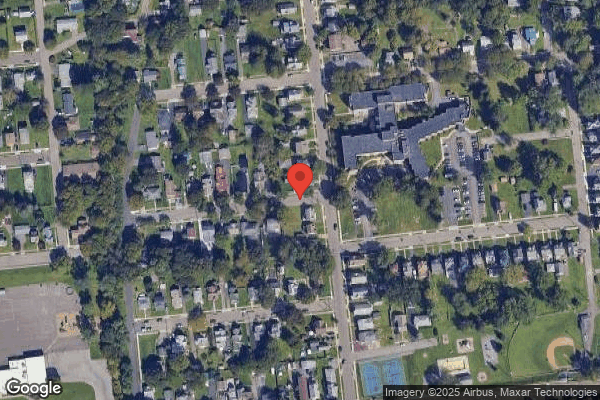
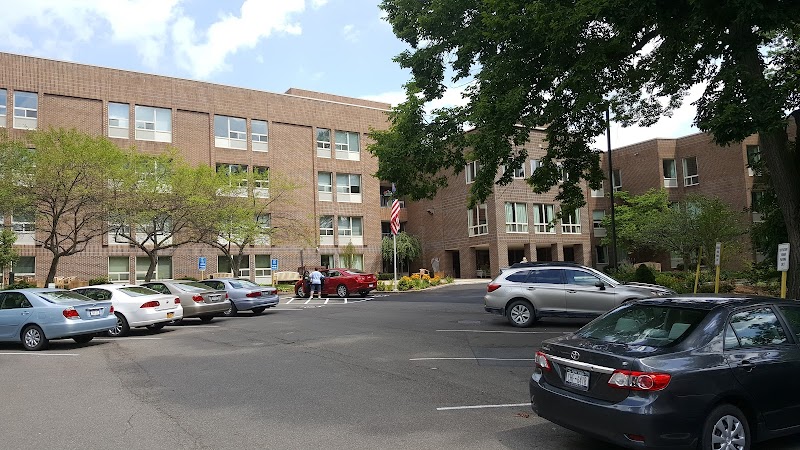
80 FAIRVIEW AVENUE, BINGHAMTON, NY 13904 (607) 724-2477
Non profit - Corporation 54 Beds Independent Data: November 2025 1 Immediate Jeopardy citation
Trust Grade
56/100
#286 of 594 in NY
Last Inspection: January 2024

Within standard 12-15 month inspection cycle. Federal law requires annual inspections.

Overview

Good Shepherd-Fairview Home Inc in Binghamton, New York, has a Trust Grade of C, indicating an average performance compared to other facilities. It ranks #286 out of 594 in the state, placing it in the top half, and #2 out of 9 in Broome County, which means only one local option is better. The facility is showing improvement, with issues decreasing from three in 2024 to one in 2025; however, it still faces concerns, including $16,153 in fines, which is higher than 87% of New York facilities. Staffing is a strength here, with a low turnover rate of 0%, indicating that employees are committed to their roles, although RN coverage is average. Some critical incidents, such as a resident falling from bed and becoming entangled in a walker, raise serious safety concerns, as does the failure to properly assess residents for bed rail risks, highlighting areas where the facility needs to improve.

Trust Score
C
56/100
In New York
#286/594
Top 48%
Safety Record
High Risk
Review needed
Inspections
Getting Better
3 → 1 violations
Staff Stability
○ Average
Turnover data not reported for this facility.
Penalties
○ Average
$16,153 in fines. Higher than 56% of New York facilities. Some compliance issues.
Skilled Nurses
✓ Good
Each resident gets 49 minutes of Registered Nurse (RN) attention daily — more than average for New York. RNs are trained to catch health problems early.
Violations
○ Average
9 deficiencies on record. Average for a facility this size. Mostly minor or procedural issues.
★★★☆☆
3.0
Overall Rating
★★★☆☆
3.0
Staff Levels
★★★☆☆
3.0
Care Quality
★★★☆☆
3.0
Inspection Score
Stable
2024: 3 issues
2025: 1 issues

The Good

  • Full Sprinkler Coverage · Fire safety systems throughout facility
  • No fines on record

Facility shows strength in fire safety.

The Bad

3-Star Overall Rating

Near New York average (3.1)

Meets federal standards, typical of most facilities

Federal Fines: $16,153

Below median ($33,413)

Minor penalties assessed

The Ugly 9 deficiencies on record

1 life-threatening
Jan 2025 1 deficiency 1 IJ
CRITICAL (J) 📢 Someone Reported This

A family member, employee, or ombudsman was alarmed enough to file a formal complaint

Immediate Jeopardy (IJ) - the most serious Medicare violation

Accident Prevention (Tag F0689)

Someone could have died · This affected 1 resident

**NOTE- TERMS IN BRACKETS HAVE BEEN EDITED TO PROTECT CONFIDENTIALITY** Based on record review and interviews during the abbreviated survey (NY00368765), the facility failed to ensure the residents' e...

Read full inspector narrative →
**NOTE- TERMS IN BRACKETS HAVE BEEN EDITED TO PROTECT CONFIDENTIALITY** Based on record review and interviews during the abbreviated survey (NY00368765), the facility failed to ensure the residents' environment remained free of accident hazards for one (1) of three (3) residents (Resident #1) reviewed. Specifically, Resident #1's care plan documented to remove the walker from their room when not in use. Subsequently, the resident fell from bed, their neck became entangled on the basket attached to their walker, and they were found without a pulse or respirations and expired. This resulted in Immediate Jeopardy past non-compliance, to Resident #1. Findings include: The facility policy, Accident/Incident Prevention and Risk Management, revised 4/2023, documented each resident would receive adequate supervision and assistive devices to prevent accidents and the residents' environment would be managed to be free of accident hazards. Fall and elopement risk evaluations were completed within the electronic record upon admission, quarterly, annually and with any significant changes. The resident's care plan would be initiated and/or updated to reflect and address these and other injury risk factors with appropriate interventions as determined by the Interdisciplinary Team. The undated facility policy, Updating of Resident Care Plans, documented it was essential that each resident's care plan reflect the current status of the resident and the necessary interventions to meet their needs. Care plans were to be reviewed and updated regarding the resident's progress toward any stated goal. This was the responsibility of each member of the Interdisciplinary Team to complete before the meeting. Care Plans needed to be updated whenever the resident developed an acute illness or experiences another new event which could impact the resident's overall status: any updates should be reflected in the resident's [NAME] (care instructions) for staff's immediate reference for care of the resident. The resident's [NAME] would be considered part of the care plan. Resident #1 had diagnoses including dementia. The [DATE] Minimum Data Set assessment (an assessment tool) documented the resident had severely impaired cognition, required substantial/maximal assistance with rolling left to right, was dependent with transfers, and utilized a walker and a wheelchair. The Comprehensive Care Plan documented: - On [DATE], the resident was at risk of falling and required partial/moderate assistance of 1 with a two-wheel walker, and the walker was to be left at the nursing station when the resident was not ambulating with staff. - On [DATE], the resident was dependent on 2 staff for transfers using a mechanical sit-to-stand lift. The resident had an ambulation program to walk to and from all meals and was dependent on 2 staff using a rolling walker, gait belt, and a wheelchair to follow. - On [DATE], the resident was non-ambulatory and dependent with assistance of one (1) staff for wheelchair mobility. The intervention to ambulate to all meals using a rolling walker was discontinued. The intervention to store the walker at the nursing station when not in use remained on the care plan. A [DATE] Occupational Therapist #7's evaluation and plan of treatment documented the resident was evaluated for a decline in ability to perform functional activities. They had a history of falls, was a fall risk, and used a 2 wheeled walker prior to onset of their current condition. The resident had generalized weakness, deconditioning, decline in functioning, increased dependence on caregiver, pain, and cognitive deficits, resulting in the need for skilled occupational therapy. There was no documented evidence regarding the resident's current use of a walker. A [DATE] at 4:30 AM Incident Report completed by Registered Nurse Supervisor #2 documented the resident was found on the floor between the bed and the nightstand. The resident stated they were trying to get out of bed. They sustained a hematoma (collection of blood) to their forehead and an abrasion to the right knee. Predisposing environmental factors included furniture and poor lighting. There was no further documentation related to the furniture. There was no documented evidence the care plan was reviewed or revised with interventions to address environmental hazards. The [DATE] Physical Therapy Assistant #5 progress note documented they attempted ambulation with the resident. The resident stood with the rolling walker with moderate assistance of 3, the resident was leaning back and to the right. The undated [NAME] documented the resident utilized a sit to stand mechanical lift with 2 staff assistance for transfers. The resident had a basket for their walker. The [NAME] did not contain documentation the resident utilized a walker for transfers or ambulation or the intervention (from the care plan) the walker was to be stored at the nursing station when not in use. A [DATE] at 12:29 AM Licensed Practical Nurse #3 progress note documented the resident was in bed upon start of shift (night shift, 11:00 PM-7:00 AM) where they remained. The resident appeared to be resting comfortably in bed with all safety measures in place. A [DATE] at 1:04 AM Incident Report initiated by Registered Nurse Supervisor #2 documented they were called to the resident's room at 1:04 AM by Certified Nurse Aide #8. The resident was found between their bed and recliner with their neck on the wire basket of their walker, their right knee on the ground, and their left leg against the bed. The resident had no pulse and was not breathing. The resident was wearing non-skid socks and pressure relieving boots. The resident had a pressure mark on their neck, a skin tear on the left arm, bruising on their knees, and was incontinent of stool. The on-call nurse practitioner was called, who then notified the coroner and the local police, who in turn completed assessments on site. Predisposing factors included poor lighting, confusion, impaired memory, recent illness, and the resident ambulated without assistance. Certified Nurse Aide #1's statement documented they found the resident off their bed, with their neck caught on their walker basket. The Investigative Summary, unsigned and undated, documented the resident was care planned as dependent for transfers and bed mobility, was non-ambulatory, and their walker was to be stored at the nurse's station when not in use. On [DATE], the coroner contacted the facility and reported the resident had an active cardiac event at the time of their passing. The coroner concluded the resident's neck came to rest on the walker basket and the positional pressure on the carotid artery potentially contributed to their death. The cause of death was determined to be strangulation. During a telephone interview on [DATE] at 2:15 PM, Certified Nurse Aide #1 stated they were not aware the resident's walker should have been stored at the nursing station because it was not on the [NAME]. They typically saw the walker in the resident's room at night when they worked. The night they found the resident, the walker was folded up and the wire basket attached to the walker was facing out (not against the wall). The walker was sandwiched between the bed and recliner. During a telephone interview on [DATE] at 9:26 AM, Coroner #4 stated when they arrived at the facility on [DATE] the resident was still warm and flaccid (limp). Based on autopsy, the resident was in the process of having a heart attack that was a coronary dissection (tearing of a coronary artery). They could not say if the heart attack happened first and then the resident fell on the walker or if the resident fell first and subsequently had a heart attack. The imprint on the neck from the walker basket was very evident. They stated the resident did not fall from a high distance to cause the mark; the mark was more from pressure. They presumed strangulation was the immediate cause of death and the contributing factor was the heart attack. During a telephone interview on [DATE] at 9:30 AM, Registered Nurse Supervisor #2 stated the resident attempted to get out of bed unassisted and transferred on their own in the past. They were not sure why the resident had a walker in their room and stated the resident worked with therapy with the walker. The resident was dependent for transfers. During an interview on [DATE] at 10:38 AM, the Director of Nursing stated it was best practice to check the [NAME] at the time of the care plan review. The Nurse Manager was responsible for completing the care plan review at the time the Minimum Data Set assessment was scheduled. If nursing staff added a new intervention to the care plan, they were responsible for ensuring the intervention was transferred to the [NAME]. There was no second check process to ensure interventions were carried over the to the [NAME]. During a telephone interview on [DATE] at 3:33 PM, Occupational Therapist #7 stated prior to the resident's hospitalization, they implemented an ambulation program for the resident using a rolling walker. When the resident returned from the hospital on [DATE], they could no longer ambulate. Occupational Therapist #7 stated they discontinued the ambulation goal because they did not want staff ambulating the resident. Occupational Therapist #7 stated they typically notified as many staff as they could upon discontinuing a goal and they could not recall who they spoke with. There was no process in place to determine who was responsible for removing the resident's walker once a goal was discontinued. They were not aware the walker was not removed from the resident's room. They used a walker from the therapy department on [DATE] and did not use the walker in the resident's room. During an interview on [DATE] at 4:15 PM, Licensed Practical Nurse Manager #6 stated they were responsible for initiating, updating, and reviewing care plans. When there was an incident and the Interdisciplinary Team made recommendations, the Licensed Practical Nurse Manager added those to care plans. At the quarterly Care Conferences from 1/2024 to 10/2024, they did not compare the Care Plan against the [NAME]. When adding interventions to the [NAME], they needed to choose a category (like safety or elimination); if that step was left out, the intervention would not transfer to the [NAME], and the system did not alert anyone the transfer failed. Licensed Practical Nurse Manager #6 stated near the end of their stay, the resident no longer ambulated with staff but continued to ambulate with therapy. They stated the walker should have been removed from the resident's room when the ambulation goal was discontinued in [DATE]. The resident's Care Conference Attendance Sheets documented Licensed Practical Nurse Manager #6 signed they were in attendance on [DATE], [DATE], [DATE] and [DATE]. During an interview on [DATE] at 1:10 PM, the Administrator stated they determined there was a care plan violation on [DATE] when the Interdisciplinary Team reviewed the incident and found the [NAME] did not match the Care Plan. The care plan violation contributed to the incident. They were not aware Licensed Practical Nurse Manager #6 was not comparing the Care Plan against the [NAME] prior to the incident, as they were expected to. During a telephone interview on [DATE] at 1:03 PM, the Medical Director stated they expected the Care Plan and [NAME] to match so the certified nurse aides were aware of interventions. They stated the walker should have been removed from the resident's room when staff were no longer using it. The Medical Director stated the resident died from strangulation. -------------------------------------------------------------------------------------- Immediate Jeopardy past non-compliance was identified, and the Administrator notified on [DATE] at 1:58 PM. The facility provided verification the following corrective actions were completed: - On [DATE], Licensed Practical Nurse Manager #6 was retrained on Updating Resident Care Plans. - On [DATE], all licensed nursing staff were retrained on Updating Resident Care Plans. - On [DATE], staff education sign in sheets were reviewed and compared to current staff list and no discrepancies were identified. - All resident Care Plans/[NAME]'s were audited on [DATE] to ensure all interventions were accounted for. The Director of Nursing continued to audit five resident records weekly to ensure compliance. 10NYCRR 415.4(b)(1)(i)
Jan 2024 3 deficiencies
CONCERN (D)

Potential for Harm - no one hurt, but risky conditions existed

Deficiency F0761 (Tag F0761)

Could have caused harm · This affected 1 resident

Based on observation, interview, and record review during the recertification survey conducted 1/16/2024- 1/19/2024, the facility did not ensure drugs and biologicals were stored and labeled in accord...

Read full inspector narrative →
Based on observation, interview, and record review during the recertification survey conducted 1/16/2024- 1/19/2024, the facility did not ensure drugs and biologicals were stored and labeled in accordance with currently accepted professional standards and included the expiration date when applicable for 1 of 2 medication carts units (Unit 2 Long Hall medication cart) reviewed. Specifically, the Unit 2 Long Hall medication cart had 1 bottle of aspirin that was expired, 2 bottles of aspirin that did not have an expiration date listed, 1 multi-dose insulin pen that was not labeled with a resident name or an opened date, and 1 multi-dose insulin pen that was opened more than 28 days. Findings include: The facility policy Medication Storage in the Facility dated 2011 documented that stock medications would be kept separately from individually patient labeled medications. Outdated medications would be immediately removed from stock, disposed of according to procedures for medication destruction, and reordered from the pharmacy if a current order exists. The facility Insulin Injection Administration policy revised 4/20/2022 documented the insulin pen should be labeled with resident identifiers, date opened and expiration date. Key points were to follow manufacturer's instructions and check their expiration date. The Basaglar KwikPen and Lantus Solostar manufacturer inserts documented the pens could be stored opened at room temperature for 28 days. During an observation and interview on 1/17/2024 at 9:54 AM, licensed practical nurse #4 opened the Unit 2 Long Hall medication cart top drawer which contained three bottles of aspirin. One bottle of enteric coated 325 milligram aspirin had an expiration date of 10/2023; and one bottle of 325 milligram and one bottle of 81 milligram aspirin did include a manufacturer expiration date. The third drawer of the medication cart contained one Lantus Solostar Insulin pen (a disposable single-patient prefilled insulin pen) without a resident identification label or opened or expiration dates; and one Basaglar KwikPen (a disposable single-patient prefilled insulin pen) was marked with an opened date of 12/15. Licensed practical nurse #4 stated that expired medications should be discarded as they were likely not as effective past the expiration date. Upon first use an insulin pen, the opened date should be written on the yellow sticker as this was the only way they could determine the expiration date per manufacturer recommendations. The Basaglar KwikPen was expired as the manufacturer instructions documented they were good for 28 days once opened. They stated if the Lantus pen did not have a label, they could not determine which resident it belonged to. During an interview on 1/19/2024 at 10:01 AM, licensed practical nurse #5 stated medication nurses were responsible for stocking the medication carts, verifying resident labeled medications matched their orders, and expiration dates were valid, prior to administering them. They were unaware of any facility process to check the carts. The resident specific insulin pens should be labeled with the resident name and when they were first opened as they were only good for 28 days after opening. Unlabeled or expired medications should be discarded and replaced. Insulin was for the intended resident as labeled and without a label they could not be sure who it was for. Expired medications should be discarded. During an interview on 1/19/2024 at 10:12 AM, licensed practical nurse Supervisor #6 stated the medication nurse was expected to check the medications in the medication room and their cart daily for expiration dates. They should also check for correct resident labeling prior to administering. Items that were not labelled or labelled incorrectly should be discarded. There were no checklists for going through the carts or medication rooms verifying expiration dates or resident labels. During an interview on 1/19/2024 at 12:23 PM, Director of Nursing #7 stated the facility did not have an auditing tool for medication storage. They expected the medication nurse to review the resident medication labels and assure the open dates were written on them. Unlabeled or expired medications should be discarded, and new medications obtained from the medication storage room. Efficacy of the medication could be decreased when used past the expiration date. 10NYCRR 483.45 (g)(h)
CONCERN (D)

Potential for Harm - no one hurt, but risky conditions existed

Food Safety (Tag F0812)

Could have caused harm · This affected 1 resident

Based on record review, observation, and interview during the recertification survey conducted 1/16/2024-1/19/2024, the facility did not store, prepare, distribute, and serve food in accordance with p...

Read full inspector narrative →
Based on record review, observation, and interview during the recertification survey conducted 1/16/2024-1/19/2024, the facility did not store, prepare, distribute, and serve food in accordance with professional standards for food service safety for 1 of 1 kitchen (the main kitchen) reviewed. Specifically, the main kitchen dish machine area walls were unclean; the ceiling tile metal grid was rusty; and there were expired and undated bread products. Findings include: An undated facility policy Procedures: Walls, Kitchen-Cleaning documented the procedure frequency as needed and the time required was 15 minutes per each 10 foot x 10 foot wall section. The undated facility Food Storage Guidelines documented bread on a shelf was to be discarded after 4 days, and rolls were to be discarded after the package date. The following observations were made in the main kitchen on 1/16/2024 from 9:20 AM-10:50 AM: - the dish machine area walls were unclean, and the ceiling tile grid was rusty; - there was a loaf of club wheat bread that had a best by date of 1/7/2024; and - the bread shelf in the main kitchen preparation area had two undated loaves of rye bread, two undated bags of bagels, 1 undated package of English muffins, 1 undated package of hamburger buns, 2 undated croissants in a bag, and 1 undated package of dinner rolls. During an interview on 1/18/2024 at 12:47 PM, the Food Service Director stated that the night porter was responsible for cleaning the dish machine area from top to bottom and they assumed that the walls were also being cleaned. They stated ceiling grids were starting to rust and that this rust could fall onto items on the clean side of the dish machine area. The Food Service Director verified that the club wheat bread had a best by date of 1/7/2024. They stated that and the undated bread items found in the main kitchen should have had a pull date, and if an item had been removed from its original package the pull by date should have been transferred to that new package. The Food Service Director stated that it was important to ensure food was properly labeled so the items would not get stale or loose integrity. 10NYCRR 415.14(h)
CONCERN (E) 📢 Someone Reported This

A family member, employee, or ombudsman was alarmed enough to file a formal complaint

Potential for Harm - no one hurt, but risky conditions existed

Deficiency F0700 (Tag F0700)

Could have caused harm · This affected multiple residents

Based on observation, record review, and interview during the recertification and abbreviated (NY00329838)surveys conducted 1/16/2024- 1/19/2024, the facility did not ensure residents were assessed fo...

Read full inspector narrative →
Based on observation, record review, and interview during the recertification and abbreviated (NY00329838)surveys conducted 1/16/2024- 1/19/2024, the facility did not ensure residents were assessed for risk of entrapment from bed rails prior to installation, review the risks and benefits of bed rails with the resident or resident representative, and obtain informed consent prior to the installation of bed rails for 5 of 5 residents (Residents #1, #24, #25, #27 and #38) reviewed. Specifically, for Residents #1, #24, #25, #27 and #38 there was no documented evidence the risks and benefits of bed rails were explained to the residents or their representatives or that consents were obtained prior to bed rail installation. Additionally, on 12/13/2023, Resident #24 was found sitting on the floor next to their bed with their left arm entrapped in the bed rail resulting in abrasions to their abdomen. Findings include: The facility policy Physical Restraints, reviewed 4/21/2022, documented physical restraints were any manual method or physical mechanical device, material or equipment attached or adjacent to the resident's body that the individual could not remove easily. This included bed assist rails. The procedure for physical restraints included: - The interdisciplinary team would determine with the resident and health care proxy input if a device constituted a restraint or an enabler for the resident and examined the risks and benefits. - The team would continue to monitor/evaluate the use of restraints and attempt to minimize/reduce the use of restraints as part of its evaluation process. - Documentation of effectiveness of enabler restraints would be reflected in the care plan and medical record. 1) Resident #24 had diagnoses including unspecified dementia without behavioral disturbance and chronic obstructive pulmonary disease (lung disease). The 11/17/2023 Minimum Data Set assessment documented the resident had severely impaired cognition, had upper extremity impairment on one side, rolled to the left and to the right with partial/moderate assistance, and a bed rail was not used. The comprehensive care plan initiated on 10/31/2023 documented the resident had bilateral assist rails to promote independence in bed mobility. Interventions included complete bed rail determination evaluation per facility policy and educate resident and family on appropriate use of assist rails. The resident's Restrictive Device form, effective date 10/31/2023, documented: - The resident was alert but had decreased safety awareness. - Interventions attempted to date were assist rail, and the resident could purposefully release the device upon request. - Under restrictive devices necessary it was checked no. - The date of consent by the health care proxy for the device and the date of most current order and/or review by the medical provider at the bottom of the form were blank. The form was signed by licensed practical nurse supervisor #6 on 10/31/2023. The resident's Bed Rail Determination form, effective date 11/15/2023, documented: - The resident required assist rails for bed mobility and/or transfers. - The resident was not reaching out or up as they were turned from side to side, so a screen from therapy was not required. - The recommendation from therapy and nursing was the resident required the use of assist rails for repositioning of self and preparation of transfers. - The plan was reviewed by the interdisciplinary team, and it was recommended to continue the current plan of care. - The form was signed by licensed practical nurse supervisor #6 on 11/16/2023. The 12/13/2023 resident's care instructions documented under bed mobility: bilateral assist rails. A 12/13/2023 facility investigation documented at 12:25 AM Resident #24 was found sitting on the floor next to their bed with their left arm caught between the assist rail and the mattress/bed frame. The resident was laughing and stated they wanted to play on the floor. The resident's arm was removed from between the assist rail and mattress by registered nurse #11. Registered nurse #11 assessed the resident who was found to have red marks on their left arm from the assist rail and an abrasion to their left upper abdomen where it rubbed against the bed frame. First aid was administered. The resident was transferred back to their bed via a mechanical lift. The medical provider on-call and family were notified. The care plan was reviewed, and therapy was notified with a request for a bed rail determination evaluation. The Bed Rail Determination form effective 12/13/2023 at 8:17 AM documented: - The resident required assist rails for bed mobility and/or transfers. - The resident was reaching out or up as they were turned from side to side, so a screen from therapy was required. - The recommendation from therapy was assist rails to assist with repositioning and to improve independence with bed mobility tasks. - The plan was reviewed by the interdisciplinary team, and they agreed. - The form was signed by the Director of Nursing on 1/16/2024. During an observation on 1/16/2024 at 1:30 PM the resident was lying in their bed with their lunch tray in front of them. The bed was in high position with bilateral bed assist rails. The resident was looking at the ceiling and mumbling nonsensical words. They were unable to answer any questions regarding their bilateral bed assist rails. There was no documented evidence that the risks and benefits of bed rails was completed with the resident or the resident's representative, or that informed consent was obtained prior to the installation of the assist rails. 2) Resident #25 had diagnoses including vascular dementia with other behavioral disturbances and cerebral infarction (stroke). The 12/6/2023 Minimum Data Set assessment documented the resident had severely impaired cognition, had lower extremity impairment on one side, rolled to the left and to the right with partial/moderate assistance, and a bed rail was not used. The comprehensive care plan initiated on 9/27/2021 and revised on 10/27/2023 documented the resident had bilateral assist rails to promote independence in bed mobility. Interventions included complete bed rail determination evaluation per facility policy and educate resident and family on appropriate use of assist rails. The resident's Restrictive Device form, effective date 12/6/2023, documented: - The resident was alert but had impaired memory, decreased safety awareness, and wandered. - Interventions attempted were increased supervision and interventions attempted to date were assist rail. - - The resident could purposefully release the device upon request. - Under restrictive devices necessary it was checked no. - The date of consent by the health care proxy for the device and the date of most current order and/or review by the medical provider at the bottom of the form were blank. The form was signed by licensed practical nurse supervisor #6 on 12/7/2023. The resident's Bed Rail Determination form, effective 12/15/2023, documented: - The resident required assist rails for bed mobility and/or transfers. - The resident was not reaching out or up as they were turned from side to side, so a screen from therapy was not required. - The recommendation from therapy and nursing was to continue to utilize assist rails to assist with bed mobility and repositioning. - The plan, reviewed by the interdisciplinary team, was to continue the current plan of care. - The form was signed by licensed practical nurse supervisor #6 on 12/7/2023. The resident's care instructions as of 1/18/2024, documented bed mobility: bilateral assist rails. During an observation on 1/18/2024 at 9:18 AM, the resident was sitting in their room in a recliner drinking a beverage. Bilateral bed assist rails were on the bed. The resident was not able to answer any questions about their bilateral bed assist rails. There was no documented evidence that the risks and benefits of bed rails was completed with the resident or the resident's representative, or that informed consent was obtained prior to the installation of the assist rails. 3) Resident #1 had diagnoses including dementia and cerebral infarction (stroke). The 10/12/2023 Minimum Data Set assessment documented the resident had intact cognition, had no lower or upper body impairments, rolled to the left and to the right with substantial/maximal assistance, and a bed rail was not used. The comprehensive care plan initiated on 11/24/2020 and revised on 12/9/2023 documented the resident had bilateral assist rails to promote independence in bed mobility. Interventions included complete bed rail determination evaluation per facility policy and educate resident and family on appropriate use of assist rails. The resident's Restrictive Device form, effective 1/12/2024, documented: - The resident was alert but had decreased safety awareness. - Interventions attempted to date were assist rail. - The resident could purposefully release the device upon request. - Under restrictive devices necessary it was checked no. - The date of consent by the health care proxy for the device and the date of most current order and/or review by the medical provider at the bottom of the form were blank. - The form was signed by licensed practical nurse supervisor #6 on 1/12/2024. The resident's Bed Rail Determination form, effective date 1/12/2024, documented: - The resident required assist rails for bed mobility and/or transfers. - The resident was not reaching out or up as they were turned from side to side, so a screen from therapy was not required. - The recommendation from therapy and nursing was the resident continued to utilize bed rails to assist with bed mobility. - The plan, reviewed by the interdisciplinary team, was to continue current plan of care. - The form was signed by licensed practical nurse supervisor #6 on 1/12/2024. The resident's care instructions as of 1/18/2024, documented bed mobility: bilateral assist rails. During an observation on 1/18/2024 at 9:33 AM the resident was in bed eating their breakfast. Bilateral assist rails were on the bed. The resident stated they used the bilateral assist rails on their bed and grabbed onto them when they were being washed or turned. They could not state if they or their family representative had had the risks or benefits of the assist rails explained prior to their installation on the bed. There was no documented evidence that the risks and benefits of bed rails was completed with the resident or the resident's representative, or that informed consent was obtained prior to the installation of the bed assist rails. During an interview on 1/17/2024 at 2:15 PM, certified nurse aide #12 stated Resident #24 used the assist rails for mobility and turning during care. The resident had requested the assist rails be pulled down all the way, but they told the resident they could not do that as they were only to be used for mobility assistance and not as a bed rail to keep them in bed. They were not aware of any incidents involving the resident becoming entrapped in the assist rails. During an interview on 1/17/2024 at 2:31 PM, social worker #13 stated Resident #24 did use their bed assist rails. They recalled the 12/13/2023 incident involving the bed assist rails as it was discussed in the interdisciplinary team meeting on 12/13/2023.They discussed what interventions were in place and if the care plan was followed. They notified the resident's representative about the incident. The resident could have erratic behaviors and sometimes could be more aware of what was going on than other days. They were not aware of any risk/benefit meetings or informed consent needed for the bed assist rails and thought maybe the Director of Social Work or the Director of Nursing would have more knowledge about this topic. During an interview on 1/18/2024 at 10:01 AM licensed practical nurse supervisor #6 stated all new admissions were screened by therapy for bed assist rails using the bed rail determination form. It was discussed during the interdisciplinary team meeting, and when it was decided by the team a resident needed the bed assist rails, it would be documented at the bottom of the bed rail determination form. It would also be documented in the comprehensive care plan by either therapy or the registered nurse. They were not aware of any interventions trialed for Resident #24 before they received their bilateral bed assist rails. Possible interventions prior to bed assist rails being installed could be a scoop mattress or having another staff person assist with turning and repositioning. The risks of using bed assist rails could be entanglement, injury, or suffocation. They were aware of the 12/13/2023 incident involving the bed assist rails and Resident #24. During the interdisciplinary team meeting they had asked therapy to assess the resident and they felt the resident still needed the bed assist rails. They were not aware of any risk/benefit meetings involving bed assist rails or if there was any informed consent by the resident or the resident's representative. They reviewed the 10/31/2023 restrictive device form for Resident #24 and stated they filled it out. They noticed at the bottom of the evaluation that the informed consent section and medical provider section were blank. They stated it looked like they did not complete the form but was not sure what staff was responsible for obtaining informed consent. Licensed practical nurse supervisor #6 then looked at the restrictive device form for Residents #1 and #25 and stated the informed consent and medical provider sections were blank for those two residents as well. During an interview on 1/18/2024 at 10:31 AM the Director of Social Work stated it was a team decision for a resident to be able to use bed assist rails. Therapy did the initial bed rail determination evaluation. They did recall the interdisciplinary team meeting on 12/13/2023 regarding Resident #24's incident with the bed assist rails. They did not know what staff was responsible for the risk/benefit meeting regarding bed assist rails, and they were not aware of the restrictive device form that contained the informed consent and medical provider sections to be addressed. During an interview on 1/18/2024 at 10:58 AM, the Director of Nursing stated therapy did a screen on all new admissions and then it would be discussed during the interdisciplinary team meeting. It was a team decision for a resident to use bed assist rails. The care plan for bed assist rails needed to be individualized for the resident. The intervention for educating the resident and family on bed assist rails would be discussed during admission, along with other things the resident needed to be oriented on. They did not think the education on the bed assist rails was the risk/benefit meeting, it was just being oriented to the bed assist rails. The risk of bed assist rails was entrapment, and injuries such as bumps and skin tears. Since they did not consider the bed assist rails restraints, they thought the only form needed was the bed rail determination form. When the incident involving Resident #24 on 12/13/2023 was discussed during the interdisciplinary meeting, it was recommended by therapy the resident continue with the bilateral bed assist rails. When they reviewed the 10/31/2023 restrictive device form for Resident #24, they noticed that the informed consent and medical provider sections were blank. They were not sure who was responsible for completing that section. During an interview on 1/19/2024 at 8:58 AM, the Director of Therapy stated they wrote the note on the 12/15/2023 bed rail determination form for Resident #24 to continue with the bilateral bed assist rails after the 12/13/2023 incident. It was determined the resident could safely use the bed assist rails during care with toileting and hygiene as they could follow commands. They stated the resident would not be able to release the bed assist rails (as documented on the resident's 10/31/2023 restrictive device form). A staff person standing next to the bed would have to release their bed assist rail. Resident #1 needed the bed assist rails for offloading and for sitting on the edge of the bed to use the stand lift. Resident #25 used their bed assist rails for bed mobility. Residents #1 and #25 could not release their bed assist rails. They thought of the bed assist rails as enabling devices rather than restraints. 10 NYCRR 415.12(h)(1)(2)
Sept 2021 3 deficiencies
CONCERN (D)

Potential for Harm - no one hurt, but risky conditions existed

Deficiency F0804 (Tag F0804)

Could have caused harm · This affected 1 resident

Based on observation, record review, and interview during the recertification survey conducted 9/7/21-9/9/21, the facility failed to ensure food and drinks were palatable, attractive, and at a safe an...

Read full inspector narrative →
Based on observation, record review, and interview during the recertification survey conducted 9/7/21-9/9/21, the facility failed to ensure food and drinks were palatable, attractive, and at a safe and appetizing temperature for 2 of 2 meals (9/7/21 dinner and 9/8/21 lunch) reviewed. Specifically, multiple food items including pulled pork, peaches in syrup, Jello, cranberry juice, and Caesar salad were not served at palatable temperatures. Additionally, a container of coleslaw was not held at a safe temperature in a kitchenette refrigerator. Findings include: During an observation on 9/7/21 at 6:00 PM, a dinner meal tray was delivered to the resident in room C2. Temperature and taste tests were conducted on the meal tray and the resident received a replacement. At 6:03 PM the following temperatures were measured: - pulled pork 128 Fahrenheit (F); -peaches in syrup 68 F; - Jello 63 F. The pulled pork was not warm or palatable. The peaches in syrup and the Jello were not cold or palatable. During an interview on 9/7/21 at 6:15 PM, the dining room Supervisor stated that the peaches and Jello were kept inside the third-floor kitchenette refrigerator prior to serving. The prepared food in the refrigerator would be discarded after the meal. During an observation on 9/7/21 at 6:25 PM, there was a prepared individual container of coleslaw inside the third-floor kitchenette refrigerator that was not used for the dinner meal. The temperature of the coleslaw was measured at 51 F using a state thermometer and 50 F using the facility thermometer. During an interview on 9/8/21 at 10:00 AM, the dining room Supervisor stated the cold items from dinner on 9/7/21 had come from the main kitchen walk-in cooler at 5:15 PM and placed in the third-floor kitchenette refrigerator. The Supervisor stated these items were not taken out of the refrigerator until about an hour later. There was no reason for the temperatures to be out of the required temperature range. The Supervisor stated the certified nurse aides (CNA) were not picking up dinner trays timely, so service was slower. The Supervisor stated they assumed the coleslaw that was temperature checked after the 9/7/21 dinner service had been kept in the refrigerator for the entire dinner service. They stated the peaches served on 9/7/21 were removed from a #10 can (approximately 3 quarts) then placed in the individual bowls and put in the main kitchen walk-in cooler on 9/6/21. The bowls of peaches would be brought to the third-floor kitchenette refrigerator prior to serving. During an observation on 9/8/21 at 12:51 PM, a lunch meal tray was delivered to the resident in room C3. Temperatures and taste tests were conducted on the tray and the resident received a replacement. At 12:55 PM, the temperature of the cranberry juice was measured at 49 F and the Caesar salad was measured at 51 F. The cranberry juice and Caesar salad were not cold or palatable. During an interview on 9/9/21 at 12:31 PM, the Food Service Director stated on 9/7/21 the peaches and Jello were placed on the meal tray prior delivery to the resident's room and the ambient air temperature in the room could affect the temperature of cold products. The Food Service Director stated cold food items should be served at 45 F or lower and hot foods should be served at 140 F or higher. The Director stated that the pulled pork temperature of 128 F was not acceptable. Also, the peaches at 63 F and the jello at 68 F, both cold food items, were not acceptable. The Director stated the temperature for the coleslaw in the third-floor kitchenette refrigerator during the 9/7/21 dinner meal was not acceptable at 50 F. The cranberry juice was not appropriate at 49 F. The Director stated it was hard to keep Caesar salad within temperature range and 51 F was not acceptable. During an interview on 9/9/21 at 12:45 PM, the Dining Room Supervisor stated that they were surprised with the temperature of the peaches and Jello. The Supervisor stated that the temperature of any cold item would increase when sitting out in a warm kitchenette. They stated cold food items should be served at 45 F or lower, and hot food items should be served at 135 F or higher. The cold and hot food item temperatures identified during the two test trays were not acceptable. 10NYCRR 415.14(d)(1)(2)
CONCERN (E)

Potential for Harm - no one hurt, but risky conditions existed

Deficiency F0836 (Tag F0836)

Could have caused harm · This affected multiple residents

Based on observation and interview during the recertification survey conducted 9/7/21-9/9/21, the facility failed to ensure the New York State Department of Health (NYSDOH) was notified of a loss of s...

Read full inspector narrative →
Based on observation and interview during the recertification survey conducted 9/7/21-9/9/21, the facility failed to ensure the New York State Department of Health (NYSDOH) was notified of a loss of service and was not in compliance with Federal, State, and Local Laws and Professional Standards. Specifically, NYSDOH was not notified of a loss of the commercial dish machine within the main kitchen according to the NYS DOH Nursing Home Incident Reporting Manual. Findings include: The NYSDOH Nursing Home Incident Reporting Manual last updated August 2016 documents the facility must report planned and unintentional concerns effecting kitchen sanitation. This section refers to situations that are planned, such as for evaluation or repair, as well as situations that are unplanned, unexpected or emergent in nature. At least one of the following elements must be present for an incident to be reportable to the NYSDOH: -Loss of service lasting or expected to last 4 or more hours. -There is no back-up system in place; or -The back-up system fails to work. -Planned or unexpected events that may affect resident care. An email dated 8/24/21, to the Director of Facilities and the Food Service Director, documented that the dish machine booster pump broke on 8/24/21, and that the facility was in discussion with a third-party vendor to replace the part. A third-party vendor price quote documented that the facility had been given a price quote for the replacement for the dish machine booster pump on 8/24/21. During an observation of the kitchen on 9/7/21 at 10:00 AM, and 9/8/21 at 12:00 PM, the dish machine was not working. The facility was observed using disposable cups, plates, and utensils. The 3 bay sink in the kitchen was being used to wash and sanitize pots, pans, and other dishware. During an interview on 9/7/21 at 4:30 PM, the Executive Director stated that the booster pump for the dish machine went down the week of 8/22/21, and it had not been working for greater than four hours. The Executive Director stated they did not personally report this as they were not onsite at the that time. They would have reported it if they had been present at the facility because if a broken dish machine was down for greater than four hours it was a facility reportable event. 2012 NFPA 101: 2.2 483.70 (b) 10NYCRR 400.2 incident reporting manual.
CONCERN (E)

Potential for Harm - no one hurt, but risky conditions existed

Room Equipment (Tag F0908)

Could have caused harm · This affected multiple residents

Based on observation and interview during the recertification survey conducted 9/7/21-9/9/21, the facility failed to maintain all mechanical, electrical, and patient care equipment in safe operating c...

Read full inspector narrative →
Based on observation and interview during the recertification survey conducted 9/7/21-9/9/21, the facility failed to maintain all mechanical, electrical, and patient care equipment in safe operating condition for 1 kitchenette refrigerator (third-floor kitchenette) and 3 of 3 juice machines (second and third-floor kitchenette and main dining room juice machines). Specifically, the air temperature of the third-floor kitchenette refrigerator was not maintained at an appropriate temperature, and the juice within the second and third-floor kitchenette and main dining room juice machines was not maintained at appropriate temperatures. Findings include: 1. Third-Floor Kitchenette Refrigerator During an observation on 9/7/21 at 6:30 PM, the state thermometer was placed in the third-floor kitchenette refrigerator, the door to the refrigerator was opened and kept open for 30 seconds. The state thermometer temperature jumped from 43 Fahrenheit (F) to 56 F. During an observation on 9/8/21 at 9:15 AM, with the Food Service Director present, there was a poured glass of milk in the third-floor kitchenette refrigerator located about 1-inch away from the door. The temperature of the milk was measured at 47 F. During an interview on 9/8/21 at 10:35 AM, the Food Service Director stated they could not ensure that the items within the third-floor kitchenette refrigerator had maintained proper temperatures under 45 F and all food items within this refrigerator would need to be discarded. During an interview on 9/8/21 at 12:01 PM, the Food Service Director stated they were not aware of how many times the third-floor kitchenette refrigerator door was opened and closed in a day. They stated cold food items within refrigerators should be kept at 45 F or lower. During an interview on 9/9/21 at 1:08 PM, the dining room Supervisor stated they were surprised how fast the temperature inside the refrigerator jumped when the door was opened after the evening meal service, and suspected that the air temperature in the room played a significant role. 2. Juice Machines During an observation on 9/8/21 at 1:15 PM, the temperature of a glass of cranberry juice taken directly from the third-floor kitchenette refrigerator juice machine was measured at 51 F. During an interview on 9/8/21 at 1:15 PM, the dining room Supervisor stated that a vendor for the facility juice machines was at the facility last Friday (9/3) and checked all three of the facility's machines. The Supervisor stated to expedite production speed for food service, juice was taken from the juice machine and placed in the third-floor kitchenette refrigerator. The Supervisor stated they were not aware that the temperature of the juice from the machines was over 45 F. During an observation on 9/8/21 at 1:25 PM, the temperature of a glass of cranberry juice taken directly from the second-floor kitchenette refrigerator juice machine was measured at 50 F and the temperature of a glass of apple juice taken directly from the third-floor kitchenette refrigerator juice machine was measured at 48 F. During an observation on 9/8/21 at 1:30 PM, the temperature of a glass of cranberry juice taken directly from the main dining room juice machine was measured at 46 F. During an interview on 9/9/21 at 12:14 PM, the Food Service Director stated a third part vendor for the juice machines had told them that the temperatures of the juice should be between 39 F and 45 F. The Food Service Director stated it would be appropriate for juice in juice machines to be 45 F or lower. 10NYCRR 415.29
May 2019 2 deficiencies
CONCERN (D)

Potential for Harm - no one hurt, but risky conditions existed

Resident Rights (Tag F0550)

Could have caused harm · This affected 1 resident

**NOTE- TERMS IN BRACKETS HAVE BEEN EDITED TO PROTECT CONFIDENTIALITY** Based on observation, interview, and record review during the recertification survey, the facility did not ensure each resident ...

Read full inspector narrative →
**NOTE- TERMS IN BRACKETS HAVE BEEN EDITED TO PROTECT CONFIDENTIALITY** Based on observation, interview, and record review during the recertification survey, the facility did not ensure each resident had the right to a dignified experience for 2 of 9 residents (Residents #13 and 32) reviewed for dining. Specifically, a certified nurse aide (CNA) was observed using a personal cell phone while feeding Resident #13 at her bed side. Resident #32 was fed in an undignified manner during a meal in the dining room. Findings include: The 2/15/16 Policy on Employee Use of Cell Phones or Other Signal Devices and Other Personal Electronic Devices documented cell phones are not to be in view or turned on at any time when the individual is engaged with residents or doing the work of a normal day. Cell phones may be used only during the employee's break or lunch period outside or in designated break rooms. Personnel who are in violation of this policy shall be disciplined for violation of work rules and neglect of duty. 1) Resident #13 was admitted to the facility on [DATE] with diagnoses including vascular dementia, dysphagia, and adjustment disorder with mixed anxiety and depressed mood. The 2/8/19 Minimum Data Set (MDS) assessment documented the resident had moderately impaired cognition and required extensive assistance with eating. The 2/19/19 comprehensive care plan (CCP) documented the resident was totally dependent on staff for eating. The undated certified nurse aide (CNA) [NAME] (care instructions) documented the resident was totally dependent on 1 staff for eating and to involve the resident in care approaches and preferences to decrease anxiety, agitation, and emotional upset. The 2/1/19 Speech-Language Pathologist (SLP) Evaluation and Plan of Treatment documented the resident had mild to moderate oral-pharyngeal-esophageal dysphagia (difficulty swallowing) and became fatigued as intake continued. She was at risk of aspiration, required close supervision, was unable to feed herself, and required maximum assistance with eating. During an observation on 5/1/19 at 12:59 PM, the resident was in her room with her lunch tray and CNA #1. The CNA was observed sitting in a chair at the bedside, facing the resident, with her head down using her cell phone and was not interacting with the resident. During an interview on 5/1/19 at 2:52 PM, CNA #1 stated she was using her cell phone while assisting the resident at lunch. The CNA stated she should not have been using her phone. During an interview on 5/2/19 at 12:12 PM, registered nurse (RN) Unit Manager #2 stated when staff fed a resident, they should be speaking with the resident and continuing to encourage the resident to eat. Cell phones were not allowed outside of the break room and the CNA should not have been on her phone while feeding the resident. 2) Resident #32 was admitted to the facility on [DATE] and had diagnoses including major depressive disorder, cataracts and dementia. The 3/28/19 Minimum Data Set (MDS) assessment documented the resident was severely cognitively impaired and required extensive assistance with eating. The 4/9/19 comprehensive care plan (CCP) documented the resident was to be fed by staff. Dining observations on 4/30/19 included the following: -At 1:09 PM, CNA #3 mixed together two pureed food items on Resident #32's plate and fed the mixture to the resident; -At 1:10 PM, CNA #3 stood to help another resident, leaving Resident #32 unassisted; -At 1:15 PM, Resident #32 was not being assisted with her meal while CNA #3 picked up tray tickets from other residents who had finished their meals; -At 1:16 PM, the LPN approached the resident and asked if she was done eating. CNA #3 said the resident was still working on her meal; -At 1:17 PM, CNA #3 sat down to feed Resident #32; -At 1:26 PM, CNA #3 assisted another resident out of the dining room, leaving Resident #32 unassisted with her meal; -At 1:29 PM, CNA #3 resumed feeding Resident #32 while standing and marking tray tickets at the same time. She fed the resident three bites of pudding before sitting down. The CNA placed heaping amounts of pudding on the spoon and the resident was unable to accommodate the whole spoonful in her mouth; -At 1:33 PM, the resident had pudding residue on her upper lip and was unable to clear it with her tongue. CNA #3 provided the resident with 3 drinks while standing before walking away from the resident; -At 1:34 PM, CNA #3 walked away from Resident #32 and the resident continued with pudding residue on her upper lip; and -From 1:42 PM-1:55 PM, Resident #32 had pudding residue on her lips. During an interview on 5/2/19 at 11:50 AM, CNA #3 stated she kept an eye on all her assigned residents during meals. If she saw a resident had finished their meal, she would get their meal slip and write down the intake. She reported she had gotten up in the middle of the meal because Resident #32 did not eat quickly, and she knew she had time to take care of other assigned tasks. She stated at one point she recognized she was standing while feeding the resident and sat down. During an interview on 5/2/19 at 12:12 PM, registered nurse (RN) Unit Manager #2 stated staff should be speaking with the resident they were assisting, letting them know what items were being offered, and to continue to encourage the resident to eat as much nourishment as possible. The CNA should not have been getting up once the resident received her meal tray and should stay by the resident until the meal was completed. 10NYCRR 415.5(a)
CONCERN (D)

Potential for Harm - no one hurt, but risky conditions existed

Infection Control (Tag F0880)

Could have caused harm · This affected 1 resident

**NOTE- TERMS IN BRACKETS HAVE BEEN EDITED TO PROTECT CONFIDENTIALITY** Based on observation, interview, and record review during the recertification survey, the facility did not establish and maintai...

Read full inspector narrative →
**NOTE- TERMS IN BRACKETS HAVE BEEN EDITED TO PROTECT CONFIDENTIALITY** Based on observation, interview, and record review during the recertification survey, the facility did not establish and maintain an infection prevention and control program designed to provide a safe, sanitary and comfortable environment and to help prevent the development and transmission of communicable diseases and infections for 3 of 6 residents (Resident #55, #207, and #355) observed during medication administration. Specifically, the licensed practical nurse (LPN) did not perform hand hygiene during medication administration. Findings include: Than facility policy, Hand Hygiene, revised 2009, documented if hands were not visibly soiled, alcohol-based hand rub was to be used for all clinical situations where washing with soap and water was not indicated. The facility policy, Medication Administration - General Guidelines, dated 7/17/18, did not include protocol for hand hygiene during medication administration. The facility policy, Subcutaneous Medication Administration, dated 7/17/18 documented hand hygiene was to be performed before preparing the syringe for administration and upon completion of the injection. 1) Resident #207 was admitted to the facility on [DATE] with diagnoses of urinary tract infection and high blood pressure. The 4/22/19 Minimum Data Set (MDS) assessment documented the resident had moderately impaired cognition. The 4/15/19 physician order for Resident #207 documented carvedilol (blood pressure medication) tablet 3.125 milligrams (mg), give one tablet two times a day for high blood pressure, hold for systolic blood pressure <90 or heart rate <55 beats per minute. 2) Resident #355 was admitted to the facility on [DATE] with a diagnosis of high blood pressure. The 4/26/19 physician orders for Resident #355 documented aspirin 81 mg once daily, calcium with vitamin D 500-200 mg twice daily, metoprolol (blood pressure medication) 25 mg, and to take the resident's blood pressure and apical pulse (pulse heard with a stethoscope over the heart) every shift for 5 days after admission. 3) Resident #55 was admitted on [DATE] with diagnoses of aftercare following right hip replacement surgery and weakness. The 4/26/19 physician orders for Resident #55 documented amlodipine (blood pressure medication) 2.5 mg once daily, citalopram (antidepressant) 20 mg once daily, ferrous sulfate (iron) 325 mg once daily, furosemide (diuretic) 20 mg once daily, Miralax (laxative) 17 grams once daily, metoprolol (blood pressure medication) 25 mg twice daily and enoxaparin sodium (blood thinning medication) 30 mg by subcutaneous injection once daily. On 5/1/19 at 8:32 AM, licensed practical nurse (LPN) #4 was observed in Resident #207's room checking her blood pressure with a manual blood pressure cuff. The LPN administered the resident's medications then exited the room with the blood pressure cuff. She returned to the medication cart and did not complete hand hygiene or clean the blood pressure cuff or stethoscope. LPN #4 then prepared Resident #355's medications for administration and took the medications, blood pressure cuff, and stethoscope into Resident #355's room. She manually checked Resident #355's blood pressure and administered the resident's medications. The LPN returned to the medication cart, did not complete hand hygiene or clean the blood pressure cuff or stethoscope. At 08:43 AM, LPN #4 prepared Resident #55's medications for administration and entered the resident's room. She moved Resident #55's overbed table to the side of the resident and gave the resident her pills. LPN #4 then applied gloves and administered an injection in Resident #55's abdomen. The LPN then went to the resident's bathroom and washed her hands. During an interview on 5/1/19 at 3:28 PM, LPN #4 stated she forgot to wash her hands because being observed made her nervous. She stated she was not aware she needed to clean the blood pressure cuff between residents. It was not something she did normally. During an interview on 5/1/19 at 3:31 PM, registered nurse (RN) Unit Manager #5 stated the LPNs were expected to wash their hands and clean any equipment after use and before using with another resident. During an interview on 5/2/19 at 12:51 PM, the Infection Control Nurse stated proper hand hygiene practices should be completed between every resident during a medication pass. The LPNs should use hand sanitizer or wash their hands between residents to prevent contamination of medications and prevent the spread of germs between residents and staff members. If she saw a LPN not performing hand hygiene between residents during a medication pass, she would stop the LPN before she went to the next resident. 10NYCRR 415.19(a)(1-3)
Understanding Severity Codes (click to expand)
Life-Threatening (Immediate Jeopardy)
J - Isolated K - Pattern L - Widespread
Actual Harm
G - Isolated H - Pattern I - Widespread
Potential for Harm
D - Isolated E - Pattern F - Widespread
No Harm (Minor)
A - Isolated B - Pattern C - Widespread

Questions to Ask on Your Visit

  • "What changes have you made since the serious inspection findings?"
  • "Can I speak with families of current residents?"
  • "What's your RN coverage like on weekends and overnight?"

Our Honest Assessment

Strengths
  • • Licensed and certified facility. Meets minimum state requirements.
Concerns
  • • Multiple safety concerns identified: 1 life-threatening violation(s). Review inspection reports carefully.
  • • 9 deficiencies on record, including 1 critical (life-threatening) violation. These warrant careful review before choosing this facility.
  • • $16,153 in fines. Above average for New York. Some compliance problems on record.
  • • Grade C (56/100). Below average facility with significant concerns.
Bottom line: Mixed indicators with Trust Score of 56/100. Visit in person and ask pointed questions.

About This Facility

What is Good Shepherd-Fairview Home Inc's CMS Rating?

CMS assigns GOOD SHEPHERD-FAIRVIEW HOME INC an overall rating of 3 out of 5 stars, which is considered average nationally. Within New York, this rating places the facility higher than 0% of the state's 100 nursing homes. This mid-range rating indicates the facility meets federal standards but may have areas for improvement.
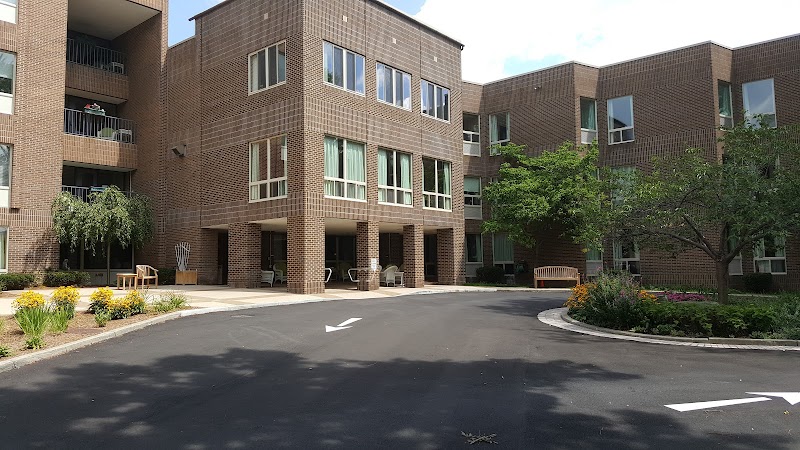
How is Good Shepherd-Fairview Home Inc Staffed?

CMS rates GOOD SHEPHERD-FAIRVIEW HOME INC's staffing level at 3 out of 5 stars, which is average compared to other nursing homes.

What Have Inspectors Found at Good Shepherd-Fairview Home Inc?

State health inspectors documented 9 deficiencies at GOOD SHEPHERD-FAIRVIEW HOME INC during 2019 to 2025. These included: 1 Immediate Jeopardy (the most serious level, indicating potential for serious harm or death) and 8 with potential for harm. Immediate Jeopardy findings are rare and represent the most serious regulatory concerns. They require immediate corrective action.
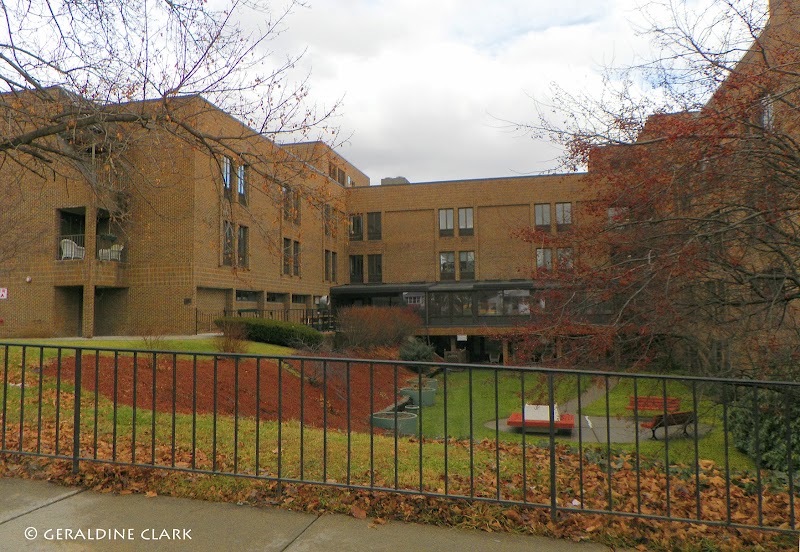
Who Owns and Operates Good Shepherd-Fairview Home Inc?

GOOD SHEPHERD-FAIRVIEW HOME INC is owned by a non-profit organization. Non-profit facilities reinvest revenue into operations rather than distributing to shareholders. The facility operates independently rather than as part of a larger chain. With 54 certified beds and approximately 49 residents (about 91% occupancy), it is a smaller facility located in BINGHAMTON, New York.
How Does Good Shepherd-Fairview Home Inc Compare to Other New York Nursing Homes?

Compared to the 100 nursing homes in New York, GOOD SHEPHERD-FAIRVIEW HOME INC's overall rating (3 stars) is below the state average of 3.1 and health inspection rating (3 stars) is at the national benchmark.

What Should Families Ask When Visiting Good Shepherd-Fairview Home Inc?

Based on this facility's data, families visiting should ask: "What changes have been made since the serious inspection findings, and how are you preventing similar issues?" "Can I visit during a mealtime to observe dining assistance and food quality?" "How do you handle medical emergencies, and what is your hospital transfer rate?" "Can I speak with family members of current residents about their experience?" These questions are particularly relevant given the facility's Immediate Jeopardy citations.

Is Good Shepherd-Fairview Home Inc Safe?

Based on CMS inspection data, GOOD SHEPHERD-FAIRVIEW HOME INC has documented safety concerns. Inspectors have issued 1 Immediate Jeopardy citation (the most serious violation level indicating risk of serious injury or death). The facility has a 3-star overall rating and ranks #100 of 100 nursing homes in New York. Families considering this facility should ask detailed questions about what corrective actions have been taken since these incidents.

Do Nurses at Good Shepherd-Fairview Home Inc Stick Around?

GOOD SHEPHERD-FAIRVIEW HOME INC has not reported staff turnover data to CMS. Staff turnover matters because consistent caregivers learn residents' individual needs, medications, and preferences. When staff frequently change, this institutional knowledge is lost. Families should ask the facility directly about their staff retention rates and average employee tenure.

Was Good Shepherd-Fairview Home Inc Ever Fined?

GOOD SHEPHERD-FAIRVIEW HOME INC has been fined $16,153 across 1 penalty action. This is below the New York average of $33,240. While any fine indicates a compliance issue, fines under $50,000 are relatively common and typically reflect isolated problems that were subsequently corrected. Families should ask what specific issues led to these fines and confirm they've been resolved.

Is Good Shepherd-Fairview Home Inc on Any Federal Watch List?

GOOD SHEPHERD-FAIRVIEW HOME INC is not on any federal watch list. The most significant is the Special Focus Facility (SFF) program, which identifies the bottom 1% of nursing homes nationally based on persistent, serious quality problems. Not being on this list means the facility has avoided the pattern of deficiencies that triggers enhanced federal oversight. This is a positive indicator, though families should still review the facility's inspection history directly.