ABSOLUT CTR FOR NURSING & REHAB ENDICOTT L L C
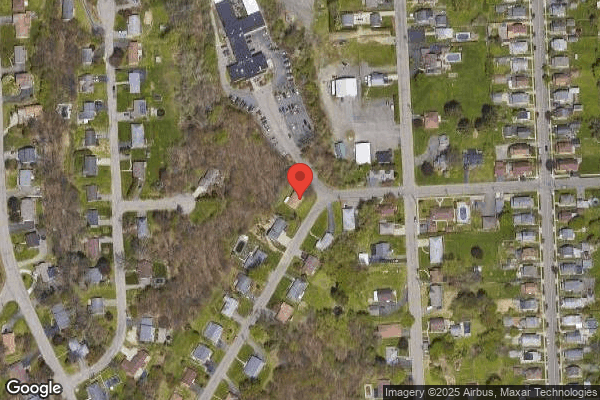
301 NANTUCKET DRIVE, ENDICOTT, NY 13760 (607) 754-2705
For profit - Limited Liability company 160 Beds ABSOLUT CARE Data: November 2025
Trust Grade
75/100
#135 of 594 in NY
Last Inspection: October 2024

Within standard 12-15 month inspection cycle. Federal law requires annual inspections.

Overview

The Absolute Center for Nursing & Rehab in Endicott, New York, has a Trust Grade of B, indicating it is a good choice for families looking for care, as it is solidly above average. It ranks #135 out of 594 facilities in New York, placing it in the top half, and is the best option out of the nine nursing homes in Broome County. The facility is improving, with a decrease in reported issues from nine in 2022 to seven in 2024. Staffing is rated at four out of five stars, but the turnover rate of 54% is concerning as it exceeds the state average of 40%. There have been no fines reported, which is a positive sign, and while RN coverage is average, the facility has faced issues with cleanliness and resident dignity, including unclean common areas and incidents where residents were not treated with the respect they deserve.

Trust Score
B
75/100
In New York
#135/594
Top 22%
Safety Record
Low Risk
No red flags
Inspections
Getting Better
9 → 7 violations
Staff Stability
⚠ Watch
54% turnover. Above average. Higher turnover means staff may not know residents' routines.
Penalties
✓ Good
No fines on record. Clean compliance history, better than most New York facilities.
Skilled Nurses
○ Average
Each resident gets 30 minutes of Registered Nurse (RN) attention daily — about average for New York. RNs are the most trained staff who monitor for health changes.
Violations
⚠ Watch
20 deficiencies on record. Higher than average. Multiple issues found across inspections.
★★★★☆
4.0
Overall Rating
★★★★☆
4.0
Staff Levels
★★★★★
5.0
Care Quality
★★★☆☆
3.0
Inspection Score
Stable
2022: 9 issues
2024: 7 issues

The Good

  • 4-Star Staffing Rating · Above-average nurse staffing levels
  • 5-Star Quality Measures · Strong clinical quality outcomes
  • Full Sprinkler Coverage · Fire safety systems throughout facility
  • No fines on record

Facility shows strength in staffing levels, quality measures, fire safety.

The Bad

Staff Turnover: 54%

Near New York avg (46%)

Higher turnover may affect care consistency

Chain: ABSOLUT CARE

Part of a multi-facility chain

Ask about local staffing decisions and management

The Ugly 20 deficiencies on record

Oct 2024 7 deficiencies
CONCERN (D) 📢 Someone Reported This

A family member, employee, or ombudsman was alarmed enough to file a formal complaint

Potential for Harm - no one hurt, but risky conditions existed

Resident Rights (Tag F0550)

Could have caused harm · This affected 1 resident

**NOTE- TERMS IN BRACKETS HAVE BEEN EDITED TO PROTECT CONFIDENTIALITY** Based on observations, record review, and interviews during the recertification and abbreviated (NY00352718) surveys conducted 1...

Read full inspector narrative →
**NOTE- TERMS IN BRACKETS HAVE BEEN EDITED TO PROTECT CONFIDENTIALITY** Based on observations, record review, and interviews during the recertification and abbreviated (NY00352718) surveys conducted 10/28/2024-10/31/2024, the facility did not ensure residents had the right to a dignified existence for 1 of 2 residents (Residents #411) reviewed. Specifically, Resident #411 was served their meal in their room [ROOM NUMBER] minutes after their roommate was served and had completed their meal. Findings include: The facility policy, Resident Rights, dated 2/2022, documented employees should treat all residents with dignity. Resident #411 had diagnoses including diabetes, adult failure to thrive, and gastro-esophageal reflux disease. The 10/21/2024 Minimum Data Set assessment documented the resident was cognitively intact and ate independently. The 10/22/2024 comprehensive care plan for nutrition documented interventions including a regular consistency diet. During an interview on 10/28/2024 at 11:50 AM, Licensed Practical Nurse #19 stated meals came to the unit on 2 carts, at 12:00 PM and 1:00 PM. The residents did not use the dining room. The carts were divided to help with tray passing. They were supposed to be divided by hallway, but they were a few trays on the second cart for residents in the first hallway, and vice versa. During an interview on 10/28/24 at 12:46 PM, Resident #411 stated breakfast was delivered to them daily after 9:00 AM, and their lunch came on the second cart at 1:00 PM. Their roommate's tray came on the first cart, and they waited at least 30 minutes after their roommate was served before their tray would come. By the time Resident #411's meal tray came they were so hungry they would eat too fast, and it would make them feel uncomfortable. During an observation on 10/28/2024, Resident #411 was sitting in the hallway outside their room. - at 12:44 PM, the first meal tray cart arrived on the unit. - at 12:52 PM, the meal tray for Resident #411's roommate was served in the room. - at 1:25 PM, Resident #411 told an unidentified activities staff their meal tray should have been there 2 hours before. - at 1:30 PM, the second meal tray cart arrived on the unit, and Resident #411 was served their meal tray in their room (38 minutes after the roommate). The resident's roommate had completed their meal. During an observation on 10/29/2024 at 9:05 AM, Resident #411 was in their room. Their roommate had their meal tray and Resident #411 did not. During an observation and interview on 10/29/2024 at 1:06 PM, Resident #411's roommate stated they were served their lunch and refused it, so the staff took it away. Resident #411 stated they had not yet received their meal. Both residents were in the room together. Resident #411 stated they had always stayed in that room and previously got their meal on the first cart, when the roommate moved in their tray started coming on the second cart while the roommate continued to get their food on the first meal cart. Resident #411 stated it upset them to watch their roommate eat or turn away food when she was hungry. They were frustrated their mealtime had changed. During an interview on 10/29/2024 at 1:57 PM, Certified Nurse Aide #21 stated 2 meal carts were delivered to the unit, about 30 minutes apart. Residents should always be served together, especially if they roomed together. The trays in the cart were not always arranged by room. They stated they would try to pair roommate trays together if they could. Dietary was had been putting Resident #411's meal tray on the first cart, but they did not know what happened. They could only pass out trays they had, and it was not dignified for Resident #411 to watch their roommate eat while they waited for their tray. During an interview on 10/29/2024 at 2:05 PM, Resident Assistant #15 stated 2 meal carts were delivered to the unit at 2 different times. Resident #411's roommate's meal came on the first cart. They did not know why the carts were arranged that way. The residents should eat together in the same room. It was not dignified or fair to Resident #411 to have to watch their roommate eat and just sit there. They tried to deliver trays to the same room one after the other, as they should always eat together. During an interview on 10/30/2024 at 11:38 AM, Licensed Practical Nurse #14 stated meal trays should be packed based on the location of the room. Roommates should be served together. It was not dignified for a resident to watch another resident eat, especially when they were hungry. During an interview on 10/30/2024 at 11:11 AM, Registered Nurse Unit Manager #20 stated the dining room on the unit had been empty since they started at the facility about a month and a half ago and none of the residents ate in the dining room. The trays were passed in the order they came on the cart from the kitchen. Trays should come at the same time to residents that shared a room. It was not dignified for one resident to eat while the other waited for their food. The carts should have all the residents from one hallway and the second cart should be all the residents on the other hallway. 10 NYCRR 415.5(b)(1-3)
CONCERN (D)

Potential for Harm - no one hurt, but risky conditions existed

Deficiency F0582 (Tag F0582)

Could have caused harm · This affected 1 resident

Based on record review and interviews during the recertification survey conducted 9/23/2024-9/26/2024, the facility did not provide the appropriate liability and appeal notices to Medicare beneficiari...

Read full inspector narrative →
Based on record review and interviews during the recertification survey conducted 9/23/2024-9/26/2024, the facility did not provide the appropriate liability and appeal notices to Medicare beneficiaries for 2 of 3 residents (Residents #27 and #141) reviewed. Specifically, Residents #27 and #141 remained in the facility after discontinuation of Medicare Part A services and the facility did not provide the resident with timely Notice of Medicare Non-Coverage (Centers for Medicare and Medicaid Services-10123) when Medicare Part A coverage was ending and a Skilled Nursing Facility Advanced Beneficiary Notice of Non-Coverage (Centers for Medicare and Medicaid Services-10055) for Medicare Part A as required. Findings include: The Center for Medicare and Medicaid Services form instructions for the Skilled Nursing Facility Advanced Beneficiary Notice of Non-coverage Center for Medicare and Medicaid Services-10055, expiration date 1/31/26, documented a Skilled Nursing Facility Advanced Beneficiary Notice of Non-coverage (form 10055) must be issued by providers to beneficiaries in situations where Medicare payment was expected to be denied. The Skilled Nursing Facility Advanced Beneficiary Notice of Non-coverage must be delivered far enough in advance that the beneficiary or representative had time to consider the options and make an informed choice prior to services ending. The undated facility policy, [Advanced Beneficiary Notice] and [Notice of Medicare Non-Coverage] policy, documented when a resident was no longer eligible for skilled coverage under Medicare Part A, the facility must issue an [Advanced Beneficiary Notice] and [Notice of Medicare Non-Coverage] to the resident or their legal representative with a minimum notice of two days. The resident or legal representative must be notified in person or via phone. Document the representative's name, phone number, date, and time they were spoken to and send certified mail on the same day. 1) Resident #27 had diagnoses including muscle weakness, diabetes mellitus type 2, and osteoporosis. The 9/13/2024 Minimum Data Set assessment documented it was a Skilled Nursing Facility Part A Prospective Payment System (a method of reimbursement used by Medicare that pays a predetermined amount for a service) discharge assessment and the resident had a Medicare-covered stay with a start date of 8/6/2024 and an end date of 9/13/2024. The Notice of Medicare Non-Coverage for Centers for Medicare and Medicaid Services-10123 letter documented Resident #27's effective end date of services was 9/13/2024. Business Office Manager #11's handwritten additional information documented the notice was issued over the phone by speaking with Resident #27's representative on 9/10/2024 at 2:15 PM, and the notice was sent by certified mail on 9/10/2024. Business Office Manager #11's handwritten note on the Skilled Nursing Facility Advanced Beneficiary Notice of Non-coverage Center for Medicare and Medicaid Services-10055 letter documented Resident #27's representative was spoken to on 9/10/2024 at 2:15 PM, no options were selected regarding the discussion with the representative. There was no documented evidence a United States Postal Service Certified Mail Receipt was sent to the resident's representative. 2) Resident #141 had diagnoses including Parkinson's disease, severe protein-calorie malnutrition, and encephalopathy (disease of the brain). The 10/2/2024 Minimum Data Set assessment documented it was a Skilled Nursing Facility Part A Prospective Payment System (a method of reimbursement used by Medicare that pays a predetermined amount for a service) discharge assessment and the resident had a Medicare-covered stay with a start date of 9/4/2024 and an end date of 10/2/2024. The Notice of Medicare Non-Coverage for Centers for Medicare and Medicaid Services-10123 letter documented Resident #141's effective end date of services was 10/2/2024. Business Office Manager #11's handwritten additional information documented the notice was issued over the phone by leaving a message for Resident #141's spouse on 9/30/2024 at 1:05 PM, and the notice was sent by certified mail on 9/30/2024. Business Office Manager #11's handwritten note on the Skilled Nursing Facility Advanced Beneficiary Notice of Non-coverage Center for Medicare and Medicaid Services-10055 letter documented Resident #141's spouse was contacted on 9/30/2024 at 1:05 PM. There was no documented evidence a United States Postal Service Certified Mail Receipt was sent to the resident's representative. During an interview on 10/29/2024 at 3:40 PM, Business Office Manager #11 stated they did not have the certified letter slips for Residents #27 and #141. The Advanced Beneficiary Notice was not completed for either resident. The Business Office Manager #11 stated they left a message for the representatives to call them back if they had any questions. They did not call back, and Business Office Manager #11 did not follow up with either representative. During a follow up interview on 10/31/2024 at 10:56 AM, Business Office Manager #11 stated the process for issuing the notification was to explain to the resident or resident representative they had the right to appeal, and they would receive a certified letter per the Medicare guidelines. They mailed the Notice of Medicare Non-Coverage and the Advanced Beneficiary Notice of Non-Coverage together via certified mail. Resident #27's representative was left a message on their machine; they never spoke with them regarding options for the resident. Resident #141's representative was spoken to on the phone, no options were selected, and they should have been. It was important to notify the resident and representative of the change in payor source. It was important to ensure the resident or representative had all their options and knew how to move forward. During an interview on 10/31/2024 at 12:01 PM, Resident #27's representative stated they never received a certified letter from the facility. The facility did not explain the ability to appeal the Medicare non-coverage of services. They were told to bring in as many financial records as they could, and the resident was automatically transitioned to private pay. During an interview on 10/31/2024 at 12:50 PM, Resident #141's spouse stated they never received a certified letter from the facility. The facility requested they bring in financial records for the resident. They were not given any options and did not know they could appeal the determination. They stated they would have appealed the decision if they knew they could. 10 NYCRR 483.10 (g) (18)
CONCERN (D) 📢 Someone Reported This

A family member, employee, or ombudsman was alarmed enough to file a formal complaint

Potential for Harm - no one hurt, but risky conditions existed

ADL Care (Tag F0677)

Could have caused harm · This affected 1 resident

Based on observations, record review. and interviews during the recertification and abbreviated (NY00355520 and NY00332658) surveys, the facility did not ensure residents who were unable to carry out ...

Read full inspector narrative →
Based on observations, record review. and interviews during the recertification and abbreviated (NY00355520 and NY00332658) surveys, the facility did not ensure residents who were unable to carry out activities of daily living received the necessary services to maintain grooming and personal hygiene for 1 of 10 residents (Resident #9) reviewed. Specifically, Resident #9 was not shaved and dressed as care planned. Findings include: The facility policy, Activities of Daily Living, revised 6/2021, documented staff would assist and encourage all residents to their highest practicable level of independence and provide the necessary support in all activities of daily living functioning. Activities of daily living would be completed daily by the resident with the assistance of the facility resident care staff as needed. If a resident resisted or refused care the nurse would be notified and they would document in the progress notes of the resident's chart. Resident #9 had diagnoses including muscle weakness and need for assistance with personal care. The 9/21/2024 Minimum Data Set assessment documented the resident was cognitively intact, able to make their needs known, and required partial to moderate assistance of one for upper and lower body dressing and personal hygiene. The 10/30/2024 Comprehensive Care Plan documented under the topic of Activities of Daily Living/Mobility the resident required partial to moderate assistance of one for upper and lower body dressing and for personal hygiene, including shaving. The 10/2024 certified nurse aide tasks documented the resident's last shower was on 10/24/2024 and they had a bed bath on 10/29/2024. The resident was observed: - on 10/28/2024 at 1:17 PM, sitting in their chair wearing a hospital gown that had dried food on it. - on 10/30/2024 at 1:37 PM, sitting in their chair wearing a hospital gown. - on 10/30/2024 at 4:21 PM, lying in their bed wearing a hospital gown. They stated they would like to be dressed in street clothes, but they had no clothes. They stated even though they had a beard they would like to be shaved and have a mustache. Staff usually shaved them but did not last night and they were not sure why. During an interview on 10/31/2024 at 7:27 AM Certified Nurse Aide #24 stated Resident #9 was cognizant, their shower day was on Tuesdays, and they did not refuse care. Showers included shaving. The resident did not have a lot of clothes and they had gone to clothing donation and brought in clothes for the resident. The resident got a bed bath on 10/29/2024 but they were not shaved. They should have asked the Unit Manager to shave the resident but did not. During an interview on 10/31/2024 at 7:49 AM Licensed Practical Nurse #9 stated when the certified nurse aides gave showers, they also shaved residents. If a resident did not get shaved or showered it could make them feel neglected and embarrassed. During an interview on 10/31/2024 at 8:00 AM Licensed Practical Nurse Unit Manager #3 stated Resident #9 did a lot of their own care. They were always in a gown, and they did not know why. Residents should be shaved on their shower day or any day if requested. If a resident was wearing a hospital gown all the time and not shaved it could make them feel depressed, sad, and decrease their self-worth. During an interview on 10/31/24 at 11:08 AM the Director of Nursing stated they expected residents that wanted to be shaved or stay in a hospital gown to have it documented in their care plan. They expected residents who wanted to be dressed to be dressed. Any staff could get clothes for a resident. Resident #9's care plan did not document they preferred to be in a gown or not shaved. Wearing a hospital gown or not being shaved was a dignity issue and could make the resident embarrassed and not want to leave their room. 10NYCRR 415.12(a)(3)
CONCERN (D) 📢 Someone Reported This

A family member, employee, or ombudsman was alarmed enough to file a formal complaint

Potential for Harm - no one hurt, but risky conditions existed

Quality of Care (Tag F0684)

Could have caused harm · This affected 1 resident

Based on observations, record review, and interviews during the recertification and abbreviated (NY00355520, NY00352718, NY00351721, and NY00320653) surveys conducted 10/28/2024-10/31/2024 the facilit...

Read full inspector narrative →
Based on observations, record review, and interviews during the recertification and abbreviated (NY00355520, NY00352718, NY00351721, and NY00320653) surveys conducted 10/28/2024-10/31/2024 the facility did not ensure residents received treatment and care in accordance with professional standards of practice, the comprehensive person-centered care plan, and the resident's choices for 2 of 4 residents (Resident #3 and #8) reviewed. Specially, Resident #3 was administered the wrong dose of rapid-acting insulin and Resident # 8 did not have their oxygen tubing or humidifier bottle regularly changed. Findings include: The undated facility policy, Insulin Administration and Sliding Scale Management, documented blood glucose levels obtained via fingerstick were done at intervals specified by the primary care provider note. This was done to assess and monitor blood glucose levels of residents with hypoglycemia and those with diabetes mellitus to facilitate prompt and/or continued treatment of diabetic residents. Insulin was administered as ordered by the primary care provider and both finger stick results and the administration site were documented in the electronic medication administration record. The facility policy, Medication Administration, revised 6/2021, documented medications were administered by a registered nurse or licensed practical nurse in a way that ensured the residents safety and documented in the electronic medical record. Medications were administered at the right time, to the right resident, using the right dose, the right medication, and the right route. The facility was unable to provide a policy regarding oxygen use. 1) Resident #3 had diagnoses including chronic obstructive pulmonary disease (lung disease), anxiety, and diabetes. The 10/2/2024 Minimum Data Set assessment documented the resident had intact cognition, was dependent on staff for most activities of daily living and received insulin every day for the last seven days. The Comprehensive Care Plan initiated 2/9/2023 documented the resident had diabetes mellitus and underlying kidney complications. Interventions included monitoring blood sugars, administering insulin, and monitoring for signs of hyperglycemia (high blood sugar) and hypoglycemia (low blood sugar). The 10/17/2024 medical order entered by Nurse Practitioner #22 documented finger sticks every day before meals and at bedtime and administration of Fiasp (insulin aspart, rapid-acting insulin) 100 units/milliliter in 3 milliliter pen injector subcutaneous with the sliding scale (amount of insulin administered was based on finger stick blood sugar results): - For a blood sugar of 201-250 milligrams/deciliter, give 8 units of insulin aspart. - For a blood sugar of 251-300 milligrams/deciliter, give 10 units of insulin aspart. During an initial screening and interview with Resident #3 on 10/28/2024 at 11:37 AM, Licensed Practical Nurse #23 entered the room to administer the resident's insulin. Licensed Practical Nurse #23 administered 10 units of Fiasp (insulin aspart) 100 units/ml in Resident #3's right arm for a blood sugar of 228 milligrams/deciliter. Licensed Practical Nurse #23 showed the surveyor the insulin pen set at 10 units. The 10/28/2024 Medication Administration Record documented Licensed Practical Nurse #23 administered 8 units of Fiasp (insulin aspart) 100 units/milliliter in the resident's right abdomen for the 11:30 AM finger stick result of 228 milligrams/deciliter. During an interview on 10/31/2024 at 8:38 AM, Licensed Practical Nurse #23 stated they were responsible for administration of medications when the units were short staffed, and they administered medications to Resident #3 on 10/28/2024. After they administered insulin, they documented the dose of insulin and the site of administration in the electronic record. They stated they administered 10 units of insulin in the right arm to Resident #3 on 10/28/2024 for a blood sugar of 228 milligrams/deciliter. If they documented 8 units of insulin in the abdomen on 10/28/2024, that was inaccurate and would be a documentation error, because that was not what they administered. If someone documented the wrong dose or site of insulin administration that would be a safety concern for the resident. During an interview on 10/31/2024 at 9:01 AM, Nurse Practitioner #22 stated when they ordered a sliding insulin scale for a resident with diabetes, they expected it to be followed. If a resident received a higher dose of insulin than was ordered the resident could become hypoglycemic (low blood sugar). They were not notified that Resident #3 received the wrong dose of insulin and should have been notified. During an interview on 10/31/2024 at 11:08 AM, the Director of Nursing stated if a resident had an order for 8 units of insulin, they expected 8 units of insulin to be administered. If a resident was prescribed 8 units of insulin and administered 10 units, it was a medication error, and the resident could have a low blood sugar. They expected all medications to be documented accurately. If insulin was administered in the arm the documentation should not say abdomen. 2) Resident #8 had diagnoses including chronic obstructive pulmonary disease (lung disease), chronic respiratory failure, and pneumonia. The 8/7/2024 Minimum Data Set assessment documented the resident had moderately impaired cognition, required assistance of one for most activities of daily living, and received continuous oxygen therapy. Resident #8 did not have a Comprehensive Care Plan related to respiratory diagnoses, oxygenation. and supplemental oxygen use. A 3/25/2024 medical order by Nurse Practitioner #22 documented oxygen therapy of 1 liter per minute via nasal cannula, every day, on every shift, with oxygen saturation maintained greater than 92%, change oxygen tubing every and humidifier bottle weekly on Wednesday. The order was discontinued on 5/7/2024 with attempt to use room air. The 5/10/2024 medical order by Nurse Practitioner #22 documented oxygen therapy of 1 liter per minute via nasal cannula, every day, on every shift, with oxygen saturation maintained greater than 88%. The order did not include changing of oxygen tubing or humidifier bottle. During an observation on 10/28/2024 at 11:27 AM, Resident #8 was in bed utilizing supplemental oxygen at 1 liter per minute via nasal cannula. The humidification canister was dated 9/2/2024 and had minimal water at the bottom of the canister that did not completely cover the bottom. The resident's oxygen delivery tubing was not dated. The 10/28/2024 progress note by Nurse Practitioner #22 documented Resident #8 was assessed for increasing shortness of breath, not being able to catch their breath, and not feeling well. Crackles were heard in the left lower right lung and diminished lung sounds in the upper and lower right and left lung. The resident was diagnosed with acute pneumonia. The 10/2024 Medication and Treatment Administration Record documented oxygen therapy at 1 liter per minute via nasal cannula, there was no documented evidence the oxygen tubing or humidifier bottle were changed. During an observation on 10/30/2024 at 1:23 PM, Resident #8 was in bed utilizing supplemental oxygen at 1 liter per minute via nasal cannula, the oxygen delivery tubing was not dated. During an interview on 10/31/2024 at 7:49 AM, Licensed Practical Nurse #9 stated it was the nurse's responsibility to monitor oxygen. They made sure oxygen was on the right setting, the humidification canister had water in it, and the tubing and humidifier bottles were labeled. This was documented every shift on the medication administration record. It was the night shift nurse's responsibility to check and change the oxygen delivery tubing and humidification canister weekly and document on the medication administration record. They stated if the humidification canister was dated 9/2/2024 on 10/28/2024, it was not changed weekly as ordered. If there was no order, it would not be on the Medication Administration Record, and staff would have no way of knowing the tubing and canister required changing. If the tubing and canister were not changed weekly residents could get sick and get a respiratory infection. Licensed Practical Nurse #9 stated Resident #8 was on oxygen and was diagnosed with pneumonia on 10/28/2024. During an interview on 10/31/2024 at 8:00 AM, Licensed Practical Nurse #3 stated all nursing staff monitored oxygen. When a provider ordered oxygen, there was an oxygen template nurses used to ensure that along with the order for oxygen therapy there was an order for the humidification bottle and tubing to be changed and dated weekly. This was done weekly on the night shift for the safety of residents and to prevent infections. If the order was not placed properly, the humidification bottle and tubing would not be changed weekly, and residents could get an infection. Resident #8 should not have had a nearly empty humidification canister labeled 9/2/2024 on 10/28/2024. They were diagnosed with a respiratory infection on 10/28/2024. During an interview on 10/31/2024 at 8:38 AM, Licensed Practical Nurse #23 stated on 10/28/2024 they were notified by Licensed Practical Nurse #28 Resident #8 was having difficulty breathing. They were shown a hole in the humidification canister and changed the canister and dated it. If the humidification canister was not labeled properly or does not have water, residents could be short of breath and get sick. During an interview on 10/31/2024 at 9:01 AM, Nurse Practitioner #22 stated oxygen was maintained by nursing staff with the humidification canister and tubing changed weekly for infection control reasons. Resident #8 wore oxygen and was diagnosed with pneumonia on 10/28/2024. Having outdated and empty humidification canister could contribute to the development of pneumonia. During an interview on 10/31/2024 at 11:08 AM, the Director of Nursing stated oxygen tubing and humidification canisters were changed weekly and labeled. If the oxygen order was not put in properly, it would not populate to the treatment administration record and would not get completed. If the oxygen tubing and canister was not changed weekly a resident could inhale bacteria in their lungs that could cause infection. A resident should not have an oxygen humidification canister dated 9/2/2024 when it was 10/28/2024. 10 NYCRR 415.12
CONCERN (D)

Potential for Harm - no one hurt, but risky conditions existed

Deficiency F0804 (Tag F0804)

Could have caused harm · This affected 1 resident

Based on observations, record review, and interviews during the recertification survey conducted 10/28/2024-10/31/2024, the facility did not ensure each resident received food and drink that was palat...

Read full inspector narrative →
Based on observations, record review, and interviews during the recertification survey conducted 10/28/2024-10/31/2024, the facility did not ensure each resident received food and drink that was palatable, attractive, and at a safe and appetizing temperature for 2 of 2 meal test trays reviewed (10/29/2024 and 10/30/2024 lunch meals). Specifically, food was not served at palatable and appetizing temperatures during the lunch meals on 10/29/2024 and 10/30/2024. Additionally, Residents #18 and #85 stated the food was not flavorful and was cold. Findings include: The facility policy, Food Temperature and Test Tray Audits, revised 4/5/2024 documented test trays would be audited periodically to ensure that food temperatures, food quality, and the overall dining experience was at optimal levels. Minimum temperatures at the time of service were defined as: - Soups, hot entrees, starches, and hot vegetables served greater than 135 degrees Fahrenheit; - Cold beverages, cold desserts (such as pudding and gelatin), and cold entrees served less than 55 degrees Fahrenheit; - Milk and milk products served less than 45 degrees Fahrenheit; and - Hot beverages served greater than 140 degrees Fahrenheit. During an interview on 10/28/2024 at 11:08 AM, Resident #18 stated the food was not good and was not hot. During an interview on 10/28/2024 at 12:20 PM, Resident #85 stated they got their meal trays last, and the food was cold and lacked flavor. During a Third Floor meal observation on 10/29/2024 at 12:50 PM, Resident #18 was served their lunch meal tray. A replacement tray was ordered, and Resident #18's original meal tray was tested. The fried chicken was measured at 129.2 degrees Fahrenheit, the yogurt was 54.5 degrees Fahrenheit, and the cooked carrots were 134.4 degrees Fahrenheit. During an interview on 10/29/2024 at 1:12 PM, Certified Nurse Aide #36 stated Resident #18 usually got their tray last, and their tray was on top of the hot cart and not inside. They delivered the trays on top of the cart first, so they did not get cold. They often heard residents complain about the food being too cold, undercooked, and having no flavor. If the residents did not like the food, they offered them an alternative. The kitchen was short staffed and asked the nursing staff to go down to the kitchen to get the alternative food, but they could not leave the unit because they had other residents to care for. During an interview on 10/29/2024 at 1:57 PM, Certified Nurse Aide #21 stated that residents complained the food did not look or smell good. During a Third Floor meal observation on 10/30/24 at 1:27 PM, the second meal cart arrived on the unit. At 1:31 PM, Resident #85 was served their lunch meal tray. A replacement tray was ordered, and Resident #85's original meal tray was tested. The broccoli was measured at 132.1 degrees Fahrenheit, the pineapple was 47.3 degrees Fahrenheit, the cold water was 59.2 degrees Fahrenheit, and the milk was 52.7 degrees Fahrenheit. During an interview on 10/31/2024 at 9:38 AM, the Assistant Food Service Director stated hot food should be served hot, 180 degrees Fahrenheit coming from the tray line and held above 165 degrees Fahrenheit when served to the residents. Cold food should be cold, 40 degrees Fahrenheit or below when served to the residents. Food should be enjoyable and palatable, so the residents would eat it. The enjoyment of eating starts with the eyes and the appearance of the food. The Assistant Food Service Director stated the broccoli at 132 degrees Fahrenheit was an appropriate temperature; the pineapple at 47.3 degrees Fahrenheit, cold water at 59.2 degrees Fahrenheit, and milk at 52.7 degrees Fahrenheit were all high. The best range for hot food was 130-145 degrees Fahrenheit. They stated the ovens did not always work and heat evenly and had been that way for a couple of years. The maintenance team had worked on the ovens numerous times, but they were old. The Director of Maintenance and Administrator were both aware of the problems with the ovens. 10NYCRR 415.14(d)(1)(2)
CONCERN (D) 📢 Someone Reported This

A family member, employee, or ombudsman was alarmed enough to file a formal complaint

Potential for Harm - no one hurt, but risky conditions existed

Infection Control (Tag F0880)

Could have caused harm · This affected 1 resident

Based on observations, record review, and interviews during the recertification and abbreviated (NY00320653 and NY00351721) surveys conducted 10/28/2024-10/31/2024, the facility did not establish and ...

Read full inspector narrative →
Based on observations, record review, and interviews during the recertification and abbreviated (NY00320653 and NY00351721) surveys conducted 10/28/2024-10/31/2024, the facility did not establish and maintain an infection prevention and control program designed to provide a safe, sanitary, and comfortable environment and to help prevent the development and transmission of communicable diseases and infections for 1 staff member (Social Worker #5) and 1 resident (Resident #160) observed. Specifically, Social Worker #5 entered a COVID-19 positive room wearing an N95 mask inappropriately and Resident #160 did not have appropriate transmission-based precautions signage in place. Findings included: The facility policy, Infection Prevention and Control Program, revised 2/2021, documented the program was intended to prevent the transmission of communicable diseases and infections. Prevention of infection included implementing appropriate isolation precautions when necessary and following guidelines such as those of the Centers for Disease Control. Those with potential direct exposure to blood or bodily fluids were required to use appropriate precautions and personal protective equipment. The facility policy, Isolation- Categories of Transmission-Based Precautions, revised 2/2021, documented the 3 types of transmission-based precautions were contact, droplet, and airborne. Any resident on contact precautions required staff to wear a disposable gown and gloves upon entering the room and before leaving the room. The policy did not specifically document enhanced barrier precautions. The facility policy, COVID-19 Action Plan, revised 6/7/2024, documented health care providers entering a COVID-19 positive resident room should wear a N95 mask. 1) Resident #148 had diagnoses including COVID-19 and dementia. The 7/30/2024 Minimum Data Set assessment documented the resident had severely impaired cognition, was independent with ambulation and bed movement, and required moderate to maximum assistance with dressing and hygiene. The 10/21/2024 Licensed Practical Nurse Manager #6 progress note documented unit wide COVID-19 testing was done, and Resident #148 had positive results. Isolation precautions were in place. The 10/21/2024 physician order documented isolation precautions, contact precautions, COVID-19 precautions, and droplet precautions. The 10/21/2024 Comprehensive Care Plan documented the resident had COVID-19. Interventions included obtain cart with personal protective equipment, contact and droplet isolation precautions, and post a sign on the doorway. A 10/28/2024 Licensed Practical Nurse Unit Manager #6 progress note documented Resident #148 was on contact/droplet isolation precautions. During an observation and interview on 10/28/2024 at 11:00 AM, Licensed Practical Nurse Unit Manager #6 stated Resident #148 tested positive for COVID-19 and was on droplet precautions. During the interview, Social Worker #5 was observed wearing a surgical mask covering their nose and mouth and a N95 mask over the surgical mask. Social Worker #5 donned a gown and gloves and entered Resident #148's room with N95 mask over the surgical mask. The resident's doorway had a sign that the resident was on droplet precautions. The 10/21/2024 Social Worker #5 general orientation schedule and sign off documented they received N95 Fit testing (ensuring proper mask and fitting) and donning/doffing of personal protective equipment with N95 competency on day 2 of orientation. The undated Donning and Doffing Personal Protective Equipment with N95 Competency, signed by Social Worker #5, documented they correctly fit the N95 snugly to their face. During an interview on 10/30/2024 at 4:26 PM, Certified Nurse Aide #7 stated all staff were supposed to wear a N95 mask on the unit as there were COVID-19 positive residents who wandered on the unit. The N95 mask was worn to prevent staff and other residents from getting sick. The N95 was to be worn against the face with a surgical mask over it to ensure a good seal against the face thereby not allowing germs to seep through the mask. During an interview on 10/30/2024 at 4:34 PM, Licensed Practical Nurse Manager #6 stated facility policy was for staff to wear a N95 at all times on the unit. The purpose of the N95 mask was to create a tight seal against the face so germs could not get through to the mouth and nose. All unit staff were educated on the proper wearing of N95 masks around 10/21/2024. A surgical mask may be worn over the N95. If the surgical mask was worn between the face and the N95 mask, a tight seal could not be maintained. During an interview on 10/30/2024 at 4:49 PM, Infection Control Nurse #8 stated staff were supposed to wear a N95 mask at all times on the dementia unit as there were COVID-19 positive residents that wandered the halls without a mask on. Staff were educated during orientation, yearly, and as needed. The N95 mask was to be worn tightly against the face to prevent germs from seeping through to the wearer's nose and mouth and prevent inhaling the germs. Wearing a surgical mask between the N95 and the face would not allow a tight seal. All staff were recently educated on proper N95 wearing. Informal audits were being done, there had been staff that were not wearing masks correctly, and reeducation was done on the spot. There was signage on the entry doors to the unit about N95 mask wearing. During an interview on 10/30/2024 at 5:00 PM, the Director of Nursing stated staff were expected to follow the COVID-19 outbreak action plan, which included wearing a N95 mask correctly. The N95 was to be worn against the face to maintain a tight seal to prevent germs from entering the nose and mouth. A surgical mask could be worn over the N95. All staff were recently educated on proper N95 mask wearing. During an interview on 10/31/2024 at 10:06 AM, Social Worker #5 stated they started working at the facility about 3 weeks ago and was educated on proper N95 mask wear during orientation. The N95 was to be put on prior to entering the unit. The N95 was to be worn against the face for a tight seal to prevent pathogens from being inhaled via the nose or mouth. The social worker stated they made a mistake of having the surgical mask between the face and N95 mask prior to entering Resident #148's room. 2) Resident #160 had diagnoses including skin abscess of the buttocks and pressure ulcer of the back, buttock, and hip. The 10/25/2024 Minimum Data Set assessment documented the resident was cognitively intact, was totally dependent for most activities of daily living, was frequently incontinent of bowel and bladder, had a Stage 3 (full thickness tissue loss) pressure ulcer, a surgical wound, an intravenous line for fluids, and received an antibiotic. The 10/23/2024 physician order documented enhanced barrier isolation precautions due to intravenous line and open wounds. The 10/30/2024 Comprehensive Care Plan documented the resident had a Stage 3 pressure ulcer on the left gluteal (buttocks) region, a surgical wound on the right gluteal region, required total dependency with most activities of daily, was incontinent of bowel and bladder, and had open wounds. Interventions included enhanced barrier precautions and post sign on door, check and change every 2 hours, 2 staff assistance with rolling/shower/bathe, monitor wound and dressing, turn and position every 2 hours, and incontinence care after each episode. The 10/30/2024 Licensed Practical Nurse Manager #17 progress note documented Resident #160 had a room change. During an observation on 10/31/2024 at 10:30 AM, there was no sign posted near the entrance to Resident #160's room indicating enhance barrier precautions were in effect. Resident #160 was lying in bed. There were two unidentified certified nurse aides changing the resident's incontinence briefs and performing incontinence care. The certified nurse aides were not wearing gowns or gloves. During an interview on 10/31/2024 at 10:41 AM, Licensed Practical Nurse #19 stated Resident #160 was on enhanced barrier precautions for open wounds. There should be a sign on the doorway, identifying the resident was on contact precautions and staff were to wear a gown and gloves when in the room and performing care. The purpose was to prevent contamination from the wound and potentially spreading an infection to another resident. The resident was moved from another room on 10/30/2024 and their current room did not have signage posted. During an interview on 10/31/2024 at 10:51 AM, Registered Nurse Manager #20 stated the resident had open wounds and was on isolation precautions. There should be signage on the doorway indicating what type of precautions the resident was on and the personal protective equipment required by staff. The risk of not wearing the equipment was spreading infection to the staff member or to another resident. During an interview on 10/31/2024 at 11:08 AM, the Director of Nursing stated if a resident was on enhanced barrier precautions, signage was to be placed on the doorway to communicate to staff what personal protective equipment was required to be worn. If a resident was moved to a different room, the signage should be placed on the doorway to the new room. They stated the resident's room had no signage on the doorway and there should be. 10 NYCRR 415.19(a)(b)
CONCERN (E) 📢 Someone Reported This

A family member, employee, or ombudsman was alarmed enough to file a formal complaint

Potential for Harm - no one hurt, but risky conditions existed

Safe Environment (Tag F0584)

Could have caused harm · This affected multiple residents

**NOTE- TERMS IN BRACKETS HAVE BEEN EDITED TO PROTECT CONFIDENTIALITY** Based on record review, observations, and interviews during the recertification and abbreviated (NY00351721 and NY00320653) surv...

Read full inspector narrative →
**NOTE- TERMS IN BRACKETS HAVE BEEN EDITED TO PROTECT CONFIDENTIALITY** Based on record review, observations, and interviews during the recertification and abbreviated (NY00351721 and NY00320653) surveys conducted 10/28/2024-10/31/2024, the facility did not ensure residents had the right to a safe, clean, comfortable, and homelike environment for 4 of 4 resident units (Units 1, 2A, 2B, and 3) reviewed. Specifically, Units 2A, 2B, and 3 had unclean hallways, bathrooms, and resident room floors; the main kitchen and unit pantry areas had unclean areas; the resident scale on Unit 2A had dried debris; Resident #102's wheelchair had ripped armrests held together with tape; the main dining room toilets were out of order and contained brown liquid; and the facility air temperature was not maintained at a comfortable level on 10/26/2024 and 10/27/2024. Findings include: The facility policy, Cleaning Procedure Residents Rooms, revised 1/2024, documented housekeeping was responsible for cleaning: - Resident rooms and adjoining toilet areas (to be cleaned daily). - Public toilet areas and large bath/toilet areas located on the skilled nursing facility. - Nurses' stations, medicine rooms, and utility rooms. - Resident dining rooms. - Lounges, halls, and corridors. The facility policy, Quality of Life - Homelike Environment, revised 3/2024, documented residents were provided with a safe, clean, comfortable, and homelike environment and were encouraged to use their personal belongings to the extent possible. Characteristics that reflected a personalized, homelike setting included: - A clean, sanitary, and orderly environment. - Clean bed and bath linens that were in good condition. - Pleasant, neutral scents. - Comfortable and safe temperatures (71 degrees Fahrenheit to 81 degrees Fahrenheit). The facility policy, General Kitchen Cleaning, revised 4/5/2024, documented staff would maintain the sanitation of the kitchen through compliance with the cleaning schedule and would be recorded when completed. Resident Equipment: During observations on 10/28/2024 at 12:21 PM, 10/29/2024 at 9:12 AM, and 10/30/2024 at 9:32 AM, Resident #102's Broda (a specialized reclining wheelchair) chair had a ripped vinyl armrest on the right side that had surgical tape across the top. During an interview on 10/31/2024 at 10:43 AM, Licensed Practical Nurse #30 stated therapy issued resident wheelchairs. If there was an issue, they put in a ticket to maintenance and if they could not fix it, they would submit a ticket to therapy or talk to therapy directly. They stated Resident #102's Broda chair wheels did not work properly, and they submitted a ticket, and the Director of Therapy was aware. The right armrest was ripped and coming off. They reported the armrest but did not put in a ticket. During an interview on 10/31/2024 at 11:08 AM, Licensed Practical Nurse Unit Manager #6 stated maintenance and therapy maintained the Broda chairs. The arm rest was ripped because Resident #102 ripped it and they did not know who put the tape on it and did not notice the tape before 10/31/2024. They noticed the rip on 10/28/2024, but did not put in a ticket for repair, as they thought the resident was getting a new chair. The chair should be fixed to prevent any injuries. It did not look good and could be a dignity issue. During an interview on 10/31/2024 at 11:34 AM, Director of Therapy #31 stated Broda chairs were issued by therapy. If there were issues with the chair staff should submit a ticket to get it fixed. Maintenance attempted to repair chairs first, and if a replacement was needed, they would assume responsibility. They had not received any maintenance requests for Resident #102's chair, and they were not aware of the right armrest damage. The armrest needed to be replaced for dignity and safety concerns. During an interview on 10/31/2024 at 11:55 AM, the Director of Nursing stated damaged wheelchairs required staff to place a ticket to maintenance and if they could not fix the chair, they would notify therapy. There was a risk for skin tear, infection, pressure injury, and dignity issues. Staff had been educated on this issue before, and the facility added a new feature to the kiosk for staff to submit work orders. Unclean Environment: The following observations of Unit 2A were made on 10/28/2024: - at 11:22 AM, the floor in resident room [ROOM NUMBER] was unclean with dried debris and large, black scrape marks. - at 11:28 AM, both hallway floors were unclean with dried spills, stains, lint, dust balls and pieces of paper. The paint on the hall walls was peeling and there were black scrape marks on the floors and on the doors to resident rooms. - at 11:45 AM, the floor in resident room [ROOM NUMBER] was unclean with dried spills and crumbs. Bottle caps, empty sugar packets, small pieces of paper, dust balls, and used disposable cups were under and around the resident's bed. - at 12:24 PM, the large table at the end of the hall (near room [ROOM NUMBER]) had a dust film, and a large scrape with exposed splinters and strands of human hair; three vinyl upholstered chairs had crumbs on their seats, unclean armrests, and scraped and dented wooden frames; the resident scale near the table had tan-colored dried debris on the foot of the scale; and the floor under the table and near the resident scale had multiple large dust balls. During an observation on 10/29/2024 at 8:03 AM, room [ROOM NUMBER] had 6 snack wraps at the right side of the bed and stains on the floor. The floor was littered with small black debris. There was scattered debris in the fold of the fall mat. The following observations were made on Unit 2B: - on 10/28/2024 at 10:54 AM, Resident #410's family stated that cleaning was an issue for the facility. The resident's bathroom floor had debris, and there was staining around the toilet and the edges of the floor. - on 10/28/2024 at 11:08 AM, Resident #410's toilet continued to run for 11 minutes after the resident exited the bathroom. - on 10/28/2024 at 11:23 AM, the ceiling vent between rooms [ROOM NUMBERS], had a black substance on the vent louvers. - on 10/28/2024at 11:26 AM, there was a dark colored substance on the floor under the hand sanitizer between rooms [ROOM NUMBERS]. - on 10/28/2024 at 12:27 PM, the flooring between the nurse's station and the northwest stairwell was uneven with cracked and chipped tiles. There was a black leather chair that was ripped in multiple areas across the arms and back with a sign that documented, do not use. The treatment cart across from room [ROOM NUMBER] had a large amount of dust and debris collected around the wheels. - on 10/28/2024 at 1:42 PM, the floor near the nurse's station had brown colored stains and 40-50 dark dried spots. The walls had scrapes and scuffs throughout the hallways. The front of the nurse's station had several large clumps of dust and debris stuck to it. The doorway between units 2A and 2B had multiple scrapes and missing paint. On 10/29/2024 at 1:05 PM and 10/30/2024 at 10:07 AM, the window across from room [ROOM NUMBER], had a towel taped to it and had a bent screen. The window appeared open, but the towel was wedged in the gap. The following observations were made on the 3rd floor: - on 10/28/2024 at 10:31 AM, the shared bathroom for rooms [ROOM NUMBERS] had feces on the front of the toilet. - on 10/28/2024 at 12:04 PM, room [ROOM NUMBER] had an approximate 12 inch by 2 inch dried spill on the floor between the two beds. - on 10/28/2024 at 12:08 PM, the shared bathroom for rooms [ROOM NUMBERS] had a commode with feces on it. - on 10/28/2024 at 12:56 PM, the 3rd floor dining room had unclean and sticky floors. - on 10/28/2024 at 1:32 PM, room [ROOM NUMBER] had many black spots covering most of the floor. - on 10/29/2024 at 8:34 AM, room [ROOM NUMBER] had many black spots covering most of the floor, the heater had rust, and the sink in the bathroom did not have water. The resident occupying the room stated their room was dirty and they did not like it. - on 10/30/2024 at 9:25 AM, the 3rd floor dining room had unclean and sticky floors. - on 10/30/2024 at 1:18 PM, a brown recliner near the 3rd floor nurse's station had rips across the back headrest. An unknown resident sat down in the chair after lunch. The following additional observations were throughout the facility: - on 10/28/2024 at 10:41 AM, the kitchen dish room grease trap had gray color debris on the trap encasement and the floor surrounding the trap. The main kitchen floor had black marks, food particles, and paper products throughout the area. The dry storage area had leaves on the floor. The exit door was blocked by a cart with folded cardboard boxes on top and a large garbage pail. The Assistant Food Service Director stated the kitchen staff were short due to illness. - on 10/28/2024 at 2:45 PM, the men's room in the dining room had a sign that documented, out of order, the door was unlocked, and the toilet was full of foul-smelling brown liquid. The women's room toilet was full of foul-smelling brown liquid. The water fountain between the bathrooms had stagnant brown liquid pooled in the basin. - on 10/28/2024 at 3:22 PM, the elevator floor was uneven and had several chipped flooring pieces. - on 10/28/2024 at 3:25 PM, the conference room had multiple dried black debris stuck to the floor. - on 10/30/2024 at 11:32 AM, the men's room in the second-floor dining room had a sign that documented, out of order, the door was unlocked, the toilet had a brown foul-smelling substance. The water fountain between the 2 bathrooms had a brown liquid at the drain, and dried brown substance that created rings above the water line. The women's room had a sign that documented, out of order, the door was unlocked, the toilet had a brown foul-smelling substance and rings of dried brown substance. The odor from the bathroom was very strong upon opening the door. At 12:51 PM, residents were eating in the dining room with the unclean bathrooms. During an interview on 10/28/2024 at 1:09 PM, Certified Nurse Aide #16 stated they had not seen a housekeeper on the unit (2A) all day. The housekeeper called out a lot. The other unit housekeepers were always there. The floors, walls, and resident rooms on the unit were routinely dirty. During an interview on 10/29/2024 at 9:26 AM, Certified Nurse Aide #32 stated housekeeping was responsible for cleaning the unit. They were there Monday through Friday until 3:00 PM. The rooms did not look clean. Floors were dirty in resident rooms. The black marks on the floor were dirt. They used a washcloth on the dark spots, and they cleaned up easily. The water in room [ROOM NUMBER] did not work. There was a weekend the facility did not have a housekeeper because they were short staffed. During an interview on 10/30/2024 at 9:16 AM, Licensed Practical Nurse Unit Manager #17 stated Unit 2A was not as clean as it could be. The housekeeper was out a lot. They and unit staff usually had to follow behind the housekeeper, especially if there was a new admission going into a room. They cleaned the dust balls and debris from under the beds. They had spoken to the housekeeping supervisor about the lack of cleaning on the unit, but nothing seemed to change. During an interview on 10/30/2024 at 9:25 AM, Licensed Practical Nurse #9 stated housekeeping was on the units Monday through Friday, and there were only 1 or 2 staff for the whole facility. Floors were dirty and sticky at times. Housekeeper #33 was assigned to the third floor, and they were really good if they were told about something. If there was feces on the toilet, it was everyone's responsibility to clean it. If it was not cleaned and another resident used the toilet, it could be an infection control concern. The dirty and sticky floors were not homelike. During an interview on 10/30/2024 at 11:17 AM Housekeeper #18 stated their usual unit to work on was 2A, but since 2B was the rehabilitation unit with more admissions, they would get pulled over to that unit frequently to assist with cleaning. Their usual cleaning routine when they arrived on the unit was the pantry first, then shower rooms, the nurses' station, clean and dirty utility rooms, and then bathrooms. At 9:30 AM they would start cleaning resident rooms. Their supervisor had told them to use the cleaning spray first on the floors, but they dusted the floors then sprayed. They would then go back into the resident room and clean the cabinets and dressers. They were responsible for cleaning rooms for new admissions and room changes. Deep cleaning a room involved moving all equipment and furniture, and cleaning bed frames and mattresses. Normally the facility had extra housekeepers, but they did not always show up for work. Any extra housekeepers were sent to Unit 2B. They let maintenance know about walls that needed painting, scrapes on the walls, and broken equipment. They cleaned resident scales. Nursing was responsible for wheelchair cleanings. They let nursing know if they had any issues with a resident when they attempted to clean a room. If a resident told them to get out they would leave and then reapproach later. Sometimes residents would only let them empty the trash. If they did not get to all the resident rooms on the unit during their shift, their supervisor told them to start all over again on the unit the next day. There were no housekeepers on the evening shift. The facility had some night custodians that were being trained to clean rooms because they were short housekeeping staff. Unit 2A was dirty on 10/28/2024 because that was their day off and there was not another housekeeper who replaced them. During an interview on 10/31/2024 at 7:37 AM, Housekeeper #33 stated they had the same routine every day. They were responsible for the entire third floor. Their routine was to clean every room and make sure the sink and toilets were cleaned, sweep, mop, dust, deodorize the room and take out the garbage. When they were not there the nursing staff would clean up after the residents. They did not recall seeing feces on the toilet in room [ROOM NUMBER]. The housekeeping department was short staffed. They tried to get in and out of every room timely. They did not know if the sink in room [ROOM NUMBER] worked. The black substance on the floor in room [ROOM NUMBER] was sticky from urine with dirt and grime. They stated the floors needed to be waxed, but the facility no longer had someone to do that. If the room was not clean, it was not homelike for the resident. During an interview on 10/31/2024 at 9:39 AM, the Assistant Food Service Director stated the main kitchen floors were cleaned every Friday by a contractor. They were swept and mopped by kitchen staff after every meal. The dietary staff was short on 10/27/2024 and the floors were not cleaned by the time the surveyor observed them. The grease trap under the dishwasher had leakage issues and maintenance was aware. The trap was supposed to be cleaned daily and the debris on it was due to not being cleaned daily. There should not be leaves on the dry storage area floor. During an interview on 10/31/2024 at 10:35 AM the Administrator stated the Laundry Supervisor was currently overseeing housekeeping because the Housekeeping Supervisor was on leave. They had turnover with housekeeping staff. Housekeepers worked day and evening shifts. The custodians on evenings were cleaning resident rooms, sweeping, mopping, and taking out the garbage if the day shift housekeepers could not get to those tasks. The Housekeeping Supervisor would do weekly environmental rounds. They would address unclean areas right away with the housekeepers. The expectation for resident rooms was they should be thoroughly cleaned, including underneath the beds. Rooms were deep cleaned for new admissions and discharges. Maintenance was in charge of painting walls. During an interview on 10/31/2024 at 11:26 AM, Housekeeper #35 stated they were assigned to Unit 2B and started cleaning each day in the pantry and common areas, then took trash from the resident rooms and common areas. This allowed the resident to get morning care. They had a goal to complete one hallway each day but could not always get through the whole hallway. They would do the other side of the unit the following day and rotate back and forth. Some days it was difficult to finish one side of the unit, depending on admissions and discharges. It took about 45 minutes to an hour to deep clean a room after discharge, the unit sometimes had multiple discharges in a day. Cold Environment/Heat Issue: During an interview on 10/28/2024 at 10:54 AM, Resident #410's family stated they visit 6 days a week. The temperature in the facility on Saturday (10/26/2024) and Sunday (10/27/2024) was very cold. They brought Resident #410 winter gloves to wear. During an interview on 10/28/24 at 12:46 PM, Resident #411 stated it was cold this past weekend, very uncomfortable. They asked the nursing staff about the heat and was given extra blankets. They stated nursing handed out extra blankets to everyone. The staff told Resident #411 they reported the outage, but there was nothing else they could do. During an observation on 10/28/2024 at 1:08 PM, an unknown staff member was overheard telling another staff member that it was very cold over the weekend, and they had to wear coats in the building. They stated the certified nurse aides went around and turned up all the thermostats on the unit, with no change. During an interview on 10/29/2024 at 8:35 AM, Resident #119 stated they were told the boiler was turned off on Thursday, but it was so cold over the weekend nursing staff were wearing their outside coats while providing care. They stated that management and maintenance were asking staff for the actual temperature, but the staff stated they had no thermometer on the thermostat, so they did not know what the actual temperature was. Resident #119 was told that maintenance did not work on the weekend so there was nothing that could be done. Resident #119 stated it was bitter colder and they had to wrap up in a blanket all day. During an interview on 10/29/24 at 12:30 PM, the Administrator stated the Maintenance Director was responsible for monitoring the air temperature in the facility and documenting it. He had been out of work since 10/18/2024, and there were no air temperature logs for the dates requested, 10/23/2024 to 10/29/2024. During an interview on 10/29/24 at 2:05 PM, Resident Assistant #15 stated they worked both days over the weekend. It was cold in the building, and they had to wear a long sleeve shirt and a sweatshirt. The residents complained that it was cold. They handed out extra blankets to the residents. It was very cold, under 70 degrees Fahrenheit. During an interview on 10/30/24 at 11:38 AM, Licensed Practical Nurse #14 stated they worked on Saturday and Sunday. The facility was cold. The residents complained that it was not comfortable, and they were cold. The facility should be comfortable and homelike for the residents. During an interview on 10/30/2024 at 2:16 PM, the Corporate Administrator stated there were made aware of the facility being cold at 9:55 AM on 10/27/2024 via text message from the Director of Nursing. The Assistant Maintenance Director came in and restarted the boiler with confirmation provided to the Corporate Administrator via text message at 11:33 AM on 10/27/2024. They did not know why the boilers were off. The Director of Maintenance did not document when the boilers were turned on or off. If there was an issue, they would call the on-call maintenance staff and they would look at the boiler to see if it was on or off. During an interview on 10/30/24 at 2:37 PM, the Director of Nursing stated they were notified by the supervisor that unit 2B was freezing at 9:36 AM on 10/27/2024. The Director of Nursing stated they reported to the Corporate Administrator at 9:49 AM on 10/27/2024 when they were told the facility was 62 degrees Fahrenheit. The Assistant Maintenance Director communicated that the boiler was working at 11:30 AM on 10/27/2024. During an interview on 10/30/2024 at 2:55 PM, the Assistant Maintenance Director stated they received a message from the Director of Maintenance that there was no heat on unit 2B. The boilers were not running, and they were not sure why. They stated that the 3 staff in the maintenance department did not turn them off, the Director of Maintenance could have, but if they did, they did not communicate that to the rest of the department. The Assistant Maintenance Director stated they stayed for about 45 minutes to ensure the boilers were running appropriately. They did not monitor the air temperature while they were here. 10 NYCRR 415.29(j)(1)
Nov 2022 9 deficiencies
CONCERN (D)

Potential for Harm - no one hurt, but risky conditions existed

Resident Rights (Tag F0550)

Could have caused harm · This affected 1 resident

Based on observation, record review and interview during the recertification survey conducted 11/15/22-11/21/22, the facility failed to treat each resident with respect and dignity and care for each r...

Read full inspector narrative →
Based on observation, record review and interview during the recertification survey conducted 11/15/22-11/21/22, the facility failed to treat each resident with respect and dignity and care for each resident in a manner and in an environment that promotes maintenance or enhancement of their quality of life, recognizing each resident's individuality for 1 of 2 residents (Resident #6) reviewed. Specifically, Resident # 6 had duct tape wrapped on the arm of their wheelchair for 5 days of survey. Findings included: The undated facility policy, Quality of Life-Dignity documented cognitively impaired residents were to always be treated with dignity and respect to maintain their self-worth and self-esteem, keep the resident informed and oriented to their environment, and demeaning practices and standards of care that compromise dignity were prohibited. The facility policy Work Orders dated 11/1/21 documented the goal was to complete work item orders as soon as possible using the electronic REQQER (maintenance work order) program connected to all maintenance staff phones. Staff in all departments were educated on how to submit work orders. All work order requests would be addressed within 24 hours and completed as soon as possible. Resident #6 had diagnoses including polyneuropathy (peripheral nerve damage) and anxiety. The 8/1/22 Minimum Data Set (MDS) assessment documented the resident had moderately impaired cognition, required limited assistance of 1 with transfers, was independent with locomotion on the unit, and used a wheelchair. The 11/17/22 revised comprehensive care plan (CCP) documented the resident required assistance with activities of daily living (ADLs) and used a wheelchair. Resident #6's wheelchair was observed with silver duct tape covering the padding of both the left and right arm rests and the left side arm rest duct tape was worn with no padding on the arm rest on: - 11/15/22 at 12:36 PM the resident was lying in bed with the wheelchair at the bedside; - 11/16/22 at 9:41 AM the resident was sitting in the wheelchair; - 11/17/22 at 8:46 AM the resident was lying in bed with the wheelchair at the bedside; - 11/18/22 at 11:04 AM the resident was wheeling themself down the unit hallway; and - 11/21/22 at 11:24 AM the resident was lying in bed with the wheelchair at the bedside. When interviewed on 11/15/22 at 12:36 PM, the resident stated the duct tape bothered them and made their arms itch. The resident stated the arm rests were too thin, especially in the front of the arm rests. When interviewed on 11/21/22 at 12:10 PM, occupational therapist (OT) #9 stated if therapy could not fix a piece of broken equipment, they would contact maintenance. Wheelchair arm rests could be duct taped but appeared tacky looking and would best be replaced. Any staff member was able to send a maintenance request via the computer system. The OT did not submit a work order on the wheelchair arm rests as they did not notice the duct tape when working with the resident last on 11/11/22. The resident did not inform the OT that the arm rests bothered them. When interviewed on 11/21/22 at 12:28 PM, the Director of Therapy stated unit nursing staff cared for the resident daily, should have been the first to notice the condition of the arm rests, and could have submitted a work order to have them replaced. The duct taped arm rests were a dignity issue for the resident and possibly a safety issue depending on what was under the duct tape. The arm rests were not in that condition when the wheelchair was issued to the resident by the therapy department and should have been replaced. They were not aware of who put duct tape on the arm rests. When interviewed on 11/21/22 at 1:50 PM, the Director of Maintenance stated wheelchair arm rest repairs/replacement could be requested by any staff member via the computer system. Options were to either put a new arm on the wheelchair or just replace the arm rests. Maintenance had extra arm rests. They stated the unit certified nurse aides (CNAs) were supposed to wash the wheelchairs nightly if dirty, saw the resident daily, and should have submitted a work order to replace the arm rests. No work order was submitted. The director stated there had been an issue getting unit staff to submit work orders for things that needed repairs. When interviewed on 11/21/22 at 1:54 PM, licensed practical nurse (LPN) #10 stated maintenance issues were to be submitted via the computer. The duct tape was a dignity and appearance issue as they were not presentable to the resident and others. The arm rests should have been replaced and not duct taped as they could still be broken and could pose a safety hazard. The arm rests should have been replaced within 2 days of being in disrepair. The LPN had not noticed the arm rests were duct taped. The LPN stated the night shift CNAs washed each wheelchair on a weekly basis and should have noticed the arm rests needed replacing. When interviewed on 11/21/22 at 4:08 PM, the Director of Nursing (DON) stated if staff felt a wheelchair was unsafe, it should be immediately taken out of service. The DON expected unit staff to notify therapy and/or place a work order if they noticed torn wheelchair arm rests. It was expected the arm rest be replaced within 2-4 days, even if the area was covered with duct tape. Wheelchairs were washed weekly by night shift unit staff on the resident's assigned bath day, and the resident's duct taped arm rests should have been noticed. Any staff member was able to place a maintenance work order. 10NYCRR 415.3(c)(1)(i)
CONCERN (D)

Potential for Harm - no one hurt, but risky conditions existed

Grievances (Tag F0585)

Could have caused harm · This affected 1 resident

Based on observation, record review and interview during the recertification survey conducted 11/15/22-11/21/22, the facility failed to ensure the resident has the right to and the facility must make ...

Read full inspector narrative →
Based on observation, record review and interview during the recertification survey conducted 11/15/22-11/21/22, the facility failed to ensure the resident has the right to and the facility must make prompt efforts to resolve grievances the resident may have for 1 of 1 resident (Resident #40) reviewed. Specifically, Resident # 40 had seven (7) pairs of sweatpants misplaced in the laundry and they were not recovered or replaced. The facility policy, Lost and Missing Items dated 8/2020 documented when a resident, resident representative, or any person reports a lost or missing item to staff, the social worker will be contacted immediately. The social worker will start a Lost/Missing Item Report and email it to the registered nurse (RN) Unit Manager or designee, Housekeeping Supervisor, other departments (only as necessary), and the Administrator. The RN Unit Manager would search the resident's room, unit utility rooms, and other appropriate areas on the unit. The Housekeeping Supervisor would search laundry and other appropriate areas. Resident #40 had a diagnoses including dementia. The 9/15/22 Minimum Data Set (MDS) documented the resident was cognitively intact and considered it very important to take care of their personal belongings. An 11/4/2021 missing items form for Resident #40 documented 7 missing handkerchiefs. They were unable to be located in the resident's room or the laundry. The facility would replace the handkerchiefs. The form was signed by the Director of Social Services and the Administrator and did not include missing sweatpants. During an interview on 11/15/22 at 12:27 pm, Resident #40 stated that they kept losing pants, and their spouse had to keep buying them new pairs. Their spouse had bought 7 pairs of sweatpants and now they were down to only 2 pairs of sweatpants. The resident stated they had told staff about the missing pants but could not remember who. The resident was observed on 11/16/22 at 3:52 pm lying in bed watching TV. The resident stated they had not received any new laundry. Two pairs of sweatpants (1 blue and1 gray) were observed in their wardrobe closet. The resident stated their pants were their old sweatpants, and the new pants were missing. During an interview on 11/16/22 at 4:30 pm, certified nurse aide (CNA) #23 stated that the Unit 1 laundry process was to put the resident's dirty clothes into a clear plastic bag and place it into a yellow bin housed in the soiled utility room. At the end of the shift, housekeeping on the day shift and/or CNAs on the evening/night shift removed the yellow bins, pushed them to the laundry room, and emptied the resident's soiled laundry into the red bins. CNA #23 stated the red bins were labeled 1-4, one for each unit in the building. CNA #23 stated that clothes often get mixed up on the dementia unit and that laundry was responsible for returning the resident's personal laundry to their rooms once cleaned. During an interview on 11/17/22 at 11:10 AM with CNA #4, they stated there were a lot of resident's personal clothing items missing, they were mostly pants that were missing and it was possible that personal laundry items got mixed up with the soiled linens or were thrown away. They stated they were not aware if Resident #40 was missing clothing, but the resident usually told social worker # 7 if they were missing items. During an interview on 11/17/22 at 12:22 pm, Laundry Supervisor #8 stated they were aware of resident's personal items being misplaced and stated they were not sure if the nurses were mixing them in with soiled linens or what caused the items to go missing. Laundry Supervisor #8 stated that an outside company laundered the soiled sheets, towels, and washcloths and that 55 pounds of residents' personal clothing items was returned to the facility that was found mixed in with the linens. Laundry Supervisor #8 stated when the personal clothing gets returned, they waited 60 days for the clothing to be claimed and if they were not claimed, the clothing was placed on a lost and found/donation rack for anyone to take. During an interview on 11/17/22 at 12:22 PM, the Director of Housekeeping stated the facility only laundered residents' personal clothes. All linens and towels were sent out to a laundry vendor. Resident laundry was placed in red barrels on each floor to then be taken to the laundry area. Each floor had a specific laundry barrel and was not mixed or washed with other floors laundry. All resident clothing should be labeled. If they came across a piece of clothing that was not labeled, nursing staff would help identify the resident who owns the clothing. When clothes are unaccounted for there was a rack in the laundry area for unlabeled clothes. Each week they would bring that rack around to all units. There were missing items reports that were filled out any time a resident was missing anything personal including clothes. There were resident inventory sheets used when family members dropped off clothes and laundry staff would record and label those items for a resident. There had been personal clothing found that went to the linen laundry vendor. During a second interview with Laundry Supervisor #8 on 11/18/22 at 11:12 AM, they stated they were familiar with Resident #40 and knew the resident was missing some pants and only had old pairs now. The Laundry Supervisor stated they had looked for them and could not find them. Laundry Supervisor #8 stated that the resident filled out a missing items form, and the process was to send the form to Administration, then to social work, nursing, the CNAs and back to the Laundry Supervisor. Laundry Supervisor #8 stated the forms would be missing at times. Last week there missing items forms from the 3rd floor that went missing and the residents were upset. During a follow-up interview on 11/18/22 at 1:25 PM, Laundry Supervisor #8 stated they have seen residents' personal clothes getting mixed in with linens that went out to the vendor to be laundered. When beds and linens were changed any clothes or personal items should be pulled out and separated prior to putting the linens in the laundry containers. The lost and found racks were brought onto the units once a week. After 60 days any unclaimed items become extra clothes or donations. During an interview on 11/21/22 at 11:53 AM with social worker #7, they stated that they were aware that Resident #40 had missing handkerchiefs and some pants, and they thought they were replaced at the beginning of the year. The missing items form was signed by the Administrator and the social worker, and that they could not recall if they made a copy of the report. There was no documentation a missing item report had been completed for the resident's missing pants. 10NYCRR 415.3(c)(1)(i)
CONCERN (D)

Potential for Harm - no one hurt, but risky conditions existed

Comprehensive Care Plan (Tag F0656)

Could have caused harm · This affected 1 resident

Based on record review and interview during the recertification survey conducted 11/15/22-11/21/22, the facility failed to develop and implement a comprehensive person-centered care plan for each resi...

Read full inspector narrative →
Based on record review and interview during the recertification survey conducted 11/15/22-11/21/22, the facility failed to develop and implement a comprehensive person-centered care plan for each resident, that included measurable objectives and timeframes to meet a resident's medical and nursing needs for 1 of 1 resident (Resident #16) reviewed. Specifically, Resident #16's comprehensive care plan (CCP) did include anticoagulant (blood thinner) use. Findings include: Resident #16 had diagnoses including atherosclerotic heart disease (buildup of cholesterol plaque in arteries) and atrial fibrillation (irregular heart rate). The 9/2/22 Minimum Data Set (MDS) assessment documented the resident had intact cognition, had 1 fall with injury since the previous assessment, and received an anticoagulant for the past 7 days. The 7/6/22 physician orders documented the resident was to receive 5 milligrams (mg) of Eliquis (anticoagulant) twice daily for unspecified atrial fibrillation. On 7/6/22 physician assistant (PA) #30 documented the resident's medication list included Eliquis (apixaban) 5 mg twice daily. The plan included to continue with all current medications. Quality measure documentation measures included the resident had coronary artery disease and was prescribed aspirin or clopidogrel (Plavix, a blood thinner). The CCP did not include the use of an anticoagulant and the risk for bleeding. On 7/12/22 nurse practitioner (NP) #31 documented the resident had an unwitnessed fall and complained of hip pain. The ordered x-ray was negative for fractures. Nursing was to monitor post fall. On 7/25/22 physician #32 documented the resident was seen for a routine visit. The resident required long term use of an anticoagulant due to a left ventricular thrombus (blood clot in the left ventricle of the heart) and would follow up with cardiology as needed. The November 2022 medication administration record documented the resident received 5mg of Eliquis twice daily. The revised 11/14/22 the comprehensive care plan (CCP) was updated and documented the resident was at risk for falls related to bilateral below the knee amputations and had a prior unwitnessed fall. Interventions included keeping the bed in a low position, a fall mat to the right side of the bed, and therapy evaluations as needed. The CCP did not include the use of anticoagulants and the increased risk for bleeding. On 11/17/22 at 2:07 PM, the resident was observed in their low bed and a fall mat was on the right side of the bed on the floor. During an interview with registered nurse (RN) Unit Manager #15 on 11/21/22 at 12:55 PM, they stated care plans were updated quarterly, annually, and when there was a significant change with the resident. Care plans were discussed with the interdisciplinary team (IDT). If a resident received medications, such an anticoagulant, it should be listed on their care plan so staff knew to monitor for bruising or bleeding. They were unaware Resident #16 received an anticoagulant medication and their care plan did not reflect the use of the medication. It was the responsibility of the charge nurse to ensure the resident's care plans were up to date. During an interview with the Director of Nursing (DON) on 11/21/22 at 4:51 PM, they stated the facility changed electronic medical record systems in July 2022 and when the transition occurred the CCPs did not merge into the new electronic medical record system. The Unit Managers were to ensure the CCPs were updated and accurate in the new system. The IDT reviewed the resident's CCP on a quarterly, annual, and significant change basis and it was expected that the CCPs would be updated during the review. The resident's CCP should have included they received an anticoagulant, and it was important for staff to know to monitor for bleeding and bruising. 10NYCRR 415.11(c)(2)(ii)
CONCERN (D) 📢 Someone Reported This

A family member, employee, or ombudsman was alarmed enough to file a formal complaint

Potential for Harm - no one hurt, but risky conditions existed

ADL Care (Tag F0677)

Could have caused harm · This affected 1 resident

Based on observation, record review, and interview during the recertification and abbreviated (NY003040689 and NY00304922) surveys conducted 11/15/22-11/21/22, the facility failed to ensure residents ...

Read full inspector narrative →
Based on observation, record review, and interview during the recertification and abbreviated (NY003040689 and NY00304922) surveys conducted 11/15/22-11/21/22, the facility failed to ensure residents who were unable to carry out activities of daily living (ADLs) received the necessary services to maintain good nutrition, grooming, and personal and oral hygiene for 5 of 16 residents (Residents #37, 41, 88, 111, and 121) reviewed. Specifically: - Resident #121 was not provided a shower in 2 months. - Resident #111 was observed wearing the same clothes and was unshaven for 3 days. - Resident #37 did not have a documented shower since 9/2022, was observed with a long beard, and unclean/ stained linens and gowns. - Resident #41 did receive ADL assistance in a timely manner to attend a desired activity program, causing a delay in the activity for the residents in attendance. - Resident # 88 was observed with dirty fingernails. Findings include: The facility policy, Activities of Daily Living (ADLs) reviewed 6/2021 documented ADLs were to be completed daily and included bathing, grooming, mobility, nutritional needs, and toileting and the CNA (certified nurse aide) care cards would provide information relative to the level of assistance needed by the individual. 1) Resident #41 had diagnoses including hemiplegia/hemiparesis (one-sided paralysis/weakness) following cerebral infarction (stroke) and major depressive disorder. The 4/18/22 admission Minimum Data Set (MDS) assessment documented the resident felt it was important to do favorite activities. The 8/25/22 MDS documented the resident had intact cognition, required extensive assistance of 1 for bed mobility, transfers, and dressing, and had functional limitation of upper and lower extremity on one side. The comprehensive care plan (CCP) initiated 4/11/22 documented the resident had limited physical mobility related to history of CVA (cerebrovascular accident, stroke) with left sided and general weakness. Interventions included extensive assistance of 1 for bed mobility, dressing, locomotion on unit, and transfers. The CCP initiated 5/25/22 documented the resident was dependent on staff for meeting social needs related to physical mobility. Interventions included provide assistance/escort to activity functions. The resident preferred activities which did not overly demand cognitive tasks, and engage the resident in simple, structured activities. The 9/15/22 CCP documented the resident had limited activity participation with a goal of encourage resident to attend group programs and participate more actively within activity program. Interventions included encourage interaction with long term and short term rehabilitation residents with similar interests. The undated care card (care instructions) documented the resident required extensive assistance of 1 for dressing, bed mobility, and transfers. The resident activity log for 10/27/22-11/21/22 documented the resident had attended Bingo 5 times. During observations on 11/16/22 at 9:59 AM Resident #41 was observed in bed wearing a hospital gown. The resident stated they wanted to go to Bingo at 10:30 AM and had told the staff 3 days ago. At 10:56 AM the resident's call bell was on, and two unidentified certified nurse aides (CNA) were observed walking past the resident's room. At 10:58 AM CNA #17 entered the resident's room, shut off the call bell, and stated We are coming for you next. They did not start Bingo yet; they are waiting for you. At 11:07 AM an unidentified CNA told the resident they were coming to you next. The resident replied you said that an hour ago. [expletive] this place!. The CNA apologized and told the resident their CNA had to give someone a shower. At 11:11 AM registered nurse (RN) Unit Manager #15 asked the activity staff to wait and hold Bingo until CNA #34 got the resident up. At 11:15 CNA #34 entered the resident's room and at 11:24 AM the resident was brought to the Bingo activity in the dining room. The 11/16/22 ADL care log did not include documentation of care provided to the resident. During an interview on 11/17/22 at 10:25 AM with CNA #19 and CNA #17 they stated they were able to get the resident up daily and the resident never refused. CNA #34 was in late at 10 AM on 11/16/22 and was assigned to get the resident up. They had to get the resident up later, but the resident was still able to go to Bingo. All 40 residents wanted to get up for activities and they had several residents who required assistance of 2 with mechanical lifts. When there were just 2 aides it was difficult to get everyone where they wanted to be on time. During an interview with the Director of Nursing (DON) on 11/21/22 at 4:26 PM they stated resident preferences should be honored and if a resident wanted to go to an activity, they should be up, dressed and at the activity on time. Any nurse or CNA could get the resident up and dressed. Resident #41 should have been up on time for BINGO which was on the schedule for 10:45 AM on 11/16/22. They stated the resident was late getting up because of a Hoyer pad issue. The pads were ordered, and they did not get up to the unit until late morning. During a telephone interview with CNA #34 on 11/21/22 at 4:46 PM they stated they came in at 10:00 AM on 11/16/22 and was giving another resident a shower when the Nurse Manager and the social worker came to tell them to get Resident #41 up for Bingo. The resident was soaked. They were not aware the resident wanted to go to Bingo before being told. Anyone could have provided care to the resident before that. 2) Resident #111 had diagnoses including dementia, hypertension, and PTSD (post traumatic stress disorder). The 8/26/22 Minimum Data Set (MDS) assessment documented the resident had severe cognitive impairment and required supervision with set up help for dressing and personal hygiene. Resident # 111 was observed: -On 11/15/22 at 2:54 PM walking in the hallway with facial hair approximately 1/2 inch (in) to 1 in long on their face. The resident was wearing a green shirt with the words FOX, blue jeans, black sneakers with a neon green logo, and a black baseball cap with a sporting goods company logo. -On 11/16/22 at 9:15 AM walking in the hallway with therapy staff wearing the same clothes as 11/15/22, and facial hair approximately 1/2 in to 1 in long. At 3:49 PM walking in the hall wearing the same clothes with facial hair approximately 1/2 in to 1 in long. -On 11/17/22 at 9:28 AM and 1:46 PM walking in the hallway wearing the same clothes and length of facial hair as 11/15/22 and 11/16/22. The ADL Care Log documented: -On 11/15/22 there was no documentation that ADLs were completed for Resident #111. -On 11/16/22 at 1:00 PM CNA #29 documented personal hygiene was provided with limited assistance and the resident was not shaved. -On 11/17/22 at 11:00 AM CNA #5 documented the resident refused a shower. The 11/16/22 updated comprehensive care plan (CCP) documented the resident's had self-care deficits due to cognitive impairment and required physical assistance of one person with their activities of daily living (ADL's), facial hair removal, and choosing clothes in clean and good repair. There was no CCP for ADLs available before 11/16/22. On 11/17/22 at 5:04 PM the CNA daily routine sheets documented the expectation of the CNAs was to ensure morning bathing was completed by 9:30 AM so the residents could attend activities and therapy. The 11/18/22 care instructions documented Resident #111 required assistance of 1 person with bathing, personal hygiene, shaving, dressing and toileting. During an interview on 11/17/22 at 2:38 pm with CNA #5, they stated Resident #111 was on their assignment sheet, that it was their shower day, and the resident was already dressed when they arrived to work at 9:30 AM. They stated they did not give the resident a shower, the resident did not normally refuse care, and required limited assistance with ADLs. CNA # 5 stated the resident refused their shower that day. CNA #5 did not think it was dignified to be in the same clothes as the previous day or to have facial hair when care planned to be shaved. During an interview on 11/17/22 at 5:04 PM with the Director of Nursing (DON), they stated they had put together a daily routine expectation list for the CNAs regarding resident care and expected them to be followed through daily. The DON stated that they would expect a resident to be bathed or showered after breakfast and if a resident was care planned for shaving, it was expected they be assisted. 3) Resident #121 had diagnoses including multiple sclerosis (a degenerative neurological disorder), lower spinal disc degeneration, and anxiety. The 3/4/22 Minimum Data Set (MDS) assessment documented the resident was cognitively intact and felt that choosing bathing methods was somewhat important. The 8/18/22 MDS documented the resident did not reject care, required supervision with assistance of 1 for personal hygiene, and physical help with transfers only for bathing. The comprehensive care plan (CCP) reviewed 10/20/22 documented the resident had activities of daily living (ADL) deficits and was totally dependent on 2 with toileting, required extensive assistance of 2 with transfers, and assistance of 2 or more with bathing/showering. The 9/1/22 through 11/18/22 care log did not document the resident was provided a shower or bath. The 9/6/22 through 11/18/22 nursing progress notes did not document the resident refused a bath or shower. The undated care instructions documented the resident required physical help of 1 with bathing. The instructions did not include the days showers/baths were to be provided. The resident shower list in the certified nurse aide (CNA) assignment book at the nursing station documented the resident was to receive a bath/shower weekly on Fridays during the day shift. During an observation and interview on 11/15/22 at 1:47 PM, Resident #121 stated they had not received a shower in 2 months. The resident was sitting in a wheelchair in their room wearing a hospital gown. The resident stated they preferred to wear the hospital gown and to wash themselves. They needed staff to wash their hair and had not been to the hairdresser in a long while. The resident's hair was greasy in appearance and was in a ponytail. During an observation on 11/18/22 at 11:04 AM, the resident was sitting in their room in a wheelchair. The resident's hair appeared greasy. The resident stated they performed daily hygiene by themselves. When interviewed on 11/17/22 at 11:17 AM, certified nurse aide (CNA) #12 stated they usually cared for the resident and the resident's bath day was scheduled for Fridays on the day shift. Resident bath days were listed on a bath schedule located in the CNA task book at the nursing station. The resident was able to take a shower whenever they wanted. The CNA stated they were not assigned the resident the previous week, as CNA assignments changed daily based on who was assigned the unit each day. The CNA stated the resident told them when they wanted to take a shower and staff unlocked the shower room door for the resident. The CNA stated they had not seen or were aware of the resident taking a shower in at least 2 weeks. The resident sometimes refused a shower and that should be documented. The CNA stated the resident had not asked them to unlock the shower area door in the last 2 months. When interviewed on 11/21/22 at 4:26 PM, the Director of Nursing (DON) stated resident preferences should be honored and any CNA could provide care to a resident, whether the resident was on their assignment sheet or not. CNA documentation should be done in real time but at least by the end of the shift. 10NYCRR 415.12(a)(3).
CONCERN (D)

Potential for Harm - no one hurt, but risky conditions existed

Deficiency F0742 (Tag F0742)

Could have caused harm · This affected 1 resident

Based on observation, record review, and interview during the recertification survey conducted 11/15/22-11/21/22, the facility failed to ensure a resident who displayed or was diagnosed with a mental ...

Read full inspector narrative →
Based on observation, record review, and interview during the recertification survey conducted 11/15/22-11/21/22, the facility failed to ensure a resident who displayed or was diagnosed with a mental disorder received appropriate treatment and services to correct the assessed problem or to attain the highest practicable mental and psychological well-being for 1 of 5 (Resident #31) residents reviewed. Specifically, Resident #31 expressed complaints of worsening irritability and depression, and had a physician order for a psychological evaluation that was not completed. Findings include: The undated facility policy Out of Facility Appointment documented it was the policy of the facility to provide care to all residents. When needed, the facility would seek medical assistance from physicians in the community and would alert the resident and resident families/health care proxy (HCP)/power of attorney (POA) of upcoming appointments. Resident #31 had diagnoses including insomnia (difficulty sleeping), anxiety, and depression. The 9/16/22 Minimum Data Set (MDS) assessment documented the resident had intact cognition and received antianxiety and antidepressant medications daily. The 8/5/22 physician assistant (PA) #20 progress note documented the resident, and their spouse reported the resident was experiencing increased irritability, tremors, depressed mood, and anger. Buspirone (antianxiety medication) had been discontinued, and it was to be restarted at a dose of 5 milligrams (mgs) twice daily for anxiety. The plan included to continue current use of amitriptyline (antidepressant) at bedtime and a referral to behavioral health services for psychotherapy was made. The 8/5/22 physician order documented a psychology consult for depression. There was no documented evidence a psychology consult was completed as ordered. Progress notes by PA #20 dated 8/8/22, 8/11/22, 8/16/22, 8/22/22, 8/23/22, 8/29/22, 9/12/22, 9/13/22, 9/16/22, and 9/19/22 did not address follow up with psychotherapy for the resident's prior complaints of irritability, depressed mood, and anger. The 9/26/22 PA #20 progress note documented the resident had eventful months with several acute complaints that were all addressed accordingly. The resident had increased anxiety and Buspar (buspirone) was added. The resident had no recent consults. The progress note did not include documentation of a psychology consult. The 10/10/22 PA #20 progress note documented the resident reported increased stress recently and felt the current dose of Buspar was not effective. The resident was anxious. The plan was to increase Buspar from 5 mg to 10 mg twice daily, monitor tremors and mood changes and re-evaluate in 1-2 weeks. The progress note did not include documentation of a psychology consult. The 10/10/22 physician order documented buspirone (Buspar) 10 milligrams (mgs) twice a day for anxiety. The 10/18/22 PA #20 progress note documented the resident tolerated the increased dose of Buspar with improvement of their symptoms. The plan was to continue current dosage of Buspar, monitor for now, and reassess as needed. The progress note did not include documentation of a psychology consult. Nursing progress notes from 9/1/22-11/16/22 did not include documentation of a psychology consult. The 11/17/22 comprehensive care plan (CCP) documented the use of psychotropic drugs related to anxiety and depression, with risk for drug related side effects. Approaches included to assess the need for psychological evaluation, and observe for changes in sleep pattern, behavior, mood, and level of alertness. On 11/21/22 the facility was unable to provide documentation of psychological consults for the resident. During an interview on 11/21/22 at 2:54 PM, the resident reported a history of post-traumatic stress disorder, depression, has had increased tremors, and some increases in anxiety recently. They stated the PA had told them their medications would be changed, but was not sure when, or if it was done. They stated they had not talked to a mental health professional and would if one was made available. During an interview on 11/21/22 at 3:00 PM, registered nurse (RN) Unit Manager #15 stated they had been the unit manager on the resident's floor since September. Orders for outside consults for psychology went through social work. The provider would tell department heads when a consult was ordered, and appointments were made by the medical records department. They were not aware there was an order for a psychology consult for the resident in August. The RN was aware of the change in buspirone in October but was not sure if it was an increase or a decrease. The RN did not remember any report of psychosocial problems for the resident. All recommended consults should be scheduled to make sure residents get the follow up care they needed. During an interview on 11/21/22 at 3:16 PM, the Director of Social Work stated psychology consults were ordered and then communicated to social workers to facilitate scheduling of appointments. They were not aware of the consult ordered for the resident, as they had not been employed at the facility at the time. The Director of Social Work was not aware of the increase in buspirone on 10/10/22 and would expect to be notified by nursing to update the care plan. The scheduling of psychology consults was important to residents for optimal psychosocial health. During an interview on 11/21/22 at 3:33 PM, PA #20 stated orders for consults were put in the computer, and then communicated to the Unit Manager via a follow up log. The Unit Managers called medical records who made the appointments. Behavioral health consults usually went through social work. There was a psychologist who came to the facility for initial evaluations. The PA stated they assumed that this appointment had happened. They had adjusted medications but were not sure why the psychology consult was not done. The resident's psychosocial comfort was important to be maintained. During an interview on 11/21/22 at 4:09 PM, the Assistant Director of Nursing (ADON) stated consult orders were entered into the computer by the provider. They should be communicated to nursing and emailed to medical records who would make appointments. When Unit Managers were oriented, they were taught the process to schedule consults. A resident's psychosocial comfort should be maintained, and all follow up consults should be done timely. During an interview on 11/21/22 at 4:24 PM, medical records specialist #27 stated behavioral health consults were handled by social work and they were not sure how that was communicated. 10 NYCRR 483.40(b)(1)
CONCERN (D)

Potential for Harm - no one hurt, but risky conditions existed

Pharmacy Services (Tag F0755)

Could have caused harm · This affected 1 resident

Based on observation, interview, and record review during the recertification survey conducted 11/15/22-11/21/22, the facility failed to ensure that drug records were in order and that an account of a...

Read full inspector narrative →
Based on observation, interview, and record review during the recertification survey conducted 11/15/22-11/21/22, the facility failed to ensure that drug records were in order and that an account of all controlled drugs was maintained and periodically reconciled for 1 emergency medicine storage area (nursing supervisor's office) observed; and failed to ensure drugs and biologicals were stored in accordance with currently accepted professional principles and included the expiration date when applicable for 1 of 4 medication carts (Unit 2A B side) and 2 of 2 medication storage rooms (Units 1 and 2). Specifically, the emergency medication storage area in the nursing supervisor's office contained a vial of Ativan (sedative, Scheduled IV controlled substance) that was not accounted for. Additionally, the Unit 2A B side medication cart had expired stock medications, 1 insulin pen, and 2 insulin vials; and the Unit 1 medication room had an expired stock bottle of medication. Findings include: The facility policy Medication Storage revised 6/2021 documented medications would be stored in a manner that maintained the integrity of the product, ensuring the safety of the residents. Expired medications would be removed from the medication storage areas and disposed of in accordance with facility policy. The facility policy Inventory Control of Drugs revised 6/2021 documented controlled drugs were inventoried and documented under proper conditions with regard to security and state/federal regulations. Schedule IV controlled medications, which included any backup medications in the facility, were counted per facility policy and in accordance with state regulations During a medication storage observation and interview on 11/17/22 at 11:45 AM of the Unit 2A B side medication cart with graduate practical nurse (GPN) #24, there was: - an opened bottle of cetirizine (antihistamine) 10 milligram (mg) that had a handwritten date of 9/20/22 and an illegible (rubbed off) manufacturer's expiration date. The GPN stated they were unable to find the manufacturer's expiration date, the medication was considered expired without one, and the bottle should have been discarded; - Resident #48's opened Humulin N insulin (intermediate acting insulin) 10 milliliter (ml) vial did not have an opened date on the vial; - a vial of opened Humulin R insulin (short acting insulin) with no opened date and no resident identification. The GPN stated the insulin was Resident #48's as the resident took it at the same time as the Humulin N. The GPN was not sure how long the insulin was good for once opened; and - Resident #42's opened Toujeo insulin pen (long acting insulin) with no opened date. The GPN stated they were unsure of the expiration dates of opened vials. Licensed practical nurse (LPN) #25 who was in the vicinity interjected that insulin was only good for 30 days once opened. The GPN stated the insulin should have been discarded as there was no way to determine how long ago they had been opened. During a medication storage observation of the Unit 1 medication room on 11/17/22 at 2:30 PM with LPN #10, there was an opened stock bottle of sodium chloride 1 gram with a manufacturer's expiration date of 10/2022. The LPN stated whoever puts the medication in the medication room was to check the expiration dates. The LPN was unsure if routine checks were done for expired medications. The LPN stated the medication was expired and should have been discarded the last day of 10/2022. During an emergency medication storage observation and interview on 11/17/22 at 12:42 PM with the Director of Nursing (DON), in the nursing supervisor's office adjacent to the DON's office, there was a vial of Ativan in the locked medication box next to the Pyxis (automated medication dispensing machine). The DON took the locked box key from the side of the Pyxis, began to unlock the storage box, and stated they did not think there were any medications in the box. When the storage box was opened there was a vial of injectable Ativan inside. The DON stated the Ativan was for a resident with a history of seizures. The DON stated they had told the pharmacy in the past they did not want any controlled substances in the box and that there was no record of accountability for the Ativan. The DON stated the Ativan was to be accounted for on a controlled substance accountability form every shift like any other controlled substance. The DON showed an email sent to the pharmacy documenting the request to remove the Ativan and the DON did not know why it was still there. The DON stated they expected evening unit staff to check the medication carts and medication rooms for expired medications prior to administering the medication. The Unit Managers and/or each unit's night shift nurse were responsible for checking for expired medications at least monthly, but preferably weekly. Those medications should be discarded the last day of the expiration month or the day before the expiration date if a specific date was mentioned. Quality assurance audits for expired medications were done quarterly by the pharmacy. Insulin was good for 28 days once opened and was considered expired if no opened date was recorded on the insulin container as there was no way to know how long it had been opened. Any medication that did not contain a legible manufacturer's expiration date was also considered expired. When re-interviewed on 11/21/22 at 4:39 PM, the DON stated the Ativan should have had a narcotic count sheet and been tracked. Accountability of controlled substances prevented medication diversion and staff would not know if the medication was available in the event it was needed. 10NYCRR 483.45 (g)(h) 10NYCRR 415.18 (a)
CONCERN (D)

Potential for Harm - no one hurt, but risky conditions existed

Food Safety (Tag F0812)

Could have caused harm · This affected 1 resident

Based on observation, interview and record review during the recertification survey conducted 11/15/22-11/21/22, the facility failed to ensure food was stored, prepared, distributed, and served in acc...

Read full inspector narrative →
Based on observation, interview and record review during the recertification survey conducted 11/15/22-11/21/22, the facility failed to ensure food was stored, prepared, distributed, and served in accordance with professional standards for food service safety for the main kitchen, 2 of 3 unit pantries, and 1 of 2 test trays. Specifically, potentially hazardous foods (PHF) were not stored and/or discarded properly (frozen raw chicken stored over other meats and ground beef was past the documented use by date) in the main kitchen; the floors in the main kitchen were unclean; the ice machines in Unit 2's and 3's pantry were unclean; and a test tray was not served at palatable and appetizing temperatures. Findings include: The facility policy Food Storage reviewed 1/2022, documented all foods should be covered, labeled, and dated. All food would be checked to assure that foods would be consumed by their safe use by dates or discarded. Frozen meat, poultry, and fish should be defrosted in a refrigerator for 24 to 48 hours and should be used immediately after thawing. The facility policy Labeling and Dating System Protocol revised 11/18/19, documented follow manufacture's expiration date on all un-opened product. If there was no printed manufacture's date on the product, follow dating protocol. All frozen foods allow 3 days to defrost in the cooler. Add those 3 days to the expiration date on the open/prep and expiration label; beef, pork, poultry raw 3 days. The facility policy Food and Nutrition Services Test Tray Evaluation revised 3/26/20, documented hot food items on resident trays should be 135 Fahrenheit (F) or greater. Food storage: During an observation on 11/15/22 at 11:16 AM, there was a Ziploc bag of raw chicken breasts stored on top of a box of hamburgers within the walk in freezer. The box of hamburgers was not sealed and not labeled with the date they were opened. During an observation on 11/15/22 at 11:20 AM, there were ten 10 pound tubes of ground beef thawing on two trays on the bottom shelf of a green baker's rack within the walk in cooler in the main kitchen. On one tray there were 5 tubes of ground beef labeled with a date of 11/9/22. Those tubes were not labeled with a use by date. The second tray contained 5 thawing tubes of ground beef in the opened original box and the tray was labeled 11/3/22 with a use by date on the box of 11/13/22. During an interview on 11/15/22 at 11:20 AM, the Food Service Director stated staff go by the used by date to determine when food should be discarded. They did not realize the use by date had passed on the ground beef. During an observation on 11/16/22 at 11:44 AM, there were three 10 pound tubes of ground beef left in the walk in cooler on a tray on the bottom shelf with the tray labeled 11/9/22. During an interview on 11/16/22 at 11:44 AM, the Food Service Director stated the original box of tubes of ground beef had a use by date of 11/20/22. Sometimes the boxes were destroyed so they just remembered the dates when to discard. The date on the trays referred to the date the tubes of beef were transferred from the freezer into the walk in cooler for thawing. Cleanliness: During an observation on 11/15/22 at 11:28 AM, the floors under and behind the stoves and ovens and under and behind the dish machine in the main kitchen were unclean and soiled with food debris. During an interview on 11/15/22 at 11:37 AM, the Food Service Director stated the kitchen was cleaned daily and there was a separate cleaner once a week that handled deep cleanings. Equipment was moved and cleaned behind and under. It has been two weeks since the deep cleaning as staffing had been an issue. During an observation on 11/15/22 at 12:10 PM, the ice dispensing machine in the 3rd floor pantry room was soiled and unclean with white stained residue on the dispensing cone, the back splash, and the drain tray/grate. During an interview on 11/15/22 at 12:10 PM, the Assistant Director of Maintenance stated they fixed the machines, but they thought that the nurses or housekeepers would have to clean the ice machines. They were unsure if that was documented. During an observation on 11/15/22 at 2:51 PM, the 2B pantry ice machine was soiled and unclean with white stained residue on the dispensing cone, the back splash, and the drain tray/grate. The microwave was soiled and unclean with orange mashed food debris. During an interview on 11/16/22 at 11:46 AM, the Food Service Director stated housekeeping cleaned unit ice machines and microwaves. The annual Control Measures Log documented the ice machines were cleaned on a biannual basis (1/25/22 and 8/15/22). No issues were noted on the log. Test tray: Resident #50 was admitted with diagnoses of chronic obstructive pulmonary disease (COPD) and pneumonia. The 8/19/22 Annual Minimum Data Set (MDS) assessment documented the resident had intact cognition and required setup assistance with meals. The 8/12/22 physician orders documented the resident received a regular diet. During an interview on 11/15/22 at 11:55 AM, Resident #50 stated the food did not always taste good and the food was always cold. During an interview on 11/16/22 at 11:53 AM, the Food Service Director stated test trays were conducted 3 times a week with a random resident tray picked. During an observation on 11/17/22 at 1:08 PM, a test tray was conducted on Resident #50's lunch meal served to their room. The resident received a replacement tray. The following temperatures were measured using an internal probe of a thermocouple thermometer, chicken parmigiana measured 126 F, broccoli measured 119 F and pasta measured 130 F. During an interview on 11/18/22 at 10:51 AM, the Food Service Director stated the pellet warmer has been a constant issue. For the last 3 months maintenance kept fixing it. The oven was set at 350 F and the pellets were heated up to help keep the resident meal plates warm. 10NYCRR 415.14(h)
CONCERN (D) 📢 Someone Reported This

A family member, employee, or ombudsman was alarmed enough to file a formal complaint

Potential for Harm - no one hurt, but risky conditions existed

Deficiency F0919 (Tag F0919)

Could have caused harm · This affected 1 resident

Based on observation, record review and interview during the recertification survey conducted 11/15/22-11/21/22, the facility failed to be adequately equipped to allow residents to call for staff assi...

Read full inspector narrative →
Based on observation, record review and interview during the recertification survey conducted 11/15/22-11/21/22, the facility failed to be adequately equipped to allow residents to call for staff assistance through a communication system which relays the call directly to a staff member or to a centralized staff work area from each resident's bedside, toilet, and bathing facilities for 1 of 4 nursing units (Unit 3). Specifically, the call bell system panel for Unit 3 was missing/removed from the nursing station desk. Findings include: The facility policy Call Light System initiated6/2018 documented to respond to resident's request for assistance in a timely manner and meet their immediate needs. Assure call system was in proper working order. Maintenance was to be alerted to any call light issues immediately for intervention. Log defective call lights, with exact location, on maintenance request forms and notify maintenance for need of the priority repair. The call bell audit dated October 2022 for Unit 3 documented four categories to be checked. One category Call bell audible from the nurse's station documented all resident rooms passed for that function. During observations on 11/15/22 at 12:20 PM through 11/21/22 at survey exit there was no call bell panel present at the Unit 3 nursing station desk. During an interview on 11/15/22 at 12:20 PM, the Assistant Director of Maintenance stated they did not know where the call bell panel was and that it should be at the nursing desk like all the other units. They were not aware of how long the panel had been missing or why it was missing. They had no knowledge of the unit being fixed or replaced. During an interview on 11/15/22 at 12:20 PM, registered nurse (RN) Unit Manager #15 stated they were on the unit since September and there had not been a call panel at the desk for that period. Nurses used the overhead lights in the corridor outside the resident rooms to know if residents needed assistance. The RN Unit Manager stated they sent an email to the Administrator a few weeks ago about the call bell panel missing but was not sure if anything came from it. During an interview on 11/15/22 at 12:25 PM, the Director of Social Work stated they had been on the unit since August and had not seen a call bell panel at the desk during that time. They stated staff just go down the halls and look for corridor over head lights to see if residents needed assistance. During an interview on 11/15/22 at 12:20 PM, certified nurse aide (CNA) #17 stated there was no call bell panel at the Unit 3 nursing desk like the other units. They stated CNAs had to look down the halls for overhead lights because there was no panel. That was the only way to know if a resident needed assistance as there was no tone that was heard. There was no panel at the desk for the past 6 months they had worked on Unit 3. Staff did frequent rounds on the unit. The call bell could not be heard going off so getting up and looking for lights was the only way to know residents needed assistance. During an interview on 11/17/22 at 10:20 AM, the Administrator stated call bell audits should be done weekly. They stated they were aware of the panel missing on Unit 3. It had been removed 6 months ago due to staff responses. It was omitted to get staff up and to go around and physically answer the call bells. The system still worked, and the overhead lights lit up. The tone would still go to the buzzer within the pantry and the utility rooms on the unit. The Administrator stated staff should be able to hear the tone going off from those rooms. During an observation on Unit 3 on 11/17/22 at 11:19 AM, a call bell of a random resident room was tested. The pantry and the clean and soiled utility rooms had a call bell relay buzzing that was heard only inside the rooms. The rooms were maintained closed and locked. During an interview on 11/17/22 at 11:19 AM, with resident assistant #14 they stated they were always on their feet and always looking to see if residents needed help. They were never trained or briefed on the call bell system on Unit 3 versus the other unit's call bell set up. They stated during the call bell test they were unable to hear the buzzers in the pantry or the utility rooms unless they were physically inside the rooms. During an interview on 11/17/22 at 11:31 AM, the Director of Social Work stated they could did not hear the call bell test unless they were in the pantry. Only the tone could be heard at those buzzers and there was no room location identified. The call bell in the pantry and utility rooms could not be heard when the doors were closed. 10NYCRR 415.29
CONCERN (E) 📢 Someone Reported This

A family member, employee, or ombudsman was alarmed enough to file a formal complaint

Potential for Harm - no one hurt, but risky conditions existed

Safe Environment (Tag F0584)

Could have caused harm · This affected multiple residents

**NOTE- TERMS IN BRACKETS HAVE BEEN EDITED TO PROTECT CONFIDENTIALITY** Based on observation, record review, and interview during the recertification and abbreviated (NY00304623) surveys conducted 11/...

Read full inspector narrative →
**NOTE- TERMS IN BRACKETS HAVE BEEN EDITED TO PROTECT CONFIDENTIALITY** Based on observation, record review, and interview during the recertification and abbreviated (NY00304623) surveys conducted 11/15/22 -11/21/22, the facility failed to provide a safe, clean, comfortable, and homelike environment for 2 of 4 nursing units (Units 3 and 2A), 12 resident rooms (Resident rooms 200, 202, 203, 204, 206, 210, 211, 214, 215, 216, 306, and 312), for 6 resident common areas (3rd floor shower room, 2A hallways, 3rd floor main elevator and elevator bank, 3rd floor soiled utility room, and 1st floor TV room common bathroom). Specifically, there were unclean/damaged floor and walls on resident nursing units, and in resident rooms and common areas. Findings include: Unclean/damaged areas: On 11/15/22 the following observations were made: - at 12:15 PM, in the 3rd floor shower room the floors and wall tiles under the shower controls were unclean and soiled. - at 3:07 PM, in resident room [ROOM NUMBER] there was paint chipped and missing from the door frame, unclean dirt build up in the threshold, and a 3-foot long scuff mark on the floor between both resident beds. - at 3:10 PM, there were unclean and soiled door thresholds in resident rooms 202, 203, 204, 210, 211, 214, 216 - at 3:16 PM, the closet by resident room [ROOM NUMBER] had multiple areas of missing paint and the wall next to the room was missing paint and plaster with flaking paint around it. - at 3:20 PM, in resident room [ROOM NUMBER] there was dried grayish/brown smears on floor near the door side bed. - at 3:28 PM, multiple areas throughout all hallways of Unit 2A had chipped paint areas and black scuffed doors and wall below the handrails. - at 5:02 PM, the main elevator floors were unclean with sticky residue. There was a soiled sticky area next to the elevator buttons on the 3rd floor elevator bank. - at 5:04 PM, in resident room [ROOM NUMBER] the floors were stained, discolored (black/gray) and sticky. - at 5:13 PM, the doorway threshold to resident room [ROOM NUMBER] was soiled and unclean. - at 5:18 PM, the 3rd floor soiled utility room had pink spills on the left side of the door frame. During an interview on 11/15/22 at 5:04 PM, Resident #50 stated their floor was not getting cleaned. During an observation on 11/16/22 at 9:49 AM, there was a broken toilet bowl tank lid within the common bathroom off the 1st floor TV room. Specifically, the tank lid had a sheared off 1/3 of the lid at a sharp angle. When interviewed on 11/16/22 at 9:49 AM, the Assistant Director of Maintenance stated they did not know about the sheared toilet tank lid. There was no work order, and they were unsure when it happened. It needed to be replaced as it could be dangerous for residents. During an observation on 11/18/22 at 9:50 AM, there were soiled and unclean floors with visible old dark spills within resident room [ROOM NUMBER] and in the adjacent corridor had dribbled food spillage on the floor. During an interview on 11/17/22 at 12:22 PM, the Director of Housekeeping stated housekeeping staff cleaned units daily. They had task check off sheets for each unit that were filled out and submitted at the end of day. Resident #50's room had been difficult to get the floors cleaned for a while now. The resident did not come out of their bed or room so that the floors could be cleaned properly which included having the floors stripped and waxed. It had been proposed to clean the floors up to the resident's bed then move the bed and clean the rest. The resident did not want to be moved and had issue with the smell of the stripping and waxing. The floors should not look the way they did and stripping and waxing the floors would be the only way to get the gray staining up and protected again. There should be no sticky or unclean areas on the units and housekeeping staff should be cleaning all units. Unit 3 used to be the memory care unit and was more of a challenge to get clean. During an interview on 11/18/22 at 1:25 PM, Laundry Supervisor #8 stated they were also a housekeeper on all units. Resident #50 did not let their floors get cleaned. The floors needed to be stripped and waxed. When the resident used to do therapy there was a short timeframe for housekeeping to get into the room to have the floors stripped and waxed. Unit 3 had been more of a problem with grime and spills on the unit. There was a dedicated employee for stripping and waxing of floors. They had a schedule for the whole month usually floor by floor and 2 rooms per day. Some of the room's floors really needed to be stripped and waxed. When residents did not come out of their rooms anymore, to even eat meals, it was difficult to get everything moved and cleaned properly. Residents should have clean and dust free areas to live in. Maintenance put non-slip strips on the floors for residents and housekeeping should be responsible for cleaning them. A work order could be put in for maintenance if the floor strips were coming up or become a hazard. 10 NYCRR 415.29(j)(1)
Feb 2020 4 deficiencies
CONCERN (D)

Potential for Harm - no one hurt, but risky conditions existed

Deficiency F0554 (Tag F0554)

Could have caused harm · This affected 1 resident

**NOTE- TERMS IN BRACKETS HAVE BEEN EDITED TO PROTECT CONFIDENTIALITY** Based on observation, record review, and interview during the recertification survey, the facility did not ensure residents were...

Read full inspector narrative →
**NOTE- TERMS IN BRACKETS HAVE BEEN EDITED TO PROTECT CONFIDENTIALITY** Based on observation, record review, and interview during the recertification survey, the facility did not ensure residents were assessed by an interdisciplinary team to determine their ability to safely self-administer medication when clinically appropriate for 1 of 1 resident (Resident #5) reviewed for medication self administration. Specifically, Resident #5 was observed with a prescription topical medication on the bedside stand and there was no documented evidence of an assessment determining the resident's ability to self-administer medications or a physician order for medication self-administration. Findings include: The facility's undated Self-Administration of Medication policy documented the Interdisciplinary Team (IDT) would evaluate the resident's ability to self-medicate by utilizing information from the Minimum Data Set (MDS) assessment, obtain a physician order for self-administration that included the medication, dosage, route and time, the medication administration record (MAR) would be marked as self-administer indicating the appropriate medication, and the medication would be kept in a locked drawer and the resident provided a key. Resident#5 was admitted to the facility with diagnoses including chronic obstructive pulmonary disease (COPD, disease that blocks airflow), high blood pressure and pressure ulcers of unspecified part of back. The MDS dated [DATE] documented the resident was cognitively intact, was independent in activities of daily living, had no visual deficits and did not receive application of ointments or medications. A physician order documented triamcinolone acetonide cream 0.1% (a topical corticosteroid), apply to affected areas topically every 12 hours as needed for rash with a start date of 7/30/19. There was no documentation the resident could self-administer the medicated cream. The 2/2020 Medication Administration Record (MAR) documented triamcinolone cream 0.1%, apply to affected area topically every 12 hours as needed for rash. The medication was not documented as administered from 2/1-2/12/20. The comprehensive care plan (CCP) initiated on 1/29/20 documented the resident may self-administer triamcinolone acetonide cream 0.1% cream and had a physician order to self-administer unspecified medications. Interventions included to assess resident's ability to safely self-administer medications on admission, quarterly and with change of status and monitor resident's self-administration monthly and as needed to review usage patterns to assure compliance. There were no documented assessments of the resident's ability to safely self-administer triamcinolone acetonide cream. Observations of the resident's room included: - On 2/11/20 at 11:05 AM, there was a container of triamcinolone acetonide cream 0.1% located on the bedside table. The resident stated the medication had been at the bedside and the resident self-administered the cream as needed. - On 2/12/20 at 8:59 AM, the triamcinolone acetonide cream 0.1% was on the bedside table. - On 2/13/20 at 8:55 AM and 9:05 AM, the triamcinolone acetonide cream 0.1% was on the nightstand. During an interview on 2/13/20 at 8:55 AM, licensed practical nurse (LPN) #1 stated the medicated cream had been at the bedside and the resident self-administered it every twelve hours. LPN #1 stated there was not an order for self-administration of the cream. During an interview on 2/13/20 at 9:07 AM, registered nurse (RN) #2 confirmed the cream for Resident #5 had been in the room and applied by the resident. RN #2 stated she did not know there was not a physician order for the self-administration of the cream. She stated the facility policy was medications that were self-administered required a physician order, an assessment that the resident was capable of self-administration and the care plan addressed what medication was self-administered and the interventions would address the specifics of the self-administration. During an interview on 2/13/20 at 10:39 AM, nurse practitioner (NP) #4 stated it was expected that the resident be assessed as competent, instructed regarding the purpose for the medications to be self-administered, the dosage, route and times to administer and side effects or adverse reactions should be reported to the staff. NP #4 stated the care plan would have addressed the self-administration of the medication and there would need to be a provider order for the medication to be self-administered and left at the bedside. 10NYCRR 415.3(a)(1)(vi)
CONCERN (D)

Potential for Harm - no one hurt, but risky conditions existed

Deficiency F0676 (Tag F0676)

Could have caused harm · This affected 1 resident

**NOTE- TERMS IN BRACKETS HAVE BEEN EDITED TO PROTECT CONFIDENTIALITY** Based on observation, record review and interview during the recertification survey the facility did not provide the necessary c...

Read full inspector narrative →
**NOTE- TERMS IN BRACKETS HAVE BEEN EDITED TO PROTECT CONFIDENTIALITY** Based on observation, record review and interview during the recertification survey the facility did not provide the necessary care and services to ensure that a resident's abilities in activities of daily living (ADLs) did not diminish for 1 of 3 residents (Resident #129) reviewed for ADLs. Specifically, Resident #129 had a decline in self-feeding ability that was not addressed. Findings include: The facility did not have a policy pertaining to ADL eating. Resident #129 was admitted to the facility with diagnoses including dementia and age-related cognitive decline. The 1/22/20 Minimum Data Set (MDS) assessment documented the resident was severely cognitively impaired, required limited assistance with eating, did not have difficulty chewing or swallowing and was not on a mechanically altered diet. A physician order dated 3/25/18 documented the resident was on a regular diet with regular texture and consistency. The 5/17/19 occupational therapy (OT) clinical discharge summary documented it was the recommendation of therapy to instruct staff to continue providing supervision and set up for meal time to encourage self-feeding. Staff were to use a variety of cues to maximize the resident's independence with eating. Staff were educated on the importance of using cues. A 12/10/19 registered dietitian (RD) progress note documented the resident's food preferences were updated. Per nursing via oral communication finger foods were appropriate for the resident. Meal tracker (menu program) was updated to reflect changes. The 1/25/20 RD progress note documented the resident required limited assistance at meals and staff were to cue to engage. The resident had a significant weight change at 180 days (-10.4%) and nutrition interventions were in place. The resident had a sandwich planned for lunch and dinner. The 2/2020 comprehensive care plan (CCP) documented the resident required limited assistance for eating and verbal/tactile cues were required to engage the resident. The resident had a potential nutritional problem and was provided nutritional supplements and items at meals to assist in intake. The CCP had no documentation related to the resident eating meals with hands/fingers. The 2/2020 [NAME] (care instructions) documented the resident was on a regular diet consistency, required limited assistance of one staff for eating and required cues to engage during meals. The [NAME] had no documentation related to the resident eating meals with hands/fingers. The resident was observed seated at a dining table in the unit dining room on 2/11/20. - At 1:15 PM, the resident had their meal tray in front of them. The resident had mashed potatoes with gravy, peas, meringue pie, and two wax paper sandwich bags. The resident attempted to pull an unknown food item out of a sandwich bag and was unable to do so. The resident proceeded to take their hand and put their fingers in the mashed potatoes, bringing the potatoes into their mouth and licking their fingers. The resident then lifted a wax sandwich bag and put it on top of the potatoes, then picked it back up, reached inside, and was not able to obtain the item. - The resident continued to eat with their fingers through 1:23 PM. At that time, the resident placed mashed potatoes and gravy into their mouth with their fingers. The resident had not attempted to consume any fluids or desert yet. - At 1:26 PM, the resident was eating the meringue pie with their fingers. The resident had not retrieved the sandwich out of the plastic bag or consumed the fluids at that time. - At 1:31 PM, CNA #10 approached the resident and removed the sandwich from the wax bag, and cut it into halves, handed the resident one quarter and the resident then took a bite. - At 1:32 PM, the resident set down one quarter of their sandwich and picked up another. The resident then started playing with the bread of the sandwich and was not consuming it. The same staff member had stepped away, came back and attempted to assist. - At 1:35 PM, staff brought a chair to sit by the resident to assist. She cut the resident's half sandwich into a quarter. On 2/13/20 at 1:07 PM, the resident was observed sitting at the dining table in the dining room. At 1:15 PM, the resident was eating the meal with their hands. At 1:21 PM, a staff member handed the resident a cup to drink and the resident consumed the entire drink. The resident continued to drink out of the empty cup and was not able to recognize it was empty. From 1:24 PM to 1:35 PM, the resident continued to consume the meal with their hands. At 1:30 PM, a staff had asked if the resident was ok, but did not stop to assist and walked to another table. During an interview with CNA #11 on 2/14/20 at 10:09 AM, she stated staff had to initiate taking the sandwich out of the wrapper or cutting it up, as the resident could not do it independently. The resident would eat it if it was presented in that way. The resident would do better with finger foods, which was usually sandwiches. She would feed the resident when the resident was unable to feed themself. During an interview with CNA #13 on 2/14/20 at 10:19 AM, she stated the resident's level of assistance at meals varied. The resident had a good appetite but would require assistance with opening items like drinks and sandwiches. The resident would not initiate doing this on their own. If staff assisted the resident, the resident would eat the entire meal. The resident would only use silverware if redirected by staff. During an interview with CNA #10 on 2/14/20 at 10:48 AM, she stated the resident had recently been declining. The resident needed more finger food items now as the resident wanted to grab at the food and eat with their hands. Staff could hand the resident the food or silverware to assist as the resident had forgotten how to use utensils. The resident was not able to cognitively open a sandwich bag or other items on their own. The CNA stated she had spoken to the registered dietitian (RD) recently and asked if the resident could get more finger foods, something that would not make a mess of the resident's hands. The RD told her to keep providing sandwiches to the resident. Therapy had seen the resident at some point and said the resident needed finger foods. The resident often got finger foods and would stick their fingers in it or grab other items with their hands. During an interview with LPN Unit Manager #5 on 2/14/20 at 11:35 AM, she stated the resident required a lot of cueing in order to pick up meal items and consume portions of the meal. Sometimes the resident's assistance level would vary by day. The resident would forget how to use utensils and would eat with their hands. The resident's abilities had declined, and the resident had been assessed by OT in the past, but not recently. During an interview with RD #9 on 2/14/20 at 12:21 PM she stated the resident required limited assistance of 1 staff and cues to engage the resident during meals. She stated she had not been told the resident's ability with self-feeding had declined. During an interview with the Director of Rehabilitation on 2/14/20 at 11:03 AM, he stated the resident was last seen by OT from 4/30-5/17/19 for self-feeding. At that time the resident required minimal assistance with self-feeding at the beginning of treatment, and by the end the resident could feed themself, but required cues by staff. If the resident had declined from these recommendations, then he would expect a referral to be made to the therapy department. He stated if the resident did not know how to use utensils, was eating food items with their hands, and required more staff assistance, this would warrant a therapy referral. He stated they did not receive a referral to screen this resident. 10NYCRR 415.12(a)(2)
CONCERN (D)

Potential for Harm - no one hurt, but risky conditions existed

Infection Control (Tag F0880)

Could have caused harm · This affected 1 resident

**NOTE- TERMS IN BRACKETS HAVE BEEN EDITED TO PROTECT CONFIDENTIALITY** Based on observation, record review and interview during the recertification survey, the facility did not establish and maintain...

Read full inspector narrative →
**NOTE- TERMS IN BRACKETS HAVE BEEN EDITED TO PROTECT CONFIDENTIALITY** Based on observation, record review and interview during the recertification survey, the facility did not establish and maintain an infection prevention and control program to help prevent the development and transmission of communicable diseases and infections for 1 of 4 residents (Residents #90) reviewed for transmission-based precautions and 2 of 2 residents (Residents #26 and 90) reviewed for urinary catheters. Specifically, Residents #26 and 90 had urinary catheter bags and tubing laying directly on the floor. In addition, the facility staff did not don appropriate personal protection equipment (PPE) during care for Resident #90, who was on contact precautions. Findings include: The 4/2007 revised Catheter Care policy documented to leave tubing free of kinks and not touching the floor. The policy documented to keep catheter bag covered to maintain privacy. The 2009 revised Contact Precautions policy documented to use contact precautions in addition to standard precautions for residents known to have serious illnesses easily transmitted by direct resident contact or by contact with items in the resident's environment. The policy documented how to don and remove personal protection equipment (PPE) and did not document the instances of when gowns should be worn. 1) Resident #26 was admitted to the facility with diagnoses including a history of urinary tract infections (UTIs), urine retention and obstructive and reflex uropathy (unable to urinate via the urinary tract). The 2/27/19 Minimum Data Set (MDS) assessment documented the resident was cognitively intact and had an indwelling catheter (urination tube). The 3/19/19 revised comprehensive care plan (CCP) documented the resident had an activity of daily living (ADL) deficit due to decreased mobility, was at risk for urinary tract infections (UTIs) due to chronic catheter use. Interventions included to position catheter bag and tubing below bladder level and away from entrance room door. Ensure catheter had output and monitor for UTIs. The 9/16/19 physician readmission from the hospital orders documented urinary catheter care each shift; and urinary catheter 18 French (Fr) with a 30 ml balloon for obstructive and reflux uropathy. The resident had documented UTI's on 9/6/19, 9/16/19 (hospitalized ), 10/17/19, 11/14/19 and 11/18/19. On 2/11/20 at 11:05 AM, the resident was lying in bed with the TV on. The urinary catheter drainage bag was hanging from the window side bed frame, and the bottom of the bag was uncovered and touching the floor. On 2/12/20 at 8:54 AM, the urinary catheter drainage bag was lying flat on the floor, uncovered next to the window side of the bed. When interviewed on 2/13/20 at 5:17 PM, certified nurse aide (CNA) #16 stated the urinary drainage bag was to be hung in privacy bag, below bladder level, and not supposed to be on the floor to prevent contamination and UTIs. When interviewed on 2/13/20 at 5:25 PM, licensed practical nurse (LPN) #17 stated catheter drainage bags were to be hung in a privacy bag when in use, underneath the resident's wheelchair or on the side of the bed frame below bladder level. The tubing and drainage bag were to be kept off the floor to prevent infections due to cross contamination. She stated the resident had a catheter and she went into the resident's room [ROOM NUMBER]-3 times a day to provide care. When interviewed on 2/13/20 at 5:37 PM, registered nurse (RN) Unit Manager #8 stated she expected drainage bags to be hung below bladder level and in a dignity bag. She stated the tubing and drainage bags were not to touch the floor to prevent contamination from the floor. She stated the resident had a history of UTIs. She expected staff to check the tubing and drainage bags every 2 hours when they repositioned the resident. When interviewed on 2/14/20 at 10:54 AM, Infection Control Nurse #18 stated she expected the catheter drainage bags and tubing to be secured below bladder level and in a privacy bag when out of bed. The drainage bag and tubing were to be kept off the floor for infection control purposes and to prevent bacteria from entering the body from via the bag and tubing. The nurses and CNAs should have been checking the placement of the bags anytime they passed the resident or provided care. The resident had a urinary catheter and staff should have been more vigilant if he had a history of UTIs. 2) Resident #90 was admitted to the facility with diagnoses including urinary retention and urinary tract infections (UTIs). The 12/26/19 Minimum Data Set (MDS) assessment documented the resident had severely impaired cognition, had an indwelling catheter (urination tube), and received an antibiotic 5 of 7 days during the assessment period. The 9/16/19 revised comprehensive care plan (CCP) documented the resident had an indwelling urinary catheter. Interventions included an 18 French (Fr, size of catheter) with 10 milliliter (ml) balloon, position catheter bag and tubing below bladder level, irrigate catheter per order, maintain kink free tubing, monitor for UTI, provide drainage bag cover for dignity, and catheter care as directed. The CCP did not document the resident was on isolation precautions. The 11/5/19 urinalysis documented the resident had a UTI and was susceptible to ceftriaxone (antibiotic). The 11/25/19 urinalysis documented the resident had a multi-drug resistant organism in the urine. The resident was ordered an antibiotic. The 12/19/19 hospital discharge summary documented the resident was admitted from the facility on 12/4/19 for altered mental status. Admitting diagnoses included urinary catheter associated complicated UTI and multi resistant Acinetobacter (multi-drug resistant bacteria). The resident was placed on intravenous (IV) antibiotics, had a multi-drug resistive organism, and was on antibiotics prior to hospitalization. The summary documented the resident had been developing recurrent UTIs since 7/2019. The 12/20/19 physician order documented contact precautions for multi-resistant Acinetobacter and Enterococcus. The 1/15/20 physician order documented urinary catheter 16 Fr with 10 ml bulb change catheter and drainage bag every night shift on the 15th of each month. On 2/11/20 at 11:00 AM, a sign outside the resident's door documented contact precautions. There was a container of personal protective equipment (PPE) hanging from the resident's door. On 2/11/20 at 12:20 PM, the resident was sitting in the hallway across from the nursing station. The resident's catheter bag was in a privacy bag under the wheelchair with part of the catheter tubing resting on the floor until being brought into the unit dining room at 12:45 PM. On 2/13/20 1:15 PM, the resident was attempting to stand by themselves in the unit dining room, certified nurse aide (CNA) #19 then walked the resident to their room. The CNA removed and donned gloves from the isolation bin on the outside of the room door, entered the room with the resident and closed the door. The surveyor knocked and entered the room putting on isolation gown and gloves prior to entering. The CNA did not have an isolation gown on. The CNA was assisting the resident to bed, took the Foley drainage bag from under the wheelchair with the catheter tubing and drainage bag brushing against her clothing. The CNA placed the drainage bag on the frame of the bed changed her gloves, did not wipe the drainage port of the drainage bag and emptied the contents of the drainage bag into a urinal. She then disinfected the port of the drainage bag with an alcohol wipe and put the port back into the storage sleeve on the drainage bag. She emptied the urinal contents into the toilet in the bathroom, took the trash bag with used isolation gowns from the bathroom and proceeded down the unit hallway. On 2/13/20 at 1:36 PM, CNA #19 was assisting another CNA to transfer an unidentified resident to bed using a mechanical lift. CNA #19's clothing was brushing against that resident's bed rails as she leaned against the rails, while rolling the resident in bed. She did not disinfect the bed rails. When interviewed on 2/13/20 at 2:51 PM, licensed practical nurse (LPN) #20 stated contact isolation precautions included wearing gowns and gloves before entering a room, remove the gowns and gloves when done, and wash hands prior to leaving the room. PPE was to be worn to prevent cross contamination of germs. She stated Resident #90 had a multi-drug resistant organism in their urine. When doing any kind of catheter care, PPE was to be worn due to a chance of urine splashing on themselves or their clothes. The gloves were to protect their hands and the gown to protect clothes and skin. When interviewed on 2/13/20 at 3:13 PM, CNA #19 stated the resident was on precautions upon return from the hospital due to something contagious in the urine. It was contained in the Foley catheter and drainage bag. She stated she was told by a previous unit manager the infection was 90% contained and they did not need to wear the gowns unless changing to a leg bag. They should have worn a gown when draining the bags as the urine was contagious. She did not wear a gown when putting the resident to bed as the resident was agitated, and she did not remember to wear one until after the resident was in bed and she went to empty the bag. A gown would have prevented cross contamination from her scrubs to the other resident. When interviewed on 2/13/20 at 3:25 PM, registered nurse (RN) Unit Manager #8 stated Resident #90 was on contact precautions for a multi-drug resistant infection in the urine which was highly contagious. Her expectation of staff was to wear PPE any time there was a potential to come in contact with the resident's urine. She expected gloves to be worn when touching the drainage bag or tubing, and a gown worn when there was the potential for any contact with the urine bag or tubing. The chance of cross contamination of the infection spreading due to the CNAs clothing brushing against another resident's bed was possible. When interviewed on 2/13/20 at 5:17 PM, certified nurse aide (CNA) #16 stated the urinary drainage bag was to be hung in privacy bag, below bladder level, and not supposed to be on the floor to prevent contamination and UTIs. When interviewed on 2/14/20 at 10:54 AM, Infection Control Nurse #18 stated catheter tubing should be kept off the floor. If the resident had a history of UTIs, she expected staff to be more vigilant to keep the catheter tubing off the floor to prevent cross contamination from the floor to the catheter. The resident had a resistant-organism in his urine and was on contact precautions. He was at risk of more UTIs due to his infection. She expected staff to wear a gown and gloves when they provided care to the resident as he was on contact precautions. This prevented cross contamination between his infection and possibly other residents. There was a risk of passing the infection to another resident if the bag and tubing brushed against the CNAs clothing and the clothing came into contact with another object. 10NYCRR 415.19(b)(1)
CONCERN (E)

Potential for Harm - no one hurt, but risky conditions existed

Resident Rights (Tag F0550)

Could have caused harm · This affected multiple residents

**NOTE- TERMS IN BRACKETS HAVE BEEN EDITED TO PROTECT CONFIDENTIALITY** Based on observation, record review and interview during the recertification survey, the facility did not ensure all residents h...

Read full inspector narrative →
**NOTE- TERMS IN BRACKETS HAVE BEEN EDITED TO PROTECT CONFIDENTIALITY** Based on observation, record review and interview during the recertification survey, the facility did not ensure all residents had the right to a dignified existence for 2 of 3 residents (Residents #19 and 114) reviewed for dignity. Specifically, Resident #19 was not assisted to the dining table in a dignified manner and staff were observed addressing Resident #114 in an undignified manner. Findings include: The facility did not have a policy pertaining to a dignified dining experience. 1) Resident #19 had diagnoses including dementia and visual loss. The 11/1/19 Minimum Data Set (MDS) assessment documented the resident was severely cognitively impaired, required extensive assistance with transferring, limited assistance with eating and had highly impaired vision. The 11/1/18 physician order documented a regular diet, pureed texture, regular consistency. Allow soft sandwiches, soft cookies, and cold cereal soaked in milk. The 2/2020 comprehensive care plan (CCP) documented the resident had a self-care performance deficit related to dementia and legal blindness. Interventions included set up and limited assistance at meals, cueing by staff to eat, built up utensils, separate bowls, covered lids for hot beverages and instruct the resident where food is located on table (clock as guide). The 2/2020 [NAME] (care instructions) documented the resident required set up help with cueing for eating and to instruct the resident where food was located on the table using the clock as a guide. The resident required total assistance as required to complete meal service. The [NAME] documented the resident used a Broda chair (for positioning). The resident was observed being assisted in the Broda chair to the unit dining room on 2/11/20 at 1:23 PM. The Broda chair was positioned low to the table, reaching the resident's upper arm. The resident's head was tilted down, and the resident's back was hunched over. Staff set up the resident's meal tray on the table and did not instruct the resident where the food was located. At 1:28 PM, the resident requested a drink of milk. Staff said, it was right here and slid the cup in front of the resident. The resident remained hunched over with the Broda chair in the low position with drinks not in reach. On 2/12/20 at 9:15 AM the resident was observed being pushed in the Broda chair to the table for breakfast. Staff bumped the resident's face against the edge of the table while pushing the chair in and left the resident in that position. While Resident #19 was eating items from the meal, LPN #12 interrupted the resident and placed a cookie to the lips of the resident. The resident took a small bite. LPN #12 then touched the cookie to the resident's lips again very quickly. Resident #19 stated I don't want any!. The resident then rested their head down on the table. During an interview with LPN #12 on 2/14/20 at 9:59 AM, she stated the resident would only drink milk or certain type of cookies. If staff put the cookie in the resident's hand, the resident would eat it. The resident had a visual impairment and was hard of hearing. She stated if the resident did not want the food item, the resident would tell the staff they were full. The LPN stated the resident had told her the resident was full when she continued to feed the resident the cookie. During an interview with LPN Unit Manager #5 on 2/14/20 at 11:35 AM, she stated the resident would push herself away from the table and get restless if the meal was not set up for the resident. Staff should get the resident prepped and stay with the resident as soon as the meal was ready. The resident preferred to eat a cookie and drink milk usually. If the resident did not want anything further, the resident would tell staff. She stated the LPN should have stopped when the resident had a closed mouth and did not want any more of the cookie. 2) Resident #114 had a diagnosis including dementia. The 1/9/20 Minimum Data Set (MDS) assessment documented the resident was severely cognitively impaired and displayed inattention. The 1/14/20 comprehensive care plan (CCP) documented the resident was dependent on staff for meeting emotional and social needs. The resident was at risk for victimization due to cognitive abilities and inability to communicate needs effectively. The resident exhibited behaviors that may offend or annoy others related to dementia. Staff were to adjust tone, move to a less stimulating environment, redirect if needed during periods of high anxiety, and assess and address for contributing sensory deficits. On 2/13/20 at 10:45 AM, licensed practical nurse (LPN) #21 was observed stating to RA #22, could you please go and help with [Resident #114]? The RA stated, you mean da da da da da da? The LPN replied, could you go and help with Resident #114. The RA replied, you mean na na na na na na? (in mimicking tone). The LPN replied, yeah. During an interview with LPN #21 on 2/13/20 at 10:54 AM, she stated she heard RA #22 say the repetition sounds. She knew who he was referring to as he was pointing down the hall as he said it. The LPN stated that it was not a dignified way to refer to a resident. During an interview with RA #22 on 2/13/20 at 10:58 AM, he confirmed that he did make the observed noted sounds referring to the resident. He stated that it was not a dignified way to refer to the resident. During an interview with LPN Unit Manager #5 on 2/14/20 at 11:44 AM, she stated she would expect staff to treat residents with respect and dignity and it was not acceptable to refer to or mimic a resident. 10NYCRR 415.5(a)
Understanding Severity Codes (click to expand)
Life-Threatening (Immediate Jeopardy)
J - Isolated K - Pattern L - Widespread
Actual Harm
G - Isolated H - Pattern I - Widespread
Potential for Harm
D - Isolated E - Pattern F - Widespread
No Harm (Minor)
A - Isolated B - Pattern C - Widespread

Questions to Ask on Your Visit

  • "Can I speak with families of current residents?"
  • "What's your RN coverage like on weekends and overnight?"

Our Honest Assessment

Strengths
  • • No major safety red flags. No abuse findings, life-threatening violations, or SFF status.
  • • No fines on record. Clean compliance history, better than most New York facilities.
Concerns
  • • 20 deficiencies on record. Higher than average. Multiple issues found across inspections.
Bottom line: Generally positive indicators. Standard due diligence and a personal visit recommended.

About This Facility

What is Absolut Ctr For Nursing & Rehab Endicott L L C's CMS Rating?

CMS assigns ABSOLUT CTR FOR NURSING & REHAB ENDICOTT L L C an overall rating of 4 out of 5 stars, which is considered above average nationally. Within New York, this rating places the facility higher than 99% of the state's 100 nursing homes. This rating reflects solid performance across the metrics CMS uses to evaluate nursing home quality.
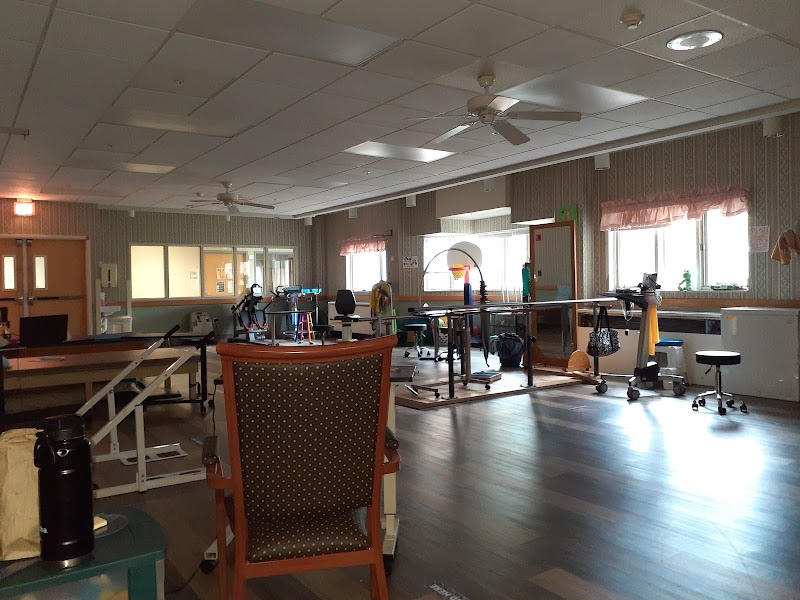
How is Absolut Ctr For Nursing & Rehab Endicott L L C Staffed?

CMS rates ABSOLUT CTR FOR NURSING & REHAB ENDICOTT L L C's staffing level at 4 out of 5 stars, which is above average compared to other nursing homes. Staff turnover is 54%, compared to the New York average of 46%.

What Have Inspectors Found at Absolut Ctr For Nursing & Rehab Endicott L L C?

State health inspectors documented 20 deficiencies at ABSOLUT CTR FOR NURSING & REHAB ENDICOTT L L C during 2020 to 2024. These included: 20 with potential for harm.
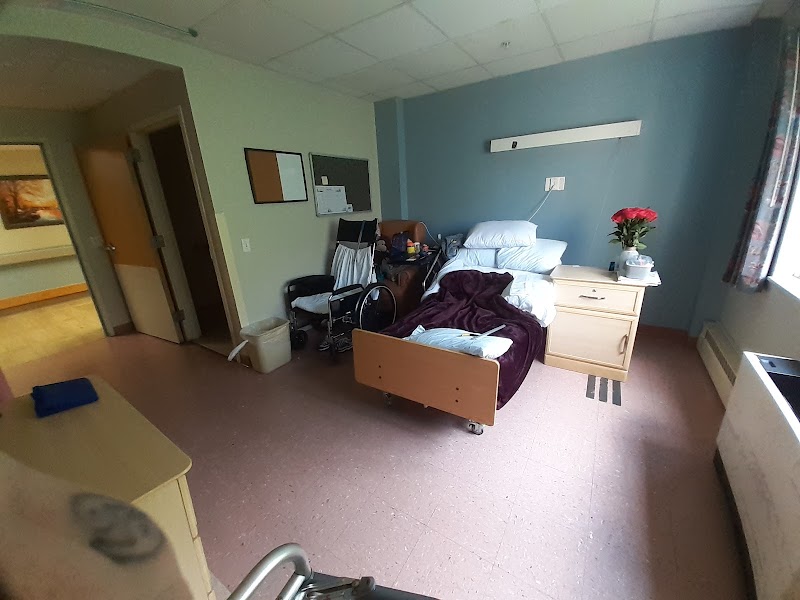
Who Owns and Operates Absolut Ctr For Nursing & Rehab Endicott L L C?

ABSOLUT CTR FOR NURSING & REHAB ENDICOTT L L C is owned by a for-profit company. For-profit facilities operate as businesses with obligations to shareholders or private owners. The facility is operated by ABSOLUT CARE, a chain that manages multiple nursing homes. With 160 certified beds and approximately 155 residents (about 97% occupancy), it is a mid-sized facility located in ENDICOTT, New York.
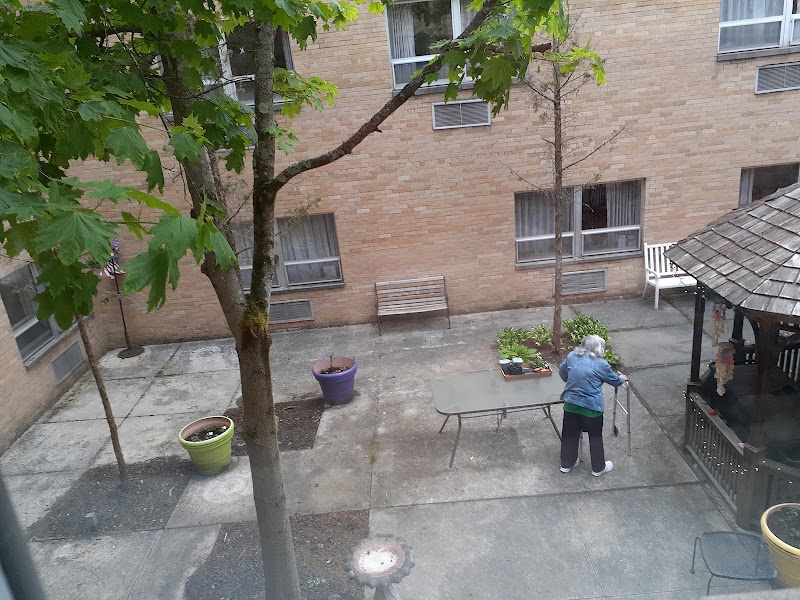
How Does Absolut Ctr For Nursing & Rehab Endicott L L C Compare to Other New York Nursing Homes?

Compared to the 100 nursing homes in New York, ABSOLUT CTR FOR NURSING & REHAB ENDICOTT L L C's overall rating (4 stars) is above the state average of 3.1, staff turnover (54%) is near the state average of 46%, and health inspection rating (3 stars) is at the national benchmark.

What Should Families Ask When Visiting Absolut Ctr For Nursing & Rehab Endicott L L C?

Based on this facility's data, families visiting should ask: "Can I visit during a mealtime to observe dining assistance and food quality?" "How do you handle medical emergencies, and what is your hospital transfer rate?" "Can I speak with family members of current residents about their experience?"

Is Absolut Ctr For Nursing & Rehab Endicott L L C Safe?

Based on CMS inspection data, ABSOLUT CTR FOR NURSING & REHAB ENDICOTT L L C has a clean safety record: no substantiated abuse findings (meaning no confirmed cases of resident harm), no Immediate Jeopardy citations (the most serious violation level indicating risk of serious injury or death), and is not on the Special Focus Facility watch list (a federal program monitoring the lowest-performing 1% of nursing homes). The facility has a 4-star overall rating and ranks #1 of 100 nursing homes in New York. While no facility is perfect, families should still ask about staff-to-resident ratios and recent inspection results during their visit.

Do Nurses at Absolut Ctr For Nursing & Rehab Endicott L L C Stick Around?

ABSOLUT CTR FOR NURSING & REHAB ENDICOTT L L C has a staff turnover rate of 54%, which is 8 percentage points above the New York average of 46%. Moderate turnover is common in nursing homes, but families should still ask about staff tenure and how the facility maintains care continuity when employees leave.

Was Absolut Ctr For Nursing & Rehab Endicott L L C Ever Fined?

ABSOLUT CTR FOR NURSING & REHAB ENDICOTT L L C has no federal fines on record. CMS issues fines when nursing homes fail to meet care standards or don't correct problems found during inspections. The absence of fines suggests the facility has either maintained compliance or corrected any issues before penalties were assessed. This is a positive indicator, though families should still review recent inspection reports for the full picture.

Is Absolut Ctr For Nursing & Rehab Endicott L L C on Any Federal Watch List?

ABSOLUT CTR FOR NURSING & REHAB ENDICOTT L L C is not on any federal watch list. The most significant is the Special Focus Facility (SFF) program, which identifies the bottom 1% of nursing homes nationally based on persistent, serious quality problems. Not being on this list means the facility has avoided the pattern of deficiencies that triggers enhanced federal oversight. This is a positive indicator, though families should still review the facility's inspection history directly.