BETH ABRAHAM CENTER FOR REHABILITATION AND NURSING
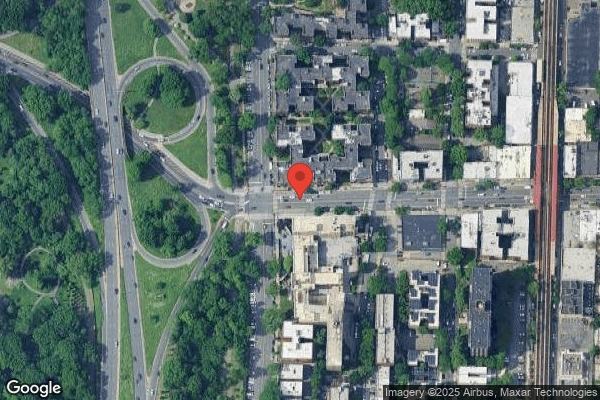
612 ALLERTON AVENUE, BRONX, NY 10467 (718) 519-4125
For profit - Limited Liability company 448 Beds CENTERS HEALTH CARE Data: November 2025
Trust Grade
58/100
#378 of 594 in NY
Last Inspection: February 2024

Within standard 12-15 month inspection cycle. Federal law requires annual inspections.

Overview

Beth Abraham Center for Rehabilitation and Nursing has a Trust Grade of C, which means it is average and falls in the middle of the pack compared to other facilities. It ranks #378 out of 594 in New York, placing it in the bottom half of state facilities, and #33 out of 43 in Bronx County, indicating limited local options. The facility is currently worsening, with the number of issues identified increasing from 1 in 2023 to 10 in 2024. Staffing is a relative strength, earning a 3 out of 5 stars with a turnover rate of 29%, which is below the state average. However, there is concerning RN coverage, with less RN support than 87% of New York facilities, which could impact the quality of care. Specific incidents include the facility failing to secure adequate surety bonds for resident personal funds, leaving over $1.3 million of resident funds under-protected. Additionally, residents were denied the right to send and receive mail on Saturdays, which could affect their communication with loved ones. There were also observations of a resident with severe cognitive impairment not receiving appropriate activities or one-on-one interaction, raising concerns about engagement and care. While there are certainly strengths in staffing, these weaknesses highlight areas that need significant improvement.

Trust Score
C
58/100
In New York
#378/594
Bottom 37%
Safety Record
Low Risk
No red flags
Inspections
Getting Worse
1 → 10 violations
Staff Stability
✓ Good
29% annual turnover. Excellent stability, 19 points below New York's 48% average. Staff who stay learn residents' needs.
Penalties
✓ Good
No fines on record. Clean compliance history, better than most New York facilities.
Skilled Nurses
⚠ Watch
Each resident gets only 27 minutes of Registered Nurse (RN) attention daily — below average for New York. Fewer RN minutes means fewer trained eyes watching for problems.
Violations
⚠ Watch
20 deficiencies on record. Higher than average. Multiple issues found across inspections.
★★☆☆☆
2.0
Overall Rating
★★★☆☆
3.0
Staff Levels
★★★★☆
4.0
Care Quality
★★☆☆☆
2.0
Inspection Score
Stable
2023: 1 issues
2024: 10 issues

The Good

  • 4-Star Quality Measures · Strong clinical quality outcomes
  • Low Staff Turnover (29%) · Staff stability means consistent care
  • Full Sprinkler Coverage · Fire safety systems throughout facility
  • No fines on record
  • Staff turnover is low (29%)

    19 points below New York average of 48%

Facility shows strength in quality measures, staff retention, fire safety.

The Bad

2-Star Overall Rating

Below New York average (3.1)

Below average - review inspection findings carefully

Chain: CENTERS HEALTH CARE

Part of a multi-facility chain

Ask about local staffing decisions and management

The Ugly 20 deficiencies on record

Feb 2024 10 deficiencies
CONCERN (D)

Potential for Harm - no one hurt, but risky conditions existed

Deficiency F0568 (Tag F0568)

Could have caused harm · This affected 1 resident

**NOTE- TERMS IN BRACKETS HAVE BEEN EDITED TO PROTECT CONFIDENTIALITY** Based on observation, record review, and interviews conducted during the recertification survey from 1/29/2024 to 2/5/2024, the ...

Read full inspector narrative →
**NOTE- TERMS IN BRACKETS HAVE BEEN EDITED TO PROTECT CONFIDENTIALITY** Based on observation, record review, and interviews conducted during the recertification survey from 1/29/2024 to 2/5/2024, the facility did not ensure a resident, or their representative received their personal funds account statement on a quarterly basis. This was evident for 1 (Resident #55) of 38 total sampled residents. Specifically, there was no documented evidence Resident #55, or their representative was provided with a quarterly personal funds statement. The findings are: The facility policy titled Resident Funds Account dated 8/2023 documented the Business Office will provide at least quarterly to the resident or the resident's representative, a statement showing the account balance including funds deposited, withdrawn, and interest accrued. Resident #55 had diagnoses of hypertension, and paraplegia. The Minimum Data Set 3.0 assessment dated [DATE] documented Resident #55 was moderately cognitively impaired. On 2/1/2024 at 3:53 PM, Resident #55's representative/power of attorney was interviewed and stated the facility did not send them personal funds account statements quarterly to inform them of Resident #55's account balances. Resident #55 had a current personal funds account balance of . There was no documented evidence Resident #55, or their representative were provided with quarterly personal fund account statements. On 2/1/2024 at 11:24 AM, the Director of Finance was interviewed and stated personal fund account statements were provided to the residents quarterly by Recreation. The Business Office did not keep a record of which residents received their statements and when they receive them. Recreation staff provided residents with a copy and the residents returned a signed copy to the Business Office on their own volition. The Director of Finance stated Resident #55 had a personal funds account but was unable to state whether the resident or their representative received a quarterly personal funds account statement. On 2/5/2024 at 12:54 PM, the Administrator was interviewed and stated the facility did not have documented evidence quarterly personal funds statements were provided to residents. 10 NYCRR 415.26(h)(5)(i)
CONCERN (D)

Potential for Harm - no one hurt, but risky conditions existed

Deficiency F0569 (Tag F0569)

Could have caused harm · This affected 1 resident

**NOTE- TERMS IN BRACKETS HAVE BEEN EDITED TO PROTECT CONFIDENTIALITY** Based on record review and interviews conducted during the recertification survey from [DATE] to [DATE], the facility did not en...

Read full inspector narrative →
**NOTE- TERMS IN BRACKETS HAVE BEEN EDITED TO PROTECT CONFIDENTIALITY** Based on record review and interviews conducted during the recertification survey from [DATE] to [DATE], the facility did not ensure that residents' personal funds deposited with the facility were conveyed to the individuals or probate jurisdiction administering the residents' estate within 30 days of death or discharge from the facility. This was evident for 3 (Resident #685, #686, and #687) of 38 total sampled residents. Specifically, the facility did not convey the personal funds accounts for Resident #685, #686, and #687 to the probate jurisdiction administering the residents' estates within 30 days of expiration. The findings are: The facility policy titled Resident Funds Account dated 8/2023 documented upon resident death, the unutilized resident funds and final accounting of those funds shall be conveyed to the appointed executor or administrator of the resident's estate within 30 days. The Trial Balance of resident personal fund accounts as of [DATE] documented the following: - Resident #685 expired [DATE] and current personal funds balance was $6,569.27. - Resident #686 expired [DATE] and current personal funds balance was $6,224.50. - Resident #687 expired [DATE] and current personal funds balance was $11,482.49. On [DATE] at 9:06 AM, the Director of Finance was interviewed and stated residents' personal funds were sent to the resident's representative once the resident expired. The personal funds for residents without representatives were sent to unclaimed funds. The funds for Residents #685, #686, and #687 were overdue, the accounts should have been closed already, and the funds should have been transferred. On [DATE] at 12:54 PM, the Administrator was interviewed and stated they were aware the Business Office did not close the personal funds accounts of residents who expired more than 30 days ago and was addressing the issue. 10 NYCRR 415.26(h)(5)(iv)
CONCERN (D) 📢 Someone Reported This

A family member, employee, or ombudsman was alarmed enough to file a formal complaint

Potential for Harm - no one hurt, but risky conditions existed

Report Alleged Abuse (Tag F0609)

Could have caused harm · This affected 1 resident

**NOTE- TERMS IN BRACKETS HAVE BEEN EDITED TO PROTECT CONFIDENTIALITY** Based on observation, interview, and record review conducted during the recertification survey from 1/29/2024 to 2/5/2024, facil...

Read full inspector narrative →
**NOTE- TERMS IN BRACKETS HAVE BEEN EDITED TO PROTECT CONFIDENTIALITY** Based on observation, interview, and record review conducted during the recertification survey from 1/29/2024 to 2/5/2024, facility did not ensure that all alleged violations involving abuse were reported immediately, but not later than two hours after occurrence, to the New York State Department of Health, if the events that cause the allegation involve abuse or result in serious bodily injury, or not later than 24 hours if the events that cause the allegation do not involve abuse and do not result in serious bodily injury. This was evident for 1 (Resident #227) of 38 total sampled residents. Specifically, the facility did not report to the New York State Department of Health when Resident #227 had an unwitnessed incident resulting in a head laceration and left arm fracture. The findings are: Resident #227 had diagnoses of osteoporosis and dementia. The Minimum Data Set 3.0 assessment dated [DATE] documented Resident #227 had severe cognitive impairment. The facility Incident Report dated 10/24/2023 documented Resident #227 was heard screaming for help at 4:20 AM and was found on the floor of their room in pain with a forehead laceration and left arm twisted behind them. The Incident Report concluded Resident #227 fell while trying to get out of bed. Nursing Note dated 10/28/2023 documented Resident #227 was readmitted from the hospital with multiple fractures of the left upper extremity. There was no documented evidence Resident #227 unwitnessed incident resulting in head laceration and left arm fracture were reported to the New York State Department of Health. On 02/05/2024 at 11:11 AM, the Director of Nursing was interviewed and stated the facility was required to report to the New York State Department of Health within 2 hours of an occurrence causing major injury to a resident. The facility did not have to report Resident #227's head laceration and left arm fracture because the facility determined the resident sustained the injuries from a fall. On 02/04/2024 at 2:17 PM, the Corporate Nursing Compliance Officer was interviewed and stated the facility was not required to report Resident #227's injuries to the New York State Department of Health because the facility concluded they were sustained during a fall and no abuse occurred. Even though the incident was unwitnessed, the facility identified Resident #227 as a frequent faller and made the conclusion that injuries sustained were from a fall. 10NYCRR 415.4(b)(2)
CONCERN (D)

Potential for Harm - no one hurt, but risky conditions existed

Assessment Accuracy (Tag F0641)

Could have caused harm · This affected 1 resident

**NOTE- TERMS IN BRACKETS HAVE BEEN EDITED TO PROTECT CONFIDENTIALITY** 2) Resident #84 had diagnoses of dementia and cerebral vascular accident. The Minimum Data Set 3.0 assessment dated [DATE] docu...

Read full inspector narrative →
**NOTE- TERMS IN BRACKETS HAVE BEEN EDITED TO PROTECT CONFIDENTIALITY** 2) Resident #84 had diagnoses of dementia and cerebral vascular accident. The Minimum Data Set 3.0 assessment dated [DATE] documented Resident #84 received hospice care. The Physician's Order dated 10/11/2023 documented hospice care for Resident #84 was discontinued. On 2/2/2024 at 9:22 AM, Registered Nurse #7 stated Resident #84 was discharged from hospice services and was not currently receiving hospice care. On 2/5/2024 at 12:24 PM, the Minimum Data Set Coordinator was interviewed and stated Resident #84 was discharged from hospice services and it was an oversight that acknowledge that it was inaccurately coded that resident was receiving hospice care. 10NYCRR 415.11(b) Based on record review and interviews conducted during the recertification survey from 1/29/2024 to 2/5/2024, the facility did not ensure the assessment accurately reflected the resident's status. This was evident for 2 (Resident #34 and #84) of 38 total sampled residents. Specifically, 1) Resident #34's Minimum Data Set 3.0 assessment did not document the resident's hemodialysis treatment, and 2) Resident #84's Minimum Data Set 3.0 assessment did not document the resident's discharge from hospice. The findings are: The facility policy titled Minimum Data Set 3.0 dated 4/2023 documented the assessment will accurately reflect the resident's status. 1) Resident #34 had diagnoses of hypertension and end stage renal disease. The Physician's Order dated 10/13/2023 documented Resident #34 had hemodialysis treatment every Monday, Wednesday, and Friday at 1:00 PM. There was no documented evidence the Minimum Data Set 3.0 assessment dated [DATE] documented Resident #34 received hemodialysis treatment. On 2/2/2024 at 11:05 AM, the Minimum Data Set Coordinator was interviewed and stated they looked back at 14 days of the resident's medical record to complete the Minimum Data Set 3.0 assessments. It was an oversight that Resident #34 was not documented as receiving hemodialysis treatment on their 12/2023 assessment. On 2/5/2024 at 1:13 PM, the Director of Nursing was interviewed and stated the Minimum Data Set Coordinator was responsible for ensuring the accuracy of resident assessments prior to submission.
CONCERN (D)

Potential for Harm - no one hurt, but risky conditions existed

Menu Adequacy (Tag F0803)

Could have caused harm · This affected 1 resident

**NOTE- TERMS IN BRACKETS HAVE BEEN EDITED TO PROTECT CONFIDENTIALITY** Based on observation, record review, and interviews conducted during the recertification survey from 1/29/2024 to 2/5/2024, the ...

Read full inspector narrative →
**NOTE- TERMS IN BRACKETS HAVE BEEN EDITED TO PROTECT CONFIDENTIALITY** Based on observation, record review, and interviews conducted during the recertification survey from 1/29/2024 to 2/5/2024, the facility did not ensure that resident menus and dietary preferences were followed. This was evident for 2 (Resident #126 and Resident #340) of 38 total sampled residents. Specifically, 1) Resident #126 did not receive food items listed on their lunch meal ticket, and 2) Resident #340 did not receive preferred food items listed on their meal ticket during lunch. The findings are: The facility policy titled Meal Service dated 1/2023 documented staff should check individual name, diet on the meal ticket to verify that meal is served to the correct person, and check items on the plate/tray to assure accuracy for therapeutic diets, texture, or consistency modifications. 1) Resident #126 had diagnoses of hypertension and anemia. The Minimum Data Set 3.0 assessment dated [DATE] documented Resident #126 was cognitively intact and required tray setup when eating. During an interview on 1/29/2024 at 10:38 AM, Resident #126 stated they were often missing food items on their meal tray. Their requested food items were listed the meal ticket but were not provided on the tray. During an observation on 1/29/2024 at 12:36 PM, Resident #126's lunch meal ticket documented hamburger on the bun, tossed salad, and wax beans. Resident's tray was observed with a grilled cheese sandwich and pasta salad. 2) Resident #340 had diagnoses of multiple myeloma and anemia. The Minimum Data Set 3.0 assessment dated [DATE] documented Resident #340 was cognitively intact. During an interview on 1/29/2024 at 12:26 PM, Resident #340 stated that they were vegetarian and on a restricted diet. There were times they did not get the food items they requested and that were listed on their meal ticket. During an observation on 1/29/2024 at 12:49 PM, Resident #340's lunch meal ticket documented 2 slices of whole wheat bread, fresh fruit cup, and cherry pie. Resident's tray was observed with a black bean patty, plain angel hair pasta, and apple pie. On 1/31/2024 at 12:42 PM, the Food Service Director was interviewed and stated they were not aware that residents were not getting food items listed on their meal tray ticket. Resident #126's lunch meal ticket dated 1/29/2024 documented hamburger as the main item but hamburger was not listed on the daily production sheet for that day. The Food Service Director stated there may be an issue with the kitchen's computerized meal ticket system. The system prints a daily report of any special requested food items the kitchen staff needed to prepare for the day. Resident #126's hamburger was a special requested food item. The system report from 1/29/2024 did not list hamburger; therefore, hamburger was not prepared for Resident #126. The Food Service Director stated Resident #340 had diet restrictions and preferences and they were working with the resident to create a menu the resident could enjoy but it has been a difficult process. They constantly visited Resident #340 and discussed their meal options. The Food Service Director was not aware Resident #340 did not get food items consistent with those listed on their meal ticket. The kitchen did not run out of cherry pie on 1/29/2024 and the Food Service Director was unsure why Resident #340 was served apple pie. They stated they will be addressing these concerns to ensure residents receive the accurate items on their meal tray. 10NYCRR 415.14(c)(1-3)
CONCERN (D)

Potential for Harm - no one hurt, but risky conditions existed

Infection Control (Tag F0880)

Could have caused harm · This affected 1 resident

Based on observation, record review, and interviews conducted during the recertification survey from 1/29/2024 to 2/5/2024, the facility did not ensure infection control practices and procedures were ...

Read full inspector narrative →
Based on observation, record review, and interviews conducted during the recertification survey from 1/29/2024 to 2/5/2024, the facility did not ensure infection control practices and procedures were maintained. This was evident for 1 (Unit 5ZP) of 12 resident units. Specifically, Certified Nursing Assistant #5 did not perform hand hygiene after having resident contact during lunch. The findings are: The facility policy titled Hand Hygiene dated 5/18/2023 documented hand hygiene was performed before and after contact with the resident. On 1/29/2024 at 1:09 PM, Certified Nursing Assistant #5 was observed in the Unit 5ZP floor during lunch assisting Resident #25, #189, #214, #231, and #253) with hand hygiene by holding the residents' hands and wiping them with hand wipes. Certified Nursing Assistant #5 did not change their gloves or perform hand hygiene between each resident contact. On 1/29/2024 at 1:11 PM, Certified Nursing Assistant #5 was interviewed and stated they were supposed to remove their gloves and wash their hands or use hand sanitizer between contact with residents. They made a mistake when they did not perform hand hygiene after assisting resident with using hand wipes during lunch service. On 2/5/2024 at 12:15 PM, Licensed Practical Nurse #4 was interviewed and stated nurses were assigned to the unit dining rooms during mealtimes to supervise the Certified Nursing Assistants and residents. Certified Nursing Assistants were instructed to change gloves and perform hand hygiene in between wiping residents' hands. On 2/5/2024 at 10:27 AM, the Assistant Director of Nursing #1 was interviewed and stated they provided inservice to Certified Nursing Assistants that they were to change gloves and perform hand hygiene in between wiping residents' hands during meal service. 10NYCRR 415.19(b)(4)
CONCERN (E)

Potential for Harm - no one hurt, but risky conditions existed

Deficiency F0570 (Tag F0570)

Could have caused harm · This affected multiple residents

Based on record review and interviews conducted during the recertification survey from 1/29/2024 to 2/5/2024, the facility did not ensure a surety bond was purchased to secure all resident personal fu...

Read full inspector narrative →
Based on record review and interviews conducted during the recertification survey from 1/29/2024 to 2/5/2024, the facility did not ensure a surety bond was purchased to secure all resident personal funds deposited with the facility. This was evident for 371 residents with personal funds accounts out of a census of 443 residents. Specifically, the facility's surety bond for $1,000,000.00 was not enough to cover the total resident personal funds account balance of $1,356,104.59. The findings are: The facility policy titled Resident Funds Account dated 8/2023 documented the facility shall hold, safeguard, manage and account for the personal funds of the residents. The facility's Personal Funds Surety Bond for resident accounts dated 3/15/2023 documented a surety bond totaling $1,000,000.00. The Resident Personal Funds Account balance as of 1/31/2024 documented a total balance of $1,356,104.59. There was no documented evidence the facility obtained a surety bond to cover the total amount of resident funds being held by the facility in personal funds accounts. On 2/1/2024 at 3:03 PM, the Controller was interviewed and stated they did not review resident personal funds account balances for the past 6 months and was not aware the balance had increased to more than the facility's surety bond. The facility increased the surety bond to cover the resident personal funds accounts. On 2/5/2024 at 12:54 PM, the Administrator was interviewed and stated the facility addressed the issue with surety bond once identified. 10 NYCRR 415.26(h)(5)(v)
CONCERN (E)

Potential for Harm - no one hurt, but risky conditions existed

Deficiency F0576 (Tag F0576)

Could have caused harm · This affected multiple residents

Based on observation, interview, and record review conducted during the recertification survey from 1/29/2024 to 2/5/2024, the facility did not ensure that residents had the right to send and receive ...

Read full inspector narrative →
Based on observation, interview, and record review conducted during the recertification survey from 1/29/2024 to 2/5/2024, the facility did not ensure that residents had the right to send and receive mail. This was evident for 11 (Resident #s 56, 263, 64, 30, 219, 165, 96, 155, 325, 201, 148, and 107) Resident Council participants out of 38 total sampled residents. Specifically, the facility did not have a procedure in place for residents to send and receive mail on Saturday. The findings are: The facility policy titled Resident Mail dated 09/01/2023 documented resident mail will be delivered to the resident on the days there is mail delivery to the facility. On 01/31/2024 at 11:08 AM, during Resident Council Meeting, Resident #s 56, 263, 64, 30, 219, 165, 96, 155, 325, 201, 148, and 107 stated the facility did not deliver their mail on Saturday. All residents in attendance stated they were able to get mail in the community on Saturdays and did not know the reason mail was not delivered to them on Saturdays in the facility. On 02/02/2024 at 2:49 PM, the Assistant Administrator was interviewed and stated mail was brought to the Business Office when delivered to the facility. The Business Office removed the financial statements and bills. The remainder of the mail was given to the Recreation Department to distribute to residents on the units. Mail delivered on Friday afternoon and Saturday was held until Monday when the Business Office was open to sort through it. The Business Office was closed on weekends. There was a tremendous volume of mail and no one available to sort it on Saturday. 10NYCRR 415.3(e)(2)(i)
CONCERN (E)

Potential for Harm - no one hurt, but risky conditions existed

Deficiency F0679 (Tag F0679)

Could have caused harm · This affected multiple residents

**NOTE- TERMS IN BRACKETS HAVE BEEN EDITED TO PROTECT CONFIDENTIALITY** 3) Resident #124 had diagnoses of Cerebral palsy and anxiety disorder. The Minimum Data Set assessment dated [DATE] documented ...

Read full inspector narrative →
**NOTE- TERMS IN BRACKETS HAVE BEEN EDITED TO PROTECT CONFIDENTIALITY** 3) Resident #124 had diagnoses of Cerebral palsy and anxiety disorder. The Minimum Data Set assessment dated [DATE] documented Resident #124 had severely impaired cognition. 1/30/2024 from 10:54 AM to 12:27 PM, 1/31/2024 from 10:00 AM to 11:12 AM, and 2/1/2024 at 3:09 PM, Resident #124 was observed in the floor dining room with Certified Nursing Assistant present and television on. Other residents were present and no activity program or 1:1 interaction was observed. On 2/2/2024 at 2:22 PM, Resident #124 was observed seated in their wheelchair in their room leaning over and resting their head on the bed. There was no activity programming in progress on the unit. The Comprehensive Care Plan related to activities initiated 8/24/2022 documented Resident #124 had interests that included reading books, playing trouble, listening to music, and coming off the unit for special events and fresh air. Interventions included inviting/escorting Resident #124 to activities, assisting them in finding programs of interest, and providing them with 1:1 visits. Activity Notes for January 2024 documented Resident #124 participated in 1 activity out of 31 days in January. The Activity Note dated 1/3/2024 documented Resident #124 would continue to be provided with visits daily. The Recreation assessment dated [DATE] documented Resident #124 preferred large groups and participated in drawing/painting, Bingo/Pokeno, table games/dominos, music appreciation, sing-along/karaoke, strolling musician, aromatherapy/relaxation, doll therapy, birthday party, barbecue, holiday celebrations, movies, and pet therapy. The Recreation Assessment documented Recreation Staff will continue to meet with resident daily to provide support, offer programs of interest, and offer independent leisure material. The daily Unit Activity Calendar for Resident #124's unit documented 1 activity at 2:30 PM on 1/29/2024, 1 activity at 2:30 PM on 1/30/2024, a Strolling Music with Convoy at 10:30 AM that included 2 other resident unit visits, and no activities were scheduled on 2/1/2024. The Multi-Day Participation Report for Recreation from 1/29/2024 to 1/31/2024 documented Resident #124 played Dominoes with other residents on 1/29/2024 and attended adult coloring on 1/30/2024. On 2/1/2024 at 3:15 PM, Certified Nursing Assistant #6 was interviewed and stated Recreation Staff came to Resident #124's unit and stayed for 30 minutes per day. On 2/2/2024 at 2:24 PM, Certified Nursing Assistant #8 was interviewed and stated resident on Resident #124's unit watched television when no activity programs were being performed. On 2/2/2024 at 3:02 PM, Registered Nurse #4 was interviewed and stated residents on Resident #124's unit were more confined to the unit in the winter and mostly watched television. Recreation Staff provided activities on the unit or played guitar. Residents were taken downstairs more in the summertime to participate in activities scheduled outdoors. On 2/2/2024 at 10:50 AM, Neighborhood Director #6 was interviewed and stated that the Recreation Staff play music and do painting with the residents four days a week. They come after breakfast and leave before lunch. The residents stayed in the dining room and watched television when Recreation Staff were not on the unit. On 2/2/2024 at 2:11 PM, Recreation Leader #2 was interviewed and stated they were assigned to the 7th and 8th floors. They do Bingo, exercise class, jewelry, painting, arts, and crafts with residents. They provide activities to the residents four times a week and every other weekend. They spend 90 minutes on each unit either in the morning or afternoon. They provide activities to the residents on one floor in the morning, and they go to another floor in the afternoon. On 2/5/2024 at 2:00 PM, Recreation Leader #3 was interviewed and stated they were assigned to 4ZP and 5ZP units and perform 1 activity program with each unit for 2 hours either in the afternoon or morning. They ran programs that included nails, bingo, aromatherapy, music appreciation, arts, and crafts, and 1:1 visits. Resident #124 enjoyed music, playing games, and arts and crafts. Recreation Leader #3 stated residents who do not leave the unit were taken outside for fresh air and activities during the summer and spring seasons. On 2/2/2024 at 2:45 PM, the Director of Recreation was interviewed and stated the Recreation Staff offered programs that included a strolling minstrel that visited each unit for 15 minutes and sang songs. Resident that did not leave their units were given options of offered activity programs and invited to attend. Activity programs were provided in the unit dining rooms on each unit and residents could make the choice to attend or leave the dining room. The television in the floor dining rooms stimulated the residents. Recreation staff were assigned to 2 units and performed 1 activity on 1 unit in the morning and 1 activity with the other unit in the afternoon. Resident with dementia were provided with sensory stimulation at times. 10 NYCRR 415.11(C)(2) (i-iii) Based on observation, record review, and interviews conducted during the recertification survey from 1/29/2024 to 2/5/2024, the facility did not ensure an ongoing activities program was provided to meet the interests of and support the physical, mental, and psychosocial well-being of the resident. This was evident for 5 (Residents #54, 83, 124, 276, and 295) of 5 residents reviewed for Activities out of 38 total sampled residents. Specifically, 1) there was no evidence Resident #54 was engaged in a meaningful activity program, 2) there was no evidence Resident #295 was engaged in a meaningful activity program, 3) there was no evidence Resident #124 was engaged in a meaningful activity program, 4) Resident #83 was not observed to be engaged in a meaningful activity program, and 5) Resident # 276 was not observed engaged in a meaningful activity program. The findings include but are not limited to: The facility policy titled Activity Programs dated 5/2019 documented the facility must provide based on the comprehensive assessment and care plan and preference of each resident an ongoing program, to support residents in their choice of activities both facility-sponsored group and individual choice of activities designed to meet the interest of and support the physical, mental, and psychosocial wellbeing of each resident. 1. Resident #54 had diagnoses of Major Depressive Disorder and Cerebrovascular Accident The Minimum Data Set 3.0 assessment dated [DATE] documented Resident #54's cognition as severely impaired. The annual Minimum Data Set 3.0 assessment dated [DATE] documented that listening to music, keeping up with the news, group activities, and doing favorite activities are very important for Resident #54. On 1/30/2024 at 10:38 AM, 1/30/2024 at 12:10 PM, and 1/31/2024 at 10:16 AM, Resident #54 was observed in a wheelchair in the 7BR dining room with nine other residents with the television on. A Certified Nursing Assistant was in the dining room monitoring the residents. No one-on-one interaction or activities were observed. The Comprehensive Care Plan related to activities initiated 9/12/2022 documented that Resident #54 can make recreation and leisure preferences known. They had interests in trivia, painting, reading, watching television, music, and movement. Interventions included providing a monthly calendar/daily schedule of events, assisting the resident in finding programs of interest, and providing the resident with independent leisure supplies, and one-to-one visits. The Multi Day Participation Report dated 1/1/2024 to 1/31/2024 documented Resident #54 participated in 60 minutes of Trivia in the afternoon for the entire month of January. The 7BR Daily Activities calendar documented no activities on Resident #54's unit from 1/29/2024 to 2/1/2024. Activities Notes for January 2024 documented Resident #54 was engaged in 3 activities programs out of 31 days. On 2/02/2024 at 10:11 AM, Certified Nursing Assistant #11 was interviewed and stated that Resident #54 came out of bed in the morning and was brought to the floor dining room to be placed with other residents. Recreation staff come to the unit 3-4 times a week after between breakfast and lunch and sometimes provided on unit activities. On 2/2/2024 at 10:34 AM, Licensed Practical Nurse #6 was interviewed and stated that Resident #54 participated in activities when Recreation Staff came to the unit. Licensed Practical Nurse #6 turned the television on in the floor dining room when there were no scheduled activity programs on the unit. 2. Resident #295 had diagnoses of dementia and Alzheimer's disease. The Minimum Data Set assessment dated [DATE] documented Resident #295 was severely cognitively impaired. The Annual Minimum Data Set assessment dated [DATE] documented Resident #295 found it very important to listen to music and somewhat important to do things with a group of people and do their favorite activities. On 1/30/24 at 10:38 AM, 1/30/24 at 12:10 PM, and 1/31/24 at 10:16 AM, Resident #295 was observed sitting in a chair in the 7BR dining room with nine other residents with the television on. A Certified Nursing Assistant was in the dining room monitoring the residents. There was no activity program or one-to-one interaction noted. Resident #295 did not have activity supplies and was not engaged in independent activities. The Comprehensive Care Plan related to activities initiated 9/9/2022 documented Resident #295 can make recreation and leisure preferences known. They were interested in taking strolls on the unit and must be redirected. Interventions included providing Resident #295 a monthly calendar/daily schedule of events, assisting the resident in finding programs of interest, and providing the resident with independent leisure supplies. Activity Notes for the month of January 2024 documented Resident # 295 was engaged in an activity program 2 days out of 31 days in January. On 2/2/2024 at 10:04 AM, Certified Nursing Assistant #12 was interviewed and stated Resident # 295 stayed in the floor dining room. The Recreation Staff came to the unit in the morning and did not come to the unit every day. The television was always on for residents in the floor dining room activity programs were not being done.
CONCERN (E)

Potential for Harm - no one hurt, but risky conditions existed

Garbage Disposal (Tag F0814)

Could have caused harm · This affected multiple residents

Based on observation, record review, and interviews conducted during the recertification survey from 1/29/2024 to 2/5/2024, the facility did not ensure garbage and refuse were disposed of properly. Th...

Read full inspector narrative →
Based on observation, record review, and interviews conducted during the recertification survey from 1/29/2024 to 2/5/2024, the facility did not ensure garbage and refuse were disposed of properly. This was evident during kitchen observation. Specifically, the facility garbage compactor did not have a door or cover to prevent the harborage and feeding of pests. The findings are: The facility policy titled Garbage and Rubbish Disposal dated 1/2023 documented that food related garbage and rubbish will be stored that is inaccessible to vermin. Outside dumpsters provided by garbage pick-up services will be kept closed and free of surrounding litter. On 1/30/2024 at 10:27 AM and 2/5/2024 at 12:24 PM, the outside garbage compactor was observed without a door or cover exposing garbage contained inside of the compactor. On 1/30/2024 at 10:35 AM, the Director of Food Service was interviewed and stated the compactor was not equipped with a door so it could be closed after garbage disposal. On 2/5/2024 at 12:15 PM, the Director of Housekeeping was interviewed and stated the compactor was not equipped with a lid, door, or cover; therefore, the compactor was always left open with garbage was left exposed. On 2/5/2024 at 12:54 PM, the Administrator was interviewed and stated they contacted the vendor of the compactor to address the issue. 10 NYCRR 415.14(h)
Apr 2023 1 deficiency
CONCERN (D) 📢 Someone Reported This

A family member, employee, or ombudsman was alarmed enough to file a formal complaint

Potential for Harm - no one hurt, but risky conditions existed

Report Alleged Abuse (Tag F0609)

Could have caused harm · This affected 1 resident

Based on observation, interviews and record review conducted during an abbreviated survey (NY00313942), the facility failed to report an alleged violation of abuse to the State Survey Agency. Specific...

Read full inspector narrative →
Based on observation, interviews and record review conducted during an abbreviated survey (NY00313942), the facility failed to report an alleged violation of abuse to the State Survey Agency. Specifically, on 04/01/2023 Resident #1 and their family member reported that a staff member hit them on the right eye. The facility investigated the allegation but did not report it to the New York State Department of Health (NYSDOH). The findings are: The facility's abuse policy with revision date of 01/2023 states that the facility has designed and implemented processes, which strive to ensure the prevention and reporting of suspected or alleged resident abuse, neglect, mistreatment, and/or misappropriation of property. The policy states that the Administrator and Director of Nursing (DON) are responsible for investigating and reporting. It also states that if abuse is suspected or determined, notify the local law enforcement and appropriate State agency immediately, no later than 2 hours after allegation/identification of allegation, by Agency's designated process after identification of alleged/suspected incident. Resident #1 was admitted to the facility with diagnoses including Hemiplegia and Hemiparesis following Cerebral Infarction affecting left non-dominant side, Hypertension, and Cerebral Infarction. The Minimum Data Set (MDS) with assessment reference date of 03/10/2023 documented that Resident #1 has a BIMS (Brief Interview for Mental Status) score of 14/15 indicating intact cognition. A nursing note dated 04/01/2023 at 08:00am documented that Resident #1 alleges that a staff hit them on the right eye on 03/31/2023. The Resident did not tell anyone until today (04/01/2023). A review of the facility's investigation dated 04/04/2023 revealed that on 04/01/2023, Resident #1 reported that a staff who provided care on 03/31/2023 slapped them on the face. The Resident did not report the incident on the same day because the Resident wanted to wait for the unit manager who was out on vacation. The Registered Nurse Supervisor (RNS) went to speak with Resident #1 and the Resident stated that they were arguing with the staff and at the end, the staff slapped them on the right side of the eye. The RNS assessed Resident #1 with no bruising, no redness, no swelling, and skin was intact. Pictures of staff who worked on the unit were provided to Resident #1, but the Resident was not able to identify the person. The facility gathered statements from the staff who were on duty on the day of the alleged incident. The CNAs (Certified Nursing Assistant) who took care of Resident #1 negated any abuse. The nurses who worked on the unit reported that there was no yelling heard. The facility investigation concluded that there was no evidence to substantiate that abuse, neglect, or mistreatment occurred. The facility investigation summary documented that allegation was not called into the DOH (Department of Health). During an interview on 04/05/2023 at 09:30 am, the Associate Director of Nursing (ADON) stated that they investigated the allegation. According to the ADON, Resident #1 reported the allegation to the nurse on 04/01/2023 at about 8:00 pm that a staff member slapped them in the face on the evening of 03/31/2023. During a follow-up interview on 04/05/2023 at 2:40 pm, the ADON stated that the allegation was not reported to the DOH because the Resident reported the allegation late, and that there were two people who took care of the Resident and confirmed that the allegation did not happen. During an interview on 04/05/2023 at 2:50 pm, the DON (Director of Nursing) stated that the allegation made by Resident #1 was not reported to DOH because they ruled out abuse and neglect. During an interview on 04/06/2023 at 4:20 pm, the Administrator stated that the allegation made by Resident #1 was investigated and because it was a behavior facility felt it was not reportable. The Administrator stated that the facility policy states that abuse allegations must be reported to DOH within 2 hours. 415.4(b)
Dec 2021 4 deficiencies
CONCERN (D)

Potential for Harm - no one hurt, but risky conditions existed

MDS Data Transmission (Tag F0640)

Could have caused harm · This affected 1 resident

Based on record review and staff interviews, the facility did not ensure that it electronically transmitted encoded, accurate and complete Minimum Data Set (MDS) data to the Center for Medicaid/Medica...

Read full inspector narrative →
Based on record review and staff interviews, the facility did not ensure that it electronically transmitted encoded, accurate and complete Minimum Data Set (MDS) data to the Center for Medicaid/Medicare Services (CMS). Specifically, a Discharge MDS was not transmitted within 14 days after the assessment was completed. This was evident for 1 of 1 resident reviewed for Resident Assessment. (Resident #1). The finding is: The facility policy titled Electronic Submission of MDS revised 8/2021 documented that all MDS assessments and discharge and reentry records will be completed and electronically encoded into our facility's MDS information system and transmitted to CMS in accordance with current regulations governing the transmission of MDS data. The policy also documented that discharge MDS assessments should be submitted by MDS completion date + 14 calendar days. Resident # 1 was admitted to the facility with diagnoses that included Dementia and Hypertension. Nursing progress note dated 08/23/2021 documented that resident was transferred to an Assisted Living Facility. Review of the medical revealed that the Discharge MDS was completed on 08/23/2021 and transmitted on 09/02/2021. Transmission verification was requested and the MDS Coordinator reported that the submission entered on 9/2/21 had been rejected. On 12/07/2021 at 3:35 PM, the MDS Coordinator (MDSC) was interviewed. The MDSC stated that they were not aware that the MDS had been rejected until verification was requested by the surveyor. The MDSC also stated that they upload the assessments which are then transmitted to CMS by the Corporate office. The MDSC further stated that on a monthly basis they print the verification report and review it but must have missed this one.
CONCERN (D)

Potential for Harm - no one hurt, but risky conditions existed

Assessment Accuracy (Tag F0641)

Could have caused harm · This affected 1 resident

**NOTE- TERMS IN BRACKETS HAVE BEEN EDITED TO PROTECT CONFIDENTIALITY** Based on staff interviews and record review conducted during a Recertification survey, the facility did not ensure that a portio...

Read full inspector narrative →
**NOTE- TERMS IN BRACKETS HAVE BEEN EDITED TO PROTECT CONFIDENTIALITY** Based on staff interviews and record review conducted during a Recertification survey, the facility did not ensure that a portion of the Minimum Data Assessment (MDS) accurately reflected the resident's status. Specifically, the behavioral symptoms of a resident with was not captured on the Minimum Data Set (MDS). This was evident for 1 of 5 residents reviewed for Unnecessary Medications out of total sample of 38 residents (Resident # 13). The findings are: The facility policy and procedure titled Electronic Submission of MDS revised 8/2021 documented: All staff members responsible for completion of MDS receive training on the assessment, data entry, and transmission processes, in accordance with the MDS RAI instruction Manual, before being permitted to use the MDS information system. The RAI Manual is available online. Resident #13 was admitted to the facility on with diagnoses that included Schizophrenia, Spastic hemiplegia affecting right dominant side, and Acute Hepatitis. The Comprehensive Care Plan (CCP) for Behavioral Symptoms, updated on 11/15/21, included a nursing note created on 8/20/21 which documented: Resident continues to refuse nursing care from care givers this period and continues to use foul language and threatening towards caregivers. The Certified Nurse Aide (CNA) documentation history dated 8/17/21-8/23/21, during the 7 day look back period for the Quarterly MDS dated [DATE], documented behaviors which included yelling/screaming, abusive language, threatening behavior, resists care, and repetitive verbalizations. The Weekly Psych Note dated 8/17/21 documented: Resident continues to be verbally abusive towards staff and non-compliant with some medication. The LN: Initial Behavior Documentation PN dated 8/22/21 documented that resident exhibited Verbal behavioral symptoms directed toward others and refused to have room cleaned and threatened staff. The Quarterly MDS dated [DATE] documented in Section E0200 Behavior Symptom-Presence and Frequency, Section E0300 Overall Presence of Behavioral Symptom, and Section E0800 Rejection of Care-Presence and Frequency that the resident exhibited no behavioral symptoms. The MDS did not accurately capture the resident's behavioral symptoms. The Certified Nurse Aide (CNA) documentation history dated 11/10/21-11/16/21, during the 7 day look back period for the Annual MDS dated [DATE], documented behaviors which included yelling/screaming, abusive language, threatening behavior, resists care, and repetitive verbalizations. The Care Plan Activity Report note dated 11/15/21 documented no changes to the resident's behavior and that resident continues to use inappropriate language towards staff. The note also documented that the behaviors continue to be redirected. The note titled Intramural Transfer dated 11/16/21 documented the resident was arguing during care. The Annual MDS dated [DATE] documented in Section E0200 Behavior Symptom-Presence and Frequency, Section E0300 Overall Presence of Behavioral Symptom, and Section E0800 Rejection of Care-Presence and Frequency that the resident exhibited no behavioral symptoms. The MDS did not accurately capture the resident's behavioral symptoms. On 12/08/21 at 10:25 AM, the MDS Assessor (MDSA) was interviewed. The MDSA stated that the look back period for MDS completion is 7 days from the Assessment Reference Date (ARD). The MDSA also stated they review progress notes and the Certified Nurse Aide's documentation as part of the assessment. The MDSA further stated that when they reviewed the CNA documentation now, they saw that the resident was displaying abusive language, threatening behavior, and resisted care during the look back period for both the August and November 2021 MDS. The MDSA stated they completed the Annual November MDS and did not look at the CNA documentation or progress notes when completing this MDS, and Sections E0200 and E0800 should have been coded on both the Quarterly August MDS and Annual November MDS. The MDSA also stated the MDSA who completed the August MDS was no longer employed at the facility. On 12/8/21 at 3:37 PM, the MDS Coordinator (MDSC) was interviewed. The MDSC stated that the MDSA was supposed to review the 7 day look back period for any behavior. The MDSC also stated the MDSA was instructed to check progress notes and CNA documentation each quarter. Behavioral symptoms should have been captured on the August and November 2021 MDS as the CNA documentation in August and November 2021 supports coding section E. The MDSC further stated that their responsibilities are to schedule MDS and prepare for submission. If while doing this they see something that is not correct, they bring it to the MDSA's attention. The MDSC also stated that the MDSA is responsible for checking for accuracy. On 12/09/21 at 10:13 AM, the Director of Nursing (DON) was interviewed. The DON stated that the MDSA is supposed to look at notes, interview the aides and nurses who care for resident. The DON also stated that the behavior notes documented behaviors for this resident during the 7 day look back period for both the August MDS and November MDS and these behaviors should have been captured on the August and November 2021 MDS. The DON further stated that the MDSC tries to review all the MDS assessments that are completed but they do not have time to check them all. The DON also stated that the MDSA is responsible for completing the MDS and for ensuring accuracy of the assessment. 415.11 (b)
CONCERN (D)

Potential for Harm - no one hurt, but risky conditions existed

Deficiency F0655 (Tag F0655)

Could have caused harm · This affected 1 resident

**NOTE- TERMS IN BRACKETS HAVE BEEN EDITED TO PROTECT CONFIDENTIALITY** Based on record review and interviews conducted during the Recertification survey, the facility did not ensure that a resident r...

Read full inspector narrative →
**NOTE- TERMS IN BRACKETS HAVE BEEN EDITED TO PROTECT CONFIDENTIALITY** Based on record review and interviews conducted during the Recertification survey, the facility did not ensure that a resident received a written summary of the baseline care plan (BCP). Specifically, the medical record did not contain evidence that the summary was given to the resident. This was evident for 1 of 8 residents reviewed for Care Planning (Resident #141) The findings are: The facility policy Care Plans-Baseline created 11/2017 and revised 1/2021 documented that the facility will document and record receipt of information by family, whether in the form of a copy of signed acknowledgement or note within resident's clinical record. Resident #141 was admitted to the facility with diagnoses that include Atrial Fibrillation, Hypertension, Heart Failure, and Diabetes Mellitus. The admission Minimum Data Set (MDS) dated [DATE] documented that the resident had intact cognition. On 12/01/21 at 11:45 AM, during an interview the resident that they did not receive a baseline care plan. The resident also stated that they recalled being seen by different staff persons right after admissions but was never provided a cop of the baseline care plan. The Baseline Care Plan (BCP) created on 5/25/21 was documented as completed on 5/27/21. A copy of a BCP was observed in the resident's chart and the field titled Signature of Resident and Representative was blank and had no resident signature affixed. Review of the progress notes 5/25/21-12/6/21 revealed no documented evidence that the resident had been provided with a copy of or had signed the baseline care plan. On 12/08/21 at 11:02 AM, the Social Worker (SW) was interviewed. The SW stated that the BCP process is that the members of the IDT completes their part of the BCP, and that either the SW or nursing will give it to the resident to sign. SW also stated that nursing is responsible for putting a copy of the signed care plan in the resident's chart. The SW further stated they are certain that they provided the resident with a copy of the baseline care plan because they had the resident sign other documents on that date and maybe the wrong copy was retained by the facility staff. On 12/08/21 at 11:32 AM, the Director of Social Services (DSS) was interviewed. The DSS stated that the BCP is completed, it is printed and is given to the resident who then signs acknowledging that they have received it. The DSS also stated that Nursing provides the BCP to the resident and that Nursing or SW is responsible for obtaining the signature and the facility keeps a copy of BCP in the resident's record. The DSS further stated that they did not know why the SW stated they provided the BCP to the resident as the BCP is a nursing tool not a Social Work tool so the Nurse Manager should be the one giving it to the resident. On 12/08/21 at 11:40 AM, the Registered Nurse Supervisor (RNS) was interviewed. The RNS stated that all disciplines complete their section of the BCP, and then the RNS or other supervisors on the unit provide the care plan to the residents who then sign it. The RNS also stated that they were certain that the BCP was provided to Resident #141 and they did not know why the copy in the record was not signed. On 12/08/21 at 11:51 AM, the Director of Nursing (DNS) was interviewed. The DNS stated that nursing completes their section of the BCP, the resident signs it and gets a copy. The signed copy goes in the chart. The DNS also stated that they monitor BCP completion by the dashboard, during morning report and wrap-up at the end of the shift. The DNS further stated that they were certain that Resident #141 had received a copy of the BCP and would discuss with the RNS. On 12/08/21 at 12:00 PM, the RNS entered the Conference Room and stated that they had spoken to the resident after being interviewed by surveyors and the resident was now reporting that they did receive a baseline care plan within 48 hours of admission. On 12/08/21 at 12:45 PM, Resident #141 was re-interviewed and the initial interviewed recapped. Resident #141 stated they did recall the earlier conversation with the surveyors and that they did state they had not received a BCP. Resident # 141 further stated that they received a copy of the baseline care plan today which they signed for today. 415.11 (c)
CONCERN (D)

Potential for Harm - no one hurt, but risky conditions existed

Infection Control (Tag F0880)

Could have caused harm · This affected 1 resident

Based on observations and interviews conducted during a Recertification survey, the facility did not ensure that it established and maintained an Infection Prevention and Control Program designed to p...

Read full inspector narrative →
Based on observations and interviews conducted during a Recertification survey, the facility did not ensure that it established and maintained an Infection Prevention and Control Program designed to provide a safe, sanitary, and comfortable environment and to help prevent the development and transmission of communicable diseases and infections. Specifically, a nurse was observed not practicing appropriate hand hygiene while performing bolus tube feedings. This was evident for 1 resident reviewed for the Dining Observation Task. (Resident #414). The findings are: The facility's policy and procedure entitled Hand Washing reviewed in 02/2021, documented that the facility considers hand hygiene the primary means to prevent the spread of infections. Handwashing procedures are wet hands with running water and apply soap. Vigorously lather hands with soap for a minimum of 20 seconds. Then rinse hands thoroughly under a moderate stream of running water. Hold hands lower than wrists. Dry hands thoroughly with paper towels and then turn off faucets with a clean, dry paper towel. Resident #414 was admitted to the facility with diagnoses that included Cerebrovascular Accident with Dysphagia, on PEG Tube Feeding. On 12/03/2021 at 1:00 PM a bolus tube feeding observation for Resident #414 was conducted with the Licensed Practical Nurse (LPN) #2. LPN #2 washed their hands, donned gloves, and sanitized the tray table before placing the syringe and container of enteral feed on it. LPN #2 then removed their gloves, wet hands with water in the sink, did not apply soap and turned the faucet off using a barrier, dried their hands and donned a clean pair of gloves. LPN #2 summoned a Certified Nursing Assistant (CNA) to assist in positioning the resident higher in the bed, then removed their gloves, wet hands, and once again did not apply soap, used a barrier to turn off the faucet and dried their hands. LPN #2 then donned a fresh pair of gloves and lowered the side rail on the bed. Without changing gloves or performing hand hygiene, LPN #2 then grasped the resident's tube and verified placement. On 12/03/2021 at 2:42 PM, LPN #2 was interviewed. LPN #2 stated that the procedure for tube feedings is to gather the supplies, wash hands, place resident in an upright position, explain the procedure and check for placement of the tube. LPN #2 stated that the appropriate way to wash hands is to take 20 seconds to lather with soap and water, then use clean paper to dry and put on fresh gloves. LPN #2 stated they last received an in-service on hand hygiene a month previously. On 12/06/2021 at 1:58PM, a second bolus tube feeding observation for Resident #414 was conducted with LPN #2. LPN #2 donned gloves without performing hand hygiene and proceeded to cleanse the bedside table with a sanitizing wipe. LPN #2 then removed the gloves, applied soap to their wet hands on which very little lather was observed and immediately placed hands under the running water while rubbing them, then dried hands and used the barrier to turn off the faucet. LPN #2 then prepared the feeding syringe, water, and enteral feed, then removed the gloves and applied soap to their hands and immediately placed hands under running water while rubbing them together. LPN #2 then touched the resident's wheelchair, the resident's bare mattress, and the bed linens of one of the resident's roommates, and then donned another pair of gloves without performing hand hygiene before continuing with the tube feeding. Following completion of the treatment, the LPN washed hands again without lathering them for 20 seconds before rinsing. On 12/07/2021 at 2:43 PM, the Infection Control Preventionist (ICP) was interviewed. The ICP stated that for good hand hygiene during tube feedings, the protocol is wash your hands, prepare your work station, and gather your supplies. Gloves should be applied and the residual feeding is checked. The ICP also stated that hands should be washed before the tube feeding is initiated and when it is completed. The ICP further stated the same procedure would apply for a bolus feeding. The ICP stated that if the resident has to be positioned and anything is touched by the nurse in the resident's environment, gloves should be removed, hands washed and new gloves donned before proceeding with the feeding. On 12/07/2021 at 2:52 PM, the Staff Educator (SE) was interviewed. The SE stated that prior to engaging in tube feeding, hands should be washed, the resident must be positioned properly in bed and the placement of the tube must be checked. The SE also stated they train staff in hand hygiene every two weeks and have conducted multiple in-service trainings on hand hygiene, PPE, face shields, and donning and doffing of gloves. The SE further stated that hand hygiene competencies are also required and are part of QAPI. 415.19(a)(1-3)
May 2019 5 deficiencies
CONCERN (D)

Potential for Harm - no one hurt, but risky conditions existed

Deficiency F0685 (Tag F0685)

Could have caused harm · This affected 1 resident

**NOTE- TERMS IN BRACKETS HAVE BEEN EDITED TO PROTECT CONFIDENTIALITY** Based on observation, record review and interview, conducted during the recertification survey, the facility did not ensure resi...

Read full inspector narrative →
**NOTE- TERMS IN BRACKETS HAVE BEEN EDITED TO PROTECT CONFIDENTIALITY** Based on observation, record review and interview, conducted during the recertification survey, the facility did not ensure residents received proper treatment and assistive devices to maintain hearing abilities. Specifically, a resident was not assisted with obtaining hearing devices per the plan of care. This was evident for 1 resident reviewed for Communication-Sensory (Resident # 195). The finding is: The facility policy regarding Consultation and Diagnostic Testing, dated 03/2018, documented that the Physician will write an order for consultation or diagnostic testing, including the reason for testing. The policy also documented that the Unit Clerk, upon receipt of the request, will schedule the appointment. If the consultation requires prior insurance authorization, it will be obtained by clerk unit. If the insurance carrier requires additional information, the Unit Clerk will contact the Nurse Manager. The policy further documented that the nurse manager will contact finance to follow up. Upon the resident's return from the clinic the Nurse Manager will reviews recommendations for all follow-up, if needed, and inform the physician. Resident #195 was admitted to the facility on [DATE]. The resident's active diagnoses include Hypertension, Acute Kidney Disease, and stage 3 Malignant Neoplasm of Colon, Unspecified. The Minimum Data Set 3.0 (MDS) assessment dated [DATE] documented the resident had intact cognition. The MDS further documented the resident had difficulty hearing and no hearing aid was used. The MDS documented that the resident requires supervision for all dressing, transfer, eating, toilet use and personal hygiene. On 04/29/19 at 12:00 PM, during the initial tour of the unit, the resident was observed in the room, alert and awake. When the State Agent (SA) greeted the resident, the resident replied, I cannot hear you. I have hearing problems. During the resident interview, the resident continued to say that he was seen by the audiologist earlier this year. The resident further stated that he spoke with the nurse several times but nothing was done. The Comprehensive Care Plan (CCP) for Communication, effective 1/11/16, documented the resident had impaired hearing and difficulty understanding others. The interventions included: assess, monitor, record and report to Physician/Nurse Practitioner changes in resident's ability to express, hear, or understand information, and audiology consult as needed. A CCP evaluation note dated 12/24/18 documented that the resident was seen by the Audiologist, and a recommendation was made for hearing aids. The note documented the plan of care continues. The Audiology consultation request/report form dated 12/12/18 documented that the facility requested an Audiology consult for a hearing test on 12/12/18. The consultant documented that the resident had moderate to profound hearing loss bilaterally. The consultant recommended apply to insurance for hearing aids. The Primary Care Physician portion of the form was blank. There was no documented evidence in the medical record that the Physician reviewed the Audiologists recommendations. There was no documented evidence in the medical record that the facility attempted to follow-up on the recommendation of the Audiologist. There was no documentation indicating that facility attempted to obtain or obtained insurance approval for the hearing aids. The facility was unable to provide a record log for audiology schedule. There was no unit clerk as indicated on the policy. On 05/01/19 at 12:19 PM, an interview conducted with the regular Certified Nursing Aide (CNA #4). CNA #4 stated that she has known the resident since they were admitted to the facility. She stated that the resident has always had a hearing problem, and sometimes the resident watches your mouth to understand what you are saying. CNA #4 stated staff have to talk loud. The last there was a care plan meeting was about a month ago. She stated the resident was present at the meeting and told them about the hearing problems. She stated that the social worker, RN manager, and dietician were present at the meeting. On 4/30/19 at 11:16 AM and 05/03/19 at 12:21 PM, the RN Manager (RN #4) was interviewed. The RN stated that the resident was seen by audiology at the end of December and the audiology clinic never responded back to the facility, but they were informed that the insurance was denied a few months ago. The RN stated that the audiology clinic comes to the facility every 3 months for follow-up and to see all referrals. She stated that the nursing staff are not responsible to follow through. She was aware that the resident's hearing aide was pending, but she does not know the status of it. She stated that she was going to wait for the next Audiology appointment on May 10th. She stated that the audiology clinic is onsite, and all referrals are sent to the clinic prior to days the audiologist comes to the facility. RN #4 stated that the resident could have been seen on 3/29/19 by the audiology clinic, but the resident went out for recreation that day. She stated that the resident was not scheduled to be seen that day, but the clinic may have had the resident on their list. 415.12(3)(b)
CONCERN (D)

Potential for Harm - no one hurt, but risky conditions existed

Deficiency F0688 (Tag F0688)

Could have caused harm · This affected 1 resident

**NOTE- TERMS IN BRACKETS HAVE BEEN EDITED TO PROTECT CONFIDENTIALITY** Based on observation, record review, and staff interview, during the recertification survey, the facility did not ensure a resid...

Read full inspector narrative →
**NOTE- TERMS IN BRACKETS HAVE BEEN EDITED TO PROTECT CONFIDENTIALITY** Based on observation, record review, and staff interview, during the recertification survey, the facility did not ensure a resident with limited range of motion (ROM) received appropriate treatment and services to increase ROM and/or to prevent further decrease in ROM. Specifically, (1) a resident with a left-hand contracture was not provided with a splint device as per physician's order; (2) a resident that was status post hip fracture had a wedge abductor pillow and knee separator incorrectly applied and/or not applied. This was evident for 2 of 4 residents reviewed for Positioning and Mobility out of a total sample of 38 residents (Resident #207 and #353). The findings are: The policy and procedure for Assistive Devices and Equipment dated 03/2018 documented that the recommendation for the use of assistive devices and equipment are based on the comprehensive assessment and documentation in the resident's plan of care. The policy further documented that staff will be in-serviced and demonstrate competency on the use of assistive devices. 1) Resident #353 was admitted to facility on 07/24/18 with diagnoses which include Hypertension, Cerebrovascular Accident (CVA), Dementia, and Hemiplegia. The Annual and Significant Change Minimum Data Set 3.0 (MDS) assessments dated 12/21/18 and 03/23/19 documented the resident had severely impaired cognition. The MDS also documented that the resident has impairments on upper and lower extremities, and the resident required total assistance for transfer, dressing, eating, toileting, personal hygiene and bathing. On 04/29/19, from 09:17 AM to 11:00 AM, and 04/30/19, from 9:45 AM to 12:09 PM, the resident was observed sitting in a wheelchair (w/c) in the day room, alert and awake. The resident had a v-shaped contracture to the left arm and a left hand contracture. There was no splint device in place. On 05/01/19 at 11:49 AM, the resident was observed sitting in a w/c in the day room with their left arm elevated on a pillow. A gauze hand roll was inside the left hand. On 05/01/19 at 12:00 PM, the State Agent (SA) and the RN manager went to the resident's room. A Wrist, Hand, Finger Orthotic (WHFO), a type of hand splint device, was observed in the resident's closet. The Comprehensive Care Plan (CCP) for Left Hemiplegia initiated 7/24/18, revised on 3/22/19, indicated that the resident had a history of Cerebrovascular Accident (CVA), resulting in left side weakness and a risk for falls. The interventions included monitor for left upper and lower extremity edema, monitor status and observe for sign of distress. The Occupational Therapy (OT) Discharge summary dated [DATE] documented the resident had the following medical conditions: Hemiplegia and Hemiparesis following unspecified Cerebrovascular disease affecting unspecified side. The summary further documented that the resident was discharged to long term care with no restorative or functional maintenance programs recommended. No devices were recommended in the summary. The summary documented the resident had Right Hemiparesis. The Physician's Orders, renewed 4/29/19, documented an order, initiated 7/24/18, for Left WHFO (Wrist, Hand, Finger Orthotic) to be worn at all times. The orders further documented instruction to remove every 2 hours for skin inspection, Range Of Motion or hygiene. There was no documented evidence that the CCP was updated to include the Left WHFO splint or interventions regarding Range of Motion (ROM). The Certified Nursing Assistant (CNA) Accountabilities for April 2019 and May 2019 were reviewed with the nurse. The Accountabilities did not include any documentation indicating the resident had any splint devices. There was no CNA documentation for applying or removing the WHFO or any other splint devices. A CCP for Edema dated 4/30/19 documented the resident had left upper extremity non-pitting edema. Interventions included: Inspect skin color for pallor, cyanosis, or mottled discoloration, document & alert MD (Physician); Elevate left upper extremity on a pillow as needed; and Refer to OT. A note on the CCP dated 4/30/19 documented the resident was observed with increased swelling and tenderness to the left upper extremity. The left upper extremity was elevated on a pillow, and the left WHFO was removed. A referral was made to OT. There was no documented evidence that the Physician or Nurse Practitioner were notified about the new edema on 4/30/19. A Nursing note dated 5/1/19 at 3:04 PM documented a note was left in the MD communication book. The OT progress note dated 5/1/19 at 6:35 PM documented that the resident was evaluated by OT for positioning in wheel chair due to increased swelling observed on the Left Upper Extremity (LUE). Upon assessment, the resident presented with decreased volitional use of LUE and impaired LUE ROM and strength. The resident's impaired cognitive functions including orientation, memory , attention, and problem solving affect their ability to learn. Skilled OT services were recommended to address positioning on w/c and to prevent further development of contractures of ROM through orthotic fabrication and use of therapeutic exercise/activity. A Nurses progress note dated 5/1/19 at 9:33 PM documented that the resident was noted with increased swelling and tenderness to the left upper extremity. The left upper extremity was elevated with a pillow, and the Left WHFO was removed. A referral made to OT for same, and the Nurse Practitioner (NP) was made aware. All of the Progress Notes and documentation entered regarding the resident's left upper extremity swelling, note in the MD communication book, and OT evaluation on 5/1/19 were done after the SA asked the RN Manager about the resident's Left WHFO splint. The OT progress note dated 5/2/19 documented that the resident was seen for an OT session. A left soft comfy grip splint was applied to left arm and forearm. The resident appeared to tolerate splint and did not attempt to remove the splint even after 30 minutes. There were no signs of redness after removal of splint. The resident will continue the OT program . The therapist recommended a L comfy grip splint be applied to the L hand and forearm in/out of bed daily and remove at night. There were additional instructions to remove the splint during ADL care and regularly check the skin integrity for signs of redness. Elevate left hand and forearm and position on L lateral support to aid in decreasing swelling . On 5/2/19 the Physician's Order for Left WHFO was discontinued (d/c). The Physician's Orders dated 5/2/19 documented the following: Elevate left hand and forearm and position on Left Lateral support to aid in decreasing swelling. Left Comfy grip splint to Left hand and forearm in and out of bed daily and remove at night. Remove during ADLS care and check skin integrity for sign of redness. There was no documented evidence in the medical record that the Physician or NP evaluated the resident's swelling. On 05/03/19 at 01:05 PM, an interview conducted with CNA #5. CNA #5 stated that she has been working in the facility for 10 years. The CNA stated that she has never applied devices to resident #353. She stated that the nurse informed her that the resident's hand was swollen and was instructed to elevate the arm on a pillow. The CNA stated that is she finds a contracture on a resident, she should inform the nurse. The CNA further stated she never received any training for the use of devices. The CNA stated she ensures the residents are safe and there are no falls. The CNA could not ascertain if she performs ROM during care. On 05/03/19 at 1:30 PM an interview conducted with the RN Manager (RN #4). RN #4 stated that she was informed that the resident had swelling on 4/30/19 by the Licensed Practical Nurse (LPN). She further stated that she informed the NP and the OT department. OT made recommendations, and the left WHFO splint was d/c on 5/2/19. The RN manager could not explain the reason why the splint device was not applied to the resident. On 05/03/19 at 01:47 PM, an interview conducted with the Director of Rehab (DR). She stated that she has been working in the facility for 2 years. She stated that the protocol for the transition of care at the completion of rehab or for new devices is to inform the nurse manager of the devices used and ADL instructions for dressing, toileting, and feeding. The CNAs on the floor are also educated. This resident was readmitted to the facility in July 2018. The resident received rehab services and was transferred to long term care. The Rehab Director could not provide documented evidence that the CNAs were provided in-services. 2) Resident # 207 was re-admitted to the facility 2/8/19 with diagnoses which include Cerebral palsy, Paraplegia, and Hip Fracture with status post open reduction internal fixation (S/P ORIF). The Minimum Data Set 3.0 (MDS) assessment dated [DATE] documented the resident had severely impaired cognition. The resident was totally dependant on staff for grooming, transfers, movement, positioning, and feeding. The resident used a wheelchair, and had range of motion (ROM) impairment on both upper and lower extremities. The resident did not ambulate. On 4/29/2019 at 6:55 AM, during the initial tour, the resident was observed in bed sleeping with two half siderails up. There was a wedge abductor pillow on top of the blanket. On 04/30/2019 at 11:05 AM, the resident was observed in the activity room seated in a wheelchair with a modified knee separator placed between the knees. The knee separator was not applied properly. On 05/02/2019 at 4:00 PM, the afternoon shift Certified Nursing Assistants (CNAs), CNA #2 and #3, were observed transferring the resident from the wheelchair to bed using the hoyer lift. The State Agent (SA) observed the CNAs apply the wedge abductor pillow after PM care. The CNAs applied the abductor pillow and lifted the resident's buttocks to place pillows underneath the knees. The Registered Nurse Staff Educator (RN #1) entered the room at the end of the observation and observed the CNAs were not applying the abductor pillow correctly. RN #1 stated that she will have rehab in-service the staff again. The Comprehensive Care Plan (CCP) for Contractures, initiated on 5/3/11 and reviewed on 3/13/19, included interventions of proper body alignment and gentle Passive Range of Motion to upper and lower extremities during routine ADL care. The Comprehensive Care Plan (CCP) for Disturbance in Musculo-skeletal Function/Fracture dated 2/8/19 documented the resident had a fracture and was s/p ORIF. The CCP included the following interventions: Observe regularly for mal-alignment of limb and assist with repositioning as needed; Keep abduction pillow in place at bedtime. The Occupational Therapy (OT) note dated 03/08/2019 documented the resident was being discharged from OT after being treated from 02/15/2019 to 03/08/2019. The OT note documented that the caregiving staff were in-serviced and demonstrated appropriate positioning of the wedge abductor pillow to keep the patient's lower extremity (LE) in neutral alignment when in bed, and the staff were able to independently position the patient in the reclining wheelchair with use of adaptive equipment (AE). A list of the in-services given to the CNAs upon the rehab discharge on [DATE] was requested, and the inservice paper submitted documented only two CNAs that were in-serviced. The Physician's Orders dated 04/05/2019 documented the following nursing rehabilitation orders: lateral trunk support, wedge cushion knee separator, foot cradle, head support when out of bed (OOB), and a wedge abductor pillow to be used when in bed . On 04/30/2019 at 11:05 AM, CNA # 1 was immediately interviewed about the positioning of the modified knee separator. CNA #1 stated, that is how I always place it in between her knees. On 5/2/19 at 4:00, CNA #2 was interviewed immediately after applying the abductor pillow incorrectly during an observation of care by the SA. She stated that every afternoon, she has always applied the abductor pillow the same way. On 05/03/2019 at 1:00 PM, the Licensed Practical Nurse Charge Nurse (LPN #1) was interviewed. LPN #1 stated that during morning report or during change of shift, the CNAs are given their assignment and instructions regarding what should be done for the resident. The LPN stated that the unit used to have a list or book containing information about which residents require special care, such as devices, but the unit does not have that anymore. She further stated that she could not remember all residents who have devices. On 05/01/2019 at 11:45 AM and 5/3/19 at 3:30 PM, the RN Staff Educator (RN #1) was interviewed. RN #6 stated that the use and application of devices is resident specific. She stated that when a resident is discharged from rehab to nursing, the rehab staff provides an in-service to the CNAs. RN #6 stated the facility does not have documentation of any in-services or trainings given to the CNAs about the use and application of devices. She stated that moving forward, she will collaborate with the Rehab Department to educate the CNAs on devices and adaptive equipment, and they will implement a competency every 6 months. 415.12(e)(2)
CONCERN (D)

Potential for Harm - no one hurt, but risky conditions existed

Deficiency F0726 (Tag F0726)

Could have caused harm · This affected 1 resident

**NOTE- TERMS IN BRACKETS HAVE BEEN EDITED TO PROTECT CONFIDENTIALITY** Based on observation, record review and staff interviews, during the recertification survey, the facility did not ensure that nu...

Read full inspector narrative →
**NOTE- TERMS IN BRACKETS HAVE BEEN EDITED TO PROTECT CONFIDENTIALITY** Based on observation, record review and staff interviews, during the recertification survey, the facility did not ensure that nurses aides are able to demonstrate competency in skills and techniques necessary to care for resident's needs as identified thru resident assessment and described in the plan of care. Specifically, Certified Nursing Assistants (CNAs) were provided with training on how to apply assistive devices and splints. This was evident for 2 of 4 residents reviewed for Positioning and Mobility out of a total sample of 38 residents (Resident #207 and #353). The findings are: The policy and procedure for Assistive Devices and Equipment dated 03/2018 documented that the recommendation for the use of assistive devices and equipment are based on the comprehensive assessment and documentation in the resident's plan of care. The policy further documented that staff will be in-serviced and demonstrate competency on the use of assistive devices. 1) Resident #353 was admitted to facility on 07/24/18 with diagnoses which include Hypertension, Cerebrovascular Accident (CVA), Dementia, and Hemiplegia. The Annual and Significant Change Minimum Data Set 3.0 (MDS) assessments dated 12/21/18 and 03/23/19 documented the resident had severely impaired cognition. The MDS also documented that the resident has impairments on upper and lower extremities, and the resident required total assistance for transfer, dressing, eating, toileting, personal hygiene and bathing. The assessments further documented no splint devices were used for the resident. On 04/29/19, from 09:17 AM to 11:00 AM, and 04/30/19, from 9:45 AM to 12:09 PM, the resident was observed sitting in a wheelchair (w/c) in the day room, alert and awake. The resident had a v-shaped contracture to the left arm and a left hand contracture. There was no splint device in place. On 05/01/19 at 11:49 AM, the resident was observed sitting in a w/c in the day room with their left arm elevated on a pillow. A gauze hand roll was inside the left hand. On 05/01/19 at 12:00 PM, the State Agent (SA) and the RN manager went to the resident's room. A Wrist, Hand, Finger Robotic (WHO), a type of hand splint device, was observed in the resident's closet. The Comprehensive Care Plan (CCP) for Left Hemiplegia initiated 7/24/18, revised on 3/22/19, indicated that the resident had a history of Cerebrovascular Accident (CVA), resulting in left side weakness and a risk for falls. The interventions included monitor for left upper and lower extremity edema, monitor status and observe for sign of distress. The Occupational Therapy (OT) Discharge summary dated [DATE] documented the resident had the following medical conditions: Hemiplegia and Hemiparesis following unspecified Cerebrovascular disease affecting unspecified side. The summary further documented that the resident was discharged to long term care with no restorative or functional maintenance programs recommended. No devices were recommended in the summary. The summary documented the resident had Right Hemiparesis. The Physician's Orders, renewed 4/29/19, documented an order, initiated 7/24/18, for Left WHFO (Wrist, Hand, Finger Orthotic) to be worn at all times. The orders further documented instruction to remove every 2 hours for skin inspection, Range Of Motion or hygiene. There was no documented evidence that the CCP was updated to include the Left WHFO splint or interventions regarding Range of Motion (ROM). The Certified Nursing Assistant (CNA) Accountabilities for April 2019 and May 2019 did not include any documentation indicating the resident had any splint devices. There was no CNA documentation for applying or removing the WHFO or any other splint devices. A CCP for Edema dated 4/30/19 documented the resident had left upper extremity non-pitting edema. Interventions included: Inspect skin color for pallor, cyanosis, or mottled discoloration, document & alert MD (Physician); Elevate left upper extremity on a pillow as needed; and Refer to OT. A note on the CCP dated 4/30/19 documented the resident was observed with increased swelling and tenderness to the left upper extremity. The left upper extremity was elevated on a pillow, and the left WHFO was removed. A referral was made to OT. There was no documented evidence that the Physician or Nurse Practitioner were notified about the new edema on 4/30/19. A Nursing note dated 5/1/19 at 3:04 PM documented a note was left in the MD communication book. The OT progress note dated 5/1/19 at 6:35 PM documented that the resident was evaluated by OT for positioning in wheel chair due to increased swelling observed on the Left Upper Extremity (LUE). Upon assessment, the resident presented with decreased volitional use of LUE and impaired LUE ROM and strength. The resident's impaired cognitive functions including orientation, memory , attention, and problem solving affect their ability to learn. Skilled OT services were recommended to address positioning on w/c and to prevent further development of contractures of ROM through orthotic fabrication and use of therapeutic exercise/activity. A Nurses progress note dated 5/1/19 at 9:33 PM documented that the resident was noted with increased swelling and tenderness to the left upper extremity. The left upper extremity was elevated with a pillow, and the Left WHFO was removed. A referral made to OT for same, and the Nurse Practitioner (NP) was made aware. All of the Progress Notes and documentation entered regarding the resident's left upper extremity swelling, note in the MD communication book, and OT evaluation on 5/1/19 were done after the SA asked the RN Manager about the resident's Left WHFO splint. On 05/03/19 at 01:05 PM, an interview conducted with CNA #5. CNA #5 stated that she has been working in the facility for 10 years. The CNA stated that she has never applied devices to resident #353. She stated that the nurse informed her that the resident's hand was swollen and was instructed to elevate the arm on a pillow. The CNA stated that is she finds a contracture on a resident, she should inform the nurse. The CNA further stated she never received any training for the use of devices. The CNA stated she ensures the residents are safe and there are no falls. The CNA could recall if she was in-serviced about Range of Motion. On 05/03/19 at 1:15 PM, an interview conducted with another C.N.A who stated she has been working in the facility for 16 years. The C.N.A stated that the she has not had the resident for a few months, however, she knows the resident quite all right. The C.N.A could not recall if she received in-services regarding the use of splint devices or caring for residents with contractures. On 05/03/19 at 1:30 PM an interview conducted with the RN Manager (RN #4). RN #4 stated that she was informed that the resident had swelling on 4/30/19 by the Licensed Practical Nurse (LPN). She further stated that she informed the NP and the OT department. OT made recommendations, and the left WHFO splint was d/c on 5/2/19. The RN manager could not explain the reason why the splint device was not applied to the resident. On 05/03/19 at 01:47 PM, an interview conducted with the Director of Rehab (DR). She stated that she has been working in the facility for 2 years. She stated that the protocol for the transition of care at the completion of rehab or for new devices is to inform the nurse manager of the devices used and ADL instructions for dressing, toileting, and feeding. The CNAs on the floor are also educated. This resident was readmitted to the facility in July 2018. The resident received rehab services and was transferred to long term care. The Rehab Director could not provide documented evidence that the CNAs were provided in-services. 2) Resident # 207 was re-admitted to the facility 2/8/19 with diagnoses which include Cerebral palsy, Paraplegia, and Hip Fracture with status post open reduction internal fixation (S/P ORIF). The Minimum Data Set 3.0 (MDS) assessment dated [DATE] documented the resident had severely impaired cognition. The resident was totally dependant on staff for grooming, transfers, movement, positioning, and feeding. The resident used a wheelchair, and had range of motion (ROM) impairment on both upper and lower extremities. The resident did not ambulate. On 4/29/2019 at 6:55 AM, during the initial tour, the resident was observed in bed sleeping with two half siderails up. There was a wedge abductor pillow on top of the blanket. On 04/30/2019 at 11:05 AM, the resident was observed in the activity room seated in a wheelchair with a modified knee separator placed between the knees. The knee separator was not applied properly. On 05/02/2019 at 4:00 PM, the afternoon shift Certified Nursing Assistants (CNAs), CNA #2 and #3, were observed transferring the resident from the wheelchair to bed using the hoyer lift. The State Agent (SA) observed the CNAs apply the wedge abductor pillow after PM care. The CNAs applied the abductor pillow and lifted the resident's buttocks to place pillows underneath the knees. The Registered Nurse Staff Educator (RN #1) entered the room at the end of the observation and observed the CNAs were not applying the abductor pillow correctly. RN #1 stated that she will have rehab in-service the staff again. The Comprehensive Care Plan (CCP) for Contractures, initiated on 5/3/11 and reviewed on 3/13/19, included interventions of proper body alignment and gentle Passive Range of Motion to upper and lower extremities during routine ADL care. The Comprehensive Care Plan (CCP) for Disturbance in Musculo-skeletal Function/Fracture dated 2/8/19 documented the resident had a fracture and was s/p ORIF. The CCP included the following interventions: Observe regularly for mal-alignment of limb and assist with repositioning as needed; Keep abduction pillow in place at bedtime. The Occupational Therapy (OT) note dated 03/08/2019 documented the resident was being discharged from OT after being treated from 02/15/2019 to 03/08/2019. The OT note documented that the caregiving staff were in-serviced and demonstrated appropriate positioning of the wedge abductor pillow to keep the patient's lower extremity (LE) in neutral alignment when in bed, and the staff were able to independently position the patient in the reclining wheelchair with use of adaptive equipment (AE). A list of the in-services given to the CNAs upon Resident #207's rehab discharge on [DATE] was requested, and the inservice paper submitted documented only two CNAs that were in-serviced. The Physician's Orders dated 04/05/2019 documented the following nursing rehabilitation orders: lateral trunk support, wedge cushion knee separator, foot cradle, head support when out of bed (OOB), and a wedge abductor pillow to be used when in bed . On 04/30/2019 at 11:05 AM, CNA # 1 was immediately interviewed about the incorrect positioning of the modified knee separator. CNA #1 stated, that is how I always place it in between her knees. The CNA also stated that she never received an in-service on how to apply the knee separator. On 04/30/2019 at 11:30 AM and 5/3/19 at 11:00 AM, the Occupational Therapist (OT #1) was interviewed immediately after instructing the CNA on how to apply the modified knee separator. OT #1 stated that when is discharged from rehab with a device, the licensed nurses and nurses' aides are in-serviced about the use of the device. She further stated that the nurses are included so they can instruct other CNAs about the devices. On 5/2/19 at 4:00 PM, CNA #2 was interviewed immediately after applying the abductor pillow incorrectly during an observation of care by the SA. She stated that every afternoon, she has always applied the abductor pillow the same way. On 05/03/2019 at 1:00 PM, the Licensed Practical Nurse Charge Nurse (LPN #1) was interviewed. LPN #1 stated that during morning report or during change of shift, the CNAs are given their assignment and instructions regarding what should be done for the resident. The LPN stated that the unit used to have a list or book containing information about which residents require special care, such as devices, but the unit does not have that anymore. She further stated that she could not remember all residents who have devices. On 05/01/2019 at 11:45 AM and 5/3/19 at 3:30 PM, the RN Staff Educator (RN #1) was interviewed. RN #1 stated that the use and application of devices is resident specific. She stated that when a resident is discharged from rehab to nursing, the rehab staff provides an in-service to the CNAs. RN #1 stated the facility does not have documentation of any in-services or trainings given to the CNAs about the use and application of devices. She stated that moving forward, she will collaborate with the Rehab Department to educate the CNAs on devices and adaptive equipment, and they will implement a competency every 6 months. 415.26(c)(I)(iv)
CONCERN (E)

Potential for Harm - no one hurt, but risky conditions existed

Garbage Disposal (Tag F0814)

Could have caused harm · This affected multiple residents

Based on observations, record reviews and interviews, during the recertification survey, the facility did not ensure that garbage was properly disposed. Specifically, two garbage receptacles inside th...

Read full inspector narrative →
Based on observations, record reviews and interviews, during the recertification survey, the facility did not ensure that garbage was properly disposed. Specifically, two garbage receptacles inside the kitchen were wheeled out of the kitchen to the compactor area with no lids. This was evident for observations conducted in the Kitchen during the Kitchen Facility Task. The findings are: The facility's policy and procedure documented that food related garbage and rubbish shall be disposed of in accordance with the current state laws regulating such matters. All garbage and rubbish containing food waste shall be kept in containers. All garbage and rubbish containers shall be provided with tight fitting lids or covers and must be kept covered when stored or not in continuous use. On 05/01/19 at 10:19 AM, the Dietary Aide #1(DA#1) was observed wheeling two uncovered garbage receptacles (one 850 pound (lb) rectangular gray container and one 55 gallon garbage drum) from the kitchen area to the compactor while wearing disposable gloves. The large 850 lb container was located next to the dry food storage area, and the garbage drum was located in the potwashing area. DA #1 took both containers from the BR side of the kitchen to the compactor area outside the ZP building. The uncovered containers passed through the cook's working station containing steam kettles, two work tables, and an oven. DA #1 emptied the garbage drum, hosed it down, and brought it back inside. The large 850 lb container was left outside uncovered. During the observation, another garbage area was observed with a blue dumpster filled to capacity with empty white cans and milk crates. The blue dumpster had no cover. The Food Service Director (FSD) stated Dietary is not responsible for the dumpster that was left uncovered. On 05/03/19 at 09:20 AM, an uncovered garbage can containing garbage bags was observed in the pot washing area. The cook's working station is located across from the pot washing area. On 5/3/19 at 9:20 AM, DA #2, who was assigned to the pot washing area, was interviewed. He stated that left-over food is put into the uncovered garbage can. He further stated that you don't want anything that will splash to the clean pots and pans. The garbage can should be covered so you do not have to wash the dishes again. Also, you want to prevent the food that is cooking across the way from becoming contaminated because someone might get sick with Salmonella. He could not remember if he received an in-service regarding putting lids on the garbage cans. On 05/03/19 at 09:31 AM, the First [NAME] was interviewed. He stated that he puts boxes and empty cans in the big long, gray garbage receptacle by the dry storage area. He stated that left-over food and food waste is put into a garbage bag and secured tight before putting it into the receptacle. He further stated, if you do not put the food into bags or have a lid on the garbage, the garbage will smell and there will be rats. He also stated that garbage needs to be covered to prevent growth of bacteria that could get into the food and cause illness such as diarrhea and vomiting. On 05/03/19 at 09:39 AM, the Food Service Director was interviewed. He stated there was no lid for the gray, rectangular container since it is only used for the cardboard and empty cans. He stated that a lid has to be purchased for it. There are lids for the other garbage cans, and he does not know why the garbage can by the pot washing area was not covered at this time. Spills and splashes from the garbage may cause contamination issues. If they are transporting uncovered trash through the cook's area and pot washing area, contamination may happen; they need to wash the pots and pans again because of possible food splashes. E. Coli or Salmonella may be in the food and there is a risk of exposure to infection and food-borne illness. It is a cross-contamination and an infection control issue. DA #1 was unavailable for interview. 483.60(1)(4)
CONCERN (E)

Potential for Harm - no one hurt, but risky conditions existed

Infection Control (Tag F0880)

Could have caused harm · This affected multiple residents

**NOTE- TERMS IN BRACKETS HAVE BEEN EDITED TO PROTECT CONFIDENTIALITY** Based on observation and interview conducted during the recertification survey, the facility did not ensure that staff maintaine...

Read full inspector narrative →
**NOTE- TERMS IN BRACKETS HAVE BEEN EDITED TO PROTECT CONFIDENTIALITY** Based on observation and interview conducted during the recertification survey, the facility did not ensure that staff maintained and infection prevention and control program designed to provide a safe, sanitary and comfortable environment and to help the development and transmission of communicable diseases and infections. Specifically, (1) A License Practical Nurse (LPN #4) was observed performing blood pressure monitoring for 3 residents without cleaning the blood pressure cuff between residents. (2) LPN #5 was observed administering eye drops to a resident without proper hand hygiene. (3) LPN #3 did not perform proper hand hygiene during a wound care observation. This was evident for 4 of 9 residents observed during Medication Administration (Resident #s 233, 33, 368, and 589) and 1 of 5 residents reviewed for Pressure Ulcer (Resident #221) out of a total sample of 38 residents. The findings are: 1) On 5/01/19 at 10:30 AM, during the medication administration observation, LPN #4 was observed performing blood pressure monitoring on Resident #233. The LPN rolled up the resident's sleeve and applied the blood pressure cuff. She did not clean the blood pressure cuff after use. On 5/01/19 at 10:45 AM, during the medication administration observation, LPN #4 was observed performing blood pressure monitoring on Resident #33. The LPN used the same blood pressure cuff to take the resident's blood pressure on the left arm. She did not clean the cuff after use. On 5/01/19 at 11:13 AM, during the medication administration observation, LPN #4 was observed performing blood pressure monitoring on Resident #368's left arm using the same blood pressure cuff. She did not clean the cuff after use. On 05/1/19 at 12:00 PM, an interview conducted with LPN #4. She stated that she knew that equipment needs to cleaned in between residents. She could not explain why she did not clean the blood pressure cuff. On 05/03/19 at 09:30 AM, an interview conducted with the Infection Control Registered Nurse (RN #6). She officially took the role of infection control nurse in January 2019, and the nurse educator has been assisting her in the new role. RN #6 stated that the staff know that they are supposed to clean between each use when using equipment. She further stated the staff were trained on it, but the infection control policy does not specify that they have to clean the equipment. 2) The policy and procedure for Handwashing/Hand Hygiene dated 3/2018 documented that all personnel shall be trained regularly on important of hand hygiene. The policy further documented that alcohol-based hand rub or soap and water should be used to cleanse hands before preparing or handling medications and before and after direct contact with residents. The facility Medication Administration Observation Quality Improvement Program sheet documented that the nurse should wash hands before and after administration of eye drops/ointments using soap and water. The sheet does not include gloves as a part of the procedure. On 05/02/19 at 11:08 AM, during the medication administration observation, LPN #5 was observed administering eye drops (Brimonidine Tartrate 0.2% eye drops) to Resident #589. The LPN did not perform hand hygiene and don gloves before administering the eye drops. After administering the eye drops, she did not wash her hands, put the eye drops back into the medication cart, and wheeled the resident into the day room. She then went on to prepare oral medications for another resident. On 5/2/19 at 2:20 PM, an interview conducted with LPN #5. LPN #5 stated that she is a new nurse and recently graduated from nursing school. She stated that she began working in the facility in [DATE]. The LPN stated that she is supposed to wash hands and don gloves when applying eye drops. She could not explain why she forgot to do so. On 05/03/19 at 10:20 AM, an interview was conducted with the Clinical Staff Educator (RN #1). She stated that she has been the clinical educator for 2 years, but she was the infection control nurse previously. RN #1 stated that all new employees will have competency on infection control done and periodically. She stated that LPN #5 failed to wash her hands because she was nervous. A review of the medication administration competency checklist for LPN #4 on the procedure on how to administer eye drops did not include the use of hand gloves when administering eye drops. 3) Resident #221 was admitted to the facility on [DATE] with diagnoses which include Hypertension, Cerebrovascular Accident, and Pressure Ulcer. The Minimum Data Set 3.0 (MDS) assessment dated [DATE] documented the resident had severely impaired cognition and required total assistance for activities of daily living (ADLs) On 05/03/2019 at 11:00 AM, a wound care observation was conducted with the Licensed Practical Nurse (LPN #3). The LPN washed her hands and prepared the working table and covered it with a sterile drape and all supplies, normal saline bottle (NSS ), gauze 4 x 4, and Santyl tube were prepared. The Certified Nursing Assistant (CNA #6) and LPN # 3 proceeded to wash their hands and proceeded with the procedure. The resident was positioned on her left lateral side. The old dressing was exposed and observed to be saturated from wound exudates. LPN # 3 removed the dressing and the wound site was exposed. She then proceeded to washed her hands and put on gloves. She started cleaning the wound site with a 4 x 4 gauze moistened with NSS at least 4 times. She then patted the peri area and, without washing and changing her gloves, proceeded to apply the Santyl on 4x4 gauze to the wound and covered it with a dry protective dressing of 4 x 4 gauze and a bordered gauze. She then discarded all rubbish in the soiled utility room. The LPN did not wash her hands and don new gloves before applying the treatment and new dressing. LPN #3 was interviewed immediately after the observation. She stated that she should have washed her hands after cleansing the wound, before applying the treatment. 415.19 (a) (1-3)
Understanding Severity Codes (click to expand)
Life-Threatening (Immediate Jeopardy)
J - Isolated K - Pattern L - Widespread
Actual Harm
G - Isolated H - Pattern I - Widespread
Potential for Harm
D - Isolated E - Pattern F - Widespread
No Harm (Minor)
A - Isolated B - Pattern C - Widespread

Questions to Ask on Your Visit

  • "Can I speak with families of current residents?"
  • "What's your RN coverage like on weekends and overnight?"

Our Honest Assessment

Strengths
  • • No major safety red flags. No abuse findings, life-threatening violations, or SFF status.
  • • No fines on record. Clean compliance history, better than most New York facilities.
  • • 29% annual turnover. Excellent stability, 19 points below New York's 48% average. Staff who stay learn residents' needs.
Concerns
  • • 20 deficiencies on record. Higher than average. Multiple issues found across inspections.
  • • Grade C (58/100). Below average facility with significant concerns.
Bottom line: Mixed indicators with Trust Score of 58/100. Visit in person and ask pointed questions.

About This Facility

What is Beth Abraham Center For Rehabilitation And Nursing's CMS Rating?

CMS assigns BETH ABRAHAM CENTER FOR REHABILITATION AND NURSING an overall rating of 2 out of 5 stars, which is considered below average nationally. Within New York, this rating places the facility higher than 0% of the state's 100 nursing homes. A rating at this level reflects concerns identified through health inspections, staffing assessments, or quality measures that families should carefully consider.

How is Beth Abraham Center For Rehabilitation And Nursing Staffed?

CMS rates BETH ABRAHAM CENTER FOR REHABILITATION AND NURSING's staffing level at 3 out of 5 stars, which is average compared to other nursing homes. Staff turnover is 29%, compared to the New York average of 46%. This relatively stable workforce can support continuity of care.

What Have Inspectors Found at Beth Abraham Center For Rehabilitation And Nursing?

State health inspectors documented 20 deficiencies at BETH ABRAHAM CENTER FOR REHABILITATION AND NURSING during 2019 to 2024. These included: 20 with potential for harm.
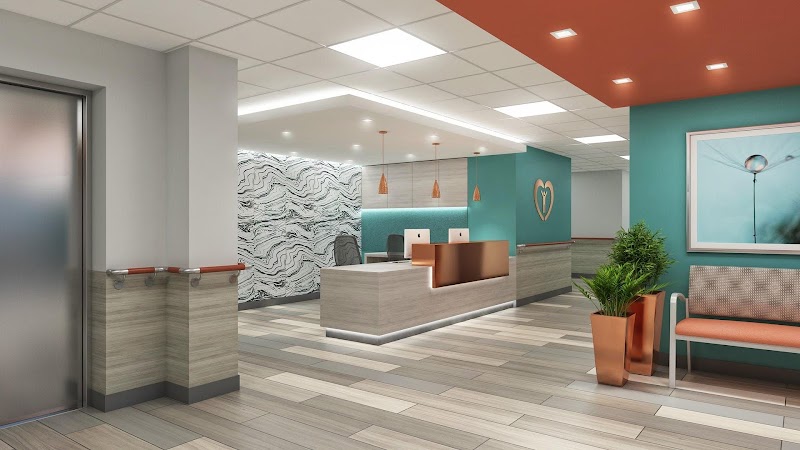
Who Owns and Operates Beth Abraham Center For Rehabilitation And Nursing?

BETH ABRAHAM CENTER FOR REHABILITATION AND NURSING is owned by a for-profit company. For-profit facilities operate as businesses with obligations to shareholders or private owners. The facility is operated by CENTERS HEALTH CARE, a chain that manages multiple nursing homes. With 448 certified beds and approximately 432 residents (about 96% occupancy), it is a large facility located in BRONX, New York.

How Does Beth Abraham Center For Rehabilitation And Nursing Compare to Other New York Nursing Homes?

Compared to the 100 nursing homes in New York, BETH ABRAHAM CENTER FOR REHABILITATION AND NURSING's overall rating (2 stars) is below the state average of 3.1, staff turnover (29%) is significantly lower than the state average of 46%, and health inspection rating (2 stars) is below the national benchmark.

What Should Families Ask When Visiting Beth Abraham Center For Rehabilitation And Nursing?

Based on this facility's data, families visiting should ask: "Can I visit during a mealtime to observe dining assistance and food quality?" "How do you handle medical emergencies, and what is your hospital transfer rate?" "Can I speak with family members of current residents about their experience?"

Is Beth Abraham Center For Rehabilitation And Nursing Safe?

Based on CMS inspection data, BETH ABRAHAM CENTER FOR REHABILITATION AND NURSING has a clean safety record: no substantiated abuse findings (meaning no confirmed cases of resident harm), no Immediate Jeopardy citations (the most serious violation level indicating risk of serious injury or death), and is not on the Special Focus Facility watch list (a federal program monitoring the lowest-performing 1% of nursing homes). The facility has a 2-star overall rating and ranks #100 of 100 nursing homes in New York. While no facility is perfect, families should still ask about staff-to-resident ratios and recent inspection results during their visit.

Do Nurses at Beth Abraham Center For Rehabilitation And Nursing Stick Around?

Staff at BETH ABRAHAM CENTER FOR REHABILITATION AND NURSING tend to stick around. With a turnover rate of 29%, the facility is 17 percentage points below the New York average of 46%. Low turnover is a positive sign. It means caregivers have time to learn each resident's needs, medications, and personal preferences. Consistent staff also notice subtle changes in a resident's condition more quickly. Registered Nurse turnover is also low at 16%, meaning experienced RNs are available to handle complex medical needs.

Was Beth Abraham Center For Rehabilitation And Nursing Ever Fined?

BETH ABRAHAM CENTER FOR REHABILITATION AND NURSING has no federal fines on record. CMS issues fines when nursing homes fail to meet care standards or don't correct problems found during inspections. The absence of fines suggests the facility has either maintained compliance or corrected any issues before penalties were assessed. This is a positive indicator, though families should still review recent inspection reports for the full picture.

Is Beth Abraham Center For Rehabilitation And Nursing on Any Federal Watch List?

BETH ABRAHAM CENTER FOR REHABILITATION AND NURSING is not on any federal watch list. The most significant is the Special Focus Facility (SFF) program, which identifies the bottom 1% of nursing homes nationally based on persistent, serious quality problems. Not being on this list means the facility has avoided the pattern of deficiencies that triggers enhanced federal oversight. This is a positive indicator, though families should still review the facility's inspection history directly.