BRONX GARDENS REHABILITATION AND NURSING CENTER
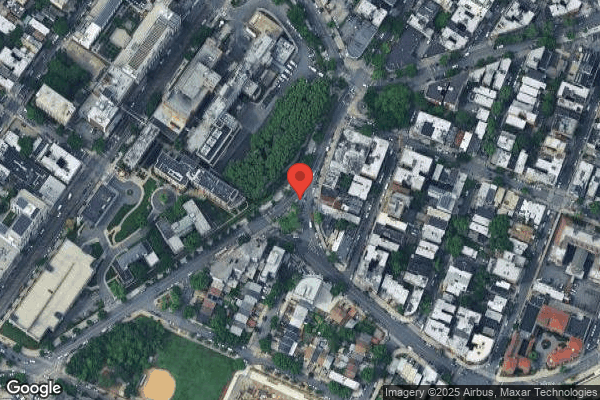
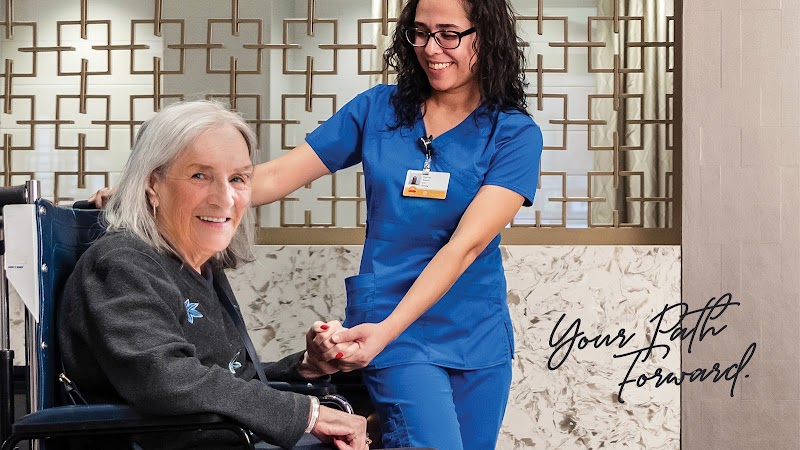
2175 QUARRY RD, BRONX, NY 10457 (718) 960-3910
For profit - Partnership 199 Beds CITADEL CARE CENTERS Data: November 2025
Trust Grade
93/100
#13 of 594 in NY
Last Inspection: April 2023

Over 2 years since last inspection. Current conditions may differ from available data.

Overview

Bronx Gardens Rehabilitation and Nursing Center has received a Trust Grade of A, indicating it is excellent and highly recommended, which reflects a strong overall performance. The facility ranks #13 out of 594 nursing homes in New York, placing it in the top half, and #4 out of 43 in Bronx County, meaning only three local options are better. The trend is improving, with the number of issues decreasing from five in 2023 to two in 2025. Staffing is rated 3 out of 5 stars, with a turnover rate of 25%, which is below the state average, suggesting that staff are generally stable and familiar with the residents. On the positive side, Bronx Gardens has no fines on record and offers more RN coverage than 92% of New York facilities, which is beneficial for resident care. However, there are some concerns as the facility has recorded incidents such as failing to maintain food at safe temperatures and not providing adequate supervision for a resident at high risk for falls, leading to multiple unwitnessed falls. Additionally, there was an issue with improper food storage practices in the kitchen. Overall, while the facility has strengths, these weaknesses highlight areas for potential improvement.

Trust Score
A
93/100
In New York
#13/594
Top 2%
Safety Record
Low Risk
No red flags
Inspections
Getting Better
5 → 2 violations
Staff Stability
✓ Good
25% annual turnover. Excellent stability, 23 points below New York's 48% average. Staff who stay learn residents' needs.
Penalties
✓ Good
No fines on record. Clean compliance history, better than most New York facilities.
Skilled Nurses
✓ Good
Each resident gets 65 minutes of Registered Nurse (RN) attention daily — more than 97% of New York nursing homes. RNs are the most trained staff who catch health problems before they become serious.
Violations
⚠ Watch
11 deficiencies on record. Higher than average. Multiple issues found across inspections.
★★★★★
5.0
Overall Rating
★★★☆☆
3.0
Staff Levels
★★★★★
5.0
Care Quality
★★★★☆
4.0
Inspection Score
Stable
2023: 5 issues
2025: 2 issues

The Good

  • 5-Star Quality Measures · Strong clinical quality outcomes
  • Low Staff Turnover (25%) · Staff stability means consistent care
  • Full Sprinkler Coverage · Fire safety systems throughout facility
  • No fines on record
  • Staff turnover is low (25%)

    23 points below New York average of 48%

Facility shows strength in quality measures, staff retention, fire safety.

The Bad

Chain: CITADEL CARE CENTERS

Part of a multi-facility chain

Ask about local staffing decisions and management

The Ugly 11 deficiencies on record

Jun 2025 1 deficiency
CONCERN (D) 📢 Someone Reported This

A family member, employee, or ombudsman was alarmed enough to file a formal complaint

Potential for Harm - no one hurt, but risky conditions existed

Food Safety (Tag F0812)

Could have caused harm · This affected 1 resident

Based on observation, record review, and interviews, the facility failed to ensure food was stored in accordance with professional standards for food service safety. This was evident for 1 of 3 kitche...

Read full inspector narrative →
Based on observation, record review, and interviews, the facility failed to ensure food was stored in accordance with professional standards for food service safety. This was evident for 1 of 3 kitchen refrigerators that were observed during the initial kitchen tour. Specifically, the kitchen snack/nourishment refrigerator was observed to contain staff food. The findings include: The facility's policy and procedure titled Food Storage reviewed on 02/2025 documented that it is the policy of the facility that food brought into the facility ensures proper storage and infection control practices. Staff food is not to be stored in patient food refrigerators. On 06/16/2025 at 9:34 AM, an initial kitchen observation was conducted with the Food Service Director. The Snack/ Nourishment Refrigerator was observed with a plastic bag that contained an unlabeled and undated quart sized bowl of spaghetti and meatballs. On 06/16/2025 at 9:39 AM, the Food Service Director was interviewed and stated that the undated, unlabeled quart sized bowl of spaghetti and meatballs that was observed in the snack/nourishment refrigerator was determined to be one of the dietary staff's food brought in from the outside that should not have been stored in the resident food refrigerator. The Food Service Director also stated that all refrigerators are inspected daily for prepared food items that are to be discarded within 72 hours. The Food Service Director further stated that the dietary staff was recently reeducated on proper food storage practices that includes the restriction of storing personal food items in resident refrigerators. 10 NYCRR 415.14(h)
Mar 2025 1 deficiency
CONCERN (D) 📢 Someone Reported This

A family member, employee, or ombudsman was alarmed enough to file a formal complaint

Potential for Harm - no one hurt, but risky conditions existed

Report Alleged Abuse (Tag F0609)

Could have caused harm · This affected 1 resident

**NOTE- TERMS IN BRACKETS HAVE BEEN EDITED TO PROTECT CONFIDENTIALITY** Based on record review and interviews conducted during an Abbreviated Survey (NY00368174), the facility did not ensure that the ...

Read full inspector narrative →
**NOTE- TERMS IN BRACKETS HAVE BEEN EDITED TO PROTECT CONFIDENTIALITY** Based on record review and interviews conducted during an Abbreviated Survey (NY00368174), the facility did not ensure that the alleged violations involving abuse, neglect, exploitation or mistreatment, were reported immediately, but not later that two (2) hours after the allegation is made, if the events that caused the allegation involved or resulted in serious bodily injury, or not later than 24 hours if the events that caused the allegation do not involved abuse and do not result in serious bodily injury, to the administrator of the facility of the facility and to other officials (including to the State Agency and adult protective services where state law provides for judications in long term care facilities). This was evident for one (1) out of four (4) (Resident #2) residents sampled. Specifically, on 01/03/2025 at around 10:00 AM Resident #2 reported to the Physician Assistant that Resident #3 grabbed their hands then held them by the throat on the morning of 01/02/2025 while they were in their room. The facility investigated the alleged allegation of abuse, but did not report it to New York State Department of Health. The findings are: The facility policy and procedure titled Abuse, Neglect, Exploitation, Mistreatment and Misappropriation of Resident Property was reviewed on 01/2025. The policy states that the facility will ensure that all alleged violations involving abuse, neglect, exploitation, or mistreatment, including injuries of unknown source and misappropriation of resident property, reported immediately, but not later than two (2) hours after the allegation is made, if the events that cause the allegation do not involve abuse or result in serious bodily injury, to administrator of the facility and to other officials (including to State Survey Agency and adult protective services where state law provides for judication in long-term care facility) in accordance with State Law through established procedures, local enforcement will be notified of any reasonable suspicious of a crime against a resident in the facility. In addition, local law enforcement will be notified of any reasonable suspicion of a crime against a resident in the facility. Resident #2 was admitted to the facility on with diagnoses including Intellectual Disability, Seizure Disorder, and Depression. The Minimum Data Set, an assessment tool, dated 10/26/2024 documented Resident #2 had severe cognitive impairment. Resident #3 was admitted to the facility with diagnoses including Alzheimer's Disease and Parkinson's Disease. The Minimum Data Set, dated [DATE] documented Resident #3 had severe cognitive impairment. The facility's Investigation Report Summary dated 01/03/2025 documented Resident #2 verbalized to the Physician Assistant that another resident grabbed them by the hand and then held their throat. The facility suspected the alleged perpetrator was Resident #3 who was the only resident that wandered on the unit's hallway. Staff interviews revealed that Resident #3 wanders in the hallway and likes to touch staff and other residents by holding their hand with no harm. An investigation was immediately initiated by interviewing staff members who worked on the morning shift and other residents on the unit. Resident #2's roommate, who was alert and oriented times four reported that no one entered their room, and they did not hear anything going on in the room. Camera review showed Resident #3 ambulating in the hallway. Resident #2 and Resident #3 never made any physical contact and Resident #3 never entered Resident #2's room. They determined within two hours that abuse did not occur. The investigation also concluded that the alleged incident did not happen. During an interview with the Physician Assistant on 01/11/2024 at 11:00 AM, they stated Resident #2 reported to them on 01/03/2025 at 10:00 AM that Resident #3 grabbed their hands and held them by their throat on the morning of 01/02/2025 (not time identified). Resident #2 was unable to identify the alleged resident. The Physician Assistant stated they immediately performed a full body assessment and Resident #2 did not have any redness or bruising at their throat or on their body. The Physician Assistant stated Resident #2 reported that they did not report the incident to anyone, but they are now reporting it to them. The Physician Assistant stated they immediately reported the allegation to the unit Registered Nurse Manager #2 on 01/03/24 at 10:30 AM. During an interview with the Director of Nursing on 03/14/2025 at 11:58 PM, they stated they immediately (does not recall time) informed the Administrator of the alleged incident. The Director of Nursing stated they reviewed the investigation with the Administrator and the Medical Director, and they all decided not to report the alleged incident to New York State Department of Health because the incident did not occur. The Director of Nursing stated they were able to rule out abuse based on camera review, physical assessment of Resident #2, staff members interviews, and other residents including Resident #2's roommate. The Director of Nursing stated they were able to determine within two hours that the alleged incident did not happen. The Director of Nursing stated the nurse managers, and the supervisors are mandated to report allegations of abuse to the New York State Department of Health. During an interview with the Administrator on 03/12/2025 at 11:58 AM, they stated they immediately reviewed the camera for the alleged incident of 01/03/2025 (do not recall the time). The Administrator stated Resident #3 was observed wandering in the hallway and Resident #2 was sitting in their wheelchair. There was no direct physical contact between both residents and Resident #3 never entered Resident #2's room. The Administrator stated that they investigated the allegation quickly and was able to conclude that the alleged incident was unsubstantiated. The Administrator stated they did not report to the New York State Department of Heath as per their facility's policy, because the alleged incident did not happen and there was nothing to report. The Administrator stated the allegation of Resident-to-Resident altercation or physical abuse are reportable to law enforcement based the regulation. The Administrator stated they did not save a copy of the camera recording. 10 NYCRR 415.4 (b)
Apr 2023 5 deficiencies
CONCERN (D) 📢 Someone Reported This

A family member, employee, or ombudsman was alarmed enough to file a formal complaint

Potential for Harm - no one hurt, but risky conditions existed

Report Alleged Abuse (Tag F0609)

Could have caused harm · This affected 1 resident

**NOTE- TERMS IN BRACKETS HAVE BEEN EDITED TO PROTECT CONFIDENTIALITY** 2) Resident #88 has a diagnosis of respiratory failure/ventilator dependence and quadriplegia. The Minimum Data Set 3.0 (MDS) da...

Read full inspector narrative →
**NOTE- TERMS IN BRACKETS HAVE BEEN EDITED TO PROTECT CONFIDENTIALITY** 2) Resident #88 has a diagnosis of respiratory failure/ventilator dependence and quadriplegia. The Minimum Data Set 3.0 (MDS) dated [DATE] documented Resident #88 was severely cognitively impaired, and the resident had no fractures. The facility Incident Investigation initiated 11/1/22 and completed on 11/4/22 documented Resident #88 was found lying on the floor on the right side of their bed, sustained a bump to the head, and was transferred to the hospital for further evaluation. The conclusion documented Resident #145 could have fallen off the bed causing the bump on their head. The Hospital Discharge summary dated [DATE] documented Resident #88 had a trauma workup and was positive for left distal tibia and fibula fracture of indeterminate age. A Nursing Note dated 11/15/22 documented Resident #88 was readmitted to the facility with a left leg splint with non-removable bandage/ace wrap. An Occupational Therapy Note dated 11/17/22 documented Resident #88 was non-weightbearing on the left lower extremity due to a tibia/fibula fracture. An X-ray Report dated 12/6/22 documented Resident #88 had left leg pain and an x-ray of the left tibia and fibula showed evidence of impacted angulated fractures involving the medial lateral malleoli. There was no documented evidence the facility reported Resident #88's unwitnessed fall and left tibia fracture to the NYSDOH within 2 hours of occurrence. On 4/21/23 at 1:51 PM and 4/24/23 at 10:39 AM, an interview was conducted with the Director of Nursing (DON) who stated if a fall is unwitnessed and there is an injury, the facility investigates first. If there is suspicion of abuse or if there is a major injury, the facility reports the incident to the NYSDOH within 2 hours. Resident #88 was transferred to the hospital with a hematoma. The DON was unable to attribute Resident #88's fracture to their unwitnessed fall and the incident did not need to be reported to the NYSDOH. 415.4(b)(2) Based on observations, record reviews and interviews, conducted during the recertification and abbreviated survey (# NY00303337, NY00305634) from 4/13/23 to 4/24/23, the facility did not ensure all alleged violations involving abuse were reported to the New York State Department of Health (NYSDOH) immediately, but not later than 2 hours after the allegation was made, if the events that cause the allegation result in serious bodily injury. This was evident for 2 (Residents #145 and #88) of 5 residents reviewed for Accidents of 38 total sampled residents. Specifically, 1.) the facility did not report Resident #145's left hip fracture from an unwitnessed fall to the NYSDOH within 2 hours of occurrence, and 2) the facility did not report Resident #88's unwitnessed fall resulting in hospitalization and left tibia fracture to the NYSDOH within 2 hours of occurrence. The findings are: The facility policy titled Reporting Requirements to Local State & Federal Authority last revised 10/2022, documented incidents resulting in serious bodily injury must be reported within two hours after forming the suspicion. All other incidents must be reported within 24 hours. 1) Resident #145 had diagnoses of cerebrovascular accident (CVA) and chronic obstructive pulmonary disease. A Nursing Note dated 9/19/22 documented Resident #145 was found on the floor of their room in a seated position and was unable to provide an account of what occurred. An x-ray was ordered and completed 9/19/22 and found Resident #145 had a right femoral neck hip fracture with resultant angular deformity. Resident #145 was transferred and admitted to the hospital. The facility Incident Investigation dated 9/19/22 documented Resident #145 had an unwitnessed fall and suspected right femur neck fracture that was reported to the state agency as required by regulation. The X-ray Report dated 09/19/22 documented Resident #145 had an acute fracture of the right femoral neck with resulting angular deformity. The hospital Patient Review Instrument (PRI) dated 9/27/22 documented Resident #145 had a new diagnosis of right femoral neck fracture due to a fall. A Nursing Note dated 9/28/22 documented Resident #145 was readmitted from the hospital, and it was determined that infection was present in the right hip joint. Resident #145 did not sustain a right femoral neck fracture as reported on 9/19/22. There was no documented evidence the facility reported Resident #145's unwitnessed fall and suspicion of right femoral neck fracture to the NYSDOH within 2 hours of occurrence. On 04/24/23 at 02:17 PM, an interview conducted with the Director of Nursing (DON) who stated the original suspicion that Resident #145 sustained an acute femoral neck fracture was incorrect. The hospital records did not confirm that Resident #145's fracture occurred, and this is the reason the DON did not consider Resident #145's injury reportable to the NYSDOH. On 04/24/23 at 02:40 PM, the Medical Doctor was interviewed and stated the hospital suspected there was suspected osteomyelitis around Resident #145's joint there was no clear finding re: the presence of a femoral neck fracture.
CONCERN (D) 📢 Someone Reported This

A family member, employee, or ombudsman was alarmed enough to file a formal complaint

Potential for Harm - no one hurt, but risky conditions existed

Comprehensive Care Plan (Tag F0656)

Could have caused harm · This affected 1 resident

**NOTE- TERMS IN BRACKETS HAVE BEEN EDITED TO PROTECT CONFIDENTIALITY** Based on observation, interviews and record review conducted during the Recertification and Abbreviated survey (NY00305634) from...

Read full inspector narrative →
**NOTE- TERMS IN BRACKETS HAVE BEEN EDITED TO PROTECT CONFIDENTIALITY** Based on observation, interviews and record review conducted during the Recertification and Abbreviated survey (NY00305634) from 4/17/23 through 4/24/23, the facility did not ensure that person-centered care plans (CCP) with measurable goals, time frames and interventions were developed to address a resident's concerns. This was evident for 1 (Resident #88) of 5 residents reviewed for accidents out of a sample of 38 residents. Specifically, a CCP was not developed to address Resident #88's left tibia fracture. The findings are: A facility policy titled Resident Assessment with effective date 8/21/2019, last reviewed 8/10/22 documented a comprehensive assessment includes development of the comprehensive care plan. Resident #88 has a diagnosis of respiratory failure/ventilator dependence and quadriplegia. The Minimum Data Set 3.0 (MDS) dated [DATE] documented Resident #88 was severely cognitively impaired, and the resident had no fractures. The facility Incident Investigation initiated 11/1/22 and completed on 11/4/22 documented Resident #88 was found lying on the right side of their bed and was transferred to the hospital for further evaluation. The Hospital Discharge summary dated [DATE] documented Resident #88 was diagnosed with a left tibia fracture. Nursing Note dated 11/15/22 documented Resident #88 was readmitted to the facility with a left leg splint with non-removable bandage/ace wrap. An Occupational Therapy Note dated 11/17/22 documented Resident #88 was non-weightbearing on the left lower extremity due to a tibia/fibula fracture. A Physical Therapy Note dated 11/19/22 documented a left lower leg splint as a precaution for Resident #88. An X-ray Report dated 12/6/22 documented Resident #88 had left leg pain and an x-ray of the left tibia and fibula showed evidence of impacted angulated fractures involving the medial lateral malleoli. There was no documented evidence a CCP related to a new diagnosis of left tibia fracture upon readmission from the hospital on [DATE]. An interview was conducted on 04/24/23 at 10:52 AM with Registered Nurse Manager (RNM) #1, who stated CCPs are initiated by the RNM or Nurse Supervisor. The RN assessing the resident for readmission is responsible for ensuring the CCPs are reactivated and new CCPs added. Resident #88 did not have a CCP related to their left tibia fracture because it was an oversight. On 4/24/23 at 11:48 am, an interview was conducted with the Director of Nursing Services (DNS) who stated if a resident has a new fracture with splint in place upon readmission from the hospital, they should have a CCP initiated related to the fracture. 415.11 (c)(1)
CONCERN (D)

Potential for Harm - no one hurt, but risky conditions existed

Unnecessary Medications (Tag F0759)

Could have caused harm · This affected 1 resident

**NOTE- TERMS IN BRACKETS HAVE BEEN EDITED TO PROTECT CONFIDENTIALITY** Based on observation, interview and record review conducted during a recertification survey, the facility did not ensure that it...

Read full inspector narrative →
**NOTE- TERMS IN BRACKETS HAVE BEEN EDITED TO PROTECT CONFIDENTIALITY** Based on observation, interview and record review conducted during a recertification survey, the facility did not ensure that its medication error rate did not exceed 5% or greater. Specifically, the Registered Nurse did not administer Vitamin B12 as ordered, and the resident's first name on the medication labels for two medications administered was incorrect (Resident #490). This resulted in a total medication error rate of 11.54 %. This was observed during the Medication Administration task. The findings are: The facility Policy and Procedure titled Medication/Treatment Administration last revised on 2/10/23 documented residents shall receive all medications as ordered by the physician. Nurses will safely administer medications with knowledge of the therapeutic effects, contraindications, side effects and drug interactions that may occur. The nurse will review the Medication Administration Record and pour all medications for the individual resident observing the five rights of medication administration that included the right dose, and record administration after the resident has taken the medication or treatment. On 04/20/23 at 11:13 AM, during the Medication Administration observation task, Registered Nurse (RN) #5 administered the following medications to Resident #490: Acetaminophen 325mg 2 tablets by mouth, Buspirone 300mg 1 tablet by mouth, [NAME] 150mg 1 tablet by mouth, Aripiprazole 2mg 1.5 tablets by mouth and Vitamin D5 1000 Units 1 tablet by mouth. During review of Resident #490's physician orders, it was noted that Vitamin B-12 1 tablet by mouth was scheduled to be given at 10:00 AM, and was not observed being administered to the resident during the medication administration observation. In addition, it was observed that the name printed on the medication label for [NAME] and Aripiprazole listed Resident's 490 first name incorrectly. The RN #5 was immediately interviewed about the issue and stated that they will stop passing medications and review the information. On 04/20/23 at 02:11 PM, an interview was conducted with RN #5 who stated that they had received proper training on the five rights of medication administration, and have been giving medications to this residents for a while. RN #5 also stated that they were aware of the resident's correct first name, and the two medication labels had a different first name. RN #5 further stated they could not explain how the discrepancy with the label, but that the order was correct. In reference to the Vitamin B 12, RN #5 stated the medication was ordered last night but had not been delivered. On 04/20/23 at 02:30 PM, an interview was conducted with RN #6 who stated that Administration was in contact with the pharmacy to address the discrepancy regarding Resident #490's name. RN #6 stated that the resident's date of birth is correct, and that there was no resident currently in the facility carrying the incorrect name placed on Resident #490's medication. RN #6 further stated that it was discovered that Resident #490's name was printed incorrectly upon admission and had been corrected by pharmacy, but the medication with the incorrect name had not been removed from the cart. RN #6 stated that Vitamin B 12 is a stock medication and they did not know why the nurses did not request it. RN #6 then stated that Vitamin B 12 is provided by a medical supply company and currently the facility did not have it in stock. On 04/24/23 at 03:20PM, an interview was conducted with the Director of Nursing (DON) who stated that the issue with Resident #490 had been identified on admission, corrected within five days, and those medications should have been removed. The DON also stated that competencies and inservice are done for medication administration. 415.12(m)(1)
CONCERN (D)

Potential for Harm - no one hurt, but risky conditions existed

Deficiency F0761 (Tag F0761)

Could have caused harm · This affected 1 resident

**NOTE- TERMS IN BRACKETS HAVE BEEN EDITED TO PROTECT CONFIDENTIALITY** Based on observations and interviews conducted during the Recertification survey from 4/17/23 to 4/24/23, the facility did not e...

Read full inspector narrative →
**NOTE- TERMS IN BRACKETS HAVE BEEN EDITED TO PROTECT CONFIDENTIALITY** Based on observations and interviews conducted during the Recertification survey from 4/17/23 to 4/24/23, the facility did not ensure the safe and secure storage of medications in accordance with currently accepted professional standards. Specifically, Lumigan 0.01 % eye drops and Brimonidine 0.2 %-Timolol 0.5 % eye drops were kept in the resident's bedside table. This was observed during the Medication Administration Task. (Resident #490) The findings are: The facility policy titled Medication Storage dated 2/10/23 documented the facility will store medications in a manner that maintains the integrity of the product, ensure the safety of the residents. The policy also documented that the medications are to be stored and locked in medication rooms, providing security standards. Resident #490 was admitted to the facility with diagnoses which included Bipolar disorder and Vitamin B12 deficiency anemia. The Minimum Data Set (MDS) assessment dated [DATE] documented that Resident #490 had a moderately impaired cognition and required limited assistance when performing personal hygiene. On 04/20/23 at 11:13 AM, during Medication Administration observation for Resident #490, Lumigan 0.01 % eye drops and Brimonidine 0.2 %-Timolol 0.5 % eye drops were observed in the resident's bedside table. Resident #490 was immediately interviewed and stated they were given the medications by a nurse, and they administer these two medications themselves. Resident #490 also stated that no one gave them instructions on how to use the medications and they had been using them before coming to the nursing home. The Physician orders dated 04/05/2023 documented Lumigan 0.01 % eye drops give 1 drop by ophthalmic route once daily in the evening. Please allow 5 minutes before administering other medication. Brimonidine 0.2 %-Timolol 0.5 % eye drops instill 1 drop by ophthalmic route every 12 hours one drop in each eye. The Medication Administration Record dated April 2023 contained documentation that the medication had been administered by the nurses. On 04/20/23 at 02:11 PM, an interview was conducted with Registered Nurse (RN) #5 who stated that they were not aware that Resident #490 had eye drops stored in their bedside table. RN #5 also stated that the resident does not receive eye drops on their shift as it is given at 7 AM. RN #5 further stated that they did not know if Resident #490 was able to self-administer medication. On 04/20/23 at 02:30 PM, an interview was conducted with RN #6 (Manager) who stated that no resident on the unit had been cleared to self-administer medication. RN #6 also stated that the medications are not supposed to be kept in the room unless the resident has a care plan for self-administration of medication. RN #6 further stated that review of the medical record contained no evidence that resident had been evaluated for self-administration of any medication. On 04/20/23 at 03:30 PM, an interview was conducted with the Director of Nursing who stated that Resident #490 had not been assessed for medication self-administration, and therefore the resident should not be storing medications in their bedside table drawer. The DON also stated that all medications should be stored in the medication room and medication carts. 415.18(e)(1-4)
CONCERN (D)

Potential for Harm - no one hurt, but risky conditions existed

Garbage Disposal (Tag F0814)

Could have caused harm · This affected 1 resident

Based on observation, record review and interviews, conducted during the Recertification survey from 4/17/23 - 4/24/23, the facility did not ensure that garbage was properly disposed. Specifically, th...

Read full inspector narrative →
Based on observation, record review and interviews, conducted during the Recertification survey from 4/17/23 - 4/24/23, the facility did not ensure that garbage was properly disposed. Specifically, the garbage receptacle was not covered while garbage was being transported to the dumpster area. This was evident during the Kitchen facility task. The findings are: The Nutrition Service policy titled Waste Disposal effective date 1/2019, review date 2/2023, states to handle dispose waste efficiently, safely and in a sanitary manner, containers must be non-porous, durable, rust free, and chip free with a cover. The procedure states that all garbage containers must be covered with a tight-fitting lid or cover. Trash bags are sealed and transported to the garbage dumpster. On 4/21/23 at 11:08 AM, Dietary Aide (DA) #1 was observed doing trash disposal. DA #1 took the lid off of the large garbage receptacle housed just outside of the kitchen. DA #1 then transported the uncovered garbage receptacle through a long tunnel that leads into the adjacent hospital where the dumpster area was located. The tunnel exited to a floor in the hospital where there were offices and people walking in the hallway. An interview was immediately conducted with DA #1 at the dumpster area who stated that they removed the garbage receptacle lid because they did not want to deal with the lid by the dumpster. The Food Service Director was present throughout the tour. On 4/21/23 at 2:38 PM during an interview the Food Service Director (FSD) stated that the policy is that garbage should be covered, and that DA #1 was nervous during the observation. The FSD also stated that DA #1 had received in-service on 2/14/23 on garbage disposal. 415.14 (h)
Sept 2020 1 deficiency
CONCERN (D)

Potential for Harm - no one hurt, but risky conditions existed

Assessment Accuracy (Tag F0641)

Could have caused harm · This affected 1 resident

**NOTE- TERMS IN BRACKETS HAVE BEEN EDITED TO PROTECT CONFIDENTIALITY** Based on observation, record review, and interview conducted during the recertification survey, the facility did not ensure that...

Read full inspector narrative →
**NOTE- TERMS IN BRACKETS HAVE BEEN EDITED TO PROTECT CONFIDENTIALITY** Based on observation, record review, and interview conducted during the recertification survey, the facility did not ensure that the assessment accurately reflected the resident's status. Specifically, the resident's dental status reflected on the Minimum Data Set (MDS) did not include broken and carious teeth. This was evident of 1 out of 1 resident reviewed for Dental Care out of a sample of 38 residents (Resident #435). The finding is: The facility policy titled Processing of Consultation policy dated 8/22/10 and last reviewed dated 9/18/20 documented under the section titled policy All residents will receive consultant services per written request of attending Physician. These services are provided in the Nursing Home except in circumstances where needed equipment to render service is not available in the Nursing Home. The facility policy titled MDS 3.0 dated 12/94 and last reviewed 3/2020 documented under the section titled Purpose: the facility shall conduct initial and periodical assessments that are accurate, standardized and reproducible for all its residents. The policy further states The Resident assessment Instrument (RAI) is the catalyst to the accurate assessment of each nursing home resident. Resident #435 was admitted to the facility with diagnoses which include: Asthma, Glaucoma, and Hyperlipidemia. The admission Minimum Set Data (MDS) dated [DATE] documented the resident was cognitively intact. The MDS further documented the resident had no dental concerns in the section for Oral/Dental Status (Section L). The Comprehensive Care Plan titled Dental Care: Actual Impairment dated 7/30/2020 documented the resident had some teeth. On 09/28/20 at 10:54 AM, the resident was observed sitting in wheelchair in their room. Some of the resident's teeth were protruding from the mouth, and they had brown and dark areas. The resident denied any pain. On 09/29/20 at 08:54 AM, the resident was interviewed and denied any issues with eating regular food or mouth pain. The Speech Therapy Progress note dated 7/31/2020 documented a speech and swallow assessment was completed. The note documented the resident lacked dentition but was able to masticate regular foods without difficulty. A Dietary progress note dated 7/31/2020 documented the resident was seen for an initial assessment. The dietician documented the resident had poor dentition but denied chewing and swallowing issues. The Nursing Admission/Re-assessment dated [DATE] documented under the section titled Review of systems with subgroup heading General oral screening' documented Dentitions (has some /all teeth). A Medical progress note dated 8/3/2020 documented the resident had periodontal disease and a Dental consult was ordered. The Dental consult dated 8/4/2020 documented no dentures or removable bridge, some/all-natural teeth lost. Does not have or did not use dentures or partial plate. Broken loose or carious teeth. Oral hygiene fair. No mouth odor. Patient functional with present oral condition, soft tissue within normal limits. New admission soft tissue within normal limits, mostly edentulous with remaining teeth in poor condition. On 09/29/20 at 11:36 AM an interview was conducted with Staff # 1, Clinical Reimbursement Manager (CRM). The CRM stated she is an MDS Assessor and completes MDS assessments for the facility. CRM stated before she completes the MDS, she sees the resident and reviews the chart, which includes reading all the progress notes and consults. The dental consult was not in the resident's chart at the time of review. It had not been uploaded by the Medical Clerk yet. Even though the consult was completed 8/4/2020, it was not uploaded until 8/13/2020. The CRM stated she assumed the dental consult would be completed within the first 30 days of admission, and she did not think that the consult would be completed within the first eight days. The CRM stated she did not ask any staff if the consult was completed, and she based her completion of the MDS on the Nursing admission Assessment. She saw the resident before completing the MDS and was aware the resident had crooked teeth, but she did not ask the resident to open their mouth, therefore she was unable to see if the resident had cavities inside the mouth. The CRM added the MDS will be modified to include the resident has broken or carious teeth. On 09/29/20 at 11:54 AM, an interview was conducted with Staff #2, Director of Clinical Reimbursement (DCR). The DCR stated she is responsible for monitoring the MDS Assessors and ensuring the assessments are completely accurately and on time. The DCR stated all the assessors sign-off on the completed books to confirm that they are accurate. The DCR stated she monitors the Assessors for completion and accuracy by reviewing the assessment and sign-off once the MDS book is completed. The DCR stated the MDS Assessor reported the dental consult was uploaded late in the system on 8/13/20 after the resident's ARD, so the consult was not available for review. The DCR added the MDS will be modified to reflect the resident status. On 09/30/20 at 11:12 AM, an interview was conducted with the Director of Nursing (DON). DON stated MDS assessment accuracy has not been identified as an issue previously. When completing the dental section, MDS assessors look for dental consults. Consultants have a list of residents to see, and when they complete the assessment it is handed off to the clerk in the nursing office within a day or two for filing and upload. 415.11(b)
Aug 2018 3 deficiencies
CONCERN (D)

Potential for Harm - no one hurt, but risky conditions existed

Deficiency F0657 (Tag F0657)

Could have caused harm · This affected 1 resident

**NOTE- TERMS IN BRACKETS HAVE BEEN EDITED TO PROTECT CONFIDENTIALITY** Based on observation, record reviews, and interviews, during the recertification survey the facility did not ensure that the res...

Read full inspector narrative →
**NOTE- TERMS IN BRACKETS HAVE BEEN EDITED TO PROTECT CONFIDENTIALITY** Based on observation, record reviews, and interviews, during the recertification survey the facility did not ensure that the resident's (res) care plan was reviewed and revised to prevent further falls. Specifically, Resident 107 had a CCP (Comprehensive Care Plan) to address their high risk for falls. One intervention was visual checks and monitoring every 30 minutes. However, within a 30 day time period the resident continued to have unobserved falls on six occasions. After the falls the CCP was not reviewed to determine if the intervention of visual checks and monitoring of the resident every 30 minutes was sufficient to prevent the resident from falls. The CCP did not indicate that the IDT (interdisciplinary team) discussed the possibility of revising the intervention to more frequent visual checks and monitoring. This was evident for 1 out of 5 residents reviewed for accidents within a total sample of 39. Res #107 The findings is: Resident #107 admitted to the facility on [DATE] with diagnoses which include Cerebral Vascular Accident, Anxiety disorder, Depression, Tracheostomy, and Nontraumatic Intracranial Hemorrhage. On 8/15/18 at 10:16 AM the resident was observed lying in low bed with constant motion of her right leg. She was again seen at 03:47 PM in bed fully dressed with the Registered Nurse (RN) and the Certified Nursing Assistant (CNA) at her bedside encouraging her to rise for floor ambulation. She refused by standing for a few seconds and pulling away, letting go of the rollator and placing herself back in bed in a lying position. The Minimum Data Set (MDS) assessment dated [DATE] documented that the res is non verbal and is severely impaired in cognition and daily decision making. The MDS further documented that the resident exhibits mood of restlessness that occurs 7 to 11 days. She requires total assist of two persons for bed mobility, transfer, toilet use and bathing. The res has no limitations in upper or lower extremities. The assessment identified that the res had 1 fall with no injury and receiving Physical Therapy (PT) 5 days per week that started on 5/24/18. The Comprehensive Care Plan (CCP) with revision dates of 6/18, 6/19, 6/23, 6/27, 7/4, and 7/13/18 documented a problem of actual falls with interventions of every 30 minute visual monitoring for safety, low bed, floor mats, anticipate toileting Q2 - 4 hours, anticipate resident's needs and meet them in a timely manner, maintain in a highly visible area when out of bed on her geri chair, engage in therapeutic recreation activities during all programing hours for diversion and mental stimulation, provided Pommel chair cushion, and PT restorative program for strengthening and training. The Accident/Incident (A/I) reports reviewed documented the following: 1) On 6/18/18 at 2:15 PM observed sitting on side of bed on floor mat, very confused, non ambulatory (ambulatory), no injuries, with corrective action of psychiatry re-evaluation, and bed on its lowest level. 2) On 6/19/18 at 4:55 PM at side of bed observed sitting on the floor, unwitnessed, slightly confused, non ambulatory, no injuries, with corrective action of q 30 minutes monitoring. 3) On 6/23/18 at 2:35 AM in the res room fall, very confused, non ambulatory, identified as high risk, no injuries, with corrective actions of anticipate needs & assist in timely manner. 4) On 6/28/18 at 11:30 AM in front of nsg station, unwitnessed, fall, very confused, non verbal, non ambulatory, identified as high risk, no injuries, with corrective action of placed on Seroquel 50mg daily at bedtime for 3 days, on q30 min monitoring, and placed in highly visible area. 5) On 7/4/18 at 1:45 AM in the res room, observed sitting on the floor mat next to bed, unwitnessed, very confused, non ambulatory, no injuries, with corrective action of continue safety measures in careplan, continue to monitor closely. 6) On 7/12/18 at 2:20 PM the res was observed on the floor in the hallway, fall unwitnessed, slightly confused, non ambulatory (non ambulatory), identified as high risk for for A/I, no injuries with preventive action taken of every (q) 30 min monitoring, floor mat, placed in highly visible area, bed in lowest position. The 24 hour report dated 8/16/18 12:40 AM documented that the res was observed with 3 episodes of restlessness. The half hourly visual check form dated 6/19/18 thru 8/16/18 documented that the res predominantly remains in bed more times than being out of bed. The Fall risk evaluations dated 6/18/18, 6/19/18, 6/23/18, 6/26/18, and 7/4/18, documented that the res is assessed as being disoriented at all times, and high risk with total score from range of 14 to 18. On 08/16/18 at 10:33 AM the CNA who has been providing daily care to the resident since August 1, 2018 (CNA #2) was interviewed. CNA #2 stated the res is on 30 minutes monitoring which is documented in the 30 min 24 hour monitoring book. The res has behavior of resisting to get out of bed, so they don't force her to come out of room. They try to get her out of the room and if she comes out staff keeps her at the nursing station or in recreation. CNA #2 state that the res has had no falls in August. She said she was told she had falls before. CNA #2 further stated that the res continues to do a lot of movement on her own in bed. On 08/16/18 at 12:43 PM the Recreation Director was interviewed and stated that the regularly assigned staff for the unit went on trip today. The SA asked the question of res involvement in terms of recreation attendance for monitoring as specified in the CCP and she responded and stated Initially res was more agitated & now more calmer as per daughter she was very active in church, family, everything she did was involving church. we did everything for her regarding church activities such as reading bible to res & prayers. She does not attend the off unit activities due to asleep in morning when checked & no attempts made to awaken her. She is usually in her room or in the dining area. She had several falls in the beginning & interventions were to keep her in close proximity during recreation & all the activities she attended is documented in the recreation binder kept in the office. The director proceeded to get the binder and returned stating the binder is unable to be located at this time. On 08/16/18 at 01:12 PM the RN #1 was interviewed and stated that whenever there is a fall the CCP is updated by the supervisor on duty at the time of the fall. The CCP should be revised by all disciplines. I was the manager on duty on 6/26/18 when res fell. I assessed res MD informed & res sustained no injury. I updated CCP to reflect the fall & intervention of GNP notified and Seroquel ordered. On 08/16/18 at 01:31 PM the RN #2 was interviewed and stated that she is familiar with res who had multiple falls. When have fall process is to initiate investigation, inform fame/doctor, interview staff & I completed the 6/18/18 incident in which she was re-evaluated by psych & low bed was initiated. sup on duty who initiated the A/I report revises the CCP. The res was assessed as high risk from admission & needs were anticipated with call bell within reach to make needs known, although the res is not able to use due to cognitive impairment. The resident was initially seen by psychiatrist on 6/1/18. On 6/18/18 the resident fell and fell again on 6/19/18. New interventions of 30 min monitoring was implemented. On 6/23/18 the resident fell. The CCP was revised with the intervention of anticipating needs & provide timely care. On 6/26/18 the resident was given a pommel cushion ( a device to prevent resident from slipping out of wheelchair). On 6/28/18 the res was placed in front of nursing station for visibility and was found on floor with no witness to the fall. Despite interventions in place and the res continued to be found on the floor without witness to the fall. There is no documented evidence that the interdisciplinary team reviewed the effectiveness of the 30 minute visual checks. It did not indicate consideration of more frequent visual checks. The CCP did not indicate that a review as to reason why, despite placing resident at nursing station, she still had an unobserved fall at station. 415.11(c)(2)(i-iii)
CONCERN (E)

Potential for Harm - no one hurt, but risky conditions existed

Accident Prevention (Tag F0689)

Could have caused harm · This affected multiple residents

**NOTE- TERMS IN BRACKETS HAVE BEEN EDITED TO PROTECT CONFIDENTIALITY** Based on observation, record reviews, and interviews, during the recertification survey the facility did not ensure that the res...

Read full inspector narrative →
**NOTE- TERMS IN BRACKETS HAVE BEEN EDITED TO PROTECT CONFIDENTIALITY** Based on observation, record reviews, and interviews, during the recertification survey the facility did not ensure that the resident (res) received adequate supervision to prevent accidents. Specifically, Resident #107 was assessed as a high risk for falls. A CCP (Comprehensive Care Plan) was developed with interventions that included thirty minute monitoring of resident to prevent falls. Despite the CCP plan for frequent monitoring of the resident. The resident's medical record documented a pattern of 6 recorded incidents of unwitnessed falls by the resident. The facility did not provide evidence of adequate monitoring or supervision to prevent resident's 6 recorded incidents of unwitnessed falls. This was evident for 1 out of 5 residents reviewed for accidents within a total sample of 39. The number of unwitnessed falls indicates a pattern of the facility failing to monitor this resident to prevent accidents. The findings is: Resident # 107 admitted to the facility on [DATE] with diagnoses which include Cerebral Vascular Accident, Anxiety disorder, Depression, Tracheostomy, and Nontraumatic Intracranial Hemorrhage. On 8/15/18 at 10:16 AM the res was observed lying in low bed with constant motion of her right leg. She was again seen at 03:47 PM in bed fully dressed with the Registered Nurse (RN) and the Certified Nursing Assistant (CNA) at her bedside encouraging her to rise for floor ambulation. She refused by standing for a few seconds and pulling away, letting go of the rollator and placing herself back in bed in a lying position. The Minimum Data Set (MDS) assessment dated [DATE] documented that the res is non-verbal and is severely impaired in cognition and daily decision making. The MDS further documented that the resident exhibits mood of restlessness that occurs 7 to 11 days. She requires total assist of two people for bed mobility, transfer, toilet use and bathing, and has no limitations in upper and lower extremities. The assessment identified that the res had 1 fall with no injury and received Physical Therapy (PT) 5 days per week that started on 5/24/18. The Comprehensive Care Plan (CCP) with revision dates of 6/18, 6/19, 6/23, 6/27, 7/4, and 7/13/18 documented a problem of actual falls with interventions of every 30 minute visual monitoring for safety, low bed, floor mats, anticipate toileting Q2 - 4 hours, anticipate resident's needs and meet them in a timely manner, maintain in a highly visible area when out of bed on her geri chair, engage in therapeutic recreation activities during all programing hours for diversion and mental stimulation, provided Pommel chair cushion, and PT restorative program for strengthening and training. The Accident/Incident (A/I) reports documented the following: 1) On 6/18/18 at 2:15 PM observed sitting on side of bed on floor mat, very confused, non amb (ambulatory), no injuries, with corrective action of psychiatry re-evaluation, and bed on its lowest level. 2) On 6/19/18 at 4:55 PM at side of bed observed sitting on the floor, unwitnessed, slightly confused, non amb, no injuries, with corrective action of q 30 minutes monitoring. 3) On 6/23/18 at 2:35 AM in the res room fall, very confused, non amb, identified as high risk, no injuries, with corrective actions of anticipate needs & assist in timely manner. 4) On 6/28/18 at 11:30 AM in front of nsg station, unwitnessed, fall, very confused, non verbal, non ambulatory, identified as high risk, no injuries, with corrective action of placed on Seroquel 50mg daily at bedtime for 3 days, on q30 min monitoring, and placed in highly visible area. 5) On 7/4/18 at 1:45 AM in the res room, observed sitting on the floor mat next to bed, unwitnessed, very confused, non ambulatory, no injuries, with corrective action of continue safety measures in careplan, continue to monitor closely. 6) On 7/12/18 at 2:20 PM the res was observed on the floor in the hallway, fall unwitnessed, slightly confused, non ambulatory (non amb), identified as high risk for for A/I, no injuries with preventive action taken of every (q) 30 min monitoring, floor mat, placed in highly visible area, bed in lowest position. The 24 hour report dated 8/16/18 12:40 AM documented that the res was observed with 3 episodes of restlessness. The half hourly visual check form dated 6/19/18 thru 8/16/18 documented that the res predominantly remains in bed more times than being out of bed. The Fall risk evaluations dated 6/18/18, 6/19/18, 6/23/18, 6/26/18, and 7/4/18, documented that the res is assessed as being disoriented at all times, and high risk with total score from range of 14 to 18. The activity assessment dated [DATE] documented that the res is a passive participant with no behaviors, and prefers attending small group and 1:1, and very important to her to listen to music, fresh air, and attend religious activities, On 08/15/18 at 04:13 PM CNA #1 who performs rehab was interviewed. CNA #1 stated that he comes to ambulate res daily and sometimes she does not want to get oob (out of bed) & has to be encouraged a lot before cooperating sometimes. She stands and takes a few steps, however will sit in w/c at times and will try to get up on her own. On 08/16/18 at 10:33 AM the CNA who has been providing daily care to the resident since August 1, 2018 (CNA#2) was interviewed. CNA#2 stated the res is on 30 minutes monitoring which is documented in the 30 min 24 hour monitoring book. The res has behavior of resisting to get out of bed, so they don't force her to come out of room. They try to get her out of the room and if she comes out staff keeps her at the nursing station or in recreation. CNA #2 state that the res has had no falls in August. She said she was told she had falls before. CNA# further stated that the res continues to do a lot of movement on her own in bed. On 08/16/18 at 12:43 PM the recreation director was interviewed and stated that the regularly assigned staff for the unit went on trip today. The SA asked the question of res involvement in terms of recreation attendance for monitoring as specified in the CCP and she responded and stated Initially res was more agitated & now more calmer as per daughter she was very active in church, family, everything she did was involving church. we did everything for her regarding church activities such as reading bible to res & prayers. She does not attend the off unit activities due to asleep in morning when checked & no attempts made to awaken her. She is usually in her room or in the dining area. She had several falls in the beginning & interventions were to keep her in close proximity during recreation & all the activities she attended is documented in the recreation binder kept in the office. The director proceeded to get the binder and returned stating binder unable to be located at this time. On 08/16/18 at 01:12 PM the RN #1 was interviewed and stated that whenever there is a fall the CCP is updated by the supervisor on duty at the time of the fall. The CCP should be revised by all disciplines . I was the manager on duty on 6/26/18 when res fell . I assessed res MD informed & res sustained no injury . I updated CCP to reflect the fall & intervention of GNP notified and Seroquel ordered. On 08/16/18 at 01:31 PM the RN #2 was interviewed and stated that she is familiar with res who had multiple falls. when have fall process is to initiate investigation, inform fame/doctor, interview staff & I completed the 6/18/18 incident in which she was re-evaluated by psych & low bed was initiated. sup on duty who initiated the A/I report revises the CCP. the res was assessed as high risk from admission & needs were anticipated with call bell within reach to make needs known, although res not able to use due to cog impairment. The res was seen by psych initially on 6/1/18. On 6/18/18 res fell and fell again on 6/19/18. At this time new interventions of 30 min monitoring were implemented. On 6/23/18 the res fell. New interventions were put into place to anticipate needs & provide timely care & on 6/26/18 the resident was given a pommel cushion. However, no assessment was done as to the frequent episodes of being found on the floor. She stated that monitoring was being done, but 5 minutes later would be found on floor. There is no documented evidence that after multiple unobserved falls more frequent monitoring was used as an intervention to prevent falls. The res continued to be found on the floor. The res was placed at the nursing station as a monitoring intervention to ensure visibility, but on 6/28/18 the res was found on floor in front of station with no witness to the fall. The facility did not ensure that a res who who was assessed as a high risk for falls was appropriately supervised to prevent falls. The resident had six unobserved falls in a thirty day period. The falls occurred in a time frame of 1 to 7 days between incidents. The CCP was not reviewed to determine the causative factors that led to the falls. The CCP did not indicate that a review of the monitoring tool was conducted. There was no documented evidence in either the A&I or CCP that nursing staff was monitoring resident while she was at nursing station on 6/28/18. In addition there was no evidence that the Interdisciplinary team discussed the possibility of of more frequent visual checks. The 30 min monitoring tools shows staff sporadically signing off on monitoring. As such there is no documented evidence to reflect that visual monitoring checks were being done consistently. 415.12(h)(1)
CONCERN (F)

Potential for Harm - no one hurt, but risky conditions existed

Deficiency F0800 (Tag F0800)

Could have caused harm · This affected most or all residents

Based on observation and staff interviews during the recertification survey, the facility did not ensure that internal temperatures of hot and cold foods were maintained at an acceptable range. Specif...

Read full inspector narrative →
Based on observation and staff interviews during the recertification survey, the facility did not ensure that internal temperatures of hot and cold foods were maintained at an acceptable range. Specifically, Observations of tray line service were conducted. The temperatures of yogurts and sandwiches were measured above the acceptable temperature range. Also, after the retherm (reheating) process which is conducted at the docking station the hot and cold foods were not maintained at acceptable temperature ranges. This deficient practice had the potential to affect the whole facility. The findings are: The Hospital's policy and procedure titled HACCP (Hazards Critical Control Points) Plan with a revision date of 12/10/2014 documented: Time control sensitive (TCS) foods held cold for service must be at 40 degrees F or below. Monitoring: Temperatures of food held cold for service will be randomly checked every 2 hours with a calibrated Thermometer. 1) An observation was done on 8/15/18 at 2:30 PM with the patient service manager at the tray line service during the kitchen observation. The kitchen is located in the Hospital building. The following was observed: Yogurt was 48 degrees F, Chicken salad sandwich was 42 degrees F,Turkey and cheese sandwich was 44 degrees F, Ham and cheese sandwich was 49 degrees F. The state agency surveyor (SA) and patient service manager checked the temperatures of the sandwiches in the refrigerator. The temperature of the refrigerator was 36 degrees F. The sandwich in the refrigerator was 44 degrees F. The Patient Service Manager was interviewed on 8/15/18 at approximately 3:00 PM. She stated that they just finished prepping the sandwiches at 2:00 PM and then they put them in the refrigerator and sent them over to the nursing home where they serve it and/or put it in the refrigerator in the pantry. The SA interviewed the Interim General Manager on 8/15/18 at 3:45 PM. The SA asked how do they ensure that the cold food temperatures are maintained at appropriate temperatures. The General Manager (GM) stated that it is not their practice to check the temperature of the sandwiches. In regards to the yogurt temperatures, the GM stated that the yogurts should have been taken directly from the refrigerator and placed on the tray line. The SA stated that the observation was that the food service worker took the yogurts out of the milk crates, which were not in the refrigerator and then placed them on the tray line. The GM responded that the yogurts are supposed to be kept in the three compartment refrigerator and taken from there to be placed on the tray line. Another interview was conducted with the the GM on 8/16/18 at 10:50 AM. The SA asked what TCS stands for? The GM stated TCS is cold food with mayonnaise and meats. 2) Another observation was done in the kitchen on 8/16/18 at 11:55 AM. This observation was made at the docking station where the trucks where the hot foods are heated and cold foods are cooled. These trucks are then sent to the Nursing Home for food service distribution. The following food trays were measured: On Nursing Home Unit 5: Puree [NAME] was 117 degrees F. Curry chicken was 118 degrees F Carrots were 149.5 F On Nursing Home Unit 3: Meat loaf was 93.2 degrees F Beans was 140 degrees F Rice was 149.7 degrees F Yogurt was 42 degrees F Juice was 45 degrees F Milk was 51.7 degrees F The Interim General Manager (GM) was interviewed right after the observation and stated the hot foods should be above 140 degrees F. The GM explained the facility's and hospital's procedure for when the hot food does not reach temperature. He stated that they reheat hot food items in a microwave located on the resident unit and the patient service manager would recheck the temperatures on the floor. The GM stated that for cold foods we ideally want the temperature between 40 to 45 degrees F or below. They would bring the cold food items on the unit and would either put it in the pantry refrigerator or serve it because it would not be out more than a half an hour to point of service. 415.14
Understanding Severity Codes (click to expand)
Life-Threatening (Immediate Jeopardy)
J - Isolated K - Pattern L - Widespread
Actual Harm
G - Isolated H - Pattern I - Widespread
Potential for Harm
D - Isolated E - Pattern F - Widespread
No Harm (Minor)
A - Isolated B - Pattern C - Widespread

Questions to Ask on Your Visit

  • "Can I speak with families of current residents?"
  • "What's your RN coverage like on weekends and overnight?"

Our Honest Assessment

Strengths
  • • Grade A (93/100). Above average facility, better than most options in New York.
  • • No major safety red flags. No abuse findings, life-threatening violations, or SFF status.
  • • No fines on record. Clean compliance history, better than most New York facilities.
  • • 25% annual turnover. Excellent stability, 23 points below New York's 48% average. Staff who stay learn residents' needs.
Concerns
  • • 11 deficiencies on record. Higher than average. Multiple issues found across inspections.
Bottom line: Generally positive indicators. Standard due diligence and a personal visit recommended.

About This Facility

What is Bronx Gardens Rehabilitation And Nursing Center's CMS Rating?

CMS assigns BRONX GARDENS REHABILITATION AND NURSING CENTER an overall rating of 5 out of 5 stars, which is considered much above average nationally. Within New York, this rating places the facility higher than 99% of the state's 100 nursing homes. This rating reflects solid performance across the metrics CMS uses to evaluate nursing home quality.
How is Bronx Gardens Rehabilitation And Nursing Center Staffed?

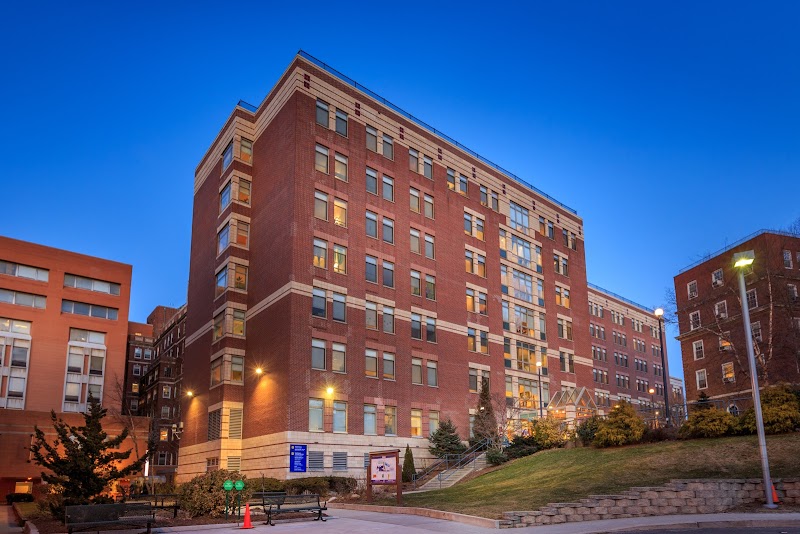
CMS rates BRONX GARDENS REHABILITATION AND NURSING CENTER's staffing level at 3 out of 5 stars, which is average compared to other nursing homes. Staff turnover is 25%, compared to the New York average of 46%. This relatively stable workforce can support continuity of care.

What Have Inspectors Found at Bronx Gardens Rehabilitation And Nursing Center?

State health inspectors documented 11 deficiencies at BRONX GARDENS REHABILITATION AND NURSING CENTER during 2018 to 2025. These included: 11 with potential for harm.
Who Owns and Operates Bronx Gardens Rehabilitation And Nursing Center?

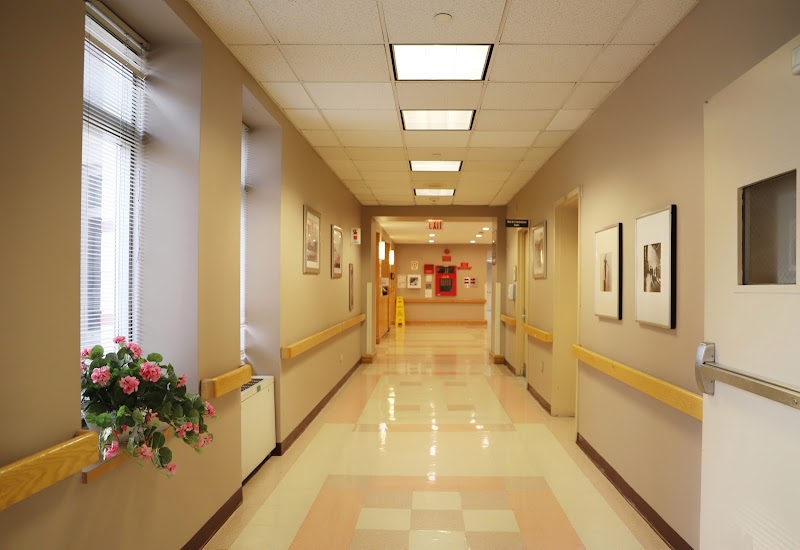
BRONX GARDENS REHABILITATION AND NURSING CENTER is owned by a for-profit company. For-profit facilities operate as businesses with obligations to shareholders or private owners. The facility is operated by CITADEL CARE CENTERS, a chain that manages multiple nursing homes. With 199 certified beds and approximately 192 residents (about 96% occupancy), it is a mid-sized facility located in BRONX, New York.
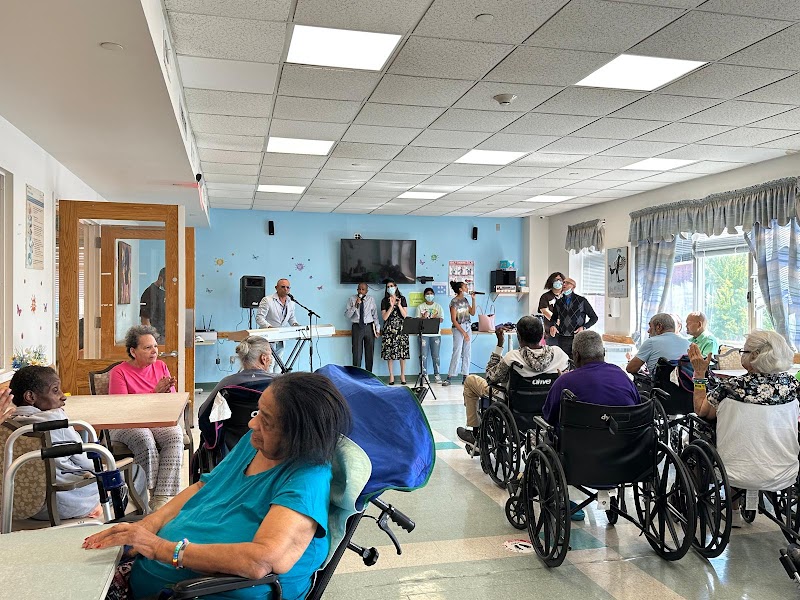
How Does Bronx Gardens Rehabilitation And Nursing Center Compare to Other New York Nursing Homes?

Compared to the 100 nursing homes in New York, BRONX GARDENS REHABILITATION AND NURSING CENTER's overall rating (5 stars) is above the state average of 3.1, staff turnover (25%) is significantly lower than the state average of 46%, and health inspection rating (4 stars) is above the national benchmark.

What Should Families Ask When Visiting Bronx Gardens Rehabilitation And Nursing Center?

Based on this facility's data, families visiting should ask: "Can I visit during a mealtime to observe dining assistance and food quality?" "How do you handle medical emergencies, and what is your hospital transfer rate?" "Can I speak with family members of current residents about their experience?"

Is Bronx Gardens Rehabilitation And Nursing Center Safe?

Based on CMS inspection data, BRONX GARDENS REHABILITATION AND NURSING CENTER has a clean safety record: no substantiated abuse findings (meaning no confirmed cases of resident harm), no Immediate Jeopardy citations (the most serious violation level indicating risk of serious injury or death), and is not on the Special Focus Facility watch list (a federal program monitoring the lowest-performing 1% of nursing homes). The facility has a 5-star overall rating and ranks #1 of 100 nursing homes in New York. While no facility is perfect, families should still ask about staff-to-resident ratios and recent inspection results during their visit.

Do Nurses at Bronx Gardens Rehabilitation And Nursing Center Stick Around?

Staff at BRONX GARDENS REHABILITATION AND NURSING CENTER tend to stick around. With a turnover rate of 25%, the facility is 21 percentage points below the New York average of 46%. Low turnover is a positive sign. It means caregivers have time to learn each resident's needs, medications, and personal preferences. Consistent staff also notice subtle changes in a resident's condition more quickly. Registered Nurse turnover is also low at 26%, meaning experienced RNs are available to handle complex medical needs.

Was Bronx Gardens Rehabilitation And Nursing Center Ever Fined?

BRONX GARDENS REHABILITATION AND NURSING CENTER has no federal fines on record. CMS issues fines when nursing homes fail to meet care standards or don't correct problems found during inspections. The absence of fines suggests the facility has either maintained compliance or corrected any issues before penalties were assessed. This is a positive indicator, though families should still review recent inspection reports for the full picture.

Is Bronx Gardens Rehabilitation And Nursing Center on Any Federal Watch List?

BRONX GARDENS REHABILITATION AND NURSING CENTER is not on any federal watch list. The most significant is the Special Focus Facility (SFF) program, which identifies the bottom 1% of nursing homes nationally based on persistent, serious quality problems. Not being on this list means the facility has avoided the pattern of deficiencies that triggers enhanced federal oversight. This is a positive indicator, though families should still review the facility's inspection history directly.