CONCOURSE REHABILITATION AND NURSING CENTER INC
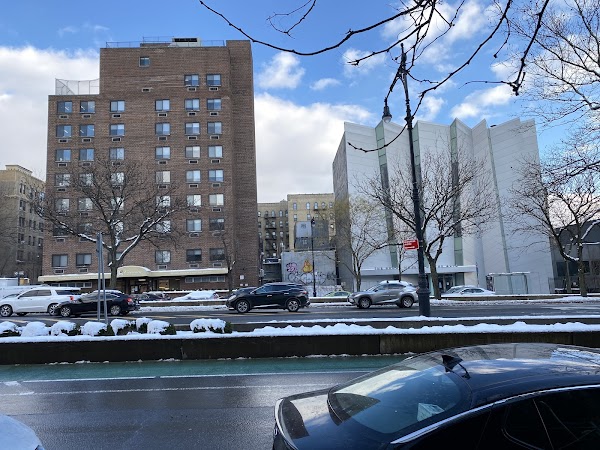
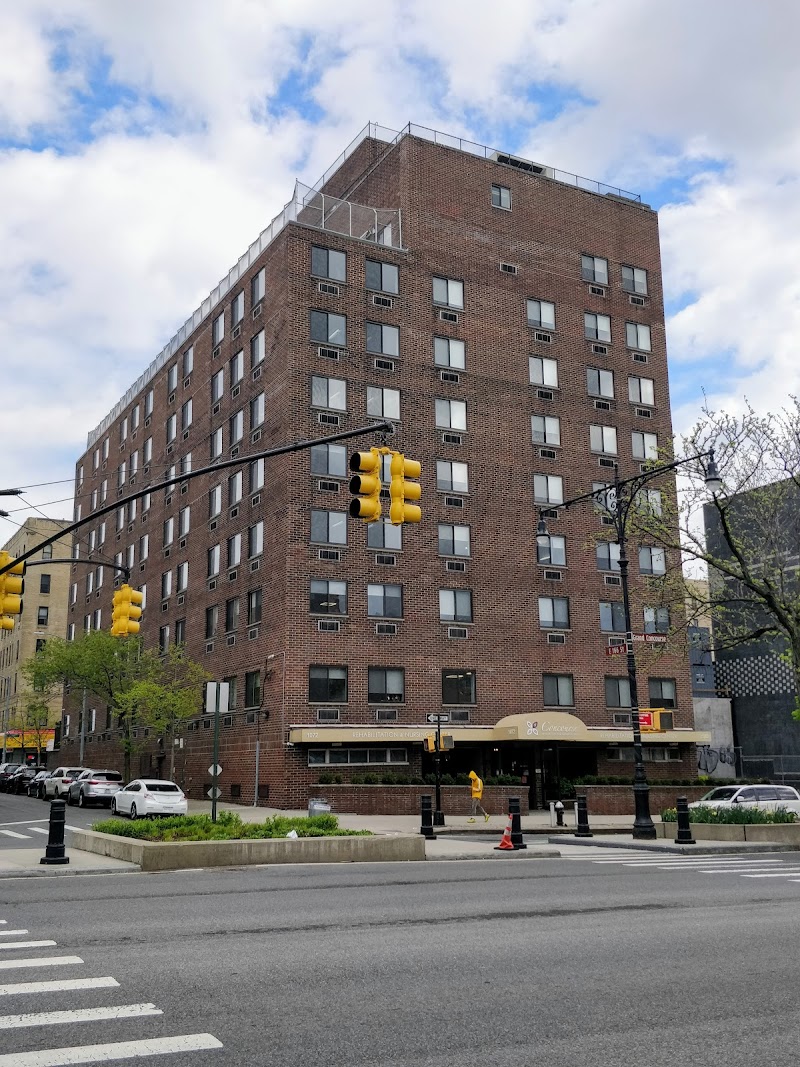
1072 GRAND CONCOURSE, BRONX, NY 10456 (718) 681-4000
For profit - Corporation 240 Beds Independent Data: November 2025
Trust Grade
41/100
#496 of 594 in NY
Last Inspection: April 2024

Within standard 12-15 month inspection cycle. Federal law requires annual inspections.

Overview

Concourse Rehabilitation and Nursing Center Inc has a Trust Grade of D, meaning it is below average and raises some concerns about care quality. It ranks #496 out of 594 facilities in New York, placing it in the bottom half of all nursing homes in the state, and #42 out of 43 in Bronx County, indicating that only one local facility is rated better. The facility's trend is worsening, with the number of issues found increasing from 5 in 2019 to 8 in 2024. In terms of staffing, the turnover rate is a positive aspect at 29%, which is significantly lower than the state average of 40%, though the overall staffing rating is just 1 out of 5 stars, indicating poor performance. There have been some concerning incidents, such as a resident who fell and fractured their thigh bone due to inadequate supervision, and failures to report serious incidents to the New York State Department of Health, which could indicate systemic issues in care management and accountability.

Trust Score
D
41/100
In New York
#496/594
Bottom 17%
Safety Record
Moderate
Needs review
Inspections
Getting Worse
5 → 8 violations
Staff Stability
✓ Good
29% annual turnover. Excellent stability, 19 points below New York's 48% average. Staff who stay learn residents' needs.
Penalties
○ Average
$10,592 in fines. Higher than 52% of New York facilities. Some compliance issues.
Skilled Nurses
⚠ Watch
Each resident gets only 23 minutes of Registered Nurse (RN) attention daily — below average for New York. Fewer RN minutes means fewer trained eyes watching for problems.
Violations
⚠ Watch
13 deficiencies on record. Higher than average. Multiple issues found across inspections.
★☆☆☆☆
1.0
Overall Rating
★☆☆☆☆
1.0
Staff Levels
★★★☆☆
3.0
Care Quality
★★☆☆☆
2.0
Inspection Score
Stable
2019: 5 issues
2024: 8 issues

The Good

  • Low Staff Turnover (29%) · Staff stability means consistent care
  • Full Sprinkler Coverage · Fire safety systems throughout facility
  • No fines on record
  • Staff turnover is low (29%)

    19 points below New York average of 48%

Facility shows strength in staff retention, fire safety.

The Bad

1-Star Overall Rating

Below New York average (3.0)

Significant quality concerns identified by CMS

Federal Fines: $10,592

Below median ($33,413)

Minor penalties assessed

The Ugly 13 deficiencies on record

1 actual harm
Apr 2024 8 deficiencies 1 Harm
SERIOUS (G) 📢 Someone Reported This

A family member, employee, or ombudsman was alarmed enough to file a formal complaint

Actual Harm - a resident was hurt due to facility failures

Accident Prevention (Tag F0689)

A resident was harmed · This affected 1 resident

**NOTE- TERMS IN BRACKETS HAVE BEEN EDITED TO PROTECT CONFIDENTIALITY** Based on observation, record review, and interviews conducted during a Recertification and Abbreviated survey (NY00331425) from ...

Read full inspector narrative →
**NOTE- TERMS IN BRACKETS HAVE BEEN EDITED TO PROTECT CONFIDENTIALITY** Based on observation, record review, and interviews conducted during a Recertification and Abbreviated survey (NY00331425) from 4/6/2024 to 4/12/2024, the resident received inadequate supervision to prevent an accident. This was evident for one (Resident #80) of three residents reviewed for accidents out of 38 total sampled residents. Specifically, the plan of care did not clearly indicate Resident #80 required 2-person assistance with activities of daily living. Subsequently, Resident #80 fell and sustained a left distal femoral neck fracture (thigh bone broken at the knee) when Certified Nursing Assistant #1 rolled the resident on their side during care without a 2nd staff member's assistance. This resulted in actual harm to Resident #80 that was not immediate jeopardy. Finding is: The facility policy and procedure titled Fall Prevention and Management Program dated 8/2023 documented the staff will follow the resident fall prevention plan of care to ensure resident safety. Resident #80 had diagnoses of dementia and cerebrovascular accident (a stroke). The Minimum Data Set 3.0 assessment dated [DATE] documented Resident #80 was rarely/never understood and exhibited moderate cognitive impairment. Resident #80 required substantial/maximal assistance where the helper does more than half of the effort when rolling in bed and performing personal hygiene. The Certified Nursing Assistant Accountability Record for 1/2024 documented Resident #80 was provided with bed mobility assistance a total of 30 times between 1/1/2024 and 1/10/2024. The record documented 10 out of the 30 times bed mobility was performed, Resident #80 scored a 4 in performance, indicating they were totally dependent, and a 3 in support provided, indicating 2-person assistance was required. In 8 out of the 30 times bed mobility was performed, Resident #80 scored a 3 in performance, indicating they required extensive assistance, and a 3 in support provided, indicating 2-person assistance was required. The facility Accident Report dated 1/10/24 documented Certified Nursing Assistant #1 notified Registered Nurse #1 that Resident #80 fell from the bed onto the floor during care. Certified Nursing Assistant #1 lost their grip on Resident #80 when they rolled the resident onto their right side and the resident fell. The Accident Report documented a risk management plan for staff to observe the care protocol for two staff to assist with total care residents. The facility Write-Up Form dated 1/11/2024 documented Certified Nursing Assistant #1 was suspended for 3 weeks due to Resident #80's fall during care resulting in a diagnosis of left femur fracture. The write-up form documented that Certified Nursing Assistant #1 must always follow the Certified Nursing Assistant records prior to giving care to any resident. A Nursing Note dated 1/10/2024 documented a left knee x-ray showed Resident #80 had a moderately displaced comminuted fracture of the distal femur supracondylar region (thigh bone broken at the knee). Resident #80 was transferred to the hospital for further evaluation. The Comprehensive Care Plan related to activities of daily living initiated 2/7/2024 documented reposition Resident #80 in bed with total assistance every 2-4 hours using a turning sheet. There was no documented evidence Certified Nursing Assistant #1 was provided with definitive instruction to provide Resident #80 with 2-person assistance when performing activities of daily living. This resulted in Resident #80's fall and fracture on 1/10/2024 when Certified Nursing Assistant #1 rolled the resident in bed without a 2nd person to assist. During an interview conducted on 4/10/2024 at 4:33 PM, Certified Nursing Assistant #1 stated they provided Resident #80 with care on 1/10/2024. Certified Nursing Assistant #1 rolled the resident to one side to provide care and lost their grasp on the resident, causing Resident #80 to fall on the floor. Certified Nursing Assistant #1 stated they were unaware Resident #80 required 2 people to assist with activities of daily living as they were regularly assigned to Resident #80 prior to the incident and provided one person assistance to perform hygiene and bed mobility. On 4/11/2024 at 3:21 PM, an interview conducted with the Acting Assistant Director of Nursing who stated Certified Nursing Assistants checked the task list in the medical record for their assigned residents prior to providing care. Any changes in resident condition and care required were discussed during report given to the Certified Nursing Assistants prior to the start of their shift. The Acting Assistant Director of Nursing stated they did not supervise Certified Nursing Assistants by observing the care they provided to residents. Supervision took place by discussing and reinforcing the Certified Nursing Assistant's tasks and responsibilities with them during report. During an interview on 4/11/2024 at 11:06 AM, Director of Nursing #1 stated Certified Nursing Assistants were in-serviced and performed competencies regarding their responsibility for checking the Accountability Record in the medical record prior to performing tasks with residents. Resident #80 required 2-person assistance at the time of the incident on 1/10/2024. Certified Nursing Assistant #1 did not follow protocol for performing activities of daily living and was taken off the schedule until the investigation was completed. During an interview on 4/12/2024 at 11:03 AM, the Rehabilitation Director stated Resident #80 required the extensive assistance of two people to perform activities of daily living prior to their fall on 1/10/2024. During an interview on 4/10/2024 at 2:41 PM, Medical Doctor #1 stated they were aware Resident #80 had a fall and fracture on 1/10/2024. Resident #80 was non-ambulatory prior to the fall incident and their activity of daily living status did not significantly change upon readmission from the hospital. 10 NYCRR 415.12(h)(2)
CONCERN (D) 📢 Someone Reported This

A family member, employee, or ombudsman was alarmed enough to file a formal complaint

Potential for Harm - no one hurt, but risky conditions existed

Report Alleged Abuse (Tag F0609)

Could have caused harm · This affected 1 resident

**NOTE- TERMS IN BRACKETS HAVE BEEN EDITED TO PROTECT CONFIDENTIALITY** Based on observation, record review, and interviews conducted during a Recertification and Abbreviated (NY00331425) survey from ...

Read full inspector narrative →
**NOTE- TERMS IN BRACKETS HAVE BEEN EDITED TO PROTECT CONFIDENTIALITY** Based on observation, record review, and interviews conducted during a Recertification and Abbreviated (NY00331425) survey from 4/7/2024 to 4/12/2024, the facility did not ensure all alleged violations involving abuse were reported to the New York State Department of Health immediately or within 2 hours after the allegation was made. This was evident for 2 (Resident #80 and #119) of 38 total sampled residents. Specifically, 1) Resident #80 had a fall resulting in a fracture that was not reported to the New York State Department of Health, and 2) Resident #119 had an unwitnessed fall resulting in a fracture that was not reported to the New York State Department of Health. The findings are: The facility policy titled Prevention of Mistreatment, Neglect and Abuse and Misappropriation of Resident Property dated 10/4/2022 documented the Director of Nursing will report any accident or incident where there is reasonable cause to believe that resident abuse occurred to the New York State Department of Health. The facility policy titled Accident Prevention and Reporting dated 6/2023 documented the Director of Nursing reported any suspected incidence of abuse, neglect, or mistreatment to the New York State Department of Health. 1) Resident #80 had diagnoses of dementia and seizure disorder. The Minimum Data Set 3.0 assessment dated [DATE] documented Resident #80 had moderately impaired cognition and required the assistance of 1 person for rolling in bed. The facility Accident Report dated 1/10/2024 documented Resident #80 fell out of bed during care when Certified Nursing Assistant #1 rolled the resident to one side and was unable to hold onto the resident. Resident #80 sustained a left femoral (thigh bone) fracture as a result of the fall. There was no documented evidence Resident #80's fall and fracture were reported to the New York State Department of Health. 2) Resident #119 had diagnoses of congestive heart failure and anxiety disorder. The Minimum Data Set 3.0 assessment dated [DATE] documented Resident #119 was moderately cognitively impaired and required extensive assistance of 2 people for transfers and personal hygiene. The facility Accident Report dated 3/4/2024 documented staff heard a scream coming from Resident #119's room. Upon entering the room, Resident #119 was found on the floor with their left leg rotated inwards. Resident #119 was found to have a left fibula (ankle) and tibia (shin bone) fracture. There was no documented evidence Resident #119's fall and subsequent fracture was reported to the New York State Department of Health. On 4/11/2024 at 11:06 AM, an interview conducted with the Director of Nursing who stated allegations of abuse were reported immediately to the New York State Department of Health. The Director of Nursing stated they investigated abuse allegations within the first 2 hours of the occurrence and ruled out abuse before deciding if they needed to be reported to the New York State Department of Health. Resident #80's fall and fracture were not reported because it was a witnessed fall. Resident #119's fall and fracture were not reported because the resident was able to give an account of the incident that took place. 10 NYCRR 415.4(b)(2)
CONCERN (D)

Potential for Harm - no one hurt, but risky conditions existed

Deficiency F0655 (Tag F0655)

Could have caused harm · This affected 1 resident

**NOTE- TERMS IN BRACKETS HAVE BEEN EDITED TO PROTECT CONFIDENTIALITY** Based on record review and interviews conducted during a Recertification survey from 4/7/2024 to 4/12/2024, the facility did not...

Read full inspector narrative →
**NOTE- TERMS IN BRACKETS HAVE BEEN EDITED TO PROTECT CONFIDENTIALITY** Based on record review and interviews conducted during a Recertification survey from 4/7/2024 to 4/12/2024, the facility did not ensure that the baseline care plan was developed within 48 hours of a resident's admission and the resident and/or their representative were provided with a written summary of the baseline care plan. This was evident for 1 (Resident # 10) of 38 total sampled residents. Specifically, the baseline care plan was not completed within 48 hours of Resident #10's admission to the facility and a copy was not provided to Resident #10. The findings are: The facility policy titled Baseline Care Plan dated 9/2023 documented a baseline care plan will be developed within 48 hours of resident's admission and the resident and their representative will be provided with a summary of the baseline care plan prior to the completion of the comprehensive care plan. Resident #10 was admitted to the facility on [DATE] with diagnoses of unspecified convulsions and acute osteomyelitis of the left ankle and foot. The Minimum Data Set 3.0 assessment dated [DATE] documented Resident #10 was moderately impaired in cognition participated in the assessment. On 4/07/2024 at 10:02 AM, Resident #10 was interviewed and stated they were not provided with a copy of their baseline care plan from admission to the facility approximately 4 months ago. The Baseline Care Plan for Resident #10 created on 11/21/2023 documented a completion date of 11/24/2023, more than 48 hours after the resident's admission to the facility on [DATE]. There was no documented evidence a copy of the baseline care plan was provided to Resident #10. On 4/10/2024 at 10:27 AM, Registered Nurse #1 was interviewed and stated they were responsible for creating and ensuring the completion of baseline care plans. Residents and their representatives were provided with a copy of the baseline care plan upon its completion. Registered Nurse #1 was not aware and was unable to provide an explanation for Resident #10 not receiving a copy of their baseline care plan. The baseline care plan for Resident #10 was completed 4 days after their admission to the facility. Registered Nurse #1 stated they provided a copy to Resident #10 but had no documented evidence that a copy had been provided. On 4/10/2024 at 12:35 PM, the Director of Nursing was interviewed and stated the unit nurse manager was responsible for overseeing the completion of baseline care plans within 48 hours of a resident's admission to the facility and documented in the medical record that a copy was provided to the resident and/or their representative. The Director of Nursing had no explanation for a copy of the baseline care plan not being provided to Resident #10. 10 NYCRR 415.11 (c)
CONCERN (D)

Potential for Harm - no one hurt, but risky conditions existed

Comprehensive Care Plan (Tag F0656)

Could have caused harm · This affected 1 resident

**NOTE- TERMS IN BRACKETS HAVE BEEN EDITED TO PROTECT CONFIDENTIALITY** Based on record review and interviews conducted during the Recertification survey from 4/7/2024 to 4/12/2024, the facility did n...

Read full inspector narrative →
**NOTE- TERMS IN BRACKETS HAVE BEEN EDITED TO PROTECT CONFIDENTIALITY** Based on record review and interviews conducted during the Recertification survey from 4/7/2024 to 4/12/2024, the facility did not ensure that a person-centered comprehensive care plan was developed and implemented to address the resident's medical, physical, mental, and psychosocial needs. This was evident for 1 (Resident #24) of 38 total sampled residents. Specifically, a comprehensive care plan was not developed and implemented for Resident #24's use of antipsychotic medication. The findings are: The facility policy titled Comprehensive & Interim Care Plan dated 8/10/2023 documented that a care plan is developed for each resident's problem, with a measurable goal and interventions necessary to achieve the goal. Resident #24 had diagnoses of delusional disorder and bipolar disorder. The Minimum Data Set 3.0 assessment dated [DATE] documented Resident # 24 was moderately impaired in cognition and received antipsychotic medication. The Physician Order dated 3/10/2024 documented Resident #24 received Quetiapine 50 milligrams once daily. The Medication Administration Record for March 2024 Resident #24 received Quetiapine 50 milligrams daily in accordance with the Physician Order. There was no documented evidence a comprehensive care plan was developed for Resident #24's use of Quetiapine, an antipsychotic medication. On 4/09/2024 at 11:48 AM, Registered Nurse #2 was interviewed and stated they were responsible for developing, reviewing, and updating comprehensive care plans upon admission, quarterly, and as needed. Resident # 24 was prescribed and administered the antipsychotic medication Quetiapine to treat behavioral symptoms. Registered Nurse #2 stated there should be a care plan for Resident #24's antipsychotic medication use and it was an oversight that one was not developed and implemented. On 4/09/2024 at 12:23 PM, the Director of Nursing was interviewed and stated the unit nurse manager was responsible for developing, reviewing, and updating the comprehensive care plans for each resident upon admission, quarterly, and as needed. A care plan should be developed for residents taking antipsychotic medication. The Director of Nursing was unable to locate a care plan for Resident #24's antipsychotic medication use and was not aware that one had not been developed. 10 NYCRR 415.11(c)(1
CONCERN (D)

Potential for Harm - no one hurt, but risky conditions existed

Pressure Ulcer Prevention (Tag F0686)

Could have caused harm · This affected 1 resident

**NOTE- TERMS IN BRACKETS HAVE BEEN EDITED TO PROTECT CONFIDENTIALITY** Based on observation, record review and interviews conducted during the recertification survey from 4/7/2024 to 4/12/2024, the f...

Read full inspector narrative →
**NOTE- TERMS IN BRACKETS HAVE BEEN EDITED TO PROTECT CONFIDENTIALITY** Based on observation, record review and interviews conducted during the recertification survey from 4/7/2024 to 4/12/2024, the facility did not ensure a resident received care, consistent with professional standards of practice, to prevent pressure ulcers. This was evident for 1 (Resident #27) of 6 residents reviewed for pressure ulcers out of 38 total sampled residents. Specifically, Resident #27 was observed without on multiple occasions resident #27 was observed without heel float boots, a pressure-relieving device, in accordance with the Physician's Order. The findings are: The facility policy titled Pressure Ulcers dated 10/2023 documented assistive devices were used to treat and prevent pressure ulcers. Bony prominences were protected as needed. Resident #27 had diagnoses of dementia and respiratory failure. The Minimum Data Set 3.0 assessment dated [DATE] documented Resident #27 was severely cognitively impaired and was dependent on staff to perform activities of daily living. On 4/08/2024 at 11:00 AM and 12:30 PM and 4/10/2024 at 10:55 AM and 12:45 PM, Resident #27 was observed out of bed to a recliner chair in the unit hallway. Resident #27 did not have bilateral heel float boots in place. The Braden Scale - Skin Breakdown Risk assessment dated [DATE] documented that the resident was at risk for pressure ulcers. The Physician's Order initiated 10/10/2023 and renewed 4/1/2024 documented Resident #27 was ordered to always wear bilateral heel float boots, only to be removed for hygiene care. The Comprehensive Care Plan related to skin integrity last reviewed 3/29/2024 documented off-load Resident #27's heels while the resident was in bed. On 4/10/2024 at 12:34 PM, an interview was conducted with Certified Nursing Assistant #2 who stated they were assigned to Resident #27 and applied bilateral heel float boots to the resident's feet when the resident was in bed. Resident #27's family requested the resident where shoes when out of bed and in the recliner. Certified Nursing Assistant #2 stated that their daily task list for Resident #27 did not include instruction on application of heel float boots. On 4/10/2024 at 12:50 PM, an interview was conducted with Licensed Practical Nurse #1 who stated Resident #27 was ordered to always wear bilateral heel float boots unless they were receiving skin hygiene checks during activities of daily living care. Resident #27's family brought in shoes for the resident to wear and Licensed Practical Nurse #1 informed the family the Medical Doctor needed to be informed before the resident could wear the shoes. Licensed Practical Nurse #1 stated they saw Resident #27 wearing the shoes yesterday and instructed Certified Nursing Assistant #2 to stop using the shoes and to apply the bilateral heel float boots. On 4/10/2024 at 3:24 PM, Registered Nurse #1 was interviewed and stated Resident #27 had previously had a sacral pressure ulcer that healed. Resident #27 was ordered to always wear bilateral heel float boots to prevent skin breakdown. Registered Nurse #1 could not explain the reason Certified Nursing Assistant #2 did not apply the bilateral heel float boots to Resident #27's feet in accordance with the Physician's Order. 4/11/2024 at 1:40 PM, the Director of Nursing was interviewed and stated Registered Nurses were responsible for monitoring the application of special devices, such as hell float boots. 10 NYCRR 415.12(c)(1)
CONCERN (D)

Potential for Harm - no one hurt, but risky conditions existed

Dental Services (Tag F0791)

Could have caused harm · This affected 1 resident

**NOTE- TERMS IN BRACKETS HAVE BEEN EDITED TO PROTECT CONFIDENTIALITY** Based on observation, record review, and interviews conducted during the recertification survey from 4/7/2024 to 4/12/2024, the ...

Read full inspector narrative →
**NOTE- TERMS IN BRACKETS HAVE BEEN EDITED TO PROTECT CONFIDENTIALITY** Based on observation, record review, and interviews conducted during the recertification survey from 4/7/2024 to 4/12/2024, the facility did not ensure dental services were provided from an outside resource to meet the needs of the resident. This was evident for 1 (Resident #203) of 38 total sampled residents. Specifically, the facility did not obtain outside dental services for Resident #203 when a tooth extraction was recommended. The findings are: The facility policy titled Dental Consultation dated 8/2023 documented residents were provided access to dental consultations as part of their comprehensive primary care. Resident #203 had diagnoses of diabetes mellitus and heart failure. The Minimum Data Set 3.0 assessment dated [DATE] documented Resident #203 was moderately cognitively impaired. On 4/10/2024 at 12:42 PM, Resident #203 was interviewed and stated a Dentist saw them in the facility a few months ago and recommended a tooth extraction. The facility did not assist with scheduling an appointment to have the tooth extraction and Resident #203's son coordinated with an outside dentist for an appointment. Resident #203 went to the outside dentist and the tooth extraction was not done because of an insurance issue. The facility has not assisted with any follow-up appointments with the dentist and the tooth extraction still was not addressed. The Comprehensive Care Plan related to dental care dated 1/13/2024 documented Resident #203 was at risk for a dental condition and should be referred for dental services. The Dental Consult dated 2/14/2024 documented Resident #203 complained of lower right mouth pain. Resident #203 had a broken tooth and the Dentist recommended Resident #203 have a tooth extraction. There was no documented evidence a Dental Consult for tooth extraction was ordered in response to the Dentist's recommendation on 2/14/2024. The Nursing Note dated 3/12/2024 documented Resident #203's son visited and informed the Nursing staff they made an appointment for Resident #203 to see an outside Dentist on 3/22/2024. The Physician's Order dated 3/12/2024 documented Resident had a Dentist appointment scheduled for 3/22/2024. The Nursing Note dated 3/22/2024 documented Resident #203 returned from their Dentist appointment and was not evaluated for tooth extraction because of an insurance issue. There was no documented evidence a follow-up Dentist appointment was scheduled when Resident #203 was not evaluated for tooth extraction on 3/22/2024. There was no documented evidence the facility assisted with alternative Dental arrangements or sources of payment for Resident #203 to receive a tooth extraction. On 4/10/2024 at 9:29 AM, Unit Clerk #1 was interviewed and stated they recall Resident #203's son made an appointment for the resident to be seen by a Dentist outside the facility. Resident #203 did go to the appointment on 3/22/2024 but was not seen by the Dentist due to an insurance issue. On 4/10/2024 at 12:59 PM, Registered Nurse #3 was interviewed and stated they were aware Resident #203 attempted to see an outside Dentist on 3/22/2024 but was not seen due to an insurance issue. Another Dental Consult was ordered for Resident #203, but Registered Nurse #3 did not know if the resident received any follow-up appointment yet. On 4/11/2024 at 11:56 AM, Medical Doctor #3 was interviewed and stated they were not aware Resident #203 had any dental pain until recently. Medical Doctor #3 stated Dental Consult recommendations were reviewed but they do not recall reviewing Resident #203's Dental Consult recommending tooth extraction due to pain from a broken tooth. 10 NYCRR 415.17(b)
CONCERN (D)

Potential for Harm - no one hurt, but risky conditions existed

Deficiency F0847 (Tag F0847)

Could have caused harm · This affected 1 resident

Based on record review and interviews conducted during the Recertification survey from 4/7/2024 through 4/12/2024, the facility did not ensure the Binding Arbitration Agreement granted the resident or...

Read full inspector narrative →
Based on record review and interviews conducted during the Recertification survey from 4/7/2024 through 4/12/2024, the facility did not ensure the Binding Arbitration Agreement granted the resident or representative the right to rescind the agreement within 30 calendar days of signing it. This was evident for 1 (Resident #156) of 38 total sampled residents. Specifically, the Binding Arbitration Agreement signed by Resident #156 did not grant the resident 30 calendar days to rescind the agreement. The findings are: The facility's sample admission Agreement contained a Binding Arbitration Agreement that documented the agreement can be rescinded within 10 days of the resident's admission to the facility. Resident #156 signed a Binding Arbitration Agreement on 12/22/2021. There was no documented evidence Resident #156 was provided 30 calendar days to rescind the agreement. On 4/12/2024 at 12:51 PM, the Director of Social Service was interviewed and stated they were unaware that the resident or their representative should have the right to rescind the agreement within 30 days of signing it. The facility Binding Arbitration Agreement documents that it may be rescinded within 10 days from the date of the resident's admission to the facility. On 4/12/2024 at 1:10 PM, the Administrator was interviewed and stated the facility Binding Arbitration Agreement states it can be rescinded within 10 days of a resident's admission to the facility. The Administrator stated they were unaware residents had the right to rescind within 30 days of signing the agreement. 10 NYCRR 415.30
CONCERN (F)

Potential for Harm - no one hurt, but risky conditions existed

Deficiency F0577 (Tag F0577)

Could have caused harm · This affected most or all residents

Based on observation, record review, and interviews conducted during the recertification survey from 4/6/2024 to 4/12/2024, the facility did not ensure the results of the most recent facility survey w...

Read full inspector narrative →
Based on observation, record review, and interviews conducted during the recertification survey from 4/6/2024 to 4/12/2024, the facility did not ensure the results of the most recent facility survey were posted in a place readily accessible to residents, and family members and legal representatives of residents. This was evident for 12 of 12 residents (Resident #s 5, 11, 41, 64, 77, 129, 146, 188, 203, 209, 215, and 295) during the Resident Council Meeting. Specifically, there were no observations of posted survey results in the facility. The findings are: During the Resident Council Meeting on 4/8/2024 at 10:30 AM, Resident #s 5, 11, 41, 64, 77, 129, 146, 188, 203, 209, 215, and 295 stated they were not aware of the location of the facility's posted survey results. On 4/8/2024 at 11:50 AM, the 6th Floor was observed with a posting documenting the New York State Department of Health survey results were located on the 1st Floor bulletin board outside the Admissions Office. There were no other observations of a posting providing the location of the facility's survey results. On 4/8/2024 at 11:53 AM, the 1st Floor Admissions Office was observed without a bulletin board in the vicinity. There were no observations of posted survey results readily accessible to residents, family members, and resident legal representatives throughout the 1st Floor and all other areas of the facility. On 4/10/2024 at 12:17 PM, the Director of Admissions was interviewed and stated the 1st Floor bulletin board was removed during renovations and was never replaced after the construction. They were not aware a sign was posted on the 6th Floor indicating the facility's survey results could be found on the bulletin board. The Director of admission stated the posting needed to be updated and the survey results needed to be accessible to all residents. On 4/12/2024 at 1:25 PM, the Director of Nursing stated survey results used to be posted on the bulletin board outside of the Admissions Office until recently. The survey results were no longer posted on the bulletin board or anywhere else in the facility. 415.3 (d)(1)(v)
Aug 2019 5 deficiencies
CONCERN (D)

Potential for Harm - no one hurt, but risky conditions existed

Deficiency F0604 (Tag F0604)

Could have caused harm · This affected 1 resident

**NOTE- TERMS IN BRACKETS HAVE BEEN EDITED TO PROTECT CONFIDENTIALITY** Based on observation and interview conducted during the recertification survey, the facility did not ensure a resident is free f...

Read full inspector narrative →
**NOTE- TERMS IN BRACKETS HAVE BEEN EDITED TO PROTECT CONFIDENTIALITY** Based on observation and interview conducted during the recertification survey, the facility did not ensure a resident is free from physical restraint. Specifically, a resident was observed in the day room, sitting on a wheel chair with a lap tray attached to the resident's body, and the resident was unable to remove it. This was evident for 1 of the 1 resident reviewed for Physical Restraints out of a sample of 39 residents. (Resident # 302). The finding is: The facility policy on Physical Restraint dated 2016 documented the following: Residents being considered for restraints/Device will be evaluated by a team composed of a Licensed Nurse and a rehabilitation therapist and or a social worker. The policy also documented that, prior to instituting a device, a verbal or written order must be obtained from the resident or a designated representative, if at all possible. The policy further documented that the monitoring for continued need will be documented on the tracking sheet for each resident. In addition, the policy stated that the comprehensive care plan will reflect the quarterly review interventions. Resident #302 is [AGE] year old admitted to the facility on [DATE] with diagnoses that included Dementia, Hypertension, CerebroVascular Accident and Hemiplegia. The admission Minimum Data Set (MDS) 3.0 dated 1/3/19 documented the resident's cognitive status is severely impaired, requires extensive assistance with one person assist and has impairment on one side of the upper extremity. On 8/01/19 at 11:56 AM, the resident was observed in the elevator, sitting on a wheel chair with a lap tray that was tied to the back of the wheel chair. The resident was later wheeled to the day room where the Certified Nursing Assistant (CNA) untied the lap tray from the back of the resident's wheel chair. The CNA stated that we only remove the tray before the lunch and put it back on after lunch. On 8/02/19 at 11:38 AM, the resident was observed in the day room, sitting in a wheel chair with a lap tray tied to the back of the wheel chair. The State Agent (SA) spoke to the resident and the resident responded in Spanish language. The SA then asked CNA #4 who speaks Spanish to interpret. CNA #4 instructed the resident to remove the tray 3 times. The resident made an attempt to remove the tray but was not able to do so. CNA#4 stated that the resident is confused. Registered Nurse Manager (RNM #2) was present. The Cognitive Care Plan dated 12/29/19 documented the resident had impaired judgement. The Social Service assessment dated [DATE] documented the resident is alert and confused with short and long term memory impaired. Review of the medical record was done on 8/5/19 and revealed no assessment was completed prior to the use of the lap tray. The Physician's Order dated 1/9/19 documented Geri Chair tray non restraint for safety. Resident can remove by will and by command. This order was discontinued (d/c) on 8/1/19. The Physician's Order dated 8/2/19 documented, Out of Bed (OOB) to reclining chair with lap tray to support (Left Upper Extremity) LUE to prevent subluxation and leg panel to prevent left hemi lower ext from falling in between the leg rest. An Occupational Therapy Note dated 8/1/19 documented, Resident assessed for lab tray. Requires lab tray to support left upper ext, to prevent subluxation of the left shoulder. On 8/05/19 at 10:40 AM, the Occupational Therapy and Rehab Director (OTRD) was interviewed. The OTRD stated we assess the resident to determine why they need the device. He also stated that the resident was provided with a lap tray due to left Hemiplegia and the resident's muscle tone. An arm tray was tried prior but this was not effective. The OTRD further stated that there was no written assessment was done prior to the use of lap tray. The issue was discussed with nursing staff. The OTRD also stated that an assessment was conducted when the resident was first provided with the lap tray and the resident was able to remove it at that time. No additional assessments were done after the lab tray was started. On 8/01/19 at 2:00 PM, CNA #2 was interviewed. CNA#2 stated that she has worked with the resident for the past year and the resident is confused, unable to make his needs known and cannot follow instructions. CNA#2 also stated the resident has had the lap tray for a while and she places it on him after doing his morning care and removes it before lunch. CNA#2 further stated that she was instructed by the nurse manager a very long time ago to apply the tray as she stated. The lap tray was not included in her daily task but she is following the instructions from the Registered Nurse (RN)Manager. On 8/01/19 at 2:25 PM, RN #1 was interviewed. RN #1 stated that rehab, and not nursing, is responsible for assessing the resident's use of the lap tray. RN#1 also stated that the tray is only removed during feeding and ADL care. On 8/02/19 at 11:40 AM, Registered Nurse Manager (RNM) #2 was interviewed. RNM #2 was unable to describe the facility protocol for assessment of physical restraints. RNM #2 also stated that the resident is very confused and was able to remove the lap tray a few weeks ago. RNM#2 was not able to specify how often residents are evaluated and assessed to determine the ongoing need for the use of restraint. 415.4 (a)(2-7)
CONCERN (D)

Potential for Harm - no one hurt, but risky conditions existed

Comprehensive Care Plan (Tag F0656)

Could have caused harm · This affected 1 resident

**NOTE- TERMS IN BRACKETS HAVE BEEN EDITED TO PROTECT CONFIDENTIALITY** Based on observation and interview conducted during the recertification survey, the facility did not ensure a care plan was deve...

Read full inspector narrative →
**NOTE- TERMS IN BRACKETS HAVE BEEN EDITED TO PROTECT CONFIDENTIALITY** Based on observation and interview conducted during the recertification survey, the facility did not ensure a care plan was developed for a resident. Specifically, there was no care plan developed for a resident using a laptray. This was evident for 1 resident out of a sample of 39 residents. (Resident # 302) The finding is: The facility policy for Assessment and Care Process/Development dated 11/2018 documented the following that it is the responsibility of the facility to provide care necessary for each resident to reach his/ her highest practicable physical, mental and psychosocial well-being. The policy also documented that a care plan is developed for each resident in order to have a systematic blueprint of the resident's problems and interventions determined to be necessary to achieve the measurable specified and individualized. The policy further documented that the the Comprehensive Care Plan must reflect the residents specific problems, and also the basis guidelines for the Certified Nursing Assistant assignment sheet. Resident #302 is [AGE] year old admitted to the facility on [DATE] with diagnoses that included Dementia, Hypertension, Cerebrovascular Accident and Hemiplegia. The admission Minimum Data Set (MDS) 3.0 dated 1/3/19 documented the resident's cognitive status is severely impaired, requires extensive assistance with one person assist and has impairment on one side of the upper extremity. On 8/01/19 at 11:56 AM, the resident was observed in the elevator, sitting on a wheel chair with a lap tray that was tied to the back of the wheel chair. The resident was later wheeled to the day room where the Certified Nursing Assistant (CNA) untied the lap tray from the back of the resident's wheel chair. The CNA stated that we only remove the tray before the lunch and put it back on after lunch. On 8/02/19 at 11:38 AM, the resident was observed in the day room, sitting in a wheel chair with a lap tray tied to the back of the wheel chair. The State Agent (SA) spoke to the resident and the resident responded in Spanish language. The SA then asked CNA #4 who speaks Spanish to interpret. CNA #4 instructed the resident to remove the tray 3 times. The resident made an attempt to remove the tray but was not able to do so. CNA#4 stated that the resident is confused. Registered Nurse Manager (RNM #2) was present. The Physician's Order dated 1/9/19 documented Geri Chair tray non restraint for safety. Resident can remove by will and by command. This order was discontinued (d/c) on 8/1/19. Review of the medical record revealed that there was no care plan created for the use of a lap tray. On 8/01/19 at 2:00 PM, CNA #2 was interviewed. CNA#2 stated that she has worked with the resident for the past year and the resident is confused, unable to make his needs known and cannot follow instructions. CNA#2 also stated the resident has had the lap tray for a while and she places it on him after doing his morning care and removes it before lunch. CNA#2 further stated that she was instructed by the nurse manager a very long time ago to apply the tray as she stated. The lap tray was not included in her daily task but she is following the instructions from the Registered Nurse (RN)Manager. On 8/01/19 at 2:25 PM, the RN #1-Supervisor was interviewed. RN#1 stated there is no care plan for the use of the lab tray. The tray is used to position the resident due to Hemiplegia. RN #1 also stated that the RN charge nurse is responsible for care planning. RN#1 was unable to explain why the care plan for the use of lap tray was not developed. 415.11(c)(1)
CONCERN (D)

Potential for Harm - no one hurt, but risky conditions existed

Deficiency F0711 (Tag F0711)

Could have caused harm · This affected 1 resident

**NOTE- TERMS IN BRACKETS HAVE BEEN EDITED TO PROTECT CONFIDENTIALITY** Based on observation, record review and interviews during the recertification survey, the facility did not ensure that a residen...

Read full inspector narrative →
**NOTE- TERMS IN BRACKETS HAVE BEEN EDITED TO PROTECT CONFIDENTIALITY** Based on observation, record review and interviews during the recertification survey, the facility did not ensure that a resident's total plan of care was reviewed by the Physician following readmission. Specifically, The family member of Resident #58 complained to SA that the resident was not walking post fall and was not receiving Physical Therapy/Occupational Therapy. Record reviews revealed that prior to having a fall in the facility and being hospitalized the resident was receiving PT/OT. The Nurse Practitioner (NP#9) assessed the resident upon the resident's readmission, however, the NP did not refer the resident to PT/OT for evaluation. The NP documented that they would confer with the resident's Medical Doctor (MD). There was no documented evidence that the NP conferred with the MD or that the MD evaluated the resident post fall and hospitalization. The resident was never referred to PT or OT for revaluation. This was evident for one of five residents reviewed for Unnecessary Medications and Dementia Care in a sample size of 39 residents. The finding is: On 8/01/19 at approximately 9:51 AM resident #58 was observed by this State Agent seated in a wheel chair, awake and alert and dressed appropriately for the weather. Speech is clear and appropriate. On 8/02/19 the resident returned from his activity at approximately 11:00 AM. At approximately 11:25 AM he went to lunch in the dining room. He is awake, alert and calm. He is dressed appropriately, wearing his black arm/wrist support. He has no complaints of pain in his right lower arm. He is quietly seated in his wheelchair. On 8/1/19 at approximately 2:30 PM the resident's daughter spoke briefly with this SA and stated she is content with care given to her father but doesn't know why he isn't walking. She stated she visits often and speaks with the nurse and NP. Resident #58 is [AGE] years old and was admitted on [DATE] with diagnoses including: Cerebral Infarction, Aphasia and muscle weakness (generalized). The most recent Quarterly Minimum Data Set (MDS) dated [DATE] was reviewed and documented that the resident's BIMS score was 11(moderately impaired). His Activities of Daily Living for Section G: subsection: C: does not walk in the room. Subsection D: does not walk in the corridor. A record review was conducted. The PT (Physical Therapy) Progress and Discharge (d/c) summary documented: 2/27/19. Diagnosis: fracture of unspecified part, initial encounter for closed fracture. Hemiplegia and hemiparesis following Cerebral Infarction affecting Right dominant side (12/12/18). History of falling (12/12/18). Short Term/Long Term goals set and worked on with resident. D/C plans and Instructions: resident was d/c to hospital due to medical complexity. To be re-evaluated upon re-admission. The Nurse Practitioner (NP) #9 note of 2/25/19, 4:25 PM was reviewed. She documented the resident returned from [NAME] Hospital. Assessment/Plan: monitor resident for pain, instruct him to use call bell at all times in order to prevent falls. Discussed with Medical Provider #8. There are no written notes by Medical Provider #8 since 1/12/19. The 1/12/19 note documented that the resident has Right Hip Open Reduction Internal Fixation (ORIF). No documentation of any therapy or follow up by Orthopedist. On 08/02/19 at approximately 11:27 AM the Physical Therapist #6 was interviewed and he stated that the resident was walking in Physical Therapy, became sick and was d/c from therapy. He (Physical Therapist #6) reviewed the orders from 2/20/19-3/1/19 in the resident's Electronic Medical Record (EMR) and there were no orders entered for re-evaluation by Physical Therapy. He reviewed the EMR and found that resident was sent to hospital and returned within 24 hours: 2/25/2019-2/26/19 at 12:08PM He stated that the resident was d/c from therapy and upon his return from the hospital he should have been referred back to therapy for re-evaluation. RN #4 was at the desk and he asked her if the resident was on FAP (Floor Ambulation Program) and she stated no. 0n 8/02/19 at 11:59 AM RN #1 was interviewed and stated that the resident was discharged (D/C) from Physical Therapy (PT) in Feb, 2019 and sent to the hospital. She continued to state that he was D/C from Occupational Therapy (OT) and PT because of d/c to hospital and then was transferred to the 4th floor. On 8/2/19 at approximately 3:40 PM RN #1 was interviewed and stated that the facility policy is when a resident returns from a hospital visit, they are re-evaluated by OT and PT. She does not know how the resident was not re-evaluated by PT. On 8/05/19 at approximately 10:02 AM RN #1 was re-interviewed and stated the resident was not seen by PT when he returned to the facility on [DATE]. The facility process is: all residents who are new admissions are screened by Rehab. This resident was sent to the hospital and returned. He was not referred to PT by the Physician. The NP #9, this NP is not working here any longer, signed the transfer form from the hospital. The physician, Medical Provider #8 is following this resident. On 8/05/19 at approximately 10:22 AM RN #4 was interviewed and stated NP #9 saw the resident and she wrote notes. She is responsible to write her orders for the resident. She stated that she did not notice that NP #9 did not order PT re-evaluation for the resident. She continued to state: My responsibility is to ensure that all of the nursing preparations are done in order for the resident to be seen by the NP, MD, Dietary or therapy. This includes taking Vital Signs (blood pressure, pulse, respirations and temperature), they are dressed appropriately and/or weighed. On 8/05/19 at approximately 11:30 AM the Rehab Clinical Supervisor #2 was interviewed. He stated that his department had a rehab director who left in beginning of Feb, 2019. There was no replacement until early March, 2019. He continued to state that he was responsible to attend the Morning Report but if he was busy, he did not attend the meeting. The Physical Therapist was preparing to discharge the resident the week that he had a fall because he reached his maximum potential. The resident was discharged to the hospital and upon his return, there was no referral made by Nurse Practitioner #9 or Medical Provider #8. On 8/05/19 at approximately 12:04 PM Physical Therapist #7 was interviewed and stated the resident was on Physical Therapy since December 18, 2018. He was doing well-participating well, and motivated. Physical Therapist #7 continued to stated that a PT note was written on 2/20/19 and it stated the resident was reaching his maximum potential and was supposed to be discharged in a week. Then, he fell, and was discharged to the hospital on 2/25/19. He was not placed on Floor Ambulation Program and we discharged him from our system. Physical Therapist #7 continued to stated that the resident came back to the facility and we did not receive an order from MD #8 or NP#9 to follow up. When the residents go and come back from the hospital there is usually a PT order to come, screen and evaluate the resident. If there was no significant decline in prior level of function there would be a referral for PT evaluation, and then he would receive therapy. He would be kept on PT until he reached prior level of function. Lastly, she stated we usually screen everyone who comes back from the hospital. On 8/5/19 the Medical Provider #8 was paged and called but did not return the calls per RN#1. On 08/05/19 at approximately 02:18 PM Medical Director #5 was interviewed. He stated that he is aware of this situation: the resident's medical provider did not evaluate the resident following return from the emergency room following a fall. The Medical Director #5 continued to state that NP #9 is no longer is working here. The Medical Director #5 stated the facility is working with the Rehabilitation Department (they are a separate company) to share the information. The Health Care Provider runs the ship. The buck stops with the Medical Provider and he will speak with him. He lastly stated that the resident fell through the cracks. Rehab will retool themselves and have a dedicated person attend Morning Report so things aren't missed. 415.15 (b)(2)(iii)
CONCERN (D)

Potential for Harm - no one hurt, but risky conditions existed

Infection Control (Tag F0880)

Could have caused harm · This affected 1 resident

**NOTE- TERMS IN BRACKETS HAVE BEEN EDITED TO PROTECT CONFIDENTIALITY** Based on observations and interviews conducted during the recertification survey, the facility did not ensure that infection con...

Read full inspector narrative →
**NOTE- TERMS IN BRACKETS HAVE BEEN EDITED TO PROTECT CONFIDENTIALITY** Based on observations and interviews conducted during the recertification survey, the facility did not ensure that infection control practices were maintained. Specifically, a resident who continuously used oxygen was observed on multiple occasions to have oxygen tubing on the floor. (Resident #120) The findings are: The Quarterly Minimum Data Set (MDS) dated [DATE] documented that Resident #120 had moderately impaired cognition and a diagnosis of Respiratory Failure and Chronic Obstructive Pulmonary Disease. The resident was also documented as receiving suctioning, Tracheostomy care and oxygen therapy. The most recent Physician Orders reviewed on 7/23/19 documented that the resident is to have continuous oxygen 3 liters per minute via trach collar. On 07/31/19 at 10:28 AM, Resident #120 was observed in his room, out of bed, and in a wheelchair next to his bed. The oxygen tubing connecting the oxygen concentrator to the Tracheostomy collar was observed to be lying on the floor between the wheelchair and bed. On 07/31/19 at 11:56 AM, Resident #120 was observed to be in his room in the wheelchair in the same position as previously observed. The oxygen tubing was still lying on the floor in the same position. A Certified Nursing Assistant (CNA) was observed bringing the resident his lunch tray. The CNA placed the lunch tray on the resident's bedside table in front of his wheelchair and then left the room without addressing the oxygen tubing on the floor. On 08/05/19 at 11:09 AM, an interview was conducted with CNA #1, who was observed bringing the resident his meal tray. CNA #1 stated that she does recall coming into the resident room to provide him with lunch last week but the resident is not on her regular assignment. CNA #1 stated that she did not realize that the tubing was on the floor because of how the resident was positioned in the room. This resident is mobile and moves around a lot so even if the tubing is kept off the floor, sometimes it will end up on the floor again. CNA#1 further stated that if tubing is observed on the floor, she would let the nurse know so that the tubing can be changed. It is an infection control issue and that she has been trained on this previously. On 08/05/19 at 12:46 PM, the Director of Nursing(DNS) who is also responsible for Infection Control was interviewed. The DNS stated staff are inserviced during orientation, annually, and as necessary on infection control policies and procedures. Infection control inservices include care of oxygen tubing, labeling, and the fact that they are to be changed every 3 days. The DNS also stated he does rounds frequently to ensure that oxygen tubing is cared for properly. Sometimes there are patients that move around and this can cause the tubing to be on the floor. Once observed, new tubing should be provided to the resident. There are plastic bags that the facility provides to the residents. These plastic bags are used to ensure that excess oxygen tubing remains off the floor. 415.19(a)(1-3)
MINOR (C)

Minor Issue - procedural, no safety impact

MDS Data Transmission (Tag F0640)

Minor procedural issue · This affected most or all residents

8). Resident # 51: The Quarterly MDS with an ARD of 6/10/2019 was submitted on 8/1/19. 9). Resident #5: The Quarterly MDS with an ARD of 5/12/2019 was submitted on 8/1/19. 10). Resident # 62: The Qu...

Read full inspector narrative →
8). Resident # 51: The Quarterly MDS with an ARD of 6/10/2019 was submitted on 8/1/19. 9). Resident #5: The Quarterly MDS with an ARD of 5/12/2019 was submitted on 8/1/19. 10). Resident # 62: The Quarterly MDS with an ARD of 6/17/2019 was submitted on 8/1/19. On 08/05/19 at 12:53 PM, Registered Nurse (RN) #3, MDS Coordinator was interviewed. RN #3 stated that she is currently working part-time with 2 full time MDS Assessors. RN#3 also stated that she was not aware that the assessments were not submitted and maybe the assessments had not been saved. RN#3 further stated that the submission of the MDS is done by the Administrator. On 08/05/19 at 01:23 PM, an interview was conducted with the Facility Administrator. The Administrator stated that he is responsible for the submission of the completed Misstep Administrator also stated that once the assessments have been completed, the residents list will appear on my Electronic Medical Record dashboard indicating that they are ready to be submitted. The Administrator further stated that the assessments had been completed but were not saved and so did not show up on the dashboard and as a result were not submitted once they had been completed. 415.11(a)(1-5) Based on record review and interviews during the re-certification survey, the facility did not ensure Minimum Data Set (MDS) 3.0 comprehensive and non-comprehensive assessments were electronically transmitted to the Quality Improvement Evaluation System (QIES) Assessment Submission and Processing (ASAP) system in a timely manner. Specifically, Quarterly MDS assessments were not submitted and transmitted within 14 calendar days from the MDS Completion Date. Specifically, 57 out of 57 residents reviewed for the Resident Assessment Facility Task had MDS Assessments submitted later than 14 days after completion. (Residents #14, 29, 44, 57, 130, 43, 48, 3, 51, 5, and 62). The findings included but are not limited to: The CMS RAI Version 3.0 Manual (Dated October 2018), Chapter 5 titled Submission and Correction of the MDS Assessments documented the MDS completion date must be no later than 14 days after the assessment reference date (ARD) for all non-admission, OBRA, and PPS assessments. The MDS completion date must be no later than 13 days after the entry date for admission assessments. Comprehensive assessments must be transmitted electronically within 14 days of the care plan completion date. All other MDS assessments must be submitted within 14 days of the MDS completion date. 1). Resident #14: The Quarterly MDS assessment with an ARD date of 5/16/19 was completed on 5/23/19 and submitted on 8/1/19 2). Resident #29: The Quarterly MDS assessment with an ARD date of 6/29/19 was completed on 7/06/19 and submitted on 8/1/19 3). Resident #44: The Quarterly MDS assessment with an ARD date of 06/04/19 was completed on 6/11/19 and submitted on 8/1/19 4). Resident #57: The Quarterly MDS assessment with an ARD date of 6/13/19 was completed on 6/20/19 and submitted on 8/1/195). Res #43: The Quarterly MDS assessment with an ARD of 6/1/19 was submitted on 8/1/19. 6). Res #48: The Quarterly MDS assessment with an ARD of 6/5/19 was submitted on 8/1/19. 7). Res #3: The Quarterly MDS assessment with an ARD of 5/10/19 was submitted on 8/1/19.
Understanding Severity Codes (click to expand)
Life-Threatening (Immediate Jeopardy)
J - Isolated K - Pattern L - Widespread
Actual Harm
G - Isolated H - Pattern I - Widespread
Potential for Harm
D - Isolated E - Pattern F - Widespread
No Harm (Minor)
A - Isolated B - Pattern C - Widespread

Questions to Ask on Your Visit

  • "Can I speak with families of current residents?"
  • "What's your RN coverage like on weekends and overnight?"

Our Honest Assessment

Strengths
  • • 29% annual turnover. Excellent stability, 19 points below New York's 48% average. Staff who stay learn residents' needs.
Concerns
  • • 13 deficiencies on record, including 1 serious (caused harm) violation. Ask about corrective actions taken.
  • • $10,592 in fines. Above average for New York. Some compliance problems on record.
  • • Grade D (41/100). Below average facility with significant concerns.
Bottom line: Trust Score of 41/100 indicates significant concerns. Thoroughly evaluate alternatives.

About This Facility

What is Concourse Rehabilitation And Nursing Center Inc's CMS Rating?

CMS assigns CONCOURSE REHABILITATION AND NURSING CENTER INC an overall rating of 1 out of 5 stars, which is considered much below average nationally. Within New York, this rating places the facility higher than 0% of the state's 100 nursing homes. A rating at this level reflects concerns identified through health inspections, staffing assessments, or quality measures that families should carefully consider.
How is Concourse Rehabilitation And Nursing Center Inc Staffed?

CMS rates CONCOURSE REHABILITATION AND NURSING CENTER INC's staffing level at 1 out of 5 stars, which is much below average compared to other nursing homes. Staff turnover is 29%, compared to the New York average of 46%. This relatively stable workforce can support continuity of care.

What Have Inspectors Found at Concourse Rehabilitation And Nursing Center Inc?

State health inspectors documented 13 deficiencies at CONCOURSE REHABILITATION AND NURSING CENTER INC during 2019 to 2024. These included: 1 that caused actual resident harm, 11 with potential for harm, and 1 minor or isolated issues. Deficiencies causing actual harm indicate documented cases where residents experienced negative health consequences.
Who Owns and Operates Concourse Rehabilitation And Nursing Center Inc?

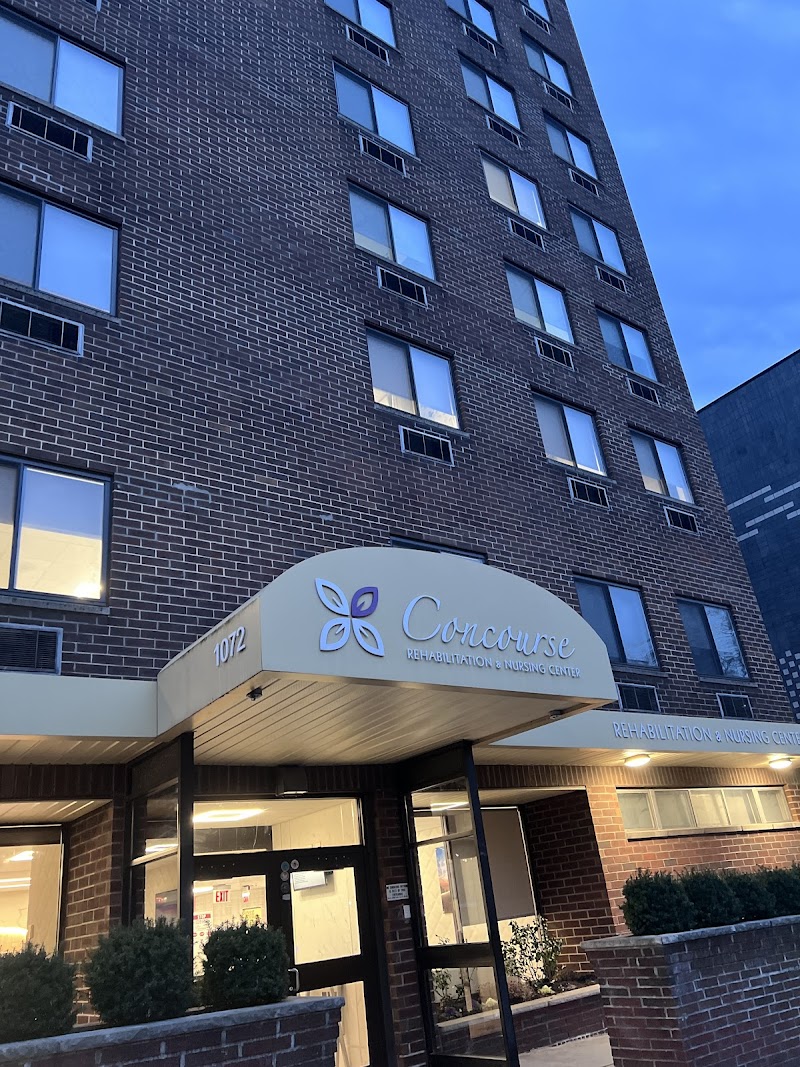
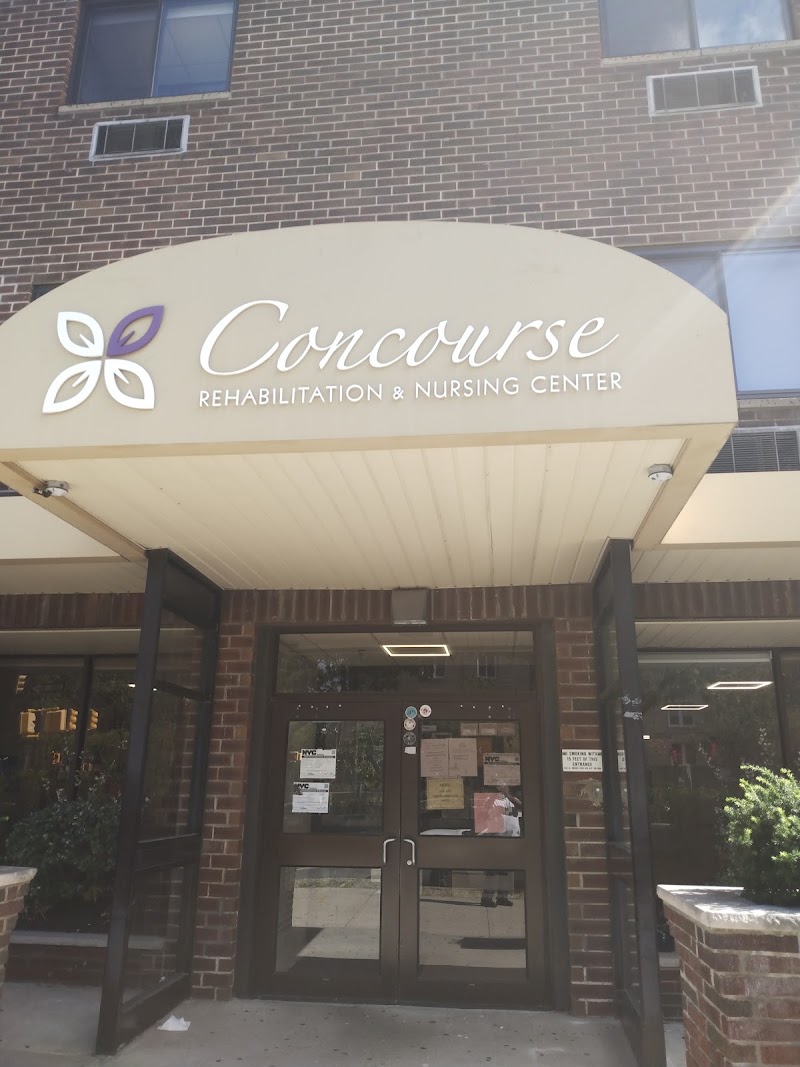
CONCOURSE REHABILITATION AND NURSING CENTER INC is owned by a for-profit company. For-profit facilities operate as businesses with obligations to shareholders or private owners. The facility operates independently rather than as part of a larger chain. With 240 certified beds and approximately 233 residents (about 97% occupancy), it is a large facility located in BRONX, New York.
How Does Concourse Rehabilitation And Nursing Center Inc Compare to Other New York Nursing Homes?

Compared to the 100 nursing homes in New York, CONCOURSE REHABILITATION AND NURSING CENTER INC's overall rating (1 stars) is below the state average of 3.0, staff turnover (29%) is significantly lower than the state average of 46%, and health inspection rating (2 stars) is below the national benchmark.

What Should Families Ask When Visiting Concourse Rehabilitation And Nursing Center Inc?

Based on this facility's data, families visiting should ask: "Can you walk me through typical staffing levels on day, evening, and night shifts?" "Can I visit during a mealtime to observe dining assistance and food quality?" "How do you handle medical emergencies, and what is your hospital transfer rate?" "Can I speak with family members of current residents about their experience?" These questions are particularly relevant given the below-average staffing rating.

Is Concourse Rehabilitation And Nursing Center Inc Safe?

Based on CMS inspection data, CONCOURSE REHABILITATION AND NURSING CENTER INC has a clean safety record: no substantiated abuse findings (meaning no confirmed cases of resident harm), no Immediate Jeopardy citations (the most serious violation level indicating risk of serious injury or death), and is not on the Special Focus Facility watch list (a federal program monitoring the lowest-performing 1% of nursing homes). The facility has a 1-star overall rating and ranks #100 of 100 nursing homes in New York. While no facility is perfect, families should still ask about staff-to-resident ratios and recent inspection results during their visit.

Do Nurses at Concourse Rehabilitation And Nursing Center Inc Stick Around?

Staff at CONCOURSE REHABILITATION AND NURSING CENTER INC tend to stick around. With a turnover rate of 29%, the facility is 17 percentage points below the New York average of 46%. Low turnover is a positive sign. It means caregivers have time to learn each resident's needs, medications, and personal preferences. Consistent staff also notice subtle changes in a resident's condition more quickly.

Was Concourse Rehabilitation And Nursing Center Inc Ever Fined?

CONCOURSE REHABILITATION AND NURSING CENTER INC has been fined $10,592 across 1 penalty action. This is below the New York average of $33,185. While any fine indicates a compliance issue, fines under $50,000 are relatively common and typically reflect isolated problems that were subsequently corrected. Families should ask what specific issues led to these fines and confirm they've been resolved.

Is Concourse Rehabilitation And Nursing Center Inc on Any Federal Watch List?

CONCOURSE REHABILITATION AND NURSING CENTER INC is not on any federal watch list. The most significant is the Special Focus Facility (SFF) program, which identifies the bottom 1% of nursing homes nationally based on persistent, serious quality problems. Not being on this list means the facility has avoided the pattern of deficiencies that triggers enhanced federal oversight. This is a positive indicator, though families should still review the facility's inspection history directly.