EASTCHESTER REHABILITATION AND HEALTH CARE CENTER
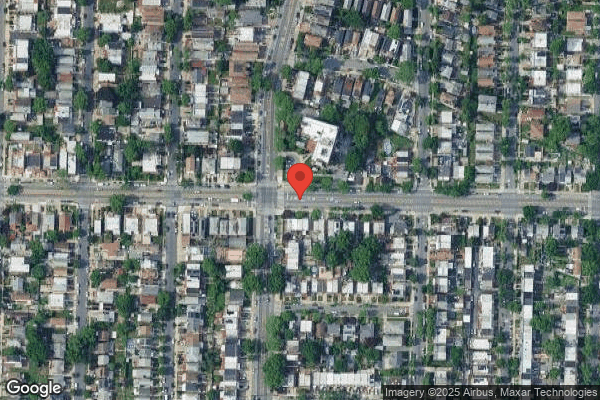
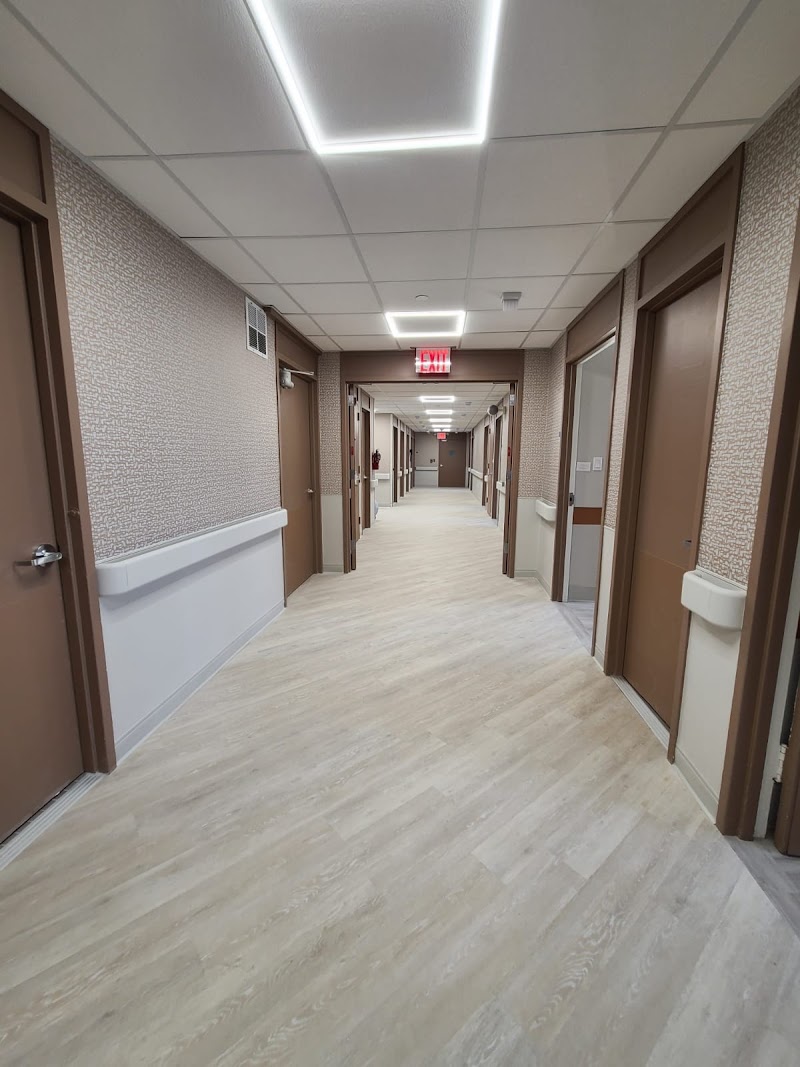
2700 EASTCHESTER ROAD, BRONX, NY 10469 (718) 231-5550
For profit - Limited Liability company 200 Beds BENJAMIN LANDA Data: November 2025
Trust Grade
80/100
#160 of 594 in NY
Last Inspection: January 2024

Within standard 12-15 month inspection cycle. Federal law requires annual inspections.

Overview

Eastchester Rehabilitation and Health Care Center has a Trust Grade of B+, which indicates it is recommended and above average in quality. It ranks #160 out of 594 facilities in New York, placing it in the top half of nursing homes in the state, and #16 out of 43 in Bronx County, meaning only a few local options are rated higher. The facility is improving, with issues decreasing from four in 2021 to just one in 2024. However, staffing is a significant weakness, receiving a poor rating of 1 out of 5 stars, although the turnover rate is impressively low at 0%, suggesting that the few staff members who are there stay for a long time. Notably, there were concerns regarding the Infection Preventionist not having completed specialized training before being hired, and there were issues with residents not receiving quarterly financial statements, which raises questions about financial management. On a positive note, the facility has not incurred any fines, indicating compliance with regulations.

Trust Score
B+
80/100
In New York
#160/594
Top 26%
Safety Record
Low Risk
No red flags
Inspections
Getting Better
4 → 1 violations
Staff Stability
○ Average
Turnover data not reported for this facility.
Penalties
✓ Good
No fines on record. Clean compliance history, better than most New York facilities.
Skilled Nurses
○ Average
RN staffing data not reported for this facility.
Violations
○ Average
6 deficiencies on record. Average for a facility this size. Mostly minor or procedural issues.
★★★★☆
4.0
Overall Rating
★☆☆☆☆
1.0
Staff Levels
★★★★☆
4.0
Care Quality
★★★★★
5.0
Inspection Score
Stable
2021: 4 issues
2024: 1 issues

The Good

  • 4-Star Quality Measures · Strong clinical quality outcomes
  • Full Sprinkler Coverage · Fire safety systems throughout facility
  • No fines on record

Facility shows strength in quality measures, fire safety.

The Bad

Chain: BENJAMIN LANDA

Part of a multi-facility chain

Ask about local staffing decisions and management

The Ugly 6 deficiencies on record

Jan 2024 1 deficiency
CONCERN (E)

Potential for Harm - no one hurt, but risky conditions existed

Deficiency F0882 (Tag F0882)

Could have caused harm · This affected multiple residents

Based on record review and interviews conducted during the Recertification survey from 1/03/2024 to 1/10/2024, the facility did not ensure the Infection Preventionist completed specialized training. T...

Read full inspector narrative →
Based on record review and interviews conducted during the Recertification survey from 1/03/2024 to 1/10/2024, the facility did not ensure the Infection Preventionist completed specialized training. This was evident during infection control review. Specifically, the Infection Preventionist did not complete specialized training in infection prevention prior to being hired as the facility's Infection Preventionist. The findings are: The facility policy titled Infection Preventionist dated 11/2023 documented the Infection Preventionist completed specialized training in infection prevention and control. There was no documented evidence the Infection Preventionist received specialized training on facility infection prevention and control. During an interview on 1/09/2024 at 9:50 AM, the Infection Preventionist stated they became the Infection Preventionist on 12/6/2023 and did not complete specialized training with regards to he Infection Preventionist role prior to their employment with the facility. The Infection Preventionist stated they completed a standard infection control course that awarded them 4 hours of continuing education credit. During an interview on 1/09/2024 at 3:32 PM, the Director of Nursing stated the facility's Assistant Director of Nursing and Minimum Data Set Coordinator received training in infection control and worked with the Infection Preventionist who will now complete the specialized training required to become an Infection Preventionist. 10 NYCRR 415.19
Oct 2021 4 deficiencies
CONCERN (D)

Potential for Harm - no one hurt, but risky conditions existed

Deficiency F0568 (Tag F0568)

Could have caused harm · This affected 1 resident

**NOTE- TERMS IN BRACKETS HAVE BEEN EDITED TO PROTECT CONFIDENTIALITY** Based on record review and staff interviews conducted during the Recertification survey, the facility did not ensure that indivi...

Read full inspector narrative →
**NOTE- TERMS IN BRACKETS HAVE BEEN EDITED TO PROTECT CONFIDENTIALITY** Based on record review and staff interviews conducted during the Recertification survey, the facility did not ensure that individual financial records were available to the resident through quarterly statements. Specifically, a resident did not consistently receive quarterly statements from 01/01/2021 to 10/07/2021. This was evident for 1 out of 1 resident reviewed for Personal Funds out of a sample of 33 residents. (Resident #20). The finding is: The facility policy Resident Funds with an effective date of 10/01/2018 and revised 09/2021 contained no reference to the provision of quarterly statements. Resident #20 was admitted to the facility with diagnosis that included Atrial Fibrillation, Benign Prostatic Hyperplasia (BPH) and Cataracts. The Quarterly Minimum Data Set (MDS) 3.0 assessment dated [DATE] documented that resident's had intact cognition. On 10/04/2021 at 02:34 PM, the resident was interviewed. The resident stated that Social Security funds had been issued and they had not been receiving quarterly statement of their finances being held by the facility. The Resident Fund Ledger dated 01/01/2021 - 03/31/2021, 04/01/2021 - 06/30/2021, and 07/01/2021 - 09/30/2021were not signed by the resident. There was no documented evidence that the resident was provided with the quarterly statements for the period of 10/01/2020 - 09/30/2021. On 10/08/2021 at 10:07 AM, the Social Worker (SW) was interviewed. The SW stated that they were not involved in providing financial statements to the resident and that was handled by the Medicaid Representative. On 10/08/2021 at 11:26 AM, the Finance Coordinator (FC) was interviewed. The FC stated that their duties included the oversight of the resident's funds once they are admitted to the facility. The FC also stated that residents are provided with statements every three months. A copy is printed, and the Recreation Department will distribute to all residents. The FC further stated the residents sign the log and a copy of the log is kept in the finance and recreation offices. On 10/08/2021 at 01:13 PM, the FC was re-interviewed. The FC provided quarterly statements for the period 10/01/2020 - 09/30/2021 that were all unsigned. The FC stated that they were unable to locate log sheets for the statement periods above. On 10/08/2021 at 01:17 PM, the Administrator (ADM) was interviewed. The ADM stated that given out by recreation and recreation and nursing both keep copies of the resident funds. The ADM stated that all residents get a quarterly statement, the alert residents receive their own and finance and recreation will mail to the families if residents are not alert. The ADM stated that the alert residents will sign indicating receipt of the document. 415.26(h)(5)
CONCERN (D)

Potential for Harm - no one hurt, but risky conditions existed

Deficiency F0570 (Tag F0570)

Could have caused harm · This affected 1 resident

Based on record review and staff interviews conducted during the Recertification survey, the facility did not ensure that a surety bond or similar protection with the amount equal to at least the curr...

Read full inspector narrative →
Based on record review and staff interviews conducted during the Recertification survey, the facility did not ensure that a surety bond or similar protection with the amount equal to at least the current total amount of resident's funds was maintained. Specifically, the surety bond held by the facility did not cover the total amount of resident personal funds deposited with the facility. This was evident for 72 of 151 residents who maintained personal funds accounts at the facility. The findings are: On 10/08/2021 at 1:17 PM, the Administrator presented a surety bond with an effective date of 01/31/2021 and termination date of midnight 01/31/2022 in the amount of $100,000. The facility document titled List Resident Funds dated 10/08/2021 documented the current total amount of resident's funds was $262,729.22. The facility did not ensure that the value of the surety bond covered funds currently held in all residents' accounts. On 10/08/2021 at 01:13 PM, the Finance Coordinator (FC) was interviewed. The FC stated that the Surety Bond was not the responsibility of the FC and was kept in a safety deposit box. On 10/08/2021 at 01:17 PM, an interview was conducted with the Facility Administrator (FA). The FA stated that the corporate office sends the Surety Bond annually and it is filed in the records. The FA also stated that the facility is not a stand-alone facility and is covered by a corporate office which addresses matters pertaining to the Surety Bond. The FA further stated that the current Surety Bond does not match the amount of money in the facility. 415.26(h)(5)(v)
CONCERN (D)

Potential for Harm - no one hurt, but risky conditions existed

Deficiency F0655 (Tag F0655)

Could have caused harm · This affected 1 resident

**NOTE- TERMS IN BRACKETS HAVE BEEN EDITED TO PROTECT CONFIDENTIALITY** Based on record review and interviews conducted during the Recertification survey the facility did not ensure that baseline care...

Read full inspector narrative →
**NOTE- TERMS IN BRACKETS HAVE BEEN EDITED TO PROTECT CONFIDENTIALITY** Based on record review and interviews conducted during the Recertification survey the facility did not ensure that baseline care plans were developed within 48 hours and a written summary provided to the resident or the resident's representative. This was evident for 3 out of 33 residents reviewed. (Residents # 158, #83, & #131) The findings included but were not limited to: The facility policy titled Care Planning dated 01/2021 documented that the facility develops a Baseline Care Plan within 48 hours based on initial admission/readmission assessments. 1. Resident # 158 was admitted into the facility on [DATE] with diagnoses that included Cancer, Carcinomas of liver, Hypertension, Malnutrition, and Glaucoma. The admission Minimum Data Set (MDS) assessment dated [DATE] documented the resident had severely impaired cognition. The Baseline Care Plan created 7/29/21 was documented as completed on 7/30/21. Review of the progress notes dated 07/29/2021 to 08/18/2021 revealed no documented evidence that a written summary of the baseline care plan was given to the resident or resident's representative. 2. Resident # 83 was admitted into the facility on [DATE] and had diagnoses of Heart Failure, Pneumonia, Hypertension, and Diabetes Mellitus. The admission MDS assessment dated [DATE] documented the resident had intact cognition. The Baseline Care Plan created 5/13/21 was documented as completed on 5/20/21. The baseline care plan was not completed within 48 hours of admission. Review of the progress notes dated 10/08/2021 to 10/08/2021 revealed no documented evidence that a written summary of the baseline care plan was given to the resident or resident's representative. 3. Resident #131 was admitted to the facility on [DATE] with diagnoses which included Pneumonia, Hypertension, Diabetes Mellitus, Congestive Heart Failure, Chronic Kidney Disease. The admission Minimum Data Set (MDS) assessment dated [DATE] documented resident with moderate cognitive impairment. Baseline Care Plan created 6/12/21 was documented as completed on 6/15/21. Social Services note dated 6/17/21 documented that a baseline team meeting was held with resident's family members on that date. There was no documented evidence that the baseline care plan had been developed within 48 hours and a written summary of the baseline care plan provided to resident or representative. On 10/08/21 at 10:16 AM, Registered Nurse (RN) #3 was interviewed. RN #3 stated that the Baseline Care Plan (BCP) was done upon the availability of the MD and can be done by video calls at times. RN #3 also stated that the Dietician, Nurse, Manager, Rehab, MD, and Social Work usually participated. RN #3 further stated that the BCP is completed within 72 hours of any resident admission. RN #3 stated that on weekends, it can be an interrupted process but normally the facility tries to get it done within the 48 hours. Once the BCP is completed, a meeting is held with the resident and their involvement in the meeting is reflected in the documentation in the Social Services section of the electronic record. On 10/08/21 at 11:44 AM, the Social Worker (SW) was interviewed. The SW stated that the BCP is done within 72 hours of admission to the facility. The SW also stated that the BCP meeting is held and discussed with the resident or family and documented on the computer with an electronic signature. On 10/08/21 at 01:52 PM, the Director of Nursing (DON) was interviewed. The DON stated that all newly admitted residents receive a BCP. The DON also stated that the family is contacted to determine their availability for the meeting, and they can attend either in-person or via phone. The DON stated that the timeline for BCPs is within 48 hours of admission and they are aware that it is not being done within the regulatory timeline all the time as it can be a challenge on the weekends. The DON also stated that the BCP completion is documented on the Electronic Medical Record and if some disciplines are absent, it can be done via a phone call. The DON further stated that the resident always gets a printed copy of the BCP, it is printed and filed in the medical chart, and Social Services and the MDS Coordinator will write a note that a baseline care plan meeting was done. On 10/08/21 at 02:04 PM, the Facility Administrator (FA) was interviewed. The FA stated that the Baseline Care Plan is done upon admission and that they would communicate with each department to get them done. The FA also stated that they make the notification of all new admissions so that the departments are aware of the admission. The FA further stated that they were aware of the 48 hours timeline. 415.11(c)(2)-(i-iii)
CONCERN (D)

Potential for Harm - no one hurt, but risky conditions existed

Pressure Ulcer Prevention (Tag F0686)

Could have caused harm · This affected 1 resident

**NOTE- TERMS IN BRACKETS HAVE BEEN EDITED TO PROTECT CONFIDENTIALITY** Based on observations, record reviews and staff interviews conducted during the recertification survey, the facility did not ens...

Read full inspector narrative →
**NOTE- TERMS IN BRACKETS HAVE BEEN EDITED TO PROTECT CONFIDENTIALITY** Based on observations, record reviews and staff interviews conducted during the recertification survey, the facility did not ensure that a resident receives care consistent with professional standards of practice to prevent pressure ulcers. Specifically, a resident with an order for heel cushions was observed without heel cushions on multiple occasions. This was evident for 1 of 4 residents reviewed for Position/ Mobility out of a sample of 33 residents. (Resident # 92) The findings are: The facility policy and procedure titled Splint/Orthotics Policy and Procedure dated 1/2021, documented Treatment/ Evaluating therapist need to stay on top of the device status( delivery, wear time). The responsibilty falls on everyone, without exception, everyone who is assigned a patient has a goal for a device must review the goal frequently and follow up with the device. Constant communication between the Director of Rehab and treatment therapist working with the resident requiring the device is a must. This will include folowing up with the device. Resident # 92 was admitted with diagnoses that included Wound Infection, Acute osteomyelitis left ankle and foot, Pressure ulcer left heel stage 3. The Quarterly Minimum Data Set assessment dated [DATE] documented: Resident with severely impaired cognitive skills, at risk of developing pressure ulcers/ injuries and had 1 Stage 4 Pressure Ulcer which was present upon admission. The MDS also documented the resident was receiving pressure reducing devices for chair and bed and pressure ulcer care. On 10/04/21 at 11:21AM and 3:25PM, Resident #92 was observed wearing cushion boots on the left heel. There were no cushion boots observed on the right heel On 10/05/21 at 10:06AM and 3:27PM, Resident #92 was observed wearing cushion boots on the left heel. There were no cushion boots observed on the right heel. On 10/06/21 at 9:21 AM and 3:02PM, Resident #92 was observed wearing cushion boots on the left heel. There were no cushion boots observed on the right heel. The Comprehensive Care Plan (CCP) for Pressure Ulcer, revised 6/8/2021 documented interventions which included B/L(bi-lateral) heel off-loading cushion boot to be worn at all times. Remove for skin care and during care. The (CCP) for Skin Integrity, revised on 10/19/2020 documented bilateral heel pads provided. The Physician Orders initiated on 8/11/2021 and renewed on 10/5/2021 documented: Bilateral (B/L) heel off-loading cushion boots to be worn at all times, remove for skin checks and during care. On 10/05/21 at 2:54PM, Certified Nursing Assistant (CNA) #1 was interviewed. CNA # 1 stated that the resident has only one boot for the left heel, and no boot for right heel. CNA #1 also stated that sometimes I apply the left boots on the left heel and sometimes the therapy staff apply the left boot on the left heel. CNA#1 further stated the CNA had not seen a heel boot for the right heel. CNA#1 further stated the LPN#1 was made aware there in no boot for the right heel. On 10/05/21 at 2:57PM, The Licensed Practical Nurse (LPN) # 1 was asked if CNA#1 told there is no boot for the right heel. The LPN#1 stated I did not know if the resident's right heel needed to have a heel boot also. LPN#1 stated I will check the doctor's order. The LPN#1 came back and stated there is an order for bilateral heel off-loading cushion boot to be worn at all times. The LPN#1 further stated that I should have provided a boot for right heel so that CNA can apply boot to both heels. On 10/05/21 at 3:00PM, Registered Nurse Unit Manager (RNUM) #1 was interviewed. RNUM # 1 stated that the resident has an order for bilateral heel off -loading cushion boots to be worn at all times, remove for skin checks and during care. The RNUM #1 also stated the resident should have cushion boots on both heels and did not know why only the left heel had a cushion boot applied. RNUM #1 further stated my responsibility is to make sure all protective devices, example booties are applied as ordered by the Physician. On 10/07/21 at 2:23PM, the Director of Nursing (DON) was interviewed. The DON stated that the expectation is that when there is an order for a device, the staff make sure that the CNAs apply the device as ordered by the doctor. The CNA then documents in the Sigma electronic medical record (EMR). The DON also stated that the assigned nurse is notified by the CNA if there is a problem with device application and brings it to the attention of rehab team. The DON further stated that the Unit Manager is responsible to ensure that devices ordered by the physician are applied correctly.The DON also stated that an in-service education will be done going forward to ensure that devices are applied as ordered by the physician. 415.12 (c)(1)
Mar 2019 1 deficiency
CONCERN (D)

Potential for Harm - no one hurt, but risky conditions existed

Comprehensive Care Plan (Tag F0656)

Could have caused harm · This affected 1 resident

**NOTE- TERMS IN BRACKETS HAVE BEEN EDITED TO PROTECT CONFIDENTIALITY** Based on observation, record review and staff interviews, the facility did not ensure that a comprehensive person-centered care ...

Read full inspector narrative →
**NOTE- TERMS IN BRACKETS HAVE BEEN EDITED TO PROTECT CONFIDENTIALITY** Based on observation, record review and staff interviews, the facility did not ensure that a comprehensive person-centered care plan to meet resident's medical needs was developed and implemented. Specifically, a care plan was not developed for a resident with a neurological condition and the presence of a ventricular-peritoneal (VP) shunt and status post cranioplasty. This was evident for 1 of 1 resident reviewed for Hospitalization out of a resident sample of 39 residents. (Resident # 125) The facility policy: Care Plans-Comprehensive revised February 2019 documented the following: an individualized comprehensive care plan that includes measurable objectives and timetables to meet the resident's medical, nursing, mental and psychological needs is developed for each resident . # 3. Each resident's comprehensive care plans is designed to: (a) incorporate identified problem areas; (b) incorporate risk factors associated with identified problems; (e) reflect treatment, goals, timetables and objectives in measurable outcomes; (f) identify the professional services that are responsible for each element of care; (i) reflect currently recognized standards of practice for problem areas and conditions. The finding is: Resident # 125 was admitted to the facility on [DATE] with diagnoses that included Respiratory Failure with Ventilator Dependent, Seizure Disorder, Cerebral Infarct due to embolism of right middle cerebral artery with Ventricular-Peritoneal (VP) shunt placement and Diabetes Mellitus. (A VP shunt is a tube placed in the brain to drain excess fluid) The Minimum Data Set (MDS ) 3.0 assessment dated [DATE] documented the resident's cognition as severely impaired and the resident is totally dependent on staff for Activities of Daily Living (ADL's). The MDS also documented that the resident had a feeding tube and was maintained on a ventilator. On 03/20/2019 at 12:34 PM, and on multiple occasions during the recertification survey, the resident was observed lying in bed with a tracheal tube connected to a ventilator. In addition, a peg tube was observed with feeding infusing well. Review of the physician's order revealed a neurological consult was ordered for follow up of the resident's condition. Neurology consult completed on 03/13/2019 documented enlarged ventricles on Computer tomography (CT ) of the VP shunt with the following recommendations; follow up in two weeks and it is important that the resident sits up more upright to help the shunt drain. Review of the Comprehensive Care Plans (CCP ) dated 12/06/2018 revealed there was no care plan implemented to address the neurological condition of a resident who has a VP shunt and is status post cranioplasty (surgical procedure done on the brain). On 03/22/2019 at 12:30 PM, the Registered Nurse Manager RNM #1 was interviewed. RNM #1 stated that she had developed a neurological care plan for the resident's Seizures but did not make one for the VP shunt. RNM#1 also stated that she did not know she needed to create one for that concern. On 03/22/2019 at 12:35 PM, RN#3 who is the facility educator was interviewed. RN #3 stated that there was a care plan in place for increased intracranial pressure which was not continued after the resident was hospitalized and readmitted to the facility. 415.11 (c) (1)
Understanding Severity Codes (click to expand)
Life-Threatening (Immediate Jeopardy)
J - Isolated K - Pattern L - Widespread
Actual Harm
G - Isolated H - Pattern I - Widespread
Potential for Harm
D - Isolated E - Pattern F - Widespread
No Harm (Minor)
A - Isolated B - Pattern C - Widespread

Questions to Ask on Your Visit

  • "Can I speak with families of current residents?"
  • "What's your RN coverage like on weekends and overnight?"

Our Honest Assessment

Strengths
  • • Grade B+ (80/100). Above average facility, better than most options in New York.
  • • No major safety red flags. No abuse findings, life-threatening violations, or SFF status.
  • • No fines on record. Clean compliance history, better than most New York facilities.
Concerns
  • • No significant concerns identified. This facility shows no red flags across CMS ratings, staff turnover, or federal penalties.
Bottom line: Generally positive indicators. Standard due diligence and a personal visit recommended.

About This Facility

What is Eastchester Rehabilitation And Health's CMS Rating?

CMS assigns EASTCHESTER REHABILITATION AND HEALTH CARE CENTER an overall rating of 4 out of 5 stars, which is considered above average nationally. Within New York, this rating places the facility higher than 99% of the state's 100 nursing homes. This rating reflects solid performance across the metrics CMS uses to evaluate nursing home quality.
How is Eastchester Rehabilitation And Health Staffed?

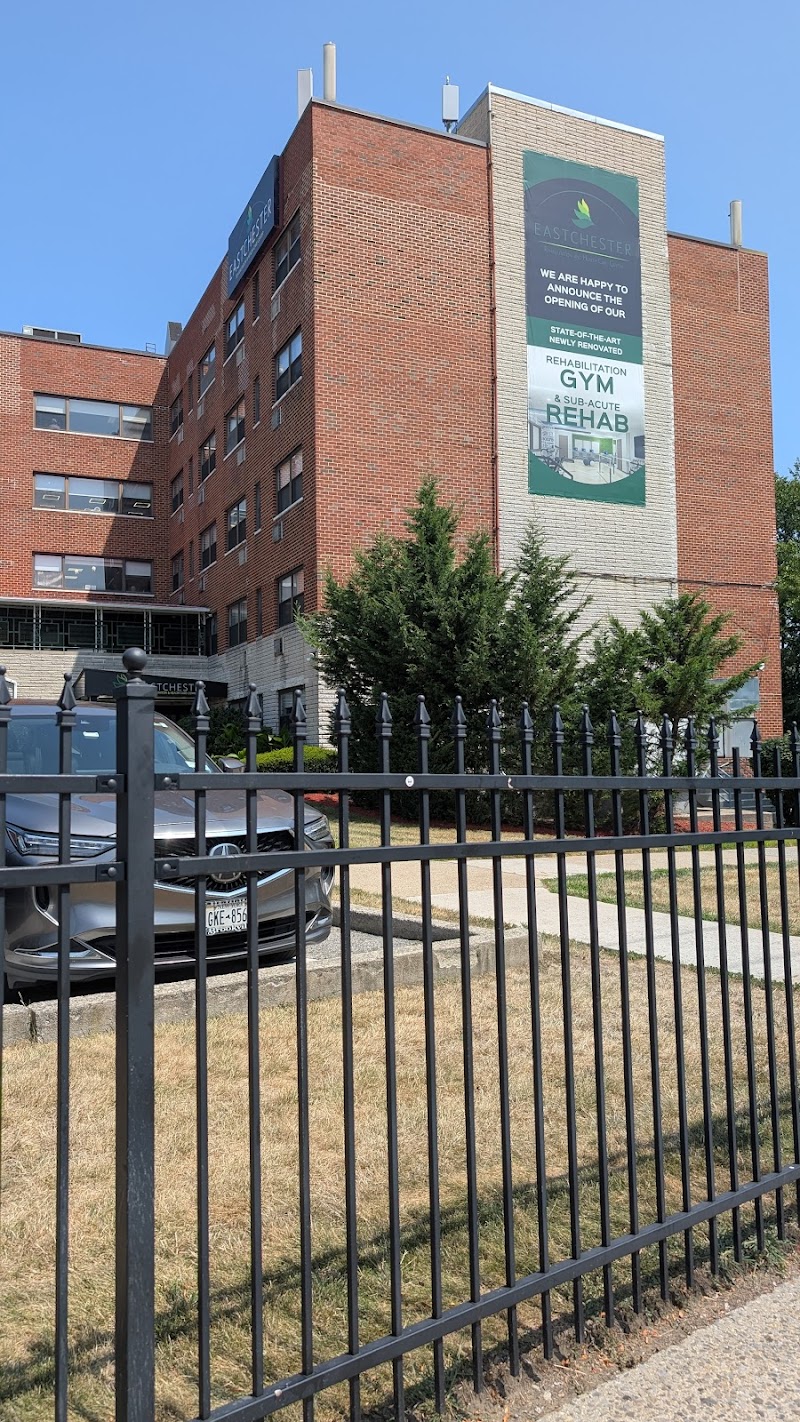
CMS rates EASTCHESTER REHABILITATION AND HEALTH CARE CENTER's staffing level at 1 out of 5 stars, which is much below average compared to other nursing homes.

What Have Inspectors Found at Eastchester Rehabilitation And Health?

State health inspectors documented 6 deficiencies at EASTCHESTER REHABILITATION AND HEALTH CARE CENTER during 2019 to 2024. These included: 6 with potential for harm.
Who Owns and Operates Eastchester Rehabilitation And Health?

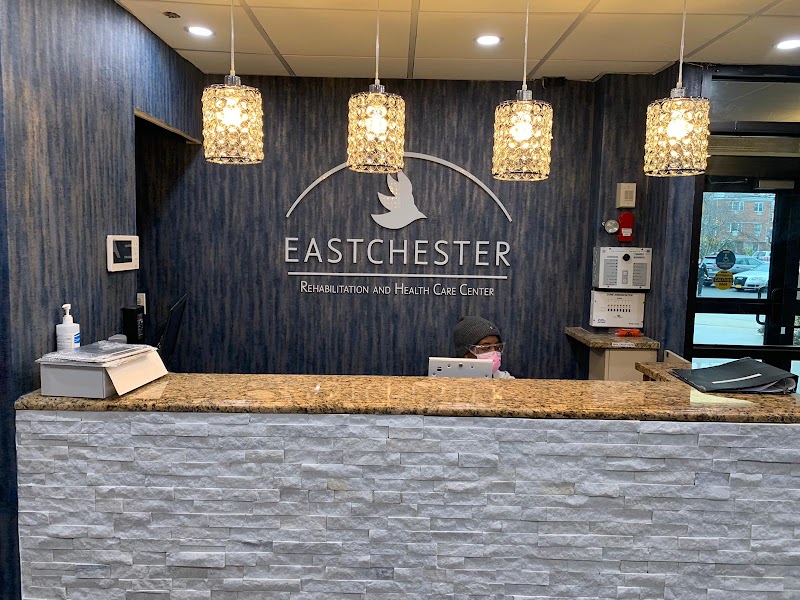
EASTCHESTER REHABILITATION AND HEALTH CARE CENTER is owned by a for-profit company. For-profit facilities operate as businesses with obligations to shareholders or private owners. The facility is operated by BENJAMIN LANDA, a chain that manages multiple nursing homes. With 200 certified beds and approximately 184 residents (about 92% occupancy), it is a large facility located in BRONX, New York.
How Does Eastchester Rehabilitation And Health Compare to Other New York Nursing Homes?

Compared to the 100 nursing homes in New York, EASTCHESTER REHABILITATION AND HEALTH CARE CENTER's overall rating (4 stars) is above the state average of 3.1 and health inspection rating (5 stars) is much above the national benchmark.

What Should Families Ask When Visiting Eastchester Rehabilitation And Health?

Based on this facility's data, families visiting should ask: "Can you walk me through typical staffing levels on day, evening, and night shifts?" "Can I visit during a mealtime to observe dining assistance and food quality?" "How do you handle medical emergencies, and what is your hospital transfer rate?" "Can I speak with family members of current residents about their experience?" These questions are particularly relevant given the below-average staffing rating.

Is Eastchester Rehabilitation And Health Safe?

Based on CMS inspection data, EASTCHESTER REHABILITATION AND HEALTH CARE CENTER has a clean safety record: no substantiated abuse findings (meaning no confirmed cases of resident harm), no Immediate Jeopardy citations (the most serious violation level indicating risk of serious injury or death), and is not on the Special Focus Facility watch list (a federal program monitoring the lowest-performing 1% of nursing homes). The facility has a 4-star overall rating and ranks #1 of 100 nursing homes in New York. While no facility is perfect, families should still ask about staff-to-resident ratios and recent inspection results during their visit.

Do Nurses at Eastchester Rehabilitation And Health Stick Around?

EASTCHESTER REHABILITATION AND HEALTH CARE CENTER has not reported staff turnover data to CMS. Staff turnover matters because consistent caregivers learn residents' individual needs, medications, and preferences. When staff frequently change, this institutional knowledge is lost. Families should ask the facility directly about their staff retention rates and average employee tenure.

Was Eastchester Rehabilitation And Health Ever Fined?

EASTCHESTER REHABILITATION AND HEALTH CARE CENTER has no federal fines on record. CMS issues fines when nursing homes fail to meet care standards or don't correct problems found during inspections. The absence of fines suggests the facility has either maintained compliance or corrected any issues before penalties were assessed. This is a positive indicator, though families should still review recent inspection reports for the full picture.

Is Eastchester Rehabilitation And Health on Any Federal Watch List?

EASTCHESTER REHABILITATION AND HEALTH CARE CENTER is not on any federal watch list. The most significant is the Special Focus Facility (SFF) program, which identifies the bottom 1% of nursing homes nationally based on persistent, serious quality problems. Not being on this list means the facility has avoided the pattern of deficiencies that triggers enhanced federal oversight. This is a positive indicator, though families should still review the facility's inspection history directly.