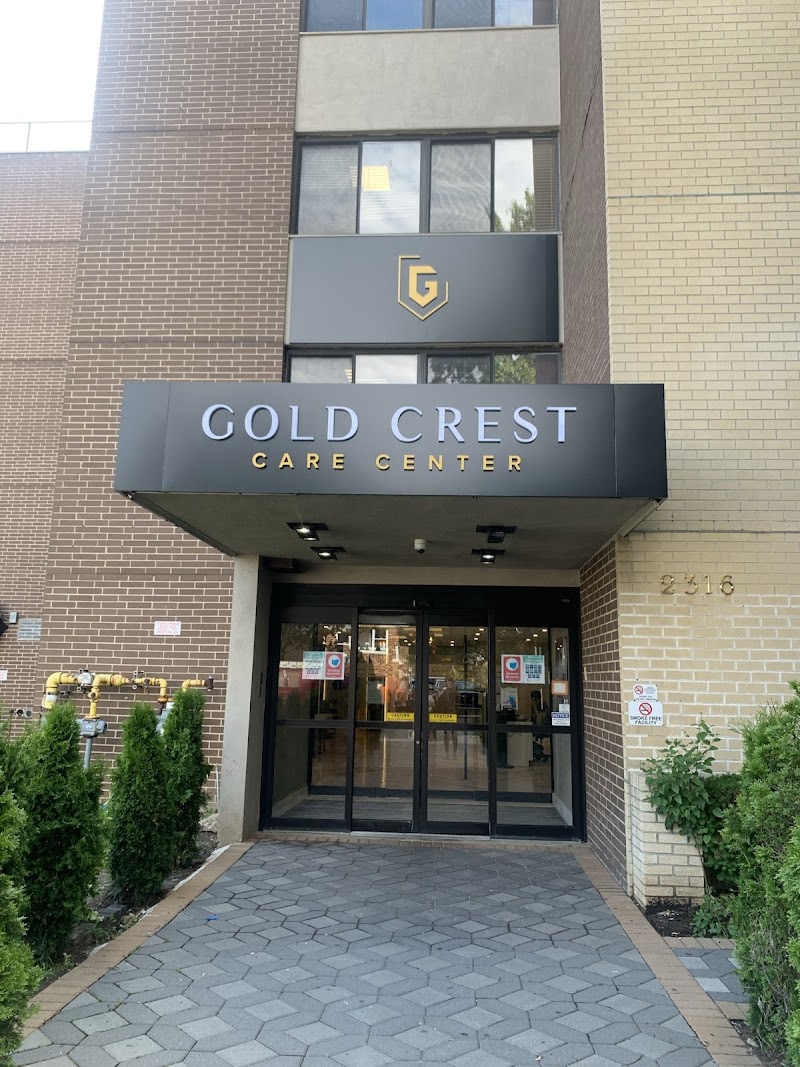
GOLD CREST CARE CENTER
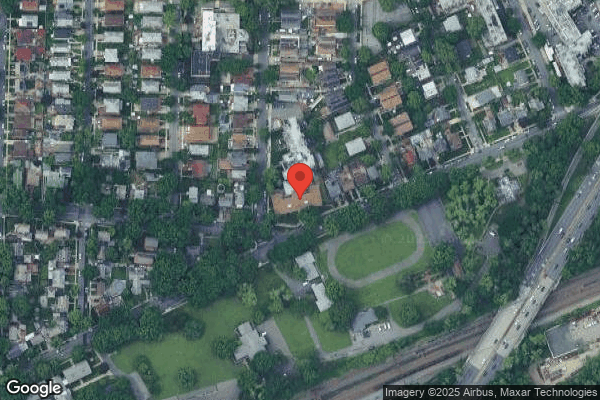

2316 BRUNER AVENUE, BRONX, NY 10469 (718) 882-6400
For profit - Corporation 175 Beds THE MAYER FAMILY Data: November 2025
Trust Grade
90/100
#41 of 594 in NY
Last Inspection: October 2024

Within standard 12-15 month inspection cycle. Federal law requires annual inspections.

Overview

Gold Crest Care Center in the Bronx has received an excellent Trust Grade of A, indicating a high level of care and service. It ranks #41 out of 594 nursing homes in New York, placing it in the top half of facilities in the state, and #5 out of 43 in Bronx County, meaning only four local homes are rated higher. However, the facility's trend is worsening, with reported issues increasing from 4 in 2022 to 6 in 2024. Staffing is a strength with a 4/5 star rating and a turnover rate of 32%, which is below the state average. Additionally, there have been no fines, suggesting compliance with regulations. However, there are some concerns to be aware of. The facility failed to develop a care plan for a resident with a serious infection, which could impact their treatment. There were also issues with notifying residents about transfers or discharges, as several did not receive the required written notice. Lastly, one resident was found using bed rails considered physical restraints without proper justification, which raises concerns about the adherence to resident rights. Overall, while Gold Crest Care Center has many strengths, families should consider these weaknesses as they make their decision.

Trust Score
A
90/100
In New York
#41/594
Top 6%
Safety Record
Low Risk
No red flags
Inspections
Getting Worse
4 → 6 violations
Staff Stability
○ Average
32% turnover. Near New York's 48% average. Typical for the industry.
Penalties
✓ Good
No fines on record. Clean compliance history, better than most New York facilities.
Skilled Nurses
○ Average
Each resident gets 36 minutes of Registered Nurse (RN) attention daily — about average for New York. RNs are the most trained staff who monitor for health changes.
Violations
⚠ Watch
11 deficiencies on record. Higher than average. Multiple issues found across inspections.
★★★★★
5.0
Overall Rating
★★★★☆
4.0
Staff Levels
★★★★★
5.0
Care Quality
★★★★☆
4.0
Inspection Score
Stable
2022: 4 issues
2024: 6 issues

The Good

  • 4-Star Staffing Rating · Above-average nurse staffing levels
  • 5-Star Quality Measures · Strong clinical quality outcomes
  • Full Sprinkler Coverage · Fire safety systems throughout facility
  • No fines on record
  • Staff turnover below average (32%)

    16 points below New York average of 48%

Facility shows strength in staffing levels, quality measures, fire safety.

The Bad

Staff Turnover: 32%

14pts below New York avg (46%)

Typical for the industry

Chain: THE MAYER FAMILY

Part of a multi-facility chain

Ask about local staffing decisions and management

The Ugly 11 deficiencies on record

Oct 2024 4 deficiencies
CONCERN (D)

Potential for Harm - no one hurt, but risky conditions existed

Deficiency F0604 (Tag F0604)

Could have caused harm · This affected 1 resident

**NOTE- TERMS IN BRACKETS HAVE BEEN EDITED TO PROTECT CONFIDENTIALITY** Based on observation, interview, and record review conducted during the Recertification Survey from 09/26/2024 to 10/03/2024, th...

Read full inspector narrative →
**NOTE- TERMS IN BRACKETS HAVE BEEN EDITED TO PROTECT CONFIDENTIALITY** Based on observation, interview, and record review conducted during the Recertification Survey from 09/26/2024 to 10/03/2024, the facility did not ensure that a resident was free from physical restraints for purposes of discipline or convenience and that are not required to treat the resident's medical symptom. This was evident in 1 (Resident #60) of 1 resident reviewed for physical restraints out of 36 total sampled residents. Specifically, Resident #60 was observed, on multiple occasions, in bed with upper quarter bed side rails raised on both sides. The findings are: The facility policy titled Physical Restraints with a revision date of 04/2024 documented physical restraint is defined as any manual method, physical or mechanical device, material or equipment attached or adjacent to the resident's body that the individual cannot remove easily, and which restricts the freedom of movement or normal access to one's body. The policy documented that bed rails are considered physical restraints and that the use of restraint must be documented in the medical records, including reason for each continued use or discontinuance. Resident #60 had diagnoses of Non-Alzheimer's Dementia, Hemiplegia and Hemiparesis following Non-Traumatic Intra-cerebral Hemorrhage affecting the right dominant side. The Quarterly Minimum Data Set, dated [DATE] documented Resident #60 was severely cognitively impaired, dependent with transfers, and required maximal assistance to roll left and right. The Minimum Data Set documented that physical restraints were not used. On 09/26/2024 at 12:09 PM, 09/30/2024 at 12:24 PM, and on 10/02/2024 at 10:12 AM, Resident #60 was observed resting in bed with upper quarter bed side rails raised on both sides. A Siderail Assessment Tool completed by the Occupational Therapist dated 07/23/2024 documented that Resident #60 was unable to get out of bed independently, was unable to use the side rail safely, there was no history of falling out of bed, was restless and disoriented at times, and was at risk of becoming entrapped if side rails were used. The assessment documented that side rails were not recommended. A Comprehensive Care Plan related to activities of daily living dated 10/26/2023 and was revised on 08/01/2024 documented that Resident #60 required total assistance with all areas of activities of daily living and was dependent with bed mobility. Further review of Resident #60's comprehensive care plan did not include use of bed side rails. A review of Resident #60's medical record revealed no documented evidence that a physician's order was obtained with instruction and clinical rationale for use of bed side rails. There was no documented evidence of family consent and / or that direct monitoring was provided during the use of bed side rails. On 10/02/2024 at 2:47 PM, Certified Nursing Assistant #1 was interviewed and stated that Resident #60 was in their assignment. They stated that Resident #60 is dependent with bed mobility and that they raise the side rails in Resident #60's bed during care although it was not listed on the Certified Nursing Assistant instructions. The Certified Nursing Assistant stated that they put the bed side rails down when they finish providing personal care to the Resident. Certified Nursing Assistant #1 was not able to explain why the bed side rails for Resident #60 was left raised. On 10/03/2024 at 9:43 AM, Certified Nursing Assistant #3 was interviewed and stated that Resident #60 was on their assignment on 09/30/2024. The Certified Nursing Assistant stated they left the bed side rails raised as a safety precaution because Resident #60 moves around in bed. They stated that Resident #60 is confused, does not talk, and is unable to release the side rails. Certified Nursing Assistant #3 stated they raise the side rails during care and forgot to put them down when they were finished. On 10/03/2024 at 10:18 AM, Registered Nurse #4, who was the Unit Manager, was interviewed and stated that the bed side rails should only be used for Resident #60 when personal care is being provided and should be lowered when not in use. Registered Nurse #4 stated side rails are considered a restraint if the resident cannot bring the side rail down on their own. Registered Nurse #4 further stated that there is no physician's order for use of side rails and that side rails were not recommended by the rehabilitation department either. On 10/30/2024 at 12:59 PM, the Occupational Therapist was interviewed and stated they completed a side rail assessment for Resident #60 and that side rails were not recommended. The Occupational Therapist stated that Resident #60 is fidgety in bed and could be trapped if side rails are used. They also stated that Resident #60 does not use their hands purposely and cannot follow instructions. On 10/03/2024 at 2:29 PM, the Director of Nursing was interviewed and stated that some beds in the facility came with side rails attached and cannot be removed from the bed. They stated that Certified Nursing Assistants raise the side rails when performing resident care. They stated that the Certified Nursing Assistants were instructed to place the side rails down after care is completed. The Director if Nursing stated that bed side rails are considered a restraint when a resident cannot put the side rails up or down independently, which Resident #60 is unable to do. 10 NYCRR 415.4(a)(2-7)
CONCERN (D)

Potential for Harm - no one hurt, but risky conditions existed

Deficiency F0700 (Tag F0700)

Could have caused harm · This affected 1 resident

**NOTE- TERMS IN BRACKETS HAVE BEEN EDITED TO PROTECT CONFIDENTIALITY** Based on observation, interview, and record review conducted during the Recertification Survey from 09/26/2024 to 10/03/2024, th...

Read full inspector narrative →
**NOTE- TERMS IN BRACKETS HAVE BEEN EDITED TO PROTECT CONFIDENTIALITY** Based on observation, interview, and record review conducted during the Recertification Survey from 09/26/2024 to 10/03/2024, the facility did not ensure that a resident was assessed for risk of entrapment from bed rails prior to use. Additionally, the facility did not ensure that the risk and benefits of bed rails were discussed with the resident, or their representative, and that informed consent was obtained prior to bed rail use. This was evident in 1 (Resident #60) of 1 resident reviewed for physical restraints out of 36 total sampled residents. Specifically, Resident #60 was observed, on multiple occasions, in bed with upper quarter bed side rails raised on both sides. The facility had no documented evidence of assessment for risk of entrapment and informed consent prior to bed rail use. There was also no documented evidence that preventive maintenance of bed rails was conducted. The findings are: The facility policy titled Physical Restraints with a revision date of 04/2024 documented physical restraint is defined as any manual method, physical or mechanical device, material or equipment attached or adjacent to the resident's body that the individual cannot remove easily, and which restricts the freedom of movement or normal access to one's body. The policy documented that bed rails are considered physical restraints and that the use of restraint must be documented in the medical records, including reason for each continued use or discontinuance. The facility was not able to provide a policy related to siderail safety and entrapment risk. Resident #60 had diagnoses of Non-Alzheimer's Dementia, Hemiplegia and Hemiparesis following Non-Traumatic Intra-cerebral Hemorrhage affecting the right dominant side. The Quarterly Minimum Data Set, dated [DATE] documented Resident #60 was severely cognitively impaired, dependent with transfers, required maximal assistance to roll left and right. The Minimum Data Set documented that physical restraints were not used. On 09/26/2024 at 12:09 PM, 09/30/2024 at 12:24 PM, and on 10/02/2024 at 10:12 AM, Resident #60 was observed resting in bed with upper quarter bed side rails raised on both sides. A review of Resident #60's medical record revealed no documented evidence that a physician's order was obtained with instruction and clinical rationale for use of bed side rails. There was no documented evidence of family consent and / or that direct monitoring was provided during the use of bed side rails. The facility was not able to provide documented evidence that Resident #60 was assessed for risk of entrapment prior to bed side rail use. There was also no documented evidence that preventive maintenance of bed rails was conducted. On 10/02/2024 at 2:47 PM, Certified Nursing Assistant #1 was interviewed and stated that Resident #60 was in their assignment. They stated that they raise the bed side rails in Resident #60's bed during care and that they put the bed side rails down when they finish providing personal care to the Resident. Certified Nursing Assistant #1 was not able to explain why the bed side rails for Resident #60 was left raised. On 10/03/2024 at 9:43 AM, Certified Nursing Assistant #3 was interviewed and stated that Resident #60 was on their assignment on 09/30/2024. The Certified Nursing Assistant stated they left the bed side rails raised as a safety precaution because Resident #60 moves around in bed. Certified Nursing Assistant #3 stated they raise the side rails during care and forgot to put them down when they were finished. On 10/03/2024 at 10:18 AM, Registered Nurse #4, who was the Unit Manager, was interviewed and stated that the bed side rails should only be used for Resident #60 when personal care is being provided and should be lowered when not in use. On 10/03/2024 at 11:45 AM, The Director of Maintenance was interviewed and stated they had not checked residents for risk of entrapment related to the use of bed side rails because they were informed over 2 years ago that the facility discontinued bed side rail use. They stated that since the bed rails were attached to the beds and cannot be removed, they tied down the side rails and conducts continuous checks to make sure that all side rails were tied down. The Director of Maintenance stated that sometimes the Certified Nursing Assistants cut the ties and use the side rails. On 10/30/2024 at 12:59 PM, the Occupational Therapist was interviewed and stated that side rails were not recommended for Resident #60. The Occupational Therapist stated that Resident #60 is fidgety in bed and could be trapped if side rails are used. They also stated that Resident #60 does not use their hands purposely and cannot follow instructions. On 10/03/2024 at 2:29 PM, the Director of Nursing was interviewed and stated that some beds in the facility came with side rails attached and cannot be removed from the bed. They stated that Certified Nursing Assistants raise the side rails when performing resident care. They stated that the Certified Nursing Assistants were instructed to place the side rails down when care has been completed. 10 NYCRR 415.12(h)(1)
CONCERN (D)

Potential for Harm - no one hurt, but risky conditions existed

Infection Control (Tag F0880)

Could have caused harm · This affected 1 resident

**NOTE- TERMS IN BRACKETS HAVE BEEN EDITED TO PROTECT CONFIDENTIALITY** Based on observation, record review, and interview conducted during the Recertification Survey from 09/26/2024 to 10/03/2024, th...

Read full inspector narrative →
**NOTE- TERMS IN BRACKETS HAVE BEEN EDITED TO PROTECT CONFIDENTIALITY** Based on observation, record review, and interview conducted during the Recertification Survey from 09/26/2024 to 10/03/2024, the facility did not ensure that infection control prevention practices and procedures were maintained to provide a safe and sanitary environment to help prevent the development and transmission of communicable diseases and infections. This was evident in 2 (Residents #14 and #60) of 4 residents observed for medication administration. Specifically, Enhanced Barrier Precautions were not maintained during medication administration for residents with gastrostomy tube. The findings are: The Centers for Medicare and Medicaid Services, Center for Clinical Standards and Quality/Quality, Safety & Oversight Group memorandum titled Enhanced Barrier Precautions in Nursing Homes, Ref: QSO-24-08-NH dated 03/20/2024 documented that effective 04/01/2024, Centers for Medicare and Medicaid Services is issuing a new guidance for long term care facilities on the use of enhanced barrier precautions to align with nationally accepted standards. Enhanced Barrier Precautions recommendations now include use of enhanced barrier precautions for residents with chronic wounds or indwelling medical devices during high-contact resident care activities regardless of their multidrug-resistant organism status. The new guidance related to enhanced barrier precautions is being incorporated into F880 Infection prevention and Control. The facility policy and procedure titled Enhanced Barrier Precautions with a revised date of 03/21/2024 documented that the facility will implement enhanced barrier precautions during high contact resident care activities for any resident with an indwelling medical device, including feeding tubes, regardless of Multi Drug Resistant Organism colonization or infection status. Staff will perform hand hygiene before entering a resident's room, don gown and gloves when providing high contact care activities. Staff will remove personal protective equipment and perform hand hygiene before exiting resident's room. 1.) Resident #14 was admitted to the facility with diagnoses that include Non-Alzheimer's Dementia and Dysphagia. The Minimum Data Set assessment dated [DATE] documented that Resident #14 had severely impaired cognitive skills for daily decision making and had a gastrostomy tube. A physician's order dated 04/15/2024, documented enhanced barrier precautions due to presence of feeding tube. 2.) Resident #60 was admitted to the facility with diagnoses that include Non-Alzheimer's Dementia and Dysphagia. The Minimum Data Set assessment dated [DATE] documented that Resident #60 had severely impaired cognitive skills for daily decision making and had a gastrostomy tube. A physician's order dated 04/15/2024 documented enhanced barrier precautions due to presence of feeding tube. During medication administration observation on 10/01/2024 at 09:07 AM, Licensed Practical Nurse #3 was observed performing medication administration via gastrostomy tube for Resident #14 without wearing a gown. At 9:20 AM, same Licensed Practical Nurse was observed performing medication administration via gastrostomy tube for Resident #60. Licensed Practical Nurse #3 entered Resident #60's room and donned a gown prior to administering the Resident's medication. Licensed Practical Nurse #3 then exited Resident's room without removing the gown and immediately went to the medication cart in the hallway. On 10/01/2024 at 09:40 AM, Licensed Practical Nurse #3 was interviewed and stated that Resident #14 has a gastrostomy tube and that they should have worn a gown before administering the Resident's medications. They stated that they wore a gown when they administered Resident #60's medication but did not remove the gown before exiting the room. On 10/01/2024 at 10:00AM, Registered Nurse #3, who was the Unit Manager, was interviewed and stated enhanced barrier precautions starts when the nurse enters the room of the resident with a gastrostomy tube. Gown and gloves should be worn for any close contact care or treatment and must be removed while inside the resident's room when treatment has been completed and placed in a red bin. On 10/03/2024 at 08:29 AM, the Director of Nursing, who was also the Infection Preventionist, was interviewed and stated that enhanced barrier precautions are required when administering medications to residents with gastrostomy tube. 10 NYCRR 415.19 (a)(1-3)
CONCERN (E)

Potential for Harm - no one hurt, but risky conditions existed

Comprehensive Care Plan (Tag F0656)

Could have caused harm · This affected multiple residents

**NOTE- TERMS IN BRACKETS HAVE BEEN EDITED TO PROTECT CONFIDENTIALITY** 2.) Resident #17 was admitted to the facility with diagnoses that include Osteomyelitis of the Vertebra and Polyarthritis. The a...

Read full inspector narrative →
**NOTE- TERMS IN BRACKETS HAVE BEEN EDITED TO PROTECT CONFIDENTIALITY** 2.) Resident #17 was admitted to the facility with diagnoses that include Osteomyelitis of the Vertebra and Polyarthritis. The admission Minimum Data Set assessment dated [DATE] documented that Resident #17's cognition was intact. A nurse's progress notes dated 09/25/2024 at 1:14 PM documented that Resident #17 continues on Meropenem until 09/29/2024 due to osteomyelitis to lumbar spine. A review of Resident #17's comprehensive care plan revealed that a care plan was not developed to address the Resident's diagnosis of osteomyelitis. On 09/30/2024 at 4:11 PM, the Assistant Director of Nursing was interviewed and stated that Resident #17's care plan on infection was overlooked. On 10/03/2024 at 2:15 PM, the Director of Nursing was interviewed and stated that it is the Registered Nurse Supervisor's responsibility to develop the care plans. They stated that it was an oversight that the care plan for infection was not developed for Resident #17. 10 NYCRR 415.11(c)(1) Based on record review and interview conducted during the Recertification Survey from 09/26/2024 to 10/03/2024, the facility did not ensure that a comprehensive care plan was developed and implemented to meet each resident's needs. This was evident in 2 (Resident #228 and #17) out of 36 sampled residents. Specifically, 1.) Resident #228, who had a diagnosis of osteomyelitis, had no comprehensive care plan developed to address the presence of infection. 2.) Resident #17, who had a diagnosis of osteomyelitis, had no comprehensive care plan developed to address the presence of infection. The findings are: The facility policy titled Care Plans - Comprehensive with a last revision date of July 2024 documented that an individualized comprehensive care plan that includes measurable objectives and timetables to meet the resident's medical, nursing, mental and psychological needs is developed for each resident. Each resident's comprehensive care plan is designed to incorporate identified problem areas , reflect treatment goals, and reflect currently recognized standards of practice for problem areas and condition. 1.) Resident #228 was admitted to the facility with diagnoses that include Acute Osteomyelitis of Left Ankle and Foot and Diabetes Mellitus with Diabetic Chronic Kidney Disease. The admission Minimum Data Set assessment dated [DATE] documented that Resident #228's cognition was intact. The admission nurse's progress notes dated 09/10/2024 at 9:03 PM documented that Resident #228 was admitted from the hospital. The Resident had a peripherally inserted central catheter and continues with intravenous antibiotic until 10/13/2024 due to Osteomyelitis to lower extremity. A review of Resident #228's physician's order dated 09/11/2024 documented to administer Ceftriaxone intravenous piggyback 2 grams / 50 milliliters daily at 10:00 AM and Doxycycline 100 milligram capsule, 1 capsule by mouth every twelve hours for Osteomyelitis. A nurse's progress note dated 09/25/2024 at 8:27 PM documented that Resident #228 continues on intravenous antibiotic Ceftriaxone and oral antibiotic Doxycycline for osteomyelitis. A review of Resident #228's comprehensive care plan revealed that a care plan was not developed to address the Resident's diagnosis of osteomyelitis. On 10/02/2024 at 11:49 AM, Registered Nurse #1, who was the Nurse Manager, was interviewed and stated that the admission nurse was responsible for initiating the comprehensive care plan and might have missed the care plan for osteomyelitis. Registered Nurse #1 stated they should have checked the comprehensive care plans to make sure that it was initiated and implemented. On 10/02/2024 at 3:35 PM, Registered Nurse #2, who was the Nursing Supervisor, was interviewed and stated that they admitted Resident #228 and developed the initial care plans. They stated that Resident #228 was admitted with osteomyelitis and was receiving antibiotic through the peripherally inserted catheter. They stated they assumed that the Nurse Manager would go over the care plans to ensure that none was missed. Registered Nurse #2 stated it was an oversight. On 10/03/2024 at 10:44 AM, the Director of Nursing was interviewed and stated that they do not know why the care plans for use of antibiotics and diagnosis of osteomyelitis were missed. The Director of Nursing stated it is the nurse manager's responsibility for ensuring that comprehensive care plans are in place.
Jul 2024 2 deficiencies
CONCERN (D) 📢 Someone Reported This

A family member, employee, or ombudsman was alarmed enough to file a formal complaint

Potential for Harm - no one hurt, but risky conditions existed

Report Alleged Abuse (Tag F0609)

Could have caused harm · This affected 1 resident

Based on record review and interviews conducted during an abbreviated survey (Case # NY00314017) the facility did not ensure that all alleged violations involving abuse were reported immediately, but ...

Read full inspector narrative →
Based on record review and interviews conducted during an abbreviated survey (Case # NY00314017) the facility did not ensure that all alleged violations involving abuse were reported immediately, but not later than 2 hours after the allegation was made, to the New York State Department of Health. This was evident for 1 out of 7 residents (Resident #6) sampled for abuse. Specifically, on 03/28/2023, Resident #6's adult child called Licensed Practical Nurse #2 and stated that Certified Nursing Assistant #1 was rough when providing personal care. The allegation of rough handling of Resident #6 was not reported to the New York State Department of Health. The Findings are: The facility's Policy and Procedure titled Abuse Prohibition: Reporting and Prevention reviewed/revised on 04/2024, documented all alleged violations involving abuse, neglect, exploitation, or mistreatment, including injuries of unknown source and misappropriation of resident property, are reported immediately but not later than two hours after the allegation is made, if the events that cause the allegation involve abuse or result in serious bodily injury. Resident #6 was admitted to the facility with diagnoses including Liver Cirrhosis/Ascites (Liver problems), Thrombocytopenia (bleeding problems), and Dementia (memory loss). A Minimum Data Set (a resident assessment tool) dated 01/17/2023, documented Resident #6 had moderately impaired cognition. A Facility Internal Investigation dated 03/28/2023, documented that on 03/28/2023 at around 6:25 PM, Resident #6's adult child called Licensed Practical Nurse #2 and stated that their parent called them and complained that the Certified Nursing Assistant #1 was rough during personal care. Licensed Practical Nurse #1 notified the Director of Nursing and Administrator. The facility investigated the incident and concluded that abuse did not occur. There was no documented evidence the facility reported an allegation of rough handling during care to the New York State Department of Health. During an interview on 07/26/2024 at 1:28 pm, the Director of Nursing stated they and the Administrator were responsible for investigating the incidents, reporting to the New York State Department of Health and to local law enforcement. The Director of Nursing stated they did not report Resident #6's allegation of rough handling during care to the New York State Department of Health because they felt Resident #6 misunderstood Certified Nurse Assistant #1 action when they attempted to prevent Resident #6 from falling on 03/23/2023. During an interview on 07/23/24 at 3:24, the Administrator stated that the Director of Nursing is responsible for the investigation of the incidents, and the Director of Nursing or Administrator is responsible for reporting to the Department of Health or other authorities. The Administrator stated that the allegation of rough handling constitutes abuse, but the case was not reported to the Department of Health because they were able to rule out abuse within 2 hours, and it was unsubstantiated. 10 NYCRR 415.4(b)(2)
CONCERN (E) 📢 Someone Reported This

A family member, employee, or ombudsman was alarmed enough to file a formal complaint

Potential for Harm - no one hurt, but risky conditions existed

Transfer Notice (Tag F0623)

Could have caused harm · This affected multiple residents

**NOTE- TERMS IN BRACKETS HAVE BEEN EDITED TO PROTECT CONFIDENTIALITY** Based on record review and interviews conducted during an abbreviated survey (Case # NY00348463) on 07/22/2024-07/23/2024, the f...

Read full inspector narrative →
**NOTE- TERMS IN BRACKETS HAVE BEEN EDITED TO PROTECT CONFIDENTIALITY** Based on record review and interviews conducted during an abbreviated survey (Case # NY00348463) on 07/22/2024-07/23/2024, the facility failed to notify Justice Involved Residents of their transfer or discharge and the reason for the move in writing. Additionally, the facility did not send a copy of the transfer or discharge notice to the Office of New York State Long Term Care Ombudsman. This was evident for 4 out of 5 Justice Involved Residents (Justice Involved Resident #1, Justice Involved Resident #2, Justice Involved Resident #3, and Justice Involved Resident #5). Specifically, Justice Involved Resident #1, #2, #3, and #5 were discharged from the facility, there was no documented evidence that a discharge or transfer notice was provided to them. The facility did not notify the New York State Long Term Care Ombudsman office that Justice Involved Residents #1, #2, #3, and #5 were discharged from the facility. The Findings are: The Facility's Policy and Procedures, entitled Change in Condition, revised date 04/2024, documented that the facility must immediately inform the resident, consult with the resident's physician, and, if known, notify the resident's legal representative or an interested family member when a decision is made to transfer or discharge the resident from the facility. The Facility's Policy and Procedures Discharge Process, revised date 04/2024, documented the purpose to implement an effective discharge planning process that focuses on the resident's discharge goals, preparing the resident to be active partners and effectively transitioning them to post-discharge care, and reducing factors to prevent readmissions. Justice Involved Resident #1 was admitted on [DATE], to the facility with a diagnosis of Cord Compression (Spine Problem), Hemiplegia (left side weakness), and Cerebral infarction. The Minimum Data Set 3.0 assessment (an assessment tool) dated 11/14/2022, documented that Justice Involved Resident #1 had intact cognition. A Care Plan for Return to Community Referral initiated on 05/31/2022, target date 02/01/2023, documented that Justice Involved Resident #1 to be discharged from the facility. The interventions include arranging for a discharge planning conference. A Physician's order dated 02/02/2023, documented a discharge order to the custody of Bureau of Prisons guards and the medical transport team. A Physician's Discharge summary dated [DATE], documented Justice Involved Resident #1 with a Seizure (uncontrolled body movements), and Psychosis was stabilized and transferred to another state facility. A Review of Justice Involved Resident #1's medical record revealed no documented evidence that a Discharge or Transfer Notice was given in writing to Justice Involved Resident #1 or their legal representative. The Office of the New York State Long Term Care Ombudsman was not notified that Justice Involved Resident #1's was discharged . Justice Involved Resident #2 was admitted to the facility on [DATE], with diagnoses of Type 2 Diabetes Mellitus (high blood sugar), End Stage Renal Disease (urine problem), and Atherosclerotic Heart Disease (heart problems). The Minimum Data Set 3.0 Assessment (an assessment tool) dated 05/08/2023, documented that Justice Involved Resident #2 had intact cognition. A Care Plan for Return to Community initiated on 03/01/2022, documented return to the community with interventions that included considering the resident's and family's preferences for care. A Physician Discharge summary dated [DATE], documented Justice Involved Resident #2 with End Stage Renal Disease was stabilized and transferred to a federal facility. A Physician order dated 06/09/2023, documented an order to discharge Justice Involved Resident #2 to federal custody. A Review of Justice Involved Resident #2's medical record revealed no documented evidence that a Discharge or Transfer Notice was given to Justice Involved Resident #2 or to their legal representative. The New York State Long Term Care Ombudsman office was not notified that Justice Involved Resident #2's was discharged . Justice Involved Resident #3 was admitted to the facility on [DATE], with diagnoses of Peripheral Vascular Disease, Venous insufficiency (circulation problems), and Chronic Cellulitis to the left foot. The Minimum Data Set 3.0 assessment (an assessment tool) dated 09/28/2023, documented that Resident #3 had intact cognition. A Care Plan Return to Community Referral initiated on 03/10/2020 and updated on 11/19/2023, documented Justice Involved Resident #3 will be discharged to a federal correctional facility. The interventions included providing education to maintain safety. A Physician's Order dated 11/22/2023, documented Justice Involved Resident #3 was transferred by United States Marshall to another Nursing Home. A Physician Discharge summary dated [DATE], documented Justice Involved Resident #3 was in the facility for chronic medical issues, including Obesity, and was transferred to another Skilled Nursing Facility for further care. A Review of Justice Involved Resident #3's medical record reveals no documented evidence that a Discharge or Transfer Notice was given to Justice Involved Resident #3 or their legal representative. The New York State Long Term Care Ombudsman office was not notified that Justice Involved Resident #3 was discharged from the facility. Justice Involved Resident #5 was admitted to the facility on [DATE], with diagnoses of Right Above Knee Amputation( leg removed), Infection of Amputation Stump, and Atrial Fibrillation (heart problems). A Care Plan Return to Community Referral was initiated on 07/28/2023, and updated on 01/16/2024. Resident #5 was scheduled to be discharged from the facility. The interventions included arranging a discharge planning conference. A Physician's Order dated 03/20/2024, documented an order to transfer Resident #5 to a skilled nursing facility (name redacted) under the custody of the United States Marshall. A Physician Discharge summary dated [DATE], documented Resident #5 with Above- Knee Amputation, Atrial Fibrillation was treated, and the Gait (balance) was stabilized. Justice Involved Resident #5 was stable to be transferred to another skilled nursing facility. A Review of Resident #5's medical record revealed no documented evidence that a Discharge or Transfer Notice was given to Resident #5 or their legal representative. The Office of the New York State Long Term Care Ombudsman was not notified of Resident #5's discharge. During an interview on 07/22/2024 at 4:20 PM, the Director of Social Service stated when a resident is going to the hospital, the admission department provides them a written Notice of Transfer/Discharge with a bed hold policy. The Director of Social Service stated if the resident goes to another facility, the Social Worker provides a notice of Transfer/Discharge before they leave. The Director of Social Service stated that they did not give a Notice of Discharge/Transfer to Justice-Involved Residents when they were transferred to other facilities or hospitals or if they went back to custody. The Director of Social Service stated that most of the time it last- minute discharge that is initiated by the doctor from the Bureau of Prison, and facility staff was not allowed to tell Justice-Involved Residents where and when they are discharged . The Director of Social Service further stated they did not notify the Ombudsman when Justice-Involved Residents were discharged from the facility. The Director of Social Service also stated that they do not notify the Ombudsman's office of discharge or transfers unless 30 days' notice is given. During an interview on 07/23/2024 at 12:11 PM, the admission Director stated they notify the Ombudsman's office only when residents go to the hospital because of the bed hold policy. The admission Director stated they do not notify the Ombudsman when residents are discharged to the community or to other facilities. During an interview on 07/23/2024 at 2:47 PM, the Administrator stated Social Workers are responsible for providing Notices of Discharge or Transfer to all residents. The Administrator stated that a Notice of Discharge or Transfer was not provided to Justice Involved Residents #1, #2, #3, and #5, due to security reasons and short notice from the Security Guards. The Administrator stated the Ombudsman's office is notified when residents are transferred to the hospital or if there are issues with the 30 days' notice. 10 NYCRR 415.3(h)(1)(iii)(a-c)
Jul 2022 4 deficiencies
CONCERN (D)

Potential for Harm - no one hurt, but risky conditions existed

Deficiency F0582 (Tag F0582)

Could have caused harm · This affected 1 resident

**NOTE- TERMS IN BRACKETS HAVE BEEN EDITED TO PROTECT CONFIDENTIALITY** Based on interviews and record review conducted during the Recertification survey from 7/11/22 to 7/18/22, the facility did not ...

Read full inspector narrative →
**NOTE- TERMS IN BRACKETS HAVE BEEN EDITED TO PROTECT CONFIDENTIALITY** Based on interviews and record review conducted during the Recertification survey from 7/11/22 to 7/18/22, the facility did not ensure that liability notices were provided appropriately to Medicare beneficiaries. Specifically, notices were not provided in a timely manner and notices were not mailed out when telephone notification was made. This was evident for 2 of 3 residents reviewed for Skilled Nursing Facility Beneficiary Protection Notification out of a total sample of 35 residents. (Resident #611 and Resident #612). The findings are: The facility policy and procedure titled Medicare Determination and Notification dated 4/22/2019, documented that it is the policy of the facility that when a resident no longer qualifies for Skilled Nursing and or Skilled/Restorative Rehabilitation the MDS Coordinator will provide Notice Of Medicare Non-Coverage (NOMNC); SNF ABN (Form CMS-10055) to the Social Worker within 3 working days prior to the last day of Skilled Services. The policy also documented that the Social Worker secures signature of capacitated resident on the Medicare exhaust letter. If unable to sign, informs the family/designated representative in person or by successful telephonic notification. The Form Instructions for the Notice of Medicare Non-Coverage (NOMNC) CMS-10123 documented the requirement that notification of changes in coverage for an institutionalized beneficiary/enrollee who is not competent be made to a representative. The instructions also state that if the provider is personally unable to deliver a NOMNC to a person acting on behalf of an enrollee, then the provider should telephone the representative to advise him or her when the enrollee's services are no longer covered. The date of the conversation is the date of the receipt of the notice. Confirm the telephone contact by written notice mailed on that same date. 1. Resident #611 was admitted with diagnoses which included End Stage Renal Disease, Hypertension, Coronary Artery Disease and Arthritis. The Minimum Data Set (MDS) dated [DATE] documented that Resident #611 was cognitively intact. The Notice of Medicare Non-Coverage form (CMS 10123-NOMNC) documented that skilled services would end on 4/14/22. The form was signed and dated 4/15/22. A note added to the form documented that the resident's representative was spoken to on 4/12/22 and advised of appeal rights and stated they would come to the facility on 4/15/22 to sign the notification. There was no documented evidence that a written notice had been mailed on that same date to confirm the telephone contact. 2. Resident #612 was admitted with diagnoses which included Heart Failure, Diabetes Mellitus and Peripheral Vascular Disease. The Minimum Data Set (MDS) dated [DATE] documented that Resident #612 was severely cognitively impaired. The NOMNC form documented that skilled services would end on 1/25/22. The form was signed and dated 1/26/22. A note added to the form documented that the resident's representative was spoken to on 1/24/22 and advised of last rehab treatment on 1/25/22 and discharge on [DATE]. The note documented that representative would sign notice on day of discharge. The facility did not ensure that notices were provided at least two calendar days before Medicare covered services ended and there was no documented evidence that a written notice had been mailed on that same date to confirm the telephone contact. On 7/15/22 at 11:29 AM, an interview was conducted with the MDS Coordinator (MDSC). The MDSC stated that 72 hours before discharge they contact the responsible party and if the resident is not able to sign then we notify the family. When family members are contacted, the information is written on the letter and then it is sent through the mail on the day the call was made. The MDSC also stated that sometimes a copy is made of the mailing envelope but they do not always keep a copy. The MDSC further stated that the notices were not mailed to the representatives because they said they were going to come to the facility to sign the form. On 7/18/22 at 1:28 PM, an interview was conducted with the Director of Nursing (DON) The DON stated they were not involved with notification provided once residents are discharged from skilled services. The DON also stated that MDS has a department head who would be responsible for ensuring this is done appropriately. 415.3(g)(2)(i)
CONCERN (D)

Potential for Harm - no one hurt, but risky conditions existed

Deficiency F0655 (Tag F0655)

Could have caused harm · This affected 1 resident

**NOTE- TERMS IN BRACKETS HAVE BEEN EDITED TO PROTECT CONFIDENTIALITY** Based on record review and staff interviews conducted during a Recertification Survey from 7/11/22 to 7/18/22, the facility did ...

Read full inspector narrative →
**NOTE- TERMS IN BRACKETS HAVE BEEN EDITED TO PROTECT CONFIDENTIALITY** Based on record review and staff interviews conducted during a Recertification Survey from 7/11/22 to 7/18/22, the facility did not ensure that the resident and their representative were provided with a written summary of the baseline care plan. This was evident for 1 of 2 residents reviewed for Nutrition, and 1 of 1 residents reviewed for Dialysis out of 35 sampled residents. (Residents #121 and #103). The findings are: The facility policy titled Baseline Care Plan effective November 2017 and reviewed November 2021 documented that a written summary of the Baseline Care Plan must be provided to the resident or resident's representative at the time of the initial comprehensive care plan meeting. 1). Resident #121 was admitted to the facility on [DATE] with diagnoses that included Depression, Diabetes Mellitus, and Hypertension. The admission Minimum Data Set (MDS) assessment dated [DATE] documented the resident was severely cognitive impaired. The MDS also documented that the resident participated in the assessment and family and significant other did not participate in the assessment. The Baseline Care Plan (BCP) was documented as created on 12/10/21 and last reviewed/revised on 12/10/21. Review of the progress notes 12/10/21-1/10/22 revealed no documented evidence that the resident and/or designated representative had been provided with a copy of or had signed the baseline care plan. 2). Resident #103 was admitted to the facility on [DATE] with diagnoses which included Depression, End Stage Renal Disease, and Hypertension. The admission Minimum Data Set (MDS) assessment dated [DATE] documented the resident had moderately impaired cognition. The MDS further documented the resident and family or significant other participated in the assessment. The Baseline Care Plan (BCP) was documented as created on 12/12/21 and last reviewed/revised on 12/12/21. Review of the progress notes 12/11/21-2/11/22 revealed no documented evidence that the resident and/or designated representative had been provided with a copy of or had signed the baseline care plan. On 7/18/22 at 12:20 PM, the Registered Nurse Manager (RNM) #3 was interviewed. RNM #3 stated that the Baseline Care Plans (BCP) are given by the Social Work Department 48 hours of admission. RNM #3 also stated they did not know where this would be documented and they would have to ask the Social Work Department. On 7/18/22 at 12:47 PM, the Director of Social Work (DSW) was interviewed. The DSW stated that they schedule a meeting within 48 hours of admission and the residents received the BCP within 48 hours. The DSW also stated that residents generally are really only interested in review of the medications. The DSW further stated that residents are generally given the BCP then the residents sign it and a copy goes into the medical chart and the resident is given a copy once the BCP has been signed. The DSW stated that it was very difficult to get in touch with the family of Resident #121 on admission and Resident #121 was confused and could not sign the BCP. The DSW could not explain why the BCP for Resident #103 was not signed. The DSW also stated that there was no documentation in her notes regarding the BCP's, not being able to reach the resident's representatives or when the residents were provided copies of the BCP's. On 7/18/22 at 1:19 PM, the Director of Nursing (DON) was interviewed. The DON stated that BCP's are done within 48 hours of admission and may be done at the same time as the Comprehensive Care Plans if there is sufficient time. The DON also stated that if the resident is alert enough, they discuss it with the resident within 48 hours and the resident is offered a copy of the BCP although most of the time the residents do not want the copy. The DON further stated that staff does not document that the BCP was given although they may document that it was discussed. Following review of the medical record of Resident #121 and Resident #103, the DON stated they did not see any notes where the BCP's were discussed with either resident. 415.11 (c)
CONCERN (D)

Potential for Harm - no one hurt, but risky conditions existed

Deficiency F0761 (Tag F0761)

Could have caused harm · This affected 1 resident

Based on observation, record review, and staff interview conducted during the Recertification Survey 7/11/22 to 7/18/22, the facility did not ensure that medication and biologicals were labeled in acc...

Read full inspector narrative →
Based on observation, record review, and staff interview conducted during the Recertification Survey 7/11/22 to 7/18/22, the facility did not ensure that medication and biologicals were labeled in accordance with currently accepted professional principles. Specifically, eye drops and inhalers did not have labels on the individual bottles and/or devices that specified the resident the medication was prescribed for. In addition, insulin pens were not stored in a sanitary manner to prevent cross-contamination. This was evident for 1 of 4 units observed for Medication Storage and Labeling. (Unit 4). The findings are: The Medication Storage Policy dated 7/7/2019 and reviewed on 4/14/2022 did not document guidance related to labeling of multidose vials or storage of insulin pens to prevent cross contamination. On 7/14/22 at 11:19 AM, an observation of the medication cart on the 4th floor was conducted. There were three boxes of Artificial Tears and one box of Refresh Eye drops labeled with the resident name and room number on the box only. There was no label attached to the a bottle that specified the resident for whom it was prescribed. There were also two Advair Diskus cartridges, one Ellipta and one Combivent Respimat delivery devices contained in boxes; the devices had no label that specified the resident for whom it was prescribed. In addition, there were 11 insulin pens located in the top drawer of the cart that were not stored in a manner to prevent cross-contamination. On 7/14/22 at 11:19 AM, an interview was conducted with Licensed Practical Nurse (LPN) #2. LPN #2 stated that the artificial tears are in stock items and the nurses were instructed to place the residents name on each box of tears and the asthma pumps and were never informed that the resident's name should be on the actual bottle/device. LPN #2 also stated that each time an insulin pen is used it is then cleaned with the purple top wipes to prevent cross-contamination and for infection control. On 7/14/22 at 11:41 AM, an interview was conducted with the Assistant Director of Nursing (ADON) who was functioning as the supervisor on the floor. The ADON stated that the education they received was to label the box on the outside for eyedrops and asthma pumps. The ADON also stated that when they put permanent marker on the eye drop bottles the residents name gets erased if the bottle gets wet. Therefore, they put the resident's name and room number on the box or the bag. The ADON further stated that insulin pens are cleaned after use and left to dry for two minutes before being placed back in the cart. On 7/18/22 at 1:29 PM, an interview was conducted with the Director of Nursing (DON). The DON stated that all medication has to be labeled. If the medication comes from the pharmacy, it is already labeled but for facility supply, they can write the residents name on the box and on the medication itself. The DON also stated that insulin pens should be stored separately and that each pen comes in a bag and the pens should be kept in the bag to prevent cross-contamination. The DON further stated that each supervisor on each shift should be ensuring that medications are stored properly 415.18 (e)(1-4)
CONCERN (D)

Potential for Harm - no one hurt, but risky conditions existed

Medical Records (Tag F0842)

Could have caused harm · This affected 1 resident

**NOTE- TERMS IN BRACKETS HAVE BEEN EDITED TO PROTECT CONFIDENTIALITY** Based on interviews and record reviews conducted during a Recertification and Complaint Survey (NY00291851) 7/11/22 to 7/18/22, ...

Read full inspector narrative →
**NOTE- TERMS IN BRACKETS HAVE BEEN EDITED TO PROTECT CONFIDENTIALITY** Based on interviews and record reviews conducted during a Recertification and Complaint Survey (NY00291851) 7/11/22 to 7/18/22, the facility did not ensure that medical records were maintained in accordance with accepted professional standards and practices and were complete and accurately documented for each resident. Specifically, the medical record for a resident had multiple missing entries documenting that toileting had been provided for the resident. This was evident for 1 of 1 residents reviewed for Activities of Daily Living (ADLs) out of a sample of 35 residents. (Resident #22) The findings are: There was no facility policy provided that pertained to documentation of Activities of Daily Living and maintaining accurate documentation. Resident #22 was admitted to the facility with diagnoses that included Cerebrovascular Accident, Chronic Obstructive Pulmonary Disease and Peripheral Vascular Disease S/P Right Below the Knee Amputation. The admission Minimum Data Set (MDS) dated [DATE] documented the resident as cognitively intact and the resident required extensive assistance of one person for toileting. The Point of Care History (CNA documentation) for Resident #22 for February 2022 was reviewed and revealed that no documentation was listed for the day tour on 02/04, 02/09 or 02/26. There was no documentation was listed for the evening tour on 02/02, 02/11, 02/19, 02/20, 02/22 or 02/24. In addition, for March 2022, there was no toileting documentation completed for the night tour. On 07/14/2022 at 12:12 PM, an interview was conducted with the Certified Nursing Assistant (CNA) #3 assigned to Resident #22 during the day shift who provided care in March and April of 2022. CNA #3 stated that the resident is typically changed every 2-3 hours and whenever they ring the call bell. CNA ## also stated that the resident tends to be a heavily soiled and cannot be left longer than 3 hours without soaking the incontinence brief. On 07/15/2022 at 10:11 AM, an interview was conducted with the Registered Nurse Manager (RNM) #2 assigned to the unit. RNM #2 stated that documentation is supposed to be entered into the system once every shift, and staff are trained on how to operate the CNA documentation portal. RNM #2 also stated that the Nursing Supervisor is responsible for supervising the CNAs to make sure that the documentation is in place, but they were not on staff during February or March 2022. RNM #2 further stated that Resident #22 is alert and able to voice any issues, and when they make rounds on the unit in the morning, the resident is always up and dressed, so they know that the resident has been changed. On 07/18/2022 at 9:13 AM, an interview was conducted with the Director of Nursing (DON). The DON stated that it appeared that some CNAs needed to be re-in-serviced about toileting documentation. The DON also stated that although toileting is typically done every 2-4 hours, CNAs are expected to document toileting care just once during each shift because if they had to document every time the care was given, they would never be finished. The DON was unable to give a reason why the documentation for February and March was incomplete and stated that Resident #22 had no urinary tract infections or pressure ulcers, so toileting may have been provided in a timely manner. 415.22(a)(1-4)
Oct 2019 1 deficiency
CONCERN (D)

Potential for Harm - no one hurt, but risky conditions existed

Assessment Accuracy (Tag F0641)

Could have caused harm · This affected 1 resident

**NOTE- TERMS IN BRACKETS HAVE BEEN EDITED TO PROTECT CONFIDENTIALITY** Based on observation, record review, and interview during the recertification survey, the facility did not ensure that the MDS a...

Read full inspector narrative →
**NOTE- TERMS IN BRACKETS HAVE BEEN EDITED TO PROTECT CONFIDENTIALITY** Based on observation, record review, and interview during the recertification survey, the facility did not ensure that the MDS accurately reflected the resident's status. Specifically, a resident's Dialysis was not reflected on the Minimum Data Set (MDS) assessment. This was evident for 1 of 1 resident reviewed for MDS accuracy (Resident #140). The finding is: The CMS RAI Version 3.0 Manual (Dated October 2018), titled Procedure: General Information documented The RAI, MDS 3.0 process requires input from the health care team to complete the designated areas in a timely and accurate fashion in accordance with State and Federal regulations. Resident #140 was admitted [DATE] with diagnoses which include Renal Insufficiency/End Stage Renal Disease (ESRD), Hypertension, and Peripheral Vascular Disease (PVD). On 10/25/19 at 09:38 am, the Quarterly Minimum Data Set (MDS), Assessment Reference Date (ARD) 09/30/2019, was reviewed. The MDS documented that the resident had intact cognition. There was no documentation that resident received Dialysis while a resident in Section O - Special Treatment and Programs of the MDS. On 10/24/19 at 9:45 am, during the initial screening process, the resident was not on the unit. The Assistant Director of Nursing (ADNS) supervising the unit stated that resident went to the hemodialysis center. On 10/25/19 at 09:50 AM, the resident was interviewed. The resident stated that he has been going to the dialysis since admission every Tuesday, Thursday, and Saturday. The Comprehensive Care Plan (CCP) for Dialysis updated 10/25/19, documented Resident on hemodialysis related to renal failure. Interventions documented includes: Assist resident in preparing for transport to dialysis every Tuesday, Thursday, Saturday. The current Physician's order, initiated 06/07/2018, documented: Dialysis Schedule - Tuesday, Thursday, and Saturday. On 10/28/19 at 02:26 PM, an interview was conducted with the Registered Nurse/ MDS Coordinator (RN #1). RN #1 stated that when completing the MDS, she reviews the Physician's orders, progress notes, and diagnoses. She also interviews the residents. RN #1 stated that the resident's current MDS that did not include the resident's dialysis was an oversight and was corrected on 10/25/2019. RN #1 stated that the accuracy of MDS before submission is expected to be checked by the assessors that completed the different sections. The MDS coordinator checks for completeness of the MDS before final submission. The RN stated that the mistake is highly regrettable and stated that an in-service will be given to the MDS assessors to be more careful and to ensure accuracy in documentation. On 10/28/19 at 03:52 PM, Assistant Director of Nursing (ADNS) was interviewed. The ADNS stated that RNs and other Interdisciplinary Team members are responsible for assessment and documentation of the MDS. They are certified and trained and are expected to check for the accuracy of documentation. The MDS coordinator is responsible for checking for the completion before submitting the MDS. 415.11(b)
Understanding Severity Codes (click to expand)
Life-Threatening (Immediate Jeopardy)
J - Isolated K - Pattern L - Widespread
Actual Harm
G - Isolated H - Pattern I - Widespread
Potential for Harm
D - Isolated E - Pattern F - Widespread
No Harm (Minor)
A - Isolated B - Pattern C - Widespread

Questions to Ask on Your Visit

  • "Can I speak with families of current residents?"
  • "What's your RN coverage like on weekends and overnight?"

Our Honest Assessment

Strengths
  • • Grade A (90/100). Above average facility, better than most options in New York.
  • • No major safety red flags. No abuse findings, life-threatening violations, or SFF status.
  • • No fines on record. Clean compliance history, better than most New York facilities.
  • • 32% turnover. Below New York's 48% average. Good staff retention means consistent care.
Concerns
  • • 11 deficiencies on record. Higher than average. Multiple issues found across inspections.
Bottom line: Generally positive indicators. Standard due diligence and a personal visit recommended.

About This Facility

What is Gold Crest's CMS Rating?

CMS assigns GOLD CREST CARE CENTER an overall rating of 5 out of 5 stars, which is considered much above average nationally. Within New York, this rating places the facility higher than 99% of the state's 100 nursing homes. This rating reflects solid performance across the metrics CMS uses to evaluate nursing home quality.
How is Gold Crest Staffed?

CMS rates GOLD CREST CARE CENTER's staffing level at 4 out of 5 stars, which is above average compared to other nursing homes. Staff turnover is 32%, compared to the New York average of 46%. This relatively stable workforce can support continuity of care.

What Have Inspectors Found at Gold Crest?

State health inspectors documented 11 deficiencies at GOLD CREST CARE CENTER during 2019 to 2024. These included: 11 with potential for harm.
Who Owns and Operates Gold Crest?

GOLD CREST CARE CENTER is owned by a for-profit company. For-profit facilities operate as businesses with obligations to shareholders or private owners. The facility is operated by THE MAYER FAMILY, a chain that manages multiple nursing homes. With 175 certified beds and approximately 171 residents (about 98% occupancy), it is a mid-sized facility located in BRONX, New York.
How Does Gold Crest Compare to Other New York Nursing Homes?

Compared to the 100 nursing homes in New York, GOLD CREST CARE CENTER's overall rating (5 stars) is above the state average of 3.1, staff turnover (32%) is significantly lower than the state average of 46%, and health inspection rating (4 stars) is above the national benchmark.

What Should Families Ask When Visiting Gold Crest?

Based on this facility's data, families visiting should ask: "Can I visit during a mealtime to observe dining assistance and food quality?" "How do you handle medical emergencies, and what is your hospital transfer rate?" "Can I speak with family members of current residents about their experience?"

Is Gold Crest Safe?

Based on CMS inspection data, GOLD CREST CARE CENTER has a clean safety record: no substantiated abuse findings (meaning no confirmed cases of resident harm), no Immediate Jeopardy citations (the most serious violation level indicating risk of serious injury or death), and is not on the Special Focus Facility watch list (a federal program monitoring the lowest-performing 1% of nursing homes). The facility has a 5-star overall rating and ranks #1 of 100 nursing homes in New York. While no facility is perfect, families should still ask about staff-to-resident ratios and recent inspection results during their visit.

Do Nurses at Gold Crest Stick Around?

GOLD CREST CARE CENTER has a staff turnover rate of 32%, which is about average for New York nursing homes (state average: 46%). Moderate turnover is common in nursing homes, but families should still ask about staff tenure and how the facility maintains care continuity when employees leave.

Was Gold Crest Ever Fined?

GOLD CREST CARE CENTER has no federal fines on record. CMS issues fines when nursing homes fail to meet care standards or don't correct problems found during inspections. The absence of fines suggests the facility has either maintained compliance or corrected any issues before penalties were assessed. This is a positive indicator, though families should still review recent inspection reports for the full picture.

Is Gold Crest on Any Federal Watch List?

GOLD CREST CARE CENTER is not on any federal watch list. The most significant is the Special Focus Facility (SFF) program, which identifies the bottom 1% of nursing homes nationally based on persistent, serious quality problems. Not being on this list means the facility has avoided the pattern of deficiencies that triggers enhanced federal oversight. This is a positive indicator, though families should still review the facility's inspection history directly.