GRAND MANOR NURSING & REHABILITATION CENTER
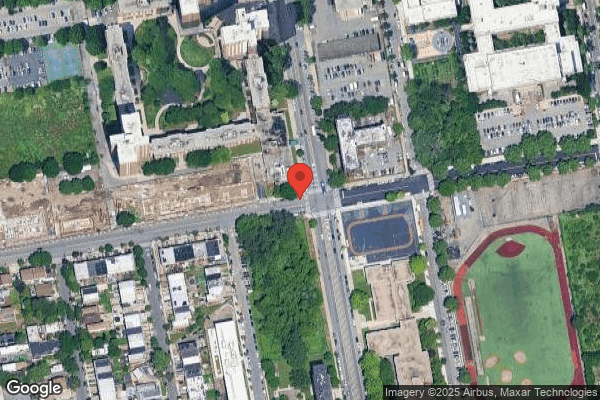
700 WHITE PLAINS ROAD, BRONX, NY 10473 (718) 518-8892
For profit - Corporation 240 Beds Independent Data: November 2025 3 Immediate Jeopardy citations
Trust Grade
0/100
Last Inspection: November 2024

Within standard 12-15 month inspection cycle. Federal law requires annual inspections.

Overview

Grand Manor Nursing & Rehabilitation Center has received a Trust Grade of F, which indicates significant concerns about the quality of care provided. In terms of ranking, it falls at the bottom in both New York state and Bronx County, meaning there are no facilities ranked higher. The facility is currently improving, with issues decreasing from 26 in 2024 to 5 in 2025, but it has a troubling history of serious deficiencies, including 39 total issues found, with 3 classified as critical. Staffing appears to be a strength, as the turnover rate is reported at 0%, which is well below the New York average, although RN coverage is only average. However, the facility has faced concerning fines totaling $433,223, indicating compliance problems. Specific incidents include failing to maintain safe temperature levels in resident rooms, leading to discomfort, and neglecting to ensure that essential equipment was properly maintained, raising concerns about resident safety. Overall, while there are positive aspects such as low turnover, the serious past issues and ongoing fines suggest families should proceed with caution.

Trust Score
F
0/100
In New York
#112/223
Top 50%
Safety Record
High Risk
Review needed
Inspections
Getting Better
26 → 5 violations
Staff Stability
○ Average
Turnover data not reported for this facility.
Penalties
⚠ Watch
$433,223 in fines. Higher than 82% of New York facilities, suggesting repeated compliance issues.
Skilled Nurses
⚠ Watch
Each resident gets only 29 minutes of Registered Nurse (RN) attention daily — below average for New York. Fewer RN minutes means fewer trained eyes watching for problems.
Violations
⚠ Watch
39 deficiencies on record. Higher than average. Multiple issues found across inspections.
☆☆☆☆☆
0.0
Overall Rating
☆☆☆☆☆
0.0
Staff Levels
☆☆☆☆☆
0.0
Care Quality
☆☆☆☆☆
0.0
Inspection Score
Stable
2024: 26 issues
2025: 5 issues

The Good

  • Full Sprinkler Coverage · Fire safety systems throughout facility
  • No fines on record

Facility shows strength in fire safety.

The Bad

Federal Fines: $433,223

Well above median ($33,413)

Significant penalties indicating serious issues

The Ugly 39 deficiencies on record

3 life-threatening 3 actual harm
May 2025 3 deficiencies
CONCERN (D) 📢 Someone Reported This

A family member, employee, or ombudsman was alarmed enough to file a formal complaint

Potential for Harm - no one hurt, but risky conditions existed

Investigate Abuse (Tag F0610)

Could have caused harm · This affected 1 resident

Based on observation, record review, and interviews, the facility failed to thoroughly investigate all alleged violations involving abuse for one (1) (Resident #158) of five (5) sampled residents. Spe...

Read full inspector narrative →
Based on observation, record review, and interviews, the facility failed to thoroughly investigate all alleged violations involving abuse for one (1) (Resident #158) of five (5) sampled residents. Specifically, the Director of Recreation received a report from Resident #158 alleging they were threatened by an unidentified Certified Nursing Assistant. An investigation was not immediately initiated, and measures were not put in place to ensure further potential abuse did not occur. The findings are: The facility policy titled Abuse Prohibition & Prevention with a last revised date of 12/2024 documented all allegations or reasonable suspicions must be reported to a staff member's immediate supervisor, and to the Director of Nursing and/or the Administrator immediately upon discovery. The facility initiates internal investigations immediately, to be completed within five (5) business days. Resident #158 had diagnoses of Multiple Sclerosis (a disease that causes breakdown of the protective covering of nerves), Hemiplegia (paralysis that affects only one side of your body), and Adjustment Disorder (excessive reactions to stress that involve negative thoughts, strong emotions and changes in behavior). The Minimum Data Set (a resident assessment tool) dated 03/26/2025 documented Resident #158 had intact cognition and required the assistance of one (1) to two (2) people to complete activities of daily living. On 05/23/2025 at 1:00 PM, Resident #158 was interviewed and stated about two (2) days ago, on two (2) separate occasions, during the evening and night shift, two (2) Certified Nursing Assistants threatened to slap them on the face if they pressed the call bell again. Resident #158 stated they reported this incident to the Director of Recreation and Registered Nurse #1, who was the nursing supervisor. An employee statement written by the Director of Recreation documented on 05/20/2025 while their shift was ending, Resident #158 reported that a Certified Nursing Assistant who worked from 11:00 PM - 7:00 AM shift threatened them. The statement documented Resident #158 was unable to provide the name of the staff member and the date the incident happened. The facility failed to provide documented evidence that an investigation was initiated to address Resident #158's allegation. On 05/27/2025 at 11:28 AM, the Director of Recreation was interviewed and stated they went to Resident #158's room on 05/20/2025 to give the resident a radio when the resident reported that a night shift Certified Nursing Assistant threatened them. The Director of Recreation stated they asked Resident #158 for more details, but the resident could not give the staff's name or date when the alleged incident occurred. They stated they did not immediately report the allegation because they did not have the information. The Director of Recreation stated they wrote a statement on that same day and placed it in Social Worker #1's mailbox. They stated they also placed a copy of the statement in the Director of Nursing's mailbox. On 05/27/2025 at 11:51 AM, Social Worker #1 was interviewed and stated they were not aware of Resident #158's allegation of abuse until 05/23/2025, as they do not check their mailbox daily. Social Worker #1 stated the Director of Recreation should have notified them of the alleged abuse right away so that the Director of Nursing could initiate the investigation. On 05/28/2025 at 11:22 AM, Registered Nurse #1 was interviewed and stated they had not received a report from Resident #158 that a staff threatened to hit them. They stated this was the first time they heard of the allegation. On 05/28/2025 at 02:47 PM, the Director of Nursing was interviewed and stated the Director of Recreation did not put a copy of their written statement in their mailbox. They stated they were only made aware of the allegation made by Resident #158 on 05/23/2025. The Director of Nursing stated the Director of Recreation should have immediately reported the allegation to the Administrator. The Director of Nursing stated they initiated the investigation on 05/23/2025 when they were told of the allegation. On 05/29/2025 at 10:56 AM, the Administrator was interviewed and stated they were made aware of Resident #158's allegation that a staff threatened them on 05/23/2025. They stated whenever there is an allegation of abuse, the immediate supervisor, the Director of Nursing, and the Administrator must be immediately notified so they can initiate the investigation. 10 NYCRR 415.4(b)(3)
CONCERN (E) 📢 Someone Reported This

A family member, employee, or ombudsman was alarmed enough to file a formal complaint

Potential for Harm - no one hurt, but risky conditions existed

Report Alleged Abuse (Tag F0609)

Could have caused harm · This affected multiple residents

**NOTE- TERMS IN BRACKETS HAVE BEEN EDITED TO PROTECT CONFIDENTIALITY** Based on record review and interviews conducted during the Abbreviated Survey (NY00377759, NY00377846), the facility did not ens...

Read full inspector narrative →
**NOTE- TERMS IN BRACKETS HAVE BEEN EDITED TO PROTECT CONFIDENTIALITY** Based on record review and interviews conducted during the Abbreviated Survey (NY00377759, NY00377846), the facility did not ensure that all alleged violations involving misappropriation of resident property were reported within 24 hours after the allegation was made to the State Survey Agency. Additionally, the facility did not ensure that the results of all investigations were reported to the State Survey Agency within five (5) working days of the incident. This was evident in three (3) of three (3) residents (Residents #4, #5, and #6) sampled for abuse. Specifically, 1.) On 4/07/2025 at 2:30 PM, Resident #4 reported that Patient Care Assistant #1 borrowed money from them to repay a loan from Resident #5. Resident #4 alleged that Patient Care Assistant #1 did not pay them back. The facility initially reported the misappropriation allegation to the New York State Department of Health on 04/11/2025 at 4:59 PM. In addition, the facility did not submit a Follow-Up Investigation Report within five (5) working days of the incident. 2.) On 04/11/2025 at 4:11 PM, Resident #6 reported that Certified Nursing Assistant #1 borrowed $20.00 and did not pay them back. An initial report was made to the New York State Department of Health timely, but a Follow-Up Investigation Report was not submitted by the facility within five (5) working days of the incident. The findings are: A Dear Nursing Home Administrator Letter (DAL: NH 22-20) dated 10/18/2022 regarding Facility Incident Reporting System stated that the notice was to inform the Administrator of changes in reporting of nursing home facility incidents as detailed in QSO-22-19-NH and effective on 10/24/2022. The guidance stated that in addition to an initial facility incident report that must be submitted following reporting timelines, nursing homes must submit to the New York State Department of Health the results of the facility investigation. Within five (5) business days of the incident, the facility must provide, in its report, sufficient information to describe the results of the investigation, and must indicate any corrective action(s) taken if the allegation was verified. The facility should include any updates to information provided in the initial report and the following additional information, including, but not limited to: 1. Additional/Updated information related to the reported incident, 2. Steps taken to investigate the allegation, 3. A conclusion, 4. Corrective action(s) taken, and 5. The name of the facility investigator. The facility policy titled Abuse Prohibition & Prevention, last revised 12/2024, documented all allegations or reasonable suspicions must be reported to a staff member's immediate supervisor, the Director of Nursing, and/or the Administrator immediately upon discovery and to the New York State Department of Health within two (2) hours. The facility initiates internal investigations immediately, to be completed within five (5) business days. 1.) Resident #4 had diagnoses of depression and opioid abuse. The quarterly Minimum Data Set (a resident assessment tool) dated 12/21/2024 documented Resident #4 had intact cognition. Resident #5 had diagnoses of heart failure and opioid abuse. The admission Minimum Data Set, dated [DATE] documented Resident #5 had intact cognition. The undated facility's Final Summary and Conclusion of Investigation documented the investigation was initiated on or around 04/07/2025 after Resident #4 reported that Patient Care Assistant #1 allegedly borrowed $15.00 from them several months earlier to pay back a $20.00 loan that Patient Care Assistant #1 received from Resident #5 and failed to repay. According to Resident #4, this incident occurred three (3) to four (4) months prior to the report being made. Resident #5 denied lending any money to Patient Care Assistant #1. The facility investigation concluded due to the absence of clear, consistent, and corroborated evidence; the facility was unable to confirm that misappropriation occurred. The alleged misappropriation incident was initially reported to the New York State Department of Health on 04/11/2025 at 4:59 PM. A webform Nursing Home Investigative Report showed that the facility submitted the follow-up investigation report to the New York State Department of Health on 04/22/2025 at 5:06 PM. During an interview on 05/29/2025 at 9:54 AM, the Director of Nursing stated they were aware misappropriation allegations must be reported immediately but no longer than two (2) hours after the initial allegation to the New York State Department of Health. They stated they submitted the Follow-Up Investigative Report late because they needed more information. The Director of Nursing stated that based on their investigation, the alleged incident could not be substantiated because the statements were inconsistent. During an interview on 05/29/2025 at 10:56 AM, the Administrator stated they were not aware that allegations of misappropriation must be reported immediately but no longer than two (2) hours after the initial allegation to the New York State Department of Health. The Administrator stated the Director of Nursing should have submitted the Follow-Up Investigative Report within five (5) business days and they were not aware the report was submitted late. 2.) Resident #6 had diagnoses of Cerebral Palsy (a group of conditions that affect movement and posture), Anxiety Disorder, and Hypertension. The quarterly Minimum Data Set, dated [DATE] documented Resident #6 had intact cognition. A Resident Occurrence Form dated 04/11/2025 at 4:30 PM documented Resident #6 reported that Certified Nursing Assistant #1 borrowed $20.00 from them about two (2) months ago in February and never paid them back. The facility's Summary of Investigation dated 04/28/2025 documented that the facility investigation concluded Resident #6's allegation of misappropriation could not be proven as there were no witnesses at the time of the incident and Certified Nursing Assistant #1 denied borrowing money from Resident #6. The facility initially reported the alleged misappropriation to the New York State Department of Health on 04/11/2025 at 6:00 PM. A webform Nursing Home Investigative Report showed that the facility submitted the Follow-Up Investigation Report to the New York State Department of Health on 04/22/2025 at 10:09 PM. During an interview on 05/29/2025 at 9:58 AM, the Director of Nursing stated the Follow-Up Investigation Report was submitted late to the New York State Department of Health because they needed more information for the investigation and were unable to contact Certified Nursing Assistant #1. The Director of Nursing stated the allegation could not be substantiated because of hearsay and inconsistent stories. During an interview on 05/29/2025 at 11:00 AM, the Administrator stated they were not aware that the follow-up investigation was submitted late and that it should have been submitted within five (5) business days of the initial allegation. 10 NYCRR 415.4(b)(2)
MINOR (B) 📢 Someone Reported This

A family member, employee, or ombudsman was alarmed enough to file a formal complaint

Minor Issue - procedural, no safety impact

Deficiency F0569 (Tag F0569)

Minor procedural issue · This affected multiple residents

**NOTE- TERMS IN BRACKETS HAVE BEEN EDITED TO PROTECT CONFIDENTIALITY** Based on observation, record review, and interviews the facility failed to convey the personal funds accounts to the probate jur...

Read full inspector narrative →
**NOTE- TERMS IN BRACKETS HAVE BEEN EDITED TO PROTECT CONFIDENTIALITY** Based on observation, record review, and interviews the facility failed to convey the personal funds accounts to the probate jurisdiction administering the residents' estates within 30 days of expiration for 2 (Residents #1 and #2) of 3 sampled residents. The findings include: The facility admission Agreement, with a revised date of 08/2023, documented refunds for the balance in the personal account, less amounts owed to Grand Manor, will be made to the resident after discharge. Following a resident's death, refunds will be made to the probate jurisdiction administering the resident's estate or by a New York small estate affidavit unless the funds are otherwise properly claimed by the Department of Social Services to recoup Medicaid payments. The Admission, Discharge, and Transfer Activity Detail Report documented Resident #1 expired on [DATE]. The Residents Funds Ledger documented there was no disbursement for remaining funds and final accounting sent to the Public Administrator until [DATE]. The Admission, Discharge, Transfer Activity Detail Report documented Resident #2 expired on [DATE] and the Residents Funds Ledger documented there was no disbursement for remaining funds and final accounting sent to the Public Administrator until [DATE]. On [DATE] at 2:08 PM, the Payable Coordinator was interviewed and stated remaining funds for expired residents must be transferred within 30 days of their death to the Public Administrator. They stated they review the Admission, Discharge, Transfer Activity Detail Report monthly to identify who was discharged or expired and who has a balance left. The Payable Coordinator was unable to explain why Residents #1 and #2's remaining funds were not transferred to the Public Administrator within 30 days. On [DATE] at 2:55 PM, the Administrator was interviewed and stated when a resident passes away, the funds have to be transferred to the individual responsible for their administration within 60 days of discharge or death. They stated the Business Office receives the notice of death and the accounting department reconciles the funds. The Administrator stated if there is a burial, the funds are distributed to the funeral home and the remaining funds are transferred to the Public Administrator. 10 NYCRR 415.26(h)(5)(iv)
Mar 2025 2 deficiencies 1 Harm
SERIOUS (G) 📢 Someone Reported This

A family member, employee, or ombudsman was alarmed enough to file a formal complaint

Actual Harm - a resident was hurt due to facility failures

Quality of Care (Tag F0684)

A resident was harmed · This affected 1 resident

**NOTE- TERMS IN BRACKETS HAVE BEEN EDITED TO PROTECT CONFIDENTIALITY** Based on record review, observation, and interviews conducted during an abbreviated survey (NY00373346), the facility did not en...

Read full inspector narrative →
**NOTE- TERMS IN BRACKETS HAVE BEEN EDITED TO PROTECT CONFIDENTIALITY** Based on record review, observation, and interviews conducted during an abbreviated survey (NY00373346), the facility did not ensure a comprehensive clinical assessment was done to identify changes in a resident's condition. The facility did not ensure residents receive treatment and care in accordance with professional standards of practice. This was evident in one (1) out of four (4) residents sampled (Resident #1). Specifically, on [DATE], Resident #1 was observed with stuffy nose, low grade fever of 100.5-degree Fahrenheit, and restlessness. There was no documented evidence that the medical doctor was informed of the resident's change in condition. Additionally, there was no documented evidence that the resident was assessed after the acetaminophen was administered. Resident #1expired on [DATE]/2025 at 9:49 AM due to cardiac arrest secondary to coronary artery disease. This resulted in actual harm to Resident #1 with the potential for serious injury, serious harm, serious impairment, or death that was not Immediate Jeopardy. The findings are: The facility's Policy and Procedure titled Change in Resident Condition dated 01/2025, documented it is the facility's purpose to ensure timely identification, documentation, and appropriate response to any significant change in a resident's condition to maintain safety and quality of care. The resident will be monitored closely, and additional assessments will be conducted as needed. Resident #1 was admitted to the facility with diagnoses of Non-Alzheimer's Dementia, Schizophrenia (chronic mental illness characterized by disruptions in thought, perception, emotion, and behavior), Traumatic Brain Injury with Epilepsy, and Urinary/Fecal incontinence and Constipation. The Minimum Data Set (a resident assessment tool) dated [DATE], documented Resident #1 was severely cognitively impaired. Licensed Practical Nurse #2 documented in a nursing note dated [DATE] at 6:51 AM, Resident #1's vital signs were not done due to Resident #1 being restless. Registered Nurse Supervisor #2 was notified and assessed Resident #1 for restlessness in bed. Their body temperature was normal, but they were unable to check vital signs secondary to restlessness. A nursing note written by Licensed Practical Nurse #1 dated [DATE] at 10:25 PM, documented Resident #1 was restless in bed, and had increased temperature of 100.5-degree Fahrenheit. Registered Nurse Supervisor #1 was notified, and Resident #1 was given acetaminophen ordered as needed for fever. There was no documented evidence that the Medical Doctor was notified of Resident #1's elevated temperature and restlessness in bed. A nursing note written by Licensed Practical Nurse #3 dated [DATE] at 2:42 PM documented, around 8:53 AM, Licensed Practical Nurse #3 went in the day room to administer medication and observed Resident #1 sitting in recliner wheelchair with face down and arms flex down. Resident #1 was not moving, unable to palpate a pulse and pupils (black hole in the center of the eye) of the eye not moving. Resident #1 had an advance directive for a full code. Code Blue (an emergency alert system) was announced, and Resident #1 was taken to their room and Cardiopulmonary Resuscitation was initiated until the fire department and 911 (emergency medical number) arrived and took over. Resident #1 was pronounced expired on [DATE] at 9:49 AM, by Emergency Medical Services. During an interview on [DATE] at 9:14 AM, Resident #1's family (the complainant) stated an autopsy was requested because the facility did not provide details leading to Resident #1's death. During an interview on [DATE] at 11:06 AM, Medical Doctor #1 stated they were called on [DATE] approximately at 10:00 AM and notified that Resident #1 expired. Medical Doctor #1 stated Resident #1 expired due to cardiac arrest secondary to coronary artery disease. The Medical Doctor #1 further stated, they were not notified when Resident #1 had an increased temperature or was experiencing restlessness. During an interview on [DATE] at 11:56 AM, Certified Nursing Assistant #1 stated they worked on [DATE] during the 3:00 PM-11:00 PM shift and observed Resident #1 looked weaker and notified Licensed Practical Nurse #1. Certified Nursing Assistant #1 stated Resident #1 moved their bowel a small amount. During an interview on [DATE] at 4:40 PM, Licensed Practical Nurse #1 who worked on [DATE] during the 3:00 PM-11:00 PM shift, stated Resident #1 was observed with a stuffy nose and restlessness in bed. The Registered Nurse Supervisor #1 was notified. The COVID -19 rapid test was done, and the result was negative. Acetaminophen was given because Resident #1 had low grade fever of 100.5-degree Fahrenheit. During an interview on [DATE] at 9:01 AM, Registered Nurse Supervisor #1 stated they conducted assessment on Resident #1 but does not remember if they documented it in the medical record. Registered Nurse Supervisor #1 stated they tried to call the Medical Doctor but was unsuccessful. During an interview on [DATE] at 10:23 AM, Director of Nursing stated the nurses must notify the doctor and family when Resident #1 had fever and was restless. The Director of Nursing stated once acetaminophen was administered, there should have been a follow up assessment an hour after the medication was given. 10 NYCRR 415.12
CONCERN (D) 📢 Someone Reported This

A family member, employee, or ombudsman was alarmed enough to file a formal complaint

Potential for Harm - no one hurt, but risky conditions existed

Notification of Changes (Tag F0580)

Could have caused harm · This affected 1 resident

Based on record review and interviews conducted during an abbreviated survey (NY00373346), the facility did not ensure the designated resident's representative was notified of changes in the resident'...

Read full inspector narrative →
Based on record review and interviews conducted during an abbreviated survey (NY00373346), the facility did not ensure the designated resident's representative was notified of changes in the resident's condition. This was evident in one (1) out of four (4) residents sampled (Resident #1). Specifically, on 02/01/2025, Certified Nursing Assistant #1 informed License Practical Nurse #1 Resident #1's had a stuffy nose. On 02/01/2025, License Practical Nurse #1 documented Resident #1 had a low grade fever of 100.5-degree Fahrenheit, and was restlessness. The medical doctor and the family were not notified. The findings are: The Facility's Policy on Designated Representative Notifications reviewed 12/2024, documented the facility will notify the resident's approved representative as designated in their records. Resident #1 was admitted to the facility with diagnoses of Epilepsy, Non-Alzheimer's Dementia, Depression with Schizophrenia, Traumatic Brain Injury and Urinary/Fecal incontinence and Constipation. The Minimum Data Set (a resident assessment tool) dated11/23/2024, documented Resident #1 was severely cognitively impaired. Licensed Practical Nurse #2 documented in a nursing notes dated 02/01/2025 at 6:51 AM, Resident #1 was restlessness, and they were unable to take their vital signs. They further documented that Registered Nurse Supervisor #2 was notified and assessed Resident #1 for restlessness in bed. They documented that the body temperature was normal but was unable to check vital signs such as pulse, respirations and blood pressure because Resident #1 was restlessness. Licensed Practical Nurse #1 documented in a nursing note dated 02/01/2025 at 10:25 PM, Resident #1 was restless in bed, Resident #1 had an increase temperature of 100.5-degree Fahrenheit. Registered Nurse Supervisor #1 was notified. Resident #1 was given Tylenol for fever. There was no documented evidence that Resident #1's representative was notified on 02/01/2025 when Resident #1 was with restless and had an increased temperature. During an interview on 03/04/2025 at 11:56 AM, Certified Nursing Assistant #1 stated they worked on 02/01/2025 during the 3:00 PM-11:00 PM shift they observed Resident #1 look weaker and notified Licensed Practical Nurse #1. Certified Nursing Assistant #1 stated Resident #1 moved their bowel a small amount. During an interview on 03/03/2025 at 4:40 PM, Licensed Practical Nurse #1 who worked on 02/01/2025 during the 3:00 PM-11:00 shift, stated Resident #1 was observed with stuffy nose and restless in bed. The Registered Nurse Supervisor #1 was notified. The COVID -19 rapid test was done, and result was negative. Tylenol was given because Resident #1 had low grade fever of 100.5-degree Fahrenheit. There was no documented evidence that Resident #1 was reassessed after Tylenol was given on 02/01/2025 at 10:20 PM. During an interview on 03/05/2025 at 9:01 AM, Registered Nurse Supervisor #1 stated, they conducted an assessment on Resident #1 but does not remember if they documented in the medical record. Registered Nurse Supervisor #1 stated they tried to call the Medical Doctor but was unsuccessful. Registered Nurse Supervisor #1 stated the family was not notified because Resident #1 was not in distress. During an interview on 03/05/2025 at 10:23 AM, Director of Nursing stated, the nurses should have notified the doctor and the family when Resident #1 had fever and was restlessness. 10 NYCRR 415.3(e)(2)(ii)(b)
Dec 2024 3 deficiencies 3 IJ (3 facility-wide)
CRITICAL (L) 📢 Someone Reported This

A family member, employee, or ombudsman was alarmed enough to file a formal complaint

Immediate Jeopardy (IJ) - the most serious Medicare violation

Safe Environment (Tag F0584)

Someone could have died · This affected most or all residents

⚠️ Facility-wide issue

**NOTE- TERMS IN BRACKETS HAVE BEEN EDITED TO PROTECT CONFIDENTIALITY** Based on observations, record review, and interviews conducted during the Abbreviated Survey and Partial Extended Survey (Compla...

Read full inspector narrative →
**NOTE- TERMS IN BRACKETS HAVE BEEN EDITED TO PROTECT CONFIDENTIALITY** Based on observations, record review, and interviews conducted during the Abbreviated Survey and Partial Extended Survey (Complaint NY00362627, NY00363035, NY00363415, NY00358811) beginning [DATE], it was determined that this Special Focus Facility failed to maintain safe and comfortable temperature levels. This was evident on five of five resident floors, where 59 out of 59 rooms sampled had temperatures below the Federal and State requirements in accordance with 42 CFR Part 483 and 10 NYCRR: 415.29. Specifically, four complaints were submitted to the State Agency regarding loss of heat in the facility from [DATE] through [DATE], naming six residents affected. An additional six residents filed grievances at the facility on the loss of heat in their rooms from [DATE] through [DATE]. The facility did not have documented evidence they had identified resident room temperatures were at safe and comfortable ranges. This resulted in no actual harm with likelihood for more than minimal harm to all residents in the facility, which was Immediate Jeopardy and Substandard Quality of Care. The findings are: Observations during the initial tour of the facility on [DATE], from 9:00 AM to 9:00 PM included temperatures in resident rooms, corridors, and stairwells below State and Federal required ranges. Temperatures were observed between (40-69 degrees Fahrenheit). East, North, and South Stairwells were measured at 40 degrees Fahrenheit. The resident rooms located closest to the stairwells had the lowest temperature readings, as low as 53 degrees Fahrenheit. On [DATE], from 11:00 AM to 12:00 PM, a review of the Maintenance Logbooks located at the Nurse's Stations, on 5 of 5 resident floors, had entries stating that the heating was not working. These entries were made from [DATE] through [DATE] and identified 23 resident rooms that were very cold. On [DATE] at 1:30 PM, the Administrator was interviewed and stated they were not aware there was a loss of heat in the building or that resident rooms were below regulatory ranges. They were not aware that temperatures in some rooms had dropped below 60 degrees Fahrenheit. The Administrator stated the Packaged Terminal Air Conditioner (PTAC) units (self-contained heating and air conditioning system), were not necessary because the boiler provides heat. The Administrator further stated they were not aware the boiler was also not providing heat. The Administrator stated they were in the facility on Sunday, [DATE], just to ensure everything in the building was going well. A review of the Grievance Book revealed that from [DATE] to [DATE], six residents complained that their rooms have been cold. In an interview on [DATE] at 10:45 AM, the Director of Social Services stated that these grievances had been discussed at two Morning Meetings and at a Resident Council Meeting. A review of the facility's policy on Heating/Cooling, revised on 1/2024 and 12/2024, reveals that it is the facility policy to maintain indoor temperatures within the range of 71-81 degrees Fahrenheit. The policy also states that the Administrator is responsible for maintaining service contracts for routine and emergency maintenance of heating and cooling systems. A review of the Daily Room Temperature Log Readings for [DATE] to [DATE], revealed that hallway and resident room temperatures on resident floors ranged from 67- 70 degrees Fahrenheit, one resident room was listed at 71 degrees Fahrenheit. The resident room number were not indicated on the log, nor which corridor was measured. The temperature logs listed one temperature reading, once per day. Maintenance Staff #1 stated that temperatures were taken at a random location on each floor. Review of an annual service contract dated [DATE], revealed the service contract expired on [DATE]. A review of the annual service contract with Vendor #2 to maintain the boiler system, dated [DATE], revealed there was no service contract in place from February 2024 through [DATE] for preventive maintenance. Review of Boiler Vendor #1, quote no. 136, dated [DATE], revealed a proposal to remove the boiler objections of a previous report on 14 boilers for a total of $48,776. The facility failed to address the recommendations. Review of Boiler Vendor #1, quote no. 139, dated [DATE], revealed a proposal to provide quarterly services for 12 months. The facility failed to address the recommendations. Review of Vendor #1 Invoice no. 2024800 for a service visit on [DATE], revealed the Director of Maintenance had requested an assessment of the boilers that provide heating and hot water, in preparation for winter. Review of Vendor #1 Invoice no. 20241186 for a service visit on [DATE], revealed the facility had reported insufficient heat. The vendor identified 5 of the 13 boilers in working order. Review of Vendor #1 Invoice no. 20241204, for a service call on [DATE], revealed boiler #6 had to be turned off which left 5 of 13 boilers functioning again. Review of Vendor #1 invoice no. 20241225 for service calls from [DATE] through [DATE], revealed there was insufficient heat in the building. On [DATE] the vendor billed for a mechanic and an assistant for 4 hours during the day to service PTAC units on the 6th Floor and noted there was an insufficient amount of hot water due to some of the boilers not working. An additional service call was made on [DATE] when the facility placed a night call for lack of heat throughout the building. A Saturday call to the vendor was made on [DATE] when the facility again reported a lack of heat throughout the building. The invoice states boilers need to be serviced as soon as possible, as lack of heat is attributed to an insufficient number of boilers working. A service call was made on [DATE] to service PTAC units on the 6th Floor. During an interview on [DATE] at 1:15 PM, Vendor #1, stated they serviced the boilers at the facility in [DATE], for an issue of no hot water. The vendor stated the boilers had several problems that stemmed from a lack of maintenance and were operating at about 40%. This contributed to the hot water not getting hot enough to provide hot water or heating for the building. The vendor stated several proposals were sent to the Administrator and the Director of Maintenance via email. The Vendor further stated they had serviced the boilers at the facility in previous years but had stopped because of unpaid bills. For them to return in [DATE], they were given a check for a past due balance. During an interview on [DATE], at 12:40 PM, the Administrator stated their emails are reviewed at least once per day. The Administrator denied receiving any invoices, proposals, or recommendations from any vendors. During an interview on [DATE], at approximately 12:00 PM, Activities Staff #1 and #2, stated they had been called into work on Sunday, [DATE], to distribute hot drinks because of the heating issue. Record review of Nursing In-services, revealed cold weather/cold temperature in-servicing started on [DATE]. Record review of the Grievance log, revealed that from [DATE] to [DATE], six residents complained it was too cold in their rooms. During an interview with the Medical Director on [DATE] at approximately 4:00 PM, the Medical Director stated they were not aware of any heat-related issues in the building. The Medical Director stated if the room temperatures fell below 50 degrees Fahrenheit and remained there for an extended period then residents may develop hypothermia. It is all based on how long the residents were exposed to cold temperatures. Immediate Jeopardy was identified, and the Administrator was notified on [DATE] at 7:25 PM. An acceptable immediate corrective action plan from the facility was received on [DATE] at 11:32 PM Immediate Jeopardy was removed prior to survey exit on [DATE] based on the following corrective actions taken by the facility: 1. Packaged Terminal Air Conditioner units were deployed to all affected areas. Residents were relocated to warmer areas of the facility and twice daily temperature checks of all residents' rooms were conducted by the facility. A review of the temperature logs from [DATE] to [DATE] revealed temperatures within acceptable ranges. 2. Extra blankets and clothing were distributed to the residents by Housekeeping and Activities staff, hot beverages were provided, and residents had the option of staying in the warmer common areas. 3. The Administrator provided a vendor contract to provide annual maintenance to boilers, and for the maintenance of Packaged Terminal Air Conditioner units. 4. The facility completed staff training on identifying and addressing temperature related issues, procedures for reporting issues, deploying emergency measures, and ensuring resident comfort. 100% of staff received the in-service. 5. A Quality Assurance meeting was held on [DATE] to discuss the findings of the Immediate Jeopardy. Wall thermometers have been installed in residents' rooms and staff were given in-service education on reading the temperature. 6. The Emergency Preparedness plan for Loss of Heat was revised to include immediate deployment of portable units and proactive monitoring and escalation processes for heating issues. 10 NYCRR: 415.29
CRITICAL (L) 📢 Someone Reported This

A family member, employee, or ombudsman was alarmed enough to file a formal complaint

Immediate Jeopardy (IJ) - the most serious Medicare violation

Administration (Tag F0835)

Someone could have died · This affected most or all residents

⚠️ Facility-wide issue

Based on observation, record review, and interviews conducted during the Abbreviated Survey and Partial Extended Survey (Complaint NY00362627, NY00363035, NY00363415, and NY00358811), the facility fai...

Read full inspector narrative →
Based on observation, record review, and interviews conducted during the Abbreviated Survey and Partial Extended Survey (Complaint NY00362627, NY00363035, NY00363415, and NY00358811), the facility failed to ensure it was administered in a manner that enables it to use its resources effectively and efficiently to attain or maintain the highest practicable physical, mental, and psychosocial well-being of each resident. Specifically, the Administrator failed to provide effective leadership and oversight to ensure that comfortable and safe temperature levels were maintained in residents' rooms and common areas. In addition, the Administrator failed to have an effective system in place to ensure the boiler room equipment was maintained in safe operating condition. This resulted in no actual harm with the likelihood of more than minimal harm to all residents in the facility, which was Immediate Jeopardy. The findings are: 1. Cross refer to F584. Six resident grievances were filed between 12/02/2024 and 12/06/2024 concerning the lack of heat in their rooms. During an observation on 12/06/2024 from approximately 9:30 AM to 11:30 AM and from 8:00 PM to 9:00 PM, temperature readings in corridors, stairwells, and 59 out of 59 sampled rooms were below the State and Federal required ranges. The Administrator denied being aware that there was loss of heat in the building. 2. Cross refer to F908. There was no documented evidence the boiler room equipment and the Packaged Terminal Air Conditioner units were routinely maintained. During an interview on 12/06/2024 at 1:15 PM, the Director of Maintenance was interviewed and stated the Packaged Terminal Air Conditioner units were incorrectly connected and were not blowing hot air. During a subsequent interview on 12/26/2024 at 1:00 PM, the Director of Maintenance stated in the 6 months they were employed at the facility, they attempted to get the boilers serviced. They stated they called the vendor to schedule the services, but they would not come in because of overdue unpaid balances. The Director of Maintenance stated they referred those calls to the Administrator. The Director of Maintenance stated they were not allowed to order materials or services without prior approval from the Administrator. During an interview on 12/06/2024 at 1:30 PM, the Administrator stated they were not aware there was loss of heat in the building. The Administrator stated Packaged Terminal Air Conditioner units were not needed to provide heat in residents' rooms because the facility has boilers. The Administrator stated they were not aware the boilers were also not working. During an interview on 12/13/2024 at 1:15 PM, Vendor #1, stated they serviced the boilers at the facility in June 2024, for an issue of no hot water. The vendor stated the boilers had several problems that stemmed from a lack of maintenance and were operating at about 40%. This contributed to the hot water not getting hot enough to provide hot water or heating for the building. The vendor stated several proposals were sent to the Administrator and the Director of Maintenance via email. The Vendor further stated they had serviced the boilers at the facility in previous years but had stopped because of unpaid bills. They stated that they only returned in June 2024, because the facility submitted a check for their past-due balance. On 12/26/2024 at 1:00 PM, the former Director of Maintenance stated that he had received invoices and proposals from Boiler Vendor #1 via email and that the Administrator was on the same emails. During an interview on 12/17/2024, at 12:40 PM, the Administrator stated their emails are reviewed at least once per day. The Administrator denied receiving any invoices, proposals, or recommendations from any vendors. Immediate Jeopardy was identified, and the Administrator was notified on 12/12/2024 at 7:25 PM. An acceptable immediate corrective action plan from the facility was received on 12/12/2024 at 11:32 PM. Immediate Jeopardy was removed prior to survey exit on 12/19/2024 based on the following corrective actions taken by the facility: 1. The Administrator is conducting end-of-day and weekly meetings with department heads to review any issues. 2. 100% of staff have been in-serviced (except those on vacation), a policy was created on how agency staff will also be in-serviced. 3. Morning meetings attended by all department heads are being conducted. 4. Resident council meeting was rescheduled to Friday 12/20/2024. 5. The Administrator provided documentation of regular rounds. 6. Observation of a binder created of Vendor Documents and placed at the Security Desk by the elevators. 7. Emergency Preparedness plan for loss of heating was revised, and discussed at the QAPI meeting, the Administrator is the Acting Director of Maintenance 10 NYCRR 415.26
CRITICAL (L) 📢 Someone Reported This

A family member, employee, or ombudsman was alarmed enough to file a formal complaint

Immediate Jeopardy (IJ) - the most serious Medicare violation

Room Equipment (Tag F0908)

Someone could have died · This affected most or all residents

⚠️ Facility-wide issue

**NOTE- TERMS IN BRACKETS HAVE BEEN EDITED TO PROTECT CONFIDENTIALITY** Based on observations, interviews, and record review conducted during the Abbreviated Survey and Partial Extended Survey (Compla...

Read full inspector narrative →
**NOTE- TERMS IN BRACKETS HAVE BEEN EDITED TO PROTECT CONFIDENTIALITY** Based on observations, interviews, and record review conducted during the Abbreviated Survey and Partial Extended Survey (Complaint NY00362627, NY00363035, NY00363415, and NY00358811), the facility failed to maintain all mechanical, electrical, and patient care equipment in safe operating condition. This was evident in 5 of 5 resident units Specifically, the facility failed to routinely maintain their boiler equipment. This resulted in the facility's heating system malfunctioning, causing temperatures in residents' rooms and common areas to fall below the required range. This resulted in no actual harm with likelihood for more than minimal harm that is Immediate Jeopardy and substandard quality of care to resident health and safety, in accordance with 42 CFR Part 483 and 10 NYCRR: 415.29 The findings are: A review of the facility's boiler service contracts revealed the annual service contract to maintain the boiler system expired on [DATE], the facility currently had no service contract in place. A service quote dated [DATE] for a total of $48,776 documented the vendor proposed to remove the objections for the 14 boilers identified in a previous inspection by another vendor. The facility did not act on this recommendation. On [DATE], the vendor sent a proposal to provide quarterly annual maintenance services on the boilers, which the facility did not act on. Review of Boiler Vendor #1, quote no. 136, dated [DATE], revealed a proposal to remove the boiler objections identified on a previous inspection on 14 boilers for a total of $48,776. The facility failed to address the recommendations. Review of Boiler Vendor #1, quote no. 139, dated [DATE], revealed a proposal to provide quarterly annual services. The facility failed to address the recommendations. Review of Vendor #1 Invoice no. 2024800 for a service visit on [DATE], revealed the Director of Maintenance had requested an assessment of the boilers that provide heating and hot water, in preparation for winter. Review of Vendor #1 Invoice no. 20241186 for a service visit on [DATE], revealed the facility had reported insufficient heat. The vendor identified 5 of the 13 boilers in working order. Review of Vendor #1 Invoice no. 20241204, for a service call on [DATE], revealed boiler #6 had to be turned off which left 5 of 13 boilers functioning again. Review of Vendor #1 invoice no. 20241225 for service calls from [DATE] through [DATE], revealed there was insufficient heat in the building. On [DATE]the vendor billed for a mechanic and an assistant for 4 hours during the day to service PTAC units on the 6th Floor and noted there was an insufficient amount of hot water, due to some of the boilers not working. An additional service call was made on [DATE] when the facility placed a night call for lack of heat throughout the building. A Saturday call was made to the vendor on [DATE] when the facility again reported a lack of heat throughout the building. The invoice states boilers need to be serviced as soon as possible, as lack of heat is attributed to an insufficient number of boilers working. A service call was made on [DATE] to service PTAC units on the 6th Floor. There was no documented evidence the facility's heating system equipment, including the boilers and Packaged Terminal Air Conditioners, was being inspected and maintained by facility staff. Observations during the initial tour of the facility on [DATE] from 9:00 AM to 11:30 AM revealed temperatures in resident rooms, corridors, and stairwells were below State and Federal required ranges. Temperatures were observed between 40-69 degrees Fahrenheit. The East, North, and South Stairwells were measured at 40 degrees Fahrenheit. The resident rooms located closest to the stairwells had the lowest temperature readings. On [DATE] at 1:15 PM, the Director of Maintenance was interviewed and stated the Packaged Terminal Air Conditioner units were not blowing hot air because they were connected incorrectly. The Director of Maintenance stated they made the Administrator aware of the issue. On [DATE] at 1:30 PM, the Administrator was interviewed and stated they were not aware there was loss of heat in the building or that resident room temperatures were below regulatory ranges. They were not aware temperatures in some rooms had dropped below 60 degrees Fahrenheit. The Administrator stated the Packaged Terminal Air Conditioner units were not necessary because the boiler provides heat. The Administrator stated they were not aware the boiler was also not providing heat. During an interview on [DATE] at 1:15 PM, Vendor #1, stated they serviced the boilers at the facility in [DATE] for an issue of no hot water. The vendor stated the boilers had several problems that stemmed from a lack of maintenance and were operating at about 40%. This contributed to the hot water not getting hot enough to provide hot water or heating for the building. The vendor stated several proposals were sent to the Administrator and the Director of Maintenance via email. The Vendor further stated they had serviced the boilers at the facility in previous years but had stopped because of unpaid bills. For them to return in [DATE], they were given a check for a past-due balance. On [DATE] at 1:00 PM, during a subsequent interview, the former Director of Maintenance stated that in the 6 months they were employed at the facility, they attempted to get the boilers serviced. They stated they called the vendor to schedule the services, but they would not come in because of overdue unpaid balances. The Director of Maintenance stated they referred those calls to the Administrator. The Director of Maintenance stated they were not allowed to order materials or services without prior approval from the Administrator. Immediate Jeopardy was identified, and the Administrator was notified on [DATE] at 7:25 PM. An acceptable immediate corrective action plan from the facility was received on[DATE], at 11:32 PM Immediate Jeopardy was removed prior to survey exit on [DATE] based on the following corrective actions taken by the facility: 1. Packaged Terminal Air Conditioner units were deployed to all affected areas. Residents were relocated to warmer areas of the facility and twice daily temperature checks of all residents' rooms were conducted by the facility. A review of the temperature logs from [DATE] to [DATE] revealed temperatures within acceptable ranges. 2. Extra blankets and clothing were distributed to the residents by Housekeeping and Activities staff, hot beverages were provided, and residents had the option of staying in the warmer common areas. 3. The Administrator provided a vendor contract for annual boiler maintenance and the maintenance of Packaged Terminal Air Conditioner units. 4. The facility completed staff training on identifying and addressing temperature-related issues, procedures for reporting problems, deploying emergency measures, and ensuring resident comfort. 100% of staff received the in-service. 5. A Quality Assurance meeting was held on [DATE] to discuss the findings of the Immediate Jeopardy. Wall thermometers have been installed in residents' rooms and staff were given in-service education on reading the thermometers. 6. The Emergency Preparedness plan for Loss of Heat was revised to include immediate deployment of portable units and proactive monitoring and escalation processes for heating issues. 10 NYCRR 415.29(b)
Nov 2024 15 deficiencies 2 Harm
SERIOUS (G) 📢 Someone Reported This

A family member, employee, or ombudsman was alarmed enough to file a formal complaint

Actual Harm - a resident was hurt due to facility failures

Free from Abuse/Neglect (Tag F0600)

A resident was harmed · This affected 1 resident

**NOTE- TERMS IN BRACKETS HAVE BEEN EDITED TO PROTECT CONFIDENTIALITY** Based on record review and interviews conducted during the Recertification and Complaint (NY00350179) from 11/13/2024 to 11/21/2...

Read full inspector narrative →
**NOTE- TERMS IN BRACKETS HAVE BEEN EDITED TO PROTECT CONFIDENTIALITY** Based on record review and interviews conducted during the Recertification and Complaint (NY00350179) from 11/13/2024 to 11/21/2024, the facility did not ensure that residents were free from abuse, neglect, and exploitation. This was evident in 2 (Resident #118 and #151) of 6 residents reviewed for Abuse. Specifically, Resident #118 who had history of stealing and being involved in physical altercations, was not provided supervision and monitoring despite the staff being aware of Resident #118's behavior. Subsequently, on 08/02/2024, Resident #118 snatched a $20 bill from Resident #151's hand while they were on the elevator. Resident #151 hit Resident #118's head with a cane. Resident #118 sustained head lacerations that required emergency medical intervention. Resident #118 had 14 staples to the wound. This resulted in actual harm to Resident #118 that was not Immediate Jeopardy. Cross Reference: F657 - Care Plan Timing and Revision The findings are: The facility's policy on Abuse Prohibition and Prevention with a reviewed date of 05/2023 documented the intent of the policy was to prevent/prohibit resident abuse. The facility has zero tolerance for abuse and must provide a safer resident environment and protect all residents. The policy defined abuse as the willful infliction of injury. Willful was defined as the individual acting deliberately to inflict injury or harm. The policy documented that abuse can be resident to resident. A Resident Occurrence Form dated 08/02/2024 documented that at 11:15 AM, Resident #118 was hit in the head with a cane by Resident #151 while they were in the basement. Resident #118 stated while getting in the elevator in the basement, a resident who was inside the elevator hit them in the head with a cane and they did not know why. Resident #118 was sent to the emergency room on [DATE] at 12:15 PM. Computed Tomography (also called a CT scan, is a type of imaging that uses X-ray techniques to create detailed images of the body) of the head was completed at the hospital with no acute findings, and no acute fractures of the facial bones. The Incident/Accident Employee Statement completed by the Registered Nurse Supervisor dated 08/02/2024 documented Resident #151 was interviewed by the nursing supervisor and stated they had an altercation with Resident #118 in the elevator at the basement. Resident #151 stated Resident #118 snatched their money. Resident #118 hit Resident #151 while trying to retrieve their money. Resident #151 stated they retaliated. The undated facility's Summary of Investigation documented that on 08/02/2024 at around 11:15 AM, Resident #118 was involved in an altercation with Resident #151 in the basement elevator. The facility investigation revealed there was cause to believe resident abuse had occurred. The documented Resident #118 insisted to ride the elevator but Resident #151 told Resident #118 that the door would not close. Resident #118 then grabbed the $20 bill from Resident #151's hand. Resident #151 hit Resident #118 with a cane. The incident was witnessed by 3 other residents who were present in the elevator . Resident #118 was sent to the hospital for follow-up care on 08/02/2024 and returned to the facility on [DATE]. Resident #118 sustained injury to the head with 14 staples to their scalp. 1.) Resident #151 was admitted to the facility with diagnoses of Chronic Kidney Disease, Opioid Abuse with withdrawal, and Chronic Obstructive Pulmonary Disease (a term for lung and airway diseases that restrict your breathing). The Minimum Data Set assessment dated [DATE] documented Resident #151 had moderate impairment in cognition and had no behavioral symptoms. A care plan for victimization was initiated for Resident #151 on 05/26/2022. The facility intervention included to redirect as needed. A care plan note by the social worker dated 08/13/2024 documented Resident #151 was reported to be involved in a physical altercation with a peer. Resident #151 stated Resident #118 stole their money. Social Worker provided counseling. There was no documented evidence the interventions on the comprehensive care plan were reviewed or evaluated after the resident-to-resident physical abuse on 08/02/2024. 2.) Resident #118 was admitted to the facility with diagnoses which included Violent Behavior, Unspecified Mood Disorder, and Parkinson's Disease. The quarterly Minimum Data Set assessment (a resident assessment and care tracking tool) dated 08/09/2024 documented Resident #118 had moderate impairment in cognition and required supervision for most activities of daily living. The Minimum Data Set did not document any behavioral symptom. A nurse's note dated 08/02/2024 at 12:52 PM documented Resident #118 was hit in the head by another resident with a cane at around 11:20 AM. Resident #118 had bleeding from the head, 911 was called and was transferred to the emergency room. A nurse's note dated 08/03/2024 at 12:50 PM documented a call was received from the physician at the emergency room who stated Resident #118 had been treated with lacerations to the head and had 14 staples. The physician stated Resident #118 was in police custody while at the emergency room. A nurse's note dated 08/04/2024 at 5:29 PM documented Resident #118 was admitted from the hospital at 4:30 PM. Resident #118 was assessed with 2 lacerations on the head, each measured 5 centimeters in length, with 14 staples. The emergency room after visit summary dated 08/04/2024 documented Resident #118's reason for visit was headache. Computed Tomography images of the brain was completed on 08/03/2024, no intracranial (within the skull) mass or bleeding, lacerations of bilateral frontal scalp, underlying calvarium (top part of skull) was intact. A medical progress note by Staff Physician #1 dated 08/05/2024 at 6:21 AM documented Resident #118 had mild pain at the wound site of the head injury. Current medications were reviewed with no changes made, to start Tylenol 1000 milligrams as needed every 8 hours. A medical wound consultant note by Nurse Practitioner #1 dated 08/05/2024 at 6:54 AM documented Resident #118 was hit in the head in an altercation. Resident had 2 lacerations on the head, 3 centimeters each, with 14 staples. Apply betadine (a topical antiseptic) and leave open to air. A care plan for victimize/victimization was initiated for Resident #118 on 06/27/2023. The facility interventions included identifying triggers for behavior, room change as appropriate, and close observation on every half hour to check for behavior and safety monitoring. The care plan notes documented on 09/01/2023, Resident #118 was accused by another resident of stealing their wallet. This resulted in Resident #118 being pushed by the other resident and falling to the floor. A care plan for mood and behavior patterns were initiated for Resident #118 on 06/27/2023 and was last reviewed on 08/09/2024. The care plan documented Resident #118 had behavior of taking multiple towels and bed sheets and attempted to snatch a candy from another resident. The facility interventions included monitoring changes in cognition, mood, and behavior and to notify the physician; encourage daily activities, and to encourage socialization with peers. The care plan notes documented Resident #118 had history of non-compliance with care and exposing their private parts while in the day room. A care plan for victimization/aggressive behavior was initiated for Resident #118 on 06/27/2023.The facility interventions included psychiatric evaluation, 1:1 monitoring, and protecting from overstimulation. The care plan notes documented Resident #118 had been involved in an altercation with another resident on 09/15/2023 and 04/21/2024. A care plan note by the social worker dated 08/28/2024 documented Resident #118 had an altercation with a peer on 08/02/2024, social worker will continue to follow up. There was no documented evidence the care plan was updated after the resident to resident physical abuse on 08/02/2024. There was no documented evidence of close observation or every half hour check and no documented evidence of 1:1 monitoring as stated in the 06/27/2023 care plan interventions. On 11/18/2024 at 11:35 AM, Certified Nursing Assistant #3 was interviewed and stated Resident #118 was alert and oriented to person, place, and time and does not follow instructions. Certified Nursing Assistant #3 stated Resident #118 had behavior issues like wandering to other units and stealing things from other residents or staff when no one was inside the room. Certified Nursing Assistant #3 stated they redirect Resident #118 when the Resident was on the unit however, they do not monitor Resident #118 when they leave the unit. On 11/20/2024 at 10:20 AM, Certified Nursing Assistant #9 was interviewed and stated they took something down to the basement on 08/02/2024 and observed Resident #151 and #118 fighting in the elevator. Certified Nursing Assistant #9 stated they tried to stop the residents from fighting and called for help. On 11/20/2024 at 10:29 AM, Licensed Practical Nurse # 2 was interviewed and stated Resident #118 liked to steal things from other residents on their unit and goes to other floors to steal things. Licensed Practical Nurse #2 stated they do not know if Resident #118 is monitored when the resident leaves the unit and goes to other floors. On 11/21/2024 at 03:06 PM, Licensed Practical Nurse #1 was interviewed and stated they would see Resident #118 on their unit (a different unit from Resident #118's unit), but they do not monitor them. On 11/20/2024 at 11:42 AM, Registered Nurse #1 was interviewed and stated they were not sure if the staff on other floors were aware of Resident # 118's behavior or if Resident #118 was monitored when they went to other floors. On 11/20/2024 at 11:48 AM, The Director of Social Services was interviewed and stated Resident #118 often steals and they were aware of the altercation Resident #118 had with Resident #151 on 08/02/2024. They stated their role was to advocate for Resident #118, but it was the nursing department's responsibility to initiate interventions and monitor Resident #118's behavior. On 11/21/2024 at 3:38 PM, the Director of Nursing was interviewed and stated they were aware of Resident #118's behavior issues such as stealing and exposing themselves. The Director of Nursing stated the nurse supervisor is responsible for updating the care plans to manage Resident #118's behavioral issues. The Director of Nursing had no response as to how Resident #118 was monitored and supervised when they leave their unit. 10 NYCRR 415.4(b)(1)(i)
SERIOUS (G) 📢 Someone Reported This

A family member, employee, or ombudsman was alarmed enough to file a formal complaint

Actual Harm - a resident was hurt due to facility failures

Deficiency F0657 (Tag F0657)

A resident was harmed · This affected 1 resident

**NOTE- TERMS IN BRACKETS HAVE BEEN EDITED TO PROTECT CONFIDENTIALITY** 2.) Resident #118 was admitted to the facility with diagnoses which included Violent Behavior, Unspecified Mood Disorder, and Pa...

Read full inspector narrative →
**NOTE- TERMS IN BRACKETS HAVE BEEN EDITED TO PROTECT CONFIDENTIALITY** 2.) Resident #118 was admitted to the facility with diagnoses which included Violent Behavior, Unspecified Mood Disorder, and Parkinson's Disease (a brain disorder that causes unintended or uncontrollable movements). The quarterly Minimum Data Set assessment (a resident assessment and care tracking tool) dated 08/09/2024 documented Resident #118 had moderate impairment in cognition and required supervision for most activities of daily living. The Minimum Data Set did not document any behavioral symptom. A care plan for victimize/victimization was initiated for Resident #118 on 06/27/2023 and was last reviewed on 11/08/2024. The facility interventions include identifying triggers for behavior, room change as appropriate, and close observation on every half hour to check for behavior and safety monitoring. The care plan notes documented that on 09/01/2023, Resident #118 was accused by another resident of stealing their wallet. This resulted in Resident #118 being pushed by the other resident and falling to the floor. A nurse's note dated 08/02/2024 at 12:52 PM documented Resident #118 was hit in the head by another resident with a cane at around 11:20 AM. There was no documented evidence the care plan was updated after the 08/02/2024 incident. A care plan for mood and behavior patterns were initiated for Resident #118 on 06/27/2023 and was last reviewed on 08/09/2024. The care plan documented the Resident had behaviors of taking multiple towels and bed sheets and attempted to snatch a candy from another resident. The facility interventions included monitoring changes in cognition, mood, and behavior and to notify the physician; encourage daily activities, and to encourage socialization with peers. The care plan notes documented Resident #118 had a history of non-compliance with care and exposing their private parts while in the day room. A care plan for victimization/aggressive was initiated for Resident #118 on 06/27/2023 and was last reviewed on 08/29/2024. The facility interventions included psychiatric evaluation, 1:1 monitoring, and protecting from overstimulation. The care plan notes documented Resident #118 had been involved in an altercation with another resident on 09/15/2023 and 04/21/2024. There was no documented evidence the interventions documented on the comprehensive care plan were reviewed and evaluated after resident-to-resident physical abuse on 08/02/2024. There was no documented evidence of close observation, or every half hour checks and no documented evidence of 1:1 monitoring as stated in the care plan interventions. 3.) Resident #151 was admitted to the facility with diagnoses of Chronic Kidney Disease, Opioid Abuse with withdrawal, and Chronic Obstructive Pulmonary Disease (is a term for lung and airway diseases that restrict your breathing). The Minimum Data Set assessment dated [DATE] documented Resident #151 had moderate impairment in cognition and had no behavioral symptoms. A care plan for victimization was initiated for Resident #151 on 05/26/2022 and was last reviewed on 08/13/2024. The facility intervention included to redirect as needed. There was no documented evidence the interventions documented on the comprehensive care plan were reviewed and evaluated after resident to resident physical abuse on 08/02/2024. On 11/20/2024 at 11:48 AM, The Director of Social Services was interviewed and stated their role was to advocate for Resident #118, but it was the nursing department's responsibility to initiate interventions and monitor Resident #118's behavior. On 11/21/2024 at 3:38 PM, the Director of Nursing was interviewed and stated the nurse supervisor is responsible for updating the care plans. 10 NYCRR 415.11(c)(2)(i-iii) Based on record review, interviews, and observations conducted during the Recertification and Complaint (NY00350179) Survey from 11/13/2024 to 11/21/2024 the facility did not ensure that comprehensive care plans were reviewed and revised periodically and after each assessment including both the comprehensive and quarterly review assessments. This was evident for 3 (Resident #84, #118, and #151) of 7 residents reviewed for Catheter Care and Abuse out of 38 total sampled residents. Specifically, 1.) Resident #84's care plan for indwelling catheter/external urinary appliance was not reviewed and revised after the Resident returned from an emergency room visit due to urinary retention and pain at the urinary catheter insertion site. Additionally, Resident #84's care plan for indwelling catheter/external urinary appliance was not reviewed and/or revised after each comprehensive and quarterly review assessments. 2.) Resident #118's care plan interventions for behavior and victimization were not reviewed and evaluated after the resident to resident physical abuse on 08/02/2024. 3.) Resident #151's care plan interventions were not reviewed and evaluated following a resident to resident physical altercation on 08/02/2024. This resulted in actual harm to Resident #118 that was not Immediate Jeopardy. Cross Reference: F600 - Free from Abuse and Neglect The findings are: The facility policy and procedure titled Comprehensive Care Plans dated 08/2024 documented it was the policy of the facility to develop and implement a comprehensive person-centered care plan for each resident, consistent with resident rights, that includes measurable objectives and timeframes to meet a resident's medical, nursing, and mental and psychosocial needs that are identified in the resident's comprehensive assessment. 1.) Resident #84 was admitted to the facility with diagnoses of Benign Prostatic Hyperplasia with Lower Urinary Tract Symptom (prostate enlargement that includes urinary frequency, urgency, dribbling at the end of urination, and not being able to fully empty the bladder) and Obstructive Uropathy (a condition when urine cannot flow due to obstruction). The annual Minimum Data Set assessment (a resident assessment and care screening tool) dated 08/26/2024 documented Resident #84 was cognitively intact. The assessment documented Resident #84 had an indwelling urinary catheter. Further review of Resident #84's Minimum Data Sets revealed quarterly assessments were completed on 03/04/2024 and 06/04/2024. The quarterly assessments documented Resident #84 had an indwelling urinary catheter. On 11/14/2024 at 10:17 AM, Resident #84 was observed in their room. The Resident was interviewed, and they stated they went to the urology clinic yesterday and had their Foley catheter (a medical device that helps drain urine from your bladder) changed. Resident #84 stated their Foley catheter is changed at the urology office and the drainage bag is changed at the facility weekly. A physician's order with an original order date of 11/01/2023 and a renewal date of 11/15/2024 documented general orders for Foley catheter French #16, balloon size, 10 milliliters for Obstructive Uropathy; to change the Foley catheter monthly every 20th of the month and as needed for blockage. An order for urology follow-up for Foley catheter change in 6 weeks was entered on 11/13/2024. A care plan on indwelling catheter/external urinary appliance was initiated for Resident #84 on 11/02/2023. The facility interventions included to observe urine for sediment, cloudy, odor, blood, and amount; to observe for urinary tract infection; to change the catheter as ordered or when blocked, keep drainage bag below suprapubic level and off the floor, and to provide sterile technique when changing catheter. A nurse's progress note dated 10/12/2024 at 9:23 PM documented Resident #84 complained of abdominal pain and stated their Foley catheter was not draining enough and they would like to go to the hospital. Resident #84 was transferred to the hospital for further evaluation. The emergency room provider note dated 10/13/2024 documented Resident #84 presented with chronic indwelling Foley catheter, with complaints of urinary retention for 2 days and pain at the Foley insertion site. The bedside sonogram showed full bladder, resident with acute urinary retention. Urethral catheterization (a standard method of accessing the urinary bladder with the use of a flexible catheter to allow urine to drain) was inserted for relief of acute urinary retention. Resident was discharged from the emergency department on 10/13/2024. A medical progress note dated 10/15/2024 at 3:50 AM documented the date of service was on 10/14/2024. The medical note documented Resident #84 returned from emergency room and was seen for follow up. Resident #84 was stable, the assessment and plan documented were to monitor for any changes, to continue with monitoring of lower urinary symptoms and Foley catheter care every shift, to notify the physician if signs of infection and bleeding were noted. There was no documented evidence Resident #84's comprehensive care plan related to urinary catheter was reviewed and/or revised following the emergency room visit on 10/12/2024 due to urinary retention and pain at the urinary catheter insertion site. There was no documented evidence the same care plan was reviewed and/or revised after the quarterly assessments on 03/04/2024 and 06/04/2024, and after the annual assessment that was completed on 08/26/2024. On 11/20/2024 at 10:26 AM, Registered Nurse #1 was interviewed and stated Registered Nurses on duty are responsible for initiating the comprehensive care plans for newly admitted residents. They stated Registered Nurses are also responsible for reviewing and revising a resident's care plan quarterly and if there is a change in a resident's status. Registered Nurse #1 stated that recently it has been the external consultants the facility hired, who have been updating the residents' care plans. Registered Nurse #1 could not explain why Resident #84's care plan on indwelling catheter was not reviewed. On 11/20/2024 at 4:09 PM, the Director of Nursing was interviewed and stated the nursing supervisors are responsible for initiating the care plans on admission and for updating the care plans quarterly and as needed. The Director of Nursing stated they also assist in updating the residents' care plans. They stated Resident #84's care plan not being reviewed must have been an oversight.
CONCERN (D)

Potential for Harm - no one hurt, but risky conditions existed

Deficiency F0561 (Tag F0561)

Could have caused harm · This affected 1 resident

Based on record review and interviews conducted during the Recertification and Complaint (NY00351064) Survey from 11/13/2024 to 11/21/2024, the facility did not ensure that it promoted and facilitated...

Read full inspector narrative →
Based on record review and interviews conducted during the Recertification and Complaint (NY00351064) Survey from 11/13/2024 to 11/21/2024, the facility did not ensure that it promoted and facilitated a resident's right to self-determination through support of resident's choice. This was evident for 1 (Resident #48) of 7 residents reviewed for Activities of Daily Living. Specifically, Resident #48's bathing preference was not honored. The findings are: The facility's policy titled Nursing Home Resident Rights with a reviewed date of 06/2022 documented the resident has a right to choose activities, schedules, health care and providers of health care services consistent with their interests, assessments, and plan of care. The facility's policy titled Activities of Daily Living with a reviewed date of 05/2023 documented the facility will, based on the resident's comprehensive assessment and consistent with the resident's needs and choices, ensure a resident's abilities in activities of daily living do not deteriorate unless unavoidable. The policy documented a resident who is unable to carry out activities of daily living will receive the necessary services to maintain good nutrition, grooming, personal and oral hygiene. Resident #48 was admitted to the facility with diagnoses of Cerebral Palsy (a group of conditions that affect movement and posture caused by damage that occurs to the developing brain, most often before birth) and Depression. The annual Minimum Data Set assessment (a resident assessment and care screening tool) dated 08/30/2024 documented Resident #48 was cognitively intact, required substantial/maximal assistance for showering or bathing, and had not rejected care. The assessment also documented that it was somewhat important for Resident #48 to choose between a tub bath, shower, bed bath, or sponge bath. On 11/15/2024 at 10:00 AM, Resident #48 was interviewed and stated there was not enough staff to take care of them, especially on the weekends. They stated they usually wait for 2 to 4 hours for staff to respond to their call for help because there is only one certified nursing assistant working on the floor. Resident #48 further stated they were not getting their showers. A comprehensive care plan for self-care deficit was initiated for Resident #48 on 08/24/2023 and was last reviewed on 08/31/2024. The care plan documented Resident #48 required extensive assist of 1 staff for bathing/showers. The facility interventions included providing needed assistance during activities of daily living care. The care plan did not document Resident #48's bathing preferences. The Resident Nursing Instructions (a report containing resident care instructions that Certified Nursing Assistant must provide) with a revision date of 09/10/2024 documented Resident #48's bathing type was shower, and the bathing schedule was Mondays and Thursdays during the 7:00 AM to 3:00 PM shift. The Certified Nursing Assistant Accountability Record for bathing from 10/01/2024 to 11/15/2024 had no documented evidence Resident #48 received showers. The record documented Resident #48 received a bed bath on 10/21/2024, 10/31/2024, and 11/07/2024 during the 7:00 AM to 3:00 PM shift. On 11/19/2024 at 11:05 AM, Certified Nursing Assistant #10 was interviewed and stated there were instances when Resident #48 refuses to be showered and in this case, a bed bath may be provided, and the unit nurse must be notified. On 11/20/2024 at 10:06 AM, Certified Nursing Assistant #3 was interviewed and stated Resident #48 requires total care in all activities of daily living and has showers scheduled twice a week. They stated Resident #48 was given a bed bath instead of a shower during the 7:00 AM to 3:00 PM shift because Resident #48 did not want to wake up early for the shower. Certified Nursing Assistant #3 stated they do not recall offering Resident #48 a shower at a later time. On 11/20/2024 at 10:17 AM, Certified Nursing Assistant #11 was interviewed and stated Resident #48 wanted their shower during the evening shift. They stated it has been a while since they had given Resident #48 a bed bath. Certified Nursing Assistant #11 further stated they were not sure if the nurse knew that Resident #48 wants to have their shower in the evening, or if the Resident's shower schedule had been moved to the evening shift. On 11/19/2024 at 10:45 AM, Licensed Practical Nurse #2 was interviewed and stated they were not aware Resident #48 had been refusing showers during the 7:00 AM to 3:00 PM shift or that Resident #48 would like the schedule changed to a later shift. On 11/21/2024 at 10:27 AM, the Director of Nursing was interviewed and stated the residents' shower schedule is based off the Unit Shower List. They stated the unit shower list shows the shower schedule for each room number, but the schedule may change if the resident or their representative have other preferences. 10 NYCRR 415.5(b)(1-3)
CONCERN (E) 📢 Someone Reported This

A family member, employee, or ombudsman was alarmed enough to file a formal complaint

Potential for Harm - no one hurt, but risky conditions existed

ADL Care (Tag F0677)

Could have caused harm · This affected multiple residents

**NOTE- TERMS IN BRACKETS HAVE BEEN EDITED TO PROTECT CONFIDENTIALITY** Based on observations, record review, and interviews conducted during the Recertification and Complaint Survey (NY00351064) from...

Read full inspector narrative →
**NOTE- TERMS IN BRACKETS HAVE BEEN EDITED TO PROTECT CONFIDENTIALITY** Based on observations, record review, and interviews conducted during the Recertification and Complaint Survey (NY00351064) from 11/13/2024 to 11/21/2024, the facility did not ensure that residents who are unable to carry out activities of daily living receive the necessary services and assistance to maintain grooming, and personal hygiene. This was evident for 2 (Residents #48 and #169) of 7 residents reviewed for Activities of Daily Living. Specifically, Residents #48 and #169 were not provided regular showers according to their plan of care. The findings are: The facility's policy titled Activities of Daily Living with a reviewed date of 05/2023 documented a resident who is unable to carry out activities of daily living will receive the necessary services to maintain good nutrition, grooming, personal and oral hygiene. The facility's policy titled Nursing Home Activities of Daily Living Policy and Procedure for Showering with a revised date of 10/2023 documented residents will be offered a shower as specified in their care plan and assistance will be provided based on the resident's level of independence and safety needs. 1.) Resident #48 was admitted to the facility with diagnoses of Cerebral Palsy (a group of conditions that affect movement and posture caused by damage that occurs to the developing brain, most often before birth) and Depression. The annual Minimum Data Set assessment (a resident assessment and care screening tool) dated 08/30/2024 documented Resident #48 was cognitively intact, required substantial/maximal assistance for showering or bathing, and had not rejected care. The assessment also documented it was somewhat important for Resident #48 to choose between a tub bath, shower, bed bath, or sponge bath. On 11/15/2024 at 10:00 AM, Resident #48 was interviewed and stated there was not enough staff to take care of them especially on the weekends. They stated they usually wait for 2 to 4 hours for staff to respond to their call for help because there is only one certified nursing assistant working on the floor. Resident #48 further stated they were not getting showers. A comprehensive care plan for self-care deficit was initiated for Resident #48 on 08/24/2023 and was last reviewed on 08/31/2024. The care plan documented Resident #48 required extensive assist of 1 staff for bathing/showers. The facility interventions included providing needed assistance during activities of daily living care. The Resident Nursing Instructions (a report containing resident care instructions that Certified Nursing Assistant must provide) with a revision date of 09/10/2024 documented Resident #48's bathing type was shower, and their bathing schedule was Mondays and Thursdays during the 7:00 AM to 3:00 PM shift. A review of the Certified Nursing Assistant Accountability Record for bathing from 10/01/2024 to 11/15/2024 revealed no documented evidence that Resident #48 received showers. The record documented Resident #48 received a bed bath on 10/21/2024, 10/31/2024, and 11/07/2024. On 11/19/2024 at 10:45 AM, Licensed Practical Nurse #2 was interviewed and stated they were not made aware that Resident #48 had been refusing showers during the 7:00 AM to 3:00 PM shift or that Resident #48 would like the schedule changed to a later shift. On 11/19/2024 at 11:05 AM, Certified Nursing Assistant #10 was interviewed and stated there were instances when Resident #48 refuses to be showered and in this case, a bed bath may be provided, and the unit nurse must be notified. On 11/20/2024 at 10:06 AM, Certified Nursing Assistant #3 was interviewed and stated Resident #48 requires total care in all activities of daily living and has showers scheduled twice a week. They stated Resident #48 was given a bed bath instead of a shower during the 7:00 AM to 3:00 PM shift because Resident #48 did not want to wake up early for the shower. Certified Nursing Assistant #3 stated they do not recall offering Resident #48 a shower at a later time. Certified Nursing Assistant #3 stated the unit nurse was aware of this. On 11/20/2024 at 10:17 AM, Certified Nursing Assistant #11 was interviewed and stated Resident #48 does not refuse any care, but the Resident wanted their shower during the evening shift. They stated it has been a while since they had given Resident #48 a bed bath. Certified Nursing Assistant #11 further stated they were not sure if the nurse knew that Resident #48 wants to have their shower in the evening, or if the Resident's shower schedule had been moved to the evening shift. 2.) Resident #169 was admitted to the facility with diagnoses of Non-Alzheimer's Dementia, Depression, and Bipolar Disorder (a mental illness that causes unusual shifts in a person's mood, energy, activity levels, and concentration). The quarterly Minimum Data Set assessment dated [DATE] documented Resident #169 had severely impaired cognition, was dependent for showering/bathing, incontinent of bowel and bladder, and had not rejected care. The annual Minimum Data Set assessment dated [DATE] documented it was somewhat important for Resident #169 to choose between a tub bath, shower, bed bath, or sponge bath. On 11/13/2024 at 10:45 AM, Resident #169 was observed awake in the room, lying in bed. Resident #169 appeared disheveled and smelled of urine. A comprehensive care plan for self-care deficit was initiated for Resident #169 on 09/20/2023 and was last reviewed on 07/05/2024. The care plan documented Resident #169 required extensive assistance of 1 or 2 staff for bathing/showers. The facility interventions included providing needed assistance during activities of daily living care. The Resident Nursing Instructions with a revision date of 05/26/2024 documented Resident #169 required partial/moderate assistance with 1 person physical assist for bathing. Their bathing type was shower, and their bathing schedule was on Tuesdays and Fridays during the 7:00 AM to 3:00 PM shift. A review of the Certified Nursing Assistant Accountability Record for bathing from 10/01/2024 to 11/15/2024 revealed Resident #169 was showered on 10/15/2024, 10/20/2024, and 10/29/2024, and bed baths were given on 10/01/2024, 10/21/2024 and 11/12/2024. On 11/18/2024 at 11:42 AM, Certified Nursing Assistant #12, who had been assigned to Resident #169, was interviewed and stated Resident #169 does not refuse any care and has been given showers but cannot specify when. Certified Nursing Assistant #12 stated they were not sure if Resident #169 was given showers according to their schedule. On 11/18/2024 at 10:57 AM, Licensed Practical Nurse #3 was interviewed and stated they did not know the Certified Nursing Assistants were not giving Resident #169 showers at least twice a week according to the schedule. On 11/21/2024 at 10:27 AM, the Director of Nursing was interviewed and stated the shower schedule is based off of the Unit Shower List. They stated the unit shower list shows the shower schedule for each room number. The Director of Nursing stated Certified Nursing Assistants are responsible for providing showers to residents and must notify the nurse if a shower was not given for any reason. The Director of Nursing was not able to explain why Residents #48 and #169 did not receive showers according to their plan of care. 10 NYCRR 415.12(a)(3)
CONCERN (E)

Potential for Harm - no one hurt, but risky conditions existed

Pressure Ulcer Prevention (Tag F0686)

Could have caused harm · This affected multiple residents

Based on observation, record review, and interviews conducted during the Recertification Survey from 11/13/2024 to 11/21/2024, the facility did not ensure that a resident at risk for developing pressu...

Read full inspector narrative →
Based on observation, record review, and interviews conducted during the Recertification Survey from 11/13/2024 to 11/21/2024, the facility did not ensure that a resident at risk for developing pressure ulcers, receives care, consistent with professional standards of practice, to prevent pressure ulcers. This was evident for 1 (Resident #123) of 3 residents reviewed for Pressure Ulcers. Specifically, Resident #123, who had history of healed pressure ulcers and had a care plan for use of a pressure ulcer relieving device when in bed, was observed with deflated air mattress on 3 occasions. The findings are: The facility's policy titled Mattress Management and Maintenance with a revision date of 06/2024 documented all mattresses will be regularly inspected, cleaned, and maintained to meet safety, hygiene, and comfort standards. Specialized mattresses, such as pressure relief mattresses, will be used as needed to support residents' clinical needs including prevention and management of pressure ulcers. Resident #123 was admitted to the facility with diagnoses that included Schizophrenia, Depression, and Pressure Ulcers on elbow, sacral region, and unspecified heel. The annual Minimum Data Set assessment (a resident assessment and care screening tool) dated 09/02/2024 documented Resident #123 was cognitively intact. The Minimum Data Set assessment also documented Resident #123 was at risk for developing pressure ulcers, had no unhealed pressure ulcers, and had a pressure reducing device for bed. On 11/13/2024 at 11:28 AM, Resident #123 was observed sitting in their room. Resident #123 stated they had pain because their mattress had no air in it. On observation, Resident #123's mattress appeared deflated in the middle section. On 11/14/2024 at 9:19 AM, Resident #123's mattress appeared deflated and had a pillow on top in the middle. Resident #123 stated they put 2 pillows in the middle because the mattress was too flat, and it was hurting their back. Resident #123 stated they had been telling the staff about the mattress for over a month now. On 11/15/2024 at 8:21 AM, Resident #123 was observed lying in bed awake and stated the staff still have not changed their mattress and they had to sleep with pillows on top because it was too flat. A comprehensive care plan for skin integrity, Pressure Ulcer/Injury was initiated for Resident #123 on 09/25/2022, as evidenced by at risk for impaired skin integrity. The care plan was last reviewed on 09/02/2024 and had a goal that resident will remain free from further skin impairment. The facility interventions included use of a pressure reduction cushion in wheelchair or recliner. A comprehensive care plan for self-care deficit was initiated for Resident #123 on 03/18/2021 and was last reviewed on 09/02/2024.The facility interventions included the use of pressure reduction or comfort devices as needed, and use of pressure relief or positioning devices in bed and/or chair as needed. The Certified Nursing Accountability record for October 2024 - November 2024 had no documentation for use of pressure relieving devices. The unit's maintenance log from June 2024 - November 2024 was reviewed and did not reveal entries for Resident #123's deflated mattress. On 11/15/2024 at 8:35AM, Certified Nursing Assistant # 14 was interviewed and stated they are the primary Certified Nursing Assistant for Resident #14 for the morning shift and makes up Resident #123's bed at times. They stated they were not aware Resident #123's mattress was deflated, and had they known they would have logged it in the maintenance logbook. On 11/15/2024 at 12:23 PM, Registered Nurse #3 was interviewed and stated they are the nursing supervisor for the unit. Registered Nurse #3 stated air mattresses are monitored by the maintenance and the nursing staff. They stated if there is an issue, the licensed nurse on the unit would let the Registered Nurse Supervisor know, and a request will be placed in the maintenance log. On 11/15/2024 at 12:03 PM, the Maintenance Director was interviewed and stated the Maintenance Department does not oversee the mattresses, but if there were a concern, the nursing staff would notify the maintenance staff via the maintenance logbook. The Maintenance Director stated they do not routinely check nor track the air mattresses. On 11/20/2024 at 09:44 AM, Licensed Practical Nurse #5 was interviewed and stated they are the Wound Care Nurse who oversees the air mattresses, and the air mattresses are typically assigned to residents on admission, and as needed for prevention of pressure ulcers, and for residents with pressure ulcers. Licensed Practical Nurse #5 stated Resident #123 had a pressure ulcer that was resolved. Resident #123 continued to use an air mattress because they are at risk for pressure ulcers. Licensed Practical Nurse #5 also stated if there were any concerns with the air mattress, the staff usually would notify them. Licensed Practical Nurse #5 stated they were notified of Resident #123's air mattress on 11/15/2024 and they found a leak in the mattress. On 11/21/2024 at 11:32 AM, the Director of Nursing was interviewed and stated they, along with the Wound Care Nurse oversee the air mattresses. The Director of Nursing stated Resident #123 had a history of pressure ulcers and was provided with an air mattress. They were not aware the air mattress was not functioning. The Director of Nursing stated the Certified Nursing Assistants assigned to the resident should have identified that the mattress was not functioning, and they should have notified the nurse on the unit. 10 NYCRR 415.12(c)(1)
CONCERN (E) 📢 Someone Reported This

A family member, employee, or ombudsman was alarmed enough to file a formal complaint

Potential for Harm - no one hurt, but risky conditions existed

Deficiency F0740 (Tag F0740)

Could have caused harm · This affected multiple residents

Based on interview and record review conducted during the Recertification and Complaint (NY00350179) Survey from 11/13/2024 to 11/21/2024, the facility did not ensure that each resident received the n...

Read full inspector narrative →
Based on interview and record review conducted during the Recertification and Complaint (NY00350179) Survey from 11/13/2024 to 11/21/2024, the facility did not ensure that each resident received the necessary behavioral health care and services to attain or maintain the highest practicable physical, mental, and psychological well-being, in accordance with the comprehensive assessment and plan of care. This was evident in 1 (Resident #118) of 6 residents reviewed for abuse. Specifically, Resident #118 exhibited multiple incidents of behavior symptoms such as stealing from other residents and had been involved in resident-to-resident altercations. The facility did not evaluate the effectiveness of the interventions to address Resident #118's behavior, lacked individual approach in the care plan to address Resident #118's behavior, and lacked monitoring and supervision of Resident #118's behavior that may provoke reaction from other residents. The findings are: The facility's policy titled Behavioral Health Policy with a reviewed date of 06/2024 documented the facility provides behavioral health services within its capacity. The interdisciplinary team conducts assessments and develops care plans tailored to residents' behavioral health needs. The policy documented the staff monitors and document interventions and behavioral symptoms in the medical record. Resident #118 was admitted to the facility with diagnoses which included Violent Behavior, Unspecified Mood Disorder, and Parkinson's Disease (a brain disorder that causes unintended or uncontrollable movements, such as shaking, stiffness, and difficulty with balance and coordination). The quarterly Minimum Data Set assessment (a resident assessment and care tracking tool) dated 08/09/2024 documented Resident #118 had moderate impairment in cognition and required supervision with most activities of daily living. The Minimum Data Set did not document any behavioral symptom. A nurse's note dated 08/02/2024 at 12:52 PM documented Resident #118 was hit in the head by another resident with a cane at around 11:20 AM. The undated facility's Summary of Investigation documented on 08/02/2024 at around 11:15 AM, Resident #118 was involved in an altercation with Resident #151 in the basement elevator. The facility investigation concluded there was cause to believe resident abuse had occurred. The investigation documented Resident #118 insisted to ride the elevator, but Resident #151 told Resident #118 that the door would not close. Resident #118 then grabbed a $20 bill from Resident #151's hand. Resident #151 hit Resident #118 with a cane. A care plan for victimize/victimization was initiated for Resident #118 on 06/27/2023 and was last reviewed on 11/08/2024. The facility interventions include identifying triggers for behavior, room change as appropriate, and close observation on every half hour check for behavior and safety monitoring. The care plan notes documented that on 09/01/2023, Resident #118 was accused by another resident of stealing their wallet. This resulted in Resident #118 being pushed by the other resident and falling to the floor. There was no documented evidence the care plan was updated following the incident on 08/02/2024. A care plan for mood and behavior patterns were initiated for Resident #118 on 06/27/2023 and was last reviewed on 08/09/2024. The care plan documented the Resident had the behavior of taking multiple towels and bed sheets and attempted to snatch a candy from another resident. The facility interventions included monitoring changes in cognition, mood, and behavior and to notify the physician; encourage daily activities, and to encourage socialization with peers. The care plan notes documented Resident #118 had a history of non-compliance with care and exposing their private parts while in the day room. A care plan for victimization/aggressive behavior was initiated for Resident #118 on 06/27/2023 and was last reviewed on 08/29/2024. The facility interventions included psychiatric evaluation, 1:1 monitoring, and protecting from overstimulation. The care plan notes documented Resident #118 had been involved in an altercation with another resident on 09/15/2023 and 04/21/2024. There was no documented evidence of close observation, or every half hour check as indicated in the care plan interventions for victimization. There was no documented evidence of 1:1 monitoring as stated in the care plan interventions for victimization/aggressive behavior. A review of the comprehensive care plans revealed no additional intervention put in place to address Resident #1's behavior after the resident-to-resident altercation on 08/02/2024. On 11/18/2024 at 11:35 AM, Certified Nursing Assistant #3 was interviewed and stated Resident #118 was alert and oriented to person, place, and time and does not follow instructions. Certified Nursing Assistant #3 stated Resident #118 had behavior issues like wandering to other units and stealing things from other residents or staff when no one was inside the room. Certified Nursing Assistant #3 stated they redirect Resident #118 when the Resident is in the unit, however they do not monitor Resident #118 when they leave the unit. On 11/20/2024 at 10:29 AM, Licensed Practical Nurse # 2 was interviewed and stated Resident #118 liked to steal things from other residents in their unit and also goes to other floors to steal things. Licensed Practical Nurse #2 stated they do not know if Resident #118 is monitored when they leave the unit and go to other floors. On 11/21/2024 at 03:06 PM, Licensed Practical Nurse #1 was interviewed and stated they would see Resident #118 in their unit, but they do not monitor them. On 11/20/2024 at 11:42 AM, Registered Nurse #1 was interviewed and stated they were not sure if the staff on other floors were aware of Resident # 118's behavior and how Resident #118 was monitored when they went to other floors. On 11/20/2024 at 11:48 AM, The Director of Social Services was interviewed and stated Resident #118 often steals and they were aware of the altercation Resident #118 had with another resident. They stated it was the nursing department's responsibility to initiate interventions and monitor Resident #118's behavior. On 11/21/2024 at 03:38 PM, the Director of Nursing was interviewed and stated they were aware of Resident #118's behavior issues such as stealing and exposing themselves. The Director of Nursing stated the nurse supervisor is responsible for updating the care plans to manage Resident #118's behavioral issues. The Director of Nursing did not answer when they were asked how Resident #118 was monitored and supervised when they leave their unit. 10 NYCRR 415.12(f)(1)
CONCERN (E)

Potential for Harm - no one hurt, but risky conditions existed

Deficiency F0761 (Tag F0761)

Could have caused harm · This affected multiple residents

Based on observation, record review, and interviews conducted during the Recertification Survey from 11/13/2024 through 11/21/2024, the facility did not ensure that all medications and biologicals use...

Read full inspector narrative →
Based on observation, record review, and interviews conducted during the Recertification Survey from 11/13/2024 through 11/21/2024, the facility did not ensure that all medications and biologicals used in the facility were safely stored. Specifically, insulin pens were not stored in a sanitary manner to prevent cross-contamination. This was evident during observations (Unit 5) conducted for the Medication Storage Task. The findings are: The facility policy and procedure titled Medication Storage with a revision date of 09/07/2023 documented that medication must be stored in accordance with manufacturer's specifications, sufficient to ensure proper sanitation, and secured in locked areas in compliance with State and Federal requirements and accepted professional standards of practice. On 11/19/2024 at 10:52 AM, an observation was conducted of the medication cart on the 5th floor. Four different resident insulin pens were observed stored together in a compartment in the top drawer of the medication cart. On 11/19/2024 at 10:53 AM, Registered Nurse #1 who was administering medications stated they did not notice the insulin pens were not separated in individual plastic bags because they were busy. Registered Nurse #1 stated the insulin pens must be stored separately in individual plastic bags. On 11/19/2024 at 5:18 PM, the Director of Nursing was interviewed and stated there is no such thing to store insulin pens in individual plastic bags. 10 NYCRR 415.18(e)(1-4)
CONCERN (F) 📢 Someone Reported This

A family member, employee, or ombudsman was alarmed enough to file a formal complaint

Potential for Harm - no one hurt, but risky conditions existed

Deficiency F0725 (Tag F0725)

Could have caused harm · This affected most or all residents

Based on observation, record review, and interviews conducted during the Recertification and Abbreviated Survey (NY00347302, NY00351629, and NY00351064) conducted from 11/13/2024 to 11/21/2024, the fa...

Read full inspector narrative →
Based on observation, record review, and interviews conducted during the Recertification and Abbreviated Survey (NY00347302, NY00351629, and NY00351064) conducted from 11/13/2024 to 11/21/2024, the facility did not ensure that sufficient nursing staff was consistently provided to meet the residents' needs in a manner that promotes each resident's rights, physical, mental, and psychosocial well-being, as determined by resident assessments and individual plans of care. Specifically, 1) Several residents reported the facility was short staffed of Certified Nursing Assistants, especially during the evenings, and weekends, which resulted in lack of timely staff response to residents who needed assistance with toileting, bathing, and personal care. 2.) A review of the actual staffing schedules dated from 07/01/2024 to 11/21/2024 revealed staffing assignments were consistently less than the projected staffing needs specified in the Facility Assessment and on the daily staffing schedules for Certified Nursing Assistants. The findings include but are not limited to: The Facility Assessment Tool dated 10/2024 documented the facility had a bed capacity of 240 residents with an average daily census of 206. The facility assessment documented that based on their acuity levels, most residents have reduced physical function, and had behavioral health needs. The facility had no independent residents, some residents were dependent, and most residents required the assistance of 1-2 staff for activities of daily living. The Facility Assessment further documented that based on the resident population and their needs for care and support, the total number of required staff needed to appropriately meet the needs of the residents at any given time were 30 licensed nurses providing direct care and 56 nurse aides. The facility's general staffing plan documented the facility would provide 2-4 Certified Nursing Assistants for 7:00 AM to 3:00 PM and 3:00 PM to 11:00 PM shifts in Units 2, 3, 4, 5 and 6; and 2-3 Certified Nursing Assistants for Units 2 and 3 for the 11:00 PM to 7:00 AM shift; and 2-4 Certified Nursing Assistants for Units 4, 5, and 6 for the 11:00 PM to 7:00 AM shift. On 11/14/2024 at 8:20 AM, an interview was conducted with Resident #95 who stated they need assistance with toileting and showering. Resident #95 stated the facility is short staffed all day, every Saturday and Sunday. Resident #95 stated they can perform a few of their personal care activities themselves. Sometimes they will need some toiletries and bathing items but there will be no single staff on the unit to help them. Resident #95 also stated because the nurse in their unit arrives late, they had to go to another unit to ask for toiletries. On 11/15/2024 at 10:00 AM, an interview was conducted with Resident #48 who stated they needed assistance for toileting and showering, they use a wheelchair and are dependent on staff for transfers. Resident #48 stated there is not enough nursing staff especially on the weekends. They stated they have to wait for 2 to 4 hours for someone to respond to their call bells, and if a Certified Nursing Assistant finally showed up, they were told to wait. On 11/15/2024 at 3:30 PM, an interview was conducted with Resident #83 who stated they need help with toileting, hygiene, and showering. Resident #83 stated there is not enough nursing staff especially on weekends. Resident #83 stated they could not give specific dates but stated no one answers the call bells. Resident #83 stated they often waited until close to noon to get up. Resident #83 stated sometimes they had not been toileted, and they sometimes skip showers because there is no one to assist them. They stated no one is available to help them get toiletries or what they needed to shower. On 11/15/2024 at 3:45 PM, an interview was conducted with Resident #178 who stated the facility is always short staffed especially on the weekends. Resident #78 stated there were times they only had 1 Certified Nursing Assistant on the unit. They stated they had to wait for so long before they could get help. Resident #78 stated they sometimes skip a shower because there is no one to assist them. On 11/15/2024 at 3:50 PM, an interview was conducted with Resident #150 who stated there is not enough nursing staff mostly in the evenings. Resident #150 stated they liked to get washed and dressed earlier than 11:00 in the morning and always ate breakfast in their room. Resident #150 stated this has not been happening most of the time as they have to wait for a staff member to come and help them. A review of the actual staffing schedules from 07/01/2024 to 11/21/2024 revealed consistently low staffing for Certified Nursing Assistants during the days, nights, and weekends. The actual staffing schedule documented the following (each unit's census ranged from 36-45 residents): On 07/13/2024, Saturday, 11:00 PM to 7:00 PM shift, there were 4 Certified Nursing Assistants scheduled in Unit 3. Documentation revealed 1 Certified Nursing Assistant worked in Unit 3, which had a census of 45 residents. On 07/21/2024, Sunday, 7:00 AM to 3:00 PM shift, there were 4 Certified Nursing Assistants scheduled for each unit (Units 2,3,4,5, and 6). Documentation revealed 2 Certified Nursing Assistants worked in each unit for that shift. On 08/18/2024, Sunday, 7:00 AM to 3:00 PM shift, there were 4 Certified Nursing Assistants scheduled for each unit (Units 2, 3, 4, and 5). Documentation revealed 2 Certified Nursing Assistants worked in each unit for that shift. On 10/06/2024, Sunday, 7:00 AM to 3:00 PM shift, there were 4 Certified Nursing Assistants scheduled for each unit (Units 2 and 3). Documentation revealed 2 Certified Nursing Assistants worked in each unit for that shift. On 10/30/2024, Wednesday, 7:00 AM to 3:00 PM shift, there were 4 Certified Nursing Assistants scheduled for each unit (Units 2 and 3). Documentation revealed 2 Certified Nursing Assistants worked in each unit for that shift. On 11/03/2024, Sunday, 7:00 AM to 3:00 PM shift, there were 4 Certified Nursing Assistants scheduled in Unit 2. Documentation revealed 2 Certified Nursing Assistants worked in the unit for that shift. On 11/10/2024, Sunday, 11:00 PM to 7:00 AM shift, there were 4 Certified Nursing Assistants scheduled for each unit (Units 2, 3, and 5). Documentation revealed 2 Certified Nursing Assistants worked in each unit for that shift. On 11/16/2024, Saturday, 11:00 PM to 7:00 AM shift, there were 3 Certified Nursing Assistants scheduled for each unit (Units 2 and 5). Documentation revealed 1 Certified Nursing Assistant worked in each unit for that shift. On 11/18/2024 at 2:38 PM, an interview was conducted with Certified Nursing Assistant #6 who stated there were times when there were only 2 Certified Nursing Assistants working in Unit 2, and there was a time when there was only 1 working during the day shift. They stated they try to manage but there will definitely be a delay in caring for residents when there is not enough aides. On 11/18/2024 at 3:10 PM, an interview was conducted with Certified Nursing Assistant #8 who stated they work in the evening and night shift. They stated the staffing had been worse and the aides were reduced from 4 in the morning and evening shift, to only 2 aides per shift in the units. Certified Nursing Assistant #8 stated it was hard to answer call bells and try to give showers to residents because of this. On 11/20/2024 at 11:21 AM, an interview was conducted with Licensed Practical Nurse #1 who stated they work 5 to 6 days a week and the units are supposed to be staffed with 3 to 4 Certified Nursing Assistants. They stated they often have only 2 Certified Nursing Assistants working in the unit, and they sometimes had to stop what they are doing to help the Certified Nursing Assistants. On 11/20/2024 at 11:39 AM, an interview was conducted with Registered Nurse #3 who stated the residents had been complaining there is not enough Certified Nursing Assistants to help them out. They stated the staff, who are mostly from the agency, calls out and are not being replaced. Registered Nurse #3 stated there must be at least 3 Certified Nursing Assistants in each unit for the day and evening shift, and 2 for the night shift. However, they only have 2 for the day and evening, and only 1 at night for each unit and the licensed nurses help the Certified Nursing Assistants with their tasks. On 11/20/2024 at 12:30 PM, an interview was conducted with the Staffing Coordinator who stated they are aware of the staffing plan, and that there should be 4 Certified Nursing Assistants in each unit during the day and evening shifts, and 3 for the night shift. They stated 40% of their nursing staff are from a staffing agency and sometimes, the agency staff does not show up for work. On 11/20/2024 at 1:00 PM, an interview was conducted with the Director of Nursing who stated residents have higher expectations and wanted services that are beyond the standard care that the nursing home can offer. The Director of Nursing stated the staffing par level for nursing assistants for the day and evening shifts is 2 to 4 aides. They stated they are not locking the staffing to 2 aides, but their goal is to have 4. The Director of Nursing stated they projected 2 to 3 nursing assistants for the night shift, but the nursing assistants occasionally call out and they are not being notified timely, and there is no commitment from the staff On 11/21/2024 at 11:14 AM, the Administrator was interviewed and stated the facility made efforts to improve the staffing since the last recertification survey and that hiring and new employee orientation had improved since they hired the new In-service Coordinator. The Administrator stated the challenge they have is the staff do not want to be directly hired. Staff would rather sign up with an agency because the pay is better. The Administrator also stated most of the agency staff are not putting in the commitment as they can go somewhere else. 10 NYCRR 415.13(a)(1)(i-iii)
CONCERN (F)

Potential for Harm - no one hurt, but risky conditions existed

Deficiency F0730 (Tag F0730)

Could have caused harm · This affected most or all residents

Based on record review and staff interviews conducted during the Recertification Survey from 11/13/2024- 11/21/2024, the facility did not ensure performance reviews of every nurse aide was conducted a...

Read full inspector narrative →
Based on record review and staff interviews conducted during the Recertification Survey from 11/13/2024- 11/21/2024, the facility did not ensure performance reviews of every nurse aide was conducted at least once every 12 months, and that regular in-service education was provided based on the outcome of these reviews. This was evident for 5 (Certified Nursing Assistants #8, #15, #16, #17, and #18) of 5 Certified Nursing Assistants reviewed for nurse aides' training requirements. The findings are: The facility policy titled In-Service Training: Nurse Aide dated 06/2024 documented that performance reviews must be completed for nurse aides at least every 12 months. The Facility Assessment Tool dated 10/2024 documented that performance reviews will be conducted, and that the reviews will provide structured feedback and that the process will highlight individual strengths and identifies areas needing improvement. The facility assessment did not specify the frequency of performance reviews. A review of personnel files for Certified Nursing Assistants #8, #15, #16, #17, and #18 showed no documented evidence that annual reviews were completed. During an interview on 11/21/2024 at 2:00 PM, the Director of Human Resources stated Certified Nursing Assistants #8, #15, #16, #17, and #18 were hired years ago and that they could not locate any performance reviews in their personnel files. During an interview on 11/21/2024 at 2:30 PM, the Director of Nursing stated the Nursing Department is responsible for conducting performance evaluations for Certified Nursing Assistants. The Director of Nursing could not explain why the performance reviews were not completed. During an interview on 11/21/2024 at 1:24 PM, the Administrator stated the Nursing Department is responsible for ensuring performance evaluations were conducted annually for Certified Nursing Assistants. The Administrator stated the facility went through many personnel changes and the responsibility of performance reviews fell through the cracks. 10 NYCRR 415.26(c)(2)(iii)
CONCERN (F)

Potential for Harm - no one hurt, but risky conditions existed

Administration (Tag F0835)

Could have caused harm · This affected most or all residents

Based on observations, record review, and interviews conducted during the Recertification and Complaint Survey from 11/13/2024 to 11/21/2024, the facility did not ensure it was administered in a manne...

Read full inspector narrative →
Based on observations, record review, and interviews conducted during the Recertification and Complaint Survey from 11/13/2024 to 11/21/2024, the facility did not ensure it was administered in a manner that enables it to use its resources effectively and efficiently to attain or maintain the highest practicable physical, mental, and psychosocial well-being of each resident. This was evident during review of Activities of Daily Living, Staffing, Infection Control, Medication Storage, and Quality Assurance. Specifically, 1.) The Administration did not ensure the facility was sufficiently staffed to meet the residents' needs. In addition, the Administration did not monitor and enhance the quality of care and services as indicated by repetition of deficiencies that were cited on previous recertification surveys (F641, F657, F725, and F761) 2.) Nursing Services were not administered adequately to ensure that assistance with activities of daily living were consistently provided to the residents, that drugs were stored in a sanitary manner, infection control practices were maintained, and performance evaluations were completed for the nursing assistants. The findings are: 1. Cross refer to F641, F657, F725, F761, F851 and F725. The Administration was aware of the extent of the staffing issue but failed to provide evidence of facility's staff retention efforts. There was lack of evidence the facility's previous citations were continuously monitored to prevent recurrence. 2. Cross refer to F561, F657, F677, F686, F730, F740, and F880 The Director of Nursing was aware of the extent of the staffing issue but was unaware of the extent on how it impacted resident care and services. Interview with the Director of Nursing revealed they were unaware of the issues identified in F561, F657, F677, F686, F730, and F880 indicating lack of oversight. On 11/21/2024 at 1:05 PM, during an interview with the Administrator, they stated they were aware of the repeated deficiency on staffing issue and had contracted 5 staffing agencies to fill the Certified Nursing Assistant and Licensed Practical Nurse positions. The Administrator stated weekends are challenging for staff because of the last minute call outs. The Administrator stated they were unaware of the newly found issues and that these issues were isolated. The Administrator stated they hired consultants to assist with the facility's clinical and life safety issues. On 11/20/2024 at 1:00 PM, the Director of Nursing stated during the interview that residents have higher expectations and wanted services that are beyond the standard care that nursing homes can offer. The Director of Nursing stated they were not aware of the infection control issue cited in F880, stated it was an isolated incident and the staff must be new. They stated they were unaware of the deflated mattress indicated in F686, and the resident did not bring the issue to their attention. The Director of Nursing stated care plans not being updated was something new. The Director of Nursing was not able to respond when asked how a resident with behavioral issues is being supervised when they are off the unit. 10 NYCRR 415.26
CONCERN (F)

Potential for Harm - no one hurt, but risky conditions existed

Deficiency F0837 (Tag F0837)

Could have caused harm · This affected most or all residents

Based on observations, record reviews, and interviews conducted during the Recertification and Complaint Survey from 11/13/2024 to 11/21/2024, the facility did not ensure it has an active governing bo...

Read full inspector narrative →
Based on observations, record reviews, and interviews conducted during the Recertification and Complaint Survey from 11/13/2024 to 11/21/2024, the facility did not ensure it has an active governing body that is responsible for establishing and implementing policies regarding the management of the facility. Specifically, based on the multiple deficient practices that were identified during the Recertification Survey, there was inconsistent communication between the facility Administrator and the Governing Body to ensure management of the facility and regulatory compliance. The findings are: The facility policy titled Quality Assurance and Performance Improvement with a reviewed date of 04/2024 documented the Governing Body and/or executive leadership is responsible and accountable for the Quality Assurance and Performance Improvement program. Governing oversight responsibilities include ensuring the program identifies and prioritizes problems and opportunities that reflect organizational processes, functions, and services provided to residents based on performance indictor data, and resident and staff input, and other information and ensuring corrective actions address gaps in systems and are evaluated for effectiveness. On 11/14/2024 at 11:15 AM, a Special Resident's Council Meeting was held with the State Surveyor and 12 residents in attendance. The 12 residents belong to different units in the facility. The residents reported call lights were not answered in a timely manner especially on weekends, and that they are left in bed all day on weekends due to not having enough staff to assist them. The residents stated the facility does not act promptly on their concerns and there was no follow-up made from the facility staff. A review of the minutes of the Resident Council meeting held in August 2024 revealed the residents reported care concerns regarding being left in bed, nursing staff talking on their cell phones, poor customer service towards residents, and room cleanliness. On 11/21/2024 at 12:39 PM, during an interview with the Operator/Owner of the facility, they stated they attend Quality Assurance and Performance Improvement meeting once a year. They stated the Administrator submits a typed report of monthly Quality Assurance meetings. The Operator/Owner stated the Administrator is held accountable to ensure the facility is complying with the Federal and State regulations. 10NYCRR 415.26(b)(3)(1)
CONCERN (F)

Potential for Harm - no one hurt, but risky conditions existed

Deficiency F0865 (Tag F0865)

Could have caused harm · This affected most or all residents

Based on observations, record review, and interviews conducted during the Recertification and Complaint Survey from 11/13/2024 to 11/21/2024, the facility did not ensure that the quality assurance and...

Read full inspector narrative →
Based on observations, record review, and interviews conducted during the Recertification and Complaint Survey from 11/13/2024 to 11/21/2024, the facility did not ensure that the quality assurance and performance improvement program identified and prioritized problems and opportunities that reflect organizational process, functions, and services provided to residents based on performance indicator data, resident and staff input, and other information. Specifically, the facility had widespread deficiencies in the areas of Nursing Services, Administration, and Infection Control. In addition, the facility had deficiencies from previous Recertification surveys that were repeatedly cited in the current survey (F641, F657, F725, F761, and F865). Also, the facility failed to ensure the Governing Body's oversight of the facility's quality assurance and performance improvement program and activities. The findings are: The facility's Quality Assurance and Performance Improvement Plan with a revision date of 05/04/2023 documented the plan was designed to provide guidance in assessing and improving overall quality of care and quality of resident life. Focus areas will include all systems that affect resident and family satisfaction, quality of services and care provided, and all areas that affect the quality of people living and working in the organization. The Administrator will ensure that the Quality Assurance and Performance Improvement Plan is reviewed minimally on an annual basis by the Quality Assurance and Performance Improvement Committee. 1. For widespread deficiencies, cross refer to F641, F725, F730, F835, F837, and F880. 2. For repeated deficiencies, cross refer to F641, F657, F725, F761, and F865. The facility was not able to produce documented evidence of systems and reports demonstrating identification, reporting, investigation, analysis, and corrective actions of the widespread and repeated deficiencies. During an interview on 11/20/2024 at 1:00 PM, the Director of Nursing stated residents have higher expectations and wanted services that are beyond the standard care that nursing homes can offer. The Director of Nursing stated they were not aware of the infection control issue cited in F880, it was an isolated incident, and the staff must be new. During an interview on 11/21/2024 at 1:05 PM, the Administrator stated they gather information on what issues to address by monitoring the 24-hour report, accidents and incidents, audits, and resident council meetings. They stated they were aware of the repeated deficiency on the staffing issue and are working with other agencies to fill the Certified Nursing Assistant and Licensed Practical Nurse positions. The Administrator stated the newly found issues were isolated and they were not aware of them. The Administrator stated the Operator/Owner of the facility does not attend the Quality Assurance meetings but receives copies of the minutes after every monthly meeting. During an interview on 11/21/2024 at 12:39 PM, the Operator/Owner stated they attend the Quality Assurance and Performance Improvement meeting once a year. They stated the Administrator submits a copy of the minutes monthly. The Operator/Owner stated they review all completed audits with the Administrator, and the Administrator is held accountable in ensuring the facility complies with State and Federal regulations. 10 NYCRR 415.27 (a-c)
CONCERN (F)

Potential for Harm - no one hurt, but risky conditions existed

Infection Control (Tag F0880)

Could have caused harm · This affected most or all residents

Based on observation, record review, and interviews conducted during the Recertification Survey from 11/13/2024 -11/21/2024, the facility did not ensure infection control practices and procedures were...

Read full inspector narrative →
Based on observation, record review, and interviews conducted during the Recertification Survey from 11/13/2024 -11/21/2024, the facility did not ensure infection control practices and procedures were maintained. This was evident for 7 (Residents #69, #47, #92, #412, #87, #7, #74) of 10 residents, from 3 different units, observed for medication administration. Specifically, 1.) Licensed Practical Nurse #4 failed to sanitize the blood pressure machine and cuff after each resident use. 2.) Registered Nurse #5 failed to sanitize the glucometer (a medical device used to measure the amount of sugar in the blood) after each resident use. 3.) Licensed Practical Nurse #1 failed to sanitize the blood pressure machine and cuff after each resident use. The findings are: The facility's policy titled Equipment Cleaning last reviewed 06/2024 documented that any equipment shared between residents must be cleaned and disinfected between uses to prevent cross contamination. The policy also documented that all resident care equipment, including example blood pressure monitors, must be cleaned and disinfected after each use. 1.) On 11/15/2024 at 9:12 AM, during medication administration observation on Unit 4, Licensed Practical Nurse #4 entered Resident #69's room, introduced themselves and told the Resident that they were taking their blood pressure. Licensed Practical Nurse #4 took Resident #69's blood pressure, administered their medication, and left the room. Licensed Practical Nurse #4 sanitized their hands, then placed the blood pressure machine and cuff on top of the medication cart without sanitizing them. On 11/15/2024 at 9:32 AM, Licensed Practical Nurse #4 entered Resident #47's room, introduced themselves and told the Resident that they were taking their blood pressure. Licensed Practical Nurse #4 took Resident #47's blood pressure, administered their medication, and left the room. Licensed Practical Nurse #4 sanitized their hands, then placed the blood pressure machine and cuff on top of the medication cart without sanitizing them. On 11/15/2024 at 9:52 AM, Licensed Practical Nurse #4 addressed Resident #92 who was in the hallway and told the Resident they were going to take their blood pressure and administer their medication. Licensed Practical Nurse #4 applied the blood pressure cuff and took Resident #92's blood pressure, then administered their medication. Licensed Practical Nurse #4 sanitized their hands, then placed the blood pressure machine and cuff on top of the medication cart without sanitizing them. On 11/15/2024 at 9:54 AM, Licensed Practical Nurse #4 stated during the interview that they forgot to sanitize the blood pressure machine and cuff after each resident's use. 2.) On 11/15/2024 at 11:53 AM, during medication administration observation in Unit 3, Registered Nurse #5 was observed administering Resident #412's finger stick blood sugar (a method of drawing drops of blood to monitor blood sugar). Registered Nurse #5 entered Resident #412's room, announced that they were going to do the finger stick, placed a box on resident's table, then washed their hands. Registered Nurse #5 donned a pair of gloves and took the glucometer, a lancet and an alcohol pad from the box that was placed on the resident's table and did the finger stick. Registered Nurse #5 then removed their gloves, placed the glucometer back in the box, and left the resident's room. Registered Nurse #5 did not clean or sanitize the glucometer before placing it back in the box and did not perform hand hygiene after removing their gloves and before leaving the room. On 11/15/2024 at 12:06 PM, Registered Nurse #5 was observed administering Resident #87's finger stick. Registered Nurse #5 entered Resident #87's room and announced that they were going to do the finger stick. Registered Nurse #5 then placed the box containing a glucometer on the resident's table, washed their hands, and donned a pair of gloves. Registered Nurse #5 then took the glucometer, a lancet, and an alcohol pad from the box that was placed on the resident's table and did the finger stick. Registered Nurse #5 then removed their gloves, placed the glucometer back in the box, and left Resident #87's room. Registered Nurse #5 did not clean or sanitize the glucometer before placing it back in the box and did not perform hand hygiene after removing their gloves before leaving the room. On 11/15/2024 at 12:16 PM, Registered Nurse #5 was interviewed and stated they are aware that they are supposed to clean the glucometer after each resident's use. 3.) On 11/18/2024 at 8:49 AM, during medication administration observation in Unit 2, Licensed Practical Nurse #1 took the blood pressure machine and cuff from the medication cart, went to Resident #7's room, introduced themselves and told Resident #7 that they were going to take their blood pressure and administer their medications. Licensed Practical Nurse #1 proceeded to apply the blood pressure cuff to Resident #7's arm, took the blood pressure, then administered their medication. Licensed Practical Nurse #1 sanitized their hands, then placed the blood pressure machine and cuff on the medication cart without sanitizing them. On 11/18/2024 at 8:55AM, Licensed Practical Nurse #1 entered Resident #74's room, introduced themselves, and told Resident #74 they were going to take their blood pressure and administer their medications. Licensed Practical Nurse #1 proceeded to apply the blood pressure cuff to Resident #74's arm and took their blood pressure. Licensed Practical Nurse #1 then administered Resident #74 their medication, sanitized their hand, and placed the blood pressure machine and cuff on the medication cart without sanitizing them. On 11/18/2024 at 8:55, AM Licensed Practical Nurse #1 was interviewed and stated they received education that they must clean the blood pressure cuff and machine after each resident's use, and that they just missed it. On 11/21/2024 at 11:45 AM, the Director of Nursing and Infection Prevention Nurse, was interviewed and stated that licensed nurses received in-service education on cleaning the equipment like blood pressure machine and glucometer, between resident usage. 10 NYCRR 415.19 (a)(1-3)
MINOR (C)

Minor Issue - procedural, no safety impact

Assessment Accuracy (Tag F0641)

Minor procedural issue · This affected most or all residents

**NOTE- TERMS IN BRACKETS HAVE BEEN EDITED TO PROTECT CONFIDENTIALITY** Based on record review, and interviews conducted during the Recertification survey from 11/13/2024 to 11/21/2024, the facility d...

Read full inspector narrative →
**NOTE- TERMS IN BRACKETS HAVE BEEN EDITED TO PROTECT CONFIDENTIALITY** Based on record review, and interviews conducted during the Recertification survey from 11/13/2024 to 11/21/2024, the facility did not ensure that the assessment accurately reflected the resident's status. This was evident for 3 (Residents #462, #311, and #118) of 38 total sampled residents. Specifically, 1.) Resident #462's discharge status was inaccurately documented in the Minimum Data Set assessment. 2.) Resident #311's diagnosis of Schizophrenia was not documented in the Resident's quarterly Minimum Data Set assessment. 3.) Resident #118's behavior symptoms was inaccurately documented in the Minimum Data Set assessment. The findings are: The facility's policy titled Minimum Data Set with a reviewed date of 06/2024 documented residents are assessed using a standardized and comprehensive process to identify care needs, ensure proper care delivery, and support resident-centered care planning. The facility policy titled Minimum Data Set 3.0 Completion with a reviewed date of 12/09/2021 documented the responsibility of all sections of the Minimum Data Set will be clearly assigned. Persons completing part of the assessment must attest to the accuracy of the section they completed by signature and indication of the relevant sections. 1.) Resident #462 was admitted to the facility with diagnoses of Depression, Hypertension (a medical term for high blood pressure), and Hyperlipidemia (a medical term for abnormally high levels of fats in the blood). The Minimum Data Set assessment (a resident assessment and care screening tool) dated 08/30/2024 documented Resident #462 was discharged on 08/30/2024 to a short-term general hospital. The medical progress notes dated 09/01/2024 at 3:53 PM documented Resident #462 completed physical therapy rehabilitation. Resident #462 no longer needs nursing home facility services and was medically stable and cleared for discharge safely into the community. The nursing progress notes dated 08/30/2024 at 10:02 PM documented Resident #462 was discharged to the community. On 11/20/2024 at 9:20 AM, the Minimum Data Set Coordinator was interviewed and stated Resident #462 was discharged home on [DATE] and this should have been reflected on the Minimum Data Set assessment. The Minimum Data Set Coordinator stated it was an oversight that Resident #462's discharge status was inaccurately reflected in the assessment. 3.) Resident #118 was admitted to the facility with diagnoses which included Violent Behavior, Unspecified Mood Disorder, and Parkinson's Disease (a movement disorder of the nervous system). The quarterly Minimum Data Set assessment (a resident assessment and care tracking tool) dated 08/09/2024 documented Resident #118 had moderate impairment in cognition, required supervision with most activities of daily living. The Minimum Data Set did not document any behavioral symptom. A nurse's note dated 08/02/2024 at 12:52 PM documented Resident #118 was hit in the head by another resident with a cane at around 11:20 AM. The facility's investigation revealed Resident #118 grabbed a $20 bill from Resident #151's hand, which led to a physical altercation between the residents. On 11/19/2024 at 5:23 PM, the Director of Nursing was interviewed and stated the Minimum Data Set Coordinator is responsible for the accuracy of the assessment. 10 NYCRR 415.11(b) 2.) Resident #311 was admitted to the facility with diagnoses of Dementia, Schizophrenia (a serious mental health condition that affects how people think, feel, and behave), and Essential Hypertension (an abnormally high blood pressure that's not the result of a medical condition). The Hospital and Community Patient Review Instrument (a medical evaluation tool that identifies whether an individual is eligible for skilled nursing care placement) dated 06/04/2024 documented Resident #311's primary diagnosis was Schizophrenia. The Psychiatric Evaluation dated 10/09/2024 documented Resident #311's diagnosis as Undifferentiated Schizophrenia (a term used for someone showing symptoms of schizophrenia, such as delusions, hallucinations, or catatonic behavior but without a clear pattern or dominant feature). Resident #311 was on Olanzapine (an antipsychotic medication used to treat schizophrenia). The psychiatrist recommended to continue with current medication as gradual dose reduction is not recommended due to potential relapse and increase in psychiatric symptoms. The quarterly Minimum Data Set assessment dated [DATE] documented Resident #311 was severely cognitively impaired. The assessment documented the Resident's primary diagnosis was Unspecified Dementia. Schizophrenia was not included in the list of active diagnoses. On 11/19/2024 at 4:35 PM, the Minimum Data Set Coordinator was interviewed and stated they completed Resident #311's Minimum Data Set, dated [DATE] and was responsible for the accuracy of residents' diagnoses in the assessment. They stated they were being careful in coding Schizophrenia in the Minimum Data Set assessment because of the memorandum they received from the Centers for Medicare and Medicaid Services. They stated the new psychiatrist did not diagnose Resident #311 with Schizophrenia, only with Dementia (a term used to describe a group of symptoms affecting memory, thinking and social abilities). The Minimum Data Set Coordinator did not specify when Resident #311 was evaluated by the new psychiatrist.
MINOR (C)

Minor Issue - procedural, no safety impact

Staffing Data (Tag F0851)

Minor procedural issue · This affected most or all residents

Based on record review and interviews conducted during the Recertification Survey from 11/13/2024 to 11/21/2024, the facility did not ensure that the direct care staffing information based on payroll ...

Read full inspector narrative →
Based on record review and interviews conducted during the Recertification Survey from 11/13/2024 to 11/21/2024, the facility did not ensure that the direct care staffing information based on payroll data was submitted based on the schedule specified by the Centers for Medicare and Medicaid Services. Specifically, the facility failed to submit the direct care staffing data for Quarter 3 2024 (April 1 - June 30) in a timely manner. The findings are: The Centers for Medicare & Medicaid Services Electronic Staffing Data Submission Payroll-Based Journal, Long Term Care Facility Policy Manual version 2.6 dated 06/2022 documented Section 6106 of the Affordable Care Act requires facilities to electronically submit direct care staffing information (including agency and contract staff) based on payroll and other auditable data. Direct care staffing and census data will be collected quarterly and is required to be timely and accurate. Staffing and census data will be collected for each fiscal quarter. The deadline for submissions must be received by the end of the 45th calendar day (11:59 PM Eastern Time) after the last day in each fiscal quarter in order to be considered timely. The Centers for Medicare and Medicaid Services Payroll Based Journal Staffing Data Report documented there was no data submitted by the facility for the fiscal year Quarter 3 2024 (April 1 - June 30). During an interview on 11/18/2024 at 10:44 AM, the Director of Human Resources stated they are responsible for making sure all of the time management records of staff are completed and sent to the Administrator for submission. The Director of Human Resources also stated the Administration is responsible to make sure the Payroll Based Journal is submitted on time. During an interview on 11/21/2024 at 11:28 AM, the Administrator stated they are responsible for submitting Payroll Based Journal. They stated they were aware of the deadline to submit the direct care staffing data but was unable to explain why they failed to submit the direct care staffing data for Quarter 3 2024. The Administrator stated it was an oversight. 10 NYCRR 400.2
Jun 2024 8 deficiencies
CONCERN (D) 📢 Someone Reported This

A family member, employee, or ombudsman was alarmed enough to file a formal complaint

Potential for Harm - no one hurt, but risky conditions existed

Deficiency F0687 (Tag F0687)

Could have caused harm · This affected 1 resident

**NOTE- TERMS IN BRACKETS HAVE BEEN EDITED TO PROTECT CONFIDENTIALITY** Based on observation, interviews, and record review conducted during the Recertification Survey from 06/03/2024 to 06/11/2024, t...

Read full inspector narrative →
**NOTE- TERMS IN BRACKETS HAVE BEEN EDITED TO PROTECT CONFIDENTIALITY** Based on observation, interviews, and record review conducted during the Recertification Survey from 06/03/2024 to 06/11/2024, the facility did not ensure that a resident received foot care and treatment in accordance with professional standards of practice. This was evident for 1 (Resident #191) of 4 residents reviewed for pressure ulcer/injury. Specifically, Resident #191 did not receive the recommended wound treatment made by the Infectious Disease consultant and podiatrist for the care and treatment of diabetic foot ulcer. The findings are: The facility policy titled Foot Care, with an effective date of 06/2023, documented that residents receive appropriate care and treatment to maintain mobility and foot health. Residents are provided foot care and treatment in accordance with professional standards of practice. Overall foot care includes the care and treatment of medical conditions to prevent foot complications from these conditions (Diabetes, Peripheral Vascular disease, and immobility, etc.). The facility policy titled Diabetic Foot Ulcer with an effective date of 06/2023 documented that the ulcer should be kept clean and bandaged and cleansed daily with a wound dressing or bandage. Response to treatment should be evaluated regularly. Resident #191 had diagnoses of Diabetes Mellitus with Foot Ulcer and Peripheral Vascular Disease (a disorder of the blood vessels outside the heart). The Minimum Data Set assessment dated [DATE] documented Resident #191 had intact cognition. The assessment documented that the Resident had diabetic foot ulcers. The resident required set-up or clean-up assistance for putting on/taking off footwear and had not rejected evaluation or care. On 06/05/2024 at 9:17 AM, Resident # 191 was observed in their room with a yellow-stained and soiled gauze dressing wrapped around their left foot. A nursing progress note dated 04/23/2024 documented that Resident #191 was seen for referral to a podiatry consult on 04/16/2024. Resident # 191 stated they had a lateral (the side of the body or part of the body that is away from the middle) left foot wound. An Infectious Disease Consultation Form dated 05/08/2024 documented on the findings that on the left foot lateral side, the gauze was stained after skin debridement 2 weeks ago. Recommendations were to observe the site keep clean and dry, and a topical antibiotic ointment was prescribed. A nursing progress note by Registered Nurse #2 dated 05/08/2024 documented Resident #191 returned from the Infectious Disease revisit with a recommendation for a topical antibiotic ointment to the debrided site. A nursing progress note by Registered Nurse #2 dated 05/15/2024 at 9:22 AM documented Resident #191 returned from Podiatry appointment for toenail removal. The podiatry findings documented an ulcer to the left foot, lateral aspect closed with no sign of infection. The podiatrist recommended hydrogel (a wound dressing that promotes healing, provides moisture, and offers pain relief with cool, high water content) to the wound and dry sterile dressing. A review of Resident #191's comprehensive care plan revealed no documented care plan and no appropriate interventions to adequately address the wound on the lateral aspect of the left foot. A review of the physician's orders from 04/01/2024 through 05/31/2024 revealed no treatment orders for Resident #191's wound on the lateral aspect of the left foot. A Wound Consultation Note dated 06/10/2024 at 6:35 AM documented Resident #191 was noted with a diabetic foot ulcer on the left lateral 5th metatarsal (bone in the foot) that measured 0.5 x 0.5 x less than 0.2 centimeters with a scant amount of serous drainage (a clear to yellow fluid that leaks out of a wound) and no odor. The recommended treatments were to apply a fine mesh gauze occlusive dressing for use on low exudating wounds, gauze, dry protective dressing with wrap dressing every Monday, Wednesday, and Friday. On 06/05/2024 at 9:17 AM, Resident #191 was interviewed and stated they went to a clinic appointment 2 weeks ago because the left side of their left foot was open and bleeding. They stated the doctor placed the gauze on their foot and had been there since. Resident #191 stated they gave their paperwork to the nurses when they came back from the appointment, and no one had checked their foot since they came back from the appointment. On 06/06/2024 at 10:37 AM, the Clinic Coordinator was interviewed and stated they gave Resident #191's Infectious Disease consultation report to Registered Nurse #2 when the Resident came back from their appointment on 05/08/2024. On 06/06/2024 at 11:41 AM, Registered Nurse #2, who was the Registered Nurse supervisor, was interviewed and stated they documented in the progress note on 05/08/2024 the infectious disease consult recommendations for the assessment and treatment of the left lateral foot wound for Resident #191. Registered Nurse #2 stated they did not document the recommended treatment orders in the physician's order and did not notify the attending physician of the recommendations because the attending physician receives the consultation report from the clinic coordinator. On 06/04/2024 at 9:24 AM, Licensed Practical Nurse #4 was interviewed and stated they were not aware of Resident #191's left lateral foot wound. They stated they would only be made aware of a wound if an order was written, if a wound consult was triggered by an assessment, or if they were notified by the nursing staff from the morning report. On 06/06/2024 at 11:08 AM, Nurse Practitioner #2 was interviewed and stated Registered Nurse #2 had not notified them of the consultation treatment orders for Resident #191. They stated that if they had been notified, they could have entered the treatment orders and it could have been carried out in the treatment administration record. On 06/06/24 at 10:48 AM, The Director of Nursing was interviewed and stated the Nursing Supervisor was responsible for notifying the attending physician of consult recommendations and for transcribing the recommended wound treatment order. On 06/07/24 at 08:55 AM, The Medical Director was interviewed and stated that the medical provider or the attending physician was responsible for following up on the consultation recommendations. 415.12(k)(7)
CONCERN (D) 📢 Someone Reported This

A family member, employee, or ombudsman was alarmed enough to file a formal complaint

Potential for Harm - no one hurt, but risky conditions existed

Deficiency F0711 (Tag F0711)

Could have caused harm · This affected 1 resident

**NOTE- TERMS IN BRACKETS HAVE BEEN EDITED TO PROTECT CONFIDENTIALITY** Based on interview and record review conducted during the Recertification Survey from 06/03/2024 to 06/11/2024, the facility fai...

Read full inspector narrative →
**NOTE- TERMS IN BRACKETS HAVE BEEN EDITED TO PROTECT CONFIDENTIALITY** Based on interview and record review conducted during the Recertification Survey from 06/03/2024 to 06/11/2024, the facility failed to ensure that the physician reviewed the resident's total program of care. This was evident for 1 (Resident #191) of 4 residents reviewed for pressure ulcer/injury. Specifically, there was no documented evidence the treatment recommendations from the Infectious Disease consultant and podiatrist for Resident #191's diabetic ulcer on the left foot were reviewed by the attending physician. Additionally, there was no documented evidence that Resident #191's diabetic ulcer on the left foot was evaluated by the attending physician and/or the nurse practitioner. The findings are: The facility policy titled Physician Visits and Physician Delegation, last reviewed on 01/2024 documented it is the policy of the facility to ensure the physician takes an active role in supervising the care of residents. A physician, physician assistant, nurse practitioner, or clinical nurse specialist must provide orders for the resident's immediate care and needs. The facility's policy titled Consulting Physician/Practitioner Orders with a revised date of 01/2024 documented that the attending physician shall authenticate orders for the care and treatment of assigned residents. A consulting physician/practitioner's orders are those orders provided to the facility by a physician/practitioner other than the resident's attending physician who was acting on behalf of the attending physician. Resident #191 had diagnoses of Diabetes Mellitus with Foot Ulcer and Peripheral Vascular Disease (a disorder of the blood vessels outside the heart). The Minimum Data Set assessment dated [DATE] documented Resident #191 had intact cognition. The assessment documented that the Resident had diabetic foot ulcers. The resident required set-up or clean-up assistance for putting on/taking off footwear and had not rejected evaluation or care. A nursing progress note dated 04/23/2024 documented Resident #191 was seen for referral to a podiatry consult on 04/16/2024. Resident # 191 stated they had a wound on the left lateral foot (outer edge of the foot). A review of the physician and nurse practitioner progress notes from 04/23/2024 through 05/31/2024 did not reveal documented evidence that Resident #191's wound on the left lateral foot was evaluated by the nurse practitioner or the attending physician. An Infectious Disease Consultation Form dated 05/08/2024 documented the findings that on the left foot lateral side, the gauze was stained after skin debridement 2 weeks ago. Recommendations were to observe the site, keep clean and dry, and apply a topical antibiotic ointment. A nursing progress note by Registered Nurse #2 dated 05/15/2024 at 9:22 AM documented Resident #191 returned from Podiatry appointment for toenail removal. The podiatry findings documented an ulcer to the left foot, lateral aspect closed with no sign of infection. The podiatrist recommended hydrogel (a wound dressing that promotes healing, provides moisture, and offers pain relief with their cool, high-water content) to the wound and dry sterile dressing. A review of the physician and nurse practitioner progress notes from 05/08/2024 through 06/05/2024 did not reveal documented evidence the consultation form with treatment recommendations made by the Infectious Disease consultant, and podiatrist were reviewed by the nurse practitioner or the attending physician. A review of the physician's orders from 04/01/2024 through 05/31/2024 revealed no treatment orders for Resident #191's wound on the left lateral foot. The Medication and Treatment Administration Records from 04/01/2024 through 05/31/2024 revealed no treatments were administered for Resident #191's wound on the left lateral foot. A Wound Consultation Note dated 06/10/2024 at 6:35 AM documented Resident #191 was noted with a diabetic foot ulcer on the left lateral 5th metatarsal that measured 0.5 x 0.5 x less than 0.2 centimeters with a scant amount of serous drainage (a clear to yellow fluid that leaks out of a wound) and no odor. The recommended treatments were to apply a fine mesh gauze occlusive dressing for use on low exudating wounds, gauze, dry protective dressing with wrap dressing every Monday, Wednesday, and Friday. On 06/06/2024 at 11:08 AM, Nurse Practitioner #2 was interviewed and stated Registered Nurse Supervisors were supposed to let them know when they received the consultation recommendations. Nurse Practitioner #2 stated Registered Nurse #2 had not notified them of the consultation treatment orders for Resident #191. They stated that if they had been notified, they could have entered the treatment orders and it could have been carried out in the treatment administration record. On 06/07/2024 at 8:55 PM, the Attending Physician for Resident #191, who was also the Medical Director, was interviewed and stated the attending physician or the nurse practitioner gives the consult orders, and they were responsible for following up on the consultation recommendations. 415.15(b)(2)(iii)
CONCERN (E) 📢 Someone Reported This

A family member, employee, or ombudsman was alarmed enough to file a formal complaint

Potential for Harm - no one hurt, but risky conditions existed

Quality of Care (Tag F0684)

Could have caused harm · This affected multiple residents

**NOTE- TERMS IN BRACKETS HAVE BEEN EDITED TO PROTECT CONFIDENTIALITY** Based on observations, staff interviews, and record review conducted during the Complaint Survey (NY00339166, NY00332772), the f...

Read full inspector narrative →
**NOTE- TERMS IN BRACKETS HAVE BEEN EDITED TO PROTECT CONFIDENTIALITY** Based on observations, staff interviews, and record review conducted during the Complaint Survey (NY00339166, NY00332772), the facility did not ensure residents received treatment and care in accordance with professional standards of practice and the comprehensive person-centered care plan and the residents' choices. This was evident for 2 of 3 residents reviewed for medication administration. Specifically, 1.) On 04/02/2024, Resident #6, who had a diagnosis of Diabetes Mellitus, had not been given the prescribed Lantus Insulin (a long-acting insulin used in adults with type 2 diabetes) at 9:00 PM. 2.) On 10/24/2023, Resident #4 was admitted to the facility with hospital discharge orders for an antibiotic intravenous infusion for bacteremia (a medical condition characterized by bacteria in the bloodstream). A review of medical record revealed the antibiotic had not been ordered or administered to Resident #4. The findings are: 1.) Resident #6 was admitted to the facility with diagnoses that include Diabetes Mellitus with Diabetic Neuropathy (a type of nerve damage that can occur if you have diabetes). The Minimum Data Set assessment dated [DATE] documented Resident #6 had intact cognition and required set-up for eating, moderate assistance for bed mobility, and dependent for transfers and toilet use. The Physician's Order dated 03/27/2024 documented Lantus U-100 Insulin 100 unit/milliliter, subcutaneous solution: inject 30 units by subcutaneous route once daily at bedtime. Schedule: Every Day at 9:00 PM. The Medication Administration Record for April 2024 documented Lantus was not administered on 04/02/2024 because Resident #6 was asleep. A review of the progress notes from 04/01/2024 to 04/10/2024 did not reveal documented evidence the physician was notified of Resident #6's missed Lantus dose. During an interview on 05/16/2024 at 11:00 AM, Resident #6 stated the nurse had not administered their insulin because they were asleep. They stated the nurse no longer works in the facility, and they had been getting their insulin as ordered after that incident. During an interview on 05/16/2024 at 11:30 AM, Registered Nurse #1, who was the Registered Nurse Supervisor, stated they do not recall receiving a complaint from Resident #6 about not getting their insulin. Registered Nurse #1 stated the physician must be notified when a resident refused or missed a medication. During an interview on 05/16/2024 at 4:20 PM, the Director of Nursing stated they were not aware Resident #6 had a concern with the nurse and that they missed their insulin. They stated the nurse does not work at the facility currently. The Director of Nursing stated the nurse should have written in the progress note that the resident was not administered their insulin, and the physician should have been notified. 2.) Resident #4 was admitted to the facility with diagnoses of Diabetes Mellitus with Diabetic Retinopathy and Other Osteomyelitis of Ankle and Foot. The Minimum Data Set assessment dated [DATE] documented Resident #4 had moderately impaired cognition. The resident had orthotics (an artificial support or brace for the limbs or spine) / prosthetics (an artificial device that replaces a missing body part). Resident #4 required supervision to partial to moderate assistance with activities of daily living. The Hospital Discharge summary dated [DATE] documented Resident #4 was admitted to the hospital after falling off a bike followed by falling down the subway stairs, resulting in Fracture of the Right Talus, Right Medial Malleolus, and Right Epicondyle. The resident had surgery, and the infectious disease team was consulted for Methicillin-resistant Staphylococcus aureus (MRSA) bacteremia. The resident was started on a 4-week course of antibiotics from 10/09/2023 to 11/06/2023. The resident will continue to receive intravenous antibiotics via a peripherally inserted central catheter (PICC, a long, thin tube inserted through a vein in the arm and passed through to the larger veins near the heart) at a skilled nursing facility. A copy of the prescription for the administration of the antibiotic was included with an end date of 11/06/2023. A nurse's progress note dated 10/24/2023 at 10:03 PM documented that Resident #4 was admitted to the facility, and the physician was made aware. The Nurse Practitioner notes dated 10/25/2024 at 8:51 AM documented Resident #4 was a new admit. Resident #4 had fallen off a bike, followed by falling down the subway stairs, resulting in Fracture of the Right Talus, Right Medial Malleolus, and Right Epicondyle, and was treated in the hospital for injuries. The note documented that the medication was reviewed and reconciled. The Nurse Practitioner notes dated 10/26/2023 and 10/27/2023 documented Resident #4 was seen for new admission. The notes documented that the medication was reviewed and reconciled. The physician progress note dated 11/02/2023 at 2:59 AM documented the date of service was 10/31/2023. Resident #4 was seen for evaluation and management of hypoglycemia, other comorbidities, and screening for acute issues. The note documented that the medication was reviewed and reconciled. A late entry physician admission note dated 11/10/2023 at 3:30 AM documented the service date as 10/24/2023; the reason for service was subacute rehabilitation admission, medical evaluation history and physical. The note documented Resident #4 was seen and examined at the bedside with no acute concerns. All medications were reviewed and reconciled, and discharge papers were reviewed. The physician's orders from 10/24/2023 through 11/10/2023 did not include the order for an intravenous infusion of the antibiotic. The Medication and Treatment Administration Record from 10/24/2023 through 11/10/2023 had no documented evidence that the antibiotic was administered to Resident #4. A review of the physician and nurses' progress notes from 10/24/2023 through 11/10/2023 had no documented reason for not ordering the antibiotic. The Nurse Practitioner note dated 11/10/2023 documented that Resident #4 had tripped and landed on the right foot. The resident was transferred to the hospital. On 05/16/2024 at 12:15 PM, Registered Nurse #2, who was the Registered Nurse Supervisor, was interviewed and stated they work as the evening shift supervisor at times and would do resident admission. Registered Nurse #2 stated that for new admissions, they would review the physician orders and reconcile them with the list of medications in the hospital discharge summary. They notify the attending physician of the orders, and the discharge summaries are reviewed by the attending physician. On 05/16/2024 at 4:30 PM, the Director of Nursing was interviewed and stated that when a resident is admitted to the facility, the nurse calls the attending physician and reads back the discharge medication orders from the hospital. The Director of Nursing stated the attending physician reviews the medication list from the hospital and reconciles the medications. The Director of Nursing stated Resident #4 had been readmitted to the facility several times, and their medications were always ordered. On 06/11/2024, the Medical Director was interviewed and stated that Resident #4 was seen by the Infectious Disease consultant in November, who discontinued the antibiotic and started the Resident on other medications. 10 NYCRR 415.12
CONCERN (E)

Potential for Harm - no one hurt, but risky conditions existed

Food Safety (Tag F0812)

Could have caused harm · This affected multiple residents

Based on observation, interview, and record review conducted during the Recertification Survey from 06/03/2024 to 06/11/2024, the facility did not ensure food was prepared in accordance with professio...

Read full inspector narrative →
Based on observation, interview, and record review conducted during the Recertification Survey from 06/03/2024 to 06/11/2024, the facility did not ensure food was prepared in accordance with professional standards for food service safety. This was evident during review of the kitchen facility task. Specifically, kitchen staff were observed not wearing hairnets in the kitchen. The findings are: The facility policy titled Personal Appearance and Conduct issued by Food and Nutrition Services last reviewed on 02/2024 documented all food service personnel will maintain high standards of personal cleanliness and appropriate behavior. All employees must wear hairnets or coverings that cover all of the hair while working. On 06/05/2024 at 10:47 AM, Dietary Worker #1 was observed entering the pot washing station area with no hair covering. On 06/07/2024 at 10:30 AM, Dietary Worker #2 was observed in the main kitchen area with no hair covering. During an interview on 06/05/2024 at 10:47 AM, Dietary Worker #3, who was the Cook, stated everyone entering the kitchen must wear hairnets and beard protectors. During an interview on 06/07/2024 at 10:30 AM, the Food Service Director stated it was mandatory for kitchen staff to wear uniform, hairnets, and beard coverings when in the kitchen. During an interview on 06/10/2024 at 2:48 PM, the Administrator stated the Food Service Director was responsible for ensuring the kitchen staff wear hairnets. They stated kitchen staff received in-service on this policy. The Administrator stated this was a new issue and they had not encountered this issue before. 10 NYCRR 415.14 (h)
CONCERN (F)

Potential for Harm - no one hurt, but risky conditions existed

Deficiency F0725 (Tag F0725)

Could have caused harm · This affected most or all residents

Based on interview and record review conducted during the Recertification Survey from 06/03/2024 through 06/11/2024, the facility did not ensure sufficient nursing staff were available to provide nurs...

Read full inspector narrative →
Based on interview and record review conducted during the Recertification Survey from 06/03/2024 through 06/11/2024, the facility did not ensure sufficient nursing staff were available to provide nursing and related services to assure resident safety and attain or maintain the highest practicable physical, mental, and psychosocial well-being of each resident. Specifically, the facility's staffing levels were repeatedly below facility-assessed minimum levels. The findings include but are not limited to: The facility policy titled Staffing Procedure dated 08/2023 documented that it was important to reach the desired par levels that the Administration and Nursing had set. The Facility assessment dated 09/2023 documented a facility capacity of 240 residents with an average daily census of 206. The facility assessment documented based on the resident population and their needs for care and support, the total number of required staff needed to appropriately meet the needs of the residents at any given time were 35 licensed nurses providing direct care, 76 nurse aides, and 17 other nursing personnel with administrative duties. The facility's general staffing plan documented 1 full-time Director of Nursing, 1 full-time Assistant Director of Nursing, 2 to 3 Registered Nurses for the day shift, 1 Registered Nurse for the evening shift and 1 for the night shift, 1 Licensed Practical Nurse for each unit (5 units), 4 Certified Nursing Assistants for each unit for the day and evening shift for each unit, and 3 Certified Nursing Assistants for each unit for the night shift. A review of the actual staffing schedule for April 2024, May 2024, and June 2024 showed consistently low weekend staffing, with a documented shortage of licensed nurses and nurse aides. The actual staffing schedule documented the following: On 06/09/2024, the staffing schedule showed there was a shortage of nurse aides. There were 15 Certified Nursing Assistants scheduled on the day shift (par level of 20), 16 on the evening shift (par level of 20), and 12 for the night shift (par level of 15). On 06/08/2024, the staffing schedule showed a shortage of Licensed Practical Nurses and nurse aides. There were 4 Licensed Practical Nurses scheduled on the day shift (par level of 5) and 4 on the night shift (par level of 5). There were 16 Certified Nursing Assistants in the evening shift and 10 for the night shift. On 06/02/2024, the staffing schedule showed a shortage of Licensed Practical Nurses and nurse aides. There were 4 Licensed Practical Nurses on the evening shift (par level of 5) and 4 on the night shift (par level of 5). There were 14 Certified Nursing Assistants on the day shift, 15 on the evening shift, and 14 on the night shift. On 05/26/2024, the staffing schedule showed there was a shortage of nurse aides. There were 10 Certified Nursing assistants on the day shift (par level of 20), 12 on the evening shift (par level of 20), and 11 on the night shift (par level of 15). On 05/18/2024, the staffing schedule showed a shortage of nurse aides and Licensed Practical Nurses. There were 1 Licensed Practical Nurse on the day shift (par level of 5), 3 on the evening shift (par level of 5), and 1 on the night shift (par level of 5). There were 15 Certified Nursing Assistants on the evening shift (par level of 20) and 9 for the night shift (par level of 20). On 05/05/2024, the staffing schedule showed a shortage of nurse aides and Licensed Practical Nurses. There were 4 Licensed Practical Nurses on the day shift (par level of 5), 2 on the evening shift (par level of 5), and 4 on the night shift (par level of 5). There were 14 Certified Nursing Assistants on the evening shift (par level of 20). On 05/04/2024, the staffing schedule showed a shortage of Licensed Practical Nurses. There were 2 Licensed Practical Nurses scheduled for the evening shift (par level of 5) and 2 on the night shift (par level of 5). On 06/10/2024 at 9:37 AM, the Staffing Coordinator was interviewed and stated there was a shortage of nursing staff due to call-ins from Certified Nursing Assistants and Licensed Practical Nurses. They stated that, at times, the Registered Nurse Supervisor was doing the job of the Licensed Practical Nurses due to the shortage. On 06/11/2024 at 2:43 PM, Registered Nurse #5 was interviewed and stated the staffing at the facility needs to improve. They stated there were times when there was 1 Registered Nurse in the building for the entire weekend, there was 1 Licensed Practical Nurse to cover 2 to 3 floors for the 7:00 AM - 3:00 PM shift. Registered Nurse #5 stated that the 4th floor did not have a regular licensed practical nurse in 5 months, and the night shift nurse covered the morning shift. On 06/11/2024 at 2:53 PM, Certified Nursing Assistant #10 was interviewed and stated there was a time when they were the only nurse aide on the floor, and a resident helped them out by asking other residents to get their own breakfast tray. On 06/11/2024 at 2:55 PM, Certified Nursing Assistant #11 was interviewed and stated on the days when there was low staffing, residents did not receive timely incontinence care, and not every resident who was scheduled will receive their shower. They stated they prioritize the residents who need the most help. On 06/11/2024 at 3:00 PM, Resident #56 was interviewed and stated there were not enough nurse aides on weekends, and they waited longer to get their medication because the nurse arrived 2 to 3 hours late. Resident #156 stated there were times when there was only 1 nurse aide and no nurse in the unit. They stated they stayed in bed most of the time because there was not enough staff to transfer them out of bed using a mechanical lift. They stated there would be times when there was no nurse on the unit, and the nursing supervisor will arrive at around 10:30 AM to give all residents their medication. Resident #156 stated they complained to the Administrator about not having enough staff, and they were told they were working on it. On 06/11/2024 at 3:43 PM, the Assistant Administrator was interviewed and stated they also work as the Assistant Director of Nursing. The Assistant Administrator stated they make necessary adjustments to staffing when there are not enough nurses and nurse aides. They stated they did not know how the adjustments were made but it was on the staffing policy and procedure. An interview was attempted with the Director of Nursing. The Director of Nursing provided a copy of the staffing procedure and told the Surveyor to read it. 10 NYCRR 415.13(a)(1)(i-iii)
CONCERN (F)

Potential for Harm - no one hurt, but risky conditions existed

Garbage Disposal (Tag F0814)

Could have caused harm · This affected most or all residents

Based on observations and interviews conducted during the Recertification Survey from 06/03/2024 to 06/11/2024, the facility did not ensure that garbage and refuse were disposed of properly. Specifica...

Read full inspector narrative →
Based on observations and interviews conducted during the Recertification Survey from 06/03/2024 to 06/11/2024, the facility did not ensure that garbage and refuse were disposed of properly. Specifically, garbage was not properly contained outside of the facility. The dumpster was not covered and there were various types of garbage lying on the ground near and overflowing from the dumpster. The findings are: The facility policy and procedure titled Housekeeping Services with the effective date of 02/2003 documented the facility grounds including building and sidewalks, will be kept free from refuse and litter. The facility will be free from rodents and insects. During an observation on 06/04/2024 at 10:00 AM, there was a large dumpster containing trash in the garbage disposal area. There were trash scattered on the ground around the dumpster area. Lying on the ground, next to the dumpster were 2 broken gray metal food service carts, a packaged terminal air conditioning unit, and wooden pallets that facility use for food delivery pick up and drop off. There were flies observed around the dumpster. There was an uncovered overflowing large green garbage bin containing furniture, laundry containers, and computers. There were clear plastic bags with exposed cans, and 3 cardboard boxes in an uncovered recycling bin. During an observation on 06/05/2024 at 9:56 AM, an uncovered green dumpster was observed in the garbage area overflowing with cardboard boxes. A green uncovered dumpster was observed with trash, flies circling the dumpster, and lying next to the dumpster, on the ground were old tray tables, milk crates, and coffee cups. During an observation on 06/06/2024 at 11:00 AM, an uncovered green dumpster was observed in the garbage area overflowing with cardboards, trash, and old furniture. During an interview on 06/04/2024 at 10:00 AM, the [NAME] stated their responsibility was to maintain the cleanliness of the lobby, the outside perimeter of the facility and the parking lot. During an interview 06/10/2024 at 3:30 PM, The Director of Housekeeping stated garbage is scheduled for pick up on Tuesday, Thursday, and Saturday. They stated there was no need to cover the bins containing trash, furniture, and non-perishables since it was not food trash or perishable items. The Director of Housekeeping stated the kitchen staff were partly responsible for maintaining the garbage bins since they throw food, cans, and trash in the dumpster. They stated the Housekeeping Department was responsible for maintaining the buildings outside perimeter. It had not been determined whose responsibility it was to maintain the area where garbage was disposed of. During an interview on 06/10/2024 at 2:48 PM, the Administrator stated they were not aware of issues with garbage disposal. They stated the dumpster were not supposed to contain perishables. They stated there were 2 bins assigned for kitchen trash and the lids should always be closed. The Administrator stated, the Maintenance Department should have been contacted about garbage refusal issues. 10 NYCRR 415.14(h)
CONCERN (F)

Potential for Harm - no one hurt, but risky conditions existed

Safe Environment (Tag F0921)

Could have caused harm · This affected most or all residents

Based on observation, interviews, and record review conducted during the Recertification Survey from 06/03/2024 to 06/11/2024, the facility did not ensure a safe, functional, sanitary, and comfortable...

Read full inspector narrative →
Based on observation, interviews, and record review conducted during the Recertification Survey from 06/03/2024 to 06/11/2024, the facility did not ensure a safe, functional, sanitary, and comfortable environment for residents, staff, and the public. This was evident for 6 of 6 units observed. Specifically, hot water for bathing, hand washing, and personal hygiene was not consistently provided. The findings are: The facility's policy on loss of hot water was not provided by the facility during the Survey. A review of the Maintenance Logbook located on the nurse's station on each unit revealed 6 entries of lack of hot water supply from 04/16/2024 through 06/04/2024. During an observation on 06/05/2024 a resident on the 2nd Floor stated there had been no hot water on the unit for a few months and they reported it to the nurse aides, the water temperature should be 110 degrees Fahrenheit. At approximately 2:00 PM, the water temperature in the 2nd Floor shower room was 70 degrees Fahrenheit . The 4th and 5th Floor shower rooms had no water flow when tested. The Maintenance Director stated the plumbers had been working on the boiler since 06/03/2024. During observation on 06/06/2024 at approximately 9:45 AM, the water temperature in the shower room on the 6th Floor was 54 degrees Fahrenheit, and the water pressure was a trickle. During an observation on 06/06/2024 from 7:30 PM to 8:30 PM, the 5th and 6th Floor shower rooms had no water pressure. The water temperature on the 2nd Floor through the 6th Floor ranged from 69 to 74 degrees Fahrenheit. A resident on the 3rd Floor stated that they had been without hot water for months . On 06/05/2024 at approximately 2:30 PM, during the Resident Council Meeting, Resident #156 stated there had been no hot water in the sink for a week and they had been washed with cold water. Resident #44 stated they had been showered with cold water on 06/04/2024. Residents #18, #79, #37, and #44 stated they all had been washed with cold water. During an interview on 06/07/2024 at 2:00 PM, the Director of Nursing stated wipes had been provided to the residents and extra wipes had been provided to the units when there was loss of hot water supply. During an interview on 06/06/2024 at 11:00 AM, the Administrator stated residents have not complained about the lack of hot water. They stated there had been a previous incident when there was a lack of hot water supply in the facility, and it had been fixed. The lack of hot water supply re-occurred this week and boiler parts were being replaced. 10 NYCRR 415.29(f)(1-7)
MINOR (C)

Minor Issue - procedural, no safety impact

Staffing Information (Tag F0732)

Minor procedural issue · This affected most or all residents

Based on interviews and record review conducted during the Recertification Survey from 06/03/2024 to 06/11/2024, the facility did not ensure that the nurse staffing information was posted on a daily b...

Read full inspector narrative →
Based on interviews and record review conducted during the Recertification Survey from 06/03/2024 to 06/11/2024, the facility did not ensure that the nurse staffing information was posted on a daily basis. This was evident during review of the Staffing Task. Specifically, there were no available postings of nurse staffing information on the weekends for the month of January 2024 through May 2024. The findings are: The facility policy titled Staffing Procedure with the effective date of 08/2023 documented the staffing coordinator was responsible for posting the daily schedule. The policy did not include posting of nurse staffing data. A review of the posted daily nurse staffing information revealed there were no daily nurse staffing data postings available for Saturdays and Sundays from 01/01/2024 through 06/02/2024. During an interview on 06/11/2024 at 12:10 PM, the Staffing Coordinator stated the Registered Nurse Supervisor was responsible for posting the daily nurse staffing on weekends. During an interview on 06/11/2024 at 3:38 PM, Registered Nurse #4, who was the nursing supervisor on weekends, stated they were not given the responsibility to post the daily nurse staffing on weekends. During an interview on 06/10/2024 at 2:48 PM, the Director of Nursing stated the nurse staffing information must be posted daily and the Registered Nurse Supervisors were responsible for weekend posting. During an interview on 06/10/2024 at 2:50 PM, the Administrator stated they moved the posting board where it was noticeable for everybody. The Administrator stated there had been no issue with posting the nurse staffing information and that this was an isolated incident. 10 NYCRR 415.13
Dec 2023 3 deficiencies
CONCERN (D)

Potential for Harm - no one hurt, but risky conditions existed

Deficiency F0568 (Tag F0568)

Could have caused harm · This affected 1 resident

**NOTE- TERMS IN BRACKETS HAVE BEEN EDITED TO PROTECT CONFIDENTIALITY** Based on record review and interview during the recertification survey of 12/18/23 - 12/22/23, the facility failed to ensure tha...

Read full inspector narrative →
**NOTE- TERMS IN BRACKETS HAVE BEEN EDITED TO PROTECT CONFIDENTIALITY** Based on record review and interview during the recertification survey of 12/18/23 - 12/22/23, the facility failed to ensure that individual financial records were made available to the resident and/or their representative through quarterly statements and upon request. This was evident for 2 (Resident #72 and #131) out of 35 residents reviewed for Personal Funds. Specifically, there was no documented evidence that quarterly statements were provided to Residents #72 and #131 and/or their representatives. The findings are: A facility policy and procedure titled Resident Banking and Personal Funds reviewed / revised on 9/2023, documented individual financial records will be available to the resident or their designated representative within request. The facility will provide quarterly to the resident or their designated representative a copy of the resident banking records / funds. 1. Resident #131 had diagnoses of Anxiety Disorder, Depression, Renal Insufficiency, and Schizophrenia. The quarterly Minimum Data Set (MDS) dated [DATE] documented Resident #131 participated in the assessment and was cognitively intact. A Personal Needs Account (PNA) Ledger documented Resident #131 had a balance of $55.10 on 3/31/23, a balance of $0.18 on 6/30/23, and a balance of $0.34 on 9/30/23. There was no documented evidence that Resident #131 and/or their representative had been provided with quarterly statements. 2. Resident #72 had diagnoses of Bipolar Depression, Schizophrenia, and Diabetes Mellitus. The quarterly MDS dated [DATE] documented Resident #72 was cognitively intact. A Personal Needs Account (PNA) Ledger documented Resident #72 had a balance of $5,884.20 on 3/31/23; a balance of $5,761.41 on 6/30/23, and a balance of $5,614.96 on 9/30/23. There was no documented evidence that Resident #72 and/or their representative had been provided with quarterly statements. An interview was conducted with Resident #131 on 12/19/23 at 12:04 pm, they stated they have not received any financial statements and that they want to receive such statements. An interview was conducted with the Human Resources / Payroll Manager on 12/22/23 at 10:16 am, they stated that bank statements are done by the Account Receivables Department. The Account Receivables Department gives the statements to the Director of Social Work who either mail or gives the statement to the residents. The Human Resources / Payroll Manager stated they do not know how often the statements are provided to the residents. An interview was conducted with the Director of Social Work on 12/22/23 at 10:24 am, they stated that residents were provided bank statements quarterly. They give it to the residents who has capacity or otherwise mail the statements to the designated representative. The Director of Social Work stated they do not ask residents to sign or get proof of mailing. An interview was conducted with the Administrator on 12/22/23 at 1:25pm, they stated that quarterly statements were given either to the resident and/or their representative depending on their cognitive status. 10 NYCRR 415.26(h)(5)(i)
CONCERN (D)

Potential for Harm - no one hurt, but risky conditions existed

Deficiency F0658 (Tag F0658)

Could have caused harm · This affected 1 resident

**NOTE- TERMS IN BRACKETS HAVE BEEN EDITED TO PROTECT CONFIDENTIALITY** Based on observation, record review, and interviews conducted during the Recertification Survey from 12/18/23 through 12/22/23, ...

Read full inspector narrative →
**NOTE- TERMS IN BRACKETS HAVE BEEN EDITED TO PROTECT CONFIDENTIALITY** Based on observation, record review, and interviews conducted during the Recertification Survey from 12/18/23 through 12/22/23, the facility failed to ensure that the services provided by the facility met professional standards of quality. This was evident in 1 (Resident #205) of 3 residents reviewed for care planning. Specifically, Resident #205 was observed on two occasions with a Peripherally Inserted Central Catheter (PICC) to their right arm. There was no documentation in the resident's chart about the presence of a PICC. There was no documented evidence that Resident #205's PICC dressing was changed or that the site was monitored for infection. The findings are: An undated policy titled PICC Line documented that PICC is used for medium to long term intravenous access. The policy stated the routine care and maintenance of a PICC involves weekly flushing and dressing. However, if the PICC is used for the administration of drugs or fluids, the PICC must be flushed immediately post completion of the infusion. Security devices such as stat lock / grip lock requires changing once every 4 weeks. Resident #205 was admitted to the facility on [DATE] with diagnoses of Diabetes Mellitus (DM), Osteomyelitis Bilateral Feet, and Diabetic Foot Ulcer. The Minimum Data Set (MDS) dated [DATE] documented Resident #205's cognition was intact. The MDS documented Resident #1 was taking antibiotic. The MDS did not document the presence of central intravenous (IV) access. On 12/19/23 at 11:44 AM and 12/20/23 at 12:00 PM, Resident #205 was observed with a PICC to their right arm. [NAME] bandage was observed wrapped loosely around the PICC. A Hospital Patient Review Instrument (PRI) dated 10/24/23 documented Resident #205 was on IV antibiotic, PICC line on right basilic was placed on 10/17/23. A Comprehensive Care Plan (CCP) for antibiotic therapy related to long term use of antibiotics was initiated for Resident #205 on 10/27/23. The CCP did not indicate the name and route of administration for the antibiotic. The Physician's Order dated 10/24/23 documented IV Cefazolin 2 grams in 100 milliliters normal saline (NS) by intravenous route every 8 hours for 25 days. The physician's order did not document the type of intravenous access. A review of Physician's Orders with a last review date of 12/17/23 did not reveal orders for PICC dressing change, PICC flush, or to monitor for infection. There was no documented evidence that Resident #205's PICC was assessed. There was no documented evidence that PICC dressing changes were made, and that site was monitored for infection. A Nurses' Notes dated 10/24/23 8:36 PM documented Resident #205 was a new admission. Resident #205 was alert and oriented to person, place, and time and had a wound vacuum assisted closure (VAC). The notes did not document the presence of PICC line. A Physician's admission Notes dated 10/27/2023 6:32 AM documented Resident #205 was admitted for skilled nursing facility placement for long term antibiotic use for osteomyelitis and wound VAC changes. Physical examination documented wound VAC in place. The physician admission notes did not document the presence of PICC line. A Nurses' Notes dated 12/21/23 at 2:16 PM documented Resident #205's PICC line was discontinued and removed by the Nurse Practitioner. A Nurse Practitioner's Notes dated 12/21/23 at 2:17 PM documented Resident's right arm PICC line was removed due to completion of antibiotic. On 12/21/23 at 11:36 AM, Resident #205 was observed lying in bed. Resident #205 stated that their PICC was removed yesterday, 12/20/23. On 12/21/23 at 01:49 PM, the Assistant Director of Nursing was interviewed and stated that they were not aware that Resident #205 had a PICC line. The Assistant Director of Nursing stated they completed Resident #205's admission assessment on 10/24/23 but could not recall if Resident had a PICC. On 12/22/23 at 11:56 AM, Licensed Practical Nurse #1 was interviewed and stated they were the charge nurse on the unit. They stated that Resident #205 was on IV antibiotic and had a PICC. Licensed Practical Nurse #1 stated that as the nurse on the unit, they must ensure that the line was not clogged and was not infiltrated. They stated they must ensure there were orders to check the PICC and would document it in the 24-hour report and nurses' notes. Licensed Practical Nurse #1 stated they did not document about the PICC. They stated that the Nurse Practitioner was notified via the communication book that Resident #205's PICC had to be removed. On 12/22/23 at 02:36 PM, Nurse Practitioner #1 was interviewed and stated that the Medical Doctor would do the initial assessment and would document if there was any intravenous access. They stated that Registered Nurses are responsible for putting in orders for PICC. Nurse Practitioner #1 stated they removed Resident #205's PICC after a request was written in the communication book On 12/22/23 at 02:49 PM, the Director of Nursing was interviewed and stated facility had protocol for PICC line. They stated there must be an order for flushing the PICC, dressing change, and monitoring the site. The Director of Nursing stated they did not know why Resident #205 did not have these orders for PICC. 10 NYCRR 415.11(c)(3)(i)
CONCERN (D)

Potential for Harm - no one hurt, but risky conditions existed

Medical Records (Tag F0842)

Could have caused harm · This affected 1 resident

**NOTE- TERMS IN BRACKETS HAVE BEEN EDITED TO PROTECT CONFIDENTIALITY** Based on record review and interview conducted during a Recertification Survey completed from 12/18/23 through 12/22/23, the fac...

Read full inspector narrative →
**NOTE- TERMS IN BRACKETS HAVE BEEN EDITED TO PROTECT CONFIDENTIALITY** Based on record review and interview conducted during a Recertification Survey completed from 12/18/23 through 12/22/23, the facility failed to maintain clinical records in accordance with accepted professional standards and practices, that are complete and accurately documented. This was evident for 1 (Resident #112) of 1 resident reviewed for Insulin out of 35 sampled residents. Specifically, Resident #112 with a diagnosis of Diabetes Mellitus, had a physician's order dated 11/06/23 documented Fingerstick (a blood test for which blood is obtained by a finger stick) two times a day; Notify Physician / Nurse Practitioner when blood sugar level results are less than 70 or greater than 300. Review of Resident #112's medical records revealed that the fingerstick blood sugar level results were not documented. The finding is: The facility policy titled Diabetes Mellitus Guidelines last reviewed on 03/28/18 documented that the nursing staff shall monitor and document the blood glucose (blood sugar) according to the physician orders. Resident #112 was admitted to the facility with diagnoses of Diabetes Mellitus, Schizophrenia, and Mild Persistent Asthma. The most recent MDS assessment dated [DATE] documented that Resident #112's cognitive status was severely impaired. A Comprehensive Care Plan (CCP) on Diabetes Mellitus was initiated on 07/16/23 with last evaluation note dated 10/03/23. The facility interventions included monitor for signs/symptoms of hyperglycemia (increased blood sugar) and hypoglycemia (decreased blood sugar), to administer medications per Medical Doctor (MD) orders, and to monitor blood glucose finger stick per MD orders. A physician's order dated 11/06/23 documented Fingerstick two times a day. Notify Physician / Nurse Practitioner when blood sugar level results are less than 70 or greater than 300. The electronic Medication Administration Record (eMAR) from 11/06/23 through 12/19/23 documented that fingerstick was completed twice daily. However, there was no documentation of blood sugar results on the eMAR. Review of Resident #112's medical records revealed that the last blood sugar recorded was on 10/16/23 4:44 pm at 85 milligrams / deciliter. There was no blood sugar result documented after 10/16/23. On 12/21/23 at 10:47 AM, an interview was conducted with License Practical Nurse #2. They stated that they check Resident #112's blood sugar level before they administer insulin. License Practical Nurse #2 stated they realized there was nowhere to document the blood sugar level on the eMAR. They stated that there was a similar situation before, and they discovered that the error was from the electronic medical record. On 12/21/23 03:55 PM, an interview was conducted with the Assistant Director of Nursing. They stated that Resident #112's blood sugar level was being monitored but there was nowhere to document the results on the eMAR. They concluded that it was an error from the electronic medical record. On 12/22/23 at 01:11 PM, an interview was conducted with the Director of Nursing. They stated that they were not aware that the nursing staff were not documenting Resident #112's blood sugar results. The DON stated the error started when the fingerstick order was entered but documentation for the result was not added. On 12/21/23 at 10:38 AM, an interview was conducted with the [NAME] President of Clinical Operations. They stated they reviewed Resident #112's medical record and found that nurses were doing the fingerstick. However, the electronic medical record (EMR) was not set to allow nurses to document the blood sugar results. They stated that whoever entered the order did not check the part of the order to enable nurses to enter the blood sugar level. 10 NYCRR 415.22(a)(1-4)
Aug 2023 1 deficiency
CONCERN (D) 📢 Someone Reported This

A family member, employee, or ombudsman was alarmed enough to file a formal complaint

Potential for Harm - no one hurt, but risky conditions existed

Free from Abuse/Neglect (Tag F0600)

Could have caused harm · This affected 1 resident

Based on observation, record review and interviews during an abbreviated survey (Case #NY 00320443, Case #NY 00320343), the facility did not ensure each resident was free from physical abuse for 1 (Re...

Read full inspector narrative →
Based on observation, record review and interviews during an abbreviated survey (Case #NY 00320443, Case #NY 00320343), the facility did not ensure each resident was free from physical abuse for 1 (Resident #1) of 3 residents reviewed. Specifically, on 07/18/2023 at 7:22 PM, the facility's surveillance video recording showed Security Guard (SG) #1 pushed Resident #1 to the wall to prevent them from leaving the back exit of the facility and then pushed Resident #1 towards the elevator. The findings are: The facility's Policy on Abuse Prevention and Reporting which was last revised on 10/10/2022, documented it is the policy of the Facility to ensure that all residents are treated with consideration, respect and full recognition of dignity and individuality including privacy in treatment and care for personal needs. The Policy documented that the Facility has zero tolerance for abuse. Resident #1 was admitted to the facility with diagnoses of Schizoaffective Disorder, Anxiety, and Depression with Anoxic Brain Injury. The Minimum Data Set (MDS - an assessment tool) dated 05/26/2023 documented that Resident #1 had a Brief Interview for Mental Status (BIMS) score of 4/15 indicating Resident #1 had severe cognitive impairment. The Care Plan (CP) for at Risk for Victimization and/or to Victimize Others was initiated for Resident #1 on 11/26/2019 and was last updated on 07/24/2023. The CP documented interventions which included calmly redirecting Resident #1 and using diversional activities. The Facility Accident/Incident Report dated 07/19/2023 at 07:30 PM, documented by the Nursing Supervisor (RNS), that the facility investigated the incident, and the RNS assessed Resident #1 and there was no evidence of injuries. The Administrator, the Family, and the Medical Doctor (MD) were informed. The facility concluded that there was cause to believe that SG #1 pushed Resident #1. The SG's employment company was informed. A review of the facility Video Surveillance Footage revealed that on 07/18/2023 at 7:22:49 PM, SG #1 was observed speaking to Resident #1 who was walking towards two family members who were about to exit the facility. SG #1 was walking behind the two family members while Resident #1 was following SG #1. SG #1 then turned around and pushed Resident #1 to the wall to prevent Resident #1 from leaving the facility. SG #1 then pushed Resident #1 towards the elevator. During an interview on 7/31/2023 at 11:15 AM, the assigned 7AM-3PM shift, CNA#3, stated that Resident #1 was allowed to go downstairs to the lobby, and any SG on duty during the day shift usually will send the resident back to the floor. States Resident #1 has a wandering device (Checkmate) to the right ankle and the exit doors on the unit/s are alarmed, however elevators are not alarmed, and Resident #1 will go on the elevator with someone who is leaving the floor. Also stated that Resident #1 is visually monitored every 30 minutes. During an interview on 7/31/2023 at 12:54 PM, The Director of Admissions (DOA) stated that they received a call from a visitor on 07/19/2023 who stated that they observed when SG #1 push one of the residents on 7/18/2023 between 7:00 PM and 7:30 PM. The visitor stated that they felt a duty to report the incident as the facility. During an interview on 7/31/2023 at 1:16 PM, The Administrator, stated that security guards are from an Agency. SG#1 has been in facility since 4/2015, and security guards are in-serviced by the agency prior to being hired, then re-educated in the facility on abuse and elopement. The Administrator acknowledged having seen the Video Surveillance Footage and Stated that Resident #1 stumbled on a mat. During an interview on 08/01/2023 at 1:16 PM, SG #1 stated that they were trying to prevent Resident #1 from leaving the facility and acknowledged pushing Resident #1 to the elevator. 10 NYCRR 415.4(b)
Jul 2023 2 deficiencies
CONCERN (D) 📢 Someone Reported This

A family member, employee, or ombudsman was alarmed enough to file a formal complaint

Potential for Harm - no one hurt, but risky conditions existed

Deficiency F0557 (Tag F0557)

Could have caused harm · This affected 1 resident

**NOTE- TERMS IN BRACKETS HAVE BEEN EDITED TO PROTECT CONFIDENTIALITY** Based on observation, record review, and interviews conducted during the extended recertification and complaint (NY00315817) sur...

Read full inspector narrative →
**NOTE- TERMS IN BRACKETS HAVE BEEN EDITED TO PROTECT CONFIDENTIALITY** Based on observation, record review, and interviews conducted during the extended recertification and complaint (NY00315817) survey from 6/24/2023 to 7/13/2023, the facility did not ensure a resident was treated with respect and dignity, including the right to use and retain personal possessions. This was evident for 1 (Resident #201) of 47 total sampled residents. Specifically, Resident #201 and their representative were not notified when the resident's belongings in facility storage were discarded. The findings are: The facility policy Resident Personal Belongings dated 10/2018 documented the facility will protect the resident right to possess personal belongings. All resident possessions regardless of their apparent value to other will be treated with respect. Resident personal items will be inventoried at the time of admission by social services designee or another designated staff member. Additional possessions brought in during duration of individual stay shall be added to existing personal belongings inventory list. Inventories of all items are to be reviewed and examined by social services designee and the resident representative. Recipients of such personal items at the time of discharge shall sign off with their legal signature acknowledging receipt of all personal belongings presented. The facility policy Room Search dated 4/25/2023 documented when an event occurs that necessitates a room search, the resident representative will be notified as soon as possible by facility staff and a request made for facility staff to conduct a room search. If prohibited items are found during the room search, the resident will be counseled related to the facility policy prohibiting the use and possession of such substances. Resident #201 had diagnoses of major depressive disorder and bipolar disorder. The Minimum Data Set 3.0 (MDS) dated [DATE] documented Resident #201 was cognitively intact and had no delirium or disorganized thinking patterns. 06/28/2023 03:16 PM-03:21 PM the overflow area for resident personal property in the basement was observed in the laundry room in the middle area on the left side of the room and the resident clothing items for donation area observed in 2 rooms that included shoes, blankets, jackets, shirts, and jeans. On 06/24/2023 at 02:10 PM, an interview was conducted with Resident #201 who stated a whole bag of clothes containing a skirt, dress, pants, and blazer went missing a few months ago. Staff searched Resident #201's room with the Administrator present. Resident #201 stated their hotpot and cosmetics were taken without Resident #201 receiving a receipt from the facility for items taken. Resident #201's RR came to the facility and staff did not come to see the RR. Staff told Resident #201 their clothes were damaged and had to be thrown away. It was $500 worth of clothes. The supply person in charge of maintenance has possession of Resident #201's seasoning, salt and pepper, mayonnaise, and soups for a couple of months and will not give any of the items to the resident. Resident #201 stated $60 is missing after the search and cigarettes and VPs were handed over to facility staff. Facility staff also took a box of sneakers, a Bluetooth device, white-gold earrings, a bible, and an iron which the Administrator told the resident could be used as a weapon. On 06/28/2023 at 04:39 PM, an interview was conducted with the RR who stated they were contacted by the facility that certain items were confiscated from Resident #201. When the items were confiscated, the RR was not contacted. The RR attended the resident's CCP meeting with facility staff in 4/2023 and the RR was not notified to retrieve Resident #201's confiscated items or they will be thrown out. The RR stated Resident #201 had a VP and a lot of personal items taken. The RR was informed there was expired food that was thrown out but Resident #201 did not have expired food because the RR had just purchased the food for Resident #201. The facility did not give any receipt or paperwork for Resident #201's personal items that were taken. The RR attended a family council meeting with the Administrator, Director of Nursing, and Social Worker and brought up the issue of Resident #201's personal belongings being taken. The facility informed the RR that Resident #201's clothing was damaged, but the RR had just seen the resident and none of their items were damaged. The comprehensive care plan (CCP) related to behavior initiated 1/15/2023 was updated 6/9/2023 and documented Resident #201 was allegedly selling food and cigarettes to other residents. The resident's representative (RR) was contacted regarding the resident allegedly observed selling food items and cigarettes to other residents. The RR reported taking Resident #201 shopping and now aware of the facility policy that selling food items and cigarettes is not allowed in the facility. Resident #201 was counseled. The CCP related to out-on-pass (OOP) initiated 1/15/2023 and last reviewed 6/13/2023 documented Resident #201's OOP privileges had been revoked due to RR returning Resident #201 to the facility late and with contraband. The Resident Clothing Inventory (RCI) form dated 04/12/2023 documented Resident #201 had shoes-5, sneakers-6, slippers-4, shirts-11, pants/slacks-13, hats-5, sweaters-9, combs/brushes-12, lotions-20, cookies-50, iron-1, soup-30. The form was signed by facility staff. A Social Work (SW) Note dated 4/12/2023 documented interdisciplinary team (IDT) initiated environmental rounds. Resident #201 is a hoarder and has room clutter with too many clothes and belongings. Items were confiscated and placed in storage. Expired food found and discarded. RR made aware and notified to pick up confiscated items. The Resident Clothing Inventory (RCI) form dated 04/27/2023 documented Resident #201 had 3 clothing bins, spices, soup-10, expired foods, socks-8, shoes-11, pajamas-7, bathrobe-1, shirts-8, pants/slacks-5, bags-21, toiletries, make-up. The form was signed by facility staff. The SW Note dated 4/27/2023 documented the IDT initiated environmental rounds confiscated Resident #201's belongings and placed them in storage. RR was notified to pick up Resident #201's belongings. Resident #201 was found with contraband which was discarded. SW will continue to meet with Resident #201 to provide emotional support. The Resident Clothing Inventory (RCI) form dated 5/1/2023 documented Resident #201 had bras-5, underwear-11, socks-10, shoes-3, sneakers-3 pants/shorts-7, sweaters-5, cookies-box, suitcase-1, kettle-1, soups-3- bags, seasoning-20 packs. The form was signed by facility staff. The SW Note dated 5/1/2023 documented Resident #201 continues to display inappropriate behavior of hoarding food, selling food to residents, and possessing cigarettes. A room search was initiated with Resident #201 was present and agreed to expired food, boiling water container, soup seasoning, ripped and dirty clothing removed. The SW Note dated 5/4/2023 documented IDT initiated environmental rounds. Resident #201 was present and agreed. Resident #201 had too many clothes and belongings. Items were confiscated and placed in storage. The expired food was discarded. It was reported Resident #201 sells items to residents. RR notified and told to pick up items that were confiscated. The SW Note dated 5/19/2023 documented Resident #201 has been counseled on various occasions in regards of contraband, selling food, and selling cigarettes to other peers. Despite counseling, Resident #201 continues with the same behaviors. The IDT initiated a room search with Resident #201 present and in agreement. Two vaporizer pens (VP) were found and confiscated and placed in the storage room. RR and Resident #201 made aware. The Resident Clothing Inventory (RCI) form dated 6/5/2023 documented Resident #201 had socks-5, pajamas-7 combs/brushes-6, lighter-10, 5 cigarette packs-5, VP-1, eyelashes glue-10. The form was signed by facility staff. The Activities Note dated 6/5/2023 documented the IDT met with Resident #201 to conduct a room search and the resident consented. Staff found 4 packs of cigarettes, VPs, and lighters in their purse. Resident #201 was re-educated and counseled on facilities current policy and guidelines regarding contraband and smoking. This is the resident's 1st offense, monitoring will be increased, 7 days of out on pass suspended, and visitation will be supervised. Smoke cessation offered and Resident #201 refused. The SW Note dated 6/5/2023 documented IDT initiated room search to Resident #201's room with the resident present and in agreement. Five packs of cigarettes, a marijuana VP, and approximately $5,000 dollars were found in the residents' possession. Resident #201 has history with being non-complaint with facility policies and was found with contraband on multiple occasions and selling items such as snacks, cigarettes, soup, food, and clothing to peers. Residents' behaviors continue despite room searches and counseling. A 30-day discharge notice was issued to Resident #201 on June 5, 2023. Resident #201's continued stay in the facility poses an imminent danger to herself or to other residents in this facility. The SW Note dated 6/6/2023 documented the SW informed Resident #201 their confiscated items will be given to their RR who was made aware and stated they will pick up Resident #201's items. On 06/27/2023 at 04:12 PM, an interview was conducted with Licensed Practical Nurse (LPN) # 1 who stated resident #201 had a lot of stuff. The staff inform the resident to call the family to take home some of resident items. The SW was informed. Staff came to the Resident #201's room and did a big sweep because Resident #201 is a hoarder. Administration began taking items from Resident #201's room starting 6/2023. Resident #201 became upset after the items were taken from their room. On 06/27/2023 at 5:15PM, an interview was conducted with the Director of Social Work (DSW) who stated Resident #201's personal property posed environmental concerns because the room was cluttered with clothes, food, and a coffee maker. The confiscated belongings were placed in storage until Resident #201's RR could retrieve them. The DSW threw away expired foods and ripped clothing. Resident #201 was counseled daily. The DSW was present for some environmental rounds with the IDT and when the IDT approaches Resident #201's room, the IDT asks permission to search the room. Resident #201 is aware of the items the IDT confiscates and the resident call their RR. The resident is asked if they want their family member to come pick up their confiscated items. Resident #201 is not provided with a receipt or list of items that were confiscated during the search because the resident is present during the search. Contraband and VPs were confiscated from Resident #201 once. On 5/4/2023, expired foods and a coffee maker was confiscated. On 05/19/2023, 2 VPs were confiscated. The DSW was not present on 6/05/2023 for the room search where 5 packs of cigarettes, a marijuana VP and $5000 was found in Resident #201's possession. If contraband is dangerous, it is confiscated, the resident is counseled, and the resident is given a 30-day discharge notice. Resident #201 was counseled their family was informed about the VPs and a knife. On 07/05/2023 at 03:09 PM, an interview was conducted with the Administrator who stated that they participated in searches of Resident #201's room with the IDT. VPs and cigarettes were found. Resident #201's room was cluttered, and facility staff helped resident clean up to make it uncluttered. Things were picked up off the floor and empty bottles and boxes were discarded. Excess clothing was brought to a holding area and picked up by the family. The Administrator does not know who picked up the Resident #201's belongings. A log should have been kept of Resident #201's belongings that were kept in storage. Housekeeping oversees the area where the items are stored. Resident #201 should have been provided a copy of the inventoried and stored items. 10 NYCRR 415.5 (e)(2)
CONCERN (D) 📢 Someone Reported This

A family member, employee, or ombudsman was alarmed enough to file a formal complaint

Potential for Harm - no one hurt, but risky conditions existed

Incontinence Care (Tag F0690)

Could have caused harm · This affected 1 resident

**NOTE- TERMS IN BRACKETS HAVE BEEN EDITED TO PROTECT CONFIDENTIALITY** Based on observation, interviews, and record review conducted during the recertification and complaint survey (NY00319130) from ...

Read full inspector narrative →
**NOTE- TERMS IN BRACKETS HAVE BEEN EDITED TO PROTECT CONFIDENTIALITY** Based on observation, interviews, and record review conducted during the recertification and complaint survey (NY00319130) from 06/ 24/2023 to 07/05/2023, the facility did not ensure a resident who is incontinent of bowel received appropriate treatment and services to restore as much normal bowel function as possible. This was evident for 1 (Resident #121) of 2 residents reviewed for Bowel/Bladder Incontinence out of 47 total sampled residents. Specifically, Resident #121 had loose bowel movement (LBM) that were not identified and addressed. The findings are: Resident #121 has diagnoses of constipation and multiple myeloma. The Minimum Data Set 3.0 (MDS) assessment dated [DATE] documented Resident #121 had moderately impaired cognition, required assistance of 1 person for toilet use, and was always incontinent of bowel. A Nurse Practitioner's (NP) note dated 04/28/2023 documented Resident #121 was complaining of LBM 2-3 times per day. The plan was to treat with Loperamide twice a day as needed and maintain oral hydration. A Physician's Order dated 4/28/2023 documented Loperamide 2mg tablet 2 times per day as needed after LBM. A comprehensive care plan (CCP) titled Bowel and Bladder initiated on 6/7/2023 documented Resident # 121 had impaired bowel and bladder function and staff were to observe for signs and symptoms of impaired bowel function. The Certified Nursing Accountability Record (CNAAR) from 4/28/2023 to 6/23/2023 documented Resident #121 had LBMs on 05/09/2023, 05/10/2023, 05/27/2023, 06/06/2023, 06/15/2023, and 06/21/2023. The Medication Administration Review (MAR) from 4/282023 to 6/23/2023 documented Loperamide 2mg was not administered to Resident #121 on the dates LBMs were documented on the CNAAR. There was no documented evidence Resident #121 was administered Loperamide 2mg, in accordance with Physician's Order, to treat 6 episodes of LBMs from 4/28/2023 to 6/23/2023. An interview was conducted on 06/29/2023 at 4:52 PM with Certified Nursing Assistant (CNA) #16 who stated they worked with Resident #121 on 06/15/2023 and documented the resident's bowel movements in the CNAAR. CNA #16 informs the nurse when a resident has no bowel movement or LBM. CNA #16 does not recall Resident #121 having 6 LBMs on 6/15/2023 and stated the documentation reflecting 6 LBMs in the medical record might have been entered by mistake. An interview was conducted on 06/30/2023 at 09:51 AM with CNA #9 who stated Resident #121 had LBMs on 5/9/2023 and 5/10/2023. CNA #9 documented and reported the LBMs to the nurse. CNA #9 does not know what action the nurse took after reporting Resident #121's LBMs. An interview was conducted on 06/29/2023 at 3:55 PM with Licensed Practical Nurse (LPN) #10 who stated they worked on 06/15/2023 and was not made aware Resident #121 had LBMs. LPN#10 stated the LPNs are responsible for checking if residents have bowel movements and LPN #10 would report to their supervisor if a resident had an LBM. Interviews were conducted with the Registered Nurse Supervisor (RNS) #3 on 6/29/2023 at 12:36 PM, and 6/30/2023 at 3:07 PM. (RNS) #3 stated they worked on 06/15/2023 as the medication nurse and no one reported Resident #121 had LBMs. RNS #3 did not review the CNAAR because they had to give medications to 45 residents. RNS #3 also stated that they are usually notified by the CNA if a resident has a LBM, and notification for LBMs in the Electronic Medical Record (EMR). If the CNA notifies RNS #3 of LBMs, they review the resident's CNAAR. On 06/30/23 at 09:55 AM and 2:10 PM, the Nurse Practitioner (NP) #2 was interviewed and stated they ordered the Loperamide for Resident #121 on 4/28/2023 because staff reported Resident #121 had LBMs. The nurse can make the judgement to administer the medication if the resident has 1 LBM. Staff have not reported any further LBMs for Resident #121 since 4/28/2023. On 06/29/2023 at 11:42 AM, the Director of Nursing (DNS)was interviewed, and stated CNAs must report to the nurse when a resident has a LBM. The nursing supervisor is responsible for monitoring the CNAAR. Residents with LBMs are placed on the 24-hour report, a communication between nurses across different shifts. 10 NYCRR 415.12(d)(1)
Apr 2023 1 deficiency
CONCERN (D) 📢 Someone Reported This

A family member, employee, or ombudsman was alarmed enough to file a formal complaint

Potential for Harm - no one hurt, but risky conditions existed

Laboratory Services (Tag F0770)

Could have caused harm · This affected 1 resident

Based on interviews and record reviews conducted during an abbreviated survey (NY00295591), the facility did not ensure that a resident's lab services were provided. This was evident in 1 out of 4 res...

Read full inspector narrative →
Based on interviews and record reviews conducted during an abbreviated survey (NY00295591), the facility did not ensure that a resident's lab services were provided. This was evident in 1 out of 4 residents sampled for labs (Resident #1). Specifically, laboratory (lab) blood work ordered by the physician for Resident #1 on 04/07/22 was not completed. The findings are: A Policy and Procedure with reviewed/revised date of 10/2018, documented that the facility will provide the appropriate diagnostic services (laboratory and radiology) required to maintain the overall health of its residents and in accordance with State and Federal guidelines. It states that facility will maintain a schedule of diagnostic tests (laboratory and radiology) in accordance with the physician's orders. Documentation of diagnostic tests, the results and date/time of physician notification will be maintained in the resident's clinic record. All diagnostic test results will be filed in the resident's clinical record and will include the date, name, and address of the testing facility. Resident #1 was admitted to the facility with diagnoses including Schizophrenia and Dementia with Behavioral Disturbance. A Physician's Orders dated 04/07/22 at 12:11 PM documented CBC (Complete Blood Count), CMP (Comprehensive Metabolic Panel), TSH (Thyroid-stimulating hormone), Vit D 25 OH (25-Hydroxy Vitamin D) level, Lipid Panel and HG (Hemoglobin) A1C. A physician's note dated 04/07/22 at 12:21 PM documented that the Social Worker reported that Resident #1 is scheduled to be discharge to the community on 04/08/22. It is documented that blood work for clearance - CBC, CMP, TSH, VIT D 25 OH level, Lipid Panel, and HbA1c - pending discharge. A Social Work note dated 04/07/2022 at 12:19 PM states that Resident #1's discharge was on hold pending receipt of required bloodwork for medical clearance. Medical notes dated 04/18/22 and 04/28/22 documented labs pending for medical clearance, nursing, and Social Worker aware. A medical note dated 05/03/22 documented labs ordered again. There was no documented evidence that the blood was collected, and that lab work was ever completed. The Supervisory Physician (SP) was interviewed on 03/29/2023 at 10:52 AM and stated that when a physician orders labs to be drawn, the results are usually obtained within a few days. If they are not, it is the doctor's responsibility to find out whether the bloods were drawn and if not, why. The Nurse Practitioner (NP), for Resident #1, was interviewed on 04/27/23 at 1:00 PM and stated that on 04/07/22, the Social Worker notified them that Resident #1 is in the process of being discharged and that they ordered/reordered lab blood work for Resident #1 to be discharge. The NP stated that they never received the lab results and don't recall discussing it with the staff. The NP stated that Resident #1 discharge was pending based on the lab results. The Director of Nursing (DON) was interviewed on 04/27/23 at 1:40 PM and stated that the nurses are required to carry out the doctor's order. The DON stated that the night shift nursing supervisors are responsible for transcribing all the labs ordered and print the lab request papers to show that the order has been picked up. The DON also stated that the night shift supervisor is responsible for communicating with the morning shift supervisor to follow up with the orders. The DON said there are no lab results for the ordered blood work. The DON stated that they were not aware that the orders had not been completed and that the resident must have refused. The DON stated that they were not able to find any paperwork for the transcribed lab work and there was no documentation to support that Resident #1 refused the blood work. 10NYCRR 415.20
Dec 2022 1 deficiency
CONCERN (E) 📢 Someone Reported This

A family member, employee, or ombudsman was alarmed enough to file a formal complaint

Potential for Harm - no one hurt, but risky conditions existed

Safe Environment (Tag F0584)

Could have caused harm · This affected multiple residents

**NOTE- TERMS IN BRACKETS HAVE BEEN EDITED TO PROTECT CONFIDENTIALITY** Based on observations, interviews, and record review during an onsite abbreviated survey (NY00305452), it was determined that fo...

Read full inspector narrative →
**NOTE- TERMS IN BRACKETS HAVE BEEN EDITED TO PROTECT CONFIDENTIALITY** Based on observations, interviews, and record review during an onsite abbreviated survey (NY00305452), it was determined that for five of five resident-occupied floors, the facility did not maintain a comfortable environment by not ensuring safe and comfortable air temperatures for residents and staff. Specifically, during an on-site investigation conducted on 11/15/2022 between the hours of 4:00 PM to 8:00 PM, 57 of 58 temperature readings measured on resident-occupied floors 2, 3, 4, 5 and 6 were below a safe and comfortable temperature, with the lowest temperature at 57.9 Fahrenheit (°F, F) in resident room [ROOM NUMBER] at 5:36 PM. The findings are: On 11/15/2022 at approximately 2:10 PM, the day shift Nursing Supervisor (NS) was interviewed by phone. NS stated that staff informed NS that the heat to the building was out in the morning of 11/15/2022, and NS was not aware of any complaints prior to that time. The NS further stated that in response, the facility administration held a meeting and determined that a heating contractor should be called in to fix the problem. The Nursing Supervisor could not articulate why the heat was not working and was not able to provide information regarding the air temperature within the facility. When the surveyor asked the NS what was being done to mitigate the current problem, NS stated that residents were being provided with extra blankets and periodically monitored. On 11/15/2022 at approximately 2:20 PM, the Administrator was interviewed by phone. The Administrator stated that the heat was being fixed but amended their statement to say that the contractor had not arrived but was expected within a half hour. The Administrator did not know the air temperature in the building at the time of the interview. They further stated that temperatures were being taken hourly and that the temperatures would be emailed to the New York State Department of Health Regional Office. The Administrator stated that residents were being provided with extra blankets and portable heaters were available if any resident required them. On 11/15/2022 at approximately 4:00 PM, an onsite tour of the facility was conducted, with observations in the presence of the Director of Maintenance (DOM). Observations from 4:00 PM - 5:30 PM included but were not limited to the following: 1. Using an infrared temperature gun, temperatures on the 6th floor ranged from 60.1 °F - 69 °F. Temperatures on the 5th floor ranged from 59.9 °F - 68.2 °F. Temperatures on the 4th floor ranged from 59 °F - 67.5 °F. Temperatures on the 3rd floor ranged from 62.8 °F - 71.5 °F. Temperatures on the 2nd floor ranged from 57.9 °F - 67.5 °F. Specifically, the following rooms and temperatures were recorded between 4:30 PM - 6:00 PM: 6th floor Nurse's station 69 F 5th floor South corridor 64 F 6th floor North corridor 64.4 F 5th floor Day room [ROOM NUMBER].2 F 6th floor South corridor 65.5 F 5th floor Nurse's station 67.1 F RR619 61.3 F 5th floor North corridor 64.5 F RR615 65 F RR501 62.3 F RR616 63.3 F RR503 61.3 F RR621 65.3 F RR504 59.9 F RR623 64.5 F RR505 60.4 F RR625 63.2 F RR507 62.6 F RR629 60.1 F RR513 62.4 F RR514 64.4 F RR518 61.9 F RR517 63.1 F RR520 59 F RR515 64.6 F 4th floor East corridor 68.8 F 3rd floor South corridor 62.8 F 4th floor North corridor 63.9F 3rd floor Day room [ROOM NUMBER].8 F RR431 59 F 3rd floor Nurse's station 71.5 F RR432 67.4 F 3rd floor North corridor 66.5 F RR428 67.3 F 3rd floor East corridor 70 F RR417 67.5 F RR321 63.2 F RR409 64.3 F RR301 63.8 F RR403 64.8 F RR305 65.3 F 2nd floor South corridor 62.1 F 2nd floor North corridor 61.8 F 2nd floor Nurse's station 67.5 F 2nd floor Day room [ROOM NUMBER].1 F 2nd floor East corridor 63.1 F RR202 57.9 F RR204 58.5 F RR205 61.9 F RR207 61.5 F RR211 62.2 F RR217 62 F RR215 60 F RR228 59.6 F RR232 63.3 F 2. Observations that residents were using multiple blankets and layered clothing on floors 3 and 4. In an interview on 11/15/2022 between 4:30 PM and 5:30 PM, CNA #1 stated that the building had felt cold for several days. In an interview on 11/15/2022 between 4:30 PM and 5:30 PM, RN #1 stated that residents had complained about being cold, and that the building had felt cold for a few days, and that residents had been given extra blankets. In an interview on 11/15/2022 at approximately 5:30 PM, Resident #1 stated that there had not been heat, that the air coming out of the PTAC unit was cold so they turned the blower PTAC fan off. Resident #1 further stated that the building had felt cold for several days. In an interview on 11/15/2022 at approximately 4:30 PM, Director of Maintenance stated that the heating was provided to resident rooms via PTAC units. There were two alternating boilers that heat water/steam. The heat/steam was sent to three circulating pumps that circulate through the PTAC units. DOM further stated that the plumber identified three of three circulating pumps were malfunctioning, and that they had previously seen the bearings moving and thought it had meant the pumps were operational. In an interview on 11/15/2022 at 6:00PM, Director of Maintenance stated that they had received complaints that it was cold earlier in the day and started taking hourly temperature logs at 12:00 PM. Director of Maintenance further stated they called a plumber to assess the heating, and that the plumber arrived at approximately 3:00 PM. In an interview on 11/15/2022 at approximately 6:00 PM, Plumber #1 stated that three of three circulating pumps were not functioning correctly when they arrived; the bearings were spinning but did not effectively pump the heated water into the resident rooms. Plumber #1 further stated that as of 6:00 PM, three of three pumps were functioning, and heat was making its way into resident rooms. Plumber #1 stated that one pump would need to be replaced soon and would provide a proposal to facility. Record review of AccuWeather revealed New York City experienced a low of 40 °F on 11/9/2022, a low of 41 °F on 11/13/2022, low of 37 °F on 11/14/2022, and a low of 35 °F on 11/15/2022. Observation on 11/15/2022 at 6:20PM, the temperatures in resident rooms on the 2nd floor had increased by two degrees. At 6:45 PM, on the 6th floor, the temperature of the air coming out of the PTAC units had reached 95 °F. The facility's policy titled, 'Heating and Cooling', revised on 1/2019, stated that immediate action would be taken when the heating/cooling system was inoperable of maintaining temperatures within the range of 71°F to 81°F. In an interview on 11/15/2022 at approximately 6:30 PM, Director of Maintenance stated that requests for repairs were written in the red logbooks located at each nurse's station and that maintenance staff checked the logbooks daily. DOM further stated that ambient air temperature logs are not routinely taken as part of maintenance tasks, but are instead taken when there is a complaint made by residents or staff. Review of temperature logs revealed that the facility started taking temperatures at 12:00 PM on 11/15/2022. Daily temperature logs of the days prior to 11/15/2022 were not available. In an interview on 11/15/2022 at approximately 6:45 PM, CNA #2 stated that requests for repairs were written in the red logbook and further stated that they often wrote in the book. Review of the logbooks revealed that three entries had been written to 'fix heat' on 11/9/2022, 11/10/2022, and 11/11/2022, and were indicated as having been addressed. In an interview on 11/15/2022 at 7:00 PM, the Administrator stated that temperatures would continue to be monitored three times a day, once per shift, until resolved. In a phone interview on 11/16/2022 at 3:45 PM, the Director of Nursing Services (DNS) stated that residents complained of being cold the morning of 11/15/2022. In response, staff were sent to determine which rooms were cold and had compiled a list called 'Cold Rooms.' DNS further stated the list was compiled on 11/15/2022 from approximately 10:45 AM to 11:30 AM. Record review on 11/16/2022 of a facility-supplied document titled 'Cold Rooms' revealed a list rooms that were deemed 'cold,' with a total of 140 rooms out of 160 rooms found to be cold by facility staff. Specifically, 22 rooms on the 2nd floor, 24 rooms on the 3rd floor, 32 rooms on the 4th floor, 30 rooms on the 5th floor, and 32 rooms on the 6th floor. The document did not indicate the date or time that this list was generated. CFR §483.10(i); §483.10(i)(6) NYCRR 415.5(h)(4)
Understanding Severity Codes (click to expand)
Life-Threatening (Immediate Jeopardy)
J - Isolated K - Pattern L - Widespread
Actual Harm
G - Isolated H - Pattern I - Widespread
Potential for Harm
D - Isolated E - Pattern F - Widespread
No Harm (Minor)
A - Isolated B - Pattern C - Widespread

Questions to Ask on Your Visit

  • "What changes have you made since the serious inspection findings?"
  • "What safeguards are in place to prevent abuse and neglect?"
  • "Can I speak with families of current residents?"
  • "What's your RN coverage like on weekends and overnight?"

Our Honest Assessment

Strengths
  • • Licensed and certified facility. Meets minimum state requirements.
Concerns
  • • Multiple safety concerns identified: Federal abuse finding, 3 life-threatening violation(s), Special Focus Facility, 3 harm violation(s), $433,223 in fines, Payment denial on record. Review inspection reports carefully.
  • • 39 deficiencies on record, including 3 critical (life-threatening) violations. These warrant careful review before choosing this facility.
  • • $433,223 in fines. Extremely high, among the most fined facilities in New York. Major compliance failures.
  • • Grade F (0/100). Below average facility with significant concerns.
Bottom line: This facility has a substantiated abuse finding. Extreme caution advised. Explore alternatives.

About This Facility

What is Grand Manor Nursing & Rehabilitation Center's CMS Rating?

GRAND MANOR NURSING & REHABILITATION CENTER does not currently have a CMS star rating on record.

How is Grand Manor Nursing & Rehabilitation Center Staffed?

Detailed staffing data for GRAND MANOR NURSING & REHABILITATION CENTER is not available in the current CMS dataset.

What Have Inspectors Found at Grand Manor Nursing & Rehabilitation Center?

State health inspectors documented 39 deficiencies at GRAND MANOR NURSING & REHABILITATION CENTER during 2022 to 2025. These included: 3 Immediate Jeopardy (the most serious level, indicating potential for serious harm or death), 3 that caused actual resident harm, 29 with potential for harm, and 4 minor or isolated issues. Immediate Jeopardy findings are rare and represent the most serious regulatory concerns. They require immediate corrective action.

Who Owns and Operates Grand Manor Nursing & Rehabilitation Center?

GRAND MANOR NURSING & REHABILITATION CENTER is owned by a for-profit company. For-profit facilities operate as businesses with obligations to shareholders or private owners. The facility operates independently rather than as part of a larger chain. With 240 certified beds and approximately 202 residents (about 84% occupancy), it is a large facility located in BRONX, New York.

How Does Grand Manor Nursing & Rehabilitation Center Compare to Other New York Nursing Homes?

Comparison data for GRAND MANOR NURSING & REHABILITATION CENTER relative to other New York facilities is limited in the current dataset.

What Should Families Ask When Visiting Grand Manor Nursing & Rehabilitation Center?

Based on this facility's data, families visiting should ask: "What changes have been made since the serious inspection findings, and how are you preventing similar issues?" "What safeguards and monitoring systems are in place to protect residents from abuse or neglect?" "Can I visit during a mealtime to observe dining assistance and food quality?" "How do you handle medical emergencies, and what is your hospital transfer rate?" These questions are particularly relevant given the facility's Immediate Jeopardy citations and the substantiated abuse finding on record.

Is Grand Manor Nursing & Rehabilitation Center Safe?

Based on CMS inspection data, GRAND MANOR NURSING & REHABILITATION CENTER has documented safety concerns. The facility has 1 substantiated abuse finding (meaning confirmed case of resident harm by staff or other residents). Inspectors have issued 3 Immediate Jeopardy citations (the most serious violation level indicating risk of serious injury or death). The facility is currently on the Special Focus Facility watch list (a federal program monitoring the lowest-performing 1% of nursing homes nationwide). The facility has a 0-star overall rating and ranks #100 of 100 nursing homes in New York. Families considering this facility should ask detailed questions about what corrective actions have been taken since these incidents.

Do Nurses at Grand Manor Nursing & Rehabilitation Center Stick Around?

GRAND MANOR NURSING & REHABILITATION CENTER has not reported staff turnover data to CMS. Staff turnover matters because consistent caregivers learn residents' individual needs, medications, and preferences. When staff frequently change, this institutional knowledge is lost. Families should ask the facility directly about their staff retention rates and average employee tenure.

Was Grand Manor Nursing & Rehabilitation Center Ever Fined?

GRAND MANOR NURSING & REHABILITATION CENTER has been fined $433,223 across 3 penalty actions. This is 11.6x the New York average of $37,411. Fines at this level are uncommon and typically indicate a pattern of serious deficiencies, repeated violations, or failure to correct problems promptly. CMS reserves penalties of this magnitude for facilities that pose significant, documented risk to resident health or safety. Families should request specific documentation of what issues led to these fines and what systemic changes have been implemented.

Is Grand Manor Nursing & Rehabilitation Center on Any Federal Watch List?

GRAND MANOR NURSING & REHABILITATION CENTER is currently on the Special Focus Facility (SFF) watch list. This federal program identifies the roughly 1% of nursing homes nationally with the most serious and persistent quality problems. SFF facilities receive inspections roughly twice as often as typical nursing homes. Factors in this facility's record include 3 Immediate Jeopardy findings, a substantiated abuse finding, and $433,223 in federal fines. Facilities that fail to improve face escalating consequences, potentially including termination from Medicare and Medicaid. Families considering this facility should ask for documentation of recent improvements and what specific changes have been made since the designation.