HOPE CENTER FOR H I V AND NURSING CARE
1401 UNIVERSITY AVENUE, BRONX, NY 10452 (718) 408-6333
For profit - Partnership 66 Beds CENTERS HEALTH CARE Data: November 2025
Trust Grade
70/100
#290 of 594 in NY
Last Inspection: December 2023

Within standard 12-15 month inspection cycle. Federal law requires annual inspections.

Overview

Hope Center for HIV and Nursing Care has a Trust Grade of B, indicating it is a good facility and a solid choice for care. It ranks #290 out of 594 in New York, placing it in the top half of facilities statewide, and #25 out of 43 in Bronx County, meaning there are only a few local options that are better. The facility is improving, having reduced issues from 11 in 2023 to just 2 in 2024. Staffing is a strong point, with a 4 out of 5-star rating and a low turnover rate of 17%, which is significantly better than the state average of 40%. However, there are some concerns; for instance, the kitchen did not follow proper food safety protocols, leading to issues with dish sanitation and garbage disposal. Additionally, there were maintenance problems noted, such as chipped paint and dirty air conditioning units, indicating some areas need attention. Overall, while there are notable strengths, families should be aware of the facility's weaknesses as well.

Trust Score
B
70/100
In New York
#290/594
Top 48%
Safety Record
Low Risk
No red flags
Inspections
Getting Better
11 → 2 violations
Staff Stability
✓ Good
17% annual turnover. Excellent stability, 31 points below New York's 48% average. Staff who stay learn residents' needs.
Penalties
✓ Good
No fines on record. Clean compliance history, better than most New York facilities.
Skilled Nurses
✓ Good
Each resident gets 57 minutes of Registered Nurse (RN) attention daily — more than average for New York. RNs are trained to catch health problems early.
Violations
⚠ Watch
20 deficiencies on record. Higher than average. Multiple issues found across inspections.
★★★☆☆
3.0
Overall Rating
★★★★☆
4.0
Staff Levels
★★★★★
5.0
Care Quality
★★☆☆☆
2.0
Inspection Score
Stable
2023: 11 issues
2024: 2 issues

The Good

  • 4-Star Staffing Rating · Above-average nurse staffing levels
  • 5-Star Quality Measures · Strong clinical quality outcomes
  • Low Staff Turnover (17%) · Staff stability means consistent care
  • Full Sprinkler Coverage · Fire safety systems throughout facility
  • No fines on record
  • Staff turnover is low (17%)

    31 points below New York average of 48%

Facility shows strength in staffing levels, quality measures, staff retention, fire safety.

The Bad

3-Star Overall Rating

Near New York average (3.1)

Meets federal standards, typical of most facilities

Chain: CENTERS HEALTH CARE

Part of a multi-facility chain

Ask about local staffing decisions and management

The Ugly 20 deficiencies on record

Oct 2024 2 deficiencies
CONCERN (D) 📢 Someone Reported This

A family member, employee, or ombudsman was alarmed enough to file a formal complaint

Potential for Harm - no one hurt, but risky conditions existed

Resident Rights (Tag F0550)

Could have caused harm · This affected 1 resident

**NOTE- TERMS IN BRACKETS HAVE BEEN EDITED TO PROTECT CONFIDENTIALITY** Based on observations, record review, and interviews conducted during an abbreviated survey (NY00332540), the facility did not e...

Read full inspector narrative →
**NOTE- TERMS IN BRACKETS HAVE BEEN EDITED TO PROTECT CONFIDENTIALITY** Based on observations, record review, and interviews conducted during an abbreviated survey (NY00332540), the facility did not ensure that a resident was able to exercise their rights as a resident in the facility and as a citizen or resident of the United States. This was evident in one out of four residents sampled (Resident #1). Specially, on 01/25/2024 at 11:00 AM, Recreational Aide #1 reported to Recreational Supervisor #1 that Resident #1 refused to have their hair cut and become agitated and combative. The Director of Social Work instructed License Practical Nurse #1, and Home Health Aide #1 to hold Resident #1's arms and legs against Resident #1's will and cut Resident #1's hair. The findings are: The facility's Policy titled Resident Rights dated 05/28/2024, documented Healthcare Personnel shall treat all residents with kindness, respect, and dignity. The policy further documented resident has the right to exercise his or her rights as a resident of the facility and as a resident or citizen of the United States and be supported by the facility in exercising his or her rights. The facility's Policy titled Abuse and Neglect dated 12/2022, documented the facility prohibits the mistreatment, neglect, and abuse of residents/patients and misappropriation of resident/patient property by anyone including but not limited to staff, family, friends, and residents of the facility. The facility prohibits any exploitation of the mentally and physically disabled resident in the facility. The facility has designed and implemented processes, which strive to ensure the prevention and reporting of suspected or alleged resident/patient abuse, neglect, mistreatment, and or misappropriation of property. Resident # 1 was admitted to the facility on [DATE], with diagnoses of Antiviral Disease, Major Depressive Disorder and Dementia. The Minimum Data Set (an assessment tool), dated 11/25/2023, documented Resident #1 had a Brief Interview of Mental Status (used to determine attention, orientation, and ability to recall information) score of six associated with severe impaired cognition. The Facility's Investigative Form dated 01/29/2024, documented on 01/25/2024 at 11:00 AM, Recreational Aide #1 reported to their supervisor, the Recreational Supervisor, Resident #1 was refusing their hair cut and become agitated and combative and staff held Resident #1 and continued with the haircut. Staff then stop the haircut with the intention of return and to continue Resident #1's hair cut later. License Practical Nurse #1 informed the Director of Social Service that Resident #1 was refusing the haircut and the Director of Social Service responded by going to the unit to see how they could assist. Resident #1 was moved to their room where the environment was less stimulating to continue with the haircut. Resident #1 once again become agitated, kicking, shouting, and screaming. The staff tried to console Resident #1 and held their hands, shoulders, and legs to complete the haircut. The hair cut was completed without any physical harm to the resident. The Facility's conclusion documented that after conducting a thorough investigation, it was concluded that Resident #1 although not harmed in the process was provided a haircut against their will. During an interview on 10/17/2024 at 3:02 PM, Home Health Aide #1 stated they were asked by Social Worker Director to assist them in getting Resident #1's hair cut by Barber #1. Home Health Aide #1 stated that Resident #1 was removed from Barber #1's chair, and was taken to their room by Licensed Practical Nurse #1 because other residents were making a lot of noise. Home Health Aide #1 stated that Barber #1 came to Resident #1's room to complete cutting Resident #1's hair. Home Health Aide #1 stated that while Resident #1 was sitting in their wheelchair Resident #1 started swing to their right hand and they held on to Resident #1's right hand and was stroking and talking to Resident #1 to calm Resident #1 down. Home Health Aide #1 stated Social Worker Director was present and they placed their hands on Resident #1 thigh and Licensed Practical Nurse #1 was holding Resident #1's shoulder so that Resident #1 can get their haircut. During an interview on 10/17/2024 3:29 PM, Licensed Practical Nurse #1 stated Social Worker Director asked them to assist them in getting Resident #1's haircut done. Licensed Practical Nurse #1 stated they were informed by Social Worker Director that Resident #1's Guardian was coming to visit and Resident #1's hair was too long and unkept. Licensed Practical Nurse #1 stated Resident was removed from the barber in their wheelchair and taken to their room. Licensed Practical Nurse #1 stated that Barber #1, Social Worker Director, and Home Health Aide #1 was present in the room with Resident #1. Licensed Practical Nurse #1 stated that they placed their hands gently holding Resident #1's shoulder to keep Resident #1 steady because Resident #1 was combative, and they were concerns for Resident # 1's safety. Licensed Practical Nurse #1 stated that Home Health Aide #1 held on to Resident #1's right hand to keep Resident #1 calm while Social Worker Director placed their hands on Resident #1's thighs. During an interview on 10/17/2024 at 3:45 PM, Registered Nursing Supervisor #1 stated that they never receive any calls from the staffs on the second floor informing them that Resident #1 was refusing their haircut. Registered Nursing Supervisor #1 stated that they become aware of the incident when they were doing staffing the following day. During an interview on 10/17/2024 at 3:45 PM, Director of Nursing stated that they become aware of the alleged incident on 01/25/2024 at approximately 11:00 AM by the Recreational Supervisor. Director of Nursing stated that they were informed that Resident #1 was schedule for a haircut and while doing the procedure, Resident #1 become combative and did not want the haircut anymore. Director of Nursing stated that Resident #1's hair was not completely shaved but could visually see that Resident #1's hair and bread was trimmed. Director of Nursing stated that Barber #1 is a contractor and was informed by recreational staff if resident become combative during cutting their hair, they should stop. The Director of Nursing stated that recreational staff was present, and reported the alleged incident to their supervisor and their supervisor reported it to them. Director of Nursing stated that the Social Worker Director informed Licensed Practical Nurse #1 if Resident #1's refused the haircut they should call them. The Director of Nursing stated that the staffs held down Resident #1 and cut Resident #1's hair against Resident #1's will. During a phone interview on 10/18/2024 at 4:13 PM, Barber #1 stated that they are a Licensed Barber and has been scheduled to cut Resident #1' s hair in the facility. Barber #1 stated that Resident #1 had given their consent for the haircut. Barber #1 stated after they started cutting Resident #1's hair, Resident #1 become combative and was removed from the barber 's chair. Barber #1 stated that Social Worker Director was notified and arrived on the unit and informed them that Resident #1 hair must cut because Resident #1 is looking unkept. Barber #1 stated that Resident #1 was [NAME] to their room and a second attempt was made to perform the haircut. Barber #1 stated three other staff members was holding Resident #1 to prevent Resident #1 from harming themself in the process. Barber #1 stated it was three people trying to assist in helping to get Resident #1 haircut but Resident #1 was still combative, cursing and kicking; therefore, they did not complete the haircut. A statement dated 01/26/2024 (no time), written by Social Worker Director documented License Practical Nurse #1 informed the Social Worker Director that Resident #1 was getting a haircut and Resident #1 was kicking, cursing, and using profanities at staff. Social Worker Director went to the unit to assist staff with Resident #1. Social Worker Director documented at first Resident #1 was observed calm and relaxed and was not in distress. Social Worker Director informed Resident #1 that they were going to get a haircut, as Resident #1 was observed to be unkept, with their hair going into their mouth. Resident #1 agreed and said, yes. Social Worker Director took Resident #1 to their room where there was less stimulation because there were loud music playing and many other residents were gathered for a haircut. Social Worker Director, Licensed Practical #1 and Home Health Aide were present. The hair cut was performed by Barber #1 where Resident #1 was still calm, after a little while Resident #1 continued using profanity and stated they wanted a cigarette. Barber #1 kept shaving Resident #1's hair, and moustache. Social Worker Director, Licensed Practical Nurse #1 and Home Health Aide #1 was providing emotional support and Barber #1 cut Resident #1 hair without incident or any accident. During an interview on 10/22/2024 at 2:04 PM, Recreational Staff #1 stated that on 01/25/2024 at approximately 11:00 AM Resident #1 give their consent to get their hair cut. Recreational Staff #1 stated that while Resident #1 was on the 2nd floor getting their hair cut, in the middle of the hair cut Resident #1 tell Barber #1 to stop. Recreational Staff #1 stated Resident #1 was kicking, cursing, and waving their hands. Recreational Staff #1 stated they informed Barber #1 to stop, and Resident #1 was taken away from Barber #1 by Licensed Practical Nurse #1. Recreational Staff #1 stated when to inform their supervisor and when they returned to the unit, they heard Resident #1 yelling in their room, and they went to see what was happening. Recreational Staff #1 stated that they observed Social Worker Director crossed Resident #1 leg to prevent Resident #1 from kicking and Licensed Practical Nurse #1 and Home Health Aide #1 was each standing on one side of Resident #1 holding down Resident #1 to get their hair cut. 10 NYCRR 483.10 (a)(1)
CONCERN (D) 📢 Someone Reported This

A family member, employee, or ombudsman was alarmed enough to file a formal complaint

Potential for Harm - no one hurt, but risky conditions existed

Deficiency F0605 (Tag F0605)

Could have caused harm · This affected 1 resident

**NOTE- TERMS IN BRACKETS HAVE BEEN EDITED TO PROTECT CONFIDENTIALITY** Based on observations, record review, and interviews conducted during an abbreviated survey (NY00332540), the facility failed to...

Read full inspector narrative →
**NOTE- TERMS IN BRACKETS HAVE BEEN EDITED TO PROTECT CONFIDENTIALITY** Based on observations, record review, and interviews conducted during an abbreviated survey (NY00332540), the facility failed to ensure a resident was free from physical or chemical restraints imposed for purposes of discipline or convenience and are not required to treat the resident's medical symptoms. This was evident for one out of four residents sampled (Resident #1). Specifically, on 01/25/2024, Recreational Aide #1 reported to their Recreation Supervisor that Resident #1 was refusing their hair cut and become agitated and combative. The Director of Social Work instructed License Practical Nurse #1, and Home Health Aide #1 to hold Resident #1's arms and legs against Resident #1's will and cut Resident #1's hair. There was no documented evidence that restraints were medically necessary, nor that alternatives were attempted prior to holding down Resident #1's arms and legs for a haircut. Findings are: The Facility's Policy titled Use of Restraints, dated 12/2022, documented the nursing center will promote a restraint-free environment in accordance with State and Federal regulations for the resident to attain and maintain his or her highest level of practical wellbeing. Also, documented restraints shall only be use for the safety and well-being of the resident and only after alternative have been attempted unsuccessfully. Restraints shall only be used to treat the resident's medical symptoms and shall not be imposed for the purposes of discipline, staff convenience or that unnecessarily inhibits a resident's freedom of movement or activity. Resident # 1 was admitted to the facility on [DATE] with diagnoses of Antiviral Disease, Major Depressive Disorder and Dementia. The Minimum Data Set (an assessment tool), dated 11/25/2023, documented Resident #1 had a Brief Interview of Mental Status (used to determine attention, orientation, and ability to recall information) score of six associated with severe impaired cognition. The Facility's Initial Event Documentation dated 01/26/2024 at 12:15 PM, documented on 01/25/2024 at 11:30 AM, Resident #1 noted to be agitated, hitting, and kicking at the barber, while receiving a haircut in the presence of recreational staff. The barber stopped the process and later approached the resident who was placed in their room in a less stimulating environment to complete their haircut with three staff members present to aid in keeping resident calm. Resident was asked by the Social Worker Director if their haircut could be performed and resident gave their consent, however during the process resident started to become agitated and moving their arms in an upward manner, kicking and cursing. Staff held their hand, shoulder, and their feet to prevent resident from hurting themselves. There were no Physician's Orders or justification for the restraint use or restraint assessment. There was no documentation to show that the restraints were medically necessary, nor that alternatives were attempted prior to holding down Resident #1 for haircut. A review of the care plans for Resident #1 revealed no care plans for restraint was developed. The Facility Investigative Form dated 01/29/2024, documented on 01/25/2024 at 11:00 AM, Recreational Aide #1 reported to their supervisor, Recreation Supervisor, that Resident #1 was refusing their hair cut and become agitated and combative during the procedure and that staff held Resident #1 and continued with the haircut. Staff at that the time stopped the haircut with the intention of returning to Resident #1 later. License Pratical Nurse informed the Director of Social Service that Resident #1 was refusing the haircut and the Director of Social Service responded by going to the unit to see how they could assist. Resident #1 was moved to their room where the environment was less stimulating to continue with the haircut. Resident #1 once again become agitated, kicking, shouting, and screaming. Staff tried consoling Resident #1 and held their hands, shoulders, and legs to complete the haircut. Hair cut was completed without any physical harm to the resident. Facility's conclusion documented after a thorough investigation Resident #1 although not harmed was provided a haircut against their will. During an interview on 10/17/2024 at 3:02 pm, Home Health Aide #1 stated they were asked by Social Worker Director to assist with getting Resident #1 a haircut. Home Health Aide #1 stated that Barber #1 was cutting Resident #1's hair in the Barber's room when Resident #1 become combative and asked Barber #1 to stop cutting their hair. Home Health Aides #1 stated Resident #1 was taken to their room and Barber #1 came to Resident #1's room to complete cutting Resident #1's hair. Home Health Aide #1 stated that while Resident #1 was sitting in their wheelchair, Resident #1 started swing their right hand and they held on to Resident #1 ' s right hand and was stroking and talking to Resident #1 to calm Resident #1 down. Home Health Aide #1 stated that Social Worker Director was present, and they placed their hands on Resident #1 thigh and Licensed Practical Nurse #1 was holding Resident #1's shoulder. Home Health Aide #1 stated that Barber #1 was able to trim Resident #1's hair, However, because Resident #1 was combative Barber #1 stop cutting Resident #1's hair and Resident #1 was left in their room after they were finished. During a telephone interview on 10/18/2024 at 4:13 PM, Barber #1 stated that they are a licensed Barber and has been scheduled to cut resident ' s hair in the facility. Barber #1 stated that Resident #1 had given their consent for the haircut. Barber #1 stated after they started cutting Resident #1's hair, Resident #1 become combative and was removed from the barber 's chair. Barber #1 stated that Social Worker Director was notified and arrived on the unit and informed them that Resident #1 hair must cut because Resident #1 is looking unkept. Barber #1 stated that Resident #1 was [NAME] to their room and a second attempt was made to perform the haircut. Barber #1 stated three other staff members was holding Resident #1 to prevent Resident #1 from harming themself in the process. Barber #1 stated even though three people was trying to assist in helping to get Resident #1 haircut, Resident #1 was still combative, cursing and kicking and they were not able to complete the haircut. During an interview on 10/22/2024 at 2:04 PM, Recreational Staff #1 stated on 01/25/2024 at approximately 11:00 AM Resident #1 give their consent to get their hair cut. Recreational Staff #1 stated that while Resident #1 was on the 2nd floor getting their hair cut, in the middle of the hair cut Resident #1 tell Barber #1 to stop. Recreational Staff #1 stated Resident #1 was kicking, cursing, and waving their hands. Recreational Staff #1 stated they informed Barber #1 to stop, and Resident #1 was taken away from Barber #1 by Licensed Practical Nurse #1. Recreational Staff #1 stated they informed their Recreation Supervisor and when they returned to the unit, they heard Resident #1 yelling in their room, and they went to see what was happening. Recreational Staff #1 stated that they observed Social Worker Director crossed Resident #1 leg to prevent Resident #1 from kicking and Licensed Practical Nurse #1 and Home Health Aide #1 was each standing on one side of Resident #1 holding down Resident #1 for their hair to get cut. The Social Worker Director was not available to be interviewed. The Social Worker Director 's statement dated 01/26/2024 (no time), documented Licensed Practical Nurse #1 informed Social Worker Director that Resident #1 was getting a haircut and Resident #1 was kicking, cursing, and using profanities at staff. Documented, Social Worker Director went to the unit to assist staff and resident. Social Worker Director documented first Resident #1 was observed calm and relaxed and no distress noted or observed during the visit. Social Worker Director informed Resident #1 that they were going to get a haircut, as Resident #1 was observed and noted to be very unkept, with their hair going into their mouth and very disheveled and required activities of daily living care. Resident #1 was agreeable. Social Worker Director took Resident #1 to their room where there was less stimulation because there were loud music playing and many other residents were gathered for a haircut. Social Worker Director, Licensed Practical #1 and Home Health Aide #1 were present. The haircut was performed by Barber #1 where Resident #1 was still calm, after a little while Resident #1 continued using profanity and stated they wanted cigarette. Social Worker Director, Licensed Practical Nurse #1 and Home Health Aide #1 was providing emotional support and Barber #1 cut Resident #1 hair without incident or any accident. During an interview on 10/17/2024 at 3:45 PM, Director of Nursing stated they become aware of the alleged incident on 01/25/2024 at approximately 11:00 AM by Recreational Supervisor. Director of Nursing stated that they were informed that Resident #1 was schedule for a haircut and while doing the procedure, Resident #1 become combative and did not want the haircut anymore. Director of Nursing stated Resident #1's hair was not completely shave, but you could visually see that Resident #1's hair and bread was trimmed. Director of Nursing stated that Barber #1 is a contractor and was informed by Recreational staff #1 if Resident #1 become combative during cutting their hair, they should stop. Director of Nursing stated that the Social Worker Director informed Licensed Practical Nurse #1 if Resident #1's refused the haircut they should call them. Director of Nursing stated that the staff held Resident #1 and cut Resident #1's hair against Resident #1's will. 10 NYCRR 415.4(a) (2-7)
Dec 2023 9 deficiencies
CONCERN (D) 📢 Someone Reported This

A family member, employee, or ombudsman was alarmed enough to file a formal complaint

Potential for Harm - no one hurt, but risky conditions existed

Deficiency F0660 (Tag F0660)

Could have caused harm · This affected 1 resident

**NOTE- TERMS IN BRACKETS HAVE BEEN EDITED TO PROTECT CONFIDENTIALITY** Based on observation, interview, and record review during the recertification survey conducted from 12/18/2023 to 12/22/2023, th...

Read full inspector narrative →
**NOTE- TERMS IN BRACKETS HAVE BEEN EDITED TO PROTECT CONFIDENTIALITY** Based on observation, interview, and record review during the recertification survey conducted from 12/18/2023 to 12/22/2023, the facility did not ensure a discharge planning process was in place which addressed each resident's discharge goals and needs. This was evident for 1 (Resident #33) of 16 total sampled residents. Specifically, Resident #33's discharge care plan was not reviewed and revised to reflect the resident's desires and goals for discharge from the facility. The findings are: The facility policy titled Discharge Planning dated 12/2019 documented the Social Worker was responsible for developing a discharge plan including input from the resident and resident representative and will initiate all necessary referrals. Resident #33 had diagnoses of schizophrenia and psychoactive substance abuse. The Minimum Data Set 3.0 (MDS) assessment dated [DATE] documented Resident #33 was moderately cognitively impaired and did not have an active discharge plan. On 12/18/2023 at 2:34 PM, Resident #33 was interviewed and stated the Social Worker was aware they wanted to be discharged to a more independent assisted living type of facility. The Social Worker has not followed up with Resident #33 to update them on the progress of the discharge plan. On 12/19/2023 at 10:34 AM, Resident #33's Representative was interviewed and stated the Social Worker has been aware for approximately 5 months that Resident #33 wanted to be discharged from the facility and Resident #33 has not received any assistance with discharge planning. The Comprehensive Care Plan (CCP) related to discharge planning initiated 4/27/2021 and last updated 10/26/2023 documented Resident #33 was in the facility for long term placement and Resident #33 will accept their long-term placement in the facility. The Social Work Note dated 8/6/2023 documented Resident #33 planned to be discharged from the facility and to return to their home in the community alone. There was no documented evidence in the medical record that Resident #33's discharge plan was reevaluated and modified to reflect the Resident #33's wishes to be discharged . On 12/22/2023 at 11:48 AM, the Associate Administrator was interviewed and stated Resident #33 wanted to be discharged to the community and requested assistance with discharge planning. On 12/22/2023 at 1:26 PM, the Director of Social Work was unable to be interviewed due to being on vacation. On 12/22/2023 at 2:23 PM, the Director of Nursing Service was interviewed and stated Resident #33 wished to be discharged to the community but there were barriers. Resident #33 discussed their discharge plans with the Director of Social Work. Resident #33's last care plan meeting was 10/26/2023 and the Director of Social Work documented Resident #33 was in the facility for long term placement. The Director of Nursing Service was unable to provide an explanation of the barriers that prevented Resident #33 from being discharged to the community or if the resident's representative was involved in the discharge planning process. 10 NYCRR 415.11(d)(3)
CONCERN (D)

Potential for Harm - no one hurt, but risky conditions existed

Deficiency F0804 (Tag F0804)

Could have caused harm · This affected 1 resident

**NOTE- TERMS IN BRACKETS HAVE BEEN EDITED TO PROTECT CONFIDENTIALITY** Based on observations, record review, and interviews conducted during the recertification survey from 12/18/2023 to 12/22/2023, ...

Read full inspector narrative →
**NOTE- TERMS IN BRACKETS HAVE BEEN EDITED TO PROTECT CONFIDENTIALITY** Based on observations, record review, and interviews conducted during the recertification survey from 12/18/2023 to 12/22/2023, the facility did not ensure that foods were served at a safe and appetizing temperature. This was evident for 2 (Unit 3 and 4) of 3 resident units during dining observation. Specifically, hot and cold food items were not held at safe and appetizing temperatures during meal service on Unit 3 and Unit 4. The findings are: The United States Department of Agriculture (USDA) Food Safety and Inspection Service (FSIS) Safe Minimum Internal Temperature Chart dated 5/11/2020 documented poultry be held at 165 F and casseroles be held at 165 F. The facility policy titled Dining Room Service dated 1/2023 documented meals will be served promptly to maintain adequate temperature and appearance. The effective equipment shall be provided, and guidelines established to maintain food at appropriate and palatable temperatures during meal service. Resident #49 had diagnoses of hypertension and depression. The Minimum Data Set 3.0 (MDS) assessment dated [DATE] documented Resident #49 was cognitively intact. On 12/18/2023 at 11:35 AM, Resident #49 was interviewed and stated food was served cold and there was no microwave on the unit to reheat food. On 12/20/2023 at 10:02 AM, Unit 3 and Unit 4 were observed without microwaves. On 12/21/2023 at 12:30 PM , a Unit 3 lunch meal temperature was tested, and green beans were 119 F. At 12:45 PM, a Unit 4 lunch meal temperature was tested, and the green beans were 124 F. On 12/22/2023 at 12:03 PM, the steam table in the kitchen was tested during lunch service. The lasagna was 156.4 F, and the chicken was 163 F. On 12/22/2023 at 12:30 PM, a Unit 3 lunch tray temperature was tested, and the lasagna was 158 F, and the tossed salad was 50 F. At 12:49 PM, a Unit 4 lunch tray temperature was tested, and the lasagna was 129 F. On 12/22/2023 at 1:04 PM, the Director of Food Service was interviewed and stated the lunch meal tray temperatures were not adequate on 12/21/2023 and 12/22/2023. The facility ordered insulated covers for the food delivery trucks. Food temperatures should be higher for hot foods. The ideal temperature for hot foods during service was 160 F. 10 NYCRR 415.14(d)(1)(2)
CONCERN (D)

Potential for Harm - no one hurt, but risky conditions existed

Deficiency F0825 (Tag F0825)

Could have caused harm · This affected 1 resident

**NOTE- TERMS IN BRACKETS HAVE BEEN EDITED TO PROTECT CONFIDENTIALITY** Based on observation, record review, and interviews conducted during the recertification survey from 12/18/2023 to 12/22/2023, t...

Read full inspector narrative →
**NOTE- TERMS IN BRACKETS HAVE BEEN EDITED TO PROTECT CONFIDENTIALITY** Based on observation, record review, and interviews conducted during the recertification survey from 12/18/2023 to 12/22/2023, the facility did not ensure a resident was provided with required rehabilitative services. This was evident for 1 (Resident #55) of 16 total sampled residents. Specifically, Resident #55 was not evaluated for Physical Therapy (PT) services after a referral to PT was ordered by the Attending Physician. The findings are: The facility policy and procedure titled PT Screen dated 10/12/2021 documented the rehabilitation department (Rehab) screened residents upon referral from the interdisciplinary team (IDT). During an interview on 12/18/2023 at 2:46 PM, Resident #55 stated they were supposed to be screened by Rehab but haven't received PT services. Resident #55 had diagnoses of post-traumatic stress disorder and cerebral infarct. The Minimum Data Set 3.0 (MDS) assessment dated [DATE] documented Resident #55 was cognitively intact. The Attending Physician Note dated 7/18/2023 documented Resident #55 had left hand weakness post stroke and would be evaluated by PT and Occupational Therapy (OT) for monoplegia of their upper limb. The Attending Physician Order dated 7/18/2023 documented to screen, evaluate, and treat Resident #55 as indicated by PT. There was no documented evidence Resident #55 was screened or evaluated for Rehab services by PT. On 12/22/2023 at 11:49 AM, Physical Therapist #1 was interviewed and stated they work in the facility 3 hours a day. Physical Therapist #1 screened residents listed on the treatment schedule. Resident #55 was not on the treatment schedule and Physical Therapist #1 did not screen Resident #55. On 12/20/2023 at 3:34 PM, the Director of Rehab was interviewed and stated that Resident #55 was ordered to have a PT screen upon admission on [DATE]. The Attending Physician Order was missed, and Resident #55 should have been screened for Rehab services but was not. 10 NYCRR 415.16(a)
CONCERN (D) 📢 Someone Reported This

A family member, employee, or ombudsman was alarmed enough to file a formal complaint

Potential for Harm - no one hurt, but risky conditions existed

Safe Environment (Tag F0921)

Could have caused harm · This affected 1 resident

Based on observation, interview, and record review conducted during the recertification survey from 12/18/2023 to 12/22/2023, the facility did not ensure a safe and comfortable environment for residen...

Read full inspector narrative →
Based on observation, interview, and record review conducted during the recertification survey from 12/18/2023 to 12/22/2023, the facility did not ensure a safe and comfortable environment for residents, staff, and public. This was evident for 1 (Unit 2) of 3 units. Specifically, the Unit 2 nursing station had mismatched paint and a damaged desk. The findings are: During multiple observations on Unit #2 between 12/18/2023 at 10:30 AM to 12/22/2023 at 9:53 AM, the nursing station desk had chipped and missing veneer, was stained with black and brown scuff marks, and had mismatched paint near the supply closet. On 12/20/2023 at 10:31 AM, Registered Nurse #3 was interviewed and stated they tried to fill out a work order form for Maintenance to fix repair issues. On 12/20/2023 at 11:59 AM, Maintenance Worker #1 was interviewed and stated they reviewed the work order requests in the Maintenance box and made rounds on the units to identify repair issues. They looked for paint and broken furniture and addressed issues immediately. On 12/22/2023 at 3:38 PM, the Facilities Director was interviewed and stated the facility had one Maintenance Worker and the hallways were painted approximately 8 months ago but the color chosen by the facility was a light beige and did not cover the scuff marks on the walls. 10 NYCRR 415.29
CONCERN (D)

Potential for Harm - no one hurt, but risky conditions existed

Deficiency F0924 (Tag F0924)

Could have caused harm · This affected 1 resident

Based on observation, interview, and record review conducted during the recertification survey from 12/18/2023 to 12/22/2023, the facility did not ensure handrails were firmly secured to the wall. Thi...

Read full inspector narrative →
Based on observation, interview, and record review conducted during the recertification survey from 12/18/2023 to 12/22/2023, the facility did not ensure handrails were firmly secured to the wall. This was evident for 1 (Unit #2) of 3 resident units during environmental observation. Specifically, 2 sections of handrail were not fully connected in the Unit 2 hallway. The findings are: During multiple observations on Unit #2 between 12/18/2023 at 10:30 AM to 12/22/2023 at 9:53 AM, a handrail in the hallway near the elevator had 2 sections that were loose and not fully linked at a joint connection. There was no documented evidence the loose handrail was reported in the Maintenance Log Book from 10/26/2023 to 12/16/2023 On 12/22/2023 at 9:45 AM, Certified Nursing Assistant #1 was interviewed and stated they call housekeeping when something needs to be fixed and was not aware of a Maintenance Logbook used to report repair concerns. On 12/20/2023 at 11:59 AM, Maintenance Worker #1 was interviewed and stated they addressed repair concerns left in the Maintenance mailbox and performed unit rounds daily. Their daily rounds included observations of the handrails on resident units 10 NYCRR 415.29
CONCERN (E)

Potential for Harm - no one hurt, but risky conditions existed

Safe Environment (Tag F0584)

Could have caused harm · This affected multiple residents

**NOTE- TERMS IN BRACKETS HAVE BEEN EDITED TO PROTECT CONFIDENTIALITY** 4. Between 12/18/2023 at 9:42 AM and 12/22/2023 at 2:55 PM, the following were observed: - room [ROOM NUMBER] had a door with ch...

Read full inspector narrative →
**NOTE- TERMS IN BRACKETS HAVE BEEN EDITED TO PROTECT CONFIDENTIALITY** 4. Between 12/18/2023 at 9:42 AM and 12/22/2023 at 2:55 PM, the following were observed: - room [ROOM NUMBER] had a door with chipped and scuffed paint. - Hallway walls with scratch marks, scuff marks, floors with sticky stained substance, broken baseboards, cracked and chipped paint. - room [ROOM NUMBER] had a dusty air conditioner - room [ROOM NUMBER] had a dusty television. On 12/22/2023 at 9:45 AM, Certified Nursing Assistant #1 was interviewed and stated they called housekeeping when something needed to be fixed such as a broken shower or a toilet not working. The housekeeper then reported to the Facilities Director. Certified Nursing Assistant #1 reported the 2 broken shower head holders in the bathrooms but could not recall when. There was no Maintenance Logbook for them to document their repair requests. On 12/20/2023 at 11:26 AM, Housekeeper #1 was interviewed and stated they were responsible for dusting the televisions and sweeping. They mop floors every Monday, Wednesday, and Friday. Bathrooms were cleaned every Tuesday and Thursday. The floor buffer has been broken for approximately 3 weeks. On 12/20/2023 at 11:59 AM, Maintenance Worker #1 was interviewed and stated they review repair requests dropped in their mailbox and made rounds on the units daily to look for hazards, peeling paint, rusty areas, broken furniture, air conditioner units, baseboards, and wallpaper. On 12/22/2023 at 3:38 PM, the Facilities Director was interviewed and stated the hallways were painted approximately 8 months ago but the paint was beige and did not cover up the dark scuff marks and stains. Many residents refused to leave their rooms when they needed to be cleaned. Housekeeping tried to enter residents' rooms when they were on smoke break or at counseling sessions. They were unaware of the broken shower head holders. There was mismatched paint on the walls because some ironing boards were removed after being identified as hazards and the area was not painted. Paint on the hallway walls was bubbling and cracked because there were leaks in the exterior walls and a flood from a resident's sink. The buffing machine was not functional, and the floors could not be adequately cleaned without being buffed. 10 NYCRR 483.10(i)(1) Based on observations, interviews, and record review conducted during the recertification survey from 12/18/2023 to 12/22/2023, the facility did not ensure a safe, clean, and comfortable homelike environment. This was evident for 3 of 3 resident units (Unit 2, Unit 3, and Unit 4) and Recreation Room during environmental observations. Specifically, 1) Unit 2 had scuff marks and grime on the floor, chipped, bubbled, broken shower head holders, and stained walls, 2) a Recreation Room on the 5th Floor with mismatched paint and broken locker handles, 3) Unit 3 chipped paint and scuffed floors, and 4) Unit 4 had sticky floors, scuffed doors, a broken baseboard, chipped paint, and dusty areas. The findings are: The facility policy titled Maintenance Services dated 08/2019 documented the Maintenance Department personnel provided routinely scheduled maintenance to all areas. 1. Between 12/18/2023 at 10:30 AM and 12/22/2023 at 9:53 AM, the following observations were made on Unit 2: - Warped, bubbled, and rippled paint along the hallway walls near room [ROOM NUMBER], 213, 214, 215, 225, and 226. - Mismatched paint in the hallway near room [ROOM NUMBER]. - Door to room [ROOM NUMBER] and 217 had scuff marks and chipped paint. - Broken shower head holders in both shower rooms. - Scuffed walls and mismatched paint in the hallways near room [ROOM NUMBER], 221, 225, and 226. - Baseboards in the hallway had yellow mismatched paint. - The floor in the hallways had scuff marks, black grime, and brown stains. - Rectangular area on hallway with brown patches of glue throughout. 2. On 12/22/2023 at 3:10 PM, the 5th Floor Recreation Room was observed with resident lockers with missing handles and blue and brown mismatched paint. The air conditioning vent was also missing a cover. F584 The resident has a right to a safe, clean, comfortable and homelike environment. Based on observations and interviews conducted during a standard recertification survey, the facility did not ensure that residents had a homelike environment due to multiple issues with paint chips and scratches, broken bathroom equipment and shabby furnishings in communal areas. The findings are: The facility's policy and procedure entitled Maintenance Services, last reviewed 08/2019, states that functions of Maintenance Department personnel include but are not limited to providing routinely scheduled maintenance service to all areas. The survey team made multiple observations on all units throughout the days of the survey. The following were noted: Unit 2: scuffed lower doors throughout the unit, chipped doorways, broken railing next to shared bathroom, doorframes chipped and scuffed, paint bubbling next to room [ROOM NUMBER] bathroom, missing paint below Exit sign which is above the bulletin board, wall-mounted hand sanitizer container mounted with two pieces of black tape at the bottom, shower rooms 218/223 shower spray clip broken, office doorway room [ROOM NUMBER] next to nursing station has mismatched paint, mismatched pain noted above all baseboards. Unit 3: common areas contain one institutional chair and one folding card table only, chipped and scuffed pain on doorway by elevator, chipped paint below vent grille, scuff marks along bottom of hallway. Unit 4: room [ROOM NUMBER] door had chipped and scuffed paint, elevator had chipped and scratched floor with metal baseboard bent outward and scratch marks on the walls, northwest toilet door has scratch and scuff marks, walls leading to northwest side had chipped paint, room [ROOM NUMBER]B noted with dusty air conditioner, dirty window blinds, sticky floor, southwest shower room had broken baseboard, room [ROOM NUMBER] had television left undusted, southeast room [ROOM NUMBER]B and 411B had nets, tiles by elevator were chipped, metal baseboard bent outward so that it makes noise when closing. On 12/20/2023 at 10:31 AM, Registered Nurse #3 was interviewed and stated that each shift has only 40 working hours a week. Staff try to fill out a work order form and drop it off in the Maintenance Department drop box. On 12/20/2023 at 11:26 AM, Others #14 and #15, both Housekeeping workers, were interviewed and stated that they had been working on Unit 4 for a little over a year. Other #14 stated that every section has 3 rooms and typically the worker will go into a room, dust the television, light fixture and window, then move the furniture away from the walls and sweep and mop the floor. Rooms are cleaned on Mondays, Wednesdays and Fridays and communal areas like hallways, toilets and showers are cleaned on Tuesdays and Thursdays. On weekends, housekeepers work two shifts, from 8 AM to 4 PM and 4 PM to 12 AM. During the day shift there are 4 staff members during the week and one staff member on the weekends. Recently there was a pest problem on the 4th floor. The Housekeeping staff wax the floors on Tuesdays and Thursdays but both the facility's buffers have been broken for the past 3 weeks. On 12/20/2023 at 11:59 AM, Other #16, a Maintenance worker, was interviewed and stated that they had been at the facility for about a year on the day shift during weekdays. The daily routine for the department consists of picking up maintenance requests from the drop boxes on the first and third floors. The forms as well as any issues with TV channels are then addressed immediately. Rounds are made daily on all units and look for hazards, string, light fixtures, peeling paint, rust, broken furniture, air conditioners that aren't flush with the windows, peeling baseboards, paint and wallpaper, cracked tiles and outlets, ceiling tiles and sagging tiles. Gates are secured and generators and water filters are checked, as well as all handrails and showers. On 12/20/2023 at 12:41 PM during the Resident Council meeting, Resident #56, a resident on the 4th floor, stated that on their unit the vent grilles aren't always cleaned, air conditioner filters aren't changed, and stated, We got one guy whose room is just filthy and nobody cleans it, it has bugs and they come into our rooms. On 12/22/2023 at 9:45 AM, Certified Nursing Assistant #1 was interviewed and stated that staff call Housekeeping when they notice something broken such as a shower handle or toilet. The Certified Nursing Assistant stated that they did report the broken handheld shower verbally but that there is no logbook for work orders. The Housekeeping Department then reports to the Facilities Director, who assigns someone from Maintenance to fix the problem. On 12/22/2023 at 3:38 PM, Other #3, the Facilities Director, was interviewed and stated that they have been with the facility for five years and are responsible for the Maintenance, Housekeeping and Reception Departments. The staff in all three departments are cross-trained but typically only one Maintenance worker is on shift with the Facilities Director. The Director stated that the hallways were last painted about eight months ago and the facility tries to paint every six to seven months, but the paint last ordered by the corporation was beige and did not cover any existing scuff marks. Many residents are resistive to having their rooms cleaned, especially the air conditioners and the windows, as some are hoarders and almost all keep food on the window sills outside the windows and don't want it confiscated. Housekeeping needs to be 'strategic' and enter those residents' rooms only when they are at recreation, at a smoke break or a counseling meeting. The Director stated that they had not heard about the broken shower handles but would take care of the problem right away. The paint was mismatched in some common areas because there used to be ironing boards on hinges that bolted to the walls and were found to be an accident hazard; they were removed in a past plan of correction but the walls were not repainted in those areas. They further stated that bubbled paint came from two floods that occurred earlier in the year and that exterior leaks cannot be repaired during the winter, although one of the floods was the result of a resident ripping a sink out of the wall. They stated that the floor tiles cannot be thoroughly cleaned without using a burnishing machine but both of the facility's burnishing machines are currently out for repairs, and mopping the floors does not clean them effectively. 483.10(i)(1)
CONCERN (E) 📢 Someone Reported This

A family member, employee, or ombudsman was alarmed enough to file a formal complaint

Potential for Harm - no one hurt, but risky conditions existed

Accident Prevention (Tag F0689)

Could have caused harm · This affected multiple residents

**NOTE- TERMS IN BRACKETS HAVE BEEN EDITED TO PROTECT CONFIDENTIALITY** 2) Resident #33 had diagnoses of schizophrenia, dementia, and psychoactive substance abuse. The Minimum Data Set 3.0 (MDS) asse...

Read full inspector narrative →
**NOTE- TERMS IN BRACKETS HAVE BEEN EDITED TO PROTECT CONFIDENTIALITY** 2) Resident #33 had diagnoses of schizophrenia, dementia, and psychoactive substance abuse. The Minimum Data Set 3.0 (MDS) assessment dated [DATE] documented Resident #33 had moderately impaired cognition and displayed verbal and physical behavior towards others 1 to 3 days within the 5 days prior to the assessment. The Comprehensive Care Plan (CCP) related to risk for abuse initiated 4/27/2021 documented Resident #33 was at risk for abuse due to difficulty in speech. Interventions included provide Resident #33 with support, ensure the resident remains free of abuse, and provide one-to-one visits with the resident from all departments. The CCP related to Resident #33's behavior of being socially inappropriate, verbally/physically aggressive, easily annoyed, and short-tempered initiated 9/8/2022 documented interventions to modify the resident's environment to reduce episodes of negative behavior and intervene when the resident becomes agitated. The CCP related to resident-to-resident altercation initiated 9/8/2022 documented Resident #33 was at risk for injury to self and others due to physical/verbal aggression, hitting, throwing objects, and using foul language. Interventions included monitoring and documenting Resident #33's behavior. The Social Work (SW) Note dated 9/8/2022 documented Resident #33 was verbally aggressive and using profanity towards others in the main dining room. Resident #33 became physically aggressive, used their rolling walker to a garbage bin, and threw objects. It was difficult to deescalate Resident #33. Interdisciplinary Team (IDT) was made aware, and staff would monitor Resident #33's mood and behavior. There was no documented evidence CCP related to abuse was not reviewed and revised upon Resident #33's display of verbally and physically aggressive behavior on 9/8/2022. A SW Note dated 3/2/2023 documented Resident #33 became verbally abusive and socially inappropriate during Resident Council Meeting in the main dining room. The Medical Doctor (MD) Note dated 7/29/2023 documented Resident #33 was hit by a chair during an altercation with Resident #214, sustained a laceration, and was sent to the hospital for sutures. The Hospital Discharge Instructions dated 7/30/2023 documented Resident #33 had a head laceration that required 4 stitches and was discharged to the facility on 7/30/2023. Resident #214 had diagnoses of insomnia and psychoactive substance abuse. The Minimum Data Set 3.0 (MDS) assessment dated [DATE] documented Resident #214 was cognitively intact. The Comprehensive Care Plan (CCP) related to risk for abuse initiated 6/28/2023 documented Resident #214 was at risk due to being misunderstood and a new admission. Interventions included monitoring Resident #214 for signs and symptoms of abuse. A Social Work (SW) Note dated 7/13/2023 documented Resident #214 had a room change due to interpersonal issues with their roommate. A Medical Doctor Note dated 7/29/2023 documented Resident #214 approached Resident #33 regarding smoking in the bathroom on the 4th Floor, got into an altercation, and then threw a chair at Resident #33 hitting the resident in the head. The Nursing Initial Event Documentation dated 7/29/2023 documented Resident #214 threw a chair at Resident #33 after Resident #33 used foul language and called Resident #214 a name. The facility Investigation Form dated 8/1/2023 documented Resident #33 approached Resident #214 on 7/29/2023 in the main dining room and called Resident #214 a name. Resident #33 would not leave Resident #214 alone and Resident #214 swung at Resident #33 with a chair. An undated witness statement from Resident #214 documented Resident #214 intentionally hit Resident #33 with the chair. A witness statement dated 7/31/2023 documented Resident #33 provoked Resident #214 by calling Resident #214 names, and Resident #33 had been very aggressive lately. The investigation conclusion documented there was no breach in either residents' plan of carte, therefore, it is difficult for a prudent person to determine that abuse occurred. There was no documented evidence Resident #33 was provided with adequate supervision and monitoring to prevent altercations with other residents. On 12/22/2023 at 10:31 AM, Substance Abuse Counselor (SAC) #1 was interviewed and stated they responded to Code Grey in the main dining room on 7/29/2023 at 8:49 PM. Resident #33 and Resident #214 had an altercation, were immediately separated, and were sent to the hospital for treatment. SAC #1 stated Resident #214 did not exhibit any aggressive behavior prior to the incident. Resident #33 had a history of verbal aggression to residents and staff and was counseled regarding their frustrations. SAC #1 stated they performed visual rounds every 2 hours. There were no staff assigned to the main dining room when the altercation occurred. On 12/22/2023 at 2:44 PM, Registered Nurse (RN) #1 was interviewed and stated they responded to the main dining room immediately when Code Grey was called during the altercation between Resident #33 and Resident 3214. RN #1 informed the IDT and the MD that Resident #33 was injured with a head laceration and both residents were transferred to the hospital for evaluation. Other residents in the main dining room were witnesses to the incident and no staff observed the altercation because there were no staff assigned to supervise the main dining room. On 12/21/23 at 11:30 AM, the Associate Administrator (AA) was interviewed and stated the altercation between Resident #33 and Resident #214 took place in the main dining room while it was open to all residents and there were no staff assigned to supervise. On 12/22/2023 at 1:53 PM, the Director of Nursing Services (DNS) was interviewed and stated they determined there was no abuse because there was no violation of Resident #33's or Resident #214's plan of care. The DNS stated they could not determine that Resident #33 was free from physical abuse because physical abuse caused Resident #33 physical harm requiring sutures. New CCP interventions were discussed with the IDT, but the facility needed to improve safety for all their residents. 10 NYCRR 415.12(h)(1-2) Based on observations, interviews, and record review conducted during the recertification and abbreviated (NY00327468 and NY00321011) survey from 12/18/2023 to 12/22/2023, the facility did not ensure adequate supervision to prevent accidents or hazards. This was evident for 2 of 16 total sampled residents. Specifically, 1) Resident #264 was at high risk for elopement and was able to climb the fence bordering the facility's back patio and elope, and 2) Resident #33 had incidents of being verbally abusive towards others and was unsupervised while in the Main Dining Room with other residents, placing them at risk for an altercation with Resident #214. The findings are: The facility's policy titled Smoking Program dated 06/2019 documented residents with a history of substance abuse disorder may be at increased risk for leaving the facility without notification. Facilities are responsible for identifying and assessing a resident's risk of leaving the facility without notification to staff and developing interventions to address this risk. The facility policy titled Abuse revised 12/2022 documented residents with behaviors that might lead to conflict, secluded areas of the facility, and situations where abuse were more likely to occur were identified and corrected. 1) Resident #264 had diagnoses of depression and substance abuse disorder. The Minimum Data Set 3.0 (MDS) assessment dated [DATE] documented Resident #264 was cognitively intact. A Nursing Note dated 10/04/2023 documented Resident #264 was at high risk for elopement. A Comprehensive Care Plan related to elopement was initiated on 10/4/2023 and documented Resident #264 exhibited exit-seeking behavior, had their photo placed at the front desk with security, and was placed on the elopement risk list. The Social Work Note dated 10/26/2023 documented Resident #264 requested to go out on pass independently. Resident #264 presented with increased confusion and presented as moderately cognitively impaired. The Interdisciplinary Team (IDT) determined Resident #264 could go out on pass with an escort. A Nursing Note dated 11/05/2023 documented Resident #264 climbed over the fence in the facility's backyard during a smoke break and eloped. The facility searched and called the police but were unable to locate Resident #264. A Nursing Note dated 11/9/2023 documented Resident #264 was at the Human Resources Administration office and refused to go back to the facility. There was no documented evidence Resident #264 was provided with adequate supervision to prevent elopement on 11/5/2023. On 12/21/2023 at 2:48 PM, Receptionist #1 was interviewed and stated the backyard door was kept locked except for smoke breaks. There were 2 security cameras in the backyard patio but neither cover the perimeter of the fence. Smokers and non-smokers were permitted on the patio during smoking times. Resident at high risk for elopement had their photo at the front desk security area. The front door was always locked. On 12/22/2023 at 9:56 AM, the Recreation Leader/Smoke Monitor was interviewed and stated they were responsible for supervising the residents on the patio on 11/5/2023 when Resident #264 eloped. Resident #264 was not a smoker but entered the patio during the smoking time. The Recreation Leader/Smoke Monitor was busy distributing cigarettes and did not monitor or supervise Resident #264. Other residents on the patio alerted the Recreation Leader/Smoke Monitor when they saw Resident #264 climb over the fence. The Recreation Leader/Smoke Monitor stated they were the only monitor assigned to watch the patio on the weekends and they were not aware Resident #264 was an elopement risk. On 12/22/2023 at 8:45 AM, the Director of Recreation was interviewed and stated recreation staff were responsible for being the Smoke Monitor and supervising smokers during smoke breaks. The Smoke Monitor gave cigarettes to residents and sat in a windowless shed while smoking took place. Every so often, the Smoke Monitor would come out of the shed and check if residents needed another cigarette. By the time the Smoke Monitor realized a resident was missing from the patio, Resident #264 had already climbed on top of the perimeter fence and had one leg on the other side. The Smoke Monitor did not want to risk injury by pulling Resident #264 down off the fence and decided to alert security. On 12/22/2023 at 9:36 AM, the Facilities Director was interviewed and stated the perimeter fence was 12 feet high and topped with barbed wire. It rained heavily on 11/2/2023, 11/3/2023, and 11/4/2023 causing a tree to fall. The tree knocked down part of the fence and barbed wire. After Resident #264 eloped from the facility on 11/5/2023, the facility repaired the fence. The Facilities Director recommended that security guards be hired for the facility to monitor the residents, but this has not happened.
CONCERN (F)

Potential for Harm - no one hurt, but risky conditions existed

Food Safety (Tag F0812)

Could have caused harm · This affected most or all residents

Based on observations, record review, and interviews conducted during the recertification survey from 12/18/2023 to 12/22/2023, the facility did not store, prepare, distribute, and serve food in accor...

Read full inspector narrative →
Based on observations, record review, and interviews conducted during the recertification survey from 12/18/2023 to 12/22/2023, the facility did not store, prepare, distribute, and serve food in accordance with professional standards for food service safety. This was evident during observation of the kitchen. Specifically, 1) the dish washing machine did not maintain appropriate temperatures for washing and rinsing dishes, and 2) Dietary Worker #1 did not follow proper sanitation procedure during the pot washing process. The findings are: The facility policy titled Dish Washing and Storage dated 5/17/2019 documented dishes, pots, and pans will be washed and dried using procedures, chemicals, and equipment that result in clean, sanitized dishes, pans, flatware, and utensils. The facility policy titled Cleaning Dishes - Manual Wash dated 1/2023 documented dishes and cookware will be cleaned and sanitized by immersion in quaternary ammonium with a strength of 200-400 Parts Per Million (PPM) at 75 degrees Fahrenheit (F) for 60 seconds of contact. On 12/18/2023 at 9:44 AM, the kitchen dish machine temperature gauge was observed with a final rinse temperature of 153 F. The instructions posted on the dish machine documented the final rinse temperature should be at a minimum of 180 F. On 12/22/2023 at 8:59 AM, the kitchen dish machine temperature gauge was observed with a wash cycle temperature of 147 F. The instructions posted on the dish machine documented the wash cycle temperature should be at a minimum of 150 F. On 12/22/2023 at 9:06 AM, the kitchen pot-washing area was observed with an empty Sink #1 labeled washing/rinsing and an empty Sink #2 labeled sanitizing. Dietary Worker #1 turned on the water in Sink #1, scrubbed food debris from soiled pots, and rinsed the pots under Sink #1's faucet. Dietary Worker #1 then took a hose from Sink #2 containing sanitizer, directly sprayed the pots, and placed the pots on a rack to air dry. Dietary Worker #1 filled a bucket with sanitizer from the hose and used a test strip check the strength of the sanitizer. The test strip read 500 PPM. On 12/22/2023 at 12:08 PM, Dietary Worker #1 was interviewed and stated they received pot-washing training from their coworker. Dietary Worker #1 scrubbed the large pots that did not fit in the dish machine, washed them in the sink, and placed them on the rack to air dry. Dietary Worker #1 did not recall receiving a formal pot-washing inservice. On 12/22/2023 at 1:04 PM, the Director of Food Services was interviewed and stated quaternary ammonium was the sanitizer used for pot-washing. The Dish Washing and Storage Policy did not reflect the facility's use of a 2-sink method and there was a discrepancy with the procedure. Repair requests were made for the dish machine upon observation of low temperatures on the wash and rinse cycles. The Director of Food Services was unable to provide documented evidence of the repair requests. 10 NYCRR 415.14(h)
CONCERN (F)

Potential for Harm - no one hurt, but risky conditions existed

Garbage Disposal (Tag F0814)

Could have caused harm · This affected most or all residents

Based on observations, record review, and interviews conducted during the recertification survey from 12/18/2023 to 12/22/2023, the facility did not ensure garbage and refuse were disposed of properly...

Read full inspector narrative →
Based on observations, record review, and interviews conducted during the recertification survey from 12/18/2023 to 12/22/2023, the facility did not ensure garbage and refuse were disposed of properly. This was evident during observation of the kitchen. Specifically, garbage was not properly contained outside of the facility to prevent the harborage and feeding of pests. The findings are: The facility policy titled Garbage and Rubbish Disposal dated 1/2023 documented outside dumpsters provided by the garbage pick-up service will be kept closed and free of surrounding litter. On 12/22/2023 at 8:30 AM and 9:43 AM, the outside garbage compactor was observed without a door or cover, exposing garbage contained inside of the compactor. On 12/22/2023 at 1:04 PM, the Director of Food Service was interviewed and stated the compactor did not close after being filled with garbage. On 12/22/2023 at 3:44 PM, the Director of Facilities was interviewed and stated the compactor was not equipped with a lid, door, or cover; therefore, the compactor was always left open with garbage exposed. 10 NYCRR 415.14(h)
Dec 2023 2 deficiencies
CONCERN (D) 📢 Someone Reported This

A family member, employee, or ombudsman was alarmed enough to file a formal complaint

Potential for Harm - no one hurt, but risky conditions existed

Report Alleged Abuse (Tag F0609)

Could have caused harm · This affected 1 resident

**NOTE- TERMS IN BRACKETS HAVE BEEN EDITED TO PROTECT CONFIDENTIALITY** Based on observation, record review and interviews conducted during an Abbreviated Survey (NY00324241), the facility did not ens...

Read full inspector narrative →
**NOTE- TERMS IN BRACKETS HAVE BEEN EDITED TO PROTECT CONFIDENTIALITY** Based on observation, record review and interviews conducted during an Abbreviated Survey (NY00324241), the facility did not ensure that an alleged violation involving abuse was reported immediately but not later than two hours after the allegation was made, if the events that cause the allegation involve abuse or result in serious bodily injury to New York State Department of Health (NYSDOH). This was evident for one out of three residents (Resident #1) sampled for abuse. Specifically, on 09/12/23 at approximately 12:00 PM, Recreational Aide (RA) #1 reported that they observed Certified Nurse Assistant (CNA) #1 hitting Resident #1 in the face with a towel and cursed at Resident #1while providing personal care. The facility did not report the alleged violation of abuse to NYSDOH. The findings are: The facility Policy and Procedure entitled, Abuse, last updated on 12/22, documented notify the local law enforcement and appropriate State Agency immediately no later than 2 hours after the allegation/identification of allegation by the Agency's designed process after identification of the alleged/suspected incident. Notify the legal guardian, spouse, or responsible family members/significant other of the alleged or suspected abuse, neglect, mistreatment, and/or misappropriation of the property immediately. Resident #1 was admitted to the facility with diagnoses including Brief Psychotic Disorder, Alcohol, Cocaine Abuse, and Dementia The Annual Minimum Data Set (MDS) dated [DATE], documented that Resident #1 was severely cognitive impaired. Comprehensive Care Plan (CCP) on Abuse was initiated on 03/14/18, with a target date of 02/16/24, documented, providing one to one visit, assessing residents for signs or symptoms of abuse, investigating all allegations, providing support, and ensuring the residents are free from abuse. A review of the facility's investigation dated 09/12/23, documented that on 09/12/23 at approximately 12:00 PM, RA #1 reported to their supervisor that they observed CNA #1 hit Resident #1 in the face with a towel and cursing them while giving care. As per RA #1, they heard a commotion from Resident #1's room and went to check and observed CNA #1 hit Resident #1's face with a towel. CNA #1 was removed from the unit pending an investigation. As per CNA #1, they went to clean Resident #1 because they were informed by another staff that the resident had feces on the head and face. CNA #1 stated that they cleaned Resident #1's face with a washcloth and denied hitting Resident #1 with a towel or any other object. Neighboring residents were interviewed, and they did not hear the CNA #1 cursing the resident. One of them said that Resident #1 was heard cursing the staff. Resident #1 was interviewed, denied being cursed or hit by a staff member, and told the interviewer to get out. The Medical Doctor and RN assessed Resident #1, who has a history of fragile skin, and did not observe any sign of abuse or neglect, or mistreatment. The facility concluded that there was no evidence of abuse. A Physician's note dated 09/13/23 at 12:05 PM, documented that Resident #1 was evaluated with no visible injury noted. The resident is a poor historian and denied any issue at this time. A Psychiatry consult dated 09/19/23, documented that Resident #1 was seen as a follow-up. The resident was alert x 1(to person), irritable, and unable to talk about the allegation or provide any details of the allegation. Resident #1 screamed to leave them alone and get out. During an interview on 11/20/23 at 1:04 PM, the Director of Nursing (DON) stated that they were off on 09/12/2023. The Administrator called them and notified them about the incident, and they told the Administrator that it should be treated as any other abuse incident. The DON stated that they told the Administrator to remove CNA #1 from the schedule, pending the investigation. DON stated that the incident should have been reported to NYSDOH. During an interview on 11/20/23 at 2:37 PM, the Administrator stated that DON was off duty on 09/12/23. The Administrator stated that at the time of the incident, the Administrator was just newly hired to the facility. The Administrator stated that the Director of Recreation (DOR) reported that RA#1 heard noises in Resident #1's room and observed CNA #1 hitting the resident's face with a towel. The Administrator stated that they called the DON and started an investigation. The Administrator stated that they interviewed RA #1, CNA #1, and DOR. CNA #1 was suspended for 24 hours, and for 2 days, they were off. The Administrator stated that they did not call the police. MD evaluated Resident #1 right away, and there was no suspicion of crime. CNA #1 said that Resident #1 had feces on their face and that CNA #1 was washing the resident's face with a washcloth, not a towel. CNA #1 denied cursing or hitting Resident #1. The Administrator stated that they did not report to NYSDOH because the MD evaluated the resident and did not see any sign of abuse, and RA #1's description of the allegation was not consistent. 10 NYCRR 415.4(b)(2)
CONCERN (D) 📢 Someone Reported This

A family member, employee, or ombudsman was alarmed enough to file a formal complaint

Potential for Harm - no one hurt, but risky conditions existed

Medical Records (Tag F0842)

Could have caused harm · This affected 1 resident

F 842 Based on observation, record review, and interviews conducted during an Abbreviated Survey (NY00324241). In accordance with accepted professional standards and practices, the facility did not m...

Read full inspector narrative →
F 842 Based on observation, record review, and interviews conducted during an Abbreviated Survey (NY00324241). In accordance with accepted professional standards and practices, the facility did not maintain clinical records that were completed and accurately documented. This was evident in one of three residents (Resident #1) reviewed for Abuse. Specifically, on 09/12/2023, Recreation Aide (RA)#1 reported to the Administrator that they observed Certified Nurse Assistant (CNA) #1 hit Resident #1 with a towel and cursed Resident #1 while providing care. Registered Nurse Supervisor (RNS) #1 assessed Resident #1 and did not document the assessment in Resident #1's medical record. The findings are: The Facility's Policy and Procedure entitled, Charting and Documentation revised date 01/2020, documented all services provided to the resident or any changes in the resident's medical or mental condition, shall be documented in the resident's medical record. All incidents, accidents, or changes in the resident condition must be recorded. A review of the facility's investigation dated 09/12/2023, documented that on 09/12/2023 at approximately 12:00 PM, RA #1 reported to their supervisor that they observed CNA #1 hitting Resident #1 in the face with a towel and cursing them while giving care. As per RA #1, they heard a commotion from Resident #1's room and went to check and observed CNA #1 hit Resident #1's face with a towel. CNA #1 was removed from the unit pending the investigation. As per CNA #1, they went to clean Resident #1 because they were informed by another staff that the resident had feces on the head and face. CNA #1 stated that they cleaned the resident face with a washcloth and denied hitting Resident #1 with a towel or any other object. Neighboring residents were interviewed, and they did not hear the CNA cursed the resident. One of them said that Resident #1 was heard cursing staff. Resident #1 was interviewed, denied being cursed or hit by a staff member, and told the interviewer to get out. The Medical Doctor (MD) and Registered Nurse (RN) assessed Resident #1, who has a history of fragile skin, and did not observe any sign of abuse, neglect, or mistreatment. Resident #1 was admitted to the facility with diagnoses including Brief Psychotic Disorder, Alcohol, Cocaine Abuse, and Dementia The Annual Minimum Data Set (MDS - an assessment tool) dated 08/04/2023, documented that the Resident #1 was severely cognitive impaired. A review of nursing progress notes dated 09/12/2023-09/13/2023, revealed that there was no documented evidence that Resident #1 was assessed by a Registered Nurse after an allegation of physical abuse. A Physician's note dated 09/13/2023 at 12:05 PM, documented that Resident #1 was evaluated and no visible injury noted. The resident was a poor historian and denied any issues. During an interview on 11/28/2023 at 3:40 PM, RNS #1 s stated that on 09/12/2023, they were on the 4th floor, the Director of Environment (DOE) called them at approximately 11:30 AM and said there was an abuse allegation at 2nd floor nursing unit involving Resident #1. RNS #1 stated that DOE said that Recreation Staff saw CNA #1 using a towel to hit Resident #1. RNS #1 stated that they went to the 2nd floor and observed Resident #1 sitting calmly in the wheelchair next to the nursing station. Resident #1 was calm and dressed nicely. RNS #1 stated that Resident #1's face had no red marks or swelling. RNS #1 stated that Resident #1 did not voice any complaints. RNS #1 stated that RNS is responsible for doing body assessments, documenting them in the resident medical chart, and notifying families. RNS #1 stated they did not document the assessment in Resident #1's chart and did not call a family because they were giving medication on the 4th unit. RNS #1 stated that the Medical Doctor, Administrator, and DON were made aware. During a telephone interview on 11/29/23 at 2:15 PM, the Director of Nursing (DON) stated that RNS was responsible for doing body assessment and documenting the findings in the resident's medical record. This was not done. The day after the incident, the RNS, MD, and Assistant Director of Nursing (ADON) assessed Resident #1, and the ADON told the RNS #1 to document the assessment in the resident chart, but it was not done. 10 NYCRR 415.22(a) (1-4)
Oct 2021 7 deficiencies
CONCERN (D)

Potential for Harm - no one hurt, but risky conditions existed

Safe Environment (Tag F0584)

Could have caused harm · This affected 1 resident

**NOTE- TERMS IN BRACKETS HAVE BEEN EDITED TO PROTECT CONFIDENTIALITY** Based on observations, record reviews, and interviews conducted during the recertification survey, the facility did not ensure t...

Read full inspector narrative →
**NOTE- TERMS IN BRACKETS HAVE BEEN EDITED TO PROTECT CONFIDENTIALITY** Based on observations, record reviews, and interviews conducted during the recertification survey, the facility did not ensure that necessary housekeeping services were provided to maintain a safe, clean, comfortable, and homelike environment. Specifically, resident rooms were not maintained in good repair and in a homelike manner. This was observed during Environmental Observations on 1 of 3 resident units. (Unit #2) The Findings Include: The policy titled Physical Plan last revised date 11/2017- documented that environmental surfaces will be cleaned and disinfected according to current CDC recommendations for disinfection of healthcare facilities and the OSHA Blood Borne Pathogens Standard. The housekeeping surfaces (e.g., floors, tabletops) will be cleaned on a regular basis, when spills occur and when these surfaces are visibly soiled. Environmental surfaces will be disinfected (or cleaned) on a regular basis (e.g. daily, three times per week) and when surfaces are visibly soiled. Walls, blinds and window curtains in resident areas will be cleaned when these surfaces are visibly contaminated or soiled. The policy titled Environmental Services Floors last revised date 9/2020 documented that floors shall be maintained in a clean, safe, and sanitary manner. All floors shall be mopped/ cleaned, vacuumed daily in accordance with our established procedures. The policy titled Maintenance Preventive last revised date 12/2020 documented that Maintenance Director is responsible for educating, training, and in-servicing the maintenance staff on how to check and perform routine preventive maintenance tasks throughout the building and making sure that the tasks are being performed in a timely manner. All maintenance staff members will be trained upon hire as to what to look for and how to perform maintenance log/ request book. The facility daily cleaning inspection form dated 9/1/2021 to 10/6/2021 documented the following Rooms #206, #207, #208, #209,# 210 and #211 were cleaned. Staff documented that floors are clean, not sticky, dust free and countertops, desk area, chairs are clean and smells clean. The Floor Stripping and Waxing schedule documented that mopping is done daily. Burnishing is done every Tuesday, and Friday. The Floor stripping and waxing schedule documented that room [ROOM NUMBER] and #208 were stripped clean and waxed on 9/11/2021. room [ROOM NUMBER] was stripped clean and waxed on 9/4/2021. During multiple observations on Unit #2 between 10/4/2021 at 9:42AM to 10/6/2021 at 1:05 PM. the following were observed but not limited to: room [ROOM NUMBER] - Black and brownish debris on the floor, build up debris on the corners of the room and entrance door. The room has urine smell and is sticky when walked on by the Surveyor. room [ROOM NUMBER] - Black and brownish debris on the floor, build up debris on the corners of the room and entrance door. The room has urine smell and is sticky when walked on by the Surveyor. Both overbed tables were soiled with a brown dried on substance. room [ROOM NUMBER] - Black and brownish debris on the floor, build up debris on the corners of the room and entrance door. The room has urine smell and is sticky when walked on by the Surveyor. Soaked diaper was observed on the floor and under the bed. room [ROOM NUMBER]- Black and brownish debris on the floor, build up debris on the corners of the room and entrance door. The room has urine smell and is sticky when walked on by the Surveyor. Wall stains are observed beside resident's bed and wall paintings was observed peeling. Unit floor baseboards were observed peeling, walls have dark wheelchair marks. Two tables with rusty table legs (Between room [ROOM NUMBER] and #208, and room [ROOM NUMBER] and #210) and the rust stains and debris has stained the floor. The floor was sticky when walked on by the Surveyor and the Maintenance Director. Review of 2nd Floor Maintenance logbook entries from September 2021 to present contained no documentation regarding any of the above concerns. An 10/06/2021 at 10:05AM, an interview was conducted with Housekeeper (Staff #10). Staff #10 stated that stripping and cleaning are usually done when residents are sleeping, and male staff are the ones who do the job. It is my duty to clean the tables, and floors. As per Staff #10, I was the one who was assigned to this unit until I was moved time to time as a receptionist. Yes, the floor is dirty and sticky with debris on the sides. It is very hard to remove those debris on the sides since it needs a special chemical to clean it. As for the urine smell, the residents here constantly pee or poop on the floor and I could not use bleach to clean the floor. We are not allowed to use bleach, and we use Zentex , and it is still hard to remove the smell and stains. On 10/06/2021 at 10:16AM, an interview was conducted with the Housekeeping and Maintenance Director (HMD) who stated, I made daily rounds to see and monitor the work of my staff and going floor to floor. As per HMD, I made sure that the staff are doing their job and that residents' rooms were thoroughly clean. I also encourage staff to report any issues or concerns on their units and immediately act on the issue. The HMD stated that my team needs improvement and that I also observed the resident floors have black and brownish debris on the floor, build up debris on the corners of the room and entrance doors. The room has urine smells and is sticky when walked on, the floor baseboard and wall painting were peeling. The Director stated that no one has filed a complaint regarding the two rusty tables on the corridors and the peeling floor baseboard and wall. The walls are a never ending job. We just painted the walls three weeks ago and now it is back with stains. As for the peeling floor baseboard and wall there is no excuse about it, we need to have it repaired immediately. The assigned 2nd floor housekeeper was moved to another position as a receptionist so there is no permanent housekeeper on this unit. The HMD further stated that the floors and the corridors should have been thoroughly cleaned to prevent built up debris and urine smells. On 10/08/21 at 09:17AM, an interview was conducted with the maintenance staff (Staff #14) who stated that they do maintenance rounds daily and that I did not see the rusty tables and legs, the peeling floor baseboard, paint and wall paper. Staff #14 further stated that it is my fault, as I did not see any of those concerns before and no one has reported the issues. Staff #14 added that I was on vacation two weeks ago. On 10/8/21 at 9:53AM, an interview was conducted with the Associate Administrator (Staff #3) who stated that it is the Housekeeping and Maintenance Director's job to do the daily rounds and that no one has mentioned anything about the issue. Staff #3 further stated that since 10/4/21 to present I have noticed the dirt on floors, peeling baseboards that needed to be addressed immediately. Staff #3 stated that the team needed to work harder to improve the 2nd floor environmental condition. 415.5 (h)(2)
CONCERN (D)

Potential for Harm - no one hurt, but risky conditions existed

Comprehensive Care Plan (Tag F0656)

Could have caused harm · This affected 1 resident

Based on observation, staff interview and record review conducted during the Recertification/Complaint Survey, the facility did not ensure that a person-centered comprehensive care plan (CCP) was deve...

Read full inspector narrative →
Based on observation, staff interview and record review conducted during the Recertification/Complaint Survey, the facility did not ensure that a person-centered comprehensive care plan (CCP) was developed and implemented to meet the resident's preferences and goals, and address the resident's medical, physical, mental, and psychosocial needs. Specifically, there was no CCP developed and implemented for resident's Self-Care Administration of Tube Feeding and Self-Performance of respiratory care. This was evident for 1 of 1 resident reviewed for Tube Feeding and for 1 of 2 residents reviewed for respiratory care respectively, out of 18 sampled residents (Resident #48). The findings included but were not limited to: The facility policy and procedure titled Care Plans-Comprehensive last revised on 10/2019 documented, A Comprehensive, person-centered Care Plan that includes measurable objectives and timetables to meet the resident's physical, psychosocial and functional needs is developed and implemented for each resident. The Interdisciplinary Team (IDT) in conjunction with the resident and his/her family or legal representative, develops and implements a comprehensive, person-centered care plan for each resident. Resident # 48 was admitted to the facility with diagnoses that included Cancer, Viral hepatitis, Anxiety, Depression, Asthma, Chronic Obstructive Respiratory disease (COPD) or chronic lung disease, Malignant Neoplasm of mouth, Gastrostomy Status. On 10/04/21 at 11:18AM, resident was observed sitting on bed receiving oxygen via Nasal Canula (NC) from concentrator. Suction machine was placed on bedside table near the room door, with the suction tubing placed on the bed. One bottle of Jevity feeding (1000ml) was noted on the floor by the window side. Resident was interviewed and stated that the tube feeding is being self-administered independently and is able to give correct measurement of feed without staff supervision. Resident also stated that the tracheostomy collar has been removed, but self-suctioning is done orally as needed independently with no supervision. The Significant Change Minimum Data Set (MDS), Assessment Reference Date (ARD) 09/02/2021 documented the resident has intact cognitive status and required extensive assistance of staff for eating, which includes intake of nourishment by other means (e.g., tube feeding, total parenteral nutrition, IV fluids administered for nutrition or hydration). MDS also documented that Tracheostomy care treatments, procedures, and programs were performed during the last 14 days. The Comprehensive Care Plan (CCP) for Respiratory dated 10/1/2021 documented that resident has an alteration in respiratory system related to (r/t) Asthma and COPD. Goals included: - Resident will exhibit no signs of respiratory distress through the review date. Resident will receive effective treatments as evidenced by no Shortness ofBreathe (SOB) or bronco spasm through the review date. Interventions included: - Administer treatments (nebulizer) & medications per MD order. Observe for signs and symptoms (s/s) of poor airway clearance and gas exchange. (SOB, coughing, skin color changes.). Observe secretions color, consistency and odor, report abnormalities to MD. Observe stoma site/ secretions for s/s of infection report same to MD. Observe vital signs as ordered by MD and report those not (WNL (within normal limit). Provide O2 per MD orders. Maintain/change tubing per protocol. Provide tracheotomy care daily and PRN using aseptic technique. Suction secretions per MD orders and as needed (via trach, orally or nasopharyngeal). There was no documented evidence that the resident can self-perform suctioning/trach care. There was no documented evidence that the resident is being supervised for the procedure. The Comprehensive Care Plan (CCP) for Tube Feeding dated 08/26/2021 documented the resident requires tube feeding r/t Cancer, Dysphagia and Weight Loss. Goals included: - The resident will remain free of side effects or complications related to tube feeding through review date. The resident will be free of aspiration through the review date. The resident will maintain adequate nutritional and hydration status. Interventions included: - Discuss with resident and or family family/caregivers any concerns about tube feeding, advantages, disadvantages, potential complications. Administer tube feeding and water flushes per recommendation and MD orders. Check for tube placement and gastric contents/residual volume per facility protocol and record. Hold feed if greater than cc aspirate. Keep head elevated 30 degrees at all times. Listen to lung sounds. Monitor/document/report to MD PRN. There was no interventions documenting that the resident can self-administer the tube feeding. There was no documented evidence that resident is supervised during self-administration of tube feeding. A Physician's order dated 8/27/2021: documents; Three times a day G- tube- check residual prior to initiating tube feeding. Hold tube feeding 1 hour for residual of 250 ml or greater. Recheck in 1 hour. Return aspirate to stomach. Every shift for Nutrition G- tube- flush tube with 30 ml of water before and after medications and 30-60 ml's when starting and stopping tube feeding. Every shift for Nutrition Administer 100 ml of water via (peg tube) every shift, and three times a day for Nutrition Administer (100) ml of water before & after Tube Feeding administration. On 10/07/21 at 10:42AM, an interview was conducted with the Licensed Practical Nurse (LPN #1) who stated that the resident is on suctioning as needed. That is supposed to be done by the nurse. LPN #1 stated that they have not suctioned the resident before and has never observed the resident suction self. LPN #1 also stated that resident #48 has tube feeding and can self-administer the medications and the bolus feed independently with the nurse assisting in crushing the medication. LPN #1 further stated that the Nursing Supervisors are responsible for the initiation and updating of the residents' care plans. On 10/07/21 at 11:54AM, an interview was conducted with the Nursing Supervisor (RN #1) who stated that resident does trach care by self, independently, as per resident's choice, and has been able to do it independently. RN #1 also stated that resident was observed to be able to perform self-suctioning, and with self-administration of tube feeding on admission. RN #1 stated that resident was observed with return demonstration of both self-administration of tube feeding and self-performance of respiratory care. RN #1 was unable to explain why the teaching and monitoring of the resident for self-suctioning and self-administration of tube feeding were not documented or care planned. On 10/08/21 at 10:53AM, an interview was conducted with the Director of Nursing, (DON) who stated that the Registered Nurses are expected to supervise the resident during self-performance of the procedure and are also expected to document and have it care planned. DON was not aware that these were not being done. DON further stated that the RN Supervisors are supposed to check that the care plans are appropriately in place for the residents. On 10/08/21 at 11:03AM, an interview was conducted with the Administrator. The Administrator stated they are not aware that appropriate care and care plans are not in place for the resident, and it will be addressed with the nursing staff. 415.11(c)(1)
CONCERN (D)

Potential for Harm - no one hurt, but risky conditions existed

Deficiency F0658 (Tag F0658)

Could have caused harm · This affected 1 resident

Based on observation, record review and staff interviews during the Recertification/Complaint survey, the facility did not ensure that care and services are provided according to accepted standards of...

Read full inspector narrative →
Based on observation, record review and staff interviews during the Recertification/Complaint survey, the facility did not ensure that care and services are provided according to accepted standards of clinical practice to meet professional standards of quality. Specifically, the facility did not ensure that a resident with Intravenous Peripherally Inserted Central Catheter (IV PICC) line for an antibiotic is provided with care and services to prevent further infection. This was evident for 1 of 5 residents observed for Medication Administrations out of a sample of 18 residents. (Resident #110). The findings are: The facility policy on Insertion and Maintenance of Intravenous Catheter last revised date: 05/2021 documented: - To minimize the risk of infection and other complications associated with the insertion and maintenance of intravenous catheters, IV site dressing will be replaced in accordance with MD orders or when damp, loosened or visibly soiled or when IV site is changed. The date and time of IV insertion will be written on the dressing. On 10/07/21 at 8:33AM, a Registered Nurse, RN #2, was observed administering IV meds to Resident # 110 via PICC line on left upper arm. The dressing on the resident's PICC line was observed not dated. On 10/07/21 at 9:40AM, Resident #110 was interviewed after the medication administration. Resident stated that the dressing on the IV line was placed during the IV insertion by outside personnel and has never been changed in the facility. Resident also stated that the line was previously inserted on the right arm but was changed to the present site when the skin surrounding the site became irritated and seemed to be infected. Resident stated that the line would not have been changed if not reported to the staff. Resident's skin under the current dressing looked reddened, and resident complained of itching on the site. Physician order dated 8/23/2021 documented: Replace IV PICC Line to continue ABT. Physician Order dated 10/1/21 documented: Remove and replace IV PICC line for IV ABT Physician's order dated 8/17/21 documented: IV Dressing Kit - Central-Line: Apply 1 application trans dermally one time a day every 7 day(s) for PICC LINE until 09/17/2021 - Transparent dressing change Q week and PRN and Apply 1 application trans dermally as needed for catheter care. Comprehensive Care Plan (CCP) for ABT dated 8/17/21 documented that resident has infection (Endocarditis), on Antibiotics IV /PICC Ampicillin/Ceftriaxone. Goals included: - The resident will be free of infection by review date. The resident will have no complications of infection through review date. Interventions included: - Evaluate site of infection and report relevant findings to MD. Labs as ordered. Maintain Proper Infection Control Precautions for Communicable Disease. Monitor for adverse reactions to Medication/Treatments and report to MD. Monitor for worsening s/s of infection and report to MD. Provide Medication/Treatment as ordered. Change IV site, tubing, and bag per protocol. Resident's Treatment Administration Record (TAR) for the month of September and October 2021were reviewed. There was no documented evidence that the dressing kit was replaced as per order. The current dressing on the PICC line was not dated. On 10/07/21 at 11:07AM, an interview was conducted with the Registered Nurse, RN #2 who stated that IV Company is called to insert the PICC line, and to replace it anytime there is an issue with the PICC line. RN #2 stated the facility's nurse is supposed to change the dressing on the PICC line. The RN is not sure of the frequency, and not sure the last time the dressing on Resident #110's PICC line was changed. RN #2 stated that the RN Supervisor initiates and update the care plan and will be able to know the frequency of dressing changes. On 10/07/21 at 11:58AM, an interview was conducted with the RN Supervisor, RN #1 who stated that IV National, the outside company, is called for insertion of PICC lines. RN #1 stated that the Registered Nurse administered medication via the PICC, and does the dressing change every 7 days and PRN. RN #1 further stated I cannot give the answer whether it is being done, I will check with the RN on the unit to see that it is being done. On 10/08/21 at 9:55 AM, an interview was conducted with staff responsible for Infection Prevention and Control Program (IPCPS), Staff #4 IPCPS stated the Registered Nurses assigned to the unit are expected to change the PICC line dressing as per order. IPCPS stated that rounds are made to ensure that infection control protocols are observed by the staff. IPCPS is not aware that the PICC line dressing is not being changed as per order. On 10/08/21 at 10:53AM, interview was conducted with the Director of Nursing (DON). DON stated that PICC line dressing is supposed to be changed every 7 days and was not aware it not being done. The DON stated that a better way will be found to see that things are done properly. 415.11(c)(3)(i)
CONCERN (D)

Potential for Harm - no one hurt, but risky conditions existed

Quality of Care (Tag F0684)

Could have caused harm · This affected 1 resident

Based on observation, staff interview and record review conducted during the Recertification/Complaint Survey, the facility did not ensure that needed care and services that are resident centered, in ...

Read full inspector narrative →
Based on observation, staff interview and record review conducted during the Recertification/Complaint Survey, the facility did not ensure that needed care and services that are resident centered, in accordance with the professional standards of practice that will meet resident's physical, mental, and psychosocial needs are provided to a resident. Specifically, a resident that required Self-Administration of Tube Feeding and Self-Performance of respiratory care were not properly monitored and supervised. This was evident for 1 of 1 resident reviewed for Tube Feeding and for 1 of 2 residents reviewed for respiratory care respectively, out of 18 sampled residents (Resident #48). The findings included but were not limited to: The facility policy and procedure titled Care Plans - Comprehensive last revised on 10/2019 documented A Comprehensive, person-centered Care Plan that includes measurable objectives and timetables to meet the resident's physical, psychosocial and functional needs is developed and implemented for each resident. The Interdisciplinary Team (IDT) in conjunction with the resident and his/her family or legal representative, develops and implements a comprehensive, person-centered care plan for each resident . Include an assessment of the resident's strengths and needs; and incorporate the resident's personal and cultural preferences in developing the goals of care; Describe the services that are to be furnished to attain or maintain the resident's highest practicable physical, mental, and psychosocial well-being . Resident # 48 was admitted to the facility with diagnoses that included Cancer, Viral hepatitis, Anxiety, Depression, Asthma (COPD) or chronic lung disease, Malignant Neoplasm of mouth, Gastrostomy Status. On 10/04/21 at 11:18AM, resident was observed sitting on bed receiving oxygen via a nasal canula (NC) from concentrator. Suction machine was placed on bedside table near the room door, with the suction tubing placed on the bed. One bottle of Jevity feeding (1000ml) was noted on the floor by the window side. Resident was interviewed and stated that the tube feeding is being self-administered independently and is able to give correct measurement of feed without staff supervision. Resident also stated that the tracheostomy collar has been removed, but self-suctioning is done orally as needed independently with no supervision. On 10/05/21 at 10:03 AM, resident was observed suctioning self from mouth, the suction tubing used was taken from the bed, not cleaned, resident's hands not washed before and after suctioning, the suction tubing was placed back on top of mattress after use, not washed and not covered. Resident was not able to properly perform the procedure with appropriate infection prevention control protocol. Resident stated that the drainage canister will be emptied later. The Significant Change Minimum Data Set (MDS), Assessment Reference Date (ARD) 09/02/2021 documented the resident has intact cognitive status and required extensive assistance of staff for eating, which includes intake of nourishment by other means (e.g., tube feeding, total parenteral nutrition, IV fluids administered for nutrition or hydration). MDS also documented that Tracheostomy care treatments, procedures, and programs were performed during the last 14 days. The Comprehensive Care Plan (CCP) for Respiratory dated 10/1/2021 documented that resident has an alteration in respiratory system r/t Asthma, COPD. Goals included: - Resident will receive effective treatments as evidenced by no SOB or bronco spasm through the review date. Interventions included: - Administer treatments (nebulizer) & medications per MD order. Observe for s/s of poor airway clearance and gas exchange. (SOB, coughing, skin color changes.). Observe secretions color, consistency and odor, report abnormalities to MD. Observe stoma site/ secretions for s/s of infection report same to MD. Observe vital signs as ordered by MD and report those not WNL (within normal limits). Provide O2 per MD orders. Maintain/change tubing per protocol. Provide tracheotomy care daily and PRN using aseptic technique. Suction secretions per MD orders and as needed (via trach, orally or nasopharyngeal). There was no documented evidence that the resident was assessed competent to self-perform suctioning/trach care, and no documented evidence that the resident is being supervised for the procedure. The Comprehensive Care Plan (CCP) for Tube Feeding dated 08/26/2021 documented the resident requires tube feeding r/t Cancer, Dysphagia, Weight Loss. Goals included: - The resident will remain free of side effects or complications related to tube feeding through review date. The resident will be free of aspiration through the review date. The resident will maintain adequate nutritional and hydration status. Interventions included: - Discuss with resident and or family family/caregivers any concerns about tube feeding, advantages, disadvantages, potential complications. Administer tube feeding and water flushes per recommendation and MD orders. Check for tube placement and gastric contents/residual volume per facility protocol and record. Hold feed if greater than cc aspirate. Keep head elevated 30 degrees at all times. Listen to lung sounds. Monitor/document/report to MD PRN. There was no documented evidence/interventions that the resident was assessed competent to perform self-administration of tube feeding, and no documented evidence that resident is supervised during self-administration of tube feeding. Physician's order dated 8/27/2021 documented: Three times a day G- tube- check residual prior to initiating tube feeding. Hold tube feeding 1 hour for residual of 250 ml or greater. Recheck in 1 hour. Return aspirate to stomach. Every shift for Nutrition G- tube- flush tube with 30 ml of water before and after medications and 30-60 ml's when starting and stopping tube feeding. Every shift for Nutrition Administer 100 ml of water via (peg tube) every shift, and three times a day for Nutrition Administer (100) ml of water before & after Tube Feeding administration. Resident's Medication Administration Records (MAR) for September and October 2021 was reviewed. Documentation revealed that the nurses are signing for administering the tube feeding and giving respiratory care treatment to the resident. On 10/07/21 at 10:42AM, an interview was conducted with the Licensed Practical Nurse (LPN #1). LPN #1 stated that resident is on suctioning as needed, that is supposed to be done by the nurse. LPN #1 stated that they have not suctioned the resident before and has never observed the resident suction self. LPN #1 further stated, I never use the machine on the resident, whoever uses the machine has to clean it as per nursing 101. LPN #1 also stated that Resident #48 has tube feeding and can self-administer the medications and the bolus feed independently with the nurse assisting in crushing the medication. LPN #1 stated that most of the time, the resident gets the feeding very early in the morning before going to outside appointments and is not aware if the resident is supervised during self-administration of tube feeding. LPN #1 stated that the medication is crushed by the nurse and given to the resident to administer with supervision. LPN #1 stated that resident was not medicated on their shift and is not being given the bolus feed because resident goes out every day for clinic appointments and they self-administer the bolus feed independently on return. LPN #1 could not explain why the nurses are signing for administering the tube feeding and giving respiratory care treatment to the resident on the MAR. On 10/07/21 at 11:54AM, an interview was conducted with the Nursing Supervisor (RN #1). RN #1 stated that resident does trach care by self independently, as per resident's choice, and has been able to do it independently. RN #1 also stated that resident was observed to be able to perform self-suctioning, and with self-administration of tube feeding on admission. RN #1 stated that resident was observed with return demonstration of both self-administration of tube feeding and self-performance of respiratory care by the Interdisciplinary team upon admission. RN #1 was unable to explain why the teaching and monitoring of the resident for self-suctioning and self-administration of tube feeding were not documented on the resident's MAR or care planned. RN #1 was not able to explain why the nurses are signing for the administration of the tube feeding and respiratory care when it is being done by the resident without supervision. On 10/07/21 at 12:07PM, an interview was conducted with the Physician (MD#2). The Physician stated that resident is on TF due to diagnosis of cancer, was discharged from the hospital with tube feeding. MD #2 stated that report received on admission documented that the resident could self-administer the tube feeding, and resident was observed to be able to do it correctly with the provision of the feeds upon admission. MD #2 also stated that resident was observed to perform self-administration of tube feeding with proper hand hygiene before and after the feeding. MD stated that after the 1st day of observation, the physician comes monthly or as needed to see the resident and review the medication but has not gone back to see whether the resident is able to do it properly because nursing will be expected to continue monitoring, supervising, and documenting for continuous proper administration. On 10/08/21 at 10:20AM, a telephone interview was conducted with the Registered Dietitian (RD). The Dietician stated that review of the resident's weight and height showed that resident is getting adequate feed as per orders. RD stated that based on the Physician's Order and resident's Medication Administration Record (MAR) reviewed, the nurses have been documenting administering the tube feeding to the resident as per order. The Dietician further stated that they are not aware that the resident is self-administering the feeding and could not recollect discussing that during the interdisciplinary team meeting for the resident. On 10/08/21 at 9:55AM, an interview was conducted with staff responsible for Infection Prevention and Control Program (IPCPS), Staff #4. IPCPS stated that the facility does not have a QI person to ensure compliance. The IPCPS stated that they are usually on the floor and has not been observing that the nurses are not doing what they are signing for. IPCP stated that they have no idea that the nurses are just signing the MAR that tube feeding is administered. On 10/08/21 at 10:53AM, an interview was conducted with the D irector of Nursing, (DON). DON stated that the Registered Nurses are expected to supervise the resident during self-performance of the procedure and are also expected to document and have it care planned. DON was not aware that these were not being done. DON further stated that the RN Supervisors are supposed to check that resident's care is properly caried out as per the plan of care. On 10/08/21 at 11:03AM, an interview was conducted with the Administrator. The Administrator stated I was not aware that kind of thing is happening. The Administrator stated that it will be addressed with nursing to ensure that staff are with the resident when respiratory care and tube feeding are done by the resident. 415.12
CONCERN (D)

Potential for Harm - no one hurt, but risky conditions existed

Deficiency F0725 (Tag F0725)

Could have caused harm · This affected 1 resident

Based on observation, interviews and record review conducted during the Recertification Survey the facility did not have sufficient nursing staff with the appropriate competencies and skills sets to p...

Read full inspector narrative →
Based on observation, interviews and record review conducted during the Recertification Survey the facility did not have sufficient nursing staff with the appropriate competencies and skills sets to provide nursing and related services to assure resident safety and attain or maintain the highest practicable physical, mental, and psychosocial well-being of each resident, as determined by resident assessments and individual plans of care and considering the number, acuity and diagnoses of the facility's resident population in accordance with the facility assessment. Specifically, two residents (Resident #15 and #42) did not receive doses of intravenous antibiotics ordered for the overnight hours on 10/04-08/2021. The findings are: On 10/04/2021 at 11:20AM, the Nursing Supervisor (RN #1) was observed giving medications on the 3rd floor and stated to be filling in due to a shortage in staffing. RN #1 stated that on the day shift there is usually one nurse per floor (1:20 residents). There are supposed to be two nurses in the building (1:30 residents) during the evening and night shifts but at times there is only one for medications (1:66 residents) and the Supervisor. There is no nursing station on the 3rd or 4th floor. Residents' call bells ring on the 2nd floor and in the clinic, and staff need to use the stairs or elevator to reach those residents. There are medication rooms on the 3rd and 4th floors but they are only large enough to house the medication carts and cannot accommodate staff. On 10/05/2021 between 9:15AM and 9:45AM, two residents (Resident #10 and Resident #50) complained that the facility does not have enough medication nurses. Resident #10 stated, Most every day there is only one nurse for 3 floors. Resident #50 stated to have noted a nurse working a triple shift over the weekend and being on duty for 24 hours straight. Daily staffing sheets were reviewed starting Sunday, 10/03/2021 and revealed the following: Night shift 10/03 -- 1 RN, 1 LPN Day shift 10/03 -- 1 RN, 1 LPN Evening shift 10/03-1 RN, 2 LPNs Night shift 10/04 -- 1 RN, 1 LPN Day shift 10/04 -- 2 RNs, 1 LPN Evening shift 10/04-1 RN, 1 LPN Night shift 10/05 -- 1 RN, 1 LPN Day shift 10/05 -- 2 RNs, 3 LPNs Evening shift 10/05-2 RNs, 1 LPN Night shift 10/06 -- 1 RN, 1 LPN Day shift 10/06 -- 1 RN, 2 LPNs On 10/07/2021 at 10:05 AM, Licensed Practical Nurse (LPN) #1 was interviewed on the 4th floor and stated to have worked in the facility for 6 years. The LPN stated that typically there is a medication nurse on every floor during the day shift as well as 2 nursing Supervisors, but that many days are not typical. The LPN stated that they usually come in early in the morning to assist the night nurse, who works alone at least once a week but stated, If I'm off, there is an issue. LPN #1 said that if the day shift is working short, usually the LPN would cover 2 floors and the Supervisor would cover the third, but working 3 floors as the only medication nurse was exhausting and ultimately frustrating for the residents, who ended up missing breakfast because they hadn't received their morning doses of insulin in time. On 10/07/2021 at 10:22 AM, Licensed Practical Nurse (LPN) #2 was interviewed on the 3rd floor and stated to have been working in the facility for 3 years. The LPN stated to have been assigned to just one floor on that day but that the medication nurses work short about half the time, especially on evenings and nights. Evening nurses have to give bedtime medications and the night nurses do PRNs and diabetic meds. LPN #1 said that they have a system for when they have to work short: I do my guys first and get them out of the way. Then I go to my extra floor and do that one. Then I go back to 3, do fingersticks here, then fingersticks there. Then afternoon meds on 3, then afternoon meds on the other floor. Because all the residents in the facility are HIV positive, many are on complicated medication regimens or frequent IV meds. The majority of the residents struggle with addiction and are on methadone, which must be administered very carefully and documented. On 10/07/2021 at 10:34 AM, RN #2 was interviewed on the 2nd floor and stated to have been working in the facility for almost 3 years. The RN stated that the facility is short-staffed on medication nurses at least twice a week. RN #2 said that their system when covering more than one floor is to do all the IV medications first, then the oral meds floor by floor, and then check back on the IVs. But timing can be crucial and often time is lost: Once I am in the middle of 9 AM meds it is already 11 AM and time for fingersticks, so I do those and then it's time for lunch. On 10/08/2021 at 8:51AM, Resident #15 complained of missing 2 doses of IV antibiotics the night before and stated that sometimes a week goes by without their receiving any medications during the night. Resident #15's MD orders were reviewed and revealed an MD order dated 09/13/2021 for Penicillin G 5000000 units, use 2 million units IV every 4 hours for Pulmonary Actinmyces for 6 weeks. MD order dated 09/13/2021 for Heparin Lock Flush Solution 10 units/ml, use 5 ml IV once a day for catheter care for 6 weeks Resident #15's Medication Administration Record (MAR) was reviewed and revealed that during the period of 10/01-10/07/2021, Resident #15 missed 1 AM and 5 AM doses of Penicillin G on 10/01, 10/03, 10/04, 10/05 and 10/07. Resident #15's Progress Notes were reviewed and revealed no Nursing notes regarding any refusal of nighttime doses of antibiotics on 10/01, 10/03, 10/04, 10/05 or 10/07. Resident #42 also receives IV antibiotics as evidenced by an MD order dated 08/23/2021 for Replace PICC line to continue ABT. MD order dated 09/30/2021 for Ampicillin 2 gm IV every 4 hours until 11/10/2021 for bacterial endocarditis MD order dated 09/30/2021 for Ceftriaxone 2 gm IV every 12 hours until 11/10/2021 for endocarditis Resident #42's MAR from 10/01-10/07/2021 was reviewed and revealed that Resident #42 did not receive the 1 AM or 5 AM dose of Ampicillin on 10/03 or 10/04 and did not receive the 5 PM dose of Ampicillin on 10/07. The resident did not receive the 6 AM dose of Ceftriaxone on 10/03 or 10/04. Resident #42's Progress Notes were reviewed starting 10/02/2021. There was no documentation stating the resident refused doses of antibiotic on 10/03, 10/04 or 10/07. Two attempts were made to reach LPN #3, the night shift medication nurse, on 10/08/2021 at 12:12 PM and on 10/12/2021 at 3:02 PM. Neither was successful and voicemail messages were left. On 10/08/2021 at 1:24PM, the Director of Nursing (DNS) was interviewed and stated that the facility is aware of the staffing shortage and that over a period of the past couple of months has been hiring RNs and LPNs but that they do not tend to stay. Each shift is supposed to have at least one RN and at least one LPN, but if someone calls out, the DNS is often not told in time to arrange for a substitute. There is no staffing coordinator other than the DNS, who said, I should be the first one told and sometimes I don't find out until the next morning when I come in. Each shift is supposed to check on the staffing coming in and let me know, but if they call the front desk and leave a message and it doesn't get transferred to the individual departments until the next day, then we can't allocate someone else. The DNS stated to have asked the doctor to see if IV antibiotics could be administered at higher dosages less often so that they didn't have to be done during the night shift. The DNS also stated to have contacted other facilities' staffing coordinators to ask whether any staff members there wished to pick up extra shifts but that this has yielded limited results. The facility does use agency nurses but they must be hired with enough lead time to be practical. 483.35(a)(i)
CONCERN (D)

Potential for Harm - no one hurt, but risky conditions existed

Food Safety (Tag F0812)

Could have caused harm · This affected 1 resident

Based on observation and staff interviews conducted during the Recertification survey, the facility did not ensure that all equipment was being maintained in a clean, sanitary manner. Specifically, th...

Read full inspector narrative →
Based on observation and staff interviews conducted during the Recertification survey, the facility did not ensure that all equipment was being maintained in a clean, sanitary manner. Specifically, the meat slicer was observed uncovered and electric wire coiled (wrap around) the meat slicer for three days. This was evident during the kitchen inspection. The Findings Include: The policy titled Sanitization policy last revised 02/2021 documented that equipment near preparation areas shall remain covered once cleaned and air dried to prevent cross contamination. The instruction manual for the Globe G12 slicer documented to prevent illness caused by the spread of food borne pathogens, it is important to properly clean and sanitized the entire slicer as any surface of the slicer can become contaminated. It is the responsibility of the slicer owner / operator to follow all guidelines, instructions and laws as established by your local and state health department and the manufacturers of chemical sanitizer. There is no specific facility Meat Slicer cleaning policy. On 10/06/2021 at 11:33AM, an interview was conducted with the Dietician (Staff #5). The Dietician (Staff #5) stated that we do not have a specific policy regarding cleaning and storing of the meat slicer. We also do not have a meat slicer cleaning log. In the kitchen we all know that whomever uses the slicer oversees cleaning and storing the meat slicer properly. On 10/06/2021 at 12:24PM, an interview was conducted with Dietary Director (Staff #6). The Dietary Director stated that they do not have a policy and log specifically for the meat slicer. The Facility Weekly menu dated 10/3/2021 to 10/9/2021 documented that Turkey melt sandwich was served on 10/3/2021 at the dinner meal and turkey sandwiches were served as a dinner alternative food on 10/4/2021. During an observation made with the kitchen cook (Staff #7) on 10 /4/2021 at 9:14AM the Globe G12 Slicer was observed uncovered, and the electric cord was wrapped around the slicer. The electric wire was in contact with the receiving area, knife ring guard and the slice deflector. On 10/06/2021 at 10:03PM, an interview was conducted with the Kitchen [NAME] (Staff #7). Staff #7 stated that the slicer was used and cleaned last Friday, September 30, 2021 by another cook. Staff #7 added that the slicer has always been placed in the same spot and it has been constantly used. As per Staff #7, the team forgot to cover the slicer all those three days. Staff #7 added that the electric wire should be wrapped around the slicer otherwise the electric wire will be in contact with the ground. During an observation made with the Dietary Director (Staff #6) on 10/5/2021 at 10:03 AM the Globe G12 Slicer was uncovered, and the electric cord was wrap around the slicer. The electric wire was in contact with the receiving area, knife ring guard and the slice deflector. On 10/06/2021 at 12:24PM, an interview was conducted with Dietary Director (Staff #6) who stated that staff are aware that the slicer needs to be thoroughly cleaned and covered after each use. I believe the slicer was used daily since Sunday till today and I do not know why the slicer was not covered last Monday till today. The electric cord is wrapped around the slicer to prevent the cord from touching the floor. During an observation made with facility Dietician (Staff #5), Maintenance Director and kitchen cook (Staff #7) on 10/06/2021 at 10:03 AM the Globe G12 slicer was observed uncovered and electric wire was wrapped around the slicer. The electric wire was in contact with the receiving area, knife ring guard, and the slice deflector. On 10/06/2021 at 11:33AM, an interview was conducted with the Dietician (Staff #5). The Dietician (Staff #5) stated, that in the kitchen we all know that whomever uses the slicer oversees cleaning and storing the meat slicer properly. As of this morning, I observed the slicer was uncovered and the electric wire wrapped around the slicer. I thought someone had used the slicer. The meat slicer should have always been covered and stored properly. I do not know why it was uncovered and the electric cord was wrapped around the slicer. On 10/06/2021 at 11:55AM, an interview was conducted with the Assistant [NAME] (Staff #7). Staff #7 stated that I worked in the kitchen October 5, 2021 day shift and October 6, 2021 day shift. As per Staff #7, I did not notice the slicer last Tuesday and today I thought the slicer was going to be used and did not bother covering the slicer. Staff #7 admitted they did not check the menu and does not know if the slicer is going to be used on 10/5/2021 and 10/6/2021. 415.14(h)
CONCERN (D)

Potential for Harm - no one hurt, but risky conditions existed

Infection Control (Tag F0880)

Could have caused harm · This affected 1 resident

Based on observation, record review, and staff interviews during the Recertification/Complaint survey, the facility did not ensure that infection prevention control practices were followed to help pre...

Read full inspector narrative →
Based on observation, record review, and staff interviews during the Recertification/Complaint survey, the facility did not ensure that infection prevention control practices were followed to help prevent the spread, development, and transmission of communicable diseases and infections. Specifically, The residents on oxygen/nebulizer/suction treatment were observed with the tubing not properly labelled and dated to indicate the time the tubing was replaced. This was evident in 2 of 2 residents reviewed for respiratory care area (Residents #6 and #48). The findings are: The facility policy and procedure titled Oxygen Therapy Administration dated 01/2020 documented: Oxygen tubing will be changed at least weekly, or as needed based on soiling/breaches in infection control. Date initial tubing when changed. Resident #6 is admitted to the facility with diagnoses that included Viral hepatitis (includes type A, B, C, D, and E), Asthma (COPD) or chronic lung disease. The Quarterly Minimum Data Set (MDS), Assessment Reference Date (ARD) 06/28/2021 documented that the resident has Intact cognitive status and required supervision with set up for most Activities of Daily Living. MDS also documented that resident is on continuous oxygen therapy. The Comprehensive Care Plan (CCP) for Respiratory dated 6/19/2017, last revised date 8/2/2021 documented that resident has an alteration in respiratory system r/t COPD. Goals included: - Resident will receive adequate oxygenation as evidenced by resident's acceptable pulse oximetry level through the review date, will exhibit no signs of respiratory distress through the review date.Interventions included: - Administer treatments (nebulizer) & medications per MD orders. Observe for s/s of poor airway clearance and gas exchange. (SOB, coughing, skin color changes). Maintain/change tubing per protocol. Progress note Care Plan Note dated 8/2/2021 documented resident reported having difficulty breathing, nausea and vomiting, and was transferred to hospital for respiratory distress. On 10/04/21 at 11:36 AM, resident was observed in room and stated that the tubing is not being changed regularly as is supposed to be changed every 5-7 days. Resident stated that the last time it was changed is September 20 as can be seen from the label. Resident also stated that it is sometimes difficult to see someone to change the tubing as needed, and to replace oxygen tank when it is empty. Resident # 48 was admitted to the facility with diagnoses that included Cancer, Viral hepatitis, Asthma (COPD) or chronic lung disease, Malignant Neoplasm of mouth. The Significant Change Minimum Data Set (MDS), Assessment Reference Date (ARD) 09/02/2021 documented the resident has intact cognitive status and required extensive assistance of staff for eating, which includes intake of nourishment by other means (e.g., tube feeding, total parenteral nutrition, IV fluids administered for nutrition or hydration). MDS also documented that Tracheostomy care treatments, procedures, and programs were performed during the last 14 days. The Comprehensive Care Plan (CCP) for Respiratory dated 10/1/2021 documented that resident has an alteration in respiratory system r/t Asthma, COPD. Goals included: - Resident will exhibit no signs of respiratory distress through the review date. Resident will receive effective treatments as evidenced by no SOB or bronco spasm through the review date. Interventions included: - Administer treatments (nebulizer) & medications per MD order. Provide O2 per MD orders. Maintain/change tubing per protocol. Provide tracheotomy care daily and PRN using aseptic technique. On 10/04/21 at 11:18AM, resident was observed sitting on bed receiving oxygen via NC from concentrator. Suction machine was placed on bedside table near the room door, with the suction tubing placed on the bed. No date was noted on oxygen and suction tubing. On 10/05/21 at 10:03AM, the Suction container was observed with 450ml brownish color. Suction tubing placed on the bed, not covered, not dated. Resident was observed suctioning self from mouth, the suction tubing used was taken from the bed, not cleaned. Resident's hands were not washed before and after suctioning, the suction tubing was placed back on top of mattress after use, not washed, not covered. Brownish color secretions noted in the canister. On 10/06/21 at 8:17AM, resident was not in room, roommate stated that resident is out for a clinic appointment. No nurse was observed on the unit. Suction tubing still noted on resident's bed, not protected, Oxygen tubing on the floor, not protected, NC end dirty with brownish color, no date on the tubing. Suction container not emptied, noted with about 500 ml brownish color output. On 10/07/21 at 8:19AM, resident was not in room, roommate stated that resident has gone out for meeting. Suction container still not emptied, observed with about 550ml brownish output. On 10/07/21 at 10:54AM, LPN #1 was interviewed and stated that residents' oxygen tubing is supposed to be changed every other day by the evening shift. LPN #1 could not explain why the tubing is not being changed as expected. LPN #1 also stated that resident #48 is on suctioning as needed, that is supposed to be done by the nurse. LPN #1 stated that they have not suctioned the resident before and has never observed the resident suction self. LPN #1 further stated, I never use the machine on the resident, whoever uses the machine has to clean it as per nursing 101. On 10/07/21 at 11:54AM, an interview was conducted with the Registered Nursing Supervisor, RN #1. RN #1 stated that oxygen tubing is supposed to be changed weekly and dated by evening nurse. RN #1 is unable to explain why the tubing was not changed/dated. On 10/08/21 at 09:55 AM, an interview was conducted with staff responsible for Infection Prevention and Control Program (IPCPS), Staff #4. IPCPS stated that oxygen tubing is supposed to be changed weekly or if it is soiled, and tag is supposed to be placed on the tubing to indicate the last time it was changed. Direct observation are done on the unit to check that staff are doing what is expected of them. Staff are re-in-serviced if any breach is noted. IPCPS further stated: I don't know why it is not done; I really have to speak with the nurses, Will speak with the Administrator to see what can be done and will be having protocol for specific areas. On 10/08/21 at 10:53AM, an interview was conducted with the Director of Nursing (DON) who stated that the suction yanker is supposed to be changed daily after every use. The night shift on the floor is supposed to change the tubing every week. DON stated that the nurses are always called on Sundays to remind them to change the resident's oxygen tubing and is surprised that the oxygen tubing is not being changed as per protocol. The DON stated that a better way will be found to see that things are done properly, and to ensure that the feeding is being administered properly with good hygiene and to ensure that the feeding is stored hygienically in between use. On 10/08/21 at 11:03 AM, an interview was conducted with the Administrator. The Administrator stated that they are not aware that kind of thing is happening, but it has to be addressed with the nursing staff. 415.19(b)(4)
Understanding Severity Codes (click to expand)
Life-Threatening (Immediate Jeopardy)
J - Isolated K - Pattern L - Widespread
Actual Harm
G - Isolated H - Pattern I - Widespread
Potential for Harm
D - Isolated E - Pattern F - Widespread
No Harm (Minor)
A - Isolated B - Pattern C - Widespread

Questions to Ask on Your Visit

  • "Can I speak with families of current residents?"
  • "What's your RN coverage like on weekends and overnight?"

Our Honest Assessment

Strengths
  • • No major safety red flags. No abuse findings, life-threatening violations, or SFF status.
  • • No fines on record. Clean compliance history, better than most New York facilities.
  • • 17% annual turnover. Excellent stability, 31 points below New York's 48% average. Staff who stay learn residents' needs.
Concerns
  • • 20 deficiencies on record. Higher than average. Multiple issues found across inspections.
Bottom line: Mixed indicators with Trust Score of 70/100. Visit in person and ask pointed questions.

About This Facility

What is Hope Center For H I V And Nursing Care's CMS Rating?

CMS assigns HOPE CENTER FOR H I V AND NURSING CARE an overall rating of 3 out of 5 stars, which is considered average nationally. Within New York, this rating places the facility higher than 0% of the state's 100 nursing homes. This mid-range rating indicates the facility meets federal standards but may have areas for improvement.
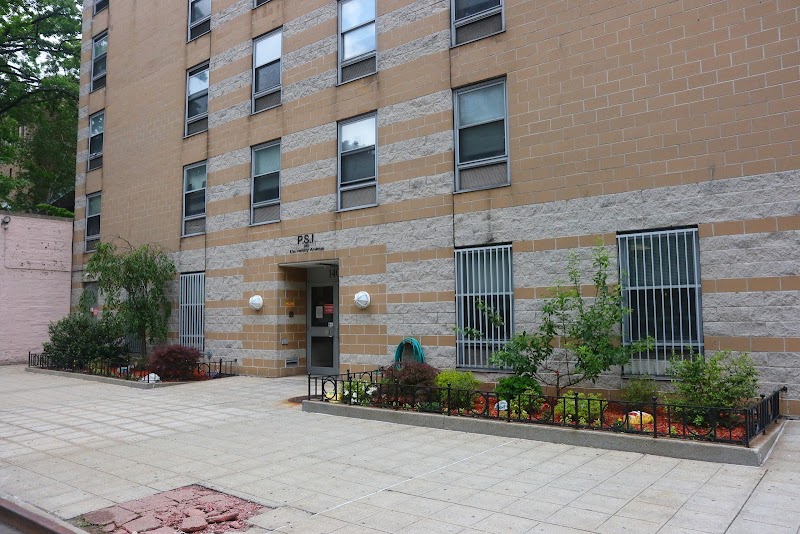
How is Hope Center For H I V And Nursing Care Staffed?

CMS rates HOPE CENTER FOR H I V AND NURSING CARE's staffing level at 4 out of 5 stars, which is above average compared to other nursing homes. Staff turnover is 17%, compared to the New York average of 46%. This relatively stable workforce can support continuity of care.

What Have Inspectors Found at Hope Center For H I V And Nursing Care?

State health inspectors documented 20 deficiencies at HOPE CENTER FOR H I V AND NURSING CARE during 2021 to 2024. These included: 20 with potential for harm.
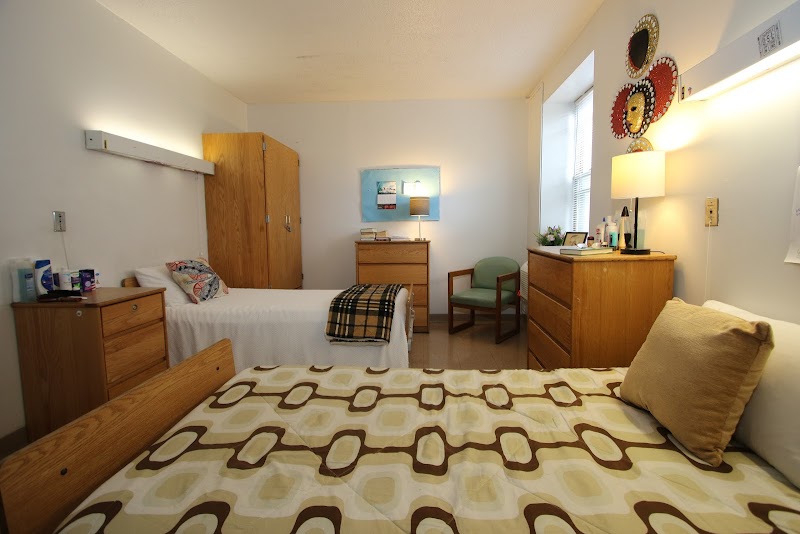
Who Owns and Operates Hope Center For H I V And Nursing Care?

HOPE CENTER FOR H I V AND NURSING CARE is owned by a for-profit company. For-profit facilities operate as businesses with obligations to shareholders or private owners. The facility is operated by CENTERS HEALTH CARE, a chain that manages multiple nursing homes. With 66 certified beds and approximately 64 residents (about 97% occupancy), it is a smaller facility located in BRONX, New York.

How Does Hope Center For H I V And Nursing Care Compare to Other New York Nursing Homes?

Compared to the 100 nursing homes in New York, HOPE CENTER FOR H I V AND NURSING CARE's overall rating (3 stars) is below the state average of 3.1, staff turnover (17%) is significantly lower than the state average of 46%, and health inspection rating (2 stars) is below the national benchmark.

What Should Families Ask When Visiting Hope Center For H I V And Nursing Care?

Based on this facility's data, families visiting should ask: "Can I visit during a mealtime to observe dining assistance and food quality?" "How do you handle medical emergencies, and what is your hospital transfer rate?" "Can I speak with family members of current residents about their experience?"

Is Hope Center For H I V And Nursing Care Safe?

Based on CMS inspection data, HOPE CENTER FOR H I V AND NURSING CARE has a clean safety record: no substantiated abuse findings (meaning no confirmed cases of resident harm), no Immediate Jeopardy citations (the most serious violation level indicating risk of serious injury or death), and is not on the Special Focus Facility watch list (a federal program monitoring the lowest-performing 1% of nursing homes). The facility has a 3-star overall rating and ranks #100 of 100 nursing homes in New York. While no facility is perfect, families should still ask about staff-to-resident ratios and recent inspection results during their visit.

Do Nurses at Hope Center For H I V And Nursing Care Stick Around?

Staff at HOPE CENTER FOR H I V AND NURSING CARE tend to stick around. With a turnover rate of 17%, the facility is 29 percentage points below the New York average of 46%. Low turnover is a positive sign. It means caregivers have time to learn each resident's needs, medications, and personal preferences. Consistent staff also notice subtle changes in a resident's condition more quickly. Registered Nurse turnover is also low at 14%, meaning experienced RNs are available to handle complex medical needs.

Was Hope Center For H I V And Nursing Care Ever Fined?

HOPE CENTER FOR H I V AND NURSING CARE has no federal fines on record. CMS issues fines when nursing homes fail to meet care standards or don't correct problems found during inspections. The absence of fines suggests the facility has either maintained compliance or corrected any issues before penalties were assessed. This is a positive indicator, though families should still review recent inspection reports for the full picture.

Is Hope Center For H I V And Nursing Care on Any Federal Watch List?

HOPE CENTER FOR H I V AND NURSING CARE is not on any federal watch list. The most significant is the Special Focus Facility (SFF) program, which identifies the bottom 1% of nursing homes nationally based on persistent, serious quality problems. Not being on this list means the facility has avoided the pattern of deficiencies that triggers enhanced federal oversight. This is a positive indicator, though families should still review the facility's inspection history directly.