HUDSON POINTE AT RIVERDALE CTR FOR NURSING & REHAB
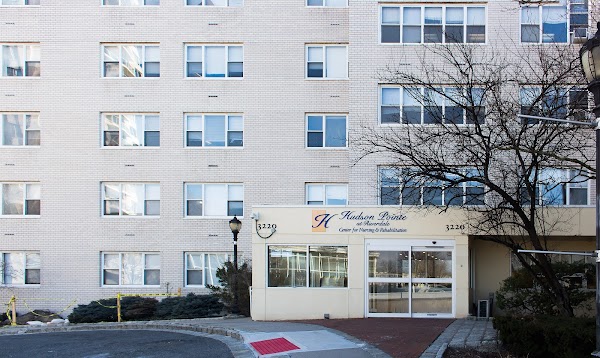
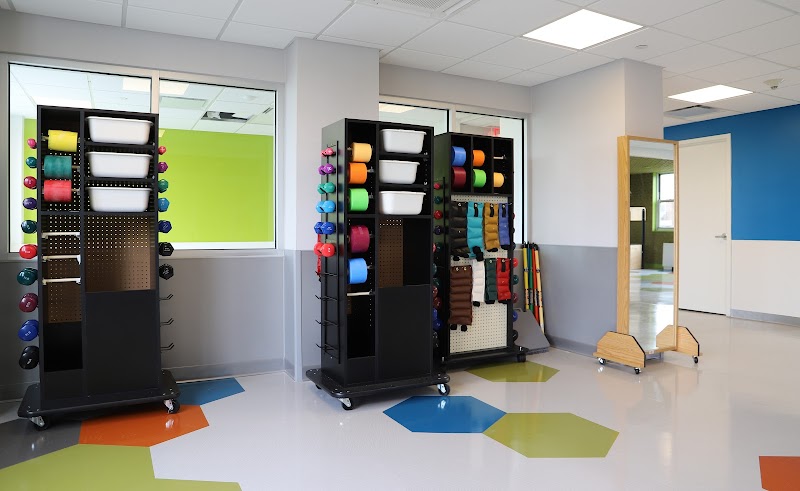
3220 HENRY HUDSON PARKWAY, BRONX, NY 10463 (718) 549-9400
For profit - Partnership 167 Beds CITADEL CARE CENTERS Data: November 2025 1 Immediate Jeopardy citation
Trust Grade
58/100
#291 of 594 in NY
Last Inspection: July 2024

Within standard 12-15 month inspection cycle. Federal law requires annual inspections.

Overview

Hudson Pointe at Riverdale Center for Nursing & Rehab has a Trust Grade of C, which means it is average-neither great nor terrible. It ranks #291 out of 594 facilities in New York, placing it in the top half, but #26 out of 43 in Bronx County indicates that only a few local options are better. The facility is improving, having reduced issues from 6 in 2022 to 3 in 2024. Staffing is a strength, with a 3-star rating and a turnover rate of 30%, lower than the New York average of 40%. Notably, the facility has no fines on record, which is a positive sign. However, there are some concerns. A critical finding involved a resident who was supposed to receive assistance from two staff members for transfers but was not, creating a fall risk. Additionally, another resident reported not being offered scheduled showers, which raises questions about adherence to care plans. While the quality measures are excellent, the health inspection rating of 2 out of 5 indicates that improvements are still needed in certain areas.

Trust Score
C
58/100
In New York
#291/594
Top 48%
Safety Record
High Risk
Review needed
Inspections
Getting Better
6 → 3 violations
Staff Stability
○ Average
30% turnover. Near New York's 48% average. Typical for the industry.
Penalties
✓ Good
No fines on record. Clean compliance history, better than most New York facilities.
Skilled Nurses
⚠ Watch
Each resident gets only 29 minutes of Registered Nurse (RN) attention daily — below average for New York. Fewer RN minutes means fewer trained eyes watching for problems.
Violations
⚠ Watch
11 deficiencies on record. Higher than average. Multiple issues found across inspections.
★★★☆☆
3.0
Overall Rating
★★★☆☆
3.0
Staff Levels
★★★★★
5.0
Care Quality
★★☆☆☆
2.0
Inspection Score
Stable
2022: 6 issues
2024: 3 issues

The Good

  • 5-Star Quality Measures · Strong clinical quality outcomes
  • Full Sprinkler Coverage · Fire safety systems throughout facility
  • No fines on record
  • Staff turnover below average (30%)

    18 points below New York average of 48%

Facility shows strength in quality measures, fire safety.

The Bad

3-Star Overall Rating

Near New York average (3.1)

Meets federal standards, typical of most facilities

Staff Turnover: 30%

16pts below New York avg (46%)

Typical for the industry

Chain: CITADEL CARE CENTERS

Part of a multi-facility chain

Ask about local staffing decisions and management

The Ugly 11 deficiencies on record

1 life-threatening
Jul 2024 3 deficiencies
CONCERN (D)

Potential for Harm - no one hurt, but risky conditions existed

Deficiency F0561 (Tag F0561)

Could have caused harm · This affected 1 resident

**NOTE- TERMS IN BRACKETS HAVE BEEN EDITED TO PROTECT CONFIDENTIALITY** 2) Resident #46 was admitted to the facility with diagnoses that included Coronary Artery Disease and Diabetes Mellitus. The Qu...

Read full inspector narrative →
**NOTE- TERMS IN BRACKETS HAVE BEEN EDITED TO PROTECT CONFIDENTIALITY** 2) Resident #46 was admitted to the facility with diagnoses that included Coronary Artery Disease and Diabetes Mellitus. The Quarterly Minimum Data Set (MDS) assessment dated [DATE], identified Resident #46 as cognitively intact, dependent on staff for all surface transfers and requiring moderate assistance with showers and bathing. On 07/25/24 at 12:18 PM, Resident #46 was observed in bed. An interview was conducted when Resident #46 stated that they are not offered showers and that the Certified Nursing Assistant just gives me a bed bath. The Care Plan Activity Report last updated 04/01/2024, documented that Resident #46 is scheduled to be showered on Tuesdays and Saturdays during the 7:00 AM to 3:00 PM shift. Bathing type documented is shower with instructions to inform the nurse if the resident is refusing showers. There is no documented evidence that Resident #46 was refusing showers. The Resident CNA Documentation History Detail Report dated 06/01/2024 to 07/23/2024 documented task performed - bathing, type - bed bath. There was no documented evidence that Resident #46 was offered or received a shower. The Resident Certified Nursing Assistant Documentation History Detail Report, dated 06/01/2024 to 07/23/2024, documented that Resident #46 did not resist care. There was no documented evidence that Resident #46 refused showers. On 07/25/24 at 09:28 AM, an interview was conducted with Certified Nursing Assistant #6 who stated that every resident should be offered a shower twice a week and bed baths should be performed on the other days, resident #46 is scheduled to be showered on Tuesdays and Saturdays but usually gets a bed bath. Certified Nursing Assistant #6 also stated that all the Certified Nursing Assistants document daily in the computer system whether a shower or bath is given. Certified Nursing Assistant #6 further stated that if a resident refuses care, the nurse should be notified. On 07/25/2024, Registered Nurse #3, the floor supervisor, was interviewed and stated that Resident #46 should have been provided all the Activity of Daily Living Care which included a shower twice a week, and if the resident refused it should have been reported by the Certified Nursing assistant and documented by the charge nurse. Registered Nurse #3 further stated that they were unable to locate any documentation that Resident #46 was offered or refused showers. On 07/25/2024, The Director of Nursing was interviewed and stated that they were informed by Registered Nurse #3 that there was no documentation that Resident #46 refused to be showered. The Director of Nursing then confirmed that there was also no documentation found that Resident #46 had been offered or refused showers. 415.5(b) (1-3) Based on observations, record review, and interviews conducted during the Recertification survey from 07/21/2024 to 07/26/2024, the facility did not ensure that it promoted and facilitated resident self-determination by supporting resident choice. Specifically, residents' bathing preferences were not honored. This was evident for 2 of the 4 residents reviewed for Choices out of 38 sampled residents. (Resident #88, and #46). The findings are: The facility policy and procedures titled ADL-Shower with the last revised date February 2024 documented that it is the policy of the facility to shower residents, to cleanse, and refresh resident, observe the skin and to provide increased circulation. Place resident in a shower chair and drape with a bath blanket or other form of cover. 1. Resident #88 was admitted to the facility with diagnoses that included Peripheral Vascular Diseases and Depression. The Quarterly Minimum Data Set (MDS) assessment dated [DATE] identified Resident #88 as cognitively intact and dependent on staff for Activities of Daily Living (ADLs). No rejection of care was documented. The Annual Minimum Data Set assessment dated [DATE] documented that it is very important for Resident #88 to choose between a tub bath, shower, or sponge bath. On 07/22/2024 at 9:58 AM, Resident # 88 was observed out of bed in a Geri chair in their room. The resident was interviewed and stated that I would like to get a shower, but I have not had a shower since I came to the facility. They wipe me down. The Resident Nursing Instructions dated 05/19/2023 documented that Resident #88 is scheduled for bathing on Mondays and Thursdays during the 3:00 PM to 11:00 PM shift. Bathing types documented include bed bath, shower, and sponge bath. The instructions did not specify Resident #88's preference. The Resident CNA Documentation History Detail Report dated 01/01/2024 to 07/22/2024 documented tasks performed bathing type bed bath. There was no documented evidence that a shower was provided. Progress notes dated 07/01/2024 to 07/24/2024 contained no documented evidence that Resident #88 had been offered and/or refused showers. On 07/24/2024 at 11:19 AM, Certified Nursing Assistant #1 was interviewed and stated that Resident #88 gets showers during the evening shift. Certified Nursing Assistant #1 does not know if the resident gets the shower. On 07/24/2024 at 3:23 PM, Certified Nursing Assistant #2 was interviewed and stated that Resident # 88 gets showers on Mondays and Thursdays during the evening shift. The resident is taken out of bed and taken to the shower room for the shower. At times, the resident will say they do not want to go to the shower room because they have pains. Resident #88 cannot sit in the shower chair, so I gave the resident a shower in the Geri chair, but I documented it as a bed bath. The administration is unaware that the resident cannot sit in the shower chair. I gave the resident a bed bath on Monday. I documented it in the kiosk and clicked bed bath. On 07/24/2024 at 3:36 PM, Certified Nursing Assistant #3 was interviewed and stated that they worked the evening shift and had not seen Resident #88 getting a shower before. They document the shower in the kiosk. If the resident receives a shower, I will click shower, I click bed bath when a resident gets a bed bath. On 07/25/2024 at 11:47 AM, the Unit Manager was interviewed and stated that the Certified Nursing Assistant documents care provided in the kiosk. The assigned charge nurse and the supervisors monitor and ensure care is provided. The Licensed Practical Nurse on the day and the evening shift ensures that residents are getting showers on each shift. There has not been any report that the staff needs a special shower chair to give Resident #88 a shower. We do not use Geri-chairs for showers. On 07/25/2024 at 12:10 PM, the Director of Nursing was interviewed and stated that they offer residents shower two times a week, as needed, as requested, and per the resident's preference. Resident #88's accountability record shows the task was performed, and the bathing type was documented as a bed bath. This is the first time I have heard that Resident #88 does not get a shower. I have not heard that the resident cannot sit in the shower chair. If a problem arises, we will refer the resident to rehab and provide the proper care and equipment. If Resident #88 cannot sit in the shower chair, the resident will need a a special shower chair. The resident can use a reclining shower chair in one of the units. If a resident refuses to shower, it should be documented in the accountability record. We do not use Geri-chair for showers.
CONCERN (D)

Potential for Harm - no one hurt, but risky conditions existed

Assessment Accuracy (Tag F0641)

Could have caused harm · This affected 1 resident

**NOTE- TERMS IN BRACKETS HAVE BEEN EDITED TO PROTECT CONFIDENTIALITY** Based on observations, record reviews and interviews conducted during the Recertification survey, the facility did not ensure th...

Read full inspector narrative →
**NOTE- TERMS IN BRACKETS HAVE BEEN EDITED TO PROTECT CONFIDENTIALITY** Based on observations, record reviews and interviews conducted during the Recertification survey, the facility did not ensure that Minimum Data Set (MDS) 3.0 assessments accurately reflected the residents' status. Specifically, the most recent Minimum Data Set (MDS) 3.0 assessments did not reflect that wander/elopement alarms were used for 2 residents. This was evident for 2 of 2 residents reviewed for Elopement Risk out of a sample of 38 residents. (Resident # 103 and #135). The findings are: 1.) Resident #103 was admitted to the facility with diagnoses which include Dementia, Depression, and Psychotic Disorder. The quarterly Minimum Data Set (MDS) 3.0 assessment dated [DATE] documented the resident had impaired cognition and was dependent in performing activities of daily living. Also documented in the Section P0200-Alarm that Wander/Elopement Alarm was not used. On 07/22/24 at 12:15 PM Resident #103 was observed with a wander guard device on the right wrist. Elopement Risk assessment dated [DATE] documented that if the resident scored 3 or more negative responses, notify MD, initiate use of Wander guard and follow facility protocol/guidelines, create/update Care plan for Elopement, Update CNA Instructions. The Physician Order's dated 12/07/2022, last revised on 07/17/24 documented the following: Wander Guard-Check Q Shift for Placement. The Comprehensive Care Plan for Behavior Symptoms: Wandering/Elopement risk dated 3/18/24, revised 6/27/24 documented interventions which included: check ID bracelet is on wrist, WG to Right Wrist, and maintain safety. The Medication Administration Record (MAR) dated 07/1/24 to 07/22/24 documented the observation of the wander guard device every shift daily (7:00 AM, 3:00 PM, and 11:00 PM). 2.) Resident #135 was admitted to the facility with diagnoses which include Dementia, Anxiety and Depression. The Quarterly Minimum Data Set (MDS) 3.0 assessment dated [DATE] documented the resident had impaired cognition and was dependent in performing activities of daily living. Also documented in the Section P0200-Alarm that Wander/Elopement Alarm was not used. Elopement Risk assessment dated [DATE] documented that the resident scored 3 or more negative response notify MD, initiate use of Wander guard and follow facility protocol/guidelines, create/update Care plan for Elopement, Update CNA Instructions. The Medication Administration Record (MAR) dated 07/1/24 to 07/22/24 documented the observation of the wander guard device every shift daily (7:00 AM, 3:00 PM, and 11:00 PM). The Comprehensive Care Plan for Behavior Symptoms: Wandering/Elopement risk dated 02/26/24 revised 06/21/24 documented interventions which included check ID bracelet is on wrist, WG to Right Wrist, and maintain safety. The Physician Order's dated 12/07/2022, last revised on 07/17/24 documented the following: Wander Guard-Check Q Shift for Placement. On 07/23/24 at 10:52 AM , an interview was conducted with the MDS Supervisor who stated that the MDS assessor performs physical assessment and review records and intervening staff when completing MDS assessments. They also stated that they should not solely rely on medical records, and they have to see the residents. The MDS supervisor stated that they have just completed a review of all residents on wander guards and they discovered that these 2 residents were not coded accurately. They concluded by saying It could have been an oversight for these 2 residents captured. 415.11 (b)
CONCERN (D)

Potential for Harm - no one hurt, but risky conditions existed

Deficiency F0657 (Tag F0657)

Could have caused harm · This affected 1 resident

**NOTE- TERMS IN BRACKETS HAVE BEEN EDITED TO PROTECT CONFIDENTIALITY** Based on interviews, observations and record review conducted during a recertification survey (EUC311), the facility did not ens...

Read full inspector narrative →
**NOTE- TERMS IN BRACKETS HAVE BEEN EDITED TO PROTECT CONFIDENTIALITY** Based on interviews, observations and record review conducted during a recertification survey (EUC311), the facility did not ensure that a resident's care plan for falls was reviewed and revised. Specifically, staff did not complete a timely review and/or revision for the care plan for a resident who had an identified history of falls with injury. This was evident in 1 of 31 residents reviewed for care plans (Resident #52). The findings are: The facility's policy and procedure entitled Care Plan, Comprehensive, last updated 02/2024, states that the interdisciplinary team reviews and updates the care plans at least quarterly in conjunction with the required Minimum Data Set assessment. Resident #52 was admitted to the facility on [DATE] with diagnoses including Alzheimer's Disease, Depression, Chronic Kidney Disease and Diabetes. The Minimum Data Set (a resident assessment tool) dated 06/03/2024 documented that the resident's cognition was severely impaired, that they wandered daily and used a Wanderguard to prevent their accessing the unit stairwells and elevators. A Falls Potential Care Plan was initiated for the resident on 01/09/2020 with interventions to check the equipment for the resident's use daily for stability, encourage the resident to ask for assistance when needed, anticipate needs, keep the call bell within reach and answer promptly, keep the resident's items within easy reach, review their medications, provide a well-lit and hazard free environment, redirect their behavior, refer to PT/OT for evaluation, provide a low bed with no side rails and toilet the resident as scheduled. A Nursing note dated 11/28/2023 at 11:27 AM stated that at 8:30 AM, staff responded to a sound in the resident's room and found Resident #52 sitting on the floor at the foot side of their bed. The resident was awake, alert and responsive but was unable to state what had happened and was attempting to get up by themselves. The resident was assisted back to bed and was seen by the Nurse Practitioner, who noted a small raised area on their forehead with slight redness but no bleeding and ordered a skull x-ray, which was negative. The Nurse Practitioner also ordered a Physical Therapy evaluation, and the resident's next of kin was made aware. The Falls Care Plan was reviewed and updated with a note reflecting the fall. Resident #52's Minimum Data Sets were reviewed and noted that the resident had two quarterly assessments so far in 2024, in March and in June, but their Falls Care Plan had no reviews noted at any point in 2024. On 07/26/2024, Registered Nurse #4 was interviewed and stated that at the time of their fall, Resident #52 was able to ambulate independently but was confused. After their fall, more frequent rounding on all rooms was made. The Nurse Manager stated that they are responsible for reviewing and updating care plans with issues that take place during the day shift; they updated the Falls Care Plan in December 2023 as well as all the resident's other care plans. The Nurse Manager was unable to explain why the Falls Care Plan was not updated in 2024. On 07/26/2024 at 10:53 AM, Registered Nurse #1 was interviewed and stated that they were the Nurse Supervisor covering Resident #52's unit at the time of their fall. However, the Nurse Manager was the person responsible for updating all care plans, and although they were supervising the Nurse Manager on 11/28/2023, they were covering the resident's unit only. The Nurse Supervisor stated that Resident #52 was recently hospitalized and returned to the second floor. On 07/26/2024 at 12:07 PM, Licensed Practical Nurse #1 on the second floor was interviewed and stated that Resident #52 had been on this unit for about ten days and had had no falls during that time. However, the resident is currently not ambulatory. The nurse stated that the resident now spends their day in rehab or in the unit day room, where they participate in activities and have constant staff supervision. The nurse stated that the resident will have their readmission assessment in a few days and their care plans will be updated, including the Falls Care Plan. 483.21(b)(2)(i-iii)
Jul 2022 6 deficiencies 1 IJ (1 affecting multiple)
CRITICAL (K)

Immediate Jeopardy (IJ) - the most serious Medicare violation

Deficiency F0604 (Tag F0604)

Someone could have died · This affected multiple residents

**NOTE- TERMS IN BRACKETS HAVE BEEN EDITED TO PROTECT CONFIDENTIALITY** 2.) Resident #85 was admitted with diagnoses of non-Alzheimer's dementia and restlessness and agitation. The Minimum Data Set 3...

Read full inspector narrative →
**NOTE- TERMS IN BRACKETS HAVE BEEN EDITED TO PROTECT CONFIDENTIALITY** 2.) Resident #85 was admitted with diagnoses of non-Alzheimer's dementia and restlessness and agitation. The Minimum Data Set 3.0 (MDS) assessment dated [DATE] documented Resident #85 had severely impaired cognition and required the total assistance of two staff for bed mobility and transfers. Resident #85 had no falls since the last assessment, and SRs and restraints were not in use. On 7/05/2022 at 8:59 AM, Resident #85 was observed in bed after receiving care with bilateral ½ SRs raised. There were no observations of Resident #85 being able to grab the SR. On 7/6/2022 at 9:01 AM, Resident #85 was observed receiving morning care from (Certified Nursing Assistant) CNA #2 and CNA #6. Bilateral ½ SRs were raised at the start of care. CNA #2 and CNA #6 both lowered a ½ SR and washed Resident #85's face and body. Both CNAs positioned Resident #85 in bed and raised the bilateral ½ SRs after care was completed. Resident #85's body was stiff and unable to move without assistance. One of the CNAs prompted Resident #85 to grab onto the ½ siderail, and Resident #85 was unable to follow the command. The Comprehensive Care Plan (CCP) related to fall potential initiated 7/23/2020 and last revised 7/2/2022 documented Resident #85 was at risk for falls due to the behavior of trying to get out of bed unassisted, impaired cognition, impaired judgement, and poor safety awareness. The interventions included bed alarm and floor mats for safety. The CCP related to skin integrity initiated 7/23/2020 and last revised 10/24/2021 documented Resident #85 was provided with bilateral ½ SR to assist with positioning and comfort. The Physician's Order (PO) initiated 7/23/2020 and last renewed 6/15/2022, documented orders for bilateral ½ SRs. There was no indication of medical necessity in the order. The SR assessment dated [DATE] documented Resident #85 was able to follow instructions, unable to retain information, unable to physically release the SRs, had a history of SR use, and did not attempt to get out of bed. Resident #85's designated representative requested SR use and ½ upper SRs were indicated to assist in bed mobility. The Briggs Fall Risk assessment dated [DATE] documented Resident #85 scored a 10, indicating Resident #85 was at high risk for falls. There was no documented evidence other alternatives were tried prior to the use of bilateral ½ SRs. There was no documented evidence a SR safety assessment was completed prior to the application of bilateral ½ SRs. There was no documented evidence Resident #85 was observed using the ½ SR as an enabler. The bilateral ½ SRs were not identified as a restraint, and there was no restraint CCP in place. During an interview conducted on 7/05/2022 at 8:59 AM, CNA #2 stated Resident #85 was totally dependent on staff for turning and positioning and cannot move side to side in bed without assistance. Bilateral floor mats are in place and the bed is kept in the lowest position because Resident #85 attempts to get up without assistance. CNA #2 stated Resident #85 has attempted to get out of bed by grabbing the SR. During an interview conducted during an observation of care on 7/6/2022 at 9:01 AM, CNA #6 and CNA #2 were interviewed and both stated Resident #85 can move their arms, cannot move in bed by themselves, and cannot assist in their own care. On 7/1/2022 at 10:15 AM, Licensed Practical Nurse (LPN) #3 was interviewed and stated Resident #85 could not release the SRs and the SRs were used for Resident #85 because the resident has a behavior of moving up and down in the bed. Along with floor mats, it is a safety feature. 3.) Resident #95 was admitted with diagnoses of Unspecified Dementia with Behavioral Disturbance and hemiplegia following cerebral infarction affecting the left non-dominant side. On 7/5/2022 at 5:56 PM, Resident #95 was observed in bed with the bilateral ½ SRs raised. The Certified Nursing Assistant (CNA #7) called Resident #95 by name and prompted them to hold onto the ½ SR. Resident #95 did not respond or follow the command. The Minimum Data Set (MDS) dated [DATE] documented Resident #95 required extensive assistance of 1 person for bed mobility and extensive assistance of 2 people to transfer. An active Physician's Order (PO) initiated 10/23/2021 documented orders for Resident #95 to have bilateral ½ SRs. There was no indication of medical necessity in the order. A SR assessment dated [DATE] documented Resident #95 used the SR to enhance bed mobility, did not attempt to get out of bed unassisted, did not use the SR to adjust his or her position in bed, and was not able to physically release the SR. The Interdisciplinary Team (IDT) documented a recommendation for Resident #95 to have ½ upper SR to assist in bed mobility and transfers. The Comprehensive Care Plan (CCP) related to Activities of Daily Living (ADL) initiated 10/25/2021 and last revised 6/28/2022 documented Resident #95 was severely cognitively impaired, non-ambulatory, had decreased mobility and required extensive assistance of 1 person and SR for bed mobility. The CCP related to fall potential, initiated 10/25/2021 and last revised 6/28/2022, documented Resident #95 had impaired cognition and impaired vision. Bilateral ½ SRs were used as enablers with bed positioning. A Physical Therapy (PT) Evaluation dated 10/25/2021 documented Resident #95 required maximum assistance for bed mobility. Restorative therapy was recommended, and a goal was set for the resident to be able to perform bed mobility with moderate assistance with use of SRs for initiation / termination of tasks, for proper sequencing and for task segmentation in order to get in/out of bed, prepare for transfers and participate in edge of bed activities. The PT Discharge summary dated [DATE] documented Resident #95 required maximum assistance for bed mobility and did not meet the therapy goals. The Briggs Fall Risk assessment dated [DATE] documented Resident #95 scored a 12, indicating high risk for falls. There were no observations of Resident #95 using the ½ SR as an enabler. There was no documented evidence other devices were used as enablers or a SR safety assessment was completed prior to the implementation of bilateral ½ SR. The bilateral ½ SR were not identified as a restraint. On 7/5/2022 at 1:04 PM and 6:12 PM, CNA #7 was interviewed and stated Resident #95 could not participate in care or follow instructions. Resident #95's left hand was weak, but Resident #95 can hold onto the SR with the right hand if it is placed there. CNA #7 stated Resident #95 has not attempted to get out of bed. The SRs stop the resident from falling on the floor during care. Resident #95 cannot roll by themselves, but when CNA #7 turns the resident, the resident's body moves and can tip over. CNA #7 stated the resident requires two people to assist them with bed mobility and turning/positioning. SRs can be considered a restraint but not for this resident. During an interview on 7/5/2022 at 3:03 PM, Licensed Practical Nurse (LPN) #4 stated the SRs are used because Resident #95 moves while they are in bed, at times, and staff reported Resident #95 had their leg hanging off the side of the bed. LPN #4 also stated the resident's family wanted side rails in place. On 7/5/2022 at 01:13 PM, the Nurse Educator was interviewed and stated SR were used to assist residents with positioning while in bed. SR were considered a restraint if used for residents who were unable to use the SR unassisted. On 7/8/2022 at 11:38 AM, Physician #1 was interviewed and stated SRs were used for mobility to transition in bed and were not used for resident safety. SRs were considered a restraint if SRs were used without proper indications. During an interview on 7/6/2022 at 3:23 PM, the Director of Rehab stated rehab only assesses residents for bed mobility and transfers, not SR use. The SR assessment is completed by nursing. On 7/6/2022 at 10:53 AM, the Director of Nursing (DON) was interviewed and stated residents were assessed for their ability to move in bed and if they required SRs. The SRs are raised during care, if necessary, otherwise, the SRs are removed. Resident information is reviewed prior to admission to determine the type of bed a resident requires. The Maintenance Department was responsible for measuring the beds and SRs. The nurse assesses and determines whether Maintenance needs to address issues with a resident's bed. On 7/8/2022 at 11:43 am, the Medical Director was interviewed and stated the IDT asked them to make a list of residents who are alert & oriented and who may have a diagnosis that may benefit from side rails such as Multiple Sclerosis. The Medical Director was asked to review cases on units 1, 2, and 4. Unit 3 has residents with psychiatric diagnoses so that unit was not reviewed. The Medical Director further stated they have read the F-tag and agree with it and have reviewed the plan of correction with the Administrator. Immediate Jeopardy (IJ) was identified and declared. The facility Administrator and Director of Nursing were notified on 7/6/2022 at 6:00 PM. The facility submitted a removal plan that was reviewed and accepted by the NYSDOH on 7/8/2022 at 4:00 PM. On 7/8/2022 at 4:00 PM, the survey team declared the IJ was removed based on the following corrective actions taken by the facility: - For Resident #95 and Resident #42, SR assessments were completed, and the Physician discontinued SRs for both residents. Both residents were observed with no SR in place on 7/07/2022 and 7/08/2022. - For Resident #85, a SR assessment was done, and the IDT determined there was a medical justification for bilateral 1/2 SR use. The MDS was reviewed for accuracy. This was completed by 7/08/2022. - All residents with POs for SR were assessed for clinical justification and appropriateness of SR use by 7/8/2022. - The maintenance personnel will remove the SRs for all residents who did not require them based on the assessment by the IDT by 7/11/2022. As of 7/8/2022, 96% of SRs were removed with 4% (3) still pending. - Policy for 'SR Utilization' was reviewed and revised on 7/6/2022. The revised policy ensured consistency between the SR assessment and MDS. PT was included in SR assessments, and the assessment will include the residents' ability to release the SR to determine if it is a restraint. - The Policy for 'Use of Restraints' was reviewed 7/6/2022 to ensure that a mechanism for release of the SR and/or restraint was in place. The opportunity for motion and exercise is provided for a period of no less than ten (10) minutes during each two (2) hours in which restraints are employed. - In-service lesson plan and sign-in sheets were reviewed 7/08/2022 and education was provided to 89% of staff (department heads, Administration, Nursing, MDS Department, Dietary, Housekeeping/Maintenance, Recreation, Social Work, Rehabilitation Department) re: restraints and SR identification, indication, and implementation of policy. - Interviews were conducted with the following staff who were in-serviced on restraints and SRs: 4 RNs, 2 LPNs, 13 CNAs, 1 MD, 2 Social Workers, 1 Recreation staff member, and the Administrator. All staff were in-serviced and knowledgeable on Restraints and SR. Based on observation, interview and record review conducted on 7/8/2022, the facility fully implemented the IJ Removal Plan, and the IJ was removed as of 7/8/2022 at 4:00 PM. 415.4(a)(2-7) Based on observation, record review and interviews conducted during the extended recertification and abbreviated (NY00290309) survey from 6/27/2022 through 7/12/2022, the facility did not ensure that each resident remained free from physical restraints not required to treat the resident's medical symptoms. This was evident for 14 of 14 residents reviewed for Physical Restraints (Resident #s 85, 95, 42, 190, 23, 69, 76, 121, 63, 136, 71, 12, 40 and 31) out of a sample of 43 residents. Specifically, Resident #42 had severely impaired cognition and required extensive assist of one person for bed mobility and transfers. Resident #42 had orders for bilateral ½ side rails SR, and the SR were not identified as a restraint. Resident #42 sustained an injury to the right eyelid after hitting their head on a ½ SR. There was no medical justification, SR safety assessment prior to SR use, restraint care plan, or evidence of alternatives attempted before using the bilateral ½ SR. Resident #s 85, 95, 190, 23, 69, 76, 121, 63, 136, 71, 12, 40, and 31 had severely impaired cognition and required extensive to total assistance of two persons for bed mobility and transfers. The affected residents had orders for bilateral ½ SR, and the SR were not identified as a restraint per the SR assessment. There was no medical justification, SR safety assessment prior to SR use, restraint care plan, or evidence of alternatives attempted before using the bilateral ½ SR. This resulted in Immediate Jeopardy (IJ) with the likelihood for serious, injury, serious harm, serious impairment, or death to all residents using SR or other devices that were potential restraints. IJ was identified and declared. IJ began on 07/05/2022 and was called on 07/05/2022 at 8:59AM. The facility submitted an IJ removal plan on 07/08/2022. IJ was removed on 07/08/2022 at 4:00 PM. The findings include but are not limited to: The facility policy titled Use of Restraints last reviewed 9/2021 documented: Restraints shall only be used for the safety and well-being of the resident(s) and only after other alternatives have been tried unsuccessfully. Restraints shall only be used to treat the resident's medical symptom(s) and never for discipline or staff convenience, or for the prevention of falls. Physical Restraints are defined as any manual method or physical or mechanical device, material or equipment attached or adjacent to the resident's body that the individual cannot remove easily, which restricts freedom of movement. Restraints shall only be used upon the written order of a physician and after obtaining consent from the resident and/or representative. The order shall include the following: a. the specific reason for the restraint (as it relates to the resident's medical symptom); b. how the restraint will be used to benefit the resident's medical symptom, and c. the type of restraint, and period of time for the use of the restraint. Care plans for residents in restraints will reflect interventions that address not only the immediate medical symptom(s), but the underlying problems that may be causing the symptom(s). References: related documents: risk-benefit acknowledgement form (MP5540); Physical Restraints - record of informed consent. The policy titled Proper Use of SR last reviewed 12/2021 documented SR are considered a restraint when they are used to limit the resident's freedom of movement (prevent the resident from leaving his/her bed). SR are only permissible if they are used to treat a resident's medical symptoms or to assist with mobility and transfer of residents. An assessment will be made to determine the resident's symptoms, risk of entrapment and reason for using SR. When used for mobility or transfer, an assessment will include a review of the resident's: bed mobility, ability to change positions, transfer to and from bed or chair, and to stand and toilet; risk of entrapment from the use of SR, and that the bed's dimensions are appropriate for the resident's size and weight. When SR usage is appropriate, the facility will assess the space between the mattress and SR to reduce the risk for entrapment. 1.) Resident #42 was diagnosed with dementia and hip fracture. The Minimum Data Set (MDS) assessment dated [DATE] documented Resident #42 was severely cognitively impaired and required extensive assistance of two people for bed mobility and transfers. On 7/06/2022 at 7:40 AM, Resident #42 was observed sleeping in bed with the right ½ SR in the raised position. No staff were observed in the room. On 7/06/2022 at 7:57 AM, Resident #42 was observed awake in bed with the right ½ SR in the raised position. The Physician's Order (PO) initiated 3/6/2018 and last renewed 6/29/2022 documented orders for Resident #42 to have bilateral ½ SRs. There was no indication of medical necessity in the order. A Facility Accident/Incident Investigation dated 9/13/2020 documented Resident #42 turned to their right side while receiving care from the Certified Nursing Assistant (CNA) and hit their eye on the SR sustaining a scratch to the right eye lid. The corrective action was to encourage the resident to turn slowly. The Fall Risk assessment dated [DATE] documented Resident #42 did not have any falls and scored a 7, indicating they were not at high risk for falls. The SR assessment dated [DATE] documented Resident #42 was able to follow instructions, not able to retain information, not physically able to release the SR, used the SRs to enhance mobility, and attempted to get out of bed by themselves. The assessment did not contain a medical justification for the use of SRs. There was no documented evidence other devices were used as enablers or a SR safety assessment was completed prior to the use of the ½ SRs. The bilateral ½ SRs were not identified as a restraint. On 7/5/2022 at 1:26 PM, Licensed Practical Nurse (LPN) #1 was interviewed and stated SRs can be used when the resident can hold onto the SRs to help turn themselves. SRs were considered a restraint if the resident was unable to use the SRs independently. The Registered Nurse Manager (RNM) assesses the residents to determine whether SR use is appropriate. During an interview on 7/5/2022 at 1:13 PM, RNM #1 stated Resident #42 needed bilateral 1/2 SR to prevent falls and assist with bed mobility. The RNM obtains consent from the resident or resident's family for SR use. If the resident is cognitively impaired and there is no family, an Interdisciplinary Team (IDT) meeting is held, and the Physician decides if SRs are necessary. A 3-day assessment is done for new admissions, readmissions, and residents with significant changes to determine if SRs are necessary. The RNMs write the PO, a progress note, and update the resident's care plan. Bilateral ½ SRs are not considered a restraint.
CONCERN (D)

Potential for Harm - no one hurt, but risky conditions existed

Deficiency F0582 (Tag F0582)

Could have caused harm · This affected 1 resident

**NOTE- TERMS IN BRACKETS HAVE BEEN EDITED TO PROTECT CONFIDENTIALITY** Based on interviews and record review during the recertification survey from 06/27/2022 and 7/12/2022, the facility did not ensu...

Read full inspector narrative →
**NOTE- TERMS IN BRACKETS HAVE BEEN EDITED TO PROTECT CONFIDENTIALITY** Based on interviews and record review during the recertification survey from 06/27/2022 and 7/12/2022, the facility did not ensure a resident received notification prior to changes in coverage for services covered by Medicare. This was evident for 1 (Resident #90) of 4 resident reviewed for Beneficiary Protection Notice. Specifically, the facility did not provide Resident #90 with a Notice to Medicare Provider Non-coverage (NOMNOC) explaining their right to an expedited review prior to the termination of their Medicare coverage. The findings are: The facility policy titled Skilled Nursing Facility (SNF) Beneficiary Notices Process last reviewed 1/22 documented residents are provided appropriate Medicare SNF notices informing them of their responsibilities for payments and rights to request appeal, Medicare billing or redetermination of coverage from the appropriate agency. Resident #90 had diagnoses of type 2 diabetes mellitus and atherosclerotic heart disease. A Minimum Data Set 3.0 (MDS) assessment dated [DATE] documented Resident #90 was cognitively intact and had adequate hearing. On 06/27/22 at 03:51 PM, Resident #90 was interviewed, indicated they were deaf, and used written communication documenting the facility stopped therapy and Resident #90 did not know why. On 07/07/22 at 04:45 PM, Resident #90 wrote they had not been informed of their Medicare coverage ending. A NOMNOC letter dated 5/11/2022 documented Resident #90's Medicare coverage will end 5/13/2022 and Resident #90's brother was provided with verbal notice via telephone. On 06/30/22 at 03:55 PM, Social Worker (SW) #1 was interviewed and stated the NOMNOC is provided to alert and oriented residents two days before Medicare coverage ends. Resident who are hearing impaired can read the notice if they prefer. Resident #90 requested we inform their brother of the NOMNOC. There is no documented evidence Resident #90 requested that their brother be informed of the NOMNOC. On 07/12/22 at 12:07 PM, The Director of Nursing (DON) was interviewed and stated the SW provides the NOMNOC to residents. If a resident is hearing impaired, the NOMNOC will be discussed with the family unless the resident can read and write. 415.3(g)(2)(i)
CONCERN (D)

Potential for Harm - no one hurt, but risky conditions existed

MDS Data Transmission (Tag F0640)

Could have caused harm · This affected 1 resident

**NOTE- TERMS IN BRACKETS HAVE BEEN EDITED TO PROTECT CONFIDENTIALITY** Based on record review and interviews conducted during the recertification survey from 6/27/2022 to 7/12/2022, the facility did ...

Read full inspector narrative →
**NOTE- TERMS IN BRACKETS HAVE BEEN EDITED TO PROTECT CONFIDENTIALITY** Based on record review and interviews conducted during the recertification survey from 6/27/2022 to 7/12/2022, the facility did not ensure Minimum Data Set 3.0 (MDS) assessments were transmitted timely. This was evident for 1 (Resident #1) of 2 residents reviewed for Resident Assessment. Specifically, the facility did not transmit a Discharge MDS for Resident #1 within 14 days. The findings are: The facility's policy titled Resident Assessment last reviewed 2/2022 documented the MDS Coordinator (MDSC) is responsible for ensuring the interdisciplinary team conducts timely and appropriate resident assessments and reviews. Discharge assessments are conducted when a resident is discharged from the facility. Resident #1 was admitted on [DATE] with diagnoses of dementia and hypertension. Resident #1 was discharged from the facility on 1/26/2022. A Discharge MDS initiated and completed on 1/26/2022 documented Resident #1's return to the facility was not anticipated. As of 6/29/2022, the Discharge MDS did not have a submission date and the status was suspended. On 06/30/22 at 03:02 PM, the MDS Coordinator (MDSC) was interviewed and stated Discharge MDS assessments are completed the same day a resident is discharged from the facility and must be submitted within 14 days. The Discharge MDS for Resident #1 was probably accidentally suspended. The MDSC should have received a notification re: the suspension of Resident #1's Discharge MDS but did not receive one leading to the submission oversight. On 07/12/22 at 12:07 PM, the Director of Nursing (DON) was interviewed and stated the MDSC was responsible for overseeing the MDS completion and submission and randomly checks for accuracy. 415.11
CONCERN (D)

Potential for Harm - no one hurt, but risky conditions existed

Assessment Accuracy (Tag F0641)

Could have caused harm · This affected 1 resident

**NOTE- TERMS IN BRACKETS HAVE BEEN EDITED TO PROTECT CONFIDENTIALITY** 2) Resident #90 had diagnoses of type 2 diabetes mellitus and atherosclerotic heart disease. The MDS assessment dated [DATE] do...

Read full inspector narrative →
**NOTE- TERMS IN BRACKETS HAVE BEEN EDITED TO PROTECT CONFIDENTIALITY** 2) Resident #90 had diagnoses of type 2 diabetes mellitus and atherosclerotic heart disease. The MDS assessment dated [DATE] documented Resident #90 was cognitively intact and had adequate hearing. On 06/27/2022 at 03:51 PM and 6/29/2022 at 10:53 AM, Resident #90 was interviewed and wrote they lost their hearing at the age of 2, communicated via written or typed messages, and the facility staff made accommodations for their hearing impairment. A comprehensive care plan (CCP) related to communication and potential for barriers, initiated 11/24/2020 and last reviewed 6/2/22, documented staff presents ideas to Resident #108 one at a time and uses short simple sentences written on paper and uses a telecommunication application on Resident #108's cellphone. On 06/30/22 at 03:02 PM, the MDS Coordinator was interviewed and stated Resident #90 had congenital deafness and they write as a form of communication. The person who completed the MDS assessment for Resident #90 made a mistake in documenting that Resident #90 had adequate hearing. It was an oversight. 415.11(b) Based on observation, record review, and staff interviews conducted during the recertification survey, the Facility did not ensure the Minimum Data Set (MDS) assessment accurately reflects the resident's status for 2 (Resident # 90 and Resident # 108) of 2 residents reviewed for Resident Assessment out of an investigative sample of 42 residents. Specifically, 1) Resident #108's most recent MDS assessment inaccurately documented Resident #108 received dialysis; 2) Resident #90's most recent MDS assessment inaccurately documented Resident #90 had adequate hearing. The findings are: The findings are: The facility's policy titled Resident Assessment last revised 02/2022 documented the MDS Coordinator (MDSC) is responsible for ensuring appropriate resident assessment and reviews. 1) Resident # 108 was had diagnoses of hypertension, cerebral vascular accident, and seizures. The MDS dated [DATE] did not document Resident #108 documented the Resident #108 was receiving dialysis treatment. There was no documented evidence in the medical record that Resident #108 was receiving dialysis treatment. On 06/30/2022 at 3:30 PM, the MDS Coordinator (MDSC) was interviewed and stated Resident # 108 was coded as receiving dialysis, but the resident does not receive dialysis treatment. The error on Resident #108's MDS was a mistake and needs to be modified. The MDSC reviews the completion of the MDS but does not review the accuracy of the MDS section by section. The different disciplines who fill out the MDS are responsible for ensuring that it is accurate.
CONCERN (D)

Potential for Harm - no one hurt, but risky conditions existed

Infection Control (Tag F0880)

Could have caused harm · This affected 1 resident

Based on observations, record review, and staff interviews conducted during the recertification survey, the facility did not ensure infection control practices and procedures were maintained to provid...

Read full inspector narrative →
Based on observations, record review, and staff interviews conducted during the recertification survey, the facility did not ensure infection control practices and procedures were maintained to provide a safe and sanitary environment to help prevent the development and transmission of communicable diseases and infections for 4 (Residents #55, 120, 37 & 77) of 12 residents on 1 (3rd floor) of 4 units observed during the Medication Administration Facility Task. Specifically, a Licensed Practical Nurse (LPN #5) was observed using a glucometer machine for multiple residents without sanitizing the equipment in between the residents. The findings are: The facility's policy titled Administration of Medication, reviewed 03/02/22, documented in the section Obtaining a Fingerstick Glucose level, that staff should always ensure that blood glucose meters intended for reuse are cleaned with germicidal wipes and disinfected between resident uses. On 06/28/22 09:48 AM, Licensed Practical Nurse (LPN) #5 was observed checking residents' blood glucose on the 3rd floor. LPN #5 removed the glucometer from the medication cart and proceeded to perform fingerstick check for Resident #55. LPN #5 was not observed sanitizing the glucometer before use. After completing the fingerstick, the nurse removed and discarded the test strip and then placed the glucometer in the medication cart without sanitizing or cleaning the glucometer. At 11:28 AM, LPN #5 was observed removing the same glucometer, that had not been sanitized after prior use, from the medication cart. LPN#5 then approached Resident #37 and proceeded to perform a fingerstick. LPN #5 then returned the glucometer to the medication cart. LPN #5 was not observed sanitizing the glucometer before or after use. At 11:46 AM, LPN #5 removed the glucometer from the medication cart and then proceeded to perform fingerstick for Resident #77. LPN #5 was not observed sanitizing the glucometer before or after use. At 11:59 AM, LPN #5 removed the glucometer from the medication cart and then proceeded to perform fingerstick for Resident #55. LPN #5 was not observed sanitizing the glucometer before or after use. During an interview on 06/28/22 at 12:04 PM, LPN#5 stated that the glucometer is supposed to be wiped with alcohol before and after each use. LPN #5 stated he/she wipes off the glucometer with alcohol after each finger stick and puts it back in the medication cart. LPN #5 stated that they did not do it today because they were nervous, and they were recently in-serviced on glucometer cleaning and testing. On 06/28/22 at 12:12 PM, LPN #3 was interviewed and stated that they were taught to use the Sani cloth wipes with the purple top to clean the glucometer before and after each patient use and before placing it back in the medication cart. LPN #3 stated they were in-serviced on this task about 2 weeks ago. During an interview on 06/29/22 at 10:46 AM, the Registered Nurse (RN) Educator stated LPN #5 was in-serviced and taught to clean the glucometer between use, and competencies were observed on the units during medication administration. The RN Educator also stated that in-services are done yearly, on orientation, and if there is an incident whereby it is not practiced. The RN Educator also said that staff were taught to clean the glucometer with the purple topped germicidal wipes, which should always be on the medication carts. 415.19(a) (1-3)
CONCERN (F)

Potential for Harm - no one hurt, but risky conditions existed

Deficiency F0700 (Tag F0700)

Could have caused harm · This affected most or all residents

**NOTE- TERMS IN BRACKETS HAVE BEEN EDITED TO PROTECT CONFIDENTIALITY** 2.) Resident #85 was admitted with diagnoses of non-Alzheimer's dementia and restlessness and agitation. The Minimum Data Set 3...

Read full inspector narrative →
**NOTE- TERMS IN BRACKETS HAVE BEEN EDITED TO PROTECT CONFIDENTIALITY** 2.) Resident #85 was admitted with diagnoses of non-Alzheimer's dementia and restlessness and agitation. The Minimum Data Set 3.0 (MDS) assessment dated [DATE] documented Resident #85 had severely impaired cognition and required the total assistance of two staff for bed mobility and transfers. Resident #85 had no falls since the last assessment, and SRs and restraints were not in use. On 7/05/2022 at 8:59 AM, Resident #85 was observed in bed after receiving care with bilateral ½ SRs raised. There were no observations of Resident #85 being able to grab the SR. On 7/6/2022 at 9:01 AM, Resident #85 was observed receiving morning care from (Certified Nursing Assistant) CNA #2 and CNA #6. Bilateral ½ SRs were raised at the start of care. CNA #2 and CNA #6 both lowered a ½ SR and washed Resident #85's face and body. Both CNAs positioned Resident #85 in bed and raised the bilateral ½ SRs after care was completed. Resident #85's body was stiff and unable to move without assistance. One of the CNAs prompted Resident #85 to grab onto the ½ siderail, and Resident #85 was unable to follow the command. The Comprehensive Care Plan (CCP) related to fall potential initiated 7/23/2020 and last revised 7/2/2022 documented Resident #85 was at risk for falls due to the behavior of trying to get out of bed unassisted, impaired cognition, impaired judgement, and poor safety awareness. The interventions included bed alarm and floor mats for safety. The CCP related to skin integrity initiated 7/23/2020 and last revised 10/24/2021 documented Resident #85 was provided with bilateral ½ SR to assist with positioning and comfort. The Physician's Order (PO) initiated 7/23/2020 and last renewed 6/15/2022, documented orders for bilateral ½ SRs. There was no indication of medical necessity in the order. The SR assessment dated [DATE] documented Resident #85 was able to follow instructions, unable to retain information, unable to physically release the SRs, had a history of SR use, and did not attempt to get out of bed. Resident #85's designated representative requested SR use and ½ upper SRs were indicated to assist in bed mobility. The Briggs Fall Risk assessment dated [DATE] documented Resident #85 scored a 10, indicating Resident #85 was at high risk for falls. There was no documented evidence Resident #85 was adequately assessed to ensure alternative interventions were attempted prior to use of SR; and there was no evidence the resident's bed was assessed to ensure there was no risk of entrapment. On 7/1/2022 at 10:15 AM, Licensed Practical Nurse (LPN) #3 was interviewed and stated Resident #85 could not release the SR and the SR was used with Resident #85 because the resident moves up and down. 3.) Resident #95 was admitted with diagnoses of Unspecified Dementia with Behavioral Disturbance and hemiplegia following cerebral infarction affecting the left non-dominant side. On 7/5/2022 at 5:56 PM, Resident #95 was observed in bed with the bilateral ½ SRs raised. The Certified Nursing Assistant (CNA #7) called Resident #95 by name and prompted them to hold onto the ½ SR. Resident #95 did not respond or follow the command. The Minimum Data Set (MDS) dated [DATE] documented Resident #95 required extensive assistance of 1 person for bed mobility and extensive assistance of 2 people to transfer. An active Physician's Order (PO) initiated 10/23/2021 documented orders for Resident #95 to have bilateral ½ SRs. There was no indication of medical necessity in the order. A SR assessment dated [DATE] documented Resident #95 used the SR to enhance bed mobility, did not attempt to get out of bed unassisted, did not use the SR to adjust his or her position in bed, and was not able to physically release the SR. The Interdisciplinary Team (IDT) documented a recommendation for Resident #95 to have ½ upper SR to assist in bed mobility and transfers. The Comprehensive Care Plan (CCP) related to Activities of Daily Living (ADL) initiated 10/25/2021 and last revised 6/28/2022 documented Resident #95 was severely cognitively impaired, non-ambulatory, had decreased mobility and required extensive assistance of 1 person and SR for bed mobility. The CCP related to fall potential, initiated 10/25/2021 and last revised 6/28/2022, documented Resident #95 had impaired cognition and impaired vision. Bilateral ½ SRs were used as enablers with bed positioning. A Physical Therapy (PT) Evaluation dated 10/25/2021 documented Resident #95 required maximum assistance for bed mobility. Restorative therapy was recommended, and a goal was set for the resident to be able to perform bed mobility with moderate assistance with use of SRs for initiation / termination of tasks, for proper sequencing and for task segmentation in order to get in/out of bed, prepare for transfers and participate in edge of bed activities. The PT Discharge summary dated [DATE] documented Resident #95 required maximum assistance for bed mobility and did not meet the therapy goals. The Briggs Fall Risk assessment dated [DATE] documented Resident #95 scored a 12, indicating high risk for falls. There was no documented evidence Resident #95 was adequately assessed to ensure alternative interventions were attempted prior to use of SR; and there was no evidence the residents' bed was assessed to ensure there was no risk of entrapment. On 7/5/2022 at 1:04 PM and 6:12 PM, CNA #7 was interviewed and stated SR stop Resident #95 from falling on the floor. Resident #95 cannot roll by themselves, but when CNA #7 turns the resident, the resident's body moves and can tip over. Resident #95 required 2 people to assist them with bed mobility and turning/positioning. CNA#7 stated SR can be considered a restraint. On 7/5/2022 at 3:03 PM, LPN #4 was interviewed and stated Resident #95 sometimes moves while they are in bed. Staff reported Resident #95 had their leg hanging off the side of the bed and the resident's family wanted SR in place. On 7/5/2022 at 1:26 PM, LPN #1 was interviewed and stated SR can be used when the resident can hold onto the SR to help turn themselves in bed. The Registered Nurse (RN) assesses the residents for appropriateness of SR. On 7/5/2022 at 1:13 PM, Registered Nurse Manager (RNM) #1 was interviewed and stated bilateral 1/2 SR are necessary to prevent residents from having falls and promoting bed mobility. The RNM gets consent from the resident's family and completes a 3-day assessment prior to giving a resident SR. Residents are given SR when they also have a low bed. The RNM then obtains an MDO and documents in the progress notes and CCP. On 7/6/2022 at 9:40 AM, Director of Maintenance (DOM) was interviewed and stated the SR automatically come with all the beds. The Maintenance staff check the SR to make sure they go up and down and work properly. All the beds are not supposed to have space from the mattress to the SR. The DOM follows the manufacturer's instructions and does not take resident's height and weight into account when reviewing how the SR are functioning. On 7/6/2022 at 10:53 AM, the Director of Nursing (DON) was interviewed and stated prior to use of SR, residents'' ability to move around in bed is assessed. The facility has bariatric beds and regular beds. The SR can be removed or tied up if not in use. Prior to admission to the facility, the DON reviews the resident's weight to ensure there is an appropriate bed for them upon admission. Maintenance is responsible for measuring the beds. 415.12(h)(1) Based upon observation, interview, and record review during the extended recertification and abbreviated (NY00290309) survey from 6/27/2022 to 7/12/2022, the facility did not ensure appropriate alternatives to bed/SR (SR) were implemented and that residents were adequately assessed prior to bed/side rails (SR) use. This was evident in 14 (Resident #s 85, 95, 42, 190, 23, 69, 76, 121, 63, 136, 71, 12, 40 and 31) of 14 reviewed for SR out of a sample of 43 residents. Specifically, Resident #s 85, 95, 42, 190, 23, 69, 76, 121, 63, 136, 71, 12, 40 and 31 were observed with SR in use without assessments that included risk of entrapment and ensure the bed's dimensions are appropriate for resident's size and weight prior to SR installation. The findings include, but are not limited to: The policy titled Proper Use of SR dated 6/2016 and last reviewed 12/2021 documented: the purposes of these guidelines are to ensure the safe use of SR as resident mobility aids and to prohibit the use of SR as restraints unless necessary to treat a resident's medical symptoms. SR are considered a restraint when they are used to limit the resident's freedom of movement and are only permissible if they are used to treat a resident's medical symptoms or assist with mobility and transfer. An assessment will be made to determine the resident's symptoms, risk of entrapment from the use of SR, and that the bed's dimensions are appropriate for the resident's size and weight and for the space between the mattress and bed frame. 1.) Resident #42 was diagnosed with dementia and hip fracture. The Minimum Data Set (MDS) assessment dated [DATE] documented Resident #42 was severely cognitively impaired and required extensive assistance of two people for bed mobility and transfers. On 7/06/2022 at 7:40 AM, Resident #42 was observed sleeping in bed with the right ½ SR in the raised position. No staff were observed in the room. On 7/06/2022 at 7:57 AM, Resident #42 was observed awake in bed with the right ½ SR in the raised position. The Physician's Order (PO) initiated 3/6/2018 and last renewed 6/29/2022 documented orders for Resident #42 to have bilateral ½ SRs. There was no indication of medical necessity in the order. A Facility Accident/Incident Investigation dated 9/13/2020 documented Resident #42 turned to their right side while receiving care from the Certified Nursing Assistant (CNA) and hit their eye on the SR sustaining a scratch to the right eye lid. The corrective action was to encourage the resident to turn slowly. The Fall Risk assessment dated [DATE] documented Resident #42 did not have any falls and scored a 7, indicating they were not at high risk for falls. The SR assessment dated [DATE] documented Resident #42 was able to follow instructions, not able to retain information, not physically able to release the SR, used the SRs to enhance mobility, and attempted to get out of bed by themselves. The assessment did not contain a medical justification for the use of SRs. There was no documented evidence Resident #42 was adequately assessed to ensure alternative interventions were attempted prior to use of SR; and there was no evidence the resident's bed was assessed to ensure there was no risk of entrapment. On 7/5/2022 at 1:20 PM, CNA #1 was interviewed and stated SR are for safety and helps the Resident #42 from falling out of bed. Residents who can become aggressive have SR to prevent them from falling out of bed. All the residents have SR.
Aug 2019 2 deficiencies
CONCERN (D)

Potential for Harm - no one hurt, but risky conditions existed

Comprehensive Care Plan (Tag F0656)

Could have caused harm · This affected 1 resident

**NOTE- TERMS IN BRACKETS HAVE BEEN EDITED TO PROTECT CONFIDENTIALITY** Based on observations, interviews, and record review conducted during the recertification survey, the facility did not ensure th...

Read full inspector narrative →
**NOTE- TERMS IN BRACKETS HAVE BEEN EDITED TO PROTECT CONFIDENTIALITY** Based on observations, interviews, and record review conducted during the recertification survey, the facility did not ensure that a Comprehensive Care Plan (CCP) was developed and implemented. Specifically, a resident with a diagnosis of Diabetes Mellitus did not have a CCP developed for this condition. This was evident for 1 of 6 residents reviewed for Unnecessary Medications out of a sample size of 34 residents. (Resident #125) The findings are: The Quarterly Minimum Data Set (MDS) dated [DATE] documented that Resident #125 as cognitively intact, with a diagnosis of Diabetes Mellitus, and received insulin injections daily. The Physician's Orders renewed on 8/17/19 documented that Resident #125 received 7 units of Humalog KwikPen (U-100) Insulin subcutaneously 3 times daily before meals (hold if fingerstick blood sugar (FSBS) is less than 110) and 34 units of Lantus Solostar (U-100) Insulin subcutaneously once daily at 8 PM. The Medication Administration Record (MAR) for August 2019 documented that the resident has been receiving 34 units of Lantus Solostar (U-100) Insulin subcutaneously once daily at 8 PM since 8/16/19 and 7 units of Humalog KwikPen (U-100) Insulin subcutaneously 3 times daily from 8/1/19. There was no documented evidence that a comprehensive care plan related to Diabetes care was developed. On 08/19/19 at 10:17 AM, an interview was conducted with Registered Nurse (RN) #1. RN#1 stated that she is responsible for the creation of care plans. RN #1 also stated that the resident does have a diagnosis of Insulin Dependent Diabetes Mellitus (IDDM) and should have a CCP related to IDDM in his medical record. RN #1 further stated that the resident went to the hospital at one point and the CCP may not have been reactivated upon his return to the facility. RN #1 stated that she missed developing a CCP related to IDDM and will now add one. On 08/20/19 at 11:02 AM, a follow up interview was conducted with RN #1. RN #1 stated that a resident's CCPs are initiated upon admission and readmission from the hospital, and if there is any change in the resident's condition. A resident's diagnosis and current medications are used to devise CCPs. CCPs are then reviewed every 3 months/quarterly or if there is a change in the resident's condition. The CCP is used to reflect the plan of care of the resident. 415.11(c)(1)
CONCERN (D)

Potential for Harm - no one hurt, but risky conditions existed

Infection Control (Tag F0880)

Could have caused harm · This affected 1 resident

**NOTE- TERMS IN BRACKETS HAVE BEEN EDITED TO PROTECT CONFIDENTIALITY** Based on observations, interviews, and record reviews during the recertification survey, the facility did not ensure that infect...

Read full inspector narrative →
**NOTE- TERMS IN BRACKETS HAVE BEEN EDITED TO PROTECT CONFIDENTIALITY** Based on observations, interviews, and record reviews during the recertification survey, the facility did not ensure that infection control practices were maintained. Specifically, (1) infection control policies were not reviewed and revised annually; and, (2) a resident with a urinary catheter was observed with catheter tubing laying on the floor. (Resident #125) The findings are: 1. The facility Infection Control Policies and Procedures revised on 9/2016 documented that the Nursing department is responsible for reviewing all policies and procedures at least annually and revising them as necessary. The facility policy and procedure titled Influenza revised on 3/10/2017 did not document that employees will be required to wear a face mask during flu season if they declined to receive the flu vaccine. The facility policy and procedure titled Flu (Influenza) Vaccination: Residents documented a revision date of 10/8/2017. On 08/20/19 at 10:05 AM, an interview was conducted with the Assistant Director of Nursing (ADON). The ADON became the head of facility's infection control program in 2017. The ADON stated that infection control policies are reviewed and revised when there is an outbreak or a concern. If the facility experiences a situation that the current infection control policies do not cover, then the policy will be revised. There is a corporate compliance person within the facility that ensures that any changes in regulation are reflected in the infection control policies. The Director of Nursing and the Administrator are the ones that will usually update the policies and this is reflected by the date on the bottom of the page. The ADON further stated that these policies had not been revised or updated since the documented dates. 415.19(a)(1-3) 2. The facility Foley Catheter Care/Hygiene Policy and Procedure dated 2/2009 documented that the catheter is a significant portal of entry for bacteria into the urinary tract, potentially causing urinary tract infections. The Certified Nursing Assistant (CNA) is responsible for positioning the drainage bag below level of the bladder at all times, not touching the floor. On 08/15/19 at 10:21 AM, Resident #125 was observed to be lying in bed with a drainage bag attached to the frame of his hospital bed. The catheter tubing was observed to be laying on the floor. On 08/15/19 at 12:12 PM, a CNA was observed coming out of the resident's room. The State Agent observed that the resident had just been served his lunch tray. The resident's catheter tubing was observed to be laying on the floor in the same position. A Quarterly Minimum Data Set, dated [DATE] documented the resident as cognitively intact, with diagnoses that included Diabetes Mellitus and Flaccid Neuropathic Bladder. On 08/16/19 at 11:43 AM, an interview was conducted with CNA #1. CNA #1 stated she has been assigned to provide care to the resident for the past 1-2 months. CNA#1 recalled going in and out of the resident's room around lunch time and did not observe that the catheter tubing was on the floor. CNA #1 also stated that she usually checks for this when attending to the resident, but there were other issues going on with the resident yesterday and she not did not see it. CNA #1 further stated that catheter tubing should not be on the floor because it is an infection control issue. The CNA would address this issue by taking the tubing off the floor and making sure it is properly attached to the drainage bag. CNA #1 stated that she is not responsible for changing the tubing and would tell the nurse. She stated that infection control inservices are given regularly and this includes how to properly care for catheter tubing. On 08/20/19 at 10:05 AM, an interview was conducted with the ADON. The ADON stated that part of the infection control program is to provide inservices to all staff annually and as needed. The ADON stated that she does regular rounds and will educate staff if she sees that infection control practices are not being maintained. Infection control practices also include keeping catheter tubing off the floor at all times. 415.19(b)(4)
Understanding Severity Codes (click to expand)
Life-Threatening (Immediate Jeopardy)
J - Isolated K - Pattern L - Widespread
Actual Harm
G - Isolated H - Pattern I - Widespread
Potential for Harm
D - Isolated E - Pattern F - Widespread
No Harm (Minor)
A - Isolated B - Pattern C - Widespread

Questions to Ask on Your Visit

  • "What changes have you made since the serious inspection findings?"
  • "Can I speak with families of current residents?"
  • "What's your RN coverage like on weekends and overnight?"

Our Honest Assessment

Strengths
  • • No fines on record. Clean compliance history, better than most New York facilities.
  • • 30% turnover. Below New York's 48% average. Good staff retention means consistent care.
Concerns
  • • Multiple safety concerns identified: 1 life-threatening violation(s). Review inspection reports carefully.
  • • 11 deficiencies on record, including 1 critical (life-threatening) violation. These warrant careful review before choosing this facility.
  • • Grade C (58/100). Below average facility with significant concerns.
Bottom line: Mixed indicators with Trust Score of 58/100. Visit in person and ask pointed questions.

About This Facility

What is Hudson Pointe At Riverdale Ctr For Nursing & Rehab's CMS Rating?

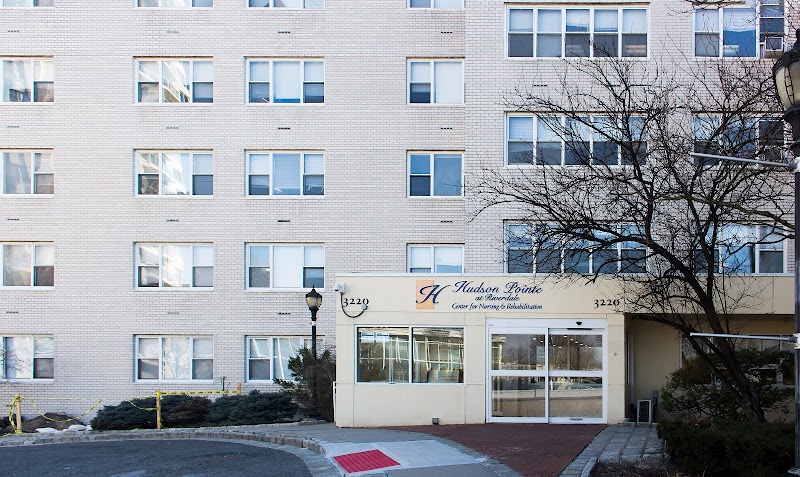
CMS assigns HUDSON POINTE AT RIVERDALE CTR FOR NURSING & REHAB an overall rating of 3 out of 5 stars, which is considered average nationally. Within New York, this rating places the facility higher than 0% of the state's 100 nursing homes. This mid-range rating indicates the facility meets federal standards but may have areas for improvement.
How is Hudson Pointe At Riverdale Ctr For Nursing & Rehab Staffed?

CMS rates HUDSON POINTE AT RIVERDALE CTR FOR NURSING & REHAB's staffing level at 3 out of 5 stars, which is average compared to other nursing homes. Staff turnover is 30%, compared to the New York average of 46%. This relatively stable workforce can support continuity of care.

What Have Inspectors Found at Hudson Pointe At Riverdale Ctr For Nursing & Rehab?

State health inspectors documented 11 deficiencies at HUDSON POINTE AT RIVERDALE CTR FOR NURSING & REHAB during 2019 to 2024. These included: 1 Immediate Jeopardy (the most serious level, indicating potential for serious harm or death) and 10 with potential for harm. Immediate Jeopardy findings are rare and represent the most serious regulatory concerns. They require immediate corrective action.

Who Owns and Operates Hudson Pointe At Riverdale Ctr For Nursing & Rehab?

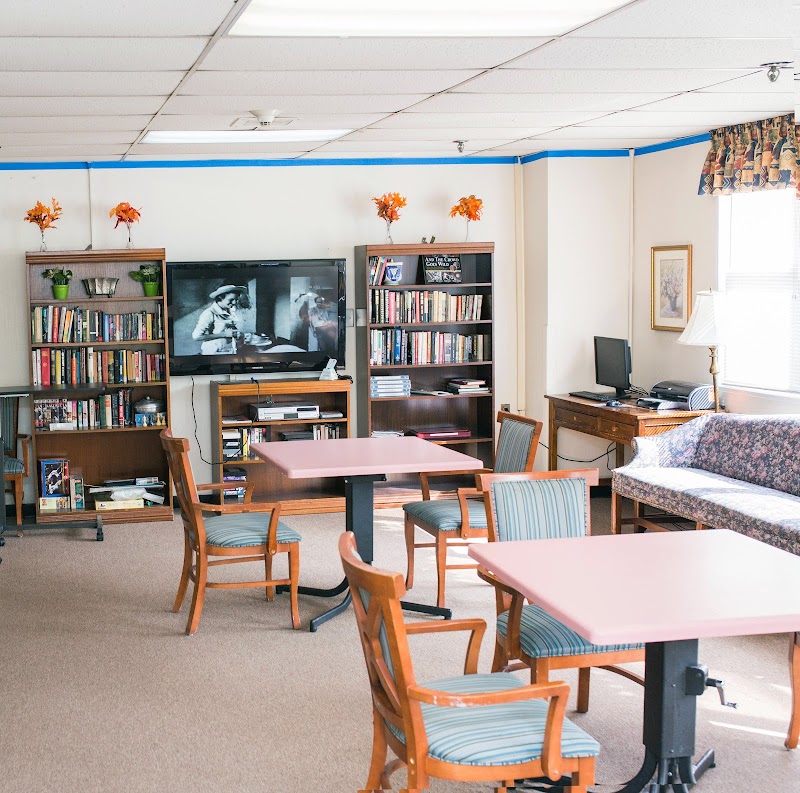
HUDSON POINTE AT RIVERDALE CTR FOR NURSING & REHAB is owned by a for-profit company. For-profit facilities operate as businesses with obligations to shareholders or private owners. The facility is operated by CITADEL CARE CENTERS, a chain that manages multiple nursing homes. With 167 certified beds and approximately 154 residents (about 92% occupancy), it is a mid-sized facility located in BRONX, New York.
How Does Hudson Pointe At Riverdale Ctr For Nursing & Rehab Compare to Other New York Nursing Homes?

Compared to the 100 nursing homes in New York, HUDSON POINTE AT RIVERDALE CTR FOR NURSING & REHAB's overall rating (3 stars) is below the state average of 3.1, staff turnover (30%) is significantly lower than the state average of 46%, and health inspection rating (2 stars) is below the national benchmark.

What Should Families Ask When Visiting Hudson Pointe At Riverdale Ctr For Nursing & Rehab?

Based on this facility's data, families visiting should ask: "What changes have been made since the serious inspection findings, and how are you preventing similar issues?" "Can I visit during a mealtime to observe dining assistance and food quality?" "How do you handle medical emergencies, and what is your hospital transfer rate?" "Can I speak with family members of current residents about their experience?" These questions are particularly relevant given the facility's Immediate Jeopardy citations.

Is Hudson Pointe At Riverdale Ctr For Nursing & Rehab Safe?

Based on CMS inspection data, HUDSON POINTE AT RIVERDALE CTR FOR NURSING & REHAB has documented safety concerns. Inspectors have issued 1 Immediate Jeopardy citation (the most serious violation level indicating risk of serious injury or death). The facility has a 3-star overall rating and ranks #100 of 100 nursing homes in New York. Families considering this facility should ask detailed questions about what corrective actions have been taken since these incidents.

Do Nurses at Hudson Pointe At Riverdale Ctr For Nursing & Rehab Stick Around?

HUDSON POINTE AT RIVERDALE CTR FOR NURSING & REHAB has a staff turnover rate of 30%, which is about average for New York nursing homes (state average: 46%). Moderate turnover is common in nursing homes, but families should still ask about staff tenure and how the facility maintains care continuity when employees leave.

Was Hudson Pointe At Riverdale Ctr For Nursing & Rehab Ever Fined?

HUDSON POINTE AT RIVERDALE CTR FOR NURSING & REHAB has no federal fines on record. CMS issues fines when nursing homes fail to meet care standards or don't correct problems found during inspections. The absence of fines suggests the facility has either maintained compliance or corrected any issues before penalties were assessed. This is a positive indicator, though families should still review recent inspection reports for the full picture.

Is Hudson Pointe At Riverdale Ctr For Nursing & Rehab on Any Federal Watch List?

HUDSON POINTE AT RIVERDALE CTR FOR NURSING & REHAB is not on any federal watch list. The most significant is the Special Focus Facility (SFF) program, which identifies the bottom 1% of nursing homes nationally based on persistent, serious quality problems. Not being on this list means the facility has avoided the pattern of deficiencies that triggers enhanced federal oversight. This is a positive indicator, though families should still review the facility's inspection history directly.