LACONIA NURSING HOME
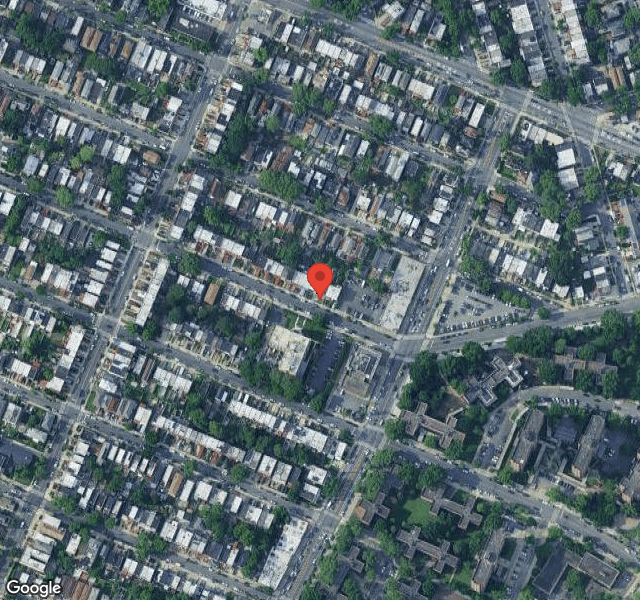
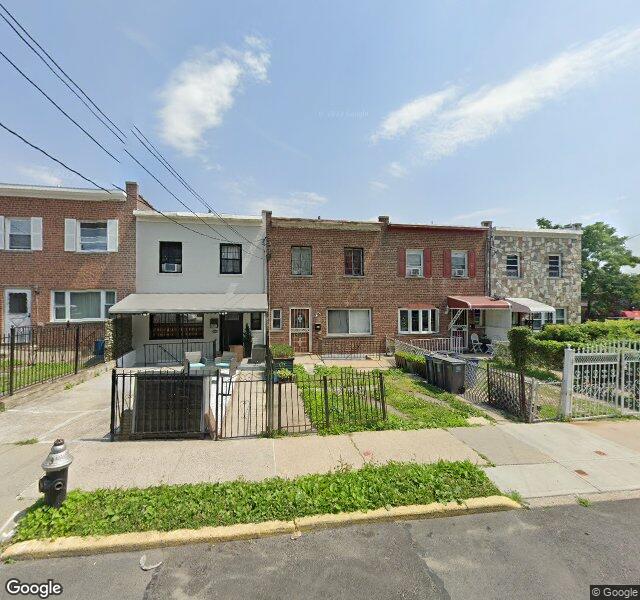
1050 EAST 230TH STREET, BRONX, NY 10466 (718) 654-5875
For profit - Corporation 240 Beds Independent Data: November 2025
Trust Grade
58/100
#418 of 594 in NY
Last Inspection: January 2024

Within standard 12-15 month inspection cycle. Federal law requires annual inspections.

Overview

Laconia Nursing Home has a Trust Grade of C, which means it is average compared to other facilities. It ranks #418 out of 594 in New York, placing it in the bottom half, and #36 out of 43 in Bronx County, indicating limited local options that are better. The facility is seeing a worsening trend, with issues increasing from 2 in 2021 to 10 in 2024. Staffing is a relative strength, with a 3 out of 5 star rating and a turnover rate of 27%, which is better than the state average. Notably, the facility has not incurred any fines, but there are concerns regarding compliance, such as failing to post important contact information and survey results in accessible locations for residents and families, which could affect transparency and communication.

Trust Score
C
58/100
In New York
#418/594
Bottom 30%
Safety Record
Low Risk
No red flags
Inspections
Getting Worse
2 → 10 violations
Staff Stability
✓ Good
27% annual turnover. Excellent stability, 21 points below New York's 48% average. Staff who stay learn residents' needs.
Penalties
✓ Good
No fines on record. Clean compliance history, better than most New York facilities.
Skilled Nurses
⚠ Watch
Each resident gets only 28 minutes of Registered Nurse (RN) attention daily — below average for New York. Fewer RN minutes means fewer trained eyes watching for problems.
Violations
⚠ Watch
15 deficiencies on record. Higher than average. Multiple issues found across inspections.
★★☆☆☆
2.0
Overall Rating
★★★☆☆
3.0
Staff Levels
★★★★☆
4.0
Care Quality
★★☆☆☆
2.0
Inspection Score
Stable
2021: 2 issues
2024: 10 issues

The Good

  • 4-Star Quality Measures · Strong clinical quality outcomes
  • Low Staff Turnover (27%) · Staff stability means consistent care
  • Full Sprinkler Coverage · Fire safety systems throughout facility
  • No fines on record
  • Staff turnover is low (27%)

    21 points below New York average of 48%

Facility shows strength in quality measures, staff retention, fire safety.

The Bad

2-Star Overall Rating

Below New York average (3.1)

Below average - review inspection findings carefully

The Ugly 15 deficiencies on record

Jan 2024 10 deficiencies
CONCERN (D) 📢 Someone Reported This

A family member, employee, or ombudsman was alarmed enough to file a formal complaint

Potential for Harm - no one hurt, but risky conditions existed

Deficiency F0583 (Tag F0583)

Could have caused harm · This affected 1 resident

**NOTE- TERMS IN BRACKETS HAVE BEEN EDITED TO PROTECT CONFIDENTIALITY** Based on interviews and record review conducted during the Recertification and Complaint survey (NY00329940) from 1/16/2024 to 1...

Read full inspector narrative →
**NOTE- TERMS IN BRACKETS HAVE BEEN EDITED TO PROTECT CONFIDENTIALITY** Based on interviews and record review conducted during the Recertification and Complaint survey (NY00329940) from 1/16/2024 to 1/23/2024, the facility did not ensure a resident's right to privacy and confidentiality. The was evident for 1 (Resident #222) of 35 total sampled residents. Specifically, the Director of Social Services had a conversation with Resident #222 while the door to the Social Work Office was open for public and staff to overhear. The findings are: The facility policy titled Resident [NAME] of Rights dated 08/2023 documented all residents were afforded their right privacy. Resident #222 had diagnoses of arthritis and hypertension. The Minimum Data Set 3.0 assessment dated [DATE] documented Resident #222 had intact cognition. On 1/16/2024 at 2:59 PM, Resident #222 was interviewed and stated the Director of Social Services violated their privacy by talking about them being on probation out loud in the Social Work Office with the door open and other staff present. The Social Work Office was in the main lobby by the Security Desk. On 1/18/2024 at 12:00 PM, Registered Nurse #4 was interviewed and stated they were present in the lobby when the Director of Social Service was at their office doorway having a discussion with Resident #222. The Director of Social Service was overheard telling Resident #222 they had to contact the resident's Parole Officer. The Social Work Office was in the main lobby where staff and visitors entered the facility. On 1/22/2024 at 4:11 PM, the Director of Social Service was interviewed and stated they were sitting in their office when Resident #222 came and requested to go out on pass. The Director of Social Service informed Resident #222 they had to call and inform the resident's Parole Officer and attorney. The Director of Social Service stated they did not close their door while having the conversation with Resident #222. On 1/22/2024 at 5:05 PM, the Director of Nursing was interviewed and stated the Director of Social Service should have closed their office door and spoke privately with Resident #222. 10 NYCRR 415.3(e)(1)
CONCERN (D) 📢 Someone Reported This

A family member, employee, or ombudsman was alarmed enough to file a formal complaint

Potential for Harm - no one hurt, but risky conditions existed

Report Alleged Abuse (Tag F0609)

Could have caused harm · This affected 1 resident

**NOTE- TERMS IN BRACKETS HAVE BEEN EDITED TO PROTECT CONFIDENTIALITY** Based on observation, interviews, and record review conducted during the recertification and abbreviated (NY00310176) survey fro...

Read full inspector narrative →
**NOTE- TERMS IN BRACKETS HAVE BEEN EDITED TO PROTECT CONFIDENTIALITY** Based on observation, interviews, and record review conducted during the recertification and abbreviated (NY00310176) survey from 1/16/2024 to 1/23/2024, the facility did not ensure an alleged violation of abuse was reported immediately, but not later than 2 hours, to the New York State Department of Health. This was evident for 2 (Resident #106 and #167) of 4 residents reviewed for abuse out of 35 total sampled residents. Specifically, Residents #106 and #167 were involved in a physical altercation that was not reported to the New York State Department of Health within 2 hours of occurrence. The findings are: The facility policy titled Resident Abuse, Neglect, and Exploitation dated 10/2023 documented all employees and contractors must report any allegation of abuse to the Administrator and Director of Nursing immediately, but not later than two hours after being informed of the allegation. Resident #106 had diagnoses of schizoaffective disorder and mood disorder. The Minimum Data Set 3.0 assessment dated [DATE] documented Resident #106 had intact cognition. Resident #167 had diagnoses of major depressive disorder and dementia. The Minimum Data Set 3.0 assessment dated [DATE] documented Resident #167 had mild cognitive impairment. Nursing Note dated 02/02/2023 at 5:37 PM documented Residents #106 and #167 had an altercation. Resident #106 had a bump on their forehead and scratches to their chin and cheek. Resident #167 was transferred to the hospital for a psychiatric evaluation. The Aspen Complaint Tracking System intake dated 2/6/2023 at 12:39 PM documented the facility reported the resident-to-resident altercation between Residents #106 and #167, more than 2 hours after the occurrence. There was no documented evidence the facility reported the altercation between Resident #106 and #167 to the New York State Department of Health within 2 hours of occurrence. On 01/23/2024 at 02:44 PM, an interview was conducted with the Director of Nursing who stated the facility only reported resident-to-resident altercations to the New York State Department of Health when it resulted in a resident being seriously injured. Residents #106 and #167 had psychiatric histories and the facility did not look at their incidents as possible abuse. 10 NYCRR 415.4(b)(2)
CONCERN (D)

Potential for Harm - no one hurt, but risky conditions existed

Transfer Notice (Tag F0623)

Could have caused harm · This affected 1 resident

**NOTE- TERMS IN BRACKETS HAVE BEEN EDITED TO PROTECT CONFIDENTIALITY** Based on record review and interviews conducted during the Recertification Survey from 01/16/2024 to 01/23/2024, the facility di...

Read full inspector narrative →
**NOTE- TERMS IN BRACKETS HAVE BEEN EDITED TO PROTECT CONFIDENTIALITY** Based on record review and interviews conducted during the Recertification Survey from 01/16/2024 to 01/23/2024, the facility did not ensure that a copy of the notice of transfer or discharge was sent to the Office of the State Long-Term Care Ombudsman. This was evident for 1 (Resident #78) of 2 residents out of 35 total sampled residents. Specifically, the facility did not notify the Ombudsman's Office of Resident #78's discharge to the hospital on [DATE]. The findings are: The facility policy titled Facility-Initiated discharge date d 1/2024 documented upon issuing a notice of involuntary discharge to a resident, the facility will send a copy of the notice to the local Ombudsman's Office. Resident #78 had diagnoses of hypertension and diabetes mellitus. The Minimum Data Set 3.0 assessment dated [DATE] documented Resident #78 was discharged with an anticipated return to the facility. Nursing Note dated 10/11/2022 documented Resident #78 was transferred to the hospital. The Notice of Transfer/discharge date d 10/11/2022 documented Resident #78's next of kin was informed of their transfer to the hospital. There was no documented evidence Ombudsman's Office was provided with a copy of Resident #78's Notice of Transfer/discharge date d 10/11/2022. During an interview on 1/23/2024 at 11:33AM, the Ombudsman stated the Ombudsman's Office required notification from the facility when a resident was hospitalized to ensure the resident knew of their discharge appeal rights. During an interview on 01/22/2024 at 12:39 PM, the Director of Social Services stated they were unable to locate notices of transfer and discharge sent to the Ombudsman's Office prior to 11/2023. On 01/22/2024 at 5:01 PM, the Administrator was interviewed and stated notices of transfer and discharge were sent to the Ombudsman's Office when a resident was voluntarily discharged . The Administrator stated the Ombudsman's Office told them not to send notices of involuntary transfer and discharge for hospitalized residents. 10 NYCRR 415.3(h)(1)(iii)(a-c)
CONCERN (D)

Potential for Harm - no one hurt, but risky conditions existed

Pharmacy Services (Tag F0755)

Could have caused harm · This affected 1 resident

Based on observation, record review, and interviews conducted during the recertification survey from 1/16/2024 to 1/23/2024, the facility did not ensure an account of all controlled drugs was maintain...

Read full inspector narrative →
Based on observation, record review, and interviews conducted during the recertification survey from 1/16/2024 to 1/23/2024, the facility did not ensure an account of all controlled drugs was maintained and periodically reconciled. This was evident for 1 (2nd Floor) of 6 resident units. Specifically, Licensed Practical Nurse #5 did not reconcile the count of Fentanyl narcotics patches for Resident #148. The findings are: The facility policy titled Controlled Drug Record dated 5/2/2023 documented immediately after a dose is administered, the licensed nurse enters the following information: date and time of administration, dose administered, and signature of the nurse administering the dose. The facility policy titled Medication Administration dated 10/2023 documented the nurse signs the Medication Administration Record immediately after administering medication to a resident. Resident #148 had diagnoses of quadriplegia and major depressive disorder. On 1/19/2024 at 3:22 PM, the 2nd Floor medication cart was observed with Licensed Practical Nurse #5 present. The narcotics box contained 2 boxes of Fentanyl Transdermal Patches 25 MCG/HR for Resident #148 with a total count of 9 patches remaining. The Controlled Drug Record dated 1/19/2024 at 8:00 AM documented 10 Fentanyl patches for Resident #148 were remaining. A Physician Order dated 9/30/2021 documented Resident #148 was prescribed 1 Fentanyl Transdermal Patch 25 MCG/HR every 72 hours for pain management. The Medication Administration Record dated 1/16/2024 documented a Fentanyl patch was applied to Resident #148 at 9:05 AM. There was no documented evidence a Fentanyl patch was removed from, and a new Fentanyl patch was applied to Resident #148 on 1/19/2024. On 1/19/2024 at 3:38 PM, Licensed Practical Nurse #5 was interviewed and stated they applied a Fentanyl patch to Resident #148 at 9:05 AM on 1/19/2024 and did not document the administration of the patch in the Medication Administration Record or the Controlled Drug Record because they were too busy. On 1/19/2024 at 3:56 PM, Registered Nurse #4 was interviewed and stated Licensed Practical Nurse #5 should have signed the Medication Administration Record and Controlled Drug Record immediately after applying the Fentanyl patch to Resident #148. On 1/22/2024 at 4:48 PM, the Director of Nursing was interviewed and stated Licensed Practical Nurse #5 was newly hired and received Inservice on filling out and signing the Medication Administration Record and Controlled Drug Record. 10 NYCRR 415.18(b)(1)(2)(3)
CONCERN (D)

Potential for Harm - no one hurt, but risky conditions existed

Deficiency F0761 (Tag F0761)

Could have caused harm · This affected 1 resident

Based on observation, interview, and record review conducted during the recertification survey from 1/16/2024 to 1/23/2024, the facility did not ensure drugs and biologicals were labeled in accordance...

Read full inspector narrative →
Based on observation, interview, and record review conducted during the recertification survey from 1/16/2024 to 1/23/2024, the facility did not ensure drugs and biologicals were labeled in accordance with professional standards of practice. This was evident for the 2 (4th and 6th Floor) out of 6 resident units. Specifically, 1) an opened and undated vial of insulin was in the 4th Floor medication cart, and 2) Certified Nursing Assistant #5 transported medications from the 6th Floor to the Nursing Office on the Main Floor without supervision from a licensed nurse. The findings are: The facility policy titled Storage of Drugs dated 10/2023 documented all medications for residents who expire or are discharged shall be removed from the medication area and brought down to the Nursing Office by the Licensed Practical Nurse or Registered Nurse Supervisor only. 1) On 01/19/2024 at 12:48 PM, the 4th Floor medication cart was observed with Licensed Practical Nurse #3 and contained an opened and undated vial of Admelog insulin 100 units/milliliter in the top drawer. During an interview on 01/19/2024 at 12:53 PM, Licensed Practical Nurse # 3 stated the insulin belonged to a resident that was hospitalized . The insulin vial should have been dated with the date it was opened and the date it should be discarded. During an interview on 01/19/2024 at 2:37 PM, he Registered Nurse #1 stated they checked the medication carts daily for expired medications but did not check the 4th Floor medication cart this morning. The Licensed Practical Nurse on duty should also check the medication carts. Open insulin vials were dated with the date it was opened and expiration date. Insulin expiration dates were determined according to manufacturer recommendations. Medications should be removed from the medication cart for residents transferred to the hospital. Licensed Practical Nurse #3 was not the regular nurse for the 4th Floor and forgot to remove the medication from the cart. 2) 01/19/2024 at 3:02 PM, Certified Nursing Assistant #5 was observed on the elevator carrying a brown paper bag filled with blister packs of medication. Certified Nursing Assistant #5 exited the elevator on the Main Floor, entered the Nursing Office, and left the bag of medication with Registered Nurse #1. The following medications were observed in the brown paper bag: 1 tablet of Doxazosin 4 mg, 4 tablets of Benztropine 1 mg, 90 tablets of Protonix 40 mg, 60 tablets of Metformin 500 mg, 19 capsules of Gabapentin 400 mg, 9 tablets of Januvia 50 mg, and 26 tablets of Nifedipine 60 mg. During an interview on 01/19/2024 at 3:05 PM, Certified Nursing Assistant #5 stated Licensed Practical Nurse #4 on the 6th Floor told them to bring the paper bag with medication blister packs to the Nursing Office downstairs. On 01/23/2024 at 12:18 PM, Licensed Practical Nurse #4 was interviewed and stated they asked Certified Nursing Assistant #5 to bring the bag of medication blister packs to the Nursing Office. Certified Nursing Assistant #5 was only supposed to take down empty blister packs. Licensed Practical Nurse #4 stated they made a mistake by handing Certified Nursing Assistant #5 a bag of blister packs containing medications to be returned to the pharmacy. Licensed Practical Nurse #4 stated they usually bring the medications to the Nursing Office, but Certified Nursing Assistant #5 was available. During an interview on 01/22/2024 at 05:24 PM, Registered Nurse #1 stated medication blister packs brought to the Nursing Office were cosigned by the Nursing Supervisor and the Director of Nursing and then returned to the pharmacy. Only a Licensed Practical Nurse or Registered Nurse should bring the discontinued medications or discharged resident medications to the Nursing Office. On 01/23/2024 at 12:04 PM, the Director of Nursing was interviewed and stated that only a Registered Nurse or Licensed Practical Nurse should transport medication from the units to the Nursing Office. Medications were not transported by any other staff. The Certified Nursing Assistant can pick up empty blister packs that need to be shredded. Licensed Practical Nurse #4 recently asked Certified Nursing Assistant #5 to bring blister packs to the Nursing Office. Licensed Practical Nurse #4 was instructed to look in the bag of blister packs to ensure they do not hand the Certified Nursing Assistant blister packs that still contained medication. 10 NYCRR 415.18(e)(1-4)
CONCERN (D)

Potential for Harm - no one hurt, but risky conditions existed

Food Safety (Tag F0812)

Could have caused harm · This affected 1 resident

Based on observation, interview, and record review conducted during the recertification survey from 1/16/2024 to 1/23/2024, the facility did not ensure food was stored according to professional standa...

Read full inspector narrative →
Based on observation, interview, and record review conducted during the recertification survey from 1/16/2024 to 1/23/2024, the facility did not ensure food was stored according to professional standards for food safety. This was evident for 1 (3rd Floor) of 6 resident units observed during review of the kitchen. Specifically, the 3rd Floor pantry refrigerator had an internal temperature of more than 41 degrees Fahrenheit and contained unlabeled, undated food. The findings are: The facility policy titled Food Refrigerator dated 7/2023 documented the refrigerator was set at 40 degrees Fahrenheit or below. The facility policy titled Residents Food Storage dated 7/2023 documented food containers were labeled with the resident's name, room number, and dated. Perishables must be stored in the pantry refrigerator for only 72 hours. On 1/18/2024 at 9:40 AM, the 3rd Floor pantry refrigerator was observed with an internal temperature of 48 degrees Fahrenheit. An unlabeled, undated food container was observed in the refrigerator. On 1/18/2024 at 9:42 AM, Registered Nurse #3 was interviewed and stated the thermometer for the refrigerator might not be working properly and they would request for the Maintenance Department to check the refrigerator. The charge nurse was responsible for checking the refrigerators for undated, unlabeled food items. Food left in the refrigerator was discarded after 3 days according to facility policy. Registered Nurse #3 was unable to provide a reason undated, unlabeled food was in the pantry refrigerator. On 1/22/2024 at 4:51 PM, the Director of Nursing was interviewed and stated food had to be labeled and dated before being placed in the pantry refrigerator. The nurse on the unit was responsible for checking the temperatures of the pantry refrigerators and reporting problems to the Maintenance Department. 10 NYCRR 415.14(h)
CONCERN (E)

Potential for Harm - no one hurt, but risky conditions existed

Deficiency F0604 (Tag F0604)

Could have caused harm · This affected multiple residents

**NOTE- TERMS IN BRACKETS HAVE BEEN EDITED TO PROTECT CONFIDENTIALITY** 2) Resident #64 had diagnoses of seizure disorder and major depressive disorder. The Minimum Data Set 3.0 assessment dated [DAT...

Read full inspector narrative →
**NOTE- TERMS IN BRACKETS HAVE BEEN EDITED TO PROTECT CONFIDENTIALITY** 2) Resident #64 had diagnoses of seizure disorder and major depressive disorder. The Minimum Data Set 3.0 assessment dated [DATE] documented Resident #64 had mild cognitive impairment, required substantial assistance from 1 person for transfers, and used siderails as a restraint. On 01/17/2024 at 12:02 PM, Resident #64 was observed in bed with bilateral upper half siderails raised. Certified Nursing Assistant #4 was present during the observation. Resident #64 was unable to grasp the siderails to assist with turning or positioning and was unable to independently lower the siderails. The Physician's Order dated 11/10/2023 documented Resident #64 had 2 half siderails raised while in bed for turning and positioning. There was no documented evidence Resident #64 was assessed for siderail use, monitored for siderail use, and had a comprehensive care plan developed to address siderail use. 3) Resident #195 had diagnoses of dementia and a history of falling. The Minimum Data Set 3.0 assessment dated [DATE] documented Resident #195 was severely cognitively impaired and required extensive assistance of 1 person for bed mobility. On 01/17/2024 at 11:41 AM, Resident #195 was observed in bed with bilateral upper half siderails raised. Certified Nursing Assistant #4 was present during the observation. Resident #195 was unable to follow simple instructions, unable to hold onto the siderails, and was unable to independently lower the siderails. The Physician's Order dated 12/27/2023 documented 2 half siderails were raised for turning and positioning while Resident #195 was in bed. There was no documented evidence Resident #195 was assessed for siderail use, monitored for siderail use, and had a comprehensive care plan developed to address siderail use. On 01/23/2024 at 10:44 AM, Certified Nursing Assistant #4 was interviewed and stated Residents #64 and #195 were confused, unable to follow direction, always had siderails raised while they were in bed, and were unable to independently lower their siderails. On 01/23/2024 at 11:05 AM, Licensed Practical Nurse #1 was interviewed and stated Residents #64, #195, and #99 had dementia, were unable to follow simple instructions, always had bilateral half siderails raised, and were unable to independently lower their siderails. On 01/23/2024 at 11:15 AM, Registered Nurse #1 was interviewed and stated Residents #64, #195, and #99 were not assessed for siderail use because they used the siderails as enablers during turning and positioning. On 01/22/2024 at 12:05 PM, the Director of Nursing was interviewed and stated restraints were devices that restrict resident movement. Some residents did not have safety awareness and used siderails for positioning. 10 NYCRR 415.4(a)(2-7) Based on observation, record review, and interviews conducted during the Recertification survey from 01/16/2024 to 01/23/2024, the facility did not ensure residents remained free from physical restraints. This was evident for 4 (Resident #97, #64, #195, and #99) of 5 residents reviewed for physical restraints out of 35 total sampled residents. Specifically, 1) Resident #97 had a lap tray in place without assessment and medical justification, 2) Resident #64 had bilateral upper half siderails raised while in bed without assessment, 3) Resident #195 had bilateral upper half siderails raised while in bed without assessment, and 4) Resident #99 had bilateral upper half siderails raised while in bed without assessment. The findings include but are not limited to: The facility policy titled Physical Restraints dated 11/2023 documented the facility will conduct a comprehensive assessment of residents who are considered to present potential risk within a restraint free environment, discuss with family members the need of restraint, and implement a plan of care consistent with the use of restraints. 1) Resident #97 had diagnoses of dementia and schizophrenia. The Minimum Data Set 3.0 assessment dated [DATE] documented Resident #97 was severely cognitively impaired, required extensive assistance of 1 person for transfers, and used a trunk restraint. On 01/16/2024 at 10:18 AM, Resident #97 was observed alone in their room in a recliner with a lap tray in place. Resident #97 was unable to follow simple instructions, was not able to be interviewed, and was unable to release the lap tray. No recreational activities were observed. The Physician's Order dated 08/15/2023 documented Resident #97 was ordered a lap tray when out of bed to their recliner as needed for recreational activities. There was no documented evidence an assessment for lap tray use was done for Resident #97, of ongoing monitoring of lap tray use, and a comprehensive care plan for lap tray use was developed. On 01/18/2024 at 11:18 AM, Certified Nursing Assistant #2 was interviewed and stated they assisted Resident #97 with getting dressed and out of bed but did not apply of release the lap tray while the resident is in the recliner. On 01/18/2024 at 11:31 AM, Licensed Practical Nurse #1 was interviewed and stated Resident #97 used the lap tray during recreational activities in the dayroom, had unsteady gait, and was at risk for falls. Licensed Practical Nurse #1 stated they did not apply the lap tray to Resident #97. Recreation staff applied and removed the lap tray. On 01/18/2024 at 11:40 AM, Licensed Practical Nurse #2 was interviewed and stated Resident #97 was unable to release themselves from the lap tray. There was no documentation regarding application, release, and monitoring of lap tray use with Resident #97. On 01/18/2024 at 11:55 AM, Registered Nurse #1 was interviewed and stated Resident #97 used a lap tray for recreation. Nursing and Recreation staff remove the lap tray after recreational activities were finished because Resident #97 was unable to remove the lap tray. Resident #97 attempts to get up and walk around, did like to sit still, and was at risk for falls. The lap tray was used with Resident #97 when they were in the dayroom. On 01/19/2024 at 12:36 PM, the Recreation Director was interviewed and stated Nursing staff applied and removed the lap tray for Resident #97. Recreation staff were not responsible for applying or removing the lap tray. Resident #97 was provided with the lap tray to keep them calm and prevent them from getting up. On 01/18/2024 at 1:30 PM and 01/23/2024 at 02:44 PM, the Director of Nursing was interviewed and stated the lap tray was not considered a restraint for Resident #97 and was inaccurately coded on the Minimum Data Set 3.0 assessment. There was no assessment or comprehensive care plan for Resident #97's lap tray use because it was not a restraint. The lap tray was used during recreational activities and was applied and removed by the Nursing staff.
CONCERN (F)

Potential for Harm - no one hurt, but risky conditions existed

Deficiency F0575 (Tag F0575)

Could have caused harm · This affected most or all residents

Based on observation, interview, and record review conducted during the recertification survey from 1/16/2024 to 1/23/2024, the facility did not ensure e facility did not ensure a list of names, addre...

Read full inspector narrative →
Based on observation, interview, and record review conducted during the recertification survey from 1/16/2024 to 1/23/2024, the facility did not ensure e facility did not ensure a list of names, addresses, and telephone numbers of the State Survey Agency and the Long-term Care Ombudsman was posted. This was evident during observation of the Main Floor and 3rd, 4th, 5th, 6th, and 7th Floor resident units. Specifically, there was no evidence the New York State Department of Health and Ombudsman's Office information was posted in an accessible manner for residents throughout the facility. The findings are: The facility policy titled Posting Contact Information for Department of Health and Ombudsman dated 01/2024 documented the facility will post in a public area the contact information for the local Department of Health and Ombudsman. On 01/18/2024 at 10:57 AM, Resident Council Meeting was held with Resident #82, #179, #217, #96, #184, #112, #34, #1, #227, and #55. All residents in attendance reported they did not know where the New York State Department of Health and Ombudsman information was posted. On 01/18/2024 at 2:10 PM, the Main Floor was observed with a poster containing the New York State Department of Health and Ombudsman information. The poster was above the employee timeclock and in an area not accessible to residents. The 3rd, 4th, 5th, 6th, and 7th Floor resident units were observed without the New York State Department of Health and Ombudsman information posted. On 01/23/2024 at 10:29 AM, the Director of Nursing was interviewed and stated the Ombudsman's information was previously posted on all resident units near the elevators but was moved during recent construction. On 01/23/2024 at 11:30 AM, the Administrator was interviewed and stated bulletin boards on the resident units were removed when construction work was done in the facility and the posters with the New York State Department of Health and Ombudsman information were thrown away. The Ombudsman's office was contacted in 12/2023 and a request for new posters was made. One poster was accessible to all residents on the Main Floor. 10 NYCRR 415.3(d(1)(vi)
CONCERN (F)

Potential for Harm - no one hurt, but risky conditions existed

Deficiency F0577 (Tag F0577)

Could have caused harm · This affected most or all residents

Based on observation, interview, and record review conducted during the recertification survey from 1/16/2024 to 1/23/2024, the facility did not ensure the results of the most recent survey of the fac...

Read full inspector narrative →
Based on observation, interview, and record review conducted during the recertification survey from 1/16/2024 to 1/23/2024, the facility did not ensure the results of the most recent survey of the facility were posted in a place readily accessible to residents and family members. This was evident during observation of the Main Floor and 2nd, 3rd, 4th, 5th, 6th, and 7th Floor resident units. Specifically, the facility's most recent survey results were not posted anywhere in the facility. The findings are: The facility policy titled Making Available Copy of Previous Recertification Survey dated 01/2024 documented states that a copy of the most recent recertification survey will be made available for residents, staff, and visitors at the front desk. On 01/18/2024 at 10:57 AM, Resident Council Meeting was held with Resident #82, #179, #217, #96, #184, #112, #34, #1, #227, and #55. All residents in attendance stated they did not know where the most recent state survey results were posted in the facility. On 01/18/2024 at 2:10 PM, the 2nd Floor was observed with an index card posted near the elevator documenting the most recent survey results were available at the security desk. There were no postings on the Main Floor, or 3rd, 4th, 5th, 6th, and 7th floors regarding the location of the survey results. On 01/19/2024 at 3:11 PM, the facility's most recent survey results were not observed at the security desk. Security Guard #1 was interviewed and stated they did not know where the stat survey results were kept. Security Guard #1 stated nobody asked to see the survey results since the last year, so they were taken away and no longer kept in the binder behind the security desk. On 01/23/2024 at 11:47 AM, Nursing Supervisor #1 was interviewed and stated the facility's most recent survey results were kept in the back of the recreation room. Nursing Supervisor #1 was aware there was an index card on the 2nd Floor documenting the results were kept at the security desk, but they were not kept in that location. On 01/23/2024 at 10:29 AM, the Director of Nursing was interviewed and stated the facility's moist recent survey results were kept at the security desk. 10 NYCRR 415.3(d(1)(v)
CONCERN (F)

Potential for Harm - no one hurt, but risky conditions existed

Staffing Information (Tag F0732)

Could have caused harm · This affected most or all residents

Based on observation, interview, and record review conducted during the recertification survey from 1/16/2024 to 1/23/2024, the facility did not ensure nurse staffing data was posted. This was evident...

Read full inspector narrative →
Based on observation, interview, and record review conducted during the recertification survey from 1/16/2024 to 1/23/2024, the facility did not ensure nurse staffing data was posted. This was evident for the Main Lobby and 2nd, 3rd, 4th, 5th, 6th, and 7th Floors. Specifically, the nursing staffing data was posted above a staff time clock in an area not accessible to residents and visitors. The findings are: On 01/18/2024 at 2:10 PM and 01/19/2024 at 3:11 PM, nurse staffing data was not observed posted in the Main Lobby or 2nd, 3rd, 4th, 5th, 6th, and 7th Floors. The nurse staffing data was observed posted above the staff time clock, down a hallway that was not accessible to residents or visitors. On 1/19/2024 at 3:11 PM, Security Guard #1 was interviewed and stated that they were unaware of where nurse staffing data was usually posted. On 01/23/2024 at 11:30 AM, the Administrator was interviewed and stated they assumed if staffing was accessible to residents, it did not matter where it was posted. The Administrator stated visitors were not directed to the time clock but might notice the staffing because the time clock is near the elevator. 10 NYCRR 415.13(1)
Nov 2021 2 deficiencies
CONCERN (D)

Potential for Harm - no one hurt, but risky conditions existed

MDS Data Transmission (Tag F0640)

Could have caused harm · This affected 1 resident

**NOTE- TERMS IN BRACKETS HAVE BEEN EDITED TO PROTECT CONFIDENTIALITY** Based on record review and interview during the re-certification survey, the facility did not ensure Minimum Data Set (MDS) 3.0 ...

Read full inspector narrative →
**NOTE- TERMS IN BRACKETS HAVE BEEN EDITED TO PROTECT CONFIDENTIALITY** Based on record review and interview during the re-certification survey, the facility did not ensure Minimum Data Set (MDS) 3.0 comprehensive and non-comprehensive assessments were electronically transmitted to the Quality Improvement Evaluation System (QIES) Assessment Submission and Processing (ASAP) system in a timely manner. Specifically, a discharge assessment was not submitted and transmitted within 14 calendar days from the MDS Completion Date. This is evident for 1 of 1 resident reviewed for the Resident Assessment facility task (Resident #1). The finding is: The facility Policy and Procedure titled, MDS 3.0 with a review date of 01/2021 documented: The MDS Coordinator will generate an MDS book upon admission, quarterly, annually, significant change in status, significant corrections to prior comprehensive assessments, significant corrections to prior quarterly assessments, not OBRA required assessments and PPS assessment. The MDS Assessor /designee will be responsible for transmission to Federal Data Base and will check validation report against the MDS schedule to ensure that all scheduled MDS 3.0 assessments are transmitted and accepted. Resident #1 was discharged to the community on 06/08/2021. The discharge Minimum Data Set 3.0 (MDS) assessment dated [DATE] was not transmitted within 14 days. The CMS Submission Report documented the 6/8/21 MDS was transmitted on 11/03/2021. On 11/03/2021 at 12:30 PM, the Director of MDS was interviewed and stated the MDS Assessors first complete the MDS book and check what needs to be submitted through the electronic medical record (EMR). The completed document is submitted to the Registered Nurse (RN) responsible for transmitting MDS documents in a timely manner. On 11/03/2021 at 2:57 PM, the Registered Nurse (RN #3) was interviewed and stated, Once the MDS are completed I transmit them. I have a record and a calendar of all the completed MDS that needs to be transmitted, and I do this weekly. She further stated The discharge MDS of Resident #1 was transmitted today, 11/03/2021, I don't understand how it happened.
CONCERN (D)

Potential for Harm - no one hurt, but risky conditions existed

Assessment Accuracy (Tag F0641)

Could have caused harm · This affected 1 resident

**NOTE- TERMS IN BRACKETS HAVE BEEN EDITED TO PROTECT CONFIDENTIALITY** Based on observation, record review, and interview, during the Recertification survey, the facility did not ensure that the asse...

Read full inspector narrative →
**NOTE- TERMS IN BRACKETS HAVE BEEN EDITED TO PROTECT CONFIDENTIALITY** Based on observation, record review, and interview, during the Recertification survey, the facility did not ensure that the assessment accurately reflected the resident's status. Specifically, Residents with lap tray, left hand splint, and anticoagulant use were not captured on the Minimum Data Sets (MDS) assessments. This was evident for 1 of 3 residents reviewed for position, mobility (Resident #149) and for 1 of 2 residents reviewed for PASARR (Resident #71) out of total sample of 35 residents. The findings are: The Facility policy and procedure for Minimum Data Set 3.0 (MDS 3.0), dated 10/2010 and reviewed 1/2021, documented: assessment of the resident during the MDS process consists of observation, written documentation in the medical record and staff, resident, and/or family member interview (of which must be documented in the medical record at the time or immediately after the interview). Each interdisciplinary team (IDT) team member must complete their assessments of each resident by these methods of data collection. 1) Resident #149 was admitted with diagnoses which include Hypertension, Hyperlipidemia, and Cerebral infarction. On 11/02/21 at 2:46 PM, Resident #149 was observed in day room sitting in high back wheelchair with left arm resting on left arm trough. On 11/04/21 at 11:08AM, Resident #149 was observed in day room sitting in high back wheelchair with left arm resting on left arm trough. Resident was listening to a recreation staff member during an activity program. The Quarterly Minimum Data Set 3.0 (MDS) assessment dated [DATE], documented the resident's diagnoses included Cerebral infarction, Hemiplegia and hemiparesis affecting left non-dominant side, and Atrial fibrillation. The resident had upper extremity range of motion (ROM) impairment on both sides. The MDS documented there was no splint device used and anticoagulant medication not received. The Comprehensive Care Plan (CCP) for Rehabilitation Potential, created on 4/8/21 and updated 10/28/21, documented: left hand splint in bed to be released during hygiene care and skin checks as an intervention. The CCP for Anticoagulant Therapy, created 4/9/21 and updated 10/15/21, documented problem as: On Eliquis and goal as Have no untoward effects from anticoagulant therapy for (90) days. The Physician's order, revision date 10/25/21, documented orders for left hand splint, when in bed, remove during hygiene care and skin checks and Eliquis 2.5 mg 1 tablet by mouth every 12 hours. On 11/03/21 at 3:14 PM, the MDS Coordinator (MDSC) was interviewed. The MDSC stated the MDS assessments are completed by the MDSC. The splint is supposed to be captured in section O of the MDS, which is completed by Rehab. The MDSC did not notice the Eliquis and therefore did not include it on this MDS. The MDSC did not understand why the splint and anticoagulant were not captured. On 11/03/21 at 3:58 PM, the Physical Therapist (PT) was interviewed. The PT stated, it is not rehab's responsibility to code splint on the MDS. Rehab does not complete section O for splint on MDS because it is not part of our restorative nursing program. The MDSC is responsible for capturing the splint. I do not see splint captured on this MDS. On 11/04/21 at 12:36 PM, the Director of Nursing Services (DNS) was interviewed. The DNS stated if the resident is on restorative therapy for splint, then it should trigger in that MDS section. Resident # 149 is not on restorative therapy for splint, so it is not captured on this MDS. The MDSC is responsible for accuracy of the sections completed by the MDSC. The MDSC also ensures all departments have completed their section for submission and transmission. The MDSC should have captured anticoagulant on this MDS. 2) Resident # 71 was admitted with diagnoses which include Schizoaffective disorder, Hyperlipidemia, Aphasia, Cerebral infarction, muscle weakness, and Unsteadiness on feet. On 11/02/21 at 3:35 PM, Resident # 71 was observed sitting in wheelchair in 2nd floor hallway with lap tray on, secured with straps. Resident appeared clean and well groomed. On 11/03/21 at 11:24 AM, resident # 71 was observed sitting in wheelchair in 2nd floor hallway with lap tray on, secured with straps. Resident appeared clean and well groomed. On 11/04/21 at 12:04 PM, resident # 71 was observed sitting in wheelchair in 2nd floor hallway with lap tray on, secured with straps. Resident observed mumbling to self and appeared calm. The Annual Minimum Data Set 3.0 (MDS) assessment dated [DATE], documented the resident's diagnoses included Hemiplegia and hemiparesis, Cerebral infarction, Epilepsy, and Dementia. The MDS documented the resident had short and long term memory problem and moderately impaired cognitive skills for daily decision-making. The resident had Range of Motion impairment of upper and lower extremities and required total care for activities of daily living. The MDS documented no restraints were used. The Comprehensive Care Plan (CCP) for Physical Restraints/Enabler/Devices, created on 11/9/18 and updated 8/12/21, documented the resident required a restraint due to Status Epilepticus/Seizure. The Goal documented: have the least restrictive form of restraint to treat medical symptoms/condition in the next 90 days. Interventions documented: therapeutic device laptray when out of bed to wheelchair, remove every 2 hours x (for) 10 minutes. The Physician's order, start date 10/15/20 and revision date 10/07/21, documented: order for therapeutic devices laptray when out of bed to wheelchair, remove every 2 hours x 10 minutes. On 11/03/21 at 2:59 PM, the MDS Coordinator (MDSC) was interviewed. The MDSC the MDS assessments are completed by MDS coordinator. The laptray is supposed to be captured in section P of MDS. The MDSC stated, I forgot to capture laptray on MDS. I was the one that signed for it. The MDSC does observe if resident can remove lap tray on own when completing MDS assessment. On 11/04/21 at 12:36 PM, the Director of Nursing Services (DNS) was interviewed. The DNS stated the laptray is considered a restraint and should be documented in section P of MDS. The MDSC is responsible for accuracy of sections completed. The MDSC also ensures all departments have completed their section for submission and transmission. The MDSC should have captured laptray as a restraint on this MDS. 415.11(b)
Apr 2019 3 deficiencies
CONCERN (D)

Potential for Harm - no one hurt, but risky conditions existed

Deficiency F0582 (Tag F0582)

Could have caused harm · This affected 1 resident

**NOTE- TERMS IN BRACKETS HAVE BEEN EDITED TO PROTECT CONFIDENTIALITY** Based on record review and interviews conducted during the recertification survey, the facility did not ensure appropriate liabi...

Read full inspector narrative →
**NOTE- TERMS IN BRACKETS HAVE BEEN EDITED TO PROTECT CONFIDENTIALITY** Based on record review and interviews conducted during the recertification survey, the facility did not ensure appropriate liability and appeal notices to Medicare beneficiaries were provided. Specifically, the facility did not provide residents with the Skilled Nursing Facility Advance Beneficiary Notice (SNF ABN- form CMS-10055) at the termination of their Medicare Part A benefits. The residents remained in the facility. This was evident for 2 of 3 residents reviewed for Beneficiary Protection Notification Rights (Resident #15 and #371). The findings are: The facility policy and procedures for Skilled Nursing Facility Advance Beneficiary Notices, dated 4/30/18 documented the following: After the determination by Utilization Review Committee or by the MDS Coordinator (whichever decides first), that the resident does not qualify or no longer qualify for a skilled level of care, the social service department will issue the Skilled Nursing Facility Advance Beneficiary Notice (SNF ABN- form CMS-10055) letter, informing the resident/responsible party that they do not qualify or no longer qualify for Medicare payment. Resident #15 was admitted to the facility on [DATE]. The resident was started on Medicare Part A Skilled Services on 01/11/19. The last covered day by Medicare Part A was 2/28/19, and the resident remained in the facility. There was no documented evidence that a SNF ABN-form CMS-10055 was given to the resident or legal representative, informing them of their potential liability for payment. Resident #371 was admitted to the facility on [DATE]. The resident was started on Medicare Part A Skilled Services on 10/27/19. The last covered day by Medicare Part A was 11/30/19, and the resident remained in the facility. There was no documented evidence that a SNF ABN- form CMS-10055 was given to the resident or legal representative, informing them of their potential liability for payment. On 04/24/19 at 11:18 AM, an interview conducted with the Director of Social Services (SW). She stated that she is responsible to offer beneficiary notices to residents after the interdisciplinary team makes their decision. She also stated that team meets once per week to discuss the Medicare residents. They discuss when the resident started, when skilled services are ending, and how many days the resident has left. She further stated that rehab will give her the list of residents who need to receive notices, and then she follows-up as directed. The SW acknowledged she did not offer these two residents the SNF ABN-form CMS-10055. On 04/24/19 at 11:49 AM, an interview conducted with the Rehab Director. He stated that he has been working in the facility since October 2018 . He stated that the end of therapy and the last Medicare-covered day are discussed with the resident and family at least 3 days prior to discharge. He stated that Rehab communicates with the Social Services Department at the Medicare meeting and sends an e-mail listing each Medicare resident and how many Medicare-covered days they have remaining out of their 100 days. He stated that the only time they give the SNF-ABN to residents is when they reach 100 days, exhausting their Medicare benefit. Her further stated the Notice of Medicare Non Coverage is provided to residents who have Medicare days remaining. 415.3(g)(2)(i)
CONCERN (D)

Potential for Harm - no one hurt, but risky conditions existed

Assessment Accuracy (Tag F0641)

Could have caused harm · This affected 1 resident

**NOTE- TERMS IN BRACKETS HAVE BEEN EDITED TO PROTECT CONFIDENTIALITY** Based on record review and interviews conducted during the recertification survey, the facility did not ensure the assessment ac...

Read full inspector narrative →
**NOTE- TERMS IN BRACKETS HAVE BEEN EDITED TO PROTECT CONFIDENTIALITY** Based on record review and interviews conducted during the recertification survey, the facility did not ensure the assessment accurately reflected the resident's status. Specifically, a resident's Minimum Data Set (MDS) assessment did not include the active diagnosis of Paranoid Schizophrenia. This was evident for 1 of 5 resident reviewed for Unnecessary Medication and Dementia Care (Resident #209). The findings are: Resident # 209 was admitted to the facility on [DATE] with diagnosis of Paranoid Schizophrenia, Vascular Dementia without behavioral disturbances, and Major Depressive Disorder recurrent unspecified. The most recent Annual MDS dated [DATE] did not document Paranoid Schizophrenia as an active diagnosis in Section I. A Psychiatry note dated 2/25/19 documented the resident has a diagnosis of Paranoid Schizophrenia. The medical record during the lookback period, from 3/15/19 to 3/21/19, was reviewed. The resident had an active diagnosis of Paranoid Schizophrenia documented in the Electronic Medical Record (EMR). The Medication Administration Record (MAR) documented the resident was receiving Abilify for Paranoid Schizophrenia. On 04/23/19 at 09:54 AM, an interview was held with the MDS Coordinator (MDS-C). The MDS-C stated that she is responsible for completing the nursing sections of the MDS- sections A, B, H, I, J, L, M, N, part of O, P, part of S, and V. The MDS-C stated she reviews the paper and EMR portions of the medical record, and she obtains information from the nursing and social service staff. The MDS-C stated the resident's diagnosis of Paranoid Schizophrenia was supposed to be on the 3/22/19 assessment. The MDS-C stated this was an isolated case. 415.11 (b)
CONCERN (D)

Potential for Harm - no one hurt, but risky conditions existed

Deficiency F0688 (Tag F0688)

Could have caused harm · This affected 1 resident

**NOTE- TERMS IN BRACKETS HAVE BEEN EDITED TO PROTECT CONFIDENTIALITY** Based on observations, record review, and staff interviews during the re-certification survey, the facility did not ensure a res...

Read full inspector narrative →
**NOTE- TERMS IN BRACKETS HAVE BEEN EDITED TO PROTECT CONFIDENTIALITY** Based on observations, record review, and staff interviews during the re-certification survey, the facility did not ensure a resident with limited Range of Motion (ROM) and mobility received appropriate treatment and services to improve or prevent further decrease in range of motion. Specifically, gauze hand rolls were not provided to a resident as per physician order. This was evident for 1 resident reviewed for Range of Motion out of a total investigation sample of 35 residents (Resident #100). The finding is: The facility policy and procedure titled Prevention of Complication of Immobility/Contractures dated 5/6/2012 documented the following: If any device is indicated the Rehab Director will take an MD T/O (telephone order), the therapist will issue the device and rehab nursing will get a wearing schedule, which will be communicated, to the nurses. Resident #100 was admitted to the facility on [DATE] with diagnoses which include Alzheimer's Disease, Aphasia, Non-Alzheimer's Dementia, Generalized Muscle Weakness, and Chronic Obstructive Pulmonary Disease unspecified. The resident was readmitted to the facility on [DATE] after being hospitalized from [DATE] to 3/30/19, and the resident was put on Hospice Care on 4/2/2019. The Quarterly Minimum Data Set 3.0 (MDS) assessment dated [DATE] documented the resident was non-verbal and had moderately impaired cognition with short and long-term memory problems. The MDS further documented that the resident did not have a behavior of rejecting care, and the resident required total assistance for all Activities of Daily Living (ADLs). The resident had Range of Motion (ROM) impairments on both sides in the upper and lower extremities. On 04/16/19 at 12:07 PM, the resident was observed with a hand roll in the left hand only. The right hand was closed with no device in place. On 04/22/19 at 09:11 AM, 04/22/19 at 11:59 AM, and 04/23/19 at 10:29 AM, the resident was observed with both hands contracted with no rolls in place. There were no gauze rolls observed in the room. On 04/24/19 at 09:38 AM, the resident was observed resting in bed with both hands contracted and no gauze rolls in either hand. The Comprehensive Care Plan (CCP) for Rehabilitation Potential (mobility) initially dated 5/25/2018 documented the treatment intervention of gauze rolls in both hands to be changed daily by nursing. The Physicians Order dated 3/30/19 documented orders for: gauze roll in right and left hands. Change daily and remove during hygiene care and skin checks by nursing. Start 3/30/19 End date 5:27/2019. An Occupational Therapy (OT) Evaluation Note added to the CCP for Rehabilitation Potential on 4/1/19 documented that the resident was seen for an annual evaluation and a decline in ROM. The note further documented no physical therapy was needed at the time, and the resident would benefit from OT to reach maximum potential for functioning. An OT Evaluation Note added to the CCP on 4/3/19 documented that the resident was discharged from OT due to comfort care being put in place. The note documented the devices that were ordered should be continued. The OT Discharge summary dated [DATE] documented that the left and right gauze rolls were ordered. The summary further documented the gauze rolls should be worn at all times. The Physician's Monthly Progress notes dated 4/2/19 and 4/24/19 documented that the resident has contractures on all four of her extremities. The Certified Nursing Assistant (CNA) Accountability records from January 2019 to April 2019 document under special instructions that gauze rolls are to be worn in right and left hands at all times, except during skin checks and hand hygiene by nursing. On 04/24/19 at 09:53 AM, an interview with the Certified Nursing Assistant (CNA #1) was held. CNA #1 stated that she performs total care and transfers the resident out of bed and into the geri chair. CNA #1 stated the resident has rolls that go in her hands, and it is the CNA's responsibility to put the gauze rolls in the resident's hands. CNA #1 stated that the resident's hands are semi-constricted, and the aids have been trained on how to open the resident's hands to place the gauze rolls inside them. CNA #1 stated that she has been assigned to the resident all week. When asked about not seeing the gauze rolls in the resident's hands this week, she stated that maybe she didn't put them in yet. On 04/23/19 at 10:40 AM, an interview with Licensed Practical Nurse (LPN #1) was held. The LPN stated that in the morning or when the resident comes out of bed, the gauze rolls get put in the resident's hands. LPN #1 stated that this morning (4/23/19) she did not think the resident had the gauze rolls in her hands. When asked if the resident refuses the gauze rolls, the LPN stated that the resident does not refuse to wear the gauze rolls. When asked about the gauze rolls not being in the resident's hands, the LPN stated that the resident does not have the gauze rolls in yet today. On 04/23/19 at 10:55 AM, an interview with Registered Nurse (RN #1) was held. RN #1 stated when a resident has a device ordered, PT/OT will come to the unit and show nursing and the CNA staff how to use the device. The RN stated that when a new device is ordered the RN supervisor will get a sheet of paper with the order on it. The RN supervisor will then put the device on the CNA accountability forms for the resident. This is how the CNA assigned to the resident knows how to complete the task. RN #1 stated that she will go around and check to see if the residents with devices and restraints are in place. RN #1 stated that the resident does not have the behavior of dropping or losing the gauze rolls. When asked about multiple observations of the resident without the gauze rolls in place, RN #1 stated that the resident should have the gauze rolls in her hands. RN #1 stated that the CNA assigned to the resident today is not the regular CNA. RN #1 stated that if a CNA is new, they shadow a regular CNA. RN #1 stated that all CNAs get report in the morning if there is any special device or equipment for the resident, they find out at that time. On 04/24/19 at 10:19 AM, an interview with the Registered Occupational Therapist (OT) was held. The OT stated that when the treating therapist discharges the resident they will tell her the progress of the resident and the discharge plan. The OT stated that she will type up the discharge note then resident then goes on nursing rehab and range of motion exercises. The OT stated that nursing is in-serviced on what to do for the resident when the resident is discharged from OT- when the devices are supposed to be put on and taken off. The OT stated for this resident the gauze rolls should always be worn except for skin checks and hygiene. The OT stated that the resident uses gauze rolls for her hands because hand rolls could not fit in her hand due to contractures. The OT stated that the resident was discharged with the gauze rolls on 4/3/2019, and the order was still active. The purpose of the gauze rolls is to maintain or improve and not worsen the resident's contractures. The OT stated that if the resident does not wear the gauze rolls, her contractures will worsen. The OT stated that if a resident is put on hospice it is to make them comfortable and the devices are to maintain what they have. The OT stated that even if a resident is on hospice, the goal is to continue with the devices to promote quality of life. 415.12 (e) (1)
Understanding Severity Codes (click to expand)
Life-Threatening (Immediate Jeopardy)
J - Isolated K - Pattern L - Widespread
Actual Harm
G - Isolated H - Pattern I - Widespread
Potential for Harm
D - Isolated E - Pattern F - Widespread
No Harm (Minor)
A - Isolated B - Pattern C - Widespread

Questions to Ask on Your Visit

  • "Can I speak with families of current residents?"
  • "What's your RN coverage like on weekends and overnight?"

Our Honest Assessment

Strengths
  • • No major safety red flags. No abuse findings, life-threatening violations, or SFF status.
  • • No fines on record. Clean compliance history, better than most New York facilities.
  • • 27% annual turnover. Excellent stability, 21 points below New York's 48% average. Staff who stay learn residents' needs.
Concerns
  • • 15 deficiencies on record. Higher than average. Multiple issues found across inspections.
  • • Grade C (58/100). Below average facility with significant concerns.
Bottom line: Mixed indicators with Trust Score of 58/100. Visit in person and ask pointed questions.

About This Facility

What is Laconia's CMS Rating?

CMS assigns LACONIA NURSING HOME an overall rating of 2 out of 5 stars, which is considered below average nationally. Within New York, this rating places the facility higher than 0% of the state's 100 nursing homes. A rating at this level reflects concerns identified through health inspections, staffing assessments, or quality measures that families should carefully consider.

How is Laconia Staffed?

CMS rates LACONIA NURSING HOME's staffing level at 3 out of 5 stars, which is average compared to other nursing homes. Staff turnover is 27%, compared to the New York average of 46%. This relatively stable workforce can support continuity of care.

What Have Inspectors Found at Laconia?

State health inspectors documented 15 deficiencies at LACONIA NURSING HOME during 2019 to 2024. These included: 15 with potential for harm.

Who Owns and Operates Laconia?

LACONIA NURSING HOME is owned by a for-profit company. For-profit facilities operate as businesses with obligations to shareholders or private owners. The facility operates independently rather than as part of a larger chain. With 240 certified beds and approximately 238 residents (about 99% occupancy), it is a large facility located in BRONX, New York.

How Does Laconia Compare to Other New York Nursing Homes?

Compared to the 100 nursing homes in New York, LACONIA NURSING HOME's overall rating (2 stars) is below the state average of 3.1, staff turnover (27%) is significantly lower than the state average of 46%, and health inspection rating (2 stars) is below the national benchmark.

What Should Families Ask When Visiting Laconia?

Based on this facility's data, families visiting should ask: "Can I visit during a mealtime to observe dining assistance and food quality?" "How do you handle medical emergencies, and what is your hospital transfer rate?" "Can I speak with family members of current residents about their experience?"

Is Laconia Safe?

Based on CMS inspection data, LACONIA NURSING HOME has a clean safety record: no substantiated abuse findings (meaning no confirmed cases of resident harm), no Immediate Jeopardy citations (the most serious violation level indicating risk of serious injury or death), and is not on the Special Focus Facility watch list (a federal program monitoring the lowest-performing 1% of nursing homes). The facility has a 2-star overall rating and ranks #100 of 100 nursing homes in New York. While no facility is perfect, families should still ask about staff-to-resident ratios and recent inspection results during their visit.

Do Nurses at Laconia Stick Around?

Staff at LACONIA NURSING HOME tend to stick around. With a turnover rate of 27%, the facility is 19 percentage points below the New York average of 46%. Low turnover is a positive sign. It means caregivers have time to learn each resident's needs, medications, and personal preferences. Consistent staff also notice subtle changes in a resident's condition more quickly.

Was Laconia Ever Fined?

LACONIA NURSING HOME has no federal fines on record. CMS issues fines when nursing homes fail to meet care standards or don't correct problems found during inspections. The absence of fines suggests the facility has either maintained compliance or corrected any issues before penalties were assessed. This is a positive indicator, though families should still review recent inspection reports for the full picture.

Is Laconia on Any Federal Watch List?

LACONIA NURSING HOME is not on any federal watch list. The most significant is the Special Focus Facility (SFF) program, which identifies the bottom 1% of nursing homes nationally based on persistent, serious quality problems. Not being on this list means the facility has avoided the pattern of deficiencies that triggers enhanced federal oversight. This is a positive indicator, though families should still review the facility's inspection history directly.