METHODIST HOME FOR NURSING AND REHABILITATION
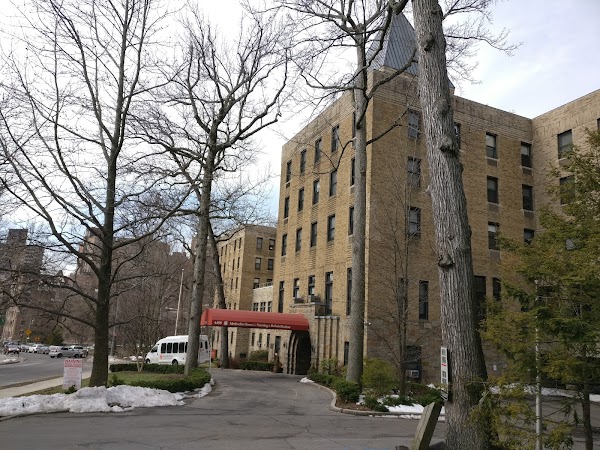

4499 MANHATTAN COLLEGE PARKWAY, BRONX, NY 10471 (718) 548-5100
Non profit - Corporation 120 Beds Independent Data: November 2025
Trust Grade
95/100
#71 of 594 in NY
Last Inspection: May 2024

Within standard 12-15 month inspection cycle. Federal law requires annual inspections.

Overview

Methodist Home for Nursing and Rehabilitation has received an impressive Trust Grade of A+, indicating it is an elite facility in the top tier of nursing homes. It ranks #71 out of 594 facilities in New York, placing it in the top half, and #8 out of 43 in Bronx County, meaning only seven local options are better. The facility is on an improving trend, having reduced its issues from three in 2022 to just one in 2024. Staffing is a strength here, with a 4 out of 5-star rating and a low turnover rate of 21%, well below the New York average of 40%, which suggests that staff remain long-term and are familiar with the residents' needs. Notably, there have been no fines, indicating a solid compliance record, and the facility offers more RN coverage than 91% of state facilities, which enhances care quality. However, there have been some concerns, such as a resident being found with medication without a nurse present and slow electronic submission of assessments for some residents, which could impact care planning. Overall, while there are some areas for improvement, the facility demonstrates strong performance in many key aspects.

Trust Score
A+
95/100
In New York
#71/594
Top 11%
Safety Record
Low Risk
No red flags
Inspections
Getting Better
3 → 1 violations
Staff Stability
✓ Good
21% annual turnover. Excellent stability, 27 points below New York's 48% average. Staff who stay learn residents' needs.
Penalties
✓ Good
No fines on record. Clean compliance history, better than most New York facilities.
Skilled Nurses
✓ Good
Each resident gets 66 minutes of Registered Nurse (RN) attention daily — more than 97% of New York nursing homes. RNs are the most trained staff who catch health problems before they become serious.
Violations
✓ Good
Only 5 deficiencies on record. Cleaner than most facilities. Minor issues only.
★★★★★
5.0
Overall Rating
★★★★☆
4.0
Staff Levels
★★★★★
5.0
Care Quality
★★★★★
5.0
Inspection Score
Stable
2022: 3 issues
2024: 1 issues

The Good

  • 4-Star Staffing Rating · Above-average nurse staffing levels
  • 5-Star Quality Measures · Strong clinical quality outcomes
  • Low Staff Turnover (21%) · Staff stability means consistent care
  • Full Sprinkler Coverage · Fire safety systems throughout facility
  • No fines on record
  • Staff turnover is low (21%)

    27 points below New York average of 48%

Facility shows strength in staffing levels, quality measures, staff retention, fire safety.

The Bad

No Significant Concerns Identified

This facility shows no red flags. Among New York's 100 nursing homes, only 1% achieve this.

The Ugly 5 deficiencies on record

May 2024 1 deficiency
CONCERN (D)

Potential for Harm - no one hurt, but risky conditions existed

Deficiency F0658 (Tag F0658)

Could have caused harm · This affected 1 resident

**NOTE- TERMS IN BRACKETS HAVE BEEN EDITED TO PROTECT CONFIDENTIALITY** Based on observation, record review, and interviews conducted during a Recertification Survey from 5/9/2024 to 5/16/2024, the fa...

Read full inspector narrative →
**NOTE- TERMS IN BRACKETS HAVE BEEN EDITED TO PROTECT CONFIDENTIALITY** Based on observation, record review, and interviews conducted during a Recertification Survey from 5/9/2024 to 5/16/2024, the facility did not ensure that services provided meet professional standards of quality. This was evident for 1 (Resident #34) of 22 total sampled residents. Specifically, Resident #34, who was cognitively impaired, was observed in their room holding a medication cup containing 4 tablets without a licensed nurse present. Resident #34 stated the Licensed Practical Nurse gave them the pills and they do not know what the small pill was for. The findings are: The facility policy titled Administration of Medications-General Guide which was revised in November 2020 documented all medications are prescribed by a physician and administered by a licensed nurse. The policy documented that it is the responsibility of the nurse to observe resident to ensure medication consumption. Resident #34 was admitted with diagnoses of Dysphagia, Cerebral infarction, and Type 2 Diabetes. The Minimum Data Set assessment dated [DATE] documented Resident #34 was moderately impaired in cognition. A review of the physician's order dated 4/16/2024 documented active orders for acetaminophen 325 mg tablet, give 2 tablets (650 mg) by oral route every 6 hours as needed; ascorbic acid (vitamin C) 500 milligram tablet, give 1 tablet by oral route once daily at 10:00 AM; amlodipine 10 milligram tablet, give 1 tablet by oral route once daily at 10:00 AM; and Eliquis 2.5 milligram tablet, give 1 tablet by oral route 2 times per day at 10:00 AM and 6:00 PM. On 5/9/2024 at 12:07 PM, Resident #34 was observed in their room holding a medication cup containing 4 tablets without a licensed nurse present. Resident #34 stated Licensed Practical Nurse #2 gave them the pills and they do not know what the small pill was for. On 5/9/2024 at 12:09 PM, Licensed Practical Nurse #2 was interviewed and stated they thought Resident #34 already took the pills when they left the room. They stated the medications in Resident #34's medication cup were Eliquis, Vitamin C, Amlodipine, and Tylenol. After the Surveyor interviewed Licensed Practical Nurse #2, the Licensed Practical Nurse went back to Resident #34's room to watch Resident #34 swallow the tablets and told the Resident that the small pill was Eliquis. On 5/9/2024 at 12:45 PM, Registered Nurse #4 who was also the Nurse Manager was interviewed and stated licensed nurses must observe the resident swallow their medications during medication administration before leaving. Registered Nurse #4 further stated Resident #34 was forgetful and had periods of confusion and must be supervised when taking their medication. On 5/15/2024 at 3:36 PM, the Director of Nursing was interviewed and stated as per facility's policy on medication administration, the licensed nurse must ensure that the resident swallow their medications before leaving. 10 NYCRR 415.11(c)(3)(i)
Aug 2022 3 deficiencies
CONCERN (D)

Potential for Harm - no one hurt, but risky conditions existed

MDS Data Transmission (Tag F0640)

Could have caused harm · This affected 1 resident

Based on record review and interviews conducted during the recertification survey from 8/15/22 to 8/22/22, the facility did not ensure Minimum Data Set 3.0 (MDS) assessments were electronically transm...

Read full inspector narrative →
Based on record review and interviews conducted during the recertification survey from 8/15/22 to 8/22/22, the facility did not ensure Minimum Data Set 3.0 (MDS) assessments were electronically transmitted in a timely manner. This was evident for 2 (Resident #2 and #3) of 2 residents reviewed for the Resident Assessment task. Specifically, MDS assessments for Resident #2 and Resident #3 were not transmitted within 14 days of their completion date. The findings are: The facility policy titled MDS Submission and Completion last revised 3/18/2020 documented the MDS is electronically submitted /transmitted to the Centers for Medicare and Medicaid Services (CMS) within 14 days after the completion of a resident's assessment. A submission receipt and validation report are then obtained to verify the completion submission process. 1. Resident # 2 MDS with Assessment Reference Date (ARD) 05/06/2022 was completed 05/12/2022 and did not have a submission date. 2. Resident # 3 MDS with Assessment Reference Date (ARD) 05/02/2022 was completed 05/06/2022 and did not have a submission date. The MDS Director was interviewed on 08/18/2022 at 3:00 PM and stated they are responsible for sending completed MDS assessments to CMS. The MDS Director checked the MDS submission record for Resident #2 and Resident #3 and it was an oversight that the MDS assessments were not submitted yet. The MDS Director stated they submitted the assessments to CMS today. 415.11
CONCERN (D)

Potential for Harm - no one hurt, but risky conditions existed

Assessment Accuracy (Tag F0641)

Could have caused harm · This affected 1 resident

**NOTE- TERMS IN BRACKETS HAVE BEEN EDITED TO PROTECT CONFIDENTIALITY** Based on observation, record review, and interview conducted during the recertification survey from 8/15/22 to 8/22/22, the faci...

Read full inspector narrative →
**NOTE- TERMS IN BRACKETS HAVE BEEN EDITED TO PROTECT CONFIDENTIALITY** Based on observation, record review, and interview conducted during the recertification survey from 8/15/22 to 8/22/22, the facility did not ensure the Minimum Data Set 3.0 (MDS) assessment accurately reflected a resident's status. This was evident for 1 (Resident #74) of 1 residents reviewed for Dialysis Care out of a total sample of 27 residents. Specifically, the admission MDS assessment for Resident #74 did not accurately reflect the resident's ongoing hemodialyis (HD) treatment. The findings are: Resident # 74 had diagnoses of end stage renal disease (ESRD) and atrial fibrillation. On 08/18/22 at 11:28 AM, Resident #74 was observed with an arteriovenous (AV) shunt in their left arm. The Physician's Order dated 07/17/22 documented orders for Resident #74 to have HD Monday, Wednesday, Friday. The Nursing admission assessment dated [DATE] documented that Resident #74 was admitted to the facility on HD. The MDS assessment dated [DATE] did not document Resident #74 was receiving HD treatment. On 08/18/22 at 12:02 PM, the MDS Coordinator (MDSC) was interviewed and stated the RN who filled out the MDS assessment for Resident #74 was not available for an interview but must have missed coding Resident #74 as receiving HD treatment. The MDSC is responsible for overseeing the completion of MDS assessments but does not check for accuracy of the assessments. On 08/18/22 at 2:20 PM, the Assistant Director of Nursing (ADNS) was interviewed and stated the MDSC is responsible for ensuring MDS assessments are accurate. 415.11(b)
CONCERN (D)

Potential for Harm - no one hurt, but risky conditions existed

Pressure Ulcer Prevention (Tag F0686)

Could have caused harm · This affected 1 resident

**NOTE- TERMS IN BRACKETS HAVE BEEN EDITED TO PROTECT CONFIDENTIALITY** Based on observations, record review, and interviews conducted during the recertification survey from 8/15/22 to 8/22/22, the fa...

Read full inspector narrative →
**NOTE- TERMS IN BRACKETS HAVE BEEN EDITED TO PROTECT CONFIDENTIALITY** Based on observations, record review, and interviews conducted during the recertification survey from 8/15/22 to 8/22/22, the facility did not ensure a resident received necessary services to prevent new ulcers from developing. This was evident for 1 (Resident #9 of 4 residents reviewed for Pressure Ulcer/Injury. Specifically, Resident #9 was observed on multiple occasions without bilateral heel pads in place in accordance with a Physician's Order (PO). The findings are: Resident # 9 had diagnoses of stage 4 pressure ulcer and diabetic nephropathy. The Minimum Data Set 3.0 (MDS) assessment dated [DATE] documented Resident #9 was cognitively intact, required the total assistance of two people to perform Activities of Daily Living (ADL), and had an unhealed stage 4 pressure ulcer. On 08/15/22 at 10:55 AM and 12:00 PM, Resident #9 was observed in bed without bilateral heel pads in place. On 08/16/22 at 11:49 AM, Certified Nursing Assistant (CNA) #1 was observed in Resident #9's room while the resident was in bed. Resident #9 did not have bilateral heel pads in place. On 08/17/22 at 09:48 AM, Registered Nurse (RN) #1 was observed in Resident #9's room while the resident was in bed. Resident #9 did not have bilateral heel pads in place. PO initiated 11/06/18 and last renewed on 08/10/2022 documented Resident #9 was ordered to have bilateral heel pads applied while in bed. The Comprehensive Care Plan (CCP) related to pressure ulcers, initiated 11/07/18 and last revised on 08/12/22, documented staff were to apply pads to Resident #9's bilateral heels. On 08/17/22 at 11:47 AM, CNA #2 was interviewed and stated they have been assigned to Resident #9 for a few months. Physical Therapy informed CNA #2 that Resident #9 is supposed to have bilateral heel pads in place when they are out of bed and in the wheelchair. There are no heel pads applied to Resident #9 while they are in bed. On 08/17/22 at 11:58 AM, RN #1 was interviewed and stated the CNA is supposed to apply bilateral heel pads to Resident #9 while the resident is in bed to prevent skin breakdown. The bilateral heel pads are not applied to Resident #9 when in the wheelchair. The CNA was preparing to take Resident #9 out of bed this morning and removed the bilateral heel pads. 415.12(c)1
Oct 2019 1 deficiency
CONCERN (E)

Potential for Harm - no one hurt, but risky conditions existed

Infection Control (Tag F0880)

Could have caused harm · This affected multiple residents

**NOTE- TERMS IN BRACKETS HAVE BEEN EDITED TO PROTECT CONFIDENTIALITY** 3) Resident #31 was admitted to the facilty on 10/3/14. On 09/25/19 at 09:53 AM, resident #31 was observed resting in bed with ...

Read full inspector narrative →
**NOTE- TERMS IN BRACKETS HAVE BEEN EDITED TO PROTECT CONFIDENTIALITY** 3) Resident #31 was admitted to the facilty on 10/3/14. On 09/25/19 at 09:53 AM, resident #31 was observed resting in bed with oxygen running at 2L/min via nose cannula. The oxygen concentrator was located at the foot of the bed, and the oxygen tubing run from the foot to the head of the bed was on the floor. On 09/26/19 at 09:33 AM, resident #31 was observed resting in bed with oxygen tubing on the floor running from foot of bed to the head of the bed. Housekeeper #2 was observed sweeping around the tubing on the floor. The Physician's Orders dated 9/26/19 documented orders for continuous Oxygen 2 Liters via Nasal Cannula. On 09/27/19 at 11:20 AM, CNA #1 was interviewed. CNA #1 stated the resident is on oxygen therapy. CNA #1 stated when she transfers the resident to her wheelchair she will sometimes switch the resident to an oxygen tank. CNA #1 stated the resident prefers to use the oxygen concentrator because she can move around more freely. CNA #1 stated the resident likes to wheel herself into the bathroom and when she has the tank it is more difficult to get out of the wheelchair, so she prefers the long tubing from the concentrator. CNA #1 stated if the oxygen tubing is on the floor she will put it in the tubing bag on the concentrator or on the resident's bed. CNA #1 stated she would tell the nurse to change the tubing when the resident wheels over it with her wheelchair and there are bubbles in the tubing. CNA #1 did not offer any other instances where she would notify the nurse about the tubing. On 09/27/19 at 12:12 PM, Housekeeper #1 was interviewed. Housekeeper #1 is assigned to clean resident #31's room. Housekeeper #1 stated when a resident is on oxygen she does not remember what she was told regarding infection control. Housekeeper #1 stated she does not remember if she received any training about oxygen tubing being on the floor. Housekeeper #1 stated she was off on 9/26/19 and another housekeeper was assigned to clean the residents room, but was working on 9/25/19. On 09/27/19 at 12:30 PM, Housekeeper #2 was interviewed. Housekeeper #2 stated she is a floater and fill in where she is told. Housekeeper #2 was cleaning Resident #31's room on 9/26/19. Housekeeper # 2 stated when she sees oxygen tubing is on the floor she will tell the nurse. When asked if she told the nurse about the oxygen tubing on the floor on 9/26/19 she stated she was off and then corrected herself and stated she worked on the high room numbers. Housekeeper #2 did not have any recollection of tubing on the floor in the resident's room. 415.19(a)(1-3) Based on observations, interviews, and record review conducted during the recertification survey, the facility did not ensure that infection control practices were maintained. Specifically, multiple residents were observed with their oxygen tubing lying on the floor. This was evident for 3 of 24 sampled residents (Resident #s 248, 21, and 31). The findings are: A facility Oxygen Concentrator Policy and Procedure dated 10/2017 documents that If any respiratory supply (masks, cannula, tubing) gets in contact with any dirty surface, wipe or clean with a germicidal solution as per manufacturer's recommendation or if the respiratory supply is visibly soiled, replace with a new respiratory supply. 1) Resident #248 was admitted to the facility on [DATE] with diagnoses of anemia, heart failure, and chronic obstructive pulmonary disease. On 09/25/19 at 09:41 AM, Resident #248 was observed in his room lying in bed. The resident had a nasal cannula in his nose and oxygen tubing connected to a portable oxygen tank next to his bed. The oxygen tubing was lying on the floor in between the bed and the oxygen tank. At 09:44 AM, The Licensed Practical Nurse (LPN #2) came into the room. After interacting with the resident, the LPN observed the oxygen tubing lying on the floor. The LPN picked up the oxygen tubing with her bare hands and placed it on top of the oxygen tank so that it was no longer lying on the floor. The LPN did not sanitize or change the tubing before leaving the room. The Physician's Order dated 9/17/19 documented orders for Oxygen 2 Liters per minute via Nasal Cannula as needed for Shortness of Breath. On 09/25/19 at 11:55 AM, LPN #2 was interviewed. LPN #2 stated that it is not standard procedure to pick the oxygen tubing off the floor and place it on to the oxygen tank. LPN #2 stated that she would normally replace the oxygen tubing in order to adhere to infection control practices. The LPN stated that she was preparing to do the resident's wound care and was waiting for the wound care doctor. She was going to change the tubing afterwards. LPN #2 then stated that she is going to change the tubing at this time. 2) Resident #21 was admitted to the facility on [DATE] and diagnoses of respiratory failure and atria fibrillation. On 09/27/19 at 10:39 AM, Resident #21 was observed sleeping in bed in his room. The resident had a nasal cannula in his nose and oxygen tubing connected to a oxygen concentrator next to his bed. The oxygen tubing was observed to be lying on the floor in between the resident's bed and the oxygen concentrator. The Hospice Aide (HA) assigned to the resident was sitting in a chair across from the resident's bed, facing the resident. When the SA pointed out to the HA that the resident's tubing was on the floor, the HA stated that she knows that oxygen tubing should not be on the floor. The resident was just placed back on oxygen therapy and this may be why the tubing fell. The HA stated that she does not know what the facility policy is regarding how to address oxygen tubing that has come into contact with the floor. The HA stated that she believes it is acceptable to wipe down the tubing with alcohol. The HA then picked up the oxygen tubing with her bare hands and placed it onto the oxygen concentrator without sanitizing it. The monthly renewal Physician's Orders dated 10/1/19 documented orders for Oxygen 2 Liters per minute as needed for Shortness of Breath. The Oxygen order has been active since 7/9/19. On 09/27/19 at 11:42 AM, an interview was conducted with the resident's assigned Certified Nursing Assistant (CNA), CNA #2. She has been working in the facility for approximately 4 years. Resident #21 receives Hospice care and has a HA at bedside. CNA #2 stated that the HA will not provide care to the resident without a CNA present. The HA does not touch the resident's oxygen concentrator. There are times that the HA will alert the staff if oxygen tubing has been observed on the resident's floor. If the tubing is on the floor, the Nursing staff are responsible for replacing it. Oxygen tubing should not be touching the floor while attached to the resident. It is an infection control issue. An interview was conducted with LPN #1 on 09/27/19 at 11:54 AM. LPN #1 stated that if oxygen tubing is found to be on the floor, the facility policy is to sanitize the tubing with a germicide wipe and roll it up so it is off the floor. The HA has not brought any concerns to the LPN's attention regarding oxygen tubing being on the floor for Resident #21. On 09/30/19 at 11:04 AM, an interview was conducted with the Assistant Director of Nursing (ADON)/Infection Control Preventionist. The ADON stated that she is responsible for assisting in developing the facility's infection control policies and for providing the staff with inservices related to infection control. The goal of the facility is to not have any tubing touching the floor. If oxygen tubing is observed to be on the floor while attached to a resident, the facility policy is that the tubing should be wiped down with a germicidal wipe and then removed from the floor. The germicidal wipe cannot be used for the nasal cannula because this part gets inserted into the resident's nose. The ADON stated that she provides inservices to all staff members regarding infection control policies. Any outside HAs already received infection control inservices prior to coming into the facility. The facility does not inservice HAs.
Understanding Severity Codes (click to expand)
Life-Threatening (Immediate Jeopardy)
J - Isolated K - Pattern L - Widespread
Actual Harm
G - Isolated H - Pattern I - Widespread
Potential for Harm
D - Isolated E - Pattern F - Widespread
No Harm (Minor)
A - Isolated B - Pattern C - Widespread

Questions to Ask on Your Visit

  • "Can I speak with families of current residents?"
  • "What's your RN coverage like on weekends and overnight?"

Our Honest Assessment

Strengths
  • • Grade A+ (95/100). Above average facility, better than most options in New York.
  • • No major safety red flags. No abuse findings, life-threatening violations, or SFF status.
  • • No fines on record. Clean compliance history, better than most New York facilities.
  • • Only 5 deficiencies on record. Cleaner than most facilities. Minor issues only.
Concerns
  • • No significant concerns identified. This facility shows no red flags across CMS ratings, staff turnover, or federal penalties.
Bottom line: Generally positive indicators. Standard due diligence and a personal visit recommended.

About This Facility

What is Methodist Home For Nursing And Rehabilitation's CMS Rating?

CMS assigns METHODIST HOME FOR NURSING AND REHABILITATION an overall rating of 5 out of 5 stars, which is considered much above average nationally. Within New York, this rating places the facility higher than 99% of the state's 100 nursing homes. This rating reflects solid performance across the metrics CMS uses to evaluate nursing home quality.

How is Methodist Home For Nursing And Rehabilitation Staffed?

CMS rates METHODIST HOME FOR NURSING AND REHABILITATION's staffing level at 4 out of 5 stars, which is above average compared to other nursing homes. Staff turnover is 21%, compared to the New York average of 46%. This relatively stable workforce can support continuity of care.

What Have Inspectors Found at Methodist Home For Nursing And Rehabilitation?

State health inspectors documented 5 deficiencies at METHODIST HOME FOR NURSING AND REHABILITATION during 2019 to 2024. These included: 5 with potential for harm.

Who Owns and Operates Methodist Home For Nursing And Rehabilitation?

METHODIST HOME FOR NURSING AND REHABILITATION is owned by a non-profit organization. Non-profit facilities reinvest revenue into operations rather than distributing to shareholders. The facility operates independently rather than as part of a larger chain. With 120 certified beds and approximately 103 residents (about 86% occupancy), it is a mid-sized facility located in BRONX, New York.
How Does Methodist Home For Nursing And Rehabilitation Compare to Other New York Nursing Homes?

Compared to the 100 nursing homes in New York, METHODIST HOME FOR NURSING AND REHABILITATION's overall rating (5 stars) is above the state average of 3.1, staff turnover (21%) is significantly lower than the state average of 46%, and health inspection rating (5 stars) is much above the national benchmark.

What Should Families Ask When Visiting Methodist Home For Nursing And Rehabilitation?

Based on this facility's data, families visiting should ask: "Can I visit during a mealtime to observe dining assistance and food quality?" "How do you handle medical emergencies, and what is your hospital transfer rate?" "Can I speak with family members of current residents about their experience?"

Is Methodist Home For Nursing And Rehabilitation Safe?

Based on CMS inspection data, METHODIST HOME FOR NURSING AND REHABILITATION has a clean safety record: no substantiated abuse findings (meaning no confirmed cases of resident harm), no Immediate Jeopardy citations (the most serious violation level indicating risk of serious injury or death), and is not on the Special Focus Facility watch list (a federal program monitoring the lowest-performing 1% of nursing homes). The facility has a 5-star overall rating and ranks #1 of 100 nursing homes in New York. While no facility is perfect, families should still ask about staff-to-resident ratios and recent inspection results during their visit.

Do Nurses at Methodist Home For Nursing And Rehabilitation Stick Around?

Staff at METHODIST HOME FOR NURSING AND REHABILITATION tend to stick around. With a turnover rate of 21%, the facility is 25 percentage points below the New York average of 46%. Low turnover is a positive sign. It means caregivers have time to learn each resident's needs, medications, and personal preferences. Consistent staff also notice subtle changes in a resident's condition more quickly. Registered Nurse turnover is also low at 29%, meaning experienced RNs are available to handle complex medical needs.

Was Methodist Home For Nursing And Rehabilitation Ever Fined?

METHODIST HOME FOR NURSING AND REHABILITATION has no federal fines on record. CMS issues fines when nursing homes fail to meet care standards or don't correct problems found during inspections. The absence of fines suggests the facility has either maintained compliance or corrected any issues before penalties were assessed. This is a positive indicator, though families should still review recent inspection reports for the full picture.

Is Methodist Home For Nursing And Rehabilitation on Any Federal Watch List?

METHODIST HOME FOR NURSING AND REHABILITATION is not on any federal watch list. The most significant is the Special Focus Facility (SFF) program, which identifies the bottom 1% of nursing homes nationally based on persistent, serious quality problems. Not being on this list means the facility has avoided the pattern of deficiencies that triggers enhanced federal oversight. This is a positive indicator, though families should still review the facility's inspection history directly.