MORNINGSIDE NURSING AND REHABILITATION CENTER
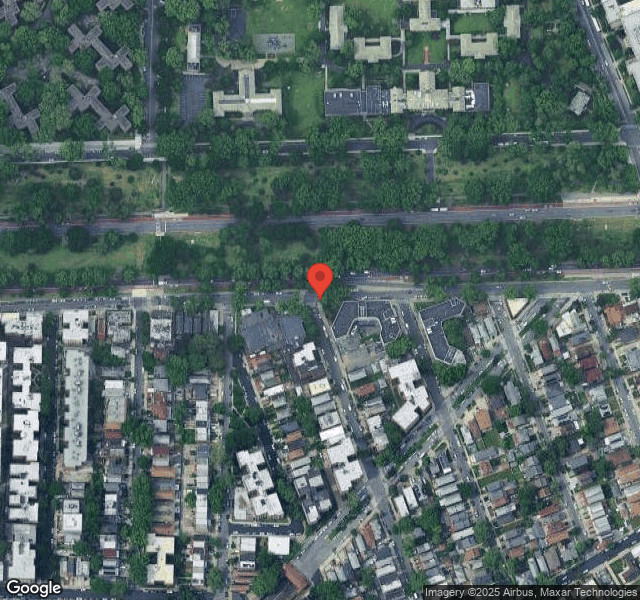
1000 PELHAM PARKWAY SOUTH, BRONX, NY 10461 (718) 409-8200
For profit - Corporation 386 Beds CASSENA CARE Data: November 2025
Trust Grade
60/100
#301 of 594 in NY
Last Inspection: April 2024

Within standard 12-15 month inspection cycle. Federal law requires annual inspections.

Overview

Morningside Nursing and Rehabilitation Center has a Trust Grade of C+, which means it is slightly above average but still has room for improvement. It ranks #301 out of 594 facilities in New York, placing it in the bottom half, and #27 out of 43 in Bronx County, indicating that there are better options nearby. The facility is showing an improving trend, with issues decreasing from five in 2024 to just one in 2025. However, staffing is a concern, with a low rating of 2 out of 5 stars and a high turnover rate of 60%, compared to the state average of 40%. On a positive note, there have been no fines, and the center boasts more RN coverage than 97% of New York facilities, ensuring better oversight of resident care. Despite these strengths, there are notable weaknesses. Recent inspections revealed several concerning practices, such as food safety violations where dishes were not washed at the correct temperatures, and staff did not properly cover their hair while preparing meals. Additionally, garbage disposal practices were poor, with overflowing dumpsters and uncovered trash cans leading to unpleasant odors and potential health risks. Overall, while there are some positive aspects to consider, families should weigh these issues carefully when researching Morningside Nursing and Rehabilitation Center.

Trust Score
C+
60/100
In New York
#301/594
Top 50%
Safety Record
Low Risk
No red flags
Inspections
Getting Better
5 → 1 violations
Staff Stability
⚠ Watch
60% turnover. Above average. Higher turnover means staff may not know residents' routines.
Penalties
✓ Good
No fines on record. Clean compliance history, better than most New York facilities.
Skilled Nurses
✓ Good
Each resident gets 73 minutes of Registered Nurse (RN) attention daily — more than 97% of New York nursing homes. RNs are the most trained staff who catch health problems before they become serious.
Violations
⚠ Watch
20 deficiencies on record. Higher than average. Multiple issues found across inspections.
★★★☆☆
3.0
Overall Rating
★★☆☆☆
2.0
Staff Levels
★★★★★
5.0
Care Quality
★★☆☆☆
2.0
Inspection Score
Stable
2024: 5 issues
2025: 1 issues

The Good

  • 5-Star Quality Measures · Strong clinical quality outcomes
  • Full Sprinkler Coverage · Fire safety systems throughout facility
  • No fines on record

Facility shows strength in quality measures, fire safety.

The Bad

3-Star Overall Rating

Near New York average (3.1)

Meets federal standards, typical of most facilities

Staff Turnover: 60%

14pts above New York avg (46%)

Frequent staff changes - ask about care continuity

Chain: CASSENA CARE

Part of a multi-facility chain

Ask about local staffing decisions and management

Staff turnover is elevated (60%)

12 points above New York average of 48%

The Ugly 20 deficiencies on record

Mar 2025 1 deficiency
CONCERN (D) 📢 Someone Reported This

A family member, employee, or ombudsman was alarmed enough to file a formal complaint

Potential for Harm - no one hurt, but risky conditions existed

Grievances (Tag F0585)

Could have caused harm · This affected 1 resident

Based on observation, interview, and record review conducted during the Abbreviated Survey (NY00337289), the facility failed to ensure residents had the right to obtain a written decision regarding th...

Read full inspector narrative →
Based on observation, interview, and record review conducted during the Abbreviated Survey (NY00337289), the facility failed to ensure residents had the right to obtain a written decision regarding their grievance. This was evident for one (1) of three (3) residents sampled (Resident #1). Specifically, on 11/24/2024, 01/24/2025, 01/28/2025, and 02/27/2025, Resident #1's Health Care Proxy requested written results for the filed grievances. The request was sent on an e-mail to the Administrator. The written results were not provided to Resident #1's Health Care Proxy. The findings are: The facility policy titled, Grievance/Complaint Policy, dated 11/17/2017, documented the facility shall establish written policies and procedures to process all complaints and recommendations initiated by individual patients/residents, their Designated Representatives or family members, as well as by the Resident Council in the general forum. The facility will notify the resident individually or through posting in prominent locations throughout the facility of the right to obtain a written decision regarding his or her grievance. Resident #1 was admitted to the facility with diagnoses including Dementia, Altered Mental Status, and Toxic-metabolic encephalopathy. The Minimum Data Set (an assessment tool) dated 03/18/2024 identified Resident #1's cognition as severely impaired. An Email dated 11/24/2024 was sent to the Facility Administrator documented Resident #1's Health Care Proxy requested written confirmation of the steps being taken regarding their parent being found on multiple occasions wet and soiled. A review of the Grievance /Complaint Form dated 01/12/2025, sent via email to the Facility's Administrator documented Resident #1 Health Care Proxy filed a grievance about their parent being found with wet, incontinent brief and pants. A review of the Grievance/Complaint Form dated 01/24/2025, was sent via email to the Facility's Administrator documented Resident #1's Health Care Proxy requested written confirmation detailing how an Unlicensed Social Worker diagnosed medical conditions, will be addressed. A review of the Grievance/Complaint Form dated 01/28/2025, sent via email to the Facility's Administrator documented Resident #1's Health Care Proxy requested a written response on their grievance regarding Specialist Care, Resident #1's treatment, and how inaccurate comments made by the Administrator during the 01/23/2025 care plan meeting. A review of the email dated 02/18/2025 sent to the Facility's Administrator documented that Resident #1's Health Care Proxy submitted an inquiry of the Grievance Procedure. A Grievance/Complaint Form dated 02/18/2025, documented the Interdisciplinary team attempted to contact Resident #1's Health Care Proxy with the outcome of the investigation of Resident #1 that was found wet on 02/12/2025, but they were unavailable. A voice message was left. A review of the Grievance/Incident Form dated 02/22/2025, sent via email to the Facility's Administrator documented Resident #1's Health Care Proxy requested a written response on the incident dated 02/12/2025 when Resident #1 was left unchanged and all prior incidents. A review of the Amended Grievance/Incident Form dated 02/22/2025, sent via email to the Administrator documented Resident #1's Health Care Proxy requested a written response on their grievance dated 02/21/2025. A review of the email dated 02/27/2025, sent to the Facility's Administrator documented Resident #1's Health Care Proxy requested the facility's grievance and incident procedures in writing. Resident #1's Health Care Proxy also requested copies of all grievance incidents decisions from 03/11/2024 to present to be sent via regular mail, ensuring the correct address is used. There was no documented evidence that Resident #1's Health Care Proxy requested to review Grievances results prior to mailing. During a telephone interview on 02/20/2025 at 12:52 PM, the Director of Social Service was the grievance officer and responsible for investigating grievances. The Director of Social Service stated they have five business days to investigate the grievance, and they will then notify the complainant verbally over the phone or in person. The Director of Social Service stated they provided verbal outcome of the grievance and did not provide the written results. During a telephone interview on 03/10/2025 at 12:50 PM, Resident #1's Health Care Proxy stated they requested verbal and written response to filed grievances but did not receive any written response to their grievances. During a telephone interview on 03/21/2025 at 1:45 PM, the Facility's Administrator stated the Director of Social Service is responsible for the Grievance process in the facility. The Facility 's Administrator stated the Social Service and Interdisciplinary Team was responsible for providing the results and / or resolution of the grievances to residents or their representatives. The Facility's Administrator further stated residents, or their representatives are entitled to receive a copy of the Grievance intake and a summary of the investigation. The Facility's Administrator stated they received a request from Resident #1's Health Care Proxy for a copy of the grievances and to review them in person. The Facility Administrator stated they set up meetings on 03/12/2025, but Resident #1's healthcare Proxy did not show up despite confirmation of attendance. The Facility's Administrator stated another meeting was set up on 03/18/2025 at 11:00 AM, but Resident #1's Health Care Proxy came later at 11:45 AM and asked if they could review the Grievance copies on another meeting, but no date or time was provided. The Facility's Administrator stated that copies of the grievances were not mailed to Resident #1's Health Care Proxy because they requested that they are reviewed in person. 10 NYCRR 415.3(d)(1)(ii)
Apr 2024 5 deficiencies
CONCERN (D)

Potential for Harm - no one hurt, but risky conditions existed

Resident Rights (Tag F0550)

Could have caused harm · This affected 1 resident

**NOTE- TERMS IN BRACKETS HAVE BEEN EDITED TO PROTECT CONFIDENTIALITY** Based on observations, record review, and interviews conducted during the Recertification Survey from 04/07/2024 to 04/12/2024, ...

Read full inspector narrative →
**NOTE- TERMS IN BRACKETS HAVE BEEN EDITED TO PROTECT CONFIDENTIALITY** Based on observations, record review, and interviews conducted during the Recertification Survey from 04/07/2024 to 04/12/2024, the facility did not ensure that the residents were treated with respect and dignity and cared for in a manner and environment that promotes enhancement of their quality of life. This was evident for one (Resident #158) of five residents reviewed for Dignity out of a sample of 38 residents. Specifically, Resident #158 was observed multiple times in their room with a strong urine odor. The findings are: The facility policy and procedure titled Dignity, last revised in November 2016, documented that the facility's policy is to ensure services are provided in a manner that enhances/maintains a dignified existence. The Quarterly Minimum Data Set assessment dated [DATE] documented Resident #158's cognition as moderately impaired with a Brief Interview for Mental Status score of 8, required supervision for toileting and hygiene, set-up only for personal hygiene, and was continent of urine and bowel. The Comprehensive Care Plan initiated on 06/19/2018 revised 2/9/24 documented that Resident #158 is continent of the bladder, at risk for bladder incontinence related to activity Intolerance and cognitive impairment. Interventions included incontinence: check and change resident every 2-4 hours, cleanse, rinse, dry, and apply a moisture barrier, and instruct resident to call for assistance and report the need to use the bathroom. A care plan note dated 02/09/2024 documented that Resident #158 remained incontinent of bladder and was free of signs and symptoms of urinary tract infection and skin breakdown. Review of the medical record revealed no documented evidence that Resident #158 had a behavior of urinating in their room. On 04/07/2024 at 10:33 AM, Resident #158 was observed in their room resting on the bed during the initial tour. The room was noted to have a strong odor of urine. Underwear was observed hanging in the bathroom. On 04/08/2024 at 10:32 AM, Resident #158's room was observed to have a strong odor of urine, and the bottom sheet on the bed was noted with a large urine stain. Resident #158 was out of bed, sitting on a chair in the room, well-groomed, and eating breakfast. Underwear was observed hanging in the bathroom. On 04/09/2024 at 9:47 AM, a strong urine odor persisted in the resident's room. Resident #158 was observed out of bed sitting in a chair asleep. The floor had been mopped, however there a strong urine odor persisted in the room. On 04/09/2024 at 11:59 AM, Resident # 158 was observed out of bed, sitting on a chair in their room, well-groomed, and their underwear was hanging in the bathroom. The odor of urine is still in the room. On 04/11/2024 at 12:15 PM, Housekeeper #1 stated that the mattress in Resident #158's room had been removed and the room smelled better. On 04/11/2024 at 12:17 PM, observation of Resident #158's room revealed that there was no mattress on the resident's bed, and the room no longer had an odor of urine. Resident #158's underwear was observed hanging in the bathroom. On 04/11/2024 at 11:12 AM, Certified Nursing Assistant #5 was interviewed and stated that Resident #158 is continent but incontinent of urine at times. Certified Nursing Assistant #5 also stated that the urine smell in the room comes from the underwear that the resident hangs in their room as Resident #158 refuses to send their underwear to the laundry. Certified Nursing Assistant #5 further stated that Resident #158 showers every day and washes their underwear in the sink but does not wash it well. On 04/11/2024 at 11:21 AM, Licensed Practical Nurse #1 was interviewed and stated that Resident #158 showers every day and washes their underwear and hangs it in the room. Licensed Practical Nurse #1 also stated that they have changed the mattress and the sheets before, and they did not know where the urine smell was coming from. On 04/11/2024 at 11:49 AM, Housekeeper #1 was interviewed and stated that the smell in Resident #158's the room could be coming from the mattress. Housekeeper #1 also stated that they have changed the mattress a few times, and they think the resident urinates on the mattress, and on the floor at times. On 04/12/2024 at 11:17 AM, Resident # 158 was observed out of bed making their bed. There was no urine odor detected in the resident's room, and Resident #158's underwear was observed hanging in the bathroom. During an interview on 04/12/2024 at 11:17 AM, Licensed Practical Nurse #1 stated that there is no longer a urine odor in Resident #158's room after the housekeeper removed the old mattress and replaced it with a new one. On 04/12/2024 at 10:38 AM, the Director of Nursing was interviewed and stated that that they did not remember if there was a smell in Resident #158's room. The Director of Nursing also stated that they were not aware of the strong smell of urine in the resident room, no-one had informed them about the smell and they were not aware of the issue. 10 NYCRR 415.5(a)
CONCERN (D)

Potential for Harm - no one hurt, but risky conditions existed

ADL Care (Tag F0677)

Could have caused harm · This affected 1 resident

Based on interviews, observations and record reviews conducted during a recertification review (TD8B11), the facility did not ensure that a resident who is unable to carry out activities of daily livi...

Read full inspector narrative →
Based on interviews, observations and record reviews conducted during a recertification review (TD8B11), the facility did not ensure that a resident who is unable to carry out activities of daily living received appropriate services to maintain good grooming. This was evident for 1 (Resident #89) of 10 residents reviewed for Activities of Daily Living out of 38 sampled residents. Specifically, Resident #89 was observed with long, untrimmed fingernails that were imbedded with black matter. The findings are: The facility's policy and procedure titled Activities of Daily Living, last reviewed 11/2018, documented that the facility will provide the necessary care and services based on the comprehensive assessment of a resident, including hygiene, such as bathing, dressing, grooming and oral care. Resident #89 was admitted to the facility with diagnoses that included Cerebrovascular Accident, Hemiplegia, and Arthritis. The Activities of Daily Living Care Plan initiated 01/12/2024 documented that the resident required maximum assist of 2 persons for personal hygiene. On 04/08/2024 at 11:57 AM, Resident #89 was observed in bed with long, untrimmed fingernails with black matter underneath each nail. Resident #89 stated that they did not recall the last time anyone trimmed their fingernails and that they were aware their hands and nails were dirty. On 04/12/2024 at 9:15 AM, Resident #89 was again observed in bed with fingernails that were untrimmed and there was black matter under each fingernail. On 04/12/2024 at 9:21 AM, Certified Nursing Assistant #7 was interviewed and stated that they are assigned to Resident #89 most of the time but had not worked with Resident #89 in about two weeks. Certified Nursing Assistant #7 also stated that when they are assigned to Resident #89 they wash the resident every morning and trim their nails when the nails become long or dirty. On 04/12/2024 at 9:30 AM, Registered Nurse Supervisor #1 who was the Charge Nurse on the unit stated that the protocol is to clean each resident's hands before every meal and to clip their fingernails every Sunday. Registered Nurse Supervisor #1 examined Resident #89's hands and stated that it did not appear that the resident's hands had been washed or that their nails had been trimmed as per protocol. Registered Nurse Supervisor #1 further stated that Resident #89 eats with their fingers so this is especially distressing. On 04/12/2024 at 10:46 AM, Certified Nursing Assistant #8 was interviewed and stated that they are a floater currently assigned to Resident #89's on this shift. Certified Nursing Assistant #8 also stated that they served Resident #89 breakfast this morning and used hand sanitizer to clean the resident's hands prior to serving the tray. Resident #89 eats with their fingers and had pancakes with syrup today, so their hands would be sticky after breakfast. Certified Nursing Assistant #8 further stated that the resident's nails are dirty because they scratch themself a lot, and they had not yet given the resident morning care. On 04/12/2024 at 12:36 PM, the Director of Nursing was interviewed and stated that they always foster safe independence in Activities of Daily Living. We hire trained staff and in-service and monitor them regularly to make sure they provide the best care. 10 NYCRR 415.12(a)(3)
CONCERN (E)

Potential for Harm - no one hurt, but risky conditions existed

Infection Control (Tag F0880)

Could have caused harm · This affected multiple residents

2. The facility's policy titled Protocol for Disinfection of Residents Rooms and Equipment with effective date of 12/2023, documented that commonly used items such as the blood pressure machine, therm...

Read full inspector narrative →
2. The facility's policy titled Protocol for Disinfection of Residents Rooms and Equipment with effective date of 12/2023, documented that commonly used items such as the blood pressure machine, thermometer, blood pressure cuff, etc., should be disinfected in between use if contact with the equipment occurs. On 04/12/24 at 08:54 AM, during Medication Administration, Registered Nurse #2 was observed entering Resident's #163 room with the blood pressure machine. Registered Nurse #2 was not observed cleaning the blood pressure cuff prior to use. The blood pressure cuff was applied to Resident's #163 arm and blood pressure taken. Registered Nurse #2 then removed the blood pressure cuff and returned it to the machine, administered medication, and left the resident's room. Registered Nurse #2 then entered Resident's #27 room with the same blood pressure machine. Registered Nurse #2 placed the blood pressure cuff on Resident's #27 arm and obtained their blood pressure reading. Registered Nurse #2 did not sanitize the BP cuff in between use with Resident #163 and Resident #27. On 04/12/24 at 09:15 AM, Registered Nurse #2 was immediately interviewed and stated that they were supposed to clean the cuff with the germicidal wipes, and that they forgot to clean it. Registered Nurse #2 said that they were taught to clean it after every use. On 04/12/24 at 09:30 AM, Registered Nurse #1 was interviewed and stated that as the Supervisor on the unit, they are responsible to monitor the nurses as they administer the medications on the unit. The nurses were in-service and taught that they are supposed to clean the blood pressure cuff with the sanitizer, Clorox wipes, between resident's use. Registered Nurse #1 also stated that the nurses are initially in-serviced, and competencies are done by the educator, but the nurses are monitored periodically to ensure that they are doing the correct procedures. On 04/12/24 at 12:31 AM, the Registered Nurse Educator was interviewed and stated that they are responsible for educating the nurses on the mandatory tasks and policies. The nurses specifically are shown the tasks and then they do return demonstration. The Registered Nurse Educator also stated that the nurses must be able to sanitize the blood pressure cuff before and after use with each resident. The nurses are monitored through their competencies and then they would perform the task to ensure that they are doing it correctly. They are checked periodically to ensure that they are performing the skills correctly, and if any concerns are observed, a competency will be done to ensure accuracy. 10 NYCRR 415.19(b)(4) The facility records titled Residents on Enhanced Barrier Precautions last revised on 04/11/2024 documented the following: 9 residents with the multidrug-resistant organism 9 residents with Foley catheter 5 residents with Gastrostomy tube 18 residents with Permacath (CVP) for Dialysis 32 residents with wounds On 04/12/2024 at 8:46 AM, the Infection Preventionist was interviewed and stated that Enhanced Barrier Precautions are used for residents with Foley catheters, gastrostomy tubes, and Perma Cath. The staff is required to wear gloves and gowns during care, such as showering, changing their bedding, and performing catheter and wound care. Residents with multidrug-resistant organisms and indwelling medical devices, such as gastrostomy tubes, Foley catheters, Perma Cath, and PICC lines, are all supposed to be placed on enhanced barrier precautions. The Infection Preventionist also stated that they have residents whor receive dialysis with Permacaths, residents with gastrostomy tube, foley catheter, and chronic wounds, but these residents are not on Enhanced Barrier Precautions, because they just started to in-service their staff. The Infection Preventionist further stated they did not know that the Enhanced Barrier Precautions were supposed to be implemented already and that they planned to begin implementation on 4/15/2024. The Infection Preventionist stated that they are trying to educate all of the staff before implementing the Enhanced Barrier Precautions. On 04/12/2024 at 10:08 AM, the Director of Nursing was interviewed and stated that residents with indwelling medical devices and wounds are at risk of getting multidrug resistant organism. As of 04/01/2024, those residents should be placed on Enhanced Barrier Precautions. The Director of Nursing also stated that they have identified residents with indwelling medical devices and wounds who need to be placed on the Enhanced Barrier Precautions. They started in-service on the Enhanced Barrier Precautions and plan to implement it after they finished in-servicing the staff. The Director of Nursing further stated that they received the memo the last week of March and were supposed to implement the precautions effective 04/01/2024. On 04/12/2024 at 2:23 PM, the Administrator was interviewed and stated they did not receive the memo. They were notified by their Corporate office and initiated the policy on 04/01/2024. The Administrator stated that they cannot implement the Enhanced Barrier Precautions until all the staff are educated, and inservice of staff has started. Based on observation, record review, and interviews conducted during the Recertification survey from 04/07/2024 to 04/12/2024, the facility did not ensure that infection control prevention practices and procedures were maintained to provide a safe and sanitary environment to help prevent the development and transmission of communicable diseases and infections. Specifically. 1) Enhanced Barrier Precautions were not maintained during wound care, and 2) the Registered Nurse failed to sanitize the blood pressure cuff between Resident #27 and #163 during Medication Administration. The findings are but not limited to: 1. The Centers for Medicare and Medicaid Services (CMS) memo titled Center for Clinical Standards and Quality/Quality, Safety & Oversight Group. Ref: QSO-24-08-NH dated 03/20/2024 documented Enhanced Barrier Precautions recommendation now includes using enhanced barrier precautions for residents with chronic wounds or indwelling medical devices during high-contact resident care activities regardless of their multidrug-resistant organism status-effective 04/01/2024. The facility policy and procedure titled Enhanced Barrier Precaution, last revised 04/01/2024, documented that all personnel, including visitors, who have direct contact with a resident with infection or colonization with a multidrug-resistant organism or with wounds and indwelling medical devices, even if the resident is not known to be infected or colonized with a multidrug will be observed enhanced barrier precautions. Enhanced barrier precautions involved gown and glove use during high-contact resident care activities, which provides opportunities to transfer multidrug-resistant organisms to staff hands and clothing. On 04/11/2024 at 11:32 AM, Registered Nurse #6 was obtained wound care treatment supplies and entered Resident #122's room. Registered Nurse #6 completed the dressing change appropriately and discarded soiled material in the soiled utility room. Registered Nurse #6 was not observed wearing a gown during the wound care treatment. There was no signage at the resident's room that Enhanced Barrier Precautions were in place or that personal protective equipment was required. On 4/11/2024 at 11:32 AM, Registered Nurse #6 was interviewed and stated that during a pressure ulcer dressing change, the nurse usually wears gloves and mask for infection control but no gown is needed. On 4/12/2024 at 9:45 AM, Registered Nurse #7 was interviewed and stated that staff need to have gloves, gown, and mask for the pressure ulcer dressing change. Registered Nurse #7 also stated that if the resident is on contact precautions, they will put the contact precautions signage at the entrance of the resident's room. Registered Nurse #7 further stated that if the resident has a wound and is not on contact precautions, staff go to the storage room where the personal protective equipment is kept, to get a gown, mask, and gloves for the dressing change.
CONCERN (F)

Potential for Harm - no one hurt, but risky conditions existed

Food Safety (Tag F0812)

Could have caused harm · This affected most or all residents

Based on observation, record review, and interviews conducted during the Recertification survey from 4/7/24 to 4/12/24, the facility did not ensure that food was prepared, distributed, and served food...

Read full inspector narrative →
Based on observation, record review, and interviews conducted during the Recertification survey from 4/7/24 to 4/12/24, the facility did not ensure that food was prepared, distributed, and served food in accordance with professional standards for food service safety. This was evident during observations during the Kitchen facility task. Specifically, 1) the dish washing machine did not maintain appropriate temperatures for washing and rinsing dishes, 2) hair was not covering appropriately by dietary staff preparing and serving meals, 3) the temperatures of food on the steam table was not checked or recorded prior to meals being served and, 4) food in unit pantry was not labeled and dated appropriately. The findings are: 1. The facility policy and procedure titled Dish Machine Procedure with an effective date of May 2022 documented dish washer/dietary aide will report the machine for immediate repair if temperatures are not adequate. The policy also documented that the rinse temperature is 150 min, wash temp 160 min and final rinse 180 min and did not document the temperatures as Centigrade or Fahrenheit. The policy further documented that the Manager/Supervisor will monitor wash and rinse temperatures periodically through shift to ensure proper temperature. On 04/09/24 at 10:27 AM, an observation was conducted of the dish machine which registered temperatures as follows: wash 142 degrees F, rinse 142 degrees F, and final rinse 188 degrees F. The Director of Dietary Department was interviewed immediately and stated that they were not aware that the wash and rinse temperatures were not being reached on the dish machine, and they would contact maintenance. On 04/10/24 at 12:59 PM, a follow-up observation was conducted of the dish machine. Temperature were wash-141 degrees F, rinse-141 degrees F, and final rinse 193 degrees F. The Dishwasher Temperature Log for April 2024 Day 1 to Day 9 documented wash temperatures were between 154-165 degrees F at Breakfast, 160-165 degrees F at Lunch, and 160-170 degrees F at Dinner. Rinse temperatures were between 159-175 degrees F at Breakfast, 168-179 at Lunch, and 175-186 at Dinner. Final Rinse temperatures were within the 175-180 range at Breakfast, 175-179 range at Lunch, and 180-190 range at Dinner. On 04/10/24 at 01:24 PM, an interview was conducted with the Director of Dietary Department who stated that the dish machine was not meeting wash and rinse temperatures and they contacted the vendor on 4/9/24 who stated that they would order a part for the machine which would be sent to the facility overnight. The Director of Dietary Department also stated that the part would not arrive now until 4/11/24. The Director of Dietary Department further stated that they contacted corporate and were told they could continue using the dish machine even though the wash and rinse temperatures were not high enough as long as the final rinse temperature was high 180 degrees F or higher. 2. On 04/10/24 at 12:01 PM, the Dietary Supervisor was observed on unit B5 dressed in street clothes behind the steam table, removing the coverings from the food items. The Dietary Supervisor had upper part of hair uncovered and hair net was observed loosely covering the ends of braids in their mid-back area. On 04/10/24 at 01:44 PM, the Dietary Supervisor was interviewed and stated that at the beginning of each shift they observe dietary staff to ensure that they have put on hair nets, have washed their hands, and are dressed in uniform scrubs or burgundy shirts and scrub pants. The Dietary Supervisor also stated that all hair has to be up in hair net, and if needed facial hair beard guard is worn. The Dietary Supervisor further stated that their hair is heavy so they have to wear two hair nets and they were not aware that their hair was not covered. The Dietary Supervisor stated that their clothing should have been covered with a lab coat or apron and they usually wear their lab coat on the unit but was rushing so left the lab coat behind in the kitchen. 3. The facility policy and procedure titled Warming Unit Table Service with an effective date of February 2017 documented that the Dietary Aide will bring ice water in cup and calibrate thermometer, will take temperature of food, one pan at a time, wiping probe after each use to ensure that food is at a proper serving temperature and have designee record on log. The policy also documented that food will immediately be served after confirmation of proper food temperature. On 04/09/24 at 11:50 AM, Dietary Aide #1 arrived on unit B2, sanitized hands with alcohol based hand rub and put on a pair of gloves. Dietary Aide #1 was observed to have hair partially covered with pony tail at base of neck not covered by the hair net. In addition, Dietary Aide #1 was observed to be wearing a mask that did not cover their nose. Dietary Aide #1 uncovered all food items, sanitized hands with alcohol based hand rub, then placed utensils into each food item. On 04/09/24 at 12:07 PM, Dietary Aide #1 was observed taking the temperature of chicken parmesan only and placed the thermometer in the ice bath without first cleaning the probe. Dietary Aide #1 then served chicken parmesan, pasta, vegetables, and mechanical chicken, pasta without checking the temperature of all food items. Dietary Aide #1 then checked the temperature of the pasta at 12:10 PM, the vegetables at 12:12 PM, and the baked chicken at 12:15 PM. Dietary Aide #1 did not wipe the probe between checking food items. On 04/09/24 at 12:17 PM , Dietary Aide #1 checked the temperature of the stuffed cabbage, served mashed potato at 04/09/24 at 12:21 PM without checking the temperature, and checked the temperature of the mechanical chicken at 12:22 PM. On 04/09/24 at 12:26 PM, pureed chicken and vegetables were served without the temperature being checked. On 04/09/24 at 12:29 PM, the temperature of the pureed chicken was checked. On 04/09/24 at 12:32 PM, Dietary Aide #1 changed gloves, did not perform hand hygiene, and checked the temperature of the mashed potatoes. Temperatures for the pureed vegetables, mechanical vegetables, and hamburger were not checked before the foods were served. Food temperatures were not recorded and the thermometer was not cleaned between each food item. On 04/09/24 at 12:39 PM, Dietary Aide #1 removed their gloves, unplugged steam table, removed utensils, and did not perform hand hygiene. On 04/10/24 at 01:05 PM, Dietary Aide #1 was interviewed and stated that they are supposed to check food temperatures before food is served to ensure it is at the right temperature but did not do this on 4/9/24 because they came to the unit late so checked the temperatures of the food one by one. Dietary Aide #1 stated that the thermometer is supposed to be cleaned after checking each food item, but they forgot to bring alcohol wipes with them. Dietary Aide #1 also stated that temperature of food is supposed to be documented in the log book on the truck inside the fridge and that sometimes they log the temperatures of food after meal service Dietary Aide #1 further stated that they are supposed to have hair fully covered and are taught to wash hands and sanitize. Masks are supposed to cover the nose, but sometimes it is a little hard to keep it in place. Dietary Aide #1 stated they do receive in-service in these things and last inservice was about 2 weeks ago. On 04/10/24 at 01:24 PM, the Director of Dietary Department was interviewed and stated that dietary staff are supposed to take the temperatures of food at start of service and are supposed to record the temperatures right then and there in the log book. Supervisors are supposed to make sure that staff are taking the temperatures each meal service. The Director of Dietary Department also stated that staff wash their hands in the kitchen downstairs, then they sanitize their hands when they get to the unit before they put on their gloves. Masks are supposed to be worn covering their nose and mouth in resident care areas and all hair is supposed to be covered. The Director of Dietary Department further stated that the supervisor is supposed to monitor the dietary staff and it is supposed to be a team effort. 4. The facility policy titled Food Storage and Pantry Refrigerator Temperature effective date 2/2024 documented food stored in the pantry refrigerator, will be labeled with name, room number and the date the food was stored to ensure it is discarded after 48 hours. Commercially packed items will be discarded based on the manufacturer's expiration date. The nursing staff will remove and discard all unlabeled food each morning. The Director of Nursing and Director of Maintenance shall ensure compliance with this policy. On 4/9/2024 at 3:43 PM, the Director of Housekeeping was present during observation of the 3rd Floor pantry refrigerator. The refrigerator was observed to contain one unlabeled and undated ham sandwich, and 2 plastic containers of water which held numerous individual packets of coffee creamers and vegetable spreads that did not have expiration dates. On 4/9/2024 at 3:44 PM, Registered Nurse #5 was interviewed and stated that resident food in the pantry refrigerator should be labeled with preparation date, and name of the resident and that all foods and liquids should be discarded 48 hours after the preparation date. On 4/9/2024 at 3:45 PM, the Director of Nursing arrived on the 3rd Floor and observed the contents of the pantry refrigerator and stated all food in the pantry refrigerator from the facility kitchen should be dated and discarded after 48 hours. 10NYCRR 415.14
CONCERN (F)

Potential for Harm - no one hurt, but risky conditions existed

Garbage Disposal (Tag F0814)

Could have caused harm · This affected most or all residents

Based on observations and interviews conducted during the Recertification survey from 4/7/24 to 4/12/24, the facility did not ensure that garbage and refuse were disposed of properly. Specifically, th...

Read full inspector narrative →
Based on observations and interviews conducted during the Recertification survey from 4/7/24 to 4/12/24, the facility did not ensure that garbage and refuse were disposed of properly. Specifically, the garbage was not properly contained outside of the facility and various types of garbage were observed overflowing from the top of the dumpster. The finding is: The facility policy and procedure titled Proper Disposal of Garbage and Refuse effective date 11/2016 documented that the Food Service Director/Manager will monitor the garbage containers to ensure they are in good condition (no leaks) and with lids and evaluate loading docks, hallways, elevators that are used for both garbage and food transport are kept clean and free of foul odors. On 4/9/24 at 10:37 AM, an observation was made of the garbage disposal area. A large dumpster was observed containing cardboard, plastics, a white metal frame, papers, wood, and trash bags were observed hanging over edge of the dumpster. There was no covering over the dumpster. Dietary Aide #2 was observed throwing two bags of garbage into the open dumpster and placing cardboard into the compactor. Dietary Aide #2 was interviewed immediately and stated that the regular dumpster had been picked up and they were using this replacement dumpster which did not have a cover. Dietary Aide #2 also stated that the dumpster that was there had a door that closed, but this dumpster was temporary and did not have a cover. On 04/09/24 at 10:49 AM, Housekeeper #2 was observed approaching the garbage disposal area accompanied by the Director of Housekeeping. Housekeeper #2 placed four additional large garbage bags on top of the overflowing dumpster. The Director of Housekeeping was interviewed immediately and stated that the facility dumpster was leaking so was picked up on 4/7/24 by the vendor to be repaired. The Director of Housekeeping also stated that the vendor did not provide a cover for the dumpster, and they only expected the repair of the compactor to take one day. The Director of Housekeeping further stated that the dumpster should have been covered and they would try to cover it now. On 04/10/24 at 01:24 PM, the Director of Dietary Department was interviewed and stated that they were not aware of when the compactor had been changed to a dumpster as the facility usually uses a compactor. The Director of Dietary Department also stated that they do not usually go out to the garbage disposal area, but they ensure that any garbage leaving the kitchen is in covered bins. On 04/10/24 04:42 PM, an interview was conducted with the Administrator who stated garbage should be in covered receptacles. The Administrator also stated that when the vendor leaves an open dumpster they do not provide a covering, but will cover it when they remove the dumpster. The Administrator further stated that the vendor told them that when garbage bags are closed, no covering is needed. 10 NYCRR 415.14(h)
Apr 2022 6 deficiencies
CONCERN (D)

Potential for Harm - no one hurt, but risky conditions existed

Deficiency F0583 (Tag F0583)

Could have caused harm · This affected 1 resident

Based on observation, record review, and interviews conducted during the Recertification survey, the facility did not ensure a resident's right to privacy and confidentiality was maintained for 2 (Res...

Read full inspector narrative →
Based on observation, record review, and interviews conducted during the Recertification survey, the facility did not ensure a resident's right to privacy and confidentiality was maintained for 2 (Resident # 48 and Resident # 598) of 39 sampled residents. Specifically, medication blister packs for Resident #48 and Resident #598 were observed on top of a desk in an unlocked room, exposing personal health information. The findings are: The facility policy and procedure titled Confidentiality and Privacy revised 11/2016 documented the facility upholds residents' right to personal privacy and confidentiality for all aspects of care. On 04/08/22 at 10:25 AM, the Regional Environmental Consultant (REC) and State Agent (SA) entered a unlocked Registered Nurse Staff Educator (RNSE) office located on the ground level and accessible to anyone in the facility. Two blister packets of medication were observed in plain view on top of a desk in the RNSE office and the labels containing identifying information for Resident #48 and Resident #598 were visible. Packet #1: Resident # 48's full name, room number, Gabapentin Cap 400mg, 1 capsule by mouth three times a day for Neuropathy. Packet #2: Resident # 598's full name, room number, Rytary 48.75 mg/195 mg 1 capsule by mouth three times a day related to Parkinson's Disease. On 04/08/22 at 4:00 PM, the unlocked RNSE office door was opened; and, the medication blister packets for Resident #48 and Resident #598 were observed on a desk. On 04/08/22 at 04:04 PM, the Director of Nursing (DON) was interviewed and stated the RNSE used the blister packs of Resident #48 and Resident #598 as sample medication while conducting facility orientation classes for newly hired nurses. The medication should be stored securely. On 04/11/22 at 10:41 AM, the RNSE was interviewed and stated the blister packs were used as examples during orientation because the RNSE believed the medications were placebos with fake names and labels. The RNSE was unable to secure the medication because they were not given a key for their office door. 415.3 (d)(1)(ii)
CONCERN (D)

Potential for Harm - no one hurt, but risky conditions existed

Report Alleged Abuse (Tag F0609)

Could have caused harm · This affected 1 resident

**NOTE- TERMS IN BRACKETS HAVE BEEN EDITED TO PROTECT CONFIDENTIALITY** Based on staff interviews and record reviews conducted during the recertification survey, the facility did not ensure that all a...

Read full inspector narrative →
**NOTE- TERMS IN BRACKETS HAVE BEEN EDITED TO PROTECT CONFIDENTIALITY** Based on staff interviews and record reviews conducted during the recertification survey, the facility did not ensure that all alleged violations involving abuse were reported within a timely manner to the State Survey Agency. This was evident in 1 (Resident #219) out of 7 residents reviewed. Specifically, the facility did not report an allegation of staff-to-resident physical abuse involving Resident #219 to the New York State Department of Health (NYSDOH) immediately but not later than 2 hours of the alleged violation. The findings are: The facility policy titled Reporting and Investigation of Resident Abuse, Neglect, Mistreatment dated 11/2017 documented alleged violations involving mistreatment, neglect, or abuse are reported immediately to the Administrator and to the NYSDOH as required. Resident # 219 had diagnoses of major depressive disorder and Alzheimer's disease. The Minimum Data Set 3.0 (MDS) assessment dated [DATE] documented Resident # 219 had moderately impaired cognition. The facility's undated Accident/Incident Investigation Summary (AIS) documented Registered Nurse (RN) #1 called Resident #219's Resident Representative (RR) and informed them Resident #219 had a fall on 01/29/2022 at 7:30 AM. After speaking with the resident, the RR called RNS #1 and reported Resident #219 claimed a nurse hit them. The undated AIS documented Certified Nursing Assistant (CNA) #2 wrote a witness statement dated 2/02/2022 that no abuse was observed on 1/29/2022 when Resident #219 fell. The undated AIS documented the facility concluded no abuse occurred citing statements from CNA #1 and CNA #2; therefore, the incident was not reported to the NYSDOH. The undated AIS did not document the date and time the facility became aware of Resident #219's allegation of abuse, when the facility investigation was initiated, and when the investigation concluded. On 04/08/2022 at 12:45 PM, the Director of Nursing (DON) was interviewed and stated RNS #1 made the DON aware Resident #219 alleged they were hit by a nurse. An investigation was initiated and CNA #1, CNA #2, and the nurse were in the room at the time of the incident and denied witnessing abuse. The facility has 2 hours to report an allegation of abuse to the NYSDOH if the facility believed abuse occurred. The DON and Administrator are responsible for reporting alleged abuse. The Administrator was interviewed on 04/11/2022 at 12:13 PM and stated the facility reports abuse to the NYSDOH within 2 hours if a resident incurred injury and within 24 hours if there was no injury. An allegation of abuse does not get reported to the NYSDOH if it is unsubstantiated. The investigation into Resident #219's abuse allegation was unsubstantiated and was not reported to the NYSDOH. 415.4(b)
CONCERN (D)

Potential for Harm - no one hurt, but risky conditions existed

MDS Data Transmission (Tag F0640)

Could have caused harm · This affected 1 resident

Based on record review and interviews conducted during the Recertification survey, the facility did not ensure a resident's Minimum Data Set 3.0 (MDS) assessment was transmitted to the Center for Medi...

Read full inspector narrative →
Based on record review and interviews conducted during the Recertification survey, the facility did not ensure a resident's Minimum Data Set 3.0 (MDS) assessment was transmitted to the Center for Medicare and Medicaid Services (CMS) within 14 days of completion. This was evident for 1 (Resident #2) of 39 residents reviewed. Specifically, the facility did not transmit a quarterly MDS for Resident #2 within 14 days of completion. The findings are: The facility policy titled MDS Assessment revised 10/2020 documented the MDS Department will input the completed MDS into the data systems within 14 days of signing off on a quarterly assessment. The MDS Submission Report dated 04/08/2022 documented the quarterly MDS for Resident #2 was completed on 1/10/2022 and was submitted for transmission on 4/07/2022, more than 14 days after completion. On 04/08/22 at 03:30 PM, the MDS Coordinator (MDSC) was interviewed and stated they were responsible for ensuring completed MDS assessments are submitted for review by a Third Party Application prior to being transmitted to CMS. The MDSC was not aware the quarterly MDS for Resident #2 had not been electronically received by the Third Party Application nor transmitted to CMS. On 04/08/2022 at 03:35 PM, the Regional MDS Coordinator (RMDSC) was interviewed and stated there was a glitch in the facility's computer system that caused Resident #2's MDS submission to go missing. Resident #2's MDS was an isolated case. 415.11(b)
CONCERN (D)

Potential for Harm - no one hurt, but risky conditions existed

Deficiency F0657 (Tag F0657)

Could have caused harm · This affected 1 resident

Based on record review and interviews conducted during the Recertification and Abbreviated Complaint survey (NY00278436), the facility did not ensure that a resident and/or resident representative (RR...

Read full inspector narrative →
Based on record review and interviews conducted during the Recertification and Abbreviated Complaint survey (NY00278436), the facility did not ensure that a resident and/or resident representative (RR) was invited to review the resident's plan of care with the Interdisciplinary Team (IDT). This was evident for 1 (Resident #103) of 39 residents reviewed. Specifically, Resident #103 and their RR were not invited to scheduled quarterly Care Plan Meetings (CPM). The findings are: The facility policy titled Care Planning Process revised 1/2022 documented the Social Worker (SW) invites residents and RRs to scheduled CPMs via phone, in person, or in writing; and, documents the invitation and participation in the medical record. Resident # 103 was diagnosed with osteoporosis, atherosclerotic heart disease, and anemia. The quarterly Minimum Data Set 3.0 (MDS) assessments dated 8/7/21 and 11/7/21 documented Resident #103 had moderately impaired cognition with a score of 12 on their Brief Interview for Mental Status (BIMS) assessment. On 6/25/21 at 12:15PM, complainant reported to the Aspen Complaint/Incident Tracking System the facility had not involved complainant in the care planning for Resident #103. On 04/04/2022 at 3:07 PM, Resident #103 was interviewed and stated they had not been invited to attend quarterly CPMs with the IDT. CPM notes and attendance record documented CPMs were held on 8/18/21 and 11/18/21. Signatures of IDT team were documented. There was no documented evidence Resident #103 nor their RR were invited to or attended the quarterly CPMs. On 04/08/22 at 11:31 AM, the SW was interviewed and stated residents with a BIMS score of 12 to 15 are invited to their CPMs. The residents and the RR are invited to initial, annual, and significant change CPMs. The SW does not invite the resident or RR to quarterly CPMs. On 04/11/22 at 10:48 AM, the SW Director (SWD) was interviewed and stated a progress note is written when a resident and/or RR are invited to CPMs and an attendance sheet documents the signatures of who attends the CPMs. Residents and RRs were not invited to quarterly CPMs until the process was changed within the past year. 415.11(c)(2)(i-iii)
CONCERN (D)

Potential for Harm - no one hurt, but risky conditions existed

Deficiency F0761 (Tag F0761)

Could have caused harm · This affected 1 resident

Based on observations, record review, and interviews conducted during a Recertification survey, the facility did not ensure that drugs and biologicals were stored in locked compartments. This was evid...

Read full inspector narrative →
Based on observations, record review, and interviews conducted during a Recertification survey, the facility did not ensure that drugs and biologicals were stored in locked compartments. This was evident for for 2 of 39 sampled residents (Resident 348 and #598). Specifically, blister packs of medication for Resident #48 and Resident #598 were observed in an unlocked office two blister packets containing medications were observed on a desk in an unlocked room on the 1st floor in building B. The findings are: The facility policy titled Storage of Medications dated 4/19 documented medication was kept in a securely locked storage area with limited access by authorized personnel. On 04/08/22 at 10:25 AM, the Regional Environmental Consultant (REC) and State Agent (SA) entered a unlocked Registered Nurse Staff Educator (RNSE) office located on the ground level and accessible to anyone in the facility. Two blister packets of medication were observed in plain view on top of a desk in the RNSE office and the labels containing identifying information for Resident #48 and Resident #598 were visible. Packet #1: Resident # 48's full name, room number, Gabapentin Cap 400mg, 1 capsule by mouth three times a day for Neuropathy. Packet #2: Resident # 598's full name, room number, Rytary 48.75 mg/195 mg 1 capsule by mouth three times a day related to Parkinson's Disease. On 04/08/22 at 4:00 PM, the unlocked RNSE office door was opened; and, the medication blister packets for Resident #48 and Resident #598 were observed on a desk. On 04/08/22 at 04:04 PM, the Director of Nursing (DON) was interviewed and stated the RNSE used the blister packs of Resident #48 and Resident #598 as sample medication while conducting facility orientation classes for newly hired nurses. The medication should be stored securely. On 04/11/22 at 10:41 AM, the RNSE was interviewed and stated the blister packs were used as examples during orientation because the RNSE believed the medications were placebos with fake names and labels. The RNSE was unable to secure the medication because they were not given a key for their office door. 415.18(d)
CONCERN (D)

Potential for Harm - no one hurt, but risky conditions existed

Dental Services (Tag F0791)

Could have caused harm · This affected 1 resident

**NOTE- TERMS IN BRACKETS HAVE BEEN EDITED TO PROTECT CONFIDENTIALITY** Based on observation, record review, and interview conducted during the Recertification survey, the facility did not ensure that...

Read full inspector narrative →
**NOTE- TERMS IN BRACKETS HAVE BEEN EDITED TO PROTECT CONFIDENTIALITY** Based on observation, record review, and interview conducted during the Recertification survey, the facility did not ensure that a resident with missing dentures was promptly referred for dental evaluation. This was evident for 1 (Resident #189) of 1 residents reviewed out of a sample of 39 residents. Specifically, Resident #189 reported their dentures were missing for 2 months and they were not evaluated by the dentist. The findings are: The facility policy titled Care and Treatment of Resident's Denture Use, Loss or Damage dated 11/16 documented the nurse documents resident denture presence and use in the medical record. Dentures are kept in a labeled cup at night. Resident ##189 had diagnoses of Diabetes Mellitus and Depression. The Minimum Data Set 3.0 (MDS) assessment dated [DATE] documented Resident #189 was cognitively intact and had no loosely fitting full or partial dentures. Resident #189 was observed on multiple occasions from 04/05/22 at 10:36 AM through 04/11/2022 at 9:00 AM with partial lower dentures and no upper dentures in their mouth. Resident #189 was interviewed during observation and stated they were told the dentist would evaluate them for replacement of full upper dentures missing for approximately 2 months. The dentist did not evaluate Resident #189 since denture loss. The Comprehensive Care Plan (CCP) related to Dental Health Problems was initiated 8/05/21 and documented the Certified Nursing Assistant (CNA) would assist Resident #189 with performing oral hygiene twice daily. A Dental Consult dated 08/13/21 documented Resident #189 was wearing their full upper denture and had edentulous maxilla and partially edentulous mandible. The CNA Documentation Survey Report dated 3/01/2022 through 4/05/2022 documented Resident #189's assigned CNA signing for presence of full upper dentures per each shift. There was no documented evidence in the medical record Resident #189 was missing full upper dentures or was referred for dental evaluation. On 04/11/22 at 09:36 AM, Licensed Practical Nurse (LPN) #1 was interviewed and stated they were unaware Resident #189 was missing their full upper dentures. LPN #1 walked to Resident #189's room during the interview, searched the room, and was verbally informed by the resident upper dentures were missing and they have not seen the dentist. LPN #1 stated the CNA assigned to Resident #189 was changed 2 months ago and there have been unfamiliar CNAs placed on their assignment. The CNAs inform the LPN if there are missing dentures. On 04/11/22 at 12:13 PM, CNA #2 was interviewed and stated CNA assignments are rotated but CNAs are responsible for looking in the medical record to identify residents with dentures. If the dentures are missing, the CNA searches the resident's room and then reports to the LPN. On 04/11/22 at 02:13 PM, The Director of Nursing (DON) was interviewed and stated the CNAs are responsible for reporting missing dentures to the LPN so a dental consult can be arranged. The DON was unable to explain the reason Resident #189 was not referred for dental services. 415.17(a-d)
Jul 2019 8 deficiencies
CONCERN (D)

Potential for Harm - no one hurt, but risky conditions existed

Resident Rights (Tag F0550)

Could have caused harm · This affected 1 resident

**NOTE- TERMS IN BRACKETS HAVE BEEN EDITED TO PROTECT CONFIDENTIALITY** Based on observations and staff interviews conducted during the Recertification survey, the facility did not ensure that residen...

Read full inspector narrative →
**NOTE- TERMS IN BRACKETS HAVE BEEN EDITED TO PROTECT CONFIDENTIALITY** Based on observations and staff interviews conducted during the Recertification survey, the facility did not ensure that residents were treated with respect and dignity and care for each resident in a manner and in an environment that promotes maintenance or enhancement of his or her quality of life, recognizing each resident's individuality. Specifically, residents were observed dining at a table that had a label FEEDER TABLE displayed in bold black lettering. This was observed during the Dining Observation task. The findings are: The Facility Policy entitled Guideline for Serving meals dated effective 3/18 documented provide meal service with dignity and respect. 1. Resident # 454 is an [AGE] year old admitted to facility on 6/13/2019 with diagnoses that included includes Parkinson's Disease, Muscle Weakness, Generalized, Dysphagia, Essential (Primary) Hypertension, Unspecified Dementia without Behavioral Disturbances, and Adult failure to Thrive. The Minimum Data Set (MDS) Medicare Fourteen (14) Day assessment dated [DATE] documented resident with severe cognitive impairment. 2. Resident # 108 is an [AGE] year old admitted to facility on 2/5/2019 with diagnoses that include Hemiplegia, Muscle Weakness, and Unspecified Dementia without Behavioral disturbances. The Quarterly MDS assessment dated [DATE] documented resident with moderate cognitive impairment. 3. Resident # 455 is an [AGE] year old admitted to facility on 3/20/2019 with diagnoses that included Dysphagia, Adult Failure to Thrive, and Unspecified Dementia without Behavioral Disturbances. The Significant Change MDS assessment dated [DATE] documented resident with severe cognitive impairment. 4. Resident #267 is a [AGE] year old admitted to facility on 5/16/2019 with diagnoses that included Cerebral Infarct Osteoarthritis and Muscle Weakness. The Fourteen (14) day Medicare MDS assessment dated [DATE] documented resident with severe cognitive impairment. On 7/1/19 at 12:33 PM, during dining observation on unit B 4, a sign was observed placed in a clear plastic covering with white background. The sign had the words FEEDER TABLE on it and was affixed to the table with clear tape. Residents # 454, #108, #455 and #267 were observed seated at the table and were being fed by staff. On 7/2/19 at 11:31 AM and on 7/3/19 at 9:26 AM, the sign remained taped to the table and the above residents were observed seated at the table. On 07/03/19 at 10:36 AM, an interview was conducted with the Qualified Dietitian (QD). The QD stated she sat at the Feeder Table to feed a resident and is aware that the sign was on the table. The QD also stated the sign was placed on the table to make it easier for the staff to identify if certain residents need help with feeding. The QD stated the sign has been on the table for the past two weeks and she is not sure who placed the sign on the table. In addition, because of the different CNA's that work on the floor, the sign helps to identify the feeders. The QD further stated the sign was usually moved from table to table, but for the past two weeks it was placed on one table. On 07/03/19 at 11:10 AM, an interview was conducted with the Registered Nurse on Unit B 4 (RN #2). RN #2 stated the feeders had to sit together as before they were at the back of the dining area. One of the Assistant Directors of Nursing (ADNS) from Workman's Circle in-serviced the staff and stated all the resident who need to be fed have to move to another table up front. RN #2 also stated the ADNS said to put a sign up, as a reservation for the feeders, so that no one else will sit at the table. RN# further stated the sign was placed about one week ago, and before the sign was placed the resident were sitting at the same table with no sign. Sometimes there are floaters who do not know the residents, and the sign will help them identify the residents who need to be fed. On 07/03/19 at 11:25 AM, an interview was conducted with Certified Nursing Assistant (CNA) # 1. CNA #1 stated she is always in the dining room at lunch time, and her responsibility is to set up the dining area for lunch. CNA #1 also stated they said we have to put a sign on the table for a new CNA or Nurse that comes so that we can group the feeders on one table, and the staff will know who the feeders are. CNA #1 further stated the sign was placed on the table approximately one week ago. CNA stated before the sign was placed, when the new CNA's comes they put the residents who need to be fed all over the dining room and that messes up the tickets, so the sign tells everyone where the feeders go or need to sit. On 07/03/19 at 11:37 AM, an interview was conducted with the Director of Nursing (DON). The DON stated the sign should not be placed on the table because this is a dignity issue, we cannot do this. The DON also stated she was not aware this was done and this was not the policy of the facility to place a sign on the table identifying resident as Feeders. On 07/3/2019 at 2.50 PM, an interview was conducted with the Corporate Nursing Director (CND). The CND stated the staff was in-serviced on dining and the Charge Nurse misunderstood when she was told to assign all the resident that needs help with feeding on one table. The CND also stated the RN was not told to place a sign on the table. 415.5 (a)
CONCERN (D)

Potential for Harm - no one hurt, but risky conditions existed

Deficiency F0558 (Tag F0558)

Could have caused harm · This affected 1 resident

**NOTE- TERMS IN BRACKETS HAVE BEEN EDITED TO PROTECT CONFIDENTIALITY** Based on interviews and observations, during the Recertification survey, the facility did not ensure that residents received ser...

Read full inspector narrative →
**NOTE- TERMS IN BRACKETS HAVE BEEN EDITED TO PROTECT CONFIDENTIALITY** Based on interviews and observations, during the Recertification survey, the facility did not ensure that residents received services that accommodated the resident's needs and preferences. Specifically, the call light was not kept within reach of the resident. This was evident for 1 of 9 residents reviewed for the Environment (Resident #119) out of 38 sampled residents. The findings are: Resident #169 was admitted to the facility on [DATE] with diagnoses that included Dementia, Alzheimer's Disease, Hypertension, and Diabetes Mellitus. The Annual Minimum Data Set (MDS) 3.0 assessment dated [DATE] documented the resident with moderate cognition. On 07/01/19 at 11:18 AM, 07/01/19 at 03:14 PM, 07/02/19 at 09:37 AM, 07/02/19 at 02:07 PM, 07/02/19 at 11:01 AM and 07/03/19 at 03:45 PM, the call bell was observed wrapped around the right upper bedrail in either the up or down position and was not within reach of the resident. On 07/01/19 at 03:14 PM, the resident stated she cannot reach the call bell when asked by the State Agent to press the call bell. On 07/02/19 at 09:37 AM, the resident stated she normally uses the call bell when she needs something. If she is unable to reach it, she will call out or wait until someone walks by her room. On 07/03/19 at 03:32 PM, an interview was conducted with Certified Nursing Assistant (CNA #3). CNA #3 stated the resident is checked on approximately every 30 minutes during the shift. CNA #3 also stated the resident has a call bell but has not seen her use it and stated the call bell is usually pinned on the pillow on the right side. of the bed. CNA#3 stated that she had not observed the resident's call bell yet today as she currently assigned to the dining room. On 07/03/19 at 03:48 PM, an interview was conducted with Licensed Practical Nurse (LPN #1). LPN #1 stated she conducts rounds at the beginning and throughout the shift looking at the environment and saying hello to the resident. LPN #1 also stated when the resident is in bed the call bell should be accessible and she did not observe the call bell when doing rounds today. LPN #1 stated in the past the resident has pressed the bell and may not always remember to use it. LPN #1 further stated the call bell should not be wrapped around the bed rail. On 07/03/19 at 03:59 PM, an interview was conducted with Registered Nurse (RN #3). RN #3 stated that she conduct rounds daily to monitor the work of the LPN and CNA's. RN #3 also stated she observes call bells and Resident # 169 does not usually use the call bell. RN #3 stated if we keep it within reach I believe she would use it even though she is forgetful. RN #3 further stated CNA's are instructed to make sure that the call bells are within reach after providing care and call bells should not be wrapped around the bed rail. 415.5 (e)(1)
CONCERN (D)

Potential for Harm - no one hurt, but risky conditions existed

Deficiency F0711 (Tag F0711)

Could have caused harm · This affected 1 resident

**NOTE- TERMS IN BRACKETS HAVE BEEN EDITED TO PROTECT CONFIDENTIALITY** Based on observation, record review and staff interview during the Recertification survey, the facility did not ensure the physi...

Read full inspector narrative →
**NOTE- TERMS IN BRACKETS HAVE BEEN EDITED TO PROTECT CONFIDENTIALITY** Based on observation, record review and staff interview during the Recertification survey, the facility did not ensure the physician reviewed the resident's total program of care, including medications and treatments, and a decision about the continued appropriateness of the resident's current medical regimen. This was evident for 1 of 6 residents reviewed for Unnecessary Medications out of a sample of 38 residents. (Resident # 158) The finding is: The facility policy titled Physician Visits to Residents dated 11/16 documented at each visit, the attending physician/nurse practitioner shall review the resident's total care plan including medications and treatments. Resident #158 is a [AGE] year old admitted to the facility on [DATE] with diagnoses that included Bipolar Disorder, Unspecified, Unspecified Dementia Without behavioral Disturbance, and Major Depressive Disorder. The Annual Minimum Data Set, dated [DATE] documented last Gradual Dose Reduction (GDR) was done on 2/13/18. The Quarterly MDS dated [DATE] documented physician documented GDR as clinically contraindicated on 8/9/18. The Annual MDS dated [DATE] documented resident as cognitively intact with no mood issues and no behaviors. The Quarterly MDS dated [DATE] documented resident as cognitively intact with no mood issues and no behaviors. Physician order dated 1/22/18 documented Olanzapine 10 mg QHS (at bedtime) for Bipolar Disorder. Physician's order dated 2/16/18 documented Olanzapine 15 mg QHS for Bipolar Disorder. The Weekly Behavior Progress note dated 6/9/17 through 6/11/19 documented no abnormal behavior observed. The notes also documented that the resident is on psychotropic medication with no observed side effect, GDR not attempted and gradual dose reduction not contraindicated. Psychiatric consults dated 3/13/18 documented resident was unable to tolerate GDR but did not specify behaviors, signs or symptoms that were observed in order to determine that the GDR was failed. Psychiatric consults dated 3/13/18, 5/10/18, 8/9/18, 11/8/18, 12/6/18, 3/7/19 and 6/6/19 documented no evidence of behaviors to support ongoing use of medication without an attempt at GDR. Review of physician progress notes dated from March 2018 to July 2019 documented no behaviors to support ongoing use of psychotropic medication. There was no documentation of a GDR being attempted or recommended. On 07/05/19 at 10:30 AM, an interview was conducted with CNA#2. CNA #2 stated that the resident is always cheerful and that she has never seen resident upset. CNA#2 also stated that resident is usually in a good mood and talks about her son. If the resident is upset, she would talk with resident to calm her down. On 07/05/19 at 10:17 AM, an interview was conducted with the RN Unit Manager (RN #3) who stated that the resident is pretty stable, and that she has observed no side effects of medications. RN #3 also stated that the resident is followed by psychiatry every three months and she is not aware of any reduction of the medication. On 07/08/19 at 11:17 AM, a telephone interview was conducted with the resident's Primary Medical Doctor (PMD). The PMD stated that she has been following this resident for the past year and a half. The PMD reviewed the psychiatrist's notes and and stated that the resident is relatively stable and no experiencing any behaviors. The PMD stated that the psychiatrist recommended a reduce in dosage from Olanzapine 15 MG to Olanzapine 10 MG but the did not tolerate it so the medication was increased. The PMD could not describe what symptoms the resident experienced to deem the GDR failed. The PMD also stated that the resident was experiencing some tremors and was diagnosed with Parkinson's in May 2018, so focus was not on GDR of her medications and may have been overlooked in her follow-up for Parkinson's Disease. In a subsequent interview with the PMD on 07/08/19 at 12:31 PM, the PMD stated that she sees the resident on alternate months in conjunction with the PA unless there is a need. The PA did not specifically the reason the resident did not tolerate the GDR in January 2018. On the recommendation of psychiatrist based on psychiatry consult dated 2/9/18 which documented mood swings and increased crying, Zyprexa was increased back to 15 MG. The PMD further stated that the resident has been stable and a GDR should have been attempted since then. On 07/08/19 at 02:11 PM, an interview was conducted with the Medical Director. The Medical Director stated she monitors physicians through regular staff meetings which are conducted quarterly, group meetings with the physicians, sometimes more often if issues come up. In the staff meetings, we discuss documentation, psychiatric medications and GDR once a resident is stable on medication. The Medical Director also stated that she does audit charts periodically, review records of psychotropic drugs, look for GDR, was it done and how often. The Medical Director further stated that GDR's are discussed at every single meeting. 415.15(b)(2)(iii)
CONCERN (D)

Potential for Harm - no one hurt, but risky conditions existed

Medication Errors (Tag F0758)

Could have caused harm · This affected 1 resident

**NOTE- TERMS IN BRACKETS HAVE BEEN EDITED TO PROTECT CONFIDENTIALITY** Based on observation, record review, and interviews conducted during the Recertification survey, the facility did not ensure tha...

Read full inspector narrative →
**NOTE- TERMS IN BRACKETS HAVE BEEN EDITED TO PROTECT CONFIDENTIALITY** Based on observation, record review, and interviews conducted during the Recertification survey, the facility did not ensure that a Gradual Dose Reduction (GDR) was attempted for a resident prescribed an psychotropic medication who was not experiencing behaviors to support continued use of a specific dose of an antipsychotic. This was evident for 1 of 6 residents reviewed for Unnecessary Medications out of a sample size of 38 residents. (Resident #158) The finding is: The facility policy titled Psychotropic Medications dated 11/16 documented residents who use psychotropic drugs receive gradual dose reductions and behavioral interventions, unless clinically contraindicated, in an effort to discontinue these drugs. Resident #158 is a [AGE] year old admitted to the facility on [DATE] with diagnoses that included Bipolar Disorder, Unspecified, Unspecified Dementia Without behavioral Disturbance, and Major Depressive Disorder. On 07/02/19 at 02:31 PM, resident was observed in the activity room listening to guitarist/singer and talking with peer. Resident was calm, no signs of distress or discomfort observed. On 07/05/19 at 09:05 AM, resident was observed in bed and is in the process of receiving morning care. Resident was calm and voiced no complaints. Physician order dated 2/7/17 documented that resident was prescribed Olanzapine 17.5 mg for Psychotic Disorder. The Annual Minimum Data Set, dated [DATE] documented last GDR was done on 2/13/18. The Quarterly MDS dated [DATE] documented physician documented GDR as clinically contraindicated on 8/9/18. The Annual MDS dated [DATE] documented resident as cognitively intact with no mood issues and no behaviors. The Quarterly MDS dated [DATE] documented resident as cognitively intact with no mood issues and no behaviors. Physician order dated 1/22/18 documented Olanzapine 10 mg QHS (at bedtime) for Bipolar Disorder. Physician's order dated 2/16/18 documented Olanzapine was increased to 15 mg QHS for Bipolar Disorder. Psychiatric consult dated 2/9/18 documented psychiatrist was asked to see patient for mood swings, with episodes of crying for no reason. On decreased Olanzapine 10 mg q hs. Diagnosis: Bipolar Disorder, Vascular Dementia. Recommendation: increase Olanzapine 15 mg q hs for Bipolar Disorder-unable to tolerate GDR. Psychiatric consult dated 3/13/18 documented resident was unable to tolerate GDR but did not specify behaviors, signs or symptoms that were observed in order to determine that the GDR was failed. The Weekly Behavior Progress note dated 6/9/17 through 6/11/19 documented no abnormal behavior observed. Behavior progress notes also documented resident as calm and cooperative, involved in recreational activities, easily communicates with staff and peers. The notes also documented that the resident is on psychotropic medication with no observed side effect,GDR not attempted, and gradual dose reduction was not contraindicated. Review of Physician progress notes dated from March 2018 to July 2019 documented no behaviors to support ongoing use of psychotropic medication. There was no documentation of a GDR being attempted or recommended. Psychiatric consults dated 3/13/18, 5/10/18, 8/9/18, 11/8/18, 12/6/18, 3/7/19 and 6/6/19 documented no evidence of behaviors to support ongoing use of antipsychotic medication without an attempt at GDR. On 07/05/19 at 10:30 AM, an interview was conducted with CNA#2. CNA #2 stated that the resident is always cheerful and that she has never seen resident upset. CNA#2 also stated that resident is usually in a good mood and talks about her son. If the resident is upset, she would talk with resident to calm her down. On 07/05/19 at 10:17 AM, an interview was conducted with the RN Unit Manager (RN #3) who stated that the resident is pretty stable, and that she has observed no side effects of medications. RN #3 also stated that the resident is followed by psychiatry every three months and she is not aware of any reduction of the medication. On 07/08/19 at 12:31 PM an interview was conducted with the resident's Primary Medical Doctor (PMD). The PMD reviewed the resident's chart and stated that the PA (Physician's Assistant) did not specify the reason why the resident did not tolerate the GDR in January 2018. The PMD also stated the resident is seen on on alternate months in conjunction with the PA unless there is a need for more frequent visits. The dosage of Olanzapine was increased on the recommendation of psychiatry based on psychiatry consult dated 2/9/18 which documented mood swings and increased crying and Zyprexa was increased to prior dose of 15 mg. The PMD further stated to determine that this dosage of medication is needed we would need to do a proper GDR. GDR was not done because there were other things that were her main complaint. On 07/08/19 at 01:23 PM, a telephone interview was conducted with the Psychiatrist. The Psychiatrist stated that the resident is seen on a quarterly basis. The resident has been on the same dosage of Olanzapine since February 2018 as the resident did very poorly, was more depressed and anxious when the Olanzapine was decreased briefly from 15 mg to 10 mg. The Psychiatrist stated that he made the decision to increase the dosage of the medication based on the resident's presentation at the time of evaluating despite behavior notes that resident was not experiencing any behaviors. The Psychiatrist further stated that he does review the resident's medical record and just because other disciplines did not do the documentation they should have, this does not mean he will not treat the resident's symptoms. The Psychiatrist stated that he is aware of the Black box warning and in spite of the Black box warning, the resident should be maintained on this medication at this dosage. The Psychiatrist further stated he bases his decisions about adjusting medication based on the signs and symptoms the resident exhibits during his consultation. On 07/08/19 at 02:11 PM, an interview was conducted with the Medical Director. The Medical Director stated She monitors physicians through regular staff meetings which are conducted quarterly, group meetings with the physicians, sometimes more often. In the staff meetings, discuss documentation, psychiatric medications and GDR once resident is stable on medication. The Medical Director also stated that she does audit charts periodically and when she when review records of psychotropic drugs, look for GDR, was it done and how often. The Medical Director further stated that GDR's are discussed at every single meeting. GDR's are done in consultation with the psychiatrist and ultimately it is the PMD's responsibility to determine if the dose of medication is appropriate as they are more familiar with the resident and the resident's plan of care. 415.18(c)(1)
CONCERN (D)

Potential for Harm - no one hurt, but risky conditions existed

Deficiency F0804 (Tag F0804)

Could have caused harm · This affected 1 resident

**NOTE- TERMS IN BRACKETS HAVE BEEN EDITED TO PROTECT CONFIDENTIALITY** Based on observation and interview during the Recertification survey, the facility did not provide food and drink that is palata...

Read full inspector narrative →
**NOTE- TERMS IN BRACKETS HAVE BEEN EDITED TO PROTECT CONFIDENTIALITY** Based on observation and interview during the Recertification survey, the facility did not provide food and drink that is palatable, attractive, and at a safe and appetizing temperature. Specifically, food was not served at palatable and safe temperatures. This was evident for 1 of 1 resident reviewed for Food. The findings are: Resident # 230 is a [AGE] year-old admitted to the facility 5/23/17 with diagnoses that included Coronary Artery Disease, Hypertension and Gastro-Esophageal Reflux Disease. The Annual Minimum Data Set (MDS) Assessment 6/10/19 documented resident with intact cognition. During an interview conducted on 07/01/19 at 12:10 PM, the resident stated that food is served cold and cannot be warmed up. The resident also stated that tea or coffee is served cold and there is no way to warm up food because there is no microwave on the unit and kitchen is in the other building. The resident also stated that there is a microwave on the 5th floor, but the resident is unable to go to the 5th floor to heat up food. On 07/03/19 a test tray was requested. Tray service continued for approximately 15 minutes. At 01:06 PM, temperatures were checked on a test tray and registered as follows: tuna sandwich-49 degrees Fahrenheit pudding - 49 degrees Fahrenheit no sugar added vanilla pudding - 46 degrees Fahrenheit milk - 40 degrees Fahrenheit stew - 152 degrees Fahrenheit rice - 139 degrees Fahrenheit vegetables - 151 degrees Fahrenheit On 07/05/19 at 12:53 PM, an observation was made of food trays being distributed to residents who take meals in their room. Two coolers with cold items inside were observed placed on top of a cart in the dining room with the lids opened. Sandwiches were kept in metal tray on the bottom part of the cart open and not in the cooler. Individual trays were set up by the Certified Nurse's Aides and then delivered to rooms. On 07/05/19 at 01:00 PM, the temperature of food items was checked. The following was observed: coleslaw -36.2 degrees Fahrenheit, chicken salad sandwich- 47.7 degrees Fahrenheit, vanilla pudding - 35.2 degrees Fahrenheit, beef burger - 132 degrees Fahrenheit, mashed potatoes - 134.5 degrees Fahrenheit, carrots 131 degrees Fahrenheit, hot water for tea - 122.4 degrees Fahrenheit. The facility did not ensure that sandwiches containing potentially hazardous foods were held at palatable and safe temperatures. On 07/08/19 at 10:52 AM, the Regional Food Service Director (FSD) was interviewed. The FSD stated that sandwiches should hold at temperatures below 41 degrees and is concerned that the sandwiches are not holding temps. The FSD also stated that sandwiches are checked prior to food service and that they did test sandwiches that were holding at 34 degrees. The FSD further stated that the facility is looking at ways to improve the holding temperatures for the sandwiches so that all food will be held at the right temperature. 415.14(d)(1)(2)
CONCERN (E)

Potential for Harm - no one hurt, but risky conditions existed

Safe Environment (Tag F0584)

Could have caused harm · This affected multiple residents

**NOTE- TERMS IN BRACKETS HAVE BEEN EDITED TO PROTECT CONFIDENTIALITY** 2. On 07/01/19 at 03:07 PM, in Building A, room [ROOM NUMBER], a pipe located in the bathroom was observed to be leaking and a b...

Read full inspector narrative →
**NOTE- TERMS IN BRACKETS HAVE BEEN EDITED TO PROTECT CONFIDENTIALITY** 2. On 07/01/19 at 03:07 PM, in Building A, room [ROOM NUMBER], a pipe located in the bathroom was observed to be leaking and a basin had been placed under the pipe to capture the dripping water. Resident #118 was interviewed immediately and stated he periodically empties the water from the basin into the toilet. Resident demonstrated the emptying of the water and then turned on the faucet to show State Agent that the sink was leaking. On 07/02/19 at 02:15 PM, the sink was observed to still be leaking. Resident #118 stated the bathroom pipe has been leaking for 6 months and was reported to housekeeping. On 07/03/19 at 03:25 PM, SA observed the pipe below the bathroom sink drip when not in use and basin was 1/4 filled with water. On 07/05/19 at 12:06 PM, SA observed the pipe below bathroom sink drip when not in use, minimal water in basin. On 07/03/19 at 04:17 PM, Certified Nursing Assistant (CNA #4) was interviewed. CNA#4 stated that resident did not inform him that the pipe in the bathroom was leaking. On 7/5/19 at 11 AM, CNA #5 was interviewed and stated she observed that the pipe on bathroom sink was leaking and documented this 2 times in the log previously but could not state when. CNA #5 reviewed the log which documented on the Nursing Maintenance log on 11/20/18 sink is leaking. CNA #5 also stated she would report it to Engineering again when they are on the floor. On 07/05/19 at 12:28 PM, RN #3 was interviewed. RN #3 stated that she recalled that room [ROOM NUMBER] had a leak in the past but cannot recall receiving a report of leak in that room in recent weeks. RN #3 also stated any time there is a maintenance problem, maintenance is paged immediately. RN#3 further stated that she would follow-up to determine if repairs have been completed or the issue is still ongoing. On 07/05/19 at 12:40 PM, the Director of Maintenance (DOM) was interviewed. The DOM stated he was not aware of leaks in room [ROOM NUMBER]. Whoever notices issues, whether housekeeping or nursing, would let me know and I would place a work order in. The staff is supposed to fill the nursing maintenance log with staff date, time, and describe the issue. Maintenance staff reviews the log and complete rounds about 3 times per shift which includes visually inspecting the room, including the bathroom for leaks, maintenance and the assignments. The DOM stated that he monitors work orders to determine if repair was satisfactory to close the case On 07/05/19 at 03:01 PM, the DOM stated that he located a work order dated 6/6/19 with a start time of 1:05 PM, and completed 1:30 PM indicated the faucet was repaired, but needs a new stem. Staff may not have realized the sink was still leaking and will be re-inserviced. 415.5(h)(2) Based on observations, record reviews, and interviews conducted during the Recertification survey, the facility did not ensure that a clean, comfortable, and homelike environment was provided. Specifically, (1). residents' rooms were noted with patched and mismatched wall paints, broken hand sanitizer canister, broken tiles on the resident's bathroom wall and floor, and residents' closets with no curtains or doors. This was evident in 5 residents' rooms on A 2 Unit, (Residents # 173, 599, 240, 247, & 214). 2. A leaking faucet was not repaired in a timely manner (Resident #118). The findings are: 1. The facility policy and procedure titled, Environment of Care effective 1/18 documented Non-emergency issues will be logged on the Plant Operations book (Maintenance Log book) in each department/unit. This book will be checked routinely by the plant Operations. On 07/01/19 and 07/02/19 during the initial observation tour of the units the following was observed on Unit A 2: room [ROOM NUMBER]: - broken/loosely fitted hand sanitizer canister hanged on the wall of the resident's bathroom. Rusted mirror frame in the resident's bathroom. Resident #599 - Room A 2- 247: -broken wall behind the head board of resident's bed which was dusty. Resident #240 - Room A 2- 242: - no door or curtain on the resident's closet. Broken base board seal on the right side wall of the room. Right side wall noted with mismatched paint. Room A-223: - no door or curtain on the resident's closet. Room A-229: - broken floor tile on the right side of resident's bed. 2 broken tiles on the right side of bathroom wall. The Maintenance/Engineering log book for the unit was reviewed. The book was checked off daily by maintenance staff up to 06/28/19 at 10:45 AM. There was documentation of some repairs needed to be carried as of 7/1/19, however no documentation noted for any of the issues identified above. On 07/01/19 at 11:44 AM, Resident #240's daughter was interviewed and stated that there was a leakage of water in the resident's closet. There has been no curtain or door on the resident's closet. The residents daughter also stated that she reported holes in the wall which were repaired but the wall has not been repainted and is mismatched. On 07/01/19 at 02:17 PM, Resident #599 was observed wheeling self to her room. Resident stated that the dust coming off from the wall on the head of the bed is very disturbing. The resident stated that this had been reported to staff as the wall has been like this since she was admitted on [DATE]. On 07/02/19 at 08:25 AM, Resident #599 was observed lying in bed, and stated that the dust coming off from the wall was very disturbing and she would like to be moved out of this place. On 07/05/19 at 10:40 AM, an interview was conducted with the Registered Nurse RN #1. RN #1 stated that any requests for repairs needed on the unit is documented in the Maintenance/Engineering log book, and in addition, the department is called for immediate action. If any wall or equipment needed to be repaired or repainted, Engineering department is notified, but if an area needs to be cleaned, housekeeping is contacted for necessary action. RN #1 also stated that the broken dispenser in one of the resident's room had been reported several times and fixed, but each time it is fixed, it is broken again by the resident when backing up from the bathroom. RN stated that the rusted mirror frame in the rooms have been reported and the facility is trying to fix them. RN#1 further stated that she was not aware of the broken tiles in one of the rooms, and was not sure of when the wall by the resident's head-board was broken. On 07/05/19 at 10:50 AM, an interview was conducted with the Housekeeping Associate (HA). The HA stated he is responsible for cleaning of resident rooms and common areas. The HA also stated that if there is any repair needed to be carried out, it is documented in the engineering book and if there is any urgent thing the nurse is made aware immediately. HA further stated that if he comes in and sees any thing that is damaged or needs to be fixed, it is written in the book, by writing the room number and the time the problem is noted. The HA stated that the broken tiles in one of the resident's bathroom was recently reported and has just been fixed, but was not sure if the broken tile on the floor had been reported. On 07/05/19 at 11:08 AM, an interview was conducted with the Director of Maintenance (DM). The DM stated when there is something that needed immediate repair, he is called on the radio and a staff is assigned immediately. The problem is also documented in the log book, and checked by the staff for necessary repairs. The DM also stated that he and his staff do rounds to see what needs to be fixed and repaired, and the job is carried out based on the priority. DM further stated that the staff has been carrying out some of the repairs identified gradually, and efforts are being intensified to carry out the remaining repairs as soon as possible. On 07/08/19 at 11:01 AM, a follow-up interview was conducted with the Director of Maintenance. The DM stated that not all repairs needed to be done on the units are written in the log book as the nursing staff or housekeeping/maintenance staff sometimes report the damage directly via telephone or verbally. When any job is reported for repair or replacement, a work order is generated and given to the appropriate staff to carry out the repairs, and when the job is completed, the work order is signed off by the staff. The director stated that most of the problems identified during the survey have not been noticed or reported before, but the facility has been making immediate efforts to fix all the problems identified.
CONCERN (F)

Potential for Harm - no one hurt, but risky conditions existed

Garbage Disposal (Tag F0814)

Could have caused harm · This affected most or all residents

Based on observations and interviews conducted during the Recertification survey, the facility did not ensure that garbage and refuse was disposed of properly. Specifically, uncovered garbage cans, di...

Read full inspector narrative →
Based on observations and interviews conducted during the Recertification survey, the facility did not ensure that garbage and refuse was disposed of properly. Specifically, uncovered garbage cans, discolored, foul liquid and flies were observed in the outside garbage area. This was evident during the Kitchen task. The findings are: On 07/03/19 at 02:51 PM, an observation was made of the garbage area. A large garbage bin containing cardboard and a small garbage can also containing cardboard were observed without lids. There was a milky white colored liquid observed standing there to the trash compactor which gave off a foul odor. Several flies were also observed flying around the garbage compactor. On 07/05/19 at 09:45 AM, a milky, brown watery looking substance was observed standing near the trash compactor. In addition, puddles of a milky, brown watery substance was observed standing near the drain. Several flies were observed flying around the compacted boxes that were lying on the ground next to the water. On 07/05/19 at 12:15 PM, an interview was conducted with the Regional Director of Food Services (FSD). The FSD stated that the area is shared by everyone in the building for disposing of garbage, and there are contractors that also have access. The FSD also stated that the contractors are responsible for leaving the cardboard in uncovered garbage receptacles on the loading dock in the refuse area. Engineering and housekeeping are responsible for ensuring that the contractors use the area properly. The FSD further stated that the area will be modified so that the dumpster will no longer be on the ground causing the area to become waterlogged. On 07/08/19 at 10:45 AM, the Consultant Registered Dietician (RD) was interviewed. The RD stated that there is a lot of construction going on and even people who are not part of the facility are using the garbage area. The RD also stated that staff in the kitchen have also been in-serviced in order for them to be aware that if they see any issues in the refuse area, even if it is not from the kitchen, they should report and address it. The RD further stated the compactor area will be renovated within 2 weeks, 415.14 (h)
MINOR (C)

Minor Issue - procedural, no safety impact

Staffing Information (Tag F0732)

Minor procedural issue · This affected most or all residents

Based on observation and staff interviews conducted during the Recertification survey, the facility did not ensure that the daily staffing was posted in a prominent place readily accessible to residen...

Read full inspector narrative →
Based on observation and staff interviews conducted during the Recertification survey, the facility did not ensure that the daily staffing was posted in a prominent place readily accessible to residents and visitors. Specifically, daily staffing was not observed posted in a prominent place in either Building A or B. The findings are: The facility Policy entitled Nursing Staffing Posting dated effective 7/19 documented the purpose to provide information for resident, family and staff with nursing staffing levels on duty per shift per day. The procedure was documented as the Staffing Coordinator will post the schedule everyday at 9 AM for the following twenty-four (24) hours. This includes RN's, LPNs and other licensed nursing staffing, certified nurse aides. During observation made of the lobby and elevator areas in Building's A and B on 7/1/19, 7/2/19, 7/3/19 and 7/5/19, the staffing posting was not observed posted in a prominent place. On 07/01/19 at 11:43 AM, there was no staffing posting observed on the main floor of either Building A or B. On 7/2/19 at 12:00 PM, 7/03/19 at 02:19 PM, and 07/05/19 03:08 PM, the staffing posted could not be located in a prominent area in Building A or B. A staffing posting was observed taped to a bulletin board in front of the Nursing office in Building B. On 07/05/19 at 04:46 PM, an interview was conducted with the Payroll and Staffing Coordinator (PSC). The PSC stated he is responsible for posting the staffing and stated the daily staffing is usually posted every day. The PSC also stated he usually leaves a note for for the Night Supervisor, or the Morning Supervisor to post the staffing outside the nursing office, and if it is not done when he comes in at approximately 9 AM he will post the staffing himself in the B building. The PSC further stated the Staffing posting for the A building should be done by the Nursing Supervisor. The purpose of posting the daily staffing is to know how much staff is in the building so that management, the state and employees can know the number of staff in the building. The PSC stated the staffing is usually posted outside the Nursing office in the A building, because the Fiscal office and transportation are located in the A building and visitors, families, resident frequent these offices, and so are able to see the staffing postings daily. On 07/05/19 at 05:02 PM, an interview was conducted with the Director of Nursing (DON). The DON stated the staffing coordinator is responsible for posting the staffing daily so the staff will known where they are assigned, and to make sure there is enough staff for every shift. The DON stated that she does not provide direct supervision for the Staffing Coordinator as he is at the Corporate level and is responsible for training other staffing coordinators. 415.3
Understanding Severity Codes (click to expand)
Life-Threatening (Immediate Jeopardy)
J - Isolated K - Pattern L - Widespread
Actual Harm
G - Isolated H - Pattern I - Widespread
Potential for Harm
D - Isolated E - Pattern F - Widespread
No Harm (Minor)
A - Isolated B - Pattern C - Widespread

Questions to Ask on Your Visit

  • "Why is there high staff turnover? How do you retain staff?"
  • "Can I speak with families of current residents?"
  • "What's your RN coverage like on weekends and overnight?"

Our Honest Assessment

Strengths
  • • No major safety red flags. No abuse findings, life-threatening violations, or SFF status.
  • • No fines on record. Clean compliance history, better than most New York facilities.
Concerns
  • • 20 deficiencies on record. Higher than average. Multiple issues found across inspections.
  • • 60% turnover. Above average. Higher turnover means staff may not know residents' routines.
Bottom line: Mixed indicators with Trust Score of 60/100. Visit in person and ask pointed questions.

About This Facility

What is Morningside's CMS Rating?

CMS assigns MORNINGSIDE NURSING AND REHABILITATION CENTER an overall rating of 3 out of 5 stars, which is considered average nationally. Within New York, this rating places the facility higher than 0% of the state's 100 nursing homes. This mid-range rating indicates the facility meets federal standards but may have areas for improvement.
How is Morningside Staffed?

CMS rates MORNINGSIDE NURSING AND REHABILITATION CENTER's staffing level at 2 out of 5 stars, which is below average compared to other nursing homes. Staff turnover is 60%, which is 14 percentage points above the New York average of 46%. High turnover can affect care consistency as new staff learn residents' individual needs. RN turnover specifically is 67%, which is notably high. RNs provide skilled clinical oversight, so turnover in this role can affect medical care quality.

What Have Inspectors Found at Morningside?

State health inspectors documented 20 deficiencies at MORNINGSIDE NURSING AND REHABILITATION CENTER during 2019 to 2025. These included: 19 with potential for harm and 1 minor or isolated issues.
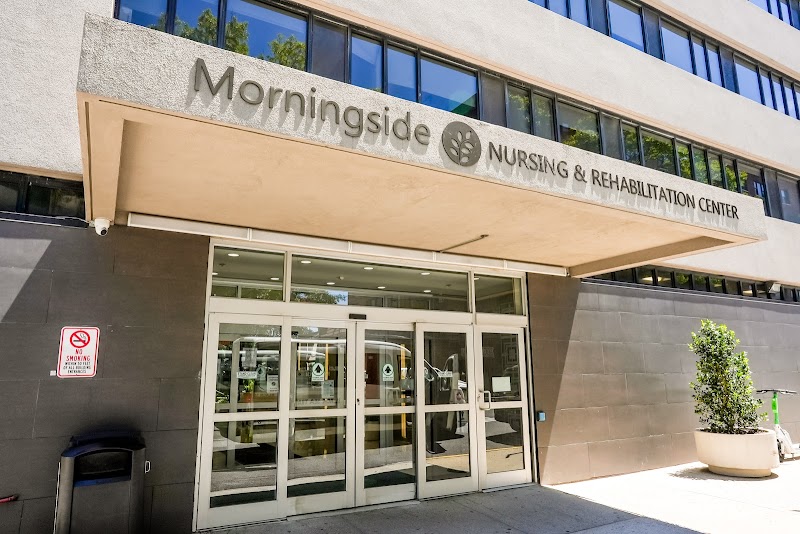
Who Owns and Operates Morningside?

MORNINGSIDE NURSING AND REHABILITATION CENTER is owned by a for-profit company. For-profit facilities operate as businesses with obligations to shareholders or private owners. The facility is operated by CASSENA CARE, a chain that manages multiple nursing homes. With 386 certified beds and approximately 303 residents (about 78% occupancy), it is a large facility located in BRONX, New York.
How Does Morningside Compare to Other New York Nursing Homes?

Compared to the 100 nursing homes in New York, MORNINGSIDE NURSING AND REHABILITATION CENTER's overall rating (3 stars) is below the state average of 3.1, staff turnover (60%) is significantly higher than the state average of 46%, and health inspection rating (2 stars) is below the national benchmark.

What Should Families Ask When Visiting Morningside?

Based on this facility's data, families visiting should ask: "How do you ensure continuity of care given staff turnover, and what is your staff retention strategy?" "Can you walk me through typical staffing levels on day, evening, and night shifts?" "Can I visit during a mealtime to observe dining assistance and food quality?" "How do you handle medical emergencies, and what is your hospital transfer rate?" These questions are particularly relevant given the facility's high staff turnover rate and the below-average staffing rating.

Is Morningside Safe?

Based on CMS inspection data, MORNINGSIDE NURSING AND REHABILITATION CENTER has a clean safety record: no substantiated abuse findings (meaning no confirmed cases of resident harm), no Immediate Jeopardy citations (the most serious violation level indicating risk of serious injury or death), and is not on the Special Focus Facility watch list (a federal program monitoring the lowest-performing 1% of nursing homes). The facility has a 3-star overall rating and ranks #100 of 100 nursing homes in New York. While no facility is perfect, families should still ask about staff-to-resident ratios and recent inspection results during their visit.

Do Nurses at Morningside Stick Around?

Staff turnover at MORNINGSIDE NURSING AND REHABILITATION CENTER is high. At 60%, the facility is 14 percentage points above the New York average of 46%. Registered Nurse turnover is particularly concerning at 67%. RNs handle complex medical decisions and coordinate care — frequent RN changes can directly impact care quality. High turnover means new staff may not know residents' individual needs, medications, or preferences. It can also be disorienting for residents, especially those with dementia who rely on familiar faces. Families should ask: What is causing the turnover? What retention programs are in place? How do you ensure care continuity during staff transitions?

Was Morningside Ever Fined?

MORNINGSIDE NURSING AND REHABILITATION CENTER has no federal fines on record. CMS issues fines when nursing homes fail to meet care standards or don't correct problems found during inspections. The absence of fines suggests the facility has either maintained compliance or corrected any issues before penalties were assessed. This is a positive indicator, though families should still review recent inspection reports for the full picture.

Is Morningside on Any Federal Watch List?

MORNINGSIDE NURSING AND REHABILITATION CENTER is not on any federal watch list. The most significant is the Special Focus Facility (SFF) program, which identifies the bottom 1% of nursing homes nationally based on persistent, serious quality problems. Not being on this list means the facility has avoided the pattern of deficiencies that triggers enhanced federal oversight. This is a positive indicator, though families should still review the facility's inspection history directly.