MORRIS PARK REHABILITATION AND NURSING CENTER
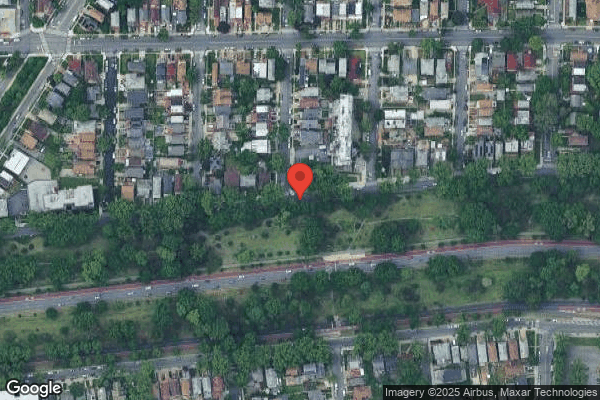

1235 PELHAM PARKWAY NORTH, BRONX, NY 10469 (718) 231-4300
For profit - Limited Liability company 191 Beds Independent Data: November 2025
Trust Grade
53/100
#423 of 594 in NY
Last Inspection: January 2025

Within standard 12-15 month inspection cycle. Federal law requires annual inspections.

Overview

Morris Park Rehabilitation and Nursing Center has a Trust Grade of C, indicating that it is average and sits in the middle of the pack among nursing homes. It ranks #423 out of 594 in New York, placing it in the bottom half, and #37 out of 43 in Bronx County, meaning only a few local options are better. The facility is currently worsening, with issues increasing from 1 in 2024 to 3 in 2025, and it has a below-average overall star rating of 2 out of 5. Staffing is a relative strength, with a 23% turnover rate that is well below the New York average of 40%, although RN coverage is only average. However, the facility has faced significant issues, such as a resident falling and sustaining serious injuries due to inadequate supervision, and food safety violations where cold sandwiches and milk were not stored at the proper temperatures, raising concerns about overall care quality.

Trust Score
C
53/100
In New York
#423/594
Bottom 29%
Safety Record
Moderate
Needs review
Inspections
Getting Worse
1 → 3 violations
Staff Stability
✓ Good
23% annual turnover. Excellent stability, 25 points below New York's 48% average. Staff who stay learn residents' needs.
Penalties
✓ Good
$9,770 in fines. Lower than most New York facilities. Relatively clean record.
Skilled Nurses
⚠ Watch
Each resident gets only 25 minutes of Registered Nurse (RN) attention daily — below average for New York. Fewer RN minutes means fewer trained eyes watching for problems.
Violations
⚠ Watch
17 deficiencies on record. Higher than average. Multiple issues found across inspections.
★★☆☆☆
2.0
Overall Rating
★★☆☆☆
2.0
Staff Levels
★★★★☆
4.0
Care Quality
★★☆☆☆
2.0
Inspection Score
Stable
2024: 1 issues
2025: 3 issues

The Good

  • 4-Star Quality Measures · Strong clinical quality outcomes
  • Low Staff Turnover (23%) · Staff stability means consistent care
  • Full Sprinkler Coverage · Fire safety systems throughout facility
  • No fines on record
  • Staff turnover is low (23%)

    25 points below New York average of 48%

Facility shows strength in quality measures, staff retention, fire safety.

The Bad

2-Star Overall Rating

Below New York average (3.1)

Below average - review inspection findings carefully

Federal Fines: $9,770

Below median ($33,413)

Minor penalties assessed

The Ugly 17 deficiencies on record

1 actual harm
Jan 2025 3 deficiencies
CONCERN (E)

Potential for Harm - no one hurt, but risky conditions existed

Deficiency F0761 (Tag F0761)

Could have caused harm · This affected multiple residents

2). On 01/29/2025 at 12:37 PM, an observation of the 5th Floor medication cart was conducted with Licensed Practical Nurse #2. The following were observed: Two insulin pens for 2 different residents w...

Read full inspector narrative →
2). On 01/29/2025 at 12:37 PM, an observation of the 5th Floor medication cart was conducted with Licensed Practical Nurse #2. The following were observed: Two insulin pens for 2 different residents were stored in the same plastic bag, 6 opened insulin pens were not marked with the dates they were opened, 1 insulin pen with an open date of 12/16/2024 with no resident name, and 2 unopened insulin pens stored in resealable bags labeled Refrigerate. On 01/29/2025 at 12:39 PM, Licensed Practical Nurse #2 was interviewed and stated insulin pens are supposed to be labeled, dated when opened, and each resident's insulin pen should be kept in a separate bag to prevent contamination. They stated unopened insulin pens are supposed to be in the refrigerator and not stored in the medication cart until opened. Licensed Practical Nurse #2 further stated they were busy administering medications and did not inspect the cart and could not explain the findings. On 01/29/2025 at 3:19 PM, Registered Nurse #1 was interviewed and stated the insulin pens that are delivered from the pharmacy are supposed to be kept in the refrigerator until opened. The pharmacy sends the insulin pens in separate bags for the individual residents. Registered Nurse #1 also stated they frequently remind the unit nurses to check their carts every shift for undated, unlabeled, expired medications, and to date medications when opened. On 01/30/2025 at 4:16 PM, the Director of Nursing was interviewed and stated that medication nurses are responsible for the upkeep of the medication cart, such as dating medications when opened, keeping cart locked when not in use, keeping cart clean, and disposing of expired medications. The Director of Nursing further stated insulin pens delivered from the pharmacy should be placed in the refrigerator until opened and then once opened they must be dated and kept in the medication cart. 10 NYCRR 415.18 (e)(1-4) Based on observation, record review, and interviews during the Recertification Survey conducted from 01/26/2025 to 01/31/2025, the facility did not ensure drugs and biologicals were stored in accordance with professional standards of practice. This was evident in 2 of 5 units observed. Specifically, 1.) Unit 4 emergency drug box contained expired medications, and 2.) Unit 5 medication cart was observed with insulin pens that were not properly and sanitarily stored and were not marked with the dates they were opened. The findings are: The facility's policy titled Storage of Medications with a revised date of 10/20/2023 documented that the facility shall store all drugs and biologicals in a safe, secure and orderly manner. All medications will be stored, distributed, and administered, in compliance with all applicable laws and regulations. The nursing staff shall be responsible for maintaining medication storage. The facility shall not use discontinued, outdated or deteriorated drugs or biologicals. All such drugs shall be returned to the dispensing pharmacy for destruction. The facility's policy titled Emergency Medications with a revised date of 09/15/2024 documented that the facility shall maintain a supply of medications typically used in emergencies. The emergency medication box will include medications and biologicals that are essential in providing emergency treatment. Each nurses' station will store an emergency medication kit in the medication room. The contents of each emergency medication kit will be clearly listed. The Consultant Pharmacist shall inspect the emergency medication kits monthly and record the findings on the record maintained with each kit. The facility's policy titled Role of the Consultant Pharmacist with a reviewed date of 10/01/2024 documented that the consultant pharmacist shall provide consultation on all aspects of pharmacy services in the facility, including regular review of the emergency medication supply, review of medication storage areas at least monthly, and medication carts at least quarterly, for proper storage and labeling of medications, cleanliness, and expired medications; and providing the facility with written or electronic reports and recommendations related to all aspects of medication and pharmaceutical services review. 1.) On 01/30/2025 at 10:28 AM, an observation of the 4th floor unit medication storage room was conducted with the Assistant Director of Nursing. Emergency Box #1794 was labeled with a medication list with a delivery date of 05/2024. The emergency box contained the following expired medications: 1.) Diphenhydramine vial 50 milligram/milliliter with expiration date of 11/2024, 2.) Two 1 milliliter ampules of Epinephrine 1:1000 with expiration date of 12/2024. The 24-hour Report form documented that the emergency box in 4th floor were checked by each nurses on all shifts on 01/30/2025. On 01/30/2025 at 10:40 AM, The Assistant Director of Nursing was interviewed and stated that the nurses in each shift are responsible to check the emergency drug box for expired medications. They stated they do not document when the nurses complete the checks. 01/30/2025 at 2:28 PM, Licensed Practical Nurse #1 was interviewed and stated that the charge nurse is responsible for checking if there are expired medications in the box. On 01/30/2025 at 11:08 AM, the Director of Nursing was interviewed and stated that emergency drug boxes are provided by a contracted pharmacy and nurses in each shift and the Assistant Director of Nursing are responsible for ensuring that the medications are not expired. They stated that the Pharmacy Consultant audits the emergency drug box 2-3 times in a year.
CONCERN (E)

Potential for Harm - no one hurt, but risky conditions existed

Food Safety (Tag F0812)

Could have caused harm · This affected multiple residents

Based on observation, record review, and interviews during the Recertification Survey conducted from 01/26/2025 to 01/31/2025, the facility did not ensure food were stored in accordance with professio...

Read full inspector narrative →
Based on observation, record review, and interviews during the Recertification Survey conducted from 01/26/2025 to 01/31/2025, the facility did not ensure food were stored in accordance with professional standards for food service safety. This was evident during kitchen and dining observation. Specifically, 1.) The kitchen walk-in refrigerator and freezer contained opened and undated food items. 2.) The 5th floor unit refrigerator contained unlabeled and undated food items. The findings are: 1.) The facility's policy titled Stock Rotation/Dated Items and Safe Defrosting of Nutritional Items with a revised date of 01/28/2025 documented that items received from the meat and chicken company will be placed in a plastic bin with a cover. The bins will be labeled with date arrived, date pulled for defrosting, and the date to be used. On 01/26/2025 at 11:33 AM, kitchen observation revealed the following: the freezer was observed with 6 plastic bins containing frozen meats that were not labeled/dated. The walk-in refrigerator was observed with 4 plastic bins containing thawed meat and an opened container of tartar sauce that were not labeled and had no date indicating the use by date. On 01/28/2025 at 12:39 PM, the Food Service Director was interviewed and stated when food products are delivered on Thursdays, the staff unpacks the meat from the original box, put them inside the plastic bin, and label the items to include product delivery date, date taken out of the box, use by date. The Food Service Director stated the meat found in the freezer were just delivered over the weekend and must have been put in the freezer by staff without labeling. 2.) The facility's policy titled Food Safety Requirements-Outside Food dated 04/30/2024 documented that resident and or person bringing in the food will be notified that perishable food will only be kept for 48 hours. All non-perishable food will be kept for 72 hours once package is opened. Food that requires refrigeration must be placed in pantry refrigerator, labeled with resident name and date received. Nursing staff will monitor resident's room, unit pantry, and refrigeration units for food and beverage disposal. On 01/27/2025 at 11:03 AM, the 5th Floor pantry refrigerator was observed with an unlabeled and undated package of smoked salmon, unlabeled and undated container with fruit salad, and an unlabeled and undated container of unknown food in a Chipotle paper bag. On 01/27/2025 at 11:05 AM, Licensed Practical Nurse #2 was interviewed and stated staff are supposed to label any food with resident's name and the date it was brought in and remind residents when it has to be discarded. On 01/29/2025 at 11:34 AM, Registered Nurse #1 was interviewed and stated the unit nurses on every shift are supposed to make sure food is labeled and dated in the pantry refrigerator and that expired food are thrown after 72 hours. On 01/30/2025 at 4:13 PM, the Director of Nursing was interviewed and stated that food must be labeled and dated before storing in the pantry refrigerators and are only kept for 48-72 hours. The Director of Nursing further stated that nursing staff are responsible to check the pantry refrigerators on the units to make sure staff are following this policy. 10 NYCRR 415.14(h)
CONCERN (F) 📢 Someone Reported This

A family member, employee, or ombudsman was alarmed enough to file a formal complaint

Potential for Harm - no one hurt, but risky conditions existed

Deficiency F0725 (Tag F0725)

Could have caused harm · This affected most or all residents

**NOTE- TERMS IN BRACKETS HAVE BEEN EDITED TO PROTECT CONFIDENTIALITY** 2.) The Payroll Based Journal Staffing Data Report for 4th Quarter of 2024 (07/01/2024 - 09/30/2024) documented that excessively...

Read full inspector narrative →
**NOTE- TERMS IN BRACKETS HAVE BEEN EDITED TO PROTECT CONFIDENTIALITY** 2.) The Payroll Based Journal Staffing Data Report for 4th Quarter of 2024 (07/01/2024 - 09/30/2024) documented that excessively low weekend staffing was triggered. The Facility assessment dated [DATE] documented the facility's average daily census ranged from 175 - 180. The facility assessment documented the following facility resources to provide competent resident support and daily and during emergencies are as follows: Day shift - 5 Unit Managers, 5 Licensed Practical Nurses, and 22 Certified Nursing Assistants Evening shift - 2 Registered Nurse Supervisors, 5 Licensed Practical Nurses, and 20 Certified Nursing Assistants Night shift - 1 Registered Nurse Supervisor, 5 Licensed Practical Nurses, and 11 Certified Nursing Assistants The facility's policy titled Staffing Coverage (Nursing Department Par Levels) dated 11/01/2020 with reviewed dates of 10/01/2023 and 12/01/2024 documented the total daily number of nursing staff needed for each shift on weekends are as follows: Day and Evening shifts - 2 Registered Nurses, 5 Licensed Practical Nurses, and 20 Certified Nursing Assistants Night shift - 1 Registered Nurse, 5 Licensed Practical Nurses, and 10 Certified Nursing Assistants On 01/27/2025 at 9:27 AM, Resident #2 was interviewed and stated some days the facility is really short of staff, and they had to wait a long time for help. On 01/27/2025 at 9:36 AM, Resident #144 was interviewed and stated the residents are not getting the care they need due to not having enough staff. On 01/27/2025 at 9:51 AM, Resident #37 was interviewed and stated there was no point ringing the call bell because staff ignore it especially on weekends. The actual staffing schedule documented the following: On 07/06/2024, Saturday, documented 17 Certified Nursing Assistants worked on the evening shift (par level of 20) On 07/07/2024, Sunday, documented 17 Certified Nursing Assistants worked on the evening shift (par level of 20) On 07/13/2024, Saturday, documented 18 Certified Nursing Assistants worked on the day shift (par level of 20), and 16 Certified Nursing Assistants worked on the evening shift (par level of 20) On 07/14/2024, Sunday, documented 17 Certified Nursing Assistants worked on the day shift (par level of 20), and 16 Certified Nursing Assistants worked on the evening shift (par level of 20) On 07/20/2024, Saturday, documented 17 Certified Nursing Assistants worked on the evening shift (par level of 20) On 07/21/2024, Sunday, documented 8 Certified Nursing Assistants worked on the night shift (par level of 10) On 07/27/2024, Saturday, documented 14 Certified Nursing Assistants worked on the day shift (par level of 20), and 15 Certified Nursing Assistants worked on the evening shift (par level of 20) On 08/11/2024, Sunday, documented 15 Certified Nursing Assistants worked on the day shift (par level of 20), and 16 Certified Nursing Assistants worked on the evening shift (par level of 20) On 08/17/2024, Saturday, documented 16 Certified Nursing Assistants worked on the day shift (par level of 20) On 08/31/2024, Saturday, documented 15 Certified Nursing Assistants worked on the evening shift (par level of 20) On 09/08/2024, Sunday, documented 17 Certified Nursing Assistants worked on the day shift (par level of 20), and 14 Certified Nursing Assistants worked on the evening shift (par level of 20) On 09/21/2024, Saturday, documented 15 Certified Nursing Assistants worked on the day shift (par level of 20), and 14 Certified Nursing Assistants worked on the evening shift (par level of 20) On 01/30/2025 at 9:53 AM, Certified Nursing Assistant #8 was interviewed and stated there are usually 2-3 aides in the unit on the weekends. They stated that male aides are only allowed to care for male residents, so if there are 2 male aides in the unit, most of the residents which are female are left for the single female aide to take care of. Certified Nursing Assistant #8 stated it is very hard and stressful, and they cannot do a good job when they are short of staff. On 01/30/2025 at 11:17 AM, Certified Nursing Assistant #7 was interviewed and stated when they work on weekends, the unit is usually working short. The aide stated when they start to fall behind, they sometimes take it into their own hands to phone colleagues who have the day off and beg them to come in to assist. On 01/30/2025 at 3:36 PM, Certified Nursing Assistant #2 was interviewed and stated there were as few as 3 aides on the evening shift in their unit despite some of the residents requiring 2 assists for care. The aide stated it can be challenging. On 01/30/2025 at 3:43 PM, Certified Nursing Assistant #4 was interviewed and stated there will be times when there are a lot of last-minute call outs and the nursing supervisor who is sometimes working alone would be assisting with care as well. Certified Nursing Assistant #4 stated that incontinent care may be delayed until the end of the shift and showers may have to be postponed until the following day when more staff are scheduled. On 01/31/2025 at 9:18 AM, Registered Nurse #2 was interviewed and stated it is very stressful on the weekend because they had to assist the aides with resident care because of short staffing and at the same time had to do their supervisory tasks. On 01/30/2024 at 2:24 PM, the Staffing Coordinator was interviewed and stated that because of short staffing, they schedule home health aides to assist in the units, and while home health aides are not permitted to provide direct patient care, they can make beds, serve meals, and answer call bells to lighten the load for other staff. The Coordinator stated the facility offers cash bonuses to any nursing personnel who are working so hard that they miss their lunch or their break. On 01/30/2025 at 11:52 AM, the Director of Nursing was interviewed and stated that the facility is hiring continuously and currently uses several agencies as well, but the agency workers can pick and choose which facilities they go to by comparing hourly rates and accepting only the highest. This leaves the permanent staff doing constant overtime or taking just one day off a week instead of two. The Director of Nursing stated they tried to retain agency staff by giving them a permanent floor assignment so they can feel some sense of ownership of the workload on that unit as well as providing continuity of care for the residents, but that the nursing staff typically like the flexibility of agency work and seldom stay at the facility for very long. On 01/31/2025 at 9:33 AM, the Administrator was interviewed and stated that the facility uses several strategies to attract nursing staff. The facility advertises available nursing positions on its website and posts a large sign outside the building that says they are hiring. Four new agency contracts have been added, sign-in bonuses are offered, and 5 televisions were awarded to staff members who had no call-outs. The Administrator stated 90 certified nursing assistants were hired in the past nine months, but currently only thirty of them remain on staff. As for the rest, many were let go because they were consistently no-call-no-show, particularly on the weekends. 10 NYCRR 415.13(a)(1)(i-iii) Based on observation, record review, and interviews during the Recertification and Abbreviated Survey (NY00365258) conducted from 01/26/2025 to 01/31/2025, the facility did not ensure that sufficient nursing staff was consistently provided to meet residents' needs in a manner that promotes each resident's rights, physical, mental, and psychosocial well-being, as determined by resident assessments and individual plans of care. Specifically, 1.) Several residents reported the facility was short staffed of Certified Nursing Assistants which resulted in lack of timely staff response to residents who needed assistance, 2.) Multiple nursing staff members reported lack of sufficient staffing, 3.) Facility's staffing levels were repeatedly below facility assessed levels, and 4.) Excessively low weekend staffing was triggered in the Payroll Based Journal Staffing Data Report. The findings include but are not limited to: 1.) The facility's policy titled Staffing Coverage with a last reviewed date of 12/01/2024 documented each unit will be staffed according to the facility's 24-hour nurse staffing guidelines. The use of agency/contractual staff and mandatory overtime may be used as an alternative to meet staffing needs. The total daily number of Certified Nursing Assistants needed during the weekdays on the day shift are 22 and 21 are needed on the evening shift for 5 resident units. The Daily Staffing Schedule for 12/16/2024 documented that Resident #89's unit (3rd Floor) had a census of 37, and 3 Certified Nursing Assistants on schedule for both day and evening shifts. Resident #89 had diagnoses of Morbid Obesity, Contracture of Right Hand, and Peripheral Vascular Disease. The Quarterly Minimum Data Set, dated [DATE] documented that Resident #89 had intact cognition and was dependent on staff for toileting and hygiene. On 01/29/2025 at 10:18 AM, Resident #89 was interviewed and stated that on the day they made the complaint, no one responded to their call bell on both the day and evening shifts. The night shift aide responded to their call bell at the start of their shift. Resident #89 stated this happens often and the situation improved when they notified Registered Nurse #2 of the incident. On 01/30/2025 at 2:23 PM, the Staffing Coordinator was interviewed and stated they were short of Certified Nursing Assistants on 12/16/2024 on the 3rd floor for both the day and evening shifts. The Staffing Coordinator stated 3rd floor should have 4 Certified Nursing Assistants scheduled for both the day and evening shifts. On 01/30/2025 at 3:36 PM, Certified Nursing Assistant #2, who worked the evening shift on 12/16/2024, was interviewed and stated there should be 4 Certified Nursing Assistants scheduled for the day and evening shifts. They stated some days there are only 3 Certified Nursing Assistants working which makes it challenging to complete all their work and showers especially with residents requiring 2 staff for personal care. Certified Nursing Assistant #2 stated Resident #89 requires 2 aides, and the Resident recently made a complaint about not receiving incontinent care from the previous shift because they were working short. On 1/30/2025 at 3:44 PM, Certified Nursing Assistant #4, who worked the day shift on 12/16/2024, was interviewed and stated that residents receive delayed incontinent care when there are only 3 Certified Nursing Assistants on the unit. Certified Nursing Assistant #4 stated they try their best to get all the showers done when they are short but sometimes showers have to be rescheduled for the following day.
May 2024 1 deficiency
CONCERN (D) 📢 Someone Reported This

A family member, employee, or ombudsman was alarmed enough to file a formal complaint

Potential for Harm - no one hurt, but risky conditions existed

Accident Prevention (Tag F0689)

Could have caused harm · This affected 1 resident

**NOTE- TERMS IN BRACKETS HAVE BEEN EDITED TO PROTECT CONFIDENTIALITY** Based on observation, record review, and interviews conducted during an Abbreviated Survey (NY00340915), the facility failed to ...

Read full inspector narrative →
**NOTE- TERMS IN BRACKETS HAVE BEEN EDITED TO PROTECT CONFIDENTIALITY** Based on observation, record review, and interviews conducted during an Abbreviated Survey (NY00340915), the facility failed to ensure that a resident received adequate supervision to prevent an elopement. This was evident in one out of six residents sampled (Resident #1). Specifically, Resident #1 exited the facility on 05/01/24 at 4:22 pm undetected by staff. Facility staff became aware at 7:10 pm that Resident #1 was missing. According to staff, dinner was served between 5:00 pm and 6:00 pm and they were unaware that Resident #1 was missing. Resident #1 was found by a facility staff member on 05/05/24 at around 4:55 pm at a bus stop and was brought back to the facility. Resident #1 had no visible injuries but was sent to the hospital for a wellness check. The findings are: The facility's Policy titled Wandering and Elopement, last reviewed date 11/20/23, documented that the policy of this facility is to ensure that residents will be maintained in a safe and secure manner and protected from any harm. The facility will make every effort to identify residents with potential for elopement. If a resident is discovered to be missing, a search and rescue operation will commence immediately. The facility's Policy titled Security Risk Management Plan, last reviewed on 10/20/20, documented that it is the policy of the facility to protect all residents from accidents and incidents related to unsupervised exit. The facility will always maintain and provide a safe and secure environment. Resident #1 was admitted to a facility with diagnoses that include Bipolar Disorder, Psychotic Disorder, and Depression. The Minimum Data Set Assessment (a resident assessment tool) dated 12/04/23 documented that Resident #1 had a Brief Interview of Mental Status (used to determine attention, orientation, and ability to recall information) score of 9 out of 15 associated with moderately impaired cognition. An Elopement /Wandering Risk assessment dated [DATE] documented that Resident #1 was not at risk for elopement. A Nursing Progress Note, written by Registered Nurse Supervisor #1, dated 05/01/24 at 08:11 pm, documented that Registered Nurse Supervisor #1 was notified at 7:10 pm that Resident #1 was not on the unit and Code E (code for missing resident) was activated. Staff searched all units. Resident #1 was last observed at around 4:00 pm wearing a green shirt and dark pants. Staff was deployed to search outside and neighboring streets. The Director of Nursing and police were notified. The police came and collected the necessary information. A facility surveillance camera recording showed that on 05/01/24 at 4:22:08 pm, Resident #1 approached the lobby area and sat (for 17 seconds) in a chair across from the security desk. Resident #1's back was to the exit door in the lobby. Security Guard #1 was on a telephone (Security Guard #1 said they answered a facility phone call) while looking towards the lobby exit door, but away from Resident #1's direction. A pharmacy delivery person (identified by the Administrator) walked past the Security' desk and exited the facility (Security Guard #1 buzzed the door open). Resident #1 got up from the chair, walked towards the exit door, and walked out behind the pharmacy delivery person before the door automatically closed. Resident #1 was wearing a long dark coat (well dressed). A Facility Investigation Summary dated 05/01/24 documented at 7:10 pm the nurse reported that Resident #1 was not observed on the unit. Code E was activated. Resident #1 was last seen on the unit at the nursing station at around 4:00 pm wearing a green shirt with a collar and dark pants. Facility investigation concluded that abuse, neglect, or mistreatment did not occur. A Nursing Note dated 05/05/24 at 8:06 pm documented that Resident #1 arrived in the facility at approximately 6:10 pm with staff. Resident #1 ambulated freely, was alert, and verbally responsive. Resident #1 was assessed with no visible injury and vital signs within normal limits. Resident #1 was transferred to the hospital for a wellness check. During an interview on 05/07/24 at 12:30 pm, Resident #1 stated that they had just decided to visit their friends in [NAME] and was not aware they needed permission to leave the facility. During an interview on 05/07/24 at 1:00 pm, the Recreation Leader stated that they assisted with collecting the dinner trays on 05/01/24 between 5:00 pm and 6:00 pm. The Recreation Leader stated there was a dinner tray on the table that was half-covered and that there was no ticket on the tray. The Recreation Leader stated that they did not verify whose tray it was and did not check to see if the food was untouched. During an interview on 05/07/24 at 1:16 pm, Resident #1's assigned Certified Nurse Assistant #1 stated they last saw Resident #1 between 3:40 pm and 4:00 pm in the day room watching Television. Certified Nurse Assistant #1 stated that Resident #1 was not at risk for elopement and was not on any monitoring. Certified Nurse Assistant #1 stated that they fed residents in their rooms and did not know if Resident #1 ate in the dining room. Certified Nurse Assistant #1 stated when into the dining room, all trays were collected from the tables, and no one told them that Resident #1 did not eat. During an interview on 05/07/24 at 2:10 pm, Security Guard #1 stated that they knew Resident #1 and that Resident #1 often sits in the lobby with no attempts to leave the facility. Security Guard #1 stated that on 05/07/24 they did not see Resident #1 sitting in the lobby. Security Guard #1 stated they remembered buzzing out the pharmacy delivery person but did not see Resident #1 exiting the facility. Security Guard #1 went on to say that they were on the phone answering a call to the facility. Security Guard #1 stated that their responsibility is to sign visitors in but not out. Security Guard #1 stated that the residents need a pass to leave the facility. During an interview on 05/07/24 at 2:40 pm, Certified Nurse Assistant #2 stated that they handed out trays to the tables in the dining room between 5:00 pm and 6:00 pm. Certified Nursing Assistant #2 stated that they called Resident #1 to come to the dining room but did not verify if Resident #1 was in the dining room. Certified Nurse Assistant #2 stated they went to feed residents in their room and did not know Resident #1 was not in the dining room. Certified Nurse Assistant #2 stated that when they came to the dining room, Resident #1's tray was already picked up from the table. Certified Nurse Assistant #2 stated sometime after 6:00 pm (not sure about the time) they were conducting rounds and observed that Resident #1 was not in their room. Certified Nursing Assistant #2 stated that they searched the unit and Resident #1 was not found and they immediately notified Licensed Practical Nurse #1. During an interview on 05/07/24 at 3:43 pm, Licensed Practical Nurse #1 stated that Resident #1 was not at risk for elopement, was not on visual monitoring, and did not voice a desire to leave the facility. Licensed Practical Nurse #1 stated that they saw Resident #1 sometime after 4:00 pm (not sure of the time) at the nursing station, sitting in a chair and wearing something black. Licensed Practical Nurse #1 stated at approximately 7:00 pm, the staff was asking for Resident #1, and Resident #1 was not in the unit. Licensed Practical Nurse #1 stated they called Registered Nurse Supervisor #1. Licensed Practical Nurse #1 stated that Code E was called immediately, and the staff searched inside and outside of the facility, and Resident #1 was not found. During an interview on 05/07/24 at 4:23 pm, Registered Nurse Supervisor #1 stated that they were called at 7:10 pm by Licensed Practical Nurse #1, who stated that Resident #1 was not observed on the unit. Registered Nurse Supervisor #1 stated that they were told that Resident #1 was last seen in the hallway after 4:00 pm. Registered Nurse Supervisor #1 stated the staff should have known that Resident #1 did not eat their meal during dinner and that Resident #1 was not on the unit. Registered Nurse Supervisor #1 stated that they activated Code E, a head count was done on all units, and the staff searched outside, and neighboring streets, but Resident #1 was not found. Registered Nurse Supervisor #1 stated it was noted during the investigation that Certified Nurse Assistant #2 served Resident #1's tray, and the Recreation Leader picked up the tray. Registered Nurse Supervisor #1 stated that staff should have verified that Resident #1 did not eat and report it to the nurse. During an interview on 05/08/24 at 4:45 pm, the Director of Nursing stated that they were notified about the incident at around 7:10 pm and came to the facility. The Director of Nursing stated they investigated the incident and reviewed the facility surveillance camera recording, and it showed that Resident #1 left the faciity on [DATE] at 4:22 pm behind a pharmacy delivery person, and the Security Guard did not stop them. The Director of Nursing stated that the staff should have looked for Resident #1 during dinner time, which was between 5:00 pm and 6:00 pm. The Director of Nursing went on to say the staff did not notice that Resident #1 did not eat their dinner, and the Recreation Leader collected Resident #1's tray and did not notify anyone that the tray was untouched. The Director of Nursing stated a staff drove by the bus station on 05/05/24 and saw Resident #1, who stated they were returning to the facility. The Director of Nursing went on to say that Resident #1 was returned to the facility and was assessed without injuries. Resident #1 was transferred to the hospital for a wellness check. The Director of Nursing stated that the investigation concluded that abuse, neglect, or mistreatment did not occur. During an interview on 5/8/24 at 3:00 pm, the Administrator stated that they were notified immediately by the Director of Nursing, and they drove to the facility and observed the search was already in progress. The Administrator stated that they reviewed the camera and saw that Security Guard #1 buzzed out a pharmacy delivery person, and Resident #1 went out behind them. The Administrator stated that Security Guard #1 was supposed to stop the resident for identity. The Administrator stated that they sent a copy of the camera to the security company, and they questioned Security Guard #1, who had no idea that Resident #1 left the faciity on [DATE] at 4:22 pm. Immediate Jeopardy was not identified. Facility Past Noncompliance was identified on 05/07/24. Based on the following corrective actions taken, there was sufficient evidence that the facility corrected the Past Noncompliance and was in substantial compliance with this specific regulatory requirement prior to the surveyor's onsite visit on 05/07/24. The facility was back in compliance on 05/05/24. The facility implemented the following corrective action prior to surveyor's entrance on 05/07/24: The facility investigated the elopement and concluded that abuse, neglect, or mistreatment did not occur. The facility developed an action plan which includes the following: The police were notified and responded to the facility on [DATE]. On 05/01/24, an elopement care plan was implemented for Resident #1 with interventions to prevent elopement. The facility started re-in-servicing all staff members on 05/01/24 (ongoing). Lesson Plan: new/revised policies, policy on elopement, whereabouts log, monitoring/supervision, door openings. Visitors check/in/out electronically. On 05/01/24, the facility reviewed/revised its Elopement policy to include a whereabouts log and visitors check-in/out electronically. On 05/02/24, the facility created a new Policy and Procedure titled Were About Log. On 05/02/24, the facility created a new Policy and Procedure titled Wandering Elopement Risk Log Criteria. On 05/03/24, Security Guard #1 was terminated. On 05/02/24, a Quality Assurance Meeting was held. The title of the meeting was Elopement Incident. The Director of Nursing, Human Resources, Supervisors, and other department heads. An audit tool titled Accident/Supervision was developed and implemented on 05/05/24. The audit will be done weekly on all new admissions after any attempted elopement and elopement. Audits will be done by nursing supervisors. The audit tool also has a form with a questionnaire for staff members. Resident #1 was located by facility staff and brought back to the facility on [DATE], transferred to the hospital, and was found to be without injuries. On 05/05/24, the Interdisciplinary Team met with Resident #1. Education provided on leaving the facility without permission. On 05/05/24, Resident #1 was reassessed and was placed on 30 minutes monitoring. It is documented that Resident #1 agreed to wear a wander-guard and that the wander-guard will alarm when Resident #1 is close to exit door to alert both Resident #1 and staff. On 05/05/24 the elopement care plan was updated upon Resident #1's return to the facility. The facility has 179 staff, of which 92.2% were in-serviced by the Director of Nursing, Assistant Director of Nursing, and supervisors. 4 out of 4 Security Guards in-serviced 62 out of 65 Certified Nursing Assistants in-serviced 4 out of 4 Home Health Aides 20 out of 21 Licensed Practical Nurses in-serviced 15 out of 17 Registered Nurse Supervisors in-serviced 7 out of 8 Recreations staff in-serviced 20 out of 23 Housekeeping and maintenance staff in-serviced 17 out of 20 Dietary staff in-serviced 2 out of 2 Social Services in-serviced 6 out of 7 Administration staff in-serviced 8 out of 8 Physical Therapist/Occupational Therapist in-serviced. The Director of Nursing/designee will contact the remaining 7.8% of staff for in-servicing prior to their return to work or returning to units. 10NYCRR 415.12(h)(1)(2)
Jul 2023 8 deficiencies 1 Harm
SERIOUS (G)

Actual Harm - a resident was hurt due to facility failures

Accident Prevention (Tag F0689)

A resident was harmed · This affected 1 resident

**NOTE- TERMS IN BRACKETS HAVE BEEN EDITED TO PROTECT CONFIDENTIALITY** Based on observation, record review, and interview conducted during a Recertification and Abbreviated (NY00312961) survey, the f...

Read full inspector narrative →
**NOTE- TERMS IN BRACKETS HAVE BEEN EDITED TO PROTECT CONFIDENTIALITY** Based on observation, record review, and interview conducted during a Recertification and Abbreviated (NY00312961) survey, the facility failed to ensure a resident received adequate supervision to prevent accidents. This was evident for 1 (Resident #284) of 4 residents reviewed for Accidents of 38 total sample residents. Specifically, on 3/19/2023 Resident #284 fell in their room when left unsupervised by a Certified Home Health Aide (HHA) #1 assigned to provide the resident one-to-one (1:1) observation. Subsequently, Resident #284 sustained a left scalp hematoma (bruising and swelling) and left hip fracture. This resulted in actual harm to Resident #284 that was not immediate jeopardy. The findings are: The facility policy titled Constant Observation for Safety of Resident dated reviewed 3/20/2023 documented constant observation is for a resident who is always kept within visual contact (eyesight), with no visual barriers between staff and resident, enabling rapid intervention to transfer the resident to the hospital when needed to ensure safety. The facility may assign a Certified Nursing Assistant (CNA) or HHA to do 1:1 constant observation when a resident is at risk for potential self-harm. The Registered Nurse Supervisor (RNS) informs the Medical Doctor (MD) and obtains an order for 1:1 constant observation. Resident #284 was admitted with diagnoses of Alzheimer's dementia and epilepsy (a neurological disease that causes seizures). The Minimum Data Set 3.0 (MDS) assessment dated [DATE] documented Resident #284 was severely cognitively impaired, required extensive assistance of 1 person for transfers and walking, and had no falls since the last assessment. The Comprehensive Care Plan (CCP) initiated 11/2/2022 and last revised 03/19/2023 documented interventions including 1:1 monitoring due to risk for falls. The Resident Nursing Instructions (RNI), the resident care needs communicated to the assigned Certified Nursing Assistant (CNA), dated 11/2/2022 documented Resident #284 was at risk for falls and staff should not leave Resident #284 in their room unattended as the resident may get up without assistance and fall. On 12/27/2022, the RNI documented Resident #284 was placed on enhanced 1:1 monitoring due to their high risk for falls The Resident Fall Risk assessment dated [DATE] documented Resident #284 was at high risk for falls. Nursing Note (NN) dated 2/3/2023 documented Resident #284 was observed on the floor at the foot of their bed. On 3/8/2023, the NN documented Resident #284 was on 1:1 observation. NN dated 3/10/2023 documented Resident #284 fell in their room. On 3/16/23, the NN documented Resident #284 was on 1:1 observation. There is no documented evidence of ongoing 1:1 observation of Resident #284. NN dated 3/19/2023 documented Resident #284 was found lying on the floor in their room with left temporal hematoma (bruising and swelling) and tender left hip. Resident #284 was transferred to the hospital and was admitted post fall with left hip fracture. The Accident/Incident Report (A/I) dated 03/19/2023 documented Resident #284 was observed lying on the floor with tender left hip. Registered Nurse Supervisor (RNS) #1 assessed Resident #284, contacted the Physician Assistant (PA) #1 and Resident #284 was transferred to the hospital. HHA #1's statement documented HHA #1 went to the bathroom at 3:30 AM and by the time they came back, Resident #284 was on the floor by their bed. The A/I documented a statement from CNA #1 that HHA #1 was in the room with the Resident #284 and CNA #1 did not witness the resident's fall and did not know what happened. The statement from HHA #1 documented, at 3:30 AM, Resident #284 was asleep in bed. HHA #1 went to the bathroom and, upon return, saw Resident #284 on the floor. HHA #1 then called Licensed Practical Nurse (LPN) #1. LPN #1 documented HHA #1 called their attention to Resident #284's room and LPN #1 observed Resident #284 on the floor in front of their bed. During a telephone interview on 06/29/23 at 10:54 AM, HHA #1 stated they were accustomed to providing Resident #284 with 1:1 observation. On 3/19/2023, HHA #1 was assigned to monitor Resident #284. Resident #284 was sleeping in bed, and HHA #1 quickly left to use the bathroom. HHA #1 stated they did not alert staff they were leaving Resident #284 because they were going for less than 2 minutes. When HHA #1 returned from the bathroom, Resident #284 was on the floor and the nurse was called. HHA #1 stated, on multiple previous occasions, they left Resident #284 asleep to go to the bathroom and nothing happened. HHA #1 received an in-service related to 1:1 observation when they were first hired and after Resident #284's incident. They understood that 1:1 observation means they must be with the resident at all times. During a telephone interview on 06/30/2023 at 02:16 PM, Certified Nursing Assistant (CNA) #1 stated they were assigned to Resident #284's unit on 3/19/2023. CNA #1 stated they did not witness the fall. HHA #1 was assigned to provide 1:1 observation to Resident #284. HHA #1 can call an LPN or CNA if they need a break. HHA #1 did not call anyone to relieve them, and Resident #284 fell. During an interview on 06/30/2023 at 01:29 PM, LPN #1 stated Resident #284 fell often, and staff could not turn their back because the resident would get up and fall. On 3/19/2023, LPN #1 assigned HHA #1 to Resident #284's room. LPN #1 stated they explained the assignment and 1:1 observation of Resident #284 to HHA #1. LPN #1 told HHA #1 if they need to go to the bathroom or take a break, HHA #1 should ring the call bell, and the LPN will respond to see what HHA #1 needs. LPN #1 stated HHA #1 was not accustomed to ringing the bell because LPN #1 always made rounds and relieved HHA #1 as needed. On the night Resident #284 fell, LPN #1 was walking towards the resident's room when HHA #1 exited and informed LPN #1 that Resident #284 was on the floor. LPN #1 immediately took vital signs and called RNS #1. HHA #1 did not use the call bell to call for assistance before leaving Resident #284. During an interview on 06/29/2023 at 02:12 PM, the RNS #1 stated Resident #284 had a history of not sleeping and constantly getting up. Resident #284 was placed on 1:1 observation for safety in 12/2022. HHAs are usually assigned to 1:1 observation. HHA #1 was reliable with no prior issues with performing their job. The HHA received an in-service on 1:1 observation, and RNS #1 instructed HHA #1 to call staff for assistance. During interviews on 06/30/2023 at 01:48 PM and 07/03/2023 at 11:39 AM, the Assistant Director of Nursing (ADON) stated they are responsible for orienting HHAs to facility policies and procedures and the HHA job description. HHAs are not placed on the nursing assignment sheets because they are just additional help on the unit. The HHA assigned to Resident #284 was in-serviced to always stay with the resident when assigned to 1:1 observation. The HHA is aware if they need a take a break or step away for any reason, the HHA must inform the charge nurse, the nurse on the unit and/or the CNA, whoever is available, before leaving the resident. The HHA was suspended during the investigation, and they were given an in-service to reinforce 1:1 observation policy and procedure. During an interview on 06/30/2023 at 11:22 AM, the Director of Nursing Services (DNS) stated Resident #284 had several falls since their admission to the facility. Resident #284 was placed on 1:1 observation in 12/2022. On 3/19/2023, Resident #284 fell and sustained a left hip fracture. HHAs are hired and provided with inservices by the ADON which included 1:1 observation assignment. The nurse on the unit informs the HHA of the reason for the 1:1 observation. The HHA is instructed that they cannot leave the resident without someone relieving them. The nurse on the unit is responsible for monitoring the HHAs and the ADON follows-up with the HHAs as needed. 10 NYCRR 415.12(h)(1)
CONCERN (D)

Potential for Harm - no one hurt, but risky conditions existed

Resident Rights (Tag F0550)

Could have caused harm · This affected 1 resident

**NOTE- TERMS IN BRACKETS HAVE BEEN EDITED TO PROTECT CONFIDENTIALITY** Based on observation, record review, and interviews conducted during the Recertification survey from 6/26/23 to 7/3/23, the faci...

Read full inspector narrative →
**NOTE- TERMS IN BRACKETS HAVE BEEN EDITED TO PROTECT CONFIDENTIALITY** Based on observation, record review, and interviews conducted during the Recertification survey from 6/26/23 to 7/3/23, the facility did not ensure a resident was treated with respect and dignity and cared for in a manner that promoted maintenance or enhancement of their quality of life. This was evident for 1 (Resident #123) of 2 residents reviewed for Dignity out of 38 total sampled residents. Specifically, Resident #123 was observed wearing the same blood-stained shirt on 3 consecutive days. The findings are: The facility policy titled Activities of Daily Living (ADL) dated 3/3/21 documented residents are provided the necessary support in dressing and personal hygiene. The facility policy titled Resident Rights and Responsibilities dated 12/20/22 documented the facility would ensure that all residents are afforded the right to a dignified existence and courtesy in treatment and care for personal needs. Resident #123 had diagnoses of bipolar disorder and anxiety disorder. The Minimum Data Set 3.0 (MDS) assessment dated [DATE] documented Resident #123 had moderately impaired cognition and required assistance from 1 person for dressing. On 6/26/23 at 12:05 PM, Resident #123 was observed sitting in a wheelchair in their room wearing a white shirt with dark colored blood stain on the lower right side of the body. Resident #123 stated the stain was from another day. On 6/27/23 at 10:34 AM, Resident #123 was observed asleep in their bed wearing the same blood-stained white shirt as the previous day. At 11:27 AM, Resident #123 was observed in their room, sitting in a wheelchair, wearing the same blood-stained shirt. On 6/28/23 at 10:24 AM, Resident #123 was observed being wheeled from the shower room in their wheelchair by Certified Nursing Assistant (CNA) #4. Resident #123 was wearing the same white blood-stained shirt as the previous day. The Comprehensive Care Plan (CCP) related to ADLs, effective 10/28/20 and last updated 5/13/23, had a goal of resident will be well groomed daily. Interventions included provide assist of supervision with dressing. The Resident CNA Documentation Record for June 2023 documented Resident #123 received CNA care and personal hygiene assistance every shift. No refusals of care were documented. On 6/29/23 at 11:14 AM CNA #4 was interviewed and stated residents receive assistance to change clothes every day, even if they don't get a shower. At night, residents change into a nightgown, and in the morning, they change into clothes. CNA #4 stated they change residents from their night clothes into their day clothes and if the clothing becomes soiled. If residents refuse to change clothes, they can stay for the day; but if it becomes a pattern, CNA #4 reports it to the nurse. CNA #4 does everything for Resident #123 and the resident does not refuse care. CNA #4 stated they must have missed the blood stain on Resident #123's shirt, and it should have been changed. On 6/30/23 at 11:29 AM, Registered Nurse Supervisor (RNS) #3 was interviewed and stated they observe the CNAs daily to check on what they are doing. CNAs get in-services on resident care regularly. RNS #3 stated residents' clothes need to be changed daily. Soiled clothes need to be changed. Some residents resist and don't want to change their clothes. RNS #3 stated they did not hear anything about Resident #123 resisting to change clothes this week. RNS #3 stated they were not aware Resident #123 had been wearing a stained shirt. On 7/03/23 at 10:27 AM, the Director of Nursing Services (DNS) was interviewed and stated that ADL care and personal hygiene are provided on the unit. Sometimes patients refuse to be changed or cleaned. As soon as the CNA sees a blood stain on a resident's clothing, the CNA should change it. Throughout the shifts, someone should have seen Resident #123's blood-stained shirt and changed it. The night shift should have seen the stained shirt when they put Resident #123 to bed. 415.5(a)
CONCERN (D) 📢 Someone Reported This

A family member, employee, or ombudsman was alarmed enough to file a formal complaint

Potential for Harm - no one hurt, but risky conditions existed

Comprehensive Care Plan (Tag F0656)

Could have caused harm · This affected 1 resident

**NOTE- TERMS IN BRACKETS HAVE BEEN EDITED TO PROTECT CONFIDENTIALITY** Based on observation, record review, and interviews conducted during the Recertification and Complaint (NY00317216) survey from ...

Read full inspector narrative →
**NOTE- TERMS IN BRACKETS HAVE BEEN EDITED TO PROTECT CONFIDENTIALITY** Based on observation, record review, and interviews conducted during the Recertification and Complaint (NY00317216) survey from 6/26/23 to 7/3/23, the facility did not ensure a person-centered Comprehensive Care Plan (CCP) was developed and implemented to meet the resident's goal, and address the resident's medical, physical, mental, and psychosocial needs. This was evident for 1 (Resident #108) out of 38 total sampled residents. Specifically, a CCP related to Resident #108's skin lesion was not developed. The findings are: The facility policy titled Care Planning Process dated 10/20/20 documented care plans shall be developed for each resident that includes measurable objectives and timetables to meet a resident's medical, nursing, mental and psycho-social needs that are identified, at a minimum in the resident assessment tool. Resident #108 had diagnoses of bipolar disorder and Alzheimer's disease. The Minimum Data Set 3.0 (MDS) assessment dated [DATE] documented Resident #108 was severely cognitively impaired. On 6/27/23 at 3:18 PM Resident #108's family member was interviewed and stated they had noticed a growth on Resident #108's right thumb on 5/19/23. The family member stated they had been in communication with the facility regarding the lesion and had been told it was a fungal infection and had to be followed up by a specialist. On 6/30/23 at 10:20 AM Resident #108's right thumb was observed a hypertrophic, opaque nail over the distal half of the nail. A Medical Doctor (MD) Order dated 5/22/23 documented dermatology follow-up for Resident #108's right thumb. A MD Note dated 5/22/23 documented Resident #108's right thumb nail was hypertrophic and mycotic. A dermatology consult was ordered. A MD Note dated 5/24/23 documented Resident #108 was to start Terbinafine HCl 1 % topically to the right thumb and await dermatology consult. The Treatment Administration Record (TAR) for May and June 2023 documented Resident #108 received Terbinafine HCl 1 % topical cream twice a day for 14 days, from 5/24/23 until 6/6/23. A Dermatology Consult note dated 6/14/23 documented Resident #108 had a wart to the right thumb under the nail bed. Resident #108 was referred to a nail specialist for further treatment. There was no documented evidence a CCP related to Resident #108's right thumb skin concern. On 6/30/23 at 11:01 AM, Registered Nurse (RN) #3 was interviewed and stated Resident #108 has a wart under their fingernail and was seen by a dermatologist, who referred the resident to a nail specialist. The facility is waiting to get an appointment. RN #3 stated they noticed the wart a while ago when providing care. Treatment didn't work. RN #3 stated RNs are responsible for initiating and updating CCPs. A new CCP should have been developed for Resident #108's right thumb fungal infection but it was not. Any time the doctor sees a resident or starts a new treatment, it should be added to the care plan. RNS #3 stated this was an oversight. On 7/03/23 at 10:20 AM, the Director of Nursing Services (DNS) was interviewed and stated that RNs oversee CCPs. RNs add new resident issues to CCPs at the time they initiate the CCP. A CCP should be developed within 48 hours of identifying an issue. 415.11(c)(1)
CONCERN (D)

Potential for Harm - no one hurt, but risky conditions existed

Infection Control (Tag F0880)

Could have caused harm · This affected 1 resident

Based on observation, interviews, and record review conducted during the Recertification survey from 6/26/23 to 7/3/23, the facility did not ensure that infection control practices were maintained. Th...

Read full inspector narrative →
Based on observation, interviews, and record review conducted during the Recertification survey from 6/26/23 to 7/3/23, the facility did not ensure that infection control practices were maintained. This was evident for 1 (Unit 1) of 5 Units observed for Dining. Specifically, a Certified Nursing Assistant (CNA) was observed with their fingers inside cups being served to residents during lunch. The finding is: The facility policy titled Handling Food, Cups & Feeding Utensils dated 05/20/22 documented cups must be picked up touching from the base/bottom. No fingers must touch the rim or inside of the cup. On 06/26/23 at 12:15 PM, CNA #3 was observed during lunch service on Unit 1 with their fingers inside plastic water cups being filled with water and served to residents. The CNA #3 was interviewed at 2:20PM on 06/26/23 and stated they did not realize their fingers were inside the water cups. CNA #3 thought they were grabbing the cups from the bottom to prevent contamination and promote infection control. On 06/29/23 at 09:42 AM, Registered Nurse (RN) #2 was interviewed and stated they saw CNA #3 grab the cups by the brim and instructed the CNA to hold the cup from the bottom. RN #2 stated they already spoke to CNA #3 on how to handle and pick up the cups to avoid contamination and infection control issues. 415.19(b)(1)
CONCERN (E)

Potential for Harm - no one hurt, but risky conditions existed

Deficiency F0638 (Tag F0638)

Could have caused harm · This affected multiple residents

Based on interviews and record review conducted during the recertification survey conducted from 6/26/23 to 7/3/23, the facility did not ensure residents received a Minimum Data Set 3.0 (MDS) assessme...

Read full inspector narrative →
Based on interviews and record review conducted during the recertification survey conducted from 6/26/23 to 7/3/23, the facility did not ensure residents received a Minimum Data Set 3.0 (MDS) assessment not less frequently than once every 3 months. This is evident for 16 (Resident #s 4, 20, 28, 41, 47, 61, 72, 103, 117, 131, 139, 144, 151, 156, 165 and 170) of 17 residents reviewed for Resident Assessment. Specifically, MDS assessments for Resident #4, Resident #20, Resident #28, et al. were not completed within 14 days of the Assessment Reference Date (ARD). The findings are but not limited to: The facility's policy titled MDS Completion and Submission dated 9/15/21 documented the facility shall ensure that MDS assessments are completed and submitted within federal and state guidelines. 1) Resident #4's MDS with ARD of 5/31/23 documented a completion date of 6/26/23, more than 14 days after the ARD. had a quarterly assessment with assessment reference date of 5/31/23 and completion date of 6/26/23. The assessment was submitted late on 6/26/23. 2) Resident #20's MDS with ARD of 5/19/23 documented a completion date of 6/26/23, more than 14 days after the ARD. 3) Resident #28's MDS with ARD of 5/12/23 documented a completion date of 6/26/23, more than 14 days after the ARD. On 6/30/23 at 9:29 AM, the MDS Coordinator was interviewed and stated there are currently two MDS assessors completing the assessments as per schedule. The MDS Coordinator was not able to explain why the assessments were completed late, but they acknowledged that they are aware of these issues. 415.11(a)(4)
CONCERN (E)

Potential for Harm - no one hurt, but risky conditions existed

Deficiency F0924 (Tag F0924)

Could have caused harm · This affected multiple residents

Based on observation, record review, and interviews conducted during a Recertification Survey from 06/26/23 to 07/03/23, the facility did not ensure handrails remain firmly affixed to the wall. Specif...

Read full inspector narrative →
Based on observation, record review, and interviews conducted during a Recertification Survey from 06/26/23 to 07/03/23, the facility did not ensure handrails remain firmly affixed to the wall. Specifically, loose hands were observed on 2 (Unit 1 and 4) of 5 units. Specifically, there were observations of handrails in the hallways on Unit 1 and Unit 4 that were not firmly affixed to the wall. The findings are: On 06/26/23 between 10:50 AM and 11:50 AM, Unit 1 was observed with handrails near the elevators and near the staff bathroom that were not firmly affixed to the wall and Unit 4 was observed with handrails near the corridor and elevators that were not firmly affixed to the wall. On 07/03/23 at 09:30 AM, The Maintenance Director was interviewed and stated they make rounds and check the Maintenance logbook on each of the units. The Maintenance Director checks for loose handrails when they walk through the units and check with the nurses to ask if there is anything that needs to be addressed. 415.29
CONCERN (F)

Potential for Harm - no one hurt, but risky conditions existed

Food Safety (Tag F0812)

Could have caused harm · This affected most or all residents

Based on observation, record review, and staff interview conducted during the recertification survey from 6/26/23 to 7/3/23, the facility did not ensure that food was stored, prepared, distributed and...

Read full inspector narrative →
Based on observation, record review, and staff interview conducted during the recertification survey from 6/26/23 to 7/3/23, the facility did not ensure that food was stored, prepared, distributed and served in accordance with professional standards for food service safety. This was observed during review of the Kitchen. Specifically, cold sandwiches and milk were not maintained at the proper temperature of 41 degrees Fahrenheit (F) or below. The findings are: The facility's policy titled Refrigerators and Freezers dated 11/1/21 documented that the facility will ensure safe refrigerator/freezer maintenance, temperatures, sanitation and will observe food expiration guidelines. During an observation of the kitchen on 6/28/23 at 11:30 AM, the Food Service Director (FSD) and the Dietary [NAME] (DC) #2 were observed calibrating a thermometer in the kitchen to test food items on the tray line. DC #2 removed two turkey sandwiches and FSD removed 4-ounce milk from the walk-in fridge. Temperature checks of the cold food items revealed that 1) turkey sandwich measured 52 degrees F, 2) second turkey sandwich measured 52 degrees F, and 3) 4-ounce milk measured 53.1 degrees F. On 6/28/23 at 12:07 PM, DC #2 stated the walk-in refrigerator contained sandwiches and the milk that measured above the proper temperature because the walk-in refrigerator is frequently opened and used during the mealtimes. DC #2 further stated the walk-in refrigerator has also been malfunctioning recently and that the technician came to repair it few times. On 7/3/23 at 10:40 AM, Food Service Director (FSD) stated the cold foods should be kept below 40 degrees F. However, the temperatures of cold items were observed not within acceptable range because the walk-in refrigerator was out of order on 6/28/23. FSD stated that the walk-in refrigerator was checked earlier that day to ensure that it was working properly, and temperature was noted below 40 degrees F. FSD stated that the equipment has been repaired and now cooling properly. 415.14(h)
CONCERN (F)

Potential for Harm - no one hurt, but risky conditions existed

Deficiency F0925 (Tag F0925)

Could have caused harm · This affected most or all residents

Based on observation, interviews, and record review conducted during the recertification survey from 6/26/23 to 7/3/23, the facility did not implement an effective pest control program so the facility...

Read full inspector narrative →
Based on observation, interviews, and record review conducted during the recertification survey from 6/26/23 to 7/3/23, the facility did not implement an effective pest control program so the facility is free of pests. This was evident during environmental observations. Specifically, fruit flies were observed during the initial tour of the kitchen, in food service director's (FSD) office and in the conference room of the facility. The findings are: The facility policy titled Pest Control dated 11/2/21 documented the facility shall establish and maintain an integrated pest control program to ensure a healthy, clean, and safe environment for our residents, families, and staff and to comply with infection control practices. On 6/26/23 at 9:31 AM, an initial tour of the Kitchen was conducted with the Dietary [NAME] (DC). Multiple fruit flies were observed flying around the ice machine and a puddle of water dripping from the ice machine. Behind the ice maker was observed with open drainage exposed and standing water. On 6/26/23 at 11:40 AM, fruit flies were observed in the FSD office. On 6/26/23 at 1:40 PM and 6/27/23 at 10:15 AM, fruit flies were observed in the conference room. The Pest Control Management documented the exterminator visited the facility on 6/6/23, 6/13/23 and 6/20/23. There was no documented evidence the exterminator identified fruit flies as a concern in the conference room, FSD's office, and Kitchen. On 6/28/23 at 11:59 AM, the Dietary [NAME] (DC) was interviewed and stated they have seen more fruit flies in the kitchen recently because of the warm weather. DC stated they didn't notice that there were that many in the kitchen until they saw multiple fruit flies flying near the ice maker when the surveyor came to visit on 6/28/23. There is a drain behind the ice machine that may be why there were many fruit flies noted near that area. On 7/3/23 at 10:40 AM, the FSD was interviewed and stated they initially observed fruit flies in their office little over a month ago and notified the exterminator. FSD stated they did not observe any fruit flies in the kitchen and staff didn't report any issues of seeing fruit flies; therefore, FSD was not aware that there were fruit flies in the kitchen. On 7/3/23 at 8:20 AM, the Pest Company Supervisor (PCS) was interviewed and stated the exterminator visited the facility for routine pest control service on 6/6/23, 6/13/23, 6/20/23 and 6/28/23. They did not know that fruit flies were seen in the kitchen area and was only made aware on 6/28/23. On 7/3/23 at 9:37 AM, the Director of Maintenance (DM) was interviewed and stated they were not aware there were fruit flies in the kitchen because kitchen is inspected by the Food Service Director (FSD). If there was any pest noted, DM/FSD will notify the exterminator immediately or bring up the issue during the exterminator's weekly visit depending on the severity of the pest problem. The exterminator will use appropriate chemicals to treat the pests and document it in the pest control logbook. Upon reviewing the logs, DM stated that there was no documentation of sighting or treating the fruit flies in the logbook. 415.29(j)(5)
Jun 2021 5 deficiencies
CONCERN (D)

Potential for Harm - no one hurt, but risky conditions existed

Notification of Changes (Tag F0580)

Could have caused harm · This affected 1 resident

**NOTE- TERMS IN BRACKETS HAVE BEEN EDITED TO PROTECT CONFIDENTIALITY** Based on record reviews and interviews conducted during the Recertification survey, the facility failed to notify a resident's m...

Read full inspector narrative →
**NOTE- TERMS IN BRACKETS HAVE BEEN EDITED TO PROTECT CONFIDENTIALITY** Based on record reviews and interviews conducted during the Recertification survey, the facility failed to notify a resident's medical provider when there was a need to alter treatment significantly. Specifically, a resident's medical provider was not informed when the resident's blood sugar increased to 409 on two occasions. This was evident for 1 of 5 residents reviewed for Unnecessary Medications out of a sample of 35. (Resident # 95) The finding is: The Facility's policy titled, Notification of Change In Resident Condition dated 8/23/20 documents it is the policy of the facility that changes in resident's condition are immediately shared with the resident/representative and reported to the attending physician. The nurse should immediately notify the resident's physician and the resident when there is a significant change in the health of the resident. Resident #95 was admitted with diagnoses which include diabetes, heart failure, hyperlipidemia, hypertension, and heart disease. The Minimum Data Set 3.0 (MDS) assessment dated [DATE] documented the resident had intact cognition and required extensive assistance with two persons assist for most activities of daily living. The resident received insulin and anticoagulant medications. The Physician's order, initiated 1/29/21, documented, blood sugar check twice a day before meals without coverage. Physician's order, initiated 12/29/20, documented to call MD if F/S 60 or below or 400 and above. Both orders were last renewed on 5/25/21. Blood sugar monitoring sheet documented that the resident blood sugars on 5/14/21 at 04:30 PM and at 08:14 PM was 409. Nursing notes from 05/14/21 to 06/10/21 were reviewed. There was no documented evidence that the resident's Primary Care Physician was notified on 5/14/21 of the resident's elevated blood sugar of 409 on two occasions. On 06/10/21 at 12:30 PM, the Licensed Practical Nurse (LPN #1) was interviewed and stated, if the resident's blood sugar is above 400, the Physician must be contacted. LPN #1 stated that they did not remember if the resident's blood sugar was over 400 or if the doctor was contacted, but they would have contacted the Doctor if the resident's blood sugar was over 400. The nurse supervisor was not contacted on 5/14/21 about the resident's blood sugar of 409. On 06/10/21 at 12:35 PM, Registered Nurse (RN) #1 was interviewed and stated that the resident's blood sugar checks are done twice a day before meals. On 5/14/21, in the evening, the blood sugar was 409 at 4:30 PM and at 8:14 PM. If the blood sugar is under 60 and over 400, the Physician must be contacted. There was no progress note documenting the doctor was contacted. There should have been a note which documented the blood sugars of 409 and whether the Doctor was contacted or not. On 06/10/21 at 12:40 PM, the Primary Care Physician stated that I was not informed that the resident's blood sugar was 409 on 5/14/21 at 4:30 pm and at 8:14 PM. The resident's blood sugar tends to run high but usually under 400. The Primary Care Physician further stated they did not recall receiving any phone calls about the resident's sugar being over 400 on 5/14/21. On 06/10/21 at 1:28 PM, the Director of Nursing Services (DNS) was interviewed and stated that whenever there is a change in condition, the nurse must call the Medical Provider and the resident's representative to let them know. The nurse should document communication with doctors and family members in the progress notes. The Medical Provider would come in by the next day to examine the patient. The Medical Provider should have been told about the resident's blood sugar above 400. The Doctor must be contacted for blood sugars below 60 and above 400. 415.3(e)(2)(ii)(b)
CONCERN (D)

Potential for Harm - no one hurt, but risky conditions existed

Safe Environment (Tag F0584)

Could have caused harm · This affected 1 resident

**NOTE- TERMS IN BRACKETS HAVE BEEN EDITED TO PROTECT CONFIDENTIALITY** Based on observations, interview, and record review conducted during the recertification survey the facility did not ensure that...

Read full inspector narrative →
**NOTE- TERMS IN BRACKETS HAVE BEEN EDITED TO PROTECT CONFIDENTIALITY** Based on observations, interview, and record review conducted during the recertification survey the facility did not ensure that a sanitary environment was maintained. Specifically, a resident's hand splint was worn and caked with dirt on multiple occasions. This was evident for 1 of 2 resident's reviewed for Environment (Resident #43). The finding is: A facility Policy and Procedure titled Braces was dated 3/20/2017 documented Safekeeping - Keep clean/dry; CNA checks for cleanliness and maintenance and sends it to in-house laundry. Resident # 43 diagnosed with contracture of unspecified wrist. Minimum Data Set, dated [DATE] documented Resident # 43 was cognitively intact and had no splints/braces for contracture of wrist. On 06/03/21 at 11:32 AM, Resident #43 was observed with a left hand splint in place on the left hand and lower arm. The splint had pilling (rolled balls of faded fabric) throughout and brown caked areas near the wrist strap and hand rest. The resident was interviewed and stated the splint on left hand is soiled and has never been changed or cleaned. Staff told the resident they cannot wash the splint because the Velcro straps will wear out and the facility has no replacement. On 06/04/21 at 02:01 PM, the resident was observed again. The left hand splint was in the same condition. A Comprehensive Care Plan (CCP) titled Range of Motion - Contractures was initiated 8/20/16 and documented the resident had contractures in left wrist. Left splint to be worn daily 6 hours / 7 days a week with periodic skin check. The CCP was last updated 3/20/21 with no new interventions. Physician Orders initiated on 12/16/19 and renewed on 4/26/21 documented the resident was ordered to have a left hand splint. Occupational Therapy Rehab Screening form dated 5/4/21 documented the left hand splint was in place. There was no documented evidence in the medical record that the resident's left hand splint was laundered, cleaned, or replaced with a new one since the initial Physician Order on 12/16/19. An interview was conducted with the resident's assigned Certified Nursing Assistant (CNA) #1 on 06/08/21 at 11:26 AM. The CNA #1 stated they were regularly assigned to Resident #43 and assisted with application of the left hand splint daily. The resident had a hand splint for approximately a year. Resident #43 requested for it to be cleaned but Resident #43 was concerned about the Velcro straps being worn out from the laundry process. CNA #1 could not recall sending down the current hand splint for washing and stated that this is the same splint Resident #43 had since they started wearing a splint. In the event that splints require washing, the CNA is tasked with sending the device to the laundry mixed in with the resident's regular wash. The CNA also informs the Registered Nurse (RN) Supervisor on the unit. CNA #1 observed the resident's hand splint and stated that it does look dirty and worn with frayed Velcro. An interview was conducted with the RN Supervisor #3 on 06/09/21 at 11:24 AM. The RN Supervisor stated I was unaware the resident had concerns related to cleanliness of left hand splint. She has been assigned to the resident's unit since 3/2021 and does not recall resident's assigned CNA ever reporting that resident's hand splint had been sent for washing. The CNA informs the RN if the splint is being cleaned to ensure unit staff aware that resident will be without a splint while it is being washed. If a hand splint replacement is needed, the RN contacts the Rehabilitation Department and requests one while resident waits for their splint to return from laundry. An interview was conducted with the Director of Rehabilitation (DOR) on 06/09/21 at 12:00 PM. The DOR stated the Occupational Therapists (OT) are responsible for evaluating the resident for splint use, providing the splint to the direct care staff on the resident's unit, and training the staff on how to properly use the splinting device. Once the splint is provided to the resident, the OT is responsible for re-evaluating the resident at least every 3 months to ensure splint is in good condition and being used properly. The nursing staff on the unit is responsible for informing the Rehab Department if a splint needs to be replaced due to worn out Velcro strips. Dirty splints are sent to the laundry by the CNA without involvement from the Rehab Department. The unit is provided with one device but are aware the Rehab Dept has replacements available. The OT assigned to this resident evaluated them on 5/4/21 and did not document any observation issues with the left hand splint. It is not acceptable for a resident to have splint that has caked on dirt, balls of fuzz all over the entire splint, and worn Velcro straps. The Rehab Dept does not track device replacement or washing schedule. 415.29
CONCERN (D)

Potential for Harm - no one hurt, but risky conditions existed

Quality of Care (Tag F0684)

Could have caused harm · This affected 1 resident

**NOTE- TERMS IN BRACKETS HAVE BEEN EDITED TO PROTECT CONFIDENTIALITY** Based on observation, record review and staff interview conducted during the Recertification survey, the facility did not ensure...

Read full inspector narrative →
**NOTE- TERMS IN BRACKETS HAVE BEEN EDITED TO PROTECT CONFIDENTIALITY** Based on observation, record review and staff interview conducted during the Recertification survey, the facility did not ensure that a resident received treatment and care in accordance with professional standards of practice. Specifically, there was no evidence that medical follow-up was done to address consistently elevated blood sugars for a resident with Diabetes Mellitus. This was evident for 1 of 35 sampled residents (Resident #59). The finding is: Review of the facility policy dated 8/23/2020, titled Residents with Diabetes documents, Residents with Diabetes will have a plan in place to promote that individuals highest level of wellness. The Interdisciplinary Team (IDT) will evaluate and revise the plan of care on an ongoing basis. Residents response to medication and diet will be monitored in accordance with the best standards of practice. Residents will have blood sugar monitoring done as ordered by the Primary Medical Doctor (PMD), residents finger stick results will be reviewed by the Medical Doctor (MD) and medication adjustments will, be made accordingly. Residents will have hemoglobin AIC levels done as ordered by the PMD . Resident #59 was admitted to the facility with diagnoses of Diabetes Mellitus Type 2, Alzheimer's Disease, and Non- Alzheimer's Dementia. The Minimum Data Set (MDS) 3.0 assessment dated [DATE] identified the resident had severely impaired cognition. The resident was completely dependent on staff in all activities of daily living, including dressing, eating, mobility and transfer. On 06/09/2021 at 11:13 AM, the resident was seen and observed in the unit seated on a wheelchair, alert but non- responsive to verbal commands. Review of the Comprehensive Care Plan dated 3/24/2021 documented: Resident has elevated blood glucose level related to diagnosis of Insulin Dependent Diabetes Mellitus (IDDM) with goals that the resident will be free of observable signs and symptoms of hyper /hypoglycemia. Interventions include, administer Metformin and Novolog as ordered. Assess skin integrity, coordinate with therapeutic Dietician for dietary restriction, Dietary consults as needed and fingerstick as ordered. Monitor effectiveness of medications, monitor compliance with diet, Ophthalmologist consult, and foot care as needed. The Physician's order dated 04/26/2021 documented, Metformin 1000 milligram - 1 tablet twice a day. Novolog Insulin with sliding scale, blood glucose test (BG) three times a day (TID) before meals (AC) as follows: 71-200 milligram per dilution (mg/dl) -- 0-unit insulin 201-250-2 units insulin 251-300 -3 units insulin 301-350 -4 units insulin 351-400 -5 units insulin 401-450 -6 units insulin If 60 milligram /dilution give oral glucose. Recheck after 30 minutes and call MD Review of the MD orders reveals no clear order of parameters except that if FS is 70 mg/dl and below and if resident is alert, may be given sweets and rechecked. If FS is 450 and above call MD. Review of the Glycohemoglobin A1C (HGBA1C) ,( a blood test that measures the average blood sugar levels) over the past 3 months from 01/05/2021 to 04/02/2021 documented the following results: 01/03/2020-- 8.6 % ( 3.5 -5.6 % -- range of reference ) 02/17/2020- -9.4% 06/19/2020- - 7.6% 02/17/2021 - -8.6 % result from the hospital . 04/02/2021 -- 11.7 % with Fasting Glucose of 334 mg. The current HGBA1C is almost double the normally acceptable range. Review of the resident's daily BG readings done TID AC from January to April 2021 documented the following: From 1/09/2021 to 1/30/2021 - AC breakfast, the highest recorded result was 452 mg/dl on 01/12/2021 and the lowest was at 72 mg/dl on 01/10/2021. The average BG in the morning was 262 mg /dl. AC lunch highest recorded result was 411mg/dl on 01/23/2021 and the lowest at 145 mg /dl on 01/10/2021 . The average BG was 278 mg/dl. On 1/27/2021and 1/30/2021 AC dinner the highest recorded result was 449 mg /dl, and the lowest was 93 mg/dl on 01/23/202. The average BG was 271 mg /dl . From 2/05/2021 to 2/28/2021 - AC breakfast highest recorded result was 440 mg /dl on 2/24/2021 and the lowest at 77 mg/dl on 2/11/2021 mg/dl . The average BG was 258 mg/dl. AC lunch highest recorded was 448 mg/dl on 2/06/2021 and the lowest at 180 mg/dl on 2/07/2021 . The average BG was 314 mg/dl . AC dinner highest recorded was 423 mg/dl on 02/27/2021 and lowest was 149 mg/dl on 02/06/2021 . The average BG was 286 mg/dl . From 3/03/2021 to 3/30/2021 -AC breakfast highest recorded result was 450 mg/dl on 3/28/2021 and the lowest was 130 mg/dl on 3/12/2021 . The average BG was 290 mg/dl AC lunch highest recorded was 427 mg/dl on 03/12/2021, the lowest was 268 on 3/03/2021. The average BG 347 mg/dl AC dinner highest recorded was 467 on 03/02/2021 and the lowest was 165 on 03/26/2021. The average BG was 316 mg /dl . From 4/05/2021 to 4/25/2021 -AC breakfast highest recorded result was 450 mg/dl on 4/11/2021 and the lowest was 91 mg/dl on 4/24/2021. The average BG was 270 mg/dl . AC lunch highest recorded was 436 mg/dl on 4/13/2021 and the lowest was 163 mg/dl on 4/14/2021. The average BG was 299 mg/dl . AC dinner highest recorded result was 592 mg /dl on 4/07/2021 and the lowest was 182 mg/dl on 04/25/2021. The average BG was 337 mg/dl . The resident was receiving the same Humalog Insulin on a sliding scale. The BG readings from January 2021 to April 2021 remained elevated which was reflected on the last HGBA1C done on May 2021 with result of 11.7%. Review of the interdisciplinary notes of the MD dated 04/07/2021 documented, Resident is [AGE] years old seen and examined with history of dementia, depression, stable on current medications. With diagnoses of Hypertension, Diabetes Mellitus 2. Resident is alert and responsive. Review of the NP notes dated 04/19/2021 documented abnormal laboratory tests. History of dementia, depression and leukocytosis. Stat Chest X - ray, urinalysis and start Rocephin 1 gram daily for 7 days . There is no documentation of a review of the resident's BG results. Review of the NP notes dated 05/03/2021 documented, resident was seen for monthly visits and documented with history of hypertension and stable on Norvasc. Past medical history as Diabetes Mellitus type 2. There is no documentation of the resident's BG results. Review of Nurses Notes from 01/01/2021 to 06/10/2021 documented 2 episodes of low BG. On 05/14/2021 BG was 45 mg /dl and 4 packets of sugar was given to the resident. There was no recorded result of a repeat BG test. On 06/02/2021, the BG was 41 mg/dl. The NP was notified and Glucagon was administered. Repeat BG was 130 mg/dl. There was no documented evidence that the Medical Doctor (MD) and Nurse Practitioner (NP) followed-up or initiated any changes to the medications or the treatment plan to address the the high BG readings and elevated HgA1C. On 06/09/2021 at 2:20PM a telephone interview with the NP #1 was conducted. NP stated, I don't have the chart with me, but I remember that the resident is new to me and came under my care in April. Resident had a diagnosis of Diabetes. The NP further stated, When I do the monthly, I will review consultations, laboratories results, previous notes, nursing progress notes and the vital signs. The resident had 2 episodes of hypoglycemia. The parameters were 450 and above. Further inquiry on parameters and expectations on the treatment result is 200 mg /dl . On 06/10/2021 at 1:00PM a telephone interview with the PMD #1 was conducted, who stated the NP and myself received around 100 residents more after another MD left 2 months ago and it was just too much. I know it is not good documentation and that is not an excuse. I reviewed the chart and it is showing that the HGBA1C on 02/2021 from the hospital was 8.7 % and on 04/02 /2021 it was 11.7 %. I ordered another HgbA1C on 05/05/2021 and for some reason this was not done and there is no report on it. I will certainly look at this and as I have said, there is no excuse for this. The HgbA1C ideally and on this case should be done every 6 months. I promise you it will be much better next time . On 06/10/2021 at 3:30 PM the Assistant Director of Nursing Services (ADNS) /Inservice Coordinator was interviewed and stated, All staff were in-service last week or the previous week on medication administration, facility protocols and specially given in service on fingerstick and its results. The policy is that the MD will give their orders and their parameters and if needed will communicate with the Supervisor who in turn will call the MD. If there are no parameters, the facility policy is to inform the Registered Nurse Supervisor (RNS) if 200 and above and 70 or below . I recently did competency on all the staff and with what you are saying now , I have to re- in service and emphasize the importance of adherence to protocols, nursing practice and will do monitoring. On 06/10/2021 at 3;45 PM the Unit RNS (Registered Nurse Supervisor) was interviewed. The RNS stated it is their responsibility as the Unit Supervisor to follow up on all the blood work ordered to see if it is done. The RNS stated if it is not done, they look into the reason for that. Their audit tool does not show anything regarding whether the resident refused or was out of the facility. The RNS tried contacting the laboratory, and the lab was unable to reach the lab technician assigned to the facility on that day. The RNS stated that they were out on medical leave for most of the month of May. The RNS could not say if they or the covering supervisor appropriately followed up. The Physician wrote a note after speaking with the sureveyor on 06/10/2021. The MD note documented the resident was seen for Diabetes Mellitus type 2. FS have been fluctuating between low and high in the last 3 months with 2 recent hypoglycemic episodes. He further documented resident had an order for Hemoglobin A1C on 05/05/2021 which was not done. Case reviewed with new medication added, Actos 15 mg , Metformin 1000 mg 1-tab BID, FS TID with sliding scale and for endocrine consultation. 415.12
CONCERN (D)

Potential for Harm - no one hurt, but risky conditions existed

Deficiency F0711 (Tag F0711)

Could have caused harm · This affected 1 resident

**NOTE- TERMS IN BRACKETS HAVE BEEN EDITED TO PROTECT CONFIDENTIALITY** Based on observation, record review and staff interview conducted during the Recertification survey, the facility did not ensure...

Read full inspector narrative →
**NOTE- TERMS IN BRACKETS HAVE BEEN EDITED TO PROTECT CONFIDENTIALITY** Based on observation, record review and staff interview conducted during the Recertification survey, the facility did not ensure that the facility reviewed the resident's total program of care, including medications, and treatments, at each visit. Specifically, there was no documented evidence of medical follow-up for a resident admitted with a diagnosis of Diabetes Mellitus on sliding scale three times a day with Insulin coverage. This was evident for 1 out of a sample of 35 residents (Resident #59). The finding is: Review of the facility policy dated 8/23/2020, titled Residents with Diabetes documents, Residents with Diabetes will have a plan in place to promote that individuals highest level of wellness. The Interdisciplinary Team (IDT) will evaluate and revise the plan of care on an ongoing basis. Residents response to medication and diet will be monitored in accordance with the best standards of practice. Residents will have blood sugar monitoring done as ordered by the Primary Medical Doctor (PMD), residents finger stick results will be reviewed by the Medical Doctor (MD) and medication adjustments will, be made accordingly. Residents will have hemoglobin AIC levels done as ordered by the PMD . Resident #59 was admitted to the facility with diagnoses of Diabetes Mellitus Type 2, Alzheimer's Disease, and Non- Alzheimer's Dementia. The Minimum Data Set (MDS) 3.0 assessment dated [DATE] identified the resident had severely impaired cognition. The resident was completely dependent on staff in all activities of daily living, including dressing, eating, mobility and transfer. On 06/09/2021 at 11:13 AM, the resident was seen and observed in the unit seated on a wheelchair, alert but non- responsive to verbal commands. Review of the Comprehensive Care Plan dated 3/24/2021 documented: Resident has elevated blood glucose level related to diagnosis of Insulin Dependent Diabetes Mellitus (IDDM) with goals that the resident will be free of observable signs and symptoms of hyper /hypoglycemia. Interventions include, administer Metformin and Novolog as ordered. Assess skin integrity, coordinate with therapeutic Dietician for dietary restriction, Dietary consults as needed and fingerstick as ordered. Monitor effectiveness of medications, monitor compliance with diet, Ophthalmologist consult, and foot care as needed. The Physician's order dated 04/26/2021 documented, Metformin 1000 milligram - 1 tablet twice a day. Novolog Insulin with sliding scale, blood glucose test (BG) three times a day (TID) before meals (AC) as follows: 71-200 milligram per dilution (mg/dl) -- 0-unit insulin 201-250-2 units insulin 251-300 -3 units insulin 301-350 -4 units insulin 351-400 -5 units insulin 401-450 -6 units insulin If 60 milligram /dilution give oral glucose. Recheck after 30 minutes and call MD Review of the Glycohemoglobin A1C (HGBA1C) ,( a blood test that measures the average blood sugar levels) over the past 3 months from 01/05/2021 to 04/02/2021 documented the following results: 01/03/2020-- 8.6 % ( 3.5 -5.6 % -- range of reference ) 02/17/2020- -9.4% 06/19/2020- - 7.6% 02/17/2021 - -8.6 % result from the hospital . 04/02/2021 -- 11.7 % with Fasting Glucose of 334 mg. The current HGBA1C is almost double the normally acceptable range. Review of the resident's daily BG readings done TID AC from January to April 2021 documented the following: 1. From 1/09/2021 to 1/30/2021 - AC breakfast, the highest recorded result was 452 mg/dl on 01/12/2021 and the lowest was at 72 mg/dl on 01/10/2021. The average BG in the morning was 262 mg /dl. AC lunch highest recorded result was 411mg/dl on 01/23/2021 and the lowest at 145 mg /dl on 01/10/2021 . The average BG was 278 mg/dl. On 1/27/2021and 1/30/2021 AC dinner the highest recorded result was 449 mg /dl, and the lowest was 93 mg/dl on 01/23/202. The average BG was 271 mg /dl . 2. From 2/05/2021 to 2/28/2021 - AC breakfast highest recorded result was 440 mg /dl on 2/24/2021 and the lowest at 77 mg/dl on 2/11/2021 mg/dl . The average BG was 258 mg/dl . AC lunch highest recorded was 448 mg/dl on 2/06/2021 and the lowest at 180 mg/dl on 2/07/2021 . The average BG was 314 mg/dl . AC dinner highest recorded was 423 mg/dl on 02/27/2021 and lowest was 149 mg/dl on 02/06/2021 . The average BG was 286 mg/dl . 3. From 3/03/2021 to 3/30/2021 -AC breakfast highest recorded result was 450 mg/dl on 3/28/2021 and the lowest was 130 mg/dl on 3/12/2021 . The average BG was 290 mg/dl AC lunch highest recorded was 427 mg/dl on 03/12/2021, the lowest was 268 on 3/03/2021. The average BG 347 mg/dl AC dinner highest recorded was 467 on 03/02/2021 and the lowest was 165 on 03/26/2021. The average BG was 316 mg /dl . 4. From 4/05/2021 to 4/25/2021 -AC breakfast highest recorded result was 450 mg/dl on 4/11/2021 and the lowest was 91 mg/dl on 4/24/2021. The average BG was 270 mg/dl . AC lunch highest recorded was 436 mg/dl on 4/13/2021 and the lowest was 163 mg/dl on 4/14/2021. The average BG was 299 mg/dl . AC dinner highest recorded result was 592 mg /dl on 4/07/2021 and the lowest was 182 mg/dl on 04/25/2021. The average BG was 337 mg/dl . The resident was receiving Humalog Insulin on a sliding scale, with BG readings from January 2021 to April 2021 that remains elevated which was reflected on the last HGBA1C done on May 2021 with result of 11.7%. Review of the Medical Doctor (MD) and Nurse Practitioner (NP) orders reveals no changes on the medications and treatment addressing the high BG readings. Review of the interdisciplinary notes of the MD dated 04/07/2021 documented, Resident is [AGE] years old seen and examined with history of dementia, depression, stable on current medications. With diagnoses of Hypertension, Diabetes Mellitus 2. Resident is alert and responsive. Review of the NP notes dated 04/19/2021 documented abnormal laboratory tests. History of dementia, depression and leukocytosis. Stat Chest X - ray, urinalysis and start Rocephin 1 gram daily for 7 days . There is no documentation of a review of the resident's BG results. Review of the NP notes dated 05/03/2021 documented, resident was seen for monthly visits and documented with history of hypertension and stable on Norvasc. Past medical history as Diabetes Mellitus type 2. There is no documentation of the resident's BG results. Review of the MD orders reveals no clear order of parameters except that if FS is 70 mg/dl and below and if resident is alert, may be given sweets and rechecked. If FS is 450 and above call MD. Review of Nurses Notes from 01/01/2021 to 06/10/2021 documented 2 episodes of low BG. On 05/14/2021 BG was 45 mg /dl and 4 packets of sugar was given to the resident. There was no recorded result of a repeat BG test. On 06/02/2021, the BG was 41 mg/dl. The NP was notified and Glucagon was administered. Repeat BG was 130 mg/dl. On 06/09/2021 at 2:20PM a telephone interview with the NP #1 was conducted. NP stated, I don't have the chart with me, but I remember that the resident is new to me and came under my care in April. Resident had a diagnosis of Diabetes. The NP further stated, When I do the monthly, I will review consultations, laboratories results, previous notes, nursing progress notes and the vital signs. The resident had 2 episodes of hypoglycemia. The parameters were 450 and above. Further inquiry on parameters and expectations on the treatment result is 200 mg /dl . On 06/10/2021 at 1:00PM a telephone interview with the PMD #1 was conducted, who stated the NP and myself received around 100 residents more after another MD left 2 months ago and it was just too much. I know it is not good documentation and that is not an excuse. I reviewed the chart and it is showing that the HGBA1C on 02/2021 from the hospital was 8.7 % and on 04/02 /2021 it was 11.7 %. I ordered another HgbA1C on 05/05/2021 and for some reason this was not done and there is no report on it. I will certainly look at this and as I have said, there is no excuse for this. The HgbA1C ideally and on this case should be done every 6 months. I promise you it will be much better next time . On 06/10/2021 at 3:30 PM the Assistant Director of Nursing Services (ADNS) /Inservice Coordinator was interviewed and stated, All staff were in-service last week or the previous week on medication administration, facility protocols and specially given in service on fingerstick and its results. The policy is that the MD will give their orders and their parameters and if needed will communicate with the Supervisor who in turn will call the MD. If there are no parameters, the facility policy is to inform the Registered Nurse Supervisor (RNS) if 200 and above and 70 or below . I recently did competency on all the staff and with what you are saying now , I have to re- in service and emphasize the importance of adherence to protocols, nursing practice and will do monitoring. On 06/10/2021 at 3;45 PM the Unit RNS (Registered Nurse Supervisor) was interviewed. The RNS stated it is their responsibility as the Unit Supervisor to follow up on all the blood work ordered to see if it is done. The RNS stated if it is not done, they look into the reason for that. Their audit tool does not show anything regarding whether the resident refused or was out of the facility. The RNS tried contacting the laboratory, and the lab was unable to reach the lab technician assigned to the facility on that day. The RNS stated that they were out on medical leave for most of the month of May. The RNS could not say if they or the covering supervisor appropriately followed up. The Physician wrote a note after speaking with the sureveyor on 06/10/2021. The MD note documented the resident was seen for Diabetes Mellitus type 2. FS have been fluctuating between low and high in the last 3 months with 2 recent hypoglycemic episodes. He further documented resident had an order for Hemoglobin A1C on 05/05/2021 which was not done. Case reviewed with new medication added, Actos 15 mg , Metformin 1000 mg 1-tab BID, FS TID with sliding scale and for endocrine consultation. 415.15(b)(1)(i)(ii)
CONCERN (D)

Potential for Harm - no one hurt, but risky conditions existed

Infection Control (Tag F0880)

Could have caused harm · This affected 1 resident

**NOTE- TERMS IN BRACKETS HAVE BEEN EDITED TO PROTECT CONFIDENTIALITY** Based on observation, record review and staff interviews, during the recertification survey, the facility did not ensure that in...

Read full inspector narrative →
**NOTE- TERMS IN BRACKETS HAVE BEEN EDITED TO PROTECT CONFIDENTIALITY** Based on observation, record review and staff interviews, during the recertification survey, the facility did not ensure that infection control practices were followed to prevent the transmission of diseases. Specifically, staff did not change gloves during a wound care observation. This was evident for 1 of 2 residents reviewed for Pressure Ulcers in a sample of 35 (Resident #107). The finding is: The Facility policy on wound care titled, Dressing Change of Pressure Sore and Chronic Wound dated 8/20/2020 documents, All residents with ulceration, sore/chronic wound will be provided treatment as ordered by the Physician. The purpose is to promote healing and or prevent complication of pressure sores and other chronic wounds . The steps for the wound care documented, washes hands, adheres to standard precautions, dons clean gloves, removes old dressing and discards in a plastic bag, washes hands , dons new pair of clean gloves ,cleanses wound or PU with prescribed solution , pats dry surrounding tissue with gauze and applies prescribed dressing as ordered . Resident #107 was admitted to the facility with diagnoses including: Carcinoma of the Liver unspecified, Dementia without behavioral disturbance, and Pressure Ulcer Sacral region Stage 2. The Minimum Data Set ( MDS) 3.0 assessment dated [DATE] documented that the resident had a Brief Interview for Mental Status (BIMS) score of 7 out of 15, indicating moderately impaired cognition. The resident required extensive assist of one person for dressing and showering and supervision for eating. On 6/08/2021 at 10:47 AM, wound care was observed being performed by the Licensed Practical Nurse (LPN #2). Resident was addressed and informed of the procedure. Identification verified. LPN #2 and an assisting Certified Nursing Assistant (CNA) both washed their hands with soap and water and donned gloves. LPN #2 prepared all supplies, 4 x 4 gauze , a small bottle of normal saline solution (NSS), Silvadene 1% cream, gloves and bordered 4 x 4. The resident was turned on the left lateral side by the CNA and the diaper brief was opened. LPN #2 removed the old dressing, which contained a very small amount of discharge. LPN #2 took off her gloves and cleansed her hands with alcohol gel and donned gloves . LPN #2 poured the NSS on the 4 x 4 and cleansed the wound site 3 times. LPN #2 discarded the used gauze and patted the wound site dry. LPN #2 proceeded to apply Silvadene 1% cream on the wound site and covered the wound with the bordered gauze. There was no change of gloves and hand washing in between the cleaning of the wound and the application of treatment. An immediate interview after the wound care procedure was conducted with the LPN #2 who stated, Hand washing as per facility policy is to wash your hands after cleaning the wound and applying the treatment. I thought I did that . The Physician's order dated 4/18/2021 documented, Silvadene 1% topical cream to apply to sacral twice a day (BID) and as needed (PRN). On 06/10/2021 at 2:00 PM , the Assistant Director of Nursing /Inservice Coordinator was interviewed and stated, The staff were all given an Inservice several weeks ago which included competency on wound care, medication administration, and other procedures . 415.19(b)(4)
Understanding Severity Codes (click to expand)
Life-Threatening (Immediate Jeopardy)
J - Isolated K - Pattern L - Widespread
Actual Harm
G - Isolated H - Pattern I - Widespread
Potential for Harm
D - Isolated E - Pattern F - Widespread
No Harm (Minor)
A - Isolated B - Pattern C - Widespread

Questions to Ask on Your Visit

  • "Can I speak with families of current residents?"
  • "What's your RN coverage like on weekends and overnight?"

Our Honest Assessment

Strengths
  • • 23% annual turnover. Excellent stability, 25 points below New York's 48% average. Staff who stay learn residents' needs.
Concerns
  • • 17 deficiencies on record, including 1 serious (caused harm) violation. Ask about corrective actions taken.
  • • Grade C (53/100). Below average facility with significant concerns.
Bottom line: Mixed indicators with Trust Score of 53/100. Visit in person and ask pointed questions.

About This Facility

What is Morris Park Rehabilitation And Nursing Center's CMS Rating?

CMS assigns MORRIS PARK REHABILITATION AND NURSING CENTER an overall rating of 2 out of 5 stars, which is considered below average nationally. Within New York, this rating places the facility higher than 0% of the state's 100 nursing homes. A rating at this level reflects concerns identified through health inspections, staffing assessments, or quality measures that families should carefully consider.
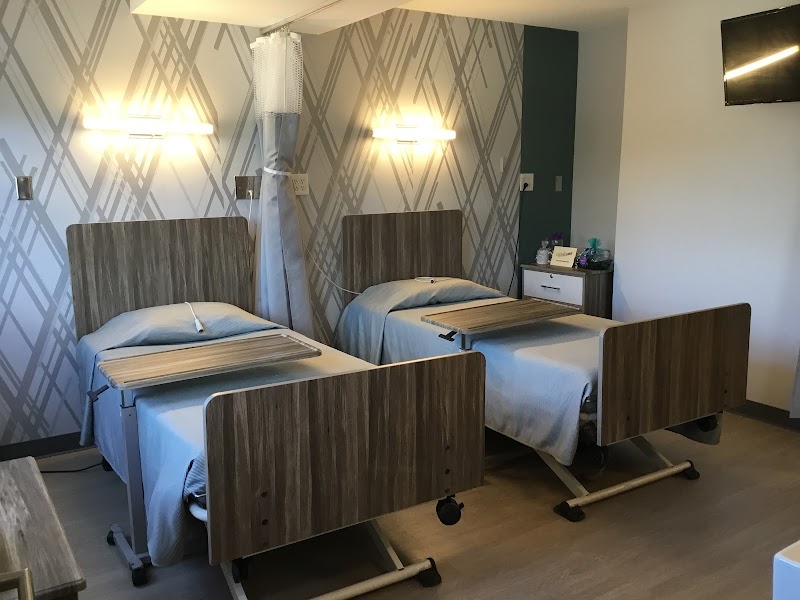
How is Morris Park Rehabilitation And Nursing Center Staffed?

CMS rates MORRIS PARK REHABILITATION AND NURSING CENTER's staffing level at 2 out of 5 stars, which is below average compared to other nursing homes. Staff turnover is 23%, compared to the New York average of 46%. This relatively stable workforce can support continuity of care.

What Have Inspectors Found at Morris Park Rehabilitation And Nursing Center?

State health inspectors documented 17 deficiencies at MORRIS PARK REHABILITATION AND NURSING CENTER during 2021 to 2025. These included: 1 that caused actual resident harm and 16 with potential for harm. Deficiencies causing actual harm indicate documented cases where residents experienced negative health consequences.
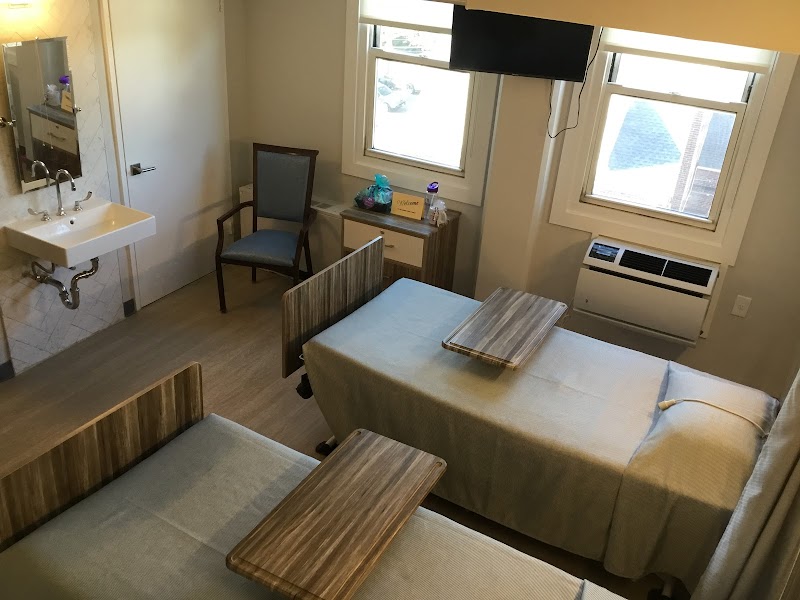
Who Owns and Operates Morris Park Rehabilitation And Nursing Center?

MORRIS PARK REHABILITATION AND NURSING CENTER is owned by a for-profit company. For-profit facilities operate as businesses with obligations to shareholders or private owners. The facility operates independently rather than as part of a larger chain. With 191 certified beds and approximately 180 residents (about 94% occupancy), it is a mid-sized facility located in BRONX, New York.

How Does Morris Park Rehabilitation And Nursing Center Compare to Other New York Nursing Homes?

Compared to the 100 nursing homes in New York, MORRIS PARK REHABILITATION AND NURSING CENTER's overall rating (2 stars) is below the state average of 3.1, staff turnover (23%) is significantly lower than the state average of 46%, and health inspection rating (2 stars) is below the national benchmark.

What Should Families Ask When Visiting Morris Park Rehabilitation And Nursing Center?

Based on this facility's data, families visiting should ask: "Can you walk me through typical staffing levels on day, evening, and night shifts?" "Can I visit during a mealtime to observe dining assistance and food quality?" "How do you handle medical emergencies, and what is your hospital transfer rate?" "Can I speak with family members of current residents about their experience?" These questions are particularly relevant given the below-average staffing rating.

Is Morris Park Rehabilitation And Nursing Center Safe?

Based on CMS inspection data, MORRIS PARK REHABILITATION AND NURSING CENTER has a clean safety record: no substantiated abuse findings (meaning no confirmed cases of resident harm), no Immediate Jeopardy citations (the most serious violation level indicating risk of serious injury or death), and is not on the Special Focus Facility watch list (a federal program monitoring the lowest-performing 1% of nursing homes). The facility has a 2-star overall rating and ranks #100 of 100 nursing homes in New York. While no facility is perfect, families should still ask about staff-to-resident ratios and recent inspection results during their visit.

Do Nurses at Morris Park Rehabilitation And Nursing Center Stick Around?

Staff at MORRIS PARK REHABILITATION AND NURSING CENTER tend to stick around. With a turnover rate of 23%, the facility is 23 percentage points below the New York average of 46%. Low turnover is a positive sign. It means caregivers have time to learn each resident's needs, medications, and personal preferences. Consistent staff also notice subtle changes in a resident's condition more quickly.

Was Morris Park Rehabilitation And Nursing Center Ever Fined?

MORRIS PARK REHABILITATION AND NURSING CENTER has been fined $9,770 across 1 penalty action. This is below the New York average of $33,177. While any fine indicates a compliance issue, fines under $50,000 are relatively common and typically reflect isolated problems that were subsequently corrected. Families should ask what specific issues led to these fines and confirm they've been resolved.

Is Morris Park Rehabilitation And Nursing Center on Any Federal Watch List?

MORRIS PARK REHABILITATION AND NURSING CENTER is not on any federal watch list. The most significant is the Special Focus Facility (SFF) program, which identifies the bottom 1% of nursing homes nationally based on persistent, serious quality problems. Not being on this list means the facility has avoided the pattern of deficiencies that triggers enhanced federal oversight. This is a positive indicator, though families should still review the facility's inspection history directly.