REBEKAH REHAB AND EXTENDED CARE CENTER
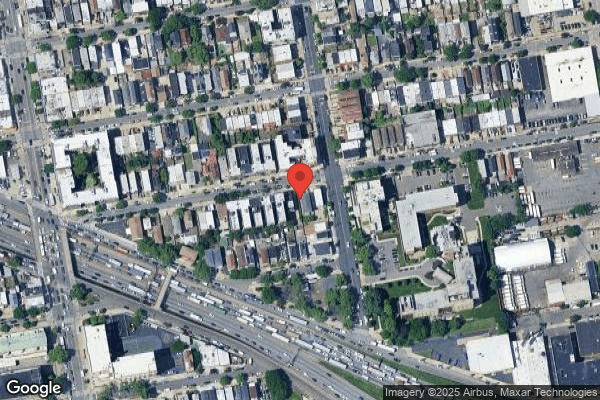
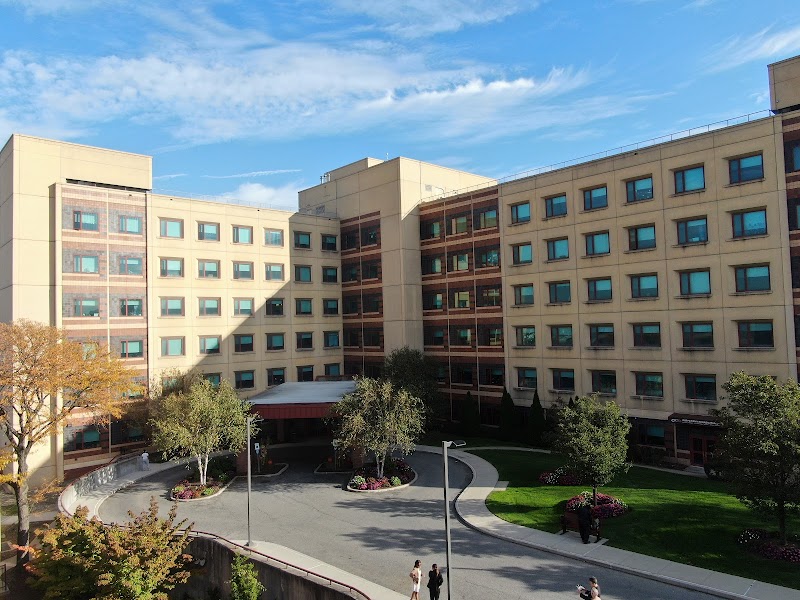
1072 HAVEMEYER AVENUE, BRONX, NY 10462 (718) 863-6200
Non profit - Corporation 213 Beds Independent Data: November 2025
Trust Grade
55/100
#437 of 594 in NY
Last Inspection: December 2023

Within standard 12-15 month inspection cycle. Federal law requires annual inspections.

Overview

Rebekah Rehab and Extended Care Center has a Trust Grade of C, indicating it is average and in the middle of the pack among nursing homes. It ranks #437 out of 594 facilities in New York, placing it in the bottom half, and #41 out of 43 in Bronx County, meaning only two other local options are worse. The facility's condition is worsening, with reported issues increasing from 5 in 2021 to 10 in 2023. Staffing is rated poorly at 1 out of 5 stars, with a 36% turnover rate, which is better than the state average but still concerning. There have been no fines, which is a positive sign, but the RN coverage is less than 81% of state facilities, meaning there may be insufficient oversight. Specific incidents of concern include a reported case where a resident alleged rough handling by a staff member, which was not reported as required, and another resident with a history of falls who continued to fall without adequate preventative measures being taken. While the facility has some strengths, such as a lack of fines, the issues related to staffing, incident reporting, and care practices suggest families should proceed with caution.

Trust Score
C
55/100
In New York
#437/594
Bottom 27%
Safety Record
Low Risk
No red flags
Inspections
Getting Worse
5 → 10 violations
Staff Stability
○ Average
36% turnover. Near New York's 48% average. Typical for the industry.
Penalties
✓ Good
No fines on record. Clean compliance history, better than most New York facilities.
Skilled Nurses
⚠ Watch
Each resident gets only 20 minutes of Registered Nurse (RN) attention daily — below average for New York. Fewer RN minutes means fewer trained eyes watching for problems.
Violations
⚠ Watch
19 deficiencies on record. Higher than average. Multiple issues found across inspections.
★★☆☆☆
2.0
Overall Rating
★☆☆☆☆
1.0
Staff Levels
★★★★☆
4.0
Care Quality
★★★☆☆
3.0
Inspection Score
Stable
2021: 5 issues
2023: 10 issues

The Good

  • 4-Star Quality Measures · Strong clinical quality outcomes
  • Full Sprinkler Coverage · Fire safety systems throughout facility
  • No fines on record
  • Staff turnover below average (36%)

    12 points below New York average of 48%

Facility shows strength in quality measures, fire safety.

The Bad

2-Star Overall Rating

Below New York average (3.1)

Below average - review inspection findings carefully

Staff Turnover: 36%

Near New York avg (46%)

Typical for the industry

The Ugly 19 deficiencies on record

Dec 2023 10 deficiencies
CONCERN (D) 📢 Someone Reported This

A family member, employee, or ombudsman was alarmed enough to file a formal complaint

Potential for Harm - no one hurt, but risky conditions existed

Notification of Changes (Tag F0580)

Could have caused harm · This affected 1 resident

**NOTE- TERMS IN BRACKETS HAVE BEEN EDITED TO PROTECT CONFIDENTIALITY** Based on observations, record review, and interviews conducted during the recertification and abbreviated (NY00307221) survey fr...

Read full inspector narrative →
**NOTE- TERMS IN BRACKETS HAVE BEEN EDITED TO PROTECT CONFIDENTIALITY** Based on observations, record review, and interviews conducted during the recertification and abbreviated (NY00307221) survey from 12/6/2023 to 12/13/2023, the facility did not ensure a resident's designated representative (DR) was notified of changes in treatment. This was evident in 1 (Resident #63) of 39 total sampled residents. Specifically, Resident #63's DR was not notified when the resident's blood thinner medication was not administered in relation to subconjunctival hemorrhage. The findings are: The facility policy titled Notification of Family dated 07/2023 documented Nursing and Social Services notify family in the event of a resident change of status to ensure proper communication, including changes in medications, and medical status. Resident #63 had diagnoses of coronary artery disease and Heart Failure. The Minimum Data Set 3.0 (MDS) assessment dated [DATE] documented Resident #63 was severely cognitively impaired. Medical Doctor (MD) Orders dated 11/03/2022 documented Resident #63 received Eliquis 2.5mg every 12 hours. A MD Telephone Order dated 02/22/2023, documented that Eliquis 2.5mg should be held from 02/22/2023 at 2:00PM through 02/22/23 at 10:00PM. MD Note dated 02/22/23 at 4:07 PM documented Resident #63 was seen for left eye redness, likely due to subconjunctival hemorrhage and 1 dose of Eliquis should be held. Nursing Note dated 02/23/2023 documented Resident #63 was noted with left eye redness on 2/22/2023 at 5:30 PM, supervisor was informed, and message was left in MD's communication book. A MD Telephone Order dated 02/23/2023, documented Resident #63 had redness to their left eye and an Ophthalmology consult was ordered. Nursing Note dated 02/23/2023 at 7:35 PM documented Resident #63's DR came to visit on 02/23/2023 and was upset because they were not updated on Resident #63's plan of care. There was no documented evidence Resident #63's DR was informed of a change in the resident's condition and the need to alter treatment by holding a dose of Eliquis on 2/22/2023. During an interview on 12/11/2023 at 11:15 PM, Licensed Practical Nurse (LPN) #5 stated that they reported changes in Resident #63's condition to their supervisor who was responsible for notifying the DR. During an interview on 12/11/2023 at 3:23 PM, Registered Nurse (RN) #6 stated they were responsible for informing the DR of any changes in resident status. RN #6 stated that on 02/23/2023, Resident #63's DR visited and inquired about Resident #63's left eye and RN #6 informed the DR at that time that they would need to follow up with the MD. 10 NYCRR 415.3(f)(2)(ii)(c)
CONCERN (D)

Potential for Harm - no one hurt, but risky conditions existed

Investigate Abuse (Tag F0610)

Could have caused harm · This affected 1 resident

**NOTE- TERMS IN BRACKETS HAVE BEEN EDITED TO PROTECT CONFIDENTIALITY** Based on record review and interviews conducted during the Recertification survey from 12/06/2023 to 12/13/2023, the facility di...

Read full inspector narrative →
**NOTE- TERMS IN BRACKETS HAVE BEEN EDITED TO PROTECT CONFIDENTIALITY** Based on record review and interviews conducted during the Recertification survey from 12/06/2023 to 12/13/2023, the facility did not ensure that all allegations of abuse, including injuries of unknown origin, were thoroughly investigated. This was evident for 1 (Resident #146) of 39 total sampled residents. Specifically, there was no documented evidence an investigation was conducted for Resident #146 who sustained a left hip fracture. The findings are: The facility policy titled Accident Prevention and Reporting dated 6/2023 documented an accident/incident (A/I) will be completed for any unexpected or unintentional incident or chain of events, which may or may not result in injury or illness to the resident. The facility will investigate all A/Is to ensure the facility provided an environment that is free from hazards. Resident #146 had diagnoses of repeated falls and left femoral neck fracture. The Minimum Data Set 3.0 (MDS) assessment dated [DATE] documented Resident #146 was cognitively intact. On 12/07/2023 at 12:13 PM, Resident #146 was interviewed and stated they fell from their bed in 9/2023 while trying to get out of bed without help and required hospitalization and surgery. The Nursing Note dated 9/20/2023 documented Registered Nurse (RN) #4 was informed by the dialysis center that Resident #146 was transferred to the hospital due to worsening leg pain. A Social Work (SW) Note date 9/28/2023 documented the Admissions Director (AD) followed up with Resident #146 in the hospital and was informed the resident fell from their bed in the facility during the 11 PM-7 AM shift. Resident #146 did not report the fall to anyone in the facility. There was no documented evidence the facility investigated Resident #146's left hip fracture and report that they were injured after falling from their bed in the facility. On 12/13/2023 at 1:38 PM, RN #4 was interviewed and stated Resident #146 complained of leg pain at the dialysis center and was transferred to the hospital. Resident #146 reported to the facility that they fell at the facility and didn't tell anybody. RN #4 stated an AI investigation should have been completed for this incident. On 12/13/2023 at 3:37 PM, the Director of Nursing Services (DNS) was interviewed and stated no one knows when the fall happened. Resident #146 did not report they had a fall in the facility and the DNS did not know what happened at while the resident was at the dialysis center. Resident #146 was then transferred to another facility when discharged from the hospital. 10 NYCRR 415.4(b)(3)
CONCERN (D)

Potential for Harm - no one hurt, but risky conditions existed

Comprehensive Care Plan (Tag F0656)

Could have caused harm · This affected 1 resident

**NOTE- TERMS IN BRACKETS HAVE BEEN EDITED TO PROTECT CONFIDENTIALITY** Based on record review and interviews conducted during the Recertification survey from 12/06/2023 to 12/13/2023, the facility di...

Read full inspector narrative →
**NOTE- TERMS IN BRACKETS HAVE BEEN EDITED TO PROTECT CONFIDENTIALITY** Based on record review and interviews conducted during the Recertification survey from 12/06/2023 to 12/13/2023, the facility did not ensure a comprehensive care plan (CCP) was developed and implemented to address the resident's medical, physical, mental, and psychosocial needs. This was evident for 1 (Resident #5) of 39 total sampled residents. Specifically, a CCP was not developed for Resident #5's antibiotic use. The findings are: A facility policy titled Resident Assessment and Care Planning dated 10/6/2021 documented the facility shall develop a CCP for each resident that includes measurable objectives and timetables to meet each resident's medical, nursing, and mental and psychosocial needs. Resident #5 had diagnoses of lung cancer and diabetes mellitus. The Minimum Data Set 3.0 (MDS) assessment dated [DATE] documented Resident #5 was cognitively intact and received oxygen therapy. A Medical Doctor (MD) Order dated 11/7/2023 documented Resident #5 receive Azithromycin 250 mg as a prophylactic once every Monday, Wednesday, and Friday. A CCP related to alteration in respiratory status initiated 8/3/2023 and last revised 11/7/2023 documented Resident #5 was at risk for emphysema and was administered oxygen therapy. A CCP related to oxygenation and ineffective breathing initiated 8/3/2023 and last revised 11/7/2023 documented Resident #5 had labored breathing and shortness of breath. Resident #5 was administered an inhaler, nebulizer, and oxygen therapy. There was no documented evidence a CCP related to antibiotic use, Azithromycin, was developed and implemented for Resident #5. An interview was conducted on 12/13/2023 at 10:30 AM with Registered Nurse (RN) #1 who stated Resident #5 did receive antibiotic therapy and this was not documented on any of their active CCPs. There should have been a CCP related to antibiotic use developed for Resident #5. An interview was conducted on 12/12/2023 at 11:34 AM with the Director of Nursing (DNS) who stated the MDS Coordinators, and the nurse managers were responsible for developing CCPs for residents. 10 NYCRR 415.11(c)(1)
CONCERN (D) 📢 Someone Reported This

A family member, employee, or ombudsman was alarmed enough to file a formal complaint

Potential for Harm - no one hurt, but risky conditions existed

Deficiency F0657 (Tag F0657)

Could have caused harm · This affected 1 resident

**NOTE- TERMS IN BRACKETS HAVE BEEN EDITED TO PROTECT CONFIDENTIALITY** 2) Resident #63 had diagnoses of coronary artery disease and Heart Failure. The Minimum Data Set 3.0 (MDS) assessment dated [DAT...

Read full inspector narrative →
**NOTE- TERMS IN BRACKETS HAVE BEEN EDITED TO PROTECT CONFIDENTIALITY** 2) Resident #63 had diagnoses of coronary artery disease and Heart Failure. The Minimum Data Set 3.0 (MDS) assessment dated [DATE] documented Resident #63 was severely cognitively impaired. The CCP related to anticoagulant use initiated 09/18/2020 documented Resident #63 received Eliquis as part of their anticoagulant therapy. Medical Doctor (MD) Orders dated 11/03/2022 documented Resident #63 received Eliquis 2.5mg every 12 hours. A MD Telephone Order dated 02/22/2023, documented that Eliquis 2.5mg should be held from 02/22/2023 at 2:00PM through 02/22/23 at 10:00PM. MD Note dated 02/22/23 at 4:07 PM documented Resident #63 was seen for left eye redness, likely due to subconjunctival hemorrhage and 1 dose of Eliquis should be held. Nursing Note dated 02/23/2023 documented Resident #63 was noted with left eye redness on 2/22/2023 at 5:30 PM, supervisor was informed, and message was left in MD's communication book. There was no documented evidence Resident #63's CCP related to anticoagulant use was reviewed and revised upon changes in their treatment plan when their Eliquis was held by the MD. During an interview on 12/11/2023 at 3:23 PM, Registered Nurse (RN) #6 stated the supervisor or nurse managers were responsible for updating resident CCPs. During an interview on 12/11/2023 at 3:55 PM, the Director of Nursing (DNS) stated the RNs were responsible for updating a residents' CCPs. 10 NYCRR 415.11(c)(1) Based on record review and interviews conducted during the Recertification and Abbreviated (NY00307221) survey from 12/6/2023 to 12/13/2023, the facility did not ensure the resident's comprehensive care plan (CCP) was reviewed and revised after each assessment and as needed. This was evident for 2 (Resident #187 and #63) of 39 total sampled residents. Specifically, 1) Resident #187's CCP related renal dysfunction and hemodialysis was not reviewed upon each assessment, and 2) Resident #63's CCP related to anticoagulant use was not revised to reflect a change in treatment. The findings are: A facility policy titled Resident Assessment and Care Planning dated 10/6/2021 documented the CCP shall be periodically reviewed and revised as necessary after each comprehensive assessment or reassessment. 1) Resident #187 had a diagnoses of end stage renal disease (ESRD) and diabetes mellitus (DM). A Minimum Data Set 3.0 (MDS) assessment dated [DATE] documented Resident #187 was moderately cognitively impaired and received dialysis treatment. A comprehensive care plan (CCP) related to renal dysfunction and dialysis initiated 6/27/2023 documented Resident #187 received dialysis treatment every Tuesday, Thursday, and Saturday. There was no documented evidence the CCP was reviewed or revised upon MDS assessment dated [DATE]. An interview was conducted on 12/12/2023 at 10:29 AM with Registered Nurse (RN) #4 who stated Resident #187 received dialysis treatment 3 times weekly. RN #4 stated they were responsible for episodic CCPs and the MDS Department was responsible for updating the CCPs upon assessment. An interview was conducted on 12/12/2023 at 11:08 AM with the MDS Director who stated the MDS Department, and the RNs were responsible for reviewing and revising CCPs. After reviewing Resident #187's CCP related to dialysis, the MDS Director stated the CCP was not updated upon MDS assessment on 10/4/2023 and it should have been updated by a nurse. An interview was conducted on 12/12/2023 at 11:34 AM with the Director of Nursing (DNS) who stated the MDS Department, and the nurse managers were responsible for reviewing and revising resident CCPs. Resident #187's CCP should have been reviewed during their scheduled CCP meeting.
CONCERN (D)

Potential for Harm - no one hurt, but risky conditions existed

Deficiency F0658 (Tag F0658)

Could have caused harm · This affected 1 resident

**NOTE- TERMS IN BRACKETS HAVE BEEN EDITED TO PROTECT CONFIDENTIALITY** Based on observation, record review, and interviews conducted during the Recertification survey from 12/6/2023 to 12/13/2023, th...

Read full inspector narrative →
**NOTE- TERMS IN BRACKETS HAVE BEEN EDITED TO PROTECT CONFIDENTIALITY** Based on observation, record review, and interviews conducted during the Recertification survey from 12/6/2023 to 12/13/2023, the facility did not ensure services provided met professional standards. Specifically, Licensed Practical Nurse (LPN) #6 and #7 did not notify the Medical Doctor (MD) when a Symbicort inhaler was not available to provide Resident #21 with medication in accordance with MD Order (MDO). The findings are: The facility policy titled Medication Administration Policy dated 4/2017 documented the Licensed Nurses will administer medication as per provider's orders. In a case where medication is missing or not available, the nurse shall call the pharmacy for reorder and notify the supervisor and the prescriber. Resident #21 had diagnoses of End Stage renal Disease (ESRD) and Chronic obstructive pulmonary disease (COPD). The Minimum Data Set 3.0 (MDS) assessment dated [DATE] documented Resident #21 was cognitively intact. On 12/12/2023 at 10:46 AM, Licensed Practical Nurse (LPN) #6 was observed administering medications to Resident #21. LPN #6 did not administer 2 puffs of a Symbicort inhaler to Resident #21. LPN #6 then proceeded to administer medication to another resident. The MDO initiated 8/28/2023 and last renewed on 12/1/2023 documented Resident #21 received 2 puffs of a Symbicort 160 mcg-4.5 mcg/actuation HFA aerosol inhaler twice daily for COPD. The Medication Administration Record (MAR) from 12/06/2023 to 12/12/2023 documented Resident #21 was not administered 2 puffs of a Symbicort inhaler twice daily 13 out of 14 opportunities. LPN #7 documented on the MAR on 12/6/2023 Resident #21's Symbicort inhaler was unavailable. LPN #7 documented Resident #21 was administered the Symbicort inhaler on 12/7/2023 at 9 AM. On 12/12/2023 at 12;23 PM, LPN #6 was interviewed and stated Resident #21's Symbicort inhaler was not administered as per MDO because it was unavailable. LPN #6 was waiting for the pharmacy to deliver the Symbicort inhaler. LPN #6 was new to the unit and stated they were informed by LPN #7 that the Symbicort was unavailable. On 12/12/2023 at 12:55 PM, an interview conducted with the LPN #7 who stated Resident #21's Symbicort inhaler was unavailable and was not administered since 12/6/2023. The 12/7/2023 signature on the MAR documenting Resident #21 received 2 puffs of the Symbicort inhaler at 9 AM was an error because the medication has been and remains unavailable. LPN #7 reordered the Symbicort inhaler and did not inform the Registered Nurse (RN) or Medical Doctor (MD) that the inhaler was unavailable. On 12/12/2023 at 1:55 PM, an interview conducted with RN #7 who stated they were not aware Resident #21's Symbicort inhaler was unavailable. RN #7 was informed by an LPN that the Symbicort inhaler had been delivered on 12/7/2023 and the LPN threw out the canister of medication because they attempted to use it and nothing came out. RN #7 stated the LPN did not know how to use it, threw the Symbicort inhaler out, and the investigation was ongoing. On 12/12/2023 at 03:16 PM, an interview was conducted with Pharmacist who stated Resident #21's Symbicort inhaler was delivered to the facility on [DATE]. The next inhaler was not due to be delivered to the facility until 12/19/2023. The pharmacy received a new order from the facility this morning for the Symbicort inhaler and it will be delivered this evening for Resident #21. On 12/13/2023 at 04:21 PM, an interview was conducted with the Director of Nursing (DNS) who stated Resident #21's Symbicort inhaler was last delivered to the facility on [DATE]. The LPN reported the inhaler was empty and they threw it out and forgot to reorder a new one. 10 NYCRR 415.11(C)(3)(i)
CONCERN (D)

Potential for Harm - no one hurt, but risky conditions existed

Deficiency F0688 (Tag F0688)

Could have caused harm · This affected 1 resident

**NOTE- TERMS IN BRACKETS HAVE BEEN EDITED TO PROTECT CONFIDENTIALITY** Based on observation, interviews, and record review conducted during the Recertification survey from 12/06/2023 to 12/13/2023, t...

Read full inspector narrative →
**NOTE- TERMS IN BRACKETS HAVE BEEN EDITED TO PROTECT CONFIDENTIALITY** Based on observation, interviews, and record review conducted during the Recertification survey from 12/06/2023 to 12/13/2023, the facility did not ensure a resident with limited range of motion received treatment and services to maintain or improve mobility. This was evidenced by 1 (Resident #141) of 2 residents reviewed for mobility out of 39 total sampled residents. Specifically, Resident #141 did not have a right elbow splint (RES) applied in accordance with Medical Doctor Order (MDO). The findings are: The facility policy titled Rehabilitation dated 03/23 documented the Certified Nursing Assistant (CNA) was responsible for donning/doffing adaptive equipment. Resident #141 had diagnoses of right Hemiplegia and Diabetes Mellitus (DM). The Minimum Data Set 3.0 (MDS) assessment dated [DATE] documented Resident #141 was moderately cognitively impaired and did not document splint or brace use. On 12/06/2023 at 10:05 AM, Resident #141 was observed lying in bed without a RES applied to their right arm. On 12/07/2023 at 11:57 AM, 12/08/2023 at 09:31 AM, and 12/08/2023 at 12:00 PM, Resident #141 was observed sitting in their wheelchair without a RES in place. The MDO dated 10/01/2023 documented Resident #141 was ordered to wear a RES at all times to prevent further contracture. Skin checks were performed every 3 hours and rehab notified if redness or irritation were present. The Comprehensive Care Plan (CCP) related to alteration in range of motion and contractures initiated 9/19/2023 documented Resident #141 had a contracture post-stroke and required a RES. On 12/08/2023 at 12:12 PM, CNA #1 was interviewed and stated they were unaware whether Resident #141 was ordered to wear a RES. Splinting devices were not indicated in the CNA Accountability Records that informed the CNA what care the resident received. On 12/08/2023 at 12:20 PM, the Occupational Therapist (OT) was interviewed and stated they informed the CNA and the Registered Nurse (RN) that Resident #141 had an MDO for RES. The OT stated they provided an inservice to the nursing staff on the resident's unit to ensure they knew how to apply splinting devices. Resident #141 had the RES in place when they went to rehab earlier and the OT forgot to put it back on the resident when the resident was transported back to their unit. On 12/08/23 at 12:36 PM, RN #1 was interviewed and stated the CNAs on the resident's unit were responsible for applying splinting devices to the residents in accordance with MDO. The instructions related to splinting were documented on the CNA Accountability Record. The CNA on the 11PM to 7AM shift usually took Resident #141 out of bed and was responsible to ensure the resident was wearing their RES. RN #1 was unaware Resident #141 was observed without their RES in place. 10 NYCRR 415.12[e][2]
CONCERN (D)

Potential for Harm - no one hurt, but risky conditions existed

Pharmacy Services (Tag F0755)

Could have caused harm · This affected 1 resident

Based on observations, record review, and interviews conducted during the recertification survey from 12/06/2023 to 12/13/2023, the facility did not ensure an account of all controlled drugs was maint...

Read full inspector narrative →
Based on observations, record review, and interviews conducted during the recertification survey from 12/06/2023 to 12/13/2023, the facility did not ensure an account of all controlled drugs was maintained and periodically reconciled. This was evident for 1 (Unit 5) of 5 units observed for Medication Storage. Specifically, Licensed Practical Nurse (LPN) #3 did not reconcile a narcotics supply count for Resident #357. The findings are: The facility policy titled Distribution of Controlled Substances dated 11/15/2022 documented the licensed nurse was responsible for counting all controlled drugs at the beginning of the tour of duty, and again at the end of the tour of duty, together with the respective charge nurse going off and coming on duty. The licensed nurse was responsible for recording any administered medications on the front of the appropriate drug sheet. Resident #357 had diagnoses of vertebrogenic low back pain and major depressive disorder. On 12/13/2023 at 11:50 AM, The Unit 5 medication cart was observed with LPN #3. The narcotics box contained 1 blister pack of Oxycodone 10 mg for Resident #357 with a total count of 27 tablets. A Physician Order dated 11/29/2023 documented Resident #357 was prescribed Oxycodone 10 mg give I tablet by mouth 4 times per day at 6:00 AM, 11:00 AM, 4:00 PM, and 9:00 PM. The Medication Administration Record (MAR) dated 12/13/2023 documented Resident #357 was administered 1 tablet of Oxycodone 10 mg at 11:00 AM by LPN #4. The Individual Controlled Medication Record (ICMR) dated 12/13/2023 did not document Resident #357 was administered 1 tablet of Oxycodone 10mg at 11:00 AM and documented 28 tablets were remaining in the blister pack. The controlled medication staff signage record for Resident #357 was reviewed and documented the signature of LPN #3 in the 7AM-3PM Nurse (In) section for 12/13/2023. There was no documented evidence LPN #4 counted at the beginning of their tour of duty. The total count of Oxycodone 10mg remaining was 28 tablets. On 12/13/2023 at 1:15 PM, LPN #4 was interviewed and stated they started their shift as the medication nurse at 9:00 AM and checked the count for the narcotics that they administered. LPN #4 stated they administered Resident #357 Oxycodone at 11:00 AM, signed the MAR and the blister pack, but did not sign the ICMR because it slipped their mind. On 12/13/2023 at 1:43 PM, the Registered Nurse (RN) #4 was interviewed and stated the medication nurses were instructed to sign off on the ICMR after they administer a narcotic and were required to do a narcotics count when taking over a medication cart. On 12/13/2023 at 3:33 PM, the Director of Nursing Services (DNS) was interviewed and stated they instructed the nurses to sign the ICMR after narcotic medication was administered and to conduct a narcotics count with the outgoing medication nurse. 10 NYCRR 415.18(b)(1)(2)(3)
CONCERN (D)

Potential for Harm - no one hurt, but risky conditions existed

Deficiency F0760 (Tag F0760)

Could have caused harm · This affected 1 resident

**NOTE- TERMS IN BRACKETS HAVE BEEN EDITED TO PROTECT CONFIDENTIALITY** Based on observations, record review, and interviews conducted during the recertification survey from 12/06/2023 to 12/13/2023, ...

Read full inspector narrative →
**NOTE- TERMS IN BRACKETS HAVE BEEN EDITED TO PROTECT CONFIDENTIALITY** Based on observations, record review, and interviews conducted during the recertification survey from 12/06/2023 to 12/13/2023, the facility did not ensure a resident was free of significant medication error. This was evident for 1 (Resident # 21) of 39 total sampled residents and 1 of 25 observed medication administration opportunities. Specifically, Resident #21 did not receive their Symbicort inhaler per Medical Doctor Order (MDO). The findings are: The facility policy titled Medication Administration Policy dated 4/2017 documented the Licensed Nurses will administer medication as per provider's orders. In a case where medication is missing or not available, the nurse shall call the pharmacy for reorder and notify the supervisor and the prescriber. Resident #21 had diagnoses of End Stage renal Disease (ESRD) and Chronic obstructive pulmonary disease (COPD). The Minimum Data Set 3.0 (MDS) assessment dated [DATE] documented Resident #21 was cognitively intact. On 12/12/2023 at 10:46 AM, Licensed Practical Nurse (LPN) #6 was observed administering medications to Resident #21. LPN #6 did not administer 2 puffs of a Symbicort inhaler to Resident #21. LPN #6 then proceeded to administer medication to another resident. MDO initiated 8/28/2023 and last renewed on 12/1/2023 documented Resident #21 received 2 puffs of a Symbicort 160 mcg-4.5 mcg/actuation HFA aerosol inhaler twice daily for COPD. The Medication Administration Record (MAR) from 12/06/2023 to 12/12/2023 documented Resident #21 was not administered 2 puffs of a Symbicort inhaler twice daily 13 out of 14 opportunities. LPN #7 documented on the MAR on 12/6/2023 Resident #21's Symbicort inhaler was unavailable. LPN #7 documented Resident #21 was administered the Symbicort inhaler on 12/7/2023 at 9 AM. On 12/12/2023 at 12;23 PM, LPN #6 was interviewed and stated Resident #21's Symbicort inhaler was not administered as per MDO because it was unavailable. LPN #6 was waiting for the pharmacy to deliver the Symbicort inhaler. LPN #6 was new to the unit and stated they were informed by LPN #7 that the Symbicort was unavailable. On 12/12/2023 at 12:55 PM, an interview conducted with the LPN #7 who stated Resident #21's Symbicort inhaler was unavailable and was not administered since 12/6/2023. The 12/7/2023 signature on the MAR documenting Resident #21 received 2 puffs of the Symbicort inhaler at 9 AM was an error because the medication has been and remains unavailable. LPN #7 reordered the Symbicort inhaler and did not inform the Registered Nurse (RN) or Medical Doctor (MD) that the inhaler was unavailable. On 12/12/2023 at 1:55 PM, an interview conducted with RN #7 who stated they were not aware Resident #21's Symbicort inhaler was unavailable. RN #7 was informed by an LPN that the Symbicort inhaler had been delivered on 12/7/2023 and the LPN threw out the canister of medication because they attempted to use it and nothing came out. RN #7 stated the LPN did not know how to use it, threw the Symbicort inhaler out, and the investigation was ongoing. On 12/12/2023 at 03:16 PM, an interview was conducted with Pharmacist who stated Resident #21's Symbicort inhaler was delivered to the facility on [DATE]. The next inhaler was not due to be delivered to the facility until 12/19/2023. The pharmacy received a new order from the facility this morning for the Symbicort inhaler and it will be delivered this evening for Resident #21. On 12/13/2023 at 04:21 PM, an interview was conducted with the Director of Nursing (DNS) who stated Resident #21's Symbicort inhaler was last delivered to the facility on [DATE]. The LPN reported the inhaler was empty and they threw it out and forgot to reorder a new one. 10 NYCRR 415.12(m)(2)
CONCERN (D)

Potential for Harm - no one hurt, but risky conditions existed

Laboratory Services (Tag F0770)

Could have caused harm · This affected 1 resident

**NOTE- TERMS IN BRACKETS HAVE BEEN EDITED TO PROTECT CONFIDENTIALITY** Based on record review and interviews conducted during the Recertification survey from 12/06/2023 and 12/13/2023, the facility d...

Read full inspector narrative →
**NOTE- TERMS IN BRACKETS HAVE BEEN EDITED TO PROTECT CONFIDENTIALITY** Based on record review and interviews conducted during the Recertification survey from 12/06/2023 and 12/13/2023, the facility did not ensure laboratory services were obtained to meet the needs of a resident. This was evident for 1 (Resident #92) of 39 total sampled residents. Specifically, Resident #92 did not have Hemoglobin A1c (HbA1c) laboratory test performed every 3 months in accordance with Medical Doctor Order (MDO). The findings are: The facility policy titled Transcription of Physician's Orders dated 08/2023 documented if an MDO involves radiology or laboratory tests, the information is entered into the Electronic Medical Record (EMR), and results are ascertained. The facility policy titled Laboratory, Radiology, and Other Diagnostic/Consultants Services dated 04/2023 documented laboratory services are done timely. Resident #92 had diagnoses of peripheral vascular disease (PVD) and Diabetes Mellitus (DM). The Minimum Data Set 3.0 (MDS) assessment dated [DATE] documented Resident's #92 was cognitively intact and received insulin injections daily. The MDO initiated 03/13/2023 and renewed 10/26/2023 documented HbA1c testing for Resident #92 every 3 months. The Comprehensive Care Plan (CCP) related to insulin-dependent DM initiated 03/14/20 documented Resident #92 had elevated blood glucose levels and blood glucose level would be monitored in accordance with MDO. laboratory results dated [DATE] documented Resident #92 had an HbA1c of 9.2% with a normal reference range of 4.0% - to 5.6%. There was not documented evidence a HbA1c laboratory test was performed for Resident #92 every 3 months in accordance with MDO following the 7/14/2023 laboratory test. On 12/12/2023 at 11:53 AM, Registered Nurse (RN) #1 was interviewed and stated they were recently assigned to Resident #92's unit and was not aware the resident did not have their HbA1c evaluated. The nurses documented in the EMR if the resident refused to have their blood drawn for laboratory testing. On 12/12/2023 at 12:08 PM, RN #2 was interviewed and stated Resident #92's original order for HbA1c testing was in 3/2023 and the EMR system only renews and keeps the order for 6 months. Resident #92's MDO for laboratory testing every 3 months was cut off after the 7/2023 HbA1c testing and did not renew. The nursing staff would have to physically put in the MDO for laboratory testing again so that new testing could be done. 10 NYCRR 415.20
CONCERN (E) 📢 Someone Reported This

A family member, employee, or ombudsman was alarmed enough to file a formal complaint

Potential for Harm - no one hurt, but risky conditions existed

Report Alleged Abuse (Tag F0609)

Could have caused harm · This affected multiple residents

**NOTE- TERMS IN BRACKETS HAVE BEEN EDITED TO PROTECT CONFIDENTIALITY** 3) Resident #89 had diagnoses of diabetes mellitus and anxiety disorder. The Minimum Data Set 3.0 (MDS) assessment dated [DATE] ...

Read full inspector narrative →
**NOTE- TERMS IN BRACKETS HAVE BEEN EDITED TO PROTECT CONFIDENTIALITY** 3) Resident #89 had diagnoses of diabetes mellitus and anxiety disorder. The Minimum Data Set 3.0 (MDS) assessment dated [DATE] documented Resident #89 was cognitively intact. The facility's Summary of Investigation dated 10/12/2023 documented Resident #89 reported to Registered Nurse (RN) #4 that on 10/11/23 at 8:30 PM, Certified Nursing Assistant (CNA) #7 was too rough turning them. The conclusion documented the elements needed to make this incident reportable to the DOH have not been met. There was no documented evidence Resident #89's allegation of abuse was reported to the NYSDOH. On 12/13/2023 at 3:42 PM the DNS was interviewed and stated Resident #89's allegation of abuse was quickly investigated and there was no evidence of abuse. Therefore, the alleged abuse was not reported to the NYSDOH. 10 NYCRR 415.4(b)(2) 2) Resident #159 had diagnoses of dementia and altered mental status. The Minimum Data Set 3.0 (MDS) assessment dated [DATE] documented Resident #159 was severely cognitively impaired. Resident #48 had diagnoses of dementia and anxiety disorder. The MDS assessment dated [DATE] documented Resident #48 was severely cognitively impaired. Resident #52 had diagnoses of altered mental status and dementia The MDS assessment dated [DATE] documented Resident #52 was severely cognitively impaired. The Nursing Note dated 8/22/2023 documented Licensed Practical Nurse (LPN) #2 observed Resident #159 pull Resident #52 off their bed and hit them with a hairbrush. The residents entered the hallway and Resident #48 was also hit during the altercation. The facility's Summary of Investigation dated 8/22/2023 documented the elements required to make the altercation between Resident #159, #52, and #48 a reportable event had not been met. There was no documented evidence the resident to resident altercation between Resident #159, #52, and #48 were reported to the NYSDOH. On 12/08/2023 at 2:46 PM, the DNS was interviewed and stated they and the Administrator were responsible for reporting allegations of abuse to the NYSDOH. Allegations of abuse, injuries of unknown origin, and resident-to-resident altercations resulting in injury were reportable events. The DNS stated they did not have to report every resident-to-resident altercation. On 12/08/2023 at 3:02 PM, the Administrator was interviewed and stated the DNS was responsible for reporting incidents to the NYSDOH. The Administrator was unaware of the resident to resident altercation between Resident #159, #52, and #48. The facility should have reported the incident to the NYSDOH. Based on record review and interviews conducted during the recertification and abbreviated (NY00322703) survey from 12/6/2023 to 12/13/2023, the facility did not ensure all alleged violations involving abuse were reported to the New York State Department of Health (NYSDOH) immediately or within 2 hours after the allegation was made. This was evident for 5 (Resident #37, #48, #52, #159, and #89) of 39 total sampled residents. Specifically, 1) Resident #37 had an unwitnessed fall with injury that was not reported to the NYSDOH, 2) Resident #159, #48, and #52 were involved in a resident to resident altercation that was not reported to the NYSDOH, and 3) Resident #89's allegation of abuse against a Certified Nursing Assistant (CNA) was not reported to the NYSDOH. The findings are: The facility policy titled Prevention of Mistreatment, Neglect and Abuse and Misappropriation of Resident Property dated 10/4/2022 documented the Director of Nursing Services (DNS) will report to the NYSDOH any Accident/Incident where there is reasonable cause to believe that resident abuse occurred. The facility policy titled Accident Prevention and Reporting dated 6/2023 documented the Director of Nursing Services (DNS) reported to NYSDOH any suspected incidence of abuse, neglect, or mistreatment. 1) Resident had diagnoses of dementia and hypertension. The Minimum Data Set 3.0 (MDS) assessment dated [DATE] documented Resident #37 had severely impaired cognition. The Nursing Note dated 11/22/2023 documented Resident #37 was found lying on their back in their room on the floor and was unable to state what occurred. Resident #37 had limitation in range of motion in their right leg and was transferred to the hospital. The facility's Summary of Investigation dated 11/22/2023 documented Resident #37 was observed lying on their back on the floor in their room. Resident #37 was unable to provide a statement of occurrence. There was no documented evidence Resident #37's fall incident was reported to the NYSDOH. On 12/13/2023 04:21 PM, an interview conducted with the DNS who stated Resident #37's unwitnessed fall was not reported to the NYSDOH. The DNS stated it was clear that Resident #37's right leg injury was related to a fall because the resident had a history of falls. If abuse was suspected, the DNS would have reported to the NYSDOH within 2 hours.
Sept 2021 5 deficiencies
CONCERN (D)

Potential for Harm - no one hurt, but risky conditions existed

Assessment Accuracy (Tag F0641)

Could have caused harm · This affected 1 resident

**NOTE- TERMS IN BRACKETS HAVE BEEN EDITED TO PROTECT CONFIDENTIALITY** The facility policy and procedure titled, Resident Assessment and care Planning last revised 03/2018 documented that the facilit...

Read full inspector narrative →
**NOTE- TERMS IN BRACKETS HAVE BEEN EDITED TO PROTECT CONFIDENTIALITY** The facility policy and procedure titled, Resident Assessment and care Planning last revised 03/2018 documented that the facility will conduct a comprehensive, accurate, standardized, reproducible assessment of each resident's functional capacity. 2) Resident # 151 was admitted to facility on 5/4/19. Resident diagnoses include but not limited to Alzheimer's Disease late onset, Dementia with behavioral disturbance, Psychotic disorder with hallucinations, Bipolar disorder, Restlessness and Agitation, History of falling, and Unsteadiness on feet. The Annual Minimum Data Set (MDS) dated [DATE] documented Resident #151 had severely impaired cognition, had no falls since admission to the facility, and received no antipsychotic's. A Physician's Order initiated 1/4/21 and renewed 9/9/21 documented Resident #151 was ordered Zyprexa (Olanzapine) 5 mg tablet 2 times per day. The Nursing Progress Notes dated 2/13/21 and 2/19/21, documented Resident # 151 had falls. The Accident/Incident reports dated 2/13/21 and 2/19/21 documented Resident # 151 had falls. 9/17/21 1:45PM Surveyor observed Resident # 151 sitting in wheelchair in room. Spouse visiting with resident. Resident did not verbally respond to surveyor's questions. Resident appeared well groomed and calm. 9/20/21 11:30 AM Observed Resident # 151 sitting in wheelchair in room. Resident was calm. No agitation observed. On 09/22/21 at 10:24 AM, a telephone interview was conducted with MDS Coordinator (MDSC) who stated a now-retired MDS Assessor was responsible for filling out the 5/4/21 MDS for Resident #151. MDSC was on vacation at the time the MDS Assessor completed the assessment and is unable to provide a reason resident's falls and antipsychotic medication use was not documented. 415.11(b) Based on observation, record review, and interviews conducted during the Recertification Survey and Complaint Investigation (NY00273394), the facility did not ensure that a resident's assessment was accurate. Specifically, (1) the Minimum Data Set (MDS) 3.0 assessment for Resident #97 inaccurately documented mechanical ventilator use; and, (2) The MDS 3.0 assessment for Resident #151 did not accurately reflect antipsychotic medication use or frequency of falls. This was evident for 2 of 37 residents in the sample. The findings are: The facility policy and procedure titled, Resident Assessment and care Planning last revised 03/2018 documented that the facility will conduct a comprehensive, accurate, standardized, reproducible assessment of each resident's functional capacity. 1) Resident #97 was admitted to the facility on [DATE], with diagnoses that included Hypertension, Gastroesophageal Reflux Disease (GERD) and Osteoporosis. Mechanical ventilator dependence was not documented as a diagnosis. The MDS dated [DATE] documented that Resident #97 had intact cognitive status and required extensive assistance of staff to complete Activities of Daily Living (ADLs). The MDS documented the resident had an Invasive Mechanical Ventilator (ventilator or respirator). On 09/21/2021 at 09:06 AM, resident was observed in room, alert, and oriented x 3, with no sign and symptoms of respiratory distress, and no evidence of previous invasive mechanical ventilator or tracheostomy. There was no documented evidence of Invasive Mechanical Ventilator use in Resident #97's medical record. On 09/21/21 at 09:35 AM, an interview was conducted with the unit Registered Nursing Supervisor, (RNS #5). RNS #5 stated Resident #97 has never been on mechanical ventilator or had tracheostomy care. The MDS Assessor or Coordinator is responsible for completing the MDS assessment. The MDS assessments are reviewed quarterly and when a resident has had a significant change in condition. The inaccuracy on Resident #97's MDS must have been missed. On 09/21/21 at 10:04 AM, telephone interview was conducted with MDS Coordinator (MDSC) who stated the MDS Department is responsible for reviewing to ensure that a resident's condition is consistent with the information in the plan of care. MDSC also stated that MDS Assessor that completes each section of the assessment is responsible for accuracy prior to submission because they don't have enough staff to check every item for accuracy. On 09/21/21 at 10:37 AM, telephone interview was conducted with MDS Assessor, (MDSA) who stated nurse's notes, physician notes, and documentation from other interdisciplinary team members like rehabilitative therapy, recreation, and dietary, and, discussions with the nurse manager, resident and family members are used to complete a resident's MDS assessment. The MDSA may come into the facility to see the resident but most of the time, the do a phone interview. The medical record is reviewed again after MDS completion to ensure accuracy. MDSA stated it must have been a error that caused MDS for Resident #97 to document mechanical ventilator.
CONCERN (D)

Potential for Harm - no one hurt, but risky conditions existed

Deficiency F0692 (Tag F0692)

Could have caused harm · This affected 1 resident

**NOTE- TERMS IN BRACKETS HAVE BEEN EDITED TO PROTECT CONFIDENTIALITY** Based on observation, record reviews, and interviews conducted during the Recertification Survey, the facility did not ensure th...

Read full inspector narrative →
**NOTE- TERMS IN BRACKETS HAVE BEEN EDITED TO PROTECT CONFIDENTIALITY** Based on observation, record reviews, and interviews conducted during the Recertification Survey, the facility did not ensure that a resident maintained acceptable parameters of nutritional status. Specifically, the facility did not effectively address a resident's decreased intake and significant weight loss of 11.33% in one month. This was evident for 1 of 14 residents reviewed for Nutrition out of a total sample of 35 residents (Resident #203). The findings are: The facility's policy and procedure entitled Weight Monitoring, last reviewed 01/2017, documented that all residents are weighed by the 7th day of the month by Nursing and that residents with inappropriate changes in weight will have early identification and appropriate ongoing intervention. Resident # 203 was admitted to facility on 06/17/2020 with diagnoses that included Breast Cancer, Depression, and Chronic Obstructive Pulmonary Disease. The resident was listed as a Full Code for cardiopulmonary resuscitation and was not placed on hospice services. On 09/16/2021 at 12:15 PM the lunch meal was observed. Resident #203 was served a bowl of soup. The resident was not given a universal foam built up utensil as noted on the ADL Care Plan and was unable to use a regular spoon effectively. The resident was not assisted. The resident was then given a puree plate, dipped the spoon into some mashed potatoes a few times and left the rest of the meal untouched. For dessert, the resident was given a cup of lemon ice that was so solid, the resident was unable to use the spoon to eat it. Again, the resident was given no assistance. The tray was removed at the end of the meal, largely untouched. The lunch meal was observed on the 4th floor on 09/17/2021 at 12:15 PM. Resident #203 was seated in the unit dining room with a tray table positioned roughly at the level of the resident's nose. The resident was attempting to eat soup from this position and tired after a few spoonsful. After approximately 15 minutes, a CNA brought the resident a puree plate and lowered the tray table to an appropriate eating height. The resident took a few spoons of the puree and some sips of water. An LPN came up to the resident and spoon-fed the resident for about 15 minutes, after which the resident had consumed about half the protein of the entree and some applesauce. The Quarterly MDS (Minimum Data Set 3.0) assessment with a reference date of 08/21/2021 documented the resident had impaired cognition. It was documented that the resident was totally dependent x 2 for toileting; totally dependent x 1 for locomotion; required extensive assist x 2 for bed mobility and transfers; needed extensive assist x 1 for dressing and personal hygiene; and required moderate assist for eating. The resident was 5'2 tall and weighed 112 lbs. The resident was receiving a mechanically altered diet and had obvious or likely cavity or broken natural teeth. The CCP (Comprehensive Care Plan) that was developed included an ADL Function-Feeding Care Plan initiated 04/28/2021 and last reviewed 07/27/2021 documented the resident used a universal foam built up utensil to assist with feeding independently. Interventions included assessing feeding quarterly and as needed, monitoring oral intake, positioning the resident properly, providing adequate time for self-performance, praising the resident for any attempts at self-feeding and verbally cueing. A Nutrition Status/Mechanically Altered Diet Care Plan was initiated for Resident #203 on 04/28/2021 and last reviewed 07/27/2021. Interventions included allowing food preferences within diet allowances, monitoring intake and assessing appetite, monitoring labs and providing supplement as ordered. A Potential Alteration in Oral Cavity Care Plan was initiated for Resident #203 on 04/28/2021 and last reviewed 07/27/2021. Interventions included dental consult, educating the resident on proper mouth care, monitoring for bleeding gums, monitoring at mealtimes for evidence of pain/discomfort and providing diet at appropriate consistency as per MD order. The MD order dated 06/04/2021 for LPS (Liquid Protein Supplement) 30 ml twice daily and an MD order dated 06/11/2021 for Puree diet with allowance for soft cookies/soft breads. A Nutrition assessment dated [DATE] documented that the resident weighed 112 lbs. and had a 6.4 lb. weight loss over the past 6 months, 2.4 lb. loss over one month. The resident's oral intake was noted to be variable, and the goal was to maintain body weight within 2-4 lbs. A Nutrition assessment dated [DATE] stated that the resident's current weight was 116.9 lbs. The Speech and Language Department downgraded the resident's food consistency on 05/062021 due to swallowing difficulty. The resident received IV fluids 05/05-06 due to poor oral intake and IV antibiotics on 05/06-08 for possible pneumonia. It was noted that the resident was at potential high risk for nutrition/hydration at that time. A Nutrition assessment dated [DATE] stated that the resident's current weight was 111.2 lbs. The resident was noted with gradual, unintended weight loss but that the resident's oral intake met baseline of estimated energy/protein needs. Goal was to maintain weight at 111 lbs. + 2-3 lbs. x 90 days. An NP Note dated 08/27/2021 stated the resident was seen for verbalizing feeling lonely and started on psychotherapy. It was noted that the resident had decreased oral intake and it was recommended to encourage intake and adequate hydration and to honor resident's food preferences. The resident's weights x 6 months were as follows: 3/5/2021 -- 114.4 lbs. 4/7/2021 -- 112.0 5/7/2021 -- 116.9 6/7/2021 -- 116.6 7/7/2021 -- 113.8 8/4/2021 -- 111.2 9/2/2021 -- 109.0 9/7/2021 -- 98.6 Between 08/04/2021 and 09/07/2021, Resident #203 lost 11.6 lbs. or 11.33% of total body weight. No new interventions were made in the resident's plan of care during that period. There was no documented evidence in the medical record that the resident's significant weight loss was identified and evaluated by the Dietician or Physician. There was no documented evidence the plan of care updated with additional interventions or increased monitoring to prevent further weight loss from 7/27/21 to 9/16/21. On 09/17/2021 at 10:42 AM, Resident #203's assigned Certified Nursing Assistant (CNA #6) was interviewed and stated that the resident needed limited assistance and did not want to be fed by staff. The resident usually got a container of supplement with breakfast and lunch and usually drank it. If the resident refused the meal, the CNA informed the Nurse Manager. CNA #6 stated CNA #6 did not know if Resident #203 lost any weight, but Resident #203 is a slow eater who requires a lot of personal attention during meals. On 09/17/2021 at 10:08 AM, the Nurse Manager on the 4th floor (RN #2) was interviewed and stated that Resident #203 was able to eat independently and that if staff fed the resident, the resident's hand would become contracted. Staff instead encouraged the resident to eat. The resident liked to ask for cookies and ice cream between meals and would then refuse the meals when offered. The resident's intake was about fifty percent. RN #2 stated the team monitors all residents' intake, and RN #2 thought Resident #203 was eating well enough due to a combination of meals and snacks offered between meals. RN #2 stated that the Nurse Practitioner would put the resident on weekly weights and evaluate for weight loss. On 09/21/2021 at 2:18 PM, the Registered Dietitian (RD #11) was interviewed and stated they became aware of Resident #203's significant weight loss between August and September 2021 last week. A per diem dietitian covered the 4th floor for meal rounds and care planning, but RD #11 was responsible for monitoring monthly weights. Back in June, the resident was started on supplements and downgraded to a puree diet because of a down-trend in weight, although the weight loss was not significant at that time. The RD emphasized that the facility's policy is to catch weight loss early and that Resident #203's significant, one-month loss was an oversight that was not caught proactively. On 09/21/2021 at 11:19 AM the Nurse Practitioner (NP #4) was interviewed and stated they worked with Resident #203 since last April. NP #4 was not aware of the resident's significant weight loss. The NP #4 stated NP #4 was monitoring Resident #203 for weight loss several months back, but the resident's appetite picked up at that time. NP #4 stated they had not noticed or been informed of Resident #203's decline in weight and assumed Resident #203's weight remained stable because no changes had been pointed out. NP #4 stated that lab work will be done, and an appetite stimulant will be ordered. A Psychiatry consult will also be requested for possible depressed mood. On 09/22/2021 at 10:50 AM, the Director of Nursing (DON #2) was interviewed and stated that the dietitian and Nursing have the primary role in evaluating residents for weight loss. Residents are given supplements, and in some instances the family brings food in to see how they tolerate those foods. Some residents receive sandwiches in the evening. The facility makes sure there is always something for at-risk residents to eat. If there is an issue with swallowing, Speech is involved and the resident's diet is downgraded or mechanically altered. 415.12(i)(1)
CONCERN (D)

Potential for Harm - no one hurt, but risky conditions existed

Pharmacy Services (Tag F0755)

Could have caused harm · This affected 1 resident

Based on observation, record review, and staff interview conducted during the Recertification survey, the facility did not ensure expired medications were identified and removed from the current medic...

Read full inspector narrative →
Based on observation, record review, and staff interview conducted during the Recertification survey, the facility did not ensure expired medications were identified and removed from the current medication supply for disposition. Specifically, expired insulin and supplements were observed in the medication carts. This was evident on 2 of 5 units reviewed for Medication Storage (Units 3 and 4). The findings are: The policy titled Insulin Storage dated 4/2017 documented insulin must be dated after the seal is broken. Insulin will be Capped for 30 days refrigerated then discarded. Lantus insulin is an exception and must be removed after 28 days. The document Medications with Shortened Discard dates provided by the facility documented insulins Admelog and Novolog vial and pens should be discarded after 28 days. 1) On 09/22/21 at 09:49 AM, an observation of the medication cart on the 4th floor was conducted with Licensed Practical Nurse (LPN) #1. One Admelog Solostar insulin pen with the manufacturer's expiration date of 1/31/23 was labeled as opened on 8/21 with a discard date of 9/18, and an Insulin Lispro pen with the manufacturer's expiration date of 10/2022 was labeled as opened on 7/31 with a discard dated of 8/30 for Resident #124. A Novolog 100 ml (milliliter) vial with the manufacturer's expiration date of 10/2023 was labeled as opened on 8/24 with a discard date of 9/21 for Resident #59. An immediate interview was conducted with LPN #1. LPN #1 stated the cart is checked for over the counter (OTC) medication, insulin and for expired medication at the beginning of the 7 AM shift. LPN #1 stated the dates were missed. LPN #1 stated there was an emergency, a resident's hemoglobin was low, and had to be discharged . LPN #1 stated Resident #124 did not require insulin this morning. LPN #1 stated being the only LPN today and covers the desk when there is 2 LPNs on the floor. LPN #1 stated a form is completed weekly regarding medication cart monitoring. The Pre-Survey Unit Checklist (4th floor) documented no expired medications were found in the medication storage checks on 9/3/21 and 9/10/21. On 9/17/21 expired or discontinued medications were found and removed. On 09/22/21 at 10:33 AM, an interview was conducted with the 4th Fl Registered Nurse Supervisor (RN) #2. RN #2 stated insulin is usually given in the evening. The evening nurse has to date the insulin when opened and check the 28 day expiration date before administration. RN #2 stated the LPN assigned to provide medication is required to check the cart at the beginning of the shift for expired medications. RN #2 stated the last day the insulin should be used is the discard date. After the discard date, the medication should be removed. RN #2 stated the medication cart is checked weekly. RN #2 reviewed the cart for expired medication on 9/17/21 and found an expired insulin vial and 2 insulin pens. 2.) On 09/22/21 at 11:13 AM, an observation of the medication cart on the 3rd floor was conducted with LPN #7. A Cran B Pac Cranberry supplement 30 fl oz (ounces)/ 900 ml bottle with the manufacturer's expiration date of 1/2021 was labeled with an open date of 9/15/21. A bottle of Liquid Fiber Flow 15g of fiber per serving fiber supplement 32 fluid oz/960 ml with the manufacturer's expiration date of 4/20/21 was labeled with an open date of 9/15/21. An immediate interview was conducted with LPN #7. LPN #7 stated when opening a medication, the expiration date is checked. LPN #7 stated expiration dates are checked at the beginning of the shift prior to administration, and the remaining medications in the cart are checked for expiration around 11 AM. LPN #7 does not complete the medication cart monitoring form. The Pre-Survey Unit Checklist (3rd floor) documented there were no expired or discontinued medications found in the medication storage checks on 9/3/21, 9/10/21 and 9/17/21. The Physician Order Activity Report documented Resident # 77 is on Fiber Flow supplement. On 09/22/21 at 11:59 AM, LPN an interview was conducted with the Charge Nurse, LPN #2. LPN #2 stated the medication LPN completes the medication portion of the pre-survey checklist every Friday, and LPN #2 signs to confirm that everything on the checklist is correct. LPN #2 stated they rarely use the medication cart. LPN #2 dispensed medication on this past Sunday but overlooked the expired supplements. LPN #2 stated designating the medication LPN to check the medication cart was a mistake, and it will not happen again. On 09/22/21 at 11:45 AM, an interview was conducted with the 3rd Fl. RN Supervisor (RN) #3. RN# 3 stated RN #3 reviews the medication cart for expired medication monthly. RN# 3 state the nurse assigned to the medication cart is responsible to check the cart for expired medication every shift. RN #3 stated when they run out of protein supplement, the nurse calls central supplies. RN #3 stated the pharmacy looks through the cart, medication room, narcotic box, and OTC (over the counter) medication and documents what was expired. The monitoring form (Pre survey checklist) is completed by the charge nurse weekly. On 09/22/21 at 02:19 PM, RN #3 stated no one received the cranberry supplement but Resident #77 is on fiber flow. RN #3 stated the resident did not develop any temperature, difficulty. breathing, diarrhea, or vomiting. On 09/22/21 at 12:14 PM, an interview was conducted with the Director of Nursing (DNS). The DNS stated expired medication should be removed from the cart. The nurses should be checking the medication cart every shift to ensure that expired medications are removed. The pre-survey checklists are reviewed as a part of a quality assurance audit to get an idea of what is happening on the units. The pharmacist conducts a review of the medication storage monthly, and the DNS reviews the results. The DNS stated all nurses will be re-educated on the importance of monitoring for and removing expired medications (supplements and insulin). The DNS also stated that random audits will occur to ensure that compliance is maintained, and the results will be forwarded to the Quality Assurance committee for further evaluation and followup. 415.18 (b)(1)(2)(3)
CONCERN (D)

Potential for Harm - no one hurt, but risky conditions existed

Infection Control (Tag F0880)

Could have caused harm · This affected 1 resident

Based on observations, record reviews, and staff interviews during the recertification survey, the facility did not ensure infection control practices and procedures were maintained to provide a safe ...

Read full inspector narrative →
Based on observations, record reviews, and staff interviews during the recertification survey, the facility did not ensure infection control practices and procedures were maintained to provide a safe and sanitary environment to help prevent the development and transmission of communicable diseases and infections. Specifically, 1) During medication pass, the Licensed Practical Nurse (LPN #3) did not perform hand hygiene, as well as not cleaning and disinfecting the Blood Pressure (B/P) Cuff in between residents. This was evident for 1 of 8 residents observed for Medication Administration Observation (Resident #116). 2) LPN #3 did not clean and disinfect the Blood Pressure Cuff in between residents (Resident #116 and 359). The findings are: The facility policy and procedure titled Hand Washing dated 06/2020 documented, hand washing is an effective method for prevention and control of infection. When hands are visibly soiled, they should be washed with soap and water. Alcohol-based hand sanitizer and baby wipes may be used when hands are not visibly dirty. Sanitizers and wipes shall be accessible to staff for a quick clean up. The facility does not have a policy on cleaning resident care equipment. On 09/20/2021 at 9:34 AM, during the medication pass observation, Alcohol-based hand rub and Sani-wipes were noted on top of the medication cart. On 09/20/2021 at 9:34 AM, Licensed Practical Nurse #3 was observed in Resident #359's room taking blood pressure during medication pass. After taking the blood pressure, LPN #3 moved the blood pressure machine near the medication cart in front of the room. LPN #3 did not perform hand hygiene and did not clean the blood pressure cuff. LPN #3 checked the physician orders and then decided to administer medication to a different resident. (Resident #116). On 09/20/2021 at 9:42 AM, LPN #3 moved the blood pressure machine and medication cart to Resident #116's room door. LPN #3 knocked on the door and explained to Resident #116 that LPN #3 would administer blood pressure medication after checking Resident #116's B/P. LPN #3 took the unclean B/P cuff, placed it on Resident #116's arm, and took the B/P. After LPN #3 finished taking the B/P, LPN #3 placed the B/P cuff in the basket attached to the machine without sanitizing or cleaning the B/P cuff. During an interview on 09/20/2021 at 9:50 AM, LPN #3 stated it slipped LPN #3's mind to perform hand hygiene and sanitize the blood pressure cuff. As per LPN #3, the blood pressure cuff was not sanitized because LPN #3 was moving too fast and forgot to wipe and clean the blood pressure cuff. During a follow-up interview on 09/20/2021 at 3:16 PM, LPN #3 stated the blood pressure cuff is usually wiped down before and after use for each resident, and hand hygiene is performed with hand sanitizer before and after each resident. LPN #3 was caught off guard and was running and forgot to wipe the blood pressure cuff and perform hand hygiene between residents. During an interview on 09/22/2021 at 12:32 PM, the Unit Manager (UM #4) stated the nurses should wash their hands before and after medication administration. They use sanitizers between residents, and after three residents, they must wash their hands with soap and water. The nurses must clean equipment, such as the blood pressure machine, before and after each use with PDI Sani wipes. The staff is in-serviced on infection control, and they know what they must do. UM #4 does not observe staff during medication administration to ensure staff are cleaning equipment and performing hand hygiene. The in-service coordinator does the competency on hand hygiene, and the pharmacy consultant does med pass competency for new staff and every year periodically. During an interview on 09/21/2021 at 3:20 PM, the Infection Control Nurse (ICN) stated the nurses should clean the blood pressure cuff after each use. The staff must wash their hands before they start medication administration and use hand sanitizer between residents. After five residents, they must wash their hands with soap and water. The staff had in-services, and they knew what they were supposed to do. The managers on the unit should ensure that the staff is practicing proper infection control during medication administration. During an interview on 09/22/2021 at 2:42 PM, the In-service Coordinator (IC) stated the nurses must wash their hands before starting medication pass. They must perform hand hygiene with hand sanitizer between residents, and after 3-5 residents, they must use soap and water. Equipment, such as a blood pressure cuff, must be cleaned before and after each use. The managers are to ensure that the nurses are sanitizing their hands and the equipment during medication administration. During an interview on 09/22/2021 at 01:00 PM, the Director of Nursing (DON) said that in-service on hand hygiene and competencies are done annually. The nurses should wash their hands before medication administration and use hand sanitizers, in-between residents. They must wash their hands with soap and water after 3 to 5 residents. The DON stated the facility does not have a policy that addresses resident care equipment cleaning. The staff is in-serviced yearly on hand hygiene, and competencies are done are during annual mandatory and when someone is out sick and returns to work. Education is always ongoing. The nursing supervisors are responsible for supervising to ensure the nurses are adhering to the infection control protocol. 415.19(b)(4)
CONCERN (E)

Potential for Harm - no one hurt, but risky conditions existed

Deficiency F0657 (Tag F0657)

Could have caused harm · This affected multiple residents

**NOTE- TERMS IN BRACKETS HAVE BEEN EDITED TO PROTECT CONFIDENTIALITY** 3) Resident # 151 (NY00273394) was diagnosed with Alzheimer's Disease and history of falling. The Quarterly Minimum Data Set (MD...

Read full inspector narrative →
**NOTE- TERMS IN BRACKETS HAVE BEEN EDITED TO PROTECT CONFIDENTIALITY** 3) Resident # 151 (NY00273394) was diagnosed with Alzheimer's Disease and history of falling. The Quarterly Minimum Data Set (MDS) dated [DATE], documented the resident had severely impaired cognition and 2 falls with no injury since admission/entry or reentry to facility. The Nursing Progress Notes dated 2/13/21, 2/19/21, 7/12/21, 7/27/21, and 8/15/21, documented Resident #151 had falls. The Accident/Incident reports dated 2/13/21, 2/19/21, 7/12/21, 7/27/21, and 8/15/21 documented Resident # 151 had falls. 9/17/21 1:45PM Surveyor observed Resident # 151 sitting in wheelchair in room. Spouse visiting with resident. Resident did not verbally respond to surveyor's questions. Resident appeared well groomed and calm. 9/20/21 11:30 AM Observed Resident # 151 sitting in wheelchair in room. Resident was calm. No agitation observed. The Comprehensive Care Plan (CCP) related to Falls was updated 8/20/21 and documented Resident #151 had 2 falls - 7/12/21 and 8/15/21. There was no documented evidence the CCP was reviewed, revised, and accurately reflected resident after falls that occurred on 2/13/21, 2/19/21, and 7/27/21. The CCP was not updated with new interventions after each fall. On 09/21/21 at 11:04 AM, Registered Nurse (RN) #1 was interviewed and stated RN Nurse Managers are responsible for updating care plan interventions when a resident has a fall. RN #1 was unable to to locate updated interventions for Resident #151 for falls on 2/13/21, 2/19/21 and 7/27/21 and was not working at the facility at the time the falls occurred. On 09/21/21 at 11:56 AM, Director of Nursing (DON) was interviewed and stated the RN Nurse Manager is responsible for updating care plan interventions when a resident has a fall. 415.4(a)(2-7) Based on observation, record review and interviews conducted during the Recertification and Abbreviated Complaint Survey (NY00273394 , NY 00268895), the facility did not ensure residents' Comprehensive Care Plans (CCP) were reviewed and revised by the interdisciplinary team after each assessment. Specifically, there was no documented evidence the CCP related to Falls was updated to accurately reflect residents who had multiple falls and subsequent injuries. This was evident for 3 of 3 residents reviewed for Falls. (Resident #151, #169 and #260). The findings are : The facility Policy and Procedure titled Resident Assessment and Care Planning was revised on 03/2018 and documented upon admission and periodically thereafter, the facility will conduct a comprehensive, accurate, standardized, reproducible assessment of each resident's functional capacity. Based on the results of these assessments, the facility shall develop and keep current an individualized comprehensive care plan to meet each resident's needs. 1) Resident #169 was admitted to the facility with diagnoses of Status Post Left Lobectomy , Hypertension , Diabetes Mellitus , Non- Alzheimer's Dementia , Depression , Psychotic Disorder , hearing Loss and Atrial Fibrillation amongst others. The Minimum data set 3.0 assessment dated [DATE] identified the residnet as moderately impaired with her cognition with a brief interview for mental status score of 9 (BIMS),with intact long term memory and impaired short term memory . Resident have moderate -independent decision making. On activities of daily living (ADLS) needing and set up and supervision with transfer , locomotion on and off unit with use of device . On 09/17/2021 at 11:27 AM and subsequent days during the survey period , residnet was observed in her room , seated in bed watching Television on the news channel. At times she was observed walking to the Dinning room and in the unit with the use of a cane . During meal time , after set -up , resident is independent with eating . On 09/20/2021 at 12:00 PM ,Resident was observed in the room , in bed asleep with 2 1/2 side rails (SR ) up . State Agency (SA) revisited at 12;58 PM and found resident seated and after set up , feeding self . Resident noted with swelling and ecchymosis of both periorbital areas , unable to open the left eye and swelling of left frontal area . An immediate interview with the LPN # 5 states resident fell last night . Review of the physician's order of 08/25/2021 documented amongst other resident may ambulate on and off unit with use of rolling walker and with supervision. On 09/19/2021 , the physician ordered clean laceration on the forehead with normal saline solution (nss) , apply bacitracin every shift till healed . The Comprehensive Care Plan (CCP) for Falls dated 02/16/2021 documented : related to unsteady shuffling gait , declining ADLS , Urinary incontinent , impaired judgement use of assuasive device , Cardiac dysrthymia impaired hearing and status post CerebroVascular Accident . Goal set was -- resident will be free of any serious injury and free from further falls/accidents . Interventions listed were : Provide safe and secure clutter free environment / encourage resident to use glasses . encourage to call for assistance . keep call light with in reach , monitor and redirect resident during behavioral issues , monitor labs , PT/OT referral , Psych consult , Staff to observe and monitor resident frequently when wandering on the unit for safety . The CCP for Ambulation documented- Resident # 169 has decreased ambulation status, supervision required. Goal set : resident will improve maintain ambulation to supervision of 1 person using RW /cane . Interventions : monitor for changes in functional status and refer to PT for re-evaluation as needed Provide resident with assistance / verbal Review of the CCP on falls reveals no revision done to prevent or minimize the incidents of falls . The CCP was last updated on 02/21/2021 . Review of the medical records from 05/01/2021 to 09/22/2021 reveals the following : A Nursing note dated 05/25/2021 at 2:00 PM documented responded to housekeeping staff that resident was lying on the floor . Observe lying on the floor on the right side of the bed in supine position . Registered Nurse Supervisor (RNS) was notified and assessment done . No injuries , with good range of motion (ROM) , neuro check every 4 hours for 48 hours , Nurse Practitioner (NP) informed d and next of kin (NOK ) informed . A Nursing note dated 07/20/2021 documented Resident # 169 was noted laying on the floor in the hallway by her room . Chief complaint of back pain ,with no visible injuries . Seen by NP Progress note Nursing dated 08/26/2021 documented Resident # 169 observed with discoloration to left side of her body and on her left temple . RNS made aware Progress note Nursing dated 08/30/2021 at 5:05 AM documented I heard a thump and went to the room and resident #169 is observed sitting on the floor , both feet outstretched and her back against the chest drawer . the floor noted with water spill . With small laceration to left side of the head with small abrasion to left shoulder with no swelling MD informed and transferred to [NAME] ED for head injury evaluation R/O Head trauma . Progress note Nursingdated 09/19/2021 at 11:47 AM documented called to see resident # 169 on the floor in front of the elevator . ' On investigation , resident states [NAME] trying to get a taxi. Resident #169 with a knot on her right forehead above the right eye . Ice pack applied . NS made aware . Progress note Nursing dated 09/19/2021 by the Nursing Supervisor documented asked to assess resident found on the floor with her cane at her side with hematoma on the right side of the forehead , cold compress applied , neuro check initiated NP informed . Progress note Nursing dated 09/20/2021 documented S/P incident found near the elevator with discoloration to right forehead, abrasion above right eyebrow, eye swelling with ecchymosis . neuro check in place . Review of the behavioral note dated 06/23/2021 documented Resident observed talking loudly to herself with an invisible person at times , afraid to go to her room because the Television (TV) is watching her and that people want to harm Resident #169. Behavioral note dated 08/11/2021 documented Resident # 169 with disruptive behavior , yelling at residents and staff what did I do to you . On 09/20/2021 at 12:00 PM , an interview was conducted with the Nurse Practitioner # 4 and stated I was informed about the resident's fall yesterday and I ordered cold compress , neuro check and observation . I an about to make my rounds in that unit , and will evaluate the resident. After reevaluating the resident , an order was made to transfer resident to the hospital for further evaluation status post fall. On 09/22/2021 at 2:35 PM an interview was conducted with LPN # 5 on update and revision of Care plans and stated The Registered Nurse Unit Supervisor (RNUM) are responsible for the update of the Care plans . On 09/22/2021 at 3;10 PM an interview was conducted with RNUM # 1 and stated I am just came on board and it is my responsibility to update the CCP. State Agency (SA) asked her about resident # 169 .After reviewing the medical records and care plans , RNUM admitted that there has been no update done on resident's care plan , specifically on the falls that occurred . 2) Resident #260 (NY00268895) was admitted to the facility with diagnoses which include Non Alzheimer's dementia, Unspecified Dementia with Behavioral Disturbance, Restlessness and Agitation, Abnormal Posture and Repeated falls. The Minimum Data Set (MDS) 3.0 assessment dated [DATE] identified Resident #260 had severely impaired cognition. The resident required extensive assist of 1 person for walking in the room and corridor and locomotion on and off unit. Resident #260 was not steady during walking and transitions and only able to stabilize with staff assistance when moving from a seated to standing position, moving on and off toilet, and surface to surface transfer. Resident #260 had no range of motion impairment. The Briggs Fall Risk Evaluation dated 9/12/20 documented the resident was at high risk for falls and a prevention protocol should be initiated immediately and documented on the CCP. Resident #260's score was 15 (score of 10 or greater indicates high risk). The Comprehensive Care Plan (CCP) for Fall, initiated 04/14/2020, documented the resident was at risk for falls related to being ambulatory with wandering behavior, history of (h/o) dizziness, declining Activities of Daily Living (ADLS), antianxiety/antidepressant or psychotropic drug use, urinary incontinence, poor coordination /balance, weakness, fatigue after ambulating all day, impaired cognition, dementia with behavior disturbance, and non -compliance with instructions. The CCP further documented Resident #206 likes to walk with other residents and hold their hand in the hallway. Resident #206 does not listen to staff and gets agitated and angry when redirected. The initial care plan goal was to prevent injury. The CCP was updated on 09/12/2020 with a goal to heal from injury following a fall with injury on 9/12/2020. The interventions included: Identify cause of falls if any, monitor labs, toileting every 2-4 hours, use of wanderguard, ensure adequate lighting in room and bathroom, administer medications as ordered and monitor side effects, provide safe and secure clutter free environment, keep hallway clear of obstacles, provide appropriate footwear, monitor resident frequently ensuring safety, discourage resident from holding hands with other residents while walking, refer to MD and Psychiatrist for medication review, Psychiatry consultation and f/u, Monitor closely for wandering behavior. All interventions add after 4/17/20 were repeats of previous interventions already included in the CCP with the exception of keep resident close to CNA for close monitoring, a PT evaluation ordered 11/5/20, and transfer to the hospital on [DATE]. Review of the medical records including the Accident/Incidents (A/I) reports from 09/01/2020 to 12/31/2020 documented the following : Progress notes dated 09/12/2020 at 11:09 PM documented Resident # 260 is awake and confused walks the hallway aimlessly during the day. Resident was observed in supine position on the floor in the Hallway. Resident reported feeling dizzy, tripped on the scale and fell hitting the posterior aspect of the head sustaining a small hematoma with mild redness. No LOC (loss of consciousness) /Cold compress applied, neuro check started NP (Nurse Practitioner) and son notified. The facility was unable to provide an Accident/Incident report (A/I) for this date to the state agency. On 9/12/20, the Fall CCP was updated with the intervention to provide safe and clutter-free environment (previously documented), frequent rest periods, and offer finger foods was added. Progress note dated 09/21/2020 at 11:45 AM documented Resident #260 was sitting on the scale complaining of pain to bilateral jaw, right neck and hip. Resident's son and the NP were informed. X-rays requested. The A/I dated 09/21/2021 documented Resident #260 was alert but confused and had a fall in the hallway. Resident #260 was not using any devices. Assessment was done, and Resident #260 complained of pain of bilateral jaw and right hip. On evaluation, the resident had positive range of motion to bilateral upper and lower extremities. The resident was seen and evaluated by the NP who ordered X-rays of bilateral hips,pelvis and skull and right elbow. Progress note dated 10/01/2021 (weekly behavioral note) documented Resident #260 continues to walk aimlessly throughout the halls looking for some one to walk with she attaches herself and to others. Progress notes dated 10/08/2020 at 3:15 PM documented Resident #260 was noted lying on the floor at the entrance of the day room bleeding from the scalp. Resident #260 lost their balance and fell on the floor hitting their head against the door. On examination, there was no LOC, but the resident sustained a deep laceration at the vault of the head, about 2 centimeters (cm) in length and bleeding. MD was notified with order to send to hostal for laceration of the scalp. A Progress Note dated 10/9/2020 documented Resident #260 was readmitted to the facility at 4:45 AM with 2 staples and negative CT scan, indicating no fracture. The family and physician were notified. On 10/13/20 the Fall CCP was updated with the intervention to ensure non-skid footwear (appropriate footwear was already an intervention on the CCP) Progress note dated 10/24/2020 at 3:23PM documented Resident #260 was previously seen ambulating aimlessly on unit with friends when suddenly a loud thud was heard. Resident was found in a sitting position on the floor in the hallway by the dining room calling for help. Immediate assement with no visible injuries, redness, or trauma. Resident #260 was assisted and transported to their room and made comfortable. Safety measures maintained and monitored closely. Review of the A/I dated 10/24/2020 documented Resident #260 was cognitively impaired and had a fall sitting on the buttocks with left foot straight in front of them and right foot bent. On assessment, the resident was able to move all extremities without limitations. They were seen and evaluated by the NP with no injuries. Family was informed. Resident was confused and agitated with intermittent combativeness. Progress note dated 11/05/2020 at 10:50 AM documented the resident was lying on the left side. Review of the A/I report dated 11/05/2020 documented Resident #260 was cognitively impaired, alert, and agitated. Resident #260 was discovered lying on their left side in the dayroom with their head resting on anther resident's shoes. On assessment with no visible injuries, all extremities with full range of motion. Tylenol was administered for pain. On 11/5/20, the Fall CCP was updated with the intervention of PT evaluation on 11/5/20. Progress note dated 11/24/2020 at 7:00 PM documented Resident #260 was walking hand in hand with another resident on the unit, tripped over the weighing scale, and went onto the floor. The resident quickly got up and started walking again. No injury noted. On 11/24/20, the Fall CCP was updated with the intervention to ensure hallway is cleared of obstacles, but the CCP already had the intervention to keep the hallway clear of obstacles. Progress note dated 12/08/2020 at 3:07PM documented Resident #260 was found on the floor in room [ROOM NUMBER] with 2 unit residents trying to get Resident #260 up. There was no LOC or no injuries, and the NP was notified. Review of the A/I dated 12/08/2020 documented resident was cognitively impaired, no injuries noted. The CCP would include close monitoring. new? A Progress note dated 12/10/2020 at 3:09 PM documented Resident #260 was pushed to the floor by another resident and sustained a laceration on the occipital area. Seen and evaluated with order for transfer to the hospital. The A/I dated 12/10/2020 documented, resident was cognitively impaired with a fall in the hallway and found with bleeding at the back of the head (occipital area). Assessment documented a presence of the laceration, with good ROM of all extremities. Resident was send to the hospital. The psychiatric evaluation on 12/10/2020 documented resident with history of (h/o) behavioral disturbance on psyche meds . Recent behavior documented in EMR seen walking alone as others were in the DR unable to engage in meaningful conversation with resident. Lorazepam used previously on several occasions as stat interventions Some response from Clonazepam Appears agitated, speech pressured unable to obtain verbal output. Psychotic. Psyhc meds : Trazadone 50 mg / Clonazepam 0.25 mg BID Findings : Gait -- ambulatory / affect anxious /labile /Thought process -- disorganized Thought content -- delusions Paranoid -- yes attention and concentrations -- poor DX : depression /dementia vascular with behavioral / anxiety psychotic. Assessment/Plan : cont current medications would use low dose atypical anti-psychotic medications to attenuate psychotic sx like risperidone /zyprexa /Behavioral management as possible / monitor mood , appetite behavior. Progress Note dated 12/11/20 documented Resident #260 was readmitted on [DATE] at 12:50 AM with 3 staples. Progress Note dated 12/11/2020 at 8:20 AM resident was observed in bed confused, agitated and restless with laceration to the left eyebrow. A/I dated 12/11/20 at 8:10 AM documented the resident was found lying facedown on the the floor on the left side of the bed in their room. Resident #260 exited the bed and fell, sustaining a laceration of the left eyebrow. The MD note of 12/16/2020 documented Alzheimer's dementia with gradual decline in adls . S/P repeated falls : multiple fall during interim. ED visit on 07/01/2020 Ct head negative .Continue fall precautions and continue physical therapy . The Nurse Practitioner (NP) note dated 12/17/2020 documented Residesnt #260 was readmitted with frequent falls. The resident had a repaired left orbital area laceration. The resident was on the psychotropic medications Trazadone /Clonazepam /ROS -unable to obtain due to cognitive dysfunctions. The Assessment and Plan section documented Resident #260 had mechanical falls most likely related to Dementia with excessive activity. Fall and safety precautions, PT/OT eval., transfers with extensive assist x 1, and monitor delayed deficits. Progress note dated 12/20/2020 documented resident was awake, agitated and combative. Resident #260 was observed pulling herself on the floor in the hallway bleeding profusely from wounds on the face on closer examination. The resident had an open open wound to above the left brow line, laceration to the mid forehead and mid bridge of the nose with moderate bleeding. The resident was transferred to the hospital. On 09/21/2021 at 2;40 PM, an interview was conducted with the Registered Nurse Unit Manager/Educator (RNUM #3) assigned to the unit. RNUM #3 stated Resident #260 has dementia with behavioral issues. Resident #260 walks a lot and cannot fully understand. Resident #260 also walks with other residents and has frequent falls. RNUM #3 reviewed the CCP and confirmed there were no updates or revisions to the CCP after Resident #260 had falls. RNUM #3 stated the CCP updates and revisions are done by the Unit Manger and the RN Supervisors. RNUM #3 stated the resident has had no change in mental or physical status in the last 5 to 6 months. Further interview , the RNUM # 3 stated the CCP should have been updated and review after any incident . CCP are reviewed , quarterly , annually and whenever there is an incident and reviewing this CCP on Resident # 260 , I dont see any revisions made from the several falls she had.
Mar 2019 4 deficiencies
CONCERN (D)

Potential for Harm - no one hurt, but risky conditions existed

PASARR Coordination (Tag F0644)

Could have caused harm · This affected 1 resident

**NOTE- TERMS IN BRACKETS HAVE BEEN EDITED TO PROTECT CONFIDENTIALITY** Based on observations, record review, and staff interviews conducted during the recertification survey, the facility did not ens...

Read full inspector narrative →
**NOTE- TERMS IN BRACKETS HAVE BEEN EDITED TO PROTECT CONFIDENTIALITY** Based on observations, record review, and staff interviews conducted during the recertification survey, the facility did not ensure assessments were coordinated with the Pre-admission Screening and Resident Review (PASARR) program under Medicaid. Specifically, a resident with a new diagnosis of a serious mental disorder was not referred for a PASARR Level II Evaluation. This was evident for 1 of 2 residents reviewed for PASARR services. (Resident #15) The findings are: A facility Policy and Procedure related to PASARR dated 7/09 documented that the Social Service Department will assure that Level II applications will be made for all residents that are found to require a Level II PASARR during their stay at the facility. This might occur due to either a new onset of mental illness or new information regarding mental retardation of developmental disability that was not known prior to admission. Resident #15 was admitted to the facility on [DATE] and, according to the most recent Minimum Data Set (MDS) dated [DATE], has a diagnosis of Anemia, Alzheimer's Dementia, and Psychotic Disorder. The resident sometimes understands direct communication, has severe cognitive impairment, and requires extensive assistance with bathing and dressing. On 03/26/19 at 12:15 PM, Resident #15 was observed in the hallway on the unit with another resident speaking Spanish. Resident #15 was using a rolling walker and was near the Floor Dayroom (FDR). The resident had the walker wheels touching the floor, but the device was not properly positioned. The front of the rolling walker was facing towards the resident. A Certified Nursing Assistant (CNA) standing by the door to the FDR attempted to take the walker from the resident and close it. The resident began to yell loudly in Spanish and refused to let the CNA take the walker. Resident #15 then began walking down the hallway with the walker lifted off the ground and the bottom legs of the walker [NAME] straight out in front. Another CNA was able to stop the resident and was eventually able to convince the resident to give back the walker. The CNA stated that this is not the resident's assigned rolling walker and that she must have picked it up from somewhere. On 03/26/19 at 03:19 PM, Resident #15 was observed at the far end of hallway on the unit with another female resident. Resident #15 was wandering up and down the hall speaking in Spanish, trying to hold the other resident's hand and walk down the hall. There was music being played in the floor lounge during the Activity's Program. Resident #15 was again observed on 03/27/19 at 09:14 AM in the FDR while other residents were finishing eating breakfast. Resident #15 was standing by another resident who was seated at a table eating. Resident #15 was tearful and speaking in Spanish. The resident was very anxious, repeating words and phrases, and was restless. She was holding a plastic food plate and plastic utensils. Staff were present in the FDR but attending to other residents. Upon seeing this SA (State Agency Surveyor), the resident grabbed the SA's arm and immediately began crying. Resident #15 began repeating the words casa and madre, meaning home and mother in Spanish. Once the resident had the SA by the arm, she guided her down the hallway towards where her room was located. A Spanish-speaking CNA came out of another resident's room and took Resident #15 by the hand and brought her to her room to get her a sweater. The CNA stated that the resident is looking for her mother's house. On 03/28/19 at 12:51 PM, Resident #15 was again observed walking around the FDR while lunch was being served. Staff attempted to redirect the resident as she attempted to interact with other residents while they were eating. Resident #15 was attempting to bring other female residents with her while she wandered in the hallway. The other resident looked at the SA and rolled her eyes, making a motion with her finger to her head indicating that there may be something wrong with Resident #15. Staff would verbally try to redirect Resident #15 while serving other residents their meals. The resident continued to go from table to table and talk to other residents who are eating. Resident #15 eventually was able to take another resident by the hand and walked down the hall with her. No staff member attempted to stop this interaction or continued to observe the residents while they walked down the hallway. A Resident Diagnosis Report generated on 3/28/2019 documents that the resident has a diagnosis of Alzheimer's disease, Generalized Anxiety Disorder (GAD), and Altered Mental Status upon her admission to the facility on 6/8/2017. A diagnosis of Bipolar Disorder was documented on 10/3/17, Psychotic Disorder was documented on 2/20/18, and a diagnosis of Schizophrenia was documented on 3/27/18. A Patient Plan for Post Hospital Care dated 6/8/17 from a Medical and mental Health Center documented that Resident #15 had been admitted to the hospital on [DATE] due to Altered Mental Status. It further documented that the resident was brought to the Emergency Department by her sister because the resident's sister could no longer take care of her at home. Resident #15 was documented as wandering the streets around her home. The primary diagnosis was possible Alzheimer's Dementia with organic component and aging. The Patient Review Instrument dated 6/6/17 documented that the resident has no history of behavioral disturbance or hallucinations. The resident's secondary diagnosis includes a primary medical history of Alzheimer's Dementia. A Psychiatry Consult from the hospital emergency department dated 6/1/2017 documented that Resident #15 presented with clear neurocognitive difficulties consistent with dementia. There are also no signs/symptoms suggestive of psychiatric disorder or delirium. A SCREEN dated 6/6/2017 documents that the resident had a diagnosis of Dementia, but did not have a diagnosis of a serious mental illness. There was no presence of a new SCREEN evaluation upon resident receiving the diagnosis of Schizophrenia, Bipolar Disorder, or Psychotic Disorder. There was no documented evidence that a PASARR (Pre-admission Screening and Resident Review) Level II Evaluation was completed for this resident. The resident's admission assessment MDS dated [DATE] documented that the resident received one day of antianxiety medication and had a diagnosis of non-Alzheimer's Dementia and Anxiety Disorder. The resident's most recent Quarterly MDS dated [DATE] documents that the resident has received an antipsychotic medication 7 out of 7 days prior to the assessment being completed. It also documented that Resident #15 also received antipsychotics on a routine basis and no Gradual Dose Reduction (GDR) was attempted. The resident's diagnoses are Psychotic Disorder (other than Schizophrenia) and Alzheimer's Disease. Physician's Orders renewed on 3/13/2019 document that the resident may ambulate independently on the unit and is prescribed Seroquel 100 mg at 9 AM and 9 PM for a diagnosis of Schizophrenia. The resident's initial Psychiatry consult after admission to the facility was completed on 9/22/17. The Psychiatrist documented that the resident is experiencing the dementing process and is receiving Quetiapine (Seroquel) but is not currently psychotic and has no history of psychotic disorder. The resident's diagnoses are documented as Dementia with Behavior Disturbance and Generalized Anxiety Disorder. A Psychiatry Consult dated 3/27/19 documents that the resident has a diagnosis of Vascular Dementia with Behavioral Disturbance and Bipolar Disorder. On 03/27/19 at 04:37 PM, an interview was conducted with the Director of Social Work (DSW). The DSW stated that he was under the impression that a resident only requires a PASSAR Level II evaluation if they have a diagnosis of mental illness and two psychiatric hospitalizations within the past few years. This would qualify a resident for a Level II evaluation after they have already been admitted to the facility. The DSW stated that a new psychiatric diagnosis and initiation of psychotropic medication does not warrant a new Level II evaluation. Resident #15 does not have a PASARR Level II evaluation since she has not been psychiatrically hospitalized . The DSW stated that he did not realize that the Level II evaluation process should be initiated for residents who have a new diagnosis of mental illness and experienced a level of impairment that caused an episode of significant disruption to the normal living situation. The DSW further stated that he had been misinterpreting the instructions for how to complete a SCREEN evaluation and when a Level II PASARR evaluation is required. 415.11(e)
CONCERN (D)

Potential for Harm - no one hurt, but risky conditions existed

Deficiency F0657 (Tag F0657)

Could have caused harm · This affected 1 resident

**NOTE- TERMS IN BRACKETS HAVE BEEN EDITED TO PROTECT CONFIDENTIALITY** Based on observations, record review, and staff interviews conducted during the recertification survey, the facility did not ens...

Read full inspector narrative →
**NOTE- TERMS IN BRACKETS HAVE BEEN EDITED TO PROTECT CONFIDENTIALITY** Based on observations, record review, and staff interviews conducted during the recertification survey, the facility did not ensure that a resident's Comprehensive Care Plan (CCP) was reviewed and revised in relation to the resident's total plan of care. Specifically, a resident at risk for victimization by other residents did not have her CCP updated to reflect the current interventions to address this risk. This was evident for 1 of 33 sampled residents. (Resident #15) The findings are: A facility Policy and Procedure related to Resident Assessment and Care Planning dated 12/2017 documents that the comprehensive care plan shall be . periodically reviewed and revised as necessary by an interdisciplinary team of qualified person after each comprehensive assessment or reassessment. Resident #15 was admitted to the facility on [DATE]. The most recent Minimum Data Set (MDS) dated [DATE] documented a diagnosis of Anemia, Alzheimer's Dementia, and Psychotic Disorder. The resident sometimes understands direct communication, has severe cognitive impairment, and requires extensive assistance with bathing and dressing. On 03/26/19 at 03:19 PM, Resident #15 was observed at the far end of hallway on the unit with another resident. Resident #15 was wandering up and down the hall speaking in Spanish, trying to hold the other resident's hand and walk down the hall. There was music being played in the floor lounge during the Activity's Program. Resident #15 was again observed on 03/27/19 at 09:14 AM in the Floor Day Room (FDR) while other residents were finishing eating breakfast. Resident #15 was standing by another resident who was seated at a table eating. Resident #15 was tearful and speaking in Spanish. The resident was very anxious, repeating words and phrases, and was restless. She was holding a plastic food plate and plastic utensils. Staff were present in the FDR but attending to other residents. Upon seeing this SA (State Agency Surveyor), the resident grabbed the SA's arm and immediately began crying. Resident #15 began repeating the words casa and madre, meaning home and mother in Spanish. Once the resident had the SA by the arm, she guided her down the hallway towards where her room was located. A Spanish-speaking CNA came out of another resident's room and took Resident #15 by the hand and brought her to her room to get her a sweater. The CNA stated that the resident is looking for her mother's house. On 03/28/19 at 12:51 PM, Resident #15 was observed walking around the FDR while lunch was being served. Staff attempted to redirect the resident as she attempted to interact with other residents while they were eating. Resident #15 was attempting to bring other female residents with her while she wandered in the hallway. The other resident looked at the SA and rolled her eyes, making a motion with her finger to her head indicating that there may be something wrong with Resident #15. Staff would verbally try to redirect Resident #15 while serving other residents their meals. The resident continued to go from table to table and talk to other residents who are eating. Resident #15 eventually was able to take another resident by the hand and walked down the hall with her. No staff member attempted to stop this interaction or continued to observe the residents while they walked down the hallway. Observations made of Resident #15 did not include any attempt by staff to prevent Resident #15 from holding other residents' hands. The resident's most recent Quarterly MDS dated [DATE] documented the resident had received an antipsychotic medication 7 out of 7 days prior to the assessment being completed. Resident #15 also received antipsychotics on a routine basis and no Gradual Dose Reduction (GDR) was attempted. Diagnoses of Psychotic Disorder (other than Schizophrenia) and Alzheimer's Disease were also documented on the MDS. In addition, the resident was documented as having no hallucinations or delusions, did exhibit verbal behavioral symptoms towards others 4-6 days within the past 2 weeks and wandered daily. The MDS further documented that the resident is independent with locomotion on the unit and does not require any physical help from staff. Physician's Orders renewed on 3/13/2019 documented that the resident may ambulate independently on the unit. A Comprehensive Care Plan (CCP) related to an alteration in resident's behavior became effective on 7/2/18. The resident was documented as having an actual behavior problem as evidenced by being verbally abusive, wandering, being physically abusive, socially inappropriate (walking around and taking items such as tableware items), and standing over the table of other residents during meal times encouraging them to get up and walk with her. Resident #15 is also documented as resisting taking medications, resisting Activities of Daily Living (ADL's), aggressive/destructive behavior, paranoid behaviors, delusions, anxiety, and being disruptive at meal times by taking food from other resident's plates and eating it. Resident's behavior is documented as being in relation to frustration, Alzheimer's Dementia with behavioral disturbance, Dementia, cognitive status, and communication deficit. The CCP further documented that the interventions to address the resident's behavior are to redirect negative behavior, assess response to medications, engage in activities that reduce frustration, and setup meals in the FDR as needed so as not to disrupt other residents during mealtimes. A CCP focusing on resident abuse and/or victimization documents that the resident picked up a plate and hit another resident on the head on 8/21/18. Resident #15 is also documented as being hit by a fellow resident on 10/18/18 and falling with another resident when trying to make him walk with her on 11/21/18. Resident #15 is documented as being aggressive and easily agitated as related to a diagnosis of dementia. The CCP further documented that the interventions in place to address resident behavior include separating the victim from the abuser, monitoring behavior, providing 1:1 interaction until the resident is calm, removing the resident from group settings if agitated, having nursing staff sit at table #2 during mealtimes to prevent resident from interfering and disrupting other residents, and preventing the resident from pulling other residents along to follow her while she walks around. Review of the Nursing Notes dated 2/1/2019 to 3/28/2019 documented on 2/15 and 2/16/19 that Resident #15 continues to be disruptive to other resident's during meal time. The resident is redirected by staff but becomes verbally and physically aggressive towards them when redirected. A review of the Medical Doctor (MD) and Nurse Practitioner (NP) notes from 2/1/19 to 3/28/19 did not reveal any documentation that the resident was having any hallucinations or had any behavior related to a diagnosis of Schizophrenia. The CCP related to Resident #15 being at risk for abuse/victimization was not revised and did not reflect statements made by staff that the intervention to prevent resident from pulling other residents along to walk with her was ineffective. The CCP did not reflect any new or updated interventions to address the fact that discouraging Resident #15 from holding other residents' hands was a cause of agitation for Resident #15 and, therefore, not effective. On 03/28/19 at 12:21 PM, an interview was conducted with the resident's MD. The MD stated that she has been familiar with the Resident #15 from 2018 but started officially working as resident's MD in 1/19. The resident's former MD no longer works with the facility. The MD stated that the resident has a diagnosis of Dementia with neuro-psych symptoms. These symptoms include agitation, mood swings, tearfulness, combativeness at times, and walking with other residents together down the hallway. The MD further stated that Resident #15 was refusing to sit at her designated table and picks up food from other residents' tables. This agitates other residents and has caused disagreements and physical altercations in the past. The MD further stated that the resident behavior of walking down the hall while holding another resident's hand happens all day, every day. The resident is currently receiving Seroquel 100mg BID which is used to address the resident's occasional combativeness. Non-pharmacological interventions that have been used besides antipsychotic medication include redirection, giving the resident something to eat, and distracting the resident. The MD believes that Recreation tries to engage the resident. Resident's family is not very involved, and the MD is only aware of one out-on-pass trip that the resident had with her brother. The resident's next of kin are not very communicative and have not had much contact with the MD. On 03/28/19 at 12:57 PM, CNA # 5 was interviewed. CNA #5 has worked for the facility for approximately 20 years and is frequently assigned to Resident #15. The resident displays behavior in relation to not wanting to be alone. She will say that she feels cold and will cry to gain attention and to have consistent companionship. The resident wanders on the unit, grabs other residents by the hand to walk with her, and grabs all her plates, cups, and silverware to carry with her in the hallway. CNA #5 stated that the resident is unaware of where her room is and needs redirection to get there. The resident only exhibits agitation if she doesn't get what she wants. For example, CNA #5 stated that if Resident #15 wants to grab the cups or plates from meal times, and staff attempts to stop her, then she gets agitated and will curse at them. The resident is calmer in the morning and as the day proceeds, the resident becomes more agitated. Resident #15 does have children, but she does not recognize or remember them. CNA #5 stated that the resident is always looking for Gladys but calms down if there is anyone walking with her. The resident also frequently states that she is looking to go to her mother's house. CNA #5 is not aware of Resident #15 getting physically aggressive towards other residents. She may talk aggressively with them but does not become physically aggressive. The resident does not present with any hallucinations. CNA #5 has not noticed any significant changes in her behavior since working with the resident. When the resident becomes agitated, the CNA will offer the resident water or food in case the resident is agitated from being thirsty or hungry. Staff continues to re-approach the resident every few minutes to get her to comply with eating since she wanders regularly during meal times. The resident at times will initially refuse and then will agree later. The resident does not want to participate in activities. She used to like music and dancing but does not partake any longer. The only thing the resident is interested in doing is walking the hallway with other residents. When Resident #15 grabs another resident's hand to walk down the hall, the staff only needs to monitor to make sure that the other resident agrees with having their hand held. Resident #15 does like magazines but that only holds her attention for a very short time and then resident wants to walk again. There are times that the resident will allow herself to be guided to a seat to sit down and rest, and resident will sometimes fall asleep in the chair. An interview was conducted with Licensed Practical Nurse (LPN) #4 on 03/28/19 at 01:18 PM. LPN #4 has been working on the unit for 9 years and is familiar with the resident from her initial admission on [DATE]. Resident #15 has a behavior of becoming aggressive at times if others try to take away her possessions, whether human or physical items. For example, LPN #4 stated that if Resident #15 is holding another resident's hand and someone tries to stop her or take the other resident away, then Resident #15 will say she's mine and will get agitated. The resident also becomes tearful and sad when she doesn't see her group of friends/walkers in the hallway to walk with. The resident wants constant company but is pleasant otherwise. Resident will become verbally and at times physically aggressive towards staff if staff attempt to take away her plates, forks, silverware, or drinking glass. LPN #4 stated that for the most part, the resident can eat well, but then she circles around the dining room and will try to take other residents with her to walk. The resident has not become physically aggressive towards other residents, and only becomes motherly towards them. LPN #4 stated that since this is a dementia unit, the resident will try to help other residents walk or find something if the other resident misplaced it. Other residents will sometimes get annoyed at Resident #15. Staff is constantly monitoring the resident to ensure that other residents agree with being held by the hand and walking with her. Resident #15 does love to dance to Spanish music and will do so when Recreation comes to the floor. She does not like to leave the unit for activities. Other than constant redirection, the resident also gets 1:1 interaction with staff who try to engage the resident in distraction-types of activities, i.e. doing her hair. If Resident #15 is given a task (i.e. placing magazines somewhere), she can comply with this and follow instructions; however, the resident will only be engaged for a very short time until she ultimately wants to go back to walking again. On 03/28/19 at 03:35 PM, a telephone interview was conducted with the Psychiatrist. The Psychiatrist stated that he started with the facility approximately 18 months ago. He has seen the resident since that time but became more familiar with her case within recent months. Although the Psychiatrist did not have access to the medical records, he stated that he believes that the resident was initially on Seroquel, then on Depakote, then Nuodexta was recommended, and the resident eventually ended up back on Seroquel. It was at this point that he started regularly treating the residents. The resident was reported as yelling for police and to be combative and delusional. The psychiatrist stated that it was reported that the resident was threatening and attempting to hit other people. She was yelling for police because she thought her life was being threatened. A few months ago, it was reported to the psychiatrist and the chart reflected that Resident #15 was very disruptive by picking up other resident's food from their plates, yelling and screaming. The Psychiatrist stated that non-pharmacological interventions that the staff have attempted in addition to psychotropic medication include: trying to move the patient out of the environment or move other patients from around her, attempting to offer her something to drink, or trying to talk with her to calm her down. 415.11(c)(2)(i-iii)
CONCERN (D)

Potential for Harm - no one hurt, but risky conditions existed

Deficiency F0685 (Tag F0685)

Could have caused harm · This affected 1 resident

**NOTE- TERMS IN BRACKETS HAVE BEEN EDITED TO PROTECT CONFIDENTIALITY** Based on observations, interviews, and record review conducted during the recertification survey, the facility did not ensure th...

Read full inspector narrative →
**NOTE- TERMS IN BRACKETS HAVE BEEN EDITED TO PROTECT CONFIDENTIALITY** Based on observations, interviews, and record review conducted during the recertification survey, the facility did not ensure that a resident received proper treatment and assistive devices to maintain vision. Specifically, a resident did not receive eyeglasses after being evaluated by an optometrist and having the eyeglasses made. This was evident for 1 of 1 residents reviewed for communication and sensory. (Resident #20) The findings are: Resident #20 was admitted to the facility on [DATE] and has a diagnosis of Parkinson's Disease and Anxiety Disorder. The most recent Quarterly Minimum Data Set (MDS) dated [DATE] documented that the resident is cognitively intact. On 03/25/19 at 09:59 AM, the resident stated during an interview with the State Agent (SA) that she was evaluated by the optometrist several months ago and was told that she would be getting new eyeglasses. At time of this interview the resident stated she had not received new glasses and had not heard anything from staff about the eyeglasses. The resident also stated that she had a pair of eyeglasses prior to coming to the facility however, they are no longer effective and she no longer wears them. The SA observed the resident was not wearing eyeglasses at the time of interview. The resident's Quarterly MDS dated [DATE] documented that the resident has adequate vision and no corrective lenses. The resident's current Physician Orders document that the resident has been referred to the Optometrist on 3/26/2019 for new eyeglasses. A Comprehensive Care Plan (CCP) related to impaired visual function dated 9/11/2018 documented that the resident uses glasses and has decreased visual activity because of a diagnosis of Parkinson's disease. The CCP was updated on 10/2/2018 with a note documenting that the resident had been seen by the Optometrist on 9/28/2018. An Optometry Consultation dated 9/28/2018 documented that reading prescription eyeglasses was ordered to improve vision. An Eyeglass Receipt dated 10/6/2018 was signed by a resident with the same last name as Resident #20 but with a different first name. There were no Nursing Notes or other documentation in the resident's record to reflect that resident received eyeglasses. An interview was conducted with Registered Nurse (RN) #3 on 03/28/19 at 10:51 AM. RN #3 stated that sometimes the Optometrist office will have the secretary hand out the glasses and have the eyeglass receipt signed. There are also times that the charge nurse will hand out the eyeglasses instead. RN #3 stated that she is unsure in this situation who would have provided the glasses and had signature on receipt for Resident #20. RN #3 confirmed that the resident does not have the eyeglasses that were issued by the Optometrist on 10/6/18. After being made aware that a different resident's name was on the signature line on the Eyeglass Receipt, RN #3 stated that she will investigate to determine the whereabouts of the eyeglasses and to determine what the confusion was. RN #3 stated that she will be contacting the Optometrist office and will follow up with the SA. RN #3 did not provide additional information to the SA about the status of the resident's ordered eyeglasses at any time during the survey. On 03/28/19 at 11:22 AM, Certified Nursing Assistant (CNA) #8 stated that the resident does not wear eyeglasses. The resident only has reading glasses, but the aide does not assist with those since they are used as needed and the resident is able to apply them to her face without assistance. The resident has not reported to the CNA any eyeglass issues or stated that she had not received her new eyeglasses. 415.12(3)(b)
CONCERN (E)

Potential for Harm - no one hurt, but risky conditions existed

Medication Errors (Tag F0758)

Could have caused harm · This affected multiple residents

**NOTE- TERMS IN BRACKETS HAVE BEEN EDITED TO PROTECT CONFIDENTIALITY** 3. Resident #15 was admitted to the facility on [DATE] and, according to her most recent Minimum Data Set (MDS) dated [DATE], ha...

Read full inspector narrative →
**NOTE- TERMS IN BRACKETS HAVE BEEN EDITED TO PROTECT CONFIDENTIALITY** 3. Resident #15 was admitted to the facility on [DATE] and, according to her most recent Minimum Data Set (MDS) dated [DATE], has a diagnosis of Alzheimer's Dementia, and Psychotic Disorder. The resident sometimes understands direct communication, has severe cognitive impairment, and requires extensive assistance with bathing and dressing. On 03/26/19 at 12:15 PM, Resident #15 was observed in the hallway on her unit with another female resident speaking Spanish. Resident #15 had a rolling walker in her hand and was near the Floor Dayroom (FDR). The resident had the walker wheels touching the floor, but the device was not properly positioned. The front of the rolling walker was facing towards the resident. A Certified Nursing Assistant (CNA) standing by the door to the FDR attempted to take the walker from the resident and close it. The resident began to yell loudly in Spanish and refused to let the CNA take the walker. Resident #15 then began walking down the hallway with the walker lifted off the ground and the bottom legs of the walker [NAME] straight out in front of her. Another CNA was able to stop the resident and was eventually able to convince her to give back the walker. The CNA stated that this is not the resident's assigned rolling walker and that she must have picked it up from somewhere. On 03/26/19 at 03:19 PM, Resident #15 was observed at the far end of hallway on her unit with another female resident. Resident #15 was wandering up and down the hall speaking in Spanish, trying to hold the other resident's hand and walk down the hall. There was music being played in the floor lounge during the Activity's Program. Resident #15 was again observed on 03/27/19 at 09:14 AM in the FDR while other residents were finishing eating breakfast. Resident #15 was standing by another female resident who was seated at a table eating. Resident #15 was tearful and speaking in Spanish. She was very anxious as evidenced by her repeating words and phrases, and her restlessness. She was holding a plastic food plate and plastic utensils. Staff were present in the FDR but attending to other residents. Once the resident saw State Agent (SA), she grabbed the SA's arm and immediately and began crying. Resident #15 began repeating the words casa and madre, meaning home and mother in Spanish. Once the resident had the SA by the arm, she guided her down the hallway towards where her room was located. A Spanish-speaking CNA came out of another resident's room and took Resident #15 by the hand and brought her to her room to get her a sweater. The CNA stated that the resident is looking for her mother's house. On 03/28/19 at 12:51 PM, Resident #15 was again observed walking around the FDR while lunch was being served. Staff attempted to redirect the resident as she attempted to interact with other residents while they were eating. Resident #15 was attempting to bring other female residents with her while she wandered in the hallway. The other resident looked at the SA and rolled her eyes, making a motion with her finger to her head indicating that there may be something wrong with Resident #15. Staff would verbally try to redirect Resident #15 while serving other residents their meals. The resident continued to go from table to table and talk to other residents who are eating. Resident #15 eventually was able to take another resident by the hand and walked down the hall with her. No staff member attempted to stop this interaction or continued to observe the residents while they walked down the hallway. A Resident Diagnosis Report generated on 3/28/2019 documents that the resident has a diagnosis of Alzheimer's Disease, Generalized Anxiety Disorder (GAD), and altered mental status upon her admission to the facility on 6/8/2017. A diagnosis of Bipolar Disorder was documented on 10/3/17, Psychotic Disorder was documented on 2/20/18, and Schizophrenia was documented on 3/27/18. A Patient Plan for Post Hospital Care dated 6/8/17 from [NAME] Medical and Mental Health Center documented that Resident #15 had been admitted to the hospital in 6/1/2017 due to Altered Mental Status. It further documented that the resident was brought to the Emergency Department by her sister because the resident's sister could no longer take care of her at home. Resident #15 was documented as wandering the streets around her home. The primary diagnosis is possible Alzheimer's Dementia with organic component and aging. The Patient Review Instrument dated 6/6/17 documents that the resident has no history of behavioral disturbance or hallucinations. The resident's secondary diagnosis includes a primary medical history of Alzheimer's Dementia. A Psychiatry Consult from the hospital emergency department dated 6/1/2017 documents that Resident #15 presents with clear neurocognitive difficulties consistent with Dementia. There are also no signs/symptoms suggestive of psychiatric disorder or delirium. A SCREEN dated 6/6/2017 documents that the resident has a diagnosis of Dementia but does not have a diagnosis of a serious mental illness. The resident's admission MDS dated [DATE] documents that the resident has received one day of antianxiety medication and has a diagnosis of Non-Alzheimer's Dementia and Anxiety Disorder. The resident's most recent Quarterly MDS dated [DATE] documents that the resident has received an antipsychotic medication 7 out of 7 days prior to the assessment being completed. Resident #15 also received antipsychotics on a routine basis and no Gradual Dose Reduction (GDR) was attempted. The resident's diagnoses are Psychotic Disorder (other than Schizophrenia) and Alzheimer's Disease. Physician's Orders renewed on 3/13/2019 documented that the resident may ambulate independently on the unit and is prescribed Seroquel 100 mg at 9 AM and 5 PM for a diagnosis of Schizophrenia. The Medication Administration Record for March 2019 documented that the resident received Seroquel 100 mg at 9 AM and 5 PM daily as ordered by the physician. A Comprehensive Care Plan (CCP) related to an alteration in resident's behavior became effective on 7/2/18. The resident is documented as having an actual behavior problem as evidenced by being verbally abusive, wandering, being physically abusive, socially inappropriate (walking around and taking items such as tableware items), and standing over the table of other residents during meal times encouraging them to get up and walk with her. Resident #15 is also documented as resisting taking medications, resisting Activities of Daily Living (ADL) assistance, aggressive/destructive behavior, paranoid behaviors, delusions, anxiety, and being disruptive at meal times by taking food from other resident's plats and eating it. Resident's behavior is documented as being in relation to frustration, Alzheimer's dementia with behavioral disturbance, dementia, cognitive status, and communication deficit. The CCP further documents that the interventions to address the resident's behavior are to redirect negative behavior, assess response to medications, engage in activities that reduce frustration, and setup her meals in the FDR as needed so as not to disrupt other residents during mealtimes. A CCP focusing on resident abuse and/or victimization documents that the resident picked up her plate and hit another resident on the head on 8/21/18. Resident #15 is also documented as being hit by a fellow resident on 10/18/18 and falling with another resident when trying to make him walk with her on 11/21/18. Resident #15 is documented as being aggressive and easily agitated as related to a diagnosis of dementia. The CCP further documents that the interventions in place to address resident behavior include separating the victim from the abuser, monitoring behavior, providing 1:1 interaction until the resident is calm, removing the resident from group settings if agitated, having nursing staff sit at table #2 during mealtimes to prevent resident from interfering and disrupting other residents, and preventing the resident from pulling other residents along to follow her while she walks around. A Nursing Note from 7/27/17 documents that the resident attempted to gather up other residents on the unit and attempted to lead them towards the exit. When staff intervened, the resident became verbally abusive towards staff. Resident's Primary Medical Doctor (PMD) was made aware and a new order for Seroquel 25 mg three time daily was ordered. In a review of the Nursing Notes in relation to resident's behavior from 2/1/2019 to 3/28/2019, it was documented on 2/15 and 2/16/19 that Resident #15 continues to be disruptive to other resident's during meal time. The resident is redirected by staff but becomes verbally and physically aggressive towards them when redirected. There are no other behavior notes monitoring resident's behavior on a regular basis. A MD note dated 7/27/2017 documents that Resident #15 has continued psychomotor agitation. The resident's anxiety and agitation are persistent but not indicative of delirium. Seroquel low dose three times daily was ordered. Psychiatry consult is pending. A review of the MD and Nurse Practitioner (NP) notes from 2/1/19 to 3/28/19 does not reveal any documentation that the resident was having any hallucinations or has any behavior related to a diagnosis of Schizophrenia. The resident's initial Psychiatry consult after admission to the facility was completed on 9/22/17. The Psychiatrist documented that the resident is experiencing the dementing process and is receiving Quetiapine (Seroquel) but is not currently psychotic and has no history of psychotic disorder. The resident's diagnoses are documented as Dementia with Behavior Disturbance and Generalized Anxiety Disorder. A Psychiatry Consult dated 3/27/19 documents that the resident has a diagnosis of Vascular Dementia with behavioral disturbance and Bipolar Disorder. There is no documentation that the resident has a diagnosis of Schizophrenia. There was no consistent clinical documentation of behavioral signs and symptoms to support ongoing use of an antipsychotic medication for a resident admitted to the facility with a diagnosis of Non-Alzheimer's Dementia. On 03/28/19 at 12:21 PM, an interview was conducted with the resident's PMD. The MD stated that she has been familiar with the Resident #15 from 2018 but started officially working as resident's MD in 1/19. The resident's former PMD no longer works with the facility. The MD stated that the resident has a diagnosis of dementia with neuro-psych symptoms. These symptoms include agitation, mood swings, tearfulness, combativeness at times, and walking with other residents together down the hallway. The MD further stated that Resident #15 was refusing to sit at her designated table and picks up food from other residents' tables. This agitates other residents and has caused disagreements and physical altercations in the past. The MD further stated that the resident behavior of walking down the hall while holding another resident's hand happens all day, every day. The resident is currently receiving Seroquel 100 mg BID. In resident's case, the Seroquel is used to address the resident's occasional combativeness. Non-pharmacological interventions that have been used besides antipsychotic medication include redirection, giving the resident something to eat, and distracting the resident. The MD believes that Recreation tries to engage the resident. Resident's family is not very involved, and the MD is only aware of one out-on-pass trip that the resident had with her brother. The resident's next of kin are not very communicative and has not had much contact with the MD. Resident #15 does not have a diagnosis of schizophrenia or bipolar disorder. The resident's mood is labile, but the MD would not define it as bipolar. Schizophrenia is not indicated since Resident #15 is disorganized in relation to her diagnosis of dementia. The MD stated that the Seroquel is prescribed to treat the dementia. Since the resident has been receiving Seroquel, resident's behavior has not changed, improved, or declined. The resident's behavior is at baseline. The MD believes that a GDR was attempted regarding the resident's antipsychotic medications; however, the resident's behavior continues. The MD stated that the main side effects to monitor with Seroquel usage are QT prolongation. An electrocardiogram (EKG) is a test that can help monitor any signs of QT prolongation. An EKG was performed on 10/25/18 and was normal. QT prolongation can cause an arrhythmia which can be fatal. The MD stated that she is aware of the term black box warning but not specifically familiar with what that means in relation to Seroquel. The MD stated that when patients have a diagnosis of dementia with neuro-psych symptoms, the primary line of medication to use would be Celexa or an associated Selective Serotonin Reuptake Inhibitor (SSRI). The resident was receiving this medication as one point. If this medication is not effective, then the MD would consider psychotropic medications such as Risperdal and/or Seroquel. The nurses are the ones that see the resident every day; therefore, they are the ones that report if there are any changes in the resident's behavior or if there is any behavior that needs to be addressed. The facility's nurses do document behavior notes if something significant or of prominence occurs. They also communicate with the MD verbally. The MD will then evaluate the resident and looks for changes in behavior. The MD always puts a psychiatry consult regardless of whether the MD decides to make changes to the antipsychotic medications that have been ordered for the resident. The MD could not find any evidence that a GDR was attempted. On 03/28/19 at 12:57 PM, CNA # 5 was interviewed. CNA #5 has worked for the facility for approximately 20 years and is frequently assigned to Resident #15. The resident displays behavior in relation to not wanting to be alone. She will say that she feels cold and will cry to gain attention and to have consistent companionship. The resident wanders on the unit, grabs other residents by the hand to walk with her, and grabs all her plates, cups, and silverware to carry with her in the hallway. CNA #5 stated that the resident is unaware of where her room is and needs redirection to get there. The resident only exhibits agitation if she doesn't get what she wants. For example, CNA #5 stated that if Resident #15 wants to grab the cups or plates from meal times, and staff attempts to stop her, then she gets agitated and will curse at them. The resident is calmer in the morning and as the day proceeds, the resident becomes more agitated. Resident #15 does have children, but she does not recognize or remember them. CNA #5 stated that the resident is always looking for Gladys but calms down if there is anyone walking with her. The resident also frequently states that she is looking to go to her mother's house. CNA #5 is not aware of Resident #15 getting physically aggressive towards other residents. She may talk aggressively with them but does not become physically aggressive. The resident does not present with any hallucinations. CNA #5 has not noticed any significant changes in her behavior since working with the resident. When the resident becomes agitated, the CNA will offer the resident water or food in case the resident is agitated from being thirsty or hungry. Staff continues to re-approach the resident every few minutes to get her to comply with eating since she wanders regularly during meal times. The resident at times will initially refuse and then will agree later. The resident does not want to participate in activities. She used to like music and dancing but does not partake any longer. The only thing the resident is interested in doing is walking the hallway with other residents. When Resident #15 grabs another resident's hand to walk down the hall, the staff only needs to monitor to make sure that the other resident agrees with having their hand held. Resident #15 does like magazines but that only holds her attention for a very short time and then resident wants to walk again. There are times that the resident will allow herself to be guided to a seat to sit down and rest, and resident will sometimes fall asleep in the chair. CNA #5 is not aware of any specific side effects or symptoms to be aware of with regards to the resident's diagnosis or medications. CNA #5 only knows that if there are any changes with the resident, to let the nurse know. An interview was conducted with Licensed Practical Nurse (LPN) #4 on 03/28/19 at 01:18 PM. LPN #4 has been working on the unit for 9 years and is familiar with the resident from her initial admission on [DATE]. Resident #15 has a behavior of becoming aggressive at times if others try to take away her possessions, whether human or physical items. For example, LPN #4 stated that if Resident #15 is holding another resident's hand and someone tries to stop her or take the other resident away, then Resident #15 will say she's mine and will get agitated. The resident also becomes tearful and sad when she doesn't see her group of friends/walkers in the hallway to walk with. The resident wants constant company but is pleasant otherwise. Res will become verbally and at times physically aggressive towards staff if staff attempt to take away her plates, forks, silverware, or drinking glass. LPN #4 stated that for the most part, the resident can eat well, but then she circles around the dining room and will try to take other residents with her to walk. The resident has not become physically aggressive towards other residents, and only becomes motherly towards them. LPN #4 stated that since this is a dementia unit, the resident will try to help other residents walk or find something if the other resident misplaced it. Other residents will sometimes get annoyed at Resident #15. Staff is constantly monitoring the resident to ensure that other residents agree with being held by the hand and walking with her. Resident #15 does love to dance to Spanish music and will do so when Recreation comes to the floor. She does not like to leave the unit for activities. Other than constant redirection, the resident also gets 1:1 interaction with staff who try to engage the resident in distraction-types of activities, i.e. doing her hair. If Resident #15 is given a task (i.e. placing magazines somewhere), she can comply with this and follow instructions; however, the resident will only be engaged for a very short time until she ultimately wants to go back to walking again. Resident #15 receives Seroquel 100 mg BID. LPN #4 is aware that side effects of Seroquel can include lethargy, urinary retention, psychosis, dry mouth. If any of these are observed, then the MD is made aware. Nursing documentation regarding the monitoring of medication side effects and resident behavior is episodic. There are no weekly/regularly documented behavior notes otherwise. On 03/28/19 at 03:35 PM, a telephone interview was conducted with the Psychiatrist. The Psychiatrist stated that he started with the facility approximately 18 months ago. He has seen the resident since that time but became more familiar with her case within recent months. Although the Psychiatrist did not have access to the medical records, he stated that he believes that the resident was initially on Seroquel, then on Depakote, then Nuodexta was recommended, and the resident eventually ended up back on Seroquel. It was at this point that he started regularly treating the residents. The resident was reported as yelling for police and to be combative and delusional. The psychiatrist stated that it was reported that the resident was threatening and attempting to hit other people. She was yelling for police because she thought her life was being threatened. A few months ago, it was reported to the psychiatrist and the chart reflected that Resident #15 was very disruptive by picking up other resident's food from their plates, yelling and screaming. The Psychiatrist stated that non-pharmacological interventions that the staff have attempted in addition to psychotropic medication include: trying to move the patient out of the environment or move other patients from around her, attempting to offer her something to drink, or trying to talk with her to calm her down. Seroquel was increased during this last evaluation. The Psychiatrist hasn't evaluated the patient again since the increase in Seroquel, but the verbal report from nursing staff was that resident is more responsive to the medication. The Psychiatrist stated that he believes that the resident's diagnosis is dementia and psychosis; however, he would need to review the chart before being certain. It is possible that the resident has schizophrenia since she does have psychotic symptoms; however, for there to be a diagnosis of Schizophrenia, there needs to be a long psychiatric history of psychotic symptoms. The MD and/or Psychiatrist could get that history from family and/or previous hospitalizations. The Psychiatrist is not aware of whether anyone from the facility has attempted to gather this information. Psychotic symptoms can be identical across dementia, schizophrenia, and bipolar disorder. It depends upon the patient's history. Delusions can be related to Lewy-body dementia. The Psychiatrist does not believe that he reviewed the hospital admission paperwork for this resident prior to treating her. Generally, he reviews the PMD information, exams, and details of psychiatric history and symptoms. The Psychiatrist stated that the FDA accepted uses for Seroquel are for a diagnosis of schizophrenia, major depressive disorder (when used in coordination with another antidepressant), schizoaffective disorder, and bipolar disorder. 415.12 (1) (2)(ii) Based on observation, record reviews, and staff interviews during the Recertification Survey the facility did not ensure residents were from unnecessary antipsychotic medications. Specifically 1). Residents who were with no prior history of mental diagnoses were diagnosed and started on Antipsychotic medications without clinical indication. 2). There were no proper documentation on how the facility monitor behavioral symptoms. This was evident for 3 of 5 residents reviewed for Unnecessary Medications. (Resident # 141, #210 and 15 ) The findings are: A facility Policy and Procedure related to Psychotropic Medications dated 11/2018 documents that a Physician shall order psychoactive medications only to treat specific conditions. The policy further documents that the prescriber shall attempt gradual dose reductions, unless clinically contraindicated . Clinically Contraindicated shall include but not be limited to the use of psychotropics for the treatment of chronic, enduring, psychiatric conditions such as Schizophrenia and related disorders, Bipolar and related disorders, Major Depression. The facility policy and procedure for monitoring of residents dated 07/2014 documented that the residents who are exhibiting abnormal behaviors, acute clinical events, and any other presentation not in alignment with the resident's baseline condition, or any event that is a result of current treatment approaches may need to be monitored on an established schedule. Such monitoring can be established for every 15 minutes, 30 minutes, or 60 minutes observation. The policy further documented that the unit nurse and or the supervisor will decide the appropriate monitoring intervals. The chosen monitoring intervals may be determined by the nursing evaluation and assessment of residents condition and current presentation. FDA ALERT [6/16/2008]: FDA is notifying healthcare professionals that both conventional and atypical antipsychotics are associated with an increased risk of mortality in elderly patients treated for dementia related psychosis. In April 2005, FDA notified healthcare professionals that patients with dementia-related psychosis treated with atypical antipsychotic drugs are at an increased risk of death. Since issuing that notification, FDA has reviewed additional information that indicates the risk is also associated with conventional antipsychotics. Antipsychotics are not indicated for the treatment of dementia-related psychosis. 1. Resident # 141 was admitted to the facility on [DATE] from the hospital. As per the admission Minimum Data Set (MDS) 3.0 dated 3/21/17, indicated that the resident was admitted with diagnoses that included Non Alzheimer Dementia, Hypertension, Hyperlipidemia, and Thyroid disorder. The MDS also indicated that the resident's cognitive status was severely impaired, and that the resident did not have mood or behavioral symptoms. The resident had not been hospitalized since the initial nursing home admission. The Patient Review Instrument (PRI) dated 03/04/17 also indicated that the resident had a primary diagnosis of Syncope/Advance Dementia. Other diagnoses included Hypertension, Hypothyroidism, and Sepsis. A review of hospital discharge records dated 3/4/17 also indicated that the resident had a diagnoses of Vascular Dementia without behavioral disturbances on discharge. The subsequent quarterly MDS assessment dated [DATE] indicated that the resident had additional new diagnoses of Depression and Psychotic Disorder. The MDS also indicated that the resident's cognitive status was severely impaired, and that the resident did not have mood or behavioral symptoms. The most recent MDS dated [DATE] documented the following the resident with severely impaired cognition and diagnoses of Depression and Psychotic Disorder. The MDS also documented that the resident did not have mood or behavioral symptoms. On 03/26/19 at 9:30 AM, the resident was observed in the day room, alert and awake. The resident appeared confused. The resident attempted to welcome everyone that was coming to the day room and attempted to shake visitor hands. On 03/27/19 at 10:00 AM, the resident was seen in the day room, alert and awake, among other residents and was calm. A review of Medication Administration (MAR) dated 03/29/17 documented that the resident was started on Olanzapine 2.5 mg 1 tablet orally every 12 hours for diagnosis of F05 Delirium due to known physiological condition and F28-Other Psych disorder not due to a sub or unknown physiological condition. Review of the April 2017 MAR documented that Olanzapine 2.5 mg 1 tablet orally every 12 hours was increased to 5 mg every 12 hours for diagnosis of F05 Delirium due to known physiological condition and F28-Other Psych disorder not due to a sub or unknown physiological condition. The post admission note dated 3/21/17 documented that the resident was in bed, alert and verbally responsive, and oriented to self. The notes also documented that the resident is confused, having difficulty locating the bathroom, and needs constant redirection. Post admission note dated 3/22/17 documented the resident is confused, having difficulty locating the bathroom, and needs constant redirection. The resident was noted to be adjusting to the unit and conversing with peers and finding it difficult to remember location of bathroom. The note further indicated that the resident was observed pointing at the mirror inside his room, and reported seeing his brother in the mirror. Nurses note of 3/29/17 stated that admission care plan meeting was held with no family member in attendance. The resident has a history of Cerebral Infraction, Hypertension, Hypothyroidism. Appetite is good and weight is stable. The note further documented that the resident had an episode where he was fighting his brother in the mirror. Resident was started on Olanzapine 2.5 mg orally every 12 hours. There were no documentation to indicate a non-pharmacological intervention was done prior to the start of Olanzapine. Nurse's progress note dated 4/24/17 documented that the resident was seen by psychiatrist on 4/18/17 and reviewed by Nurse Practitioner. New order was written to increase Zyprexa/Olanzapine 2.5 mg to 5 mg every 12 hours. Recommendation was to redirect resident to increase adherence and medical management. Follow up in 6 to 8 weeks The psychiatry consult dated 06/05/17 documented that the resident has a history of Vascular Dementia and Depression. The consult also documented the resident was calm, affect was normal, no suicidal ideation, no delusions or paranoid ideation. The psych consult further documented diagnoses of Vascular Dementia without Behavioral Disturbances and Schizoaffective Disorder Unspecified. No changes were recommended at that time. Psychiatry consult dated 8/9/17 documented staff reported that the resident is anxious and depressed at times. No recent incidents reported. Diagnoses included Major Depressive Disorder, Vascular Dementia with Behavioral Disturbance and Psychosis Due to other Diseases. The consult further documented that the resident was calm, affect was normal, no suicidal ideation, delusions or paranoid ideation. There were no medication changes at that time and behavioral management as needed was recommended. A further review of medical records (psych notes, MAR, progress notes) documented that the resident received Olanzapine 5 mg 1 tablet orally for Unspecified Psychosis from 12/5/2017 to 12/25/18. There was no indication that a Gradual Dose Reduction had been attempted. There were also no frequent behavioral monitoring notes during this period. A review of medical records indicated that there was no weekly behavioral notes. Behavioral notes dated 2/2/19 documented that the resident occasionally had verbal outbursts and cursing at other residents and staff, restless and wanders around the unit. Nursing notes dated 1/2/19 to 3/22/19 documented that the resident sometimes appeared naked in in the day room, playing with his genitals Therapeutic Recreation care plans dated 9/10/18, revised 3/27/19 documented the following interventions: engage in daily activities, provide group individual music, provide music of choice, positive verbal reinforcement, provide reality orientation, provide daily visit activities. Goals included that the resident will participate in structured on unit activities, Rhythm and movement, exercise group. Nurses note dated 1/31/19 documented that the resident was verbally abusive and confused, and was being closely monitored for behavioral changes as the resident had displayed aggressive behavior towards staff and exposed his genitalia to female residents. The resident continued to curse at staff and other residents. On 03/27/19 at 10:34 AM, an interview was conducted with the License Practical Nurse (LPN 1). LPN#1 stated that she has been working here for the past year and Resident #141 is a calm individual but internally preoccupied. LPN #1 also stated that the resident sometimes thinks that people are speaking to him, he wanders around the unit, and yells and curses at times. LPN #1 further stated that the resident to exposes himself to female residents, touches his penis in public places, and talks to himself. There have been no family visits since the resident was admitted . On 03/27/19 at 11:17 AM, an interview was conducted with Certified Nursing Aide (C.N.A) #1 who stated that she has been working at the facility for almost 20 years and had known the resident for about a year ago. CNA #1 also stated that the resident is confused, wanders around the unit a lot. The resident can be quiet at times, likes to shake people's hands when people are coming in to the building, but does not make trouble. C.N.A #1 stated that she has not seen the resident being aggressive, but sometimes the resident gets angry over food. On 03/28/19 at 11:45 AM an interview conducted with LPN #2 who stated that she has been working at the facility for 4 years and has known the resident since he was first admitted . LPN #2 stated that the resident is sometimes quiet and at other times is aggressive, cursing, yelling, throwing himself on[TRUNCATED]
Understanding Severity Codes (click to expand)
Life-Threatening (Immediate Jeopardy)
J - Isolated K - Pattern L - Widespread
Actual Harm
G - Isolated H - Pattern I - Widespread
Potential for Harm
D - Isolated E - Pattern F - Widespread
No Harm (Minor)
A - Isolated B - Pattern C - Widespread

Questions to Ask on Your Visit

  • "Can I speak with families of current residents?"
  • "What's your RN coverage like on weekends and overnight?"

Our Honest Assessment

Strengths
  • • No major safety red flags. No abuse findings, life-threatening violations, or SFF status.
  • • No fines on record. Clean compliance history, better than most New York facilities.
  • • 36% turnover. Below New York's 48% average. Good staff retention means consistent care.
Concerns
  • • 19 deficiencies on record. Higher than average. Multiple issues found across inspections.
  • • Grade C (55/100). Below average facility with significant concerns.
Bottom line: Mixed indicators with Trust Score of 55/100. Visit in person and ask pointed questions.

About This Facility

What is Rebekah Rehab And Extended's CMS Rating?

CMS assigns REBEKAH REHAB AND EXTENDED CARE CENTER an overall rating of 2 out of 5 stars, which is considered below average nationally. Within New York, this rating places the facility higher than 0% of the state's 100 nursing homes. A rating at this level reflects concerns identified through health inspections, staffing assessments, or quality measures that families should carefully consider.
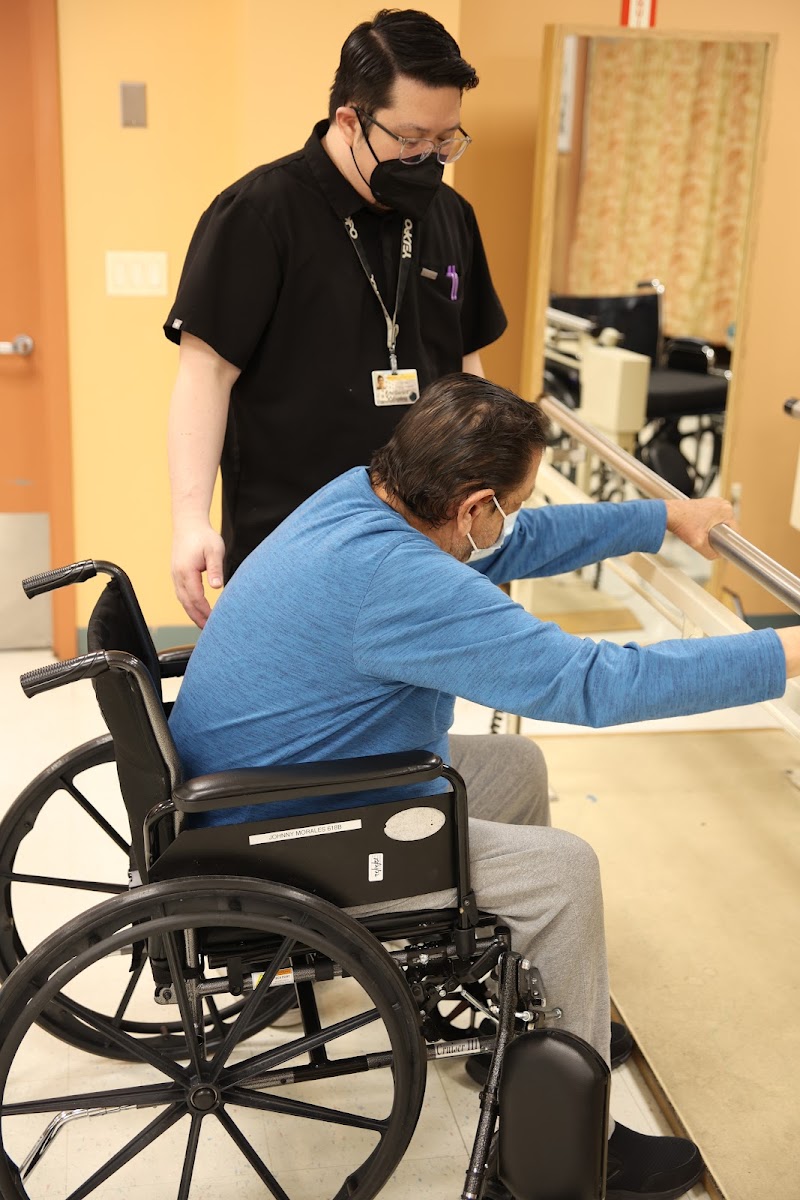
How is Rebekah Rehab And Extended Staffed?

CMS rates REBEKAH REHAB AND EXTENDED CARE CENTER's staffing level at 1 out of 5 stars, which is much below average compared to other nursing homes. Staff turnover is 36%, compared to the New York average of 46%. This relatively stable workforce can support continuity of care.

What Have Inspectors Found at Rebekah Rehab And Extended?

State health inspectors documented 19 deficiencies at REBEKAH REHAB AND EXTENDED CARE CENTER during 2019 to 2023. These included: 19 with potential for harm.
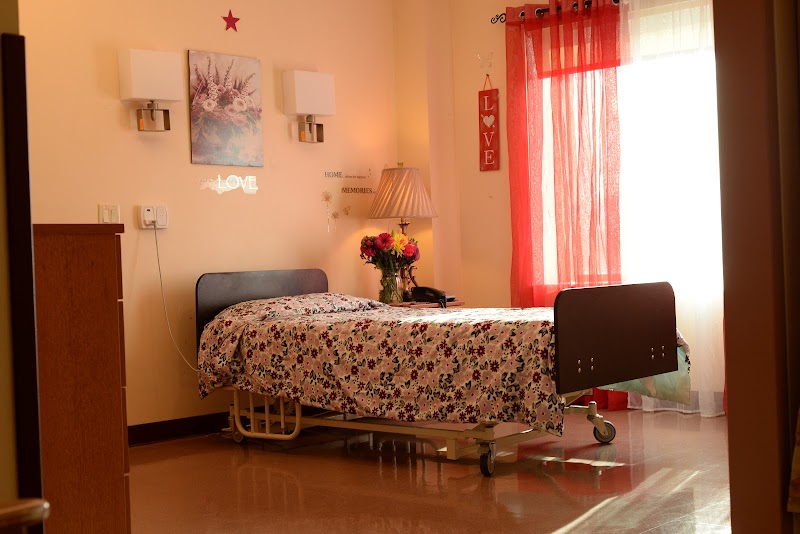
Who Owns and Operates Rebekah Rehab And Extended?

REBEKAH REHAB AND EXTENDED CARE CENTER is owned by a non-profit organization. Non-profit facilities reinvest revenue into operations rather than distributing to shareholders. The facility operates independently rather than as part of a larger chain. With 213 certified beds and approximately 204 residents (about 96% occupancy), it is a large facility located in BRONX, New York.
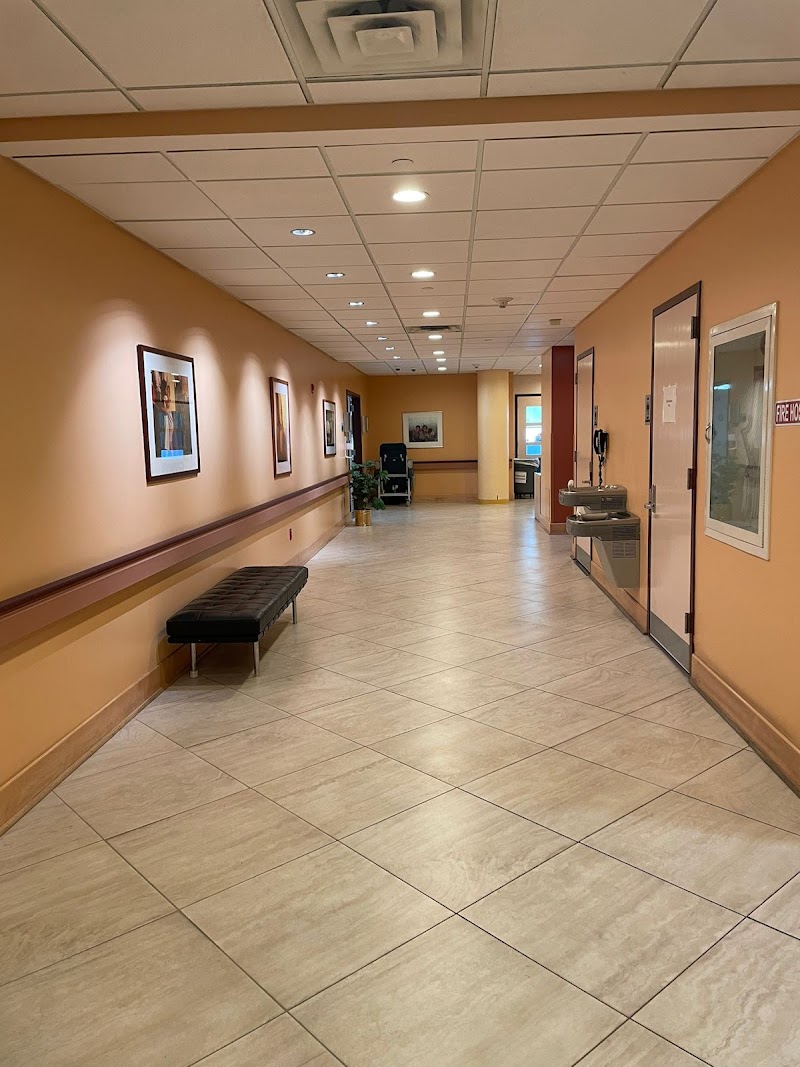
How Does Rebekah Rehab And Extended Compare to Other New York Nursing Homes?

Compared to the 100 nursing homes in New York, REBEKAH REHAB AND EXTENDED CARE CENTER's overall rating (2 stars) is below the state average of 3.1, staff turnover (36%) is near the state average of 46%, and health inspection rating (3 stars) is at the national benchmark.

What Should Families Ask When Visiting Rebekah Rehab And Extended?

Based on this facility's data, families visiting should ask: "Can you walk me through typical staffing levels on day, evening, and night shifts?" "Can I visit during a mealtime to observe dining assistance and food quality?" "How do you handle medical emergencies, and what is your hospital transfer rate?" "Can I speak with family members of current residents about their experience?" These questions are particularly relevant given the below-average staffing rating.

Is Rebekah Rehab And Extended Safe?

Based on CMS inspection data, REBEKAH REHAB AND EXTENDED CARE CENTER has a clean safety record: no substantiated abuse findings (meaning no confirmed cases of resident harm), no Immediate Jeopardy citations (the most serious violation level indicating risk of serious injury or death), and is not on the Special Focus Facility watch list (a federal program monitoring the lowest-performing 1% of nursing homes). The facility has a 2-star overall rating and ranks #100 of 100 nursing homes in New York. While no facility is perfect, families should still ask about staff-to-resident ratios and recent inspection results during their visit.

Do Nurses at Rebekah Rehab And Extended Stick Around?

REBEKAH REHAB AND EXTENDED CARE CENTER has a staff turnover rate of 36%, which is about average for New York nursing homes (state average: 46%). Moderate turnover is common in nursing homes, but families should still ask about staff tenure and how the facility maintains care continuity when employees leave.

Was Rebekah Rehab And Extended Ever Fined?

REBEKAH REHAB AND EXTENDED CARE CENTER has no federal fines on record. CMS issues fines when nursing homes fail to meet care standards or don't correct problems found during inspections. The absence of fines suggests the facility has either maintained compliance or corrected any issues before penalties were assessed. This is a positive indicator, though families should still review recent inspection reports for the full picture.

Is Rebekah Rehab And Extended on Any Federal Watch List?

REBEKAH REHAB AND EXTENDED CARE CENTER is not on any federal watch list. The most significant is the Special Focus Facility (SFF) program, which identifies the bottom 1% of nursing homes nationally based on persistent, serious quality problems. Not being on this list means the facility has avoided the pattern of deficiencies that triggers enhanced federal oversight. This is a positive indicator, though families should still review the facility's inspection history directly.