CONCERN
(D)
Potential for Harm - no one hurt, but risky conditions existed
Deficiency F0568
(Tag F0568)
Could have caused harm · This affected 1 resident
**NOTE- TERMS IN BRACKETS HAVE BEEN EDITED TO PROTECT CONFIDENTIALITY** Based on observation, record review and staff interviews during the re-certification and Complaint Investigation survey, the fac...
Read full inspector narrative →
**NOTE- TERMS IN BRACKETS HAVE BEEN EDITED TO PROTECT CONFIDENTIALITY** Based on observation, record review and staff interviews during the re-certification and Complaint Investigation survey, the facility did not ensure individual resident financial records were made available to resident and resident representatives through quarterly statements. Specifically, quarterly statements were not provided in writing to residents and/or resident representatives within 30 days after the end of the quarter. This was evident for 1 resident reviewed for Personal Funds (Resident #19), out of total sample of 38 residents.
The findings are:
The facility Policy and Procedure on Resident's Right regarding Funds dated 05/2002, last revised 12/2019 documented that the facility will permit each resident the right to manage his/her personal financial affairs; will ensure that the resident/designee will have ability to view their active balance and have access to their funds.
Resident #19 was admitted to the facility 07/11/2014, with diagnoses that included Hypertension, Hyperlipidemia, Arthritis, Cerebrovascular accident (CVA).
The Quarterly Minimum Data Set (MDS) dated [DATE] documented the resident has Intact cognitive status. The MDS documented that Resident, and Family or significant other participated in assessment.
On 10/02/23 at 10:47 AM, Resident #19 was interviewed during the initial pool. Resident stated that they have an account with the facility, but they were not being given statement for a very long time
Residents' Fund trial Balance as of 10/03/2023 documented that Resident #19 has a balance of $3,497.32.
There was no documented evidence noted/produced to show that the residents / resident's family are being provided with their quarterly statements.
On 10/04/23 at 12:52 PM, an interview was conducted with the Charge Nurse, RN #1. RN #1 stated that they are not sure how often the statement is given to the resident; RN #1 stated that it is the Social Worker that is responsible for giving out the statement to the residents.
On 10/04/23 at 01:20 PM, the Director of Social Services (DSS) was interviewed and stated that the Finance/Billing gives out the statement to the resident/resident's family; DSS stated that they have not been documenting if, and when the statement is given out to the resident/resident representatives. DSS stated that they will ask the Administrator to clarify the issue and revert.
On 10/04/23 at 02:43 PM, an interview was conducted with the Finance Director, (FD). FD stated that they believe the statement are mailed out quarterly to the resident and resident's representative, and if any resident asks for a copy, it is printed and given to them. FD further stated that they don't know if and how the statement sent out is documented.
On 10/04/23 at 02:50 PM, the Assistant Administrator was interviewed and stated that the 3rd party company handles the resident's finances, and the distribution of statements to the resident. Assistant Administrator stated that they are not aware if the resident's statement is documented in the resident's chart when it is sent out to the resident/resident's representative.
On 10/04/23 at 03:29 PM, an interview was conducted with the Administrator. The Administrator stated that statement is sent by an outside vendor to the resident/resident's representatives quarterly. If the resident is not alert and oriented, it is mailed to the representative's primary home address, and if the resident is alert and oriented, it is mailed to the facility and delivered to the resident. The Administrator further stated that quarterly statement delivered to the residents in the facility could not be identified because mail delivered to the residents is not opened. There is no documented evidence in the resident's records that the quarterly statements are being delivered.
415.26(h)(5)(i)
CONCERN
(D)
Potential for Harm - no one hurt, but risky conditions existed
Deficiency F0570
(Tag F0570)
Could have caused harm · This affected 1 resident
Based on record review and staff interviews during the recertification survey, the facility did not ensure that an appropriate surety bond was purchased, or otherwise assurance satisfactory to the Sec...
Read full inspector narrative →
Based on record review and staff interviews during the recertification survey, the facility did not ensure that an appropriate surety bond was purchased, or otherwise assurance satisfactory to the Secretary was provided, to assure the security of all personal funds of residents deposited with the facility. Specifically, there is no surety bond in place to assure the residents fund against lost. This was evident for 434 residents who maintained personal funds accounts, current total balance of $356,043.48, (Three hundred fifty-six thousand, forty-three dollars, and forty-eight cents)
The findings are:
The facility Policy and Procedure on Resident's Right regarding Funds dated 05/2002, last revised 12/2019 documented that the facility will permit each resident the right to manage his/her personal financial affairs; will ensure that the resident/designee will have ability to view their active balance and have access to their funds.
Resident Fund Trial Balance as of 10/03/2023 documented Total Account: 434; Current balance: $356,043.48, (Three hundred fifty-six thousand, forty-three dollars, and forty-eight cents).
Document provided to the surveyor on 10/04/2023 at 02:30 PM, signed by the Director of Finance documented: To Whom It May Concern: Our facility has no active surety bond on file.
On 10/04/23 at 02:43 PM, an interview was conducted with the Finance Director, (FD). FD stated that there has been no surety bond on file since they started work here and has no knowledge about it.
On 10/04/23 at 03:29 PM, the Administrator was interviewed, stated that the facility has surety bond for the resident's bond kept by the outside vendor. Administrator stated that the outside vendor will be contacted to get the Surety bond, which will be made available to the surveyor within the next 24 hours.
415.26(h)(5)(v)
CONCERN
(D)
Potential for Harm - no one hurt, but risky conditions existed
Deficiency F0578
(Tag F0578)
Could have caused harm · This affected 1 resident
**NOTE- TERMS IN BRACKETS HAVE BEEN EDITED TO PROTECT CONFIDENTIALITY** Based on observation, record review, and interviews conducted during the recertification survey from 10/2/2023 to 10/11/2023, th...
Read full inspector narrative →
**NOTE- TERMS IN BRACKETS HAVE BEEN EDITED TO PROTECT CONFIDENTIALITY** Based on observation, record review, and interviews conducted during the recertification survey from 10/2/2023 to 10/11/2023, the facility did not ensure that Advance Directives (AD) were implemented in a manner that was consistent with resident's wishes. This was evident for 1 (Resident #183) of 41 total sampled residents. Specifically, facility did not ensure Resident #183's AD that included specific instructions not to provide antibiotics or IV were followed.
The findings are:
The facility procedure and policy titled Advance Directives reviewed 3/22 documented residents and their designated representatives to formulate and express (in writing or verbally) advance directives for medical care. Advance directives can include but is not limited to a MOLST(Medical Orders for Life Sustaining Treatment), Health Care Proxy, Living Will or Durable Power of Attorney for Health Care Decision Making.
Resident #183 was admitted to the facility with diagnosis of Alzheimer's Disease, Diabetes Mellitus and Anxiety Disorder.
The Minimum Data Set 3.0 (MDS) assessment dated [DATE] documented resident had severely impaired cognition.
The Medical Orders for Life-Sustaining Treatment (MOLST) form dated 7/13/23 documented resident's Health Care Proxy (HCP) formulated for Resident #183 to Do not intubate (DNI), Do not resuscitate (DNR), Do not send to hospital (DNH) orders. The MOLST form also documented Resident #183 should receive comfort measures only, no feeding tube, no IV fluids, and no antibiotics.
The physician order for Advance Directive (AD) revised 7/14/23 documented that resident has DNR, DNI, DNH orders and palliative care with no PO antibiotic and no IV fluids.
The physician note dated 9/30/23 documented resident's chest x-ray done 9/29/23 for low grade fever and large amount mucus. X-ray result revealed no acute findings, no evidence of TB. Resident to start Ceftriaxone 1 mg for 3 days, Azithromycin 500mg x 1 day, then 250mg x 4 days continue Robitussin. Resident's AD of DNI/DNR/DNH.
The physician orders dated 9/30/23, documented that the resident to receive Azithromycin oral 500mg tablet STAT one time on 9/30/23. Following to start on 10/1/23: Azithromycin 250mg tablet by mouth once daily for 4 days, Ceftriaxone Sodium Injection Solution Reconstituted 1 GM intravenously one time a day for 3 days, and Sodium Chloride Intravenous (IV) Solution 0.9% (Sodium Chloride) 75 ml/hour intravenously every shift for 2 days.
The review of the Medication/Treatment Administration Record for September 2023 and October 2023 revealed resident received Azithromycin 500mg oral tablet one time on 9/30/23, Azithromycin 250mg oral tablet once daily from 10/1/23 to 10/4/23, Ceftriaxone Sodium Injection intravenously once daily from 10/1/23 to 10/3/23, and Sodium Chloride intravenous solution intravenously on left arm every shift on 10/1/23 and at 7am on 10/2/23.
The review of interdisciplinary notes dated from 9/30/23 to 10/2/23 revealed there was no documented evidence that the HCP was notified about Resident #183's change in condition and whether the HCP agreed to the initiation of antibiotics and IV fluids.
The nursing note dated 10/3/23 documented the resident's HCP visited today and asked staff to stop IV fluids because Resident #183 has an AD order in place not to get IV fluids or antibiotics.
On 10/6/23 at 10:27 AM, the Unit Nurse Manger (RN #1) stated the resident's advance directive form was updated by the resident's HCP, and on 7/14/23 orders were placed indicating Resident #183 should not receive antibiotics or IV fluids.
On 10/6/23 at 12:49 PM, the Medical Doctor (MD) stated they were called to see Resident #183 because the resident was noted with fever and showing signs/symptoms of pneumonia. The MD stated Resident #183 had active AD orders: DNR, DNI, DNH and palliative care, but the orders didn't specify not to give IV fluids or antibiotics. The MD stated they would not have not ordered antibiotics or IV fluids as a treatment plan for Resident #183 if that was reflected in the resident's orders. The MD stated the unit nurse manager also notifies the resident's family/representative when the resident is started on antibiotic therapy and/or when an IV is initiated. The MD stated that they didn't hear any issues from the unit nurse about it, so the MD didn't know that there were any problems.
415.3(e)(2)(iii)
CONCERN
(D)
Potential for Harm - no one hurt, but risky conditions existed
Notification of Changes
(Tag F0580)
Could have caused harm · This affected 1 resident
**NOTE- TERMS IN BRACKETS HAVE BEEN EDITED TO PROTECT CONFIDENTIALITY** Based on observation, record review, and interviews conducted during the recertification survey from 10/2/2023 to 10/11/2023, th...
Read full inspector narrative →
**NOTE- TERMS IN BRACKETS HAVE BEEN EDITED TO PROTECT CONFIDENTIALITY** Based on observation, record review, and interviews conducted during the recertification survey from 10/2/2023 to 10/11/2023, the facility did not ensure the resident's representative was notified of a significant change in resident's condition and a need to alter treatment. This was evident for 1 (Resident #183) of 41 total sampled residents. Specifically, Resident #183's designated representative was not notified of initiation of IV antibiotic therapy and fluids administered for resident who developed an infection.
The findings are:
The facility procedure and policy titled Notification of Changes in a Resident's Status revised 8/22 documented that all relevant team members, residents and designated representatives be appropriately informed of changes in resident's status.
Resident #183 was admitted to the facility with diagnosis of Alzheimer's Disease, Diabetes Mellitus and Anxiety Disorder.
The Minimum Data Set 3.0 (MDS) assessment dated [DATE] documented resident had severely impaired cognition.
The physician note dated 9/30/23 documented resident's chest x-ray done 9/29/23 for low grade fever and large amount mucus. X-ray result revealed no acute findings, no evidence of TB. Resident to start Ceftriaxone 1 gram (GM) for 3 days, Azithromycin 500mg (milligrams) x 1 day, then 250mg x 4 days continue Robitussin. Resident's AD (Advance Directives) of DNI (Do Not Intubate)/DNR(Do Not Resuscitate)/DNH(Do Not Hospitalize).
The physician orders dated 9/30/23, documented that the resident to receive Azithromycin oral 500mg tablet STAT one time on 9/30/23. Following to start on 10/1/23: Azithromycin 250mg tablet by mouth once daily for 4 days, Ceftriaxone Sodium Injection Solution Reconstituted 1 GM intravenously one time a day for 3 days, and Sodium Chloride Intravenous Solution 0.9% (Sodium Chloride) 75 ml (milliliters)/hour intravenously every shift for 2 days.
The review of the Medication/Treatment Administration Record for September 2023 and October 2023 revealed resident received Azithromycin 500mg oral tablet one time on 9/30/23, Azithromycin 250mg oral tablet once daily from 10/1/23 to 10/4/23, Ceftriaxone Sodium Injection intravenously once daily from 10/1/23 to 10/3/23, and Sodium Chloride intravenous (IV) solution intravenously on left arm every shift on 10/1/23 and at 7am on 10/2/23.
The review of interdisciplinary notes dated from 9/30/23 to 10/2/23 revealed there was no documented evidence that the HCP was notified about Resident #183's change in condition and the initiation of antibiotics and IV fluids.
On 10/11/23 at 1:03 PM, Nurse Supervisor (RN #2) stated they were not aware of this resident's condition and that resident was started on IV or antibiotics on 10/1/23. RN #2 stated it is a joint responsibility of the nurse manager, nurse supervisor and/or physician to communicate with each other and to notify family of resident's change in condition/treatment. RN #2 stated that they would have made the call to family if RN #2 was made aware that the family needed to be notified.
On 10/6/23 at 12:49 PM, the Medical Doctor (MD) stated they were called to see Resident #183 because the resident was noted with fever and showing signs/symptoms of pneumonia. The MD stated Resident #183 had active AD orders: DNR, DNI, DNH and palliative care, but the orders didn't specify not to give IV fluids or antibiotics. The MD stated they would not have not ordered antibiotics or IV fluids as a treatment plan for Resident #183 if that was reflected in the resident's orders. The MD stated the unit nurse manager also notifies the resident's family/representative when the resident is started on antibiotic therapy and/or when an IV is initiated. The MD stated that they didn't hear any issues from the unit nurse about it, so the MD didn't know that there were any problems.
415.3(f)(2)(ii)(c)
CONCERN
(D)
Potential for Harm - no one hurt, but risky conditions existed
Deficiency F0604
(Tag F0604)
Could have caused harm · This affected 1 resident
**NOTE- TERMS IN BRACKETS HAVE BEEN EDITED TO PROTECT CONFIDENTIALITY** Based on observation, record review, and interview, during the recertification survey, the facility did not ensure that a reside...
Read full inspector narrative →
**NOTE- TERMS IN BRACKETS HAVE BEEN EDITED TO PROTECT CONFIDENTIALITY** Based on observation, record review, and interview, during the recertification survey, the facility did not ensure that a resident was free from physical restraints. Specifically, a resident had half upper side rail on the left side and half lower side rail on the right side up. This was evident for 1 of 1 resident reviewed for Physical Restraints (Resident #254).
The findings are:
Policy and Procedure titled Side Rail Use, last revised in August of 2022 stated as follows: It is the policy of Schervier Nursing Care Center that side rails will be used only when they are deemed to benefit the resident in increasing his/her mobility in bed, as an assistive device/enabler. Physical restraints are defined as any manual method of physical or mechanical device, material, or equipment attached to or adjacent to the resident's body that the individual cannot remove easily which restricts freedom of movement or normal access to one's body.
Resident #254 diagnosed with hypertension, anxiety and osteoarthritis.
The Quarterly Minimum Data Set 3.0 assessment (MDS) dated [DATE] indicated that the resident's cognition was intact with a Brief Interview for Mental Status (BIMS) score of 15 out of 15. No psychosis or behavioral symptoms were exhibited. Resident #254 required the extensive assistance of 2 persons for bed mobility, transfer and toilet use and supervision with 1 person assist with eating. The MDS noted that bed rails were not in use, and the resident did not suffer any falls since admission/readmission.
Side Rail Evaluation dated 3/26/2022 noted recommendations for Half Side Rails to assist with turning and positioning and to promote independence with bed mobility.
The Comprehensive Care Plan (CCP) for Activities of Daily Living (ADL) last revised on 10/08/2020 noted as follows: The resident needs a safe environment with even floors free from spills and/or clutter; adequate, glare-free light; a working and reachable call light, the bed in low position at night; Side rails as ordered, handrails on walls, personal items within reach.
On 10/04/23 at 10:24 AM, there were no orders for side rails in the medical record.
On 10/04/23 at 09:53 AM and on 10/05/23 at 09:35 AM, the surveyor observed Resident #254 in bed, alert and oriented, watching television and listening to an audio book on smart phone with half lower side rail up on right side and half upper side rail on left side up.
On 10/06/23 at 10:48 AM, an interview and observation were conducted with Resident #254 regarding the ability to manipulate the side rails. The resident was unable to perform a demonstration of releasing the lock on the side rail during the observation. Resident #254 stated that they were unable to release the lock on the side rail because their arms not strong enough and they could not reach at that angle. U nable to demonstrate to the Surveyor based on current functional abilities. The resident was unclear about the use of the side rail and only stated that it does not worry the resident so there was never any complaints made regarding them.
On 10/10/23 at 10:19 AM, an interview was conducted with Licensed Practical Nurse (LPN) #8. LPN #8 stated that Resident #254 used to have side rails before, but they have not had them for a long time. LPN #8 was not aware that the resident currently had side rails in use during the time of the survey.
On 10/10/23 at 02:31 PM, an interview was conducted with the Director of Rehabilitation (DOR) regarding the use of side rails for the resident. The DOR stated that for a resident to get side rails installed, they will need an appropriate Brief Interview for Mental Status (BIMS) at least 13 - 15 in order for the nurse will initiate the assessment for the device, the resident will have to demonstrate the ability to manipulate the rails but bringing the side rails up and down without assistance. This demonstration should be observed and documented by the nurse or physician. The physician will then make the order and the maintenance team will install the device as ordered. If the resident is receiving rehabilitation services, the recommendation can be made if there is a need. The DOR stated that at this time, the resident is due to be complete re-assessed by all related departments of care. The Doctor is new to the unit but will support the process. The DOR stated they knew Resident #254 had side rails in use, but they were not aware there were no physician's orders in place.
On 10/06/23 an 03:05, an interview was conducted with the Physician (MD) #2 regarding a missing order for the resident side rails. MD #2 stated that only started on Unit 3 about 1 month ago, and they were not aware of the need for an order but usually will get the order done. The procedure is the physicians put in the order when side rails are initiated by Physical Therapy. MD #2 stated that moving forward, they will review and put in the order as needed.
On 10/10/23 at 03:59 PM, and interview was conducted with the Director of Nursing (DON) regarding the use of side rails for the resident. The DON stated that the social worker will check the resident's Brief Interview for Mental Status (BIMS), if over 13 and the resident can put the rails up and down independently, the team will be made aware, and an order will be done. Resident #254's status will be re-evaluated.
415.4(a)(2-7)
10/04/23 09:53 AM
Resident Observed in bed, Alert and Oriented, watching TV, handrails up (half lower on right, half upper on left)
10/05/23 09:35 AM
Resident Observed in bed, Alert and Oriented, watching TV and listening.
Half lower handrail up on right side
Half upper handrail up on left side
10/04/23 09:53 AM
Resident Observed in bed, watching TV, handrails up (half lower on right, half upper on left)
10/06/23 at 10:48 AM
Resident Observed in bed, watching TV, handrails up (half lower on right, half upper on left)
On 10/06/23 at 10:48 AM, an interview was conducted with the Resident, stated that can't release the lock on the rail, arms not strong enough and cannot reach at that angle.
10/04/23 09:53 AM
Resident in bed, Alert and Oriented, watching TV and listening.
Half lower handrail up on right side
Half upper handrail up on left side
10/05/23 09:35 AM
Resident in bed, Alert and Oriented, watching TV and listening.
Half lower handrail up on right side
Half upper handrail up on left side
10/04/23 10:24 AM
MD Orders
No MD orders noted in EMR
10/04/23 10:27 AM
Comprehensive Care Plan
The resident needs a safe environment with: even floors free from spills and/or
clutter; adequate, glare-free light; a working and reachable call light, the bed in low
position at night; Side rails as ordered, handrails on walls, personal items within
reach)
Date Initiated: 10/08/2020
Revision on: 10/08/2020
10/04/23 10:46 AM
Quarterly MDS dated [DATE]
Resident's cognition is intact with a BIMS of 15
No potential indicators for Psychosis
No behavioral symptoms exhibited
Wandering: Behavior not exhibited.
Bed mobility: Extensive, 2 + person assist
Transfer: Extensive, 2 + person assist
Eating: Supervision, 1 person assist
Toilet Use: Extensive, 2 + person assist
No falls since admission/readmission
Bed rail: Not Used
Side Rail Evaluation dated 3/26/2022
Recommendations for Half Side Rails
- To assist with turning and positioning
- To promote independence with bed mobility
On 10/06/23 at 10:48 AM, an interview and observation was conducted with the Resident regarding the side rails. The resident stated that can't release the lock on the rail, arms not strong enough and cannot reach at that angle. Unable to demonstrate to the Surveyor based on current functional abilities.
On 10/10/23 at 10:19 AM an interview was conducted with Shanthi Jebamani, LPN regarding the resident's use of side rails. LPN stated that the resident
used to have side rails before but has not for a long time. LPN was not aware that the resident still had side rails on bed.
On 10/06/23 an 03:05, an interview was conducted with Dr. [NAME] regarding orders for a resident side rails. Stated that only started on unit 3 about 1 month ago, was not aware of the need for an new order but usually will get the order done. The procedure is to put in order when initiated by PT if needed. Moving forward, will review and put in the order.
On 10/10/23 at 02:31 PM, an interview was the Director of Rehabilitation. Stated that the Resident will need appropriate BIMS. Nurse will initiate and Resident will have to demonstrate ability to manipulate the rails. Resident is due to be re-assessed for BIMS and Assessment. The Doctor is new to the unit but will support the process. Rehab department was aware prior that the resident had a side rail, resident did not have an order for the rail.
On 10/10/23 03:59 PM and interview was conducted with the DON. Stated that the SW will check BIMS, over 13, the ability to put them up and down independently, team is made aware, an order is done, status is re-evaluated.
CONCERN
(D)
📢 Someone Reported This
A family member, employee, or ombudsman was alarmed enough to file a formal complaint
Potential for Harm - no one hurt, but risky conditions existed
Report Alleged Abuse
(Tag F0609)
Could have caused harm · This affected 1 resident
**NOTE- TERMS IN BRACKETS HAVE BEEN EDITED TO PROTECT CONFIDENTIALITY** Based on record review and interviews conducted during the Recertification and Complaint (NY00319294) survey from 10/02/2023 to ...
Read full inspector narrative →
**NOTE- TERMS IN BRACKETS HAVE BEEN EDITED TO PROTECT CONFIDENTIALITY** Based on record review and interviews conducted during the Recertification and Complaint (NY00319294) survey from 10/02/2023 to 10/11/2023, the facility did not ensure all allegations of abuse, including injuries of unknown origin were reported to the New York State Department of Health (NYSDOH) within two hours. This was evident for 2 (Resident #11 and #20) of 41 total sampled residents.
The findings are:
The facility's policy and procedure entitled Accident and Incident Reporting and Investigating, last reviewed 10/2023, states that the facility will ensure that all accidents or incidents are promptly reported. Following an occurrence, the nurse notified the Nurse Manager/Supervisor, who initiated an Accident/Incident Report. The Director of Nursing signs off on the Accident/Incident Report and calls in the event to the Department of Health as applicable.
1) Resident #11 had diagnoses of Epilepsy, Hemiplegia, and Alzheimer's disease.
The Minimum Data Set 3.0 (MDS) assessment dated [DATE] documented Resident #11 was severely cognitively impaired and required the assistance of 2 people to complete activities of daily living.
On 6/30/23, the complainant reported to the New York State Department of Health (NYSDOH) Aspen Complaint Tracking System (ACTS) that Resident #11 was observed during week of 6/11/2023 and on 6/25/2023 with a bruise to their forehead and Resident stated bruise was due to a fall.
A Registered nursing (RN) supervisor progress note written by RN #4 dated 06/25/2023 documented Resident #11's daughter reported the resident had a headache and he/she fell a few days ago. Resident #11 was noted with a brownish pigmentation on the forehead. The nursing supervisor made aware and assessed the resident. Physician notified, neuro checks every shift X 3 days, and will evaluate resident in AM.
A Medial progress note dated 6/26/2023 documented Resident #11 was seen and examined for headache. Resident had a fall few days before as per chart documentation. Resident complaining of headache and forehead is tender on palpitation. X-ray of head /skull due to headache and tenderness on forehead. Monitor vitals and neuro check every shift.
There was no documented evidence staff identified this injury of unknown origin prior to Resident #11's family member reporting the injury. This injury of unknown origin was not reported to NYSDOH.
On 10/4/2023 at 4:55 PM RN #4 was interviewed, and stated resident's daughter reported that resident fell a few days ago and has been complaining of headaches and also has discoloration and tenderness to their forehead. RN #4 stated staff had not reported a fall recently and there was no bruise on resident's forehead either. RN #4 further stated that Resident also has a history of complaining of headaches. RN #4 stated they did not do an investigation because there was no bruise observed, no complaints of tenderness to their forehead, and as a result they were not convinced resident had a fall.
On 10/6/2023 at 2:05 PM the Director of Nursing Services (DNS) was interviewed, and stated RN #4 assessed Resident #11 after resident's family reported that resident was complaining their head hurts because they had a fall. RN #4 did not see bruising and there was no tenderness to resident's forehead. The DNS further stated there was no reportable incidence of trauma regarding this case, so no investigation was completed and therefore nothing to report to the New York State Department of Health (NYSDOH).
2) Resident # 20 had diagnoses of Alzheimer's disease, Type 2 diabetes mellitus, and Peripheral vascular disease.
On 10/2/23 at 11:40 AM and 10/5/23 at 10:25 AM, the Surveyor observed a yellowish bruise on Resident #20's left side of their forehead.
The Minimum Data Set 3.0 (MDS) assessment dated [DATE] documented Resident #20 was severely cognitively impaired and required the assistance of 1-2 people to complete activities of daily living.
There was no documented evidence this injury of unkown origin was identifed or assessed in the medical record.
There was no documented evidence Resident #20's injury of unknown origin was reported to the New York State Department of Health (NYS DOH).
On 10/5/2023 at 10:54 AM, Licensed Practical Nurse (LPN #7) was interviewed and stated they just noticed the bruise on Resident #20's forehead yesterday, but it was fading and they forgot to report this to the nursing manager.
On 10/5/2023 at 11:20 AM the RN Manager (RN #1) was interviewed and stated no one reported Resident #20 had a bruise to their left forehead. RN #1 stated they just checked resident, and the bruise is old and yellow. RN #1 further stated that Resident did have a witnessed fall on 8/22/2023 but did not hit their head and there was no injury noted to their forehead either.
On 10/6/2023 at 10:00 AM the Medical Doctor (MD) was interviewed and stated they visited Resident #20 on 9/13/2023, 9/17/23, and 9/23/23 and did not observe any changes of skin color to their forehead. MD stated If the nurse reported a bruise, they would visit and evaluate the resident. The MD further stated they do not think the bruise is from the fall resident had on 8/22/2023.
On 10/6/23 at 12:10 PM LPN #9 stated they observed Resident #20's witnessed fall on 8/22/23. LPN #9 further stated that Resident did not hit her head and there was no redness note to their forehead.
On 10/6/2023 at 2:15 PM the DNS was interviewed and stated the bruise on Resident #20's forehead is from a witnessed fall which occurred on 8/22/2023. RN #1 observed a small discoloration on resident's forehead later that same day but did not write a note about it. The DNS also stated that the other nurses should have documented and followed up on the bruise and the doctor should have been notified about the bruise. The DNS further stated the bruise is nothing new and RN #1 did not have to investigate. Therefore, there was no report submitted to the New York State Department of Health (NYSDOH).
415.4 (b)(2)
CONCERN
(D)
📢 Someone Reported This
A family member, employee, or ombudsman was alarmed enough to file a formal complaint
Potential for Harm - no one hurt, but risky conditions existed
Investigate Abuse
(Tag F0610)
Could have caused harm · This affected 1 resident
**NOTE- TERMS IN BRACKETS HAVE BEEN EDITED TO PROTECT CONFIDENTIALITY** Resident #11
Based on record review and interviews conducted during the Recertification and Complaint (NY00319294) survey from 1...
Read full inspector narrative →
**NOTE- TERMS IN BRACKETS HAVE BEEN EDITED TO PROTECT CONFIDENTIALITY** Resident #11
Based on record review and interviews conducted during the Recertification and Complaint (NY00319294) survey from 10/02/2023 to 10/11/2023, the facility did not ensure that all allegations of abuse, including injuries of unknown origin, were thoroughly investigated. This was evident for 2 (Resident #11 and #20) of 41 total sampled residents. Specifically, 1) there was no documented evidence an investigation was conducted when Resident #11 reported a fall to their designated representative and complained of headaches and tenderness to their forehead, and 2) there was no documented evidence an investigation was conducted for Resident #20 who had ecchymosis to their forehead.
The findings are:
The facility policy titled Abuse, Neglect, and Exploitation, Prevention, and Intervention dated 1/2020 documented all departments/all staff identifies and immediately reports all allegations, reports or witnesses' incidents of abuse, neglect, exploitation, or mistreatment. Reports including new bruising, injuries of unknown origin, allegation or witnessed abuse, neglect, misappropriation of property, or exploitation to their supervisor, Director of Nursing (DNS), Director of Social Services (DSS), and the Facility Administrator. The policy further documented the DNS/DSS coordinates and leads investigation of all allegations, suspicions and reports of abuse, neglect, misappropriation of property, mistreatment, or exploitation.
1) Resident #11 had diagnoses of Epilepsy, Hemiplegia, and Alzheimer's disease.
The Minimum Data Set 3.0 (MDS) assessment dated [DATE] documented Resident #11 was severely cognitively impaired and required the assistance of 2 people to complete activities of daily living.
On 6/30/23, the complainant reported to the New York State Department of Health (NYSDOH) Aspen Complaint Tracking System (ACTS) that Resident #11 was observed during week of 6/11/2023 and on 6/25/2023 with a bruise to their forehead and Resident stated bruise was due to a fall.
A Registered nursing (RN) supervisor progress note written by RN #4 dated 06/25/2023 documented Resident #11's daughter reported the resident had a headache and he/she fell a few days ago. Resident #11 was noted with a brownish pigmentation on the forehead. The nursing supervisor made aware and assessed the resident. Physician notified, neuro checks every shift X 3 days, and will evaluate resident in AM.
Medial progress note dated 6/26/2023 documented Resident #11 was seen and examined for headache. Resident had a fall few days before as per chart documentation. Resident complaining of headache and forehead is tender on palpitation. X-ray of head /skull due to headache and tenderness on forehead. Monitor vitals and neuro check every shift.
The facility provided no documented evidence an investigation was conducted when Resident #11 reported a fall to their designated representative and complained of headaches and tenderness to their forehead.
On 10/4/2023 at 4:55 PM RN #4 was interviewed, and stated resident's daughter reported that resident fell a few days ago and has been complaining of headaches and also has discoloration and tenderness to their forehead. RN #4 stated staff had not reported a fall recently and there was no bruise on resident's forehead either. RN #4 further stated that Resident also has a history of complaining of headaches. RN #4 stated they did not do an investigation because there was no bruise observed, no complaints of tenderness to their forehead, and as a result they were not convinced resident had a fall.
On 10/6/2023 at 2:05 PM the Director of Nursing Services (DNS) was interviewed, and stated RN #4 assessed Resident #11 after resident's family reported that resident is complaining their head hurts because they had a fall. RN #4 did not see bruising and there was no tenderness to resident's forehead. The DNS further stated there was no reportable incidence of trauma regarding this case, so no investigation was completed.
2) Resident # 20 had diagnoses of Alzheimer's disease, Type 2 diabetes mellitus, and Peripheral vascular disease.
On 10/2/23 at 11:40 AM and 10/5/23 at 10:25 AM, the Surveyor observed a yellowish bruise on Resident #20's left side of their forehead.
The Minimum Data Set 3.0 (MDS) assessment dated [DATE] documented Resident #20 was severely cognitively impaired and required the assistance of 1-2 people to complete activities of daily living.
Medial progress note dated 10/6/2023 documented asked to visit Resident #20 for skin discoloration on forehead. No reported recent fall or trauma
There is no documented evidence staff statements were obtained and thorough investigation was conducted to rule out abuse for Resident #20.
On 10/5/2023 at 10:54 AM Licensed Practical Nurse (LPN #7) was interviewed and stated I just noticed the bruise on Resident #20's forehead yesterday but it was fading. I forgot to report this to the nursing manager.
On 10/5/2023 at 11:20 AM the RN Manager (RN #1) was interviewed and stated no one reported Resident #20 had a bruise to their left forehead. RN stated they just checked resident, and the bruise is old and yellow. RN #1 further stated that Resident did have a witnessed fall on 8/22/2023 and resident did not hit their head and there was no injury noted to their forehead either.
On 10/6/2023 at 10:00 AM the Medical Doctor (MD) was interviewed and stated they visited Resident #20 on 9/13/2023, 9/17/23, and 9/23/23 and did not observe any changes of skin color to their forehead. MD stated If the nurse reported a bruise, they would evaluate the resident. The MD further stated they do not think the bruise is from the fall resident had on 8/22/2023.
On 10/6/23 at 12:10 PM LPN #9 stated they observed Resident #20's witnessed fall on 8/22/23. LPN #9 further stated that Resident did not hit her head and there was no redness note to their forehead.
On 10/6/2023 at 2:15 PM the DNS was interviewed and stated the bruise On Resident #20's forehead is from the witnessed fall which occurred on 8/22/2023. RN #1 observed a small discoloration on resident's forehead later that same day but did not write a note or report this to the doctor. The DNS also stated that the other nurses should have documented and followed up on the bruise and the doctor should have been notified. The DNS further stated the bruise is nothing new and RN #1 did not have to investigate.
415.4 (b) (3)
FTag Initiation
F580/609/610
NY00319294
6/30/2023 Email complaint received from resident's daughter. Call placed acknowledging receipt of email complaint.
Facility Information
Facility Name: Schervier Rehabilitation and Nursing Center
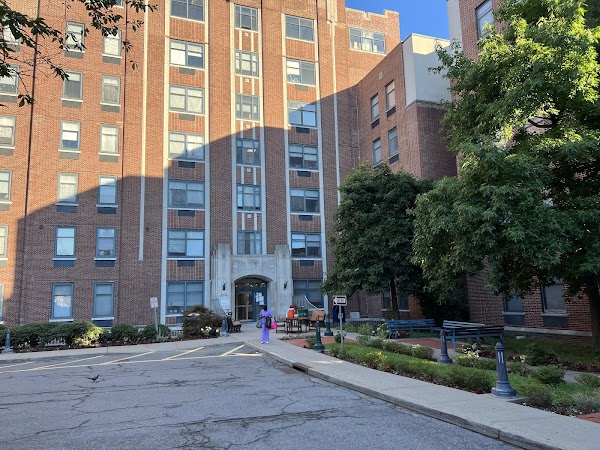
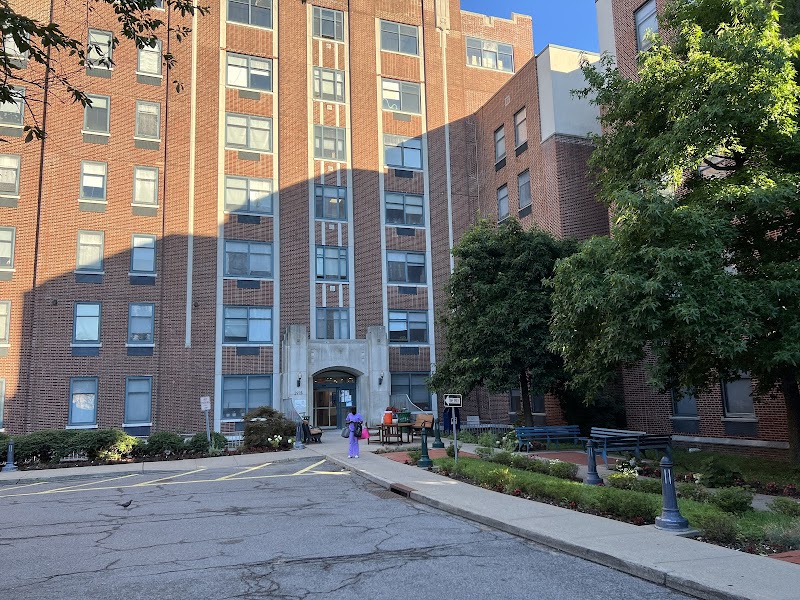
Facility Address: 2975 Independence Ave, Bronx, NY 10463
Complaint Information
Have you filed a complaint with the facility?: No
What happened?:
When (date and time) did the problem occur?: Sat, 06/11/2023 - 13:00
Is the problem ongoing?: Unknown
Is the resident/patient still in the facility?: Yes
The week 5/28 my sister went to visit my mom and she was ok. My mother did not say or seem disoriented and had no bruises on her face. The week of 6/11 my other sister went to visit and noticed a bruise on my mothers forehead. When she sked my mother what happened she gave her a clear account of her falling and that she was helped by the nursing staff and given some Tylenol. When my sister went to ask the RN staff and the social worker to confirm if my mother had fell they stated that she had not fallen and had no record of her falling. I am the health care proxy for my mother and I did not receive notification of a fall either. No bruising was present when my youngest sister went to visit on 5/28 and my mother did not mention a fall. My sister who visited the week of 6/11 is an RN and said the bruise appeared to be a week old, so I suspect she fell sometime the week of 6/4. I went to visit my mother on 6/25 the bruise on her forehead was still present (I took a picture) and when I asked her what happened she told me that she fell and the staff helped up. My mother has no guardrails on her bed and is wheelchair bound. I have asked multiple times that she be assessed to have the rails placed back on her bed due to fear of her failing out of the bed and hurting herself. On 6/28 my mother was sent to [NAME] Presbyterian Hospital because she was experiencing nausea and had a headache, which I thought was extreme since they are claiming she didn't fall. In the past when she had a headache and nausea they would just give her Tylenol and ginger ale. At the hospital they did a CT scan which came back negative.
I believe the hospital was negligent and my mother fell and they did not follow procedure or inform the family of the fall. I would like this investigated and I want guardrails to be placed back on her bed to prevent this from occurring in the future.
Observations
10/04/23 12:28 PM Observed resident in bedroom sitting in w/c. Legs elevated on a cushion.
10/05/23 10:21 AM Observed resident in bedroom sitting in w/c. Legs elevated on a cushion. Resident was dressed in day clothes and appeared to be sleeping.
10/06/23 01:00 PM Observed resident in bedroom sitting in w/c. Legs elevated on a cushion.
Interviews
10/03/23 09:59 AM [NAME] Complainant interviewed at [PHONE NUMBER] and stated I have picture of scar on forehead was 6/25 when she told us she had fell and couple days later sent to hospital because she had a headache. My mom said she had fell and she was ok and they helped her. Nobody called or emailed me or anything. She gets a visit once a week from family. If something happens to her they notify me. She has mark on her forehead. She had a gash on her forehead. There was a mark bruising on her forehead. She said she fell and she is ok and they helped her. Nobody told me or called me. They had changed bed in the facility because no guard rails now. My mom is a potential fall risk so she needs the guard rails. The guard rails will be helpful for her to hold onto when the aides change her. [NAME] on call also and stated-In 2020/2021 my mom had no side rails. We asked for her to get assessed for side rails. They said they would assess her but last time SW said she did not qualify. They only put mats on the floor. I had asked the RNS to check inside computer to see if my mom fell. The RNS said she didn't know anything about it. I told her she had fell and she said there is no record she did. So they took her vitals and gave her something for a h/a and a couple days later she was sent to ER for a CTSCAN. About 2 days later I went with my mom to the hospital to make sure everything ok. There is a nurse supervisor that notifies me any changes and her name is [NAME]. Also, there is an infestation of roaches in her room. My other sister sent me a picture this morning. I think took she took the picture this past Sunday. We went down to administration and notified them about. It was in the nightstand. Look in her refrigerator too.
10/04/23 04:25 PM [NAME] CNA interviewed ([PHONE NUMBER]) and stated We used a hoyer lift to put her in chair and normally put a pillow to position to side. They gave us wedges for the bed because she was leaning. We take resident out every morning at 10am. I would give breakfast and then regularly check her because she leans over and then take her out by her doorway. Resident would go in TV room for activities. Resident c/o headache and there was no bruising. When I came in following morning I got report she c/o pain across her forehead. I remember she went to hospital shortly after her complaints. Her daughter normally visits. Most of time after I leave work. Sometimes when I combed her hair at that time she would complain of the pain. Then I would tell nurse about it. The nurse would ask the CNAs if they got any complaints from resident of any pain. There was no bruise, no swelling just she complained. She didn't have a fall that I know of. Resident is a 2 person assist with personal care and hoyer transfer. There is nothing on chair for her to bump her head and no rail on her bed either.
10/04/23 04:55 PM [NAME] RN Supervisor: I have worked here more than 10 years 3-11 shift. The staff on the unit called me. I know the resident and daughter very well. Mom c/o h/a and discoloration on forehead. UI assessed resident and she didn't want me to touch her, She was not in distress and dtr said she fell few days ago. Staff said resident was leaning on side and had to reposition her so I looked at record and notes about that. I spoke to dtr and she was ok with the explanation. There was definitely no bruise or swelling. The resident just c/o h/a. I checked the record and she complained of h/a and was effective. Resident had c/o headaches in the past. Staff told me she had a hx c/o headaches in the past. There was no fall recently. To reposition her you need 2 persons. At that time staff reported they reposition her because she was leaning. At that time I investigated it I was convinced because of repositioning her because if she fell they would report it. If she was c/o tenderness I would do an investigation. But this it was it was a headache. It was not a bruise. I might be convinced. I was made aware that resident fell and didn't do an investigation.
10/05/23 09:34 AM Telephone call to [NAME] LPN @ [PHONE NUMBER]: No answer. Message left. Will try again later today.
10/06/23 10:42 AM Interview with Dr. [NAME]: I saw 6/9 for lab report and I didn't see a bruise. She was seen by doctor on 6/26/23 was seen and examined and had fall before according to chart. The doctor ordered x-ray of head because she c/o of h/a. According to the doctor's note her forehead was tender. 2 days later I saw her and she was in pain and sent her to ER for CT of head. I didn't see bruise on her head. But she was c/o of headache. I saw her on 6/14/23 and didn't hear anything about headaches. I do not check MAR for Tylenol. I check communication book. There was no bruise at that time. Most of the time they put ER in the hallway because of the seizure.
10/06/23 12:27 PM [NAME] RN Manager interviewed and stated The family should have been notified there was a change in the resident's condition. The LPN can notify the family, and/or supervisor and/or nurse manager. Our policy here is that if resident c/o h/a there should be documentation nd doctor and family should have been notified. If the resident is c/o headache and note is left in doctor's book. Sometimes the doctor can call the family especially in this setting.
10/06/23 02:05 PM [NAME] DNS interviewed and stated I was talking about this with [NAME] RNM and she said she did not see bruise either. Usually occurrence happens and takes care of right away and initiate incident report. The floor staff they are superly aware and so good at reporting. They know head to toe problem for each of people. As per RNM and supervisor no discoloration of forehead. I don't think they call family for resident c/o h/a. There was no reportable incidence of trauma regarding this case. This pt is heavy set and if she falls you know how many people to get her up. If fall resident incident made by supervisor. According to [NAME] stated when she looked at it no tenderness but pt family stated she had a fall. If there is a definitely reportable case that needs to be reported to DOH within 5 days. 1st report 2-3 days and 2nd report 5 days. If h/a is severe then they report to family. There is no significant change happen. Nothing to report.
10/03/23 11:00 AM No roaches observed in residents nightstand, fridge, or room.
All State Pest Management log documented on 9/20/22 roaches in room [ROOM NUMBER] A&B treated for roaches on 9/22/23.
All State Pest Management log documented on 9/29/22 no report under staff observations.
MDS
Quarterly MDS dated [DATE] documented:
B - Adequate hearing. Unclear speech. Sometimes understood/understands. Moderately impaired vision.
C - Resident with severely impaired cognition (BIMs 1).
E - No behavior issues.
G - Resident totally dependent of 2 persons for transfers and totally dependent of 1 person for locomotion on/off unit. Activity did not occur for walk in room/corridor and resident required extensive assist of 2 persons for remainder of ADLs.
H - Resident always incontinent of urine and frequently incontinent of bowel.
I - Seizure Disorder or Epilepsy/Hemiplegia or Hemiparesis/Viral Hepatitis/Alzheimer's Disease.
J - Resident had no pain and no falls.
N - No medications received.
O - Resident received 5 days OT with start date of 4/28/23 and 5 days PT with start date of 4/29/23. No restorative nursing program or O2 therapy received.
P - No restraints or alarm devices used.
Skin check dated 6/6/23, 6/13/23 & 6/23/23 documented No open areas or impaired skin integrity noted.
CNA Accountability documented no skin abnormalities for month of June 2023.
Physician's orders as of 6/1/23
5/1/20 Bleeding precautions
5/1/20 Fall/safety precaution
8/5/20 Skin care: licensed nurse check once a week during
shower every Tuesday 7-3pm shift every day shift
every Tue for monitoring.
12/11/20 Keppra and Dilantin levels one time a day every 3
month(s) starting on the 11th for 1 day(s) for seizure
1/13/22 Phenytoin Sodium Extended Capsule 100 MG Give 1
capsule by mouth two times a day for seizure disorder
2/1/23 PT eval referral due to decline in mobility and
transfers/ contracture management/positioning
4/13/23 Phenytoin Sodium Extended Oral Capsule 30 MG
(Phenytoin Sodium Extended) Give 1 capsule by
mouth in the morning for seizure disorder total 130 mg
(100+30) morning , 100mg pm
4/28/23 Occupational therapy evaluation and treatment:
Treatment Diagnosis: Muscle Weakness
Frequency/Duration: 3-7 days x/week for
4 weeks
4/29/23 Physical therapy evaluation and treatment: Treatment
Diagnosis: Difficulty with bed mobility
Frequency/Duration: 3-7 x/week for 4
6/29/23 Xray of head/skull d/t h/a & tenderness on forehead
Diagnoses
Seizure Disorder or Epilepsy/Hemiplegia or Hemiparesis/Viral Hepatitis/Alzheimer's Disease
Progress Notes
Relevant progress notes (e.g., physician, non-physician practitioner, and/or nursing notes). Note: Surveyor may have to obtain/review records from the hospital, or request the previous medical record to review circumstances surrounding the resident's hospitalization.
Progress notes related to any incidents of smoking, injuries, altercations, elopements, or falls. If available, investigation report related to any incidents of smoking, injuries, altercations, elopements, or falls
Tylenol administered 6/13, 6/14, 6/16, 6/17, 6/25, 6/26
6/13/23 Nsg note resident noted positioning herself on her R side of the w/c. Repositioned, redirected and explained the importance of being upright.
6/14/23 MD note NAD. Ext/MSK: trace edema.
6/22/23 Nsg Note Resident noted leaning on the extreme right of the bed with wedges on the floor mat. Repositioned the resident to the middle of the bed with wedge on the each side. Informed resident of the importance of being HOB position is to maintain safety.
6/23/23 Nsg note [NAME] Licensed Nurse Weekly Skin Check Completed. No open areas or areas of impaired skin integrity noted.
6/25/23 Nsg note Residents daughter stated to nursing supervisor [NAME] that resident told her that she fell and she was picked up, daughter stated that no one informed her on any falls. Resident stated that her head hurts, APAP 325 2 tabs given.
6/25/23 Nursing note [NAME] had a neuro assessment completed. VS: T 98.5 - 6/25/2023 18:50 Route: Forehead (non-contact) P 86 - 6/25/2023 18:50 Pulse Type: Regular R 18 - 6/25/2023 18:50 BP 120/82 - 6/25/2023 18:50 Position: Lying l/arm . Orientated to person: Yes, place: No, time: No, and situation: No. Alert: Yes. Pupils are equal: Yes. Reactive to light left: Yes, right Yes. Left measures 3mm, right measures 3mm. Follows finger with eyes: Yes. Responds to simple commands: Yes, verbalizes appropriately Yes. verbal expression of pain voiced: Yes. Pain score is 4, grimace, withdrawal, or shows other non verbal signs of pain: No. Extremity movement: right arm Yes, left arm Yes, right leg Yes, left leg Yes. Refer to full assessment for more information.
6/25/23 Nursing note Res daughter spoke with undersigned reported that res has headache and she fell few days ago. Assessed res, she stated that she has headache, no SOB, no pallor, no sweating noted, denied chest pain, with brownish pigmentation on the forehead. No swelling. Res refused to be touched. V/S BP 120/82 P 86 R 18 T 98.5 02sat 96% room air. Neuro check done WNL. Able to move ext at command. Review record conducted, Res also c/o of headache on 6/15/23, treated with Tylenol with good effect. On 6/22/23, it was documented that, Resident noted leaning on the extreme right of the bed with wedges on the floor mat. Repositioned the resident to the middle of the bed with wedge on each side. Informed resident of the importance of being HOB position is to maintain safety. Res daughter informed that res may be referring of this documentation. Dr. [NAME] notified, Res to eval by MD in am. res daughter informed. Res for Neurocheck q shift X 3days. RNS [NAME]
6/26/23 Nursing note Resident alert and responsive. C/o mild head ache ,Tylenol given as ordered with good effect. Neuro check in progress. Slept good. V/S: T97.4,P78,R18,BP 146/76,02 sat 97%. Safety precaution maintained. Total care provided. Will continue to monitor.
6/26/23 MD note
Headache
Reported patient is having headache.
Patient was seen & examined for Headache.
Patient had a fall few days before as per chart doc. On eval, Patient is noted with lying in bed.
C/O headache, mild, forehead is tender on palpation. No swelling or open skin noted.
Xray Of head / skull d/t headache &tenderness on fore head,
Neuro check every shift,
Monitor vitals & neuro check q shift, update pcc. If abnormal inform MD
6/27/23 Nursing note X-ray and lab work ordered for pt on 6/26/23. lab technician came to facility to draw blood however, pt. informed technician and writer that she refuses and does not want her blood drawn. Nurse manager and doctor both contacted AND made aware.
6/28/23 ER MD note
Transfer for Head CT
Reported a Fall by the resident on 6/25/23
No visible injury noted
X-ray Skull: unremarkable
No skin discoloration.
Please transfer the resident to ER for Head CT
On Tylenol for pain management.
H/O Seizure disorder
No reported recent seizure activity
Recent phenytoin level reviewed: subtherapeutic
Increased Phenytoin Sodium Extended Oral Capsule 100 MG q8 hr.
Keppra level :therapeutic
Levetiracetam Tablet 750 MG q12 hr (5/3/23 adjusted).
6/29/23 Nursing note
Resident returned from the ER via stretcher accompanied by 2 ambulance personnel at 11:55pm(6/28/23), NSG supervisor made aware. Resident alert and responsive. S/P CT scan of head, shows unremarkable. Total care care provided. V/S: T97.8,P 74, R18, BP 168/86,02 sat 97%.Will continue to monitor.
6/29/23 MD note S /P ER transfer. Resident was sent to ER for CT of the head for possible head trauma CT head w/o IV contrast done: was unremarkable.
On eval, the resident is in bed with no acute distress, and denies pain, discomfort. No reported headache, Nausea, vomiting monitor for change.
Care Plan
Initiated 4/5/17 and reviewed 8/17/23 The resident is at risk for falls r/t Unaware of safety needs, Confusion, Deconditioning, Gait/balance problems, Incontinence/The resident will be free of falls through the review date/The resident needs to be evaluated for, and supplied appropriate adaptive equipment or devices as needed. Re-evaluate as needed for continued appropriateness and to ensure least restrictive device or restraint/Educate the resident/family/caregivers about safety reminders and what to do if a fall occurs/Be sure the resident's call light is within reach and encourage the resident to use it for assistance as needed. The resident needs prompt response to all requests for assistance/Anticipate and meet the resident's needs.
Initiated 4/5/17 and reviewed 8/17/23 The resident has an ADL Self Care Performance Deficit r/t Disease Process, Confusion, Impaired balance/The resident will maintain current level of function in Bed Mobility, Transfers, Eating, Dressing, Toilet Use and Personal Hygiene through the review date/BED MOBILITY: the resident requires extensive assist of two for bed mobility/ Requires 2 staffs assist during ADL's at all times due to behavior/SKIN INSPECTION: The resident requires SKIN inspection weekly on shower/bath day. Observe for redness, open areas, scratches, cuts, bruises and report changes to the Nurse/TRANSFER: The resident requires total assist of two for transfer with use of Hoyer lift .
Resident #20
FTag Initiation
F584/609/610
Observations
10/02/23 11:40 AM Resident had a a Fall standing up from w/c on 8/22/23. Fading bruise noted L forehead.
10/05/23 10:25 AM Observed resident resting in bed with eyes closed. Bed and resident appeared clean. 2-3 inch fading ecchymotic area noted L forehead.
Interviews
10/05/23 10:31 AM Interview with [NAME] CNA:I didn't notice fading bruise L forehead. When I notice anything different I let the nurse know. Sometimes resident yells and wants to get up and walk. I haven't seen her combative. More if you tell her to sit she would refuse. She is stubborn. She attends activities and likes playing with the balls and music. You can't give her crayons because she puts in her mouth. In the past she would yell and scream. Yesterday she was yelling because she wanted to go. Resident does yell often. Resident likes to touch a resident near them on their arm and residents don't like that. Resident is incontinent of B&B and gets changed in the bathroom or her bed.
10/05/23 10:54 AM Interview with [NAME] LPN: I noticed he bruise on her forehead when I do fingerstick Wednesday. It's yellow already. I just noticed it yesterday but it was it was fading. I usually ask the staff or previous if they noticed anything from the forehead or any incident happen. I should asked the the nurse manager if they noticed anything or if somebody reported anything to anyone. Then the supervisor would investigate. I have worked here 18 years. I have worked for 14 years on this floor. Sometimes we miss something and that somebody would pick up.
Resident screams sometimes kicks, grabs and still does that. But she touches and their are time that she grabs. We prevent her touching or grabbing residents by not keeping her close to the others. Evening shift documents her behaviors by looking at CNA tasks. Resident sees the Psychiatrist but I am not sure how often she is seen.
10/05/23 11:20 AM [NAME] RN Manager (UNIT 5S & 5N) interviewed and stated no one reported resident has a bruise on her left forehead. I know she is on Plavix. I checked her just now and the bruise is very old it is yellow. I'm seeing note L hip skin discoloration d/t a fall back in August. So she had a fall August 22nd at 10:44AM. At the time I did my assessment for witnessed fall. At time I did my assessment I didn't notice anything but doctor noticed forearm but nothing about forehead. I know she was sent out to the hospital prior to fall I am going to check admission assessment for when she came back to us. She was sent out to hospital d/t unresponsive and came back 8/10/23. Bruising L/r Ac space. Back of L&R hand bruising, L forearm bruising, R&L upper arm bruising. R& L LE bruising and R side bruising. In the comments stated scattered bruising R and lower extremities. I am not going to assume or say but I think she came from the hospital with the bruise on her forehead. She fell after she came back from hospital and I didn't see the bruise on her forehead. yellow is all over her and yellow fading discoloration all over her. If it was red I could say it just happened. But that really faint pale yellow justifies she got it in the hospital. If a nurse called me and said resident has bruise of unknown origin, I would come and do my assessment, and my assessment would include neuro checks because on forehead, vital signs. If bruise is raised I apply ice first and then notify MD to come and see resident. Based on MD eval ok she has head strike don't know what happened lets send her out for CT scan of head. Family has to be notified and circumstances. 1st I have to do an A/I report, collect statements going back for 3 days because it is unknown. I then give the report to DNS and she follows through with disciplinary action if needed and she does reporting to state.
I/A dated 8/22/23 documented in the afternoon small discoloration to left forehead. It was a witnessed fall.
10/06/23 10:00 AM Interview with Dr. [NAME]: I visited resident on 9/23, 9/17, & 9/13. The last day I visited her at that moment I didn't see any changes of skin color. 8/27 I saw skin discoloration on l hip and I asked for xray L hip. There are 18 skin changes report. In this year only skin changes on arm and leg on 7/16 bruise medial side r arm. If its hematoma or active bleeding hold blood thinner if on. It depends on severity, like skin changes around orbit. Depends on situation we can do x-ray of facial bone but send to ER. According to my notes I didn't mention anything in my notes. If the nurse reported to me I am going to see the patient. I don't think the bruise is from the fall. Superficial will fading faster and deep takes time. I cannot estimate exact date but depends on severity. I have not received fall report on her. I visited her 2-3 X re skin discoloration on extremity and for one I ordered X-ray on hip.
I noticed that she was seen on 9/27 and he recommended to d/c Abilify. She is on Divalproex for Bipolar d/o. Usually Divalproex is used for Bipolar. Resident is taking medications for behavior. For unstable mood she puts herself on floor. I believe she went to the hospital and they recommended to continue the medication. She went to the hospital for UTI problem. The psychiatrists comes regularly monthly or every 3 months. Before 9/27 seen by Psych and recommended and he recommended to continue Depakote. The Abilify was d/c'd on 9/27/23. Physically she is doing well. Frequently I was called to see her because she would put herself on the floor. Sometimes she is resistive but is getting better. Her behaviors are much better about 6-8 months. I noticed recently her behaviors are much better. They used to call 2-3 people to take her bed and many times put herself on floor but now is less. Resident has been on Depakote for more than 6 months it 3X, 2x, then 3x. Now she is taking it 3 X. The Psychiatrist has been doing GDRs on Abilify and Depakote and sometimes they failed because her behaviors would put herself at risk of trauma. Now she is only on Depakote. We are doing level Valproic acid to check level and according level behavior then adjust dose.
10/06/23 12:01 PM [NAME] RN Manager interviewed: I was the one who assessed her in morning when she had fall and nothing there. So in the evening when doing final rounding between 4& 5 she was sitting in hallway and I looked at her and saw a very a very sm area it was like .5 X .5. The bruise on her forehead could be from that fall she is on an anticoagulant. Right there and then I thought coming from morning that is why I didn't report because witnessed fall I didn't let doctor in the evening. And of course it should have been documented. I had to reprimand [NAME] for because she made it out like something new and just happened. Nurses are supposed to report this to supervisors. The doctor should have been notified. I saw it and said to evening staff this could be from fall she had this morning. She was on Abilify and seen on Psychiatrist 9/27/23. There has been other GDR when her behavior gets worse we put psych eval and will come see her. At one point she was on Trileptal and also Abilify. They worked on dosages to [TRUNCATED]
CONCERN
(D)
Potential for Harm - no one hurt, but risky conditions existed
Comprehensive Assessments
(Tag F0636)
Could have caused harm · This affected 1 resident
**NOTE- TERMS IN BRACKETS HAVE BEEN EDITED TO PROTECT CONFIDENTIALITY** Based on record review and interviews conducted during the recertification survey from 10/2/23 to 10/11/23, the facility did not...
Read full inspector narrative →
**NOTE- TERMS IN BRACKETS HAVE BEEN EDITED TO PROTECT CONFIDENTIALITY** Based on record review and interviews conducted during the recertification survey from 10/2/23 to 10/11/23, the facility did not ensure Minimum Data Set (MDS) 3.0 assessment was completed in a timely manner. This was evident for 1 (Resident #504) of 12 residents reviewed for Resident Assessment. Specifically, the admission MDS assessment was not completed within 14 calendar days from the Assessment Reference (ARD) Date (Resident #504).
The findings are:
The facility policy and procedure titled MDS Assessment & Submission revised 8/23 documented that the federal and state required MDS assessments are set, completed accurately, and submitted timely for all residents. IDT collects, organizes, and evaluates relevant information concerning all residents' health and overall condition, completing the assigned portions of the MDS assessments within the required time frame.
Resident #504 was admitted to the facility on [DATE]. The admission MDS assessment with ARD of 3/29/23 was completed late on 4/26/23.
On 10/11/23 at 1:39 PM, the MDS Coordinator (MDSC) was interviewed who stated that they are responsible to complete MDS assessment properly, accurately and submitted in a timely manner. This requires that the assessment is completed within 13 days of ARD. MDSC recognized that they have or had issues of not completing within the required time frame and that they are currently working to address and correct the problem.
415.11(a)(3)(iii)
CONCERN
(D)
📢 Someone Reported This
A family member, employee, or ombudsman was alarmed enough to file a formal complaint
Potential for Harm - no one hurt, but risky conditions existed
Comprehensive Care Plan
(Tag F0656)
Could have caused harm · This affected 1 resident
**NOTE- TERMS IN BRACKETS HAVE BEEN EDITED TO PROTECT CONFIDENTIALITY** Based on observation, record review and staff interviews conducted during the Recertification/ Complaint survey (NY00307350 & NY...
Read full inspector narrative →
**NOTE- TERMS IN BRACKETS HAVE BEEN EDITED TO PROTECT CONFIDENTIALITY** Based on observation, record review and staff interviews conducted during the Recertification/ Complaint survey (NY00307350 & NY003188668), the facility did not ensure that a person-centered comprehensive care plan (CCP) was developed and implemented to address the resident's medical, physical, mental, and psychosocial needs. Specifically, No CCP developed and implemented for resident's use of IV Antibiotic for chronic Urinary Tract infection (UTI). This was evident for 1 of the 5 complaint investigations (Resident #71).
The findings are:
The facility policy and Procedure titled Interdisciplinary Comprehensive Care Planning dated 11/2010, last revised 08/2020, documented: Interdisciplinary clinical team, upon completion of the comprehensive assessment, develops, at a minimum, care plans for the triggered care areas .In addition, reviews and updates the care plan as needed, after an occurrence, or any sig changes; implements a care plan for episodic conditions
Resident #71 was admitted to the facility 12/16/2021, with diagnoses that included coronary artery disease (CAD), Hypertension, Non-Alzheimer's Dementia, Malnutrition.
The Quarterly Minimum Data Set (MDS) dated [DATE] documented the resident had severe impairment in cognition with long and short-term memory problems, never or rarely made decisions. The MDS documented the resident, rarely/never understood, and rarely/never understands.
The Comprehensive Care Plan (CCP) for UTI dated 12/22/2022, last updated 9/5/2023, documented that Resident has Urinary Tract Infection. Resident is on Augmentin Tablet 500-125 MG (Amoxicillin-Pot Clavulanate), Give 1 tablet by mouth every 12 hours for UTI for 5 Days until finished
Goals included: -Resident's urinary tract infection will resolve without complications by the review date
Interventions included: - Check at least every 2 hours for incontinence. Wash, rinse, and dry soiled areas.
Give antibiotic therapy as ordered. Monitor/document for side effects and effectiveness.
Give antipyretics, analgesics, and antispasmodics as ordered/PRN. Monitor/document for side effects and effectiveness.
Monitor intake and output.
Physician's order revision date: 09/28/2023 documented: Cefepime HCl Injection Solution Reconstituted 1 GM (Cefepime HCl) 1 gram intravenously one time a day for Cystitis for 5 Days.
Physician's order dated 12/9/2022 documented: Augmentin Tablet 500-125 MG (Amoxicillin-Pot Clavulanate) 1 tablet by mouth every 12 hours for UTI for 5 Days until finished
There was no documented evidence of interventions in place to address the use of IV Antibiotic therapy, and there was no plan of care developed for the maintenance of resident's IV site.
On 10/04/23 at 12:35 PM, an interview was conducted with the unit Charge Nurse, RN #1. RN #1 stated that Resident #71 is currently on Cefepime HCl) 1 gram intravenously one time a day for Cystitis for 5 Days. RN #1 stated that resident's IV ABT is supposed to be care planned by the Unit Manager, or whoever takes the other for the ABT. RN stated they cannot explain why the care plan for the resident's IV ABT was not initiated/updated when it started on 9/29/2023.
On 10/04/23 at 12:59 PM, an interview was conducted with the RN Manager, RN #2. RN #2 stated that resident's care plan is updated quarterly and for any episodic condition. RN #2 also stated that the Nursing Educator gives the resident's list on ABT to the managers for the Manager to initiate/update the care plan accordingly. RN #2 was unable to explain why resident's IV ABT for UTI is not documented in the care plan.
On 10/04/23 at 01:33 PM, an interview was conducted with the Clinical Educator, (CE). CE stated that they go through orders on daily basis, search prescription to check current ABT order, documents it in the notebook, the dose, indication and duration of ABT, discuss with the team in the morning meeting with the expectation that the Nurse Manager will initiate the care plan and notify the family. The Clinical Educator stated that they are not aware that resident's IV ABT was not in the care plan.
On 10/04/23 at 03:43 PM, the Director of Nursing (DON), was interviewed and stated that care plan should be initiated as soon as there is episodic order, if not the same day, it should be initiated the second day after all the episodic problems are discussed during the team meeting. DON stated that they are not aware that the care plan was not in place for the resident's IV ABT, but routinely, the episodic care plan is done latest the next day.
415.11(c)(1).
CONCERN
(D)
📢 Someone Reported This
A family member, employee, or ombudsman was alarmed enough to file a formal complaint
Potential for Harm - no one hurt, but risky conditions existed
Deficiency F0657
(Tag F0657)
Could have caused harm · This affected 1 resident
**NOTE- TERMS IN BRACKETS HAVE BEEN EDITED TO PROTECT CONFIDENTIALITY** Based on record review and staff interview conducted during the Recertification survey from 10/2/23 through 10/11/23, the facili...
Read full inspector narrative →
**NOTE- TERMS IN BRACKETS HAVE BEEN EDITED TO PROTECT CONFIDENTIALITY** Based on record review and staff interview conducted during the Recertification survey from 10/2/23 through 10/11/23, the facility did not ensure that a resident Comprehensive Care Plan (CCP) was reviewed and/or revised after each assessment and as needed to reflect the resident's needs. This was evident for 2 out of 41 residents reviewed (Resident # 82 and #289). Specifically:1) CCP related to Activities for Resident #82 were not reviewed and revised quarterly, and 2) the Nutrition CCP for Resident #289 was not reviewed quarterly and after a significant weight loss.
The Findings are:
The facility's policy and procedure titled Interdisciplinary Comprehensive Care Planning, with the last reviewed date of 8/2020, documented that, at a minimum, every quarter after the scheduled comprehensive assessment, meets, evaluates, and revises the resident's care plan. In addition, it reviews and updates the care plan as needed after any significant change.
1.) Resident #82 was admitted with diagnoses that include Hypertension and Dementia.
The Quarterly Minimum Data Set (MDS) assessment dated [DATE] documented Resident #82's cognition as severely impaired and never/rarely made decisions.
The quarterly MDS dated [DATE] documented Resident #82's as severely impaired cognition with a Brief Interview for Mental Status (BIMS) score of 7 out of 15.
The CCP related to Activities initiated on 2/13/23 documented that Resident #82 is at risk for social isolation. The interventions include providing an activity calendar and notifying residents of any changes to the calendar.
There is no documented evidence that the CCP was reviewed and revised after the quarterly MDS assessment on 5/15/23 and 8/15/23.
2.) Resident #289 was admitted to the facility with diagnoses that include Hypertension, Anxiety Disorder, and Bipolar Depression.
The Quarterly MDS assessment dated [DATE] documented Resident #289's cognition as intact with a s BIMS score of 15. Section K documented that Resident #289 has no weight loss.
The quarterly MDS assessment dated [DATE] documented Resident #289's cognition as intact, with a BIMS score 15. Section K documented that Resident #289 had a weight loss of 5% or more in the last month or loss of 10% in the last six months.
The quarterly MDS assessment dated [DATE] documented Resident #289's cognition intact with a BIMS score of 15. Section K documented that Resident #289 had a weight loss of 5% or more in the last month or loss of 10% in the last six months.
The CCP related to nutrition initiated on 1/31/22 documented that Resident #289 is at risk for malnutrition. The Interventions include Identifying and providing foods/fluids per preferences and encouraging oral intake with food preferences.
There was no documented evidence that the care plan was reviewed and revised after the MDS assessment on 3/28/23, 6/26/23, and 7/28/23.
A dietary note dated 3/22/23 documented that Resident # 289 had unplanned/undesirable weight loss x 30/90/180 days related to a history of poor oral intake and multiple refusals of suboptimal intake of additional calories supplements/medications.
There was no documented evidence that the CCP was reviewed and revised with interventions to reflect the weight loss.
A dietary Note dated 9/25/23 at 4:19 PM documented no weight monitoring due to the resident refusing weight.
There was no documented evidence that the CCP was reviewed and revised to reflect the resident's refusal of weights.
During an interview on 10/5/23 at 12:29 PM, the Registered Dietician (RD) stated that they dietician is responsible for updating the nutrition care plan quarterly and as needed. The RD does not know why the interventions were not included in the care plan.
During an interview on 10/6/23 at 10:51 AM, the Regional Dietician stated that the dietician updates the care plan quarterly and as needed. Resident #289's care plan was initiated on 1/31/22 and revised on 10/5/23. There were no changes, so they did not need to add new interventions.
During an interview on 10/6/23 at 11:34 PM, the Unit Manager stated that
care plans are reviewed and revised every three months and when there are any clinical changes in the resident. The new interventions are added to the intervention section. The dieticians are responsible for updating the nutrition care plan and the director of recreation is responsible for updating the activities care plan.
During an interview on 10/10/23 at 1:34 PM, the Director of Recreation stated that the department heads are responsible for reviewing and revising the care plan. The care plan is reviewed every three months. Resident #82's care plan was reviewed today.
During an interview on 10/06/23 at 9:51 AM, the Director of Nursing (DNS) stated that. The dietician is responsible for updating the nutrition care plan quarterly. Each department is responsible for updating its care plans. New interventions should be documented in the intervention section of the care plan.
415.11(C)(2)(i-iii)
CONCERN
(D)
Potential for Harm - no one hurt, but risky conditions existed
Deficiency F0688
(Tag F0688)
Could have caused harm · This affected 1 resident
Based on record review, observations, and staff interviews during the Recertification survey on 10/2/2023 to 10/11/2023, the facility did not ensure that a resident with limited range of motion (LROM)...
Read full inspector narrative →
Based on record review, observations, and staff interviews during the Recertification survey on 10/2/2023 to 10/11/2023, the facility did not ensure that a resident with limited range of motion (LROM) received appropriate treatment and needed services, and equipment to increase range of motion and/or to prevent further decrease in range of motion and contracture. This was evident for 1(Resident # 321) of 2 residents reviewed for Position, Mobility. Specifically, Resident #321 had changes in the right wrist with negative x-ray findings. The wrist issues continued and were not assessed by an Occupational Therapist (OT)/Physical Therapist (PT). The orthopedist recommended Occupational Therapy (OT)/Physical Therapy (PT), a right wrist brace, and Range of Motion (ROM) as tolerated. Resident #321 never received the OT/PT or right wrist brace as ordered.
The findings are:
The facility's policy titled Transcription of Medical Orders revised 9/20 documented that the Clinical Nurse Manager is responsible for reviewing all MD/Nurse Practitioner orders received for the day. Reviews the Radiology/Laboratory logs on a daily basis to determine if there are any pending orders. All Orders for medical treatment are written by an attending Physician/Nurse Practitioner. All Orders are documented in the EMR (electronic medical record) by a Physician/Nurse Practitioner, i.e. admission, readmission, scheduled monthly or interim orders.
Resident #321 was admitted with diagnoses that included Alzheimer's Disease, Pneumonia, and Nail dystrophy.
On 10/02/23 at 12:46 PM, Resident #321 was observed. The resident's right hand and wrist were not moving. Resident #321 guarded the right wrist and would not allwo staff to touch the right wrist. An interview was conducted with Resident #321's nephew. The nephew spoke with the nurse in charge and the physician (MD) last week and was told they will create a plan to assess the resident's right hand and wrist. The nephew was told that X-rays were done, and there were no fractures. The nephew stated the resident's right hand and wrist are swollen, and the resident will not allow anyone to touch them. They stated Resident #321 was not receiving any therapy.
On 10/02/23 at 10:00 AM, Resident #321 was observed sitting in the wheelchair (w/c) with their right wrist turned inward while resting on their lap. No swelling was observed, and the resident was not wearing any splints or devices.
On 10/02/23 at 01:01 PM, Resident #321 was observed sitting in the w/c in the hallway eating lunch with their left hand. The right hand was turned inward and resting on top of the tray table. There was no swelling, and the resident was not wearing any splint or device.
On 10/03/23 at 10:14 AM, Resident #321 was observed sitting in the hallway in the w/c drinking from a container wheelchair using his left hand to hold the container of juice and milk to drink. Observed the right hand turned inward. Observed not to be wearing any hand splints.
10/4/2023 at 11:00 AM observed the resident sitting in the hallway in the wheelchair sitting by the nursing station. Observed the resident right hand resting on the resident lap. No assistive hand device in place.
The X-ray report dated of the right wrist dated 8/8/2023 documented a right wrist x-ray was done because of pain in the right wrist. There was no fracture or dislocation.
The Physician's Note (MD) dated 8/24/2023 documented the resident was seen and examined for right wrist swelling. The resident had swelling along with pain. Mild restricted movement. No fracture or dislocation. A Bengay patch and ortho consult were ordered.
The MD Note dated 9/1/2023 documented the resident seen for right wrist swelling again. The physician documented the resident was developing a contracture and they reordered the x-ray.
The MD note dated 9/4/2023 documented Resident #321 was seen for right wrist swelling, and the resident had mild restricted movement of hand.
Orthopedic consultation note dated 9/4/2023-ortho evaluation for right wrist swelling-review x-ray. The resident complained of (c/o) right wrist pain and stiffness. Denies injury or trauma. right wrist + flexion contracture, mild swelling, unable to actively move wrist, PROM (Passive Range of Motion) done with mild pain, good sensation distally, 2+ capillary refill. X-rays negative for acute pathology. PT/OT may benefit from wrist brace, ROM as tolerated, Analgesics prn, f/u as needed.
MD progress order dated 9/7/2023 documented OT should provide a wrist brace for the right hand as per ortho consult. Resident #321, x-ray report dated 8/8/2023 for pain in right wrist showed no fracture or dislocation.
MD progress note dated 9/7/2023 documents reason for visit is right wrist flexion contracture. Ortho eval- right wrist, positive flexion, mild swelling, unable to actively move wrist. PROM with mild pain, good sensation distally. DX right wrist flexion contracture. Recommendations are PT/OT, may benefit from wrist brace. Tylenol for pain. OT to prevent contracture.
There was no documented evidence the resident was seen by PT and OT or provided with any wrist brace.
On 10/10/2023 at 1:58 PM, Certified Nursing Assistant (CNA) #11 was interviewed. As per the CNA #11, they noticed that when the resident returned from the hospital, Resident #321could no longer walk. CNA #11 noticed that over time the right hand/wrist looked like it was drooping and kept drooping. CNA #11 stated they reported it to the nurse on the day shift and the weekend a while ago, maybe more 1 month ago and asked the nurse what happened. A consult order was placed and an x-ray was done, but they do not know the results. The resident is not using any assistive devices or splints currently.
During an interview on 10/11/23 at 08:33 AM, Licensed Practical Nurse (LPN) #8 stated that one month ago Resident #321 started to complain of pain to the right wrist and would not let anyone touch the wrist. LPN #8 was not aware of any injury or trauma to the right wrist. This has been going on since the resident returned from the hospital. As per the LPN, notified the doctor and the doctor was supposed to see the resident and put in a consult for ortho. The x-rays were negative. The resident is not using any hand braces or splints currently.
On 10/10/23 at 02:34 PM as per RN Unit Manager #5, X-ray was done and no fracture. On 8/23/2023 the family reported concern that the resident right wrist was painful when to touch and slightly red/swollen. MD made and aware order Bengay and repeat x-ray of the right wrist. On 8/9/2023 the resident was seen by MD for right wrist pain. X-ray reviewed. Normal result. Cannot explain the process of who is in charge of picking up orders to ensure the resident gets therapy consult and does not know why the order was not fulfilled or carried out.
During an interview on 10/10/23 at 2:27 PM, the Director of Rehabilitation stated Resident # 321 was on therapy from 3/16/2023 until the resident want into the hospital on 3/29/2023. Upon resident return to the facility, the resident went back on PT/OT from 4/10/2023 to 08/3/2023. Resident #321 is now wheelchair bound. The goal was for ambulation. Resident #321 was unsteady during ambulation, and they were not able to improve their walking. Extensive assistance is required with ADLS, and the resident reached their maximal potential. The Director of Rehabilitation stated they were not informed the resident had any contractures. Stated it was not reported to the therapy department despite an order being placed on 9/7/2023 for recommendation for the OT/PT, right wrist flexion contracture, wrist brace for PT/OT. No rehab notes in system. As per the Director of Rehab the order for OT was not picked up. The Rehab department is responsible for picking up the orders for therapy. The Director of Rehab stated, usually looks in the system for orders but could not explain why Resident #321's order was not noticed and addressed. Rehab orders are reported in morning meeting. First thing in the morning, run order under clinical tab, care management section, filters, the orders and will show all the orders for the residents that need to be seen for therapy. As per the Director of Rehabilitation, cannot explain or tell why the order for a right wrist brace was not picked up by the rehabilitation/OT department.
During an interview on 10/10/23 at 02:57 PM, the Director of Nursing Services (DNS) stated orders are put into the system by the MD and the MD is to communicate with the nursing staff that an order has been put in and needs to be carried out. The system in place is known as a prescription log in the PCC and the staff can see the orders and the nursing staff is to check the orders before the end of their shift for any new orders. The RN manager on the unit is responsible to check the dashboard for newly placed orders by the doctors.
415.12(e)(2)
CONCERN
(D)
Potential for Harm - no one hurt, but risky conditions existed
Deficiency F0726
(Tag F0726)
Could have caused harm · This affected 1 resident
**NOTE- TERMS IN BRACKETS HAVE BEEN EDITED TO PROTECT CONFIDENTIALITY** Based on staff interviews and record review conducted during the Recertification Survey from 10/2/23 to 10/11/23, the facility d...
Read full inspector narrative →
**NOTE- TERMS IN BRACKETS HAVE BEEN EDITED TO PROTECT CONFIDENTIALITY** Based on staff interviews and record review conducted during the Recertification Survey from 10/2/23 to 10/11/23, the facility did not ensure that nurse aides were able to demonstrate competency in skills and techniques necessary to care for a resident's needs as described in the plan of care. This was evident for 1 (Resident #242) of 10 residents reviewed for accidents out of 40 sampled residents. Specifically, Certified Nursing Aide (CNA) #6 was not competent in the usage of a scoot chair that was assigned to Resident #242.
The findings are:
The facility's policy titled 'Inservice Education', last revised 11/22, documented that the purpose is to maintain a high standard of resident care, and that will include subjects based on other topics deemed necessary for quality care.
On 10/05/23@ 12:30 PM, the State Surveyor (SS) was sitting at the nursing station on Unit 2 South, when they heard CNA #6 say put up your legs, put up your legs. The SS then observed CNA #6 pulling Resident #242 backwards, in a scoot chair, in the hallway. Resident #242's legs were dragging on the floor. Licensed Practical Nurse (LPN) #5, then came and assisted CNA #6 by raising the resident's legs, as the resident was pulled backwards.
Resident #242 was admitted to the facility with diagnoses that include Dementia and Anxiety disorder.
The Quarterly Minimum Data Set 3.0 (MDS) dated [DATE] documented the resident's cognition was moderately impaired. Resident #242 required extensive assistance of 1 person's physical assistance for locomotion on the unit.
The Comprehensive Care Plans (CCP) initiated 03/07/2023 documented the resident has an ADL Self Care Performance Deficit related to Impaired balance, limited mobility, pain, and a lack of coordination. The goals include the resident will improve current level of function in bed mobility, transfers, eating, dressing, toilet use and personal hygiene through the review date, 8/31/23. Interventions include transfer and that the resident requires extensive assist with staff participation with transfers, with a revised date of 10/05/2023.
The Physician's Orders dated 10/05/23 documented mobility orders for out of bed (OOB) to a scoot chair with extensive assist x 1.
A Rehabilitation note dated 10/4/23 (late entry) documented Resident #242 was provided with a scoot chair on 10/4/2023 due to increased walking instability and high risk for falls. An in-service was provided to nurse staff on unit on how to operate the scoot chair, and a new OOB order in place.
A Rehabilitation note dated 10/4/23 documented Resident #242 was provided a scoot chair. Nursing was educated on how to utilize the scoot chair for the facilitation of positioning. Nursing would endorse to next shift.
A nursing behavior note dated 10/4/23 documented staff reported Resident #242 was noted scooting multiple times while sitting on the scoot chair and was very difficult to redirect. Resident #242 was noted slowly putting themselves on the floor from scooting; Resident #242 was placed back on their scoot chair. The plan was to monitor the resident.
An Inservice/ Education sheet dated 10/4/23, documented the education topic as, Patient was provided scoot chair. Nursing was educated on how to utilize scoot chair and for facilitation of positioning. Nursing to endorse to next shift. An undated addendum documented the scoot chair should never be used for transport. There were 2 signatures on the Inservice sheet indicating CNA #5 and LPN #4 were trained.
The CNA Documentation Survey Report for October 2023 documented Resident #242 required a w/c (wheelchair) with supervision for locomotion on unit.
There was no documented evidence that the facility provided education or Inservice on the scoot chair to CNA #6.
On 10/10/23 at 04:07 PM, CNA #6 was interviewed and stated that 10/05/23 was not the first time that they took care of Resident #242. CNA #6 said that on 10/05/23, when they took Resident #242 OOB, there was no other chair in the room. It was the first time they operated the scoot chair. CNA #6 also said that they were not in serviced on how to use the chair, so they transferred the resident OOB to the scoot chair.
On 10/5/23 at 4:27PM, an interview was conducted with CNA#5, who stated that they are the primary CNA on the 3-11 shift for Resident # 242. CNA#5 said that they were in serviced on 10/3/23 by a Rehab Staff member on the use of the scoot chair. CNA#5 said that the therapist brought the scoot chair to the unit and showed them how to maneuver the brakes and how to operate the chair. The therapist did not say that they chair was not to be used for transporting the resident, it was only a few minutes ago, prior to the interview, did the therapist say that the chair was not to be used for transporting the resident.
On 10/5 23 at 4:29PM, an interview was conducted with LPN #4, who stated that they are the regular LPN for the 3-11 shift for that unit. LPN #4 stated that they were in serviced on 10/03/23 about the scooting chair and how to operate the chair. The resident was not present in the chair at the time of the in-service. LPN #4 said that they don't recall being told that the scooting chair should not be used for transporting the resident.
On 10/06/23 at 02:31 PM, LPN #5 was interviewed and stated that they saw the scoot chair only 20 minutes prior to using the chair and that they were not aware that a new chair was assigned. LPN #5 said that usually when they get a new device, like a new w/c, the Occupational Therapy (OT) department would come and demonstrate how to use the chair, however, they were not shown how to use the chair.
On 10/06/23 at 2:45 PM, Registered Nurse (RN)#2 was interviewed and said that the scoot chair was provided on 10/04/23, and that they were in-service by the OT department. RN#2 said that the 3-11 nurse and the CNA was provided in-service but RN#2 not aware if the day CNA and Nurse was in serviced prior to using the chair, and that if the OT Staff does not in-service all the nursing staff, then it becomes the responsibility of the RN Manager to do the in-service. RN#2 said that they did not know if the CNA assigned on 10/05/23 was in serviced, and that the instructions would be in the CNAAR. RN#2 said that it was their responsibility to put the instructions in the CNAAR.
On 10/5/23 at 4:30PM, an interview was conducted with the Rehab Director (RD) who stated that in services are given to the staff that are currently present on the unit. In the case of the in-service for Resident # 242, there were 2 evening Staff members who participated. The RD also said that the scoot chair is not pulled, and that the resident was assessed and there was no need for a leg rest. The RD also stated that Resident # 242 was able to lift their leg prior to getting the scoot chair and self-propelled on the previous w/c using their legs. The RD also said that once the information is given to the nursing department, they would pass on the information to the other pertinent staff on the unit.
On 10/06/23 at 3:30 PM, the Occupational Therapy Assistant (OTA) was interviewed and said that the scoot chair was provided on 10/04/23 around 4:30pm, and that they in serviced the staff that was present, an LPN (LPN#4) and the CNA (CNA#5) assigned to the resident. OTA stated that that they usually demonstrate on how the brakes is used and the mechanics of the scoot chair. OTA said that they did an addendum on the in-service on 10/05 /23 indicating that the scoot chair was not to be used for transporting the resident. Once the in-service is done, they get the RN Manager to so that they can endorse it to the other Staff.
On 10/5/23 at 4:31PM, an interview was conducted with the Director of Nursing (DNS) who stated that the Staff that was in-service on 10/3/23, and unfortunately there were only 2 Staff members that were in-serviced. The DNS also said that the Nurse Manager was not there to follow up to ensure that the other staff were in-serviced, and that the Rehab is supposed to follow up with the in-service. The CNA accountability record (CNAAR) should be updated with the new information, and this can be done by the Nursing or the Rehab department.
415.3
CONCERN
(D)
📢 Someone Reported This
A family member, employee, or ombudsman was alarmed enough to file a formal complaint
Potential for Harm - no one hurt, but risky conditions existed
Pharmacy Services
(Tag F0755)
Could have caused harm · This affected 1 resident
Based on observation, record review and interview during the Recertification/Complaint survey (NY00307350 & NY003188668), the facility did not ensure that resident was provided pharmaceutical services...
Read full inspector narrative →
Based on observation, record review and interview during the Recertification/Complaint survey (NY00307350 & NY003188668), the facility did not ensure that resident was provided pharmaceutical services (including procedures that assure the accurate acquiring, receiving, dispensing, and administering of all drugs and biologicals) to meet the needs of the resident. Specifically, resident's medication was not crushed prior to administration as per physician's order and the plan of care. This was evident for 1 of the 5 complaint investigations (Resident #71).
The findings are:
The facility Policy and Procedure for Medication Administration dated 09/2016, last revised 01/2022, documented: Orders automatically transferred to the EMAR/ETAR (electronic Medication/Treatment Administration Record); Prior to administering medication/treatment the nurse will verify orders by comparing the written medication order against the order entered into PCC (Point Click Care)
On 10/03/23 at 01:04 PM, during the Medication Administration observation, LPN #1 was observed administering Senna tablets to Resident # 71 via oral route. It took more than five (5) minutes for resident to swallow the medication.
Physician's order dated 10/02/2023 reviewed for medication reconciliation documented: May crush medications as indicated.
On 10/03/23 at 01:12 PM, LPN #1 was interviewed and stated that there is no order to crush the resident's medication. LPN stated that they did not see any instruction in the medication Administration Record to crush the medication.
On 10/03/23 at 01:19 PM, RN #1 was interviewed and stated that there is an order that medication may be crushed but is not reflected in the EMAR. RN #1 stated that Resident #71 is always administered with medications crushed and given with pudding supplement. RN # 1 further stated that LPN #1 is not regular on the unit, but an updated residents list indicating residents that are on crushed medication (that is always given to the floating nurses) was given to LPN #1, when giving reports at the beginning of the shift. RN #1 stated that they are not aware that LPN #1 was not following the instructions given.
On 10/04/23 at 03:33 PM, an interview was conducted with the Director of Nursing (DON). DON stated that all the medication orders and instructions are expected to be integrated into the MAR, all nurses should be able to see any instructions ordered in the MAR. DON stated that every floor has a resident's list with the information to crush or not to crush the resident's medication, the list is given to the nurses during report prior start of medication administration. DON stated that they are surprised that the nurse did not follow this instruction. DON further stated that the facility will review the physician's instructions that were not integrated into the EMAR to rectify the omission.
415.18(a)
CONCERN
(D)
Potential for Harm - no one hurt, but risky conditions existed
Deficiency F0804
(Tag F0804)
Could have caused harm · This affected 1 resident
**NOTE- TERMS IN BRACKETS HAVE BEEN EDITED TO PROTECT CONFIDENTIALITY** Based on observation, record review, and interviews conducted during the recertification survey from 10/2/2023 to 10/11/2023, th...
Read full inspector narrative →
**NOTE- TERMS IN BRACKETS HAVE BEEN EDITED TO PROTECT CONFIDENTIALITY** Based on observation, record review, and interviews conducted during the recertification survey from 10/2/2023 to 10/11/2023, the facility did not ensure that foods were served at an appetizing temperature during meal service. This was evident for 1 of 1 resident (Resident #37) reviewed for Food out of total 41 sampled residents. Specifically, hot food items served during lunch meal service were not maintained at palatable and appetizing temperatures.
The findings are:
The facility procedure and policy titled Food Safety dated 3/21 documented that all foods will be held at appropriate temperatures, greater than 135 degrees F for hot holding and less than 41 degrees F for cold food holding. Temperature for TCS foods will be recorded at time of service and monitored periodically during meal service periods.
The lunch meal times for 2 South starts 11:30AM to 11:40AM, 2 North starts 11:40AM to 11:50AM, 3 South starts 11:50AM to 12:00PM and 3 North starts at 12:00PM to 12:10PM.
Resident #37 was admitted to the facility with diagnosis of Peripheral Vascular Disease, Schizoaffective Disorder and Paraplegia.
The Minimum Data Set 3.0 (MDS) assessment dated [DATE] documented resident is cognitively intact.
On 10/5/23 at 10:01 AM, Resident #37 stated foods taste horrendous because hot foods are served at lukewarm temperature most of the time especially the soups.
On 10/5/23 at 11:57 AM, temperature checks of the soups on the steam table in the kitchen were conducted. The split pea soup in bowl tested at 149 degrees F and another one at 141.3 degrees F. The puree split pea soups in the bowls were also checked and revealed at 124.5F, 126.3F, 126.4F, and 137.3F.
On 10/5/23 at 12:01 PM, test trays of regular diet and pureed diet were requested to be delivered in a food delivery truck to unit 3 south.
On 10/5/23 at 12:18 PM, staff were observed delivering the trays to the residents in the unit 3 south dining room. Temperatures were checked and observed the following:
Regular diet tray - jerked chicken at 137.5 degrees F, macaroni cheese at 131.7 degrees F, sweet plantain at 124 degrees F and split pea soup at 136.4 degrees F.
Pureed diet tray - mashed potato at 122.9 degrees F, pureed chicken at 122.4 degrees F, pureed carrots at 113.5 degrees f and pureed split pea soup at 121.5 degrees F.
On 10/11/23 at 10:24 AM, Director of Food Service (DFS) stated the temperatures were not appropriate at time of service when temperature checks were done on 10/5/23. DFS stated they already knew the temperature issues prior to this event, and they started to make some changes in the kitchen. DFS stated they acknowledged that the temperatures need to be higher for the hot foods served during meal service. The ideal temperature of hot food items served to residents during mealtime should be at least above 140 degrees F and soup should be above 150 degrees F.
415.14(d)(1)(2)
CONCERN
(D)
Potential for Harm - no one hurt, but risky conditions existed
Food Safety
(Tag F0812)
Could have caused harm · This affected 1 resident
Based on observations, interviews, and record review conducted during the recertification survey 10/02/23 - 10/11/23, the facility did not ensure that food was stored according to professional standar...
Read full inspector narrative →
Based on observations, interviews, and record review conducted during the recertification survey 10/02/23 - 10/11/23, the facility did not ensure that food was stored according to professional standards for food safety. This was evident for 1 of 8 unit pantries observed for the Kitchen task (Unit 3 North). Specifically, food items were stored in the pantry refrigerator without being labelled and dated.
The findings are:
The facility policy and procedure titled Unit Pantry Stock last revised in July 2019 stated as follows: All items opened must be labeled with date opened and use-by-date. Labels will be provided by the Dining Services Department. Items brought in by family members for resident use must be also labeled with date brought in, use-by date and resident name.
On 10/02/23 at 10:10 AM, upon pantry inspection conducted on the Unit 3 North the surveyor observed (#1) 11 cupcakes stored in a large cardboard box in the pantry refrigerator, which was not labeled or dated, (#2) A metal tray with 2 plastic bags containing water and (#3), 3 open containers of juice which were not labelled or dated (Apple, Orange, Cranberry).
On 10/02/23 at 02:33 PM, upon revisit of the pantry refrigerator, the surveyor observed 2 open containers of juice which were not labelled or dated (Orange, Cranberry).
On 10/06/23 at 09:47 AM, an interview was conducted with Licensed Practical Nurse (LPN) #1 regarding the procedure for storing items in the pantry refrigerator. LPN #1 stated that outside food is dated and in 24 hours it will be discarded after being discussed with resident. Recreation has social activities and bring in treats for the residents, usually on Sunday however, it is usually discarded the next day and dated. LPN #1 stated that the nurse is responsible for dating items in the pantry. Juice must be dated when opened. The weekend Nurse may have opened and forgotten to date the items.
On 10/06/23 an 11:49 AM, an interview was conducted with the Director of Recreation regarding the storage of items in the pantry refrigerator. The Director of Recreation stated that for Birthdays (last Wednesday of the month) recreation staff will give residents cupcakes and other treats, left over cupcakes are distributed to residents or given to Certified Nursing Assistants (CNAs) to distribute. The Director of Recreation stated that recreation staff don't store items in unit pantry refrigerators. Last birthday party was held on 9/27 and items should have been discarded immediately.
On 10/06/23 at 12:51 PM, an interview was conducted with Recreation Leader #2 regarding storing food items in the Resident pantry refrigerator. Recreation Leader #2 stated that usually if there are left over cupcakes recreation staff will ask the kitchen staff to store them for the next birthday which happens on another unit the next day (Thursday) however, do not store in the unit pantry.
On 10/06/23 an 02:51 PM, an interview was conducted with the Clinical Nurse Manager regarding the storage of items in the Pantry refrigerator. The Clinical Nurse Manager stated that items stored there should include apple sauce, juice, pudding, and food items which should be labelled and dated with open dates. The Clinical Nurse Manager stated that items should be discarded in 24 hours after residents are notified. In-service was done recently; rounds are preformed but there has not been a much focus on that specific area.
On 10/10/23 at 03:39, an interview was conducted with the Director of Nursing (DON) regarding the storage of items in the Pantry Refrigerators. The DON stated that items are labelled, date and then discarded after 72 hours. Both CNAs and LPNs are responsible, and that the Recreation staff is not permitted to store items in the pantry refrigerators.
415.14(h)
CONCERN
(E)
Potential for Harm - no one hurt, but risky conditions existed
Resident Rights
(Tag F0550)
Could have caused harm · This affected multiple residents
**NOTE- TERMS IN BRACKETS HAVE BEEN EDITED TO PROTECT CONFIDENTIALITY** Based on observation, record review, and interview conducted during the Recertification Survey conducted on 10/02/23 - 10/11/23,...
Read full inspector narrative →
**NOTE- TERMS IN BRACKETS HAVE BEEN EDITED TO PROTECT CONFIDENTIALITY** Based on observation, record review, and interview conducted during the Recertification Survey conducted on 10/02/23 - 10/11/23, the facility did not ensure that residents were cared for in a manner that maintained or enhanced their dignity. This was evident for 1 (Resident #199) of 6 residents reviewed for Dignity and random observations of 4 residents (Resident #s141, 184, 144, 199, and 47) on 1 of 8 units observed for Dining. Specifically, (#1) On 2 occasions a Licensed Practical Nurse (LPN) #8 was observed administering medication (insulin) to the resident in the hallway next to the nursing station (Resident #199) and on another occasion LPN #8 was observed assessing the resident's fingerstick in the hallway next to the nursing station (Resident #31). (#2) On 2 occasions during lunch service, 2 staff members Licensed Practical Nurse (LPN) #8 and the Transporter/Unit Helper were observed standing and feeding the resident (Resident #10). (#3) On 2 separate occasions a Certified Nursing Assistant (CNA) #10 was observed placing the clothing protector on residents without asking permission prior to performing the task.
The findings are:
The policy and procedures titled Resident's Rights and Nursing Home Responsibilities - Dignity last reviewed in January 2021 stated as follows: Each resident and/or resident representative is to be treated with dignity, respect, and consideration at all times.
(#1) On 10/02/23 at 12:02 PM, the Licensed Practical Nurse (LPN) #8 was observed administering an insulin injection in the hallway to Resident #199.
On 10/05/23 at 12:28 PM, the Surveyor observed LPN #8 assess the resident fingerstick in the hallway next to the nursing station. (Resident #31)
Annual Minimum Data Set (MDS) dated [DATE] and Quarterly MDS dated [DATE] noted that the resident's cognition is impaired with a Brief Interview for Mental Status (BIMS) of 6. (Resident #199)
Quarterly Minimum Data Set (MDS) dated [DATE] noted that the resident's cognition was intact with a Brief Interview for Mental Status (BIMS) of 15. (Resident #31)
On 10/10/23 at 10:17 AM, an interview was conducted with Licensed Practical Nurse, (LPN). LPN #8 stated that if the resident is in the hallway during medication administration, the nurse will take the resident to their room to administer medication and assess residents fingerstick if needed. This task should not be in the hallway.
On 10/10/23 at 10:32 AM, an interview was conducted with the Clinical Nurse Manager who stated that the nurse is supposed to assess the resident's blood pressure and fingerstick or administer medication in the TV room, Dining Room or in the Residents' Room. The Nurse is also supposed to explain all procedures to the residents during care.
On 10/10/23 at 03:44 PM, an interview was conducted with the Director of Nursing (DON). The DON stated that the fingerstick should be done in the resident room only. The DON makes rounds and is aware that staff knows the protocol, have not witnessed this practice firsthand. On-going education will be provided as it is a constant concern regarding dignity.
(#2) On 10/04/23 at 12:17 PM, the Surveyor observed the Transporter/Unit Helper feeding the resident while standing. At 12:24 PM, the Surveyor observed the License Practical Nurse (LPN) feeding the resident while standing upon reentering the dining room (Resident #10).
On 10/10/23 at 10:07 AM, an interview was conducted with the Transporter/Unit Helper who stated that in the role of Unit Helper, is responsible to supervise residents and accompany them to appointments, however, did not get any training for this specific role at this facility. The transporter stated that has fed residents in the past and was unsure of the procedure when residents are in difficulty when eating but will alert the nurse if there are any concerns. The Transporter/Unit Helper stated that was not trained specifically on the topic of residents' dignity at this facility.
On 10/10/23 at 10:10 AM, an interview was conducted with the Licensed Practical Nurse (LPN) #8 regarding the procedure for Resident Dining. LPN #8 stated that CNAs are responsible to do hand hygiene, clean the tables, prepare residents for dining which includes cleaning hands before feeding. Residents should be in an upright position, staff should be sitting at the side of resident and talking to the resident while feeding to maintain a homelike environment.
On 10/10/23 at 10:25 AM, an interview was conducted with Clinical Nurse Manager regarding the procedure for maintaining residents' dignity during the dining service. The Clinical Nurse Manager stated that CNAs are responsible for seating residents in the dining room according to seating assignments and feeding assistance needs. Hand hygiene should be done prior and after feeding residents CNAs should be sitting beside the resident while feeding.
On 10/10/23 at 03:39, an interview was conducted with the Director of Nursing (DON) regarding the procedure for maintaining residents' dignity during the dining service. The DON stated that CNAs and Nurses should be seated and communicate with the resident while feeding, should perform hand hygiene before and after and should only feed one resident at a time.
(#3) On 10/02/23 at 12:19 PM, the surveyor observed Certified Nursing Assistant (CNA) #10 placing the clothing protector on 4 Residents without asking permission. (Resident #141, #184, #144, #199) On 10/04/23 at 12:11 PM, the surveyor observed CNA #10 place clothing protector on 2 residents without asking permission. (Resident #47, #199)
On 10/06/23 at 02:41 PM, an interview was conducted with Certified Nursing Assistant (CNA) #10. CNA #10 stated that as a CNA the responsibilities includes cleaning the resident hands and putting the clothing protector around the resident's neck to ensure the clothing is not messed up. CNA #10 stated that In-service was done but can't recall when exactly. Stated that will sometimes speak to the residents why applying the clothing protector and that residents refuse at times. Residents that are verbal will be asked.
On 10/10/23 on 10:27 AM, an interview was conducted with the Clinical Nurse Manager regarding maintaining residents' dignity during the dining service. The Clinical Nurse Manager Stated that when staff is placing the clothing protector on the resident, the procedure should be communicated.
On 10/10/23 at 03:43 PM, an interview was conducted with the Director of Nursing (DON) regarding maintaining residents' dignity during the dining service. The DON stated that staff should communicate the procedure of placing the clothing protector prior to placement for all residents.
415.5(a)
CONCERN
(E)
Potential for Harm - no one hurt, but risky conditions existed
Deficiency F0638
(Tag F0638)
Could have caused harm · This affected multiple residents
**NOTE- TERMS IN BRACKETS HAVE BEEN EDITED TO PROTECT CONFIDENTIALITY** Based on record review and staff interview conducted during the re-certification survey, the facility did not ensure quarterly M...
Read full inspector narrative →
**NOTE- TERMS IN BRACKETS HAVE BEEN EDITED TO PROTECT CONFIDENTIALITY** Based on record review and staff interview conducted during the re-certification survey, the facility did not ensure quarterly Minimum Data Set (MDS) 3.0 assessments were completed timely. This was evident for 6 of 12 residents reviewed for Resident Assessment (Resident #s 54, 255, 38, 162, 114, and 156). Specifically, quarterly MDS assessments were not completed within 14 days of the Assessment Reference Date (ARD).
The findings are:
The facility policy and procedure titled MDS Assessment & Submission revised 8/23 documented that the federal and state required MDS assessments are set, completed accurately, and submitted timely for all residents. IDT collects, organizes, and evaluates relevant information concerning all residents' health and overall condition, completing the assigned portions of the MDS assessments within the required time frame.
Resident # 154- Quarterly Assessment ARD date 9/1/2023 and completed date 9/17/2023.
Resident # 255- Quarterly Assessment ARD date 8/30/2023 and completed date 10/2/2023.
Resident # 38- Quarterly Assessment ARD date 9/1/2023 and completed date 9/18/2023.
Resident # 162- Quarterly Assessment ARD date 9/4/2023 and completed date 10/4/2023.
Resident #114 was admitted to the facility on [DATE]. The Quarterly MDS assessment with ARD of 4/1/23 was completed late on 5/15/23.
Resident #156 was admitted to the facility on [DATE]. The Quarterly MDS assessment with ARD of 9/1/23 was completed late on 9/16/23.
On 10/11/23 at 1:39 PM, the MDS Coordinator (MDSC) was interviewed who stated that they are responsible to complete MDS assessment properly, accurately and submitted in a timely manner. This requires that the assessment is completed within 13 days of ARD. MDSC recognized that they have or had issues of not completing within the required time frame and that they are currently working to address and correct the problem.
415.11(a)(4)
CONCERN
(E)
Potential for Harm - no one hurt, but risky conditions existed
Deficiency F0679
(Tag F0679)
Could have caused harm · This affected multiple residents
**NOTE- TERMS IN BRACKETS HAVE BEEN EDITED TO PROTECT CONFIDENTIALITY** Based on observation, record review, and interviews conducted during the recertification survey from 10/2/2023 to 10/11/2023, th...
Read full inspector narrative →
**NOTE- TERMS IN BRACKETS HAVE BEEN EDITED TO PROTECT CONFIDENTIALITY** Based on observation, record review, and interviews conducted during the recertification survey from 10/2/2023 to 10/11/2023, the facility did not ensure an ongoing activities program was provided to meet the interests of and support the physical, mental, and psychosocial well-being of the resident for 4 (Residents #210, #82, #503, # 284, and #123) of 8 residents reviewed for Activities. Specifically, (1) Resident #210 was not provided with a program of activities appropriate for their mental and physical abilities. (2) Resident #123, a resident with severely impaired cognition, was observed for extended periods of time without meaningful activities, and there was no activity plan to provide activities to the resident while in their room. (3) Resident #503 was not provided with adequate assistance to attend preferred activities. (4)Residents #82 and #284 were observed for extended periods in the 5 South Television (TV) room on several occasions not participating in any meaningful activities
The findings include but are not limited to:
The facility policy and procedure revised 10/2022 titled Therapeutic Recreation documented the facility will provide traditional recreation activities with state-of-the-art techniques and apply them in a caring, compassionate manner for individuals or groups to meet the physical, social, cognitive, and emotional leisure needs of the residents.
1) Resident # 210 was admitted to the facility with diagnoses which included Cerebrovascular Accident (CVA), End Stage Renal Disease (ESRD), and Heart Failure (HF).
The significant change Minimum Data Set 3.0 (MDS) assessment dated [DATE] documented that the resident had no short- and long-term memory problems. Based on the MDS the resident #210 activity preferences included listening to music, reading, and participating in religious activities. The resident was extensive assistance with two persons assist for Activities of Daily Living.
On 10/03/23 at 10:12 AM and 11:45 AM, Resident # 210 upon entering the resident room, just behind the curtain, resident #210 was observed lying in bed, room well lit, but quiet. No observation of any television or music on.
On 10/4/2023 at 10AM and 11 AM, Resident #210 was observed lying in bed sleeping with the television on.
On 10/5/2023 at 11AM return to resident # 210 room, observed the resident lying in bed. Room quiet.
On10/10/23 at 10:30 AM, Resident #210 was observed lying in bed eyes open and moving around. Observed the television sitting on the dresser and the television was on. The resident's position was supine, head not leveled enough to see the television. Resident can make eye contact when spoken to.
The ComprehensiveCare Plan dated 8/8/2023 documented Resident #210 was dependent on staff for activities, cognitive stimulation, and social interaction because of physical limitations and cognitive deficits (Dementia). The CCP goal was for Resident #210 to participate in one-on-one individual activities one to two times weekly. Interventions included: Provide a program of activities that is of interest and empowers the resident by encouraging/allowing choice, self-expression, and responsibility. The resident needs 1 to 1 (1:1) bedside/in-room visits and activities if unable to attend out of room events.
An Activities Note dated 7/8/2023 documented Resident #210 swas readmitted to the facility and was alert and responsive. The recreation leader will provide daily invites to join small grioups and provide materials in the room.
An Activities Note, written on 10/4/2023 at 12:43 PM, documented Resident #210 received daily visits with greetings and invites to programs. Resident #210 was sleeping, and the recreation leader will continue to provide invites and materials.
An Activities Note, written on 10/10/2023 at 11:51 AM, documented Resident #210 received daily 1:1 social visits and invitations to activities. Resident #210 was sleeping, and the recreation leader left materials in the room.
During an interview on 10/2/2023 at 10:00 AM, Resident #210's sister stated that each time the family comes into the facility, the resident is lying in bed and does not participate in any activities that she is aware of.
During an interview on 10/04/23 at 11:15 AM, the Certified Nursing Assistance (CNA #10) stated Resident #210 has not been out of bed since Sunday because of the vomiting. CNA #10 stated Resident #210 does not do any activities unless they are in the TV room.
During an interview on 10/04/23 at 11:50 AM, the Licensed Professional Nurse (LPN) #5 stated Resident #210 is put in the TV room to participate in activities, but the resident has not been out of bed in 4 days because they had an episode of vomiting and was put on fluids.
During an interview on 10/04/23 at 12:02 PM, the RN Manager #2, stated they were not sure if Resident #210 participates in any activities, and the resident has been out of bed one time in the past 2 weeks. Sometimes the family comes in and says not to take the resident out of bed. The RN stated there was no documentation of the family request, but the family says it verbally.
During an interview on10/10/23 at 10:47 AM, the Activities Director stated that for residents that are bed bound and cognitively impaired, activities such as aroma therapy, sensory stimulation, library talking books, and music are provided by the activities staff. The staff announce themselves before going into the resident rooms and provide therapy/activities. Resident #210 is supposed to participate in daily activities; however, I do not see where it is documented that the resident had participated in any activities in a few days and prior. Aroma therapy, sensory stimulation, and music is being provided as part of the resident's care plan.
2)Resident #123 was admitted to the facility with diagnosis of Cerebrovascular Accident, Aphasia and Hemiplegia.
The Minimum Data Set 3.0 (MDS) assessment dated [DATE] documented resident is severely impaired cognitively.
10/03/23 10:04 AM to 12:10 PM Resident #123 was in bed, awake, and did not response to verbal communication. There was no music, and the television in the room was off during the observations.
10/05/23 9:36 AM to 10:53 AM Resident #123 was observed in the wheelchair with other residents in the day room with the television on. A CNA was also sitting in the room. There was no activity programming going on at the time.
10/06/23 9:40 AM to 10:22 AM Resident #123 was observed, in the day room with other residents. A CNA is also sitting in the room, with television on. There was no activity programming going on at the time.
The Comprehensive Care Plan (CCP) for Activities initiated 9/16/23 documented resident is dependent on staff for cognitive stimulation, activities, and social interaction. Enjoys group activities: painting, balloon toss, ring toss, arts, and crafts. The goal was for resident to participate in group activities of choice 3 to 4 times a week. Interventions included all staff to converse while providing care, monitor for non-verbal expressions of emotion, offer resident materials for individual activities and to provide with activities calendar.
The review of the activity notes from 9/1/23 to 9/30/23 revealed Resident #123 participated in activity on 9/2/23, 9/4/23, 9/16/23, 9/19/23, and 9/22/23.
The review of the recreation attendance log from 10/1/23 to 10/5/23 revealed Resident #123 attended music session on 10/5/23.
3)Resident #503 was admitted to the facility with diagnosis of Hypertension, Hyperlipidemia and Cerebral infarction.
The Minimum Data Set 3.0 (MDS) assessment dated [DATE] documented resident has intact cognition.
On 10/2/23 at 10:59 AM, Resident #503 stated that it's frustrating because the unit staff keeps telling the resident that they must wait for recreational staff and that they can't go down to attend the activities in the community hall without their assistance. However, the recreational staff are not always available.
On 10/3/23 at 9:41 AM, observed Resident #503 asking multiple times to go down to attend Mass which is starting at 10am. Unit staff told resident few times that resident can't go down by themselves and told the resident that they will call the recreation department. Resident #503 appeared frustrated.
On 10/3/23 at 9:41 AM to 9:54 AM, observed no recreational staff visiting residents in their rooms on unit 3 south.
On 10/3/23 at 9:55 AM to 10:10 AM, observed recreational staff rushed to unit 3 south and asked residents who were sitting in the hallway near nursing station if they would like to go attend Mass. Recreational staff escorted residents one at a time including Resident #503.
On 10/4/23 at 10:01 AM, observed activity staff asking residents in wheelchair to go down to Mass.
The CCP related to activity dated 9/27/23 documented to invite resident to scheduled activities, provide program of an interest, empower by encouraging/allowing choice, self-expression, and responsibility, provide with activities calendar, and needs assistance/escort activity functions.
On 10/5/23 at 10:35 AM, the Recreation Aide (RA) stated Resident #123 is not verbally responsive and does not response to any activities offered. Resident #123 is mostly in bed and they offer 1 to 1 activities in their room. RA stated low functioning residents, including Resident #123, are offered newspaper, magazine or drawing paper since they are unable to provide their preferences. This starts at 10am and completed around 10:15am. RA stated Resident #503 likes to attend Mass in the community hall and requires staff assistance to attend the event. RA stated there is an assigned staff who will escort residents from every unit. During the room visit starting at 9:30am, RA will find out all the residents' preferred activities to attend for that day and in this way, RA will know who needs assistance to Mass. However, RA was not able to explain why this did not occur in the last few days.
On 10/10/23 at 2:22 PM, the Recreational Director (RD) stated an activity assessment is completed with the resident or the family upon admission. The resident or family is given the activity calendar and interviewed to assess resident's activity needs/preferences. Every unit has recreation activities from 9:30am to 10:00am, 10:00am to 10:45am, 11:00am to 11:45am and the last session from 4:00pm to 4:45pm. Recreation aide assigned to the unit will visit every resident in their room to invite them to the scheduled activities from 9:30am to 10:00am. Residents who are bed bound and mostly in their room, are visited for a 1 to 1 session in their room. The activities may be listening to radio or doing nails, and the recreation aide spends about 5 minutes per session. The DR stated resident's activity needs and preferences are assessed quarterly by the resident's reaction/satisfaction such as non-verbal cues, expressions, and participation level to determine if the resident has met the desired goals. The DR stated that recreation aides are rotated to different units and do not have an assigned unit. DR stated staff can get to know all the residents, however, the DR was not able to explain if staff were able to familiarize themselves with all the residents' preferences and needs in this way. The DR stated that process may need to be improved to have more consistency and to ensure staff can be more familiar with residents and their activity needs/preferences.
4) The 5 South Activities Calendar dated 10/02/2023 through 10/07/2023 documented visit/invite daily at 9:30 AM and Mass at 10:00. Activities include a ring toss, balloon toss, music, cognitive games, and expressive arts schedule at 10:45 AM.
On 10/02/2023 from 9:15 AM to 11:30 AM, Residents #82, #284, and 12 residents in unit 5-South were observed in the TV room with music playing, and no ongoing interactions or activities were noted.
On 10/03/2023 from 10:33 AM to 11:30 AM, Residents #82, #284, and 15 residents in unit 5-South were observed in the TV room with music playing, and no ongoing interactions or activities were noted.
On 10/04/2023, from 9:29 AM to 11:30 AM and 12:44 PM, Resident #82. #284 and 16 residents in unit 5-South were observed in the TV room with music playing, and no ongoing interactions or activities were noted.
Resident #82 was admitted with diagnoses that include Hypertension and Dementia
The Quarterly Minimum Data Set (MDS) assessment dated [DATE] documented Resident #82's cognition as severely impaired and never/rarely made decisions.
The Comprehensive Care Plan (CCP) related to Activities initiated on 02/13/2023 documented that Resident #82 is at risk for social isolation. The interventions include providing an activity calendar and notifying resident of any changes to the calendar.
Activities notes dated 10/02/2023 at 8:47 PM documented that Resident #82 engaged in musical stimulation in the 5-South TV room in the afternoon.
Activities notes dated 10/03/2023 at 5:00 PM documented that Resident #82 engaged in an afternoon movement program consisting of ring and ball toss.
Activities note dated 10/01/2023 to 10/04/2023 has no documented evidence that Resident #82 engaged in activities in the morning.
5) Resident #284 was admitted with diagnoses that include Hypertension and Chronic Obstructive Pulmonary Disease.
The Annual MDS stated 07/07/2023 documented resident #284 cognition as severely impaired with a Brief Interview for Mental Status (BIMS) score of 5. The MDS documented that Resident #284 prefers to participate in their favorite activities and religious activities.
CCP related to Activities initiated on 10/22/2021 documented that Resident # 284 depends on staff for activities. The resident primary language is Spanish. The recreation leader will provide reading materials in Spanish and large print puzzles. The interventions include inviting the resident to attend special events and activities. One-to-one bedside/in-room visits and activities if unable to participate in out-of-room events.
The revised care plan note dated 07/06/2023 documented that Resident #284 will continue receiving daily visits with program invites.
Activities notes dated 10/02/2023 at 8:49 PM documented that Resident #82 engaged in musical stimulation in the 5-South TV room in the afternoon.
Activity Notes dated 10/01/2023 to 10/04/2023 has no documented evidence that Resident #284 received one-to-one visits or participated in activities in the morning.
During an interview on 10/05/2023 at 11:15 AM, the Certified Nursing Assistant #1 (CNA #1) stated that there is no activity for the residents on the unit. CNA #1 bought a boombox and used their phone to play music for the residents. No one plays the music when CNA # 1 is not working. Someone from the recreation department comes at times and takes two residents to the North side for activity or takes them for mass. The CNAs make time to entertain the residents in the unit.
During an interview on 10/06/2023 at 10:42 AM, CNA #2 stated that Resident #82 likes to throw a ball but is always in the TV room. Yesterday (10/5/23) was the first time the activity staff came and played ball with the residents. They usually come and take two residents to the North side or come and take two residents to mass. The rest of the residents stay in the TV room, watch TV, and listen to music. Resident #82 and Resident #284 are Spanish, but there is nothing in Spanish for them.
During an interview on 10/06/2023 at 10:34 AM, CNA #3 stated that Resident #82 likes to play ball when activity comes. The activity comes occasionally and takes about two residents' downstairs. They come once a week and bring them to the dining room to play ball with them. Residents #82 and #284 and other residents on the unit usually sit in the TV room and watch TV and listen to music. Most of the time, CNA #1 plays the music. They play radio when CNA #1 is not on duty.
During an interview on 10/05/2023 at 12:05 PM, Recreation Leader #1 (RL #1) stated that they are not on the unit every week. RL #1 works four days a week and comes late one day. They provide activities according to what the residents can do. They do not do ball toss every day because RL #1 is not on the unit daily. The residents in the TV room cannot write or speak, so they do not provide activities for them. One of the CNAs plays the music for the residents.
During an interview on 10/05/2023 at 12:17 PM, the Director of Recreation (DR) stated that they have various activities for alert and oriented residents. For the residents who were not alert and oriented, they tried to keep them in a group and engage the residents. One of the CNAs plays the music for the residents for stimulation. The activity staff are rotated every day because they do not have a permanent staff for each unit.
During an interview on 10/06/2023 at 11:08 AM, the Registered Nurse Manager #1 (RNM #1) stated that the activity staff would take some residents to the dining room or the day room on the other side. They take a few residents. They take the residents who can ambulate and those who are alert. They come 2-3 times a week and focus more on 5 North. The rest of the residents do not get any activity. Sometimes, they come once a week to massage their hands and polish their nails, but it is inconsistent. The staff on the unit stays with the residents, talks to them, plays music for them and keeps them engaged. There is no permanent recreation leader for the unit. CNA #1 plays the music for the residents. They were supposed to have fine arts in the TV room at 10:45 today, but RNM #1 has not seen anyone.
415.5(f)(1)
CONCERN
(E)
📢 Someone Reported This
A family member, employee, or ombudsman was alarmed enough to file a formal complaint
Potential for Harm - no one hurt, but risky conditions existed
Accident Prevention
(Tag F0689)
Could have caused harm · This affected multiple residents
**NOTE- TERMS IN BRACKETS HAVE BEEN EDITED TO PROTECT CONFIDENTIALITY** 3) Resident #10 is diagnosed with Dysphagia and Multiple Sclerosis.
On 10/04/23 at 12:17 PM, Resident #10 was observed coughing...
Read full inspector narrative →
**NOTE- TERMS IN BRACKETS HAVE BEEN EDITED TO PROTECT CONFIDENTIALITY** 3) Resident #10 is diagnosed with Dysphagia and Multiple Sclerosis.
On 10/04/23 at 12:17 PM, Resident #10 was observed coughing while being fed by the Unit Helper (UH).
The Minimum Data Set 3.0 (MDS) dated [DATE] documented Resident #10 was severely cognitively impaired and is totally dependent on 1 person eat.
The Medical Doctor Order documented aspiration precautions as of 7/8/2020 and blenderized/nectar thick diet consistency as of 1/20/2023 for Resident #10.
The Comprehensive Care Plan related to nutrition initiated 02/15/2023 documented Resident #10 had episodes of pocketing, choking, coughing, drooling, and holding food in their mouth.
On 10/10/23 at 10:07 AM, the UH was interviewed and stated they were unclear about their responsibility on the unit re: feeding residents. The UH did not receive training at this facility for this specific role but if a resident is choking, they will call the nurse.
On 10/10/23 at 02:38 PM, Certified Nursing Assistant (CNA) #10 was interviewed and stated the UH was not told to feed Resident #10. Only CNAs and nurses are allowed to feed residents.
On 10/10/23 at 02:01 PM, an interview was conducted with the Clinical Nurse Manager (CNM) who stated the UH supervises residents in the dining room during activities and escorts them to appointments. The UH is not supposed to feed residents, is new to the unit, and the CNM does not know who assigned the UH to feed Resident #10.
On 10/10/23 at 03:39 PM, an interview was conducted with the Director of Nursing (DON) who stated the UH does not provide care to residents, are paired with CNAs on the unit to assist, and are supervised by the Nurse Managers on the unit.
415.12(h)(1)
2) On 10/05/23@ 12:30 PM, the State Surveyor (SS) was sitting at the nursing station on Unit 2 South, when they heard CNA #6 say put up your legs, put up your legs. The SS then observed CNA #6 pulling Resident #242 backwards, in a scoot chair, in the hallway. Resident #242's legs were dragging on the floor. Licensed Practical Nurse (LPN) #5, then came and assisted CNA #6 by raising the resident's legs, as the resident was pulled backwards.
Resident #242 was admitted to the facility with diagnoses that include Dementia and Anxiety disorder.
The Quarterly Minimum Data Set 3.0 (MDS) dated [DATE] documented the resident's cognition was moderately impaired. Resident #242 required extensive assistance of 1 person's physical assistance for locomotion on the unit.
The Comprehensive Care Plans (CCP) initiated 03/07/2023 documented the resident has an ADL Self Care Performance Deficit related to Impaired balance, limited mobility, pain, and a lack of coordination. The goals include the resident will improve current level of function in bed mobility, transfers, eating, dressing, toilet use and personal hygiene through the review date, 8/31/23. Interventions include transfer and that the resident requires extensive assist with staff participation with transfers, with a revised date of 10/05/2023.
The Physician's Orders dated 10/05/23 documented mobility orders for out of bed (OOB) to a scoot chair with extensive assist x 1, and the resident should receive Lorazepam Oral 0.5 milligrams (mg) tablet, 2 tablet by mouth two times a day for anxiety disorder.
A Rehabilitation note dated 10/4/23 (late entry) documented Resident #242 was provided with a scoot chair on 10/4/2023 due to increased walking instability and high risk for falls. An in-service was provided to nurse staff on unit on how to operate the scoot chair, and a new OOB order in place.
A Rehabilitation note dated 10/4/23 documented Resident #242 was provided a scoot chair. Nursing was educated on how to utilize the scoot chair for the facilitation of positioning. Nursing would endorse to next shift.
A nursing behavior note dated 10/4/23 documented staff reported Resident #242 was noted scooting multiple times while sitting on the scoot chair and was very difficult to redirect. Resident #242 was noted slowly putting themselves on the floor from scooting; Resident #242 was placed back on their scoot chair. The plan was to monitor the resident.
An Inservice/ Education sheet dated 10/4/23, documented the education topic as, Patient was provided scoot chair. Nursing was educated on how to utilize scoot chair and for facilitation of positioning. Nursing to endorse to next shift. An undated addendum documented the scoot chair should never be used for transport. There were 2 signatures on the Inservice sheet indicating CNA #5 and LPN #4 were trained.
The CNA Documentation Survey Report for October 2023 documented Resident #242 required a w/c (wheelchair) with supervision for locomotion on unit.
There was no documented evidence that the facility provided education or Inservice on the scoot chair to CNA #6.
On 10/10/23 at 04:07 PM, CNA #6 was interviewed and stated that 10/05/23 was not the first time that they took care of Resident #242. CNA #6 said that on 10/05/23, when they took Resident #242 OOB, there was no other chair in the room. It was the first time they operated the scoot chair. CNA #6 also said that they were not in serviced on how to use the chair, so they transferred the resident OOB to the scoot chair.
On 10/5/23 at 4:27 PM, an interview was conducted with CNA#5, who stated that they are the primary CNA on the 3-11 shift for Resident # 242. CNA#5 said that they were in serviced on 10/3/23 by a Rehab Staff member on the use of the scoot chair. CNA#5 said that the therapist brought the scoot chair to the unit and showed them how to maneuver the brakes and how to operate the chair. The therapist did not say that they chair was not to be used for transporting the resident, it was only a few minutes ago, prior to the interview, did the therapist say that the chair was not to be used for transporting the resident.
On 10/5 23 at 4:29 PM, an interview was conducted with LPN #4, who stated that they are the regular LPN for the 3-11 shift for that unit. LPN #4 stated that they were in serviced on 10/03/23 about the scooting chair and how to operate the chair. The resident was not present in the chair at the time of the in-service. LPN #4 said that they don't recall being told that the scooting chair should not be used for transporting the resident.
On 10/06/23 at 02:31 PM, LPN #5 was interviewed and stated that they saw the scoot chair only 20 minutes prior to using the chair and that they were not aware that a new chair was assigned. LPN #5 said that usually when they get a new device, like a new w/c, the Occupational Therapy (OT) department would come and demonstrate how to use the chair, however, they were not shown how to use the chair. LPN #5 also stated that it is difficult to whhel the scoot chair facin foward because there was no foot rest, so the CNA had to pull the scoot chair backwards in order for the chair to move.
On 10/06/23@ 2:45 PM Registered Nurse (RN)#2 was interviewed and said that the scoot chair was provided on 10/04/23, and that they were in-service by the OT department. RN#2 said that the 3-11 nurse and the CNA was provided in-service but RN#2 not aware if the day CNA and Nurse was in serviced prior to using the chair, and that if the OT Staff does not in-service all the nursing staff, then it becomes the responsibility of the RN Manager to do the in-service. RN#2 said that they did not know if the CNA assigned on 10/05/23 was in serviced, and that the instructions would be in the CNAAR. RN#2 said that it was their responsibility to put the instructions in the CNAAR.
On 10/5 23 @ 4:30PM, an interview was conducted with the Rehab Director (RD) who stated that in services are given to the staff that are currently present on the unit. In the case of the in-service for Resident # 242, there were 2 evening Staff members who participated. The RD also said that the scoot chair is not pulled, and that the resident was assessed and there was no need for a leg rest. The RD also stated that Resident # 242 was able to lift their leg prior to getting the scoot chair and self-propelled on the previous w/c using their legs. The RD also said that once the information is given to the nursing department, they would pass on the information to the other pertinent staff on the unit.
On 10/06/23@ 3:30 PM the Occupational Therapy Assistant (OTA) was interviewed and said that the scoot chair was provided on 10/04/23 around 4:30pm, and that they in serviced the staff that was present, an LPN (LPN#4) and the CNA (CNA#5) assigned to the resident. OTA stated that they usually demonstrate on how the brakes is used and the mechanics of the scoot chair. OTA said that they did an addendum on the in-service on 10/05 /23 indicating that the scoot chair was not to be used for transporting the resident. Once the in-service is done, they get the RN Manager to so that they can endorse it to the other Staff.
On 10/5/23 @4:31 PM, an interview was conducted with the Director of Nursing (DNS) who stated that the Staff that was in-service on 10/3/23, and unfortunately there were only 2 Staff members that were in-serviced. The DNS also said that the Nurse Manager was not there to follow up to ensure that the other staff were in-serviced, and that the Rehab is supposed to follow up with the in-service. The CNA accountability record (CNAAR) should be updated with the new information, and this can be done by the Nursing or the Rehab department.
Based on staff interviews and record review conducted during the Recertification and Complaint (NY00318133)Survey from 10/02/23 to 10/11/23, the facility did not ensure that residents received adequate supervision and assistance to prevent accidents. This was evident for 3 (Resident #10, #453, #242) of 10 residents reviewed for accidents out of 40 sampled residents. Specifically, 1) Resident #453 had an unwitnessed 2nd fall in their room after being left alone and unsupervised by staff directly following the 1st fall, 2) Resident #242 was observed being wheeled backwards with their legs dragging, by a Certified Nursing Assistant (CNA) in a scoot chair, and 3) Resident #10 was observed coughing uncontrollably after being fed by the unit helper.
The findings are:
The facility's policy and procedure entitled Accident and Incident Reporting and Investigating, last reviewed 10/2023, states that the facility will ensure that all accidents or incidents are promptly reported.
1) Resident #453 had diagnoses of Cerebrovascular Accident and Seizure Disorder.
The Minimum Data Set 3.0 (MDS) dated [DATE] documented Resident #453 was severely cognitively impaired and required extensive assistance of 1 person for ambulation in the room and extensive assistance of 2 persons for ambulation in the corridor.
A Comprehensive Care Plan (CCP)related to falls initiated 10/10/2021 documented Resident #453 was placed on 30-minute monitoring on 12/13/2021.
A Nursing Note dated 06/06/2023 at 5:00 PM documented Registered Nurse (RN) #6 came to the unit to assess Resident #453 who was found on the floor in their room. Resident #453 was transferred to the hospital to rule out intracranial hemorrhage and had lacerations to the left eyebrow and nose.
A Medical Doctor (MD) Note dated 06/06/2023 documented Resident #453 had an unwitnessed fall and was transferred to the hospital with a laceration to their left eye and nasal bone.
The facility Accident/Incident Report dated 06/06/2023 documented Certified Nursing Assistant (CNA) #12 was directed to place Resident #453 into bed after an earlier fall. Resident #453 was placed in the room in their wheelchair, CNA #12 left the room to get supplies to transfer the resident into bed, and when CNA #12 returned to the resident's room, Resident #453 was on the floor.
On 10/04/23 at 10:45 AM, CNA #12 was interviewed and stated Resident #453 was in their room being evaluated by the Licensed Practical Nurse (LPN) and RN #6 following a fall. CNA #12 left the room to get the hoyer lifter to transfer Resident #453 to bed with assistance from RN #6. When CNA #12 returned to the resident's room, Resident #453 was alone and on the floor.
On 10/10/2023 at 1:20 PM, RN #6 was interviewed and stated after Resident #453 fell out of their wheelchair in front of the nursing station, the resident was brought back to their room to be transferred to bed in preparation for MD assessment. Resident #453 was left alone in the wheelchair in their room while CNA #12 gathered supplies. RN #6 stated they handed over the resident into CNA #12's care. CNA #12 returned to the room to find Resident #453 fell out of the wheelchair a 2nd time and onto their face.
On 10/10/2023 at 9:05 AM, the Director of Nursing (DON) was interviewed and stated RN #6 assessed Resident #453 after their first fall and Resident #453 fell a 2nd time while they were alone in their room. RN #6 instructed CNA #12 to place Resident #453 in bed and CNA #12 left the room to get the hoyer lifter but was right outside the resident's room. CNA #12 was disciplined because Resident #453 should not have been left alone in their room.
MINOR
(C)
Minor Issue - procedural, no safety impact
MDS Data Transmission
(Tag F0640)
Minor procedural issue · This affected most or all residents
Based on record review and interviews conducted during the recertification survey, the facility did not ensure Minimum Data Set 3.0 (MDS) assessments were submitted and transmitted into the Quality Im...
Read full inspector narrative →
Based on record review and interviews conducted during the recertification survey, the facility did not ensure Minimum Data Set 3.0 (MDS) assessments were submitted and transmitted into the Quality Improvement Evaluation System (QIES) Assessment Submission and Processing (ASAP) system in a timely manner. This was evident for 12 of 12 residents reviewed out of 117 Residents triggered for Resident Assessments. (Resident #s 308, 82, 105, 140, 181, 257, 205, 52, ). Specifically, admission, annual, and quarterly MDS assessments were not submitted and transmitted within 14 calendar days after the assessments were completed.
The findings include but are not limited to:
Resident # 105 had an Annual assessment completed on 8/31/2023 as per the Assessment Reference Date (ARD). The assessment was not submitted to the CMS System until 10/04/23
Resident # 308 had an assessment completed on 9/05/2023 as per the Assessment Reference Date (ARD). The assessment was not submitted to the CMS System until 10/04/23
Resident # 82 had a Q assessment completed on 8/29/2023 as per the Assessment Reference Date (ARD). The assessment was not submitted to the CMS System until 10/04/23
Resident # 140 had an Q assessment completed on 9/1/2023 as per the Assessment Reference Date (ARD). The assessment was not submitted to the CMS System until 10/04/23
Resident # 181 had a Q assessment completed on 9/1/2023 as per the Assessment Reference Date (ARD). The assessment was not submitted to the CMS System until 10/04/23
Resident # 257 had an assessment completed on 9/04 /2023 as per the Assessment Reference Date (ARD). The assessment was not submitted to the CMS System until 10/04/23
Resident # 205 had an assessment completed on 8/31/2023 as per the Assessment Reference Date (ARD). The assessment was not submitted to the CMS System until 10/04/23
Resident # 52 had an assessment completed on 9/02/2023 as per the Assessment Reference Date (ARD). The assessment was not submitted to the CMS System until 10/04/23
On 10/11/23 at 04:03 PM Review of the policy and procedure titled MDS Assessment and Submission, effective 11/17 and revised 08/23, documented that it is the Policy of Schervier Nursing Care Center that the federal and state required assessments are set, completely accurately and submitted timely for all residents.
10 NYCRR 415.11