THE PLAZA REHAB AND NURSING CENTER


100 WEST KINGSBRIDGE ROAD, BRONX, NY 10468 (718) 410-1500
For profit - Partnership 816 Beds CITADEL CARE CENTERS Data: November 2025
Trust Grade
85/100
#118 of 594 in NY
Last Inspection: May 2025

Inspected within the last 6 months. Data reflects current conditions.

Overview

The Plaza Rehab and Nursing Center has a Trust Grade of B+, indicating it is above average and recommended for families seeking care. It ranks #118 out of 594 facilities in New York, placing it in the top half, and #11 out of 43 in Bronx County, meaning only ten local options are better. Unfortunately, the facility is experiencing a worsening trend, with issues increasing from 3 in 2023 to 5 in 2025. Staffing is a relative strength, with a turnover rate of 32%, which is lower than the state's average of 40%, but the staffing rating is average at 3 out of 5 stars. There have been no fines reported, which is a positive sign, and the facility has average RN coverage. However, specific incidents of concern include a lack of proper sanitation during food preparation, with staff not washing hands as required, and reports of mice sightings and droppings in several units, which point to inadequate pest management and cleanliness. Overall, while there are strengths in staffing and a lack of fines, families should be aware of the cleanliness and sanitation issues that need attention.

Trust Score
B+
85/100
In New York
#118/594
Top 19%
Safety Record
Low Risk
No red flags
Inspections
Getting Worse
3 → 5 violations
Staff Stability
○ Average
32% turnover. Near New York's 48% average. Typical for the industry.
Penalties
✓ Good
No fines on record. Clean compliance history, better than most New York facilities.
Skilled Nurses
○ Average
Each resident gets 36 minutes of Registered Nurse (RN) attention daily — about average for New York. RNs are the most trained staff who monitor for health changes.
Violations
⚠ Watch
14 deficiencies on record. Higher than average. Multiple issues found across inspections.
★★★★★
5.0
Overall Rating
★★★☆☆
3.0
Staff Levels
★★★★★
5.0
Care Quality
★★★★☆
4.0
Inspection Score
Stable
2023: 3 issues
2025: 5 issues

The Good

  • 5-Star Quality Measures · Strong clinical quality outcomes
  • Full Sprinkler Coverage · Fire safety systems throughout facility
  • No fines on record
  • Staff turnover below average (32%)

    16 points below New York average of 48%

Facility shows strength in quality measures, fire safety.

The Bad

Staff Turnover: 32%

14pts below New York avg (46%)

Typical for the industry

Chain: CITADEL CARE CENTERS

Part of a multi-facility chain

Ask about local staffing decisions and management

The Ugly 14 deficiencies on record

May 2025 5 deficiencies
CONCERN (D) 📢 Someone Reported This

A family member, employee, or ombudsman was alarmed enough to file a formal complaint

Potential for Harm - no one hurt, but risky conditions existed

Safe Environment (Tag F0584)

Could have caused harm · This affected 1 resident

**NOTE- TERMS IN BRACKETS HAVE BEEN EDITED TO PROTECT CONFIDENTIALITY** 2. The New York State Complaint Intake Summary (#NY00351324) dated 01/14/2025 documented that a family representative stated tha...

Read full inspector narrative →
**NOTE- TERMS IN BRACKETS HAVE BEEN EDITED TO PROTECT CONFIDENTIALITY** 2. The New York State Complaint Intake Summary (#NY00351324) dated 01/14/2025 documented that a family representative stated that the residents' rooms were left with crumbs and garbage on the floor, and the Administrator was notified about their concerns and nothing was done about it. On 04/30/2025 at 01:08 PM, in room [ROOM NUMBER] on Unit 9 East, paper towels and old tissues of a brownish color were observed on the floor. Two trash cans by the bedside were nearly full of trash. The resident who resided in room [ROOM NUMBER] stated that the housekeeping staff do not come to clean very often, and they only come in one or two times a week. On 05/01/2025 at 11:37 AM, an interview was conducted with Housekeeper #1 who stated that they work five days a week on several units and come to work on Unit 9 East about three times a week. Housekeeper #1 also stated that they were not sure if someone else came to clean the room after them. Housekeeper #1 concluded that the last time they worked on Unit 9 East was this past Sunday April 27th, 2025. On 05/01/2025 at 11:47 AM, an interview was conducted with Certified Nursing Assistant #13 who was regularly assigned to the resident in room [ROOM NUMBER]. Certified Nursing Assistant #13 stated they did not notice that the room was not clean, and if they had noticed the room was not clean they would have informed the housekeeping staff. On 05/01/2025 at 12:00 PM, an interview was conducted with Registered Nurse #10, who stated that they have not seen any unclean rooms. Registered Nurse #10 also stated that no resident had reported to them room concerns, but some residents did complain of roaches and flies and the exterminator comes almost every day to treat the units. Registered Nurse #10 also stated they were not aware that room [ROOM NUMBER] was not clean. On 05/06/2025 at 01:08 PM, the Director of Plant Operations stated that any equipment repair is submitted via an online work request, and they will also receive request by telephone or email for any urgent repair request. The Director of Plant Operations also stated that they are responsible for maintenance of common areas, corridors, and building structures, including the rooms, and they also replace the radiator filter every six months and change the motor as needed. The Director of Plant Operations further stated that they do unit rounding twice a week on a total of four units per week to identify any area of concerns. The Director of Plant Operations stated they did not identify the concerns found on unit 8 East during their environmental round. On 05/06/2025 at 02:36 PM, the Director of Environmental Services stated housekeeping staff tasks are to empty the garbage, sweep and mop the floors, dust/wipe furniture, and supply toiletries in all the resident's rooms daily. The Director of Environmental Services also stated windowsills, window shields, and metal radiator grills are cleaned or wiped daily by housekeeping staff. The Director of Environmental Services further stated they do round on all the units daily to ensure staff are doing their assigned tasks. However, they were not aware of these problems on the unit. On 05/06/2025 at 02:52 PM, the Administrator stated the Director of Environmental Services and Director of Plant Operations do environmental rounds twice weekly to identify any concerns, but the Administrator does not recall any of these concerns being reported to them. 10 NYCRR 415.12(h)(2) Based on observations and interviews conducted during the Recertification and Abbreviated survey Complaints (NY#00351324 ) from 04/29/2025 to 05/06/2025, the facility did not ensure the residents' right to a safe, clean and comfortable environment. This was evident on 2 (Unit 8 East and Unit 9 East) out of 20 resident units. Specifically, resident rooms were not cleaned and furniture not maintained in good repair, and in a homelike manner. The findings are: The facility's policy and procedure titled Maintenance of Building, Resident's Rooms and Common Areas reviewed 01/2025 stated that the facility is to ensure the physical environment including resident's rooms, common areas, and building systems is maintained in a clean, safe, and fully functional condition through timely and efficient maintenance practices. 1. During multiple observations on Unit 8 East from 04/29/2025 at 11:23 AM to 05/01/2025 at 12:55 PM, the following were observed but not limited to: In room [ROOM NUMBER] B, there was peeling/broken nonslip stickers on the floor, dust and dirt build up noted on the radiator and metal vent grill. In room [ROOM NUMBER] P, there was dust and dirt build upon the radiator and vent grill, peeling paint and orange and brown stained window ledge and window shades splashed with brown stains, and a broken handle on the drawer next to the bed. In room [ROOM NUMBER] P, there were mismatched floor tiles which had brown stains, peeling and broken nonslip stickers on the floor, radiator which was dusty and had built up dirt, and a window shade with brown stains. In room [ROOM NUMBER] F, there was dust and dirt build up on the radiator, peeling nonslip stickers on the floor, the bathroom door has a lower quarter-half chipped showing wooden material, window shades with dark stains, a hole on the wall above closet A, mismatched floor tiles with brown stains, room door with peeling paint and scruff marks, a nebulizer placed on a dusty surface, and a visibly smudged table stand next to the television. In room [ROOM NUMBER] B, there was a buildup of dust and dirt build on the radiator and vent grill and peeling nonslip stickers on the floor. In multiple rooms, hallways, and areas near the elevators there were walls with scratches and scruff marks, areas with peeling wall paper, damaged baseboards, window shades with brown stain, stained floors and mismatching tiles, and dust and dirt built up on radiators and the vent grills. Review of Maintenance Logbook for 8 East from 4/1/2025 to 4/29/2025 did not contain requests for any of the above observations.
CONCERN (D) 📢 Someone Reported This

A family member, employee, or ombudsman was alarmed enough to file a formal complaint

Potential for Harm - no one hurt, but risky conditions existed

Report Alleged Abuse (Tag F0609)

Could have caused harm · This affected 1 resident

**NOTE- TERMS IN BRACKETS HAVE BEEN EDITED TO PROTECT CONFIDENTIALITY** 2. Resident #523 was admitted to the facility with diagnoses including Alzheimer's Disease, Insomnia, Diabetes and Spontaneous E...

Read full inspector narrative →
**NOTE- TERMS IN BRACKETS HAVE BEEN EDITED TO PROTECT CONFIDENTIALITY** 2. Resident #523 was admitted to the facility with diagnoses including Alzheimer's Disease, Insomnia, Diabetes and Spontaneous Ecchymoses. The Quarterly Minimum Data Set (a resident assessment tool) dated 11/04/2024 documented that Resident #523 as severely cognitively impaired but requiring only supervision or set up for all Activities of Daily Living. A Medical note dated 01/28/2025 at 1:07 PM states that Resident #523 was seen for multiple scratches and ecchymoses to the upper extremities and left breast. Resident #523 was unable to provide any relevant history in view of their cognitive deficits. The scratches were located on their left hand, left elbow, right wrist and mid forehead, and there were two large ecchymoses on the lateral and medial side of the left breast with a central abrasion. The physician ordered bacitracin for the scratches and x-rays of the hands and elbow, which were negative. A Nursing note dated 01/28/2025 at 12:11 PM, stated that Resident #523 was noted with scratches to the right wrist, left hand and elbow, and was observed to have long nails which were immediately trimmed. The resident's family member was notified and requested transfer to the hospital for follow up. An Accident and Incident Report and written statements dated 01/27/2025 and 01/28/2025 were gathered from six staff members, none of whom witnessed or heard any falls or commotions on the unit. The Administrative Summary dated 02/05/2025 stated that surveillance video was reviewed at the time and revealed no encounters with other residents or aggressive contacts with staff, so the facility concluded that there was no cause to believe any abuse had taken place. There was no documented evidence that injuries of unknown origin for Resident #523 were reported. On 05/06/2025 at 8:56 AM, Licensed Practical Nurse #3 was interviewed and stated that Resident #523 had been residing on their unit prior to the alleged incident. Licensed Practical Nurse #3 also stated that the Resident #523 had not had any witnessed falls or any altercations with others while they were on the unit, and so they did not know what happened to cause the injury. On 05/06/2025 at 11:47 AM, the Director of Nursing was interviewed and stated that the facility's policy is to investigate the resident's clinical baseline prior to reporting an alleged incident. If the facility finds it has reasonable cause to suspect that a purposeful act might have caused the injury, it would have been reported. The Director of Nursing further stated that the injury had a clinical baseline consistent with the resident's diagnosis of spontaneous ecchymoses, which the facility interpreted as an injury of known, not unknown origin and therefore there was no need to report it. 10 NYCRR 415.4(b)(1)(i) Based on record review, and staff interviews during the Recertification and Complaint (NY#00362652, NY#00371137) Survey conducted from 04/29/2025 to 05/06/2025, the facility did not ensure that all alleged violations involving abuse, neglect, including injuries of unknown source were reported immediately, but not later than 2 hours after the allegation was made, if the events that cause the allegation involve abuse or result in serious bodily injury, or not later than 24 hours if the events that cause the allegation do not involve abuse and do not result in serious bodily injury, to the New York State Department of Health. This was evident for 2 (Resident #201 and Resident #523) out of 6 residents reviewed for Accidents out of 38 total sampled residents. Specifically, 1) the facility did not report an incident when Resident #201 was noted with swelling and ecchymosis on left forearm/upper arm, an injury of unknown origin, to the New York State Department of Health, and 2) the facility did not report an incident where multiple scratches and ecchymoses noted to the upper extremities and on the left breast of Resident #523. The findings are: The facility's policy and procedure titled Abuse, Neglect, Exploitation, Mistreatment and Misappropriation of Resident Property revised 10/13/2023 documented injuries of unknown source are reported per Federal and State Law. 1. Resident #201 was admitted to the facility with diagnosis that included Diabetes Mellitus, Alzheimer's Disease, and Hypertension. The Significant Change in Status Minimum Data Set assessment dated [DATE] documented Resident #201 had severely impaired cognition. The Accident/Incident Report dated 11/21/2024 documented that on 11/21/2024 at 6:30 PM, Resident #201 was noted with skin discoloration to left upper arm and swollen hand. Resident #201 was unable to explain the occurrence/injury. Resident's representative was at bedside. Nursing supervisor and physician were notified. The Medical Note dated 11/22/2024 documented Resident #201 was examined for swelling and ecchymosis on left forearm, and upper arm. Resident is nonverbal, started screaming/agitated when touched the arm. Ordered x ray of left forearm, upper arm and to continue pain assessment. The Radiology Report dated 11/22/2024 documented Resident #201's left humerus x-ray revealed evidence of fracture involving humeral head and neck displacement of fracture fragments. The Accident/Incident Investigation completed on 11/28/2024 concluded that based on clinical observation, chart review and staff interviews, there is no cause to believe Resident #201's fracture with humeral head and neck displacement was a result of any abuse, neglect or mistreatment. There was no documented evidence the facility reported Resident #201's injury of unknown source, resulting in major injury, to the New York State Department of Health. On 05/06/2025 at 03:09 PM, the Director of Nursing stated that Resident #201 has a diagnosis of osteoporosis and is at a higher risk for fracture. The Director of Nursing also stated that Resident #201's injury was consistent with diagnosis and was not from an unknown origin, therefore, it was not reported to the New York State Department of Health.
CONCERN (D)

Potential for Harm - no one hurt, but risky conditions existed

Tube Feeding (Tag F0693)

Could have caused harm · This affected 1 resident

Based on observations, interviews and record reviews conducted during the Recertification survey from 04/29/2025 to 05/06/2025, the facility did not ensure that a resident who is fed by enteral means ...

Read full inspector narrative →
Based on observations, interviews and record reviews conducted during the Recertification survey from 04/29/2025 to 05/06/2025, the facility did not ensure that a resident who is fed by enteral means receives the appropriate treatment and services to prevent complications of enteral feeding. This was evident in 1 (Resident #106) of 1 resident of reviewed for Tube Feeding. Specifically, tube feedings were not appropriately labelled with the resident's name, the flow rate, the time, and the date of the administration for Resident #106. The findings are: Resident #106 was admitted to the facility with diagnoses that included Cerebral Infarction with Aphasia, and Dysphagia. On 04/29/2025 at 11:46 AM, Resident #106 was observed in bed with their tube feeding running. The formula container was running as ordered by the physician but was not labeled with the resident's name, the flow rate, the time, and the date of the administration. On 05/05/2025 at 8:42 AM, Resident #106 was observed lying on their side in bed with the tube feeding running. The formula container was not labeled with the resident's name, the flow rate, the time, and the date of the administration. On 05/05/2025 at 8:30 AM, Licensed Practical Nurse #1 was interviewed and stated that Resident #106 was usually already receiving their tube feeding when they arrived on the unit. Licensed Practical Nurse #1 also stated that since they generally work the night shift, they do not start the feedings which are the responsibility of the nurse who sets up the feeding. Licensed Practical Nurse #1 further stated that the formula bottle is supposed to be labeled with the resident's name and staff are to check the medical order before starting the feed to make sure the resident is receiving the prescribed formula. On 05/06/2025 at 12:12 PM, the Director of Nursing was interviewed and stated that the dietary department usually places a sticker on each formula container with the resident's name. The Director of Nursing also stated that if there is no sticker, the nurse is responsible for checking the order and placing the resident's name and other information on the container. 10 NYCRR 415.12(g)(1-7)
CONCERN (D) 📢 Someone Reported This

A family member, employee, or ombudsman was alarmed enough to file a formal complaint

Potential for Harm - no one hurt, but risky conditions existed

Medical Records (Tag F0842)

Could have caused harm · This affected 1 resident

**NOTE- TERMS IN BRACKETS HAVE BEEN EDITED TO PROTECT CONFIDENTIALITY** Based on record review, and interviews during the Recertification Survey conducted from 04/29/2025 to 05/06/2025, the facility d...

Read full inspector narrative →
**NOTE- TERMS IN BRACKETS HAVE BEEN EDITED TO PROTECT CONFIDENTIALITY** Based on record review, and interviews during the Recertification Survey conducted from 04/29/2025 to 05/06/2025, the facility did not ensure medical records were complete and accurately documented in accordance with accepted professional standards and practices. This was evident for 1 (Resident #640) of 3 residents reviewed for Skin Condition out of total 38 sampled residents. Specifically, the medical record did not contain evidence that Resident #640 received wound treatment as ordered on multiple days. The findings are: The facility's policy and procedure titled Wound Care Treatment Plan reviewed 3/2025 documented that the facility is to assess all residents and develop a plan of care that will prevent the development of wounds or provide the healing of existing wounds. Resident #640 was admitted with diagnoses that included Diabetes Mellitus, Hyperlipidemia, and Depression. The Quarterly Minimum Data Set assessment dated [DATE] documented that Resident #640 was cognitively intact and had a surgical wound. The Care Plan titled Skin Integrity initiated 08/22/2024 and reviewed on 02/19/2025 documented that Resident #640 has surgical wound, and right trans metatarsal amputation. Interventions included apply local treatments as ordered, monitor for signs and symptoms of infection, perform wound care rounds weekly, report any skin changes, and wound care consult as needed. The Physician Order dated 12/04/2024 documented to cleanse wound with Dakin's Solution 0.25%, pat dry, cut black foam to fit wound, apply transparent dressing to seal foal to wound, cut small hole on film and apply Vac tube connector. Cover with dry protective dressing and connect tube to suction container connector on machine. The order was transcribed in the Treatment Administration Record to document completion during 7:00 AM to 3:00 PM shift. The order was discontinued on 02/26/2025. The Treatment Administration Record from 01/01/2025 to 02/26/2025 revealed wound treatment was left blank on 01/10/2025, documented not administered endorsed to PM nurse manager on 01/11/2025, and not administered out of room/off unit on 01/23/2025. The Nursing Progress Notes from 01/01/2025 to 02/26/2025 did not contain any documentation related to wound treatment on 01/10/2025, 01/11/2025, and 01/23/2025. On 05/06/2025 at 11:01 AM, Registered Nurse #6 stated Resident #640 was admitted with a surgical wound after undergoing amputation and has daily wound treatment ordered. Registered Nurse #6 also stated that Resident #640's wound treatment was done during day shift. Registered Nurse #6 further stated that Resident #640 is very compliant with their care and treatment, and they did not know of any refusal of care or treatment. On 05/06/2025 at 10:58 AM, Registered Nurse #5 stated Resident #640 was admitted here last year after undergoing amputation and they do not know of any refusals of wound treatment. Registered Nurse #5 also stated that they were the manager on duty on 01/10/2025 and 01/23/2025 but they could not recall why there was no documentation related to Resident #640's treatment. Registered Nurse #5 further stated that unit nurses are responsible to complete treatments and document in the record when completed. Registered Nurse #5 stated they can assign the treatment to next shift nurse, and it could be documented in the progress notes. However, Registered Nurse #5 could not confirm if treatment was completed since there was no documentation in the medical record for Resident #640. On 05/06/2025 at 03:53 PM, the Assistant Director of Nursing stated that upon interviewing staff and reviewing the medical record, Resident #640 received treatments on 01/10/2025 and 01/23/2025. The Assistant Director of Nursing also stated that the assigned nurses did not document completion in the Treatment Administration Record, as they were newly hired and missed the treatment documentation. The Assistant Director of Nursing further stated the nurses were counseled and educated to ensure treatments are being documented in the medical record. On 05/06/2025 at 03:13 PM, the Director of Nursing stated Resident #640 has a history of refusing treatments and any refusal is documented in the medical record. The Director of Nursing also stated that they could not confirm if Resident #640 refused treatment on 01/10/2025 and 01/23/2025. 10 NYCRR 415.22(a)(1-4)
CONCERN (D) 📢 Someone Reported This

A family member, employee, or ombudsman was alarmed enough to file a formal complaint

Potential for Harm - no one hurt, but risky conditions existed

Deficiency F0925 (Tag F0925)

Could have caused harm · This affected 1 resident

**NOTE- TERMS IN BRACKETS HAVE BEEN EDITED TO PROTECT CONFIDENTIALITY** The New York State Complaint Intake Summary (#NY00351324) dated 01/10/2025, documented that a family representative stated that ...

Read full inspector narrative →
**NOTE- TERMS IN BRACKETS HAVE BEEN EDITED TO PROTECT CONFIDENTIALITY** The New York State Complaint Intake Summary (#NY00351324) dated 01/10/2025, documented that a family representative stated that they witnessed a mouse running in the resident's room, and also saw a roach on the resident's sandwich. On 04/30/2025 at 12:56 PM, in room [ROOM NUMBER] P East, a sticky fly trap was observed on the bedside table with multiple flies stuck to the fly trapper. An interview was conducted with the resident who resided in room [ROOM NUMBER] P who stated that there are flies everywhere in the room, and when they have complained about it, all the facility does is to replace the sticky fly trap. On 04/30/2025 at 01:08 PM, the resident who resided in room [ROOM NUMBER] East stated that they have seen cockroaches and mice in the room, and they informed staff but could not recall if the exterminator had been to their room. During an interview on 04/30/2025 at 12:44 PM, family representative of the resident in room [ROOM NUMBER] East, stated that flies are everywhere and there are roaches and mice. The family representative further stated that the flies never go away, and they had never seen an exterminator coming to the room. The pest-control service reports were reviewed on 05/01/2025 and revealed that the facility was treated for flies and mice. On 05/06/2025 at 02:36 PM, the Director of Environmental Services stated pest problems were far worse in 2024, and they believe it is much improved since last year. The Director of Environmental Services also stated that they have a better pest control program currently and that staff have been working to ensure that pests are not visible in the rooms/units. The Director of Environmental Services further stated that resident reports of pest sightings have been reduced and that the facility's program to control pests has been effective, and progress is ongoing. The Director of Environmental Services stated they have direct contact with the company's exterminators so they will call immediately when pest sightings are notified. The Director of Environmental Services also stated that they accompany the exterminator when they are in the building to ensure the treatment is done. On 05/06/2025 at 02:52 PM, the Administrator stated that they identified pest problems previously, so it was discussed and planned as a part of a Quality Assurance project. The Administrator also stated that the pest control company was changed, increased treatment frequency with enhanced chemical treatments was implemented and they pest control rounding was initiated last year. The Administrator further stated that the facility also educated residents/family members about proper food storage to less attract pests in the rooms/units by sending educational fliers to residents and educational postings on the units. The Administrator stated they have been seeing a decreased number of pest sightings this year. 10 NYCRR: 415.29(j)(5) On 04/29/2025 at 12:20 PM, Resident #635 who resided in room [ROOM NUMBER] West, was interviewed and stated they observed mice in their room coming from under the heater daily during the nighttime hours. On 05/06/2025 at 11:55 AM, Resident #488 who resided in room [ROOM NUMBER] West, was interviewed and stated they observed a mouse that came out from under their heater during the nighttime. They reported this to the engineering department and the mouse was recently found dead in the heating unit. On 05/06/2025 at 11:56 AM, Resident #55 who resided in room [ROOM NUMBER] [NAME] , was interviewed and stated they observed a mouse every night that comes in their room from the hallway and tries to go in their closet. The last time they saw the mouse was last night. On 05/06/2025 at 10:08 AM, Certified Nursing Assistant #12 was interviewed and stated a mouse frequently comes out of a vent in room [ROOM NUMBER] West. They smelled a foul odor recently and called maintenance who found a dead mouse in the heater. A review of the Unit 8 [NAME] Pest Control Service Record indicated that the following pest sightings were reported on Unit 8 West: droppings on 02/11/2025, a rat on 02/20/2025, and a mouse sound on 04/07/2025. A review of the Unit 8 [NAME] Service Inspection Reports documented that the pest management company provided pest management services to Unit 8 [NAME] on 04/01/2025, 04/18/2025, 04/22/2025, 04/25/2025, 04/29/2025, and 05/06/2025. The Service Reports documented products applied included insect monitors, gel bait for ants and cockroaches, and glue boards for rodents. On 05/06/2025 at 10:47 AM, the Director of Environmental Services was interviewed and stated they did not receive a report regarding mice sightings in room [ROOM NUMBER] West. They were aware of mice sightings in room [ROOM NUMBER] [NAME] which was recently treated by the pest control company. The Director of Environmental Services stated that the pest control company comes on Tuesdays and Fridays and that they also have a facility staff member who looks for holes and then reports to plant operations so they can be sealed. The Director of Environmental Services further stated the exterminator will be informed to inspect and do preventative treatment in rooms 824 [NAME] and 854 West. On 05/06/2025 at 4:00 PM, the Administrator was interviewed and stated the facility changed the Pest Control Company and believe that their current Pest Control Management is effective now. Also, their Quality Assurance and Performance Improvement program revealed a marked reduction in sightings. The Administrator further stated the facility provided residents and their family members boxes to store food which are self-closing and seal. Based on observations, interviews, and record review conducted during Recertification and Complaint (NY#00351324) Survey from 04/29/2025 to 05/06/2025, the facility did not ensure that an effective pest control program was maintained so that facility is free of pests. This was evident on 4 resident's units (Unit 7 East, 8 East, 8 [NAME] and 9 East). Specifically, there were multiple reports of pest sightings and rodent activity in resident rooms/units. The findings are: The facility's policy and procedure titled Pest Management revised 12/6/2024 stated that the facility is to contract with a licensed Exterminator for pest management and standard pest control. During the interview on 04/29/2025 at 02:05 PM, the resident who resided in Room in 703 East stated the facility has had pest problems since they were admitted in last August 2024. The resident who resided in Room in 703 East also stated there have been less pest sightings, but they are still seen throughout the facility. On 05/06/2025 at 11:01 AM, Registered Nurse #6, who worked on Unit 7 East, stated that residents and their representatives reported pest sighting sometime last week. Registered Nurse #6 also stated that any report of pests are documented in the unit pest control log, and the pest control company will then address the pest concerns when they are in the facility. Registered Nurse #6 further stated they do not know when the pest control is done or when the last pest treatment was done. On 05/06/2025 at 11:15 AM, Certified Nursing Assistant #8, who worked on Unit 7 East, stated they observed roaches in one of the resident's room last week and a resident complained of mouse in their room. Certified Nursing Assistant #8 also stated that staff tries to keep resident's rooms clean for the most part, but pests have still been visible on the unit. Certified Nursing Assistant #8 further stated that pests have been a problem on the unit since they started working on the unit. On 05/06/2025 at 10:58 AM, Registered Nurse #5, who worked on Unit 8 East, stated pest control treatments are done twice a week, putting glue traps near radiators, and spraying harsh chemicals for more severe cases. Registered Nurse #5 also stated that they have been working at the facility for less than a year, so they do not know how long this issue has been occurring. On 05/06/2025 at 12:17 PM, Licensed Practical Nurse #4, who worked on Unit 8 East, stated that nursing staff reported seeing roaches in resident's room recently, so they documented the sighting in the unit pest control log. On 05/06/2025 at 01:08 PM, the Director of Plant Operations stated there were reports of pest sightings in resident's rooms/units. The facility has a pest control program with a company who does routine visits to the facility to address the concerns. The Director of Plant Operations also stated that any pest concerns are addressed by the Director of Environmental Services, so they do not know the details of the pest control program.
May 2023 3 deficiencies
CONCERN (D)

Potential for Harm - no one hurt, but risky conditions existed

Comprehensive Care Plan (Tag F0656)

Could have caused harm · This affected 1 resident

**NOTE- TERMS IN BRACKETS HAVE BEEN EDITED TO PROTECT CONFIDENTIALITY** Based on observation, record review, and interviews conducted during the Recertification survey of 5/9/23 to 5/16/23, the facili...

Read full inspector narrative →
**NOTE- TERMS IN BRACKETS HAVE BEEN EDITED TO PROTECT CONFIDENTIALITY** Based on observation, record review, and interviews conducted during the Recertification survey of 5/9/23 to 5/16/23, the facility did not ensure that person-centered care plans (CCP) with measurable goals, time frames and interventions were developed to address a resident's medical needs. This was evident for 2 (Resident #351 and #232) of 39 total sampled residents. Specifically, 1) a CCP related to tracheostomy care was not developed for Resident #351, and 2) a CCP related to oxygen use was not developed for Resident #232. The findings are: The facility policy titled Person-Centered Care Planning - Comprehensive Care Plan effective October 2017, reviewed 4/28/23, states the facility must develop and implement a person-centered care plan for each resident consistent with the resident's rights that include measurable objectives and time frames to meet a resident's medical, nursing, mental and psychosocial needs that are identified in their assessment. 1. Resident #351 had diagnoses of kidney transplant and tracheostomy status. The Minimum Data Set 3.0 (MDS) dated [DATE] documented Resident #351 had mild cognitive impairment and a tracheostomy. On 5/11/23 at 11:42 AM, Resident #351 was interviewed and stated they don't need the oxygen anymore. The tracheostomy is closing. The Medical Doctor (MD) Orders dated 3/7/23 documented Resident #351 receive trach stoma care. There was no documented evidence a CCP related to tracheostomy care was developed for Resident #351. An interview was conducted on 5/15/23 at 4:51 PM, with Registered Nurse Manager (RNM) #5, who stated the RN is responsible to initiate and update care plans. Residents requiring tracheostomy care should have CCP related to tracheostomy care in their medical record. The RN reviews the new admission or readmission history to determine CCPs to initiated or reactivate. 2. Resident #232 had diagnoses of dementia and sepsis. The Minimum Data Set 3.0 (MDS) dated [DATE] documented Resident #232's cognition was severely impaired and resident receives oxygen therapy. The Medical Doctor (MD) orders dated 5/3/23 documented an order for Resident #232 to receive oxygen inhalation continuous via nasal cannula at 2 liters per minute every shift, have oxygen saturation monitored every shift, and be reported to the MD if their oxygen saturation is below 88%. An MD note dated 5/05/2023 documented Resident #232 was hypoxic, had pneumonia, and was started on supplemental oxygen. Nursing Notes dated 5/11/23, 5/7/23, and 5/5/23 documented Resident #232 refused to use oxygen. There was no documented evidence a CCP related to oxygen use was developed for the resident. An interview was conducted on 5/12/23 at 11:28 AM with Registered Nurse Manager (RNM) #1 who stated Resident #232's oxygen saturation is checked every shift. The RNMs initiate CCP Resident #232 should have a CCP related to oxygen use in place. RNM #1 reviewed Resident #232's medical record and was unable to provide documentation of a CCP related to oxygen use. An interview was conducted on 5/15/23 at 5:04 PM with the [NAME] President of Clinical Services (VPCS) who stated care planning is done upon admission and readmission. The MDS assessment is reviewed and the CCPs are updated. All CCPs are reviewed during the interdisciplinary care plan meeting. 415.11 (c)(1)
CONCERN (D)

Potential for Harm - no one hurt, but risky conditions existed

Deficiency F0657 (Tag F0657)

Could have caused harm · This affected 1 resident

**NOTE- TERMS IN BRACKETS HAVE BEEN EDITED TO PROTECT CONFIDENTIALITY** 2) Resident #351 had diagnoses of kidney transplant and tracheostomy status. The Minimum Data Set 3.0 (MDS) dated [DATE] docume...

Read full inspector narrative →
**NOTE- TERMS IN BRACKETS HAVE BEEN EDITED TO PROTECT CONFIDENTIALITY** 2) Resident #351 had diagnoses of kidney transplant and tracheostomy status. The Minimum Data Set 3.0 (MDS) dated [DATE] documented Resident #351 had mild cognitive impairment and a tracheostomy. A CCP titled Abuse, effective date 12/25/22, documented a goal for Resident #351 to be free of abuse. The CCP was last updated 12/27/22. There was no documented evidence the CCP related to abuse prevention for Resident #351 was reviewed and revised upon each MDS assessment. An interview was conducted on 5/15/23 at 4:51 PM with Registered Nurse Manager (RNM) #5, who stated the RN is responsible to initiate and update care plans. The other disciplines also do their area. RNM #5 stated that for a readmission, they go through the history and reactivate, review the goals and interventions. They document the review in the note's sections of the care plan. An interview was conducted on 5/12/23 at 11:53 AM with the MDS Senior Manager (MDS-SM) who stated that the unit nurse is responsible for the care plans. The MDS department monitors care plans that are linked to the MDS. An interview was conducted on 5/15/23 at 5:04 PM with the VP of Clinical Services (VPCS) with regard to the policy and procedure for care planning. The VPCS stated that when a resident comes to the facility, admission, or readmission, they do a baseline care plan and then comprehensive care planning. They follow the MDS assessment for review and updates. The Social Workers are doing follow up/audits to make sure the care plans are in place, even nursing care plans and will review during the care plan meeting. 415.11(c)(2)(i-iii) Based on observation, record review, and interviews conducted during the Recertification survey from 5/09/2023 through 5/16/2023, the facility did not ensure Comprehensive Care Plans (CCP) were reviewed and revised after each assessment. This was evident for 2 (Residents #87 and #351) of 39 sampled residents. Specifically, (1) the care plan for Tube Feeding was not reviewed for Resident #87, and 2) the care plan for abuse was not revised for Resident #351. The findings are: The policy and procedure titled Person-Centered Care Planning-Comprehensive Care Plan, last revised 4/28/2023, documented each person-centered care plan is reviewed by the interdisciplinary team (IDT) on a quarterly, annual, and as needed basis. Documentation in the Electronic Medical record (EMR) should reflect results of the IDT meetings including the discussion of any changes to the resident's plan of care. 1) Resident #87 had diagnoses which included Cerebral Infarction, Hemiplegia, and Aphagia. On 05/16/23 at 10:21 AM, Resident #87 was observed in bed with a feeding tube in place. The Minimum Data Set 3.0 (MDS) assessment dated [DATE] Resident #87 was severely cognitively impaired and received nutrition via a feeding tube. The CCP related to tube feeding, initiated 1/05/2021 and last reviewed 5/26/2022, documented that Resident #87 will be adequately nourished and hydrated via feeding tube. A Physician's order dated 1/17/2023 and renewed 4/20/2023 documented Resident #87 received enteral feeds. There was no documented evidence the CCP related to Resident #87's tube feeding was not reviewed and revised upon MDS assessments dated 8/24/22, 11/22/22, and 2/22/23. During an interview on 5/16/2023 at 12:05 PM, the Registered Nurse Supervisor (RNS) stated care plans are updated quarterly, annually, and after any significant change. The Dietician is supposed to update the CCP related to tube feeding. During an interview on 5/16/2023 at 1:49 PM, the Dietician stated they made a mistake by not updating Resident #87's tube feeding CCP and the CCP should have been reviewed and updated upon each MDS assessment.
CONCERN (D)

Potential for Harm - no one hurt, but risky conditions existed

Quality of Care (Tag F0684)

Could have caused harm · This affected 1 resident

**NOTE- TERMS IN BRACKETS HAVE BEEN EDITED TO PROTECT CONFIDENTIALITY** Based on observation, record review and interviews conducted during the Recertification survey from 5/9/23 to 5/16/23, the facil...

Read full inspector narrative →
**NOTE- TERMS IN BRACKETS HAVE BEEN EDITED TO PROTECT CONFIDENTIALITY** Based on observation, record review and interviews conducted during the Recertification survey from 5/9/23 to 5/16/23, the facility did not ensure a resident received treatment and care in accordance with professional standards of practice. This was evident for 1 (Resident #385) of 4 residents reviewed for Positioning/Mobility, out of a sample of 39 residents. Specifically, Resident #385 was observed on several occasions, without bilateral elevating leg rests as per physician's order. The findings are: The facility policy titled Turning/Positioning/Devices, last revised 04/28/23, documented that the general guidelines include that the interdisciplinary team will assess residents that need to be placed on positioning devices. The facility's policy titled Rehabilitation Services last revised 08/03/22 documented physician must order a therapy evaluation and an evaluation /plan of treatment must be completed by a qualified therapist, prior to initiating therapy to establish a patient-centric individualized plan of care. Resident #385 had diagnoses of dementia and peripheral vascular disease. On 05/09/23 at 12:01 PM, 05/11/23 at 08:33 AM, 05/12/23 at 01:02 PM, 05/12/23 at 03:23 PM, Resident #385 was observed in their wheelchair without bilateral elevating legrests in place. The Minimum Data Set (MDS) 3.0 assessment dated [DATE] documented Resident #385 had severely impaired cognition and used a wheelchair. The Physician's order renewed 05/02/23 documented Resident #385 use a wheelchair with bilateral elevating legrests. On 05/12/23 at 03:24 PM, Certified Nursing Assistant (CNA) #3 was interviewed and stated Resident #385 does not have wheelchair legrests and legrests are not used because sometimes the other residents crash into them and fall. On 05/12/23 at 03:30 PM, Registered Nurse (RN) #2 was interviewed and stated Resident #385 does not use legrests and they do not know the reason the legrests were not applied to the resident's wheelchair. Rehab ordered the leg rests based on their evaluation and the resident's need for the leg rests. RN #2 then answered that Resident #385 refused to have the legrests. RN #2 was unable to provide documented evidence Resident #385 refused to have legrests applied to their wheelchair. On 05/12/23 at 03:55 PM, the Rehab Director was interviewed and stated Resident #385 was assessed 2/10/23 and the order for the resident to have bilateral legrests was continued so that the resident can push themselves in the wheelchair. On 05/15/23, at 05:42 PM, the Director of Nursing (DON) was interviewed and stated Rehab is responsible for providing residents with a wheelchair legrests. If legrests are ordered, the resident should be using them. 415.12
Oct 2020 6 deficiencies
CONCERN (D)

Potential for Harm - no one hurt, but risky conditions existed

Deficiency F0658 (Tag F0658)

Could have caused harm · This affected 1 resident

**NOTE- TERMS IN BRACKETS HAVE BEEN EDITED TO PROTECT CONFIDENTIALITY** Based on record review and interviews the facility did not ensure care and services provided met professional standards of quali...

Read full inspector narrative →
**NOTE- TERMS IN BRACKETS HAVE BEEN EDITED TO PROTECT CONFIDENTIALITY** Based on record review and interviews the facility did not ensure care and services provided met professional standards of quality. Specifically, nurses failed to document blood glucose monitoring for a resident who was prescribed insulin with parameters for which to notify the physician. This was evident for 1 of 5 residents reviewed for Unnecessary Medications out of a final sample of 38 residents (Resident #207). The finding is: The facility policy and procedure titled Insulin Administration dated 4/2/2018 and revised 1/2020 documented that nurse documentation for insulin administration includes recording resident's blood glucose result, dose and concentration of insulin, size and gauge of the needle, site, and how the resident tolerated the procedure. Resident #207 was admitted to the facility on [DATE] with diagnoses that included Diabetes Mellitus, Alzheimer's Disease and Depression. The Quarterly Minimum Data Set (MDS) assessment dated [DATE] documented the resident had severely impaired cognition and received Insulin injections on 7 of 7 days. Physician's Orders dated 7/22/2020 documented Lantus insulin 30 units SQ (subcutaneously) HS (at bedtime) for DM (Diabetes Mellitus) II, notify MD for FSBS (Fingerstick Blood Sugar) <70 or >400. Review of the Medication Administration Records dated July 2020 to October 2020 contained no documentation of the results of blood glucose monitoring. The Blood Sugar section located in the Monitoring tab in the Electronic Medical Record documented last blood sugar reading recorded was on 1/24/20. Physician's progress notes dated 7/28/2020 through 10/7/2020 contained no documentation regarding resident's finger stick blood sugar results. There was no documented evidence that finger stick blood sugar results had been recorded since ordered on 7/22/20. On 10/08/20 at 03:32 PM, the Licensed Practical Nurse (LPN) #1 was interviewed. LPN #1 stated she checks the resident's blood sugar as part of her routine prior to administering Insulin at 9 PM. LPN #1 also stated that she did not document the results in the MAR as there was nowhere on the EMR screen to enter the results. On 10/09/20 at 12:17 PM, an interview was conducted with the Director of Nursing (DON). The DON stated that while the order contained parameters for when the physician should have been notified, there was no separate fingerstick order for the resident. The DON also stated the nurses should have requested clarification for the order either from the nurse manager or from the physician. The DON further stated that all new orders should have been reconciled by 3 nurses. All nurses should have documented fingerstick results and if there was no field to enter it in the MAR, the results should have been documented in a progress note. 415.11(c)(3)(i)
CONCERN (D)

Potential for Harm - no one hurt, but risky conditions existed

Deficiency F0685 (Tag F0685)

Could have caused harm · This affected 1 resident

**NOTE- TERMS IN BRACKETS HAVE BEEN EDITED TO PROTECT CONFIDENTIALITY** Based on interview and record review, conducted during a Recertification survey, the facility did not ensure that residents rece...

Read full inspector narrative →
**NOTE- TERMS IN BRACKETS HAVE BEEN EDITED TO PROTECT CONFIDENTIALITY** Based on interview and record review, conducted during a Recertification survey, the facility did not ensure that residents received proper treatment and assistive devices to maintain vision abilities. Specifically, the resident did not receive Ophthalmology follow-up care as recommended. This was evident for 1 of 2 residents reviewed for Vision/Hearing out of a sample of 38 residents. (Resident #59) The findings are: The facility policy and procedure titled Consultants last revised 2/2020 documented the facility may use outside resources to furnish specific services to residents and included Optometry and Ophthalmology Service. The policy also documented the consultants would provide reports that included recommendations, findings and plans for continued assessments. Resident #59 was admitted to the facility on [DATE] with diagnoses that included Diabetes Mellitus, Hypertension and End Stage Renal Disease. The Annual MDS assessment dated [DATE] documented the resident was cognitively intact, had moderately impaired vision and used corrected lenses. On 10/05/20 at 02:53 PM, an interview was conducted with Resident #59. Resident stated there is a history of Glaucoma and Cataracts and surgery was supposed to have been done but no-one had provided any information on when this would occur. Resident #59 also stated the resident had not been seen by the Ophthalmologist recently. Physician's orders dated 9/12/20 documented Brimonidine 0.2% eye drops, one drop in each eye, Latanoprost 0.005% 1 drop in each eye at bedtime. MD Order dated 10/28/19 documented Ophthalmology consult. Reason: Cataracts bilat. Order was automatically discontinued on 11/5/19. There was no active order for an Ophthalmology consult/follow-up. The Comprehensive Care Plan (CCP) titled Visual function/Vision initiated 8/30/19 revised 8/17/20 documented that resident will maintain visual function for 90 days. Interventions included keeping resident's belonging within reach, monitoring for changes in visual function and report to MD, Optometry consult. The Optometry consult dated 5/10/19 documented cataracts OU (both eyes): refer to Ophthalmology for evaluation. The Ophthalmology consult dated 5/30/19 documented reason for consultation: Diabetes and Glaucoma. The consult also documented Glaucoma end stage blind OD (right eye), Cataracts OS (left eye) and resident was to be observed. The Ophthalmology consult dated 6/4/19 documented reason for consultation as Diabetes, Glaucoma. The consult also documented Glaucoma End Stage blind OD (right eye). Cataracts OD>OS observation. Continue Brimonidine TID OU & Latanoprost Q HS (bedtime) OU (both eyes). The Ophthalmology consult dated 6/18/19 documented resident is blind in the right eye and cataract surgery of the right eye is not indicated because it is blind. The vision in the left eye is 20/80. Conservative management is indicated, and surgery has to be delayed until further decrease in visual acuity. The Optometry consult dated 10/25/19 documented that resident was seen by MD, eye drops were prescribed for cataracts in both eyes. Resident interested in surgery and was referred to ophthalmology. Follow up in 6 months. There was no documented evidence the resident had been evaluated by Ophthalmology since 6/18/19. On 10/09/20 at 03:18 PM, an interview was conducted with Attending Physician #2. AP #2 stated he could not recall whether he was providing care for the resident at that time despite having entered an order for an Ophthalmology consult on 10/28/19. AP #2 also stated that if the ophthalmology consult was not done then it should have been put in as a renewal so he does not know what happened in this situation. When a consult is completed it no longer appears on the scheduler in the EMR. AP #2 further stated resident was transferred to another unit and then no longer followed by him. On 10/09/20 at 03:24 PM, an interview was conducted with the Medical Director. The Medical Director stated once the Physician's order is in the system, the doctor signs off on it and the scheduling team will arrange it. The physician is expected to follow up with upcoming appointments and document it in progress notes. The Medical Director also stated for some reason the consultation request was discontinued in the EMR maybe due to a computer glitch. The expectation of all the physicians is that they follow up on all the consults when they do their monthly reviews. On 10/09/20 at 03:39 PM, an interview was conducted the Nurse Practitioner (NP). The NP stated that the physicians will do the monthly notes and she follows up on concerns that occur in between the physician's visits. The NP also stated that she was not aware of any Ophthalmology concerns for the resident. On 10/09/20 at 03:44 PM, an interview was conducted via telephone with AP #1. AP#1 stated when completing monthly notes, I check to make sure the consult has been done. If the consult is still in the order list, I remove it once it is completed. AP #1 also stated he was not sure whether the Ophthalmology consult ordered in October 2019 was completed as he was not caring for the resident at that time. AP #1 further stated that when he assumed care of the resident in 2020, he did not review the resident's record for outstanding consults and was not aware that an Ophthalmology consult had been ordered and not completed. 415.12(3)(b)
CONCERN (D)

Potential for Harm - no one hurt, but risky conditions existed

Deficiency F0711 (Tag F0711)

Could have caused harm · This affected 1 resident

**NOTE- TERMS IN BRACKETS HAVE BEEN EDITED TO PROTECT CONFIDENTIALITY** 2. Resident #59 was admitted to the facility on [DATE] with diagnoses that included Diabetes Mellitus, Hypertension and End Stag...

Read full inspector narrative →
**NOTE- TERMS IN BRACKETS HAVE BEEN EDITED TO PROTECT CONFIDENTIALITY** 2. Resident #59 was admitted to the facility on [DATE] with diagnoses that included Diabetes Mellitus, Hypertension and End Stage Renal Disease. The Annual MDS assessment dated [DATE] documented the resident was cognitively intact, had moderately impaired vision and used corrected lenses. On 10/05/20 at 02:53 PM, an interview was conducted with Resident #59. Resident stated there is a history of Glaucoma and Cataracts and surgery was supposed to have been done but no one had provided any information on when this would occur. Resident #59 also stated the resident had not been seen by the Ophthalmologist recently Physician's orders dated 9/12/20 documented Brimonidine 0.2% eye drops, one drop in each eye, Latanoprost 0.005% 1 drop in each eye at bedtime. Comprehensive Care Plan (CCP) titled Visual function/Vision initiated 8/30/19 revised 8/17/20 documented that resident will maintain visual function for 90 days. Interventions included keeping resident's belonging within reach, monitoring for changes in visual function and report to MD, Optometry consult. Optometry consult dated 5/10/19 documented cataracts OU (both eyes): refer to Ophthalmology for evaluation. Ophthalmology consult dated 5/30/19 documented reason for consultation: Diabetes and Glaucoma. The consult also documented Glaucoma end stage blind OD (right eye), Cataracts OS (left eye) and resident was to be observed. Ophthalmology consult dated 6/4/19 documented reason for consultation as Diabetes, Glaucoma. The consult also documented Glaucoma End Stage blind OD (right eye). Cataracts OD>OS observation. Continue Brimonidine TID OU & Latanoprost Q HS (bedtime) OU (both eyes). Ophthalmology consult dated 6/18/19 documented resident is blind in the right eye and cataract surgery of the right eye is not indicated because it is blind. The vision in the left eye is 20/80. Conservative management is indicated, and surgery has to be delayed until further decrease in visual acuity. Optometry consult dated 10/25/19 documented that resident was seen by MD, eye drops were prescribed for cataracts in both eyes. Resident interested in surgery and was referred to ophthalmology. Follow up in 6 months. MD Order dated 10/28/19 documented Ophthalmology consult. Reason: Cataracts bilat. Order was automatically discontinued on 11/5/19. There was no documented evidence the resident had been evaluated by Ophthalmology since 6/18/19 and no documentation in physician's monthly notes regarding Ophthalmology follow-up. On 10/09/20 at 03:18 PM, an interview was conducted with Attending Physician #2. AP #2 stated he could not recall whether he was covering the resident at the time despite having entered an order for Ophthalmology consult on 10/28/19. AP #2 also stated that if the ophthalmology consult was not done, then it should have been put in as a renewal so he does not know what happened in this situation. When a consult is completed it no longer appears on the scheduler in the EMR. AP #2 further stated resident was transferred to another unit and then no longer followed by him. On 10/09/20 at 03:24 PM, an interview was conducted with the Medical Director. The Medical Director stated once the Physician's order is in the system, the doctor signs off on it and the scheduling team will arrange it. The physician is expected to follow up with upcoming appointments and document it in progress notes. The Medical Director also stated for some reason the consultation request was discontinued in the EMR maybe due to a computer glitch. The expectation of all the doctors is that they follow up on all the consults when they do their monthly reviews. On 10/09/20 at 03:39 PM, an interview was conducted the Nurse Practitioner (NP). The NP stated that the physicians will do the monthly notes and she follows up on concerns that occur in between the physician's visits. The NP also stated that she was not aware of any Ophthalmology concerns for the resident. On 10/09/20 at 03:44 PM, an interview was conducted via telephone with AP #1. AP#1 stated when completing monthly notes, I check to make sure the consult has been done. If the consult is still in the order list, I remove it once it is completed. AP #1 also stated he was not sure whether the Ophthalmology consult ordered in October 2019 was completed as he was not caring for the resident at that time. AP #1 further stated that when he assumed care one of the resident in 2020, he did not review the resident's record for outstanding consults and was not aware that an Ophthalmology consult had been ordered and not completed. 415.15(b)(2)(iii) Based on record review and interviews conducted during the Recertification survey, the facility did not ensure that the physician reviewed the resident's total program of care at each visit. Specifically, (1) the physician did not ensure that parameters were reviewed for a resident prescribed Insulin, and (2) the physician did not ensure that Ophthalmology consults were reviewed and follow-up provided. This was evident for 1 of 5 residents reviewed for Unnecessary Medication and 1 of 2 residents reviewed for Vision/Hearing out of a sample of 38 residents. (Resident #207 and # 59) The findings are: Facility policy and procedure Physician Visits and Renewals dated 4/2/2019 and revised 3/2020 documented the physician must perform relevant tasks at the time of each visit, including a review of the resident's total program of care and appropriate documentation. 1. Resident #207 was admitted to the facility on [DATE] with diagnoses that included Diabetes Mellitus, Alzheimer's Disease and Depression. The Quarterly Minimum Data Set (MDS) assessment dated [DATE] documented the resident had severely impaired cognition and received Insulin injections on 7 of 7 days. Physician's Orders dated 7/22/2020 documented Lantus Insulin 30 units SQ (subcutaneously) HS (at bedtime) for DM (Diabetes Mellitus) II, notify MD for FSBS (Fingerstick Blood Sugar) <70 or >400. Review of the Medication Administration Records dated July 2020 to October 2020 contained no documentation of the results of blood glucose monitoring. The Blood Sugar section located in the Monitoring tab in the Electronic Medical Record (EMR) documented last blood sugar reading recorded was on 1/24/20. Physician's progress notes dated 7/28/2020 through 10/7/2020 contained no documentation regarding resident's finger stick blood sugar results. On 10/08/20 at 03:32 PM, the Licensed Practical Nurse (LPN) #1 was interviewed. LPN #1 stated she checks the resident's blood sugar as part of her routine prior to administering Insulin at 9 PM. LPN #1 also stated that she did not document the results in the MAR as there was nowhere on the EMR screen to enter the results. On 10/09/20 at 11:02 AM, the Attending Physician (AP) #1 was interviewed. AP #1 stated that he did not recall the order and was not sure whether he had reviewed the resident's blood sugar monitoring results during monthly renewal visits. AP #1 also stated that he was unaware that blood sugar readings had not been documented for the resident since the order for parameters to notify the MD were entered on 7/22/20. On 10/09/20 at 11:31 AM, the Medical Director was interviewed. The Medical Director stated the Attending Physicians should be reviewing all blood sugar monitoring results on any resident receiving oral medications and/or insulin. The Medical Director also stated that he was unclear why this had not been done for this resident however as this would be standard procedure for a resident with a diagnosis of Diabetes.
CONCERN (D)

Potential for Harm - no one hurt, but risky conditions existed

Medication Errors (Tag F0758)

Could have caused harm · This affected 1 resident

**NOTE- TERMS IN BRACKETS HAVE BEEN EDITED TO PROTECT CONFIDENTIALITY** Based on observations, record review, and interviews during the re-certification survey, the facility did not ensure that a resi...

Read full inspector narrative →
**NOTE- TERMS IN BRACKETS HAVE BEEN EDITED TO PROTECT CONFIDENTIALITY** Based on observations, record review, and interviews during the re-certification survey, the facility did not ensure that a resident receiving an antipsychotic psychotropic drug received adequate monitoring and gradual dose reductions (GDR) in an effort to discontinue this drug. Specifically, a resident with a diagnosis of Schizoaffective Disorder had been prescribed the same dose of an antipsychotic medication since 2018 without a gradual dose reduction or monitoring for the effectiveness and continued need for the medication. This was evident for 1 of 5 residents reviewed for unnecessary medications out of a sample of 35 residents (Resident #207). The finding is: Review of facility policy Antipsychotic Medication Use dated 1/2/2018 and revised 2/2020 documented antipsychotic medication must be prescribed at the lowest dose for the shortest period and is subject to gradual dose reduction and re-review. Target behaviors must be clearly and specifically identified, documented and monitored. Resident #207 was admitted to the facility on [DATE] with diagnoses that included Alzheimer's Dementia, Anxiety and Depression. The Minimum Data Set (MDS) Quarterly assessment dated [DATE] documented the resident had severely impaired cognition, had no indicators of psychosis, wandered 1-3 days. The MDS also documented the resident received an antipsychotic 7 days on a routine basis, GDR was not attempted and GDR had not been documented as contraindicated by the physician. The Care Plan titled Psychotropic Drug Use: Abilify and Trazodone dated 2/12/2018 and reviewed on 10/23/20 documented a goal that resident will not exhibit any adverse effects and complications from Psychotropic drug use for 90 days. Interventions included assess behavior pattern daily, assess need for psychotherapeutic medications daily, evaluate for reduction of medication dose, refer to recreation, participate in activities and promote opportunities for positive social interactions with peers. On 10/05/20 at 10:20 AM, Resident #207 was observed ambulating on the unit with another resident, and participating in music activity, dancing and singing with the musician. Resident was smiling and interacted appropriately with other residents. On 10/07/20 at 10:16 AM, Resident #207 was observed to be calm and cooperative and responsive to direction from aide. Resident was observed sitting calmly in a chair while bed was being made. Resident also greeted surveyor pleasantly and was observed interacting with the unit housekeeper. On 10/08/20 at 11:19 AM, Resident was observed speaking with roommate. Resident responded appropriately and spoke pleasantly to the surveyor. Resident was observed to be calm, cooperative with a pleasant mood. Physician's Orders dated 5/31/2018 documented Abilify 10 mg by mouth at bedtime for diagnosis of Schizoaffective Disorder, unspecified. Physician order for Abilify 10mg had been renewed on a monthly basis since 5/31/2018 with last renewal on 9/11/20. Physician monthly visit notes dated 1/10/2020 through 10/7/2020 documented general medical conditions. There was no documentation regarding behaviors or medication side effects. Physician monthly visit note dated 10/7/2020 documented resident was seen by Psychiatry on 10/5/20 with recommendation to continue current medications. Review of Psychiatry consults dated 8/4/19, 12/27/19 and 1/13/20 documented resident was not experiencing hallucinations, paranoia, delusions or responding to internal stimuli. Consults also documented that a gradual dose reduction had been conducted for Trazodone from a dosage of 125mg at bedtime to current dosage of 25mg. Psychiatry consultation note dated 6/8/20 documented as per staff resident has been without recent behavioral disturbances, no significant agitation, resident unable to provide details about history. Resident denied depression, no signs of symptoms of depression. Resident has no overt confusion, but with underlying paranoia, memory deficits. Psychiatry consultation note dated 10/5/20 documented as per staff resident has been without recent behavioral disturbances, no significant agitation, resident denies depression, no signs symptoms of depression. Resident has underlying paranoia, memory deficits. No further GDR recommended at this time due to resident is unstable and GDR will impair functioning or cause psychiatric instability. Nursing behavior notes dated 10/21/2019, 11/4/2019, and 1/14/2020 documented wandering with improved outcome with redirection, poor appetite or overeating, no side effects observed. There were no other nursing behavior notes located in the resident's chart. There was no documentation of behaviors that supported the ongoing use of an antipsychotic at the same dosage since May 2018. There was no documented evidence that a Gradual Dose Reduction (GDR) had been attempted of antipsychotic medication since May 2018. On 10/08/20 at 03:19 PM, an interview was conducted with Certified Nursing Assistant (CNA) #1. CNA #1 stated she has been providing care to the resident since March 2020. The resident is calm, has a pleasant personality and likes to participate in recreational activities such as Current Events. Resident is always cooperative with care and responsive to redirection. CNA#1 also stated she has not observed the resident displaying agitated or aggressive behavior, was not observed having conversations with persons the CNA could not see or talking to self. On 10/08/20 at 03:32 PM, Licensed Practical Nurse (LPN) #1. LPN #1 stated sometimes the resident attempts to wander onto the elevator and may state wants to see mother downstairs and wants to go home. LPN #1 stated the resident is not combative and has not been observed talking to someone who is not there. If the resident has any behaviors, a behavior note is written but the resident has not had any behaviors in many months. On 10/09/20 at 10:31 AM, the Registered Nurse Manager (RNM) was interviewed. The RNM stated the resident has a history of sexually inappropriate behaviors of self-masturbation and has attempted to leave the unit by getting onto the elevator and so a Wander Guard was placed. The resident is responsive to redirection and is usually cooperative. The RNM also stated she has not seen the resident with any aggressive behaviors or displaying any psychotic or paranoid behavior. The RNM stated floor nurses are responsible for completing weekly behavior notes and reviews are done by both her and the ADON. On 10/09/20 at 11:02 AM, the Attending Physician (AP). The AP stated the resident has Dementia which is being treated with Namenda and Schizoaffective Disorder which is treated with Abilify. The AP stated the psychiatrist has stated that a GDR of Abilify is contraindicated because the resident is labile, is inappropriate at times, delusional, and has paranoia and will destabilize. The AP also stated he had not observed the resident displaying these behaviors during his monthly visits. The AP further stated he defers to the psychiatrist, who has documented there are psychotic behaviors being displayed by the resident, as this is the psychiatrist area of expertise. On 10/09/20 at 11:24 AM, the Psychiatrist was interviewed. The Psychiatrist stated the resident has a history of chronic Schizoaffective Disorder and is stable on Abilify, and an attempt at GDR would destabilize the resident. The Psychiatrist also stated the resident has underlying paranoia. The Psychiatrist further stated that he does review the resident's chart when completing an evaluation and does not know why the facility staff is not documenting any signs and symptoms of paranoia however he has observed the paranoia during his interactions with the resident. On 10/09/20 at 11:31 AM, an interview was conducted with the Medical Director (MD). The MD stated the resident has a diagnosis of Schizoaffective Disorder which supports the use of an antipsychotic. The MD also stated that he is aware that annual GDR attempt is required and the resident is not currently being maintained on the lowest dosage of Abilify. The MD further stated that the focus seems to have been on reducing the antidepressant and attempts had not been made to reduce the antipsychotic also in the absence of signs and symptoms. The MD also stated a GDR of the antipsychotic could have been attempted during this timeframe. 415.12 (l)(2)(ii)
CONCERN (E)

Potential for Harm - no one hurt, but risky conditions existed

Deficiency F0925 (Tag F0925)

Could have caused harm · This affected multiple residents

**NOTE- TERMS IN BRACKETS HAVE BEEN EDITED TO PROTECT CONFIDENTIALITY** Based on observation, record review, and interviews the facility did not maintain an effective pest management program so the fa...

Read full inspector narrative →
**NOTE- TERMS IN BRACKETS HAVE BEEN EDITED TO PROTECT CONFIDENTIALITY** Based on observation, record review, and interviews the facility did not maintain an effective pest management program so the facility was free of pests and rodents. Specifically, residents reported mice sightings on the units, mice droppings were observed on several units, and review of the exterminator log documented there was no exterminator service for one week during the period of mouse infestation. This was evident on 5 of 17 units (W6, W7, W9, W10, and 11) The finding is: The facility policy and procedure titled Pest Control dated 8/22/18 and revised 3/2020 documented the facility maintains an effective pest control program to ensure that the building is kept free of insects and rodents. The policy also documented maintenance services assist, when appropriate and necessary, in providing pest control services. On 10/05/20 at 11:12 AM, an interview was conducted with Resident # 283 who resides in room [ROOM NUMBER]. Resident # 283 stated that mice have been observed in the facility on multiple occasions. Resident stated mice have been observed in the room opposite and as recently as 9/30/20 a mouse had been observed coming out of the radiator in the resident's room. Resident resides in a single room which was observed to be neat, clean and clutter-free. On 10/05/20 at 04:02 PM, an interview was conducted with Resident # 417 who resides in Room W 702 P. Resident# 417 stated 3 mice were caught in the resident's room and additional traps were placed. On 10/06/20 at 09:27 AM, an interview was conducted with Resident #135 who resides in Room W 1040 P. Resident # 135 stated a mouse is observed in his room every night. Resident # 135 also stated that staff had been informed and the exterminator had not been observed in the resident's room. On 10/07/20 at 11:45 AM during an interview Residents # 228 and # 256 who reside in room W 642 stated they are scared to turn off the lights at night because the mice are running around all night. On 10/07/20 at 11:45 AM, 10-12 mice droppings that were black in color were observed around the baseboards and under the radiator in resident room W 642. No glue boards or boxes were observed. On 10/07/20 at 02:33 PM, 12-15 mice droppings that were black in color were observed along the baseboard in the dining room on 6 [NAME] despite the room being clean and clutter free. No glue boards or boxes were observed. On 10/07/20 at 12:30 PM, a State Surveyor observed a mice crawling at the [NAME] 9th-floor nurse's station. The mouse entered the medication room and then returned to the nurses' station. Registered Nurse on the unit and Director of Engineering also observed the mouse at the nurses' station. On 10/08/20 at 03:16 PM, 10-12 mice droppings that were black in color were observed on the floor around the baseboard in room W642 and along the baseboard in the dining room on 6 West. No glue boards or boxes were observed. The Pest Management log book for 6 [NAME] documented the following: 9/30/20-mice 6th Floor 634, 602, 632 (most rooms) 10/4/20-mice 6th Floor 642, 608, dining room, 656 10/5/20- mice 6th Floor 642, 644, 652 10/7/20- mice 640, 642, 644 10/7/20 mice 6th Floor 630 The most recently signed entry by the exterminator was dated 9/30/20 and addressed concerns identified on 9/27/20 and 9/28/20. The Pest Management Log Book for the [NAME] 10th Floor documented the following: 9/26/2020- staff observed mice on the 10th floor in room [ROOM NUMBER]. It also documented that ZP pesticide was used. 10/6/2020 documented no reports of mice on the 10th floor. The Pest Management Log Book for the [NAME] 9th Floor documented the following: 9/25/2020-staff observed mice on the 9th floor all rooms. It also documented that ZP (pesticide) and glue board were applied 9/30/2020 documented no reports. 10/6/2020 documented no reports. On 10/07/20 at 02:28 PM, an interview was conducted with the Housekeeper (HSK) assigned to [NAME] 6th Floor. The HSK stated mice are all over the place, and the exterminator visits periodically. The HSK also stated the mice situation has gotten worse since the residents started eating in their rooms and now he notices droppings more frequently underneath the dressers and the beds. The HSK further stated he reports to the Director of Environmental Services and writes it in the exterminator logbook on the unit. On 10/8/20 at 2:00 PM, an interview was conducted with the Exterminator. The Exterminator stated he is at the facility 4 days a week. On Mondays and Thursdays, he goes to the East building, and on Tuesdays and Fridays he goes to the [NAME] building. To determine where visits need to be conducted, he checks the logbooks on each floor and/or calls the Director of Environmental Services. The Exterminator also stated he goes into rooms and looks for droppings or rub marks and checks under the radiators, although it is hard to get to holes in the radiators. There are a lot of rodent issues, and he has been putting glue boards and boxes under radiators or where activity is identified. He stated he was off on 10/5/20 and 10/6/20 he is not sure if someone else was sent. The Exterminator further stated the problem was mostly in the dining room, and it has a lot to do with sanitation. The Exterminator could not recall whether he visited the 6th floor last week and stated he has reported rodent concerns to the supervisor and building management. On 10/09/20 at 11:59 AM, the Director of Environmental Services (DES) was interviewed. The DES stated that he was aware of the mice issue in the [NAME] building at the end of the first quarter and they did a QAPI for the mice. He stated the exterminator goes to the East building on Mondays and Thursdays and to the [NAME] building on Tuesdays and Fridays, and on Wednesdays, they service the kitchen. Each unit has a logbook, and when the exterminator comes to service the units, he checks the logbook first. The DES reviewed the most recent logbook entry from unit W6, and he confirmed that the last date the exterminator was there was documented on 9/30/20 and he would check the logbook downstairs to confirm whether or not the unit was serviced. The DES also stated he has 2 supervisors during the morning shift, and one during the evening shift, who make rounds on the units and supervise the staff for concerns such as cleanliness, sanitization, infection control, noting issues and report back to him. To ensure the exterminator is going to those rooms identified with concerns, the supervisor is supposed to check the logbook, and the Environmental Services department makes rounds by the end of the week to make sure the exterminator has been addressing the issues. The DES could not provide an explanation as to why 6 [NAME] had not been visited despite multiple entries in the log book and was not sure how frequently visits were omitted to identified problem areas. 415.29(j)(5)
CONCERN (F)

Potential for Harm - no one hurt, but risky conditions existed

Food Safety (Tag F0812)

Could have caused harm · This affected most or all residents

Based on observation and staff interviews during a Recertification survey, the facility did not ensure that proper sanitation and food handling practices to prevent the outbreak of foodborne illness w...

Read full inspector narrative →
Based on observation and staff interviews during a Recertification survey, the facility did not ensure that proper sanitation and food handling practices to prevent the outbreak of foodborne illness was followed. Specifically, the cook did not perform hand hygiene during food preparation, after handling of food with gloved hands and after touching the garbage can. This was evident during the Kitchen Observation facility task. The findings are: The facility policy and procedure titled Sanitation revised 09/17/2020 documented that employees shall thoroughly wash their arms with antibacterial soap and water before starting work, during work to keep them clean. The staff shall handle soiled items in a way to minimize contamination of their hands by using gloves. They should replace the soiled gloves with a clean one when handling clean utensils or food. Use gloves at all time during food preparation. On 10/06/2020 between 09:35 AM and 09:59 AM, [NAME] #1 was observed wearing a cooks' uniform, a plastic apron and gloves while preparing pasteurized liquid eggs in cartons with milk and butter in metal pans. [NAME] #1 touched the trash can lid with gloved hands, did not remove gloves or perform hand hygiene and proceeded to whisk the liquid egg mixture. After whisking eggs, gloves were removed, the trash can lid was touched while gloves were being discarded, hands were wiped with a pink cloth which was then placed on the metal table. No hand hygiene was performed. [NAME] #1 was observed changing gloves on multiple occasions during food preparation without performing hand hygiene. After food preparation food was completed, [NAME] #1 labeled the prepared food, placed the metal pans on the metal rack then placed in the food preparation refrigerator. The [NAME] was not observed performing hand hygiene. [NAME] #1 then wiped the preparation table with a dry sanitizing cloth with bare hands and proceeded to rinse the cloth in the sink where there were four unopened cartons of liquid whole egg. The [NAME] then drained the water from the sink by releasing the lever, placed the unopened cartons of liquid eggs into a metal pan and placed the pan into the food preparation refrigerator. No hand hygiene was observed. [NAME] #1 returned to the preparation area, wipe food debris off the counter with his bare hands and placed debris in the trash can. The [NAME] was not observed performing hand hygiene before donning a new pair of gloves. On 10/06/2020 at 10:01AM, during food preparation [NAME] #1 disposed of trash and was observed touching the trash can lid on two separate occasions without performing hand hygiene. [NAME] #1 was observed changing gloves as he prepared pans of frozen turkey sausage. [NAME] #1 then placed plastic wrap and aluminum foil on pans, removed gloves, and discarded the gloves into a trash can while touching the lid of the trash can. The [NAME] then used his bare hands to wash the knife used to open the cardboard boxes. [NAME] #1 then proceeded to wash his hands and then used his bare hands to open the trash can lid to dispose of the used paper towel. The [NAME] then placed plastic wrap over the top of the metal rack and placed the covered pans of turkey sausage into the refrigerator. The [NAME] then performed hand hygiene, wiped the food preparation counter with bare hands and cloth which was then placed into the cleaning solution. On 10/06/2020 at 10:59AM, an interview was conducted with [NAME] #1. [NAME] #1 stated that he should be washing his hands between any food preparation and he should wash his hand with soap and water for 45 seconds. He stated that sanitizing solution should be used to clean surfaces and he should not have used a dry towel to clean the food preparation table. The [NAME] also stated that when trash is touched, gloves should be changed. He stated that he should change gloves to protect foods from cross contamination. [NAME] #1 further stated that what the surveyor observed was not normal practice and he had received an in-service on food safety about 2 months ago. On 10/06/2020 at 11:05AM, an interview was conducted with the Food Service Manager (FSM). The FSM stated that staff are expected to perform hand hygiene when arriving at work and gloves are to be worn after hand hygiene is performed. When handling potentially hazardous foods, gloves should be changed constantly when handling boxed foods and after meat is prepared. The FSM also stated in order to prevent cross contamination, staff should change their gloves and wash hands frequently. Staff working in food production should not be touching the trash can and the porter should remove the trash can cover and set it aside. Staff should also be using sanitizing cloth with the sanitizing solution to clean all food preparation surfaces after use. The FSM further stated that staff had been in serviced on food safety. On 10/06/2020 at 11:15AM, an interview was conducted with the Food Service Director (FSD). The FSD stated hand hygiene should be performed when hands are soiled. Hand hygiene should be done between food production to avoid cross-contamination. Surfaces should be cleaned with all-purpose cleaner and sanitizer. After contact with the trash can staff should wash their hands. 415.14(h)
Understanding Severity Codes (click to expand)
Life-Threatening (Immediate Jeopardy)
J - Isolated K - Pattern L - Widespread
Actual Harm
G - Isolated H - Pattern I - Widespread
Potential for Harm
D - Isolated E - Pattern F - Widespread
No Harm (Minor)
A - Isolated B - Pattern C - Widespread

Questions to Ask on Your Visit

  • "Can I speak with families of current residents?"
  • "What's your RN coverage like on weekends and overnight?"

Our Honest Assessment

Strengths
  • • Grade B+ (85/100). Above average facility, better than most options in New York.
  • • No major safety red flags. No abuse findings, life-threatening violations, or SFF status.
  • • No fines on record. Clean compliance history, better than most New York facilities.
  • • 32% turnover. Below New York's 48% average. Good staff retention means consistent care.
Concerns
  • • 14 deficiencies on record. Higher than average. Multiple issues found across inspections.
Bottom line: Generally positive indicators. Standard due diligence and a personal visit recommended.

About This Facility

What is The Plaza Rehab And Nursing Center's CMS Rating?

CMS assigns THE PLAZA REHAB AND NURSING CENTER an overall rating of 5 out of 5 stars, which is considered much above average nationally. Within New York, this rating places the facility higher than 99% of the state's 100 nursing homes. This rating reflects solid performance across the metrics CMS uses to evaluate nursing home quality.
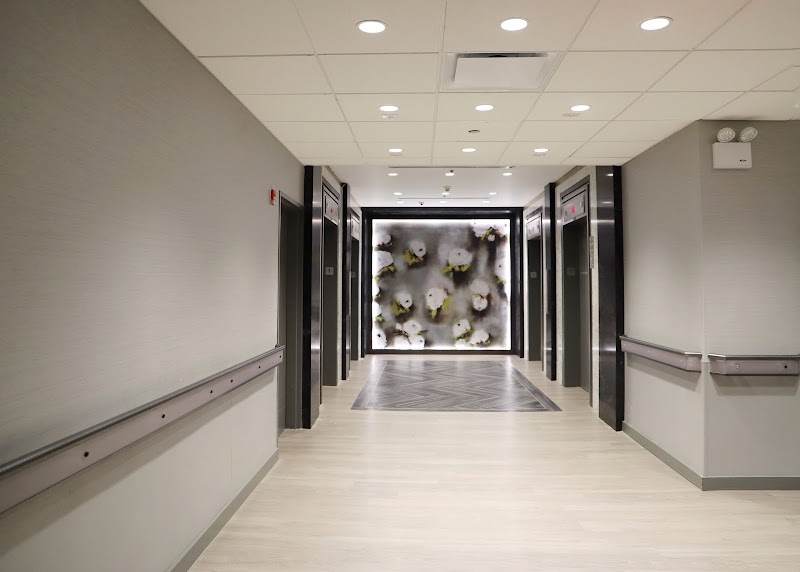
How is The Plaza Rehab And Nursing Center Staffed?

CMS rates THE PLAZA REHAB AND NURSING CENTER's staffing level at 3 out of 5 stars, which is average compared to other nursing homes. Staff turnover is 32%, compared to the New York average of 46%. This relatively stable workforce can support continuity of care.

What Have Inspectors Found at The Plaza Rehab And Nursing Center?

State health inspectors documented 14 deficiencies at THE PLAZA REHAB AND NURSING CENTER during 2020 to 2025. These included: 14 with potential for harm.

Who Owns and Operates The Plaza Rehab And Nursing Center?

THE PLAZA REHAB AND NURSING CENTER is owned by a for-profit company. For-profit facilities operate as businesses with obligations to shareholders or private owners. The facility is operated by CITADEL CARE CENTERS, a chain that manages multiple nursing homes. With 816 certified beds and approximately 729 residents (about 89% occupancy), it is a large facility located in BRONX, New York.
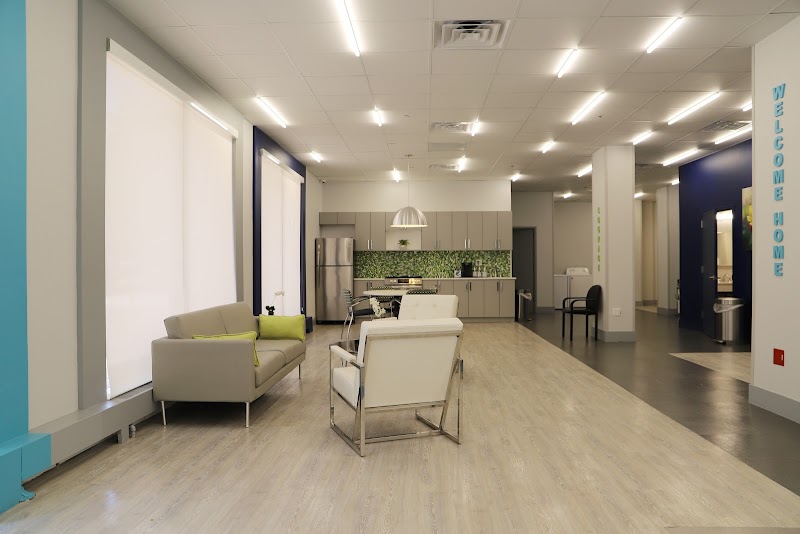
How Does The Plaza Rehab And Nursing Center Compare to Other New York Nursing Homes?

Compared to the 100 nursing homes in New York, THE PLAZA REHAB AND NURSING CENTER's overall rating (5 stars) is above the state average of 3.1, staff turnover (32%) is significantly lower than the state average of 46%, and health inspection rating (4 stars) is above the national benchmark.

What Should Families Ask When Visiting The Plaza Rehab And Nursing Center?

Based on this facility's data, families visiting should ask: "Can I visit during a mealtime to observe dining assistance and food quality?" "How do you handle medical emergencies, and what is your hospital transfer rate?" "Can I speak with family members of current residents about their experience?"

Is The Plaza Rehab And Nursing Center Safe?

Based on CMS inspection data, THE PLAZA REHAB AND NURSING CENTER has a clean safety record: no substantiated abuse findings (meaning no confirmed cases of resident harm), no Immediate Jeopardy citations (the most serious violation level indicating risk of serious injury or death), and is not on the Special Focus Facility watch list (a federal program monitoring the lowest-performing 1% of nursing homes). The facility has a 5-star overall rating and ranks #1 of 100 nursing homes in New York. While no facility is perfect, families should still ask about staff-to-resident ratios and recent inspection results during their visit.

Do Nurses at The Plaza Rehab And Nursing Center Stick Around?

THE PLAZA REHAB AND NURSING CENTER has a staff turnover rate of 32%, which is about average for New York nursing homes (state average: 46%). Moderate turnover is common in nursing homes, but families should still ask about staff tenure and how the facility maintains care continuity when employees leave.

Was The Plaza Rehab And Nursing Center Ever Fined?

THE PLAZA REHAB AND NURSING CENTER has no federal fines on record. CMS issues fines when nursing homes fail to meet care standards or don't correct problems found during inspections. The absence of fines suggests the facility has either maintained compliance or corrected any issues before penalties were assessed. This is a positive indicator, though families should still review recent inspection reports for the full picture.

Is The Plaza Rehab And Nursing Center on Any Federal Watch List?

THE PLAZA REHAB AND NURSING CENTER is not on any federal watch list. The most significant is the Special Focus Facility (SFF) program, which identifies the bottom 1% of nursing homes nationally based on persistent, serious quality problems. Not being on this list means the facility has avoided the pattern of deficiencies that triggers enhanced federal oversight. This is a positive indicator, though families should still review the facility's inspection history directly.