TRIBORO CENTER FOR REHABILITATION AND NURSING
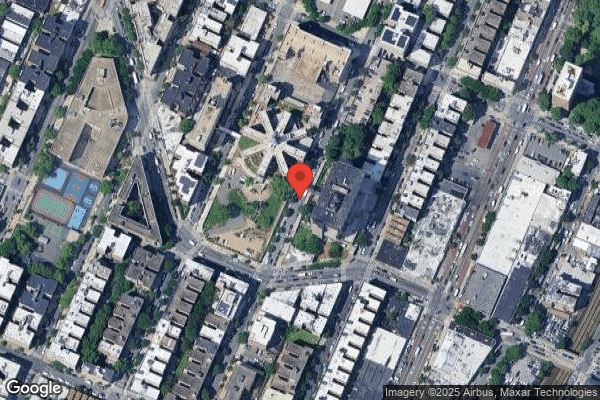

1160 TELLER AVE, BRONX, NY 10456 (718) 293-1500
For profit - Corporation 515 Beds CENTERS HEALTH CARE Data: November 2025
Trust Grade
65/100
#356 of 594 in NY
Last Inspection: February 2024

Within standard 12-15 month inspection cycle. Federal law requires annual inspections.

Overview

Triboro Center for Rehabilitation and Nursing has a Trust Grade of C+, indicating it is slightly above average but not outstanding. It ranks #356 out of 594 facilities in New York, placing it in the bottom half, and #31 out of 43 in Bronx County, meaning there are only a few local options considered better. The facility's trend is worsening, with issues increasing from 6 in 2022 to 7 in 2024. Staffing is a concern, rated at 1 out of 5 stars, and while turnover is relatively low at 37%, the facility has less RN coverage than 94% of state facilities, which may impact care quality. Although there have been no fines, the facility has faced issues such as improper infection control practices and failure to accommodate residents' needs, which raises concerns about safety and quality of care.

Trust Score
C+
65/100
In New York
#356/594
Bottom 41%
Safety Record
Low Risk
No red flags
Inspections
Getting Worse
6 → 7 violations
Staff Stability
○ Average
37% turnover. Near New York's 48% average. Typical for the industry.
Penalties
✓ Good
No fines on record. Clean compliance history, better than most New York facilities.
Skilled Nurses
⚠ Watch
Each resident gets only 19 minutes of Registered Nurse (RN) attention daily — below average for New York. Fewer RN minutes means fewer trained eyes watching for problems.
Violations
⚠ Watch
13 deficiencies on record. Higher than average. Multiple issues found across inspections.
★★★☆☆
3.0
Overall Rating
★☆☆☆☆
1.0
Staff Levels
★★★★★
5.0
Care Quality
★★★☆☆
3.0
Inspection Score
Stable
2022: 6 issues
2024: 7 issues

The Good

  • 5-Star Quality Measures · Strong clinical quality outcomes
  • Full Sprinkler Coverage · Fire safety systems throughout facility
  • No fines on record
  • Staff turnover below average (37%)

    11 points below New York average of 48%

Facility shows strength in quality measures, fire safety.

The Bad

3-Star Overall Rating

Near New York average (3.1)

Meets federal standards, typical of most facilities

Staff Turnover: 37%

Near New York avg (46%)

Typical for the industry

Chain: CENTERS HEALTH CARE

Part of a multi-facility chain

Ask about local staffing decisions and management

The Ugly 13 deficiencies on record

Feb 2024 7 deficiencies
CONCERN (D)

Potential for Harm - no one hurt, but risky conditions existed

Deficiency F0558 (Tag F0558)

Could have caused harm · This affected 1 resident

**NOTE- TERMS IN BRACKETS HAVE BEEN EDITED TO PROTECT CONFIDENTIALITY** Based on observation, record review, and interviews conducted during the recertification survey from 2/21/2024 through 2/28/2024...

Read full inspector narrative →
**NOTE- TERMS IN BRACKETS HAVE BEEN EDITED TO PROTECT CONFIDENTIALITY** Based on observation, record review, and interviews conducted during the recertification survey from 2/21/2024 through 2/28/2024, the facility did not ensure reasonable accommodation of a resident's needs and preferences. This was evident for 1 (Resident #46) of 38 sampled residents. Specifically, Resident #46 was unable to transfer out of bed because the facility did not have a functioning bariatric Hoyer (mechanical) lifter. The findings are: The facility policy titled Quality of Life/Accommodation of Needs dated 10/2023 documented the resident's individual needs and preferences will be accommodated to the extent possible, except when the health and safety of the individual or other residents would be endangered. Resident #46 was admitted with the diagnoses that include Heart Failure and Diabetes Mellitus. The Minimum Data Set 3.0 assessment dated [DATE] documented Resident #45 was cognitively intact. On 2/21/2024 at 1:02 PM, Resident #46 was interviewed and stated they were unable to transfer out of bed and unable to take showers for approximately 6 weeks because the facility's bariatric Hoyer lifter was broken. Resident #46 stated they wanted to get out of bed and preferred to take showers. On 2/21/2024 at 1:06 PM, 2/22/2024 at 11:24 AM, and 2/23/2024 at 10:43 AM, Resident #46 was observed lying in bed. The Task List Report dated 12/18/2023 documented Resident #46 required a mechanical lift to transfer out of bed, for toileting, and for showering. On 2/26/2024 at 3:32 PM, Certified Nursing Assistant #1 was interviewed and stated they used a bariatric Hoyer lifter to transfer Resident #46 out of bed. The bariatric Hoyer lifter broke and was removed from the unit to be repaired. On 2/27/2024 at 11:49 AM, Certified Nursing Assistant #2 was interviewed and stated Resident #46 has not been transferred out of bed for approximately 1 month because the bariatric Hoyer lifter was broken and has not been repaired. Management was aware the Hoyer lifter was broken. Certified Nursing Assistant #2 stated Resident #46 was scheduled for showers twice weekly, but they did not know the last time Resident #46 was received a shower because Resident #46 could not be transferred out of bed. On 2/28/2024 at 10:46 AM, Licensed Practical Nurse #4 was interviewed and stated that Resident #46 required a bariatric Hoyer lifter and the unit's standard Hoyer lifter was too light to transfer the resident out of bed. Resident #46 used to come out of bed to go to physical therapy until the bariatric Hoyer lifter broke. 02/28/2024 at 2:29 PM, the Acting Director of Nursing was interviewed and stated the bariatric Hoyer lifter was removed from Resident #46's unit but staff were aware the facility had another bariatric Hoyer lifter on another unit. On 2/28/2024 at 1:22 PM, the Administrator was interviewed and stated they were aware the bariatric Hoyer lifter was removed from Resident #46's unit for repairs but could not recall when the Hoyer lifter broke. 10 NYCRR 415.5(e)(1)
CONCERN (D)

Potential for Harm - no one hurt, but risky conditions existed

Deficiency F0568 (Tag F0568)

Could have caused harm · This affected 1 resident

**NOTE- TERMS IN BRACKETS HAVE BEEN EDITED TO PROTECT CONFIDENTIALITY** Based on record review and interviews conducted during the recertification survey from 2/21/2024 to 2/28/2024, the facility did ...

Read full inspector narrative →
**NOTE- TERMS IN BRACKETS HAVE BEEN EDITED TO PROTECT CONFIDENTIALITY** Based on record review and interviews conducted during the recertification survey from 2/21/2024 to 2/28/2024, the facility did not ensure a resident's financial records were made available through quarterly statements. This was evident for 1 (Resident #247) of 38 total sampled residents. Specifically, Resident #247 did not receive their quarterly Resident Fund Statements in writing within 30 days of the end of the quarter. The findings are: The facility policy titled Resident Funds Account dated 8/2023 documented the resident, designated representative, or legal representative will be provided, at least quarterly, with a statement showing the account balance, funds deposited and withdrawn, and interest accrued. Resident #247 had diagnoses of hypertension and heart failure. The Minimum Data Set 3.0 assessment dated [DATE] documented Resident #247 had mild cognitive impairment. On 2/21/2024 at 10:03 AM and 2/27/2024 at 11:11 AM, Resident #247 was interviewed and stated they did not receive quarterly statements in writing for their resident fund account. Resident #247 stated they were asked to sign the quarterly statements but were not given a copy. The Resident Fund Statement dated from 9/30/2023 to 12/29/2023 documented Resident #247's signature acknowledging they received the quarterly statement on 2/20/2024. On 2/28/2024 at 11:24 AM, the Finance Coordinator was interviewed and stated they reviewed quarterly Resident Fund Statements with residents who had cognitive capacity to understand their account information. The Finance Coordinator stated they only provided the residents with a written copy of their statement if the resident specifically asked for a copy. Resident #247 was asked to sign their quarterly Resident Fund Statement but was not provided with a copy. The Finance Coordinator stated they were unaware residents were supposed to receive written copies of their statements. On 2/28/2024 at 1:11 PM, the Administrator was interviewed and stated the Finance Coordinator provided residents with a copy of their quarterly account statements upon request because some residents did not want a copy and would throw the statement away. 10 NYCRR 415.26(h)(5)(i)
CONCERN (D) 📢 Someone Reported This

A family member, employee, or ombudsman was alarmed enough to file a formal complaint

Potential for Harm - no one hurt, but risky conditions existed

Report Alleged Abuse (Tag F0609)

Could have caused harm · This affected 1 resident

**NOTE- TERMS IN BRACKETS HAVE BEEN EDITED TO PROTECT CONFIDENTIALITY** 2) Resident #293 had diagnoses of diabetes mellitus and coronary artery disease. The Minimum Data Set 3.0 assessment dated [DAT...

Read full inspector narrative →
**NOTE- TERMS IN BRACKETS HAVE BEEN EDITED TO PROTECT CONFIDENTIALITY** 2) Resident #293 had diagnoses of diabetes mellitus and coronary artery disease. The Minimum Data Set 3.0 assessment dated [DATE] documented Resident #293 was cognitively intact. During an interview on 2/22/2024 at 11:07 AM, Resident #293 stated, in 9/2023, Licensed Practical Nurse #2 became frustrated after 2 unsuccessful attempts to obtain enough blood from Resident #293's fingerstick to test their blood glucose levels. Licensed Practical Nurse #2 told Resident #293 I hope your sugar goes up to 500 and you have a heart attack and die. It's your fault you're like this, having only 1 leg, and left the resident's room to retrieve another lancet to attempt a 3rd fingerstick on Resident #293. Licensed Practical Nurse #2 returned to Resident #293's room and the resident refused the fingerstick and told Licensed Practical Nurse #2 to leave their room. Resident #293 stated they reported the incident to Registered Nurse #1 that same evening and Registered Nurse #2 the next day. Resident #293 was informed Licensed Practical Nurse #2 was moved to work on another resident unit. Resident #293 then reported the alleged violation to the New York State Department of Health. A Social Work Note dated 9/8/2023 documented Resident #293 had a complaint and Social Worker #4 provided the resident with a Grievance Form. A Grievance Form dated 9/8/2023 documented Resident #293 reported to Social Worker #4 that Licensed Practical Nurse #2 became upset when they couldn't obtain a blood sample from a fingerstick to test the resident's blood glucose level twice. Licensed Practical Nurse #2 yelled and cursed at Resident #293, telling the resident it was their fault Licensed Practical Nurse #2 couldn't get the blood sample and their fault they were in this condition. There was no documented evidence Resident #293's allegation of verbal abuse by Licensed Practical Nurse #2 was reported to the New York State Department of Health within 2 hours of the resident's report of the allegation. On 2/23/2024 at 8:57 AM, Registered Nurse #2 was interviewed and stated they spoke with Resident #293 about their verbal abuse allegation involving Licensed Practical Nurse #2 two days after the occurrence. Registered Nurse #2 was told by Resident #293 that the resident already reported the incident to Registered Nurse #1. Registered Nurse #2 stated they did not initiate an investigation, did not report the allegation to the New York State Department of Health, told Resident #293 that Licensed Practical Nurse #2 no longer worked on their unit, and contacted Social Worker #4 so Resident #293 could file a grievance. On 02/23/2024 at 10:49 AM, Social Worker #4 was interviewed and stated Resident #293's Grievance Form was forwarded to the Director of Nursing and the Director of Social Work to determine whether further investigation was needed. Social Worker #4 did not further investigate the allegation because the Grievance Form did not document that further investigation was necessary and the Director of Social Work did not direct them to follow up with Resident #293. Social Worker #4 stated they did not report Resident #293's allegation of verbal abuse to the New York State Department of Health because the Director of Nursing and Director of Social Work were responsible for abuse allegation reporting. On 02/23/2024 at 3:18 PM, the Director of Social Work was interviewed and stated they notified Resident #293 that Licensed Practical Nurse #2 would be reassigned and would not return to their unit. The Director of Social Work stated they were unaware they were responsible for reporting allegations of abuse to the New York State Department of Health and was unable to provide documented evidence of the facility's response to Resident #293's allegation of verbal abuse. On 02/26/2024 at 12:24 PM, the Administrator was interviewed and stated all facility staff were mandated to report allegations and suspicion of abuse. The former Director of Nursing employed at the facility 9/2023 was the facility's abuse coordinator and signs of abuse were immediately reported to them. 10 NYCRR 415.4(b)(2) Based on the record review and interviews conducted during the recertification and abbreviated (NY00328119 and NY00323553) survey from 2/21/2024 to 2/28/2024, the facility did not ensure alleged violations involving abuse were reported to the New York State Department of Health immediately, but no later than 2 hours, after the allegation was made, and the investigation conclusion was reported within 5 working days of the alleged violation. This was evident for 3 (Resident #81, #456, and #293) of 38 total sampled residents. Specifically, 1) the investigation conclusion for a resident-to-resident altercation involving Resident #81 and #456 was not reported to the New York State Department of Health within 5 days of occurrence, and 2) Resident #293's allegation they were verbally abused by Licensed Practical Nurse #2 was not reported to the New York State Department of Health. The findings are: The facility policy titled Abuse dated 2/2023 documented reporting of suspected or alleged resident abuse or mistreatment will be made to the appropriate state agency immediately, but no later than 2 hours, after the identification of the allegation. Investigation findings are reported to the state survey and certification agency within five days of completion. 1) The facility Incident Report initiated 11/15/2023 documented Resident #81 alleged Resident #456 hit them with a wheelchair at 1:05 AM, resulting in a head laceration and subsequent hospitalization for Resident #81. The Director of Nursing documented the conclusion of the investigation on 1/20/2024 that abuse did not occur. The Aspen Complaint Tracking System report dated 11/15/2023 at 2:04 AM documented the facility reported the altercation between Resident #81 and #456 to the New York State Department of Health. There was no documented evidence the facility reported the investigation results of the altercation between Resident #81 and #456 within 5 working days of 11/15/2023. On 2/28/2024 at 1:46 PM, the Director of Nursing was interviewed and stated this incident involving Resident #81 and Resident #456 occurred on 11/15/23 at 1 AM and was submitted to the NYS DOH at 2 AM which was within the required timeframe. The facility then investigated the case to conclude there was no evidence to support that any abuse occurred. Director of Nursing stated once the investigation is completed, the results are submitted to the NYS DOH within 5 working days. However, they were not able to explain if the results of this investigation were ever submitted to NYS DOH.
CONCERN (D) 📢 Someone Reported This

A family member, employee, or ombudsman was alarmed enough to file a formal complaint

Potential for Harm - no one hurt, but risky conditions existed

Investigate Abuse (Tag F0610)

Could have caused harm · This affected 1 resident

**NOTE- TERMS IN BRACKETS HAVE BEEN EDITED TO PROTECT CONFIDENTIALITY** Based on record review and interviews conducted during the Recertification and Abbreviated (NY00323553) Survey from 02/21/2024 t...

Read full inspector narrative →
**NOTE- TERMS IN BRACKETS HAVE BEEN EDITED TO PROTECT CONFIDENTIALITY** Based on record review and interviews conducted during the Recertification and Abbreviated (NY00323553) Survey from 02/21/2024 to 02/28/2024, the facility did not ensure an allegation of abuse was thoroughly investigated. This was evident for 1 (Resident #293) of 38 total sampled residents. Specifically, an investigation of Resident #293's allegation of verbal abuse against Licensed Practical Nurse #2 was not completed. The findings are: The facility policy titled Abuse dated 2/2023 documented allegations of suspected abuse shall be promptly and thoroughly investigated by facility management with witness statements from staff, residents, visitors, and family members who may be interviewable and may have information regarding the allegation. Resident #293 had diagnoses of diabetes mellitus and coronary artery disease. The Minimum Data Set 3.0 assessment dated [DATE] documented Resident #293 was cognitively intact. During an interview on 2/22/2024 at 11:07 AM, Resident #293 stated, in 9/2023, Licensed Practical Nurse #2 became frustrated after 2 unsuccessful attempts to obtain enough blood from Resident #293's fingerstick to test their blood glucose levels. Licensed Practical Nurse #2 told Resident #293 I hope your sugar goes up to 500 and you have a heart attack and die. It's your fault you're like this, having only 1 leg, and left the resident's room to retrieve another lancet to attempt a 3rd fingerstick on Resident #293. Licensed Practical Nurse #2 returned to Resident #293's room and the resident refused the fingerstick and told Licensed Practical Nurse #2 to leave their room. Resident #293 stated they reported the incident to Registered Nurse #1 that same evening and Registered Nurse #2 the next day. Resident #293 was informed Licensed Practical Nurse #2 was moved to work on another resident unit. Resident #293 then reported the alleged violation to the New York State Department of Health. A Social Work Note dated 9/8/2023 documented Resident #293 had a complaint and Social Worker #4 provided the resident with a Grievance Form. A Grievance Form dated 9/8/2023 documented Resident #293 reported to Social Worker #4 that Licensed Practical Nurse #2 became upset when they couldn't obtain a blood sample from a fingerstick to test the resident's blood glucose level twice. Licensed Practical Nurse #2 yelled and cursed at Resident #293, telling the resident it was their fault Licensed Practical Nurse #2 couldn't get the blood sample and their fault they were in this condition. There was no documented evidence Resident #293's allegation of verbal abuse against Licensed Practical Nurse #2 was thoroughly investigated. On 2/23/2024 at 8:57 AM, Registered Nurse #2 was interviewed and stated they spoke with Resident #293 about their verbal abuse allegation involving Licensed Practical Nurse #2 two days after the occurrence. Registered Nurse #2 was told by Resident #293 that the resident already reported the incident to Registered Nurse #1. Registered Nurse #2 stated they did not initiate an investigation, told Resident #293 that Licensed Practical Nurse #2 no longer worked on their unit, and contacted Social Worker #4 so Resident #293 could file a grievance. On 02/23/2024 at 10:49 AM, Social Worker #4 was interviewed and stated Resident #293's Grievance Form dated 9/8/2023 was forwarded to the Director of Nursing and the Director of Social Work to determine whether further investigation was needed. Social Worker #4 did not further investigate the resident's abuse allegation because the Grievance Form did not document that further investigation was necessary and the Director of Social Work did not direct them to follow up with Resident #293. On 02/23/2024 at 3:18 PM, the Director of Social Work was interviewed and stated they notified Resident #293 that Licensed Practical Nurse #2 would be reassigned and would not return to their unit. The Director of Social Work stated they met with the resident to ensure they were satisfied with the outcome of the grievance investigation, but was unable to provide documented evidence Resident #293's abuse allegation was investigated, including witness statements and a conclusion to the investigation. On 02/26/2024 at 12:24 PM, the Administrator was interviewed and stated all facility staff were mandated to report allegations and suspicion of abuse. The former Director of Nursing employed at the facility 9/2023 was the facility's abuse coordinator and received reports from staff immediately following abuse allegation or suspicion. The Administrator was not aware of Resident #293's allegation of verbal abuse against Licensed Practical Nurse #2. 10 NYCRR 415.4(b)(3)
CONCERN (D) 📢 Someone Reported This

A family member, employee, or ombudsman was alarmed enough to file a formal complaint

Potential for Harm - no one hurt, but risky conditions existed

Comprehensive Care Plan (Tag F0656)

Could have caused harm · This affected 1 resident

**NOTE- TERMS IN BRACKETS HAVE BEEN EDITED TO PROTECT CONFIDENTIALITY** Based on record review and interviews conducted during the recertification and complaint (NY00331431) survey from 2/21/2024 to 2...

Read full inspector narrative →
**NOTE- TERMS IN BRACKETS HAVE BEEN EDITED TO PROTECT CONFIDENTIALITY** Based on record review and interviews conducted during the recertification and complaint (NY00331431) survey from 2/21/2024 to 2/28/2024, the facility did not ensure a person-centered comprehensive care plan was developed and implemented to meet a resident's needs. This was evident for 1 (Resident #113) of 38 total sampled residents. Specifically, a comprehensive care plan related to pain was not developed to address Resident #113's chronic pain. The findings include: The facility policy titled Care Plan-Comprehensive dated 10/2023, documented a comprehensive care plan that includes measurable objectives and timetables to meet the resident's physical, psychosocial, and functional needs is developed and implemented for each resident. Resident #113 had diagnoses of Hypertension and Arthritis. The Minimum Data Set 3.0 assessment dated [DATE] documented Resident #113 had moderately impaired cognition. A Medical Doctor's Order dated 1/3/2024 documented Resident #113 was ordered acetaminophen 650 mg every 6 hours as needed for pain. The Comprehensive Care Plan related to alteration in comfort initiated 1/3/2024 documented Resident #113 had a diagnosis of arthritis. There was no documented evidence the Comprehensive Care Plan was developed with interventions to address Resident #113's risk for pain. On 2/28/2024 at 10:18 AM, Registered Nurse #3 was interviewed and stated that the admission nurse initiated the care plan related to Resident #113's pain on 1/3/2024. Resident #113 was assessed for pain every morning. Registered Nurse #3 stated they were responsible for developing care plans with interventions but was unable to explain the reason Resident #113's care plan did not include interventions. On 2/28/2024 at 2:46 PM, the Acting Director of Nursing was interviewed and stated the nurse managers were responsible for reviewing care plans within 5 days of a resident's admission to update the care plans depending upon the admission assessment. The care plan related to Resident #113's pain was initiated upon admission, but the team did not realize that interventions were not in place. 10 NYCRR 415.11(c)(1)
CONCERN (D)

Potential for Harm - no one hurt, but risky conditions existed

Deficiency F0679 (Tag F0679)

Could have caused harm · This affected 1 resident

**NOTE- TERMS IN BRACKETS HAVE BEEN EDITED TO PROTECT CONFIDENTIALITY** Based on observation, record review, and interviews conducted during the Recertification survey from 2/21/2024 to 2/28/2024, the...

Read full inspector narrative →
**NOTE- TERMS IN BRACKETS HAVE BEEN EDITED TO PROTECT CONFIDENTIALITY** Based on observation, record review, and interviews conducted during the Recertification survey from 2/21/2024 to 2/28/2024, the facility did not ensure an activities program was provided to meet the interests of and support the physical, mental, and psychosocial well-being of the residents. This was evident for 1 (Resident #57) of 5 residents reviewed for Activities out of 38 total sampled residents. Specifically, Resident #57 was not engaged in meaningful activity programs in accordance with their preferences and needs. The findings are: The facility policy titled Recreation Programming dated 12/2023 based on comprehensive assessment, individualized care plan, and the preferences of each resident, an ongoing program of recreational services to support residents in their choice of activities were provided. The recreational programs/activities were designed to meet the interest of and support each resident's physical, cognitive, social, emotional, psychosocial, and spiritual wellbeing. Resident #57 had diagnoses of Dementia and Cerebral Infarction. The Minimum Data Set 3.0 assessment dated [DATE] documented Resident #57 was severely cognitively impaired. The annual assessment dated [DATE] documented Resident #57 was severely cognitively impaired, and their activity preferences included listening to music, pet therapy, keeping up with the news, getting fresh air when the weather was good, reading books, newspapers, and magazines, and interacting with groups of people. On 2/21/2024 from 10:45 AM to 11:21 AM, Resident #57 was observed sitting in their wheelchair at the nursing station. There were no ongoing activities on the unit and Recreation Leader present. There were 7 other residents seated by the nursing station and they were not engaged in an activity program or interaction. The February Activity Calendar for the unit posted next to the elevator documented Strolling Library at 10:30 AM. On 2/22/2024 from 10:37 AM to 11:15 AM, Resident #57 was observed self-propelling their wheelchair in circles on the unit. No activity program or Recreation Aide was observed on the unit. The February Activity Calendar documented Painting at 10:30AM. were happening on the unit for the day. On 2/23/2024 at 10:10 AM, Resident #57 was observed sitting alone in the floor dining room without any stimulation, interaction, or ongoing activity program. The Comprehensive Care Plan related to recreation initiated 1/25/2022 documented Resident #57's interests included listening to music, socializing with peers, and tabletop games. Interventions included to provide the resident with a monthly calendar and daily schedule of events and assist the resident in finding programs of interest. The Recreation assessment dated [DATE] documented Resident #57 enjoyed listening to music, reading chronicles, watching television, pet therapy visits, and observing activity programs. The Recreation Leader would provide Resident #57 with assistance as needed. The Activity Log from 2/1/2024 to 2/23/2024 documented Resident #57 participated in dance and movement and table/cognitive games on 2/16/2024, 1 out of 24 days. There was no documented evidence Resident #57 was engaged in an ongoing to meet their interests and needs. On 2/27/2024 at 11:12 AM, Certified Nursing Assistant #9 was interviewed and stated Resident #57 liked participating in group activities. Recreation staff did not offer Resident #57 activities or assist Resident #57 to any social events or other activity programs. On 2/27/2024 at 10:54 AM, Licensed Practical Nurse #6 was interviewed and stated activity programs occurred in the main auditorium, not on the unit. Cognitively intact and independent residents participated in the activity programs in the auditorium. The activity programs on the unit were inconsistent and intermittent. Resident #57 was active and enjoyed socializing, dancing, and listening to music. Resident #57 would participate in activities on the unit if they were provided. On 2/23/2024 at 11:32 AM, Recreation Leader #1 was interviewed and stated they were newly hired and had worked in the facility for a few weeks. Activities were scheduled to take place on Resident #57's unit from Monday to Friday from 9:45 AM to 11:30 AM and 1 PM to 5 PM. Activities included painting, bowling, scripture reading, watching movies, trivia, drawing and decorating, music, board games, and bingo. Recreation Leader #1 stated Resident #57 liked to be around people and would benefit from social events. Recreation Leader #1 was unaware how residents were made aware of daily activities and stated they did not provide activities with any bed-bound residents. On 2/26/2024 at 12:01 PM, the Recreation Director stated there Resident #57's unit did not have a Recreation Leader since 10/2023. No other recreation staff were assigned to cover the unit until Recreation Leader #1 was hired a few weeks ago. Recreation staff were responsible for visiting residents on the unit daily from 10 AM to 10:30 AM and inviting them to activity events for the day. Activities occurred on the unit from 10:30 AM to 12 PM and 2:30 PM to 5 PM. The Recreation Director stated they did not know the reason Resident #57 was not invited to or provided with activities on their unit. 10 NYCRR 415.5(f)(1)
CONCERN (D)

Potential for Harm - no one hurt, but risky conditions existed

Medication Errors (Tag F0758)

Could have caused harm · This affected 1 resident

**NOTE- TERMS IN BRACKETS HAVE BEEN EDITED TO PROTECT CONFIDENTIALITY** Based on observation, record review, and interviews conducted during the recertification survey from 2/21/2024 to 2/28/2024, the...

Read full inspector narrative →
**NOTE- TERMS IN BRACKETS HAVE BEEN EDITED TO PROTECT CONFIDENTIALITY** Based on observation, record review, and interviews conducted during the recertification survey from 2/21/2024 to 2/28/2024, the facility did not ensure a resident was given psychotropic medication to treat a specific condition as diagnosed and documented in the clinical record. This was evident for 1 (Resident #213) of 5 residents reviewed for unnecessary medication out of 38 total sampled residents. Specifically, Resident #213 was not provided with nonpharmacological interventions to address behavior and was prescribed psychotropic medication without an appropriate diagnosis. The findings are: The facility policy titled Antipsychotic Medication Use dated 6/21/2023 documented residents will only receive antipsychotic medications when necessary to treat specific conditions for which they are indicated and effective. The Attending Physician and other staff will gather and document information to clarify the resident's behavior mood, function, medical condition, specific symptoms, and risk to the resident. Resident #213 had diagnoses of non-Alzheimer's dementia and depression. The Minimum Data Set 3.0 assessment dated [DATE] documented Resident #213 was severely cognitively impaired, had no hallucinations or delusions, and did not display inappropriate behaviors. The Comprehensive Care Plan related to behavior symptoms initiated 8/2/2022 documented Resident #213 exhibited public urination, property destruction, pulling clothing out of drawers and closets, smearing feces, refusing medication, verbal and physical aggression, instigating behaviors, and delusions. Interventions initiated on 8/2/2022 documented to modify the environment to reduce episodes of negative behavior, psychiatric evaluation, to document all behaviors, to provide the resident with activities, and to determine the cause of resident behavior. The Psychiatry Consults dated 2/27/2023, 5/11/2023, and 9/19/2023 documented Resident #213 had a history of depression, anxiety, dementia, insomnia, and was not prescribed psychotropic medication. Resident #213 did not display psychotic symptoms, anxiety, or agitation. The Psychiatrist recommended monitoring Resident #213 without prescribing psychotropic medication. There was no documented evidence Resident #213 displayed inappropriate behavior from 9/19/2023 to 10/16/2023. Nursing Note dated 10/16/2023 documented Resident #213 had a room change due to roommate incompatibility. Nursing Note dated 10/17/2023 documented Resident #213 was found asleep in another resident's bed, was confused, and was redirected using a nonpharmacological approach. Resident #213 was better after nonpharmacological intervention. The Attending Physician Note dated 10/17/2023 documented Resident #213 was had a clinical assessment with focus on dementia with behavioral disturbances and roommate altercations. Psychiatry consult was requested. The plan was to continue redirection and reorientation. The Attending Physician Note dated 10/18/2023 documented Resident #213 was evaluated by Psychiatry on 10/16/2023 and Resident #213 was ordered to start receiving Trazodone 25 mg twice daily for depression and Seroquel 25 mg daily for depression. There was no documented evidence Resident #213 was evaluated by the Psychiatrist on 10/16/2023. Physician's Orders dated 10/23/2023 documented Resident #213 was ordered to receive Trazodone 25 mg twice daily for depression and Seroquel 25 mg daily for depression. The Psychiatry Consult dated 11/3/2023 documented Resident #213 should continue Trazodone and Seroquel for delusions, hallucinations, and worsening mood. Staff were able to redirect Resident #213 since the resident started on psychotropic medication. The Medication Administration Record from October 2023 to February 2024 documented Resident #213 received Seroquel 25mg 1 tablet once daily and Trazodone 25mg 1 tablet twice daily. The Comprehensive Care Plan related to psychoactive medication use initiated 11/19/2023 documented Resident #213 had depression, psychotic disorder, and anxiety. Interventions included to monitor and record occurrence of target behavior symptoms like verbal/physical aggression, psychosis, delusions, and to monitor and document side effects and effectiveness of the medication ordered by physician. There was no documented evidence Resident #213 was provided with nonpharmacological interventions to address behaviors prior to psychotropic medication initiation. There was no documented evidence nonpharmacological interventions attempted with Resident #213 were ineffective. There was no documented evidence Seroquel was ordered for an appropriately diagnosed condition. On 2/28/2024 at 10:50 AM, Licensed Practical Nurse #8 was interviewed and stated Resident #213 became agitated one day and became verbally aggressive towards their roommate. Resident #213 could not be redirected and was started on psychotropic medication. Resident #213 had episodes of agitation twice weekly and was easily redirected. Licensed Practical Nurse #8 was unable to provide documented evidence of Resident #213's behaviors or implemented nonpharmacological interventions. On 2/28/2024 at 2:21 PM, Attending Physician #1 was interviewed and stated Resident #213 had dementia and insomnia and displayed agitation and destructive behaviors. The Attending Physician #1 was unable to provide documented evidence of Resident #213's behaviors or symptoms related to psychosis and stated the Psychiatrist recommended the resident start psychotropic medication for psychosis. On 2/28/2024 at 5:12 PM, the Psychiatrist was interviewed and stated Resident #213 had dementia, depression, and anxiety. Resident #213 exhibited agitation and mood swings but was easily redirected. Resident #213 was started on Seroquel and Trazodone for increased agitation that could not be redirected. The Psychiatrist stated Seroquel was approved for treatment of bipolar disorder and schizophrenia. Resident #213 did not have a diagnosis of bipolar disorder or schizophrenia. The Psychiatrist stated they were unaware what nonpharmacological interventions were attempted prior to initiation of psychotropic medication. 10 NYCRR 415.12(l)(2)(i)
Jan 2022 6 deficiencies
CONCERN (D)

Potential for Harm - no one hurt, but risky conditions existed

Deficiency F0657 (Tag F0657)

Could have caused harm · This affected 1 resident

**NOTE- TERMS IN BRACKETS HAVE BEEN EDITED TO PROTECT CONFIDENTIALITY** (2) The facility policy titled Care Planning - Interdisciplinary Team created 10/2014 and last updated 8/2021 documented it is t...

Read full inspector narrative →
**NOTE- TERMS IN BRACKETS HAVE BEEN EDITED TO PROTECT CONFIDENTIALITY** (2) The facility policy titled Care Planning - Interdisciplinary Team created 10/2014 and last updated 8/2021 documented it is the facility's policy that the resident, the resident's family and/or the resident's legal representative/guardian or surrogate are invited and encouraged to participate in the development of and revisions to the resident's care plan. An IDT (Interdisciplinary team) meeting V.3 note will be completed in the EHR (Electronic Health Record) after care plan meeting is completed. Resident #64 was admitted to the facility on [DATE] with diagnoses that include Renal Insufficiency, Diabetes Mellitus, and acquired absence of left foot and osteomyelitis of right and left ankle and foot. The admission minimum data set (MDS) dated [DATE] documented that the resident had intact cognition. The baseline care plan was created on [DATE]. Review of the progress notes [DATE]-[DATE] revealed no documented evidence that the resident and/or resident's family had been invited to an initial care plan meeting. There was documented evidence that a quarterly care plan meeting had been held. A progress note dated [DATE] documented a quarterly care plan meeting was held for the resident. The note does not document that the resident was invited or attended the quarterly care plan meeting. The medical record did not have any documented evidence that the resident and/or resident's representative was invited to or or attended this quarterly care plan meeting. On [DATE] at 9:35 AM the resident was interviewed about participation in care planning. The resident stated that they were not aware of care plannings or the care plan process. This writer explained what the care plan process is to the resident and he stated that he did not attend a care plan meeting when he was first admitted or since admissin. Resident stated that they were only aware that next week they were supposed to go back to doctor to look at their feet and that's the extent of it. On [DATE] at 11:45 AM the Social Worker (SW #1) for the unit was interviewed. SW #1 stated care planning meetings are held once a week on Tuesdays. Social Work discusses the social and emotional well-being and and answers any questions that the family/resident may have with regards to their wellness at the care plan meeting. Social work calls the family members to set up the meeting. Each discipline charts on their own portion of the meeting. Social Work documents care plan attendance or declination via an attestation form. The resident's guardian or family member signs off on the attestation form as well. There are two forms in the medical record, one is an invite, and the other one is an attestation form. On [DATE] at 11:37 AM SW #1 was interviewed again. SW #1 stated that another social worker (SW #2), who is no longer at the facility, was assigned to Resident #64 at the time of the care plan meeting. SW #1 stated Resident #64 was not invited to the initial care plan meeting by SW #2, and it was an oversight. SW #1 stated that they had the resident sign today for an upcoming care plan meeting and had the resident's mother agree to participate by phone as well. On [DATE] at 12:12 PM the Director of Social Work (DSW) was interviewed. The DSW states that SW #2 was assigned to the resident upon admission. The DSW stated Social Work receives a care plan meeting schedule from the MDS Coordinator. The SW coordinates the care plan meetings and invites the residents who are alert and oriented. Families are invited to the care plan meeting via mail, and they may also be called. The family usally attends via phone. A lot of times resident won't come, but that's usually documented. Care plan attendees are documented in the EMR (Electronic Medical Record). The DSW states the SW explains the care planning process and care plan meeting date upon admission to the resident and family. An invitation letter is also sent. A lot of times, the resident will forget ther eis a meeting, but the invitation should be documented in the EMR. SW #2 may have been overwhelmed, and the lack of invitation was an oversight. 415.11(c) (1) Based on observations, record review, and staff interviews conducted during the Recertification/Complaint survey, (1) the facility did not ensure that the Comprehensive Care Plan (CCP) was reviewed after each assessment or revised with changes in the resident's condition. Specifically, the CCP was not reviewed and revised after a resident with fragile skin sustained a skin tear. (2) The facility did not ensure that Resident or Resident's representative was offered the opportunity to participate in the revision and/or review of the comprehensive care plan. Specifically, cognitively intact residents were not invited to quarterly care plan meetings. This was evident for 1 of 7 residents reviewed for Accident, (Resident #493) and 1 of 2 residents reviewed for care plan meeting (Resident #64), out of 38 sampled residents. The findings are: The facility Policy on Care Plans - Comprehensive dated 10/2015, last revised 10/2021 documented A comprehensive, person-centered care plan that includes measurable objectives and timetables to meet the resident's physical, psychosocial and functional needs is developed and implemented for each resident .Each resident's care plan will be consistent with the resident's rights to participate in the development and implementation of his or her plan of care, including the right to participate in the planning process .Areas of concern that are identified during the resident assessment will be evaluated before interventions are added to the care plan .Assessments of the residents are ongoing and care plans are revised as information about the residents and the residents' conditions change. (1) Resident #493 admitted to the facility [DATE], with diagnoses that included Peripheral vascular disease (PVD), Cerebrovascular accident (CVA) with Hemiplegia, and Non-Alzheimer's Dementia. The Quarterly Minimum Data Set 3.0 (MDS) assessment, Assessment Reference Date (ARD) [DATE], documented that the resident had moderately impaired cognition - decisions poor, cues/supervision required; the resident had clear speech with distinct intelligible words, made self understood, and understands others. The MDS also documented the resident was totally dependent on staff for most Activities of daily Living. The Comprehensive Care Plan (CCP) for Skin Integrity initiated [DATE], last revised [DATE] documented that resident was at risk for impaired skin integrity related to fragile skin. The CCP goal was for the residents's skin to remain intact. Interventions included: Avoid mechanical trauma - Constrictive shoes, cutting and trimming corns and calluses, adhesive tapes, improper shaving, and vigorous massage. Report to MD any signs of deterioration or significant change to area of impairment. Apply protective/preventative skin care. The Comprehensive Care Plan (CCP) for Skin Integrity initiated [DATE], last revised [DATE] documented that resident had impaired skin integrity related to multiple bruises to bilateral upper extremities. Goals included: resident's impaired skin area will show signs of improvement/healing during the review period, with interventions including Apply treatment as per order; Monitor/document/report to MD PRN of any sign or symptoms of infection. A Nursing Note dated [DATE] documented: Called to assess resident who was noted lying supine in bed with a skin tear to Right antecubital area of hand. Resident had a name band on the hand, and it appears that the friction caused by the band on the hand that was crossed on her chest caused an alteration in skin integrity to both arms. Resident skin is paper thin, and the slightest irritation causes the skin to tear. Also noted a smaller skin tear on Left hand. Slight bleeding noted to both sites. No swelling observed or s/s of pain or discomfort. NP (Nurse Practitioner) notified and ordered Bacitracin to site 2x daily. Unable to contact Nephew. Notified Niece. There was no documented evidence the CCP for Skin Integrity was reviewed and revised with new interventions when the resident sustained skin tears. On [DATE] at 02:42 PM, an interview was conducted with the Registered Nurse Supervisor (RN #1). RN #1 stated that resident was on their unit before resident expired. RN #1 also stated that resident was frail with very fragile skin, like paper. RN #1 stated the resident's skin was prone to tear without any pressure and was previously noted with few episodes of skin tear which were documented in the progress notes. RN #1 further stated the Nurse Manager/RN Supervisor is responsible for updating the care plan. RN #1 stated they thought the resident's skin integrity care plan was updated for the previous skin tear noted on [DATE]. On [DATE] at 01:00 PM an interview was conducted with the Assistant Director of Nursing (ADON). ADON stated that resident was assessed on [DATE] after the reported incident, noted with some skin tear on the left arm, which could be related to resident's chronic fragile skin. ADON further stated that the resident's skin integrity Care Plan was supposed to be updated, and they did not know it was not updated. On [DATE] at 10:39 AM, an interview was conducted with the Director of Nursing (DON). The DON stated that RN on the unit is supposed to initiate and update the resident's Comprehensive Care Plan, the Nurse Manger and the RN supervisors are supposed to check for the proper documentation on care plan initiation and update and make the needed corrections are noted. DON also stated that they know that the resident is at high risk for skin tear, but they are not aware that the resident's care plan for Skin Integrity were not updated as the impairment in resident's skin assessments were observed.
CONCERN (D)

Potential for Harm - no one hurt, but risky conditions existed

Deficiency F0712 (Tag F0712)

Could have caused harm · This affected 1 resident

**NOTE- TERMS IN BRACKETS HAVE BEEN EDITED TO PROTECT CONFIDENTIALITY** Based on record review and staff interview conducted during the Recertification and Abbreviated survey (NY00280550), the facilit...

Read full inspector narrative →
**NOTE- TERMS IN BRACKETS HAVE BEEN EDITED TO PROTECT CONFIDENTIALITY** Based on record review and staff interview conducted during the Recertification and Abbreviated survey (NY00280550), the facility did not ensure that each resident was seen by a physician at least once every 30 days for the first 90 days after admission, and at least every 60 days after that. Specifically, there was no documented evidence that a resident was seen by a medical provider (physician, physician assistant, or nurse practitioner) every 30 days for 90 days after admission. This was evident for 1 of 38 sampled residents. (Resident # 444) The Findings include: The facility's policy and procedure, titled Physician Services with revised date 04/2021, states that it is the facility's policy to ensure the medical supervision of residents' care during their stay, orders for immediate care and needs are met by a Physician. The Attending Physician/Nurse Practitioner will perform pertinent and timely medical assessments, prescribe an appropriate medical plan of care, provide adequate information regarding the resident's condition and medical needs, and visit the resident at appropriate intervals. Physicians will maintain regular visits based on regulations and facility policy. The policy further states that it is the responsible of the facility to ensure that another physician supervises the care of residents when the attending physician is unavailable. Resident # 444 was admitted to the facility on [DATE] with diagnoses which include Lower Back Pain, Polyneuropathy, Hypertension, and Spinal Stenosis. The Minimum Data Set (MDS) assessment dated [DATE] identified Resident # 444 cognition as intact with a Brief Interview for Mental Status score of 15. Resident # 444 was on pain management and received pain medication as needed. A review of the physician progress notes dated 06/30/2021 to 08/03/2021 revealed no documented evidence that Resident # 444 was seen by the Attending Physician or the Nurse Practitioner During an interview on 01/21/2022 at 11:25 AM, the Registered Nurse (RN) Manager stated that Resident # 444 main complaint was about pain medications. The resident was on Percocet, and it was ordered for 14 days, and it was renewed after the doctor reassessed the resident. The RN Manager does not know why the Attending Physician, or the Nurse Practitioner did not see Resident # 444. During an interview on 01/24/2022 at 1:03 PM, the Nurse Practitioner (NP) stated that Resident # 444 was evaluated for complaints of pains towards the last day of July. The NP said that notes were done but omitted them in the resident chart. The NP does not know if the Attending Physician saw Resident # 444. Residents are seen monthly if they have any complaints or whatever the nurse's place in the communication book. The resident will be seen evaluated and documented in the chart. During an interview on 01/24/2022 at 3:44 PM, the Medical Director stated the NP saw Resident # 444 and wrote a note, but it did not go through. The Attending Physician and the NP collaborate. There should have been a note when the NP saw Resident # 444. 415.15(b)(2)(ii)
CONCERN (D)

Potential for Harm - no one hurt, but risky conditions existed

Medication Errors (Tag F0758)

Could have caused harm · This affected 1 resident

**NOTE- TERMS IN BRACKETS HAVE BEEN EDITED TO PROTECT CONFIDENTIALITY** Based on observations, record reviews, and staff interviews conducted during a Recertification survey, the facility did not ensu...

Read full inspector narrative →
**NOTE- TERMS IN BRACKETS HAVE BEEN EDITED TO PROTECT CONFIDENTIALITY** Based on observations, record reviews, and staff interviews conducted during a Recertification survey, the facility did not ensure that the resident's drug regimen was free of unnecessary medications. Specifically, the psychiatrist recommended discontinuing Seroquel for a resident on 12/06/2021. On 01/24/2022, the Medication Administration Record shows that the resident was on Seroquel. There was no documented evidence in the clinical record to support why the resident was still on the Seroquel. This was evident for 1 of 5 residents reviewed for the Unnecessary Medication out of a sample of 38 residents. (Resident # 200). The findings include. The facility policy and procedure titled Physician-Consultants with revised date 08/2021 states that it is the policy of the organization to ensure all residents receives medical care in a timely manner. To ensure appropriate and timely care by specialist physicians a consultant will perform requested evaluation and provide a consultant note or report. The policy further states that the attending physician will consider the appropriateness of the consultant recommendation relative to the resident/patient current condition, risk factors and existing medication regimen. As appropriate the attending physician will approve orders base on the consultant recommendation. The facility's policy and procedure, titled Physician Services with revised date 04/2021, states that it is the facility's policy to ensure the medical supervision of residents' care during their stay, orders for immediate care and needs are met by a Physician. The Attending Physician is required to review all recommendation from any discipline. The physician is not obligated to accept any recommendation but must provide clinical documentation on reasons for not accepting or not accepting said recommendation. Resident # 200 was admitted to the facility on [DATE] with diagnoses which include Atrial Fibrillation, Dementia, Hypertension, and Major Depression. The Minimum Data Set (MDS) assessment dated [DATE] identified Resident #200 had severely impaired cognition with a Brief Interview for Mental Status score of 2 out of 15. Section N of the MDS indicated that Resident # 200 is on Antipsychotic and Antidepressant medication. On 01/20/2022 at 9:43 AM, Resident # 200 was observed calmly resting in bed and talking to him/herself. On 01/21/2022 at 9:19 AM Resident # 200 was observed resting quietly in bed. On 01/24/2022 at 9:05 AM, Resident # 200 was observed sleeping in bed. On 01/25/2022 at 10:12 AM, Resident # 200 was observed resting quietly in bed. A Physician Order dated 11/13/2021 contained Eliquis 2.5 mg by mouth two times a day for Prophylaxis, Quetiapine 25 mg, 0.5 tablet at bedtime for depression, and Duloxetine 40 mg by mouth one time a day for depression. A Care Plan initiated on 11/13/2021 documented that Resident # 200 uses psychotropic medications related to medical diagnosis of depression. A Behavior Note dated 11/26/2021 documented that Resident # 200 target behaviors include increase in self isolation. A Medication Regimen Review Note dated 11/28/2021 at 2: 24 PM documented Medication Regimen Review had a recommendation. A Pharmacist Consultant Note dated 11/28/2021 documented that Resident # 200 is on Seroquel 12.5 mg at bedtime for depression. This low dose appears to be Hypnotic, have a psychiatrist evaluate the use of the medication and dosing and the diagnosis. A Psychiatrist Consult Note dated 12/06/2021 documented no increase in severity of psychosis, no increase in anxiety, depression with Cymbalta, and no fatigue. Resident # 200 is on Seroquel 12.5mg at bedtime and Cymbalta 40mg daily. Recommended to discontinue Seroquel, continue Cymbalta, and monitor for increased psychosis and depression. A review of the Physician orders dated 12/06/2021 to 01/24/2022 has no documented evidence that the Seroquel was discontinued. A review of the progress notes dated 12/06/2021 to 01/24/2022 has no documentation regarding why the Seroquel was not discontinued, and there was no documented evidence that the resident displayed any behaviors. A review of the Medication Administration Record dated 12/06/2021 to 01/24/2022 revealed that Seroquel 12.5 mg was administered. During an interview on 01/21/2022 at 12:40 PM, the Certified Nursing Assistant # 4 (CNA #4) stated that Resident # 200 is confused, talks to him/herself, and calls out family members at times. Resident # 200 refuses care at times but is not combative. During an interview on 01/24/2022 at 11:28 AM, the Registered Nurse Manager #3 (RNM #3) stated that Resident # 200 talks to him/herself but has no aggressive behavior. The resident has been on Seroquel 12.5 mg at bedtime since admission. Resident # 200 does not interact with any residents. During an interview on 01/24/2022 at 3:20 PM, the Attending Physician (AP) stated that the resident is on Seroquel for depression. The psychiatrist saw the resident on 12/06/2021 and recommended discontinuing the Seroquel. The AP does not know why the Seroquel was not discontinued. The AP has not seen the consult that was done on 12/06/2021. During a follow-up interview on 01/24/2022 at 3:33 PM, the AP stated that as per the Nurse Practitioner, Resident # 200 has behavior issues, that is why the Seroquel was not discontinued. The AP does not know why there was no note in the resident chart. During an interview on 01/25/2022 at 11:22 AM, the Medical Director (MD) could not tell why Resident # 200 is still on the Seroquel. The MD will discuss with the Attending Physician why Resident # 200 is still on Seroquel. The MD stated that the AP must disagree or agree with the recommendation. Recommendations are acts on a couple of days with documentation in the chart. It does not take a month for them to act on a recommendation. During an interview on 01/25/2022 at 11:30 AM, the Psychiatrist stated that Resident # 200 was seen on 12/06/2021. The resident has no incidence of an increase in psychosis, so there was no reason why the resident must be on the Seroquel. Resident # 200 was delusional, that is why the resident was on Seroquel. Resident # 200 is doing well and stable and does not need Seroquel. The Seroquel should be discontinued because Resident # 200 is doing well. During an interview on 01/25/2022 at 12:07 PM, the Director of Nursing (DON) stated that the pharmacy consultant recommended a psychiatry consult for Resident # 200. The Psychiatrist saw the resident on 12/06/2021 and recommended discontinuing the Seroquel. The attending physician can agree or disagree on a psychiatrist's recommendation, but it does not take a month. It only takes a couple of days. 415.15(b)(2)(iii)
CONCERN (D)

Potential for Harm - no one hurt, but risky conditions existed

Garbage Disposal (Tag F0814)

Could have caused harm · This affected 1 resident

Based on observation, staff interview, and record review conducted during the Recertification Survey conducted 1/18/22 to 1/25/22, the facility failed to dispose of garbage and refuse properly. Specif...

Read full inspector narrative →
Based on observation, staff interview, and record review conducted during the Recertification Survey conducted 1/18/22 to 1/25/22, the facility failed to dispose of garbage and refuse properly. Specifically, garbage receptacles were not covered when being removed from the kitchen area to the dumpster. This was observed during the Kitchen Facility Task. The findings are: The Dietary Department Policy and Procedure titled Garbage-Food and Refuse Disposal, revision date 12/2020, documented, Food-related garbage and refuse are disposed of in accordance with current state laws. On 1/25/22 at 10:30 am, a dietary aide was observed wearing gloves exiting the kitchen, taking the garbage receptacle to the dumpster area. The garbage receptacle was not covered. The dietary aide was observed wearing the same gloves going back into the kitchen. After rinsing down the garbage receptacle, the employee removed the gloves and washed hands. An interview with the Dietary Aide (DA) was conducted on 01/25/22 at 10:32 AM, with regard to use of gloves. The DA stated they should take gloves off when leaving the kitchen except when taking out garbage. The DA stated the garbage can is supposed to have a cover, but they did not put the cover on as the can was too full. An interview with the Dietary Supervisor was conducted on 01/25/22 at 10:43 AM, The Supervisor stated that the garbage is supposed to be covered when it goes out of the kitchen. The cover for the cart being used is in the back. The Supervisor further stated that staff are not supposed to wear gloves outside of the kitchen, even when taking out the garbage. There is a glove dispenser by the dumpster to get gloves. An interview with Food Service Director (FSD) was conducted on 01/25/22 at 10:49 AM. The FSD states there is a garbage cart by the dish machine. A dietary employee brings it to outside of kitchen and rolls it into the dumpster. There is a second cart in the back to use when collecting garbage on that side, so it doesn't travel a lot through kitchen. The FSD further states that staff are not supposed to wear gloves when leaving kitchen, but I think the garbage person wears the gloves because he is handling garbage and returns and washes his hand. All refuse bins are supposed to have lids/covered. When transporting garbage, there should be a lid on. 415.14 (h)
CONCERN (E)

Potential for Harm - no one hurt, but risky conditions existed

Food Safety (Tag F0812)

Could have caused harm · This affected multiple residents

Based on observation, staff interview, and record review conducted during the Recertification Survey conducted 1/18/22 to 1/25/22, the facility failed to store, prepare, distribute, and serve food in ...

Read full inspector narrative →
Based on observation, staff interview, and record review conducted during the Recertification Survey conducted 1/18/22 to 1/25/22, the facility failed to store, prepare, distribute, and serve food in accordance with professional standards for food safety. Specifically, (1) food was stored in refrigerator/freezer without proper labeling, dating, and covers/sealing, (2) proper refrigerator/freezer temperatures were not maintained, (3) week-old prepared food was not discarded, (4) staff were not practicing appropriate hand hygiene and glove use during food preparation activities to prevent cross-contamination. This was evident for the Kitchen Observation Facility Task. The findings are: The Food Storage Policy revised 2/25/2021, documented: Food will be stored in an area that is clean, dry and free from contaminants. Food will be stored, at appropriate temperatures and by methods designed to prevent contamination or cross contamination. All containers must be legible and accurately labeled and dated. Refrigeration temperatures should be thermostatically controlled to maintain food temperatures at or below 41 degrees F and freezer temperatures to keep food frozen solid. All refrigerator units will be kept clean and in good working condition at all times. All foods should be covered, labeled and dated. All freezer units will be kept clean and in good working condition at all times. All foods should be covered, labeled and dated. Safe thawing: frozen meat, poultry, and fish should be defrosted in a refrigerator for 24 to 48 hours and should be used immediately after thawing. On 01/18/22 at 09:56 AM, an open bag of chicken fingers, with a dried-out appearance, was observed in walk-in freezer #4, without a date on the open bag; a pan of spinach with a metal lid was observed in walk-in refrigerator #1 without a label or date. The walk-in freezer section of box #1 was at a temperature of 10 degrees F (Fahrenheit). Walk-in refrigerator #2, 8 rolls of ground beef and a bag of chicken were observed thawing in a bucket on top of a box of chicken. No dates for delivery or pull dates (date taken out of the freezer) was observed. An uncovered pan of unidentified food was observed in the freezer section of refrigerator #2. Refrigerator unit # 3 had a rack with cakes dated 1/11/22 and peach cobbler dated 1/12/22. The refrigerator temperature was 50F; the freezer did not have an inside thermometer. The outside thermometer read 15F. On 1/24/22 at 8:45 am, walk-in box #3 refrigerator was observed. There was a pan of raw, sliced onions without a date. Walk-in box #3 freezer contained a box with an open bag of onion rings inside. The product was exposed, and there was no open date on the bag. The [NAME] was observed going into walk-in box #3 wearing gloves. The [NAME] exited the refrigeration unit still wearing gloves, returned to cooking station and began panning out waffles. The [NAME] did not remove the gloves and wash hands prior to working with the waffles. Walk-in box #2 refrigerator was observed with an open box of fish. The bag inside was open with fish exposed, and there was no open date on the bag. The pull date (date taken from the freezer and transfered to the refrigerator) was posted on the wall, on a plain piece of paper, above was 1/16/22. An interview with the FSD was conducted on 01/18/22 at 09:56 AM during initial tour of the kitchen. The FSD did not have an issue with the temperatures as the food was frozen solid. Regarding proper temps, FSD aware that it should be zero degrees for a freezer. An interview with the [NAME] was done on 01/24/22 08:48 AM with regard to the proper procedures for infection control, hand washing, and food handling. The [NAME] stated before prepping food, hands should be washed with soap and water prior to donning gloves. The [NAME] did not realize that he/she had not taken off gloves and washed hands prior to starting work on waffles. The Dietary Supervisor was interviewed on 01/24/22 at 08:45 AM regarding storage of food items. The Supervisor stated everything should be dated. 415.14(h)
CONCERN (F)

Potential for Harm - no one hurt, but risky conditions existed

Infection Control (Tag F0880)

Could have caused harm · This affected most or all residents

Based on observation, record review, and staff interviews during the Recertification/Complaint survey, the facility did not ensure that infection prevention control practices were followed to help pre...

Read full inspector narrative →
Based on observation, record review, and staff interviews during the Recertification/Complaint survey, the facility did not ensure that infection prevention control practices were followed to help prevent the spread, development, and transmission of communicable diseases and infections. Specifically, (1) Residents' respiratory care equipment was not properly covered to prevent contamination and possible spread of infections to the residents. (2) The facility-specific water management plan for Legionella was missing required components the following components: (a) a site-specific water management plan that described the water distribution system, (b) a sampling plan for the potable water system and (c) a sampling plan for the cooling tower. In addition, the plan was not reviewed and/or revised within the last year. This was evident for 3 of 3 residents reviewed for respiratory care out of 38 sampled residents (Resident #s 24, 191, and 367) and the Water Management Plan reviewe for Infection Control. The findings are: 1) The facility's Policy and Procedure titled Tracheostomy care dated 10/2014, last revised on 08/2021 documented that tracheotomy care has identical goals: to ensure airway patency by keeping the tube free of mucus buildup, to maintain mucus membrane and skin integrity, to prevent infection, and to provide psychological support .Aseptic technique must be used during cleaning and sterilization of reusable tracheostomy tubes, during all dressing changes, and during tracheostomy tube changes, either reusable or disposable. Gloves must be used on both hands during any or all manipulation of the tracheostomy. Sterile gloves must be used during aseptic procedures. Resident #24 was admitted with diagnoses that included Respiratory Failure, Hypertension, and End Stage Renal Disease (ESRD). The admission Minimum Data Set 3.0 (MDS), Assessment Reference Date (ARD) 10/06/2021 documented the resident had moderate impairment in cognition, clear speech, made self understood and understood others. The MDS also documented the resident required extensive assistance of staff for most Activities of Daily Living. The Comprehensive Care Plan (CCP) for Respiratory dated 9/29/2021 documented that resident has an alteration in respiratory system related to Acute respiratory failure, Requires nebulizer treatment, and Tracheotomy care. Goals included: - Resident will receive adequate oxygenation as evidenced by resident's acceptable pulse oximetry level through the review date; Resident will receive effective treatments as evidenced by no SOB or bronco spasm through the review date; Resident will exhibit no signs of respiratory distress through the review date. Interventions included: - Administer treatments (nebulizer) & medications per MD orders. Observe for s/s of poor airway clearance and gas exchange. (SOB, coughing, skin color changes). Observe stoma site/ secretions for s/s of infection report same to MD. Provide O2 per MD orders. Maintain/change tubing per protocol. Provide tracheotomy care daily and PRN using aseptic technique. Suction secretions per MD orders and as needed (via trach, orally or nasopharyngeal). The Physician's order, dated 10/10/2021, documented: - Clean Concentrator filters every night shift every Sun for Monitoring. Trach collar FIO2 40% as tolerated every shift for SOB. Oral Suctioning every shift for Respiratory Therapist and as needed. Change inner cannula Q shift and prn every shift. Albuterol Sulfate HFA Aerosol Solution 108 (90 Base) MCG/ACT 2 puff via trach every 6 hours for SOB. Atrovent HFA Aerosol Solution 17 MCG/ACT (Ipratropium Bromide HFA) 2 puff via trach every 6 hours for SOB. On 01/18/22 at 12:13 PM, Resident #24 was observed in the room sitting on the bed. An uncovered and undated tracheostomy oxygen mask was on the overbed table. Resident #24 stated that the oxygen mask is used during the night and taken off during the day. Resident #24 stated they did know when the tubing was changed. On 01/19/22 at 08:34 AM, Resident #24 was observed in bed sleeping with oxygen is in use via trach collar. On 01/19/22 at 09:07 AM, Resident #24 was observed in bed, awake with no oxygen in use. The oxygen mask was noted placed on the nightstand, uncovered. On 01/20/22, between 9:10 AM and 12:19 PM, the resident's oxygen mask was observed uncovered and placed on the night stand next to the resident's urinal. The same was observed on 01/21/22, between 8:50 AM and 11:14 AM. On 01/21/22 at 10:45 AM, Resident #24 was interviewed. Resident #24 stated they could not recall being given a bag to keep the oxygen mask in. Resident stated that the mask is taken off when not in use during the day and placed on the table. On 01/21/22 at 11:02 AM, an interview was conducted with the Certified Nursing Assistant (CNA #3). CNA #3 stated that Resident #24 used to be totally dependent on staff for all Activities of Daily Living, but now, the resident able to do things independently. CNA #3 also stated the resident uses oxygen at night. CNA #2 further stated that whenever the resident's oxygen mask is noted on the table during rounds, it is placed in the plastic bag. CNA#3 stated that they did not realize that the mask was placed on the table uncovered. On 01/21/22 at 11:14 AM, the RN Unit Manager, (RN #2), was interviewed and shown the resident's oxygen mask placed on top of the nightstand beside the urinal. RN #2 stated that the mask is supposed to be kept in a bag, and RN #2 was not aware that Resident #24 was placing it on the table. 2) Resident #191 was admitted with diagnoses which include Respiratory Failure, Cancer, and Quadriplegia. Anemia, Atrial fibrillation, Gastroesophageal Reflux Disease, Quadriplegia, Hyperlipidemia, Respiratory failure. The admission Minimum Data Set 3.0 (MDS), Assessment Reference Date (ARD) 10/25/2021, documented the resident had severe impairment in cognition with long and short-term memory problems. The MDS documented the resident was totally dependent on staff for all Activities of Daily Living. The Comprehensive Care Plan (CCP) for Respiratory dated 10/18/2021 documented that resident has alteration in spontaneous ventilation R/T Respiratory failure/arrest. The CCP interventions included: Administer treatments (nebulizer) & medications per MD orders. Maintain vent settings per MD and respiratory therapist. Moisten airway by humidifier HS or continuously. Observe for s/s of poor airway clearance and gas exchange. (SOB, coughing, skin color changes.) Observe secretions color, consistency and odor, report abnormalities to MD. Provide tracheotomy care daily and PRN using aseptic technique. Suction secretions per MD orders and as needed (via trach, orally or nasopharyngeal). The Physician's order dated 11/09/2021 documented: Trach suctioning every shift and PRN every shift for Trach Care AND as needed for Care; Oral suctioning every shift and PRN every shift for Care AND as needed. On 01/19/22 at 09:15 AM, Resident #191 was observed in bed. A uncovered Yankeur Suction tubing catheter was noted dangling from resident's overbed table next to the suction cup. On 01/20/22 at 09:57 AM, the resident was observed. Resident #191 took the Yankeur from the overbed table to suction self orally and placed the catheter back on the table. On 01/20/22, between 08:47 AM and 12:20 PM, the Yankeur suction catheter was observed placed on the suction pump on top of the overbed table. On 01/21/22, between 08:24 AM and 10:45 AM, theYankeur suction catheter was observed placed on overbed table. On 01/21/22 at 10:34 AM, an interview was conducted with the Certified Nursing Assistant (CNA #2). The CNA stated that they have seen the resident use the suction tube to self-suction and place the tubing back on the table. CNA #2 stated that the Therapist gives out the Yankeur to the resident when they are giving trach care, and they are not sure where the Yankeur is supposed to be kept. 3) Resident #367 was admitted with diagnoses which include Multiple sclerosis, Asthma (COPD) or chronic lung disease, and Respiratory Failure. The admission Minimum Data Set 3.0 (MDS), Assessment Reference Date (ARD) 12/28/2021, documented the resident had moderate impairment in cognition. The residsent was able understand others and make self understood. The MDS also documented the resident required extensive assistance of staff for most Activities of daily Living. The Comprehensive Care Plan (CCP) for Mechanical Ventilation dated 12/22/2021 documented that resident has Alteration in spontaneous ventilation R/T Disease process intermittent Asthma and acute respiratory failure on vent. Goals included: - Resident will have no complications from ventilator therapy occur through the review date; Resident will not demonstrate any signs and symptoms of infection through the review date. Interventions included: - Administer treatments (nebulizer) & medications per MD orders. Maintain vent settings per MD and respiratory therapist. Observe for s/s of poor airway clearance and gas exchange. (SOB, coughing, skin color changes). Observe secretions color, consistency and odor, report abnormalities to MD. Observe stoma site/ secretions for s/s of infection report same to MD. Provide tracheotomy care daily and PRN using aseptic technique. Suction secretions per MD orders and as needed (via trach, orally or nasopharyngeal). Assess for relief. The Physician's order, renewed 12/21/2021, documented: - Trach suctioning every shift and PRN every shift for Care and as needed for Care; Oral suctioning every shift and PRN every shift for Care and as needed. On 01/18/22 at 11:59 AM, Resident #367 was observed in bed holding a Yankeur suction catheter tube. Resident #367 occasionally placed it on the overbed table or on top of the bed sheet. On 01/19/22 at 09:05 AM, the resident was observed in bed sleeping, An uncovered Yankeur suction catheter was noted dangling from the bed pointing to the floor. On 01/20/22 between 08:45 AM and 12:30 PM, resident was observed in bed with a Yankaur Suction catheter placed on the bed cover sheet On 01/21/22 at 08:25 AM, the resident was observed in bed sleeping with an uncovered Yankaur Suction catheter, resting on their left. On 01/21/22 at 10:40 AM, an interview was conducted with CNA #1. The CNA stated that Resident #367 is able to suction self orally, and usually holds on to the suction tubing. CNA #1 stated that they are only assigned to the resident today and was not aware the resident was placing the tubing on top of the bedsheet. On 01/21/22 at 10:47 AM, an interview was conducted with the Respiratory Therapist (RT). The RT stated that some of the agency per diem respiratory therapists have been noted to be giving out Yankeur suction catheters to the residents uncovered most of the time. The RT stated not keeping the tube covered is an infection control problem. The RT stated that whenever they see the yankeur suction catheter uncovered, it is replaced and placed in a plastic bag. The RT further stated that the floating RT will be educated to ensure that residents' tubing are properly protected. On 01/21/22 at 11:25 AM, RN manager, RN #2, was interviewed. RN #2 stated that the oral suction tubing is supposed to be kept in the bag to prevent infection. On 01/21/22 at 02:56 PM, an interview was conducted with the Infection Prevention Control Person (RN/ICP). RN/ICP stated that daily round is done every shift by the Director of Nursing (DON), and the Nurse Managers, to ensure that proper infection control protocol is followed by the staff. RN/ICP stated that they have not been noticing the Suction tubing being placed uncovered in the resident's room. RN/ICP further stated that all staff including the Nurse Managers will be given re-in-service to prevent further occurrence, and more rounds will be done to ensure compliance. On 01/25/22 at 10:39 AM, an interview was conducted with the DON. DON stated that the facility has been very thorough in ensuring that infection prevention control protocol is strictly followed by all staff, especially with the prevailing COVID-19 Pandemic. DON stated that rounds are frequently made on the units to ensure compliance. DON further stated that they are very surprised that such breach in infection prevention control have been noticed on the unit because all the past, the facility has had no such deficiency. DON stated that immediate action has been taken to correct the situation and prevent further occurrence. 4) The facility-specific water management plan for Legionella was missing required components including but not limited to (a) a site-specific water management plan that described the water distribution system, (b) a sampling plan for the potable water system and (c) a sampling plan for the cooling tower. In addition, (d) the plan was not documented as having been reviewed and/or revised within the last year. (a) Record review of two facility legionella water management plans (one for the potable water system, and one for the cooling tower, together as the plan) both titled, Management and Maintenance Plan for Local Law 77 revealed the plan lacked the required component of a description of the facility-specific water distribution system. In an interview on 1/25/2022 at 5:08 PM, the Administrator stated the Director of Engineering was charged with maintaining the facility's water management plan. In an interview on 1/25/2022 at 1:16 PM, the Director of Engineering stated the water management plan was last reviewed sometime last year but could not recall when. They further stated that the water management plan would not include the water distribution system within the building because that was domestic water and the facility utilized condenser water for the potable system. They additionally stated that the distribution system for the condenser water was not described within the plan, but that they were aware of the water system layout within the facility by memory. Record review of the facility's water management plan revealed it lacked required components of a Legionella sampling plan for (b) the potable water system and for (c) the cooling tower, including but not limited to specific monitoring sites; frequency at which each monitored site is evaluated; and policies and procedures for personnel, new staff or an outside consultant to identify specific sampling locations for the facility staff and consultants when performing sampling and maintenance activities. In an interview on 1/25/2022 at 1:15 PM, the Director of Engineering confirmed that there was no sampling plan for either the potable water system or for the cooling tower within the plan. They additionally stated that water samples were collected and analyzed by a laboratory. (d) Record review of the facility's water management plan revealed it was not documented as having been reviewed and/or updated within the last year. In an interview on 1/25/2022 at 1:17 PM, the Director of Engineering stated the water management plan was last reviewed sometime last year but could not recall when and did not document the review. 415.19(a)(b) (1-3)
Understanding Severity Codes (click to expand)
Life-Threatening (Immediate Jeopardy)
J - Isolated K - Pattern L - Widespread
Actual Harm
G - Isolated H - Pattern I - Widespread
Potential for Harm
D - Isolated E - Pattern F - Widespread
No Harm (Minor)
A - Isolated B - Pattern C - Widespread

Questions to Ask on Your Visit

  • "Can I speak with families of current residents?"
  • "What's your RN coverage like on weekends and overnight?"

Our Honest Assessment

Strengths
  • • No major safety red flags. No abuse findings, life-threatening violations, or SFF status.
  • • No fines on record. Clean compliance history, better than most New York facilities.
  • • 37% turnover. Below New York's 48% average. Good staff retention means consistent care.
Concerns
  • • 13 deficiencies on record. Higher than average. Multiple issues found across inspections.
Bottom line: Mixed indicators with Trust Score of 65/100. Visit in person and ask pointed questions.

About This Facility

What is Triboro Center For Rehabilitation And Nursing's CMS Rating?

CMS assigns TRIBORO CENTER FOR REHABILITATION AND NURSING an overall rating of 3 out of 5 stars, which is considered average nationally. Within New York, this rating places the facility higher than 0% of the state's 100 nursing homes. This mid-range rating indicates the facility meets federal standards but may have areas for improvement.

How is Triboro Center For Rehabilitation And Nursing Staffed?

CMS rates TRIBORO CENTER FOR REHABILITATION AND NURSING's staffing level at 1 out of 5 stars, which is much below average compared to other nursing homes. Staff turnover is 37%, compared to the New York average of 46%. This relatively stable workforce can support continuity of care.

What Have Inspectors Found at Triboro Center For Rehabilitation And Nursing?

State health inspectors documented 13 deficiencies at TRIBORO CENTER FOR REHABILITATION AND NURSING during 2022 to 2024. These included: 13 with potential for harm.
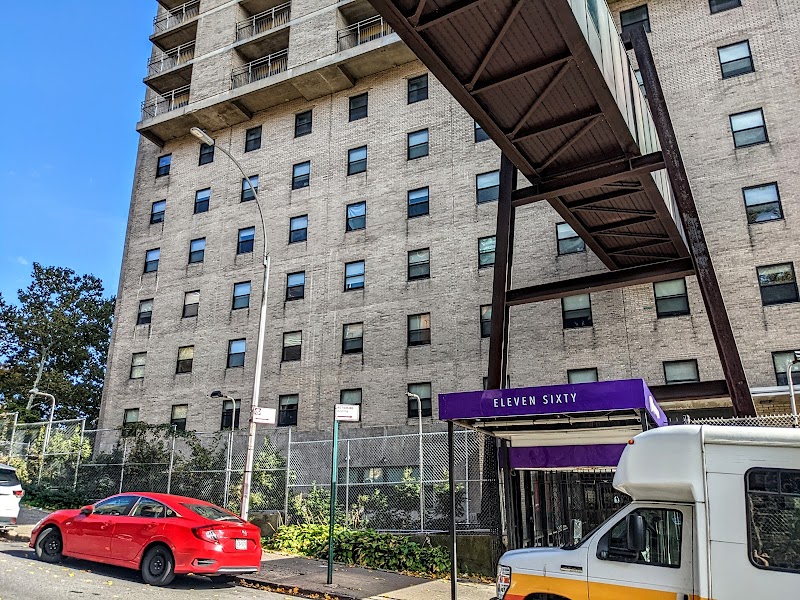
Who Owns and Operates Triboro Center For Rehabilitation And Nursing?

TRIBORO CENTER FOR REHABILITATION AND NURSING is owned by a for-profit company. For-profit facilities operate as businesses with obligations to shareholders or private owners. The facility is operated by CENTERS HEALTH CARE, a chain that manages multiple nursing homes. With 515 certified beds and approximately 399 residents (about 77% occupancy), it is a large facility located in BRONX, New York.
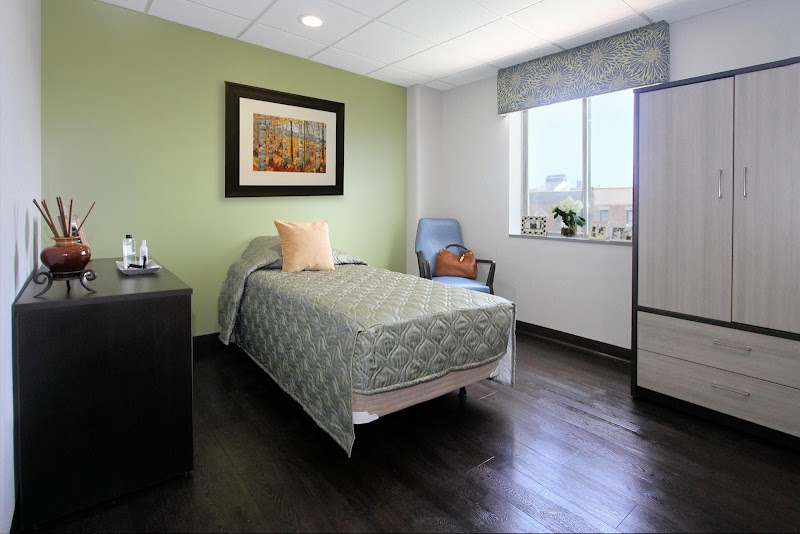
How Does Triboro Center For Rehabilitation And Nursing Compare to Other New York Nursing Homes?

Compared to the 100 nursing homes in New York, TRIBORO CENTER FOR REHABILITATION AND NURSING's overall rating (3 stars) is below the state average of 3.1, staff turnover (37%) is near the state average of 46%, and health inspection rating (3 stars) is at the national benchmark.

What Should Families Ask When Visiting Triboro Center For Rehabilitation And Nursing?

Based on this facility's data, families visiting should ask: "Can you walk me through typical staffing levels on day, evening, and night shifts?" "Can I visit during a mealtime to observe dining assistance and food quality?" "How do you handle medical emergencies, and what is your hospital transfer rate?" "Can I speak with family members of current residents about their experience?" These questions are particularly relevant given the below-average staffing rating.

Is Triboro Center For Rehabilitation And Nursing Safe?

Based on CMS inspection data, TRIBORO CENTER FOR REHABILITATION AND NURSING has a clean safety record: no substantiated abuse findings (meaning no confirmed cases of resident harm), no Immediate Jeopardy citations (the most serious violation level indicating risk of serious injury or death), and is not on the Special Focus Facility watch list (a federal program monitoring the lowest-performing 1% of nursing homes). The facility has a 3-star overall rating and ranks #100 of 100 nursing homes in New York. While no facility is perfect, families should still ask about staff-to-resident ratios and recent inspection results during their visit.

Do Nurses at Triboro Center For Rehabilitation And Nursing Stick Around?

TRIBORO CENTER FOR REHABILITATION AND NURSING has a staff turnover rate of 37%, which is about average for New York nursing homes (state average: 46%). Moderate turnover is common in nursing homes, but families should still ask about staff tenure and how the facility maintains care continuity when employees leave.

Was Triboro Center For Rehabilitation And Nursing Ever Fined?

TRIBORO CENTER FOR REHABILITATION AND NURSING has no federal fines on record. CMS issues fines when nursing homes fail to meet care standards or don't correct problems found during inspections. The absence of fines suggests the facility has either maintained compliance or corrected any issues before penalties were assessed. This is a positive indicator, though families should still review recent inspection reports for the full picture.

Is Triboro Center For Rehabilitation And Nursing on Any Federal Watch List?

TRIBORO CENTER FOR REHABILITATION AND NURSING is not on any federal watch list. The most significant is the Special Focus Facility (SFF) program, which identifies the bottom 1% of nursing homes nationally based on persistent, serious quality problems. Not being on this list means the facility has avoided the pattern of deficiencies that triggers enhanced federal oversight. This is a positive indicator, though families should still review the facility's inspection history directly.