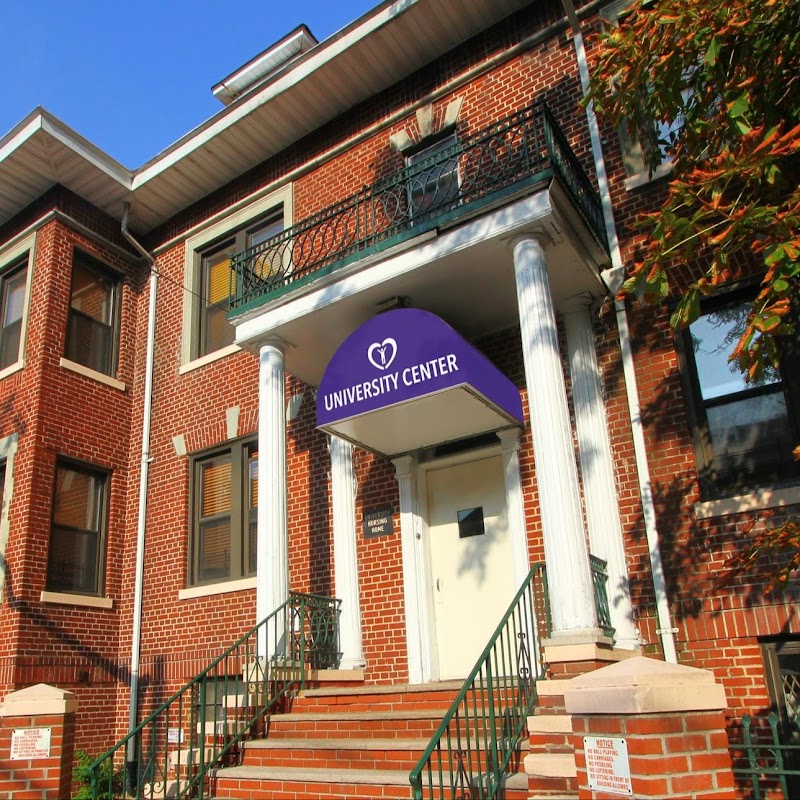
UNIVERSITY CENTER FOR REHABILITATION AND NURSING
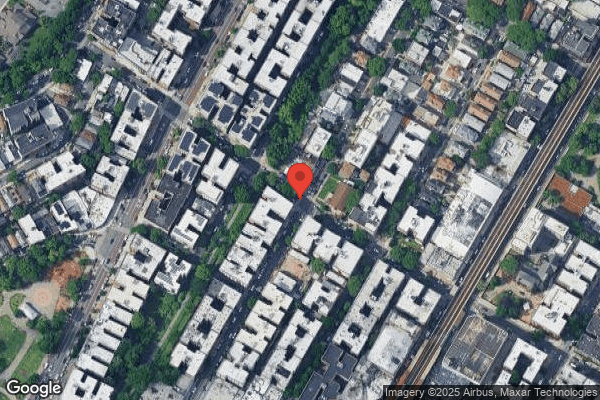

2505 GRAND AVE, BRONX, NY 10468 (718) 295-1400
For profit - Limited Liability company 46 Beds CENTERS HEALTH CARE Data: November 2025
Trust Grade
83/100
#250 of 594 in NY
Last Inspection: May 2024

Within standard 12-15 month inspection cycle. Federal law requires annual inspections.

Overview

The University Center for Rehabilitation and Nursing has a Trust Grade of B+, which means it is above average and recommended for families considering care options. It ranks #250 out of 594 nursing facilities in New York, placing it in the top half of the state, and #21 out of 43 in Bronx County, indicating that only a few local options are better. The facility is improving, as it reduced issues from five in 2022 to four in 2024. While staffing is a concern with a rating of 2 out of 5 stars, the turnover rate is relatively low at 27%, which is better than the state average. There have been no fines reported, which is a positive sign, and the RN coverage is average, providing adequate oversight for residents. However, recent inspections revealed some issues, such as failing to follow resident meal preferences and poor food safety practices, including the presence of expired items and improperly labeled food. Overall, while there are strengths in its ranking and staffing stability, families should be aware of the concerning findings regarding meal service and food safety.

Trust Score
B+
83/100
In New York
#250/594
Top 42%
Safety Record
Low Risk
No red flags
Inspections
Getting Better
5 → 4 violations
Staff Stability
✓ Good
27% annual turnover. Excellent stability, 21 points below New York's 48% average. Staff who stay learn residents' needs.
Penalties
✓ Good
No fines on record. Clean compliance history, better than most New York facilities.
Skilled Nurses
○ Average
Each resident gets 35 minutes of Registered Nurse (RN) attention daily — about average for New York. RNs are the most trained staff who monitor for health changes.
Violations
○ Average
10 deficiencies on record. Average for a facility this size. Mostly minor or procedural issues.
★★★★☆
4.0
Overall Rating
★★☆☆☆
2.0
Staff Levels
★★★★★
5.0
Care Quality
★★★☆☆
3.0
Inspection Score
Stable
2022: 5 issues
2024: 4 issues

The Good

  • 5-Star Quality Measures · Strong clinical quality outcomes
  • Low Staff Turnover (27%) · Staff stability means consistent care
  • Full Sprinkler Coverage · Fire safety systems throughout facility
  • No fines on record
  • Staff turnover is low (27%)

    21 points below New York average of 48%

Facility shows strength in quality measures, staff retention, fire safety.

The Bad

Chain: CENTERS HEALTH CARE

Part of a multi-facility chain

Ask about local staffing decisions and management

The Ugly 10 deficiencies on record

May 2024 4 deficiencies
CONCERN (D)

Potential for Harm - no one hurt, but risky conditions existed

Deficiency F0577 (Tag F0577)

Could have caused harm · This affected 1 resident

Based on observations, record review, and interviews conducted during the Recertification survey from 05/01/2024 to 05/07/2024, the facility did not ensure that the most recent survey result of the fa...

Read full inspector narrative →
Based on observations, record review, and interviews conducted during the Recertification survey from 05/01/2024 to 05/07/2024, the facility did not ensure that the most recent survey result of the facility was posted in a place readily accessible to residents, family members, and legal representatives of the residents. This was evident for 1(Resident #95) of 6 residents attending the Resident Council meeting. Specifically, survey results were posted in the facility basement that was not in plain view and was not readily accessible for review. In addition, a member of the Resident Council was interviewed and stated they do not know where the survey results were posted. The findings are: The facility policy titled Survey Results which was last revised on 12/2023 documented that a copy of at least 3 years recent standard survey, including any subsequent extended surveys, follow-up revisit reports, along with state approved plans of correction of noted deficiencies, is maintained in a 3-ring binder located in an area frequented by most residents, such as the main lobby or resident activity room. Survey results must be readily accessible for viewing. Residents and visitors should not be required to ask to see the results. On 05/01/2024 and 05/02/2024 between 9:00 AM and 10:00 AM, a signage was posted near the entrance, the elevator, and the basement stating that survey results were located in the basement of the lobby. There was no signage posted on the 2nd floor that tells where the survey results were posted. On 05/02/2024 at 11:30 AM, a binder containing the survey results was observed in the facility basement. It was in a file box on the wall in a low position. On 05/02/2024 at 10:30 AM, a Resident Council meeting was held with 6 residents. Resident #95 stated during the meeting that they do not know where to find the facility's survey result. On 5/02/2024 at 11:20 AM, Resident # 95 was interviewed and stated they do not know where they can find the survey results and there was no sign posted on the 2nd floor that tells them where to find the survey result. They stated they were not able to get to the elevator without staff assistance. On 05/07/24 at 09:59 AM, the Assistant Administrator was interviewed and stated the survey results were located in the basement. They stated signs were posted on the resident floors and the survey results were accessible to residents and family members who come down to the basement to visit the staff or use the vending machine. 415.3(1)(c)(1)(v)
CONCERN (D)

Potential for Harm - no one hurt, but risky conditions existed

Garbage Disposal (Tag F0814)

Could have caused harm · This affected 1 resident

Based on the observation and interviews conducted during the Recertification Survey from 5/1/2024 to 5/7/2024, the facility did not ensure garbage and refuse were properly disposed of. This was eviden...

Read full inspector narrative →
Based on the observation and interviews conducted during the Recertification Survey from 5/1/2024 to 5/7/2024, the facility did not ensure garbage and refuse were properly disposed of. This was evident during the kitchen facility task. Specifically, garbage was not properly contained outside the facility to prevent the harborage and feeding of pests. The findings are: The facility's policy and procedure titled Garbage and Rubbish with a last review date of 02/2024 documented all garbage and rubbish containing food wastes shall be kept in containers. All garbage and rubbish containers shall be provided with tight fitting lids or covers and must be kept covered when stored or not in continuous use. On 5/1/2024 at 10:45 AM, an observation of the garbage dumpster area was made. There were 5 large green trash containers that were uncovered and 1 dumpster noted with exposed white trash bags. There were flies in the entrance way leading to the garbage area and above the open dumpster. On 05/01/24 at 10:45 AM, an interview was conducted with the Maintenance Director. They stated they have a vendor that picks up the trash and they were supposed to put the lid back after the garbage was dumped. They stated it was the responsibility of the Maintenance Department to make sure that the trash container covers were on. On 05/07/24 at 09:43 AM, a subsequent interview was conducted with the Maintenance Director. They stated it was their responsibility to hose down the garbage area once a week and to keep the area clean. 415.14(h)
CONCERN (E)

Potential for Harm - no one hurt, but risky conditions existed

Menu Adequacy (Tag F0803)

Could have caused harm · This affected multiple residents

**NOTE- TERMS IN BRACKETS HAVE BEEN EDITED TO PROTECT CONFIDENTIALITY** Based on observation, record review, and interviews conducted during the Recertification survey from 5/1/2024 to 5/7/2024, the f...

Read full inspector narrative →
**NOTE- TERMS IN BRACKETS HAVE BEEN EDITED TO PROTECT CONFIDENTIALITY** Based on observation, record review, and interviews conducted during the Recertification survey from 5/1/2024 to 5/7/2024, the facility did not ensure that resident menus were followed, and food preferences were honored. This was evident for 4 (Residents #38, # 95, and # 4) of 12 total sampled residents. Specifically, 1) Residents #38, #95, and #4 did not receive food items listed on their lunch and dinner meal ticket, and 2) Resident #38 did not receive preferred food items as requested. The findings are: The facility policy titled Tray Assembly Identification and Service Policy that was last reviewed in January 2024 documented tickets are used to identify correct items for resident diet and are placed at resident place setting or on tray. Food service staff will check trays for correct diets and consistencies before the food carts are transported to their designated areas. The licensed nurse will confirm individual name and diet on the tray card/ticket to verify that the meal is served to the correct person, and check items on the plate/tray to assure accuracy for therapeutic diets or texture or consistency modifications. If an error is identified, staff will notify the food and nutrition services department immediately for a replacement. The lunch menu for 5/1/2024 documented barbeque chicken, barbeque sauce, French fries, ketchup, creamy coleslaw, frosted cake, and coffee. On 05/01/24 at 12:29PM, during dining observation, 5 lunch trays were observed with 2 pieces of baked chicken, a scoop of mashed potatoes with gravy, orange, carrots, and pears in a cup. The meal tickets on the 5 lunch trays documented baked chicken, mashed potatoes, gravy, corn, mandarin oranges, and coffee. 1) Resident #95 had a diagnosis of status post Left Lower Extremity Fixator. The Minimum Data Set, dated [DATE] documented that Resident #95 was cognitively intact. During an observation on 5/2/2024 at 12:30PM, the lunch menu for 5/2/2024 documented braised beef, beef gravy, pasta noodles, green beans, crushed pineapple, and coffee. Resident #95's lunch meal ticket documented sliced roast turkey, turkey gravy, bread dressing, diced carrots, sliced bread, Jell-O with topping, coffee, and pepper. Resident #95's lunch tray was observed with sliced turkey, turkey gravy, sweet potato, loose corn, 1 slice of white bread, Jell-O with topping. Coffee, tea, and juice were served on the unit. During an interview on 5/2/2024 at 10:38 AM, Resident #95 stated they did not receive food that was listed on the meal ticket or what was written on the menu. They stated they were served Matzah crackers crumbled with farina or oatmeal for breakfast. Resident #95 stated they were served Matzah crackers for breakfast, lunch, and dinner. They stated the menus and the meal tickets do not match what was on their tray. During a subsequent interview with Resident #95 on 5/3/2024 at 4:04 PM, Resident #95 stated they were served apple tarts and coleslaw for dinner on 5/2/2024 but the ticket stated garden vegetable soup, baked fish sticks, tartar sauce, macaroni and cheese, fruit cocktail, spinach, whole mild, coffee. 2) Resident #38 had diagnoses of Depression. The Minimum Data Set assessment dated [DATE] documented Resident #38 was cognitively intact. During an observation on 5/1/2024 at 12:35 PM, the lunch menu for 5/1/2024 documented barbeque chicken, barbeque sauce, French fries, ketchup, creamy coleslaw, frosted cake, and coffee. Resident #38's lunch meal ticket documented barbeque chicken, barbeque sauce, French fries, ketchup, creamy coleslaw, frosted cake, and coffee. Resident #38's lunch tray was observed with 2 pieces of baked chicken, mashed potato, gravy, carrots, cup of pears, and coffee. During an observation on 5/3/2024 at 12:40 PM, the lunch menu for 5/3/2024 documented baked lemon pepper fish, lemon butter, au gratin potatoes, corn, garlic bread, margarine, oatmeal cookie, whole milk, and coffee. Resident #38's lunch tray was observed with pizza, brownie, juice, salad, split pea soup. During an interview on 5/1/2024 at 12:35 PM, Resident #38 stated they were tired of eating chicken every day. And would like to have grilled cheese, tuna sandwich, and burger/veggie patties. They stated they do not get their food request when they ask for it. 3) Resident #4 had diagnoses of Anemia, Coronary Artery Disease, Hypertension, and Diabetes. The Minimum Data Set assessment dated [DATE] documented Resident #4 was cognitively intact. During an observation on 5/1/2024 at 12:29 PM, Resident #4 tray was observed with two pieces of baked chicken, mashed potatoes, carrots, and pears and coffee. The lunch menu ticket documented barbeque chicken, barbeque sauce, French fries, ketchup, creamy coleslaw, frosted cake, and coffee. During an observation on 5/3/2024 at 12:34 PM, the lunch menu for 5/3/2024 documented grape juice, chicken noodle soup, roast chicken, chicken gravy, mashed potatoes, yellow squash, challah bread, margarine, crushed pineapple, and coffee. Resident #4's lunch ticket documented 6 fluid ounce of beef broth, 1 fish sandwich, tartar sauce, tossed salad with tomato, assorted dressing, frosted cupcake, Lactaid milk, coffee, pepper, and sugar sub packet. Resident #4's tray was observed with a bowl of split pea soup, pizza, salad, coffee, and juice. During an interview on 5/1/2024 at 10:00 AM, Resident #4 stated they get chicken 3 times a week that taste old and hard. Resident # 4 stated when they ask for a substitute, they were told the kitchen staff had already left or there were no sandwiches available. On 5/2/2024 at 11:59 AM, the Registered Dietitian was interviewed and stated the menus were made in the corporate office over the past 6 to 7 months. They stated they attended the resident council meetings and listened to residents' complaints about food. The Dietitian stated they tried as much as possible to accommodate the residents' requests. They stated they have not heard of residents having issues with their meals. On 5/7/2024 at 9:16 AM, the Food Services Supervisor was interviewed and stated the meal tickets always match what was on the menu and the only time there was a discrepancy was during the Passover Holiday, when the menu and ticket do not match. They stated they notify the nurse on the unit when the food they serve does not match the menu or the meal ticket. The Food Services Supervisor stated the facility does not serve certain food during Passover. On 5/7/2024 at 9:53 AM, the Assistant Administrator was interviewed and stated it was the Kitchen Supervisor's responsibility to make sure that the food on the tray matches the meal ticket. The Kitchen Supervisor must make sure that the residents were offered an alternative meal and inform them of the meals that does not match the ticket. 415.14(c) (1-3)
CONCERN (E)

Potential for Harm - no one hurt, but risky conditions existed

Food Safety (Tag F0812)

Could have caused harm · This affected multiple residents

Based on observation, record review, and interview, during the Recertification Survey from 5/1/2024 to 5/7/2024, the facility failed to ensure food was stored, prepared, and distributed in accordance ...

Read full inspector narrative →
Based on observation, record review, and interview, during the Recertification Survey from 5/1/2024 to 5/7/2024, the facility failed to ensure food was stored, prepared, and distributed in accordance with professional standards for food service safety. This was evident during the kitchen observation. Specifically, 1.) multiple food items were observed in the refrigerators without proper labeling, 2.) opened food items were not dated, 3.) expired food items were observed, and 4.) food was not stored away from rust or soiled surfaces. The findings are: A facility policy and procedure titled Food Storage which was last revised on 4/1/2024 stated that food will be stored in an area that is clean, dry and free from contaminants. All stock must be rotated with each new order received. Rotating stock is essential to assure the freshness and highest quality of all foods. Food should be dated as it is placed on the shelves if required by state regulation. As for refrigerated food storage and frozen foods, all foods should be covered, labeled and dated. All foods will be checked to assure that foods (including leftovers) will be consumed by their safe use by dates, or frozen (where applicable), or discarded. All foods should be covered, labeled and dated. Leftover food will be stored in covered containers or wrapped carefully and securely. Each item will be clearly labeled and dated before being refrigerated. Leftover food is used within 24 to 72 hrs. An initial tour of the kitchen on 5/1/2024 at 09:17 AM was conducted with the Food Service Supervisor. The following were observed: 1. On the counter, there were gray metal pan with hamburger meat and another gray metal pan with green string beans that were not dated. 2. Refrigerator #1 was observed with cracks, discoloration, and brown and purplish debris inside. The following were observed inside Refrigerator #1: At the bottom of the refrigerator were 5 opened cartons of eggs that were not dated when it was received. A pan containing orange carrots with a labeled date of 4/27/2024. A pan containing tuna fish with a labeled date of 4/29/2024. A pan containing baked chicken that consist of 3 chicken legs and one chicken thigh with a labeled date of 4/29/2024. And a small container of coleslaw without a label and date. 3. Refrigerator #2 was observed with the following: A pan containing white liquid substance covered with a cling wrap without a label and date. A 64 ounce container of prune juice with a manufacturer stamped date indicating a best used by date of 11/13/2023. A box of margarine pats found on top of brown discolored racks. Four brown to black discolored lemons found in the bottom of the refrigerator. Seven containers of apple sauce found without a date. Two containers of garlic puree found without a label and without a date. 3. Refrigerator #3 located in the pantry area was observed with the following: A gallon of red duck sauce with a stamped expiration date of 6/4/2023. Two white containers labeled as cottage cheese and taped over the original label was a label indicating horse radish dated 5/15. A box of nectar thickened apple juice found with an expiration date of 3/20/2024. A subsequent tour of the kitchen was conducted on 5/2/2024 at 12:32 PM with the Food Services Supervisor. The emergency food supply was observed with two 4 pound containers of peanut butter with an expiration date of 2/8/2024. During an interview on 05/02/2024 at 9:43 AM, the Maintenance Supervisor stated it was the responsibility of the Dietary Department to inform the Maintenance Department if there was something wrong with the refrigerator. The Maintenance Supervisor stated the Administration decides if a refrigerator needs replacement. During an interview on 5/7/2024, the Food Services Supervisor stated refrigerators were cleaned every evening shift and checked by the supervisor. They stated whoever worked late on the 11:30 AM to 7:30 PM shift were supposed to make sure the kitchen was clean. The Food Services Supervisor stated they believed the eggs that were found at the bottom of the refrigerator were delivered 2 weeks ago. They stated food was supposed to be held for 3 days. The coleslaw was taken from a 30-pound container from over the course of the holiday and was placed in a smaller container because the 30-pound container does not fit in the refrigerator. They stated the horse radish was placed into two separate containers last year and that the white liquid substance was a liquefied pureed cereal, they were not sure why it was not labeled and dated. The Food Services Supervisor stated they were not allowed to mix the Passover Holiday food with the regular food that was why some of the food were placed in different containers and in different boxes to hide them. The Food Services Supervisor stated it was the responsibility of the Kitchen Supervisor to check the food for expiration dates and the cleanliness of the kitchen every day. The Food Services Supervisor stated they were responsible for checking the emergency food supply for expired items. During an interview on 5/7/2024 at 09:53 AM, the Assistant Administrator stated the Kitchen Supervisor oversees the kitchen and makes sure that it was clean and in working order. The Assistant Administrator stated they were not sure about checking expired food or how long the food should be in the refrigerator before discarding the food, stated they have to check the policy. 10 NYCRR 415.14 (h)
Nov 2022 5 deficiencies
CONCERN (D) 📢 Someone Reported This

A family member, employee, or ombudsman was alarmed enough to file a formal complaint

Potential for Harm - no one hurt, but risky conditions existed

Report Alleged Abuse (Tag F0609)

Could have caused harm · This affected 1 resident

Based on observations, interviews, and record review conducted during the Recertification and Abbreviated survey (NY00293269), the facility did not ensure a resident's injury of unknown origin was rep...

Read full inspector narrative →
Based on observations, interviews, and record review conducted during the Recertification and Abbreviated survey (NY00293269), the facility did not ensure a resident's injury of unknown origin was reported to the New York State Department of Health (NYSDOH) no later than 2 hours from the time of the allegation. This was evident for 1 (Resident #89) of 1 resident(s) reviewed for Abuse out of 29 total sampled residents. Specifically, The findings are: The facility policy titled Abuse dated 2/2022 documented notify the appropriate stat agency immediately (no later than 2 hours after allegation. Resident #89 had diagnoses of left distal radius fracture and dementia. The Minimum Data Set 3.0 dated 3/18/22 documented Resident #89 had moderately impaired cognition and required limited assistance with Activities of Daily Living. The Accident/Incident Report dated 3/23/22 documented Resident #89 was found with right hip pain on while lying in bed on 3/23/22 at 1:30 AM. X-rays were ordered, and Resident #89 was found with acute right femoral neck fracture. There were no signs of trauma and no report of the resident sustaining a fall. The Aspen Complaint Tracking System (ACTS) report dated 3/25/22 documented facility reported Resident #89 sustained a right hip fracture of unknown origin on 3/23/22. The facility did not report Resident #89's right hip fracture of unknown origin to the NYSDOH within 2 hours. On 11/21/22 at 11:06 AM, the Director of Nursing (DON) was interviewed and stated an injury of unknown origin is reportable to the NYSDOH and must be reported within 2 hours of being found. The DON stated they believed the injury was from the process of disease management since the resident has a history of falls. The DON and Administrator have access to report to the NYSDOH. The DON at times must take care of the patient and family and there may be a delay in reporting. 415.4(b)(2)
CONCERN (D) 📢 Someone Reported This

A family member, employee, or ombudsman was alarmed enough to file a formal complaint

Potential for Harm - no one hurt, but risky conditions existed

Deficiency F0657 (Tag F0657)

Could have caused harm · This affected 1 resident

**NOTE- TERMS IN BRACKETS HAVE BEEN EDITED TO PROTECT CONFIDENTIALITY** Based on record review and interviews conducted during the Recertification and Abbreviated survey (case # NY00303443) from 11/16...

Read full inspector narrative →
**NOTE- TERMS IN BRACKETS HAVE BEEN EDITED TO PROTECT CONFIDENTIALITY** Based on record review and interviews conducted during the Recertification and Abbreviated survey (case # NY00303443) from 11/16/2022 to 11/22/2022, the facility did not ensure a Comprehensive Care Plan (CCP) was reviewed and revised by the interdisciplinary team after each assessment and based on changing goals. This was evident in 1 (Resident #36) of 29 total sampled residents. Specifically, the CCP related to Resident #36's discharge planning was not reviewed and revised after each quarterly Minimum Data Set 3.0 (MDS) assessment and upon a change in the resident's discharge planning goals. The findings are: The facility policy related to Comprehensive Person-Centered Care Plans last revised 02/2022 documented a CCPs are revised as information about the resident condition changes. The Interdisciplinary Team (IDT) reviews, revise, and updates the care plan at least a quarter with each quarterly MDS. Resident #36 had diagnoses of major depressive disorder and cerebral infarction. The MDS assessment dated [DATE] documented Resident #36 was severely cognitively impaired, the resident and family participated in the assessment, and there was an active discharge plan in place for the resident to return to the community. On 11/16/2022 at 2:50 PM, Resident #36's representative was interviewed and stated they requested the Social Worker (SW) assist with transfer to another facility closer to resident's family and friends. The resident's representative stated they did not receive any assistance with Resident #36's discharge plan upon request. A Team Meeting Note dated 06/16/2022 documented the IDT met, and the plan for the resident was to return home with home care services. A Comprehensive Care Plan (CCP) related to discharge planning initiated 06/21/2022 documented Resident # 36's placement in the facility was short term, the resident's representative would be educated regarding community resources, appropriate referrals for homecare would be made as needed, and discharge order with prescriptions would be obtained as needed. There was no documented evidence the CCP related to discharge planning was reviewed and revised upon Resident #36's MDS assessment dated [DATE] and upon change in the resident's discharge plan. A telephone interview was conducted on 11/21/2022 at 10:17 AM with the Social Worker (SW) who stated Resident # 36's representatives want the resident transferred to another facility closer to friends and family. A Patient Review Instrument (PRI) was sent to two facilities of the representative's choice, but Resident #36 was not accepted for admission. On 11/22/2022 at 8:23 AM, a follow up interview was conducted with the SW who stated Resident #36's CCP related to discharge planning was not updated and should have been revised with the change in discharge status. The SW was unable to provide a reason the resident's CCP was not updated. On 11/22/2022 at 8:33 AM, the Director of Nursing (DON) was interviewed and stated Resident # 36's family representative wanted the resident to be transferred to another facility. There should have been a note in the CCP regarding the family request. The CCP should have been revised upon communication with the resident's representative and when the PRI was faxed to other facilities. 415.11(d)(3)
CONCERN (D) 📢 Someone Reported This

A family member, employee, or ombudsman was alarmed enough to file a formal complaint

Potential for Harm - no one hurt, but risky conditions existed

Deficiency F0660 (Tag F0660)

Could have caused harm · This affected 1 resident

**NOTE- TERMS IN BRACKETS HAVE BEEN EDITED TO PROTECT CONFIDENTIALITY** Based on record review and interviews conducted during the Recertification and Abbreviated survey (NY00303443) from 11/16/2022 t...

Read full inspector narrative →
**NOTE- TERMS IN BRACKETS HAVE BEEN EDITED TO PROTECT CONFIDENTIALITY** Based on record review and interviews conducted during the Recertification and Abbreviated survey (NY00303443) from 11/16/2022 to 11/22/2022, the facility did not ensure the development and implementation of an effective discharge process that involved the resident representative and regular re-evaluation of residents to identify changes that require modification of the discharge plan. This was evident in 1 (Resident #36) of 2 resident reviewed for Discharge out of 29 total sampled residents. Specifically, Resident #36's discharge plan did not reflect a change in the discharge destination from the community to another skilled nursing facility. In addition, the record did not reflect information about referrals made, status of the referral, or follow-up with the designated representative for the status of the discharge plan. The findings include: The facility policy titled Discharge - Transfer/discharge date d 02/2022 documented for discharge to the community or lateral transfer to alternate skilled nursing facilities, the social worker will oversee this documentation to ensure all the appropriate details of the discharge plan is documented in the resident medical record. Resident # 36 was admitted to the facility with diagnoses of cerebral infarction and major depressive disorder. The Minimum Data Set 3.0 (MDS) dated [DATE] documented Resident # 36 was severely cognitively impaired. On 11/16/2022 at 2:50 PM, Resident #36's representative was interviewed and stated they requested the Social Worker (SW) assist with transfer to another facility closer to resident's family and friends. The resident's representative stated they did not receive any assistance with Resident #36's discharge plan upon request. A Comprehensive Care Plan (CCP) related to discharge planning, initiated 06/21/2022, documented Resident # 36's placement in the facility was short-term. The CCP documented the resident's representative would be educated regarding community resources, appropriate referrals for home care would be made as needed, and discharge order with prescriptions would be obtained as needed. A Team Meeting Note dated 06/16/2022 documented Resident #36's discharge plan was to return home with home care. There was no documented evidence in the medical record Resident #36's discharge plan was reevaluated and modified to reflect the designated representative's wishes for Resident #36 to be transferred to another skilled nursing facility instead of being discharged to the community. In addition, there was no documented evidence regarding any referrals made, outcome of those referrals, or follow-up with the designated representative regarding the progress of the discharge plan. On 11/21/2022 at 10:17 AM, the SW was interviewed and stated Resident # 36's representative requested the resident be transferred to an alternate facility. The SW sent the resident's information to 2 facilities of the representative's choice, but Resident #36 was not accepted. The SW emailed the representative to update them re: Resident #36's rejection for placement but did not document in the medical record. The SW was on leave for a month and planned to document Resident #36's assessment. On 11/22/2022 at 8:33 AM, the Director of Nursing (DON) was interviewed and stated Resident # 36's representative requested for Resident #36 to be transferred to another facility. The DON completed the Patient Review Instrument assessment and gave it to the SW to submit to the representative's desired facilities. The SW was in communication with the resident's representative and this communication should have been documented on Resident #36's chart. 415.11(d)(3)
CONCERN (D)

Potential for Harm - no one hurt, but risky conditions existed

Deficiency F0661 (Tag F0661)

Could have caused harm · This affected 1 resident

**NOTE- TERMS IN BRACKETS HAVE BEEN EDITED TO PROTECT CONFIDENTIALITY** Based on interviews and record review conducted during the recertification survey from 11/16/22 to 11/22/22, the facility did no...

Read full inspector narrative →
**NOTE- TERMS IN BRACKETS HAVE BEEN EDITED TO PROTECT CONFIDENTIALITY** Based on interviews and record review conducted during the recertification survey from 11/16/22 to 11/22/22, the facility did not ensure reconciliation of all pre-discharge medications with the resident's post discharge medications. This was evident for 1 (Resident #189) of 2 residents reviewed for discharge out of 29 total sampled residents. Specifically, the facility did not ensure Resident #189 was discharged from the facility with the remaining supply of or prescriptions for the medication listed on their discharge instructions. The findings are: The facility policy titled Discharge - Transfer/discharge date d 2/2022 documented the social worker (SW), the Interdisciplinary Care Plan (IDCP) team, and Medical Doctor (MD) will coordinate all necessary medical physical mental and psychosocial services to ensure resident has a safe transition. Resident #189 was admitted to the facility with diagnoses of right knee replacement and hypertension. The Minimum Data Set 3.0 (MDS) dated [DATE] documented Resident #189 was cognitively intact and required limited assistance of 1 person to perform activities of daily living. On 11/21/22 at 03:13 PM, Resident #189 was interviewed via telephone and stated they were discharged from the facility to their home in the community approximately 1 month ago. At the time of discharge, the nurse reviewed the medication list with and provided discharge instruction to Resident #189. The nurse was in a hurry, grabbed all the blister packs with remaining medications in the medication drawer labeled with Resident #189's name, placed them in a bag and gave the blister packs to Resident #189 without reviewing the contents. Upon arriving home, Resident #189 realized the bag of medication from the facility contained another resident's medications and did not contain Resident #189's Flomax. Resident #189 contacted the pharmacy where the MD called in their prescriptions and was informed that Flomax had not been prescribed by the MD. Resident #189 had to make an appointment with their primary care physician and was not able to follow up re: the Flomax until 11/10/22. Resident #189 contacted the facility and informed a nurse Resident #189 was discharged home with another resident's medications. The nurse told Resident #189 that someone would follow up with them but Resident #189 did not receive a call back from the facility. The Comprehensive Care Plan (CCP) related to discharge was initiated 9/10/22 and documented Resident #189 was in the facility short term and that appropriate referrals would be made as needed. The Physician Orders imitated 9/7/22 documented Resident #189 was ordered Flomax .4mg 1 capsule by mouth one time a day. The Medication Administration Record for October 2022 documented Resident #189 received Flomax .4mg 1 capsule by mouth one time a day every day of the month until 10/28/22. The Discharge Instructions dated 10/27/22 documented Resident #189 was ordered to receive Medication: Flomax .4mg 1 capsule by mouth one time a day. The resident/resident representative was educated on medications and the Discharge Instructions were signed by Resident #189 and Licensed Practical Nurse (LPN) #1. There was no documentation regarding which medication blister packs were given to the resident There was no evidence the facility provided Resident #189 with a prescription for and/or blister packs with remaining Flomax medication upon discharge to the community. On 11/21/22 at 10:38 AM and 11/22/22 at 10:51 AM, the SW was interviewed and stated they coordinated Resident #189's discharge to the community. The MD is responsible for communicating with the resident's community pharmacy and prescribing the resident's discharge medications. There is no documented record of what prescriptions are sent to the pharmacy for Resident #189. The list of medications the resident is being discharged with is listed on the Discharge Instructions. The nurse was responsible for giving Resident #189 medication blister packs that cannot be returned to the pharmacy and reviewing the Discharge Instructions. The SW initiated the discharge but was not present the day of Resident #189's discharge. The SW is supposed to follow up with the resident within 48 hours of discharge but the SW did not follow up with Resident #189 post-discharge. The SW stated they are unaware of any concerns with the Resident #189's discharge and did not receive any further communication from Resident #189 once they were discharged . On 11/21/22 at 11:39 AM, LPN #1 was interviewed and stated they were the LPN responsible for reviewing the Discharge Instructions with Resident #189. LPN #1 reviewed Resident #189's medication list and gave Resident #189 their medication blister packs that cannot be returned to the pharmacy. LPN #1 did not document typo? Can I delete this sentence? . The Discharge Instructions should contain the list of medications the resident left with and the prescriptions sent to the resident's community pharmacy. Resident #189's Discharge Instructions do not document the medications given to Resident #189 when they left the facility or the prescriptions sent to their community pharmacy. LPN #1 did not follow-up with Resident #189 post-discharge and was unaware of any concerns with their medications since they left. LPN #1 stated that no other residents on the unit were missing their medication blister packs, and they were not aware Resident #189 was given medications that were not prescribed to them. On 11/22/22 at 10:15 AM, MD #1 was interviewed and stated the MD is responsible for sending prescriptions to the community pharmacy when a resident is discharged to the community. MD #1 was unable to recall what prescriptions were called into Resident #189's community pharmacy nor the medication blister packs provided to Resident #189 upon discharge. MD #1 stated the Flomax could have been sent with Resident #189, but it would not be clinically significant if Resident #189 was discharged home without it. 415.11(d)(1)(2)
CONCERN (D)

Potential for Harm - no one hurt, but risky conditions existed

Drug Regimen Review (Tag F0756)

Could have caused harm · This affected 1 resident

**NOTE- TERMS IN BRACKETS HAVE BEEN EDITED TO PROTECT CONFIDENTIALITY** Based on interviews and record review conducted during the recertification survey from 11/16/22 to 11/22/22, the facility did no...

Read full inspector narrative →
**NOTE- TERMS IN BRACKETS HAVE BEEN EDITED TO PROTECT CONFIDENTIALITY** Based on interviews and record review conducted during the recertification survey from 11/16/22 to 11/22/22, the facility did not ensure the attending physician documented in the resident's medical record that an identified irregularity in the Medication Regimen Review (MRR) has been reviewed and what, if any, action has been taken to address it in a timely manner. This was evident for 1 (Resident #19) of 5 residents reviewed for Unnecessary Medications out of 29 total sampled residents. Specifically, the Medical Doctor (MD) did not respond timely to a pharmacy MRR concern regarding Resident #19 being prescribed Basalgar Insulin (BI) when there was documentation in the medical record that Resident #19 was allergic to BI. The findings are: The facility policy titled Pharmacy Consultant (PC) Medication Review dated 2/2022 documented the unit manager/designee will make sure all recommendations are acted upon and documented in the resident chart. Resident #19 was diagnosed with diabetes mellitus (DM) and bipolar disorder. Th Minimum Data Set 3.0 (MDS) dated [DATE] documented Resident #19 had mild cognitive impairment, rejected care at least once within 6 days of the assessment, had no other behaviors, and received insulin injections 6 out of 7 days prior to the assessment. The Comprehensive Care Plan (CCP) related to CP related to DM initiated 10/29/21 documented to administer medications as ordered and monitor for effectiveness. The CCP related to allergy initiated 10/29/21 did not document Resident #19 as being allergic to BI. Interventions included ensuring allergies are well documented. The Allergy List dated 6/13/22 documented Resident #19 had an allergy to BI. The hospital Patient Review Instrument dated 7/7/22 documented Resident #19 was allergic to Basaglar Kwikpen U-100 Insulin [Insulin Glargine]. MD Orders dated 9/13/22 documented Resident #19 should receive Basaglar Kwikpen 20 unit of insulin subcutaneously in the evening. The PC Note dated 9/28/22 documented Resident #19 had BI listed as an allergy but was prescribed BI. The PC Note dated 10/26/22 documented Resident #19 had no new irregularities to report. MRR dated 11/4/22 documented Agree under MD response to the 9/28/22 pharmacy concern that Resident #19 was receiving BI with documented allergy to BI. The Allergy List update on 11/4/22 documented Resident #19 was receiving BI without any reported side effects, and the allergy was resolved. The Medication Administration Record for 9/22, 10/22, and 11/22 documented Resident #19 received BI according to Physician Order 57 times out of 71 opportunities. There was no documented evidence the MD addressed the pharmacy recommendation regarding BI in a timely manner. During an interview on 11/22/22 at 01:08 PM, the Director of Nursing (DON) stated they were responsible for ensuring the MD receives the MRR from the PC. Any changes to the resident or resident's care should be documented in the MD notes. The MD documented Agree for Resident #19's pharmacy recommendation related to the BI allergy dated 9/28/22 and should have documented the course of action to address their agreement with the pharmacist. The MD response should be completed as soon as the MD receives the pharmacy recommendation. The DON stated they were unsure of the length of timeframe allotted for MDs to provide a response to the MRR. On 11/22/22 at 11:53 AM, the PC was interviewed and stated a MRR response is considered timely if it is completed within 15 days. The PC reviews all resident charts monthly and does not review to ensure the MD responds to MRRs. The PC does not repeat irregularities from one month to the next but will note if a pharmacy recommendation is not addressed. On 11/22/22 at 10:25 AM, MD #1 was interviewed and stated they were covering for MD #2, Resident #19's attending physician, during the months of September and October 2022. Resident #19 is not allergic to BI and there has not been any documented reaction. MD #1 stated they did not review this pharmacy recommendation but would have overridden it if they did. If the MD disagrees, they document as such in the MRR logbook. On 11/22/22 at 11:08 AM, MD #2 was interviewed and stated they returned to work at the facility on 11/1/22 and addressed Resident #19's MRR on 11/4/22. Resident #19 does not have specific symptoms of an allergy to BI and MD #2 removed BI from the list of Resident #19's allergies. Resident #19 is resistant to taking medications and may have self-reported the allergy while in the hospital. MD #2 stated the MDs are required to documented in the resident's medical record when they asses or evaluate the resident. Usually, pharmacy recommendations are addressed sooner, and MD #2 usually responds within a week of receiving the MRR. MD #1 was covering for MD #2 while MD #2 was on leave. MD #2 returned from their leave, saw the outstanding pharmacy recommendations, and ensured they were addressed immediately. 415.18(c)(2)
Jan 2020 1 deficiency
CONCERN (D)

Potential for Harm - no one hurt, but risky conditions existed

Deficiency F0761 (Tag F0761)

Could have caused harm · This affected 1 resident

Based on observation, interview and record review during the recertification survey the facility did not ensure that an expired medication was properly discarded according to the manufacturer's recomm...

Read full inspector narrative →
Based on observation, interview and record review during the recertification survey the facility did not ensure that an expired medication was properly discarded according to the manufacturer's recommendation. This was evident for 1 of 2 units reviewed for Medication Storage (2nd floor). The finding is: The facility policy titled Handling of Expired or Unused Medication dated 9/2017 documents: All expired/unused medications will be disposed of in accordance with federal, state and local regulations governing management of all medications. All Licensed Nurses will check all medications during medication passes, for expiration dates and will also check all medications in the medication refrigerator for expired medications every shift. Non-controlled /regular medications: All expired medications will be removed from circulation and shall be disposed of immediately. Syringes and vials will be placed in sharps container; pills, capsules will be dissolved in warm water and flushed. The manufacturer's United States Food and Drug Administration approved product labeling enclosed in the box of Tuberculin Purified Protein Derivative (PPD) Tubersol documents, A vial of Tubersol which has been entered and in use for 30 days should be discarded. In addition, the outer box containing the vial of PPD documents: Discard opened product after 30 days. On 1/15/20 at 2:32PM, the facility medication storage task was performed on the 2nd Floor Medication Refrigerator. One vial of Tuberculin Purified Protein Derivative was open and in use. The vial was approximately one half full. The vial was labeled with Lot number -C5588AA and an expiration date of 17 June 2021. The nursing staff labeled the box as follows: Opened 11/28/19. The vial was not labeled with a date of opening. On 1/15/20 at 2:37 PM, the Licensed Practical Nurse (LPN #1) was interviewed and stated when the nurse opens a vial of PPD, they are supposed to write the date of opening on the box and on the vial. LPN #1 stated the vial should have been discarded on 12/28/19, and the vial is 18 days past the discard date. She has not given a PPD to any residents in the last 18 days. On 1/16/20 at 9:37 AM, the Director of Nursing (DON) was interviewed and stated, When the nurses start a vial of PPD they are supposed to date the box and the vial. PPD is good for 28 days after it is opened. I know the box from the manufacturer documents 30 days, but our policy is that we will discard the vial after 28 days. This vial should not have been in the refrigerator. The nurses dated the vial 11/28/19 as the date of opening. Yesterday's date which is the date you found it was January 15th. The vial of PPD was open and available for use for 18 days past the discard date. I checked the residents' records and determined that no residents received a dose from this expired vial during the past 18 days. It is the responsibility of all the nurses on the unit on all 3 shifts to check the medication refrigerator to make sure there are no expired medications. If any are found, they need to dispose of it. It appears that for 18 days the nurses working on the 3 shifts did not notice the vial of PPD was expired. Yesterday, I told the nurse to discard the vial in the sharps container. 415.18(d) .
Understanding Severity Codes (click to expand)
Life-Threatening (Immediate Jeopardy)
J - Isolated K - Pattern L - Widespread
Actual Harm
G - Isolated H - Pattern I - Widespread
Potential for Harm
D - Isolated E - Pattern F - Widespread
No Harm (Minor)
A - Isolated B - Pattern C - Widespread

Questions to Ask on Your Visit

  • "Can I speak with families of current residents?"
  • "What's your RN coverage like on weekends and overnight?"

Our Honest Assessment

Strengths
  • • Grade B+ (83/100). Above average facility, better than most options in New York.
  • • No major safety red flags. No abuse findings, life-threatening violations, or SFF status.
  • • No fines on record. Clean compliance history, better than most New York facilities.
  • • 27% annual turnover. Excellent stability, 21 points below New York's 48% average. Staff who stay learn residents' needs.
Concerns
  • • No significant concerns identified. This facility shows no red flags across CMS ratings, staff turnover, or federal penalties.
Bottom line: Generally positive indicators. Standard due diligence and a personal visit recommended.

About This Facility

What is University Center For Rehabilitation And Nursing's CMS Rating?

CMS assigns UNIVERSITY CENTER FOR REHABILITATION AND NURSING an overall rating of 4 out of 5 stars, which is considered above average nationally. Within New York, this rating places the facility higher than 99% of the state's 100 nursing homes. This rating reflects solid performance across the metrics CMS uses to evaluate nursing home quality.
How is University Center For Rehabilitation And Nursing Staffed?

CMS rates UNIVERSITY CENTER FOR REHABILITATION AND NURSING's staffing level at 2 out of 5 stars, which is below average compared to other nursing homes. Staff turnover is 27%, compared to the New York average of 46%. This relatively stable workforce can support continuity of care.

What Have Inspectors Found at University Center For Rehabilitation And Nursing?

State health inspectors documented 10 deficiencies at UNIVERSITY CENTER FOR REHABILITATION AND NURSING during 2020 to 2024. These included: 10 with potential for harm.
Who Owns and Operates University Center For Rehabilitation And Nursing?

UNIVERSITY CENTER FOR REHABILITATION AND NURSING is owned by a for-profit company. For-profit facilities operate as businesses with obligations to shareholders or private owners. The facility is operated by CENTERS HEALTH CARE, a chain that manages multiple nursing homes. With 46 certified beds and approximately 44 residents (about 96% occupancy), it is a smaller facility located in BRONX, New York.

How Does University Center For Rehabilitation And Nursing Compare to Other New York Nursing Homes?

Compared to the 100 nursing homes in New York, UNIVERSITY CENTER FOR REHABILITATION AND NURSING's overall rating (4 stars) is above the state average of 3.1, staff turnover (27%) is significantly lower than the state average of 46%, and health inspection rating (3 stars) is at the national benchmark.

What Should Families Ask When Visiting University Center For Rehabilitation And Nursing?

Based on this facility's data, families visiting should ask: "Can you walk me through typical staffing levels on day, evening, and night shifts?" "Can I visit during a mealtime to observe dining assistance and food quality?" "How do you handle medical emergencies, and what is your hospital transfer rate?" "Can I speak with family members of current residents about their experience?" These questions are particularly relevant given the below-average staffing rating.

Is University Center For Rehabilitation And Nursing Safe?

Based on CMS inspection data, UNIVERSITY CENTER FOR REHABILITATION AND NURSING has a clean safety record: no substantiated abuse findings (meaning no confirmed cases of resident harm), no Immediate Jeopardy citations (the most serious violation level indicating risk of serious injury or death), and is not on the Special Focus Facility watch list (a federal program monitoring the lowest-performing 1% of nursing homes). The facility has a 4-star overall rating and ranks #1 of 100 nursing homes in New York. While no facility is perfect, families should still ask about staff-to-resident ratios and recent inspection results during their visit.

Do Nurses at University Center For Rehabilitation And Nursing Stick Around?

Staff at UNIVERSITY CENTER FOR REHABILITATION AND NURSING tend to stick around. With a turnover rate of 27%, the facility is 19 percentage points below the New York average of 46%. Low turnover is a positive sign. It means caregivers have time to learn each resident's needs, medications, and personal preferences. Consistent staff also notice subtle changes in a resident's condition more quickly.

Was University Center For Rehabilitation And Nursing Ever Fined?

UNIVERSITY CENTER FOR REHABILITATION AND NURSING has no federal fines on record. CMS issues fines when nursing homes fail to meet care standards or don't correct problems found during inspections. The absence of fines suggests the facility has either maintained compliance or corrected any issues before penalties were assessed. This is a positive indicator, though families should still review recent inspection reports for the full picture.

Is University Center For Rehabilitation And Nursing on Any Federal Watch List?

UNIVERSITY CENTER FOR REHABILITATION AND NURSING is not on any federal watch list. The most significant is the Special Focus Facility (SFF) program, which identifies the bottom 1% of nursing homes nationally based on persistent, serious quality problems. Not being on this list means the facility has avoided the pattern of deficiencies that triggers enhanced federal oversight. This is a positive indicator, though families should still review the facility's inspection history directly.