BEDFORD CENTER FOR NURSING AND REHABILITATION

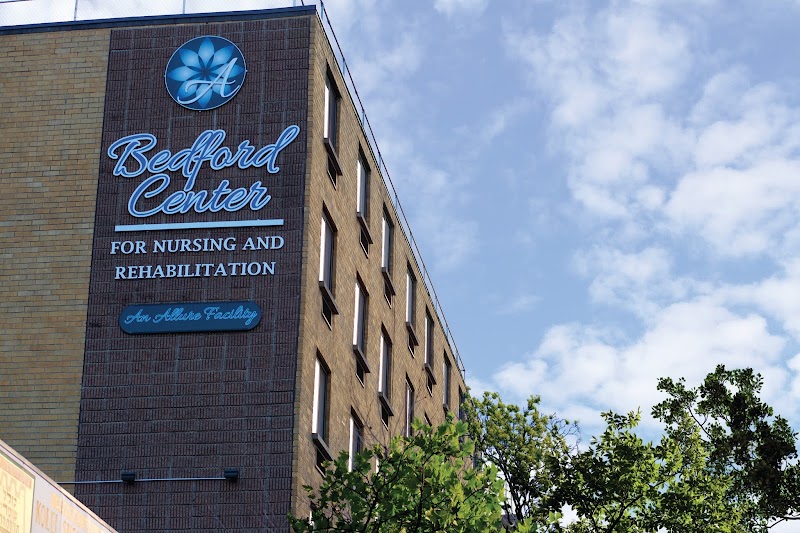
40 HEYWARD STREET, BROOKLYN, NY 11249 (718) 858-6200
For profit - Limited Liability company 200 Beds ALLURE GROUP Data: November 2025
Trust Grade
93/100
#8 of 594 in NY
Last Inspection: March 2025

Within standard 12-15 month inspection cycle. Federal law requires annual inspections.

Overview

Bedford Center for Nursing and Rehabilitation has received an impressive Trust Grade of A, which indicates they are highly recommended and excel in providing care. Ranking #8 out of 594 nursing homes in New York places them in the top tier of facilities, and they are the best option among 40 in Kings County. The facility's performance has remained stable, with 10 concerns reported, but no critical or serious issues affecting resident safety. Staffing is adequate with a 3/5 rating and a turnover rate of 27%, which is below the state average, suggesting that staff members are likely to stay longer and develop relationships with residents. However, there are some areas needing attention, such as a cook failing to wash hands before food preparation and a nurse administering insulin to a resident without ensuring privacy or confirming blood sugar levels, which raises concerns about respect and proper medical practices. Overall, while the facility has notable strengths, families should be aware of these weaknesses as they make their decision.

Trust Score
A
93/100
In New York
#8/594
Top 1%
Safety Record
Low Risk
No red flags
Inspections
Holding Steady
3 → 3 violations
Staff Stability
✓ Good
27% annual turnover. Excellent stability, 21 points below New York's 48% average. Staff who stay learn residents' needs.
Penalties
✓ Good
No fines on record. Clean compliance history, better than most New York facilities.
Skilled Nurses
✓ Good
Each resident gets 43 minutes of Registered Nurse (RN) attention daily — more than average for New York. RNs are trained to catch health problems early.
Violations
○ Average
10 deficiencies on record. Average for a facility this size. Mostly minor or procedural issues.
★★★★★
5.0
Overall Rating
★★★☆☆
3.0
Staff Levels
★★★★★
5.0
Care Quality
★★★★☆
4.0
Inspection Score
Stable
2023: 3 issues
2025: 3 issues

The Good

  • 5-Star Quality Measures · Strong clinical quality outcomes
  • Low Staff Turnover (27%) · Staff stability means consistent care
  • Full Sprinkler Coverage · Fire safety systems throughout facility
  • No fines on record
  • Staff turnover is low (27%)

    21 points below New York average of 48%

Facility shows strength in quality measures, staff retention, fire safety.

The Bad

Chain: ALLURE GROUP

Part of a multi-facility chain

Ask about local staffing decisions and management

The Ugly 10 deficiencies on record

Mar 2025 3 deficiencies
CONCERN (D)

Potential for Harm - no one hurt, but risky conditions existed

Resident Rights (Tag F0550)

Could have caused harm · This affected 1 resident

**NOTE- TERMS IN BRACKETS HAVE BEEN EDITED TO PROTECT CONFIDENTIALITY** Based on observation, record review, and interviews conducted during the Recertification Survey from 03/12/2025 to 03/19/2025, t...

Read full inspector narrative →
**NOTE- TERMS IN BRACKETS HAVE BEEN EDITED TO PROTECT CONFIDENTIALITY** Based on observation, record review, and interviews conducted during the Recertification Survey from 03/12/2025 to 03/19/2025, the facility did not ensure each resident was treated with respect and dignity. This was evident for 1 (Resident #40) of 1 resident reviewed for Dignity out of 39 total sampled residents. Specifically, the Licensed Practical Nurse administered insulin to Resident #40 while they were seated in the hallway without providing any form of privacy. The findings are: The facility's policy titled Quality of Life- Dignity, implemented 07/2017 and last reviewed 01/12/24, stated that staff shall promote, maintain, and protect resident privacy, including bodily privacy during assistance with personal care and during treatment procedures. Resident #40 had diagnoses that included Diabetes Mellitus and Hypertension. The admission Minimum Data Set assessment dated [DATE] documented that Resident #40 had moderately impaired cognition and received insulin injections on 7 of 7 days. The Physician's Orders dated 2/17/25 documented Insulin Lispro Injection Solution 100 unit/ml (Insulin Lispro): Inject 5 unit subcutaneously before meals: give if blood sugar (BS) is greater than 150. The Physician's Order dated 02/28/2025 documented fingerstick monitoring before meals and at bedtime. On 03/18/25 at 09:21 AM, during the Medication Administration task Licensed Practical Nurse #3 was observed administering medications to Resident #40 who was sitting on their rollator, in the hallway. Licensed Practical Nurse #3 asked Resident #40 if they checked their blood sugar and Resident #40 replied that they had. Licensed Practical Nurse #3 then reviewed the Electronic Medical Record and informed Resident #40 that they will get insulin coverage, and asked which area of their body they would like to receive it. Licensed Practical Nurse #3 then proceeded to give the insulin to the right side of Resident #40's abdomen while they sat in the hallway, where other residents were walking, without providing any form of privacy. On 03/14/25 11:58 AM, Licensed Practical Nurse #3 was interviewed and stated that Resident #40 does not stay in their room and does not stay still to get the insulin administered. Licensed Practical Nurse #3 also stated that they try to ensure Resident #40's privacy, but Resident #40 does not listen and gets impatient. On 03/14/25 at 12:20 PM, Resident Nurse Manager #3 was interviewed and stated that sometimes Resident #40 gets impatient and would refuse to go to their room to receive insulin. Resident Nurse Manager #3 also stated that they usually give insulin injections to Resident #40 while they are in their room, and the Licensed Practical Nurses know they are supposed to ensure privacy. On 03/14/25 at 12:32 PM, the Director of Nursing was interviewed and stated that the Licensed Practical Nurses are supposed to provide privacy for the residents, even if the resident refuses and if the insulin is administered in the hallway. The Director of Nursing also stated that there are screens that are available for use to ensure privacy. 10 NYCRR 415.5(a)
CONCERN (D)

Potential for Harm - no one hurt, but risky conditions existed

Quality of Care (Tag F0684)

Could have caused harm · This affected 1 resident

**NOTE- TERMS IN BRACKETS HAVE BEEN EDITED TO PROTECT CONFIDENTIALITY** Based on observations, staff interviews and record review conducted during the Recertification Survey from 03/12/2025 to 03/19/2...

Read full inspector narrative →
**NOTE- TERMS IN BRACKETS HAVE BEEN EDITED TO PROTECT CONFIDENTIALITY** Based on observations, staff interviews and record review conducted during the Recertification Survey from 03/12/2025 to 03/19/2025, the facility did not ensure that residents receive treatment and care in accordance with professional standards of practice and the comprehensive person-centered care plan. This was evident for 1 (Resident #40) of 6 residents observed for Medication Administration task. Specifically, Resident #40, admitted with a diagnosis of Diabetes Mellitus, was administered Lantus Insulin by the Licensed Practical Nurse, without confirmation of the blood sugar results received from the Freestyle Libre (a blood sugar monitoring device attached to the skin). Further, there was no documentation of a Physician's Order for the Freestyle Libre device for blood sugar monitoring. The findings are: The facility's policy titled Medication Order Reconciliation created July 2017, last reviewed March 2025, stated the facility is to ensure that all medications orders are reconciled to prevent errors, maintain resident safety, and comply with applicable regulations. The policy also stated that reconciliation will occur during admissions, discharges, transfers, order changes, and routine reviews. The facility's policy titled Medication Orders created 03/2016, last revised 07/22 stated that the purpose of this procedure is to establish uniform guidelines in the receiving and recording of medication orders, and that a current list of orders must be maintained in the clinical record of each resident. Resident #40 had diagnoses that included Diabetes Mellitus and Hypertension. The admission Minimum Data Set assessment dated [DATE] documented that Resident #40 had moderately impaired cognition and received insulin injections on 7 of 7 days. The Physician's Orders dated 2/17/25 documented Insulin Lispro Injection Solution 100 unit/ml (Insulin Lispro): Inject 5 unit subcutaneously before meals: give if blood sugar (BS) is greater than 150. The Physician's Order dated 02/28/2025 documented fingerstick monitoring before meals and at bedtime. The Comprehensive Care Plan focus documented Resident #40 has type 2 Diabetes Mellitus, created 2/18/25 documented a goal of Resident #40 will have no complications related to diabetes through the review date. Interventions included Diabetes medication as ordered by doctor, and to monitor/document for side effects and effectiveness. The Nursing admission Summary note dated 2/17/25 documented Resident #40 was admitted from the hospital with diagnoses that included Pre-Syncope, impaired mobility and a secondary diagnosis of Type 2 Diabetes Mellitus. The hospital's After Visit Summary and Medication List dated 2/17/25 documented Flash glucose scanning reader, use medications as directed by provider. A nursing note dated 3/5/25 documented Resident #40 is alert and responsive, self-checked their blood glucose via the Freestyle Libre 3 Plus Sensor and the result is 324 mg/dl. On 03/14/25 at 09:21 AM, during the Medication Administration task, Licensed Practical Nurse #3 was observed administering medications to Resident #40 in the hallway. Licensed Practical Nurse #3 asked Resident #40 if they checked their blood sugar and Resident #40 replied that they had, and that it was 269. Licensed Practical Nurse #3 then checked the Electronic Medical Record and informed Resident #40 that they will get the coverage. Licensed Practical Nurse #3 then proceeded to instill 5 units of Insulin Lispro to Resident #40 without first verifying Resident #40's blood sugar level. On 03/14/25 11:58 AM, Licensed Practical Nurse #3 was interviewed and stated that Resident #40 has had the Freestyle Libre device since admission and is able to read their own blood sugars. Licensed Practical Nurse #3 also stated that they did not know if there was an order for the Freestyle Libre in the Electronic Medical Record. On 03/14/25 at 12:20 PM, Registered Nurse #3 was interviewed and stated that they were aware that Resident #40 had the Freestyle libre device and they had it when they were admitted from the hospital. Registered #3 also stated that Resident #40 reads the blood sugar results, and the Licensed Practical Nurse is supposed to verify the reading on the device. Registered Nurse #3 further stated that any type of device that a resident has been provided with is documented in the Electronic Medical Record. Registered Nurse #3 stated that the order for the device must have been missed for Resident #40. On 03/14/25 at 12:32 PM, the Director of Nursing was interviewed and stated that the Licensed Practical Nurses are supposed to actually see the blood sugars readings before administering any insulin, and that the Freestyle Libre device should be included in the Physician's orders. The Director of Nursing verified that there was no order for the device. On 03/19/25 at 01:29 PM, Physician #1 was interviewed and stated that they are the Primary Physician for Resident #40. Physician #1 also stated that they did not realize that an order had not been placed for the Freestyle Libre device initially, but they had an order placed after 03/14/2025, once they were made aware. Physician #1 further stated that there should have been an order in place for the device when Resident #40 was admitted . 10 NYCRR 415.12
CONCERN (D)

Potential for Harm - no one hurt, but risky conditions existed

Deficiency F0761 (Tag F0761)

Could have caused harm · This affected 1 resident

Based on observations, interviews, and record review conducted during the Recertification and survey from 03/12/2025 to 03/19/2025, the facility did not ensure biologicals were stored in accordance wi...

Read full inspector narrative →
Based on observations, interviews, and record review conducted during the Recertification and survey from 03/12/2025 to 03/19/2025, the facility did not ensure biologicals were stored in accordance with professional principles. This was evident for 1 (Unit 2) of 5 medication storage areas reviewed. Specifically, controlled medications were not properly stored in a double cabinet in the Unit 2 medication room. This was observed during the Medication Storage task. The findings are: The facility policy titled Controlled substances revised 12/15/2024 stated the facility will comply with all laws, regulations, and other requirements related to handling, storage, disposal and documentation of Schedule II and other controlled substances. The policy also stated that controlled substances must be stored in the medication room in a locked container, separate from containers from any non-controlled medication. This container must remain locked at all times, except when it is accessed to obtain medications for residents. On 03/14/2025 at 12:51 PM to 1:24 PM, the Unit 2 medication room was observed with Registered Nurse #1. Registered Nurse #1 unlocked the first door for the cabinet. The second door of the cabinet was observed to be ajar and when Registered Nurse #1 inserted the key into the second door, they were unable to turn the lock. Multiple controlled medications were observed in the unlocked cabinet including Morphine sulfate 100mg per 5 ml 3 boxes, Hydromorphone hydrochloride 4mg tab -90 tablets, Oxycodone immediate release 5mg-30 tablets, Clonazepam 2mg -24 tablets, Oxycodone 5mg - 21 tablets, Tramadol hydrochloride - 25 mg-30 tablets, Clonazepam 0.5mg -31 tablets, and Lorazepam 1mg-30 tablets. On 03/14/25 at 01:21 PM, the maintenance book was observed with entries from 02/13/2025-03/14/2025 and there were no entries related to the narcotic box lock. On 03/14/2025 at 02:08 PM, Licensed Practical Nurse #2 was interviewed and stated they noticed two days ago that the narcotic cabinet lock was not closing, and when they tried the narcotic lock yesterday evening the key was not turning so they called maintenance and the Assistant Director of Nursing. Licensed Practical Nurse #2 also stated that maintenance attempted to fix the lock and were unsuccessful and stated they would return but they did not. On 03/17/2025 at 03:21 PM, Registered Nurse #1 was interviewed and stated last Thursday (03/13/2025) they were informed by Licensed Practical Nurse #3 that the narcotic lock was not working. Registered Nurse #1 also stated the following day (03/14/2025) they were informed that the lock was still sticking but they were not aware that it had not been fixed. Registered Nurse #1 further stated that medication should not be kept in the cabinet if both locks are not working, and the medication should have been moved and stored properly. On 03/19/2025 at 1:18 PM, the Assistant Director of Nursing was interviewed and stated that the narcotic lock box needs to be secure and if the lock is not functional the narcotics should be removed from the area and placed in locked area until the issue with the lock is resolved. The Assistant Director of Nursing also stated that the nurses should communicate with the unit directors and nursing administration when they have concerns with the narcotic storage. The Assistant Director of Nursing further stated that they were not informed that the narcotic box was not functional, and that staff were not able to secure the medication. On 03/19/2025 01:33 PM, the Director of Nursing was interviewed and stated that the last time they looked at the narcotic boxes was 2 weeks ago, and they did not observe, and were not informed of, any issues at that time. The Director of Nursing also stated that they should be notified if the key is broken, maintenance should be informed, and if the issue is not fixed during the shift they should be informed of that. The Director of Nursing further stated that they were informed of the issue about medication narcotic box on the 2nd floor last week. 10 NYCRR 415.18(e)(1-4)
Mar 2023 3 deficiencies
CONCERN (D)

Potential for Harm - no one hurt, but risky conditions existed

Deficiency F0583 (Tag F0583)

Could have caused harm · This affected 1 resident

**NOTE- TERMS IN BRACKETS HAVE BEEN EDITED TO PROTECT CONFIDENTIALITY** Based on observation, interview, and record review conducted during the Recertification Survey from 3/21/23 to 3/28/23, the faci...

Read full inspector narrative →
**NOTE- TERMS IN BRACKETS HAVE BEEN EDITED TO PROTECT CONFIDENTIALITY** Based on observation, interview, and record review conducted during the Recertification Survey from 3/21/23 to 3/28/23, the facility did not ensure a resident's right to privacy. This was evident for 1 (Resident # 157) of 3 residents reviewed for Dignity out of 37 total sampled residents. Specifically, Resident #157's lower body was observed exposed while the resident was in bed and their incontinence brief was visible to passersby in the hall. The findings are: The facility policy titled Care Planning - Interdisciplinary Team created 2/2018 documented the care plan is based on the resident's comprehensive assessment. Resident # 157 had diagnoses of unspecified dementia and repeated falls. The Minimum Data Set 3.0 (MDS) assessment dated [DATE] documented Resident # 157 had severely impaired cognition, no behavior problem, and required extensive assistance of 2 people for dressing. On 03/21/23 at 12:04 AM, Resident # 157 was interviewed and stated they did not like to wear clothes or gown or be covered by sheet while staying in bed. On 03/21/23 at 12:04 AM and 03/27/23 at 09:14 AM, Resident # 157's lower half was observed from the hallway and Resident #157's bare legs and incontinent brief were visible. Resident #157 was not covered by a sheet. The privacy curtain was partially drawn and blocking the view of Resident # 157's upper body from the hallway. Psychiatry consult dated 2/10/23 documented Resident # 157 was calm, cooperative, able to make needs known, and there was no evidence of psychosis. The behavior note dated 2/21/23 documented the CNA entered room and saw Resident # 157 taking off their gown and put it on the floor. On 03/24/23 at 03:07 PM, the Certified Nursing Assistant (CNA) # 1 was interviewed and stated Resident # 157 was alert, confused, and required extensive assistance of 2 people for dressing. CNA #1 stated Resident # 157 does not like to wear gown or clothes, takes off their gown themselves, and only wears an incontinent brief when in bed. Resident #157 had no problem wearing clothes when out of bed. CNA #1 covers Resident # 157's body with the sheet as needed and notified the nurse that Resident #157 had a behavior problem of refusing to wear their gown while in bed. On 03/24/23 at 03:41 PM, the Registered Nurse (RN) #1 was interviewed and stated Resident # 157 had a behavior problem of only wearing an incontinent brief while in bed and often refused to be covered by sheet. RN # 1 stated the RNs were responsible for creating and updating CCPs for residents and Resident #157's behavior should have been care planned. RN #1 was unable to explain the reason there was no CCP for Resident #157. On 03/24/23 at 04:01 PM, the Director of Nursing (DON) was interviewed and stated residents wearing only incontinent brief and being naked to other people on any occasion is a behavior problem. There should be a care plan to address the behavior problem for the residents. The DON also stated they were not aware that Resident # 157 did not like to be dressed and only wore an incontinent brief while in bed. Resident # 157 did not have a care plan to address the behavior problem of wearing incontinent brief only and being naked in bed. The DON stated they would reinforce with the unit manager to develop the care plan to address behavior problem. 415.11(c)(1)
CONCERN (D)

Potential for Harm - no one hurt, but risky conditions existed

Deficiency F0657 (Tag F0657)

Could have caused harm · This affected 1 resident

**NOTE- TERMS IN BRACKETS HAVE BEEN EDITED TO PROTECT CONFIDENTIALITY** Based on observation, interview, and record review conducted during the Recertification Survey from 3/21/23 to 3/28/23, the faci...

Read full inspector narrative →
**NOTE- TERMS IN BRACKETS HAVE BEEN EDITED TO PROTECT CONFIDENTIALITY** Based on observation, interview, and record review conducted during the Recertification Survey from 3/21/23 to 3/28/23, the facility did not ensure a comprehensive person-centered care plan (CCP) was reviewed and revised to address a resident's needs. This was evident for 1 (Resident # 157) of 3 residents reviewed for Dignity out of 37 total sampled residents. Specifically, Resident #157's CCP was not reviewed and revised to reflect Resident #157's preference to lie in bed exposed The findings are: The facility policy titled Care Planning - Interdisciplinary Team created 2/2018 documented the care plan is based on the resident's comprehensive assessment. Resident # 157 had diagnoses of unspecified dementia and repeated falls. The Minimum Data Set 3.0 (MDS) assessment dated [DATE] documented Resident # 157 had severely impaired cognition, no behavior problem, and required extensive assistance of 2 people for dressing. On 03/21/23 at 12:04 AM, Resident # 157 was interviewed and stated they did not like to wear clothes or gown or be covered by sheet while staying in bed. On 03/21/23 at 12:04 AM and 03/27/23 at 09:14 AM, Resident # 157's lower half was observed from the hallway and Resident #157's bare legs and incontinent brief were visible. Resident #157 was not covered by a sheet. The privacy curtain was partially drawn and blocking the view of Resident # 157's upper body from the hallway. Psychiatry consult dated 2/10/23 documented Resident # 157 was calm, cooperative, able to make needs known, and there was no evidence of psychosis. The behavior note dated 2/21/23 documented the CNA entered room and saw Resident # 157 taking off their gown and put it on the floor. There was no documented evidence Resident #157's CCP was reviewed and revised to reflect the resident's preference to lie in bed unclothed and uncovered. On 03/24/23 at 03:07 PM, the Certified Nursing Assistant (CNA) # 1 was interviewed and stated Resident # 157 was alert, confused, and required extensive assistance of 2 people for dressing. CNA #1 stated Resident # 157 does not like to wear gown or clothes, takes off their gown themselves, and only wears an incontinent brief when in bed. Resident #157 had no problem wearing clothes when out of bed. CNA #1 covers Resident # 157's body with the sheet as needed and notified the nurse that Resident #157 had a behavior problem of refusing to wear their gown while in bed. On 03/24/23 at 03:41 PM, the Registered Nurse (RN) #1 was interviewed and stated Resident # 157 had a behavior problem of only wearing an incontinent brief while in bed and often refused to be covered by sheet. RN # 1 stated the RNs were responsible for creating and updating CCPs for residents and Resident #157's behavior should have been care planned. RN #1 was unable to explain the reason there was no CCP for Resident #157. On 03/24/23 at 04:01 PM, the Director of Nursing (DON) was interviewed and stated residents wearing only incontinent brief and being naked to other people on any occasion is a behavior problem. There should be a care plan to address the behavior problem for the residents. The DON also stated they were not aware that Resident # 157 did not like to be dressed and only wore an incontinent brief while in bed. Resident # 157 did not have a care plan to address the behavior problem of wearing incontinent brief only and being naked in bed. The DON stated they would reinforce with the unit manager to develop the care plan to address behavior problem. 415.11(c)(2)(i-iii)
CONCERN (D) 📢 Someone Reported This

A family member, employee, or ombudsman was alarmed enough to file a formal complaint

Potential for Harm - no one hurt, but risky conditions existed

Incontinence Care (Tag F0690)

Could have caused harm · This affected 1 resident

**NOTE- TERMS IN BRACKETS HAVE BEEN EDITED TO PROTECT CONFIDENTIALITY** Based on observation, interviews, and record review conducted during the recertification and complaint (NY00308940) survey from ...

Read full inspector narrative →
**NOTE- TERMS IN BRACKETS HAVE BEEN EDITED TO PROTECT CONFIDENTIALITY** Based on observation, interviews, and record review conducted during the recertification and complaint (NY00308940) survey from 3/ 21/23 to 3/28/23, the facility did not ensure a resident who is incontinent of bladder receives appropriate treatment and services to prevent urinary tract infections and to restore continence to the extent possible. This was evident for 1 (Resident #165) of 5 resident reviewed for Urinary Incontinence. Specifically, Resident #165 did not have a urology consultation scheduled in accordance with Medical Doctor Orders (MDO) to address recurrent urinary tract infections (UTI). The findings are: The facility policy titled Physician Consultations dated 2/2016 documented the attending physicians will place orders for needed specialists. The nursing secretary contacts consultants to schedule a date for evaluation. Resident #165 had diagnoses of urine retention and acute embolism thrombosis. The Minimum Data Set 3.0 (MDS) dated [DATE] documented Resident #165 had moderately impaired cognition, did not display inappropriate behaviors, and was frequently incontinent. On 03/23/23 at 11:46 AM, a telephone interview was conducted with Resident #165 who stated they had episodes of incontinence, had a urinary tract infection, and was supposed to see the urologist during their stay at the facility. Resident #165 was not evaluated by the urologist and left the faciity on 2/23/23. A Lab Report dated 11/16/22 documented Resident #165 had a urine culture on 11/14/22 and klebsiella pneumoniae was present. The MDO dated 11/16/22 documented Resident #165 was ordered Bactrim DS 800-160mg for 7 days for cystitis. The Certified Nursing Assistant (CNA) Documentation Survey Report (DSR) for December 2022 documented Resident #165 had frequent episodes of bladder incontinence. Radiology Results Report dated 12/16/22 documented sonographic imaging of the entire abdomen showed a lesion on Resident #165's urinary bladder. Correlate with urinalysis and cystoscopy. A Lab Report dated 12/18/22 documented Resident #165 had a urine culture on 12/16/22 that showed no growth. Bladder and bowel assessment dated [DATE] documented the resident was always or usually continent of bladder. Nurse Practitioner (NP) Note dated 12/22/22 documented Resident #165 was incontinent and had a bladder mass following a sonogram. The documented plan was to follow up with urologist. Nursing Note dated 12/23/22 documented Resident #165 had burning on urination and the Medical Doctor (MD) was made aware. The MDO dated 12/24/22 documented Resident #165 was ordered Cephalexin 500mg every 12 hours for 7 days for cystitis. An order was also placed for a urology consult outside the facility Resident #165's bladder mass. The MDO documented provide sonogram and lab report. The order ended on 1/7/23. NP Note dated 12/27/22 and 1/3/23 documented Resident #165 was to follow up with the urologist. A Lab Report dated 1/4/23 documented Resident #165 had a urine culture on 1/2/23 and Pseudomonas aeruginosa was present. NP Note 1/10/23 documented Resident #165 was to follow up with the urologist. The MDO dated 1/12/23 documented a urology consult for Resident #165 was reordered. On 2/7/23, NP note documented Resident #165 to have a urology consult following completion of isolation precautions. Nursing Note dated 2/23/23 documented Resident #165 left the facility against medical advice. NP Note dated 2/23/23 documented Resident #165 was given a referral to see the urologist upon leaving the facility. There was no documented evidence the facility scheduled a urology consult for Resident #165 in accordance with MDO to address Resident #165's recurrent UTIs. On 03/27/23 at 02:49 PM, Registered Nurse (RN) #2 was interviewed and stated the first MDO for Resident #165 to have a urology consult at an outside clinic was approved by the overnight supervisor. After the order is put in, the nurse writes out a consult slip and sends it to the Nursing Secretary (NS) who schedules the consults. There were 2 MDOs for Resident #165 to have an outside urology consult. The first MDO was not done and dropped off after 14 days. Nursing does not keep a record of the consult sheets sent downstairs. If the resident refuses to have a consult, the nurse documents. If the NS cannot make an outside consult appointment, the NS informs the nurse, and the nurse will attempt to make the appointment. There is no timeframe for when an appointment needs to be scheduled. It can be up to 2-3 months before a resident secures an appointment with an outside consulting physician. On 03/27/23 at 03:26 PM and 03/28/23 at 09:47 AM, the NS was interviewed and stated the facility acquired an in-house consulting urologist approximately 2 months ago. Prior to this, outside urology clinic appointments could take up to 3 months to schedule. The NS would check with the nurse on the unit to see if the resident can wait or if they want to try another place for a sooner appointment. The facility policy is that residents should have an outside clinic appointment scheduled within 3 months. The urologist for Resident #165 wanted a compact disc (CD) of Resident #165's sonogram prior to the appointment. The NS had trouble getting the sonogram CD from the radiologist. There were 3 attempts to make the appointment for Resident #165 with the most recent date being 4/14/23. The urologist secretary called one week prior to the other appointments and when the NS did not have the sonogram CD, the urologist secretary rescheduled the appointment for Resident #165. The NS asked the Director of Nursing (DNS) to assist by calling the radiology clinic for the sonogram CD. The NS verbally informed the charge nurse on the unit. On 03/28/23 at 09:56 AM, the DNS was interviewed and stated they were not aware there was an issue with obtaining the sonogram CD for Resident #165 prior to their urology appointment. The DNS stated Resident #165 did not want to go to the appointment and it needed to be rescheduled. A sonogram CD is very easy to get. That should not delay an appointment because that can be obtained the same day. On 03/28/23 at 10:26 AM, the Doctor of NP (NP) was interviewed and stated Resident #165 had a sonogram because the resident was having recurrent UTIs. they wrote the order for Resident #165 to have a urology consult to evaluate a bladder mass found by the sonogram and to rule out bladder cancer. The DNP spoke with the nurse after the original order was placed on 12/24/22 and was told the urology consult appointment was not scheduled. The DNP reordered the urology consult and was not aware of a delay due to a sonogram CD. The appointment was scheduled but Resident #165 left the facility against medical advice. The bladder mass was an urgent issue and that is the reason the DNP reordered the urology consult. 415.12(d)(1)
Feb 2020 4 deficiencies
CONCERN (D)

Potential for Harm - no one hurt, but risky conditions existed

Deficiency F0679 (Tag F0679)

Could have caused harm · This affected 1 resident

**NOTE- TERMS IN BRACKETS HAVE BEEN EDITED TO PROTECT CONFIDENTIALITY** Based on observation, record review, and interview during the recertification survey, the facility did not ensure an ongoing act...

Read full inspector narrative →
**NOTE- TERMS IN BRACKETS HAVE BEEN EDITED TO PROTECT CONFIDENTIALITY** Based on observation, record review, and interview during the recertification survey, the facility did not ensure an ongoing activities program was provided to meet the interests of and support the physical, mental, and psychosocial well-being of the resident based on the comprehensive assessment and care plan. Specifically, a resident with severe cognitive impairment was observed for extended periods of time without meaningful activities. This was evident for 1 of 2 residents reviewed for Activities (Resident #178) out of 40 sampled residents. The finding is: The facility policy titled Recreation Department dated 1/6/2020 documented the Recreation Department provides therapeutic and social activity programming for all residents daily, including weekends, holidays and at the hours preferred by residents. The intent of this service is to promote the well-being and quality of life by providing opportunities for participation in individual and group activities that best represent the lifestyle the resident would have enjoyed in his/her own home. Therapeutic activity is designed to accommodate the needs, abilities, and preference of each resident. The assessment is ongoing as residents needs and desires change over time, as do abilities. Residents will be encouraged to express their preferences and have input into their lifestyle. Each member of the recreation staff will have a full understanding of their populations' needs and desires and will work to restore each individuals feelings of security, dignity purpose and satisfaction. Resident #178 was admitted to the facility with diagnoses which included Hemiplegia on right side, Gastrostomy Status, Dysphagia, Cerebral Infarction, Muscle Weakness, Mild Cognitive Impairment, and Non-Traumatic Subarachnoid Hemorrhage Physicians orders included, but were not limited to restorative nursing program AAROM to BUE, BLE, Out Of Bed (OOB) to wheelchair and foam gel cushion with extensive assistance x 2 The Quarterly Minimum Data Set 3.0 (MDS) dated [DATE] documented that the resident was severely cognitively impaired. The MDS further documented that the resident required extensive assistance for bed mobility, transfer, toilet use, and dressing, and had an impairment on one side of upper and lower extremities. Annual MDS dated [DATE] documented that the resident had severe cognitive impairment and required extensive assistance with bed mobility, transfer, toilet use, and dressing, and has an impairment on one side of upper and lower extremities. The Interview for Activities documented the resident responded that it was somewhat important to listen to music he likes, somewhat important to do favorite activities, and not very important to do things with groups of people. On 02/21/20 at 11:02 AM, the resident was observed sitting in the hallway in wheelchair while News Group was going on in the dayroom. During the group one recreation therapist was talking to alert residents about the newspaper. On 02/24/20 at 09:07 AM, the resident was observed sitting in his wheelchair in the hallway. On 02/24/20 at approximately 11 AM, a Recreation Therapist was observed making smoothies with residents that are alert, oriented and able to participate. The resident, who has a PEG tube was observed in dayroom not participating. On 02/25/20 at approximately 10:35 AM, staff was observed playing dominoes with other residents while resident # 178 was sitting in his wheelchair off to the side. On 02/25/20 at 03:23 PM, the resident was observed in bed sleeping. The radio in the room was not on. On 02/26/20 at 10:42 AM and 11:25 AM, the resident was observed in the day room during scheduled board games activity. The resident was sitting off to the side watching while staff played with other residents. On 02/27/20 10:52 AM, the resident was observed in the dayroom in his wheelchair watching television. There was no activity programming going on at the time. Per activity calendar Morning Stretch was scheduled for 10:30am. The resident was observed to have a radio in his room next to his bed. Throughout the recertification survey from 2/21/20-2/27/20 the radio was not observed to be playing. The Comprehensive Care Plan (CCP) dated 1/29/20 documented the resident is dependent on staff for meeting emotional intellectual, physical, and social needs related to (r/t) physical limitations and cognitive deficits. Interventions included invite to scheduled activities, needs assistance to activity function. CCP dated 1/29/20 documented the resident has limited physical mobility r/t CVA with Hemiplegia. Interventions included non-ambulatory, is totally dependent on staff for locomotion on and off the unit. CCP dated 1/29/20 documented the resident has impaired cognitive function/dementia or impaired thought processes. Interventions included admin meds as ordered, ask yes or no questions, monitor for changes in cognitive function. CCP dated 1/29/20 documented the resident has an alteration in communication r/t diagnoses of Non-traumatic Subarachnoid Hemorrhage, has unclear speech but is sometimes able to comprehend. Interventions included anticipate needs, allow time to respond, repeat as necessary, don't rush, request clarification, discuss with family. CCP dated 1/29/20 documented the resident has a psychosocial well-being problem. Interventions included allow time to answer questions and to verbalize feeling, consult with pastoral care, monitor for feelings of isolation, unhappiness, anger, loss, etc. Activity Note dated 10/24/19 documented the care plan was reviewed and goals ongoing, resident is withdrawn. The resident enjoys musical entertainment and special events. The resident is receptive to 1:1 visits and will continue to be invited and encouraged to participate in activities of his choice 2-3 times per week. Activity Note dated1/27/20 documented the plan of care was reviewed and is ongoing. The resident is non-verbal. Per staff, residents preferred activities is music. The resident will continue to be encouraged to participate and escorted to recreation activities. The monthly activities calendar for the fifth floor was reviewed. Activities scheduled included morning stretch, bowling, pancake fun, movie hour, Spanish game club, gardening with [NAME], table games, bingo, arts and crafts, news group, word games, sports, table games, basketball, smoothie time, painting class, pizza baking, tennis, and Spanish cooking club. The activities scheduled provided minimal opportunities for the resident with a PEG-tube, impairment on one side of upper and lower extremity, and severely impaired cognition. The facility did not provide documented evidence it provided activities the resident prefers or is interested in. There was no documented evidence provided the resident received 1:1 visits from recreation therapists. On 02/25/20 at 02:00 PM, Certified Nursing Aid (CNA) #1 was interviewed. CNA #1 stated the resident needs total care for everything. CNA #1 stated the resident is usually up and out of bed around 10:30/11 am. CNA #1 stated the resident sits in his wheelchair when they have programs in the dayroom. CNA #1 stated the resident does not participate in programs. CNA #1 stated there are different recreation people in the dayroom every day. CNA #1 stated the residents that participate in activities are mostly alert and oriented. CNA #1 stated sometimes they have different programs on different floors where the alert residents can go. CNA #1 stated the resident never goes to another floor for programs. CNA #1 stated the resident is from the islands and music is huge in that culture and he enjoys the music. CNA #1 stated there needs to be more music for the resident, he doesn't have much to do. CNA #1 did not mention playing the radio for the resident while in his room. On 02/25/20 at 02:32 PM, a Recreation Therapist (RT) was interviewed. The RT stated the director decides what programs go on in the dayroom on each floor. The RT stated some programs include cooking, Spanish/Chinese focused programs, stretching, aroma therapy, bingo, dominos, etc. When the State Agent (SA) stated the activities seem to be geared towards residents that are cognitively intact, can eat, have fine motor skills, etc. the RT stated if the resident can't engage in programming she will try and include them so they can at least see the program. The RT stated most programs are geared towards alert residents on the unit. The RT stated resident that do not come to the dayroom get 1:1 visits in the afternoon. The RT stated for example planting group we let the residents smell it or touch the plants if they can't participate. When the SA asked about resident #178 the RT stated they would have to see if the resident was seen for 1:1 visits. The SA asked for follow up on when and what was done with the resident during 1:1 visits. No examples of 1:1 activities or refusals were provided for resident #178. On 02/25/20 at 02:58 PM, Registered Nurse (RN) #1 was interviewed. RN #1 stated the resident gets out of bed in the morning after the feeding of bolus, then he goes to dayroom. RN #1 stated the resident sometimes watches dominos, but he is not able to play, but likes hearing the noise of the pieces falling. RN #1 stated the resident enjoys cards when they are put on the table so he can see. RN #1 stated the resident enjoys the singers and music once a week. RN #1 stated the resident gets 1:1 visits from recreation staff and they will bring him down to other units for parties and things. RN #1 did not mention the resident enjoys music or staff playing the radio for the resident while he is in his room. On 02/26/20 at 11:14 AM, the Director of Recreation (DOR) was interviewed. The DOR stated the facility has a diverse population and different cognitive and physical ability levels. The DOR stated she tries to find programs that are geared towards culture, physical abilities, and interest. The DOR stated she liked to schedule calming, easy programs in the morning like stretching and then in the afternoon sometimes more strenuous. The DOR stated the male floor (5th floor) has more activities geared towards that. The DOR stated the fifth floor has a music therapist who comes once a week. The DOR stated the fifth floor is split between Spanish residents, Jewish residents, and a few other cultures. The DOR stated the department tries to bring groups to different levels for residents. The DOR stated for the residents that don't come out of bed we have diffusers to do aroma therapy daily. When asked about residents that have impaired cognition and activities geared towards them the DOR stated there is a horticultural therapy group and those who aren't cognitively alert can smell it and feel the plants. The DOR stated resident #178 is resistive with recreation. When asked what the resident enjoys and how he is engaged in activity the DOR stated the resident mostly enjoys music and games. The DOR stated the resident enjoys the sound of dominos falling in the dayroom. The DOR stated the resident has a radio and a tv in his room. The DOR stated the staff know his favorite stations but could not elaborate or show the SA the stations the resident enjoyed. The SA asked for documentation the resident had the opportunity to participate in activities he enjoyed, and none were provided. 415.5(f)(1)
CONCERN (D)

Potential for Harm - no one hurt, but risky conditions existed

Deficiency F0761 (Tag F0761)

Could have caused harm · This affected 1 resident

Based on observation, record review, and staff interview conducted during the Recertification survey, the facility did not ensure that medication and biologicals were discarded by expiration date. Spe...

Read full inspector narrative →
Based on observation, record review, and staff interview conducted during the Recertification survey, the facility did not ensure that medication and biologicals were discarded by expiration date. Specifically, a tube of Glucose gel was observed in a cabinet in the medication room past the expiration date. This was evident on 1 of 4 units reviewed for Medication Storage (Unit 3). The findings are: The facility Medication Storage policy dated 11/2019, documented under Removal that medications must be removed and disposed of immediately if they are expired. The undated Licensed Practical Nurse Job Description documented responsibilities included maintain medication/treatment carts which include removing expired medications. An observation of the medication room on the 3rd floor was conducted on 02/25/2020 at 03:22 PM with Licensed Practical Nurse (LPN # 1). One tube of Glucose Gel was observed stored in the medication room cabinet with expiration date of 12/2019. An interview was conducted with LPN # 1 immediately after the observation. LPN #1 stated that she is a per diem nurse and that she checks the expiration dates of items in the medication room especially in the fridge and tries to check it every time she is here. She stated that she has personally not had to use the glucose gel on a resident, and she stated that she is not sure if there are any standing orders for the glucose gel. On 02/25/2020 at 03:48 PM, Registered Nurse (RN #5) was interviewed. RN # 5 stated we have the LPN check the medication room and medication cart on a daily basis. She stated that she checks the medication room weekly and recently she went in there last week and checked everything and that must have been something recently that she missed. She stated that the glucose gel is an emergency medication and expired medications could be ineffective and should be discarded once expiration date is reached. On 02/25/2020 at 05:25 PM, Senior Registered Nurse (Nurse Manager) (RN # 6) was interviewed and stated the medication nurse is to check all medications every shift. 415.18 (d)
CONCERN (D)

Potential for Harm - no one hurt, but risky conditions existed

Infection Control (Tag F0880)

Could have caused harm · This affected 1 resident

**NOTE- TERMS IN BRACKETS HAVE BEEN EDITED TO PROTECT CONFIDENTIALITY** Based on observation, record review and interview conducted during the Recertification survey, the facility did not ensure that ...

Read full inspector narrative →
**NOTE- TERMS IN BRACKETS HAVE BEEN EDITED TO PROTECT CONFIDENTIALITY** Based on observation, record review and interview conducted during the Recertification survey, the facility did not ensure that infection control protocols were followed. Specifically, a phlebotomist was noted entering an isolation room without donning Personal Protective Equipment (PPE) and the phlebotomist failed to perform hand hygiene before and after phlebotomy procedure. This was evident for random observations of Phlebotomist on 1 of 5 units (Unit 2). The findings are: The facility policy Personal Protective Equipment- Using Gowns dated 1/20/2020 documented the objectives are to prevent the spread of infections, prevent the soiling of clothing with infectious material, to prevent the splashing or spilling blood or body fluids onto clothing or exposed skin and to prevent exposure to HIV and Hepatitis B viruses from blood or body fluid. Under miscellaneous use gowns when indicated or as instructed. When use of a gown is indicated, all personnel must put on a gown before treating or touching the resident. The facility policy Isolation-Initiating Transmission-Based Precautions dated 10/01/2019 documented when transmission-based precautions are implemented, the Infection Control Coordinator (or designee) shall post the appropriate notice on the room entrance doors to be aware that they must first see a nurse to obtain additional information about the situation before entering the room. The undated facility policy Handwashing/Hand Hygiene Policy documented all personnel shall follow the handwashing/hand hygiene procedures to help prevent the spread of infections to other personnel, residents, and visitors. The policy also documented hand hygiene is to be performed before and after direct contact with the residents, after contact with resident's intact skin and after removing gloves. In addition, the policy documented hand hygiene is always the final step after removing and disposing of personal protective equipment and the use of gloves does not replace handwashing/hand hygiene. On 02/21/2020 at 02:56 PM, a Phlebotomist was observed entering room [ROOM NUMBER] without first donning PPE. A sign was posted on the room door which documented STOP Check with Nurse Before Entering. The phlebotomist removed gloves and tourniquet from the phlebotomy bag. The phlebotomist was not observed performing hand hygiene before donning gloves. The phlebotomist was not observed donning PPE and was observed dressed in street clothes including a coat and a hat. The phlebotomist collected the blood samples, labeled the samples and placed in a biohazardous bag. The phlebotomist removed gloves and exited the resident's room without performing hand hygiene. On 02/21/2020 at 03:19 PM, the phlebotomist was interviewed and stated she did not check in at the nurse's station before entering the resident's room and had not drawn blood from the resident in the room before. The phlebotomist also stated that she has had training on PPE in 2019 and also in January 2020. The phlebotomist further stated that she normally washes her hands in the resident room and before and after she draws blood. The phlebotomist also stated that next time she does phlebotomy she will wash her hands. On 02/25/2020 at 12:30 PM, a phone interview was conducted with the Phlebotomy Manager who stated handwashing is to be done before and after leaving a resident's room. The Phlebotomy Manager stated that his company provides contact precautions/isolation training to staff when they are hired and on an annual basis training is provided on handwashing and contact isolation. The Phlebotomy Manager further stated his expectation of handwashing includes that staff perform it before and after every patient, and staff should use PPE when required. On 02/26/2020 at 02:01 PM, the Assistant Director of Nursing Services (ADNS)/ Facility Infection Control Representative stated that when the phlebotomist comes into the facility, they should wash their hands when entering and exiting the resident's room. The ADNS also stated that the contract entities have been educated on signage in relation to contact precautions. 415.19(b)(4)
CONCERN (F)

Potential for Harm - no one hurt, but risky conditions existed

Food Safety (Tag F0812)

Could have caused harm · This affected most or all residents

Based on observation and staff interviews during the Recertification survey, the facility did not ensure that handwashing was performed prior to food preparation in accordance with professional standa...

Read full inspector narrative →
Based on observation and staff interviews during the Recertification survey, the facility did not ensure that handwashing was performed prior to food preparation in accordance with professional standards for food service safety. Specifically, the cook did not perform hand hygiene prior to performing food preparation and handling food with gloved hands. This was evident during the Kitchen Observation facility task. The findings are: The undated facility policy titled Handwashing/Hand Hygiene Policy documented that the facility considers hand hygiene the primary means to prevent the spread of infections. The policy also documented all personnel shall follow the handwashing/hand hygiene procedures to prevent the spread of infections to other personnel, residents, and visitors. Employees must wash their hands for twenty to thirty seconds using antimicrobial or non-microbial soap and water after removing gloves. It also documented that the use of gloves does not replace handwashing/hand hygiene. There was no facility policy that specifically addressed hand hygiene in the kitchen area and when handling food items. On 02/25/2020 at 04:06 PM and 04:43 PM, [NAME] #1 was observed preparing breaded eggplant. The cook placed sauce on the eggplant, removed a pan from the refrigerator, placed a pair of gloves on top of the pair of gloves she was wearing and applied more sauce to the breaded eggplant. The cook then removed the top pair of gloves, covered the eggplant and sauce and placed it in the oven. The cook then removed gloves and walked outside of the kitchen. [NAME] #1 re-entered the kitchen and donned gloves without performing hand hygiene. The cook removed a metal pan and tray from the steam table, donned gloves on hands that were already gloved, proceeded to pour spaghetti sauce into the metal pan with a metal cup, took metal pan to the dish room and then touched a cart in the dish room and the oven with her gloved hands. The cook then placed blue oven mitts on her gloved hands, removed diced carrots from the steamer and placed on the tray line. The oven mitt was removed, a metal pan with spaghetti sauce was labeled and placed in the refrigerator which the cook closed with gloved hands. The cook then placed a pan of hot water on the grill and wiped down a table with a paper towel with gloved hands. [NAME] #1 then removed gloves, donned new gloves, and gathered serving utensils from the dish room and took the items to the line for meal service. [NAME] #1 then removed gloves, donned clean gloves and proceeded to perform additional tasks on the tray line. The [NAME] consistently failed to remove gloves and perform hand hygiene appropriately during food preparation. On 02/25/2020 at 04:46 PM, an interview was conducted with [NAME] #1. [NAME] #1 stated that she always has on more than 1 pair of gloves and that she was in a time crunch and to go wash her hands was too time consuming to run across the kitchen to wash her hands. [NAME] #1 also stated that she knows she went outside the kitchen and did not wash her hands and normally she washes her hands upon coming back into the kitchen. [NAME] #1 further stated that hand hygiene is important due to residents with compromised immune systems, to prevent the spread of disease and germs. On 02/25/2020 at 04:57 PM, an interview was conducted with the Director of Dietary (DOD). The DOD stated staff should wash their hands when coming from bathroom or from outside of the kitchen. The DOD also stated that he is using 1 cook to prepare both meals in both kitchens and they are expected to wash their hands, change their apron and go to the other kitchen. The DOD further stated hand washing is important since dealing with elderly with compromised immune systems, for sanitary reasons and infection control. The DOD stated that he did not see the cook wash her hands when she returned to the kitchen and after she came back from speaking with the Surveyor. On 02/25/2020 at 05:07 PM, an interview was conducted with the Assistant Director of Dietary (ADD). The ADD stated that every time you walk into the kitchen you should wash your hands and every time you change gloves you should wash your hands before you put on new gloves. The ADD also stated that he noticed staff change gloves and not wash hands in the kitchen during the day and instructed the cook and another staff member that they needed to wash their hands when changing gloves. He stated that it is important to wash hands as it can lead to cross contamination. 415.14(h)
Understanding Severity Codes (click to expand)
Life-Threatening (Immediate Jeopardy)
J - Isolated K - Pattern L - Widespread
Actual Harm
G - Isolated H - Pattern I - Widespread
Potential for Harm
D - Isolated E - Pattern F - Widespread
No Harm (Minor)
A - Isolated B - Pattern C - Widespread

Questions to Ask on Your Visit

  • "Can I speak with families of current residents?"
  • "What's your RN coverage like on weekends and overnight?"

Our Honest Assessment

Strengths
  • • Grade A (93/100). Above average facility, better than most options in New York.
  • • No major safety red flags. No abuse findings, life-threatening violations, or SFF status.
  • • No fines on record. Clean compliance history, better than most New York facilities.
  • • 27% annual turnover. Excellent stability, 21 points below New York's 48% average. Staff who stay learn residents' needs.
Concerns
  • • No significant concerns identified. This facility shows no red flags across CMS ratings, staff turnover, or federal penalties.
Bottom line: Generally positive indicators. Standard due diligence and a personal visit recommended.

About This Facility

What is Bedford Center For Nursing And Rehabilitation's CMS Rating?

CMS assigns BEDFORD CENTER FOR NURSING AND REHABILITATION an overall rating of 5 out of 5 stars, which is considered much above average nationally. Within New York, this rating places the facility higher than 99% of the state's 100 nursing homes. This rating reflects solid performance across the metrics CMS uses to evaluate nursing home quality.
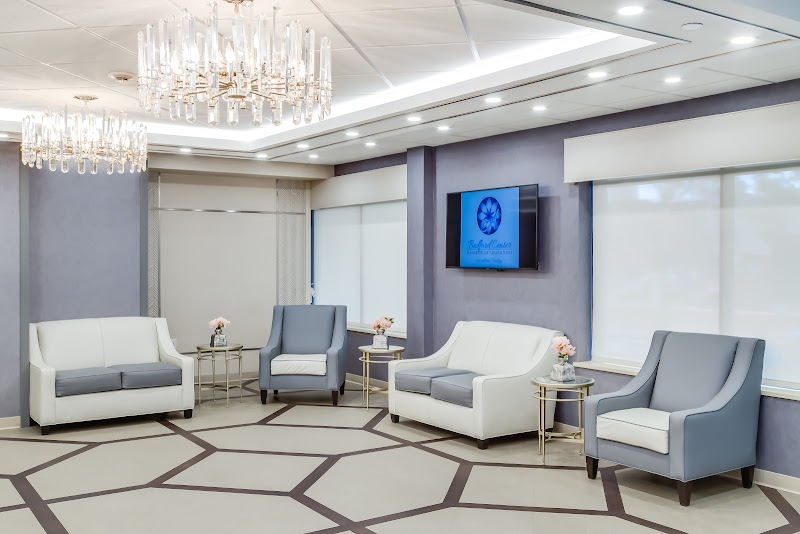
How is Bedford Center For Nursing And Rehabilitation Staffed?

CMS rates BEDFORD CENTER FOR NURSING AND REHABILITATION's staffing level at 3 out of 5 stars, which is average compared to other nursing homes. Staff turnover is 27%, compared to the New York average of 46%. This relatively stable workforce can support continuity of care.

What Have Inspectors Found at Bedford Center For Nursing And Rehabilitation?

State health inspectors documented 10 deficiencies at BEDFORD CENTER FOR NURSING AND REHABILITATION during 2020 to 2025. These included: 10 with potential for harm.
Who Owns and Operates Bedford Center For Nursing And Rehabilitation?

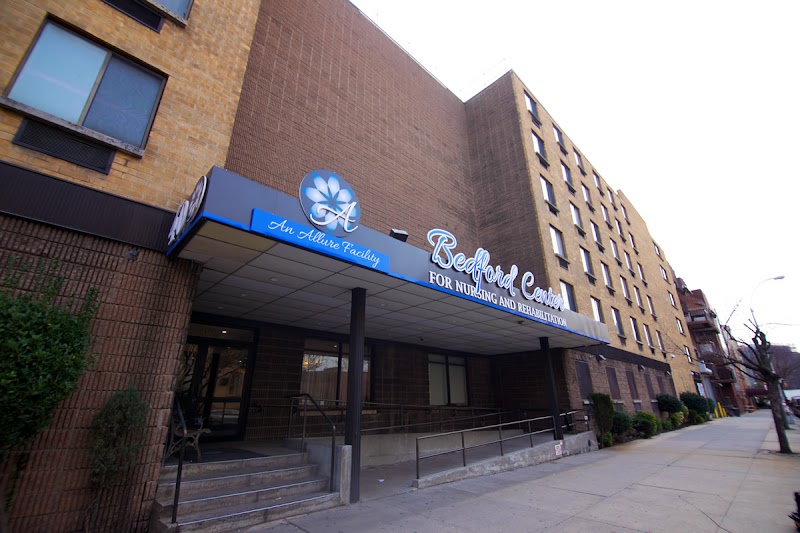
BEDFORD CENTER FOR NURSING AND REHABILITATION is owned by a for-profit company. For-profit facilities operate as businesses with obligations to shareholders or private owners. The facility is operated by ALLURE GROUP, a chain that manages multiple nursing homes. With 200 certified beds and approximately 193 residents (about 96% occupancy), it is a large facility located in BROOKLYN, New York.
How Does Bedford Center For Nursing And Rehabilitation Compare to Other New York Nursing Homes?

Compared to the 100 nursing homes in New York, BEDFORD CENTER FOR NURSING AND REHABILITATION's overall rating (5 stars) is above the state average of 3.1, staff turnover (27%) is significantly lower than the state average of 46%, and health inspection rating (4 stars) is above the national benchmark.

What Should Families Ask When Visiting Bedford Center For Nursing And Rehabilitation?

Based on this facility's data, families visiting should ask: "Can I visit during a mealtime to observe dining assistance and food quality?" "How do you handle medical emergencies, and what is your hospital transfer rate?" "Can I speak with family members of current residents about their experience?"

Is Bedford Center For Nursing And Rehabilitation Safe?

Based on CMS inspection data, BEDFORD CENTER FOR NURSING AND REHABILITATION has a clean safety record: no substantiated abuse findings (meaning no confirmed cases of resident harm), no Immediate Jeopardy citations (the most serious violation level indicating risk of serious injury or death), and is not on the Special Focus Facility watch list (a federal program monitoring the lowest-performing 1% of nursing homes). The facility has a 5-star overall rating and ranks #1 of 100 nursing homes in New York. While no facility is perfect, families should still ask about staff-to-resident ratios and recent inspection results during their visit.

Do Nurses at Bedford Center For Nursing And Rehabilitation Stick Around?

Staff at BEDFORD CENTER FOR NURSING AND REHABILITATION tend to stick around. With a turnover rate of 27%, the facility is 19 percentage points below the New York average of 46%. Low turnover is a positive sign. It means caregivers have time to learn each resident's needs, medications, and personal preferences. Consistent staff also notice subtle changes in a resident's condition more quickly. Registered Nurse turnover is also low at 28%, meaning experienced RNs are available to handle complex medical needs.

Was Bedford Center For Nursing And Rehabilitation Ever Fined?

BEDFORD CENTER FOR NURSING AND REHABILITATION has no federal fines on record. CMS issues fines when nursing homes fail to meet care standards or don't correct problems found during inspections. The absence of fines suggests the facility has either maintained compliance or corrected any issues before penalties were assessed. This is a positive indicator, though families should still review recent inspection reports for the full picture.

Is Bedford Center For Nursing And Rehabilitation on Any Federal Watch List?

BEDFORD CENTER FOR NURSING AND REHABILITATION is not on any federal watch list. The most significant is the Special Focus Facility (SFF) program, which identifies the bottom 1% of nursing homes nationally based on persistent, serious quality problems. Not being on this list means the facility has avoided the pattern of deficiencies that triggers enhanced federal oversight. This is a positive indicator, though families should still review the facility's inspection history directly.