BENSONHURST CENTER FOR REHAB AND HEALTHCARE
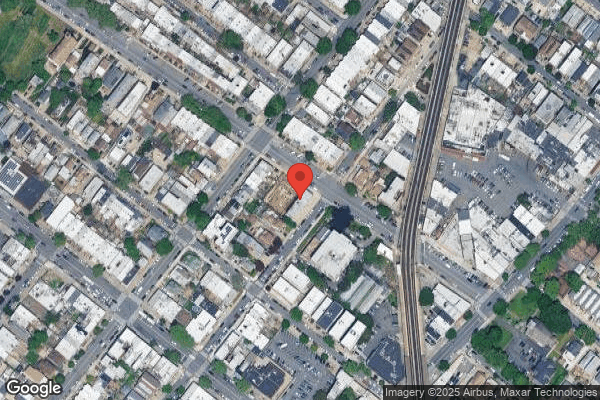
1740 84TH STREET, BROOKLYN, NY 11214 (718) 232-3666
For profit - Limited Liability company 200 Beds CENTER MANAGEMENT GROUP Data: November 2025
Trust Grade
90/100
#11 of 594 in NY
Last Inspection: January 2025

Within standard 12-15 month inspection cycle. Federal law requires annual inspections.

Overview

Bensohurst Center for Rehab and Healthcare has received an excellent Trust Grade of A, indicating that it is highly recommended and performs well compared to other facilities. It ranks #11 out of 594 nursing homes in New York, placing it in the top half, and #2 out of 40 in Kings County, meaning only one local option is better. However, the facility's trend has worsened, increasing from 2 issues in 2023 to 5 in 2025. Staffing is a concern, with a rating of 2 out of 5 stars and a turnover rate of 21%, which is below the state average, suggesting some stability among staff but still indicating room for improvement. Notably, the facility has no fines on record, which is a positive sign, and it boasts more RN coverage than 77% of New York facilities, enhancing patient care. Despite these strengths, there have been specific incidents that raise concerns. For example, there were issues with food preparation safety, such as staff not washing hands before handling food and not properly cleaning the meat slicer. Additionally, expired medications were found in the medication room, indicating lapses in proper inventory management. Lastly, cleanliness standards were not consistently met, with observations of unclean resident areas. Overall, while Bensonhurst has many positive aspects, potential residents and their families should consider both the strengths and identified weaknesses.

Trust Score
A
90/100
In New York
#11/594
Top 1%
Safety Record
Low Risk
No red flags
Inspections
Getting Worse
2 → 5 violations
Staff Stability
✓ Good
21% annual turnover. Excellent stability, 27 points below New York's 48% average. Staff who stay learn residents' needs.
Penalties
✓ Good
No fines on record. Clean compliance history, better than most New York facilities.
Skilled Nurses
✓ Good
Each resident gets 47 minutes of Registered Nurse (RN) attention daily — more than average for New York. RNs are trained to catch health problems early.
Violations
⚠ Watch
16 deficiencies on record. Higher than average. Multiple issues found across inspections.
★★★★★
5.0
Overall Rating
★★☆☆☆
2.0
Staff Levels
★★★★★
5.0
Care Quality
★★★★☆
4.0
Inspection Score
Stable
2023: 2 issues
2025: 5 issues

The Good

  • 5-Star Quality Measures · Strong clinical quality outcomes
  • Low Staff Turnover (21%) · Staff stability means consistent care
  • Full Sprinkler Coverage · Fire safety systems throughout facility
  • No fines on record
  • Staff turnover is low (21%)

    27 points below New York average of 48%

Facility shows strength in quality measures, staff retention, fire safety.

The Bad

Chain: CENTER MANAGEMENT GROUP

Part of a multi-facility chain

Ask about local staffing decisions and management

The Ugly 16 deficiencies on record

Jan 2025 5 deficiencies
CONCERN (D)

Potential for Harm - no one hurt, but risky conditions existed

Transfer Notice (Tag F0623)

Could have caused harm · This affected 1 resident

Based on record review and interview, conducted during the Recertification survey from 01/26/2025 to 01/13/2025, the facility did not ensure a resident or the resident's representative(s) were notifie...

Read full inspector narrative →
Based on record review and interview, conducted during the Recertification survey from 01/26/2025 to 01/13/2025, the facility did not ensure a resident or the resident's representative(s) were notified of a transfer or discharge and the reasons for the move in writing and in a language and manner they understand. This was evident for 1 (Resident #6) of 2 resident reviewed for Hospitalization, and 1 (Resident #12) of 1 resident reviewed for Discharge out of a sample of 38 residents. Specifically, the facility did not provide written notices of discharge at least 30 days prior to the discharge, and did not send written notices of transfer or discharge to the residents, their representatives, and a representative of the Office of the State Long-Term Care Ombudsman. The findings are: The facility policy and procedure titled Transfer or Discharge, effective date 06/22/2024 stated prepare a transfer form to send with the resident. Notify the representative (sponsor) or other family member. 1.Resident #6 was re-admitted to the facility on with diagnoses that included Fracture, Malnutrition, and Hypertension. The admission Minimum Data Set 3.0 dated 12/16/2024 documented Resident #6 had moderate cognitive impairment. A Nursing progress note dated 12/28/2024 documented that the nursing supervisor was called to the unit by the nurse reporting skin changes to Resident #6 right lower extremity. A Right Lower Extremity hard splint was noted and there was inflamed, red skin irritation from the top part of splint. The Nurse Practitioner was notified and ordered to apply Bacitracin ointment and cushion in between skin and hard splint to prevent skin breakdown. A Nursing progress noted dated 12/29/2024 documented Resident #6 was seen by the Orthopedist a recommendation was made to transfer Resident #6 to the hospital for foul odor and skin irritation from the hard splint. There was no documented evidence that Resident #6 or their representative was issued a written notice of transfer/discharge or that the Office of the State Long-Term Care Ombudsman was provided with the written transfer/discharge notice for Resident #6. 2. Resident #12 was admitted with diagnoses that included Dementia, Fracture, Hypertension, and Diabetes Mellitus. The admission Minimum Data Set assessment 3.0 dated 11/02/2024 documented Resident #12 had moderate cognitive impairment. The Nursing progress note dated 01/17/2025 documented that Resident #12 was discharged home with discharge instructions provided, medical scripts, all personal belongings via ambulance. The Transfer/Discharge Notice dated 01/16/2025 documented Resident #12 health has improved sufficiently so Resident #12 no longer needs the services provided by the facility. The notice was dated one day before discharge, was not signed by the resident, and the notice documented that verbal consent was given by Resident Representative. There was no additional information on the form as to when the notice was mailed to the Designated Representative, New York State Ombudsman or a Family Member. There was no evidence provided that written notices for transfers and discharges for Resident #6 and Resident #12 were forwarded to the Office of the State Long-Term Care Ombudsman. On 01/28/2025 at 4:57 PM, Resident #6's adult child was interviewed by telephone and stated that they did not receive a written notice of Resident #6's transfer/discharge notice from the facility, and they did not know of any such document. On 01/29/2025 at 10:41 AM, an interview was conducted with Ombudsman #1 from the Long-Term Care Ombudsman Program who stated that there is another Ombudsman who oversees all the transfers/discharges in the New York City area. Ombudsman #1 stated that they have not received any scanned or email copies of written transfer or discharge for Resident #6 and/or Resident #12. On 01/29/2025 at 10:47 AM, an interview was conducted with Ombudsman #2 from the Long-Term Care Ombudsman Program who stated that they oversee all the discharges and transfers in the New York City area and on 01/22/2025 they only received a list of the names of the residents that were either transferred or discharged from the facility. Ombudsman #2 also stated that there were no scanned email attachments that came along with the email. Ombudsman #2 further stated that the facility should scan or email the written notices of transfer/discharges that include a signature and a date, over to the Ombudsman office on a weekly basis for review. Ombudsman #2 stated that based on the December 2024 list, they did not receive any written transfer/discharge notices for review for Resident #6 and/or Resident #12. On 01/29/2025 at 11:05 AM, an interview was conducted with the Director of Social Work who stated that the discharge process for return to the resident's home is done on admission. When it is a facility-initiated discharge, the resident will get a copy of the discharge summary along with a copy of the discharge/transfer form. That information gets emailed to the Office of Long-Term Care Ombudsman office once a month by the Administrator. The Director of Social Work also stated that if a resident is sent out to the hospital, it is the responsibility of the Registered Nurses to complete the transfer/discharge form along with the Situation Background Assessment Recommendation form. The Director of Social Work further stated that they did not have documented evidence that a written notification of discharge and/or transfer had been provided Office of Long-Term Care Ombudsman for Resident #6 and/or Resident #12. On 01/29/2025 at 11:50 AM, an interview was conducted with Registered Nurse #2 who stated that when a resident is transferred out to the hospital, the nurse's responsibility is to complete the electronic transfer form that is in the computer, the Situational Background Assessment Recommendation form, and provide the hospital with a copy of the resident's face sheet, medication list, recent labs, and a reason for the transfer. Registered Nurse #2 also stated that the facility is no longer using the transfer/discharge form because the facility no longer has a bed hold policy and so the transfer/discharge form has been discontinued. Registered Nurse #2 further stated that the family gets notified verbally of the resident's condition and reason for the transfer to the hospital. On 01/29/25 at 12:03 PM, an interview was conducted with the Director of Nursing who stated that if a resident goes to the hospital, only the nurse is responsible to fill out the transfer paperwork. The nurse will fill out the Situation Background Assessment Recommendation, the Transfer form that is in the computer, a copy of the labs and X-ray, resident face sheet, diagnosis and discharge notice. The Director of Nursing also stated that a copy of the transfer paperwork should go into the resident's chart which is sent to the Medical Records department, and a copy should be sent by administration to the Ombudsman's office. On 01/29/25 at 12:44 PM, an interview was conducted with the Administrator who stated that the transfer/discharge notice form is only used if it is a planned discharged back out into the community or to another facility such as an independent living facility. The Administrator also stated that the transfer/discharge notice form is completed by the Social Worker, who is responsible for scanning or emailing the transfer/discharge notice to the Office of Long-Term Care Ombudsman and providing a copy to the resident, family, and/or representative. The Administrator also stated that the Nursing department is not involved with the transfer/discharge notices. The Administrator further stated completion of the actual transfer forms are the responsibility of the Social Service Department that and it is the responsibility of the Administrator to send the list of residents that have been transferred or discharged from the facility to the Ombudsman office. The Administrator stated that if the resident is being transferred out to the hospital, the nursing staff will complete the Electronic Medical Record transfer form, the Situational Background Assessment Recommendation and the doctor will complete the discharge summary and verbally inform the family that the resident being transferred to the hospital. The Administrator further stated that they had no documented evidence that written notices for transfer/discharge was provided to the Office of Long-Term Care Ombudsman. 10 NYCRR 415.3(h)(1)(iii) (a-c)
CONCERN (D)

Potential for Harm - no one hurt, but risky conditions existed

Comprehensive Care Plan (Tag F0656)

Could have caused harm · This affected 1 resident

Based on observation, record review and interviews conducted during the Recertification Survey from 01/26/2025 to 01/31/2025 the facility did not ensure residents' person-centered comprehensive care p...

Read full inspector narrative →
Based on observation, record review and interviews conducted during the Recertification Survey from 01/26/2025 to 01/31/2025 the facility did not ensure residents' person-centered comprehensive care plans were developed and implemented to meet residents' needs. This was evident for 1 (Resident #238) out of 6 sampled residents investigated for Activities of Daily Living out of 38 sampled residents. Specifically, a care plan to address Activities of Daily Living was not developed and implemented for Resident #238 who required substantial assistance with grooming and personal care. The finding is: The facility policy titled Care Plans - Comprehensive with a revision date of 03/20/2024 stated that an individualized comprehensive care plan that includes measurable objectives and timetables to meet the resident's medical, nursing, mental and psychological needs is developed for each resident. The policy also stated that each resident's comprehensive care plan is designed to incorporate identified problem areas, reflect treatment goals, and reflect currently recognized standards of practice for problem areas and condition. Resident #238 was admitted to the facility with diagnoses which include Failure to thrive, Functional debility, Mild Acute kidney injury, Skin Rash, Frequent fall. The most admission Minimum Data Set Version 3.0 (a resident assessment tool) dated 01/13/2025 documented that Resident #238 had moderately intact cognition and required staff assistance when performing grooming. On 01/27/25 at 11:47 AM, during the initial visit Resident #238 stated that they have been asking staff to help them shave their facial hair, but nothing was done about it. Resident #238 also stated that they want their hair trimmed also but the facility was not helping with their request. Resident #238 was observed with ungroomed facial hair. On 01/27/25, a review of the Comprehensive Care Plans was conducted, and there was no documented evidence that a care plan that addressed Activities of Daily Living was developed and implemented for Resident #238. On 01/31/25 at 11:26 AM, the Registered Nurse Manager #1 was interviewed and stated that part of their responsibility is the completion of a comprehensive assessment, development of care plans and management of the clinical aspect of residents. Registered Nurse Manager #1 also stated that the admitting nurse is supposed to have created the care plans within 48 hours of admission. On 01/31/25 at 11:26 AM, Resident #238's comprehensive care plans were reviewed with Registered Nurse #1 and the Assistant Director of Nursing. A care plan for The Activities of Daily Living care was observed dated 01/28/2025 at the time of review. On 01/31/25 at 11:41 AM, an interview was conducted with the Assistant Director of Nursing who brought a printed copy of an Activities of Daily Living Care Plan to the State Surveyor with the date now changed from 01/28/2025 to 01/03/2025. The Assistant Director of Nursing stated that the care plan was created on 01/03/2025 but the person who created the care plan made a mistake by clicking 01/28/2025 instead of 01/03/2025, and they just corrected the date to 01/03/2025. On 01/31/25 at 02:15 PM, an interview was conducted with the Director of Nursing who stated the Rehabilitation Department is responsible for developing the Activities of Daily Living Care Plans. On 01/31/25 at 02:59, an interview was conducted with the Rehabilitation Director who stated that they were responsible for the development of Activities of Daily Living Care Plans. The Rehabilitation Director also stated that the Physical Therapist is responsible for creating mobility, and Range of Motion care plans, and the Occupational Therapist is responsible for creating the self-care and functional mobility care plan. The Rehabilitation Director stated that they are supposed to have created and implemented the Activities of Daily Living Care plan for nursing care but it was missed. 10 NYCRR 415.11(c)(1)
CONCERN (D)

Potential for Harm - no one hurt, but risky conditions existed

Deficiency F0657 (Tag F0657)

Could have caused harm · This affected 1 resident

**NOTE- TERMS IN BRACKETS HAVE BEEN EDITED TO PROTECT CONFIDENTIALITY** Based on observations, record review, and interviews conducted during the Recertification survey from 01/26/2025 to 01/31/2025, ...

Read full inspector narrative →
**NOTE- TERMS IN BRACKETS HAVE BEEN EDITED TO PROTECT CONFIDENTIALITY** Based on observations, record review, and interviews conducted during the Recertification survey from 01/26/2025 to 01/31/2025, the facility did not ensure that residents or their designated representative were afforded the opportunity to participate in their care planning process. This was evident for 1 (Resident #38) of 1 resident reviewed for Care Planning out of 38 total sampled residents. Specifically, there was no documented evidence that Resident #38 or their representative were given the opportunity to participate in the review and revision of their care plan. The findings are: The facility policy and procedure titled Comprehensive Care Plan Meeting revised 5/30/2022 stated that care plan meetings will be scheduled by the Minimum Data Set Coordinator in accordance with the Minimum Data Set schedule set for each resident. The Comprehensive meeting list will be distributed to appropriate disciplines on a weekly basis by the Social Work Department. Care plan meetings are scheduled by the Minimum Data Set department. The policy also stated that Residents/family/responsible parties will be invited to initial, annual and significant change (comprehensive) comprehensive care planning meeting by the Social Work department. Each discipline in attendance will sign a Comprehensive Care Plan Meeting attendance sheet as well as by the resident/family/responsible parties. The Social Work/Nursing representative (designee) will document their attendance in the Comprehensive care planning meeting note. Resident #38 was admitted with diagnoses that included Cerebrovascular Accident, Hypertension and Diabetes Mellitus. The Quarterly Minimum Data Set assessment dated [DATE] documented that Resident #38 was severely cognitively impaired and required partial/moderate to dependent assistance on staff for Activities of Daily Living. The Minimum Data Set assessment also documented that resident and family participated in assessment and goal setting. The Social Work progress note dated 07/23/2024 documented annual comprehensive care plan held, daughter invited-no answer. The Comprehensive Care Plan Booklet for Resident #38 documented comprehensive care plan meetings on 07/23/2024, 10/15/2024 and 1/7/2025 documented Resident #38 is confused. The booklet also documented that Resident Representative #3 was contact with no answer on 7/23/2024 for the annual meeting on 7/24/2024. There was no documentation in the booklet that Resident Representative #3 was contacted regarding care planning meetings on 10/15/2024 and 1/7/2025. The care planning meeting invitation letter dated 06/13/2024 addressed to Resident/Family Member/Designated Representative stated that a meeting would be held on 07/23/2024 at 11:30 AM. The letter stated that Social Work should be contacted in advance to inform whether they would be attending the meeting. No documentation was provided that Resident #38's representative was invited to attend quarterly meetings held on 10/15/2024 and 01/7/2025. On 1/30/2025 at 12:51 PM, Registered Nurse Unit Manager #2 was interviewed and stated Resident #38's last comprehensive care plan meeting was held on 01/07/2025 and there was no resident representative present as they live in out of state, but Social Work, Therapy and Nursing were present at the meeting. Registered Nurse Unit Manager #2 also stated that they do not recall when the meeting prior to that one was held. Registered Nurse Unit Manager #2 further stated that they usually do the meetings with family. On 1/30/2025 at 02:00 PM and 01/31/2025 at 10:46 AM, Resident Representative #1 was contacted and voice mail left. On 01/30/2025 at 02:02 PM, Resident Representative #1 was interviewed and stated that they had not been invited recently to any care planning meeting for Resident #38. Resident Representative #1 also stated that the last care plan invitation they were aware of was in 2024 and was the one sent to Resident Representative #3, and there have been no other invitations received since then. On 01/30/2025 at 02:24 PM, the Social Worker #1 was interviewed and stated that the representative for Resident #38 is invited to care planning meetings. Social Worker #1 also stated that an invitation was sent to the representative who resides out of state for the Annual meeting which was held in July 2024. Social Worker #1 further stated that there have been quarterly meetings since then with Social Work, Nursing, Rehabilitation, Dietitian, Recreation present, however Resident #38's representative was not invited to these meetings as representatives are only invited to Annual, Significant Change, and admission care plan meetings. On 1/30/2025 at 02:33 PM, the Director of Social Services was interviewed and stated that residents, their representative, next of kin, or healthcare proxy are invited to initial, quarterly, Significant Change care planning meetings, and the attendance of those present is documented. The Director of Social Services also stated that Resident Representative #3 for Resident #38 attends care planning meetings and they were invited to the Significant Change, Annual and initial care planning meeting. The Director of Social Services further stated that Quarterly meetings were held for Resident #38, and they did not see Resident #38 or their designated representative at the team meeting, but Rehabilitation, Recreation and Dietary were present. On 01/31/2025 at 01:55 PM, the Director of Nursing was interviewed and stated after the last survey in 2023 care planning was identified as an issue and they had a Quality Assurance Performance Improvement for it. The Director of Nursing also stated that for the Admission, Annual, Significant Change meetings the resident and their representatives are invited, and they do not think that a quarterly meeting invitation is required. On 01/31/2025 at 01:57 PM, the Administrator was interviewed and stated that the facility is in compliance with care planning meetings and if a resident representative has a question they are welcome to speak to staff at any given point. 10 NYCRR 415.11(c)(2)(i-iii)
CONCERN (D)

Potential for Harm - no one hurt, but risky conditions existed

Pressure Ulcer Prevention (Tag F0686)

Could have caused harm · This affected 1 resident

**NOTE- TERMS IN BRACKETS HAVE BEEN EDITED TO PROTECT CONFIDENTIALITY** Based on observation, record review and interviews conducted during the Recertification survey from 01/26/2025 to 01/31/2025, th...

Read full inspector narrative →
**NOTE- TERMS IN BRACKETS HAVE BEEN EDITED TO PROTECT CONFIDENTIALITY** Based on observation, record review and interviews conducted during the Recertification survey from 01/26/2025 to 01/31/2025, the facility did not ensure a resident received care, consistent with professional standards of practice, to prevent pressure ulcers. This was evident for 1 (Resident #11) of 5 residents reviewed for Pressure Ulcers out of 38 total sampled residents. Specifically, Resident #11 was observed without a bunny boot, (a pressure-relieving device) on multiple occasions in accordance with the Physician's Order. The findings are: The facility policy titled Prevention and Treatment of Pressure Ulcers and Other Skin Conditions initiated 10/19/2024 stated that the facility ensures each resident receives the necessary care and services physical, mental and psychosocial wellbeing, in accordance with the comprehensive assessment and plan of care. A resident skin conditions are assessed upon admission, weekly, and as needed. The policy also stated that prevention and treatment include protecting skin against the effects of pressure, friction and shearing reduce pressure over body prominences, assess any appliances, casts or splints as needed to ensure proper fit and avoid increased pressure. Evaluate the basis for the refusal, identify and evaluate the potential alternatives. The policy further stated that pressure ulcer risk factors include but not limited to comorbid conditions diabetes mellitus, impaired diffuse or localized blood flow to an area peripheral vascular disease, resident refusal of aspects of care and treatment. Resident #11 had diagnoses of Venous Insufficiency, Wound Infection other than foot, and Malnutrition. The Quarterly Minimum Data Set 3.0 assessment dated [DATE] documented that Resident #11 was cognitively intact, required dependent assistance for lower body dressing, and was at risk for development of pressure ulcers. The Physician's Order initiated 10/21/2024 and renewed 1/21/2025 documented apply bunny boots to left heel and right heel while in bed every shift. The Physician's Order initiated 10/21/2024 and renewed 1/21/2025 documented apply pillow/heel riser to float heels while in bed every shift. The Podiatrist note dated 1/29/2025 documented Resident #11 seen and history of lower extremity ulceration and pedal pulses non-palpable, sensation lost in both feet and resident is adverse to bathing and no ulcerations noted but does have edema. On 01/27/2025 at 03:34 PM, 01/28/2025 at 10:03 AM, 01/29/2025 at 12:23 PM, 01/30/2025 at 11:36 AM, 01/30/2025 at 12:29 PM, 01/31/2025 at 12:29 PM, Resident #11 was observed lying in bed; there was a bunny boot on the left foot and no bunny boot on the right foot. On 01/30/25 at 12:36 PM, Certified Nursing Assistant #3 was observed in Resident #11's room looking for the missing right heel boot and it was not found. The Evaluation Note on 12/24/2024 written by Licensed Practical Nurse #2 documented during rounds, Resident #11 observed with only left bunny boot on, right bunny boot on floor. Resident #11 refused to let Licensed Practical Nurse #2 put bunny boot back on. Teaching performed on importance of bunny boot to prevent pressure injury/skin impairment and Resident #11 verbalized understanding but continue to refuse and the doctor was informed. The Nursing note dated 1/31/2025 written by Licensed Practical Nurse #3 documented during rounds Resident #11 was noted with one bunny boot missing. Searched and found one in the closet, attempted to apply but failed education provided on importance of keeping them on. The Certified Nursing Assistant Monitor for Device for January 2025 documented, under General Devices, only bunny boots while in bed. Heel pillows/riser to float feet while in bed. There was missing documentation on 1/29/2025 for the 3 PM shift, 1/30/2025 for the 7 AM, 3 PM and 11 PM shift. There was no documentation in the Medical Record related to the general devices on 1/29/2025 at 3:00 PM and 1/30/2025 at 7:00 AM, 3:00 PM, and 11:00 PM. On 01/30/2025 at 12:33 PM, Certified Nursing Assistant #3 was interviewed and stated that they are currently assigned to care for Resident #11 who uses heel booties, but none were placed this morning, and sometimes Resident #11 refuses both booties. Certified Nursing Assistant #3 also stated that Resident #11 should be wearing both of the heel booties and maybe they refused, and so the booties were not placed on their feet. Certified Nursing Assistant #3 further stated that on 01/29/2025 Resident #11 had only one heel boot on. On 01/30/2025 at 12:36 PM, Certified Nursing Assistant #3 was observed looking around Resident #11's room and dresser drawer and they were not able to locate the missing heel boot. On 01/30/2025 at 12:40 PM, Registered Nurse #4 was observed in Resident #11 room and confirmed that Resident #11 was wearing only one heel boot on the left foot. On 01/30/2025 at 12:48 PM, Registered Nurse Manager #2 was interviewed and stated they do rounding every 1-2 hours, and they look to see if residents are wearing ordered devices. Registered Nurse Manager #2 also stated that Resident #11 is wearing only one heel boot, and they should be wearing both. Registered Nurse Manager #2 further stated that Resident #11 should have on two heel boots which are used to prevent pressure ulcers because they are always in bed. On 1/31/2025 at 01:58 PM, the Director of Nursing was interviewed and stated that assistive devices have not come up in Quality Assurance Performance Improvement meetings. The Director of Nursing also stated that the facility maintains a list of residents with assisted devices, and they do rounds. The Director of Nursing further stated that the charge nurse and Certified Nursing Assistants are responsible to make sure devices are on. 10 NYCRR 415.12(c)(1)
CONCERN (D)

Potential for Harm - no one hurt, but risky conditions existed

Deficiency F0725 (Tag F0725)

Could have caused harm · This affected 1 resident

**NOTE- TERMS IN BRACKETS HAVE BEEN EDITED TO PROTECT CONFIDENTIALITY** Based on record review and interviews and conducted during the Recertification Survey and Complaint Survey (NY00331691) from 01/...

Read full inspector narrative →
**NOTE- TERMS IN BRACKETS HAVE BEEN EDITED TO PROTECT CONFIDENTIALITY** Based on record review and interviews and conducted during the Recertification Survey and Complaint Survey (NY00331691) from 01/26/2025 to 01/31/2025, the facility did not ensure that sufficient nursing staff were available to provide nursing and related services to assure resident safety and attain or maintain the highest practicable physical, mental, and psychosocial wellbeing of each resident. Specifically, the facility reported short staffing on weekends confirmed by a review of the Daily Staffing and the Payroll Based Journal Staffing Data Report. The findings include but are not limited to: The facility policy titled Staffing Levels revised on 02/20/2024 stated that the facility will promote resident quality care and safety by ensuring adequate and competent staffing levels that are based on the Facility Assessment. The Payroll Based Journal Staffing Data Report for the 4th quarter of 2024 (07/01/2024 to 09/30/2024) documented that excessively low weekend staffing was triggered. The Facility Assessment Tool last updated 12/16/2024 documented facility capacity of 200 residents with a staffing plan by shift as follows: Day shift: 16 Licensed Nurses providing direct care and 24-31 Certified Nursing Assistants Evening shift: 11 Licensed Nurses providing direct care and 18-24 Certified Nursing Assistants Night shift: 7 Licensed Nurses providing direct care and 12-13 Certified Nursing Assistants Total staffing for 24-hour period: 34 Licensed Nurses providing direct care and 54-68 Certified Nursing Assistants The undated document titled CNAs Staffing Par Levels and Nurses Par Levels documented a staffing plan by shift and unit as follows: Day shift by units: Unit 3: 2 Nurses and 4-5 Certified Nursing Assistants Unit 4: 2 Nurses and 4-5 Certified Nursing Assistants Unit 5: 3 Nurses and 5 Certified Nursing Assistants Unit 6: 3 Nurses and 5 Certified Nursing Assistants Unit 7: 3 Nurses and 5 Certified Nursing Assistants Unit 8: 3 Nurses and 5 Certified Nursing Assistants Day shift total: 16 Nurses and 28-30 Certified Nursing Assistants Evening shift by units: Unit 3: 1 Nurse and 4 Certified Nursing Assistants Unit 4: 1 Nurse and 4 Certified Nursing Assistants Unit 5: 2 Nurses and 4 Certified Nursing Assistants Unit 6: 2 Nurses and 4 Certified Nursing Assistants Unit 7: 2 Nurses and 4 Certified Nursing Assistants Unit 8: 2 Nurses and 4 Certified Nursing Assistants Evening shift total: 10 Nurses and 24 Certified Nursing Assistants Night shift by units: Unit 3: 1 Nurse and 2 Certified Nursing Assistants Unit 4: 1 Nurse and 2 Certified Nursing Assistants Unit 5: 1 Nurse and 2 Certified Nursing Assistants Unit 6: 1 Nurse and 2 Certified Nursing Assistants Unit 7: 1 Nurse and 2 Certified Nursing Assistants Unit 8: 1 Nurse and 2 Certified Nursing Assistants Night shift total: 6 Nurses and 12 Certified Nursing Assistants Total staffing for 24-hour period: 32 Nurses and 64-66 Certified Nursing Assistants Review of the actual weekend facility staffing schedule from 07/01/2024 to 09/30/2024 documented the following: On 07/06/2024 on the 7 AM-3 PM shift, there was a shortage of 1 Nurse and 1 Certified Nursing Assistant on the 5th floor, 6th floor, 7th floor, and 8th floor. On 07/06/2024 on the 3 PM-11 PM shift, there was a shortage of 1 Certified Nursing Assistant on the 4th floor and 6th floor. On 07/07/2024 on the 7 AM-3 PM shift, there was a shortage of 1 Nurse on the 3rd floor, 5th floor, and 7th floor, and 2 Nurses on the 8th floor, and 1 Certified Nursing Assistant on the 5th floor, 6th floor, 7th floor, and 8th floor. On 07/07/2024 on the 3 PM-11 PM shift, there was a shortage of 1 Nurse on the 5th floor. On 07/13/2024 on the 7 AM-3 PM shift, there was a shortage of 1 Nurse on the 5th floor, 6th floor, 7th floor, and 8th floor and 1 Certified Nursing Assistant on the 5th floor, 6th floor, 7th floor, and 8th floor. On 07/13/2024 on the 3 PM-11 PM shift, there was a shortage of 1 Nurse on the 5th floor, and 1 Certified Nursing Assistant on the 3rd floor, 4th floor, 5th floor, and 6th floor. On 07/14/2024 on the 7 AM-3 PM shift, there was a shortage of 1 Nurse on the 3rd floor, 4th floor, 6th Floor, 7th floor, and 8th floor, 2 Nurses on the 5th floor, and 1 Certified Nursing Assistant on the 5th floor, and 8th floor. On 07/14/2024 on the 3 PM-11 PM shift, there was a shortage of 1 Certified Nursing Assistant on the 3rd floor, 4th floor, and 5th floor. On 07/20/2024 on the 7 AM-3 PM shift, there was a shortage of 1 Nurse on the 5th floor, 6th Floor, 7th floor, and 8th floor, and 1 Certified Nursing Assistant on the 6th floor, and 8th floor. On 07/20/2024 on the 3 PM-11 PM shift, there was a shortage of 1 Certified Nursing Assistant on the 3rd floor, 5th floor, 6th floor, and 7th floor. On 07/21/2024 on the 7 AM-3 PM shift, there was a shortage of 1 Nurse on the 3rd floor, 4th floor, 5th floor, 6th Floor, 7th floor, and 8th floor, 1 Certified Nursing Assistant on the 5th floor and 6th floor, and 2 Certified Nursing Assistants on the 8th floor. On 07/21/2024 on the 3 PM-11 PM shift, there was a shortage of 1 Nurse on the 5th floor, and 1 Certified Nursing Assistant on the 5th floor, 6th floor, and 7th floor. On 07/27/2024 on the 7 AM-3 PM shift, there was a shortage of 1 Nurse on the 3rd floor, 4th floor, 6th Floor, 7th floor, and 8th floor and 2 Nurses on the 5th floor and 1 Certified Nursing Assistant on the 5th floor, 6th floor, and 7th floor. On 07/27/2024 on the 3 PM-11 PM shift, there was a shortage of 1 Nurse on the 5th floor and 1 Certified Nursing Assistant on the 3rd floor, 4th floor, 5th floor, 6th Floor, 7th floor, and 8th floor. On 07/28/2024 on the 7 AM-3 PM shift, there was shortage of 1 Nurse on the 3rd floor, 4th floor, 6th Floor, 7th floor, and 8th floor, 2 Nurses on the 5th floor, and 1 Certified Nursing Assistant on the 6th floor and 8th floor. On 07/28/2024 on the 3 PM-11 PM shift, there was a shortage of 1 Certified Nursing Assistant on the 3rd floor and 4th floor. On 08/03/2024 on the 7 AM-3 PM shift, there was a shortage of 1 Nurse on the 4th floor, 5th floor, 6th Floor, 7th floor, and 8th floor, and 1 Certified Nursing Assistant on the 5th floor, 6th Floor, and 8th floor. On 08/03/2024 on the 3 PM-11 PM shift, there was a shortage of 1 Nurse on the 5th floor, and 1 Certified Nursing Assistant on the 3rd floor, 4th floor, 6th floor, 7th floor, and 8th floor. On 08/04/2024 on the 7 AM-3 PM shift, there was a shortage of 1 Nurse and 1 Certified Nursing Assistant on the 5th floor, 6th Floor, 7th floor, and 8th floor. On 08/04/2024 on the 3 PM-11 PM shift, there was a shortage of 1 Nurse on the 8th floor, and 1Certified Nursing Assistant on the 3rd floor, 4th floor, and 8th floor. On 08/10/2024 on the 7 AM-3 PM shift, there was a shortage of 1 Nurse on the 3rd floor, 5th floor, 6th Floor, 7th floor, and 8th floor and 1 Certified Nursing Assistant on the 5th floor, 6th Floor, 7th floor, and 8th floor. On 08/10/2024 on the 3 PM-11 PM shift, there was a shortage of 1 Nurse on the 5th floor, and 1 Certified Nursing Assistant on the 4th floor, 5th floor, and 6th floor. On 08/11/2024 on the 7 AM-3 PM shift, there was a shortage of 1 Nurse on the 3rd floor, 4th floor, 5th floor, 6th Floor, 7th floor, and 8th floor, and 1 Certified Nursing Assistant on the 5th floor and 8th floor. On 08/11/2024 on the 3 PM-11 PM shift, there was a shortage of 1 Certified Nursing Assistant on the 4th floor and 5th floor. On 08/17/2024 on the 7 AM-3 PM shift, there was a shortage of: 1 Nurse on the 4th floor, 5th floor, 6th Floor, 7th floor, and 8th floor, and 1 Certified Nursing Assistant on the 5th floor, 6th floor, 7th floor, and 8th floor. On 08/17/2024 on the 3 PM-11 PM shift, there was a shortage of 1 Nurse on the 5th floor, and 1 Certified Nursing Assistant on the 3rd floor, 4th floor, 5th floor, 7th floor, and 8th floor. On 08/18/2024 on the 7 AM-3 PM shift, there was a shortage of 1 Nurse on the 4th floor, 5th floor, 7th floor, and 8th floor, 2 Nurses on the 6th floor, and 1 Certified Nursing Assistant on the 5th floor, 6th floor, 7th floor, and 8th floor. On 08/18/2024 on the 3 PM-11 PM shift, there was a shortage of 1 Nurse on the 5th floor, and 1 Certified Nursing Assistant on the 3rd floor, 4th floor, and 8th floor. On 08/24/2024 on the 7 AM-3 PM shift, there was a shortage of 1 Nurse on the 5th floor and the 8th floor, and 1 Certified Nursing Assistant on the 5th floor, 6th floor, and 8th floor. On 08/24/2024 on the 3 PM-11 PM shift, there was a shortage of 1 Certified Nursing Assistant on the 3rd floor, 4th floor, and 6th floor. On 08/25/2024 on the 7 AM-3 PM shift, there was a shortage of 1 Nurse on the 3rd floor, 4th floor, 5th floor, 6th Floor, 7th floor and 1 Certified Nursing Assistant on the 5th floor, 6th floor, 7th floor, and 8th floor. On 08/25/2024 on the 3 PM-11 PM shift, there was a shortage of 1 Nurse on the 5th floor and the 7th floor, 1 Certified Nursing Assistant on the 4th floor, 5th floor, and 6th floor. On 08/31/2024 on the 7 AM-3 PM shift, there was a shortage of 1 Nurse on the 5th floor, 6th Floor, 7th floor, and 8th floor and 1 Certified Nursing Assistant on the 5th floor and 6th floor. On 08/31/2024 on the 3 PM-11 PM shift, there was a shortage of 1 Nurse on the 5th floor, and 1 Certified Nursing Assistant on the 3rd floor, and 4th floor, On 09/01/2024 on the 7 AM-3 PM shift, there was a shortage of 1 Nurse on the 3rd floor, 4th floor, 5th floor, 7th floor, and 8th floor, and 1 Certified Nursing Assistant on the 6th floor, 7th floor, and 8th floor. On 09/01/2024 on the 3 PM-11 PM shift, there was a shortage of 1 Nurse on the 5th floor, 1 Nurse on the 6th floor, 1 Nurse on the 7th floor, and 1 Certified Nursing Assistant on the 4th floor. On 09/07/2024 on the 7 AM-3 PM shift, there was a shortage of 1 Certified Nursing Assistant on the 6th floor, and 8th floor. On 09/07/2024 on the 3 PM-11 PM shift, there was a shortage of 1 Nurse on the 5th floor, and 1 Certified Nursing Assistant on the 3rd floor, and 4th floor. On 09/08/2024 on the 7 AM-3 PM shift, there was a shortage of 1 Nurse on the 4th floor, 5th floor, 7th floor, and 8th floor, and 1 Certified Nursing Assistant on the 5th floor, 6th floor, 7th floor, and 8th floor. On 09/08/2024 on the 3 PM-11 PM shift, there was a shortage of 1 Nurse on the 5th floor, and 6th floor, and 1 Certified Nursing Assistant on the 4th floor. On 09/14/2024 on the 7 AM-3 PM shift, there was a shortage of 1 Nurse on the 6th floor, and 8th floor, and 1 Certified Nursing Assistant on the 6th floor. On 09/14/2024 on the 3 PM-11 PM shift, there was a shortage of 1 Nurse on the 5th floor and 1 Certified Nursing Assistant on the 3rd floor. On 09/15/2024 on the 7 AM-3 PM shift, there was a shortage of 1 Nurse on the 3rd floor, 4th floor, 5th floor, 6th Floor, 7th floor, and 8th floor, and 1 Certified Nursing Assistant on the 5th floor, 6th floor, and 8th floor. On 09/15/2024 on the 3 PM-11 PM shift, there was a shortage of 1 Nurse on the 5th floor and 1 Certified Nursing Assistant on the 3rd floor. On 09/21/2024 on the 7 AM-3 PM shift, there was a shortage of 1 Nurse on the 4th floor, 5th floor, 6th Floor, 7th floor, and 8th floor, 1 Certified Nursing Assistant on the 5th floor, 6th floor, 7th floor, and 8th floor. On 09/21/2024 on the 3 PM-11 PM shift, there was a shortage of 1 Nurse on the 5th floor, and 1 Certified Nursing Assistant on the 3rd floor, 4th floor, and 5th floor. On 09/22/2024 on the 7 AM-3 PM shift, there was a shortage of 1 Nurse on all floors, and 1 Certified Nursing Assistant on the 5th floor, 6th floor, 7th floor, and 8th floor. On 09/22/2024 on the 3 PM-11 PM shift, there was a shortage of 1 Nurse on the 5th floor, and 6th floor, and 1 Certified Nursing Assistant on the 3rd floor and 4th floor. On 09/28/2024 on the 7 AM-3 PM shift, there was a shortage of 1 Nurse on the 5th floor, 6th floor, and 8th floor and 1 Certified Nursing Assistant on the 5th floor, and 7th floor. On 09/28/2024 on the 3 PM-11 PM shift, there was a shortage of 1 Nurse on the 5th floor, and 1 Certified Nursing Assistant on the 3rd floor, and 4th floor. On 09/29/2024 on the 7 AM-3 PM shift, there was a shortage of 1 Nurse on the 3rd floor, 4th floor, 6th Floor, 7th floor, and 8th floor, 2 Nurses on the 5th floor, and 1 Certified Nursing Assistant on the 5th floor, 6th floor, and 8th floor. On 09/29/2024 on the 3 PM-11 PM shift, there was a shortage of 1 Nurse on the 5th floor and 8th floor, and 1 Certified Nursing Assistant on the 3rd floor and 4th floor. On 01/17/2024, an anonymous complaint (NY00331691) was submitted to the New York State Department of Health that alleged that the facility was understaffed on the weekends. Review of the actual weekend facility staffing schedule from 01/01/2024 to 01/31/2024 documented the following: On 01/06/2024 on the 7 AM-3 PM shift, there was a shortage of 1 Nurse on the 4th floor, 5th Floor, 7th floor, and 8th floor, 2 Certified Nursing Assistants on the 5th floor, and 1 Certified Nursing Assistant on the 6th floor, 7th floor, and 8th floor. On 01/06/2024 on the 3 PM-11 PM shift, there was a shortage of 1 Nurse on the 5th floor, and 6th floor, and 1 Certified Nursing Assistant on the 4th floor, and 5th floor. On 01/07/2024 on the 7 AM-3 PM shift, there was a shortage of 1 Nurse on the 3rd floor, 4th floor, 6th Floor, 7th floor, and 8th floor, 2 Nurses on the 5th floor, and 1 Certified Nursing Assistant on the 4th floor, 5th floor, 6th floor, 7th floor, and 8th floor. On 01/07/2024 on the 3 PM-11 PM shift, there was a shortage of 1 Nurse on the 5th floor and 6th floor, and 1 Certified Nursing Assistant on the 3rd floor, 4th floor, and 8th floor. On 01/13/2024 on the 7 AM-3 PM shift, there was a shortage of 1 Nurse on the 5th floor, 6th Floor, 7th floor, and 8th floor, 2 Certified Nursing Assistants on the 5th floor, and 1 Certified Nursing Assistant on the 6th floor, 7th floor, and 8th floor. On 01/13/2024 on the 3 PM-11 PM shift, there was a shortage of 1 Nurse on the 5th floor, and 1 Certified Nursing Assistant on the 3rd floor, 5th floor, 6th floor, 7th floor, and 8th floor. On 01/14/2024 on the 7 AM-3 PM shift, there was a shortage of 1 Nurse on the 4th floor, 6th Floor, 7th floor, and 8th floor, 2 Nurses on the 5th floor, and 1 Certified Nursing Assistant on the 3rd floor, 1 Certified Nursing Assistant on the 5th floor, 6th floor, 7th floor, and 8th floor. On 01/14/2024 on the 3 PM-11 PM shift, there was a shortage of 1 Nurse on the 5th floor, and 1 Certified Nursing Assistant on the 3rd floor, 4th floor, 5th floor, 7th floor, and 8th floor. On 01/20/2024 on the 7 AM-3 PM shift, there was a shortage of 1 Nurse on the 5th Floor, 7th floor, and 8th floor and 1 Certified Nursing Assistant on the 5th floor, 7th floor, 8th floor and 2 Certified Nursing Assistants on the 6th floor. On the 3 PM-11 PM shift, there was a shortage of 1 Nurse on the 5th floor, 1 Certified Nursing Assistant on the 3rd floor, 4th floor, 5th floor, 7th floor, and 8th floor. On 01/21/2024 on the 7 AM-3 PM shift, there was a shortage of 1 Nurse on the 3rd floor, 4th floor, 6th floor, and 8th floor, 2 Nurses on the 5th floor, 1 Certified Nursing Assistant on the 3rd floor, 4th floor, 5th floor, 7th floor, and 8th floor, and 2 Certified Nursing Assistants on the 6th floor. On 01/21/2024 on the 3 PM-11 PM shift, there was a shortage of 1 Nurse on the 5th floor and 6th floor, and 1 Certified Nursing Assistant on the 3rd floor and the 4th floor. On 01/27/2024 on the 7 AM-3 PM shift, there was a shortage of 1 Nurse on the 4th Floor, 5th floor, 6th floor, 7th floor, and 8th floor and 1 Certified Nursing Assistant on the 3rd floor, 5th floor, 6th floor, 7th floor, and 8th floor. On 01/27/2024 on the 3 PM-11 PM shift, there was a shortage of 1 Nurse on the 5th floor and 1 Certified Nursing Assistant on the 3rd floor, 4th floor, 6th floor, and 8th floor. On 01/28/2024 on the 7 AM-3 PM shift, there was a shortage of 1 Nurse on the 3rd floor, 4th Floor, 6th floor, 7th floor, and 8th floor, 2 Nurses on the 5th floor, 1 Certified Nursing Assistant on the 5th floor, 7th floor, and 8th floor, and 2 Certified Nursing Assistants on the 6th floor, On 01/28/2024 on the 3 PM-11 PM shift, there was a shortage of 1 Nurse on the 5th floor and 1 Certified Nursing Assistant on the 3rd floor, and 4th floor. Staffing levels were reviewed during the Recertification Survey conducted between 01/26/2025 and 01/31/2025. Review of the actual facility staffing schedule from 01/26/2025 to 01/31/2025 documented the following: On 01/26/2025 on the 7 AM-3 PM shift, there was a shortage of 1 Nurse on the 3rd floor, 4th Floor, 5th floor, and 7th floor, and 1 Certified Nursing Assistant on the 5th floor, 6th floor, 1 7th floor, and 8th floor. On 01/27/2025 on the 7 AM-3 PM shift, there was a shortage of 1 Certified Nursing Assistant on the 7th floor, and 1 Certified Nursing Assistant on the 8th floor. On 01/27/2025 on the 3 PM-11 PM shift, there was a shortage of 1 Nurse on the 5th floor. On 01/28/2025 on the 3 PM-11 PM shift, there was a shortage of 1 Certified Nursing Assistant on the 4th floor, and 5th floor. On 01/30/2025 on the 3 PM-11 PM shift, there was a shortage of 1 Certified Nursing Assistant on the 4th floor, and 5th floor. Review of the actual weekend facility staffing schedule from 01/01/2024 to 01/31/2024, 07/01/2024 to 09/30/2024, and 01/26/2025 to 01/31/2025 revealed that the facility had an ongoing pattern of shortage of staff for both Nurses and Certified Nursing Assistants. Resident #120 was admitted to the facility with diagnoses that included Muscle Weakness and Osteoporosis. The Quarterly Minimum Data Set, dated [DATE] documented that Resident #120 was cognitively intact and required dependent level assistance with transfers, and substantial assistance with toileting, bathing, and dressing. On 01/26/2025 at 09:32 AM, Resident #120 was interviewed and stated that the facility is short staffed with the staffing issue being worse on the weekends. Resident #120 also stated that it takes hours to receive incontinence care due to the understaffing. Resident #3 was admitted to the facility with diagnoses included Coronary Artery Disease, Diabetes Mellitus and Non-Alzheimer's Dementia. The Quarterly Minimum Data Set, dated [DATE] documented that Resident #3 was cognitively intact and required dependent level assistance with toileting and transfers. On 01/26/2025 at 09:58 AM, Resident #3 was interviewed and stated that the facility is understaffed on all shifts and that it impacts timeliness of care including receiving incontinence care, receiving assistance with getting dressed, receiving beverages, and being repositioned. Resident #36 was admitted to the facility with diagnoses that included Schizophrenia and Muscle Weakness. The Quarterly Minimum Data Set, dated [DATE] documented that Resident #36 was cognitively intact and required dependent level assistance for bed mobility, transfers, eating, dressing, and toileting. On 01/26/2025 at 11:02 AM, Resident #36 was interviewed and stated that the facility does not have enough staff working on the day shift. Resident #36 also stated that they only receive incontinence care one time per shift despite needing to be changed at least twice during the day shift, and that they use the call bell to request assistance, but that staff do not provide the care upon request. Resident #43 was admitted to the facility with diagnoses that included Non-Alzheimer's Dementia and Age-Related Physical Debility. The Comprehensive Minimum Data Set, dated [DATE] documented that Resident #43 had moderate cognitive impairment and required substantial assistance with bathing and partial assistance with toileting, dressing, and personal hygiene. On 01/26/2025 at 01:13 PM, Resident #43's representative was interviewed and stated that the facility is understaffed on the weekends, and it impacts Resident #43 being fed in a timely manner by Certified Nursing Assistants during mealtimes. On 01/31/2025 at 11:40 AM, Certified Nursing Assistant #2 was interviewed and stated that they typically work every other weekend on the day shift. Certified Nursing Assistant #2 also stated that it is typical for the 8th floor to be staffed with four Certified Nursing Assistants. Certified Nursing Assistant #2 further stated that they are sometimes staffed with 3 Certified Nursing Assistants and that when they are short staffed, it can cause delays in providing morning care, meal tray delivery, and showers. Certified Nursing Assistant #2 stated that they felt like they were able to get their work done most efficiently when the floor is staffed with 5 Certified Nursing Assistants. On 01/30/2025 at 11:17 AM, the Staffing Coordinator was interviewed and stated that they were unsure if the facility had been understaffed between July 2024 and September 2024. The Staffing Coordinator also stated that the facility receives anywhere from 0-5 callouts per day and that the facility attempts to replace staff members when they call out. The Staffing Coordinator further stated that the facility does not offer incentives to encourage staff to pick up short-staffed shifts. On 01/31/2025 at 11:05 AM, the Director of Nursing was interviewed and stated that they were aware that the staffing levels listed on the Facility Assessment Tool were slightly different than the staffing levels listed on the Certified Nursing Assistants Staffing Par Levels and Nurses Par Levels documents. The Director of Nursing also stated that the facility used the staffing levels listed on the Certified Nursing Assistants Staffing Par Levels and Nurses Par Levels to determine necessary staffing levels. The Director of Nursing further stated that they were aware that the facility was understaffed on the weekends during the summer and attributed it to increased callouts due to staff members going on vacation or taking time off due to the nice weather. The Director of Nursing stated that they believed the facility could improve staffing levels but that compared to other facilities, they felt like they were adequately staffed. The Director of Nursing denied receiving any complaints from residents, resident representatives, or staff members regarding staffing levels. On 01/31/2025 at 12:03 PM, the Administrator was interviewed and stated that they were aware that the facility was not reaching their targeted staffing levels over the summer which was due to scheduled staff members calling out and the facility being unable to replace them. The Administrator also stated that the facility continues to hire staff, and they think that the staffing issue has improved since September 2024. The Administrator denied receiving any complaints from staff, residents, or resident representatives related to staffing levels. 10 NYCRR 415.13(a)(1)(i-iii)
Feb 2023 2 deficiencies
CONCERN (D)

Potential for Harm - no one hurt, but risky conditions existed

Deficiency F0657 (Tag F0657)

Could have caused harm · This affected 1 resident

**NOTE- TERMS IN BRACKETS HAVE BEEN EDITED TO PROTECT CONFIDENTIALITY** Based on record review and interviews conducted during the Recertification/ Complaint Survey from 2/14/2023 to 2/22/2023, the fa...

Read full inspector narrative →
**NOTE- TERMS IN BRACKETS HAVE BEEN EDITED TO PROTECT CONFIDENTIALITY** Based on record review and interviews conducted during the Recertification/ Complaint Survey from 2/14/2023 to 2/22/2023, the facility did not ensure, to the extent practicable, that residents/resident representatives were involved in developing the comprehensive care plan and making decisions about their care. This was evident for 1 of 2 residents reviewed for Participation in Care Planning out of a sample of 38 residents (Resident # 139). Specifically, the facility did not ensure that residents and resident representatives were afforded the opportunity to participate in the Comprehensive Care Plan (CCP) meetings with the interdisciplinary team. The findings are: The policy and procedure titled Care Planning and Notification of Care Plan Meetings to Families and Residents dated January 17, 2022, documented the Social Worker will notify the resident/designated representative of all initial, re-admission, quarterly, annual, significant change care plan meetings and encourage attendance and participation. The Social Worker will send an invitation to each designated representative and assign time for each prospective meeting, and a telephone notification of the CCP meetings will be made in instances where written invitations are not feasible. The CCP meeting attendance sheet will reflect the invitation responses of the resident and/or designated representative and attendance signatures if the resident and/or designated representative attend the meeting. Resident #139 was admitted to the facility on [DATE] with diagnoses that included Other cerebrovascular disease; Depression, unspecified; and Other lack of coordination. The Quarterly Minimum Data Set (MDS) dated [DATE] documented Resident # 139 had BIMS score 5 or was severely impaired in cognitive function, no rejection of care, and the representative participated in the assessment. On 02/14/23 at 10:03 AM, Resident # 139's representative was interviewed and stated they were not invited to any of the care plan meetings since Resident # 139 had been admitted to the facility. The representative also stated they made decisions for Resident # 139. The medical record documented the CCP (Comprehensive Care Plan) meetings for Resident # 139 were scheduled on 3/9/22, 6/2/22, 8/26/22, 11/18/22, and 2/10/23. There ws no documented evidence in the medical that Resident # 139 or the representative was invited to or participated in any of the care plan meetings. On 02/16/23 at 02:16 PM, Registered Nurse (RN) # 2 was interviewed and stated the care plan meeting schedule was made by the social worker (SW). The SW was responsible for inviting residents and representatives to the care plan meeting. The RN # 2 further stated the SW should document the invitation of resident and/or representative to the care plan meeting somewhere in the medical record. On 02/16/23 at 02:21 PM, the Social Worker (SW) was interviewed and stated they were responsible to schedule and invite residents/representative to the care plan meeting after each MDS assessment and as needed. The SW also stated there were initial, quarterly, annual, significant change, and as needed care plan meetings. The SW further stated they invited the cognitively intact residents on the unit and the representatives of cognitively impaired residents by phone. The SW stated they did not document the invitation of care plan meetings in the medical record and had no documented evidence that Resident # 139 or their representative was invited to or participated in any of their care plan meetings. On 02/17/23 at 09:27 AM, the Director of Social Services (DSS) was interviewed and stated the SW invited the residents and/or representative to the care plan meetings after MDS assessments and as needed. The DSS also stated they did not document the care plan meeting invitation in the medical record. The DSS further stated they documented if the resident/representative participated in or was invited to the care plan meeting after the care plan meeting was held. The DSS checked Resident # 139's medical record and was unable to find any documented evidence that Resident # 139 or their representative were invited to or participated in any of the care plan meetings since Resident # 139 was admitted to the facility. The DSS stated they were not able to explain why Resident # 139 or their representative were not invited to the care plan meetings since their admission to the facility. 415.11(c)(2)(i-iii)
MINOR (B)

Minor Issue - procedural, no safety impact

Assessment Accuracy (Tag F0641)

Minor procedural issue · This affected multiple residents

**NOTE- TERMS IN BRACKETS HAVE BEEN EDITED TO PROTECT CONFIDENTIALITY** 2.) Resident #64 was admitted to the facility with diagnoses that included Unspecified dementia; End stage renal disease; and De...

Read full inspector narrative →
**NOTE- TERMS IN BRACKETS HAVE BEEN EDITED TO PROTECT CONFIDENTIALITY** 2.) Resident #64 was admitted to the facility with diagnoses that included Unspecified dementia; End stage renal disease; and Dependence on renal dialysis. On 02/14/23 at 10:37 AM, 02/16/23 at 09:32 AM, and 02/21/23 at 09:27 AM, Resident # 64 was observed not in the facility because they went out for dialysis. The Quarterly Minimum Data Set (MDS) dated [DATE] documented Resident # 64 was severely impaired in cognition, was not receiving dialysis, and Resident # 64's representative participated in the assessment. The physician ordered Dialysis at Bay Ridge Sunset Park 3 times a week (T, Th, Sat) at 140 58th Street, [NAME] starting 8/22/22. The Comprehensive Care Plan (CCP) related to Dialysis initiated on 8/2/22 and last updated on 1/31/23 documented Resident # 64 was on dialysis with onset date 8/2/22. The nursing note dated 8/2/22 documented Resident # 64 had medical history of ESRD and was on dialysis 3 times weekly (T/Th/Sat). The nursing notes dated 11/1/22 and 11/6/22 documented Resident # 64 had dialysis on Tuesday/ Thursday/ Saturday. On 02/17/23 at 12:12 PM, the Director of Nursing (DON) was interviewed and stated Resident # 64 started going out for dialysis since their admission to the facility on 8/2/22. The DON also stated Resident # 64 did not have a discontinuation of dialysis since their admission to the facility. On 02/17/23 at 12:32 PM, the Registered Nurse (RN) # 1 was interviewed and stated they were the MDS assessor and did the MDS assessment dated [DATE] for Resident # 64. The RN # 1 also stated they reviewed the previous MDS assessment, all notes since the last MDS assessment, physician orders and assessments; and interviewed the residents, representatives, staff to gather the information for MDS assessment. The RN # 1 further stated they were responsible for the parts from O0100A to O0100M in section O Special Treatments, Procedures, and Programs of the MDS assessment. The RN # 1 stated there were only three (3) residents on dialysis in the facility and Resident # 64 was one of them. The RN # 1 also stated they reviewed their MDS assessment for accuracy after their completion. The RN # 1 further stated not coding dialysis for Resident # 64 in the MDS assessment dated [DATE] was an error. On 02/21/23 at 10:22 AM, the MDS Coordinator (MDSC) was interviewed and stated each discipline was responsible to complete their designated sections in the MDS assessment. The MDSC also stated the MDS assessor was responsible to complete the part O0100 in the section O if a resident was receiving dialysis. The MDSC further stated it was an oversight that the MDS assessor did not code Resident # 64 on dialysis for the assessment dated [DATE]. The MDSC stated all staff doing the MDS assessments were professional and expected to complete the MDS assessment accurately. The MDSC also stated they did not review the accuracy of the MDS assessments but made sure they were completed and signed by all staff before submitting them to CMS. 415.11(b) Based on record review, observation, and interviews conducted during the Recertification/ Complaint Survey from 2/14/2023 to 2/22/2023, the facility did not ensure that a resident's MDS assessment accurately reflect the resident status. This was evident for 1 out of 3 residents investigated for Dialysis (Resident #64), and 1 out of 3 residents investigated for Discharge Resident #193), out of an investigative sample of 38 residents (residents #193 and resident #64). Specifically, the Minimum Data Set (MDS) 3.0 assessment inaccurately documented that 1) A resident ( # 193) who was discharged to an acute hospital was coded as being discharged to the community; 2) A resident (# 64) who was receiving dialysis services was coded as not receiving dialysis. The findings are: The facility policy & procedures and information titled MDS Assessments with effective date 11/12/2020 and revised date 5/12/2022 documented the procedure for OBRA assessments, PDPM assessments, Maintenance of MDS records, Notification of Medicare Non-Coverage (NOMNCS), and Completing MDS Assessments if unable to access EMR. The Facility policy did not document which parties were responsible for completing the different portions of the MDS and certifying the accuracy of that portion of the MDS assessment. 1) Resident # 193 was admitted to the facility with diagnosis which include Anemia, Renal Insufficiency, and Wound Infection. The admission Minimum Data Set (MDS) dated [DATE] documented the resident was cognitively intact. Registered Nurse (RN) progress note dated 12/17/2022 documented was called by charge nurse at approximately 3:30 am that resident had a fall while walking in the hallway and landed on right hip with complain of severe pain to site. Upon arrival to unit and assessing resident and environment floor was clean, dry cluster free, well lighted and resident wearing antiskid socks. Complain of pain to right hip, resident #193 helped up and assessed for more injuries put back to bed and medicated for pain with preparation to transfer to the emergency room as per orders for further evaluation. Next of Kin (NOK) [NAME] made aware of resident fall and transfer. Nurse practitioner (NP) made aware. Resident #193 left facility at approximately 4:20 am to Emergency Room. Will endorse to next shift to follow up with disposition. A Nursing Note dated 12/17/2022 documented the facility contacted the hospital and was informed the resident was admitted . The Discharge MDS dated [DATE] documented in Sections A 0310 resident # 193 discharge was unplanned. The MDS further documented in Section A 2100 resident #193 discharge status as discharged to the Community (private home/apt, board/care, assisted living, group home). The MDS did not accurately reflect the resident was discharged to an Acute care hospital on [DATE]. On 02/21/23 at 02:11 PM, an interview was completed with Minimum Data Set Coordinator (MDSC). MDSC stated all MDS Assessors are responsible to completing the discharge book and is responsible for ensuring that the book is completed correctly. MDSC stated unable to check every completed book in the facility and stated the assessors have the same license as the MDSC and they are responsible for checking their own work. MDSC stated was told of the issues by the assessor and already modified the MDS book. On 02/17/23 at 02:42 PM, and interview was completed with Registered Nurse (RN#1). RN #1 stated they are responsible for completing MDS assessments. RN#1 stated when completing a discharge MDS they review all information such as progress notes, medical notes, speak with the nurses if have questions, as well as look at the previous MDS completed. RN #1 stated that Resident #193 was discharged to an Acute Care Hospital but the MDS was coded as discharge to the community. RN #1 stated this was a coding error, and a correction would be completed and submitted.
Feb 2020 9 deficiencies
CONCERN (D)

Potential for Harm - no one hurt, but risky conditions existed

Resident Rights (Tag F0550)

Could have caused harm · This affected 1 resident

Based on observations and interviews conducted during the recertification survey, the facility did not ensure that each resident was treated with dignity and respect during care. Specifically, the Lic...

Read full inspector narrative →
Based on observations and interviews conducted during the recertification survey, the facility did not ensure that each resident was treated with dignity and respect during care. Specifically, the Licensed Practical Nurse (LPN) entered a resident room without knocking during medication administration. This was evident of 1 out of 2 residents observed (Resident #408) during medication pass, out of a total investigation sample of 39 residents. The findings are: The facility policy entitled Quality of Life - Dignity, effective 10/18/2016, documented under the section entitled Policy Interpretation and Implementation in number six (6) documented Residents' private space and property shall be respected at all times. Part A documented Staff shall knock and request permission before entering resident's rooms. 1.) Resident #408 was admitted to the facility with diagnoses which include: Chronic Obstructive Pulmonary Disease, Atherosclerosis of Coronary Artery, and Hypertension. The Nursing admission progress note dated 2/13/2020 documented resident alert and oriented x 3. On 02/14/20 at 09:38 AM, a medication administration observation was conducted with the Licensed Practical Nurse (LPN #1). The LPN, with nebulizer mask and treatment in hand, walked into the resident's room without knocking walking on the door. The LPN greeted the resident and continued to set up the treatment for the resident. On 02/14/20 10:31 AM, an interview was conducted with LPN #1. The LPN stated staff are supposed to alert the resident they are coming into the room by knocking and greeting the resident for privacy reasons. The LPN stated the National Council Licensure Examination (NCLEX) answer is you always knock before entering the room. He added the facility policy requires staff to knock every time they enter the resident room. the LPN stated he went into the resident's room before he was observed, so it gets redundant when you have to knock all the time before you enter the room. On 02/14/20 at 10:59 AM, an interview was conducted with the Registered Nurse Charge Nurse (RN #4). She is responsible for monitoring the LPNs and CNAs on the unit. The RN stated it is the policy that staff always knock on the door and introduce themselves every time they go into the room. All staff should be familiar with the facility policy to always knock on the door before entering no matter how much times you go to the door. The RN stated she monitors the staff on the unit by observations, and she reinforces the right thing to do if she observes doing anything incorrectly. The RN stated if she observed the behavior of not knocking on the resident's door for the first time, she will pull them aside and educate them on the right thing to do. If she continues to see the wrong behavior again, she will go up her chain of command by reporting to her supervisor. The RN added there is no excuse for not knocking on the resident's door, no matter how how many times you have to do it. 415.3(c)(1)(i)
CONCERN (D)

Potential for Harm - no one hurt, but risky conditions existed

Deficiency F0582 (Tag F0582)

Could have caused harm · This affected 1 resident

Based on interview and record review during the recertification survey, the facility did not provide the appropriate liability notice to a medicare beneficiary. Specifically, the facility did not prov...

Read full inspector narrative →
Based on interview and record review during the recertification survey, the facility did not provide the appropriate liability notice to a medicare beneficiary. Specifically, the facility did not provide a resident/resident representative with the Skill Nursing Facility Advanced Beneficiary Notice (SNFABN) when Medicare part A benefits were terminated. This was evident for 1 of 3 residents reviewed for Beneficiary Protection Notification (Resident #122). The finding is: Resident #122 was a resident who received Medicare Part A skilled services and remained in the facility. The minimum data set 3.0 (MDS) documented that the resident had Moderately impaired cognition. The SNFABN Beneficiary Notification Review form for Resident #122 documented Medicare Part A skilled services began on 11/1/2019, and the last covered day of part A service was 12/17/19. The facility/ provider initiated the discharge from Medicare Part A Services when benefit days were not exhausted. There was no documented evidence that the SNFABN was provided to the resident's representative when the resident was discharged from Medicare Part A covered services. The MDS Coordinator was interviewed on 2/19/2020 at 2:10 PM. She stated that resident's son was contacted via phone on 12/12/19 at 11:30 AM to inform him of the discontinuation of Medicare-covered services. She stated that every Thursday the facility does a utilization review meeting with all disciplines to discuss the last covered day of Medicare part A residents. If the resident is unable to sign the notice, we have to call the family. She stated she did not think the SNFABN notice was mailed to the resident's son.
CONCERN (D)

Potential for Harm - no one hurt, but risky conditions existed

Deficiency F0583 (Tag F0583)

Could have caused harm · This affected 1 resident

**NOTE- TERMS IN BRACKETS HAVE BEEN EDITED TO PROTECT CONFIDENTIALITY** Based on observations and interviews conducted during the recertification survey, the facility did not ensure that each resident...

Read full inspector narrative →
**NOTE- TERMS IN BRACKETS HAVE BEEN EDITED TO PROTECT CONFIDENTIALITY** Based on observations and interviews conducted during the recertification survey, the facility did not ensure that each resident was provided with personal privacy during care. Specifically, the Licensed Practical Nurse (LPN) administered medications via peg tube without closing the door. This was evident of 1 out of 2 residents observed (Resident # 29) during medication pass, out of a total investigation sample of 39 residents. The findings are: The facility policy entitled Quality of Life - Dignity, effective 10/18/2016, documented staff shall promote, maintain and protect resident privacy, including body privacy during assistance with personal care and during treatment procedures. 1.) Resident #29 was admitted to facility with diagnoses which include Aphasia, Cerebrovascular Accident, and Gastronomy status. The Quarterly Minimum Data Set 3.0 (MDS) assessment dated [DATE] documented the resident had severely impaired cognition with long and short-term memory problems. On 02/18/20 at 09:29 AM, a medication administration observation via peg tube was conducted with the Licensed Practical Nurse (LPN #2). The LPN explained to the resident and spouse that she will be administering medications and asked the spouse to leave the room. The LPN went to gather the medications and supplies, re-entered the resident's room, and proceeded to administer the medications with the door open. The LPN lifted up the resident's clothing and exposed the peg tube, placed a stethoscope on the resident's abdomen and listened. After checking for residual, the LPN proceeded to administer water flushes and medications via peg tube. The resident's spouse looked into the room from the hallway during the observation. On 02/18/20 at 10:15 AM, an interview was conducted with LPN #2. She stated she should have closed the door, but she did not because she thought it would be rude to close the door on the resident's spouse who was standing outside. She further stated she usuallly allows the spouse to stay in the room when she gives medications, but she figured she should not do so since the state is present. The LPN stated she was always taught she must close the door and draw the curtains for the residents' privacy when administering medications or giving care. She stated that she was nervous. On 02/18/20 at 11:45 AM, and interview was conducted with the Registered Nurse Charge Nurse (RN #5). RN #5 stated when administering medications to a resident via peg, the curtains must be drawn or the door must be closed. She monitors the staff by making rounds, giving reports, and answering any questions or concerns staff may have. If she sees a door open during medication administration, she will close the door and educate the staff later on the right thing to do, which is to respect the resident privacy and close the door. RN #5 added if the staff member continues with the same behavior, she will go up the chain of command and report same to her supervisor. 413.3(d)(1)(ii)
CONCERN (D)

Potential for Harm - no one hurt, but risky conditions existed

Assessment Accuracy (Tag F0641)

Could have caused harm · This affected 1 resident

**NOTE- TERMS IN BRACKETS HAVE BEEN EDITED TO PROTECT CONFIDENTIALITY** 2) Resident # 191 was admitted to the facility with the diagnosis of Dementia (Non-Alzheimer's dementia, Difficulty walking not ...

Read full inspector narrative →
**NOTE- TERMS IN BRACKETS HAVE BEEN EDITED TO PROTECT CONFIDENTIALITY** 2) Resident # 191 was admitted to the facility with the diagnosis of Dementia (Non-Alzheimer's dementia, Difficulty walking not elsewhere classified, Muscle weakness generalized. The Annual Minimum Data Set (MDS) dated [DATE] documented the resident had severe cognitive impairment. Section J - Health Conditions documented the resident had no falls since the prior assessment. The Nursing Progress note dated 12/10/2019 at 4:49 AM documented the resident fell in the hallway while ambulating on the unit and sustained a 0.2 x 0.2cm (centimeter) abrasion to the left knee and a left elbow abrasion measuring 0.2cm x03.2cm. The MDS did not accurately document that the resident had a fall since the prior assessment. On 02/19/20 at 10:30 AM, an interview was conducted with the MDS Assessor #3 who is assigned to the long-term residents. She stated when completing the MDS, she reads the notes, sees the resident, reviews the profile for Activities of Daily Living (ADLs), and reviews diagnoses and medications. She completes sections B, E, G, H, I, J, M, N, O, P, K which covers swallowing of the MDS. She stated that she looks back for the period of 92 days since the last quarterly to review for falls. If the resident has had any falls, she looks to see if there was an injury. If there was a fall, it should be coded in section J. After she completes the MDS, she does not know if anyone else reviews it. 415.11 (b) Based on staff interview and record review conducted during a Recertification and abbreviated survey, the facility did not ensure that each portion of the MDS assessment accurately reflected the resident's status. Specifically, the most recent MDS did not accurately documented that 1 resident was receiving enteral feeding and another resident had a fall. This was evident for 2 of 12 residents reviewed for Resident Assessment out of a total sample of 39 residents (resident #99 and resident #191). The findings are: 1) Resident # 99 was admitted to the facility with diagnoses which include Dysphagia, Hemiplegia, and Aphasia following Cerebral Infarction. The Quarterly Minimum Data Set 3.0 (MDS) assessment dated [DATE] documented the resident received 51% or more of their total calories from tube feeding. The resident also received 501 cc/day or more of daily fluid intake from tube feeding. The Quarterly MDS dated [DATE] documented the resident did not receive tube feeding. MD orders dated 2/4/20 included Jevity 1.5 @65 ml/hour for total 1000 ml/day starting at 5pm stopping at 10am. On 02/19/20 at 10:30 AM, the MDS Assessor assigned to the long-term residents was interviewed. The MDS Assessor stated she completes sections B, E, G, H, I, J, M, N, O, P, K. For section K the MDS Assessor stated she will look to see if a resident is on a tube feeding, has a swallowing disorder, was on IV fluids and will code it accordingly. The MDS Assessor stated the dietitian codes the residents height and weight, weight loss or gain, and type of diet. The MDS Assessor stated she should have coded the resident is on a tube feeding for the 12/12/19 assessment. On 02/19/20 at 10:04 AM the MDS Coordinator was interviewed. The MDS Coordinator stated she does the scheduling for long term assessments, sets the books for long term, strategizing, attend meetings, occasionally will do assessment booklet, and mostly coordinating with various team members . The MDS Coordinator stated in the MDS department there is one nurse that completes long-term assessments and one nurse that completes short-term assessments. The MDS Coordinator stated at the end of the month she blocks off days to go over the books that are due. The MDS Coordinator stated each department is responsible for their own sections. The MDS Coordinator stated section K is done by the dietary department and the MDS assessors, but ultimately the dietary department checks the accuracy. The MDS Coordinator stated as professionals we are all responsible for our assessing and if a person signs off it is there responsibility. The MDS Coordinator stated it is impossible for the MDS Coordinator to check the booklets. The MDS Coordinator stated she will close the booklet when other departments have completed their sections and she expects everything to be done correctly and does not go through it and check. On 02/19/20 at 12:01 PM, the Registered Dietitian (RD) was interviewed. The RD stated she gets a monthly schedule of assessments that need to be completed. The RD stated she was responsible for section K of the MDS. The RD stated section K includes tube feeding. The RD stated the resident has been on a G-tube feeding for a while and she did not know why it was not coded on the MDS.
CONCERN (D)

Potential for Harm - no one hurt, but risky conditions existed

Comprehensive Care Plan (Tag F0656)

Could have caused harm · This affected 1 resident

**NOTE- TERMS IN BRACKETS HAVE BEEN EDITED TO PROTECT CONFIDENTIALITY** Based on record reviews and staff interviews conducted during the recertification survey, the facility did not ensure that a com...

Read full inspector narrative →
**NOTE- TERMS IN BRACKETS HAVE BEEN EDITED TO PROTECT CONFIDENTIALITY** Based on record reviews and staff interviews conducted during the recertification survey, the facility did not ensure that a comprehensive person-centered care plan that includes measurable objectives and timeframes to meet a resident's medical, nursing,and mental and psychosocial needs that are identified in the comprehensive assessment was developed. Specifically, a comprehensive care plan was not developed for a resident on anticoagulant medication. This was evident for 1 of 1 residents reviewed for Anticoagulant Side Effects out of 38 sampled residents (Resident # 365). The finding is: The facility policy # 1.01 revised 5/20/19 documented a care plan is developed for each resident in order to have a systematic blueprint. Care plans include a list of the residents problems, measurable goals for each problem, and itemized interventions to achieve goals. Care plans are developed by professional health care clinicians after a clinical assessment. Using a standardized audit tool the Minimum Data Set (MDS) coordinator and/or Quality Assurance (QA) Coordinator are to conduct monitoring on care plans to ensure care areas have been triggered. Resident was admitted and to the facility with diagnoses which include: Unspecified Atrial Fibrillation, Orthostatic Hypotension, Congestive Heart Failure. The admission MDS dated [DATE] documented the resident had active diagnoses that included Atrial Fibrillation, Heart Failure, and Peripheral Vascular Disease, and received an anticoagulant 5/7 days during the look back period. The Physicians orders dated 2/21/20 included, Eliquis 2.5 mg BID for Prophylaxis. There was no documented evident a comprehensive care plan was developed for anticoagulant use. On 02/19/20 at 08:50 AM, the Registered Nurse Charge Nurse (RN #3) was interviewed. RN#3 completes care plans for the residents. RN#3 stated depending on when the resident is admitted or when an order is placed, the charge nurse at the time will initiate the care plans. RN#3 stated the day shift will usually double check and help the other nurses finish the care plans. RN#3 stated the resident is on an anticoagulant and should have a care plan for anticoagulant medication in place. 415.11(c)(1)
CONCERN (D)

Potential for Harm - no one hurt, but risky conditions existed

Deficiency F0710 (Tag F0710)

Could have caused harm · This affected 1 resident

**NOTE- TERMS IN BRACKETS HAVE BEEN EDITED TO PROTECT CONFIDENTIALITY** Based on observation, record reviews, and staff interviews during the Recertification Survey, the facility did not ensure that e...

Read full inspector narrative →
**NOTE- TERMS IN BRACKETS HAVE BEEN EDITED TO PROTECT CONFIDENTIALITY** Based on observation, record reviews, and staff interviews during the Recertification Survey, the facility did not ensure that each resident's care was supervised by a physician. Specifically, a resident with a left toe wounds status and treatment was not addressed or reviewed by the physician. This was evident for 1 of 1 resident reviewed for Non-Pressure Skin Conditions (Resident #118) out of 39 sampled residents. The finding is: Resident #118 was [AGE] years old admitted to the facility 2/11/20. The residents diagnoses included Type 2 Diabetes with Diabetic Chronic Kidney Disease (DM), Hypertension, Unspecified Protein Calorie Malnutrition, Atherosclerotic Heart Disease, Unspecified A-Fib, Subacute Osteomyelitis, End Stage Renal Disease (ESRD), and Unspecified Fall. Physicians Orders dated 2/11/20 included Carvedilol 3.125 mg BID, Levemir FlexTouch 26 units every 12 hours, Eliquis 2.5 mg BID, Sertraline 25 mg daily, Hydrogel clean the surgical wound located to the left great toe with NS and apply dry gauze, Psychiatry Evaluation 2/11/20, Podiatry Consult follow up 2/11/20. The admission Minimum Data Set (MDS) dated [DATE] documented the resident was cognitively intact, exhibited no delirium, no behaviors noted, required limited assistance with ADLs, used a wheelchair as a mobility device, had a limb prosthesis, was occasionally incontinent of bowel and bladder, diagnoses included; CAD, A-Fib, ESRD, DM, other fracture, Malnutrition, Depression, experienced mild pain when interviewed, 3 unstageable Deep Tissue Injuries (DTI) and skin tears The Comprehensive Care Plan (CCP) titled Impaired Skin Integrity dated 12/21/19 documented the resident had fragile skin, arterial disease, and diabetes. Interventions included cleanse surgical wound located on left great toe with NS and Hydrogel, monitor skin changes, asses s fir changes each shift, keep skin clean and dry. The Nurse Practitioner (NP) note dated 1/3/20 documented the resident was noted with some redness to feet. Resident with history of PVD, CVD, ESRD. Chronic venous changes, noted with dry scab to top left great toe and per resident sustained from fall. Plan skin prep to scab, continue HD (Hemodialysis) for fluid removal, to f/u podiatry, vascular evaluation. The Physician's note dated 1/5/20 documented 1+ pitting edema to feet and DVT prophylaxis with Eliquis 2.5 mg Q12 hours. The Podiatry/Wound MD note dated 1/15/20 documented asked to see resident. Has two wounds on each great toe and states a result of fall and scraping of toes. Left toe wound is closed and no exudate, using hydrogel on wound. Right foot wound is closed, no signs of infection, using hydrogel on wound. +2 edema. Resident has poor vascular condition. Nails are thick and yellow with debris and odor. Plan is PE after aseptic prep debrided nails. Nursing note dated 1/16/20 documented resident was seen by Podiatrist and new order for hydrogel to two wounds on each great toe The Nursing Wound note dated 1/22/20 documented left and right great toe wound treated with hydrogel. Continue to monitor closely. The Podiatry/Wound MD note dated 1/22/20 documented great right toe wound is closed with thick hard scab. wound was debrided. Left great toe is closed, hydrogel used to treat wound, no signs of infection The Podiatry/Wound MD note dated 1/29/20 documented treatment for two wounds, complicated by DM II and ESRD. Right great toe is being treated with Santyl. Left great toe has further complication. The wounds has granulation tissue. There is a piece of distal phalanx peaking through the center of the wound, using Hydrogel A to treat it, asking for X-ray. Nursing note dated 1/29/20 documented as per podiatrist left great toe X-ray ordered. Podiatry/ Wound MD note dated 2/5/20 documented left 1st toe is stable, measures 2.3 x 2.2 cm, it has an erosion down to the tip of distal phalanx. Using hydrogel to treat wound. Treatment discussed with family that included partial amputation of distal phalanx. A Nursing note dated 2/6/20 documented received a call from the dialysis center that the residents family insists the resident be transferred to the hospital to be evaluated by the podiatrist due to wound to left toe. The resident was admitted to the hospital. A Nursing note dated 2/11/20 documented the resident was readmitted with the diagnoses of gangrene to the left foot, 1st toe s/p debridement on 2/11/20. The hospital Discharge summary dated [DATE] documented the resident was sent by Podiatry Dr Kaiser for left foot ulcer with bone protrusion, left foot x-ray shows PVD, no osteomyelitis, left lower extremities anterior and posterior tibial and peroneal arteries are occluded, X-ray of left foot revealed PVD, no osteomyelitis. s/p bedside debridement of left great toe. There was no documented evidence the primary physician was aware of the resident's left toe wound status or treatment. There was no documented evidence the X-ray ordered by the podiatrist on 1/29/20 was received or reviewed by the Primary Care Physician. On 2/18/20, there was no x-ray report in the resident's chart. The facility contacted the x-ray provider and obtained an X-Ray Report dated 1/29/20 documented an X-ray of the left foot was performed for the resident. The findings included diffuse osteopenia. There was an intra-articular fracture with slight displacement involving the head of the proximal phalanx second toe. There was a hammertoe deformity of the third digit with suggestion of hairline fracture in the shaft of the proximal phalanx. Correlation with sight of pain. Intra-articular fracture of the head of the proximal phalanx of the third toe. Hairline ill-defined nondisplaced fracture in the proximal phalanx of the third toe. On 02/18/20 at 09:17 AM Registered Nurse (RN) #1 was interviewed. RN#1 stated if there is a recommendation or consult for a resident the team will communicate with nursing and nursing puts in the new order and follows up once the order is complete. RN#1 stated the resident was being followed by the in house wound team. RN#1 stated the doctor will put an order for an X-ray in when they are here or they can communicate the order with the nurse. RN#1 stated when an X-ray is ordered it is usually completed with 48 hours. RN#1 stated there is an order for X-ray of the left foot on 1/29/20. RN#1 stated she could not find the results of the X-ray in the computer or chart. RN#1 stated after the X-ray results are reviewed either the NP or the physician will review document in visual. On 02/18/20 at 02:39 PM the Primary Care Provider (PCP) for the resident was interviewed. The PCP stated when an X-ray is ordered the nurse will communicate the information to him or he can see the note in the medical record. The PCP stated occasionally there is direct communication form the specialist ordering the X-ray. The PCP stated communication with the wound team and podiatrist varies as stated above, it is not a one size fits all. The PCP stated for this resident he could not remember how the X-ray order was communicated to him. The PCP stated when the results of an X-ray are ready, the charge nurse receives them and hands them to him or the results are reviewed on the computer. The PCP stated If I didn't see it, I didn't see it when asked about reviewing the X-ray results. The PCP stated there are a lot of things happening on the unit, and it can be hard to keep track. The PCP stated there are different people who order things, and he is not always in the loop about what is going on. The PCP stated hopefully nothing important goes by him. The PCP stated he depends on nursing staff to let him know about all the important issues going on with the resident. Sometimes things are not communicated, and he cannot know things he does not know. On 02/19/20 at 11:12 AM the Podiatrist was interviewed. The podiatrist stated the resident had a fall where he dragged his toe prior to admission. The podiatrist stated he noticed a piece of the distal pharynx was poking out on the left foot. The podiatrist stated he ordered the X-ray, wrote in the notes that it was ordered, and either spoke to the nurse or let the doctor know. The podiatrist stated he will review the X-ray when he comes back to the facility the following week. He stated he did not review the x-ray because the resident was sent out to the hospital. On 02/19/20 at 09:35 AM a call was placed to the Medical Director, but they were unavailable for interview. 415.15(b)(1)(i)(ii)
CONCERN (E)

Potential for Harm - no one hurt, but risky conditions existed

Safe Environment (Tag F0584)

Could have caused harm · This affected multiple residents

**NOTE- TERMS IN BRACKETS HAVE BEEN EDITED TO PROTECT CONFIDENTIALITY** 2) The facility policy and procedure entitled Resident Area Cleaning, effective 1/19/2012, documented all resident areas will be...

Read full inspector narrative →
**NOTE- TERMS IN BRACKETS HAVE BEEN EDITED TO PROTECT CONFIDENTIALITY** 2) The facility policy and procedure entitled Resident Area Cleaning, effective 1/19/2012, documented all resident areas will be cleaned as appropriate on a daily basis. Resident rooms and bathrooms should be cleaned, including all furnishings, windowsills, shelves, floors, and spot washing of walls when necessary. Staff should provide other cleaning services as necessary. The facility policy entitled Cleaning Schedules, effective 1/19/2012, documented cleaning of walls, blinds and curtains is recommended only if they are visibly soiled. The facility policy entitled Resident Room after discharge or Transfer Cleaning, effective 1/19/2012, documented privacy curtains must be taken down to be washed when a resident is discharged , transferred to another room and /or on as needed basis. On 02/12/2020 between 09:11AM and 3:35 PM, during the initial tour of the 4th floor unit, the following observations were made: In room [ROOM NUMBER] dresser drawer and closet wood scratched on front side, dry wall scratched and vent cover leaning down into AC unit. room [ROOM NUMBER] dresser drawer and closet wood scratched on front side, vent dusty and linoleum floor tile cracked by AC unit on right side. room [ROOM NUMBER], the enteral feeding pole for Resident #141 had dried enteral feeding on the metal pole legs and AC unit grates were dirty. Paint on left side of headboard gouged and missing in areas, dresser drawer and closet wood scratches. room [ROOM NUMBER] had scratched dry wall under television and dusty air conditioning (AC) unit. room [ROOM NUMBER] had privacy curtain with rip in the top netted fabric. A 3-dresser drawer in the room noted with scratches. The metal grate under the sink was noted to be rusty. room [ROOM NUMBER]D and 408W dresser drawers were scratched on front side, top edges faded and 408D electrical cord not covered on the wall that connects to residents' phone and closet wood veneer was split and raised. AC unit dusty. room [ROOM NUMBER] grimy tile under dresser by door. room [ROOM NUMBER] AC unit dusty and dresser drawers had scratches on front side. room [ROOM NUMBER] wires on wall connected to the resident's phone on left side of the room was not covered, AC unit dusty and black smudges on dry wall on right side. room [ROOM NUMBER] dry wall exposed on wall behind resident's headboard on left side, AC unit dusty, dry wall scratched, wall caved in by resident footboard near bathroom door, tile under sink had floor underneath exposed in 1 area and dresser drawers wood scratched. room [ROOM NUMBER] AC vent dusty, furniture scratches on chair arms and legs and front side of dresser and dry wall dirty along the baseboards. room [ROOM NUMBER] dresser drawer scratched on front side, and wood veneer chipped and AC unit dusty. room [ROOM NUMBER] caulking round sink cracked, furniture wood scratched, and third draw had chipped veneer and AC unit dusty. room [ROOM NUMBER] dry wall cracked, bathroom tiles with cracks on grout areas, AC unit dusty and dresser drawers wood scratched on front sides. On 02/13/2020 at 03:18 PM, during an additional tour of the 4th floor unit, the following observations were made: room [ROOM NUMBER]D There were two holes in the wall opposite the footboard. The holes measurements were ½ - ¾ inch in diameter. room [ROOM NUMBER]W 3 holes in wall above the left of the resident's television on the bedside table. The holes measurements were ½ - ¾ inch in diameter. room [ROOM NUMBER]D had a scratched 3-drawer dresser with chipped wood on the left side of the top and bottom drawers. the wall opposite the foot of the bed had gouges in the drywall. The shared bathroom had gouges in the drywall, missing paint, and a crack in the back wall above the base board behind the toilet. On the follow up tours of the unit on 02/14/2020 noted between 09:24 AM and 09:49 AM, the following observations were made: room [ROOM NUMBER]D overbed table metal arm was missing paint (brown/black), exposing the metal underneath. On the follow up tours on the unit on 02/18/2020 noted between 09:12 AM and 11:59 AM, the following observations were made: The AC unit in the 4th floor dining room was dusty, and there was a dried unknown substance on the grate on the left side of the AC unit. Two of the grates on top of the unit had fallen in. Five wooden dining chairs in the dining room had scratches on the arms, sides and legs. On the follow up tours on the unit on 02/19/2020 noted between 08:40AM and 11:23 AM, the following observations were made: The ice machine in the dining room had a dusty grate. room [ROOM NUMBER] had a window curtain with a brownish orange colored stain on the right side. room [ROOM NUMBER] had patches of unfinished plaster on the walls, and there were gouges on the bottom of the wall near the bathroom. On 02/18/2020 at 11:12 AM, the Certified Nursing Assistant (CNA # 1) was interviewed about room [ROOM NUMBER]. She stated that the holes in the wall are not too old because they tried to put a new television on a few months old. She stated that the resident dresser drawers have been scratched up and stated that she heard that the floor would be redone in 2019. She stated that staff will report the furniture as in need of repair if they cannot open the drawer. She stated sometimes the maxi lift and wheelchair catch the edge of the furniture causing the plastic wood finish to lift. The CNA stated she reports anything in need of repair to the nurse in charge. On 02/19/2020 at 11:31 AM, the unit housekeeper (Staff #18) was interviewed and stated that she is responsible for cleaning the top of the AC unit, and her supervisor is responsible for cleaning the inside of the AC unit. She noticed AC units being cleaned on another unit last week. She stated that she did not know about changing the privacy curtain, and she noticed the scratched and damaged furniture since she started working there in October 2019. On 02/19/2020 at 11:44 AM, an interview was conducted with the Registered Nurse (RN #7) who stated that the curtains are changed out when they ask, and they are washed when they become dirty. She did not notice the hole in the privacy curtain. She stated that the rooms were repainted in 2019. In room [ROOM NUMBER], the television was taken off the wall about 2 to 3 months ago, leaving the holes. RN #7 stated that when she goes into the room, she does so to check the status of the resident and does not always note the environmental condition of the room. On 02/19/2020 at 12:01 PM, an interview was conducted with the Director of Housekeeping/Maintenance. He stated that he has been at the facility for 2 years. He replaces furniture, including dressers and closets, as needed. He stated that he can put edges on furniture with iron. He stated that he can sand and put new stain on the dresser drawers. He stated that he has no record that this has been done on the 4th floor. He stated that the painter works 4 days a week. The painter was on the unit before the surveyors arrived, but the painter stopped doing the painting project when the Department of Health surveyors came. He stated that the air conditioning units (AC) units are cleaned twice per year. 415.5(h)(2) Based on observations and interviews, the facility did not ensure that housekeeping and maintenance services necessary to maintain a sanitary, orderly, and comvortable interior were provided. Specifically, 6 dirty wheelchairs, dusty and dirty AC units, scratched and chipped furniture, unpatched holes in the wall, torn privacy curtains, and chipped floor tiles were observed on resident units. This was evident for 2 of 6 units observed for the Environment (Units #4 and #5). The findings are: 1) The policy and procedure entitled Policy Title: Wheelchair, Geri Chair, Walkers, Canes dated 1/19/12 documented: Residents' wheelchairs, Geri chairs, walkers and canes are washed on a monthly basis and as needed. A schedule is given to the nursing staff which states when the housekeeper will be on the nursing unit to wash these items. On 02/12/20 at 10:39 AM, during the initial tour of Unit 5, six wheelchairs (w/c) were observed in the hallway lined up against the wall, opposite rooms [ROOM NUMBERS]. The wheelchairs appeared dirty with accumulated dust on the cushions and back. One chair, labeled room [ROOM NUMBER] W, had white residue on the cushion, and the vinyl covering the back was torn and coming off, exposing the wood and foam padding inside. Their were 3 labeled wheelchairs which had accumulated white residue on the chair seat and back, and the foot rest was being stored on the seat. The w/c labled for Resident #27, had white residue/dirt on the chair, and the foot rest was stored on the seat cushion. The facility Administrator was on the unit at the time and stated the wheelchairs were for discharged residents. On 02/12/20 at 10:54 AM, the Registered Nurse Charge Nurse (RN #5) was interviewed. The RN stated the chairs may be labeled with incorrect room numbers or units because the resident transferred to the 5th floor from another unit. RN #5 looked at the chairs and identified them as follows: the w/c labeled with room [ROOM NUMBER]W belonged to Resident #163, one for Resident #27, and one for Resident #95. The RN stated all three of the residents are currently on the unit and three residents were discharged . On 02/19/20 at 11:25 AM, a follow-up interview was conducted with RN #5. The RN stated maintenance has a schedule to clean all the wheelchairs. When a resident leaves the facility, Rehab usually comes to the unit and picks up the wc the same or the next day. If there are any issues with a w/c such as tears in the cushion or disrepair, she calls Rehab to replace it. If rehab is unable to replace the chair, she calls the Director of Housekeeping/Maintenance (DHM) to come and remove the chair from the unit. Rehab provides all the wheelchairs for the residents on the unit. On 02/18/20 at 03:25 PM, an interview was conducted with the Director of Housekeeping/Maintenance (DHM). The DHM stated that he supervises the Housekeepers. Housekeepers are responsible for general cleaning such as spills in the dining rooms and hallways, cleaning bathrooms, and cleaning resident rooms. The wheelchairs are cleaned monthly by the porter at night. The DHM stated the CNAs (Certified Nursing Assistants) have to leave the w/c in the hall so they can be cleaned, and Housekeeping brings the w/c's down to get power washed. If the wheelchairs are dirty, the nursing staff can contact housekeeping, and the chairs can be cleaned as needed.
CONCERN (E)

Potential for Harm - no one hurt, but risky conditions existed

Deficiency F0761 (Tag F0761)

Could have caused harm · This affected multiple residents

2) On 02/14/2020 at 4:17 PM, an observation of the 4th floor medication room was conducted with the Licensed Practical Nurse (LPN #3). The medication cabinet contained Enema Mineral Oil Lubricant Laxa...

Read full inspector narrative →
2) On 02/14/2020 at 4:17 PM, an observation of the 4th floor medication room was conducted with the Licensed Practical Nurse (LPN #3). The medication cabinet contained Enema Mineral Oil Lubricant Laxative with expiration date of July 2019 and one Cleansing Enema Set with an expiration date of 09/2019. LPN #3 was immediately interviewed. She stated the last time she looked at the medication room expiration dates was on 2/11/2020. The dates were good at that time, and the unit is given new supplies daily. She stated that nurses check expiration of items in med room every shift daily. She stated she received in-service on checking the expiration dates of medications, and she was in-serviced at new employee orientation. She stated she discarded the expired items. On 02/14/2020 at 04:41 PM, the Registered Nurse (RN#8) was interviewed. RN #8 we checked items in the medication cart and stated she did not check the med room yesterday. She looks in the med room for expired items once per week. She stated when supplies are received and stored, the put the newest in the back and older items in the front. Staff use items from the front. She stated she does not recall the last time they were using enemas. She stated she needs to come up with a better idea on how to organize the medication room since the more supplies they have, the more disorganized the medication room can become. There is staff available 24/7 who can bring us supplies on the floor. She stated that she will be checking the expiration dates twice a week and discard anything expired. She stated every day everyone is responsible to check medications for expiration (LPN or RN). Whoever takes over the medication cart and passes medication, checks medications for expiration. She stated that it is crucial to not have expired items on the floor to maintain the safety of the residents. 415.18 (d) Based on observation and staff interview during the recertification survey, the facility did not ensure that medications and biologicals drugs were stored, labeled, and discarded in accordance with currently accepted professional principles. Specifically, (1) antibiotic eye ointment was not removed from the medication cart after the order was discontinued, (2) Enema set and Enema Mineral Lubricant were not discarded after the manufacturers expiration date. This was evident during the observation conducted for the medication cart and room (a cart on the 8th floor and medication storage room on the 4th floor). This was evident for 2 out of 6 floors assessed for medication storage and labeling facility task. The findings are: The facility policy titled Medication Storage dated 9/13/14 documented the facility shall store all drugs and biologicals in a safe, secure, and orderly manner. The nursing staff is responsible for maintaining medication storage and preparation areas in clean, safe, sanitary, manners. The facility shall not use discontinued, outdated, or deteriorated drugs or biologicals. 1) During an observation on 02/18/20 at 10:32 AM with Registered Nurse (RN) #6 present the following discontinued medication was observed in the medication cart on the 8th floor, Maxitrol Ophthalmic Ointment labeled as opened on 1/31/20 and use for 14 days. RN#6 stated she is responsible for administering medication to the residents on the high side of the unit. RN#6 stated she is responsible for checking the medication every day. RN#6 stated every nurse who uses the cart should check the cart for supplies and expired medications daily. RN#6 stated the resident did not receive the medication today. On 02/19/20 at 08:56 AM a second interview was conducted with RN#6. RN#6 stated the reason the medication was left on the cart is because the resident did not want her to throw out the medication. RN#6 stated the resident requested to keep the medication because they wanted to be sure the redness in the eyes will not come back. RN#6 stated she respected the resident wishes and kept the medication on the cart, but she never used the medication after the fourteen (14 ) days recommended by the doctor. On 2/19/20 09:04 AM RN#3, the Charge Nurse, was interviewed. RN#3 stated the nurses check the medication carts, whoever is responsible for the medication we usually remove what is complete. RN#3 stated once a week the nurses go through the medication carts and remove medications that are completed. RN#3 stated every evening the night shift is supposed to go through and check as well. RN#3 stated the completed eye medication was kept on the cart because the resident will usually ask for the medication to be extended. RN#3 stated the resident will tell us the eye redness is not gone and they request a few more days of medication. RN#3 stated the resident did not get the Maxitrol Ophthalmic Ointmentt past the 14 day order. RN#3 stated the nurses should have removed the medication a few days ago. 415.18(d)
CONCERN (F)

Potential for Harm - no one hurt, but risky conditions existed

Food Safety (Tag F0812)

Could have caused harm · This affected most or all residents

Based on observation and staff interviews during recertification survey, the facility did not ensure that food was prepared, distributed, and served in accordance with professional standards for food ...

Read full inspector narrative →
Based on observation and staff interviews during recertification survey, the facility did not ensure that food was prepared, distributed, and served in accordance with professional standards for food service safety. Specifically, hand hygiene was not performed prior to handling food, and the meat slicer was not properly cleaned after use. This was evident during the Kitchen Observation facility task. The findings are: 1) The undated policy and procedure titled Policy and Procedures for Handwashing, documented that handwashing is to be performed before putting on gloves, after cleaning, after handling trash or other contaminated objects. The undated policy and procedure titled Policy and Procedures for Using Gloves, documented that gloves must be changed or removed before starting another job and Don't forget always wash hands when you change gloves before starting another job. On 02/13/2020 at 08:19 AM, the Dietary Aide (DA #1) was observed touching the trash can lid without gloves as he discarded empty metal pudding cans. He then donned black cleaning gloves and proceeded to clean the tilt skillet. After cleaning the tilt skillet he did not wash his hands after removing the cleaning gloves. He proceeded to discard left over food into the trash can nearby, and he touched the trash can with his bare hands. The DA then proceeded to take a bucket to the storage room, and returned to the stove to discard food left in two pans. He then picked u a used pink cleaning cloth and placed it on a shelf by the 3-compartment sink. Afterwards, he went to the paper goods room to grab a paper cup. He touched the metal ladle with his bare hands and scooped hot cereal into the cup from a pot on the stove. He then placed the cup into the warmer. The DA did not wash his hands after handling dirty items and before touching utensils and handling food. An interview was conducted with DA #1 on 02/13/2020 at 08:45 AM. DA #1 stated that one of his morning duties is cleaning. He stated that when he has finished cleaning, he has to wash his hands and put on new gloves. He stated that after he handles trash, he should take off the gloves and wash his hands again. He stated that the pink cloths that are used are reusable. He stated that that a pink cloth fell down in his hands and stated that he does not remember. He stated that he was educated on handwashing, and the supervisor reiterates the importance of handwashing and does in-services for staff. He stated that he put cereal in the paper cup because he was going to drink it, but someone called him to do something. He stated that every time you finish doing something have to wash hands and change gloves and this is why they put gloves on all over the kitchen at multiple stations. An interview was conducted with the Director of Dietary on 02/13/2020 at 08:50 AM. The Director of Dietary stated that as soon as staff comes into the kitchen, they should grab a hair net and wash hands for 20 seconds and turn off sink with paper towel and stated conducted in-service last week with a video. She stated all staff were in-service except staff on vacation or off that day. After each task they should be washing hands and changing gloves. She stated if they change stations or start a new task, they should be washing hands and changing gloves. If a staff member touches the trash can they should be washing their hands after .She stated that staff need to wash their hands frequently as possible due to flu season. She stated she always emphasizes handwashing. She stated if staff puts hands in trash can or if the arm touches the trash can edge, the staff should wash the entire area that touched the trash can. 2) The undated policy and procedure titled Slicer documented that the slicer should be sanitized after each use period. On 02/18/2020 at 02:13 PM, a Dietary Aide (DA #2) was observed cleaning the meat slicer after use. The slicer was taken apart, but the sharpener blade was not removed during the cleaning. The DA used the spray bottle to spray the machine, but no sanitizer was placed on the edge of the arm facing down. When DA #2 was done cleaning the meat slicer, he let it sit to air dry before covering it. There was still meat debris on the slicer wheel on the inside edge (2 small pieces), under the wheel on the left edge, and on the base behind the wheel. There was food debris left on the slicing arm and slicing plate. An interview was conducted with DA #2 who stated he cleans the bottom of the machine with sanitizer, and he wants to avoid cross contamination from different types of meat. He stated that he received training on the machine from the cook. He stated that he was taught how to clean the machine from another staff member. The DA was shown the meat debris that was left on the machine after cleaning. An interview was conducted with the Director of Dietary on 02/18/2020 at 03:00PM. She stated that it is important to clean the slicer properly to prevent cross contamination of other meats they slice up. She stated that the facility has elderly residents with weak immune systems, and they do not want them to pick up bacteria or get foodborne illness. She stated she provides an Inservice on the slicer every 2 months, and new employees receive the in-service also. She stated that there is a cleaning schedule, but it is not posted. After being shown the meat debris that remained on the slicer after cleaning, the Director stated she would have the slicer cleaned again. 415.14(h)
Understanding Severity Codes (click to expand)
Life-Threatening (Immediate Jeopardy)
J - Isolated K - Pattern L - Widespread
Actual Harm
G - Isolated H - Pattern I - Widespread
Potential for Harm
D - Isolated E - Pattern F - Widespread
No Harm (Minor)
A - Isolated B - Pattern C - Widespread

Questions to Ask on Your Visit

  • "Can I speak with families of current residents?"
  • "What's your RN coverage like on weekends and overnight?"

Our Honest Assessment

Strengths
  • • Grade A (90/100). Above average facility, better than most options in New York.
  • • No major safety red flags. No abuse findings, life-threatening violations, or SFF status.
  • • No fines on record. Clean compliance history, better than most New York facilities.
  • • 21% annual turnover. Excellent stability, 27 points below New York's 48% average. Staff who stay learn residents' needs.
Concerns
  • • 16 deficiencies on record. Higher than average. Multiple issues found across inspections.
Bottom line: Generally positive indicators. Standard due diligence and a personal visit recommended.

About This Facility

What is Bensonhurst Center For Rehab And Healthcare's CMS Rating?

CMS assigns BENSONHURST CENTER FOR REHAB AND HEALTHCARE an overall rating of 5 out of 5 stars, which is considered much above average nationally. Within New York, this rating places the facility higher than 99% of the state's 100 nursing homes. This rating reflects solid performance across the metrics CMS uses to evaluate nursing home quality.
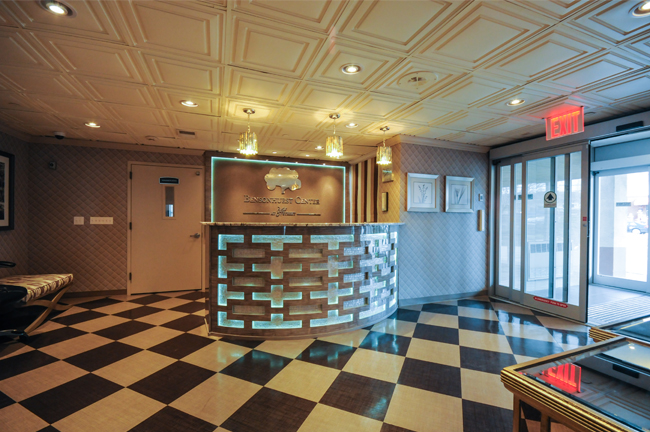
How is Bensonhurst Center For Rehab And Healthcare Staffed?

CMS rates BENSONHURST CENTER FOR REHAB AND HEALTHCARE's staffing level at 2 out of 5 stars, which is below average compared to other nursing homes. Staff turnover is 21%, compared to the New York average of 46%. This relatively stable workforce can support continuity of care.

What Have Inspectors Found at Bensonhurst Center For Rehab And Healthcare?

State health inspectors documented 16 deficiencies at BENSONHURST CENTER FOR REHAB AND HEALTHCARE during 2020 to 2025. These included: 15 with potential for harm and 1 minor or isolated issues.
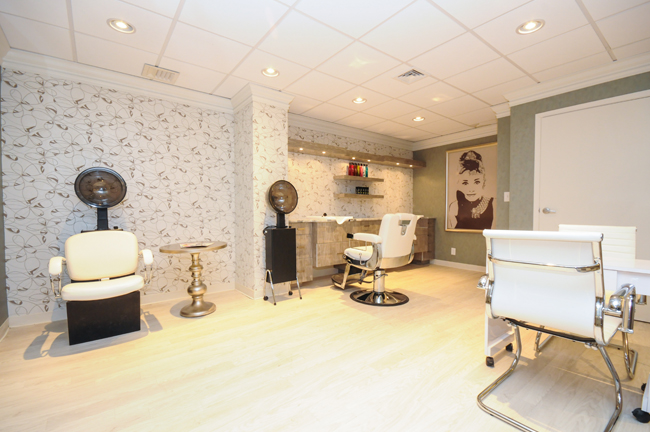
Who Owns and Operates Bensonhurst Center For Rehab And Healthcare?

BENSONHURST CENTER FOR REHAB AND HEALTHCARE is owned by a for-profit company. For-profit facilities operate as businesses with obligations to shareholders or private owners. The facility is operated by CENTER MANAGEMENT GROUP, a chain that manages multiple nursing homes. With 200 certified beds and approximately 200 residents (about 100% occupancy), it is a large facility located in BROOKLYN, New York.
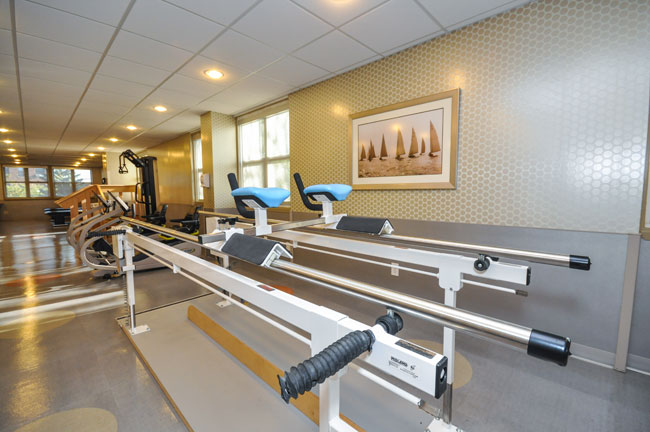
How Does Bensonhurst Center For Rehab And Healthcare Compare to Other New York Nursing Homes?

Compared to the 100 nursing homes in New York, BENSONHURST CENTER FOR REHAB AND HEALTHCARE's overall rating (5 stars) is above the state average of 3.1, staff turnover (21%) is significantly lower than the state average of 46%, and health inspection rating (4 stars) is above the national benchmark.

What Should Families Ask When Visiting Bensonhurst Center For Rehab And Healthcare?

Based on this facility's data, families visiting should ask: "Can you walk me through typical staffing levels on day, evening, and night shifts?" "Can I visit during a mealtime to observe dining assistance and food quality?" "How do you handle medical emergencies, and what is your hospital transfer rate?" "Can I speak with family members of current residents about their experience?" These questions are particularly relevant given the below-average staffing rating.

Is Bensonhurst Center For Rehab And Healthcare Safe?

Based on CMS inspection data, BENSONHURST CENTER FOR REHAB AND HEALTHCARE has a clean safety record: no substantiated abuse findings (meaning no confirmed cases of resident harm), no Immediate Jeopardy citations (the most serious violation level indicating risk of serious injury or death), and is not on the Special Focus Facility watch list (a federal program monitoring the lowest-performing 1% of nursing homes). The facility has a 5-star overall rating and ranks #1 of 100 nursing homes in New York. While no facility is perfect, families should still ask about staff-to-resident ratios and recent inspection results during their visit.

Do Nurses at Bensonhurst Center For Rehab And Healthcare Stick Around?

Staff at BENSONHURST CENTER FOR REHAB AND HEALTHCARE tend to stick around. With a turnover rate of 21%, the facility is 25 percentage points below the New York average of 46%. Low turnover is a positive sign. It means caregivers have time to learn each resident's needs, medications, and personal preferences. Consistent staff also notice subtle changes in a resident's condition more quickly.

Was Bensonhurst Center For Rehab And Healthcare Ever Fined?

BENSONHURST CENTER FOR REHAB AND HEALTHCARE has no federal fines on record. CMS issues fines when nursing homes fail to meet care standards or don't correct problems found during inspections. The absence of fines suggests the facility has either maintained compliance or corrected any issues before penalties were assessed. This is a positive indicator, though families should still review recent inspection reports for the full picture.

Is Bensonhurst Center For Rehab And Healthcare on Any Federal Watch List?

BENSONHURST CENTER FOR REHAB AND HEALTHCARE is not on any federal watch list. The most significant is the Special Focus Facility (SFF) program, which identifies the bottom 1% of nursing homes nationally based on persistent, serious quality problems. Not being on this list means the facility has avoided the pattern of deficiencies that triggers enhanced federal oversight. This is a positive indicator, though families should still review the facility's inspection history directly.