BORO PARK CENTER FOR REHABILITATION AND HEALTHCARE

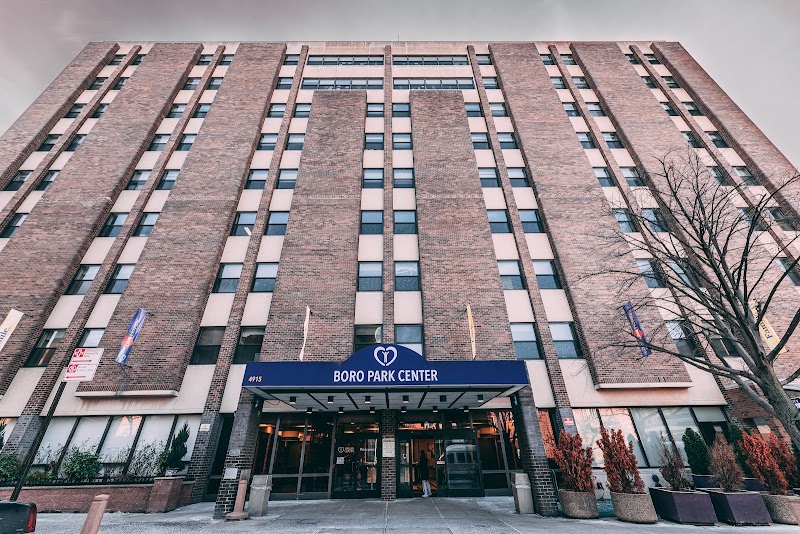
4915 10TH AVE, BROOKLYN, NY 11219 (718) 851-3700
For profit - Limited Liability company 510 Beds CENTERS HEALTH CARE Data: November 2025
Trust Grade
60/100
#380 of 594 in NY
Last Inspection: May 2024

Within standard 12-15 month inspection cycle. Federal law requires annual inspections.

Overview

Boro Park Center for Rehabilitation and Healthcare has received a Trust Grade of C+, indicating it is slightly above average but not particularly impressive. It ranks #380 out of 594 facilities in New York, placing it in the bottom half of state options, and #31 out of 40 in Kings County, suggesting very few local alternatives are better. The facility is on an improving trend, with the number of issues found decreasing from 11 in 2022 to 6 in 2024. Staffing is a relative strength, with a turnover rate of 20%, significantly lower than the state average, although the overall staffing rating is only 2 out of 5 stars. There have been no fines, which is a positive sign, but the facility still has some concerning deficiencies, such as failing to ensure medications are stored correctly and not keeping kitchen equipment clean, which could affect resident safety.

Trust Score
C+
60/100
In New York
#380/594
Bottom 37%
Safety Record
Low Risk
No red flags
Inspections
Getting Better
11 → 6 violations
Staff Stability
✓ Good
20% annual turnover. Excellent stability, 28 points below New York's 48% average. Staff who stay learn residents' needs.
Penalties
✓ Good
No fines on record. Clean compliance history, better than most New York facilities.
Skilled Nurses
○ Average
Each resident gets 39 minutes of Registered Nurse (RN) attention daily — about average for New York. RNs are the most trained staff who monitor for health changes.
Violations
⚠ Watch
18 deficiencies on record. Higher than average. Multiple issues found across inspections.
★★☆☆☆
2.0
Overall Rating
★★☆☆☆
2.0
Staff Levels
★★★★☆
4.0
Care Quality
★★☆☆☆
2.0
Inspection Score
Stable
2022: 11 issues
2024: 6 issues

The Good

  • 4-Star Quality Measures · Strong clinical quality outcomes
  • Low Staff Turnover (20%) · Staff stability means consistent care
  • Full Sprinkler Coverage · Fire safety systems throughout facility
  • No fines on record
  • Staff turnover is low (20%)

    28 points below New York average of 48%

Facility shows strength in quality measures, staff retention, fire safety.

The Bad

2-Star Overall Rating

Below New York average (3.1)

Below average - review inspection findings carefully

Chain: CENTERS HEALTH CARE

Part of a multi-facility chain

Ask about local staffing decisions and management

The Ugly 18 deficiencies on record

May 2024 6 deficiencies
CONCERN (D)

Potential for Harm - no one hurt, but risky conditions existed

Deficiency F0604 (Tag F0604)

Could have caused harm · This affected 1 resident

**NOTE- TERMS IN BRACKETS HAVE BEEN EDITED TO PROTECT CONFIDENTIALITY** Based on observations, record review, and interviews conducted during the Recertification Survey from 4/29/2024 to 5/6/2024, the...

Read full inspector narrative →
**NOTE- TERMS IN BRACKETS HAVE BEEN EDITED TO PROTECT CONFIDENTIALITY** Based on observations, record review, and interviews conducted during the Recertification Survey from 4/29/2024 to 5/6/2024, the facility did not ensure residents remained free from physical restraints. This was evident for 1 (Resident #151) of 1 resident reviewed for Restraints out of 38 total sampled residents. Specifically, Resident #151's right hand was observed wrapping by a towel to prevent the free movement of the hand and there was no documented evidence of an evaluation or physician's order for use of a restraint. The findings are: The facility policy titled Restraint Use with creation date 10/2015 and last revised date 12-2022 documented restraints shall only be used to treat the resident's medical symptom and shall not be imposed for the purposes of discipline, staff convenience or that unnecessarily inhibits a resident's freedom of movement or activity. Resident #151 had diagnoses which included Cerebral infarction, Alzheimer's disease, and Dysphagia. The Quarterly Minimum Data Set 3.0 dated documented Resident #151 had severely impaired cognition, did not reject care, and had no behavioral symptoms. The Minimum Data Set also documented Resident #151 had no restraint and only the representative participated in the assessment. During multiple observations between 04/29/2024 at 11:02 AM and 05/03/2024 at 09:24 AM, Resident #151 was observed lying in bed with their right hand wrapped in a white towel. The Physician's Order dated 4/18/2022 stated apply Right Mitten to reduce risk of digging into skin/pulling gastrostomy tube, and the order was discontinued on 8/29/2022. Review of the medical record revealed that there was no current physician order, care plan, nor restraint assessment for applying right mitten or any other physical restraint to Resident #151. The Certified Nursing Assistant Visual/Bedside [NAME] Report documented in the alerts in the Safety section Right hand Mitten to reduce risk of digging into skin/pulling gastrostomy-tube under Safety section. This was not included in the tasks on the Certified Nursing Assistants record. On 05/03/2024 at 09:25 AM, Certified Nursing Assistant #1 was interviewed and stated Resident #151 was confused and required total care for Activities of Daily Living. Certified Nursing Assistant #1 also stated that they applied the right mitten or used the towel to wrap Resident #151's right hand when the mitten was not available to prevent Resident #151 from scratching their body and pulling out the gastrostomy tube. Certified Nursing Assistant #1 further stated that they removed the mitten or the towel to wash Resident #151's hands 1-2 times per shift. Certified Nursing Assistant #1 stated that Resident #151 has had the mitten or towel applied to their right hand for some time now and they did not recall when Resident #151 started using the mitten or the towel. Certified Nursing Assistant #151 also stated that they followed the task in the [NAME] to apply the right mitten. On 05/03/2024 at 11:04 AM, Registered Nurse #1 (also the Unit Manager) was interviewed and stated they made rounds on the unit at least three times every day. During this time, they speak to residents and representatives about resident care and looked for safety and environment issues. Registered Nurse #1 also stated that they were not aware Resident #151 had their right hand wrapped with a towel. Registered Nurse #1 further stated that they entered and revised the tasks in the Certified Nursing Assistant accountability for the Certified Nursing Assistant to follow, and they were not sure why Resident #151 had the right-hand mitten listed in the Safety section in the [NAME]. Registered Nurse #1 stated there was no active order to apply right mitten to Resident #151, and so the right-hand mitten or towel would be considered as a physical restraint for Resident #151. On 05/03/2024 at 11:37 AM, the Certified Occupational Therapy Assistant was interviewed and stated they provided occupational service 5 days in a week to Resident #151. The Certified Occupational Therapy Assistant also stated that they observed that Resident #151's right hand was wrapped with a towel sometimes and they removed it for right hand movement. The Certified Occupational Therapy Assistant further stated that Resident #151 was not able to remove the towel from the right hand by themselves. On 05/03/2024 at 11:47 AM, the Attending Physician was interviewed and stated they ordered to apply right mitten a while ago to prevent Resident #151 from skin lesions by scratching their body with right hand, and the order was discontinued after a while. The Attending Physician also stated they had not placed an order to apply a mitten or anything else to Resident #151's right hand recently. On 05/03/2024 at 11:55 AM, the Director of Nursing was interviewed and stated they made round to the floors at least once during the day shift and evening shifts where they looked at the residents, their rooms, meals, environment, and wander guard. The Director of Nursing also stated that the interdisciplinary team had to discuss the use of physical restraint, obtain family consent and physician order, conducted the restraint assessment, and removed the physical restraint for 20 minutes every 2 hours. The Director of Nursing further stated that they were not aware that Resident #151's hand had been wrapped with a towel. The Director of Nursing stated it was considered a physical restraint if Resident #151 was unable to remove the towel themselves as it limited Resident #151's right hand movement. 10 NYCRR 415.4(a)(2-7)
CONCERN (D)

Potential for Harm - no one hurt, but risky conditions existed

ADL Care (Tag F0677)

Could have caused harm · This affected 1 resident

**NOTE- TERMS IN BRACKETS HAVE BEEN EDITED TO PROTECT CONFIDENTIALITY** Based on observation, record review, and interviews conducted during the Recertification Survey from 04/29/2024 to 05/06/2024, t...

Read full inspector narrative →
**NOTE- TERMS IN BRACKETS HAVE BEEN EDITED TO PROTECT CONFIDENTIALITY** Based on observation, record review, and interviews conducted during the Recertification Survey from 04/29/2024 to 05/06/2024, the facility did not ensure residents unable to carry out activities of daily living received the necessary services to maintain grooming and personal hygiene. This was evident for 1 (Resident #263) of 5 residents reviewed for Activities of Daily Living out of 38 total sampled residents. Specifically, Resident #263 did not receive bladder/bowel care in a timely manner. The findings are: The facility policy titled Activities of Daily Living (ADL) Care and Support with creation date 8/2016 and current revision date of 3/13/2024 documented that activities of daily living will be provided for residents who are unable to carry out activities of daily living independently, with consent of the resident and in accordance with the resident's assessed needs, personal preferences, and individualized plan of care. Resident #263 had diagnoses which included Non-Hodgkin's Lymphoma, Dysphagia, and Other reduced mobility. The Quarterly admission Minimum Data Set 3.0 assessment dated [DATE] documented that Resident #263 had severely impaired cognition, did not reject care, and was dependent for toileting hygiene. The Quarterly admission Minimum Data also documented Resident #263 and their representative participated in the assessment. On 04/29/2024 at 11:33 AM, the Resident Representative was interviewed and stated they often found the incontinent brief was very wet and sometime with feces when they visited Resident #263 at around 10 AM in the morning. The Resident Representative also stated this happened when the regular Certified Nursing Assistant was off. The Resident Representative further stated that the covering Certified Nursing Assistant did not change or check the incontinent brief for Resident #263. The Resident Representative also stated that they had been to the nursing station a few times today to report this but Resident #263 still had not received care. The Comprehensive Care Plan related to Activities of Daily Living initiated 2/1/2020 documented Resident #263 required substantial assistance for toileting hygiene. The Certified Nursing Assistant Accountability record dated April 2024 documented that bladder/bowel continence care was provided each shift for the day, evening, and night shifts. On 04/30/2024 at 10:40 AM, the Resident Representative was observed trying to change the Resident #263's incontinent brief which was soiled with feces. The Resident Representative stated that no staff had checked on or changed the incontinent brief for Resident #263 this morning. There was no documented evidence that bladder/bowel continence care was provided in a timely manner for Resident #263. On 04/30/2024 at 11:47 AM, Certified Nursing Assistant #2 was interviewed and stated they were a floater and they received they report from the medication nurse for the 6 AM to 2 PM shift and so they knew their assignments. Certified Nursing Assistant #2 also stated that they made rounds to the assigned residents first, provided care to residents at high risk of fall and moved them to the dining room. Certified Nursing Assistant #2 stated they were also busy delivering breakfast to residents in the dining room, assisted in feeding residents, and then took their own lunch break from 10:15 AM to 11:15 AM. Certified Nursing Assistant #2 further stated that they had not yet had the opportunity to check if Resident #263 needed continence care since beginning the shift at 6 AM. Certified Nursing Assistant #2 stated that they are supposed to check the bladder/bowel continence of each resident every 2 hours. Certified Nursing Assistant #2 also stated that they only documented continence care once per shift in the Certified Nursing Assistant Accountability record. Certified Nursing Assistant #2 further stated that they were new to the facility and had not reported to anyone that they were not able to provide care to all their residents in a timely manner. On 05/03/2024 at 11:16 AM, the Registered Nurse #1 (also the Unit Manager) was interviewed and stated that the Certified Nursing Assistants are required to check to see if the residents require continence care every 2 hours if the residents required assistance or were dependent on staff for toileting. Registered Nurse #1 also stated that they were not sure if the Certified Nursing Assistants were required to document bladder/bowel continence care every 2 hours or once only for each the shift. Registered Nurse #1 further stated that they made rounds on the unit at least three times per shift and spoke to residents and representatives about their care and environment. Registered Nurse #1 stated that they were not aware that Resident #263 had not received continence care in a timely manner. On 05/03/2024 at 12:02 PM, the Director of Nursing was interviewed and stated they made round to the floors at least once during the day shift and evening shifts where they looked at the residents, their rooms, meals, environment, and wander guard. The Director of Nursing also stated that the Certified Nursing Assistant had received orientation or in-service on their responsibility to check the continence needs of the residents every 2-4 hours and as needed. The Director of Nursing also stated that the settings for documentation of continence care in the Certified Nursing Assistant Accountability only permitted the Certified Nursing Assistant to document that the task was done once per shift and not every 2 hours. The Director of Nursing further stated that they had no documented evidence to show the blader/bowel continence care was provided to Resident #263 every 2-4 hours. 10 NYCRR 415.12(a)(3)
CONCERN (D)

Potential for Harm - no one hurt, but risky conditions existed

Pressure Ulcer Prevention (Tag F0686)

Could have caused harm · This affected 1 resident

**NOTE- TERMS IN BRACKETS HAVE BEEN EDITED TO PROTECT CONFIDENTIALITY** 2. Resident #380 was admitted with diagnoses that included Dementia, Generalized Muscle Weakness, and Osteoarthritis. The Compre...

Read full inspector narrative →
**NOTE- TERMS IN BRACKETS HAVE BEEN EDITED TO PROTECT CONFIDENTIALITY** 2. Resident #380 was admitted with diagnoses that included Dementia, Generalized Muscle Weakness, and Osteoarthritis. The Comprehensive Minimum Data Set 3.0 assessment dated [DATE], documented that Resident #380 had severe cognitive impairment, was frequently incontinent of bowel and bladder, was dependent on staff to perform Activities of Daily Living. The Comprehensive Minimum Data Set 3.0 Assessment also documented that Resident #380 was at risk for developing pressure ulcers, and had one unhealed Stage 2 pressure ulcer. The Physician's Order dated 3/27/2024 and renewed 5/1/2024 documented Santyl External Ointment 250 Unit/Gram, apply to the sacrum topically as needed for soilage/displacement for 30 days. Clean with saline. Pat dry. Apply Santyl ointment to wound bed, cover with dry dressing and silicone border. On 5/1/2024 at 10:00 AM, the Wound Care Nurse Practitioner was observed performing the wound assessment and consultation for Resident #380, whose wound had developed into a Stage 3 sacral pressure ulcer. Certified Nursing Assistant #3 removed the incontinence brief and a large amount of loose stool was observed. There was no dressing covering the wound leaving the wound exposed to loose stool. The Nurse Practitioner Wound Progress Note dated 5/1/2024, documented that Resident #380 was noted to have one Stage 3 sacral pressure ulcer measuring 2.8 centimeters in length, 4.5 centimeters in width and 0.3 centimeters in depth. The tissue surrounding the pressure ulcer was documented as bright red. The Wound Progress note also documented that Resident #380 was at risk for further skin breakdown, incontinent of urine and feces, increasing the possibility of contamination. Prevent contamination, cover the wound with moisture proof silicone border gauze and manage incontinence. Plan discussed with nursing. The Certified Nurse Aide Documentation Report dated April 2024, documented urinary catheter care, skin observation, turning and positioning for Resident #380 completed by Certified Nursing Assistant #5 on 4/30/24 at 5:35 AM. The Treatment Administration Record dated 4/1/2024 thru 4/30/2024 documented sacral pressure ulcer treatment performed for Resident #380 by Licensed Practical Nurse #1 on 4/30/24 at 1:05 PM. On 5/1/2024 at 10:00 AM, during observation of the wound, the Wound Care Nurse Practitioner stated that there should be a dressing covering the wound, and wound treatment is ordered daily and as needed. On 5/2/2024 at 12:25 PM, Registered Nurse #3, (Nurse Manager for the floor) was interviewed and stated that when they inquired they found that morning care was performed by Certified Nursing Assistant #5 who did not notify Licensed Practical Nurse #1 that there was no dressing on the Stage 3 sacral pressure ulcer site. 10 NYCRR 415.12(c)(1) Based on observations, record reviews, and interviews, conducted during the Recertification survey from 04/29/2024 to 05/06/2024, the facility did not ensure that a resident received care consistent with professional standards of practice to prevent pressure ulcers and to promote healing. This was evident for 2 (Resident #523 and Resident #380) of 7 residents reviewed for Pressure Ulcer out of 38 sampled residents. Specifically, 1) during multiple observations Resident #523 was observed without heel booties in place as ordered and, 2) Resident #380 was observed during wound assessment with loose stool and an uncovered Stage 3 sacral pressure ulcer. The findings are: The facility policy titled Skin and Pressure Ulcer Injury Prevention effective October 2014, last revised March 13, 2023, documented that the facility will assess residents for risk in the development of pressure injuries and implement preventative measures in accordance with current standards of practice. Risks that increase a resident's susceptibility to develop or to not heal a pressure ulcer injury include impaired/decreased mobility, decreased functional ability and exposure of skin to urinary and fecal incontinence. Once the assessment is conducted and risk factors are identified and characterized, a resident care plan can be created to address the modifiable risk for pressure injuries and skin protection interventions. 1. Resident #523 was admitted to the facility with diagnoses of Diabetes, Malnutrition, Morbid Obesity, and Pressure Ulcer of the sacral region. The admission Minimum Data Set, dated [DATE] documented that Resident #523 was moderately cognitively impaired and was dependent on staff for toileting, showers, lower body dressing, putting on footwear and required substantial assistance for personal hygiene. The Minimum Data Set also documented that Resident #523 was at risk of developing pressure ulcers and pressure relieving devices are applied to chair and bed. A Physician's order initiated 04/13/24 documented Heel boots, remove daily for skin monitoring, and notify provider/nurse/supervisor of any new skin alteration or decline. The Braden Scale for predicting pressure sore risk dated 04/15/24 documented that Resident #523 was at high risk for skin breakdown. On 04/29/24 at 11:05 AM, 04/30/24 at 10:45 AM, 05/01/24 at10:42 AM, 05/02/24 at 11:25 AM and at 02:36 PM, and on 05/03/24 at 12:18 PM, Resident #523 was observed in bed with no heel boots in place. On 05/03/24 at 12:19 PM, Certified Nursing Assistant #7 was interviewed and stated that Resident #523 needs two staff assistance for bed mobility and transfer. Certified Nursing Assistant #7 also stated that they receive report at the beginning of the shift and the charge nurse lets them know what the residents' needs are and they also check the Certified Nursing Assistant Accountability sheet to see what each resident needs. Certified Nursing Assistant #7 further stated that they are aware that Resident #523 is supposed to wear heel boots. Certified Nursing Assistant #7 stated that Resident #523's family members do not like the resident to wear the heel boots, and Resident #523 does not like to keep on the boots. Certified Nursing Assistant #7 also stated that the Charge Nurse was not told about Resident #523 refusing to keep the heel boots on. Certified Nursing Assistant #7 stated that all Certified Nursing Assistants assigned to care for Resident #523 were told at the beginning of their shift that the resident had an order for heel boots, and it was also reflected on the Nursing Assistant Accountability sheet. On 05/03/24 at 12:27 PM, Licensed Practical Nurse #3 was interviewed and stated that they give medications and treatments, make rounds, and make the assignments for the Certified Nursing Assistants. Licensed Practical Nurse #3 also stated that they respond to any emergencies that come up, and check to ensure all doctor's orders are carried out. Licensed Practical Nurse #3 further stated that Resident #523's heel boots should have been applied. Licensed Practical Nurse #3 stated they check to ensure all residents with high risk for developing pressure ulcers are being taken care of and ensure that all required interventions to prevent pressure ulcers are being implemented. On 05/06/24 at 11:08 AM, Registered Nurse #4 was interviewed and stated that they manage the unit and supervise all nursing staff and the care that they provide. Registered Nurse #4 also stated that they do rounds very frequently on the unit. In the morning, they go to the resident's rooms to ensure the residents are receiving adequate care, and throughout the day, they do quick rounds on the unit. Registered Nurse #4 further stated that Resident #523 does not like the heel boots, however the heel boots should have been applied. Registered Nurse #4 stated that they will reinforce with staff that Resident #523 is to wear the heel boots and they ensure that the boots are worn. On 05/06/24 at 11:55 AM, the Director of Nursing Services was interviewed and stated that every resident is assessed for pressure ulcers upon admission. If they are determined to be at high risk for developing pressure ulcers, we would initiate an at risk for pressure ulcer care plan and ensure preventive measures are in place. The Director of Nursing Services also stated that the heels boots should have been applied. The Certified Nursing Assistants must follow the Doctors orders and apply the heel boots. If the resident is refusing, the Certified Nursing Assistants must inform the nurse. The Director of Nursing Services further stated that the whole purpose of the heel boots to prevent further injury. The Director of Nursing Services stated that the Charge Nurse and the nurse manager are responsible for ensuring all doctors' orders are being followed and they should have documented Resident #523's refusal to wear the heel boots in the medical record. Heel boots are also supposed to be reflected on Certified Nursing Assistant Accountability sheet. The Director of Nursing Services also stated that the Certified Nursing Assistants must inform the nurses of any refusals so that the resident can be educated and the refusal can be documented in the progress notes.
CONCERN (E)

Potential for Harm - no one hurt, but risky conditions existed

Deficiency F0577 (Tag F0577)

Could have caused harm · This affected multiple residents

Based on observations, record review, and staff interviews conducted during the Recertification survey from 04/20/2024 to 05/06/2024, the facility did not ensure that the survey results were posted in...

Read full inspector narrative →
Based on observations, record review, and staff interviews conducted during the Recertification survey from 04/20/2024 to 05/06/2024, the facility did not ensure that the survey results were posted in a place readily accessible to residents, visitors, or legal representatives where individuals wishing to examine survey results do not have to ask to see them. In addition, notices of the availability of such reports were not posted in areas of the facility that are prominent and accessible to the public. Specifically, the survey results were located inside a binder placed behind the Security desk, and there were only two notices posted about the availability of the survey results, and the notices which were not in conspicuous locations. The finding is: The facility policy and procedure titled Survey Results revised on 10/2015 stated that copies of all survey reports along with approved plans of correction are on file in the administrative office, and that survey results must be readily accessible for viewing. The policy also documented that residents, visitors etc. should not be required to ask to see the results. During multiple observations from 04/29/2024 to 05/06/2024, survey results could not be located throughout the facility. On 05/01/24 at 10:58 AM, during the Resident Council meeting, five of six residents present stated that they did not know where to locate the survey results. Resident #34 stated that if someone asked at the security desk the results would be given to them. On 05/01/24 at 01:09 PM, a notice which stated that the Annual Department of Health survey results are located at the security desk was observed posted on a wall around the corner from the elevator bank. In addition, a copy of the notice was also observed posted in a bulletin board opposite the employee time clock. During multiple observations from 05/01/2024 at 1:10 PM to 05/06/2024 at 12:15 PM, the survey results were not visible at the security desk. On 05/06/24 at 12:16 PM, an interview was conducted with Security Guard #1 who stated that the survey results are located in a binder that is located at the Security desk, right behind where the officers sit. Security Guard #1 also stated that residents or family members would have to ask the security officers for the survey results and they would hand the binder to them. Security Guard #1 further stated that previously the results were displayed behind fiberglass at the front desk, and the fiberglass has been broken for a few months now. Security Guard #1 was asked for the survey results and they proceeded to take a black binder, with a label that stated Department of Health survey, from a metal bin behind the Security desk. In the bin were 4 other colored binders. The black binder did not have a label on the spine indicating that it contained the survey results. On 05/06/24 at 01:19 PM, an interview was conducted with the Administrator who stated survey results signage is located in the lobby after the elevators. The Administrator stated that signage was always placed there and they considered this a conspicuous place because residents going to therapy can see it and residents congregate in that area on occasion. The Administrator further stated that they did not know that signage should be posted in more than one location. The Administrator stated that survey results are considered accessible because they are available at the Security desk and could be received once requested by residents or family members. The Administrator also stated that they were not aware that results should be available without being asked for. 10 NYCRR 415.3(d)(1)(v)
CONCERN (E)

Potential for Harm - no one hurt, but risky conditions existed

Deficiency F0761 (Tag F0761)

Could have caused harm · This affected multiple residents

**NOTE- TERMS IN BRACKETS HAVE BEEN EDITED TO PROTECT CONFIDENTIALITY** Based on observation, record review, and interviews conducted during the Recertification survey from [DATE] to [DATE], the facil...

Read full inspector narrative →
**NOTE- TERMS IN BRACKETS HAVE BEEN EDITED TO PROTECT CONFIDENTIALITY** Based on observation, record review, and interviews conducted during the Recertification survey from [DATE] to [DATE], the facility did not ensure medications and biologicals were stored in accordance with currently accepted professional principles and expiration date, if applicable. This was evident for 2 of 16 medication storage areas (2 East medication room and 2 [NAME] Unit medical supply room). Specifically, 13 bags of expired intravenous fluids were observed in the medication room on unit 2 East, and 12 bags of expired intravenous fluids were observed in the medical supply closet on 2 West. This was evident for the Medication Storage task. The findings are: The facility policy titled Medication Storage revised [DATE] documented the facility will store medications in a manner that maintains the integrity of the product, ensures the safety of the residents, and is in accordance with state and federal regulations. Expired, discontinued and or contaminated medications will be removed from the medication storage areas and disposed of in accordance with the facility policy. On [DATE] between 04:38 PM & 04:58 PM, the medication room on unit 2 East was observed with Licensed Practical Nurse #8. The following was observed in the drawer below the counter level: 1 bag of 0.9% sodium chloride 250 milliliter bag with an expiration date of [DATE] bags of 5% dextrose 50 milliliters with an expiration date of [DATE] bag of 5% dextrose and 0.45% sodium chloride 500 milliliters with an expiration date of [DATE]. In addition, there were 7 bags of 5% Dextrose and 0.9% sodium chloride injection USP 1000ml with an expiration date of [DATE]. On [DATE] at 12:13 PM, the medication supply/intravenous fluid storage room on 2 [NAME] was observed with the Central Supply Clerk and 12 bags of 5% Dextrose injection 50 milliliter bags were observed with an expiration date of [DATE]. On [DATE] at 04:49 PM, Licensed Practical Nurse #8 located on unit 2 East was interviewed and stated that the bags of intravenous solution in the drawer are to be used to start antibiotics for residents. If there is an emergency, the 50 milliliter, 250 milliliter or 500 milliliter intravenous fluid bags may be used depending on the antibiotic to be administered. Licensed Practical Nurse #8 also stated that they check the medication room weekly as part of their normal duties and the intravenous fluids should be checked, and thrown out if expired. On [DATE] at 05:08 PM, Registered Nurse #5 (the Unit Manager for 2 East) was interviewed and stated that they check the medication room daily for neatness and the expiration dates of items in the room. Registered Nurse #5 also stated that central supply also checks and stocks the intravenous medications. Registered Nurse #5 further stated that the many intravenous bags were tucked in there and so the expiration dates might not have been noticed. Registered Nurse #5 stated that additional intravenous fluids can be used to dilute ordered intravenous antibiotics if needed, and they have been using the prefilled intravenous bags that they get them from the pharmacy which is labeled with the correct intravenous fluids for mixing the antibiotics for the past 6 months. On [DATE] at 11:23 AM, the Director of Nursing was interviewed and stated that the pharmacist is remote, and the medication rooms are supposed to be checked by the nurse and unit managers on the unit. 10 NYCRR 415.18(e)(1-4)
CONCERN (E)

Potential for Harm - no one hurt, but risky conditions existed

Food Safety (Tag F0812)

Could have caused harm · This affected multiple residents

**NOTE- TERMS IN BRACKETS HAVE BEEN EDITED TO PROTECT CONFIDENTIALITY** 2. The facility policy titled Food - From Outside, last date reviewed 3/5/2023, documented food or beverage that is brought in f...

Read full inspector narrative →
**NOTE- TERMS IN BRACKETS HAVE BEEN EDITED TO PROTECT CONFIDENTIALITY** 2. The facility policy titled Food - From Outside, last date reviewed 3/5/2023, documented food or beverage that is brought in from the outside will be monitored by nursing staff for spoilage, contamination, and safety. Food brought by family/visitors that is left with the resident to consume later will be labeled and stored in a manner that is clearly distinguishable from facility-prepared food. A label will identify resident name, room number, item, date received and discard date. The policy also documented that all refrigerated food will be discarded within 48 hours. Nursing staff will monitor resident's room, unit pantry, and refrigeration units for food and beverage disposal. The nursing staff will discard perishable foods on or before the discard date. The nursing and or food service staff will discard any foods prepared for the resident that shows obvious signs of potential foodborne danger (for example, mold growth, foul odor, past due package expiration dates). The facility policy titled Unit Food Storage, last date reviewed 4/2019, documented food items stored for nourishment or brought in by residents shall be stored in designated areas only. The unit area designated for food storage will remain clean and safe for food handling. Food items will be identified with name of owner and date placed in designated refrigerator. All resident food items will be dated with use by date. Dietary and nursing staff will be responsible to ensure food items stored in pantry refrigerators and freezers are not expired or past perish dates. On 05/02/24 at 10:48 AM, the 5th Floor Pantry/Nourishment Refrigerator was observed with Registered Nurse #3 (the Nurse Manager). One thermal bag was observed with 2 Tupperware bowls. 1 bowl contained spoiled peaches that had become liquified and the other bowl contained 1 plastic bag of dry rotted fruit. In addition, the refrigerator contained one loaf of wheat bread with no expiration date, one 4-ounce cup of strawberry yogurt with an expiration date of 8/20/23, one 5-ounce cup of strawberry yogurt with an expiration date of 8/3/2023, and multiple cups of ice cream in the freezer with an expiration date of 8/3/2023. On 05/02/24 at 10:52 AM, a sign posted on the refrigerator stated all food placed refrigerator must be labeled and discarded after 48 hours. On 05/02/24 at 10:53 AM, Registered Nurse #3 was interviewed and stated that they ask staff to clean the refrigerators as is posted but a lot of staff have access to the refrigerators including recreation and volunteer staff. On 05/02/24 at 10:57 AM, the Housekeeping Supervisor was interviewed and stated items were not discarded from the refrigerator because the bread had no expiration date, and the thermal bag is someone's lunch. The Housekeeping Supervisor further stated that staff lunch is supposed to be stored in the refrigerator in the nurses' lounge. 10 NYCRR 415.14(h) Based on observations, record review, and interviews conducted during the Recertification survey from 4/29/2024 to 05/06/2024, the facility did not ensure food was stored in accordance with professional standards for food service safety to prevent foodborne illness. Specifically, 1) expired enteral feeding was observed in the nourishment/supplement room in the kitchen, and 2) there was unlabeled food, degraded, rotted food and expired yogurt in the 5th floor unit refrigerator, and expired ice cream in the freezer. This was evident for the Kitchen Task and Dining Task. The findings are: 1. The facility policy titled Food Safety Food Handling revised 09/2021 documented food will be stored, prepared, handled, and served so that they reduce the risk of foodborne illness is minimized. This policy does not contain any information in relation to the rotation of food items or when food items may need to be discarded. The facility policy titled Enteral Nutrition revised 12/2019 documented the facility provides Dietary-Nursing nutritional support to residents unable to obtain nourishment orally and are receiving enteral feeding ordered by a physician and not clinically contraindicated. Central supply or Designee will be responsible for ordering all tube feeding supplies. On 04/29/2024 from 09:39 AM to 10:22 AM, the kitchen tour was conducted with the Assistant Food Service Director. In the supplement/nourishment room an open cardboard box which held 24 cartons was observed to contain 21 cartons of Osmolite 1.0 with a use by date of 01 [DATE]. On 04/29/2024 at 02:25 PM, the Storeroom Dietary Aide #1 was interviewed and stated they manage the storeroom. Nourishments are delivered on Tuesday and they did not notice any expired items. The Storeroom Dietary Aide #1 also stated that when orders come in they rotate items, and a company collects expired goods every other month. On 04/29/2024 at 02:30 PM, the Dietary Supervisor was interviewed and stated that the Dietary Aide is responsible for checking the storeroom for any missing items. The Dietary Supervisor also stated that expired nourishments are supposed to be stored on the side and tagged so they can be picked up and returned to the vendor. The Dietary Supervisor further stated that expired items should not be stored with current items as they can be picked up and given to residents in error. On 05/02/2024 at 11:49 AM, the Assistant Food Service Director was interviewed and stated that they check the storeroom along with the Food Service Director and the storeroom staff. The Assistant Food Service Director also stated that the last time they checked the nourishment room was at the beginning of March 2024 when they conducted a mock survey. The Assistant Food Service Director further stated that they do random checks on Wednesdays to make sure there are no expired oral feeding or enteral feedings and they did not notice any expired items. On 05/02/2024 at 11:51 AM, the Dietary Director was interviewed and stated that when the nourishment vendor switched companies they helped clean out the inventory and they gave the inventory form to purchasing for items to be sent back 3-4 months ago.
Apr 2022 11 deficiencies
CONCERN (D)

Potential for Harm - no one hurt, but risky conditions existed

Deficiency F0582 (Tag F0582)

Could have caused harm · This affected 1 resident

Based on interviews and record review conducted during the Recertification survey from 4/14/22 to 4/21/22, the facility did not provide the appropriate liability notices were provided to Medicare bene...

Read full inspector narrative →
Based on interviews and record review conducted during the Recertification survey from 4/14/22 to 4/21/22, the facility did not provide the appropriate liability notices were provided to Medicare beneficiaries. Specifically, the facility did not provide residents/representatives with a Notice of Medicare Non-Coverage (NOMNC) at the termination of Medicare Part A benefits within the required timeframes and did not provide residents/representatives with a Skilled Nursing Facility Advanced Beneficiary Notice of Non-coverage (SNFABN) when they were remaining in the facility for care. This was evident for 1 of 3 residents reviewed for Skilled Nursing Facility Beneficiary Protection Notification out of a total sample of 38 residents. (Resident #263) The findings are: The Form Instructions for the Notice of Medicare Non-Coverage (NOMNC) CMS-10123 documented that the NOMNC must be delivered at least two calendar days before Medicare covered services end or the second to last day of service if care is not being provided daily. The Form Instructions for Skilled Nursing Facility Advanced Beneficiary Notice of Non-coverage (SNFABN) Form CMS-10055 specify that Medicare requires SNFs to issue the SNFABN to Original Medicare, also called fee-for-service (FFS), beneficiaries prior to providing care that Medicare usually covers, but may not pay for in this instance because the care is not medically reasonable and necessary; or considered custodial. The Notice of Medicare Non-Coverage (NOMNC) form documented coverage for Resident #633 would end on 2/19/22. The NOMNC form was signed by the resident's representative on 02/18/22. There was no documented evidence that a Skilled Nursing Facility Advanced Beneficiary Notice of Non-coverage (SNF ABN) form had been provided to the resident or their representative. On 04/21/22 at 11:17 AM, a phone interview was conducted with the Minimum Data Set Assessor (MDSA). The MDSA stated that the notice is supposed to be given 2 days before services expire and can sometimes be given 3 days before. The MDSA also stated that they could not explain why the notice had not been provided to the representative of Resident #633. The MDSA further stated that during that time period each assessor had a heavy workload of letters to provide and that sometimes it is too much to keep up with all the work. On 04/21/22 at 11:11 AM, a telephone interview was conducted with the Director of MDS (DMDS) The DMDS stated that cut letters are supposed to be sent 48 hours before the cut date. The DMDS also stated that for residents who are remaining in the facility for long term care, provision of the letters is optional and is only given to avoid confusion so Resident #633 did not need to receive any letters. The DMDS further stated that they verbally remind staff to send letters out timely or arrange for letters to be given if they are going to be absent on the date that the letter is due. The DMDS stated that all MDS are registered nurses and know what they are supposed to do. 415.3(g)(2)(i)
CONCERN (D)

Potential for Harm - no one hurt, but risky conditions existed

Deficiency F0637 (Tag F0637)

Could have caused harm · This affected 1 resident

**NOTE- TERMS IN BRACKETS HAVE BEEN EDITED TO PROTECT CONFIDENTIALITY** Based on record review and interview during a Recertification survey conducted from 4/14/22 to 4/21/22, the facility did ensure ...

Read full inspector narrative →
**NOTE- TERMS IN BRACKETS HAVE BEEN EDITED TO PROTECT CONFIDENTIALITY** Based on record review and interview during a Recertification survey conducted from 4/14/22 to 4/21/22, the facility did ensure that each resident who experiences a significant change in status is comprehensively assessed. Specifically, a Significant Change in Status Assessment was not completed following the start of hospice services. This was evident for 1 of 1 resident reviewed for Hospice and End of Life out of a sample of 38 residents (Resident #245). The findings are: The facility's policy and procedure entitled Change in Resident's Condition dated 2/22 documented a significant change of condition is a major decline or improvement in the resident's status that will not normally resolve itself without intervention by staff or by implementing standard disease related clinical interventions, impacts more than one area of the resident's health status, and requires interdisciplinary review and/or revision to the care plan. It further documented if a significant change conditions occurs, a comprehensive assessment of resident's condition will be conducted as required by current OBRA regulations governing resident assessments and as outlined in the MDS RAI Instruction Manual. Resident #245 was admitted to the facility with diagnosis that included Failure To Thrive, Cerebrovascular Accident, and Acute Respiratory Failure. The Quarterly Minimum Data Set (MDS) assessment dated [DATE] documented resident has short-term/long-term memory problem and cognitive skills for daily decision making was severely impaired. Active diagnoses included Septicemia, Cerebrovascular Accident (CVA), hemiplegia, and Non-Alzheimer's dementia. The MDS did not document that the resident was receiving Hospice services. The Certification of Terminal Illness (CTI) dated 2/10/22 documented Resident #245 has a terminal prognosis with a life expectancy of six months or less should the disease run its normal course and that Resident #245 is certified for Hospice benefit effective 02/10/22. The Notification of Hospice admission dated 2/10/22 documented Resident #245 was admitted to hospice services with an effective date of 2/10/22. The Comprehensive Care Plan (CCP) initiated 2/11/22 documented that resident is at the end of life/diagnosis of terminal illness, Nursing Home Hospice. Interventions included to provide comfort measures, honor preferences when possible, and to provide hospice care as ordered. The Nursing note dated 2/8/22 documented that Interdisciplinary Team (IDT) meeting was held with three family members, social worker, and nurse manager. The note also documented resident's family wishes for resident to be evaluated for palliative/in house hospice care. Attending Physician was made aware of the family wishes. The Social Service note dated 2/9/22 documented Family Meeting/Phone Conference was held on 2/8/22 to review the care plan and palliative/hospice service and that resident's family agreed to place resident in palliative care. The Physician monthly note dated 2/22/22 documented resident on hospice, to provide comfort measures. There was no documented evidence in the medical record that a Significant Change MDS assessment was initiated or completed when the resident was placed on Hospice care. On 4/20/22 at 2:32 PM, an interview was conducted with Director of MDS (DMDS). The DMDS stated that a significant change assessment should be submitted when a resident enrolls in hospice program. The DMDS also stated that the admission department will send change report if any resident enrolls in hospice program and the MDS department will then submit a significant change assessment. The DMDS further stated they were not made aware of Resident #245's enrollment to hospice care and they did not receive a change report regarding this resident and therefore, it may have been missed. On 4/21/22 at 11:03 AM, Social Worker (SW) #1 was interviewed. SW #1 stated Resident #245's family agreed to place resident on hospice on 2/8/22. The hospice form was signed by the Attending Physician on 2/10/22 and resident was admitted to MJHS Hospice on 2/10/22. On 4/21/22 at 11:35 AM, Nurse Manager (NM) #1 was interviewed. NM #1 stated Resident #245 was evaluated for hospice and was currently receiving hospice services. NM #1 stated that significant change assessment is initiated by MDS department and they did not know why the significant change assessment was not completed for Resident #245. 415.11(a)(3)(ii)
CONCERN (D)

Potential for Harm - no one hurt, but risky conditions existed

MDS Data Transmission (Tag F0640)

Could have caused harm · This affected 1 resident

Based on record reviews and interviews conducted during the Recertification survey from 4/14/22 to 4/21/22, the facility did not ensure they electronically transmitted encoded, accurate, and complete ...

Read full inspector narrative →
Based on record reviews and interviews conducted during the Recertification survey from 4/14/22 to 4/21/22, the facility did not ensure they electronically transmitted encoded, accurate, and complete MDS data to the CMS System within 14 days. This was evident for 1 of 2 residents reviewed for Resident Assessment out of a sample of 38 residents. (Resident #3) The findings are: The facility policy titled MDS completion and submission created on 10/2014, last revised 2/2021, documented that the facility will conduct and submit resident assessments in accordance with current federal and state submission timeframes. The timeframe for transmission of MDS assessments is specified as 14 calendar days after completion. Review of the facility Electronic Medical Record (EMR) documented that a Quarterly MDS for Resident #3 dated 2/14/22 was completed on 2/26/22 and not accepted. The EMR also documented a submit by date of 3/12/22. On 04/21/22 at 11:11 AM, an interview was conducted with the Director of MDS (DMDS) who stated that the MDS was accepted on 3/14/22 and the CMS Submission Report was requested. The CMS Submission Report dated 4/21/2022 10:56 with completion date of 4/21/2022 11:01 documented that 1 record was submitted for Resident #3. The Submission Report also documented Record Submitted Late: The submission is more than 14 days after. On 04/21/22 at 1:35 PM, a follow-up phone interview was conducted with the DMDS. The DMDS stated that they did not tell the surveyors when the MDS was submitted, only the date the MDS in question was completed. The DMDS also stated that the MDS was not locked in the system so did not get batched appropriately so that it could be submitted. The DMDS further stated they try to submit everyday and may have missed this MDS. 415.11
CONCERN (D)

Potential for Harm - no one hurt, but risky conditions existed

Comprehensive Care Plan (Tag F0656)

Could have caused harm · This affected 1 resident

**NOTE- TERMS IN BRACKETS HAVE BEEN EDITED TO PROTECT CONFIDENTIALITY** Based on record review and interview conducted during the Recertification survey from 4/14/22 to 4/21/22, the facility did not e...

Read full inspector narrative →
**NOTE- TERMS IN BRACKETS HAVE BEEN EDITED TO PROTECT CONFIDENTIALITY** Based on record review and interview conducted during the Recertification survey from 4/14/22 to 4/21/22, the facility did not ensure a comprehensive person-centered care plan that included measurable objectives and timeframes to meet a resident's medical, nursing, mental, and psychosocial needs and included the resident's goals, desired outcomes, and preferences were developed. Specifically, care plans were not developed for a resident with a diagnosis of Diabetes Mellitus and a resident prescribed anticoagulant medication. This was evident for 2 of 9 residents reviewed for Nutrition out of a sample of 38 residents. (Resident #120 & Resident #254) The findings are: The facility policy and procedure titled Care Plans - Comprehensive dated 02/2022 documented it was the policy that a comprehensive, person-centered care plan that includes measurable objectives and timetables to meet the resident's physical, psychosocial, and functional needs is developed and implemented for each resident. 1. Resident #120 was admitted to facility with diagnoses that included Type 2 Diabetes Mellitus, Peripheral Vascular Disease, and Heart Failure. The Annual MDS dated [DATE] documented that an active diagnosis of Diabetes Mellitus and that the resident received insulin on 7 of 7 days. The Quarterly MDS dated [DATE] and 3/28/2022 documented that an active diagnosis of Diabetes Mellitus and that the resident received insulin on 2 of 7 days. The Physician order dated 4/8/2022 Admelog Solostar solution pen-injector 100 unit/mL. Inject as per sliding scale. The medical record contained no documented evidence that a comprehensive care plan had been created for management of a resident with a diagnosis of Diabetes Mellitus. On 04/20/22 at 02:19 PM, an interview conducted was Nurse Manager (NM) #3. NM #3 stated that when there are new admissions a major care plan based on diagnoses from the discharge papers is created. NM #3 also stated that nurses create care plans for a number of issues and if resident is diabetic then absolutely a metabolic care plan would be created. NM #3 reviewed the Electronic Medical Record and noted resident was readmitted to the facility in January 2022 with a diagnosis of Diabetes but no care plan had been created. NM #3 that all Registered Nurses are responsible for the creation of care plans on the 5th Floor and they could not explain why the care plan had not been created. 2. Resident #254 was admitted to facility with diagnoses that included Coronary Artery Disease, Deep Vein Thrombosis (DVT), Heart Failure and Atrial Fibrillation. The admission Minimum Data Set (MDS) dated [DATE] documented resident received anticoagulant medication on 4 of 7 days. The Quarterly MDS assessments dated 2/20/22 and 3/23/22 documented resident received anticoagulant medication on 7 of 7 days. The Physician order dated 3/4/2022 revised 4/15/2022 documented Apixaban tablet 5mg give 1 tablet via g tube every 12 hours for DVT prophylaxis. The medical record contained no documented evidence that a comprehensive care plan had been created for management of a resident prescribed anticoagulant medication. On 04/20/22 at 02:19 PM, an interview was conducted with Nurse Manager (NM) #3. NM #3 stated that the care plan for a resident receiving an anticoagulant could be included on the cardiac care plan. NM #3 reviewed the Cardiac care plan in the medical record and noted that the care plan did not document goals and interventions for a resident receiving anticoagulant therapy. NM #3 also stated that side effects for anticoagulant medications include a risk of bleeding and specific monitoring so a care plan should have been created for this issue. On 04/20/22 at 02:35 PM an interview was conducted with Registered Nurse (RN) #3 assigned to the 5th floor Ultra-Care Unit. RN #3 stated that Care plans are done upon admission and a resident prescribed anticoagulant meds would have a cardiac care plan created. RN #3 reviewed the medical record and noted there was no care plan for management of a resident receiving anticoagulant medication. RN #3 also stated that a risk of anticoagulant medication is bleeding so an anticoagulant care plan should have been created and not a cardiovascular function care plan. 415.11 ( c )(1)
CONCERN (D)

Potential for Harm - no one hurt, but risky conditions existed

Deficiency F0657 (Tag F0657)

Could have caused harm · This affected 1 resident

**NOTE- TERMS IN BRACKETS HAVE BEEN EDITED TO PROTECT CONFIDENTIALITY** Based on record review and interviews conducted during the Recertification survey, the facility did not ensure that each residen...

Read full inspector narrative →
**NOTE- TERMS IN BRACKETS HAVE BEEN EDITED TO PROTECT CONFIDENTIALITY** Based on record review and interviews conducted during the Recertification survey, the facility did not ensure that each resident was offered the opportunity to participate in the review of their comprehensive care plan (CCP). This was evident in 1 of 2 residents reviewed out of a sample of 38 residents (Resident # 46). Specifically, a Resident #46 was not invited to their CCP meetings with the interdisciplinary team (IDT). The findings are: The facility policy titled CCPs revised 02/2022 documented residents will be informed of their right to participate in their treatment. Resident # 46 had diagnoses spinal stenosis and Diabetes Mellitus. The Minimum Data Set 3.0 (MDS) assessment dated [DATE] documented Resident #46 was cognitively intact. The CCP Meeting Attendance Record documented CCP meetings for Resident #46 took place on 04/01/2021, 10/28/2021, and 1/27/2022. Resident #46 signature was not documented on the CCP Attendance Record. There was no documented evidence in the medical record that Resident #46 was invited to the care plan meetings held on 04/01/2021, 10/28/2021, and 01/27/2022. On 04/18/2022 at 3:24 PM, Social Worker (SW) #2 was interviewed and stated Resident #46's initial CCP meeting was held on 04/01/2021 and there is no documented evidence Resident #46 was invited to attend. SW#3 was interviewed on 04/20/2022 at 3:00 PM and stated cognitively intact residents and their RRs are invited to CCP meetings. Resident #46 is cognitively intact and should have been invited to all CCP meetings. 415.11(c)(1)
CONCERN (D)

Potential for Harm - no one hurt, but risky conditions existed

Deficiency F0658 (Tag F0658)

Could have caused harm · This affected 1 resident

**NOTE- TERMS IN BRACKETS HAVE BEEN EDITED TO PROTECT CONFIDENTIALITY** Based on observation, record review, and interviews conducted during the Recertification survey, the facility did not ensure the...

Read full inspector narrative →
**NOTE- TERMS IN BRACKETS HAVE BEEN EDITED TO PROTECT CONFIDENTIALITY** Based on observation, record review, and interviews conducted during the Recertification survey, the facility did not ensure the services provided met professional standards. This was evident 1 out of 37 sample residents observed for medication administration (Resident # 295). Specifically, 1) the Registered Nurse (RN) prepared medication in advance and left it in the medication cart, 2) the RN did not wait to ensure that a resident took administered medication. The findings are: The facility policy titled Medications Administration dated 02/20/2021 documented medications shall be administered safely and may not be prepared in advance. and must be administered within one hour of their prescribed time unless otherwise specified (for example, before and after meal order) Resident # 295 had diagnoses of syncope, gastro-esophageal reflux, and otalgia. The Minimum Data Set 3.0 (MDS) assessment dated [DATE] documented Resident # 295 had moderately impaired cognition. On 04/19/2022 at 11:05 AM, Resident #295 was observed walking in the 2 East hallway asking for the medication nurse. RN #1 walked to the medication cart, took a prepared medication cup from the cart, and handed the medication cup to Resident #295. RN #1 walked away from the medication cart without observing Resident #295 take their medication. Resident # 295 stood behind the medication cart, took another medication cup from the cart, transferred medication from their cup into one they took from the cart, left it on the medication cart, and walked away. On 04/19/2022 at 11:10 AM, RN #1 was interviewed and stated they gave Resident # 295 medication but did not wait to see if the resident took the medication. Resident # 295 did not take the orange pill, and this was the medication Resident # 295 left on the medication cart. On 04/19/22 at 11:15 AM, the Assistant Director of Nursing (ADON) was interviewed and stated the medication nurse must stay with the resident until the resident takes their medication. The medication nurse is not supposed to pre-pour medication. They must wait until the resident is available before removing the pills from the blister pack. On 04/20/2022 at 3:42 PM, the Director of Nursing (DON) was interviewed and stated the resident must take the medication before the medication nurse leaves. The medication nurses are not supposed to prepare the medication ahead of time. The DON was unaware that RN #1 gave medication to Resident #295 that was prepared in advance. 415.11(c)(3)(i)
CONCERN (D)

Potential for Harm - no one hurt, but risky conditions existed

Pharmacy Services (Tag F0755)

Could have caused harm · This affected 1 resident

**NOTE- TERMS IN BRACKETS HAVE BEEN EDITED TO PROTECT CONFIDENTIALITY** Based on record review, observation, and interviews conducted during the Recertification survey from [DATE] to [DATE], the facil...

Read full inspector narrative →
**NOTE- TERMS IN BRACKETS HAVE BEEN EDITED TO PROTECT CONFIDENTIALITY** Based on record review, observation, and interviews conducted during the Recertification survey from [DATE] to [DATE], the facility did not ensure pharmaceutical services (including procedures that assure the accurate acquiring, receiving, dispensing, and administering of all drugs and biologicals) were provided to meet the needs of each resident. Specifically, an emergency medication box with expired medication was not removed from a medication storage room. This was evident for 1 of 7 medication storage rooms observed during the Medication Storage and Labeling task. (Unit 5 East Wing). The findings are: The facility policy and procedure titled Medication - Storage dated 2/2022 documented it was the policy for the facility to provide guidelines for proper storage of medications within the facility. The center will have medications stored in a manner that maintains the integrity of the product, ensures the safety of the residents, and is in accordance with the Department of health guidelines. On [DATE] at 10:57 AM, a sealed Emergency box was observed in the Medication Room on 5 East. The untitled document placed on the emergency box documented Box expires: 03-01-22 and an expiration date of 3/22 for Digoxin Inj. (Lanoxin) 0.5mg/2mL and [DATE] for Lidocaine Inj 1% was noted. An interview was conducted immediately with Licensed Practical Nurse (LPN) #3. LPN #3 stated the emergency box is barely touched and if it is used, it is brought downstairs to the nursing office to be immediately restocked. LPN #3 also stated they were not aware of the emergency box expiration dates and thinks it is the LPN's responsibility to check the expiration date on the emergency box in the medication storage room, but they were not sure. On [DATE] at 12:25 PM, an interview was conducted with Nurse Manager (NM) #3. NM #3 stated that all nurses including the nurse managers check medication rooms and carts. NM #3 also stated that they also check for expired medication removal and restocking of medication carts. NM #3 further stated that all nurses were inserviced on medication storage in the past. On [DATE] at 01:54 PM an interview was conducted with the Director Of Nursing (DON). The DON stated Pharmacy brings emergency boxes and the boxes are kept in nursing supervisor unit. Emergency boxes are placed in each medication room on the floors and extra medication boxes are kept in the facility so boxes can be restocked on units. The DON further stated that the unit manager and nurses on unit are supposed to check the dates and integrity of the boxes and when it is expired, nurses are supposed to remove the expired box off the unit and replace with one from the nursing supervisor office. The DON stated that the nursing supervisor, nurse manager, or nurse can call pharmacy offsite, and notify them of the expired medication and it will then be replaced. The DON also stated that the Pharmacy Consultant mainly does remote monthly audits and does not frequent the facility or inspect medication rooms and carts. The DON further stated they had no record of when the Pharmacy Consultant last visited the facility. 415.18(a)
CONCERN (D)

Potential for Harm - no one hurt, but risky conditions existed

Medication Errors (Tag F0758)

Could have caused harm · This affected 1 resident

**NOTE- TERMS IN BRACKETS HAVE BEEN EDITED TO PROTECT CONFIDENTIALITY** Based on record reviews, observations and interviews conducted during the Recertification survey from 4/14/22 to 4/21/22, the fa...

Read full inspector narrative →
**NOTE- TERMS IN BRACKETS HAVE BEEN EDITED TO PROTECT CONFIDENTIALITY** Based on record reviews, observations and interviews conducted during the Recertification survey from 4/14/22 to 4/21/22, the facility did not ensure a resident's drug regimen was free of unnecessary medications. Specifically, there was no documented evidence of behavioral monitoring for a resident with a dementia diagnosis who was prescribed an antipsychotic. This was evident for 1of 5 residents reviewed for Unnecessary Medications out of a sample of 38 residents. (Resident #402). The findings are: The facility policy and procedure titled Psychotropic Medication, created 10/2014 and last revised 2/2022, documented that physicians and mid-level providers will use psychotropic medications appropriately working with the interdisciplinary team to ensure appropriate use, evaluation, and monitoring. The facility policy and procedure titled Antipsychotic Medication use, created 9/2015 and last revised 2/2022, documented that antipsychotic medications may be considered for residents with dementia but only after medical, physical, functional, psychological, emotional psychiatric, social, and environmental causes of behavioral symptoms have been identified and addressed. Antipsychotic medications will be prescribed at the lowest possible dosage for the shortest period of time and are subject to gradual dose reduction and re-review. Resident # 402 was admitted to the facility on [DATE] with diagnoses that included Non-Alzheimer's Dementia and Depression. On 04/18/22 at 09:32 AM, Resident #402 was observed in their room with a family member. Resident was calmly sitting in wheelchair, watching TV. Resident stated they were tired and was observed dozing off. On 04/19/22 at 09:45 AM, Resident #402 was observed in wheelchair, being wheeled around the unit by family member. Resident was alert, stated doing well. On 04/19/22 at 03:53 PM, resident was observed in the day room, sitting in a wheelchair and next to spouse, participating in recreational activity (craft). On 04/20/22 at 09:52 AM, resident was observed in their room with family member, sitting in wheelchair. Family member stated that the resident had a stroke in 2001 and Dementia started years later. The family also stated that before coming to the facility, the resident was seen by psychiatrist who prescribed medications but they could not recall which medications or what the diagnosis was. The family member also stated that the resident has aggressive outbursts, during which resident refuses to eat, throws food, gets defiant and oppositional and those episodes usually (if not always) coincide with a urinary tract infection. The family also stated that they have noticed that medicines used to control the resident will make the resident too sleepy, which they also do not desire as the resident already spends a lot of time asleep. The admission Minimum Data Set (MDS) dated [DATE] documented resident was severely cognitively impaired with no behaviors or rejection of care. The MDS also documented the resident received antidepressants on 7 of 7 days. The comprehensive care plan with focus Resident uses psychotropic meds, dx (diagnoses) depression dated 8/10/21, and revised 11/17/21 documented goals of decreased episodes of s/sx (signs and symptoms) of depression, anxiety by review date. Interventions included medications as ordered, monitor behaviors, and report side effects to the doctor. Behavior monitoring note dated 10/7/21 documented that resident did not sleep and was placed in a recliner in the hallway. Resident was observed hitting knuckles on the wall and chair and tearing incontinence brief in multiple pieces and talking. Non-pharmacological interventions were provided. There was no documentation regarding the results of the intervention and the note was unsigned. Behavior monitoring note dated 10/20/21 documented resident refused to stay in bed and sat at the edge of the bed and attempted to leave bed. Resident was transferred to recliner by the nursing station for safety and close observation. There were no additional behavior monitoring notes available for review. A nurse practitioner (NP) note dated 10/25/21 stated resident was very sleepy. Recently hospitalized , medications had been changed: Risperidone 0.5mg HS and Quetiapine 25mg HS. Both medications held. A medication regimen review dated 10/25/21 documented resident was on Risperidone for dementia, mentioned boxed warning to not use antipsychotics for dementia, consider Psych consult for GDR. Response dated 10/28/21 stated resident was in the hospital. A Psychiatry consult dated 10/26/21 documented resident had recently been readmitted from hospital for agitation. Resident was restless and anxious, with possible paranoia. Medications: Risperidone 0.25mg. Recommendation to discontinue Quetiapine and start Zoloft, continue Risperidone. A NP note dated 10/28/21 documented resident was lethargic, receiving IV fluids, and was transferred to hospital for hypotension and tachycardia. A nursing admission evaluation note dated 11/3/21 documented resident was readmitted from hospital. A NP note dated 11/4/21 documented resident had positive urine culture at the hospital, started antibiotics for UTI. Meds were adjusted: Quetiapine 25mg AM and 50mg HS. A Psychiatry consult dated 11/18/21 documented resident was no longer receiving 2 antipsychotics, appeared anxious, restless, and confused. Resident receiving Quetiapine 50mg QHS, recommend Zoloft 25mg QD. No GDR recommended, could exacerbate depression. A NP note dated 11/18/21 documented resident was noted more restless than usual. Urine sample was collected for UA and culture, start antibiotics. A NP note dated 11/19/21 documented resident noted sleepy by family. Meds Quetiapine 25mg AM and 50mg HS, will reduce to 50mg QHS. A NP note dated 11/26/21 documented resident still sleepy, will reduce Quetiapine to 25mg QHS. A TEAM meeting note dated 12/2/21 documented resident seen by psych, meds Quetiapine and melatonin. Recommendation to start Zoloft. Provider disagrees, no changes made. Urine cultures dated 12/1/21 and 12/2/21 were both positive for Proteus mirabilis. Ciprofloxacin started for UTI. A Psychiatry consult dated 12/16/21 documented meds were Quetiapine 25mg QHS. Resident was stable, with no significant anxiety or depression. Recommend GDR trial: d/c Quetiapine. A NP note dated 12/17/21 documented resident was seen by psych, who recommended to d/c Quetiapine. NP disagreed since resident had been recently hospitalized for agitation. Plan to continue Quetiapine 25mg HS. Medication regimen review dated 12/28/21 documented resident on Quetiapine 25mg HS for dementia, mentioned boxed warning to not use antipsychotics for dementia, recommends Psych consult for GDR attempt. Response dated 1/6/22 stated psych evaluation done, continue. A NP note dated 12/31/21 documented resident was COVID-19 positive. MD order dated 12/31/21 documented that Quetiapine was increased to 50mg QHS. There was no documentation of increased behaviors or a rationale for the increase in Quetiapine dosage. A Psychiatry consult dated 1/14/22 documented Meds: Seroquel 50mg QHS. Quetiapine was not discontinued as resident has decompensated in the past. Continue w/plan. A Medication regimen review dated 2/24/22 documented resident on Quetiapine for dementia. Black box warning not to use Quetiapine with or for dementia, please eval for GDR. No response documented. A NP note dated 3/14/22 documented spouse reported resident restless. Start Cipro based on h/o UTI. A Nursing note dated 3/14/22 documented resident with increased confusion. On Cipro for UTI. A Psychiatry consult dated 3/16/22 stated Meds: Quetiapine 50mgQHS. Resident without psych complaints. Recommend decrease Quetiapine to 25mg QHS, GDR trial. A Nursing note dated 3/18/22 documented resident complained of pain with urination. A Psychiatry consult effective date 3/31/22, signed 4/5/22. Meds: Quetiapine 50mg QHS. MD reports resident restless and agitated at times, decrease in meds would possibly exacerbate agitation, paranoia, restlessness. Recommendation to continue plan. There was no documented evidence of behaviors or behavioral monitoring for a resident prescribed an antipsychotic who had a Dementia diagnosis. On 04/20/22 at 01:55 PM, an interview was conducted with Certified Nursing Assistant (CNA) #1. CNA #1 stated resident primarily speaks Spanish but also understands English. CAN#1 stated family is very involved with resident's care and prefer to have care provided for the resident early in the day as a family comes to spend time with the resident every day. CNA #1 also stated that they have never seen the resident agitated or displaying any behaviors. On 04/20/22 at 01:58 PM, an interview was conducted with Licensed Practical Nurse (LPN) #2. LPN #2 stated resident has confusion at times and although the resident speaks Spanish, they are able to make their needs known. LPN #2 also stated one or twice a week the resident gets agitated and refuses care and medications and with encouragement of family encourages will comply. When the resident refuses care, staff will return at a later time when resident is more agreeable. LPN #2 further stated they had never observed the resident with violent behavior or hearing voices or seeing things not present. LPN #2 stated behavior notes are written when a resident is displaying aggressive behavior toward others. LPN #2 stated resident's refusal of care should probably have been documented in the medical record but they had not written any behavior notes for this resident. On 04/20/22 at 02:10 PM, an interview was conducted with Nurse Manager (NM) #2. NM #2 stated that Resident #402 does not have any behavior issues and they had not observed the resident have any outbursts or display aggressive behaviors. NM #2 also stated that behavior notes are indicated if someone exhibits behaviors and if a resident has had a change in psych meds and to their recollection resident has had no behaviors documented. On 04/20/22 at 03:51 PM, an interview was conducted with the Nurse Practitioner (NP). The NP stated the resident has frequent urinary tract infections (UTI's) and recently finished a course of antibiotics and has been prescribed Hiprex to prevent UTIs. NP stated they would review the resident's course on antipsychotic medication and reconvene the interview. On 04/21/22 at 11:23 AM, a follow-up interview was conducted with the NP. The NP stated resident was admitted to the hospital 10/15/21-10/19/21 and diagnosed with psychosis as medical cause for the resident's agitation was ruled out by negative urinalysis. At that time the psychiatrist in the hospital recommended to start the resident on Seroquel and Risperdal. On 10/28/21 resident was again sent to the hospital for drowsiness and altered mental status and the psychotropic medications were held. Resident was treated for a UTI at that time and returned on Seroquel 25mg in the morning and Seroquel 50mg in evening. Seroquel dosage was decreased to 50mg in evenings only on 11/19/21 and on 11/26/21 was decreased to 25mg. The NP also stated that they saw where the dosage was increased on 12/31/21 to 50mg and that this was probably because of increased agitation and restlessness but they did not see a note that documented what was occurring with the resident at that time and why the dosage was increased. The NP further stated that the resident was diagnosed with a UTI on 12/18/21 and they were aware of the black box warning for use of antipsychotic medication in residents with a diagnosis of Dementia. On 04/21/22 at 12:09 PM, an interview was conducted with the Medical Director (MD) The MD stated that the resident has a prolonged history of auditory hallucinations and agitation which resulted in multiple hospitalizations and the resident being placed on Seroquel. The MD also stated that they did not see documentation of resident behaviors in the preceding months and that the resident did have frequent UTI's. The MD further stated they could locate no explanation in the record for the increase in Seroquel on 12/31/21 other than that the resident was diagnosed with COVID-19. The MD stated that they were aware of the black box warning and do attempt gradual dosage reductions for resident but both himself and the NP disagreed with the psychiatrist on need for tapering of Seroquel for this resident. The MD also stated the medical record should reflect what is going on with the resident. 415.18(c)(1)
CONCERN (D)

Potential for Harm - no one hurt, but risky conditions existed

Unnecessary Medications (Tag F0759)

Could have caused harm · This affected 1 resident

**NOTE- TERMS IN BRACKETS HAVE BEEN EDITED TO PROTECT CONFIDENTIALITY** Based on observations, record review, and interviews conducted during the Recertification survey, the facility did not ensure th...

Read full inspector narrative →
**NOTE- TERMS IN BRACKETS HAVE BEEN EDITED TO PROTECT CONFIDENTIALITY** Based on observations, record review, and interviews conducted during the Recertification survey, the facility did not ensure the medication error rate was less than five percent (5%). This was evident for 1 of 37 residents observed for medication administration resulting in an error rate of 8.11% (#295). Specifically, 1) Registered Nurse (RN) #1 administered pre-poured prescribed medication to Resident #295 and walked away without observing the resident take their medication, and 2) Resident #295 did not take all prescribed medications and left prescribed medication in a cup on the medication cart. The findings are: The facility policy titled Medications Administration dated 02/20/2021 document medications shall be administered safely and may not be prepared in advance. Resident # 295 had diagnoses of Syncope, Gastro-Esophageal Reflux, and Otalgia. The Minimum Data Set 3.0 (MDS) assessment dated [DATE] documented Resident # 295 had moderate cognitive impairments. On 04/19/2022 at 11:05 AM, Resident 295 was observed asking for the medication nurse. RN #1 walked to the medication cart, took out Resident # 295's pre-poured prescribed medication in a medication cup, gave the medication cup to Resident #295 and walked away. Resident # 295 stood behind the medication cart, took another empty medication cup from the cart, poured pills from their medication cup into the empty medication cup, left the second medication cup on the cart, and Resident #295 walked away. On 04/19/2022 at 3:06 PM, Resident # 295 was interviewed and stated RN #1 gave Resident #295 potassium. Resident #295 does not like potassium's effect on their legs and did not take the prescribed potassium medication. The Physician Order (MDO) dated 03/09/2022 documented Resident #295 was prescribed Buspirone 10 MG by mouth (PO) three times daily (TID), Hydralazine 10mg tablet PO one time daily (QD), and Omeprazole Capsule 20 mg PO QD. The MDO dated 03/14/2022 documented Resident #295 was prescribed Furosemide 20 mg by PO QD. The MDO dated 04/10/2022 contained Klor-Con 10 meq PO QD. The Medication Administration Record (MAR) dated 04/19/2022 documented the following prescribed medication were administered at 8:00 AM: Buspirone 10 MG PO TID; Hydralazine 10mg 1 tablet PO QD; Klor-Con 10 meq 1 tablet by PO QD. The MAR dated 04/19/2022 documented that Resident # 295 refused Omeprazole Capsule 20 mg and Furosemide 20 mg On 04/19/2022 at 11:10 AM, RN #1 was interviewed and stated RN #1 gave Resident #295 morning medication but did not wait to see if the resident took all the pills. RN #1 observed the medication cup left on top of the medication cart by Resident #295 and stated Resident # 295 left the second medication cup on top of the cart and did not take the orange pill. RN #1 was unable to identify which prescribed medication Resident #256 left on top of the cart. On 04/19/2022 at 11:15 AM, the Assistant Director of Nursing (ADON) was interviewed and stated the medication nurse must stay with the resident until they observe the resident take the medication. They are not supposed to pre-pour the medication. On 04/20/2022 at 3:42 PM, the Director of Nursing (DON) was interviewed and stated the resident must take the medication before the nurse leaves. The nurses are not supposed to pre-pour the medication ahead of time. 415.12(m)(1)
CONCERN (D)

Potential for Harm - no one hurt, but risky conditions existed

Infection Control (Tag F0880)

Could have caused harm · This affected 1 resident

Based on observation, record review and interview conducted during the Recertification survey, the facility did not ensure infection control practices were maintained. This was evident for 1 of 7 unit...

Read full inspector narrative →
Based on observation, record review and interview conducted during the Recertification survey, the facility did not ensure infection control practices were maintained. This was evident for 1 of 7 units (7 Floor Unit; Singer #1, #2, and #3). Specifically, Singer #1, #2, and #3 were observed not wearing surgical facemasks while providing Recreational activities to residents in the 7th floor dining room. The findings are: The facility policy titled Recreation Services -COVID revised 06/07/2021 documented all staff must be masked while in the dining rooms. The facility policy titled PPE Use- Mask revised 02/2022 documented all staff should wear surgical masks while in duty no matter department of work. On 04/14/2022 at 03:50 PM, Recreation staff were observed singing to 16 masked and 1 unmasked resident in the 7th floor dining room. Singers #1, #2, and #3 were observed singing in front of the residents without surgical masks in place. On 04/14/2022 at 04:55 PM, Singer #1 was interviewed and stated they should be wearing a mask when singing to residents but it is difficult to breathe. On 04/14/2022 at 04:57 PM, Singer #2 was interviewed and stated they did not receive instruction re: how to wear masks and sing. The mask is taken off when Singer #2 is singing and put back on after singing has been completed. On 04/14/2022 at 04:58 PM, Singer #3 was interviewed and stated they were unaware of COVID-19 infections in the facility and usually does not wear a mask while singing. On 04/20/2022 at 02:03PM, the Director of Recreation (DOR) was interviewed and stated, although the Singers should don a mask at all time, the DOR was aware some Singers take their masks off. All staff don masks when entering the facility and maintain a distance of 6 feet from residents to promote good infection control practices. On 04/20/2022 at 03:00PM, the Infection Preventionist was interviewed and stated anyone who enters the facility should have a mask on at all times once when they enter the building. 415.19(a)(1),(b)(4)
CONCERN (E)

Potential for Harm - no one hurt, but risky conditions existed

Food Safety (Tag F0812)

Could have caused harm · This affected multiple residents

Based on observations, record review, and interviews conducted during the Recertification survey, the facility did not ensure food was prepared, distributed, and served in accordance with professional...

Read full inspector narrative →
Based on observations, record review, and interviews conducted during the Recertification survey, the facility did not ensure food was prepared, distributed, and served in accordance with professional standards for food service safety to prevent foodborne illness. This was observed during Kitchen observation. Specifically, 1) expired food was observed in a kitchen refrigerator; and 2) tray line food was not maintained at an acceptable temperature to prevent foodborne illness and were not discarded. The findings are: The facility policy and procedure titled Food Storage Policy revised 1/25/2022 documented left-over food will be stored in covered containers, clearly labeled and dated, and will be checked to assure the food is consumed by the use by dates indicated once food is opened. The facility policy titled Food Safety-Food handling Policy revised on 09/2021 documented there is a potential for foodborne illness with inadequate cooking and improper holding temperatures. The facility policy and procedure titled Food Temperature Policy revised 02/2021 documented food temperatures must be recorded on hot food and cold foods prior to service using the food temperature log. Hot food items will be heated to an internal temperature of 165 degrees. 1) On 04/14/2022 at 09:28 AM, 28 -4 oz plastic cups of cottage cheese labeled with a use by date of 4/13/2022 were observed in Refrigerator #1 of the facility kitchen. On 04/14/2022 at 09:36 AM, Dietary Aide (DA) #1 was interviewed and stated unused cottage cheese is kept in the refrigerator for 2-3 days to prevent potential foodborne illness. Unused cottage cheese is disposed of by the end of their labeled date. The supervisor is responsible for checking the dates. The unused cottage cheese dated 04/13/2022 should not have been on the refrigerator shelf. On 04/14/2022 at 09:39 AM, the Food Service Supervisor (FSS) #1 stated they were responsible for doing rounds in the morning in the kitchen area. FSS #1 does not check the refrigerators. The FSS on the night shift checks the refrigerators for expired items and the Rabbi checks the refrigerators in the morning. The unused cottage cheese dated 04/13/2022 should not have been on the refrigerator shelf. On 04/14/2022 at 09:45 AM, the Rabbi was interviewed and stated they did rounds this morning but did not check dates of refrigerated items, including the cottage cheese. The Rabbi does not usually check Refrigerator #1. Checking for expiration dates and discarding expired food is not part of the Rabbi's responsibilities. On 04/14/2021 at 10:23 AM, the Assistant Director of Food Services (ADFS) was interviewed and stated the unused expired cottage cheese should have been discarded on the previous night shift. 2) On 4/18/2022 at 11:26 AM, lunch tray line observation took place in the Kitchen with FSS #2. The following foods had internal holding temperatures below 165 Fahrenheit: tuna coquette-150, baked fish-148 F, plain fish-100 F, pureed seasoned fish-112 F. On 04/18/2022 at 11:51 AM, FSS#2 was interviewed and stated that the holding internal temperature of hot foods should be 160 Fahrenheit or greater. The hot food items were not in a deep pan, were open to air, and were not grouped closely together in the pan to maintain temperatures. If food temperature is below 160 Fahrenheit, it should be placed back in the warmer. On 04/18/2022 at 11:59 AM, the [NAME] #1 was interviewed and stated they prepared the tuna coquette and baked fish but did not take temperatures of the food after it was removed from the warmer. Food temperatures are usually taken before the food goes to the tray line, but the morning was hectic and [NAME] #1 was unable to do so. [NAME] #1 keeps a log of cooked food temperatures that is provided to the FSS for review. On 04/18/2022 at 12:08 PM, the Assistant Food Service Director (AFSD) stated that FSS is responsible for ensuring tray line items are maintained at proper temperatures. Food temperatures are taken at the midpoint of service and food outside of proper holding temperatures will be placed in the warmer. On 04/18/2022 at 11:18 AM, the Food Service Director (FSD) was interviewed and stated the FSS on the night shift was responsible for discarding outdated items from the refrigerators. Tray line temperature logs are kept for every meal and reviewed at the end of the week by the FSD. Internal temperatures of hot foods should be kept between 170 and 180 Fahrenheit. Food observed below the acceptable parameters should be reheated. 415.14 (h)
Jul 2019 1 deficiency
CONCERN (F)

Potential for Harm - no one hurt, but risky conditions existed

Food Safety (Tag F0812)

Could have caused harm · This affected most or all residents

Based on observation and staff interview during the recertification survey, the facility did not ensure that all equipment was being maintained in a clean sanitary manner. Specifically, the meat slici...

Read full inspector narrative →
Based on observation and staff interview during the recertification survey, the facility did not ensure that all equipment was being maintained in a clean sanitary manner. Specifically, the meat slicing machine was observed after staff cleaning to still have debris. This deficient practice had the potential to affect all residents in the facility. Sanitizing Policy revised 11/2017 documented all equipment, food contact surfaces and utensils shall be washed to remove or completely loosen soils by using the manual or mechanical means necessary and sanitized using hot water and/or chemical sanitizing solutions. The findings are: The SA (State Surveyor) made several observations of food slicing equipment during the tour of the kitchen. The following was observed in the presence of the FSD (Food Service Director): 1) On 07/23/19 at 03:40 PM the meat slicer contained light brown debris. 2) On 07/23/19 at 03:47 PM the Robot coupe CL50 quarter dicer blade used to cut/garnish vegetables and fruit contained dried debris. On 7/24/19 at 2:26 PM the SA observed the meat slicer after use. The SA asked P#1 (Porter) if the slicer had been cleaned, he stated no and that it was his responsibility to clean the slicer before the end of shift. He was able to exhibit how the meat slicer should be disassembled and cleaned. 3) On 07/25/19 at 09:34 AM the meat slicer was covered with plastic. Once uncovered the SA observed dried debris around edge near the turning knob. The FSD stated that the meat slicer had not been in use that day. 4) On 07/25/19 at 09:39 AM the Robot coupe CL50 quarter dicer blade was observed in a container attached to the wall, not attached to the machine, with dried debris. 5) On 07/25/19 at 09:50 AM the dairy slicer which is used to slice eggplants only was covered with plastic. The two turning knobs had grime like substance. 6) On 07/25/19 at 03:22 PM the SA was accompanied by the DS (Dietary Supervisor). Observations of the Robot coupe CL50 quarter dicer blade was again made. The blade was in the container separated from the machine. Dried debris was observed on the blade. On 07/24/19 at 09:25 AM an interview was conducted with Dietary Aide (DA #1) who has worked for approximately 5 years at the facility. The job duties include preparing meal trays, panning getting ready for the tray line when short staffed. DA#1 stated before slicing the turkey, the table is wiped down with soap (green bucket), sanitized (red bucket) then let dry. The turkey is sliced using the meat slicer and the sandwiches are made. DA#1 stated they use a wet rag with water and wipes down the meat slicer to remove excess turkey, followed by a quick wipe down with soap and sanitizer. The machine should appear clean for the next person to use. DA#1 stated she does not know how to assemble and disassemble the slicer. DA#1 stated removes the excess meat from spin blade and around the handle bar. DA#1 stated before and after use the machine is wiped down with soap and sanitizer, followed by the porter who comes at 12 PM and thoroughly inspects the equipment and thoroughly cleans the equipment that were used for the day On 07/24/19 at 02:26 PM, an interview was conducted with P#1 who has worked at the facility for 15 years, four years as a porter whose shift is 12pm-8pm. P#1 stated he cleans the dairy and meat sections starting with the section that is not being used for supper. P#1 stated the meat slicer is wiped off to remove large debris by the staff, then during his shift he disassembles the meat slicer, uses the power hose to get out most of the debris from blades and machine. He then uses soap water and a pad, sprays again with the power hose, then sanitizes the meat slicer. P#1 stated at the end of the day the items are covered with a plastic garbage bag. This indicates that it has been cleaned by the porters. [NAME] #1 observed the Robot Coupe CL50 quarter dicer blade used for garnishing and noticed the debris. P#2 stated it is not used often and was left on the table to be washed/cleaned. On 07/25/19 at 03:09 PM, an interview was conducted with [NAME] (P#2). He has worked for the facility for fifteen years and currently works the 12 PM-8PM shift. P#2 stated once the cooks are finished, the items are cleaned. P#2 stated the meat slicer is cleaned with soap, water, and sanitizer; after cleaning a plastic is placed over the machine. A follow-up at DA stated scrub soap rinse sanitized. P#2 stated after the dried machine is dried he looks at the to determine that the item clean, having no pieces of meat, also in hard to see places. P#2 informs the supervisor that cleaning is complete, and supervisor verifies. P#2 opened the machine and showed SA that the machine had been cleaned. It had been cleaned by P#1. On 07/25/19 at 03:22 PM an interview was conducted with the DS. DS stated she observed P#1 cleaning the slicer on 07/24/19 between 5-6pm. DS stated she determines cleanliness of the meat slicer by looking around the device, that handle is not greasy, observes the blade, behind/underneath where the meat is being cut. DS also stated the Robot Coupe CL50 (covered with plastic) is used for fruit/veg garnish and is not used often. DS stated she observed the Robot Coupe CL50 quarter blade dicer with debris and to be washed by the P#1 on 07/24/19 but did not verify that it was cleaned at the end of the shift. DS observed the Robot Coupe CL50 quarter blade dicer and stated it needed to be cleaned. DS stated the importance of cleaning is prevent cross contaminate by cleaning and sanitizing. On 07/25/19 at 03:59 PM the FSD stated as per the cooks, the dairy slicer has not been in use for three months. The FSD stated that the facility has been purchasing ready slice fried eggplants. On 07/25/19 at 10:20 AM and 04:03 PM, an interview was conducted with FSD who stated the machines are cleaned with soap and water then sanitized after each use by the cooks and should appear clean having no particles attached. The supervisors review the machinery to determine that it is clean and documents in the log. The FSD was asked about the observed debris on the blades and other slicing equipment. The FSD stated that it appears the supervisor were not paying enough attention to the detail when it comes to cleaning of the equipment. The FSD stated The importance of cleaning is not to spread bacteria. On 07/26/19 at 02:31 PM the FSD was again interviewed. The FSD stated the devices observed with debris which should not be there after the end of day cleaning were removed off the floor and a Robot coupe CL50 quarter dicer blade, meat slicer and diary slicer were purchased. FSD stated sliced salami was purchased and received to cover until Tuesday. 415.14(h) 415.14(h)
Understanding Severity Codes (click to expand)
Life-Threatening (Immediate Jeopardy)
J - Isolated K - Pattern L - Widespread
Actual Harm
G - Isolated H - Pattern I - Widespread
Potential for Harm
D - Isolated E - Pattern F - Widespread
No Harm (Minor)
A - Isolated B - Pattern C - Widespread

Questions to Ask on Your Visit

  • "Can I speak with families of current residents?"
  • "What's your RN coverage like on weekends and overnight?"

Our Honest Assessment

Strengths
  • • No major safety red flags. No abuse findings, life-threatening violations, or SFF status.
  • • No fines on record. Clean compliance history, better than most New York facilities.
  • • 20% annual turnover. Excellent stability, 28 points below New York's 48% average. Staff who stay learn residents' needs.
Concerns
  • • 18 deficiencies on record. Higher than average. Multiple issues found across inspections.
Bottom line: Mixed indicators with Trust Score of 60/100. Visit in person and ask pointed questions.

About This Facility

What is Boro Park Center For Rehabilitation And Healthcare's CMS Rating?

CMS assigns BORO PARK CENTER FOR REHABILITATION AND HEALTHCARE an overall rating of 2 out of 5 stars, which is considered below average nationally. Within New York, this rating places the facility higher than 0% of the state's 100 nursing homes. A rating at this level reflects concerns identified through health inspections, staffing assessments, or quality measures that families should carefully consider.
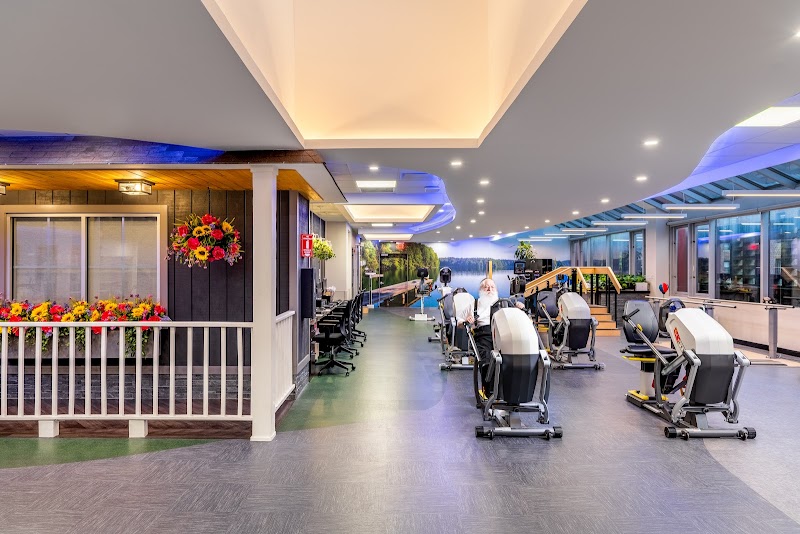
How is Boro Park Center For Rehabilitation And Healthcare Staffed?

CMS rates BORO PARK CENTER FOR REHABILITATION AND HEALTHCARE's staffing level at 2 out of 5 stars, which is below average compared to other nursing homes. Staff turnover is 20%, compared to the New York average of 46%. This relatively stable workforce can support continuity of care.

What Have Inspectors Found at Boro Park Center For Rehabilitation And Healthcare?

State health inspectors documented 18 deficiencies at BORO PARK CENTER FOR REHABILITATION AND HEALTHCARE during 2019 to 2024. These included: 18 with potential for harm.

Who Owns and Operates Boro Park Center For Rehabilitation And Healthcare?

BORO PARK CENTER FOR REHABILITATION AND HEALTHCARE is owned by a for-profit company. For-profit facilities operate as businesses with obligations to shareholders or private owners. The facility is operated by CENTERS HEALTH CARE, a chain that manages multiple nursing homes. With 510 certified beds and approximately 489 residents (about 96% occupancy), it is a large facility located in BROOKLYN, New York.

How Does Boro Park Center For Rehabilitation And Healthcare Compare to Other New York Nursing Homes?

Compared to the 100 nursing homes in New York, BORO PARK CENTER FOR REHABILITATION AND HEALTHCARE's overall rating (2 stars) is below the state average of 3.1, staff turnover (20%) is significantly lower than the state average of 46%, and health inspection rating (2 stars) is below the national benchmark.

What Should Families Ask When Visiting Boro Park Center For Rehabilitation And Healthcare?

Based on this facility's data, families visiting should ask: "Can you walk me through typical staffing levels on day, evening, and night shifts?" "Can I visit during a mealtime to observe dining assistance and food quality?" "How do you handle medical emergencies, and what is your hospital transfer rate?" "Can I speak with family members of current residents about their experience?" These questions are particularly relevant given the below-average staffing rating.

Is Boro Park Center For Rehabilitation And Healthcare Safe?

Based on CMS inspection data, BORO PARK CENTER FOR REHABILITATION AND HEALTHCARE has a clean safety record: no substantiated abuse findings (meaning no confirmed cases of resident harm), no Immediate Jeopardy citations (the most serious violation level indicating risk of serious injury or death), and is not on the Special Focus Facility watch list (a federal program monitoring the lowest-performing 1% of nursing homes). The facility has a 2-star overall rating and ranks #100 of 100 nursing homes in New York. While no facility is perfect, families should still ask about staff-to-resident ratios and recent inspection results during their visit.

Do Nurses at Boro Park Center For Rehabilitation And Healthcare Stick Around?

Staff at BORO PARK CENTER FOR REHABILITATION AND HEALTHCARE tend to stick around. With a turnover rate of 20%, the facility is 26 percentage points below the New York average of 46%. Low turnover is a positive sign. It means caregivers have time to learn each resident's needs, medications, and personal preferences. Consistent staff also notice subtle changes in a resident's condition more quickly. Registered Nurse turnover is also low at 25%, meaning experienced RNs are available to handle complex medical needs.

Was Boro Park Center For Rehabilitation And Healthcare Ever Fined?

BORO PARK CENTER FOR REHABILITATION AND HEALTHCARE has no federal fines on record. CMS issues fines when nursing homes fail to meet care standards or don't correct problems found during inspections. The absence of fines suggests the facility has either maintained compliance or corrected any issues before penalties were assessed. This is a positive indicator, though families should still review recent inspection reports for the full picture.

Is Boro Park Center For Rehabilitation And Healthcare on Any Federal Watch List?

BORO PARK CENTER FOR REHABILITATION AND HEALTHCARE is not on any federal watch list. The most significant is the Special Focus Facility (SFF) program, which identifies the bottom 1% of nursing homes nationally based on persistent, serious quality problems. Not being on this list means the facility has avoided the pattern of deficiencies that triggers enhanced federal oversight. This is a positive indicator, though families should still review the facility's inspection history directly.