BROOKLYN CTR FOR REHAB AND RESIDENTIAL HEALTH CARE
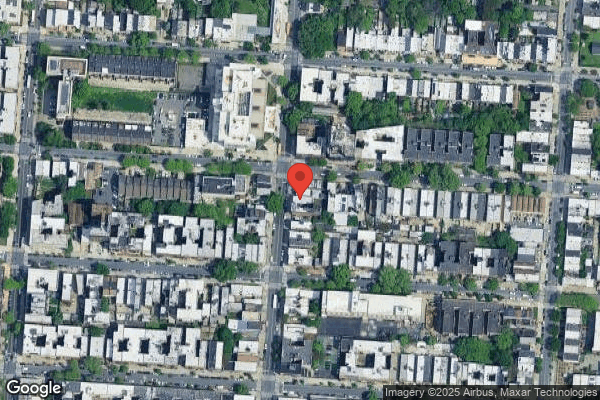

170 BUFFALO AVENUE, BROOKLYN, NY 11213 (718) 252-9800
For profit - Limited Liability company 281 Beds CENTERS HEALTH CARE Data: November 2025
Trust Grade
40/100
#482 of 594 in NY
Last Inspection: November 2023

Within standard 12-15 month inspection cycle. Federal law requires annual inspections.

Overview

Brooklyn Center for Rehab and Residential Health Care has a Trust Grade of D, indicating below-average conditions with some concerns. Ranking #482 out of 594 facilities in New York places them in the bottom half, and #38 out of 40 in Kings County suggests that there are only two local options that are worse. The facility's trend is worsening, with issues increasing from 9 in 2021 to 13 in 2023. Staffing is a strength, with a turnover rate of 34%, which is better than the state average, but RN coverage is concerning, being lower than 91% of facilities in New York. Specific incidents include problems with food safety, such as expired milk found in the refrigerator, and residents being unaware of how to contact the Ombudsman or access survey results, highlighting issues with communication and care standards. Overall, while there are some strengths in staffing, significant weaknesses in care practices and transparency raise concerns for potential residents and their families.

Trust Score
D
40/100
In New York
#482/594
Bottom 19%
Safety Record
Low Risk
No red flags
Inspections
Getting Worse
9 → 13 violations
Staff Stability
○ Average
34% turnover. Near New York's 48% average. Typical for the industry.
Penalties
✓ Good
No fines on record. Clean compliance history, better than most New York facilities.
Skilled Nurses
⚠ Watch
Each resident gets only 22 minutes of Registered Nurse (RN) attention daily — below average for New York. Fewer RN minutes means fewer trained eyes watching for problems.
Violations
⚠ Watch
28 deficiencies on record. Higher than average. Multiple issues found across inspections.
★☆☆☆☆
1.0
Overall Rating
★☆☆☆☆
1.0
Staff Levels
★★★★☆
4.0
Care Quality
★★☆☆☆
2.0
Inspection Score
Stable
2021: 9 issues
2023: 13 issues

The Good

  • 4-Star Quality Measures · Strong clinical quality outcomes
  • Full Sprinkler Coverage · Fire safety systems throughout facility
  • No fines on record
  • Staff turnover below average (34%)

    14 points below New York average of 48%

Facility shows strength in quality measures, fire safety.

The Bad

1-Star Overall Rating

Below New York average (3.0)

Significant quality concerns identified by CMS

Staff Turnover: 34%

12pts below New York avg (46%)

Typical for the industry

Chain: CENTERS HEALTH CARE

Part of a multi-facility chain

Ask about local staffing decisions and management

The Ugly 28 deficiencies on record

Nov 2023 13 deficiencies
CONCERN (D) 📢 Someone Reported This

A family member, employee, or ombudsman was alarmed enough to file a formal complaint

Potential for Harm - no one hurt, but risky conditions existed

Resident Rights (Tag F0550)

Could have caused harm · This affected 1 resident

**NOTE- TERMS IN BRACKETS HAVE BEEN EDITED TO PROTECT CONFIDENTIALITY** Based on record review and interviews conducted during the Recertification & Complaint (NY00321990) survey from 10/26/2023 to 11...

Read full inspector narrative →
**NOTE- TERMS IN BRACKETS HAVE BEEN EDITED TO PROTECT CONFIDENTIALITY** Based on record review and interviews conducted during the Recertification & Complaint (NY00321990) survey from 10/26/2023 to 11/2/2023, the facility did not ensure the resident's right to a dignified existence. This was evident for 1 (Resident #59) out of 40 total sampled residents. Specifically, Resident # 59 was not provided their own personal clothes to wear for an entire weekend after their re-admission to the facility. The findings are: There was no facility policy that documented when the facility provides the personal items including the personal clothes back to a resident upon their re-admission to the facility to ensure the resident shall be cared for in a manner promoting and enhancing quality of life, dignity, respect, and individuality. Resident #59 had diagnoses which included Cerebral Infarction, Depression, and Unspecified Dementia. The Quarterly Minimum Data Set 3.0 (MDS) assessment dated [DATE] documented Resident #59 had severely impaired cognition, did not reject care, and required extensive assistance with of one staff for dressing. The Annual MDS dated [DATE] documented it was somewhat important for Resident #59 to choose clothes to wear. The complainant Intake Information form with a received date of 8/14/23 documented that the concern occurred on 8/11/23. The complainant reported the hospital called and informed them that Resident #59 was transported back to the facility at 12:30 PM on Friday. The complainant further reported their family member visited Resident #59 on 8/11/23 and observed Resident #59 was in bed with no clothes and no clothes were in the closet. The complainant reported the family member spoke to RN #1 and was informed Resident #59 could not have clothes until Monday as only the housekeeping staff had keys to storage room. The admission or Incoming Personal Property Lists dated 11/25/20 to 7/13/22 documented Resident #59 had 2 sweaters, 5 sweatshirts, 6 sweatpants, 4 T-shirts, 5 under wear, 7 socks, 2 blankets, 1 pajama, and 1 pair of shoes. A black marble notebook labeled storage located in the lower level storage room area of the facility documented that Resident #59 had 1 bag of personal items stored in the room on 8/10/23 (Thursday) and the bag was returned to Resident #59 on 8/14/23 (Monday). The Environmental Services Department duty sheet dated 8/12/23 and 8/13/23 documented Housekeeping Aide #1 and Housekeeping Aide #2 were working on Saturday 8/12/23 and Sunday 8/13/23 respectively and covered the B2 level where the storage room was located. The nursing note dated 8/11/23 at 3:17 PM (Friday) documented that Resident #59 was re-admitted to the facility from the hospital. There was no documented evidence that Resident #59's personal clothing was returned on re-admission day 8/11/23 (Friday) or over the weekend, which would have allowed Resident #59 to dress in personal clothes as was their preference and ensure a dignified existence for the resident. On 10/27/23 at 05:19 PM, Registered Nurse (RN) #1 who was also the nurse supervisor for evening shift working on Wed, Fri, Sat, and Sun; was interviewed and stated the assigned Certified Nursing Assistant (CNA) packed the resident's personal belongings, labeled them, and gave them to the housekeeping staff for storage when the resident was admitted to the hospital. RN #1 also stated the process was the opposite when a resident was re-admitted to the facility. The housekeeping staff picked up the packed resident's belongings from the storage room and the CNA gave them back to the resident. RN #1 stated the Director of Housekeeping had the keys for the 2 storage rooms and they worked from 9 AM to 5 PM during the weekdays. RN #1 also stated they had master key to open the 2 storage rooms if needed, and housekeeping staff was able to pick up the resident's belongings when the Director of Housekeeping was not in the facility. RN #1 stated they remembered Resident #59 as the resident had been at the facility for years. RN #1 also stated they did not remember a representative of Resident # 59 speaking to them regarding Resident #59's clothing in August 2023 after Resident #59 was readmitted . The RN #1 further stated Resident #59 was not left in bed without wearing clothes since their re-admission to the facility on 8/11/23. The RN #1 had no explanation where Resident #59's clothes were which the storage book documented were returned to Resident #59 on 8/14/23. On 10/30/23 at 10:29 AM, the Director of Housekeeping (DH) was interviewed and stated the housekeeping staff put the resident's name, room number, and number of bags in the book in the storage room located at level B2 after the CNA packed the resident's personal belongings for resident's hospitalization. The DH also stated they brought the resident's personal items back to the unit after the unit charge nurse notified them the resident was re-admitted . The DH stated one housekeeping staff is on duty and had the keys to the storage room for the day shift and the security had the key for the evening shift after 5 PM for the weekdays and the whole day for the weekends and holiday. The housekeeping staff for the evening (3 PM to 11 PM) and night shift (11 PM to 7 AM) go to the security for the key to storage room if needed. The DH stated they had a book in the storage room documented the resident's name, room number, number of bags and when the bags were stored and returned back to the resident. On 10/30/23 at 12:46 PM, the Housekeeping Aide (HA) #1 was interviewed and stated they work from 7 AM to 3 PM every Sat and Sun. HA #1 also stated they had the key to the storage room and left with the security staff when they left the facility. HA #1 further stated they worked on Sat 8/12/23, covered the B2 level where the storage room was, and no one called them to pick up Resident #59's person items from the storage room On 10/30/23 at 12:52 PM, Housekeeping Aide (HA) #2 was interviewed and stated they work every other Sunday from 7 AM to 3 PM. HA #2 also stated they were assigned to cover B2 level where the storage room located and had a key to it on 8/13/23. HA #2 further stated they did not recall any staff calling them to get Resident # 59's personal items from the storage room on 8/13/23 On 10/30/23 at 02:21 PM, the Director of Nursing (DNS) was interviewed and stated the unit charge nurse is supposed to notify the housekeeping staff to bring the resident's personal items back to the unit when the resident was re-admitted to the facility. The DNS also stated the unit charge nurses were all in-serviced for this procedure and should know the housekeeping staff were available 7 days a week and had access to the storage room. The DNS was not able to explain why Resident # 59 did not have their personal clothes back upon readmission on Friday 8/11/23 and had to wait until Monday on 8/14/23. 415.5(a)
CONCERN (D)

Potential for Harm - no one hurt, but risky conditions existed

Deficiency F0553 (Tag F0553)

Could have caused harm · This affected 1 resident

**NOTE- TERMS IN BRACKETS HAVE BEEN EDITED TO PROTECT CONFIDENTIALITY** Based on record review and interviews conducted during the Recertification survey completed from 10/26/23 through 11/2/23, the f...

Read full inspector narrative →
**NOTE- TERMS IN BRACKETS HAVE BEEN EDITED TO PROTECT CONFIDENTIALITY** Based on record review and interviews conducted during the Recertification survey completed from 10/26/23 through 11/2/23, the facility did not ensure that each resident was offered the opportunity to participate in the review of their Comprehensive Care Plans (CCP). This was evident for 2 out of 3 residents reviewed for Care Planning out of a sample of 40 residents. Specifically, Resident #89 and Resident #269 were not invited to participate in their care plan meeting. The findings are: The facility policy and procedure titled Care Plan last revised 10/2019, documented as follows: The Interdisciplinary Team (IDT:), in conjunction with the resident and his/her family or legal representative, develops and implements a comprehensive, person-centered care plan for each resident. 1.Resident #89 was admitted with diagnoses that included Dementia, Hypertension, and Coronary Artery Disease. The admission Minimum Data Set (MDS) dated [DATE] documented that Resident #89 was moderately cognitively impaired with a Brief Interview for Mental Status (BIMS) score of 12, required extensive assistance with most Activities of Daily Living. The MDS also documented resident independently participated in the assessment and goal setting process. On 10/26/23 at 10:39 AM, an interview was conducted with the Resident #89 who stated that they had not been invited to participate in care planning meetings and to discuss discharge to the community. The progress notes, the care plan invitation binder, and the meeting schedule contained no documented evidence that Resident #89 had been invited to or participated in care plan meetings. 2.Resident #269 is diagnosed with Major Depressive Disorder and Anxiety Disorder. The admission MDS dated [DATE] documented that Resident # 269 was moderately cognitively impaired with a Brief Interview for Mental Status (BIMS) score of 12. On 10/26/23 at 02:09 PM, an interview was conducted with the Resident #269 who stated that they had been at the facility for almost 7 weeks and had not been invited to care planning meetings even after expressing an interest in discussing discharge to the community. The progress notes, the care plan invitation binder, and the meeting schedule contained no documented evidence that Resident #269 had been invited to or participated in any care plan meetings. On 10/31/23 at 11:01 AM, an interview was conducted with the Director of Social Work (DSW) who stated that at this time they are responsible for completing the Minimum Data Set (MDS) and Comprehensive Care Plans for all residents. Residents are invited to care plan meetings by written invitation, phone calls are made to the family members. This information is documented in progress notes and the signed invitations are kept in the invitation binder. State Surveyor reviewed the medical record with the DSW who acknowledged that there was no invitation for meetings in the record and no documentation that the care plan meeting was done and either resident was in attendance. On 11/01/23 at 03:22 PM, an interview was conducted with the Facility Administrator who stated that the facility ensures that there is resident and family involvement. Family gets written invitation notice in the mail and at minimum a phone call. Residents capable of attending are notified in-person and may get a written notice. A sign in sheet is created at the meeting and care plan notes are documented in the progress notes. Care planning has been a constant discussion, the Social Worker (SW) conducts audits and will determine which residents are due to be scheduled. The Facility Administrator also stated that they were not aware that there were residents who had not been invited to participate in care planning meetings. 415.5
CONCERN (D) 📢 Someone Reported This

A family member, employee, or ombudsman was alarmed enough to file a formal complaint

Potential for Harm - no one hurt, but risky conditions existed

Notification of Changes (Tag F0580)

Could have caused harm · This affected 1 resident

**NOTE- TERMS IN BRACKETS HAVE BEEN EDITED TO PROTECT CONFIDENTIALITY** Based on record reviews and interviews during the Recertification and abbreviated survey (NY00310538 from 10/26/23 to 11/2/23, t...

Read full inspector narrative →
**NOTE- TERMS IN BRACKETS HAVE BEEN EDITED TO PROTECT CONFIDENTIALITY** Based on record reviews and interviews during the Recertification and abbreviated survey (NY00310538 from 10/26/23 to 11/2/23, the facility did not ensure that a resident's representative was immediately notified of the presence of a Stage 3 sacrum ulcer. In addition, the resident's representative was not notified when a Stage 3 sacrum pressure ulcer reopened on June 29, 2023. This was evident for 1 of 1 resident reviewed for Notification of Change (Resident #105). The findings are: The facility's policy titled Change in Resident's Condition last revised 05/2019 documented the nurse will notify the resident's representative when there is a significant change in the resident's physical, mental, or psychosocial status. Notifications will be made within twenty-four (24) hours of a change occurring in the resident's medical/mental condition or status. Resident #105 was initially admitted to the facility with diagnoses that included Alzheimer's disease, Diabetes Mellitus, and Malnutrition. The Quarterly Minimum Data Set (MDS) assessment dated [DATE] documented that Resident #105 was severely cognitively impaired, required extensive assist for bed mobility, was totally dependent on two staff for transfer, and had one Stage 3 pressure ulcer. The Nursing readmission assessment dated [DATE] documented the resident had a Stage 3 sacrum ulcer with Pressure: Length of 4 cm, Width of 3.5 cm and Depth of 0.1 cm. The Nursing note dated 06/29/23 documented the previously healed sacral pressure wound reopened. On 10/13/23 the complainant reported to the DOH complaint hotline that it was discovered that Resident #105 had a Stage 4 sacrum ulcer. The complainant further stated that the facility never informed the resident's representative that the resident had developed a sacrum ulcer. There was no documented evidence that the resident representatives were informed about the Stage 3 sacrum ulcer upon re-admission or when the wound reopened in June 2023. On 10/31/23 at 11:38 AM, Registered Nurse (RN) #2 stated that the resident was readmitted on [DATE] with a Stage 3 sacrum ulcer. The sacrum ulcer healed in May 2023 and reopened again in June 2023. RN #2 also stated that they notify families of any change in a resident's condition immediately. The Wound Doctor would notify the family of new wounds or if the wounds get worsen. RN #2 further stated that they are not sure if the facility notified the residents' family in June 2023 when the sacrum ulcer re-opened. There was no notification to family upon admission and when the sacral wound re-opened. Notification of change is done immediately and upon readmission. RN #2 stated that there was no documentation that the family was informed of the sacrum ulcer. On 10/31/23 at11:59 AM, the Wound Care Nurse (WCN) stated that the family was contacted about the sacrum ulcer upon admission and when the wound re-opened. The sacrum ulcer closed on 5/31/23. The wound re-opened on 6/29/23. The WCN also stated that the Wound Care Doctor would usually contact the resident's family member. The WCN further stated that they usually tell the family upon admission if a resident has a wound and when they saw the wound in June 2023, the wound was not closed internally. The WCN stated that the Wound Care Doctor saw the resident on 6/30/23 due to the re-opening of the sacral ulcer. On 11/02/23 at 11:16 AM, the Assistant Director of Nursing (ADNS) stated if there any changes in condition, we have to notify the resident's family and inform them of all changes immediately. If the resident's representative is not available, we leave a message and ask the family to call back. The Attending Doctor would also notify the family. The ADNS also stated that if the Doctor did not notify the family, the Nurse Manager on duty would notify the family. On 11/02/23 at 11:40 AM, the Director of Nursing (DON) stated that the policy is that they are to notify the family of any changes in condition immediately. If a resident was admitted with a wound, the admission nurse or the Nurse Manager must inform the resident's representative immediately. If there are any changes in medications, the Doctor and the Nurse are responsible for notifying the family. The DNS also stated that they have a wound notification protocol and all families are supposed to be notified of any wounds upon discovery. The DNS further stated that the admission nurse or the wound care nurse should notify the family right away. 415.3(e)(2)(ii)(c)
CONCERN (D) 📢 Someone Reported This

A family member, employee, or ombudsman was alarmed enough to file a formal complaint

Potential for Harm - no one hurt, but risky conditions existed

Report Alleged Abuse (Tag F0609)

Could have caused harm · This affected 1 resident

**NOTE- TERMS IN BRACKETS HAVE BEEN EDITED TO PROTECT CONFIDENTIALITY** Based on interview and record review conducted during a Recertification and Complaint (NY00318699) survey from 10/26/2023 to 11/...

Read full inspector narrative →
**NOTE- TERMS IN BRACKETS HAVE BEEN EDITED TO PROTECT CONFIDENTIALITY** Based on interview and record review conducted during a Recertification and Complaint (NY00318699) survey from 10/26/2023 to 11/2/2023, the facility did not ensure an incident involving a confused resident being unsupervised for about 2 hours in the community was reported to the State Survey Agency. This was evident for 1 (Resident # 18) out of 5 residents reviewed for Accidents out of a sample of 40 residents. Specifically, the facility did not report to the New York State Department of Health (NYSDOH) that Resident #18 was picked up by transportation, left the facility without staff escort, and was dropped off by the transportation on the hospital campus without any staff supervision. The findings include: The facility policy titled Accident - Incident with creation date 11/2013 and last date revised 7/2023 documented an incident is any occurrence not consistent with the routine operation of the center, normal care of the resident a happening involving visitors, malfunctioning equipment, or observation of a condition which might be a safety hazard. It also documented these occurrences must be evaluated and investigated. It further documented the Director of Nursing and Admin are responsible to review incident, investigation, and conclusion to determine if incident requires reporting to outside agencies such as DOH, OIG, CMS etc. Resident #18 had diagnoses which included Cerebral infarction, Altered Mental Status, and Unspecified speech disturbances. The admission Minimum Data Set 3.0 (MDS) dated [DATE] documented Resident #18 had moderately impaired cognition with a Brief Interview for Mental Status (BIMS) score of 10, did not walk, and required total care for locomotion. The complainant reported on 6/20/23 they were working at the Emergency Department (ED) of [NAME] County Hospital. Resident #18 was found sitting in a wheelchair and unsupervised on the hospital campus by a hospital Security Officer. The hospital Security Officer took Resident #18 to the ED for safety. Resident #18 was not able to communicate. The ED staff contacted Resident #18's family member by looking up the name on Resident #18's wrist band and then called the facility to pick up Resident #18. The Residents Clinical Appointments sheet located at the security station dated June 20, 2023, documented Resident #18 was to be picked up by the transportation for a dental appointment at 6:30 AM for an appointment at 7:30 AM. It also documented Resident #18 left the facility at 6:33 AM and returned at 9:45 AM. The facility's incident list from [DATE] - [DATE], documented Resident #18 had an incident happened during the 7AM-3PM shift at 12:00 PM on 6/21/23. The incident type was Other and the detail type was New Type. The Accident/Incident Statement Form completed by the Home Health Aide (HHA) dated 6/21/23 documented they were assigned to escort Resident #18 to a dental appointment on 6/20/23. The pickup time was 6:30 AM. The HHA documented they clocked in at 6:28 AM. The HHA also documented Resident #18 was not in the room upon their arrival. The HHA further documented they were instructed to take a taxi to the hospital to look for Resident #18. The HHA documented they met Resident #18 at the ED of the hospital, missed the dental appointment, and escorted Resident #18 back to the facility. The Accident/Incident Statement Form completed by Security Officer #2 dated 6/21/23 documented they were on duty when Resident #18 came down with a staff member for transportation to a community clinical appointment. The statement also documented that the transportation driver placed Resident #18 inside the van, the staff member came back into the facility, and the van left with Resident #18 unescorted. The document titled Full QA Report by the facility dated 6/21/23 documented the incident happened on 6/21/23. Resident #18 had an appointment at the hospital, was placed in the transportation vehicle, and the driver left without waiting for the escort. The assigned escort HHA went to the hospital campus, found Resident #18 and escorted Resident #18 back to the facility. The report also documented that the Administrator, Director of Nursing, and Assistant Director of Nursing were notified of the incident on 6/21/23 at 12:00 PM. On 10/30/23 at 11:56 AM, Registered Nurse (RN) #6, also the Unit Manager, was interviewed and stated they reported this incident to the Director of Nursing immediately after they were made aware of it. On 10/31/23 at 12:42 PM, the Director of Nursing (DNS) was interviewed and stated they did not know exactly what happened on 6/20/23 and that Resident #18 left the facility with transportation and without a staff to escort them. The DNS also stated Resident #18 was confused and it was not safe for the resident to be left alone in the community. The DNS further stated Resident #18 was not supervised by any facility staff for about 2 hours after Resident #18 left the facility. The DNS stated the Unit Manager notified them of the incident, and they did not report this incident to DOH as they did not know they had to report it. The DNS further stated it would primarily be their responsibility to report the incident to DOH. On 10/31/23 at 12:56 PM, the Administrator was interviewed and stated the DNS and themselves have access to the Health Commerce System for reporting incidents to DOH. The Administrator also stated that the DNS was the staff to report an incident to the DOH. The Administrator further stated they did not report this incident to DOH as they thought they did not have to report this incident as Resident #18 was not injured. 415.4 (b)(2)
CONCERN (D) 📢 Someone Reported This

A family member, employee, or ombudsman was alarmed enough to file a formal complaint

Potential for Harm - no one hurt, but risky conditions existed

Investigate Abuse (Tag F0610)

Could have caused harm · This affected 1 resident

**NOTE- TERMS IN BRACKETS HAVE BEEN EDITED TO PROTECT CONFIDENTIALITY** Based on interview and record review conducted during a Recertification and Complaint (NY00318699) survey from 10/26/2023 to 11/...

Read full inspector narrative →
**NOTE- TERMS IN BRACKETS HAVE BEEN EDITED TO PROTECT CONFIDENTIALITY** Based on interview and record review conducted during a Recertification and Complaint (NY00318699) survey from 10/26/2023 to 11/2/2023, the facility did not ensure an incident involving a confused resident being unsupervised for about 2 hours in the community was thoroughly investigated. This was evident for 1 (Resident #18) out of 5 residents reviewed for Accidents. Specifically, the facility did not obtain the statement from the LPN #1 who took Resident #18 down to the transportation and left the resident unattended by facility staff and complete an incident report thoroughly. The findings include: The facility policy titled Accident - Incident with creation date 11/2013 and last date revised 7/2023 documented an incident is any occurrence not consistent with the routine operation of the center, normal care of the resident a happening involving visitors, malfunctioning equipment, or observation of a condition which might be a safety hazard. It also documented these occurrences must be evaluated and investigated. Resident #18 had diagnoses which included Cerebral infarction, Altered Mental Status, and Unspecified speech disturbances. The admission Minimum Data Set 3.0 (MDS) dated [DATE] documented Resident #18 had moderately impaired cognition with a Brief Interview for Mental Status (BIMS) score of 10, did not walk, and required total care for locomotion. The complainant reported on 6/20/23 they were working at the Emergency Department (ED) of [NAME] County Hospital. Resident #18 was found sitting in a wheelchair and unsupervised on the hospital campus by a hospital Security Officer. The hospital Security Officer took Resident #18 to the ED for safety. Resident #18 was not able to communicate. The ED staff contacted Resident #18's family member by looking up the name on Resident #18's wrist band and then called the facility to pick up Resident #18. The Residents Clinical Appointments sheet located at the security station dated June 20, 2023, documented Resident #18 was to be picked up by the transportation for a dental appointment at 6:30 AM for an appointment at 7:30 AM. It also documented Resident #18 left the facility at 6:33 AM and returned at 9:45 AM. The facility's incident list from [DATE] - [DATE], documented Resident #18 had an incident happened during the 7AM-3PM shift at 12:00 PM on 6/21/23. The incident type was Other and the detail type was New Type. The Accident/Incident Statement Form completed by the Home Health Aide (HHA) dated 6/21/23 documented they were assigned to escort Resident #18 to a dental appointment on 6/20/23. The pickup time was 6:30 AM. The HHA documented they clocked in at 6:28 AM. The HHA also documented Resident #18 was not in the room upon their arrival. The HHA further documented they were instructed to take a taxi to the hospital to look for Resident #18. The HHA documented they met Resident #18 at the ED of the hospital, missed the dental appointment, and escorted Resident #18 back to the facility. The Accident/Incident Statement Form completed by Security Guard #2 dated 6/21/23 documented they were on duty when Resident #18 came down with a staff member for transportation to a community clinic appointment. The statement also documented that the transportation driver placed Resident #18 inside the van, the staff member came back into the facility, and the van left with Resident #18 unescorted. The document titled Full QA Report by the facility dated 6/21/23 documented the incident happened on 6/21/23. Resident #18 had an appointment at the hospital, was placed in the transportation vehicle, and the driver left without waiting for the escort to arrive. The HHA assigned to escort the resident went to the hospital campus, found Resident #18 and escorted Resident #18 back to the facility. The report also documented that the Administrator, Director of Nursing, and Assistant Director of Nursing were notified of the incident on 6/21/23 at 12:00 PM. There was no documented evidence that a statement was obtained from the Licensed Practical Nurse (LPN) who took Resident #18 from the unit to the transportation pickup area on 6/20/23. There was also no documented evidence that an investigation report had been completed. A Quality Assurance report was completed which contained no investigation, documentation of whether abuse or neglect occurred and identification of interventions to prevent a similar incident from re-occurring. On 10/31/23 at 08:22 AM, Licensed Practical Nurse (LPN) #1 was interviewed and stated they usually work on the night shift. LPN #1 also stated that on 6/20/23 they took Resident #18 down to the lobby when they did not see the HHA on the unit when it was time for the resident's clinic appointment. LPN #1 further stated they were supposed to meet the escorting HHA in the lobby and there was some miscommunication because they did not see the HHA in the lobby. LPN #1 stated they left Resident #18 with another staff to wait for the HHA and returned to the unit. LPN #1 also stated they could not recall which staff they left Resident #18 with at that time. LPN #1 stated that Resident #18 was confused and had to be escorted by a staff all the time for safety. LPN #1 further stated they were not aware the driver left the facility with Resident #18 without escort. LPN #1 stated they did not provide and had not been asked to provide a statement regarding the incident. On 10/30/23 at 11:56 AM, the Registered Nurse (RN) # 6, also the Unit Manager, was interviewed and stated they reported this incident to the Director of Nursing immediately after they were aware of it. On 10/31/23 at 12:42 PM, the Director of Nursing (DNS) was interviewed and stated they did not know exactly what happened on 6/20/23 except that Resident #18 left the facility with transportation without a staff to escort them. The DNS also stated Resident #18 was confused and was not safe to be alone in the community. The DNS further stated Resident #18 was not supervised by any facility staff for about 2 hours after Resident #18 left the facility. The DNS stated the facility investigation only had the employee statements from the CNA assigned to the Resident #18, the HHA assigned to escort Resident #18, and the security officer on duty at the time the incident happened. The DNS also stated they did not obtain statements from LPN # 1 or the driver who picked up Resident #18. The DNS further stated the incident was not thoroughly investigated and there was no intervention to prevent similar incident from happening again. 415.4(b)(3)
CONCERN (D) 📢 Someone Reported This

A family member, employee, or ombudsman was alarmed enough to file a formal complaint

Potential for Harm - no one hurt, but risky conditions existed

Quality of Care (Tag F0684)

Could have caused harm · This affected 1 resident

**NOTE- TERMS IN BRACKETS HAVE BEEN EDITED TO PROTECT CONFIDENTIALITY** Based on observation, record review and staff interview conducted during the Recertification and complaints survey (# NY00317301...

Read full inspector narrative →
**NOTE- TERMS IN BRACKETS HAVE BEEN EDITED TO PROTECT CONFIDENTIALITY** Based on observation, record review and staff interview conducted during the Recertification and complaints survey (# NY00317301), the facility did not ensure that residents receive treatment and care in accordance with professional standards of practice, the comprehensive person-centered care plan, and the residents' choices. This was evident for 1 of 2 residents reviewed for Insulin out of 40 sampled 40 residents. Specifically, Resident #236 admitted with a diagnosis of Diabetes Mellitus had no documented evidence of receiving medication management after 5/18/2023. There was no documented evidence fingerstick were monitored after 8/3/2023, or that insulin coverage was administered for finger sticks over 200mg/dL on multiple occasions, while multiple medical progress notes documented the resident was prescribed insulin and was receiving medication for diabetes. The finding is: The facility Policy titled Diabetes Mellitus Guidelines dated last reviewed 1/2023 documented to assist the resident establish a balance between Diet, exercise, and insulin. The policy further stated recognize, treat, or prevent complications related to Diabetes. Resident #236 admitted with diagnosis including Heart Failure, Chronic Kidney Disease and Diabetes mellitus (DM). The Quarterly Minimum Data Set (MDS) 3.0 assessment dated [DATE] documented resident as cognitively intact, and required limited to extensive assistance of one person for all Activity of Daily Living (ADL) tasks. The MDS also documented the resident had a diagnosis of Diabetes Mellitus. On 10/31/23 at 12:09 PM, during the Initial Pool interview, Resident #236 stated that when they came back from the hospital on [DATE] no fingerstick was done and no insulin was given, as the staff kept saying there were no orders for that. Resident #236 also stated they have been diagnosed with diabetes since 1998 and staff was not helping to keep track of her condition. Resident #236 further stated they have always received medications for diabetes. The Comprehensive Care Plan titled Resident has Diabetes Mellitus created 01/26/2023 with last evaluation note dated 9/18/2023 had interventions which included monitor for signs/symptoms of hyperglycemia (increased blood sugar), administer medications per Medical Doctor (MD) orders, monitor blood glucose finger stick per MD orders, monitor for effectiveness of medications given, and monitor for signs/symptoms of hypoglycemia (decreased blood sugar). The Medical progress notes dated 05/23/2023, 06/08/2023, 07/07/2023 and 10/13/2023 documented a medication list which included Levemir Flex Pen Solution Pen-injector 100 UNIT/ML, Inject 5 unit subcutaneously at bedtime for DM, 100UNIT/ML effective 01/27/2023, Insulin Aspart, NovoLog Flex Pen Subcutaneous Solution Pen-injector 100 UNIT/ML, with a sliding scale for administration effective 01/27/2023 and Glipizide Tablet 5 MG, Give 1 tablet by mouth two times a day for diabetes which were active 3/30/2023. There were no stop dates documented for any of the medications. The Medical progress notes dated 07/4/2023, 08/18/2023, 08/16/2023, 08/10/2023, 09/26/2023 and 10/11/2023 documented a medication list which included Insulin Detemir, Levemir Flex Pen inject 5 unit subcutaneously at bedtime for DM which was active from 1/27/2023, Glipizide Tablet 5 MG, Give 1 tablet by mouth two times a day for diabetes, 5MG, Active 3/30/2023, Insulin Aspart, NovoLog Flex Pen Subcutaneous Solution Pen-injector 100 UNIT/ML with a sliding scale which was active from 01/27/2023. There was no end date documented for any of the medications listed. Medication Administration Record (MAR) dated April 2023 documented order for Levemir 5 mg which was changed to Lantus 5 mg at bedtime on 2/6/2023 and Novolog as per sliding scale which was changed to Humalog was discontinued on 04/03/2023. The MAR dated May 2023 documented order for Glipizide 5 mg tablets twice daily which was last administered on 5/17/2023 and discontinued on 5/18/2023. The MAR further documented the resident's fingerstick was over 200mg/dL seven (7) times from 5/18/2023 with range 207 mg/dl to 289 mg/dL MAR dated June 2023 documented resident fingerstick was over 200mg/dL over 23 times with ranges 202 mg/dl to 298 mg/dL. MAR dated July 2023 documented the resident fingerstick was 200 mg/dl over 11 times with range 201 mg/dl to 288 mg/dL. MAR dated August 2023 documented resident had order for fingerstick four times daily and at bedtime which was discontinued on 8/10/2023 and changed to three times a week on starting 8/11/2023 before being discontinued completely on 8/21/2023. Resident fingerstick was over 200 mg/dL on one time occasion. The MAR dated September 2023 and October had no documented evidence that Resident #236 had a physician order for insulin, no documented order for hypoglycemics, and no documented order for fingerstick. The MARs dated May 18th, 2023, through October 2023 had no documented evidence resident was receiving any diabetic medications. There was also no documented evidence that Resident #236 received insulin coverage and or oral hypoglycemics for a finger stick over 200mg/dL. Review of MAR documented all insulin was discontinued on 4/3/2023 and Glipizide 5 mg tablets was last administered on 5/17/2023 and discontinued on 5/18/2023. Physician orders last reviewed 10/26/2023 contained no orders for diabetes medication or blood glucose monitoring by fingerstick. The Lab Results Report with a collection date of 03/15/23 documented a Hemoglobin A1c (a blood test that shows blood sugar level over the past three months) result of 5.6%. The Lab Results Report with a collection date of 10/27/2023, completed during the survey, documented a Hemoglobin A1c result of 6.3%. There was no documented evidence that the Hemoglobin A1c had been monitored every three months. There was no documented evidence that Resident # 236 received oral hypoglycemics or insulin coverage for blood glucose levels above 200mg/dL after 5/18/2023. On 10/31/23 at 08:37 AM, an interview was conducted with the Assistant Director of Nursing (ADON) who stated that Resident #236 was admitted in January and can be very difficult at times. The ADON also stated that the resident has a diagnosis of Diabetes and the blood glucose is well controlled staying under 200 most of the time. Resident #236 was admitted on Levemir, but this was discontinued in January. The ADON further stated the resident's blood sugar levels are within normal and not over 200mg/dL and based on the hemoglobin A1c result finger sticks was discontinued. The ADON stated that the resident was being monitored by fingerstick and did not need medications as their diabetes was controlled. The ADON also stated that they were not aware of the physician's notes documenting that the resident was receiving medications for diabetes and they were also not aware that the resident had multiple fingerstick readings over 200mg/dL. On 10/31/23 at 02:53 PM, an interview was conducted with Nurse Practitioner (NP) #2 who stated that they had been covering care for Resident #236 for the past two weeks as the Attending Doctor was on vacation. NP #2 stated the protocol for a resident with diabetes is to check the hemoglobin A1c, order finger sticks to see the trends, and if medications are needed will order after looking at the finger stick trends. NP #2 also stated finger sticks as well as medications depends on the Hemoglobin A1c result however every provider and every case is different. The NP #2 further stated they did see Resident #236 on 10/27/2023 but had not had a chance to review the lab results yet. The NP #2 stated that they were not sure when the medications mentioned in the medical notes were discontinued. On 11/01/23 at 10:04 AM, an interview was conducted with Physician Assistant (PA) #2 working under the Medical Director for the facility, and who is also the resident's Medical Doctor. PA #2 stated that Resident #236 was admitted on Levemir 5 units at bedtime and Novolog Insulin for coverage in January 2023. Levemir 5 mg was changed to Lantus 5 mg at bedtime and the Novolog was changed to Humalog at some point because of insurance coverage. PA #2 also stated the resident's hypoglycemic medication was discontinued by another provider who is no longer in the facility. PA #2 further stated that they last saw Resident #236 on 10/13/2023 and did document the resident was currently receiving Levemir at bedtime, insulin on a sliding scale and oral hypoglycemics, however this documentation is not reflective of what the resident is currently receiving but is prepopulated in the software. PA #2 had no response when asked if they check the resident's orders before writing progress notes and they stated that the resident had not verbalized any concerns to them regarding their diabetes management. PA #2 stated for the resident's age group and comorbidities, a Hemoglobin A1c of 7% will be a concern, and if given medications at this time the resident will be at risk for hypoglycemia. On 11/02/23 at 12:36 PM, an attempt to reach the Medical Director who is also Resident #236's Medical Doctor was unsuccessful. 415.12
CONCERN (D)

Potential for Harm - no one hurt, but risky conditions existed

Deficiency F0688 (Tag F0688)

Could have caused harm · This affected 1 resident

**NOTE- TERMS IN BRACKETS HAVE BEEN EDITED TO PROTECT CONFIDENTIALITY** Based on observations, interviews, and record review during the recertification and abbreviated survey conducted from 10/26/23 t...

Read full inspector narrative →
**NOTE- TERMS IN BRACKETS HAVE BEEN EDITED TO PROTECT CONFIDENTIALITY** Based on observations, interviews, and record review during the recertification and abbreviated survey conducted from 10/26/23 to 11/2/2023, the facility did not ensure that a resident with limited mobility received appropriate services and assistance to prevent further contractures. This was evident for 1 of 3 resident reviewed for Position/Mobility out of a sample of 40 residents. (Resident #66). Specifically, Resident #66, who had bilateral hand contractures, was observed without bilateral hand rolls in place as ordered. The findings are: Resident #66 was admitted with diagnoses that included Non-Alzheimer's Dementia, Cerebrovascular Accident, and Muscle Weakness. The Quarterly Minimum Data Set (MDS) assessment dated [DATE] documented that Resident #66 had severely impaired cognition, required dependent assistance of staff with most Activities of Daily Living (ADL) and . The MDS further documented the resident required total assistance of two plus persons for bed mobility, transfers, and toilet use, total assistance of one person for eating, and extensive assistance of one person for personal hygiene. The MDS further documented the resident had no limitation in range of motion in the upper extremities. A Comprehensive Care Plan (CCP) last updated 8/2/2023 documented Resident #66 has Adaptive Devices (Right and left handroll to be worn at all times. Remove for ROM hygiene and skin care. Goals included resident will wear adaptive device as scheduled through the next review date and resident skin will remain intact through the next review date. Interventions included assure proper placement and remove as scheduled, and check for any skin impairment and notify NP/MD. On 10/27/23 at 12:25 PM, Resident #66 was observed out of bed in a wheelchair in the dining area. Resident had bilateral hand contracture and bilateral hand rolls were not in place. On 10/30/23 at 08:32 AM, On 10/31/23 at 08:26 AM and at 10:30 AM, Resident #66 was observed lying in bed in no distress. There were no bilateral hand rolls observed in both hands. The Physician order dated 10/30/2023 documented Bilateral Hand roll to be worn at all times except skin checks, ROM, and hygiene. Monitor skin integrity. On 10/31/23 at 11:09 AM, Licensed Practical Nurse (LPN) #4 looked in the three-drawer bedside table, in the closet and closets drawers and wheelchair and was not able to locate hand rolls for the resident. LPN #4 stated if the hand rolls are not found they are in the laundry. On 10/31/23 at 10:58 AM, an interview was conducted with Certified Nursing Assistant (CNA) #6 who stated they had been assigned to Resident #66 for the past month. CNA #6 stated the resident needs total care with all ADLs, and they had not seen the resident with a hand roll, and was not sure if the resident had a hand roll. CNA #6 also stated they took care of the resident but had not ever placed a handroll for the resident. On 10/31/23 at 11:03 AM, an interview was conducted with Licensed Practical Nurse (LPN)#4 who stated that the resident has contractures to both hand and is supposed to have hand rolls in their hands. LPN #4 also stated that the hand rolls should be applied by the CNA after ADL care is given. LPN #4 further stated the resident has had hand rolls in place for a long time and they were not sure how the CNA missed applying the hand rolls. LPN #4 stated at times the hand roll gets dirty and staff will send to the laundry. LPN #4 also stated they were not told the roll went to wash, but if it is not in the room they assume it was sent down to the laundry. On 10/31/23 at 11:10 AM, CNA #5 approached LPN #4 and surveyor in resident room and stated that they took care of the resident yesterday and sent the hand roll to the laundry to wash because the hand rolls were dirty. CNA #5 stated they did not report to anyone the hand roll was dirty, saw the handroll needed washing and usually just sends to laundry to wash when dirty. On 10/31/23 at 11:28 AM, an interview was conducted with Registered Nurse Supervisor (RNS) #4 who stated the resident is supposed to have bilateral hand rolls and they are put in place by the CNA. RNS #4 also stated the resident hand roll is in the laundry now and they will request a new hand roll from Physical Therapy (PT). RNS #4 further stated the CNA should have informed the nurse or RNS #4 that the handrolls went to the laundry and RNS #4 would have gotten a replacement from PT. RNS #4 stated therapy usually will recommend the hand roll, bring up the hand roll, and show the staff how to use the hand rolls. RNS #4 was unable to stated why hand rolls were not in place on multiple occasions. On 11/01/23 at 11:50 AM, an interview was conducted with the Assistant Director of Rehabilitation (ADR) who stated when hand rolls, splint or any assistive device is needed the Occupational Therapist will do an evaluation and make a recommendation after the evaluation is made. The ADR also stated once the recommendation is made Occupational Therapy will communicate with nursing through documentation and will do a documented in-service to the staff on the unit especially the assigned CNA. The ADR further stated the hand rolls are always available in Rehab and if dirty, torn, or misplaced nursing can inform Rehab and the hand roll can be replaced immediately. The ADR stated as pre recommendations splint/hand rolls must be worn at all times and removed for care. 415.12(e)(2)
CONCERN (D) 📢 Someone Reported This

A family member, employee, or ombudsman was alarmed enough to file a formal complaint

Potential for Harm - no one hurt, but risky conditions existed

Accident Prevention (Tag F0689)

Could have caused harm · This affected 1 resident

**NOTE- TERMS IN BRACKETS HAVE BEEN EDITED TO PROTECT CONFIDENTIALITY** Based on interview and record review conducted during a Recertification and Complaint (NY00318699) survey from 10/26/2023 to 11/...

Read full inspector narrative →
**NOTE- TERMS IN BRACKETS HAVE BEEN EDITED TO PROTECT CONFIDENTIALITY** Based on interview and record review conducted during a Recertification and Complaint (NY00318699) survey from 10/26/2023 to 11/2/2023, the facility did not ensure a resident received adequate supervision and assistance to prevent accidents. This was evident for 1 out of 5 residents reviewed for Accidents out of a sample of 40 residents. Specifically, Resident #18 who was moderately cognitively impaired was picked up unaccompanied at the facility by a transportation company for a clinic appointment at a hospital and was dropped off at the hospital campus unsupervised by the facility staff for approximately 2 hours. The findings include: The facility policy titled Accident - Incident with creation date 11/2013 and last date revised 7/2023 documented an incident is any occurrence not consistent with the routine operation of the center, normal care of the resident a happening involving visitors, malfunctioning equipment, or observation of a condition which might be a safety hazard. It also documented these occurrences must be evaluated and investigated. Resident #18 had diagnoses which included Cerebral infarction, Altered Mental Status, and Unspecified speech disturbances. The admission Minimum Data Set 3.0 (MDS) dated [DATE] documented Resident #18 had moderately impaired cognition with a Brief Interview for Mental Status (BIMS) score of 10, did not walk, and required total care for locomotion. The complainant reported on 6/20/23 they were working at the Emergency Department (ED) of [NAME] County Hospital. Resident #18 was found sitting in a wheelchair and unsupervised on the hospital campus by a hospital Security Officer. The hospital Security Officer took Resident #18 to the ED for safety. Resident #18 was not able to communicate. The ED staff contacted Resident #18's family member by looking up the name on Resident #18's wrist band and then called the facility to pick up Resident #18. The Residents Clinical Appointments sheet located at the security station dated June 20, 2023, documented Resident #18 was to be picked up by the transportation for a dental appointment at 6:30 AM for an appointment at 7:30 AM. It also documented Resident #18 left the facility at 6:33 AM and returned at 9:45 AM. The facility's incident list from [DATE] - [DATE], documented Resident #18 had an incident happened during the 7AM-3PM shift at 12:00 PM on 6/21/23. The incident type was Other and the detail type was New Type. The Accident/Incident Statement Form completed by the Home Health Aide (HHA) dated 6/21/23 documented they were assigned to escort Resident #18 to a dental appointment on 6/20/23. The pickup time was 6:30 AM. The HHA documented they clocked in at 6:28 AM. The HHA also documented Resident #18 was not in the room upon their arrival. The HHA further documented they were instructed to take a taxi to the hospital to look for Resident #18. The HHA documented they met Resident #18 at the ED of the hospital, missed the dental appointment, and escorted Resident #18 back to the facility. The Accident/Incident Statement Form completed by Security Officer #2 dated 6/21/23 documented they were on duty when Resident #18 came down with a staff member for transportation to a community clinical appointment. It also documented that the transportation driver placed Resident #18 inside the van, the staff member came back into the facility, and the van left with Resident #18 unescorted. The document titled Full QA Report by the facility dated 6/21/23 documented the incident happened on 6/21/23. Resident #18 had an appointment at the hospital, was placed in the transportation, and the driver left without waiting for the escort. The assigned escort HHA went to the hospital campus, found Resident #18 and escorted Resident #18 back to the facility. It also documented the Administrator, Director of Nursing, and Assistant Director of Nursing were notified of the incident on 6/21/23 at 12:00 PM. On 10/30/23 at 12:27 PM, the Home Health Aide (HHA) was interviewed and stated they were scheduled to escort Resident #18 to a dental appointment on 6/20/23 at 6:30 AM. The HHA also stated they could not locate Resident #18 in their room or on the unit when they arrived on the unit on the morning of 6/20/23. They were informed by the unit staff that Licensed Practical Nurse (LPN) had already taken Resident #18 downstairs. The HHA further stated that they met LPN #1 in the lobby and was informed that Resident #18 had been picked up by transportation and the driver had already left the facility. The HHA called their supervisor and notified Registered Nurse #6 about what had happened. The HHA stated they were instructed to take an Uber to the hospital to look for Resident #18. They went to the dental office at around 7:15 AM and did not see Resident #18 there and notified RN #6. The HHA stated they were then told by RN #6 to pick up Resident #18 at the Emergency Department (ED) as the ED staff had called the facility to report that Resident #18 was there. The HHA further stated they met Resident #18 and left the ED at around 8:30 AM. On 11/01/23 at 09:06 AM, the Security Guard (SG) #2 was interviewed and stated they worked the night shift from 12 AM to 8:30 AM. SG #2 also stated they were working in the front security station on the day when the incident happened on 6/20/23. They called the unit to inform staff that the driver was there to pick up Resident #18 for the community appointment after confirming Resident #18 was on the Residents Clinical Appointments sheet for the day. LPN #1 brought Resident #18 down to meet the driver outside the facility. LPN #1 came back to the facility after the driver put Resident #18 into the van. SG #2 also stated the driver left without any staff escorting Resident #18 and they called RN #6 and informed them immediately. On 10/31/23 at 08:22 AM, Licensed Practical Nurse (LPN) #1 was interviewed and stated they usually work on the night shift. LPN #1 also stated that on 6/20/23 they took Resident #18 down to the lobby when they did not see the HHA on the unit when it was time for the resident's clinic appointment. LPN #1 further stated they were supposed to meet the escorting HHA in the lobby and there was some miscommunication because they did not see the HHA in the lobby. LPN #1 stated they left Resident #18 with another staff to wait for the HHA and returned to the unit. LPN #1 also stated they could not recall which staff they left Resident #18 with at that time. LPN #1 stated that Resident #18 was confused and had to be escorted by a staff all the time for safety. LPN #1 further stated they were not aware that the driver had left the facility with Resident #18 without an escort. On 10/30/23 at 11:56 AM, Registered Nurse (RN) #6, also the Unit Manager, was interviewed and stated that Resident #18 was alert and oriented to person and place only sometimes with episodes of confusion. RN # 6 also stated that Resident #18 was scheduled to go to the hospital for a dental appointment on 6/20/23. The transportation schedule documented the pickup time was 6:30 AM on 6/20/23. LPN #1 took Resident #18 down to the lobby to meet the transportation vehicle while the HHA was on the elevator heading up to the unit to pick up Resident #18. RN #6 stated that LPN #1 and the HHA missed each other and resident was placed on the van and had left the facility already when the HHA got to the lobby. RN #6 further stated that the hospital security told the HHA that Resident #18 was at the ED when the HHA arrived at the hospital and the HHA found Resident #18 at the ED and returned to the facility with Resident #18. On 10/31/23 at 12:42 PM, the Director of Nursing (DNS) was interviewed and stated all residents are escorted by a staff to clinical appointments in the community. The only exception is an alert and oriented resident who can go to the clinic appointments by themselves if they prefer to do so. The DNS also stated that staff usually picked up Resident #18 from the unit and escorted them to clinical appointments in the community. The DNS further stated they did not know exactly what happened on 6/20/23 except that Resident #18 left the facility with transportation without a staff to escort them. The DNS also stated Resident #18 was confused and it was not safe for the resident to be alone in the community. The DNS further stated Resident #18 was not supervised by any facility staff for about 2 hours after Resident #18 left the facility. 415.12(h)(1)
CONCERN (D) 📢 Someone Reported This

A family member, employee, or ombudsman was alarmed enough to file a formal complaint

Potential for Harm - no one hurt, but risky conditions existed

Deficiency F0711 (Tag F0711)

Could have caused harm · This affected 1 resident

**NOTE- TERMS IN BRACKETS HAVE BEEN EDITED TO PROTECT CONFIDENTIALITY** Based on observation, record review, and interview during the Recertification and complaint (NY00317301) survey conducted from 1...

Read full inspector narrative →
**NOTE- TERMS IN BRACKETS HAVE BEEN EDITED TO PROTECT CONFIDENTIALITY** Based on observation, record review, and interview during the Recertification and complaint (NY00317301) survey conducted from 10/26/23 to 11/2/23, the facility did not ensure that the physician reviewed the resident's total plan of care including medications and treatments. This was evident for 1 of 1 resident reviewed for Dialysis (Resident #44) and 1 out of 2 residents investigated for Insulin (Resident #236) out of sample of 40 residents. Specifically, 1) there were no orders in place for a resident who received Dialysis and 2). a resident admitted with a diagnosis of Diabetes Mellitus received no medications for diabetes management after 5/18/2023, there was no documented evidence finger sticks were monitored after 8/3/2023, and no documented evidence medication coverage was provided for fingerstick over 200mg/dL on multiple occasions, despite multiple medical progress notes consistently documenting resident was on insulin and currently receiving oral hypoglycemics for diabetes. The finding is: 1.The facility Policy entitled Dialysis Management last revised 5/2020 documented residents receiving Hemodialysis treatments will be assessed and monitored to ensure quality of life and wellbeing. The policy further documented the nurse will obtain orders for monitoring of site, and interventions as appropriate and orders to include Hemodialysis Center, location, contact number and scheduled days, and Access site/type. Resident #44 admitted to the facility with diagnoses which includes Non-Alzheimer's Dementia, End Stage Renal Disease (ESRD), and on Hemodialysis (HD). The Quarterly Minimum Data Set (MDS ) assessment dated [DATE] documented the resident had short and long term memory impairment, and received Dialysis while a resident. The Physician's orders last reviewed on 10/27/2023 had no documented orders for dialysis care or for monitoring of the dialysis site. The Comprehensive Care Plan (CCP) titled Resident needs hemodialysis 3 times a week related to ESRD dated created 9/21/2021 and last evaluation note 2/5/2023 had interventions which included check and change dressing daily at access site, change dressing if ordered by MD, communicate with Dialysis Center as needed and monitor/document/report to Medical Doctor (MD) and as needed any signs/symptoms of infection to access site. There was no documented evidence of Physician orders for the Resident #44's dialysis treatments and for monitoring of the dialysis site. On 11/01/23 at 9:06 AM, an interview was conducted with the Licensed Practical Nurse (LPN) #3 who stated the resident receives dialysis three times a week on Mondays, Wednesdays, and Fridays. LPN# 3 also stated the dialysis center is located in the basement, and resident is escorted by a transporter to dialysis. LPN #3 further stated the resident has an Arteriovenous fistula (AVF) which is an irregular connection between a vein and artery created to be used for dialysis. LPN #3 also stated that the resident also has a Permacath (a catheter inserted into a blood vessel). On 11/01/23 at 09:10 AM, an interview was conducted with Registered Nurse (RN) #6 who was also the Unit Manager. RN #6 stated that the resident receives dialysis three times weekly, has an AVF on the left forearm, and a Permacath to the left chest wall. RN #6 also stated that orders for dialysis care are placed on admission, and that they, the Nurse Practitioner, and the Physician's Assistant also check the orders and confirm that all the orders are in. RN #6 further stated that the resident went out to the hospital recently and the orders for Dialysis and monitoring were not replaced. RN #6 stated they checked the resident orders and because of recent hospitalization from 8/11/2023 to 8/22/2023 the order was not put in place. On 11/01/23 at 09:29 AM, an interview was conducted with Nurse Practitioner (NP) #1 via telephone who stated that they were aware that the resident is on Dialysis three times, weekly and was recently readmitted to the facility. NP #1 also stated they will place orders today for Dialysis and monitoring site and gave no reason why the order was not already in the resident's medical records. On 11/01/23 at 09:28 AM, an interview was conducted with the Physician Assistant (PA) #1who stated that they work with Resident #44's Attending Physician and is responsible for reviewing and placing orders. PA #1 also stated the resident they are aware that the resident receives dialysis three times a week did not know why there were no orders in place for Dialysis, or for monitoring for the resident access sites. PA #1 stated that it is possible the orders were not placed because the resident was recently returned to the facility. 2. The facility policy titled Diabetes Mellitus Guidelines last revised 01/2023 documented the facility will assist the resident to establish a balance between diet, exercise, and insulin and they would recognize, treat, or prevent complications related to Diabetes. Resident #236 (NY00317301) was admitted to the facility with diagnoses that included Chronic Kidney Disease/ Renal insufficiency, Diabetes Mellitus, Polyneuropathy, and Morbid Obesity. The Quarterly MDS assessment dated [DATE] documented that Resident # 236 had intact cognition and required limited assistance of staff with Activities of Daily Living. On 10/31/23 at 12:09 PM, Resident #236 was interviewed and stated that when they came back from the hospital on [DATE] no fingerstick was done and no insulin was given, and the staff kept saying there were no orders for that. Resident #236 also stated they have been diagnosed with diabetes since 1998 and staff was not helping to keep track of their condition. Resident #236 further stated they have always received medications for diabetes. The admission Patient Review Instrument (PRI) for Resident #236 dated 01/12/2023 documented diagnosis of Diabetes Type II and receives Levemir 5 units at bedtime subcutaneous and Fingerstick with Novolog Insulin Subcutaneous sliding scale before breakfast and Dinner as below: 101-150: 2 units. 151-200: 4 units. 201-250: 5 units. 251-300: 5 units. recheck in 30 minutes if 300. Diet: Renal Diabetic. The Physician's orders dated last reviewed 10/26/2023 had no orders for diabetes medications, and no documented orders for monitoring of finger sticks. The Comprehensive Care Plan titled Resident has Diabetes Mellitus created 01/26/2023 with last evaluation note dated 9/18/2023 had interventions which included monitor for signs/symptoms of hyperglycemia (increased blood sugar), administer medications per Medical Doctor (MD) orders, monitor blood glucose finger stick per MD orders, monitor for effectiveness of medications given, and monitor for signs/symptoms of hypoglycemia (decreased blood sugar). The Medical progress notes dated 05/23/2023, 06/08/2023, 07/07/2023 and 10/13/2023 documented a medication list which included Levemir Flex Pen Solution Pen-injector 100 UNIT/ML, Inject 5 unit subcutaneously at bedtime for DM, 100UNIT/ML effective 01/27/2023, Insulin Aspart, NovoLog Flex Pen Subcutaneous Solution Pen-injector 100 UNIT/ML, with a sliding scale for administration effective 01/27/2023 and Glipizide Tablet 5 MG, Give 1 tablet by mouth two times a day for diabetes which were active 3/30/2023. There were no stop dates documented for any of the medications. The Medical progress notes dated 07/4/2023, 08/18/2023, 08/16/2023, 08/10/2023, 09/26/2023 and 10/11/2023 documented a medication list which included Insulin Detemir, Levemir Flex Pen inject 5 unit subcutaneously at bedtime for DM which was active from 1/27/2023, Glipizide Tablet 5 MG, Give 1 tablet by mouth two times a day for diabetes, 5MG, Active 3/30/2023, Insulin Aspart, NovoLog Flex Pen Subcutaneous Solution Pen-injector 100 UNIT/ML with a sliding scale which was active from 01/27/2023. There was no end date documented for any of the medications listed. The Medication Administration Record (MAR) dated April 2023, May 2023, June 2023, and July 2023 documented blood sugar testing was done four times daily. The MAR documented blood sugar readings over 200mg/dL on 14 occasions, 19 occasions, 28 occasions and 12 occasions respectively. Parameters for the order documented notify PCP if blood glucose is < 70 or > 300. The Medication Administration Record dated May 2023 documented that Glipizide 5mg twice daily was discontinued on 5/18/23. The Medication Administration Record dated August 2023 documented a blood sugar reading of 214 on 8/01/2023. The MAR also documented that on 08/10/23 the order was changed to monitoring three times weekly which was subsequently discontinued on 8/21/23. The Lab Results Report with a collection date of 03/15/23 documented a Hemoglobin A1c (a blood test that shows blood sugar level over the past three months) result of 5.6%. There was no documented evidence that the Hemoglobin A1c had been monitored every three months. The Lab Results Report with a collection date of 10/27/2023, completed during the survey, documented a Hemoglobin A1c result of 6.3%. There was no documented evidence that resident had any active orders for diabetes medication since Glipizide was discontinued on 05/18/2023. On 10/31/23 at 08:37 AM, an interview was conducted with the Assistant Director of Nursing (ADON) who stated that Resident #236 was admitted in January and can be very difficult at times. The ADON also stated that the resident has a diagnosis of Diabetes and the blood glucose is well controlled staying under 200 most of the time. Resident #236 was admitted on Levemir, but this was discontinued in January. The ADON further stated the resident's blood sugar levels are within normal and not over 200mg/dL and based on the hemoglobin A1c result finger sticks was discontinued. The ADON stated that the resident was being monitored by fingerstick and did not need medications as their diabetes was controlled. The ADON also stated that they were not aware of the physician's notes documenting that the resident was receiving medications for diabetes and they were also not aware that the resident had multiple fingerstick readings over 200mg/dL. On 10/31/23 at 02:53 PM, an interview was conducted with Nurse Practitioner (NP) #2 who stated that they had been covering care for Resident #236 for the past two weeks as the Attending Doctor was on vacation. NP #2 stated the protocol for a resident with diabetes is to check the hemoglobin A1c, order finger sticks to see the trends, and if medications are needed will order after looking at the finger stick trends. NP #2 also stated finger sticks as well as medications depends on the Hemoglobin A1c result however every provider and every case is different. The NP #2 further stated they did see Resident #236 on 10/27/2023 but had not had a chance to review the lab results yet. The NP #2 stated that they were not sure when the medications mentioned in the medical notes were discontinued. On 11/01/23 at 10:04 AM, an interview was conducted with Physician Assistant (PA) #2 working under the Medical Director for the facility, and who is also the resident's Medical Doctor. PA #2 stated that Resident #236 was admitted on Levemir 5 units at bedtime and Novolog Insulin for coverage in January 2023. Levemir 5 mg was changed to Lantus 5 mg at bedtime and the Novolog was changed to Humalog at some point because of insurance coverage. PA #2 also stated the resident's hypoglycemic medication was discontinued by another provider who is no longer in the facility. PA #2 further stated that they last saw Resident #236 on 10/13/2023 and did document the resident was currently receiving Levemir at bedtime, insulin on a sliding scale and oral hypoglycemics, however this documentation is not reflective of what the resident is currently receiving but is prepopulated in the software. PA #2 had no response when asked if they check the resident's orders before writing progress notes and they stated that the resident had not verbalized any concerns to them regarding their diabetes management. PA #2 stated for the resident's age group and comorbidities, a Hemoglobin A1c of 7% will be a concern, and if given medications at this time the resident will be at risk for hypoglycemia. On 11/02/23 at 12:36 PM, an attempt to reach the Medical Director who is also the Resident #236's Medical Doctor was unsuccessful. 415.15 (b)(2)(iii)
CONCERN (D)

Potential for Harm - no one hurt, but risky conditions existed

Deficiency F0761 (Tag F0761)

Could have caused harm · This affected 1 resident

Based on observation and staff interview during the Recertification survey completed 10/26/23 - 11/02/23, the facility did not ensure that medications and biologicals drugs were stored, labeled, and d...

Read full inspector narrative →
Based on observation and staff interview during the Recertification survey completed 10/26/23 - 11/02/23, the facility did not ensure that medications and biologicals drugs were stored, labeled, and discarded in accordance with currently accepted professional principles. Specifically, 8 insulin pens were not labeled with open or discard dates. This was evident for 1 out of 5 units observed for the Medication Storage and Labeling facility task. (Unit 2) The findings are: The facility policy titled Medication Storage last revised 1/2023 documented the center will have medications stored in a manner that maintains the integrity of the product, ensures the safety of the residents, and is in accordance with Department of Health guidelines. On 10/30/23 at 03:21 PM, 2 insulin pens in use were observed to be stored in the medication cart without open and discard dates. (Unit 2, South, Cart A) On 10/30/23 at 03:21 PM, 2 insulin pens in use were observed to be stored in the medication cart without open and discard dates. (Unit 2, South, Cart B) On 10/30/23 at 03:29 PM, 4 insulin pens in use were observed to be stored in the medication cart without open and discard dates. (Unit 2, North) On 10/30/23 at 03:29 PM, an interview was conducted with Licensed Practical Nurse (LPN) #2 who stated that there would usually be dates on them, but the nurse may have forgotten to add the date when the medication was opened. LPN #2 also stated that the nurse opening a new pen is responsible for dating the medication, and all nurses are required to check the dates prior to administering to the resident. On 10/30/23 at 03:55 PM, an interview was conducted with the Registered Nurse Unit Manager (RN #3) who stated that when in use, insulin pens must be labeled with open and discard dates. RN #3 also stated that this is monitored by the unit managers through spot checks which are usually done weekly. On 11/02/23 at 01:47 PM, an interview was conducted with the Director of Nursing (DON) who stated that insulin pens added to the cart should have an open date and a discard date. The DON also stated that all nurses are given education, spots checks, and rounds are conducted and carts checked to ensure compliance. 415.18(d)
CONCERN (D)

Potential for Harm - no one hurt, but risky conditions existed

Dental Services (Tag F0791)

Could have caused harm · This affected 1 resident

**NOTE- TERMS IN BRACKETS HAVE BEEN EDITED TO PROTECT CONFIDENTIALITY** Based on observation, record review, and interviews conducted during the Recertification survey completed 10/26/23 -11/02/23, th...

Read full inspector narrative →
**NOTE- TERMS IN BRACKETS HAVE BEEN EDITED TO PROTECT CONFIDENTIALITY** Based on observation, record review, and interviews conducted during the Recertification survey completed 10/26/23 -11/02/23, the facility did not ensure that a resident requiring oral/dental care was promptly referred for dental evaluation and care. This was evident for 1 of 5 residents reviewed for Dental out of a sample of 40 residents. Specifically, Resident #99 was observed to have a severe buildup of debris at the base of lower gums and had not been scheduled to be evaluated by the dentist. The findings are: The facility policy titled Dental Services last revised 2/2023 documented that both routine and emergency dental services are available to meet the resident's oral health care needs based upon resident assessment and plan of care. Resident #99 was admitted with diagnoses that included Depression, Dementia, and Hemiplegia. On 10/30/23 at 2:51 PM and on 11/02/23 at 9:46 AM, Resident #99 was observed sitting in wheelchair in the common/dining area watching television. The surveyor observed the resident to have a severe buildup of debris at the base of lower gums. The Quarterly Minimum Data Set (MDS) dated [DATE] documented that resident was moderately cognitively impaired. The Annual MDS dated [DATE] documented that resident had obvious or likely cavities or broken natural teeth. The Comprehensive Care Plan related to Oral/Dental problems with effective date 2/4/2020 with no revision date, documented interventions to refer the resident to the dentist as needed, monitor/document/report to the doctor PRN with signs and symptoms of oral/dental problems needing attention: Debris in mouth and pain in gums. The Physician's Order dated 3/7/23 documented dental consult as needed. The Physician Progress Note dated 02/10/2020 located in the Electronic Medical Record (EMR) documented that resident had partial upper and lower dentures and functions as is. No treatment at present. Next visit annual exam 02/2021. The Physician Progress Note dated 11/08/2021 located in the EMR documented that Resident #99 has teeth, and previously had partial upper and lower dentures which may be in the resident's drawer. No treatment was recommended. There was no documented evidence in the electronic medical record that Resident #99 had been evaluated by the dentist after 11/08/2021. An unsigned, handwritten note dated 11/7/22 was provided to the survey team, but it was not clear who had authored the note and when it was created. The dentist was unavailable for interview. On 11/02/23 at 10:04 AM, an interview was conducted with Licensed Practical Nurse (LPN) #7 who stated that they are very familiar with the resident, and usually administer medications to the resident on the evening shift. LPN #7 stated that Resident #99 had never verbalized any dental concerns and they had not observed the resident to have any oral or dental problems. LPN #7 further stated that if there were any concerns about the resident, they would report to the Nurse Practitioner or Unit Manager who will then create a request for a dental consultation. On 10/31/23 at 02:51 PM, an interview was conducted with the Registered Nurse Unit Manager (RN #6) who stated that residents are seen by the dentist every 6 months or annually, and sometimes residents can be seen before then if they have urgent issues like pain. The request for the consultation is submitted by the Unit Manager (UM) to the Nursing Office, the Medical Doctor then reviews and enters an order for the consultation, and then the resident will be scheduled to be seen by the dentist. If the dentist is not available an appointment can be scheduled externally. On 11/02/23 at 10:09 AM, an interview was conducted with Certified Nursing Assistant (CNA) #3 who stated that they assist Resident #99 with care including with eating. CNA #3 also stated that Resident #99 eats well, has voiced no complaints and there have been no signs of any discomfort. CNA #3 further stated that they also provide oral care to Resident #99 and had not noticed any issues with the resident teeth or gums during oral care. On 11/02/23 at 10:21 AM, an interview was conducted with the Quality Assurance Representative (QAR) at Dent Serve (the contract agency for Dental Services) who stated that the dentist is in the facility every Monday or every other Monday for longer sessions. Care provided to the residents includes denture care, bedside cleaning, and general dental maintenances. The QAR also stated that residents are seen based on the New admission List and consultations from the facility. Progress notes are paraphrased, and the dentist usually shreds residents notes once entered into the Electronic Medical Record (EMR). On 11/02/23 at 12:47 PM, an interview was conducted with the Facility Administrator who stated that all documentation is expected to be entered into the Electronic Medical Record (EMR). Concerns will be verbalized to the staff if there are urgent concerns. The dentist usually has a working list for follow-up visits, the facility provides a new admission list and a consultation list. 415.17 (a-d)
CONCERN (D)

Potential for Harm - no one hurt, but risky conditions existed

Infection Control (Tag F0880)

Could have caused harm · This affected 1 resident

Based on observations, record review, and interviews conducted during the Recertification survey from 10/26/23 to 11/2/23, the facility did not ensure that infection control practices were maintained....

Read full inspector narrative →
Based on observations, record review, and interviews conducted during the Recertification survey from 10/26/23 to 11/2/23, the facility did not ensure that infection control practices were maintained. This was evident for 1 of 7 units (Unit - 5 ) observed for Infection Control. Specifically, a Home Health Aide (HHA) was observed using a blood pressure cuff (BPC) and pulse oximetry on multiple residents without sanitizing the BPC and pulse oximetry between residents and did not perform hand hygiene between residents. The findings are: The facility policy titled Cleaning/Disinfecting Resident Care Items and Equipment reviewed 05/18/2023, documented reusable resident care items and equipment will be cleaned and disinfected according to current CDC recommendations for disinfection of health care facilities and the OSHA Blood borne Pathogens standards. Shared resident care items/equipment refers to items and equipment that can be used in the care of multiple residents. These reusable items are cleaned and disinfected between residents and uses (for example blood pressure cuff). Shared resident care items/equipment shall be cleaned/disinfected between each resident and use according to manufacturer instructions for use. During an observation on 10/30/2023 from 9:54AM -10:09AM, Certified Nursing Assistant #12 was observed placing the pulse oximeter on the on left second digit and blood pressure (BP) cuff on the left arm of Resident #40. CNA #12 then documented the vital signs. Without performing hand hygiene or cleaning the equipment, CNA #12 then approached Resident #17 rubbed them on the back with their bare hands, then applied the BP cuff on left arm and pulse oximetry on left hand 2nd digit. After the blood pressure was done for Resident #17, CNA #12 placed the blood pressure cuff back in the carrier and documented the vital signs. CNA #12 then proceeded to the activity table, next to Resident #56 and began playing with the activity ball. CNA #12then took a hand wipe and cleaned Resident #39's mouth, disposed of the wipe and continued touching the activity ball while participating in an activity with six other residents. The vital signs machine was not cleaned after use, and CNA #12 did not perform hand hygiene between residents, after handling the vital signs equipment, after assisting residents and before handling the activity ball. On 10/30/2023 at 10:16 AM at 10:16 AM, CNA #12 was interviewed and stated that they make sure that they clean the vital signs machine with alcohol pads. CNA #12 also stated that normally the nurse gives them the alcohol pads to clean the equipment, but they were not there to give to them. CNA #12 also stated that they should clean in between residents, and this is what they normally do. CNA #12 further stated that they had in-service on hand washing and infection control. On 10/30/2023 at 10:39 AM, LPN # 3 stated they do rounds in the morning, at the end of the day and before they leave for the day. The vital signs machine should be cleaned between residents to prevent the spread of infection. For the machine we use Clorox wipes and let them dry. LPN #3 also stated that if they are passing medications in the dining room is doing vital signs they will observe the Certified Nursing Assistant (CNA) or HHA doing vital signs. They should have they are wipes and there are wipes on the counter that they can use. LPN #3 further stated that staff should be doing hand hygiene very often such as after patient care, in between residents and when feeding residents. On 10/30/2023 at 10:44 AM, Registered Nurse (RN) #2 stated that they make rounds in the morning and every 30 minutes when on the unit. RN #2 also stated that they have observed staff when doing vitals signs and they should wipe the equipment prior to use including the probe, pulse oximeter, and wiring prior to use and in between resident and after use. RN #2 further stated that staff has been in-serviced on this last week. Staff should wash their hands if visibly soiled and washed before interaction and in between residents. On 11/01/2023 at 5:55PM, Infection Preventionist (IP) was interviewed and stated that they do rounds weekly on the units and they also do hand washing competencies. The IP stated that shared equipment such as blood pressure cuffs and pulse oximeter should be cleaned with bleach cloths and allowed to sit to air dry to make sure it is properly disinfected. The IP further stated that hand hygiene competencies are done by the ADON and they assist with education of the staff. 415.19 (a)(1),(b)(4)
CONCERN (F)

Potential for Harm - no one hurt, but risky conditions existed

Food Safety (Tag F0812)

Could have caused harm · This affected most or all residents

Based on observations, record review, and interviews conducted during the Recertification and Complaint survey from 10/26/23 to 11/2/23, the facility did not ensure safe food storage was practiced to ...

Read full inspector narrative →
Based on observations, record review, and interviews conducted during the Recertification and Complaint survey from 10/26/23 to 11/2/23, the facility did not ensure safe food storage was practiced to prevent food-borne illness. This was evident during the initial tour of the Kitchen. Specifically, milk past their use by date were located in the kitchen refrigerator. The findings are: The facility policy titled Receiving reviewed 01/2023 documented all items will be checked for appropriate quality and quantity upon receipt. Refrigerated foods date sensitive foods are within sell by or use by date (at a minimum, this date must be after the next delivery date for the product). The facility policy titled Food Storage reviewed 07/19/2023 documented all stock must be rotated with each new order received. Rotating stock is essential to assure the freshness and high quality of all foods. Old stock is always used first (first in-first out method). Supervise the person designated to put stock away to make sure it is rotated properly. Refrigerated food storage: all foods should be labeled and dated. All foods will be checked to assure that foods including leftovers will be consumed by their sage use by date or frozen where applicable or discarded. On 10/26/2023 at 10:02 AM, the kitchen tour was done with the Food Service Director (FSD) and the following was noted in the refrigerator 3 quart size bottles of fat free milk with use by dates of 10/15/23 WL 04:52 21, 2 quart size bottles stamped 10/6/23 WL 08:11 11, 1 quart size bottle 09/29/23 WL 09:47 04, 2 quart size bottles 10/15/23 WL 04:51 21, 1 quart size bottle 10/15/23 WL 04:50 21, 1 quart size bottle 1-/6/23 WL 08:11 11. On 10/26/2023 at 10:07 AM, the Food Service Director was interviewed and stated that they did not know where the milk came from, as the facility usually receives half gallon sized bottles. The FSD also stated that they will talk to the milk company. The store room person does not receive a copy of the receipt from the delivery company that it does to the corporate office. On 11/02/2023 at 1:54 PM, the Dairy Plant Manager was interviewed and stated that the date stamped on milk is the expiration date of the milk. Stores may use it as the last date they can sell milk to a customer. In a nursing home the milk should be discarded after this stamped date. On 11/02/23 at 12:24 PM, an additional interview was done with the Food Service Manager (FSM) who stated they check the refrigerator items daily to make sure they are dated. They check the expiration date for the milk and the staff should also be checking the milk. The FSM also stated that the date on the container of milk is the date the milk expires and they try to avoid using milk on the expiry date of that milk. 415.14 (h)
Sept 2021 9 deficiencies
CONCERN (D)

Potential for Harm - no one hurt, but risky conditions existed

Comprehensive Care Plan (Tag F0656)

Could have caused harm · This affected 1 resident

**NOTE- TERMS IN BRACKETS HAVE BEEN EDITED TO PROTECT CONFIDENTIALITY** Based on record review and staff interviews conducted during the Recertification survey, the facility did not ensure that person...

Read full inspector narrative →
**NOTE- TERMS IN BRACKETS HAVE BEEN EDITED TO PROTECT CONFIDENTIALITY** Based on record review and staff interviews conducted during the Recertification survey, the facility did not ensure that person-centered care plans with measurable goals, time frames and interventions were developed to address a resident's concerns. Specifically, a care plan was not developed to address the care needs of a resident with bilateral hand contractures. This was evident for 1 of 5 residents reviewed for Position/Mobility out of a sample of 38 residents. (Resident #39) The findings are: The facility policy and procedure titled Care Planning-Interdisciplinary team date revised 8/2021, documented that the facility's Care Planning/Interdisciplinary Team is responsible for the development of an individualized comprehensive care plan for each resident. The policy also documented that the care plan is based on the resident's comprehensive assessment and is developed by a Care Planning/Interdisciplinary Team. Resident #39 was admitted to the facility with diagnoses that included Parkinson's Disease, Dementia, Abnormalities of gait and mobility, and Muscle weakness (generalized). The Quarterly Minimum Data Set (MDS) dated [DATE] documented that resident had severely impaired cognition and impairment on both sides of upper extremity. On 09/23/21 at 3:03 PM, 09/24/21 at 10:38 AM, 09/24/21 at 11:58 AM, 09/27/21 at 09:37 AM, and 09/27/21 at 12:31 PM, Resident #39 was observed with bilateral hand contractures and no splint device or hand roll in place. The Occupational Therapy Discharge summary dated [DATE] documented discharge recommendations which included functional maintenance program established/trained, Splint and Brace Program Established/Trained: B/L handroll to be worn at all times. Remove for ROM, skin care and hygiene. There was no documented evidence that a care plan with measurable objectives, time frames and appropriate interventions was developed to address the care needs for the resident's contractures. On 09/29/21 at 10:48 AM, Registered Nurse (RN) # 2 was interviewed. RN #2 stated that care planning is done in two ways, basic and episodic based on medications and medical concerns. On admissions care plans are created for all resident's conditions and medications. RN #2 also stated that episodic care plans can also be created when there are changes in the resident's status. RN #2 further stated that if a resident has contractures, device or splints devices that should also be included in a care plan. RN#2 was not able to locate a care plan that addressed the resident's contractures and could not explain why one had not been created. On 09/29/21 at 11:17 AM, the Assistant Director of Rehab (ADR) was interviewed. The ADR stated that the rehabilitation department conveys recommendations to the nursing unit and the nursing department is responsible for initiating a comprehensive care plan. On 09/29/21 at 03:31 PM, the Director of Nursing (DON) was interviewed. The DON stated that on admission a baseline care plan is created for each resident. The DON also stated that the care plan should reflect the resident's status including medications, conditions, and diagnoses. The DON further stated that care planning is an interdisciplinary process and the Unit Managers as well as Assistant Directors of Nursing and the DON should be involved in ensuring that all care plans are in place for all residents. 415.11 (c)(1)
CONCERN (D)

Potential for Harm - no one hurt, but risky conditions existed

Deficiency F0657 (Tag F0657)

Could have caused harm · This affected 1 resident

**NOTE- TERMS IN BRACKETS HAVE BEEN EDITED TO PROTECT CONFIDENTIALITY** 2. Resident #43 was admitted to the facility with diagnoses that included Hypertension, Alzheimer's Disease, Diabetes Mellitus a...

Read full inspector narrative →
**NOTE- TERMS IN BRACKETS HAVE BEEN EDITED TO PROTECT CONFIDENTIALITY** 2. Resident #43 was admitted to the facility with diagnoses that included Hypertension, Alzheimer's Disease, Diabetes Mellitus and without Complications, Unspecified Dementia without Behavioral Disturbance, and Pulmonary Embolism. The Quarterly Minimum Data Set (MDS) assessment dated [DATE], documented resident with severe cognitive impairment. The Comprehensive Care Plan (CCP) for Diabetes Mellitus was initiated on 12/16/20 and last reviewed on 6/17/21. The CCP for Alteration in Cardiovascular Function r/t (related to) HTN (Hypertension) was initiated on 12/16/20 and was last reviewed on 6/17/21. The CCP for At Risk Bleeding secondary to Anticoagulant use-Eliquis was initiated on 12/16/20 and was last reviewed on 6/17/21. There was no documented evidence that the care plans had been revised since 6/17/21. On 09/29/21 at 03:18 PM, an interview was conducted with Registered Nurse (RN) #2. RN #2 stated that care plan meeting is done every three months. RN #2 also stated that the CCPs are reviewed and revised every 3 months and would also be reviewed or revised if there are changes with the resident. RN #2 further stated that the nutrition care plan should have been revised and that would be done by dietary. No Registered Dietician was available for interview due to religious observances. On 09/29/21 at 11:51 AM, the Assistant Director of Nursing (ADON) was interviewed. The ADON stated that the CCPs are updated by the Unit Managers and this is done quarterly. The ADON also stated that care plans can be updated before the MDS is done or can be done simultaneously. The ADON further stated that there had not been a Unit Manager on this unit for several months and so care plans are being revised by the other ADON and the Director of Nursing. The ADON also stated that they are working on updating the overdue care plans. 415.11 (c)(2)(i-iii) Based on record review and interviews conducted during the Recertification survey, the facility did not ensure that the comprehensive care plans were reviewed and/or revised after each assessment and as needed. Specifically, 1). nutrition care plan was not revised to reflect change in resident's status and 2). anticoagulant, Diabetes mellitus and Hypertension care plans were not revised timely. This was evident for 1 of 5 residents reviewed for Position/Mobility and 1 of 5 residents reviewed for Unnecessary Medication out of a sample of 38 residents. (Resident # 211 & Resident #43) The findings are: The facility policy and procedure titled Care Planning-Interdisciplinary team date revised 8/2021, did not document the process for care plan revision. 1. Resident # 211 was admitted to the facility with diagnoses that included Cerebrovascular Accident, Dementia, and Malnutrition. The Quarterly Minimum Data Set (MDS) assessment dated [DATE] documented resident had severely impaired cognition. The Physician's order dated 8/16/21 documented d/c (discontinue) weights due to palliative care measures. The Comprehensive Care Plan related to resident has a potential nutritional problem was initiated on 5/24/21. There was no documented evidence that the care plan had been revised to reflect a change in resident's status since initiation on 5/24/21 and following the completion of the quarterly MDS dated [DATE].
CONCERN (D)

Potential for Harm - no one hurt, but risky conditions existed

Deficiency F0688 (Tag F0688)

Could have caused harm · This affected 1 resident

**NOTE- TERMS IN BRACKETS HAVE BEEN EDITED TO PROTECT CONFIDENTIALITY** Based on observations, record review and staff interviews conducted during the Recertification survey, the facility did not ensu...

Read full inspector narrative →
**NOTE- TERMS IN BRACKETS HAVE BEEN EDITED TO PROTECT CONFIDENTIALITY** Based on observations, record review and staff interviews conducted during the Recertification survey, the facility did not ensure that a resident with limited Range of Motion (ROM) were provided services and treatment to increase ROM and to prevent further decrease in ROM, including the provision of equipment. Specifically, a resident observed with bilateral hand contractures was not being provided with interventions to help maintain and prevent a worsening contracture. This was evident in 1 of 5 reviewed for Limited ROM out of a sample of 38 residents. (Resident #39) The finding is: The facility policy and procedure titled Assistive Devices, created 10/2015 and revised 8/2021, documented that the facility provides, maintains, trains and supervises the use of assistive devices and equipment for residents. The policy also documented that recommendations for the use of devices and equipment are based on the comprehensive assessment and documented in the resident's plan of care. Requests or the need for special equipment should be referred to appropriate department to obtain equipment for resident. Resident #39 was admitted to the facility with diagnoses that included Parkinson's Disease, Dementia, Abnormalities of gait and mobility, and Muscle weakness (generalized). The Quarterly Minimum Data Set (MDS) assessment dated [DATE] documented that resident had severely impaired cognition and impairment on both sides of upper extremity. On 09/23/21 at 3:03 PM, 09/24/21 at 10:38 AM, 09/24/21 at 11:58 AM, 09/27/21 at 09:37 AM, and 09/27/21 at 12:31 PM, Resident #39 was observed with bilateral hand contractures and no splint device or hand roll applied. The Occupational Therapy Discharge summary dated [DATE] documented discharge recommendations which included functional maintenance program established/trained, Splint and Brace Program Established/Trained: B/L handroll to be worn at all times. Remove for ROM, skin care and hygiene. On 9/28/21 at 4:25 PM, Certified Nursing Assistant (CNA) #2 was interviewed. CNA #2 stated that they were aware that Resident #39 had contractures of both hands and performs hygiene for the resident. CNA #2 also stated they were not aware of any devices that were being utilized with the resident. On 09/29/21 at 11:17 AM, the Assistant Director of Rehab (ADR) was interviewed. The ADR stated that the Nursing Communication form is sent to the nursing department with rehab recommendations and then training is provided to the nursing aides on the device that is being provided. The ADR also stated that information about the recommendation for the resident goes directly to the Physician in the electronic record. The ADR further stated that the nursing supervisors receive the forms, which are then distributed to the nurse, who then places it into the physician communication book. The ADR stated that after a resident is discharged from Rehab, they physically check with the nurses to make sure the required devices are in place. On 09/29/21 at 11:42 AM, CNA #3 was interviewed. CNA #3 stated that Resident #39 had contractures of both hands. CNA #3 also stated that they were provided with a device to place in resident's hands and if that is not available, they would use a sock or gauze roll. CNA #3 further stated that presently the device was dirty and had been given to housekeeping last week. CNA #3 stated that there was no place in the CNA tasks tab to document use of the hand roll. On 09/29/21 at 12:01 PM, an interview was conducted with Registered Nurse (RN) #3. RN #3 stated that the aide may give adaptive devices to housekeeping directly when dirty but should also inform the nurse if there is no replacement. RN #3 also stated that nursing has permission from rehab to use a gauze roll if the device is missing and the aide should inform the nurse that the device is still missing after a few days so that the nurse can follow up with housekeeping. RN #3 further stated that orders should be placed by the Unit Manager for adaptive equipment once reviewed and agreed upon by the physician. On 09/29/21 at 03:31 PM, the Director of Nursing (DON) was interviewed. The DON stated hand rolls are provided and there are replacements on the unit or the Rehab department can provide replacements which can be utilized if the resident's hand rolls are being laundered. The DON also stated that the Unit Manager, nurses and CNAs are responsible to ensure that the resident has devices in place. The DON stated that there was no reason that a resident should be without a device if it was soiled. 415.12 (e)(2)
CONCERN (D)

Potential for Harm - no one hurt, but risky conditions existed

Deficiency F0711 (Tag F0711)

Could have caused harm · This affected 1 resident

**NOTE- TERMS IN BRACKETS HAVE BEEN EDITED TO PROTECT CONFIDENTIALITY** Intakes: NY00259235, NY00257504, NY00266680, NY00269559, NY00270774, NY00272515, NY00275893, NY00276408, NY00278916, NY00280691,...

Read full inspector narrative →
**NOTE- TERMS IN BRACKETS HAVE BEEN EDITED TO PROTECT CONFIDENTIALITY** Intakes: NY00259235, NY00257504, NY00266680, NY00269559, NY00270774, NY00272515, NY00275893, NY00276408, NY00278916, NY00280691, NY00280817 Based on observation, record review and interviews conducted during the Recertification and abbreviated survey (NY 00270774), the facility did not ensure the physician reviewed and followed up on the resident's entire plan of care. Specifically, the Nurse Practitioner (NP) notes did not reflect the resident's current medical status. Specifically, medications and vital signs were not updated on each visit. This was evident for 1 of 5 residents investigated for Pressure Ulcer/Injury out of a sample of 38 residents. (Resident # 166. ) The finding is: The facility policy and procedure, titled Physician Services dated 04/2021 documented that it is the policy of the facility to ensure the medical supervision of residents care during their stay. The policy also documented that the NP is also part of the medical team to assist in management of the resident's care. The policy further documented that the attending physician/Nurse Practitioner will perform pertinent and timely medical assessments, prescribe appropriate medical plan of care, and provide adequate information regarding resident's condition and medical needs of resident. Resident #166 was admitted to the facility with diagnoses which included Peripheral Vascular Disease, Cerebrovascular Accident, and Diabetes Mellitus. The Quarterly Minimum Data Set (MDS) assessment dated [DATE] documented that the resident had severely impaired cognition and required total assistance with Activities of Daily Living (ADLs). On 09/28/21 at 11:52 AM, Resident #166 was observed in bed, alert and awake. The resident appeared confused and was unable to answer simple questions when asked. The Registered Nurse (RN) note, titled Initial Wound Note dated 01/27/21 documented the following: Sacrum stage II Pressure Ulcer, measured 7-centimeter (CM) length by 8-CM width and 0.1 CM depth. The wound note also documented that the physician was notified and the resident was started on a daily treatment of cleaning with normal saline with Silvadene cream and dry dressing daily. Other interventions include repositioning, heels raised while in bed, bony prominences padded, pressure relieving wheelchair seat cushion, labs as ordered, protein supplements as ordered and Care Plan Updated. Wound notes dated 02/03/21 to 5/5/21 documented wound assessment and treatment, including the following interventions: repositioning, heels raised while in bed, bony prominences padded, and pressure relieving wheelchair seat cushion. Physician order dated 4/26/21 documented Medihoney Wound/Burn Dressing Paste (Wound Dressings). Apply to Sacrum topically every day shift for pressure ulcer. Cleanse sacrum with normal saline, pat dry then apply Medihoney and cover with dry dressing daily. Physician order dated 5/12/21 documented that the Medihoney Wound/Burn Dressing Paste (Wound Dressings) was discontinued. Wound consult note dated 5/12/21 documented the following: At the request of the referring provider thorough wound care assessment and evaluation was performed today. It was also documented that the pressure ulcer is resolved as of 5/12/21; continue present skin care and breakdown prevention. The RN note dated 5/12/21 documented that a wound assessment was completed. Surrounding tissue edges are normal and wound is healed and resolved. NP note dated 8/31/21 documented follow up with resident with a complaint of acute vision loss of the left eye. The NP note also documented the resident was noted with sudden vision loss of the left eye and would be sent to the hospital to rule out a stroke. Nurses note dated 9/3/21 documented resident returned to the facility from the hospital on the previous tour. Physician orders dated 09/03/21 documented the following active medications: -Atorvastatin Calcium Tablet 80 Milligram (MG). -Novolin R Solution 100 UNIT/ milliliter (ML) (Insulin Regular Human). Inject 5 unit subcutaneously three times a day for DM -Acetaminophen Liquid 160 MG/5ML -Desmopressin Acetate Spray Solution 2 spray in left nostril one time a day for Diabetes Insipidus -Senna Syrup Give 20 ml via PEG-Tube at bedtime for Bowel Management -GlycoLax Powder (Polyethylene Glycol 3350) -Maalox Plus Suspension 225-200-25 MG/5ML Give 30 ml via PEG-Tube every 6 hours as needed for Indigestion. -Metoprolol Tartrate Tablet Give 12.5 mg via PEG-Tube two times a day for Hypertension -Simethicone Suspension 40 MG/0.6ML. Give 40 mg via PEG-Tube before meals for Gas Put in 8oz water The NP encounter notes dated 09/03/21, 09/06/21, 09/07/21 and 09/10/21 documented identical vital signs for blood Pressure 113/82 and Heart Rate of 90. Review of the vital sign records dated 09/03/21, 09/06/21, 09/07/21 and 09/10/21 revealed no documentation of the above vital signs. NP notes titled Encounter dated 09/03/21, 09/06/21, 09/07/21 and 09/10/21 were identical notes. NP notes consistently documented the following medications as Active on 09/03/21, 09/06/21, 09/07/21 and 09/10/21 even though the resident was no longer prescribed these medications: -Lactulose Encephalopathy, Enulose Solution 10 GM/15ML, -Wound Dressings, Medihoney Wound/Burn Dressing Paste, apply to sacrum topically every day shift for sacral wound clean sacral wound with Dakin's solution once daily then apply Medihoney and alginate calcium dressing with dry dressing. -Cholecalciferol Tablet 1000 UNIT, give 1 tablet via PEG-Tube one time a day for prophylaxis, -Ascorbic Acid Liquid 500 MG/5ML, Give 5 ml via PEG-Tube one time a day for prophylaxis, -Acetaminophen Liquid 160 MG/5ML, give 20 ml by mouth two times a day for pain Tylenol 20 ml via GT TUBE every day 1/2 hour before dressing change -Ondansetron HCl Tablet 4 MG, give 4 mg via G-Tube every 6 hours as needed for nausea/vomiting, 4MG. -Insulin NPH (Human) (Isophane), Novolin N Flex Pen Suspension Pen-injector 100 UNIT/ML, Inject 15 unit subcutaneously every 6 hours for diabetes, -Sodium Phosphates, Fleet Enema Enema 7-19 GM/118ML, Insert 1 application rectally every 24 hours as needed for constipation, -Metoclopramide HCl, Reglan Tablet 5 MG, Give 0.5 tablet by mouth before meals for gastroparesis. -Apixaban, Eliquis Tablet 5 MG, Give 1 tablet via G-Tube every 12 hours for DVT PPX, -Famotidine Tablet 20 MG, Give 1 tablet via G-Tube every 12 hours for GERD, -Sennosides Tablet 8.6 MG, Give 2 tablet via G-Tube at bedtime for Bowel regimen, -Simethicone Tablet Chewable 80 MG, Give 1 tablet by mouth before meals and at bedtime for Flatulence, -Alum & Mag Hydroxide-Simeth, Maalox Plus Suspension 225-200-25 MG/5ML. Give 30 ml via G-Tube every 6 hours as needed for Heart Burn. There was no documented evidence that NP notes had been updated at each occurrence to reflect the resident's current status. On 09/28/21 at 02:54 PM, RN #1 was interviewed. RN#1 stated that the wound was healed as of 05/12/21. RN#1 also stated that the resident was sent to the hospital due to a complaint of blurry vision and returned to the facility on 9/3/21. RN#1 further stated that she does not review the NP note unless there is a significant change and a comprehensive assessment is to be completed. RN #1 stated that the resident's medication regimen had been changed since the resident was readmitted to the facility. On 09/28/21 at 03:20 PM, the NP was interviewed. The NP stated that the resident returned from the hospital due to a complaint of blurry vision. NP also stated that they would review the resident's medications list and assess the resident if the resident's medical status was changed. The NP further stated they saw the resident at each encounter and performed an assessment at each visit. The NP stated that they document in a software called Gerimed and their clinical notes are linked with the Point Click software. The NP also stated that they did not update the medication list in Gerimed and that is why the previous medication list is appearing in the notes. On 09/29/21 at 10:09 AM, the NP was re-interviewed. The NP stated that after return from a hospital stay, the resident is assessed daily for one week to prevent rehospitalization and to adjust care plan according to any changes. The NP also stated that the BP and the heart rate are obtained from the daily nursing vital signs as the NP does not obtain their own vital signs. On 09/29/21 at 12:38 PM, the Medical Director (MD) was interviewed. The MD stated that they oversee all the medical aspects at the facility and ensure that the residents' medical needs are met. The MD also stated that they contact all NP's and Physician Assistants on a daily basis and monitor them for a few months when they are newly hired. The MD stated that the Gerimed is not updated quickly like the Point [NAME] and the actual medication list are correct. The MD could not explain why the NP progress notes had not been updated to reflect the resident's current status. 415.15(b)(2)(iii)
CONCERN (D)

Potential for Harm - no one hurt, but risky conditions existed

Garbage Disposal (Tag F0814)

Could have caused harm · This affected 1 resident

Based upon observation, record review and interviews, during the Recertification survey, the facility did not ensure that garbage was properly disposed. Specifically, garbage was not covered while bei...

Read full inspector narrative →
Based upon observation, record review and interviews, during the Recertification survey, the facility did not ensure that garbage was properly disposed. Specifically, garbage was not covered while being removed from the kitchen to the disposal area and was not maintained in a closed receptacle. This was evident during the Kitchen facility task. The finding is: The facility policy and procedure titled Food-related Garbage and Refuse Disposal created 6/2015 and revised 12/2020 documented that all garbage and refuse containers are provided with tight fitting lids or covers and must be covered when stored or not in continuous use. The policy also documented that garbage and refuse containing food wastes will be stored in a manner that is inaccessible to pests. In addition, the policy documented that offsite dumpsters provided by garbage pick-up services will be kept closed. On 09/29/21 at 01:08 PM, Dietary Aide (DA) #2 was observed disposing of kitchen garbage. DA #2 was observed pushing a large, grey, rectangular wheeled container which held clear, plastic bags of garbage from the kitchen. The container was not covered. DA #2 pushed the container into one of the main elevators and through the facility lobby, out of the building to the compactor area. The trash compactor was observed to not be fully enclosed and the DA #2 tossed the trash bags into the compactor and did not activate the compactor. DA #2 then returned to the kitchen with the unrinsed container. Multiple loose flattened boxes were also observed strewn around the dumpster area. DA # 2 was immediately interviewed on return to the kitchen. DA #2 stated they do not activate the compactor each time garbage is discarded and would only activate it if the main storage area at the front was filled with garbage. The DA #2 did not indicate that garbage should have been covered during transport to the compactor area. DA #2 stated they did not know why compactor was not fully enclosed and stated container could not be rinsed prior to return to the kitchen as the pipe in the compactor area had been broken for some time. On 9/29/21 at 01:20 PM, the Food Service Director (FSD) was interviewed. The FSD stated that normally the compactor area is directly accessible from the kitchen, however the elevator in the kitchen is not working. The FSD also stated that the dietary aide should have covered the garbage receptacle during transport. The FSD further stated that they were unsure about why the compactor was not completely enclosed. On 9/29/21 at 05:35 PM, the Maintenance Director was interviewed. The Maintenance Director stated that the compactor does have a cover but the area where the garbage enters the compactor is not enclosed. On 9/29/21 at 06:00 PM, the Security Officer (SO) was interviewed. The SO stated that the compactor is not fully covered and the area where the trash enters remains open. The SO also stated that when they make rounds, if they observe trash in the outer compactor area they will activate the compactor. The SO further stated that the cardboard boxes get strewn about by the wind and are not always covered in the dumpster. 415.14 (h)
CONCERN (F)

Potential for Harm - no one hurt, but risky conditions existed

Deficiency F0574 (Tag F0574)

Could have caused harm · This affected most or all residents

Based on observations and interviews conducted during the recertification survey, the facility did not ensure that residents were informed on how to contact the local Ombudsman's office and the New Yo...

Read full inspector narrative →
Based on observations and interviews conducted during the recertification survey, the facility did not ensure that residents were informed on how to contact the local Ombudsman's office and the New York State Nursing Home Complaint Hotline. The findings are: During the Resident Council meeting held on 9/27/21 at 2:36PM with 8 residents (Resident # 19, 21, 36, 63, 69, 77, 176, 196) of the facility in attendance. The residents stated that they did not know where the Ombudsman's contact information was posted and how to formally complain to the State about the care they are receiving. The residents stated that they were not provided with the number of the local Ombudsman and the New York State Nursing Home Complaint Hotline. Observations were made on 9/29/21 at 1:49 PM on each of the 7 floors of the facility. Notices were observed on resident units that documented the information related to contacting both the Ombudsman's office and the New York State Nursing Home Complaint Hotline however, this information was included within another notice in a font size difficult to read from a distance. The notices were displayed in an enclosed bulletin board on the wall, which was not at eye level for a resident was seated in a wheel chair. The postings located on the 1st and 2nd floors were observed in an area that was not frequented by residents or visitors. On the 3rd Floor the posting was observed in a bulletin board behind the nurse's station. The digital kiosk located on each unit did not contain any information related to the Ombudsman or Complaint Hotline. Review of the admission packet dated 2021-09-23 contained no information regarding contacting the Ombudsman or the New York State Nursing Home Complaint Hotline. On 9/29/21 at 2:12 PM, the Director of Recreation (DOR) was interviewed. The DOR stated that Administration is responsible for ensuring signs are posted in the facility. The DOR also stated they did not know where the Ombudsman information and Complaint Hotline information was located. The DOR further stated that this information may have been discussed in Resident Council meetings and notices were given prior to the pandemic. On 09/29/21 at 02:23 PM, the Director of Nursing (DON) was interviewed. The DON stated that information regarding the Ombudsman and State Hotline is located on the kiosk on each unit and on bulletin boards throughout the building. The DON was informed that this information was not available in the kiosk. The DON further stated that this information is provided to residents during Resident Council and during interdisciplinary meetings. 415.3 (1)(c)(1)(vi)
CONCERN (F)

Potential for Harm - no one hurt, but risky conditions existed

Deficiency F0577 (Tag F0577)

Could have caused harm · This affected most or all residents

Based on observations and interview conducted during the Recertification survey, the facility did not ensure that the most recent survey results and plan of correction were posted in a place readily a...

Read full inspector narrative →
Based on observations and interview conducted during the Recertification survey, the facility did not ensure that the most recent survey results and plan of correction were posted in a place readily accessible for review by residents, family members, and legal representatives of residents. Specifically, the survey team did not observe survey results posted anywhere in the facility. In addition, members of the Resident Council were interviewed and reported that they did not know where survey results were posted or accessible for residents to review. The findings are: During the Resident Council meeting held on 9/27/21 at 2:36PM with 8 residents (Resident # 19, 21, 36, 63, 69,77, 176, 196) of the facility in attendance, the residents were asked if they had knowledge of where the most recent survey results were posted or located. The residents stated that they did not know where to locate the survey results and stated that they were not provided this information verbally or in written communication. Observations were made on 9/29/21 at 1:49 PM on each of the 7 floors of the facility. Notices were observed on resident units that documented the information related to location of survey results, however, this information was included within another notice in a font size difficult to read from a distance. The notices were displayed in an enclosed bulletin board on the wall, which was not at eye level for a resident was seated in a wheel chair. The postings located on the 1st and 2nd floors were observed in an area that was not frequented by residents or visitors. On the 3rd Floor the posting was observed in a bulletin board behind the nurse's station. The digital kiosk located on each unit did not contain any information related to the location of survey results. During multiple observations of the lobby area from 9/23/21 to 9/29/21 survey results were not readily visible or accessible. On 9/29/21 at 2:06 PM, survey results could not be located at the front desk. There was no signage in the lobby area regarding the location of survey results. A security officer seated at the front desk was asked for survey results and did not know what it was nor where it could be located. On 9/29/21 at 2:12 PM, an interview was conducted with the Director of Recreation. The Director of Recreation stated that Administration is responsible for ensuring signs are posted in the facility. The DOR was not able to provide the location of the survey results. On 9/29/21 at 2:17 PM, the Director of Recreation informed the surveyor that the survey results had been located in a black binder with an unlabeled spine behind the front desk. On 9/29/21 at 2:23 PM, the Director of Nursing Service (DNS) was interviewed. The DNS stated that information related to the survey results can be found on the bulletin boards, kiosks on resident units, and at the front desk as well as on the digital signage in the lobby. 415.3 (1)(c)1)(v)
CONCERN (F)

Potential for Harm - no one hurt, but risky conditions existed

Food Safety (Tag F0812)

Could have caused harm · This affected most or all residents

Based upon observation, record review and staff interview, the facility did not ensure that food was prepared, distributed, and served in accordance with professional standards for food service safety...

Read full inspector narrative →
Based upon observation, record review and staff interview, the facility did not ensure that food was prepared, distributed, and served in accordance with professional standards for food service safety. Specifically, 1) staff were observed not to be wearing a face mask that covered mouth and nostrils; 2). Two dietary aides were observed not wearing beard restraints to prevent hair from contacting food; and 3) a dietary aide was observed exiting the refrigerator and returning to the tray line without performing proper hand hygiene. This was observed during the Kitchen facility task of the Recertification survey. The findings are: On 9/23/21 at 09:48 AM, during the initial kitchen tour, the Supervising Rabbi (SR) was observed to be wearing a face mask that was positioned under the chin and not covering the mouth and nose. The [NAME] was also observed wearing a face mask positioned under the chin which did not cover the nose or mouth. On 09/27/21 at 11:12 AM, an observation was conducted of the trayline. Two dietary aides were observed with a significant amount of facial hair and neither aide was wearing a beard net. On 9/27/21 at 11:35 AM, Dietary Aide (DA) #1 was observed exiting a walk-in refrigerator wearing gloves. DA#1 immediately returned to the lunch tray line, without doffing their gloves, performing hand hygiene, and donning new gloves. On 9/29/21 at 1:00 PM, the SR was observed to be wearing a face mask under the chin and not covering the mouth and nose. The SR was interviewed immediately and stated that they have asthma and need to breathe. The SR was able to state the purpose for wearing of masks and demonstrate the proper procedure for mask wearing. On 9/29/21 at 1:25 PM, the Food Service Director (FSD) was interviewed. The FSD stated that all staff are required to wear masks throughout the building. The FSD also stated that staff have been provided in-service on hand hygiene and wearing of beard nets in the kitchen. 415.14 (h)
MINOR (C)

Minor Issue - procedural, no safety impact

Staffing Information (Tag F0732)

Minor procedural issue · This affected most or all residents

Based on observation and staff interview conducted during the Recertification survey, the facility did not ensure that the daily staffing was posted in a prominent place readily accessible to resident...

Read full inspector narrative →
Based on observation and staff interview conducted during the Recertification survey, the facility did not ensure that the daily staffing was posted in a prominent place readily accessible to residents and visitors. Specifically, daily staffing was not observed posted in a prominent place in the building. The findings are: The facility policy and procedure titled Staffing Posting of Hours effective 10/2014 and revised on 10/2019 documented direct care should be posted daily and updated as necessary and should also include the total number of hours worked by licensed and unlicensed staff that are directly responsible for resident's care. During observation made in the lobby and elevator areas in the Building on 9/23/2021, 9/24/2021 and 9/27/2021, the staffing posting was not observed posted in a prominent place. On 9/28/2021 at 2:35 PM, a staffing posting was observed taped to a board located on top of the staff time clock, almost across the Administrative offices entrance door. No numbers of staff or actual hours worked were documented on the staffing posting. On 9/29/2021 at 3:13 PM, an interview was conducted with the Staffing Coordinator (SC). The SC stated that they are responsible for posting staffing and the daily staffing is usually posted on top of the time clock where staff clock in. The SC also stated that the posting lists the names of the Nurses Aides, Licensed Practical Nurses and Registered Nurses and the units they will be working on. The SC further stated that the staffing is posting for the following day every evening before they leave. On 09/29/21 at 3:26 PM, the Director of Nursing (DON) was interviewed. The DON stated that the staffing posting is posted once a day for the following 24 hours and should be posted in the morning. The DON also stated that the posting documents the number of staff and the hours posted. The DON further stated that the posting should be posted where it is visible to all visitors. 415.13
Mar 2019 6 deficiencies
CONCERN (D)

Potential for Harm - no one hurt, but risky conditions existed

Deficiency F0553 (Tag F0553)

Could have caused harm · This affected 1 resident

**NOTE- TERMS IN BRACKETS HAVE BEEN EDITED TO PROTECT CONFIDENTIALITY** Based on observation, record review and interview conducted during the recertification survey, the facility did not ensure that ...

Read full inspector narrative →
**NOTE- TERMS IN BRACKETS HAVE BEEN EDITED TO PROTECT CONFIDENTIALITY** Based on observation, record review and interview conducted during the recertification survey, the facility did not ensure that residents had the right to participate in his or her treatment planning process. Specifically, residents complained to State Surveyors that they were being awaken as early as 4:00 AM to have their blood drawn by laboratory technicians. The residents further stated that they were not provided the opportunity to choose what time they would prefer to have blood drawn for laboratory testing. This was evident for 2 resident review for participation in care plaining. Residents #162, #108. Findings are: On 03/11/19 at 10:00 AM Resident # 23 approached the State Surveyor and stated that on 3/11/19 at approximately 3:45 AM, the laboratory technician walked in to the room without knocking on the door. She stated that the laboratory technician turned on the light and went straight to her roommate, Resident #108. She further stated that she observed the lab technician attempting to insert the needle into Resident #23 while the resident was asleep. On 03/11/19 at 10:03 AM, Resident #108 was observed in bed in the resident appeared confused, did not communicate when greeted by name. The resident is [AGE] years old, and admitted to the facility on [DATE] with a diagnoses of Dementia. The laboratory log record documented that the resident had lab work completed on 3/11/19 at 4:00 AM for Coumadin 4 (milligrams) mg 1 tablet orally daily at bedtime, with weekly PT/INR monitoring. Record also indicated a repeat PT/INR was scheduled for 3/14/19. The unit lab log record was reviewed. The lab log book for the resident care unit documented that on 3/12/19 at 4:08 AM Resident #162 refused lab work. On 3/12/19 an interview was conducted with Resident #162. The resident stated that the lab technician came to his room and woke him up to draw blood. He stated that he refused the blood work, and that he told the staff that it was too early. The resident stated that he has told the staff before, that it was too early, but the lab technician continues to come at this time. On 03/12/19 at 03:21 PM an interview conducted with the manager of the vendor laboratory. He stated he had been in contract with the facility for 2 and half years. The laboratory technicians come to the facility Monday to Friday. He stated that they usually come between 5:00 AM to 7:00 AM. They are supposed to sign into the facility. He stated that they don't come very early unless you have a covering technician. he stated that he was never aware that the technicians were going to the facility so early. He further stated that regular lab techs don't come in those strange hours. He further stated, I'm assuming they come early because they have a lot of places to go. On 03/12/19 at 01:19 PM the visitor's signing sheet dated from 3/7/19 to 3/11/19 were reviewed. There was no indication that the lab technician signed in when they entered the building. On 03/13/19 at 11:51 AM an interview was conducted with the Licensed Practical Nurse (LPN#1) who works during the night shift. LPN #1 stated that she has been working here for 9 years. she stated that she works 12:00 AM to 8:00 AM, she stated that she started on Sunday night 3/11/19 until Friday. She stated that she worked on unit 4. she stated the lab comes Monday to Friday she stated that the lab tech comes at 5:00 AM. LPN #1 also stated that the lab technician doesn't speak to her when they come, all they have to do is to look at the lab book at the nursing station. She also stated that she was never aware that the resident complained that the lab tech was coming so early. On 03/14/19 at 12:39 PM LPN #2 was interviewed. She stated that she has been working at the facility for about 10 years, on unit 4. She works the 8:00 AM to 4:00PM shift. She stated that the lab tech doesn't come during the day unless we have a start order. She stated that the labs are drawn every Monday. She stated that she will print out the order and insert two copies in the lab book, the lab tech will pick one and write done, or refused on the printed order. LPN#2 she stated that she is aware that sometimes residents refused labs and all we have to do is to continue to put them back on scheduled. She stated that if she sees that anyone refused labs, she reschedules them until the lab is done. If a physician ordered a start lab, then she will have to communicate with the physician if a resident refused. She also stated that she does not ask the resident or the night nurse the reason why resident refused. On 03/14/19 12:57 PM LPN #3was interviewed. She stated that if she saw that the resident refused, she usually puts them back on the next schedule, she stated she doesn't communicate with the night nurse. she also stated that she speak will talk to the MD if it's in an emergency situation. There was no documented evidence that the nursing staff informed the medical staff that residents were refusing to have blood drawn for lab work. On 03/14/19 at 1:02 PM an interview conducted with the Medical Director, who stated that she joined the facility as in February 2019. She stated that she was never aware that the the lab technician comes to the facility at that early time. she further stated that 4:00 AM is too early to collect lab work. She said she expect staff to inform her when residents refuse blood work. On 03/14/19 at 2:35 PM an interview conducted with the Director of Nursing (DON). The DON stated that she started in November 2018. She stated that she was never aware that the lab techs come that early. She stated she sees lab techs often during the day. She said that it was just brought to her attention during the survey. 415.3
CONCERN (D)

Potential for Harm - no one hurt, but risky conditions existed

Comprehensive Care Plan (Tag F0656)

Could have caused harm · This affected 1 resident

**NOTE- TERMS IN BRACKETS HAVE BEEN EDITED TO PROTECT CONFIDENTIALITY** Based on records review and interview conducted during the recertification survey; the facility did not develop and implement a ...

Read full inspector narrative →
**NOTE- TERMS IN BRACKETS HAVE BEEN EDITED TO PROTECT CONFIDENTIALITY** Based on records review and interview conducted during the recertification survey; the facility did not develop and implement a comprehensive person-centered care plan for a resident, that includes measurable objectives and time frames to meet a resident's medical, nursing, and mental and psychosocial needs that are identified in the comprehensive assessment. Specifically, the facility did not ensure that a comprehensive care plan (CCP) addressing pain was developed for a newly admitted resident receiving opioids daily with the diagnoses Arthritis due to other bacterial, Left hip. This was evident for 1 out of a sample of 38 residents reviewed. (Resident #408). The finding is The facility policy Pain Assessment initiated 12/2013 document each resident will be assessed for pain and if present will have an effective Pain Management Plan in place that will allow for optimal independence and improved quality care. Registered Nurse assesses each resident for pain using the Pain Assessment in Point Click Care on admission, with significant change and whenever resident indicates new pain. Licensed Nurse initiates comprehensive care plan that addresses resident's pain. Notifies other disciplines including Physician of resident's pain status. The facility policy on Care Plans - Baseline initiated 11/2017 documented the Interdisciplinary Team will review the healthcare practitioner's orders (e.g. dietary needs, medications, routine treatment, etc.) and implement a baseline care plan to meet the resident's immediate care needs including initial goals based on admission orders; Physician orders . Resident #408 was admitted to the facility on [DATE] with a diagnosis of Arthritis due to other bacterial, Left hip and End Stage Renal Disease. The baseline care plan dated initiated 3/4/19 documented the resident as cognitively intact and having no presence of pain. Physician order contained Oxycodone HCI give 1 tablet by mouth every 4 hours as needed for hip pain and Ibuprofen tablet 400 mg give 1 tablet by mouth every 8 hours as needed for pain. The Medication Administration Record for March 8-13 2019 documented consistent administration of Oxycodone HCI tablet 10mg. On 03/07/19 at 02:03 PM Resident #408 stated feeling pain in her hip, pain medication is given too late. On 03/12/19 at 10:49 AM Resident #408 is in her room recently returned from rehabilitation. Resident stated the pain as a 6 and not bad. A note written in the resident's Dialysis book dated 3/12/19 documented Pt need pain medication stronger that Tylenol. Pt could not complete treatment due to severe pain-Tylenol 650 mg give with no effect- Pls administer strong pain killer before leaving the facility so as to be able to tolerate tx. The resident's CCP initiated on 3/5/19 did not contain a care plan for pain. On 03/13/19 at 12:31 PM, Licensed Practical Nurse (LPN #4) stated being informed by Resident #408 that she was in pain and usually did not want to get out of bed before receiving pain medication. LPN#4 stated resident #408 is the first resident to be administered medication at the beginning of my shift. LPN#4 stated Resident #408 informed her of being in pain during her dialysis treatment on 3/12/19 and as a result did not complete her full treatment of dialysis although Acetaminophen and Ibuprofen was given prior to leaving for dialysis. LPN#4 state resident 680 informed her that Tylenol does not work to relieve her pain and relayed that information the health care provider. LPN#4 stated prior to this, she did not inform anyone that the resident was requesting pain medication ahead of four hours because alternative medication such as Acetaminophen and Ibuprofen was available. On 03/13/19 at 03:24 PM, an interview was conducted with Registered Nurse (RN#1) hired on the 2/4/19. RN#1 stated registered nurses develops residents' care plans, usually the RN who admits the resident based on the resident's diagnosis or the RN Supervisor. RN#1 stated being that the resident has pain she should have a care plan for pain. RN#1 stated she had not reviewed Resident #408 care plan. RN#1 stated Resident #608 is assessed for pain prior to administration of pain medications and monitored for pain based on pain assessment of the LPN; and pain was assessed for the first 7 days upon admission in LN Comprehensive Care Path. RN#1 stated she reviews the progress notes and the communication report (generated at the end of each shift that documents what happened on the unit including pain) related to residents. On 03/13/19 at 04:33 PM, RN3 stated during an interview that it was an oversight that Resident #608 care plan for pain was not developed and the risk for pain is apart of the assessment that is done usually within 48 hours upon admission. RN#3 also stated that the assessment of pain for Resident #608 occurred prior to medication administration and was not being neglected. On 03/14/19 at 11:20 AM, an interview was conducted with RN#2 who stated based on assessment of the resident, a care plan for pain is immediately developed when the resident is experiencing pain. RN#2 stated based on the medication and diagnosis this resident would need an at risk or actual care plan for pain. On 03/14/19 at 01:06 PM RN#2 stated a care plan for pain should be developed/initiated on admission for all residents; it is a basic care plan for all residents and should have been done upon admission. Resident #608 care plan for pain was not develop possibly due to an oversight form the admission nurse stated RN#2. 415.11(c)(1)
CONCERN (D)

Potential for Harm - no one hurt, but risky conditions existed

Deficiency F0688 (Tag F0688)

Could have caused harm · This affected 1 resident

**NOTE- TERMS IN BRACKETS HAVE BEEN EDITED TO PROTECT CONFIDENTIALITY** Based on observations, interviews, and record review, during the recertification survey, the facility did not ensure that a resi...

Read full inspector narrative →
**NOTE- TERMS IN BRACKETS HAVE BEEN EDITED TO PROTECT CONFIDENTIALITY** Based on observations, interviews, and record review, during the recertification survey, the facility did not ensure that a resident with limited mobility received appropriate services and assistance to maintain or improve mobility. Specifically, a resident at risk for contractures with a comprehensive care plan for a right hand roll was observed on multiple occasions without a hand roll in place. This was evident for 1 of 3 residents out of 38 sample residents reviewed for Positioning and Mobility (Resident #189). The findings are: Resident #189 was admitted to the facility on [DATE] and has diagnoses of Cerebral palsy, unspecified, Major Depressive disorder, recurrent, moderate and Polyosteoarthritis, unspecified. A Quarterly Minimum Data Set 3.0 (MDS) assessment dated [DATE] documented the resident with intact cognition and impairment on both sides to the upper extremities. On 03/08/19 at 10:21 AM, Resident #189 was interviewed and observed to have possible contractures of both hands. Resident #189 stated he does not wear a device on his hands, as well as, staff are not doing anything related to the contractures. On 03/11/19 at 11:03 AM, 03/12/19 at 09:15 AM, and 03/12/19 at 12:45 PM, Resident # 189 was observed in the dayroom using his computer without a hand device on his right hand. On 03/11/19 at 11:03 AM Resident#189 stated he uses his right hand when using his computer from AM -10 PM and is willing to use the hand roll after that time. A Comprehensive Care Plan (CCP) initiated 5/22/18 and updated 2/15/19 documented Resident #189 requiring assistance with activities of daily living (ADL) related to (r/t) limited mobility, and musculoskeletal impairment. The goal of the CCP included Resident #189 will maintain and improve ADL status through the review date. The intervention initiated on 3/27/18 documented that Resident #189 was provided with right hand roll to be worn at all times except hygiene and skin check/care. The 2/15/19 note within the CCP documented assistance provided as per rehab recommendations. March 2019 CNA task on Point Click Care (POC) system for Resident #189 was provided with right hand roll to be worn at all times except hygiene and skin check/care was blank. The Rehab/Nursing Communication form dated 3/27/18 documented patient provided with right hand roll to be worn out at all times except hygiene and skin check/care. The Rehab/Nursing Communication form type status change dated 10/24/18 documented (bilateral) B/L hand rolls to be worn out at all times except hygiene and skin check/care; and CCP was not updated to reflect this change. The Rehab/Nursing Communication form dated 12/17/18 type discharge did not address hand rolls. On 03/13/19 at 02:33 PM, Certified Nursing Assistant (CNA#1) stated being currently assigned to Resident #189 for more than two months and has known the resident for a year. CNA#1 stated she was not aware that the resident had a hand device and did not observe the resident wearing any hand devices for contractures. The surveyor and CNA#1 review of the Point of Care (POC) (a touch pad system where CNAs review and document daily tasks performed for residents) did not contain CNA task for the application of hand rolls to Resident #189. In addition, the surveyor requested review of Resident #189 closet/drawers by CNA#1 which resulted in two hand devices (blue hand roll and grey/red wrist device) being found in the lower drawer of Resident #189 closet. On 03/13/19 at 03:03 PM, an interview was conducted with Registered Nurse (RN#1). RN#1 stated that she was hired on 2/4/19 and had not reviewed Resident #189 care plan and CNA task. RN#1 also stated not being aware that the resident had a hand roll. Upon review of Resident #168 care plan. RN #1 stated the resident should be wearing the roll at all times. RN#1 stated CNA tasks are monitored through review of the round sheet, CNA assignment book, and CNA task on the electronic system. RN #1 stated she was not sure why the CNA task for hand rolls was not a CNA task on the CNA POC although listed in CNA task in Point Click Care system and should automatically get added to POC. On 03/14/19 at 09:58 AM, RN#1 confirmed that the CNA is unable to see the task via POC. RN #1 stated use of the roll will be revisited with Resident #189. RN#1 stated orders for hand splints/rolls are placed in the CNA task and not added to the Physician Orders. On 03/14/19 at 10:24 AM, an interview was conducted with the Occupational Therapist (OT). The OT has worked at the facility for about four years. The OT stated Resident #189 received rehabilitation therapy from 10/24/18 through 12/17/18. The OT stated the RN signs the Rehab/Nursing Communication form indicating agreaence and implementation of the plan of treatment followed by the recommendation being added to Point Click Care system by the Nursing department. The OT stated bilateral hand rolls were provided for the resident. The OT also stated, observing Resident #189 wearing the roll periodically but no further timeframe was provided. Training on adaptive equipment and active assistant range of motion (AAROM) of a resident to the nursing staff occurs throughout therapy and at discharge but is not documented as per the OT. On 03/14/19 at 02:11 PM, the OT stated a recommendation that is already in effect and added to PCC system is not repeated on the discharged summary; but when the recommendation is to be discontinued a new Rehab/Nursing Communication form is completed. On 03/14/19 at 11:20 AM, an interview was conducted with RN#2. RN#2 stated that new orders for CNA tasks are added to CNA tasks of Point Click Care and the CNA is informed. RN#2 stated one day is delegated to review documentation of CNA task through POC and was not sure why POC did not contain CNA task for the application of hand rolls to Resident #189. On 03/14/19 at 01:06 PM, RN#2 stated that the CNA task for the bilateral hand rolls was added today and also appears on the CNA task POC system. On 03/14/19 at 02:16 PM, an interview was conducted with the Director of Nursing Services (DNS). The DNS stated when a resident has completed rehabilitation therapy the interdisciplinary team (IDT) meets to discuss the overall level of performance of the resident and the rehabilitation discharge date . The Communication tool documents what rehabilitation wants nursing to continue with the resident including devices. DNS stated that the use of bilateral devices and tasks are entered under CNA task and in the CCP of the point click care system by the Charge nurse or RN Manager and does not require a physician order. DNS stated to ensure that the CNAs are performing assigned tasks spot checks and review of documented CNA tasks are conducted. On 3/14/17 at 2:50 PM, Director of Rehabilitation stated the use of B/L hand rolls remains in effect even though the Rehab/Nursing Communication form type discharge does not document as such for Resident #189. When there is a change, a new Rehab/Nursing Communication form will be generated. When asked doesn't the discharge summary/form supersede the previous communication form; the the Director of Rehab responded, yes. The Director of Rehabilitation further stated that there is no policy, and procedures are communicated verbally to the rehabilitation staff. 415.12 (e) (1)
CONCERN (D)

Potential for Harm - no one hurt, but risky conditions existed

Deficiency F0761 (Tag F0761)

Could have caused harm · This affected 1 resident

Based on observation and staff interviews conducted during the recertification survey, the facility did not ensure that expired drugs and biologicals were removed from drug storage area. Specifically ...

Read full inspector narrative →
Based on observation and staff interviews conducted during the recertification survey, the facility did not ensure that expired drugs and biologicals were removed from drug storage area. Specifically an expired bottle of Zinc Sulfate was found in storage on a medication cart. Four medication carts and 2 medication storage rooms were inspected. This deficient practice was observed in 1 medication cart. The facility policy on medication storage stated : to provide guidelines for proper storage of medications within the facility. This center will have medications stored in a manner that maintains the integrity of the product , ensures the safety of the residents and is in accordance with department of health guidelines. At item #6: Expired, discontinued and or contaminated medications will be removed from the medication storage areas and disposed of in accordance with facility policy. The finding is: During a random inspection of the facility medication carts done on 03/14/2019 at 11:45 AM on Unit 4, a bottle of Zinc Sulfate 220 mg ( milligram ) per tablet with 66 tablets was found with an expiration date of 2/2019. The licensed medication nurse was immediately interviewed and stated, I don't know what happened, when I am so particular, I check everyday I come to work and clean my cart. The unit nursing supervisor was also interviewed and stated, It is the responsibility of the staff to check the medications daily when they come to work. 415.18 (e) (1-4 )
CONCERN (E)

Potential for Harm - no one hurt, but risky conditions existed

Safe Environment (Tag F0584)

Could have caused harm · This affected multiple residents

**NOTE- TERMS IN BRACKETS HAVE BEEN EDITED TO PROTECT CONFIDENTIALITY** The following observations were made: 03/07/19 at 09:41 AM room [ROOM NUMBER] sink in outside bathroom is covered in plastic. 0...

Read full inspector narrative →
**NOTE- TERMS IN BRACKETS HAVE BEEN EDITED TO PROTECT CONFIDENTIALITY** The following observations were made: 03/07/19 at 09:41 AM room [ROOM NUMBER] sink in outside bathroom is covered in plastic. 03/14/19 at 11:19 AM room [ROOM NUMBER] sink in room has a plastic bag over it. 03/07/19 at 09:44 AM room [ROOM NUMBER] sink has tape on faucet, garbage cans (3) under sink. 03/14/19 at 10:20 AM room [ROOM NUMBER] sink has tape on faucet. 03/14/19 at 12:36 PM room [ROOM NUMBER] tape still on faucet. On 03/14/19 at 11:23 AM on 3/14/19 an interview with the Maintenance Staff #1. He stated that some rooms have two sinks and one sink is closed and one is working. They closed it because the wheel chair hit some pipe and it broke. Once or twice a month this happens, but depends on the patient . To remove the sink they would have to shut off the water for 2-3 hours, and then have to fix the walls. The staff member stated that he didn't see why the sink should be removed. It was only two rooms. Interviews were conducted with the Director of Maintenance on 03/14/19 10:15 AM and again at 11:30 AM. He stated he has been here for 14 years, maintenance related to plumbing, a/c, heat, electrical, beds, equipment's. he stated that The outside greens pigeons /bird feces. They clean it once a month, excluding during the winter. He also stated that they have to put the plastic cover over the windows and a/c units to keep the rooms warm. The director further stated that they understand that the building is old and they try their best to make sure the residents are safe. He was later interviewed about the plastic covers over the sinks and tape over the faucets. He stated that they closed one sink, because there is no point in using two sinks. They left the sink in toilet room so its available. The sink in the room has been covered for maybe months, something like this. The nursing staff told them that they don't need it so we cover. To remove they need to shut off water and sewer so it takes times. He said that they had other priorities. He also stated that he future plan is to remove in a couple of weeks after survey we will correct the deficiencies and plaster wall. Based on observations and interviews found during the recertification survey, the facility did not ensure that a clean, comfortable, and homelike environment was provided. Specifically, Outside areas unkept, multiple areas on the 2nd floor were observed with torn privacy curtains, worn furniture with loose closet doors, multiple unpainted areas on walls and ceilings, floors in need of stripping and waxing. 2) several a/c units on the 1st, 2nd, and third floor were observed with duct tapes, sinks covered in plastic, faucets covered with tape. Worn and dirty wall papers and other issues. 3) Windows on 4th floor unit were covered with tape. 1) On 03/07/19 09: 20 AM, the following were observed. The outside greens canopies were observed with pigeons /bird feces all over the green canopies. The green canopies were dirty. Surveyor also observed the the outside view of the a/c units not clean, The back of the a/c unit , facing the [NAME] Island Avenue streets were observed with plastic covers, with duct tape around the a/c units. Some of the duct tapes were pealing from the wall, this was observed for room [ROOM NUMBER], 32, 30, 31, 32. 2) On 03/11/19, 03/12/19, 03/13/19 and 3/14/19 the following were observed: room [ROOM NUMBER] occupied by Resident # 85 room [ROOM NUMBER] the following was observed: several unpainted areas noted on the wall around residents bedside. There were unpainted patches on walls, stripping wall papers and dirty air conditioning (A/C) cover. Rooms 201 to room [ROOM NUMBER] there were missing curtain hooks, dirty and peeling wall papers in all room, brown spots on ceiling, closet doors loose, A/C covers dirty. 3) On 03/12/19 at 1:19PM & 03/13/19 at 10:36 AM, 03/14/19 at 11:17 AM in the rooms of Residents #189, #408, #116, #65, and #150 mounted air conditioner were covered with plastic that is secured with tape. 4) On Unit 4 the windows were observed covered with plastic tape. This was evident in rooms 215, 216, 217,218, 219, 220, 221, 222,223.
CONCERN (E)

Potential for Harm - no one hurt, but risky conditions existed

Deficiency F0911 (Tag F0911)

Could have caused harm · This affected multiple residents

The following waiver (s) is (are) on file with this office. Repeat waivers are granted based on previous justifications by the owner, previous NYSDOH and USDHHS reviews and certification that the cond...

Read full inspector narrative →
The following waiver (s) is (are) on file with this office. Repeat waivers are granted based on previous justifications by the owner, previous NYSDOH and USDHHS reviews and certification that the condition under which the waivers have been granted have not changed. Please indicate if the facility wishes the waive(s) to be continued. Include your request for renewal of this waiver or plan of correction in the space provided on this form. 42 CFR 483.70(a): Several multi-resident rooms have 5 beds rather than the maximum of 4 including rooms 13, 27, 24 220, 223.and 224. In addition residents in rooms 24, 27 and 220 ambulated via wheelchair. The room size did not appear to be conducive to the residents being able to easily ambulate through the rooms. NYCRR 415.29(c)(1-4)
Understanding Severity Codes (click to expand)
Life-Threatening (Immediate Jeopardy)
J - Isolated K - Pattern L - Widespread
Actual Harm
G - Isolated H - Pattern I - Widespread
Potential for Harm
D - Isolated E - Pattern F - Widespread
No Harm (Minor)
A - Isolated B - Pattern C - Widespread

Questions to Ask on Your Visit

  • "Can I speak with families of current residents?"
  • "What's your RN coverage like on weekends and overnight?"

Our Honest Assessment

Strengths
  • • No major safety red flags. No abuse findings, life-threatening violations, or SFF status.
  • • No fines on record. Clean compliance history, better than most New York facilities.
  • • 34% turnover. Below New York's 48% average. Good staff retention means consistent care.
Concerns
  • • 28 deficiencies on record. Higher than average. Multiple issues found across inspections.
  • • Grade D (40/100). Below average facility with significant concerns.
Bottom line: Trust Score of 40/100 indicates significant concerns. Thoroughly evaluate alternatives.

About This Facility

What is Brooklyn Ctr For Rehab And Residential Health Care's CMS Rating?

CMS assigns BROOKLYN CTR FOR REHAB AND RESIDENTIAL HEALTH CARE an overall rating of 1 out of 5 stars, which is considered much below average nationally. Within New York, this rating places the facility higher than 0% of the state's 100 nursing homes. A rating at this level reflects concerns identified through health inspections, staffing assessments, or quality measures that families should carefully consider.

How is Brooklyn Ctr For Rehab And Residential Health Care Staffed?

CMS rates BROOKLYN CTR FOR REHAB AND RESIDENTIAL HEALTH CARE's staffing level at 1 out of 5 stars, which is much below average compared to other nursing homes. Staff turnover is 34%, compared to the New York average of 46%. This relatively stable workforce can support continuity of care.

What Have Inspectors Found at Brooklyn Ctr For Rehab And Residential Health Care?

State health inspectors documented 28 deficiencies at BROOKLYN CTR FOR REHAB AND RESIDENTIAL HEALTH CARE during 2019 to 2023. These included: 27 with potential for harm and 1 minor or isolated issues.
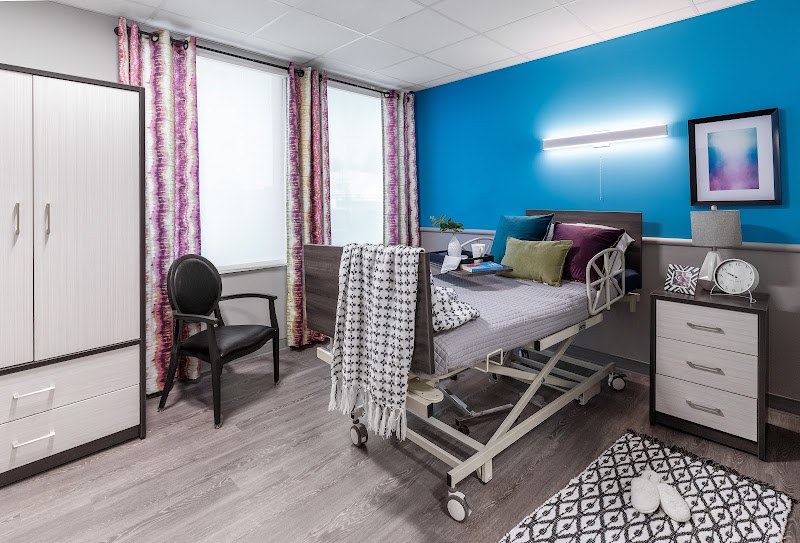
Who Owns and Operates Brooklyn Ctr For Rehab And Residential Health Care?

BROOKLYN CTR FOR REHAB AND RESIDENTIAL HEALTH CARE is owned by a for-profit company. For-profit facilities operate as businesses with obligations to shareholders or private owners. The facility is operated by CENTERS HEALTH CARE, a chain that manages multiple nursing homes. With 281 certified beds and approximately 271 residents (about 96% occupancy), it is a large facility located in BROOKLYN, New York.

How Does Brooklyn Ctr For Rehab And Residential Health Care Compare to Other New York Nursing Homes?

Compared to the 100 nursing homes in New York, BROOKLYN CTR FOR REHAB AND RESIDENTIAL HEALTH CARE's overall rating (1 stars) is below the state average of 3.0, staff turnover (34%) is significantly lower than the state average of 46%, and health inspection rating (2 stars) is below the national benchmark.

What Should Families Ask When Visiting Brooklyn Ctr For Rehab And Residential Health Care?

Based on this facility's data, families visiting should ask: "Can you walk me through typical staffing levels on day, evening, and night shifts?" "Can I visit during a mealtime to observe dining assistance and food quality?" "How do you handle medical emergencies, and what is your hospital transfer rate?" "Can I speak with family members of current residents about their experience?" These questions are particularly relevant given the below-average staffing rating.

Is Brooklyn Ctr For Rehab And Residential Health Care Safe?

Based on CMS inspection data, BROOKLYN CTR FOR REHAB AND RESIDENTIAL HEALTH CARE has a clean safety record: no substantiated abuse findings (meaning no confirmed cases of resident harm), no Immediate Jeopardy citations (the most serious violation level indicating risk of serious injury or death), and is not on the Special Focus Facility watch list (a federal program monitoring the lowest-performing 1% of nursing homes). The facility has a 1-star overall rating and ranks #100 of 100 nursing homes in New York. While no facility is perfect, families should still ask about staff-to-resident ratios and recent inspection results during their visit.

Do Nurses at Brooklyn Ctr For Rehab And Residential Health Care Stick Around?

BROOKLYN CTR FOR REHAB AND RESIDENTIAL HEALTH CARE has a staff turnover rate of 34%, which is about average for New York nursing homes (state average: 46%). Moderate turnover is common in nursing homes, but families should still ask about staff tenure and how the facility maintains care continuity when employees leave.

Was Brooklyn Ctr For Rehab And Residential Health Care Ever Fined?

BROOKLYN CTR FOR REHAB AND RESIDENTIAL HEALTH CARE has no federal fines on record. CMS issues fines when nursing homes fail to meet care standards or don't correct problems found during inspections. The absence of fines suggests the facility has either maintained compliance or corrected any issues before penalties were assessed. This is a positive indicator, though families should still review recent inspection reports for the full picture.

Is Brooklyn Ctr For Rehab And Residential Health Care on Any Federal Watch List?

BROOKLYN CTR FOR REHAB AND RESIDENTIAL HEALTH CARE is not on any federal watch list. The most significant is the Special Focus Facility (SFF) program, which identifies the bottom 1% of nursing homes nationally based on persistent, serious quality problems. Not being on this list means the facility has avoided the pattern of deficiencies that triggers enhanced federal oversight. This is a positive indicator, though families should still review the facility's inspection history directly.