BROOKLYN GARDENS NURSING & REHABILITATION CENTER
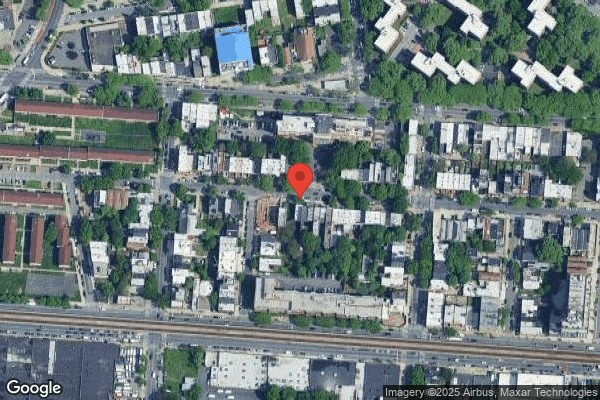
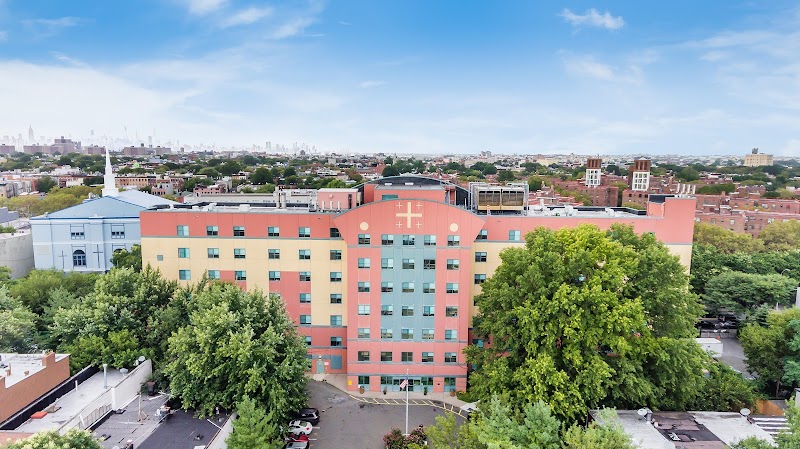
835 HERKIMER STREET, BROOKLYN, NY 11233 (718) 221-2600
For profit - Limited Liability company 240 Beds Independent Data: November 2025
Trust Grade
60/100
#266 of 594 in NY
Last Inspection: May 2025

Inspected within the last 6 months. Data reflects current conditions.

Overview

Brooklyn Gardens Nursing & Rehabilitation Center has a Trust Grade of C+, indicating that it is slightly above average but not exceptional. It ranks #266 out of 594 facilities in New York, placing it in the top half of all state facilities, and is #25 out of 40 in Kings County, meaning there are only a few better local options. The facility is improving, with issues decreasing from 12 in 2023 to just 4 in 2025. Staffing is a concern as it received a rating of 2 out of 5 stars, indicating below-average performance, but the turnover rate is 40%, which is on par with the state average. Notably, there have been no fines reported, indicating compliance with regulations. However, there are some weaknesses to consider. Recent inspections highlighted significant concerns, such as the administration of expired intravenous fluids to residents and unsafe food storage practices, which could pose health risks. Additionally, one resident with severe cognitive impairments exhibited aggressive behaviors, indicating potential challenges in managing certain residents' needs. Overall, while there are positive improvements and a lack of fines, families should weigh these strengths against the specific incidents that raise concerns about care quality.

Trust Score
C+
60/100
In New York
#266/594
Top 44%
Safety Record
Low Risk
No red flags
Inspections
Getting Better
12 → 4 violations
Staff Stability
○ Average
40% turnover. Near New York's 48% average. Typical for the industry.
Penalties
✓ Good
No fines on record. Clean compliance history, better than most New York facilities.
Skilled Nurses
⚠ Watch
Each resident gets only 26 minutes of Registered Nurse (RN) attention daily — below average for New York. Fewer RN minutes means fewer trained eyes watching for problems.
Violations
⚠ Watch
21 deficiencies on record. Higher than average. Multiple issues found across inspections.
★★★☆☆
3.0
Overall Rating
★★☆☆☆
2.0
Staff Levels
★★☆☆☆
2.0
Care Quality
★★★☆☆
3.0
Inspection Score
Stable
2023: 12 issues
2025: 4 issues

The Good

  • Full Sprinkler Coverage · Fire safety systems throughout facility
  • No fines on record
  • Staff turnover below average (40%)

    8 points below New York average of 48%

Facility shows strength in fire safety.

The Bad

3-Star Overall Rating

Near New York average (3.1)

Meets federal standards, typical of most facilities

Staff Turnover: 40%

Near New York avg (46%)

Typical for the industry

The Ugly 21 deficiencies on record

May 2025 4 deficiencies
CONCERN (D)

Potential for Harm - no one hurt, but risky conditions existed

Food Safety (Tag F0812)

Could have caused harm · This affected 1 resident

Based on observation, record review, and interviews during the Recertification Survey conducted from 05/21/2025 to 05/29/2025, the facility did not ensure that food was handled in accordance with prof...

Read full inspector narrative →
Based on observation, record review, and interviews during the Recertification Survey conducted from 05/21/2025 to 05/29/2025, the facility did not ensure that food was handled in accordance with professional standards for food service safety and staff did not ensure that infection control practices were maintained in the kitchen. Specifically, Dietary Staff #1 and #2 were observed with visible facial hair while handling and preparing food. The findings include: The undated facility policy titled Sanitation and Food Safety - Staff Appearance and Hygiene documented hair will be clean and worn pulled back up if longer than shoulder length. Regardless of length, hairnet or approved chef type hat is required in all production and service areas. Facial hair or of any length or design must be covered by a beard guard. During a tray line observation on 05/23/2025 from 11:48 AM- 12:25 PM the following were observed: Dietary Aide #1 was observed with hair restraint and gloves, with a visible mustache and goatee (chin beard) while putting silverwares into a utensil holder opposite the sandwich making station and the cooking area. They were also observed scooping and placing watermelons in plastic cups. Dietary Aide #2 was observed on the tray line with their beard guard below their mustache while handling food side items such as vegetables, fish, white rice, chicken wing, chopped fish, green beans. During an interview on 05/23/2025 at 12:22 PM, Dietary Aide #1 stated they forgot to put their beard cover when they went to the kitchen. Dietary Aide #1 stated they were supposed to wear beard covering when handling food to make sure hair does not drop in food or utensils. During an interview on 05/23/2025 at 12:25 PM, Dietary Aide #2 stated they were instructed by their previous supervisor to only cover the bottom part of their face. During an interview on 05/28/2025 at 11:24 PM, the Food Service Supervisor stated dietary staff with beard and mustache should be wearing beard guards, so hair does not get into residents' food. During an interview on 05/28/2025 at 11:33 AM, the Food Service Director stated that the required uniform in the kitchen includes the use of hair restraint and beard guard for people with mustache and beard. They stated all facial hair must be covered for infection control and to avoid dropping hair in residents' food during preparation. 10 NYCRR 415.14(h)
CONCERN (D)

Potential for Harm - no one hurt, but risky conditions existed

Infection Control (Tag F0880)

Could have caused harm · This affected 1 resident

Based on observation, record review, and interviews during the Recertification Survey conducted from 05/21/2025 to 05/29/2025, the facility failed to ensure infection control protocol were maintained ...

Read full inspector narrative →
Based on observation, record review, and interviews during the Recertification Survey conducted from 05/21/2025 to 05/29/2025, the facility failed to ensure infection control protocol were maintained during medication administration. This was evident in 1 (Licensed Practical Nurse #1) of 5 nurses observed. Specifically, Licensed Practical Nurse #1 failed to perform hand hygiene and did not don appropriate personal protective equipment while administering medications to a resident who had a gastrostomy tube. The findings include: The facility policy and procedure titled Infection Prevention and Control Program - Enhanced Barrier Precautions with a last revised date of 12/12/2023 documented the facility adheres to the Centers for Disease Control and Prevention (CDC) guidelines as related to Enhanced Barrier Precautions in order to prevent the transmission of multidrug-resistant organisms amongst residents and healthcare workers. Staff will perform hand hygiene and don Personal Protective Equipment (PPEs) before entering resident's room. On 05/21/2025 at 9:55 AM, Licensed Practical Nurse #1 was observed administering medications to Resident #121 via gastric tube feeding. Licensed Practical Nurse #1 did not sanitize their hands prior to donning gloves to prepare the medications. Licensed Practical Nurse #1 was observed picking up a medication that dropped on the floor with the same gloved hands and continued to administer medications to Resident #121 without performing hand hygiene and / or changing gloves. Licensed Practical Nurse #1 did not don personal protective equipment prior to entering Resident #21's room to administer medications. There was a signage at the entrance of Resident #121's room that stated staff should observe Enhanced Barrier Precautions when giving care, including administration of medication and wound care treatment. On 05/21/2025 at 12:33 PM, Licensed Practical Nurse #1 was interviewed and stated that Enhanced Barrier Precaution protocol was not observed because they did not notice the signage by the entrance of Resident #121's room. Licensed Practical Nurse stated they did not notice any supplies for enhanced barrier in front or in the resident's room for them to use. Licensed Practical Nurse #1 was not able to explain why they did not perform hand hygiene during medication preparation, after picking up the medication from the floor, and prior to administering medications. On 05/21/2025 at 2:43 PM, Registered Nurse Supervisor #1 was interviewed and stated that in-services on infection prevention protocol are given to staff regularly and during orientation. Registered Nurse Supervisor #1 stated Licensed Practical Nurse #1 was newly hired and was provided education during their orientation program on infection prevention protocol that included handwashing / hand hygiene and Enhanced Barrier Precautions. They stated that enhanced barrier precautions is posted at the entrance of Resident #121's room and needed supplies are positioned strategically on the unit for staff to use when giving care to residents that are on Enhanced Barrier precautions. On 05/28/2025 at 11:14 AM, the Director of Nursing/Infection Preventionist was interviewed and stated staff received in-service education on infection control and enhanced Barrier Precautions. These in-services are conducted during orientation and annually. The Director of Nursing stated Licensed Practical Nurse #1 is newly hired, still on probation, and was recently given these in-services. The Director of Nursing stated that there are signages posted on the units to let staff know if a resident is on enhanced barrier precautions. They stated they were surprised that Licensed Practical Nurse #1 stated they had not seen it. 10 NYCRR 415.19 (b)(4)
CONCERN (E)

Potential for Harm - no one hurt, but risky conditions existed

Deficiency F0694 (Tag F0694)

Could have caused harm · This affected multiple residents

**NOTE- TERMS IN BRACKETS HAVE BEEN EDITED TO PROTECT CONFIDENTIALITY** Based on observation, record review, and interviews during the Recertification Survey conducted from [DATE] to [DATE], the facil...

Read full inspector narrative →
**NOTE- TERMS IN BRACKETS HAVE BEEN EDITED TO PROTECT CONFIDENTIALITY** Based on observation, record review, and interviews during the Recertification Survey conducted from [DATE] to [DATE], the facility failed to ensure that parenteral fluids were administered consistent with professional standards of practice. This was evident in 2 of 3 residents reviewed for hydration. Specifically, 1.) On [DATE], Resident #37, who had physician orders for administration of intravenous solution was observed receiving expired intravenous fluids. 2.) On [DATE], Resident #482's peripheral intravenous catheter insertion site dressing was observed undated. Additionally, the physician's order for Resident #482's intravenous hydration did not include the infusion rate, and assessment and maintenance of intravenous site. The findings include: The facility's policy titled Intravenous Therapy with a last reviewed date of [DATE] stated residents receiving intravenous therapy will receive therapies safely, timely, and efficiently in accordance with physician's order. Intravenous lines will be maintained according to evidenced based practices to reduce the risk of infection associated with intravenous catheters. The policy stated the physician's order for the insertion of the intravenous line and the type of access will be ordered under the General Order Group. Orders for intravenous hydration will be placed under medication and include the intravenous formula, rate and duration of infusion. The order for care and management of intravenous catheter site will be placed in the Treatment Order Group. This order will include site inspection and assessment every shift, dressing changes every 3 days and as needed if damaged or soiled for peripherally placed catheters. The nurse is responsible to label the dressing with date and time and sign the electronic Medication Administration Record. 1.) Resident #37 had diagnoses of Dysphagia and Encounter for attention to gastrostomy and Alzheimer's Disease. The quarterly Minimum Data Set assessment dated [DATE] documented Resident #37 was severely cognitively impaired. A nurse's progress note dated [DATE] at 7:50 PM documented they were made aware that Resident #37's percutaneous endoscopic gastrostomy tube was dislodged. The Nurse Practitioner stated they would insert the tube tomorrow. A new order was placed for dextrose 5% ½ normal saline at 45 milliliters per hour for one (1) day. A physician's order dated [DATE] at 7:40 PM documented dextrose 5% and 0.45% sodium chloride intravenous solution, infuse 45 milliliters per hour by intravenous route once daily for 1 day for unspecified hypoglycemia. During observation on [DATE] at 12:59 PM, Resident #37 was observed in a geriatric chair with their back elevated to a semi-sitting position. Resident #37 was receiving 5% dextrose and 0.45 sodium chloride intravenously through a peripheral access to the left hand. The one (1) liter bag of intravenous solution was ¾ full. The bag had a documented lot number Y383714 and an expiration date of [DATE]. During an interview on [DATE] at 3:51 PM, Licensed Practical Nurse #4 stated that Registered Nurse #1 entered the order for intravenous hydration and inserted the peripheral access for Resident #37. They stated they hung the bag of intravenous fluid which they found in a storage drawer in the nurses' station without checking the expiration date. Licensed Practical Nurse #4 stated they are aware they need to check the expiration date on the intravenous solution bag before administering them to the resident. During an interview on [DATE] at 1:43 PM, Registered Nurse #1, who was the Unit Manager was interviewed and stated they did rounds before 8:00 AM this morning and observed Resident #37's intravenous solution was already hanging and running. They stated they were not aware of the expired intravenous solution. During an interview on [DATE] at 1:28 PM, the Director of Nursing stated nurses must check if the intravenous fluids the resident is getting match the doctor's orders and nurses must also check the expiration date. The Director of Nursing stated that nurses must check for signs of infection or infiltration, the intravenous solution bag must have a date when it was started, and the intravenous site and tubing must be dated. 2.) Resident #482 was admitted to the facility with diagnoses that included Diabetes Mellitus, Iron Deficiency Anemia, and Major Depressive Disorder. The admission Minimum Data Set assessment dated [DATE] documented that Resident #482 had intact cognition. On [DATE] at 9:31 AM, Resident #482 was observed with a right upper extremity peripheral intravenous catheter dressing that was undated. A care plan for intravenous therapy was initiated for Resident #482 on [DATE]. The care plan documented Resident #482 has a need for intermittent intravenous therapy due to diarrhea. The facility interventions included monitoring for changes in device insertion site, notify the physician of abnormal findings, giving the intravenous treatment for hydration as per physician's order. A physician's order for Resident #482 dated [DATE] at 2:23 PM documented to give sodium chloride 0.9% by intravenous route for 3 days for diarrhea. The order was discontinued on [DATE] at 4:44 AM. The physician's order did not include the rate of infusion. A nurse's progress note dated [DATE] documented that Resident #482 required intravenous hydration. A 24-gauge angiocatheter was placed in the left hand and the administration of 0.9% sodium chloride solution was started. A physician's order for Resident #482 dated [DATE] at 4:03 PM documented to give sodium chloride 0.9% by intravenous route every shift for 2 days for diarrhea. The physician's order did not include the infusion rate. A further review of Resident #482's physician's orders from [DATE] through [DATE] revealed there was no physician's order for insertion of peripheral intravenous line. There was no physician's order for dressing changes, and/or care and maintenance of the intravenous site. The Medication Administration Record dated [DATE], [DATE], and [DATE] documented that Resident #482 was administered 0.9% sodium chloride intravenous solution given by intravenous route for 3 days. There was no documented rate of infusion. The [DATE] Treatment Administration Record for Resident #482 was blank. There was no documentation in the Treatment Administration Record that the intravenous insertion site was inspected and assessed every shift or that dressing change every 3 days or as needed was completed. On [DATE] at 10:13 AM, an observation of Resident #482's undated right peripheral intravenous dressing was performed with Registered Nurse #8, who was the nursing supervisor. Registered Nurse #8 was interviewed and stated that a peripheral intravenous line was inserted for Resident #482 on [DATE]. The intravenous access was infiltrated and was discontinued. They stated Registered Nurse #3 inserted a new peripheral intravenous catheter on [DATE]. Registered Nurse #8 stated Registered Nurse #3 should have dated the intravenous access dressing at the time of insertion. On [DATE] at 3:37 PM, Registered Nurse #3 was interviewed and stated that on [DATE], they reinserted Resident #482's peripheral intravenous catheter but did not put a date on the insertion site dressing because another nurse told them they would. Registered Nurse #3 further stated they should have dated the insertion site dressing to ensure that it would be changed every 72 hours. On [DATE] at 11:39 AM, Registered Nurse #7, the licensed nurse who entered Resident #482's physician's order dated [DATE], was interviewed and stated they reviewed the intravenous hydration order for Resident #482 and noted it was missing the dose or frequency of hydration. Registered Nurse #7 stated there were no physician's orders for intravenous insertion, and or dressing changes. They stated the missing and incomplete orders are an oversight. On [DATE] at 8:39 AM, the Director of Nursing was interviewed and stated that according to Registered Nurse #3, they wrapped the insertion site with kerlix gauze after inserting the peripheral intravenous line onto Resident #482 on [DATE], and whoever removed the kerlix gauze must have removed the dated label. The Director of Nursing stated that Registered Nurse #3 should have not wrapped the insertion site with kerlix and should only have added the date on the dressing. During a subsequent interview with the Director of Nursing on [DATE] at 11:15 AM, they stated the physician enters the orders for the residents. They stated that the Registered Nurses who took the verbal order from the physician may also enter the physician's order in the resident's medical record. They stated the unit manager is responsible for ensuring the accuracy of the physician's order every shift. The Director of Nursing stated physician orders for intravenous infusions must contain the medication name, dose, frequency, intravenous insertion, dressing changes, and flushes. On [DATE] at 3:26 PM, Attending Physician #1 stated they had not signed the intravenous orders for Resident #482. They stated they reviewed the orders and noted that they were incomplete. The orders did not contain the frequency or dosage for the intravenous hydration, there was also no physician's order to insert a peripheral venous catheter. On [DATE] at 3:39 PM, the Medical Director was interviewed and stated that the medical providers / attending physicians must review the order for accuracy and completeness on the same day the orders are written and must be signed off. The Medical Director stated if there were inaccuracies in the physician's orders, the Director of Nursing may reach out to them to discuss the issues 10 NYCRR 415.12(k)(2)
MINOR (C)

Minor Issue - procedural, no safety impact

Deficiency F0577 (Tag F0577)

Minor procedural issue · This affected most or all residents

Based on observation, record review, and interview during the Recertification Survey conducted from 05/21/2025 to 05/29/2025, the facility failed to ensure that notice of availability of the survey re...

Read full inspector narrative →
Based on observation, record review, and interview during the Recertification Survey conducted from 05/21/2025 to 05/29/2025, the facility failed to ensure that notice of availability of the survey results were posted in areas of the facility that are prominent and accessible to the public. Specifically, there were no posted notices throughout the facility of the availability of survey results. The findings are: The facility's policy titled Survey Posting with a reviewed date of 12/04/2024 documented that it is the policy of the facility to comply with all New York State Department of Health and Centers for Medicare & Medicaid Services regulations by ensuring timely and visible posting of all relevant survey results, Plans of Correction, and related public notices in a designated, accessible area within the facility. Documents to be posted in designated posting area of the main lobby include a notice indicating where full reports can be reviewed. Signage will read: Department of Health Survey Results Available for Public Review. The Administrator or designee is responsible for ensuring timely posting and accuracy. During multiple observations on 05/21/2025, there were no notice of availability of survey results posted throughout the facility including the main lobby. During the Resident Council meeting held on 05/21/2025 at 11:53 AM, nineteen (19) residents were in attendance, and all of 19 residents (Residents #3, #18, #32, #35, #36, #45, #49, #53, #69, #87, #109, #135, #142, #147, #150, #152, #160, #187, #206) stated they did not know where to find the survey results and that they have not seen any notice telling them where to find the survey results. The minutes of the Resident Council Meetings held on 02/24/2025, 03/31/2025, and 04/20/2025 had no documentation that information was provided to the residents on where to find the survey results. On 05/22/2025 at 3:07 PM, the Recreation Director was interviewed and stated they had not discussed the locations of survey results or postings of the availability of the survey results during the Resident Council Meeting. The Recreation Director also stated they had not seen any posted signage of the availability of survey results in the facility including the main lobby. On 05/23/2025 at 8:33 AM, the Administrator was interviewed and stated the last time they observed the signage on the availability of survey reports in the lobby was in 04/2025. They stated they were surprised that the posting was not there. The Administrator further stated that someone must have removed the posting and that they have reposted the signage and will increase their auditing of the location to ensure compliance. 10 NYCRR 415.3 (d)(1)(v)
Jun 2023 5 deficiencies
CONCERN (D) 📢 Someone Reported This

A family member, employee, or ombudsman was alarmed enough to file a formal complaint

Potential for Harm - no one hurt, but risky conditions existed

Deficiency F0655 (Tag F0655)

Could have caused harm · This affected 1 resident

Based on observation, interview, and record review during an abbreviated survey (NY00314841), the facility failed to develop a baseline care plan within 48 hours of a resident's admission. This was ev...

Read full inspector narrative →
Based on observation, interview, and record review during an abbreviated survey (NY00314841), the facility failed to develop a baseline care plan within 48 hours of a resident's admission. This was evident in 1 of 3 residents sampled (Resident #1. Specifically, a Baseline Care Plan was initiated for Resident #1 but was not completed within 48 hours of admission, and Resident #1 was not provided with a written summary of their baseline care plan. The findings are: The facility policy titled The Interdisciplinary Baseline Plan of Care with last review date of 01/30/2023 states that all newly admitted residents will have a Baseline Care Plan initiated and completed within 48 hours of admission. Upon completion, Nursing will review and provide a copy of the Baseline Care Plan to the resident/representative. Nursing will document in the progress note that the resident/representative was provided with education regarding the Baseline Plan of Care, and offered a copy of same, that the resident/representative goals of care were reviewed. Resident #1 was admitted to the facility with diagnoses including Osteomyelitis, Cellulitis of the Right Foot (RF), and Diabetic Foot Infection. The Minimum Data Set with an assessment reference date of 04/11/2023 documented that Resident #1 has a Brief Interview for Mental Status (BIMS) score of 15/15 indicating intact cognition. Review of Resident #1's medical record revealed that an Interdisciplinary Team (IDT) Baseline Plan of Care form was initiated on 04/04/2023 however, the form was not completed. There was no documented evidence in the electronic medical record (EMR) that Resident #1 was provided with a written copy of the resident's baseline care plan. During an interview on 04/20/2023 at 9:15 am, Resident #1 stated that they were admitted to the facility for antibiotic administration and wound care. Resident #1 stated that they were not provided a copy of their Baseline Care Plan. During an interview on 06/29/2023 at 2:40 pm, Registered Nurse Supervisor (RNS) #2 stated that the IDT was responsible for completing the Baseline Care Plan on the Resident's admission. RNS #2 stated that they are not sure why a Baseline Care Plan was not completed for Resident #1. RNS #2 said that the nursing supervisor on duty is responsible for providing a copy to the Baseline Care Plan to Resident #1 or their representative. During an interview on 06/29/2023 at 2:57 pm, the Director of Nursing (DON) stated that the nursing supervisors are supposed to review the new admission care plan and make sure that a Baseline Care Plan is completed within 48 hours from the time the resident is admitted , and a copy provided to the resident or their representative. 10 NYCRR 415.11 (c)
CONCERN (D) 📢 Someone Reported This

A family member, employee, or ombudsman was alarmed enough to file a formal complaint

Potential for Harm - no one hurt, but risky conditions existed

Deficiency F0658 (Tag F0658)

Could have caused harm · This affected 1 resident

**NOTE- TERMS IN BRACKETS HAVE BEEN EDITED TO PROTECT CONFIDENTIALITY** Based on observation, interview, and record review conducted during an abbreviated survey (NY00314841), the facility failed to e...

Read full inspector narrative →
**NOTE- TERMS IN BRACKETS HAVE BEEN EDITED TO PROTECT CONFIDENTIALITY** Based on observation, interview, and record review conducted during an abbreviated survey (NY00314841), the facility failed to ensure that the services provided or arranged by the facility as outlined by the comprehensive care plan, met professional standards of quality. This was evident in 1 of 3 residents (Resident #1) sampled for quality of care/treatment. Specifically, Resident #1 Physician's Order documented Vancomycin Trough STAT (medical term for immediately or at once) dated 04/05/2023 and Vancomycin Trough One-Time dated 04/06/2023. The lab results dated 04/06/2023 and 04/07/2023, revealed that the Vancomycin Trough was done, but there was no documented evidence that the trough levels were reviewed by nursing or a medical staff. The findings are: The facility policy titled Laboratory Tests dated 10/11/2020 states that the results of diagnostic testing will be reviewed by the Nursing and Medical Staff and changes will be made to the resident plan of care as indicated. Resident #1 was admitted to the facility with diagnoses including Osteomyelitis, Cellulitis of Right Foot, and Diabetic Foot Infection. The Minimum Data Set with an assessment reference date of 04/11/2023 documented that Resident #1 has a Brief Interview for Mental Status (BIMS) score of 15/15 indicating intact cognition. A care plan for Antibiotic / Peripherally Inserted Central Catheter (PICC) line was initiated on 04/04/2023. The care plan documented that Resident #1 requires intravenous (IV) antibiotic. The facility interventions include to monitor labs as ordered and review with MD, and to review peak and trough levels as ordered. A Physician's Order dated 04/05/2023, for Resident #1, documented Vancomycin Trough STAT, and Vancomycin, Trough One-Time dated 04/06/2023. A Laboratory Result dated 04/06/2023 at 4:49 am, revealed that Vancomycin Trough level was collected. The result documented <5.00 L (reference range 10.0-20.0). The result was reported to the facility on [DATE] at 07:00 pm. A Laboratory Result dated 04/07/2023 at 8:16 am, revealed that Vancomycin Trough level was collected. The result documented 7.8 L. The result was reported to the facility on [DATE] at 7:00 pm. There was no documented evidence that the trough levels were reviewed by nursing or a medical staff. Therefore, no interventions were implemented. During an interview on 04/20/2023 at 6:05 pm, Registered Nurse Supervisor #1 (RNS #1) stated that they worked on 04/06/2023 on the 3:00pm-11:00pm shift and was not aware of the Vancomycin trough results. RNS #1 said that the lab usually calls them with abnormal lab results and fax the results to the nursing office. RNS #1 stated that they did not receive a call and did not receive a fax with Resident #1's Vancomycin trough level. During an interview on 04/20/2023 at 6:30 pm, RNS #2 stated that they worked on 04/06/2023 on the 7;00am-3:00pm shift and do not recall receiving a call or fax from the lab with Resident #1's Vancomycin trough level. RNS #2 stated that they did not follow-up with the laboratory about the results of the STAT order. During an interview on 04/21/2023 at 2:49 pm, RNS #3 stated that they worked on 04/05/2023 and entered the order for a STAT Vancomycin Trough level. RNS #3 stated that the laboratory either call or fax the results for STAT orders. RNS #3 stated that they did not receive any results on 04/05/2023 and endorsed to the next shift to follow up. RNS #3 stated that they worked on 04/07/2023 on the 7:00am-3:00pm and the 3:00pm-11:00pm shifts and did not receive any of the Vancomycin trough results. During an interview on 04/21/2023 at 8:37 am, Medical Doctor (MD) #1 stated that they ordered Vancomycin trough levels a few times for Resident #1 and was not able to review the results because no one told them that the results came in. MD #1 said that laboratory results can be found in Sigma, but the trough levels did not show up. MD #1 stated that they called the nurse on the unit, does not recall the nurse's name, but the nurse said that the results were not showing in Sigma. MD #1 stated that they do not have access to the Laboratory website. During an interview on 04/20/2023 at 12:30 pm, the Assistant Director of Nursing (ADON) said that the laboratory results interphases with Sigma, and if it does not show up, the laboratory has a website that can be accessed by the RNS. The ADON also stated that they receive laboratory results through fax and most of the time, the laboratory will make a phone call and send a fax for STAT orders and abnormal results. During an interview on 04/21/2023 at 9:00 am, the Director of Nursing (DON) said that laboratory results can be found in Sigma and can also be accessed through the laboratory website. The DON stated that it is the nurses and the nursing supervisor's responsibility to follow up with the results and relay the result to the MD. The DON added that the MD also has the responsibility to follow up with the result on their own by looking it up on Sigma. 10 NYCRR 415.11(c)(3)(i)
CONCERN (D) 📢 Someone Reported This

A family member, employee, or ombudsman was alarmed enough to file a formal complaint

Potential for Harm - no one hurt, but risky conditions existed

Quality of Care (Tag F0684)

Could have caused harm · This affected 1 resident

Based on observation, interview, and record review conducted during an abbreviated survey (NY00314841), the facility failed to ensure that a resident receive treatment and care in accordance with prof...

Read full inspector narrative →
Based on observation, interview, and record review conducted during an abbreviated survey (NY00314841), the facility failed to ensure that a resident receive treatment and care in accordance with professional standards of practice and the comprehensive person-centered care plan. This was evident in 1 of 3 residents (Resident #1) reviewed for quality of care and treatment. Specifically, Resident #1 has a physician's order for Vancomycin 1gm (gram)/250ml (milliliter) in 0.9% Sodium Chloride intravenous (IV) infuse 1 gm by IV route every 8 hours. Review of the electronic Medical Administration Record (eMAR) revealed that Resident #1 missed 2 dosages of Vancomycin. Additionally, Resident #1 has a physician's order dated 04/07/2023 for Peripherally Inserted Central Catheter (PICC) line dressing change every 72 hours. Review of the electronic Treatment Administration Record (eTAR) showed that the PICC line dressing change was not done until 04/13/2023. The findings are: The facility policy on Medication Administration using the eMAR with last review date of 01/2023 states that nurses administering medications and treatments will document correctly on the eMAR reflecting that the medication/treatment was administered. For refusal of medication, the nurse will click on not administered and document reason. Medical Doctor (MD) must be notified of drug refusal, and a note must be written which includes the medication, the physician notified, and intervention given by the physician. The facility policy on Intravenous Therapy with effective date of 08/31/2022 states that the order for care and management of intravenous catheter site will be placed in the treatment order group. This order will include dressing changes every 7 days and as needed if damaged or soiled for midlines and centrally placed catheters. Resident #1 was admitted to the facility with diagnoses of Osteomyelitis, Cellulitis of Right Foot, and Diabetic Foot Infection. The Minimum Data Set with an assessment reference date of 04/11/2023 documented that Resident #1 had a Brief Interview for Mental Status (BIMS) score of 15/15 indicating intact cognition. A care plan for Antibiotic / PICC line was initiated on 04/04/2023. The care plan documented that Resident #1 required intravenous IV antibiotic. The interventions included monitoring labs as ordered and review with the Medical Doctor (MD). Monitoring for side effects of antibiotic and reporting to the MD. Monitoring of the PICC line site for signs and symptoms of infection every shift and report findings. A Physician's Order dated 04/06/2023 documented Vancomycin 1gm/250ml in 0.9% Sodium Chloride IV, infuse 1gm by IV route every 8 hours at 6:00 am, 2:00 pm, and 10:00 pm. The eMAR showed that Resident #1 was not administered Vancomycin IV on 04/14/2023 at 2:00 pm and on 04/15/2023 at 2:00 pm. A Nursing Note dated 04/15/2023 at 6:13 pm documented that Resident #1 left the facility at 4:20 pm with a family member. There was no documented evidence that the MD was notified of the missed dosages of Vancomycin and no interventions were implemented. A Physician's Order dated 04/07/2023 documented an order for PICC line sterile dressing change every 72 hours. An electronic Treatment Administration Record (eTAR) showed that the PICC line dressing change was not performed until 04/13/2023. During an interview on 04/20/2023 at 1:02 pm, Registered Nurse #1 (RN #1) stated that Resident #1 has an order for Vancomycin every 8 hours at 6:00 am, 2:00pm, and 10:00 pm. RN #1 stated that Resident #1 missed their 2:00pm Vancomycin dose on 04/14/2023 because Resident #1 was in rehab therapy. RN #1 also said that Resident #1 missed the 2:00pm dose on 04/15/2023 because Resident #1 refused due to the Resident going out on pass. RN #1 said that they did not write a progress note about the missed dosages and that they did not notify the MD. RN #1 also stated that they did not change Resident #1's PICC line dressing on 04/07/2023, 04/10/2023, and 04/16/2023 because they could not obtain the supply for the PICC line dressing. RN #1 stated that they did not ask anyone for the supply. RN #1 said that they were able to obtain supplies on 04/16/2023 and that the PICC line dressing change was done on 04/17/2023. During an interview on 04/20/2023 at 6:30 pm, Registered Nurse Supervisor #2 (RNS #2) stated they were not made aware that Resident #1 missed 2 dosages of Vancomycin. RNS #2 said that PICC line dressing change kits are always available in the unit. RNS #2 stated that RN #1 did not approach them on where to get supplies for the PICC line dressing change. During an interview on 04/21/2023 at 8:37 am, MD #1 stated that they were not notified that Resident #1 missed two doses of Vancomycin. During an interview on 04/21/2023 at 9:00 am, the Director of Nursing (DON) said that the nurse should have notified the MD that Resident #1 missed their Vancomycin and that the nurse should have documented the reasons in the progress notes. During a follow up interview on 06/29/2023 at 2:57 pm, the DON stated that they have a medical supply personnel who makes sure that units are properly stocked and if RN #1 was unable to locate the PICC line supply, they should have picked up the phone and call medical supply personnel. The DON said that they would have delivered the PICC line supply. 10 NYCRR 415.12
CONCERN (D) 📢 Someone Reported This

A family member, employee, or ombudsman was alarmed enough to file a formal complaint

Potential for Harm - no one hurt, but risky conditions existed

Drug Regimen Review (Tag F0756)

Could have caused harm · This affected 1 resident

Based on observation, interview, and record review conducted during an abbreviated survey (NY00314841), the facility failed to address an irregularity identified during Drug Regimen Review (DRR) to mi...

Read full inspector narrative →
Based on observation, interview, and record review conducted during an abbreviated survey (NY00314841), the facility failed to address an irregularity identified during Drug Regimen Review (DRR) to minimize or prevent adverse consequences. This was evident in 1 of 3 residents (Resident #1) reviewed for quality of care and treatment. Specifically, Resident #1's DRR dated 04/04/2023 documented that the Vancomycin order is without a future end date. The facility did not review and update the Physician's Order to reflect a future end date. Resident #1 was receiving Vancomycin 500 milligrams (mg) intravenous (IV) solution, infuse 500 mg by IV route 3 times per day without a future end date. The findings are: The Policy on Drug Regimen Review with last reviewed date of 03/2023 states that the attending Physician or licensed designee shall respond to the Drug Regimen Review in a timely manner. Any identified irregularities must be reported to the Director of Nursing (DON) and/or Nursing Supervisor for immediate follow-up and action by the Attending Physician and/or licensed designee. The Policy on Medication Administration using the Electronic Medication Administration Record (eMAR) with last review date of 01/2023 states that all orders pertaining to a resident care will be accurately entered into the Sigma care system. The nurse will fill in the required fields on the order screen; these include an end date for medications that are ordered for a specific amount of time. Resident #1 was admitted to the facility with diagnoses including Osteomyelitis, Cellulitis of Right Foot, and Diabetic Foot Infection. A Physician's Order dated 04/04/2023 at 3:58 pm documented Vancomycin 500 mg IV solution, infuse 500 mg by IV route 3 times per day. There was no future end date on the order. A Drug Regimen Review dated 04/04/2023 documented that Vancomycin 500 mg IV TID (three times daily) is without future end date. The recommendation documented in the DRR was to place a stop date/parameter on antibiotic to evaluate efficacy and continuation of treatment. The DRR also documented that the DRR findings were reported to the provider, the Director of Nursing, and the Medical Director. The provider response section of the DRR, completed by MD #1, documented that the MD agreed with the recommendations of the pharmacist. The nurse response section on the DRR form was not completed. A Physician's Order dated 04/06/2023, revealed that the initial order was discontinued, and a new order was entered on 04/06/2023 for Vancomycin 1gm (gram)/250ml (milliliter) in 0.9% Sodium Chloride intravenous, infuse 1gm by IV route every 8 hours. There was no future end date on the new order. During an interview on 04/20/2023 at 12:30 pm, the Assistant Director of Nursing (ADON) stated that they entered the order for Vancomycin for Resident #1 on 04/06/2023 but forgot to put a stop date on the order. The ADON said that the stop date should have been 05/01/2023. During an interview on 04/21/2023 at 8:37 am, MD #1 stated that they reviewed the DRR and signed for it in the electronic medical record (EMR). MD #1 also said that they instructed a nurse to put an end date on the Vancomycin order. The MD could not recall remember the nurse's name. During an interview on 04/21/2023 at 9:00 am, the Director of Nursing (DON) stated that the Vancomycin should have a stop date and the nurse who entered the order should have written a stop date. The DON stated that the pharmacy consultant does the drug regimen review electronically and document their findings on Sigma (electronic medical record software). The DON stated that the nursing supervisors are responsible for reviewing the DRR and making sure that the recommendations are carried out based on the providers response. 10 NYCRR 415.18(c)(2)
CONCERN (D) 📢 Someone Reported This

A family member, employee, or ombudsman was alarmed enough to file a formal complaint

Potential for Harm - no one hurt, but risky conditions existed

Medical Records (Tag F0842)

Could have caused harm · This affected 1 resident

Based on observation, interview, and record review conducted during an abbreviated survey (NY00314841), the facility failed to maintain clinical records including treatment/medication administration, ...

Read full inspector narrative →
Based on observation, interview, and record review conducted during an abbreviated survey (NY00314841), the facility failed to maintain clinical records including treatment/medication administration, in accordance with accepted professional standards and practices, that are complete, and accurately reflect a resident's treatment and condition. This was evident in 1 of 3 residents (Resident #1) reviewed for quality of care and treatment. Specifically, Resident #1's Physician's Order dated 04/04/2023 documented Cleanse Right Lateral foot with Normal Saline Solution (NSS) and apply Wet to Dry dressing daily. Review of the electronic Treatment Administration Record (eTAR) revealed that the order for the treatment was not transcribed on the eTAR, and the treatments were not signed for. The findings are: The facility policy on Medication Administration using the eMAR with last review date of 01/2023 states that all orders pertaining to resident care will be accurately entered into the Sigma care system. The nurses administering medications and treatments will document correctly on the eMAR reflecting that the medication/treatment was administered. A Physician's Order dated 04/04/2023 documented, cleanse right lateral foot with Normal Saline Solution (NSS) and apply wet to dry dressing daily. Review of the eTAR revealed that the order for the treatment was not transcribed on the eTAR. During an interview on 04/20/2023 at 9:15 am, Resident #1 stated that the nurses perform daily dressing change on their right foot wound. During an interview on 04/20/2023 at 12:45 pm, Licensed Practical Nurse #1 (LPN #1) stated that they signed the eTAR for Resident #1's wound care. LPN #1 was unable to locate their signature in eTAR. During an interview on 04/20/2023 at 2:07 pm, LPN #2 stated that Resident #1 had an order for treatment to the right foot wound in Sigma (an electronic medical record software). LPN #2 said that they performed dressing change to Resident #1's right foot on 04/19/2023 and signed for it on the eTAR. LPN #2 was unable to locate their signature in eTAR. During an interview on 04/21/2023 at 5:16 pm, the Wound Care Coordinator (WCC) stated that Resident #1 had surgery on their right lateral foot and had an order for wet to dry dressing change. The WCC stated that they entered the order for daily wet to dry dressing on 04/04/2023 but that they forgot put in a schedule; as a result, the order was not transcribed to the eTAR for the nurses to sign. During an interview on 04/20/2023 at 12:30 pm, the Assistant Director of Nursing (ADON) stated that treatment orders should have a schedule entered in the physician's order so it would automatically transcribe to the eTAR. The ADON attempted to locate the treatment order on the eTAR but was unable to locate it. 10 NYCRR 415.22(a) (1-4)
May 2023 7 deficiencies
CONCERN (D)

Potential for Harm - no one hurt, but risky conditions existed

Safe Environment (Tag F0584)

Could have caused harm · This affected 1 resident

**NOTE- TERMS IN BRACKETS HAVE BEEN EDITED TO PROTECT CONFIDENTIALITY** Based on observation, record review, and interviews conducted during a Recertification Survey from 5/9/23 to 5/16/23, the facili...

Read full inspector narrative →
**NOTE- TERMS IN BRACKETS HAVE BEEN EDITED TO PROTECT CONFIDENTIALITY** Based on observation, record review, and interviews conducted during a Recertification Survey from 5/9/23 to 5/16/23, the facility did not ensure a safe, clean, comfortable, and homelike environment for residents. This was evident for 1 (Unit 7) of 6 units observed. Specifically, Resident #67 and Resident #47 had wheelchairs that were in disrepair. The findings are: The facility policy titled Wheelchair Cleaning and Repair dated 9/2018 documented all resident wheelchairs will be maintained clean and in good working order. Resident #67 had diagnoses of non-Alzheimer's dementia and seizure disorder. The Minimum Data Set 3.0 (MDS) assessment dated [DATE] documented Resident #67 had severe cognitive impairment and used a wheelchair. Multiple observations of Resident #67 were made between 05/09/23 at 10:03 AM and 05/12/23 at 11:07 AM of the resident on the Unit 7 in their wheelchair. The armrest pad on the right side was missing and had been filled with gauze and medical tape. The plastic mold where the armrest pad usually sits was still attached to the chair, but the pad was missing, leaving a void and a raised edge that was partially covered by the gauze. On 05/11/23 at 12:08 PM, Resident #67 was interviewed and stated the armrest had been broken for a while and that they avoid using it because it is sharp and they could get cut. Resident #47 had diagnoses of dementia and Parkinson's disease. The MDS assessment dated [DATE] documented Resident #47 had severe cognitive impairments and used a wheelchair. On 05/11/23 at 10:46 AM, 05/12/23 at 10:09 AM, and 05/16/23 at 09:03 AM, Resident #47 was observed in the Unit 7 dining room, sitting in their wheelchair. There was no armrest on the right side of the wheelchair. Gauze and medical tape had been attached to create a padding. The tape was falling off and dirty. The Maintenance Logbook for Unit 7 did not document requests to repair the armrest for Resident #67 and #47. On 05/12/23 at 10:50 AM, Certified Nursing Assistant (CNA) #3 was interviewed and stated that if they notice something not working properly, they report it to the nurse. There is a logbook for environmental issues on the floor. The environmental department people come every day and look in the book and fix the issues. There is a dedicated person who cleans and fixes the wheelchairs. On 05/12/23 at 11:20 AM, Licensed Practical Nurse (LPN) #8 was interviewed and stated that if they see something broken, they report to a supervisor, who will get the appropriate person to fix the issue. For wheelchairs, LPN #8 calls the Rehab Department. LPN #8 was not sure of the status of Resident #67's or Resident #47's wheelchairs. On 05/16/23 at 10:51 AM, the Maintenance Worker (MW) was interviewed and stated the wheelchair mechanic was not at the facility or available for an interview. If there is an issue with a wheelchair and the mechanic is not in, other maintenance workers take a look and try to fix it. If they cannot fix it, they report it to the Director. There is a Maintenance Logbook on each unit that should be used to log any repair request. 415.5(h)(2)
CONCERN (D) 📢 Someone Reported This

A family member, employee, or ombudsman was alarmed enough to file a formal complaint

Potential for Harm - no one hurt, but risky conditions existed

Report Alleged Abuse (Tag F0609)

Could have caused harm · This affected 1 resident

**NOTE- TERMS IN BRACKETS HAVE BEEN EDITED TO PROTECT CONFIDENTIALITY** Based on interviews and record review conducted during the Recertification and Complaint Survey (NY00315831) from 05/09/23 to 05...

Read full inspector narrative →
**NOTE- TERMS IN BRACKETS HAVE BEEN EDITED TO PROTECT CONFIDENTIALITY** Based on interviews and record review conducted during the Recertification and Complaint Survey (NY00315831) from 05/09/23 to 05/16/23, the facility did not ensure all alleged violations involving abuse were reported immediately to the New York State Department of Health (NYSDOH), but not later than 2 hours after the alleged occurrence. This was evident for 1 (Resident #380) of 4 residents reviewed for Abuse out of 38 total sampled residents. Specifically, an allegation of abuse involving staff towards Resident #380 was not reported to the NYSDOH. The findings are: The facility policy titled Abuse Prevention dated 9/19/2022 documented the facility must report alleged violations related to mistreatment, exploitation, neglect, or abuse including injuries of unknown source and misappropriation of resident property and report the results to all investigations to all the proper authorities within prescribed timeframes. Resident # 380 had diagnoses of dementia and depression. The Minimum Data Set 3.0 (MDS) assessment dated [DATE] documented Resident # 380 was cognitively intact, required extensive assistance of 2 people to assist with Activities of Daily Living (ADL), and exhibited inappropriate behavior and rejection of care. The Facility Investigation Summary dated 10/5/2022 documented Resident #380's daughter reported the resident was coughing when eating food. A few days later, the resident's daughter and son reported Certified Nursing Assistant (CNA) #5 and CNA #6 were rough with resident #380 during care. Resident #380 was interviewed and stated CNA #5 took off their clothing in a rough manner and CNA #6 was rough during care. All staff interviewed and investigation concluded the rough handling could not be substantiated because Resident #380 exhibits verbally abusive behavior and chooses the staff that work with them. Resident #380 often refuses care. Social Work (SW) Note dated 10/7/2022 documented Resident #380's daughter complained that CNA #5 and CNA #6 were physically and verbally abusive to Resident #380 when changing their incontinence brief. There was no documented evidence the allegation of abuse by Resident #380 was reported to the NYSDOH within 2 hours of the allegation being made. On 05/15/23 at 04:22 PM, an interview was conducted with the Director of Nursing (DNS) who stated the allegation of abuse was not reported to the NYSDOH because the Attorney General stated the case was already reported by DOH. The DNS stated they have reported many cases to the NYSDOH and is familiar with the timeframe of 2 hours to report, but didn't do so in this case because they thought the case # they received from the Attorney General was evidence that it was reported. On 05/16/23 at 02:47 PM, the Administrator was interviewed and stated they were under the impression the NYSDOH was already aware. All information was provided to the Attorney General. 415.4(b)(2)
CONCERN (D) 📢 Someone Reported This

A family member, employee, or ombudsman was alarmed enough to file a formal complaint

Potential for Harm - no one hurt, but risky conditions existed

Deficiency F0657 (Tag F0657)

Could have caused harm · This affected 1 resident

**NOTE- TERMS IN BRACKETS HAVE BEEN EDITED TO PROTECT CONFIDENTIALITY** Based on observation, record review, and interviews conducted during a Recertification and complaint (NY00315831) survey from 05...

Read full inspector narrative →
**NOTE- TERMS IN BRACKETS HAVE BEEN EDITED TO PROTECT CONFIDENTIALITY** Based on observation, record review, and interviews conducted during a Recertification and complaint (NY00315831) survey from 05/9/2023 through 05/16/2023, the facility did not ensure a resident's Comprehensive Care Plan (CCP) was reviewed and revised by the interdisciplinary team after each assessment and as needed to reflect changes in the resident's needs. This was evident for 1 (Resident #4) of 4 residents reviewed for pressure ulcer (PU) out of 38 total sampled residents. Specifically, the CCP for Resident #4 was not reviewed and revised to reflect the resident's current wound care treatment for venous and arterial ulcers. The findings are: The facility policy titled CCP Plan of Care Summary dated 2/2023 documented the CCP is to be reviewed and revised by the interdisciplinary team after each assessment and must include and describe the services which are being furnished to assist the resident in attaining or maintaining their highest practicable physical, mental, and physiological well-being. Resident # 4 had diagnoses of peripheral vascular disease and psychotic disorder. The Minimum Data Set 3.0 (MDS) assessment dated [DATE] documented Resident #4 was severely cognitively impaired and had two venous and arterial ulcers. On 05/12/23 at 11:00 AM, wound care for Resident #4 with License Practical Nurse (LPN) #7 was observed, and hydrogel was applied to the resident's left lower extremity per Physcian Order. The CCP related to skin integrity, initiated 9/20/18 and last updated 12/1/22, included interventions to monitor the effectiveness of treatment and report to the physician (MD) if ineffective and vascular consult as needed. Interventions were in place since 9/18/2020. Medical monthly note dated 4/14/2023 documented the left lateral lower leg wound measured 4.7 x 9.6 x 0.0 and was treated by cleansing with normal saline, applying skin prep, and keeping off the affected area (OTA) daily and as needed. The left lateral ankle vascular wound was treated with cleansing with normal saline, applying hydrogel, and covering with a dry dressing daily and as needed. Physician's Order dated 4/14/2023 documented cleanse Resident #4's left lateral ankle with normal saline, apply hydrogel, and cover with a dry protective dressing daily. Silvadene was ordered applied to the right hip after cleansing with normal saline and secure with border gauze daily and as needed. Physician Wounds notes dated 5/9/2023 documented the following wounds: Site: Left lateral ankle Type: Vascular Measurements: Length (cm) 4.6 Width (cm) 4.6 Depth (cm) 0.3 Tissue type: 70% Granulation tissue 30% Slough/Fibrin tissue 0% Epithelial tissue 0% Eschar tissue 0% Black discoloration Drainage: Serous small No undermining No tunneling No odor Peri-wound Normal No infection present, no warmth, no erythema. No edema. Treatment: Cleanse with NS, apply Hydrogel and cover with Dry Dressing every day and as needed. The CCP was not review and revised Quarterly and as needed to include the current treatment of Hydrogel. On 05/15/23 at 10:05 AM, an interview was conducted with the License Practical Nurse (LPN #6) who is waiting to take the boards to be a Registered Nurse (RN). LPN #6 stated they are responsible for going from unit to unit to assist with with care plans and other tasks needed such as medication administration and managing the desk. LPN #6 stated they did not have time to complete the CCP because they had to administer medications. LPN #6 stated they will complete the CCP today for all the residents on the 2nd, 3rd, and 4th floors. On 05/16/23 02:47 PM, during QAPI, an interview was conducted with Director of Nursing (DON). The DON stated the Registered Nurse (RN) Supervisor is responsible for initiating care plans. The DON stated the RN Supervisor works on the evening shift after 5:00 PM and at times will be on the Day shift. They do not always have an RN Supervisor on the day shift. The DON stated the evening and night shift Supervisors initiate the Comprehensive Care Plans (CCP), and the LPN can update the CCPs. The DON did not provide a reason some CCPs were not developed, reviewed, or revised as per the requirements. 415.11(c)(2)(i-iii)
CONCERN (D)

Potential for Harm - no one hurt, but risky conditions existed

Deficiency F0761 (Tag F0761)

Could have caused harm · This affected 1 resident

**NOTE- TERMS IN BRACKETS HAVE BEEN EDITED TO PROTECT CONFIDENTIALITY** Based on observations, interviews, and record review conducted during the recertification survey from [DATE] to [DATE], the faci...

Read full inspector narrative →
**NOTE- TERMS IN BRACKETS HAVE BEEN EDITED TO PROTECT CONFIDENTIALITY** Based on observations, interviews, and record review conducted during the recertification survey from [DATE] to [DATE], the facility did not ensure biologicals were stored in accordance with professional principles. This was evident for 1 (6th Floor medication room) of 5 medication storage areas reviewed. Specifically, emergency medications were stored in a plastic emergency box missing the tamper proof seal. The findings are: The undated pharmacy policy titled Emergency Boxes (EBOX) documented each E-box will be locked with a tamper resistant lock indicating if the box has been opened. Each box that is opened is sent to the Nursing office for return to the pharmacy for replenishment. Each box sent to the nursing office will be replaced immediately with a current in date box (swing box). On [DATE] from 12:47 PM to 01:00 PM, the medication room on the 6th floor was observed with Licensed Practical Nurse (LPN) # 1. The red emergency medication box was unlocked and did not have a tamper proof seal. When the box was opened, the emergency medications and two intact tamper proof seals were inside (#s 5796015, 5796016). The broken tamper proof seal for the emergency box was noted on the counter. On [DATE] at 1:00 PM, LPN #1 was interviewed and stated the emergency box should be sealed for safety because any staff can access the medications. LPN #1 stated that they usually look at it, and that the supervisor also checks the emergency box. They stated they have never used the emergency box. During an interview on [DATE] at 1:21 PM, the Registered Nurse Supervisor (RN #3) stated the emergency box was last checked by the pharmacy on [DATE]. They stated the emergency box was sealed yesterday. The pharmacy consultant was here in [DATE]. RN #3 stated they were working on [DATE] and all emergency boxes were checked and seals intact. If a medication in the box is used, the nurse has to fill out the bottom of the paper and the box is put in the nurses' office so that it can be sent back to the pharmacy and replaced with a new one. Nursing staff should check the emergency box every morning to make sure the medications are not expired by looking at the attached medication list. The emergency box checks are not documented anywhere by nursing but when a medication is used, it is initialed on the inventory sheet for the box. On [DATE] at 5:37 PM, the Director of Nursing (DON) was interviewed and stated they found several emergency boxes with open tamper seals which may have popped from being too tight. DON stated that after the issue was identified that the seals were checked and found to be broken. The pharmacy always provides locked emergency boxes to the facility. 415.18(e)(1-4)
CONCERN (D)

Potential for Harm - no one hurt, but risky conditions existed

Infection Control (Tag F0880)

Could have caused harm · This affected 1 resident

Based on observations, record review, and interviews during the recertification survey (T37011), the facility did not ensure that infection control practices were maintained. This was evident for 1 of...

Read full inspector narrative →
Based on observations, record review, and interviews during the recertification survey (T37011), the facility did not ensure that infection control practices were maintained. This was evident for 1 of 6 floors (Unit - 4) observed for Infection Control. Specifically, a Licensed Practical Nurse (LPN #3) was observed using a blood pressure cuff (BPC) on multiple residents without sanitizing the BPC between residents. The findings are: The policy titled Reprocessing Reusable Equipment, last reviewed 02/23/2023, documented resident care equipment can be a source of indirect contact transmission of infectious agents. When equipment is used on a resident, infectious agents from that resident can be transferred to the equipment. Proper use, including the reprocessing of reusable resident care equipment is necessary to break the chain of infection. BPC is a multi-use equipment intended to be used for more than one resident and non-critical equipment that comes into contact with intact skin. During an observation on 05/12/2023 from 10:19 AM to 10:41 AM, LPN #3 entered Resident #115's room and took Resident #115's blood pressure (BP) on the left arm. After completing the BP, LPN #3 placed the BPC in the caddy without cleaning it. LPN #3 administered medications to Resident #115, went back to the medication cart, made entries in the computer, handled their personal phone, prepared medications for the next resident, poured water into a cup, and grabbed gloves from the cart. I hope they did handwashing since you do not mention that as a concern, but it is not mentioned here either LPN #3 took the BP machine caddy and entered Resident #38's room. LPN #3 took Resident #38's BP on the left arm using the same BPC without cleaning it. Afterwards, LPN #3 donned gloves and administered eye drops to Resident #38. LPN #3 washed their hands at the sink and placed the BPC in the caddy without cleaning it. LPN #3 then administered medications to Resident #38. LPN #3 then walked over to the roommate seated in their wheelchair by the window, Resident #105. LPN #3 took the BPC from the caddy and applied it to Resident #105's left arm without cleaning it. LPN #3 exited the room, prepared medication at the med cart, and re-entered the room, and removed the BPC from Resident #105's arm. At 10:41AM, LPN #3 cleaned the BPC with disinfecting wipes. During an interview on 05/12/2023 at 10:44 AM, LPN #3 stated BPCs should be sanitized between each resident to prevent spreading infections between residents. On 05/16/2023 at 1:17 PM, the Infection Preventionist was interviewed and stated shared equipment has to be disinfected before and after use with the purple top wipes. Each machine caddy has a container of wipes. Staff were in-serviced this year. The BPC should be cleaned for infection control to prevent the spread of infection. They do random infection control checks. On 05/16/2023 at 1:55 PM, the Director of Nursing (DON) was interviewed and stated there are sanitary wipes on the unit, and staff should be wiping in between residents. In-services and random checks are done to remind staff of infection control. Cleaning equipment for infection control is important in general due to monkeypox and other infections. They have to be proactive to keep residents safe. 415.19 (a)(1),(b)(4)
CONCERN (E)

Potential for Harm - no one hurt, but risky conditions existed

Comprehensive Care Plan (Tag F0656)

Could have caused harm · This affected multiple residents

**NOTE- TERMS IN BRACKETS HAVE BEEN EDITED TO PROTECT CONFIDENTIALITY** 3) Resident #47 had diagnoses of dementia and Parkinson's disease. The Minimum Data Set 3.0 (MDS) assessment dated [DATE] docum...

Read full inspector narrative →
**NOTE- TERMS IN BRACKETS HAVE BEEN EDITED TO PROTECT CONFIDENTIALITY** 3) Resident #47 had diagnoses of dementia and Parkinson's disease. The Minimum Data Set 3.0 (MDS) assessment dated [DATE] documented Resident #47 had severe cognitive impairments. Behavior notes dated 11/11/22, 11/17/22, and 11/23/22 documented Resident #47 had recurring disruptive behaviors such as screaming, rolling out of bed onto a mat on the floor, and being physically aggressive with staff. A psychiatry consult dated 12/20/22 documented staff reported Resident #47 was agitated, often disrobing, restless and combative during care. On evaluation, Resident #47 was irritable, hostile, disorganized and unable to respond to interview questions. A nursing note dated 3/1/23 documented Resident #47 was very combative, cursing, hitting, and spitting at staff. Resident #47 also attempted to hit and pinch staff when they attempted to redirect the resident. Behavior notes dated 3/20/23, 3/22/23 and 3/23/23 documented Resident #47 continued exhibiting disruptive behaviors such as disturbing roommate's sleep with noise, becoming verbally and physically abusive towards staff when redirected, kicking, spitting, shouting, rolling off the bed onto a mat and then crawling on the floor. A psychiatry consult dated 4/18/23 documented Resident #47 was noted with increased bizarre behaviors and extreme agitation. A CCP related to dementia, effective 04/07/2023, documented a goal that Resident #47 will maintain a level of cognitive function within the next 90 days. Interventions included anticipate needs and provide care, introduce self with each visit, monitor for changes and report to physician, and provide reality orientation each shift. There was no documented evidence a CCP related to inappropriate behavior was developed and implemented for Resident #47. On 05/16/23 at 9:06 AM, the Certified Nursing Assistant (CNA) #4 was interviewed and stated Resident #47 becomes aggressive during care, screams, and hits staff. On 05/16/23 at 09:42 AM, Licensed Practical Nurse (LPN) #8 was interviewed and stated Resident #47 exhibits behaviors such as screaming, having outbursts, and being disruptive. CCPs are initiated by the Registered Nurses (RN) upon admission and if there are new issues. On 5/16/23 at 11:09 AM, LPN #3 was interviewed and stated the RNs initiate the CCPs and the nursing staff work together to update the CCPs every 90 days. On 05/16/23 at 12:21 PM, the RN supervisor was interviewed and stated the RNs initiate the CCPs and the LPNs update the CCPs. Resident #47 does not have a CCP for behavior in place and this should have been done. On 05/16/23 02:47 PM, the Director of Nursing Services (DNS) was interviewed and stated the RN Supervisors initiate the CCPs. At times, there is not always a RN Supervisor on duty. The DNS gave no specific reason for CCPs not being initiated completed, and or reviewed and revised. 415.11(c)(1) Based on observation, record review, and interviews conducted during the Recertification survey from 5/9/23 to 5/16/23, the facility did not ensure person-centered care plans (CCP) was developed and implemented to meet resident needs. This was evident for 3 (Resident #190, #86, and #47) of 38 total sampled residents. Specifically, 1) a CCP related to wandering and elopement was not developed for Resident #190, 2) a CCP related to seizure disorder was not developed for Resident #86, and 3) a CCP related to behavior was not developed for Resident #47. The findings are: The facility policy titled CCP dated 2/2023 documented the Comprehensive Care Plan will include measurable objectives and timeframes, to meet a resident medical, nursing and mental and psychosocial needs that were identified in the comprehensive assessment. 1) Resident #190 had diagnoses of psychotic disorder and anxiety disorder. The Minimum Data Set 3.0 (MDS) assessment dated [DATE] documented Resident #190 had moderately impaired cognition. On 05/11/23 at 03:57 PM, 05/12/23 at 08:50 AM, 05/15/23 at 2:20 PM, and 5/16/23 at 11:09 AM Resident #190 was observed with a Wander Elopement Device (WED) applied to their right ankle and was on 1:1 staff observation. The Physician's order dated 02/27/2023 documented Resident #190 have their WED monitored and checked for placement every shift. The Medication Administration Record (MAR) for May 2023 documented Resident #190 had their WED placement checked according to Physician's order. Nursing note dated 5/15/2023 documented Resident #190 continues on 1:1 monitoring and WED is functional. No aggressive behavior noted. There was no documented evidence a CCP related to wandering or elopement was developed to include Resident #190's WED use. On 05/15/23 at 12:09 PM, an interview was conducted with License Practical Nurse (LPN) #4 who stated Resident #190 had a WED to their right ankle, wanders, and has made several attempts to elope by going to the elevator. On 05/15/23 at 10:05 AM, an interview was conducted with LPN #6 who stated they are responsible for completing CCPs related to wandering and elopement. LPN #6 did not have time to complete the CCPs for Resident #190 because they assist with medication administration. Resident #190 does wander and has attempted to elope. 2) Resident # 86 had diagnoses of diabetes and seizure disorder. The Minimum Data Set 3.0 (MDS) assessment dated [DATE] Resident #86 was cognitively intact and had a diagnosis of seizure disorder. Physician order dated 5/8/2023 documented order for Resident #86 to receive Levetiracetam 750 mg 2 tablets (1500 mg) by oral route every 12 hours for seizure disorder. Nursing note dated 5/13/2023 documented Resident #86 had a diagnosis of seizure disorder. There was no documented evidence a CCP related to seizure disorder was developed and implemented to address Resident #86's diagnosis seizure disorder. On 05/15/23 at 09:18 AM, an interview was conducted with Licensed Practical Nurse (LPN) #3 who stated Resident #86 is on Keppra and has a diagnosis of seizure disorder.
CONCERN (E)

Potential for Harm - no one hurt, but risky conditions existed

Food Safety (Tag F0812)

Could have caused harm · This affected multiple residents

Based on observations, record review, and staff interviews conducted during the Recertification survey (T37011), the facility did not ensure safe food storage was practiced. This was evident during th...

Read full inspector narrative →
Based on observations, record review, and staff interviews conducted during the Recertification survey (T37011), the facility did not ensure safe food storage was practiced. This was evident during the Kitchen Observation facility task. Specifically, (1) expired honey thickened orange juice and enteral feeding bottles were observed in the dry food storage area. (2) the emergency food storage area was observed with expired thickened orange juice and multiple bottles and boxes of expired enteral feeding. The findings are: The facility policy titled Standard Operating Procedure Receiving/FIFO Policy, revised October 2021, documented use first in, first out (FIFO) inventory rotation of products in all storage areas to assure that oldest dated products in all storage areas to assure that oldest dated products are used first, products with easiest date use by or expiration date and stored in front of product with later dates . The facility Dietary Competency Rotation documented food items must be dated upon receiving and stock must be rotated First in, first out. Food items with older receiving dates will be placed in front or on top of newly dated delivery. All dates on food items should be checked before use in order for proper rotation FIFO. Check all food items on a regular basis for expiration date. During the initial tour of the kitchen and dry food storage on 05/09/2023, from 09:29 AM to 11:01 AM, the following expired items were observed: Two boxes of 24 count 4-ounce (oz.) cups of honey thickened orange juice with a use by date of 5/4/2023. Twelve 50.7 fluid (fl) oz. bottles of Glucerna 1.2 (enteral feeding) with a use by date of 3/1/2021 were on the shelf in the dry storage room. During an observation of the emergency food storage on 05/10/2023 from 03:28 PM to 03:45PM, the following expired items were observed: One box of 48 count 4 oz cups of honey thickened orange juice with a best by date 3/15/23, one bottle of Glucerna 1.2 with a use by date of 7/1/2022, two bottles of Glucerna 1.2 enteral feeding with use by date of 8/1/2022, one 33.8 fl oz bottle of Glucerna with carb steady with a use before date of 8/1/2022, two 33.8 fl oz bottles of Glucerna 1.2 enteral feeding with a use by of 9/1/2022, four bottles of Nepro 1.8 calorie enteral feeding with a use by date of 10/1/2022, six 33.8 fl oz bottles of Two Cal HN enteral feeding with a use by date of 10/1/2022, five 33.8 fl oz bottles of Nepro carb steady 1.8 calorie enteral feeding with a use by date of 11/1/2022, 1 box containing six 50.7 fl oz- bottles of Glucerna 1.5 with use by date of 12/1/2022, twelve 33.8 fl oz bottles of Glucerna 1.2 enteral feeding with a use by date 1/1/2023, 5 bottles of enteral feeding with use by date of 1/1/2023. 1 bottle of Glucerna 1.2 calorie enteral feeding with use by date of 3/1/2023, twelve 50.7 fl oz bottles of Glucerna 1.2 enteral feeding with use by date of 3/1/2023, 1 bottle of Jevity 1.2 enteral feeding with use by date of 4/1/2023, 3 bottles of Glucerna 1.2 enteral feeding with use by date of 4/1/2023, 1 bottle of Glucerna with carb steady 1.5 cal with use before date of 4/1/2023, 32 bottles of 33.8 fluid ounce Jevity 1.2 enteral feeding with use by date of 5/1/2023, 2 boxes containing 8 bottles of Jevity 1.2 enteral feeding with use by date of 5/1/2023, 2 bottles of Jevity 1.2 enteral feeding with use by date of 5/1/2023, 1 bottle of 1 Glucerna 1.2 enteral feeding with use by date of 5/1/2023, six 33.8 fl oz bottles of Glucerna 1.5 carb steady enteral feeding with use by date of 5/1/2023, 1 box of eight bottles of Jevity 1.5 enteral feeding with use by date of 5/1/2023, 1 box of 8 bottles of Jevity 1.2 enteral feeding with use by date of 5/1/2023, 1 bottle of Jevity 1.2 enteral feeding with use by date of 5/1/2023. On 05/09/23 at 11:07 AM, the Dietary Associate was interviewed and stated that they look at items on the shelf daily and when they restock items. They use First In First Out (FIFO). When the enteral feedings are delivered on Wednesday, they try to rotate them. They removed expired items last month from shelves. Thickened juice- comes in on Tuesdays. They write the date and rotate items to bring forward items on the shelf. They have noticed items close to expiration. They are not supposed to use expired items, which is why items are rotated. Residents cannot be given expired foods. On 05/09/2023 at 11:1 4 AM, an interview was conducted with the Food Service Supervisor who stated when items are received, they look to see if the storeroom person rotated items on the shelf. Items should be rotated using First in First Out for utilization to prevent using foods with mold and bacteria to prevent foodborne illness. When food is delivered on Tuesday, storeroom person does random checks to make sure there is no expired food. On 05/11/2023 at 2:55 PM, the Dietary Associate was interviewed and stated the emergency food was last stocked in March 2023, and items were rotated. The looked at the expiration dates and used FIFO. Expired items are brought to management's attention. Any expired items in the room were discarded in March 2023. The Acting Food Service Director was present when the storeroom was stocked. On 05/11/2023 at 03:00 PM, the Food Service Supervisor (FSS) was interviewed and stated they have not looked at the emergency food stock for expiration dates and only checked the dry storage area. On 05/11/2023 at 03:01 PM, the acting Food Service Director was interviewed and stated they periodically check expiration dates. Every 6 months they rotate the old stock, and they rotate when new stock is ordered. Some items came in April 2023. When items are within 1 month of expiration/use by date, we put it in use. Once in a while, there are expired items. Expired items are not good for residents and should not be consumed as they are a health hazard. There is no system to track expired items. They check boxes, and they take old ones out and put new ones in. 415.14 (h)
Nov 2022 1 deficiency
CONCERN (D) 📢 Someone Reported This

A family member, employee, or ombudsman was alarmed enough to file a formal complaint

Potential for Harm - no one hurt, but risky conditions existed

Deficiency F0685 (Tag F0685)

Could have caused harm · This affected 1 resident

**NOTE- TERMS IN BRACKETS HAVE BEEN EDITED TO PROTECT CONFIDENTIALITY** Based on observations, record review and interviews during an abbreviated survey (Complaint # NY00305029), the facility did not...

Read full inspector narrative →
**NOTE- TERMS IN BRACKETS HAVE BEEN EDITED TO PROTECT CONFIDENTIALITY** Based on observations, record review and interviews during an abbreviated survey (Complaint # NY00305029), the facility did not ensure that a resident received proper treatment (recommended eye drops and follow up referrals) to maintain vision abilities. This was evident in 1 of 3 residents sampled (Resident #1). Specifically, on 06/13/22 and 07/11/22, Resident #1's vision was assessed by the facility's Consulting Optometrist #1. Optometrist #1 recommended a referral for Resident #1 to go to an out-patient Ophthalmologist for Cataract Surgery, Latanoprost eye drops, and Cosopt eye drops to relieve pressure in the eye. The Facility's Attending Physician #1 did not follow up timely with the Optometrist #1's recommendation. On 07/29/22, Resident #1 was given the first dose of Latanoprost eye drops and on 10/21/22 the first dose of Cosopt eye drops were administered. The facility did not arrange the out-patient Ophthalmologist appointment until 10/26/22. The Findings are: The facility Policy and Procedure titled Consultation last reviewed 01/22, documented that all consultations must be ordered by the attending Physician / Alternate. When an order was obtained by the Physician, the Nurse in-charge must ensure that the consultation request was completed. All consultant's recommendations must be prescribed by the Attending Physician prior to being carried out. Appropriate documentation must be indicated on the Physician order sheet and on the inter-disciplinary progress notes. Resident #1 with diagnoses that included Diabetes Mellitus, Coronary Artery Disease, Peripheral Vascular Disease (PVD) and Osteomyelitis. The Minimum Data Set (MDS, a resident assessment tool) dated 06/02/22, documented a Brief Interview for Mental Status (BIMS-tool used to determine cognition), score 15 out of 15 indicating cognitively intact. Resident #1 required extensive assistance of one person for most activities of daily living (ADL), and a Hoyer lift with two persons for transfers. A Comprehensive Care Plan (CCP) Focus on Visual Function dated 05/26/22, documented that the goal was that Resident #1 will have visual needs met over the next 90 days. A Hospital Discharge summary dated [DATE], was reviewed on 11/08/22 at 09:45 AM, and there were no documentation of Resident #1 complaints of eye pain and no documented history of Glaucoma. Eye drops were not included in the discharge medications. A Registered Nurse Supervisor (RNS) admission Notes dated 05/26/22, documented that Resident #1's vision appears adequate. Resident #1 verbalized that they wear eyeglasses, but the eyeglasses were not present on admission. A Registered Nurse's Note (RN #1) dated 06/10/22, documented that Resident #1 complained of dry eyes. The Nursing Home (NH) attending Physician (MD #1) ordered Artificial Tears. RN #documented on 07/10/22, that Resident #1 complained of pain in the right eye and some redness was seem. The Optometry consultation, evaluation, and follow-up was done on 07/10/22 and Refresh eye drops were ordered by attending MD #1 and administered with some relief. A Consulting Optometrist #1 Notes on 06/13/22, documented that Resident #1 was to be monitored for progression of elevated Glaucoma and referral for Cataract Surgery. Latanoprost eyedrops one drop in each eye every night, and Cosopt eyedrops in the right eye twice each day. The Optometrist notes were electronically signed off by the attending MD #1 on 07/01/22 in Resident #1' electronic medical record. An Optometrist Consultation note dated 07/14/22, documented that on 07/11/22, Resident #1 was recommended to be referred for cataract surgery. The recommended orders were Latanoprost eyedrops one drop, in each eye every night. The Optometrist notes were electronically signed off by MD #1 on 07/15/22. An Optometry Consultation note dated 08/02/22, recommendations, that Resident #1 be referred to Ophthalmology for Cataract Surgery, and Ketorolac eyedrops one drop in each eye three times daily for one month. The Optometry note was electronically signed off by attending MD #2 on 08/25/22. An Optometry Consultation note dated 10/03/22, documented that Resident #1 to be referred to Ophthalmologist for Cataract eye Surgery. The name and contact number of the Ophthalmologist was documented for surgical intervention. The note was electronically signed off by attending MD #2. A review of the Attending Physician's Orders and notes from May to October 2022, revealed there were no documented evidence of orders for Latanoprost or Cosopt eyedrops until 7/29/22 and 10/21/22 respectively. The were no documented evidence that Resident #1 was referred to the Ophthalmologist for Cataract eye Surgery. A Medication Administration Records (MAR) dated from May to October 2022, documented that the first administration of Latanoprost was 07/29/2022 and Cosopt as Dorzolamide (generic name) was first administered 10/21/22 to Resident #1. A Nursing Home Report from The Gynecologist Consultation dated 10/20/22, documentation that Resident #1 went to the emergency room for eye pain. The findings were Permanent Diabetic Retinopathy and Neovascular Glaucoma to the right eye. The diagnosis was Diabetic Retinopathy, and the recommendations were that Resident #1 get Laser surgery to the left eye in two to three weeks. Glaucoma follow up in one to two weeks and a follow-up consultation at The Retina Clinic on 10/25/22. During an Interview on 11/08/22 at 8:45 AM, Resident #1 stated, that on admitted to the nursing home in May 2022, they had full vision but started to experience pain in the right eye on 07/10/22. The pain got worse after 07/18/22, but the pain was not constant. On 10/26/22, while at the gynecologist office, started to have right eye pain and was sent to the emergency room (ER) eye clinic. The hospital eye clinic physician sent Resident #1 to another hospital eye clinic. The eyes were examined and according to Resident #1, was informed that they will not see out of the eye again. Resident #1 also stated they were given an injection in the right eye and had follow up appointments. Resident #1 stated that the eye was re-examined, and the MD said that no light was seen in the right eye. Resident #1 stated that they were not seeing out of the right eye. During an interview on 11/08/22 at 9:26 AM, Licensed Practical Nurse #1 (LPN #1), stated that Resident #1 only started complaining of right eye pain one month ago. The Unit Clerk tried to get an appointment earlier than 10/26/22 at clinic but was unable to get an earlier appointment. During a telephone interview on 11/08/22 at 4:15 PM, the nursing home attending MD #2 stated that Resident #1 was initially admitted to the 2nd floor where nursing home MD #1 was the attending MD. Resident # 1 first complained of right eye pain while on 2nd floor. Resident #1 was transferred to the 3rd floor in July 2022. On the 3rd floor Resident #1 was very ill from Osteomyelitis and that treatment was the focus. MD #2 stated that the eyedrops Latanoprost were ordered on 7/29/22 and Cosopt eyedrops were ordered on 10/21/22. MD #2 also stated that consultations were usually placed in a book by nurses on the unit where attending MDs can access the recommendations by the consultants. During an interview on 11/9/22 at 4: 33 PM, the Assistant Director of Nursing (ADON), stated that the Consulting Optometrist comes to the nursing home monthly from an agency. The Consultant Optometrist sees any new admissions and performs follow up assessments on other residents that were previously seen. The Consulting Optometrist makes referrals to the Ophthalmologist and the referred resident/s goes out to see the Ophthalmologist. The MD follow up process with the Consulting Optometrist was not followed. During a telephone interview on 11/10/22 at 1:00 PM, the nursing home attending MD #1, stated that they worked at the facility about 10 years, had no set days to visit the nursing home. The consultant usually informs the nurses if there are any very important recommendation. The Consultant Optometrist (#1) should have called them (attending MD #1). Attending MD #1 also stated that the concern was about the Resident # 1's osteomyelitis. Attending MD #1 stated that they may have forgotten to write the order for Latanoprost. Also stated, that Resident #1 never complained to them (attending MD #1), and MD #1 added, the process is broken. During a telephone interview on 11/15/22 at 10:43 AM, the Nursing Home Consultant Optometrist #1 stated that they were consultant to several facilities including this nursing home. The visits were every month and the process was to type up any findings and recommendations in the Electronic Medical Record (EMR). The primary medical physician (attending MD) reviews the findings and recommendations and signs off on it. If it was noticed that something was not taken care of, the Consulting Optometrist will call the nurses to bring it to their attention. Optometrist #1 does not recall the names of any nurses that they spoke to. Optometrist #1 also stated that Resident #1's eye was pretty much gone when seen in June 2022. During a follow-up telephone interview on 11/17/2022 at 1:02 PM, the Nursing Home Consultant Optometrist #1, stated that they encountered Resident #1 in another nursing home a year ago. Resident #1 needed Laser surgery and did not allow for any examination on that encounter in 04/12/21. Optometrist #1 stated that in June 2022, in current nursing home, the eye pressure was already high, and that Resident #1 was unable to see. Stated also that on examination the pupils were fixed and dilated indicating that the optic nerve was already damaged. The recommended eyedrops Latanoprost and Cosopt would not have reversed or worsened the damage, but acknowledged that the recommendations were not addressed. 10 NYCRR 415.12(3) (b)
Nov 2020 4 deficiencies
CONCERN (D)

Potential for Harm - no one hurt, but risky conditions existed

Notification of Changes (Tag F0580)

Could have caused harm · This affected 1 resident

**NOTE- TERMS IN BRACKETS HAVE BEEN EDITED TO PROTECT CONFIDENTIALITY** Based on record review and staff interview during the recertification survey, the facility did not ensure a resident's physician...

Read full inspector narrative →
**NOTE- TERMS IN BRACKETS HAVE BEEN EDITED TO PROTECT CONFIDENTIALITY** Based on record review and staff interview during the recertification survey, the facility did not ensure a resident's physician was notified and consulted when there was a need to alter treatment significantly. Specifically, the physician was not informed and consulted when a resident's standing order for insulin was withheld several times due to low blood glucose levels. This was evident for 1 out of 35 sampled residents (Resident #132). The finding is: The facility policy for Diabetes Management, last reviewed on 01/2020, documented: The nurse should assess, document, and report the resident's blood sugar history over 48 hours, usual patterns (fluctuations, trends) of blood sugars over recent months, and onset and duration of any changes. Resident #132 was admitted to the facility with diagnoses which include Atrial Fibrillation, Hypertension (HTN), and Diabetes Mellitus (DM). The Minimum Data Set 3.0 (MDS) assessment dated [DATE] documented the resident had severely impaired cognition. The MDS further documented the resident received insulin injections daily, and the physician did not change the insulin orders during the 7-day assessment period. The Comprehensive Care Plan dated 08/13/2020 for Diabetes Mellitus documented interventions to monitor blood glucose level as ordered, observe for signs and symptoms of hyper/hypoglycemia, and Physician consult as needed. The physician's order dated 10/19/2020 documented orders for Humulin 70/30 10 units subcutaneous (SQ) twice a day (BID) and monitor blood glucose (BG). The Medication Administration record (MAR) dated 10/2020 documented Humulin 70/30 was not administered for 16 out of 62 opportunities from 10/3/20 to 10/30/20. The Blood Glucose (BG) readings at the the time of the missed doses ranged from 58 milligrams per deciliter (mg/dL) to 108 mg/dL. The nurse documented notes on the MAR indicating Below Normal Parameters, No coverage required, or within normal range when the insulin was held. The lowest BG level of 58 mg/dL was taken on 10/3/20 at 4:30pm. All of the doses not administered were in the afternoon at 4:30pm, except for one morning dose at 6:30am. There was no documentation on the MAR that the nursing supervisor or physician was informed that the insulin was not given and the BG levels. The Nursing Notes dated from 10/01/2020 to 11/06/2020 were reviewed. There was no documented evidence that the licensed nurses informed the nursing supervisor and physician that Humulin 70/30 was not administered on multiple occasions due to BG levels ranging from 58 mg/dL to 108 mg/dL. On 11/06/2020 at 11:45 AM, the attending Physician #3 was interviewed by phone and stated, I cannot recall the nurses relating to me that the medication in the afternoon is withheld because of the low BG . I come and see the resident on a monthly basis, and I do look at the BG results. If I was told or aware of the multiple times the medication was withheld, I would adjust the medication. On 11/06/2020 at 12:00PM, the Registered Nurse Unit Manager (RNUM #1) was interviewed and stated the insulin order is a standing order for two times per day. She stated that there were no parameters given by the physician. She stated that if the resident's blood glucose level is low, the licensed nurses should inform the nursing supervisor and then the physician. That is the protocol. On 11/06/2020 at 3:00PM, RN #5 was interviewed and stated that they check the blood glucose prior to giving the insulin. If the result was below 100 mg/dL, they withheld the medication, using their nursing judgement. RN #5 stated they wrote it on the MAR but did not tell the supervisor and call the the attending physician. The RN stated, I cannot lie about that. 415.3(e)(2)(ii)(c)
CONCERN (D)

Potential for Harm - no one hurt, but risky conditions existed

Deficiency F0658 (Tag F0658)

Could have caused harm · This affected 1 resident

**NOTE- TERMS IN BRACKETS HAVE BEEN EDITED TO PROTECT CONFIDENTIALITY** Based on record review and staff interview during the recertification survey, the facility did not ensure that services provided...

Read full inspector narrative →
**NOTE- TERMS IN BRACKETS HAVE BEEN EDITED TO PROTECT CONFIDENTIALITY** Based on record review and staff interview during the recertification survey, the facility did not ensure that services provided met professional standards of quality. Specifically, the licensed nurses did not administer a resident's standing dose of insulin as ordered several times, due to low blood glucose levels, without informing or consulting the physician. In addition, the nursing supervisor was not informed. This was evident for 1 out of 35 sampled residents (Resident #132). The finding is: The facility policy for Diabetes Management, last reviewed on 01/2020, documented: The nurse should assess, document, and report the resident's blood sugar history over 48 hours, usual patterns (fluctuations, trends) of blood sugars over recent months, and onset and duration of any changes. Resident #132 was admitted to the facility with diagnoses which include Atrial Fibrillation, Hypertension (HTN), and Diabetes Mellitus (DM). The Minimum Data Set 3.0 (MDS) assessment dated [DATE] documented the resident had severely impaired cognition. The MDS further documented the resident received insulin injections daily, and the physician did not change the insulin orders during the 7-day assessment period. The Comprehensive Care Plan dated 08/13/2020 for Diabetes Mellitus documented interventions to monitor blood glucose level as ordered, observe for signs and symptoms of hyper/hypoglycemia, and Physician consult as needed. The physician's order dated 10/19/2020 documented orders for Humulin 70/30 10 units subcutaneous (SQ) twice a day (BID) and monitor blood glucose (BG). The Medication Administration record (MAR) dated 10/2020 documented Humulin 70/30 was not administered for 16 out of 62 opportunities from 10/3/20 to 10/30/20. The Blood Glucose (BG) readings at the the time of the missed doses ranged from 58 milligrams per deciliter (mg/dL) to 108 mg/dL. The nurse documented notes on the MAR indicating Below Normal Parameters, No coverage required, or within normal range when the insulin was held. The lowest BG level of 58 mg/dL was taken on 10/3/20 at 4:30pm. All of the doses not administered were in the afternoon at 4:30pm, except for one morning dose at 6:30am. There was no documentation on the MAR that the nursing supervisor or physician was informed that the insulin was not given and the BG levels. The Nursing Notes dated from 10/01/2020 to 11/06/2020 were reviewed. There was no documented evidence that the licensed nurses informed the nursing supervisor and physician that Humulin 70/30 was not administered on multiple occasions due to BG levels ranging from 58 mg/dL to 108 mg/dL. On 11/06/2020 at 11:45 AM, the attending Physician #3 was interviewed by phone and stated, I cannot recall the nurses relating to me that the medication in the afternoon is withheld because of the low BG . I come and see the resident on a monthly basis, and I do look at the BG results. If I was told or aware of the multiple times the medication was withheld, I would adjust the medication. On 11/06/2020 at 12:00PM, the Registered Nurse Unit Manager (RNUM #1) was interviewed and stated the insulin order is a standing order for two times per day. She stated that there were no parameters given by the physician. She stated that if the resident's blood glucose level is low, the licensed nurses should inform the nursing supervisor and then the physician. That is the protocol. On 11/06/2020 at 3:00PM, RN #5 was interviewed and stated that they check the blood glucose prior to giving the insulin. If the result was below 100 mg/dL, they withheld the medication, using their nursing judgement. RN #5 stated they wrote it on the MAR but did not tell the supervisor and call the the attending physician. The RN stated, I cannot lie about that. 415.11(c)(3)(i) 483.21(b)(3)(1)
CONCERN (D)

Potential for Harm - no one hurt, but risky conditions existed

Quality of Care (Tag F0684)

Could have caused harm · This affected 1 resident

**NOTE- TERMS IN BRACKETS HAVE BEEN EDITED TO PROTECT CONFIDENTIALITY** Based on observation, interview, and record review during an recertification survey, the facility did not ensure that a resident...

Read full inspector narrative →
**NOTE- TERMS IN BRACKETS HAVE BEEN EDITED TO PROTECT CONFIDENTIALITY** Based on observation, interview, and record review during an recertification survey, the facility did not ensure that a resident receive treatment and care in accordance with professional standards of practice. Specifically, Resident #58 had a surgical wound dressing was not changed as prescribed by the Physician Order. This was evident for 1 of 2 residents (Resident #58) reviewed for Skin Conditions. The finding is: The facility's policy Pressure Injury Prevention and Wound Management last reviewed 1/2020 documented skin care keeping skin clean and lubricated as indicated. Treatment changes will be made according to standards of practice and physician order. Resident #58 is a resident admitted with diagnoses which include Type II Diabetes and Major Depressive Disorder. The Quarterly Minimum Date Set (MDS) Version 3.0 dated 07/29/2020 documented the resident has intact cognition. The Resident is totally dependent with two plus person physical assist for bed mobility, transfer, and toilet use. The MDS documented that the resident had a surgical wound and required surgical wound care. On 11/03/20 at 12:03 PM, Resident #58 was interviewed and stated the dressing for her wound on the right leg was not changed for 3 days. The surveyor observed the dressing with dark brown liquid stains around the perimeter of the dressing pad and tape that secured the dressing. The dressing was dated 10/31/20. On 11/04/20 at 12:46 PM, the resident was interviewed and stated that when the dressing was removed on 11/3/20, it smelled. The surveyor observed the wound dressing was dated 11/3/20. The comprehensive care plan (CCP) Skin Integrity Breakdown initiated on 6/12/20 documented resident has skin breakdown located right upper leg related to post-surgical re-opened site. The documented goal is that the wound will be free of signs and symptoms of infection as evidenced no increased redness, warmth or drainage of foul odor. The intervention included apply local treatments as ordered by MD; monitor for signs and symptoms of infection (increased redness, warmth, drainage, foul odor; and assess characteristics of ulcer daily during treatment care and document findings weekly. The active Physician Order dated 10/27/20 documented clean right upper lateral leg reopened surgical wound with normal saline, pat dry, apply Ca Alginate by the topical route then cover with dry protective dressing once daily and PRN (as needed). The Wound note Progress note dated 10/29/20 documented the resident was seen by wound care team at 10/27/2020 for evaluation of post- surgical site to right lateral leg measuring 0.8 cm (centimeters) x 0.8 cm x 0.5 cm. Wound bed is moist with 100% of granulation tissue. Peri- wound skin is clear. Wound margins with open epithelialization. Small amount of clear exudate without odor. Wound prognosis poor. Treatment with Ca Alginate. Wound care team will follow up next week. The Treatment Administration Record (TAR) dated November 2020 documented the dressing for the right lateral leg was scheduled once daily on the 7am -3pm shift. The dressing was not administered on 11/2/20 and 11/2/20. The Licensed Practical Nurse (LPN #2) documented the reason for not providing the treatment as Other:1. The 5th floor Daily Staffing Sheet for Sunday, 11/1/20 documented 1 LPN was scheduled and worked. The 5th floor Daily Staffing Sheet for Monday, 11/2/20, documented 2 LPNs were scheduled, 1 worked and 1 called out. On 11/06/20 at 11:34 AM an interview was conducted with License Practical Nurse (LPN) #2. LPN #2 stated that the resident #58 dressing is to be to be changed daily. LPN #2 stated she worked alone on the 11/1/20 and 11/2/20, did not have a treatment nurse and I was not able to change the wound dressing. LPN #2 stated her supervisors for both days were informed that there was no treatment nurse usually at the beginning of the shift and they would try to get a treatment nurse. LPN #2 also stated at the end of each day the supervisor was informed that treatments were not done. LPN #2 stated that the resident's dressing was changed on 11/3/20. LPN #2 reviewed the TAR and stated Other: 1 in the tab Reason indicated being the only nurse on the floor resulting in the dressing not being changed on November 1- 2. LPN #2 stated on the 5th floor it is usually 2 nurses on Saturday and 1 nurse on Sunday. On 11/06/20 at 12:34 PM an interview was conducted with the Director of Nursing Services (DNS). The DNS stated the minimum PAR level for 5th floor is 1 nurse every shift, no lest 3 CNAs for day/evening shift, no less than 2 CNAs at night. The DNS stated we try to staff with 2 nurses, and it also depends on the acuity of the unit as well. The DNS stated if there is something the LPN cannot complete, she needs to inform the supervisor. The supervisor will make sure that it gets done, and she will either perform the task or another nurse will do it. She stated being the only nurse on the floor is not an excuse. The DNS stated in the event you do not have a nurse to assist with the treatment, the nurse on the floor is responsible to complete her assignment and will get paid overtime. We do have a wound care nurse that does spot checks on a Mondays, and Resident #58 is pretty vocal and will inform the facility if there is a problem. On 11/06/20 at 02:02 PM an interview was conducted with Registered Nurse (RN #3), supervisor on the 5th floor on Monday, [DATE]. RN #3 stated the role of a supervisor is to help put out fires, conduct assessments and care plans. RN #3 stated she goes on the unit and informs each CNA and charge nurse that she is covering, ensures that unit is clean and ask if everything is under control or needs attention. RN #3 stated 1 nurse and 4 Certified Nursing Assistants (CNA)s worked on [DATE]. RN #3 stated the Par level is 2 nurses and 4-6 CNAs depending on the floor. RN #3 stated she was not informed of any issues on Monday 11/2/20. RN #3 stated if the nurse needs help, she will let me know and the supervisor will assign someone to come and help her (which includes me). On 11/06/20 at 02:20 PM an interview was conducted with the physician who stated wound care team is following the resident almost every week and was seen on 10.27.20 by the wound care team. The physician stated the purpose of the wound dressing is to aide in wound healing. If the dressing is not changed regularly, the wound may become infected. The physician stated he monitors wound progress by reviewing nursing and wound care notes. On 11/06/20 at 04:27 PM an interview was conducted with Registered Nurse (RN) #4 and supervised the facility on Sunday 11/1/20. RN #4 stated he conducts rounds throughout the day, at least two times per day, to see if there are any issues with patients. He does not rely on the nurse on the floor because it gets busy. RN #4 stated the PAR level we try to do is 2 nurses and 3 to 4 CNAs per floor. RN #4 stated he believes there was only 1 nurse was on the 5th floor on 11/1/20. RN #4 stated he visited the floor at least twice that day, and the nurse did not need any assistance. RN #4 stated if assistance was needed, he would move a nurse from another floor or assist himself. 415.12
CONCERN (D)

Potential for Harm - no one hurt, but risky conditions existed

Deficiency F0761 (Tag F0761)

Could have caused harm · This affected 1 resident

**NOTE- TERMS IN BRACKETS HAVE BEEN EDITED TO PROTECT CONFIDENTIALITY** Based on observations and staff interviews conducted during a recertification survey, the facility did not ensure that all drugs...

Read full inspector narrative →
**NOTE- TERMS IN BRACKETS HAVE BEEN EDITED TO PROTECT CONFIDENTIALITY** Based on observations and staff interviews conducted during a recertification survey, the facility did not ensure that all drugs and biologicals were labeled and stored/discarded according to accepted professional principles. Specifically, one Selenium topical lotion, one Foley insertion tray, and two Puracol Collagen Wound Dressing were not discarded after expiration. This was evident for 2 of 6 medication/treatment carts on 2 out of 6 units observed for Medication Storage ( 3rd and 6th floor). The findings are: The facility's policy for Treatment Administration last review 1/2020 documented : Treatment cart check: all nurses are responsible to check and remove expired and discontinued treamtents from cart. 1) On [DATE] at 10:57 AM, 5th floor treatment cart was checked with the Licensed Practical Nurse (LPN #1) for medication storage. The cart was observed with the following items : Selenium Topical Suspension UPS lotion with an expiration date 3/2020 Foley Insertion Tray 33cc with an expiration date [DATE] Puracol Microsccaffold Collagen Wound Dressing for a resident no longer in the facility with a refill date of [DATE] and an expiration date 12/2019. LPN #1 was immediately interviewed after the observation. LPN #1 stated when she is assigned to the treatment cart, she disinfects the cart, checks the treatment availability for the patients, and re-orders from the pharmacy when needed. LPN #1 stated she is supposed to check the cart for expired medication and remove any expired medication from the cart. LPN #1 stated she did not look in the last drawer of the cart. The LPN#1 stated the expired items are not in use. On [DATE] at 11:36 AM, an interview was conducted with Registered Nurse (RN# 2), the covering supervisor. If a resident is no longer in the facility, the treatment is discontinued and discharged . All carts need to be reviewed by each shift. The expired medication is placed in a box, brought to the supervisor, and sent to the pharmacy. 2) On [DATE] at 3:00 PM , the treatment cart of 3rd floor unit was inspected and observed to have a box of Puracol with 6 packages unopened and 1 opened with expiration date of 05/2019. The drug insert documented: Puracol wound dressings are advanced wound care products composed of pure collagen . Do not use the product after its expiration date. An immediate interview was conducted with the LPN Charge Nurse. She stated the facility policy requires the nurse to check the cart daily. She intended to discard the box after the Puracol was no longer used by the resident, but she had things to do and forgot. 415.18(e)(1-4)
Understanding Severity Codes (click to expand)
Life-Threatening (Immediate Jeopardy)
J - Isolated K - Pattern L - Widespread
Actual Harm
G - Isolated H - Pattern I - Widespread
Potential for Harm
D - Isolated E - Pattern F - Widespread
No Harm (Minor)
A - Isolated B - Pattern C - Widespread

Questions to Ask on Your Visit

  • "Can I speak with families of current residents?"
  • "What's your RN coverage like on weekends and overnight?"

Our Honest Assessment

Strengths
  • • No major safety red flags. No abuse findings, life-threatening violations, or SFF status.
  • • No fines on record. Clean compliance history, better than most New York facilities.
  • • 40% turnover. Below New York's 48% average. Good staff retention means consistent care.
Concerns
  • • 21 deficiencies on record. Higher than average. Multiple issues found across inspections.
Bottom line: Mixed indicators with Trust Score of 60/100. Visit in person and ask pointed questions.

About This Facility

What is Brooklyn Gardens Nursing & Rehabilitation Center's CMS Rating?

CMS assigns BROOKLYN GARDENS NURSING & REHABILITATION CENTER an overall rating of 3 out of 5 stars, which is considered average nationally. Within New York, this rating places the facility higher than 0% of the state's 100 nursing homes. This mid-range rating indicates the facility meets federal standards but may have areas for improvement.

How is Brooklyn Gardens Nursing & Rehabilitation Center Staffed?

CMS rates BROOKLYN GARDENS NURSING & REHABILITATION CENTER's staffing level at 2 out of 5 stars, which is below average compared to other nursing homes. Staff turnover is 40%, compared to the New York average of 46%. This relatively stable workforce can support continuity of care. RN turnover specifically is 65%, which is notably high. RNs provide skilled clinical oversight, so turnover in this role can affect medical care quality.

What Have Inspectors Found at Brooklyn Gardens Nursing & Rehabilitation Center?

State health inspectors documented 21 deficiencies at BROOKLYN GARDENS NURSING & REHABILITATION CENTER during 2020 to 2025. These included: 20 with potential for harm and 1 minor or isolated issues.
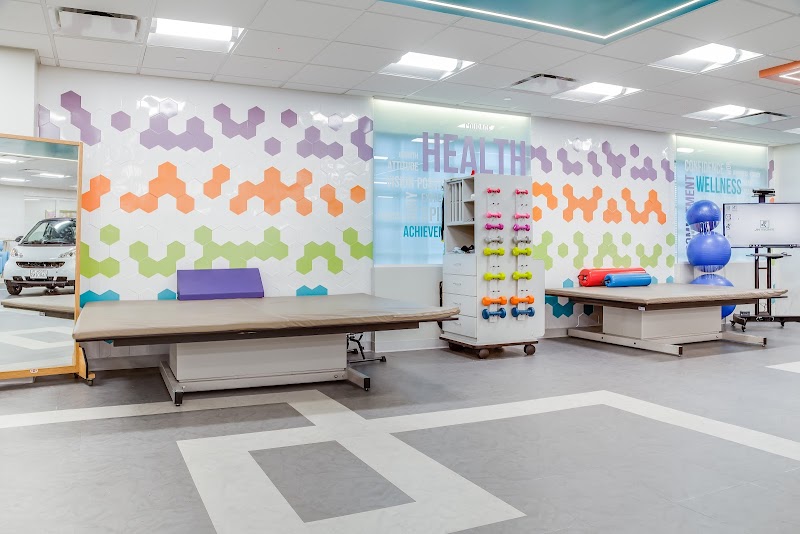
Who Owns and Operates Brooklyn Gardens Nursing & Rehabilitation Center?

BROOKLYN GARDENS NURSING & REHABILITATION CENTER is owned by a for-profit company. For-profit facilities operate as businesses with obligations to shareholders or private owners. The facility operates independently rather than as part of a larger chain. With 240 certified beds and approximately 226 residents (about 94% occupancy), it is a large facility located in BROOKLYN, New York.

How Does Brooklyn Gardens Nursing & Rehabilitation Center Compare to Other New York Nursing Homes?

Compared to the 100 nursing homes in New York, BROOKLYN GARDENS NURSING & REHABILITATION CENTER's overall rating (3 stars) is below the state average of 3.1, staff turnover (40%) is near the state average of 46%, and health inspection rating (3 stars) is at the national benchmark.

What Should Families Ask When Visiting Brooklyn Gardens Nursing & Rehabilitation Center?

Based on this facility's data, families visiting should ask: "Can you walk me through typical staffing levels on day, evening, and night shifts?" "Can I visit during a mealtime to observe dining assistance and food quality?" "How do you handle medical emergencies, and what is your hospital transfer rate?" "Can I speak with family members of current residents about their experience?" These questions are particularly relevant given the below-average staffing rating.

Is Brooklyn Gardens Nursing & Rehabilitation Center Safe?

Based on CMS inspection data, BROOKLYN GARDENS NURSING & REHABILITATION CENTER has a clean safety record: no substantiated abuse findings (meaning no confirmed cases of resident harm), no Immediate Jeopardy citations (the most serious violation level indicating risk of serious injury or death), and is not on the Special Focus Facility watch list (a federal program monitoring the lowest-performing 1% of nursing homes). The facility has a 3-star overall rating and ranks #100 of 100 nursing homes in New York. While no facility is perfect, families should still ask about staff-to-resident ratios and recent inspection results during their visit.

Do Nurses at Brooklyn Gardens Nursing & Rehabilitation Center Stick Around?

BROOKLYN GARDENS NURSING & REHABILITATION CENTER has a staff turnover rate of 40%, which is about average for New York nursing homes (state average: 46%). Moderate turnover is common in nursing homes, but families should still ask about staff tenure and how the facility maintains care continuity when employees leave.

Was Brooklyn Gardens Nursing & Rehabilitation Center Ever Fined?

BROOKLYN GARDENS NURSING & REHABILITATION CENTER has no federal fines on record. CMS issues fines when nursing homes fail to meet care standards or don't correct problems found during inspections. The absence of fines suggests the facility has either maintained compliance or corrected any issues before penalties were assessed. This is a positive indicator, though families should still review recent inspection reports for the full picture.

Is Brooklyn Gardens Nursing & Rehabilitation Center on Any Federal Watch List?

BROOKLYN GARDENS NURSING & REHABILITATION CENTER is not on any federal watch list. The most significant is the Special Focus Facility (SFF) program, which identifies the bottom 1% of nursing homes nationally based on persistent, serious quality problems. Not being on this list means the facility has avoided the pattern of deficiencies that triggers enhanced federal oversight. This is a positive indicator, though families should still review the facility's inspection history directly.