BROOKLYN-QUEENS NURSING HOME
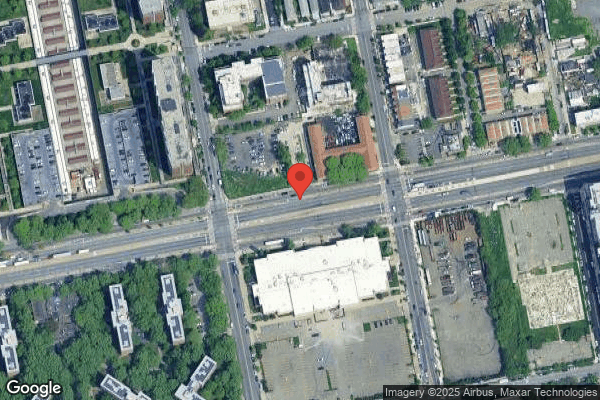

2749 LINDEN BLVD, BROOKLYN, NY 11208 (718) 277-5100
For profit - Corporation 140 Beds Independent Data: November 2025
Trust Grade
60/100
#143 of 594 in NY
Last Inspection: September 2024

Within standard 12-15 month inspection cycle. Federal law requires annual inspections.

Overview

Brooklyn-Queens Nursing Home has a Trust Grade of C+, indicating it is slightly above average but not without its issues. It ranks #143 out of 594 facilities in New York, placing it in the top half, and #12 out of 40 in Kings County, meaning only 11 local options are better. The facility is improving, with a decrease in reported issues from 6 in 2023 to 5 in 2024. Staffing is a concern here, with a 3/5 rating and a turnover rate of 53%, which is higher than the state average, indicating that staff may not stay long enough to build strong relationships with residents. The facility has accrued $230,089 in fines, which is alarming and suggests ongoing compliance issues. In terms of specific incidents, one resident with severe cognitive impairment had a bruise on their arm that went unaddressed for several days, raising questions about timely care. Additionally, another resident who required oxygen was found with tubing touching the floor, which poses a risk to their health. There was also a failure to involve a resident or their representative in the development of their care plan, indicating a lack of communication and engagement in their own care. Overall, while there are strengths in some areas, these weaknesses highlight significant concerns that families should consider.

Trust Score
C+
60/100
In New York
#143/594
Top 24%
Safety Record
High Risk
Review needed
Inspections
Getting Better
6 → 5 violations
Staff Stability
⚠ Watch
53% turnover. Above average. Higher turnover means staff may not know residents' routines.
Penalties
○ Average
$230,089 in fines. Higher than 70% of New York facilities. Some compliance issues.
Skilled Nurses
⚠ Watch
Each resident gets only 26 minutes of Registered Nurse (RN) attention daily — below average for New York. Fewer RN minutes means fewer trained eyes watching for problems.
Violations
⚠ Watch
16 deficiencies on record. Higher than average. Multiple issues found across inspections.
★★★★☆
4.0
Overall Rating
★★★☆☆
3.0
Staff Levels
★★★☆☆
3.0
Care Quality
★★★★☆
4.0
Inspection Score
Stable
2023: 6 issues
2024: 5 issues

The Good

  • Full Sprinkler Coverage · Fire safety systems throughout facility
  • No fines on record

Facility shows strength in fire safety.

The Bad

Staff Turnover: 53%

Near New York avg (46%)

Higher turnover may affect care consistency

Federal Fines: $230,089

Well above median ($33,413)

Significant penalties indicating serious issues

The Ugly 16 deficiencies on record

Sept 2024 5 deficiencies
CONCERN (D)

Potential for Harm - no one hurt, but risky conditions existed

Deficiency F0553 (Tag F0553)

Could have caused harm · This affected 1 resident

**NOTE- TERMS IN BRACKETS HAVE BEEN EDITED TO PROTECT CONFIDENTIALITY** Based on record review and interviews conducted during the Recertification survey from 09/03/2024 to 09/10/2024, the facility di...

Read full inspector narrative →
**NOTE- TERMS IN BRACKETS HAVE BEEN EDITED TO PROTECT CONFIDENTIALITY** Based on record review and interviews conducted during the Recertification survey from 09/03/2024 to 09/10/2024, the facility did not ensure that, to the extent practicable, the resident or resident representative participated in the development, review, and revision of the comprehensive care plan. Specifically, Resident #78 and/or their designated representative were not afforded the opportunity to participate in the initial care plan meeting. This was evident in 1 out of 3 residents reviewed for Care Plan. The findings are: The facility policy titled Care Planning Process with an effective date of 11/12/20 and last revised date 6/24 stated that Resident/family/responsible parties will be invited to the comprehensive care plan meeting by the Social Work department. The policy also stated that every effort will be made to accommodate attendance at these meetings. The policy further stated that an explanation should be documented in the medical record if it was determined that participation of the resident or representative is not practicable for the development of the care plan. Resident #78 had diagnoses which included Major Depressive Disorder, Multidrug Resistant Organism and End Stage Renal Disease. The admission Minimum Data Set assessment dated [DATE] documented that Resident #78 was cognitively intact and had no behavior issue. Section Q0110 of the admission Minimum Data Set documented that Resident #78, nor their representative participated in the assessment. On 09/03/2024 at 10:42 AM, Resident #78 was interviewed and stated they were admitted to the facility about three months ago and did not recall being invited to a care plan meeting. Resident #78 also stated they made decision themselves. The Care Plan Meeting report documented the initial care plan meeting was held on 06/27/2024. and did not document that Resident # 78 and/or their representative attended the meeting. There was no documented evidence in the medical record that Resident #78 and/or their representative were invited to or participated in the care plan meeting on 06/27/2024. Social Services notes dated 06/27/2024 to 08/28/2024 contained no documented evidence that Resident #78 and/or their representative was invited to a care plan meeting. On 09/06/2024 at 10:52 AM, Licensed Practical Nurse #1 was interviewed and stated Resident #78 was cognitively intact, made decision themselves, and did not refuse care. Licensed Practical Nurse #1 also stated the Social Worker was responsible to invite the resident and/or their representative to the care plan meeting. On 09/06/2024 at 11:46 AM, the Director of Social Services was interviewed and stated they provide social services for Resident #78, and they invited the resident and/or their representative to the care plan meeting about one week ahead of the scheduled care plan meeting. The Director of Social Services also stated the invitation to care plan meeting had to be documented in the medical record as a proof an invitation was done. The Director of Social Services further stated Resident #78 was alert and oriented and made decision themselves. The Director of Social Services reviewed the medical record of Resident # 78 and could not locate or provide any documented evidence that Resident #78 and/or their representative were invited to the initial care plan meeting on 6/27/2024. The Director of Social Services stated it was an oversight that Resident #78 and/or their representative were not invited to care plan meeting. 10 NYCRR 415.3(f)(1)(v)
CONCERN (D) 📢 Someone Reported This

A family member, employee, or ombudsman was alarmed enough to file a formal complaint

Potential for Harm - no one hurt, but risky conditions existed

Report Alleged Abuse (Tag F0609)

Could have caused harm · This affected 1 resident

**NOTE- TERMS IN BRACKETS HAVE BEEN EDITED TO PROTECT CONFIDENTIALITY** Based on interviews and record review conducted during the Recertification/Complaint survey (NY00348151) from 09/3/2024 to 09/10...

Read full inspector narrative →
**NOTE- TERMS IN BRACKETS HAVE BEEN EDITED TO PROTECT CONFIDENTIALITY** Based on interviews and record review conducted during the Recertification/Complaint survey (NY00348151) from 09/3/2024 to 09/10/2024, the facility did not ensure all alleged violations involving injuries of unknown source were reported immediately, but not later than 2 hours after the allegations were made, to the State Survey Agency. This was evident for 1 (Resident #105) out of 6 residents reviewed for Abuse. Specifically, the facility did not report that Resident #105 was found with injuries of an unknown source to the New York State Department of Health within 2 hours. The findings are: The facility policy titled Abuse, Neglect, Mistreatment and Misappropriation of Resident Property with effective date 6/2020 and last review date 5/2024 documented that the facility will ensure that all alleged violations involving abuse, neglect, exploitation, or mistreatment, including injuries of unknown source and misappropriation of resident property, are reported immediately, but not later than 2 hours after allegation is made. Resident #105 was admitted to the facility with diagnoses which included Vascular Dementia, Cerebral atherosclerosis, and Cerebral Infarction. The admission Minimum Data Set 3.0 assessment dated [DATE] documented Resident #105 had severely impaired cognition and no physical/verbal behavioral symptoms directed toward others. The Nursing note dated 7/12/2024 documented Resident #105 was observed with discoloration on the left upper arm area which was blueish in color and measured 10cm x 5 cm. The Medical note dated 7/15/2024 documented date of service was on 7/12/2024 to assess Resident #105 for complaint of bruise with mild hematoma over the left arm. The Medical note also documented that Certified Nursing Assistant reported to the nurse that Resident #105 had a bruise over the left arm. The Medical Note further documented that Resident #105 was not able to give a proper history due to poor cognitive function. The Medical note documented that the Certified Nursing Assistant and nurses did not see Resident #105 falling from their bed or was there any history of accidents happening while Resident #105 was in their room. The Accident /Incident Occurrence Report/Investigation form documented the occurrence happened at 12:00 PM on 7/12/2024. The Webform submission from Nursing Home Facility Incident Report emailed to the Administrator documented the incident was submitted to New York State Department of Health at 03:46 on 7/13/2024. On 09/05/2024 at 02:17 PM, Registered Nurse #1 was interviewed and stated Resident #105 was found to have a bruise on the left upper arm when the Certified Nurse Assistant provided care to Resident #105 on 7/12/2024. Registered Nurse #1 also stated the cause of the bruise was unknown at that time. Registered Nurse #1 further stated they reported the incident immediately to the Director of Nursing. The Director of Nursing was no longer employed at the facility and could not be reached for interview. On 09/05/2024 at 02:38 PM, the Administrator was interviewed and stated the staff on the floor immediately report all the incidents that occur to the Director of Nursing no matter what time and the Director of Nursing and themselves only were responsible for reporting to Department of Health. The Administrator also stated that the Director of Nursing discussed with them if the incident was reportable to Department of Health, and they knew the facility had to report any allegation of abuse including unknown injury to the state agency immediately within 2 hours of awareness. The Administrator further stated that the bruise on left upper arm for Resident #105 was considered to be an unknown injury and had to be reported to Department of Health within 2 hours of awareness. The Administrator stated that the Director of Nursing had problems logging in the system and the Administrator logged in for the Director of Nursing to submit the report. The Administrator also stated they terminated the Director of Nursing several weeks ago and they had no explanation why the incident which occurred 07/12/2024 was not reported to the Department of Health until 07/13/2024. 10 NYCRR 415.4(b)(2)
CONCERN (D)

Potential for Harm - no one hurt, but risky conditions existed

Assessment Accuracy (Tag F0641)

Could have caused harm · This affected 1 resident

**NOTE- TERMS IN BRACKETS HAVE BEEN EDITED TO PROTECT CONFIDENTIALITY** 2. Resident #7 had diagnoses which included Congestive Heart Failure, Major Depressive Disorder, and Unspecified Pain. On 09/10/...

Read full inspector narrative →
**NOTE- TERMS IN BRACKETS HAVE BEEN EDITED TO PROTECT CONFIDENTIALITY** 2. Resident #7 had diagnoses which included Congestive Heart Failure, Major Depressive Disorder, and Unspecified Pain. On 09/10/2024 at 09:31 AM, Resident #7 was interviewed and stated the staff from different disciplines met with them for assessment about every 3 months. The Quarterly Minimum Data Set assessment dated [DATE] documented Resident #7 was cognitively intact and did not reject care. Section Q 0110, Participation in Assessment and Goal Setting, in the assessment documented none of the above and did not reflect that Resident #7 had participated in the assessment. 3. Resident #78 had diagnoses which included Major Depressive Disorder, Multidrug Resistant Organism and End Stage Renal Disease. On 09/10/24 at 09:46 AM, Resident #78 was interviewed and stated the interdisciplinary team members visited them at the beginning of admission and again last week for assessment. The admission Minimum Data Set assessment dated [DATE] documented Resident #78 was cognitively intact and did not reject care. Section Q 0110, Participation in Assessment and Goal Setting, in the assessment documented none of the above and did not reflect that Resident #78 had participated in the assessment. On 09/09/2024 at 03:08 PM, the Minimum Data Set Coordinator was interviewed and stated they interviewed the residents and/or representatives for the Minimum Data Set assessment. The Minimum Data Set Coordinator also stated that the Social Service department was responsible to answer the question Q0110, Participation in Assessment and Goal Setting, in section Q of the assessment. The Minimum Data Set Coordinator stated they were not responsible for the accuracy of the Minimum Data Set assessment but to make sure the Minimum Data Set assessments were completed and submitted in a timely manner. On 09/09/2024 at 03:23 PM, the Director of Social Services was interviewed and stated their department answered the question Q 0110 - Participation in Assessment and Goal Setting in the Minimum Data Set assessment. The Director of Social Services also stated the interdisciplinary team did involve the residents and/or their representatives for the Minimum Data Set assessment. The Director of Social Services further stated that it was the Assistant Director of Social Services' responsibility to answer question Q 0110. The Director of Social Services stated the Assistant Director of Social Services left the facility several weeks ago. The Director of Social Services further stated it was an error to code that residents and/or their representatives had not participated in the assessments. The Director of Social Services also stated that they provided training to the Assistant Director of Social Services and reviewed the completed assessments for accuracy of the Social Services section after the training, then discontinued doing so when there were no concerns with the way the assessments were completed. On 09/10/2024 at 10:01 AM, the Administrator was interviewed and stated the interdisciplinary team had the residents and/or their representatives participate in the Minimum Data Set assessment. The Administrator also stated they were not aware it was coded to reflect that the residents and/or their representatives did not participate in the assessments. The Administrator further stated it may be misunderstanding of the question that the staff answered question Q 0110 incorrectly. 10 NYCRR 415.11(b) Based on record review and interviews conducted during the Recertification survey from 09/03/2024 to 09/10/2024, the facility did not ensure that the Minimum Data Set 3.0 assessments were accurately coded to reflect the residents and/or their representatives' participation in the assessment and goal setting. This was evident for 3 (Resident #18, #7, and #78) out of 31 total sampled residents. Specifically, the Minimum Data Set assessment for Residents #18, #7, and #78 did not accurately code that the residents participated in the assessment. The findings are: The facility policy titled MDS (Minimum Data Set) assessment with an effective date of 11/12/20 and last revised 6/24 documented Social Work was assigned to complete section Q in the Minimum Data Set assessment. 1. Resident #18 had diagnoses of Hypertension, Peripheral Vascular Disease, and Chronic Respiratory Failure. During an interview on 09/10/24 at 09:56 AM, Resident #18 stated they always take part in the Care Plan meeting and talks with the team about their plan of care. The Quarterly Minimum Data Set 3.0 assessment dated [DATE] documented Resident #18 was cognitively intact, had no behavior problems, and no rejection of care. Section Q 0110, Participation in Assessment and Goal Setting, in the assessment documented none of the above and did not reflect that Resident #18 had participated in the assessment.
CONCERN (D)

Potential for Harm - no one hurt, but risky conditions existed

Food Safety (Tag F0812)

Could have caused harm · This affected 1 resident

Based on observations, record review, and interviews conducted during the Recertification Survey from 09/02/2024 to 09/10/2024, the facility did not ensure that food was stored in accordance with prof...

Read full inspector narrative →
Based on observations, record review, and interviews conducted during the Recertification Survey from 09/02/2024 to 09/10/2024, the facility did not ensure that food was stored in accordance with professional standards for food service safety. This was evident during the kitchen task and pantry inspections. Specifically, there were multiple expired food items in the kitchen dry storage room, emergency food room, and in the pantry on the 5th floor. The findings are: The facility policy titled Storage Procedure revised 6/2024 documented food shall be received and stored in a manner that complies with current practices for safe food handling. Dry foods that are stored in bins will be removed from original packaging labeled and dated (use by date). Such foods will be rotated using a first in - first out system. An initial tour of the kitchen and emergency food storage area was conducted on 09/03/2024 from 09:16AM-09:53AM with Dietary Aide #2 and Dietitian. In the dry storage room of the kitchen 10 carboard boxes of 24 count 8 ounces Jevity 1.5 with use by dates of 1 April 2024 and 1 September 2024, and one box containing 33 individual containers of 4-ounce Ready Care Clear Choice Thickened Lemon-Flavored Water with a marked expiration date of 10 June 2024 were observed. In the emergency food storage area Boost Pudding Rich chocolate with expiration date of 30 August 2024, and Two Cal HN containing 23 cartons of 8 ounce with use by date of 1 July 2024 were observed. During a tour of the pantry on the 5th floor on 9/9/2024 at 11:00AM-11:01AM, a box containing 21 cartons of Nepro Carb Steady Homemade vanilla with use by date of 1 May 2024 was observed. During an interview on 09/04/2024 at 11:21AM, the Dietary Aide #1 stated they get deliveries weekly and rotate items at the end of the month when new items come in. In the dry storage new items are placed in the back and older items in the front. Dietary Aide #1 also stated they noticed some expired items two weeks ago and at the end of last month they did not have time to get rid of the items. Dietary Aide #1 further stated that they do not have a supervisor on the weekend and their new supervisor started yesterday. During an interview on 09/09/2024 at 11:01AM, Certified Nursing Assistant #4 was interviewed and stated that they do not normally have anything to do with the box of supplements, and there are no residents on the unit that receive Nepro but there are residents who use Ensure supplement. Certified Nursing Assistant #4 also stated that the kitchen staff drops off the supplements and leaves them in the pantry. Certified Nursing Assistant #4 further stated that when they get supplements for residents, they look for the resident's name, residents room number and check to see if the supplement is expired. During an interview on 09/09/2024 at 11:07AM, Licensed Practical Nurse #4 stated they went into the cabinets in the pantry to get cups and they did not notice the expired supplements but believes no residents on the unit are using that supplement. Licensed Practical Nurse #4 also stated that the supplements expired on 1 May 2024, and should have been thrown out. Licensed Practical Nurse #4 further stated that supplements are brought up to the unit on a tray by food services and are typically not brought up in boxes. During an interview on 09/09/2024 at 11:22AM, Registered Nurse Supervisor #1 stated that they do not believe the supplements were given out. Registered Nurse Supervisor #1 that the last time they did rounds on the unit they did not look at the pantry, however the nurse on the floor should be checking the pantry along with the Certified Nursing Assistants. Registered Nurse Supervisor #1 further stated that they did do not know how the supplements got in the pantry and normally the kitchen does not send up expired items. During an interview on 09/09/2024 at 12:53PM, Dietary Aide #1 was interviewed, and stated they delivered today's 10AM snacks and supplements to the units. Dietary Aide #1 also stated they did not look in the pantry cabinets as they did not think dietary department had anything in the cabinet, and they bring supplements to the unit every day labeled with that day's date. Dietary Aide #1 further stated that the last time there was a resident receiving Nepro was in February 2024. During an interview on 09/09/2024 at 03:25 PM, the Food Service Supervisor stated that they supervise dietary staff, and they look at the dry storage store room area three times a week, and at the emergency storage area two times a week. The Food Service Supervisor also stated that they inspected the dry storage room once a week on Mondays and did not notice the expired items on the shelf. The Food Service Supervisor further stated that the Dietary Aide is in charge of the storeroom and responsible for putting away food deliveries. The Food Service Supervisor stated that they do not give boxes of supplements to the units or look at the pantries upstairs, and they do not know who checks to see whether there are expired food items upstairs. During an interview on 09/10/2024 at 12:49PM, the Director of Nursing stated when they do random unit checks they do not zero in on any particular area, and they do not look in the cabinets in the pantry. The Director of Nursing also stated that the Certified Nursing Assistants and Dietary staff have responsibility for the pantry. Supplements and enteral feeding are not kept in the pantry and are brought up to the units and labeled to be used at specific mealtimes. The Director of Nursing further stated that enteral feeding would come up per the order for administration and are not to be stored prior to use, as someone might see it there and use it which is not according to their protocol. The Director of Nursing stated the Licensed Practical Nurse or Registered Nurse supervisor should be supervising the Certified Nursing Assistants on the unit. 10 NYCRR 415.14(h)
CONCERN (E) 📢 Someone Reported This

A family member, employee, or ombudsman was alarmed enough to file a formal complaint

Potential for Harm - no one hurt, but risky conditions existed

Deficiency F0657 (Tag F0657)

Could have caused harm · This affected multiple residents

**NOTE- TERMS IN BRACKETS HAVE BEEN EDITED TO PROTECT CONFIDENTIALITY** 2. Resident #105 (NY00348151) was admitted to the facility with diagnoses which included Vascular Dementia, Cerebral Atheroscler...

Read full inspector narrative →
**NOTE- TERMS IN BRACKETS HAVE BEEN EDITED TO PROTECT CONFIDENTIALITY** 2. Resident #105 (NY00348151) was admitted to the facility with diagnoses which included Vascular Dementia, Cerebral Atherosclerosis, and Cerebral Infarction. The admission Minimum Data Set 3.0 assessment dated [DATE] documented Resident #105 was had severely impaired cognition and no physical/verbal behavioral symptoms directed toward others. The Nursing note dated 7/12/2024 documented Resident #105 was observed with discoloration on the left upper arm area which was blueish in color and in the size measured 10cm x 5 cm. The Medical note dated 7/15/2024 documented date of service was on 7/12/2024 to assess Resident #105 for complaint of bruise with mild hematoma over the left arm. The Medical note also documented that Certified Nursing Assistant reported to the nurse that Resident #105 had a bruise over the left arm. The Medical Note further documented that Resident #105 was not able to give a proper history due to poor cognitive function. The Medical note documented that the Certified Nursing Assistant and nurses did not see Resident #105 falling from their bed or was there any history of accidents happening while Resident #105 was in their room. The Accident /Incident Occurrence Report/Investigation form documented the occurrence happened at 12:00 PM on 7/12/2024. The Comprehensive Care Plan related to Victimization created 4/16/2024 documented interventions which included to keep Resident #105 separated from other residents possibly disturbed by the behaviors exhibited whenever possible, provide a safe environment, and provide emotional support/reassurance for Resident #105 to express feelings. There was no documented evidence Resident #105's comprehensive care plan related to Victimization was reviewed and/or revised after Resident #105 was observed with an injury of unknown source or after the admission Minimum Data Set assessment was completed on 4/23/2024 or the Quarterly Minimum Data Set assessment completed on 7/24/2024. 3. Resident #7 had diagnoses of Unspecified Atrial Fibrillation, Unspecified Pain, and Chronic Pain Syndrome. The Minimum Data Set 3.0 assessment dated [DATE] documented Resident #7 was cognitively intact. The Minimum Data Set assessment also documented that Resident #7 received anticoagulant and opioid medication. The Physician's order dated 10/21/2023 renewed on 9/3/2024 documented that Resident #7 was to receive Oxycodone-Acetaminophen 10mg-325mg tablet, 1 tablet by mouth every 6 hours for Pain. The Physician's order dated 11/10/2022 renewed on 9/3/2024 documented that Resident #7 was to receive Eliquis 5 mg tablet, give 1 tablet by mouth every 12 hours for Unspecified Atrial Fibrillation. The Medication Administration Record dated August 2024 documented that Oxycodone-Acetaminophen and Eliquis were administered to Resident #7 every day as ordered. The Comprehensive Care Plan with focus on Pain created on 11/10/2022 and last updated 3/29/2024 included interventions of assess for breakthrough pain and need for supplemental doses, assess nature, intensity, location, duration, and frequency of pain, and educate Resident #7 and/or family regarding importance of reporting pain and pain control. The Comprehensive Care Plan with focus on Anticoagulant Use initiated 11/10/2022 and last updated 5/13/2024 documented interventions which included to administer medications as per Medical Doctor orders, avoid bumping and handle resident gently when providing hands on care, and monitor/document/report to Medical Doctor as needed for signs/symptoms of anticoagulant and/or antiplatelet complications. There was no documented evidence that Resident #7's comprehensive care plans related to Pain and Anticoagulant Use were reviewed or revised after the last Minimum Data Set assessment completed on 6/3/2024. On 09/05/2024 at 02:17 PM, Registered Nurse #1 was interviewed and stated they were responsible for reviewing the care plans for residents at least every three months after the Minimum Data Set assessments and as needed. Registered Nurse #1 also stated they were able to check which residents were due for Minimum Data Set assessment in the electronic medical record system and review their care plans accordingly. Registered Nurse #1 further stated they updated or documented to continue the care plan if no change was needed. Registered Nurse #1 stated they updated some care plans for Resident #105 and #7, and it may be an oversight that all care plans were not updated. On 09/09/2024 at 10:17 AM, the Director of Nursing was interviewed and stated the day shift Registered Nurse for the unit was responsible for reviewing and updating the care plans at least every three months after the Minimum Data Set assessment and as needed. The Director of Nursing also stated the Registered Nurse is supposed to document the care plan was reviewed and continue the current care plan if there was no change in the care plan. The Director of Nursing reviewed the medical record and was not able to explain why some care plans were not reviewed or updated in a timely manner for Resident #105 and Resident #7. The Director of Nursing stated the registered nurses were professional and they did not monitor if the Registered Nurse had reviewed and updated the care plans. 10 NYCRR 415.11(c)(2)(iii) Based on observations, record review and staff interviews conducted during the Recertification survey and Complaint survey (NY00348151) from 09/03/2024 to 09/10/2024, the facility did not ensure that residents comprehensive care plans were reviewed and revised to reflect the resident's status. This was evident for 1 (Resident #91) of 2 residents reviewed for Activities of Daily Living, 1 (Resident #105) of 6 residents reviewed for Abuse and 1 (Resident #7) of 5 residents reviewed for Unnecessary Medication out of 31 sampled residents. Specifically, 1). Resident #91's comprehensive care plan was not reviewed and revised to reflect their preference for wearing hospital-style gowns, and refusal to have their hair care needs addressed, 2). Resident #105's comprehensive care plan related to Victimization was not reviewed and revised after the Minimum Data Set Assessment was completed, and 3). Resident #7's comprehensive care plans related to Pain and Anticoagulant use were not reviewed or revised after the Minimum Data Set Assessment was completed. The finding is: The facility policy titled Care Planning Process last revised 6/24 documented comprehensive, person-centered care plans are based on resident assessments and developed by an interdisciplinary team. The policy further documented care plans must be reviewed and modify as needed by appropriate disciplines prior to scheduled care plan meeting. Each comprehensive care plan problems, goals and interventions should be reviewed for appropriateness to the resident's condition. Each care plan should have a review note completed prior to/during the comprehensive care plan meeting evaluating effectiveness. 1. Resident # 91 had diagnoses which includes Depression, Paranoid Schizophrenia, and Insomnia. The Quarterly Minimum Data Set, dated [DATE] documented that Resident #91 had severely impaired cognition and required supervision to set up assistance for shower and bath and was independent with personal hygiene. The Quarterly Minimum Data set further documented Resident #91 had physical behavioral symptoms directed toward others, other behavioral symptoms not directed toward others such as pacing, and there was no rejection of care. On 09/03/24 at 12:40 PM, Resident #91 was observed eating lunch in the unit dining area wearing hospital-type gown. Resident #91's hair appeared long on the sides and there was a large, matted clump of hair at the back of Resident #91's head. On 09/04/24 at 09:40 AM, Resident #91 was observed walking in the hallway and entered dining area wearing a hospital-type gown. Hair to the back of Resident #91's head was observed to be in a matted clump. On 09/05/24 at 09:05 AM, and on 09/05/24 at 11:29 AM, Resident #91 was observed walking from the dining area to their room in a hospital-type gown with hair that remained matted to the back of resident's head in long clump. Resident #91 did not answer when greeted. On 09/09/24 at 09:03 AM, on 09/09/24 at 11:51 AM, and on 09/10/24 at 08:51 AM, Resident #91 was observed walking on unit from dining area to room in a hospital-type gown. Resident #91 continued to have a clump of matted hair to the back of the head. The Comprehensive Care Plan titled Functional Status: Self Care effective 1/17/2024 and last updated documented 7/24/2024 documented Resident #91 required supervision/touching assistance for shower/bathe self and was independent for Personal Hygiene. Interventions included encourage resident to perform self-care as independently as possible, observe for safety, review progress or lack of progress toward discharge goals and update as needed, and continue annual and quarterly assessments to monitor status. The Comprehensive Care Plan titled Behavioral Symptoms Etiology: Resident exhibits behavior problems as evidenced by refusing medications, psychiatric diagnosis of Paranoid Schizophrenia dated effective 4/3/2024 with last evaluation note dated 7/17/2024. Interventions included monitor behavior episodes and attempt to determine underlying cause, consider location, time of day, persons involved, and situations, document behavior and potential causes, re-enforce/praise positive behavior and progress, explain to resident the risk of non-adherence and risk of negative outcomes/impact, and refer to physician/psychiatrist as needed. The Certified Nursing Assistant Accountability Record dated January 2024 through September 2024 documented resident received showers and contained no documented evidence that Resident #91 refused care or refused to clean their hair. There was no documentation of Resident #91's preferences for care on the Certified Nursing Assistant Accountability record. The Comprehensive Care Plan meeting dated 10/26/2023, 1/30/2024, 5/2/2024 and 8/1/2024 documented Resident #91 was receiving showers, but there was no documented evidence that Resident #91 Activities of Daily Living, specifically hair grooming and preference for gowns was addressed with Resident #91 and/or representative. The Nursing progress note dated 07/16/2024 at 10:34 AM, documented behavior Note: Even with much encouragement resident refuses to let hair get washed and to put on clothing- prefers to wear the gown. There was no documented evidence that Resident #91's care plan was reviewed or revised to include their preference for hospital-style gowns, or to include interventions and or a plan to address Resident #91's matted and unkempt hair. During an interview on 09/06/24 at 10:28 AM, Certified Nursing Assistant #8 stated that they were assigned to care for Resident #91 last month and the only thing Resident #91 allowed Certified Nursing Assistant #8 do for them is provide them with two hospital-style gowns, make their bed, and give them their breakfast and lunch trays. Certified Nursing Assistant #8 also stated that Resident #91 handled all other care by themself and refused to dress in anything other than hospital-style gowns. Certified Nursing Assistant #8 further stated that Resident #91 would only shower when they wanted to shower, despite having designated days to shower on Mondays and Thursdays and they always refused to have their hair washed or cut. Certified Nursing Assistant #8 stated that Resident #91 needed a lot of encouragement to go into the shower, and during shower time the Certified Nursing Assistant stays with Resident #91 but cannot touch their hair. Certified Nursing Assistant #8 stated they were aware of Resident #91's hair needs care, and they did not document that Resident #91 refused to clean their hair because there was no place to document this. Certified Nursing Assistant #8 stated they verbally inform the nurse on the unit that Resident #91 is refusing to wash their hair. During an interview on 09/06/24 at 02:06 PM, Licensed Practical Nurse #2 stated they are aware that Resident #91's hair is matted and cannot be combed out, and they have personally offered Resident #91 a haircut on multiple occasions, but Resident #91 refused. Licensed Practical Nurse #2 also stated that Resident #91 does not like to be touched and walks around in a hospital-style gown all day. Licensed Practical Nurse #2 further stated that Resident #91 is independent with Activities of Daily Living, is compliant with all medications, very engaging, low speech, has no combative behaviors at present. Licensed Practical Nurse #2 stated that they reported the noncompliance with hair care and matted hair to the supervisor and Social Worker, but nothing was done. Licensed Practical Nurse #2 also stated they do not participate in the care planning meetings and did not document the multiple times they offered Resident #91 a haircut. During an interview on 09/06/24 at 02:50 PM, Registered Nurse Supervisor #2 stated that Resident #91 walks up and down in the hallway in a hospital-style gown. Registered Nurse Supervisor #2 also stated that Resident #91 was admitted with matted hair and Resident #91 was encouraged to clean hair during an interdisciplinary team meeting, but they could not recall when this was. Registered Nurse Supervisor #2 further stated that they have approached Resident #91 on several occasions to offer a shower which Resident #91 accepted, but Resident #91 refuses to allow anyone to touch their hair. Registered Nurse Supervisor #2 stated if anyone attempts to touch their hair, Resident #91 turns red, folds arms, and says no, no and walks up and down the hallway. Registered Nurse Supervisor #2 also stated they did not document any of the meetings with Resident #91 or the plan for Resident #91, but there was a note in July 2024 stating that Resident #91 refused to have hair washed, and their preference was to wear hospital-style gowns on the unit. Registered Nurse Supervisor #2 stated they are not responsible for care plans and did not initiate or update the care plan for resident preference of gowns and refusing to wash hair as there was someone specifically assigned to do the care plans, but they are not sure what happened to that. During an interview 09/10/24 at 01:38 PM, the Director of Nursing stated were just told that the Resident #91 had matted hair, was resistive to care, refused activity of daily living care. The Director of Nursing also stated Registered Nurse Supervisors are responsible for creating and revising all care plans and they would instruct them to ensure that the appropriate care plans are in place for Resident #91.
May 2023 5 deficiencies
CONCERN (D) 📢 Someone Reported This

A family member, employee, or ombudsman was alarmed enough to file a formal complaint

Potential for Harm - no one hurt, but risky conditions existed

Safe Environment (Tag F0584)

Could have caused harm · This affected 1 resident

**NOTE- TERMS IN BRACKETS HAVE BEEN EDITED TO PROTECT CONFIDENTIALITY** Based on observations and interviews conducted during the Recertification survey, the facility did not ensure that a safe, clean...

Read full inspector narrative →
**NOTE- TERMS IN BRACKETS HAVE BEEN EDITED TO PROTECT CONFIDENTIALITY** Based on observations and interviews conducted during the Recertification survey, the facility did not ensure that a safe, clean, comfortable, and homelike environment was maintained. This was observed during environmental observations on 1 of 4 units. (Unit 2, room [ROOM NUMBER]) Specifically, a resident's room was observed with an air conditioner in disrepair and dirty bedside nightsand drawers. The findings are: The facility policy and procedure titled Home Like Environment dated 9/3/2021 and revised on 8/21/22 documented that the maintenance policy and procedure is for the facility staff and management to maximize to the extent possible the characteristic of the facility that reflect a personalized and homelike setting. During observations of the environment conducted on Unit 2 on 5/21/2023 at 11:37 AM and on 5/26/22 at 3:35 PM with the Director of facility, room [ROOM NUMBER] was observed with a broken, dirty and rusty air conditioner. The bedside drawers were observed dirty with a lot of brown stain. On 5/26/2023 at 3:34 PM, an interview was conducted with the unit Housekeeper (housekeeper #8). He stated that as an evening housekeeper, his job is to maintain what was done during the day shift. He further stated that he did not go to into room [ROOM NUMBER] because it looks clean. As per the housekeeper, he is not aware of any equipment in disrepair in room [ROOM NUMBER] On 5/26/2023 at 3:37 PM, an interview was conducted with the Director of facility while making environmental round with him. He agreed that the air conditioner and the drawers are a concern. Furthermore, he said that they are going to replace the broken air conditioner and the drawers. On 5/26/2023 at 3:45 PM, CNA #2 was interviewed and stated that the air conditioner in room [ROOM NUMBER] is very questionable and was told by maintenance staff that the air conditioner is working. CNA #2 further stated that everyone is responsible to keep the drawers clean. If it is in disrepair, it should be reported to be fixed. 415.5(h)(1)
CONCERN (D)

Potential for Harm - no one hurt, but risky conditions existed

Deficiency F0657 (Tag F0657)

Could have caused harm · This affected 1 resident

**NOTE- TERMS IN BRACKETS HAVE BEEN EDITED TO PROTECT CONFIDENTIALITY** Based on observation, record review, and staff interviews, during the recertification survey, the facility did not ensure that a...

Read full inspector narrative →
**NOTE- TERMS IN BRACKETS HAVE BEEN EDITED TO PROTECT CONFIDENTIALITY** Based on observation, record review, and staff interviews, during the recertification survey, the facility did not ensure that a resident's comprehensive care plan (CCP) was reviewed and revised with changes in the resident's needs and conditions. This was evident for 1 of 26 residents reviewed in the investigation sample (Resident #47). Specifically, Resident #47's CCP was not reviewed and revised after Resident #47 had an altercation with another resident, (Resident #78) The findings are: The facility Comprehensive Care Plan policy and procedure titled Care Planning Comprehensive, initiated 8/2011 and revised May 2022, documented CCPs should be revised as needed based on changes in the resident's condition, orders, or any change in status. Resident #47 was admitted to the facility with diagnoses which include Multiple Myeloma in remission, AtrioventrIcular block, and venous insufficiency. The Quarterly Minimum Data Set 3.0 (MDS) assessment dated [DATE] documented the resident had intact cognition. The MDS further documented that the resident is extensive assist of one for bed mobility, dressing and personal hygiene. Extensive assist of 2 for transfer and toilet use. Limited assist of one for eating. The nursing progress notes dated 5/3/2023 documented Resident #47 was punched in the face by another resident in an altercation. The nursing progress notes dated 5/4/2023 documented Resident #47 returned to the facility from the hospital and denied pain and discomfort. The Physician progress notes dated 5/5/2023 documented Resident #47 was seen for follow-up after returning to the facility from the emergency room (ER). Resident #47 sustained no injury, was in no distress, and was at baseline with no pain and discomfort. There was no documented evidence that the CCP was reviewed and revised to address the resident's changing needs after he was punched by another resident. On 5/26/23 at 3:48 PM, the unit Registered Nurse Supervisor (RNS #2) was interviewed. The RNS #2 stated that when there is an issue, they will assess it and put a care plan in right after the assessment. The RNS #2 further stated that the care plan should be updated quarterly, annually, with a significant change, and as needed. Furthermore he stated that following an assessment, the nurse should proceed with the care plan. The care plan should have been updated right after the altercation. The care plan was updated 3 weeks after the altercation while the Surveyors were in the facility. 415.11(c)(2)(i-iii)
CONCERN (D)

Potential for Harm - no one hurt, but risky conditions existed

Deficiency F0685 (Tag F0685)

Could have caused harm · This affected 1 resident

**NOTE- TERMS IN BRACKETS HAVE BEEN EDITED TO PROTECT CONFIDENTIALITY** Based on observation, interview and record review conducted during a Recertification and abbreviated survey from 05/21/23 to 05/...

Read full inspector narrative →
**NOTE- TERMS IN BRACKETS HAVE BEEN EDITED TO PROTECT CONFIDENTIALITY** Based on observation, interview and record review conducted during a Recertification and abbreviated survey from 05/21/23 to 05/26/23, the facility did not ensure residents received proper treatment to maintain vision abilities. This was evident for 1 (Resident #78) of 2 residents reviewed for Communication/Sensory out of a sample of 26 residents. Specifically, the facility did assist Resident #78 with obtaining an Ophthalmology consultation. The findings are: The policy and procedure titled Consultants dated 8/3/2021, last reviewed 8/21/2022 documented that consultants services may be utilized in different areas included the medical areas which are Podiatry, Audiology, Ophthalmology, Optometry and Dental services. Written, signed and dated agreements are maintained for each consultant agreement. Consultants document their provision of care to the facility's electronic medical record. Such documentation may contain recommendations like plan for implementation, findings and plan for continued assessments. The facility retains the professional and admisistrative responsibility provided by the consultants. Resident #78 was admitted to the facility on [DATE] with the diagnoses of bilateral Ocular Hypertention, Myopia, Age related Cataract, Vascular Dementia. The Minimum Data Set 3.0 (MDS) quarterly assessment dated [DATE] documented Resident #78 was cognitively impaired. Resident is extensive and one assist for bed mobility,transfer,dressing, toilet use and personal hygiene. Limited assist of one for eating. The Comprehensive Care Plan titled potential for visual problem related to disease process as evidenced by Cataract, Myopia, Diebetic retinopathy, Glaucoma. Last revised on 4/24/23 included goal that resident will be free of eye pain and/or discomfort in the next 90 days. Intervention included assess visual functioning and notify MD of any changes. The Optometry consult dated 9-20-22 documented Glaucoma suspected drops are not indicated at this time. To be performed in 12 months. There was no documented evidence the facility scheduled an Ophthalmology consult for Resident #78 since admission. On 05/26/23 at 11:47 AM, an interview was conducted with the Assistant Director of Nursing (ADON), (#3). The ADON stated that when a resident is admitted to the facility, they automatically put a consult for dental, podiatry and vision. Based on the resident's diagnoses, other consults are added as needed. The ADON further stated that they are going to expedite an Ophthalmology consultation request for Resident #78. On 05/26/23 at 01:22 PM, an interview was conducted with the resident's Primary Medical Doctor (PMD #7). The PMD #7 stated they did not oversee Resident #78's care upon admission, and they joined the care team one month ago. PMD #7 stated Resident #78 should be seen annually by an Ophthalmologist, and they will ensure the resident is seen. 415.12(3)(b)
CONCERN (D)

Potential for Harm - no one hurt, but risky conditions existed

Incontinence Care (Tag F0690)

Could have caused harm · This affected 1 resident

**NOTE- TERMS IN BRACKETS HAVE BEEN EDITED TO PROTECT CONFIDENTIALITY** Based on observation, interviews, and record review conducted during a Recertification survey from 05/21/2023 to 05/16/2023, the...

Read full inspector narrative →
**NOTE- TERMS IN BRACKETS HAVE BEEN EDITED TO PROTECT CONFIDENTIALITY** Based on observation, interviews, and record review conducted during a Recertification survey from 05/21/2023 to 05/16/2023, the facility did not ensure a resident received appropriate care and or treatment to prevent potential urinary tract infections (UTI) (Resident #135) . This was evident for 1 of 2 residents reviewed for Urinary Catheter/UTI out of a total investigative sample of 29 residents ( resident #135). Specifically, Resident #135's Foley catheter drainage bag was observed on the floor, and there was no documented evidence that Foley Catheter care was provided or urinary output was monitored. The finding is: The facility policy titled Catheter Care, Urinary dated effective 8/2022 documented the purpose of this procedure is to prevent catheter associated urinary tract infections. The policy further documented routine hygiene such as cleansing of the meatal surface during bathing or shower is appropriate. Resident #135 was readmitted to the facility on [DATE] with diagnoses which included Malignant Neoplasm of Prostate, Hydronephrosis, and Obstructive Uropathy. On 05/21/23 at 09:43 AM, Resident was observed with catheter in place attached to resident. Resident bed in low position with urine bag on the floor with no privacy bag in place. Resident stated has discomfort at catheter site and wants the catheter off. On 05/21/23 at 12:06 PM, Resident observed lying in the bed, the catheter was observed next to the resident on the bed. Resident observed asleep, heard snoring. No answer when name called asleep. On 05/23/23 at 09:11 AM, Resident observed going onto the elevator Foley catheter bag in privacy bag. Appropriately dressed. No concerns identified. Physician progress notes dated 5/19/2023 documented Resident #135 resident alert and oriented x 3, moving all extremities, no tremors. Red rubber Catheter Foley in place, no drainage,no bleeding, no injury, draining yellow, clear urine. Assessment/Plan: urinary obstruction as per urologist recommendations maintain as per urology recommendations. Nursing progress note dated 5/9/2023 documented Resident is alert and responsive. Foley Catheter in place and draining well. Nursing progress note dated 5/4/2023 documented resident alert and slept well on the tour, able to make needs known. Foley draining freely 400 cc urine. Stable condition. The Comprehensive Care Plan (CCP) titled Indwelling Catheter use Foley Cath #16FR for urinary retention related to obstructive uropathy with potential for infection related to Prostate Cancer Urinary Retention Obstructive Uropathy dated effective 4/24/2023 with interventions including assess/monitor/record urine characteristics that is (i.e.) amount, color, consistency, odor and sign/symptoms of UTI and notify MD of abnormal findings. Irrigate catheter as ordered. Monitor and record output every shift and report immediately to nurse if no output. Provide catheter care every shift . The Certified Nursing Assistant Accountability Record (CNAAR) dated 4/24/2023 to 5/23/2023 documented under the task titled toilet documented toilet resident required extensive assistance of one person. Bladder continent. Bowel continent. Toilet Type Catheter - indwelling (Foley). The Certified Nursing assistant Accountability Record (CNAAR) dated 4/24/2023 to 5/23/2023 had no documentation on Foley Catheter care and Foley Catheter urinary output. The Medication Administration Record (MAR) and Treatment Administration Record (TAR) dated 4/23/2023 to 4/30/2023 and 5/1/2023 through 5/21/2023 have no documentation evidence that Foley Catheter Care was provided, no documentation of Foley Catheter output. Progress notes dated 4/24/2023 through 5/21/2023 had no documented that Foley care was provided and or Urinary output was documented consistently. On 05/23/23 at 09:45 AM, an interview was conducted with Certified Nursing Assistance (CNA#1). CNA #1 stated the resident have a Foley catheter in place and saw this under the toileting task in the CNAAR. CNA stated the resident is alert is refusing assistance with all ADL care including Foley Catheter. CNA #1 stated will re-approach and offer to drain Foley Catheter drainage bag and will re- offer ADL care. CNA #1 stated have no place in the CNAAR to document the Catheter output. CNA #1 stated when emptying the Catheter bag if see blood or change in urine, or if the resident will complain will report to the nurse. CNA #1 stated does not report the output on a daily basis and only if see a change in the output, an or color. On 05/23/23 at 10:48 AM, an interview was conducted with Registered Nurse Supervisor (RN #1). RN #1 stated they are not always on the floor, and the RN Supervisor in the evening is responsible for putting in the orders for the Foley Catheter. RN #1 stated the CNA provide care and if any change the CNA reports to the nurse and nurse to the RN Manager. RN #1 stated the CNA and nurse on the unit monitor the catheter and report any concerns as needed. RN #1 had no answer when asked who follows-up to ensure orders are in place. On 05/23/23 at 11:55 AM, an interview was completed with License Practical Nurse (LPN #1). LPN #1 stated the CNA's are responsible for giving Foley Catheter care and is responsible for documenting the output in the CNAAR, because they assist the resident in emptying the Foley drainage bag. LPN #1 stated the CNA will report to LPN #1 if there is any issue such as change in the color of urine, complaints of pain, or anything that is different from the normal. LPN #1 stated the Nursing Supervisor is responsible for placing orders for the Foley and Catheter care orders for the monitoring of the catheter. LPN #1 stated Resident #135 transferred from another unit which could be why it was missed. LPN #1 stated usually it is in the CNA Accountability, but it will be documented now. On 05/23/23 at 09:55 AM, an interview was conducted with Medical Doctor, (MD #1) for resident #135. MD #1 stated the resident was admitted from the hospital in April with a Foley Catheter in place. MD #1 stated the resident was diagnosed with obstructive neuropathy with Hydronephrosis for possible Cancer. MD #1 stated the resident will follow up with Urology, and a biopsy will be conducted. MD #1 stated the facility staff monitors the Foley, and all removal will be done by the hospital. MD #1 was asked three times who is responsible for placing the orders to monitor the Foley catheter and or providing care. MD #1 paused and repeated the resident will go to the hospital and MD #1 added the order for monitoring and care is in place now. The facility Medical Director was contacted on 05/26/23 02:17 PM and 05/26/23 at 01:09 PM, and was not available secondary to religious Holiday. On 05/24/23 at 04:51 PM, an interview was completed with Director of Nursing (DON). DON stated all Foley care is documented in the medical record by the nurses, and the urine output as well as the Catheter care is documented in the CNAAR. DON stated all orders are usually put into the medical record by the nurse who admitted the resident. DON stated if the orders were not in then the Doctor, DON,and all nurses can put the orders in. DON stated they ensure that all orders are placed for monitoring by making checks, by going back and looking at the orders. DON had no explanation why the orders were not placed and stated, starting tonight, the nurses will document Foley care and the urine output. DON stated the staff on the unit monitors the catheter and the CNA will report to the Nurse, the Nurse to the doctor if any concerns are identified. 415.12(d)(1)
MINOR (B)

Minor Issue - procedural, no safety impact

MDS Data Transmission (Tag F0640)

Minor procedural issue · This affected multiple residents

Based on record review and staff interview conducted during the Recertification survey from 5/21/23 to 5/26/23, the facility did not ensure that the Minimum Data Set (MDS) 3.0 Assessments were electro...

Read full inspector narrative →
Based on record review and staff interview conducted during the Recertification survey from 5/21/23 to 5/26/23, the facility did not ensure that the Minimum Data Set (MDS) 3.0 Assessments were electronically transmitted to the Centers of Medicare/Medicaid Services Data System (CMSDS) within 14 days of completion. This was evident for 2 of 2 resident reviewed for Resident Assessment (Resident # 95 and Resident # 96). Specifically, Resident #95 and Resident #96 had MDS assessments submitted more than 14 days after the completion date. The findings are: The facility's policy titled Submission and Correction of the MDS Assessments with revised date 1/19/23 documented: Comprehensive assessments must be transmitted electronically within 14 days of the Care Plan Completion Date (V0200C2 + 14 days). All other MDS assessments must be submitted within 14 days of the MDS Completion Date (Z0500B = 14 days). It also documented that All Medicare and/or Medicaid-certified nursing homes and swing beds, or agents of those facilities, must transmit required MDS data records to CMS' Quality Improvement and Evaluation System (QIES) Assessment Submission and Processing (ASAP) System. 1) The MDS for Resident # 95 with ARD 4/13/2023 documented a Completion Date of 4/25/2023 and Submission Date of 5/19/2023. The submission date was more than 14 days after the completion date. 2) The MDS for Resident # 96 with ARD 4/14/2023 documented the Completion Date was 4/27/2023 and Submission Date was 5/19/2023. The submission date was more than 14 days after the completion date. On 05/25/23 at 03:00 PM, an interview was conducted with MDS Coordinator (MDSC) who stated they checked the dashboard of the electronic medical record (EMR) every day to monitor if any MDS assessment was due for completion and submission. An Immediate Jeopardy (IJ) was called in the facility around 4/18/23 and the MDSC switched priorities to work with nursing administration to resolve the IJ issue. MDS completions and submissions were not a priority at the time, and the MDSC knew a few MDS assessments would have late submission dates. The MDSC stated this was the first time any MDS assessments were submitted late since 9/2020 when they began working at the facility. On 05/25/23 at 04:18 PM, the Administrator was interviewed and stated they had an IJ in the facility from 4/17/23 to 4/20/23. All supervisors, including the MDSC, worked to resolve the IJ issue at that time, and it caused some delay in their regular work. The Administrator also stated the MDSC reported to them and they were aware that two (2) MDS assessments were late in submitting to CMS due to the IJ in the facility earlier. 415.11(d)(3)
Apr 2023 1 deficiency
CONCERN (D) 📢 Someone Reported This

A family member, employee, or ombudsman was alarmed enough to file a formal complaint

Potential for Harm - no one hurt, but risky conditions existed

Deficiency F0692 (Tag F0692)

Could have caused harm · This affected 1 resident

**NOTE- TERMS IN BRACKETS HAVE BEEN EDITED TO PROTECT CONFIDENTIALITY** Based on observation, record review, and interviews during an Abbreviated Survey (ACTS Reference Case #NY00313814), the facility...

Read full inspector narrative →
**NOTE- TERMS IN BRACKETS HAVE BEEN EDITED TO PROTECT CONFIDENTIALITY** Based on observation, record review, and interviews during an Abbreviated Survey (ACTS Reference Case #NY00313814), the facility did not ensure that residents reviewed for nutrition maintained acceptable parameters of nutritional status. This was evident for 1 (Resident #1) of 3 residents reviewed for Nutrition. Specifically, on 12/21/2022, Resident #1 was admitted to the facility as high risk for nutritionally compromised as evidenced by a BMI (Body Mass Index) of 19.9, weight of 83 pounds, and a diagnosis of Stage 4 Cancer. Resident #1 continued to lose weight and their nutritional status continued to decline. The facility did not provide any new interventions once Resident #1's poor intake and significant weight loss of 11.80 % over three months were identified. The findings are: The Facility's Policy and Procedure titled: Determining nutrition and hydration requirements, admission, last reviewed 01/06/2023, documented, It is the facility's philosophy that every Resident will maintain acceptable parameters of nutritional status. The clinical dietitian will consider medical health status (for example a Diagnosis of Malnutrition, Renal Failure, or abnormal labs) in conjunction with State and Federal guidelines to establish resident's nutritional needs. In addition, Dietitian will evaluate and document appropriateness of diet and explain rational for use of current plan of care and guidelines. Rationale may include liberalization of diet to improve nutritional status. Resident #1 was admitted to facility with diagnoses that included Malignant Neoplasm of the Colon (Cancer), Type 2 Diabetes Mellitus, and Underweight with Body Mass Index (BMI) 19.9 or less. Resident #1 deceased on [DATE] in the facility. The MDS (Minimum Data Set Assessment, an assessment tool) dated 12/30/2022, documented that Resident #1 had intact cognition. Resident #1 required extensive assistance of one person with most areas of ADLs (Activity of Daily Living) including eating. A Physicians' orders dated 12/22/2022, documented diet orders for a no concentrated sweets (NCS) with regular consistency, supplement Glucerna shake 240 milters (ml) by mouth three times a day, and multivitamins one tablet by mouth. A Comprehensive Care plan dated 12/22/2022, documented that Resident #1was at risk for weight loss. The interventions documented to provide diet as ordered by the Physician (MD), monitor labs as ordered, provide supplements/snack/nourishment as ordered by the MD, monitor weight weekly for 30 days and monthly thereafter, and provide food preferences. A Dietary note dated 12/22/2022, documented that Resident #1 was admitted on [DATE], with diagnosis of severe malnutrition at 90 pounds (lbs.). The ideal body weight should be between 112-141lbs. Resident #1 was 76 percent (%) of Ideal body weight. The diet was No Concentrated Sweets (NCS) with regular consistency thin liquids. Resident #1's appetite was good, consumed 75-100 % of food from the food tray. Will continue with the recommendation of oral supplements and Glucerna shake 240 ml three times a day (TID) for BMI less than 22. A Nutrition assessment dated [DATE], documented that Resident #1 was at high nutritional risk due to BMI of 16.5. Oral intake was 26-75% of planned meals, consumed 1000 cc- 1499 cc of fluids a day. Resident #1's weight loss is expected due to current diagnoses of Colon cancer with history of malnutrition. A Nutrition assessment Note dated 02/6/2023, documented that Resident #1's height at 62 inches, weight at 78 lbs. with a BMI of 14.3. This reflected a 2.2% decrease since admission. Oral intake of food and liquids remained unchanged. The note documented that Resident #1's weight loss was expected due to current diagnoses of Colon cancer with history of malnutrition. A Dietary Nutrition Care Plan dated 02/25/2023, documented that Resident #1 was re-admitted on [DATE], the Weight was 78lbs, 61% of Desirable Body Weight (DBW) of 127-115 lbs. and with a BMI of 14.3. The diet was NCS, regular consistency and thin liquids due to DM. The appetite was good, consumed 75% of meals. There were no new interventions implemented. A Dietary note on the Nutrition Care Plan dated 03/17/2023, documented that Resident #1 was re-admitted on [DATE] with a weight of 76 lbs, 2lbs weight loss in past 30 days. 60% of DBW ( 127-115). BMI: 13.9. The Diet was for No Concentrated Sweets with regular consistency/thin liquids due to diagnoses of DM. Appetite was fair, consumes 50% of meals. On Glucerna Shake 240 mL by mouth three times a day. There were no new interventions to address continued weight loss. A Nutrition assessment Note on Malnutrition dated 03/03/2023, documented that Resident #1's height is 62 inches, weight 76 lbs. BMI was 13.9. Oral intake was 26%-75% of planned meals, fluids consumed 1000cc - 1499 cc/day. Albumin and other nutrition related values were within normal level. Resident #1's weight loss was expected due to current diagnoses of Colon cancer with history of malnutrition. A Medical Note written by the Facility 's Physician dated 03/09/2023, documented that Resident #1 was seen at bedside status post re-admission for significant weight loss and poor appetite. Resident #1 is currently stable, alert, and responsive, no change in mood/behavior. Assessment/Plan: Poor appetite and weight loss. Recommended: to follow up with dietary review of meal plan and feeding monitoring, weight and monitor closely. There was no documented evidence in the medical record that the Medical Doctor evaluated the Resident and concluded that Resident #1's weight loss was expected and unavoidable due to diagnoses of Colon cancer. The Resident's weights for 3 months were as follows: 12/22/2022 -- 90 lbs. Comment: Initial weight found to be incorrect. Patient review instrument ( PRI) weight states 82 lbs. Re-weight was done on 12/23/2022 - 83lbs, consistent with PRI: 12/23/2022 - 83lbs 12/27/2022 - 81lbs 12/29/2022 - 81lbs 01/03/2023 - 80lbs 01/19/2023 - 79lbs 01/24/2023 - 79lbs 02/07/2023 - 78lbs 03/03/2023 - 76lbs 03/17/2023 - 67lbs Comment: reweight was done on 3/17/2023- 73.2lbs 03/19/2023 - 73.2lbs 03/24/2023 - 71lbs. Between 12/23/2022 and 03/17/2023, Resident #1 lost 9.8 lbs. or 11.80% of total body weight. There was no documented evidence in the medical record that Resident #1's meal plan and preferences were reviewed with Resident #1 after 03/09/2023 by the Dietitian as recommended by the MD. There was no documented evidence that the plan of care was updated with additional interventions to address a significant weight loss. There was no explained rationale for use of the current care plan. There is no documented evidence that a care plan meeting was held after Resident #1 was re - admitted to the facility on [DATE], that addressed Resident #1's health status and significant weight loss. There was no documented evidence that the interdisciplinary team determined that Resident #1's weight loss was unavoidable due to advanced stage of Colon Cancer. During an interview on 04/17/2021 at 10:42 AM, Certified Nursing Assistant (CNA) #1 stated that Resident#1 needed limited assistance and did not want to be fed by staff. Resident #1 usually got a container of supplement with breakfast and lunch and usually drank it. If the Resident refused the meal, the CNA #1 informed the charge nurse. CNA #1 stated that Resident #1's intake varied from 50 to 25%. and few days before Resident #1 passed they were eating well. On the days when Resident #1 had a poor appetite, staff was feeding Resident #1 and encouraging them to eat. During an interview on 4/17/2023 at 4:13 PM, Licensed Practical Nurse (LPN ) #1 stated that Resident #1 was able to eat independently. Staff assist with feeding Resident #1 because Resident #1 had a very poor appetite. LPN #1 stated that Resident #1's intake was 25% or less. The staff encouraged Resident #1 to drink ½ or 1 can of ensure. LPN #1 stated that Resident #1 liked banana and they called to the kitchen to get Resident #1 bananas. LPN #1 stated that Resident #1's poor appetite and intake was reported to the Nursing Supervisor and the dietary department. LPN #1 stated that the team encouraged Resident #1 to eat and assisting Resident #1 with feeding as tolerated. During an interview on 4/18/2023 at 11:00 AM, the Registered Nurse Supervisor (RNS#1) was interviewed and stated that Resident #1 was re-admitted on [DATE], with diagnoses of Failure to Thrive. RNS#1 stated that they informed the MD about the Resident #1's diagnoses and poor appetite and the doctor said that the Registered Dietitian should be informed also. RNS #1 stated that Resident #1 was refusing solid foods despite encouragement from staff and tolerating fluids better than solid foods. RNS#1 stated that they monitored Resident #1's weights and oral intake and the Registered Dietitian evaluated for weight loss. During an interview on 4/17/2023 at 3:56 PM, the Registered Dietitian (RD#1#1) was interviewed and stated that Resident #1 was admitted with Diagnoses of Colon Cancer, Severe Malnutrition, and low BMI. Resident #1's diet was supplemented on admission with Glucerna TID and snacks offered at evening times. RD#1#1 stated that upon admission Resident #1's food preferences were reviewed and provided. RD#1#1 stated that Resident #1's weight on admission was 91 # and staff re-weighed Resident #1 on the following day and the weight was 81 #. RD#1 stated that Resident #1's weight of 81 # was consistent with their weight in the PRI. RD#1 #1 stated that Resident #1's appetite was variable, fluctuating from 25% to 75%. RD#1 stated that they did not do a calorie count for the Resident because Resident #1 was eating well enough due to a combination of meals and supplements given between or with meals. RD#1 stated that Resident #1's weight trend showed that the Resident #1 was losing weight, but it was not significant. RD#1 #1 stated that they did not document Resident #1's weight loss as a significant weight loss because it did not trigger Resident #1's Minimum data set assessment. During an interview on 4/18/2023 at 3:17 PM, the Regional Registered Dietitian (RRD) was interviewed and stated that Resident #1 was not neglected in any way and the MD addressed Resident #1's significant weight loss. RRD stated that a 10 lbs weight loss in three months should be regarded as a significant weight loss. RRD stated that they are not sure why RD#1 did not document Resident #1's significant weight loss. During an interview on 4/25/2023 at 5:00 PM, the Medical Doctor (MD) was interviewed and stated that Resident#1 was re-admitted from the hospital on [DATE], with Diagnoses of Anorexia and decreased weight related to Colon Cancer. MD stated that the interdisciplinary meeting was held to discuss Resident #1's health status. MD stated that the RD#1 was aware of Resident #1's poor appetite and stated that Resident #1 received Glucerna nutritional supplements three times a day. MD stated that the weight loss was unavoidable due to advanced stage of Colon Cancer and other comorbidities. 10 NYCRR 415.12(i)(1)
Apr 2021 5 deficiencies
CONCERN (D)

Potential for Harm - no one hurt, but risky conditions existed

Comprehensive Care Plan (Tag F0656)

Could have caused harm · This affected 1 resident

**NOTE- TERMS IN BRACKETS HAVE BEEN EDITED TO PROTECT CONFIDENTIALITY** 2). Resident #85 was admitted to the facility 06/03/2020, with diagnoses that included Malnutrition, Depression, and Urinary Tra...

Read full inspector narrative →
**NOTE- TERMS IN BRACKETS HAVE BEEN EDITED TO PROTECT CONFIDENTIALITY** 2). Resident #85 was admitted to the facility 06/03/2020, with diagnoses that included Malnutrition, Depression, and Urinary Tract Infection (UTI) - Acute Infection dated 4/3/2021. The Quarterly Minimum Data Set 3.0 (MDS) assessment dated [DATE] documented that the resident had moderately impaired cognition, clear speech, made self understood, and was able to understand others. The MDS also documented that the resident required limited assistance of 1 for personal hygiene, and extensive assistance of 1 for dressing, & toilet use. On 04/14/21 at 01:17 PM, the resident was interviewed. The resident complained of having signs and symptoms of a UTI for quite some time. The resident stated they were medicated with Antibiotics (ABT), but they were still having a burning sensation while voiding. They reported the issue to the staff, but nothing was done. The resident stated that no urine testing was done before or after the ABT. The resident was unable to recollect the name of the staff member they reported the issue to. The Comprehensive Care Plan (CCP) for Elimination: Urinary and bowel Incontinence dated 6/16/2020 documented that resident had alteration in elimination as evidenced by episodes of urinary and bowel incontinence. Interventions included: -Identify type of incontinence- functional, stress, urge, overflow or mixed; Monitor for signs/symptoms of UTI (e.g., change in color, amount, odor, clarity) and report to physician; Observe for changes in behavior due to alteration of self-image; Report to physician if no urinary output in 24 hours. A Physician's order dated 4/3/2021 documented: Cipro 500 mg tablet, by oral route give 1 tablet 2 times a day for 5 days for Urinary tract Infection. A Medical Progress Note dated 4/3/2021 documented that resident was seen and examined at bedside, c/o (complained of) burning during urination, has h/o (history of) UTI, order given for Cipro antibiotic. A Nursing Progress note dated 4/8/2021 documented that the last dose of Cipro antibiotic given. No adverse effects observed. PO fluids maintained. Appetite good. A Nursing Progress Note dated 4/9/2021 documented that Resident alert and responsive to all stimuli, day 1 post ABT Cipro 500mg for UTI , no adverse reaction noted, PO fluids offered and tolerated well, voiding freely, all needs met, monitoring continues. There was no documented evidence that a Comprehensive Care Plan addressing care needs for a UTI and Antibiotic use was initiated after the resident was diagnosed with a Urinary Tract Infection on 4/3/2021. On 04/19/21 at 02:27 PM, an interview with the Licensed Practical Nurse LPN #2. The LPN stated that resident was on Cipro for about a week for UTI because resident was complaining of burning while voiding, believed that urine was collected prior the start of ABT, but not sure, was not on duty when resident started that ABT. LPN stated the nurse that received order to start resident on the ABT or the RN supervisor is expected to initiate the care plan, and could not explain why this was not done. On 04/19/21 at 03:41 PM, an interview was conducted with the Director of Nursing (DON). The DON stated that the 3-11 RNS (Registered Nurse Supervisor) who received the TO (Telephone Order) for the resident's ABT was expected to initiate the care plan but did not. The DON stated that resident will be re-evaluated for further c/o sign and symptoms of UTI, and the resident's CCP will be updated appropriately. The RNS was unavailable for interview. 415.11(c)(1) Based on staff interview and record review conducted during a recertification and abbreviated survey, the facility did not ensure that a person-centered care plan with measurable goals, time frames and interventions were developed to address resident concerns. Specifically, 1) a care plan was not developed to address a Resident's dental status. 2) a care plan was not developed and implemented to provide the appropriate care and services for a resident treated with antibiotic therapy for a Urinary Tract Infection (UTI). This was evident for 2 Residents reviewed out of a sample of 28 Residents. (Resident #10 and Resident #85) The findings are: The facility policy and procedure titled Care planning, Comprehensive care Plan dated 8/2011 and revised on 3/18/2021 documented, A comprehensive person centered care plan that includes measurable objectives and timeframes to meet the resident's physical, psychosocial and functional needs is developed and implemented for each Resident. The Resident and his or her legal representative are encouraged to participate in the Resident's assessment and in the development of the Resident's centered care plan 1). Resident #10 was admitted to the facility on [DATE] with diagnoses which include Chronic Atrial Fibrillation, Hypertension, and Heart Failure. The Minimum Data Set 3.0 (MDS) assessment dated [DATE] documented the resident had moderately impaired cognition and required extensive assist of two for bed mobility and transfer. On 04/15/21 at 2:48 PM, the resident was observed with missing teeth. Review of the Order Summary Report documented that the Resident had a dental consultation on 7/16/2020. The summary documented the Resident is partially edentulous., and the resident stated he was asymptomatic. No treatment needed at this time. There was no documented evidence that a comprehensive care plan with measurable objectives, time frames and appropriate interventions was developed to address the Resident's dental status. On 04/21/2020 at 2:00 PM, an interview was conducted with the Director of Nursing (DON) who stated that care plans are created on admission and cover all area of the resident's care. The DON also stated that care plans on dental, hearing and vision are part of the resident's quality of life. She also reinforced that all care plans should be in place for the Resident within 14 days of admission.
CONCERN (D)

Potential for Harm - no one hurt, but risky conditions existed

Deficiency F0657 (Tag F0657)

Could have caused harm · This affected 1 resident

**NOTE- TERMS IN BRACKETS HAVE BEEN EDITED TO PROTECT CONFIDENTIALITY** 4) Resident #94 was admitted with diagnoses that include Depression, Schizophrenia and Diabetes Mellitus. The admission Minimum...

Read full inspector narrative →
**NOTE- TERMS IN BRACKETS HAVE BEEN EDITED TO PROTECT CONFIDENTIALITY** 4) Resident #94 was admitted with diagnoses that include Depression, Schizophrenia and Diabetes Mellitus. The admission Minimum Data Set, dated [DATE] documented the resident was moderately impaired, with short- and long-term memory problems, and the resident received an antidepressant daily. The Comprehensive Care Plan (CCP) was reviewed to ensure all care plans were included to address care issues related to the resident's diagnoses and medications. Medical progress note dated 3/31/2021 documented current medication Remeron 30 mg once daily. Nursing progress notes dated 4/6/2020 documented MD recommendation to change Remeron 30 mg to Remeron 15 mg once daily. Medical progress note dated 4/9/2021 documented current medication of Remeron 15 mg once daily. There was no documented evidence that care plans tilted Psychotropic Drug/Hypnotics Use dated created 7/23/2020 was reviewed and revised to address the decrease in the resident's antidepressant medication. On 04/20/21 at 11:58 AM, a follow up interview conducted with RN #2. RN #2 stated the unit supervisor is responsible for initiating and updating the care plans. The RN looked at the Comprehensive Care Plan (CCP) and saw no monitoring note for the Care Plan. RN had no answer when asked when the last time the CCP was revised or reviewed since the resident's medication was decreased. RN also stated is still on orientation and is not sure when the CCP must be revised and reviewed but is open to learning. On 04/21/21 at 11:36 AM an interview was conducted with the Director of Nursing (DON) for the facility regarding updating and initiating care plans. The DON stated was monitoring the staff as best as could by conducting random auditing on the morning and evening shift. DON stated during the random audits they found that care plans were not being revised and corrected some themselves. The DON asked the new management /ownership for assistance via the regional who visits the facility three times weekly. The DON was unable to say if the new owner is aware of the issue. The DON stated they will ask the regional and let surveyor know if owner aware and stated did not put anything in writing. The DON stated the issues were not brought up in QA, but in hindsight it should have been brought up in QA. The DON stated the care plans should have been done. An RN was hired Per diem to assist with completing care plans. The DON stated they are responsible for monitoring the RN, but they did not monitor them as much as they should. The DON stated all assessments, care plan updated, and pain assessment should be completed after every fall or episodic incident. DON stated the turnaround time for newly hired staff is 3 months in the last 6-8 months. DON stated this trend of staff leaving was reported to the administrator. 415.11(c)(1) 3) Resident #11 was admitted with diagnoses which include Coronary artery disease, peripheral vascular disease, diabetes, seizure disorder, depression, iron deficiency anemia, anxiety disorder, glaucoma, psychotic disorder and delusions. The Minimum Data Set 3.0 (MDS) assessment dated [DATE] documented the resident is alert and oriented and she requires limited assistance and one person assist with all Activities of Daily Living (ADLs). The MDS documented the resident had one fall. The facility investigation form dated 12/27/20 documented the resident fell in their room on 12/20/20. The facility documented that the resident was reminded to ask for assistance as needed and wear appropriate safe shoes. Staff were instructed to encourage resident to wear appropriate and properly fitting shoes. The comprehensive care plan (CCP) for at risk for falls was last reviewed on 3/5/20. There was no documented evidence the the CCP was reviewed and/or revised after each assessment and after the fall in December 2020. On 04/20/21 at 04:21 PM, the RN Supervisor was interviewed and stated that Nursing supervisors are supposed to update the care plan after an incident or change in diagnoses. The resident care plan must be reviewed to include additional interventions to ensure the safety of the resident. The care plan should have been reviewed and updated. On 04/21/21 at 10:09 AM, the Director of Nursing (DON) stated that care plans are supposed be done by nursing supervisors. It was the previous ADNS' responsibility to ensure that care plans are reviewed and updated. The DNS further stated it is now her responsibility and the Nursing supervisors to ensure all care plans are reviewed. She stated that it is supposed to be done. Registered Nurses were trained to initiate and update care plans when there is an incident or changes in medications, diagnoses, and conditions. The Care plan was not updated after the fall, it was supposed to be updated. The nurse will be trained again to review and revise care plans when it is needed. 2) Resident #41 was admitted to the facility 05/07/2020, with diagnoses that included Anemia, Multiple Sclerosis, and Malnutrition. The Quarterly Minimum Data Set (MDS), Assessment Reference Date (ARD) 01/29/2021 documented that the resident had intact cognition. On 04/14/21 at 11:33 AM, the resident was interviewed and stated that they have never been invited to any care plan meeting, and none of their family members were invited to or attended any care plan meeting. The CCP for Discharge Planning dated 5/8/2020 documented that Resident's discharge plan was to return to home / community after completion of skilled treatment. Interventions included: Contact primary care physician for follow-up consultations and provide schedule to resident, family and/or responsible party. A Social Services Progress Note dated 5/8/2020 documented the resident was a new admit to the facility from another nursing home. The resident was alert and oriented x (times) 3 and able to make all needs known. There was no documented evidence that the resident or family members were invited to participate in any care plan meetings. On 04/19/21 at 03:22 PM, an interview was conducted with the Social Worker (SW). The SW stated that resident's father was informed on many occasions to give update on resident's status but no answer. SW stated that the facility has been involving the resident about the plan of care, and documented in the resident's chart, but could not understand why there was no documentation noted. On 04/19/21 at 03:35 PM, the Director of Nursing (DON) was interviewed and stated that the SW will send out invitation to the residents and family members when the care plan meeting is scheduled. DON stated that during the COVID-19, there were conference calls to family members because of visitation suspension, and there is a space to document if the resident/family attended or refused to attend. DON further stated that if it is not documented, it is not done. Based on interviews and record reviews during the Recertification, and Abbreviated Survey (NY00270316) the facility did not ensure that the Comprehensive Care Plans (CCP) were reviewed and revised after each assessment and as needed for changes in the residents' care needs. In addition, the facility did not ensure residents were invited to participate in care planning. Specifically: (1) Residents were not invited to the CCP meeting; (2) The CCP was not reviewed and revised after each assessment, new falls, and medication changes. This was evident for 6 of 28 sampled residents (Resident #s 11, 19, 41, 70, 94 and 95). The findings include but are not limited to: Facility Policy Titled MDS Assessment dated 10/1/2019 under the section titled Resident discharged from part A skilled services/from facility and returns as a part of skilled level services documented care plans must be reviewed and modified as needed by the appropriate disciplines prior to the scheduled CCP meeting. Each CCP (problem, goals and interventions) should be reviewed for appropriateness to the resident condition. Each care plan should have a review note completed prior to the CCP meeting evaluating effectiveness. 1) Resident #95 was admitted with diagnoses which include Cancer, Anemia, and Malnutrition. The Quarterly Minimum Data Set 3.0 (MDS) assessment dated [DATE] documented that the resident had moderately cognition and required total assist of one with most activities of daily living (ADLs) and extensive assistance with eating. The CCPs for the Nursing care areas Incontinence, ADLs, Dehydration potential, Fall risk and Dental care were last updated on 10/2/20. There was no documented evidence that the CCP was reviewed and/or revised after the Quarterly assessment dated [DATE] was completed. On 04/19/21 at 03:02 PM the Director of nursing was interviewed and stated that the care plan should have been updated after the assessment, and the date should be documented in the notes section of the CCP.
CONCERN (D)

Potential for Harm - no one hurt, but risky conditions existed

Quality of Care (Tag F0684)

Could have caused harm · This affected 1 resident

Based on record review and interview conducted during the Recertification survey, the facility did not ensure that a resident received appropriate care and follow up to treat a Urinary Tract Infection...

Read full inspector narrative →
Based on record review and interview conducted during the Recertification survey, the facility did not ensure that a resident received appropriate care and follow up to treat a Urinary Tract Infection. Specifically, a resident treated for UTI was not properly assessed pre and post Antibiotic therapy (ABT) to ensure resolution of the infection and to prevent re-occurrence of the UTI. This was evident for 1 of 3 residents reviewed for Urinary Catheter/UTI (Resident #85). The finding is: The Facility's policy for Urinary Tract Infection/Bacteria - Clinical Protocol dated 06/14/2020 documented The physician and nursing staff will review the status of individual who are being treated for a UTI and adjust treatment accordingly. Resident #85 admitted to the facility with diagnoses that included Malnutrition, Depression, and Urinary Tract Infection (UTI) - Acute Infection dated 4/3/2021. The Quarterly Minimum Data Set (MDS), Assessment Reference Date (ARD) 03/09/2021 documented that the resident had moderately impaired cognition, clear speech, made self understood, and was able to understand others. The MDS also documented that the resident required limited assistance of 1 for personal hygiene, and extensive assistance of 1 for dressing, & toilet use. The resident was continent of bowel and bladder. On 04/14/21 at 01:17 PM, the resident was interviewed. The resident complained of having signs and symptoms of a UTI for quite some time. The resident stated they were medicated with Antibiotics (ABT), but they were still having a burning sensation while voiding. They reported the issue to the staff, but nothing was done. The resident stated that no urine testing was done before or after the ABT. The resident was unable to recollect the name of the staff member they reported the issue to. The Comprehensive Care Plan (CCP) for Elimination: Urinary and bowel Incontinence dated 6/16/2020 documented that resident had alteration in elimination as evidenced by episodes of urinary and bowel incontinence. Interventions included: -Identify type of incontinence- functional, stress, urge, overflow or mixed; Monitor for signs/symptoms of UTI (e.g., change in color, amount, odor, clarity) and report to physician; Observe for changes in behavior due to alteration of self-image; Report to physician if no urinary output in 24 hours. A Physician's order dated 4/3/2021 documented: Cipro 500 mg tablet, by oral route give 1 tablet 2 times a day for 5 days for Urinary tract Infection. A Medical Progress Note dated 4/3/2021 documented that resident was seen and examined at bedside, c/o (complained of) burning during urination, has h/o (history of) UTI, order given for Cipro antibiotic. The record did not contain documentation that the attending practitioner ordered a urine analysis / urine culture prior to the initiation of antibiotic therapy to help guide treatment according to current standard of practice. The CCP was not revised to reflect new care needs related to the resident's diagnosis of UTI and and Antibiotic treament. A Nursing Progress note dated 4/8/2021 documented that the last dose of Cipro antibiotic given. No adverse effects observed. PO fluids maintained. Appetite good. A Nursing Progress Note dated 4/9/2021 documented that Resident alert and responsive to all stimuli, day 1 post ABT Cipro 500mg for UTI , no adverse reaction noted, PO fluids offered and tolerated well, voiding freely, all needs met, monitoring continues. There was no documentation that resident was re-assessed by the physician after the completion of ABT to ensure that resident's infection was successfully treated. On 04/19/21 at 02:20 PM, an interview was conducted with the Certified Nursing Assistant (CNA #1). The CNA had been taking care of the resident on 7-3 shift since the beginning of April. CNA #1 stated that the resident never mentioned painful urination since the beginning of the month, and they were not aware that the resident had a UTI. The CNA stated there was no mention of the resident having a UTI by the day or night nurse during the daily report. On 04/19/21 at 02:27 PM, an interview was conducted with the Licensed Practical Nurse (LPN #2). The LPN stated that the resident was on Cipro for about a week for UTI because the resident was complaining of burning while voiding. The LPN believed that urine was collected prior the start of ABT, but was not too sure, because resident was started on the ABT during the evening tour by the RN Supervisor who received the order. The LPN stated that resident had not been complaining of the burning sensation anymore after the ABT. The LPN was not sure about the standard protocol used to monitor residents with a UTI after completion of ABT. On 04/19/21 at 03:41 PM, an interview was conducted with the Director of Nursing (DON). The DON stated that if a resident reports any sign/symptoms related to UTI, the MD (Physician) or PA (Physician's Assistant) is notified, a urine specimen is collected, and blood work is ordered if needed. The MD/PA may start antibiotics (ABT) sometimes before the result of the culture comes. The resident's temperature and symptoms are monitored and documented for as long as the ABT course runs. When the culture result is obtained, the medication is adjusted accordingly. If the resident is alert and able to make needs known, they are encouraged to report if they are feeling better. The doctor will also revisit the resident at least every 3 days during the ABT treatment or as needed. Hygiene is discussed with the resident if the resident is alert, and the staff are instructed to perform proper perianal hygiene for the residents who are not alert. Hand washing is a focused and the care plan is initiated for the ABT/UTI. The DON stated that care plan is supposed to be initiated by the staff on duty whenever a problem such as UTI or any episodic problem is identified, and treatment initiated. DON could not explain why this was not done when the resident was started on ABT for UTI on 4/3/2021. On 04/19/21 at 03:49 PM, the Medical Doctor (MD) was interviewed and stated that since UTI is the 2nd reason for AMS (Altered Mental Status) in the elderly, if a resident has any sign and symptoms of AMS, it is highly suspected to be UTI, treatment is started immediately and UA/UC (Urine Analysis/Urine Culture) is ordered. If the UA confirms there is a UTI, they will look at the culture to confirm if the meds are appropriate or not, and the meds may be reviewed as necessary. The resident's vital signs and mental status is closely monitored to see if the resident is having any s/s of UTI, otherwise it is not treated until a urine culture is received. If the resident is not demented and is able to talk, the resident will be able to report if the symptoms have subsided after the completion of ABT. If resident is not alert, the only way to monitor and confirm that the ABT is effective is to repeat the urine culture again after the completion to prevent urosepsis. We may also monitor the WBC (White Blood Count) to check if the value is coming down or not. 10NYCRR 415.12 (d)(1)
CONCERN (D)

Potential for Harm - no one hurt, but risky conditions existed

Menu Adequacy (Tag F0803)

Could have caused harm · This affected 1 resident

Based on observations, record review and interviews, during the re-certification/Complaints survey, the facility did not ensure that menu reflected a resident's choices. Specifically, a resident who e...

Read full inspector narrative →
Based on observations, record review and interviews, during the re-certification/Complaints survey, the facility did not ensure that menu reflected a resident's choices. Specifically, a resident who expressed a preference for no milk, no corn, no beans, and whose meal ticket specified such, was served milk during breakfast on three separate occasions. This was evident for 1 of 2 residents reviewed for Food (Resident #78). The findings include: Resident #78 was admitted to the facility with diagnoses that included Malnutrition, Hypertension, and Diabetes Mellitus. The Quarterly Minimum Data Set 3.0 (MDS), Assessment Reference Date (ARD) 02/22/2021 documented the resident had intact cognition and required limited assistance of 1 person with eating. During an interview on 04/14/21 at 12:27 PM, the resident stated no milk, no corn, no beans should be served to them, and it is indicated on the ticket every time, but most of the menus, especially at breakfast and dinner, contain these dislike food items. The resident stated that it has been reported, but they still send the food items occasionally. The resident showed the pictures taken with their cell phone, of the disliked items that were recently included in the trays in the past. The resident further stated that only the preferred items served on the tray are consumed, and they will leave the rest on the tray. Sometimes they will call for an alternate sandwich. On 4/15/2021, 4/16/2021, 4/19/2021, and 4/20/2021, between 7:40 am and 8:40 am, Resident #78 was observed eating breakfast in bed. The resident's meal ticket highlighted Allergies/Dislikes - no milk, no tomato. Regular milk was observed on the resident's tray. Resident stated, they do that all the time, I just leave the milk on the tray. The Comprehensive Care Plan (CCP) for Nutritional Status dated 12/02/2020 documented that resident was at risk for Nutritional status as evidenced by the need for a therapeutic diet and abnormal lab values. Interventions documented included: Diet as per MD order; Monitor food/fluid consumption during meals; Monitor for s/s of hypo/hyperglycemia; Monitor labs as ordered; monitor weights monthly; Provide/serve food/fluid preferences. The Physician's order dated 03/30/2020 documented, Diet: NAS, NCS, Low Cholesterol; Food consistency: Regular; Liquid consistency: Thin. Progress Note/CCP Monitoring/Evaluation Dietary -Quarterly dated 2/24/2021 documented that resident has 2% weight loss past 30 days, stable past 90 days, consumes about 75% of meals. Progress Note/CCP Monitoring/Evaluation Dietary weight Note dated 3/09/2021 documented that resident has 2% weight loss past 30 days, appetite varies, consumes about 50-75% of meals. Progress Note/CCP Monitoring/Evaluation Dietary weight Note dated 4/12/2021 documented that resident has 3% weight loss past 30 days, appetite varies, consumes about 50-75% of meals. Facility's Menu Ticket for the resident dated 4/21/21 documented: Breakfast: - Prefers/Comments - bran/Krispy, apple juice, boiled egg. Allergies/Dislikes: no milk/lactaid, no tomato/sauce. Lunch: - Prefers/Comments - Mashed potato ok. Allergies/Dislikes: no milk/lactaid, no tomato/sauce, no tuna/no fish, no gravy, no pasta. Supper: - Prefers/Comments - fresh salad, diet ginger ale, mashed potato ok. Allergies/Dislikes: no corn, no beans, no rice, no milk/lactaid, no tomato/sauce, no tuna/no fish, no gravy, no pasta. An interview was conducted with the assigned Certified Nursing Assistant, CNA #1 on 04/21/2021 at 2:01 pm. The CNA stated that resident is able to feed self with tray set up and resident will sometimes request for alternate food like sandwich if the tray contains items not liked. CNA stated that the kitchen staff is always notified to bring whatever resident requests as alternate. CNA also stated that milk is served on all residents' trays from the kitchen and delivered to the unit every morning, but resident has not been taking the milk. On 04/21/21 at 01:30 PM, an interview was conducted with the Licensed Practical Nurse (LPN #4), assigned to the resident's unit for the day. LPN stated that the CNA and the nurse in charge look at the residents' meal tickets/trays and call the dietary to get resident's choice(s), if the tray contain items not liked by the resident. The staff interviewed were unable to provide reasons why resident's tray was still containing items disliked as documented on the meal ticket. On 04/21/21 at 12:55 PM, an interview was conducted with the Registered Dietician (RD). The RD stated that residents are assessed on admission to know their preferences, documented in the admission assessment and also documented on the meal ticket with the specification of what the resident needs or doesn't need. RD stated that the tray line is monitored to ensure that residents' preferences are implemented, and the Dietary Aids on 11-7 shift and 3-11 shift are trained to check the tray line to ensure that resident's preferences are reflected on the tray. RD further stated that all the resident's trays are personally checked for the lunch meal and they never noticed any disliked items on any of the residents' trays. RD stated that the Dietary Aids will be re-in serviced on the need to properly check on the residents' tickets/tray to ensure that residents are served with their food preferences. 415.14(c)(1-3)
CONCERN (E)

Potential for Harm - no one hurt, but risky conditions existed

Infection Control (Tag F0880)

Could have caused harm · This affected multiple residents

**NOTE- TERMS IN BRACKETS HAVE BEEN EDITED TO PROTECT CONFIDENTIALITY** Resident #22 was admitted with diagnoses which include Chronic Obstructive Pulmonary Disease, Asthma, and dependence on suppleme...

Read full inspector narrative →
**NOTE- TERMS IN BRACKETS HAVE BEEN EDITED TO PROTECT CONFIDENTIALITY** Resident #22 was admitted with diagnoses which include Chronic Obstructive Pulmonary Disease, Asthma, and dependence on supplemental oxygen. The Minimum Data Set 3.0 (MDS) assessment dated [DATE] documented the resident is alert and oriented and she requires total dependence and two persons assist with all Activities of Daily Living (ADLs). On 04/14/21 at 12:14 PM, at 03:04 PM and on 04/19/21 at 10:48 AM and at 03:04 PM, the resident was observed in bed, and the resident's oxygen tubing was observed touching the floor. The Certified Nursing Assistant (CNA) and the Licensed Practical Nurse (LPN) were observed at the nursing station. On 04/19/21 03:10 PM CNA #3 stated that when she goes into the resident room, she ensures the resident is breathing and their head is up. She ensures that the oxygen is flowing and tubing is properly placed. CNA # 3 stated that tubing is not supposed to be touching the floor. The tubing is supposed to be placed in a way so that it does not touch the floor. If oxygen tubing is found on the floor, it has to be disinfected. CNA #3 stated she was trained to keep all tubing off the floor. On 04/19/21 at 03:15 PM, LPN #6 stated that she administered medications, monitors for abnormalities and supervises the unit. LPN#6 stated that she checks the resident's oxygen saturation when she goes into the room because the resident is on continuous oxygen. The resident is checked for pain and she ensure the resident is not in distress. LPN# 6 stated that she does rounds every hour to check on the residents. LPN #6 further stated that the oxygen tubing should not be on the floor. If oxygen tubing is found on the floor, it should be discarded. On 04/19/21 03:47 PM, the RN Supervisor stated that she does rounds three times per day on each unit. She also stated that she goes into residents' rooms to check on them. The RN Supervisor further stated that all staff were trained to keep tubing off the floor. The staff should know that they should ensure tubings are off the floor. On 4/21/21 at 01:24PM, the Director of Nursing stated that oxygen tubings are supposed to be off the floor. The Director of Nursing stated that she makes rounds and she enforces that all tubings must be off the floor. All staff are trained regularly on keeping oxygen tubing off the floor. The Director of Nursing further stated that if tubing is found touching the floor it has to be changed immediately. 415.19(a)(1-3) Based on observations, and staff interviews during the recertification survey, the facility did not ensure that infection control practices and procedures were maintained. Specifically, (1) Glucometer and blood pressure cuffs were not sanitized before and after multiple residents' use. (2)Oxygen tubing was observed touching the floor on four occasions. This was evident for observations of 2 of 4 nurses during Medication Administration and 1 out 1 resident reviewed for Respiratory Care (Resident # 22). The findings are. 1) On 04/15/21 between 11:45 AM and 11:48 AM, LPN #1 was observed checking residents' finger Stick (F/S), the LPN used the same glucometer to perform the 2 resident's F/S without sanitizing the glucometer between residents. LPN #1 administered Insulin to Resident #26 after F/S check without wearing gloves. LPN #1 was interviewed on 4/15/21 at 11:55 AM, and stated that the glucometer supposed to be sanitized after every patient but they did not do that. LPN #1 also stated that gloves were not worn because an insulin pen was used to administer the insulin, but they would have put on gloves if they were administering the insulin with a needle syringe. 2) On 04/16/21 at 08:00 AM, LPN #2 was observed performing F/S check. The LPN did not sanitize the glucometer prior to checking Resident #21's. The glucometer was sanitized after performing F/S for Resident #21 and LPN #2 went to Resident #15 at 8:18 am, placed the sanitized glucometer on the resident's overbed table that was just used for breakfast without cleaning the table or placing any protective barrier. LPN #2 was interviewed on 4/16/21 at 8:20 am, stated that the glucometer was sanitized before checking resident #15 F/S and acknowledged placing it on the un-sanitized/dirty table has potential to contaminate the glucometer. On 04/19/21, between 08:56 AM and 09:09 AM, LPN #2 was observed administering PO medications to residents #37 and #63. LPN #2 checked Resident #15's blood pressure (BP) prior to giving meds without sanitizing the BP cuff. LPN #2 went on to check Resident #63's BP without sanitizing the BP cuff. LPN #2 was interviewed on 4/19/21 at 9:20 AM to know when the BP cuff will be sanitized. LPN stated that the BP cuffs will be sanitized after the 3rd resident. LPN #2 further stated that the cuff is supposed to be sanitized after every resident as per protocol. The Registered Nursing Supervisor, RN #1 was interviewed on 04/15/21 at 12:05 PM regarding the facility protocol for checking of residents' blood glucose. RN #1 stated that the glucometer should be cleaned with an alcohol pad, and if the glucometer comes in contact with the blood, the recommended wipes are used to sanitize it properly before next use. The RN stated that LPN #1 should have notified the supervisor or DON for a replenishment of the cleaning supplies/ wipes. RN further stated that the special wipe used to sanitize the glucometer is currently not on the unit, but they will go down to the DON's office to get a new supply. The RN stated that the supply is supposed to be readily available on the unit, but they were not aware that the supply ran out. Director of Nursing (DON) was interviewed on 04/20/21 at 08:27 AM. DON stated that all nursing staff were educated on proper sanitization of residents' care equipment, and spot checks are done by the nursing supervisor, ADON, and DON to ensure that staff are doing the right thing. DON also stated that random audit is done by the supervisor and DON to monitor staff for infection control compliance. DON further stated, personally as a nurse in this pandemic, I will make sure that gloves are worn to administer any insulin. DON stated that all the staff will be given re-in service immediately on the need to follow proper infection control protocol. DON stated that Personal Protective Equipment (PPEs) and cleaning agent to sanitize frequently used resident care equipment are delivered to the unit at per level, and a stock of supplies is kept in the nursing office, so staff may pick up more if the supply on the unit runs out for any reason. The DON stated that all the staff are made aware that the supply are readily available if they run short on the units.
Understanding Severity Codes (click to expand)
Life-Threatening (Immediate Jeopardy)
J - Isolated K - Pattern L - Widespread
Actual Harm
G - Isolated H - Pattern I - Widespread
Potential for Harm
D - Isolated E - Pattern F - Widespread
No Harm (Minor)
A - Isolated B - Pattern C - Widespread

Questions to Ask on Your Visit

  • "Can I speak with families of current residents?"
  • "What's your RN coverage like on weekends and overnight?"

Our Honest Assessment

Strengths
  • • Licensed and certified facility. Meets minimum state requirements.
Concerns
  • • Multiple safety concerns identified: $230,089 in fines, Payment denial on record. Review inspection reports carefully.
  • • 16 deficiencies on record. Higher than average. Multiple issues found across inspections.
  • • $230,089 in fines. Extremely high, among the most fined facilities in New York. Major compliance failures.
Bottom line: Mixed indicators with Trust Score of 60/100. Visit in person and ask pointed questions.

About This Facility

What is Brooklyn-Queens's CMS Rating?

CMS assigns BROOKLYN-QUEENS NURSING HOME an overall rating of 4 out of 5 stars, which is considered above average nationally. Within New York, this rating places the facility higher than 99% of the state's 100 nursing homes. This rating reflects solid performance across the metrics CMS uses to evaluate nursing home quality.
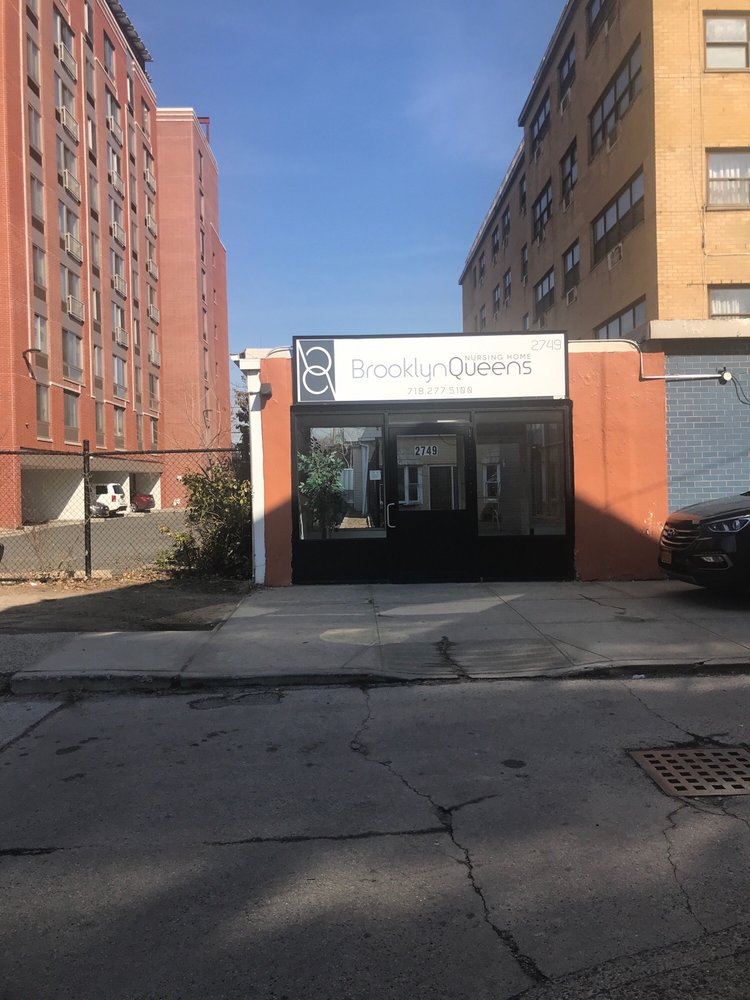
How is Brooklyn-Queens Staffed?

CMS rates BROOKLYN-QUEENS NURSING HOME's staffing level at 3 out of 5 stars, which is average compared to other nursing homes. Staff turnover is 53%, compared to the New York average of 46%. RN turnover specifically is 67%, which is notably high. RNs provide skilled clinical oversight, so turnover in this role can affect medical care quality.

What Have Inspectors Found at Brooklyn-Queens?

State health inspectors documented 16 deficiencies at BROOKLYN-QUEENS NURSING HOME during 2021 to 2024. These included: 15 with potential for harm and 1 minor or isolated issues.
Who Owns and Operates Brooklyn-Queens?

BROOKLYN-QUEENS NURSING HOME is owned by a for-profit company. For-profit facilities operate as businesses with obligations to shareholders or private owners. The facility operates independently rather than as part of a larger chain. With 140 certified beds and approximately 136 residents (about 97% occupancy), it is a mid-sized facility located in BROOKLYN, New York.
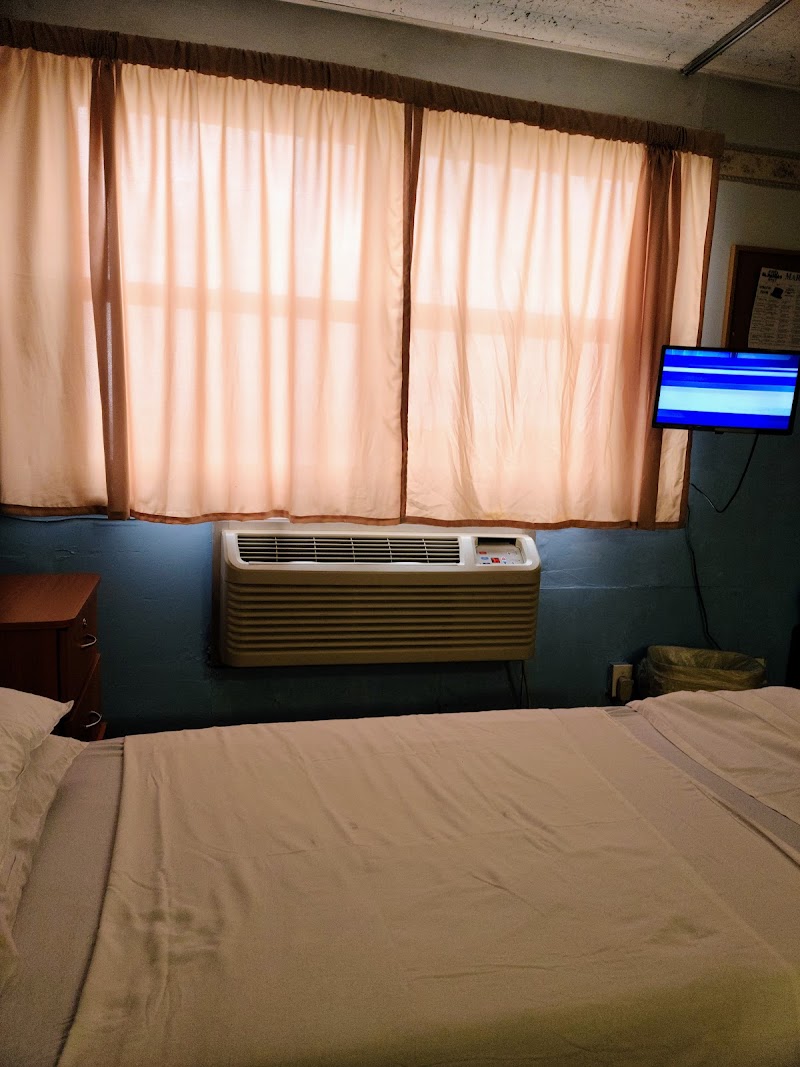
How Does Brooklyn-Queens Compare to Other New York Nursing Homes?

Compared to the 100 nursing homes in New York, BROOKLYN-QUEENS NURSING HOME's overall rating (4 stars) is above the state average of 3.1, staff turnover (53%) is near the state average of 46%, and health inspection rating (4 stars) is above the national benchmark.

What Should Families Ask When Visiting Brooklyn-Queens?

Based on this facility's data, families visiting should ask: "Can I visit during a mealtime to observe dining assistance and food quality?" "How do you handle medical emergencies, and what is your hospital transfer rate?" "Can I speak with family members of current residents about their experience?"

Is Brooklyn-Queens Safe?

Based on CMS inspection data, BROOKLYN-QUEENS NURSING HOME has a clean safety record: no substantiated abuse findings (meaning no confirmed cases of resident harm), no Immediate Jeopardy citations (the most serious violation level indicating risk of serious injury or death), and is not on the Special Focus Facility watch list (a federal program monitoring the lowest-performing 1% of nursing homes). The facility has a 4-star overall rating and ranks #1 of 100 nursing homes in New York. While no facility is perfect, families should still ask about staff-to-resident ratios and recent inspection results during their visit.

Do Nurses at Brooklyn-Queens Stick Around?

BROOKLYN-QUEENS NURSING HOME has a staff turnover rate of 53%, which is 7 percentage points above the New York average of 46%. Moderate turnover is common in nursing homes, but families should still ask about staff tenure and how the facility maintains care continuity when employees leave.

Was Brooklyn-Queens Ever Fined?

BROOKLYN-QUEENS NURSING HOME has been fined $230,089 across 3 penalty actions. This is 6.5x the New York average of $35,380. Fines at this level are uncommon and typically indicate a pattern of serious deficiencies, repeated violations, or failure to correct problems promptly. CMS reserves penalties of this magnitude for facilities that pose significant, documented risk to resident health or safety. Families should request specific documentation of what issues led to these fines and what systemic changes have been implemented.

Is Brooklyn-Queens on Any Federal Watch List?

BROOKLYN-QUEENS NURSING HOME is not on any federal watch list. The most significant is the Special Focus Facility (SFF) program, which identifies the bottom 1% of nursing homes nationally based on persistent, serious quality problems. Not being on this list means the facility has avoided the pattern of deficiencies that triggers enhanced federal oversight. This is a positive indicator, though families should still review the facility's inspection history directly.