BUENA VIDA REHAB AND NURSING CENTER


48 CEDAR STREET, BROOKLYN, NY 11221 (718) 455-6200
For profit - Limited Liability company 240 Beds INFINITE CARE Data: November 2025
Trust Grade
93/100
#15 of 594 in NY
Last Inspection: February 2024

Within standard 12-15 month inspection cycle. Federal law requires annual inspections.

Overview

Buena Vida Rehab and Nursing Center has an excellent Trust Grade of A, indicating a high level of quality care and service. They rank #15 out of 594 facilities in New York, placing them in the top half, and #3 out of 40 in Kings County, meaning only two local options are better. However, the facility's trend is worsening, with issues increasing from 1 in 2023 to 2 in 2024. Staffing is rated 3 out of 5, with a 27% turnover rate, which is below the state average, suggesting that staff are generally stable and familiar with the residents. Notably, there have been no fines, which is a positive sign, and the facility has more RN coverage than 84% of similar facilities, ensuring that nurses can catch potential issues early. However, some concerns were identified in recent inspections. For example, oxygen tubing for a resident was found touching the floor multiple times, which poses a risk of infection, and there was a failure to address a resident's significant weight loss and persistent diarrhea related to tube feeding without proper follow-up. These incidents highlight areas where care could improve, although the overall environment remains supportive and well-staffed.

Trust Score
A
93/100
In New York
#15/594
Top 2%
Safety Record
Low Risk
No red flags
Inspections
Getting Worse
1 → 2 violations
Staff Stability
✓ Good
27% annual turnover. Excellent stability, 21 points below New York's 48% average. Staff who stay learn residents' needs.
Penalties
✓ Good
No fines on record. Clean compliance history, better than most New York facilities.
Skilled Nurses
✓ Good
Each resident gets 52 minutes of Registered Nurse (RN) attention daily — more than average for New York. RNs are trained to catch health problems early.
Violations
⚠ Watch
11 deficiencies on record. Higher than average. Multiple issues found across inspections.
★★★★★
5.0
Overall Rating
★★★☆☆
3.0
Staff Levels
★★★★☆
4.0
Care Quality
★★★★★
5.0
Inspection Score
Stable
2023: 1 issues
2024: 2 issues

The Good

  • 4-Star Quality Measures · Strong clinical quality outcomes
  • Low Staff Turnover (27%) · Staff stability means consistent care
  • Full Sprinkler Coverage · Fire safety systems throughout facility
  • No fines on record
  • Staff turnover is low (27%)

    21 points below New York average of 48%

Facility shows strength in quality measures, staff retention, fire safety.

The Bad

Chain: INFINITE CARE

Part of a multi-facility chain

Ask about local staffing decisions and management

The Ugly 11 deficiencies on record

Apr 2024 1 deficiency
CONCERN (D) 📢 Someone Reported This

A family member, employee, or ombudsman was alarmed enough to file a formal complaint

Potential for Harm - no one hurt, but risky conditions existed

Tube Feeding (Tag F0693)

Could have caused harm · This affected 1 resident

**NOTE- TERMS IN BRACKETS HAVE BEEN EDITED TO PROTECT CONFIDENTIALITY** Based on observation, interviews, and record reviews conducted during an Abbreviated Survey (NY00317501), the facility failed to...

Read full inspector narrative →
**NOTE- TERMS IN BRACKETS HAVE BEEN EDITED TO PROTECT CONFIDENTIALITY** Based on observation, interviews, and record reviews conducted during an Abbreviated Survey (NY00317501), the facility failed to ensure that a resident who is fed by enteral means receives the appropriate care and services to prevent complications of enteral feeding. This was evident for one out of four residents (Resident #1) sampled for nutrition. Specifically, Resident #1 experienced persisting diarrhea from March 2023 to October 2023 while receiving tube feedings and experienced a significant weight loss of over 20 percent. There was no documented evidence that additional medical follow-up was attempted when the facility was unable to identify a cause for the persistent diarrhea or that increased weight monitoring was implemented when Resident #1 experienced a significant weight loss. The findings are: The facility's Policy and Procedure Nutrition and Hydration reviewed September 2023 states that residents within the facility will maintain adequate parameters of nutritional and hydration status, to the extent possible, to ensure each resident is able to maintain the highest practicable level of well-being. The facility's Policy and Procedure, Weight Loss reviewed September 2023 states that the nursing staff and the Dietitian will cooperate to prevent, monitor, and intervene for undesirable weight loss for the residents. The Policy further states nursing staff will measure the resident weight on admission, the next day, and weekly for two weeks thereafter. If no weight concerns are noted at this point, weights will be measured monthly thereafter. Resident #1 was admitted to the facility with diagnoses including Cerebral Infarction, Aphasia, Dysphagia, and Hemiplegia and Hemiparesis. Resident #1 had a feeding tube. The Minimum Data Set with an assessment reference date of 03/03/2023, revealed that Resident #1 had severely impaired cognition and weighed 138.0 pounds. The Comprehensive Care plan for nutritional problem was initiated on 02/27/2023 and documented that Resident #1 had nutritional problem related to reliance on enteral route to meet 100 percent of nutritional needs and had a feeding tube. The Documentation Survey Report (completed by the Certified Nursing Assistant) documented the following: 03/01/23 to 03/31/23-26 bouts of loose stool. 04/01/23 to 04/31/23-18 bouts of loose stool. 05/01/23 to 05/31/23 -34 bouts of loose stool. 06/01/23 to 06/31/23 -18 bouts of loose stool. 07/01/23 to 07/31/23 -22 bouts of loose stool. 08/01/23 to 08/31/23- 26 bouts of loose stool. 09/01/23 to 09/31/23 -16 bouts of loose stool. 10/01/23 to 10/31/23 -18 bouts of loose stool. The Weight and Vitals sheet documented the following: 02/24/23 -138.0 pounds - admission weight. There were no weights documented for March 2023 04/10/23 -130.4 pounds (7.6 pounds weight loss from 02/24/23) 05/18/23- 121.2 pounds (16.8 pounds weight loss from 02/24/23) (12.2 percent significant weight loss) 06/05/23- 118.6 pounds (19.4 pounds weight loss from 02/24/23) 07/07/23 -113.6 pounds (24.4 pounds weight loss from 02/24/23) 08/10/23- 108.0 pounds (30.0 pounds weight loss from 02/24/23) (21.7 percent significant weight loss) 09/29/23 -100.0 pounds (38.0 pounds weight loss from 02/24/23) 10/04/23 -108.0 pounds (30.0 pounds weight loss from 02/24/23) 10/05/23 -105.2 pounds (33.0 pounds weight loss from 02/24/23) 10/11/23- 100.0 pounds (38.0 pounds weight loss from 02/24/23) 10/17/23 -103.0 pounds (35.0 pounds weight loss from 02/24/23) 11/06/23- 103.5 pounds (34.5 pounds weight loss from 02/24/23) The Order Summary Report from 02/24/23 to 05/30/23 documented the following: Monthly weights ordered 02/24/23. Imodium A-D Oral Liquid 1mg/7.5ml give 15ml via feeding tube every 12 hours as needed for loose motion for 7 days ordered on 03/22/23. Toxin A&B stool for clostridium difficile ordered on 05/08/23. Acidophilus Lactobacillus Oral Capsule (Lactobacillus) give 1 capsule via gastrostomy tube one time a day for change in bowel movement for 14 days ordered on 05/11/23. A complete blood count (measures red blood cells and white blood cells) and complete metabolic panel (measures several important aspects of your blood) ordered again on 05/17/23. Imodium A-D Oral Tablet 2mg 1 tablet via feeding tube one time only for diarrhea for 1 day ordered on 06/01/23. The Medical Progress Notes dated 03/22/23 through 10/2023, revealed periodic documentations regarding Resident #1's loose stools and weight loss. The Medical Progress notes dated 03/22/2023 showed that Imodium 1 tablet was ordered STAT and as needed for loose bowel movement. A Medical Note dated 09/12/23 at 11:50am documented that a weight meeting was held for significant weight loss and tube feeding will be evaluated (correct formula and rate), and training floor nurses. A Medical Note dated 10/03/23 revealed that Resident #1 presented with a significant weight loss times 30 days. Unplanned and unfavorable weight loss likely related to noncompliance with feeding regimen. Resident #1 was not receiving the full amount of ordered feeding when on replacement formula fiber source. Resident #1 has difficulty tolerating certain formulas often experiencing gastrointestinal distress and loose stools. Isosource is back in stock and Resident tolerating well. Dietary notes dated 03/22/23 and 03/23/23 documented that Resident #1's feeding was changed three times. However, Resident #1 continued to have loose bowel movements. A Dietary Note dated 03/23/2023 recommended to change tube feeding to Diabeticisource 6 cans bolus feed via pump with 50 milliliters before and after fluids. A Dietary Note dated 05/18/23 at 1:59pm documented Resident #1 presented with significant weight loss times 30 x 90 days and that the weight loss was unplanned and unfavorable. Etiology likely related to recent gastrointestinal distress. Also documented 30 days: 130.4 pounds (4/10) 7.1% significant weight loss. 90 days:138 pounds (2/24)-12.2% weight loss. A Dietary Note dated 08/22/23 documented significant weight change assessment. Resident #1's Body Mass Index:18 underweight for age. Documented 30 days: 113.6 pounds (7/7) - 4.9% insignificant. 90 days: 121.2 pounds (5/17)-10.9% significant, and 180 days: 138 pounds (2/24) = 21.7% significant. Tube feeding regimen estimated 100% nutritional needs. There was no documented evidence that Resident #1 was referred for additional evaluation when diarrhea persisted, and a cause could not be identified. There was no documented evidence that there was increased monitoring of weight for Resident #1 following admission or when Resident #1 was identified has having a significant weight loss. On 02/09/24 at 12:20pm, the Director of Nursing was interviewed and stated that they were not in employment at the time Resident #1 resided in the facility. Additionally, the nurses and dietitian who were assigned to Resident #1's unit are no longer in employment. During an interview on 02/09/24 at 4:30pm, the Medical Doctor stated that Resident #1 was admitted to the facility with multiple comorbidities including a stroke and a new gastrostomy tube placement. The Medical Doctor stated that Resident #1 was seen and evaluated by the speech department. The Medical Doctor stated Resident #1 was having diarrhea and that it was a side effect of the tube feeding. The Medical Doctor also stated that they ordered labs to see if there were any underlying medical disease and that the lab results were negative for any form infection. The Medical Doctor stated that they were aware of Resident #1's weight loss and that the Dietician changed Resident #1's feeding multiple times to see which feeding would be most appropriate. The Doctor stated there was a national shortage on tube feeding just like in other industry where everyone was having issue with food shortages. During a follow up telephone interview on 04/03/24 at 9:38am, the Medical Doctor stated that they did not order a gastrointestinal consult for Resident #1 because they did not believe Resident #1 had gastrointestinal problem. The Medical Doctor went on to say that staff only notify them that Resident #1 was having diarrhea during March and April 2023. The Medical Doctor stated that Resident #1's tube feeding was changed from Glucerna to [NAME] Farm. The Medical Doctor stated that after the [NAME] farm formula was changed, Resident #1 was still having some gastrointestinal issues and they spoke with Resident #1's spouse who confirmed that Resident #1 had lactose intolerance. The Medical Doctor stated that the formula was changed again to Isosource formula. The Medical Doctor stated that Resident #1 was doing well with this formula until there was a nationwide shortage. The Medical Doctor stated that Resident #1 may have loose stool, but staff did not consider it as diarrhea and maybe this was why the staff did not notify them. The Medical Doctor stated labs were done to ensure that Resident #1 had no underlying issues. The Medical Doctor also stated that Resident #1 had a surgical wound on their left knee that was not healing well, had developed a wound infection three times and was on antibiotics that contributed to the diarrhea. The Medical Doctor further stated Resident #1 was sent to the hospital (11/15/23) to address the wound infection and the non-healing of the wound. The Medical Doctor stated that Resident #1 had a stroke and was not moving which led to muscle wasting and bone density loss that contributed to the weight loss. 10 CNYCRR 415.12(g) (1-7)
Feb 2024 1 deficiency
CONCERN (D) 📢 Someone Reported This

A family member, employee, or ombudsman was alarmed enough to file a formal complaint

Potential for Harm - no one hurt, but risky conditions existed

Report Alleged Abuse (Tag F0609)

Could have caused harm · This affected 1 resident

**NOTE- TERMS IN BRACKETS HAVE BEEN EDITED TO PROTECT CONFIDENTIALITY** Based on interviews and record review conducted during the recertification and complaint (NY00310615) survey from 2/21/2024 to 2...

Read full inspector narrative →
**NOTE- TERMS IN BRACKETS HAVE BEEN EDITED TO PROTECT CONFIDENTIALITY** Based on interviews and record review conducted during the recertification and complaint (NY00310615) survey from 2/21/2024 to 2/28/2024, the facility did not ensure all alleged violations involving injuries of unknown source, were reported immediately to the New York State Department of Health, but not later than 2 hours after the allegation is made. This was evident for 1 (Resident #24) out of 4 residents reviewed for Abuse out of 35 total sampled residents. Specifically, the facility did not report Resident #24's dislocated right shoulder of unknown origin within 2 hours of the occurrence. The findings include: The facility policy titled Abuse, Neglect, Exploitation, Mistreatment, and Misappropriation of Residents' Property last dated 1/2024 documented the facility will report any incident and/or violation where abuse, neglect, mistreatment, or misappropriation of property is suspected to the New York State Department of Health. Resident #24 had diagnoses of Osteoarthritis, Dementia and Hypertension. The Minimum Data Set 3.0 assessment dated [DATE] documented Resident #24 was severely cognitively impaired and required the assistance of 2 people to complete activities of daily living. The Nursing Note dated 2/11/2023 documented Certified Nursing Assistant #6 heard Resident #24 screaming in pain from the hallway, entered the resident's room, and observed Resident #24 in bed with right shoulder pain. The Medical Doctor Note dated 2/11/2023 documented Resident #24 was transferred to the hospital after bedside examination and X-ray report of a right shoulder dislocation. The Aspen Complaint Tracking System report documented the facility report of Resident #24's injury of unknown origin was dated 2/13/2023 at 9:34 AM, more than 2 hours after occurrence. There was no documented evidence the facility reported Resident #24's injury of unknown origin within 2 hours of occurrence on 2/11/2023 at 6:45 AM. On 02/27/2024 at 02:16 PM, an interview was conducted with the Director of Nursing who stated that they were employed by the facility in 9/2023 and was unaware of the reporting of Resident #24's injury of unknown origin to the New York State Department of Health. After reviewing the facility investigation, the Director of Nursing stated the facility was not in compliance with the reporting requirements that an injury of unknown origin must be reported within 2 hours of occurrence. On 02/27/2024 at 02:30 PM, an interview was conducted with the Administrator who stated they were hired by the facility 1/2024 and were unaware of the incident and reporting of Resident #24's injury of unknown origin. 10 NYCRR 415.4(b)(2)
Jun 2023 1 deficiency
CONCERN (D) 📢 Someone Reported This

A family member, employee, or ombudsman was alarmed enough to file a formal complaint

Potential for Harm - no one hurt, but risky conditions existed

Comprehensive Care Plan (Tag F0656)

Could have caused harm · This affected 1 resident

**NOTE- TERMS IN BRACKETS HAVE BEEN EDITED TO PROTECT CONFIDENTIALITY** Based on observation, record review and interviews conducted during an abbreviated survey (NY00318019), the facility failed to d...

Read full inspector narrative →
**NOTE- TERMS IN BRACKETS HAVE BEEN EDITED TO PROTECT CONFIDENTIALITY** Based on observation, record review and interviews conducted during an abbreviated survey (NY00318019), the facility failed to develop and implement a comprehensive person-centered care plan for a resident that includes measurable objectives and timeframes to meet a resident ' s medical, nursing, and mental and psychosocial needs. This was evidence for 1 out of 3 residents sampled (Resident #1) Specifically, Resident #1 had a Physician ' s Order dated 05/19/23 for Insulin Glargine Solution (Lantus, long acting), 100u/ml, inject 30 units subcutaneously at bedtime, for Diabetes. The instructions also documented to hold for blood sugar 120 and below. A person-centered care plan was not developed with interventions for Resident #1 with diagnosis of Diabetes. The findings are: The Policy and Procedure titled Care Plans, Comprehensive Person-Centered revised 12/2016 documented a comprehensive, person-centered care plan that includes measurable objectives and timetables to meet the resident ' s physical, psychosocial and functional needs is developed and implemented for each resident. Resident #1 was admitted to the facility on [DATE] with diagnoses including Diabetes Mellitus, Schizophrenia of Bipolar type, and Dementia. The Minimum Data Set Assessment (MDS) dated [DATE], documented that Resident #1 had severely impaired cognition. A Physician ' s Order dated 05/19/2023 documented Insulin Glargine Solution (Lantus, long acting), 100u/ml, inject 30 units subcutaneously at bedtime for Diabetes. Hold for blood sugar 120 and below. Review of the Medication Administration Record (MAR) dated 06/01/23 - 06/07/23, revealed that Resident #1 was receiving the Insulin as per the Physician ' s Order. Review of the comprehensive care plans revealed that Resident #1 did not have a person-centered care plan with interventions implemented for diagnosis of Diabetes. During an interview on 06/14/23 at 1:19 pm, the Director of Nursing (DON) stated that the care plans for new admissions are initiated on the 3:00pm-11:00pm shift by the Registered Nurse Supervisor (RNS) who admitted the resident. The DON said that it is the responsible of the unit manager to ensure that all the care plans are initiated, implemented, and updated to meet resident ' s goal and that a care plan should have been implemented for Resident #1. 10 NYCRR 415.11(1)
Dec 2021 3 deficiencies
CONCERN (D)

Potential for Harm - no one hurt, but risky conditions existed

Comprehensive Care Plan (Tag F0656)

Could have caused harm · This affected 1 resident

**NOTE- TERMS IN BRACKETS HAVE BEEN EDITED TO PROTECT CONFIDENTIALITY** Based on record review and staff interviews conducted during the Recertification and Complaint survey, the facility did not ensu...

Read full inspector narrative →
**NOTE- TERMS IN BRACKETS HAVE BEEN EDITED TO PROTECT CONFIDENTIALITY** Based on record review and staff interviews conducted during the Recertification and Complaint survey, the facility did not ensure that person-centered care plans were developed to address a resident's medical needs. Specifically, a comprehensive care plan (CCP) related to anticoagulant (AC) use was not developed for a resident receiving Eliquis. This was evident for 1 of 7 residents reviewed for Unnecessary Medication. (Resident #35). The findings are: The facility policy titled CCP dated 11/12/2019 documented the Unit Director/Registered Nurse (RN) initiates and implements a nursing care plan to meet the resident's immediate care needs. Resident #35 had a diagnosis of chronic embolism and thrombosis of left lower extremity, PVD/PAD, Alzheimer's disease, and Diabetes Mellitus. The Minimum Data Set 3.0 (MDS) assessment dated [DATE] documented Resident #35 was moderately cognitively impaired and received AC therapy. Physician Orders (MDO) dated 6/16/21 documented Resident #35 was receiving Eliquis twice daily for chronic embolism and thrombosis. There was no documented evidence that a care plan with measurable objectives, time frames and appropriate interventions was developed to address the care needs for the resident's use of an anticoagulant. An interview was conducted on 12/16/21 at 02:53 PM with RN #2 who stated they are the unit manager and responsible for initiating clinical CCPs for residents who have had changes in medical condition and/or a new diagnosis. CCPs are then reviewed quarterly. Residents prescribed ACs should have a CCP in place to address the AC use. An interview was conducted on 12/21/21 at 09:20 AM with the Assistant Director of Nursing (ADON) who stated they are responsible for coordinating assessments and care planning reviews with the nursing department. The resident record is reviewed to ensure accuracy when the resident is scheduled for MDS assessments. An interview was conducted on 12/21/21 at 09:31 AM with the Director of Nursing (DON) who stated random audits are done to ensure CCPs are in place and revised as needed. 415.11 (c)(1)
CONCERN (D)

Potential for Harm - no one hurt, but risky conditions existed

Deficiency F0761 (Tag F0761)

Could have caused harm · This affected 1 resident

Based on observation, interviews and record review conducted during the recertification survey, the facility did not ensure that all medications and biologicals were labeled in accordance with current...

Read full inspector narrative →
Based on observation, interviews and record review conducted during the recertification survey, the facility did not ensure that all medications and biologicals were labeled in accordance with currently accepted pharmaceutical principles and practices. Specifically, resident metered dose inhalers did not have a medication label that includes the resident's name, medication name, prescribed dose, strength, and route of administration. This was evident for 3 resident inhalers on 1 of 6 units observed for Medication Storage (Unit 3). The findings are: The facility policy and procedure titled Medication Storage dated 8/8/2018 documented that all medications come labeled from the pharmacy with residents' names and room numbers. 1) On 12/15/21 at 11:24 AM an observation was conducted of the medication cart on the 3rd floor at the nurses station. Three inhalers in the medication cart were not labeled to identify the specific resident for whom it was prescribed. An Ipratropium Bromide HFA Aerosol Solution was observed in the packaging box for resident #10. There was no label identifying the resident that the medication was prescribed for attached to the device. An Albuterol Sulfate HFA inhaler was observed in the packaging box for resident #118. There was no label identifying the resident that the medication was prescribed for attached to the device. A Breo Ellipta inhaler was observed in the packaging box for resident #216. There was no label identifying the resident that the medication was prescribed for attached to the device. On 12/15/21 at 01:56 PM Licensed Practical Nurse (LPN) #1 and LPN # 2 were interviewed. LPN #1 stated that when an inhaler medication is opened the box with label on it is dated and it goes in a Ziploc bag. LPN #1 and LPN #2 both stated they never heard of labeling the actual device, only the box being labeled. When asked what would happen if the inhaler became separated from its box, they stated they did not know and would have to check with their supervisor. On 12/17/21 at 12:00 PM Registered Nurse Supervisor (RNS) 3rd and 4th Floor was interviewed. RNS stated that for inhalers, the box goes in a Ziploc, box itself is labeled, the device is not labeled. They do not label the devices. He stated that they only use one inhaler at a time so an inhaler becoming separated from it's packaging would not happen. On 12/20/21 at 10:50 AM, The Director of Nursing (DON) was interviewed. The DON stated that the pharmacy supplier labels the boxes of the metered dose inhalers. Once the inhalers go to the unit, they go into a Ziploc bag. The point of the Ziploc is that if inhaler packaging box rips the device can stay in the Ziploc, the Ziploc is not labeled. The inhalers themselves aren't labeled. DON further stated nursing gives out medications one by one, they should know whose inhaler is whose. If all the inhalers fell on the floor at the same time, DON stated, they would discard the inhalers and order new ones. On 12/20/21 at 03:00 PM the Pharmacist Consultant (PC) was interviewed. The PC stated that medications are labeled by the pharmacy supplier, the PC only does medication reviews and cannot speak to the protocol regarding labeling. On 12/20/21 at 03:30 PM the Quality Assurance Pharmacist (QAP) from the pharmacy supplier was interviewed. The QAP stated for an inhaler device and other metered dose devices, the inhaler box should be labeled and the device itself should have a smaller label on it. 415.18 (d)
CONCERN (E)

Potential for Harm - no one hurt, but risky conditions existed

Infection Control (Tag F0880)

Could have caused harm · This affected multiple residents

**NOTE- TERMS IN BRACKETS HAVE BEEN EDITED TO PROTECT CONFIDENTIALITY** (b) Resident #52 was admitted with diagnoses that included Dementia and Diabetes Mellitus. On 12/13/2021 at 12:00PM, 12/14/2021...

Read full inspector narrative →
**NOTE- TERMS IN BRACKETS HAVE BEEN EDITED TO PROTECT CONFIDENTIALITY** (b) Resident #52 was admitted with diagnoses that included Dementia and Diabetes Mellitus. On 12/13/2021 at 12:00PM, 12/14/2021 at 08:28 AM, 11:59 AM, 04:14 PM, 12/15/2021 at 09:14AM and 11:52 AM, 12/16/2021 at 09:58AM and 05:37 PM, and 12/17/2021 at 11:49 AM oxygen tubing for nasal cannula was observed touching the floor. On 12/17/2021 between 11:56AM and 12:07 PM, RN #3 was observed entering and exiting Resident #52's room and did not address the oxygen tubing on the floor. On 12/16/2021 at 06:04 PM, LPN # 3, was interviewed and stated oxygen tubing should not be touching the floor. DON gloves with alcohol swab clean tubing. The floor is a big problem carry a lot of germs and want to keep thing off the floor. On 12/20/2021 at 03:19 PM, the Infection Control Preventionist (ICP) was interviewed. The IP stated that oxygen tubing has to be changed immediately when it falls on the floor as the tube would be considered contaminated. The ICP also stated that oxygen goes to the lungs and microorganisms from the dirt on the floor can get into the tubing and enter the nose. On 12/20/2021 at 04:07 PM, the Director of Nursing (DON) was interviewed. The DON stated that oxygen tubing has to be changed when visibly soiled, should not be touching floor and should be discarded and replaced immediately. The DON also stated that this would be is an infection control issue so the tubing should be discarded. 2. Resident #52 was admitted with diagnoses that included Renal Insufficiency and Septicemia. The admission MDS dated [DATE] documented resident was severely cognitively impaired, always incontinent of bowel, and had an indwelling catheter. Physicians' orders as of 12/13/2021 documented Fluconazole order as of 100mg (1 tablet via PEG for sepsis/UTI for 28 days). On 12/13/2021 at 11:59 AM, and 03:39 PM, 12/14/2021 at 08:28 AM and 03:30PM and 12/15/2021 at 9:14AM and 03:18PM, the resident's urinary catheter tubing was observed touching the floor. On 12/20/2021 at 03:19 PM, the Infection Control Preventionist (ICP) was interviewed. The ICP stated that the urinary catheter tubing should be secured. The ICP also stated that if the catheter bag is dropped on the floor the connection should be changed right away as it can contaminate the whole set and place the resident at high risk of getting an infection. On 12/20/2021 at 04:07 PM, the Director of Nursing (DON) was interviewed. The DON stated that if a urine catheter touches the ground it is considered contaminated. The DON also stated that the nurse has to be informed and the team would have to consider whether tubing should be changed or catheter reinserted. 3. The facility policy on Handwashing/Hand Hygiene effective 12/14/2020 documented Hand Hygiene products and supplies (sinks, soaps, towels, alcohol-based hand rub, etc) shall be readily accessible and convenient for staff use to encourage compliance with hand hygiene policies. Use an alcohol-based hand rub containing at least 62% alcohol; or, alternatively, soap (antimicrobial or non-antimicrobial) and water for the following before and after eating or handling food, before and after handling an invasive device (e.g., urinary catheters, IV access sites), before donning sterile gloves, after removing gloves. Hand hygiene is the final step after removing and disposing of personal protective equipment. The facility policy on Infection Control- COVID-19 also known as SARS-CoV-2 (CORONAVIRUS) effective 02/26/2020 documented Adequate supply of alcohol-based gel dispensers will be available for use by residents, staff, and visitors throughout the facility. Provide supplies for hand hygiene to include >/= 60% alcohol-based hand sanitizer, tissues, no touch receptacles for disposal, face masks at entrances. On 12/15/2021 at 11:55AM-03:25PM, 12/16/2021 at 10:01AM- 04:32 PM, 12/17/2021 at 11:45 AM-04:38 PM, 12/20/2021 at 10:57-1151 AM, three wall hand sanitizer dispensers on the 7th Floor in hallway corridor in front of room [ROOM NUMBER], 720 and 721 were observed to contain sanitizer with an expiry date of 02/2021 and 07/2021. On 12/16/2021 at 10:40 AM and 12/17/2021 at 04:58 PM, one wall hand sanitizer dispenser between room [ROOM NUMBER] and 207 observed to contain sanitizer with an expiry date of 10/2021. On 12/16/2021 at 10:50 AM and 02:32 PM, 12/17/2021 at 11:35 AM, 04:51 PM-4:55PM, three wall hand sanitizer dispensers between rooms 319, 320, 321 and 322 near the 3rd floor dining room by elevator side of wall were observed to contain sanitizers with an expiry date of 01/2021, 07/2021 and 10/2021. On 12/16/2021 at 01:54 PM-01:58 PM, 12/17/2021 at 04:42 PM, 12/20/2021 at 11:51 AM, on the three wall hand sanitizer dispensers located in the 5th floor dining room and between room [ROOM NUMBER], 514, 521 and 522 were observed to contain sanitizer with an expiry date of 07/2021. On 12/17/2021 at 04:47 PM and 12/20/2021 at 11:49PM, one wall hand sanitizer dispenser in the 4th floor dining room observed to contain sanitizer with an expiry date of 07/2021. On 12/20/2021 at 11:13 AM, Housekeeper (HK) #1 was interviewed. HK #1 stated the wall hand sanitizer is changed weekly on Fridays and they think it was done last Friday. On Fridays and I stock up for next weeks. HK #1 also stated that we are now in December 2021, so sanitizer is expired. HK#1 further stated hand sanitizers is delivered in a box which should have right expiration date on it. On 12/20/2021 at 11:32 AM, HK # 2 was interviewed. HK#2 stated the sanitizer expired in 07/2021, and we have to change it. HK #2 also stated new staff make little mistakes here and there. HK#2 further stated expired sanitizer would not be as effective and may not kill germs right away. On 12/20/2021 at 11:49 AM, HK#3 was interviewed. HK #3 stated they are new, and the hand sanitizer is changed by the manager as they do not have the keys to change the hand sanitizer dispenser. HK #3 also stated that if they notice it was expired, they would notify the manager. HK #3 further stated that if it is expired, it would not have the same effect and this is the reason it has an expiration date. On 12/20/2021 at 11:55AM, HK #4 was interviewed and stated they noticed the hand sanitizer dispenser solution by room [ROOM NUMBER] was expired 07/2021 and they would have to inform their supervisor so it could be changed. On 12/20/2021 at 3:00PM, the Director of Housekeeping (DOH) was interviewed. The DOH stated that they distribute PPE supplies to the unit to include hand sanitizer for the dispensers. The DOH also stated that they did not notice that the hand sanitizers were expired as they started working at the facility recently. The DOH further stated that it is important that the hand sanitizer dispensers are not expired and if they are expired, they will not be as effective. On 12/20/2021 at 04:00 PM, the Director of Nursing (DON) was interviewed and stated that they do rounds a minimum 3 times daily. DON stated that before they used to assess sanitizer on the unit and last time assess them 1 and 1/2 months ago to look for their usage, functionality, and they have not looked at the dates recently. The DON stated that the last time they looked at date on hand sanitizer dispenser was 6 months ago. On 12/20/2021 at 03:19 PM, the Infection Control Preventionist (ICP) was interviewed. The ICP stated they do rounds daily or once every 2 days. The ICP stated that they had not checked the hand sanitizer dispensers today and could not remember the last time they checked it. When I check the hand sanitizer dispenser, I check to see if it is full, working, and if in good condition. The ICP further stated that part of their check should include expiry dates but they had not been doing this. 4. The facility policy on Meal Service during COVID-19 Pandemic and implementing social distancing during meal services effective 10/20/2020 documented the facility will promote a safe and comfortable meal service for residents to minimize the potential spread of infection and promote quality of meal service to residents. Provide in-room meal service to residents, assessed capable of feeding themselves without supervision or assistance. Hand hygiene and clothing protectors should be offered/provided to these residents. On 12/16/2021 at 04:39 PM, during a dinner meal observation on the 7th floor the CNA (CNA # 2) was observed serving the dinner meal to residents # 401 and # 400. Neither resident was provided with a Sani cloth to clean their hands until after they started to eat their dinner. On 12/16/2021 at 04:46 PM, LPN #3 brought Sani wipes for resident hands after trays had already been distributed. On 12/16/2021 at 05:12PM, the Certified Nursing Assistant (CNA)# 2 was interviewed. CNA#2 stated hand hygiene was important because we can transmit infection. CNA #2 also stated that the normal practice is to have residents clean their hands before they eat meals. On 12/16/2021 at 05:58 PM, LPN # 3 was interviewed. LPN #3 stated hand hygiene should be provided before eating to prevent germs from hands getting into the mouth. LPN#3 stated they realized that residents had not cleaned hands so they went to get hand wipes. LPN #3 also stated that the normal procedure when they come into the resident's room with the tray is to provide resident with a hand wipe and if they cannot do it for themselves, don gloves and assist resident prior to the meal. On 12/20/2021 at 03:19 PM, the Infection Control Preventionist (ICP) was interviewed. The ICP stated that with every other tray staff should sanitize hands and use hand wipes or sanitizer. The ICP also stated that the resident hands should be sanitized and cleaned prior to mealtime for protection, prevention, and infection control issue. 415.19(a)(b) (1-3) Based on observations, interviews, and record review conducted during a recertification survey, the facility did not ensure that infection control practices were maintained. Specifically, 1) oxygen tubing was observed touching the floor; 2) a catheter bag was observed on the floor; 3) Alcohol Based Hand Sanitizers (ABHR) were used after expiration date; and 4) staff did not ensure residents' hands were sanitized prior to meals. This was evident for 2 of 4 residents reviewed for Respiratory Care (Resident # 33 and Resident # 52), 1 of 3 residents reviewed for Urinary Catheter (Resident # 52), 5 of 6 units observed for Infection Control (Unit #2, 3, 4, 5, & 7) and 1 of 6 units observed for Dining (Unit #7). The findings are: 1) The facility policy on Oxygen Administration effective 05/21/2019 documented During use, if nasal cannula/mask tubing touches the floor, discards and replaces with new nasal cannula/mask set-up. (a)Resident #33 was admitted to facility with diagnoses that included Chronic Obstructive Pulmonary Disease, heart failure, and dependence on supplemental oxygen. The Minimum Data Set 3.0 (MDS) assessment dated [DATE] documented Resident #33 required extensive assistance of 1 person for activities of daily living. On 12/13/21 at 10:45 AM, on 12/14/21 at 10:19 AM, on 12/15/21 at 10:18 AM and on 12/16/21 at 10:04 AM, Resident #33 was observed in bed with oxygen in use. The oxygen tubing connecting the resident to the oxygen concentrator was on the floor. On 12/14/21 at 10:19 AM, Certified Nursing Assistant (CNA) was observed in the resident's room while the oxygen tubing was on the floor. An interview was conducted on 12/17/21 at 10:36 AM with CNA # 1 who stated they ensure Resident #33 receives oxygen therapy by making sure the oxygen concentrator is on and the oxygen tubing is connected to the resident. CNA #1 also checks to ensure oxygen tubing is not touching the floor. An interview was conducted on 12/17/21 at 10:43 AM with the Licensed Practical Nurse (LPN #1) who stated they check to ensure oxygen tubing is off the floor whenever they go to Resident #33's room. The oxygen tubing is very long and the excess tubing should be placed in a plastic bag to promote infection control by ensuring the tubing does not touch the ground. An interview was conducted on 12/17/21 at 11:01 AM with the Registered Nurse (RN #1) who stated rounds are done several times a day to ensure oxygen tubing remains off the floor for each resident receiving oxygen therapy. If oxygen tubing is observed on the floor, it should be changed. Long oxygen tubing should be maintained in a way to ensure it does not touch the floor. An interview was conducted on 12/17/21 at 03:05 PM with the Infection Control Preventionist (ICP) who stated facility staff are educated that oxygen tubing should be kept off the floor to promote infection control.
May 2019 5 deficiencies
CONCERN (D)

Potential for Harm - no one hurt, but risky conditions existed

Resident Rights (Tag F0550)

Could have caused harm · This affected 1 resident

**NOTE- TERMS IN BRACKETS HAVE BEEN EDITED TO PROTECT CONFIDENTIALITY** Based on observations, interviews, and record review conducted during the recertification survey, the facility did not ensure th...

Read full inspector narrative →
**NOTE- TERMS IN BRACKETS HAVE BEEN EDITED TO PROTECT CONFIDENTIALITY** Based on observations, interviews, and record review conducted during the recertification survey, the facility did not ensure that a resident's dignity was maintained. Specifically, staff were observed on multiple occasions to be spoon-feeding a resident while standing next to her instead of seated in front of her. This was evident for 1 out of 38 sampled residents observed during dining. (Resident #8) The findings are: An undated Policy and Procedure regarding Staff Responsibilities During Mealtime documents that During Feeding: 1. The nurse who is helping the patient eat should sit in the patient's line of vision and provide prompting, encouragement and direction, both verbally and non-verbally, when appropriate. A Quarterly Minimum Data set (MDS) dated [DATE] documents that Resident #8 is severely impaired in cognition and has a diagnosis of Non-Alzheimer's Dementia, Hypertension, and Generalized Muscle Weakness. The resident is also documented as requiring extensive assistance of 1 person with eating. On 05/07/19 at 12:12 PM, the Resident #8 was observed to be seated at a table in the Floor Day Room (FDR). A medication nurse was observed standing next to the resident's wheelchair on the resident's right side. The nurse began spoon feeding the resident a pureed meal from the tray on the table in front of the resident. There were empty chairs observed in the FDR at this time. On 05/08/19 at 12:26 PM, a Certified Nursing Assistant (CNA) was observed standing next to the wheelchair of Resident #8. The CNA was positioned on the right side of the resident and began spoon feeding the resident while standing next to her. After several minutes of attempting to feed the resident in this position, the charge nurse for the unit observed that the CNA was standing and provided her with a chair to sit next to the resident. The Physician's Orders dated 5/12/19 document that the resident is on aspiration precaution, is to have pureed meals and thin liquids, and is to use a sprouted cup when ingesting liquids to decrease the risk of aspiration. A Comprehensive Care Plan (CCP) related to nutrition and initiated on 6/15/15 does not document any interventions that include staff standing next to the resident to feed her. A CCP related to the resident's self-care deficit in feeding and dated 5/9/19 documents that the resident requires assistance in eating and is totally hand fed. On 05/13/19 at 10:44 AM, an interview was conducted with CNA #1, the resident's assigned CNA. CNA #1 is familiar with resident #8 and has been assigned to her throughout the resident's 2 year stay on the unit. CNA #1 stated that the resident needs to be spoon-fed during meal times. The resident will not eat the food in front of her unless staff hand feeds her. CNA #1 stated that the proper positioning for the resident is for her to be seated upright in her wheelchair while staff sit beside her. CNA #1 never stands to feed the resident and states that it is important to sit face-to-face with the resident and look them in the eye while feeding. There always enough chairs in the FDR for staff to sit while feeding the residents. CNA #1 is not aware of any reason that the CNA on 5/8/19 or the nurse on 5/7/19 would stand next to the resident while feeding her. An interview was conducted with Licensed Practical Nurse (LPN) #1, the Charge Nurse of the unit on 05/13/19 at 11:23 AM. The Charge Nurse stated that Resident #8 requires that the staff handfeed her during meal times. The staff should not be standing over the resident while feeding her. Resident #8 does not have any adverse behaviors (such as spitting) that would prevent staff from being able to sit next to the resident. There are some issues with space in the FDR and trying to maneuver the large regular chairs next to a resident's wheelchair to feed them can be difficult. There are no small stools available to use for feeding residents. The CNA and Medication Nurse observed feeding the resident while standing next to her were both floaters and do not regularly work on the unit. On 05/13/19 at 12:16 PM, an interview was conducted with the Director of Nursing (DNS). The DNS stated that all staff should be seated next to the resident while feeding them. Staff are in-serviced at least annually and as needed on procedures such as feeding residents. The DNS also does rounds to ensure that staff are aware of the proper approach to spoon feeding a resident. All floater/non-regular staff are made aware of policies and procedures on how to feed residents. 415.3(c)(1)(i)
CONCERN (D)

Potential for Harm - no one hurt, but risky conditions existed

Deficiency F0637 (Tag F0637)

Could have caused harm · This affected 1 resident

**NOTE- TERMS IN BRACKETS HAVE BEEN EDITED TO PROTECT CONFIDENTIALITY** Based on observations, record review, and interviews conducted during the recertification survey, the facility did not ensure th...

Read full inspector narrative →
**NOTE- TERMS IN BRACKETS HAVE BEEN EDITED TO PROTECT CONFIDENTIALITY** Based on observations, record review, and interviews conducted during the recertification survey, the facility did not ensure that an assessment was conducted within 14 days of an identified significant change in the resident's physical condition. Specifically, a resident with a significant change in their functional status did not have a significant change Minimum Data Set (MDS) initiated within 14 days of significant change being identified. this was evident for 1 out of 38 sampled residents (Resident #219) The findings is: The Centers for Medicare and Medicaid Services (CMS) Long Term Care Resident Assessment Instrument Manual 3.0 documents that: A significant change is a major decline or improvement in a resident's status that: 1. Will not normally resolve itself without intervention by staff or by implementing standard disease-related clinical interventions, the decline is not considered self-limiting; 2. Impacts more than one area of the resident's health status; and 3. Requires interdisciplinary review and/or revision of the care plan. o Decline in two or more of the following: - Resident's decision-making ability has changed; - Presence of a resident mood item not previously reported by the resident or staff and/or an increase in the symptom frequency (PHQ-9©), e.g., increase in the number of areas where behavioral symptoms are coded as being present and/or the frequency of a symptom increases for items in Section E (Behavior); - Changes in frequency or severity of behavioral symptoms of dementia that indicate progression of the disease process since the last assessment; - Any decline in an ADL physical functioning area (at least 1) where a resident is newly coded as Extensive assistance, Total dependence, or Activity did not occur since last assessment and does not reflect normal fluctuations in that individual's functioning; - Resident's incontinence pattern changes or there was placement of an indwelling catheter; - Emergence of unplanned weight loss problem (5% change in 30 days or 10% change in 180 days); - Emergence of a new pressure ulcer at Stage 2 or higher, a new unstageable pressure ulcer/injury, a new deep tissue injury or worsening in pressure ulcer status; - Resident begins to use a restraint of any type when it was not used before; and/or - Emergence of a condition/disease in which a resident is judged to be unstable. Resident #219 is documented as having a diagnosis of Dementia, Chronic Obstructive Pulmonary Disease, and Diabetes. The most recent Quarterly MDS dated [DATE] documents that the resident has moderate cognitive impairments. An Annual MDS dated [DATE] documented that the resident's Activities of Daily Living (ADL) assistance level were as follows: - independent in bed mobility, - limited assistance of 1 person for transfers, - supervision of 1 person when walking in room or on the unit, - independent with locomotion on and off the unit, - limited assistance of 1 person for dressing, - supervision with eating, - limited assistance of 1 person for toilet use, - limited assistance of 1 person for personal hygiene, - physical help of 1 person in the bathing activity. A Nursing admission assessment dated [DATE] documents that the resident requires extensive assistance of 1 person for bed mobility and eating. The resident was also documented as being totally dependent on 1 person for locomotion, dressing, toileting, hygiene, and bathing. The resident was totally dependent on 2 people for toileting. A Comprehensive Care Plan (CCP) related to the resident's self-care deficit in bathing documents that as of 2/27/19 the resident requires extensive assistance with bathing A CCP related to the resident's self-care deficit in dressing and grooming documents that as of 2/27/19 the resident needed assistance in dressing and grooming. Nursing Progress Note dated 2/21/2019 documents that the resident ADL assessment is as follows: Bed mobility- extensive Transfers- total Toileting- total Eating- extensive The resident's Quarterly MDS dated [DATE] also documented that the resident's Activities of Daily Living (ADL) assistance level are as follows: - extensive assistance of 1 person for bed mobility, - total dependence on 1 person for transfers, - no walking was observed on or off the unit, - extensive assistance of 1 with locomotion on unit, - total dependence on 1 person for locomotion off the unit, - total dependence on 1 person for dressing, - extensive assistance of 1 person for eating, - total dependence on 1 person for toilet use, - total dependence on 1 person for personal hygiene, - total dependence on 1 person for bathing. On 05/13/19 at 12:25 PM, an interview was conducted with the Director of MDS (DMDS). The DMDS stated that there were significant changes in the resident's ADL status that were reflected in the resident's most recent Quarterly MDS assessment dated [DATE]. The Quarterly MDS assessment should have been a Significant Change MDS assessment. Significant change MDS assessment are triggered when the MDS department are notified that there are changes in the resident's condition by the nursing staff on the unit. Any change in 2 or more ADL areas that is not expected to resolve will also trigger a Significant Change MDS. The MDS assessor uses nursing documentation, their own clinical assessment, and observations to accurately document the resident's ADL functional status on the MDS. If the MDS assessor believes that a Significant [NAME] MDS assessment should be initiated, he or she will usually discuss this with the DMDS prior to making a final determination. The MDS assessor assigned to Resident #219 did not discuss Resident #219 with the DMDS in this case. The MDS Department uses the RAI Manual as their policy for scheduling and determining which MDS assessments are appropriate for residents. The DMDS stated that a Significant Change MDS has now been scheduled for the Resident #219. 415.11(a)(3)(ii)
CONCERN (D)

Potential for Harm - no one hurt, but risky conditions existed

Deficiency F0757 (Tag F0757)

Could have caused harm · This affected 1 resident

**NOTE- TERMS IN BRACKETS HAVE BEEN EDITED TO PROTECT CONFIDENTIALITY** Based on record reviews and interviews the facility did not ensure that each resident's drug regimen must be free from unnecessa...

Read full inspector narrative →
**NOTE- TERMS IN BRACKETS HAVE BEEN EDITED TO PROTECT CONFIDENTIALITY** Based on record reviews and interviews the facility did not ensure that each resident's drug regimen must be free from unnecessary drugs. Specifically, a drug (Valporic Acid) was used to treat Resident #64 for seizure and anxiety disorders; without ordering labs to monitor the Valporic acid levels. This was evident for one of five residents reviewed for unnecessary medications out of a total sample of 38 residents. (Resident #64). The Finding is: Resident #64 was admitted to the facility on [DATE] with a diagnoses which include, recurrent unspecified, enteroviral encephalitis, marginal corneal ulcer, generalized epilepsy, presence of heart valve replacement, insomnia, age related osteoporosis, malignant neoplasm of prostate, rheumatic aortic valve disorder, paraplegia, seizure disorder. The physician's order dated 4/23/19 documented the following among other orders: Valporic acid 250 mg (milligrams) po qd(daily), Warfarin 1.5 mg po qd in the evening, PT/INR (a test to monitor effectiveness and toxicity of Warfarin, a blood thinner) on Mondays. There were no orders for Valporic acid levels to be monitored. The Lab reports from October 2018 through May 6, 2019 were reviewed. There was no evidence that lab work was performed to test and monitor Valporic acid levels for this resident. On 5/09/19 at 2:23 PM the resident was observed in his room lying down on bed. The resident did not appear to be in any distress. No outward signs of adverse reactions to medications. 05/13/19 05:29 PM the Medical Director was interviewed. The Medical Director was unable to contact the attending physician assigned to the second floor. So an interview could not be conducted at time of survey. The Medical Director confirmed that he was familiar with the resident. He stated that dosage of the Valporic acid which had been tapered for the resident in the past. however, was unable to confirm date. The Medical Director did state that labs should have been done on the Valporic acid levels at least every 6 months even as a baseline. This was the responsibility of the attending physician's to order, and to do monthly medication reconciliation. 415.18(c)(1).
CONCERN (D)

Potential for Harm - no one hurt, but risky conditions existed

Medication Errors (Tag F0758)

Could have caused harm · This affected 1 resident

**NOTE- TERMS IN BRACKETS HAVE BEEN EDITED TO PROTECT CONFIDENTIALITY** Based on observation, record review, and staff interviews during the recertification survey the facility did not ensure that a r...

Read full inspector narrative →
**NOTE- TERMS IN BRACKETS HAVE BEEN EDITED TO PROTECT CONFIDENTIALITY** Based on observation, record review, and staff interviews during the recertification survey the facility did not ensure that a resident was free from an unnecessary antipsychotic medication. Specifically; a resident received Seroquel without an appropriate indication for use. In addition This was evident for 1 of 5 sampled residents reviewed for Unnecessary Medications out of a sample of 35 residents. (Resident #121). The finding is: The Food and Drug Administration (FDA) black box warning approves the use of the medication Seroquel for schizophrenia in people 13 years or older, bipolar disorder in adults, and manic episodes associated with bipolar 1 disorder in children ages 10-17. Anxiety and psychosis are not an indication for the use of Seroquel. The FDA warns that Seroquel may cause serious side effects, including: Risk of death in the elderly with dementia. Medicines like Seroquel can increase the risk of death in elderly people who have memory loss (dementia). Seroquel is not for treating psychosis in the elderly with dementia. Risk of suicidal thoughts or actions (antidepressant medicines, depression and other serious mental illnesses, and suicidal thoughts or actions) Resident #121 was admitted to the facility on [DATE] with diagnosis including Non-Alzheimer's Dementia, Anxiety Disorder, Generalized Muscle Weakness, Other Malaise, Other abnormalities of gait and mobility. On 05/09/19 at 12:20 PM the resident was observed in the dining room eating lunch. Staff was sitting with resident trying to get her to eat, but resident was standing up refusing the spoon when staff offered it. Staff was speaking to resident in Spanish. On 05/10/19 at 10:19 AM and 12:10PM, and on 05/13/19 at 12:15 PM the resident was observed in dining room in wheelchair dozing off. The most recent Comprehensive Annual Assessment as documented in the Minimum Data Set (MDS) 3.0 dated 3/25/2019 documents the resident with clear speech, adequate hearing and vision with no corrective device or hearing aid. Cognitively the resident is moderately impaired. The resident had no deliruim or disorganized thinking, no altered level of conciousness or delusions, no hallucinations. The resident had not exhibited any wandering behavior, no rejection of care, no change in behavior or other symptoms. The resident requires supervision while eating, limited assistance with bed mobility, but requires extensive assistance in transfering, toilet use. The resident uses wheelchair for mobilization. The resident had active diagnosis of non-Alzheimers' Dementia, Anxiety Disorder, Psychotic Disoder. The resident also had a diagnosis of Sepsis, The diagonsis of Bipolar was not listed as an active diagnosis on the most current comprehensive assessment. The MDS Quarterly assessment dated [DATE] documented- the same except Functional Status- eating- independent. Resident uses both walker and wheelchair to ambulate. Additional active diagnosis- Muscle weakness (generalized), Other abnormalities of gait and mobility, Unsteadiness on feet, History of falling, Polymyalgia rheumatica, Mood disorder due to known physiological condition with mixed features, Alzheimer's disease with late onset, Bipolar disorder, current episode manic without psychotic features unspecified. Health Conditions- pain presence- yes, pain frequency- rarely, pain intensity-2. Medications-Diuretic 6 in the last 7 days. There were no behavioral notes that documented evidence of psychosis or behaviors that indicated symptoms of Bipolar Disorder in the resident's medical record during the lead up to the 1/26/19 assessment period . The Psychiatrist follow up consults during that time period do not document psychosis or Bipolar Disorder. No clear indication on how psychosis or Bipolar Disorder were assessed. The MDS admission assessment dated [DATE] documented- the same except the resident exhibited wandering behavior more than once a week. The resident required limited assistance for bed mobility.The resident had active Diagnosis- Arthritis. Additional Active diagnosis- Intra-abdominal and pelvis swelling, mass and lump unspecified site. There was no mention of bipolar or psychosis for this assessment. Diagnosis on Patient Review Instrument (PRI) dated 8/31/2018 documents- Hallucinations- no. Primary problem- Alzheimer's Dementia. Diagnoses and prognoses- hyponatremia, chronic constipation, abdominal/pelvic mass finding. Secondary diagnoses- H/O moderate Alzheimer's Dementia, Type 2 Diabetes, Hypertension, Chronic Anemia, Osteoporosis, Constipation, Alzheimer's. The Comprehensive Care Plan (CCP) dated 9/1/2018 for Psychoactive Drug Use. Documents Psychoactive drug use related to altered mood state (anxiety), deterioration in cognitive, communication, ADL, continence, mood and or behavior. Interventions include- obtain psychiatry consultation, assess ongoing need for psychotherapeutic medication, implement behavior modification activities, assess effectiveness of medication. Notes- 10/5/2018 Resident seen by psychiatrist on 9/29/18 for Gradual Dose Reduction (GDR). Medication was not changed 2/25/2019 Resident will continue to function at highest level without adverse side effects. Continue current plan of care. 5/3/2019 New order to GRD Seroquel CCP dated 11/29/2018 for Behavioral symptoms. Documents- high risk for elopement. Residents preferences- need to walk at night, strong and steady on feet, strong family involvement. Interventions- Alert staff of risk status, check wanderguard Notes 2/27/2019 safety maintained, no elopement attempts. Wanderguard in place CCP dated 9/1/2018 for Dementia/cognitive loss. Documents impaired cognition, deterioration in ADLS, impaired decision maker, impaired thinking, agitation/anxiety, confusion, disorientation r/ dementia. Interventions- address in a quiet slow manner, anticipate needs, avoid situations that might precipitate behavior, maintain calm environment CCP dated 9/1/2018 for Impaired communication documents confusion, disorientation. Interventions- allow more time to respond, evaluate, recognize frustration and provide support, support self-esteem. CCP dated 1/29/2019 for At risk for abuse, neglect, documents- another resident behavior, disruptive behavior, provocative behavior towards others, irrational behavior towards others, continuous repetitive, demanding behavior, cognitive impairment. Interventions- assess for conditions that cause behavior, engage in diversional activities- sensory stimulations, psych consult as needed and post incident, psychology consult as needed and post incident. Medical Diagnosis dated 9/1/18 documented unspecified dementia without behavioral disturbances, anxiety disorder unspecified, generalized anxiety disorder. On 11/12/18 the resident's diagnosis unspecified psychosis not due to known physiological condition (11/12/18), mood disorder due to known physiological condition with mixed features (1/22/19), bipolar disorder unspecified (3/5/19), anorexia (4/15/19), On 5/1/19 the resident was diagnosed with Major Depressive Disorder recurrent unspecified. On 5/3/19 te resident was diagnosed with adult failure to thrive. Physician Monthly Orders for May 2019- psychotherapy 1-5 times per month for adjustment (5/8/19), Xanax 0.5 mg tablet for anxiety disorder - give 1 tablet once daily at bedtime (5/8/19), Remeron 30 mg for major depressive disorder- give 1 tablet once daily at bedtime (5/8/19), Depakote 250 mg/5mL for mood disorder due to known physiologic conditions with mixed features- give 5 mL by oral BID Progress notes document the following- Nursing admission note 9/1/18- resident is alert and oriented x 2, wanders on unit Nursing note 9/2/18- resident admitted to facility with diagnosis of unspecified dementia without behavioral disturbances Social services admission note 9/3/18- resident with cognitive impairments, has diagnosis of Alzheimer's dementia on file Medical admission note 9/4/18- secondary dx- moderate Alzheimer's dementia/anxiety/insomnia. on Aricept, Ativan/Seroquel follow up with psych Nursing note 9/4/18- resident asked to be taken to bus stop, cried, wandering from room to room, redirected several times by staff- lorazepam, 0.5 mg q6hrs prn x 30 days for anxiety given Medical note 9/5/18- seen to evaluate anxiety and refill Ativan. Symptoms controlled and will switch to short acting antianxiolics. assessment and plan- continue on Aricept, continue Seroquel, start Xanax .25 mg q6hr prn f/u with psych Nursing note 9/6/18- resident had fall 9/5/18 found on floor in room Nursing note 9/6/18- ambulating and wandering from room to room, redirected several times by the time staff with no positive result. alprazolam 0.5mg q12 hours prn given Nursing note 9/9/18- resident had fall, found on floor in room, res was in bed prior to fall and found lying on the floor Nursing note 9/9/18- psych consult- consult recommendations: the resident does not have capacity to make any decisions about herself. recommend increase Seroquel from 25 mg hs to 50 mg at 8pm to help with sleep and delirium, follow prn only. Doctor in agreement with psychiatrist recommendations Nursing note 9/26/18- as per family voiced concerns of resident daily drowsiness, Doctor decreased Xanax 0.5mg po q 6 hrs to q 12 hrs and hold for drowsiness. psychiatric consult also ordered Medical note 9/27/18- assessment plan- anxiety, decrease dose frequency of Xanax 0.5 mg from q6 to q12, psych consult, continue other meds ss quarterly note 11/2/18- res displays impaired judgement, res verbally abusive, resistive to care Social services quarterly note 2/1/19- resident verbally abusive, resistive to care at all times Nursing note 2/5/19- resident slapped another resident Nursing note 2/19/19- resident struck aide in chest and threw water on her when aide tried to redirect resident Nursing note 3/11/19- resident screaming and yelling most of tour Nursing note 3/13/19- resident in frequent verbal outbursts in Spanish. Per interpreter resident is very confused and disoriented. resident expressed back pain Nursing note 3/14/19- resident continues to refuse medications Behavior notes document the following- Behavior note 9/9/18- medications- Xanax 0.5mg q6hr (hold if drowsy) for anxiety disorder unspecified, Seroquel 50 mg once a day hs for anxiety disorder. Primary psych diagnosis of Alzheimer's dementia/anxiety/insomnia. Resident has behavior of scratching self gets anxious when there is silence for extended period of time and rubs skin - long sleeve shirt provided, outburst of screaming at staff, constantly tries to walk. Non-pharmacological interventions- redirect effective: no, engage in activities, give foods/fluids Behavior note 9/14/18- resident continues to get out of bed and wheelchair to walk without assistance and refuses to sleep at night, non-pharmacological interventions- redirect, engage in other activities, give foods/fluids Behavior note 10/4/18- delusions, scratching self- gets anxious when there is silence for extended periods of time and rubs skin- long sleeve shirt provided, temper outburst- screams and curses at staff, constantly getting out of wheelchair without assistance Episodic behavior note 10/11/18- anger, threatening, rejection of care, throwing objects, kicking. resident removed wheelchair armrest and tried to kick supervising staff with it. Resident reported to have kicked and spitted and grabbed staff while care was being provided. Behavior note 10/17/18- staff reported episodes of resistance, combativeness and verbal aggression. Seroquel 50 mg po hs for Generalized Anxiety disorder, Xanax 0.5mg po 12 hours for anxiety disorder Behavior note 11/1/18- daily observations of resident being confused, delusional, verbally and physically aggressive. Resident has sundowning characteristics. Family is involved in residents care. Behavior note 11/7/18- medications- Xanax 0.5mg po q 12 hours for anxiety disorder and Seroquel 50 mg po hs for generalized anxiety. Insomnia reported, intermittent physical and or combative behaviors noted during redirection and care reported. Family is involved Behavior note 11/14/18- Per observations resident is less physical aggression, wanders and encourages other residents to leave with her. Noted sedated periods. Nurses reminded to hold Xanax if drowsy Behavior note 11/28/18- diagnosis- unspecified dementia, generalized anxiety disorder, unspecified psychosis. Behaviors observed- delusions, threatening, rejection of care, temper outbursts, wandering, hitting others, verbal aggression, physical aggression. Resident observed enjoying recreational activities Behavior note 12/5/18- Xanax 0.5 mg po q 12 hours for anxiety disorder, Seroquel 50 mg po for unspecified psychosis. Resident continues to be anxious, becomes delusional and makes up reasons why she needs to leave supervised areas to wander. when redirected staff threatened, refuses to follow safety instructions. Behavior note- 12/27/18- Xanax 0.5 mg tablet every 12 hours for anxiety disorder, Seroquel 50 mg tablet at bedtime for unspecified psychosis. Resident influences other residents to wander and be disruptive Episodic behavior note 1/27/19- resident climbing over another residents wheelchair, squeezing self in between tables Behavior note 1/2/19- 12/27/18- Xanax 0.5 mg tablet every 12 hours for anxiety disorder, Seroquel 50 mg tablet at bedtime for unspecified psychosis. Resident is disruptive, combative and aggressive Behavior note 1/9/19- Xanax 0.5 mg tablet every 12 hours for anxiety disorder, Seroquel 50 mg tablet at bedtime for unspecified psychosis. Resident continues to be disruptive. Places herself and others at harm. Resident is delusional. Interventions are briefly effective. Behavior note 2/6/19- Xanax 0.5 mg q 12 hours for anxiety, Seroquel 50 mg po hs for unspecified psychosis, valproic acid 2.5 ml po bid for mood disorder. res observed over past week, noted x2 sedation. however, reports given pervious tour of insomnia and was too drowsy at that time. resident continues to be disruptive on unit. Behavior note 2/20/19- Xanax 0.5 mg q 12 hours for anxiety, Seroquel 50 mg po hs for unspecified psychosis, valproic acid 2.5 ml po bid for mood disorder. Resident is less aggressive. No significant changes Behavior note 3/6/19- Xanax 0.5 mg q 12 hours for anxiety, Seroquel 50 mg po hs for unspecified psychosis, valproic acid 2.5 ml po bid for mood disorder. Resident continues to be verbally and physical disruptive. Verbally and physically aggressive Behavior note 4/10/19- Xanax 0.5mg tablet for anxiety disorder, Valproic acid 250 mg for mood disorder, Seroquel 25mg tablet for Bipolar disorder. Restlessness Behavior note 4/17/19- Xanax 0.5 mg po every 12 hours for anxiety disorder, Seroquel 50 mg po hs for unspecified psychosis, Valproic acid 5 ml po twice a day for mood disorder, Mirtazapine 30 mg for anorexia. Appetite remains poor, resident is restless. Resident is verbally and physically disruptive. Behavior note 5/11/19- Xanax 0.5 mg po every 12 hours for anxiety disorder, Seroquel 50 mg po hs for unspecified psychosis, Valproic acid 5 ml po twice a day for mood disorder, Mirtazapine 30 mg for anorexia. Appetite is poor, resident is restless, verbally and physically disruptive. Psychiatric Consults document the following- Psychiatric consult 9/10/18- reason for referral is for capacity. admitted with multiple medical problems, dementia. Evaluated for decision making capacity and medication adjustment. Current meds Xanax 90.5mg q 6hrs, Seroquel 25 mg qhs, Aricept 5mg po pm. Mood is less anxious, less depressed, Activities of Daily Living (ADL) are poor, sleep is poor. diagnosis- dementia with depressed mood and delusions, Generalized Anxiety Disorder (GAD). Resident is clinically stable and a reduction may lead to decompensation, on maintenance antidepressant meds, on maintenance meds for chronic psych illness. Recommend- increase Seroquel to 50 mg po q 8pm to help with sleep and delusion, follow up prn only Psychiatric consult 9/29/18- medications adjusted please evaluate. Current medications-Seroquel 50 mg po q hs, Xanax 0.5 mg. target behaviors to control anxiety and psychosis. mood is visually anxious affect is controlled, speech is slow. No agitation or anger. Diagnosis- dementia with depressed mood and delusions, GAD. Resident seems to be manageable with current dose of meds. No agitation or outbursts or any side effects. Keep providing behavioral modifications to keep patient stable. Follow up prn only Psychiatric consult 12/14/18- Recommendations- discontinue Aricept, add Depakote 125 g bid, cbc, cft, Depakote level in 1 week, f/u in 1 month Psychiatric consult 1/21/19- Current medications- Xanax 0.5mg po every 12 hours, Aricept 5 mg po in the evening, Seroquel 50 mg po in the evening. Mood is slightly depressed, but stable. Affect is labile, blunted inappropriate. Insight into judgement is impaired. Impulse control is poor. Diagnosis- Mood disorder due to known physiological conditions with mixed features, Alzheimer's Disease, late onset. Recommendations- Discontinue Aricept , add Depakote 125 mg po bid. CBC, LFT and Depakote level in 1 week. Psychiatric Consult 2/21/19- Follow up for medication change. Current medications- Depakote 125 mg po BID, Xanax 0.5mg po every 12 hours, Seroquel 50 mg po HS. She is incoherent. Mood is slightly depressed, but stable. Affect is labile, blunted, inappropriate. Her impulse control is poor, but no overt agitation or irritability noted. Diagnosis- Mood disorder due to known physiological conditions with mixed features, Alzheimer's Disease, late onset. Recommendations- increase Depakote 250 mg po BID. Decrease Xanax 0.5 mg po. Depakote level in 1 week. Psychiatric consult 3/21/19- Current medications- Depakote 250 mg po BID, Xanax 0.5 mg po, Seroquel 25 mg po. Since last seen Depakote was increased and Xanax was decreased. Seroquel was reduced 3/15/19. Affect is labile, blunted, inappropriate. Her impulse control is poor, but no overt agitation or irritability noted. Diagnosis- Mood disorder due to known physiological conditions with mixed features, Alzheimer's Disease, late onset. Recommendations- continue current medications Psychiatric Consult 5/9/19- Follow up for agitation. Seroquel was discontinued on 5/3/19 and Remeron was started on 5/8/19. Mood is depressed and anxious. Affect is labile, blunted and inappropriate. She becomes restless and impulsive. Unpredictable, no overt agitation or irritability. Diagnosis- Mood disorder due to known physiological conditions with mixed features, Alzheimer's Disease, late onset. Recommendations- decrease Remeron 7.5mg po, increase Depakote 250 mg BID, Depakote level in 1 week. Medication Regimen Review documented the following Pharmacy Review 9/11/18- medications reviewed and no recommendations Pharmacy Review 11/8/18- Clarify diagnosis listed for Seroquel. Current diagnosis does not match psychiatric consult. Follow up comments: Bipolar disorder on Seroquel . There were no comments from the attending physician. Pharmacy Review 12/7/18- medications reviewed and no recommendations were made regarding antipsych medication without indication for use. Pharmacy Review 1/4/19- Currently on Seroquel 50 mg for psychosis without attempt to taper. Consider taper. Follow up comments: disagree resident observed with behaviors Pharmacy Review 2/4/19- Currently on Seroquel which increases risk for falls, with recent gall. Consider tapering. Follow up comment: disagree. Resident behavior discussed, and resident still exhibits behaviors. Pharmacy Review 3/6/19- medications reviewed and no recommendations Pharmacy Review 4/8/19- currently on Seroquel for behaviors associated with dementia. Consider tapering. Follow up response- agree. On 05/10/19 at 02:34 PM an interview with Certified Nursing Assistant #3 (CNA) was held. CNA #3 reports that the resident will slap, punch, curse at you at any time. CNA #3 reports these behaviors happen every day. CNA #3 reports the resident will get up and tell other resident to come with her, she will try to hold her hand. CNA #3 reports that the staff will try to talk to her and calm her down, tell her not to hit, we give her something to play with. CNA #3 reports the resident loves her granddaughter, so we talk about her granddaughter. CNA #3 reports that if staff talk about resident's granddaughter she will calm her down. CNA #3 reports that she does not really know if she has any delusions. CNA #3 reports the resident does not have any behavior where she appears anxious. On 05/10/19 at 02:47 PM an interview with Licensed Practical Nurse (LPN) #2 was held. LPN #2 reports the resident is very resistive to care and gets agitated. LPN #2 reports the resident has behavior of wandering with an unsteady gait, staff walks around with her to keep her busy so she doesn't fall. Resident gets agitated when you try to help her walk, she'll jerk her arm away and curse at you in Spanish. LPN #2 reports staff walk behind her so that she can't hit us or doesn't see us and get annoyed. LPN #2 reports that she does not think the resident has delusions and she not hallucinating, she's just very confused and half of the things she says don't make sense. LPN #2 reports that the resident is not anxious, but restless. On 05/10/19 at 03:03 PM an interview with Registered Nurse (RN) #1 was held. RN #1 reports that resident is alert with period of extreme confusion. RN #1 reports the resident is ambulatory but needs constant redirection and contact guarding for safety. RN #1 reports the resident can be extremely combative at times and staff have to give her a lot of emotional support and redirection. RN #1 reports the resident has unspecified dementia with behavioral disturbances, anxiety disorder, mood disorder, bipolar disorder, and major depressive disorder. RN #1 reports with dementia we get all the behavior. RN #1 reports the resident doesn't not always respond well to redirection, staff has to speak to her in her primary language and try to de-escalate and most of the times she is responsive, we ask her what she wants to do and we try and let her take the lead so the behavior de-escalates. RN #1 reports the resident is a little anxious sometimes. On 05/13/19 09:46 at AM an interview with the psychiatrist was held. The psychiatrist reports he saw the resident last week. The psychiatrist reports the resident is ninety something, so he has to be careful with medications. The psychiatrist reports he tries to avoid anti-psychotic medications for the resident and uses mood stabilizers instead. The psychiatrist reported that if the resident is stable on Seroquel he will gradually decrease the dose and will try to stabilize with Depakote, and then Depakote is gradually increased. The psychiatrist reports that decreasing Seroquel takes time and depends on each case. The psychiatrist reports that Seroquel is used to treat Bipolar Disorder, and the resident has dementia and has mood disorder due to health condition, no Bipolar Disorder. On 05/13/19 at 12:18 PM an interview with Medical Doctor (MD) was held. MD reports the resident is 90 something woman with malnourishment, little psych issues, and bipolar disorder. MD reports she recently prescribed Remeron to increase appetite. MD reports she does not always approve all of the recommendations that the psychiatrist makes. MD reports the last time the resident went to the hospital they started her on some antipsychotic medications, and most of the time she will follow the recommendations from the hospital. MD reports she changed the residents medication to Depakote from Seroquel, because it can control bipolar disorder. MD reports res always had bipolar before when she was on the seventh floor. MD reports if a resident is on Seroquel and it is for bipolar that's what the pharmacy wants to see the right diagnosis and she will tell the nurses to put the right diagnosis. MD unable to provide answer to where she got the diagnosis of Bipolar Disorder. From 9/1/18- 11/12/18 the resident was receiving Seroquel prescribed for a non-FDA approved indication, GAD. From 11/12/18- 3/15/19 the resident was receiving Seroquel prescribed for a non-FDA approved indication, unspecified psychosis no due to a substance or known physiological condition. From 3/15/19-5/3/19 the resident was receiving Seroquel prescribed for Bipolar Disorder Unspecified. The Comprehensive Care Plans did not document psychosis or Bipolar Disorder for the indication of the use of Seroquel. The facility did not provide evidence that the use of the antipsychotic medication was used to treat psychosis and Bipolar Disorder. A review of the medical record reveals no prior psychosis or Bipolar Disorder documented or reported by staff. Upon request the facility could not provide documentation or tools used to diagnose the resident as Bipolar. A review of the medical record revealed no documented evidence of psychosis or Bipolar Disorder for this resident. 415.2 (I) (2) (i)
CONCERN (E)

Potential for Harm - no one hurt, but risky conditions existed

Infection Control (Tag F0880)

Could have caused harm · This affected multiple residents

**NOTE- TERMS IN BRACKETS HAVE BEEN EDITED TO PROTECT CONFIDENTIALITY** Based on observations, interviews andThe facility did not ensure a safe, sanitary and comfortable environment to prevent the tra...

Read full inspector narrative →
**NOTE- TERMS IN BRACKETS HAVE BEEN EDITED TO PROTECT CONFIDENTIALITY** Based on observations, interviews andThe facility did not ensure a safe, sanitary and comfortable environment to prevent the transmission of infections and communicable diseases. Specifically, 1) a resident's oxygen tubing was observed coming into contact with and laying on the floor. (Resident #8) Staff were also observed picking up a meal ticket that had fallen onto the floor and placing it onto a resident's meal tray; 2) The facility did not ensure that a water management program was developed and implemented identify and test for legionella and other water pathogens. The findings are: A Quarterly Minimum Data set (MDS) dated [DATE] documents that Resident #8 is severely impaired in cognition and has a diagnosis of Non-Alzheimer's Dementia, Hypertension, and Generalized Muscle Weakness. On 05/07/19 at 09:47 AM, Resident #8 was observed to be seated in her wheelchair in the Floor Day Room (FDR). The resident had a nasal canula inserted into her nose with oxygen tubing connecting the nasal canula to an oxygen concentrator. The oxygen concentrator was behind the resident's wheelchair and against the wall of the FDR. The oxygen tubing was observed laying on the floor in the space between the resident's wheelchair and the oxygen concentrator. There were no observations of a plastic bag to hold the excess oxygen tubing on the resident's wheelchair or near the resident. On 05/07/19 at 12:12 PM, the Resident #8 was observed to be seated at a table in the Floor Day Room (FDR). A medication nurse was observed standing next to the resident's wheelchair on the resident's right side. The resident's oxygen tubing was still observed to be on the floor while she was being spoon-fed by the medication nurse. A subsequent observation was made of Resident #8 on 05/07/19 at 12:26 PM, after lunch had been completed. The resident was seated in the same position in her wheelchair in the FDR. The nasal canula was still inserted in the resident's nose with the slack of the oxygen tubing laying on the floor between the resident's wheelchair and the oxygen concentrator positioned behind the wheelchair. On 05/13/19 at 10:44 AM, Certified Nursing Assistant (CNA) #1 was interviewed. CNA #1 stated that the resident uses oxygen with the concentrator at times. The oxygen tubing should never be on the floor while in use or while attached to the resident. The oxygen tubing should never drag on the floor and should be wrapped around the back of the chair to prevent it from touching the floor. CNA #1 stated that keeping the tubing off the floor promotes good infection control practice. Although CNA #1 stated that this is common knowledge, she did state that the facility staff gets regular in-services on infection control. An interview was conducted with LPN #1 on 05/13/19 at 11:23 AM. LPN #1 stated that the resident should not have her oxygen tubing on the floor at any time. The nursing staff usually use a plastic bag attached to the chair or oxygen tank to ensure that excess tubing is rolled up and kept off the floor. Tubing should not be on floor. Infection control and feeding policies are done at least annually to review with staff how to approach res on O2 and feeders. On 5/13/19 at 12:16 PM, an interview was conducted with the Director of Nursing (DNS). The DNS stated that all staff (regardless of being a floater/non-regular staff member) are in-serviced on policies protocols of infection control. This includes ensuring that no oxygen tubing is dragging on the ground when being used for a resident. The oxygen tubing should be kept in a plastic bag to prevent excess tubing from coming into contact with the floor. On 05/07/19 at 12:12 PM, a resident's meal ticket was observed to have dropped onto the floor of the FDR during tray service. One CNA was passing the tray to another CNA to deliver to a resident. A CNA was observed picking up the meal ticket and placing it back on the tray. The CNA then obtained a glass of juice, placed it on the tray and handed it to another aide. The tray was then served to a resident at one of the tables in the FDR. On 05/13/19 at 02:08 PM, an interview was conducted with CNA #2, one of the CNA's who handled the meal tray during lunch time on 5/07/19. CNA #2 stated that she did see the meal ticket fall to the floor from the tray and she did not pick it up because she knows that this is a break in infection control protocols. CNA #2 did see that another non-regular (floater) CNA picked up the meal ticket and placed it back on the tray. CNA #2 was unsure as to whether she should inform the other CNA that this was a violation of infection control because she did not want to embarrass or offend the other CNA. CNA #2 stated that she will either inform a supervisor or the other staff member directly if she observes something like this in the future. CNA #2 stated that she is aware that any items that fall onto the floor from a resident's meal tray should not be picked up and placed back onto the tray. 415.19 (a)(1-3) 2) The surveyor from the state agency survey team requested the facility Water Management Program [WMP] and the Facility Legionella Management Compliance Policy and Procedure [LMCPP]. The facility was unable to provide the WMP/LMCPP. The revised center for Medicare services Quality, Safety and oversight Group memorandum Summary dated 07/06/2018 on healthcare Facility Water System to prevent Cases and outbreak of legionnaires' Disease [LD] states that the facility must have a water management plan in place, reviewed/revised within the last year. -Conduct a facility risk assessment to identify where Legionella and other opportunistic waterborne pathogens could grow and spread in the facility water system. -The facility water management plan; The Plan must consider the Industry standards [CDC, ASHRAE guidelines] and include measures control/temperature management and testing for pathogens and the CDA toolkit -Specifies testing protocols and acceptable ranges for control measures, and document the results of testing and corrective actions taken when control limits are not maintained. -Maintains compliance with other applicable Federal, State and local requirements On 5/9/2019 at 12:34 PM, the Administrator was interviewed and he stated that he started working at the facility on September 2018, the water management plan was not a priority. He further stated that he was not familiar with the requirements needed for the plan. The administrator further stated that during the survey prep meeting on April 1st 2019 the team discovered that the facility didn't t have a water management plan,policies or procedures or a contract with a company to do the water testing. He did some vetting with different companies and as of April 25th 2019 secured a contract with a company and scheduled first test for 5/22/19 415.19 (b)(4)
Understanding Severity Codes (click to expand)
Life-Threatening (Immediate Jeopardy)
J - Isolated K - Pattern L - Widespread
Actual Harm
G - Isolated H - Pattern I - Widespread
Potential for Harm
D - Isolated E - Pattern F - Widespread
No Harm (Minor)
A - Isolated B - Pattern C - Widespread

Questions to Ask on Your Visit

  • "Can I speak with families of current residents?"
  • "What's your RN coverage like on weekends and overnight?"

Our Honest Assessment

Strengths
  • • Grade A (93/100). Above average facility, better than most options in New York.
  • • No major safety red flags. No abuse findings, life-threatening violations, or SFF status.
  • • No fines on record. Clean compliance history, better than most New York facilities.
  • • 27% annual turnover. Excellent stability, 21 points below New York's 48% average. Staff who stay learn residents' needs.
Concerns
  • • 11 deficiencies on record. Higher than average. Multiple issues found across inspections.
Bottom line: Generally positive indicators. Standard due diligence and a personal visit recommended.

About This Facility

What is Buena Vida Rehab And Nursing Center's CMS Rating?

CMS assigns BUENA VIDA REHAB AND NURSING CENTER an overall rating of 5 out of 5 stars, which is considered much above average nationally. Within New York, this rating places the facility higher than 99% of the state's 100 nursing homes. This rating reflects solid performance across the metrics CMS uses to evaluate nursing home quality.

How is Buena Vida Rehab And Nursing Center Staffed?

CMS rates BUENA VIDA REHAB AND NURSING CENTER's staffing level at 3 out of 5 stars, which is average compared to other nursing homes. Staff turnover is 27%, compared to the New York average of 46%. This relatively stable workforce can support continuity of care.

What Have Inspectors Found at Buena Vida Rehab And Nursing Center?

State health inspectors documented 11 deficiencies at BUENA VIDA REHAB AND NURSING CENTER during 2019 to 2024. These included: 11 with potential for harm.
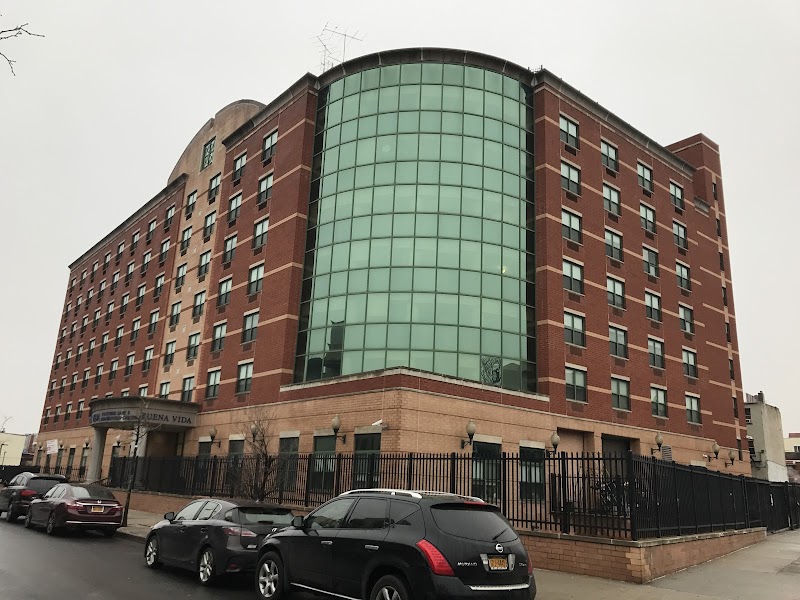
Who Owns and Operates Buena Vida Rehab And Nursing Center?

BUENA VIDA REHAB AND NURSING CENTER is owned by a for-profit company. For-profit facilities operate as businesses with obligations to shareholders or private owners. The facility is operated by INFINITE CARE, a chain that manages multiple nursing homes. With 240 certified beds and approximately 229 residents (about 95% occupancy), it is a large facility located in BROOKLYN, New York.
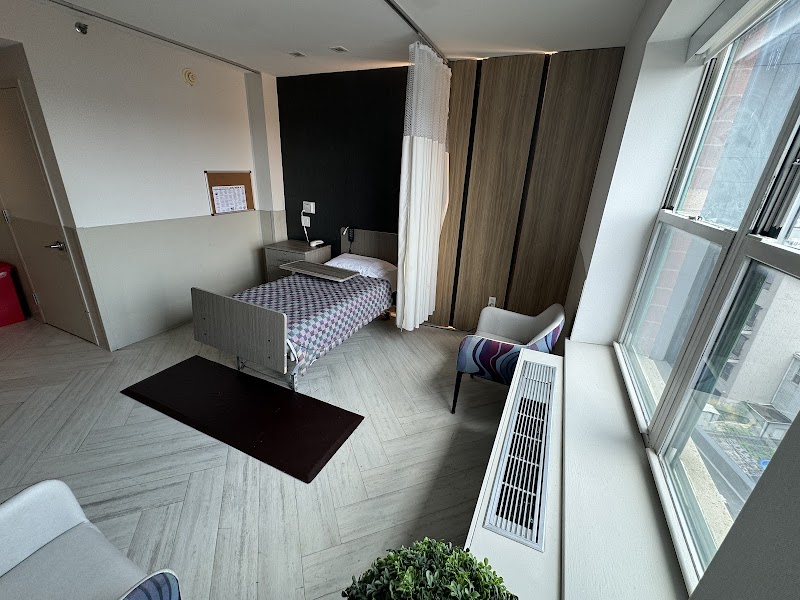
How Does Buena Vida Rehab And Nursing Center Compare to Other New York Nursing Homes?

Compared to the 100 nursing homes in New York, BUENA VIDA REHAB AND NURSING CENTER's overall rating (5 stars) is above the state average of 3.1, staff turnover (27%) is significantly lower than the state average of 46%, and health inspection rating (5 stars) is much above the national benchmark.

What Should Families Ask When Visiting Buena Vida Rehab And Nursing Center?

Based on this facility's data, families visiting should ask: "Can I visit during a mealtime to observe dining assistance and food quality?" "How do you handle medical emergencies, and what is your hospital transfer rate?" "Can I speak with family members of current residents about their experience?"

Is Buena Vida Rehab And Nursing Center Safe?

Based on CMS inspection data, BUENA VIDA REHAB AND NURSING CENTER has a clean safety record: no substantiated abuse findings (meaning no confirmed cases of resident harm), no Immediate Jeopardy citations (the most serious violation level indicating risk of serious injury or death), and is not on the Special Focus Facility watch list (a federal program monitoring the lowest-performing 1% of nursing homes). The facility has a 5-star overall rating and ranks #1 of 100 nursing homes in New York. While no facility is perfect, families should still ask about staff-to-resident ratios and recent inspection results during their visit.

Do Nurses at Buena Vida Rehab And Nursing Center Stick Around?

Staff at BUENA VIDA REHAB AND NURSING CENTER tend to stick around. With a turnover rate of 27%, the facility is 19 percentage points below the New York average of 46%. Low turnover is a positive sign. It means caregivers have time to learn each resident's needs, medications, and personal preferences. Consistent staff also notice subtle changes in a resident's condition more quickly.

Was Buena Vida Rehab And Nursing Center Ever Fined?

BUENA VIDA REHAB AND NURSING CENTER has no federal fines on record. CMS issues fines when nursing homes fail to meet care standards or don't correct problems found during inspections. The absence of fines suggests the facility has either maintained compliance or corrected any issues before penalties were assessed. This is a positive indicator, though families should still review recent inspection reports for the full picture.

Is Buena Vida Rehab And Nursing Center on Any Federal Watch List?

BUENA VIDA REHAB AND NURSING CENTER is not on any federal watch list. The most significant is the Special Focus Facility (SFF) program, which identifies the bottom 1% of nursing homes nationally based on persistent, serious quality problems. Not being on this list means the facility has avoided the pattern of deficiencies that triggers enhanced federal oversight. This is a positive indicator, though families should still review the facility's inspection history directly.