BUSHWICK CENTER FOR REHABILITATION AND HEALTH CARE
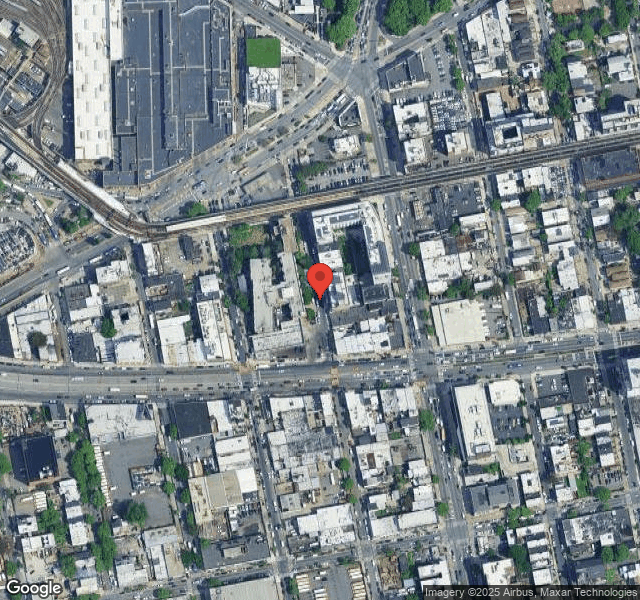
50 SHEFFIELD AVENUE, BROOKLYN, NY 11207 (718) 345-2273
For profit - Corporation 225 Beds CENTERS HEALTH CARE Data: November 2025
Trust Grade
45/100
#485 of 594 in NY
Last Inspection: August 2023

Over 2 years since last inspection. Current conditions may differ from available data.

Overview

Bushwick Center for Rehabilitation and Health Care in Brooklyn, New York, has received a Trust Grade of F, indicating significant concerns about the facility's care quality. It ranks #485 out of 594 facilities in New York, placing it in the bottom half, and it is the lowest-ranked facility in Kings County. While the facility's trend has shown improvement, with the number of issues decreasing from 10 in 2023 to 2 in 2025, there are still serious weaknesses, including low RN coverage, which is a concern as it is less than 97% of other state facilities. Specific incidents from inspections highlight ongoing issues, such as staff not performing hand hygiene during food preparation, which risks contamination, and observed disrepair in resident rooms, indicating a lack of maintenance. Despite these weaknesses, staffing turnover is below average at 37%, and the facility has not incurred any fines, suggesting some stability in staffing and compliance efforts.

Trust Score
D
45/100
In New York
#485/594
Bottom 19%
Safety Record
Low Risk
No red flags
Inspections
Getting Better
10 → 2 violations
Staff Stability
○ Average
37% turnover. Near New York's 48% average. Typical for the industry.
Penalties
✓ Good
No fines on record. Clean compliance history, better than most New York facilities.
Skilled Nurses
⚠ Watch
Each resident gets only 18 minutes of Registered Nurse (RN) attention daily — below average for New York. Fewer RN minutes means fewer trained eyes watching for problems.
Violations
⚠ Watch
20 deficiencies on record. Higher than average. Multiple issues found across inspections.
★☆☆☆☆
1.0
Overall Rating
★★☆☆☆
2.0
Staff Levels
★★★★☆
4.0
Care Quality
★☆☆☆☆
1.0
Inspection Score
Stable
2023: 10 issues
2025: 2 issues

The Good

  • 4-Star Quality Measures · Strong clinical quality outcomes
  • Full Sprinkler Coverage · Fire safety systems throughout facility
  • No fines on record
  • Staff turnover below average (37%)

    11 points below New York average of 48%

Facility shows strength in quality measures, fire safety.

The Bad

1-Star Overall Rating

Below New York average (3.0)

Significant quality concerns identified by CMS

Staff Turnover: 37%

Near New York avg (46%)

Typical for the industry

Chain: CENTERS HEALTH CARE

Part of a multi-facility chain

Ask about local staffing decisions and management

The Ugly 20 deficiencies on record

Jun 2025 2 deficiencies
CONCERN (D) 📢 Someone Reported This

A family member, employee, or ombudsman was alarmed enough to file a formal complaint

Potential for Harm - no one hurt, but risky conditions existed

Report Alleged Abuse (Tag F0609)

Could have caused harm · This affected 1 resident

**NOTE- TERMS IN BRACKETS HAVE BEEN EDITED TO PROTECT CONFIDENTIALITY** Based on interview and record review conducted during an Abbreviated Survey (NY00377880), on the facility ), the facility did no...

Read full inspector narrative →
**NOTE- TERMS IN BRACKETS HAVE BEEN EDITED TO PROTECT CONFIDENTIALITY** Based on interview and record review conducted during an Abbreviated Survey (NY00377880), on the facility ), the facility did not ensure that an alleged violation involving abuse, neglect, exploitation or mistreatment, including injuries of unknown source and misappropriation of resident property, are reported immediately, but not later than two (2) hours after the allegation is made, if the events that cause the allegation involve abuse or result in serious bodily injury, or not later than 24 hours if the events that cause the allegation do not involve abuse and do not result in serious bodily injury, to the administrator of the facility and to other officials (including to the State Survey Agency). This was evident for one (1) out of seven (7) residents (Resident #5) reviewed for falls. Specifically, Resident #5 was observed on the floor into their room on [DATE] at 10:30 AM unresponsive, without vital signs, and a hematoma on their forehead. 911 was called and Resident #5 was pronounced by the emergency service team at 11:16 AM on [DATE]. Registered Nurse Supervisor #1 did not report the unwitnessed fall and injury to the Administrator and the fall was not reported to the New York State Department of Health. The findings include: The facility Policy and Procedure titled Accident- Incidents dated 06/2024 document an incident is any occurrence not consistent with the routine operation of the center. The occurrence may be a fall, skin tear, bruise, new pressure ulcer and may involve abuse, neglect, and mistreatment or injury of unknown origin. The incident may be a theft or misappropriation of resident property. The Nursing Supervisor/Charge Nurse, is responsible for assessing, reviewing, documenting and reporting of the incident and or accident. The Director of Nursing and Administrator are responsible to review incident/investigation and Conclusion to determine if incident requires reporting to outside agencies such as Department of Health etc. Resident #5 was admitted to the facility with diagnoses including Neoplasm of Lung, Neoplasm of Prostrate, Atrial Fibrillation, and Chronic Obstructive Pulmonary Disease. The Minimum Data Set (a resident assessment tool) dated [DATE] documented that Resident #1 had intact cognition. Record review and interviews with Registered Nurse #1 and Licensed Practical Nurse #1 revealed that on [DATE] at 10:30 AM Resident #5 was observed lying on the floor face down and unresponsive in their room. Resident #5 also had a hematoma on their forehead. 911 was called at 10:30 AM and the emergency medical team and the New York Fire Department arrived at the facility at 10:40 AM and took over the code. Resident #5 was pronounced at 11:16 AM by the emergency medical team. Registered Nurse Supervisor #1 stated that Resident #5's fall was not reported to the Director of Nursing, nor the Administrator and they did not initiate an investigation into the fall. The Intake Information dated [DATE] at 3:45 PM revealed that this incident was reported by Resident #5's next of kin (complainant). The complainant reported to the Department of Health that the facility called them and reported that Resident #5 had just died after being found unresponsive. The complainant reported that when they unzipped the bag, they immediately saw a bruising on Resident #5's head and blood on their face. The nursing home was unable to explain the blood and bruising. An autopsy was ordered by the family. Review of the Accident/Incident Reports from [DATE] to [DATE], revealed there were no incident report related to Resident #5 being found unresponsive on the floor in their room on [DATE]. According to the Forensic Pathologist and Neuropathologist Pathology findings dated [DATE]: Resident #5's cause of death was due to Bronchogenic lung adenocarcinoma, hypertension, and emphysema with congestive heart failure. The report also documented Resident #5 had a slight contusion measured one-half inch and a superficial laceration measured less than one-quarter inch and that there was no evidence of significant trauma. During an interview with the complainant on [DATE] at 10:02 AM, the compliant stated they were unsure of staff names, but that they received a call from a facility staff who stated that Resident #5 was found unconscious and cardiopulmonary resuscitation was initiated. The complainant stated they received another call from a staff stating Resident #5 died. The complainant stated within fifteen minutes they arrived at the facility and Resident #5 was in a body bag. The complainant stated that when the staff opened the body bag, they saw a bruise and blood on Resident #5's face and forehead. The complainant stated that the staff was not able to explain the injury. The complainant stated that they took pictures and requested for an autopsy to be done. During a telephone interview on [DATE] at 1:40 PM, Registered Nurse Supervisor #1 stated Resident #5 was found face down on the floor next to their bed unresponsive, and pulseless, by Licensed Practical Nurse #1 at 10:30 AM on [DATE]. Registered Nurse Supervisor #1 stated Resident #5 was observed with a hematoma on their forehead. Registered Nurse Supervisor #1 stated cardiopulmonary resuscitation was initiated by Licensed Practical Nurse #1 and Nurse Practitioner #1 and 911 was called at 10:30 AM. The emergency medical team and the New York Fire Department arrived at 10:40 AM and took over the code. Resident #5 was pronounced at 11:16 AM by the emergency medical team. Registered Nurse Supervisor #1 stated that Resident #5's fall was not reported to the Director of Nursing, nor to the Administrator and they did not initiate an investigation into the fall. During an interview on [DATE] at 3:30 PM, the Director of Nursing stated that they were not in the facility on [DATE] and was not notified of the fall and injury. The Director of Nursing stated they were notified that 911 was called and that Resident #5 was pronounced in the facility. The Director of Nursing stated because they were not aware of the fall, the fall incident was not reported to the New York State Department of Health. During a telephone interview on [DATE] at 1:20 AM, the Administrator stated they were not aware of the fall or that Resident #5 sustained injury. 10 NYCRR 415.4(b)(2)
CONCERN (D) 📢 Someone Reported This

A family member, employee, or ombudsman was alarmed enough to file a formal complaint

Potential for Harm - no one hurt, but risky conditions existed

Investigate Abuse (Tag F0610)

Could have caused harm · This affected 1 resident

**NOTE- TERMS IN BRACKETS HAVE BEEN EDITED TO PROTECT CONFIDENTIALITY** Based on interview and record review conducted during an Abbreviated Survey (NY00377880), the facility failed to investigate a f...

Read full inspector narrative →
**NOTE- TERMS IN BRACKETS HAVE BEEN EDITED TO PROTECT CONFIDENTIALITY** Based on interview and record review conducted during an Abbreviated Survey (NY00377880), the facility failed to investigate a fall accident that had resulted in injuries. This was evident for one (1) out of seven (7) residents (Resident #5) reviewed for falls. Specifically, on [DATE] at 10:30 AM Licensed Practical Nurse #1 observed Resident #5 lying face down on the floor next to their bed unresponsive, and without vital signs. Resident #5 also had a hematoma to their forehead. cardiopulmonary resuscitation was initiated and 911 was called. Resident #5 was pronounced at 11:16 AM by the Emergency Medical Team. Registered Nurse Supervisor #1 did not investigate the unwitnessed fall and injury to rule out care plan violation. The findings include: The facility policy and procedure titled Accident- Incidents dated 06/2024 document an incident is any occurrence not consistent with the routine operation of the center. The occurrence may be a fall, skin tear, bruise, new pressure ulcer and may involve abuse, neglect, and mistreatment or injury of unknown origin. The incident may be a theft or misappropriation of resident property. The Nursing Supervisor/Charge Nurse, is responsible for assessing, reviewing, documenting and reporting of the incident and or accident. The Director of Nursing and Administrator are responsible to review the incident/investigation and conclusion to determine if incident requires reporting to outside agencies such as Department of Health etc. Resident #5 was admitted to the facility with diagnoses including Neoplasm of Lung, Neoplasm of Prostrate, Atrial Fibrillation, and Chronic Obstructive Pulmonary Disease. The Minimum Data Set (a resident assessment tool) dated [DATE] documented that Resident #1 had intact cognition. The Intake Information dated [DATE] at 3:45 PM revealed that this incident was reported by Resident #5's next of kin (complainant). The complainant reported to the Department of Health that the facility called them and reported that Resident #5 had just died after being found unresponsive. The complainant reported that when they unzipped the bag, they immediately saw a bruising on Resident #5's head and blood on their face. The nursing home was unable to explain the blood and bruising. An autopsy was ordered by the family. Review of the Accident/Incident Reports from [DATE] to [DATE], revealed there were no incident report related to Resident #5 being found unresponsive on the floor in their room on [DATE]. According to the Forensic Pathologist and Neuropathologist Pathology findings dated [DATE]: Resident #5's cause of death was due to Bronchogenic lung adenocarcinoma, hypertension, and emphysema with congestive heart failure. The report also documented Resident #5 had a slight contusion measured one-half inch and a superficial laceration measured less than one-quarter inch and that there was no evidence of significant trauma. During an interview with the complainant on [DATE] at 10:02 AM, the compliant stated they were unsure of staff names, but that they received a call from a facility staff who stated that Resident #5 was found unconscious and cardiopulmonary resuscitation was initiated. The complainant stated they received another call from a staff stating Resident #5 died. The complainant stated within fifteen minutes they arrived at the facility and Resident #5 was in a body bag. The complainant stated that when the staff opened the body bag, they saw a bruise and blood on Resident #5's face and forehead. The complainant stated that the staff was not able to explain the injury. The complainant stated that they took pictures and requested for an autopsy to be done. During a telephone interview on [DATE] at 1:40 PM, Registered Nurse Supervisor #1 stated Resident #5 was found face down on the floor next to their bed unresponsive, and pulseless, by Licensed Practical Nurse #1 at 10:30 AM on [DATE]. Registered Nurse Supervisor #1 stated Resident #5 was observed with a hematoma on their forehead. Registered Nurse Supervisor #1 stated cardiopulmonary resuscitation was initiated by Licensed Practical Nurse #1 and Nurse Practitioner #1 and 911 was called at 10:30 AM. The emergency medical team and the New York Fire Department arrived at 10:40 AM and took over the code. Resident #5 was pronounced at 11:16 AM by the emergency medical team. Registered Nurse Supervisor #1 stated that Resident #5's fall was not reported to the Director of Nursing, nor to the Administrator and they did not initiate an investigation into the fall. During an interview on [DATE] at 3:30 PM, the Director of Nursing stated that they were not in the facility on [DATE] and was not notified of the fall and injury. The Director of Nursing stated they were notified that 911 was called and that Resident #5 was pronounced in the facility. During a telephone interview on [DATE] at 1:20 AM, the Administrator stated they were not aware that Resident #5 had fallen and sustained injuries. 10 NYCRR 483.12(c)(4)
Aug 2023 10 deficiencies
CONCERN (D)

Potential for Harm - no one hurt, but risky conditions existed

Deficiency F0583 (Tag F0583)

Could have caused harm · This affected 1 resident

**NOTE- TERMS IN BRACKETS HAVE BEEN EDITED TO PROTECT CONFIDENTIALITY** Based on observation, interview, and record review conducted during the recertification survey from 07/31/2023 to 08/07/2023, th...

Read full inspector narrative →
**NOTE- TERMS IN BRACKETS HAVE BEEN EDITED TO PROTECT CONFIDENTIALITY** Based on observation, interview, and record review conducted during the recertification survey from 07/31/2023 to 08/07/2023, the facility did not ensure privacy and confidentiality of the residents' medical information was maintained. This was evident on two (Unit 4L and Unit 3L) of 6 Units and for 2 (Resident # 24 and Resident # 190) of 38 total sampled residents. Specifically, 1.) Licensed Practical Nurse (LPN) #2 left a computer screen with Resident #24's medical information open to public view, and 2.) Resident #190's room door was left open, and the resident was in public view during a Gastrostomy Tube (GT) medication administration. The findings are: 1.) Resident #24 had diagnoses of Myocardial Infarction (MI) and Diabetes Mellitus (DM). The Minimum Data Set 3.0 (MDS) assessment dated [DATE] documented Resident @24 was moderately cognitively impaired. During Unit 4L medication pass observation on 08/02/2023 at 8:41 AM, LPN #2 was observed in Resident #24's room with their back facing the medication cart. The computer screen containing Resident #24's identifying information was on the medication cart in the hallway in public view. LPN # 2 was interviewed on 8/2/2023 at 8:47 AM and stated they should have closed the computer screen to hide Resident #24's personal information. On 08/07/2023 at 08:25 AM, the Registered Nurse (RN) # 1, Unit Manager for Unit 4L, was interviewed and stated that their role is to ensure that nurses perform their duties. RN #1 makes unit rounds to observe for unattended medication carts. The nurses know not to leave the computer screen open due to the Health Insurance Portability and Accountability Act (HIPAA) that requires protection of patient information. Medications carts should not be left unattended. 2.) Resident #190 had diagnoses of Gastrostomy Status and Dysphagia. The Minimum Data Set 3.0 (MDS) assessment dated [DATE] documented Resident #190 was severely cognitively impaired and required the total assistance of 2 people for Activities of Daily Living (ADL). During Unit 3L medication pass observation on 08/02/2023 at 9:30 AM, Licensed Practical Nurse (LPN) #3 was in Resident #190's room administrating medication to the resident via GT with the room door open and Resident #190 in public view from the hallway. LPN #3 was interviewed on 08/02/2023 at 9:47 AM and stated a resident's door is to be closed to provide them with privacy when providing the resident care and treatment. On 08/07/2023 at 11:25 AM, the Director of Nursing (DON) was interviewed and stated it is a privacy and dignity concern when staff do not close residents' room doors when providing care, services, and treatments. 10 NYCRR 413.3(d)(1)(ii)
CONCERN (D)

Potential for Harm - no one hurt, but risky conditions existed

Comprehensive Care Plan (Tag F0656)

Could have caused harm · This affected 1 resident

**NOTE- TERMS IN BRACKETS HAVE BEEN EDITED TO PROTECT CONFIDENTIALITY** Based on observation, record review, and interviews conducted during the Recertification survey from 7/31/2023 to 8/7/2023, the ...

Read full inspector narrative →
**NOTE- TERMS IN BRACKETS HAVE BEEN EDITED TO PROTECT CONFIDENTIALITY** Based on observation, record review, and interviews conducted during the Recertification survey from 7/31/2023 to 8/7/2023, the facility did not ensure person-centered care plans (CCP) with measurable goals, time frames and interventions were developed to address a resident's concerns. This was evident for 1 (Resident #61) of 5 residents reviewed for accidents. Specifically, a CCP related to smoking was not developed and implemented for Resident #61, a smoker. The findings are: The facility policy titled Care Plans - Comprehensive dated 10/2019 documented a CCP that includes measurable objectives and timetables to meet the resident's physical, psychosocial and functional needs is developed and implemented for each resident. Resident # 61 had diagnoses of coronary artery disease and diabetes mellitus. The Minimum Data Set 3.0 (MDS) assessment dated [DATE] documented Resident #61 was cognitively intact. A Nursing Smoking Evaluation dated 2/13/2023 documented Resident #61 was a smoker, and the plan of care was to ensure Resident #61 was safe while smoking. A Smoking Rules and Safety Agreement was signed by Resident #61 on 2/13/2023. There was no documented evidence a CCP related to smoking was created and implemented for Resident #61 prior to 8/1/2023. An interview was conducted on 8/7/2023 at 2:16 PM with the Assistant Director of Nursing Services (ADNS) who stated Resident #61 began smoking on 2/13/2023 but the CCP related to smoking was not created until 8/1/2023. An interview was conducted on 8/7/2023 at 2:19 PM with the Director of Nursing (DNS) who stated they are not familiar with the medical record and the CCP is not active until it has been created in the system. 10 NYCRR 415.11 (c)(1)
CONCERN (D)

Potential for Harm - no one hurt, but risky conditions existed

ADL Care (Tag F0677)

Could have caused harm · This affected 1 resident

**NOTE- TERMS IN BRACKETS HAVE BEEN EDITED TO PROTECT CONFIDENTIALITY** Based on observations, interviews, and record review conducted during the Recertification from 7/31/2023 to 8/7/2023, the facili...

Read full inspector narrative →
**NOTE- TERMS IN BRACKETS HAVE BEEN EDITED TO PROTECT CONFIDENTIALITY** Based on observations, interviews, and record review conducted during the Recertification from 7/31/2023 to 8/7/2023, the facility did not ensure a resident received the necessary services to maintain good nutrition, grooming, and personal and oral hygiene. This was evident for 1 (Resident #202) of 8 residents reviewed for Activities of Daily Living (ADL), out of an investigative sample to 38 residents. Specifically, Resident #202 was observed with unkempt, disheveled, matted hair. The findings are: The facility policy titled ADL Personal Hygiene dated 10/2021 documented hair care should be provided to resident as needed or by appointment at hairdressers. The Certified Nursing Assistant (CNA) should report to the Licensed Nurse any concerns/observations during care. Resident # 202 had diagnoses of Anemia and Anorexia. The Minimum Data Set 3.0 (MDS) assessment dated [DATE] documented Resident #202 was moderately cognitively impaired and required the physical assistance of extensive assistance of two people for personal hygiene. On 08/01/2023 at 03:03 PM, 08/02/2023 at 08:48 AM, 08/02/2023 at 08:48 AM, 08/03/2023 09:14 AM, 08/04/2023 at 08:58 AM, 08/04/2023 at 02:35 PM, and 08/07/2023 at 09:14 AM, Resident #202 was observed with disheveled and unkempt hair, matted, stuck together and in two clumps. 08/07/23 at 09:25 AM, Registered Nurse (RN) #3, Unit Manager, searched Resident #202's room and was unable to locate any grooming materials including shampoo and a comb or brush. The Comprehensive Care Plan (CCP) related to ADLs initiated 4/24/2023 and last updated 7/6/2023 documented Resident #202 required staff assistance to provide bathing products and setup and cueing for bathing. There is no documented evidence Resident #202 was provided with grooming ADL care to address matted hair. There is no documented evidence Resident #202 refused grooming services. On 08/03/2023 at 11:04 AM, an interview was conducted with CNA #3 who stated Resident #202 required supervision with ADL care and did not refuse care. Resident #202 can fix their own hair and did not request assistance with their hair care. CNA #3 was unable to locate a comb or brush in Resident #202's room, and had no response if resident was given grooming materials for their hair or assisted with grooming. On 08/04/2023 at 02:18 PM, CNA #2 was interviewed, and stated Resident #202 sometimes refuses showers, and the CNA informs the nurse on the unit when the resident refuses. Resident #202's hair is being washed by CNA #2. Resident #202 was admitted to the facility with matted hair and does not want anything done to it. Resident #202 refuses to fix their hair. The nurse is aware that Resident #202's hair is matted. On 08/04/23 at 02:25 PM, an interview was conducted with Licensed Practical Nurse (LPN) #4 who stated the CNA did not report Resident #202 is refusing ADL care, including combing of hair. Resident #202 does not like people touching them. LPN #4 stated they offered to get Resident #202's hair done but the resident refused. The Unit Manager (UM) should be aware but is on vacation. LPN #4 stated they are not sure what to do to fix this. On 08/07/2023 at 09:18 AM, an interview was conducted with Registered Nurse (RN) #2 who stated they are covering for the UM on vacation. RN #2 became aware of Resident #202's matted hair while covering. If the CNA sees a resident with matted hair, the CNA reports to the Nurse, the Nurse reports to the Unit Manger and the UM will get in contact with the family and explain the matted hair and get permission to cut the hair. RN #2 stated If the family refuse, then will meet with the team and put care plan in place, and document refusal. RN #2 stated they will continue to reoffer and contact family quarterly and document the family response. RN #2 stated the resident should have a comb and a brush in room because all residents on admission is given a welcome kit which includes a basin, comb, brush, body wash deodorant toothbrush and tooth paste to groom. RN #2 was unable to locate a comb or brush in resident's room. RN #2 was unable to explain if resident refuse care. On 08/07/2023 at 02:53 PM, the Director of Nursing Services (DNS) was interviewed and stated the nurses and unit managers monitors the CNA and the CNA must report to the nurse if three is an issue or concern. Resident behavior will be care planned and refusal of care will be documented. 10 NYCRR 415.12(a)(3)
CONCERN (D)

Potential for Harm - no one hurt, but risky conditions existed

Deficiency F0761 (Tag F0761)

Could have caused harm · This affected 1 resident

Based on observation, record review, and interviews conducted during the Recertification survey from 7/31/2023 to 08/07/2023, the facility did not ensure medications and biologicals were stored in acc...

Read full inspector narrative →
Based on observation, record review, and interviews conducted during the Recertification survey from 7/31/2023 to 08/07/2023, the facility did not ensure medications and biologicals were stored in accordance with professional standards of practice. This was evident for 1 (Unit 4L) of 6 units. Specifically, 1) 3 expired pneumovax vaccine vials in the medication refrigerator, an expired box of ibuprofen, and an expired bottle of Magnesium citrate in the medication room on 4L, and 2) 3 medication blister packs were left unattended on top of a medication cart on Unit 4L. The findings are: The facility policy titled Medication Storage dated 1/2019 documented expired, discontinued and/or contaminated medications will be removed from the medication storage areas and disposed of in accordance with facility policy. The facility policy titled Medication Administration dated 12/2019 documented during administration of medications, no medications are kept on top of the cart. The facility policy titled Storage and Discard Dating of Drugs and Biologicals dated 12/22/2022 documented drugs shall not be kept on hand after the expiration date on the label and no contaminated or deteriorated drugs shall be available for administration. 1) On 08/04/2023 at 03:56 PM, the 4 L unit medication room was observed with Licensed Practical Nurse (LPN) # 7 and the following was observed in the room cabinet: Magnesium citrate cherry flavor 10 oz with expiration date of 12/2022 (0516065 349 183016) and Ibuprofen 200mg (100 coated tablets - 1 box lot WJ21057) expiration date of 03/2023. In the medication room refrigerator 3 syringes (.5 ml) of Pneumococcal vaccine Polyvalent Pneumovax 23 with lot number Lot U034712 had an expiration date of 7/30/2023. On 08/04/2023 at 04:12 PM, an interview was conducted with LPN #7 who stated that they check medications every time they bring new meds, and they try to do as much as can with the medication room and this needs to be teamwork. They check the medication room once a week and they don't document it anywhere. LPN #7 is present at times when the pharmacy comes to check the medication room. On 08/04/2023 at 04:29 PM, an interview was conducted with Registered Nurse Supervisor (RNS) #4 who stated that they check the medication rooms once a week and they look at the temperature in the fridge and they did not notice any medications that were out of date in the medication room. The last time they looked at 4L unit was about 2 weeks ago when they checked the medication room, and they did not notice expired items. On 08/07/2023 at 12:51 PM. the Director of Nursing (DNS) was interviewed and stated they check the medication rooms monthly. Staff should be looking in the medication room to make sure there are no expired medications. Expired vials should be removed from the medication room. Biologicals medications (immunizations) should be checked by staff for the expiration date prior to administration. On 08/07/2023 at 02:03 PM, The Administrator was interviewed and stated that the facility does their own inspection of medication room. An internal inspection is done to be on top of everything and the facility contacted a pharmacy for an extra pair of eyes to do an audit as well. 2.) During observation of the Unit 4L medication pass on 08/02/2023 at 8:41 AM, Licensed Practical Nurse (LPN) #2 entered Resident #24's room and had their back to the medication cart while 3 blister packs of medication were left unattended on top of the cart: Lithium 300 milligram (mg) give 1 by mouth twice a day; Perphenazine 2 mg by mouth 3 times a day and Plavix 75 mg by mouth daily. LPN #2 was interviewed on 08/02/2023 at 8:47 AM and stated they should not leave medications unattended on the medication cart as to avoid someone picking them up. On 08/07/2023 at 08:25 AM, the Registered Nurse (RN) Unit Manager # 1 stated they make rounds and observe the medication carts, if the nurses are performing their duties, and if the medication carts are left unattended. The nurses know not to leave medications unattended on the medication carts to avoid any accidents and to protect residents from accidentally taking them. 10 NYCRR 415.18(e)(1-4)
CONCERN (E) 📢 Someone Reported This

A family member, employee, or ombudsman was alarmed enough to file a formal complaint

Potential for Harm - no one hurt, but risky conditions existed

Safe Environment (Tag F0584)

Could have caused harm · This affected multiple residents

**NOTE- TERMS IN BRACKETS HAVE BEEN EDITED TO PROTECT CONFIDENTIALITY** 2) Between 07/31/2023 at 10:07 AM and 08/03/23 and 12:30 PM, the following was observed on Unit 2N, 4L, and 4N: - room [ROOM NUM...

Read full inspector narrative →
**NOTE- TERMS IN BRACKETS HAVE BEEN EDITED TO PROTECT CONFIDENTIALITY** 2) Between 07/31/2023 at 10:07 AM and 08/03/23 and 12:30 PM, the following was observed on Unit 2N, 4L, and 4N: - room [ROOM NUMBER] a resident bed footboard damaged. - room [ROOM NUMBER] with a wheelchair with ripped cushion. - room [ROOM NUMBER] a green chair with gauges in the cushioning and stuffing showing. - room [ROOM NUMBER] with chipped paint, exposed dry wall, spackled unpainted areas, and a torn window screen. - room [ROOM NUMBER] with room door missing paint. - 4L Nursing station chair with torn cushion and stuffing visible and chipped wood on the desk. - room [ROOM NUMBER] with peeling paint on the walls and 2 recliners with torn cushioning. - room [ROOM NUMBER] with peeling wall paint, dry wall exposed, and a green chair with torn cushioning. - room [ROOM NUMBER] had mismatched paint in the bathroom. On 08/04/2023 at 03:15 PM, Licensed Practical Nurse (LPN) #7 was interviewed and stated that they have noticed the chairs in disrepair at the nursing station. On 08/07/2023 at 11:16 AM, the Maintenance Worker (MW) was interviewed and stated that they do maintenance on all the units. Holes in walls are patched to get ready to repair holes in wall to paint the wall. After patching, they paint. There is no timeframe to complete painting. There is chipped paint on the doors periodically and when they notice, the MW will come up and paint the door. MW is not sure the last time they looked at the need for painting. On 08/07/2023 at 01:55 PM, an interview was conducted with the Director of Maintenance (DOM) who stated painting is done daily as needed. They also do annual check of the complete building for painting needs. They do rounds daily and look for rooms that need painting. 10 NYCRR 415.12(h)(1) Based on observations, interviews and record review conducted during the Recertification and Complaint (NY00317743) Survey from 07/31/2023 thru 08/07/2023, the facility did not ensure the resident's right to a safe, clean, comfortable, and homelike environment. This was evident for 4 Units (Units 2N, 3N, 4L, and 4N) of 6 Units. This was evident during environmental observation. Specifically, 1) Unit 3N was observed with missing closet doors, resident room furniture with broken paneling, a torn and stained mattress cover, dining room chair missing an armrest, mildew stains on the shower chair, missing ceiling tiles in the shower, loose shower room faucet, and stained blood pressure (BP) machines and feeding pump poles, and 2) Units 2N, 4L, and 4N were observed with walls with peeling paint and wheelchairs, recliners, and chairs at the nursing station and in the dining room with torn padding. The findings are: The policy titled Cleaning and Disinfecting Resident Care Items and Equipment dated 5/18/2023 documented shared resident care items and equipment shall be cleaned disinfected between each resident and use. 1.) On 07/31/2023 at 9:30 AM on Unit 3N, the following were observed: a. room [ROOM NUMBER] had a missing closet door. b. room [ROOM NUMBER] had brown dried stains on the feeding pump and pole base. The bedside table was heavily worn exposing the inner corking along the top edges. c. room [ROOM NUMBER] had a missing closet door. The mattress cover leaning against the doorless closet was heavily stained and torn. d. The nursing station desk was missing large pieces of paneling along the sides and top edges. e. 2 swivel chairs at the nursing station had seat cushions that were heavily soiled and spotted with stains. f. the resident dining room had a green chair missing the left arm rest and dining room tables with heavily worn wooden legs. On 08/01/2023 at 9:45 AM, the shower room on Unit 3N was observed with the following: h. large rectangular opening in the ceiling above the shower stall and stained, dirty shower curtains. i. mildew stains along the frame of the small shower chair and black hairs on the seat of the shower chair. j. The sink faucet was movable and loose. k. The floor to the shower stall was noted with a black substance all along the caulking. The Certified Nurse Aide (CNA) # 1 was interviewed on 08/07/2023 at 9:45 AM and stated they were not ware resident rooms on Unit 3N were missing closet doors. CNA #1 did not report missing closet doors to the nurse. CNA #1 stated they should have reported to the nurse that resident rooms were missing closet doors. Shower chairs are cleaned after each use and washed with soap and water. The Licensed Practical Nurse (LPN) # 1 was interviewed on 08/07/2023 at 9:51 AM and stated that the shower chairs are to be wiped down after each use with the germicidal wipes. LPN # 1 stated that the closet doors were removed because the residents would rip them off. Housekeeper # 1 assigned to Unit 3 N was interviewed on 08/07/2023 at 09:58 AM and stated they are responsible for cleaning the unit floors, and shower rooms floors and toilets but not shower chairs. The Acting Housekeeping Director was interviewed on 08/07/2023 at 10:29 AM and stated they make random rounds to ensure that housekeeping staff are doing their jobs. The shower chairs are cleaned by the evening housekeeper twice a month, together with the wheelchairs. The shower chairs are either power washed or washed manually with disinfectant. Housekeeping is also responsible for cleaning the BP machines and feeding pump stands. On 08/07/2023 at 10:39 AM, the Director of Maintenance (DOM) was interviewed and stated they perform daily rounds to observe for broken furniture. The former Director of Nursing (DON) instructed the DOM to remove the closet doors due to behavior issues with the residents. There was a leak in the shower room that damaged the ceiling tiles last week. They had to cut open the ceiling tile to look at the piping. They should have covered the ceiling when they were done. The Dom is still working on the leak. The DON was interviewed on 08/07/23 at 11:33 AM and stated that if a resident has behavior issues such as ripping out the closet door it needs to be care planned for and documented. There is no documented evidence about these two residents exhibiting these behaviors. The shower chairs are to be disinfected after each use by the CNAs and housekeeping also disinfects them in the evening.
CONCERN (E)

Potential for Harm - no one hurt, but risky conditions existed

Deficiency F0657 (Tag F0657)

Could have caused harm · This affected multiple residents

**NOTE- TERMS IN BRACKETS HAVE BEEN EDITED TO PROTECT CONFIDENTIALITY** Based on observation, record review, and interviews conducted during the Recertification survey, the facility did not ensure tha...

Read full inspector narrative →
**NOTE- TERMS IN BRACKETS HAVE BEEN EDITED TO PROTECT CONFIDENTIALITY** Based on observation, record review, and interviews conducted during the Recertification survey, the facility did not ensure that the comprehensive care plans (CCP) were reviewed and/or revised after each assessment and as needed. This was evident for 2 (Resident #13 and #47) of 38 total sampled residents. Specifically, 1) Resident #13's CCP related to risk for infection related to indwelling catheter, constipation related to bowel obstruction, alteration in physical function related to traumatic spinal cord injury, paraplegia, bladder spasm, ostomy appliance related to bowel obstruction, and impaired gastrointestinal function related to constipation were not reviewed upon assessment, and 2) Resident #47's CCP related to alteration in physical function, and bowel incontinence related to Cerebrovascular Accident (CVA) with hemiparesis were not reviewed upon assessment. The findings are: The facility policy titled Care Plans - Comprehensive dated 10/2019 documented CCPs are revised as information about the residents and the residents' conditions change. The interdisciplinary team reviews and updates the CCP at least quarterly with scheduled Minimum Data Set 3.0 (MDS). 1) Resident #13 had diagnoses of paraplegia and colostomy status. The MDS dated [DATE] documented Resident #13 had mild cognitive impairment, had an indwelling catheter, and had an ostomy. Physician's Orders dated 9/12/2022 documented clean Resident #13's Suprapubic site with normal saline cover with dry dressing every night shift and as needed for Suprapubic site care, dated 7/29/2021 documented Lactobacillus Capsule 1 capsule by mouth one time a day for Probiotic, dated 7/28/2021 documented Oxybutynin Chloride Tablet 5 MG 1 tablet by mouth three times a day for Bladder spasms, dated 11/4/2021 documented Suprapubic Care every shift for Neuromuscular Dysfunction of the Bladder, and dated 11/4/2021 documented urine output every shift. A CCP related to Resident #13's Alteration in physical function r/t Traumatic spinal cord injury, paraplegia, Bladder spasm created 1/16/2019 documented the last revision date was 4/7/2022. A CCP titled Constipation related to Resident #13's bowel obstruction created 1/16/2019 documented no review or revision date since 1/16/2019. A CCP titled Ostomy appliance (Colostomy) related to Resident #13's bowel obstruction created 1/14/2019 documented the last review date as 2/10/2022. A CCP titled impaired gastrointestinal (GI) function related to Resident #13's Constipation created 5/16/2017 documented the last review date as 8/13/2018. A CCP titled at risk for infection related to Resident #13's (Suprapubic) Indwelling catheter created 1/17/2019 documented the last review date as 2/10/2022. There was no documented evidence Resident #13's CCPs related to ostomy, indwelling catheter, bowel and bladder were reviewed and/or revised at east quarterly in accordance with the MDS assessment dated [DATE]. 2) Resident #47 had diagnoses of cerebral vascular accident (CVA) with left hemiplegia and noninfective gastroenteritis and colitis. The MDS assessment dated [DATE] documented Resident #47 was cognitively intact and had hemiplegia. Physician's Orders related to Resident #47's constipation was documented as the following: Bisacodyl Tablet Delayed Release 5mg 2 tablets twice a day initiated 11/17/2022, Docusate Sodium Capsule 100mg 1 capsule twice daily initiated 11/17/2022, Glycolax Powder give 17 grams daily initiated 11/18/2022, Sennosides Tablet 8.6 MG Give 2 tablets twice daily initiated 11/17/2022, Linzess 72 mcg. 1 capsule every morning initiated 1/29/2023. A CCP titled alteration in physical function related to Resident #47's CVA with hemiplegia to the left dominant side and paraplegia was initiated and not reviewed since 6/4/2022. A CCP titled bowel incontinence related to CVA with hemiparesis initiated 12/27/2018 documented the last review date as 6/4/2022. An interview was conducted on 8/7/2023 at 12:10 PM with Registered Nurse Supervisor (RNS) #1, who stated CCPs are updated by the RN manager every 3 months. There is a report in the computer with the CCP review due dates. CCP revision is based on the MDS schedule. An interview was conducted on 8/7/2023 at 1:09 PM with the MDS Assessor, who stated the report printed out from the computer provides a schedule for reviewing and revising CCPs when the MDS s due. The MDS Department is responsible for making sure the CCPs are updated. An interview was conducted on 8/7/2023 at 1:15 PM with the Director of Nursing Services (DNS) who stated the nurse updates the CCP at least quarterly. 10 NYCRR 415.11(c)(2) (i-iii)
CONCERN (E)

Potential for Harm - no one hurt, but risky conditions existed

Deficiency F0658 (Tag F0658)

Could have caused harm · This affected multiple residents

**NOTE- TERMS IN BRACKETS HAVE BEEN EDITED TO PROTECT CONFIDENTIALITY** Based on observations interview and record review, during a recertification survey on 07/31/2023- 08/07/2023 the facility did no...

Read full inspector narrative →
**NOTE- TERMS IN BRACKETS HAVE BEEN EDITED TO PROTECT CONFIDENTIALITY** Based on observations interview and record review, during a recertification survey on 07/31/2023- 08/07/2023 the facility did not ensure that services provided met professional standards of practice. This was evident for 2 (Resident #190 and #89) of 2 residents reviewed for feeding tube. Specifically, 1) Gastrostomy Tube (GT) placement and residuals were not checked prior to the administration of GT medications for Resident #190, and 2) Gastrostomy Tube (GT) placement and residuals were not checked prior to the administration of GT medications for Resident #89. The findings are: 1) Resident # 190 had diagnoses of gastrostomy status and dysphagia. The Minimum Data set 3.0 (MDS) assessment dated [DATE] documented Resident #190 was severely cognitively impaired. During a Unit 3L medication pass observation on 08/02/2023 at 9:30 AM, Licensed Practical Nurse (LPN) #2 administered medication to Resident #190 via GT after flushing the GT with lukewarm water. The nurse was not observed checking the GT for placement or residuals prior to administration of medication. Medical Doctor Orders dated 08/2023 documented check Resident #190 GT placement before and after medications. Check residuals, hold tube feeding 1 hour for residuals of 250 ml or greater. LPN #2 was interviewed at 9:47 AM on 08/02/23 and stated that the residuals need to be checked prior to the administration of medication to see if there is a buildup of fluid feedings in the stomach. 2.) Resident #89 had diagnoses of gastrostomy status and dysphagia. The Minimum Data Set 3.0 (MDS) assessment dated [DATE] documented Resident #89 was severely cognitively impaired. On 08/02/2023 at 10:26 AM, The Unit 3N Licensed Practical Nurse (LPN) #1 was observed checking Resident #89's GT placement with a stethoscope and then flushing the GT with water prior to medication administration. LPN #1 administered medication to Resident #89 via the GT and was not observed checking for residuals prior to administration. Medical Doctor Orders dated 07/13/2023 documented check Resident #89's GT for placement before and after any medications. LPN # 1 was interviewed on 08/02/2023 at 10:54 AM and stated that residuals need to be checked to see if there is a fluid buildup of feeds in the stomach. On 08/07/23 at 11:25 AM the Director of Nursing (DON) who stated checking for GT placement and residual is a basic nursing standard of practice. 10 NYCRR 415.11 (c)(3)(i)
CONCERN (E)

Potential for Harm - no one hurt, but risky conditions existed

Accident Prevention (Tag F0689)

Could have caused harm · This affected multiple residents

**NOTE- TERMS IN BRACKETS HAVE BEEN EDITED TO PROTECT CONFIDENTIALITY** 2) Resident #163 had diagnosis of tobacco use. The Minimum Data Set 3.0 (MDS) assessment dated [DATE] documented Resident #163 ...

Read full inspector narrative →
**NOTE- TERMS IN BRACKETS HAVE BEEN EDITED TO PROTECT CONFIDENTIALITY** 2) Resident #163 had diagnosis of tobacco use. The Minimum Data Set 3.0 (MDS) assessment dated [DATE] documented Resident #163 was cognitively intact. On 8/3/23 at 10:25 AM, Resident #163 was observed smoking, unsupervised, around the side of the facility building, in a corner in front of a church building on the property grounds. Resident #163 was observed putting their cigarette out on the concrete ground. Resident #163 was interviewed about their smoking materials, and they stated that their cousin buys supplies, and they keep cigarettes and a lighter in their room. They further stated they also go to the smoke room sometimes, but the room is small. A Smoking Evaluation dated 1/12/2023 documented Resident #163 is a smoker and can light their own cigarette. A comprehensive care plan (CCP) titled resident is a smoker was created on 1/12/23 and documents the goals of Resident #163 will demonstrate compliance with smoking policy. 3) Resident #61 had a diagnosis of tobacco use. The Minimum Data Set 3.0 (MDS) assessment dated [DATE] documented Resident #61 was cognitively intact. During an observation on 8/3/2023 at 10:17 AM, Resident #61 was on the patio smoking and put the cigarette out in between their two fingers. Resident #61 then re-lit the cigarette and continued smoking. A Smoking Evaluation dated 2/13/2023 documented Resident #61 was a smoker and can light their own cigarette. There was no documented evidence a Comprehensive Care Plan (CCP) related to smoking was in place for Resident #61 prior to 8/1/2023. An interview was conducted with Licensed Practical Nurse (LPN) #8 on 8/4/23 at 9:32 AM, who stated if they find cigarettes or a lighter on a resident, they will take it away and give to the social worker, who will then come and counsel the resident. An interview was conducted on 8/4/2023 at 10:47 AM with the Director of Recreation (DOR) who stated there is a designated smoking area/scheduled time. All smokers must come into the room to smoke. Smoking supplies are turned in to recreation and are kept in the locked cart in a locked room. Recreation monitors the smokers. If they see unsafe smoking, they report to the DOR who then reports to Nursing. The DOR discusses the smoking rules at resident council. The residents that are smoking in the patio are counseled about the designated smoke room and asked to turn in their smoking materials and sometimes they refuse. If the DOR finds out where the resident is getting supplies from, family and social work are informed. The DOR has never seen anyone smoke outside. An interview was conducted with the Administrator on 8/7/2023 at 2:49 PM who stated they saw multiple residents regarding smoking on the patio and in-serviced staff to look out for the residents. The resident(s) who were caught smoking signed contracts and have a disciplinary process in place. 10 NYCRR 415.12(h)(2) Based on observation, record review, and interviews conducted during the Recertification and Complaint survey from 07/31/2023 through 08/07/2023, the facility did not ensure residents were adequately supervised to prevent smoking accidents. This was evidenced for 3 of 3 residents reviewed for Smoking (Resident #s 61, 71 and 163). Specifically, 1) Resident #71 was observed smoking unsupervised, 2) Resident #163 was observed smoking unsupervised, and 3) Resident #61 was observed smoking unsupervised. The findings are: The facility policy titled Smoking Program dated 10/2022 documented all smoking in the facility will be supervised and permitted only in designated areas and at designated times. Residents are not permitted to hold their smoking materials (cigarettes, matches, lighters, disposable/non-rechargeable e-cigarettes, pipes and other tobacco products). 1) Resident #71 had diagnoses of Cerebral infarction and muscle weakness. The Minimum Data Set 3.0 (MDS) assessment dated [DATE] documented Resident #71 was cognitively intact and was a tobacco user. The following observations were made of the patio area: 08/03/23 11:21 AM sign on patio door thank you for observing our no smoking policy. Patio hours posted: Attention all residents, staff and visitors. The patio will be open from 9:00AM-9PM Monday - Sunday. the patio will be closed 9PM - 9AM daily and during inclement weather. During an observation on 08/02/2023 at 11:48 AM, there were 10 residents on the patio and 6 used cigarette butts were on the ground, 13 cigarette butts were in the garden area. Resident #49 was observed smoking a cigarette on the patio and extinguishing the cigarette on their shoe. On 08/03/2023 at 11:23 AM and 5:13 PM, Resident #61 was observed smoking on the patio and putting out the cigarette on their wheelchair armrest. Resident #71 had a cigarette in their mouth and had another resident light their cigarette for them with a lighter. The Security Supervisor was observed making rounds and saw Resident #71 with cigarettes smoking on the patio. Resident # 9 was observed smoking on the patio and tossing the cigarette on the concrete patio floor. There were multiple cigarette butts on the floor. The Comprehensive Care Plan related to Resident #71's smoking initiated 05/20/2020 documented the resident will be provided with supervision to smoke in designated smoking areas. The Smoking Evaluation dated 1/11/2023 documented Resident #71 was a smoker and cannot light their own cigarette. The Care Plan Notes for Activities dated 5/23/2023 documented Resident #71 was complaint with the smoking policy and was a safe smoker monitored by staff during smoking sessions. On 08/03/2023 at 12:11 PM, the Recreation Aide (RA #2) was interviewed and stated they monitor the smoke room. They have not noticed residents smoking on the patio. The smoke room is the only designated smoke area. On 08/04/2023 at 09:32 AM, the 4L Recreation Aide (RA #3) was interviewed and stated they have a list of safe and unsafe smokers. They noticed residents smoking on the patio area yesterday. The resident who was noticed smoking on the patio was asked if they would like to come to smoke room and the resident declined. They reported this to their supervisor the director of recreation yesterday. If they notice residents smoking outside the smoke room, they do not document this anywhere. On 08/04/2023 at 03:28 PM, Certified Nursing Assistant (CNA) # 7 was interviewed and stated Resident #71 smokes in the smoke room downstairs. Resident #71 is alert and can hold onto their own cigarettes. Sometimes CNA #7 notices Resident #71 smoking on the patio even though they know they are not supposed to. They would tell nurse in charge or the recreation person if they see residents smoking outside the smoke room. On 08/03/2023 at 01:01 PM, the Security Supervisor was interviewed and stated that they do rounds and observe the patio area. If they see residents smoking in the area, they will go and talk to them and let administration know and they do not usually they make an entry in the security log. The designated smoking area is the smoking room. On 08/03/2023 at 12:03 PM, the Assistant Director of Nursing (ADON) was interviewed and stated smoking materials should be kept in the smoking room.
CONCERN (E)

Potential for Harm - no one hurt, but risky conditions existed

Deficiency F0925 (Tag F0925)

Could have caused harm · This affected multiple residents

**NOTE- TERMS IN BRACKETS HAVE BEEN EDITED TO PROTECT CONFIDENTIALITY** Based on observation, record review, and staff interview conducted during the recertification survey, the facility did not maint...

Read full inspector narrative →
**NOTE- TERMS IN BRACKETS HAVE BEEN EDITED TO PROTECT CONFIDENTIALITY** Based on observation, record review, and staff interview conducted during the recertification survey, the facility did not maintain an effective pest control program so that the facility is free of pests and rodents. This was evident for the lobby and 4 (2N, 2L, 4N, and 4L) of 6 units. Specifically, flies were observed in the lobby and on the 2nd and 4th floors. The finding is: The following observations were made on the 2nd and 4th floor: On 07/31/2023 at 10:19 AM, a fly flying in room [ROOM NUMBER]. On 07/31/2023 at 02:28 PM, 1 fly noted flying in room [ROOM NUMBER] On 08/02/2023 at 09:51 AM, 1 fly flying by nurses' station on 4L unit. On 08/02/2023 at 10:35 AM, 1 flying nurses station landing on the shelf for the medical records on top edge. On 08/02/2023 at 10:43 AM, 1 dead insect on the floor in the middle by the lobby desk. On 08/01/2023 at 10:55 AM, 1 fly flying near room [ROOM NUMBER] on the 4 N unit. On 08/01/2023 at 10:13 AM, 1 fly landing on kiosk by room [ROOM NUMBER] on 4N unit. On 07/31/2023 at 03:43 PM, 1 fly flying into room [ROOM NUMBER]. On 07/31/2023 at 03:38 PM, 2 flies flying in the sitting area on the 4L unit On 08/01/2023 at 05:19 PM, 1 fruit fly in room [ROOM NUMBER]. On 08/02/2023 at 09:20 AM, 1 fruit fly noted flying into room [ROOM NUMBER] from hallway. On 08/02/2023 at 03:10 PM, 1 small dead insect ~ 1/4 inch still on room [ROOM NUMBER]-bathroom floor. On 08/02/2023 at 03:33 PM, 1 fly flying in 4L nurse's station. On 08/02/2023 at 03:00 PM, 1 fly flying in 4L nurses' station by the light facing elevator side of nurse station. On 08/03/2023 at 12:31 PM, 1 fly flying near resident room [ROOM NUMBER]. On 08/04/2023 at 09:20 AM, 1 fly flying in the nurse's station on 2 N unit on overhead light. On 08/04/2023 at 10:59 AM, 1 fly flying in the nurse's station on 2 N unit. no fly boxes on the unit. On 08/04/2023 at 11:09 AM, 1 fruit fly flying in nurses' station on the 2N unit. On 08/04/2023 at 12:45 PM, 1 fly on nurse's station monitor on 4N unit. On 08/04/2023 at 12:40 PM, 1 fly flying into the elevator opposite the patio. On 08/04/2023 at 03:21 PM, 1 fly flying by nurses' station on 4 L unit. On 08/07/2023 at 11:17 AM, 1 fly flying by nurse's station. On 08/07/2023 at 11:49 AM, 1 fruit flying nurses' station 4L unit. On 07/31/23 12:47 PM fly crawling on resident #166 leg while lying in bed in room [ROOM NUMBER]. On 07/31/2023 at 12:48 PM fly flying on water pitcher for resident #166. On 08/01/2023 at 10:20 AM fly noted in room landing on resident #166 cover sheet on bed while resident was in bed. 08/01/2023 at 12:20 PM, a fly was observed flying in room [ROOM NUMBER] and landing on the meat for beef stew while resident #166 was eating lunch. On 07/31/2023 at 04:29 PM, Resident #131 was interviewed and stated they don't leave their door open because they have flies. On 08/01/2023 at 10:22 AM, Resident #166 stated they notice a fly in their room, and this happens all the time. On 8/01/23 12:05 PM, Resident #59 stated it is summer and there is no control over the flies because of the weather. The Lobby floor Pest Control Log for the lobby was reviewed documented on 6/2/2023 that roaches and flies were in rehabilitation on the 1st floor ceiling. The 4th floor Pest Control book documented on 6/8/2023 flies were in room [ROOM NUMBER] and 406. On 08/07/2023 at 11:47 AM, Licensed Practical Nurse (LPN) #5 stated that during the summer flies come around but LPN #5 have not seen any. If they notice pests, they report it to maintenance and the pest control company comes and they do general cleaning in relation to pests. There have not been any recent complaints regarding flies. On 08/07/23 at 01:55 PM, an interview was conducted with the Director of Maintenance (DOM) who stated the pest control technician comes every Friday and housekeeping normally goes with them on their rounds. Housekeeping is in charge when pest control comes. The DOM has not noticed any flies in the building only outside the building. On 08/07/2023 at 02:48 PM, the Administrator was interviewed and stated the exterminator comes weekly on a minimum and prior to the survey they did come and did a thorough cleaning of the building due to the flies. 10 NYCRR 415.(5)(h)(1)
CONCERN (F)

Potential for Harm - no one hurt, but risky conditions existed

Food Safety (Tag F0812)

Could have caused harm · This affected most or all residents

Based on observation, interview, and record review conducted during the recertification survey from 7/31/2023 to 8/7/2023, the facility did not ensure food was prepared in accordance with professional...

Read full inspector narrative →
Based on observation, interview, and record review conducted during the recertification survey from 7/31/2023 to 8/7/2023, the facility did not ensure food was prepared in accordance with professional standards of food safety. This was evident during the Kitchen observation. Specifically, staff were observed not performing hand hygiene during food preparation. The findings are: A facility policy titled Personal Hygiene dated 6/2019 documented when to wash hands: immediately before engaging in food preparation, including working with exposed food, clean equipment, or service utensils, after handling soiled equipment, during food preparation, and as often as necessary to remove soil and contamination and to prevent cross contamination when changing tasks, after engaging any other activity that contaminates the hands and before putting on single-use durable non-absorbent gloves for working with food. Use of disposable gloves: gloves are to be worn whenever handling food directly; anytime a gloved hand touches a contaminated surface, the glove must be changed, and gloves are to be changed following this procedure: remove glove from one hand using the other hand, peel glove from wrist of covered hand turning the dirty glove side inside, discard soled gloves and wash hands following hand washing policy. During the initial tour of the kitchen, an observation was made on 8/2/2023 at 11:13 AM, Dietary Aide (DA) put on gloves, went into the walk-in refrigerator, and came out with multiple loaves of bread. The DA took off their gloves and went to get a pan of ice for their station. The DA donned new gloves without washing their hands. The DA handled a date gun and then, without changing gloves or sanitizing their hands, the DA began placing donuts inside small plastic containers. An interview was conducted with the DA on 8/2/2023 at 11:17 AM who stated they received training on handwashing, wearing of gloves and infection control. The DA stated they change their gloves often and every time they leave their station. Staff must wash hands before putting on gloves. The DA stated that they believed they washed their hands in between glove changes when they handled the date gun. On 8/7/2023 at 2:55 PM, the Director of Nursing (DNS) was interviewed and stated all staff are in-serviced on infection control, when to use gloves, and when to remove the gloves and wash hands. The DNS stated this is not an ongoing issue in the facility and handwashing competencies are always done with all staff. 415.14(h)
May 2021 6 deficiencies
CONCERN (D)

Potential for Harm - no one hurt, but risky conditions existed

Assessment Accuracy (Tag F0641)

Could have caused harm · This affected 1 resident

Based on observation, record review, and interview, the facility did not ensure that the Minimum Data Set (MDS) assessment accurately reflected the resident's status. Specifically, a resident's evalua...

Read full inspector narrative →
Based on observation, record review, and interview, the facility did not ensure that the Minimum Data Set (MDS) assessment accurately reflected the resident's status. Specifically, a resident's evaluation for Gradual Dose Reduction (GDR) of psychotropic drugs was not captured on the MDS. This was evident for 1 of 5 residents reviewed for Unnecessary Medications out of a total investigation sample of 41 residents (Resident #14). The finding is: Resident #14 was admitted to the facility 04/04/2017, with diagnoses which include Depression, Bipolar Disorder, and Schizophrenia. The Quarterly Minimum Data Set (MDS), Assessment Reference Date (ARD) 03/12/2021 documented the resident had intact cognition. The MDS documented the resident received Antipsychotic medication on 7 of 7 days. The MDS further documented Antipsychotics were received on a routine basis only, and a Gradual Dose Reduction (GDR) had not been attempted. A GDR was not documented by a physician as clinically contraindicated. A Physician Progress Note dated 1/11/2021, documented that resident was seen by Psychiatrist on 1/7/2021 with the plan and recommendation to support continuation of psychotropic regimen, monitor for mood/psychotic symptoms and associated behaviors. The Psychiatrist documented a GDR was contraindicated because the patient was benefiting from the medication without side effects. On 05/28/21 at 11:10 AM and 01:08 PM, the MDS Director (MDSD) was interviewed. The MDSD stated that resident's current medication and diagnosis on the physicians' monthly notes and current orders are reviewed to complete the appropriate sections of the MDS. Individual interdisciplinary team members will complete their various sections, MDS assessor also get information from hospital paperwork and from the resident's MAR (Medication Administration Records) to complete the sections I and N of the assessment. MDSD stated that the error in coding the N section was done during the assessment period because the Physician's documentation for GDR could not be captured. MDSD stated that more efforts will be done to properly review the MDS before submission. 415.11(b)
CONCERN (D)

Potential for Harm - no one hurt, but risky conditions existed

Deficiency F0657 (Tag F0657)

Could have caused harm · This affected 1 resident

**NOTE- TERMS IN BRACKETS HAVE BEEN EDITED TO PROTECT CONFIDENTIALITY** 2) Resident # 413 was originally admitted to the facility on [DATE] with diagnoses of CVA, End Stage Renal disease, depression,...

Read full inspector narrative →
**NOTE- TERMS IN BRACKETS HAVE BEEN EDITED TO PROTECT CONFIDENTIALITY** 2) Resident # 413 was originally admitted to the facility on [DATE] with diagnoses of CVA, End Stage Renal disease, depression, hyperlipidemia, dysphagia, aphasia, HTN, hemiplegia affecting left side, decreased mobility, and renal disease. The Quarterly MDS dated [DATE] documented the that the resident cognitively level is severely impaired. The resident required total dependence and two persons assist for most activities of daily living. The facility investigation form dated 9/3/20 documented the resident fell in her room. The facility documented that the resident was found lying on the floor and Family was notified. Fall and safety precautions maintained. No injuries documented. There is no evidence of abuse, neglect, or maltreatment. Fall care plan dated 7/2/20 documented the resident is at risk for falls and had actual falls related to immobility and left side hemiparesis. The interventions include anticipate needs, ensure call light is within reach, educate resident and family about safety reminders, initiate medication review and physical therapy to evaluate and treat as ordered. Fall risk Assessment completed 9/3/20 documented multiple falls. The comprehensive care plan (CCP) for at risk for falls was last reviewed on 7/2/20. There was no updated care plan in the resident record for the fall incident on September 3, 2020. In addition, there is no documented evidence that additional interventions were implemented to prevent further falls. On 5/25/21 at 11:45 AM, the resident's daughter stated that the resident fell a few times while a resident at the facility. On 5/28/21 at 10:25 AM, CNA #1 stated that the resident needed two persons assist to turn and transfer the resident. Rounds are done on the unit every hour. The residents who have a history of falling are monitored closely. If the residents are in the day room, staff always must be with them. If they are in their rooms, we must ensure that we have mats on the floor to protect them. On 05/28/21 at 10:34 AM, LPN #4 stated that the resident needed total care. All the residents are monitored every hour. The residents who have a history of falls are usually monitored constantly. If the resident had falls in the facility, the care plan would have been updated to add low bed, floor mats, and increase monitoring. On 05/28/21 at 11:05 AM, the ADNS stated that she is responsible for education, infection control, supervise nursing staff, oversee employee health. The ADNS also stated that the unit Manager should ensure that care plans are done for all residents. The Unit Manager is not availlable at thistime. The Unit Manager is out on family leave and is not availlable for interview. Care plans are supposed to be develop upon admission. Whenever a resident had multiple falls. there are supposed to be new interventions to prevent further falls. The resident's care plan should have been revised to reflect new interventions to prevent future falls. On 05/28/21 at 01:51 PM, the Director of Nursing Services (DNS) stated Care plans are supposed to be initiated on admission, and care plans are supposed to be updated when there is a change in condition, change in medications and any change in resident's profile. The ADNS checks to ensure all care plans are done. The Care plan for fall should have been revised to reflect all falls, and additional interventions to prevent further falls should have been added. 415.11(c)(2) (i-iii) Based on record review and staff interview during the recertification survey and the abbreviated survey (NY00269356), the facility did not ensure care plans were reviewed and revised. Specifically, the comprehensive care plan (CCP) for catheter was not reviewed and revised when the catheter was in place and removed, and the CCP was not reviewed and revised after a fall. This was evident for 2 of 38 sampled residents (Resident #93 and Resident #413). The findings are: The facility Policy for Care Planning, last reviewed 08/2019, documented the Interdisciplinary Team is responsible for the development of an individualized comprehensive care plan for each resident. A comprehensive Care Plan for each resident is developed within seven (7) days of completion of the resident assessment. 1) Resident #93 was admitted to the facility 11/16/2019, with diagnoses which include Renal insufficiency, renal failure, End Stage Renal Disease (ESRD), and Septicemia. The Quarterly Minimum Data Set 3.0 (MDS), Assessment Reference Date (ARD) 05/08/2021, documented the resident had intact cognition. The MDS documented the resident required Extensive Assistance for most Activities of Daily Living. MDS also documented that resident has Indwelling catheter (including suprapubic catheter and nephrostomy tube), Urinary Tract Infection (UTI), Calculus of Kidney and Pyuria The Comprehensive Care Plan (CCP) for Catheter dated 5/12/2021 documented that resident had a Foley Catheter R/T (related to) Obstruction by Renal Calculus. Interventions included: Exercise caution with mobility and positioning to avoid trauma. Secure the catheter to facilitate urine flow. Wash perineal area frequently with soap and water. Resident's catheter was documented as removed on 5/10/21, the CCP was initiated after the catheter was removed. Review of the Physician's Order Summary Report documented the following were ordered for the resident on 05/05/2021: Indwelling Catheter to Down Drain: Balloon: 10ml Fr.: 16 Change as Needed. Schedule urology f/u in one week for nephrostomy tube removal. There was no documented evidence in the baseline care plan that the resident was re-admitted with a catheter. Progress note Encounter dated 5/10/21 documented that resident was assessed by the physician at the bedside after Rocephin IV was completed, resident had Foley-related pain and Foley was discontinued. Urology f/u pending. Resident's CCP for Catheter not reviewed/revised for catheter related pain, discontinuation, and for the pending urology consult. There was no interventions in place to monitor the resdent after removal of the catheter. On 05/27/21 at 02:18 PM, an interview was conducted with the Registered Nurse, RN #4. RN stated that resident #93 was re-admitted from the hospital on 5/5/2021 with Foley catheter inserted from the hospital which was later discontinued in the facility. RN was unable to explain why the care plan for resident's catheter was not updated to reflect plan of care for the catheter before after removal and why there were no updated interventions in the care plan. On 05/28/21 10:32 AM, an interview was conducted with the Director of Nursing (DON). The DON stated that care plan is supposed to be initiated and updated by RN/Unit Manager as necessary. DON stated that there is no answer why the care plans were not updated but it is evident that they should have been done. DON further stated that DON, ADON, MDS Director checks after the RN supervisors to ensure that the care plans are done. DON stated that all staff will be re-educated to improve performance.
CONCERN (D)

Potential for Harm - no one hurt, but risky conditions existed

Quality of Care (Tag F0684)

Could have caused harm · This affected 1 resident

Based on observation, record review, and interview during the Recertification survey, the faility did not ensure that a resident received treatment and care in accordance with professional standards o...

Read full inspector narrative →
Based on observation, record review, and interview during the Recertification survey, the faility did not ensure that a resident received treatment and care in accordance with professional standards of practice and the comprehensive person-centered care plan. Specifically, the facility did not ensure that a resident with intravenous Midline catheter inserted for antibiotic administration was provided with care and services to prevent infection in the catheter site. This was evident for 1 of 3 residents reviewed for Infection/Transmission-Based Precautions out of a sample of 38 residents. (Resident #7). The finding is: The facility policy on Midline Dressing Changes updated 12/2019 documented Change midline catheter dressing 24 hours after catheter insertion, every 5-7 days, or if it is wet, dirty, not intact, or compromised in any way .Apply sterile transparent dressing or gauze with transparent dressing to area .Label with initials, date and time. Resident #7 was admitted with diagnoses which include Osteomyelitis (OM), Diabetes Mellitus, and Cerebrovascular accident (CVA). The Quarterly Minimum Data Set 3.0 (MDS) assessment, Assessment Reference Date (ARD) 02/26/2021, documented the resident had severely impaired cognition with long and short-term memory problems. The MDS documented the resident was totally dependent on staff for Activities of Daily Living. On 05/24/21 at 10:05 AM, the resident was noted with IV midline catheter on the right upper arm. The dressing on the midline catheter was brownish stain, and there was no date or initials on the dressing. The Comprehensive care Plan (CCP) for IV Antibiotics dated 5/5/2021 documented the resident had an infection (right foot OM) and was on Antibiotics (Ceftriaxone) via IV /PICC (Intravenous Peripheral Inserted Catheter). The goal was for the resident to be free from infection by the review date. Interventions included: Evaluate site of infection and report relevant findings to MD. Maintain Proper Infection Control Precautions for Communicable Disease. Monitor for adverse reactions to Medication/Treatments and report to MD. Monitor for worsening s/s of infection and report to MD. Provide Medication/Treatment as ordered. The Physician's order dated 5/4/2021 documented: Ceftriaxone Sodium Solution Reconstituted 2 GM intravenously one time a day for osteomyelitis for 35 Days mix with 100ml 5% Dextrose. There were no Physician's Orders for dressing changes and care for the Midline catheter. The Progress Notes, Medication Administration Record (MAR), and Treatment Administration Record (TAR) from 05/05/2021 to 05/24/2021 were reviewed, and there was no documented evidence that the dressing on the midline catheter was changed since 05/05/2021. No documented evidence that the catheter site was monitored and assessed for signs and symptoms of infection since insertion on 5/5/21. On 05/27/21 at 02:07 PM, an interview was conducted with the Licensed Practical Nurse (LPN #5). LPN #5 stated that the resident was started on IV ABT since 5/5/2021 for 35 days via a midline catheter for Osteomyelitis. LPN #5 stated that the dressing was changed by the Registered Nurse on Monday 5/24/2021, but they did not know when it was last changed before Monday. On 05/27/21 at 02:18 PM, an interview was conducted with the Registered Nurse (RN #4). The RN stated that the resident is getting IV ABT for Osteomyelitis, and the dressing change for the midline catheter is ordered to be done weekly on the 11 pm-7 am tour. It was changed on Monday, 5/24/21, during the day shift because the dressing was noted dirty. RN #4 was unable to state when the dressing on the midline was last changed prior to Monday, 5/24/2021. On 05/28/2021 at 11:45 am, the Director of Nursing (DON) was interviewed. The DON stated that the dressing on the IV site is supposed to be changed every 72 hours or weekly as ordered. DON stated that the Unit RN Manager is expected to ensure that the dressing is done as per order or as needed and does not understand why this was not done. DON also stated that the ADON and DON are required to oversee and monitor to ensure that interventions are implemented by the staff and will intensify more efforts to ensure that these are done. On 05/28/2021 at 11:55 am, telephone interview was conducted with the Nurse Practitioner (NP). The NP stated that usually, the facility doesn't keep midline catheters for long term use, but if they do, the dressing is supposed to be changed regularly. The NP stated that the residents are seen frequently and evaluated for any reported concerns. Orders are given to treat any issues or concerns noted, but sometimes some things can be missed or omitted. NP further stated that they were not aware that there was no order for dressing changes for the resident's IV midline catheter. The physicians also rely on the nursing staff that provide direct care to the residents to advise the physicians on any episodic treatment that requires immediate attention, and to get telephone orders as needed. The NP stated that they have never ignored any call or information from the staff when residents require immediate attention 415.12
CONCERN (D)

Potential for Harm - no one hurt, but risky conditions existed

Pressure Ulcer Prevention (Tag F0686)

Could have caused harm · This affected 1 resident

**NOTE- TERMS IN BRACKETS HAVE BEEN EDITED TO PROTECT CONFIDENTIALITY** Based on record review and interviews conducted during the recertification and complaint (NY00269356) survey, the facility did n...

Read full inspector narrative →
**NOTE- TERMS IN BRACKETS HAVE BEEN EDITED TO PROTECT CONFIDENTIALITY** Based on record review and interviews conducted during the recertification and complaint (NY00269356) survey, the facility did not ensure that a resident received care, consistent with professional standards of practice, to prevent pressure ulcers and does not develop pressure ulcers unless the individual's cliical condition demonstrates that they were unavoidable. Specifically, (1) a resident assessed as high risk for pressure ulcers was not provided with preventive skin care to prevent skin breakdown and pressure ulcers upon admission. As a result, the resident developed two moisture associated wounds and a Deep Tissue Injury (DTI). This was evident for one (1) residents out of two residents reviewed for skin conditions (Resident #413). The finding is: 1) Resident # 413 was initially admitted [DATE] and re-admitted [DATE] with diagnoses which include of Cerebrovascular Accident (CVA), Left Side Hemiplegia, and End Stage Renal Disease. The Quarterly MDS dated [DATE] and 11/4/20 documented the that the resident cognitively level is severely impaired. The resident required total dependence and two persons assist for bed mobility, transfer and ambulation. The resident had impairments in upper and lower extremities. In addition, MDS assessment dated [DATE] documented the resident is at risk for pressure ulcer. There was no pressure ulcer documented in the MDS assessment. Pressure reducing device for chair and mattress is documented in MDS assessment. The admission Nursing assessment dated [DATE] and the readmission assessment 11/2/20 documented the resident's skin is occasionally moist. There is a potential problem for friction and shear. The resident ability to walk was severely limited. The resident was incontinent of urine and bowel. There were no skin alterations present on admission and on readmission. 8/18/20 There is was no evidence that Braden scale was done. Skin assessments dated 8/18/20 to 10/19/20 documented no skin alterations noted. CNA Accountability sheet documented turn and repositioning was implemented on 11/16/20, 14 days after the resident was readmitted to the facility. There were no turning and repositioning scheduled in place prior to 11/16/20. There were no orders for preventive measures prior to resident developing skin breakdowns and a right heel pressure ulcer. There was no documented evidence that a Comprehensive Care Plan (CCP) was in place with interventions to prevent pressure ulcers for the resident upon admission and re-admission. A Wound care noted dated 11/23/20 documented Moisture Associated left gluteal wound with length of 6 CM, Width 4 CM and depth 0.2 CM was identified. In addition, a deep tissue injury length 5 CM and width 6 CM to right heel was also identified. A care plan was developed on 11/23/21 for alteration in skin integrity. A Wound care note dated 11/26/20 documented Moisture Associated right gluteal wound with length of 1 CM, width 1CM and depth of 0.5 CM was identified. Silvadene cream was ordered on 11/23/20 twice to be applied to right, left gluteals and right heel every day and evening shift for wound care cleanse with normal saline, pat dry and apply silvadene to wound bed, cover with dry protective dressing. In addition, clotrimazole cream was ordered on 11/26/20 to be applied to peri wound of left and right gluteal every day evening shift as of 11/26/20 A CCP for at risk for pressure ulcer development related to history of ulcers, Immobility, Incontinence was created on 12/10/20. On 05/25/21 at 11:45 AM, the complainant was interviewed and stated that the resident was admitted in June 2020 with no breaks in skin. The complainant stated that when the resident was transferred to the hospital in December 2020, she found out from the hospital that the resident had a terrible skin breakdown on the buttocks. The complainant also stated that the facility provided horrible services. On 05/28/21at 10:25 AM, the Certified Nursing Assistant (CNA #1) was interviewed and stated that the resident needed two persons to assist with bed mobility and transfers. The resident did not move independently and needed to be turned every two hours. The staff started to turn and reposition the resident because the staff realized that the resident did not move on their own. On 05/28/21 at 10:34 AM, the Licensed Practical Nurse (LPN #3) was interviewed and stated that the resident needed total care. The resident would lay on the same spot for long periods of time. Staff needed to turn the resident from one position to the next. The resident required total assistance for bed mobility and transfers. On 05/28/21 at 11:05 AM, the Associate Director of Nursing Services (ADNS) was interviewed and stated that interventions were put into place on 11/23/20 and 12/10/20 after the resident developed wounds to the buttocks and heel. If the resident had impaired mobility, there should have been a care plan and person-centered interventions in place to prevent skin breakdown. The ADNS further stated that the wound nurse is supposed to assess the resident's skin and mobility and review the admission assessments to see if interventions are needed to prevent skin breakdown and pressure ulcers. On 05/28/21at 11:47 AM, the Wound Care Nurse was interviewed and stated that if a resident is at high risk for skin breakdown and pressure ulcer, a care plan is supposed to be developed. In addition, staff are educated on preventive measures. There should have been interventions in place to prevent skin breakdowns. Anyone who is at risk for skin breakdown should have interventions in place to prevent skin breakdown upon admission. It was an oversight. The Wound care nurse stated they were new at the time. All the wounds developed due to moisture except the DTI to the right heel. Turning and repositioning schedule was put into place every 2 hours on 11/16/20. On 11/26/20 additional interventions were put into place to prevent further skin breakdown. On 05/28/21 01:51 PM, The DNS stated that prescribed interventions should be in place upon admission. There should have been an at risk for impaired skin integrity care plan with interventions for the resident upon admission. The DNS further stated that the nursing manager and the wound care nurse realized after development of skin breakdowns that the resident did not have care plan with appropriate interventions to prevent skin breakdown. 415.12(c)(1-2)
CONCERN (D)

Potential for Harm - no one hurt, but risky conditions existed

Infection Control (Tag F0880)

Could have caused harm · This affected 1 resident

**NOTE- TERMS IN BRACKETS HAVE BEEN EDITED TO PROTECT CONFIDENTIALITY** Based on observations, record review, and staff interviews during the recertification survey, the facility did not ensure infect...

Read full inspector narrative →
**NOTE- TERMS IN BRACKETS HAVE BEEN EDITED TO PROTECT CONFIDENTIALITY** Based on observations, record review, and staff interviews during the recertification survey, the facility did not ensure infection control practices and procedures were maintained to provide a safe and sanitary environment to help prevent the development and transmission of communicable diseases and infections. Specifically, 1) Oxygen tubing, nebulizer tubing, and nebulizer masks were observed on multiple occasions touching the floor, uncovered, and improperly stored (Resident #100). 2) During medication pass the Licensed Practical Nurse (LPN) #2 did not clean and disinfect the Blood Pressure Cuff in between residents (Resident #145 and 169). This was evident for 2 of 26 residents observed for mediation pass (Resident #145 and #169) and 1 of 3 residents investigated for Respiratory care (Resident #100) out of an investigative sample of 37 residents. The findings are: 1) Resident #100 was admitted with diagnosis which include Respiratory Failure, Atrioventricular Block, second degree, Hypertension and Diabetes. The Minimum Data Set 3.0 (MDS) assessment dated [DATE] documented the resident had intact cognition and required extensive assistance of one person with most activities of daily living. The resident was receiving oxygen therapy. The facility policy titled Oxygen Administration dated effective 12/2014 and last revised 12/2019, documented under the section titled General Guidelines 1. Oxygen therapy is administered by the way of an oxygen mask, nasal cannula, and/or nasal catheter. The policy also documented under letter a The nasal cannula is a tube that is placed approximately one-half inch into the resident's nose. It is held in place by an elastic band placed around the resident's head. The policy further documented under the section titled reporting, Report other information in accordance with the facility policy and professional standards of practice. Review of policy have no documentation on the care of tubing and mask. On 05/24/21 at 10:33 AM, the resident was observed sitting on bed in room in no distress. Oxygen concentrator observed at bed side attached to oxygen tubing. Oxygen tubing observed in resident nostrils and tubing observed on the floor in resident's room. The concentrator was on and resident was receiving oxygen. Nebulizer mask was observed on top of resident bedside drawer placed on a white napkin open to air, the tubing was dated 5/23/2021. The nebulizer mask tubing was observed on the floor in resident's room. On 05/25/21 at 08:06 AM, the resident was observed lying in bed sleeping with oxygen in use via nasal cannula. The oxygen tubing was observed on the floor. An uncovered nebulizer mask was observed on top of the resident's bedside drawer. On 05/25/21 at 09:15 AM, the resident was observed in bed with oxygen in use via nasal cannula. The oxygen tubing was observed on the floor in resident's room. Registered Nurse (RN) #1 was observed at the bedside assisting the resident with breakfast by cutting up food. The oxygen tubing remained on the floor while RN #1 was in the room. On 05/26/21 at 07:57 AM, the resident was observed sleeping in bed with oxygen in use via nasal cannula. The oxygen tubing, dated 5/25/2021, was observed on the floor. An uncovered nebulizer mask was observed on top the resident's bedside drawer. On 05/27/21 at 10:46 AM, the resident was observed sleeping in bed with oxygen in use via a nasal cannula, with oxygen concentrator on the floor in residents room. The oxygen tubing attached to the concentrator and ran to the resident's nostrils was observed on the floor in room. The tubing was dated 5/25/2021. An uncovered nebulizer mask was observed face up on top of the resident's bedside drawer, dated 5/25/2021. The nebulizer machine was observed on resident's bedside table and the nebulizer tubing attached to the nebulizer machine was observed on the floor in resident's room. On 05/27/21 at 10:48 AM, an interview was conducted with Resident #100. The resident stated they were not educated on the importance of keeping the oxygen tubing off the floor. The resident indicated use of the nebulizer mask since transferring to the unit. On 05/27/21 at 11:26 AM, an interview was conducted with Licensed Practical Nurse (LPN#1). LPN #1 stated the nebulizer mask and tubing should be in a bag and dated, but the resident takes the mask out of the bag and leaves the mask on the bedside drawer. The LPN #1 stated the oxygen tubing should not be on the floor, but the resident is able to go to the bathroom independently and leaves the tubing on the floor. LPN #1 stated even if the tubing is fixed, the resident moves the tubing, so it reaches the floor. LPN #1 stated they did not document the resident behavior of putting the tubing on the floor. LPN#1 added that Oxygen tubing should be changed every 48-72 hours. On 05/27/21 at 11:35 AM, an interview was conducted with RN#1 who is the Unit Manager (UM). RN #1 stated they monitor the staff by making rounds daily and periodically throughout the day. RN #1 also provides in-services to staff, and the staff were provided Infection Control education which included a printed handout explaining the protocol of keeping oxygen tubing off the floor, dating oxygen tubing, and keeping nebulizer masks in a dated plastic bag. RN #1 stated they were not aware of the resident behavior of putting the tubing on the floor, and they will follow up. On 05/28/21 at 12:48 PM, an interview was conducted with the Assistant Director of Nursing (ADNS) who is also the Infection Control Preventionist (ICP) for the facility. The ADNS/ ICP stated the facility ensures infection control protocols are followed by conducting ongoing in-services with the staff regarding keeping the tubing off the floors, dating of tubing and placing nebulizer mask in a dated plastic bag. The ADNS/ICP stated they have a weekly checklist for Infection Control rounds, and any issues found are addressed immediately with a facility wide in-service or an individual in-service. ADNS/ICP stated Oxygen tubing touching the floor must be discarded and replaced with new tubing that is dated. The ADNS/ICP stated if the nebulizer mask was left open, it should be discarded and replaced with a new mask placed in a dated plastic bag. 2) The facility policy titled Cleaning and Disinfecting Resident Equipment, last revised 12/2019, documented reusable resident care equipment will be cleaned/disinfected between residents according to the manufacturers' instructions. On 05/25/21 at 10:25 AM, a medication pass observation was conducted with the LPN #2 who is the Medication Nurse. LPN #2 administered medications to Resident #145. Prior to administration, LPN #2 took Resident #145's vitals and used a blood pressure (BP) cuff. LPN #2 sanitized hands after completing the medication administration for Resident #145 and went on to administer medications to the roommate, Resident #169. LPN #2 took the vitals for Resident #169 using the same BP cuff. LPN #2 did not sanitize and disinfect the BP cuff after using it on Resident #145, prior to placing it on Resident #169. Bleach wipes were observed on the medication cart in use by LPN #2. On 05/25/21 at 10:35 AM an interview was conducted with LPN #2. The LPN stated the facility protocol for the BP machine is to clean the machine and BP cuff with bleach wipes after every use and let dry for 2-3 minutes. The LPN stated the machine and cuff must be cleaned between residents. LPN #2 stated they forgot to clean the machine after using the machine for the last resident. They received education recently about cleaning the equipment after every use. LPN #2 stated they would clean the machine now. On 05/28/21 at 10:04 AM an interview was conducted with the Registered Nurse Unit Manager (RN #3). RN #3 stated all staff were inserviced on Infection Control, especially on cleaning reusable equipment. RN #3 stated they monitor staff by making rounds and providing verbal and written reminders daily. The facility protocol is that multiple use equipment must be cleaned between use, and, to be specific, equipment must be cleaned after each patient use every time. RN #3 stated they conducted inservices, and the Infection Control Preventionist (ICP) also provided inservices. Cleaning the equipment between use is a daily practice in the facility. On 05/28/21 at 12:33 PM, and interview was conducted with Assistant Director of Nursing Services(ADNS) who is also the Infection Control Preventionist (ICP) for the facility. ADNS/ICP stated the facility protocol is that the BP machine/cuff must be cleaned in between each resident with bleach wipes. The ADNS/ICP stated staff are in-serviced frequently because of COVID-19, at least monthly but sometimes 2 or 3 times per week. The ADNS/ICP stated they monitor staff by making rounds on the units on all shifts and doing competencies with staff. The Unit Managers reinforce the education. The ADNS/ICP stated there are constant reminders to conduct hand washing and clean equipment as needed. The ADNS/ICP did not know any reason for any staff not to use disinfectant wipes for reusable equipment. ADNS/ICP stated the staff get all supplies needed from central supplies, and during morning rounds, if there is a low supply, will direct the staff to go downstairs to get supplies. The ADNS/ICP also stated the Unit Managers keep supplies in their office to give to staff as needed. 415.19(b)(4)
CONCERN (E)

Potential for Harm - no one hurt, but risky conditions existed

Comprehensive Care Plan (Tag F0656)

Could have caused harm · This affected multiple residents

**NOTE- TERMS IN BRACKETS HAVE BEEN EDITED TO PROTECT CONFIDENTIALITY** 3) Resident # 413 was originally admitted to the facility on [DATE] with diagnoses of CVA, End Stage Renal disease, depression, ...

Read full inspector narrative →
**NOTE- TERMS IN BRACKETS HAVE BEEN EDITED TO PROTECT CONFIDENTIALITY** 3) Resident # 413 was originally admitted to the facility on [DATE] with diagnoses of CVA, End Stage Renal disease, depression, hyperlipidemia, dysphagia, aphasia, HTN, hemiplegia affecting left side, decreased mobility, and renal disease. The Minimum Data Set 3.0 (MDS) assessment dated [DATE] and 11/4/20 documented the that the resident cognitively level is severely impaired. The resident required total dependence and two persons assist for most activities of daily living. In addition, both MDS assessment documented the resident was at risk for impaired skin integrity. The admission Nursing Assessments dated 8/20/20 and 11/2/20 documented the resident's skin had no skin alterations. The skin was occasionally moist. There was a potential problem for friction and shear. There was no documented evidence that a CCP (Comprehensive Care Plan) was developed and implemented with interventions to address the resident's risk for impaired skin integrity upon admission. On 05/25/21 at 11:45 AM The resident's daughter stated that the resident was admitted in June 2020 with no breaks in skin. The complainant stated that when the resident was transferred to the hospital in December 2020, she found out from the hospital that the resident had a terrible skin breakdown on buttocks. The complainant also stated that the facility provided horrible services. On 05/28/21 at 10:25 AM, CNA #1 stated that the resident needed two persons assist for bed mobility and transfer. The resident did not move independently and needed to be turned every two hours. The staff started to turn and reposition the resident because the staff realized that the resident did not move on her own. On 05/28/21 at 10:34 AM, LPN #3 stated that the resident needed total care. The resident would lay on the same spot for long period of time. Staff needed to turn resident from one position to the next. The resident needed total assistance for bed mobility and transfers. On 05/28/21 at 11:05 AM, the Associate Director of Nursing Services (ADNS) was interviewed and stated they review nursing admission assessments. The Unit Manager should ensure care plans are done for all residents. Care plans are supposed to be developed upon admission. The ADNS further stated that a care plan should have been in place to prevent skin breakdowns and to maintain skin integrity. There were skin interventions put into place on 11/23/20 and on 12/10/20 after the resident developed wounds to buttocks and heels. If the resident had impaired mobility, there should have been person-centered interventions in place to prevent skin breakdowns. The ADNS further stated that the wound nurse is supposed to assess resident's skin and mobility to see if interventions are needed to prevent skin breakdowns. The wound nurse is supposed to review admission assessments to determine if interventions are needed to prevent pressure ulcers. On 05/28/21 at 11:47 AM, The Wound Care Nurse stated that if a resident is at high risk for developing skin breakdowns, a care plan is supposed to be developed. In addition, staff are educated on preventive measures. A care plan with interventions to prevent pressure ulcers should have been developed upon admission. Anyone at risk for pressure ulcers should have a preventive care plan in place. It was an oversight. The Wound care nurse stated that she was new at the time. All the wounds were developed due to moisture except DTI to right heel. Turning and repositioning was put into place every 2 hours on 11/16/20. On 11/26/20 interventions were put into place to prevent further skin breakdown. On 05/28/21 01:51 PM, the Director of Nursing (DNS) was interviewed and stated that care plans are supposed to be initiated upon admission and when there is a change in condition. There should have been an at risk for impaired skin integrity care plan for the resident upon admission. Every single resident needs a skin care plan. A turn and reposition schedule should have been in place upon admission. The DNS further stated that the ADNS checks to ensure all care plans are done. The nursing manager and wound care nurse realized the resident did not have a care plan with appropriate interventions to prevent pressure ulcers after the resident developed pressure ulcers. 415.11(c)(1) Based on record reviews and staff interviews conducted during the recertification and complaint (NY00269356) survey, the facility did not ensure that person-centered care plans with measurable goals, time frames and interventions were developed and implemented to address concerns identified in the comprehensive assessment. Specifically, there was no documented evidence that comprehensive care plans were developed and implemented to address risk for impaired skin integrity, a diagnosis of Urinary tract infection (UTI), psychotropic medication, and behaviors. This was evident for 3 of 38 sampled residents (Resident #s 413, 93, and 14). The finding is: The facility Policy on Care Planning last date reviewed 08/2019 documented that Interdisciplinary Team is responsible for the development of an individualized comprehensive care plan for each resident. A comprehensive Care Plan for each resident is developed within seven (7) days of completion of the resident assessment. 1) Resident #14 was admitted to the facility with diagnoses which include Depression, Bipolar Disorder, and Schizophrenia. The Quarterly Minimum Data Set (MDS), Assessment Reference Date (ARD) 03/12/2021 documented the resident had intact cognition. The MDS documented that Antipsychotics were received on 7 of 7 days of the assessment period. The Comprehensive Care Plan (CCP) for Psychotropic meds created on 10/9/2017, last reviewed date 03/05/2020, documented that resident uses psychotropic medications related to Diagnosis of Depression. Goal included: the resident will show decreased episodes of signs and symptoms of depression, through the review date. Interventions included: -Give medications ordered by physician. Monitor/document side effects and effectiveness. Review of the Order Summary Report documented the following medication was ordered on 08/03/2020: Aripiprazole (Abilify) Tablet 5 MG 1 tablet by mouth one time a day for schizoaffective disorder. Norpramin tablet (Desipramine HCl) 25 mg by mouth in the morning for depression (started 12/19/2019). The medications were last reviewed on 05/21/2021. The CCP developed for the resident's psychotropic medication was not person-centered to include all of the resident's psychotropic drugs and psychiatric diagnoses per the resident's assessment. Abilify used to treat Schizophrenia was not included in the CCP. In addition, there was no documented evidence that the resident was being monitored for side-effects and effectiveness per the CCP interventions. There was no documented evidence the resident was being monitored for mood/psychiatric symptom and associated behaviors. On 05/27/21 at 12:18 PM, an interview was conducted with the Licensed Practical Nurse (LPN #4). The LPN stated that resident is taking Abilify 5mg PO daily for Schizophrenia. The LPN stated that resident has not been noted with any behavior, but the medication is given as per the Psych Doctor's order. The LPN further stated that the RN Supervisor is responsible for the assessment of the resident, and for initiating and updating comprehensive care plans as necessary. On 05/27/21 at 12:33 PM, an interview was conducted with the unit Registered Nurse (RN #1). The RN stated that resident is on Norpramin tablet 25 mg PO every morning for depression, Benztropine tablet 0.5 mg PO every 12 hours for Parkinson's, and Aripiprazole tablet 5 mg tablet by mouth daily for schizoaffective disorder. The RN stated that resident does not have any behaviors, but the medications are being administered as per Psychiatric recommendations. The RN stated that behavior notes are not documented for the resident because resident has not been having any behavior problems. The RN also stated that there is a care plan for medication given for behavior but none for the meds given for Schizophrenia. The RN was unable to explain why there is no care plan for Psychotropic medication being given for Schizophrenia, or how the resident is being monitored for possible adverse effect of the psychotropic medication. On 05/28/21 at 11:32 AM, an interview was conducted with the Director of Nursing (DON). The DON stated that Resident #14 has never exhibited any behavior. Based on the recent Psychiatrist's visit and re-evaluation, the resident came in with Abilify 20mg that was gradually reduced to 5 mg. The resident stated the medications have been helping to control the mood, and they are very stable on the medications. The DON further stated that the RN/Unit Manager is expected to initiate the care plan, assess the resident for effectiveness and side effect of the medication and document as needed. The DON was unable to state how the staff are documenting the monitoring of effectiveness and side effect of the resident's psychotropic medication for Schizophrenia. 2) Resident #93 was re-admitted to the facility 5/5/21 with diagnoses which include Urinary Tract Infection (UTI), Renal insufficiency, and End Stage Renal Disease (ESRD). The Quarterly Minimum Data Set 3.0 (MDS), Assessment Reference Date (ARD) 05/08/2021, documented the resident had intact cognition. The MDS documented the resident required Extensive Assistance for most Activities of Daily Living. MDS also documented that resident had an indwelling catheter (including suprapubic catheter and nephrostomy tube), Urinary Tract Infection (UTI), Calculus of Kidney and Pyuria. The RN Assessment note dated 5/5/21 documented that resident was admitted from the hospital with readmitting diagnosis of UTI and was placed on Ceftriaxone IV (intravenous) ABT (Antibiotic) 2 gm daily for 5 days. The Order Summary Report documented the following medication orders: Ceftriaxone Sodium solution 2 gm intravenously (IV) every 24 hours for Infection/UTI for 5 days was ordered on 05/05/2021, and Macrobid Capsule 100mg (milligrams) by mouth every 12 hours for Recurrent Cystitis for 5 days was ordered on 05/24/2021. The Medication Administration Record documented that the resident received Ceftriaxone Sodium solution 2 gm intravenously (IV) every 24 hours, from 5/6/21 to 5/10/21, and Macrobid Capsule 100mg by mouth every 12 hours, from 5/25/21 to 5/27/21. There was no documented evidence that a Comprehensive Care Plan (CCP) was developed to address the care needs for the resident's UTI and the use of Ceftriaxone IV ABT to treat the infection. Progress note Encounter dated 5/20/2021 documented that resident complained of malaise and was assessed by the Physician. Labs CBC, BMP STAT and urine C&S (Culture and Senstivities) and Urinalysis (UA) ordered for further assessment. Progress note Nursing dated 5/21/2021 documented Urine was order for UA/C&S was collected result pending. Progress note Encounter dated 5/24/21 documented that resident was assessed by the Physician at the bedside for c/o malaise f/u. Urine C&S results returned (+) E. coli infection > 100,00 colonies. CBC (Complete Blood Count) and BMP (Basic Metabolic Panel) results still pending. Started on Macrobid PO (by mouth) therapy for 5 days. Resident s/p (status post) recent UTI, treated with Rocephin (completed on 5/10/210). Urology f/u requested and pending. A Comprehensive Care Plan (CCP) was not developed for the resident's recurrent UTI treated with Macrobid. On 05/24/21 at 10:16 AM, resident was observed in room wearing regular cloth, appeared confused, stated they never had any catheter or urine infection. No catheter noted on the resident. MDS indicator documented Cath w/UTI On 05/27/21 at 01:47 PM, an interview was conducted with the Certified Nursing Assistant (CNA #3). CNA #3 stated the resident can toilet self and is able to report if they had a bowel movement or not when asked, which is being documented in the accountability record. CNA #3 further stated that no report was given that the resident was being administered medication for UTI or for any infection. On 05/27/21 at 02:07 PM, an interview was conducted with the Licensed Practical Nurse (LPN #5). LPN #5 stated that resident was administered IV ABT on admission from hospital for 5 days, and the resident was recently started with PO ABT and is still ongoing. LPN stated that RN/Unit manager is responsible for the initiation and update of the comprehensive care plan. On 05/27/21 at 02:18 PM, an interview was conducted with the Registered Nurse (RN #4). RN #4 stated that Resident #93 completed IV ABT for 5 days when re-admitted from the hospital on 5/5/2021, and the resident is currently on Macrobid by mouth for recurrent UTI. RN #4 was unable to explain why the care plan was not initiated for the resident's UTIs and Antibiotic treatment for the infections. On 05/28/21 at 10:32 AM, an interview was conducted with the Director of Nursing (DON). The DON stated that care plan is supposed to be initiated by the RN/Unit Manager upon resident's admission/re-admission and for changes in the resident's status or for episodic condition. The DON stated, there is no answer why the care plan was not done, but it should have been done. The DON further stated that the DON, ADON, and MDS Director check after the RN supervisors to ensure that the care plans are done, but the DON could not explain why these were not done.
Jan 2019 2 deficiencies
CONCERN (E)

Potential for Harm - no one hurt, but risky conditions existed

Infection Control (Tag F0880)

Could have caused harm · This affected multiple residents

**NOTE- TERMS IN BRACKETS HAVE BEEN EDITED TO PROTECT CONFIDENTIALITY** 2) The facility policy Standard Precautions dated 8-15 stated that Standard Precautions will be used in the care of all resident...

Read full inspector narrative →
**NOTE- TERMS IN BRACKETS HAVE BEEN EDITED TO PROTECT CONFIDENTIALITY** 2) The facility policy Standard Precautions dated 8-15 stated that Standard Precautions will be used in the care of all residents regardless of their diagnoses, or suspected or confirmed status. Standard precautions include the following practices: hand hygiene, gloves, masks/eye protection, face shields, gowns. The Facility Procedure dated and revised on 9/4/17 titled Cultures for MRSA(Methicillin - Resistant Staphylococcus Aureus) infection's purpose is to provide guidelines for proper culturing of Residents known or suspected to have MRSA, or who may be exposed to MRSA. Resident # 196 was admitted on [DATE] with diagnoses including: Renal Dialysis, Chronic Obstructive Pulmonary Disease, and Asthma. Special instructions on the Clinical Physician Orders documented: Contact Precautions for MRSA in the Sputum. The Comprehensive Minimum Data Set (MDS) dated [DATE] documented the resident's cognition is intact. No mood or behavior issues are exhibited. Resident requires limited, one person assistance with transfer, dressing, toilet use and personal hygiene and supervision for bed mobility and eating. Care Plan dated 11/27/18 documented that resident has infection MRSA/SPUTUM, on contact precaution. Goal: Resident will have no complications of infection. Interventions: evaluate site of infection and report relevant findings to MD. Labs as ordered; and, provide Medication/Treatment as ordered. The resident's Comprehensive are Plan dated 11/5/18 documented that resident exhibits behavior symptoms such as spitting on the floor, sitting on the floor. Goals: resident will exhibit fewer or no episodes of behavioral activity. Interventions: Instruct resident to spit in toilet. Instruct / encourage resident not to sit on floor. Physician's orders/Nurse Practitioner(NP) dated 1/10/19 documented; Contact Precautions MRSA in sputum; 1/15/19: Lab sputum culture. The NP's Progress Note also documented that Contact Precautions are maintained for MRSA. Sputum specimen was collected on previous tour and places in specimen fridge on Unit 4L. On 01/14/19 at 08:37 AM, the Licensed Practical Nurse (LPN) #1 knocked at the resident's door and entered. LPN#1 did not don any PPE. On 01/14/19 at 08:40 AM, The Surveyor asked LPN#1 where in the the resident was the MRSA located. LPN #1 said it is in the sputum. On 01/14/19 at 08:43 AM, LPN #2 was observed entering the room without any PPE. LPN#2 was asked after exiting the resident's room what was inside the bin with drawers located outside of the resident's room. LPN #2 said that the red bag is for bloody material; the white bag for the PPE. LPN #2 opened each drawer and showed that the gloves and gowns are in the bin's drawers; the face mask is available at the Nursing station. On 01/14/19 at 08:46 AM, LPN #2 was observed entering the room with no PPE. CNA #1 was in the room with no gown but was wearing mask and gloves; CNA #1 was feeding the resident. On 01/16/19 at 09:42 AM, CNA #2 was observed talking to the resident. CNA #2 was about 3 feet away from the resident. CNA #2 was not wearing PPE. On 01/16/19 at 12:00 PM, LPN #1 was observed setting up the residents tray with no PPE on. The resident was sitting on the chair by the door. On 01/16/19 at 12:39 PM, CNA #2 was observed to don mask and disposable gloves, but did not don a gown to assist the resident who was finished with the lunch meal. On 01/18/19 10:04 AM, the resident was observed lying diagonally in bed with his feet touching the floor that fronts the door, sleeping and was wearing a mask. On 01/16/19 at 10:14 AM, CNA #2 was interviewed. CNA #2 stated that MRSA is in the spit. CNA#2 stated she is aware that you need to protect yourself by wearing mask, gown and gloves if you go into the room and if the resident is by the door, the CNAs have to don PPE. The CNA also stated I didn't put on any PPE. CNA said that they were told by Supervisor #1 not to wear or use PPE in the hallway. CNA #2 stated her tasks include washing the resident making the bed, feeding him breakfast. CNA #2 said they have to wash their hands after performing the tasks. In-service training on the use of PPE was given by Assistant Director of Nursing (ADN) and she cannot remember when this in-service was given. On 01/16/19 at 02:09 PM, LPN #1 was interviewed and stated the resident came from the hospital and is on contact precautions due to MRSA in the sputum. PPE is donned when going inside the room to do care. Staff has to wear PPE (gown, mask and gloves). On 01/17/19 at 09:23 to 09:42 AM, RN #1 was interviewed and stated the resident was treated in the hospital as per the Medical Doctor. A doctor's order is not required and I have never seen documentation to have PPE (gown, gloves and the mask) for MRSA sputum donned only when care is given in the room. Since he walks around, everybody should be wearing the PPE. No lab cultures were done since 11/26/18. A culture was taken on 1/15/19. The lab will be called for results. RN#1 said that she called the laboratory and the laboratory said that the results would not be available for 2-5 days. On 01/17/19 at 10:15 AM, RN#2 was interviewed. RN#2 stated the resident's MRSA is in the sputum. The PPE is outside of the door. PPE is donned only when staff goes into the room. The RN#2 said there were no orders for antibiotics. She then stated that It is not clear if the MRSA is present in the sputum or if th resident has a history of it. If the MRSA is still present, there is a concern (anyone who gets in contact with the Resident's sputum when he sneezes and coughs). RN#2 stated that she was not made aware by staff that the resident spits, and saw him ambulate outside his room yesterday. Nobody told me about spitting. It is a concern now that he is ambulating and spitting. The care plan will be changed for the resident to wear a mask outside of the room. A sputum culture was sent on 1/15/19. The lab result cannot be expedited as it takes 2-5 days to get the results. On 01/17/19 at 02:40 PM, RN #3 was interviewed. The policy and procedure for Multi-Drug Resistant Organism (MDRO) covers MRSA whether in the sputum or wound. MRSA is contact precautions and not droplets, and infection requires Contact Precaution (protection when you go inside the room by donning gown, gloves and mask) to protect yourself and the resident. For all residents on contact precaution - a sign is put up at the door for everybody to see. The Nurse, and Staff already know during the morning report if a resident is on Contact Precautions. The task will be put on the the CNA accountability; the bin is directly outside, they have to put on the gown, the gloves and the mask to take care of the resident. Nobody goes to the room without donning and doffing the PPE even as simple as bringing water. After taking care of the resident, they take off their gloves, wash their hands, take off the gown, wash their hands again, then take off the mask and wash their hands. There is a red bin with a plastic bag in the room where the soiled PPEs are disposed of. They should be putting the red bag in the soiled utility room. Everything should be covered in the red bin. In the soiled utility room, there is a sink with soap and water to wash their hands. The resident does not follow instructions and has dementia and is not teachable. On 01/17/19 at 05:11 PM, RN #3 said the resident was instructed to stay in his room, but cannot be forced to stay in his room because that is isolation. He should be on droplet precautions, because of the spitting. In-service training covers this topic with everybody including hand washing, PPE and sanitizing the resident's equipment. The CNAs, Supervisors and all Nurses are the ones responsible to monitor him, redirecting him to go back to his room if he is spitting. RN #3 stated that she I don't know that the resident is spitting on the floor in the hallway. He was offered a mask when he first came in. There is no documentation that the mask was refused. He was treated in the hospital for MRSA in the sputum since October 2018 (because it said history). Once the resident is on Contact Precautions and this terminology contact precautions is on the physician order, this is considered an order and the order covers the use of PPE. If the antibiotic intervention was done, it is followed up with a sputum test. Once the result are received from the lab, and the resident is clear, contact precautions including the use of PPE is discontinued. Lab results usually come 2-5 days. On 01/17/19 at 03:43 PM, the Medical Doctor (MD) was interviewed via the telephone. MD communicates with the Nursing Staff what orders are put on the Physician Order. MD said the resident was treated in the hospital for MRSA in the sputum. If there is no indication of repeat fever, and coughing, there is no need for culturing or colonization. On 01/17/19 at 03:48 PM, RN #4 was interviewed and stated that since the resident came back from the hospital, it is precautionary to have the PPE. Once the contact precautions are on the transfer summary, the PPE is part of the Physician's order. Since 1/16/18, the Nurse Practitioner( NP) has been monitoring the resident. the notes documented: no stress, no respiratory problem, no signs and symptoms ; only waiting for the result of the culture. And based on that, the PPE is in place. 01/18/19 10:00 AM MD was interviewed over the phone regarding Presumptive MRSA. He stated that he doesn't know what it means, will look at the Resident's chart, maybe, based on history. 415.19(b)(1) Based on observations, record reviews and staff interviews during the re-certification survey, the facility did not maintain infection control practices to help prevent the development and transmission of communicable diseases and infections. Specifically, 1). One resident with a Foley Catheter drainage bag and tubing were observed touching the floor and floor mats in the resident's room. (Resident #369) 2). Facility staff was not observed wearing Personal Protective Equipment (PPE) on mulitple occasions prior to entering the room of a resident on contact precautions. (Resident #196) The findings are: 1) The facility policy on Catheter Care- Urinary dated 10/2010 documents; The purpose of this procedure is to prevent catheter-associated urinary tract infections. Infection Control. 2) b. Be sure the catheter tubing and drainage bag are kept off the floor. Resident #369 was admitted to the facility on [DATE] with diagnoses including but not limited to, Renal Failure, Altered Mental Status, Muscle Weakness and Urinary Retention. The admission Minimum Data Set (MDS) 3.0 dated 1/4/19 documents the resident has clear speech is usually understood, and usually understands. The resident is cognitively impaired with no delirium or mood and behavior issues. The resident does not reject care. The resident requires extensive assistance for bed mobility, transfer, dressing, and personal hygiene. He requires total dependence for locomotion on and off the unit. The resident has no Functional Limitation in Range of Motion and uses a wheelchair for mobility. The residents urinary continence is not rated and the bladder appliances are indwelling catheter. The Care Plan for Indwelling Foley Catheter documents the goal is, the resident will remain free from catheter related trauma. The interventions are the resident has one 14 French Foley Catheter. Change urine collection bag. Foley catheter care. Maintain urine collection bag below the level of the bladder. Monitor and document output as per facility policy. Monitor/document for pain/discomfort due to catheter. Wash perineum with water and soap. On 1/14/19 at 7:42 AM, during the initial pool process the resident was observed lying in bed asleep. The Foley Catheter urinary drainage bag along with the attached drainage tubing was observed resting on the floor mat on the left side of the bed facing the window. On 1/14/19 at 7:45 AM, Licensed Practical Nurse (LPN) #3 - Charge Nurse was interviewed and stated, I see the catheter drainage bag is sitting on top of the floor mat. The drainage tubing is also resting on the floor mats. It is not supposed to be on the floor mats. The drainage bag should be placed and secured to the bed frame and not on the floor mats. The drainage tubing should be secured to the bed frame. On 1/14/19 at 7:49 AM, Certified Nursing Assistant( CNA) #5 Day Shift was interviewed and stated, This resident has a Foley catheter. I see the drainage bag sitting on the floor mat on the left side of the bed. I see the drainage tubing is resting on the floor mat on the left side of the bed. This is not how it is supposed to be. The drainage bag should be on the right side of the bed inside a plastic cover. I started my shift at 7AM. I came into the room and said Good Morning to each resident in the room. I did not check the drainage bag or the tubing when I first came on shift. On 1/15/19 at 9:51 AM, the resident was observed awake lying on the bed. It was observed that the Foley catheter drainage bag is enclosed in a dignity bag which is attached to the bedrail on the left side of the bed. The bag was observed resting on the floor. In addition, it was observed that the catheter drainage tubing is resting on the floor mat on the left side of the bed. On 1/15/19 at 9:59 AM, LPN #3 was interviewed and stated, I see the Foley catheter drainage bag is in a privacy bag. I also see the drainage bag is resting on the floor. The catheter drainage bag is not supposed to be sitting on the floor. I also see the drainage tubing is touching a little bit on the floor mat. I checked the room [ROOM NUMBER] times this morning and I did not see this. On 1/15/19 at 10:03 AM CNA #6 was interviewed and stated, I started my shift at 7 AM. I came into this room about a half hour ago. I see now the catheter drainage bag that is inside a blue privacy bag is resting on the floor. It should not be like this. The drainage bag should be off the floor. I also see the urinary drainage tubing touching on the floor mat. This is not correct. The drainage tubing or the drainage bag should not be touching the floor. On 1/15/19 at 10:24 AM Registered Nurse (RN) #5 - Unit Manager was interviewed and stated, I was aware of the issue yesterday that the resident's catheter drainage bag was not in a dignity bag and was resting on the floor mat along with the drainage tubing. Yesterday I provided the privacy bag. I told the Nurses to make sure that any resident that has a Foley catheter should have a privacy bag. I also told them to make sure the bag does not drag on the floor. I did pass by the room this morning. Because of the low bed the privacy bag was slightly resting on the floor. We have to keep the bed low due to the patient's risk for falls. It is not proper infection control procedure that the drainage tubing should be touching the floor mat. The catheter drainage bag that is inside the privacy bag should not touching the floor as this is not proper infection control.
CONCERN (F)

Potential for Harm - no one hurt, but risky conditions existed

Food Safety (Tag F0812)

Could have caused harm · This affected most or all residents

Based on observation, record review and staff interview, the facility did not ensure that cold food was maintained at proper temperature. Specifically, the tuna salad's temperature registered at 46 de...

Read full inspector narrative →
Based on observation, record review and staff interview, the facility did not ensure that cold food was maintained at proper temperature. Specifically, the tuna salad's temperature registered at 46 degrees F during the Kitchen task trayline observation. The facility's policy and procedure titled Food Temperatures and Logs dated 6/9/17 documented that potentially hazardous cold food items will be rapidly chilled to an internal temperature of 41 degrees F or below. Additional guidelines documented that meal service temperature logs must be recorded on all food items being held for service every two (2) hours. For meal service under two(2) hours, meal temperatures will be recorded at the beginning of meal service to ensure proper temperatures are achieved at point of service. The findings are: On 01/16/19 at 11:45 AM, the Director of Food Service (DFS) tested the temperature of tuna salad and it registered at 46 degrees F. The tuna salad was observed sitting on ice at the sandwich preparation area The DFS asked the cook who made the salad and at what time was the tuna salad prepared. The cook stated the tuna salad was prepared at 10:50 AM. On 01/17/19 at 11:02 AM, the cook who prepared the tuna salad was interviewed. The [NAME] stated that the food items used for cold meals are prepped as soon as the cook comes in at around 10:30 AM. After the cold items are completed, the cook starts prepping the chicken to thaw for hot meals. Around 10:30 AM, [NAME] prepares the tuna salad. Tuna salad is made with mayonnaise, onions, celery and a little bit of black pepper. After preparing the tuna salad, the cook checks the temperature and places it in the refrigerator. The tuna salad's temperature is usually 54-55 degrees F when it is put in the refrigerator. Then she sets up the ice at the prep station where the sandwiches are made. When they make the sandwiches, the tuna should be below 40 degreesF. The tuna salad's temperature should be below 40 degrees F because you don't want it to be contaminated because people will get sick when contaminated tuna is eaten. The mayonnaise is the ingredient that if contaminated will make you sick. 01/17/19 at 11:14 AM, the Dietary Aide (DA), preparing the sandwiches was interviewed. The DA described how tuna salad is prepared. The DA said to wash hands first, then take out the stuff (board, knife, bread, fruit cups/cover/container, scoop, tray) and make sure everything is ok before starting. Tuna salad is taken out of the refrigerator for sandwich. DA takes the tuna temperature to make sure it is good. The temperature of the tuna should be 40 degrees F and below. DA was told don't use it if the tuna is above 40 degrees F. DA did not take the temperature of the tuna salad prior to making the sandwiches since this is not a standard procedure to take the temperature of cold food items. On 01/17/19 at 11:25 AM, the Director of Food Service (DFS) was interviewed. The DFS stated the temperature of the tuna yesterday registered at 46 degrees F. There is a food temperature log book for hot meals only. For any meals served cold, they take the temperature. For sandwiches like tuna, food temperature is not taken. Tuna salad or any cold food should be 40 degrees F and below. Cold food items above 40 degrees F should be discarded. Cold food items above 40 degrees F, the food item is in the danger zone (41 degrees F and above). And if eaten, you get diarrhea, cramping, outbreak of food-borne illness. The DFS further stated that DFS works under the the Corporate Dietitian. The Corporate Dietitian's responsibilities include writing the menu, writing the policy/procedure and the Corporate Dietitian visits the facility every 3 months. 415.14 (h)
Understanding Severity Codes (click to expand)
Life-Threatening (Immediate Jeopardy)
J - Isolated K - Pattern L - Widespread
Actual Harm
G - Isolated H - Pattern I - Widespread
Potential for Harm
D - Isolated E - Pattern F - Widespread
No Harm (Minor)
A - Isolated B - Pattern C - Widespread

Questions to Ask on Your Visit

  • "Can I speak with families of current residents?"
  • "What's your RN coverage like on weekends and overnight?"

Our Honest Assessment

Strengths
  • • No major safety red flags. No abuse findings, life-threatening violations, or SFF status.
  • • No fines on record. Clean compliance history, better than most New York facilities.
  • • 37% turnover. Below New York's 48% average. Good staff retention means consistent care.
Concerns
  • • 20 deficiencies on record. Higher than average. Multiple issues found across inspections.
  • • Grade D (45/100). Below average facility with significant concerns.
Bottom line: Trust Score of 45/100 indicates significant concerns. Thoroughly evaluate alternatives.

About This Facility

What is Bushwick Center For Rehabilitation And Health Care's CMS Rating?

CMS assigns BUSHWICK CENTER FOR REHABILITATION AND HEALTH CARE an overall rating of 1 out of 5 stars, which is considered much below average nationally. Within New York, this rating places the facility higher than 0% of the state's 100 nursing homes. A rating at this level reflects concerns identified through health inspections, staffing assessments, or quality measures that families should carefully consider.
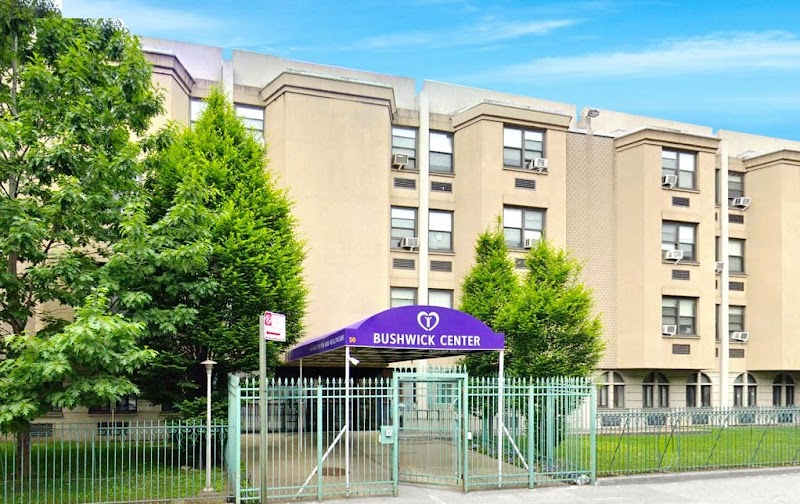
How is Bushwick Center For Rehabilitation And Health Care Staffed?

CMS rates BUSHWICK CENTER FOR REHABILITATION AND HEALTH CARE's staffing level at 2 out of 5 stars, which is below average compared to other nursing homes. Staff turnover is 37%, compared to the New York average of 46%. This relatively stable workforce can support continuity of care.

What Have Inspectors Found at Bushwick Center For Rehabilitation And Health Care?

State health inspectors documented 20 deficiencies at BUSHWICK CENTER FOR REHABILITATION AND HEALTH CARE during 2019 to 2025. These included: 20 with potential for harm.
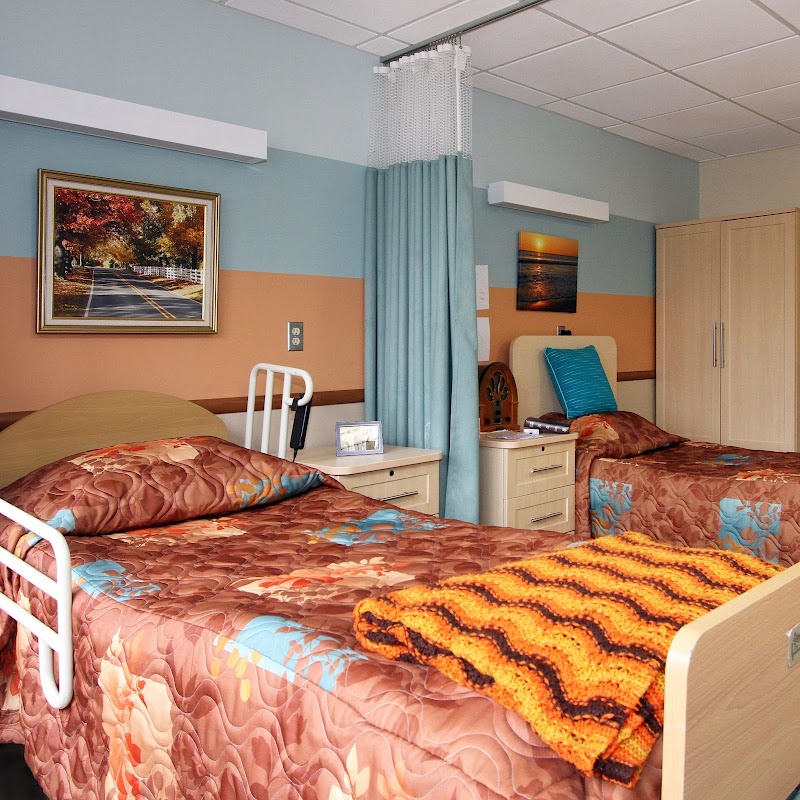
Who Owns and Operates Bushwick Center For Rehabilitation And Health Care?

BUSHWICK CENTER FOR REHABILITATION AND HEALTH CARE is owned by a for-profit company. For-profit facilities operate as businesses with obligations to shareholders or private owners. The facility is operated by CENTERS HEALTH CARE, a chain that manages multiple nursing homes. With 225 certified beds and approximately 219 residents (about 97% occupancy), it is a large facility located in BROOKLYN, New York.
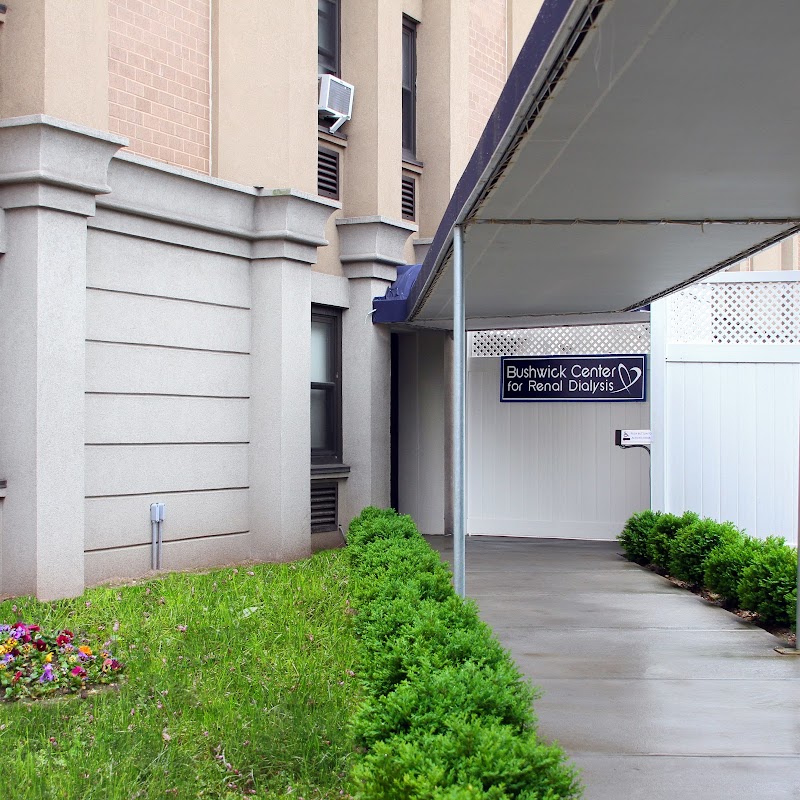
How Does Bushwick Center For Rehabilitation And Health Care Compare to Other New York Nursing Homes?

Compared to the 100 nursing homes in New York, BUSHWICK CENTER FOR REHABILITATION AND HEALTH CARE's overall rating (1 stars) is below the state average of 3.0, staff turnover (37%) is near the state average of 46%, and health inspection rating (1 stars) is much below the national benchmark.

What Should Families Ask When Visiting Bushwick Center For Rehabilitation And Health Care?

Based on this facility's data, families visiting should ask: "Can you walk me through typical staffing levels on day, evening, and night shifts?" "Can I visit during a mealtime to observe dining assistance and food quality?" "How do you handle medical emergencies, and what is your hospital transfer rate?" "Can I speak with family members of current residents about their experience?" These questions are particularly relevant given the below-average staffing rating.

Is Bushwick Center For Rehabilitation And Health Care Safe?

Based on CMS inspection data, BUSHWICK CENTER FOR REHABILITATION AND HEALTH CARE has a clean safety record: no substantiated abuse findings (meaning no confirmed cases of resident harm), no Immediate Jeopardy citations (the most serious violation level indicating risk of serious injury or death), and is not on the Special Focus Facility watch list (a federal program monitoring the lowest-performing 1% of nursing homes). The facility has a 1-star overall rating and ranks #100 of 100 nursing homes in New York. While no facility is perfect, families should still ask about staff-to-resident ratios and recent inspection results during their visit.

Do Nurses at Bushwick Center For Rehabilitation And Health Care Stick Around?

BUSHWICK CENTER FOR REHABILITATION AND HEALTH CARE has a staff turnover rate of 37%, which is about average for New York nursing homes (state average: 46%). Moderate turnover is common in nursing homes, but families should still ask about staff tenure and how the facility maintains care continuity when employees leave.

Was Bushwick Center For Rehabilitation And Health Care Ever Fined?

BUSHWICK CENTER FOR REHABILITATION AND HEALTH CARE has no federal fines on record. CMS issues fines when nursing homes fail to meet care standards or don't correct problems found during inspections. The absence of fines suggests the facility has either maintained compliance or corrected any issues before penalties were assessed. This is a positive indicator, though families should still review recent inspection reports for the full picture.

Is Bushwick Center For Rehabilitation And Health Care on Any Federal Watch List?

BUSHWICK CENTER FOR REHABILITATION AND HEALTH CARE is not on any federal watch list. The most significant is the Special Focus Facility (SFF) program, which identifies the bottom 1% of nursing homes nationally based on persistent, serious quality problems. Not being on this list means the facility has avoided the pattern of deficiencies that triggers enhanced federal oversight. This is a positive indicator, though families should still review the facility's inspection history directly.