CATON PARK REHAB AND NURSING CENTER, L L C
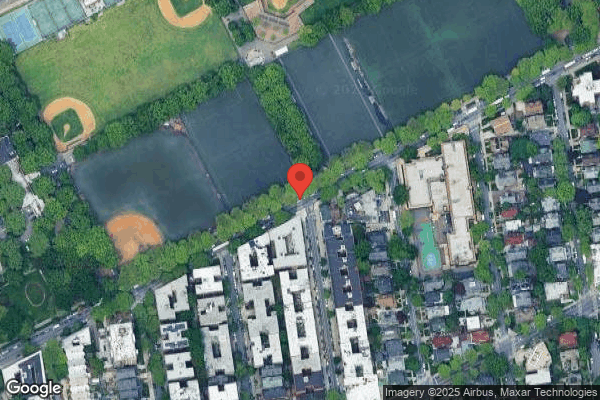
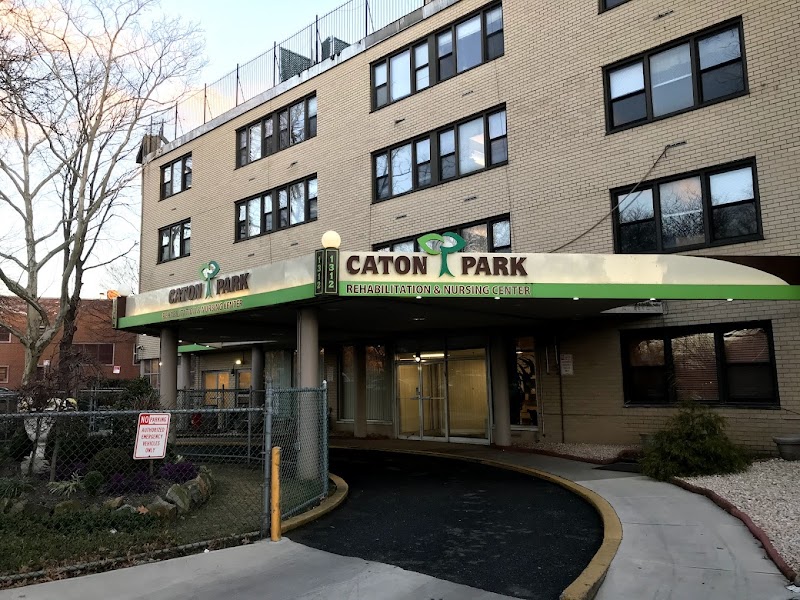
1312 CATON AVENUE, BROOKLYN, NY 11226 (718) 693-7000
For profit - Individual 119 Beds Independent Data: November 2025
Trust Grade
85/100
#146 of 594 in NY
Last Inspection: August 2024

Within standard 12-15 month inspection cycle. Federal law requires annual inspections.

Overview

Caton Park Rehab and Nursing Center in Brooklyn has a Trust Grade of B+, which indicates it is above average and recommended for families considering care options. The facility ranks #146 out of 594 nursing homes in New York, placing it in the top half, and #13 out of 40 in Kings County, meaning there are only a few local facilities that perform better. However, the trend is concerning as the number of issues reported has worsened, increasing from 1 in 2023 to 4 in 2024. Staffing is a weakness here with a 2 out of 5-star rating and a turnover rate of 20%, which is below the state average, indicating some stability but room for improvement. On a positive note, the facility has no fines on record, suggesting compliance with regulations, and it offers average RN coverage, which is important for catching potential problems. Specific incidents noted by inspectors included a failure to timely transmit assessments for several residents and a lack of proper fall prevention measures for others, highlighting areas where care could be improved. Overall, while there are some strengths, families should be aware of the recent increase in issues and the need for better staffing and care plan management.

Trust Score
B+
85/100
In New York
#146/594
Top 24%
Safety Record
Low Risk
No red flags
Inspections
Getting Worse
1 → 4 violations
Staff Stability
✓ Good
20% annual turnover. Excellent stability, 28 points below New York's 48% average. Staff who stay learn residents' needs.
Penalties
✓ Good
No fines on record. Clean compliance history, better than most New York facilities.
Skilled Nurses
○ Average
Each resident gets 30 minutes of Registered Nurse (RN) attention daily — about average for New York. RNs are the most trained staff who monitor for health changes.
Violations
⚠ Watch
12 deficiencies on record. Higher than average. Multiple issues found across inspections.
★★★★☆
4.0
Overall Rating
★★☆☆☆
2.0
Staff Levels
★★★☆☆
3.0
Care Quality
★★★★☆
4.0
Inspection Score
Stable
2023: 1 issues
2024: 4 issues

The Good

  • Low Staff Turnover (20%) · Staff stability means consistent care
  • Full Sprinkler Coverage · Fire safety systems throughout facility
  • No fines on record
  • Staff turnover is low (20%)

    28 points below New York average of 48%

Facility shows strength in staff retention, fire safety.

The Bad

No Significant Concerns Identified

This facility shows no red flags. Among New York's 100 nursing homes, only 1% achieve this.

The Ugly 12 deficiencies on record

Aug 2024 4 deficiencies
CONCERN (D)

Potential for Harm - no one hurt, but risky conditions existed

Deficiency F0657 (Tag F0657)

Could have caused harm · This affected 1 resident

**NOTE- TERMS IN BRACKETS HAVE BEEN EDITED TO PROTECT CONFIDENTIALITY** Based on record review and staff interviews conducted during the Recertification survey from 08/12/2024 to 08/16/2024, the facil...

Read full inspector narrative →
**NOTE- TERMS IN BRACKETS HAVE BEEN EDITED TO PROTECT CONFIDENTIALITY** Based on record review and staff interviews conducted during the Recertification survey from 08/12/2024 to 08/16/2024, the facility did not ensure that resident's Comprehensive Care Plans were reviewed and revised for 1 (Resident #15) of 7 residents reviewed for Accident out of 26 sampled residents. Specifically, Resident #15 had a multiple history of falls, and the fall care plan was not reviewed and revised after the most recent Minimum Data Set assessment. The finding is: The facility policy and procedure titled Comprehensive Care Plan dated 1/26/23 states that an individualized comprehensive care plan that includes measurable objectives and timetables to meet the resident's medical, nursing, mental and psychological needs are developed for each resident. The policy also stated that the Care Planning Interdisciplinary team is responsible for reviewing and updating the care plan during admission, every quarterly, annual or readmission. Resident #15 was admitted to the facility with diagnosis of Depression, Parkinson's Disease, and Non-Alzheimer's Dementia. The Minimum Data Set assessment dated [DATE] documented that Resident #15 had intact cognition and required assistance with supervision when performing Activity of Daily Living. The Nursing note dated 02/05/24 documented that Registered Nurse #1 was called to assess resident on the floor. Upon arrival to the resident's room, Resident #15 stated that they fell on their buttocks lying on their side to get up from floor to their bed. Resident #15 was alert and verbally responsive. Call bell was within reach but Resident #15 did not use call bell for help. A full body assessment was done. No visible injury noted, no change in level of consciousness. The Nursing note dated 02/09/24 documented that Registered Nurse #1 was called by staff this morning to assess resident on the floor. On arrival Resident #15 was observed sitting on the floor. Resident was alert and verbally responsive. Call bell within reach but Resident #15 did not use call bell for help. A Full body assessment was done, and redness was noted on the forehead. Resident #15 reported hitting their head and reported pain as 4 on a scale 1 to 10. The Quarterly Fall Risk Assessment and Safety Measures dated 7/2/2024 documented that Resident #15 is confused, restless and on laxatives, antihypertensives, and psychoactive medications and had unsteady gait. The Comprehensive Care Plan titled Fall Prevention created 12/16/2023 documented that Resident #15 was at risk for falls due to Psychotropic medication, Parkinson Disease, Dementia and Hypertension. The goal was that Resident #15 would be free of falls. Interventions included ensure call bell is within reach, provide any assistive devices within reach of the resident, Rehab referral, and ensure resident has safe and proper footwear. There was no documented evidence that the Comprehensive Care Plan for Fall Prevention was reviewed and revised after 3/13/2024. The care plan for Fall Prevention was also not revised after the most recent Minimum Data Set assessment dated [DATE]. On 08/16/24 at 10:31 AM, an interview was conducted with Registered Nurse #1 who is also the Unit Manager who stated that Resident #15 was at high risk for falls. Resident #15 was doing well now with ambulation as currently they have steady gait and appeared improved lately. Registered Nurse #1 also stated that the care plans are supposed to be updated every quarter, annually or if there is a significant change and Registered Nurse #1 is responsible for ensuring this is done. Registered Nurse #1 further stated that despite Resident #15's improvement in ambulation, they should have done a revision back in July, but they missed it. On 08/16/24 at 01:43 PM, an interview was conducted with the Director of Nursing who stated that the Unit Nurse managers are responsible to ensure care plans are updated accordingly. The Director of Nursing also stated that the Minimum Data Set staff are responsible for admission and readmission care plans. The Director of Nursing further stated that if a resident had a history of falls, and a quarterly Minimum Data Set was done recently, they should have updated the fall care plan. NYCRR 415.11(c)(2)(i-iii)
CONCERN (D)

Potential for Harm - no one hurt, but risky conditions existed

Accident Prevention (Tag F0689)

Could have caused harm · This affected 1 resident

**NOTE- TERMS IN BRACKETS HAVE BEEN EDITED TO PROTECT CONFIDENTIALITY** Based on staff interview and record review conducted during the Recertification Survey from 08/12/2024 to 08/16/2024, the facili...

Read full inspector narrative →
**NOTE- TERMS IN BRACKETS HAVE BEEN EDITED TO PROTECT CONFIDENTIALITY** Based on staff interview and record review conducted during the Recertification Survey from 08/12/2024 to 08/16/2024, the facility did not ensure a resident received assistance devices consistent with a resident's needs, goals, and care plan to prevent accidents. This was evident for 1 (Resident #75) 7 residents reviewed for Accidents out of 26 total sampled residents. Specifically, floor mats were not in place for Resident #75 as per Physician Order. The findings include: The facility policy titled Fall Prevention with an effective date of 02/2022 and revised 2/2024 states that the interdisciplinary team will take effort to provide the resident with multiple falls a protective environment to mitigate the chance of serious injury. This includes but is not limited to furniture padding, floor mats, protective padding on head or foot of bed, and furniture re-arrangement in room. Resident #75 was admitted to the facility with diagnoses that included Depression, Diabetes Mellitus, and Contracture of Right Upper Arm. The Quarterly Minimum Data Set, dated [DATE] documented Resident #75 had severely impaired cognition, impairment on both upper and lower extremities, was dependent on staff for all Activities of Daily Living and was always incontinent of bowel and bladder. The Physician order dated 06/20/2024 and renewed 07/08/2024 documented Adaptive/Assistive Device: Floor mats on both sides all time while in bed. The Comprehensive Care Plan with focus Fall or Injury Potential dated 3/21/2022 and revised on 05/14/2024 states resident is at risk for falls and injury due to conditions such as Cerebrovascular Accident, Hemiplegia, neurological impairment, poor safety awareness, incontinence/urgency, impaired vision. The goal was that Resident #75 will have no falls related to unsafe environment factors and interventions included bed in lowest position and bilateral floor mats doubled on each side of bed. On 08/13/24 at 09:36 AM, 08/13/24 at 09:55 AM, and 08/14/24 at 09:54 AM, Resident #75 was observed resting in bed with no floor mats on either side of bed. On 08/15/24 at 02:26 PM, Certified Nursing Assistant #2 was interviewed and stated that they administer morning care for Resident #75 while Resident #75 is lying in bed and do not recall ever putting mats on the floor or seeing mats on the floor. Certified Nursing Assistant #2 also stated that they do not recall if there are standing orders for floor mats. Certified Nursing Assistant #2 reviewed the Electronic Medical Record and stated that they were able to see the order for the floor mats but overlooked it and did not pay attention and lay out the floor mats for Resident #75. Certified Nursing Assistant #2 further stated that they were is unsure if resident is a fall risk. On 08/15/24 at 09:47 AM, Licensed Practical Nurse #4 was interviewed and stated that Resident #75 has a history of falls in the past but has not had any falls recently. Licensed Practical Nurse #4 also stated that Resident #75 is still a fall risk, and it is the responsibility of the nurse and the Certified Nursing Assistants to make sure that floor mats are on either side of the bed. Licensed Practical Nurse #4 further stated that Resident #75's roommate is ambulatory and sometimes they move the floor mats from the side of the bed, however, there should be frequent checks to ensure floor mats are always in place. Licensed Practical Nurse #4 stated that Resident #75 can have serious injury if they fall from the bed without floor mats in place. On 08/16/24 at 09:28 AM, the Physician was interviewed via telephone and stated Resident #75 has a history of stroke, falls, and acute left hemiplegia. Floor mats were ordered on 06/20/2024 to avoid any injury to resident if Resident #75 falls or rolls out of bed as Resident #75 is a fall risk. The Physician also stated that Resident #75 can sustain an injury if they have a fall. On 08/16/24 at 11:53 AM, the Director of Nursing Services was interviewed and stated that Resident #75 has an order to have floor mats on both sides of the bed as Resident #75 is a fall risk and has a history of falls. Resident #75 has history of confusion, is elderly and is at risk for falls and serious injury. The Director of Nursing Services also stated they are unsure how the order for floor mats were missed by multiple staff. 10 NYCRR 415.12(h)(1)
CONCERN (D)

Potential for Harm - no one hurt, but risky conditions existed

Infection Control (Tag F0880)

Could have caused harm · This affected 1 resident

**NOTE- TERMS IN BRACKETS HAVE BEEN EDITED TO PROTECT CONFIDENTIALITY** Based on observation, record review, and interviews conducted during the Recertification survey from 08/12/2024 to 08/16/2024, t...

Read full inspector narrative →
**NOTE- TERMS IN BRACKETS HAVE BEEN EDITED TO PROTECT CONFIDENTIALITY** Based on observation, record review, and interviews conducted during the Recertification survey from 08/12/2024 to 08/16/2024, the facility did not ensure that infection control prevention practices and procedures were maintained. This was evident for 1 resident (Resident #87) observed during the Medication Administration task. Specifically, Enhanced Barrier Precautions were not maintained for gastrostomy tube medication administrations for Resident #87. The findings are: The facility policy titled Enhanced Barrier Precautions, last reviewed 3/28/24, documented that Enhanced Barrier Precautions refers to an infection control intervention designed to reduce transmission of multidrug resistant organisms that employs targeted use of gown and glove use during high contact resident care activities. The policy also stated that all residents with indwelling medical devices and chronic wounds will have Enhanced Barrier Precautions used by staff during high contact resident care activities. Examples include device care or use as central line and feeding tube. Resident #87 was admitted with diagnoses that include Dysphagia following unspecified Cerebrovascular disease. The Minimum Data Set 3.0 assessment dated [DATE] documented Resident's #87 cognition as intact, with a Brief Mental Status of 12, and has a feeding tube while a resident. The Physician's Order dated 8/12/24 documented Plavix 75mg tablet by feeding tube once daily and LPS Supplement 30ml twice a day via feeding tube. On 08/14/2024 at 09:25 AM, Licensed Practical Nurse #2 was observed entering Resident #87's room to administer medication to Resident #87 via gastrostomy tube. There was signage at the side of the door indicating Enhanced Barrier Precautions. Licensed Practical Nurse #2 checked for patency, administered the medications via gastrostomy tube, and flushed the gastrostomy tube. Licensed Practical Nurse #2 did not don a gown prior to administering medication to Resident #2 via their gastrostomy tube. On 08/14/2024 at 09:30AM, immediately after the medication administration, Licensed Practical Nurse #2 was interviewed and stated that they needed to don the Personal Protective Equipment because of the open orifice with the gastrostomy tube, but they forgot to wear it. On 08/14/24 at 09:45 AM, Registered Nurse #2 was interviewed and said that all the staff were in-serviced on enhanced barrier precautions, and when to use the personal protective equipment. Registered Nurse #2 said that in reference to administering medications via the gastrostomy tube, they were not told to do anything different but to wear gloves. Registered Nurse #2 also stated that Enhanced Barrier Precautions is specific for providing care, bathing, dressing, and during a wound dressing change. On 08/15/24 at 03:25 PM, the Infection Control Preventionist was interviewed and stated that they do in-services on the units. All staff including Licensed Nurses were in-serviced on Enhanced Barrier Precautions, specific to residents who have chronic wounds, and residents with gastrostomy tube and Foley Catheters. The Licensed Nurses are supposed to use Personal Protective Equipment. As soon as the resident is identified, signage is placed in the doorway, and an order is placed in the electronic medical records. The Infection Control Preventionist said that during rounding, they do observations on the units, to monitor that the staff is utilizing the Personal Protective Equipment for residents on Enhanced Barrier Precautions. On 08/16/24 at 3:00PM, the Director of Nursing was interviewed and stated that they have been employed at the facility just over a month and is not knowledgeable about the use of Enhanced Barrier Precautions, however, the Infection Control Preventionist and the Corporate Nurses are involved. 10 NYCRR 415.19(b)(4)
MINOR (B)

Minor Issue - procedural, no safety impact

MDS Data Transmission (Tag F0640)

Minor procedural issue · This affected multiple residents

Based on Record reviews and interviews during the Recertification survey from 08/12/2024 to 08/16/2024, the facility did not ensure that all completed resident assessments were submitted and transmitt...

Read full inspector narrative →
Based on Record reviews and interviews during the Recertification survey from 08/12/2024 to 08/16/2024, the facility did not ensure that all completed resident assessments were submitted and transmitted into the Quality Improvement Evaluation Assessment Submission and Processing in a timely manner. Specifically, 4 (Resident #66, Resident # 9, Resident #6, and Resident #95) of 6 Minimum Data Set submissions reviewed for Resident Assessment were not submitted to Center for Medicaid and Medicare Services system within 14 days of completion. The findings are: The admission Minimum Data Set Assessment for Resident #66 dated 12/08/23 was completed on 06/04/24. The Annual Minimum Data Set Assessment for Resident #6 dated 5/28/24 was completed on 6/4/24. The Quarterly Minimum Data Set Assessment for Resident #95 dated 5/25/24 was completed on 06/03/24. The Quarterly Minimum Data Set Assessment for Resident #9 dated 05/25/24 was completed on 06/01/24. The Validation Report dated 8/13/24 documented that these four Minimum Data Set Assessments were submitted to the Center for Medicaid and Medicare Services system on 8/14/24 during the Recertification survey. On 08/16/24 at 12:31 PM, the Director of Minimum Data Set was interviewed and stated that they follow the Resident Assessment Instrument manual to determine when an Assessment should be completed and submitted which are submitted by the Controller. The Director of Minimum Data Set also stated that the late submissions were an oversight as the assessments were completed on time. On 08/16/24 at 12:51 PM, the Controller was interviewed and stated that they receive a report on Sigma Care daily with a list of all Minimum Data Set assessments that need to be submitted to Center for Medicaid and Medicare Services. The Controller also stated that they were unaware that six books were submitted late, and it was an oversight which should have never happened. 10 NYCRR 415.11
Aug 2023 1 deficiency
CONCERN (D) 📢 Someone Reported This

A family member, employee, or ombudsman was alarmed enough to file a formal complaint

Potential for Harm - no one hurt, but risky conditions existed

Deficiency F0925 (Tag F0925)

Could have caused harm · This affected 1 resident

**NOTE- TERMS IN BRACKETS HAVE BEEN EDITED TO PROTECT CONFIDENTIALITY** 42 CFR 483.90(i)(4): Maintain an effective pest control program so that the facility is free of pests and rodents. Based on obse...

Read full inspector narrative →
**NOTE- TERMS IN BRACKETS HAVE BEEN EDITED TO PROTECT CONFIDENTIALITY** 42 CFR 483.90(i)(4): Maintain an effective pest control program so that the facility is free of pests and rodents. Based on observation, record review and staff interviews conducted during the Abbreviated Survey (Complaint # NY 00320109) initiated on 07/26/2023, the facility did not ensure that an effective pest control program was maintained so that the facility was free of pests. Specifically, there was evidence of roaches in the resident rooms. This occurred on 2 of 5 resident floors. The findings are: Observations during the tour of the facility on 07/26/2023 between 09:00 AM - 03:00 PM identified the following: - One live roach was observed by the leg of three drawer nightstand of bed A in room [ROOM NUMBER] located on the first floor. - One dead roach was observed under three drawer nightstand of bed B in room [ROOM NUMBER] located on the third floor. - One dead roach was observed by the radiator near the TV in the dining room adjacent to room [ROOM NUMBER] on the third floor. On 07/26/2023 between 09:00 AM - 03:00 PM, the following documentation was reviewed: a) Policy and Procedure entitled Pest Control effective: 06/2000, which stated that it is the Policy of Caton Park Nursing to maintain an effective pest control program to ensure that the facility is free of insects and rodents. b) Record of weekly Pest Control vendor invoices for a year from 07/28/2022 - 07/17/2023. Recent Pest control records documented the following: - On 07/17/2023, signed logbooks and treated both rooms gel baited cracks and GM crevices and hinges of appliances. Service description 307 & 203 - Roaches. Drain cleaning service done on all drains. Checked in with security and signed logbook. Service description - Drain IPM Service - On 07/20/2023, Checked in with front desk, housekeeping office treated all rooms accordingly in the logbooks. Gel baited cracks and crevices treated pantries and commons areas. Treated basement and locker rooms. Service description - PEST MANAGEMENT On 07/13/2023, Checked in with housekeeping, staff treated all floors all pantries in all rooms in the binders. Signed Logbooks, gel bait in cracks and crevices as needed treated kitchen, all drains and appliances behind and underneath checked in with Mr. [NAME] treated basement locker rooms and break room. Service description - PEST MANAGEMENT. On 07/06/2023, Checked in with [NAME] and housekeeping notified them about the pantries need a wipe down. Treated room's accordingly & signed logbooks gel baited cracks and crevices. Treated basement and lobby common areas. Service description - PEST MANAGEMENT. On 06/29/2023, Checked in with front desk signed logbook. Checked in with Mr. [NAME] for the kitchen. Treated basement and common areas. Treated behind and underneath appliances, treated rooms accordingly and signed logbooks. Treated pantries and day rooms. Service description - PEST MANAGEMENT. On 06/22/2023, Checked in with front desk, treated the lobby. Treated all floor pantries the rooms and rooms accordingly treated basement kitchen. Treated behind and underneath appliances. Service description - PEST MANAGEMENT. On 06/15/2023, Checked in with front desk and [NAME] treated all floors checked all binders, sign logbooks treated all common areas, pantries and day rooms treated front desk for ants treated kitchen all the drains and appliances behind gel baited cracks and crevices. Service description - PEST MANAGEMENT. On 06/08/2023, Checked in with front desk treated all floors all common areas pantries, [NAME] rooms, and all rooms in the logbooks to the lobby and exit by where the cooks barbecue door has open gaps, which are letting flies. Come in room around should be silicone. Service description - PEST MANAGEMENT. In an interview on 07/26/2023 at approximately 09:40 AM, the first floor Registered Nurse (RN) stated if anybody saw any roaches, they noted it in the Vendor's Pest Control Inspection & Service Report book available. Exterminator came in weekly. The Exterminator looks into the book and address the issues. In an interview on 07/26/2023 at approximately 09:45 AM, the CNA on 1st floor stated they saw roach 2 months ago and ants sometimes mostly in the summer. Because during summer many visitors and family members come to visit the residents, and sometimes they bring food or articles for residents. Food crumbs can fall on the floor. In an interview on 07/26/2023 at approximately 10:30 AM, the Housekeeping Staff stated a month ago they saw about 3 roaches in room [ROOM NUMBER] B. They reported them to housekeeping supervisor. In an interview on 07/26/2023 at approximately 10:10 AM, the Director of Maintenance and Housekeeping stated the facility has contracted the vendor Pest Control Company and the exterminator comes every Thursday and was onsite last week. The Director of Maintenance and Housekeeping further stated that the vendor comes weekly and any time during the week when they are called. 42 CFR 483.90 (i)(4) 10 NYCRR 415.29 (j)(5)
Aug 2022 6 deficiencies
CONCERN (D)

Potential for Harm - no one hurt, but risky conditions existed

Report Alleged Abuse (Tag F0609)

Could have caused harm · This affected 1 resident

**NOTE- TERMS IN BRACKETS HAVE BEEN EDITED TO PROTECT CONFIDENTIALITY** Based on interviews and record review conducted during a recertification and complaint (NY00283611) survey from 08/03/22 to 8/10...

Read full inspector narrative →
**NOTE- TERMS IN BRACKETS HAVE BEEN EDITED TO PROTECT CONFIDENTIALITY** Based on interviews and record review conducted during a recertification and complaint (NY00283611) survey from 08/03/22 to 8/10/2022, the facility did not ensure that allegations of abuse, including injury of unknown origin, were reported to the New York State Department of Health (NYSDOH) within 2 hours. This was evident for 1 (Resident #40) of 3 residents investigated for abuse. Specifically, Resident #40 complained of right shoulder pain and subsequent right shoulder dislocation was not reported to the NYSDOH within 2 hours. The findings are: The facility's policy titled Abuse Prevention, last reviewed 12/09/2021, documented the facility must report alleged violations related to mistreatment, exploitation, neglect, or abuse including injuries of unknown source and report the results of all investigations to the proper authorities within prescribed timeframes. Resident #40 had diagnoses of Alzheimer's Disease and restlessness and agitation. The Minimum Data Set 3.0 (MDS) dated [DATE] documented Resident #40 was severely cognitively impaired and required extensive assistance to transfer out of bed. The Aspen Complaint Tracking System report received 9/22/21 documented Resident #40 was found on 8/30/21 with discoloration and pain to their right shoulder and the facility staff were unable to provide an explanation of how the injury occurred. A Nursing Note dated 08/30/2021 documented Resident #40 complained of pain to the right shoulder. Medical Doctor (MD) was made aware, and x-ray was ordered. Resident #40 was unable to lift their right arm. An Accident/Incident Report initiated 08/30/2021 documented Resident #40 was sitting upright in the chair in their room upon discovery at 1:40 PM, was noted with swelling and discoloration to the right shoulder with mild pain and limited range of motion. No one recalled the resident falling. The resident's injury was consistent with getting up and falling to the right with their shoulder touching the nightstand and the wall, landing on the floor, and getting back up. The Incident Report was concluded on 9/1/21 with no abuse or mistreatment identified. A Physician Note dated 08/31/2021 documented the x-ray showed a separation of the right acromioclavicular joint with superior dislocation of the right clavicular end. There was no documented evidence the facility reported Resident #40's injury of unknown origin to the NYSDOH within 2 hours of occurrence. On 08/10/2022 at 10:38 AM, the Director of Nursing (DON) was interviewed and stated they were not working in the facility at the time of Resident #40's incident. The facility is required to report injuries of unknown origin to NYSDOH within 2-24 hours depending upon the severity of the injury. The x-ray showed no acute fracture, rather a separation injury, and might have occurred spontaneously. It was not of unknown origin and would not have required reporting. On 08/10/2022 at 12:44 PM, the Physician's Assistant at Resident #40's orthopedist's office was interviewed and stated that Resident #40 was diagnosed with a Grade 3 dislocation, and it is not common for such an injury to occur spontaneously. 415.4(b)
CONCERN (D)

Potential for Harm - no one hurt, but risky conditions existed

Comprehensive Care Plan (Tag F0656)

Could have caused harm · This affected 1 resident

**NOTE- TERMS IN BRACKETS HAVE BEEN EDITED TO PROTECT CONFIDENTIALITY** Based on observation, record review and interviews conducted during the recertification survey, the facility did not ensure comp...

Read full inspector narrative →
**NOTE- TERMS IN BRACKETS HAVE BEEN EDITED TO PROTECT CONFIDENTIALITY** Based on observation, record review and interviews conducted during the recertification survey, the facility did not ensure comprehensive person-centered care plans (CCP) were developed and implemented to meet each resident's needs. This was evident for 2 of 34 sampled residents (Resident #81 and #102). Specifically,1.) Resident #81 had did not have a CCP to address bleeding and anemia, and 2.) Resident #102 did not have a CCP developed to address their Intravenous (IV) hydration and antibiotic treatment. The findings are: The facility policy titled CCP last revised 12/2/2021 documented the CCP will be resident centered having the Individual Resident as the Locus of Control. The CCP will be ongoing, constantly evolving, focusing on everyone as a unitary being constantly changing and interacting with the environment/energy fields. The CCP will consist of identified or potential problem areas, or needed areas of focus to maximize wellness, Individualized resident centered goals and specific interventions and will include new medical diagnosis, newly diagnosed infection, new or revised treatment. 1. Resident # 81 had diagnoses of cancer and abnormal uterine and vaginal bleeding. The Minimum Data Set 3.0 (MDS) assessment dated [DATE] documented Resident #81 was cognitively intact. Nurses notes dated 07/29/2022 documented Resident #81 was readmitted from the hospital where the resident was treated for abnormal uterine bleeding. Medical Doctor (MD) notes dated 08/01/2022 documented Resident #81 was post hospitalization for vaginal bleeding and anemia. Colonoscopy revealed hemorrhoids and Ultrasound (US) showed a thickened endometrium of 2.6 centimeter (CM). Nurse Practitioner (NP) notes on 08/02/2022 documented Pelvic US done on 08/02/2022 with very abnormal appearing posterior bladder wall, suggestive of a neoplasm. The plan of care was cystoscopy for further evaluation and follow up at the hospital gynecology clinic. There was no documented evidence the facility developed or implemented a CCP related to Resident #81's vaginal bleeding and anemia. 2. Resident # 102 had a diagnosis of dementia and heart failure. The Minimum Data Set 3.0 (MDS) assessment dated [DATE] documented Resident #102 was severely cognitively impaired. On 08/03/2022 at 11:45 AM and 08/04/2022 at 2:29 PM, Resident #102 was observed with a dressing to the left antecubital area of the upper arm. During the observation on 08/04/2022 at 2:30PM, Registered Nurse Manager (RNM) # 1 was interviewed and stated Resident #102 had a midline IV to the left arm and RNM #1 removed it. Resident #102 received IV hydration on 7/11/22 and the midline should have been removed once IV therapy was completed. Medical Doctor Order (MDO) dated 07/11/2022 documented Resident #102 was to receive Intravenous (IV) 0.9 Normal Saline Solution (NSS) to be started at 60 cubic centimeter (cc) per hour for 24 hours. IV hydration was discontinued on 7/12/2022. There was no documented evidence the facility developed and implemented a CCP related to Resident #102 need for IV hydration or midline IV care. On 08/08/2022 at 3:30 PM, the RNM #1 was interviewed and stated the resident's CCP is formulated and started by any RNM. If the resident is admitted in the afternoon, the CCP should be started by the afternoon admitting Supervisor and completed by the morning Unit Manager. Resident #81 and Resident #102 did not have developed CCPs because of RNM #1's oversight. If the resident has new diagnosis or any changes, the RNM should do the update or formulate a new care plan on the resident's condition. 415.11(c)(1)
CONCERN (D)

Potential for Harm - no one hurt, but risky conditions existed

Deficiency F0658 (Tag F0658)

Could have caused harm · This affected 1 resident

**NOTE- TERMS IN BRACKETS HAVE BEEN EDITED TO PROTECT CONFIDENTIALITY** Based on observation, record review and interviews during the recertification survey, the facility did not ensure that services ...

Read full inspector narrative →
**NOTE- TERMS IN BRACKETS HAVE BEEN EDITED TO PROTECT CONFIDENTIALITY** Based on observation, record review and interviews during the recertification survey, the facility did not ensure that services provided or met professional standards of quality and acceptable current evidenced-based practices. This was evident in 2 of 34 sampled residents (Resident #102 and #50). Specifically, 1.) a Physician Order (PO) to remove an intravenous (IV) line from Resident #102 was not followed; and 2.) a PO to obtain Fingerstick Blood Sugar (FSBS) testing three times a day for five days on Resident #50 was not followed. The findings are: 1. Resident # 102 had a diagnosis of dementia and heart failure. The Minimum Data Set 3.0 (MDS) assessment dated [DATE] documented Resident #102 was severely cognitively impaired. On 08/03/2022 at 11:45 AM and 08/04/2022 at 2:29 PM, Resident #102 was observed with a dressing to the left antecubital area of the upper arm. During the observation on 08/04/2022 at 2:30PM, Registered Nurse Manager (RNM) # 1 was interviewed and stated Resident #102 had a midline IV to the left arm and RNM #1 removed it. Resident #102 received IV hydration on 7/11/22 and the midline should have been removed once IV therapy was completed. Medical Doctor Order (MDO) dated 07/11/2022 documented Resident #102 was to receive Intravenous (IV) 0.9 Normal Saline Solution (NSS) to be started at 60 cubic centimeter (cc) per hour for 24 hours. IV hydration was discontinued on 7/12/2022. The midline IV for Resident #102 was removed on 08/04/2022, 23 days after the order to discontinue IV hydration. 2. Resident # 50 had diagnoses of cancer and hypertension. The Minimum Data Set 3.0 (MDS) assessment dated [DATE] documented Resident #50 had mild cognitive impairments. PO dated 7/11/22 documented Resident #50 was to have a FSBS testing three times a day for 5 days. There was no documented evidence FSBS testing was completed from 7/11/22 through 7/16/22 for Resident #50. On 08/05/2022 at 2:12PM, Registered Nurse Manager (RNM) # 1 was interviewed and stated the licensed medication nurses did not and were not able to do FSBS testing for Resident #50. RNM #1 was unable to find documented evidence the staff attempted to test Resident #50's FSBS. The Director of Nursing (DNS)/Facility Educator was interviewed on 08/10/2022 at 2:00PM and stated the licensed professionals should follow the facility policy on IV care and Inservice will be provided. 415.11 (c) (3)(i)
CONCERN (D)

Potential for Harm - no one hurt, but risky conditions existed

Quality of Care (Tag F0684)

Could have caused harm · This affected 1 resident

**NOTE- TERMS IN BRACKETS HAVE BEEN EDITED TO PROTECT CONFIDENTIALITY** Based on observation, record review and interviews during the recertification survey, the facility did not ensure that services ...

Read full inspector narrative →
**NOTE- TERMS IN BRACKETS HAVE BEEN EDITED TO PROTECT CONFIDENTIALITY** Based on observation, record review and interviews during the recertification survey, the facility did not ensure that services provided or met professional standards of quality and acceptable current evidenced-based practices. This was evident in 2 of 34 sampled residents (Resident #102 and #50). Specifically, 1.) a Physician Order (PO) to remove an intravenous (IV) line from Resident #102 was not followed; and 2.) a PO to obtain Fingerstick Blood Sugar (FSBS) testing three times a day for five days on Resident #50 was not followed. The findings are: The facility policy titled IV Therapy last revised 12/01/2021 documented when an order is given for IV therapy, the charge nurse will notify the Registered Nurse Supervisor (RNS) The IV therapy will be inputted into the E Mar system. The nurse will document on the E Mar the amount of IV solution absorbed during the shift and the amount left at the end of the shift --- The nurse starting the IV therapy will document in the progress note the site of access, the size and type of catheter used, flow rate type of fluid and the resident's response to the procedure. IV dressing, tubing and bags will be labeled and dated. IV bags will be changed every 24 hours by the 7-3 shift. IV tubing changed every 72 hours. Peripheral IV sites /dressings will be changed every 72 hours /3 days by the 7-3 shift. The facility policy titled Diabetic Management last revised 12/02/2021 documented Nursing is responsible to ensure that a complete picture of the diabetic medication regime is presented to the endocrinologist/PMD. A list of all medications, access to the medical record showing the finger sticks, insulin administration times and recent laboratory results are needed for thorough review. 1. Resident # 102 had a diagnosis of dementia and heart failure. The Minimum Data Set 3.0 (MDS) assessment dated [DATE] documented Resident #102 was severely cognitively impaired. On 08/03/2022 at 11:45 AM and 08/04/2022 at 2:29 PM, Resident #102 was observed with a dressing to the left antecubital area of the upper arm. During the observation on 08/04/2022 at 2:30PM, Registered Nurse Manager (RNM) # 1 was interviewed and stated Resident #102 had a midline IV to the left arm and RNM #1 removed it. Resident #102 received IV hydration on 7/11/22 and the midline should have been removed once IV therapy was completed. Medical Doctor Order (MDO) dated 07/11/2022 documented Resident #102 was to receive Intravenous (IV) 0.9 Normal Saline Solution (NSS) to be started at 60 cubic centimeter (cc) per hour for 24 hours. IV hydration was discontinued on 7/12/2022. Nurses' notes dated 7/12/22 documented an outside Infusion team vendor inserted an IV Midline (an invasive procedure) on 07/11/2022 and IV fluid and IV antibiotics were discontinued on 07/12/2022. There was no documented evidence the resident's midline IV site was monitored and care planned for Resident #102. The midline IV for Resident #102 was removed on 08/04/2022, 23 days after the order to discontinue IV hydration. The Director of Nursing (DNS) interviewed on 08/10/2022 at 2:00PM stated the licensed professionals should follow the facility policy on IV. On 08/10/2022 at 11:00AM, the Nurse Practitioner (NP) was interviewed and stated they write orders for IV fluids or antibiotics and discontinuation of IV treatment. The NP is not responsible for ordering the care of the IV site. The licensed nurses care for the IV site according to the facility protocol. 2. Resident # 50 had diagnoses of cancer and diabetes mellitus II. The Minimum Data Set (MDS) 3.0 assessment dated [DATE] documented Resident #50 had mild cognitive impairment. Comprehensive Care Plan (CCP) related Diabetes Mellitus (DM) initiated 03/31/2022 documented Resident #50s blood glucose level will be monitored, and medications will be administered as ordered by the Medical Doctor (MD). Physician Order (PO) dated 07/11/2022 documented Resident #50 was to have Fingerstick Blood Sugar (FSBS) testing three times a day for 5 days and Novolog insulin coverage in accordance the following sliding scale: FSBS = 201 - 250 = 2 units insulin, 251- 300 = 4 units, 301 - 350 = 6 units, 351 - 400 = 8 units, and call MD if FSBS>400 or <60. There was no documented evidence FSBS testing was done for Resident #50 as ordered by the MD. On 08/05/2022 at 2:12PM, Registered Nurse Manager (RNM) # 1 was interviewed and stated the licensed medication nurses did not and were not able to do FSBS testing for Resident #50. RNM #1 was unable to find documented evidence the staff attempted to test Resident #50's FSBS. On 08/05/2022 at 2:07PM, the Assistant Director of Nursing (ADNS) was interviewed and stated NP and/or MD renewal orders supersede any previous order and must be done and implemented. On 08/05/2022 at 11:00AM, the Nurse Practitioner (NP) was interviewed and stated they placed the order for Resident #50's FSBS testing to be done and expected the licensed nurses to follow up. Resident #50 was overlooked, and the NP did not follow up with the licensed nurses to review the resident's FSBS after the order was placed. 415.12
CONCERN (D)

Potential for Harm - no one hurt, but risky conditions existed

Dental Services (Tag F0791)

Could have caused harm · This affected 1 resident

**NOTE- TERMS IN BRACKETS HAVE BEEN EDITED TO PROTECT CONFIDENTIALITY** Based on observation, record review and staff interviews during the recertification survey, the facility did not obtain from an ...

Read full inspector narrative →
**NOTE- TERMS IN BRACKETS HAVE BEEN EDITED TO PROTECT CONFIDENTIALITY** Based on observation, record review and staff interviews during the recertification survey, the facility did not obtain from an outside resource, routine dental services to meet the needs of each resident or assist the resident with making an outside appointment. This was evident for 1 (Resident #79) of 1 resident reviewed for Dental services. Specifically, the facility did not assist Resident #79 with obtaining an appointment for oral surgery as recommended by the dental consultant. The finding is: The facility Policy and Procedure titled Consultants dated 02/04/2022 documented: Residents will be evaluated by a consultant as ordered by the Primary Medical Doctor (PMD) and in accordance with facility policy. The PMD will review the Consultant's recommendations and follow up accordingly. The PMD will order needed consults for residents. The nurse on the unit will pick up the order and complete a consult form. If the consultant is an outside consultant, the nurse will fill out a consultant form and forward it to the Medical Records Coordinator (MRC). The MRC will make arrangements for transportation. The weekly List of Outside Consultant appointment lists will be distributed to all Charge Nurses who will then be responsible to inform the resident and family /HCP regarding the date and time of the outside consult/test. It is expected that all consults will be completed in a thirty (30) day period. The PMD will be notified in situations when this is not possible and will advise the nursing staff regarding follow-up actions needed. Any difficulties in obtaining consults or/or following up with recommendations must be brought to the attention of the Director of Nursing (DNS). Resident #79 was admitted with diagnoses of coronary artery disease and heart failure. The Minimum Data Set (MDS) 3.0 assessment dated [DATE] documented Resident #79 was severely cognitively impaired. During an interview on 08/05/2022 at 2:24 PM, Resident #79 stated they have pain in the gums and teeth when they eat, and they need to see a doctor. On 08/08/2022 at 2:00 PM, Resident #79 stated they still have pain when they eat and want to see a dentist during a follow-up interview. The Comprehensive Care Plan (CCP) related to Dental care dated 05/12/2022 documented Resident #79 had actual impairment of oral or dental condition. The CCP goal was to be free oral/dental pain and discomfort. The interventions included: administer medications or treatments as ordered by physician, assess chewing ability, assess for pain, or discomfort and medicate as needed, assist with, or provide oral hygiene daily to prevent infection and cavities, monitor for signs and symptoms of infection such as swelling, pain, etc., and refer for dental services. A Nursing Note dated 02/09/2022, written by the Registered Nurse (RN), documented Resident #79 had a toothache, and the Physician (MD) was informed. Upon assessment, Resident #79 complained of a toothache to the lower teeth. The Nurse Practitioner (NP) was informed, and orders for a Dental consult and antibiotics twice a day for seven (7) days were given. A Nursing Note dated 02/25/2022, written by the RN, documented Resident #79 was seen to check on the effectiveness of the antibiotic (ABX) therapy to see if the toothache dissipated. Resident #79 informed the RN there was no improvement. A Dental Consultant Note dated 04/14/2022 documented: An oral surgery request for extraction was sent to the new Director of Nursing (DNS). If Resident #79 is unwilling to have an extraction, no other treatment within the scope of the facility can be rendered, and the resident should be sent for an outside appointment. A Dental Consultant Note dated 04/21/2022 documented: Resident #79 was referred and approved for oral surgery appointment. The approval was sent to the previous DNS on 3/4/2022 and new DNS on 4/14/2022. The facility had to arrange for the resident to be seen. A Dental Consultant Note dated 05/05/2022 documented: Resident #79's oral surgery request was approved and forwarded to the facility twice to the DNS. Please follow up with the referral as Resident #79's needs are outside of the scope of what can be provided in the facility. A Dental Consultant Note dated 05/12/2022 documented: The consultant spoke with Resident #79 about their ongoing dental issue, and Resident #79 understood they needed to be seen at an outside facility. The consultant spoke with the administrative assistant and was told Resident #79 would be seen as a walk-in patient soon. The consultant emphasized the need for this to happen soon as Resident #79's condition will not self-resolve. There was no documented evidence the facility made necessary appointments with an outside provider for oral surgery or that Resident #79 received the necessary oral surgery. During an interview on 08/10/2022 at 11: 15 AM, the Unit Clerk stated they receive a referral for an outside consultant, make the appointment and arrange transport. The Unit Clerk stated no appointment was made for Resident #79 and the resident did not receive the treatment needed from the outside consultant. During an interview on 08/10/2022 at 11:00 AM, the Registered Nurse Unit Manager (RNUM # 1) stated Resident #79 was sent to the dental office on 5/16/22, accompanied by a family member. When they reached the dental office, they realized the medical clearance was not sent with Resident #79. There were several calls between the office and the facility that took too long. Resident #79 got anxious and agitated and left. Another follow up appointment was not made. Resident #79 approached RNUM #1 several times about rescheduling the dental appointment, another dental consult was ordered was last month and again yesterday. RNUM #1 spoke with the Unit Clerk who is responsible for outside consultations, and Resident #79 was scheduled for an appointment in October 2022. The pre-op will be in September 2022. During an interview on 08/10/2022 at 11:20 AM, the Nurse Practitioner (NP) stated Resident #79 has not complained of pain and the NP was not informed Resident #79 did not receive the dental follow-up. During an interview on 08/10/2022 at 12:00PM, the DNS stated Resident #79 has not seen the dentist, and this situation was not brought to the attention of the DNS otherwise the DNS would have followed up. 415.17 (a--d)
CONCERN (E)

Potential for Harm - no one hurt, but risky conditions existed

MDS Data Transmission (Tag F0640)

Could have caused harm · This affected multiple residents

Based on record review and interviews conducted during the recertification survey, the facility did not ensure Minimum Data Set 3.0 (MDS) assessments were electronically transmitted in a timely manner...

Read full inspector narrative →
Based on record review and interviews conducted during the recertification survey, the facility did not ensure Minimum Data Set 3.0 (MDS) assessments were electronically transmitted in a timely manner. This was evident for 5 of 14 residents reviewed for the Resident Assessment task (Resident #4, 13, 8, 17, 9). Specifically, a quarterly assessment was not transmitted within 14 days after the completion date. The findings are: The facility policy titled Resident Assessment using the MDS dated 01/09/2020 with revision on 08/09/2022 documented MDS Assessments will be transmitted to CMS within 14 days after completion by MDS coordinator/designee and a monthly validation report will be downloaded from MDS to ensure that all MDS transmissions have been received by CMS . 1. Resident # 4 ---- Target date Assessment Reference Date (ARD) 05/16/2022 -- Completed ---5/30/2022 -- Transmission and verification Date --- 08/08/2022 2. Resident # 13 -- Target date ARD 05/16/2022 -- completed ---5/30/2022 ---transmission and verification date ----08/08/2022 3. Resident # 8 -----Target date ARD 05/24/2022---Completed ----06/06/2022--Transmission and verification date ---08/08/2022 4. Resident # 17 ----Target date ARD 05/08/2022---Completed ---05/21/2022 -- Transmission and verification date --08/08/2022 5. Resident # 9 -----Target date ARD 05/27/2022 ---Completed --- 06/10/2022--Transmission and verification date --08/08/2022 On 08/9/2022 at 11:00 AM, the MDS Coordinator was interviewed and stated the Comptroller transmits the MDS assessments to the Centers for Medicare Services (CMS). On 08/09/2022 at 11:37 AM, the Comptroller was interviewed and stated they were responsible for transmitting MDS assessments. The Comptroller was unable to explain the reason there were MDS assessments that were not transmitted within 14 days of completion. There was no verification or transmission acceptance from CMS and the Comptroller resent the MDS yesterday. 415.11
Dec 2019 1 deficiency
CONCERN (D)

Potential for Harm - no one hurt, but risky conditions existed

Deficiency F0688 (Tag F0688)

Could have caused harm · This affected 1 resident

Based on observations, interviews, and record review conducted during the recertification survey, the facility did not ensure that a resident received services and treatment to prevent further decreas...

Read full inspector narrative →
Based on observations, interviews, and record review conducted during the recertification survey, the facility did not ensure that a resident received services and treatment to prevent further decrease in range of motion. Specifically, a resident was observed on several occasions without hand roll in place as ordered by the Physician. This was evident for 1 of 2 residents reviewed for Limited Range of Motion (Resident #67) out of a sample of 26 residents. The findings are: The facility's policy and procedure for Orthotics/Adaptive Equipment effective 5/19/2017, The Charge Nurse and the Nursing Supervisor will monitor daily and PRN the use of positioning devices such as wheelchairs, leg rests, cushions. Any refusal or adverse or negative resident response to use of to the use of the adaptive devices/equipment should be reported to the Rehabilitation Department Resident #67 has a diagnosis of Hyperlipidemia, Unspecified Dementia without Behavioral Disturbance and Depression. The resident's most recent quarterly Minimum Data Set (MDS) with Assessment Reference dated 10/08/2019 documented that the resident with short and long term memory problems, no behaviors, was totally dependent in activities of daily living, impairment upper and lower extremity on both sides. The Physician Order dated 11/17/2019 documented Left hand roll to prevent contracture to be worn at all times except skin inspection and hygiene, the original order date is 7/15/19 and is currently active. The Comprehensive Care Plan Skin Integrity effective 7/15/19 related to hand roll documented goal to have the resident maintain intact skin. Intervention included left hand roll to prevent contracture to be worn at all time except skin inspection and hygiene and Certified Nursing Assistant (CNA) evaluation of skin condition daily during care and report ant skin abnormalities to nurse. On 12/02/19 at 07:47 AM and 12/03/19 at 10:44 AM the resident was observed in bed with her left hand closed, with no device on. On 12/03/19 at 12:05 PM, 12/03/19 at 12:42 PM, 12/04/19 at 09:06 AM, 12/04/19 at 02:04 PM, and 12/04/19 at 03:32 PM the resident was observed no device in her left hand in the dayroom. On 12/05/19 at 10:22 AM, an interview was conducted with the CNA who stated she believed the resident has to wear a cone on the left hand, and it is removed during care. The CNA stated the she did not apply the device to the resident's hand because she could not locate the device. The CNA stated she did not inform the nurse of the missing device. The CNA stated on December 1st 2019 she was assigned to resident #67 and had searched for the device but could not find it. The CNA stated when previously assigned to the resident, the resident wore the device. On 12/05/19 at 10:43 AM, while entering the resident's room, the surveyor observed the CNA with a blue hand roll and white elastic band with the resident's name hand written on the band. The CNA stated she had just found it in the drawer. The CNA stated again that on 12/1/19 she had looked in the drawer and did not see the hand roll. On 12/05/19 at 10:49 AM, an interview was conducted with the Licensed Practical Nurse (LPN) who stated she conducts rounds by going into each room checking on the residents throughout the day. The LPN initially stated that the resident did not require to have a device in her hands. Upon review of the Physician Order of the hand roll the LPN stated it had slipped her mind. The LPN stated she was not informed that the device was not being worn. The LPN could not specify the last time she had observed the resident with the hand roll but stated she has observed the hand roll on the resident. 415.12(e)(1)
Understanding Severity Codes (click to expand)
Life-Threatening (Immediate Jeopardy)
J - Isolated K - Pattern L - Widespread
Actual Harm
G - Isolated H - Pattern I - Widespread
Potential for Harm
D - Isolated E - Pattern F - Widespread
No Harm (Minor)
A - Isolated B - Pattern C - Widespread

Questions to Ask on Your Visit

  • "Can I speak with families of current residents?"
  • "What's your RN coverage like on weekends and overnight?"

Our Honest Assessment

Strengths
  • • Grade B+ (85/100). Above average facility, better than most options in New York.
  • • No major safety red flags. No abuse findings, life-threatening violations, or SFF status.
  • • No fines on record. Clean compliance history, better than most New York facilities.
  • • 20% annual turnover. Excellent stability, 28 points below New York's 48% average. Staff who stay learn residents' needs.
Concerns
  • • 12 deficiencies on record. Higher than average. Multiple issues found across inspections.
Bottom line: Generally positive indicators. Standard due diligence and a personal visit recommended.

About This Facility

What is Caton Park Rehab And Nursing Center, L L C's CMS Rating?

CMS assigns CATON PARK REHAB AND NURSING CENTER, L L C an overall rating of 4 out of 5 stars, which is considered above average nationally. Within New York, this rating places the facility higher than 99% of the state's 100 nursing homes. This rating reflects solid performance across the metrics CMS uses to evaluate nursing home quality.
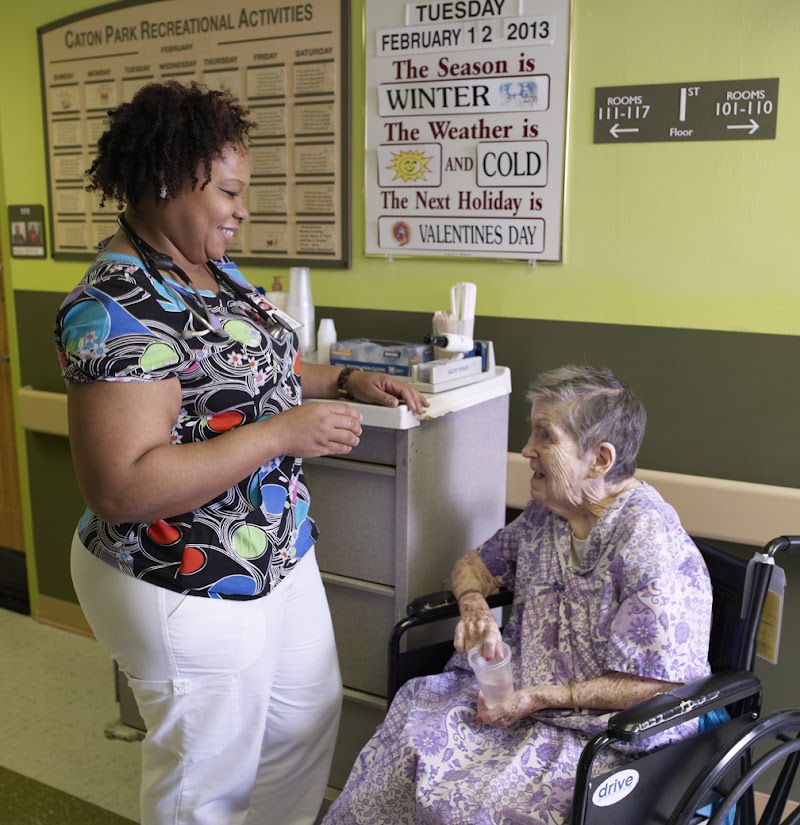
How is Caton Park Rehab And Nursing Center, L L C Staffed?

CMS rates CATON PARK REHAB AND NURSING CENTER, L L C's staffing level at 2 out of 5 stars, which is below average compared to other nursing homes. Staff turnover is 20%, compared to the New York average of 46%. This relatively stable workforce can support continuity of care.

What Have Inspectors Found at Caton Park Rehab And Nursing Center, L L C?

State health inspectors documented 12 deficiencies at CATON PARK REHAB AND NURSING CENTER, L L C during 2019 to 2024. These included: 11 with potential for harm and 1 minor or isolated issues.

Who Owns and Operates Caton Park Rehab And Nursing Center, L L C?

CATON PARK REHAB AND NURSING CENTER, L L C is owned by a for-profit company. For-profit facilities operate as businesses with obligations to shareholders or private owners. The facility operates independently rather than as part of a larger chain. With 119 certified beds and approximately 115 residents (about 97% occupancy), it is a mid-sized facility located in BROOKLYN, New York.
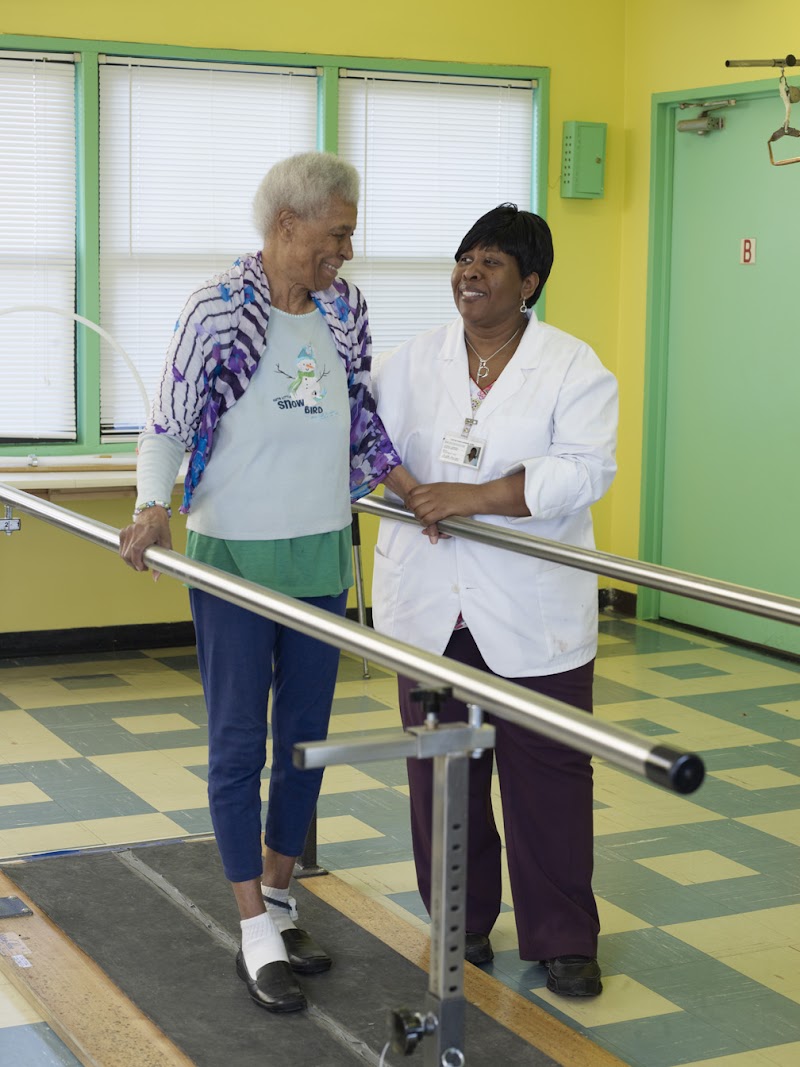
How Does Caton Park Rehab And Nursing Center, L L C Compare to Other New York Nursing Homes?

Compared to the 100 nursing homes in New York, CATON PARK REHAB AND NURSING CENTER, L L C's overall rating (4 stars) is above the state average of 3.1, staff turnover (20%) is significantly lower than the state average of 46%, and health inspection rating (4 stars) is above the national benchmark.

What Should Families Ask When Visiting Caton Park Rehab And Nursing Center, L L C?

Based on this facility's data, families visiting should ask: "Can you walk me through typical staffing levels on day, evening, and night shifts?" "Can I visit during a mealtime to observe dining assistance and food quality?" "How do you handle medical emergencies, and what is your hospital transfer rate?" "Can I speak with family members of current residents about their experience?" These questions are particularly relevant given the below-average staffing rating.

Is Caton Park Rehab And Nursing Center, L L C Safe?

Based on CMS inspection data, CATON PARK REHAB AND NURSING CENTER, L L C has a clean safety record: no substantiated abuse findings (meaning no confirmed cases of resident harm), no Immediate Jeopardy citations (the most serious violation level indicating risk of serious injury or death), and is not on the Special Focus Facility watch list (a federal program monitoring the lowest-performing 1% of nursing homes). The facility has a 4-star overall rating and ranks #1 of 100 nursing homes in New York. While no facility is perfect, families should still ask about staff-to-resident ratios and recent inspection results during their visit.

Do Nurses at Caton Park Rehab And Nursing Center, L L C Stick Around?

Staff at CATON PARK REHAB AND NURSING CENTER, L L C tend to stick around. With a turnover rate of 20%, the facility is 26 percentage points below the New York average of 46%. Low turnover is a positive sign. It means caregivers have time to learn each resident's needs, medications, and personal preferences. Consistent staff also notice subtle changes in a resident's condition more quickly.

Was Caton Park Rehab And Nursing Center, L L C Ever Fined?

CATON PARK REHAB AND NURSING CENTER, L L C has no federal fines on record. CMS issues fines when nursing homes fail to meet care standards or don't correct problems found during inspections. The absence of fines suggests the facility has either maintained compliance or corrected any issues before penalties were assessed. This is a positive indicator, though families should still review recent inspection reports for the full picture.

Is Caton Park Rehab And Nursing Center, L L C on Any Federal Watch List?

CATON PARK REHAB AND NURSING CENTER, L L C is not on any federal watch list. The most significant is the Special Focus Facility (SFF) program, which identifies the bottom 1% of nursing homes nationally based on persistent, serious quality problems. Not being on this list means the facility has avoided the pattern of deficiencies that triggers enhanced federal oversight. This is a positive indicator, though families should still review the facility's inspection history directly.