DITMAS PARK CARE CENTER
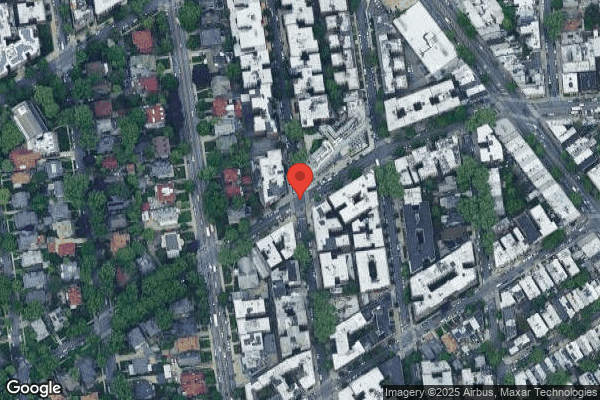

2107 DITMAS AVENUE, BROOKLYN, NY 11226 (718) 462-8100
For profit - Limited Liability company 200 Beds Independent Data: November 2025
Trust Grade
78/100
#159 of 594 in NY
Last Inspection: August 2024

Within standard 12-15 month inspection cycle. Federal law requires annual inspections.

Overview

Ditmas Park Care Center has received a Trust Grade of B, which indicates it is a good choice for families considering nursing home options. It ranks #159 out of 594 facilities in New York, placing it in the top half, and #15 out of 40 in Kings County, meaning only a few local options are better. The facility is improving, with issues decreasing from four in 2022 to two in 2024. While it has a strong quality rating of 5/5 for care measures, staffing is a significant weakness with a low rating of 1/5 and a concerning turnover rate of 0%, which is unusual as it suggests staffing levels may not be stable. Additionally, the facility has incurred $14,090 in fines, higher than 75% of New York facilities, indicating potential compliance issues. Specific incidents noted include a failure to maintain proper infection control practices during wound care and issues with food storage that could lead to contamination. Overall, while there are strengths in care quality, families should be aware of staffing concerns and compliance issues.

Trust Score
B
78/100
In New York
#159/594
Top 26%
Safety Record
Low Risk
No red flags
Inspections
Getting Better
4 → 2 violations
Staff Stability
○ Average
Turnover data not reported for this facility.
Penalties
○ Average
$14,090 in fines. Higher than 71% of New York facilities. Some compliance issues.
Skilled Nurses
○ Average
RN staffing data not reported for this facility.
Violations
○ Average
7 deficiencies on record. Average for a facility this size. Mostly minor or procedural issues.
★★★★☆
4.0
Overall Rating
★☆☆☆☆
1.0
Staff Levels
★★★★★
5.0
Care Quality
★★★★☆
4.0
Inspection Score
Stable
2022: 4 issues
2024: 2 issues

The Good

  • 5-Star Quality Measures · Strong clinical quality outcomes
  • Full Sprinkler Coverage · Fire safety systems throughout facility
  • No fines on record

Facility shows strength in quality measures, fire safety.

The Bad

Federal Fines: $14,090

Below median ($33,413)

Minor penalties assessed

The Ugly 7 deficiencies on record

Aug 2024 2 deficiencies
CONCERN (D)

Potential for Harm - no one hurt, but risky conditions existed

Food Safety (Tag F0812)

Could have caused harm · This affected 1 resident

2.) The facility policy titled Food Storage and Labeling with a revised date of 02/13/2024 documented all food stored in the refrigerator will be checked to ascertain that they are stored in a manner ...

Read full inspector narrative →
2.) The facility policy titled Food Storage and Labeling with a revised date of 02/13/2024 documented all food stored in the refrigerator will be checked to ascertain that they are stored in a manner that assures that they are appropriate for use and free from potential cross contamination. All items not in the original container must be labeled. Ready-to-Eat food must be marked if held for longer than 24 hours. All food in the refrigerator and freezer should be covered, labeled, and dated. Ready-to-Eat temperature controlled for safety food can be stored for up to 5 days if held at internal temperature of 41 degrees Fahrenheit or lower. Casseroles or chicken salad should not be kept for longer than 48 hours. Any food that appears expired or unsafe will be discarded even if the expiration date has not passed. On 08/21/2024 at 9:20 AM, the kitchen walk-in refrigerator was observed with the Food Service Director. The walk-in refrigerator contained: (3) 8 ounce cups of tuna dated 08/16/2024, (7) 8 ounce tuna cups dated 07/24/2024, 1 aluminum pan containing cream of rice puree dated 08/15/2024, 1 aluminum pan containing 4 potato knishes dated 07/30/2024, (2) 6 ounce fruit cups dated 07/24/2024, 1 undated plastic bowl of egg salad, and 1 undated plastic bowl of tuna salad. On 08/21/2024 at 9:30 AM, an interview was conducted with the Food Service Director who stated that the cups of tuna should have been discarded on 08/19/2024 since 3 days had passed from the preparation date. The cream of rice puree should have been discarded on 08/19/2024 and the potato knishes should have been discarded 3 days from the labeled date. On 08/23/2024 at 3:28 PM, a subsequent interview with the Food Service Director was conducted. They stated that the tuna and fruit cups must have been mislabeled by the dietary aide who prepared the food. The potato knishes were missed since the tray was all the way in the back of the refrigerator. The Food Service Director stated that the bowls of tuna and egg salad should have been dated. The Food Service Director stated that the food service aides, the Supervisor, and the Director checks the refrigerator daily for expired food to be discarded, but these items were missed. 10 NYCRR 415.14(h) Based on observation, record review, and interview conducted during the Recertification Survey from 08/21/2024 to 08/28/2024, the facility did not ensure that food was stored, prepared, and distributed in accordance with professional standards for food service safety. Specifically, 1.) Staff was observed handling resident's food with bare hands. This was evident in 1 (6th Floor) of 6 units during dining observation. 2.) The kitchen walk-in refrigerator contained expired and undated food items. The findings are: 1.) The facility policy titled Resident Dining with a revision date of 10/02/2023 documented that employees may not use bare hand contact with any foods, ready to eat or otherwise. Staff must utilize disposable, single use gloves, when directly touching ready to eat food items and should discard gloves after each use. During dining observation conducted on 08/21/2024 from 12:30 PM to 12:45 PM, Certified Nursing Assistant #2 was observed assisting Resident #503 with meals. Certified Nursing Assistant #2 opened the sliced bread from the plastic wrapper, opened the margarine, held the bread with their bare hands, buttered the bread with a knife and placed it on the Resident's lunch tray. During an interview on 08/21/2024 at 12:45 PM, Certified Nursing Assistant #2 stated they were aware that they held the bread with their bare hands. They stated they received an in-service that they should not be touching residents' food with bare hands. During an interview on 08/21/2024 at 2:55 PM, the Licensed Practical Nurse #1 stated staff must wear gloves when handling residents' food. During an interview on 08/23/2024 at 2:56 PM, Registered Nurse #3 stated their policy states staff should never touch residents' food with their bare hands. During an interview on 08/23/2024 at 4:34 PM, the Infection Preventionist stated staff must wash their hands or perform hand hygiene before assisting residents with their meals. The Infection Preventionist stated if staff are sure that their hands were clean, then they can touch the resident's food and hold the bread with their bare hands.
CONCERN (D)

Potential for Harm - no one hurt, but risky conditions existed

Infection Control (Tag F0880)

Could have caused harm · This affected 1 resident

**NOTE- TERMS IN BRACKETS HAVE BEEN EDITED TO PROTECT CONFIDENTIALITY** Based on observation, record review, and interviews conducted during the Recertification Survey from 08/21/2024 to 08/28/2024, t...

Read full inspector narrative →
**NOTE- TERMS IN BRACKETS HAVE BEEN EDITED TO PROTECT CONFIDENTIALITY** Based on observation, record review, and interviews conducted during the Recertification Survey from 08/21/2024 to 08/28/2024, the facility did not ensure that infection control prevention practices and procedures were maintained to provide a safe and sanitary environment to help prevent the development and transmission of communicable diseases and infections. This was evident in 1 (Resident #90) of 2 residents reviewed for Pressure Ulcer / Injury. Specifically, Enhanced Barrier Precautions were not maintained during wound care. The findings are: The Centers for Medicare and Medicaid Services, Center for Clinical Standards and Quality/Quality, Safety & Oversight Group memorandum titled Enhanced Barrier Precautions in Nursing Homes, Ref: QSO-24-08-NH dated 03/20/2024 documented that effective 04/01/2024, Centers for Medicare and Medicaid Services is issuing a new guidance for long term care facilities on the use of enhanced barrier precautions to align with nationally accepted standards. Enhanced Barrier Precautions recommendations now include use of enhanced barrier precautions for residents with chronic wounds or indwelling medical devices during high-contact resident care activities regardless of their multidrug-resistant organism status. The new guidance related to enhanced barrier precautions is being incorporated into F880 Infection prevention and Control. The facility policy and procedure titled Infection Control - Enhanced Barrier Precautions dated 04/02/2024 documented that the Facility will implement enhanced barrier precautions to include any resident with chronic wounds regardless of Multi Drug Resistant Organism colonization or infection status. The facility will use an orange sticker identifier to alert staff when Enhanced Barrier Precaution use is necessary. Staff will perform hand hygiene and before entering a resident's room, don gown and gloves when providing high contact care activities. Resident #90 was admitted to the facility with diagnoses that include Cerebral Palsy and Metabolic Encephalopathy. The Minimum Data Set assessment dated [DATE] documented that Resident #90 had moderately impaired cognitive skills for daily decision making and had unhealed Stage 4 sacral pressure ulcer. A physician's order dated 05/02/2024 documented enhanced barrier precautions secondary to wounds. A Physician Treatment Order dated 07/25/2024 documented to apply Calcium Alginate Silver Pad to right hip topically in the morning for wound care after cleansing with normal saline and to cover with silicone foam dressing. During wound treatment observation on 08/23/2024 at 10:44 AM, Licensed Practical Nurse #2 was observed performing wound care for Resident #90 with gloves but without wearing a gown. There was no signage posted that Resident #90 was to be maintained on Enhanced Barrier Precautions. On 08/23/2024 at 11:00AM, Licensed Practical Nurse #2 was interviewed and stated that at the time of the dressing change they did not know that Enhanced Barrier Precautions were needed as the signage was removed from the door by the Assistant Director of Nursing/Educator. On 08/23/2024 at 12:29 PM, The Assistant Director of Nursing/Educator was interviewed and stated that Licensed Practical Nurse #2 should have followed Enhanced Barrier Precautions because Resident #90 had a wound and all residents with wounds require staff to wear a gown for all contact. The Assistant Director of Nursing/Educator stated they removed the Enhanced Barrier Precaution signage on Resident #90's door because they thought the wound was healed. On 08/26/2024 at 12:24 PM, the Infection Control Preventionist was interviewed and stated staff is required to wear isolation gowns and gloves for all residents with wounds or indwelling devices. On 08/26/2024 at 4:37 PM, The Director of Nursing was interviewed and stated staff is to wear gowns and gloves for all direct care contact with residents who have wounds and indwelling medical devices. 10 NYCRR 415.19 (a)(1-3)
May 2022 4 deficiencies
CONCERN (D)

Potential for Harm - no one hurt, but risky conditions existed

Deficiency F0655 (Tag F0655)

Could have caused harm · This affected 1 resident

**NOTE- TERMS IN BRACKETS HAVE BEEN EDITED TO PROTECT CONFIDENTIALITY** Based on record review, and interview during the Recertification survey, the facility did not ensure a baseline care plan (BCP) ...

Read full inspector narrative →
**NOTE- TERMS IN BRACKETS HAVE BEEN EDITED TO PROTECT CONFIDENTIALITY** Based on record review, and interview during the Recertification survey, the facility did not ensure a baseline care plan (BCP) was developed within 48 hours of admission. This was evident for 1 of 38 residents reviewed (Resident #8). Specifically, a BCP was not completed for Resident #8 within 48 hours of admission to the facility. The findings are: The facility's policy titled Baseline Care Plan revised 4/6/2022 documented the baseline care plan will be developed within 48 hours of the resident's admission. Resident #8 was admitted to the facility on [DATE] with diagnosis of chronic kidney disease, multiple sclerosis, and spinal stenosis. The Minimum Data Set 3.0 (MDS) assessment dated [DATE] documented resident was cognitively intact. The BCP dated 1/7/2022 documented Error and sections for social service, nursing, and rehabilitation contained no documentation. There was no documented evidence in Resident #8's medical record that a BCP was developed. On 5/3/2022 at 9:25 AM, Registered Nurse (RN #1) was interviewed and stated BCPs are initiated by the admitting nurse immediately upon a resident's admission to the facility. The interdisciplinary team (IDT) then fills out the BCP in the resident's medical record. RN #1 was unaware Resident #8's BCP was not developed. On 5/3/2022 at 11:54 AM, Social Worker (SW) #1 was interviewed and stated they complete the BCP for newly admitted residents within 48 hours. There were staffing issues at the time Resident #8 was admitted to the facility and this was the reason a BCP was not developed for Resident #8. 415.11(c)
CONCERN (D)

Potential for Harm - no one hurt, but risky conditions existed

Deficiency F0657 (Tag F0657)

Could have caused harm · This affected 1 resident

**NOTE- TERMS IN BRACKETS HAVE BEEN EDITED TO PROTECT CONFIDENTIALITY** Based on record review and staff interviews conducted during the Recertification survey, the facility did not ensure the compreh...

Read full inspector narrative →
**NOTE- TERMS IN BRACKETS HAVE BEEN EDITED TO PROTECT CONFIDENTIALITY** Based on record review and staff interviews conducted during the Recertification survey, the facility did not ensure the comprehensive care plan was prepared by an interdisciplinary team that includes the resident and the resident's representative for 1 (Resident #137) of 38 sampled residents. Specifically, Resident #137's Comprehensive Care Plan (CCP) was created within 21 days after admission on [DATE], but there was no documented evidence Resident #137 was invited to a care plan meeting until after the care plan was complete. A care plan meeting was not held until 2/3/22. The findings are: The policy titled Interdisciplinary (IDT) CPM - Social Work (SW) revised 5/26/2020 documented the SW will inform and invite the resident to scheduled CPMs. Resident # 137 was admitted to the facility on [DATE] and had diagnoses of atrial fibrillation and congestive heart failure. The admission Minimum Data Set 3.0 (MDS) dated [DATE] documented Resident # 137 was cognitively intact and participated in the assessment. A Care Plan Meeting (CPM) Schedule dated 12/2021 documented Resident #137's admission CPM was scheduled for 12/22/2021. There was no documented evidence in the medical record that Resident #137 was invited to the CPM scheduled for 12/22/2021 or that the CPM was ever held. The CCP was created in 12/2021 without involvement of the resident. A Social Service - Multidisciplinary Care Conference note dated 2/3/2022 documented the admission CPM was held on 02/03/2022. The nurse, SW, rehab and Resident #137 attended the care plan meeting. On 04/29/22 at 11:41 AM, Registered Nurse (RN) # 1 was interviewed and stated residents were invited to attend all CPMs by the SW. Resident #137 was cognitively intact and made their own decisions. On 04/29/22 at 11:59 AM, Social Worker (SW) # 1 was interviewed and stated SWs were responsible for inviting residents to scheduled CPMs. After checking the medical record, SW #1 stated Resident #137's admission CCP meeting was held on 02/03/2022 and could not explain the reason the admission CPM was not held within 21 days of Resident #137's admission to the facility. On 04/29/22 at 02:01 PM, the Social Work Consultant (SWC) was interviewed and stated the facility experienced staffing shortages in 12/2021. The SWC stated this may be the reason the admission CPM was not held in 12/2021. 415.11(c)(2) (i-iii)
CONCERN (D)

Potential for Harm - no one hurt, but risky conditions existed

Deficiency F0761 (Tag F0761)

Could have caused harm · This affected 1 resident

Based on observation, record review, and interviews conducted during the Recertification survey, the facility did not ensure that all medications and biologicals were stored in accordance with profess...

Read full inspector narrative →
Based on observation, record review, and interviews conducted during the Recertification survey, the facility did not ensure that all medications and biologicals were stored in accordance with professional standards of practice. This was evident for 1 of 5 units (4th floor). Specifically, 1) a bag of prescribed medications was not stored in a locked compartment; and 2) an expired ampule of Digoxin was found in the emergency medication box. The findings are: The facility policy titled Non-Controlled Medication (Discontinued/Returned/Disposal) revised 01/27/2022 documented medication may be returned to the pharmacy in accordance with state and federal regulations. The facility policy titled Back Up Box/Stat Emergency Kit of Medications revised 01/27/2022 documented Emergency Kits were available at every nursing station. All Emergency Kits list the contents and their expiration dates. Items about to expire are returned to the pharmacy upon facility notification. 1) On 04/28/22 at 04:26 PM, a paper bag containing prescribed medication was observed on a shelf at the 4th floor nursing station. The medications were not observed to be in a locked compartment or storage area and there were no staff observed at the nursing station. The paper bag contained the following medications: Amlodipine 10 mg, Folic Ccid 1 mg, Pravastatin 10 mg, Duloxetine 30 mg, Risperidone 2 mg, Bisacodyl, Metformin 850 mg, Zidovudine 300mg, Metoprolol 25 mg, Vitamin D3 tablet 50 mcg, Atorvastin, Donepezil 10 mg, Tamsulosin 0.4mg, Acidophilus, Atenolol 100mg, Famotidine 40 mg, Latanoprost solution 0.005%. On 04/29/22 at 11:35 AM, Registered Nurse (RN) #3 was interviewed and stated unused medications are sent back to the pharmacy. The evening shift of nurses were responsible for bringing the medication to the nursing office to await pharmacy pickup. Medications should not be left in an unsecured unlocked area. On 04/28/2022 at 5:10 PM, the RN Supervisor (RNS) was interviewed and stated they do rounds every evening to check for medications that should be returned to the pharmacy. The medications should not be in an unsecured unlocked area and should be brought to the nursing office immediately so they can be secured for pharmacy pickup. 2) On 04/29/2022 at 11:14 AM, the 4th floor medication room was observed to have an emergency medication box with a list of all contents attached. The list documented: Digoxin 0.25mg ampule, expiration date 03/2022. Registered Nurse (RN) #3 was present in the medication room, removed the green seal, opened the emergency medication box, and observed the expired ampule of Digoxin contained inside the box. On 04/29/22 at 11:28 AM, Registered Nurse (RN) #3 was interviewed and stated they were responsible for checking the emergency medication box daily to ensure medications about to expire are sent back to the pharmacy. RN #3 changed the emergency box on the 4th floor recently and did not look at the attached medication list documenting the Digoxin expired in 3/2022. On 04/29/2022 at 12:35 PM, the Assistant Director of Nursing (ADNS) was interviewed and stated that the emergency medication box is checked daily by the RN to ensure the box is returned to the pharmacy if it is about to expire. The box with the expired Digoxin was delivered by the pharmacy and RN #3 brought it to the unit the previous week. The nurse receiving the emergency medication boxes from the pharmacy should check the list of contents and their expiration dates. On 05/03/2022 at 01:26 PM, the Director of Nursing Services (DNS) was interviewed and stated the pharmacy checks the emergency medication boxes to ensure there are no expired medications. The ADNS was responsible for checking the emergency medication boxes upon delivery. 415.18(e)(1-4)
CONCERN (E)

Potential for Harm - no one hurt, but risky conditions existed

Infection Control (Tag F0880)

Could have caused harm · This affected multiple residents

**NOTE- TERMS IN BRACKETS HAVE BEEN EDITED TO PROTECT CONFIDENTIALITY** 3) Resident #496 had diagnoses of acute respiratory failure and acute renal failure. The MDS assessment dated [DATE] documented...

Read full inspector narrative →
**NOTE- TERMS IN BRACKETS HAVE BEEN EDITED TO PROTECT CONFIDENTIALITY** 3) Resident #496 had diagnoses of acute respiratory failure and acute renal failure. The MDS assessment dated [DATE] documented Resident #496 was cognitively intact. The facility's written email communication with the NYSDOH on [DATE] documented a staff member tested positive for COVID-19 on [DATE] and all residents on the ventilator unit were placed on quarantine for 14 days due to COVID-19 exposure. Facility-wide testing was initiated. Therefore, all resident and staff working in the vent unit for possible exposure and the vent unit started quarantine for 14 days. It further documented that facility wide testing will be initiated. A polymerase chain reaction (PCR) lab test dated [DATE] documented Resident #496 was positive for COVID-19. Nursing Note (NN) dated [DATE] documented Resident #496 had labored breathing and was transferred to the hospital. NN dated [DATE] documented Resident expired in the hospital on [DATE]. There was no documented evidence Resident #496 was placed on Contact Droplet Precaution (CDP) following exposure to COVID-19 staff member and after a positive COVID-19. On [DATE] at 4:11 PM, Licensed Practice Nurse (LPN #1) was interviewed and stated Resident #496 was not monitored for COVID-19 symptoms because LPN #1 was unaware Resident #496 was exposed to a COVID-19 positive staff member and was unaware residents were being tested for COVID-19. On [DATE] at 9:38 AM, Infection Preventionist (IP) was interviewed and stated Resident #496 was identified as having close contact with a staff who tested positive COVID-19. Resident #496 had a negative PCR test result on [DATE] and a positive PCR test result on [DATE]. RN supervisors are responsible for placing exposed or COVID-19 positive residents on quarantine and CDP. The IP did not know the reason Resident #496 was not quarantined or placed on CDP. On [DATE] at 1:12 PM, Assistant Director of Nursing (ADON) was interviewed and stated residents exposed to COVID-19 are immediately placed on quarantine and CDP and monitored for symptoms for COVID-19. Resident #496 was exposed to a COVID-19 positive staff member and was not placed on quarantine or CDP. 415.19(a) 2) Resident # 179 had diagnoses of congestive heart failure (CHF) and coronary artery disease (CAD). The Minimum Data Set 3.0 (MDS) dated [DATE] documented Resident # 179 had moderate cognitive impairments, shortness of breath, and received oxygen treatment. On [DATE] at 10:33 AM and [DATE] at 09:32 AM, the oxygen tubing connecting the oxygen concentrator to the nasal canula (NC) in Resident #179's nose was observed touching the floor. Physician's order dated [DATE] documented Resident #179 received continuous oxygen via NC at 3-4 liters per minute for shortness of breath. On [DATE] at 09:34 AM, Certified Nursing Assistant (CNA) # 1 observed Resident #179's oxygen tubing on the floor and stated Resident#179 received continuous oxygen and the oxygen tubing should not be touching the floor. When oxygen tubing is observed on the floor, CNA #1 notifies the nurse so the oxygen tubing can be changed. On [DATE] at 10:38 AM, RN # 1 was interviewed and stated the oxygen tubing for Resident #179 was long and should be attached to the head of the bed to promote infection control by preventing the oxygen tubing from touching the ground. Visual rounds are made every 1 to 2 hours on the unit to ensure compliance with resident care and infection control. On [DATE] at 09:14 AM, Infection Preventionist (IP) was interviewed and stated the CNAs are tasked with securing the oxygen tubing so that it does not touch the floor and the nurse must change the oxygen tubing if they observe it touching the floor. Based on observations, record review and interviews conducted during the Recertification survey, the facility did not ensure infection control practices were maintained. This was evident for 1 of 5 units (4th floor), 1 of 3 residents reviewed for Respiratory Care (Resident #179), and 1 of 4 residents reviewed for Infections (Resident #496) out of a sample of 38 residents. Specifically, 1) a Registered Nurse (RN) was observed wearing a surgical mask improperly; 2) there were multiple observations of Resident #179's oxygen tubing on the floor; and 3) Resident #496 was not placed on contact/droplet precautions (CDP) following exposure and positive test for COVID-19. The findings are: The facility policy titled Personal Protective Equipment (PPE) Donning and Doffing revised [DATE] documented all staff will use a surgical mask in all patient care areas and all non-clinical areas. The facility policy titled Oxygen Administration revised [DATE] documented oxygen tubing observed touching the floor must be discarded immediately and resident will be provided with a new one. The facility policy titled COVID-19 Protocol: Exposed Residents revised [DATE] documented the unvaccinated and partially vaccinated residents who had close contact with a COVID-19 positive staff member should be place on CDP for 14 days from date of last exposure. 1) On [DATE] from 12:06 PM to 3:45 PM, [DATE] from 10:03 to 12:12 PM, [DATE] from 10:38 AM to 2:58 PM, and [DATE] from 09:30 AM to 10:18 AM, RN #3 was observed at the nursing station on the 4th floor resident unit with a surgical mask worn below their chin exposing their nose and mouth. On [DATE] at 10:53 AM, RN #3 was interviewed and stated they know the surgical mask should cover their nose and mouth to prevent the transmission of COVID-19. Wearing the mask makes it difficult for RN #3 to breath. On [DATE] at 01:15 PM, the Director of Nursing Services (DNS) was interviewed and stated everyone entering the facility must wear a mask to comply with infection control regulations and to protect residents and staff from transmission of respiratory infections, including COVID-19. The DNS and nursing supervisors make rounds on the resident units throughout the day to observe staff for infection control compliance.
Aug 2019 1 deficiency
CONCERN (D)

Potential for Harm - no one hurt, but risky conditions existed

Pharmacy Services (Tag F0755)

Could have caused harm · This affected 1 resident

**NOTE- TERMS IN BRACKETS HAVE BEEN EDITED TO PROTECT CONFIDENTIALITY** Based on observations, record reviews and interviews, the facility did not ensure that timely identification and removal of medi...

Read full inspector narrative →
**NOTE- TERMS IN BRACKETS HAVE BEEN EDITED TO PROTECT CONFIDENTIALITY** Based on observations, record reviews and interviews, the facility did not ensure that timely identification and removal of medication to be disposed occurred. Specifically, an expired controlled substance was observed in the narcotic cabinet in the medication room. This was observed during the Medication Storage Task. The facility's undated policy and procedure titled Narcotic Count documented that all controlled substances are not available to other than Licensed Nurses, Pharmacists and Medical personnel designated by the facility. Purpose included to assure controlled drugs are handled, stored and disposed of properly. The finding is: Resident #53 was admitted to the facility on [DATE] with diagnoses that included Dementia, Mononeuropathy Unspecified, Partial Traumatic Amputation and Cellulitis of Left Lower Limb. Physician order dated 1/23/18 documented Tramadol 25 MG by mouth every 8 hours as needed for moderate to severe pain/phantom pain. Medication Administration Record dated December 2018 documented Tramadol 25 MG was received on 12/11/18 at 19:46. On 08/08/19 at 09:47 AM, during the Medication Storage Task a blister pack was observed for Resident #53 for Tramadol 50 MG in the narcotics cabinet. The label affixed to the back of the blister pack documented an expiration date of 07/22/2018. The Controlled Substance Record for Resident #53 documented that medication was last reconciled for the resident on 12/11/18. On 08/08/19 at 09:47 AM, the Registered Nurse (RN) #1 who was completing the task with the State Agent was interviewed. RN#1 stated that the LPN medication nurses of the incoming and outgoing shifts are responsible for reconciling the narcotics and checking the narcotics cabinet every shift. RN #1 also stated that it is the responsibility of the Nurse Supervisor to remove the expired medication along with medications not in use and return them to the Nursing Office. On 08/08/19 at 12:10 PM, LPN #1 was interviewed. LPN #1 stated that when medications are finished or discontinued the Supervisor is informed and they take the medication right away. LPN#1 also stated the narcotics are checked for expiration date and should be checked by staff on all shifts. On 08/12/19 at 11:23 AM, RN#2 was interviewed. RN #2 stated that narcotics are counted by 2 nurses on each shift. RN #2 also stated if any narcotics were discontinued, the information is documented on the Controlled Substance Inventory Form, and the medication is returned to the nursing office. RN#2 further stated that expired medication can be removed by any of the nurses. RN #2 also stated that the expiration dates of medication should be checked on every shift. On 08/12/19 at 01:21 PM, the Director of Nursing (DON) was interviewed. The DON stated nursing staff is usually very good with checking expiration dates and this was an isolated incident. The DON also stated that a Pharmacy consultant visits the facility once a month to do medication checks, storage, expiration dates, and the drug medication review for admissions and readmissions. The DON further stated that there is a Pharmacy Account Representative who comes to the facility once a month. On 08/12/19 at 01:27 PM, the Specialty Account Representative was interviewed via phone. The Representative stated that she checks the back-up boxes, emergency medications and if she finds something that expires she will remove the medication. The Representative also stated that she does not check the narcotics cabinet and only reviews the narcotic books/records. The Representative further stated that Specialty would be contacted to pick up and discard of expired medications. Attempts to reach the Pharmacy Consultant via telephone were unsuccessful. 415.18(a)
Understanding Severity Codes (click to expand)
Life-Threatening (Immediate Jeopardy)
J - Isolated K - Pattern L - Widespread
Actual Harm
G - Isolated H - Pattern I - Widespread
Potential for Harm
D - Isolated E - Pattern F - Widespread
No Harm (Minor)
A - Isolated B - Pattern C - Widespread

Questions to Ask on Your Visit

  • "Can I speak with families of current residents?"
  • "What's your RN coverage like on weekends and overnight?"

Our Honest Assessment

Strengths
  • • No major safety red flags. No abuse findings, life-threatening violations, or SFF status.
Concerns
  • • $14,090 in fines. Above average for New York. Some compliance problems on record.
Bottom line: Generally positive indicators. Standard due diligence and a personal visit recommended.

About This Facility

What is Ditmas Park's CMS Rating?

CMS assigns DITMAS PARK CARE CENTER an overall rating of 4 out of 5 stars, which is considered above average nationally. Within New York, this rating places the facility higher than 99% of the state's 100 nursing homes. This rating reflects solid performance across the metrics CMS uses to evaluate nursing home quality.
How is Ditmas Park Staffed?

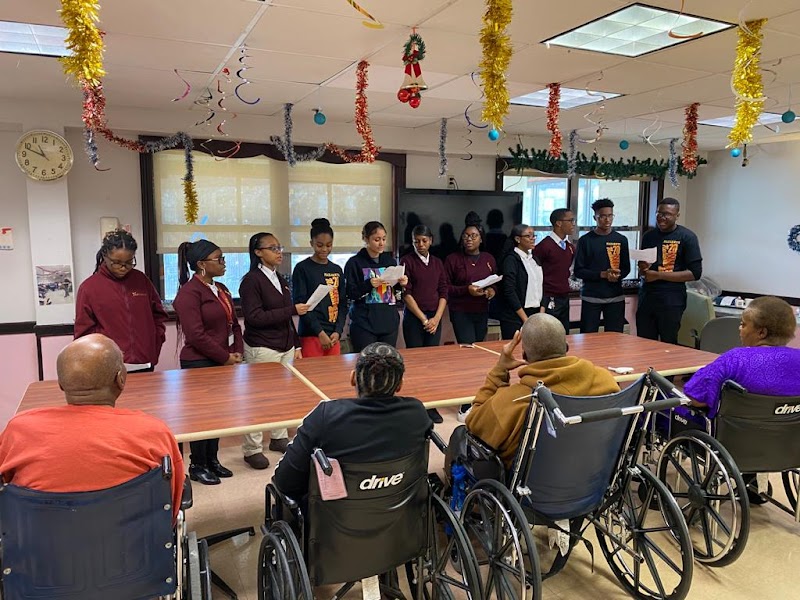
CMS rates DITMAS PARK CARE CENTER's staffing level at 1 out of 5 stars, which is much below average compared to other nursing homes.

What Have Inspectors Found at Ditmas Park?

State health inspectors documented 7 deficiencies at DITMAS PARK CARE CENTER during 2019 to 2024. These included: 7 with potential for harm.
Who Owns and Operates Ditmas Park?

DITMAS PARK CARE CENTER is owned by a for-profit company. For-profit facilities operate as businesses with obligations to shareholders or private owners. The facility operates independently rather than as part of a larger chain. With 200 certified beds and approximately 192 residents (about 96% occupancy), it is a large facility located in BROOKLYN, New York.
How Does Ditmas Park Compare to Other New York Nursing Homes?

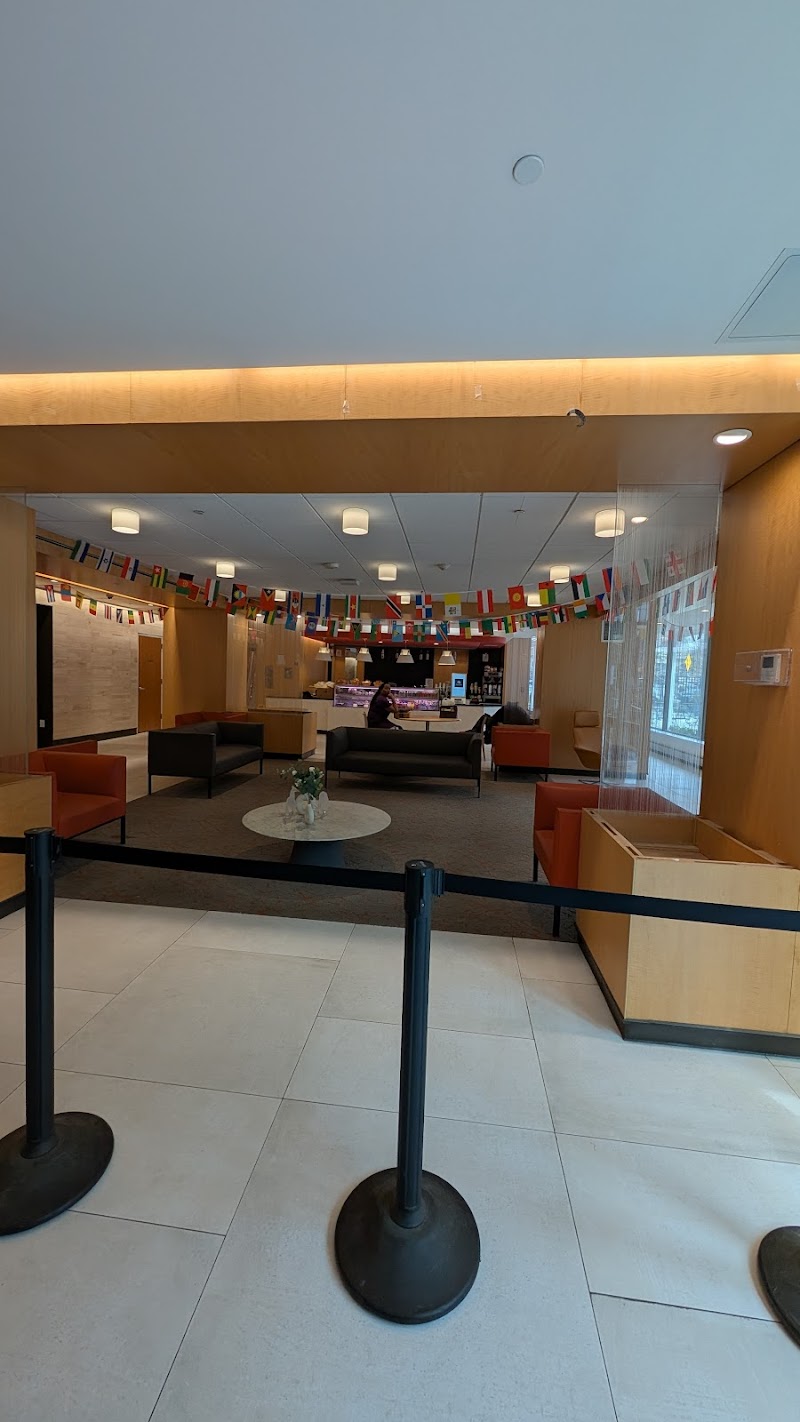
Compared to the 100 nursing homes in New York, DITMAS PARK CARE CENTER's overall rating (4 stars) is above the state average of 3.1 and health inspection rating (4 stars) is above the national benchmark.

What Should Families Ask When Visiting Ditmas Park?

Based on this facility's data, families visiting should ask: "Can you walk me through typical staffing levels on day, evening, and night shifts?" "Can I visit during a mealtime to observe dining assistance and food quality?" "How do you handle medical emergencies, and what is your hospital transfer rate?" "Can I speak with family members of current residents about their experience?" These questions are particularly relevant given the below-average staffing rating.

Is Ditmas Park Safe?

Based on CMS inspection data, DITMAS PARK CARE CENTER has a clean safety record: no substantiated abuse findings (meaning no confirmed cases of resident harm), no Immediate Jeopardy citations (the most serious violation level indicating risk of serious injury or death), and is not on the Special Focus Facility watch list (a federal program monitoring the lowest-performing 1% of nursing homes). The facility has a 4-star overall rating and ranks #1 of 100 nursing homes in New York. While no facility is perfect, families should still ask about staff-to-resident ratios and recent inspection results during their visit.

Do Nurses at Ditmas Park Stick Around?

DITMAS PARK CARE CENTER has not reported staff turnover data to CMS. Staff turnover matters because consistent caregivers learn residents' individual needs, medications, and preferences. When staff frequently change, this institutional knowledge is lost. Families should ask the facility directly about their staff retention rates and average employee tenure.

Was Ditmas Park Ever Fined?

DITMAS PARK CARE CENTER has been fined $14,090 across 3 penalty actions. This is below the New York average of $33,220. While any fine indicates a compliance issue, fines under $50,000 are relatively common and typically reflect isolated problems that were subsequently corrected. Families should ask what specific issues led to these fines and confirm they've been resolved.

Is Ditmas Park on Any Federal Watch List?

DITMAS PARK CARE CENTER is not on any federal watch list. The most significant is the Special Focus Facility (SFF) program, which identifies the bottom 1% of nursing homes nationally based on persistent, serious quality problems. Not being on this list means the facility has avoided the pattern of deficiencies that triggers enhanced federal oversight. This is a positive indicator, though families should still review the facility's inspection history directly.