FOUR SEASONS NURSING AND REHABILITATION CENTER
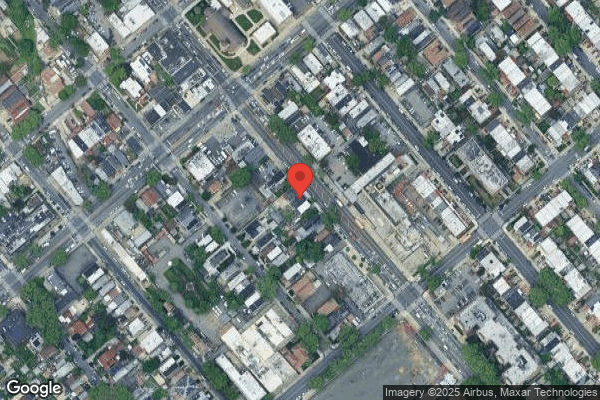
1555 ROCKAWAY PARKWAY, BROOKLYN, NY 11236 (718) 927-6300
For profit - Limited Liability company 270 Beds THE SHERMAN FAMILY Data: November 2025
Trust Grade
85/100
#170 of 594 in NY
Last Inspection: February 2024

Within standard 12-15 month inspection cycle. Federal law requires annual inspections.

Overview

Four Seasons Nursing and Rehabilitation Center has a Trust Grade of B+, which means it is above average and recommended for families considering care options. It ranks #170 out of 594 facilities in New York, placing it in the top half, and #16 out of 40 in Kings County, indicating limited local competition. The facility is improving, with a decrease in issues from six in 2022 to five in 2024. Staffing is a concern, rated only 2 out of 5 stars, but with a turnover of 22%, which is better than the state average. Notably, there were no fines on record, and the RN coverage is average, ensuring that registered nurses are present to monitor care. However, there were significant issues reported, including the presence of rodent droppings in food storage areas, indicating a lack of effective pest control, and delays in reporting allegations of abuse, which raises concerns about resident safety and responsiveness to incidents. Overall, while the facility has strengths in some areas, these weaknesses warrant careful consideration.

Trust Score
B+
85/100
In New York
#170/594
Top 28%
Safety Record
Low Risk
No red flags
Inspections
Getting Better
6 → 5 violations
Staff Stability
✓ Good
22% annual turnover. Excellent stability, 26 points below New York's 48% average. Staff who stay learn residents' needs.
Penalties
✓ Good
No fines on record. Clean compliance history, better than most New York facilities.
Skilled Nurses
○ Average
Each resident gets 34 minutes of Registered Nurse (RN) attention daily — about average for New York. RNs are the most trained staff who monitor for health changes.
Violations
⚠ Watch
12 deficiencies on record. Higher than average. Multiple issues found across inspections.
★★★★☆
4.0
Overall Rating
★★☆☆☆
2.0
Staff Levels
★★★★★
5.0
Care Quality
★★★☆☆
3.0
Inspection Score
Stable
2022: 6 issues
2024: 5 issues

The Good

  • 5-Star Quality Measures · Strong clinical quality outcomes
  • Low Staff Turnover (22%) · Staff stability means consistent care
  • Full Sprinkler Coverage · Fire safety systems throughout facility
  • No fines on record
  • Staff turnover is low (22%)

    26 points below New York average of 48%

Facility shows strength in quality measures, staff retention, fire safety.

The Bad

Chain: THE SHERMAN FAMILY

Part of a multi-facility chain

Ask about local staffing decisions and management

The Ugly 12 deficiencies on record

Feb 2024 5 deficiencies
CONCERN (D) 📢 Someone Reported This

A family member, employee, or ombudsman was alarmed enough to file a formal complaint

Potential for Harm - no one hurt, but risky conditions existed

Investigate Abuse (Tag F0610)

Could have caused harm · This affected 1 resident

Based on record review and interviews conducted during the Recertification and Abbreviated Survey (NY00325860) from 02/08/2024 - 02/15/2024, the facility failed to ensure that all allegations of abuse...

Read full inspector narrative →
Based on record review and interviews conducted during the Recertification and Abbreviated Survey (NY00325860) from 02/08/2024 - 02/15/2024, the facility failed to ensure that all allegations of abuse, including injuries of unknown origin, were promptly investigated. This was evident for 2 (Resident #57 and Resident #150) of 39 total sampled residents. Specifically, on 10/05/2023, Resident #57 alleged they were hit by another resident. The facility initiated the investigation on 10/07/2023. The findings are: A facility policy titled Abuse, Involuntary Seclusion, Exploitation, Neglect, Misappropriation of Property, and Injuries of Unknown Origin with revision date 01/30/2024, documented it is the policy of this facility that reports of abuse are promptly and thoroughly investigated. Resident # 57 was admitted to the facility with diagnoses of Mild Intellectual Disability, Atrial Fibrillation, and Deep Vein Thrombosis. The quarterly Minimum Data Set with Assessment Reference Date of 09/14/2023 documented that Resident #57 had moderately impaired cognition, no behaviors. Resident #150 was admitted to the facility with diagnoses of Dementia with other Behavioral Disturbance, Alzheimer's Disease, and Cerebral Ischemia. The quarterly Minimum Data Set assessment with Assessment Reference Date of 07/26/2023 documented that Resident #150 had intact cognition and had behavioral symptom not directed toward others that occurred in 1 to 3 days. Review of the Nursing Home Facility Incident Report submitted to the New York State Department of Health on 10/11/2023 at 5:02 PM, documented that on 10/05/23 at approximately 7:25 AM, Resident # 57 was observed by the porter with small amount of blood coming from inside their mouth while Resident was sitting in the hallway. Resident #57 stated they hit me and pointed to the room where roommate was located. [NAME] reported same to the assigned Certified Nursing Assistant who immediately informed the charge nurse. An Accident/Incident Report form dated 10/07/2023 documented that Resident #57 was noted with redness to right chin, when asked Resident stated they do not know. An undated Certified Nursing Assistant Accident/Incident Report form documented they were told by the housekeeping staff that Resident #57 stated they were punched by their roommate. A written statement by Licensed Practical Nurse #1 dated 10/12/2023 2:49 PM documented on the morning of 10/05/2023 they were told by the porter that Resident #57 was bleeding from the mouth and Resident stated they were hit. It was documented that Licensed Practical Nurse #1 immediately went to the Resident and provided mouth care and then reported the alleged incident to the supervisor. A written statement by Registered Nurse #1 dated 10/12/2023 6:00 PM documented that on 10/05/2023, they were called by the nurse on duty who informed them that Resident #57 was bleeding from the mouth as per porter. Nurse on duty stated that porter reported that their roommate may have hit Resident #57. The facility Investigation Summary dated 10/16/2023 signed by the Administrator documented based on chart review, interviews with staff, and review of video surveillance there was insufficient credible evidence to substantiate conclusively that Resident #150 hit Resident #57. During an interview on 02/12/2024 at 8:38 AM, Registered Nurse #1 stated they received a call from the nurse that Resident #57 was bleeding from their mouth. Registered Nurse #1 stated there was no broken skin around their mouth and there was no gum bleeding but observed caries. Registered Nurse #1 stated Resident #57 would not speak but gestured with their hand that they got hit. Registered Nurse #1 stated it was not until a few days later when Resident #57 had some signs of bruising on their chin area that they realized they should have reported the allegation to the Administration. During an interview on 02/14/2024 at 11:01 AM, the Director of Nursing stated they were not made aware on 10/05/2023 of the allegation. They were made aware a couple of days later when Resident #57's bruising on the chin became apparent, and that was when a full-blown investigation was initiated. The Director of Nursing stated that an investigation should have been immediately initiated by the supervisor on 10/05/2023. During an interview on 02/13/2024 at 8:14 AM, the Administrator stated they were first made aware of the allegation that Resident #57 was hit by Resident #150 a few days later when Resident #57 had some right-side facial bruising that became apparent. They immediately started the investigation and reported the allegation to the New York state Department of Health on 10/11/2023. 10 NYCRR 415.4(b)(3)
CONCERN (D)

Potential for Harm - no one hurt, but risky conditions existed

Deficiency F0658 (Tag F0658)

Could have caused harm · This affected 1 resident

**NOTE- TERMS IN BRACKETS HAVE BEEN EDITED TO PROTECT CONFIDENTIALITY** Based on record review and interviews conducted during the Recertification Survey, the facility failed to ensure that services p...

Read full inspector narrative →
**NOTE- TERMS IN BRACKETS HAVE BEEN EDITED TO PROTECT CONFIDENTIALITY** Based on record review and interviews conducted during the Recertification Survey, the facility failed to ensure that services provided met professional standards of quality. This was evident for 1 (Resident #402) of 38 total sampled residents. Specifically, Licensed Practical Nurse #4 did not notify the physician when Resident #402 refused to take Carvedilol 25 milligrams and Hydralazine 50 milligrams on multiple occasions. In addition, Licensed Practical Nurse #5 held Carvedilol 25 milligrams and Hydralazine 50mg without a physician's order. The findings are: The New York State Education Law Article 139, Section 6902 stated the practice of the profession of nursing includes the executing of medical regimens prescribed by a licensed physician. It further states that nursing regimen shall be consistent with and shall not vary any existing medical regimen. Resident #402 was admitted to the facility with diagnoses of End Stage Renal Failure, Major Depressive Disorder, Hypocalcemia, Hypertension. The admission Minimum Data Set assessment dated [DATE] documented Resident #402's cognitive status was moderately impaired. A physician's order dated 01/24/2024 included Carvedilol 25 milligram tablet, give 1 tablet by oral route 2 times daily with food for hypertension and Hydralazine 50 milligram tablet, give 2 tablets (100 milligrams) by oral route 3 times daily with food for hypertension. The electronic Medication Administration Record dated 02/01/2024 - 02/12/2024 documented that Hydralazine 50 milligram tablet was not administered on 02/03/2024 10:00 AM, 02/03/2024 2:00 PM, and on 02/11/2024 6:00 PM; Carvedilol 25 milligram was not administered on 02/03/2024 8:00 AM. License Practical Nurse #4 documented Refused as the reason for not administering the medication. Further review of the electronic Medication Administration Record revealed that Hydralazine 50 milligram was not administered on 02/06/2024 2:00 PM, 02/08/2024 2:00 PM, and 02/09/2024 2:00 PM; Carvedilol 25 milligram was not administered on 02/08/2024 8:00 AM. Licensed Practical Nurse #5 documented Below Normal Parameters as the reason for not administering the medication. A nurse's note dated 02/03/2024 2:00 PM documented Resident refused all medications and treatment provided on tour. Education was given but not successful. A nurse's note dated 02/11/2024 11:14 PM documented Resident refused scheduled medication. Resident stated they were tired and wanted to sleep. A review of the Nurses' Progress Notes did not reveal documentation that the physician was notified of the missed medications and that medications were put on hold. A review of the Physician's Progress Notes did not reveal documentation that the physician was informed of the missed and held medications. A review of the Physician's Orders did not reveal orders to hold Hydralazine 50 milligram and Carvedilol 25 milligram due to below normal parameters. During an interview on 02/13/2024 at 11:57 AM, Licensed Practical Nurse #4 stated Resident #402 was alert and oriented, and often refused medications. They stated they tried to re-offer the medications and Resident would still refuse. Licensed Practical Nurse #4 stated they did not notify the physician because they believed that Resident #402 was able to make decisions on their own. During an interview on 02/14/2024 at 01:53 PM, Licensed Practical Nurse #5 stated they held the Carvedilol and Hydralazine because Resident #402's blood pressure was too low. They stated they did not inform Resident #402's physician about putting the medications on hold. During an interview on 02/14/2024 at 02:29 PM, Registered Nurse #4, who was a Supervisor stated that the physician or the Nurse Practitioner must be notified when a resident refuses to take a medication. The Registered Nurse Supervisor stated they were not aware that Resident #402 was refusing their medications. During an interview on 02/15/2024 at 9:58 PM, the Nurse Practitioner stated they were not informed that Resident #402 refused their medications and that medications were put on hold. During an interview on 02/13/2024 at 02:48 PM, the Attending Physician stated they have not received information from nursing that Resident #402 was refusing medications and that medications were put on hold. During an interview on 02/14/2024 at 02:45 PM, the Director of Nursing stated they reviewed Resident #402's medical record and noted that medications were not administered on several occasions. The Director of Nursing stated that the Registered Nurse Supervisor and the Attending Physician must be notified when medications are not administered. 10 NYCRR 415.11(c)(3)(i)
CONCERN (D)

Potential for Harm - no one hurt, but risky conditions existed

Deficiency F0761 (Tag F0761)

Could have caused harm · This affected 1 resident

Based on observation, interview, and record review conducted during the recertification survey, the facility failed to ensure that all drugs and biologicals were stored in locked compartments consiste...

Read full inspector narrative →
Based on observation, interview, and record review conducted during the recertification survey, the facility failed to ensure that all drugs and biologicals were stored in locked compartments consistent with state or federal requirements and professional standards of practice. This was evident for 1 (3rd Floor) of 7 units. Specifically, a large bag containing discontinued medications was observed under a desk on 3rd floor nurses' station. Additionally, stock medications were stored on the 3rd floor nurses' station cabinet and were not locked. The findings are: A facility policy titled Medication Storage dated 06/2021 documented that it is the policy of the facility that all medications delivered to the facility are stored according to the federal and state guidelines. The policy documented that over-the-counter medications may be stored in the medication carts or a locked cabinet within the nursing station. On 02/08/2024 at 08:00 AM, a large clear plastic bag was observed under the 3rd floor nurses' station counter. The clear plastic bag had several envelopes containing residents' medications. There was no nursing staff present at the nurses' station at the time of this observation. On 02/08/2024 at 08:05 AM, stock medications were observed stored on the 3rd floor nurses' station cabinet. The cabinet was not locked. A housekeeping staff was observed opening the same cabinet and placed a stack of napkins and paper towels inside. On 02/08/2024 at 08:19 AM, a Pharmacy Technician came and removed the large bag of medications from the nurses' station. During an interview on 02/09/2024 at 10:47 AM, Licensed Practical Nurse #3 stated that their unit does not have a medication room. They stated that medications for return to the pharmacy were kept under the nurses' desk until a pharmacy staff comes to pick them up. During an interview on 02/09/2024 at 11:01 AM, the Director of Nursing stated all units does not have a medication room and stated they need to start locking up all medications after the State Surveyor brought it to their attention. 10 NYCRR 415.18(e)(1-4)
CONCERN (E) 📢 Someone Reported This

A family member, employee, or ombudsman was alarmed enough to file a formal complaint

Potential for Harm - no one hurt, but risky conditions existed

Report Alleged Abuse (Tag F0609)

Could have caused harm · This affected multiple residents

**NOTE- TERMS IN BRACKETS HAVE BEEN EDITED TO PROTECT CONFIDENTIALITY** Based on record review and interviews conducted during the Recertification and Abbreviated Survey (NY00325860, NY00304996) from ...

Read full inspector narrative →
**NOTE- TERMS IN BRACKETS HAVE BEEN EDITED TO PROTECT CONFIDENTIALITY** Based on record review and interviews conducted during the Recertification and Abbreviated Survey (NY00325860, NY00304996) from 02/08/2023 - 02/15/2023, the facility failed to ensure that all alleged violations involving abuse were reported immediately, but not later than 2 hours after the allegation of abuse was made, to the administrator of the facility and to the State Survey Agency. This was evident in 4 residents (#57, #133, #150 and #165) of 38 total sampled residents. Specifically, 1.) On 10/05/2023, Resident #57 alleged they were hit by another resident. The facility reported the allegation to the New York State Department of Health on 10/11/2023. Additionally, The Administrator was made aware of the allegation on 10/10/2023. 2.) On 11/04/2022 at 11:05 PM, Resident #165 alleged Resident #133 hit them on their left eye. The facility reported the allegation to the New York State Department of Health on 11/05/2022 3:05 PM. The findings are: A facility policy titled Abuse, Involuntary Seclusion, Exploitation, Neglect, Misappropriation of Property and Injuries of Unknown Origin with revision date of 01/30/2024 stated the facility will ensure that all alleged violations involving abuse, neglect, exploitation, or misappropriation of property, are reported immediately, but not later than 2 hours after the allegation was made. Internal Reporting Employees must always report any abuse or suspicion of abuse immediately to the Administrator, Director of Nursing, Grievance Officer, and Supervisor. Resident # 57 was admitted to the facility with diagnoses of Mild Intellectual Disability, Atrial Fibrillation, and Deep Vein Thrombosis. The quarterly Minimum Data Set with Assessment Reference Date of 09/14/2023 documented that Resident #57 had moderately impaired cognition, no behaviors. Resident #150 was admitted to the facility with diagnoses of Dementia with other Behavioral Disturbance, Alzheimer's Disease, and Cerebral Ischemia. The quarterly Minimum Data Set assessment with Assessment Reference Date of 07/26/2023 documented that Resident #150 had intact cognition and had behavioral symptom not directed toward others that occurred in 1 to 3 days. An Accident/Incident Report form dated 10/07/2023 documented that Resident #57 was noted with redness to right chin, when Resident was asked, they stated they do not know. An undated Certified Nursing Assistant Accident/Incident Report form documented they were told by the housekeeping staff that Resident #57 stated they were punched by their roommate. A written statement by Licensed Practical Nurse #1 dated 10/12/2023 2:49 PM documented on the morning of 10/05/2023 they were told by the porter that Resident #57 was bleeding from the mouth and Resident stated they were hit. It was documented that Licensed Practical Nurse #1 immediately went to the Resident and provided mouth care and then reported the alleged incident to the supervisor. A written statement by Registered Nurse #1 who was the supervisor dated 10/12/2023 6:00 PM documented that on 10/05/2023, they were called by the nurse on duty who informed them that Resident #57 was bleeding from the mouth as per porter. Nurse on duty stated that porter reported that their roommate may have hit Resident #57. The Nursing Home Facility Incident Report for complaint NY00325860 documented that the allegation was reported to the New York State Department of Health on 10/11/2023 at 5:02 PM. It was documented that the Administrator was first made aware of the incident on 10/10/2023 at 11:30 am. Resident #133 was admitted to the facility with diagnoses of Dementia, Anxiety, and Major Depressive Disorders. The Minimum Data Set assessment dated [DATE] and the most recent assessment dated [DATE] documented Resident #133 had moderately impaired cognition. Resident #165 was admitted to the facility with diagnoses of Dementia, Major Depressive Disorder, and Schizoaffective disorders. The Minimum Data Set assessment dated [DATE], and the most recent MDS assessment dated [DATE] documented Resident #165 had moderately impaired cognition. An Accident/Incident Report form dated 11/04/2022 11:05 PM documented Resident #165 stated their roommate hit them in the left eye. Left eye was noted with purple discoloration. The report form documented that the incident was reported to the Department of Health on 11/05/2022. The facility Summary of Investigation dated 11/10/2022 documented there was alleged altercation between Residents #165 and #133. Resident #165 stated during interview that their roommate hit them because they wanted to turn off the light. Resident #133 stated during interview that it was Resident #165 who hit them in the face and that they only defended themselves. The altercation was unwitnessed. The facility summary concluded that based on the facility investigation, there was no evidence to support any policy or care plan violation. There was no evidence that either resident intended to harm each other. The Nursing Home Facility Incident Report for complaint #NY00304996 documented that the allegation was reported to the New York State Department of Health on 11/05/2022 at 03:05PM. During an interview on 02/14/2024 at 10:57 AM, the Quality Assurance Director, stated they were responsible for reporting allegations of abuse and other reportable incident to the Department of Health. They stated they were not around when the incident on 11/04/2022 occurred and that they communicated it with the Director of Nursing. The Quality Assurance Director stated that according to the Director of Nursing, there was a computer glitch on the day of the incident and that it was later submitted on 11/05/2022. The Quality Assurance Director also stated during an interview on 02/14/2024 at 4:43 PM that they were following the New York State protocol of investigation and that they have 5 days to report the allegations. During an interview on 02/14/2024 at 11:01 AM, the Director of Nursing stated they were not made aware on 10/05/2023 of the allegation between Residents #57 and #150. They were made aware a couple of days later when Resident #57's bruising on the chin became apparent, and that was when a full-blown investigation was initiated. The Director of Nursing stated that nursing supervisors are required to immediately report any allegation of abuse and begin an investigation. They stated that the nursing supervisors have access to the Nursing Home Facility Incident Report system, and once they are notified of any allegation of abuse, supervisors are then given a go ahead to report the incident themselves. The Director of Nursing also stated during an interview on 02/14/2024 at 11:50 AM that an allegation of abuse must be reported to the Department of Health within 2 hours from the time they were made aware. They stated that for the incident on 11/04/2022, they attempted to submit the report timely but had a technical issue. During an interview on 02/13/2024 at 8:14 AM, the Administrator stated they were first made aware of the allegation that Resident #57 was hit by Resident #150 a few days later when Resident #57 had some right-side facial bruising that became apparent. They immediately started the investigation and reported the allegation to the New York state Department of Health on 10/11/2023. 10 NYCRR 415.4(b)
CONCERN (E)

Potential for Harm - no one hurt, but risky conditions existed

Food Safety (Tag F0812)

Could have caused harm · This affected multiple residents

Based on observations, interviews, and record review conducted during the Recertification survey from 2/8/2024 to 2/15/2024, the facility did not ensure food was stored in accordance with professional...

Read full inspector narrative →
Based on observations, interviews, and record review conducted during the Recertification survey from 2/8/2024 to 2/15/2024, the facility did not ensure food was stored in accordance with professional standards for food service safety. This was evident during kitchen observation and in 1 (7th floor) of 6 pantries. Specifically, 1) the kitchen walk-in refrigerator contained expired food items, and 2) the 7th floor pantry contained expired milk and undated, unlabeled food. The findings are: The facility policy titled Food Storage dated 1/2023 documented perishable food items opened or prepared shall clearly be marked at the time of preparation and shall be discarded 48 hrs after the date opened. The facility policy titled Food Brought for Residents from the Outside dated 7/2023 documented that all cooked or prepared food brought in for a resident and stored in the facilities refrigerator will be discarded after 48 hrs/2 days. Food or beverages brought in from the outside will be labeled with the resident's name, room number, and date. Employees are not to store their food in any refrigerators used by residents. 1) On 02/08/2024 at 06:14 AM, the kitchen walk-in refrigerator was observed with 1 container labeled Chili Beans with a use-by date of 2/3/2024, 1 undated container of chopped celery, carrots, and onions, 1 container labeled Chopped Chicken with use-by date of 2/7/2024, 1 container labeled Meat Loaf' with use-by date of 2/6/2024, 1 container labeled Fish with a use-by date of 2/5/2024, 1 container labeled Chicken Parts for Soup with a use-by date of 2/6/2024, and 1 container labeled Baked Chicken Breast with a use-by date of 2/3/2024. On 02/12/2024 at 02:56 PM, the Dietary Supervisor was interviewed and sated the kitchen walk-in refrigerator contained expired food items. The cook and the dietary aides were not supposed to write dates on food that was leftover from meals at the end of the day. The proper procedure was for kitchen staff to attach stickers with a use-by date onto the plastic wrap of the leftover foods. Leftover food should be disposed of within 2 days. The Dietary Supervisor was responsible for discarding the leftovers from the refrigerator. 2) On 2/8/2024 at 8:03 AM, Licensed Practical Nurse #1 and Registered Nurse #1 were present during observation of the 7th Floor pantry refrigerator. The refrigerator was observed with 1 unlabeled and undated beef patty ion a plastic bag, and 1 half pint of skim milk with an expiration date of 2/7/2024. On 02/08/2024 at 08:03 AM, Licensed Practical Nurse #1 was interviewed and stated all food in the pantry refrigerator should be labeled, dated, and discarded after 3 days. On 2/9/2024 at 8:05 AM, Registered Nurse #1 was interviewed and stated the pantry refrigerator was checked every 3 days and expired food were discarded. Nursing Supervisors were responsible for checking the pantry refrigerators once weekly. On 2/9/2024 at 8:07 AM, the Dietary Supervisor was interviewed and stated they made daily rounds to check for unlabeled and undated food in refrigerators that needed to be discarded. On 02/12/2024 at 03:13 PM, the Director of Food Service was interviewed and stated Housekeeping was responsible for checking the pantry refrigerators daily and discarding expired or undated, unlabeled food. The Dietary staff were only responsible for checking refrigerator temperatures and placing resident nourishments in the fridge. The Director of Food Service stated the kitchen walk-in refrigerators had a strict policy that leftover food was only kept for 48 hours and then discarded. The expired items in the walk-in refrigerators might have been left from the weekend. On 02/13/2024 at 11:35 AM, the Director of Housekeeping was interviewed and stated Housekeeping was responsible for cleaning pantry refrigerators every Saturday and discarded expired and unlabeled items. 10 NYCRR 415.14(h)
Jan 2022 6 deficiencies
CONCERN (D)

Potential for Harm - no one hurt, but risky conditions existed

Safe Environment (Tag F0584)

Could have caused harm · This affected 1 resident

**NOTE- TERMS IN BRACKETS HAVE BEEN EDITED TO PROTECT CONFIDENTIALITY** Based on observations, record reviews and interviews conducted during the Recertification survey conducted 1/18/2022 to 1/25/202...

Read full inspector narrative →
**NOTE- TERMS IN BRACKETS HAVE BEEN EDITED TO PROTECT CONFIDENTIALITY** Based on observations, record reviews and interviews conducted during the Recertification survey conducted 1/18/2022 to 1/25/20221, the facility did not ensure that necessary environmental maintenance services were provided to maintain a safe, clean, comfortable, and homelike environment. Specifically, a broken wall, an exposed inner wire of the call bell, and a hanging call bell wall plate were observed in residents' living areas. This was evident for 1 of how many resident floors (6th floor). The findings are: The facility policy and procedure for Environment of Care in Maintaining the Physical Environment Policies and Procedures dated as effective 08/23/2010 reviewed and updated 07/21/2021 documented It is the policy of the facility to provide care and services related to physical environment in accordance to State and Federal regulations. The facility is constructed to maintain all essential mechanical, electrical in safe operating condition for the safety of residents, personnel, and the public. All issues/conditions must be entered in logbook for Maintenance. Examples of Maintenance issues include TV, heating, air conditioning problems, call bells problems, holes in the walls etc. Administration, Maintenance and Housekeeping department heads will make Environmental rounds on a regular basis. On 01/18/2022 at 10:20 AM, during the initial tour on the 6th floor, the following observations were made in room [ROOM NUMBER] Private: There was a broken/ open wall on top of the resident's bed with an exposed call bell wire coming out of the opening. The call bell plate was hanging off the wall. On 01/19/2022 at 10 AM, 01/20/2022 at 2:30 PM and 01/21/2022 at 11AM the same observations were made in room [ROOM NUMBER]P. On 01/ 21/ 2022 at 11:05 AM, the Maintenance book was checked from 01/01/2022 to 01/21/2022. There was no documentation noted regarding any issues requiring maintenace in room [ROOM NUMBER]. On 01/21/2022 at 11:07 AM, an interview was conducted with the Certified Nursing Assistant (CNA #1). CNA #1 stated the open wall in room [ROOM NUMBER] was from last week. CNA #1 stated they mentioned this issue to a worker in the maintenance department but forgot the person's name. CNA #1 forgot to write the issue in the maintenance book. On 01/21/2022 at 11:18 AM, an interview was conducted with the Registered Nurse (RN #1). RN #1 stated they did not notice the open wall by the call bell, and they seldom work on that side of the unit. On 01/21/2022 at 3:04 PM, the Director of Maintenance was interviewed and stated maintenance did not fix the open wall because they were not informed about it. Maintenance workers make rounds, and the open wall should have been repaired and covered for safety. On 01/21/2022 at 3:14 PM, the Director of Environment of Care was interviewed and stated, we do not have enough manpower to check all corners of the facilty. The hanging call bell wall plate should have been fixed. The Director of Environment of Care immediately inspected the open wall, inspected the wires inside the open wall and attached the hanging wall plate using a moderate hand pressure against the wall. 415.5(h)(2)
CONCERN (D)

Potential for Harm - no one hurt, but risky conditions existed

Assessment Accuracy (Tag F0641)

Could have caused harm · This affected 1 resident

**NOTE- TERMS IN BRACKETS HAVE BEEN EDITED TO PROTECT CONFIDENTIALITY** Based on record review and interviews conducted during the Recertification survey from 1/18/2022 to 1/25/2022, the facility did ...

Read full inspector narrative →
**NOTE- TERMS IN BRACKETS HAVE BEEN EDITED TO PROTECT CONFIDENTIALITY** Based on record review and interviews conducted during the Recertification survey from 1/18/2022 to 1/25/2022, the facility did not ensure that a resident's assessment was accurate. Specifically, the Minimum Data Set (MDS) 3.0 assessment inaccurately documented that a resident received insulin injections. This was evident for 1 out of 2 residents reviewed for Resident Assessment out of an investigative sample of 35 residents (Resident #115). The findings are: The facility policy & procedure titled Resident Assessment Instrument, MDS 3.0 Completion with effective date April 2012 and last updated April 4, 2014 documented under section Person Responsible that it was the duties of MDS Coordinator (R.N.) to Complete assigned assessments and sections via EMR through record review, staff interview and resident observation; and Review completed MDS 3.0 and certify. It also documented under section Responsible Person that MDS Coordinator (R.N.) was to complete section N for Medication in the MDS Assessment. Resident #115 was admitted to the facility with diagnoses that included Chronic respiratory failure, Dependence on respirator [ventilator] status, and Cerebral infarction, unspecified. There was no documented evidence that Resident # 115 had diagnosis of Diabetes Mellitus (DM). The Quarterly MDS dated [DATE] documented Resident #115 was rarely/never understood with short and long-term memory problems. It did not document that Resident # 115 had diagnosis of Diabetes Mellitus in Section I, however Section N documented Resident # 115 received insulin injections 7 of 7 days. The Patient Review Instrument (PRI) dated 11/8/2021 did not document Resident #115 had diagnosis of Diabetes Mellitus and treatment of insulin injection. The hospital discharge paper dated 11/12/2021 did not document that Resident # 115 had diagnosis of DM and medication insulin. The only injection on the discharge paper was Heparin 5000 unit/mL to give 5000 unit subcutaneously every 12 hours. The Physician Orders for re-admission dated 11/12/2021 had only the injection of Heparin (porcine) 5,000 unit/mL injection solution, inject 1 milliliter (5,000 unit) by subcutaneous route every 12 hours starting 11/12/2021. There was no physician order for any insulin injection for Resident # 115. There was no documented evidence that any Comprehensive Care Plan was created for DM. The Medical note dated 11/13/2021 for readmission did not document Resident # 115 had diagnosis of DM. The Resident Medication Administration Record (MAR) for October and November 2021 did not have documented evidence that any insulin was administered to Resident #115. On 01/20/22 at 10:57 AM, Resident Care Coordinator (RCC)/Unit Manager (RN # 3) was interviewed. RN # 3 stated they did both the admission and re-admission for Resident #115 on 9/25/2021 and 11/12/2021 respectively and obtained the medication orders from the attending physician. RN # 3 also stated Resident #115 did not have a diagnosis of Diabetes Mellitus nor receive any insulin injection at the facility since Resident #115 was admitted or re-admitted to the facility. On 01/20/22 at 11:45 AM, MDS Coordinator (MDSC) was interviewed. MDSC stated the MDS Assessor reviewed the discharge paper and confirmed with RCC/Unit Manager for the medications a resident was receiving for the MDS assessment. MDSC reviewed the PRI and hospital discharge papers for the re-admission on [DATE] and stated Resident # 115 did not have diagnosis of Diabetes Mellitus nor medication of insulin, and the only injection on the papers was Heparin injection. MDSC also stated it was an error to code heparin injection as insulin injection in the MDS assessment with reference date 11/19/2021. MDSC stated the MDS Assessor was a professional registered nurse and had to review and sign the MDS assessment after MDS assessment completion. MDSC also stated they would do the modification for the MDS assessment to correct the error of insulin entry. 415.11(b)
CONCERN (D)

Potential for Harm - no one hurt, but risky conditions existed

Deficiency F0761 (Tag F0761)

Could have caused harm · This affected 1 resident

Based on observation, record review, and staff interview conducted during the Recertification survey (TQIS11), the facility did not ensure that medication and biologicals were labeled properly with th...

Read full inspector narrative →
Based on observation, record review, and staff interview conducted during the Recertification survey (TQIS11), the facility did not ensure that medication and biologicals were labeled properly with the open date based on professional standards of practice. Specifically, two multi-use insulin vials were not labeled with the open date. This was evident for 1 on 6 units reviewed for Medication Storage (Unit 2). The findings are: The Policy titled Labeling of Pharmaceuticals reviewed on 4/2/2010 documented that floor stock medications shall be labeled with the expiration date. Individual resident prescriptions shall have the expiration date. The Policy titled Insulin Administration, reviewed March 2010, documented all insulin are considered to be floor stock within the facility. The nurse will date the insulin vial once opened then discard within 30 days of opening. On 01/24/2022 at 11:12 AM, an observation of the medication cart on the 2nd floor was conducted with the Registered Nurse (RN #4). A plastic bag labeled with an open date of 1/22/22 contained two open multi-use vials of insulin (one vial of Novolin R and one vial of Ademalog). The Novolin R and Ademalog vials were not labeled with open date on the vial. An interview was conducted on 01/24/2022 at 1120AM and 3:06PM with RN#4 who stated when insulin is received from the pharmacy, it is understood that the insulin will be opened and used on the date on the pharmacy label. The nurses to not label the vial with an open date. RN #4 stated the insulin vials should be labeled with an open date on 1/17/22 and 1/22/22. RN #4 stated the Medication carts are checked every 2 weeks to ensure there are no expired medications. On 01/24/2022 at 03:35 PM, an interview was conducted with the Registered Nurse Supervisor (RN#3) who stated open insulin vials should be labeled with open date and expiration date. RN #3 stated the nurses on the unit and the supervisor check the medication on the carts for proper labeling. RN #3 stated he/she checked the cart 2 weeks ago. On 01/24/2022 at 3:50 PM, the Director of Pharmacy was interviewed and stated they check the medication carts at least once a month. Insulin vials should be labeled when opened and discarded within 30 days of opening. Vials should be labeled because the manufacturer cannot guarantee the potency after 30 days once opened. The pharmacy sends and auxiliary label with the insulin that staff can use for dating the medication. Every month, the pharmacist checks all the insulin expiration dates. 415.18 (e) (1-4)
CONCERN (E)

Potential for Harm - no one hurt, but risky conditions existed

Infection Control (Tag F0880)

Could have caused harm · This affected multiple residents

**NOTE- TERMS IN BRACKETS HAVE BEEN EDITED TO PROTECT CONFIDENTIALITY** 3. Resident # 113 was admitted with diagnoses that included Chronic Obstructive Pulmonary Disease, Asthma, and Acute and chronic...

Read full inspector narrative →
**NOTE- TERMS IN BRACKETS HAVE BEEN EDITED TO PROTECT CONFIDENTIALITY** 3. Resident # 113 was admitted with diagnoses that included Chronic Obstructive Pulmonary Disease, Asthma, and Acute and chronic respiratory failure. The Minimum Data Set 3.0 (MDS) assessment dated [DATE] documented resident cognition status was intact and required extensive assistance of 2 persons for bed mobility and transfer. The MDS also documented that the was receiving Oxygen Therapy. On 01/18/2022 at 11:15 AM, 01/19/2022 at 11:37 AM, and 01/20/2022 at 10 AM, Resident # 113 was observed lying in bed receiving oxygen via nasal cannula. Oxygen tubing was observed on the floor near the bedside table. Physician order dated 01/20/2022 documented Oxygen at 2-3 liters per minute via nasal cannula every shift for Chronic Obstructive Pulmonary Disease. On 01/24/2022 at 12:23 PM, an interview was conducted with Certified Nursing Aide (CNA) #2. CNA #2 stated that the oxygen tubing is long and sometimes it rolls down to the floor. CNA #2 also stated that sometimes they put them up near the resident's bed and sometimes they forget to put them up. On 01/24/2022 at 12:40 PM, Licensed Practical Nurse (LPN) # 1 accompanied surveyor to the room of Resident #113 and LPN # 1 immediately picked up the oxygen tubing and placed it near the head of the bed. LPN # 1 stated that oxygen tubing should not be on the floor. On 01/24/2022 at 03:34 PM, an interview was conducted Registered Nurse Supervisor (RNS) #2 stated Oxygen tubing should not be in the floor at any time, and if found on the floor, staff should get a new one and discard the one found on the floor. On 01/24/2022 at 03:45 PM, an interview was conducted with the Infection Control Coordinator (ICC) who stated the oxygen tubing at no time should be on the floor. The ICC also stated further that in-service education had been given on Oxygen tubing not to be placed on the floor. On 01/25/2022 at 12:13 PM, an interview was conducted with the Director of Nursing (DON). The DON stated when oxygen tubing is in the floor it must be replaced, and staff must make sure the new one will not touch the floor. The DON also stated that Resident #113 has long oxygen tubing which the resident requests when they are going to therapy. The DON further stated that when the resident comes back from therapy, staff needs to change the tubing to a shorter one that will not touch the floor. 415.19(a) (1-3) Based on observation, record review and interview conducted during the recertification survey, the facility did not ensure an infection prevention and control program designed to provide a safe, sanitary and comfortable environment was maintained. Specifically, (1) residents' hands were not cleaned before consuming meals, and (2) oxygen tubing was observed on the floor. This was evident for 1 of 6 units observed for Dining (Unit 2) and 2 of 4 residents reviewed for Respiratory Care (Resident #113 and Resident #174). The findings are: 1) The facility policy and procedure titled Handwashing/Hand Hygiene, revised 01/2019, documented hands are to be considered contaminated unless just washed in accordance with proper handwashing technique. The policy documented hands should be washed before eating. The handwashing policy only addresses staff handwashing. On 01/19/2022 at 8:48 AM, breakfst was observed on the 2nd floor. A Certified Nursing Assistant (CNA #4) was observed dropping off breakfast trays to the residents in room [ROOM NUMBER], Resident #395 and Resident #183. No hand wipes or assistance with hand hygiene was offered to the residents. CNA #4 returned to the day room, set up a resident's tray, and exited the day room to bring a meal tray to Resident #32 in room [ROOM NUMBER]. Resident #32 was not offered hand hygiene prior to eating. On 01/20/2022 at 11:55AM, residents were observed in the 2nd floor day room during lunch preparation. CNA #4 served lunch to Resident #32 and Resident #395 and did not offer hand hygiene to the residents prior to eating. On 01/20/2022 at 12:06PM, CNA #8 was observed serving lunch to Resident #148, Resident #142, and Resident #82 in their rooms. No hand hygiene was offered to the residents prior to eating. On 01/24/2022 at 12:18PM, CNA #7 observed passing out lunch trays to resident rooms on the 2nd floor. CNA #7 served lunch to Resident #132, Resident #89, and Resident #211. CNA #7 did not offer hand hygiene to the residents. On 01/20/2022 at 02:45PM, CNA #4 was interviewed and stated most times staff make sure the residents hands are cleaned for meal service. Staff give the residents a washcloth with soap to clean their hands before breakfast. CNA #4 stated residents hands should be clean prior to eating to prevent bacteria. On 01/20/2022 at 12:45PM, CNA # 8 was interviewed and stated residents' hands are cleaned with a wash cloth before meals. If the resident is at rehab before lunch, the rehab staff wash their hands prior to the meal. On 01/25/2022 at 10:40AM, CNA #7 was interviewed and stated that hand hygiene should be done at mealtime to avoid the spread of infection. Handwashing is the primary thing to do to prevent spread of germs and the Omicron COVID-19 virus. CNA #7 stated they normally ask the resident if their hands are dirty before meals. On 01/25/2022 at 12:20PM, the Unit Manager (RN #3) was interviewed and stated it is important that staff are doing hand hygiene, and an in-service on hand hygiene was conducted for the staff in response to the survey findings. On 01/25/2022 at 01:10PM, the Director of Nursing (DON) was interviewed and stated he/she conducts rounds to ensure staff are doing hand hygiene and have enough supplies. Staff should make sure proper hand hygiene is done. Alternative means include hand wipes which are readily accessible to all staff. Morning and evening staff were re-inserviced on hand hygiene. When the DOH inspectors come, staff are flustered and get nervous. The DON stated staff should uphold infection control precautions to avoid the transmission of any possible infection. The DON stated there are posted reminders to use the hand rub, and hand wipes are available in the dining room. 2) The facility policy and procedure titled Oxygen Therapy updated 08/31/2021 documented to ensure that the use of cannula, mask, oxygen tubing and other inhalation equipment are in accordance with the acceptable standards of care and manufacturer recommendations. Respiratory Therapy/Nursing documented that assess residents need for oxygen therapy and obtain an order form MD for oxygen use, ensure infection control guidelines for replacement of oxygen tubing, disposable cannula or mask and other inhalation supplies are changed weekly or [NAME] visibly soiled. Proper dating of oxygen tubing connectors will be done on every replacement or change. Resident #174 was admitted with diagnoses that included Other iron deficiency anemia, age related physical debility, muscle weakness generalized The Physician's orders dated 1/25/2022 for resident #174 documented oxygen saturation level every shift and oxygen at 2-3 liters/minute via nasal cannula as needed. On 01/19/2022 at 08:18 AM and 11:12 AM resident was observed in bed oxygen via concentrator and nasal cannula and tubing not labeled with date. On 01/20/2022 at 10:25 AM resident lying in bed resting and no date noted on nasal cannula oxygen tubing currently in use. On 01/20/2022 at 03:22 PM the resident was noted sleeping in wheelchair, with oxygen in use. The oxygen tubing was dated 1/20/2022. On 01/21/2022 at 03:44 PM, the resident was observed sitting in a w/c with oxygen via nasal cannula in use. The oxygen tubing, dated 1/20/2022, was touching the floor. On 01/24/2022 at 10:22 AM and 1/25/2022 at 10:09 AM, the resident was observed in bed with oxygen via nasal cannula in use. The oxygen tubing, dated 1/20/2022, was touching the floor. On 1/25/2022 at 10:59 AM resident dressed in wheelchair oxygen via nasal cannula in both nostrils and touching floor on left side of body behind left wheel of wheelchair and CNA # 3 was observed leaving resident room. On 01/25/2022 at 11:13 AM. The Certified Nursing Assistant (CNA # 3) was interviewed and stated that oxygen tubing should not be touching the floor because of dust. On 1/25/2022 at 12:02 PM, the Registered Nurse (RN #4) was interviewed in relation to the oxygen tubing touching the floor and stated they do rounds on the unit 3-4 times during their shift, and they did look at the position of Resident #174's oxygen tubing this morning. If the oxygen tubing is dirty from the floor, it can cause bacteria to enter the nose and lungs and cause pneumonia. Staff should let the nurse know when tubing is on the ground. If they notice tubing on the ground, the nurse should change the tubing and adjust it. On 01/25/2022 at 12:20 PM, the RN Supervisor (RN # 3) was interviewed and stated they do round every hour on the unit and as needed on the 2nd and 5th floors they are covering. They have not noticed Resident #174's oxygen tubing on the floor. If tubing is on the floor take and replace with new tubing that is labeled and dated as well. For infection control, tubing should not be touching the ground. On 01/25/2022 at 1:16 PM, the DON was interviewed and stated oxygen tubing should be changed when on the floor to prevent infection and reiterated with staff. As part of their rounds they look at oxygen tubing and make sure infection control practices are upheld and longer tubing and maintaining resident dignity and quality of life residents, residents intubated in the hospital may need oxygen.
CONCERN (F)

Potential for Harm - no one hurt, but risky conditions existed

Food Safety (Tag F0812)

Could have caused harm · This affected most or all residents

Based on observations, record review, and staff interviews conducted during the Recertification survey (TQIS11), the facility did not ensure that food was stored in safe and sanitary manner to prevent...

Read full inspector narrative →
Based on observations, record review, and staff interviews conducted during the Recertification survey (TQIS11), the facility did not ensure that food was stored in safe and sanitary manner to prevent food contamination. Specifically, the emergency food storage area was observed with rodent droppings on the elevated plastic stands, the food boxes, and on the plastic covering wrapped around the boxes. In addition, a mouse was observed coming out of an open cereal box. This was evident during the Kitchen Observation facility task. The findings are: 1) The facility policy titled Emergency Three Day Food/Water/Supply/Disaster Meal Plan, effective 1/2022, documented items consistent with the emergency/disaster menus will be in the facilities at all times and all foods are stored safely in accordance with local, state and federal guidelines. On 01/18/2022 at 09:59AM, an observation was made during the initial tour of the Emergency Food storeroom. There were black droppings on the elevated plastic stands and boxes of multiple emergency food items- boxes of Passover matzo crackers, reduced calorie apple pie, and an open box of corn flakes. Inside the corn flakes box, there were droppings on the inner plastic bag of corn flakes. There were droppings on the plastic wrapping covering the thick it cinnamon French toast puree and puree spinach. A dead fly was on the elevated plastic stand next to two boxes of brown sugar. On 01/18/2022 at 10:13AM, during an additional observation of the Emergency Food storage a live rodent jumped out of the corn flakes box after the Dietary Aide picked up the box off of the elevated shelf. The Dietary Aide stepped on the rodent and killed it. On 01/18/2022 at 10:11AM, the Dietary Aide in charge of the Emergency Food storeroom was interviewed and stated they have been in charge of the storeroom for 5 years. They stated that they clean up when the room is messy or has spills. The Dietary Aide stated the room is cleaned every 3 months, and there is no cleaning record. The Dietary Aide stated if they see droppings when the exterminator comes, they are cleaned up. An additional interview was conducted with the Dietary Aide for the storeroom on 01/20/2022 at 09:48 AM who stated the emergency storeroom should be kept clean for sanitation to prevent mice. Dietary staff should sweep and rotate items in the food storage room. The Dietary Aide stated the food with droppings observed earlier was thrown away, and no more mice have been found. The Dietary Aide stated the exterminator set up a trap, and this is the first time they have seen a mouse. On 01/18/2022 at 10:19AM, the Food Service Supervisor (FSS) was interviewed and stated the dietary staff have noticed the droppings. The FSS stated staff have cleaning assignments and clean once a week. The FSS stated it happens, and the facility addresses it. There are renovations going on downstairs. An additional interview was conducted with the Food Service Supervisor on 01/20/2022 at 10:58 AM who stated it is important that the storeroom is cleaned because the bacteria in the droppings can make residents sick. The droppings carry diseases. The FSS stated he/she is in communication with the exterminator and maintenance. The exterminator came back, and maintenance has the report. On 01/21/2022 at 02:03PM, The Director of Housekeeping was interviewed, and they stated that they received a request from the FSS for service. Glue boards and bait station were placed in the 3 -day emergency food supply area. The Director stated they recommended the area be cleaned. The containers were checked for holes where mice were getting in . The maintenance container behind the emergency food container was also treated and no other vermin were noted. The Director stated when the exterminator visits, he/she is given the service slips and does a weekly plan of action with Environmental Care. When the exterminator comes in on Thursdays and they see the Director of Housekeeping first and review the book at the front desk where environmental complaints are logged. Pests need to be kept to a minimum and if possible, none at all. The Director stated they are proactive when they get a complaint from a resident, family, or staff to maintain hygiene and safety. Rodents can transfer bacteria. Two weeks ago was the last time the emergency food area was inspected by the Director of Housekeeping. Environmental checks of the emergency food storage is done at least monthly, and they check 2 floors per month. The Director stated the facility gets complaints and there is activity on the glue boards and roaches here and there, but it is kept to a minimum. On 01/21/2022 at 2:38PM, the Director of Environmental Care (DEC) was interviewed and stated they are present when the exterminator comes on Thursdays, and occasionally, he/she does rounds with the exterminator and informs them of any concerns. The DEC stated they have been in the facility for 18 to 19 years and have never seen rodents in the building. The facility tries to stay on top of it, and the exterminator helps. The DEC stated they make rounds and send staff to seal any holes observed. In the fall, maintenance staff check radiators and sinks and caulk and foam to prevent rodents from coming in when it is cold outside. The DEC stated the facility does not have issues like other facilities do. If rodents enter the building, they could breed and multiply. The DEC stated they try to be proactive with the pest control program. 415.14 (h)
CONCERN (F)

Potential for Harm - no one hurt, but risky conditions existed

Deficiency F0925 (Tag F0925)

Could have caused harm · This affected most or all residents

**NOTE- TERMS IN BRACKETS HAVE BEEN EDITED TO PROTECT CONFIDENTIALITY** Based on observation, record review and staff interview conducted during the recertification survey (TQIS11), the facility did n...

Read full inspector narrative →
**NOTE- TERMS IN BRACKETS HAVE BEEN EDITED TO PROTECT CONFIDENTIALITY** Based on observation, record review and staff interview conducted during the recertification survey (TQIS11), the facility did not maintain an effective pest control program so that the facility is free of pests and rodents. Specifically, a mouse was observed in the emergency food storage area. In addition, mouse droppings were observed on food boxes and the plastic stands. This was evident for the Kitchen Observation facility task. The finding is: The facility policy titled Pest Control Program and Exterminating Policy and Procedure effective 9/1/2016 documented the facility will maintain a robust and comprehensive pest control and maintenance program to control pests, insects and rodents in the facility and its environments. Despite good housekeeping and constant vigilance, pest still may enter the facility. They may be carried in packages or in sacks of food; they may enter thru an open window; they may be brought in by patients and visitors. Efforts to control pests must be constant to reduce the threat of infection and disease that accompanies them. The best way to control pest is to eliminate the sources that attract them. Rats and mice are among the most destructive pests. Rats destroy food; destroy property and cause fires. Rats spread many diseases: Typhus, Plague, Dysentery and rat bite fever amount others. Rodents can be eliminated by using these measures: rodent proofing, depriving the mice and rats of access to food, eliminating shelters and nests, trapping; fumigating; poisoning and observing proper sanitation practices. Under licensed exterminator in premises service will be provided to all service call areas and rounds will be preformed of all baits, traps and high concern areas including kitchen. On 01/18/2022 at 09:59AM, an observation was made during the initial tour of the Emergency Food storeroom. There were black droppings on the elevated plastic stands and boxes of multiple emergency food items- boxes of Passover matzo crackers, reduced calorie apple pie, and an open box of corn flakes. Inside the corn flakes box, there were droppings on the inner plastic bag of corn flakes. There were droppings on the plastic wrapping covering the thick it cinnamon French toast puree and puree spinach. A dead fly was on the elevated plastic stand next to two boxes of brown sugar. On 01/18/2022 at 10:13AM, during an additional observation of the Emergency Food storage a live rodent jumped out of the corn flakes box after the Dietary Aide picked up the box off of the elevated shelf. The Dietary Aide stepped on the rodent and killed it. The Facility Pest Control Log between November 2020 and 1/22/2022 there were reported multiple sightings of rodents in running under a desk, in resident rooms or on unit, day rooms, staff locker room/renaissance room, main dining room, unit nurses stations, lobby, staff longue, admission and patio area were treated preventatively for rodents. The Pest Control Log Book documented in November 2020, the front desk on the 1sr floor reported a mouse running under the desk. On 1/13/2021 a mouse was reported in nursing office. On 2/1/2021, a mouse was reported in room [ROOM NUMBER]. On 2/15/2021, mice were reported in rooms 605, 702, 704 and 706. On 2/18/2021, a mouse and water bugs reported in the dining room. On 2/24/2021, a mouse was reported in room [ROOM NUMBER]. On 3/5/2021, a mouse was reported on the 6th floor nurses station. On 3/8/2021 a mouse was reported running around the 6th floor. On 5/3/2021 a mice was reported in admission. On 5/5/2021 a mice in the female locker room and renaissance room. On 7/29/2021, a mouse was reported in the main dining room. On 8/5/2021, a mouse was reported running around room [ROOM NUMBER]. On 8/23/2021, mice were reported in room [ROOM NUMBER], 3rd floor and 4th floor. On 8/31/2021, a mouse was reported in room [ROOM NUMBER]. On 9/21/2021 a mice was reported in room [ROOM NUMBER],702 and 704. On 10/6/2021 a mice was reported in room [ROOM NUMBER], On 10/30/2021 a mouse was reported in room [ROOM NUMBER]. On 11/4/2021, a mouse was reported in the lobby. On 12/2/2021, a mouse was reported in the staff longue area. On 12/8/2021, a mouse was reported in room [ROOM NUMBER]. On 12/9/2021, a mouse was reported on the patio. On 12/13/2021, a mouse was reported in the 2nd floor day room and room [ROOM NUMBER]. There were corrective actions documented in response to the entries. The exterminator service report slips documented on 1/13/2022 the kitchen was treated for target pests roach and mice and on1/20/2022 that 10 glue boards were placed in the food storage area. Kitchen service report slips documented that on 12/2/2021,12/9/2021, 12/16/2021 t the area was treated for roach and mice. On 01/18/2022 at 10:11AM, the Dietary Aide (DA #1) in charge of the Emergency Food storeroom was interviewed and stated they have been in charge of the storeroom for 5 years. They stated that they clean up when the room is messy or has spills. The Dietary Aide stated the room is cleaned every 3 months, and there is no cleaning record. The Dietary Aide stated if they see droppings when the exterminator comes, they are cleaned up. An additional interview was conducted with the Dietary Aide for the storeroom on 01/20/2022 at 09:48 AM who stated the emergency storeroom should be kept clean for sanitation to prevent mice. Dietary staff should sweep and rotate items in the food storage room. The Dietary Aide stated the food with droppings observed earlier was thrown away, and no more mice have been found. The Dietary Aide stated the exterminator set up a trap, and this is the first time they have seen a mouse. On 01/18/2022 at 10:19AM, the Food Service Supervisor (FSS) was interviewed and stated the dietary staff have noticed the droppings. The FSS stated staff have cleaning assignments and clean once a week. The FSS stated it happens, and the facility addresses it. There are renovations going on downstairs. An additional interview was conducted with the Food Service Supervisor on 01/20/2022 at 10:58 AM who stated it is important that the storeroom is cleaned because the bacteria in the droppings can make residents sick. The droppings carry diseases. The FSS stated he/she is in communication with the exterminator and maintenance. The exterminator came back, and maintenance has the report. On 01/21/2022 at 02:03PM, The Director of Housekeeping was interviewed, and they stated that they received a request from the FSS for service. Glue boards and bait station were placed in the 3 -day emergency food supply area. The Director stated they recommended the area be cleaned. The containers were checked for holes where mice were getting in . The maintenance container behind the emergency food container was also treated and no other vermin were noted. The Director stated when the exterminator visits, he/she is given the service slips and does a weekly plan of action with Environmental Care. When the exterminator comes in on Thursdays and they see the Director of Housekeeping first and review the book at the front desk where environmental complaints are logged. Pests need to be kept to a minimum and if possible, none at all. The Director stated they are proactive when they get a complaint from a resident, family, or staff to maintain hygiene and safety. Rodents can transfer bacteria. Two weeks ago was the last time the emergency food area was inspected by the Director of Housekeeping. Environmental checks of the emergency food storage is done at least monthly, and they check 2 floors per month. The Director stated the facility gets complaints and there is activity on the glue boards and roaches here and there, but it is kept to a minimum. On 01/21/2022 at 2:38PM, the Director of Environmental Care (DEC) was interviewed and stated they are present when the exterminator comes on Thursdays, and occasionally, he/she does rounds with the exterminator and informs them of any concerns. The DEC stated they have been in the facility for 18 to 19 years and have never seen rodents in the building. The facility tries to stay on top of it, and the exterminator helps. The DEC stated they make rounds and send staff to seal any holes observed. In the fall, maintenance staff check radiators and sinks and caulk and foam to prevent rodents from coming in when it is cold outside. The DEC stated the facility does not have issues like other facilities do. If rodents enter the building, they could breed and multiply. The DEC stated they try to be proactive with the pest control program. On 01/25/2022 at 01:20PM the Director of Nursing (DON) was interviewed and sated that if staff see vermin (roach, mouse for example) they call housekeeping and enter the concern in the maintenance log to have the issue taken care of. If staff upstairs see vermin, they notify maintenance and contact the exterminator to take care of the issue. Rodents are a source of infection and when they come into contact with resident items/food it can lead to an infection. 415.(5) (h)(1),415.5 (h) (1) Emergency water:
Jun 2019 1 deficiency
CONCERN (D)

Potential for Harm - no one hurt, but risky conditions existed

Deficiency F0692 (Tag F0692)

Could have caused harm · This affected 1 resident

**NOTE- TERMS IN BRACKETS HAVE BEEN EDITED TO PROTECT CONFIDENTIALITY** Based on observation, record reviews, and staff interviews during the recertification survey, the facility did not ensure that a...

Read full inspector narrative →
**NOTE- TERMS IN BRACKETS HAVE BEEN EDITED TO PROTECT CONFIDENTIALITY** Based on observation, record reviews, and staff interviews during the recertification survey, the facility did not ensure that a resident maintained acceptable parameters of nutritional status. Specifically, the facility did not effectively monitor a resident after they were started on tube feeding after a Gastronomy Tube placement. As a result, the resident, who was already underweight, had further weight loss. This was evident for 1 out of 6 residents reviewed for nutrition. (Resident #48). Finding is: The facility's policy titled Enteral Nutrition Therapy (Tube Feeding) documents tube feedings via PEG (Percutaneous Endoscopic Gastronomy Tube), gastric, and jejunostomy tubes are used to provide adequate nutrition and hydration for residents who are unable to take liquid or food by normal means. Feedings are initiated and monitored by licensed nursing staff that have been trained to perform tube feeding procedures. A physician order is required. Resident # 48 was admitted to the facility on [DATE] with diagnoses which include Hypertension, Unspecified Dementia, Anorexia, Type 2 Diabetes, and muscle weakness. The Quarterly Minimum Data Set 3.0 Assessment (MDS) dated [DATE] documented the resident had long and short term memory problems with severely impaired cognitive skills for daily decision making. The resident required limited assistance with Activities of Daily Living (ADLs), and the resident was on a mechanically altered, therapeutic diet. The resident had no difficulty chewing or swallowing. The Significant Change MDS dated [DATE] documented the resident was unable to complete a Brief Interview for Mental Status. The resident had a feeding tube and received 51% or more calories through tube feeding. The resident received 501 cc /day or more fluids through tube feeding. The Comprehensive Care plan (CCP) for nutrition was initiated on 2/20/19. The CCP identified the resident with dysphagia, a BMI (Body Mass Index) of 13.22 (underweight), and status post PEG placement. Interventions included monthly weights. The CCP for tube feeding was initiated on 2/20/19. The CCP identified the resident as at risk for aspiration from tube feeding. Interventions included obtain dietary intervention for feeding regimen evaluation and re-evaluation as needed. Physician's progress note dated 12/24/19 documented the resident had weight loss and will start Remeron, monitor more closely. Physician's progress note dated 1/21/19 documented the resident was not eating well and family was refusing PEG placement. The resident weight loss, and the physician's plan was to start Remeron and monitor the resident closely. A Dietary note dated 2/6/19 documented: late entry for December, the resident had a 11% weight loss in 6 months. Resident is spoon fed by staff. Resident continues on NCS diet, blenderized consistency. Per MD family refused PEG placement. Resident is on Ensure Clear 8 oz four times a day and Proform 30 ml once a day. Resident is on weekly weights. Resident receives high calories foods on tray. Residents needs are being met with 1950 calories and 56 grams protein daily. Resident is at risk for altered nutrition and hydration status related to Anorexia, Dementia, Dysphagia, and altered oral intake trend. A second Dietary note dated 2/6/19 documented: Quarterly weight note with impaired skin integrity. Estimated needs 1050-1225 calories/day, protein 42-56 grams/day, 1050-1225 ml/day fluids. Resident weight 77 lbs and BMI 13.22. Resident lost significant weigh of 10 lbs in 6 months. A Dietary note dated 2/8/19 documented that the resident was pocketing food and was referred to Speech Language Pathology (SLP). The Physician's progress note dated 2/11/19 documented the family agreed to PEG placement and a consultation for placement was ordered. The Dietary note dated 2/11/19 documented the family agreed to PEG placement for enteral nutrition support. The Physician's progress note dated 2/18/19 documented the resident had weight loss and would be sent for PEG placement. The review of the physician's orders for February 2019 revealed a consult for gastroenterology for possible GT (Gastronomy Tube) placement on 2/18/19. A Dietary note dated 2/19/19 documented the resident was placed on IV fluids: Sodium Chloride 0.45% @ 100 ml/hour for five days for Anorexia. The resident was medically cleared for PEG placement on 2/19/19. A Dietary note dated 2/20/19 documented the resident is status post PEG placement. The tube feed formula order was Jevity 1.2 Cal @ 40 ml/hour providing 960 calories. Per Nurse Practitioner, the rate was decreased due to the resident having a new PEG. The note documented the dietician will adjust new feeding as needed. On 2/22/219 an order for Jevity 1.2 Calories @ 40 ml/hour was initiated. The Physician's progress note dated 3/18/19 documented the resident had weight loss after PEG placement. A review of the physician's orders for March 2019 showed the tube feeding order for Jevity 1.2 Cal @ 40 ml/hour renewed on 3/18/19. A Dietary note dated 4/12/19 documented a late entry for 3/11/19. The note documented the resident had a significant weight change and new GT placement. The resident had 16% weight loss over 6 months and a current BMI of 12.98. A second Dietary note dated 4/12/19 documented the resident had further weight loss of 20% weight loss in 6 months and a PEG was placed. The note documented the resident's tube feeding formula was changed to Jevity 1.2 Cal @ 60 ml/hour providing 1200 calories. Physician progress note dated 4/15/19 documented weight loss status post PEG placement. The review of the physician's orders for April 2019 showed the tube feed order for Jevity 1.2 Cal @ 60 ml/hour on 4/15/19. The resident's weight records documented that the residents' weight was the following: on 12/7/18- 80 lbs, on 1/4/19- 78.2 lbs, on 2/1/19 77 lbs, on 3/1/19- 75.6lbs, and on 4/10/19- 72 lbs. There was no documented evidence in the medical record that the resident's continued weight loss after PEG placement was addressed in March after it was identified. The resident's tube feeding orders were not re-evaluated and the resident continued to lose weight into April. As of 4/10/19, the resident a 4.76% weight loss since 3/1/19. On 05/31/19 at 09:57 AM, an interview was conducted with the Certified Nursing Assistant (CNA). The CNA stated that every first to fifth of the month the aids do monthly weights. The CNA stated that she can see if a resident is losing weight. The CNAs report weights to the nurse on duty. The CNA reported the resident is very slender and when transferring her you could tell she lost weight. The weight loss was reported to the nurse during weekly weight monitoring. On 05/31/19 at 10:09 AM, an interview with the Licensed Practical Nurse (LPN) was conducted. The LPN stated the resident was diagnosed with failure to thrive. The LPN stated that eventually, the resident's family agreed to tube feeding. The LPN stated residents' weights are done monthly, but for someone like Resident #48, weights are done weekly to monitor more closely. The LPN stated that the CNAs will weigh residents, record the weights, and give them to her. If there is a discrepancy of weights, the LPN will let the dietitian know. The LPN stated if there is a 5#(pound) difference they put reweigh and the dietitian will come and get the weight with the resident. For this resident, the LPN was not aware if the dietitian was notified about the weight loss. The LPN stated that dietary decides the formula and rate of a tube feed. The LPN stated that after a PEG tube is placed, dietary comes daily to see if a resident is tolerating the feeding. The LPN stated that after tube feeding is started, they put residents on weekly weights. The LPN stated if a resident's weight is going down after tube feeding, we mention it to the doctor and dietary to reassess the formula. The LPN could not answer why the resident had continued weight loss and the tube feed formula was not updated. The LPN could not clearly state if the weight loss was mentioned to the Physician (MD) or dietitian. On 05/31/19 at 10:26 AM, an interview with the Registered Dietitian (RD) was conducted. The RD stated that she was the regional manager and not the covering dietitian. The RD stated that prior to recommending tube feeding the dietitians try and figure out why the resident isn't eating- get food preferences, get speech evaluation, get psych consult, fortified foods, put supplements in between meals to focus on meals as main source. The RD stated they monitor closely with weekly weights to see if the interventions are effective. RD stated that if the interventions don't work they will recommend tube feeding. The RD stated that for tube feeds the dietitians will calculate the rate and needs of the resident. The RD stated that if the doctor is recommending that the resident get a rate that is lower than estimated needs she would speak to the doctor about her recommendations for increasing the rate, especially if a resident is losing weight we want to address the weight loss. The RD stated that after a PEG placement, the resident should be seen to evaluate the rate and then monthly thereafter. The RD stated she cannot speak to why there were no dietary notes or assessments in the month of March or why the tube feed order wasn't clarified. The RD stated the dietitian should have made recommendations to increase the tube feed after the resident was losing weight post PEG placement. On 05/31/19 11:50 AM, an interview with the Nursing Supervisor was conducted. The supervisor stated that the nurse practitioner and doctor followed the resident and recommendation for consult for PEG placement. The supervisor stated that the resident didn't come back from PEG placement with a tube feed order. The supervisor stated the tube feed order comes from the doctor and then nursing will put it in the system. The supervisor stated that the nurse practitioner wanted to see if the resident could tolerate the tube feeding before giving a higher rate. The supervisor stated that after the order the RD is supposed to come and make their recommendations to the doctor. The supervisor further stated that after one month the RD is consulted to see if we should increase the calories of the tube feeding. The supervisor stated that the dietitian will send nursing an email for tube feed if anything was changed. The supervisor stated that if nursing does not get an email from the RD they assume that the rate is ok and there is no issue. There was no follow-up about the tube feeding rate between nursing and dietary staff. On 06/03/19 at 10:13 AM an interview with the Medical Doctor (MD) treating the resident was conducted. The MD stated the residents family took a while to agree to tube feeding placement, but once they agreed the resident was sent out for consult. The MD stated that when the resident returned from her PEG placement she was started on the feeding tube. The MD stated that usually the RD will calculate the recommendation for the tube feeding formula and rate and then he signs off on the order for it to start. The MD stated that the rate of the feeding is started low and then in 2-3 weeks, if the resident is tolerating the feeding, the RD recalculates. The MD stated that he expects the resident to gain 5 lbs in the first month after a PEG is placed. The MD stated that the PEG was placed on 3/18/19 despite documentation indicating the PEG was placed on 2/19/19. The MD stated that the resident has been gaining weight since the PEG placement despite an initial weight loss of 5 lbs over about a month. The MD was not aware of the weight loss status post tube feed placement. A review of the record did not reveal the revaluation of the tube feeding formula and rate by the MD, dietitian, or nursing in a timely manner, resulting in weight loss in a resident that was already underweight. The RD was not able to identify why the resident did not have recommendation to increase the tube feeding earlier. 415.12 (i)(1)
Understanding Severity Codes (click to expand)
Life-Threatening (Immediate Jeopardy)
J - Isolated K - Pattern L - Widespread
Actual Harm
G - Isolated H - Pattern I - Widespread
Potential for Harm
D - Isolated E - Pattern F - Widespread
No Harm (Minor)
A - Isolated B - Pattern C - Widespread

Questions to Ask on Your Visit

  • "Can I speak with families of current residents?"
  • "What's your RN coverage like on weekends and overnight?"

Our Honest Assessment

Strengths
  • • Grade B+ (85/100). Above average facility, better than most options in New York.
  • • No major safety red flags. No abuse findings, life-threatening violations, or SFF status.
  • • No fines on record. Clean compliance history, better than most New York facilities.
  • • 22% annual turnover. Excellent stability, 26 points below New York's 48% average. Staff who stay learn residents' needs.
Concerns
  • • 12 deficiencies on record. Higher than average. Multiple issues found across inspections.
Bottom line: Generally positive indicators. Standard due diligence and a personal visit recommended.

About This Facility

What is Four Seasons's CMS Rating?

CMS assigns FOUR SEASONS NURSING AND REHABILITATION CENTER an overall rating of 4 out of 5 stars, which is considered above average nationally. Within New York, this rating places the facility higher than 99% of the state's 100 nursing homes. This rating reflects solid performance across the metrics CMS uses to evaluate nursing home quality.
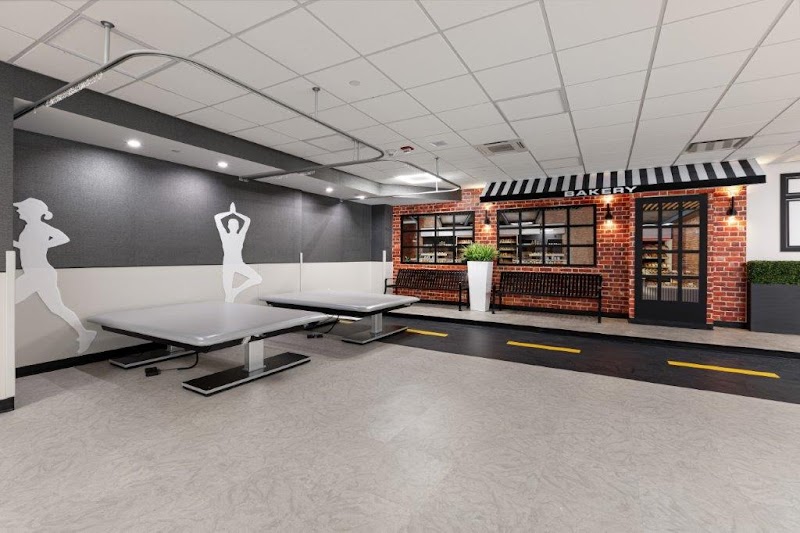
How is Four Seasons Staffed?

CMS rates FOUR SEASONS NURSING AND REHABILITATION CENTER's staffing level at 2 out of 5 stars, which is below average compared to other nursing homes. Staff turnover is 22%, compared to the New York average of 46%. This relatively stable workforce can support continuity of care.

What Have Inspectors Found at Four Seasons?

State health inspectors documented 12 deficiencies at FOUR SEASONS NURSING AND REHABILITATION CENTER during 2019 to 2024. These included: 12 with potential for harm.
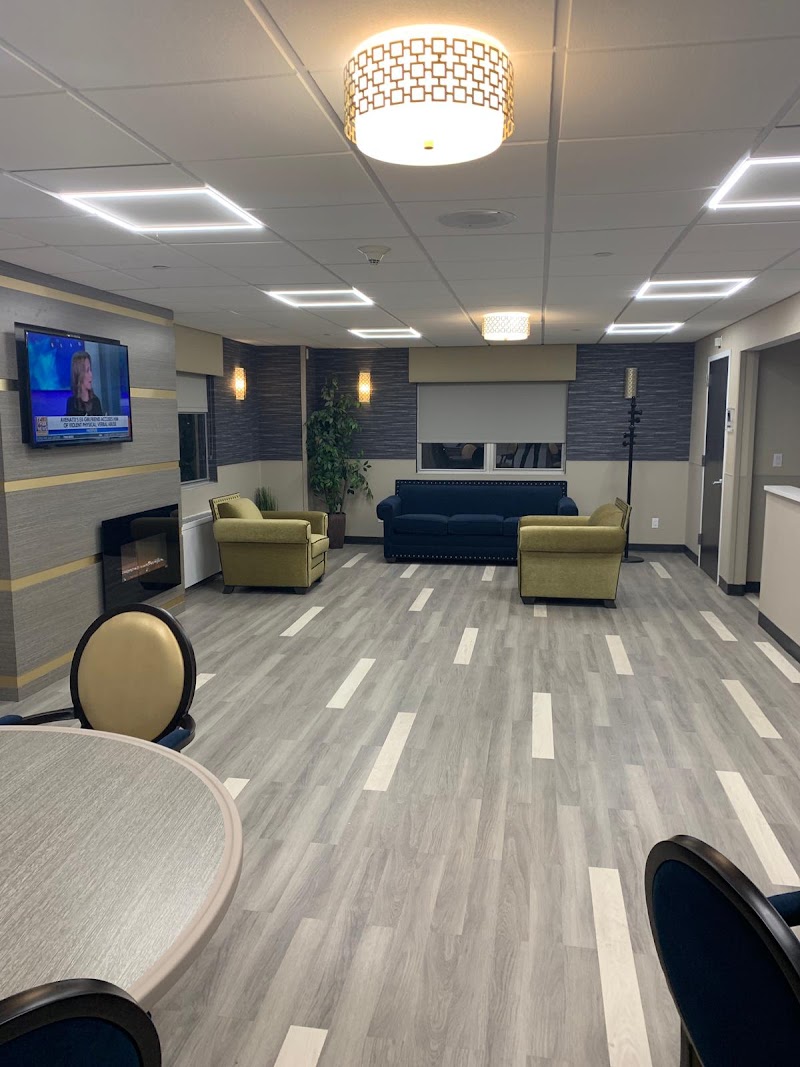
Who Owns and Operates Four Seasons?

FOUR SEASONS NURSING AND REHABILITATION CENTER is owned by a for-profit company. For-profit facilities operate as businesses with obligations to shareholders or private owners. The facility is operated by THE SHERMAN FAMILY, a chain that manages multiple nursing homes. With 270 certified beds and approximately 246 residents (about 91% occupancy), it is a large facility located in BROOKLYN, New York.

How Does Four Seasons Compare to Other New York Nursing Homes?

Compared to the 100 nursing homes in New York, FOUR SEASONS NURSING AND REHABILITATION CENTER's overall rating (4 stars) is above the state average of 3.1, staff turnover (22%) is significantly lower than the state average of 46%, and health inspection rating (3 stars) is at the national benchmark.

What Should Families Ask When Visiting Four Seasons?

Based on this facility's data, families visiting should ask: "Can you walk me through typical staffing levels on day, evening, and night shifts?" "Can I visit during a mealtime to observe dining assistance and food quality?" "How do you handle medical emergencies, and what is your hospital transfer rate?" "Can I speak with family members of current residents about their experience?" These questions are particularly relevant given the below-average staffing rating.

Is Four Seasons Safe?

Based on CMS inspection data, FOUR SEASONS NURSING AND REHABILITATION CENTER has a clean safety record: no substantiated abuse findings (meaning no confirmed cases of resident harm), no Immediate Jeopardy citations (the most serious violation level indicating risk of serious injury or death), and is not on the Special Focus Facility watch list (a federal program monitoring the lowest-performing 1% of nursing homes). The facility has a 4-star overall rating and ranks #1 of 100 nursing homes in New York. While no facility is perfect, families should still ask about staff-to-resident ratios and recent inspection results during their visit.

Do Nurses at Four Seasons Stick Around?

Staff at FOUR SEASONS NURSING AND REHABILITATION CENTER tend to stick around. With a turnover rate of 22%, the facility is 23 percentage points below the New York average of 46%. Low turnover is a positive sign. It means caregivers have time to learn each resident's needs, medications, and personal preferences. Consistent staff also notice subtle changes in a resident's condition more quickly.

Was Four Seasons Ever Fined?

FOUR SEASONS NURSING AND REHABILITATION CENTER has no federal fines on record. CMS issues fines when nursing homes fail to meet care standards or don't correct problems found during inspections. The absence of fines suggests the facility has either maintained compliance or corrected any issues before penalties were assessed. This is a positive indicator, though families should still review recent inspection reports for the full picture.

Is Four Seasons on Any Federal Watch List?

FOUR SEASONS NURSING AND REHABILITATION CENTER is not on any federal watch list. The most significant is the Special Focus Facility (SFF) program, which identifies the bottom 1% of nursing homes nationally based on persistent, serious quality problems. Not being on this list means the facility has avoided the pattern of deficiencies that triggers enhanced federal oversight. This is a positive indicator, though families should still review the facility's inspection history directly.