HAMILTON PARK NURSING AND REHABILITATION CENTER
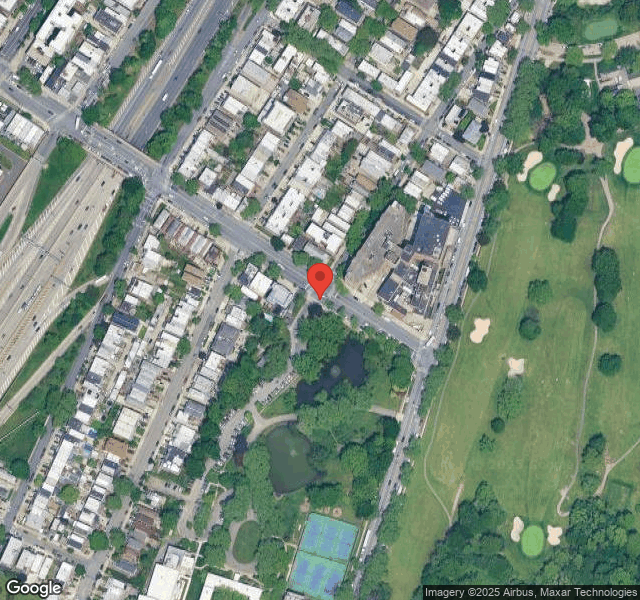
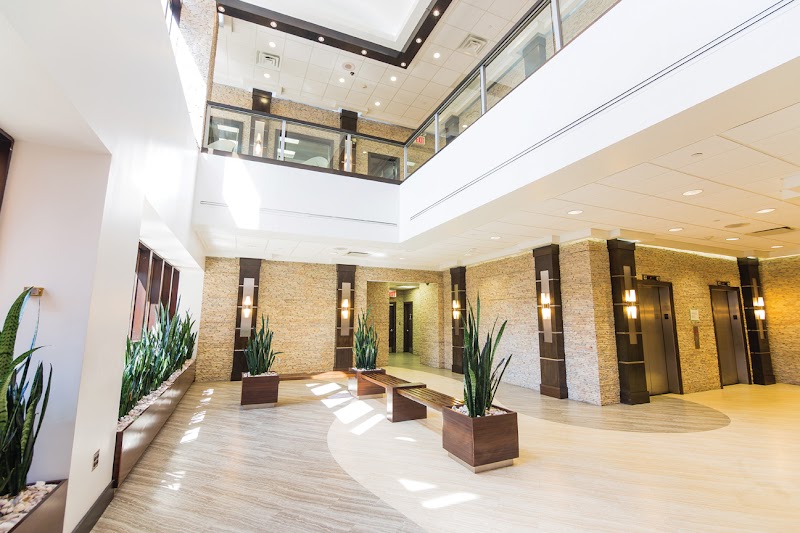
691 92ND STREET, BROOKLYN, NY 11228 (718) 567-1820
For profit - Partnership 200 Beds ALLURE GROUP Data: November 2025
Trust Grade
78/100
#178 of 594 in NY
Last Inspection: February 2025

Within standard 12-15 month inspection cycle. Federal law requires annual inspections.

Overview

Hamilton Park Nursing and Rehabilitation Center has a Trust Grade of B, which indicates it is a good facility, offering solid care but with some areas needing improvement. It ranks #178 out of 594 nursing homes in New York, placing it in the top half, and #17 out of 40 facilities in Kings County, meaning there are only a few better local options available. Unfortunately, the trend is worsening, with the number of issues increasing from 4 in 2023 to 7 in 2025. Staffing is a concern, as it received a rating of 2 out of 5 stars, despite a turnover rate of 26%, which is better than the state average of 40%. Notably, there were no fines recorded, which is a positive sign. However, there have been specific incidents that raise concerns. For instance, the facility failed to maintain a clean and comfortable environment, with observed issues like missing bathroom tiles and grime buildup. Additionally, there was a significant medication error involving a resident who did not receive prescribed doses of an antidepressant, highlighting potential gaps in care. Overall, while Hamilton Park has strengths in its ranking and low fines, families should weigh these against the recent increase in issues and staffing concerns.

Trust Score
B
78/100
In New York
#178/594
Top 29%
Safety Record
Low Risk
No red flags
Inspections
Getting Worse
4 → 7 violations
Staff Stability
✓ Good
26% annual turnover. Excellent stability, 22 points below New York's 48% average. Staff who stay learn residents' needs.
Penalties
✓ Good
No fines on record. Clean compliance history, better than most New York facilities.
Skilled Nurses
○ Average
Each resident gets 39 minutes of Registered Nurse (RN) attention daily — about average for New York. RNs are the most trained staff who monitor for health changes.
Violations
⚠ Watch
15 deficiencies on record. Higher than average. Multiple issues found across inspections.
★★★★☆
4.0
Overall Rating
★★☆☆☆
2.0
Staff Levels
★★★★★
5.0
Care Quality
★★★☆☆
3.0
Inspection Score
Stable
2023: 4 issues
2025: 7 issues

The Good

  • 5-Star Quality Measures · Strong clinical quality outcomes
  • Low Staff Turnover (26%) · Staff stability means consistent care
  • Full Sprinkler Coverage · Fire safety systems throughout facility
  • No fines on record
  • Staff turnover is low (26%)

    22 points below New York average of 48%

Facility shows strength in quality measures, staff retention, fire safety.

The Bad

Chain: ALLURE GROUP

Part of a multi-facility chain

Ask about local staffing decisions and management

The Ugly 15 deficiencies on record

Feb 2025 7 deficiencies
CONCERN (D)

Potential for Harm - no one hurt, but risky conditions existed

Deficiency F0657 (Tag F0657)

Could have caused harm · This affected 1 resident

**NOTE- TERMS IN BRACKETS HAVE BEEN EDITED TO PROTECT CONFIDENTIALITY** Based on record review and interview during the Recertification Survey conducted from 02/18/2025 to 02/25/2025 the facility did ...

Read full inspector narrative →
**NOTE- TERMS IN BRACKETS HAVE BEEN EDITED TO PROTECT CONFIDENTIALITY** Based on record review and interview during the Recertification Survey conducted from 02/18/2025 to 02/25/2025 the facility did not ensure that a resident's comprehensive care plan was reviewed and revised by the interdisciplinary team after each assessment, including both the comprehensive and quarterly review assessments. This was evident in 1 of 2 residents reviewed for care planning and hospice care out of 38 total sampled residents. Specifically, Resident #33's Comprehensive Care Plan related to hospice care was not reviewed and revised quarterly after each assessment. The findings are: The facility policy titled Minimum Data Set Guideline for Completion with a revised date of 01/2025 documented all members of the interdisciplinary team are responsible for reviewing, updating, and evaluating resident assessments and care plans. Resident #33 had diagnoses that included Anxiety Disorder, Depression, and Chronic Respiratory Failure. The Minimum Data Set assessment dated [DATE] documented Resident #33 had severe impairment in cognition. A social service notes dated 12/30/2024 at 12:32 PM documented a quarterly comprehensive care plan meeting was held with interdisciplinary team and resident remains in hospice. A comprehensive care plan related to hospice care was initiated on 12/17/2023. There was no documented evidence the care plan was reviewed and revised after each quarterly review assessments dated 03/12/2024, 06/12/2024, and 09/24/2024. On 02/21/2025 at 10:28 AM, Registered Nurse #1 was interviewed and stated Resident #33 is currently in hospice. They stated either the Registered Nurses or the Social Workers are responsible for reviewing the care plans quarterly. On 02/21/2025 at 1:17 PM, Social Worker #1 was interviewed stated Resident #33 is on hospice and is currently being seen by the Hospice Care Team. Social Worker #1 stated the care plan for hospice was initiated on 12/17/2023 and that they missed the quarterly review and updates. They stated that Nursing or Social Service are responsible for reviewing and updating the care plans. On 02/25/2025 at 10:31 AM, the Director of Nursing was interviewed stated the facility only has a few residents in hospice and does not understand why the care plan related to hospice was not reviewed and updated. The Director of Nursing stated they will speak with the nursing and other departmental staff to update the necessary care area to prevent this issue from happening again. 10 NYCRR 415.11(c)(2)(i-iii)
CONCERN (D)

Potential for Harm - no one hurt, but risky conditions existed

Deficiency F0806 (Tag F0806)

Could have caused harm · This affected 1 resident

**NOTE- TERMS IN BRACKETS HAVE BEEN EDITED TO PROTECT CONFIDENTIALITY** Based on observation, record review and interview during the Recertification Survey conducted from 02/18/2025 to 02/25/2025, the...

Read full inspector narrative →
**NOTE- TERMS IN BRACKETS HAVE BEEN EDITED TO PROTECT CONFIDENTIALITY** Based on observation, record review and interview during the Recertification Survey conducted from 02/18/2025 to 02/25/2025, the facility did not ensure that residents were served food that accommodated their allergies and intolerances. This was evident in 1 (Resident #343) of 38 total sampled residents. Specifically, Resident #343, who had a documented allergy to Mushroom, received a lunch tray containing mushroom soup. The findings are: The facility document titled Allergy Policy with a revised date of 01/2025 documented all food allergies will be communicated to the Food Service Director for immediate identification on the resident food profile. Tickets should reflect the resident's known food allergies. Resident #343 had diagnoses of Heart Failure, Dementia, and Hypertension. The Minimum Data Set assessment dated [DATE] documented #343 had moderately impaired cognition and required supervision or touch assistance for eating. During dining observation on 02/18/2025 at 12:31 PM, Resident #342 was in the unit dining area sitting with their next of kin. The Resident's lunch tray had a container of mushroom soup. Resident #343's lunch meal ticket dated 2/18/2025 documented pureed cream of mushroom soup. The bottom of the meal ticket documented that Resident #343 had allergy to mushrooms and it was highlighted in red. The Resident's next of kin removed the mushroom soup from the Resident's tray. The Dietary admission Nutrition Risk assessment dated [DATE] documented that Resident #343 had food allergies to Mushroom. A medical progress note dated 02/18/2025 documented Resident #343 had allergies to pork and mushroom. A care plan on allergies was initiated for Resident #841 on 10/21/2024. The facility interventions include alerting appropriate discipline for any drug and food allergy. On 02/18/2025 at 12:32 PM, Resident #343's next of kin was interviewed and stated that Resident is allergic to mushroom. On 02/18/2025 at 02:13 PM, Certified Nursing Assistant #1 was interviewed and stated they were not trained to read the allergies in the meal tickets and that it is the nurse who checks for allergies. On 02/18/2025 at 02:18 PM, Certified Nursing Assistant #2 was interviewed and stated they gave the lunch tray to Resident #343 but did not look at the diet or the allergies listed on the meal ticket. On 02/25/2025 at 10:54 AM, Dietary Aide #1 was interviewed and stated they were the lead person responsible for checking the tray line and placing the meal tickets on all the trays. The Dietary Aide stated they were the final checker and was responsible for making sure the trays are complete, but they did not see the allergies listed at the bottom of the meal ticket. On 02/24/25 at 10:19 AM, The Dietary Director was interviewed and stated everyone on the tray line is responsible for checking and putting specific items on the resident's tray by reading the meal ticket. The Dietary Director stated the residents' allergies are listed at the bottom of the meal ticket and are highlighted in red and it was still missed. The Director stated multiple staff double checked the resident's tray and meal ticket and everyone including the final checker missed the allergy. 10 NYCRR 415.14(d)(4)
CONCERN (D)

Potential for Harm - no one hurt, but risky conditions existed

Food Safety (Tag F0812)

Could have caused harm · This affected 1 resident

Based on observation, record review, and interview during the Recertification Survey conducted from 02/18/2025 to 02/25/2025, the facility did not ensure food was prepared and served in accordance wit...

Read full inspector narrative →
Based on observation, record review, and interview during the Recertification Survey conducted from 02/18/2025 to 02/25/2025, the facility did not ensure food was prepared and served in accordance with professional standards for food service safety to prevent foodborne illness. This was evident during dining observation on the 6th Floor. Specifically, Certified Nursing Assistant #4 was observed touching a lettuce with their bare hands while preparing Resident #95's sandwich. The findings are: The facility policy titled Food Preparation and Handling with a revised date of 01/2005 documented all food will be prepared and handled using safe and sanitary methods. All staff will avoid bare-hand contact with ready to eat foods, as well as wear single use gloves and use serving utensils. On 02/18/2025 at 12:55 PM, Certified Nursing Assistant #4 was observed assisting Resident #95 with their sandiwch during lunch. Certified Nursing Assistant #4 was observed holding a piece of lettuce with their bare hand while they were assembling the sandwich and cutting the sandwich in 4 pieces with a knife. During an interview on 02/18/2025 at 01:07 PM, Certified Nursing Assistant #4 stated they did not touch the lettuce and bun with their bare hands. They stated they used wipes to clean their hands and that they washed their hands before they touch the bread and cut the sandwich for Resident #95. During an interview on 02/24/2025 at 03:04 PM, Registered Nurse # 3 stated staff should not touch food with their bare hands because it is unsanitary even if they washed their hands. During an interview on 02/25/2025 at 11:40 AM, the Infection Preventionist stated gloves must be used when handling sandwich. They stated sandwiches are assembled and wrapped in the kitchen and staff must put on gloves when handling them. 10 NYCRR 415.14 (h)
CONCERN (D)

Potential for Harm - no one hurt, but risky conditions existed

Infection Control (Tag F0880)

Could have caused harm · This affected 1 resident

**NOTE- TERMS IN BRACKETS HAVE BEEN EDITED TO PROTECT CONFIDENTIALITY** Based on observation, record review, and interview during the Recertification Survey conducted from 02/18/2025 to 02/25/2025, th...

Read full inspector narrative →
**NOTE- TERMS IN BRACKETS HAVE BEEN EDITED TO PROTECT CONFIDENTIALITY** Based on observation, record review, and interview during the Recertification Survey conducted from 02/18/2025 to 02/25/2025, the facility did not ensure infection control practices and procedures were maintained to provide a safe and sanitary environment to help prevent the development and transmission of communicable diseases and infections. This was evident in 1 (Resident #130) out of 38 total sampled residents. Specifically, Licensed Practical Nurse #4 failed to practice hand hygiene and glove changes during wound care. The findings are: The facility's policy titled Wound Dressings, Dry/Clean with a revised date of 01/2025 documented the purpose of the policy was to provide guidelines for the application of dry, clean dressings. Resident #130 had diagnoses of Stage 3 Pressure Ulcer of Sacral Region, Type 2 Diabetes Mellitus, and Malnutrition. The Minimum Data Set assessment dated [DATE] documented Resident #130 had intact cognition and Stage 3 pressure ulcers. The physician's order dated 02/12/2025 documented Triad Hydrophilic Wound Dress External Paste, apply to sacrum topically every shift for pressure ulcer; cleanse wound with normal saline, pat dry, apply Triad paste and cover with foam dressing. On 02/24/2025 at 10:18 AM, wound care observation was conducted for Resident #130 with Licensed Practical Nurse #4. Licensed Practical Nurse #4 came into the room, placed down the supplies, and washed their hands. Licensed Practical Nurse #4 donned gloves, then removed Resident #130's soiled dressing from the wound on their Sacrum. Without removing the soiled gloves and without performing hand hygiene, Licensed Practical Nurse #4 proceeded to clean the wound. After cleaning the wound, Licensed Practical Nurse #4 removed their gloves performed hand hygiene, donned clean gloves, then applied the treatment and placed the clean dressing on the wound. Licensed Practical Nurse then removed their gloves and performed hand hygiene. On 02/24/2025 at 10:30 AM, Licensed Practical Nurse #4 was interviewed and stated they were instructed to remove the soiled dressing, cleanse the wound, then remove gloves and perform hand hygiene before applying treatment. On 02/24/2025 at 10:43 AM, Registered Nurse #4 was interviewed and stated that hand hygiene is supposed to be performed after removing the soiled dressing and before cleaning the wound. On 02/25/2025 at 12:54 PM, the Director of Nursing was interviewed and stated that hand hygiene is supposed to be performed after removing the soiled dressing, then again after cleaning the wound and also before applying the treatment and clean dressing. 10 NYCRR 415.19(b)(4)
CONCERN (E)

Potential for Harm - no one hurt, but risky conditions existed

Safe Environment (Tag F0584)

Could have caused harm · This affected multiple residents

**NOTE- TERMS IN BRACKETS HAVE BEEN EDITED TO PROTECT CONFIDENTIALITY** Based on observation, record review, and interviews during the Recertification Survey conducted from 02/18/2025 to 02/25/2025, t...

Read full inspector narrative →
**NOTE- TERMS IN BRACKETS HAVE BEEN EDITED TO PROTECT CONFIDENTIALITY** Based on observation, record review, and interviews during the Recertification Survey conducted from 02/18/2025 to 02/25/2025, the facility did not ensure that residents' right to a clean, comfortable, and homelike environment was maintained. This was evident in 2 (5th and 6th Floor) of 4 resident units observed during Environmental Task. Specifically, resident bathrooms had missing tiles, mismatched and peeling paint, and grime build up. Additionally, the closet door in a resident's room was observed with rust-colored stain. The findings include but are not limited to: A facility document titled Maintenance Policy with a revised date of 01/2025 documented the maintenance department is responsible for managing the maintenance function in the safest manner possible and providing the best service to the residents. The maintenance priorities include cosmetic/curb appeal. During multiple observations from 02/18/2025 to 02/25/2025, the following were observed: 1.) The bathroom in room [ROOM NUMBER] was observed with grimy tiles along the wall edge. There were 14 2-inch tiles that were missing on the wall edge by the toilet bowl. There was also a hole under the toilet. Mismatched paints were observed in corners. 2.) The bathroom in room [ROOM NUMBER] had peeling paint on the wall, exposed dry wall, 16 2-inch tiles were missing on the right side of the wall and there were 2 missing tiles under the toilet and black colored grime in between the floor tiles. 3.) The bathroom in room [ROOM NUMBER] had grimy tiles, there was a missing tile on the left edge of the bathroom wall and missing paint on the wall. 4.) The closet in room [ROOM NUMBER] had rust colored stain on the white wall. There was rust colored stains on the wall by the window. The bathroom had 26 missing tiles on the left edge, had an exposed dry wall, peeling paint, green colored stain on the floor in the standing shower area, grimy grayish brown colored thick buildup on the floor, and rust colored stain on the left and right water knobs. 5.) The tub room opposite room [ROOM NUMBER] had 4 missing tiles and the floor tiles were grimy. 6.) The bathroom in room [ROOM NUMBER] had 14 2-inch tiles that were missing on the wall edge. 7.) The bathroom in room [ROOM NUMBER] had mismatched paint and the dry wall was peeling on the left side of the wall. 8.) The bathroom in room [ROOM NUMBER] had peeling paint and grimy tile edge along the walls. 9.) The bathroom in room [ROOM NUMBER] had 2 missing tile under the sink, had a hole in the wall by the pipe, and had 21 missing tiles on the right side of the toilet. The walls had dark brown grime. 10.) The bathroom in room [ROOM NUMBER] had a missing tile on the back edge of the bathroom wall under the toilet area. 11.) The bathroom in room [ROOM NUMBER] had multiple tiles missing and the tiles had grime. 12.) The 6th Floor shower room floor tiles and walls had brown and black colored grime. 13.) The bathroom in room [ROOM NUMBER] had 29 missing tiles. 14.) The bathroom in room [ROOM NUMBER] had cracked wall and grime on the edge of the bathroom door. 15.) The bathroom in room [ROOM NUMBER] had cracked wall caulking, peeling paint on the wall, exposed dry wall, and had missing tiles on the wall and under the toilet. 16.) The bathroom in room [ROOM NUMBER] had missing tiles. 17.) The bathroom in room [ROOM NUMBER] had a big hole under the sink with uneven edges. Another small hole was also observed adjacent to the sink. The paint at the surrounding bottom of the bathroom was observed peeling off. 18.) The bathroom in room [ROOM NUMBER] had peeling on the lower part of the wall and had bubbles. The floor had black grime on the tile grout, brownish stain on wall below sink, and the wall mounted toilet had an orange foam like substance protruding from the base. During an interview on 02/24/2025 at 12:09 PM, the Maintenance Technician stated they ran out of compound to patch the holes in the walls and that the resident's room is not homelike because of the way the bathroom looks. During an interview with the Maintenance Director on 02/21/2025 at 11:35 AM, they stated they were not aware of the holes in the bathroom. During a follow-up interview on 02/24/2025 at 01:49 PM, the Maintenance Director stated they are aware of the missing bathroom tiles when they did their rounds a few weeks ago but had other repairs to do. They stated they will repair the bathroom on the 6th floor as well. On a subsequent interview with the Maintenance Director on 02/25/2025 at 11:01 AM, they stated the leak in the bathroom in room [ROOM NUMBER] must have occurred the week before since the bathroom was recently painted. They stated the orange expansion foam under the toilet was applied because the toilet was dropping. The foam will be cut off and sheet rock will be replaced soon. The Maintenance Director stated they have a maintenance book at the nurse's station and is not sure if the issues in the bathroom were reported. The Maintenance Director further stated the room is tough to repair because both residents have to come out of the room to fix the issues and they cannot return until the paint smell is gone. During an interview on 02/24/2025 at 02:42 PM, the Director of Housekeeping stated shower scrubbing is done once a month. They stated they noticed the missing tiles and that maintenance is aware of the issue. The Director stated that some stains lighten when their cleaned but do not go away. During an interview on 02/25/2025 at 03:02 PM, the Administrator stated they made rounds on the 5th floor last month and on the 6th floor 3 months ago. The Administrator stated they did not identify any concerns during these rounds. 10 NYCRR 415.5 (h)(2)
CONCERN (E)

Potential for Harm - no one hurt, but risky conditions existed

Deficiency F0658 (Tag F0658)

Could have caused harm · This affected multiple residents

**NOTE- TERMS IN BRACKETS HAVE BEEN EDITED TO PROTECT CONFIDENTIALITY** Based on record review and interview during the Recertification Survey conducted from 02/18/2025 to 02/25/2025 the facility fail...

Read full inspector narrative →
**NOTE- TERMS IN BRACKETS HAVE BEEN EDITED TO PROTECT CONFIDENTIALITY** Based on record review and interview during the Recertification Survey conducted from 02/18/2025 to 02/25/2025 the facility failed to ensure that services provided or arranged by the facility, as outlined by the comprehensive care plan, met professional standards of quality. This was evident in 1 (Resident #102) of 5 residents reviewed for psychotropic medications out of 38 total sampled residents. Specifically, licensed nursing staff failed to administer medication as per the physician's order and according to professional nursing standards of clinical practice. Additionally, the nursing staff failed to notify the physician when significant medication was not administered and ensure that the resident was clinically monitored for adverse reactions. Cross Reference: F760 - Residents Are Free of Significant Medication Errors The findings are: According to the New York State Educational Law Article 139, Section 6902, the practice of the profession of nursing includes the executing of medical regimens prescribed by a licensed physician. It further states that nursing regimen shall be consistent with and shall not vary any existing medical regimen. Resident #102 had diagnoses of Bipolar Disorder, Anxiety, and Major Depressive Disorder. The Minimum Data Set assessment dated [DATE] documented Resident #102 had intact cognition. A physician's order dated 03/19/2022 documented Venlafaxine HCl ER Capsule Extended Release 24 Hour 150 Milligrams, give 1 capsule by mouth one time a day, for Major Depressive Disorder, give together with Venlafaxine 75 milligram for a total dose of 225 milligram. The electronic Medication Administration Record from 02/01/2025 through 02/20/2025 documented that Venlafaxine was not administered at 9:00 AM on 02/07/2025, 02/08/2025, 02/17/2025, 02/18/2025, 02/19/2025, and 02/20/2025. The nurses' progress notes dated 02/07/2025 at 2:34 PM, 02/08/2025 at 2:03 PM, and 02/18/2025 at 8:58 AM, and 02/19/2025 at 8:42 AM documented that Venlafaxine was on order. A nurse's progress note dated 02/18/2025 at 8:58 AM documented waiting for pharmacy. A physician's order dated 01/05/2024 documented Venlafaxine HCl ER Capsule Extended Release 24 Hour 75 milligram, give 1 capsule by mouth at bedtime for Depression. The electronic Medication Administration Record from 02/01/2025 through 02/20/2025 documented that Venlafaxine was not administered at 9:00 PM on 02/18/2025. A nurse's progress note dated 02/18/2025 at 8:19 PM documented awaiting pharmacy. A review of the Physician's Progress Notes did not reveal any indication that the physician was informed of the missed Venlafaxine doses. A review of Resident #102's nurses' progress notes revealed no documented evidence that Resident #102 was assessed for adverse effects related to the missed Venlafaxine doses. There was no documented evidence that a Medication Error report was completed for the missed Venlafaxine doses. On 02/21/2025 at 11:49 AM, Licensed Practical Nurse #3, was interviewed and stated they were the medication nurse for the day shift on 02/07/2025, 02/08/2025, 02/18/2025, 02/19/2025, and 02/20/2025. They stated Resident #102 was not administered Venlafaxine because the medication was not in the cart. Licensed Practical Nurse #3 stated Venlafaxine had been missed for over 3 or 4 days. Licensed Practical Nurse #3 stated they did not inform the Charge Nurse and the physician that Venlafaxine was not available, and that they reported it to the nursing supervisor and the Assistant Director of Nursing on 02/20/2025. On 02/24/2025 at 09:55 AM, License Practical Nurse #2 was interviewed and stated they were the medication nurse for the day shift on 02/17/2025. They stated Resident #102's Venlafaxine was not administered because it was not available in the medication cart. They stated they told the charge nurse on 02/17/2025 but cannot recall if they followed up with the pharmacy or if they endorsed it to the next shift. License Practical Nurse #2 stated they did not monitor Resident #102 for adverse reactions to missed Venlafaxine dose. On 02/24/25 at 03:19 PM, License Practical Nurse #1 was interviewed and stated they were the medication nurse for the evening shift on 02/18/2025. Licensed Practical Nurse #1 stated Resident #102's Venlafaxine was not administered because it was not available and was not in the medication cart. Licensed Practical Nurse #1 stated they did not notify the physician that Venlafaxine was not available and did not monitor Resident #102 for negative effects of missed Venlafaxine dose. On 02/25/2025 at 10:38 AM, Physician #1 was interviewed and stated they were made aware a few days ago that Resident #102 was not administered Venlafaxine, and they instructed the staff to call the pharmacy to get a STAT delivery. Physician #1 stated they had not received a call on the earlier dates that Venlafaxine was not available. On 02/25/2025 at 09:39 AM, the Director of Nursing was interviewed and stated they were not aware that Resident #102's Venlafaxine was not administered due to not being available. The Director of Nursing stated nursing supervisors are trained to inform the physician when a medication is not available to see if an alternative can be suggested. 10 NYCRR 415.11(c)(3)(i)
CONCERN (E)

Potential for Harm - no one hurt, but risky conditions existed

Deficiency F0760 (Tag F0760)

Could have caused harm · This affected multiple residents

**NOTE- TERMS IN BRACKETS HAVE BEEN EDITED TO PROTECT CONFIDENTIALITY** Based on record review and interview during the Recertification Survey conducted from 02/18/2025 to 02/25/2025 the facility did ...

Read full inspector narrative →
**NOTE- TERMS IN BRACKETS HAVE BEEN EDITED TO PROTECT CONFIDENTIALITY** Based on record review and interview during the Recertification Survey conducted from 02/18/2025 to 02/25/2025 the facility did not ensure residents are free of any significant medication errors. This was evident in 1 (Resident #102) of 5 residents reviewed for psychotropic medications out of 38 total sampled residents. Specifically, Resident #102 was not administered 7 doses of Venlafaxine (an anti-depressant) as ordered by a physician. The findings are: The facility Policy titled Administering Medications with a revised date of 01/2025 documented medications must be administered in safe and timely manner, and as prescribed. If a drug is withheld, refused, or given at a time other than the schedule time, the individual administering the medication shall initial and enter corresponding code into the Medication Administration Record space provided for the drug and dose. Resident #102 had diagnoses of Bipolar Disorder, Anxiety, and Major Depressive Disorder. The Minimum Data Set assessment dated [DATE] documented Resident #102 had intact cognition. A Comprehensive Care Plan for use of antidepressant, Venlafaxine related to Major Depressive Disorder was initiated on 01/02/2021. The facility interventions include administering medication as ordered by a physician and to monitor and document side effects and effectiveness every shift. A physician's order dated 03/19/2022 documented Venlafaxine HCl ER Capsule Extended Release 24 Hour 150 Milligrams, give 1 capsule by mouth one time a day, for Major Depressive Disorder, give together with Venlafaxine 75 milligram for a total dose of 225 milligram. The electronic Medication Administration Record from 02/01/2025 through 02/20/2025 documented that Venlafaxine was not administered at 9:00 AM on 02/07/2025, 02/08/2025, 02/17/2025, 02/18/2025, 02/19/2025, and 02/20/2025. The nurses' progress notes dated 02/07/2025 at 2:34 PM, 02/08/2025 at 2:03 PM, 02/18/2025 at 8:58 AM, and 02/19/2025 at 8:42 AM documented that Venlafaxine was on order. A nurse's progress note dated 02/18/2025 at 8:58 AM documented waiting for pharmacy. A physician's order dated 01/05/2024 documented Venlafaxine HCl ER Capsule Extended Release 24 Hour 75 milligram, give 1 capsule by mouth at bedtime for Depression. The electronic Medication Administration Record from 02/01/2025 through 02/20/2025 documented that Venlafaxine was not administered at 9:00 PM on 02/18/2025. A nurse's progress note dated 02/18/2025 at 8:19 PM documented awaiting pharmacy. A review of Resident #102's progress notes revealed no documented evidence that the physician was notified of the missed doses and that Resident #102 was assessed for adverse effects related to the missed Venlafaxine doses. On 02/21/2025 at 11:49 AM, Licensed Practical Nurse #3, was interviewed and stated they were the medication nurse for the day shift on 02/07/2025, 02/08/2025, 02/18/2025, 02/19/2025, and 02/20/2025. They stated Resident #102 did not receive Venlafaxine because the medication was not in the cart. Licensed Practical Nurse #3 stated they re-ordered the medication on 02/19/2025 and was told it will be delivered in the evening. They stated they followed up with the pharmacy on 02/20/2025 but was placed on hold and they had to hung up because they need to finish the medication pass. Licensed Practical Nurse #3 stated Venlafaxine had been missed for over 3 or 4 days. Licensed Practical Nurse #3 stated they did not inform the Charge Nurse and the physician that Venlafaxine was not available, and that they reported it to the nursing supervisor and the Assistant Director of Nursing on 02/20/2025. On 02/24/2025 at 09:55 AM, License Practical Nurse #2 was interviewed and stated they were the medication nurse for the day shift on 02/17/2025. They stated Resident #102's Venlafaxine was not administered because it was not available in the medication cart. They stated they told the charge nurse on 02/17/2025 but cannot recall if they followed up with the pharmacy or if they endorsed it to the next shift. On 02/24/25 at 03:19 PM, License Practical Nurse #1 was interviewed and stated they were the medication nurse for the evening shift on 02/18/2025. Licensed Practical Nurse #1 stated Resident #102's Venlafaxine was not administered because it was not available and was not in the medication cart. Licensed Practical Nurse #1 stated they contacted the pharmacy on 02/18/2025 and reported to the nursing supervisor that the medication as not available. Licensed Practical Nurse #1 stated they did not notify the physician that Venlafaxine was not available. On 02/21/2025 at 11:56 AM, Registered Nurse #1 was interviewed and stated they were not aware that Resident #102 had not been administered Venlafaxine. They stated that on 02/20/2025, Licensed Practical Nurse #3 asked them if any medications were delivered to the unit but was not told that the medication was not available or missing. On 02/21/2025 at 02:09 PM, the Assistant Director of Nursing was interviewed and stated they were made aware today that Resident #102's Venlafaxine was not available and that it is now en route from the pharmacy as a STAT (immediate delivery) order. They stated there was a glitch in the pharmacy system causing delays in dispensing the medications. On 02/25/2025 at 10:10 AM, the Pharmacist was interviewed and stated they had computer outage on 02/19/2025 and was unable to timely process some of the orders but it was resolved the next day. The Pharmacist stated there was no reason for the resident to not receive Venlafaxine because they refilled the medication. The Pharmacist stated Venlafaxine HCL ER 75 milligram was refilled on 01/21/2025 (14 day supply), on 02/16/2025 (14 day supply), and on 02/21/2025 (14 day supply); Venlafaxine 150 milligram was refilled on 02/09/2025 (14 day supply), on 02/21/2025 (7 day supply), and on 02/23/2025 (30 day supply). The Pharmacist stated medications were sent as ordered and is possible the medications were misplaced. The Pharmacist stated the resident not receiving their medication has nothing to do with the glitch in the system since the glitch was resolved the next day. On 02/25/2025 at 10:38 AM, Physician #1 was interviewed and stated they were made aware a few days ago that Resident #102 was not administered Venlafaxine, and they instructed the staff to call the pharmacy to get a STAT delivery. Physician #1 stated they had not received a call on the earlier dates that Venlafaxine was not available. On 02/25/2025 at 09:39 AM, the Director of Nursing was interviewed and stated they were not aware that Resident #102's Venlafaxine was not administered due to not being available. They stated nurses must re-order the medications when they are running low. The Director of Nursing stated nursing supervisors are trained to inform the physician when a medication is not available to see if an alternative can be suggested. 10 NYCRR 415.12(m)(2)
Feb 2023 4 deficiencies
CONCERN (D) 📢 Someone Reported This

A family member, employee, or ombudsman was alarmed enough to file a formal complaint

Potential for Harm - no one hurt, but risky conditions existed

Report Alleged Abuse (Tag F0609)

Could have caused harm · This affected 1 resident

**NOTE- TERMS IN BRACKETS HAVE BEEN EDITED TO PROTECT CONFIDENTIALITY** Based on interviews and record review conducted during the Recertification/Complaint survey (NY00306980 and NY00300493) from 2/2...

Read full inspector narrative →
**NOTE- TERMS IN BRACKETS HAVE BEEN EDITED TO PROTECT CONFIDENTIALITY** Based on interviews and record review conducted during the Recertification/Complaint survey (NY00306980 and NY00300493) from 2/2/23 to 2/9/23, the facility did not ensure all alleged violations involving resident to resident physical abuse and injuries of unknown source were reported immediately, but not later than 2 hours after the allegations were made, to the State Survey Agency. This was evident for 3 (Resident # 67, # 244, and # 158) out of 3 residents reviewed for Abuse. Specifically, the facility did not report that (1) Resident #158 (NY00300493) was found with an injury of unkown source and (2) Resident # 244 hit Resident # 67 in the face (NY00306980) to the New York State Department of Health (NYSDOH) within 2 hours. The findings are: The facility policy titled Abuse Investigation with implemented date in March 2016 and last revised date October 2022 documented that the Administrator will appoint the Director of Nursing Services, Assistant Director of Nursing Services, Risk Manager, or Nursing Supervising staff to investigate the alleged incident of resident abuse, neglect, or injury of an unknown source. It also documented the NY State Department of Health will be notified immediately (but not to exceed 24 hours) by the Director of Nursing Services/Assistant Director of Nursing Services or Nursing Supervisory staff directed by the Administrator if the investigation should reveal there is reasonable cause to believe that abuse occurred. It further documented reports will be submitted to the NY State Department of Health via Health Commerce System (HCS) or hotline. 1) Resident #158 (NY00300493) was admitted to the facility with diagnoses which included Unspecified Dementia, Difficulty in Walking, and Muscle Weakness (Generalized). The Quarterly Minimum Data Set 3.0 (MDS) assessment dated [DATE] documented Resident #158 had Brief Interview of Mental Status (BIMS) score 9 out of 15, indicating moderately impaired cognition, and no physical/verbal behavioral symptoms directed toward others. It also documented Resident # 158 had no falls since admission. On 02/02/23 at 12:02 PM, a representative from the medical center was interviewed and stated Resident #158 was diagnosed with a comminuted right hip fracture in the emergency room. The resident's family reported that the facility did not inform them of any falls or suspicion of abuse or neglect involving Resident #158. The Resident Incident / Accident Report documented that Resident #158 complained of having pain in right thigh at 10 AM on 8/3/22, and Resident #158 did not remember what happened. The investigation was completed on 8/9/22 and ruled out the allegation of abuse. The Accident/Incident Investigation Form - Unit Manager/Supervisor dated 8/3/22 documented it was an unknown injury for Resident # 158. All the Statement Forms from the staff dated on 8/3/22 documented the staff did not observe any falls or incidents with Resident #158. The X-ray report documented the exam was done on 8/3/22 and there was a comminuted fracture likely intertrochanteric with some displacement of the proximal right hip. The report was signed off by the physician on 8/3/22 at 1:38 PM. The Statement Form dated 8/3/22 documented an interview conducted with Resident #158's designated representative with no time specified. The representative stated they visited Resident #158 on 8/2/23, and they witnessed Resident #158 fall in the room when going to bathroom. The representative did not notify the staff of the fall. There was no documented evidence the facility completed the investigation within 2 hours from the time Resident # 158 was found to have pain at right hip at 10 AM or X-ray report indicating right hip fracture was received at 1:38 PM on 8/3/22. On 02/07/23 at 09:58 AM, Social Worker (SW) # 2 was interviewed and stated they called the representative on 8/3/22 with the Admissions Coordinator and Assistant Director of Nursing present. SW #2 could not recall what time they called. The resident's representative reported that during a visit on 8/2/22, Resident #158 fell in their room when they were going to bathroom. The representative stated they did tell staff about the fall. The SW #2 stated they spoke the representative's primary language and filled out the statement form in Chinese for Resident #158's representative. The Admissions Coordinator translated the interview into English afterwards. On 02/07/23 at 10:35 AM, the Admissions Coordinator (AC) was interviewed and stated they were not able to recall the exact time they called the resident's representative. The AC stated after they finished the translation into English on the statement form, it was close to 5 PM. On 02/06/23 at 03:33 PM, the Assistant Director of Nursing (ADN) was interviewed and stated the Licensed Practical Nurse (LPN) on the unit notified them that Resident #158 complained of pain and had right hip joint displacement around 10 AM. The X-ray result, received on 8/3/22 at 1:38 PM, documented Resident #158 had a comminuted fracture at the right hip. No staff reported Resident #158 had a fall or any other incident. The ADN stated they called Resident #158's representative on 8/3/22 and found out Resident #158 had a fall in the room on 8/2/22 during their visit. The ADN stated the representative did not notify the staff of the fall. The ADN stated they did not report this incident to NYSDOH because they completed the investigation and concluded it was not an injury of unknown origin on 8/3/22. The ADN further stated they thought they did not have to report an unknown injury to NYSDOH if they completed the investigation within 24 hours to clarify the cause of injury. The ADN stated they did not have documented evidence that they completed the investigation within 2 hours after they were notified of Resident #158's pain at 10 AM or the X-ray report indicating Resident #158 had right hip fracture at around 1:40 PM on 8/3/22. On 02/07/23 at 12:34 PM, the Director of Nursing (DON) was interviewed and stated the ADN and themselves had access to the Health Commerce System (HCS) and were responsible for reporting incidents to NYSDOH. The DON stated they had to report to DOH within 24 hours for allegations, including injuries of unkown origin. On 02/09/23 at 12:03 PM, the Administrator was interviewed and stated the DON and ADN were responsible for reporting incidents in the facility to NYSDOH. The Administrator also stated they had to report an injury of unknown source to NYSDOH within 2 hours after the allegation was made. 2) The Resident Incident/Accident Report dated 12/13/22 documented at 10:35 PM Resident #67 was hit in the face by their roommate, Resident #244. Resident #244, the aggressor, had diagnoses which include Dementia, Malignant neoplasm of the prostate, and Chronic kidney disease stage 3. The Minimum Data Set 3.0 (MDS) assessment dated [DATE] documented the resident had severely impaired cognition and displayed no behavioral symptoms. A Plan of Care Note dated 12/13/22 documented Resident #244 was approched for an interview after Resident #67 reported they were hit by Resident #244. Resident #244 stated Resident #67 kept touching their bed and would not stop so they beat Resident #67 up. Resident #244 stated they would do it again if Resident #67 came near them. Resident #67, the victim, had diganoses which include Epilepsy, Dysphasia, and Myocardial Infarction. The Minimum Data Set 3.0 (MDS) assessment dated [DATE] and 12/30/22 documented the resident had moderately impaired cognition and no behaviors directed towards others. An Incident Note dated 12/13/22 documented Resident #67 and Resident #244 had an altercation. Resident #67 sustaineds a skin abrasion to the left cheek with no active bleeding, a slight discoloration under the left eye, and slight swelling to the left side of the head. First aid provided to Resident #67 included applying an ice pack to the head and cleaning the skin abrasion with normal saline and applying a dry protective dressing. Resident #67 stated they were trying to get by Resident #244 to go to the bathroom, and Resident #244 got upset and beat them up. The physician was notified and ordered Resident #67's transfer to the emergency room for a head Cat Scan to rule out internal bleeding and injuries. A psychiatry consult was also ordered for emotional support. The NYSDOH intake report (NY00306980) documented the incident was reported on 12/15/22 at 9:49 AM. This incident of resident-to-resident abuse was not reported to the NYSDOH within two hours. 415.4 (b)(2)
CONCERN (D)

Potential for Harm - no one hurt, but risky conditions existed

Deficiency F0655 (Tag F0655)

Could have caused harm · This affected 1 resident

**NOTE- TERMS IN BRACKETS HAVE BEEN EDITED TO PROTECT CONFIDENTIALITY** Based on record review and interviews conducted during a Recertification/Complaint survey from 2/2/23 to 2/9/23, the facility di...

Read full inspector narrative →
**NOTE- TERMS IN BRACKETS HAVE BEEN EDITED TO PROTECT CONFIDENTIALITY** Based on record review and interviews conducted during a Recertification/Complaint survey from 2/2/23 to 2/9/23, the facility did not ensure that the resident and their representative were provided with a written summary of the baseline care plan. This was evident for 1 (Resident # 178) of 2 residents reviewed for Care Planning out of 37 sampled residents. The findings are: The undated facility policy titled Baseline Care Plan (BCP) documented that Social Services shall coordinate with resident/resident's representative for the Care Plan meeting within 3 - 5 days from admission. It also documented that the Care Plan Summary shall be signed by all disciplines and resident/resident's representative. Resident's or his/her representative signature is attestation to participation and receipt of the copy. It further documented that the resident or representative shall receive a copy of the physician orders sheet or orders summary, care plans, and care plan conference summary. Resident # 178 was admitted to the facility on [DATE] with diagnoses that included Encounter for orthopedic aftercare following surgical amputation, Major depressive disorder, and Type 2 diabetes mellitus with other skin complications. The Quarterly Minimum Data Set (MDS) dated [DATE] documented Resident #178 had Brief Interview of Mental Status (BIMS) score 12 out of 15, indicating moderately impaired cognition. It also documented Resident #178 and their representative participated in the assessment. On 02/02/23 at 12:10 PM, Resident # 178 was interviewed and stated they made decisions for themselves. Resident # 178 also stated they were admitted to the facility in October 2022 and both themselves and the representative did not receive any hard copy of initial baseline care plan. The assessments and the Baseline Care Plan (BCP) were created on 10/4/22 and completed on 10/5/22. The Baseline CP meeting note documented the IDT (interdisciplinary team) met with Resident # 178's representative by phone on 10/11/22. There was no documented evidence in the Baseline CP meeting note that a hard copy of the initial BCP was provided to Resident # 178 or thier representative. Review of Social Services progress notes from 10/5/22 to 10/20/22 in the EMR and the hard copy chart revealed no documented evidence that Resident # 178 and/or their designated representative were provided with a copy of or signed the baseline care plan. On 02/07/23 at 09:31 AM, Registered Nurse (RN) # 1 was interviewed and stated the Baseline Care Plan (BCP) was created and completed within 24 hours of the resident's admission. RN # 1 also stated the social worker was responsible for giving a copy of the BCP to resident/representative and documenting it in the medical record. On 02/07/23 at 10:43 AM, Social Worker (SW) # 1 was interviewed and stated they complete the BCP within 24 hours and schedule the BCP meeting within 5 days of admission. The BCP and medication list are given to the resident and/or representativeat the BCP meeting or mailed to the representative after the meeting. SW # 1 stated they should document the BCP was provided in the Social Services progress note. SW # 1 reviewed the Social Services progress notes in the EMR and there was no documented evidence that the BCP was provided or mailed to resident/representative. SW # 1 stated Resident # 178 was confused upon admission to the facility and they always communicated with Resident # 178's representative about the care Resident # 178 received at the facily. The SW # 1 also stated they did not give a copy of the BCP to Resident # 178 due to their impaired cognition and mailed it to the representative. The SW # 1 stated they did not have documented evidence of mailing the BCP to the representative. On 02/07/23 at 10:59 AM, the Director of Social Services (DSS) was interviewed and stated the social work staff are responsible for providing the hard copy of the BCP to the resident and/or representative in person or by mail, if needed. The social worker should document that the BCP was provided or mailed in the medical record. The DSS could not explain why there was no evidence this was done for Resident #178. 415.11 (c)
CONCERN (D)

Potential for Harm - no one hurt, but risky conditions existed

Staffing Information (Tag F0732)

Could have caused harm · This affected 1 resident

Based on observation and interviews conducted during the Recertification/Complaint survey from 2/2/23 to 2/9/23, the facility did not ensure the daily nurse staffing information was posted in a promin...

Read full inspector narrative →
Based on observation and interviews conducted during the Recertification/Complaint survey from 2/2/23 to 2/9/23, the facility did not ensure the daily nurse staffing information was posted in a prominent place readily accessible to residents and visitors. This was evident for 4 out of 4 units (Unit 3, Unit 4, Unit 5, and Unit 6). Specifically, daily staffing was not observed posted in a prominent place for residents and visitors for all 4 units. The findings are: There was no facility policy related to daily nurse staffing posting. On 02/02/23 at 09:06 AM, 02/06/23 at 08:36 AM, 02/07/23 at 08:31 AM, 02/08/23 at 08:37 AM, and 02/09/23 at 08:24 AM observations of the facility entry way were made. Visitors were required to make a left turn and walk down a hallway to get to the two elevators used to access the units (Unit 3, Unit 4, Unit 5, and Unit 6) after entering the facility. There was no daily nurse staffing posted at the facility entrance, in the hallway leading to the elevators, or by the elevators that access the units. On 02/09/23 at 10:16 AM, the Staffing Coordinator (SC) was interviewed and stated they posted the daily nurse staffing only on the door of the nursing office on Unit 5. The SC stated visitors could ask the staff at the nursing stations for the nurse staffing information for the unit. The SC further stated they were never told they had to post the daily nurse staffing in a prominent area of the building so that all visitors were able to see it. On 02/09/23 at 10:31 AM, the Director of Nursing (DON) was interviewed and stated the daily nurse staffing was only posted on the door of the nursing supervisor's room on Unit 5. The DON also stated they worked as DON for 2 and half years and did not pay attention to the daily nurse staffing posting. The DON stated they did not have policy related to daily nurse staffing posting. On 02/09/23 at 11:09 AM, the Administrator was interviewed and stated all visitors were able to look at the daily nurse staffing posted on the door of nursing supervisor's office on Unit 5. The Administrator also stated they were not able to explain how the visitors and residents on other units were able to see or locate the daily nurse staffing information on Unit 5. The Administrator further stated they misunderstood the daily nurse staffing posting requirement and thought it was good enough if the daily nurse staffing was posted in the facility. 415.13
CONCERN (D)

Potential for Harm - no one hurt, but risky conditions existed

Deficiency F0919 (Tag F0919)

Could have caused harm · This affected 1 resident

**NOTE- TERMS IN BRACKETS HAVE BEEN EDITED TO PROTECT CONFIDENTIALITY** Based on observation, record review and interviews conducted during the Recertification Survey initiated on 2/2/23 and completed...

Read full inspector narrative →
**NOTE- TERMS IN BRACKETS HAVE BEEN EDITED TO PROTECT CONFIDENTIALITY** Based on observation, record review and interviews conducted during the Recertification Survey initiated on 2/2/23 and completed on 2/9/23, the facility did not ensure a resident was adequately equipped to call for assistance through a communication system. This was evident for 1 (Resident #31) of 3 residents reviewed for Physical Environment. Specifically, Resident #31 was observed without a functioning call bell in place. The findings are: The facility's policy titled Answering the call bell created on 5/2017, and reviewed 5/2022, documented staff should ensure the call bell is always plugged in and report defective call bells to the nurse supervisor promptly. Resident #31 was admitted to the facility with diagnoses which included unspecified dementia, post-traumatic stress disorder and difficulty in walking. The Minimum Data Set 3.0 (MDS) assessment dated [DATE] documented Resident #31 had moderate cognitive impairment with a BIMS (Brief Interview of Mental Status) score of 8 out of 15. Resident #31 required extensive assistance with activities of daily living (ADL). The Comprehensive Care Plan (CCP) related to Resident #31's ADL self-care performance deficit, last revised on 1/30/2023, documented a goal for the resident to remain free of complications related to immobility, including contractures, thrombus formation, skin breakdown, and fall-related injury. The CCP included the intervention to encourage the resident to use the bell to call for assistance. On 02/02/23 at 10:58 AM, Resident #31 was observed in their room, lying in bed while awake and watching TV. Surveyor observed the call bell cable was attached to the wall, but there was no button attached to the resident's end of the cable. The call bell seemed to have been cut off or detached. The cable was tucked in between the bed frame and the mattress. Resident #31 stated they don't usually use the call light, although they know how to use it. Resident #31 further stated that if they need help from staff, they go out to the hall or nurses' station to ask for help. Resident stated, My friend comes and reminds them that I'm here. Resident #31 didn't know the call bell wasn't working. On 02/02/23 at 12:01 PM, CNA #3 was observed coming out of Resident #31's room carrying a bag of linens, having just finished providing care for the resident. The call bell was observed in the same non-working condition as earlier. On 02/02/23 at 12:08 PM, CNA #3 was interviewed and stated that if Resident #31 needs anything they press the bell, or they wait until CNA #3 is in the room. CNA #3 further stated they had just checked that Resident #31's call bell was working properly, as they regularly do while caring for residents. If there are problems with the call bells, the nurse is informed, they call the engineer and they fix the problem. A few minutes later, at 12:14 PM, CNA #3 approached surveyor to say they had just gone back to the room to check the call bell and realized that it wasn't functional. CNA #3 stated Resident #31 sometimes gets angry and punches things. CNA #3 stated they had checked the call light the day before and it was working. On 02/08/23 at 11:14 AM, LPN#2 was interviewed and stated the staff is pretty good at checking that call bells are working. The CNAs check the call bells every day. LPN#2 was surprised to learn that Resident #31's call bell was not working, as it seemed to have been removed. If a call bell is not working, maintenance is called right away. There is a log for maintenance. They replaced it right away. On 02/09/23 at 11:52 AM, the maintenance technician was interviewed and stated that the nurses inform the maintenance department if there are any issues on the floors, and they respond promptly. All call bells are checked daily. The maintenance department conducts rounds every day and documents on the maintenance log. If there was broken call bell, it probably broke after the rounds. On 02/09/23 at 01:20 PM, an interview was conducted with the Director of Nursing (DON.) The DON stated that some of the residents don't like the call bells. They don't like the wire on their bed. For Resident #31, maybe somebody tried to pull the call light. The system is supposed to ring right away. It won't stop until it's addressed. 415.29
Dec 2019 4 deficiencies
CONCERN (D)

Potential for Harm - no one hurt, but risky conditions existed

Safe Environment (Tag F0584)

Could have caused harm · This affected 1 resident

**NOTE- TERMS IN BRACKETS HAVE BEEN EDITED TO PROTECT CONFIDENTIALITY** Based on observations and interviews conducted during the recertification survey, the facility did not ensure that a clean, comf...

Read full inspector narrative →
**NOTE- TERMS IN BRACKETS HAVE BEEN EDITED TO PROTECT CONFIDENTIALITY** Based on observations and interviews conducted during the recertification survey, the facility did not ensure that a clean, comfortable, and homelike environment was provided. Specifically, dusty, dirty, and stained floor mats next to resident's beds were observed in 3 rooms (Rooms 518, 529, 542) and a resident's bed side table were dirty with a white film (room [ROOM NUMBER], 545). The finding is: The undated facility policy titled Cleaning Resident and Non-Resident Areas documented the purpose is to improve sanitation and ensure the highest level of cleanliness throughout the facility. To control cross contamination, the spread of bacteria and infection, and to maintain the outward appearance of the facility. Daily procedures for cleaning the residents rooms included clean floor mats every day with EPA approved bleach solution wipes and air dry them for 5 minutes and additionally clean mats as needed. Complete high dusting of furniture and clean horizontal surfaces with appropriate cleansers and equipment. During multiple environmental observations conducted on 12/10/19 through 12/16/19 of the 5th floor unit the following was observed: dust, white marks, dried stains on floor mats in rooms [ROOM NUMBER], along with residents bedside tables which were dirty with a white film in rooms [ROOM NUMBERS]. On 12/12/19 at 11:58 AM, Certified Nursing Assistant (CNA) #2 was interviewed. CNA #2 stated the housekeepers clean the residents room daily. CNA #2 stated in between cleanings if something gets dirty, she will try and clean it herself or let housekeeping staff know. CNA #2 stated the floor mats are folded up and put in bags once the resident is out of bed. CNA #2 stated floor mats are cleaned at night by housekeeping, the CNA's do not clean them at all. On 12/13/19 at 08:19 AM Housekeeper #1 was interviewed. Housekeeper #1 stated in the morning when he comes to the floor, he does a walk through to see if there are any outstanding issues that need to be addressed immediately. Housekeeper #1 stated after walking the unit he will go to the garbage room and empty it from the night before. Housekeeper #1 stated he will then start cleaning the residents rooms. In the residents room he will sweep, dust mop, clean the bathrooms, and check the general areas in the room. Housekeeper #1 stated he will cover all the surfaces in the room. Housekeeper #1 stated the floor mats get cleaned as housekeeping clean the resident's room. Housekeeper #1 stated sometimes the floor mats are in the bags already, so he will check them to see if there are any stains. The stain on the floor mats in room [ROOM NUMBER] was shown to Housekeeper #1 and he stated those are tube feed spills on the floor and he will clean that up. In room [ROOM NUMBER] Housekeeper #1 stated the bedside table is always dirty with the film even after he cleans it. Housekeeper #1 did not tell anyone the bedside table is always dirty. On 12/13/19 at 08:28 AM, Housekeeper #2 was interviewed. Housekeeper #2 stated she is per diem and works 2-3 days per week. When she comes to work, she will check the schedule to see what floor she is on and head to the unit. Housekeeper #2 stated she will clean the nursing station and common areas on the unit and then start the residents rooms. Housekeeper #2 stated in the residents room she cleans the door knobs, bed frames, vital monitors, top of the radiator, and windows. Housekeeper #2 stated in the residents room she cleans the door knobs, bed frames, the monitors for the vitals, and all other surfaces in the room. Housekeeper #2 stated if the resident is still in bed the floor mats are still on the floor, if the resident is out of bed the floor mats are folded up and put in bags by the CNA. Housekeeper #2 stated if the floor mats are on the floor she will dust, mop and sanitize them. Housekeeper #2 was shown rooms with dirty, dusty, stained floor mats (518, 529) and stated they could have been cleaned better. On 12/16/19 at 01:52 PM, the Administrator was interviewed. The Administrator stated the Director of Housekeeping is out on Medical leave at the moment and he was overseeing housekeeping. The Administrator stated housekeepers should be cleaning all surfaces in the residents rooms daily. The Administrator stated the floor mats are cleaned once a month thoroughly and should be cleaned daily with bleach wipes. The Administrator stated he was not aware any floor mats and bedside tables were dirty with stains and dust on them and they would be taken out of the residents rooms. 415.5(h)(2)
CONCERN (D)

Potential for Harm - no one hurt, but risky conditions existed

Assessment Accuracy (Tag F0641)

Could have caused harm · This affected 1 resident

**NOTE- TERMS IN BRACKETS HAVE BEEN EDITED TO PROTECT CONFIDENTIALITY** Based on observations, interviews and record reviews conducted during a recertification survey, the facility did not ensure that...

Read full inspector narrative →
**NOTE- TERMS IN BRACKETS HAVE BEEN EDITED TO PROTECT CONFIDENTIALITY** Based on observations, interviews and record reviews conducted during a recertification survey, the facility did not ensure that assessments accurately reflected the residents' status. Specifically, the Minimum Data Set (MDS) assessments did not identify the use of a wander/elopement alarm. This was evident for 1 of 1 resident reviewed for Physical Restraint (Resident #21) and 1 of 3 residents reviewed for Accidents (Resident #133) out of a sample of 38 residents. The findings are: The policy titled Wandering, Unsafe Resident dated April 2016 documented staff will identify and assess at risk individuals for potentially correctable risk factors related to unsafe wandering. The resident's care plan will indicate the resident is at risk for wandering or other safety issues. Nursing staff will document Wanderguard. 1). Resident #21 was admitted to the facility with diagnoses which included but were not limited to Cerebral Infarction, Hemiplegia or Hemiparesis, Difficulty Walking, Muscle Weakness, Cerebrovascular Disease, and Unspecified Dementia without Behavioral Disturbances. On 12/13/19 at 08:40 AM, Resident #21 was observed in the day room eating breakfast, Wanderguard noted on left ankle. Physicians Orders documented an active order for Wanderguard to the left ankle for elopement, check for placement Q shift, with a start date of 7/1/19. The Quarterly MDS dated [DATE] documented the resident is severely cognitively impaired, did not exhibit wandering during the lookback period, requires limited assistance with Activities of Daily Living (ADLs). Wander/elopement alarm was coded as not used. The Comprehensive Care Plan (CCP) titled Elopement Risk/Wandering related to disoriented to place dated 3/1/19 documented interventions which included disguise exits, asses for fall risk, distract resident from wandering, identify pattern, monitor for fatigue and weight loss, provide structured activities, wander guard to right ankle established 7/1/19 Elopement risk score assessment dated [DATE] documented the resident is cognitively impaired, resident has attempted to elope while at home or at the facility, the resident has a wandering pattern, and wanders aimlessly. Score 10- At risk for wandering. Nursing Progress notes documented the resident was wandering on the unit 5/26/19 and 6/24/19. CCP note dated 6/24/19 documented the resident wanders on the unit and Wanderguard intact on right ankle with good function, continue plan of care. On 12/13/19 at 11:35 AM, Certified Nursing Assistant (CNA #3) was interviewed. CNA #3 stated the resident is confused at times. After eating breakfast in the dayroom, the resident will go back to his room to take a nap. CNA #3 also stated the resident has a history of wandering on the unit, so she must check on him every 15 minutes when he is in his bedroom. CNA #3 stated the resident has a Wanderguard and the alarm will sound if he attempts to elope from the unit. CNA #3 stated the Wanderguard has been on for a few months. CNA #3 stated her role in the resident's Wanderguard placement is making sure the resident is accounted for and making sure the resident is supervised when leaving the unit. On 12/13/19 at 12:17 PM, Registered Nurse (RN) #2 was interviewed. RN #2 stated the resident has a Wanderguard because he walks around the unit a lot. RN #2 stated in the past the resident had the behavior of wandering towards the door to leave the unit. 2). Resident #133 was admitted to the facility with diagnoses which included but were not limited to Schizophrenia Unspecified, Hemiplegia Affecting Right Dominant Side, Muscle Weakness, Difficulty Walking, and Unspecified Dementia. Physicians Orders documented an active order for Wanderguard to the right ankle for elopement, with a start date of 11/14/18. The Quarterly MDS assessment dated [DATE] documented the resident is severely cognitively impaired, did not exhibit wandering during the look back period, requires extensive assistance for ADLs. Wander/elopement alarm was coded as not used. The CCP titled Wandering Behavior Related to Alzheimer's Disease dated 1/25/19 documented on 5/10/19 wandering from one room to another. Interventions included asses for fall risk, disguise exits, distract from wandering, identify pattern of wandering, monitor fatigue and weight loss, provide structured actives, Wanderguard to right ankle. CCP note dated 11/14/19 documented the resident occasionally wanders on the unit, continue with current plan of care. On 12/13/19 at 11:58 AM, CNA #4 was interviewed. CNA #4 stated the resident spends most of her day in the day room sitting in her wheelchair. CNA #4 stated resident has moments where she attempts to stand up from wheelchair and wander. CNA #4 stated the resident has a Wanderguard on her right ankle that has been there for a while. CNA #4 stated the resident will attempt to walk up and down the hallway and the staff have to keep an eye on her at all times, that is why she is in the dayroom. On 12/13/19 at 12:21 PM, RN #2 was interviewed. RN #2 stated the resident sits in the dayroom during the day so staff can monitor her for safety. RN #2 stated the resident has a Wanderguard which the nightshift supervisor is responsible for checking. On 12/13/19 at 12:58 PM, RN #3 was interviewed. RN #3 stated he completes MDS assessments. RN #3 stated when completing assessments, he will review admission summaries, nursing notes, physicians notes and assessments, other relative documentation, and if appropriate interview the residents. RN #3 stated nursing completes specific sections of the MDS including section P for restraints. RN #3 further stated the MDS assessments for Residents #133 and #21 should have been coded accurately to reflect the use of a Wanderguard. 415.11(b)
CONCERN (D)

Potential for Harm - no one hurt, but risky conditions existed

Comprehensive Care Plan (Tag F0656)

Could have caused harm · This affected 1 resident

**NOTE- TERMS IN BRACKETS HAVE BEEN EDITED TO PROTECT CONFIDENTIALITY** Based on observation, interviews and record review conducted during the recertification survey, the facility did not ensure that...

Read full inspector narrative →
**NOTE- TERMS IN BRACKETS HAVE BEEN EDITED TO PROTECT CONFIDENTIALITY** Based on observation, interviews and record review conducted during the recertification survey, the facility did not ensure that a comprehensive person-centered care plan that included measurable objectives and timeframes to meet a resident's medical, nursing, mental and psychosocial needs were developed. Specifically, a comprehensive care plan was not developed for a resident with hearing impairment. This was evident for 1 of 2 residents reviewed for Vision/Hearing out of a sample of 38 residents. (Resident #67). The finding is: The facility's policy and procedure Care Planning - Interdisciplinary Team revised November 2018 documented the care plan is based on the resident's comprehensive assessment and is developed by a Care Planning/Interdisciplinary Team. Resident #67 was admitted with diagnoses that included Hypertension, Hypothyroidism and Dysphagia. The admission Minimum Data Set (MDS) dated [DATE] documented the resident with moderate impaired cognition, adequate hearing and no hearing aide. On 12/10/19 at 09:52 AM, an interview was conducted with Resident #67 who stated she cannot hear from the left ear and requested surveyor speak loudly into her right ear. During the interview the surveyor spoke in a constantly raised voice and frequently repeat questions to the resident. The 11/12/19 Nursing Assessment documented in Section E. Communication ability/Hearing/Vision that resident had a Deficit/Hard of Hearing and no hearing aid. The Nursing notes dated 11/12/19 documented resident was hard of hearing (only left ear claimed by resident self), no use of hearing aid. The Medical Attending Progress Note dated 12/11/19 documented patient verbalizing and is hard of hearing. Neuro-Hearing difficulty. The Comprehensive person-centered Care Plans (CCP) did not address the resident's hearing impairment. On 12/13/19 at 12:09 PM, an interview was conducted with the Certified Nursing Assistant (CNA #5) who stated that Resident #67 has hearing difficulty in the left ear, and so has to speak to the resident with a raised voice to the right ear as the resident does not have a hearing aide. On 12/13/19 at 12:13 PM, an interview was conducted with the Registered Nurse (RN #4). RN#4 stated Resident #67 has a slight hearing difficulty and does not have a hearing aide. RN #4 stated she would speak louder when talking to the resident. RN #4 stated RN's develop CCP upon admission and update the CCP. RN #4 stated a CCP is required and it is part of the communication care plan. The RN stated there is no care plan for hearing for Resident #67. On 12/13/19 at 12:26 PM, an interview was conducted the Unit Manager (RN #5). RN #5 stated she did not notice that Resident #67 had a hearing deficit. RN #5 stated the resident did not enter the facility with any diagnosis of a hearing deficit and when talking, the resident heard and responded to her. RN #5 stated the resident had not indicated to her a hearing difficulty. RN #5 stated that a CCP is required when there is documentation that the resident has a hearing deficit. 415.11(c)(1)
CONCERN (E)

Potential for Harm - no one hurt, but risky conditions existed

Infection Control (Tag F0880)

Could have caused harm · This affected multiple residents

**NOTE- TERMS IN BRACKETS HAVE BEEN EDITED TO PROTECT CONFIDENTIALITY** Based on observations and staff interviews during the recertification survey, the facility did not ensure that infection control...

Read full inspector narrative →
**NOTE- TERMS IN BRACKETS HAVE BEEN EDITED TO PROTECT CONFIDENTIALITY** Based on observations and staff interviews during the recertification survey, the facility did not ensure that infection control practices and procedures were maintained. Specifically, multiple oxygen tubings were observed touching the floor on several occasions. (Resident # 156, Resident #96 and Resident #53) The findings are: 1. Resident # 156 was admitted to the facility with diagnoses which included Multiple Drug Resistant Organism, Pneumonia, Chronic Obstructive Pulmonary Disease, Chronic Respiratory Failure and Shortness of Breath. The Minimum Data Set 3.0 (MDS) assessment dated [DATE] documented the resident cognition is moderately impaired and required extensive assistance with all Activities of Daily Living (ADLs). On 12/10/19 at 10:15 AM, on 12/11/19 at 10:02 AM, on 12/12/19 at 10:43 AM, on 12/12/19 at 02:26 PM, the resident's oxygen tubing was observed touching the floor. 2. Resident # 96 was admitted with diagnoses which include Chronic Obstructive Pulmonary Disease, and Heart Failure. The Minimum Data Set 3.0 (MDS) assessment dated [DATE] documented the resident cognition is moderately impaired and required extensive assistance with all Activities of Daily Living (ADLs On 12/10/19 at 10:25 AM and on 12/11/19 at 10:09 AM, the resident's oxygen tubing was observed touching the floor. 3. Resident # 53 was admitted to facility with diagnoses which included Chronic Obstructive Pulmonary Disease and Dementia. On 12/10/19 at 11:26 AM and on 12/12/19 at 10:41 AM, the resident's oxygen tubing was observed touching the floor. The Minimum Data Set 3.0 (MDS) assessment dated [DATE] documented the resident cognition is severely impaired and required extensive assistance with all Activities of Daily Living (ADLs. On 12/12/19 at 02:32 PM, Certified Nursing Assistant (CNA) # 1 was interviewed. CNA #1 stated that she assists residents with all activities of daily living (ADLs). CNA # 1 stated that while assisting residents on oxygen with ADLs, she would ensure that the oxygen is flowing. She ensures that the residents' heads are elevated. CNA #1 stated that the oxygen tubings are not supposed to be on the floor. If any tubing is found on the floor, it should be sanitized. The residents' bed needs to be elevated so that tubings are off the floor. CNA #1 further stated that the residents move around a lot and that is the reason oxygen the tubings were found on the floor. On 12/12/19 at 02:41 PM, Registered Nurse (RN) # 1 was interviewed. RN #1 stated that he is the unit Manager and makes rounds on the unit at least once every half hour. Nurses and CNAs know that tubings are not supposed to be on the floor. if the resident is alert and oriented, they can sometimes drop tubing on the floor. Tubings that are found on the floor should discarded. If tubing is not in use, it should be put in a bag and dated. RN # 1 stated that he did not notice oxygen tubings on the floor during his rounds. RN # 1 stated that all staff were trained on infection control procedures. On 12/13/19 at 02:39 PM, the Assistant Director of Nursing (ADNS)/Infection Control Nurse was interviewed. The ADNS stated that she teaches mandatory infection control in-services annually and in-services as needed. The ADNS/Infection Control Nurse stated that she trained all staff on infection control procedures. All staff are trained to wash hands before after care. Whenever she discovers that there is a breach in infection control, she would immediately in-service the staff and ensure that it does not happen again. Staff are trained to keep all tubings off the floor. Staff were trained to keep oxygen tubing and all other tubings off the floor. Any tubing that is found on the floor must be thrown away immediately. All staff will be trained again on keeping all tubings off the floor. 415.19 (a)(1-3)
Understanding Severity Codes (click to expand)
Life-Threatening (Immediate Jeopardy)
J - Isolated K - Pattern L - Widespread
Actual Harm
G - Isolated H - Pattern I - Widespread
Potential for Harm
D - Isolated E - Pattern F - Widespread
No Harm (Minor)
A - Isolated B - Pattern C - Widespread

Questions to Ask on Your Visit

  • "Can I speak with families of current residents?"
  • "What's your RN coverage like on weekends and overnight?"

Our Honest Assessment

Strengths
  • • No major safety red flags. No abuse findings, life-threatening violations, or SFF status.
  • • No fines on record. Clean compliance history, better than most New York facilities.
  • • 26% annual turnover. Excellent stability, 22 points below New York's 48% average. Staff who stay learn residents' needs.
Concerns
  • • 15 deficiencies on record. Higher than average. Multiple issues found across inspections.
Bottom line: Generally positive indicators. Standard due diligence and a personal visit recommended.

About This Facility

What is Hamilton Park's CMS Rating?

CMS assigns HAMILTON PARK NURSING AND REHABILITATION CENTER an overall rating of 4 out of 5 stars, which is considered above average nationally. Within New York, this rating places the facility higher than 99% of the state's 100 nursing homes. This rating reflects solid performance across the metrics CMS uses to evaluate nursing home quality.
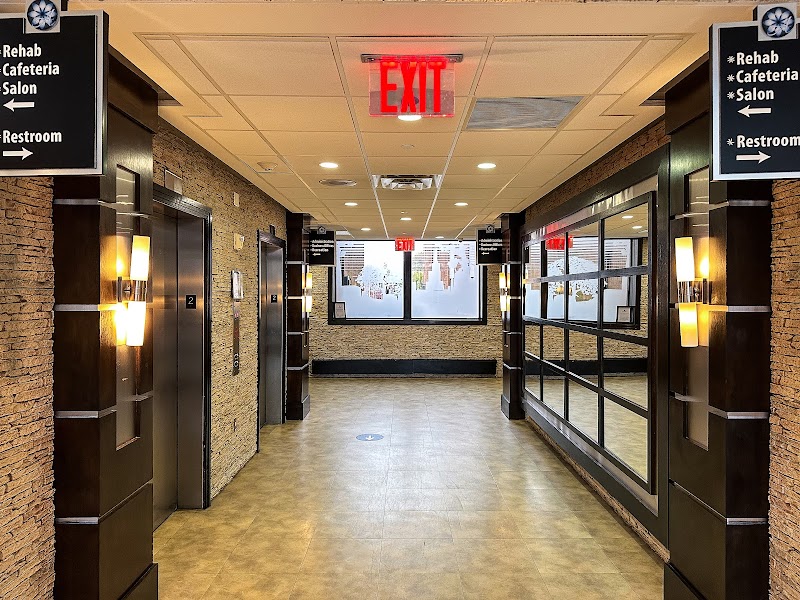
How is Hamilton Park Staffed?

CMS rates HAMILTON PARK NURSING AND REHABILITATION CENTER's staffing level at 2 out of 5 stars, which is below average compared to other nursing homes. Staff turnover is 26%, compared to the New York average of 46%. This relatively stable workforce can support continuity of care.

What Have Inspectors Found at Hamilton Park?

State health inspectors documented 15 deficiencies at HAMILTON PARK NURSING AND REHABILITATION CENTER during 2019 to 2025. These included: 15 with potential for harm.
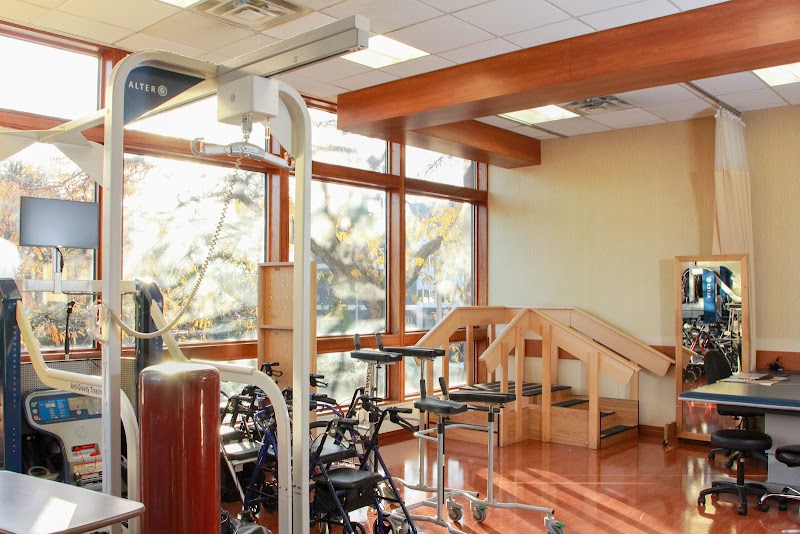
Who Owns and Operates Hamilton Park?

HAMILTON PARK NURSING AND REHABILITATION CENTER is owned by a for-profit company. For-profit facilities operate as businesses with obligations to shareholders or private owners. The facility is operated by ALLURE GROUP, a chain that manages multiple nursing homes. With 200 certified beds and approximately 199 residents (about 100% occupancy), it is a large facility located in BROOKLYN, New York.
How Does Hamilton Park Compare to Other New York Nursing Homes?

Compared to the 100 nursing homes in New York, HAMILTON PARK NURSING AND REHABILITATION CENTER's overall rating (4 stars) is above the state average of 3.1, staff turnover (26%) is significantly lower than the state average of 46%, and health inspection rating (3 stars) is at the national benchmark.

What Should Families Ask When Visiting Hamilton Park?

Based on this facility's data, families visiting should ask: "Can you walk me through typical staffing levels on day, evening, and night shifts?" "Can I visit during a mealtime to observe dining assistance and food quality?" "How do you handle medical emergencies, and what is your hospital transfer rate?" "Can I speak with family members of current residents about their experience?" These questions are particularly relevant given the below-average staffing rating.

Is Hamilton Park Safe?

Based on CMS inspection data, HAMILTON PARK NURSING AND REHABILITATION CENTER has a clean safety record: no substantiated abuse findings (meaning no confirmed cases of resident harm), no Immediate Jeopardy citations (the most serious violation level indicating risk of serious injury or death), and is not on the Special Focus Facility watch list (a federal program monitoring the lowest-performing 1% of nursing homes). The facility has a 4-star overall rating and ranks #1 of 100 nursing homes in New York. While no facility is perfect, families should still ask about staff-to-resident ratios and recent inspection results during their visit.

Do Nurses at Hamilton Park Stick Around?

Staff at HAMILTON PARK NURSING AND REHABILITATION CENTER tend to stick around. With a turnover rate of 26%, the facility is 20 percentage points below the New York average of 46%. Low turnover is a positive sign. It means caregivers have time to learn each resident's needs, medications, and personal preferences. Consistent staff also notice subtle changes in a resident's condition more quickly.

Was Hamilton Park Ever Fined?

HAMILTON PARK NURSING AND REHABILITATION CENTER has no federal fines on record. CMS issues fines when nursing homes fail to meet care standards or don't correct problems found during inspections. The absence of fines suggests the facility has either maintained compliance or corrected any issues before penalties were assessed. This is a positive indicator, though families should still review recent inspection reports for the full picture.

Is Hamilton Park on Any Federal Watch List?

HAMILTON PARK NURSING AND REHABILITATION CENTER is not on any federal watch list. The most significant is the Special Focus Facility (SFF) program, which identifies the bottom 1% of nursing homes nationally based on persistent, serious quality problems. Not being on this list means the facility has avoided the pattern of deficiencies that triggers enhanced federal oversight. This is a positive indicator, though families should still review the facility's inspection history directly.