KING DAVID CENTER FOR NURSING AND REHABILITATION

2266 CROPSEY AVENUE, BROOKLYN, NY 11214 (718) 266-6100
For profit - Partnership 271 Beds ALLURE GROUP Data: November 2025
Trust Grade
88/100
#57 of 594 in NY
Last Inspection: January 2024

Within standard 12-15 month inspection cycle. Federal law requires annual inspections.

Overview

King David Center for Nursing and Rehabilitation has a Trust Grade of B+, indicating it is above average and recommended for families looking for care. It ranks #57 out of 594 facilities in New York, which places it in the top half, and #6 out of 40 in Kings County, meaning only five other local options are better. However, the facility is trending worse, with an increase in reported issues from 5 in 2021 to 6 in 2024. Staffing is a mixed bag; while they have a decent turnover rate of 26% compared to the state average of 40%, their staffing rating is only 3 out of 5 stars, suggesting room for improvement. Notably, the facility has not faced any fines, indicating compliance with regulations, and boasts more RN coverage than 81% of New York facilities, which is beneficial for resident care. Despite these strengths, there are concerning incidents. For example, one resident requiring extensive assistance was not adequately supported, leading to the development of pressure ulcers. Additionally, another resident experiencing anxiety and depression did not have a proper care plan in place to address their mental health needs. Lastly, there was a failure to consistently involve residents in their care plan meetings, which is crucial for effective treatment. Overall, while the facility has notable strengths, families should be aware of these weaknesses.

Trust Score
B+
88/100
In New York
#57/594
Top 9%
Safety Record
Low Risk
No red flags
Inspections
Getting Worse
5 → 6 violations
Staff Stability
✓ Good
26% annual turnover. Excellent stability, 22 points below New York's 48% average. Staff who stay learn residents' needs.
Penalties
✓ Good
No fines on record. Clean compliance history, better than most New York facilities.
Skilled Nurses
✓ Good
Each resident gets 55 minutes of Registered Nurse (RN) attention daily — more than average for New York. RNs are trained to catch health problems early.
Violations
⚠ Watch
20 deficiencies on record. Higher than average. Multiple issues found across inspections.
★★★★★
5.0
Overall Rating
★★★☆☆
3.0
Staff Levels
★★★★★
5.0
Care Quality
★★★★☆
4.0
Inspection Score
Stable
2021: 5 issues
2024: 6 issues

The Good

  • 5-Star Quality Measures · Strong clinical quality outcomes
  • Low Staff Turnover (26%) · Staff stability means consistent care
  • Full Sprinkler Coverage · Fire safety systems throughout facility
  • No fines on record
  • Staff turnover is low (26%)

    22 points below New York average of 48%

Facility shows strength in quality measures, staff retention, fire safety.

The Bad

Chain: ALLURE GROUP

Part of a multi-facility chain

Ask about local staffing decisions and management

The Ugly 20 deficiencies on record

Jan 2024 6 deficiencies
CONCERN (D)

Potential for Harm - no one hurt, but risky conditions existed

Deficiency F0553 (Tag F0553)

Could have caused harm · This affected 1 resident

**NOTE- TERMS IN BRACKETS HAVE BEEN EDITED TO PROTECT CONFIDENTIALITY** Based on observations, record review, and staff interviews conducted during the Recertification/Complaint survey conducted from ...

Read full inspector narrative →
**NOTE- TERMS IN BRACKETS HAVE BEEN EDITED TO PROTECT CONFIDENTIALITY** Based on observations, record review, and staff interviews conducted during the Recertification/Complaint survey conducted from 1/4/24 to 1/10/24, the facility did not ensure that the resident was offered the opportunity to participate in the revision and/or review of the comprehensive care plan. Specifically, resident and resident's representatives were not consistently invited to participate in their care plan meetings. This was evident for 1 resident reviewed for care plans out of 38 residents. (Residents #112). The findings are: The facility policy titled Care Planning-Interdisciplinary Team last revised on 1/2023 documented, the resident, the resident's family and/or the resident legal representative/guardian or surrogate are encouraged to participate in the development of and revisions to the resident's care plan. Resident #112 was admitted with diagnoses that included Vascular Dementia, Anxiety, Hemiplegia, and Hemiparesis. The Quarterly Minimum Data Set, dated [DATE] documented the resident was severely cognitively impaired and was dependent on staff for most Activities of Daily Living. The Annual Minimum Data Set also documented that only the resident participated in the assessment. On 1/4/23 at 11:02 AM, during an interview Resident #112 stated that no one had discussed discharge planning with them and they had not been invited to attend any care plan meetings. The Care Plan Conference Summary dated 11/16/2023 did not document that Resident #112 and/or their representatives participated in the meeting. There was no documented evidence in the electronic medical record that Resident #112 had been invited to or participated in the care plan meetings. On 01/09/24 at 3:14 PM, an interview was conducted with Social Worker #2 who stated that Resident #112 was invited to care planning meetings verbally however the invitations and response to the invitations are not documented. Social Worker #2 also stated that residents are invited to the care planning meeting by verbal invitations and resident representatives are mailed or hand delivered letters of invitations. Resident #112 is usually open to attending the meetings and the representative/family sometimes attends. Resident #112 discharge wishes were verbalized during rounds but were not discussed or followed up on during the care plan meetings. On 01/10/24 at 11:13 AM, an interview was conducted with the Director of Social Services who stated that they cover care planning meetings when the assigned Social Worker is not available, along with other members of applicable departments. The Director of Social Services also stated that Resident #112 had not verbalized any concerns regarding discharge to them personally. The Director of Social Services further stated that invitations to the care planning meetings are not documented only attendance to the meetings is documented. 415.13(f)(1)(v)
CONCERN (D)

Potential for Harm - no one hurt, but risky conditions existed

Deficiency F0558 (Tag F0558)

Could have caused harm · This affected 1 resident

**NOTE- TERMS IN BRACKETS HAVE BEEN EDITED TO PROTECT CONFIDENTIALITY** Based on observations, record review and interviews conducted during the Recertification survey from 1/4/24 to 1/10/24, the faci...

Read full inspector narrative →
**NOTE- TERMS IN BRACKETS HAVE BEEN EDITED TO PROTECT CONFIDENTIALITY** Based on observations, record review and interviews conducted during the Recertification survey from 1/4/24 to 1/10/24, the facility did not ensure that the resident received services that accommodated the resident's needs and preferences. Specifically, the call bell in Resident #237's bathroom did not work. The findings are: Resident #237 was admitted to the facility with diagnoses which included Vascular Dementia, Psychotic Disturbance, and Depression. The Quarterly Minimum Data Set 3.0 assessment dated [DATE] documented that Resident #237 had moderately impaired cognition, required partial/moderate assistance when performing Activities of Daily Living and supervision for mobility and transfers. The Comprehensive Care Plan for focus resident is at High Risk for Falls last revised on 10/27/23 included interventions of be sure call light is within reach and encourage to use it for assistance as needed, needs prompt response to all requests for assistance, and assist with toileting upon awakening, before/after meals and at bedtime. On 01/04/24 at 10:11 AM and on 01/08/24 at 10:04 AM, an observation was conducted of the resident bathroom. The call device was observed to be in-active, with no observed power to the device. No substitute device or means of emergency communication was observed in the area. On 01/04/24 at 10:11 AM and on 01/08/24 at 10:04 AM, Resident #237 refused to be interviewed. On 01/08/24 at 11:55 AM, an interview was conducted with Registered Nurse #6 who stated that they were not aware that the call system in the shared resident bathroom was not working and had no power. On 01/08/24 at 02:21, an interview was conducted with Certified Nursing Assistant #5 who stated that they were not aware that the call system in the shared resident bathroom was not working and had no power. On 01/08/24 at 02:56 PM, an interview was conducted with Registered Nurse #7 who stated they were not sure about the status of the call device and was not certain if another device was provided for either of the residents to use to call for staff if needed. On 01/08/24 at 03:33 PM, an interview was conducted with the Director of Maintenance who stated that the resident's roommate pulled the call system from the wall on 12/28/23. The area was covered by a metal plate however this would affect the call device in the shared resident bathroom as there was now no power to the device. On 01/09/24 at 03:32 PM, a follow-up interview was conducted with the Director of Maintenance who stated that the facility's plan is to rewire the bathroom call device directly to room [ROOM NUMBER]. This is corrective action. Was anything put in place for resident to contact staff until repairs could be made? 415.5 (e)(1)
CONCERN (D)

Potential for Harm - no one hurt, but risky conditions existed

Assessment Accuracy (Tag F0641)

Could have caused harm · This affected 1 resident

**NOTE- TERMS IN BRACKETS HAVE BEEN EDITED TO PROTECT CONFIDENTIALITY** Based on observations, interviews, and record reviews during a Recertification/Complaint survey from 1/4/23 to 1/10/23, the faci...

Read full inspector narrative →
**NOTE- TERMS IN BRACKETS HAVE BEEN EDITED TO PROTECT CONFIDENTIALITY** Based on observations, interviews, and record reviews during a Recertification/Complaint survey from 1/4/23 to 1/10/23, the facility did not ensure that assessments accurately reflected the residents' status. Specifically, the admission assessment did not reflect the presence of a colostomy device that was used for a resident. This was evident for 1 of 1 resident reviewed for Urinary Catheter out of a sample of 38 residents. (Resident #24) The findings are: The facility's policy regarding Minimum Data Set (MDS) Guideline for Completion last reviewed 10/01/23 documented, It is the policy of all Allure Facilities to ensure accurate and timely completion of MDS/Comprehensive Care Plan (CCP) for all residents in accordance with the Federal and State Operation Manual. Resident #24 was admitted to the facility with diagnoses which include Obstructive Uropathy, Unspecified Hydronephrosis, and Chronic Obstructive Pyelonephritis. The admission Minimum Data Set 3.0 assessment dated [DATE] documented that Resident #24 was moderately cognitively impaired, had no behaviors and did not reject care. Resident required dependent assistance with most Activities of Daily Living, had an indwelling catheter and was frequently incontinent of bowel. On 1/4/23 at 10:32 AM, Resident #24 was interviewed and stated that they had a urinary device in place and experienced pain and discomfort regularly. The Comprehensive Care Plan titled resident has alteration in gastro-intestinal status related to neoplasm of rectum, malignant neoplasm of colon with Colostomy, fistula of intestine was created 10/31/23 and revised 12/27/23. The goal was to not have complications related to ostomy presence through review date. Interventions included: avoid activities that involve bending, discuss concerns with resident/family members, ensure privacy, provide ostomy care as ordered, monitor for complications. The admission Nursing Summary dated 10/30/23 documented that resident had bilateral nephrostomy tube and colostomy on the right side of the abdomen. The admission Minimum Data Set assessment did not reflect that Resident #24 had an ostomy in place. On 01/10/24 at 02:12 PM, an interview was conducted the Director of Minimum Data Set assessments who stated that the MDS nurse completes the observations, data collection on entry and is responsible for ensuring the accuracy of the assessment. The Director of Minimum Data Set assessments also stated that the nurse responsible for completing the admission Minimum Data Set assessment for Resident #24 was no longer an employee of the facility. The Director of Minimum Data Set assessments further stated that they are only responsible to signs off on the assessments and do not check for the accuracy of the document. 415.11 (b)
CONCERN (D) 📢 Someone Reported This

A family member, employee, or ombudsman was alarmed enough to file a formal complaint

Potential for Harm - no one hurt, but risky conditions existed

Menu Adequacy (Tag F0803)

Could have caused harm · This affected 1 resident

**NOTE- TERMS IN BRACKETS HAVE BEEN EDITED TO PROTECT CONFIDENTIALITY** Based on observations, interviews, and record review conducted during the Recertification and Complaint Survey (NY00297824) from...

Read full inspector narrative →
**NOTE- TERMS IN BRACKETS HAVE BEEN EDITED TO PROTECT CONFIDENTIALITY** Based on observations, interviews, and record review conducted during the Recertification and Complaint Survey (NY00297824) from 01/03/2024 to 01/10/2024, the facility did not ensure that menus and dietary preferences were followed. This was evident for 2 (Resident #463 and Resident #125) of 4 residents reviewed for Food out of 38 total sampled residents. Specifically, 1). Resident #125 did not receive food items listed on their tray ticket during mealtime, and 2). Resident #463 did not receive a cheese sandwich as preferred. The findings are: The facility's policy titled Resident food preferences, last revised 1/23, documented that the dietician will visit residents periodically to determine if revisions are needed regarding food preferences. The nursing staff will inform the kitchen about resident requests. 1.Resident #463 was admitted to the facility with diagnoses that include Atrial Fibrillation and Coronary Artery Disease. The 5-day Minimum Data Set 3.0 assessment dated [DATE] documented that resident's cognition as modified independence, Brief Interview for Mental Status score of 12, no swallowing disorder, and on a therapeutic diet. The Minimum Data Set 3.0 assessment also documented that Resident #463 required partial/moderate assistance for eating. The Comprehensive Care Plan for Nutrition created 12/21/23 documented Resident #463 has a therapeutic diet with goals that include Resident will consume more than75% of meals. Interventions include to provide food preferences as desired. The Physician's Orders dated 12/20/23 documented Resident #463's diet as no added salt, regular texture, thin consistency. On 01/10/24 at 12:03 PM, the State Surveyor observed Resident #463 sitting at the nursing station with an escort. While sitting at the nurse's station, the State Surveyor observed Licensed Practical Nurse #1 make a telephone call to the kitchen and inform the Food Service Director that Resident #463 was requesting a cheese sandwich to take to an outside appointment. Licensed Practical Nurse #1 then told Resident #463 that they would not be able to get a cheese sandwich at this time since the kitchen was serving a meat lunch, so they cannot meet that request. The Licensed Practical Nurse #1 then offered Resident #463 a tuna or a peanut butter sandwich, to which Resident #463 replied that they do not like tuna nor peanut butter and insisted that they only want a cheese sandwich. Resident #463 also stated that they will just remain hungry if they cannot get a cheese sandwich. At approximately 12:05 PM, Food Service Director was interviewed via phone and stated that it was not possible for Resident #463 to receive a cheese sandwich even if there were cheese sandwiches available. The Food Services Director stated that since the kitchen was serving a meat lunch according to kosher principles, they are not able to serve a cheese sandwich, which is dairy. The State Surveyor then observed the resident leaving the unit with an escort without any food items. A nursing note dated 1/10/24 documented that resident is alert and verbally responsive no complaints voiced, via wheelchair, accompanied by her escort. Left the unit at 12:15 PM for scheduled Cardiology appointment. On 01/10/24 12:13 PM, a follow-up interview was conducted with the Food Service Director who stated that because the facility is a Kosher facility, they were unable to provide the resident with a cheese sandwich. The Food Service Director also stated that they thought that the resident was going to have the sandwich on a tray on the unit and was not aware that the resident was going to an outside appointment. The Food Service Director further stated that once they realized that the resident was going out, they asked the Rabbi about giving the sandwich in a brown bag, which would have been acceptable, but the resident had already left the facility, without a sandwich. The Food Service Director stated that usually the staff would ask for a bagged lunch, however in this case, they were not made aware that the resident was leaving, and they thought that this request was that the sandwich would have been eaten on the unit. On 01/10/24 at 01:03, Licensed Practical Nurse #1 was interviewed and stated that at 11:30 AM, they asked Resident #243 if they wanted to have a lunch tray, but Resident #243 refused, and stated they wanted a Swiss cheese sandwich. Licensed Practical Nurse #1 also stated that they called downstairs to the kitchen, and spoke with the Food Service Director, who said they would send the sandwich. Licensed Practical Nurse #1 further stated that they called the kitchen again at 12:00 noon, since Resident #463 was about to leave for an outside appointment and had not received the sandwich. Licensed Practical Nurse #1 said that the Food Service Director then told them that they were preparing a meat lunch so they cannot get a cheese sandwich and offered a tuna and or a peanut butter sandwich. The Food Service Director said that the Rabbi said that this is a Kosher facility and that Resident #463 is unable to get a cheese sandwich at this time. Licensed Practical Nurse #1 stated Resident #463 only wants a cheese sandwich, and that they are going out to an appointment. On 01/10/24 01:15 PM, Registered Nurse #1 was interviewed and stated that once the resident has an outside appointment, they get a lunch bag. Registered Nurse #1 also stated that they were not aware that Resident #463 did not have any lunch bag prior since the kitchen would either bring it up or leave it at the front desk. Registered Nurse #1 further stated that Resident #463 did not eat lunch before they left the unit for their appointment and should have gotten something to take on the appointment. Registered Nurse #1 stated that sometimes they would have the sandwich prepared ahead of time. 2. Resident #125 was admitted to the facility with diagnoses that included End Stage Renal Disease, Diabetes Mellitus and Hemiparesis. The Quarterly Minimum Data Set 3.0 assessment dated [DATE], documented resident had intact cognition, was on a therapeutic diet, and participated in goal setting. The Physician's Orders dated 6/19/23 documented Resident #125's diet as no concentrated sweets, renal, no added salt, low potassium diet. The Comprehensive Care Plan for Nutrition created on 5/17/21 documented Resident #125 was on a therapeutic diet. Goals included Resident #125 will maintain adequate nutritional status, and interventions included provide and serve diet as ordered, no concentrated sweets, renal, no added salt, low potassium diet, Regular texture, thin consistency (double vegetable portions). On 01/03/24 at 12:45 PM during a Dining Observation, Resident #125 was observed lying in bed in their room. The lunch meal ticket documented 1/2 cup peas and carrots, 1 piece banana, 1/2 cup cucumber and onion salad, 1/2 cup penne pasta, 6 oz chicken broth,7 oz sausage and peppers, Resident #125's meal tray did not have a 1/2 cup peas and carrots, 1 piece banana, and the 1/2 cup cucumber and onion salad present on the tray. On 01/03/24 at 12:55 PM, the Registered Dietician was interviewed and stated that Resident #125 did say at times the seltzer and other items were sometimes missing on their tray. The Dietician also stated that when the resident did mention the missing items, they notified dietary staff about the concern. The Dietician further stated that they meet with the Resident #125 often to discuss any concerns. On 01/10/24 at 03:23 PM, the Food Service Director was interviewed and stated that the Kitchen supervisor double checks to ensure accuracy, and staff will notify them if there are any discrepancies. The Food Service Director also stated that they have been working with the dietician to ensure accuracy and that the dietary workers are made aware that they are to check the tickets. On 01/10/24 at 3:03 PM, the Administrator was interviewed and stated that the facility is working to ensure all residents receive the proper meal. The Administrator also stated that the dietary team has to audit trays every meal and that they work hard to ensure all residents receive the correct trays. The Administrator further stated that the staff on the unit also checks the trays. 415.14(c) (1-3)
CONCERN (D)

Potential for Harm - no one hurt, but risky conditions existed

Deficiency F0849 (Tag F0849)

Could have caused harm · This affected 1 resident

**NOTE- TERMS IN BRACKETS HAVE BEEN EDITED TO PROTECT CONFIDENTIALITY** Based on observation, record review and interview conducted during the Recertification Survey 01/03/2024 to 01/10/2024, the faci...

Read full inspector narrative →
**NOTE- TERMS IN BRACKETS HAVE BEEN EDITED TO PROTECT CONFIDENTIALITY** Based on observation, record review and interview conducted during the Recertification Survey 01/03/2024 to 01/10/2024, the facility did not ensure that the most recent hospice plan of care was provided for a resident. Specifically, the Hospice Assessment, Plan of Care and Hospice team interdisciplinary notes were not provided to the facility and available for review for Resident #87. This was evident for 1 of 1 resident reviewed for Hospice out of 38 sampled residents. The findings are: The facility policy and procedure titled Hospice Program with a revision date of 1/23 documented that King [NAME] Center contracts for hospice services for residents who wish to participate in such programs. The policy also documented that when a resident participates in the hospice program, a coordinated plan of care between King [NAME] Center, Hospice Agency, and resident/family will be developed and shall include directives for managing pain and other uncomfortable symptoms. The care plan shall be revised and updated as necessary to reflect the resident's current status. The Agreement for Hospice Care to Skilled Nursing Facility residents signed between Visiting Nurse Services of New York Hospice and King [NAME] on April 30, 2015, Article 3 Section 2.4 documented that the Hospice shall develop, review, and revise a Hospice Plan of Care for each Hospice resident which reflect the participation of the Hospice, Skilled Nursing Facility and the Hospice resident and family to the extent possible. Hospice will furnish Skilled Nursing Facility with a copy of the Plan of Care and will identify the services to be furnished by Skilled Nursing Facility, and those services to be provided by Hospice. The agreement also documented that would be communication between Hospice and Skilled Nursing Facility to ensure that the needs of Hospice residents are addressed and met 24 hours a day. Resident #87 was admitted with diagnoses that included Non-Alzheimer's Dementia, Anxiety Disorder, Depression, and Senile Degeneration of the Brain. The Minimum Data Set 3.0 assessment dated [DATE] documented that the resident was severely cognitively and dependent on staff for all Activities of Daily Living. On 01/08/2024 at 4:26 PM, Resident #87 was observed in their room, in bed asleep, and appeared frail and weak in appearance. On 01/09/2024 at 2:00PM, Home Health Aide #6 (Hospice) sat with Resident #87 in the dining room. The Physician's order dated 12/14/2023 documented renewal of an order for Hospice Care which had been initiated on 08/13/2023. 8an admission assessment, Comprehensive Care Plan, or the Plan of care for the Hospice Home Health Aide. On 01/09/2024 at 11:30AM, Licensed Practical Nurse #2 was interviewed and stated that they did not know where the Hospice documents for Resident #87 were. During an interview on 01/09/2024 at 11:35AM, Registered Nurse Supervisor #8 stated they did not know where the hospice documents were. Registered Nurse Supervisor #8 also stated that the Hospice Nurse comes in weekly, converses with the staff, but does not give any update on the resident's condition. Registered Nurse Supervisor #8 then reviewed Resident #87's medical record and presented an untitled, handwritten document dated 9/14/23, 9/21/23 and 9/28/23, each note titled RN visit made. There were no other documents from the Registered Nurse or any of the other members of the Hospice interdisciplinary team. On 01/10/2024 at 2:12 PM, a telephone interview was conducted with the Hospice Registered Nurse #9 who stated that Resident #87 was last visited on 12/29/2023. Hospice Registered Nurse #9 also stated that they make weekly visits, coordinate with the nursing home staff, and do Home Health Aide supervision every 2 weeks. Registered Nurse #9 further stated that the Home Health Aide provides companionship, holds the resident's hand, converses, and provides psychosocial-emotional support, makes observation of any changes and reports this to the nurse. Hospice Registered Nurse #9 stated that they are responsible for all transmitting all documents to the facility within 48 hours after each visit. During an interview on 01/09/2024 at 2:22 PM, Home Health Aide #6 stated that they did not receive a copy of Resident #87's Plan of Care, and Hospice Registered Nurse #9 gave them instructions to observe the resident, check their nasal cannula, offer them water or juice, and report any changes to the nursing home staff. 415.12
MINOR (C)

Minor Issue - procedural, no safety impact

Staffing Information (Tag F0732)

Minor procedural issue · This affected most or all residents

Based on observations and interviews conducted during the Recertification Survey from 01/03/2024 to 01/10/2024, the facility did not ensure that the nurse staffing information was posted appropriately...

Read full inspector narrative →
Based on observations and interviews conducted during the Recertification Survey from 01/03/2024 to 01/10/2024, the facility did not ensure that the nurse staffing information was posted appropriately. Specifically, the posting of daily nurse staffing information was not posted in a prominent area which was readily accessible to residents and visitors. The finding is: The facility policy and procedure titled Posting Daily Nurse Staffing Information dated 1/23 documented that it is the policy of our facility to ensure nurse staffing information is readily available in a readable format to residents and visitors at any given time. During observations conducted on 01/03/2024, 01/05/2024 and 01/08/2024, the State Surveyor was unable to locate the postings of the daily nurse staffing levels for each shift or any signage instructing residents or visitors where it was located. On 01/09/2024 at 12:30 PM, the State Surveyor asked the Director of Nursing where the staffing information was located and was shown the posting located in the hallway posted next to the staff bulletin board, near the time clock. This area was not readily accessible to residents or visitors. On 01/10/2024 at 1:30 PM, the Staffing Coordinator was interviewed and stated they were responsible for posting the nursing staffing information daily. The Staffing Coordinator also stated that the information is posted near the employee time clock as this is where the former Staffing Coordinator placed it. The Staffing Coordinator further stated that they were not aware that the notice was to be posted where it is visible for visitors, families, and residents. On 01/10/2024 at 1:35PM, the Director of Nursing was interviewed and stated that as far as they know the staffing information has always been posted in the hallway next to the bulletin board near the time clock. The Director of Nursing further stated the notices would be accessible to residents who go to activities and the rehabilitation center and not all residents and visitors. The Director of Nursing further stated that it did not occur to them that the notice has to be posted in an accessible location for visitors, families, and residents. 415.13
Nov 2021 5 deficiencies
CONCERN (D)

Potential for Harm - no one hurt, but risky conditions existed

Resident Rights (Tag F0550)

Could have caused harm · This affected 1 resident

**NOTE- TERMS IN BRACKETS HAVE BEEN EDITED TO PROTECT CONFIDENTIALITY** Based on observation and interviews conducted during the Recertification survey, the facility did not ensure that a resident was...

Read full inspector narrative →
**NOTE- TERMS IN BRACKETS HAVE BEEN EDITED TO PROTECT CONFIDENTIALITY** Based on observation and interviews conducted during the Recertification survey, the facility did not ensure that a resident was cared for in a manner that maintained or enhanced their dignity. Specifically, a resident's Foley catheter bag was uncovered and exposed to public view. This was evident for 1 of 38 sampled residents (Resident #170). The finding is: The facility policy and procedure titled Catheter Care Urinary dated 08/2021 did not indicate how staff would assist residents with Foley catheter care to maintain their dignity and privacy. Resident # 170 was admitted to the facility on [DATE] with diagnoses that include Hypertension, Chronic Kidney Disease, and Benign Prostatic Hyperplasia. The Minimum Data Set 3.0 (MDS) assessment dated [DATE] identified Resident #170 with cognition as moderately impaired with a Brief Interview of Mental Status (BIMS) score of 10/15. Section H of the MDS indicated that Resident #170 has an indwelling Foley catheter On 11/10/2021 at 10:50 AM, Resident # 170, who resides on the 6th floor, was seen in a wheelchair with other residents on the 3rd-floor hallway. Foley catheter tubing and drainage bag with urine were resting on Resident # 170's lap, uncovered in public view. A recreation staff was wheeling Resident # 170 to the 3rd-floor day for mass with other residents. A Comprehensive Care Plan (CCP) initiated on 06/19/2021 documented that Resident #170 has an indwelling foley catheter. The interventions include positioning the catheter bag and tubing below the bladder level and away from the door and monitoring output as per facility policy. A Physician's Order dated 06/21/2021 documented to change indwelling Foley catheter 18 Fr with 10 ccs of balloon monthly on the 11th and as needed. A Nurse's Progress Note dated 11/06/2021 at 11:15AM documented Genito Urinary consult requested to change Foley catheter. During an interview on 11/10/2021 at 10:58AM, Unit Manager #4 (UM #4) stated that a resident with a Foley catheter should have a dignity bag. During an interview on 11/10/2021 at 11:06AM, the Licensed Practical Nurse #3 (LPN #3) stated that residents with Foley catheters are given a leg bag when they are out of bed. Resident #170 was supposed to have a leg bag so that the catheter would not be visible. The leg bag is used, so other people will not see that the resident has a Foley catheter. During an interview on 11/10/2021 at 11:13AM, Certified Nursing Assistance #4 (CNA #4) said that a leg bag is applied in the morning for residents with Foley catheters. Resident #170 has a Foley catheter and came out of bed without an assistant; that is why Resident #170 did not have a leg bag. Resident #170 was supposed to have a leg bag when out of bed to a wheelchair. CNA #4 did not know that Resident #170 was out of bed and not on the floor. During an interview on 11/10/2021 at 11:19AM, Unit Manager #1 (UM #1) stated that Resident # 170 usually gets a leg bag when out of bed. UM, #1 does not know why Resident # 170 has no leg bag. All the staff is aware of the policy in the facility. The nursing staff on the floor know that residents with Foley catheters must have a leg bag when out of bed. A recreation staff picked up the resident from the unit for mass and I am not aware if recreation staff is aware of the leg bag policy. During an interview on 11/10/2021 at Noon, the Recreation Aide stated Resident #170 Foley catheter was supposed to be covered in a privacy bag. The recreation staff was busy with other residents and did not notice that Resident #170 did not have the privacy bag. During an interview on 11/10/21 at 2:18 PM, the Director of Nursing (DON) stated that residents out of bed with Foley catheters should have a dignity bag for privacy. The staff should have made sure Resident #170 had a dignity bag when the resident came out of bed. The DON will continue to in-service the staff on the use of the dignity bag. 415.5(a)
CONCERN (D)

Potential for Harm - no one hurt, but risky conditions existed

Assessment Accuracy (Tag F0641)

Could have caused harm · This affected 1 resident

**NOTE- TERMS IN BRACKETS HAVE BEEN EDITED TO PROTECT CONFIDENTIALITY** Based on record review and interviews conducted during the Recertification survey, the facility did not ensure that a resident's...

Read full inspector narrative →
**NOTE- TERMS IN BRACKETS HAVE BEEN EDITED TO PROTECT CONFIDENTIALITY** Based on record review and interviews conducted during the Recertification survey, the facility did not ensure that a resident's assessment was accurate. Specifically, the Minimum Data Set (MDS) 3.0 assessment inaccurately documented that a resident was not on Hospice Care. This was evident for 1 out of 1 resident's reviewed for Hospice Care out of an investigative sample of 38 residents. (Resident #202) The findings are: The facility undated Policy and Procedure titled 'MDS Guideline for Completion' states that it is the policy of all Allure Facilities to ensure accurate and timely completion of the MDS/CCP for all residents. The policy also documented that the RN Assessment Coordinator or Designee is responsible for timely transmission/review of MDS assessments to CMS. Resident #202 was admitted with diagnoses that include Cerebral Ischemia, Syncope and Collapse. The Significant Change MDS dated [DATE] documented in Section O, instructs to check all the following treatments, procedures, and programs that were performed during the last 14 days. In Section O Letter K, Hospice Care does not have a check. Physician's Order dated 09/27/21, documented Hospice Care via Metropolitan Jewish Hospice Services as of 9/27/2021. MDS Summary Note dated 09/27/21 documented that Significant Change due to Hospice Care starts from 9/27/21. Social Worker note dated 09/27/21 documented that resident was admitted to Hospice Care with a start date of 9/27/21. On 11/08/21 at 4:17PM, an interview was conducted with the Director of MDS who stated that the MDS Significant Change dated 09/27/21was done because Resident #202 was started on Hospice Care. Stated that as the MDS assessor, it is their responsibility to ensure accuracy and should be checked on completion, but in this case, it was missed. and that the Hospice Care section should have been checked. Stated that as the Director of MDS, it was signed it off as assessment completion of the MDS after verification of checks and balances. On 11/09/21 at 9:40 AM, an interview was conducted with the MDS Assessor who stated that as the assessor, they can do MDS throughout the building and that the information for the MDS is retrieved from the chart, including the Physicians orders and the progress notes. Stated that they were responsible for completing Section O of the MDS dated [DATE] for the Resident #202. They also said that they wrote the MDS Summary note dated 09/27/21, but must have missed letter K in Section O, which indicates that the resident is on Hospice Care while a resident and should have been checked off. 415.11
CONCERN (D)

Potential for Harm - no one hurt, but risky conditions existed

Pressure Ulcer Prevention (Tag F0686)

Could have caused harm · This affected 1 resident

**NOTE- TERMS IN BRACKETS HAVE BEEN EDITED TO PROTECT CONFIDENTIALITY** 2) Resident #25 was admitted to the facility on [DATE] with diagnoses that include Parkinson's disease and Vascular Dementia. Th...

Read full inspector narrative →
**NOTE- TERMS IN BRACKETS HAVE BEEN EDITED TO PROTECT CONFIDENTIALITY** 2) Resident #25 was admitted to the facility on [DATE] with diagnoses that include Parkinson's disease and Vascular Dementia. The Quarterly Minimum Data Set (MDS) dated [DATE] documented that Resident #25 was cognitively severely impaired. The resident required the total assistance of two persons assist for bed mobility, transfers, and toilet use. Resident #25 was at risk for developing pressure ulcer/injury and has a Stage 4 pressure ulcer/Injury. On 11/03/2021 at 11:14 AM, Resident #25 was observed lying on back in bed. Surveyor did not observe pillows nor heel booties. On 11/03/2021 at 1:14 PM, Resident #25 was observed lying on back in bed. Surveyor did not observe pillows nor heel booties. On 11/3/21 at 3:04 PM, Resident #25 was observed lying on back in bed. Surveyor did not observe pillows nor heel booties. There was no privacy curtain. On 11/5/21 at 8:20 AM, Resident #25 was observed lying in the same position in bed. Surveyor did not observe pillows nor heel booties. On 11/8/21 at 8:46 AM, Resident #25 was observed lying in a supine position in the room. On 11/9/21 at 7:25 AM, Resident #25 was observed lying supine, with a slight head turned towards the window. The Comprehensive Care Plan (CCP) titled Potential/actual impairment to skin integrity related to fragile skin, and sacral skin breakdown was initiated on 03/26/2021. The interventions include avoiding scratching, keeping hand/body parts from excessive moisture, keeping skin clean/dry, and using a draw sheet or lifting device to move the resident. The Comprehensive Care Plan (CCP) titled Stage 4 Sacrum Pressure Ulcer Development related to immobility was initiated on 05/06/202. The interventions include administering medications ordered, administering treatments, monitoring dressing, requiring supplemental protein, amino acids, vitamins, minerals to promote wound healing, and require pressure relieving/reducing device on bed/chair, Skin/Wound note dated 03/26/2021 documented ecchymosis to Bilateral Upper Extremities (BUE). Skin/Wound Note dated 04/19/2021 documented reddish-purple BUE to sacral measured 3 centimeters (cm) x 8 cm. Air mattress/pump is placed. Skin/Wound Note dated 05/06/2021 documented the Resident #25 has an unstageable wound of sacrum; It documented offloading, turning, and positioning are ongoing and draw sheet in use to prevent shearing while in bed, also legs elevated to float feet while in bed, The Wound Care Progress Note dated 10/20/2021 documented that Resident #25 has a Stage 4 Pressure Ulcer to the sacrum measured 3.2cm length x 4cm width x 0.6cm depth. The treatment plan includes cleansing, dressing daily. According to facility pressure ulcer prevention protocol, the resident is to continue with pressure redistribution mattress and pressure relief/offloading program. The Wound Care Progress Note dated 10/27/2021 documented that Resident #25 has a Stage 4 Pressure Ulcer to the sacrum that measures 3cm length x 4cm width x 0.5cm depth. The treatment plan includes cleansing, dressing daily. According to facility pressure ulcer prevention protocol, the resident is to continue with pressure redistribution mattress and pressure relief/offloading program. The Wound Care Progress Note dated 11/03/2021 documented that Resident # 25 has a Stage 4 Pressure Ulcer to the sacrum. 3.3cm length x 3.5cm width x 0.3cm depth. The treatment plan includes cleansing, dressing daily. According to facility pressure ulcer prevention protocol, the resident is to continue with pressure redistribution mattress and pressure relief/offloading program. The Certified Nursing Assistant (CNA) Accountability Record dated 06/04/2021 to 10/20/2021 documented turning and positioning and placing pressure-reducing devices every two hours. The CNA Accountability Record revealed no documentation of turning and positioning every two hours and placing pressure-reducing device tasks on the following dates: 04/01/2021 to 06/03/2021, and 10/21/2021 to 11/08/2021. During an interview on 11/08/2021 at 10:17 AM, a Certified Nursing Assistant #2 (CNA #2) stated that Resident #25 is non-ambulatory, totally dependent on two staff for Activities of Daily Living ( ADLs). Resident #25 has a sacral pressure ulcer. CNA #2 stated that Resident #25 has a movement disorder and does not stay on the side after turning and repositioning. Therefore, pillows and special mattresses are in place to relieve pressure. Resident #25 is repositioned every two hours, and it is documented in the Point Click Care (PCC). During an interview on 11/08/2021 at 2:11 PM, Licensed Practical Nurse #2 (LPN #2) stated that Resident #25 has an air mattress, is turned, and repositioned every two hours, pillows for offload and is seen by the wound care team every week. LPN #2 also stated that the CNAs are responsible for turning and repositioning the resident every two hours and document in PCC. LPN#2 then stated that the CNA task to document turning and repositioning every two hours was not found in CNA tasks in PCC for Resident #25. During an interview on 11/10/2021 at 10:00 AM, Unit Manager #2 (UM #2) stated that residents at risk for skin impairment would be assessed upon admission and discussed in care plan meeting to prevent skin breakdown. Preventive interventions are then implemented and documented in the computer by the staff who will be providing care. UM #2 stated that preventive interventions for at-risk skin impairment should include the use of positional devices pillows, heel booties for offloading, air mattresses, and turning and positioning programs. UM, #2 stated I am not aware that the CNA task to turn and position every two hours was not implemented upon admission for Resident #25 and overlooked. During an interview on 11/10/2021 at 11:19 AM, an interview was conducted with the Director of Nursing Service (DNS). The DNS stated that all residents, including those at risk for impaired skin integrity, are assessed upon admission and preventive measures including turning and positioning, offload heels, special mattress, and dietary needs are implemented on the initial care plan meeting. The unit manager is responsible for implementing CNA's tasks and monitoring to ensure the unit staff. 415.12 (c) (1-2) Based on record reviews and interviews conducted during recertification and complaint (NY00250610) survey, the facility did not ensure that a resident receives care consistent with professional standards of practice to prevent pressure ulcers and does not develop pressure ulcer unless the individual's clinical condition demonstrate that they were unavoidable. Specifically, two residents at risk for pressure ulcers were not provided with preventive skin care to prevent skin breakdown and pressure ulcers upon admission. This was evident for 2 out of a total of 38 sample residents reviewed. (Resident # 309 and #25) The findings include: The facility policy titled Prevention of Pressure Ulcers, dated 08/2021, documented interventions and preventive measures for a person in bed include changing position at least every two hours or more frequently if needed, using a special mattress if needed, and raising the head of the bed for meals, treatments, and medical necessity. The care process should include efforts to stabilize, reduce or remove undying risk factors, monitor the interventions' impact, and modify the interventions as appropriate. 1) Resident # 309 was initially admitted to the facility on [DATE] with diagnoses of Benign Prostatic Hyperplasia, End-Stage Renal Diseases, and Chronic Obstructive Pulmonary Disease. The admission Minimum Data Set (MDS) assessment dated [DATE] documented that Resident #309 has moderately impaired cognition. Resident #305 requires extensive assistance of two persons for bed mobility and transfer. The resident needs total dependence, and two persons assist for toileting. Patient Review Instrument (PRI) dated 12/20/2019 documented Stage 1 pressure ulcer. Braden Scale dated 12/23/2019 documented that Resident # 309 is at a moderate risk of developing ulcers. admission summary dated [DATE] documented that Resident # 305 has a pressure ulcer on the sacrum. The Certified Nursing Assistant (CNA) Accountability Sheet dated 12/20/2019 to 02/2020 did not reflect any evidence that the resident was turned and positioned every two hours. There was no documentation that the heels were offloaded. There is no documented evidence that turn and positioning schedule and offload of heels were ever implemented from admission until discharge. The Physician orders have no orders for preventive measures before the resident develops bilateral heels pressure ulcers. Wound Care Note dated 01/03/2020 documented Deep Tissue Injury ( DTI) to the Right heel that measured 4.5 centimeters ( cm) x 4.5 cm and DTI to the Left heel, which measured 4 cm x 5.5 cm. Physician Order dated 01/03/2020 contained Alginate cream to be applied to bilateral heels for wound care. Cleanse with normal saline, pat dry and apply calcium alginate to the area, and cover with a dry protective dressing., Alteration in Skin Integrity Care Plan was developed on 01/03/2020. During an interview on 11/09/2021 at 11:24 AM, Certified Nursing Assistant #1 (CNA # 1) stated that Resident # 309 was admitted with a pressure ulcer to the sacrum. Resident # 309 was supposed to be turned and repositioned every two hours. CNA #1 did not remember when turning and positioning and booties were put into place. During an interview on 11/09/2021 at noon, the Wound Care Nurse (WCN) stated that Resident 309 was admitted with a pressure ulcer to the sacrum. There was no documentation of DTI to the heels on admission. DTI to bilateral heels was documented in the nursing notes on 01/6/2020. The wound care nurse further stated Resident # 309 was at risk of developing ulcers. Therefore, preventive measures should have been put in place. Resident # 309 should have had protective booties to offload the heels and turned and positioned them every two hours. The wound care team recommendation is communicated with the nurse supervisor. The nursing supervisor would initiate a care plan with the recommended interventions. An air mattress elevates legs to float while in bed, and a draw sheet in use to prevent shearing while in bed was recommended on 02/03/2020. During an interview on 11/09/2021 at 12:44 PM, Unit Manager #1 (UM #1) stated Resident # 309 was at risk for developing pressure ulcers. Therefore, a care plan for impaired skin integrity should have been implemented with appropriate interventions upon admission. The turning and positioning schedule should have been placed in the CNA tasks. Booties should have been placed on the resident's feet. During an interview on 11/09/2021 at 12:41 PM, the Assistant Director of Nursing Services (ADNS) stated that if a resident is at risk of skin breakdown or has skin impairments, a care plan is supposed to be initiated upon admission with the appropriate interventions. The interventions should include turning and positioning every two hours, offloading heels, nutrition supplement, air mattress, and skin checks. Turning and positioning skin checks and offload heels should have been documented in the CNA accountability. During an interview on 11/10/2021 at 11:06 AM, the Nurse Practitioner (NP) stated that Resident # 309 had a pressure ulcer to the sacrum. The stage of the ulcer was not documented in the admission notes. If a resident has a wound, we recommend that the facility implement a pressure-relieving mattress, turning, positioning every two hours, changing right after soiled, nutrition supplements, and heel protectors. In addition, the wound care NP stated that I am not sure why the appropriate interventions were not put into place. There should have been interventions in place to prevent DTIs of the heels. During an interview on 11/10/2021 at 10:29 AM, the Director of Nursing Services (DNS) stated that Resident # 309 should have had an actual impaired skin integrity care plan with appropriate interventions to prevent the wound from getting worse and to prevent further skin breakdown. The interventions should include turning and positioning, offload heals, nutrition supplements, and an air mattress. An actual care plan should have been in place upon admission with the appropriate interventions.
CONCERN (D)

Potential for Harm - no one hurt, but risky conditions existed

Deficiency F0914 (Tag F0914)

Could have caused harm · This affected 1 resident

**NOTE- TERMS IN BRACKETS HAVE BEEN EDITED TO PROTECT CONFIDENTIALITY** Based on observation and interviews during the recertification survey, the facility did ensure a resident's personal privacy was...

Read full inspector narrative →
**NOTE- TERMS IN BRACKETS HAVE BEEN EDITED TO PROTECT CONFIDENTIALITY** Based on observation and interviews during the recertification survey, the facility did ensure a resident's personal privacy was maintained. Specifically, a resident was observed in the room without a privacy curtain. This was evident for 1 resident out of a total of 38 sampled residents reviewed. Resident #25 Resident #25 was admitted to the facility on [DATE] with diagnoses that include Parkinson's disease, Vascular Dementia with behavioral disturbance and Dysphagia. The Quarterly Minimum Data Set (MDS) dated [DATE], documented that resident was cognitively severely impaired. The resident required total assistance of two persons assist for bed mobility, transfers, and toileting. On 11/3/21 at 11:14 AM, Resident #25 was observed lying on back in bed. Surveyor did not observe pillows nor heel booties. There was no privacy curtain. On 11/3/21 at 1:14 PM, Resident #25 was observed lying on back in bed. Surveyor did not observe pillows nor heel booties. There was no privacy curtain. On 11/3/21 at 3:04 PM, Resident #25 was observed lying on back in bed. Surveyor did not observe pillows nor heel booties. There was no privacy curtain. On 11/5/21 at 8:20 AM, Resident #25 was observed lying in the same position in bed. Surveyor did not observe pillows nor heel booties. There was no privacy curtain. On 11/5/21 at 11:20 AM, Resident #25 was observed in Geri chair and getting hair combed by a CNA. There was no privacy curtain. On 11/5/21 at 1:47 PM, Resident #25 was not in the room. There was no privacy curtain. Resident #25 was observed in Geri chair in the dining room. On 11/8/21 at 8:46 AM, Resident #25 was observed lying in a supine position in the room. There was no privacy curtain. On 11/9/21 at 7:25 AM, Resident #25 was observed lying in a supine position, with head slight turn towards the window. Observed privacy curtain in the room for Resident #25. On 11/9/21 at 9:55 AM, Resident #25 was not in the room. Observed privacy curtain in the room for Resident #25. On 11/8/21 at 2:11 PM, an interview was conducted with LPN #2. She stated that Resident #25 should have a privacy curtain and was not aware that privacy curtain was missing in the room. On 11/8/21 at 3:18 PM, an interview was conducted with Housekeeping Director. Housekeeping Director stated Resident #25 did not have the privacy curtain in the room because the privacy curtain was being washed and did not provide backup curtain. On 11/10/21 at 11:19 AM, an interview was conducted with Director of Nursing Service (DNS). She stated all residents in the semi-private rooms should have privacy curtains and there should have been back up curtains to replace soiled curtain. 415.29
CONCERN (E)

Potential for Harm - no one hurt, but risky conditions existed

Comprehensive Care Plan (Tag F0656)

Could have caused harm · This affected multiple residents

**NOTE- TERMS IN BRACKETS HAVE BEEN EDITED TO PROTECT CONFIDENTIALITY** 4) Resident #25 was admitted to the facility on [DATE] with diagnoses that include Parkinson's disease and Vascular Dementia. Th...

Read full inspector narrative →
**NOTE- TERMS IN BRACKETS HAVE BEEN EDITED TO PROTECT CONFIDENTIALITY** 4) Resident #25 was admitted to the facility on [DATE] with diagnoses that include Parkinson's disease and Vascular Dementia. The admission Minimum Data Set (MDS) dated [DATE] documented that Resident # 25 was severely impaired. Resident #25 extensive assistance of two persons assist for bed mobility, transfers, and toilet use. Resident #25 was at risk for developing a pressure ulcer/injury. The Patient Review Instrument dated 03/19/2021 documented that Resident #25 has multiple areas of ecchymosis on the body, including the bilateral upper extremities and lower extremities, upper thighs, and left side back overlying scapula. Skin/Wound Note dated 03/26/2021 documented ecchymosis to bilateral upper extremities. Skin/Wound Note dated 04/19/2021 documented reddish-purple bilateral upper extremities to the sacral area measured 3 centimeters (cm) x 8 cm. Air mattress was in place. Skin/Wound Note dated 05/06/2021 documented that Resident #25 has an unstageable wound of sacrum; It is documented offloading, turn and positioning are ongoing, and draw sheet in use to prevent shearing while in bed and elevated to float feet while in bed, The Comprehensive Care Plan (CCP) titled Potential/actual impairment to skin integrity r/t fragile skin, sacral skin breakdown was initiated on 03/26/2021. The interventions include: Avoiding scratching, keeping hand/body parts from excessive moisture, Keeping skin clean/dry, and Using a draw sheet or lifting device to move the resident. The Comprehensive Care Plan (CCP) titled Stage 4 Sacrum Pressure Ulcer Development related to immobility was initiated on 05/06/2021. The interventions include administering medications as ordered, administering treatments, monitoring dressing, requiring supplemental protein, amino acids, vitamins, and minerals to promote wound healing, and requiring pressure relieving/reducing device on bed/chair. The CCP titled Potential/actual impairment to skin integrity related to fragile skin, sacral skin breakdown, and the CCP titled S4 Sacrum Pressure Ulcer Development r/t immobility did not include interventions, preventative measures specific to turn and to position every two hours and positional device used for offload. The CCP titled S4 Sacrum Pressure Ulcer Development r/t immobility did not include preventative measures specific to a positional device used for offload. During the recertification survey, intervention to turn and position every two hours was created and initiated on 11/08/2021. During an interview on 11/08/2021 at 10:17 AM, the Certified Nursing Assistant #2 (CNA #2) stated that Resident #25 is non-ambulatory and dependent on two staff for Activities of Daily Living (ADLs) has a sacrum pressure ulcer. CNA #2 said that Resident #25 has a movement disorder and does not stay on the side after turn and repositioning. Therefore, pillows and special mattresses are in place to relieve pressure. She further stated that repositioning tasks every two hours are documented in the Point Click Care (PCC). During an interview on 11/08/2021 at 2:11 PM, the Licensed Practical Nurse #2 (LPN #2) stated that Resident #25 has an air mattress, turned, and repositioned every two hours, pillows for offload and is seen by the wound care team every week. LPN #2 also stated that CNAs are responsible for turning and repositioning every two hours and documenting in Point Click Care (PCC). LPN#2 said that the CNA task to document turning and repositioning every two hours was not found in that CNA tasks in PCC for Resident #25. During an interview on 11/10/2021 at 10:00 AM, Unit Manager # 2 ( UM #2) stated that preventive interventions for at-risk skin impairment should include positional devices pillows, heel booties for offloading, air mattress, and turn and positioning program. UM, #2 was unaware that the CNA task to turn and position every two hours was not implemented upon admission for Resident #25 and was overlooked. During an interview on 11/10/2021 at 11:19 AM, the Director of Nursing Service (DNS). DNS stated that all residents, including those at risk for impaired skin integrity, are assessed upon admission and preventative measures including turn and positioning, offload heels, special mattress, and dietary needs are implemented on the initial care plan meeting. DNS further stated that the unit manager is responsible for implementing CNA's tasks and monitoring to ensure the unit staff. 415.11 (c) (1) 3) Resident # 306 was initially admitted to the facility on [DATE] with diagnoses of Benign Prostatic Hyperplasia, End-Stage Renal Diseases, and Chronic Obstructive Pulmonary Disease. The admission Minimum Data Set (MDS) assessment dated [DATE] documented that Resident #309 has moderately impaired cognition. The resident requires extensive assistance of two persons for bed mobility and transfer. The resident needs total dependence, and two persons assist for toileting. admission summary dated [DATE] documented the resident has a pressure ulcer on the sacrum. Patient Review Instrument (PRI) dated 12/20/2019 documented stage 1 pressure ulcer. A Nurse's Progress Note dated 12/23/2019 documented pressure ulcer to the sacrum. A Wound Care Note dated 01/03/2020 documented Deep Tissue Injury (DTI) of the Right heel, wound size: 4.5 x 4.5 cm and DTI of the Left heel, wound size: 4 x 5.5 cm. There was no documented evidence that Comprehensive Care Plan (CCP) had been developed and implemented upon admission with the appropriate interventions to address the resident's actual skin breakdown and risk for further skin breakdown. The CNA Accountability Sheet dated 12/2019 to 02/2020 did not reflect any evidence that Resident # 309 was turned and positioned every two hours. There was no documentation that the heels were offloaded. A Comprehensive Care Plan dated 01/03/2020 was initiated with interventions that include administering treatments as ordered and monitoring for effectiveness. Staff to Treat pain as per orders before treatment/turning etc., to ensure comfort. The comprehensive care plan did not include turning and positioning every two hours and offloading heels. During an interview on 11/09/2021 at 11:24AM, Certified Nursing Assistant # 1 ( CNA #1) stated that Resident #309 was admitted with sacrum pressure ulcer needed total dependence and two persons for activities of daily living. The resident was supposed to be turned every two hours. CNA #1 stated I do not remember when turning and positioning and booties were placed. During an interview on 11/09/2021 at noon, the Wound Care Nurse stated the nursing note documented that Resident #309 had Deep Tissue Injury (DTI) of bilateral heels. The resident was at risk of developing ulcers. Preventive measures should have been implemented. The resident should have been turned and repositioned every two hours and heels offloaded. The wound team recommendations are communicated with the nursing supervisor, and the nursing supervisor would initiate a care plan with the recommended interventions. On 02/03/2020, the Wound Care Nurse recommended an air mattress, elevated legs to float while in bed, draw sheet in use to prevent shearing while in bed. During an interview on 11/09/25021 at 12:44PM, Unit Manager #1 (UM #1) stated that a care plan for impaired skin integrity should have been implemented with appropriate interventions. Turn, and positioning schedule should have been documented in the CNA tasks. Booties should have been placed on Resident #309's feet. During an interview on 11/09/2021 at 12:41 PM, the Assistant Director of Nursing (ADNS) stated that the care plan is supposed to be initiated upon admission. If there are any changes, the care plan should be updated. Care plans are updated with any changes in the resident's status. If a resident is at risk of skin breakdown or has skin impairments, a care plan should be initiated upon admission with the appropriate interventions. The interventions should include turning and position every two hours, offloading heels, nutrition supplements, air mattresses, and skin checks. Turn and positioning, skin checks, and offload heels should be documented in the CNA accountability. During an interview on 11/10/2021 at 10:29AM, the Director of Nursing (DNS) stated that care plans are initiated on admissions and changes. The Interdisciplinary Team meets to discuss each resident's care plan. The care plan should include appropriate interventions to prevent further skin breakdown. Resident # 309 should have had impaired skin integrity with interventions such as turn and positioning, offload heals, nutrition supplements, air mattress to prevent the wound from getting worse and further skin breakdown. Based on record reviews and interviews conducted during Recertification and an Abbreviated survey (NY00250610 and NY00253209), the facility did not ensure that person-centered care plans with measurable goals, time frames, and interventions were developed to address resident's concerns. Specifically: 1) A care plan was not developed to address a resident's oxygen use. 2) A care plan was not developed to address a resident with aggressive behavior. 3) A Care Plan was not developed to address a resident's actual skin breakdown and risk for further skin breakdown. 4) A Care Plan was not developed with interventions documneted to prevent further skin breakdown. This was evident for 4 residents out of a total of 38 sample residents reviewed. (Resident #105, #209, #306 and #25) The findings include: The facility policy and procedure titled Baseline Care Plan dated 01/2021 states that upon completion of initial assessment/screening, each discipline shall identify the resident's specific needs. Basic care needs such as wound care, tube feeding, Dialysis, and tracheostomy/ventilator. The policy further states that each discipline, based on identified resident's needs and strengths, will develop an initial care plan addressing safety concerns, risks, and barriers to resident goals. The initial care plan may include skin integrity actual or/and at risk, behavior, and therapy needs. 1) Resident # 105 was admitted to the facility on [DATE] with diagnoses that include Chronic Obstructive Pulmonary Disease, Cerebral Vascular Accident, Non-Alzheimer's Dementia, and Diabetes Mellitus. The Minimum Data Set 3.0 (MDS) assessment dated [DATE] identified Resident #105 cognition as severely impaired never/rarely made decision. Section O of the MDS indicated that Resident # 105 was receiving Oxygen. On 11/04/2021 at 9:30 AM, Resident # 105 was observed resting in bed with Oxygen at 2 liters nasal cannula in use. On 11/05/2021 at 10:02 AM, Resident #105 was observed out of bed in Geri chair with Oxygen at 2 liters nasal cannula in use. On 11/08/2021 at 9:45 AM, Resident #105 was observed out of bed in Geri chair with Oxygen at 2 liters nasal cannula in use. Physicians' Orders dated 10/2021 documented administering Oxygen 2 liters via nasal cannula every shift. There was no documented evidence that a Comprehensive Care Plan had been developed and implemented with the appropriate interventions to address the use of Oxygen. A Nurse's Progress Note dated 10/29/2021 at 12:54 AM documented that Resident #105 is on Oxygen at 2L via nasal cannula. The Head of the bed is elevated at 30 degrees while in bed. A Reparatory Therapy Note date 10/24/2021 at 5:47 PM documented that oxygen saturation maintained above 95% with Oxygen. During an interview on 11/10/2021 at 12:12 PM the Unit Manager #1 (UM #3) stated that Resident # 105 is on Oxygen because of shortness of breath and low oxygen saturation. The resident is on Oxygen 2 liters via nasal cannula. UM, #3 said that the care plan for Oxygen was initiated on 11/07/2021 and did not know why the resident did not have a care plan in place before. UM, #3 noted that all the registered nurses are responsible for initiating care plans. During an interview on 11/10/2021 at 2:12 PM, the DON stated that a care plan should be initiated on admission, including a baseline care plan. The unit manager reviews the admission packet and initiates the care plan. The unit manager or the supervisor is responsible for initiating and updating the care plan when changes occur. 2) Resident # 209 was admitted to the facility on [DATE] with diagnoses which include Vascular Dementia, Bipolar Disorder, and Major Depressive Disorder. The Minimum Data Set 3.0 (MDS) assessment dated [DATE] identified Resident # 209 cognition as intact with a Brief Interview of Mental Status (BIMS) score of 15. A Nurse's Progress Note dated 02/25/2020 at 6:24 PM documented that Resident # 209 exhibited aggressive behavior towards another resident. A Nurse's Progress Note dated 02/25/2020 at 6:53 PM documented that Resident # 209 was transferred from the 4th floor to the 7th floor and is on 1:1 monitoring. The Physician Order dated 02/25/2020 contained an order for a Psychiatry consult A review of Resident # 209 care plans revealed no documented evidence that a Comprehensive Care Plan was initiated to address Resident # 209 aggressive behavior. During an interview on 11/10/2021 at 12:49 PM, the Assistant Director of Nursing (ADON) stated that Resident #209 was aggressive towards another resident. The resident was placed on one-to-one supervision pending transfer to another floor. There was no care plan in place, and there should have been an aggressive behavior care plan initiated. During an interview on 11/10/2021 at 2:12 PM, the DON stated that a care plan should be initiated on admission, including a baseline care plan. The unit manager reviews the admission packet and initiates the care plan. The unit manager or the supervisor is responsible for initiating and updating the care plan and changes.
Apr 2019 9 deficiencies
CONCERN (D)

Potential for Harm - no one hurt, but risky conditions existed

Safe Environment (Tag F0584)

Could have caused harm · This affected 1 resident

**NOTE- TERMS IN BRACKETS HAVE BEEN EDITED TO PROTECT CONFIDENTIALITY** 2)The findings are: On 04/22/19 at 09:53 AM, in Resident room [ROOM NUMBER] the windows were observed taped closed with duct tap...

Read full inspector narrative →
**NOTE- TERMS IN BRACKETS HAVE BEEN EDITED TO PROTECT CONFIDENTIALITY** 2)The findings are: On 04/22/19 at 09:53 AM, in Resident room [ROOM NUMBER] the windows were observed taped closed with duct tape. The duct tape was noted to form a seal keeping 2 of the 3 windows closed shut. The middle window was observed with some peeling tape at the center portion of it and was pulled slightly open exposing a screen underneath. On 04/22/19 at 09:54 AM, in Resident room [ROOM NUMBER] a fist-sized hole was observed in the lower middle quadrant of the bathroom door. There was an area of large white spackle covering the hole and the surrounding edges. The spackle had broken through and the hole was still apparent and visible. There was also a large area of spackled unpainted wall (approximately 10 inches X 10 inches) directly outside of the bathroom door next to the paper towel bin and above the resident's sink. On 04/22/19 at 09:55 AM, in Resident room [ROOM NUMBER] a radiator at the baseboard level in the resident's bathroom was observed to be loose and to have nothing affixing it to the wall. The radiator had a visible space in between it and the tile wall behind it. The front portion of the radiator was [NAME] out approximately an inch and not flush with the wall surface. On 04/25/19 at 10:18 AM, an interview was conducted with the Director of Maintenance (DOM). The DOM stated that tape was routinely placed on the windows to prevent the residents from keeping the window open. For example, when the air conditioning is being used for summer months, the windows cannot be kept open otherwise the air conditioning will not be effective in cooling down the room. The air would then become muggy and warm. The DOM further stated that this also applies to the winter months. The residents don't understand how to keep the windows open for a few minutes and then shut them. This causes the room to be cold in the winter months. Morning rounds and random room checks are done to test whether the air temperature is adequate. The DOM then stated that the tape was most likely placed on the windows in November before the weather became very cold; however, he does not have any documentation as to which rooms had their windows taped or when exactly the tape was placed on the windows. The DOM believes that the temperature outside is mild enough to have the tape removed from the windows. The DOM is not aware as to whether this was discussed with the resident's or their designated representatives prior to being implemented. He believes that this was a standard practice for the facility and tape was already on the windows when he started working for the facility in September 2018. In reference to the condition of the walls the DOM stated that the building is old and the facility is in the process of completing renovations which was placed on hold due to the Jewish holidays. The DOM also stated that he was not sure when repairs would resume. The DOM stated that he was not made aware of any issue with the bathroom radiator not being affixed to the wall. The DOM and his maintenance staff conduct rounds to check the radiators and any fixtures that should be attached to the wall. The Nursing staff will also place a Maintenance request into a communication book on the unit if an issue or hazard has been identified. There have been no previous reports of any issues with this radiator and the DOM is unsure whether this room was included in the spot checks that have been done. He stated that he does not keep a log of these rounds. The radiator is still functional, just needs to be affixed to the wall. The DOM stated that he will address this immediately. On 04/25/19 at 11:02 AM, an interview was conducted with CNA #2. CNA #2 stated that the windows in the resident's rooms are taped during the winter months to keep the cold out. She takes it upon herself to remove the tape from her residents' windows once the weather gets warmer so that the residents can get some fresh air. She is surprised that tape is still in place in this room. CNA #2 stated that only the residents in the non-renovated rooms must have their windows taped and residents who reside in the renovated rooms do not have their windows taped. 415.15(h)(2) Based on observations and interviews conducted during the recertification survey, the facility did not ensure that a safe, clean, comfortable and homelike environment was maintained. Specifically, 6 resident rooms were observed to have various signs of disrepair. 1)The findings are: On 04/22/19 at 10:31 AM, in Resident room [ROOM NUMBER] the right side bottom wall at the entrance of the resident's bathroom was observed with cracked and broken wood. Resident #16 stated that it has been like that for a long time. On 04/23/19 at 10:07 AM, in Resident room [ROOM NUMBER], rusted painted was observed on the air conditioner cover, and peeling, faded paint was noted under the bathroom sink. Resident #60 stated that it was like that when he was transferred in from another room on his return from the hospital. On 04/23/19 at 12:09 PM, in Resident room [ROOM NUMBER] the air conditioner cover was observed with faded paint and was not properly affixed to the wall. On 04/24/19 at 2:33 PM, an interview was conducted with the Administrator. The Administrator stated that the facility is currently doing renovations on the resident units and that they are fabricating new covers for all the air conditioners in the facility. The Administrator also stated the 5th floor is the next to be renovated, and has already purchased all needed materials. On 04/25/19 at 03:28 PM, an interview was conducted with the Registered Nurse (RN#3). RN#3 stated that there is a maintenance book where staff report any work to be done on the unit, and when the work is completed the maintenance will sign off on the job done. RN also stated that the maintenance department was not made aware of the concerns in the residents rooms.
CONCERN (D)

Potential for Harm - no one hurt, but risky conditions existed

Deficiency F0637 (Tag F0637)

Could have caused harm · This affected 1 resident

**NOTE- TERMS IN BRACKETS HAVE BEEN EDITED TO PROTECT CONFIDENTIALITY** Based on observation, interviews, and record review conducted during the recertification survey, the facility did not ensure tha...

Read full inspector narrative →
**NOTE- TERMS IN BRACKETS HAVE BEEN EDITED TO PROTECT CONFIDENTIALITY** Based on observation, interviews, and record review conducted during the recertification survey, the facility did not ensure that a resident was assessed for a significant change in his physical and medical status. Specifically, a resident who had a change in Activity of Daily Living (ADL), a new diagnosis of a fracture, and new onset of episodes of urinary incontinence did not have a significant change assessment initiated within 14 days. This was evident for 1 resident reviewed out of a sample of 39 residents. (Resident #203) The findings are: The Centers for Medicare and Medicaid Services (CMS) Long Term Care Resident Assessment Instrument (RAI) Manual 3.0 documented: A significant change is a major decline or improvement in a resident's status that: 1. Will not normally resolve itself without intervention by staff or by implementing standard disease-related clinical interventions, the decline is not considered self-limiting; 2. Impacts more than one area of the resident's health status; and 3. Requires interdisciplinary review and/or revision of the care plan. The RAI Manual documented a significant change assessment should be completed when there is a decline in two or more areas including but not limited to: - Any decline in an ADL physical functioning area (at least 1) where a resident is newly coded as Extensive assistance, Total dependence, or Activity did not occur since last assessment and does not reflect normal fluctuations in that individual's functioning; - Resident's incontinence pattern changes or there was placement of an indwelling catheter. Resident #203 was admitted to facility on 10/2/15 with diagnoses that include Dementia, Coronary Artery Disease, Hypertension and Diabetes Mellitus. The Annual Minimum Data Set (MDS) dated [DATE] documented that the resident required extensive assistance of 1 person for toilet use and bathing, and limited assistance of 1 person for bed mobility, dressing, and personal hygiene. The MDS further documented that the resident required only supervision and setup with transfers from bed, chair, or wheelchair, walking in the room, walking in the corridor, and locomotion on/off the unit. The resident was not documented as having any falls or major injuries and was always continent of bladder. The Quarterly MDS dated [DATE] documented Resident #203 was cognitively intact and diagnosed with Osteoporosis with current pathological fracture to the left ankle and foot, Diabetes Mellitus, Difficulty in Walking, and Atherosclerotic Heart Disease. In addition, the MDS documented the resident required extensive assistance of 1 person for bed mobility, transfers from bed, chair, or wheelchair, walking in his room, and toilet use. The resident also was totally dependent on 1 staff person for locomotion on and off the unit and bathing. Walking in the corridor did not occur and the resident used a wheelchair for mobility. The MDS further documented that the resident had a fall with major injury since the last MDS assessment and is frequently incontinent of bladder. On 4/22/19 at 10:52 AM, an interview was conducted with Resident #203. Resident #203 stated he fell while attempting to toilet himself approximately 1 month ago and subsequently fractured his left ankle. The resident was observed to be sitting in a wheelchair with a soft cast on his left leg. The resident's Physician Orders reviewed on 3/27/19 document that the resident is on Physical Therapy 5-7 days weekly. A Radiology report dated 4/3/19 documented that the resident has a fracture of the lateral malleolus which could be acute. A follow-up Radiology report documented that it is a limited study due to the overlying cast but that there appeared to be no significant interval change. A Physical Therapy Evaluation and Plan of Treatment note dated 4/5/19 documented that Resident #203 had a fall on the unit and is not presenting with increased need for assistance from caregivers, difficulty walking, and increased risk for falls. A Physical Therapy Progress Note date 4/17/19 documented that the resident had remaining impairments related to decreased functional capacity, balance deficits, decreased dynamic balance, strength impairments, gross motor coordination deficits, and decreased static balance. A CCP related to ADL self-care performance was initiated on 2/16/18 and last revised on 1/10/19. The CCP documented the resident had limited mobility and required extensive assistance with bathing and toilet use. Resident #203 required limited assistance of 1 person for bed mobility, dressing, and personal hygiene. Supervision was required for transfers, ambulation in the room and on the unit and locomotion on/off the unit. There was no documented evidence that did not have a significant change assessment initiated within 14 days of a change in resident's ADL status. On 04/25/19 at 10:45 AM, an interview was conducted with CNA #2 . CNA #2 stated that she had been assigned to Resident #203 intermittently and was familiar with his ADL needs. CNA #2 also stated that she assists the resident with personal hygiene and dressing otherwise, the resident would lay in bed the entire day. The resident no longer attempts to perform his ADLs on his own and this has been the case for approximately the past 3 months. Resident #203 was previously very active in his own ADL care but now needs continual encouragement and supervision. Resident #203 also previously walked independently without an assistive device however, now required the use of a wheelchair. On 04/26/19 at 09:31 AM, an interview was conducted with RN #5, an MDS assessor in the facility. RN #5 began working in the MDS department in December 2018 and stated that the Director of MDS (DMDS) is the one responsible for determining when a significant change assessment should be completed for a resident. RN #5 states that her understanding is that a significant change MDS is initiated when there is a change in a resident's ADL status, a new diagnosis, or a new skilled need. RN #5 is familiar with Resident #203 and stated that the resident is usually seen sitting in his wheelchair. After reviewing the MDS assessments from 1/2019 and 4/2019, RN #5 stated the resident's current condition should have triggered a significant change MDS assessment. RN #5 also stated that she was not aware of any policies related to how MDS assessments are scheduled but will try to contact her director to find out. On 04/26/19 at 10:00 AM, an interview was conducted via telephone with the DMDS. Resident #203 had a fall in the facility only 2 days prior to his most recent MDS assessment on 4/4/19; therefore, only a quarterly MDS book was completed. The MDS Department can wait 14 days from the fall to evaluate whether the change in ADL status is permanent and whether it warrants a significant change MDS to be done. The resident is currently receiving physical therapy and, although the current MDS from 4/4/19 has listed several areas of increased need for assistance with ADLs, the DMDS does not believe that there has been any functional change in the resident's status. The MDS Department is made aware of significant changes with residents through communication from the nursing staff. If a nursing supervisor believes that a resident has deteriorated, he/she will alert the MDS Department. There was no report from the nursing staff that Resident #203 had a significant change in his ADL status. The MDS Department will now evaluate the resident to see if he has had a significant change in condition. There are no policies in place for how to determine when a significant change MDS assessment is appropriate. The DMDS only uses the Resident Assessment Instrument User's Manual. On 04/26/19 at 11:26 AM, an interview was conducted with RN #4, the charge nurse for the resident's unit. RN #4 stated Resident #203 was diagnosed with a left ankle fracture on 4/3/19. RN #4 also stated that ever since the resident fell on 4/2/19, he has been using a wheelchair. The resident previously used a rolling walker to ambulate and now no longer ambulates on the unit with supervisor. 415.11(a)(3)(ii)
CONCERN (D)

Potential for Harm - no one hurt, but risky conditions existed

Assessment Accuracy (Tag F0641)

Could have caused harm · This affected 1 resident

**NOTE- TERMS IN BRACKETS HAVE BEEN EDITED TO PROTECT CONFIDENTIALITY** Based on record review and staff interviews, the facility did not ensure that each assessment accurately reflected the resident'...

Read full inspector narrative →
**NOTE- TERMS IN BRACKETS HAVE BEEN EDITED TO PROTECT CONFIDENTIALITY** Based on record review and staff interviews, the facility did not ensure that each assessment accurately reflected the resident's status. Specifically, the assessment did not accurately document a resident's mood or signs and symptoms of depression. This was evident for 1 of 1 resident reviewed for unnecessary medications out of a resident sample of 39 residents. (Resident #74) The findings are: Resident # 74 was admitted to the facility on [DATE] with diagnoses that included Peripheral Vascular Disease, Hypertension, Depression, Anxiety Disorder and Diabetes Mellitus. On 04/25/19 at 04:10 PM, Resident # 74 was interviewed. Resident # 74 stated that he is currently feeling depressed and anxious. Resident #74 also stated that he has been depressed for a long time. Resident #74 further stated that he was depressed when he was admitted to the facility. Psychiatry Consults dated 07/17/18 to 01/22/19 documented that the resident is depressed. The Quarterly Minimum Data Set, dated [DATE] documented intact cognition, and that the resident had no signs and symptoms of mood distress. The Quarterly MDS did not accurately document the resident's signs and symptoms of depression and anxiety during the review period. On 04/26/19 at 10:00 AM, the Director of MDS stated that there is no separate facility policy for MDS. The MDS Dept uses the Resident Assessment instrument as guidance. The Resident Assessment Instrument Manual effective October 2018 documented that Section D of the MDS identifies signs and symptoms of mood distress. On 04/26/19 at 10:13 AM, MDS Assessor #3 was interviewed. MDS Assessor #3 stated that if a resident is exhibiting symptoms of depression it should be included in Section D of the MDS. MDS Assessor # 3 stated that alert and oriented residents are usually interviewed during MDS assessment and asked about mood and any feelings of depression. MDS Assessor #3 further stated that the Social worker is responsible for completing section C and D. If resident displays depressive symptoms, the Social Worker would be informed so that further assessment can be done. On 04/26/19 at 10:59 AM, Social Worker (SW) #1 was interviewed. SW#1 stated that if a resident is alert and oriented, she would interview them to determine if they are experiencing depression. If they display signs of depression, she would document in any signs of depression section C and D of the MDS. SW#1 stated that she was not aware that the resident was displaying any signs of depression and she did not review the recent psychiatry consults prior to completing section D of the MDS. 415.11 (b)
CONCERN (D)

Potential for Harm - no one hurt, but risky conditions existed

Deficiency F0657 (Tag F0657)

Could have caused harm · This affected 1 resident

**NOTE- TERMS IN BRACKETS HAVE BEEN EDITED TO PROTECT CONFIDENTIALITY** Based on observation, interviews, and record review conducted during the recertification survey, the facility did not ensure tha...

Read full inspector narrative →
**NOTE- TERMS IN BRACKETS HAVE BEEN EDITED TO PROTECT CONFIDENTIALITY** Based on observation, interviews, and record review conducted during the recertification survey, the facility did not ensure that a resident's total plan of care was reviewed and revised. Specifically, a resident who had a change in Activities of Daily Living (ADL's) status did not have a Comprehensive Care Plan (CCP) reflecting this change. This was evident for 1 resident reviewed out of a sample of 39 residents. (Resident #203) The findings are: Care Plans - Comprehensive Policy and Procedure dated 1/2/19 documented that care plans are revised as changes in the resident's condition dictate. Care plans are reviewed at least quarterly. Resident #203 was admitted to facility on 10/2/15 with diagnoses that include Dementia, Coronary Artery Disease, Hypertension and Diabetes Mellitus. The Annual Minimum Data Set (MDS) dated [DATE] documented that the resident required extensive assistance of 1 person for toilet use and bathing, and limited assistance of 1 person for bed mobility, dressing, and personal hygiene. The MDS further documented that the resident required only supervision and setup with transfers from bed, chair, or wheelchair, walking in the room, walking in the corridor, and locomotion on/off the unit. The resident was not documented as having any falls or major injuries and was always continent of bladder. The Quarterly MDS dated [DATE] documented Resident #203 was cognitively intact and diagnosed with Osteoporosis with current pathological fracture to the left ankle and foot, Diabetes Mellitus, Difficulty in Walking, and Atherosclerotic Heart Disease. In addition, the MDS documented the resident required extensive assistance of 1 person for bed mobility, transfers from bed, chair, or wheelchair, walking in his room, and toilet use. The resident also was totally dependent on 1 staff person for locomotion on and off the unit and bathing. Walking in the corridor did not occur and the resident used a wheelchair for mobility. The MDS further documented that the resident had a fall with major injury since the last MDS assessment and is frequently incontinent of bladder. On 4/22/19 at 10:52 AM, an interview was conducted with Resident #203. Resident #203 stated he fell while attempting to toilet himself approximately 1 month ago and subsequently fractured his left ankle. The resident was observed to be sitting in a wheelchair with a soft cast on his left leg. The resident's Physician Orders reviewed on 3/27/19 document that the resident is on Physical Therapy 5-7 days weekly. A Radiology report dated 4/3/19 documented that the resident has a fracture of the lateral malleolus which could be acute. A follow-up Radiology report documented that it is a limited study due to the overlying cast but that there appeared to be no significant interval change. A Physical Therapy Evaluation and Plan of Treatment note dated 4/5/19 documented that Resident #203 had a fall on the unit and is not presenting with increased need for assistance from caregivers, difficulty walking, and increased risk for falls. A Physical Therapy Progress Note date 4/17/19 documented that the resident had remaining impairments related to decreased functional capacity, balance deficits, decreased dynamic balance, strength impairments, gross motor coordination deficits, and decreased static balance. A CCP related to ADL self-care performance was initiated on 2/16/18 and last revised on 1/10/19. The CCP documented the resident had limited mobility and required extensive assistance with bathing and toilet use. Resident #203 required limited assistance of 1 person for bed mobility, dressing, and personal hygiene. Supervision was required for transfers, ambulation in the room and on the unit and locomotion on/off the unit. There was no documented evidence that the CCP had been updated to reflect the change in the resident's status. On 04/25/19 at 10:45 AM, an interview was conducted with CNA #2 . CNA #2 stated that she had been assigned to Resident #203 intermittently and was familiar with his ADL needs. CNA #2 also stated that she assists the resident with personal hygiene and dressing otherwise, the resident would lay in bed the entire day. The resident no longer attempts to perform his ADLs on his own and this has been the case for approximately the past 3 months. Resident #203 was previously very active in his own ADL care but now needs continual encouragement and supervision. Resident #203 also previously walked independently without an assistive device however, now required the use of a wheelchair. On 04/26/19 at 09:31 AM, an interview was conducted with RN #5, an MDS assessor in the facility. RN #5 began working in the MDS department in December 2018 and stated that the Director of MDS (DMDS) is the one responsible for determining when a significant change assessment should be completed for a resident. RN #5 states that her understanding is that a significant change MDS is initiated when there is a change in a resident's ADL status, a new diagnosis, or a new skilled need. RN #5 is familiar with Resident #203 and stated that the resident is usually seen sitting in his wheelchair. After reviewing the MDS assessments from 1/2019 and 4/2019, RN #5 stated the resident's current condition should have triggered a significant change MDS assessment. RN #5 also stated that she was not aware of any policies related to how MDS assessments are scheduled but will try to contact her director to find out. On 04/26/19 at 10:00 AM, an interview was conducted via telephone with the DMDS. Resident #203 had a fall in the facility only 2 days prior to his most recent MDS assessment on 4/4/19; therefore, only a quarterly MDS book was completed. The MDS Department can wait 14 days from the fall to evaluate whether the change in ADL status is permanent and whether it warrants a significant change MDS to be done. The resident is currently receiving physical therapy and, although the current MDS from 4/4/19 has listed several areas of increased need for assistance with ADLs, the DMDS does not believe that there has been any functional change in the resident's status. The MDS Department is made aware of significant changes with residents through communication from the nursing staff. If a nursing supervisor believes that a resident has deteriorated, he/she will alert the MDS Department. There was no report from the nursing staff that Resident #203 had a significant change in his ADL status. The MDS Department will now evaluate the resident to see if he has had a significant change in condition. There are no policies in place for how to determine when a significant change MDS assessment is appropriate. The DMDS only uses the Resident Assessment Instrument User's Manual. On 04/26/19 at 11:26 AM, an interview was conducted with RN #4, the charge nurse for the resident's unit. RN #4 stated Resident #203 was diagnosed with a left ankle fracture on 4/3/19. RN #4 also stated that ever since the resident fell on 4/2/19, he has been using a wheelchair. The resident previously used a rolling walker to ambulate and now no longer ambulates on the unit with supervisor. 415.11(c)(2)(i-iii)
CONCERN (D)

Potential for Harm - no one hurt, but risky conditions existed

Deficiency F0711 (Tag F0711)

Could have caused harm · This affected 1 resident

**NOTE- TERMS IN BRACKETS HAVE BEEN EDITED TO PROTECT CONFIDENTIALITY** Based on observation, staff interviews, and record review conducted during the recertification survey, the facility did not ensu...

Read full inspector narrative →
**NOTE- TERMS IN BRACKETS HAVE BEEN EDITED TO PROTECT CONFIDENTIALITY** Based on observation, staff interviews, and record review conducted during the recertification survey, the facility did not ensure that a physician reviewed the total plan of care and documented accordingly in the resident's medical record. Specifically, there was no documentation and physician order changes to address the change in condition for a resident whose intravenous (IV) line was prematurely removed by the resident. This was evident for 1 resident reviewed out of a sample of 39 residents. (Resident #209) The findings are: Resident #209 was admitted to the facility on [DATE]. The admission Minimum Data Set assessment dated [DATE] documented the resident had severe cognitive impairment and diagnoses that included Dementia, Atrial Fibrillation, Diabetes Mellitus, Kidney Transplant, and Acute Osteomyelitis. On 04/26/19 at 12:40 PM, Resident #209 was observed to have no IV line on the right upper arm. Physician's Orders dated 3/28/19, documented right upper Peripherally Inserted Central Catheter (PICC) line dressing is to be changed weekly, and Belatacept Solution Reconstituted 250mg one time a day every 4 weeks intravenously to be transfused at the hospital. The Physician's Orders had further instructions to change IV tubing every 24 hours, change the PICC line dressing weekly every Friday, and a Saline Flush 0.9% (Sodium Chloride Flush) 5 ML is to be used intravenously to flush IV tubing. These orders were discontinued on 4/25/2019. Nursing Progress Note dated 4/19/19 documented that Resident #209 had pulled out the midline port and that the supervisor had been made aware. A Comprehensive Care Plan related to IV Medications initiated on 3/9/19 documented that the Certified Nursing Assistant (CNA), Licensed Practical Nurse (LPN), and/or Registered Nurse (RN) are to report slowing or stopping of infusion. The April 2019 Medication Administration Record (MAR) documented that the resident received Belatacept IV medication on 4/5/19. The April 2019 Treatment Administration Record documents that the resident last received a dressing change for the PICC line on 4/19/19. There were no History and Physical assessments observed in the record since resident's admission to the facility on 3/8/19. The Physician Progress Note dated 4/20/19 did not include any documentation related to the resident's PICC line removal or any change in the resident's condition. On 04/26/19 at 11:09 AM, an interview was conducted with RN #4. RN#4 stated Resident #209 removed her own PICC line a few days ago. RN #4 also stated that the incident occurred on the evening shift and she was made aware by the evening nurse who was on shift. When RN #4 came in to work the next day, she confirmed that the midline port was no longer present. RN #4 will contact IV Central, the company responsible for inserting PICC lines, and have another PICC line inserted in resident's arm prior to her next appointment with the transplant specialist on 5/6/19. RN #4 stated that she informed the resident's Medical Doctor (MD) yesterday that the PICC line was removed and discussed updating the Physician Orders to reflect that the resident no longer has an IV line. The MD would be the one responsible for determining if any Physician Orders should be changed or revised. An interview was conducted via telephone with MD #1 on 04/26/19 at 12:57 PM. MD #1 stated that Resident #209 had kidney transplant and her condition is clinically complex. After the resident was discharged from the hospital, she had a PICC line inserted. Initially, the PICC was used for 6 weeks for Vancomycin therapy to treat Osteomyelitis of spinal area near an epidural abscess. MD #1 stated that the resident's PICC line came out a few days ago. MD #1 stated that he believes that the resident either pulled it out or accidentally lost it. He stated that it does happen that a PICC line can be lost but not often. The new system of inserting PICC line involves gluing it to the skin instead of suturing it which could be the reason that the resident did not have any bleeding at the site. MD #1 stated that he did not document that the PICC line came out because the hospital is the one that was responsible for having the PICC line inserted. MD #1 further stated that unless there was damage to the patient, he would not document any issues or removal of a PICC line. He is still waiting to hear from the transplant specialist's office whether the PICC line is still necessary. MD #1 admits to taking a passive approach to documenting and addressing the PICC line removal. He further stated that, although the PICC line came out on 4/19/19, the Physician Orders were not changed until 4/25/19 because there are backlogs on these issues and delays in orders being changed. Even though there was a delay in changing the orders, they should be changed now. 415.15(b)(2)(iii)
CONCERN (D)

Potential for Harm - no one hurt, but risky conditions existed

Deficiency F0757 (Tag F0757)

Could have caused harm · This affected 1 resident

**NOTE- TERMS IN BRACKETS HAVE BEEN EDITED TO PROTECT CONFIDENTIALITY** Based on observation, record review, and interview conducted during the recertification survey, the facility did not ensure that...

Read full inspector narrative →
**NOTE- TERMS IN BRACKETS HAVE BEEN EDITED TO PROTECT CONFIDENTIALITY** Based on observation, record review, and interview conducted during the recertification survey, the facility did not ensure that a resident was free from unnecessary medication. Specifically, a resident receiving Lovenox injections was not monitored for symptoms and side effects of anticoagulant therapy. This was evident for 1 of 7 residents reviewed for Unnecessary Medications (Resident #203). The findings are: The facility policy and procedure for Anticoagulation - Clinical Protocol dated 1/2/19 documented: the staff and physician will monitor for possible complications in individuals who are being anticoagulated and will manage related problems. If an individual on anticoagulation therapy shows signs of excessive bruising . the nurse will discuss the situation with the physician before giving the next scheduled dose of anticoagulant. Resident #203 is a resident readmitted [DATE] with diagnoses which include Hypertension, Diabetes Mellitus, and Pathological Fracture of the left ankle and foot (4/2/19). The quarterly Minimum Data Set 3.0 (MDS) assessment dated [DATE] documented the resident had intact cognition. The MDS further documented the resident had a fall with major injury since the previous assessment, and the resident received anticoagulant medication. On 04/22/19 at 10:55 AM, Resident #203 was interviewed. The resident stated that he has bruising all along lower quadrant of his stomach. He further stated that he gets bruised each time he receives his Lovenox injection in that area. During the interview, Resident #203 lifted his shirt to show the State Agent (SA) the bruises that were still present. The SA observed that there were 3 separate round bruises of varying colors (light brown, blue, and green) along the belt area of the resident's stomach, slightly below his navel. The bruises were approximately 1 1/2 inches in diameter. The Physician's Orders dated 4/4/19 documented an order for Lovenox Solution 40mg (milligrams)/.4ML (milliliter) (Enoxaparin Sodium) - one syringe subcutaneously once daily for prophylaxis. The April 2019 Medication Administration Record (MAR) documented the resident received Lovenox injections daily from 4/4/19 to present (4/25/19). A Location of Administration Report for April 2019 documented the Lovenox injections were given at rotating sites on the resident's abdomen: LLQ (left lower quadrant), RLQ (right lower quadrant), LUQ (left upper quadrant), and RUQ (right upper quadrant). The Comprehensive Care Plan (CCP) for Anticoagulant Therapy dated 4/8/19 documented that the Licensed Practical Nurse (LPN) and/or Registered Nurse (RN) are responsible for administering anticoagulant medication as ordered by the Physician and monitoring for side effects every shift. The Certified Nursing Assistant (CNA), LPN, and RN are responsible for daily skin inspections and reporting of any abnormalities. The Physician's Progress Notes and the Nursing Progress Notes from 4/1/19 to 4/26/19 were reviewed. The notes do not contain any documentation related to bruising being observed on the resident's abdomen. The CNA Documentation Survey Report dated April 2019 does not contain any documentation of skin discoloration for Resident #203. An interview was conducted with CNA #2 on 04/25/19 at 10:45 AM. CNA #2 stated that she has not been assigned to Resident #203 every day in April 2019, but she is familiar with him. She specifically worked with the resident on Tuesday, 4/23, and Wednesday, 4/24, of this week. CNA #2 stated that she has noticed the bruising on the resident's stomach and believes that it is from one of the injectable medications that he is receiving. She stated that she has reported the bruising to one of the nurses on the unit but cannot recall to whom. CNA #2 stated that the nurse informed her that Resident #203 receives injections and she should not be concerned with the bruising. CNA #2 stated that she was made aware by the nursing staff to be careful when working with the resident due to his fractured foot. She was not made aware of any other special precautions related to the Lovenox injections or anticoagulant therapy. An interview was conducted with LPN #1 on 04/25/19 at 05:20 PM. LPN #1 stated that she has observed Resident #203 with bruising to his lower abdomen. She stated that she noticed the bruising prior to the resident having Lovenox ordered for him on 4/4/19. According to LPN #1, the bruising that the resident currently has was from a month ago and is now fading. The bruises that the resident currently has on his abdomen are the same bruises that the LPN observed a month ago. LPN #1 sated that once any bruising is observed, the nursing supervisor is made aware. The nursing supervisor will then speak with the resident's Medical Doctor (MD). There are times that the LPN will call the MD directly, but, in this case, LPN #1 stated that she informed the nursing supervisor of the bruising on the resident's abdomen. Although the resident's record does not reflect that the resident has had any recent hospitalizations, LPN #1 stated that she believes that the bruising was from a hospitalization. LPN #1 stated that once the nursing supervisor is made aware of any observed bruising, the LPN is responsible for documenting this in the resident's medical record. LPN #1 does not recall whether she wrote a note regarding the resident's bruises on his abdomen. On 04/26/19 at 11:26 AM, an interview was conducted with RN #4, the charge nurse for the resident's unit. RN #4 stated that the bruising on the resident's abdomen is most likely due to the Lovenox injections he receives since it is an anticoagulant. Bruising can be a side effect of anticoagulant therapy. RN #4 was only made aware of the bruising on the resident's stomach yesterday and informed the MD. An order was then placed for labs to be drawn. A skin check and evaluation was completed after the resident fell on 4/2/19, and there were no observed bruises to the resident's body, including the abdomen. Weekly skin assessments are done by CNAs during a resident's shower, and any abnormalities are reported to the charge nurse. The nurse is then responsible for documenting these skin abnormalities. RN #4 states that nursing staff should monitor for any ecchymotic areas, bruising, and bleeding for any residents on anticoagulant therapy. An interview was conducted with MD #2 on 04/26/19 at 12:29 PM. MD #2 is the Primary MD for the resident. Resident #203 receives Lovenox injections, and these are usually administered in the abdomen. Staff should observe for any signs and symptoms of bleeding and/or bruising at the site of injection. Since bruising is a normal side effect, staff should just monitor the site of the bruising when it occurs. MD #2 has observed the bruising on the resident's abdomen and believes it is associated with the injection. The nursing staff has previously made MD #2 aware of the bruising on the resident's abdomen. The bruising was only noted after Lovenox therapy was initiated. MD #2 further stated that there is no cause for major concern with these types of bruises. Resident #203 did not report any pain upon being evaluated by MD #2 today. MD #2 stated that although he sees this resident quite often, he does not write comprehensive notes at each visit. Comprehensive notes are written if there is a full physical assessment. When SA inquired as to whether MD #2 was aware that there was no documentation in the resident's medical record of any observed bruising, MD #2 responded fair enough and stated that he would document as of today. 415.12(l)(1)
CONCERN (D)

Potential for Harm - no one hurt, but risky conditions existed

Medication Errors (Tag F0758)

Could have caused harm · This affected 1 resident

**NOTE- TERMS IN BRACKETS HAVE BEEN EDITED TO PROTECT CONFIDENTIALITY** Based on observation, record review, and interview, during the recertification survey, the facility did not ensure that psychotr...

Read full inspector narrative →
**NOTE- TERMS IN BRACKETS HAVE BEEN EDITED TO PROTECT CONFIDENTIALITY** Based on observation, record review, and interview, during the recertification survey, the facility did not ensure that psychotropic medications are used to treat a specific, diagnosed, and documented condition. The facility did not ensure the resident who used psychotropic received gradual dose reductions. Specifically, antipsychotic medication was administered without evidence that the medication was necessary to treat a specific condition as diagnosed and documented in the clinical record. This was evident for 1 out of 7 residents reviewed for Unnecessary Medications out of a sample of 39 residents. (Resident #67) The findings are: Resident #67 was admitted to the facility on [DATE] with diagnoses of Non-Alzheimer's Dementia, Anxiety Disorder, and Depression. The Quarterly Minimum Data Set (MDS) dated [DATE] documented that the resident had moderately impaired cognition and no behaviors. The Quarterly MDS assessments dated 02/10/2019 and 12/29/2018 documented in Section N 0410 that resident received Antipsychotic and Antidepressant on 7 of 7 days. Section N 0450 further documented that no gradual dose reduction (GDR) had been attempted and GDR had not been documented by a physician as clinically contraindicated. On 04/24/19 at 10:16 AM, resident #67 was observed in bed in supine, sleeping. O2 in progress via NC (nasal canula) from concentrator. No behavior problem exhibited On 04/24/19 at 01:10 PM resident #67 was observed in the dining room eating and able to feed self. The resident consumed approximately 75% pureed food and 100% fluid given at lunch. Resident was alert and able to make simple needs known, requested more water from staff which was provided. Oxygen therapy in place via NC. No signs of distress noted. On 04/26/19 at 09:16 AM, resident #67 was observed in bed sleeping. O2 in place via NC. No signs or symptoms of distress noted. The Comprehensive Care Plan (CCP) for Uses of Psychotropic Medications updated 9/27/18 documented the resident is on Trazodone 50 mg (milligrams) r/t (related to) Depression, Haloperidol r/t Behavior management and Panic disorder, and Zyprexa increased to 5 mg at bedtime. The CCP was updated on 11/24/18 with documentation that Olanzapine was increased to 5 mg BID as per family request. The CCP was further updated on 3/13/19 and documented Ativan 0.5 mg TID was ordered as per Psychiatry. The Psychotropic Medication Use Summary dated 8/10/18 documented no change in behavior or mood behaviors and resident sleeps at long intervals throughout the night. The Psychiatry Consultation dated 8/17/18 documented diagnoses of Dementia, Major Depression, Anxiety and recommended that Olanzapine be discontinued. Psychotropic Medication Use Summary dated 10/10/18 documented no episodes of screaming, no use of non-pharmacological interventions and that Olanzapine was not discontinued as per daughter's request. The Psychotropic Medication Use Summary dated 11/26/18, 12/28/18, and 1/31/19 documented no behaviors. Review of the Medication Administration Record (MAR) documented that the resident continued to receive Olanzapine on a daily basis and Olanzapine was increased to 5 mg twice daily on 10/22/18 in the absence of documented behaviors. The Psychiatry Consultation dated 1/29/19 documented that the resident was receiving Melatonin 3 mg orally at bedtime, Trazodone 75 mg orally at bedtime, and Zyprexa 2.5 mg orally daily. The consult also documented that the resident complained of depression, headache and appeared lethargic. Resident denied suicidal ideation and staff reported no behavior concerns. The psychiatrist once again recommended that Olanzapine be discontinued. The Psychiatry Consultation dated 2/12/19 documented that resident continued on Zyprexa 2.5 mg PO daily, Trazodone 75 mg PO bedtime and according to staff, resident has been screaming. Resident reported feeling depressed and denied suicidal ideation. Recommendation was made to increase Zyprexa to 2.5 mg PO BID and continue other medications unchanged. The Psychotropic Medication Use Summary dated 2/21/19 documented no behaviors. The Psychiatry Consultation dated 03/05/19 (per daughter's request) documented that resident was receiving Melatonin 3 mg orally at bedtime, Trazodone 75 mg orally at bedtime, Zyprexa 2.5 mg orally daily, and Lorazepam 0.25 mg orally three times daily for agitation. The consult also documented that resident was screaming frequently, reported poor sleep and complained of feeling depressed. Recommendation was made to increase Zyprexa to 2.5 mg orally in morning and 5 mg orally at bedtime. The Psychotropic Medication Use Summary dated 3/26/19 documented that resident displayed 4 episodes of screaming in the past month and no non-pharmacological interventions were attempted. The CNA Accountability Documentation Survey Reports reviewed for the periods between July 2018 and February 2019 documented that no behavior problem observed. Review of March 2019 report documented that resident exhibited behavior of Yelling/Screaming on March 18, on day tour, March 19, evening tour and March 29 on evening tour. No behavior problem documented for the month of April 2019 up to date. Nursing note (Transfer to Hospital Summary) dated 4/24/2019 documented that resident was evaluated by Nurse Practitioner and MD and was found to have suicidal ideation with a plan. Resident was transferred to hospital for evaluation. Nursing Note dated 4/25/2019 documented that resident returned to facility with a diagnosis of Urinary Tract Infection and an order for Fluconazole 100 mg orally daily for 5 days. As per discharge summary, resident was seen and cleared by psychiatry to leave. There was no documented evidence that the resident exhibited any behaviors that required the use of an antipsychotic medication. There was no documentation of a medical work-up or use of non-pharmacological interventions before the dosage of anti-psychotic medication was increased. On 04/25/19 at 01:13 PM, an interview was conducted with the Certified Nursing Assistant (CNA#1). The CNA stated that she has been working in the facility for the past 2 years and provides care for the resident when she floats to the unit. CNA#1 also stated that resident likes to eat breakfast in bed. CNA #1 further stated that resident has not been displaying any unusual behavior during. Resident will request to be changed and will be annoyed and yell if her needs are not met immediately. On 04/25/19 03:17 PM, an interview was conducted with the Unit Manager/Registered Nurse (RN#3). RN#3 stated that there have been a number of fluctuations in the resident medication, usually in response to the daughter's requests for her to be placed on other medication. RN#3 further stated that the only behavior that resident is displaying is that she will be screaming continuously without any known reason. Activities staff will provide 1:1 visits and take the resident off the unit for recreational activities. Staff will interact with the resident in native language of Russian which is effective. On 04/26/19 at 10:45 AM, an interview was conducted with the Psychiatrist who stated the resident is screaming, yelling with agitation, restless, and that there is indication of psychosis, if the medication is not given. The Psychiatrist also stated that resident has history of suicidal ideation and that is why she was sent out to the hospital for evaluation. The Psychiatrist further stated that he makes changes based on the nurses' notes, CNA's report, therapist remarks and also evaluates the resident before adjusting the medication. 415.15(b) (2) (ii)
CONCERN (D)

Potential for Harm - no one hurt, but risky conditions existed

Medical Records (Tag F0842)

Could have caused harm · This affected 1 resident

**NOTE- TERMS IN BRACKETS HAVE BEEN EDITED TO PROTECT CONFIDENTIALITY** Based on record review and interviews conducted during the recertification survey, the facility did not ensure that a resident's...

Read full inspector narrative →
**NOTE- TERMS IN BRACKETS HAVE BEEN EDITED TO PROTECT CONFIDENTIALITY** Based on record review and interviews conducted during the recertification survey, the facility did not ensure that a resident's medical record was accurate. Specifically, the medical record for a resident with inaccurate admission weights contained no documentation to explain and correct the errors. This was evident for 1 of 35 sampled residents (Resident #184). The findings are: The facility Weight Assessment and Intervention Policy and Procedure dated 1/2/19 documents that any weight change of greater than or less than 5 pounds within 30 days will be retaken the next day for confirmation. Resident #184 is a resident admitted [DATE] with diagnoses which include Anemia, Hypertension, Diabetes Mellitus, and Seizure Disorder. The Quarterly Minimum Data Set (MDS) dated [DATE] documented the resident had mild cognitive impairment. The resident's Weights and Vitals Summary documents the resident's weights are recorded as: 1/2/19 - 198.2 lbs., Mechanical lift 1/17/19 - 199.6 lbs. Sitting, 2/25/19 - 154.6 lbs., 3/5/19 - 156.6 lbs., 3/25/19 - 153.5 lbs. Mechanical lift, 3/27/19 - 153.6 lbs. Sitting, 4/3/19 - 150 lbs. Sitting, 4/10/19 - 152.4 lbs. Wheelchair The initial admission MDS dated [DATE] documented the resident weighed 187 lbs. A Nutrition assessment dated [DATE] documents that the usual weight of the resident is unknown. The current weight is 198.2 lbs. with calorie needs of 2250-2700 calories, protein needs as 72-90 grams, and fluid needs as 2250-2700 cc's. The resident will receive a regular no-concentrated-sweets diet. The assessment further documented that the resident does not appear obese and appears well nourished. A Nutrition/Dietary Note dated 2/25/19 documents that the dietician was informed that the resident's current weight was 154.6 lbs. The Dietician documented that she collaborated with the team, and that the nursing staff reports that resident's admission weight of 199.6 lbs. was likely an error. According to the Dietician, the resident did not visually appear to have lost 40 lbs. There was no documented evidence that the resident was assessed to determine that the admission weight was inaccurate. The Quarterly MDS dated [DATE] documented that the resident's weight was 157 lbs., and the resident did not have a significant weight loss. A subsequent Nutrition/Dietary Note dated 3/5/19 documented that the resident's weight was 156.6 lbs., and the nursing staff reported that the initial weight of 198.2 lbs. is likely an error. The resident does not visually appear to have lost 40 lbs. The resident's diet was adjusted to include a supplement of Proform 30 ml, Glucerna, calorie needs of 1779-2120 calories, 71 grams of protein needed, and 2120 cc's of fluid. On 04/26/19 at 10:59 AM, an interview was conducted with the Registered Nurse (RN #4), the Unit Manager for the resident's unit. RN #4 stated that she has only been working in the facility for approximately 3 months. Resident #184 requires staff assistance and encouragement to complete his meals and has a good appetite. When the weight discrepancy for resident occurred on 2/25/19, the staff discussed the discrepancy and concluded that it was a mistake. The resident did not appear as though he had lost 40 lbs. The staff were unable to determine what resident's usual weight was due to resident's cognitive status. Hospital records did not provide any weights and staff were unable to contact any family members to determine what resident's baseline weight was prior to admission to the facility. RN #4 stated that if there is a weight discrepancy such as the one involving Resident #184, then another scale is used right away to try and resolve the discrepancy. The Dietician will also notice a weight discrepancy and will come to the unit to redo the weight with Nursing staff present to ensure accuracy. Staff has been informed that if they do not know how to take a resident's weight, the charge nurse should be made aware, so he/she can provide assistance. An interview was conducted with the Assistant Director of Nursing (ADNS) on 04/26/19 at 02:01 PM. Although she is the Risk Manager for the facility, the ADNS stated that she was not directly involved with the weight discrepancy involving Resident #184. The ADNS stated that a reweigh of the resident should be done in cases of a significant weight discrepancy. A follow-up interview was conducted with the ADNS on 04/26/19 at 05:12 PM. The ADNS clarified the different ways a resident could be weighed in the facility and how they would be documented in the medical record. If the Weights and Vitals Summary documents that the resident was weighed sitting, then a scale with a built-in seat was used. If the record documents that the resident was weighed with a mechanical lift, then a Hoyer lifter was used to weight the resident. If the record documents wheelchair, then the resident was seated in a wheelchair while being weighed. If the record is blank, there is no way to determine how the resident was weighed. On 04/26/19 at 02:31 PM, an interview was conducted with the floater Registered Dietician (RD). The RD has been a floater with the facility since July 2018 and only works as needed. The RD is not familiar with Resident #184; however, stated that if a resident is noted with a significant weight loss, it would need to be verified by reweighing the resident. The assigned RD for Resident #184 was not available for an interview. 415.22(a)(1-4)
CONCERN (E)

Potential for Harm - no one hurt, but risky conditions existed

Comprehensive Care Plan (Tag F0656)

Could have caused harm · This affected multiple residents

**NOTE- TERMS IN BRACKETS HAVE BEEN EDITED TO PROTECT CONFIDENTIALITY** 2). Resident # 74 was admitted to the facility 12/06/17 with diagnoses that included Peripheral Vascular Disease, Hypertension, ...

Read full inspector narrative →
**NOTE- TERMS IN BRACKETS HAVE BEEN EDITED TO PROTECT CONFIDENTIALITY** 2). Resident # 74 was admitted to the facility 12/06/17 with diagnoses that included Peripheral Vascular Disease, Hypertension, Depression, Anxiety Disorder, and Diabetes Mellitus. The admission Minimum Data Set, dated [DATE] documented intact cognition, and that resident received an antidepressant during the review period. The Comprehensive Care Plan was reviewed to ensure all care plans were included to address care issues related to the resident's diagnoses and medications. There was no documented evidence that care plans with measurable objectives, time frames and appropriate interventions were developed to address the care of the resident diagnosed with depression and anxiety. On 04/25/19 at 04:10 PM, Resident # 74 was interviewed. Resident # 74 stated that he is currently feeling depressed and anxious. Resident #74 also stated that he has been depressed for a long time. Resident #74 further stated that he was depressed when he was admitted to the facility. Resident # 74 stated that when he is feeling depressed, the facility staff does not attempt to engage him in activities of interest. 04/26/19 at 10:33 AM, RN # 2 was interviewed. RN # 2 stated that she supervises the unit and oversee the care of the residents. RN #2 also stated that she initiates and updates the care plan every three months. RN #2 further stated that she would ensure the comprehensive care plan addressed all of the resident's diagnoses in the care plan. The resident is diagnosed with Depression and Anxiety. RN #2 further stated that there is no care plan currently in place with measurable goals and interventions to address the resident's mood and behaviors. On 04/26/19 at 10:59 AM, Social Worker (SW) #1 was interviewed. SW# 1 stated that if a resident is alert and oriented she would interview them to determine if they are experiencing signs and symptoms of mood distress. If they display signs of depression, she would document the signs and symptoms of mood disorder in MDS section D. SW#1 also stated that she was not aware that the resident was displaying signs of depression and anxiety. SW#1 stated that a mood care plan should have been created to address the resident's depression and anxiety. 415.11(c)(1) Based on staff interview and record review conducted during the recertification survey, the facility did not ensure that person-centered care plans with measurable goals, time frames and interventions were developed to address resident's concerns. Specifically, 1). a care plan was not developed to address a resident's of Non-Alzheimer's Dementia, Anxiety Disorder and Depression, and 2). a care plan was not developed to address a resident's diagnoses of Depression and Anxiety. This was evident for 2 of 7 residents reviewed for Unnecessary Medications out of a sample of 39 residents. (Resident # 67 & #74) The findings are: The facility policy and procedure titled Care Plans-Comprehensive dated 1/2/19 documented that the comprehensive care plan includes measurable objectives and timetables to meet the resident's medical, nursing, mental and psychosocial needs as identified in the comprehensive assessment. Care plans are revised as changes in the resident's condition dictate. Care plans are reviewed at least quarterly. 1. Resident #67 was admitted to the facility on [DATE] with diagnoses of Non-Alzheimer's Dementia, Anxiety Disorder, and Depression. The Quarterly Minimum Data Set (MDS) dated [DATE] documented that the resident had moderately impaired cognition and no behaviors. The Quarterly MDS assessments dated 02/10/2019 and 12/29/2018 documented in Section N 0410 that resident received Antipsychotic and Antidepressant on 7 of 7 days. Section N 0450 further documented that no gradual dose reduction (GDR) had been attempted and GDR had not been documented by a physician as clinically contraindicated. On 04/24/19 at 10:16 AM, resident #67 was observed in bed in supine, sleeping. O2 in progress via NC from concentrator. No behavior problem exhibited On 04/24/19 at 01:10 PM resident #67 was observed in the dining room eating, able to feed self. Consumed approximately 75% pureed food and 100% fluid given at lunch. Resident was alert and able to make simple needs known, requested more water from staff which was provided. Oxygen therapy in place via NC. No signs of distress noted. On 04/26/19 at 09:16 AM resident #67 was observed in bed sleeping. O2 in place via NC. No signs or symptoms of distress noted. On 04/25/19 at 01:13 PM, an interview was conducted with the Certified Nursing Assistant (CNA#1. The CNA stated that she has been working in the facility for the past 2 years and has been taking care of the resident on/off when she floats to the units. CNA stated that she washes the resident, groom and dress her, and takes resident out with 2 assist for lunch. CNA stated that resident likes to eat breakfast in bed. CNA also stated that resident has not been displaying any unusual behavior during care. The CNA further stated the resident will request to be changed and will be annoyed and yell if her needs are not met immediately.
Understanding Severity Codes (click to expand)
Life-Threatening (Immediate Jeopardy)
J - Isolated K - Pattern L - Widespread
Actual Harm
G - Isolated H - Pattern I - Widespread
Potential for Harm
D - Isolated E - Pattern F - Widespread
No Harm (Minor)
A - Isolated B - Pattern C - Widespread

Questions to Ask on Your Visit

  • "Can I speak with families of current residents?"
  • "What's your RN coverage like on weekends and overnight?"

Our Honest Assessment

Strengths
  • • Grade B+ (88/100). Above average facility, better than most options in New York.
  • • No major safety red flags. No abuse findings, life-threatening violations, or SFF status.
  • • No fines on record. Clean compliance history, better than most New York facilities.
  • • 26% annual turnover. Excellent stability, 22 points below New York's 48% average. Staff who stay learn residents' needs.
Concerns
  • • 20 deficiencies on record. Higher than average. Multiple issues found across inspections.
Bottom line: Generally positive indicators. Standard due diligence and a personal visit recommended.

About This Facility

What is King David Center For Nursing And Rehabilitation's CMS Rating?

CMS assigns KING DAVID CENTER FOR NURSING AND REHABILITATION an overall rating of 5 out of 5 stars, which is considered much above average nationally. Within New York, this rating places the facility higher than 99% of the state's 100 nursing homes. This rating reflects solid performance across the metrics CMS uses to evaluate nursing home quality.
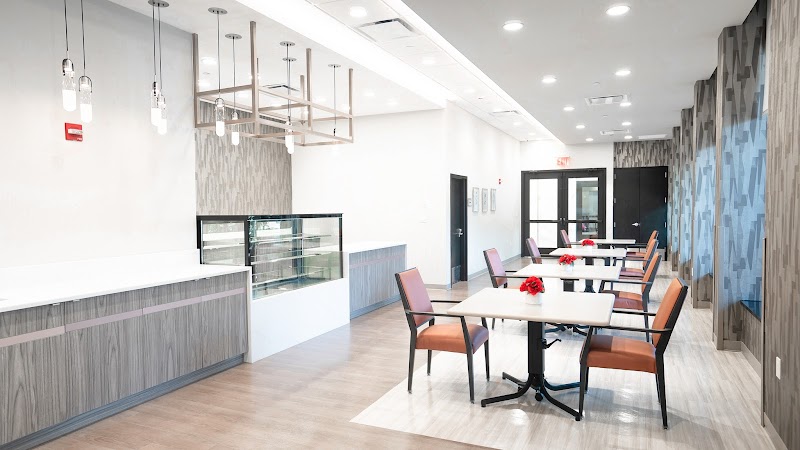
How is King David Center For Nursing And Rehabilitation Staffed?

CMS rates KING DAVID CENTER FOR NURSING AND REHABILITATION's staffing level at 3 out of 5 stars, which is average compared to other nursing homes. Staff turnover is 26%, compared to the New York average of 46%. This relatively stable workforce can support continuity of care.

What Have Inspectors Found at King David Center For Nursing And Rehabilitation?

State health inspectors documented 20 deficiencies at KING DAVID CENTER FOR NURSING AND REHABILITATION during 2019 to 2024. These included: 19 with potential for harm and 1 minor or isolated issues.
Who Owns and Operates King David Center For Nursing And Rehabilitation?

KING DAVID CENTER FOR NURSING AND REHABILITATION is owned by a for-profit company. For-profit facilities operate as businesses with obligations to shareholders or private owners. The facility is operated by ALLURE GROUP, a chain that manages multiple nursing homes. With 271 certified beds and approximately 266 residents (about 98% occupancy), it is a large facility located in BROOKLYN, New York.

How Does King David Center For Nursing And Rehabilitation Compare to Other New York Nursing Homes?

Compared to the 100 nursing homes in New York, KING DAVID CENTER FOR NURSING AND REHABILITATION's overall rating (5 stars) is above the state average of 3.1, staff turnover (26%) is significantly lower than the state average of 46%, and health inspection rating (4 stars) is above the national benchmark.

What Should Families Ask When Visiting King David Center For Nursing And Rehabilitation?

Based on this facility's data, families visiting should ask: "Can I visit during a mealtime to observe dining assistance and food quality?" "How do you handle medical emergencies, and what is your hospital transfer rate?" "Can I speak with family members of current residents about their experience?"

Is King David Center For Nursing And Rehabilitation Safe?

Based on CMS inspection data, KING DAVID CENTER FOR NURSING AND REHABILITATION has a clean safety record: no substantiated abuse findings (meaning no confirmed cases of resident harm), no Immediate Jeopardy citations (the most serious violation level indicating risk of serious injury or death), and is not on the Special Focus Facility watch list (a federal program monitoring the lowest-performing 1% of nursing homes). The facility has a 5-star overall rating and ranks #1 of 100 nursing homes in New York. While no facility is perfect, families should still ask about staff-to-resident ratios and recent inspection results during their visit.

Do Nurses at King David Center For Nursing And Rehabilitation Stick Around?

Staff at KING DAVID CENTER FOR NURSING AND REHABILITATION tend to stick around. With a turnover rate of 26%, the facility is 20 percentage points below the New York average of 46%. Low turnover is a positive sign. It means caregivers have time to learn each resident's needs, medications, and personal preferences. Consistent staff also notice subtle changes in a resident's condition more quickly. Registered Nurse turnover is also low at 30%, meaning experienced RNs are available to handle complex medical needs.

Was King David Center For Nursing And Rehabilitation Ever Fined?

KING DAVID CENTER FOR NURSING AND REHABILITATION has no federal fines on record. CMS issues fines when nursing homes fail to meet care standards or don't correct problems found during inspections. The absence of fines suggests the facility has either maintained compliance or corrected any issues before penalties were assessed. This is a positive indicator, though families should still review recent inspection reports for the full picture.

Is King David Center For Nursing And Rehabilitation on Any Federal Watch List?

KING DAVID CENTER FOR NURSING AND REHABILITATION is not on any federal watch list. The most significant is the Special Focus Facility (SFF) program, which identifies the bottom 1% of nursing homes nationally based on persistent, serious quality problems. Not being on this list means the facility has avoided the pattern of deficiencies that triggers enhanced federal oversight. This is a positive indicator, though families should still review the facility's inspection history directly.