LINDEN CENTER FOR NURSING AND REHABILITATION
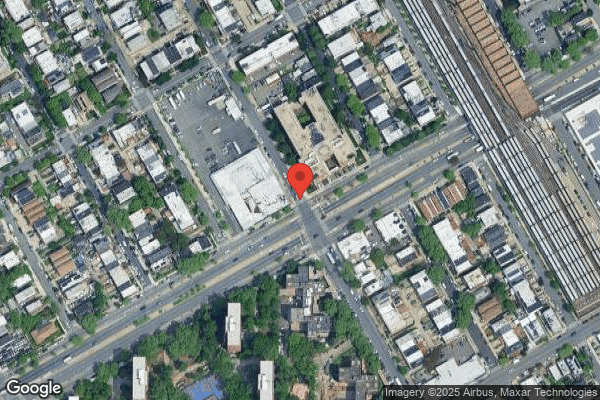

2237 LINDEN BOULEVARD, BROOKLYN, NY 11207 (718) 649-7000
For profit - Limited Liability company 280 Beds ALLURE GROUP Data: November 2025
Trust Grade
85/100
#59 of 594 in NY
Last Inspection: June 2023

Over 2 years since last inspection. Current conditions may differ from available data.

Overview

Linden Center for Nursing and Rehabilitation has a Trust Grade of B+, indicating it is above average and recommended for families seeking care. It ranks #59 out of 594 facilities in New York, placing it in the top half, and #7 out of 40 in Kings County, meaning there are only a few local options that perform better. The facility is improving, with the number of issues decreasing from 9 in 2019 to 7 in 2023. Staffing is rated 4 out of 5 stars, with a turnover rate of 32%, which is lower than the state average, suggesting a stable workforce familiar with residents. However, there are concerns, including expired nutritional supplements found in storage and pest control issues, such as cockroach droppings in the kitchen area, highlighting areas that need attention.

Trust Score
B+
85/100
In New York
#59/594
Top 9%
Safety Record
Low Risk
No red flags
Inspections
Getting Better
9 → 7 violations
Staff Stability
○ Average
32% turnover. Near New York's 48% average. Typical for the industry.
Penalties
✓ Good
No fines on record. Clean compliance history, better than most New York facilities.
Skilled Nurses
○ Average
Each resident gets 40 minutes of Registered Nurse (RN) attention daily — about average for New York. RNs are the most trained staff who monitor for health changes.
Violations
⚠ Watch
16 deficiencies on record. Higher than average. Multiple issues found across inspections.
★★★★★
5.0
Overall Rating
★★★★☆
4.0
Staff Levels
★★★★★
5.0
Care Quality
★★★★☆
4.0
Inspection Score
Stable
2019: 9 issues
2023: 7 issues

The Good

  • 4-Star Staffing Rating · Above-average nurse staffing levels
  • 5-Star Quality Measures · Strong clinical quality outcomes
  • Full Sprinkler Coverage · Fire safety systems throughout facility
  • No fines on record
  • Staff turnover below average (32%)

    16 points below New York average of 48%

Facility shows strength in staffing levels, quality measures, fire safety.

The Bad

Staff Turnover: 32%

14pts below New York avg (46%)

Typical for the industry

Chain: ALLURE GROUP

Part of a multi-facility chain

Ask about local staffing decisions and management

The Ugly 16 deficiencies on record

Jun 2023 7 deficiencies
CONCERN (D)

Potential for Harm - no one hurt, but risky conditions existed

Deficiency F0578 (Tag F0578)

Could have caused harm · This affected 1 resident

**NOTE- TERMS IN BRACKETS HAVE BEEN EDITED TO PROTECT CONFIDENTIALITY** Based on interviews and record review conducted during the Recertification survey (GW6011) from [DATE] to [DATE], the facility d...

Read full inspector narrative →
**NOTE- TERMS IN BRACKETS HAVE BEEN EDITED TO PROTECT CONFIDENTIALITY** Based on interviews and record review conducted during the Recertification survey (GW6011) from [DATE] to [DATE], the facility did not ensure policies and procedures for advance directives were implemented to ensure advance directives would be followed. This was evident for 1 (Resident #73) of 2 resident reviewed for Advanced Directives out of 37 sampled residents. Specifically, Resident #73 had a Medical Orders for Life-Sustaining Treatment (MOLST) form indicating their Advanced Directives included Do Not Resuscitate (DNR)/Do Not Intubate (DNI), but Resident #73 had no orders for DNR/DNI in the medical record. In addition, the MOLST was not reviewed quarterly, and there were conflicting notes regarding the resident's code status in the medical record. The finding is: The policy and procedure titled Advanced Directives, revised [DATE], documented the facility healthcare staff educates residents with cognitive capacity to make informed decisions about their right to Medical Orders for Life Sustaining Treatment (MOLST) to ensure compliance with the Family Health Care Decisions Act in Long-Term care. Social Services is responsible for submitting requests for DNR orders to the attending physician and reviewing the Advance Directives (AD) choices and decisions with the resident/designated representative at least quarterly to ensure they reflect their wishes. Nursing is responsible for obtaining appropriate attending physician's orders and ensuring the AD are listed under the residents' profiles in electronic health record (EHR). The interdisciplinary team should collaborate to ensure residents/designated representative receive information of AD upon admission, quarterly, annually, and whenever there is a significant change. The attending physician should document DNR orders in the resident medical record, renew DNR orders during the monthly review, and renew MOLST orders on a quarterly basis which is documented in Section F of the MOLST form. Resident # 73 had diagnoses which include Cerebrovascular Accident (CVA), Respiratory Failure with Unspecified Hypoxia status post Tracheostomy, and Encephalopathy. The Annual Minimum Data Set 3.0 (MDS) dated [DATE] documented Resident #73 had severely impaired cognition with short- and long-term memory problems. The MOLST for Resident #73 dated [DATE] documented the designated representative elected for DNR/DNI, comfort measures, send to the hospital if needed, long-term feeding tube if needed, and antibiotics to treat infections if medically indicated. The MOLST had a verbal consent from the designated representative, and it was signed by two witnesses and the medical provider. The form was missing Section F, so there was no documented evidence the MOLST was reviewed quarterly. The Social Services admission note dated [DATE] documented the resident was admitted from the hospital for long-term care. AD were discussed with the designated representative, and they completed a MOLST-DNR. Nursing and the physician (MD) were notified, and the MOLST was left in the MD book for signature. The Physician order history printed [DATE] documented Resident #73 had prior orders DNR/DNI that were discontinued on [DATE]. From [DATE] to [DATE] there were no orders for DNR/DNI in the medical record. The Social Services Notes (SSN) from [DATE] to [DATE] documented conflicting information regarding Resident #73's AD status. The SSN dated [DATE] documented the quarterly care plan meeting was held with the designated representative via telephone. Social Work (SW) discussed AD and they will continue with the MOLST-DNR. The Social Services Note dated [DATE] documented Resident #73 was readmitted from the hospital. The Note documented the plan of care and AD continue with the MOLST- CPR (Cardiopulmonary Resuscitation). The Social Services Note dated [DATE] documented the quarterly care plan meeting was held with the designated representative via telephone. Social Work (SW) discussed AD and they will continue with the MOLST-DNR. The Social Services Note dated [DATE] documented the annual care plan meeting was held with the designated representative via telephone conference. SW discussed AD and they will continue with the MOLST-CPR. Review of Nurses Plan of Care Progress dated [DATE] to [DATE] documented Resident #73 has a MOLST -DNR. The Medical Progress notes dated [DATE] to [DATE] documented Resident #73 AD were DNR/DNI, MOLST- A trial period of IV fluids, Comfort measures only, Long-Term Feeding Tube if needed, Send to Hospital if necessary and MOLST- Use antibiotics (current and verified [DATE]). On [DATE] at 11:36 AM, Licensed Practical (LPN) # 4 was interviewed and stated Resident #73 is DNR/DNI on the MOLST effective- [DATE]. LPN #4 stated there are no orders in place for their AD. Orders for DNR/DNI should have been placed when the MOLST was done for the resident to avoid medical malpractice. If a resident is DNR/DNI, the family bay be upset if CPR is done on the resident. On [DATE] at 11:40 AM, the Social Worker (SW) was interviewed and stated Resident #73 AD are DNR/DNI, effective [DATE]. They had a care planning meeting 3 months ago, and AD were discussed with the designated representative in the meeting and updated in system. Nursing is responsible for entering AD orders and uploading the MOLST into the medical record. The SW stated they made an error in their note on [DATE] AD note which indicated the resident was full code. The AD must be accurate to make sure if something happened to the resident, the staff and doctor are aware of the resident's AD. The AD review is done quarterly. On [DATE] at 11:51 AM, the ADON/RN was interviewed and stated Resident #73 just moved to the unit. Resident #73 had an AD for DNR/DNI as of [DATE]. The nurse should have put the AD order into the system, and there is no AD order for the resident. It is important when a resident has an emergency, we look at the AD order in the electronic health record (EUHR) to see what we need to do. We are not supposed to do CPR since the resident is DNR. On [DATE] at 01:34 PM, the Director of Nursing (DON) was interviewed and stated that once the MOLST is completed, the physician should let nurses know what the residents AD is. The AD review and discussion of the AD goes thru the interdisciplinary treatment team (IDT). In an emergency, the staff honor residents' paperwork. The Physician's Progress notes are an acknowledgement of the AD and the physician's orders. We always double check AD in an emergency and check the paper MOLST. Coordination of care is the best practice to ensure the entire team is aware of what the AD plan is for the resident. 415.3(f)(1)(ii)
CONCERN (D) 📢 Someone Reported This

A family member, employee, or ombudsman was alarmed enough to file a formal complaint

Potential for Harm - no one hurt, but risky conditions existed

Notification of Changes (Tag F0580)

Could have caused harm · This affected 1 resident

**NOTE- TERMS IN BRACKETS HAVE BEEN EDITED TO PROTECT CONFIDENTIALITY** Based on record review and interview conducted during the Recertification and Abbreviated survey (NY00314045) from 06/01/2023 to...

Read full inspector narrative →
**NOTE- TERMS IN BRACKETS HAVE BEEN EDITED TO PROTECT CONFIDENTIALITY** Based on record review and interview conducted during the Recertification and Abbreviated survey (NY00314045) from 06/01/2023 to 06/08/2023, the facility did not ensure that a resident's designated representative was immediately notified of a significant change in the resident's condition and a need to initiate treatment. This was evident for 1 (Resident #473) of 1 resident reviewed for Notification of Change out of an investigative sample of 38 residents. Specifically, Resident #473's designated representative was not notified of new blisters to the lower extremities, deterioration of the wound to a Deep Tissue Injury (DTI) [blood blister], and the treatment implemented. The findings are: The facility's policy titled 'Notification of Changes, last reviewed 10/2022, documented that it is the policy of the facility that changes in a resident condition or treatments are immediately shared with the resident and/or resident representative. The policy further documented the purpose of the policy is to provide appropriate timely information about changes relevant to the resident's condition. Resident #473 was admitted to the facility on [DATE] with diagnoses that included Coronary artery disease (CAD), Cerebrovascular Accident (CVA), and Non-Alzheimer's Dementia. Hypertension, Hyperlipidemia, Aphasia, Cerebrovascular accident (CVA), and Personal History of COVID-19. The Quarterly Minimum Data Set 3.0 (MDS) dated [DATE] documented that resident's cognition was severely impaired with a Brief Interview for Mental Status ( BIMS) score of 3 out of 15. A Nursing progress note dated 4/1/2023 documented writer was informed by the Certified Nursing Assistant (CNA) about a blister that was seen on Resident #473's right foot,. The writer went and looked at the resident's foot, and a blister was seen. The Registered Nurse Supervisor was notified, and vital signs were taken. A Nursing progress note dated 4/1/2023 documented the writer was called to assess the resident's bilateral lower extremities. On assessment, Resident #473 was noted with fluid-filled blisters to bilateral lower extremities, left great toe, and left heel. Heel booties were applied to bilateral feet, and the resident was referred to wound care team. Both designated representatives were called, but the person who answered the phone informed the writer they were not available. There was no documented evidence the facility attempted to call the designated representative later on 4/1/23 or on 4/2/23. A Nursing progress notes dated 4/3/2023 documented the blisters to bilateral lower extremities persist. No complaints of pain or discomfort were voiced during the tour. Resident #473 was referred to the wound nurse. Staff will continue to monitor, and all nursing care rendered. A Nursing progress notes dated 4/3/2023 documented the writer visited the residents' room and found Resident #473 verbally unresponsive with no response to movements or tactile stimuli. The RN Supervisor was notified, and vitals were taken B/P (blood pressure) 119/91, P (pulse) 119, R(respiration)18, 02 (oxygen) 96, temp 100.7. A Nursing progress notes dated 4/3/2023 documented on assessment Resident#473 was observed lying in bed with oxygen progressing at 3 liters via nasal cannula. No obvious respiratory distress was noted. Temp was noted to be 100.7 antipyretic measures were in progress. Resident was noted to be non-responsive verbally or to tactile stimuli. The MD was called and assessed resident and ordered IV fluid o.45% n/s at 60cc/hour. IV fluid therapy started via midline to right arm. No infiltration noted to site. All interventions were done, and resident did not improve hence order was given to send Resident #473 to the hospital. The designated representative was called, and they requested Resident #473 be transferred to their preferred hospital. Resident #473 left the facility at 11:22 am with 911 team. V/S T 100.7 P 119 R 18 BP 115/65 SPO2 95% with 3 liters O2 via nasal cannula. A Nursing progress note (Skin/wound) dated 4/3/2023 documented Resident #473 was seen by the wound specialist at the bedside. DTI [blood blister] on the L medial forefoot measured 4 x 9 cm, with 100% maroon skin discoloration, no exudate/odor noted. DTI [blood blister] on the L heel measured 7 x 8 cm, no exudate/odor noted. DTI [blood blister] on the R bunion measured 2 x 2 cm, no exudate/odor noted. Bilateral heel suspension booties were in place, and the heels were floated with a pillow. The writer called and left a message for the resident's daughter indicating they will call again. An air mattress was requested. Continue to turn and position every 2 hours and as needed. Continue to provide care after each period of incontinence. No regular shoes. Referred to Rehab for footwear when out of bed. Wound Care Nursing progress notes dated 4/4/2023 documented called and left a message for resident's daughter indicating that I will call again. Intent of the call was to inform daughter that resident was seen by wound specialist, and Arterial and Doppler studies were scheduled for yesterday, but resident was sent to the hospital. There was no documented evidence that Resident #473's next of kin was notified about the initial development of blisters to lower extremities, the deterioration of the blisters to Deep Tissue Injury (DTI), blood blisters, the Wound Team assessment and treatment plan. On 06/05/23 at 02:15 PM, a telephone interview was conducted with resident Next of Kin (NOK) and Complainant. NOK stated they were not informed about the blisters, and they were not aware the resident had changes to their lower extremities. NOK/Complainant stated they only observed the changes when the resident was transferred and admitted to the Hospital. On 06/06/23 at 12:09 PM, an interview was conducted with License Practical Nurse (LPN#6). LPN #6 stated the last two days before transfer to the hospital the resident had a blister on the feet. LPN #6 stated this was reported by the Certified Nursing Assistant (CNA), and then the Nursing Supervisor was called to look at the blister. LPN #6 stated the supervisor called the doctor and obtained the treatment order, and the treatment nurse applied the treatment. LPN #6 stated they wrote a note, but the Nursing Supervisor is responsible for informing the family. LPN #6 could not recall if this was done. On 06/07/23 at 10:28 AM, an interview was conducted with the Register Nursing Supervisor (RNS#2). RNS #2 stated the resident had a blister on foot, and it was filled with clear liquid. RNS #2 stated informed the wound team and called the doctor and family. RNS #2 stated when called the family, the person who answered the phone said the NOK was not there. RNS #2 stated relayed this to the wound team who stated will call about the blisters. RNS stated when the wound team called, there was no answer. RNS #2 stated to their knowledge no one called the facility back. RNS #2 stated they endorsed to the incoming shift on 4/1/23, but they did not follow up. On 06/08/23 at 10:13 AM, an interview was conducted with Wound Nurse (WN). The WN stated Resident #473 was seen initially on 4/1/223 by unit Supervisor and noted to have blisters on both lower extremities, left great toe, and left heel. The WN stated the resident was referred to the Wound Team and seen on 4/3/2023 by the Wound Team, including the Wound Specialist Nurse Practitioner NP. The WN stated the staff who initially see the wound are responsible for notifying the family, and the wound team will follow up as needed if there is a change in the wound and or treatment. The WN stated they personally called the family on 4/3/2023 and on 4/4/2023 and left a message, but no one called back. The WN stated the purpose of the call was to inform the family of the plan to have a doppler venous and arterial to the lower extremity. The WN stated as per the note, the family was not informed about the wound initially on 4/1/2023. On 06/08/23 at 12:59 PM, an interview was Director Of Nursing Services (DNS). DNS stated when a change in condition occurs such as a new wound, change in medical condition the initial person who identify the change must call the family. DNS stated the initial staff will call the doctor, call the residents family, and initiate recommended treatments. DNS stated a wound consult is placed and when the wound Nurse see the resident will also call the family and inform the family as well. DNS stated the initial staff RNS, and the Wound Nurse was responsible for notifying, DNS stated call the family and there is no answer then this must be endorsed and documented. DNS stated unfortunately this was not followed up in this case. 10NYCRR 415.3(e)(2)(ii)(c)
CONCERN (D) 📢 Someone Reported This

A family member, employee, or ombudsman was alarmed enough to file a formal complaint

Potential for Harm - no one hurt, but risky conditions existed

Report Alleged Abuse (Tag F0609)

Could have caused harm · This affected 1 resident

**NOTE- TERMS IN BRACKETS HAVE BEEN EDITED TO PROTECT CONFIDENTIALITY** Based on interviews and record review conducted during the Recertification and Complaint Survey (NY00316525) from 6/1/23 to 6/8/...

Read full inspector narrative →
**NOTE- TERMS IN BRACKETS HAVE BEEN EDITED TO PROTECT CONFIDENTIALITY** Based on interviews and record review conducted during the Recertification and Complaint Survey (NY00316525) from 6/1/23 to 6/8/23, the facility did not ensure all alleged violations involving abuse were reported immediately, but not later than 2 hours after the allegations of abuse were made to the New York State Department of Health (NYSDOH). This was evident for 1 resident (Resident #573) of 3 residents reviewed for Abuse. Specifically, an incident of resident-to-resident abuse where Resident #573 alleged Resident #118 tightly held their left arm causing pain was not reported to NYSDOH timely. The findings are: The facility policy titled Resident Abuse, Mistreatment and Neglect revised 7/13/2022 documented the Administrator or Director of Nursing (DON)/ Designee must report allegation of abuse immediately but no later than 2 hours after the alleged incident. Resident #573, the victim, had diagnoses of Psychotic Disorder, Non-Alzheimer's Dementia The Minimum Data Set 3.0 (MDS) assessment dated [DATE] documented Resident #573 was severely impaired cognitively and required assistance of 1-2 people to complete activities of daily living. Resident #181, the aggressor, had diagnoses of Schizophrenia and Bipolar Disorder. The MDS dated [DATE] documented Resident # 181 has severe impaired cognition and requires assistance of 1-2 people to complete activities of daily. The Accident/Incident (A/I) Report dated 5/10/2023 at 4:10PM documented Resident # 573 and Resident #181 had a loud exchange of words. A/I report further documents Resident # 573 complained that Resident #181 held tight their left arm and complaining of pain. The x-ray report showed an impacted left radius of indeterminate age. There was no documented evidence the facility reported Resident #181 allegation of abuse to the DOH within 2 hours of occurrence. NYSDOH was notified 5/12/2023 at 6:18 PM. On 6/8/2023 at 10:59 AM, the DON was interviewed and stated the resident-to-resident altercation involving Resident #573 and Resident #181 was investigated by the facility, and it was determined no abuse occurred. The facility believed they had 5 days to report to NYSDOH. On 6/8/2023 at 11:15 AM, the Administrator was interviewed and stated they believed resident-to-resident altercations must be reported to NYSDOH in the mandated timeframe. 10NYCRR 415.4(b)
CONCERN (D) 📢 Someone Reported This

A family member, employee, or ombudsman was alarmed enough to file a formal complaint

Potential for Harm - no one hurt, but risky conditions existed

Comprehensive Care Plan (Tag F0656)

Could have caused harm · This affected 1 resident

Based on observations, interviews, and record reviews conducted during the Recertification Survey, the facility did not ensure that comprehensive person-centered care plans (CCP) were developed and im...

Read full inspector narrative →
Based on observations, interviews, and record reviews conducted during the Recertification Survey, the facility did not ensure that comprehensive person-centered care plans (CCP) were developed and implemented for each resident that includes measurable objectives and timeframes to meet a resident's medical, nursing, mental and psychological needs. This was evident for 1 (Resident #63) of 37 sampled residents. Specifically, the CCP related to Resident #63's glaucoma was not developed to include the use of prescribed eye drops. The findings are: Resident #63 had diagnoses of glaucoma, legal blindness, and dementia. The Minimum Data Set 3.0 dated 12/21/2022 and 3/23/2023 documented that the Resident #63 had moderately impaired cognition, highly impaired vision, no corrective lenses, and required extensive to total assistance with activities of daily living (ADL). The CCP related to Resident #63's visual function initiated 8/21/2019 documented interventions of arrange consultation with eye care practitioner, monitor for signs and symptoms of eye infection, monitor/document/report acute eye changes, tell the resident where items are being placed, be consistent. Optometry note dated 9/16/2020 documented Resident #63 had glaucoma in both eyes and eye drops were recommended for both eyes. Brimonidine Tartrate, Triamcinolone and Hydroxycortiosone were recommended for the eyelids for blepharitis and cataracts in both eyes. Triamcinolone and hydrocortisone to be discontinued. Maxitrol twice daily (BID) on eyelids x 30 days recommended. The Physician's Order dated 10/20/2022 documented Brimonidine Tartrate solution 2% instill 1 drop in both eyes every 12 hours for unspecified glaucoma. Optometry Exam dated 12/19/2022 documented Resident #63 was blind, visual fields unresponsive. Intraocular pressure for both eyes was 26 mmHg. Follow up with ophthalmology and add Latanoprost drops. Nursing note 12/29/2022 documented Resident #63 was seen by the Optometrist on 12/19/2022. Eye drops were recommended at hour of sleep. Physician's Orders dated 4/20/2023 documented Resident #63 received two eye drops of Latanoprost solution 0.005% and Brimonidine Tartrate Solution 0.2% to be applied every 12 hours for unspecified glaucoma. There is no documented evidence a CCP related to glaucoma and vision were developed to include Resident #63's use of prescribed eye drops. On 06/06/2023 at 3:16 PM, Licensed Practical Nurse (LPN) # 3 was interviewed and stated Resident #63 had glaucoma was legally blind. Resident #63 is prescribed two different eye drops. The Registered Nurse (RN) in charge or night supervisor modifies the CCP. The morning RN completes the scheduled CCP reviews. On 06/07/2023 at 03:04 PM, an interview was conducted with Optometrist who stated they saw Resident #63 yesterday and they are blind with glaucoma. Resident #63's eye pressure needs to be monitored over time due to diabetes diagnosis. On 06/08/2023 at 01:27 PM, an interview was conducted with the Director of Nursing who stated that CCPs for Resident #63 should be updated if there is a change in their status, quarterly and as needed or if something is discontinued for the resident. CCPs are revised so they can reflect resident current treatment plan and personalized care for the resident needs. 415.11(c)(1)
CONCERN (D)

Potential for Harm - no one hurt, but risky conditions existed

Deficiency F0761 (Tag F0761)

Could have caused harm · This affected 1 resident

Based on observation, record review, and staff interview conducted during the Recertification survey (GW6011), the facility did not ensure that medication and biologicals were discarded by expiration ...

Read full inspector narrative →
Based on observation, record review, and staff interview conducted during the Recertification survey (GW6011), the facility did not ensure that medication and biologicals were discarded by expiration date. Specifically, one box of expired medication (Omeprazole) containing 3 bottles of extended-release capsules was located in the 2 [NAME] medication room. This was evident for 1 on 6 medication rooms reviewed for Medication Storage (Unit 2 West). The findings are: The Policy titled Medication Storage reviewed on 10/2022 documented medications must be removed and disposed of immediately if they are expired. Anytime you remove a medication from storage document the disposal on the medication disposition record and in the resident's file. On 06/03/2023 at 10:55 AM, an observation of the medication room on the 2 [NAME] was conducted with the Licensed Practical Nurse (LPN #2). There was one box of Omeprazole 20 mg 24-hour extended-release capsules containing 3 bottles of 14 capsules per bottle with an expiration date of 03/2023 in the medication room cabinet. The Medication Area Inspection forms for 2 [NAME] documented checks of the medication storage were completed by the consultant pharmacist on 3/13/2023, 4/17/2023, and 5/15/2023. Expired medication was removed from the medication storage on 3/13/2023 and 5/15/2023. The expired Omeprazole was not found during these checks of the medication storage. During an interview on 06/06/2023 at 11:07 AM, LPN #1 stated they check the expiration date when they take medications out of the medication room. LPN #1 was not sure if any residents were on Omeprazole. LPN #1 stated medications should be checked to ensure expired medications are not given to a resident which could have an adverse effect to resident. They are aware if medication is expired, they need to get new meds that are not expired, and they should be aware of the medication inventory. On 06/06/2023 at 11:21 AM, an interview was conducted with the LPN #2 who stated they look at the medication daily with the other nurse. LPN #2 stated they did not check the medication in the cabinet this morning. They further stated they don't want to give residents expired meds. On 06/06/2023 at 11:24 AM, an interview was conducted with the Registered Nurse Supervisor (RNS#1) who stated they do morning medication checks and medications were delivered yesterday. They stated they are aware of the expired over the counter medication (OTC). The facility cannot use expired medications because there could be adverse effects. On 06/08/2023 at 01:19 PM, the Director of Nursing (DON) was interviewed and stated stock meds should be placed in the cart in the medication room. Staff should check the expiration dates on items. No medication in the medication room should be expired. Rounds are done with floor huddles Monday to Friday, and the supervisors go from unit to unit for rounds. Medication room rounds, completed with the Assistant Director of Nursing (ADON) and the supervisors, began in May, and one unit per day was checked. They open cabinets and looked at medication expiration dates during the rounds. Expired medications pose safety concerns to the residents, and they should not be stored in the med room. The pharmacy checks the medication room monthly. 415.18 (e) (1-4)
CONCERN (E)

Potential for Harm - no one hurt, but risky conditions existed

Food Safety (Tag F0812)

Could have caused harm · This affected multiple residents

**NOTE- TERMS IN BRACKETS HAVE BEEN EDITED TO PROTECT CONFIDENTIALITY** Based on observations, record review, and interviews conducted during the Recertification and Complaint survey, the facility did...

Read full inspector narrative →
**NOTE- TERMS IN BRACKETS HAVE BEEN EDITED TO PROTECT CONFIDENTIALITY** Based on observations, record review, and interviews conducted during the Recertification and Complaint survey, the facility did not ensure safe food storage was practiced to prevent food-borne illness. This was evident during the initial tour of the Kitchen. Specifically, (1) expired enteral feed nutritional supplement was observed in the Kitchen's dry storage room and 8 oz cartons of enteral feeding/supplement in the water storage cage in the kitchen. (2) the facility did not ensure that potentially hazardous foods were kept at 41 degrees or below during tray line observation for the Kitchen observation. The findings are: The facility policy titled Food Storage implemented 10/13/2016 documented foods are to be reported using the First-In, First-Out (FIFO) method; all new items should be stored behind items already in inventory. The facility policy titled Dietary/Food Handling implemented 10/2019 and revised 10/2022 documented all potentially hazardous food must be maintained at 40 degrees or less and at 140 or above except during preparation, cooking or cooling. Cold food- 40 degrees or below (may not exceed 55 degrees without being discarded). Dietary supplements on the nursing units must be maintained as indicated below (open containers must be dated and sealed or covered during storage). The policy does not include information in relation to checking the dates on foods for expiration. 1) On 06/01/2023 from 09:48 AM to 10:08AM, the Kitchen initial tour was conducted with the Director for Food Services (DFS). Two boxes of Jevity 1.5 (enteral feeding) containing a total of 16 -33.8 fluid ounce bottles with a use by date of 01 [DATE] were observed in the dry storage room On 06/01/2023 at 10:23 AM, the Kitchen's emergency water cage was observed, and it contained 10 boxes of Jevity 1.2 enteral feeding containing 8 oz cartons with a use by date of 01 July 2022 and 2 boxes of Jevity 1.2 enteral feeding with use by date of 01 [DATE]. The Basic Sanitation Audit for May 2023 done on 5/3/2023 documented a review was done of the food storage. There were not concerns with expired food noted. The enteral feeding list as of 6/1/2023 at 11 AM documented that there were 5 residents who were on enteral feeding in the building. On 06/05/2023 at 11:31 AM, an interview was conducted with Dietary Aide (DA) #1 who stated they did not notice the enteral feeding was expired. They stock items Monday and Tuesday, and they pay attention to the dates on the shelf. They stated FIFO should be used. On 06/05/2023 at 02:45 PM, the Food Service Supervisor (FSS) was interviewed and stated they do supply delivery rounds twice weekly. They look at dates on items. The last time they looked was last Monday, and they did not notice any expired items. Expired items should be pulled aside so the Food Service Director can be informed. The items are then discarded. Expired food can contain microorganisms, so it has to be discarded. 2) On 06/05/2023 at 11:29 AM, a tray line observation was conducted, and food temperatures were observed. An egg salad sandwich was at 47.3 Fahrenheit (F) and ham sandwich - 47.8F. On 06/08/2023 at 11:26 AM, an additional tray line observation was conducted. A tuna sandwich was 40.3 F, and a bologna and cheese sandwich was 47.8F. On 06/08/2023 at 11:36 AM, an interview was conducted with Dietary Aide (DA) #2 who stated when they prepare sandwiches they take the ingredients out of the fridge, and the meat is placed on ice while the sandwiches are made. Then, they place the sandwiches in the fridge. Sandwiches should be at 60-65 degrees Fahrenheit. They have had a potentially hazardous food in-service. Sandwiches are thrown out after 2 to 3 days. Spoilage and bacteria are a concern. On 06/08/2023 at 11:30 AM PM, the Director of Food Service (DFS) was interviewed, and that potentially hazardous foods should be kept at 40 degrees or less. At temperatures beyond 40 degrees (F), bacteria multiply. They review temperatures with meals and before the food leaves the kitchen. 415.14 (h)
CONCERN (E)

Potential for Harm - no one hurt, but risky conditions existed

Deficiency F0925 (Tag F0925)

Could have caused harm · This affected multiple residents

**NOTE- TERMS IN BRACKETS HAVE BEEN EDITED TO PROTECT CONFIDENTIALITY** Based on observation, record review and staff interview conducted during the recertification survey (GW6011), the facility did n...

Read full inspector narrative →
**NOTE- TERMS IN BRACKETS HAVE BEEN EDITED TO PROTECT CONFIDENTIALITY** Based on observation, record review and staff interview conducted during the recertification survey (GW6011), the facility did not maintain an effective pest control program so that the facility is free of pests and rodents. Specifically, droppings were observed in the kitchen and emergency food and emergency water storage areas. This was evident for the Kitchen Observation facility task. The finding is: The facility policy titled Pest Control reviewed 11/2022 documented the facility will maintain an effective pest control program for insect and rodent control, food storage and proper cleaning is paramount. Pest control is carried out once weekly or more often if required. Under the direction of the Food Service Director, all areas of the kitchen are checked once week and as required. On 06/01/2023 at 10:19AM -10:34AM, an observation was made during the initial tour of the kitchen to include the Emergency Water in the cage in a 1-inch brown cockroach was seen crawling on the top metal shelf in the room. One black fly noted flying in cart room and one black fly noted flying in dry storage room, multiple black noted flying in storage area with excess emergency water. There were multiple brown, black colored droppings on brown paper dividers in between stored water in the emergency water excess room. There were also multiple black colored droppings in clear totes being held in excess emergency water room. On 06/01/2023 at 10:37 AM, an observation of the emergency food room was conducted, and a small fly was noted flying in the room and the room air had a musty odor. A box containing food had a chew mark on the cardboard box. On 06/05/23 from 02:30 PM to 02:32 PM, the Kitchen was observed with multiple rodent droppings (approximately 29 droppings) on the wall ledge behind stored equipment by the meat slicer. On 06/05/23 at 02:34 PM, on observation of the emergency water overflow room there were droppings on carboard divider on top of water and droppings on side of floor and shelf. The Facility Pest Control Log between 6/1/2022 - 5/31/2023 documented that the kitchen was serviced 19 times. The last documented mice sighting was on 11/1/2022. The Pest Control Service Inspection Report dated 05/17/2023 documented the kitchen was inspected/treated the kitchen areas, storages, hallways for control of pests. Documented there was heavy live roach activity, rodent activity in the chemical storage room placed glue boards. Standing water was observed, and there was heavy food debris under kitchen equipment. The highly recommended better sanitation and recommended roach clean out areas. Treatment included 27 insect monitors, 4 insecticides and cockroach gel. The Pest Control Service Inspection Report documented on 5/24/2023 kitchen pest inspection that roaches, fruit flies were observed throughout, food debris and food residue observed, standing water throughout. Documented the area was heavily treated and additional insect monitors were placed. Recommendations included keeping fans on and rolling rubber floor mats. Recommend handing and proper storage of cleaning equipment, wet and damp mops on floors. Highly recommend thorough cleaning throughout kitchen area. Treatment included 24 insect monitors, 4 insecticides and cockroach gel bait. The Pest Control Service Inspection Report documented on 05/31/2023 The Pest Control Service Inspection Report documented on 05/31/2023 the kitchen was inspected roaches and fruit flies' activity observed throughout facility and food debris and residue observed under equipment. Highly recommend better sanitation to control pest activity. Recommend emptying all trash can at end of shift. Heavy fruit flies observed breeding on trash cans without lids. Documented area heavily treated, and treatments included 12 insect monitors, 8rodent glue boards, 2 insecticides, fly bait and insect growth regulator/insecticide. There was no target pest identified on the report's pest control service inspection reports. On 06/01/2023 at 10:34 AM, the Director of Food Service (DFS) stated that they were in the emergency water overflow room [ROOM NUMBER] month ago, and they noticed the flies in area when they opened the door. The flies should not be there at all. On 06/05/2023 at 11:31AM, the Dietary Aide (DA #1) stated they stock the food items received in the emergency food storage area. They stated that they have noticed rats, and they told the supervisor and was told they would take care of it. They also stated that they have noted baby roaches all around and notified the supervisor. Pest control comes once a week to the kitchen. They stated that they removed the box with the hole in it from the emergency food storage room. Pest carry bacteria. On 06/05/2023 at 02:45 PM, the Food Service Supervisor (FSS) was interviewed and stated they do rounds twice weekly when supplies are delivered, and they look at the emergency food room also. They stated that they noticed a rat running around the kitchen when they first started working. They called the exterminator, and traps were set, They looked for holes, and holes were sealed. They have noticed flies in the kitchen, and they changed the mop heads. The location of the flies was identified and addressed. Pests can carry diseases, bacteria, which can cross contaminate everything including the food supply. On 06/08/2023 at 11:44 AM, the Director of Food Service (DFS) was interviewed and stated they do rounds in the morning. They have not noticed any vermin and they have cleaned up tremendously. They did not look at boxes in food emergency area until they were shown with light and the droppings were cleaned off. Pests can carry diseases don't want anyone to be infected by the diseases they carry. DFS stated that they have not noticed any flies, rats or roaches noted in the kitchen. Pest control come to the kitchen one time a week. Maintenance of housekeeping get exterminator reports. On 06/08/2023 at 02:50 PM, the pest control company was contacted for an interview and was told to email the point of contact for further information about services. The facility was serviced on a weekly basis, once a week for regular service and once a week for a kitchen service. We have increased service for the facility. For the kitchen, we are working on scheduling a special treatment in order to aide in the eradication of the pests being observed. If any reports arise, we respond within 24 hours. On 06/08/2023 at 12:58PM, the Infection Preventionist (IP) was interviewed and stated they do environmental rounds once a week for kitchen to monitor the cleanliness of the kitchen. Pest control comes once a week. The only concern they noticed was a bug laying on its back in the cage close to the food prep area on the floor and informed the kitchen staff to clean it up. They have looked at emergency food room and did not notice anything. They were not informed of any droppings in the kitchen. We don't want to have an outbreak of any sort of bubonic plague to black plague not sickness for residents can cause massive diseases. They do not review temperatures for food in the kitchen. There is no foodborne illness that they are aware of. On 06/08/2023 at 01:25 PM, the Director of Nursing (DON) was interviewed and stated they do not do environmental rounds for the kitchen. They have not noticed any vermin. Vermin/Pests pose a safety risk, and they can make residents sick. During the huddles held on Monday to Friday huddle environmental issues/concerns are discussed, they cover as the Administrator on Duty (AOD) once a month and the nursing supervisor concerns communicated to them. 415.(5) (h)(1),415.5 (h) (1)
Jan 2019 9 deficiencies
CONCERN (D)

Potential for Harm - no one hurt, but risky conditions existed

Deficiency F0561 (Tag F0561)

Could have caused harm · This affected 1 resident

**NOTE- TERMS IN BRACKETS HAVE BEEN EDITED TO PROTECT CONFIDENTIALITY** Based on observations, record review, and interviews conducted during the re-certification survey, the facility did not ensure t...

Read full inspector narrative →
**NOTE- TERMS IN BRACKETS HAVE BEEN EDITED TO PROTECT CONFIDENTIALITY** Based on observations, record review, and interviews conducted during the re-certification survey, the facility did not ensure that it promoted and facilitated resident self-determination through support of resident choice. Specifically, residents bathing preferences were not honored. This was evident for 2 of 2 residents reviewed for Choices out of 38 sampled residents. (Resident #104 and #263). The findings are: 1. Resident #104 was admitted to the facility on [DATE] with diagnoses that included Difficulty Walking, Muscle Weakness, Chronic Pain, and End Stage Renal Disease. The Quarterly Minimum Data Set 3.0 assessment dated [DATE] documented cognition as intact, and total dependence on staff for Activities of Daily Living (ADL's). There was no rejection of care documented. On 01/03/19 at 10:13 AM, the resident was observed in wheelchair in room, neatly dressed and groomed. During an interview the resident stated that he prefers a shower over bed bath and staff continues to wipe him down in bed. The resident stated that the last shower that he had was six months ago and this morning he was wiped down in bed. The resident stated that staff tell him he cannot stand and therefore cannot go in the shower. The Certified Nursing Assistant Assignment Accountability Record (CNAAR) dated November 2018, December 2018, and January 2019 documented that the resident required varying levels of assistance alternating between dependent and extensive assistance with bathing. The CNAAR documented that bathing had occurred but the record did not specify whether a shower or a bed bath had been given. Review of nursing notes from November 2018-January 2019 contained no documented evidence that the resident had refused showers. On 01/08/19 at 02:41 PM, Certified Nursing Assistant (CNA) #5 was interviewed and stated that resident showers twice a week on Tuesday and Thursday in the shower room. CNA #5 also stated the resident gets put in the white chair, wheeled to the shower, and will get help from staff to shower. CNA #5 stated that the resident refuses to shower most of the time. CNA #5 stated that resident will say I'm not going in the shower its cold, just give me a bed bath. CNA #5 further stated if the resident has pain in foot and is moody he does not want to come out of bed and shower. CNA #5 stated that around three times per month the resident refuses shower due to pain and is given a bed bath. CNA #5 stated that she reports to the nurse when resident refuses to shower. 2. Resident #263 was admitted to the facility on [DATE] with diagnoses that included Non-Alzheimer's Dementia, Difficulty Walking, Generalized Muscle Weakness, and Unspecified Mood Disorder. The Quarterly Minimum Data Set 3.0 assessment dated [DATE] document intact cognition, extensive assistance of one with Activities of Daily Living (ADL's), and no rejection of care. On 01/04/19 at 02:22 PM, the resident was observed in room sitting in wheelchair. There was a noted smell of urine in the room. Resident stated that she is scheduled to shower every Monday but doesn't always shower. Resident stated she showered on Tuesday this week. The Certified Nursing Assistant Assignment Accountability Record (CNAAR) dated November 2018, December 2018, and January 2019 documented that the resident required varying levels of assistance alternating between dependent and extensive assistance with bathing. The CNAAR documented that bathing had occurred but the record did not specify whether a shower or a bed bath had been given. Review of nursing notes from November 2018-January 2019 contained no documented evidence that the resident had refused showers. On 01/09/19 at 10:48 AM, CNA #4 was interviewed and stated that she normally gives the resident showers. CNA #4 stated that the resident is scheduled to shower on Monday and Thursday and refuses showers 28 days out of 30 days. CNA #4 stated that she will go back and re-offer shower and care to the resident and even with the RN the resident will refuse. CNA #4 also stated that she will tell the RN to document when the resident refuses showers. CNA #4 stated that there is nowhere on the CNA accountability sheet to document refused showers. On 01/09/19 at 11:55 AM, the Licensed Practical Nurse (LPN) stated that she will document if a resident refused to take a shower during her shift. LPN #2 stated that the CNAs will come and report that a resident has refused care and will document that in progress note. If a resident refuses LPN #2 stated she will ask again if the resident wants to shower. LPN #2 stated that if resident continues to refuse a shower she will tell the NS to give to next shift. LPN #2 further stated that she floats to different units and could not recall if any CNA had ever reported that either of these residents refused to shower as she would have documented if they she was told. On 01/09/19 at 03:06 PM, the Registered Nurse (RN) #3 stated that a resident can shower as needed, but residents are scheduled for showers two days a week. RN #3 stated that there is a specific place under tasks where CNAs document showers. Upon review of the CNAAR, RN #3 stated that there is nowhere that CNAs can document that a resident had a shower or bed bath, they can only document that they gave care. RN #3 stated that it cannot be differentiated whether a shower or bed bath was given. 415.5(b)(1-3)
CONCERN (D)

Potential for Harm - no one hurt, but risky conditions existed

Safe Environment (Tag F0584)

Could have caused harm · This affected 1 resident

**NOTE- TERMS IN BRACKETS HAVE BEEN EDITED TO PROTECT CONFIDENTIALITY** Based on observation, record review and interview the facility did not ensure that a resident was provided a homelike environmen...

Read full inspector narrative →
**NOTE- TERMS IN BRACKETS HAVE BEEN EDITED TO PROTECT CONFIDENTIALITY** Based on observation, record review and interview the facility did not ensure that a resident was provided a homelike environment. Specifically, the resident's bedroom area was observed with no personal belongings. This was evident for 1 reviewed out of a sample of 38 residents (Resident #13). The Finding is: Resident #13 was admitted to the facility on [DATE] with diagnoses including Alzheimer's Disease, Non-Alzheimer's Dementia, and Schizophrenia. On 01/07/19 at 11:19 AM, during the initial pool process screening, and on 01/08/19 thru 01/10/19 the resident's room [ROOM NUMBER] bed B area was observed to be lacking any evidence of personal belongings, and not homelike. The Annual MDS dated [DATE] assessed the resident as being verbal with moderate impairment in cognition and has very important recreational activity preferences of having books, listening to music, being around pets, doing things with groups/favorite activities, going outside, participating in religious activities. It further stated the resident required limited assist of one person with Activities of Daily Living (ADL's). The social worker note dated 01/09/18 documented called family and daughter who is next of kin to ask to bring any personal items like pictures for the resident's room. She stated she will visit the resident tomorrow and the pictures and personal items she will bring it by the next week. On 01/09/19 at 03:41 PM, the Social Worker (SW) was interviewed and stated it is the social worker responsibility on admission to inform the families to bring in personal items and this is not reviewed or followed up with thereafter. She further stated that she was assigned to the resident in 2018, and the resident has a daughter who visits periodically, however she has not spoken to the daughter regarding personal items for the room. The SW also stated that she has visited the resident's room and did not notice that the room was not homelike. The unit is a Dementia/Alzheimer's unit and she should have spoken to the daughter about bringing personal items for the resident's area of the room. 415.5(h)(2)
CONCERN (D)

Potential for Harm - no one hurt, but risky conditions existed

Comprehensive Care Plan (Tag F0656)

Could have caused harm · This affected 1 resident

**NOTE- TERMS IN BRACKETS HAVE BEEN EDITED TO PROTECT CONFIDENTIALITY** Based on observations, record review, and staff interviews during the recertification survey, the facility did not develop and i...

Read full inspector narrative →
**NOTE- TERMS IN BRACKETS HAVE BEEN EDITED TO PROTECT CONFIDENTIALITY** Based on observations, record review, and staff interviews during the recertification survey, the facility did not develop and implement a Comprehensive Care Plan (CCP) to reflect services that were to be furnished to attain or maintain the resident's highest practicable physical well-being. Specifically, there was no care plan created for a resident with a diagnosis of Diabetes Mellitus who was currently on a finger-stick regimen. This was evident for 1 of 38 sampled residents. (Resident # 273). The findings are: The facility policy Care Planning-Interdisciplinary Team dated March 14, 2016 documented the Care Planning/Interdisciplinary Team is responsible for the development of an individualized comprehensive care plan for each resident and the care plan is based on the resident's comprehensive assessment. Resident #273 was admitted to the facility on [DATE] with diagnoses that included Diabetes Mellitus Type 1, and Non-Alzheimer's Dementia. The Quarterly Minimum Data Set (MDS) 3.0 assessment dated [DATE] documented the resident with severely impaired cognition, and required extensive assistance of 1 person with Activities of Daily Living (ADL's). Review of the physician's order dated 12/24/2018 documented: Insulin Aspart 5 units three times a day (TID) with meals and fingerstick TID. During review of the Comprehensive Care Plans (CCP) last revised on 12/10/2018, there was no documented evidence that a CCP had been created to address the resident's medical diagnosis of Diabetes Mellitus. On 01/09/2019 at 10:20 AM, the Registered Nurse Unit Manager was interviewed and stated that there was no care plan for Diabetes and it was overlooked. The Nurse Manager also stated that care plans are revised and updated regularly and she is supposed to be checking weekly and quarterly and making revisions to care plans as needed. 415.11(c)(1)
CONCERN (D)

Potential for Harm - no one hurt, but risky conditions existed

Deficiency F0711 (Tag F0711)

Could have caused harm · This affected 1 resident

**NOTE- TERMS IN BRACKETS HAVE BEEN EDITED TO PROTECT CONFIDENTIALITY** Based on record reviews and staff interviews during a recertification survey, the facility did not ensure that the attending phy...

Read full inspector narrative →
**NOTE- TERMS IN BRACKETS HAVE BEEN EDITED TO PROTECT CONFIDENTIALITY** Based on record reviews and staff interviews during a recertification survey, the facility did not ensure that the attending physician reviewed the resident's total program of care, including medications and treatments, at each visit. Specifically, there was no documented evidence that the attending physician evaluated the resident's medication regimen and made a determination about the continued appropriateness of the resident's current medication regimen which included the use of a psychotropic medication. This was evident for 1 of 38 sampled residents. (Resident # 5). The findings are: Resident # 5 was admitted to the facility on [DATE] with diagnoses that included Recurrent Depressive Disorder, Low Back Pain, and Lower Left Leg Amputation. The Annual Minimum Data Set (MDS) dated [DATE] indicated that the had intact cognition, required extensive assistance with Activities of Daily Living (ADLs), did not reject care and received an antidepressant 7 out of 7 days. The Comprehensive Care Plan (CCP) uses antidepressant medication r/t Depression revised 11/3/18 documented the following goal and interventions: Goal- will show decreased episodes of signs and symptoms of depression, crying and anxiousness through the review date. Interventions included-administer medications as ordered, monitor/document side effects and effectiveness every shift. The CCP Mood last revised 6/12/18 documented goal will have improved mood state happier, calmer appearance, no signs/symptoms of depression, anxiety or sadness through the review date. Physician note dated 5/23/18 documented the need for a psychiatry evaluation for increased anxiety and crying episodes. The Physician orders dated 8/1/2018, documented Sertraline HCI (antidepressant medication) 50 (milligram) mg, 1 tablet (tab) one time a day, for Major Depressive Disorder. Physician order dated 9/4/18 documented psychological services 1-5 times/month. Nursing note dated 8/1/2018 documented resident was seen by psychiatrist, recommendation to start Sertraline 50 mg once daily. PMD made aware. Nursing note 7/12/18 Resident gets anxious very easily and may benefit from psychotherapy. PCP gave an order for psychology evaluation. Psychology note dated 8/13/18 documented that resident requested an antidepressant from general doctor and requested a session every two weeks. There was no documented evidence that further psychology sessions occurred. Review of nursing progress notes from July 2018 to January 2019 contained no documentation of behaviors or other justification for the continued use of psychotropic medication. Review of physician notes dated 7/9/18, 8/9/18, 9/6/18, 10/4/18, 11/1/18, and 11/26/18 contained no documented evidence about resident's behavior, psychiatry or psychological follow-up or evaluation for a gradual dose reduction (GDR). There was no documented evidence that the resident had been evaluated by a psychiatrist or had a gradual dose reduction attempted since admission to the facility on 3/2/18. On 01/09/19 at 09:57 AM, the Certified Nursing Assistant (CNA) #3 was interviewed and stated that the resident does not present any behavioral concerns. CNA#3 stated that the resident is usually in a good mood but can become upset when her daughter does not visit her as often as she would like. On those occasions she may refuse to get out of bed and prefer to be by herself but this is happening less often. On 01/10/19 at 11:54 AM, the Medical Doctor (MD) #1 was interviewed via telephone and stated that the resident was on an antidepressant when she was admitted to the facility and has a history of Major Depressive Disorder. The MD also stated that it is possible he did not document in writing about monitoring of the antidepressant as he does not usually do this as he was under the impression that the psychiatrist would be monitoring the antidepressant. The MD also stated that the psychiatrist would be the person who would initiate the GDR especially with long-term use of these medications and he relies on the psychiatrist for dose reduction. MD #1 also stated that he cannot recall the last time the resident was seen by a psychiatrist. On 01/10/19 at 12:03 PM, an attempt was made to contact the psychiatrist by telephone, but there was no response. 415.15(b)(2)(iii)
CONCERN (D)

Potential for Harm - no one hurt, but risky conditions existed

Medication Errors (Tag F0758)

Could have caused harm · This affected 1 resident

**NOTE- TERMS IN BRACKETS HAVE BEEN EDITED TO PROTECT CONFIDENTIALITY** Based on observations, record reviews and staff interviews during a recertification survey, the facility did not ensure that the...

Read full inspector narrative →
**NOTE- TERMS IN BRACKETS HAVE BEEN EDITED TO PROTECT CONFIDENTIALITY** Based on observations, record reviews and staff interviews during a recertification survey, the facility did not ensure that the resident's drug regimen was free of unnecessary medications. Specifically, a resident was prescribed psychotropic medication without a psychiatric evaluation and with no evidence of behaviors to support ongoing use of psychotropic medication. This was evident for 1 of 5 residents reviewed for the use of unnecessary medication. (Resident #5). The findings are: Resident # 5 was admitted to the facility on [DATE] with diagnoses that included Recurrent Depressive Disorder, Low Back Pain, and Lower Left Leg Amputation. The Annual Minimum Data Set (MDS) dated [DATE] indicated that the had intact cognition, required extensive assistance with Activities of Daily Living (ADLs), did not reject care and received an antidepressant 7 out of 7 days. The Comprehensive Care Plan (CCP) uses antidepressant medication r/t Depression revised 11/3/18 documented the following goal and interventions: Goal- will show decreased episodes of signs and symptoms of depression, crying and anxiousness through the review date. Interventions included-administer medications as ordered, monitor/document side effects and effectiveness every shift. The CCP Mood last revised 6/12/18 documented goal will have improved mood state happier, calmer appearance, no signs/symptoms of depression, anxiety or sadness through the review date. Physician note on 5/23/18 documented the need for a psychiatry evaluation for increased anxiety and crying episodes. The Physician orders dated 8/1/2018, documented Sertraline HCI (antidepressant medication) 50 (milligram) mg, 1 tablet (tab) one time a day, for Major Depressive Disorder. Physician order dated 9/4/18 documented psychological services 1-5 times/month. Nursing note dated 8/1/2018 documented resident was seen by psychiatrist, recommendation to start Sertraline 50 mg once daily. PMD made aware. Nursing note 7/12/18 Resident gets anxious very easily and may benefit from psychotherapy. PCP gave an order for psychology evaluation. Psychology note dated 8/13/18 documented that resident requested an antidepressant from general doctor and requested a session every two weeks. There was no documented evidence that further psychology sessions occurred. Review of nursing progress notes from July 2018 to January 2019 contained no documentation of behaviors or other justification for the continued use of psychotropic medication. Review of physician notes dated 7/9/18, 8/9/18, 9/6/18, 10/4/18, 11/1/18, and 11/26/18 contained no documented evidence about resident's behavior, psychiatry or psychological follow-up or evaluation for a gradual dose reduction (GDR). There was no documented evidence that the resident had been evaluated by a psychiatrist or had a gradual dose reduction attempted since admission to the facility on 3/2/18. On 01/09/19 at 09:57 AM, the Certified Nursing Assistant (CNA) #3 was interviewed and stated that the resident does not present any behavioral concerns. CNA#3 stated that the resident is usually in a good mood but can become upset when her daughter does not visit her as often as she would like. On those occasions she may refuse to get out of bed and prefer to be by herself but this is happening less often. She can also sometimes complain about care from some of the other staff, but I know how she likes her care so I do things the way she wants it done. On 01/10/19 at 11:54 AM, the Medical Doctor (MD) #1 was interviewed via telephone and stated that the resident was on an antidepressant when she was admitted to the facility and has a history of Major Depressive Disorder. The MD also stated that it is possible he did not document in writing about monitoring of the antidepressant as he does not usually do this as he was under the impression that the psychiatrist would be monitoring the antidepressant. The MD also stated that the psychiatrist would be the person who would initiate the GDR especially with long-term use of these medications and he relies on the psychiatrist for dose reduction. MD #1 also stated that he cannot recall the last time the resident was seen by a psychiatrist. On 01/10/19 at 12:03 PM, an attempt was made to contact the psychiatrist by telephone, but there was no response. On 01/10/19 at 02:31 PM, the Director of Nursing (DON) was interviewed and stated that a psychiatry consult should have been completed for the resident however she was not able to locate any psychiatry notes or documentation regarding the monitoring of medication or possible GDR being completed. 415.12(l)(2)(ii)
CONCERN (D)

Potential for Harm - no one hurt, but risky conditions existed

Menu Adequacy (Tag F0803)

Could have caused harm · This affected 1 resident

**NOTE- TERMS IN BRACKETS HAVE BEEN EDITED TO PROTECT CONFIDENTIALITY** Based on observations record review and interviews, during the re-certification survey, the facility did not ensure that menus a...

Read full inspector narrative →
**NOTE- TERMS IN BRACKETS HAVE BEEN EDITED TO PROTECT CONFIDENTIALITY** Based on observations record review and interviews, during the re-certification survey, the facility did not ensure that menus are followed. Specifically, a resident who expressed a preference for no eggs and whose meal ticket specified no eggs was served eggs during breakfast on two separate occasions. This was evident for 1 of 5 residents reviewed for Food out of a sample of 38 residents. (Resident #104) The findings include: Resident #104 was admitted to the facility on [DATE] with diagnoses that include Dysphagia, Hypertension, and Diabetes Mellitus. The Quarterly Minimum Data Set 3.0 assessment dated [DATE] documented cognition as intact, and limited assistance of 1 person with eating. In an interview on 01/03/19 10:13 AM, Resident #104 stated that he does not like eggs and frequently receives eggs in his breakfast meal. State Agent observed tray with uneaten breakfast meal which included eggs. The resident also stated that he is not offered alternatives and his wife often brings him food that he likes. On 01/08/19 at 09:26 AM, Resident #104 was observed eating breakfast in wheelchair with tray set up with eggs on plate Eggs observed on tray. Resident was eating bread, oatmeal and pancakes. Meal ticket documented RENAL/NCS no broccoli, red meat, chicken, egg, only give fish, turkey on wh wht. On 01/09/19 09:30 AM, Resident #104 was observed eating breakfast with omelet on tray. Meal ticket documented documented RENAL/NCS no broccoli, red meat, chicken, egg, only give fish, turkey on wh wht and listed omelet as part of the meal. On 01/08/19 at 02:41 PM, an interview was conducted with Certified Nursing Assistant (CNA) #5 who stated the resident is a picky eater. CNA #5 stated she will tell the RN when the resident complains about eggs. CNA #5 also stated that the gets eggs on his tray once a week and has had an episode of throwing his tray when he had eggs on it recently. CNA #5 further stated that the resident will let her know when he does not like the food on his tray and she will inform the nurse. On 01/09/19 at 11:13 AM, an interview was conducted with the Registered Dietitian (RD) who stated she will get the resident preferences at meal rounds and during quarterly or annual assessments. RD stated she does meal rounds 3 to 4 days a week including residents who are eating in their room. RD stated she was on site when resident threw his tray with eggs and came up and talked to him about it and RD stated she provided alternative to resident #104. RD stated that when a resident has a preference there are dietary communication forms along with an email confirmation sent to the food service team. The RD also stated she will follow up at meal rounds by walking around and check tickets compared to what's on tray. Meal preferences for Resident had been communicated to the food service staff. On 01/09/19 at 03:06 PM, an interview with the Registered Nurse (RN) #3 was conducted who stated if a resident does like something on tray he will ask for food preference first and then call kitchen and ask what the alternate is for the day and offer it. RN #3 reported he is not aware that the resident does not like eggs. RN #3 also stated that he is in the dining room when meals are being served and looks at ticket and tray to see if they match. He usually speaks to RD about resident food preferences. On 01/10/19 at 08:25 AM, an interview was conducted with the Food Service Director (FSD) who stated that upon admission the RD will get preferences and document the resident's diet and food preferences. FSD will input preferences, dislikes, and there is a section on top of the ticket that says preferences and section on the bottom that reinforces it. If the resident says no eggs, I will remove all eggs. Omelet does not have the word egg in it and it will not get removed from no egg preference, have to go into the system and remove the specific item. FSD stated if the line staff sees no egg and there is omelet they will call supervisor and ask for clarification. FSD stated yesterday there was no question about the ticket for resident #104. FSD stated there is a checker who checks the tickets against tray before trays go on the truck. Checker will check the tray before it gets covered. FSD stated that he spoke to checker from breakfast yesterday and told him to ask the supervisor questions about the discrepancies. FSD stated that sometimes residents won't want a specific type of egg, so staff get confused. On 01/10/19 at 11:26 AM, an attempt was made to contact the checker for breakfast meal on 1/9/2018 however there was no response. On 01/10/19 at 11:19 AM, an interview was conducted with a Food Service Worker (FSW) who checks trays. The FSW stated that they make sure they check the ticket and whatever the ticket says put exactly that on the tray. The FSW stated if there is a mistake they call the supervisor and ask for clarification. The FSW also stated mistakes do not happen often. 415.14(c)(1-3)
CONCERN (D)

Potential for Harm - no one hurt, but risky conditions existed

Infection Control (Tag F0880)

Could have caused harm · This affected 1 resident

Based on observation and interviews during the recertification survey, the facility did not ensure that it provided a sanitary environment to help prevent the development and transmission of communica...

Read full inspector narrative →
Based on observation and interviews during the recertification survey, the facility did not ensure that it provided a sanitary environment to help prevent the development and transmission of communicable diseases and infections. Specifically, observations made in the laundry area revealed that there were multiple areas in the laundry room that was not clean, or well maintained. The findings are: On 01/09/2019 at 01:10 PM, the following were observed in the laundry room: - Laundry bins in disrepair, -Walls were chipped, dirty, in need of painting, -Water drain area in the middle of the floor in the laundry was dirty and clogged, -The back of the washing machines was littered with paper and other debris, -Floor in need of sweeping, cleaning and buffing. The floor had a build up of dirt, dust, and stripping paint, cracked tiles, and used gloves were discarded on the floor, -Three milk crates filled with dirty, used mops placed next to the washing machine, -Washing machine and dryer soiled with cream, brown and white colored streaks, -A pair of dirty sneakers, a back pack, a sweat shirt and other clothing belonging to employees lying on a bin that contained clean resident clothes, -Employees coats and hats hanging in the clean linen area, -Two over-flowing garbage bins that could not be covered in the laundry area. On 01/10/2019 at 1:27 PM, an interview was conducted with the Director of Housekeeping. The Director of housekeeping stated that one housekeeper is assigned to clean the laundry area, which includes mopping, sweeping, dusting, putting out garbage, and disposing of additional waste. 415.19 (c)
CONCERN (E)

Potential for Harm - no one hurt, but risky conditions existed

Deficiency F0658 (Tag F0658)

Could have caused harm · This affected multiple residents

**NOTE- TERMS IN BRACKETS HAVE BEEN EDITED TO PROTECT CONFIDENTIALITY** Based on observation, record review and staff interviews during the recertification survey, the facility did not ensure that ser...

Read full inspector narrative →
**NOTE- TERMS IN BRACKETS HAVE BEEN EDITED TO PROTECT CONFIDENTIALITY** Based on observation, record review and staff interviews during the recertification survey, the facility did not ensure that services provided or arranged by the facility meet practices and professional standards of quality. Specifically, on multiple occasions the Licensed Professional Nursing staff did not inform the medical staff when a resident's blood sugar levels were elevated and out of range. This deficient practice happened on multiple occasions for 1 resident out of 32 sampled residents. (Resident #149). The finding is: The facility policy Obtaining a Fingerstick Glucose Level dated March 14, 2016 documented that the purpose of the procedure is to obtain a blood sample to determine the resident' blood glucose level and to report results to the nursing supervisor and the Attending Physician. Resident # 149 was admitted to the facility on [DATE] with diagnoses that included Alzheimer's Disease and Diabetes Mellitus. The Quarterly Minimum Data Set (MDS ) 3.0 assessment dated [DATE] documented the resident with moderately impaired cognition, able to make needs known at times and required assistance of staff with all Activities of Daily Living (ADL's). Review of the physician's order last updated on 12/08/2018 documented blood glucose before meals (AC ) and call Medical Doctor (MD ) if < (less than) 70 and >(greater ) than 250 mg/dL. Review of the resident's medication administration and treatment record for blood sugar from 09/01/2018 to 09/27/2018 revealed that the resident had blood sugar levels over 240 on 16 occasions during lunch meal, and 13 occasions during dinner meal. Review of the resident's blood sugar summary from 12/01/2018 to 01/09/2019 revealed that the resident had blood sugar levels over 250 mg/dL on 3 occasions before breakfast, 17 occasions before lunch, 4 occasions before supper and 5 occasions at bedtime. Review of the interdisciplinary notes reveals that the physician was informed of a blood sugar of 399 mg/dL on 12/29/2018 and a blood sugar of 498 mg /dL on 12/20/2018 . There is no documented evidence that the nursing staff informed medical staff of other blood sugars levels that were over 250 mg/dL. During an interview with the Attending Physician on 01/09/2019 at 4:00 PM, he stated that he is sometimes informed of the resident's elevated blood sugar but he is not sure that it happens all the time. The Attending Physician also stated that because of the resident's health status he is most comfortable being informed when the resident's levels are elevated. The Licensed Practical Nurse (LPN) was interviewed by phone on 01/10/2019 at 10:00 AM, and stated that when the fingerstick is done and elevated the nurse follows the range ordered by the doctor. If the range is high, you inform the nurse supervisor and the supervisor will call the doctor. If there is an order for insulin I give the medications and I document that and so does the Nursing supervisor. The Registered Nurse Unit Manager was interviewed on 01/10/2019 at 10:20 AM, and stated if the fingerstick reading is above 250, the LPNs are to notify the supervisor right away. The supervisor will call the doctor and if there any orders for insulin the medication should be given and a repeat fingerstick is to be done. 415.11 (c)(3)(i)
CONCERN (E)

Potential for Harm - no one hurt, but risky conditions existed

Deficiency F0688 (Tag F0688)

Could have caused harm · This affected multiple residents

**NOTE- TERMS IN BRACKETS HAVE BEEN EDITED TO PROTECT CONFIDENTIALITY** 2. Resident #115 was admitted on [DATE] with diagnoses which include Muscle Weakness, Difficulty Walking, and Unspecified Dement...

Read full inspector narrative →
**NOTE- TERMS IN BRACKETS HAVE BEEN EDITED TO PROTECT CONFIDENTIALITY** 2. Resident #115 was admitted on [DATE] with diagnoses which include Muscle Weakness, Difficulty Walking, and Unspecified Dementia without behavioral disturbances. The Quarterly Minimum Data Set 3.0 (MDS) assessment dated [DATE] documented the resident had severely impaired cognition. There was no documentation of rejection of care. The MDS further documented the resident required extensive assistance for Activities of Daily Living (ADLs), and the resident had range of motion impairment on one side of upper extremities. The Comprehensive Care Plan (CCP) revised 6/6/18 for Right hand palmar guard splint documented: provide right hand cone splint to prevent contracture with a goal- resident will maintain proper alignment to prevent contracture, resident will not develop complications from use of device. CCP intervention included: apply splint/device as ordered, assess quarterly and prn, orthosis- RUE cone splint every day shift with extensive A, apply in AM- check skin for redness, remove splint for hygiene/ADL care/meal time, every evening shift remove at pm, and check skin. On 01/03/19 at 11:30 AM, resident was observed in bed on low position with hands contracted with device on night stand and not placed not in the resident's hand. On 01/07/19 08:45 AM, resident was observed in hallway by nursing station in wheelchair with hands contracted and holding up chin. Device was not in hand and was observed to resident's room on dresser. On 01/08/19 at 08:13 AM, resident observed by nursing station in wheel chair with hands under chin and leaning slightly forward and device resting in lap, not placed in hand. On 01/08/19 at 10:43 AM, the resident was observed in the dayroom in a wheelchair at the table reading newspaper with hand roll tucked between the resident's leg and wheelchair. On 01/09/19 at 08:50 AM, resident was observed in wheelchair in front of nursing station sleeping, hands closed and no hand roll in place. On 01/09/19 at 04:13 PM, hand rolls were observed on the resident's bedside table resident while resident was out of the room. Monthly physicians orders dated 1/2/2019 documented: RUE cone splint for contracture management to be utilized at all time. Can be removed for care and hygiene. Check skin for redness. Directions- Every shift for contracture management. The Certified Nursing Assistant (CNA) accountability sheets for January 2019- Intervention/task- Orthosis RUE cone splint for contracture management to be utilized at all times. Can be removed for care and hygiene. Check skin for redness and integrity after removal. Every shift for contracture management. On 01/08/19 at 10:45 AM, CNA #1 was interviewed and stated that the nurse gives out assignments and all the information about the residents at the beginning of the shift. CNA #1 stated that when she gets her assignment she asks what she must do for each resident. CNA #1 stated that if she needs clarification she will ask the RN or other CNAs. CNA #1 stated she was assigned to resident #115 this morning. CNA #1 stated that she was told that she would need to check to see if resident is wet and to bring him back to the dining room after changing him. CNA #1 stated that usually she will look to see if they have any devices that the resident needs to be worn and ask nurse to show how it works or how to use it. CNA #1 stated that other CNAs will show or point out that equipment needs to be in place if they are more familiar with resident. CNA#1 was unaware a device was needed for this resident. On 01/09/19 at 10:31 AM, CNA#2 was interviewed and stated that she is agency staff and today was her first day with resident #115. CNA #2 stated that she got report from nurse and was told night shift gets the resident out of bed, the resident needs assistance with meals and toileting during the day. CNA #2 also stated that the resident did not have splint in place in the morning and the night staff usually puts in on. CNA #2 further stated that she documents under devices if the resident refuses device. On 01/09/19 at 11:29 AM, Licensed Practical Nurse (LPN) #1 was interviewed and stated at the beginning of the shift she calls the CNAs and gives report and tells them about special devices and splints and lets them know where they are. LPN #1 stated that regular CNAs know who has devices but she will re-emphasize about devices. LPN #1 also stated she will tell CNAs if the resident refuses tell her and she will document that the resident is refusing. LPN #1 further stated that after 2-3 days of refusals she will report it to nurse supervisor that resident is refusing device. LPN #1 stated that 1 day out of 30 days the resident will refuse the device. LPN #1 also stated that she relies on CNAs to tell her whether wearing resident is wearing device or not. Sometimes we (nurse and LPN) are busy and don't have time to observe if CNAs are monitoring devices. On 01/09/19 at 11:09 AM, Registered Nurse (RN) #2 was interviewed and stated the LPN will give assignments and report to the CNAs. RN #2 stated that 1/8/2019 was the first time she noticed the resident was refusing to wear device and told the staff to make a note of it. RN #2 also stated that staff has been trying to get resident to wear device and resident has been refusing. RN #2 stated that there are around 10-15 resident with devices on the unit. RN #2 stated she makes rounds on the unit and looks in rooms daily. RN #2 stated I do not check for devices when I make the rounds, it is not a priority. 415.12(e)(2) Based on observations, interviews, and record review, during the recertification survey, the facility did not ensure that residents with limited mobility received appropriate services and assistance to maintain or improve mobility. Specifically, (1) a resident at risk for contractures with an order for right upper extremity (RUE) and left upper extremity (LUE) resting hand splints were observed on multiple occasions without RUE and LUE hand splints in place. (Resident #33). (2). a resident with an order for a hand roll for right hand contracture did not receive the device as ordered. (Resident #115). This was evident for 2 of 3 residents reviewed for Positioning and Mobility out of a sample of 38 residents. The findings are: 1. Resident #33 was admitted to the facility on [DATE] with diagnoses of Quadriplegia and Contracture of Muscle, Unspecified site. The Quarterly Minimum Data Set 3.0 assessment dated [DATE] documented the resident has intact cognition and range of motion impairment in the upper and lower extremities. On 01/03/19 at 10:39 AM, 01/07/19 at 04:19 PM, 01/08/19 at 09:57 AM, 01/08/19 at 11:35 AM, and 01/08/19 at 03:09 PM, Resident #33 was observed lying in bed without RUE and LUE resting hand splints in place. The Physician Orders revised on 12/28/18 documented: right upper extremity (RUE) and left upper extremity (LUE) resting hand splint every day shift; apply in am (morning) and remove at pm (evening). The document Order Listing dated November 20, 2018, documented that a splint had been provided for Resident #33 and remained in use. This list is then circulated on the unit and given to the supervisor. Staff Sign in Sheet dated 8/6/18 document that training on ROM and Bed Mobility/Splinting was provided to staff. The Comprehensive Care Plan (CCP) updated on 1/6/19 documented the resident with Activities of Daily Living (ADL) self care performance deficit with impaired mobility related to contractures of muscle of both upper and lower extremities, quadriplegia and muscle weakness. The goal of the CCP is that the resident remains free of complications related to immobility, including contractures through the next review date. Interventions included removal of both resting hand splints for skin checks and hygiene and apply splint/device as ordered. On 01/03/19 at 10:39 AM, an interview was conducted with the resident who stated the hand device should be placed on daily but is not being placed on by the Certified Nursing Assistant (CNA). The resident stated that the hand device is located in the third drawer of the dresser and the surveyor observed it there. On 01/09/19 at 10:33 AM, an interview was conducted with CNA #7 who has worked with the resident for several months and stated she was not informed that the resident needed hand splints. On 01/09/19 at 11:23 AM, an interview was conducted with RN Supervisor who could not recall the resident having hand splints. On 01/10/19 at 10:52 AM, the RN Supervisor stated that CNAs are responsible for placing on the devices and her role is to ensure that the devices are being worn by the residents, being aware of any refusals to wear devices by residents, informing physical/occupational therapy of any refusals, possible alternatives and any skin related issues.
Understanding Severity Codes (click to expand)
Life-Threatening (Immediate Jeopardy)
J - Isolated K - Pattern L - Widespread
Actual Harm
G - Isolated H - Pattern I - Widespread
Potential for Harm
D - Isolated E - Pattern F - Widespread
No Harm (Minor)
A - Isolated B - Pattern C - Widespread

Questions to Ask on Your Visit

  • "Can I speak with families of current residents?"
  • "What's your RN coverage like on weekends and overnight?"

Our Honest Assessment

Strengths
  • • Grade B+ (85/100). Above average facility, better than most options in New York.
  • • No major safety red flags. No abuse findings, life-threatening violations, or SFF status.
  • • No fines on record. Clean compliance history, better than most New York facilities.
  • • 32% turnover. Below New York's 48% average. Good staff retention means consistent care.
Concerns
  • • 16 deficiencies on record. Higher than average. Multiple issues found across inspections.
Bottom line: Generally positive indicators. Standard due diligence and a personal visit recommended.

About This Facility

What is Linden Center For Nursing And Rehabilitation's CMS Rating?

CMS assigns LINDEN CENTER FOR NURSING AND REHABILITATION an overall rating of 5 out of 5 stars, which is considered much above average nationally. Within New York, this rating places the facility higher than 99% of the state's 100 nursing homes. This rating reflects solid performance across the metrics CMS uses to evaluate nursing home quality.
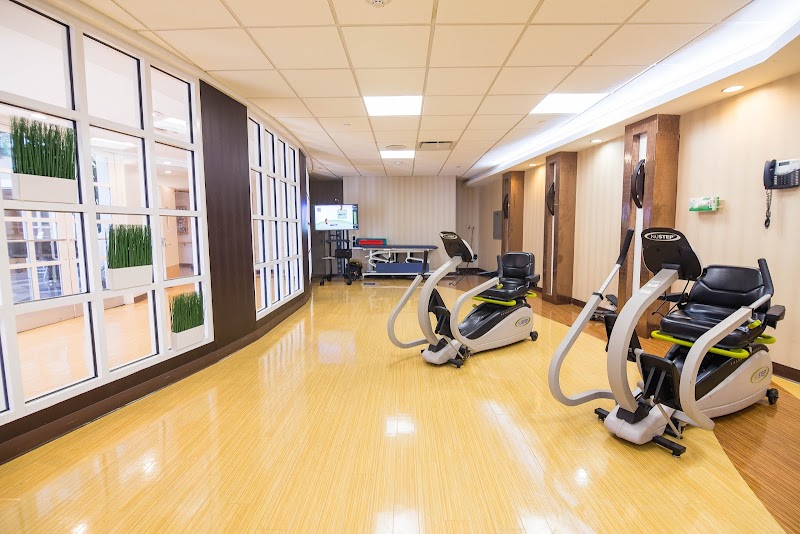
How is Linden Center For Nursing And Rehabilitation Staffed?

CMS rates LINDEN CENTER FOR NURSING AND REHABILITATION's staffing level at 4 out of 5 stars, which is above average compared to other nursing homes. Staff turnover is 32%, compared to the New York average of 46%. This relatively stable workforce can support continuity of care.

What Have Inspectors Found at Linden Center For Nursing And Rehabilitation?

State health inspectors documented 16 deficiencies at LINDEN CENTER FOR NURSING AND REHABILITATION during 2019 to 2023. These included: 16 with potential for harm.

Who Owns and Operates Linden Center For Nursing And Rehabilitation?

LINDEN CENTER FOR NURSING AND REHABILITATION is owned by a for-profit company. For-profit facilities operate as businesses with obligations to shareholders or private owners. The facility is operated by ALLURE GROUP, a chain that manages multiple nursing homes. With 280 certified beds and approximately 271 residents (about 97% occupancy), it is a large facility located in BROOKLYN, New York.

How Does Linden Center For Nursing And Rehabilitation Compare to Other New York Nursing Homes?

Compared to the 100 nursing homes in New York, LINDEN CENTER FOR NURSING AND REHABILITATION's overall rating (5 stars) is above the state average of 3.1, staff turnover (32%) is significantly lower than the state average of 46%, and health inspection rating (4 stars) is above the national benchmark.

What Should Families Ask When Visiting Linden Center For Nursing And Rehabilitation?

Based on this facility's data, families visiting should ask: "Can I visit during a mealtime to observe dining assistance and food quality?" "How do you handle medical emergencies, and what is your hospital transfer rate?" "Can I speak with family members of current residents about their experience?"

Is Linden Center For Nursing And Rehabilitation Safe?

Based on CMS inspection data, LINDEN CENTER FOR NURSING AND REHABILITATION has a clean safety record: no substantiated abuse findings (meaning no confirmed cases of resident harm), no Immediate Jeopardy citations (the most serious violation level indicating risk of serious injury or death), and is not on the Special Focus Facility watch list (a federal program monitoring the lowest-performing 1% of nursing homes). The facility has a 5-star overall rating and ranks #1 of 100 nursing homes in New York. While no facility is perfect, families should still ask about staff-to-resident ratios and recent inspection results during their visit.

Do Nurses at Linden Center For Nursing And Rehabilitation Stick Around?

LINDEN CENTER FOR NURSING AND REHABILITATION has a staff turnover rate of 32%, which is about average for New York nursing homes (state average: 46%). Moderate turnover is common in nursing homes, but families should still ask about staff tenure and how the facility maintains care continuity when employees leave.

Was Linden Center For Nursing And Rehabilitation Ever Fined?

LINDEN CENTER FOR NURSING AND REHABILITATION has no federal fines on record. CMS issues fines when nursing homes fail to meet care standards or don't correct problems found during inspections. The absence of fines suggests the facility has either maintained compliance or corrected any issues before penalties were assessed. This is a positive indicator, though families should still review recent inspection reports for the full picture.

Is Linden Center For Nursing And Rehabilitation on Any Federal Watch List?

LINDEN CENTER FOR NURSING AND REHABILITATION is not on any federal watch list. The most significant is the Special Focus Facility (SFF) program, which identifies the bottom 1% of nursing homes nationally based on persistent, serious quality problems. Not being on this list means the facility has avoided the pattern of deficiencies that triggers enhanced federal oversight. This is a positive indicator, though families should still review the facility's inspection history directly.