MENORAH HOME & HOSPITAL FOR AGED & INFIRM
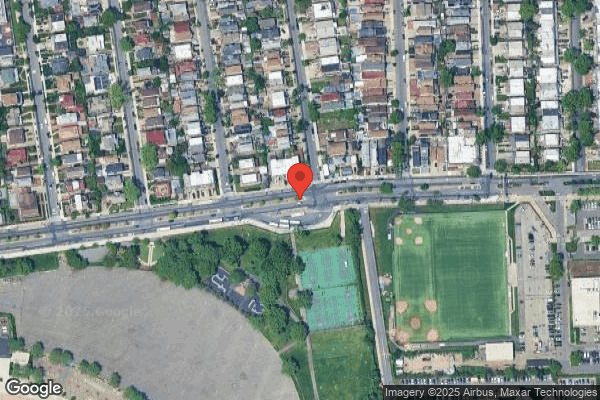
1516 ORIENTAL BLVD, BROOKLYN, NY 11235 (718) 646-4441
Non profit - Corporation 436 Beds Independent Data: November 2025
Trust Grade
76/100
#199 of 594 in NY
Last Inspection: October 2024

Within standard 12-15 month inspection cycle. Federal law requires annual inspections.

Overview

Menorah Home & Hospital for Aged & Infirm has a Trust Grade of B, indicating it is a good choice among nursing homes, though not the highest rated. It ranks #199 out of 594 facilities in New York, placing it in the top half, and #18 out of 40 in Kings County, meaning only a few local options are better. The facility's trend is stable, with the same number of issues reported in 2022 and 2024, which shows consistency but also a lack of improvement. Staffing is strong, with a 4-star rating and a turnover rate of 30%, lower than the state average, ensuring residents receive care from familiar staff. However, the facility has faced some concerning issues, such as not properly storing food, with expired nutritional supplements found in the kitchen, and failing to provide timely Medicare notifications to residents, which could affect their coverage. While there are areas for improvement, the overall quality of care appears solid, supported by good RN coverage and strong quality measures.

Trust Score
B
76/100
In New York
#199/594
Top 33%
Safety Record
Low Risk
No red flags
Inspections
Holding Steady
7 → 7 violations
Staff Stability
✓ Good
30% annual turnover. Excellent stability, 18 points below New York's 48% average. Staff who stay learn residents' needs.
Penalties
○ Average
$8,018 in fines. Higher than 72% of New York facilities. Some compliance issues.
Skilled Nurses
✓ Good
Each resident gets 47 minutes of Registered Nurse (RN) attention daily — more than average for New York. RNs are trained to catch health problems early.
Violations
⚠ Watch
16 deficiencies on record. Higher than average. Multiple issues found across inspections.
★★★★☆
4.0
Overall Rating
★★★★☆
4.0
Staff Levels
★★★★★
5.0
Care Quality
★★★☆☆
3.0
Inspection Score
Stable
2022: 7 issues
2024: 7 issues

The Good

  • 4-Star Staffing Rating · Above-average nurse staffing levels
  • 5-Star Quality Measures · Strong clinical quality outcomes
  • Low Staff Turnover (30%) · Staff stability means consistent care
  • Full Sprinkler Coverage · Fire safety systems throughout facility
  • No fines on record
  • Staff turnover is low (30%)

    18 points below New York average of 48%

Facility shows strength in staffing levels, quality measures, staff retention, fire safety.

The Bad

Federal Fines: $8,018

Below median ($33,413)

Minor penalties assessed

The Ugly 16 deficiencies on record

Oct 2024 7 deficiencies
CONCERN (D)

Potential for Harm - no one hurt, but risky conditions existed

Deficiency F0577 (Tag F0577)

Could have caused harm · This affected 1 resident

Based on observations, record review, and staff interviews conducted during the Recertification Survey from 10/8/2024 to 10/16/2024, the facility did not ensure that the survey results were posted in ...

Read full inspector narrative →
Based on observations, record review, and staff interviews conducted during the Recertification Survey from 10/8/2024 to 10/16/2024, the facility did not ensure that the survey results were posted in a place readily accessible to residents, visitors, or legal representatives where individuals wishing to examine survey results do not have to ask to see them. Specifically, the survey results were located inside a binder placed behind a glass partition at the Security desk. The finding is: The facility policy and procedure titled Right to Survey Results, reviewed 11/22/2023, documented that the facility will ensure that the resident has the right to examine the results of the most recent survey of the facility conducted by Federal or State surveyors and any plan of corrections in effect with respect to the facility. The Facility must: Have reports with respect to any surveys, certifications, and complaint investigations made respective to the facility during the 3 preceding years, and any plan of correction in effect with respect to the facility, available for any individual to review upon request. The facility will post in a place readily accessible to residents, family members, and legal representatives of residents, the results of the most recent survey of the facility in areas such as the lobby and the units. During multiple observations from 10/08/2024 to 10/15/2024, a sign was observed on the wall at the Security Desk stating that survey results were survey results were available at the security desk. The binder was not visible or accessible on the counter at the desk but was observed to be located inside a labeled binder located behind a glass partition at the security desk in the front lobby. In addition, there was no signage observed on the resident units indicating where survey results could be located in the facility. On 10/15/2024 at 3:00 PM, a binder labeled survey results was observed located in a bin on the side of the security desk in the front lobby. On 10/15/2024 at 3:05 PM, an interview was conducted with the Safety and Security Officer who stated that the survey results had been moved today from behind the glass partition at the security desk to a bin on the side of the security desk. On 10/15/2024 at 3:10 PM, the Security Supervisor was interviewed and stated that on 10/14/2024, the book that contains the survey results was behind glass at the security desk. The Security Supervisor also stated that if someone wanted the book, they may feel that they must ask. On 10/16/2024 at 10:28 AM, an interview was conducted with the Administrator who stated that the previous placement of survey results, was a location behind glass at the security desk and in order for someone to have access, they would have to ask. The Administrator also stated that the location of the survey results as of 10/15/2024, had been moved to the side of the security desk at wheelchair height where no one will have to ask for access. 10 NYCRR 415.3(d)(1)(v)
CONCERN (D)

Potential for Harm - no one hurt, but risky conditions existed

Deficiency F0582 (Tag F0582)

Could have caused harm · This affected 1 resident

**NOTE- TERMS IN BRACKETS HAVE BEEN EDITED TO PROTECT CONFIDENTIALITY** Based on record review and interview conducted during the Recertification survey conducted from 10/08/2024 to 10/16/1024, the fa...

Read full inspector narrative →
**NOTE- TERMS IN BRACKETS HAVE BEEN EDITED TO PROTECT CONFIDENTIALITY** Based on record review and interview conducted during the Recertification survey conducted from 10/08/2024 to 10/16/1024, the facility did not ensure they provided the appropriate liability and appeal notice to Medicare beneficiaries at the termination coverage. This was evident for 1 (Resident #404) of 3 residents reviewed for Beneficiary Notification. Specifically, the Notice of Medicare Non-Coverage was not mailed out to Resident #404's designated representative on the same day that telephone notification was made. The findings are: The facility policy titled Notice of Medicare Non- Coverage (NOMNC) dated 4/9/2024 that a copy of the signed Notice of Medicare Non-Coverage will be provided to the beneficiary or representative. The policy also documented that in the event that the beneficiary is not able to comprehend the information in the Notice of Medicare Non-Coverage, the Notice of Medicare Non-Coverage notification must be delivered to the beneficiary's representative. If the Notice of Medicare Non-Coverage notification is unable to be personally delivered to the beneficiary's representative, the Minimum Data Set Coordinator shall telephone the representative to provide notice of when the beneficiary's services are no longer covered. The date of the telephone conversation is the date of the representative's receipt of the notice, and the Notice of Medicare Non-Coverage will be mailed to the representative by certified mail, return receipt requested, on the same date as the telephone conversation. The form instructions for the Notice of Medicare Non-Coverage (NOMNC) CMS-10123 states that if the provider is personally unable to deliver a Notice of Medicare Non-Coverage to a person acting on behalf of an enrollee, then the provider should telephone the representative to advise them when the enrollee's services are no longer covered. The date of the conversation is the date of the receipt of the notice. Confirm the telephone contact by written notice mailed on that same date. Resident # 404 was admitted to the facility on [DATE]. Review of the Notice of Medicare Non-Coverage form dated 7/3/24, documented the last covered day for Medicare Part A Services was 7/9/24. The Notice of Medicare Non-Coverage form also documented that Resident #404's representative was spoken with by telephone and a copy of the notice was placed in the chart and given to Resident #404. The area for signature of Patient or Representative and date were blank. There was no documented evidence that the Notice of Medicare Non-Coverage form was mailed to Resident #404's representative after telephone notification was made. On 10/09/2024 at 02:13 PM, an interview was conducted with the Minimum Data Set Coordinator/Case Manager who stated that when residents are being discharged from skilled services, they look at the resident's cognitive status and if the resident is not able to understand the information they speak to family members. The Minimum Data Set Coordinator/Case Manager also stated that they ask the family members how they want to receive the information, whether they want it mailed or if they will come to the facility to pick it up. The Minimum Data Set Coordinator/Case Manager further stated that sometimes family members ask for the notice to be sent by email, but it is a waste of time to send by email as there are a lot of notices given. the Minimum Data Set Coordinator/Case Manager stated Resident #404's representative told them to leave the notice in Resident #404's room so that is what they did. On 10/09/24 at 02:19 PM, an interview was conducted with the Minimum Data Set Supervisor who stated that generally the Coordinator is responsible for providing notices and they only get involved if the Coordinator is not in or there is a large volume of notices to be given. The Minimum Data Set Supervisor also stated that when telephone notification is made, family members ask for the information to be left in the resident's room. The Minimum Data Set Supervisor further stated that when family members are told the notice will be sent Certified Mail, they say they are not going to pick up the mail. The Minimum Data Set Supervisor stated that they know that notices are supposed to be mailed on the same day but if they know the family members are coming to the facility they hold the letter and then give them the letter at that point. The Minimum Data Set Supervisor also stated that notices cannot be sent by email because of encryption which prevents family members from opening the emails. 10 NYCRR 415.3(g)(2)(i)
CONCERN (D) 📢 Someone Reported This

A family member, employee, or ombudsman was alarmed enough to file a formal complaint

Potential for Harm - no one hurt, but risky conditions existed

Report Alleged Abuse (Tag F0609)

Could have caused harm · This affected 1 resident

**NOTE- TERMS IN BRACKETS HAVE BEEN EDITED TO PROTECT CONFIDENTIALITY** Based on record review and interviews conducted during the Recertification and Complaint Survey (NY00343354) from 10/8/2024 to 1...

Read full inspector narrative →
**NOTE- TERMS IN BRACKETS HAVE BEEN EDITED TO PROTECT CONFIDENTIALITY** Based on record review and interviews conducted during the Recertification and Complaint Survey (NY00343354) from 10/8/2024 to 10/16/2024, the facility did not ensure that all alleged violations involving abuse were reported immediately, but not later than 2 hours after the allegation was made, to the State Survey Agency in accordance with State law through established procedures. This was evident for 1 (Resident #357) of 4 residents investigated for Abuse out of an investigative sample of 38 total residents. Specifically, the facility received a report that Resident #357 was allegedly missing cash totaling approximately $900 and did not report to the New York State Department of Health in a timely manner. The findings are: The facility policy titled Abuse Prohibition dated 10/24/2022, documented that the facility shall not use or permit verbal, mental, sexual, or physical abuse, including corporal punishment and involuntary seclusion of residents/patients, misappropriation of resident property, exploitation or other mistreatment or neglect. Section 1150B establishes two-time limits for the reporting of reasonable suspicion of a crime. One of the time frames is Immediately: Means as soon as possible, in the absence of shorter state time frame requirement, but no later than 2 hours after the allegation is made, if the events that cause the allegation involve abuse or results in serious bodily injury. All staff members have an obligation to report any reasonable suspicion of a crime to the State Survey Agency (New York State Department of Health's Nursing Home Complaint Hotline). The facility shall ensure that alleged violations involving mistreatment, neglect, misappropriation of resident property, exploitation, or abuse, including significant injuries of unknown source, are reported immediately to the Administrator of the facility or his/her designee. When required by law or regulation, the facility shall ensure timely notification to the Department of Health. Resident #357 was admitted to the facility with diagnoses that included Cerebral Infarction and Depression. The Minimum Data Set assessment dated [DATE], documented that Resident #357 had intact cognition. On 10/09/2024 at 12:38 PM, an interview was conducted with Resident #357 who stated, that after the aide cleaned them up, their wallet and envelope were missing. Resident #357 also stated that the items were near a pillow in their bed and after a search the wallet was recovered but the envelope containing approximately $900 was missing. The facility complaint investigation, initiated 05/24/2024 and submitted 05/31/2024, documented Resident #357 reported an allegation of missing between $700-$900 on 05/24/2024 at 04:00 hours after receiving care from the Certified Nursing Assistant who allegedly removed an envelope containing cash from the bed pillow and never returned it. The police were notified on 05/24/2024. The New York State Department of Health Aspen Complaint Tracking System Intake Information documented that the allegation was reported on 05/25/2024 at 00:36. There was no documented evidence that the facility reported Resident #357's allegation of misappropriation of property on 05/24/2024 to the New York State Department of Health within 2 hours. On 10/15/2024 at 03:13 PM, an interview was conducted with the Director of Nursing who stated that they received a telephone call at approximately 5 AM or 6 AM on 05/24/2024, reporting that Resident #357 was missing a wallet and an envelope with $700-$900 in cash. The Director of Nursing also stated that they reported the incident to the New York State within 24 hours. The Director of Nursing further stated that they believed the 2 two-hour reporting requirement is only for serious bodily injury and most other reporting is a 24-hour reporting requirement. On 10/16/2024 at 10:35 AM, an interview was conducted with the facility Administrator who stated, on abuse reporting as is for misappropriation of property, this report was not submitted within 2hrs. The Administrator stated they are aware, and the staff has updated the policy to reflect reporting no later than 2 hours after an allegation of abuse. 10 NYCRR 415.4(b)(2)
CONCERN (D)

Potential for Harm - no one hurt, but risky conditions existed

Comprehensive Care Plan (Tag F0656)

Could have caused harm · This affected 1 resident

**NOTE- TERMS IN BRACKETS HAVE BEEN EDITED TO PROTECT CONFIDENTIALITY** Based on record reviews and interviews conducted during the Recertification survey from 10/8/2024 to 10/16/2024, the facility di...

Read full inspector narrative →
**NOTE- TERMS IN BRACKETS HAVE BEEN EDITED TO PROTECT CONFIDENTIALITY** Based on record reviews and interviews conducted during the Recertification survey from 10/8/2024 to 10/16/2024, the facility did not ensure that comprehensive care plans were developed and implemented to meet each resident's needs. This was evident for 1 (Resident # 64) of 5 residents reviewed for Unnecessary Medications. Specifically, a care plan for use of anticoagulant medication was not developed for Resident #64. The findings are: The facility policy titled Care Plan with creation date 8/6/2020 and last reviewed date 8/6/2024 documented the interdisciplinary team will conduct a comprehensive assessment upon admission to develop a comprehensive care plan for the resident. The policy also documented that the interdisciplinary team would ensure that the care plans include the appropriate treatments and services to attain or maintain a resident's highest practicable physical, mental, and psychological well-being. Resident #64 was admitted to the facility with diagnoses that included Chronic Atrial Fibrillation and Dysrhythmias. The admission Minimum Data Set assessment dated [DATE] documented that Resident #64 had active diagnoses which included Atrial Fibrillation or Dysrhythmias and was taking an anticoagulant. The Physician's Orders documented Resident #64 was prescribed Pradaxa 75 mg capsule twice daily beginning on 08/07/2024. The Medication Administration Record dated August 2024 documented Pradaxa 75 mg capsule was administered to Resident #64 two times a day as ordered starting on 08/07/2024. There was no documented evidence a comprehensive care plan related to anticoagulant use was developed and implemented for Resident #64. On 10/11/2024 at 11:19 AM, Registered Nurse #1 was interviewed and stated the Registered Nurses on floor were responsible for creating the care plans related to residents' care according to their comprehensive assessment. Registered Nurse #1 also stated a resident taking anticoagulant medication should have a care plan to address the resident's needs and the interventions taken to meet these needs. Registered Nurse #1 further stated that Pradaxa was considered an anticoagulant which Resident #64 had been receiving twice daily since their admission to facility in August 2024. Registered Nurse #1 stated that they were not able to locate a care plan related to the anticoagulant use after reviewing Resident #64's medical record. Registered Nurse #1 also stated it was an error care plan to address use of anticoagulant for Resident #64 was not created. On 10/11/2024 at 12:05 PM, the Director of Nursing was interviewed and stated that they and the Registered Nurse managers on the units review the care plans for all newly admitted residents. The Director of Nursing also stated that a resident taking anticoagulant medication had to have a care plan in place to address the potential bleeding concern. The Director of Nursing further stated that Resident #64 was newly admitted in August 2024 and they and the Registered Nurse manager on the unit should have already reviewed Resident #64 care plans , and they were not able to find a care plan related to anticoagulant use in Resident #64's medical record. The Director of Nursing stated they were not able to explain why a care plan related to anticoagulant use was not created. 10 NYCRR 415.11(c)(1)
CONCERN (D) 📢 Someone Reported This

A family member, employee, or ombudsman was alarmed enough to file a formal complaint

Potential for Harm - no one hurt, but risky conditions existed

Deficiency F0657 (Tag F0657)

Could have caused harm · This affected 1 resident

**NOTE- TERMS IN BRACKETS HAVE BEEN EDITED TO PROTECT CONFIDENTIALITY** 2. Resident # 84 (NY00317447) was admitted to the facility with diagnoses that included Alzheimer's Disease and Closed fracture ...

Read full inspector narrative →
**NOTE- TERMS IN BRACKETS HAVE BEEN EDITED TO PROTECT CONFIDENTIALITY** 2. Resident # 84 (NY00317447) was admitted to the facility with diagnoses that included Alzheimer's Disease and Closed fracture of unspecified part of left clavicle. The Annual Minimum Data Set assessment dated [DATE] documented Resident #84 had moderately impaired cognition, had no behavior symptoms, and was always incontinent in of bladder. The Annual Minimum Data Set also documented that Resident #84 required supervision to walk in room and had not fallen since admission. The Comprehensive Care Plan related to Resident is at Risk for Victimization was initiated 3/23/2023 and was reviewed and updated on 06/16/2023 and 05/30/2024. A Nursing note dated 5/30/2023 documented that a Certified Nursing Assistant noticed Resident #84 had discoloration to the left shoulder when providing care to Resident #84. The note also documented that Resident #84 had pain at the left shoulder and left shoulder movement was limited. The note also documented Resident #84 stated they fell at night on 05/29/2023 when going to bathroom by themselves and had pain in the left shoulder. A Nursing note dated 5/30/2023 documented that Resident #84 was transferred to the hospital to rule out a left humerus fracture. The Hospital After Visit Summary dated 5/30/2023 documented that Resident #84 had a closed nondisplaced fracture of left clavicle. Quarterly Minimum Data Set assessments were completed on 09/06/2023, 11/27/2023, 02/21/2024, and 8/12/2024, and an Annual Minimum Data Set assessment was completed on 05/15/2024. There was no documented evidence that the Comprehensive Care Plan titled At risk for Victimization was reviewed or revised after multiple Quarterly and Annual Minimum Data Set assessments had been completed. On 10/11/2024 at 10:13 AM, Registered Nurse #2 was interviewed and stated the Registered Nurses on the floor are responsible for reviewing and updating residents' care plans at least every 3 months and as needed. Registered Nurse #2 also stated that the electronic medical record system gave them alert when the care plans were due for review, and the Registered Nurse reviewing the care plans should either update the care plan, or document to continue current care plan if no change was required as evidence that the care plan was reviewed. After review of Resident #64's medical record, Registered Nurse #2 stated that there was no evidence that the care plan was reviewed between 6/17/2023 and 5/29/2024, and after 5/30/2024. Registered Nurse #2 further stated that they were not able to explain why the care plan was not reviewed and updated at least every three months. On 10/11/2024 at 10:39 AM, the Director of Nursing was interviewed and stated the registered nurses on the unit were responsible to review and update care plans at least every 3 months and as needed. The Director of Nursing also stated that the Registered Nurse is to document to continue the care plan if no change was needed. The Director of Nursing further stated that it was an error that the care plan was not updated at least every 3 months and after the Minimum Data Set assessments had been completed. The Director of Nursing also stated that the Registered Nurses were professional, and they did not monitor to see if the Registered Nurses reviewed and updated the care plans. 10 NYCRR 415.11(c)(2)(i-iii) Based on observation, interviews, and record reviews conducted during the Recertification and Complaint (NY00317447) survey from 10/08/2024 to 10/16/2024, the facility did not ensure resident's person-centered, Comprehensive Care Plans were reviewed and revised with each assessment and as needed to reflect the resident's changing needs. This was evident for 1 (Resident #389) of 5 residents reviewed for Unnecessary Medication, and 1 (Resident 84) of 4 residents reviewed for Abuse out of an investigative sample of 38 residents. Specifically, the Psychoactive Drug Use Comprehensive care plan for Resident #389 was not reviewed or revised after each assessment, and Risk for Victimization Comprehensive care plan for Resident # 84 was not review or revised after annual or quarterly assessments. The findings are: The facility policy titled Care Plan revised 08/06/2024 documented that the care plan is reviewed and revised by the interdisciplinary team after each assessment, including both the comprehensive and quarterly assessments. The policy further documented that the care plan should be reviewed and revised Quarterly, Annually, at a Significant change and medical status changes, with changes to the care plan as needed. 1. Resident #389 was admitted to the facility with diagnoses which included Non-Alzheimer's Dementia, Vascular Dementia with Psychotic features, and Depression. The Annual Minimum Data Set, dated [DATE] and the Quarterly Minimum Data Set, dated [DATE] documented that the resident had short and long-term memory impairment, no memory recall and was severely impaired-never/rarely made decisions. The Physician orders reviewed 09/30/2024 documented orders for Rexulti 1 mg tablet by oral route once daily for Vascular Dementia with Psychotic disturbances, Trazodone 50 mg tablet by oral route every night for Depression, Lexapro Escitalopram 10 mg tablet by oral route once daily for Depression, and Melatonin 3 mg tablet by oral route once daily at bedtime for Insomnia. The Comprehensive Care Plan titled Psychoactive Drug Use Etiology: Use of any medication that affects mood, function, behavior, or cognition as evidenced by: Psychoactive drug use dated was effective 01/14/2024 and last evaluation note was completed on 04/14/2024. Goal was maximizing functional potential and well-being while minimizing use of medication and side effects, all interventions implemented on 01/18/2024 included encourage verbalization of feelings, monitor for changes in behavior or mood, observe for any signs of decline in functional or cognitive status, psychiatry consultation. The Comprehensive Care Plan for Psychoactive Drug Use was last reviewed on 4/14/2024. There was no documented evidence that Resident # 389 Psychoactive Drug Use care plan had been reviewed and revised by the interdisciplinary team after the quarterly review assessments were completed on 09/19/2024 and 06/26/2024. On 10/15/24 at 11:22 AM, an interview was completed with Registered Nurse #2, who was the Nursing supervisor for the Unit. Registered Nurse #2 reviewed Resident #389's medical record and stated that the care plan was not updated last quarter. Registered Nurse #2 also stated that the supervisors and Registered Nurses are all responsible for updating the care plans. Registered Nurse #2 also stated care plans are updated quarterly, annually, episodic due to behaviors and as needed. Registered Nurse #2 further stated that the night shift usually updates the Psychotropic care plans, and they are not sure why Resident #389's care plan was not updated. Registered Nurse #2 further stated that at times the updating of the care plan is missed although the care plan meeting was completed. Registered Nurse #2 gave no reason why the care plan was not updated. On 10/16/24 at 11:16 AM, an interview was completed with the Director of Nursing who stated that care plans are updated quarterly, annually, and as needed. The Director of Nursing also stated that the Registered Nurses on the units are responsible for initiating and updating all care plans, and that night shift is not the only shift responsible for updating the care plans, but all nurses on every shift are responsible for updating the care plans. The Director of Nursing further stated that they monitor that the supervisors and nurses are reviewing care plans by doing random audits on the units and gave no reason why this care plan for Resident #389 was not reviewed or revised timely.
CONCERN (D)

Potential for Harm - no one hurt, but risky conditions existed

Deficiency F0688 (Tag F0688)

Could have caused harm · This affected 1 resident

**NOTE- TERMS IN BRACKETS HAVE BEEN EDITED TO PROTECT CONFIDENTIALITY** Based on observations, record review, and staff interviews conducted during the Recertification survey between 10/08/2024 and 10...

Read full inspector narrative →
**NOTE- TERMS IN BRACKETS HAVE BEEN EDITED TO PROTECT CONFIDENTIALITY** Based on observations, record review, and staff interviews conducted during the Recertification survey between 10/08/2024 and 10/16/2024, the facility did not ensure that needed services, care and equipment are provided to assure that residents with limited range of motion and mobility maintain or improve function based on the residents' clinical condition. This was evident for 1 out of 3 residents reviewed for Position and Mobility, (Resident #382) out of 38 sampled residents. Specifically, Resident #382 had an order to apply bilateral splints to resident's hands to be worn at all times and was observed on multiple occasions without the device in place as per Physician's order. The findings are: The facility's policy and procedure titled Splint/Brace/Assistive devices dated 4/9/2024 documented the purpose is to ensure the correct application of the brace/splint. The policy further documented that the Certified Nursing Assistant applies the splint/brace as per instructions. Resident #382 was admitted to the facility with diagnoses that included Coronary Artery Disease, and Respiratory Failure, with Tracheostomy status. The Annual Minimum Data Set assessment dated [DATE] documented that Resident #382 was in a persistent vegetative state and was dependent on staff for all activities of daily living. On 10/08/24 at 12:10 PM and 10/08/24 at 02:45 PM, Resident #382 was observed in bed with contractures on both hands and there was no device observed in Resident #382's hands. On 10/10/24 at 09:58 AM, Resident #382 was observed in bed with eyes closed. Resident #382 hands had closed fists and there was no device observed in place. On 10/11/24 at 10:56 AM, Resident #382 was observed in bed on lying in bed on their back with tracheostomy in place receiving oxygen. Both of Resident #382's hands were resting on the upper part of their stomach. Resident #382's hands remained in a closed fist and no device was observed in either hand. The Physician's Order dated last reviewed 9/24/2024 documented apply bilateral splints to resident's hands. Wearing Schedule: At all times. Instructions: Remove every shift for skin inspection, and during meals as needed for feeding. Provide Range of Motion prior to splint/brace application. Goals: To promote optimal positioning and maintain joint integrity. The Comprehensive Care Plan titled Dressing/Grooming Self Care Deficit dated 10/28/2023 with last evaluation note dated 7/27/2024 included an intervention of apply bilateral Splints to resident's hands. The Occupational Therapy progress notes dated 11/09/2023 at 01:56 pm, documented Issued Bilateral hand splints to be worn at all times. Remove every shift for pressure relief. The Occupational Therapy progress note dated 01/29/2024 at 01:54 pm, documented applied bilateral splints to the patient's hands. The Occupational Therapy progress note dated 04/02/2024 at 03:13 pm, documented left message for daughter, bilateral resting hand splints applied. The Resident Nursing Instructions Record dated 10/2024 documented under section titled monitoring Nursing Rehabilitation Splint/Brace Notes: Apply bilateral Splints to resident's hands. Wearing Schedule: At all times. Instructions: Remove every shift for skin inspection, and during meals as needed for feeding. Provide Range of Motion prior to splint/brace application. Schedule: Every Day at 6:00 am-2:00 pm; 2:00 pm-10:00 pm; 10:00 pm-6:00 am On 10/11/24 at 11:06 AM, an interview was completed with Certified Nursing Assistant #6 who stated they are assigned to Resident #382. Certified Nursing Assistant #6 stated Resident #382 requires total assistance with all activities of daily living, and their hands are clenched like a fist and so something like a splint must be placed in Resident #382's hand. Certified Nursing Assistant #6 also stated they did not receive in-service on the splint, and they were not sure how long Resident #382 must keep the splint on, or when to take the splint off. Certified Nursing Assistant #6 further stated that they take the brace off when administering care, and when finished care with care they are supposed to put the splint back on. On 10/11/24 at 11:12 AM, Certified Nursing Assistant #6 and State Surveyor entered Resident #382's room where Resident #382 was lying in bed without splint devices in place. Certified Nursing Assistant #6 stated the bilateral splints were in Resident #382's Geri chair located at the foot of their bed. Certified Nursing Assistant #6 also stated they forgot to put the brace back on after completing care this morning, and they were leaving for lunch now and would replace splints for Resident #382 when they returned from their break. On 10/11/24 at 11:13 AM, Certified Nursing Assistant #6 exited Resident #382's room with the State Surveyor and did not apply the splints for Resident #382. On 10/11/24 at 11:37 AM, an interview was completed with Registered Nurse #4 who stated they are aware that Resident #382 should always have a splint in place which is to be removed for skin inspection and or skin care. Registered Nurse #4 was unable to explain why on multiple occasions the splint was observed not to be in in place. Registered Nurse #4 also stated they take the splint off every two hours, and at times every 15 minutes for skin inspection and that is the reason why the splint was off. Registered Nurse #4 reviewed the physician orders for Resident #382 and stated there was no order for 15 minutes and or two hours removal of splint, but there was an order to remove as needed. Registered Professional Nurse #4 then stated that they did remove the splint, but they will reapply the splint soon. Registered Nurse #4 stated skin checks are completed during activities of daily living and was unable to explain why the splint was not in place after activities of daily living care was completed this morning. On 10/16/24 at 10:15 AM, a follow up interview was completed with Registered Nurse #4, who stated they became aware that Resident #382 has a splint through the doctor's order. Once orders are in place, Occupational Therapy staff will come to the unit and show staff how to put the splint on and staff will follow the instructions. Registered Nurse #4 also stated the splint for Resident #382 is to be removed for skin inspection only, not for 15 minutes or every two hours as previously stated, and this was an error. On 10/11/24 at 11:44 AM, an interview was completed with Registered Nurse #3, who was the Unit Manager. Registered Nurse #3 stated any splints, rolls, or devices are ordered for the resident after Physical and or Occupational Therapy assessment. Registered Nurse #3 also stated that once the splint and or roll is recommended the physician is made aware and an order is placed in the medical record of the resident. Therapy will then come to unit to in-service staff on how to apply the splint. Registered Nurse #3 further stated as per the doctors' orders the splint is removed for skin inspection and meals, however Resident #382 feeds by G-Tube. Registered Nurse #3 stated the skin inspection is usually done during activities of daily living. Registered Nurse #3 also stated that the charge nurse monitors that the splint is in place and Registered Nurse #3 also monitors, by making rounds at times. Registered Nurse #3 stated that they make rounds in the mornings, afternoons, and as needed, and they ask the staff if there are any concerns. Registered Nurse #3 further stated the staff must follow the doctors' orders to remove splint for skin inspection only, and the nurse on the unit is to ensure that the staff is applying the splint. On 10/11/24 at 02:32 PM, an interview was completed with the Rehabilitation Director who stated all resident who have an assistive device such as splints, are evaluated by the Occupational Therapist, and if the Occupational Therapist deem the resident will benefit from a device such as a splint it will be ordered. An order will be obtained from the doctor and placed into the resident's medical record. Once the device is received and the medical order is in place, the Occupational Therapist will go to the unit and show the staff the splint and provide in-service to the staff on how to place the splint on the resident and when to take the splint off. The Rehabilitation Director also stated that all the instructions for putting on and removing the splint device are in the medical orders. The Rehabilitation Director further stated that the Rehabilitation staff do not document the in-service that is provided to staff on the unit, and they have no record of the in-service, but the therapist does go to the unit and shows staff how to apply the splint. The Rehabilitation Director stated that the splint is usually to be removed once per shift for skin inspection such as redness, and during meals. On 10/16/24 at 11:10 AM, an interview was completed with the Director of Nursing who stated after the Rehabilitation staff evaluates the resident's for the need for a splint or device, an order is placed in the medical record, and placed in the Certified Nursing Assistant Instructions and the Certified Nursing Assistant is then responsible for putting the splint on as per medical orders and recommendations as per Rehabilitation. The Director of Nursing also stated that once all orders and recommendations are in place, the Rehabilitation Therapist will go to the unit and in-service the staff on the use of the device. The Director of Nursing further stated the order to remove the splint every 15 minutes or every two hours depends on the resident, the physician order, and the therapy recommendations. The Director of Nursing reviewed the order for Resident #382 and stated that the order is remove every shift for skin inspection and for meals as needed. The Director of Nursing stated the nurse on the unit monitors and completes audits to monitor that splint is in place. 10 NYCRR 415.12(e)(2)
CONCERN (D) 📢 Someone Reported This

A family member, employee, or ombudsman was alarmed enough to file a formal complaint

Potential for Harm - no one hurt, but risky conditions existed

Accident Prevention (Tag F0689)

Could have caused harm · This affected 1 resident

**NOTE- TERMS IN BRACKETS HAVE BEEN EDITED TO PROTECT CONFIDENTIALITY** Based on interviews and record review conducted during a Recertification and Complaint survey (NY00328780) from 10/08/2024 to 10...

Read full inspector narrative →
**NOTE- TERMS IN BRACKETS HAVE BEEN EDITED TO PROTECT CONFIDENTIALITY** Based on interviews and record review conducted during a Recertification and Complaint survey (NY00328780) from 10/08/2024 to 10/16/2024, the facility failed to ensure each resident received adequate supervision to prevent elopement. This was evident for 1 (Resident #369) of 3 residents investigated for Accidents out of an investigative sample of 38 residents. Specifically, on 11/23/2023, Resident #369 who was not identified as a high risk for elopement, was able to exit the front doors of the facility and walk down to the guard booth where Resident#369 was then redirected and taken back into the facility. The findings are: The facility's Elopement Policy titled Elopement Prevention and Management, created 8/11/2015 and last reviewed 11/27/2023, documented that the facility maintains measures to ensure safety and well-being of residents within the confines of the facility. The policy also documented that elopement occurs when a resident successfully leaves the nursing facility undetected and unsupervised and enters harm's way. The New York State Department of Health Aspen Complaint Tracking System intake documented that on 11/24/2023, the Security Coordinator reported that on 11/23/2023, at approximately 3:47 p.m., Resident #369 left the facility and returned a few minutes later. Resident #369 was observed by a Security Officer in the booth to be close to the guard booth, and then another Security Officer followed the resident back to the front entrance of the facility. Resident #369 was admitted to the facility with diagnoses that include Alzheimer's Disease, Non-Alzheimer's Dementia, and Depression. The Quarterly Minimum Data Set assessment dated [DATE] documented Resident #369's cognition as severely impaired-never/rarely made decisions, wanders with behavior of this type occurring 1 to 3 days, ambulates with walker, and uses a wheelchair. The Quarterly Minimum Data Set assessment also documented that Resident #369 has no wander or elopement alarm. The Elopement Risk assessment dated [DATE] documented that Resident #369 is independently mobile, with or without an assistive device, has a primary diagnosis of Alzheimer's Disease or Dementia, and has an active Mental Illness. The Elopement Risk Assessment also documented that Resident #369 was not an elopement risk. A Nursing note dated 11/24/2023 documented that Resident #369's family member was notified that Resident #369 went out of the lobby on 11/23/2023 around 3:40pm. A Nursing note dated 11/24/2023 documented that Resident #369 was alert and responsive to all stimuli but had occasional confusion. Resident #369 has left ankle wander-Guard in place due to elopement risk. Resident #369 made no attempts to leave unit on shift and was observed ambulating on the unit with a rolling walker and supervision. A Physician's note dated 11/24/2023 documented Resident #369 was awake, alert, verbally responsive with periods of confusion denied pain, has no visible signs of injury, and no changes in range of motion. The Physician's note also documented Resident #369 was stable with no injury and is able ambulate on unit with a rolling walker and supervision. The facility's investigation report dated 11/30/2023, documented the event as an elopement and that on 11/23/2023, Resident #369 went outside the lobby to take fresh air. The incident report further stated that on 11/23/2023, Resident #369 attended a Thanksgiving event in the facility auditorium and when the activity ended, Resident #369 was sitting on a chair waiting to be transported. Resident #369 was not observed leaving the event. The incident report further stated that it appears that Resident #369 stepped outside of the auditorium into the lobby and that the security officers at the entrance to the facility, were distracted and did not notice the resident walking outside the facility. The resident was identified by the security staff outside the facility looking for an entrance to come back into the facility. On 10/16/2024 at 01:19 PM, Certified Nursing Assistant #2 was interviewed and stated that they had been assigned to Resident #369 on 11/23/2023, and on that day, they had just started their shift 2 PM-10 PM, when the recreation staff came and took Resident #369 off the unit for recreation. Certified Nursing Assistant #2 also stated that Resident #369 was alert and oriented and needed supervision with their activities of daily living. Certified Nursing Assistant #2 further stated that they were not aware that Resident #369 went outside until later that day. On 10/15/2024 at 10:19 AM, Recreation Leader #1 was interviewed and stated that on 11/23/2023, they had signed out Resident #369 off the unit, and brought them to the auditorium on the 1st floor, for the Thanksgiving Day program. Recreation Leader #1 also stated that Resident #369 was at the program, sitting at the back of the Auditorium, and it was when they came back from transporting other residents back to their units at the end of the program, that they were notified that the Resident#369 went outside and was brought back in. Recreation Leader #1 further stated that the recreation staff usually transport the residents that are an elopement risk back to their rooms first, but at the time of the incident, Resident#369 was not an elopement risk. of residents and that they never exhibited any exit seeking behaviors prior to that incident. On 10/15/2024 at 11:20 AM, Recreation Leader #2 was interviewed and stated that they worked on 11/23/2023, and was made aware on the next day, 11/24/23, that Resident #369 went out the building. Recreation Leader #2 said that they recalled Resident #369 was sitting by the door of the auditorium during the Thanksgiving Day program, and that Resident #369 always came down for programs but never displayed any exit seeking behaviors. Recreation Leader #2 said that when the residents who are an elopement risks come off the units for programs on the 1st floor, they are placed in the middle of the room, and are taken back to their units first. Recreation Leader #2 stated that since Resident #369 was not an elopement risk, they were sitting at the end of the room. On 10/15/2024 at 10:26 AM Social Worker #1 was interviewed and stated that they were the Social Worker for the Resident #369 at the time of the elopement, 11/23/2023. The Social Worker stated that an initial elopement risk is done by the nurse on the unit when residents are initially admitted . The Social Worker stated that upon interview with Resident #369 when the incident occurred on 11/23/2023, Resident #369 said that they were going for a walk and that they (Resident #369), was not trying to leave the facility. The Social Worker stated that the interdisciplinary team then had a meeting it was decided that Resident #369 would be placed on a long-term floor, the Dementia unit, since Resident #369 had Dementia and had been more confused recently. On 10/15/2024 at 04:07 PM, Security Officer #1 was interviewed and stated that they were stationed at the front desk on 11/23/2023. It was a shift change, when they saw Resident #369 coming back into the front door, as Security Officer #2 approached Resident #369. Security Officer #1 stated that when the Security Coordinator who worked the day shift 8 AM-4 PM shift, returned to the desk, Security Coordinator said that they would report the elopement incident to the facility Administrator. Security Officer #1 also stated that there is a wander guard list in a binder that has residents' pictures on it, located at the front desk. On 10/15/2024 at 03:42 PM, Security Officer #2 was interviewed and stated that on 11/23/2023, at the time the elopement incident occurred, they were looking in the opposite direction, writing up a day pass. and was facing the opposite direction. Security Officer #2 also stated that when they raised up their head, they saw the Resident #369 coming back inside, and went to the door to Resident #369. Security Officer #2 further stated that at the same time, the Security Coordinator came back to the desk, and they notified the Security Coordinator. Security Officer #2 stated that they do not think that Resident #369 had a wander guard on because the alarm would have been triggered as the resident walked through the door, and that at the security desk, they have a list of residents that are elopement risk and have wander guards. On 10/15/2024 at 09:45 AM, the Security Supervisor was interviewed and stated that on the day that the elopement occurred on 11/23/2023, they did not work. The Security Supervisor stated that as the security supervisor, they are responsible to make sure that the all the processes are followed, as it pertains to the security. The Security Supervisor stated that on 11/24/2023, the Security Coordinator told them that the elopement occurred the day before, 11/23/2023, so the Security Supervisor told the Security Coordinator that they needed to report it immediately. The Security Supervisor also stated that they were made aware that Resident #369 went through the main entrance, and that they did not have a wander guard at the time. The Security Supervisor also stated that if Resident #369 did have a wander guard on, the alert would have been sounded and the resident would have shown up on the camera. On 11/23/2023 when the elopement occurred, there were 2 security officers and the Security Coordinator on the 8 AM-4 PM shift. At the time the incident occurred, the Security Coordinator had stepped away from the desk, so there were only 2 Security Officers at the desk, one was occupied signing in a resident, and the other security was probably signing in another visitor. On 10/16/2024 at 10:37 AM, the Administrator was interviewed and stated that on Friday, 11/24/2023, they were made aware that Resident #369 went out the front door, by the Security Coordinator who worked on 11/23/2023, on the 8 AM -4 PM shift. The Administrator also stated that they should have been notified immediately when the incident occurred on 11/23/2023 and that once they were notified, they started an investigation, notified the family, and had the Resident #369 seen by the physician. The Administrator stated that the recreation leader had had brought Resident #369 to the auditorium for the Thanksgiving program on 11/23/2023 and that Resident #369 was sitting closer to the door so none of the recreation staff saw Resident # 369 leave the auditorium. The Administrator also stated that on the day that the elopement occurred, one of the security guards did not show did not show up for that shift, and the other security guard at the front desk was not as focused as they should have been when the Resident #369 went outside. That security guard and the Security Coordinator who failed to report the elopement timely, are no longer employed by the facility. The Administrator also stated that they reviewed the cameras footage to see what really transpired and started doing in-services immediately on Elopement with all the departments, and that the facility started to ensure that all departments had a wander guard list with residents who were at risk for elopement, including the guard at the booth at the facility's parking lot entrance. The Administrator also stated that the recreation staff had the list of residents who were elopement risks and that the nurses on the units were notified of residents who were elopement risks who leave the units, prior to the residents leaving the units. When residents who were elopement risks attend the programs in the auditorium, they are now placed at the center of the room and transported back to their units first. The Administrator also stated that they did a facility wide evaluation on all residents to ensure that all at risk residents are identified. All corrective actions and interventions were implemented by 12/13/2023. On 10/16/2024 at 12:55 PM, the Director of Nursing was interviewed and stated that they were first made aware of Resident #369 going through the front entrance on 11/24/2023. The Director of Nursing also stated that they immediately started the investigation, interviewed Resident #369, and started in-services on Elopement. The Director of Nursing further stated that the physician evaluated Resident #369 who had no injuries. The Director of Nursing stated that Resident #369 had an initial assessment for Elopement on 08/04/2023 and one on 11/4/2023, but was not deemed an Elopement risk, however after an assessment was done on 11/24/2023, they determined that Resident #369 was an Elopement Risk and was given a wander guard. The Director of Nursing also stated that they initially checked all the residents with a Dementia diagnosis and who were ambulatory and did a facility wide evaluation for residents at risk for elopement. The Director of Nursing also stated that they reviewed the policy and procedures on Elopement, did an assessment every week for 4 weeks, then quarterly for elopement risks. The facility implemented corrective actions and was found to be in substantial compliance on 12/13/2023 prior to the start of the Recertification Survey on 10/08/2024. Resident #369 was redirected back to the front entrance and walked back into the facility unharmed on 11/23/2023. The Comprehensive Care plan for Elopement for Resident #163 was implemented on 11/24/2023. The policy and procedure on Elopement Prevention and Management was reviewed 11/27/2023, and no changes were made to the policy? An ad hoc Quality Assurance Performance Improvement meeting on Elopement Review and Planning was held on 11/27/2023 with the Administrator, Assistant Administrator, the Director of Nursing, Security Supervisor and Director of Social Work. Details included the in-service on Elopement for all facility staff in progress, in service security specific for security staff in progress, and replacement staff for security for further discussion. Security to send current wander guard list to all department heads for review with the updated list to be sent weekly to all departments. Recreation to review and post in the office so recreation staff are aware when residents are off unit. Managers must review the plan of care for all residents identified as wanderers and to identify any other residents that may be affected. Residents that have a diagnosis of Dementia in conjunction with ambulatory status will be reviewed. The recommendation for system improvement documented that Resident #369 was reassessed for elopement risk, and that a wander guard was applied. The corrective action included that Resident #369's chart was reviewed, family notified, the Security Coordinator was removed from schedule and terminated for the delay in reporting the elopement wandering event to Administration and appropriate staff. The relieving Security Coordinator was counselled and reeducated since they stated that they believed the other Security Coordinator reported the incident. The Security Guard was relieved from duty pending investigation and was no longer employed at the facility. The facility's Plan of Prevention was reviewed and was acceptable. 1. On 11/24/2023 the Resident #369's risk of wandering and elopement was reassessed. Wander guard was applied, Resident #369's photo was added to the Elopement risk binder. 2. Medical evaluation post incident. 3. Family was notified. 4. Resident #369's chart was reviewed and revised the plan of care for Elopement which was implemented on 11/24/2023. 5. Personnel involved were subject to disciplinary action: documentation of terminations and counselling reviewed. 6. Policy and procedure on Elopement and Wandering was reviewed and revised on 11/27/2023. 7. Facility wide staff re-education on Elopement, code green/missing resident and timely reporting initiated on 11/24/23 and completed on 12/13/2023 8. On 11/28/2023 recreation specific education was conducted and included the revision of transporting residents to the auditorium initiated, including reviewing all residents with a wander guard, and communicating with nursing for residents at risk for wandering and being transported off the units 9. On 11/24/2023 implemented a Security specific in-service regarding elopement prevention and reporting. 10. Wander guard lists distributed to all departments. 11. Additional elopement risk binder issued to the guard booth. 12. Nursing staff reviewed all other residents that may be affected, reviewed the plan of care for all residents identified as wanderers, audits were completed for evaluations on residents at risks for Elopement. 15. On 11/27/2023 and 11/28/2023 an interdisciplinary team meeting was held to review the incident. 16. On 12/21/2023 the Allied security assisted the facility to perform a drill and reenacted the same scenario. 17. Elopement Review incorporated into the 2024 Quality Assurance Performance Improvement 18. On 01/18/2024, the Quality Assurance Performance Improvement core committee met and reviewed the incident plan and prevention. 19. On 02/16/2024, the Elopement incident was reviewed with the full Quality Assurance Performance Improvement committee. 20. The nursing team continues to evaluate newly admitted residents for risk of elopement and reevaluate at least quarterly and as needed 10 NYCRR 415.12(h)(2)
Sept 2022 7 deficiencies
CONCERN (D)

Potential for Harm - no one hurt, but risky conditions existed

Comprehensive Care Plan (Tag F0656)

Could have caused harm · This affected 1 resident

**NOTE- TERMS IN BRACKETS HAVE BEEN EDITED TO PROTECT CONFIDENTIALITY** Based on record review and interview conducted during the recertification survey, the facility did not ensure a person-centered ...

Read full inspector narrative →
**NOTE- TERMS IN BRACKETS HAVE BEEN EDITED TO PROTECT CONFIDENTIALITY** Based on record review and interview conducted during the recertification survey, the facility did not ensure a person-centered comprehensive care plan (CCP) was developed to meet a resident's medical, nursing, mental, and psychosocial needs that are identified in the comprehensive assessment. This was evident for 1 (Resident #31) of 38 sampled residents. Specifically, Resident #31's Dementia CCPs were not person-centered and did not include interventions to address Resident #31's Dementia-related behavioral symptoms of hitting, spitting, and scratching during care. The findings are: The facility policy titled Comprehensive Care Plan dated 06/2022 documented: The facility develops and maintains an individualized person-centered Comprehensive Care Plan to meet identified needs/goals. The resident care plan will include measurable goals and timeframes to meet medical, nursing, mental and psychological needs. The care plan also illustrates educational interventions provided for the resident/representative. 1) Resident #31 was admitted to the facility on [DATE], with diagnoses which include Dementia, Depression and Anxiety. The quarterly Minimum Data Set (MDS) dated [DATE], documented the resident had severe cognitive impairment with Short-term and Long-term Memory problems and no Memory/Recall Ability. The MDS further documented the resident had no Behavioral Symptoms, no Rejection of care, no wandering. A CCP titled Dementia Cognitive Loss As Evidenced By: Short term memory problems, Long term memory problems, and Limited performance initiated 5/16/2022 included only one intervention: Avoid situations that might precipitate negative behavior. There were no evaluation notes documented on the CCP. A second CCP titled Dementia Cognitive Loss As Evidenced By: Evidence by: Short term memory problems, Long term memory problems, and Limited performance initiated 5/16/2022 documented a goal to demonstrate reduced agitation. The CCP also included one intervention to avoid situations that might precipitate negative behavior. There were no evaluation notes on the CCP. Nursing admission note dated 5/4/2022 documented Resident #31 was admitted after being hospitalized secondary to Altered Mental Status and combativeness at home. Family reports recent escalation of agitation and overall symptoms of cognitive decline. Resident #31 was alert and oriented x (times) one, confused and agitated at times. On 8/31/2022 surveyor requested behavior notes and the facility provided the following behavior notes: A Medical progress note dated 5/10/2022 documented Resident #31 had with low urine output and dark urine. Resident #31 had a poor desire to drink. Resident #31's daughter-in-law was informed. It was impossible to put in any IV-line, as Resident #31 pulled it out immediately due to outburst. The Recreation quarterly note dated 8/13/2022 documented Resident #31 was alert, verbally responsive to stimuli, with agitation at times, and confusion. The Social services quarterly progress note dated 8/16/2022 documented Resident #31 was verbally responsive to all stimuli, with periods of agitation and confusion. Review of progress notes with dates range 5/22/2022 through 8/31/2022 had no documentation describing the specific behaviors of hitting, kicking, and spitting during care reported by staff during interviews. Nursing progress note dated 9/1/2022 documented Resident Behavior Note: Resident alert and responsive with confusion. Noted scratching, hitting, and spitting on staff while receiving care. Resident #31 refused to come out bed on regular basis, and the writer was unable to redirect resident due to constant confusion. Close monitoring continues. Behavioral Symptoms: Physical behavioral symptoms directed toward others (e.g., hitting, kicking, pushing, scratching, grabbing, abusing others sexually). The resident's behaviors put the resident at significant risk for physical illness or injury, significantly interfere with the resident's care, and significantly interfere with the resident's participation in activities or social interactions. Impact on others- The resident's behavior puts others at risk for physical injury. On 09/01/22 at 12:49 PM, an interview was conducted with Certified Nursing Assistant (CNA#2), who cares for Resident #31. CNA #2 stated the resident is alert but very confused. CNA #2 stated the resident tends to lash out during care by hitting, grabbing, and scratching, hitting, spitting at staff hands during care. CNA #2 stated the resident is total care with all ADLS and required two persons to assist in care secondary to behaviors. CNA #2 stated these behaviors of hitting, scratching, spitting, occurred most of the time during care, and is not new. CNA #2 stated he/she always reports this to the nurse in charge and documents the behaviors in the CNA Accountability Record. CNA #2 was unable to show where this behavior was documented in the CNA Accountability record. CNA #2 stated redirect the resident by gently touching hands and although hard of hearing always speaks to the resident during care. CNA # 2 added this is not new behavior. On 09/02/22 at 10:16 AM, an interview was conducted with Registered Nurse Manager, RNM (RN#4). RN #4 stated all care plans are initiated upon admission and updated at the CCP meeting. RN#4 stated at the CCP meeting, the team discusses the resident and will initiate as well as update the CCP with any new behaviors. RN #4 stated Resident #31 was admitted with behaviors of hitting, kicking, and spitting during care, and was place on antipsychotic medications as a result. RN#4 stated spoke to the staff and the staff reported the resident was biting, hitting, spitting, scratching, and kicking during care. RN #4 stated the CNA should document any behavior issue on the CNA Accountability Record, but the task was not initiated. RN #4 stated staff should be writing notes on the resident's behavior as it occurred. RN #4 stated the resident transferred from another floor, and the staff assumed this was the resident baseline behaviors and did not document it. RN #4 stated he/she missed the behaviors and did not include the behaviors on the CCP. RN #4 stated he/she wrote a behavior note on 9/1/2022 and will continue to write behavior notes going forward. RN #4 also stated all RNs are responsible for initiating and updating CCPs, not only the night shift. RN #4 added it is the responsibility of all RNs to document and include interventions to address behaviors in the CCP but somehow this was missed. On 09/02/22 at 10:15 AM, an interview was conducted with Registered Nurse (RN #5). RN #5 stated all CCPs are initiated on the shift that the resident is admitted , and the night shift assists in updating care plans. RN #5 stated he/she is a floating charge nurse and is only responsible to initiate a CCP when have an admission on the shift worked. The night shift will update all CCPs. RN #5 stated Resident #31 had behavior of scratching, hitting, kicking, and stated saw a note was written on 9/1/2022. RN #5 stated per CNA, the resident always has this behavior. RN #5 stated when the behavior occurs, he/she will assist in calming the resident down and report the behavior to the Nursing Supervisor. RN #5 stated he/she was not sure what happened here. 415.11(c)(1)
CONCERN (D)

Potential for Harm - no one hurt, but risky conditions existed

Deficiency F0657 (Tag F0657)

Could have caused harm · This affected 1 resident

**NOTE- TERMS IN BRACKETS HAVE BEEN EDITED TO PROTECT CONFIDENTIALITY** 2) Resident #246 had diagnoses that included dementia and right Hemiplegia. The Minimum Data Set 3.0 (MDS) dated [DATE] documen...

Read full inspector narrative →
**NOTE- TERMS IN BRACKETS HAVE BEEN EDITED TO PROTECT CONFIDENTIALITY** 2) Resident #246 had diagnoses that included dementia and right Hemiplegia. The Minimum Data Set 3.0 (MDS) dated [DATE] documented resident was severely cognitively impaired, had impairment on one side to the upper extremity, was at risk for developing PU/injuries, and had one or more unhealed PU/injuries. On 08/26/22 at 02:31 PM, 09/01/22 at 09:20 AM, and 09/02/22 at 10:10 AM Resident #246 was observed laying on their right side on a hoyer list canvas while out of bed to their Geri-chair. The Comprehensive Care Plan (CCP) related to skin integrity was initiated 08.11.22 and documented Resident #246 developed a stage 2 PU to the right upper lateral arm. Resident prefers to lay on right side and reinforcement will be provided to prevent skin breakdown. The CCP related to bed mobility was initiated on 3/23/22 and documented to maintain Resident #246 skin integrity. The Physician's orders dated 8/12/22 documented an order to offload Resident #246's right shoulder. A Registered Nurse (RN) note dated 8/12/22 documented Resident #246 prefers to lay on their right side. Resident #246 gets repositioned and will turn back to their right side. A Registered Nurse (RN) nursing note dated 8/12/22 documented Resident #246's right shoulder stage 2 PU was unavoidable as a result of having severe contractures and poor skin turgor. Resident #246 is also totally dependent on staff for activities of daily living and is non-ambulatory. Occupational Therapy (OT) note dated 8/19/22 documented Resident #246 prefers to lay on their right side and has developed a stage 2 PU on the right shoulder. Resident was assessed and observed positioning themselves on their right side on top of the hoyer lift canvas. It is highly recommended that hoyer lift canvas be removed when Resident #246 is in the Geri-chair to decrease the risks of skin breakdown. There was no documented evidence Resident #246's CCP to address risk for PU development was reviewed and revised to include the intervention to remove the hoyer lift canvas when Resident #246 is out of bed to their Geri-chair. There was no documented evidence the Certified Nursing Assistant Accountability Record (CNAAR) for August 2022 included OT recommendations to remove hoyer lift canvas. On 09/02/22 at 12:36 PM, Certified Nursing Assistant (CNA) #1 was interviewed who stated that they follow the plan of care on the CNAAR. CNA #1 transferred Resident #246 out of bed to the Geri-chair and kept the hoyer lift canvas under Resident #246 because it was not in the computer to remove it. On 09/02/22 at 12:05PM, the OT was interviewed and stated it was recommended that they remove Resident #246's Hoyer lift pad when in Geri-chair to reduce friction. The OT cannot recall if the nursing staff was made aware of the recommendation. On 09/02/22 at 11:09 AM, Registered Nurse (RN) #2 was interviewed and stated they are responsible for assessing Resident #246's wound and the interdisciplinary team recommends the interventions are done by the team. OT recommendations are supposed to reflected on CNAAR. On 09/02/22 at 11:30 AM RN #1 was interviewed and stated that there was a miscommunication with OT and their recommendations should have been reflected in Resident #246's CCP and CNAAR. On 09/02/22 at 12:44 PM RN #3 was assigned interviewed and stated Resident #246's CCP should be updated with any recommendations to prevent skin breakdown. On 09/02/22 at 01:35 PM, the Director of Nursing (DNS) was interviewed and stated CCP are reviewed and revised to ensure appropriate interventions are in place. The OT communicates with the RN to ensure recommendations and interventions are in place. The DNS stated they were not aware the referral for hoyer lift canvas removal was not implemented for Resident #246. 415.11 (c) (2) (i-iii) Resident #31 Dementia Care Based on observations, interviews and record review conducted during a recertification survey, the facility did not ensure residents' comprehensive care plan (CCP) was reviewed and revised after each assessments. This was evident for 2 resident (Resident #31 and Resident #246) of 38 sampled residents. Specifically, Resident #31 diagnosis with Dementia, had a CCP in place with one intervention that was not revised to address the Resident #31's medical, physical, mental, and psychosocial needs, and had no non-pharmacological interventions to address the residents' behaviors. 2) Resident #246 CCP was not reviewed and revised to address recommendations to remove hoyer lift canvas when out of bed to prevent friction and skin breakdown. The findings are: The facility policy titled Comprehensive Care dated 06/2022 documented The facility develops and maintains an individualized person-centered Comprehensive Care Plan to meet identified needs/goals. The Policy further documented the resident care plan will include measurable goals and time frame to meet medical, nursing, mental and psychological needs. The care plan also illustrates educational interventions provided for the resident/representative. 1) Resident #31 was admitted to the facility on [DATE] with diagnoses of dementia, depression and anxiety. The Minimum Data Set 3.0 (MDS) dated [DATE] documented Resident #31 had severe cognitive impairment. The CCP related to dementia was initiated on 5/16/22 and documented Resident #31 had short and long term memory problems. Interventions documented to avoid situations that might precipitate negative behavior. CCP related to Psychosocial Well Being- Adjustment was initiated 5/16/22 and documented Resident #31 displayed difficult behaviors and had impaired cognition. Interventions included orientation to room, roommate, and facility. Social services progress notes dated 8/16/2022 documented the quarterly assessment of Resident #31 who displayed periods of agitation and confusion. Recreation quarterly note dated 8/13/2022 documented Resident #31 had confusion and agitation at time. Resident #31 had limited decision-making capacity and all needs are anticipated by family and staff. Psychiatry progress notes dated 6/20/2022 documented Resident #31 had periods of confusion/agitation, and received Klonopin .25mg at night. There was no documented evidence Resident #31's CCP related to dementia was person-centered and reviewed and revised to reflect interventions that would address dementia and dementia related behaviors. On 09/01/22 at 12:49 PM, an interview was conducted with Certified Nursing Assistant (CNA) #2 who is assigned to Resident #31. CNA #2 stated Resident #31 is confused out during care by hitting, grabbing, and scratching staff. CNA #2 informed the nurse of the resident's behavior but did not have a place to document in their accountability record. CNA #2 redirects Resident #31's behavior. On 09/02/22 at 10:16 AM, an interview was Registered Nurse #5 who stated the SW is responsible for updating the Dementia CCP. RN #5 reviews the CCPs and missed Resident #31 and did not realize the CCP was not updated to reflect person-centered interventions for dementia. On 09/02/22 at 10:32 AM, an interview was conducted with the Director of Social work (DSW). DSW stated the Social Worker responsible for completing the Comprehensive Care Plan (CCP) is on vacation and not available. DSW stated is familiar with the resident, and the behaviors. DSW stated the Social Worker (SW) is responsible for the Dementia Care Plan, but it is a shared responsibility with nursing. DSW stated all CCP are reviewed and revised as needed Initially, Quarterly, Annually, significant changes and as needed. DSW stated Resident #31's CCPs were not individualized or person centered to address dementia and she will confer with the resident's SW.
CONCERN (D)

Potential for Harm - no one hurt, but risky conditions existed

Quality of Care (Tag F0684)

Could have caused harm · This affected 1 resident

**NOTE- TERMS IN BRACKETS HAVE BEEN EDITED TO PROTECT CONFIDENTIALITY** Based on record review and interview conducted during the Recertification Survey from 8/25/22 to 09/02/22, the facility did not ...

Read full inspector narrative →
**NOTE- TERMS IN BRACKETS HAVE BEEN EDITED TO PROTECT CONFIDENTIALITY** Based on record review and interview conducted during the Recertification Survey from 8/25/22 to 09/02/22, the facility did not ensure a resident with mobility issues received treatment and care in accordance with the Comprehensive Care Plan (CCP). This was evident for 1 (Resident #246) of 1 resident reviewed for Pressure Ulcer (PU) out of a sample of 39 residents. Specifically, Resident #246 had contractures and required assistance with Activities of Daily Living and did not have hoyer lift canvas removed when out of bed in accordance with OT recommendations to prevent skin friction. The findings are: The facility's policy titled: Pressure Ulcer/Injury Prevention and Management, created on 03/09/15 and reviewed on 06/11/22, documented that 'this facility is committed to providing each resident/patient with comprehensive prevention and management of pressure ulcer/injuries. The policy also documented that the purpose is to prevent the development of new, or deterioration of existing pressure ulcer/injury(s) by individualized care plan and maintaining an active treatment plan Resident #246 had diagnoses that of dementia and right Hemiplegia. The Minimum Data Set 3.0 (MDS) dated [DATE] documented resident was severely cognitively impaired, required total assistance of 2 people to transfer out of bed, required the use of a Geri-chair, had impairment on one side to the upper extremity, was at risk for developing PU/injuries, and had one or more unhealed PU/injuries. On 08/26/22 at 02:31 PM, 09/01/22 at 09:20 AM, and 09/02/22 at 10:10 AM Resident #246 was observed laying on their right side on a hoyer list canvas while out of bed to their Geri-chair. The Comprehensive Care Plan (CCP) related to skin integrity was initiated 08.11.22 and documented Resident #246 developed a stage 2 PU to the right upper lateral arm. Resident prefers to lay on right side and reinforcement will be provided to prevent skin breakdown. The CCP related to bed mobility was initiated on 3/23/22 and documented to maintain Resident #246 skin integrity. The Physician's orders dated 8/12/22 documented an order to offload Resident #246's right shoulder. A Registered Nurse (RN) note dated 8/12/22 documented Resident #246 prefers to lay on their right side. Resident #246 gets repositioned and will turn back to their right side. A Registered Nurse (RN) nursing note dated 8/12/22 documented Resident #246's right shoulder stage 2 PU was unavoidable as a result of having severe contractures and poor skin turgor. Resident #246 is also totally dependent on staff for activities of daily living and is non-ambulatory. Occupational Therapy (OT) note dated 8/19/22 documented Resident #246 prefers to lay on their right side and has developed a stage 2 PU on the right shoulder. Resident was assessed and observed positioning themselves on their right side on top of the hoyer lift canvas. It is highly recommended that hoyer lift canvas be removed when Resident #246 is in the Geri-chair to decrease the risks of skin breakdown. There was no documented evidence the Certified Nursing Assistant Accountability Record (CNAAR) for August 2022 included OT recommendations to remove hoyer lift canvas. There was no documented evidence Resident #246's CCP related to mobility was reviewed and revised to address Resident preference to lay on right side and for hoyer lift canvas to be removed when transferred out of bed to their Geri-chair. On 09/02/22 at 12:36 PM, Certified Nursing Assistant (CNA) #1 was interviewed who stated that they follow the plan of care on the CNAAR. CNA #1 transferred Resident #246 out of bed to the Geri-chair and kept the hoyer lift canvas under Resident #246 because it was not in the computer to remove it. On 09/02/22 at 12:05PM, the OT was interviewed and stated it was recommended that they remove Resident #246's Hoyer lift pad when in Geri-chair to reduce friction. The OT cannot recall if the nursing staff was made aware of the recommendation. On 09/02/22 at 11:09 AM, Registered Nurse (RN) #2 was interviewed and stated they are responsible for assessing Resident #246's wound and the interdisciplinary team recommends the interventions are done by the team. OT recommendations are supposed to reflected on CNAAR. On 09/02/22 at 11:30 AM RN #1 was interviewed and stated that there was a miscommunication with OT and their recommendations should have been reflected in Resident #246's CCP and CNAAR. On 09/02/22 at 12:44 PM RN #3 was assigned interviewed and stated Resident #246's CCP should be updated with any recommendations to prevent skin breakdown. On 09/02/22 at 01:35 PM, the Director of Nursing (DNS) was interviewed and stated CCP are reviewed and revised to ensure appropriate interventions are in place. The OT communicates with the RN to ensure recommendations and interventions are in place. The DNS stated they were not aware the referral for hoyer lift canvas removal was not implemented for Resident #246. 415.12
CONCERN (D)

Potential for Harm - no one hurt, but risky conditions existed

Pressure Ulcer Prevention (Tag F0686)

Could have caused harm · This affected 1 resident

**NOTE- TERMS IN BRACKETS HAVE BEEN EDITED TO PROTECT CONFIDENTIALITY** Based on observations, interviews, and record review conducted during the Recertification Survey from 8/25/22 to 09/02/22, the f...

Read full inspector narrative →
**NOTE- TERMS IN BRACKETS HAVE BEEN EDITED TO PROTECT CONFIDENTIALITY** Based on observations, interviews, and record review conducted during the Recertification Survey from 8/25/22 to 09/02/22, the facility did not ensure a resident at risk for pressure ulcer (PU) received appropriate treatment and services to prevent future PU. This was evident for 1 (Resident #246) of 1 resident(s) reviewed for PU/Injury out of 39 total sampled residents. Specifically, Resident #246 was observed on multiple occasions sitting on a hoyer lifter canvas after Occupational Therapy (OT) recommended hoyer lift canvas be removed to prevent friction. The findings are: The facility's policy titled: PU/Injury Prevention and Management, created on 03/09/15 and reviewed on 06/11/22, documented that 'this facility is committed to providing each resident/patient with comprehensive prevention and management of PU/injuries. The policy also documented that the purpose is to prevent the development of new, or deterioration of existing PU/injury(s) by individualized care plan and maintaining an active treatment plan Resident #246 had diagnoses that included dementia and right Hemiplegia. The Minimum Data Set 3.0 (MDS) dated [DATE] documented resident was severely cognitively impaired, had impairment on one side to the upper extremity, was at risk for developing PU/injuries, and had one or more unhealed PU/injuries. On 08/26/22 at 02:31 PM, 09/01/22 at 09:20 AM, and 09/02/22 at 10:10 AM Resident #246 was observed laying on their right side on a hoyer list canvas while out of bed to their Geri-chair. The Comprehensive Care Plan (CCP) related to skin integrity was initiated 08.11.22 and documented Resident #246 developed a stage 2 PU to the right upper lateral arm. Resident prefers to lay on right side and reinforcement will be provided to prevent skin breakdown. The CCP related to bed mobility was initiated on 3/23/22 and documented to maintain Resident #246 skin integrity. The Physician's orders dated 8/12/22 documented an order to offload Resident #246's right shoulder. A Registered Nurse (RN) note dated 8/12/22 documented Resident #246 prefers to lay on their right side. Resident #246 gets repositioned and will turn back to their right side. A Registered Nurse (RN) nursing note dated 8/12/22 documented Resident #246's right shoulder stage 2 PU was unavoidable as a result of having severe contractures and poor skin turgor. Resident #246 is also totally dependent on staff for activities of daily living and is non-ambulatory. Occupational Therapy (OT) note dated 8/19/22 documented Resident #246 prefers to lay on their right side and has developed a stage 2 PU on the right shoulder. Resident was assessed and observed positioning themselves on their right side on top of the hoyer lift canvas. It is highly recommended that hoyer lift canvas be removed when Resident #246 is in the Geri-chair to decrease the risks of skin breakdown. There was no documented evidence Resident #246's CCP to address risk for PU development was reviewed and revised to include the intervention to remove the hoyer lift canvas when Resident #246 is out of bed to their Geri-chair. There was no documented evidence the Certified Nursing Assistant Accountability Record (CNAAR) for August 2022 included OT recommendations to remove hoyer lift canvas. On 09/02/22 at 12:36 PM, Certified Nursing Assistant (CNA) #1 was interviewed who stated that they follow the plan of care on the CNAAR. CNA #1 transferred Resident #246 out of bed to the Geri-chair and kept the hoyer lift canvas under Resident #246 because it was not in the computer to remove it. On 09/02/22 at 12:05PM, the OT was interviewed and stated it was recommended that they remove Resident #246's Hoyer lift pad when in Geri-chair to reduce friction. The OT cannot recall if the nursing staff was made aware of the recommendation. On 09/02/22 at 11:09 AM, Registered Nurse (RN) #2 was interviewed and stated they are responsible for assessing Resident #246's wound and the interdisciplinary team recommends the interventions are done by the team. OT recommendations are supposed to reflected on CNAAR. On 09/02/22 at 11:30 AM RN #1 was interviewed and stated that there was a miscommunication with OT and their recommendations should have been reflected in Resident #246's CCP and CNAAR. On 09/02/22 at 12:44 PM RN #3 was assigned interviewed and stated Resident #246's CCP should be updated with any recommendations to prevent skin breakdown. On 09/02/22 at 01:35 PM, the Director of Nursing (DNS) was interviewed and stated CCP are reviewed and revised to ensure appropriate interventions are in place. The OT communicates with the RN to ensure recommendations and interventions are in place. The DNS stated they were not aware the referral for hoyer lift canvas removal was not implemented for Resident #246. 415.12(c) 1
CONCERN (D)

Potential for Harm - no one hurt, but risky conditions existed

Deficiency F0744 (Tag F0744)

Could have caused harm · This affected 1 resident

**NOTE- TERMS IN BRACKETS HAVE BEEN EDITED TO PROTECT CONFIDENTIALITY** Based on observations, interviews, and record review conducted during the recertification survey from 8/25/22 to 9/2/22, the fac...

Read full inspector narrative →
**NOTE- TERMS IN BRACKETS HAVE BEEN EDITED TO PROTECT CONFIDENTIALITY** Based on observations, interviews, and record review conducted during the recertification survey from 8/25/22 to 9/2/22, the facility did not ensure a resident diagnosed with dementia, received the appropriate treatment and services to attain or maintain their highest practicable physical, mental, and psychosocial well-being. This was evident for 1 (Resident #31) of 1 resident(s) reviewed for Dementia Care out of a sample of 38 residents. Specifically, a Comprehensive Care Plan (CCP) related to Dementia was not individualized and revised with person-centered intervention to address Resident #31's diagnosis of dementia cognitive loss. The findings are: The facility policy titled Comprehensive Care dated 06/2022 documented The facility develops and maintains an individualized person-centered Comprehensive Care Plan to meet identified needs/goals. The Policy further documented the resident care plan will include measurable goals and time frame to meet medical, nursing, mental and psychological needs. The care plan also illustrates educational interventions provided for the resident/representative. The Facility Policy titled Dementia Resident Assessment dated 6/6/2022 documented the policy is to provide optimal medical and psychological support to residents with Dementia based on an assessment of their needs. Resident #31 was admitted to the facility on [DATE] with diagnoses of dementia, depression and anxiety. The Minimum Data Set 3.0 (MDS) dated [DATE] documented Resident #31 had severe cognitive impairment. The CCP related to dementia was initiated on 5/16/22 and documented Resident #31 had short and long term memory problems. Interventions documented to avoid situations that might precipitate negative behavior. CCP related to Psychosocial Well Being- Adjustment was initiated 5/16/22 and documented Resident #31 displayed difficult behaviors and had impaired cognition. Interventions included orientation to room, roommate, and facility. Social services progress notes dated 8/16/2022 documented the quarterly assessment of Resident #31 who displayed periods of agitation and confusion. Recreation quarterly note dated 8/13/2022 documented Resident #31 had confusion and agitation at time. Resident #31 had limited decision-making capacity and all needs are anticipated by family and staff. Psychiatry progress notes dated 6/20/2022 documented Resident #31 had periods of confusion/agitation, and received Klonopin .25mg at night. There was no documented evidence Resident #31's CCP related to dementia was person-centered and reviewed and revised to reflect interventions that would address dementia and dementia related behaviors. On 09/01/22 at 12:49 PM, an interview was conducted with Certified Nursing Assistant (CNA) #2 who is assigned to Resident #31. CNA #2 stated Resident #31 is confused out during care by hitting, grabbing, and scratching staff. CNA #2 informed the nurse of the resident's behavior but did not have a place to document in their accountability record. CNA #2 redirects Resident #31's behavior. On 09/02/22 at 10:16 AM, an interview was Registered Nurse #5 who stated the SW is responsible for updating the Dementia CCP. RN #5 reviews the CCPs and missed Resident #31 and did not realize the CCP was not updated to reflect person-centered interventions for dementia. On 09/02/22 at 10:32 AM, an interview was conducted with the Director of Social work (DSW). DSW stated the Social Worker responsible for completing the Comprehensive Care Plan (CCP) is on vacation and not available. DSW stated is familiar with the resident, and the behaviors. DSW stated the Social Worker (SW) is responsible for the Dementia Care Plan, but it is a shared responsibility with nursing. DSW stated all CCP are reviewed and revised as needed Initially, Quarterly, Annually, significant changes and as needed. DSW stated Resident #31's CCPs were not individualized or person centered to address dementia and she will confer with the resident's SW. 415.12
CONCERN (E)

Potential for Harm - no one hurt, but risky conditions existed

Food Safety (Tag F0812)

Could have caused harm · This affected multiple residents

Based on observations, record review, and interviews conducted during the Recertification and Complaint survey, the facility did not ensure safe food storage was practiced to prevent food-borne illnes...

Read full inspector narrative →
Based on observations, record review, and interviews conducted during the Recertification and Complaint survey, the facility did not ensure safe food storage was practiced to prevent food-borne illness. This was evident during the initial tour of the Kitchen. Specifically, expired enteral feed nutritional supplement was observed in the Kitchen's emergency food supply storage area. The findings are: The facility policy titled Storage Policy revised 3/98 documented the Food Service Director (FSD) maintains adequate inventory, appropriate for rate of usage and emergency needs. On 08/25/2022 at 10:10AM, the Kitchen's emergency food supply storage area was observed with an open cardboard box containing eight 1.1 quart Glucerna enteral feed with use by date of 10/01/2021 on a shelf. On 08/25/2022 at 2:57 PM, an interview was conducted with Dietary Aide (DA) #2 who stated they have been in charge of the supply of enteral feed in the Kitchen for more than a year and checks the supplies expiration dates. DA #2 last checked the enteral feed supply approximately 4 weeks ago and discarded expired items. DA #2 did not notice the expired enteral feed in the emergency supply storage area and it should have been discarded because it could have be served to a resident. On 08/29/2022 at 4:04 PM, the Assistant Food Service Director (AFSD) was interviewed and stated they do daily rounds in the Kitchen to ensure expired food is not stored and served. The enteral feed delivery just came in and the AFSD does not know the reason it is expired. 415.14 (h)
MINOR (B)

Minor Issue - procedural, no safety impact

MDS Data Transmission (Tag F0640)

Minor procedural issue · This affected multiple residents

Based on record review and interviews conducted during the Recertification survey from 8/25/22 to 9/2/22, the facility did not ensure the Minimum Data Set 3.0 (MDS) assessment was transmitted to the C...

Read full inspector narrative →
Based on record review and interviews conducted during the Recertification survey from 8/25/22 to 9/2/22, the facility did not ensure the Minimum Data Set 3.0 (MDS) assessment was transmitted to the Center for Medicare and Medicaid Services (CMS) within 14 days of completion. This was evident for 2 (Resident #4 and #5) of 16 residents for Resident Assessment out of 39 sampled residents. Specifically, MDS assessments for Resident #4 and Resident #5 were not submitted to CMS within 14 days of completion. The findings are: The facility policy titled MDS Assessment revised 10/2020 documented the MDS Department will input the completed MDS into the data systems within 14 days of signing off. The MDS Submission Report dated 08/26/2022 documented the MDS for Resident #4 was completed on 07/24/2022 and was submitted to CMS on 8/26/2022, 33 days after completion. The MDS Submission Report dated 08/26/22 documented the MDS for Resident #5 was completed 8/6/2022 and was submitted to CMS on 8/26/2022, 20 days after completion. On 08/31/2022 at 03:33 PM, the MDS Supervisor was interviewed and stated the MDS department ensures MDS assessments are complete. MDS submission is done by Health Information Management (HIM) Coordinators. MDS assessments need to be completed within 14 days or the MDS is considered late. The MDS Supervisor is responsible for submitting MDS assessments that were completed late because the HIM is unable to submit late MDS assessments. The MDS Supervisor was aware there were MDS assessments that were completed late and the department has several people out. On 09/01/2022 at 03:16PM, the HIM Coordinator was interviewed and stated they are responsible for submitting MDS assessments and this activity can take place daily. MDS personnel places a completed MDS assessment in queue for submission, and the HIM Coordinator places the queued MDS assessments in a batch and submits them to CMS. An MDS assessment must be submitted within 14 days of completion. The HIM Coordinator is not aware of when each MDS assessment is due and one explanation for late submissions would be that the MDS assessment was not completed. The MDS personnel is responsible for flagging late MDS assessments that are queued for submission. On 09/02/2022 at 01:29 PM, the Director of Nursing (DON) was interviewed and stated they receive reports when MDS submissions are late and was aware there have been late submissions due to staffing issues. The facility is trying to close out MDS assessments as fast as possible. 415.11(b)
Nov 2019 2 deficiencies
CONCERN (D)

Potential for Harm - no one hurt, but risky conditions existed

Deficiency F0604 (Tag F0604)

Could have caused harm · This affected 1 resident

**NOTE- TERMS IN BRACKETS HAVE BEEN EDITED TO PROTECT CONFIDENTIALITY** Based on observation and interview conducted during the recertification survey, the facility did not ensure a resident is free f...

Read full inspector narrative →
**NOTE- TERMS IN BRACKETS HAVE BEEN EDITED TO PROTECT CONFIDENTIALITY** Based on observation and interview conducted during the recertification survey, the facility did not ensure a resident is free from physical restraint. Specifically, a resident was observed sitting on a wheel chair with a chair alarm attached to the back of the resident's clothes. The resident complained to the State Agent (SA) that the alarm preventing her from moving around. In addition, there was no documentation in the clinical record that the chair alarm was being used for this resident. This was evident for 1 of the 2 residents reviewed for Physical Restraints out of a sample of 38 residents (Resident #249). The finding is: The facility policy, titled Restraints dated 9/1/07 documented the following: The facility strives for a restraint-free environment, recognizing each resident's right to be free from any physical or chemical restraint imposed for purpose of discipline or convenience and not required to treat the resident's medical condition. The Policy also documented that physical restraints are defined as any manual method or physical or mechanical device, material, or equipment attached or adjacent to the resident's body that the resident cannot remove easily which restrict freedom of movement or normal access to one's body. The policy further documented that, also included as physical restraints are practices that meet the definition of a restraint, such as, using devices in conjunction with a chair. Resident #249 was admitted to the facility's hospice care unit with diagnoses which include Atrial Fibrillation, Heart Failure, and Hypertension. The admission Minimum Data Set 3.0 (MDS) assessment dated [DATE] documented that the resident had moderately impaired cognition. The MDS further documented that the resident required extensive assistance of one person for bed mobility, dressing, eating, and hygiene, and the resident required the extensive assist of two persons for transfers and toileting. The MDS documented no restraints were used for the resident. On 11/05/19 at 10:53 AM, during the initial room visit to the resident, the following was observed: The resident was sitting in a wheelchair (w/c) beside the bed with a chair alarm tab monitor attached to the back of the resident's clothes. The resident informed the SA that the staff attached an alarm to the back of her clothes, and the noise is preventing her from moving around to get what she needs. Resident stated it is very annoying since the thing is attached to her. On 11/05/19 at 10:53 AM, a brief interview conducted with the resident. The resident had intact cognition and was able to answer question appropriately. The resident stated that she was kind of confused when she was first admitted , but her memory was improving. On 11/08/19 at11:00 AM, the resident was observed sitting in a w/c in the room with a chair alarm in place on the back of the resident's w/c. On 11/08/19 at11:05 AM, an interview conducted with the resident. The resident stated that the tab alarm is also used when she is in bed, and the alarm makes an annoying noise. The resident also stated she has gotten better lately and can walk a few steps in the room, use the bathroom, or walk in the hallway, but with the alarms in place, she is not able to move. The resident further stated that the facility is afraid of her falling, and whenever the alarm sounds, everyone rushed to the room. The resident continued to say that she understands that her daughter placed her into hospice care, but that doesn't mean she cannot move around. She stated she used to be independent at home. On 11/06/19, a review of Comprehensive Care plan revealed no documented evidence that a tab chair alarm and bed alarm were used for the resident. On 11/06/19, a review of physician's orders revealed no documentation that the resident was on a tab chair alarm or bed alarm. On 11/6/19, there was no documented evidence in the medical record that a chair alarm and bed alarm were used for the resident. On 11/08/19, the Fall CCP dated 9/27/19, was revised to reflect the use of a chair/bed alarm. The facility did not identify the use of a chair and bed alarm as phsycial restraints. The facility did not assess the resident for the use of physical restraints. On 11/08/19 at 11:22 AM, the Certified Nursing Assistant (CNA # 2) was interviewed. She stated she has been assigned to the resident since admission. The resident had never had a fall on her shift. The CNA stated that the resident has a chair alarm, and a bed alarm is used whenever the resident is placed in bed. CNA #2 stated that the resident complained a lot about the noise, and all the staff are aware of it. The CNA stated that she doesn't document the alarm in her C.N.A Accountability. She also stated she was never received any training on how to apply and monitor the alarm. She believed the alarm was placed to prevent fall. She stated the alarm must always be in place, and she has no instructions to remove the alarm from the chair at any time. On 11/08/19 at 11:03 AM, an interview conducted with the Registered Nurse (RN # 7). She stated that the resident had had a tab chair alarm since admission. She also stated that the chair alarm device is also used as a bed alarm. When the resident is moved to bed, the staff need to place the alarm on the bed as well. The alarm is universal and can be used in the bed and chair. She stated that the resident is assessed as a high risk for fall. The bed and chair alarm are used when a resident is a high risk for fall. A fall risk assessment score above 10 indicates a resident is at high risk. The resident had not had any falls in the past. The RN stated that resident was having hallucinations and delirium and was unable to be redirected. RN #7 stated that a physician's orders is not required for a chair alarm. She stated that it is the facility policy to place a chair alarm or bed alarm with nursing judgment. Once the alarm is applied, it must be reflected on the fall care plan. On 11/08/19 at 02:15 PM, an interview conducted with the Medical Director. He stated that the facility does not consider a chair alarm as physical restraint. He stated, We do not need a physician's order for chair or bed alarm. It's a nursing intervention, and all they need to do is to care plan for it. 415.4(a)(2-7)
CONCERN (D)

Potential for Harm - no one hurt, but risky conditions existed

Assessment Accuracy (Tag F0641)

Could have caused harm · This affected 1 resident

**NOTE- TERMS IN BRACKETS HAVE BEEN EDITED TO PROTECT CONFIDENTIALITY** Based on observation, record review, and interview during the recertification survey, the facility did not ensure that the Minim...

Read full inspector narrative →
**NOTE- TERMS IN BRACKETS HAVE BEEN EDITED TO PROTECT CONFIDENTIALITY** Based on observation, record review, and interview during the recertification survey, the facility did not ensure that the Minimum Data Set (MDS) assessment accurately reflect the resident's status. Specifically, the admission assessment for a resident admitted to the facility with hospice care did not reflect hospice. This was evident for 1 of 1 resident reviewed for Hospice out of a total sample of 38 residents (Resident #249). Finding are: The Center for Medicaid Medicare (CMS) RAI Version 3.0 Manual (Dated October 2018), titled Procedure: General Information documented The RAI, MDS 3.0 process requires input from the health care team to complete the designated areas in a timely and accurate fashion in accordance with State and Federal regulations. Resident #249 was admitted to the facility's hospice care unit on 9/26/19 with diagnoses which include Atrial Fibrillation, Heart Failure, and Hypertension. The Physician's Order dated 9/26/19 documented orders for Do Not Intubate (DNI), Do Not Resuscitate (DNR), and Hospice Care Services for Unspecified Combined Systolic and Diastolic Congestive Heart Failure (CHF). A review of Comprehensive Care plan dated 9/26/19 documented that the resident was on Hospice Care. On 11/05/19, a review of the admission Minimum Data Set 3.0 (MDS) assessment dated [DATE] assessment was conducted. The admission MDS dated [DATE] did not indicate that the resident was on Hospice Care. On 11/06/19, a review of the same admission MDS assessment was conducted. The MDS was corrected on 11/06/19 to reflect Hospice. On 11/08/19 at 10:08 AM, an interview conducted with the Registered Nurse, MDS Coordinator (RN #6). She stated that, she reviewed the physician order and all the admission notes, wounds, diagnosis either from home or hospital. She did a complete review of the hospice care notes. She admitted that she missed to code the resident as Hospice but she corrected it 11/06/19. 415.11(b)
Understanding Severity Codes (click to expand)
Life-Threatening (Immediate Jeopardy)
J - Isolated K - Pattern L - Widespread
Actual Harm
G - Isolated H - Pattern I - Widespread
Potential for Harm
D - Isolated E - Pattern F - Widespread
No Harm (Minor)
A - Isolated B - Pattern C - Widespread

Questions to Ask on Your Visit

  • "Can I speak with families of current residents?"
  • "What's your RN coverage like on weekends and overnight?"

Our Honest Assessment

Strengths
  • • No major safety red flags. No abuse findings, life-threatening violations, or SFF status.
  • • 30% annual turnover. Excellent stability, 18 points below New York's 48% average. Staff who stay learn residents' needs.
Concerns
  • • 16 deficiencies on record. Higher than average. Multiple issues found across inspections.
Bottom line: Generally positive indicators. Standard due diligence and a personal visit recommended.

About This Facility

What is Menorah Home & Hospital For Aged & Infirm's CMS Rating?

CMS assigns MENORAH HOME & HOSPITAL FOR AGED & INFIRM an overall rating of 4 out of 5 stars, which is considered above average nationally. Within New York, this rating places the facility higher than 99% of the state's 100 nursing homes. This rating reflects solid performance across the metrics CMS uses to evaluate nursing home quality.
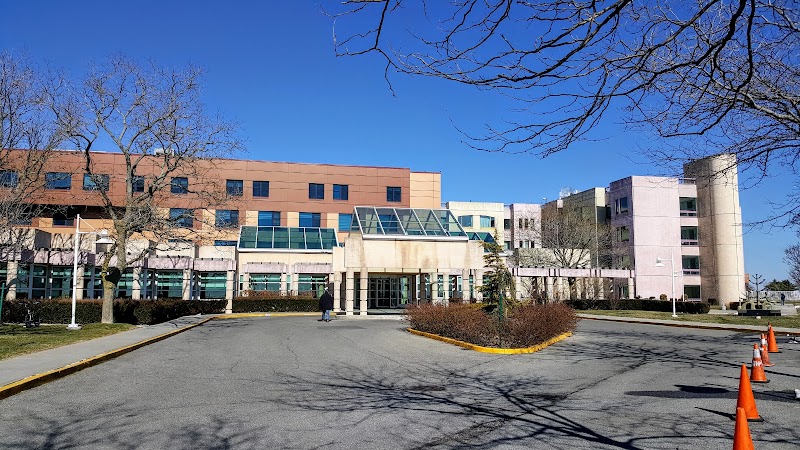
How is Menorah Home & Hospital For Aged & Infirm Staffed?

CMS rates MENORAH HOME & HOSPITAL FOR AGED & INFIRM's staffing level at 4 out of 5 stars, which is above average compared to other nursing homes. Staff turnover is 30%, compared to the New York average of 46%. This relatively stable workforce can support continuity of care.

What Have Inspectors Found at Menorah Home & Hospital For Aged & Infirm?

State health inspectors documented 16 deficiencies at MENORAH HOME & HOSPITAL FOR AGED & INFIRM during 2019 to 2024. These included: 15 with potential for harm and 1 minor or isolated issues.
Who Owns and Operates Menorah Home & Hospital For Aged & Infirm?

MENORAH HOME & HOSPITAL FOR AGED & INFIRM is owned by a non-profit organization. Non-profit facilities reinvest revenue into operations rather than distributing to shareholders. The facility operates independently rather than as part of a larger chain. With 436 certified beds and approximately 424 residents (about 97% occupancy), it is a large facility located in BROOKLYN, New York.

How Does Menorah Home & Hospital For Aged & Infirm Compare to Other New York Nursing Homes?

Compared to the 100 nursing homes in New York, MENORAH HOME & HOSPITAL FOR AGED & INFIRM's overall rating (4 stars) is above the state average of 3.1, staff turnover (30%) is significantly lower than the state average of 46%, and health inspection rating (3 stars) is at the national benchmark.

What Should Families Ask When Visiting Menorah Home & Hospital For Aged & Infirm?

Based on this facility's data, families visiting should ask: "Can I visit during a mealtime to observe dining assistance and food quality?" "How do you handle medical emergencies, and what is your hospital transfer rate?" "Can I speak with family members of current residents about their experience?"

Is Menorah Home & Hospital For Aged & Infirm Safe?

Based on CMS inspection data, MENORAH HOME & HOSPITAL FOR AGED & INFIRM has a clean safety record: no substantiated abuse findings (meaning no confirmed cases of resident harm), no Immediate Jeopardy citations (the most serious violation level indicating risk of serious injury or death), and is not on the Special Focus Facility watch list (a federal program monitoring the lowest-performing 1% of nursing homes). The facility has a 4-star overall rating and ranks #1 of 100 nursing homes in New York. While no facility is perfect, families should still ask about staff-to-resident ratios and recent inspection results during their visit.

Do Nurses at Menorah Home & Hospital For Aged & Infirm Stick Around?

Staff at MENORAH HOME & HOSPITAL FOR AGED & INFIRM tend to stick around. With a turnover rate of 30%, the facility is 16 percentage points below the New York average of 46%. Low turnover is a positive sign. It means caregivers have time to learn each resident's needs, medications, and personal preferences. Consistent staff also notice subtle changes in a resident's condition more quickly. Registered Nurse turnover is also low at 25%, meaning experienced RNs are available to handle complex medical needs.

Was Menorah Home & Hospital For Aged & Infirm Ever Fined?

MENORAH HOME & HOSPITAL FOR AGED & INFIRM has been fined $8,018 across 1 penalty action. This is below the New York average of $33,159. While any fine indicates a compliance issue, fines under $50,000 are relatively common and typically reflect isolated problems that were subsequently corrected. Families should ask what specific issues led to these fines and confirm they've been resolved.

Is Menorah Home & Hospital For Aged & Infirm on Any Federal Watch List?

MENORAH HOME & HOSPITAL FOR AGED & INFIRM is not on any federal watch list. The most significant is the Special Focus Facility (SFF) program, which identifies the bottom 1% of nursing homes nationally based on persistent, serious quality problems. Not being on this list means the facility has avoided the pattern of deficiencies that triggers enhanced federal oversight. This is a positive indicator, though families should still review the facility's inspection history directly.