NEW CARLTON REHAB AND NURSING CENTER, L L C
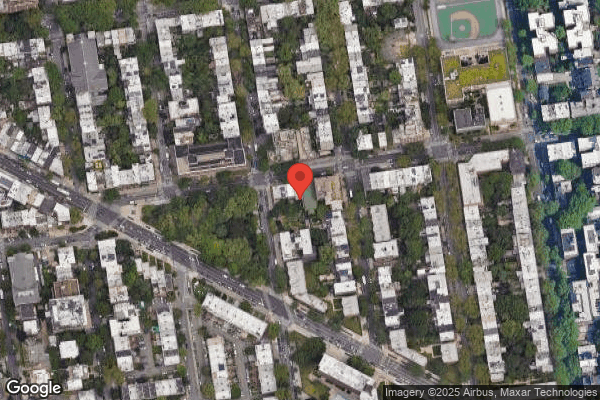
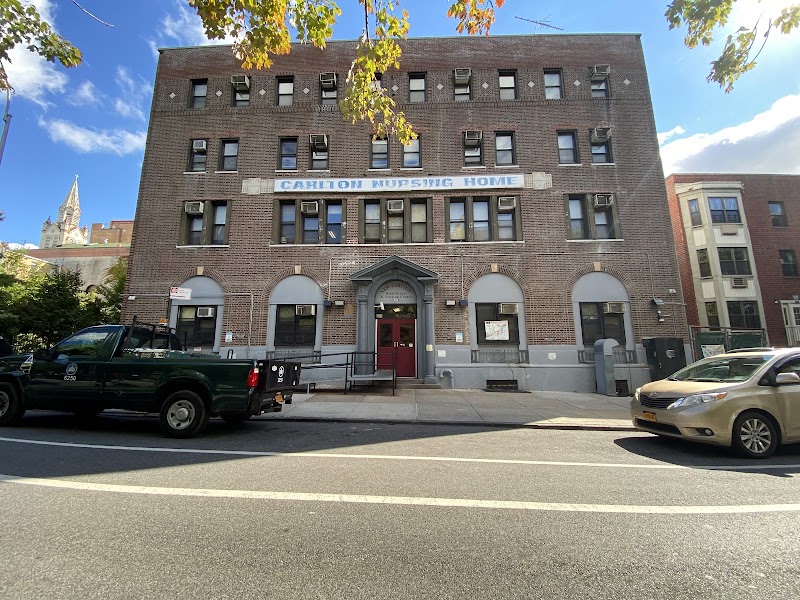
405 CARLTON AVE, BROOKLYN, NY 11238 (718) 789-6262
For profit - Limited Liability company 148 Beds Independent Data: November 2025
Trust Grade
75/100
#203 of 594 in NY
Last Inspection: July 2024

Within standard 12-15 month inspection cycle. Federal law requires annual inspections.

Overview

New Carlton Rehab and Nursing Center in Brooklyn has a Trust Grade of B, indicating it is a good choice, sitting in the top half of New York facilities at #203 out of 594. However, the facility is experiencing a worsening trend, with reported issues increasing from 1 in 2022 to 7 in 2024. Staffing is rated average with a 3/5 star rating and a turnover rate of 31%, which is better than the state average of 40%. While there have been no fines reported, there are concerns about RN coverage, which is lower than 82% of other facilities in the state. Specific incidents include improper food storage practices, with expired items found in the kitchen and a lack of cleanliness in resident rooms, which raises concerns about the overall living environment. Despite these weaknesses, the facility does have strong quality measures with a perfect score of 5/5, indicating good health outcomes for residents.

Trust Score
B
75/100
In New York
#203/594
Top 34%
Safety Record
Low Risk
No red flags
Inspections
Getting Worse
1 → 7 violations
Staff Stability
○ Average
31% turnover. Near New York's 48% average. Typical for the industry.
Penalties
✓ Good
No fines on record. Clean compliance history, better than most New York facilities.
Skilled Nurses
⚠ Watch
Each resident gets only 21 minutes of Registered Nurse (RN) attention daily — below average for New York. Fewer RN minutes means fewer trained eyes watching for problems.
Violations
⚠ Watch
16 deficiencies on record. Higher than average. Multiple issues found across inspections.
★★★★☆
4.0
Overall Rating
★★★☆☆
3.0
Staff Levels
★★★★★
5.0
Care Quality
★★★☆☆
3.0
Inspection Score
Stable
2022: 1 issues
2024: 7 issues

The Good

  • 5-Star Quality Measures · Strong clinical quality outcomes
  • Full Sprinkler Coverage · Fire safety systems throughout facility
  • No fines on record
  • Staff turnover below average (31%)

    17 points below New York average of 48%

Facility shows strength in quality measures, fire safety.

The Bad

Staff Turnover: 31%

15pts below New York avg (46%)

Typical for the industry

The Ugly 16 deficiencies on record

Jul 2024 7 deficiencies
CONCERN (D) 📢 Someone Reported This

A family member, employee, or ombudsman was alarmed enough to file a formal complaint

Potential for Harm - no one hurt, but risky conditions existed

Report Alleged Abuse (Tag F0609)

Could have caused harm · This affected 1 resident

**NOTE- TERMS IN BRACKETS HAVE BEEN EDITED TO PROTECT CONFIDENTIALITY** Based on record review and interviews conducted during the Recertification and Complaint Survey (NY00338835) from 07/09/2024 to ...

Read full inspector narrative →
**NOTE- TERMS IN BRACKETS HAVE BEEN EDITED TO PROTECT CONFIDENTIALITY** Based on record review and interviews conducted during the Recertification and Complaint Survey (NY00338835) from 07/09/2024 to 07/16/2024, the facility failed to ensure that all alleged violations involving abuse were reported immediately, but not later than 2 hours after the allegation was made to the State Survey Agency in accordance with State law through established procedures. This was evident in 1 (Resident #121) of 25 total sampled residents. Specifically, on 04/07/2024, the facility received a report that Resident #121 alleged that Certified Nursing Assistant #6 roughed them up in the bathroom. The facility did not report the allegation to the New York State Department of Health. The findings are: The facility policy titled Abuse Prevention with a revised date of 02/2024 documented that any case in which abuse, neglect, mistreatment, or misappropriation of residents' property, or exploitation has been identified via an investigation, or when a conclusion cannot be drawn, will be reported promptly to the State Department of Health. The New York State Department of Health will be notified of all cases where there is reasonable suspicion of abuse, neglect, or mistreatment within 2 hours of the incident. All facility staff are required to report any incident and/or violation where abuse, neglect, or mistreatment is suspected. The initial investigation will be started by the person in charge at the time of the occurrence. Resident #121 was admitted to the facility with diagnoses of Chronic Obstructive Pulmonary Disease, Congestive Heart Failure, and Diabetes Mellitus. The Minimum Data Set assessment dated [DATE] documented that Resident #121 had moderately impaired cognition. On 07/09/2024 at 11:57 AM, Resident #121 was interviewed and stated they could not recall all the details but remembered they were taken in a closed shower and 2 aides slapped them in the face and pulled them by the arms. Resident #121 stated they could not remember who the aides were. The nursing progress notes by the Director of Nursing dated 04/08/2024 at 7:32 PM documented that Resident #121 has the tendency to become accusatory when her vitals were not stable. The facility Investigative Form dated 04/08/2024 documented that on or about 04/08/2024 a visitor stated that someone showered Resdient #121 in the weekend. The facility investigation did not document Resident #121's allegation. The facility investigation concluded that based on the interview with Resident 121 who was alert and oriented and can make their needs known, there was no sufficient evidence of abuse or neglect. There was no documented evidence that the allegation was reported to the New York State Department of Health. On 07/11/2024 at 11:08 AM, Registered Nurse #3, who was the nursing supervisor on 04/07/2023 from 7:30 PM - 7:30 AM, was interviewed and stated that Certified Nursing Assistant #6 reported that Resident #121 accused Certified Nursing Assistant #6 of roughing Resident #121 in the bathroom. Registered Nurse #3 stated they spoke with Resident #121 who stated they did not know what they were talking about. Registered Nurse #3 stated they left it alone and did not report the allegation to the Director of Nursing or the Administrator. Registered Nurse #3 stated they were asked by the Director of Nursing to write a statement about Resident #121's allegation the following day. On 07/11/2024 at 10:41 AM, Certified Nursing Assistant #6 was interviewed and stated that they worked 2 shifts on 04/07/2023 from 7:30 AM to 11:30 PM. They stated they gave Resident #121 bed bath during the evening shift with the help of Certified Nursing Assistant #7. Certified Nursing Assistant #6 stated Resident #121 had no complaints. They stated that the Director of Nursing asked them to write a statement on 04/08/2024 because Resident #121 stated they had been beaten in the head and dragged in the bathroom. On 07/11/2024 at 11:24 AM, Certified Nursing Assistant #7 was interviewed and stated that they worked on 04/07/2024 from 3:30 PM to 11:30 PM and was assigned to Resident #121. They stated they had given Resident #121 a bed bath assisted by Certified Nursing Assistant #6. They stated that before they left after their shift, Registered Nurse #3 told them that Resident #121 made a complaint about the care that the Resident received that night but did not elaborate. On 07/11/2024 at 11:35 AM, The Director of Nursing was interviewed and stated that on 04/08/2024, Resident #121's visitor spoke to them about their issue with the shower. The Director of Nursing stated they forgot what the visitor said but stated that they completed an investigation. They stated that the allegation was not reported to the New York State Department of Health because they ruled out abuse. On 07/11/2024 at 12:29 PM, the Administrator was interviewed and stated that it is the Director of Nursing's responsibility to complete an investigation and to report, and to consult the Administrator if they need assistance. On 07/16/2024 at 1:23 PM, the Administrator stated that the allegation was not reported to the New York State Department of Health because the suspicion of abuse was ruled out in 30 minutes. 10 NYCRR 415.4(b)
CONCERN (D) 📢 Someone Reported This

A family member, employee, or ombudsman was alarmed enough to file a formal complaint

Potential for Harm - no one hurt, but risky conditions existed

Investigate Abuse (Tag F0610)

Could have caused harm · This affected 1 resident

**NOTE- TERMS IN BRACKETS HAVE BEEN EDITED TO PROTECT CONFIDENTIALITY** Based on record review and interviews conducted during the Recertification and Complaint Survey (NY00338835) from 07/09/2024 to ...

Read full inspector narrative →
**NOTE- TERMS IN BRACKETS HAVE BEEN EDITED TO PROTECT CONFIDENTIALITY** Based on record review and interviews conducted during the Recertification and Complaint Survey (NY00338835) from 07/09/2024 to 07/16/2024, the facility failed to ensure that all alleged violations involving abuse were thoroughly investigated. This was evident in 1 (Resident #121) of 25 total sampled residents. Specifically, on 04/07/2024, Registered Nurse #3 received a report that Resident #121 alleged that Certified Nursing Assistant #6 roughed them up in the bathroom. Registered Nurse #3 did not initiate an investigation and did not put measures in place to ensure that further potential abuse does not occur. The investigation was initiated by the Director of Nursing on 04/08/2024. Additionally, there was no documented evidence that Resident #121 was immediately assessed to identify any potential injury as a result of the allegation. The findings are: The facility policy titled Abuse Prevention with a revised date of 02/2024 documented that all alleged or suspected incidents of abuse will be thoroughly investigated, and findings documented in a report format. The policy documented that the initial investigation will be started by the person in charge at time of occurrence. Resident #121 was admitted to the facility with diagnoses of Chronic Obstructive Pulmonary Disease, Congestive Heart Failure, and Diabetes Mellitus. The Minimum Data Set assessment dated [DATE] documented that Resident #121 had moderately impaired cognition. On 07/09/2024 at 11:57 AM, Resident #121 was interviewed and stated that they could not recall all the details but remembered they were taken in a closed shower and 2 aides slapped them in the face and pulled them by the arms. Resident #121 stated they could not remember who the aides were. The facility Investigative Form dated 04/08/2024 completed by the Director of Nursing documented that on or about 04/08/2024 a visitor stated that someone showered Resident #121 in the weekend. The facility investigation did not document Resident #121's allegation. The facility investigation concluded that based on the interview with Resident 121 who was alert and oriented and can make their needs known, there was no sufficient evidence of abuse or neglect. There was no documentation in the investigative form that the staff written statements were reviewed. It was not documented in the investigative form if Resident #121 had been assessed for potential injuries. A review of the interdisciplinary notes from 04/07/2024 through 04/09/2024 revealed no documented evidence that Resident #121 had been assessed to identify potential injury as a result of the allegation. On 07/11/2024 at 11:08 AM, Registered Nurse #3, who was the nursing supervisor on 04/07/2023 from 7:30 PM - 7:30 AM, was interviewed and stated that on 04/08/2024, Certified Nursing Assistant #6 reported that Resident #121 accused Certified Nursing #6 of roughing Resident #121 in the bathroom. Registered Nurse #3 stated they spoke with Resident #121 who stated they did not know what they were talking about. Registered Nurse #3 stated they left it alone and did not report the allegation to the Director of Nursing or the Administrator. On 07/11/2024 at 11:35 AM, The Director of Nursing was interviewed and stated that on 04/08/2024, Resident #121's visitor spoke to them about their issue with the shower. The Director of Nursing stated they forgot what the visitor said but stated that they completed an investigation. They stated that abuse was ruled out based on their investigation. On 07/11/2024 at 12:29 PM, the Administrator was interviewed and stated that it is the Director of Nursing's responsibility to complete an investigation and to consult the Administrator if they need assistance. 10 NYCRR 415.4(b)(3)
CONCERN (E)

Potential for Harm - no one hurt, but risky conditions existed

Safe Environment (Tag F0584)

Could have caused harm · This affected multiple residents

**NOTE- TERMS IN BRACKETS HAVE BEEN EDITED TO PROTECT CONFIDENTIALITY** Based on observation, record review, and interviews conducted during the Recertification Survey from 07/09/2024 to 07/16/2024, t...

Read full inspector narrative →
**NOTE- TERMS IN BRACKETS HAVE BEEN EDITED TO PROTECT CONFIDENTIALITY** Based on observation, record review, and interviews conducted during the Recertification Survey from 07/09/2024 to 07/16/2024, the facility did not ensure that residents' right to a clean, comfortable, and homelike environment was maintained. This was evident for 1 (4th floor) of 4 resident units. Specifically, 1.) multiple rooms on the 4th floor were observed with mismatched paint on the floor, 2.) the shared bathroom, opposite room [ROOM NUMBER], had broken and missing tiles under the sink, and dusty walls and fans, 3.) the baseboard on the unit dining room was not attached to the wall, 4.) the dry wall in multiple rooms were cracked and some with missing paint, and 5.) a hole was observed on the dry wall stuffed with a copper colored steel wool. The findings are: The undated policy titled Cleaning A Resident Room and Cleaning Resident and Public Bathrooms documented that the purpose of the policy was to provide daily housekeeping employees with a complete outline of the equipment and supplies necessary to perform their daily routine. Daily cleaning will ensure optimal levels of cleanliness and sanitation, prohibit the spread of infection and bacteria and maintain the outward appearance of the facility. On 07/09/2024 between 11:09 AM and 11:40 AM, and at 4:12 PM, the following observations were made: a.) room [ROOM NUMBER] was observed with grimy baseboards and tile, mismatched paint in corners. b.) room [ROOM NUMBER] had dusty floor on the door corner, chipped paint on the radiator, chipped dry wall under the window and mismatched paints. c.) room [ROOM NUMBER] had caramel colored stain on the wall. d.) room [ROOM NUMBER] had cream and red colored stains on the wall, the paint on the top of the sink was cracked and had brown colored stains. e.) room [ROOM NUMBER] had mismatched paint on the floor and there were copper colored steel wool stuffed on the hole in the wall. f.) room [ROOM NUMBER] had missing paint at the baseboard. g.) room [ROOM NUMBER] had a missing baseboard and the wall by the window had missing paint. On 07/10/2024 between 9:40 AM and 11:02 AM, the following observations were made: a.) The clean utility room had missing tiles. The wall next to the clean utility room also had missing tiles. b.) The baseboard on the unit dining room baseboard had come off. The wall on the left side of the television had dirty edges. c.) The air conditioning unit in room [ROOM NUMBER] had visible dust on the filter and water was dripping on the right side and bottom of the unit. d.) room [ROOM NUMBER] had dusty baseboard and missing paint on the dry wall. e.) room [ROOM NUMBER] had visible gray dust on the air conditioning unit. f.) room [ROOM NUMBER] had dust on the air conditioning unit vents and missing paint behind the heater, and brown colored flakes on the floor. g.) The shared bathroom, opposite room [ROOM NUMBER], had a hole observed on the tile and on the sink pipe, a part of the grab bar was missing, and there were missing tiles under the sink. There was rust colored stain on the toilet bowl, peeling paint on the heater cover, and dust was observed on the fan, toilet paper holder and the stall. There was also water stain on the ceiling. h.) room [ROOM NUMBER] had water stain on the wall, and the air conditioning unit had dust on the vent and filter. i.) room [ROOM NUMBER] had uneven floor by the room entrance and dust on the air-conditioning unit. j.) room [ROOM NUMBER] had dust on the heater vents, closet had cracked and scratched paint, and dirty wall edges. During an interview on 07/12/2024 at 10:59 AM, Housekeeper #1 stated that housekeeping staff is responsible for cleaning resident rooms. They stated that Housekeeping Department assists the Maintenance Department in cleaning the air conditioning units. Housekeeper #1 stated that the Maintenance Department is responsible for the rust and tiles in the bathroom. During an interview on 07/16/2024 at 9:24 AM, the Director of Maintenance and Housekeeping stated that there are a lot of things that need improvement on the unit such as painting. They stated that the bathroom tiles were not properly aligned, and some were missing or not matching. They stated that the fan was dirty and filthy and that the floor in resident rooms need to be stripped and waxed. During an interview on 07/16/2024 at 1:53 PM, the Administrator stated they review the Housekeeping Department cleaning log and performs rounds at least every 2 weeks. The Administrator stated dust can collect quickly that was why they have ongoing maintenance and cleaning schedule. 10 NYCRR 415.5(h)(1)
CONCERN (E)

Potential for Harm - no one hurt, but risky conditions existed

Food Safety (Tag F0812)

Could have caused harm · This affected multiple residents

Based on observations, record review, and interviews conducted during the Recertification Survey from 07/09/2024 to 07/16/2024, the facility did not ensure that food was stored in accordance with prof...

Read full inspector narrative →
Based on observations, record review, and interviews conducted during the Recertification Survey from 07/09/2024 to 07/16/2024, the facility did not ensure that food was stored in accordance with professional standards for food service safety. This was evident during the kitchen task. Specifically, there were multiple expired food items in the kitchen dry storage room. The findings are: The undated facility policy titled Food Storage documented sufficient storage facilities are provided to keep foods safe, wholesome, and appetizing. All stock must be rotated with each new order received. Rotating stock is essential to ensure the freshness and highest quality of all foods. Old stock is always used first, First in - First out method. An initial tour of the kitchen was conducted on 07/09/2024 from 9:48 AM to 10:33 AM with the Director of Food Services and Dietary Aide #1. The following were observed: 4 boxes of 24 count 8 ounces wild berry oral supplement with a use by date of 06/20/2024; 1 box of 48 count 5 ounces chocolate pudding with an expiration date of 03/26/2024; 1 box of 24 count 8 ounces cartons of oral / tube feeding supplement with fiber with use by date of 04/01/2023; 2 boxes of 24 8 ounces of milk chocolate nutrition shake with a best by date of 07/01/2024; and 1 box 6 1.5 liter bottles of low glycemic enteral feeding formula an expiration date of 06/01/2024. During an interview on 07/09/2024 at 2:34 PM, the Dietary Aide #1 stated they rotate items on the shelf and removes the out of date items. They stated they had not noticed the expired items before. During an interview on 07/09/2024 at 2:39 PM, the Dietary Aide #2 stated they usually rotate items in the storeroom and had not noticed the expired items. During an interview on 07/09/2024 at 2:46 PM, the Director of Food Service stated they inspected the dry storage room once a week on Monday and did not notice the expired items on the shelf. During an interview on 07/16/2024 at 1:53 PM, the Administrator stated there were expired supplements and tube feeding formulas because there was an order surplus, and the expired items were not discarded in a timely manner. 10 NYCRR 415.14(h)
CONCERN (E)

Potential for Harm - no one hurt, but risky conditions existed

Garbage Disposal (Tag F0814)

Could have caused harm · This affected multiple residents

Based on observation, record review, and interviews conducted during the Recertification Survey from 07/09/2024 to 07/16/2024, the facility did not ensure that the garbage storage area were maintained...

Read full inspector narrative →
Based on observation, record review, and interviews conducted during the Recertification Survey from 07/09/2024 to 07/16/2024, the facility did not ensure that the garbage storage area were maintained in a sanitary condition. This was evident during the Kitchen and Environmental observation. Specifically, garbage was not properly contained outside of the facility. The garbage dumpster and trash bins were not covered to prevent the harborage and feeding of pests. The findings are: The facility policy and procedure titled Garbage Removal with a revision date of 02/2024 documented that all garbage and rubbish containing food wastes shall be kept in containers. All garbage and rubbish containers shall be provided with fitting lids or covers and must be kept covered when stored or not in continuous use. Housekeeping personnel will empty garbage and rubbish containers taking care not to contaminate food, equipment, utensils or food preparation areas while cleaning. Garbage and rubbish containing food wastes will be stored in a manner that is inaccessible to vermin. Outside dumpsters provided by garbage pickup services will be kept closed and free of surrounding litter. During an observation conducted on 07/10/2024 at 10:29 AM -10:40 AM with Dietary Aide #2, the trash bin on the external side of the building was left uncovered after trash was deposited into it. On 07/11/2024 at 02:09 PM, the facility trash storage area was observed, and the trash bins were uncovered. The trash inside the dumpster was noted overflowing with plastic bags. On 07/15/2024 at 08:59 PM, the facility trash storage area was observed and the housekeeping trash bin on the right side of the fence had 2 plastic bags on top. On 07/15/2024 at 05:15 PM, the facility trash storage area was observed and 4 metal trash bins containing trash in plastic bags were not fully covered and the cover had a crack in it. During an interview on 07/11/2024 at 03:29 PM, the Director of Food Services stated that the trash should be covered. During an interview on 07/12/2024 at 10:59 AM, Housekeeper #1 stated that the trash bins outside must be closed but sometimes staff forget to close it. Housekeeper #1 stated they had noticed mice and flies in the garbage bin. During an interview on 07/16/2024 at 11:37 AM, Housekeeper #2 stated the garbage bins do not fully close because of the overflow of trash. They stated that the garbage truck does not pickup garbage on time. Housekeeper #2 stated they had noticed that there were more flies and roaches in the trash area. During an interview on 07/16/2024 at 1:53 PM, the Administrator stated that the contractor for the garbage pickup will bring in new bins to replace the bins that had no cover. 10 NYCRR 415.14(h)
CONCERN (E)

Potential for Harm - no one hurt, but risky conditions existed

Safe Environment (Tag F0921)

Could have caused harm · This affected multiple residents

Based on observation, interviews, and record review conducted during the Recertification Survey from 07/09/2024 to 07/16/2024, the facility did not ensure a safe functional environment for the staff. ...

Read full inspector narrative →
Based on observation, interviews, and record review conducted during the Recertification Survey from 07/09/2024 to 07/16/2024, the facility did not ensure a safe functional environment for the staff. This was evident during the kitchen observation. Specifically, accumulation of dusts were observed on different parts of the kitchen, floor tiles were observed with cracks, and the dry wall in the dry storage room had cracks and holes. The findings are: The facility policy titled Pest Control with a revision date of 01/2022 documented that interior walls are free of cracks and repaired as needed by facility management. During an observation on 07/09/2024 from 9:50 AM to 10:09 AM and on 07/12/2024 at 10:26 AM, the kitchen ceiling pipes, and the back of the 2-tier oven were noted with brown colored dust. The floor fan that was in between the 3-compartment sink and the hand washing sink had dust accumulation with visible strands of dust attached to it. During an observation on 07/10/2024 from 10:28 AM to 10:50 AM, dust accumulation was noted on the kitchen walls, the 2 tier oven, the light fixture above the hand washing sink next to the walk in refrigerator, adjacent pipes on wall. Floor tiles in the cooking area and dish washing room had cracks on it. During an observation on 07/11/2024 at 3:33 PM, the dry wall in the kitchen dry storage area had a hole and the area had a missing baseboard. During an interview on 07/11/2024 at 03:09 PM, the Director of Food Services stated the kitchen should be kept clean to avoid food contamination. During an interview on 07/16/2024 at 9:24 AM, the Director of Maintenance and Housekeeping stated they are new to the facility. During an interview on 07/12/2024 at 3:22 PM, the Administrator stated they had noticed dust on the pipes in the kitchen. They stated that Maintenance Department maintains the walls of the kitchen area. 10 NYCRR 415.29
CONCERN (E)

Potential for Harm - no one hurt, but risky conditions existed

Deficiency F0925 (Tag F0925)

Could have caused harm · This affected multiple residents

Based on observation, record review and staff interview conducted during the Recertification Survey from 07/09/2024 to 07/16/2024, the facility did not maintain an effective pest control program so th...

Read full inspector narrative →
Based on observation, record review and staff interview conducted during the Recertification Survey from 07/09/2024 to 07/16/2024, the facility did not maintain an effective pest control program so that the facility is free of pests and rodents. This was evident during the environmental observation. Specifically, 1.) vermin droppings were noted on the boxes and top of cans in the kitchen dry storage room, 2.) a cockroach was observed crawling in a resident's room and on the metal frame of the overhead grease trap hood over the cooking stove in the kitchen, 3.) flies were observed in the kitchen and on the 2nd floor unit hallway. The findings include but are not limited to: The facility policy titled Pest Control with a revision date of 02/2022 documented that the purpose of the policy is to prevent and control the entrance of pests and eradicate infestations at the facility. During an observation on 07/09/2024 at 10:13 AM in the kitchen dry storage room, vermin droppings were noted in an open box containing 12 cans of evaporated milk. During an observation on 07/10/2024 at 10:50 AM, a black fly was noted on the electric panel in the kitchen by the hand washing sink. During an observation on 07/10/2024 at 11:05 AM, a fly was noted in the 4th floor unit flying in rooms and in the hallway. During an observation on 07/11/2024 between 12:48 PM and 12:53 PM, vermin droppings were noted on the shelf in the kitchen dry storage area, on top of olive and cranberry jelly cans, and spaghetti sauce and cheddar cheese sauce cans. During an observation on 07/11/2024 at 2:42 PM, a large roach was observed in the kitchen crawling in the ceiling area. During an interview on 07/12/2024 at 10:24 AM, Dietary Aide #2 stated they had not noticed mouse droppings in the dry storage room. They stated there may be some mice in the kitchen, and if so, they need to call the exterminator. During an interview on 07/15/2024 at 2:29 PM, the Director of Food Services stated they knew they had a problem with mice and that they need to push the racks off the wall in the dry storage room to see if there are any cracks in the wall that need to be fixed. During an interview on 07/12/2024 at 3:22 PM, the Administrator stated they had not noticed any vermin in the kitchen dry storage room and that an exterminator comes to the facility weekly. 10 NYCRR 415.(5) (h)(1)
Oct 2022 1 deficiency
CONCERN (D)

Potential for Harm - no one hurt, but risky conditions existed

Assessment Accuracy (Tag F0641)

Could have caused harm · This affected 1 resident

**NOTE- TERMS IN BRACKETS HAVE BEEN EDITED TO PROTECT CONFIDENTIALITY** 3) Resident #101 was admitted to facility on 05/20/21 with diagnoses that included Multiple Sclerosis (MS), Cerebral Vascular Ac...

Read full inspector narrative →
**NOTE- TERMS IN BRACKETS HAVE BEEN EDITED TO PROTECT CONFIDENTIALITY** 3) Resident #101 was admitted to facility on 05/20/21 with diagnoses that included Multiple Sclerosis (MS), Cerebral Vascular Accident (CVA) and anxiety disorder The Quarterly Minimum Data Set (MDS) dated [DATE] documented that the resident is cognitively intact, needs extensive assistance with two persons physical assist for bed mobility, transfers, toilet use and supervision with set up only for eating, The Annual MDS dated [DATE] documented the resident is cognitively intact, needs extensive assistance with two persons physical assist for bed mobility, transfers, toilet use, supervision with set up only for eating, The Physician's Order dated 05/21/21 documented Diet: No Added Salt (NAS) Consistency: Regular/Thin/Liquids 2-3gms NA, Meats cut into bite sized pieces. Must be upright 1:1 feeding with small bites and slow rate of feed The Comprehensive Care Plans (CCP) titled ADL Self-care performance deficit, as related to CVA documented Neurological Impairment, Limited mobility was created on 5/20/21. Goals include resident will improve current level of functioning in (not specified). Interventions include extensive assist of one. The Occupational Therapy (OT) Rehab note dated 09/16/22 documented resident discharged (d/c) from restorative OT on 09/16/22 reached maximum rehab potential. Current activities of daily living (ADL) status- feeding: extensive assist, toileting/ bathing: extensive assist. A review of the Certified Nursing Assistant Accountability record (CNAAR) for the month of May and August 2022, did not reveal that the resident eats with supervision and set up help only. On 09/30/22 at 12:00PM the Certified Nursing Assistant (CNA )#2 was observed feeding Resident#101 lunch. The resident was sitting upright in bed alert and oriented x3. Resident stated that if I try to feed myself, the food will be all over my clothing, since I cannot hold the utensils steady because of my tremors. Observed CNA, giving Resident #101, spoonful of food, one at a time. As per CNA #2, resident is unable to feed self, and has been fed since he has been on the unit since about a year ago. On 10/05/22 at 10:42AM Licensed Practical Nurse (LPN) #2 was interviewed and stated that since Resident #101 has been admitted to the unit, the resident needs total assistance with feeding. The resident is unable to hold the utensils due to his tremors and that they would not be able to steady themselves. On 10/05/22 at 03:44PM the MDS Coordinator was interviewed and stated, the RN Assessor and the persons that do the specific sections of the MDS that they are assigned to, are responsible for the accuracy of the MDS. On 10/05/22 at 03:52PM the MDS Assessor, was interviewed and stated their process for getting the information for that Assessment Reference Date (ARD) comes from interviewing the resident and then asking the CNAs for the ADLS information. The CNA accountability is reviewed and asked if there are any changes, It would be documented accordingly. In Resident's #101's case, they were able to eat by themselves, and only has intermittent tremors. 415.11 2) Resident #116 had diagnosis of Type 1 diabetes with diabetic chronic kidney disease and dependence on renal dialysis. The Care Plan for End Stage Renal Disease (ESRD Hemodialysis) dated 1/26/2021 documented the resident was on dialysis three times a week and it was updated on 6/10/2022 in relation to dialysis services. The Nursing notes dated 6/10/2022 - 6/14/2022 documented the resident was receiving dialysis services in the community. The Quarterly Minimum Data Set (MDS) dated [DATE] did not have dialysis treatment documented for the resident. On 10/05/2022 at 12:40PM, an interview was conducted with MDS Assessor who stated they have a list of residents on dialysis, and this was an oversite on their end. They forgot to code that Resident #116 was on dialysis. On 10/05/2022 at 04:16PM, an interview was conducted with the MDS Coordinator who stated the accuracy of the MDS is done by the person doing the section and they check sections I, G and M of the MDS. The resident assessor checks section O. They usually call or email or speak face to face with the coding person if they notice a discrepancy. They have done an in-service in reference to the MDS for new staff members with a Power Point and are planning to do changes in relation to the MDS. Dialysis should have been on the 6/14/2022 MDS. The MDS should have been compared to the previous MDS. It was missed and staff knows what to do. Based on record review, and interview during the recertification survey, the facility did not ensure that the Minimum Data Set 3.0 (MDS) assessment accurately reflected a resident's status. This was evident for 3 of 28 investigated sampled residents (Resident #101, Resident #116 and Resident #122). Specifically, (1). the MDS for Resident #122 did not accurately reflect the resident's behavior of refusing medication, and the antipsychotic medication review was not completed even though the resident received antipsychotic medication daily. (2) The MDS assessment for Resident #101 did not accurately reflect the resident's level of assistance required for feeding and toileting. (3)The MDS assessment for Resident #116 did not reflect the resident was recieving dialysis. The findings are: The facility policy titled Minimum Data Set (MDS) Completion Policy and Procedure last revised 07/2022 documented the purpose to identify each resident's needs, problems and strengths in order to establish a course of action through an individualized comprehensive care plan. To achieve the highest possible level of functioning through proper implementation of the care plan. The MDS Assessor/Coordinator responsibilities include checks the ARD for accuracy, the assessment needs to represent an accurate picture of the resident's status during the observation period. 1) Resident #122 had diagnoses which include Non-Alzheimer's Dementia, Schizophrenia, and Glaucoma. The Quarterly MDS's completed on 9/7/22 documented in Section N0410 that Antipsychotics were received on 7 of 7 days, however Section N0450 for Antipsychotic Medication review documented that Antipsychotics were not received. The Psychiatry Note dated 2/18/2022 documented resident with a diagnosis of Schizophrenia and was receiving Haldol daily. The Psychiatry Note dated 2/18/2022 documented resident with a diagnosis of schizophrenia and receiving Haldol daily and to continue current treatment. No GDR recommended. The Medical Progress Note dated 08/01/2022 documented that resident has a history that included COPD, Hypothyroid, Dementia and Schizoaffective disorder and was prescribed Mirtazapine Oral Tablet 15 MG in the evening, Divalproex Sodium Oral Tablet Delayed Release 250 MG twice daily for seizures and Haloperidol Oral Tablet 10 MG for Schizophrenia Psychiatry consult dated 08/12/2022 documented resident was seen and examined by the Psychiatrist and noted was seen sitting in wheelchair. Resident did not respond to most questions during the interview. Staff reports resident presents some management problems by not allowing staff to care for his suprapubic catheter, eats and sleeps well, poor impulse control, poor insight and judgement, denies perceptual disturbances. Recommended to continue medications The Medical Progress Note dated 08/01/2022 documented that resident has a history that included COPD, Hypothyroid, Dementia and Schizoaffective disorder and was prescribed Mirtazapine Oral Tablet 15 MG in the evening, Divalproex Sodium Oral Tablet Delayed Release 250 MG twice daily for seizures and Haloperidol Oral Tablet 10 MG for Schizophrenia. The Comprehensive Care Plan (CCP) on Psychotropic Drug Use updated 08/12/2022 documented that resident is receiving psychotropic medication. The Physician orders dated September 6th, 2022 documented order for Haloperidol 10 mg tablet give one tablet at bedtime. Review of Medication Administration Record (MAR) dated September 1st 2022 to September 30th 2022 documented the resident received Haloperidol 10 mg tablet give one tablet at bedtime daily. Psychiatry consult dated 08/12/2022 documented resident was seen and examined by the Psychiatrist and noted was seen sitting in wheelchair. Resident did not respond to most questions during the interview. Staff reports resident presents some management problems by not allowing staff to care for his suprapubic catheter, eats and sleeps well, poor impulse control, poor insight and judgement, denies perceptual disturbances. Recommended to continue medications. no GDR recommended. The Quarterly MDS's completed on 9/7/22 documented in Section E0800 Rejection of Care behavior was not exhibited. Physician orders dated 9/1/22 documented orders for Dorzolamide HCL Ophthalmic Solution 2 % one drop in both eyes twice daily. Physician order dated 9/1/22 documented order for Latanoprost Ophthalmic Solution in both eyes at bedtime. Review of Medication Administration Record (MAR) date September 2022 documented resident refused Dorzolamide HCL Ophthalmic Solution 2 % one drop in both eyes twice daily 20 out of 30 times on the day shift and 18 out of 30 times on the evening shift. Review of MAR dated September 2022 documented Resident refused Latanoprost Ophthalmic Solution 0.005% one drop in both eyes at bedtime 18 out of 30 times. The facility did not ensure that an MDS assessment was completed that accurately reflected the resident's status. During an interview on 10/04/22 at 12:09PM, the Licensed Practical Nurse (LPN#2) stated Resident #122 refuses eye drops because they do not want anything in their eyes, and it is documented on the MAR. During an interview on 10/04/22 at 02:40PM, the Minimum Data Set Coordinator(MDSC) stated they review the resident's chart when completing the MDS. The MDSC stated Resident #122 refused medication and had a behavior of refusing care that was not included in the MDS. The MDSC stated they are aware that the resident is on antipsychotic medications, and they should have answered yes to resident receiving antipsychotic medications on the MDS. The MDSC coordinator stated this was an oversight and I will modify the MDS right away.
Nov 2019 8 deficiencies
CONCERN (D)

Potential for Harm - no one hurt, but risky conditions existed

Deficiency F0578 (Tag F0578)

Could have caused harm · This affected 1 resident

Based on observation, record review and staff interviews conducted during the recertification survey, the facility did not ensure that advance directives were periodically reviewed with a resident. Sp...

Read full inspector narrative →
Based on observation, record review and staff interviews conducted during the recertification survey, the facility did not ensure that advance directives were periodically reviewed with a resident. Specifically, advance directives were not discussed or reviewed periodically with a resident at least annually. This was evident for 1 of 1 resident reviewed for Advance Directives (Resident #123). The finding is: The facility policy titled Advance Directive dated 01/18 documented advance directives consist of HCP, Do Not Resuscitate, and Living Will. A HCP is a document delegating authority to another adult, known as a Health Care Agent, to make health care decisions on behalf of the resident when the resident has become incapacitated. HCP can update, modify MOLST at any time. The facility will ensure update of this record and the physician will sign off. At the time of admission, the facility informs the resident or legal representative about the resident's rights concerning advance directives. The social worker provides counseling and education to resident or resident's legal representative and family concerning advance directives and end-life issues. Social services updates advance directive list and update it at least monthly. On an annual basis or at the discretion of the resident, the facility will re-evaluate all advance directives and continue, modify, or delete the appropriate medical entries in the clinical record. Resident #123 had diagnoses which include Diabetes, Dementia with Behavioral Disturbances, and Schizophrenia. The Quarterly Minimum Data Set 3.0 (MDS) assessments dated 7/26/19 and 10/16/19 documented the resident had intact cognition. The assessments further documented the resident was full code and had no health care proxy. The New York State Health Care Proxy form dated 5/20/09 documented the resident appointed a family member as his HCP. The Physician's orders dated 7/19/19 documented the resident had a Health Care Proxy and the resident was Full Code. Comprehensive Care Plan (CCP) titled Advance Directives last updated 11/20/19 documented the resident had a Health Care Proxy. The interventions included that a copy of the advance directives will be in the medical record, and the advance directives will be sent with the resident when they go to other health care settings. The Advance Directives Update Sheet documented advance directives, HCP, Living Will and DNR were reviewed and updated with the resident last on 1/17/2018. The Social Work Assessments from January 2019- November 2019 were reviewed. There was no documented evidence advance directives were reviewed with the resident or health care proxy. There was no documented evidence in the chart that advance directives were reviewed with the resident or the resident's representative periodically. On 11/19/19 at 10:09 AM, an interview with the Social Worker (SW) was held. The SW stated if a resident is cognitively intact upon admission, she asks the resident if they would like to designate anyone as their HCP to make medical decisions on their behalf. The SW stated if the resident is not alert and oriented she will reach out to a family member to make a decision about the resident's care. The social worker stated from time to time she does updates on the HCP. The SW stated the social work department tries to make updates on advance directives quarterly or at least every 6 months. The SW stated the resident's advance directives were reviewed during care plan meetings. The SW stated she does not document if she speaks to the resident or the resident's family about advance directives. The SW stated moving forward she will document when the advance directives are discussed with the resident or the family. 415.3(e)(1)(ii)
CONCERN (D)

Potential for Harm - no one hurt, but risky conditions existed

Deficiency F0583 (Tag F0583)

Could have caused harm · This affected 1 resident

**NOTE- TERMS IN BRACKETS HAVE BEEN EDITED TO PROTECT CONFIDENTIALITY** Based on observation, record review, and staff interviews during the Recertification Survey, the facility did not ensure that re...

Read full inspector narrative →
**NOTE- TERMS IN BRACKETS HAVE BEEN EDITED TO PROTECT CONFIDENTIALITY** Based on observation, record review, and staff interviews during the Recertification Survey, the facility did not ensure that residents' privacy and confidentiality were maintained. Specifically, a resident's privacy curtain when fully extended did not provide complete closure and privacy. This was evident for 1 of 1 resident reviewed for Privacy out of a total sample of 28 residents (Resident # 2). The findings is: Resident #2 was admitted with diagnoses which includes Type 2 Diabetes Mellitus with Diabetic Neuropathy and Unspecified Dementia with behavioral disturbance. The Minimum Data Set 3.0 (MDS) assessment dated [DATE] documented the resident had intact cognition. On 11/18/19 at 11:00 AM, an interview was conducted with Resident #2 at the bedside. The resident stated that the privacy curtain does not provide privacy. Maintenance removed an additional curtain in Spring 2019. Resident #2 completely extended the privacy curtains and the Surveyor observed a wide gap/opening. The width of curtain was not adequate and did not provide complete privacy. On 11/20/19 at 01:56 PM, an interview was conducted with the Certified Nursing Assistant (CNA #3). CNA #2 was asked to open the curtain of Resident #2. CNA #3 was asked if the curtain provided complete privacy and the CNA #3 replied no. On 11/20/19 at 01:58 PM, an interview was conducted with Licensed Practical Nurse (LPN #2). LPN #2 stated the curtain's net was removed because it was too short. LPN #2 extended the curtain and the curtain did not completely close. LPN #2 stated she thinks it needed another piece. No complaint about the curtain was made to her by the resident or staff. On 11/20/19 at 02:12 PM and 2:50 PM, an interview was conducted the Head [NAME] (HP). The HP stated his role includes checking that everything is clean on the floors and in order in the rooms. The HP stated that porters document in the communication book and sometimes verbally report what is being fixed on the unit. The HP looked at the resident's privacy curtain. He stated that the curtain is supposed to close completely, but the resident's curtain does not. The privacy curtains for Resident # 2 were changed about 2 months ago to 20 inches in length for the 3rd and 4th floor as required by the last survey by state. The HP stated he installed the resident's privacy curtain, but he did not check ensure that the curtain was providing complete privacy. The HP stated forgot. The HP stated the privacy curtain was changed today. On 11/21/19 at 8:54 AM, the HP followed-up with the surveyor. He reported that the initial privacy curtain that did not provide complete privacy for Resident #2 measured 126in(inches) in width and 92 inches in length. The privacy curtain installed on 11/20/19 measured 169 inches in width and 141 inches in length. 415.3(d)(1)(ii)
CONCERN (D)

Potential for Harm - no one hurt, but risky conditions existed

Deficiency F0604 (Tag F0604)

Could have caused harm · This affected 1 resident

Based on observations, record review and interviews conducted during the recertification Survey, the facility did not ensure a resident was free form Physical Restraints. Specifically, there was no do...

Read full inspector narrative →
Based on observations, record review and interviews conducted during the recertification Survey, the facility did not ensure a resident was free form Physical Restraints. Specifically, there was no documented evidence that a resident with an abnormal binder was assessed for the need of the restraint (abdominal binder), and that a least restrictive alternative was used prior to the implementation of the restraint. This was evident for 1 of 1 resident reviewed for Physical restraints out of a total sample of 28 residents( Resident #119). The Findings are: The facility Policy entitled Restraint reductions, revised 2/18, documented: Upon the Licensed Unit Nurse Determining that a resident may be a candidate for a restraint device, the Unit Nurse is to make a referral to the designated Nurse Manager/Supervisor. Nurse manger/Supervision will them assess the resident's functional status/needs. Less restrictive alternative has been tried/considered and exhausted prior to using a device that constitutes restraint. Resident #119 had diagnoses which include Dementia, Seizures, Encounter Gastronomy, and Dysphagia. The Quarterly Minimum Data Set (MDS), Assessment Reference Date (ARD) 10/25/2019, documented the resident had severely impaired cognition and was rarely/never understood. The resident required the total assist of one person for bed mobility, eating and personal hygiene. The resident was totally dependent on two persons for transfers and toilet use. The resident had range of motion limitations on both sides on the upper and lower extremities. The assessment documented no restraints were used for the resident. On 11/19/19 at 09:14 AM the resident was observed lying in bed sleeping with Gastronomy Tube (peg) feeding in progress. The resident was lying on his back, and the hands were contracted. The Certified Nursing Assistant (CNA #2) at bedside showed the state agent (SA) the abdominal binder in place. The CNA stated resident does not try to remove the Peg Tube. The Comprehensive care Plan (CCP) entitled Alteration in Gastrointestinal status, initiated 4/18/2018, included the intervention to place abdominal binder to abdomen to decrease tube related complications. The CCP's last evaluation note was dated 11/14/2019. The Physician's orders dated 11/13/2019 documented an order, initiated 9/9/19, for an Abdominal Binder that should be removed every shift for hygiene and skin checks. The Nursing and Medical progress notes from 9/9/2019 to 11/20/2019 were reviewed. There was no documented evidence in the medical record that the resident was assessed for the abdominal binder, and there was no documentation regarding why the abdominal binder was applied. There was no documented evidence of resident behaviors of attempting to remove the peg. On 11/20/19 at 11:00 AM, an interview was conducted CNA #2. She stated the resident requires total care with all his activities of daily Living (ADL). CNA #2 stated she does not see the resident making any attempts to pull at the Peg or put his hands near the Peg site. This used to happen before but not now because his hands are contracted. CNA #2 stated she removes the abdominal binder for care only. She was told to put the binder back in place after care for safety. She stated the resident has not attempted to pull or remove the abdominal binder or Peg tube. On 11/20/19 at 12:11 PM, an interview was conducted with the Licensed Practical Nurse (LPN #1). LPN #1 stated the resident's abdominal binder was removed, but it was replaced in September because staff observed the resident playing with the Peg. The abdominal binder was placed for safety and to prevent the resident from removing the peg. The LPN added, if you look at his record, he had a history of going to the hospital because he was always pulling at his peg. She was unable to recall any instances when the resident went to the hospital for same. LPN went on to stated the CNAs remove the abdominal binder during ADL care and skin checks. On 11/20/19 at 01:35 PM, a telephone interview was conducted with the Medical Doctor (MD) for the resident. The MD stated the resident has an abdominal binder to prevent the resident from pulling out the tube and going back and forth to the emergency room for replacement of tube. MD stated he does not recall the last time the resident pulled his tube out, but he knows the resident has not been to the hospital for the past year for that problem (pulling out of peg tube). MD stated the resident tube site is highly granulated and there is a treatment is in place for the tube site. He is aware that the resident's hand is contracted, but the resident's tube site is not as tight as the other residents, so he needs the binder to prevent the tube from coming out. The resident's stoma is large, and the tube can easily slip out. The MD stated you will amazed how he can use his hands. Although both hands are contracted, one hand has more strength than the other. MD stated the binder is not just for safety, it is to prevent the resident from pulling out the tube. The MD stated he did not think he had to write a note documenting the reason for the abdominal binder. MD went on to state it was a good idea to document why the resident needs the abdominal binder, and he will take this into consideration. On 11/21/19 at 09:30 AM, an interview was conducted with the Registered Nurse Supervisor (RNS). RNS stated she is the supervisor for the unit for the past three months. The RNS stated the resident has a known history of pulling out his peg, and the resident continues to pull at his peg. She was not sure if there was documentation in the medical record regarding the reason for the abdominal binder. The RNS was unable to state the last time the resident was transferred to the hospital for removal of peg. The abdominal binder was placed to prevent the resident from removing his peg. RNS stated staff is aware to remove the abdominal binder for hygiene care and skin inspection. She is responsible for completing and updating the care plans, and she updates care plans as needed. On 11/21/19 at 11:17 AM, an interview was conducted with the Minimum Data Set Coordinator (MDSC). The MDSC stated she is responsible for completing the Minimum Data Set (MDS) for the facility from admission to the submission process of the MDS. MDSC stated a restraint is anything that restricts the resident's movement, and the resident is unable to remove it. The MDSC stated, for a person who cannot physical remove the abdominal binder, it is considered a restraint. The MDSC stated when completing the MDS she reviews the progress notes, sees the resident, and speaks to staff. The MDSC noted the start date of the abdominal binder and stated she will recheck the documentation and modify the MDS. On 11/21/19 at 01:48 PM, and interview was conducted with Director of Nursing Services (DON). DON stated Care plans are developed by departments such as Registered Nurses (RN), Dietitians, Social Services,recreation or Rehabilitation. DON stated the Registered Nurse Supervisor is responsible for implementing and updating care plans. DON stated this is not a high risk issue for this facility but it is an issue that the facility is aware of. DON stated started record reviews and going through certain care areas to inform, update and implement care plan. DON stated this is a work in progress and will continue to monitor. DON stated the facility has some restraints, but it is not a main topic for the QAA/QAPI committee. The DON stated when a restraint is used, an assessment needs to be completed to determine if the resident is able to remove the restraint. A consent form has to signed by the family if the resident is not alert. An alert and oriented resident can sign their own consent. In order to place a restraint, an evaluation has to be done by the Rehabilitation Department. The DON stated examples of restraints are lap buddy, seatbelt in wheel chair, side rails, or anything that will otherwise inhibit or impede the resident from performing their Activities of Daily Living (ADLs). DON stated if the resident needs total care with ADLs, then the restraint has to be release every two hours. The DON added and abdominal binder is not consider a restraint, and it does not inhibit the resident from performing ADL care. DON added if an abdominal binder is placed to prevent the dislodgement of the peg, then an assessment of the skin needs to be done to see if the skin is ok. DON added for Resident #119 the abdominal binder was placed to prevent dislodgement of the tube. 415.4(a)(2-7)
CONCERN (D)

Potential for Harm - no one hurt, but risky conditions existed

Assessment Accuracy (Tag F0641)

Could have caused harm · This affected 1 resident

**NOTE- TERMS IN BRACKETS HAVE BEEN EDITED TO PROTECT CONFIDENTIALITY** 2) Resident #119, readmitted [DATE], had diagnoses which include Dementia, Seizures, Encounter Gastronomy, and Dysphagia. On 11...

Read full inspector narrative →
**NOTE- TERMS IN BRACKETS HAVE BEEN EDITED TO PROTECT CONFIDENTIALITY** 2) Resident #119, readmitted [DATE], had diagnoses which include Dementia, Seizures, Encounter Gastronomy, and Dysphagia. On 11/19/19 at 09:14 AM the resident was observed lying in bed sleeping with Gastronomy Tube (peg) feeding in progress. The resident was lying on his back, and the hands were contracted. The Certified Nursing Assistant (CNA #2) at bedside showed the state agent (SA) the abdominal binder in place. The CNA stated resident does not try to remove the Peg Tube. The Quarterly Minimum Data Set (MDS), Assessment Reference Date (ARD) 10/25/2019, documented the resident had severely impaired cognition and was rarely/never understood. The resident required the total assist of one person for bed mobility, eating and personal hygiene. The resident was totally dependent on two persons for transfers and toilet use. The resident had range of motion limitations on both sides on the upper and lower extremities. The assessment documented no restraints were used for the resident in section P. The Comprehensive care Plan (CCP) entitled Alteration in Gastrointestinal status, initiated 4/18/2018, included the intervention to place abdominal binder to abdomen to decrease tube related complications. The CCP's last evaluation note was dated 11/14/2019. The Physician's orders dated 11/13/2019 documented an order, initiated 9/9/19, for an Abdominal Binder that should be removed every shift for hygiene and skin checks. On 11/21/19 at 11:17 AM, an interview was conducted with the Minimum Data Set Coordinator (MDSC). The MDSC stated she is responsible for completing the Minimum Data Set (MDS) for the facility from admission to the submission process of the MDS. MDSC stated a restraint is anything that restricts the resident's movement, and the resident is unable to remove it. The MDSC stated, for a person who cannot physical remove the abdominal binder, it is considered a restraint. The MDSC stated when completing the MDS she reviews the progress notes, sees the resident, and speaks to staff. The MDSC noted the start date of the abdominal binder and stated she will recheck the documentation and modify the MDS. On 11/21/19 at 01:48 PM, an interview was conducted with Director of Nursing Services (DON). DON stated this is not a widespread issue in he facility, and she will sit down with the MDS team to create integrated pathways so that what is done with the patient is documented in the Minimum Data Set (MDS). DON added this is an issue that will be looked at. 415.11(b) Based on observations, interviews and record reviews during a recertification survey, the facility did not ensure that assessments accurately reflected the residents' status. Specifically, 1) the Minimum Data Set (MDS) assessment for Resident #123 did not identify the resident had a Health Care Proxy. 2) The MDS assessment for Resident #119 did not identify the use of a physical restraint (abdominal binder). This was evident for 1 of 2 residents reviewed for Advance Directives (Resident #123) and 1 of 1 resident reviewed for Physical Restraint (Resident #119). The findings are: The policy titled Minimum Data Set Completion dated 11/18 documented all residents will be assessed initially on admission utilizing the resident assessment tool and quarterly there after. The MDS Coordinator assigns the staff to complete the specific sections of the MDS, Social Service is in charge of completing section S-0170A Advance Directives, documenting who has the responsibility for making decisions regarding resident's healthcare and treatment options. Nursing staff are in charge of completing section P Restraints. Nursing is responsible to record the frequency the resident was restrained by an of the listed devices at any time. The purpose is to identify each resident's needs, problems, and strengths in order to establish a course of action through an individualized comprehensive care plan. 1) Resident #123 had diagnoses which include Diabetes, Dementia with Behavioral Disturbances, and Schizophrenia. The Quarterly Minimum Data Set 3.0 (MDS) assessments dated 7/26/19 and 10/16/19 documented the resident had intact cognition. The assessments further documented the resident was full code and had no health care proxy. The New York State Health Care Proxy form dated 5/20/09 documented the resident appointed a family member as his HCP. The Physician's orders dated 7/19/19 documented the resident had a Health Care Proxy and the resident was Full Code. Comprehensive Care Plan (CCP) titled Advance Directives last updated 11/20/19 documented the resident had a Health Care Proxy. The interventions included that a copy of the advance directives will be in the medical record, and the advance directives will be sent with the resident when they go to other health care settings. The Advance Directives Update Sheet documented advance directives, HCP, Living Will and DNR were reviewed and updated with the resident last on 1/17/2018. On 11/19/19 at 10:09 AM, an interview was held with the Social Worker (SW). The SW stated the resident has a relative that is designated at Health Care Proxy. The SW stated she completes sections C, D, E, and Q of the MDS. When asked who completes section S (Advance Directives), the SW stated it was not her. On 11/19/19 at 11:30 AM, an interview was held the the MDS Assessor. The MDS Assessor stated the social work department completes sections C, D, E,Q, and part of section S. After the MDS is completed, the MDS Coordinator will triple check the accuracy of the MDS. The MDS Assessor was not aware of the resident's advance directives. On 11/20/19 at 11:55 AM, the MDS Coordinator was interviewed. The MDS Coordinator stated she oversees the entire MDS process. The MDS Assessor completes the nursing assessment sections and other disciplines complete corresponding sections. She reviews the assessments and submits the assessments when the MDS Assessor has completed them. The MDS Coordinator stated there are few mistakes made, but they are usually corrected by the MDS Assessor. The MDS Coordinator stated Section S is completed by social work because nursing does not know a resident's advance directives.
CONCERN (D)

Potential for Harm - no one hurt, but risky conditions existed

Comprehensive Care Plan (Tag F0656)

Could have caused harm · This affected 1 resident

**NOTE- TERMS IN BRACKETS HAVE BEEN EDITED TO PROTECT CONFIDENTIALITY** 2) Resident #119 had diagnoses which include Dementia, Seizures, Encounter Gastronomy, and Dysphagia. The Quarterly Minimum Dat...

Read full inspector narrative →
**NOTE- TERMS IN BRACKETS HAVE BEEN EDITED TO PROTECT CONFIDENTIALITY** 2) Resident #119 had diagnoses which include Dementia, Seizures, Encounter Gastronomy, and Dysphagia. The Quarterly Minimum Data Set (MDS), Assessment Reference Date (ARD) 10/25/2019, documented the resident had severely impaired cognition and was rarely/never understood. The resident required the total assist of one person for bed mobility, eating and personal hygiene. The resident was totally dependent on two persons for transfers and toilet use. The resident had range of motion limitations on both sides on the upper and lower extremities. The assessment documented no restraints were used for the resident. On 11/19/19 at 09:14 AM the resident was observed lying in bed sleeping with Gastronomy Tube (peg) feeding in progress. The resident was lying on his back, and the hands were contracted. The Certified Nursing Assistant (CNA #2) at bedside showed the state agent (SA) the abdominal binder in place. The CNA stated resident does not try to remove the Peg Tube. The Physician's orders dated 11/13/2019 documented an order, initiated 9/9/19, for an Abdominal Binder that should be removed every shift for hygiene and skin checks. On 11/21/19 at 02:20 PM, there was no documented evidence that a comprehensive care plan was created for to address the care needs of using the abdominal binder restraint. On 11/21/19 at 09:30 AM, an interview was conducted with the Registered Nurse Supervisor (RNS). RNS stated she is the supervisor for the unit for the past three months. The RNS stated the resident has a known history of pulling out his peg, and the resident continues to pull at his peg. She was not sure if there was documentation in the medical record regarding the reason for the abdominal binder. The RNS was unable to state the last time the resident was transferred to the hospital for removal of peg. The abdominal binder was placed to prevent the resident from removing his peg. RNS stated staff is aware to remove the abdominal binder for hygiene care and skin inspection. She is responsible for completing and updating the care plans, and she updates care plans as needed. On 11/21/19 at 01:48 PM, and interview was conducted with Director of Nursing Services (DON). DON stated Care plans are developed by departments such as Registered Nurses (RN), Dietitians, Social Services,recreation or Rehabilitation. DON stated the Registered Nurse Supervisor is responsible for implementing and updating care plans. DON stated this is not a high risk issue for this facility but it is an issue that the facility is aware of. 415.11(c)(1) Based on record reviews and staff interviews conducted during the recertification survey, the facility did not ensure the development and implementation of comprehensive person-centered care plans for residents, consistent with the resident rights that includes measurable objectives and time frames to meet residents medical, nursing, and mental and psychosocial needs that are identified in the comprehensive assessment. Specifically, (1) a comprehensive care plan was not developed for a resident with dentures. This was evident for 1 of 2 residents reviewed for Dental (Resident #69). The findings is: The facility Policy entitled Comprehensive Care Plan dated last revised 11/17 documented It is the policy of this facility that each resident have a Comprehensive Care Plan (CCP) in his/her medical record that illustrates actual or potential problems derived from the minimum data set (MDS and assessment of the resident physical, psychosocial/emotional, educational, and clinical needs. The CCP will record measurable goals and appropriate interventions. All disciplines will initiate their care plan but interdisciplinary collaboration will be done on resident-specific problems. However, the Interdisciplinary team will meet as needed for care plan meeting. Documented under the section entitled Procedure: Each problem or potential problems must be addressed in an individualized manner. The estimated date of goal achievement EDA is to be addressed for each problem. 1) Resident #69 had diagnoses which include Neuropathy, Hypertension, and Dysphagia. The Quarterly Minimum Data Set (MDS) dated [DATE] documented the resident had intact cognition. The assessment further documented the resident had no broken or loose fitting teeth or dentures and no mouth pain. The Comprehensive Care Plan (CCP) titled Oral/Dental Care dated 11/03/2015 was blank. The facility provided a copy of the CCP with the established date listed as 11/18/19 and implementation date is listed as 11/20/19. The Dental Consult dated 5/22/19 documented the resident had Partial Upper and Partial Lower dentures. On 11/20/19 at 11:28 AM the Registered Nurse Supervisor (RNS) for the unit was interviewed. The RNS stated she is responsible to creating and updating care plans for the residents. The RNS stated care plans are initiated with a new diagnoses, new treatment, new medication, etc. When asked about resident #69 blank dental care plan the RNS stated the facility is aware of the problem with care plans being incomplete. The RNS stated the reason there was a blank care plan was most likely related to high staff turnover. 415.11(c)(1)
CONCERN (D)

Potential for Harm - no one hurt, but risky conditions existed

Deficiency F0657 (Tag F0657)

Could have caused harm · This affected 1 resident

**NOTE- TERMS IN BRACKETS HAVE BEEN EDITED TO PROTECT CONFIDENTIALITY** 2) Resident #69 was admitted with diagnoses which include Neuropathy, Hypertension, and Dysphagia. The Quarterly Minimum Data Se...

Read full inspector narrative →
**NOTE- TERMS IN BRACKETS HAVE BEEN EDITED TO PROTECT CONFIDENTIALITY** 2) Resident #69 was admitted with diagnoses which include Neuropathy, Hypertension, and Dysphagia. The Quarterly Minimum Data Set (MDS) dated [DATE] documented the resident was cognitively intact with no delirium or psychosis. The assessment further documented the resident participated in the assessment. On 11/17/19 at 10:07 AM, the resident was interviewed. The resident stated he could not remember being invited to or attending a care plan meeting. Social Work notes from January- November 2019. Subsequent notes documented the resident is able to advocate for himself and is able to make his own decisions. There was no documented evidence the resident or representative was invited to annual or quarterly Care Plan Meetings. On 11/20/19 at 11:03 AM the Director of Social Work (DoSW) was interviewed. The DoSW stated the social worker invites the resident or the resident's family to attend Care Plan Meetings. The social workers invite residents and/or families to annual and significant change Care Plan Meetings. The DoSW reported if residents are alert and oriented they are invited to attend Care Plan Meetings verbally. There is an invitation the social work department completes and sends out to residents' families. The DoSW stated residents have the option of having the Care Plan Meeting in their room if they prefer. The DoSW stated residents are more likely to attend Care Plan Meeting when they first arrive to the facility and then, as time goes on, if the residents have any issues they will address them as needed with the social workers. When asked where to find the documented evidence for Resident #69 invitation to Care Plan Meetings the DoSW stated maybe in her notes she documented if the resident declined to come to the Care Plan Meeting. The DoSW stated there is no form that states the residents were invited to Care Plan Meetings. The DoSW could not find documented evidence that the resident was invited to his annual Care Plan Meeting that was held in July 2019. 415.11(c)(2)(i-iii) Based on record reviews and staff interviews during the recertification survey, the facility did not ensure to the extent practicable, that residents participated in the development, review and revision of the comprehensive care plan (CCP). Specifically, residents were not invited to the comprehensive care plan meeting. This was evident for 2 of 4 residents reviewed for Participation in Care Planning (Residents # 69 and 76). The findings are: The undated facility policy Minimum Data Set (MDS) Completion Policy and Procedure documented that the Social Worker/Case Worker will notify the resident and/or designated representative of their right to participate in their plan of care with an opportunity for input into the CCP. Contacts/notifies resident family/designated representative to attend CCP meeting. 1.) Resident #76 had diagnoses which include Hypertension and Hyperlipidemia. On 11/17/19 at 11:17 AM, an interview was conducting with Resident #76. The resident stated she was not invited to attend a Comprehensive Care Plan (CCP) meeting since being in the facility. The Minimum Data Set 3.0 (MDS) assessment dated [DATE] documented the resident had intact cognition. Review of the attendance signatures for the Initial and Quarterly Reviews showed that Resident #76 was not documented in attendance at the Annual comprehensive care plan (CCP) meetings dated 03/05/18 and 01/31/19. The Social Work quarterly assessment dated [DATE], 4/15/19, 8/17/18 documented Resident #76 remained alert and oriented x 3. The resident had intact cognition with deficits in judgement and periods of confusion. Her decision making was limited and she had a court appointed guardian. The document also indicated the resident's participation at (Interdisciplinary Care) IDC meetings. The CCP Invitation letter dated 1/17/19 was addressed to the resident's guardian. The letter invited him to the CCP meeting on 1/31/19 at 2pm for the annual review. There was no documented evidence that the resident was invited to the annual or quarterly care plan meetings. On 11/20/19 at 11:37 AM, an interview was conducted with the Director of Social Work (DSW) who is assigned to the resident. The DSW stated that the family and resident are invited to the initial, annual, and significant change CCP meetings and meetings requested by the family. The DSW stated residents are invited verbally 1-2 weeks before the CCP meeting, and the resident responds verbally if he/she will attend. The DSW also stated residents are reminded on the day of the CCP meeting. The DSW stated invitations and responses by residents are not documented in the system. The DSW stated from what she could recall whether Resident #76 was invited to CCP meetings. The DSW stated the Resident #76 can attend the CCP meetings based on her cognition. The DSW also stated Resident #76 has a court appointed person who was sent an invitation letter to the CCP meetings.
CONCERN (E)

Potential for Harm - no one hurt, but risky conditions existed

Infection Control (Tag F0880)

Could have caused harm · This affected multiple residents

**NOTE- TERMS IN BRACKETS HAVE BEEN EDITED TO PROTECT CONFIDENTIALITY** 2) The facility policy titled Antibiotic Stewardship Program rev. 11/2017. The facility policy titled Universal Precaution Infec...

Read full inspector narrative →
**NOTE- TERMS IN BRACKETS HAVE BEEN EDITED TO PROTECT CONFIDENTIALITY** 2) The facility policy titled Antibiotic Stewardship Program rev. 11/2017. The facility policy titled Universal Precaution Infection Control rev. 5/2018. The facility policy titled Infection Control - General Rules was last updated 12/2016. The facility policy titled Indwelling Urinary Catheter -Placement & Infection Control was last updated 12/2016. The facility policy titled Infection Control - Decontamination, Disinfection, & Disposal was last updated 12/2016. The facility policy titled Infection Control - Hand Washing & Hand Sanitizing was last updated 12/2016. On 11/21/19 at 11:42, an interview was conducted with the Assistant Director of Nursing (ADNS) whose employment began September 2019. The ADON stated policies are reviewed annually and as needed. The stated she is aware that policy and procedures need to be reviewed annually. There is no documentation regarding when the Infection control policy and procedures are reviewed. On 11/21/19 at 12:10 PM, an interview was conducted with the Director of Nursing Services (DNS). She stated she reviews mandatory policies every year, and some policies may need to be updated when information from the DOH is received. Mandatory policies for standard precautions, PPE, cleanliness of equipment, transmission of pathogen, and keeping the unit clean were reviewed this year. The DNS stated the date of review is documented on the policy. Upon review of the policies in question the DNS stated these policies were reviewed in 2019, and the staff were inserviced this year. The DNS also stated the policies should have been updated in 2019. DNS stated she makes a concentrated effort to review the polices. 415.19(a)(1-3) Based on observations, record review and staff interviews during the recertification survey, the facility did not ensure that infection control practices and procedures were maintained. Specifically, an oxygen tubing was observed touching the floor on several occasions and the infection control policy and procedures were not reviewed annually. This was evident for 1 of 28 residents reviewed in the investigation sample (Resident # 79). The finding is: 1) Resident # 79 was admitted on [DATE] with diagnoses which includes heart failure, dementia, seizure disorder, schizophrenia, PTSD and acute respiratory distress. The Minimum Data Set 3.0 (MDS) assessment dated [DATE] documented the resident cognition is severely impaired and required extensive assistance with all Activities of Daily Living (ADLs). On 11/17/19 at 10:25 AM, on 11/18/19 at 10:10 AM, on 11/19/19 at 10:53 AM and on 11/20/19 at 10:26 AM, the resident's oxygen tubing was observed touching the floor. On 11/20/19 03:31 PM, the Certified Nursing Assistant (CNA #1) was interviewed. CNA #1 stated the oxygen tubing is too long, that is why it was on the floor. He tries to ensure oxygen tubing is off the floor by elevating it. He is aware that all tubing should be off the floor, and he received education on infection control procedures. On 11/21/19 at 10:43 AM, the Registered Nurse (RN #1) was interviewed. She supervises the first and the second floor. RN #1 stated that she makes rounds at least every half hour. She checks on the resident to ensure the oxygen tubing is in place. Oxygen monitoring is done throughout the shift, and the oxygen tubing should be off the floor. If the tubing is found on the floor, it is cleaned. Staff are trained annually on infection control. They are also provided on-the-spot training when issues are identified. On 11/21/19 at 12:37 PM, the ADNS/ Infection control Nurse stated that she is the infection control person and she supervises all nurses. The ADNS stated that the oxygen tubing should never be on the floor. It is part of the infection control policies and procedures training. All CNAs were trained to keep all tubing off the floor. Infection control trainings are done annually and as needed basis.
CONCERN (F)

Potential for Harm - no one hurt, but risky conditions existed

Food Safety (Tag F0812)

Could have caused harm · This affected most or all residents

Based on observation and interview, during the Recertification survey, the facility did not ensure that food was stored, prepared, distributed, and served in accordance with professional standards for...

Read full inspector narrative →
Based on observation and interview, during the Recertification survey, the facility did not ensure that food was stored, prepared, distributed, and served in accordance with professional standards for food service safety to prevent foodborne illness. Specifically 1) food items were observed unlabeled and undated in a cook prep fridge and meat freezer, 2) employee lunch food items were observed in the cook prep fridge, 3) food items were observed with freezer burn and falling out of packaging in the freezer, and 4) food boxes were observed crushed, opened, and water marked in the freezer. This was observed during the Kitchen Observation Facility Task. The findings are: The facility policy titled Food Storage and Handling dated 2/2018 documented foods shall be received and stored in a manner that complies with safe food handling practices. Food service, or other designated staff, will maintain clean food storage areas at all times. All foods stored in the refrigerator will be covered, labeled, and dated. The freezer must keep foods frozen solid. Wrappers of frozen foods must stay intact until thawing. 1) On 11/17/19 at 08:58 AM, the brief initial tour of the Kitchen was conducted with the Head Cook. The following was observed: The cooks prep fridge contained undated and unlabeled whipped cream can, chocolate syrup, soy milk, and clear clam shell container with approximately a dozen hardboiled eggs. The meat freezer contained food items, Salisbury steak and sausage patties, wrapped in clear plastic wrap that were not labeled or dated. A grocery bag with unknown food items that was an employee's lunch was found in the cook prep fridge. The bag was not labeled or dated. A meat freezer was observed to have multiple food items that were unidentifiable secondary to freezer burn. The food items were not labeled or dated. A package of hotdogs with freezer burn was noted to be open with hotdogs falling out. Several hotdogs were on the floor of the freezer. A second freezer contained food boxes that were observed crushed, opened, turned on their sides, and water marked with ice. A box of frozen omelets was observed to be crushed and open, exposing the food item. On 11/17/19 at 09:05 AM, the [NAME] was interviewed. The [NAME] stated he is not responsible to cleaning out the fridge's and freezers. The [NAME] stated there is a dietary aid that cleans the fridges and freezers on Mondays. The [NAME] stated the whipped cream, chocolate syrup, and soy milk were from a party earlier in the week. The [NAME] stated they would be getting rid of them soon. The cook stated the hard boiled eggs were left over from a previous meal service. The [NAME] stated he knows when the food items in the fridge were from. The [NAME] stated there is an employee fridge, but this employees food could not fit in it, but employee lunches should not be in the cook prep fridge. The [NAME] stated the items in the freezer should be labeled and dated, but could not speak to why the items were not labeled or dated. When the food items with freezer burn were pointed out the [NAME] stated he would remove them. When the damaged boxes were pointed out the [NAME] stated he would remove them. On 11/18/19 at 10:39 AM the Food Service Director (FSD) was interviewed. The FSD stated that food items in the fridges should be labeled with the label gun and old food items should be discarded after 3 days. The FSD stated when deliveries come in on Tuesdays and Thursdays a dietary aid cleans the fridges and freezers out. The FSD stated this employee was off on Friday and she was off Thursday and Friday last week so the fridge was not cleaned. The FSD stated the cooks should label the food items in the prep fridge. When asked about the items in the freezer that were unlabeled and undated the FSD stated the cooks know what they are and when they need to be used by. The FSD was not aware food items in the freezers should be labeled and dated. When asked about food boxes being crushed, bent, opened, on their sides, and with water marks the FSD stated The boxes can't be crushed? The FSD stated the employees have their own separate fridge for their food items and they should not be in the cooks prep fridge. On 11/18/19 at 11:10 AM the Dietary Aide (DA) responsible for cleaning the fridges was interviewed. The DA stated on Tuesdays and Thursdays when their are deliveries he cleans out the fridges and freezers. The DA stated everything should be labeled and dated. The DA stated he went through and cleaned the fridges and freezers last Tuesday, 11/12/19. The DA stated he puts the boxes in the freezers in an organized way and if there are any damaged boxes they are removed. When asked about boxes being crushes, opened, on their sides, water marked the DA stated that probably over the weekend food got taken out and boxes got destroyed. The DA stated the cooks go in and out of the freezers and fridges and mess stuff up. The DA stated he does not go through the cook prep fridge. The DA stated the cooks are in charge of cleaning that fridge. 415.14(h)
Understanding Severity Codes (click to expand)
Life-Threatening (Immediate Jeopardy)
J - Isolated K - Pattern L - Widespread
Actual Harm
G - Isolated H - Pattern I - Widespread
Potential for Harm
D - Isolated E - Pattern F - Widespread
No Harm (Minor)
A - Isolated B - Pattern C - Widespread

Questions to Ask on Your Visit

  • "Can I speak with families of current residents?"
  • "What's your RN coverage like on weekends and overnight?"

Our Honest Assessment

Strengths
  • • No major safety red flags. No abuse findings, life-threatening violations, or SFF status.
  • • No fines on record. Clean compliance history, better than most New York facilities.
  • • 31% turnover. Below New York's 48% average. Good staff retention means consistent care.
Concerns
  • • 16 deficiencies on record. Higher than average. Multiple issues found across inspections.
Bottom line: Generally positive indicators. Standard due diligence and a personal visit recommended.

About This Facility

What is New Carlton Rehab And Nursing Center, L L C's CMS Rating?

CMS assigns NEW CARLTON REHAB AND NURSING CENTER, L L C an overall rating of 4 out of 5 stars, which is considered above average nationally. Within New York, this rating places the facility higher than 99% of the state's 100 nursing homes. This rating reflects solid performance across the metrics CMS uses to evaluate nursing home quality.

How is New Carlton Rehab And Nursing Center, L L C Staffed?

CMS rates NEW CARLTON REHAB AND NURSING CENTER, L L C's staffing level at 3 out of 5 stars, which is average compared to other nursing homes. Staff turnover is 31%, compared to the New York average of 46%. This relatively stable workforce can support continuity of care.

What Have Inspectors Found at New Carlton Rehab And Nursing Center, L L C?

State health inspectors documented 16 deficiencies at NEW CARLTON REHAB AND NURSING CENTER, L L C during 2019 to 2024. These included: 16 with potential for harm.

Who Owns and Operates New Carlton Rehab And Nursing Center, L L C?

NEW CARLTON REHAB AND NURSING CENTER, L L C is owned by a for-profit company. For-profit facilities operate as businesses with obligations to shareholders or private owners. The facility operates independently rather than as part of a larger chain. With 148 certified beds and approximately 124 residents (about 84% occupancy), it is a mid-sized facility located in BROOKLYN, New York.

How Does New Carlton Rehab And Nursing Center, L L C Compare to Other New York Nursing Homes?

Compared to the 100 nursing homes in New York, NEW CARLTON REHAB AND NURSING CENTER, L L C's overall rating (4 stars) is above the state average of 3.1, staff turnover (31%) is significantly lower than the state average of 46%, and health inspection rating (3 stars) is at the national benchmark.

What Should Families Ask When Visiting New Carlton Rehab And Nursing Center, L L C?

Based on this facility's data, families visiting should ask: "Can I visit during a mealtime to observe dining assistance and food quality?" "How do you handle medical emergencies, and what is your hospital transfer rate?" "Can I speak with family members of current residents about their experience?"

Is New Carlton Rehab And Nursing Center, L L C Safe?

Based on CMS inspection data, NEW CARLTON REHAB AND NURSING CENTER, L L C has a clean safety record: no substantiated abuse findings (meaning no confirmed cases of resident harm), no Immediate Jeopardy citations (the most serious violation level indicating risk of serious injury or death), and is not on the Special Focus Facility watch list (a federal program monitoring the lowest-performing 1% of nursing homes). The facility has a 4-star overall rating and ranks #1 of 100 nursing homes in New York. While no facility is perfect, families should still ask about staff-to-resident ratios and recent inspection results during their visit.

Do Nurses at New Carlton Rehab And Nursing Center, L L C Stick Around?

NEW CARLTON REHAB AND NURSING CENTER, L L C has a staff turnover rate of 31%, which is about average for New York nursing homes (state average: 46%). Moderate turnover is common in nursing homes, but families should still ask about staff tenure and how the facility maintains care continuity when employees leave.

Was New Carlton Rehab And Nursing Center, L L C Ever Fined?

NEW CARLTON REHAB AND NURSING CENTER, L L C has no federal fines on record. CMS issues fines when nursing homes fail to meet care standards or don't correct problems found during inspections. The absence of fines suggests the facility has either maintained compliance or corrected any issues before penalties were assessed. This is a positive indicator, though families should still review recent inspection reports for the full picture.

Is New Carlton Rehab And Nursing Center, L L C on Any Federal Watch List?

NEW CARLTON REHAB AND NURSING CENTER, L L C is not on any federal watch list. The most significant is the Special Focus Facility (SFF) program, which identifies the bottom 1% of nursing homes nationally based on persistent, serious quality problems. Not being on this list means the facility has avoided the pattern of deficiencies that triggers enhanced federal oversight. This is a positive indicator, though families should still review the facility's inspection history directly.