RUTLAND NURSING HOME, INC

585 SCHENECTADY AVE, BROOKLYN, NY 11203 (718) 604-5221
Non profit - Corporation 538 Beds Independent Data: November 2025
Trust Grade
33/100
#442 of 594 in NY
Last Inspection: March 2025

Within standard 12-15 month inspection cycle. Federal law requires annual inspections.

Overview

Rutland Nursing Home, located in Brooklyn, New York, has received a Trust Grade of F, indicating poor performance with significant concerns about care quality. Ranking #442 out of 594 facilities in the state places it in the bottom half, and #35 out of 40 in Kings County suggests only a few local options are better. Unfortunately, the facility is worsening, with issues increasing from 5 in 2023 to 17 in 2025. On a positive note, staffing is a strength, earning 5 out of 5 stars with a turnover rate of just 30%, which is lower than the state average. However, serious incidents have been reported, including a resident suffering an acute rib fracture due to abuse from another resident and ongoing concerns about unsafe temperature levels in the facility, highlighting both the need for improved safety measures and effective management.

Trust Score
F
33/100
In New York
#442/594
Bottom 26%
Safety Record
High Risk
Review needed
Inspections
Getting Worse
5 → 17 violations
Staff Stability
✓ Good
30% annual turnover. Excellent stability, 18 points below New York's 48% average. Staff who stay learn residents' needs.
Penalties
✓ Good
No fines on record. Clean compliance history, better than most New York facilities.
Skilled Nurses
✓ Good
Each resident gets 71 minutes of Registered Nurse (RN) attention daily — more than 97% of New York nursing homes. RNs are the most trained staff who catch health problems before they become serious.
Violations
⚠ Watch
27 deficiencies on record. Higher than average. Multiple issues found across inspections.
★★☆☆☆
2.0
Overall Rating
★★★★★
5.0
Staff Levels
★★★★☆
4.0
Care Quality
★☆☆☆☆
1.0
Inspection Score
Stable
2023: 5 issues
2025: 17 issues

The Good

  • 5-Star Staffing Rating · Excellent nurse staffing levels
  • 4-Star Quality Measures · Strong clinical quality outcomes
  • Low Staff Turnover (30%) · Staff stability means consistent care
  • Full Sprinkler Coverage · Fire safety systems throughout facility
  • No fines on record
  • Staff turnover is low (30%)

    18 points below New York average of 48%

Facility shows strength in staffing levels, quality measures, staff retention, fire safety.

The Bad

2-Star Overall Rating

Below New York average (3.1)

Below average - review inspection findings carefully

The Ugly 27 deficiencies on record

1 actual harm
Jul 2025 2 deficiencies
CONCERN (F) 📢 Someone Reported This

A family member, employee, or ombudsman was alarmed enough to file a formal complaint

Potential for Harm - no one hurt, but risky conditions existed

Safe Environment (Tag F0584)

Could have caused harm · This affected most or all residents

Based on observation, record review, and interviews conducted during the onsite visit for Complaint NY00384371, it was determined that the facility failed to maintain safe and comfortable temperature ...

Read full inspector narrative →
Based on observation, record review, and interviews conducted during the onsite visit for Complaint NY00384371, it was determined that the facility failed to maintain safe and comfortable temperature levels. This was evident on six (6) of the seven (7) resident floors, where 22 out of 34 rooms sampled had temperatures above the Federal and State requirements in accordance with 42 CFR Part 483 and 10 NYCRR: 415.29 range of 71 degrees Fahrenheit to 81 degrees Fahrenheit. Specifically, on 06/23/2025, Resident #1 submitted a complaint to the New York State Department of Health that there was loss of air conditioning on the sixth floor. The temperature on the sixth floor was 86.9 degrees Fahrenheit. From 06/24/2025 through 06/25/2025, two (2) additional complaints were submitted to the New York State Department of Health regarding high temperatures throughout the facility, stating all residents were affected. The facility documented Resident #1's room and other residents' room temperatures had exceeded safe and comfortable ranges.The findings are:The facility's policy and procedure on Extreme Heat Emergency dated 03/2025, documented all departments at the facility are responsible to be prepared to respond to periods of high temperature and humidity with appropriate, well, coordinated resident care. The policy further documented the plan will be activated whenever the inside temperature reached 78 degrees Fahrenheit on any unit.Observations during the initial tour of the facility on 06/24/2025 from 9:50 AM to 12:00 PM, recorded temperatures in resident rooms and corridors measured above Federal and State required ranges of 71 degrees Fahrenheit to 81degrees Fahrenheit. Temperatures were observed between 61.7 degrees Fahrenheit and 86.9 degrees Fahrenheit. On 06/25/2025 between 10:00 AM and 12:00 PM, the temperature in resident rooms and in the corridors measured in the range of 79.1 degrees Fahrenheit to 87.6 degrees Fahrenheit.A review of the facility's temperature logs for 06/23/2025 at 8:00 AM, documented temperatures from 78.0 degrees Fahrenheit to 82.5 degrees Fahrenheit. The facility temperature logs for resident rooms for 06/25/2025, included temperatures ranging between 78.7 degrees Fahrenheit to 85.3 degrees Fahrenheit. During an interview on 06/25/2025 at 1:30 PM, the Director of Maintenance stated the equipment was old, and although the chiller was providing chilled water, the units in resident rooms were blowing weak, and the air was not circulating well. The Director of Maintenance further stated that portable units were being ordered and would be delivered that evening or in the morning. In addition, the facility would also be ordering a portable unit to supplement the air handler.During an interview on 06/25/2025 at 9:46 AM, the Director of Nursing stated the energy company (ConEdison) had reduced the power voltage to the facility, but no residents were affected. Residents' medical conditions were being monitored.During an interview on 06/27/2025 at 9:59 AM, Resident #10 stated on 06/24/2025 and 06/25/2025 the facility was hot and uncomfortable. They stated the fan was blowing warm air. During an interview on 06/25/2025 at 11:27 AM, Certified Nursing Assistant #1 stated the facility was hot during the last few days and residents and staff were complaining. They stated portable air conditioning units were installed that morning on 06/25/2025. They stated residents were taken to the dayroom and given water to keep them cool. During an interview on 06/25/2025 at 12:23 PM, the Medical Director stated there were no residents impacted by the heat wave and no residents were sent to the hospital. They stated the facility has implemented the emergency preparedness plan which includes monitoring residents' vital signs (pulse, temperature, blood pressure) every shift, ensuring residents are hydrated, applying ice packs to keep them cool, and providing ice chips. They stated an order for extra hydration administration was placed for all residents with a percutaneous endoscopic gastrostomy tube (feeding tube). During an interview on 06/27/2025 at 2:48 PM, the Administrator stated on 06/23/2025 they received a complaint from a resident on the sixth floor about the unit being warm. They stated there was a spike in the temperature and the air conditioning system was functioning, however, it was difficult for the rooms to remain cool. They stated after the Department of Health was onsite and spoke with them on 06/24/2025, they ordered forty portable air conditioning units and an additional twenty portable air conditioning units on 06/25/2025. 10 NYCRR: 415.5(h)(4)
CONCERN (F) 📢 Someone Reported This

A family member, employee, or ombudsman was alarmed enough to file a formal complaint

Potential for Harm - no one hurt, but risky conditions existed

Administration (Tag F0835)

Could have caused harm · This affected most or all residents

Based on observation, record review, and interviews conducted during an Abbreviated Survey and Partial Extended Survey (NY00384371), the facility failed to ensure it was administered in a manner that ...

Read full inspector narrative →
Based on observation, record review, and interviews conducted during an Abbreviated Survey and Partial Extended Survey (NY00384371), the facility failed to ensure it was administered in a manner that enables it to use its resources effectively and efficiently to attain or maintain the highest practicable physical, mental, and psychosocial well-being of each resident. Specifically, on 06/23/2025 to 06/25/2025, complaints were submitted to the New York State Department of Health regarding high temperatures throughout the facility. The Administrator failed to provide effective leadership and oversight to ensure that comfortable and safe temperature levels were maintained in residents' rooms and common areas in the facility.The findings are:The facility's policy and procedure on Extreme Heat Emergency dated 03/2025, documented all departments at the facility are responsible to be prepared to respond to periods of high temperature and humidity with appropriate, well, coordinated resident care. The policy further documented the plan will be activated whenever the inside temperature reached 78 degrees Fahrenheit on any unit.During an observation on the units on 06/24/2025 and 06/25/2025 the temperature ranged between 82.2-degree Fahrenheit and 87.6-degree Fahrenheit.During an interview on 06/25/2025 at 9:46 AM, the Director of Nursing stated the energy company (ConEdison) had reduced the power voltage to the facility. Residents' medical conditions were being monitored.During an interview on 06/27/2025 at 9:59 AM, Resident # 10 stated on 06/24/2025 and 06/25/2025 the facility was hot and uncomfortable. They stated the fan was blowing warm air.During an interview on 06/25/2025 at 11:27 AM, Certified Nursing Assistant #1 stated the facility was hot and residents, and staff are complaining. They stated the portable air conditioning units were installed on 06/25/2025.During an interview on 06/27/2025 at 2:48 PM, the Administrator stated on 06/23/2025 they received a complaint from a resident on the sixth floor about the unit being warm. They stated there was a spike in the temperature and the air conditioning system was functioning, however, it was difficult for the rooms to remain cool. They stated after the Department of Health was onsite and spoke with them on 06/24/2025, they ordered forty portable air conditioning units and an additional twenty portable air conditioning units on 06/25/2025.10 NYCRR 415.26
Jun 2025 1 deficiency 1 Harm
SERIOUS (G) 📢 Someone Reported This

A family member, employee, or ombudsman was alarmed enough to file a formal complaint

Actual Harm - a resident was hurt due to facility failures

Free from Abuse/Neglect (Tag F0600)

A resident was harmed · This affected 1 resident

**NOTE- TERMS IN BRACKETS HAVE BEEN EDITED TO PROTECT CONFIDENTIALITY** Based on observation, record review, and interviews conducted during an abbreviated survey (NY00371268), the facility failed to ...

Read full inspector narrative →
**NOTE- TERMS IN BRACKETS HAVE BEEN EDITED TO PROTECT CONFIDENTIALITY** Based on observation, record review, and interviews conducted during an abbreviated survey (NY00371268), the facility failed to ensure that a resident was free from resident-to-resident abuse. This was evident for one (1) out of five (5) residents (Resident #1) sampled. Specifically, on 01/31/2025 at 2:50 PM, Licensed Practical Nurse #1 witnessed an altercation between Resident #1 and Resident #2 in the elevator at the lobby level . Licensed Practical Nurse #1 separated the residents. Resident #1 and Resident #2 were assessed by Registered Nurse Supervisor #1 and there were no injuries. The facility failed to ensure timely safety measures to prevent further abuse. On 01/31/2025 at 5:25 PM, Resident #1 complained of left side chest pain and stated that Resident #2 entered their room and hit them. Resident #1 was transferred to the emergency room for evaluation and returned to the facility on [DATE] at 7:00 AM with diagnoses of an acute fracture (break) to the left fourth rib. This resulted in actual harm to Resident #1 that was not Immediate Jeopardy. The findings are: The facility's policy and procedure on Abuse, Mistreatment, Neglect, Exploitation, Misappropriation and Reporting dated 11/2024, documented the definition of abuse means the individual must have acted deliberately, not that the individual must have intended to inflict injury or harm. The objective of the policy is to comply with the seven-step approach which includes protection. Residents must be protected from offenders. Resident #1 was admitted to the facility with diagnoses including a stroke with left sided weakness, depression and adjustment disorder with mixed emotional features. The Minimum Data Set (an assessment tool) dated 12/27/2024, documented Resident #1's cognition was intact, and they were able to self-propel their wheelchair. A care plan titled: Risk for Abuse dated 06/18/2024, documented Resident #1 was at high risk for abuse due to previous history of altercations and abuse to others. Resident #1 was impulsive and displayed aggressive threatening behavior to peers. Resident #1 argued with peers frequently and had been abused by others. The interventions included: verbal counseling, emotional support, and referrals to the psychiatrist as needed. The Risk for Abuse care plan was updated on 01/31/2025 with interventions for 1:1 monitoring for safety after the second incident occurred. Resident #2 was admitted to the facility with diagnoses that included neuralgia/neuropathy (nerve pain/nerve damage), depression, and adjustment disorder. The Minimum Data Set, dated [DATE], documented Resident #2 was cognitively intact, and required one (1) person supervision with activities of daily living. Resident #2 was wheelchair bound and was able to self-propel their wheelchair. The facility's Incident Overview and Occurrence Report dated 01/31/2025 at 2:50 PM, documented the first incident occurred in the elevator at the lobby level and was witnessed by Licensed Practical Nurse #1. Resident #1 was the initial aggressor who hit Resident #2 in the torso. Resident #2 then hit Resident #1 in the chest area as Resident #1 was being removed from the elevator by Licensed Practical Nurse #1. Residents #1 and #2 were separated and both residents were assessed by Registered Nurse Supervisor #1 and the Medical Doctor between 3:30 PM and 4:00 PM. The families were notified, social work, and psychiatric consultations were placed, and emotional support provided. There were no injuries. On 01/31/2025 at 4:10 PM, Law enforcement was called, responded, and both residents refused to press charges. On 01/31/2025 at 5:25 PM, Resident #1 complained of pain to the left side of their chest, and stated they were hit by Resident #2 in their room. Resident #1 was transferred to the hospital emergency department for further evaluation. On 02/01/2025 at 7:00 AM, Resident #1 returned to the facility with diagnosis of an acute left rib fracture. Resident #2 was moved to another unit in the facility. On 02/03/2025 at 7:00 AM, while Resident #1 was being assessed by Medical Doctor #1 they decided to press charges against Resident #2 and Law Enforcement was called. Resident #2 was arrested and removed from the facility. Resident #2 returned to the facility on [DATE] with an Order of Protection to stay away from Resident #1. In a Nursing Note dated 01/31/2025 at 4:00 PM, Registered Nurse Supervisor #1 documented an altercation occurred in the elevator. Resident #1 reported being punched in torso by Resident #2. Medical Doctor #1, and Social Worker #1 were informed. The Residents were separated, physical assessment was done, and emotional support was provided. There was no sign of injuries and close visual monitoring was arranged to be started. There was no documented evidence that close visual monitoring was implemented to protect the residents. In a Nursing Progress Note dated 01/31/2025 at 5:25 PM, Registered Nurse Supervisor #1 documented there was an unwitnessed altercation in Resident #1's room. Resident #1 was complaining of pain to the left side of the chest. Medical Doctor #2 was informed, and Resident #1 was transferred via ambulance to the hospital emergency department for further evaluation. The Emergency Department Summary documented on 01/31/2025 6:50 PM, Resident #1 arrived in the emergency room, complaining of chest pains. A chest x-ray and a cat scan of the chest was done on 02/01/2025 at 12:37 AM. Resident #1 was diagnosed with a Closed Fracture of the fourth (4th) left side rib. On 02/01/2025 at 7:11 AM, Resident #1 was discharged back to the facility. In a Social Worker Incident Report dated 02/03/2025, Social Worker #1 documented Resident #1 stated they first hit Resident #2 in the elevator on 01/31/2025, and that Resident #2 hit them in return and staff separated them. Resident #1 stated they went directly to their room after the elevator incident; while eating their meal a few hours later, Resident #2 entered their room, and they had another altercation. The [NAME] County Criminal Court Order of Protection dated 02/04/2025 documented that Resident #2 must stay away from Resident #1. During an interview on 05/14/2025 at 3:12 PM, Licensed Practical Nurse #1 stated Residents #1 and #2 were in the elevator in their wheelchairs next to each other facing the back of the elevator. Licensed Practical Nurse #1 stated they heard Resident #1 was talking to themself, then Resident #1 asked Resident #2 What are you are looking at? and hit Resident # 2 in the torso. Licensed Practical Nurse #1 stated they immediately intervened by removing Resident #1 from the elevator at which time Resident #2 hit Resident #1 in their chest area. Licensed Practical Nurse #1 stated two Certified Nursing Assistants in the lobby assisted with removing Resident #1 from the elevator. Licensed Practical Nurse #1 stated Resident #2 remained in the elevator. Licensed Practical Nurse #1 informed Registered Nurse Supervisor #1 and Licensed Practical Nurse #1 stated they were interviewed by police officers on 01/31/2025 about the incident in the elevator. During an interview on 05/14/2025 at 2:06 PM, Licensed Practical Nurse # 2 stated that Resident #1 and Resident #2, always go on and off the unit independently. The staff on the unit were unaware of the altercation in the elevator until they were informed by Registered Nurse Supervisor #1. Licensed Practical Nurse #2 stated on 01/31/2025 about 4:00 PM, Resident #1 came to the unit and was assessed by the Registered Nurse Supervisor #1. Licensed Practical Nurse # 2 stated they then went to take Resident # 2's vital signs after 5:00 PM and Registered Nurse Supervisor #1 called to inform them that Resident #1 would be put on 1:1 supervision. They were then informed that Resident #1 would be transferred to the emergency room after another altercation occurred with Resident #2. During interviews on 05/14/2025 between 2:51 PM and 3:00 PM, Certified Nursing Assistants #3, #4 and #5 (who were present on the unit on 01/31/2025 with Licensed Practical Nurse # 2), stated at about 5:25 PM, they heard a commotion coming from Resident #1's room and they all responded. Those interviewed stated Resident #2 was in Resident #1's room and said nothing. Those interviewed stated Resident #1 stated that Resident #2 hit them on their left side of the chest which was very painful. Those interviewed stated Resident #2 was removed from the room and Registered Nurse Supervisor #1 was called. Those interviewed stated Resident # 1 was transferred to the hospital emergency room for further evaluation as requested by the on-call Medical Doctor #2. During a telephone interview on 05/19/2025 at 1:40 PM, Registered Nurse Supervisor #1 provided the following details regarding the incidents involving Resident #1 and Resident #2: they were informed about the elevator altercation on 01/31/2025 at 3:30 PM by the Assistant Director of Nursing #1 and Licensed Practical Nurse #1. Social Worker #1 spoke to both residents who refused to be moved off their unit. The Senior Director of Nursing was informed of the resident's refusal to move and instructed that Resident #1 should be placed on 1:1 monitoring. Licensed Practical Nurse #1 was informed to assign a Certified Nursing Assistant but then later called Registered Nurse Supervisor #1 and told them that another altercation occurred in Resident #1's room. Registered Nurse Supervisor #1 returned immediately to the unit where Resident #2 was in the hallway agitated and yelling. Resident #2 was removed as far away as possible from Resident #1 and went off the floor. Resident #1 was visibly in pain and bracing their left side. The Director of Nursing and the medical doctor on call were informed and ordered Resident #1 be transferred to the emergency room for evaluation. Resident #1's family was informed, and a message was left for Resident #2's family. Resident #1 returned to the facility on [DATE] at 7:00 AM from the emergency room. The imaging reports in the electronic medical record revealed there was an acute fracture of the fourth (4th) rib that was not identified on previous reports. The Director of Nursing was informed. During an interview on 05/15/2025 at 5:15 PM, the Director of Nursing stated they were not in the facility on the evening of 01/31/2025 but were called immediately after the elevator altercation. Registered Nurse Supervisor #1 was told to move Resident #2 to a separate floor, call law enforcement, and put Resident # 1 on 1:1 supervision. The Director of Nursing stated they were informed that the 71st precinct officers responded, and Resident #1 did not want to speak to them. After the elevator altercation Resident #1 remained in the lobby for 45 minutes to one (1) hour and was calmed down by staff in the lobby. Resident #2 went to the cafeteria and then to their floor. Registered Nurse Supervisor #1 assessed both residents asked them about moving to another unit, and they both refused. While Licensed Practical Nurse #1 was determining which Certified Nursing Assistant would be assigned to 1:1 monitoring for the evening shift, the second incident occurred in Resident #1's room. The Director of Nursing stated that after the first incident, time elapsed before Resident #1 was placed on 1:1 supervision. The Director of Nursing stated video surveillance cameras are not in the elevator but are in the main lobby only and the video surveillance showed Resident #1 was being removed from the elevator by staff. The video surveillance was given to the Attorney General's office. During a telephone interview on 06/12/2025 at 3:50 PM, the Administrator stated they received a call from the Nursing Director about the elevator incident before it was reported to the Department of Health and were told that the staff separated Resident #1 and Resident #2 and there were no injuries. The Administrator stated law enforcement was called and came to the facility. The Administrator stated they were informed of the second incident by the Director of Nursing but did not recall the time they were informed, and they were also told and made aware that Resident #1 sustained a fracture. During a telephone interview on 06/12/2025 at 2:00 PM, Medical Doctor #1 stated they saw Resident #1 after they returned from the hospital. Medical Doctor #1 stated Resident #1 was seen by on-call Medical Doctor #2 who gave the orders on the weekend to have Resident #1 transferred to the emergency department. Medical Doctor #1 stated Resident #1 and Resident #2 were assessed on 02/03/2025 and the imaging results for Resident #1 were reviewed. Medical Doctor #1 stated Resident #2 was complaining of pain to the face, there was no swelling, the police took Resident #2 to the Emergency Department before taking Resident #2 to central booking where Resident #2 was charged, and the order of protection was issued before Resident #2 was allowed to be returned to the facility. 10 NYCRR 415.4(b)(1)(i)
Mar 2025 14 deficiencies
CONCERN (D)

Potential for Harm - no one hurt, but risky conditions existed

Deficiency F0582 (Tag F0582)

Could have caused harm · This affected 1 resident

**NOTE- TERMS IN BRACKETS HAVE BEEN EDITED TO PROTECT CONFIDENTIALITY** Based on interviews and record review conducted during the Recertification survey from 03/24/2025 to 03/31/2025, the facility di...

Read full inspector narrative →
**NOTE- TERMS IN BRACKETS HAVE BEEN EDITED TO PROTECT CONFIDENTIALITY** Based on interviews and record review conducted during the Recertification survey from 03/24/2025 to 03/31/2025, the facility did not ensure residents, or their designated representatives were provided appropriate notification via mail at the termination of Medicare Part A benefits. This was evident for 1 (Resident #129) of 3 residents reviewed for Beneficiary Notification out of 39 total sampled residents. Specifically, the facility did not ensure that Notice of Medicare Non-Coverage were mailed to the residents' representatives on the same day telephone notification was made. The findings are: The facility policy titled Medicare Certification, Notice of Medicare Non Coverage/ Skilled Nursing Facility-Advanced Beneficiary Notice of Non-Coverage with an effective date of 2023 and last revision date of 2025 documents that a complete copy of the Notice of Medicare Non Coverage and Skilled Nursing Facility Advanced Beneficiary Notice of Non- Coverage are provided to beneficiaries receiving skilled services and have benefit days remaining but are being discharged from Part A services. The policy also stated that the notice must be validly delivered, which means that the beneficiary must be able to understand the purpose and contents of the notice, it must be delivered to and signed by a representative. A phone call will be made to the representative to inform and explain details of notice on non-coverage. The date of the conversation is the date of receipt of the notice and will also include the name of the representative contacted, time of contact, telephone number called, and name of MDS Assessor initiating the contact. The policy further stated that a copy of the notice will then be mailed via certified mail, and all notices will be kept in a binder in the MDS office. The Form Instructions for the Notice of Medicare Non-Coverage (NOMNC) CMS-10123 states that the form must be delivered at least two calendar days before Medicare covered services end and included the requirement that notification of changes in coverage for an institutionalized beneficiary/enrollee who is not competent be made to a representative. The instructions also stated that if the provider is personally unable to deliver a Notice of Medicare Non-Coverage to a person acting on behalf of an enrollee, then the provider should telephone the representative to advise them when the enrollee's services are no longer covered. The date of the conversation is the date of the receipt of the notice. Confirm the telephone contact by written notice mailed on that same date. The instructions also state that when direct phone contact cannot be made, the notice should be sent to the representative by certified mail, return receipt requested. Resident #129 was discharged from Medicare skilled services on 02/31/2025 with 29 benefit days remaining and remained in the facility. The Notice of Medicare Non-Coverage and the Skilled Nursing Facility Advance Beneficiary Notice of Non-coverage documented that Resident #129's designated representative was notified via phone on 01/29/2025 and was informed that Resident #36's coverage would end on 02/31/2025. The United States Postal Service Certified Mail receipt with tracking number of 70081140000221380535 documented that the mail arrived at the United States Postal Service Regional Facility ([NAME] NY Distribution Center) on February 8, 2025, 1:09 PM. There was no documented evidence that the notice was mailed to Resident #129's representative on the same day that telephone notification was made. On 03/31/2025 at 01:50 PM, the Director of Clinical Reimbursement was interviewed and stated that the Minimum Data Set assessors are responsible for notifying the resident about benefit days and notifying the resident or their representatives before the days are cut off. The Director of Clinical Reimbursement also stated that if a resident is unable to understand and handle the Notice of Medicare Non-Coverage and/or the Skilled Nursing Facility Advance Beneficiary Notice of Non-coverage letters are completed and handed over with a Certified Mail slip to the mail room. The Director of Clinical Reimbursement further stated that there was a change to the system recently that they were not aware of where there is someone who retrieves mail daily and then takes it over to the hospital where it is sent out daily. On 03/31/2025 at 02:29 PM, an interview was conducted with the Administrator who stated that the letters are handled by the Director of Clinical Reimbursement. The Administrator stated that there had not been a change to the process but that the Director of Clinical Reimbursement was not aware that it has to go to the hospital to be sent out and that the mail room does not handles these letters. 10 NYCRR 415.3(g)(2)(i)
CONCERN (D)

Potential for Harm - no one hurt, but risky conditions existed

Safe Environment (Tag F0584)

Could have caused harm · This affected 1 resident

**NOTE- TERMS IN BRACKETS HAVE BEEN EDITED TO PROTECT CONFIDENTIALITY** Based on observation, record review, and interviews conducted during the Recertification Survey and Complaint survey (NY00365250...

Read full inspector narrative →
**NOTE- TERMS IN BRACKETS HAVE BEEN EDITED TO PROTECT CONFIDENTIALITY** Based on observation, record review, and interviews conducted during the Recertification Survey and Complaint survey (NY00365250) from 03/24/2025 to 03/31/2025, the facility did not ensure that residents' right to a clean, comfortable, and homelike environment was maintained. This was evident in 1 (7th Floor) out of 2 laundry rooms and in 19 out 38 resident rooms and shower rooms on the 7th floor observed during Environmental Task. Specifically, (1) the dryer on the 7th floor resident laundry room was noted with visible gray colored dust vents in the back, (2) multiple room fans were noted to have dusty front and back areas and dusty blades, and (3) water damage on the ceiling, broken wall tiles, and soiled curtains were observed in the bathrooms on both wings. The findings include but are not limited to: The facility policy and procedure titled Washing of Resident Laundry revised 03/16/2024 stated that the nursing home provides a washer and dryer for residents located on the 7th and 10 floors. Residents or family members may use these machines 7 days a week. The facilities department will clean the lint traps and inspect the machine daily Monday to Friday to ensure proper functionality. The environmental services department is responsible for maintaining the cleanliness and overall upkeep of the laundry rooms. The facility policy and procedure titled Cleaning, Disinfecting Patient Care Equipment and Surface effective 9/9/2024 stated that environmental services cleaned fans monthly and when visibly dusty. Facilities will open the fans. Building services clean the fan. 1. On 03/26/2025 at 09:20 AM, 03/27/2025 at 05:23 PM, 03/28/2025 at 10:51 AM and 03/31/2025 at 10:48 AM, the back of the dryer in the laundry room on the 7th floor was observed with thick gray colored lint build-up on all vents and on the floor behind the dryer. 2. On 03/28/2025 from 12:35 PM- 1:05 PM and 03/31/2025 from 10:49 AM - 1:01 PM multiple rooms were observed with mounted room fans. a. In Rooms 718 A and 718 B, 725-B, 727-A and 728 there was gray colored dust on some fan blades, gray or black colored grime on some blades, gray colored dust on the front and back of fan frames. b. In Rooms 708-A, 712-B, 725-B, 725-B, and 727-A there were dusty fan blades. c. In Rooms 707, 708-A, 719-B, 720-A, room [ROOM NUMBER]-P, 723-B, 724-A, and 729B there were wall mounted room fans with dusty front and back covers. d. In Rooms 706-A, 708-A and 714 -A rooms the mounted room fans were running, and gray colored dust was observed on the outside of the fan. e. In room [ROOM NUMBER]-two fans were observed with thick gray colored dust on the front, blades and back of the fan. On 03/28/2025 at 12:40 PM, an interview was conducted with the Resident in room [ROOM NUMBER] who stated that their room fan was not working. On 03/28/2025 at 01:05 PM, an interview was conducted with the Resident in room [ROOM NUMBER] who stated they have been in the room for one month and their room fan has not been cleaned. During an interview on 03/31/25 at 10:37 AM, an interview was conducted with the Resident in room [ROOM NUMBER] who stated they have been in the room for two weeks and no one has come in the room to clean the fan. 3. On 03/27/2025 12:43 PM, 03/28/25 04:08 PM and 03/31/25 12:46 PM, Shower East on the 7th floor was observed with bulging paint on the ceiling. There was a hole near the shower head nozzle on the wall. The training toilet had a brown colored stain under the toilet bowl on the wall and a white and brown colored stain on the back lower wall baseboards. In Shower [NAME] there were multiple areas with cracked and broken tiles. There were brown stains on curtains in both areas. During an interview on 03/31/2025 at 10:43 AM, Housekeeper #1 stated they clean the fans daily on all ten floors to ensure that dust is not blowing on the residents. During an interview on 03/31/2025 11:36 AM, the Facilities Manager was interviewed and stated that they do environmental rounds daily, housekeeping and nursing staff report any issues that need to be addressed, and environmental care concerns are also reported and discussed in the morning huddle. The Facilities Manager also stated that environmental services clean the fans. The Facilities Manager further stated that they looked at the laundry room a few weeks ago when the dryer was not drying properly but they do not check the lint trap daily. Housekeeping staff should be checking and emptying the lint traps daily Monday to Friday, because there is a danger of fire with lint collecting. The Facilities Manager stated they contact environmental services for cleaning the back of the dryer. The Facilities Manager also stated that they plan to replace tiles and freshen up the bathroom. During an interview on 03/31/2025 at 12:42 PM, the Building Services Aide stated once a week they clean the back of the dryer, but it is hard to get to the back of the machine to clean, and they cannot move the washing machine. The Building Services Aide also stated that the have no documentation of when the back of the dryer was last cleaned, and they do not have any checklists for cleaning. The Building Services Aide further stated they do not think the lint buildup poses a hazard. The Building Services Aide stated that the cleaning of fans is done by staff on a special assignment in the evening and they are not responsible for cleaning the fans. During an interview on 03/31/2025 at 12:46 PM, the Assistant Director of Building Services stated that they do daily rounds in the late afternoon and evening. The Assistant Director of Building Services also stated that the Facility Management department checks the vents at the back of the washing machine and dryer back daily, and the last time they looked at the laundry room was last Friday, and they did not notice that the vents were dusty. The Assistant Director of Building Services stated that when it is time for cleaning of the fans, the facilities staff removes the fans, the housekeeper cleans the fan, and facilities staff puts the fan back on the wall. 10 NYCRR 415.5(h)(2)
CONCERN (D)

Potential for Harm - no one hurt, but risky conditions existed

Transfer Notice (Tag F0623)

Could have caused harm · This affected 1 resident

**NOTE- TERMS IN BRACKETS HAVE BEEN EDITED TO PROTECT CONFIDENTIALITY** Based on observation, interview, and record review conducted during the Recertification survey from 03/24/2025 to 03/31/2025, th...

Read full inspector narrative →
**NOTE- TERMS IN BRACKETS HAVE BEEN EDITED TO PROTECT CONFIDENTIALITY** Based on observation, interview, and record review conducted during the Recertification survey from 03/24/2025 to 03/31/2025, the facility did not ensure that a copy of all transfers and discharges were sent to a representative of the Office of the State Long-Term Care Ombudsman in a timely manner. This was evident for 1 (Resident #743) of 1 resident reviewed for Discharge. Specifically, Resident #743 was transferred to the hospital on [DATE] and the discharge notice was not sent to the Office of the State Long-Term Care Ombudsman until 03/25/2025. The findings are: Resident #743 had diagnoses which included Respiratory Failure and Tracheostomy. The Quarterly Minimum Data Set, dated [DATE] documented that Resident #743 was a minor, was rarely or never understood, and required dependent-level assistance with all Activities of Daily Living. The Discharge Minimum Data Set assessment dated [DATE] documented that Resident #743 had an unplanned discharge to a short-term general hospital with a return to the facility anticipated. On 03/25/2025 at 10:13 AM, the Ombudsman was interviewed and stated that their office had concerns with the facility's discharge notification process. The Ombudsman also stated they had had not received any hospitalization discharge notices from the facility since October 2024. On 03/28/2025 at 12:01 PM, the Director of Admissions was interviewed and stated that it is their responsibility to send the list of hospitalization discharges to the Ombudsman monthly. The Director of Admissions also stated that they started working for the facility in November 2024 and had not had a chance to send over any discharge notices to the Ombudsman since they began employment in November 2024. The Director of Admissions further stated that they emailed the discharge lists from November 2024 through February 2025 to the Ombudsman on 03/25/2025. The Director of Admissions was unable to provide an explanation for the delay in notifying the Ombudsman and were unable to provide a facility policy related to the discharge notification process. 10 NYCRR 415.3(i)(1)(iii)(a-c)
CONCERN (D)

Potential for Harm - no one hurt, but risky conditions existed

Assessment Accuracy (Tag F0641)

Could have caused harm · This affected 1 resident

**NOTE- TERMS IN BRACKETS HAVE BEEN EDITED TO PROTECT CONFIDENTIALITY** Based on record review and interview during the Recertification Survey conducted from 03/24/2025 to 03/31/2025, the facility did...

Read full inspector narrative →
**NOTE- TERMS IN BRACKETS HAVE BEEN EDITED TO PROTECT CONFIDENTIALITY** Based on record review and interview during the Recertification Survey conducted from 03/24/2025 to 03/31/2025, the facility did not ensure that Minimum Data Set assessments accurately reflected a resident's status. This was evident for 1 (Resident #743) of 1 resident reviewed for accuracy of assessment out of 39 total sampled residents. Specifically, Resident #743's Minimum Data Set assessments did not accurately reflect the Resident's gender. The findings are: The facility policy titled Completion of Minimum Data Set 3.0 last revised 2025 stated that the Minimum Data Set will be completed by the interdisciplinary team and the Minimum Data Set Coordinator will transcribe assessment data completed by concerned disciplines into the Minimum Data Set book. Review for accuracy prior to submission by Minimum Data Set Assessors and clinical disciplines is necessary. Resident #743 was admitted to the facility with diagnoses that included Respiratory Failure and Tracheostomy. The admission Minimum Data Set assessment dated [DATE], the Quarterly Minimum Data Set assessment dated [DATE] and the Discharge Minimum Data Set assessment dated [DATE] documented the gender of Resident #743 as female. The undated Resident's Profile documented that the legal sex of Resident #743 was male. The admission Face Sheet dated 06/24/2024 also documented sex as male for Resident #743. On 03/27/2025 at 04:26 PM, Resident #743's parent was interviewed and stated that Resident #743 was a male. On 03/28/2025 at 11:26 AM, the Director of Clinical Reimbursement who oversees the Minimum Data Set Department was interviewed and stated that the gender that entered on the Minimum Data Set assessment is prepopulated based on the gender entered on the face sheet. The Director of Clinical Reimbursement also stated that the Admissions Department is responsible for inputting the gender and ensuring that it is accurate. The Director of Admissions further stated that they did not believe any of the Minimum Data Set assessors could edit that field after it was set by the Admissions team. On 03/28/2025 at 12:01 PM, the Director of Admissions was interviewed and stated that when a resident is admitted to the facility, the Admissions Department creates a face sheet for the resident in the electronic medical record. The face sheet includes the resident's demographic information, including their gender. This information then automatically populates into the Minimum Data Set assessments. The Director of Admissions also stated that they began working for the facility in November 2024, after Resident #743 was initially admitted , but that they believed that Resident #743's gender being coded as female instead of male was an error by someone on the Admissions team. 10 NYCRR 415.11(b)
CONCERN (D)

Potential for Harm - no one hurt, but risky conditions existed

Deficiency F0655 (Tag F0655)

Could have caused harm · This affected 1 resident

**NOTE- TERMS IN BRACKETS HAVE BEEN EDITED TO PROTECT CONFIDENTIALITY** Based on record review and staff interviews conducted during a Recertification Survey between 03/24/2025 and 03/31/2025, the fac...

Read full inspector narrative →
**NOTE- TERMS IN BRACKETS HAVE BEEN EDITED TO PROTECT CONFIDENTIALITY** Based on record review and staff interviews conducted during a Recertification Survey between 03/24/2025 and 03/31/2025, the facility did not ensure that the resident and their representative were provided with a written summary of the baseline care plan. This was evident for 1 (Residents #379) of 2 residents reviewed for Care Planning out of 39 residents sampled residents. Specifically, Resident #379 and their representative were not provided with a copy of the baseline care plan. The findings are: The facility policy on Baseline Care Plan dated 11/2017, last revised 01/2025 stated that the baseline care plan will be developed within 48 hours of admission. The policy also stated Along with the baseline care plan is a summary of care plan that is provided to the resident and representative in a language that can be understood. Resident #379 was admitted to the facility with diagnoses that included Seizure Disorder, Anxiety Disorder, and Respiratory Failure. The Quarterly Minimum Data Set assessment dated [DATE] documented that Resident #379 has intact cognitive status, required partial/moderate assistance or supervision of staff for most Activities of Daily Living. The Minimum Data Set assessment also documented that resident and family participated in the assessment and goal setting. On 03/24/2025 at 10:05 AM, Resident #379 was interviewed and stated that they had not been given a written summary of initial baseline care plan. On 03/27/2025 at 12:35 PM, Registered Nurse #4 was interviewed and stated that they have been having care plan meetings with Resident #379 and the family at the bedside where they discuss and explain the plan of care to the resident and the family. Registered Nurse #4 also stated that they do not think a written copy of the initial summary of the care plan was given to Resident #379. Registered Nurse #4 further stated that they are not aware that the resident or their representative should be given a copy of initial base line care plan, and they do not know whether the summary was printed to provide to the family. On 03/27/2025 at 12:49 PM, Social Worker #2 was interviewed and stated that when there is a care plan meeting, they review the plan of care with the resident and their family, and each discipline provides updates to the resident and their family. Social Worker #2 also stated that they only discuss the plan of care with the resident/resident's family, and they have not been giving them a copy of the base line care plan. On 03/31/2025 at 11:37 AM, the Director of Nursing was interviewed and stated that residents and their family should be offered a copy of the baseline care plan during the initial care plan meeting. The Director of Nursing also stated that they were not aware that Resident #379 and their representative were not provided with a copy of baseline care plan. The Director of Nursing further stated that Registered Nurses were educated during their orientation and mandatory training that a copy of the baseline care plan should be provided to the resident and their family members. 10 NYCRR 415.11(c)
CONCERN (D)

Potential for Harm - no one hurt, but risky conditions existed

Comprehensive Care Plan (Tag F0656)

Could have caused harm · This affected 1 resident

**NOTE- TERMS IN BRACKETS HAVE BEEN EDITED TO PROTECT CONFIDENTIALITY** Based on observation, record review and staff interviews conducted during the Recertification survey from 03/24/2025 to 03/31/20...

Read full inspector narrative →
**NOTE- TERMS IN BRACKETS HAVE BEEN EDITED TO PROTECT CONFIDENTIALITY** Based on observation, record review and staff interviews conducted during the Recertification survey from 03/24/2025 to 03/31/2025, the facility did not ensure that a person-centered comprehensive care plan was developed and implemented to address the resident's medical, physical, mental, and psychosocial needs. This was evident for 1 (Resident #102) of 2 residents reviewed for Edema out of a sample of 39 residents. Specifically, a person-centered care plan was not developed and implemented for Resident #102 who had edema. The findings are: The facility policy titled Comprehensive Care Planning initiated 08/2020 and revised 01/2025 stated that an individualized, interdisciplinary Comprehensive Care Plan is developed by an interdisciplinary team representing all appropriate health care professionals as soon as possible after admission and no later than 1 week after comprehensive assessment are competed. The policy also stated that the resident's comprehensive care plan must be individualized, reflect an interdisciplinary approach to each problem, strength need and severity of condition, impairment, or disease. The policy further stated that the comprehensive care plan must be resident centered and the care and treatment goals realistic and measurable. Resident #102 was admitted to the facility with diagnoses that included Lymphedema of bilateral lower extremities and Type 2 Diabetes Mellitus. The admission Minimum Data Set 3.0 assessment dated [DATE] documented Resident #102 had intact cognition and required set up assistance, partial to moderate assistance of 1 - 2 staff with Activities of Daily Living. During an interview on 03/25/2025 at 10:29 AM, Resident #102 stated that they have edema, use compression stockings, and they need to have their legs measured, so the compression stockings fit. Resident #102 also stated that a Certified Nursing Assistant assisted them with the compression stockings which did not fit them, and they have not worn them since last month. During observation on 03/25/2025 at 10:29 AM Resident #102 bilateral legs were observed to be edematous. The Physician's order dated 02/07/2025 and 03/10/2025 documented extra-large compression stockings. The Nursing admission Evaluation dated 11/6/24 documented that Resident #102 has a history of diabetes mellitus, lower extremity lymphedema. The Medical provider progress notes dated 11/15/2024, 11/19/2024, 11/20/2024 documented lymphedema. The Nursing Monthly Progress notes dated November 2024, December 2024, January 2025, February 2025 and March 2025 did not document the status of the resident's lymphedema. During an interview on 03/31/2025 at 01:24 PM, Registered Nurse #10, who was the Nurse Manager, stated that they review care plans daily and they address any concerns related to care plans. Registered Nurse #10 also stated that they looked at Resident's #102 care plans this week, and they do not recall seeing a care plan for edema for Resident #102. During an interview on 03/31/2025 at 11:48 AM, Registered Nurse #8 stated Resident #102 has issues with their legs being weak, they are able to transfer, use the bathroom, and walk a little bit. Registered Nurse #8 also stated that they could not recall if they had observed Resident #102 with lymphedema, however Resident #102 has a diagnosis of lymphedema and venous insufficiency, and they would need care plan for the diagnosis. Registered Nurse #8 further stated that each nurse is assigned care plans due for residents and if a nurse is out then the care plan is done by another nurse when it is due. 10 NYCRR 415.11(c)(1)
CONCERN (D)

Potential for Harm - no one hurt, but risky conditions existed

Deficiency F0657 (Tag F0657)

Could have caused harm · This affected 1 resident

**NOTE- TERMS IN BRACKETS HAVE BEEN EDITED TO PROTECT CONFIDENTIALITY** Based on record review and interview conducted during the Recertification survey between 03/24/2025 and 03/31/2025, the facility...

Read full inspector narrative →
**NOTE- TERMS IN BRACKETS HAVE BEEN EDITED TO PROTECT CONFIDENTIALITY** Based on record review and interview conducted during the Recertification survey between 03/24/2025 and 03/31/2025, the facility did not ensure that resident's comprehensive care plan was reviewed and revised by the interdisciplinary team after each assessment, including both the episodic, comprehensive, and quarterly review assessments. This was evident for 2 (Resident #376 and Resident #194) of 5 residents reviewed for Unnecessary Medications out of an investigative sample of 39 residents. Specifically, 1). The Comprehensive Care Plan for Infection/Antibiotic Use for Resident #376 was last reviewed on 02/25/2025 and was not updated to reflect use of a Peripheral Intravenous Catheter line to give intravenous antibiotics or after Resident #376 completed a course of intravenous antibiotics, and 2). The Major Depressive Disorder and the Psychotropic Drug Use Comprehensive Care Plan for Resident #194 was not reviewed or revised after each assessment. The findings are: The facility policy and procedure titled Comprehensive Care Planning last reviewed 01/2025 stated that the resident's Comprehensive Care Plan must be individualized, reflect an interdisciplinary approach to each problem, strength, need, and severity of condition, impairment, or disease, and must be reviewed within the time frame noted for each specific goal (at least quarterly). 1. Resident #376 was readmitted to the facility with diagnoses that included Deep Vein Thrombosis, Hypertension, and Diabetes Mellitus. The admission Minimum Data Set, dated [DATE] documented that Resident #376 had moderate impairment in cognition and required total dependence of staff for most Activities of Daily Living. The Comprehensive Care Plan for Infection dated 4/20/24 last updated 2/25/25 documented that Resident #376 has infection secondary to Cerebral abscess. Goals included that resident will be free of infection and will have no signs or symptoms of infection. Interventions included provide ongoing assessment of infectious process. The last update on 02/25/2025 documented Penicillin G Potassium in Dextrose 5W 20,000 units/milliliters for 30 days due to Cerebral Abscess. The Physician's order dated 02/25/2025 documented Penicillin G Potassium in Dextrose 5W 20,000 units/milliliters-infuse 4,000,000 units via Intravenous every 4 hours for 30 days Cerebral Abscess. The Nursing Progress note dated 02/26/2025 documented that Resident #376 was started on Penicillin Potassium every 4 hours via intravenous line on right upper arm. The Nursing Progress note dated 3/21/2025 documented that Resident #376 completed antibiotic therapy with no adverse reaction. There was no documented evidence that the Comprehensive Care Plan for Infection/Antibiotic Use was updated to reflect Resident #376's use of a Peripheral Intravenous Catheter line for the antibiotics, and there were no interventions regarding monitoring and evaluation of Resident #376's intravenous line access. There was also no documented evidence that the Comprehensive Care Plan for Infection/Antibiotic Use was updated after Resident #376 completed a course of intravenous antibiotics. On 03/31/2025 at 10:08 AM, Licensed Practical Nurse #5 was interviewed and stated that the Registered Nurse initiates the care plan, and Licensed Practical Nurse may update the care plan every 3 months. Licensed Practical Nurse #5 also stated that Registered Nurse updates the episodic care plans. Licensed Practical Nurse #5 further stated that they did not know why Resident #376's care plan was not updated after the completion of antibiotics because they thought the Registered Nurse administering the medication should update the care plan when the medication was completed. On 03/31/2025 at 10:24 AM, the Unit Clinical Nurse Manager, Registered Nurse #5 was interviewed and stated the Registered Nurse assesses, flushes the Peripheral Intravenous Catheter line and connected the Antibiotics therapy, the Licensed Practical Nurse monitors for running until it is completed and call Registered Nurse to disconnect, flush, and remove the line when the medication infusion is completed. Registered Nurse #5 further stated that the Licensed Practical Nurse is expected to notify the Nurse Manger Resident #376 completed the total 30-day-dose of antibiotics for the care plan to be updated. Registered Nurse #5 stated that there are over 78 residents that they are responsible for on the units, and they may not be aware that Resident #376 has completed the antibiotics if they are not notified by the nurse giving the medication. On 03/28/2025 at 11:47 AM, the Senior Associate Director of Nursing was interviewed and stated the Registered Nurse/Unit Manager are supposed to be evaluating and documenting resident's care plan and updating the care plan on completion of the antibiotic treatment. The Senior Associate Director also stated that they were not aware that the care plan had not been updated and was unable to explain why this had not been done for Resident #376 after use of antibiotics. On 03/31/2025 at 11:43 AM, the Director of Nursing was interviewed and stated that the Nursing Supervisors, Nurse Managers and the Registered Nurses along with themselves are responsible for ensuring that all care plans are up to date. The Director of Nursing also stated that the Licensed Practical Nurses and Registered Nurses document daily administration of the medication, and the Registered Nurse Unit Manager should have ensured that the care plan for Resident #376 was updated after the assessment and evaluation of the resident's completion of the medication. The Director of Nursing further stated that they were not aware that the care plan had not been updated.2. Resident #194 was admitted to the facility with diagnoses including Spinal Cord Compression and Major Depressive Disorder. An Annual Minimum Data Set Assessment was completed on 08/02/2024, and Quarterly Minimum Data Set Assessments were completed on 10/26/2024 and 01/19/2025. All Minimum Data Set assessments documented that Resident #194 was cognitively intact, and was taking an antidepressant medication. The Current Inpatient Medication Orders documented that Resident #194 had an order dated 01/29/2025 for Trazodone 50 mg at bedtime to treat depression. The Comprehensive Care Plan titled Major Depressive Disorder implemented 08/18/2023 documented expected outcomes including that Resident #194 resident would not harm self or others, would accept medication as ordered, would participate in recreational activities as needed, and would verbalize concerns with staff. The outcome evaluation for these goals was last dated 10/17/2024. There was no documented evidence that the Major Depressive Disorder Care Plan was evaluated after 10/17/2024. The Comprehensive Care Plan titled Psychotropic Drug Use implemented 08/18/2023 documented expected outcomes including that Resident #194 would maximize functional potential and well-being while minimizing use of medication, be free of accidents, maintain current level of functioning, and have reduced drug induced side effects. The outcome evaluation for these goals was last dated 07/16/2024. There was no documented evidence that the Psychotropic Drug Use Care Plan was evaluated after 07/16/2024. On 03/27/2025 at 11:17 AM, Registered Nurse #1, who is a Registered Nurse Manager, was interviewed and stated that Resident #194's Comprehensive Care Plans for Major Depressive Disorder and Psychotropic Drug Use were not up to date. Registered Nurse #1 also stated that the nurse manager who attends the comprehensive care plan quarterly meeting for the resident is responsible for updating the care plans. Registered Nurse #1 was unable to provide an explanation for why Resident #194's care plans were not updated on a quarterly basis. On 03/28/2025 at 11:20 AM, the Director of Nursing was interviewed and stated that Comprehensive Care Plans should be updated on a quarterly basis. The Director of Nursing also stated that the nurse manager who attends the comprehensive care plan meeting for the resident would be responsible for updating care plans for Major Depressive Disorder and Psychotropic Drug Use. The care plan would be updated based on the resident's status, their most recent Minimum Data Set assessment, and any changes in status discussed during the care plan meeting. The Director of Nursing was unable to provide an explanation for why Resident #194's care plans were not updated on a quarterly basis. 10 NYCRR 415.11(c)(2)(i-iii)
CONCERN (D)

Potential for Harm - no one hurt, but risky conditions existed

ADL Care (Tag F0677)

Could have caused harm · This affected 1 resident

**NOTE- TERMS IN BRACKETS HAVE BEEN EDITED TO PROTECT CONFIDENTIALITY** Based on observation, record review, and interviews conducted during the recertification survey from 03/24/2025 to 03/31/2025 th...

Read full inspector narrative →
**NOTE- TERMS IN BRACKETS HAVE BEEN EDITED TO PROTECT CONFIDENTIALITY** Based on observation, record review, and interviews conducted during the recertification survey from 03/24/2025 to 03/31/2025 the facility did not ensure residents who are unable to carry out activities of daily living received the necessary services to maintain mobility and function. This was evident for 1 (Resident #120) of 2 residents reviewed for Rehab and Restorative out of a total sample of 39 residents. Specifically, Resident #120 did not receive the Nursing Rehabilitation Standing and Balance Program in March 2025 as recommended by the Rehabilitation Department. The finding is: The facility policy titled Restorative Nursing Programs implemented 01/2000 and last revised 01/2025 states it is the policy of this facility to provide maintenance and restorative services designed to maintain or improve a resident's abilities to the highest practicable level. Residents, as identified during the comprehensive assessment process will receive services from restorative aides when they are assessed to have a need for such services. Resident #120 had active diagnoses which included Hemiplegia, Traumatic Brain Injury and Seizure Disorder. The Annual Minimum Data Set assessment dated [DATE] documented that Resident #120 was cognitively intact, required dependent assistance with toileting, showering self, lower body dressing, putting on/taking off footwear and toilet transfer, substantial assistance with chair to bed to chair transfer and moderate assistance for sit to stand. On 03/25/2025 at 10:41 AM, Resident #120 was interviewed and stated that they are supposed to be getting therapy in the morning at the bedside, however, it has been two weeks since someone came. The Comprehensive Care Plan titled Self Care Deficit-total implemented on 02/13/2025 documented problem as resident's inability to provide for all of one's own Activities of Daily Living needs. The Comprehensive Care Plan documented that this was evidenced by total assistance needed in bed mobility, transfer, locomotion, dressing, toilet use, personal hygiene and bathing related to incomplete performance secondary to medical diagnosis. Interventions included provide 1-person total assistance during transfer, provide total assistance with bed mobility, and use mechanical lift to transfer. The Endorsement Form dated 11/29/2024 documented Resident #120 referred to a standing program for the frequency of twice daily 2-3 times for a duration as tolerated, using rolling walker or wall banister. The Physical Therapy Screening Form dated 02/04/2025 documented Resident #120 as not steady and only able to stabilize with staff assistance when moving from seated to standing position. Physical therapy recommendation documented that skilled physical therapy program is not indicated at this time, due to no changes in functional status. Resident #120 was recommended to continue with current plan of care. On 03/27/2025 at 12:05 PM the Nursing Rehabilitation Program Sheet dated March 2025 was reviewed and did not contain any evidence that Resident #120 received the Standing Balance Program as the sheet was not signed off on any dates. On 03/28/2025 at 12:05 PM, the Rehabilitation Aide #1 provided the State Surveyor a Nursing Rehabilitation Program Sheet dated March 2025 which was signed off on all dates and did not explain why the previous form provided was incomplete. There was no documented evidence that Resident #120 had been provided with or received the recommended Nursing Rehabilitation and Standing Program during the month of March 2025. On 03/28/2025 at 11:08 AM, the Director of Rehabilitation was interviewed and stated that Resident #120 was not picked up by physical therapy on 02/04/2025 as Resident #120 functional level was the same as on previous screenings. The Director of Rehabilitation #1 also stated that the recommendation of the physical therapist was to continue with the current plan of care which was the nursing rehabilitation standing and balance program which Resident #120 was currently on. The Director of Rehabilitation further stated that it is a standing order and Resident #120 is supposed to be receiving nursing rehab for the standing and balance program. The Director of Rehabilitation stated that if a resident does not receive recommended services, they can experience a decline in function. On 03/28/2025 at 12:05 PM, Rehabilitation Aide #1 was interviewed and stated they are not the regular rehabilitation aide for Resident #120 and have been providing care for Resident #120 since March 13th, 2025. Rehabilitation Aide #1 further stated that Resident #120 is supposed to be on the standing program daily as tolerated, however, Resident #120 has a history of refusals and when Resident #120 refuses, it is documented as 0 on the Nursing Rehabilitation Program Sheet and signed off. On 03/31/2025 at 10:37 AM, the Director of Nursing Services was interviewed and stated they are responsible for overseeing the nursing rehabilitation. After a resident is discharged from a therapy program, a team that consists of the Director of Nursing Services and the Unit Nurse Manager will meet with the nursing rehab team. The nursing rehab team is in serviced on what recommendations the residents are discharged with and are responsible to carry it over. The Residents Doctor is also made aware regarding the recommendations the resident is discharged with. The Director of Nursing Services further stated that they are responsible for doing occasional audits of resident's charts to ensure the resident is receiving nursing rehabilitation. The Director of Nursing Services stated that Resident #120 has a history of refusals, but it should have been documented timely and appropriately by Rehabilitation Aide #1. The Director of Nursing also stated that it was not acceptable that the Nursing Program Rehabilitation Sheet dated March 2025 was filled in and signed off on various dates after the State Surveyor requested the document. 10 NYCRR 415.12(a)(3)
CONCERN (D)

Potential for Harm - no one hurt, but risky conditions existed

Respiratory Care (Tag F0695)

Could have caused harm · This affected 1 resident

**NOTE- TERMS IN BRACKETS HAVE BEEN EDITED TO PROTECT CONFIDENTIALITY** Based on observation, record review, and interviews conducted during the recertification survey from 03/24/2025 to 03/31/2025, t...

Read full inspector narrative →
**NOTE- TERMS IN BRACKETS HAVE BEEN EDITED TO PROTECT CONFIDENTIALITY** Based on observation, record review, and interviews conducted during the recertification survey from 03/24/2025 to 03/31/2025, the facility did not ensure a resident who needed respiratory care was provided such care, consistent with professional standards of practice. This was evident for 1 (Resident #17) out of 3 residents reviewed for Respiratory Care out of 39 sampled residents. Specifically, Resident #17 was observed using oxygen via an undated nasal cannula at a rate of 3 liters per minute when the Physician's Order was written for oxygen to be received at a rate of 2 liters per minute. The findings are: The facility's policy titled Oxygen Administration last reviewed 01/2025 stated that oxygen is administered to residents who need it, consistent with standards of practice, the comprehensive person-centered care plan, and the resident's goals and preferences. Oxygen is administered under orders of a physician, except in case of an emergency. Staff shall change oxygen tubing and mask/cannula weekly and as needed if it becomes soiled or contaminated. Resident #17 had diagnoses that included Chronic Lung Disease and Dementia. The Annual Minimum Data Set assessment dated [DATE] documented that Resident #17 was cognitively intact and received oxygen therapy while residing in the facility. The Interdisciplinary Care Plan titled Breathing Difficulty dated 01/28/2025 documented that Resident #17 had a potential for difficulty breathing related to shortness of breath. It documented that Resident #17 received oxygen at a rate of 2 liters per minute via nasal cannula. The Physician's Order dated 03/14/2025 documented that Resident #17 was to receive oxygen via nasal cannula at a rate of 2 liters per minute. On 03/24/2025 at 09:49 AM, Resident #17 was observed in their room wearing an undated nasal cannula attached to the wall while receiving oxygen at a rate of 2 liters per minute. Resident #17 was interviewed and stated that they could not recall the last time their nasal cannula was changed. Resident #17 further stated that the nasal cannula was only changed when they complained after the nasal prongs became hard and uncomfortable, and that in the past when they had complained about this and requested a new nasal cannula, nurses would refuse to change the cannula due to a lack of tubing supplies. On 03/26/2025 at 11:58 AM, 03/26/2025 at 02:24 PM, and on 03/27/2025 at 09:32 AM, Resident #17 was observed in their room wearing an undated nasal cannula attached to the wall while receiving oxygen at a rate of 3 liters per minute. On 03/27/2025 at 09:40 AM, Licensed Practical Nurse #1 was interviewed and stated that Resident #17 received oxygen therapy due to anxiety induced shortness of breath. Licensed Practical Nurse #1 also stated that nurses change the nasal cannula tubing every day and that they do not label the nasal cannula tubing with the date. Licensed Practical Nurse #1 further stated that instead of dating the nasal cannula, they inform the incoming nurse during shift change that they changed the nasal cannula. Licensed Practical Nurse #1 denied that the facility was low on nasal cannula tubing or that they would ever refuse to change the nasal cannula if the resident requested it. Licensed Practical Nurse #1 further stated that at the start of their shift, they check the oxygen settings to ensure it is running at the rate ordered by the physician. Licensed Practical Nurse #1 stated that they had not checked the oxygen rate yet on 03/27/2025 and stated that the night shift nurse may have been the one to incorrectly set it to 3 liters per minute instead of 2 liters per minute. On 03/27/2025 at 11:13 AM, Registered Nurse #1 who is a Registered Nurse Manager was interviewed and stated that Resident #17 had an order to receive continuous oxygen at a rate of 2 liters per minute. Registered Nurse #1 stated that Licensed Practical Nurse #1 was responsible for ensuring that the oxygen was running at the ordered rate at the start of their shift. Registered Nurse #1 could not provide an explanation for why Resident #17's oxygen was running at an incorrect rate on the observations made on 03/26/2025 and 03/27/2025. Registered Nurse #1 further stated that the nasal cannula should be changed at least once a week for infection control purposes and that it should be dated every time it was changed. Registered Nurse #1 was unable to provide an explanation for why Resident #17's nasal cannula was undated. On 03/28/2025 at 11:20 AM, the Director of Nursing was interviewed and stated that they could not recall how frequently nasal cannula tubing needed to be changed as per the facility's policy. The Director of Nursing also stated that each time the tubing was changed, it should be labeled with the date by the nurse. The Director of Nursing further stated that for a resident on continuous oxygen, the oxygen rate should be verified at least once a shift to ensure it was running at the ordered rate. 10 NYCRR 415.12(k)(6)
CONCERN (D)

Potential for Harm - no one hurt, but risky conditions existed

Drug Regimen Review (Tag F0756)

Could have caused harm · This affected 1 resident

Based on interview and record review during the recertification survey from 03/24/2025 to 03/31/2025, the facility did not ensure that recommendations in the medication regimen reviews were identified...

Read full inspector narrative →
Based on interview and record review during the recertification survey from 03/24/2025 to 03/31/2025, the facility did not ensure that recommendations in the medication regimen reviews were identified and acted upon by the attending physician. This was evident for 1 (Resident #125) of 5 residents reviewed for Unnecessary Medication out of 39 sampled residents. Specifically, four Medication Regimen Reviews which recommended that an order for psychotropic medications for a diagnosis other than an approved chronic psychiatric condition be evaluated, were not addressed. The findings are: The facility policy and procedure titled Medication Regimen Review effective 11/28/2017 and revised 10/2024 stated that the Pharmacist will document any irregularities and send copies of findings to the Physician, Director of Nursing Services, Medical Director. The policy also documented that these reports must be acted upon in a timely manner and completed forms filed in individual resident's chart. 1. The Medication Regimen Review dated 09/30/2024 documented that Resident #125 was currently receiving low dose Seroquel for a diagnosis other than an approved chronic psychiatric condition. Please evaluate continued need and efficacy. Consider discontinue, if appropriate. The Physician/Prescriber Response dated 10/03/2024 was Disagree-will update diagnosis. The Current Inpatient Medications Orders dated 09/23/24 and signed by Medical Doctor #2 on 10/15/24 documented that Resident #125 was prescribed Seroquel 50mg by mouth at bedtime for Psychosis. 2. The Medication Regimen Review dated 11/25/2024 documented that Resident #125 was currently receiving low dose Seroquel for a diagnosis other than an approved chronic psychiatric condition. Please evaluate continued need and efficacy. Consider discontinue, if appropriate. The Physician/Prescriber Response dated 01/03/2025 was Disagree-evaluate clinically. The Current Inpatient Medications Orders dated 09/23/24 and signed by Medical Doctor #2 on 12/13/24 documented that Resident #125 was prescribed Seroquel 50mg by mouth at bedtime for Psychosis. 3. The Medication Regimen Review dated 12/28/2024 documented that Resident #125 was currently receiving low dose Seroquel for a diagnosis other than an approved chronic psychiatric condition. Please evaluate continued need and efficacy. Consider discontinue, if appropriate. The Physician/Prescriber Response dated 01/07/2025 was Disagree-review diagnosis. The Current Inpatient Medications Orders dated 09/23/24 and signed by Medical Doctor #2 on 01/08/2025 documented that Resident #125 was prescribed Seroquel 50mg by mouth at bedtime for Psychosis. 4. The Medication Regimen Review dated 02/24/2025 documented that Resident #125 was currently receiving low dose Seroquel for a diagnosis other than an approved chronic psychiatric condition. Please evaluate continued need and efficacy. Consider discontinue, if appropriate. The Physician/Prescriber Response dated 03/17/2025 was Disagree-Psych consult. The Current Inpatient Medications Orders dated 09/23/24 and signed by the Medical Doctor #2 on 03/10/25 documented that Resident #125 was prescribed Seroquel 50mg by mouth at bedtime for Psychosis. There was no documented evidence that the Medication Regimen Reviews for Resident #125 regarding an antipsychotic that was not prescribed for an approved chronic psychiatric condition were addressed. On 03/31/2025 at 01:23 PM, Medical Doctor #2 was interviewed and stated that they do look at the need for gradual dose reduction and see that Resident #125 has been stable. Medical Doctor #2 also stated that they thought they had written Depression as the indications for Seroquel. Medical Doctor #2 further stated that they do review the pharmacy recommendations and were waiting for psychiatry to make changes for the recommendations. On 03/31/2025 at 02:18 PM, an interview was conducted with the Psychiatric Nurse Practitioner #1 who stated that they were not aware that Resident #125 had a diagnosis of Dementia and that they were aware that Psychosis was not an appropriate diagnosis for Seroquel. Psychiatric Nurse Practitioner #1 also stated that they did not recall the seeing the Medication Regimen Reviews and that it was not discussed with them Seroquel was being used with an inappropriate indication. On 03/31/2025 at 02:33 PM, an interview was conducted with the Medical Director who stated that there are inconsistencies with pharmacy and part of the issue is that we are part paper and part Electronic Medical Record, so it makes it difficult to track concerns and remain consistent. The Medical Director also stated that the Medication Regimen Reviews are sent to the physicians for review and return. The Medical Director further stated that there have been several in-services and meetings which include the Nurse Practitioners in which these issues are discussed so the Medical Staff knows what should be done and should be doing it. 10 NYCRR 415.18(c)(2)
CONCERN (D)

Potential for Harm - no one hurt, but risky conditions existed

Medication Errors (Tag F0758)

Could have caused harm · This affected 1 resident

**NOTE- TERMS IN BRACKETS HAVE BEEN EDITED TO PROTECT CONFIDENTIALITY** Based on observation, interview, and record review conducted during the Recertification survey from 03/24/2025 to 03/31/2025, th...

Read full inspector narrative →
**NOTE- TERMS IN BRACKETS HAVE BEEN EDITED TO PROTECT CONFIDENTIALITY** Based on observation, interview, and record review conducted during the Recertification survey from 03/24/2025 to 03/31/2025, the facility did not ensure a resident was given psychotropic medication to treat a specific condition as diagnosed and documented in the clinical record. This was evident for 1 (Resident #12U) of 5 residents reviewed for Unnecessary Medication out of 39 total sampled residents. Specifically,1. Resident #125 was not provided with nonpharmacological interventions to address behavior before an antipsychotic medication was restarted, and 2. Resident #125 was prescribed a psychotropic medication without an appropriate diagnosis. The findings are: The facility policy titled Free From Unnecessary Antipsychotic Drugs effective 11/28/2017 and revised 11/2/2024 stated residents are given psychotropic drugs unless the medication is necessary to treat a specific condition, as diagnosed and documented in the clinical record, and the medication is beneficial to the resident, as documented by monitoring and documentation of the resident's response to the medication 1.Resident #125 had diagnoses that included Non-Alzheimer's Dementia, Anxiety Disorder, and Psychotic Disorder. On 03/26/25 at 09:55 AM, Resident #125 was observed seated in a wheelchair at their bedside with the privacy curtain drawn. Resident #125 was alert and oriented and verbally responsive when greeted. Tremors of right upper extremity were observed. Resident #125 was calm and verbalized that they had no concerns at present. The Annual Minimum Data Set assessment dated [DATE] documented that Resident #125 had intact cognition, no mood symptoms, no behaviors, no rejection of care and no wandering. The Annual Minimum Data Set assessment also documented that Resident #125 had no falls, and was Antipsychotic, Antianxiety, and Antidepressant. The Annual Minimum Data Set assessment further documented that a Gradual Dose Reduction was not attempted, and Physician documented it as clinically contraindicated on 01/20/2025. The Comprehensive Care Plan for Psychotropic Drug Use implemented on 1/2/25 and to be revised 4/25 documented goals of be free of accidents, maintain current level of functioning, have reduced drug induced side effects. Interventions included assess behavior pattern, assess resident response to medication, evaluate action and interaction with other medications, monitor for changes in mood or behavior, observe for side effects. The Current Inpatient Medications Orders signed by the Medical Doctor on 3/10/25 documented that Resident #125 was prescribed medications which included Citalopram 20mg PO daily for Major Depressive Disorder beginning 02/07/25, Diazepam 5mg PO twice daily for Anxiety beginning 02/07/25, and Quetiapine 50mg PO at bedtime for Psychosis 02/07/25. The Nurse Practitioner Psychiatric Consult dated 02/20/24 documented that Resident #125 is calm, reports no problem and wants to go home. The consult also documented that Resident #125 was on psychotropic medications and stable on current regimen. On evaluation, confused, rambling incoherently in response to interview questions. Pt denies depression, suicidal ideations and in no distress. Per staff, patient is unpredictable, agitated and not consistently compliant with care. No recent incident reported. The Mental Status Examination documented no delusions, paranoid ideation or hallucinations. Diagnosis was Major Depression Disorder, Anxiety Disorder, and Insomnia and current medications were Celexa 20 mg daily, Valium 5mg twice daily, Seroquel 25 mg at bedtime and Melatonin 5mg at bedtime. The plan was trial discontinue Seroquel 25 mg at bedtime. The Nurse Practitioner Psychiatric Consult dated 05/21/24 documented that Resident #125 has no complaints and wants to go outside. The consult also documented that Resident #125 was on psychotropic medications and stable on current regimen. On evaluation, confused, rambling incoherently in response to interview questions. Pt denies depression, suicidal ideations and in no distress. Per staff, patient is unpredictable, agitated and not consistently compliant with care. No recent incident reported. The Mental Status Examination documented no delusions, paranoid ideation or hallucinations. Diagnosis was Major Depression Disorder, Anxiety Disorder, and Insomnia and current medications were Celexa 20 mg daily and Valium 5mg twice daily. The plan was continue current regimen. The Nurse Practitioner Psychiatric Consult dated 07/31/24 documented that Resident #125 feels weak a lot but did not elaborate due to cognitive status. The consult also documented that Resident #125 was on psychotropic medications and stable on current regimen. On evaluation, confused, rambling incoherently in response to interview questions. Pt denies depression, suicidal ideations and in no distress. Per staff, patient is unpredictable, agitated and not consistently compliant with care. No recent incident reported. The Mental Status Examination documented no delusions, paranoid ideation or hallucinations. Diagnosis was Major Depression Disorder, Anxiety Disorder, and Insomnia and current medications were Celexa 20 mg daily and Valium 5mg twice daily. The plan was continue current regimen. The Nurse Practitioner Psychiatric Consult dated 09/03/24 documented that Resident #125 reports they want their eyes fixed. Otherwise has no other issues. The consult also documented that Resident #125 was on psychotropic medications and stable on current regimen. On evaluation, confused, rambling incoherently in response to interview questions. Pt denies depression, suicidal ideations and in no distress. Per staff, patient is unpredictable, agitated and not consistently compliant with care. No recent incident reported. The Mental Status Examination documented no delusions, paranoid ideation or hallucinations. Diagnosis was Major Depression Disorder, Anxiety Disorder, and Insomnia and current medications were Celexa 20 mg daily and Valium 5mg twice daily. The plan was start patient on Seroquel 50 mg every bedtime for Psychosis. Review of Progress Notes dated 5/20/24 to 8/29/24 documented an incident on 6/13/2024 when Resident #125 refused to wear their life vest (a device that monitors the heart and delivers a shock if it detects a life-threatening irregular heart beat). Resident #125 was educated and redirected and continued to wear the life vest. A Progress note dated 08/29/2024 documented that Resident #125 verbalized that a person from a certain Caribbean island was trying to kill them. There was no documentation of any other behaviors or an increase in behaviors that supported the re-initiation of an antipsychotic medication on 09/03/2024 at twice the dosage that was prescribed when the medication was discontinued on 02/24/2024. There was no evidence that non-pharmacologic interventions were attempted before the antipsychotic medication was restarted. 2. The Medication Regimen Review dated 09/30/2024 documented that Resident #125 was currently receiving low dose Seroquel for a diagnosis other than an approved chronic psychiatric condition. Please evaluate continued need and efficacy. Consider discontinue, if appropriate. The Physician/Prescriber Response dated 10/03/2024 was Disagree-will update diagnosis. The Current Inpatient Medications Orders dated 09/23/24 and signed by Medical Doctor #2 on 10/15/24 documented that Resident #125 was prescribed Seroquel 50mg by mouth at bedtime for Psychosis. The Medication Regimen Review dated 11/25/2024 documented that Resident #125 was currently receiving low dose Seroquel for a diagnosis other than an approved chronic psychiatric condition. Please evaluate continued need and efficacy. Consider discontinue, if appropriate. The Physician/Prescriber Response dated 01/03/2025 was Disagree-evaluate clinically. The Current Inpatient Medications Orders dated 09/23/24 and signed by Medical Doctor #2 on 12/13/24 documented that Resident #125 was prescribed Seroquel 50mg by mouth at bedtime for Psychosis. The Medication Regimen Review dated 12/28/2024 documented that Resident #125 was currently receiving low dose Seroquel for a diagnosis other than an approved chronic psychiatric condition. Please evaluate continued need and efficacy. Consider discontinue, if appropriate. The Physician/Prescriber Response dated 01/07/2025 was Disagree-review diagnosis. The Current Inpatient Medications Orders dated 09/23/24 and signed by Medical Doctor #2 on 01/08/2025 documented that Resident #125 was prescribed Seroquel 50mg by mouth at bedtime for Psychosis. The Medication Regimen Review dated 02/24/2025 documented that Resident #125 was currently receiving low dose Seroquel for a diagnosis other than an approved chronic psychiatric condition. Please evaluate continued need and efficacy. Consider discontinue, if appropriate. The Physician/Prescriber Response dated 03/17/2025 was Disagree-Psych consult. The Current Inpatient Medications Orders dated 09/23/24 and signed by the Medical Doctor #2 on 03/10/25 documented that Resident #125 was prescribed Seroquel 50mg by mouth at bedtime for Psychosis. There was no documented evidence that the antipsychotic was prescribed with an appropriate diagnosis despite multiple Medication Regimen Reviews indicating that the diagnosis was not an approved chronic psychiatric condition. On 03/31/2025 at 01:07 PM, Licensed Practical Nurse #7 was interviewed and stated that they have worked on the unit for over eleven years and is familiar with Resident #125. Licensed Practical Nurse #7 also stated that Resident #125 may have verbal outbursts at times where they will scream they want to go home to a certain Caribbean island but generally does not have behavioral problems. Licensed Practical Nurse #7 further stated that the screaming behavior might occur once every five months and on occasion Resident #125 might refuse care. Licensed Practical Nurse #7 stated that if Resident #125 was having behaviors problems it would be documented in the progress notes, and there was no recent documentation because Resident #125 has not had behaviors. Licensed Practical Nurse #7 also stated has not been verbally threatening to staff or other residents and prefers to stay in their room with the privacy curtain closed. On 03/31/2025 at 01:16 PM, an interview was conducted with the Nurse Manager, Registered Nurse #11 who stated that Resident #125 has been on psychotropic meds, but it has been a while since they have had an outburst where they start rumbling, are restless and says they want to go home to a certain Caribbean island. Registered Nurse #11 also stated that Resident #125 gets confused sometimes, has a history of depression, and a history of hallucinations in 2022 and 2023. Registered Nurse #11 further stated that the only behavior that that they are aware of is verbal outbursts where they say they want to go to a certain Caribbean island and visual hallucinations in September of 2024 which is documented in the record. On 03/31/2025 at 01:23 PM, Medical Doctor #2 was interviewed and stated that they have provided care for Resident #125 for the past six months and resident has been on Celexa and Valium. Medical Doctor #2 also stated that Resident #125's mood is stable, and they can be noncompliant with vital signs every now and then and wanted to have their Life Vest taken off. Medical Doctor #2 further stated that they have had to counsel Resident #125 who had difficulty in following recommendations from cardiology and verbalizes things that make it difficult for care to be provided so that may have been why Psychiatry made the recommendation to restart antipsychotic medication. Medical Doctor #2 stated that they do look at need for gradual dose reduction and see that Resident #125 has been stable. Medical Doctor #2 also stated that they thought they had written Depression as the indications for Seroquel. Medical Doctor #2 further stated that they do review the pharmacy recommendations and were waiting for psychiatry to make changes for the recommendations. On 03/31/2025 at 02:18 PM, an interview was conducted with the Psychiatric Nurse Practitioner #1 who stated that Resident #125 had been treated at another hospital for depression and anxiety for a while. The Psychiatric Nurse Practitioner #1 also stated that they restarted Resident #125 on Seroquel because when they evaluated Resident #125 on they were having hallucinations, and it was an error that their progress note documented that Resident #125 was stable on medication regimen and did not have hallucinations. Psychiatric Nurse Practitioner #1 further stated that they could not recall what the hallucinations were, how long they had been occurring and why Resident #125 was restarted on that dosage of medication. The Psychiatric Nurse Practitioner #1 further stated that they were not aware that Resident #125 had a diagnosis of Dementia and that they were aware that Psychosis was not an appropriate diagnosis for Seroquel. Psychiatric Nurse Practitioner #1 stated that they did not recall the seeing the Medication Regimen Reviews and that it was not discussed with them Seroquel was being used with an inappropriate indication. On 03/31/2025 at 02:33 PM, an interview was conducted with the Medical Director who stated that if a resident is being placed on psychotropic medication, there should be documentation of the behavior that require use of the medication. The Medical Director also stated that for Resident #125 there is mention of unpredictable behavior, and anxiety, however those behaviors alone would not be an indication for use of antipsychotic medication. The Medical Director further stated that there is a history of Dementia for Resident #125 along with other medical diagnoses, however It seems like there is behavior and it should be consistently documented by nursing and used by the doctor when managing medication, so it seems like nursing and other disciplines are not collaborating in the care of this resident. The Medical Director stated there are inconsistencies with pharmacy and part of the issue is that we are part paper and part Electronic Medical Record, so it makes it difficult to track and remain consistent. The Medical Director also stated that the Medication Regimen Reviews are sent to the physicians for review and return. The Medical Director further stated that there have been several inservices and meetings which include the Nurse Practitioners in which these issues are discussed so the Medical Staff knows what should be done and should be doing it. 10 NYCRR 415.12(l)(2)(i)
CONCERN (E) 📢 Someone Reported This

A family member, employee, or ombudsman was alarmed enough to file a formal complaint

Potential for Harm - no one hurt, but risky conditions existed

Accident Prevention (Tag F0689)

Could have caused harm · This affected multiple residents

**NOTE- TERMS IN BRACKETS HAVE BEEN EDITED TO PROTECT CONFIDENTIALITY** Based on record review and interview conducted during the Recertification and Complaint Survey (NY00369624 and NY00354365) condu...

Read full inspector narrative →
**NOTE- TERMS IN BRACKETS HAVE BEEN EDITED TO PROTECT CONFIDENTIALITY** Based on record review and interview conducted during the Recertification and Complaint Survey (NY00369624 and NY00354365) conducted from 03/24/2025 to 03/31/2025, the facility did not ensure residents received adequate supervision and assistance devices consistent with resident's needs, goals, and care plan to prevent accidents. This was evident for 2 (Residents #108 and #260) of 2 residents investigated for Accidents out of 39 total sampled residents. Specifically, (1) Resident #108 fell and hit the back of head causing injury to left eye orbital while being transferred to bed by 2 Certified Nursing Assistants, and 2. (2) Resident #260 who required a harness while out of the crib and in a wheelchair was removed from wheelchair with harness and placed in a Gerichair without any harness causing Resident #260 to move and fall to the floor. The findings include: 1. Resident #108 has diagnoses that included Cerebrovascular Disease (medical term for stroke, interruption in the flow of blood to cells in the brain), Non-Alzheimer's Dementia (memory impairment in the elderly), and Hemiplegia (one sided weakness of the face, arm, and leg). The Quarterly Minimum Data Set assessment dated [DATE] documented that Resident #108 had severely impaired cognitive skills for daily decision making and was totally dependent on staff for all Activities of Daily Living. The Comprehensive Care Plan for Fall dated 04/2023 documented that Resident #108 had a history of falls, or at risk for fall or injury. Goals included that Resident will be free of falls/injury, minimize risks of falls/injury (personal-environmental). Interventions included provide on-going assessment of risk factors, orient frequently; refer to Rehab for Occupational/Physical Therapies, and teach transfer techniques. The Nursing Progress note dated 1/20/25 documented that Resident #108 fell and hit the back of their head on the floor while being transferred to bed by 2 Certified Nursing Assistants. The Physician's order dated 01/02/2025 documented transfer resident to hospital status post fall. The document titled Investigative Incident Report dated 01/21/2025 documented that on 1/20/25 during the evening shift (5:15pm), two Certified Nursing Assistants were transferring Resident #108 from the chair to bed using Hoyer lift when resident fell. Resident #108 was transferred to hospital Emergency Department for further evaluation. On 1/21/25 at approximately 2:00 pm, Director of Nursing was notified that resident sustained an acute fracture of the left orbit. The Resident Incident/Accident - Supervisor's Investigation Report dated 1/26/2025 documented that the contributing Factor to Resident #108's fall and injury was poor transferring technique and use of equipment. The Axial Computed Tomography (CT) images (X-Ray photograph) results dated 01/21/2025 documented that Resident #108 had Periorbital soft tissue (tissue surrounding left eye) swelling and laceration on the left side; intra-orbital emphysema (fluid) on the left side; Acute comminuted fractures of the lateral wall of the left orbit; Fracture extends into the frontal skull on the left side. On 03/27/2025 at 03:31 PM, Certified Nursing Assistant #3 was interviewed and stated that they were assisting the Certified Nursing Assistant assigned to Resident #108 with transferring Resident #108 with the Hoyer lift on the day of incident. Resident #108 was in a Geri-chair and the Hoyer lift canvas sling had already been placed underneath Resident #108 by the previous shift. Certified Nursing Assistant #3 also stated the sling was checked by the two Certified Nursing Assistants transferring the resident, and hooked up to the Hoyer lift, and Resident #108 was moved up in the chair and chair placed close to the bed. Resident #108 slid down to the floor while being transferred, and their head was hanging off of the sling and resting on the floor while their body was on the bed. Certified Nursing Assistant #3 stated that Resident #108 was not fidgeting during the transfer and the sliding movement to the floor happened very fast. Certified Nursing Assistant #3 was unable to explain or demonstrate how the Hoyer lift canvas sling was placed under Resident #108 when the fall occurred. Certified Nursing Assistant #3 stated that they had in-service on the use of the Hoyer lift before the accident and after the accident occurred but could not explain the instruction given on placement of Hoyer Lift canvas sling. On 03/27/2025 at 03:36 PM, Certified Nursing Assistant #4 was interviewed and stated that they were on one-to-one observation with another resident on the unit when Resident #108 was reportedly fell off from Hoyer. Certified Nursing Assistant #4 stated that they were told that Resident #108 fell from the Hoyer lift during transfer but was not present in the room when the incident occurred. Certified Nursing Assistant further stated that they were given training on the use of the Hoyer lift before the accident and shortly after the incident but could not remember the instruction given on the placement of the Hoyer lift pad. On 03/28/2025 at 09:42 AM, Certified Nursing Assistant #5 was interviewed and stated that the representative of the company that supplied the Hoyer lift came to give in-service, but no demonstration was given, they just talked them through it and gave them a website to watch the video. Certified Nursing Assistant #5 stated that no specific instruction was given on whether to cross the strap, but they will normally cross it to ensure resident is properly fixed. On 03/28/202525 at 10:07 AM, Certified Nursing Assistant #6 was interviewed and stated that they have been given in-service on the use of Hoyer lift but cannot remember if they were specifically educated how to place the sling, they know if the resident is small the sling's straps should be crossed to prevent resident coming off. Certified Nursing Assistant #6 stated that they were educated that the Hoyer lift should always be used with two staff assist. On 03/27/2025at 03:45 PM, Licensed Practical Nurse #3 was interviewed and stated that they were on the floor on the day of the accident but did not witness Resident #108's fall. Licensed Practical Nurse #3 also stated that when they were called to the room, Resident #108 was observed hanging on the Hoyer lift canvas sling with their head on the floor. Licensed Practical Nurse #3 stated that they thought the strap was not crossed when Resident #108 was hooked to the Hoyer lift, but the pad should have been crossed. Licensed Practical Nurse #3 also stated that they have since been instructed that the strap should be crossed when transferring resident. On 03/27/2025 at 03:58 PM, Licensed Practical Nurse #4 was interviewed and stated that two Certified Nursing Assistants were in the room transferring the resident when one of them came to notify them that Resident #108 was hanging from the Hoyer Lift. Licensed Practical Nurse #4 also stated that when they entered Resident #108's room, they observed that one of their feet was in the canvas, and the rest of Resident #108's body was on the floor. Licensed Practical Nurse #4 further stated that Certified Nursing Assistant #3 reported that Resident #108 slipped off the canvas. Licensed Practical Nurse #4 stated that the Hoyer lift canvas sling was not crossed under the legs of Resident #108 which could have caused Resident #108 to slip off the sling easily. Licensed Practical Nurse #4 also stated that when the staff was initially given training on the use of the sling, they were told not to cross the straps under the resident's leg, but after the incident they were told to cross it to prevent residents from sliding off. The Certified Nursing Assistant assigned to Resident #108 is no longer employed at the facility and attempts to contact them on 03/27/2025 at 04:10 PM and on 03/28/25 at 08:58 AM were unsuccessful. On 03/28/2025 at 09:00 AM, Registered Nurse #3 was interviewed and stated that they got the call that Resident #108 fell, went in to check and observed Resident #108 lying on their back on the floor. Registered Nurse #3 also stated that the Certified Nursing Assistants reported that Resident #108 slipped out of Hoyer lift canvas sling and fell on the floor. Registered Nurse #3 further stated that they did not know what instructional training was given to the Certified Nursing Assistants regarding placement of Hoyer lift canvas slings during transfer of residents. On 03/28/2025 at 09:13 AM, the Staff Development Coordinator was interviewed and stated that when the facility got the new Hoyer lift, the company that supplied the equipment came in to educate the staff. The Staff Development Coordinator also stated they educated the staff before they started using the equipment and they continue to educate staff thereafter, and on an annual basis and periodically check for competency and staff are re-inserviced when there is an incident. The Staff Development Coordinator further stated that from the report given and return demonstration by the assigned staff, Resident #108 was not placed properly on the Hoyer lift canvas sling, which caused Resident #108 to fall off the sling during transfer. The Staff Development Coordinator stated that staff were adequately educated on proper placement of canvas sling and use of Hoyer lift before and after the accident. On 03/28/2025 at 11:56 AM, the Senior Associate Director of Nursing was interviewed and stated that they have an educator doing periodic in-service to staff on the use of equipment, Managers are on the floor to monitor that staff are competent, and if any staff is noted not to be competent they are given re- inservice. The Senior Associate Director of Nursing also stated that some staff are not comfortable even with the in-service, and they try to re-educate the staff several times. The Senior Associate Director further stated that based on return demonstration by the involved Certified Nursing Assistants during the investigation, Resident #108 fell backward indicating the resident was not properly placed on the sling and staff did not securely control the resident's body on the sling, using poor transfer technique. On 03/31/2025 at 11:29 AM, the Director of Nursing was interviewed and stated it is users' error that caused Resident #108 to fall off the Hoyer lift, and they think that the Certified Nursing Assistants did not properly support the top half of Resident #108's body during the transfer. The Director of Nursing also stated that all Certified Nursing Assistants were given training by the equipment vendor and the facility educator as part of their orientation, and the incident could have been avoided if the Certified Nursing Assistants used appropriate technique to support the resident during the transfer. The Director of Nursing further stated that based on the report that Resident #108 fell from the top of the canvas sling, the lack of support caused the fall. On 03/31/2025 at 12:09 PM, the Administrator was interviewed and stated upon review of the investigation with the clinical team, they found out that the Hoyer lift was not malfunctioning, and it was the one of the Certified Nursing Assistants that did not properly support Resident #108 during transfer that caused the fall. The Administrator stated that the Certified Nursing Assistants should have followed the training received and as a result one of the Certified Nursing Assistants was terminated, and the other one was suspended.Resident #260 has diagnoses that include Down Syndrome, Failure To Thrive, and Pulmonary Hypertension. The Annual Minimum Data Set assessment dated [DATE] documented that Resident #260 was severely cognitively impaired and required dependent care for all Activities of Daily Living. The Minimum Data set further documented Resident #260 have no fall history. During multiple observations from 03/26/2025 at 09:03 AM to 03/31/2025 at 09:00 AM, Resident #260 was observed in constant motion, moving arm and legs, and always making sounds. Resident #260 observed seated in multiple locations such as wheelchair, in crib, in a wheelchair in the hallways, receiving feeding and was never at rest. The Comprehensive Care Plan titled Falls/Injury Actual dated initiated 3/12/2024 and last reviewed 9/09/2024 had interventions that included provide ongoing assessment of risk factors, investigate falls, assess judgement/mental status and provide supervision in accordance with needs. Refer to Physical therapy/Occupational Therapy. Resident in crib. The Nursing progress notes dated 9/12/2024 documented Resident #260 is alert and responsive to tactile stimuli. Received out of bed to wheelchair at 7:00am, sleeping on and off with no signs of acute distress. The schoolteacher later reported that the resident accidentally fell off the recliner chair in the playroom while they were doing an activity with Resident #260 and another resident. Resident #260 was assessed with no visible injury, and the doctor and the unit manager notified. Resident was assessed and recommended transfer to the hospital Brookdale for Computed Tomography scan of the head, the resident fell on the right side of head in addition to history of intracranial pressure and shunt. Resident had no loss of consciousness, and the resident remained playful with the staff. Monitoring continued until resident was transferred to Brookdale at 1:40 PM for Computed Tomography scan. The Nursing progress note dated 9/12/2024 at 10:30 PM documented Resident #260 was awake and responsive returned from the Emergency Department via ambulance accompanied by two Emergency Medical Attendant and Certified Nursing Assistant. Body check done, seen and evaluated by Medical Doctor, orders in place. Status post fall evaluation, resume diet, medications and feeding as per Medical Doctor's order. The Computer Tomography Scan of head results dated 9/12/2024 documented scan of the head without contrast, no evidence of fracture or occlusion, no evidence of mass, midline shift or intracranial hemorrhage, or large territory infarction. Result unremarkable. The Nursing progress note dated 09/13/2024 at 4:30 am documented Resident #260 was lethargic, difficulty to arouse, placed on oxygen via Nasal canula Oxygen. Doctor called and made aware continue to monitor closely. Resident #260 resting calmly. The Resident Profile/Certified Nursing Assistant Accountability instructions dated 9/2024 documented Resident #260 required total dependent assistance for dressing, elimination, personal hygiene, eating, transfers, oral care, and out of bed in chair with seatbelt. The Resident Profile/Certified Nursing Assistant Accountability Record dated 8/2024 documented Resident #260 always required wheelchair seat belt and harness. The Nursing Fall Risk evaluations dated 9/16/2024 and 10/25/2024 documented Resident #260 was high risk with a score of 15. The Facility Incident Report Summary dated 9/12/2024 documented that on 9/12/2024, Resident #260 was in class when the teacher reported to nursing that Resident #260 fell from armchair to right side, and Resident #260 was examined by medical doctor and was unremarkable. Resident #260 was transferred to hospital for evaluation where a Computer Tomography scan was done and found the shunt was in place with no hydrocephalus. Medical progress notes dated 8/9/2024 documented that Resident #260 experienced an episode of altered mental status and sudden respiratory distress suspicious of shunt malfunction. Medical admission note dated 1/20/2025 documented resident had Ventricular Peritoneal Shunt revision on 8/29/2024 and latest revision on 9/13/2024. A statement dated 9/12/2024 written by the Teacher documented that student Resident #260 was sitting on an armchair with another student while learning math numbers. The Teacher documented that they often serve Residents in small group of two to incorporate some social skills. Resident #260 was in the wheelchair and teacher took Resident #260 out of wheelchair and placed Resident #260 in the armchair at about 10:00 am in the playroom. Resident #260 was sitting on an armchair with another student while learning math numbers, which teacher often do to serve residents in small group of two to incorporate some social skills. As they worked with the residents, they noticed another resident was very active and needed to be moved. They picked up that resident to shift onto another chair, and as soon as they did this, Resident #260 moved in the armchair and fell out of the chair to the floor. They immediately picked up Resident #260 and comforted Resident #260. At that point another staff walked by and the nurse came. The Teacher involved in the incident was not currently working at the facility and was not available for interview. On 03/27/2025 at 09:24 AM, the Speech Therapist was interviewed and stated that they were walking by the playroom when they heard a loud thud and saw Resident #260 on the floor. The Speech Therapist also stated that they saw the teacher pick Resident #260 up from the floor and place Resident #260 back in the chair. The Speech Therapist further stated that Resident #260 was in the Geri chair and was not secured in the chair. The Speech Therapist stated they immediately reported the incident to the nurse on the unit. On 03/27/2025 at 09:33 AM, Registered Nurse #6 was interviewed and stated that on the day of the incident was passing by the playroom, going to the back of the school area and noticed that the Teacher was in the playroom with two residents, including Resident #260. Registered Nurse #6 also stated they saw the Teacher standing next to the Ger-chair trying to pick up Resident #260 and told the Teacher to be careful because the Resident #260 was not in wheelchair and is very active. Registered Nurse #6 further stated that approximately two minutes later the Speech Therapist reported that Resident #260 fell to the floor. Registered Nurse #6 stated that when they went into the playroom Resident #260 was in the Teacher's arms, and the Teacher was cradling and soothing Resident #260 who was not crying. Nurse #6 stated that Resident #260 was not crying, and the Teacher stated that Resident #260 fell out of the chair. Registered Nurse #6 stated that they immediately assessed Resident #260. On 03/27/2025 at 09:40 AM, Registered Nurse #7 was interviewed and stated that they were informed about the incident regarding Resident #260 and immediately assessed them and found no injury, crying and or other signs of distress at the time. Registered Nurse #7 also stated that they immediately reported to the Medical Doctor, Nurse Manager and Director of Nursing. Registered Nurse #7 further stated that Resident #260 was closely monitored and later that day started crying and had changes in their vital signs. Registered Nurse #7 stated that Resident #260 was sent out to the hospital and return to the unit in no distress, was monitored by staff. Later at night Resident #260 was lethargic, and eventually had respiratory distress, and was taken to the hospital where their Ventricular Peritoneal Shunt was revised due to increased intracranial pressure. Registered Nurse #7 also stated that Resident #260 is super active, full of energy and when taken out of the crib they must be placed in a wheelchair with harness restraints because of their constant movement. On 03/27/2025 at 09:44 AM, the Pediatric Medical Doctor was interviewed and stated that they examined Resident #260 at the time of the fall and Resident #260 had no visible injury, their vital signs were stable at the time, and they ordered that Resident #260 be transferred to the hospital secondary to a history of Ventricular Peritoneal Shunt. The Pediatric Medical Doctor also stated the Ventricular Peritoneal Shunt is used to treat hydrocephalus, a condition where excessive fluid builds up in the brain, and the shunt is used to drain the excess fluid in the abdomen of resident #260. The Pediatric Medical Doctor further stated they did document all that occurred in the chart including involving the medical examiner to look at the case and they all concluded the fall did not contribute to the later increase in intracranial pressure, leading to replacing the Ventricular Peritoneal Shunt on 9/13/2024 a day after the fall. The Pediatric Medical Doctor stated this was concluded because in the past Resident #260 had the same condition without falls and without trauma. On 03/28/2025 at 03:45 PM, the Director of Nursing was interviewed and stated that it was not appropriate for the teacher to transfer Resident #260 from the specialized wheelchair to the armchair that Resident #260 was placed in because Resident #260 is a very active resident and moves constantly. The Director of Nursing also stated that the teachers are trained in working with residents and the Teacher should have known that Resident #260 needed to be placed in the wheelchair with the seatbelt or they needed to stay close to Resident #260. The Director of Nursing further stated that this fall could have been prevented if Resident #260 was not removed from their wheelchair. The Director of Nursing stated that the teacher is not available as they are on Medical Leave. On 03/31/2025 at 09:02 AM, the Senior Director of Nursing for Pediatrics and Young Adults was interviewed and stated that Resident #260 is very active and depends on staff to meet all their needs. The Senior Director of Nursing for Pediatrics and Young Adults stated that prior to this incident, the Teacher was allowed to take residents from the bedroom to classroom or playroom, and the Teacher usually works one to one or in groups with the residents. The Senior Director of Nursing for Pediatrics and Young Adults stated that Resident #260 would have been safe with the teacher if on one to one supervision, and the accident could probably have been avoided if the teacher did not take the Resident #260 out of the wheelchair. 10 NYCRR 415.12(h)(2)
CONCERN (E)

Potential for Harm - no one hurt, but risky conditions existed

Food Safety (Tag F0812)

Could have caused harm · This affected multiple residents

Based on observations, record review, and interviews conducted during the onsite survey for the recertification survey from 03/24/2025 to 03/31/2025, the facility did not ensure that food was handled ...

Read full inspector narrative →
Based on observations, record review, and interviews conducted during the onsite survey for the recertification survey from 03/24/2025 to 03/31/2025, the facility did not ensure that food was handled in accordance with professional standards for food service safety and staff did not ensure that infection control practices were maintained in the kitchen. This was evident during the Kitchen task. Specifically, dietary staff with visible facial hair and no beard restraints were observed assisting with food tray preparation on the tray line and removing cleaned items from the dish machine. The findings are: The facility policy titled Uniform Policy revised June 2024 stated that hair nets, beard restraints and department approved caps are required throughout all areas of the Department of Food and Nutrition. The facility policy titled Food Safety revised August 2024 stated that staff shall adhere to safe hygienic practices to prevent contamination of foods from hands or physical objects. Dietary staff must wear hair restraints (hairnet, hat and or/beard restraint to prevent hair from contaminating food. During observation of the tray line temperatures on 03/26/2025 at 11:32 AM, Dietary Technician #1 was observed on the tray line placing items on resident trays for the lunch meal. Dietary Technician #1 had visible facial hair and was not wearing a beard restraint On 3/26/2025 at 11:41 AM, Dietary Aide #4 was observed walking through the kitchen toward the trayline. Dietary Aide #4 had a full beard and was wearing a surgical mask only. On 03/26/2025 at 11:43 AM, Dietary Aide #2 was observed opening the refrigerator and removing sandwiches. At 11:48 AM, Dietary Aide #2 was observed removing plastic lids, handling dishware in the refrigerator, and placing clean dishes on the meal cart. Dietary Aide #2 had a visible beard and was not wearing a beard restraint. On 03/26/2025 at 11:45 AM, Dietary Aide #1 was observed at the hand washing sink washing their hands. Dietary Aide #1 had a visible beard and was wearing a yellow surgical mask only. On 03/27/2025 at 09:59 AM, Dietary Aide #3 was observed removing dishes from the dietary carts. Dietary Aide #3 had visible facial hair and was wearing a surgical mask only and their hair not fully restrained under the hair net that they were wearing. On 03/31/2025 at 09:12 AM, Dietary Aide #5 was observed on the tray line placing food items on the tray. Dietary Aide #5 had a visible mustache and goatee was not wearing a beard restraint. In addition, their hair was not fully restrained under the hair net. There were no beard nets observed in the kitchen. During an interview on 3/26/2025 at 11:45 AM, Dietary Aide #1 stated that they should be wearing a beard net because they do not want any hair to fall into the food. Dietary Aide #1 also stated that they wear a surgical mask all the time, and their beard does not grow very much so they do not always wear a beard net. During an interview on 03/26/2025 at 11:52 AM, Dietary Aide #2 stated when they are around food, they should wear a beard net to protect hair from flying from their face into the food. During an interview on 03/26/2025 at 11:50 AM, Dietary Technician #1 was interviewed and stated they are not usually on the tray line, and should be wearing a beard net, so hair does not get into the food. During an interview on 03/27/2025 at 10:00 AM, Dietary Aide #3 stated they forgot to get a beard net, and they should wear one when they serve food, so food does not fall in the food. During an interview on 03/27/2025 at 10:04 AM, Dietary Aide #4 stated they should have put on a hair net before they entered the kitchen to go on the tray line and should wear a hair net to prevent contamination. Dietary Aide #4 also stated they should be wearing a face mask in the kitchen, and they need to have a beard net on also to stop hair from getting in food. During an interview on 03/27/2025 at 10:14 AM, the Food Service Supervisor #2 stated that staff are required to wear a surgical mask if they did not receive a flu shot, and beard guards should be worn at all times when they enter the kitchen, so hair does not get into the food. The Food Service Supervisor #2 also stated that staff need to wear a beard restraint when they have a mustache or visible beard. Food Service Supervisor #2 further stated that they look at the staff daily to make sure they are wearing the correct uniform items, including hair and beard nets. During an interview on 03/27/2025 at 10:19 AM, the Production Manager who is Food Service Supervisor #1 stated that staff should be wearing their uniform and appropriate personal protective equipment to include hair net, beard guard, washer smock and gloves while in the kitchen doing their assigned job duties. Food Service Supervisor #1 also stated that beard guards should be worn whenever staff are in the kitchen with their beard and mustache covered, and if they have long hair, it should be covered to prevent the hair from getting in the residents food. Food Service Supervisor #1 further stated that they try do rounds every day to check if staff need to wear personal protective equipment, and they are currently out of beard guards right now. During an interview on 03/27/2025 at 10:25 AM, the Food Service Director stated staff should use a hair net, beard guard if necessary and bouffant caps. [NAME] guards should be used with any facial hair if they are in any place where food is being served or prepared. The Food Service Director also stated that staff in the dish room should be wearing beard guards because there is a potential that they can contaminate food, contaminating plate or container due to uncovered facial hair. During an interview on 03/31/2025 at 09:14 AM, Dietary Aide #5 stated they get a beard net when they come into the kitchen but today there were only hair nets and no beard nets were available for use. Dietary Aide #5 stated they should wear a hair net and beard net to prevent hair from falling into the food on the tray line. 10 NYCRR 415.14(h)
MINOR (C)

Minor Issue - procedural, no safety impact

MDS Data Transmission (Tag F0640)

Minor procedural issue · This affected most or all residents

Based on record review and interviews conducted during the Recertification Survey from 03/24/2025 to 03/31/2025, the facility did not ensure Minimum Data Set assessments were electronically transmitte...

Read full inspector narrative →
Based on record review and interviews conducted during the Recertification Survey from 03/24/2025 to 03/31/2025, the facility did not ensure Minimum Data Set assessments were electronically transmitted to the Centers for Medicare and Medicaid Services Data System within 14 days after assessments were completed. This was evident in 5 (Residents #148, #318, #28, #102, #407) of 5 residents reviewed for Resident Assessment. Specifically, Minimum Data Set assessments were not transmitted within 14 days after the assessments were completed. The findings are: The facility's policy titled Completion Of Minimum Data Set (MDS0) 3.0 with a revised date of 2025 documented that specific information as to completion of the Minimum Data Set 3.0 (MDS) should be done according to the Resident Assessment Instrument (RAI) manual 3.0 version. 1. The Quarterly Minimum Data Set Assessment for Resident #148 with an Assessment Reference Date of 01/29/2025 was documented as submitted to the Centers for Medicare and Medicaid Services Data System on 03/20/2025. 2. The Annual Minimum Data Set Assessment for Resident #318 with an Assessment Reference Date of 02/03/2025 was documented as submitted to the Centers for Medicare and Medicaid Services Data System on 03/25/2025. 3. The Annual Minimum Data Set Assessment for Resident #28 with an Assessment Reference Date of 01/02/2025 was documented as submitted Centers for Medicare and Medicaid Services Data System on 03/26/2025. 4. The Quarterly Minimum Data Set Assessment for Resident #102 with an Assessment Reference Date of 02/06/2025 was documented as submitted to the Centers for Medicare and Medicaid Services Data System on 03/21/2025. 5. The admission Minimum Data Set Assessment for Resident #407 with an Assessment Reference Date of 11/05/2024 was documented as submitted to the Centers for Medicare and Medicaid Services Data System on 12/09/2024. The MDS 3.0 Final Validation Reports documented that all five assessments were submitted late. On 03/07/2025 at 12:14 PM, the Director of Clinical Reimbursement was interviewed and stated that they are responsible for submitting the Minimum Data Set assessments to the Centers for Medicare and Medicaid Services Data System. The Director of Clinical Reimbursement also stated they are aware that the submissions were late, and due to being short staffed lately they were unable to submit timely. On 03/31/2025 at 02:31 PM, the Administrator was interviewed and stated that they were was not aware that Minimum Data Set assessments had been submitted late and that there were staffing issues Minimum Data Set assessments department. 10 NYCRR 415.11
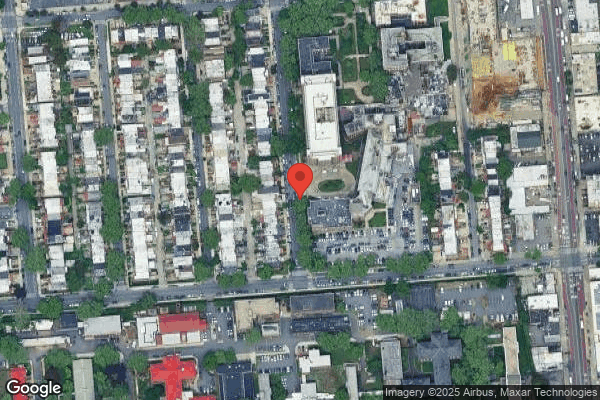
Oct 2023 4 deficiencies
CONCERN (D) 📢 Someone Reported This

A family member, employee, or ombudsman was alarmed enough to file a formal complaint

Potential for Harm - no one hurt, but risky conditions existed

Deficiency F0657 (Tag F0657)

Could have caused harm · This affected 1 resident

**NOTE- TERMS IN BRACKETS HAVE BEEN EDITED TO PROTECT CONFIDENTIALITY** Based on interview and record review conducted during the Recertification/Complaint Survey from 10/16/23 to 10/26/23, the facili...

Read full inspector narrative →
**NOTE- TERMS IN BRACKETS HAVE BEEN EDITED TO PROTECT CONFIDENTIALITY** Based on interview and record review conducted during the Recertification/Complaint Survey from 10/16/23 to 10/26/23, the facility did not ensure a comprehensive person-centered care plan (CCP) was reviewed and revised to address a resident's needs (NY00320501). This was evident for 1 of 3 residents (Resident #212) reviewed for Resident-to-Resident Physical Abuse out of 43 total sampled residents. Specifically, Resident #212's CCP related to at risk to be abused/abused others was not reviewed or revised after the Resident-to-Resident Physical Abuse allegation which occurred on 7/20/23. The findings are: The facility policy titled Comprehensive Care Planning with effective date August 2000 and last revised date 8/2022 documented the resident's comprehensive care plan (CCP) must be individualized and resident centered. Resident #212 had diagnoses of Acquired absence of left leg below knee, End stage renal disease, and Major Depressive Disorder. The Quarterly Minimum Data Set 3.0 (MDS) assessment dated [DATE] documented Resident #212 had moderately impaired cognition with a BIMS score of 12, had no behavior problem, and required supervision with setup for locomotion on unit. On 10/16/23 at 11:53 AM, Resident #212 was interviewed and stated they were using the computer in the day room when another resident grabbed their wheelchair and tipped it backward causing the wheelchair to fall. Resident #212 also stated they did not get hurt from the incident happened on 7/20/23. Resident #212 further stated they did not see the abuser resident anymore after the incident. The Nursing note dated 7/20/23 documented Resident #212 was using computer at the dining room at 3:35 PM. The other resident grabbed the back of Resident #212's wheelchair and tipped it back. Resident had no visible injury. The Social Services note dated 7/21/23 documented Resident #212 was involved in an incident with another resident regarding computer use. Resident #212 stated their wheelchair was grabbed from behind whilst using the computer. The note also documented that Resident #212 stated they were not hurt and were not afraid to use the computer in the day room. The facility Investigation Report documented that on 7/20/23, Resident #205 became agitated when they saw Resident #212 using the computer in the day room. Resident #205 wanted to use the computer and grabbed the back of Resident #212's wheelchair and tipped it backward. Resident #288 saw the computer was free and wheeled towards it. Resident #205 then grabbed Resident #288's wheelchair and shook it to prevent Resident #288 from using the computer. Staff assisted Resident #212, Resident #288, and all other staff to leave the day room. Resident #205 was able to use the computer and became calm. It also documented that law enforcement was notified. The 3 residents involved were assessed for injury and psychological harm and the abuse care plans were updated. Resident #205 was placed on 1:1 observation. The Comprehensive Care Plan (CCP) related to Resident at risk to be abused/abused others initiated 3/8/23 and updated on 6/5/23 and 9/1/23 for Resident #212 documented interventions which included to monitor the resident's likes/dislikes/behavioral pattern. It also marked the problem of abuse as potential and not actual at the on the care plan sheet. There was no documented evidence that Resident #212's CCP was reviewed and revised to reflect the actual resident to resident altercation that occurred on 7/20/23. On 10/19/23 at 02:42 PM, the Registered Nurse (RN) #3, who was also the Nurse Manager of day shift, was interviewed. RN #3 stated the nurse supervisor of the shift created, reviewed, and updated the residents' care plans after each MDS assessment and as needed or put a note at the back of the care plan if there was no change in the interventions. RN #3 also stated that the care plan had to be reviewed and updated after a resident-to-resident altercation. RN #3 reviewed Resident #212's care plan related to Resident at risk to be abused/abused others initiated on 3/8/23. RN #3 was not able to find any documented evidence in Resident #212's medical chart that the care plan related to abuse for Resident # 212 had been updated after the resident-to-resident altercation on 7/20/23. RN #3 stated they were still using paper charts, and anyone may misplace or remove the medical record from the chart. RN #3 also stated they were not sure what happened to the care plan related to abuse for Resident #212. RN # 3 further stated the incident happened on the evening shift and the nurse supervisor for the evening shift was responsible for updating the care plan. On 10/19/23 at 04:18 PM, the Registered Nurse (RN) #4, who was also the Nurse Coordinator of evening shift, was interviewed. RN #4 stated that both the RN supervisor and the RN on the unit were responsible to create, review, and update the care plans after each MDS assessments and as needed. RN #4 also stated they had to update the resident's care plan if it involved alleged abuse like the incident involving Resident #205, Resident #212, and Resident #288 on 7/20/23. RN #4 reviewed Resident #212's medical chart and was not able to find any documented evidence that the care plan related to abuse was updated after the alleged abuse incident on 7/20/23. RN #4 stated that they were not sure what happened to Resident #212's care plan for actual abuse. On 10/20/23 at 09:36 AM, the Director of Nursing (DON) was interviewed and stated the RN supervisor and RN on the unit were responsible to create, review, and update the resident's care plan after each MDS assessment and as needed like if an allegation of abuse occurred. The DON also stated the care plan related to abuse for Resident #212 was not updated after an actual abuse event happened and they were not able to explain why. 415.11(c)(2)(i-iii)
CONCERN (D) 📢 Someone Reported This

A family member, employee, or ombudsman was alarmed enough to file a formal complaint

Potential for Harm - no one hurt, but risky conditions existed

Accident Prevention (Tag F0689)

Could have caused harm · This affected 1 resident

**NOTE- TERMS IN BRACKETS HAVE BEEN EDITED TO PROTECT CONFIDENTIALITY** Based on interview and record review conducted during a Recertification and Complaint survey (NY00323515) from 10/16/2023 to 10/...

Read full inspector narrative →
**NOTE- TERMS IN BRACKETS HAVE BEEN EDITED TO PROTECT CONFIDENTIALITY** Based on interview and record review conducted during a Recertification and Complaint survey (NY00323515) from 10/16/2023 to 10/23/2023, the facility did not ensure a resident received adequate supervision to prevent a resident from eloping. This was evident for 1 (Resident #592) of 3 residents investigated for Accidents out of an investigative sample of 43 residents. Specifically, Resident #592 left unit on 9/3/23 at approximately 10:23 AM to go to the lobby and sit in front of the building and was discovered missing at approximately 2:40 PM. The resident did not return to the unit for lunch served from 12:00 PM to 12:30 PM, and the medication nurse reported resident was not in room at 1:30 PM to receive medication. Resident was able to exit the lobby area undetected by staff by sliding under the fence on the outside of the building. The findings include: The facility policy titled Administrative/Resident care Policy & Procedure manual Prevention of resident Elopement dated last revised 9/2023 documented staff must be always aware of a resident's whereabout and is a policy of this organization to provide a safe environment for all residents. The policy further documented each nurse is to account for all residents when medications are being administered. Resident #592 was admitted to the facility on [DATE] with diagnosis including CVA, Status post Shunt placement, status post Craniotomy, Polysubstance abuse and Hypertension. The Minimum Data Set 3.0 (MDS) admission assessment dated [DATE] documented resident #592 is cognitively intact and required extensive assistance of one person for locomotion off the unit and for walking using wheelchair on and off the unit. The MDS further documented the resident had no wandering behavior. Resident elopement assessments dated 8/5/2023, and 8/22/2023 documented resident ambulatory with assistance, able to wheel self, not a candidate for pass or leave, and was not a risk for elopement. Comprehensive Care Plan (CCP) titled Wanders/Elopement dated implemented 8/25/2023 documented resident problem: Resident wanders and included no interventions. Goal: Risk for elopement will be decreased to minimum. There were no interventions with date 8/25/2023. CCP titled Failure to follow therapeutic plan of care evidenced by behavior indicating noncompliance related to long-term memory problem, and medical problem was initiated on 8/25/2023. Interventions included assess reason for noncompliance, encourage to ventilate feelings related to noncompliance, recognize right to refuse. The Evaluation note dated 8/25/2023 documented problem as noncompliance and documented the following: resident goes down outside for fresh air during medication administration and most of the day, resident is alert and oriented x 3, able to wheel self, and security is being called when it is time to get medication. The Nursing progress notes dated 9/3/2023 at 2:50 pm documented Resident is alert and oriented x 3 able to verbalize needs. At around 6:45 AM while making rounds on the unit, resident was observed lying in bed asleep in stable condition. Resident was medicated by assigned nurse at 10 AM and left the unit after. Resident can wheel self and goes back and forth downstairs for fresh air. At approximately 1:30 PM, the assigned nurse went to Resident #592's room and resident was not there. At approximately 2:40 PM nurse was informed by security that Resident #592 was not in their wheelchair in the lobby area. The note further documented that the Nursing Supervisor on duty was immediately informed and the Elopement protocol was initiated immediately. The staff and security searched the building and surrounding areas but were unable to locate the resident. The facility document titled [NAME] Nursing Home Occurrence Report dated 9/3/2023 documented the following: Time of incident: 2:40pm on 7 am to 7pm shift. Location of event: Elopement. Description: Resident was observed missing at approximately 2:45 PM. Nursing Supervisor and security were informed immediately. Search was initiated immediately. Care plan undated. Incident: At approximately 2:45 PM on September 3rd, 2023, nursing supervisor was made aware by Registered Nurse #7# that resident was not present on the nursing unit. A resident sitting outside the lobby entrance made CNA #7 aware the resident's wheelchair was sitting near the fence and the resident was not present. The Occurrence report further documented resident was able to ambulate short distances with minimal assistance, and resident required a wheelchair for locomotion off the unit, with the ability to self-propel, plus 1-person minimal assistance for transfers. Resident was incontinent of bladder and bowel. The Occurrence Report also documented the following timeline of Resident #592 elopement: 6:45 AM - 7:00 AM - Resident #592 observed sleeping. 10:00 AM - medication given by assigned Nurse (RN #7). 10:23 AM - Resident #592 observed exiting elevator onto building lobby, headed towards outside resident gathering area as per camera footage. 2:40 PM: Resident alert CNA [NAME] that a resident had rolled under the fence. The resident wheelchair was left in the DMRI circle near the fence. At 2:45 PM Nursing supervisor made aware, all residents in facility accounted for, family notified, law enforcement notified, local emergency rooms contacted, surrounding areas searched. 7:45 PM Nursing informed resident at mother house. On 9/14/2023 at 3:00 PM wellness check conducted by [NAME] Nursing Home staff. Nursing progress notes dated 9/3/2023 at 7:45 PM documented Nursing Supervisor received a phone call that the resident was located. Resident was at mother's house and mother was taking resident to a hospital in Queens. There was no documented evidence that the assigned Certified Nursing Assistant (CNA) #7 reported the resident missing during lunch on the unit at approximately 12 -12:30 PM. During interview conducted on 10/18/23 at 11:21 AM, with RN #10. RN # 10 stated RN #7 who was the medication nurse on 9/3/2023 reported at 1:30 pm the resident was not in the room. During an interview conducted on 10/18/23 at 12:31 PM, RN #7 stated that when they went to the resident's room to give the afternoon medications the resident was not in the room. RN #7 also stated they were not alarmed because resident was allowed to leave freely, and RN #7 went on to do medications and treatment until told by security the resident was not found. There was no documented evidence Registered Nurse (RN) #7 or RN #10 reported the resident missing on the unit or alerted security that the resident was missing. There was no documented evidence that any staff monitored Resident #592 once they left the unit at 10:00 AM. On 10/18/23 at 11:10 AM, an interview was conducted with Certified Nursing Assistant (CNA) #6 who was assigned to Resident #592 on the day of the incident. CNA #6 stated resident # 592 often go outside the facility to get fresh air. CNA #6 stated on 9/3/23 resident #592 got up early, dressed, took medications, and went off the unit. CNA #6 stated lunch was served between 12:00 - 12:30 PM and did not see the resident at lunchtime. CNA #6 stated the resident usually buys their own lunch and will stay downstairs to eat so staff were not concerned. CNA #6 also stated was then informed by RN #10 that Resident #592 was missing. CNA #6 further stated the staff did not check on the resident once the resident left the unit in the morning at approximately 10 am. On 10/18/23 at 11:21 AM, an interview was conducted with Registered Nurse (RN #10). RN #10 who was on duty at the time of the incident stated made rounds in the morning of 9/3/2023 on arrival at work and the resident was sleeping at between 6:45 am and 7:00 am. RN #10 stated that at approximately 10:00 AM, RN #7 went to the resident's room and gave the resident medications. RN #10 stated staff saw the resident leave the unit, as the resident is able to go on and off the unit independently, and usually return with no incident. RN #10 stated at 1:30 PM, RN #7 informed staff that went to Resident #592's room to give medications, but the resident was not in the room. RN #10 stated they did not call security to check on the resident as the resident's normal behavior was to leave the unit and the resident usually returned after 3-4 hours. RN #10 stated staff received a call from security at 2:40 PM, informing them that the resident was not in the wheelchair, and the wheelchair was found near to the gate, and staff reported this to the supervisor. RN #10 further stated the resident leaves the unit daily and they assumed the security and the CNA assigned to watch the residents who smoke was monitoring all the residents who gather in that area to sit and talk. RN #10 stated staff did not go to look for the resident or send other staff to look for the resident. RN #10 stated staff had no concerns that Resident #592 would leave the grounds, because the resident never express any desire to leave and was not considered a risk for elopement. On 10/18/23 at 12:21 PM, an interview was conducted with Registered Nurse Manager (RNS #1) who stated that Resident #592 had no behaviors, never verbalized wanting to leave the facility, and was very quiet on the unit. RNS #1 also stated the resident will go downstairs where security and CNA assigned to the smoking area will monitor the residents who smoke and any other residents out there. RNS #1 further stated that a care plan was created on 08/25/2023 stating staff will call security when it is time for the resident to receive medications, and the staff usually call downstairs when the resident missed medications. RN #1 stated the staff was overwhelmed that day and did not follow the plan to call security when time to get medications, and just continued to provide care for the other residents when Resident #592 was not seen in room. On 10/18/23 at 12:31 PM, an interview was conducted with Registered Nurse (RN #7) who stated that they gave Resident #592 their morning medications, and when they returned to give the afternoon blood pressure medication the resident was not in their room. RN #7 also stated resident was allowed to leave the unit freely and so they were not concerned and went on to do other medications and treatment. About an hour later, security called and stated the resident's wheelchair was downstairs but the resident was not in it. A code orange was called and staff including RN #7 looked all over but could not find the resident and the resident was located some hours later at the parent's home. RN #7 further stated they were not aware of a CCP plan to call security when the resident is not in resident room during medication pass. RN stated the CCP with plan to call security if the resident was not on unit for medications was not in place. RN #7 stated at times they do call security to send the resident back up to the unit, but there never was a plan to call security if the resident is not in room. RN #7 also stated the resident was not at risk for elopement. On 10/18/23 at 12:52 PM, an interview was conducted with Certified Nursing Assistant (CNA) #5 who stated they usually monitor the smoke room, at times 7 days a week. CNA #5 stated they keep an eye on the residents sitting just outside the door, but at times they must leave and help residents in the smoke area. CNA #5 stated they do not always have a clear view of all the residents because the wall blocks vision at times, but those residents who sit closer to the smoke room CNA #5 is able to monitor. CNA #5 stated security in the outside booth also monitors the resident. CNA #5 stated the resident never stated they wanted to leave the facility, and they were not on duty at the time of this incident. On 10/20/23 at 08:40 AM, an interview was conducted with Director of Nursing Services (DNS). The DNS stated the resident was alert and able to verbalize needs and it was the norm for resident to leave the unit and go outside for fresh air, by sitting outside. The DNS also stated in the past when the residents sit outside the smoke room, the CNA and security keep an eye on the resident, and now after the investigation they understand the CNA monitoring the smoke room as well as security can be distracted at times. The DNS further stated measures such as lowering the fence, placing another CNA in addition to the CNA at the smoke room outside to monitor the resident outside for fresh air, and security making rounds. On 10/23/23 at 10:27 AM, a telephone interview was conducted with Security Guard (SG)#1) on duty at the time of elopement. SG #1 stated the security was assigned inside the lobby as the security house outside the building is closed on weekends. SG #1 stated the CNA at the smoke cart was monitoring the residents who went out for air as well as the smoke room, and did not see when the resident left, but was alerted by a resident pointing. SG #1 stated once informed they immediately inform the nursing supervisor and stated a search of the surrounding areas, but the resident was not found. SG #1 stated there was an 8-inch gap in the fence and the resident was a small person and was able to get under the fence. SG #1 stated where located in the lobby will not be able to see the fence or see a resident going under the fence. SG #1 stated things changes since the elopement, the fence was lowered almost to the ground, one security guard will make rounds every 1/2-12 hour around the perimeter of the building, and another CNA is outside looking at the resident who is sitting outside for fresh air. SG #1 stated the gate are closed on the weekends, but two staff are outside monitoring together. Security guards patrol around the perimeter of the building to prevent this from happening again. 415.12(h)(2) The facility was cited as past non-compliance and the following Plan of Correction was implemented: -Resident #592 refused to return to the facility. The facility conducted a wellness check on the Resident #592 at their parent's home in Queens on 9/4/2023, and confirmed the resident had no visible injuries. -Resident #592 was educated and encourage to return to the facility, against elopement and resident signed Against Medical Advice (AMA) Form on 9/4/2023 during the wellness visit. -Residents educated to inform staff when leaving the unit, follow up done. -The facility conducted a perimeter check of all fences and gates around the facility for space under the gate where someone can fit under on 9/4/2023. The facility documented no gaps and or spaces were found that existed with the gate on 9/3/2023 in the gates/fences around the facility. -Gate and fence at the DMRI circle were lowered to prevent anyone from anyone passing under the fence. -Increase security patrols implemented and two staff assigned to cover outside area. -The CCP related to wandering and elopement for Resident # 592 and all residents at risk for elopement were reviewed and revised on 9/4/2023. -The Policy and Procedure on Elopement was reviewed and revised by the DON and Administrator 9/2023. Changes were made to include that all staff must check on all residents every hour and during medication pass. If a resident is not seen on the unit or misses medication pass, staff will immediately inform the Supervisor. -All staff were reeducated on the new Elopement Policy and Procedure and rounding. -All new staff will be oriented on the facility New Policy and Procedure and Protocols. -Audits were developed will be reviewed and reported to the QAPI committee for the next three months
CONCERN (D)

Potential for Harm - no one hurt, but risky conditions existed

Deficiency F0925 (Tag F0925)

Could have caused harm · This affected 1 resident

**NOTE- TERMS IN BRACKETS HAVE BEEN EDITED TO PROTECT CONFIDENTIALITY** Based on observation, record review, and staff interview conducted during the recertification survey 10/16/2023 to 10/23/2023 an...

Read full inspector narrative →
**NOTE- TERMS IN BRACKETS HAVE BEEN EDITED TO PROTECT CONFIDENTIALITY** Based on observation, record review, and staff interview conducted during the recertification survey 10/16/2023 to 10/23/2023 and complaint NY00315981, the facility did not maintain an effective pest control program so that the facility is free of pests and rodents. This was evident on 2 of 13 units. (8 [NAME] and 10 West). Specifically, a live mouse was observed crawling in a resident's room on 8 [NAME] and in the hallway near the nursing station on the 10th floor. The facility policy and procedure titled Pest Control revised 03/2023 documented the facility is to maintain an effective pest control program that eradicates and contains common household pests and rodents that include roaches, ants, mice, and rats. The finding is: 1. On 10/18/2023 at 08:30 AM, while standing next to the nurses station on 10 [NAME] beside RN #3, a mouse was observed crawling from under the door of the staff lounge toward the documentation area located behind the nurses station. RN #3 present at the time of the mouse sighting stated they would call the exterminator. The Pest Control Log for the 10th floor was reviewed documented mice sightings in multiple rooms on 6/28/2023 (1008, 1010, 1011 and 1013) and in single rooms on 7/11/2023 (room [ROOM NUMBER]), 7/20/2023 (room [ROOM NUMBER]), 7/22/2023 Room (1014) and on 9/15/2023 (room [ROOM NUMBER]). 2. On 10/18/2023 at 12:46 PM, on unit 8 West, in room [ROOM NUMBER], a live mouse approximately 3 to 4 inches was observed crawling from under the dresser to under the radiator area in the resident's room. On 10/19/2023 at 12:33 PM, Resident residing in room [ROOM NUMBER] was interviewed and stated they have seen mice walking in their room and they often go under the radiator. The Pest Control Log for the 8th floor was reviewed and documented two mice seen in room [ROOM NUMBER] running on wall and dresser on 6/29/2023 and multiple mice seen running in room [ROOM NUMBER] on 7/18/2023. On 10/23/2023 at 12:54 PM, the Assistant Director of Building Services (ADBS) was interviewed and stated they do not have an overwhelming number of pest cases and if it is overwhelming, they address. The ADBS also stated that they have an exterminator who works from 8AM- 4PM who is an outside contractor and they get occasional calls for mice. The ADBS further stated that this is the resident's home, the building is old, and there is a lot of hoarding of food. On 10/23/2023 at 01:20 PM, an interview was conducted with the Exterminating Technician (ET) who stated that they do pest management for the facility. The ET also stated that they do rounds daily and look into whatever complaint is made. The ET further stated that they apply traps and they have caught activity as many as 15-20 mice in the last month. On 10/23/2023 at 02:14 PM, the Administrator was interviewed and stated they do have the exterminator come in daily to go around and address any pest issues. The Administrator further stated that they are working with facility management to ensure everywhere is sealed. 10 NYCRR 415.(5)(h)(1)
CONCERN (E)

Potential for Harm - no one hurt, but risky conditions existed

Food Safety (Tag F0812)

Could have caused harm · This affected multiple residents

Based on observation and interview conducted during the Recertification survey 10/16/2023 to 10/23/2023, the facility did not ensure that food was stored, prepared, distributed, and served in accordan...

Read full inspector narrative →
Based on observation and interview conducted during the Recertification survey 10/16/2023 to 10/23/2023, the facility did not ensure that food was stored, prepared, distributed, and served in accordance with professional standards for food service safety to prevent foodborne illness. Specifically, 1) a dietary staff did not change contaminated gloves after disposing garbage and proceeding to handle soiled dishes which were scraped before cleaning for the tray line and no hand hygiene between changing gloves. This was observed during the Kitchen facility task. The findings are: The facility's policy and procedure dated 09/2023 titled Hand Hygiene, documented hand hygiene is the most effective method to prevent infections. Documented hand hygiene needs to performed when moving from dirty to clean and before donning gloves. The dietary department employee meeting sign in sheet date 8/4/2023 documented dietary aide received training that included hand hygiene. On 10/19/2023 at 03:51 PM - 4:26 PM, the Dietary Aide (DA) was observed transporting trash from the kitchen which was placed in a large gray bin and blue cloth cover placed on top. The Dietary aide was wearing gloves and cloth apron. The Dietary Aide opened the garbage disposal door opened and 10 bags placed in trash, to include some bags that had liquid food leaking on the bottom end that dripped on the ground outside of the compactor and trash place in bin was compacted. The trash compactor was activated using the key provided by the Food Service Supervisor (FSS). The trash container rinsed out using water hose and transported back to the kitchen. DA brought back the trash bin back in kitchen and navigated the hallways of the hospital basement area back to the kitchen due to transport elevator not working. The DA touched multiple doors to include the back garbage compactor door and corridor door handles with gloved hands. DA returned to the kitchen with the trash bin and removed the cloth tarp cover taken off and placed the cover on tiered shelf in the kitchen by the wall in the dish room. The Dietary Aide then proceeded to place scraped trays on dish machine, no hand hygiene was done after handling trash. Dietary aide removed trays from rack placed them in the dish machine. The DA takes gloves off and puts on new pair of gloves, continued to take dishes off the dish machine and placing on the metal rack. The DA takes off gloves and puts on another pair of gloves wearing the same cloth apron from throwing out trash while retrieving dishes from dish machine. DA pulling off dishes from dish machine inspecting for cleanliness and their apron is touching left side of dish machine. On 10/19/2023 at 04:26 PM, the DA takes off the gloves and washes their hands. On 10/19/23 at 11:58 AM, an interview was conducted with Dietary Aide (DA) who stated that they were handling dirty trays why they did not change their gloves in the dish room. If they had to multitask, they will change gloves. They stated usually 1 person going to do garbage, sending trays, and catching trays. They wear a cloth apron when they take out the trash. If there are 2 persons, it is hard to stop, and trays are dirty and why it started to send them thru. Trays taken off go to the back to the tray line. They have had Inservice on hand washing in 2023. They stated that they are supposed to wash their hands for 30 seconds to prevent cross contamination and germs. On 10/19/2023 at 04:33 PM, an interview was conducted with the Food Service Supervisor (FSS) who stated that staff should wash hands and stated washed the trash compactor key after taking back from the DA. When gloves are takeoff gloves staff should do hand hygiene. There are plastic aprons and cloth aprons area available, and staff report the thick apron is too hot in the dish room. Staff should be wearing plastic apron so they should be protecting themselves. You don't want the dirty getting into the clean items. Staff should always wash hands after dumping trash. Proper clothing is another part of cross contamination wearing it and going to the clean side can cause cross contamination. On 10/19/2023 at 04:38 PM, an interview was conducted with the Director of Environmental Services/Food Service Director (FSD) who stated that they noticed the DA did not wash their after they got back to the dish room. Upon entering kitchen staff should wash hands and reapply gloves and staff have been in-serviced. DA should have changed gloves before handling trays. The apron should have been taken off or covered with a plastic apron to prevent cross contamination. Infection control and for safety of the resident at the end of the day. Prevention of cross contamination based on infection control On 10/23/2023 at 01:17 PM, an interview was conducted with the Infection Preventionist who stated that they have a hand washing program that the nurse manager monitors. Hand washing is very important, and COVID-19 taught us that, so we do not transmit disease from person to person. Once hands can transmit everywhere especially with food. They stated that hand washing is a big part of their surveillance. 415.14(h)
Oct 2023 1 deficiency
CONCERN (D) 📢 Someone Reported This

A family member, employee, or ombudsman was alarmed enough to file a formal complaint

Potential for Harm - no one hurt, but risky conditions existed

Report Alleged Abuse (Tag F0609)

Could have caused harm · This affected 1 resident

Based on record review and interviews conducted during an Abbreviated Survey (NY 00319068), the facility failed to ensure that an alleged violations involving abuse were reported immediately, but not ...

Read full inspector narrative →
Based on record review and interviews conducted during an Abbreviated Survey (NY 00319068), the facility failed to ensure that an alleged violations involving abuse were reported immediately, but not later than two hours after the allegation was made, if the event that caused the allegation involve abuse or result in serious bodily injury, or not later than 24 hours if the events that cause he allegation do not involve abuse and do not result in serious bodily injury, to the State Survey Agency (NYSDOH). This was evident in one of the five residents reviewed for abuse (Resident #1). Specifically, on 04/26/2023 at approximately 5:00 PM, Behavioral Health Associate (BHA) #2 reported that BHA #1 grabbed their personal phone from Resident #1 hand in an aggressive way and bumped Resident #1's forehead. The incident was not reported to the New York State Department of Health (NYSDOH). The findings are: The facility's Policy and Procedure entitled Abuse with review date 07/2022, documented it is the policy of the facility that abuse allegations are reported as per Federal and State Law. The facility will ensure that all alleged violations involving abuse, neglect, exploitation, or mistreatment including injuries of unknown source and misappropriation of resident property are reported immediately, but not later than two hours after the allegation is made if the events that cause the allegation involve abuse or result in serious bodily injury. Resident #1 was admitted to the facility with diagnoses including Autistic Disorder, Impulse Control Disorder, and Selective Mutism. The Minimum Data Set (MDS, a resident assessment tool) dated 02/06/2023, documented that Resident #1 was severely cognitive impaired. A Facility's Occurrence Report dated 04/26/2023, written by the Assistant Director of Nursing (ADNS) documented BHA #2 reported that they observed BHA #1 aggressively remove their cell phone from Resident #1. BHA #1's head came close to Resident #1's head, but BHA #2 was any actual contact with Resident #1's head. A Facility Investigative Summary dated 04/28/2023, written by Director of Nursing (DON) documented that on 04/26/2023, at approximately 5:00 PM, BHA #2 reported that BHA #1 grabbed their personal phone from Resident #1's hand and bumped Resident #1's forehead. BHA #1 was immediately suspended. Resident #1 was assessed with no visible injury observed. The Medical Doctor (MD) was called and evaluated the resident and no psychological harm was identified. The camera footage was reviewed and showed Resident #1 was holding a cell phone, BHA #1 took the phone from Resident #1's hand without communicating verbally with Resident #1. BHA #1's head was close to Resident #1's head; however, it was unclear if physical contact was made. A Nurse's note dated 04/26/2023 at 7:00 PM, documented that Resident #1 was assessed by a MD at the bedside. No complaint of pain was verbalized. Redness noted to the left arm. No redness or bruise to the forehead. During an interview on 10/11/2023 at 1:51 PM, DON stated that they were informed by ADNS about the abuse allegation on 04/26/2023 and investigated the incident. DON stated that they reviewed the camera and no abuse from BHA #1 toward Resident #1 was observed. DON stated that they did not save the camera footage. DON stated that they did not report the incident to NYSDOH based on what they saw on the camera. There was no abuse observed from BHA #1 toward Resident #1. DON stated that they are responsible for reporting incidents involving abuse allegations to NYSDOH. DON stated that any abuse allegation must be reported to NYSDOH within two hours. During a telephone interview on 10/17/2023 at 4:45 PM, the Administrator stated that they were notified by DON after the DON learned about the incident. The Administrator stated that they also reviewed the video and there was no aggressive approach or any physical abuse from BHA #1 toward Resident #1, otherwise it would be reported. The Administrator stated that they did not report the incident to NYSDOH because they did not see any abuse on the camera. The Administrator stated that they were aware that any alleged abuse toward residents must be reported within two hours after the allegation was made. 10 NYC 415.4(b)
Aug 2021 5 deficiencies
CONCERN (D)

Potential for Harm - no one hurt, but risky conditions existed

Deficiency F0561 (Tag F0561)

Could have caused harm · This affected 1 resident

**NOTE- TERMS IN BRACKETS HAVE BEEN EDITED TO PROTECT CONFIDENTIALITY** Based on interview and record review conducted during the recertification Survey the facility did not ensure that it promoted an...

Read full inspector narrative →
**NOTE- TERMS IN BRACKETS HAVE BEEN EDITED TO PROTECT CONFIDENTIALITY** Based on interview and record review conducted during the recertification Survey the facility did not ensure that it promoted and facilitated resident self-determination through support of resident choice. Specifically, residents bathing preferences were not honored. This was evident for 1 of 3 residents reviewed for Choices out of 38 sampled residents (Resident #45). The findings are: The facility policy titled Bathing the Resident revised in 12/2020 documented under section Shower under Documentation to Report any abnormalities observed or problems during procedure to the nurse. Document on CNA accountability record. Resident #45 was admitted to the facility on [DATE] with diagnoses that included Multiple Sclerosis and Heart Failure. The admission Minimum Data Set (MDS) 3.0 dated 05/05/2021 documented resident had intact cognition. The resident was totally dependent with assistance of one staff for bathing. The MDS also documented that it was very important to the resident to choose between tub bath, shower, bed bath, or sponge bath while at the facility. There was no rejection of care documented. On 07/29/21 at 10:18 AM, Resident #45 was interviewed. Resident #45 stated they had been provided with a shower for a month. Resident #45 stated their scheduled shower days are Tuesdays and Fridays in the morning and no one had offered her a shower on those days. showers. The Comprehensive Care Plan (CCP) initiated 04/28/2021 and reviewed 06/07/2021 documented the resident be clean, dry, and well-groomed daily. Interventions included to encourage resident to make choices associated with ADL's where possible and to provide 2 bath/showers weekly and whenever necessary. The CNA Accountability Record dated July 2021 documented in section Bathing extensive with one person, total dependence, and showers during the day shift. The section Bathing Schedule documented Tuesday and Friday shift 7A-3P. The record showed bed bath was provided daily while showers were not provided for the month. Review of the nursing notes for June 2021 and July 2021 contained no documented evidence that the resident had refused showers. On 08/03/21 at 12:18 PM, an interview was conducted with Certified Nursing Assistant (CNA) #4. CNA #4 stated they had been assigned to the resident since admission and the resident required total care. CNA #4 also stated than due to the resident's condition, they were not stable in the small shower chair, moved frequently and required an additional staff during showers. CNA #4 further stated Resident #45 had no leg strength and could not control their movements so for the safety of the resident bed baths were provided. CNA #4 stated the resident is very good at expressing themselves and had not complained about receiving bed baths. On 08/03/21 at 04:57 PM, an interview was conducted with the Registered Nurse (RN) #7. RN #7 stated as per CNA#4, the resident was receiving showers. RN #7 also stated they were not aware that Resident #45 received bed baths and stated CNA #4 cannot make the decision to provide the resident with bed baths only. The RN #7 stated if the CNA #4 observes something the CNA #4 has to report it. RN #7 stated monitoring includes observing during showers. 415.5(b)(1-3)
CONCERN (D)

Potential for Harm - no one hurt, but risky conditions existed

Assessment Accuracy (Tag F0641)

Could have caused harm · This affected 1 resident

**NOTE- TERMS IN BRACKETS HAVE BEEN EDITED TO PROTECT CONFIDENTIALITY** 2. Resident #41 was admitted to the facility with diagnoses that included Chronic Obstructive Pulmonary Disease, Asthma, and Sei...

Read full inspector narrative →
**NOTE- TERMS IN BRACKETS HAVE BEEN EDITED TO PROTECT CONFIDENTIALITY** 2. Resident #41 was admitted to the facility with diagnoses that included Chronic Obstructive Pulmonary Disease, Asthma, and Seizure Disorder. The Physician monthly review and renewal order dated 3/3/21 documented: O2 via n/c (nasal cannula) at 2L/min PRN (as needed) (SOB) (Shortness of breath) Q (every) shift. The Treatment Record dated 4/1/21 - 4/30/21 documented that Oxygen 2L/min Q shift PRN SOB was administered daily during this period. The Quarterly MDS dated [DATE] did not document in Section O, Special Treatments, Procedures and Programs, that were performed during the last 14 days that the resident received oxygen. On 08/05/21 at 09:00 AM, an interview was conducted with the MDS Assessor, who covers the 10th floor, stated, that the look back period is verified after reviewing the medical record, and the information is retrieved from the treatment record, however stated that this was overlooked this time for resident #41 On 08/05/21 at 9:12 AM, an interview was conducted with Director of Clinical Reimbursement (DCR). The DCR stated that based on the date of the MDS, if Resident #41 received Oxygen, it should have been checked off. The DCR also stated that this may have been overlooked by the Assessor. The DCR further stated that it is the responsibility of the persons completing each section of the MDS assessment to ensure the accuracy of that information. 415.11(b) Based on observation, record review and staff interviews conducted during recertification survey, the facility did not ensure that each portion of the Minimum Data Set (MDS) assessment accurately reflects the resident's status. Specifically, the most recent MDS did not accurately capture that residents were receiving oxygen. This was evident for 2 of 3 residents reviewed for Respiratory Care out of a sample of 38 residents (Resident # 41 and Resident # 222). The findings are: The October 2017 Long-Term Care Facility Resident Assessment Instrument 3.0 User's Manual, version 1.15, Section O: Special Treatment, Procedures, and Programs documented that the items in this section intend to identify any special treatment procedures and programs that the Resident received during the specified period. 1. Resident #222 was admitted to the facility with diagnoses that included Chronic Obstructive Pulmonary Disease, Respiratory Failure, and Renal Insufficiency. Physician Orders dated 05/23/2021 and 6/24/21 documented Oxygen via Nasal Cannula (NC) at 3L/Min during daytime. The Treatment Administration Record dated 06/21/2021 to 07/20/2021 and 07/21/2021 to 08/06/2021 documented that Resident # 222 received Oxygen 3L/Min via nasal cannula as ordered. The Comprehensive Care Plan (CCP) titled Actual ineffective Breathing/Airway Clearance created on 01/25/2021 with a revised date on 06/21/2021 documented that Resident #222 has activity intolerance related to ineffective breathing. The interventions included order/provide oxygen, assess oxygen needs regularly, monitor vital signs, and order/provide medication. The care plan notes dated 06/2021 documented that Resident # 222 continued with oxygen via nasal cannula at 3L/min in the daytime. The Quarterly MDS dated [DATE] did not document in Section O, Special Treatments, Procedures and Programs, that were performed during the last 14 days that the resident received oxygen. On 08/05/2021 at 10:38 AM, the MDS Assessor (MDSA) was interviewed. The MDSA stated that it was an error because Resident #222 previous MDS was used during the assessment, but the oxygen was not captured. The MDS Assessor also stated that the resident's orders, nurse's notes, physician notes, and dialysis orders were reviewed before the assessment was done so they were not sure why it was missed. On 08/05/2021 at 10:05 AM, the Director Clinical Reimbursement (DCR) was interviewed. The DCR stated that if the resident was receiving oxygen, it should have been checked off on the MDS.
CONCERN (D)

Potential for Harm - no one hurt, but risky conditions existed

Deficiency F0657 (Tag F0657)

Could have caused harm · This affected 1 resident

**NOTE- TERMS IN BRACKETS HAVE BEEN EDITED TO PROTECT CONFIDENTIALITY** Based on record review and staff interview conducted during the recertification, the facility did not ensure that a resident's p...

Read full inspector narrative →
**NOTE- TERMS IN BRACKETS HAVE BEEN EDITED TO PROTECT CONFIDENTIALITY** Based on record review and staff interview conducted during the recertification, the facility did not ensure that a resident's person-centered, comprehensive care plans (CCP) were revised in a timely manner. Specifically, care plans were not revised after the quarterly assessment. This was evident for 1 of 3 residents reviewed for Respiratory Care out of a sample of 38 residents. (Resident #41) The findings are: The facility policy titled Comprehensive Care Planning revised 1/2020, documented that it is the policy of the [NAME] Nursing Home to provide every resident with all the necessary care and services through a comprehensive, interdisciplinary systematic organized and timely plan, which promotes a culture of person -centered care. It also documented that the Interdisciplinary team members reviews the CCP periodically (not to exceed three months) and prior to the scheduled meeting. Resident #41 was admitted with diagnoses that included Chronic Obstructive Pulmonary Disease, Asthma, and Seizure Disorder. The Comprehensive Care Plan (CCP) titled 'Non-compliance-Actual' implemented on 8/20/20, documented removes Oxygen from nose, with medical diagnosis of COPD. Expected outcome: will demonstrate new learning/healthy behavior. Interventions included assess reasons for non-compliance, monitor resident and put back Oxygen. Monitor O2 sat. Outcome evaluation date documented was 11/20/20. There was no documented evidence the care plan had been reviewed or revised since 11/20/20. The CCP titled Self-Care Deficit -Actual, implemented on 8/20/20, related total assistance needed bed mobility, transfers, toilet use. Expected outcome resident will be clean, dry, and well-groomed daily. Maintain skin integrity. Interventions included pace care to avoid tiring. Encourage resident to make choices associated with ADLs where possible. Provide total assistance during transfers with 1 person. Outcome evaluation date documented was 11/ 20/20 There was no documented evidence the care plan had been reviewed or revised since 11/20/20. The CCP titled Impaired Oral/Dental Condition-Actual, implemented on 8/20/20, has dentures, and or removable bridge. Expected outcome be free of or experience tolerable oral/dental/pain/discomfort, maintain ideal body weight. Interventions included assess chewing, swallowing ability, monitor food intake, assess risk factors on an ongoing basis. Outcome evaluation date documented was 11/20/20. There was no documented evidence the care plan had been reviewed or revised since 11/20/20. On 8/04/21, the Director of Nursing (DON) was interviewed. The DON stated that she care plans should be reviewed on a quarterly basis and did not know why these care plan updates were not done timely. The DON also stated the quarterly updates had already been completed for July 2021 but there was no record that the other revisions had occurred when they were due 415.11(c)(2)(i-iii)
CONCERN (D)

Potential for Harm - no one hurt, but risky conditions existed

Medication Errors (Tag F0758)

Could have caused harm · This affected 1 resident

**NOTE- TERMS IN BRACKETS HAVE BEEN EDITED TO PROTECT CONFIDENTIALITY** Based on observations, record reviews and staff interviews conducted during a recertification survey, the facility did not ensur...

Read full inspector narrative →
**NOTE- TERMS IN BRACKETS HAVE BEEN EDITED TO PROTECT CONFIDENTIALITY** Based on observations, record reviews and staff interviews conducted during a recertification survey, the facility did not ensure that the resident's drug regimen was free of unnecessary medications. Specifically, a resident with a diagnosis of Alzheimer's Dementia was prescribed an anti-psychotic medication without documented evidence in the clinical record to support the use of psychotropic medication for the resident. This was evident for 1 of 5 residents reviewed for the Unnecessary Medication out of a sample of 38 residents. (Resident #67) The findings are: The facility policy and procedure titled Free from Unnecessary Psychotropic Drugs effective 11/28/2017 and last revised 10/2020 documented that residents who have not used antipsychotic drugs are not given these drugs unless antipsychotic drug therapy is necessary to treat a specific condition as diagnosed and documented in the clinical record. The policy further documented that antipsychotic medication in persons with dementia should not be used if the only indication is one or more of the following and included wandering, poor self-care, Mild anxiety, and restlessness. The policy further stated that before initiating or increasing an antipsychotic drug for enduring conditions (i.e., non-acute, chronic or prolonged), the target behavior/s will be clearly and specifically identified and documented. Resident #67 was admitted to the facility on [DATE] with diagnoses that included Respiratory Failure, Alzheimer's Dementia, Depression, Sensory Neural hearing Loss and Trach/Vent status. The Quarterly Minimum Data Set (MDS) dated [DATE] documented that the resident had severe cognitive impairment with short-term and long-term memory problem, required dependent assistance of two staff with most Activities of Daily Living (ADLs), did not reject care and received an antianxiety and antipsychotic medication on 7 out of 7 days. On 08/02/21 at 09:33 AM, Resident was observed lying in bed with eyes closed, had a Tracheostomy, and was attached to a ventilator. Resident did not respond when name was called and no involuntary movements were observed. On 08/02/2021 at 11:36 AM, Resident was observed lying in bed turned to left side in no distress attached to a ventilator. Resident did not respond when name was called and did not respond to verbal commands. On 08/03/21 at 02:45 PM, Resident was observed lying in bed with eyes closed. Resident was not responsive to verbal stimuli. No movements observed. On 08/04/21 at 09:14 AM, Resident was observed lying in bed with eyes closed. Tracheostomy in place attached to Ventilator and resident was lying on back in no distress. Resident's eyes were closed and no movement noted from resident. Rise and fall of the chest observed. The resident admission Patient Review Instrument (PRI) dated 1/28/2021 documented under Section IV Behaviors: #23. No known history for verbal disruption, #24. no known history for physical aggression and # 25, no known history of disruptive, infantile, or socially inappropriate behavior, and #26 no for hallucinations. The Comprehensive Care Plan (CCP) titled Actual Psychotropic drug use effective 1/29/2021 documented psychotropic drug use related to Depression. The evaluation note dated 6/30/2021 documented a goal of maximize functional potential and well-being while minimizing use of medication and be free of accidents and have reduced drug induced side effects. Interventions included assess behavior pattern, assess resident response to medication, and document behavior, effectiveness of medication and any side effects weekly. Physician admission orders dated 1/29/2021 documented Clonazepam 1 mg via G-Tube for Mood disorder. Interim Doctor's Order dated 2/12/21 documented Seroquel 25mg via GT every 12 hours for Mood Disorder. Review of monthly Medication Administration Record (MAR) dated January 2021 to June 2021 documented resident received Clonazepam 1 mg every 12 hours and Seroquel 25 mg every 12 hours. A Physician order dated 6/21/2021 documented Clonazepam 1 mg tablet every 12 hours for Mood disorder, Quetiapine (Seroquel) 25 mg via g-Tube at bedtime for Mood Disorder. Physician's Order dated 6/29/21 documented Seroquel dosage was decreased to Seroquel 25 mg at bedtime. Order documented Depression in brackets and also Mood Disorder Nursing admission progress note dated 1/29/2021 documented resident was awake, responsive to tactile stimuli, does not follow commands. Appears restless with mittens to left hand, and edema to upper extremities. Nursing admission Evaluation assessment dated [DATE] documented under mental status in comments section resident response to tactile stimuli. The assessment further documented under review of systems in the section titled NEURO/Cerebral Function agitation and restlessness. There was no specific documentation of specific behaviors displayed by the resident. Physician History and Physical dated 2/2/2021 documented resident was unresponsive, ventilator dependent and the physician was unable to obtain a Review of Systems as resident was unresponsive. Physician further documented Under Section titled Current Diagnosis and Management: Mood Disorder Clonazepam? Seizure. Scheduled Physician Visit Progress Note dated 3/29/2021, 4/26/2021, 5/25/2021, 6/22/2021, and 7/15/2021 documented the resident had no behavioral problems. Nursing Respiratory progress note dated 2/4/2021 documented resident was somewhat agitated. The progress note did not document the specific behaviors the resident displayed. Nursing monthly notes dated January 2021 to July 2021 contained no documentation of any behaviors exhibited by the resident. All notes documented resident was severely impaired, was responsive to tactile stimuli and had no behaviors. A Psychiatry consult dated 2/12/2021 documented reason for request: Psychiatric evaluation for medication consult report documented resident had a history of Dementia and Respiratory failure. On evaluation patient was lying in bed, keeps limited eye contact. No agitation or aggressive behavior observed. No suicidal or homicidal ideation elicited. Left hand is covered with a mitten. Patient eyes open partially and could not follow simple command. Nonspecific body movements were noted in response to verbal stimuli. The consult further documented past psychiatric history of Dementia with behavioral problems. Diagnosis: Dementia with behavioral problems by history/Mood Disorder NOS. Plan: documented No medications recommended at this time. Continue Clonazepam. Add Seroquel 25 mg by, peg every twelve (12) hours. There was no documented evidence of behaviors that the physician observed or received report that the resident displayed behavior or exhibited signs of psychosis prior to initiation of Seroquel 25mg every 12 hours or that other interventions were attempted prior to the initiation of antipsychotic medication for a resident with a diagnosis of Dementia. A Psychiatry consult completed by the Nurse Practitioner dated 5/11/2021 documented Patient was in bed on Trach to Vent and non-verbal. Staff endorsed patient is at baseline with no behavior problem. No recent incident reported. Diagnosis Dementia without Behavior Disturbance, Major Depressive Disorder, unspecified. On evaluation calm, briefly made some body movements when name is called. Patient on psychotropic medications and appear stable. Plan: No behavior, continue same medications. Continue to monitor and provide supportive care. The consult also documented that a GDR was not attempted in the last 3 to 4 months. There was no documentation of behaviors to support ongoing use of antipsychotic medication. A Psychiatric consult completed by the Nurse Practitioner dated 6/29/2021 documented resident was seen for follow up evaluation. Patient on Trach Collar and nonverbal on approach. However, patient is calm and no behavior. No recent incident noted. Diagnosis Dementia without behavior, Major Depressive Disorder, recurrent. Chart reviewed patient is on Seroquel. No documented history of psychosis, and no behavioral problem noted. Will taper and discontinue Seroquel. Plan: 1. Change Seroquel to 25 mg at bedtime (will discontinue next visit if stable) 2. Continue other medications. There was no evidence by either the attending physician, nursing staff or a psychiatrist that use of Seroquel was necessary to treat a specific condition or that the benefits of this medication was weighed against the risk of use to the resident. On 08/03/21 at 11:54 AM, an interview was conducted with Certified Nursing Assistant (CNA#1). CNA#1 stated the resident does not respond to anything, does not move when spoken to or touched. CNA #1 stated does not move during care, the resident is observed to be breathing but appears to be sleeping most of the time. CNA #1 further stated at times the resident makes some low sounds which staff does not recognize or understand but only for a short while. On 08/03/21 at 02:29 PM, an interview was conducted with Registered Nurse (RN#2), and Charge Nurse for the unit. RN #2 stated the resident has no response when touched, no response when name called or spoken to verbally. The resident has a natural reflex only when being suctioned, does not flare, or move arms and does not move body with assistance or voluntarily. RN #2 stated when the resident first came in January the resident was agitated and the resident used to have their hand near the tracheostomy but did not recall that the resident removed or attempted to remove the Tracheostomy. If a resident has agitated behaviors, the nurse's documents in the monthly note, the doctor also documents in the physician note and once the doctor is made aware, the resident is referred to the Psychiatry for evaluation. RN #2 stated they did discuss the Seroquel with the doctor in the resident monthly renewal of medications but stated the doctor did not feel comfortable discontinuing the medications recommended by Psychiatry. RN #2 further stated the resident has no behaviors and they are not sure if the resident does or does not need the medications or whether the medication is working for the resident. RN #2 could not state where in the medical record it was documented the resident was attempting to touch the tracheostomy and could not describe what agitated behaviors the resident had exhibited. On 08/04/21 at 09:21 AM, Registered Nurse Manager (RN) #1 for the unit was interviewed. RN #1 stated the resident was admitted with a Tracheostomy and on a ventilator and when initially admitted was non-verbal, a little bit agitated and was attempting to get out of bed. The resident was seen by psychiatry and put on Seroquel RN #1 also stated once the residents come in like that, they are referred to psychiatry for follow up and recommendations. RN #1 further stated that the resident occasionally moves and they were not sure what was the reason the resident was placed on Seroquel. Staff was monitoring the side effects of the medications and behaviors are documented in the Nursing Monthly progress notes and MD monthly notes. RN# 1 also stated they cannot say if this medication is needed for this resident and will refer to the doctor and psychiatry as to why the medication was ordered. RN #1 was also unable to describe what behaviors the resident presented when considered agitated. On 08/04/21 at 11:08 AM, an interview was conducted with the new Attending Physician (AP) after they reviewed the resident's record. The AP stated that the resident had a history of Dementia with behavioral disturbances and was seen by psychiatry and based on history Seroquel was added. The AP also stated that documentation in the initial nursing assessment indicated that the resident had restlessness and Seroquel was added as resident had a Tracheostomy and was on a ventilator and if the resident pulled out both it can lead to unnecessary emergencies. On 08/04/21 at 11:37 AM, a telephone interview was conducted with the Medical Doctor of Psychiatry (MDP) who initially ordered Seroquel 25 mg every 12 hours for the resident. MDP stated they did not recall this resident and no longer had access to the resident's records. MDP declined to answer when asked when Seroquel would be indicated for a resident that is only responsive to tactile stimuli and had no documented behaviors and stated they stopped providing services at the facility in April 2021. On 08/04/21 at 12:14 PM, AP approached Surveyor and a follow up interview was conducted. AP stated upon further review of the resident record there was two notes in February, one from nursing (2/4/21) and one from Pulmonary (2/9/21) that documented that the resident was agitated. The AP also stated they spoke with the psychiatrist who stated that previously referenced notes were the basis for Seroquel being prescribed for the resident. 415.15(b)(2)(iii)
CONCERN (E)

Potential for Harm - no one hurt, but risky conditions existed

Deficiency F0604 (Tag F0604)

Could have caused harm · This affected multiple residents

**NOTE- TERMS IN BRACKETS HAVE BEEN EDITED TO PROTECT CONFIDENTIALITY** Based on observation, record review, and staff interviews conducted during the recertification survey, the facility did not ensu...

Read full inspector narrative →
**NOTE- TERMS IN BRACKETS HAVE BEEN EDITED TO PROTECT CONFIDENTIALITY** Based on observation, record review, and staff interviews conducted during the recertification survey, the facility did not ensure that residents were free from any physical or chemical restraints imposed for purposes of discipline or convenience, and not required to treat the resident's medical symptoms, Specifically, residents were observed with four side rails during multiple observations. This was evident for 3 of 3 residents reviewed for Physical Restraints out of a sample of 38 residents. (Resident #222, Resident # 296, Resident # 297). The findings include but are not limited to: The facility policy and procedure titled Restraint revised on 11/2020 documented that it is the facility policy to promote and encourage a restraint-free environment. The policy further states that all residents have the right to be free from physical restraints imposed for discipline or convivence and not required to treat the resident medical symptoms. Examples of Restraint include using side rails that keep residents from voluntarily getting out of bed. 1. Resident #222 was admitted with diagnoses that included Chronic Obstructive Pulmonary Disease, Respiratory Failure, and Renal Insufficiency. The Quarterly Minimum Data Set (MDS) assessment dated [DATE] documented that resident was moderately cognitively impaired and required dependent assistance of 2 staff for bed mobility, transfer and dependent 1 person assistance for toilet use and personal hygiene. On 07/29/2021 at 11:05 AM, Resident # 222 was observed resting in bed with four side rails up. On 07/30/2021 at 10:58 AM, Resident # 222 was observed resting in bed with four side rails up. On 08/02/2021 at 9:20 AM, Resident # 222 was observed sleeping in bed with four side rails up On 08/03/2021 09:15 AM, Resident # 222 was observed resting in bed with four side rails raised. The Comprehensive Care Plan (CCP) for Actual Assistive Device created on 03/25/2021 documented two side rails up due to slippery surface of the mattress and vigorous cough. The interventions included providing two side rails when the resident is in bed, checking side rails for potency, keeping the resident under close observation. Section P of the Quarterly MDS dated [DATE] documented that Resident # 222 had no Physical Restraint used in bed, in chair or out of bed. 2. Resident # 296 was admitted with diagnoses that included Respiratory Failure, Tracheostomy, Anxiety Disorder, and Pneumonia. The Quarterly Minimum Data Set (MDS) assessment dated [DATE] documented that resident was moderately cognitively impaired and required dependent assistance of 2 staff for bed mobility, transfer, toilet use and personal hygiene. On 07/29/2021 at 11:07 AM, Resident # 296 was observed sleeping in bed with four side rails raised. On 07/30/2021 at 12:21 PM, Resident # 296 was observed resting in bed with four side rails up. On 08/02/2021 at 9:21 AM, Resident #296 was observed sleeping with four side rails up. On 08/03/2021 at 9:23 AM, Resident # 296 was observed sleeping in bed with four side rails raised. The CCP for Actual Assistive Device created on 04/02/2021 documented two side rails up due to the slippery surface of the mattress and vigorous cough. Interventions included providing two side rails up when resident is in bed, checking side rails for potency, keeping the resident under close observation. Section P of the Quarterly MDS dated [DATE] documented that Resident # 296 had no Physical Restraint used in bed, in chair or out of bed. 3. Resident # 297 was admitted with diagnoses that included Hypertension, Renal Insufficiency, Depression, Respiratory Failure, and Tracheostomy. The Quarterly Minimum Data Set (MDS) assessment dated [DATE] documented that resident was moderately cognitively impaired and required dependent assistance of 2 staff for bed mobility, transfer and dependent 1 person assistance for toilet use and personal hygiene. On 07/29/2021 at 11:03 AM, Resident # 297 was observed resting in bed with four side rails raised. On 07/30/2021 at 9:40 AM, Resident # 297 was observed sleeping in bed with four side rails up. On 08/02/2021 at 9:22 AM observed Resident # 297 was observed sleeping with four side rails up. On 08/03/2021 at 9:20 AM, Resident #297 was observed sleeping in bed with four side rails raised. The CCP for Actual Assistive Device created on 01/08/2021 documented two side rails up due to the slippery surface of the mattress. Interventions included providing two side rails when resident is in bed, checking side rails for potency. Keeping the resident under close observation. Section P of the Quarterly MDS dated [DATE] documented that Resident # 297 had no Physical Restraint used in bed, in chair or out of bed. On 08/03/2021 at 10:36 AM, Certified Nursing Assistant (CNA) # 3. CNA #3 stated that Resident # 222 had four side rails up and was supposed to have only the two upper side rails up. The bottom side rails are supposed to go down after care had been given. CNA #3 also stated they did not know why Resident # 222 and #296 had four side rails up. The side rails usually down after care but they forgot to put them down today. CNA #3 also stated the accountability record documented both sides rail up, but not four side rails up and they are aware that four side rails in a raised position are considered as a restraint. On 08/03/21 at 10:07 AM, CNA # 2 was interviewed. CNA #2 stated that some residents have four side rails up but do not know why the residents have four side rails up. CNA #2 also stated they were told by the Unit Manager to put down the two lower side rails this morning and Resident # 297 became upset that the two lower side rails were put down. CNA #2 also the CNA Accountability record shows that the resident should have both side rails up and does not say four side rails should be used. CNA # 2 stated they were aware that four side rails up are considered restraints. On 08/03/21 at 11:30 AM, an interview was conducted with Licensed Practical Nurse (LPN) #1. LPN #1 stated that some residents use the two upper side rails to position themselves and move around in the bed. There is an order for the two upper side rails to be up. LPN #1 also stated that some residents request for all four side rails to be up but there was no order or care plan for four side rails. LPN #1 further stated that the use of four side rails is considered as a restraint. On 08/03/2021 at 12:10 PM, the Registered Nurse Unit Manager (RN #1) was interviewed. RN #1 stated that all the residents should have two side rails up but not four side rails up and staff usually put two side rails up. RN #1 also stated that sometimes some residents request to have four side rails up however four side rails up is considered a restraint. RN #1 further stated the facility policy is for the residents to have two side rails up for bed mobility. On 08/05/2021 at 4:00 PM, the Director of Nursing (DON) was interviewed. The DON stated that side rails are considered a restraint if it prevents a resident from climbing out of bed. The DON also stated that based on the assessment, the side rails can be used as an assistive device to come out of bed. Two upper side rails are used as assistive devices to prevent residents from falling due to vigorous cough on the vent unit. The DON further stated that there should have been a care plan to reflect the use of the four side rails. 415.4 (a)(1)
Understanding Severity Codes (click to expand)
Life-Threatening (Immediate Jeopardy)
J - Isolated K - Pattern L - Widespread
Actual Harm
G - Isolated H - Pattern I - Widespread
Potential for Harm
D - Isolated E - Pattern F - Widespread
No Harm (Minor)
A - Isolated B - Pattern C - Widespread

Questions to Ask on Your Visit

  • "What safeguards are in place to prevent abuse and neglect?"
  • "Can I speak with families of current residents?"
  • "What's your RN coverage like on weekends and overnight?"

Our Honest Assessment

Strengths
  • • No fines on record. Clean compliance history, better than most New York facilities.
  • • 30% annual turnover. Excellent stability, 18 points below New York's 48% average. Staff who stay learn residents' needs.
Concerns
  • • Multiple safety concerns identified: Federal abuse finding, 1 harm violation(s). Review inspection reports carefully.
  • • 27 deficiencies on record, including 1 serious (caused harm) violation. Ask about corrective actions taken.
  • • Grade F (33/100). Below average facility with significant concerns.
Bottom line: This facility has a substantiated abuse finding. Extreme caution advised. Explore alternatives.

About This Facility

What is Rutland, Inc's CMS Rating?

CMS assigns RUTLAND NURSING HOME, INC an overall rating of 2 out of 5 stars, which is considered below average nationally. Within New York, this rating places the facility higher than 0% of the state's 100 nursing homes. A rating at this level reflects concerns identified through health inspections, staffing assessments, or quality measures that families should carefully consider.

How is Rutland, Inc Staffed?

CMS rates RUTLAND NURSING HOME, INC's staffing level at 5 out of 5 stars, which is much above average compared to other nursing homes. Staff turnover is 30%, compared to the New York average of 46%. This relatively stable workforce can support continuity of care.

What Have Inspectors Found at Rutland, Inc?

State health inspectors documented 27 deficiencies at RUTLAND NURSING HOME, INC during 2021 to 2025. These included: 1 that caused actual resident harm, 25 with potential for harm, and 1 minor or isolated issues. Deficiencies causing actual harm indicate documented cases where residents experienced negative health consequences.

Who Owns and Operates Rutland, Inc?

RUTLAND NURSING HOME, INC is owned by a non-profit organization. Non-profit facilities reinvest revenue into operations rather than distributing to shareholders. The facility operates independently rather than as part of a larger chain. With 538 certified beds and approximately 442 residents (about 82% occupancy), it is a large facility located in BROOKLYN, New York.

How Does Rutland, Inc Compare to Other New York Nursing Homes?

Compared to the 100 nursing homes in New York, RUTLAND NURSING HOME, INC's overall rating (2 stars) is below the state average of 3.1, staff turnover (30%) is significantly lower than the state average of 46%, and health inspection rating (1 stars) is much below the national benchmark.

What Should Families Ask When Visiting Rutland, Inc?

Based on this facility's data, families visiting should ask: "What safeguards and monitoring systems are in place to protect residents from abuse or neglect?" "Can I visit during a mealtime to observe dining assistance and food quality?" "How do you handle medical emergencies, and what is your hospital transfer rate?" "Can I speak with family members of current residents about their experience?" These questions are particularly relevant given the substantiated abuse finding on record.

Is Rutland, Inc Safe?

Based on CMS inspection data, RUTLAND NURSING HOME, INC has documented safety concerns. The facility has 1 substantiated abuse finding (meaning confirmed case of resident harm by staff or other residents). The facility has a 2-star overall rating and ranks #100 of 100 nursing homes in New York. Families considering this facility should ask detailed questions about what corrective actions have been taken since these incidents.

Do Nurses at Rutland, Inc Stick Around?

Staff at RUTLAND NURSING HOME, INC tend to stick around. With a turnover rate of 30%, the facility is 16 percentage points below the New York average of 46%. Low turnover is a positive sign. It means caregivers have time to learn each resident's needs, medications, and personal preferences. Consistent staff also notice subtle changes in a resident's condition more quickly.

Was Rutland, Inc Ever Fined?

RUTLAND NURSING HOME, INC has no federal fines on record. CMS issues fines when nursing homes fail to meet care standards or don't correct problems found during inspections. The absence of fines suggests the facility has either maintained compliance or corrected any issues before penalties were assessed. This is a positive indicator, though families should still review recent inspection reports for the full picture.

Is Rutland, Inc on Any Federal Watch List?

RUTLAND NURSING HOME, INC is not on any federal watch list. The most significant is the Special Focus Facility (SFF) program, which identifies the bottom 1% of nursing homes nationally based on persistent, serious quality problems. Not being on this list means the facility has avoided the pattern of deficiencies that triggers enhanced federal oversight. This is a positive indicator, though families should still review the facility's inspection history directly.